Grassflat Swamp Flora and Fauna Reserve VKFF-2326

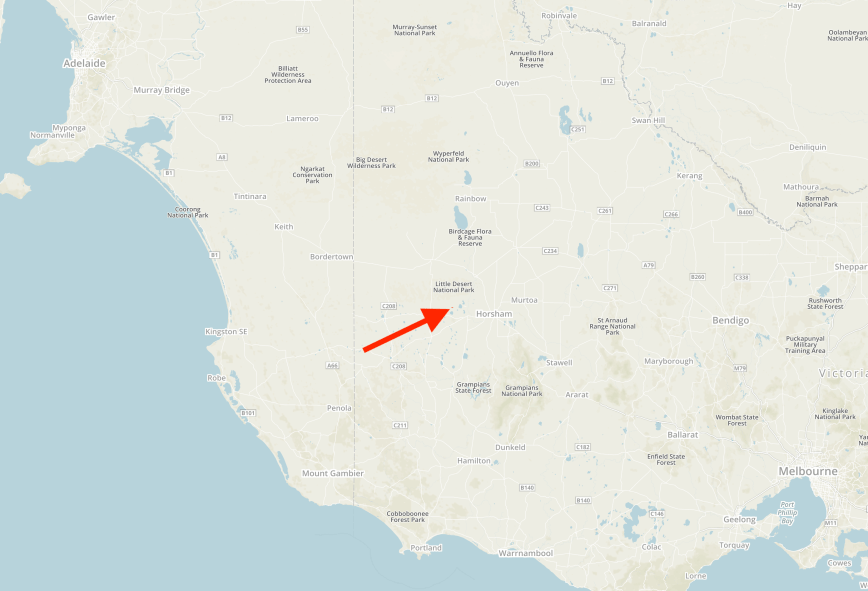
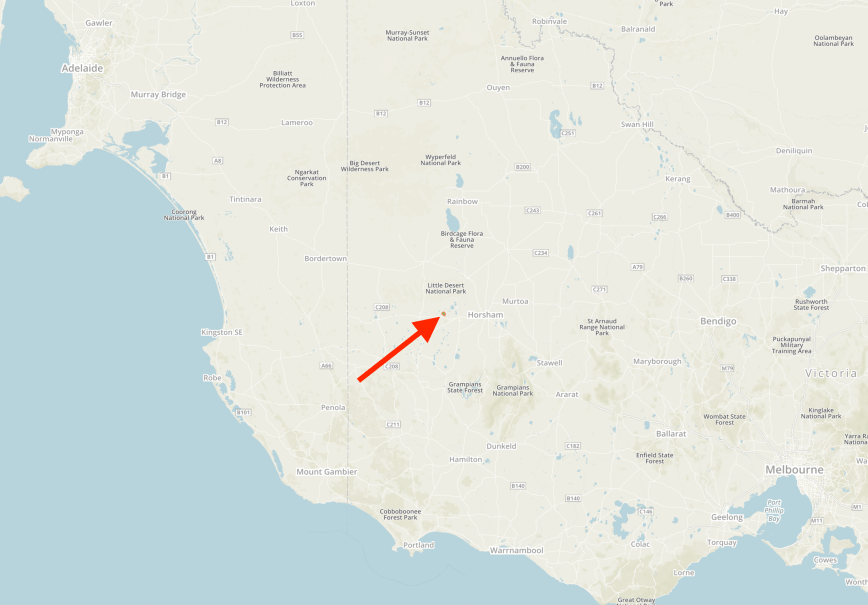
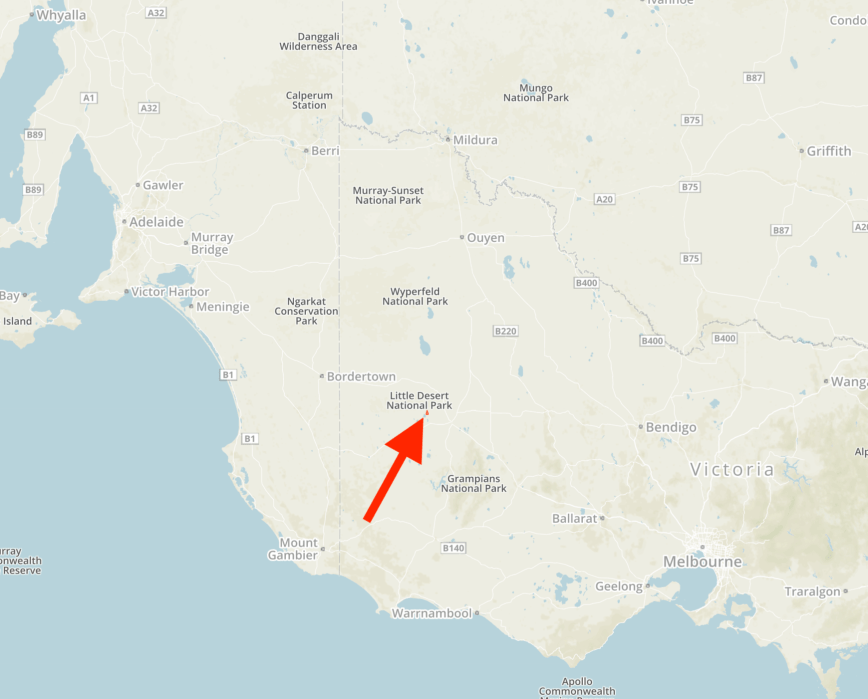
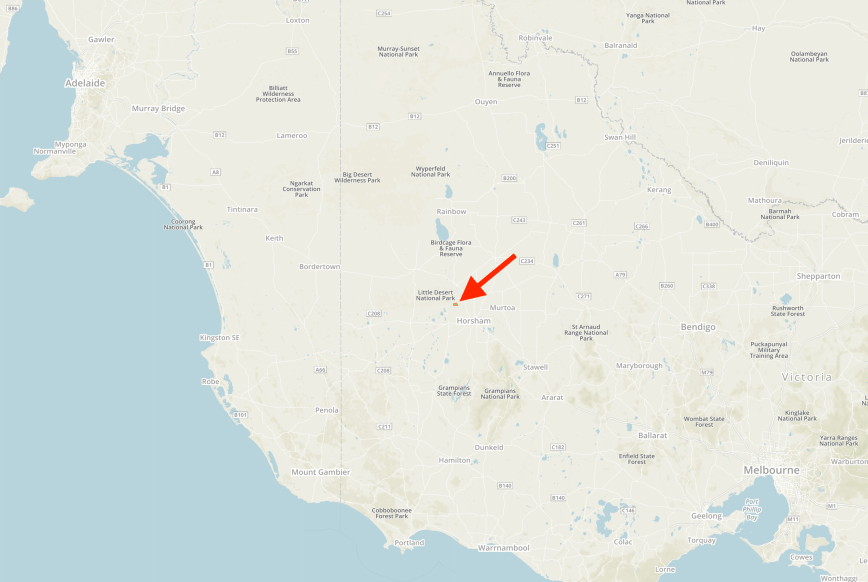
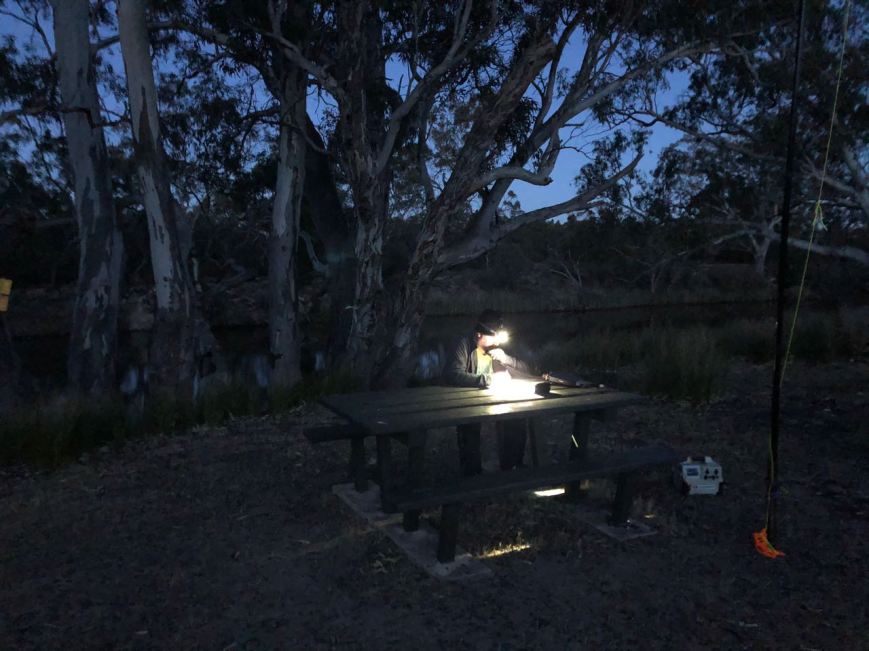
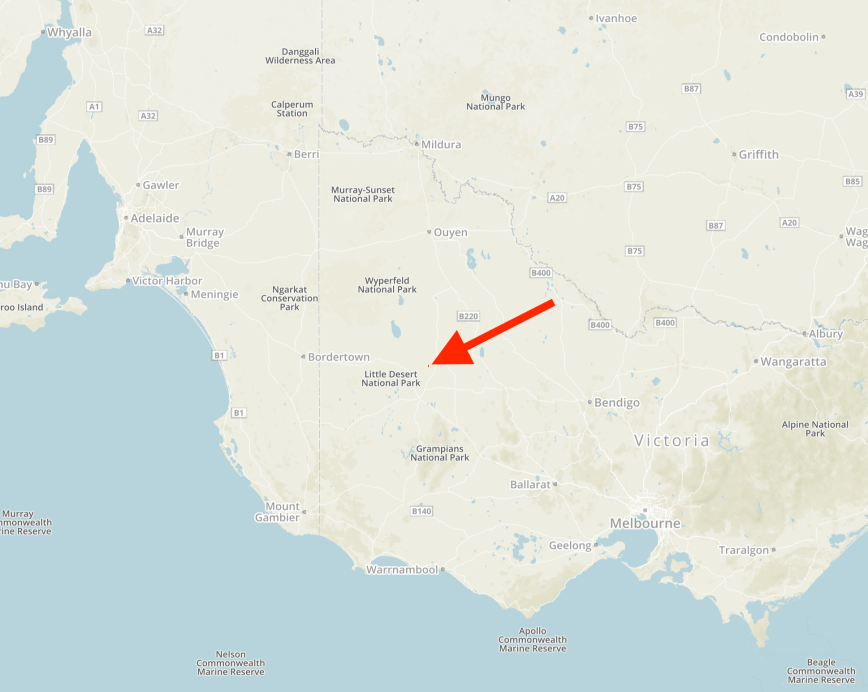
After packing up at Mite Lake, Marija pointed out that there was another park very close by, the Grassflat Swamp Flora & Fauna Reserve VKFF-2326.  The park is located about 380 km northwest of the city of Melbourne.

This was to be a first-time activation of the park for the World Wide Flora Fauna (WWFF) program.

Screen Shot 2019-12-10 at 11.00.43 am.png

Above:- Map showing the location of the Grassflat Swamp Flora & Fauna Reserve.  Map courtesy of Protected Planet.

The park is located to the little locality of Grass Flat.  Don’t blink, as you will miss Grass Flat.

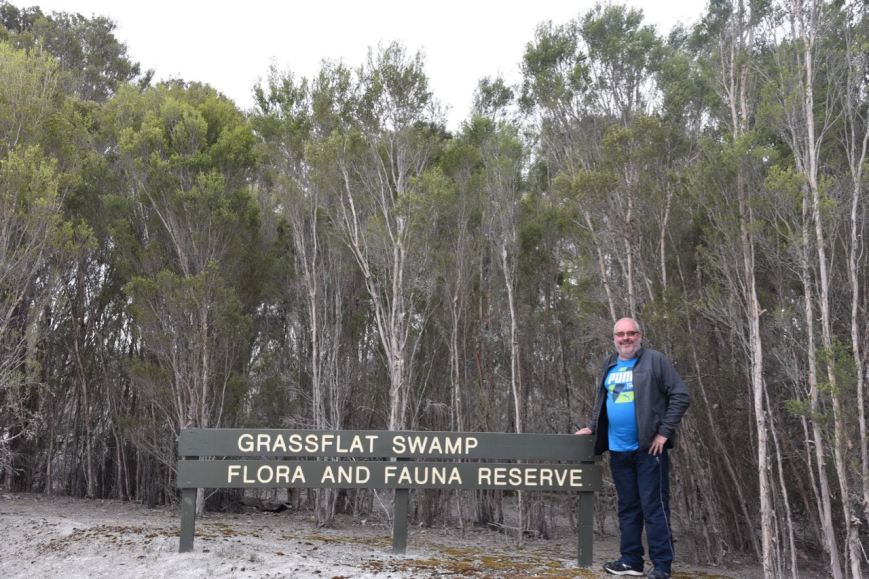
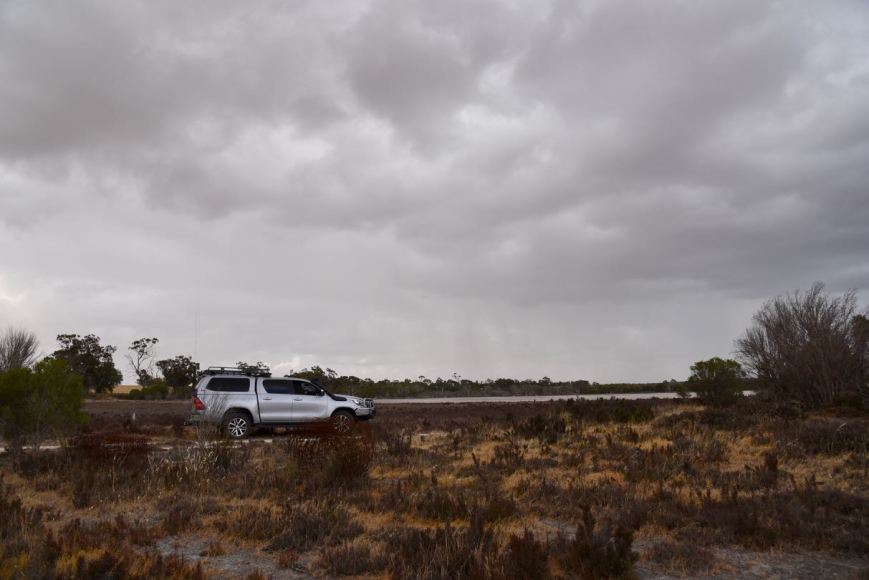
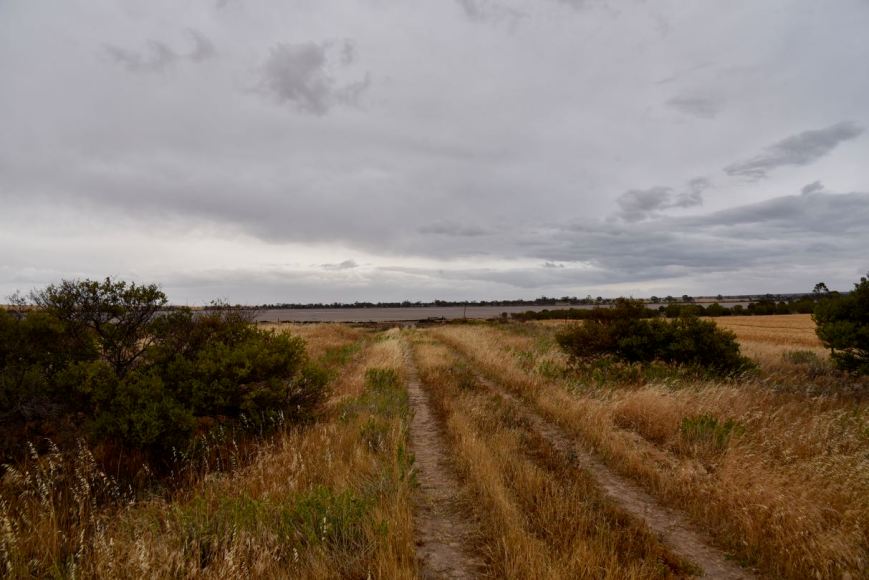
We accessed the park via Telfers Road.  The park was well signposted.

DSC_6909

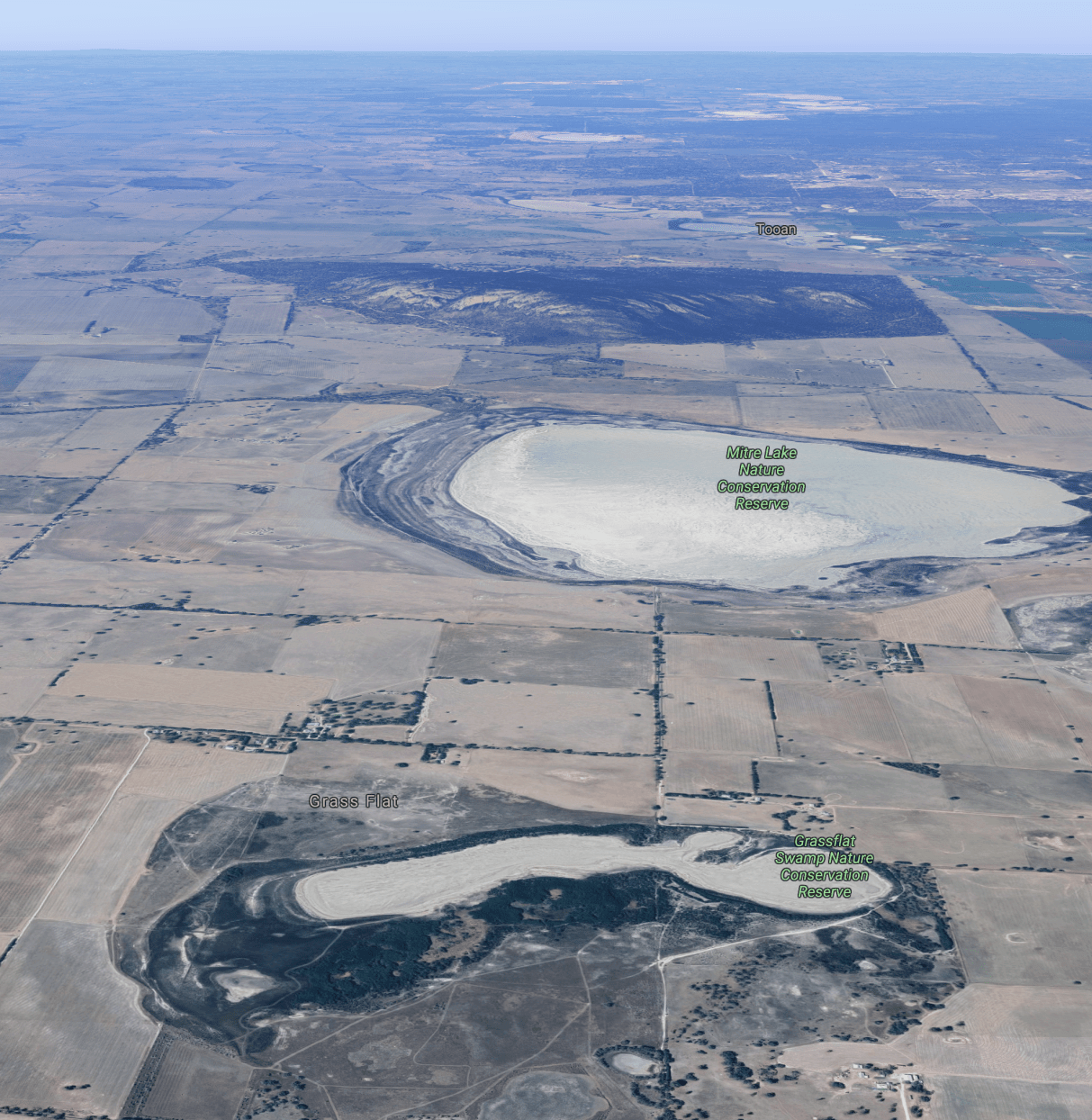
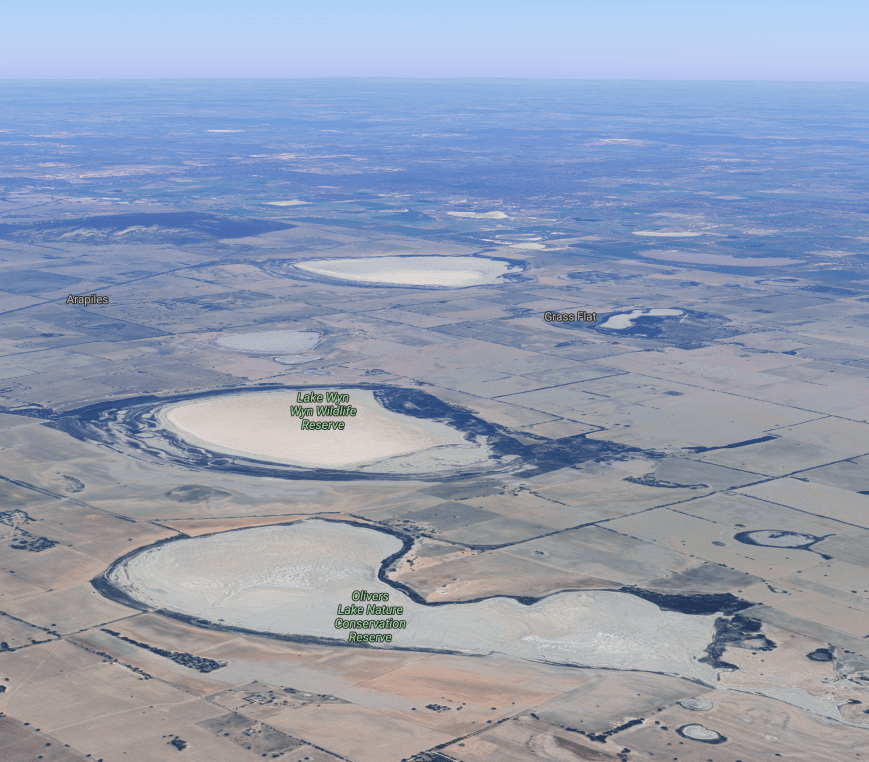
The Grassflat Swamp Flora & Fauna Reserve is located just to the north of Mitre Lake Flora & Fauna Reserve.  The park is part of Telfer’s Swamp.

Screen Shot 2019-12-10 at 11.05.45 am.png

Above:- An aerial view of the Grassflat Swamp Flora and Fauna Reserve.  Image courtesy of Google maps.

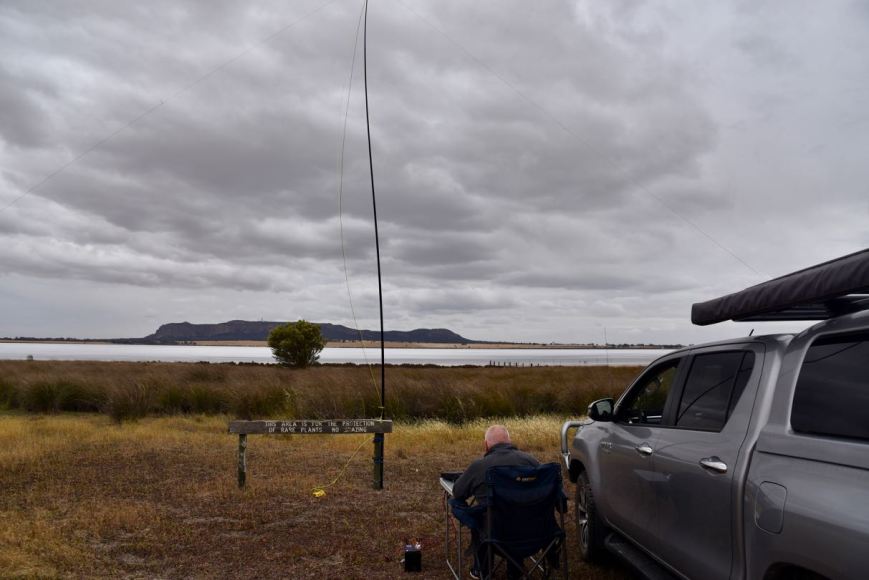
The park is about 86 acres in size.  There was very little if any water in the swamp during our visit.

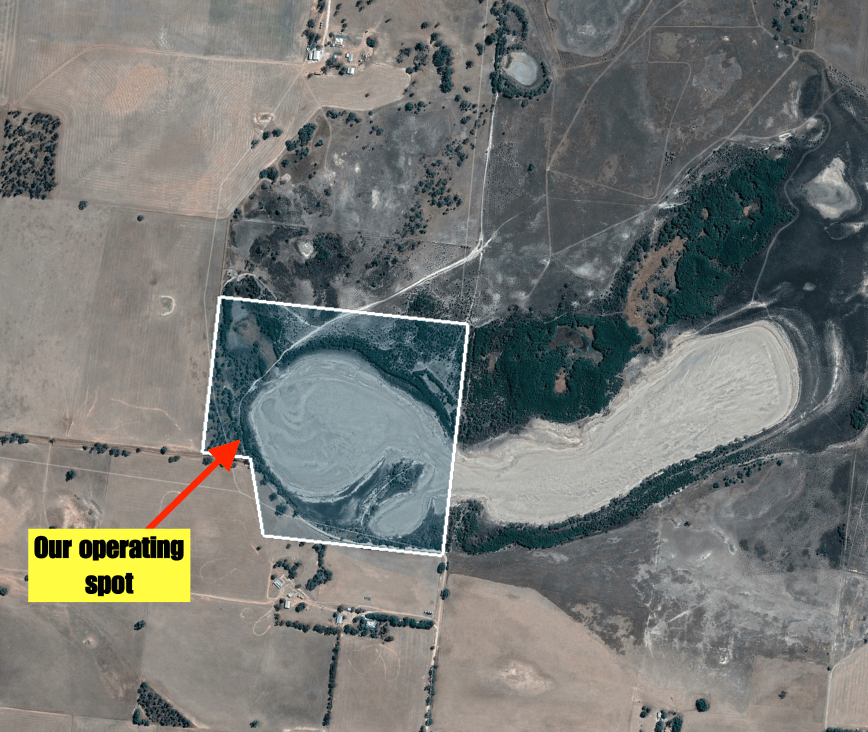
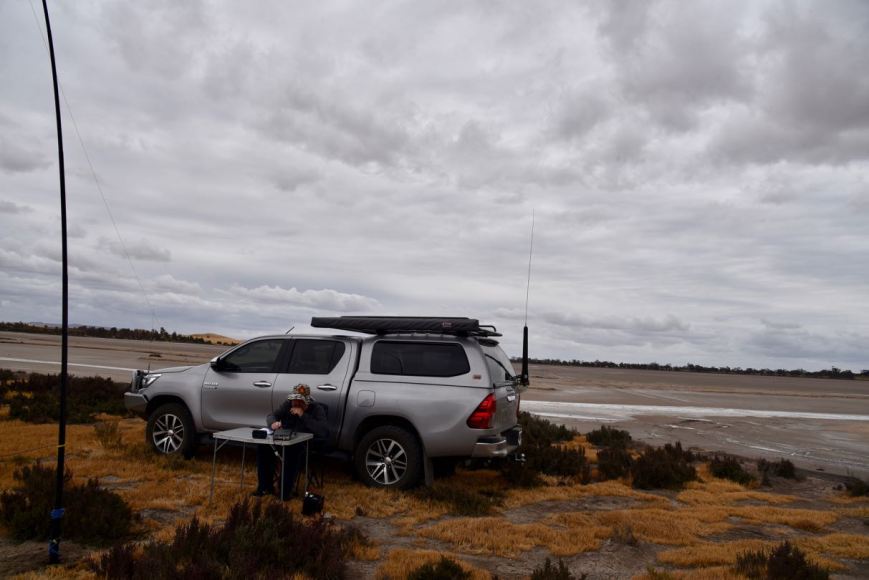
I operated from the vehicle for this activation.  I ran the Icom IC-7000, 100 watts, and the Codan 9350 self-tuning antenna mounted on the rear of the Toyota Hi-Lux.

Screen Shot 2019-12-10 at 11.07.15 am.png

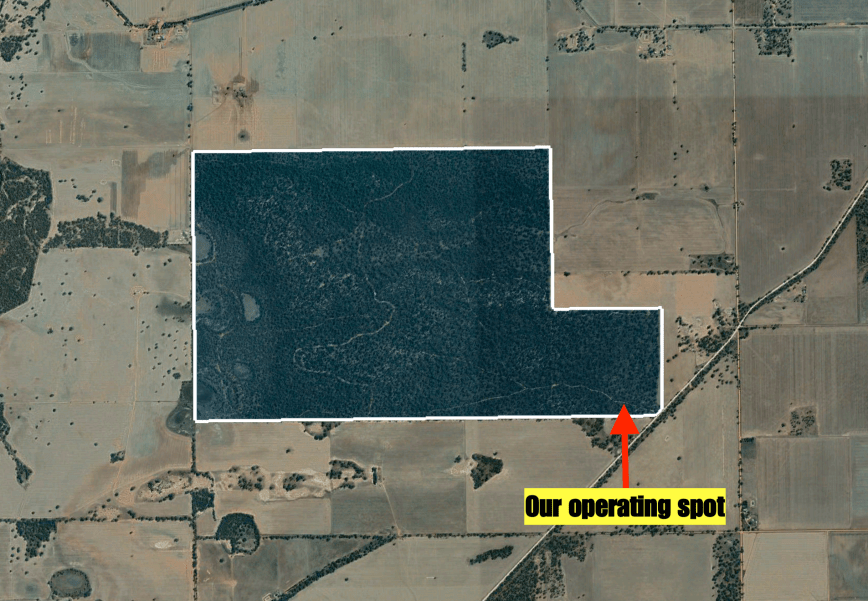
Above:- An aerial view of the Grassflat Swamp Flora & Fauna Reserve showing our operating spot.  Image courtesy of Google Earth.

The 40m band was quite busy and it was a bit of a struggle to find a clear spot on the band.  I started calling CQ on 7.140 whilst Marija put up a spot to advise that this was going to be a quick activation.  First in the log was Charlie VK5VC, followed by Scott VK4CZ, Peter VK5PET, and Adrian VK5FANA.

It took me just 7 minutes to qualify the park for VKFF.  Contact number ten was with Glenn VK4FARR.  Two QSOs later I logged Gerard VK2IO/p for a Park to Park contact.  Gerard was in the VKFF-0444.

I went on to work a total of 31 stations on 40m including a further Park to Park, with Alan VK2MG/p in the Bouddi National Park VKFF-0049.

I then moved to the 20m band where I logged 23 stations from VK2, VK4, VK5, VK6, VK7, and New Zealand.  This included a Park to Park with Gerard VK2IO/p, for a second band.

DSC_6912

It was time for us to head off for some tea.  Amazingly I had 54 QSOs in the log.  I was hoping to get my 10 QSOs and qualify the park for VKFF.  So to get 44 QSOs and qualify the park for WWFF was a real bonus.

I worked the following stations on 40m SSB:-

  1. VK5VC
  2. VK4CZ
  3. VK5PET
  4. VK5FANA
  5. VK5WG
  6. VK2YK
  7. VK5CZ
  8. VK3PF
  9. VK5KPR
  10. VK4FARR
  11. VK5LA
  12. VK2IO/p (Scheyville National Park VKFF-0444)
  13. VK3UH
  14. VK3MPR
  15. VK3RU
  16. VK5NJ
  17. VK3JAP
  18. VK4TJ
  19. VK2MG/p (Bouddi National Park VKFF-0049)
  20. ZL1TM
  21. VK4NH
  22. VK4DXA
  23. ZL4TY/VK4
  24. VK4FDJL/5
  25. VK5KLV
  26. VK5DW
  27. VK5SRV
  28. VK4SMA
  29. VK6NTE
  30. VK5FSAM
  31. VK5WU

I worked the following stations on 20m SSB:-

  1. VK6NTE
  2. VK5CZ
  3. VK7JON
  4. VK4TJ
  5. VK4/AC8WN
  6. VK4/VE6XT
  7. VK4SSN
  8. VK4SMA
  9. VK2YK
  10. VK6GA/2
  11. VK5GA/2
  12. VK2NN
  13. VK7VZ
  14. VK4NH
  15. VK4DXA
  16. ZL4TY/VK4
  17. VK2IO/p (Scheyville National Park VKFF-0444)
  18. VK5KLV
  19. VK2LEE
  20. VK2UXO
  21. VK4KK
  22. ZL1TM
  23. VK7KT

We packed up and headed back to Dimboola where we went to the Victoria Hotel again for our evening meal.

Following our meal, we had a drive around Dimboola having a look at some of the points of interest.


References.

Protected Planet, 2019, <https://www.protectedplanet.net/grassflat-swamp-f-f-r-nature-conservation-reserve>, viewed 10th December 2019

Mitre Lake Flora and Fauna Reserve VKFF-2389

Our next park for the day (Sunday 1st December 2019) was the Mitre Lake Flora and Fauna Reserve VKFF-2389.  The park is located about 378 km northwest of the city of Melbourne and about 13 km west of the little town of Natimuk in western Victoria.

This would be a first-time activation of the park for the World Wide Flora & Fauna (WWFF) program.

Screen Shot 2019-12-10 at 9.22.51 am.png

Above:- Map showing the location of Mitre Lake Flora & Fauna Reserve.  Map courtesy of Protected Planet.

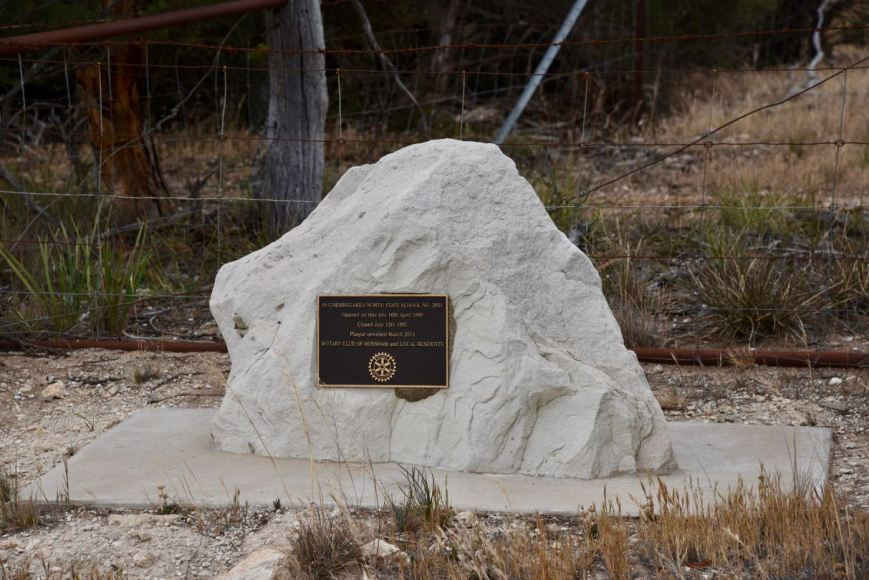
Along the way, we stopped to have a look at the site of the old Duchembegarra North State School.  The school was opened in April 1889 and close in July 1955.  It is believed that the word Duchembeggara comes from the Aboriginal word ‘duckan’ meaning grey gum tree, and ‘bungarra’ meaning sky.

DSC_6894

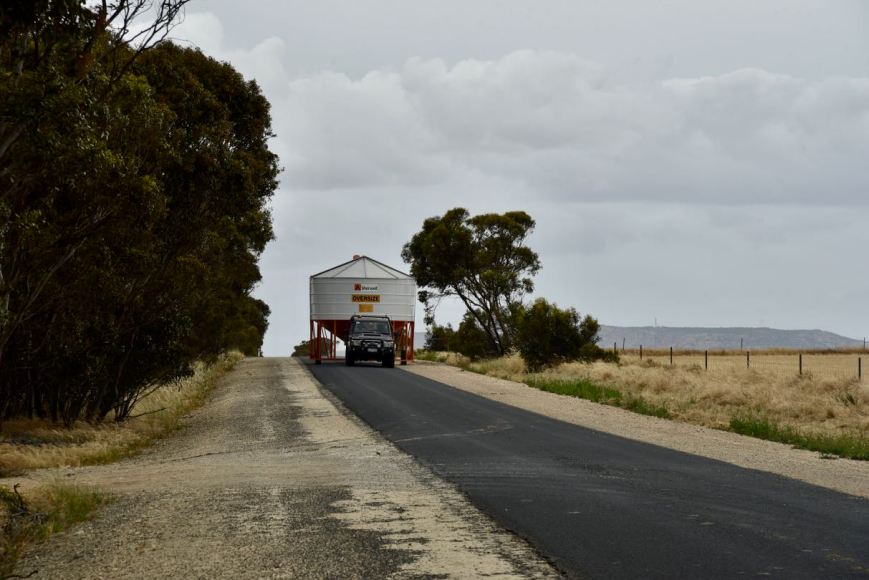
As we drove along the Arapiles-Grass Flat Road we had to pull over for a farmer who was transporting a grain container.

DSC_6895

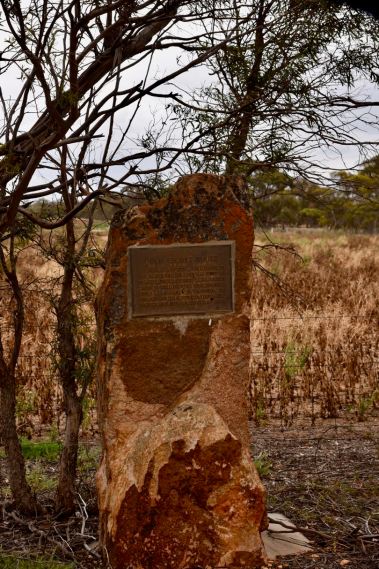
We then stopped to have a look at the cairn for the Gold Escort Route.  It reads:

“Along this track Commissioner Alexander Tolmer lead the first of eighteen police escorts which under various commanders transported from Mt. Alexander, Victoria, to Adelaide, South Australia, March 1852 to December 1853, 328, 509 ozs of gold”.

DSC_6897

We then reached the park by travelling along a 4WD track which ran off the Mitre-Grass Flat Road.  The park sign was in less than ideal condition.  It was apparent that the authorities had not been to the park for a long time.

Mitre Lake is a natural salt lake surrounded by Samphire, Melaleuca and other salt-tolerant vegetation.  It is part of a natural chain of wetlands that stretch from Douglas in the south to the north of Mt Arapiles.  The lake covers an area of about 720 hectares.

Screen Shot 2019-12-10 at 9.33.38 am.png

Above:- An aerial view of Mire Lake Flora & Fauna Reserve.  Image courtesy of Google maps

The Mitre Lake Flora & Fauna Reserve is home to numerous bird species including Red Capped Plovers, various birds of prey and various water birds. In spring flocks of the Banded Stilt, a migratory bird, visit the lakes of the area.

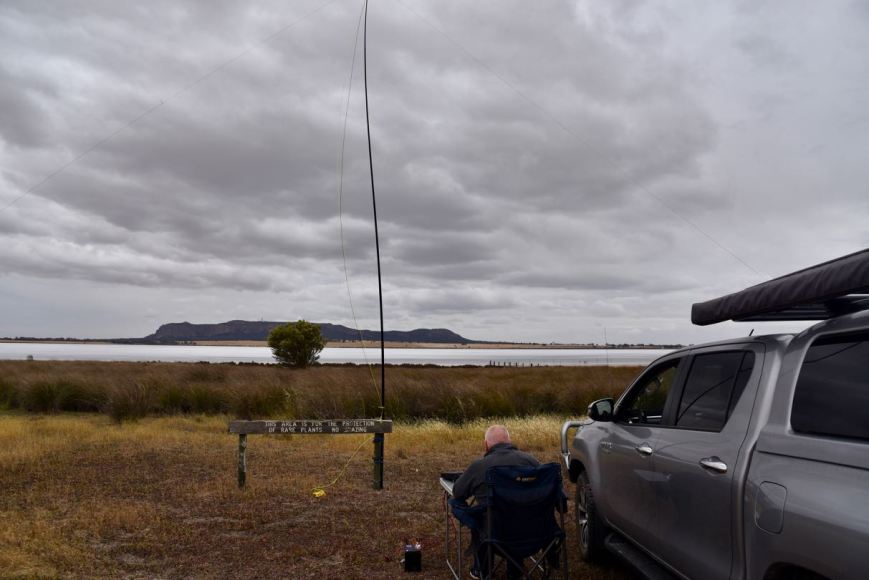
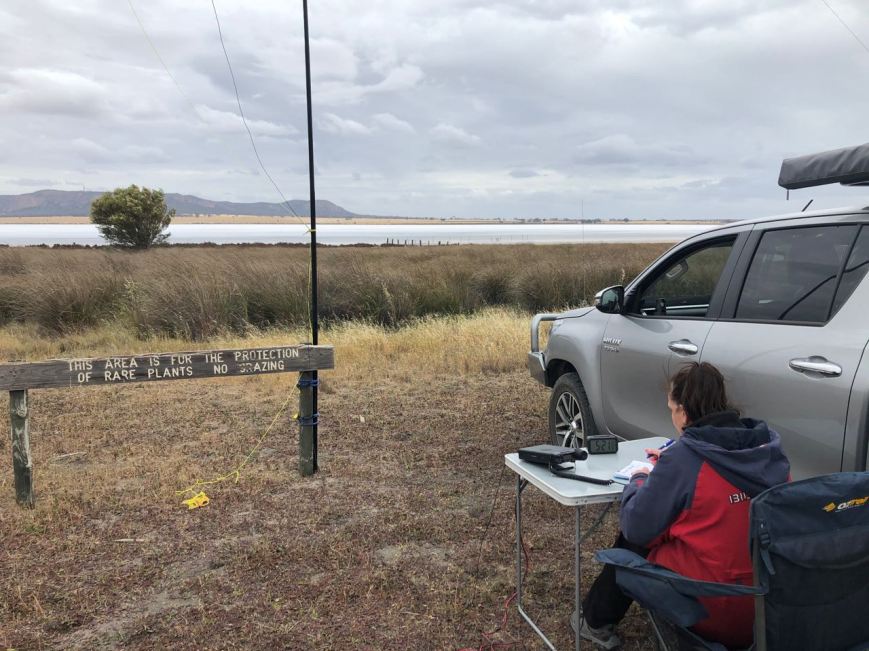
We set up on the northern shore of the lake.   Again, it was incredibly windy at Mitre Lake and so windy that it was not possible to roll out the awning on the 4WD.  We were getting the occasional drop of rain and decided that if it got much heavier we would re-locate to the inside of the vehicle.

For this activation we ran the Yaesu FT-857d, the 20/40/80m linked dipole and a 15m dipole.  We strapped the 7-metre telescopic squid pole to a park sign.

Screen Shot 2019-12-10 at 9.26.02 am.png

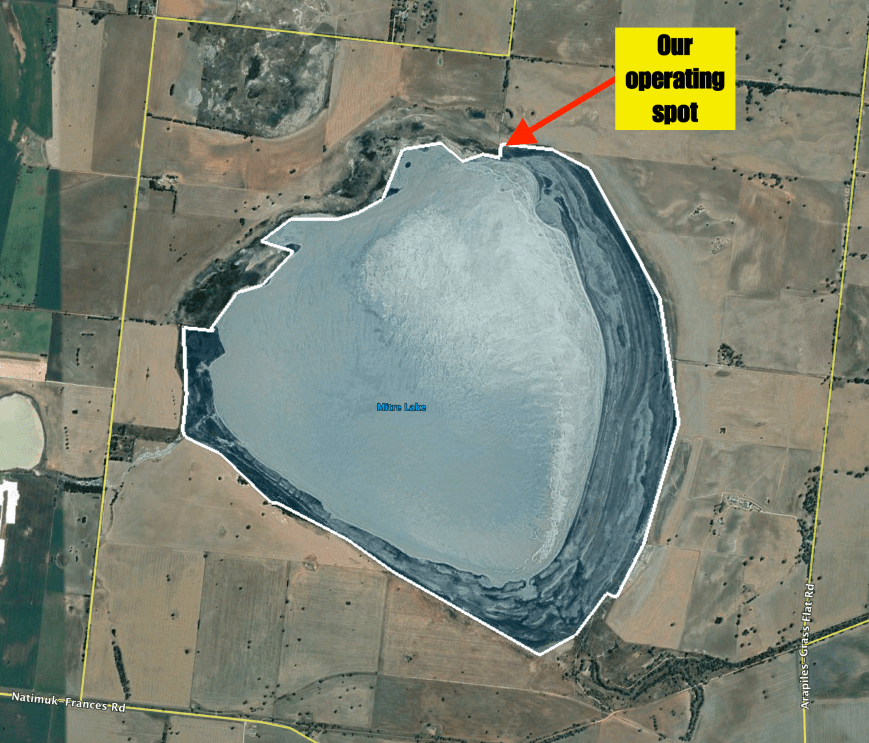
Above:- An aerial view of the Mitre Lake Flora & Fauna Reserve showing our operating spot.  Image courtesy of Google Earth.

We decided to start this activation off on the 15m band as 15m had been performing well at our last park at Oliver’s Lake.  I called CQ on 21.244 while Marija placed up a spot on parksnpeaks.  Ray VK4NH was first in the log with a good 5/7 signal, followed by Robert VK2XXM, Linda VK7QP, and then Gerard VK2IO/p for a Park to Park.  Gerard was activating the Pitt Town Nature Reserve VKFF-1984.  Marija also logged Gerard for the Park to Park contact.

Once I had 12 contacts in the log, and the park qualified for VKFF, I swapped the mic with Marija.

DSC_6900

Marija called CQ on 21.244 and Linda VK7QP responded with a strong 5/9 signal, followed by Ray VK4NH, and then John VK4TJ.  With Ray and John’s extra calls, Marija was now just 1 short of the 10 QSOs required to qualify the park for VKFF.  Marija’s tenth QSO was with Geoff VK3SQ in Beechworth, followed by Andrei ZL1TM in New Zealand.

IMG_3386

I then worked a further 3 stations on 15m, Geoff VK3SQ, Grant VK2LX, and Don VK3MCK.  Sadly despite the 15m band being in great shape, callers dried up.

We then lowered the squid pole and erected the 20/40/80m linked dipole.  I headed to the 20m band with the hope that I might get some DX in the log.  Unfortunately, there was no DX, but I did log a total of 29 stations on 20m from VK2, VK3, VK4, VK5, VK7, and New Zealand.  This included two Park to Park QSOs: Alan VK2MG/p in the Bouddi National Park VKFF-0049, and Gerard VK2IO/p in the Cattai National Park VKFF-0092.

The 20m band was in excellent shape, with some very strong signals.  It was quite a surprise to be able to work Victorian and South Australian stations with such strong signals.  I even managed to reach the 44 QSO level and qualifying the park for the global WWFF program.  Contact number 44 was with Rob VK7VZ.

I then moved to the 40m band and called CQ on 7.144.  I logged a total of 25 stations from VK1, VK3, VK4, VK5, and VK7.

DSC_6900

Marija worked the following stations on 15m SSB:-

  1. VK2IO/p (Pitt Town Nature Reserve VKFF-1984)
  2. VK7QP
  3. VK4NH
  4. VK4DXA
  5. ZL4TY/VK4
  6. VK4TJ
  7. VK4/AC8WN
  8. VK4/VE6XT
  9. VK4SSN
  10. VK3SQ
  11. ZL1TM

I worked the following stations on 15m SSB:-

  1. VK4NH
  2. VK4DXA
  3. ZL4TY/VK4
  4. VK2XXM
  5. VK7QP
  6. VK2IO/p (Pitt Town Nature Reserve VKFF-1984)
  7. VK4TJ
  8. VK4/AC8WN
  9. VK4/VE6XT
  10. VK4SSN
  11. VK2ND
  12. VK2MT
  13. VK3SQ
  14. VK2LX
  15. VK3MCK

I worked the following stations on 20m SSB:-

  1. VK2VH
  2. VK4AAC/2
  3. VK2LEE
  4. VK3SX
  5. VK3SQ
  6. VK2MG/p (Bouddi National Park VKFF-0049)
  7. VK3MPR
  8. VK2YK
  9. VK2LX
  10. VK2EXA
  11. VK4NH
  12. VK4DXA
  13. ZL4TY/VK4
  14. VK2IO/p (Cattai National Park VKFF-0092)
  15. VK3PF
  16. VK7TU
  17. VK3ANL
  18. VK7NJW
  19. VK3MCK
  20. ZL1TM
  21. VK3MDC
  22. VK2HRX
  23. VK5KLV
  24. VK5PL
  25. VK5LA
  26. VK3MVP
  27. VK3VET
  28. VK5WG
  29. VK7VZ

I worked the following stations on 40m SSB:-

  1. VK5LA
  2. VK3MCK
  3. VK5WG
  4. VK5KLV
  5. VK7VZ
  6. VK5HS
  7. VK5PE
  8. VK2LEE
  9. VK5FANA
  10. VK3UH
  11. VK7FRJG
  12. VK2VH
  13. VK3VET
  14. VK4NH
  15. VK4DXA
  16. ZL4TY/VK4
  17. VK7FJFD
  18. VK3SX
  19. VK5CZ
  20. VK5FB
  21. VK4FARR
  22. VK5DW
  23. VK2SVN
  24. VK3GB
  25. VK2VKB


References.

Arapiles Bike Trail, 2019, <http://www.arapilesbiketrail.com.au/natimuk-and-surrounds.html>, viewed 10th December 2019

Bonzle, 2019, <http://www.bonzle.com/c/a?a=p&p=59127&cmd=sp>, viewed 10th December 2019

Wimmera Places names, 2019, <https://swiftconsortium.org.au/client/en_AU/search/asset/243363>, viewed 10th December 2019.

Olivers Lake Flora and Fauna Reserve VKFF-2418

Our second park for Sunday (1st December 2019) was Olivers Lake Flora & Fauna Reserve VKFF-2418, which is located about 329 km northwest of the city of Melbourne, and about 29 km west of Horsham.

This was to be a first-time activation of the park for the World Wide Flora Fauna (WWFF) program.

Screen Shot 2019-12-09 at 6.03.49 pm.png

Above:- Map showing the location of Olivers Lake Flora & Fauna Reserve.  Map courtesy of Protected Planet.

We travelled through the original settlement site of Polkemmet.  There is a monument for the Polkemmet Church of Christ which was established in 1866.

The park is about 1,000 acres in size and incorporates all of Olivers Lake.  The vulnerable Bead Glasswort, a small succulent plant can be found at Olivers Lake.

The lake is a world-renowned spot for bird watching.  The lake is home to thousands of birds each year during the migration periods.  EBird Australia has recorded about 75 species of native bird in the park including Whistling Kite, Eastern Rosella, Musk Lorikeet, Masked Lapwing, Black-tailed Nativehen, and White-faced Heron.

Screen Shot 2019-12-09 at 6.09.27 pm.png

Above:- An aerial view of the Olivers Lake Flora & Fauna Reserve, looking south-west.  Image courtesy of Google maps.

We drove down an access track which ran off the western side of Lake Road.  This took us right down to the edge of the lake.

DSC_6893

Above:- the access track from Lake Road.

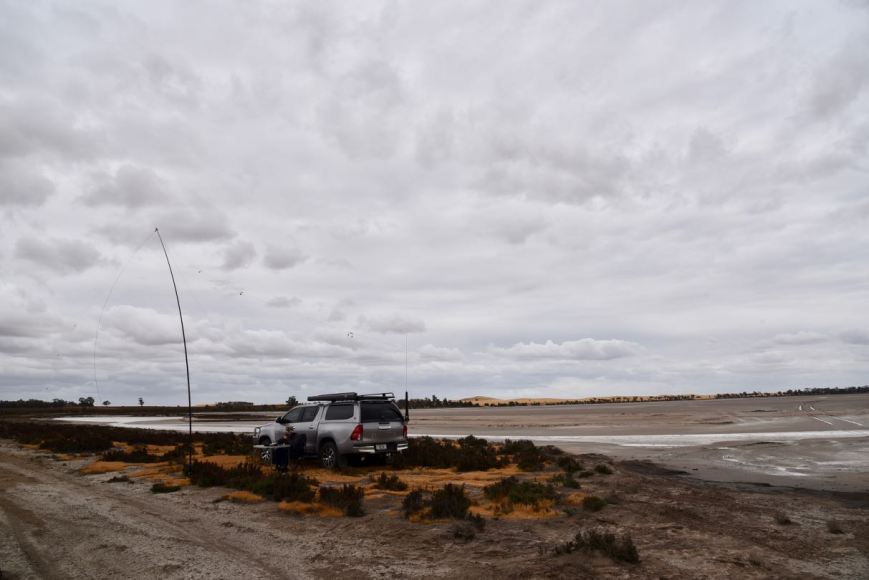
We set up right on the edge of the lake, which was bone dry during our visit to the park.

Screen Shot 2019-12-09 at 6.03.33 pm.png

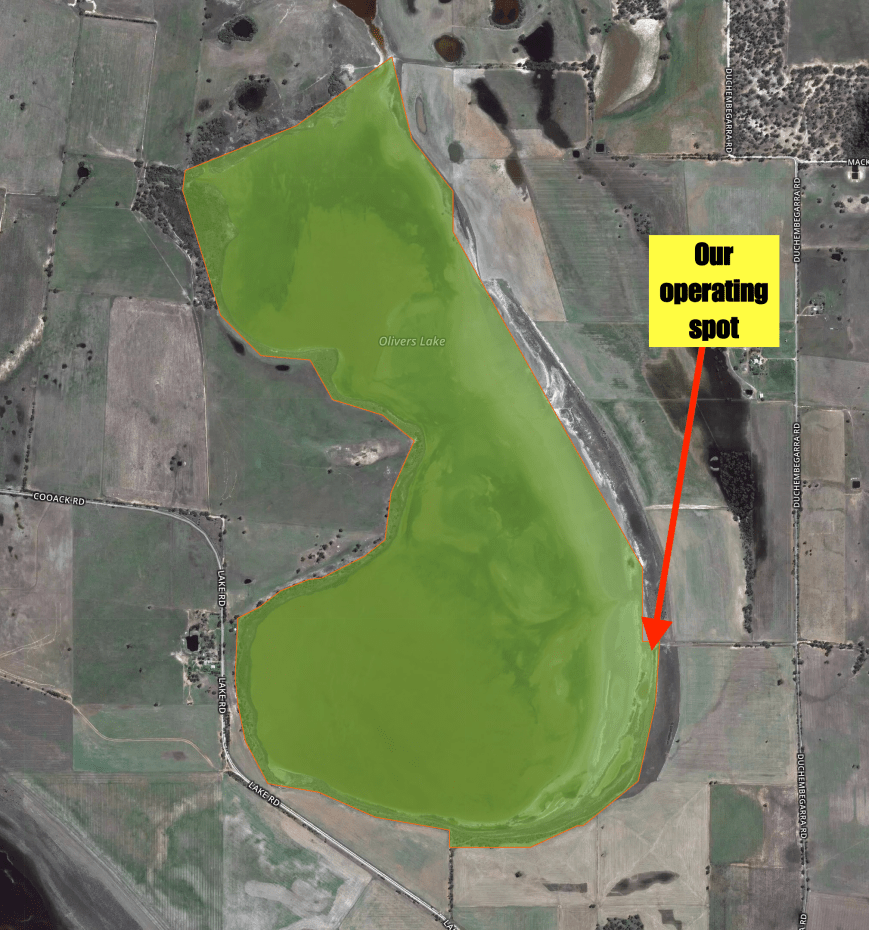
Above:- An aerial view of the Olivers Lake Flora & Fauna Reserve showing our operating spot on the eastern side of the park.  Image courtesy of Protected Planet.

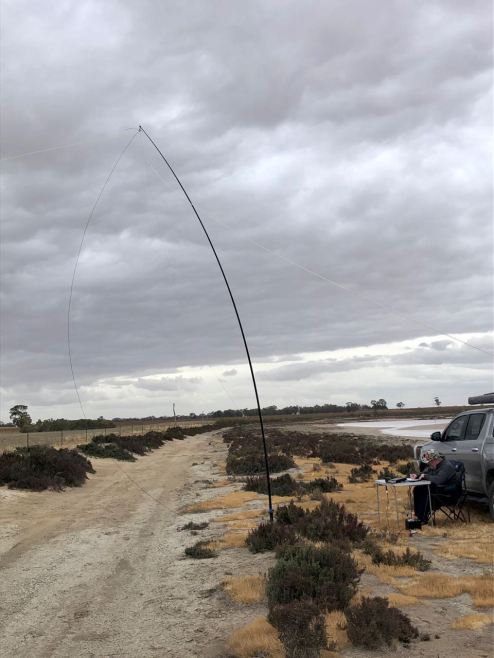
It was absolutely blowing a gale so we positioned the Toyota HiLux so that it shielded us somewhat from the westerly wind blowing across the lake.  The 7-metre telescopic squid pole certainly flexed and danced during this activation.

IMG_2394

Marija and I started the activation with a Park to Park contact with Peter VK3PF/p who was calling CQ on 7.144 from the Merrimans Creek Flora Reserve VKFF-2384.  I then moved down to 7.139 where I called CQ.  This was answered by Rob VK4AAC/3 who was in the Boxwood Nature Conservation Reserve VKFF-2053.

Contact number ten for me, thus qualifying the park for VKFF, came a few minutes later with a QSO with Stuart VK3STU.  This was followed by another Park to Park, this time with Peter VK3ZPF/p who was activating the Glenmaggie Nature Conservation Reserve VKFF-2094.  A few QSOs later I was called by Liz VK2XSE/p and Peter VK2KNV/p who were in the Bemboka National Park VKFF-0025.

Despite the weather conditions being poor, the bands conditions were quite good.  I logged a total of 40 QSOs including two further Park to Park contacts with Nik VK3ZK/p in the Lower Goulburn National Park VKFF-0741, and Gerard VK2IO/p who was in the Pitt Town Nature Reserve VKFF-1984.

DSC_6886

I was now just 4 QSOs short of the 44 required to qualify the park for the global WWFF program.  It was time for Marija to jump into the operator’s chair.  Marija called CQ on 7.139 and this was answered by regular park hunter Ray VK4NH who became Marija’s tenth contact with his second call of VK4DXA.

Marija logged a further 10 stations before handing the mic back to me.  It was time to head off to the 20m band.  I logged 13 stations there including a Park to Park with Gerard VK2IO/p for a second band.  Contacts on 20m were into VK2, VK3, VK4, VK5, and VK7.

I then moved to 80m and logged 5 stations, including Park to Park contacts with Peter VK3ZPF/p in the Glenmaggie Nature Conservation Reserve VKFF-2094, and Peter VK3PF/p in the Stradbroke Flora and Fauna Reserve VKFF-2443.

To conclude the activation we lowered the squid pole and hoisted the 15m dipole.  I made a total of 11 contacts on 15m including Park to Park contacts with Peter VK3ZPF/p in the Glenmaggie Nature Conservation Reserve VKFF-2094 (for a 3rd band) and Gerard VK2IO/p in the Pitt Town Nature Reserve VKFF-1984 (also for a third band).

DSC_6884

Marija worked the following stations on 40m SSB:-

  1. VK3PF/p (Merrimans Creek Flora Reserve VKFF-2384)
  2. VK4AAC/3 (Boxwood Nature Conservation Reserve VKFF-2053)
  3. VK2VH/3 (Boxwood Nature Conservation Reserve VKFF-2053)
  4. VK3ZPF/p (Glenmaggie Nature Conservation Reserve VKFF-2094)
  5. VK2XSE/p (Bemboka National Park VKFF-0025)
  6. VK2KNV/p (Bemboka National Park VKFF-0025)
  7. VK3ZK/p (Lower Goulburn National Park VKFF-0741)
  8. VK2IO/p (Pitt Town Nature Reserve VKFF-1984)
  9. VK4NH
  10. VK4DXA
  11. ZL4TY/VK4
  12. VK3GRW
  13. VK7ALH
  14. VK5AYL
  15. VK3ZIP
  16. VK3ALA
  17. VK5FMWW
  18. VK7OT
  19. VK7QP
  20. VK2LEE

Marija worked the following stations on 80m SSB:-

  1. VK3ZPF/p (Glenmaggie Nature Conservation Reserve VKFF-2094)
  2. VK3PF/p (Stradbroke Flora and Fauna Reserve VKFF-2443)

Marija worked the following stations on 15m SSB:-

  1. VK3ZPF/p (Glenmaggie Nature Conservation Reserve VKFF-2094)
  2. VK2IO/p (Pitt Town Nature Reserve VKFF-1984)

I worked the following stations on 40m SSB:-

  1. VK3PF/p (Merrimans Creek Flora Reserve VKFF-2384)
  2. VK4AAC/3 (Boxwood Nature Conservation Reserve VKFF-2053)
  3. VK2VH/3 (Boxwood Nature Conservation Reserve VKFF-2053)
  4. VK3SQ
  5. VK5WG
  6. VK7QP
  7. VK4NH
  8. VK4DXA
  9. ZL4TY/VK4
  10. VK3STU
  11. VK3ZPF/p (Glenmaggie Nature Conservation Reserve VKFF-2094)
  12. VK5HS
  13. VK3MPR
  14. VK2XSE/p (Bemboka National Park VKFF-0025)
  15. VK2KNV/p (Bemboka National Park VKFF-0025)
  16. VK2EXA
  17. VK7OT
  18. VK3MCK
  19. VK2LUV
  20. VK3FRAB
  21. VK5FANA
  22. VK4TJ
  23. VK4/AC8WN
  24. VK4/VE6XT
  25. VK4SSN
  26. VK4FDJL/5
  27. VK5FAAH
  28. VK3KBC
  29. VK3VRA
  30. VK3ZK/p (Lower Goulburn National Park VKFF-0741)
  31. VK2IO/p (Pitt Town Nature ReserveVKFF-1984)
  32. VK7ALH
  33. VK3KSK
  34. VK3ZSG
  35. VK3UH
  36. VK3ZIP
  37. VK3PWG
  38. VK3LBW
  39. VK7PAL
  40. VK5PL
  41. VK3GRW

I worked the following stations on 20m SSB:-

  1. VK2LEE
  2. VK7ALH
  3. VK4NH
  4. VK4DXA
  5. ZL4TY/VK4
  6. VK7QP
  7. VK4RF
  8. VK4HA
  9. VK3SX
  10. VK2LX
  11. VK2IO/p (Pitt Town Nature Reserve VKFF-1984)
  12. VK5KLV
  13. VK7LH

I worked the following stations on 80m SSB:-

  1. VK7ALH
  2. VK3ZPF/p (Glenmaggie Nature Conservation Reserve VKFF-2094)
  3. VK3PF/p (Stradbroke Flora and Fauna Reserve VKFF-2443)
  4. VK7QP
  5. VK5HS

I worked the following stations on 15m SSB:-

  1. VK3ZPF/p (Glenmaggie Nature Conservation Reserve VKFF-2094)
  2. VK7ALH
  3. VK4RF
  4. VK4HA
  5. VK4VXX
  6. VK4BXX
  7. VK4/AG7WB
  8. VK7QP
  9. ZL1TM
  10. VK2IO/p (Pitt Town Nature Reserve VKFF-1984)
  11. VK7LH


References.

Environment Victoria, 2019, <https://www.environment.vic.gov.au/>, viewed 9th December 2019

Grampians Point, 2019, <https://www.grampianspoint.com.au/attractions/olivers-lake/>, viewed 9th December 2019

West Wail Flora and Fauna Reserve VKFF-2484

It was now Sunday (1st December 2019) and day two of the 2019 VKFF Activation Weekend.  To kick off the day we went to the Dimboola Cafe and had a magnificent breakfast and coffee.

IMG_2393

We then headed to our first park for the day, the West Wail Flora & Fauna Reserve VKFF-2484, which is located about 360 km northwest of the city of Melbourne, and about 10km west of the town of Pimpinio.

Screen Shot 2019-12-09 at 4.27.52 pm.png

Above:- Map showing the location of the West Wail Flora & Fauna Reserve in western Victoria.  Map courtesy of Protected Planet.

The West Wail Flora and Fauna Reserve is a large piece of remnant bush surrounded by cleared farming land.  It is located in close proximity to the Little Desert National Park.  The park can be accessed via the Wail-Polkemmen Road.

Screen Shot 2019-12-09 at 4.42.46 pm.png

Above:- An aerial view of the West Wail Flora & Fauna Reserve, looking north.  Image courtesy of Google maps.

The park is also referred to on maps as the West Wail Nature Conservation Reserve.  It is about 1,455 acres in size and conserves remnant Buloke woodlands and a number of threatened species including Wimmera spider orchids and Rigid spider orchids.

During the rain breaks in the park, I went for a walk to do a bit of birdwatching and spotted a number of native bird species, some of which appear in the photographs below which I took.

EBird Australia has a total of 106 species of bird recorded in the park.

We set up off a 4WD track in the park off the Wail-Polkemmen Road.  We ran the Yaesu FT-857d and the 20/40/80m linked dipole for this activation.  As it was a relatively wet morning we had to roll out the awning on the side of the Toyota Hi-Lux.  At times we experienced quite heavy rain.

Screen Shot 2019-12-09 at 4.29.56 pm.png

Above:- An aerial shot of the West Wail Flora & Fauna Reserve showing our operating spot.  Image courtesy of Google Earth.

I kicked off the activation, calling CQ on 7.120 on the 40m band.  As this was a Sunday morning, the broadcasts from the Wireless Institute of Australia were in full swing, and as a result, we could not get near 7.144.  First in the log was Grant VK2LX with his normal strong 5/9 signal and excellent audio.

I logged a total of 22 stations on 40m from VK2, VK3, VK5, and VK7, including the following Park to Park contacts:-

  • Nik VK3ZK/p – Cobram Regional Park VKFF-0961
  • Peter VK3ZPF/p – Moondarra State Park VKFF-0764
  • Pete VK2FPAR/p – Thirlmere Lakes National Park VKFF-0486
  • Rob VK4AAC/3 – Boxwood Nature Conservation Reserve VKFF-2053

It was a pleasure to log Peter VK2FPAR in his very first park activation.  Marija and I were also his first-ever Park to Park contacts.

DSC_6721

I then swapped the mic with Marija who within 10 minutes had qualified the park for VKFF.  Contact number ten was with Danny VK5DW in the Riverland region of South Australia.

Marija pushed on and within 40 minutes had contact number 44 in the log and the park qualified for the global WWFF program.  Contact 44 was with Rob VK2VH/3.  Marija’s contacts included the following Park to Park contacts (I also logged the P2P):-

  • Peter VK3ZPF/p – Moondarra State Park VKFF-0764.
  • Angela VK7FAMP/p – Lake Dulverton Conservation Area VKFF-2907.
  • Tony VK7LTD/p – Lake Dulverton Conservation Area VKFF-2907.
  • Nik VK3ZK/p – Cobram Regional Park VKFF-0961.
  • Gerard VK2IO/p – Rouse Hill Regional Park VKFF-2784.
  • Malcolm VK3OAK/p – Corindhap Nature Conservation Reserve VKFF-2070.
  • Ian VK5CZ/p – White Dam Conservation Park VKFF-1122.
  • Rob VK4AAC/3 – Boxwood Nature Conservation Reserve VKFF-2053.
  • Rob VK2VH/3 – Boxwood Nature Conservation Reserve VKFF-2053.

DSC_6731

I then jumped back on the mic and logged a further 23 stations on 40m including the following Park to Park contacts:-

  • Ian VK5CZ/p – White Dam Conservation Park VKFF-1122.
  • Nik VK3ZK/p – Cobram Regional Park VKFF-0961.

I then moved to the 20m band where I logged a total of 13 stations from VK2, VK3, VK4, VK5, VK6, VK7, and New Zealand.  This included the following Park to Park QSOs:-

  • Liz VK2XSE/p – Lachlan Valley State Conservation Area VKFF-1338.
  • Gerard VK2IO/p – Rouse Hill Regional Park VKFF-2784.

I then moved down to the 80m band where I logged three contacts, all Park to park QSOs:-

  • Malcolm VK3OAK/p – Corindhap Nature Conservation Reserve VKFF-2070.
  • Peter VK3ZPF/p – Glenmaggie Regional Park VKFF-1877.
  • Peter VK3PF/p – Gormandale Flora Reserve VKFF-2325.

To conclude the activation I headed to 15m where I found conditions quite good, logging a total of 7 stations including a Park to Park on another band with Peter VK3ZPF.

We packed up and hit the road for our second park.  We had 117 QSOs in the log from West Wail, including 28 Park to Park contacts.

Marija worked the following stations on 40m SSB:-

  1. VK2FPAR/p (Thirlmere Lakes National Park VKFF-0486)
  2. VK4AAC/3 (Boxwood Nature Conservation Reserve VKFF-2053)
  3. VK3PF
  4. VK2KYO
  5. VK5WG
  6. VK3SX
  7. VK5VGC
  8. VK5FANA
  9. VK3ZPF/p (Moondarra State Park VKFF-0764)
  10. VK5DW
  11. VK5CZ/m
  12. VK2EXA
  13. VK5HS
  14. VK5FBBJ
  15. VK3UH
  16. VK5AYL
  17. VK7FRJG
  18. VK7FCIA/m
  19. VK5NJ
  20. VK3MPR
  21. VK5BWA
  22. VK5KLV
  23. VK7QP
  24. VK2VLY
  25. VK2PKT
  26. VK7FAMP/p (Lake Dulverton Conservation Area VKFF-2907)
  27. VK7LTD/p (Lake Dulverton Conservation Area VKFF-2907)
  28. VK3LY
  29. VK3ZK/p (Cobram Regional Park VKFF-0961)
  30. VK5FB/p
  31. VK3MCK
  32. VK5YX
  33. VK4FDJL/5
  34. VK2IO/p (Rouse Hill Regional Park VKFF-2784)
  35. VK7TW
  36. VK2LX
  37. VK3SQ
  38. VK3JP
  39. VK3CA
  40. VK3OAK/p (Corindhap Nature Conservation Reserve VKFF-2070)
  41. VK5CZ/p (White Dam Conservation Park VKFF-1122)
  42. VK2HHA
  43. VK4AAC/3 (Boxwood Nature Conservation Reserve VKFF-2053)
  44. VK2VH/3 (Boxwood Nature Conservation Reserve VKFF-2053)

Marija worked the following stations on 80m SSB:-

  1. VK3PF/p (Gormandale Flora Reserve VKFF-2325)
  2. VK3OAK/p (Corindhap Nature Conservation Reserve VKFF-2070)
  3. VK3ZPF/p (Glenmaggie Regional Park VKFF-1877)

I worked the following stations on 40m SSB:-

  1. VK2LX
  2. VK3ZK/p (Cobram Regional Park VKFF-0961)
  3. VK3SQ
  4. VK3MCK
  5. VK3ZPF/p (Moondarra State Park VKFF-0764)
  6. VK3ELH/2
  7. VK3PF
  8. VK3SX
  9. VK5AYL
  10. VK5HS
  11. VK2YW
  12. VK3DAC
  13. VK2XXM
  14. VK2HHA
  15. VK7QP/m
  16. VK2HHA
  17. VK3FRAB
  18. VK2KYO
  19. VK5WU
  20. VK2FPAR/p (Thirlmere Lakes National Park VKFF-0486)
  21. VK5DW
  22. VK3BCM
  23. VK4AAC/3 (Boxwood Nature Conservation Reserve VKFF-2053)
  24. VK7FAMPp (Lake Dulverton Conservation Area  VKFF-2907)
  25. VK7LTD/p (Lake Dulverton Conservation Area  VKFF-2907)
  26. VK2EXA
  27. VK4TJ
  28. VK4/AC8WN
  29. VK4/VE6XT
  30. VK4SSN
  31. VK5VGC
  32. VK3SQ
  33. VK3NCR/m
  34. VK5CZ/p (White Dam Conservation Park VKFF-1122)
  35. VK5LA
  36. VK3MPR
  37. VK5FANA
  38. VK5FB
  39. VK5NJ
  40. VK3ZK/p (Cobram Regional Park VKFF-0961)
  41. VK3UH
  42. VK3JP
  43. VK3CA
  44. VK3MAB
  45. VK3STU
  46. VK4FDJL/5
  47. VK3BCM
  48. VK2PKT

I worked the following stations on 20m SSB:-

  1. VK5WG
  2. VK2XSE/p (Lachlan Valley State Conservation Area VKFF-1338)
  3. VK2LEE
  4. VK4BXX
  5. VK4VXX
  6. VK4/AG7WB
  7. VK4RF
  8. VK4HA
  9. VK2IO/p (Rouse Hill Regional Park VKFF-2784)
  10. ZL1TM
  11. VK2LX
  12. VK7QP
  13. VK6MMB

I worked the following stations on 80m SSB:-

  1. VK3OAK/p (Corindhap Nature Conservation Reserve VKFF-2070)
  2. VK3ZPF/p (Glenmaggie Regional Park VKFF-1877)
  3. VK3PF/p (Gormandale Flora Reserve VKFF-2325)

I worked the following stations on 15m SSB:-

  1. VK3ZPF/p (Glenmaggie Regional Park VKFF-1877)
  2. VK2LUV/p
  3. VK7QP
  4. VK4MGL
  5. VK2LPF
  6. VK4TJ
  7. VK4HDY


References.

Protected Planet, 2019, <https://www.protectedplanet.net/west-wail-f-f-r-nature-conservation-reserve>, viewed 9th December 2019

Trip Advisor, 2019, <https://www.tripadvisor.com.au/Attraction_Review-g255353-d9869550-Reviews-West_Wail_Flora_and_Fauna_Reserve-Horsham_Grampians_Victoria.html>, viewed 9th December 2019

Little Desert National Park VKFF-0291

After packing up at the Verandah Swamp Wildlife Reserve, Marija and I headed back into Dimboola and went to the Victoria Hotel for a meal.  The hotel is a very impressive building and was built in 1924.

After tea, we had a quick drive around DImboola which has a number of historic buildings.  This includes the old National Bank of Australia building which was built in 1909 in flamboyant Art Nouveau style and the former Victoria Coffee Palace.

We then decided to head out to the Little Desert National Park VKFF-0291.  Marija had never activated this park, so the activation was focussed around Marija getting 10 contacts to qualify the park for VKFF in the World Wide Flora Fauna (WWFF) program.

Screen Shot 2019-12-06 at 9.56.55 pm

Above:- Map showing the location of the Little Desert National Park.  Map courtesy of Protected Planet.

We chose the Horseshoe Bend campground as our operating spot.  This is a beautiful spot on the banks of the Wimmera River.

The campground was alive with birdlife including White-plumed honeyeaters, Red-rumped parrots, Eastern Rosellas, Yellow tailed Black Cockatoos.

There were also plenty of Western Grey kangaroos out for an evening graze.

We found 7.130 clear and I placed up a spot for Marija on parksnpeaks.  It didn’t take long and Marija had a mini pile-up going.  First in the log was Ken VK3UH, followed by Scott VK4CZ, and then George VK4GSF.  Contact number ten, qualifying the park for VKFF, came just 6 minutes into the activation, with a QSO with Ross VK7ALH.

A few QSOs later and Marija had her first Park to Park in the log for this activation, a contact with Peter VK3ZPF/p who was activating the Kurth Kiln Regional Park VKFF-0971.

It took Marija just 40 minutes to qualify the park for the global WWFF program.  Contact number 44 was with Danny VK5DW.

Marija also spoke with young Alicia, the daughter of VK2EZT.

With Marija having qualified the park, and it being a beautiful balmy evening, we decided that I would put out some CQ calls.  The 40m band was in brilliant shape, and in just 20 minutes I had 21 contacts in the log.  Some of the biggest signals were from Peter VK2UXO (I was 5/9 to Peter) and Brad VK2BY (I was 30/9 to Brad).

To complete the activation I moved down to the 80m band and logged a total of 12 stations from VK3 and Vk5.

IMG_3383

After a very fun time in the park, we packed up and headed back to the motel room.

Marija worked the following stations on 40m SSB:-

  1. VK3UH
  2. VK4CZ
  3. VK4GSF
  4. VK5FANA
  5. BK4NH
  6. VK4DXA
  7. ZL4TY/VK4
  8. VK3ANL
  9. VK7FRJG
  10. VK7ALH
  11. VK3PF
  12. VK5PE
  13. VK3MB
  14. VK3ZPF/p (Kurth Kiln Regional Park VKFF-0971)
  15. VK5CZ
  16. VK3ZD
  17. VK3CC
  18. VK5FAAH
  19. VK2IO
  20. VK3AWG
  21. VK5WG
  22. VK5NJ
  23. VK2BY
  24. VK3MCK
  25. VK3AMJ
  26. VK3BEB
  27. VK2LEE
  28. VK5FDJK
  29. VK2YW
  30. VK3FNDR
  31. VK5LA
  32. VK2LX
  33. VK3JX
  34. VK3MCL
  35. VK4TJ
  36. VK4/AC8WN
  37. VK4/VE6XT
  38. VK4SSN
  39. VK2AB
  40. VK4SMA
  41. VK3FVMR
  42. VK2EZT
  43. VK1JH
  44. VK5DW
  45. ZL1TM

I worked the following stations on 40m SSB:-

  1. VK5LA
  2. VK4CZ
  3. VK5DW
  4. VK7ALH
  5. VK3BL
  6. VK3MCL
  7. VK3FSPN
  8. VK3MB
  9. VK5HS
  10. VK3AB
  11. VK2YW
  12. VK5FAAH
  13. VK1JH
  14. VK2UXO
  15. VK2LEE
  16. ZL1TM
  17. VK2BY
  18. VK7FMAC
  19. VK2FF
  20. VK5ZRK
  21. VK3KSK

I worked the following stations on 80m SSB;-

  1. VK5HS
  2. VK5LA
  3. VK5WG
  4. VK5CZ
  5. VK5DW
  6. VK3ANL
  7. VK3GV
  8. VK5WF
  9. VK5FAAH
  10. VK3MKE
  11. VK5FLKJ
  12. VK3WAR


Verandah Swamp Wildlife Reserve VKFF-2468

Our third park for Saturday (30th November 2019) was the Verandah Swamp Wildlife Reserve VKFF-2468, which is located about 320 km northwest of Melbourne, and about 2km north of the little town of Piminio in western Victoria.

This would be the first time that the park had been activated by Marija and myself.

Screen Shot 2019-12-09 at 10.29.15 am.png

Above:- Map showing the location of the Verandah Swamp WIldlife Reserve VKFF-2468.  Map courtesy of Protected Planet.

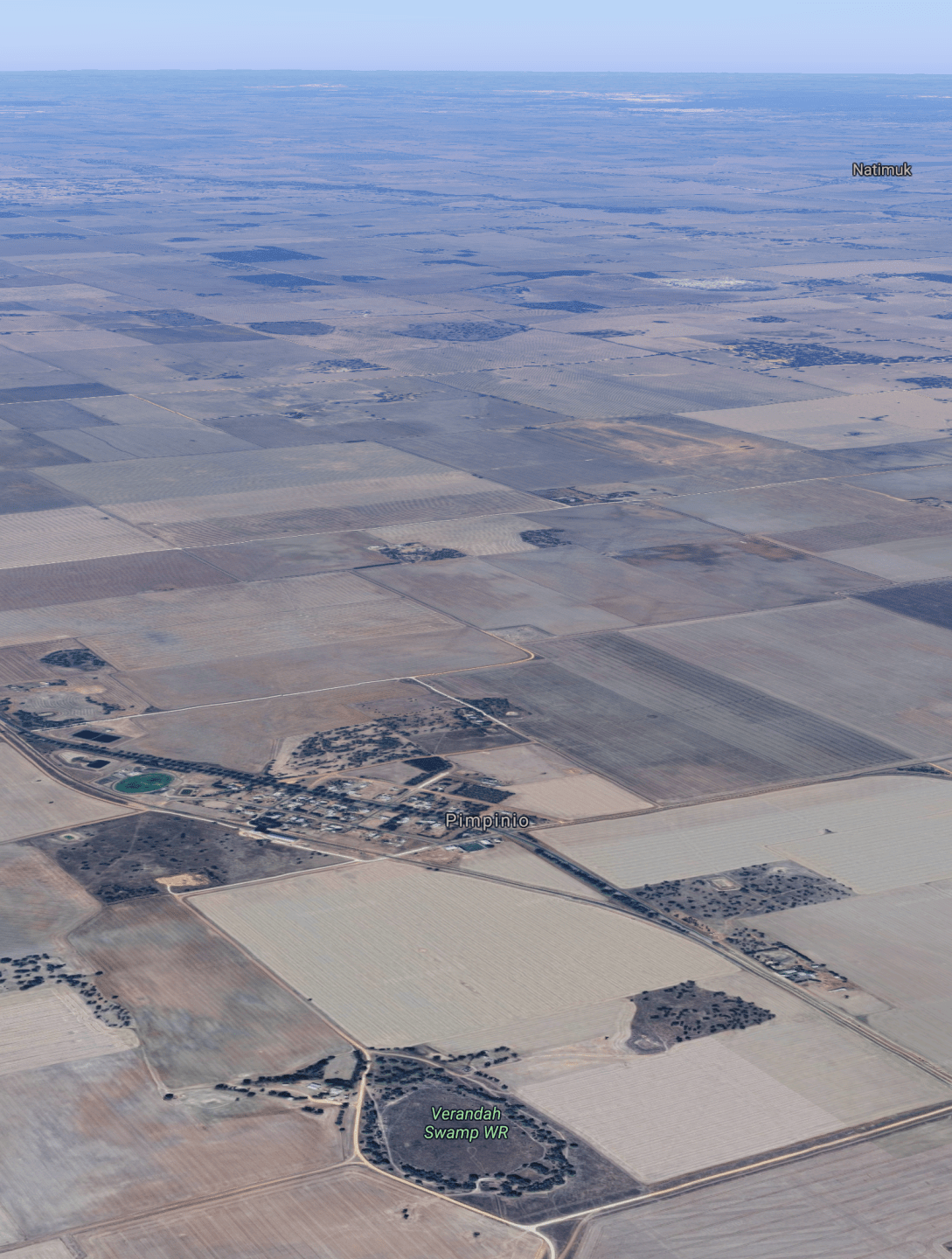
The Verandah Swamp Wildlife Reserve is located just to the north of the little town of Piminio.  The name Piminio is believed to have been derived from an Aboriginal word describing a man squatting on his heels, or children.

Screen Shot 2019-12-09 at 10.33.58 am.png

Above:- An aerial view of the Verandah Swamp Wildlife Reserve, looking south towards the town of Pimpinio.  Image courtesy of Google maps

The Verandah Swamp Wildlife Reserve is about 42 acres in size and is also known as the Verandah Swamp Wetland Reserve.  It was absolutely bone dry during our visit.  The park sign was in very poor shape and there was evidence of shooting in the park.  I suspect the authorities have not visited the park in many years.

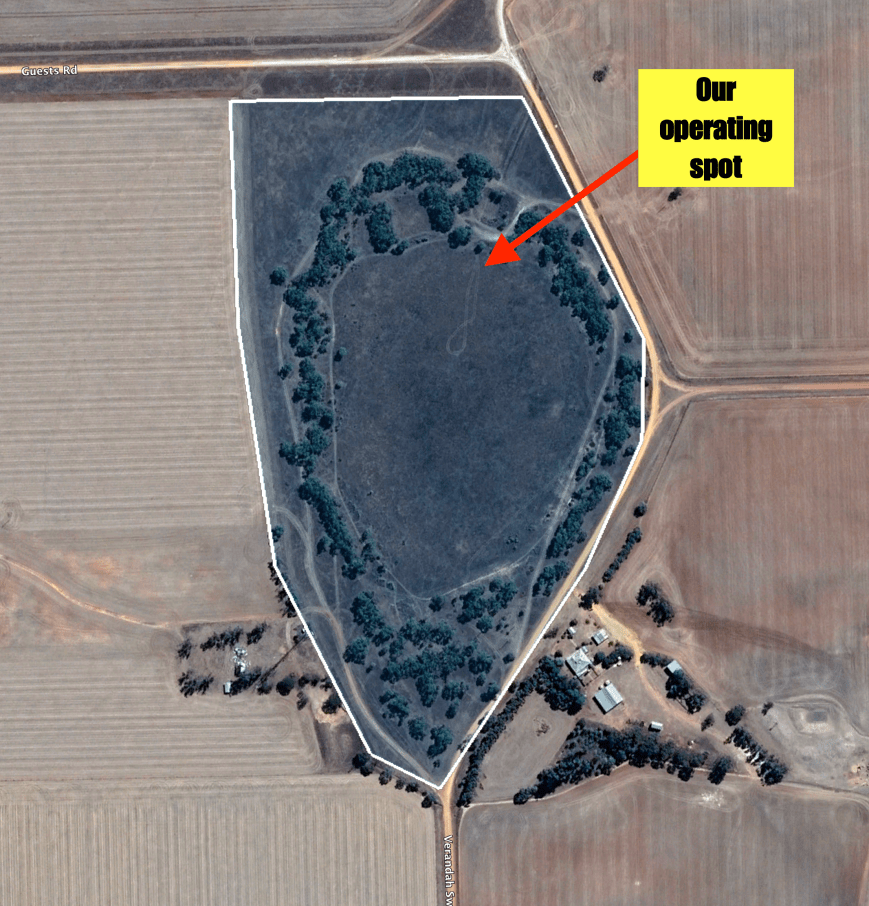
We travelled along Banyena Road off the Western Highway, and onto Verandah Swamp Road.  We took a 4WD track which led down into the park and set up under the shade of some gum trees.  We ran the Yaesu FT-857d and the 20/40/80m linked dipole & 15m dipole for this activation.

Screen Shot 2019-12-09 at 10.31.27 am.png

Above:- An aerial view of the Verandah Swamp Wildlife Reserve showing our operating spot.  Image courtesy of Google Earth.

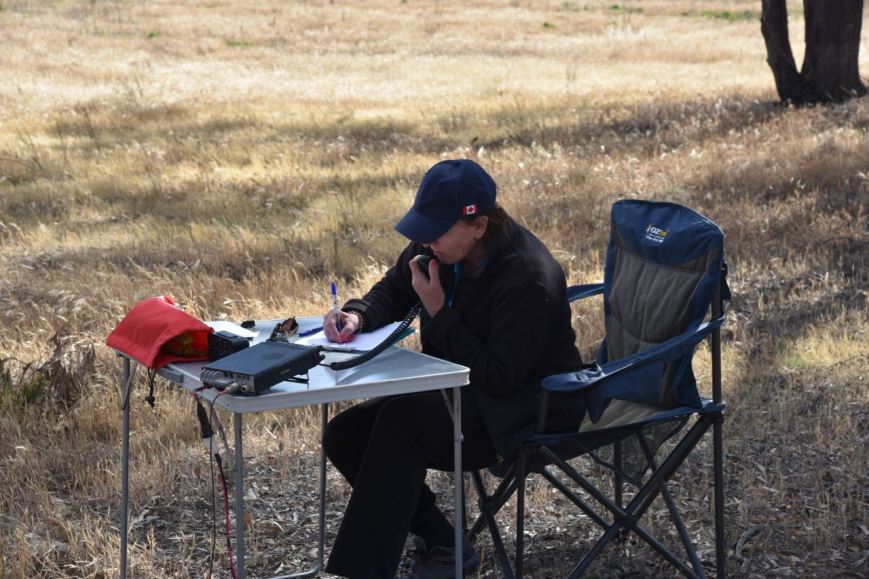
Marija and I decided to start this activation on the 15m band.  I called CQ on 21.244 while Marija placed up a spot on parksnpeaks.  First in the log was Ray VK4NH, followed by Scott VK4CZ and then Adam VK2YK.  Contact number ten came just 6 minutes into the activation, with a QSO with John VK4/AC8WN.

I worked a total of 12 stations on 15m and had qualified the park for VKFF.  I then swapped the mic with Marija.

DSC_6621

Marija’s first contact on 15m was with Greg VK4VXX, followed by John VK4TJ, and then Shane VK2LUV.  Marija had soon qualified the park for VKFF on 15m.  As we were pushed a bit for time, we again swapped the mic, moving to the 40m band.

Prior to calling CQ, Marija and I tuned across the 40m band in the hope that we would find some other park activators, which we did.  On 7.144 we logged Peter VK3PF/p and Sergio VK3SFG/p who were activating the Koonwarra Nature Conservation Reserve VKFF-2350.

DSC_6624

I then moved up to 7.150 and started calling CQ.  Dave VK5MRD came back to my call, followed by Gerard VK2IO/p who was activating the Ku-ring-gai Chase National Park VKFF-0272.

I went on to log a further 37 stations including some more Park to Park contacts with the following:-

  • Steve VK4JSS/p – Woongoolba Conservation Park VKFF-1680.
  • Brett VK3FLCS/p – Jackass Flat Nature Conservation Reserve VKFF-2114.
  •  Nik VK3ZK/p – Cobram Regional Park VKFF-0961

DSC_6627.jpg

Time had marched on and it was now approaching 6.00 p.m. local time.  Marija and I packed up and headed back to Dimboola.

Marija worked the following stations on 15m SSB:-

  1. VK4VXX
  2. VK4BXX
  3. VK4/AG7WB
  4. VK4TJ
  5. VK4/AC8WN
  6. VK4/VE6XT
  7. VK4SSN
  8. VK2LUV/p
  9. VK4DH
  10. VK2YK
  11. VK2FSAV

Marija worked the following stations on 40m SSB:-

  1. VK3SFG/p (Koonwarra Nature Conservation Reserve VKFF-2350)
  2. VK3PF/p (Koonwarra Nature Conservation Reserve VKFF-2350)
  3. VK3FLCS/p (Jackass Flat Nature Conservation Reserve VKFF-2114)

I worked the following stations on 15m SSB:-

  1. VK4NH
  2. VK4DXA
  3. ZL4TY/VK4
  4. VK4CZ
  5. VK2YK
  6. VK4VXX
  7. VK4BXX
  8. VK4/AG7WB
  9. VK4TJ
  10. VK4/AC8WN
  11. VK4/VE6XT
  12. VK4SSN

I worked the following stations on 40m SSB:-

  1. VK3PF/p (Koonwarra Nature Conservation Reserve VKFF-2350)
  2. VK3SFG/p (Koonwarra Nature Conservation Reserve VKFF-2350)
  3. VK5MRD
  4. VK2IO/p (Ku-ring-gai Chase National Park VKFF-0272)
  5. VK5KLV
  6. VK2LX
  7. VK3SQ
  8. VK3FRAB
  9. VK7QP
  10. VK5WG
  11. VK3RU
  12. VK3XPT
  13. VK3MPR
  14. VK2YK
  15. VK7AN
  16. ZL1TM
  17. VK4FDJL/5
  18. VK4JSS/p (Woongoolba Conservation Park VKFF-1680)
  19. VK3FLCS/p (Jackass Flat Nature Conservation Reserve VKFF-2114)
  20. VK3PWG
  21. VK3MCK
  22. VK2PKT
  23. VK1NK
  24. VK5FANA
  25. VK2HBG/1
  26. VK3ARH/m
  27. VK3ATO
  28. VK5QI
  29. VK7JON
  30. VK7FCIA
  31. VK5JDS
  32. VK4CZ
  33. VK5YP
  34. VK5DW
  35. VK3ZK/p (Cobram Regional Park VKFF-0961)
  36. VK2JXA
  37. VK5KLD
  38. VK5FRSM
  39. VK3MVP
  40. VK5WF
  41. VK7ZGK


References.

Protected Planet, 2019, <https://www.protectedplanet.net/verandah-swamp-w-r-nature-conservation-reserve>, viewed 9th December 2019

Victorian Places, 2019, <https://www.victorianplaces.com.au/pimpinio>, viewed 9th December 2019

Barrett Flora and Fauna Reserve VKFF-2264

Our second park for Saturday (30th November 2019) was the Barrett Flora & Fauna Reserve VKFF-2264, which is situated about 340 km northwest of the city of Melbourne.

Marija and I have activated this park previously in December 2018.  On that occasion, it was the very first time that the park had been activated for the World Wide Flora & Fauna (WWFF) program.

Screen Shot 2019-12-08 at 7.11.30 pm.png

Above:- Map showing the location of the Barrett Flora & Fauna Reserve.  Map courtesy of Protected Planet.

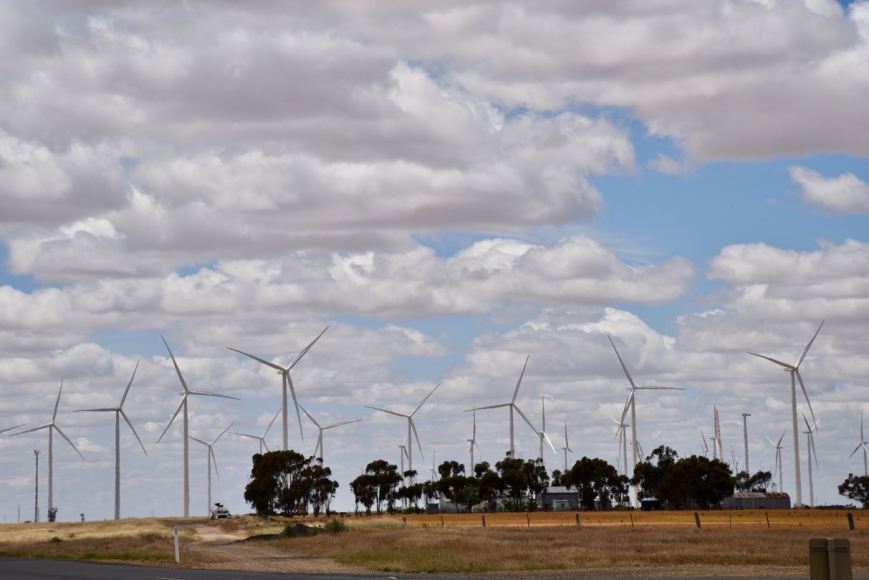
After leaving Dimboola Marija and I headed northeast on the Borung Highway.  The Murra Warra windfarm soon came into view.  This was still under construction last time we visited western Victoria.

DSC_6580

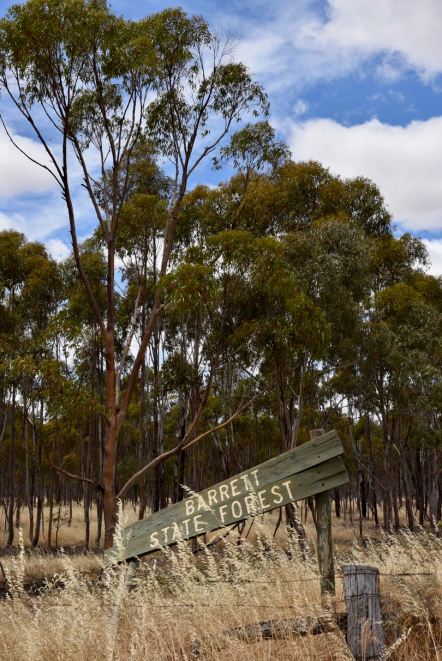
We soon reached the Barrett State Forest.  This is not to be confused with the Barrett Flora & Fauna Reserve.  The State Forest abuts the northern section of the Flora & Fauna Reserve.

DSC_6581

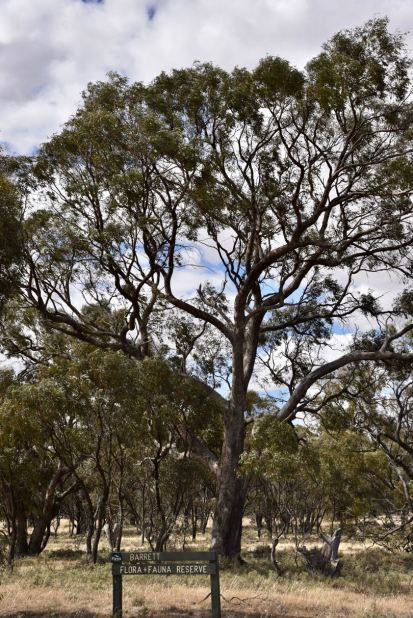
The Flora & Fauna Reserve is relatively well signposted.  The sign at the northwestern corner is in very poor condition.  However, the sign in the southwestern corner is in good condition and visible.

DSC_6616

At the northwestern corner of the park, you can find the site of the former Wallum East State School which was opened in 1948 and closed in 1969.

DSC_6582

The Barrett Flora and Fauna Reserve is about 223 hectares in size and is located at the northeastern corner of Dogwood Road and Bolwells Road, Wallup, south of Warracknabeal.

Screen Shot 2019-12-08 at 7.18.39 pm.png

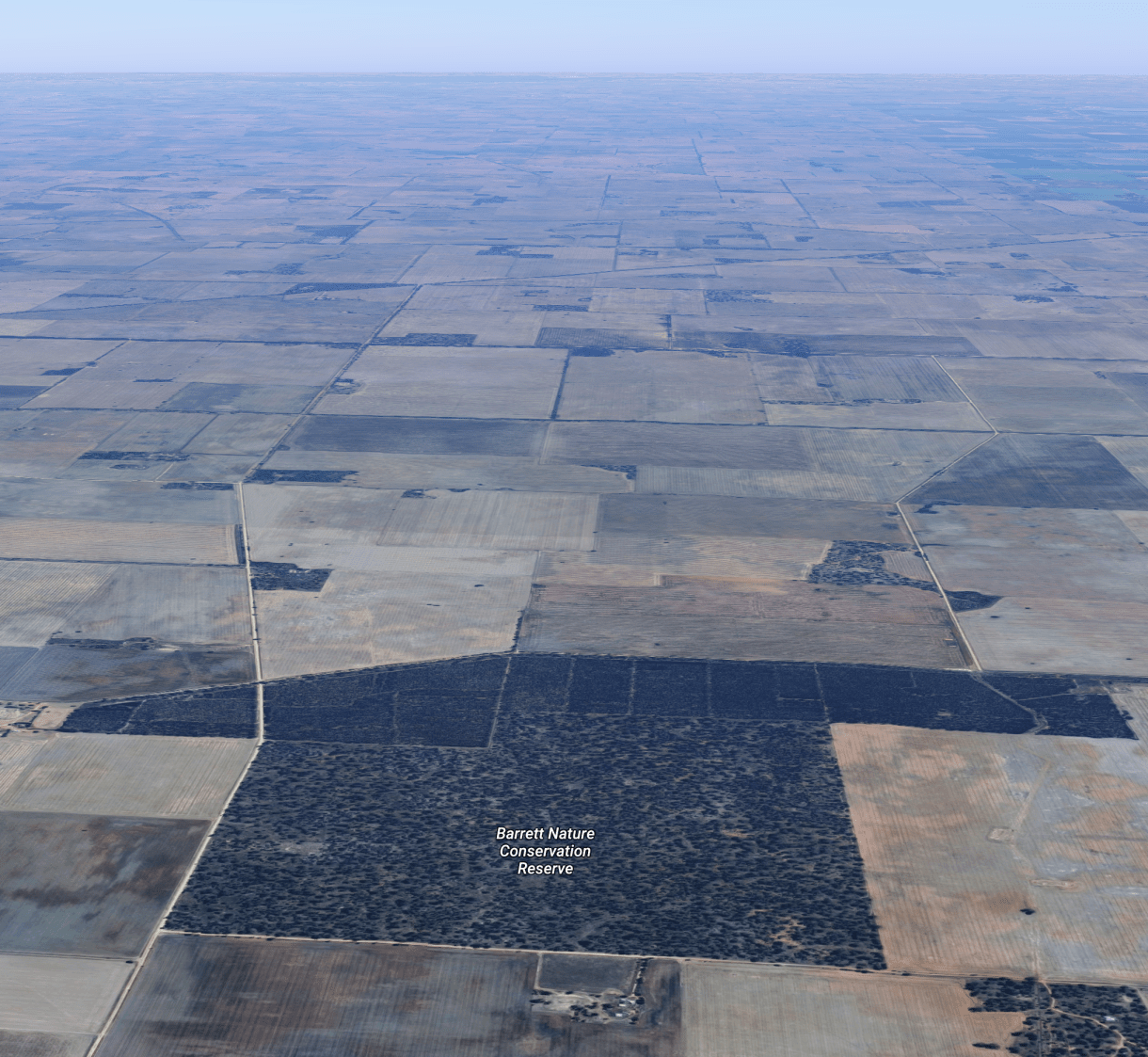
Above:- An aerial view of the Barrett Flora & Fauna Reserve looking north.  Image courtesy of Google maps

The park consists of Buloke Woodlands.  Buloke woodlands are characterised by the buloke tree, which is a leafless casuarina or sheoak tree that grows to about 15m and has twisted branchlets and cones.

The eBird website shows that 41 species of native bird have been recorded in the park including Black Honeyeater, Red-rumped parrot, Spiny-cheeked Honeyeater, and Chestnut-rumped Thornbill.

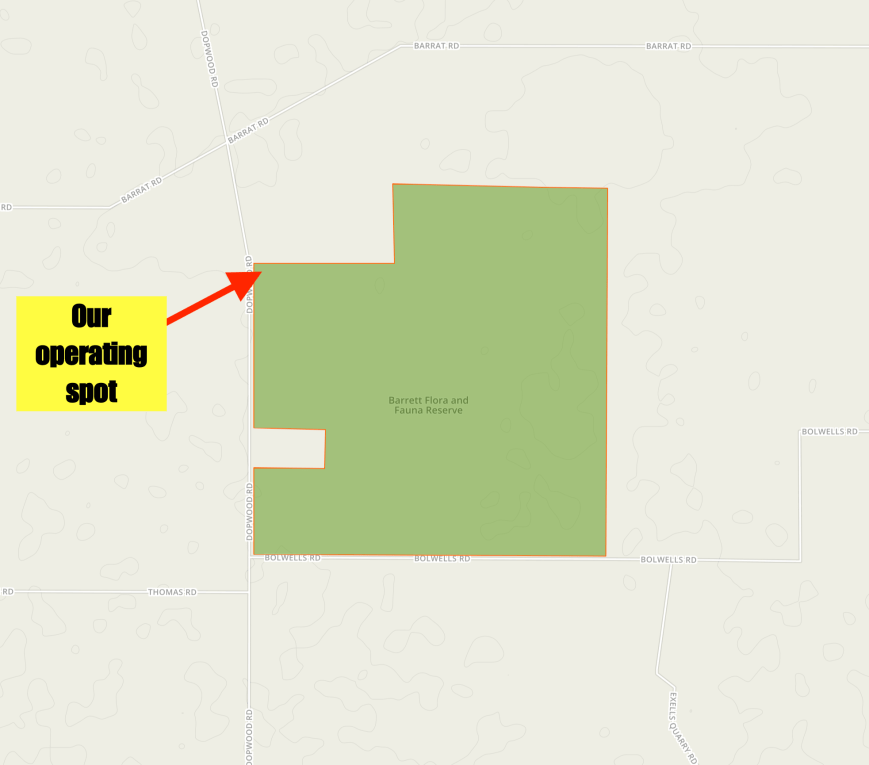
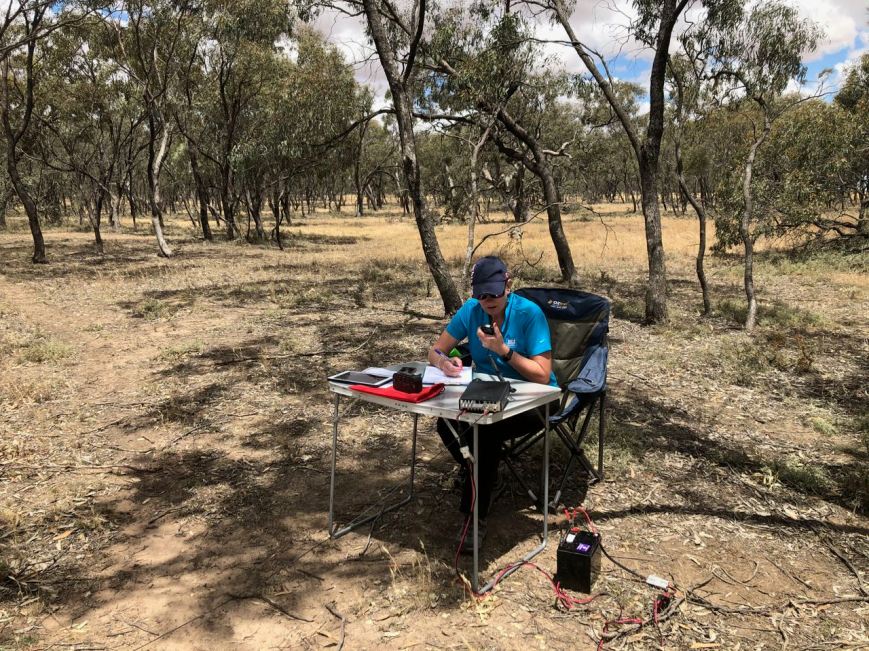
We set up under the shade of some trees in the northwestern corner of the park off a 4WD track.

Screen Shot 2019-12-08 at 7.11.19 pm.png

Above:- Map of the Barrett Flora & Fauna Reserve showing our operating spot.  Map courtesy of Protected Planet.

Before calling CQ, Marija and I tuned across the band to see if we could find some Park to Park contacts with other park activators.  We found David VK5PL/p on 7.139 calling CQ from the Encounter Marine Park VKFF-1707.  David had a lovely 5/9 signal to western Victoria.  We then logged Gerard VK2IO/p on 7.144, who was activating the Garigal National Park VKFF-0191.

I then propped on 7.135 where I logged a total of 37 stations including the following Park to Park contacts (Marija also logged some of the P2P QSOs):-

  • Victoria VK3LT/p – Black Range State Park VKFF-0751
  • John VK3CU/p – Black Range State Park VKFF-0751
  • Peter VK3PF/p – Wonthaggi Heathlands Nature Conservation Reserve VKFF-2235
  • Sergio VK3SFG/p – Wonthaggi Heathlands Nature Conservation Reserve VKFF-2235
  • Alan VK3ALN/p – Arthurs Seat State Park VKFF-0750
  • Greg VK5GJ/p – Monarto Woodlands Conservation Park VKFF-1763
  • Rob VK4AAC/3 – Black Swamp Nature Conservation Reserve VKFF-2048
  • Adrian VK5FANA/p – Thidna Conservation Park VKFF-2250
  • Peter VK2KNV/p – Kalyarr National Park VKFF-1858
  • Andrew VK7DW/p – Ben Lomond National Park VKFF-0028
  • Neil VK4HNS/p – Mount Chinghee National Park VKFF-0340
  • David VK2LDW/p – Morton National Park VKFF-1352
  • Nik VK3ZK/p – Cobram Regional Park VKFF-0961

I then swapped the mic with Marija.

DSC_6587

Marija called CQ on 7.135 and this was answered by Peter VK3ZPF who was Marija’s tenth contact.  This was followed by Steve VK5ST, Ivan VK5HS, and then Ken VK3UH.  The 40m band was in pretty good shape with some fading on signals.  But it was open locally which was terrific.

Marija logged a total of 36 contacts on 40m including the following Park to Park contacts (I also logged the P2P):-

  • Andrew VK7DW/p – Ben Lomond National Park VKFF-0028
  • Adrian VK5FANA/p – Thidna Conservation Park VKFF-2250
  • Ian VK5CZ/p – Little Mount Crawford Native Forest Reserve VKFF-2884
  • Peter VK3PF/p – Bunurong Marine National Park VKFF-0945
  • Sergio VK3SFG/p – Bunurong Marine National Park VKFF-0945
  • Tony VK3XV/p – Leaghur State Park VKFF-0762
  • Craig VK3CRG/p – Point Cook Coastal Park VKFF-1875
  • Nick VK3ANL – Gresswell Hill Nature Conservation Reserve  VKFF-2104
  • Alan VK3ALN/p – Mornington Peninsula National Park VKFF-0333
  • Rob VK4AAC/3 – Black Swamp Nature Conservation Reserve VKFF-2048
  • Rob VK2VH/3 – Black Swamp Nature Conservation Reserve VKFF-2048
  • Brett VK3FLCS/p – Whipstick Nature Conservation Reserve VKFF-2228

Marija’s 44th contact was with Brett VK3FLCS/p.  Her last contact before we swapped the mic again was with Alan VK5AR mobile.

IMG_3379

A few stations had mentioned that the 10m band was open so I headed to the 4WD to hopefully make some contacts on that band using the Codan 9350 antenna mounted on the rear of the Toyota Hi-Lux.  And I wasn’t to be disappointed, logging a total of 14 stations on that band from VK2, VK4, and VK7.  This included a Park to Park with Andrew VK7DW/p in the Ben Lomond National Park VKFF-0028.

I then moved to the 20m band and logged 23 stations including another Park to Park with Andrew VK7DW/p and a Park to Park with Alan VK2MG/p who was activating the Wyrrabalong National Park VKFF-0550.  Stations logged on 20m were from VK1, VK2, VK3, VK4, and New Zealand.

I then tried the 15m band and found that this band was also working very well.  I logged a total of 11 stations on 15m from VK4 and VK8.  I was very pleased to speak with Phil VK8VWA in Darwin and Leigh VK4XB.  I was Leigh’s very first contact on the 15m band.  I also logged a Park to Park with Mark VK4SMA/p who was activating the Lake Broadwater Conservation Park VKFF-1577.

To conclude the activation I moved to 80m where I logged just 3 stations: Peter VK3PWG, Mike VK5FMWW, and a Park to Park with Nik VK3ZK/p in the Cobram Regional Park VKFF-0961.

DSC_6589

This had been another very successful activation, with a total of 145 QSOs in the log between us, including 51 Park to Park contacts.

Marija worked the following stations on 40m SSB:-

  1. VK5PL/p (Encounter Marine Park VKFF-1707)
  2. VK2IO/p (Garigal National Park VKFF-0191)
  3. VK3LT/p (Black Range State Park VKFF-0751)
  4. VK3CU/p (Black Range State Park VKFF-0751)
  5. VK3SFG/p (Wonthaggi Heathlands Nature Conservation Reserve VKFF-2235)
  6. VK3PF/p (Wonthaggi Heathlands Nature Conservation Reserve VKFF-2235)
  7. VK3ALN/p (Arthurs Seat State Park VKFF-0750)
  8. VK5GJ/p (Monarto Woodlands Conservation Park VKFF-1763)
  9. VK3ZK/p (Cobram Regional Park VKFF-0961)
  10. VK5ST
  11. VK5HS
  12. VK3UH
  13. VK2SLB
  14. VK7DW/p (Ben Lomond National Park VKFF-0028)
  15. VK5FANA/p (Thidna Conservation Park VKFF-2250)
  16. VK3MCK
  17. VK3MRG
  18. VK3FCMC
  19. VK5AYL
  20. VK5CZ/p (Little Mount Crawford Native Forest Reserve VKFF-2884)
  21. VK5WG
  22. VK3PF/p (Bunurong Marine National Park VKFF-0945)
  23. VK3SFG/p (Bunurong Marine National Park VKFF-0945)
  24. VK3XV/p (Leaghur State Park VKFF-0762)
  25. VK3PI
  26. VK2KYO
  27. VK2PKT
  28. VK3MKE
  29. VK3YY
  30. VK3SX
  31. VK3CRG/p (Point Cook Coastal Park VKFF-1875)
  32. VK4CZ
  33. VK3PAT
  34. VK2LX
  35. VK3ANL/p (Gresswell Hill Nature Conservation Reserve  VKFF-2104)
  36. VK3ALN/p (Mornington Peninsula National Park VKFF-0333)
  37. VK4AAC/3 (Black Swamp Nature Conservation Reserve VKFF-2048)
  38. VK2VH/3 (Black Swamp Nature Conservation Reserve VKFF-2048)
  39. VK5PE
  40. VK2FPAR
  41. VK3JP
  42. VK7KT
  43. VK3FLCS/p (Whipstick Nature Conservation Reserve VKFF-2228)
  44. VK5AR/m

Marija worked the following station on 15m SSB:-

  1. VK4SMA/p (Lake Broadwater Conservation Park VKFF-1577)

I worked the following stations on 40m SSB:-

  1. VK5PL/p (Encounter Marine Park VKFF-1707)
  2. VK2IO/p (Garigal National Park VKFF-0191)
  3. VK2RU/3
  4. VK4QA/3
  5. VK3LT/p (Black Range State Park VKFF-0751)
  6. VK3CU/p (Black Range State Park VKFF-0751)
  7. VK3PF/p (Wonthaggi Heathlands Nature Conservation Reserve VKFF-2235)
  8. VK3SFG/p (Wonthaggi Heathlands Nature Conservation Reserve VKFF-2235)
  9. VK3ZPF
  10. VK3ALN/p (Arthurs Seat State Park VKFF-0750)
  11. VK5GJ/p (Monarto Woodlands Conservation Park VKFF-1763)
  12. VK3MRG
  13. VK3FCMC
  14. VK4AAC/3 (Black Swamp Nature Conservation Reserve VKFF-2048)
  15. VK5FANA/p (Thidna Conservation Park VKFF-2250)
  16. VK2KNV/p (Kalyarr National Park VKFF-1858)
  17. VK7DW/p (Ben Lomond National Park VKFF-0028)
  18. VK2XSE/p (Kalyarr National Park VKFF-1858)
  19. VK5HS
  20. VK2PKT
  21. VK3MCK
  22. VK5WG
  23. VK5PE
  24. VK3UH
  25. VK4FDJL/5
  26. VK3SQ
  27. VK3FLES
  28. VK3FRC
  29. VK3CBP
  30. VK4HNS/p (Mount Chinghee National Park VKFF-0340)
  31. VK2LDW/p (Morton National Park VKFF-1352)
  32. VK2HHA
  33. VK3TP
  34. VK3VEK
  35. VK5ST
  36. VK2LUV
  37. VK3ZK/p (Cobram Regional Park VKFF-0961)
  38. VK5CZ/p (Little Mount Crawford Native Forest Reserve VKFF-2884)
  39. VK3SFG/p (Bunurong Marine National Park VKFF-0945)
  40. VK3PF/p (Bunurong Marine National Park VKFF-0945)
  41. VK3XV/p (Leaghur State Park VKFF-0762)
  42. VK3CRG/p (Point Cook Coastal Park VKFF-1875)
  43. VK3ANL/p (Gresswell Hill Nature Conservation Reserve  VKFF-2104)
  44. VK3ALN/p (Mornington Peninsula National Park VKFF-0333)
  45. VK5AR/m

I worked the following stations on 10m SSB:-

  1. VK4NH
  2. VK4DXA
  3. ZL4TY/VK4
  4. VK4MGL
  5. VK4TJ
  6. VK4/AC8WN
  7. VK4/VE6XT
  8. VK4SSN
  9. VK7JON
  10. VK2LX
  11. VK7DW/p (Ben Lomond National Park VKFF-0028)
  12. VK2HHA
  13. VK2LEE
  14. VK4KD

I worked the following stations on 20m SSB:-

  1. VK4VXX
  2. VK4BXX
  3. VK4/AG7WB
  4. VK3SQ
  5. VK7JON
  6. VK7DW/p (Ben Lomond National Park VKFF-0028)
  7. VK2LX
  8. VK2LEE
  9. VK2HHA
  10. VK1DI
  11. VK2XXM
  12. VK4MGL
  13. VK3ARH/p (Jallukar Nature Conservation Reserve VKFF-2115)
  14. VK4HDY
  15. VK4KD
  16. ZL1TM
  17. VK4CZ
  18. VK2MG/p (Wyrrabalong National Park VKFF-0550)
  19. VK4TJ
  20. VK4/AC8WN
  21. VK4/VE6XT
  22. VK4SSN
  23. VK3WE

I worked the following stations on 15m SSB:-

  1. VK4KD
  2. VK4XB
  3. VK4HDY
  4. VK4CZ
  5. VK8VWA
  6. VK4TJ
  7. VK4/AC8WN
  8. VK4/VE6XT
  9. VK4SSN
  10. VK4DH
  11. VK4SMA/p (Lake Broadwater Conservation Park VKFF-1577)

I worked the following stations on 80m SSB:-

  1. VK3PWG
  2. VK5FMWW
  3. VK3ZK/p (Cobram Regional Park VKFF-0961)

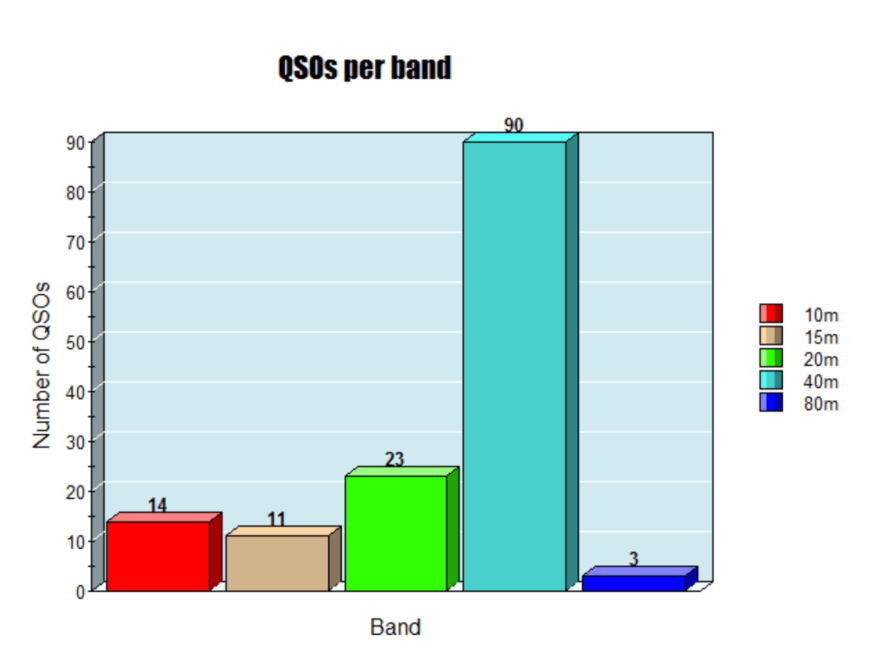
Below is a graph showing the number of QSOs we made on each band.

Screen Shot 2019-12-08 at 9.04.31 pm.png

Above:- Graph showing the number of QSOs we made on each band.

We packed up and headed off to our third park for the day, the Verandah Swamp Flora and Fauna Reserve, driving through the Murra Warra wind farm as we made out way towards the town of Piminio.


References.

Australian Government, 2018, <http://www.environment.gov.au/biodiversity/threatened/publications/buloke-woodlands>, viewed 8th December 2019

eBird, 2018, <https://ebird.org/pa/hotspot/L2551670?yr=all&m=&rank=mrec>, viewed 8th December 2019

Cheal, D; Lucas, A; & Macaulay, L, Native Recovery Plan for Buloke Woodlands of the Riverina and Murray Darling Depression Bioregions, 2010.

Dimboola Flora and Fauna Reserve VKFF-2308

Our first park for Saturday (30th November 2019) and the 2019 VKFF Activation Weekend was the Dimboola Flora & Fauna Reserve VKFF-2308.

The park is located about 336 km northwest of the city of Melbourne in western Victoria.

This was to be a first-time activation of the park for the World Wide Flora and Fauna (WWFF) program.

Screen Shot 2019-12-05 at 10.35.16 am

Above:- Map showing the location of the Dimboola Flora & Fauna Reserve in western Victoria.  Map courtesy of Protected Planet.

Before heading to the park we had a quick look around the town of Dimboola and to get a cup of coffee.

The Dimboola Flora & Fauna Reserve is located just to the northern boundary of the town of Dimboola.

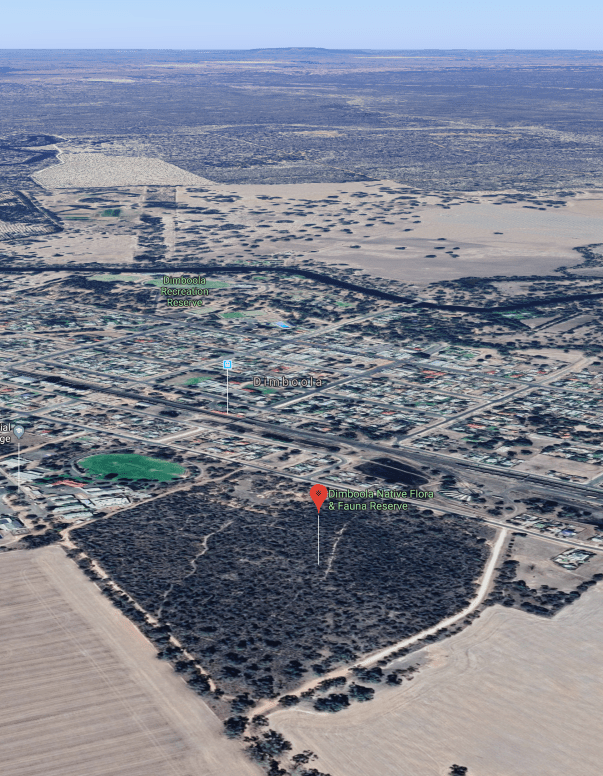
Screen Shot 2019-12-05 at 10.41.25 am

Above:- An aerial view of the Dimboola Flora & Fauna Reserve showing its proximity to the town of Dimboola.  Image courtesy of Google maps

The park is about 39 acres in size and conserves a remnant piece of native scrub.

The park was alive with numerous birds during our visit, including Corellas and Galahs (photos below).

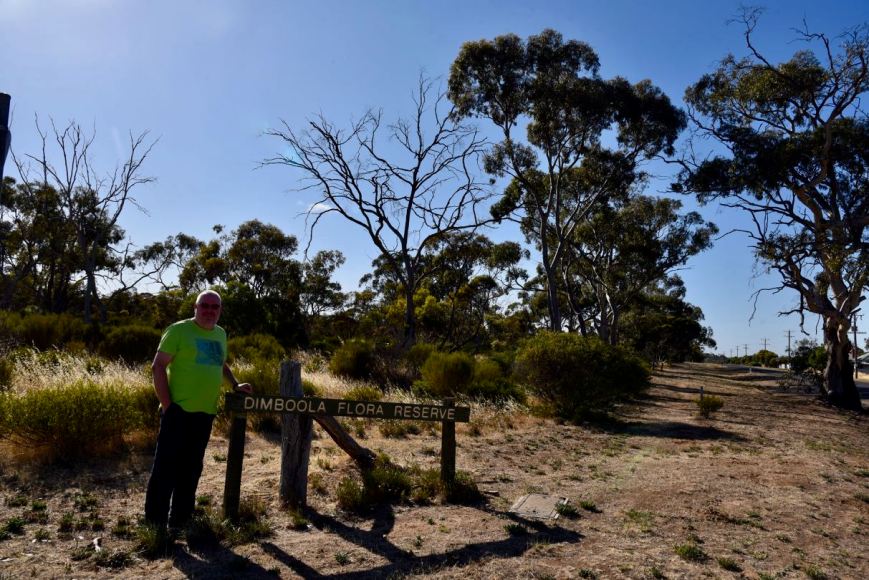
We accessed the park via Lil Lil Dam Road.  The park was well signposted.

DSC_6554

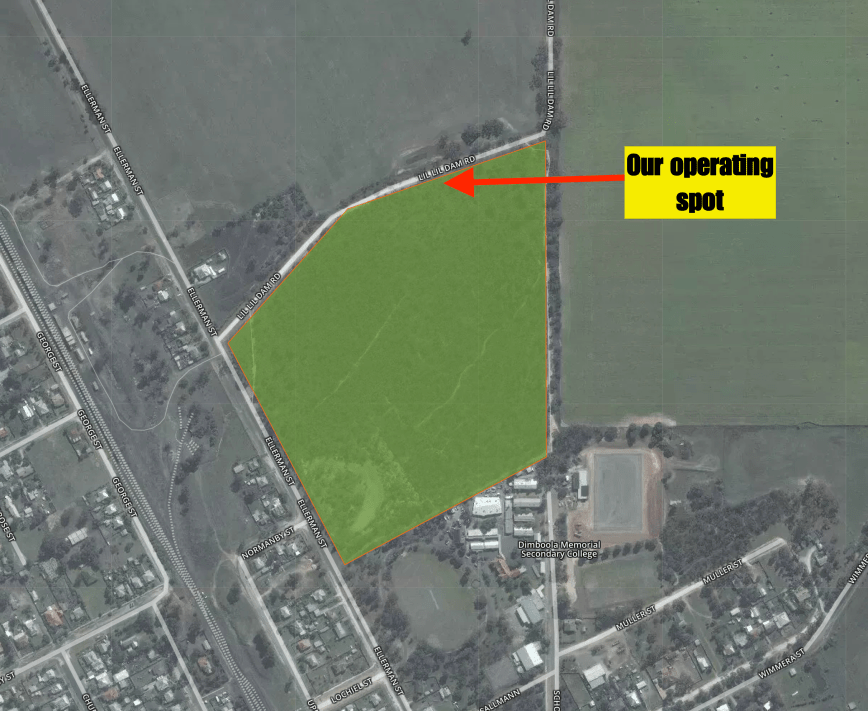
We drove down Lil Lil Dam Road towards the northern part of park.  We were conscious that the park was close to town and we were worried there might be a little bit of man-made noise on the bands as a result.

Screen Shot 2019-12-05 at 10.34.57 am

Above:- An aerial view of the Dimboola Flora & Fauna Reserve showing our operating spot.  Image courtesy of Protected Planet.

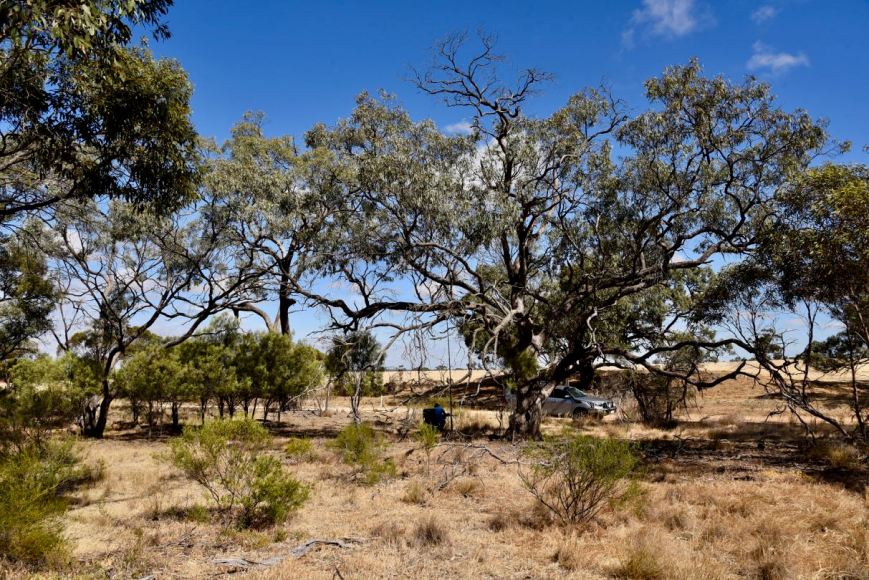
We parked the 4WD off the side of the road and found the shade of a gum tree as it was quite a warm sunny morning.  We ran the Yaesu FT-857d and the 20/40/80m linked dipole for this activation.

DSC_6570

Sadly when we turned on the transceiver we found that we had strength 6 to 7 noise on the 40m band.  Our only ‘suspect’ was some power lines and solar panels on a farm house about 300 metres away.

DSC_6567

Feeling rather frustrated with the noise, Marija placed a spot up on parksnpeaks for me, and I called CQ on 7.144.  First in the log was David VK3VRA who was 5/9, well above the noise.  This was followed by Rod VK7FRJG, Deryck VK4FDJL/5 and then Keith VK2PKT.

After 14 minutes I had contact number ten in the log, and the park was qualified for VKFF.  QSO number ten was with John VK4TJ.

Our first Park to Park contacts for the 2019 VKFF Activation Weekend came 20 minutes into our activation.  It was with Peter VK3PF/p and Sergio VK3SFG/p who were activating Outrim Cemetery Nature Conservation Reserve VKFF-2171.

I logged a total of 27 stations on 40m from VK2, VK3, VK4, VK5, and VK7.  I then swapped the mic with Marija.

DSC_6555

Marija called CQ on 7.144 and this was answered by Les VK5KLV at Port Augusta in the north of South Australia, followed by Liz VK2XSE mobile, and Peter VK2KNV mobile.  Marija’s tenth contact was with Nik VK3ZK/p who was activating the Cobram Regional Park VKFF-0961.  I also logged Nik for a Park to Park contact.  A few QSOs later, David VK2LDW/p called in while activating the Jerrawangala National Park VKFF-0248.

Marija logged a total of 22 stations before we once again swapped the mic.

DSC_6558

I called CQ again and this was answered by John VK7FJFD, followed by Rex VK3OF, and then Mark VK4SMA/p who was activating the Irongate Conservation Park VKFF-1563.  Marija also logged Mark.

I logged a further 22 stations including the following further Park to Park contacts (also logged by Marija):

  • Gerard VK2IO/p – Lane Cove National Park VKFF-0281.
  • Andrew VK7DW/p – Ben Lomond National Park VKFF-0028.
  • Alan VK3ALN/p – SOTA Arthurs Seat VK3/ VC-031 & Arthurs Seat State Park VKFF-0750.
  • James VK3VJP/p – Alpine National Park VKFF-0619
  • Rob VK4AAC/3 & VK2VH/3 – Black Swamp Nature Conservation Reserve
  • Angela VK7FAMP/3 – Crossover Regional Park VKFF-0965
  • Tony VK7LTD/3 – Crossover Regional Park VKFF-0965
  • Peter VK5PET/p – Nurragi Conservation Reserve VKFF-2247
  • Sergio VK3SFG/p – Kilcunda Nature Conservation Reserve VKFF-2125
  • Peter VK3PF/p – Kilcunda Nature Conservation Reserve VKFF-2125
  • VK3ARH/p – SOTA VK3/ VW-006 & Grampians National Park VKFF-0213

Contact number 44 for me was a contact with Peter VK3PWG.

Marija jumped back into the operator’s chair and logged a further 11 stations, including her 44th contact, qualifying the park for the global WWFF program.  QSO number 44 was with Liz VK2XSE/p in the Kalyarr National Park VKFF-1858.

DSC_6557.jpg

As Marija had qualified the park for both VKFF & WWFF I took charge of the mic again and ramped the power back up to 40 watts.  I logged a further 12 stations including some more Park to Park contacts:-

  • Ian VK5CZ/p – Cromer Conservation Park VKFF-0779
  • Liz VK2XSE/p – Kalyarr National Park VKFF-1858
  • Peter VK2KNV/p – Kalyarr National Park VKFF-1858
  • Brett VK3FLCS – Bendigo Regional Park VKFF-0960

With a total of 66 stations in the log on 40m, I moved to the 20m band.  First in the log on that band was ZL3DRN/p on SOTA summit Fox Peak ZL3/ CB-091 with a good 5/5 signal.

I then moved up to 14.315 where I logged 10 stations including Mike VK6MB/p who was activating Monadnocks Conservation Park VKFF-1459.

To conclude the activation I moved to 80m where I logged 3 stations from VK2 & VK5.  This included Liz VK2XSE/p activating VKFF-1858.  Unlike the 40m band, it was absolutely dead quiet on 80m.  Very strange indeed.

The time had marched on and it was now just after 1.00 p.m. local time.  After switching on the transceiver in this park and seeing the strength 6-7 noise, we had never envisaged that this would be such a successful activation.  Between us, we had 128 QSOs in the log, including 41 Park to Park contacts.

Marija worked the following stations on 40m SSB:-

  1. VK3SFG/p (Outrim Cemetery Nature Conservation Reserve VKFF-2121)
  2. VK3PF/p (Outrim Cemetery Nature Conservation Reserve VKFF-2121)
  3. VK5KLV
  4. VK2XSE/m
  5. VK2KNV/m
  6. VK5CZ/m
  7. VK2LUV
  8. VK3OF
  9. VK4FDJL/5
  10. VK3ZK/p (Cobram Regional Park VKFF-0961)
  11. VK3MCK
  12. VK2LX
  13. VK2LDW/p (Jerrawangala National Park VKFF-0248)
  14. VK4NH
  15. VK4DXA
  16. ZL4TY/VK4
  17. VK3ALA
  18. VK3SQ
  19. VK2HH
  20. VK3ECH
  21. VK3PWG/p
  22. VK3HFZ
  23. VK4SMA/p (Irongate Conservation Park VKFF-1563)
  24. VK5HS
  25. VK2IO/p (Lane Cove National Park VKFF-0281)
  26. VK3AJA/m
  27. VK7DW/p (Ben Lomond National Park VKFF-0028)
  28. VK4AAC/3 (Black Swamp Nature Conservation Reserve VKFF-2048)
  29. VK5HS/m
  30. VK3MPR
  31. VK3ALN/p (SOTA Arthurs Seat VK3/ VC-031 & Arthurs Seat State Park VKFF-0750)
  32. VK7FAMP/3 (Crossover Regional Park VKFF-0965)
  33. VK7LTD/3 (Crossover Regional Park VKFF-0965)
  34. VK5PET/p (Nurragi Conservation Reserve VKFF-2247)
  35. VK3PF/p (Kilcunda Nature Conservation Reserve VKFF-2125)
  36. VK3SFG/p (Kilcunda Nature Conservation Reserve VKFF-2125)
  37. VK3ARH/p (SOTA VK3/ VW-006 & Grampians National Park VKFF-0213)
  38. VK5FANA
  39. VK5YX
  40. VK3DAC
  41. VK2HHA
  42. VK5NJ
  43. VK5AYL
  44. VK5VCR
  45. VK2XSE/p (Kalyarr National Park VKFF-1858)
  46. VK3UH
  47. VK5GR
  48. VK5CZ/p (Cromer Conservation Park VKFF-0779)
  49. VK3FLCS/p (Bendigo Regional Park VKFF-0960)

I worked the following stations on 40m SSB:-

  1. VK3VRA
  2. VK7FRJG
  3. VK4FDJL/5
  4. VK2PKT
  5. VK3KRH
  6. VK4NH
  7. VK4DXA
  8. ZL4TY/VK4
  9. VK3UBU
  10. VK4TJ
  11. VK4/AC8WN
  12. VK4/VE6XT
  13. VK4SSN
  14. VK3SQ
  15. VK5WG
  16. VK2YK
  17. VK3LBW
  18. VK3PF/p (Outrim Cemetery Nature Conservation Reserve VKFF-2171)
  19. VK3SFG/p (Outrim Cemetery Nature Conservation ReserveVKFF-2171)
  20. VK2XSE/m
  21. VK2KNV/m
  22. VK2MCK
  23. VK2LUV
  24. VK7ALB
  25. VK7WY
  26. VK5CZ/m
  27. VK3ZK/m
  28. VK3ZK/p (Cobram Regional Park VKF-0961)
  29. VK2LDW/p (Jerrawangala National Park VKFF-0248)
  30. VK7FJFD
  31. VK3OF
  32. VK4SMA/p (Irongate Conservation Park VKFF-1563)
  33. VK5HS
  34. VK3BCM
  35. VK3ANL
  36. VK2XXM
  37. VK5FANA
  38. VK2LX
  39. VK2IO/p (Lane Cove National Park VKFF-0281)
  40. VK3AJA/m
  41. VK7DW/p (Ben Lomond National Park VKFF-0028)
  42. VK5AYL
  43. VK3ALN/p (SOTA Arthurs Seat VK3/ VC-031 & Arthurs Seat State Park VKFF-0750)
  44. VK3PWG
  45. VK3VJP/p (Alpine National Park VKFF-0618)
  46. VK5HS/m
  47. VK2VH/3 (Black Swamp Nature Conservation Reserve VKFF-2048)
  48. VK4AAC/3 (Black Swamp Nature Conservation Reserve VKFF-2048)
  49. VK7FAMP/3 (Crossover Regional Park VKFF-0965)
  50. VK7LTD/3 (Crossover Regional Park VKFF-0965)
  51. VK5PET/p (Nurragi Conservation Reserve VKFF-2247)
  52. VK3SFG/p (Kilcunda Nature Conservation Reserve VKFF-2125)
  53. VK3PF/p (Kilcunda Nature Conservation Reserve VKFF-2125)
  54. VK3ARH/p (SOTA VK3/ VW-006 & Grampians National Park VKFF-0213)
  55. VK5CZ/p (Cromer Conservation Park VKFF-0779)
  56. VK3AHR
  57. VK5KLV
  58. VK2KYO
  59. VK5GR
  60. VK3MAB
  61. VK3MPR
  62. VK2XSE/p (Kalyarr National Park VKFF-1858)
  63. VK2KNV/p (Kalyarr National Park VKFF-1858)
  64. VK3KKP
  65. VK5GJ/m
  66. VK3FLCS/p (Bendigo Regional Park VKFF-0960)

I worked the following stations on 20m SSB:-

  1. ZL3DRN/p (SOTA ZL3/ CB-091)
  2. VK7NSS
  3. VK4NH
  4. VK4DXA
  5. ZL4TY/VK4
  6. VK4TJ
  7. VK4/AC8WN
  8. VK4/VE6XT
  9. VK4SSN
  10. VK6XN
  11. VK6MB/p (Monadnocks Conservation Park VKFF-1459)

I worked the following stations on 80m SSB:-

  1. VK5BJE
  2. VK5NJ
  3. VK2XSE/p (Kalyarr National ParkVKFF-1858)


References.

Protected Planet, 2019, <https://www.protectedplanet.net/dimboola-f-r-nature-conservation-reserve>, viewed 8th December 2019

Little Desert National Park VKFF-0291

After dinner on Friday night (29th November 2019) I decided to head out to the Little Desert National Park VKFF-0291 for a quick night time activation from the vehicle.  I have activated and qualified Little Desert previously.

The park is located about 375 km northwest of Melbourne.

Screen Shot 2019-12-06 at 9.56.55 pm.png

Above:- Map showing the location of the Little Desert National Park.  Map courtesy of Protected Planet.

It was just a short drive from the motel to get to the park.  I travelled to the intersection of Llyod Street and Wimmera Street where there is a large sign for the National Park.

IMG_3371

I then drove out along Horseshoe Bend Road, following the Wimmera River.  I soon reached Horseshoe Bend.  This is located at the north-eastern corner of the park.  

It was just after 8.30 p.m. and the sun was setting.  I enjoyed a magnificent sunset and even a rainbow. 

I stopped in the Horseshoe Bend camping area and joined the 7.130 DX Net.  I ran the Icom IC-7000 from the vehicle, 100 watts, and the Codan 9350 self-tuning antenna mounted on the rear of the Toyota Hi-Lux. 

Screen Shot 2019-12-06 at 9.56.46 pm.png

Above:- Map of the Little Desert National Park showing my operating spot.  Map courtesy of Protected Planet.

The Little Desert National Park is 132,647-hectare (327,780-acre) in size and was established in 1988.  The park is broken up into three blocks: Western, Central & Eastern.  Although the park’s name suggests that it is a desert, it is in fact not the case.  The park is far from a baron desert.  In fact, about 670 species of native plants have been recorded in the park.  The vegetation of the park ranges from pure mallee heathland in the Eastern Block to cypress pine and casuarina woodlands in the moister Western Block. In the Western Block, there are large areas of seasonal swampland formed over claypans.   

Prior to the European settlement of the area and the establishment of the Little Desert National Park, Wotjobaluk aboriginal family groups camped along the Wimmera River.  Wotjobaluk territory took in about 12,000 km2.  A famous Wotjobaluk man was ‘Dick-Dick’ whose traditional name was LavanyaJumgumjenanuke or Jungunjinuke.  He was an aboriginal tracker and cricketer.  In 1868, he was a member of the first Australian cricket team to tour England.  This team was entirely composed of aboriginal men. 

Marija and I have previously visited The Johnny Mullagh/Harrow Discovery Centre in Harrow in southwestern Victoria.  The museum features numerous exhibits relating to the Australian aboriginal cricket team which toured England in 1868.  I suspect not many Australians would know that this was the first Australian cricket team to tour England, and was comprised of aboriginals. 

‘King_Richard’_or_‘Dick-a-Dick’,_the_tracker_who_found_the_Duff_children,_20_August_1864.jpg

Above:-  ‘Dick-a Dick’ or ‘King Richard’.  Image courtesy of Wikipedia.

The history behind the Little Desert National Park is well documented and is very interesting.  Below you can read a summary which I hope you find as interesting as I did.

From the 1840s European grazing of the area commenced, however, this had ceased by the 1960s as the low nutrient sandy soil and low rainfall made farming difficult.  During the Second World World War, the Central Block was used as a bombing and gunnery range and the remains of several concrete observation bunkers are still present.

In 1955 the Kiata Lowan Sanctuary, comprising 218 hectares, was established to preserve the ‘Eastern block’ of the Desert and protect the local Malleefowl.

Leipoa_ocellata_-Ongerup,_Western_Australia,_Australia-8.jpg

Above:- Malleefowl.  Image courtesy of Wikipedia.

In 1963 the AMP Society proposed to subdivide and clear the Little Desert for agricultural and pastoral purposes.  During the 1950’s AMP had developed some land in the area, however this would be a much larger venture.  In 1967 the scheme was abandoned due to declining wool and wheat prices, and government indecision.

In 1968 the Kiata Lowan Sanctuary was gazetted as the Little Desert National Park and increased to an area of 945 hectares.

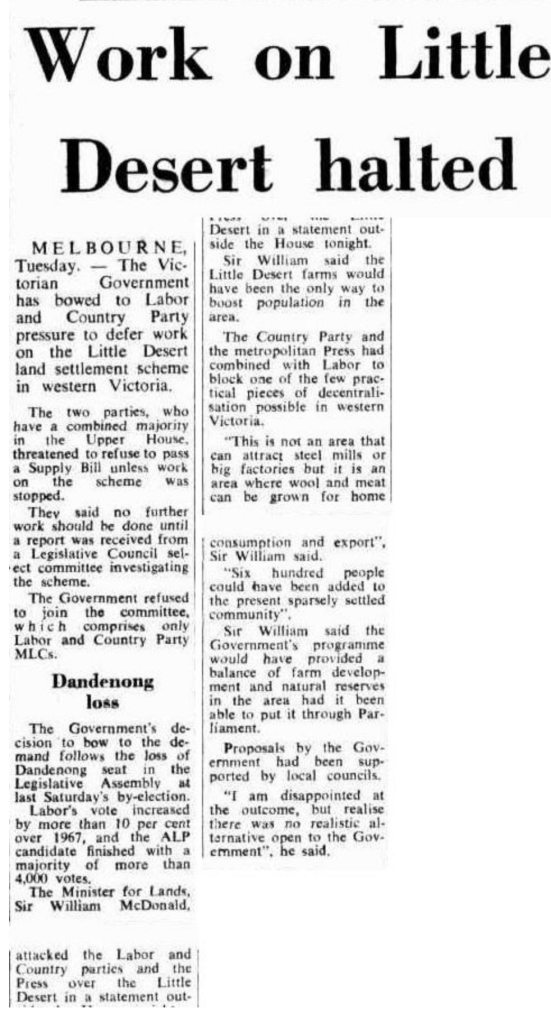
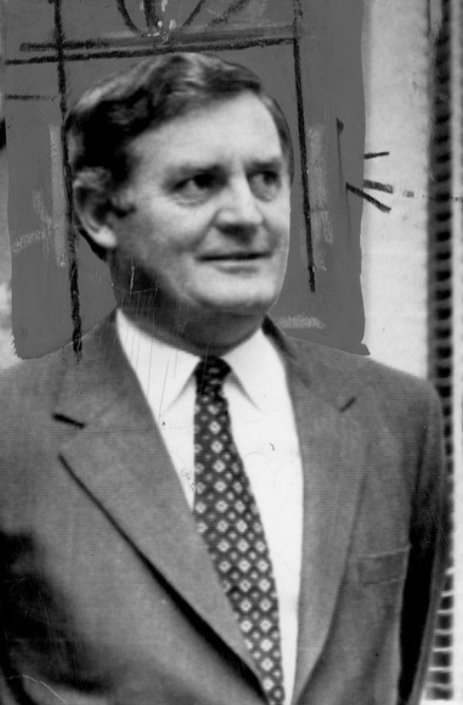
In early 1968 Sir William John ‘Jack’ Farquhar McDonald (1911-1995), the Victorian Minister of Lands announced the Little Desert Settlement Scheme.  This involved the establishment of 48 wheat farms in the area and further the settlement of Australia’s semi-arid land.  The scheme was opposed by agricultural experts, economists, and conservationists.  McDonald had a personal interest in the area as he was a farmer with properties on both sides of the Victorian-South Australian border.  One of those abutted the Little Desert.

McDonald_WilliamJohnFarquhar_1406.jpg

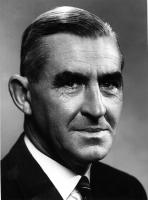
Above:- Sir William McDonald.  Image courtesy of parliament.vic.gov.au

Opposition to selling the land for farming was intense and quickly gathered support around Victoria.  Conservationists established the Save our Bushlands Action Committee.  Two major public meetings were held in Melbourne in 1969, each attracting over 1,000 people.  Local people from the Wimmera also ran a campaign against the scheme.  Valerie Honey, a Wimmera local, and Gwynetteth Taylor, the President of the Victorian National Parks Association were instrumental campaigners.

In a letter to The Age newspaper in April 1969, Gwynneth Taylor wrote:

“At a time when we are told that primary producers are facing many problems in satisfactorily disposing of their present level of production, it seems incredible that Sir William McDonald is intent on opening up yet more Crown Land…..(The Little Desert is ) known to be only marginal country-requiring….large capital expenditure and….highly expert farm management.  No complex fauna study of the Little Desert has ever been made and it is more than likely that much knowledge is yet to be gained from the area”. 

By mid-1969 McDonald had scaled back the original Settlement Scheme to just 12 sheep farms and announced that the National Park would be expanded to cover 35,000 hectares. 

On the 14th day of October 1969, a Select Committee was established by Labor Member of Parliament John William ‘Jack’ Galbally (1910-1990, to enquire into the Scheme.  The Committee was known as The Little Desert Settlement Committee.

Jack_Galbally_1933-1934.jpg

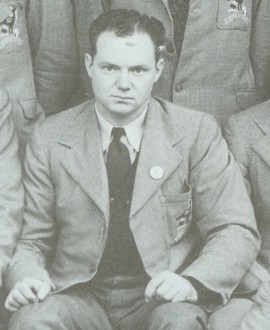
Above:- John ‘Jack’ Galbally.  Image courtesy of Wikipedia.

A number of leading ecologists including Dr. Peter Attiwell and Dr. Malcolm Calder gave evidence to the Committee about the natural values of the Little Desert.  Sir William McDonald declined to appear before the committee, with his Secretary of Lands, Alan Judge, appearing in his place.

Screen Shot 2019-12-07 at 6.13.29 pm.png

Above:- Dr. Malcolm Calder.  Image courtesy of The University of Melbourne.

The Victorian State Government, led by Henry Bolte, was initially unmoved by environmental concerns.  However, in December 1969 the Victorian Liberal Government lost the Dandenong by-election, partly due to public outrage over the proposed Little Desert Scheme.  The Legislative Council voted to block the scheme and the clearing scheme was abandoned. 

Screen Shot 2019-12-06 at 10.21.50 pm.png

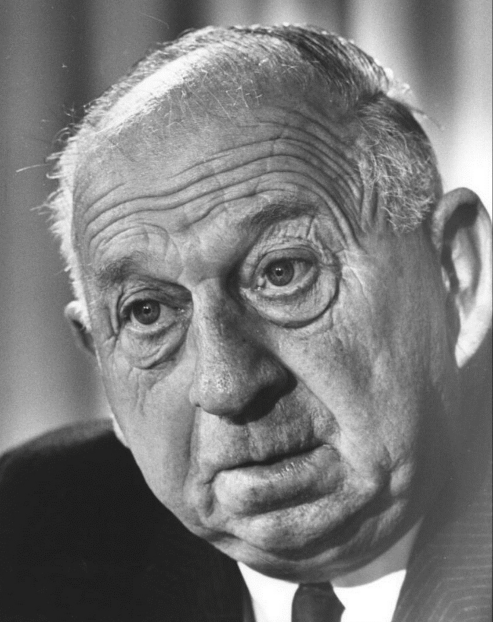
Above:- Former Premier Henry Bolte.  Image courtesy of Find a Grave.

During the 1970 Victorian State Election, Premier Bolte promised to extend National Parks so that they covered 5% of Victoria’s area.  A new independent body was promised, the Land Resources Council (later named the Land Conservation Council, and now known today as the Victorian Environmental Assessment Council) whose role was to systematically and independently review all future public land use across the state.

Screen Shot 2019-12-07 at 5.52.57 pm

Above:- Newspaper article from the Canberra Times, 10 Dec 1969.  Image courtesy of Trove.

The Liberals won that election with a slightly reduced vote, and William McDonald lost his seat after 15 years as the local member.

The architect of the Land Conservation Council was the newly appointed Minister of Lands, William ‘Bill’ Borthwick, who supported retaining the area as a nature reserve.

Screen Shot 2019-12-06 at 10.25.33 pm.png

Above:- William Borthwick.  Image courtesy of Trove 

In 1988 the ‘Central’ and ‘Western’ Blocks were added to the Little Desert National Park, bringing its area up to around 132,000 hectares, making it Victoria’s second-largest National Park at the time.  In 1991 a further 7 hectares of land was donated to the park by a local family.  In 1997 a total of 640 hectares was added to the park.

An excellent podcast series entitled the ‘Little Desert Podcast Project’ can be found at……

https://vnpa.org.au/little-desert-podcast/

About 60 species of mammals and reptiles call the park home.  Over 200 species of birds can be found in the park, which has been identified by BirdLife International as an Important Bird Area because it supports populations of malleefowl and Diamond Firetails finches.

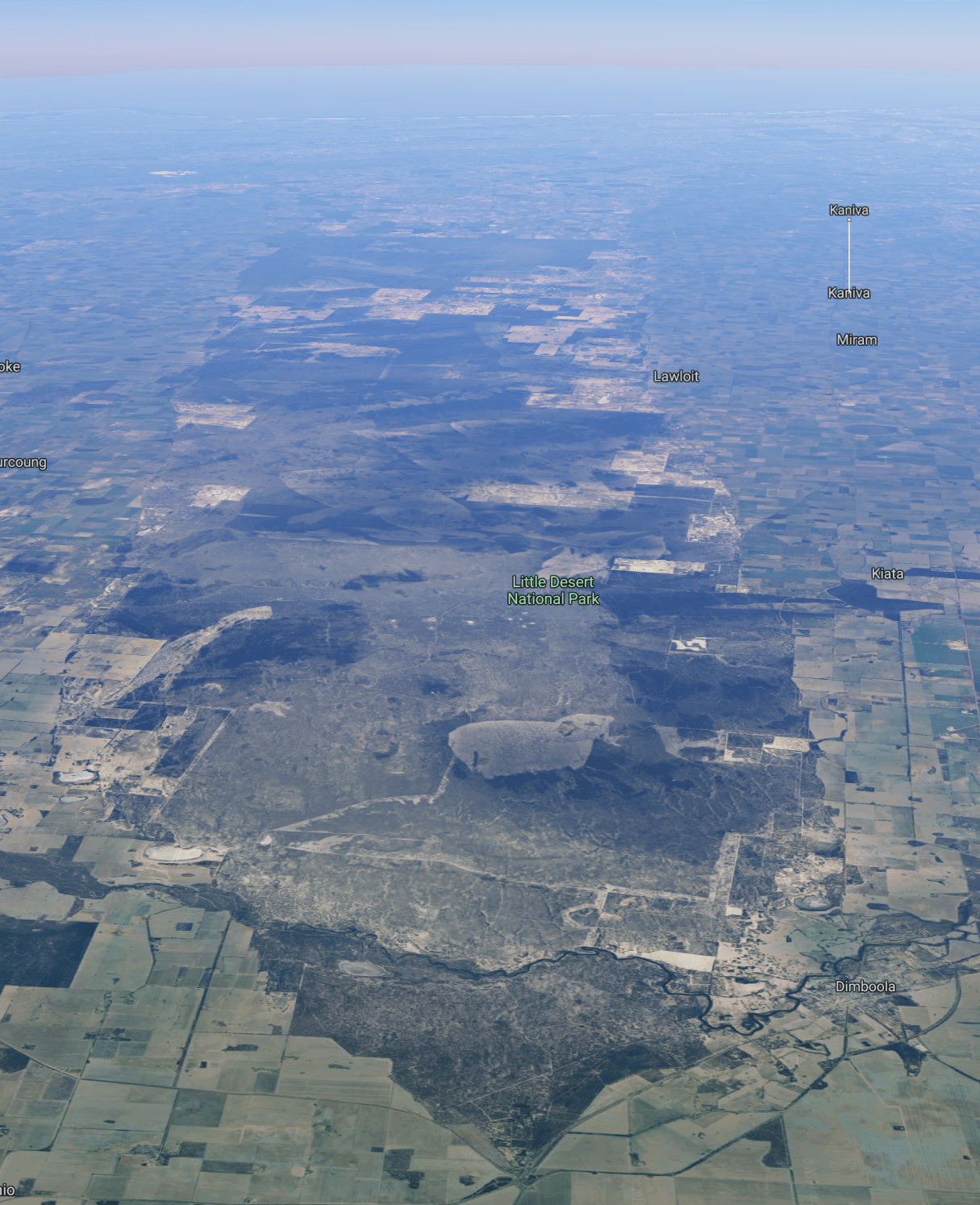
Screen Shot 2019-12-06 at 10.11.44 pm.png

Above:- An aerial view of the Little Desert National Park, looking to the west towards the South Australian border.  Image courtesy of Google maps

I logged four stations on the 7130 DX Net, Peter VK2STO/4, John VK2FALL, Gary ZL3SV in New Zealand, and Lee VK7FLAR.  Things were moving slowly on the net and I was getting a bit tired, so I moved up the band where I logged 8 stations from VK2, VKJ3, VK4, and New Zealand.

After an hour in the park, it was time to head back to the motel.

I worked the following stations on 40m SSB:-

  1. VK2STO/4
  2. VK2FALL
  3. ZL3SV
  4. VK7FLAR
  5. VK4GSF
  6. VK3PF
  7. VK2IO
  8. VK3ZK
  9. ZL1TM
  10. VK4TJ
  11. VK2BY
  12. VK2LUV


References.

Robin; L, 1998, ‘Defending the Little Desert’

Victorian National Parks Association, 2019, <https://vnpa.org.au/lessons-little-desert/>, viewed 7th December 2019

Wikipedia, 2019, <https://en.wikipedia.org/wiki/Little_Desert_National_Park>, viewed 6th December 2019

Wikipedia, 2019, <https://en.wikipedia.org/wiki/Dick-a-Dick>, viewed 7th December 2019

Wikipedia, 2019, <https://en.wikipedia.org/wiki/John_Galbally>, viewed 6th December 2019

Birdcage Flora and Fauna Reserve VKFF-2268

After packing up at the Sheepwash Flora Reserve Marija and I travelled back to the Western Highway and headed towards the town of Jeparit.  We had briefly visited Jeparit a few weeks earlier and we were keen to have a better look at the town and the Wimmera Mallee Pioneer Museum.

We travelled passed the Kiata Wind Farm which is one of a number of wind farms in the Wimmera district of Victoria.

DSC_6396

We soon reached the town of Jeparit which is situated on the Wimmera River about 350 km north-west of Melbourne.  The name Jeparit is believed to be derived from a Gromiluk aboriginal word meaning “home of small birds”.  European settlement in the area commenced in the 1880s when Lutheran immigrants from the Kingdom of Prussia began to settle and grow wheat.  The town was surveyed in 1883 and gazetted in 1889.
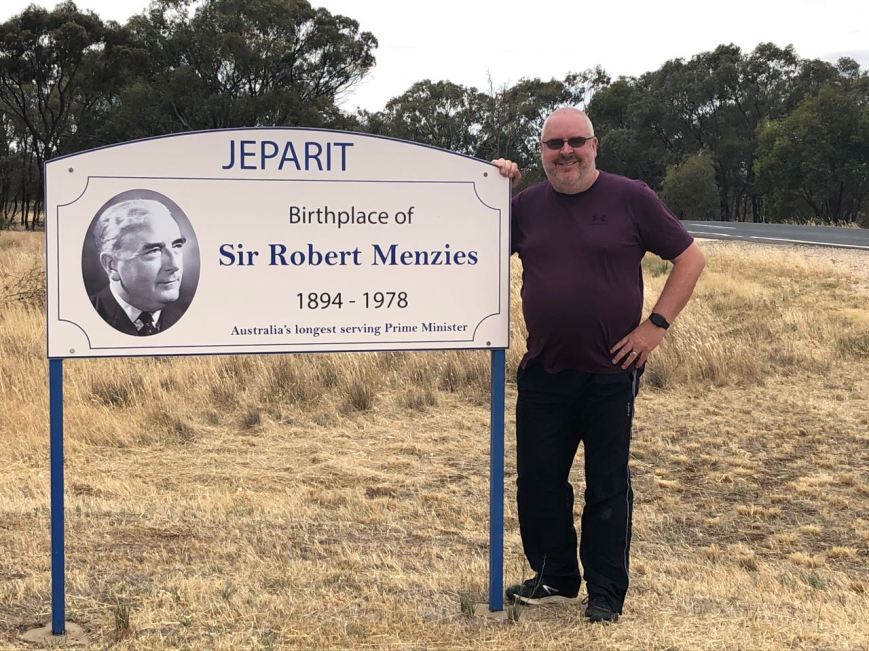
IMG_2391

We headed to the Wimmera Mallee Pioneer Museum on the eastern side of the town.  I had read about this little museum on the internet and it looked well worth the visit to discover a little bit of the history of the Wimmera district of Victoria.
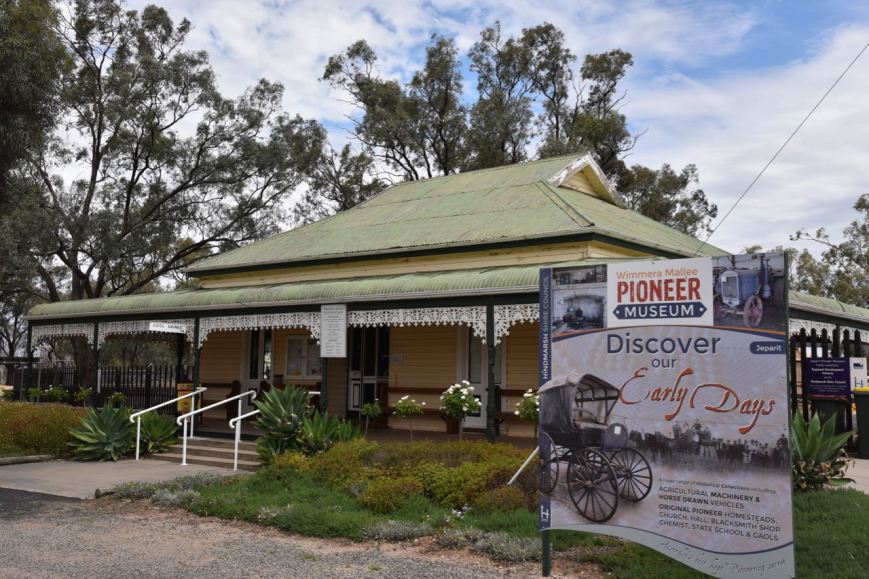
DSC_6461

The museum features the Albacutya Homestead which was originally built on Albacutya Run, the region’s first sheep station.  The homestead and log cabins were gifted to the museum in 1969.

There is quite a bit to see here, so allow yourself a few hours to wander around the four-hectare grounds of the museum.

There are numerous buildings which contain various artefacts from the pioneering days of the Wimmera.

I even found a few old radios, including a 1926 Astor Five Valve Family Receiver.  The Astor Radio Corporation commenced operating in 1926.  It was the largest Australian electronics manufacturer, manufacturing across the retail sector of products from Washing Machines to Radio.

In another building, I found some more radios including an Alf Traeger transceiver.  Alfred Traeger was born in 1895 and died in July 1980.  He was an electrical engineer and was asked by John Flynn of the Australian Inland Mission to design a Pedal Operated Radio Transceiver.  The first transmitter was installed in a church as Cloncurry in 1928.  The person who operated the transmitter had to pedal the machine to generate electrical current so that one could transmit by morse code up to a distance of approximately 300 miles.  Later the sets were equipped with batteries and microphones replaced morse code.

The museum also contains two old jails, including the old Heywood jail which dates back to April 1870.

You can also find the old Methodist church from Woorak West which dates back to 1886, the old Detpa State School, a chemist, blacksmith shop, and various other buildings.

The museum has an extensive collection of old cars, trucks, tractors and machinery.  Many are in working order and are demonstrated at the Annual Vintage Rally which is held each year on the Queens Birthday Long Weekend.

This slideshow requires JavaScript.

After leaving the museum we had a look at Menzies Square.  The town of Jeparit is the birthplace of Sir Robert Menzies, Australia’s longest-serving Prime Minister.  Menzies was born in Jeparit in 1894.  His father was a local shopkeeper.  Sadly neither Menzies’ home or his father’s shop remains.  One was burnt down while the other was demolished.  Menzies Square features a number of information boards detailing the like of Menzies.

There is also a large outdoor chess set featuring Australian Prime Ministers and Menzies-era politicians.

We then headed west out of town, stopping briefly to have a look at the old wooden bridge spanning the Wimmera River.   The bridge was built in 1891 and was opened in 1892.  It is one of Victoria’s oldest surviving timber road bridges.

We then stopped at Lake Hindmarsh, a eutrophic lake, meaning that it is rich in nutrients and so supporting a dense plant population, the decomposition of which kills animal life by depriving it of oxygen.  The lake is Victoria’s largest natural freshwater lake.  Unfortunately at the time of our visit, the lake was bone dry.

In October 2009, water from the Wimmera River trickled into Lake Hindmarsh for the first time in thirteen years.  After more than a decade of drought, in early 2011 the lake filled as a result of flooding in the region.

Due to a lack of recent rain, the lake is again dry.

In 1838, the explorer, Edward Eyre, camped at Lake Hindmarsh whilst searching for an overland route between Melbourne and Adelaide.  He named the lake after the Governor of South Australia, John Hindmarsh.

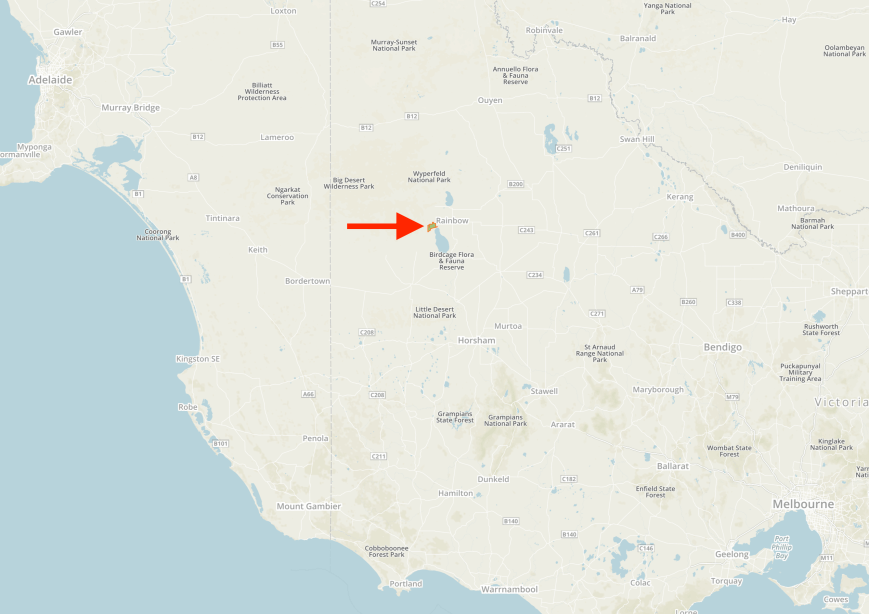
We then drove north on the Rainbow-Nhill Road to our second park of the day, the Birdcage Flora and Fauna Reserve VKFF-2268.  The park is located about 410 km northwest of Melbourne and about 21 km southwest of the town of Rainbow.

Screen Shot 2019-12-05 at 9.07.57 am.png

Above:- Map showing the location of the Birdcage Flora & Fauna Reserve.  Map courtesy of Protected Planet.

The park is located at the northwestern tip of Lake Hindmarsh.  Just to the northwest of the park is the very large Wyperfeld National Park.

Screen Shot 2019-12-04 at 2.08.06 pm.png

Above:- An aerial view of the Birdcage Flora & Fauna Reserve looking south towards Dimboola.  Lake Hindmarsh is clearly visible.  Image courtesy of Google maps.

The park is about 6,533 acres in size.  The name of the park derives from the number of Mallee birds which are contained within the reserve’s floodplain and Big Desert communities.  The park contains Black Box, Yellow Gum and Slender Cypress Pine.

The park was certainly alive with wildlife during our visit, particularly wrens.  Other birds which are known to call the park home include honeyeaters, robins, parrots, Curlew and Gilbert’s Whistler.

We set up in a clearing amongst the scrub off a dirt track which ran off the Rainbow-Nhill Road.  Equipment used for this activation was the Yaesu FT-857d and the 20/40/80m linked dipole supported by the 7-metre telescopic squid pole.

This would be a first-time activation of this park for the World Wide Flora Fauna (WWFF) program.
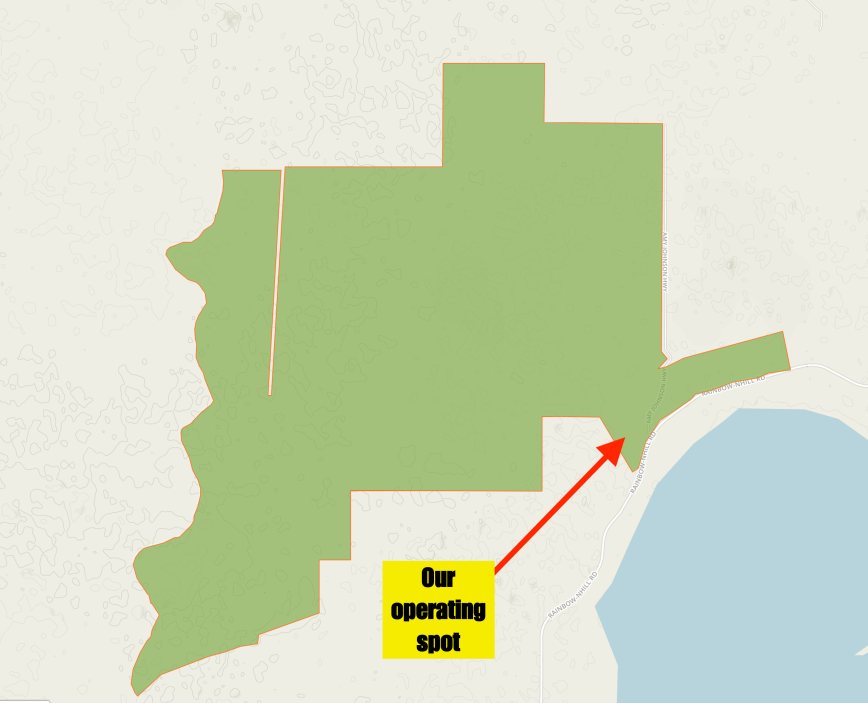
Screen Shot 2019-12-05 at 9.07.39 am

Above:- Map of the Birdcage Flora & Fauna Reserve showing our operating spot.  Map courtesy of Protected Planet.

We were set up and ready to go by around 4.00 p.m. local time.  After a spot being placed up on parksnpeaks by Marija, I headed to 7.144 and called CQ.  First in the log was regular park hunter Peter VK3PF with a beautiful 5/9 signal.  This was followed by another regular Brett VK2VW, Nev VK5WG and then Dennis VK2HHA.

Within 8 minutes I had qualified the park with ten contacts in the log.  Contact number ten was with John VK4TJ who is a very avid park hunter.

I went on to work a total of 38 stations before the callers dried up, so we decided to swap positions in the operator’s chair.  I had logged stations from VK2, VK3, VK4, and VK5.  As this was later afternoon, band conditions on 40m were very good, with some very strong signals.
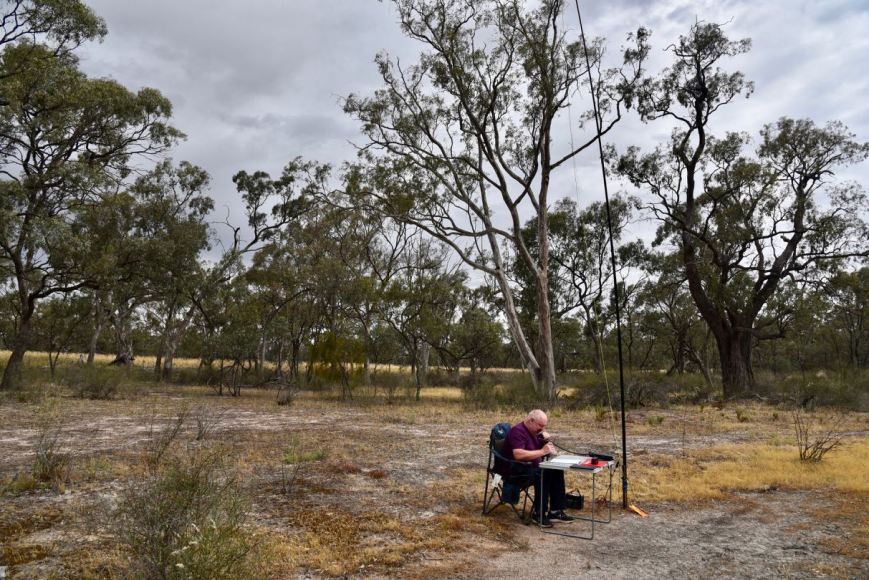
DSC_6487

Marija’s first contact was with Peter VK3PF, followed by Lee VK2LEE, and then Ivan VK5HS.  It took Marija just 6 minutes to get contact number ten in the log, a QSO with Ray VK4NH.

Marija logged a total of 17 stations from VK2, VK3, VK4, and VK5, before we once again swapped the mic.

I was now just a handful of contacts away from 44 QSOs.  I started calling CQ again and this was answered by John VK5BJE, followed by Andy VK4KY and then Roy VK7ROY.  It wasn’t long and I had contact number 44 in the log, a QSO with David VK5LSB.

I logged a further 3 stations on 40m before heading up to the 20m band where I called CQ on 14.310.  I logged 4 stations on 20m from VK2, VK3, VK4, and VK6.

To conclude the activation I moved down to 3.610 on the 80m band and logged 5 stations from VK3 and VK5.
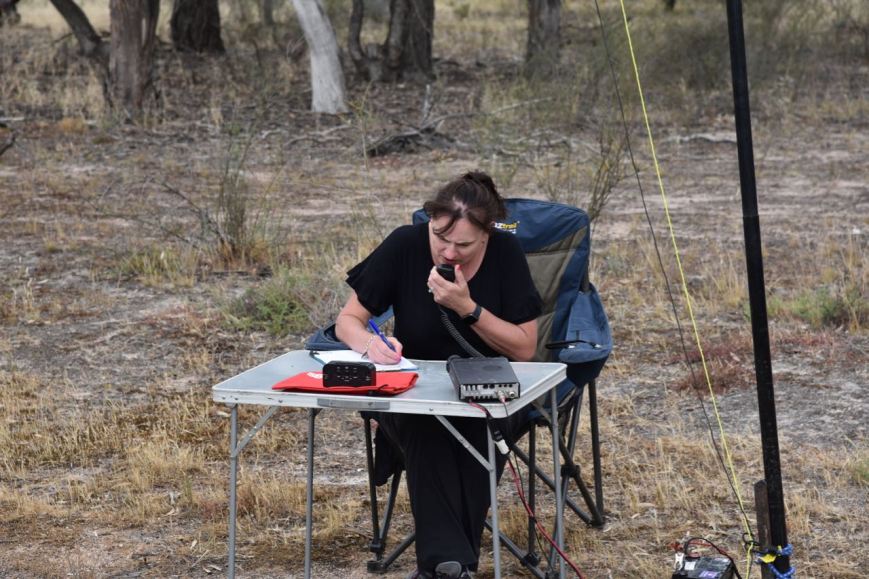
DSC_6490

It was time to pack up and head off to Dimboola and book into our accommodation.  Between us, we had a total of 73 contacts in the log from the Birdcage.

Marija worked the following stations on 40m SSB:-

  1. VK3PF
  2. VK2LEE
  3. VK5HS
  4. VK2LUV/p
  5. VK5FANA
  6. VK4RF
  7. VK4HA
  8. VK2VH
  9. VK4AAC/2
  10. VK4NH
  11. VK4DXA
  12. ZL4TY/VK4
  13. VK2HHA
  14. VK2IWU
  15. VK5BJE
  16. VK5LSB
  17. VK4FDJL/5

I worked the following stations on 40m SSB:-

  1. VK3PF
  2. VK2VW
  3. VK5WG
  4. VK2HHA
  5. VK5GJ
  6. VK2PKT
  7. VK3AHRD
  8. VK2YK
  9. VK5FANA
  10. VK4TJ
  11. VK4/AC8WN
  12. VK4/VE6XT
  13. VK4SSN
  14. VK5HS
  15. VK2IO
  16. VK2LUV/p
  17. VK7FJFD
  18. VK2LEE
  19. VK4NH
  20. VK4DXA
  21. ZL4TY/VK4
  22. VK3CM
  23. VK3OHM
  24. VK2VH
  25. VK4AAC/2
  26. VK3TKK/m
  27. VK2HBO
  28. VK3ADM/m
  29. VK5TW
  30. VK4FDJL/5
  31. VK5FRSM
  32. VK4FARR
  33. VK2KNV
  34. VK3UH
  35. VK5AR/m
  36. VK3ARH/m
  37. VK3MKE
  38. VK3FCMC
  39. VK5BJE
  40. VK4KY
  41. VK7ROY
  42. VK3PWG
  43. VK3KAI
  44. VK5LSB
  45. VK3CBP
  46. VK3VJP
  47. VK3MCK

I worked the following stations on 20m SSB:-

  1. VK2LEE
  2. VK3PWG
  3. VK4TJ
  4. VK6TU

I worked the following stations on 80m SSB:-

  1. VK3PWG
  2. VK5HS
  3. VK3CBP
  4. VK5BJE
  5. VK3VEK

After packing up we drove into the town of Rainbow and then headed south on the Rainbow-Dimboola Road.  We stopped briefly at the little town of Antwerp which takes its name from Antwerp in Belgium.  In 1846 Horation Ellerman arrived in Victoria and successfully applied for 130,000 acres which he named ‘Antwerp’ after the city in which he was born.

Today very little remains in Antwerp.  You can find a monument which commemorates the settlement of the Antwerp Station.

There is also a monument for the Antwerp State School which opened in May 1891 and was closed in 1982.

We continued south on the Rainbow-Dimboola Road passing through cropping lands.  Many of the farmers were busy in the harvesting of their crops.
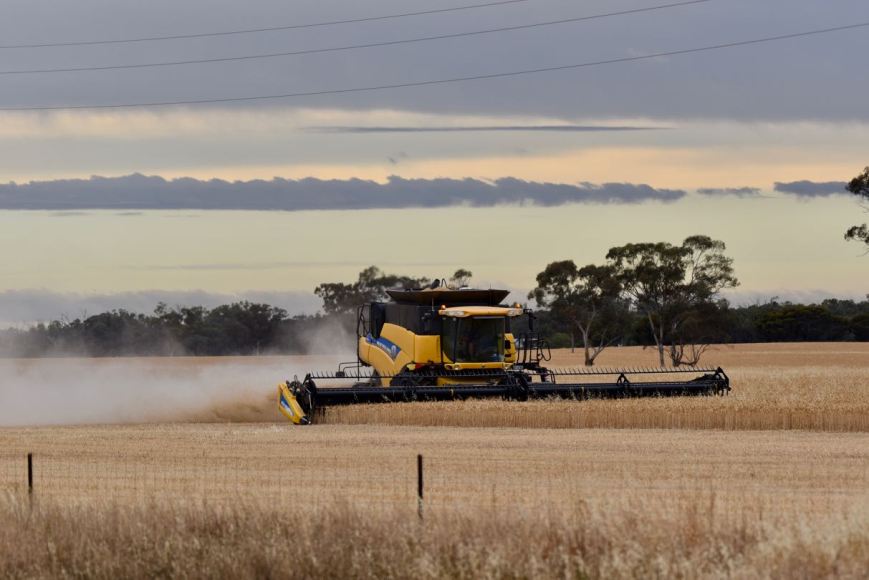
DSC_6529

We then turned off to head to the Ebenezer Mission.  In 1858 Brother Hagenauer and Brother Spieseke, two Moravian missionaries, arrived in Victoria to work with local aborigines.  By 1859 they had moved to the Wimmera district and chose a site about 3 km south of Antwerp Station.  A total of 1,897 acres was provided by the Government for the establishment of the Ebenezer Mission Station.

Sadly, the site was closed and has a large fence around it.  After speaking with locals, apparently, the site has been closed for a number of years.  We left feeling rather disappointed as we were very keen to explore the site.

We continued south and soon reached the town of Dimboola which takes its name from the Singhalese word ‘Dimbula’ meaning ‘land of figs’.  We booked into our accommodation, the Motel Dimboola.  We then headed out for tea to the local hotel.  Unfortunately, it was extremely busy and there was a 45-minute wait for meals, so we headed to the local cafe and got some takeaway and headed back to the motel room.

DSC_6540


References.

Aussie Towns, 2019, <https://www.aussietowns.com.au/town/jeparit-vic>, viewed 4th December 2019

Aussie Towns, 2019, <http://www.aussietowns.com.au/town/rainbow-vic>, viewed 5th December 2019

Aussie Towns, 2019, <https://www.aussietowns.com.au/town/antwerp-vic>, viewed 5th December 2019

Heritage Council Victoria, 2019,<https://vhd.heritagecouncil.vic.gov.au/places/68607>, viewed 4th December 2019

The Sydney Morning Herald, 2019, <https://www.smh.com.au/lifestyle/rainbow-20040208-gdkqwc.html>, viewed 5th December 2019

Wikipedia, 2019, <https://en.wikipedia.org/wiki/Jeparit>, viewed 4th December 2019

Wikipedia, 2019, <https://en.wikipedia.org/wiki/Lake_Hindmarsh>, viewed 4th December 2019
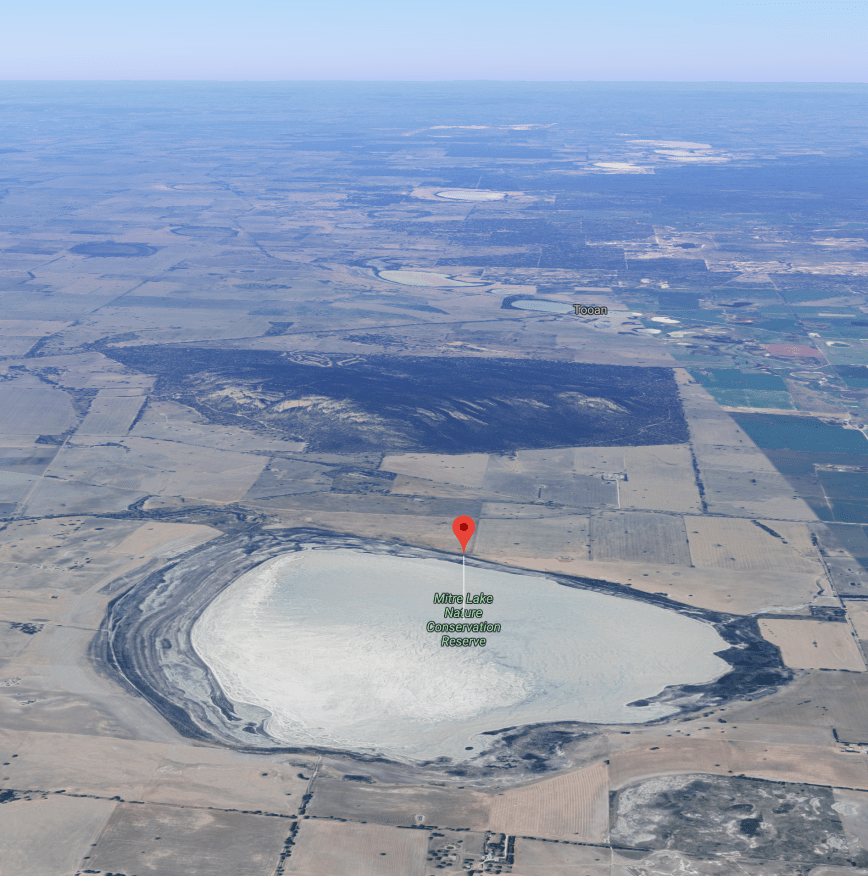
Wikipedia, 2019, <https://en.wikipedia.org/wiki/Astor_Radio_Corporation>, viewed 5th December 2019