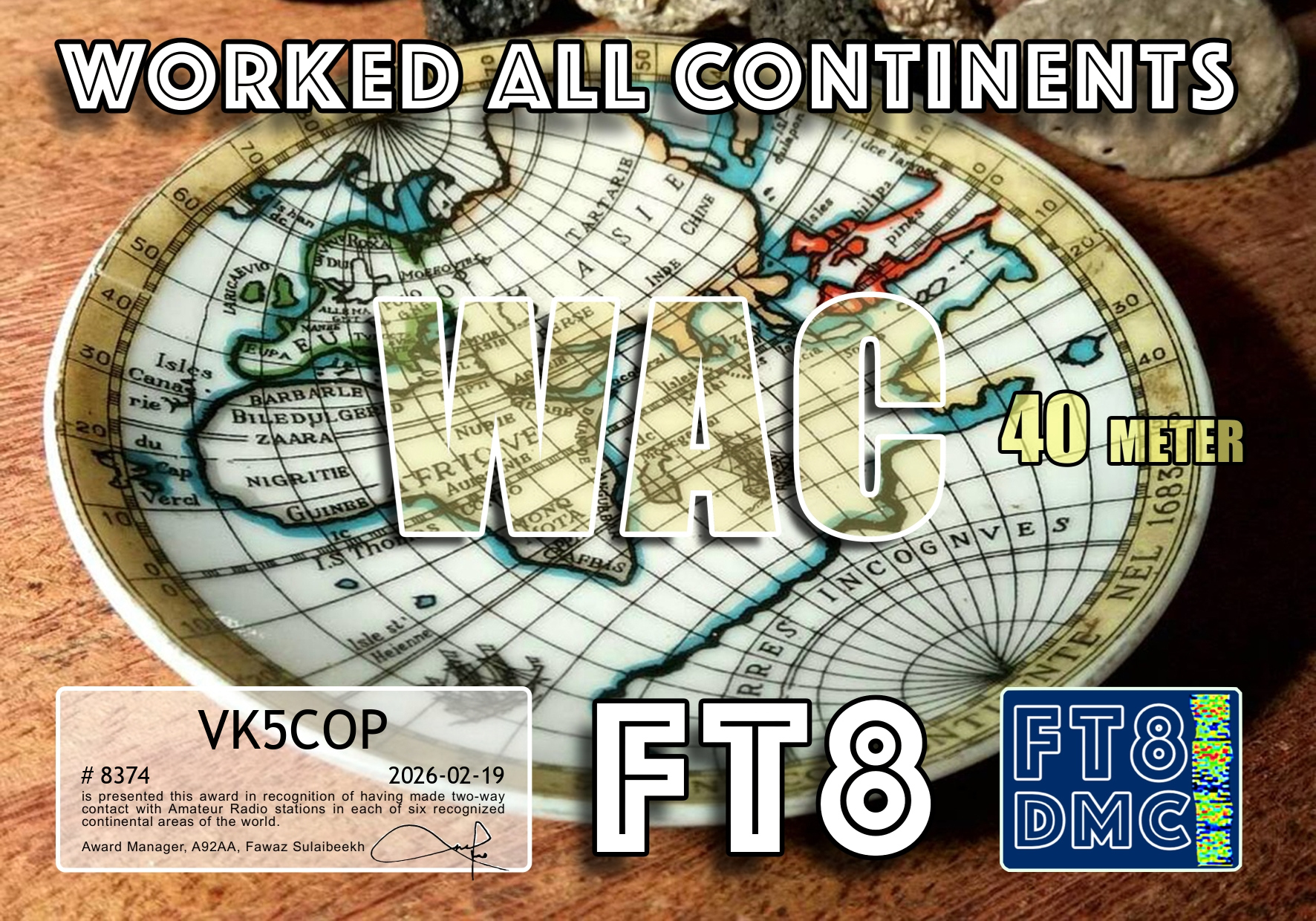
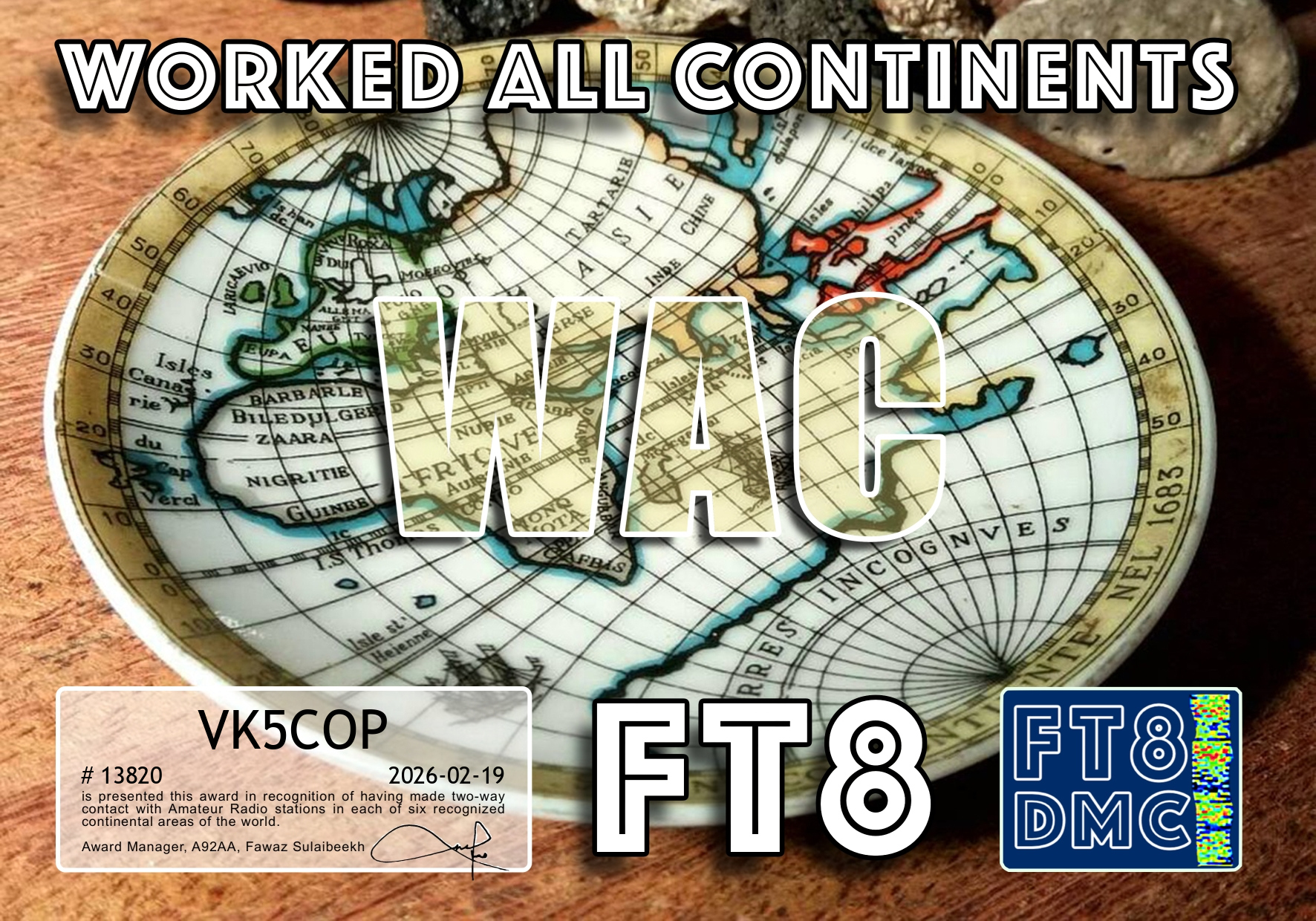
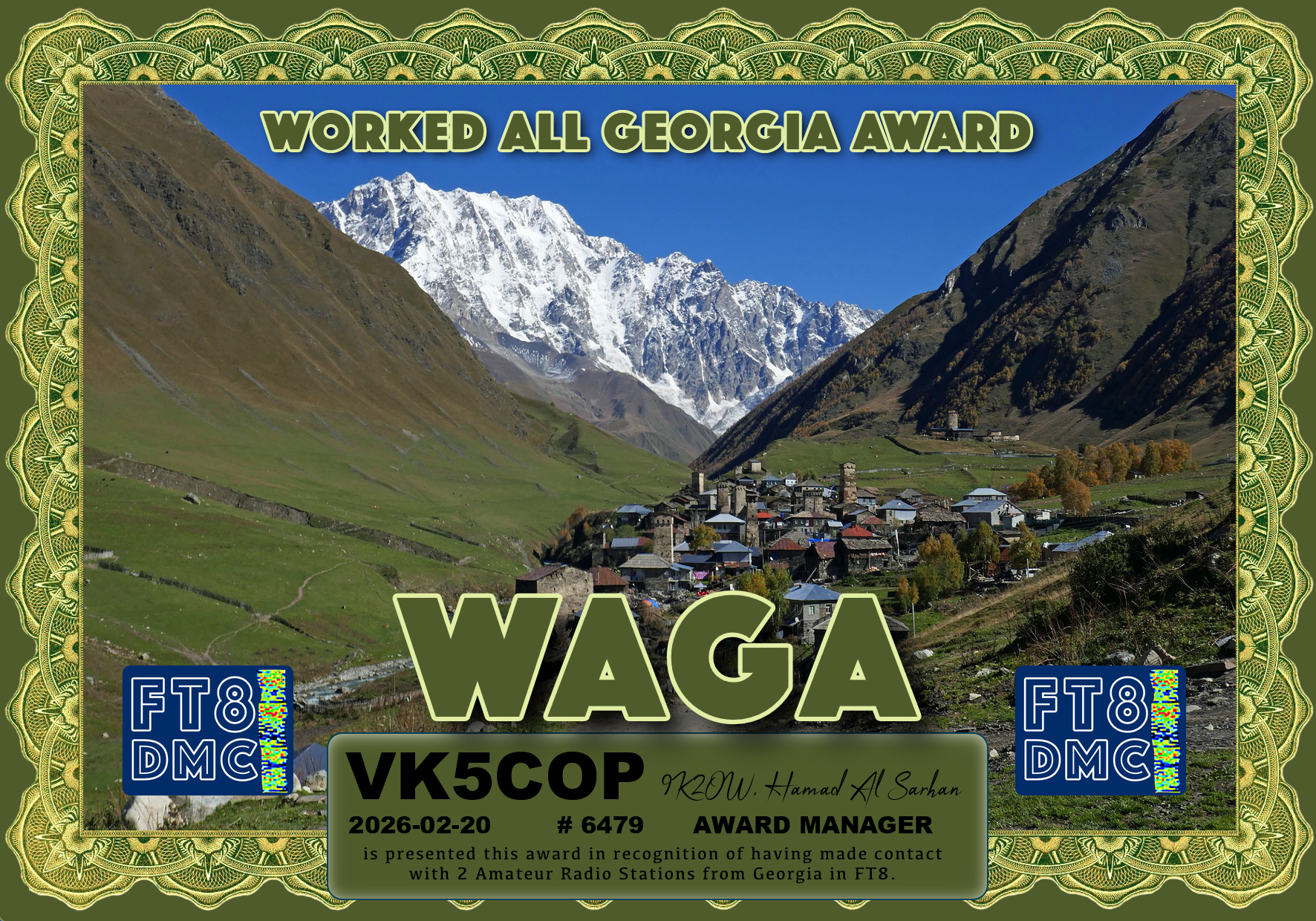
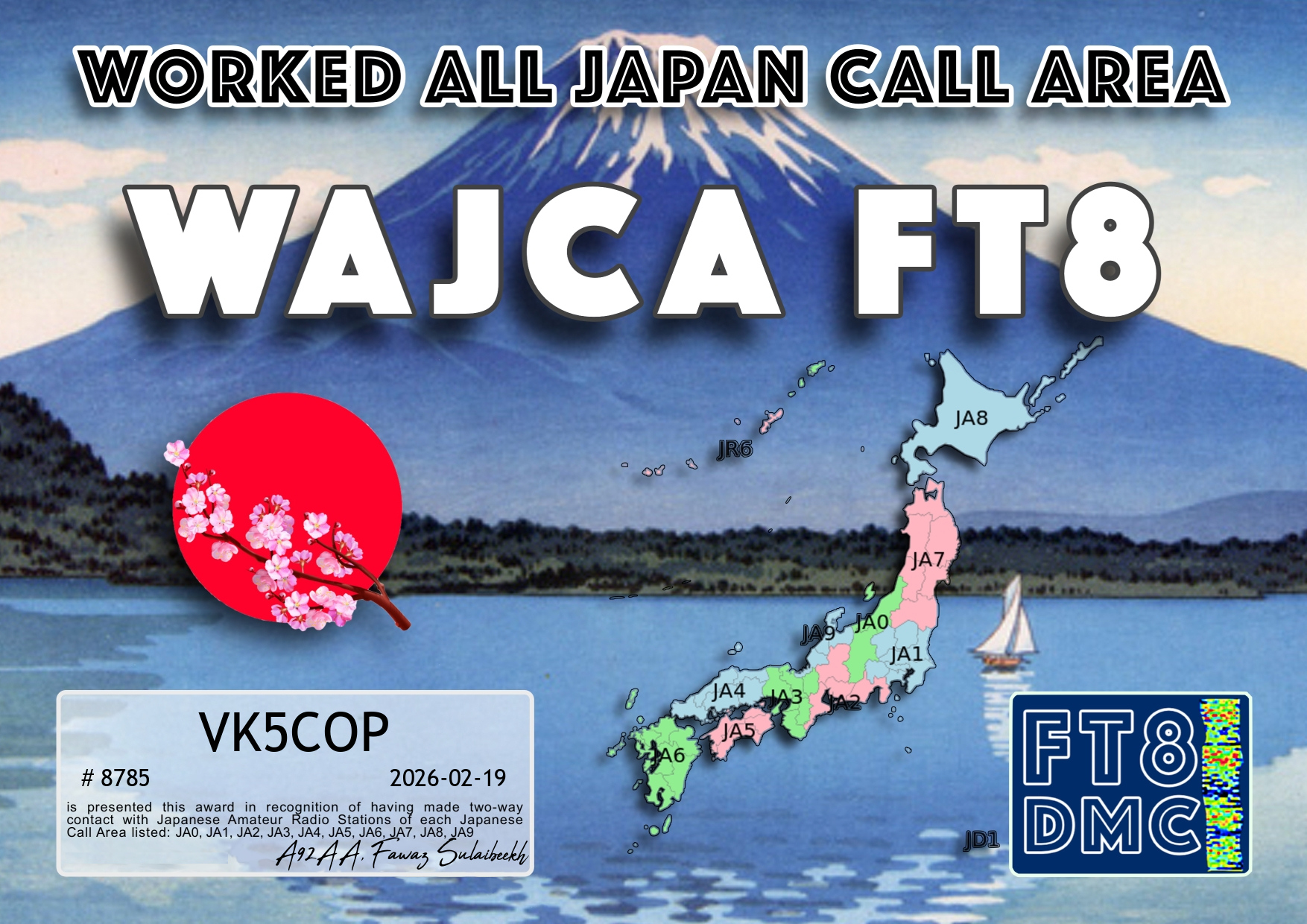
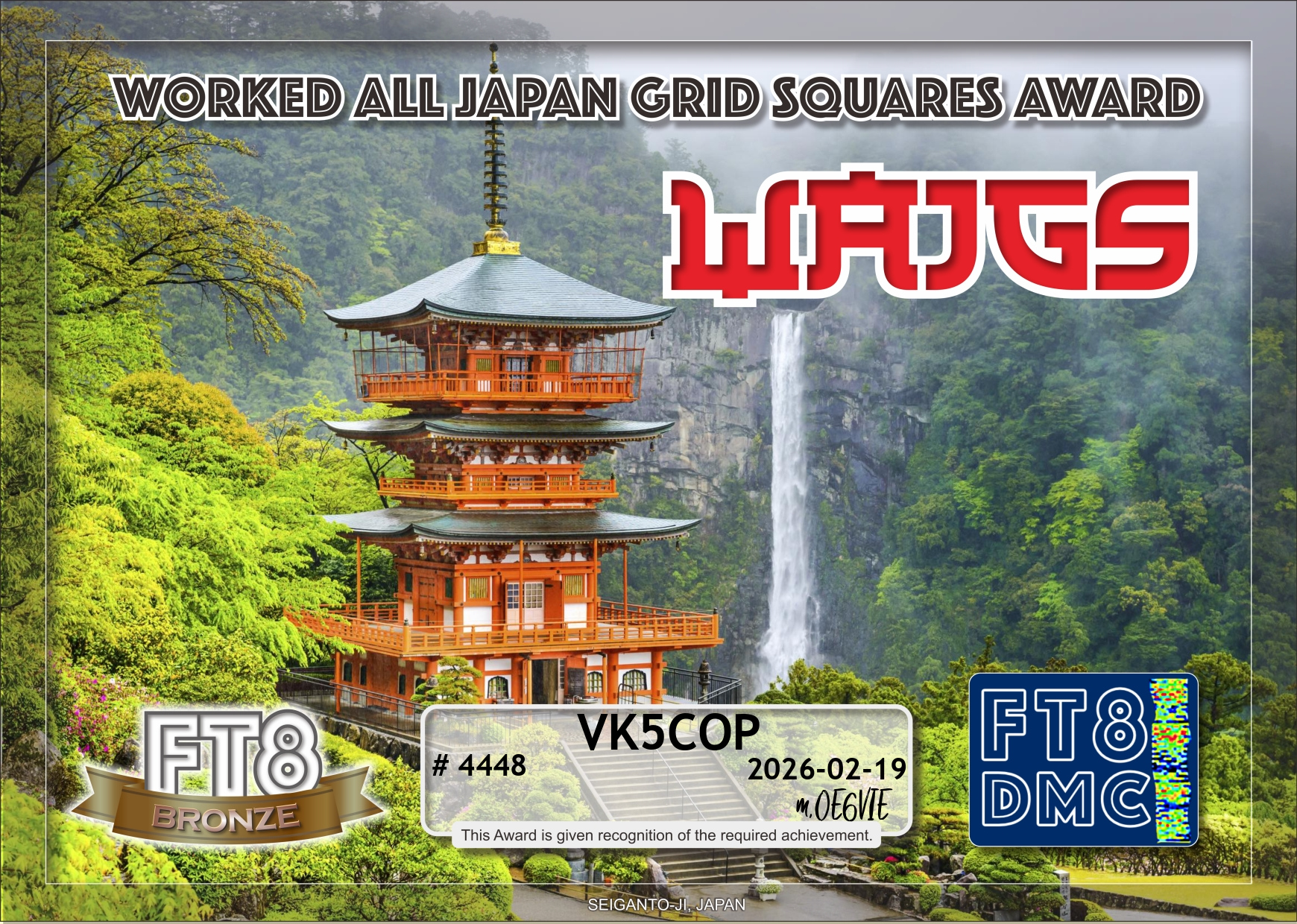
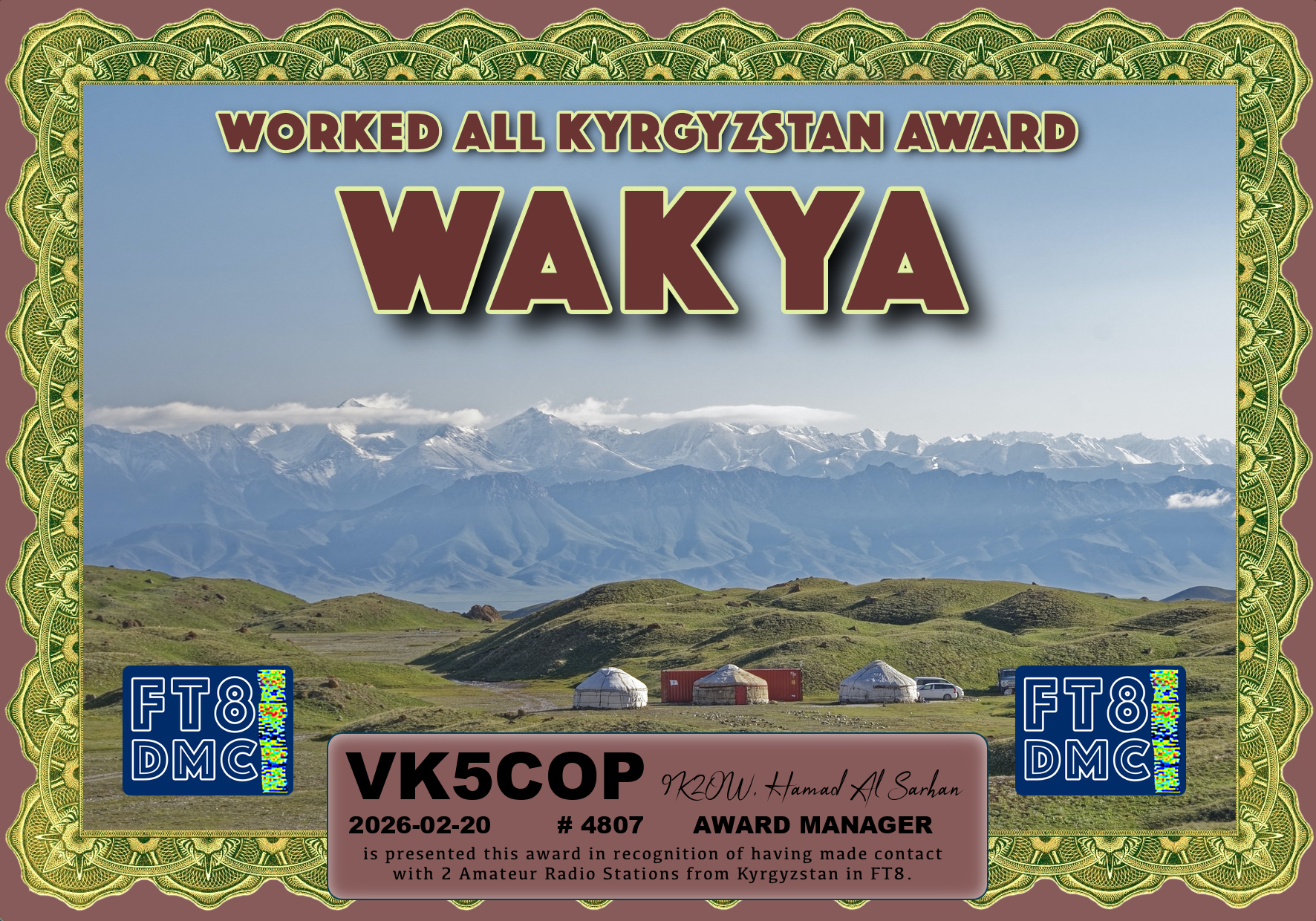
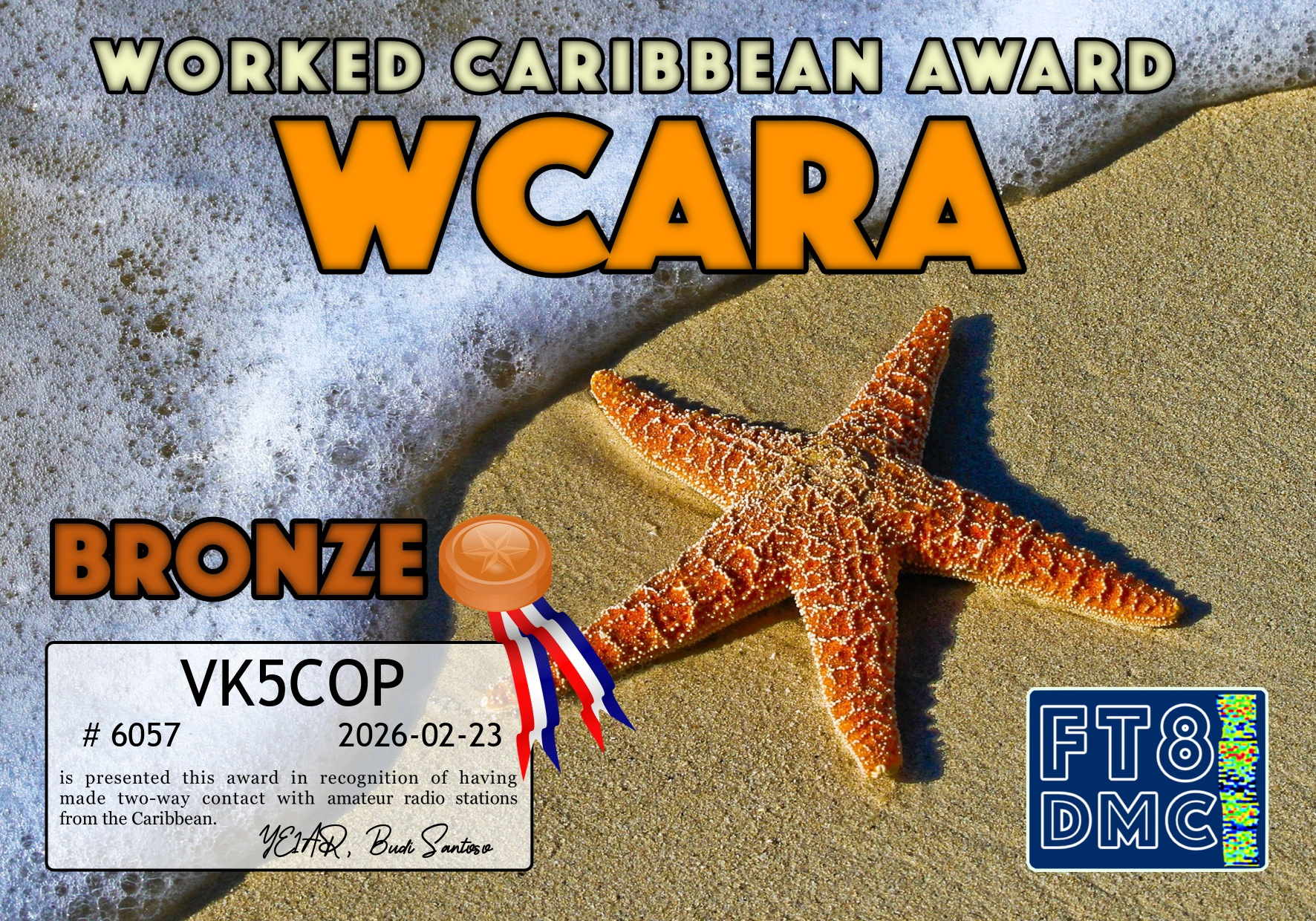
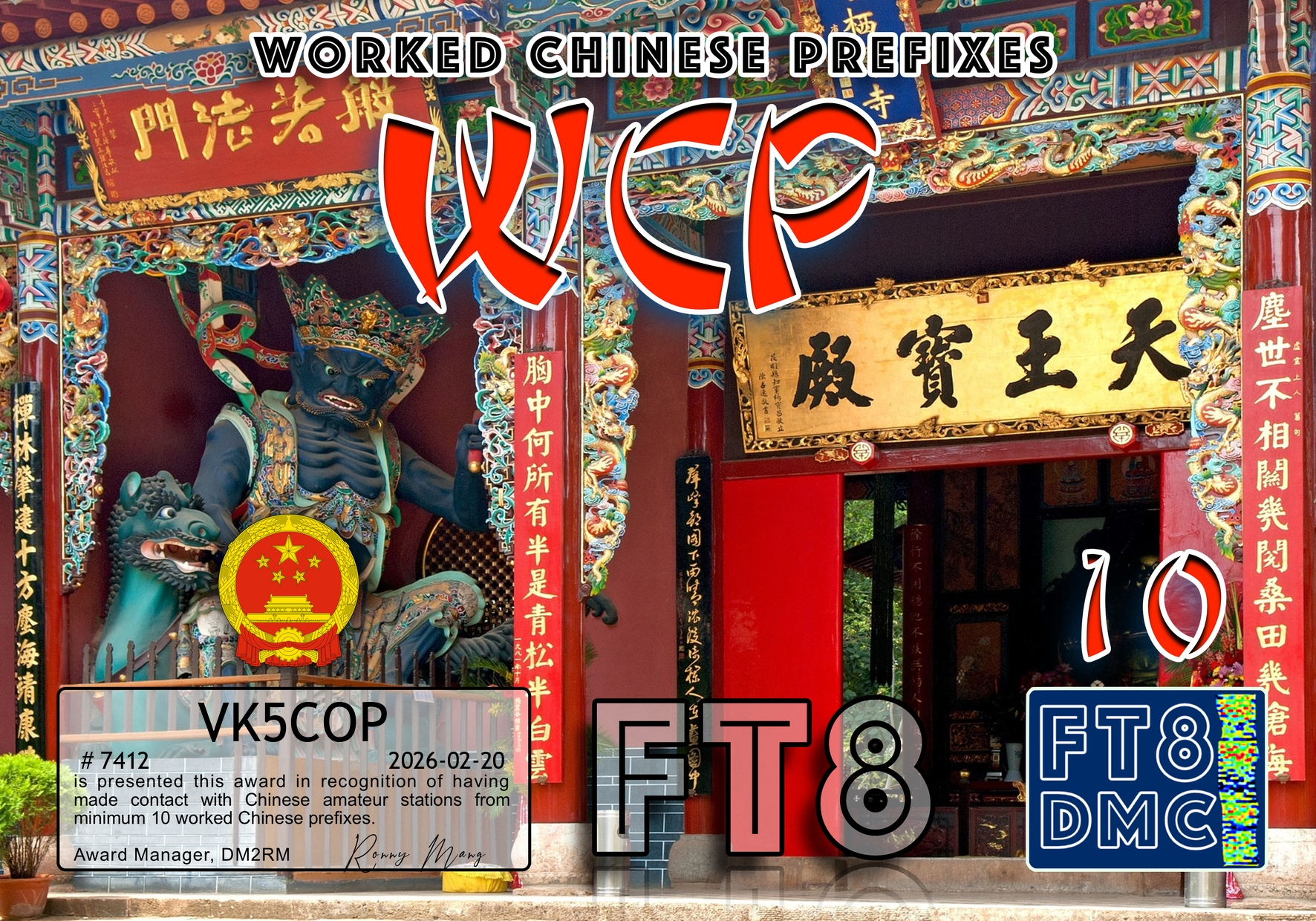
Here are my latest FT8 certificates for VK5IPA.
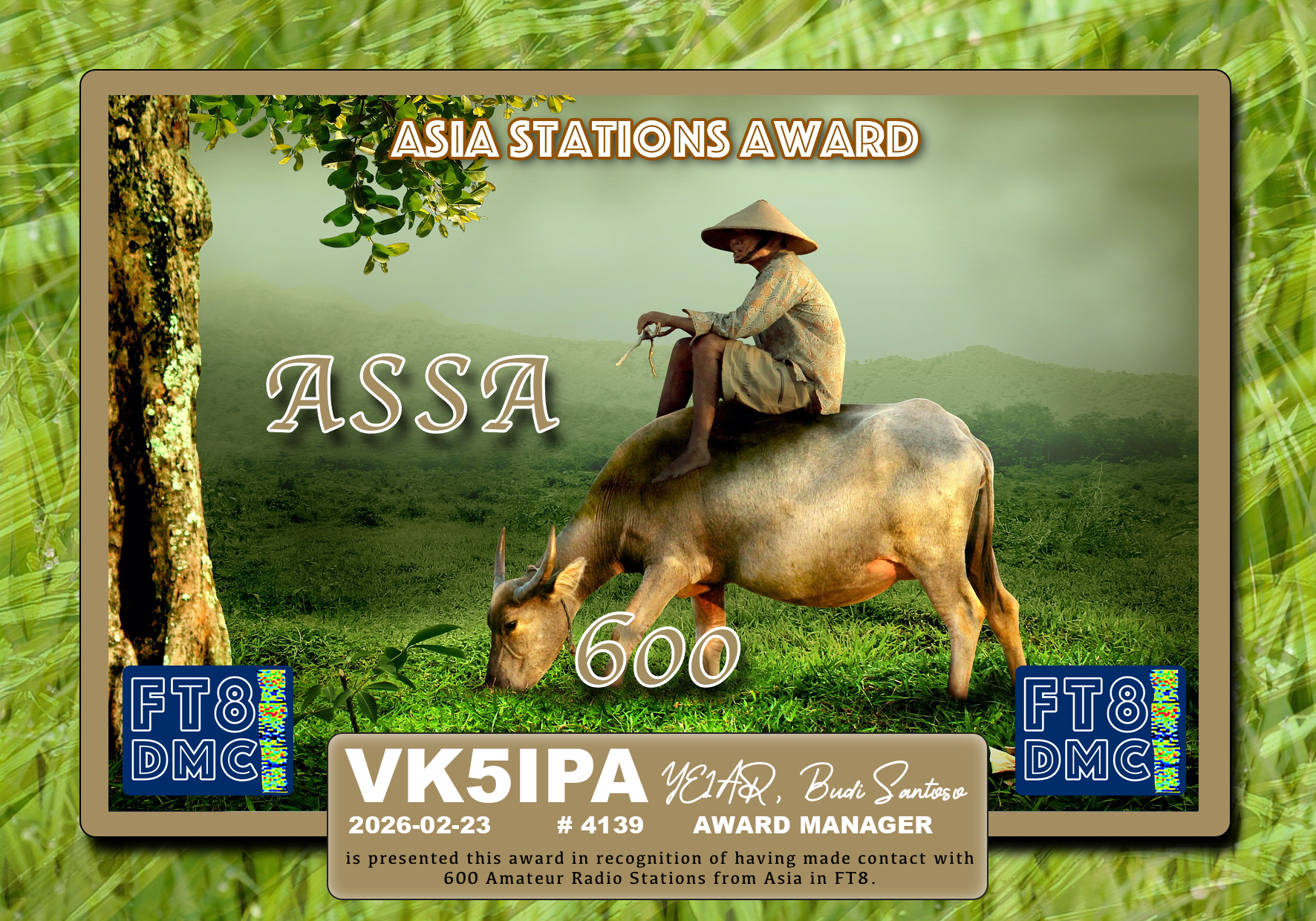
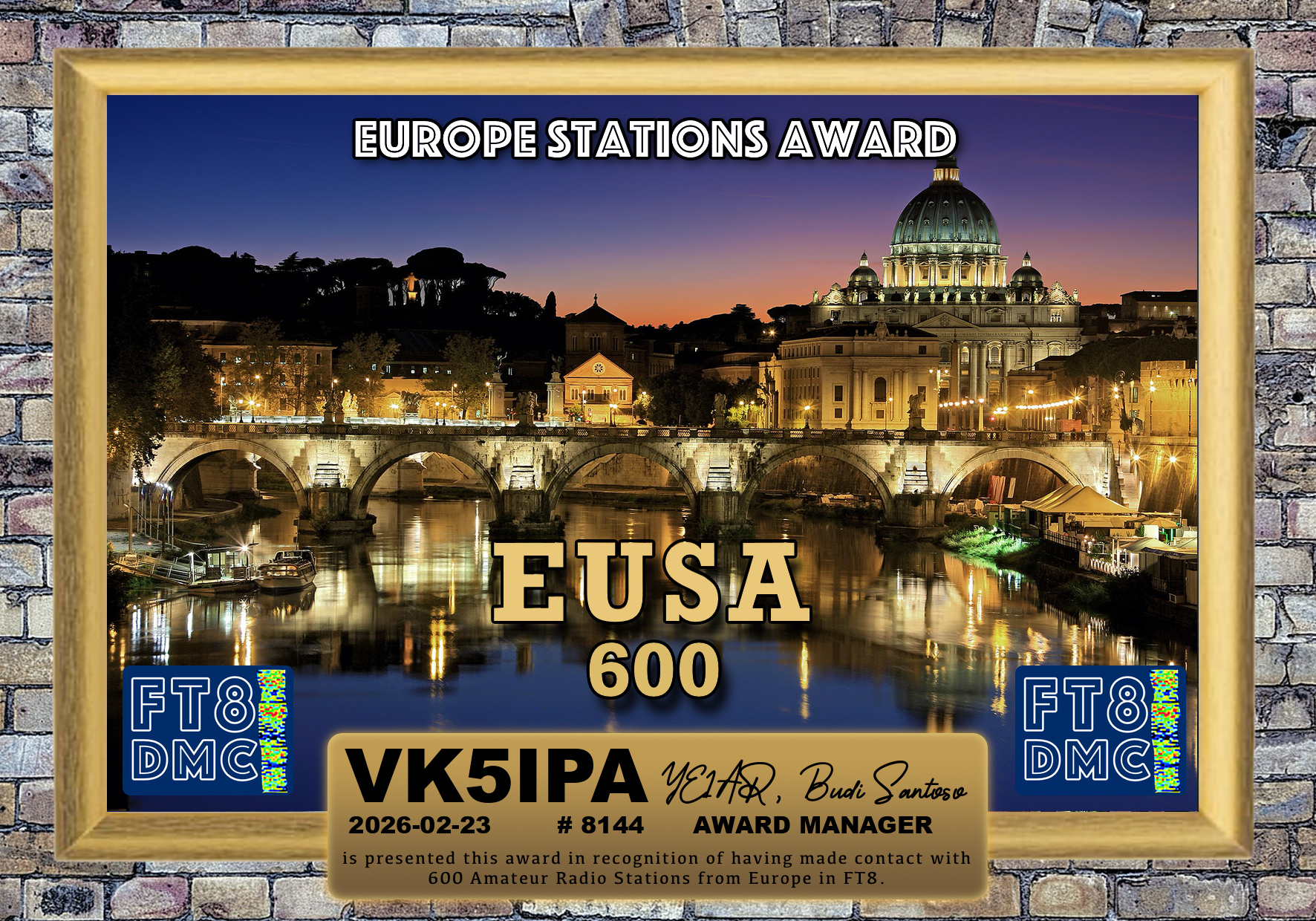
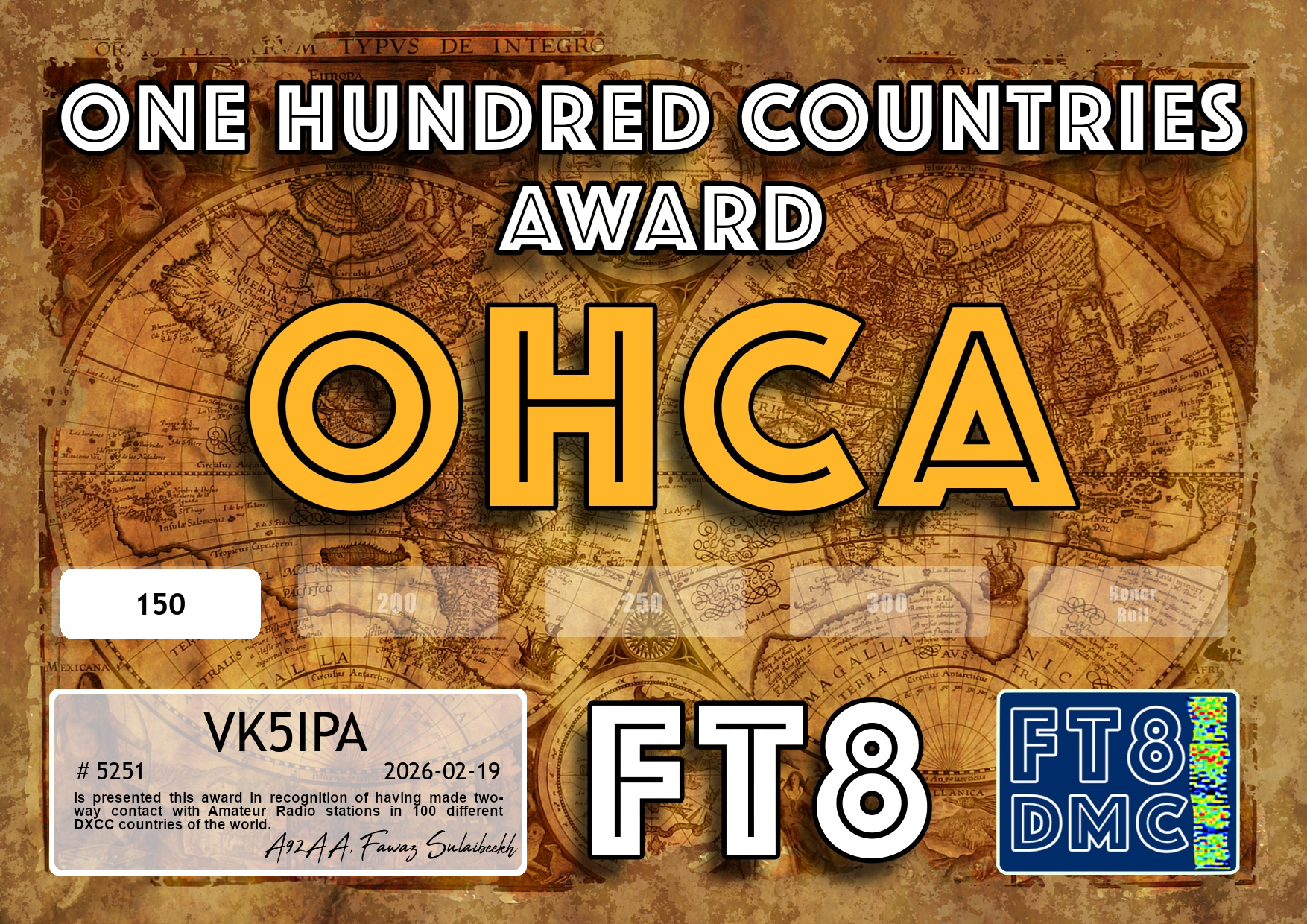
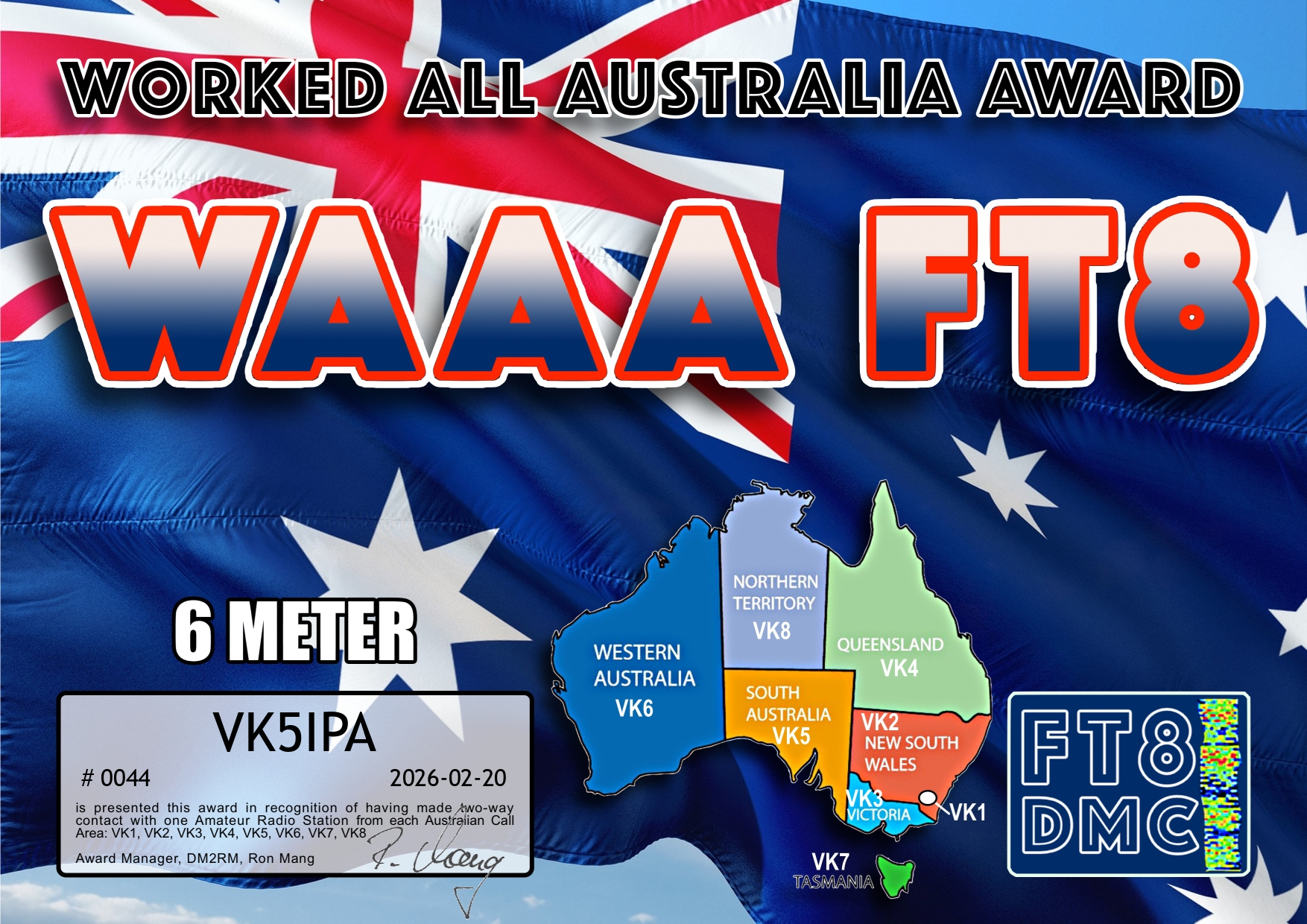
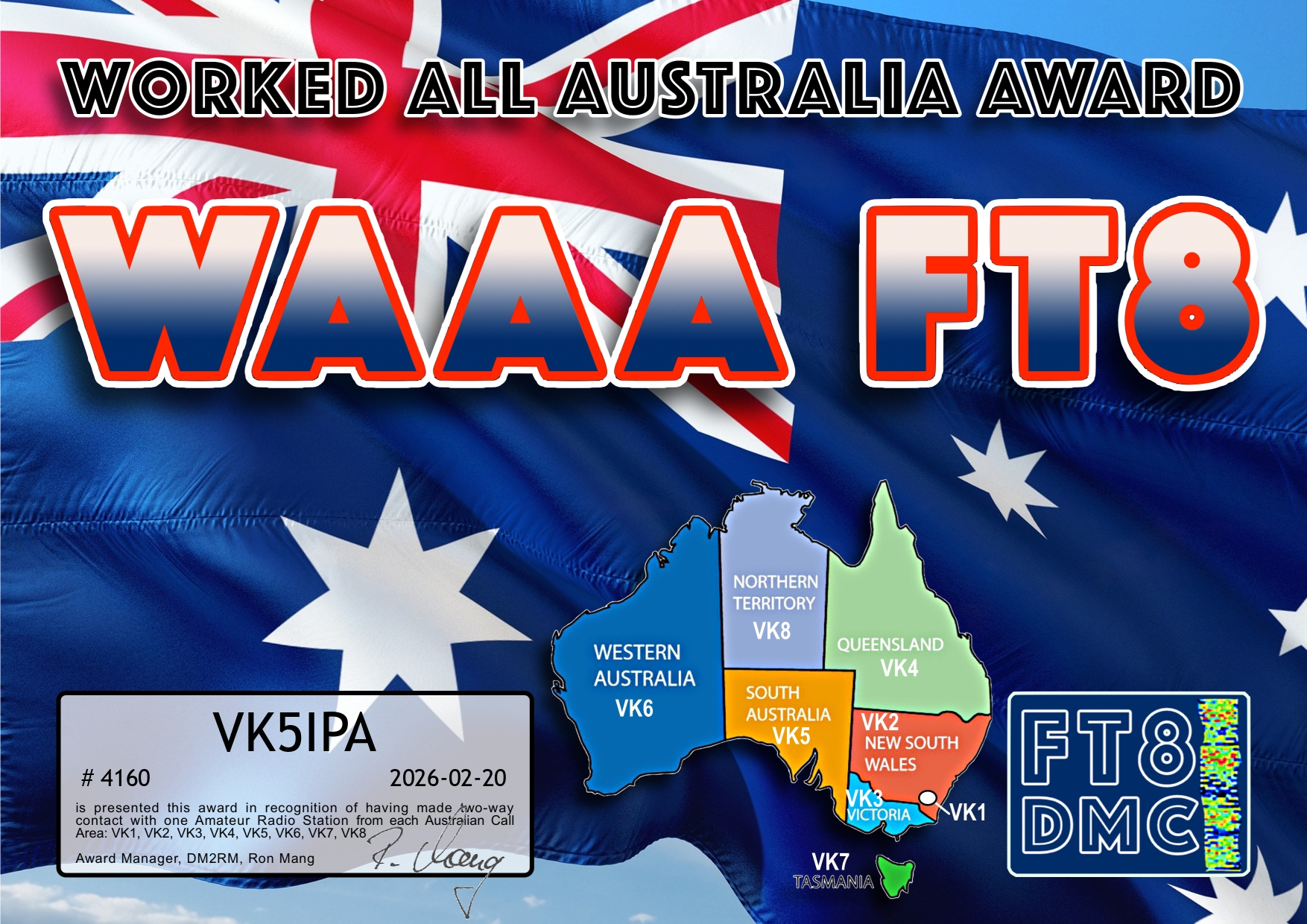
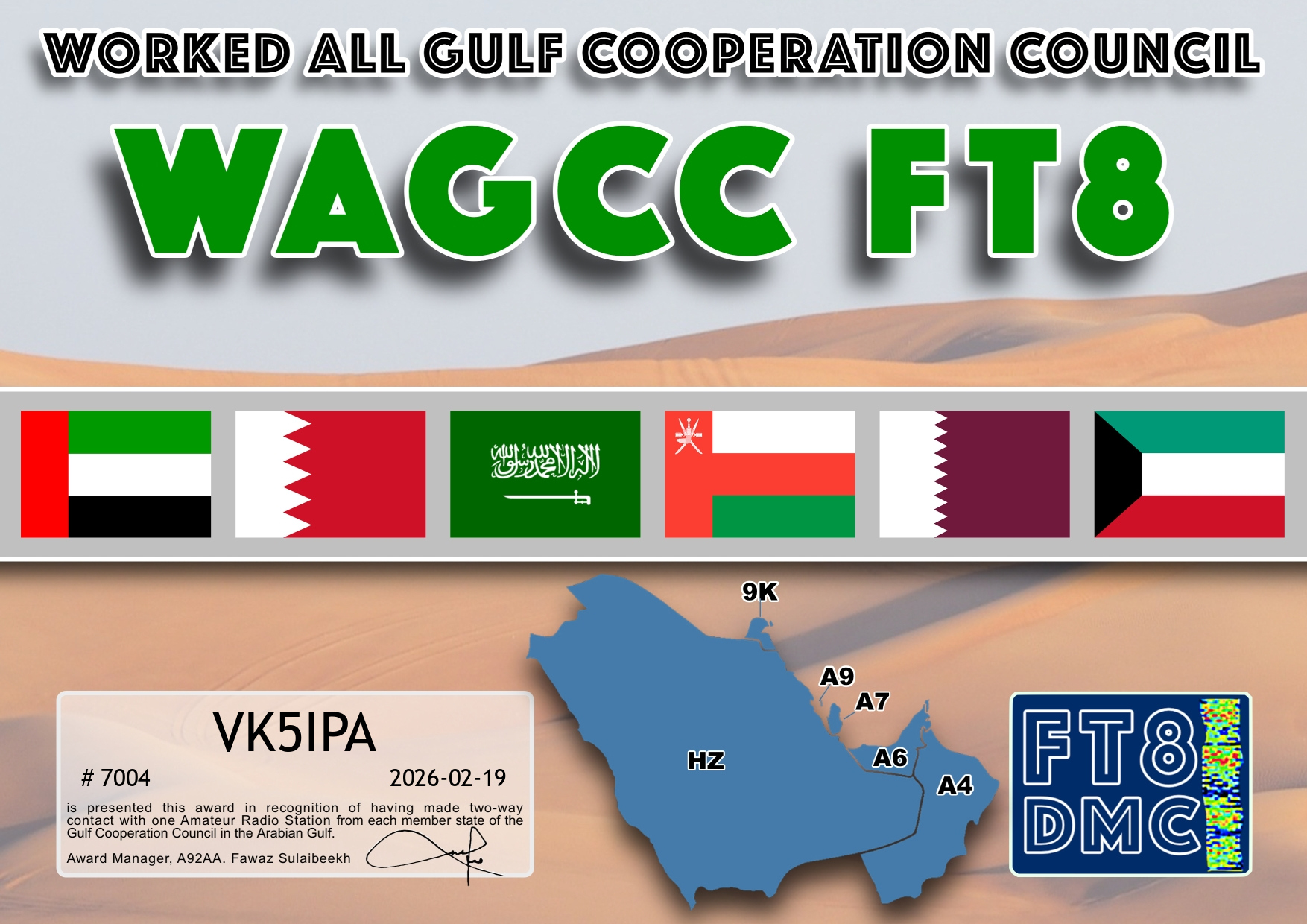

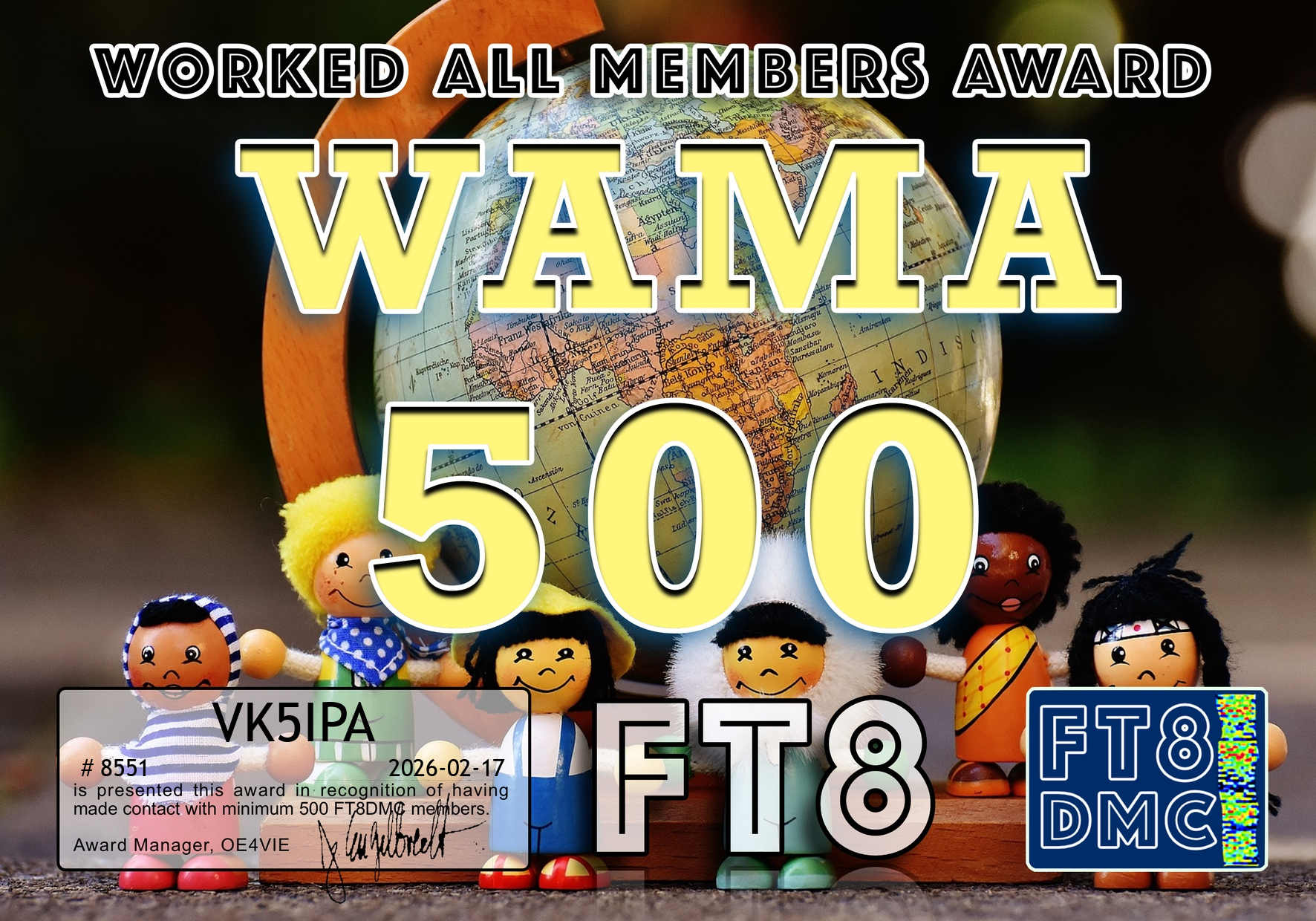
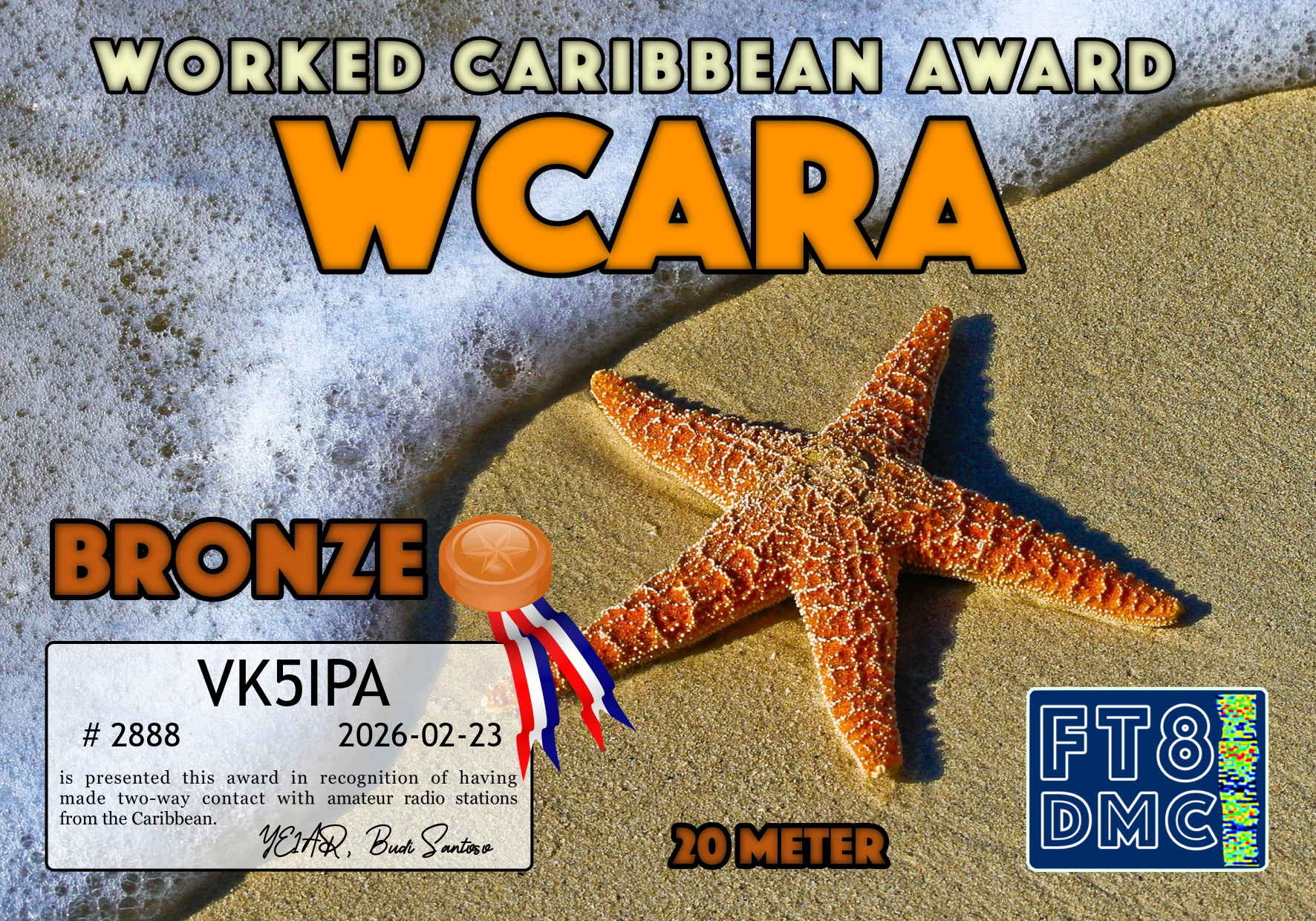
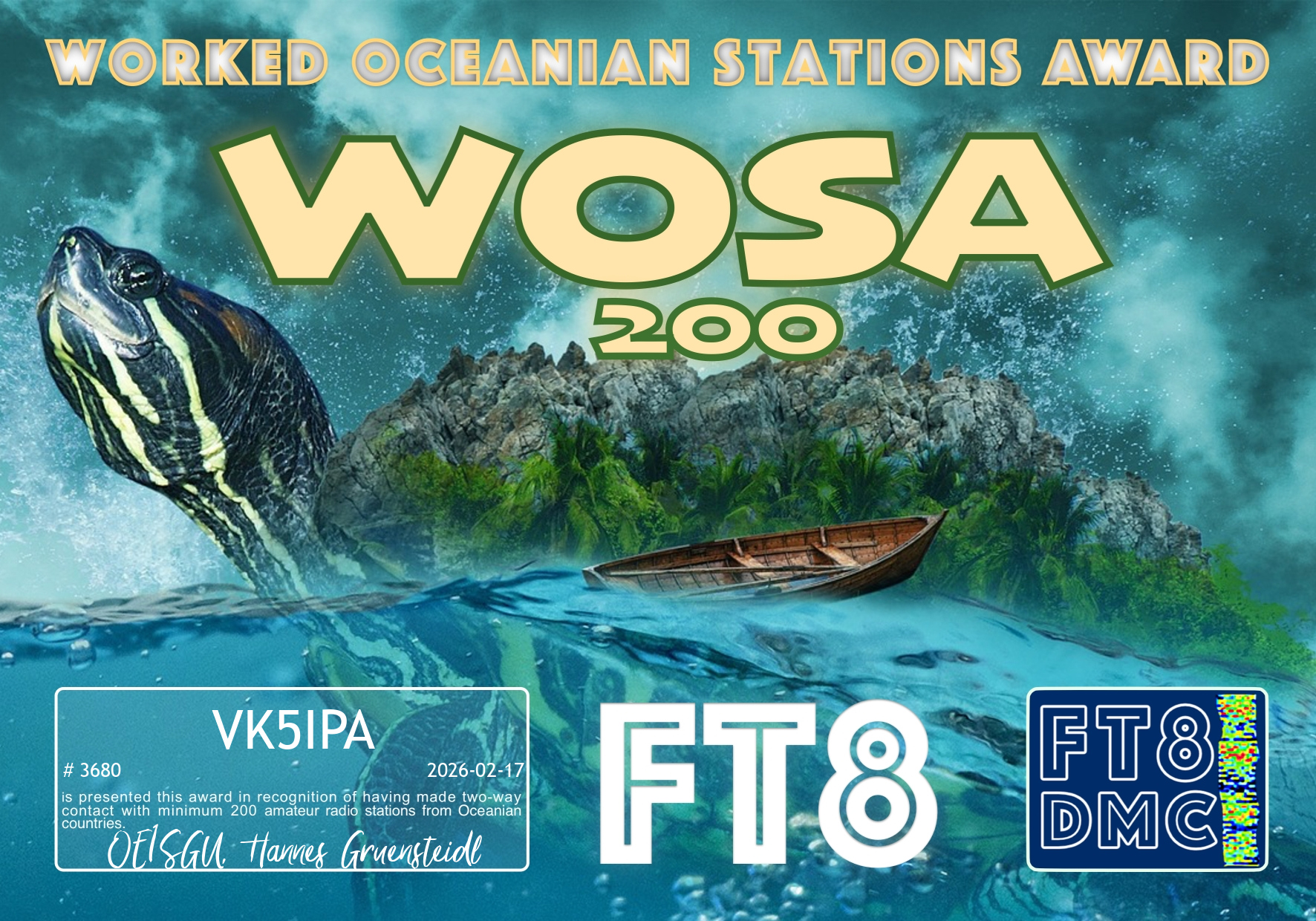
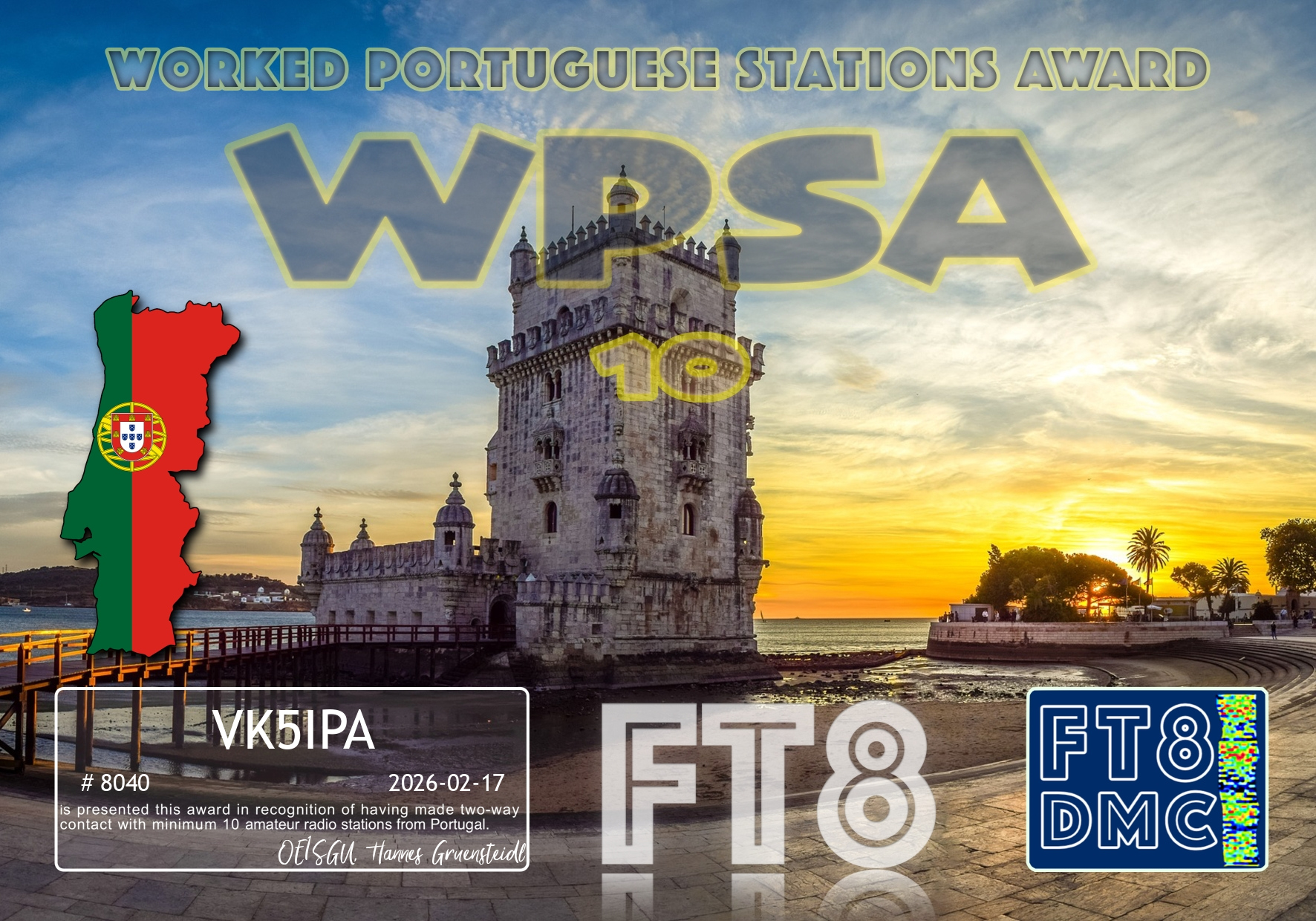

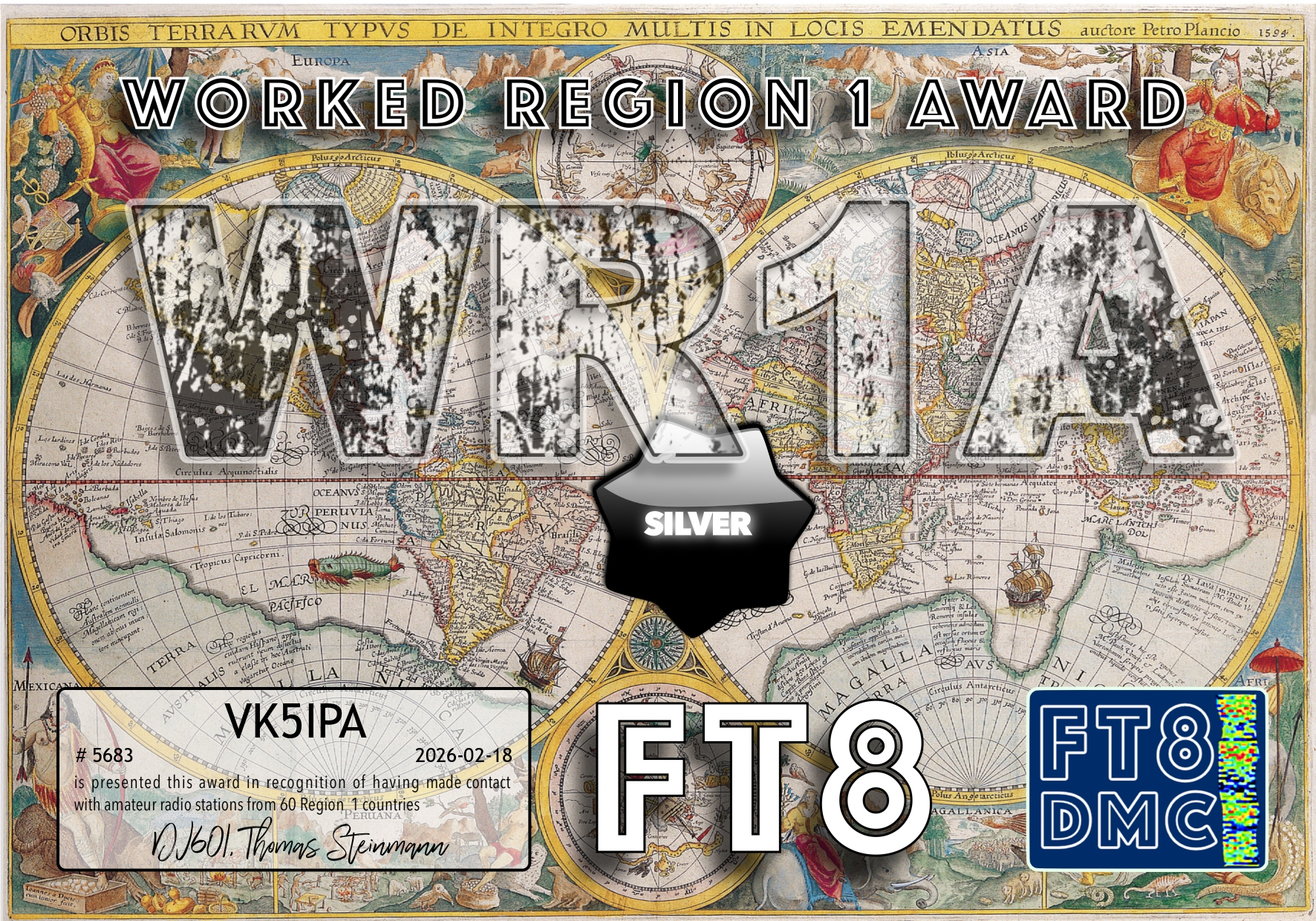
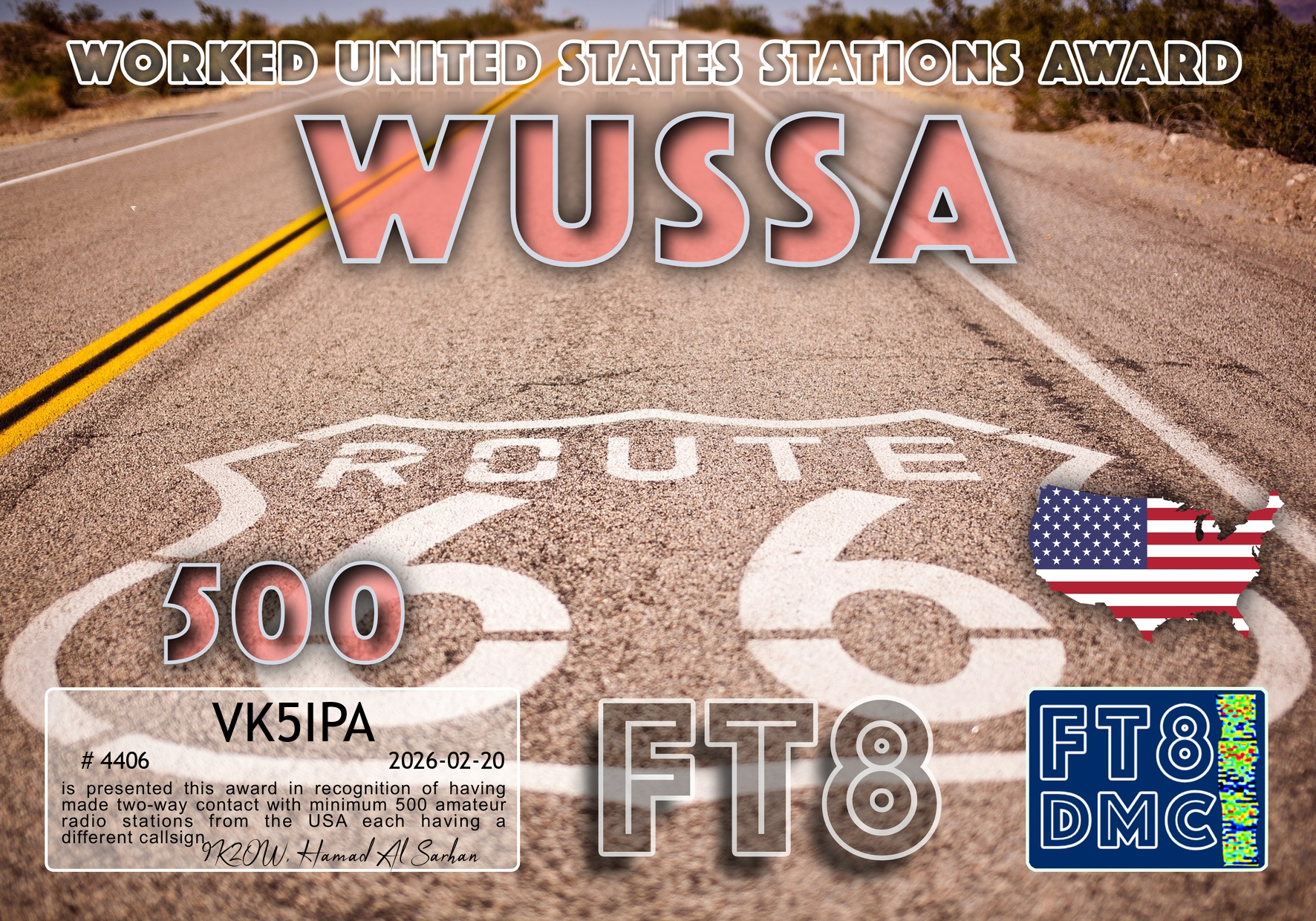

Here are my latest FT8 certificates for VK5IPA.
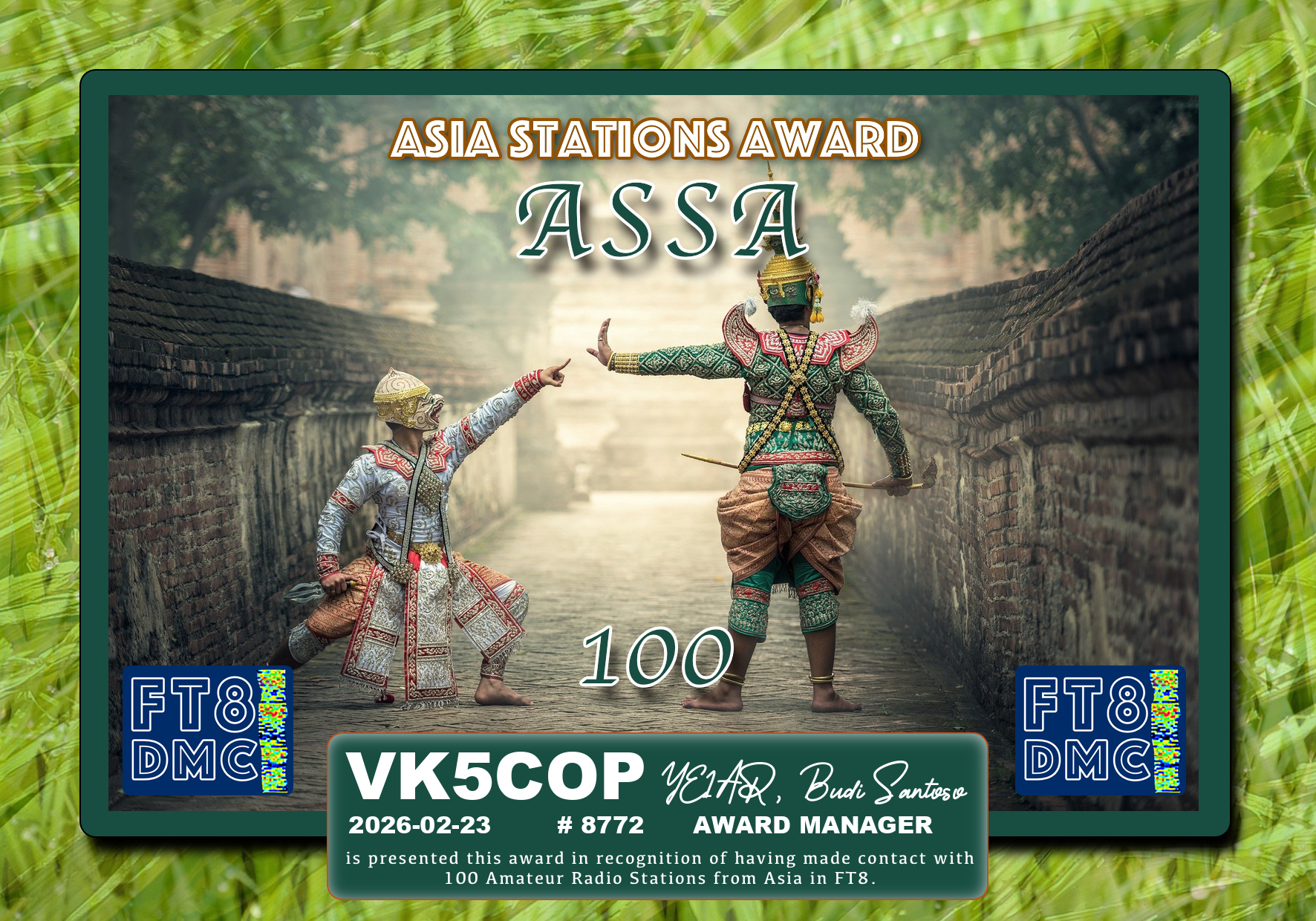
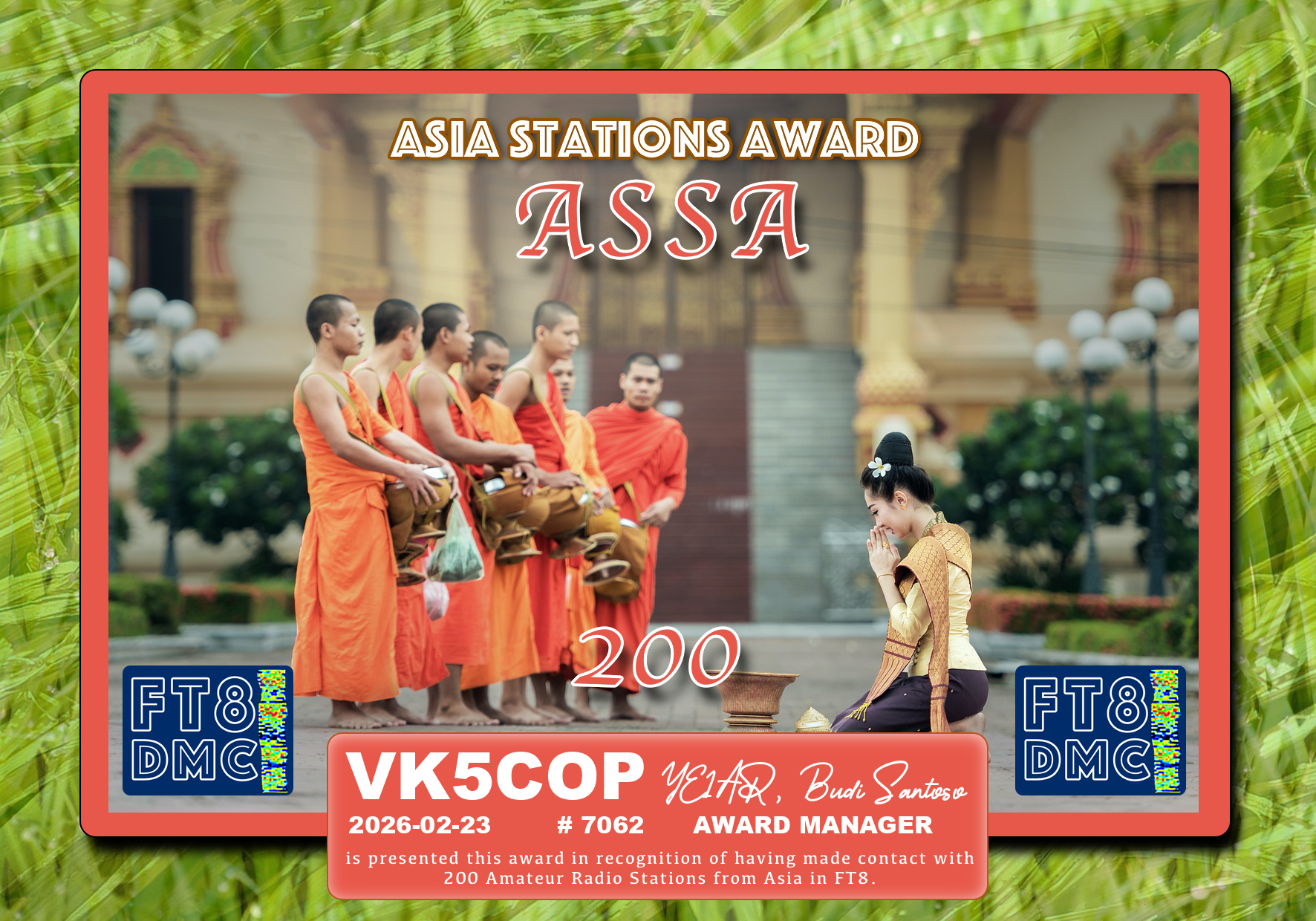
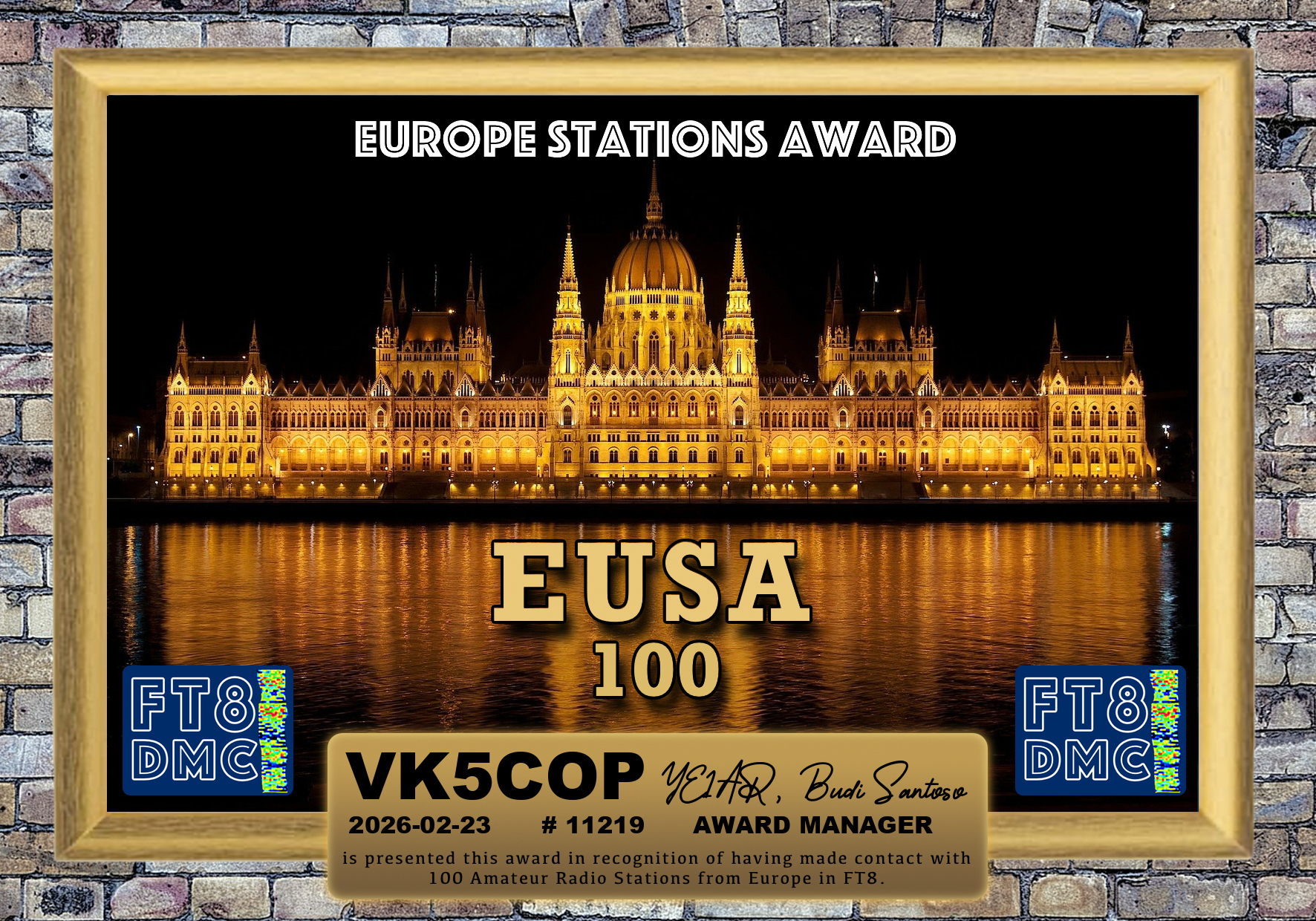
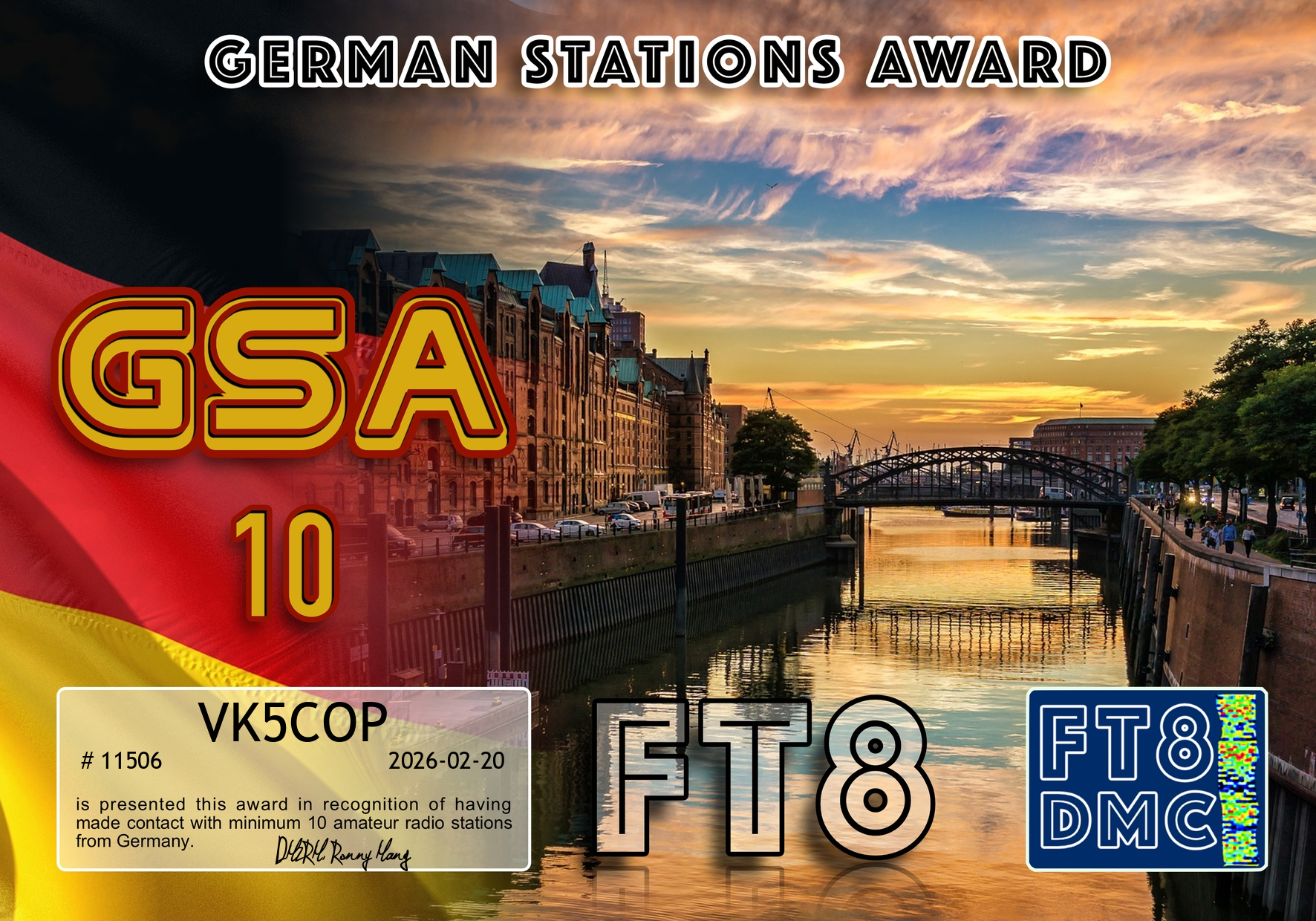
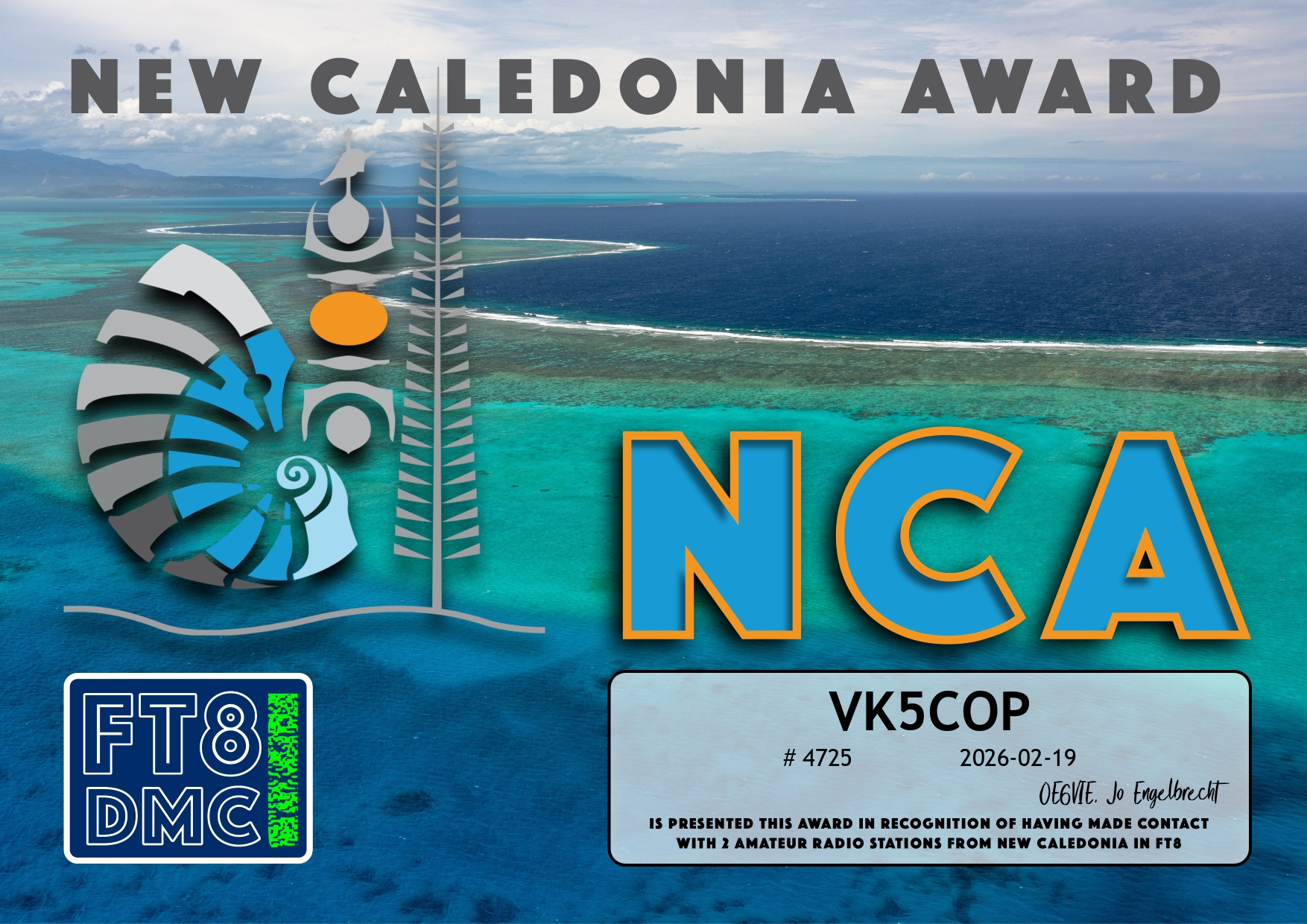
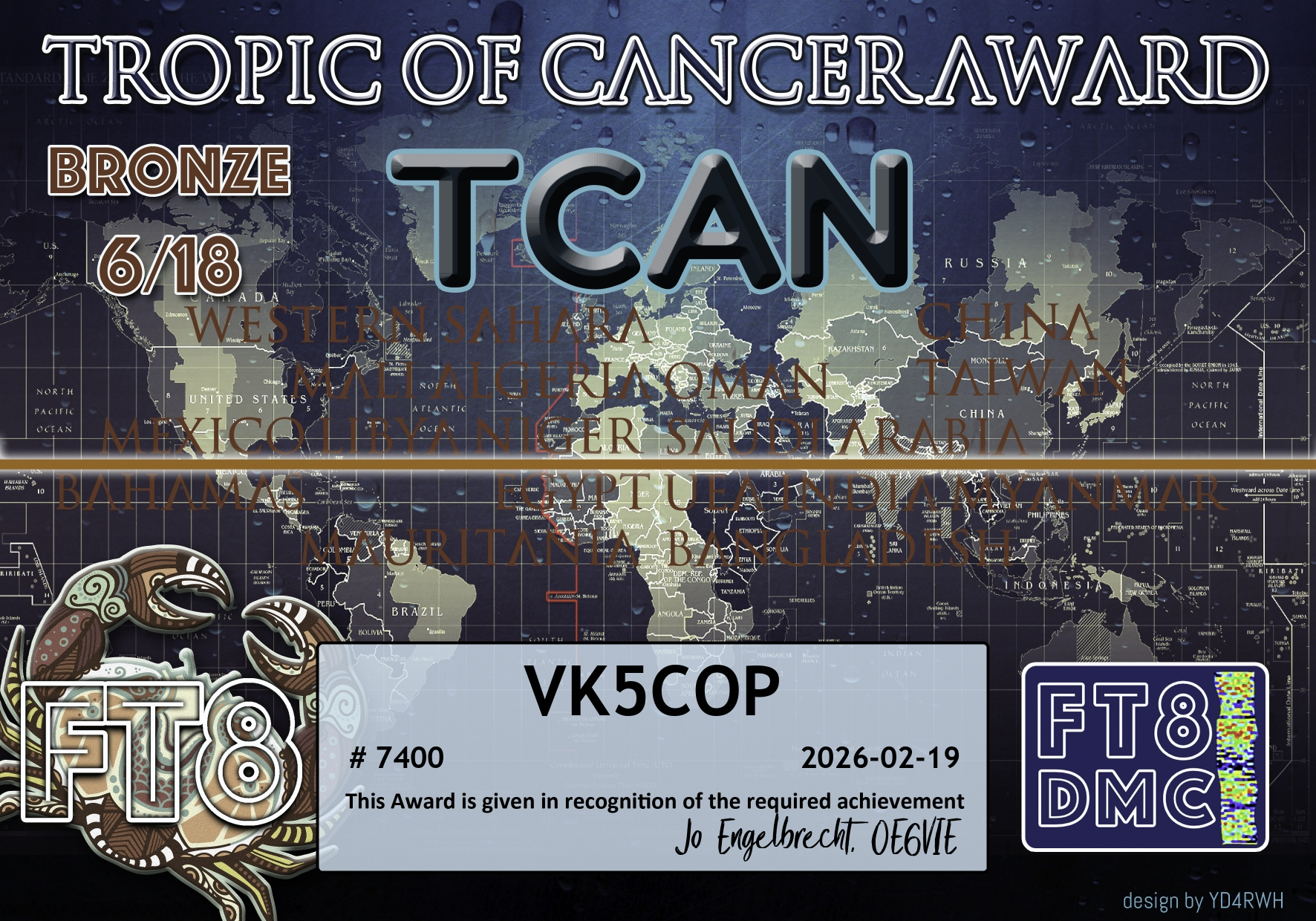
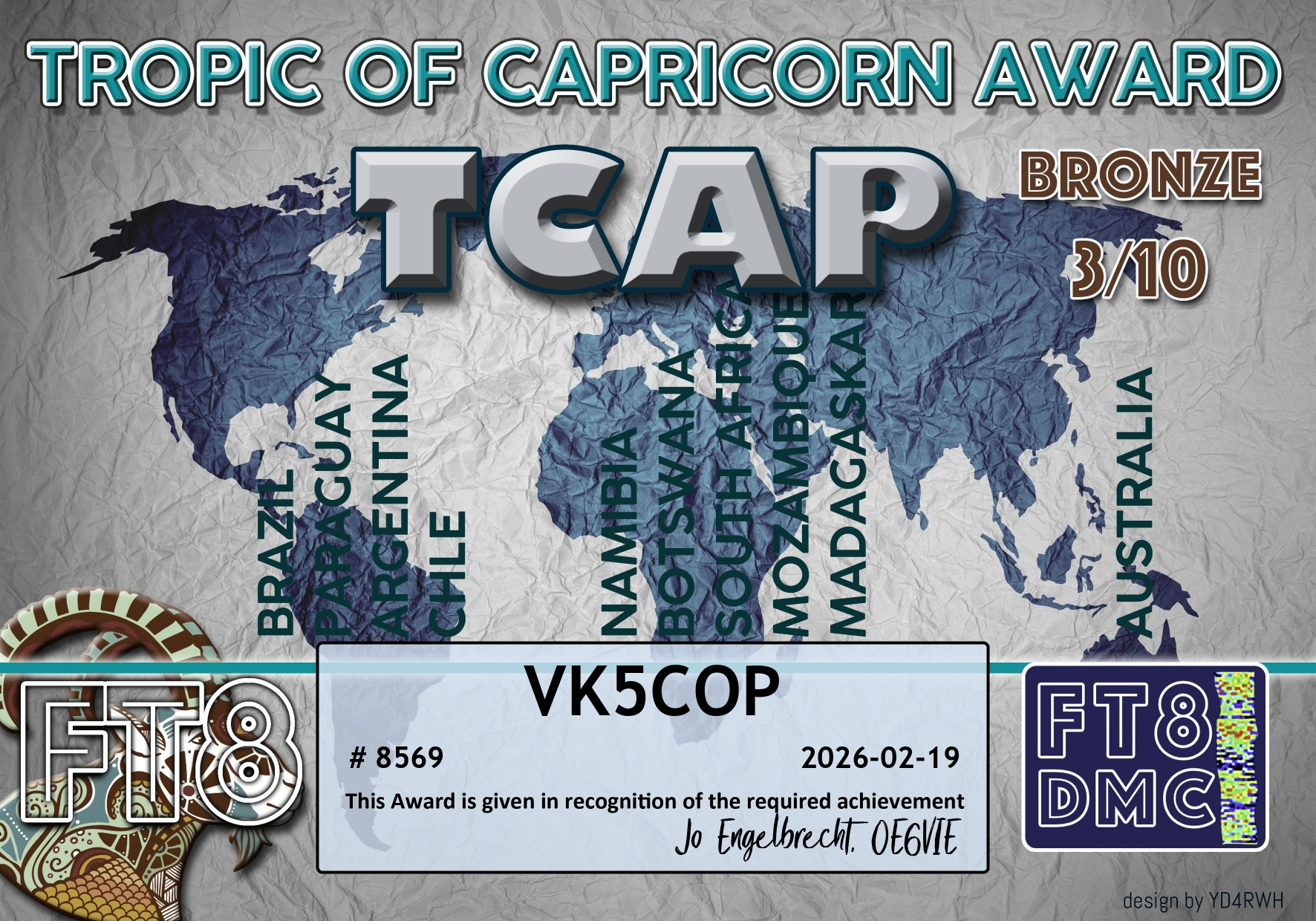
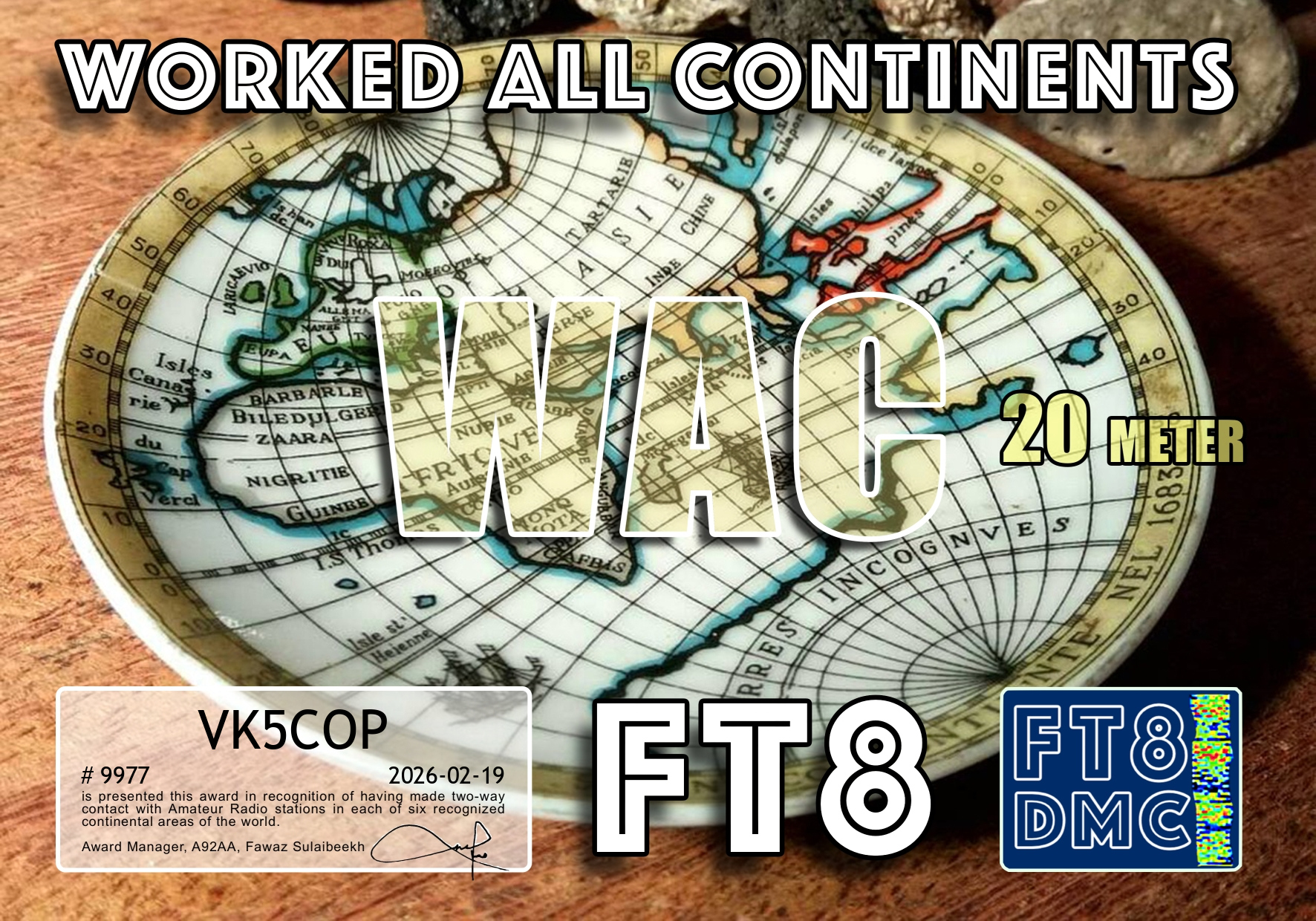
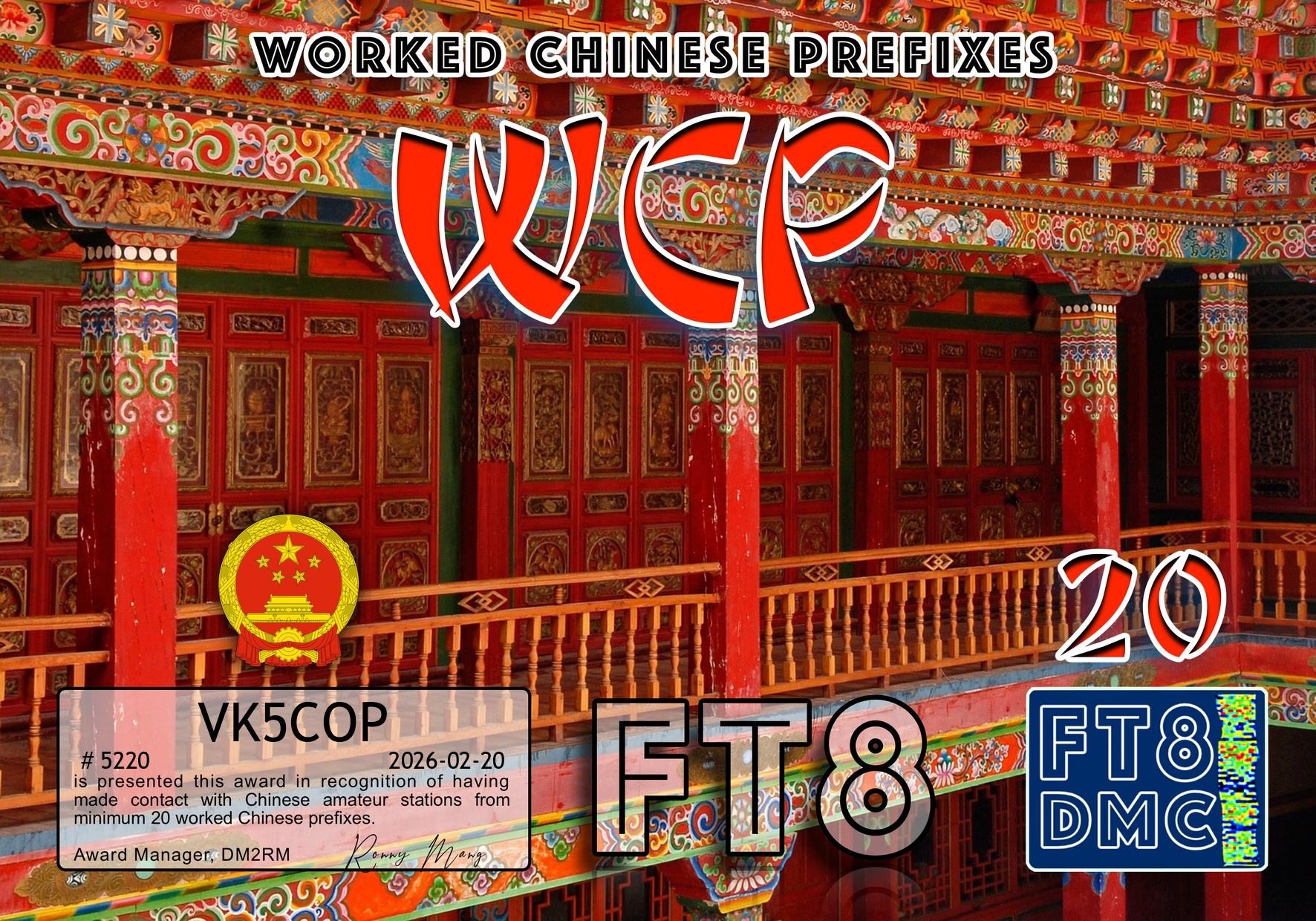
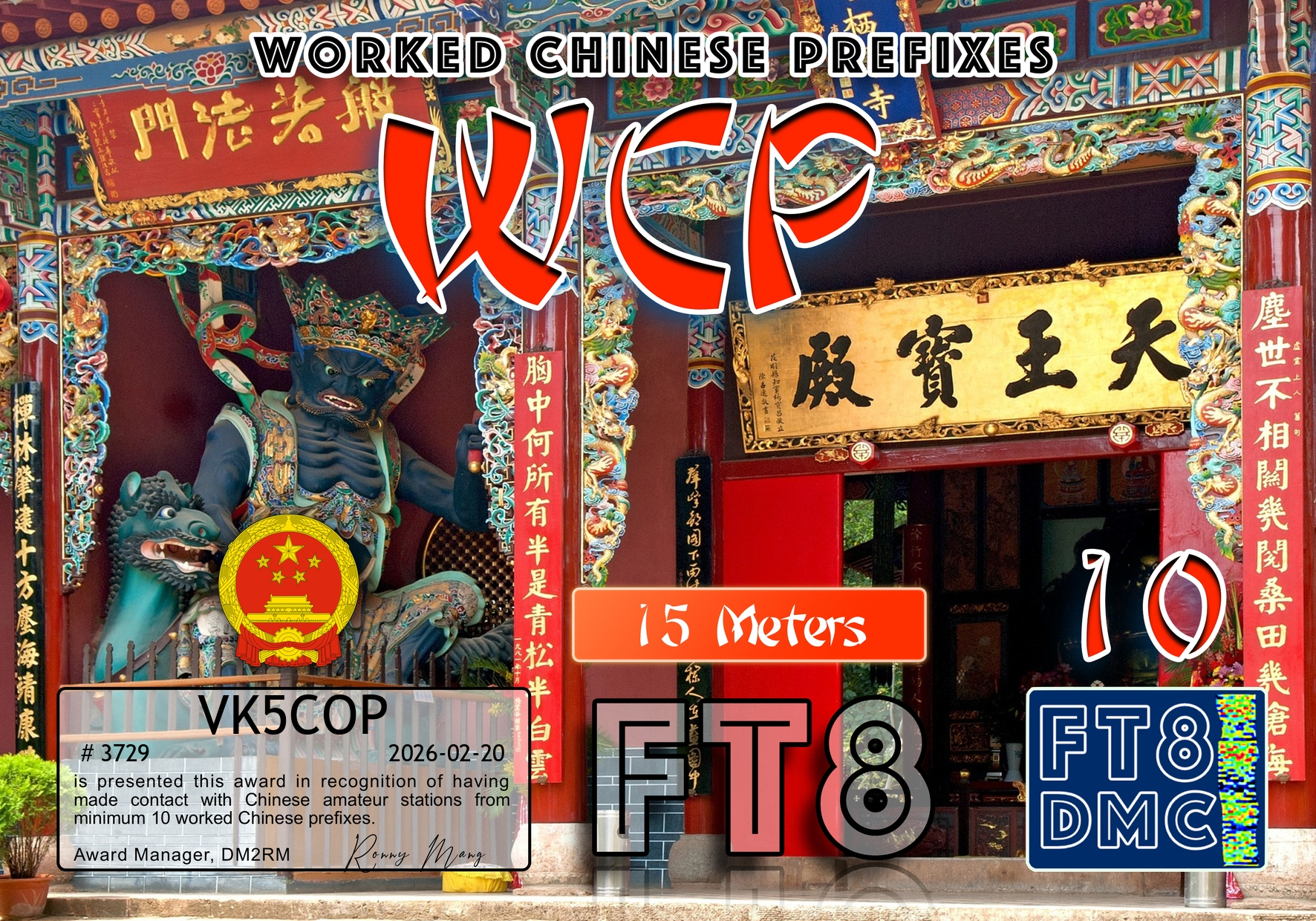
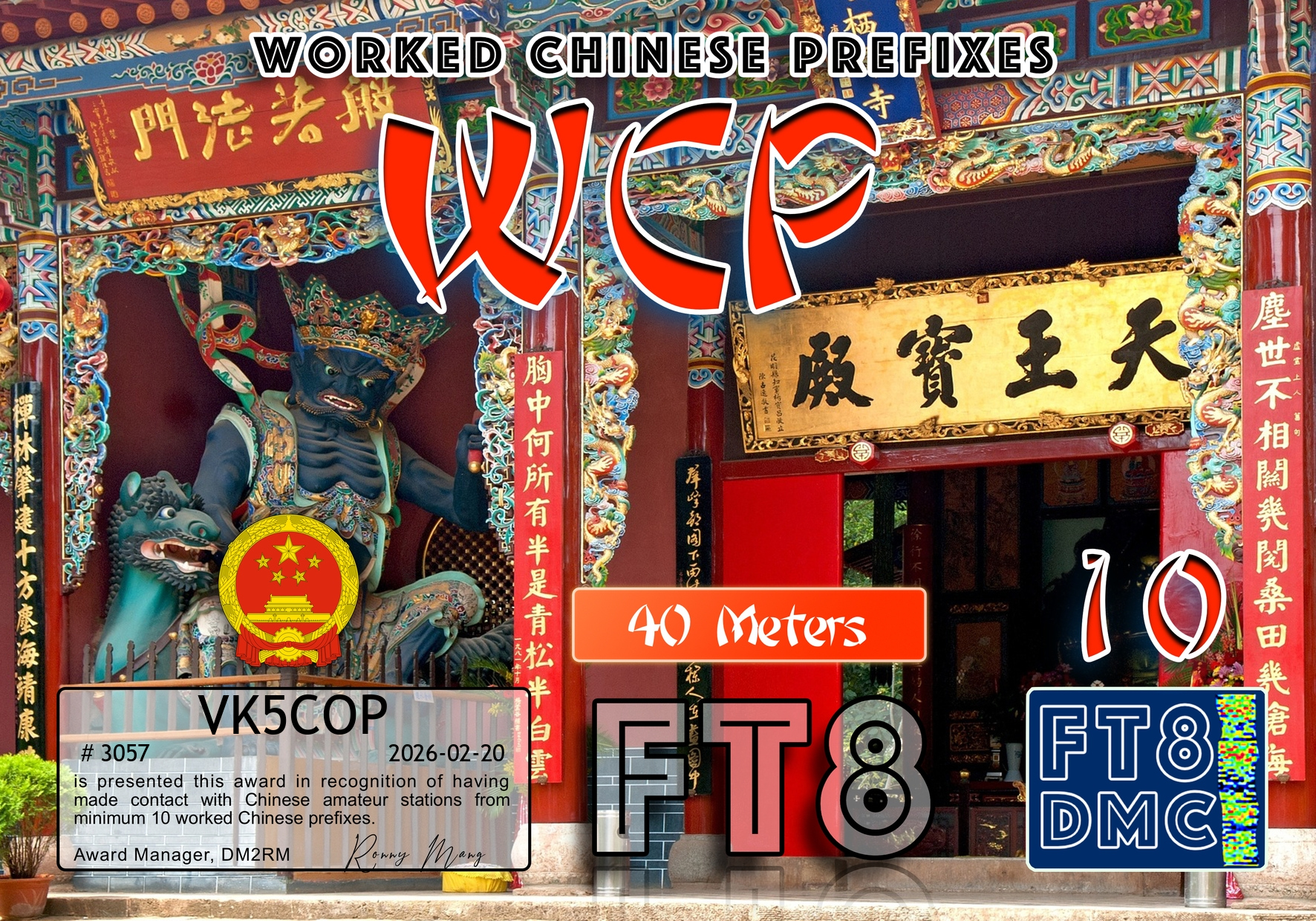
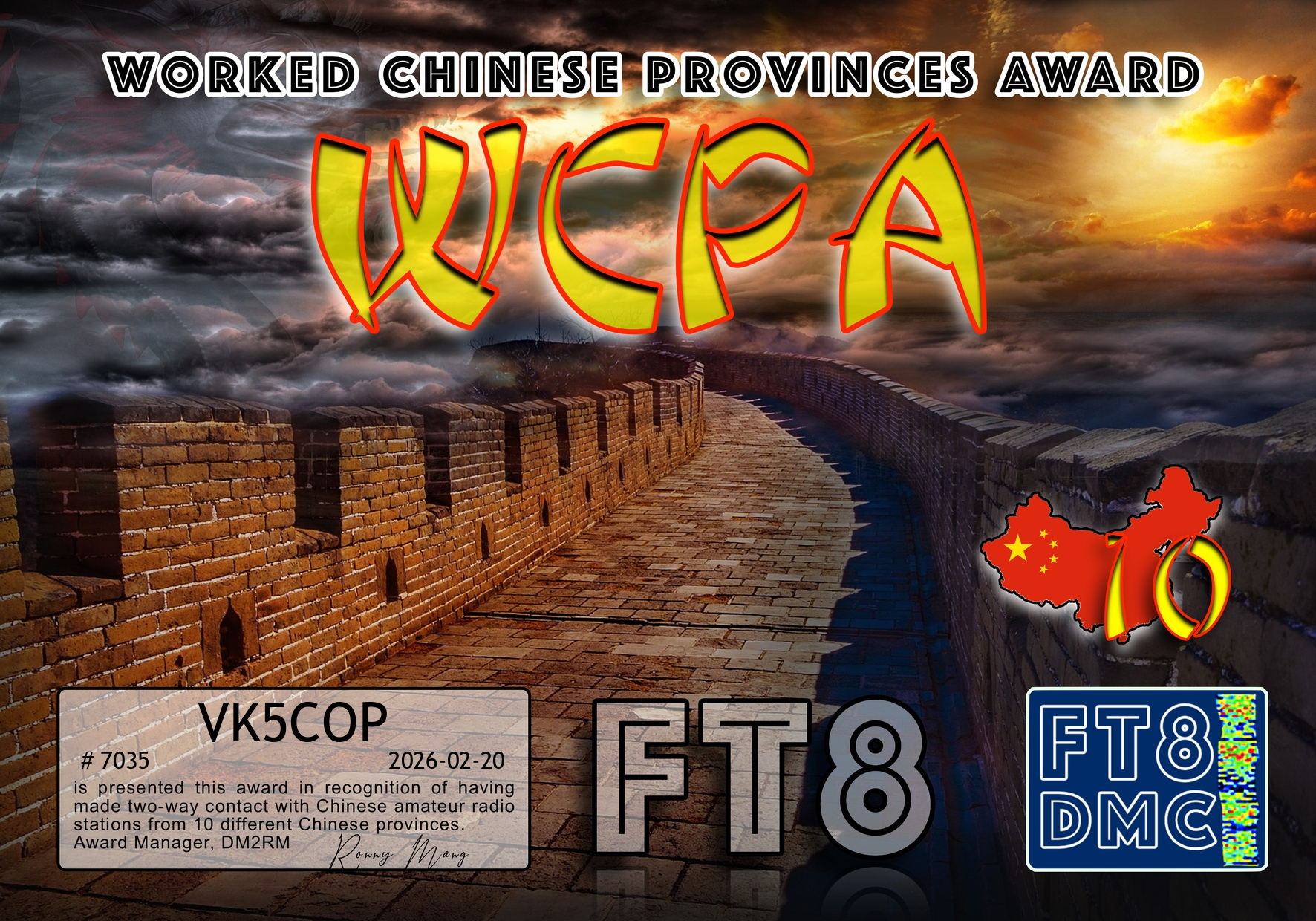
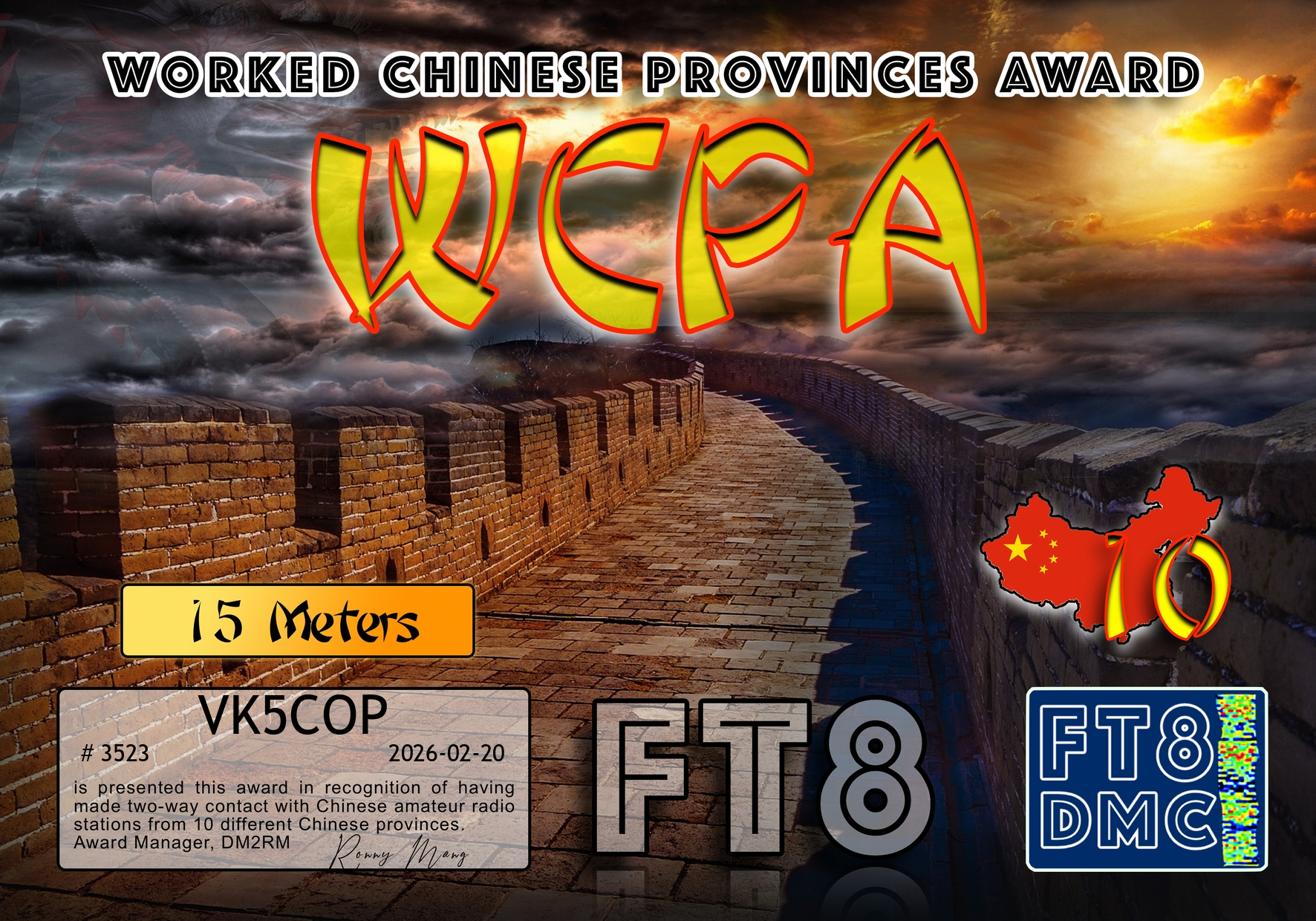
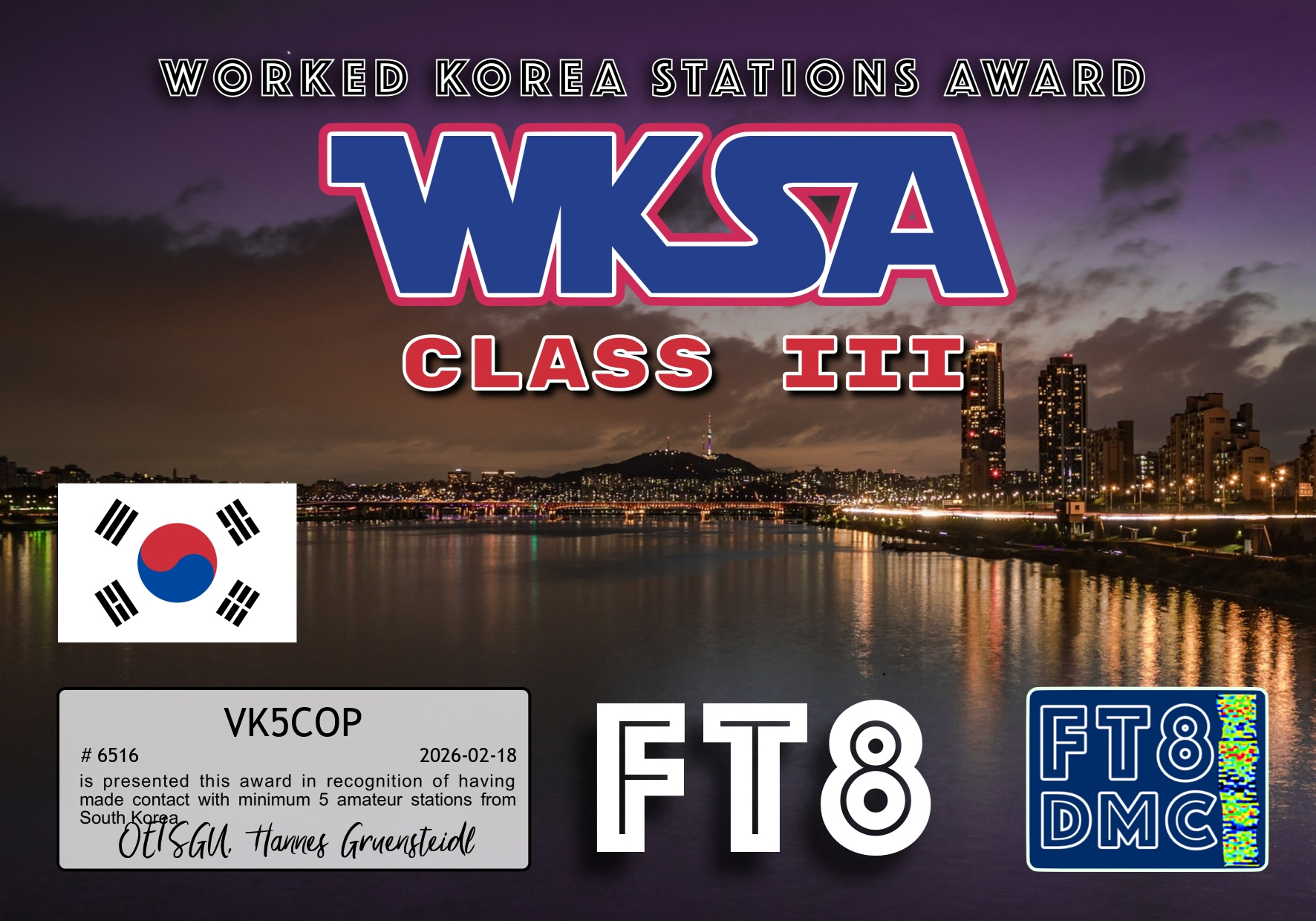
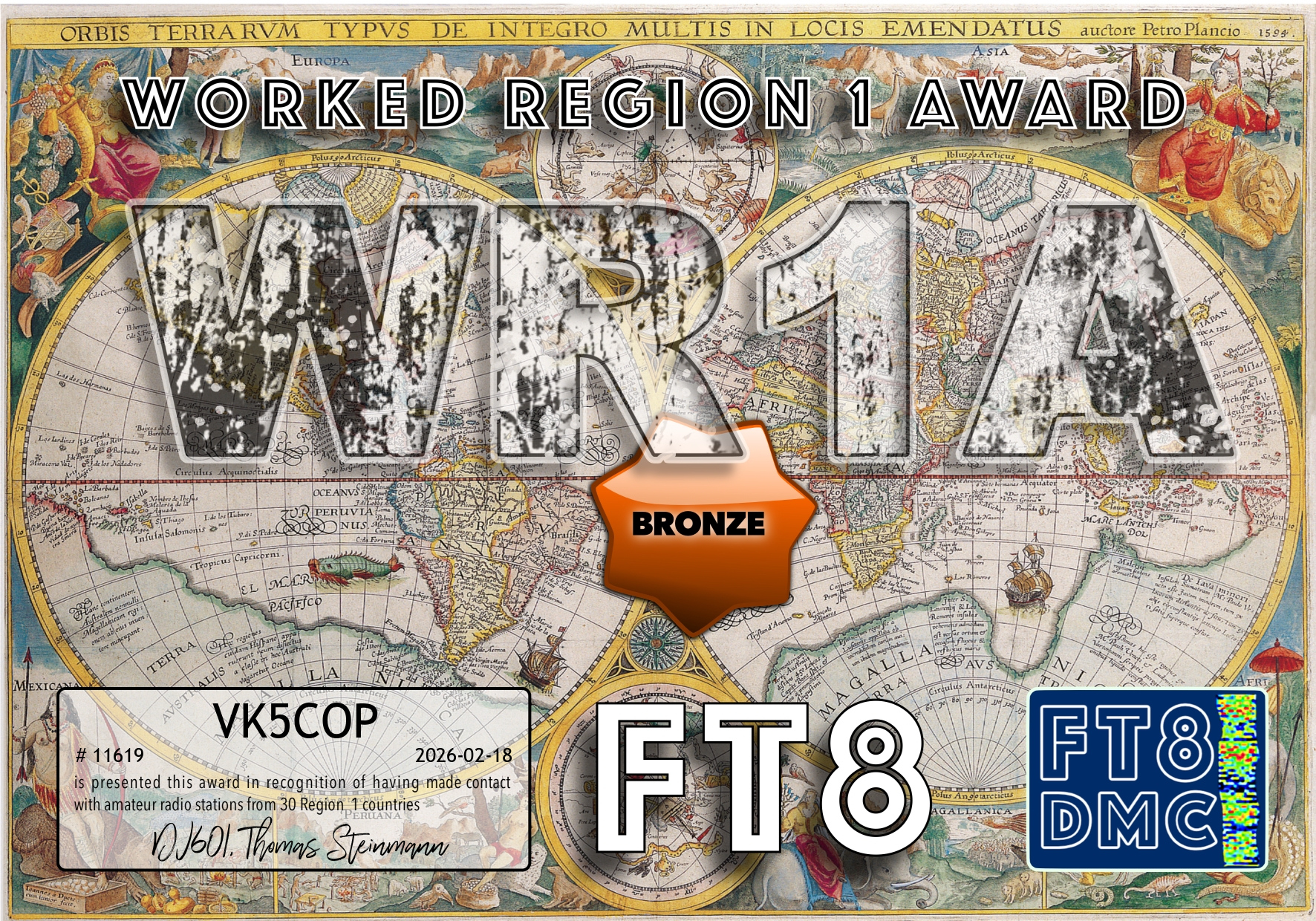
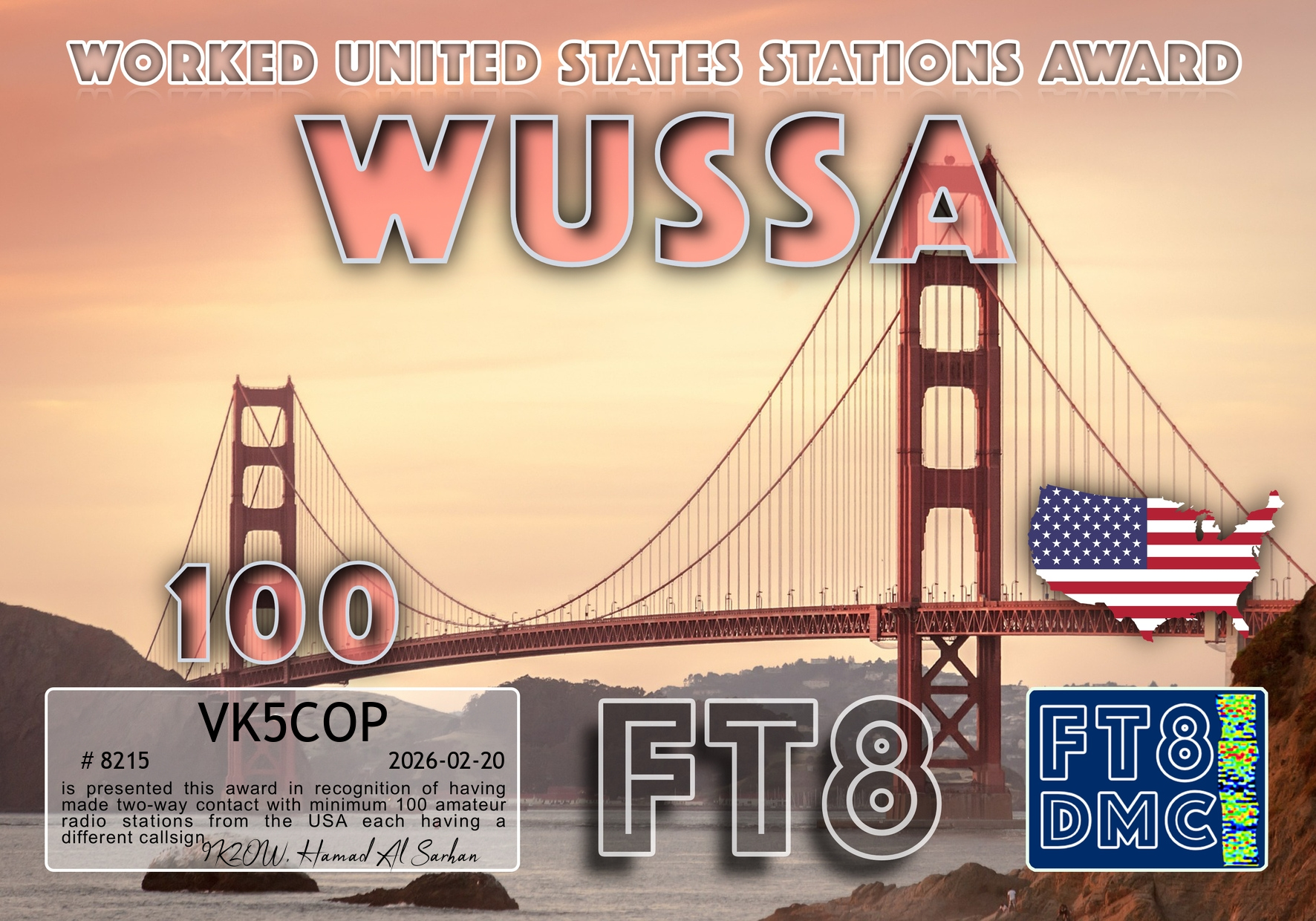
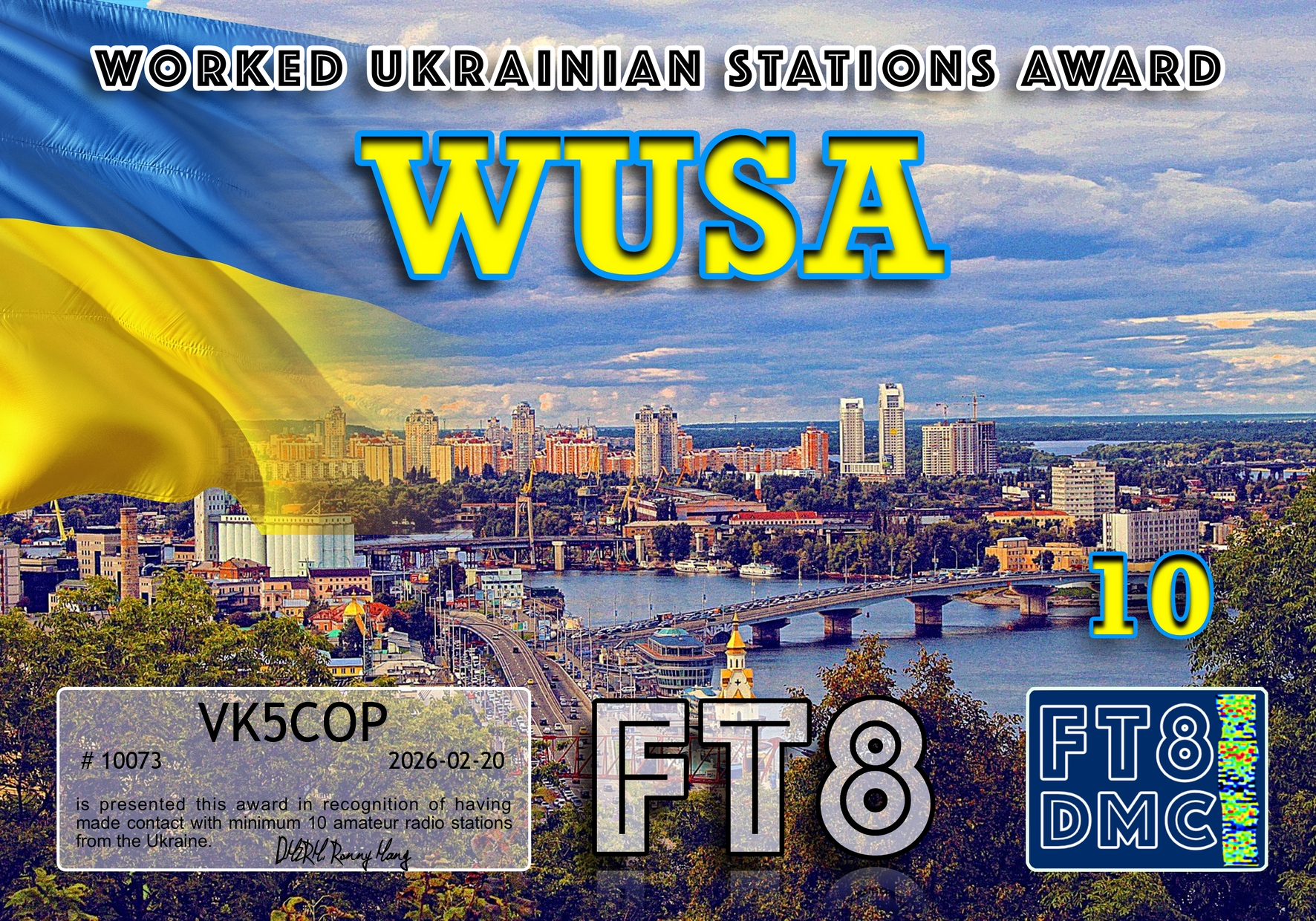
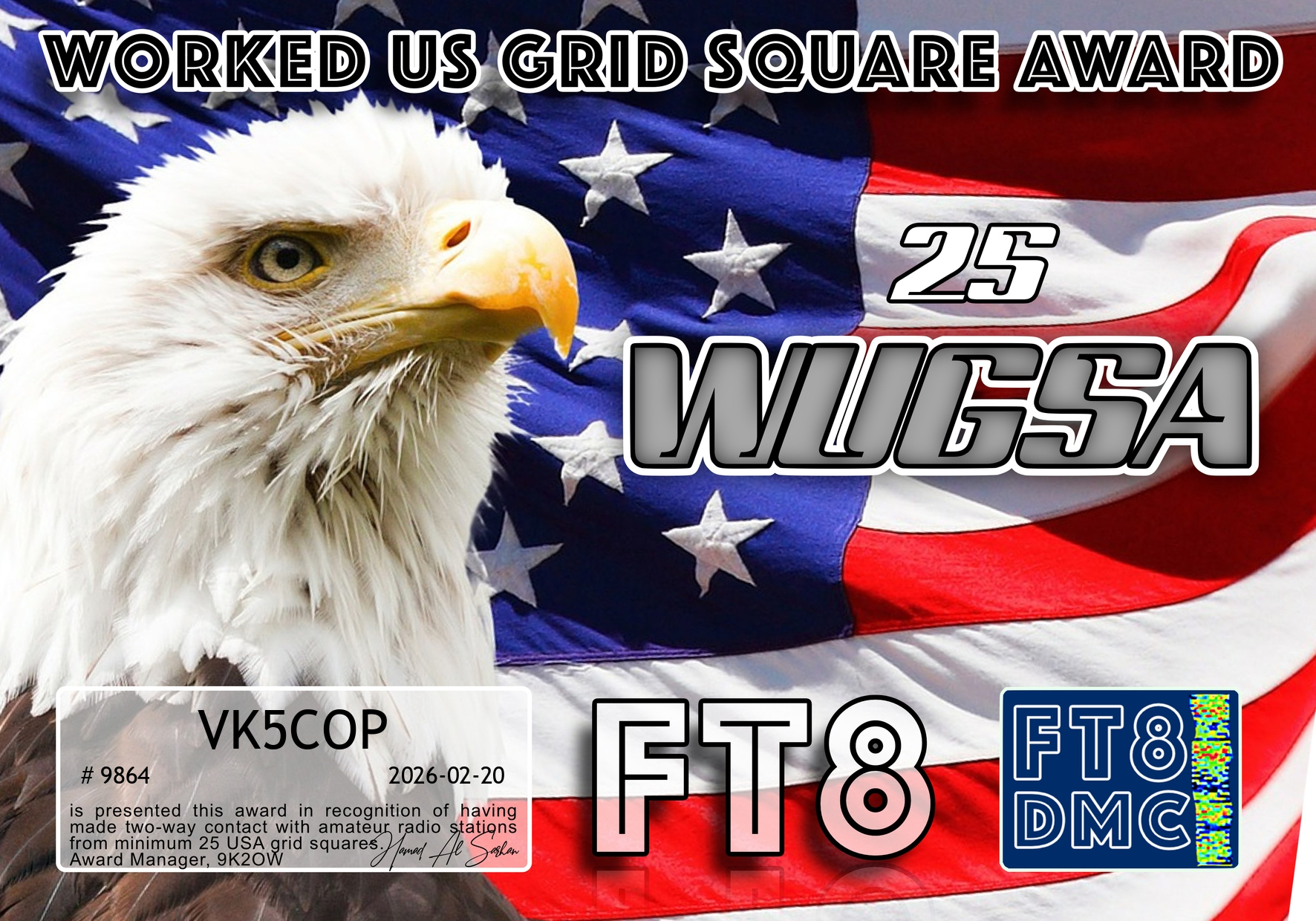
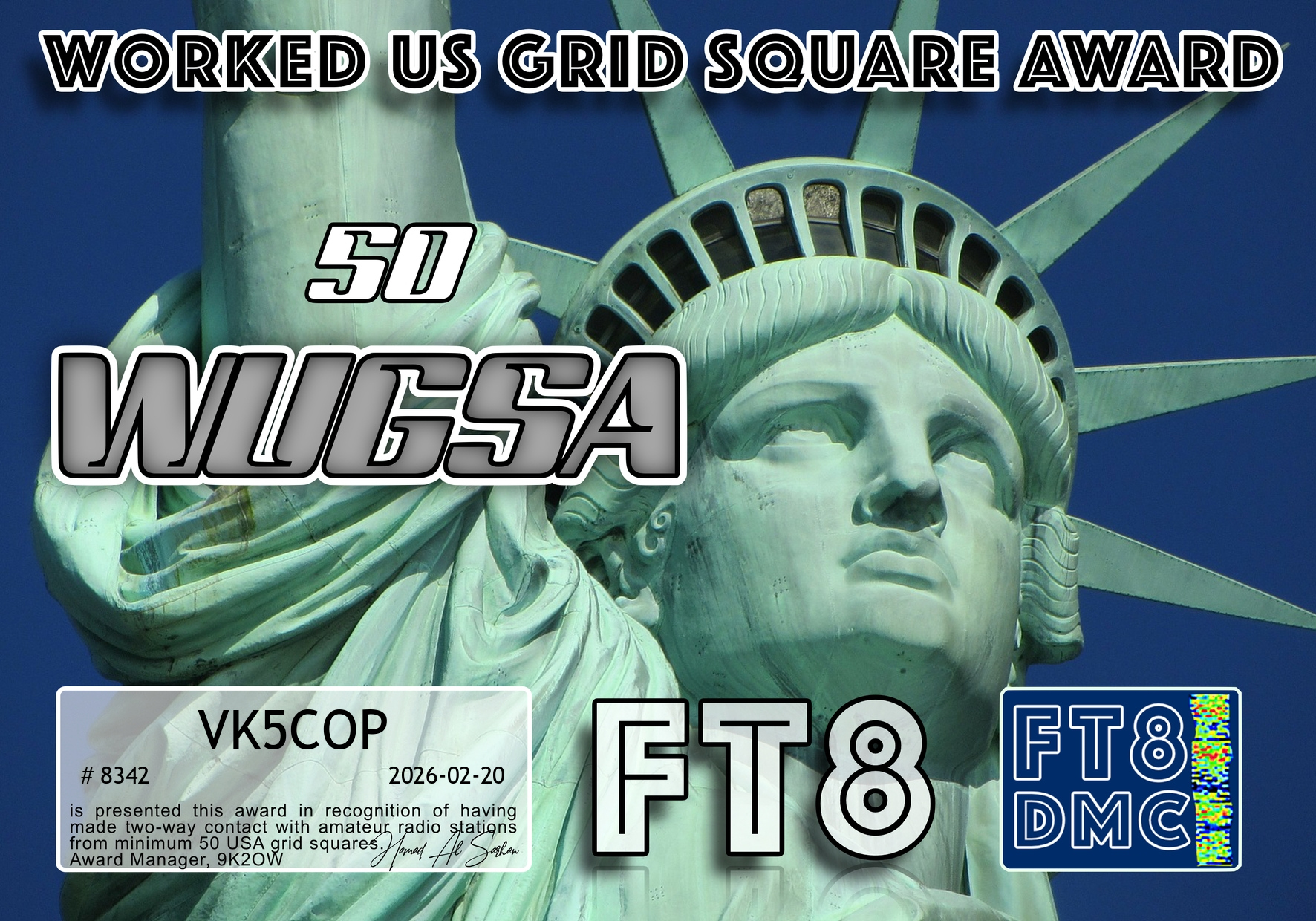
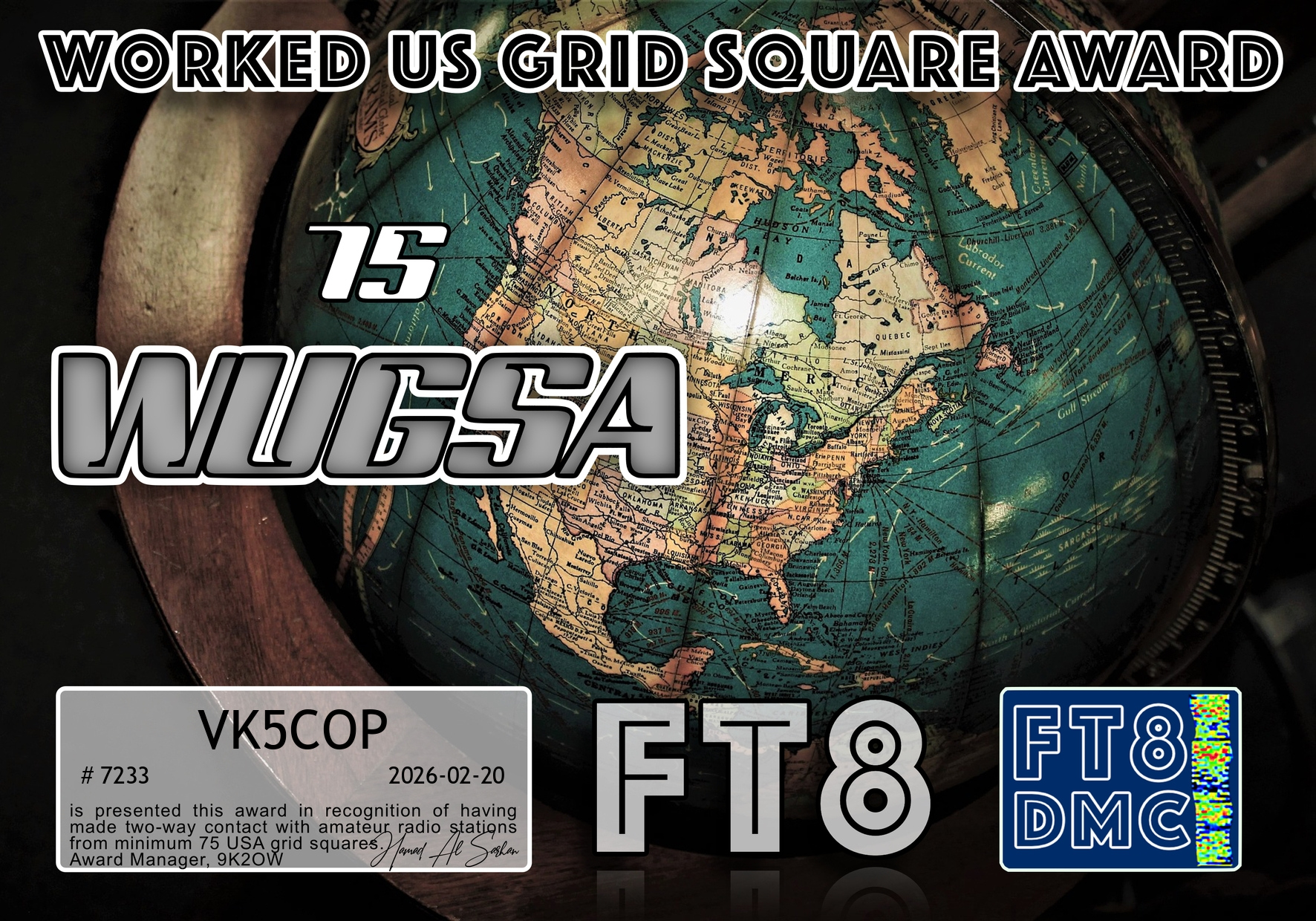
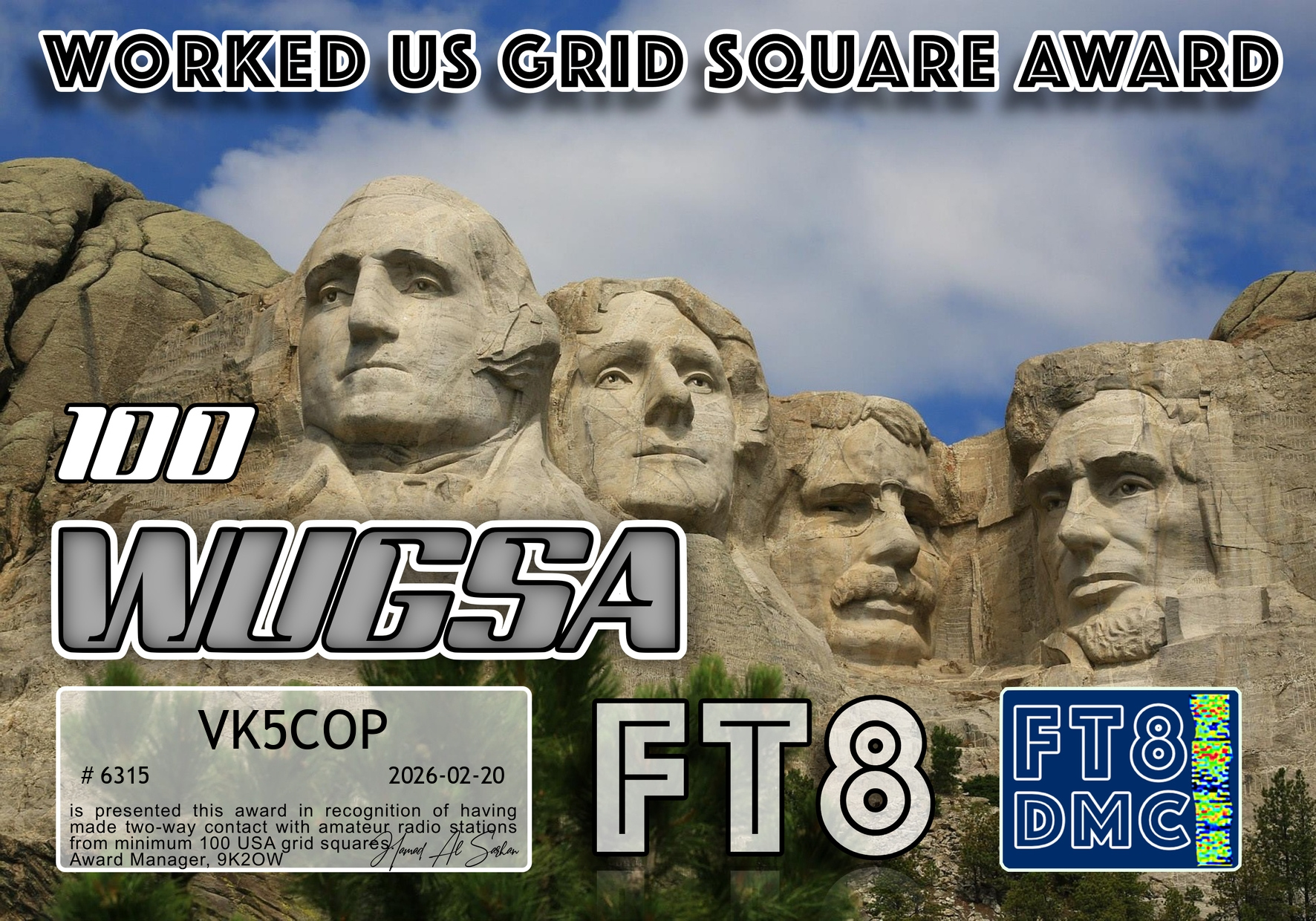
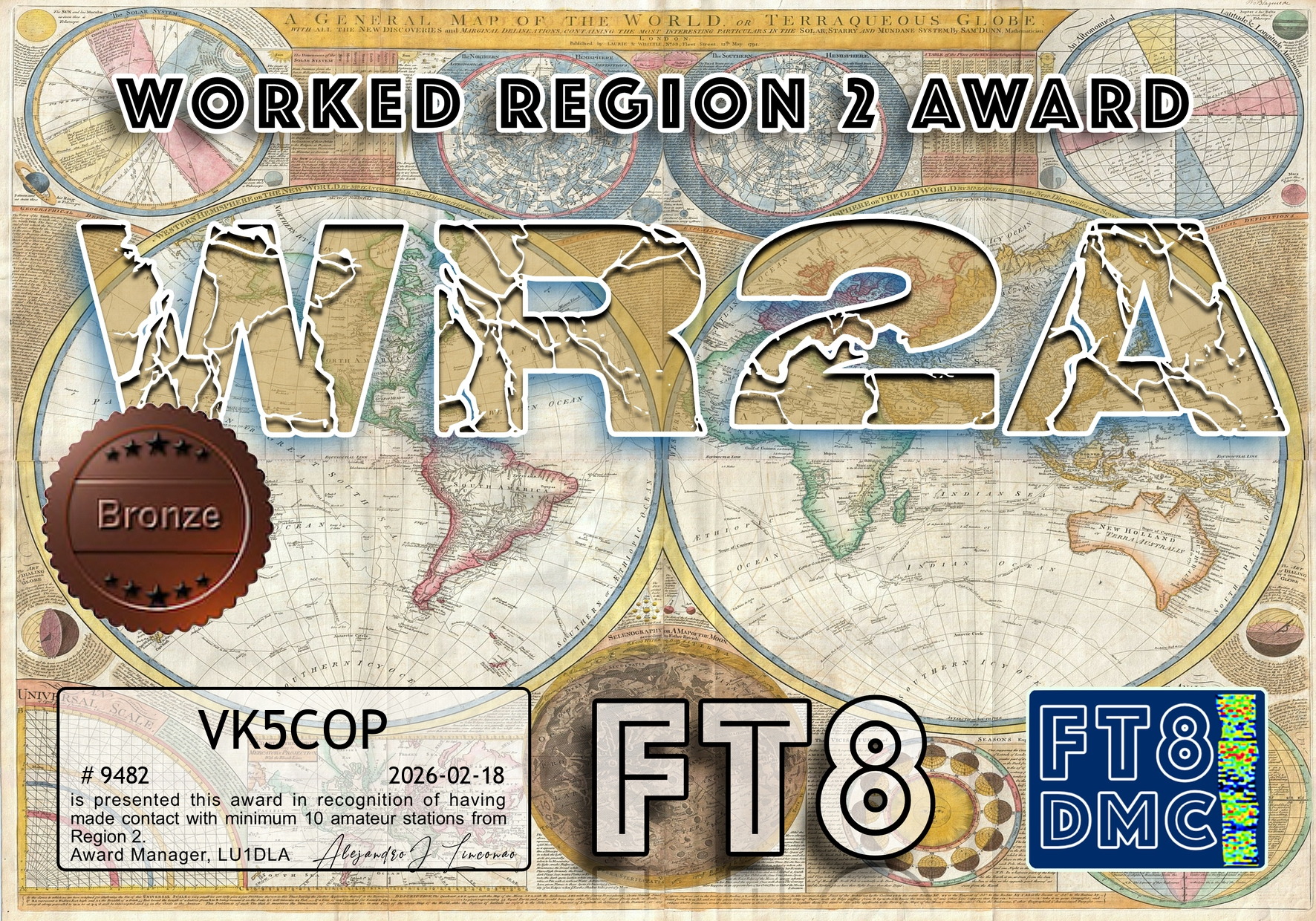
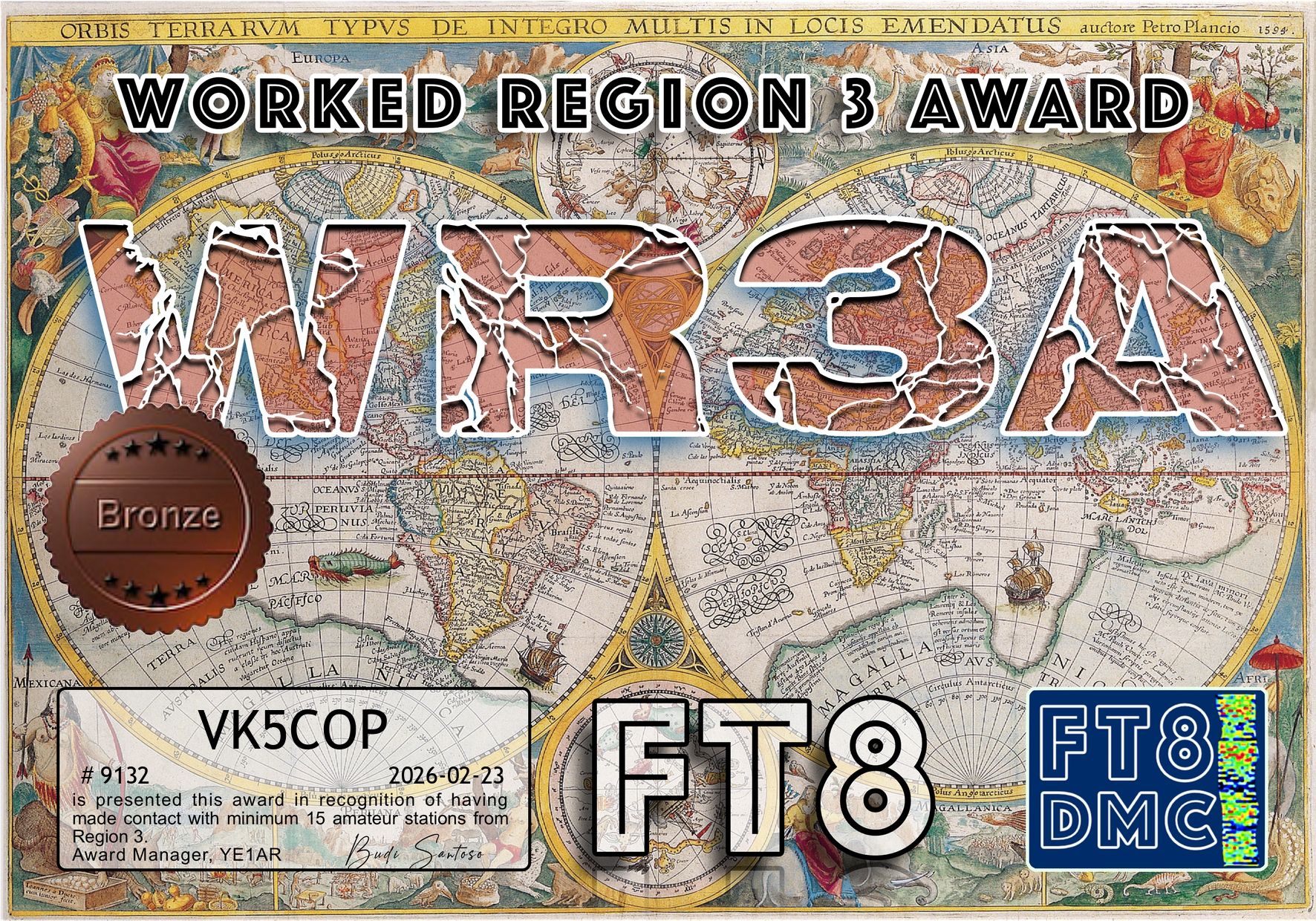
I recently applied for some FT8 award certificates for VK5COP.
Thank you to all of the FT8 operators, and thank you to the various Award Managers.




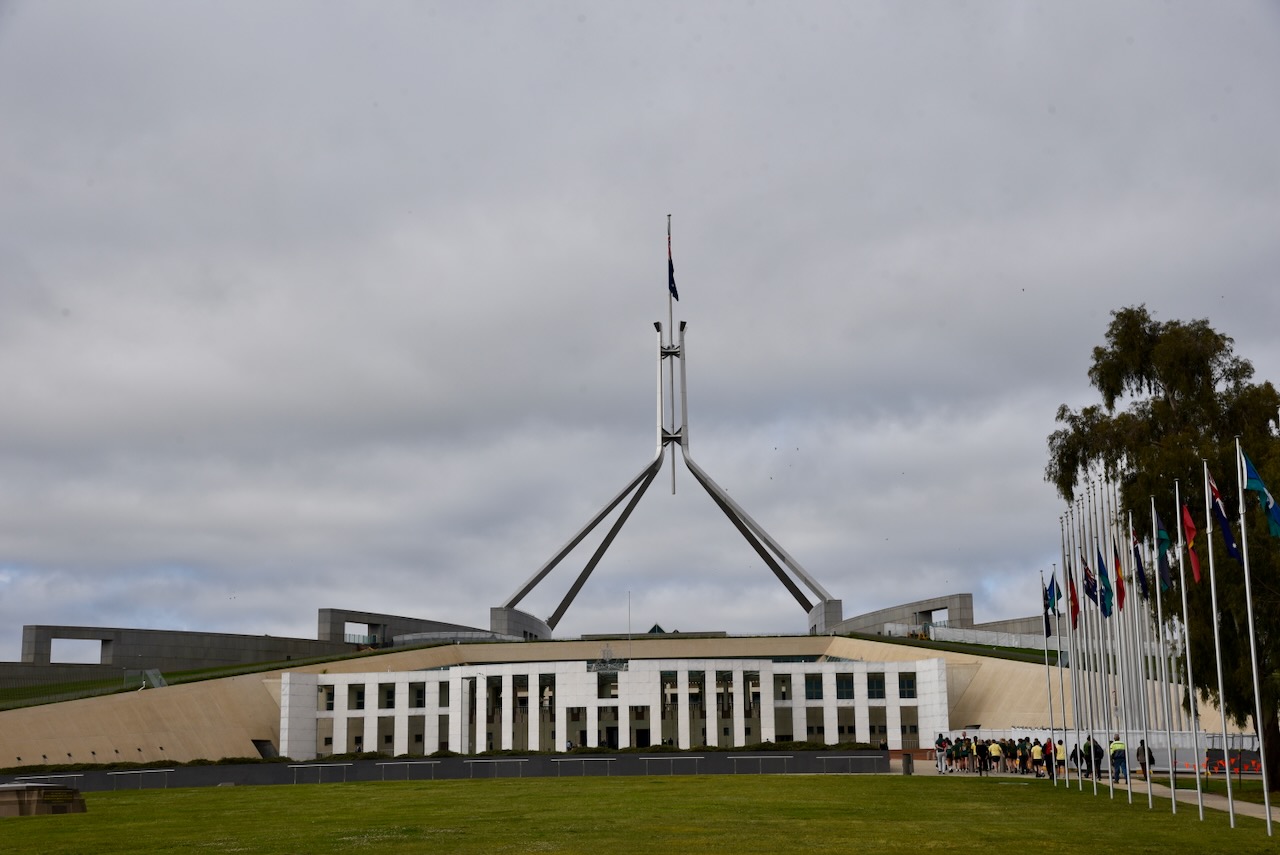
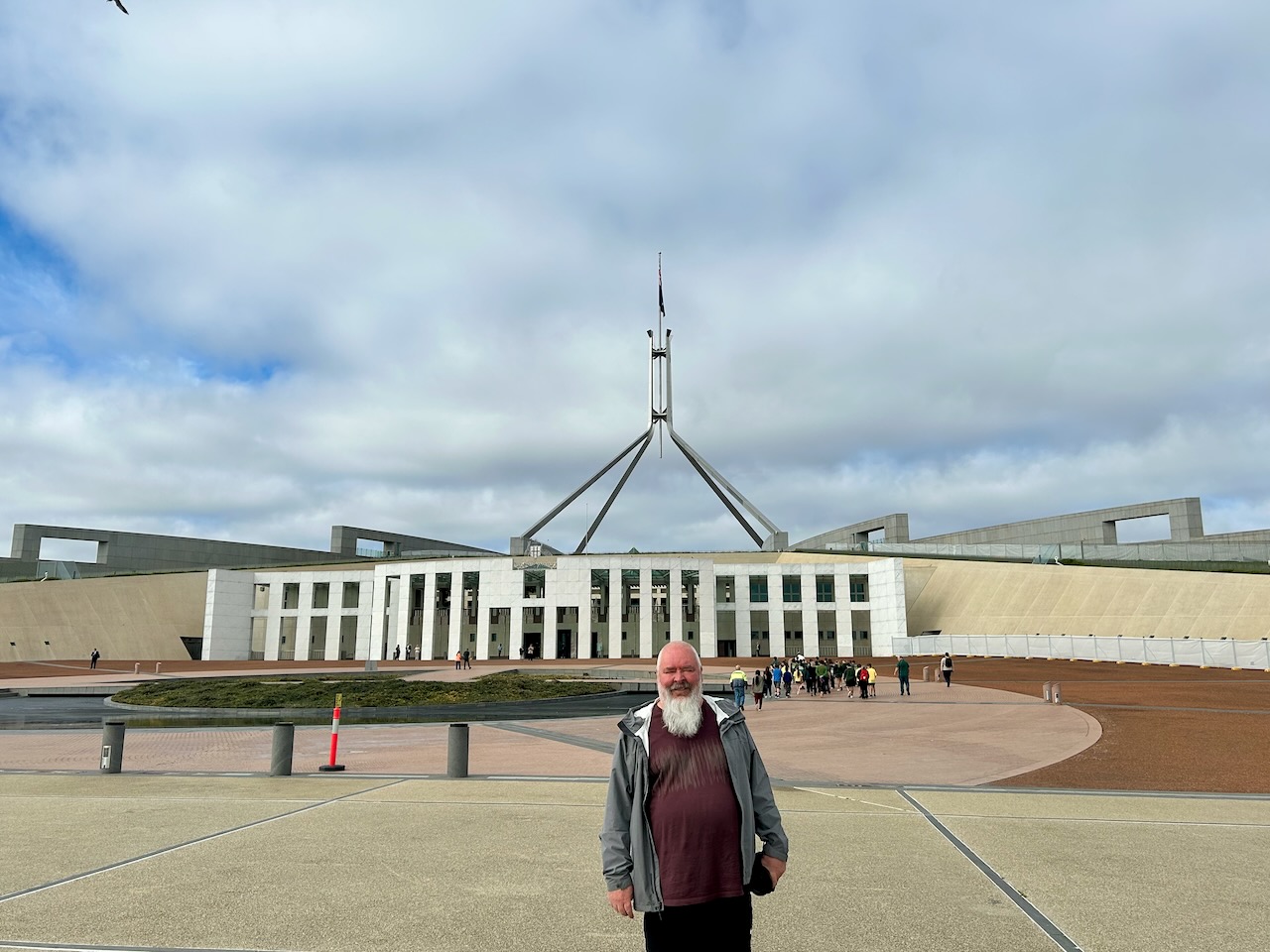
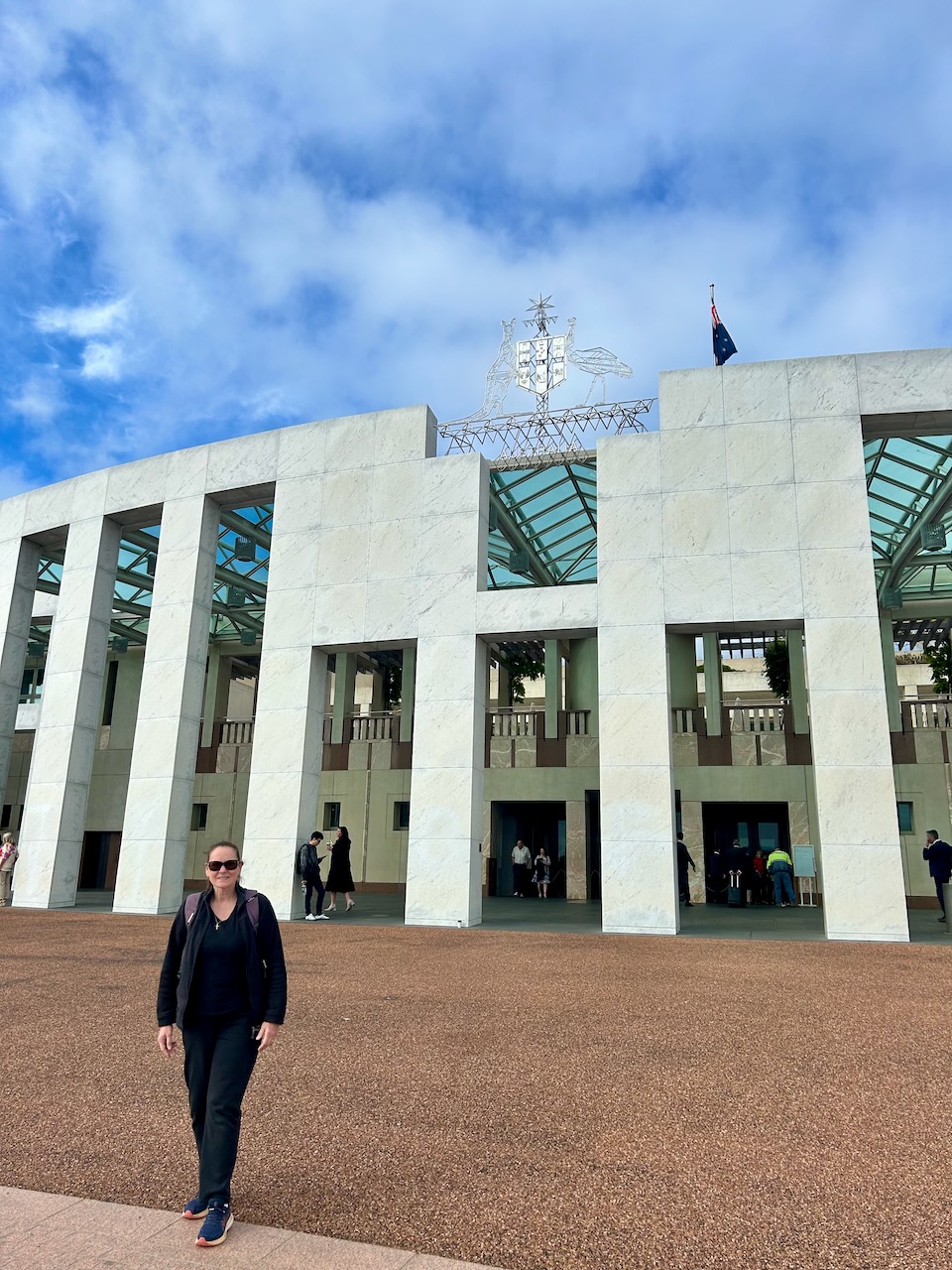
On Thursday, 30th October 2025, Marija and I headed out to breakfast at a cafe in Griffith. After breakfast, we visited Parliament House.
It was incredibly busy, with several busloads of tourists, including a school group, so we decided not to conduct the tour of the building (which we had done previously).
The construction of Parliament House commenced in January 1981. The building opened in May 1988 after 7 years of construction at $1.1 billion. Parliament House contains more than 4,500 rooms. (Wikipedia 2019)
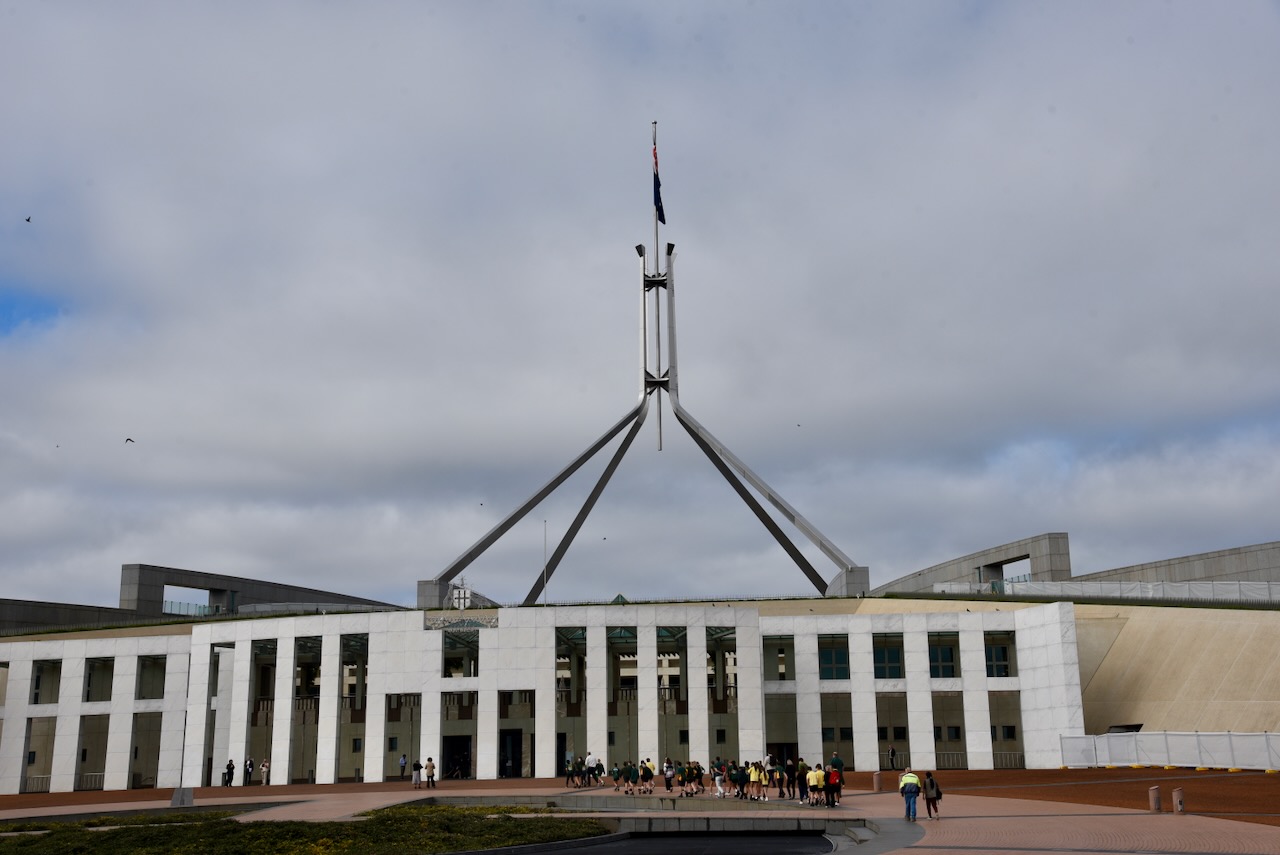
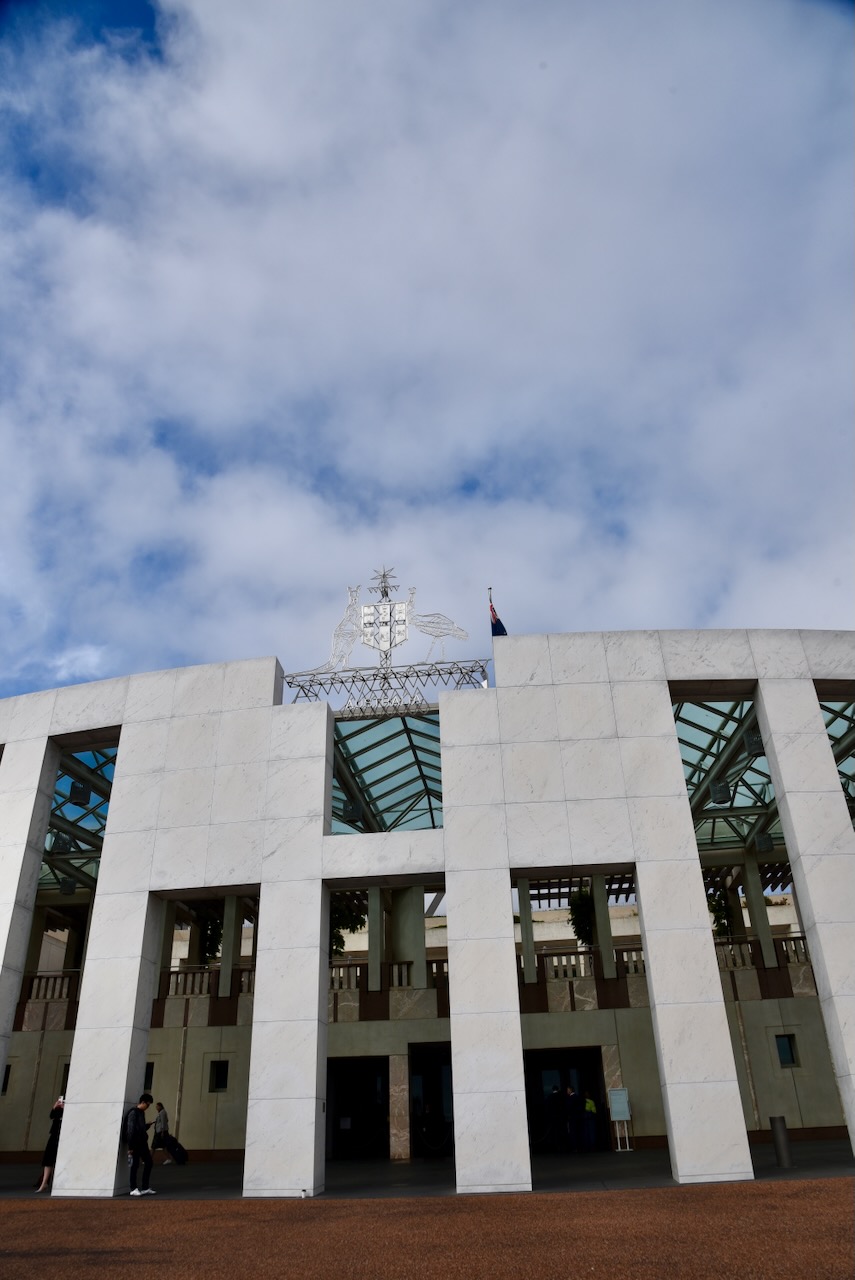
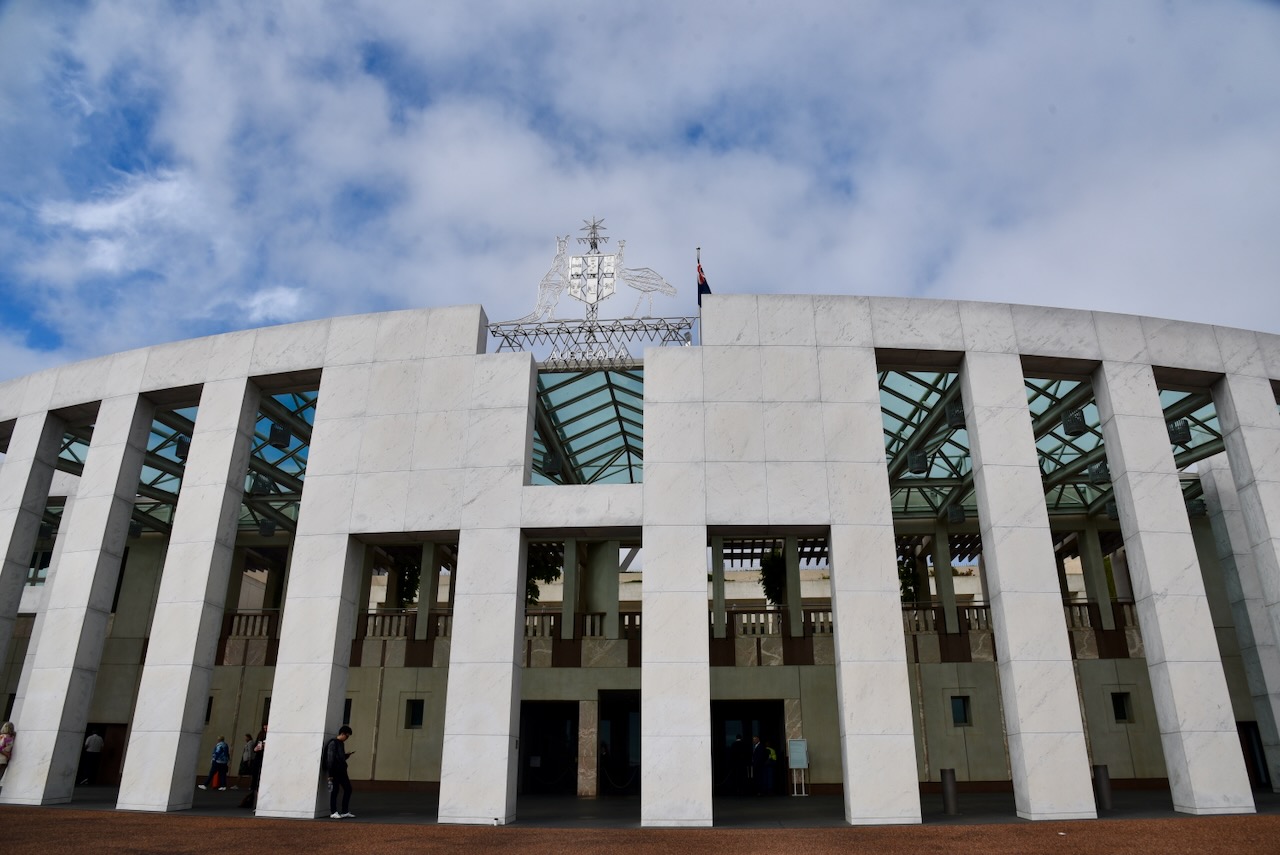
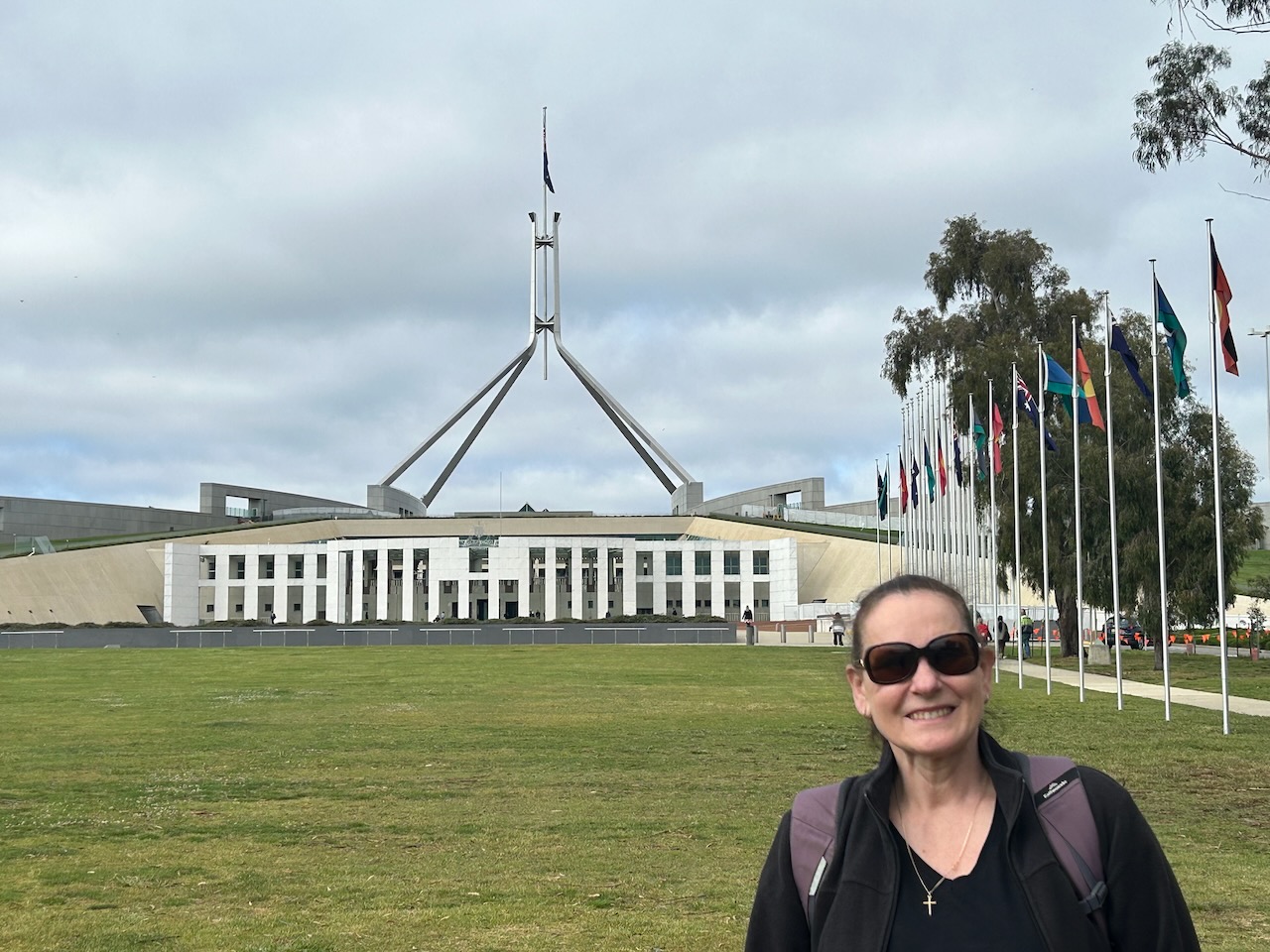
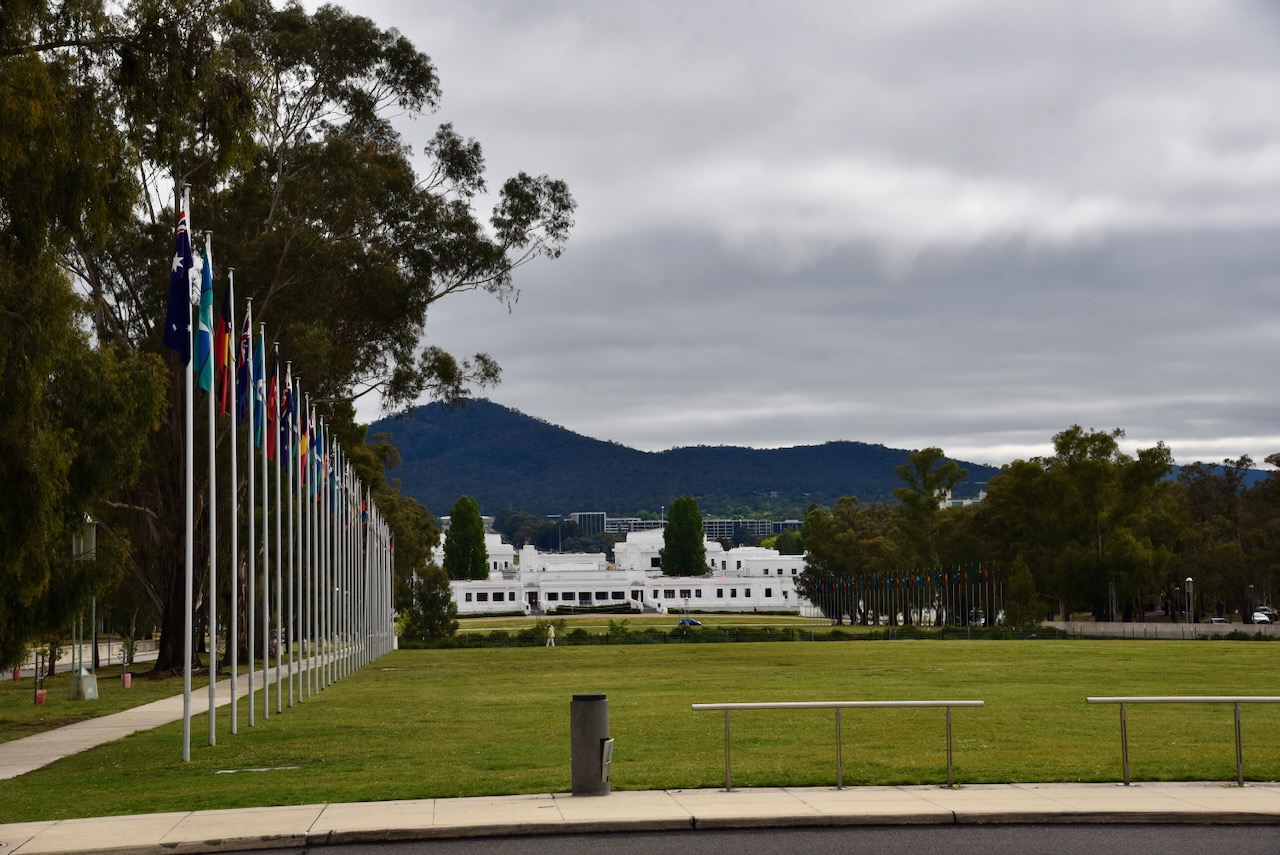
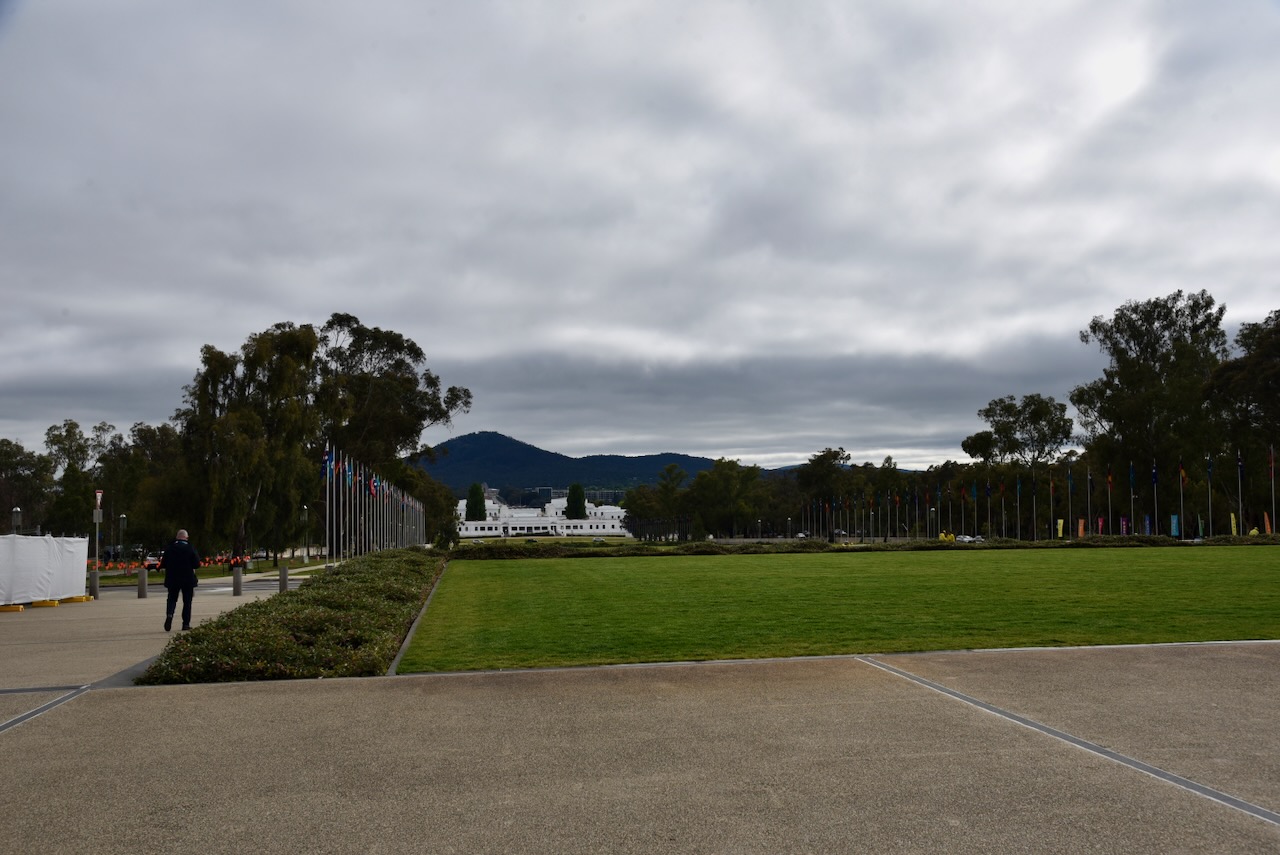
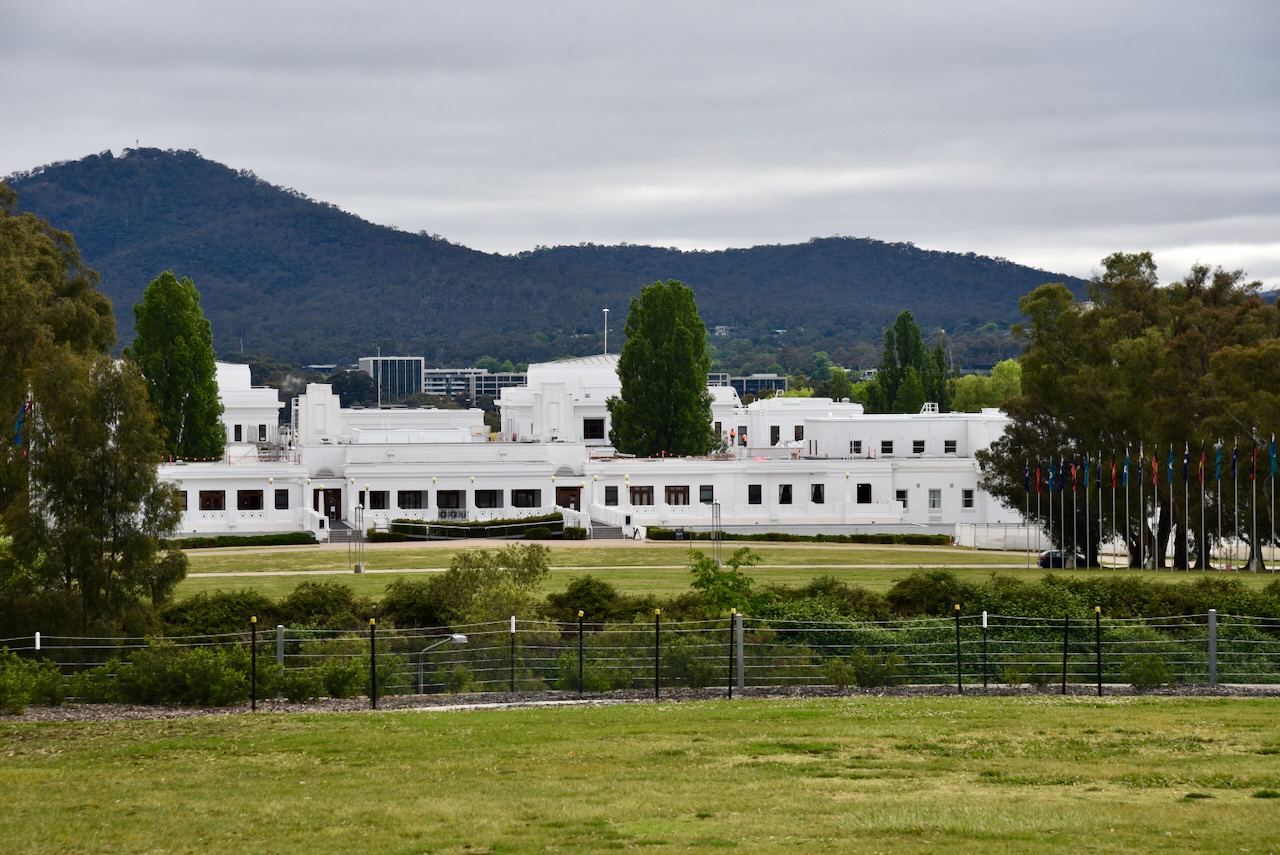
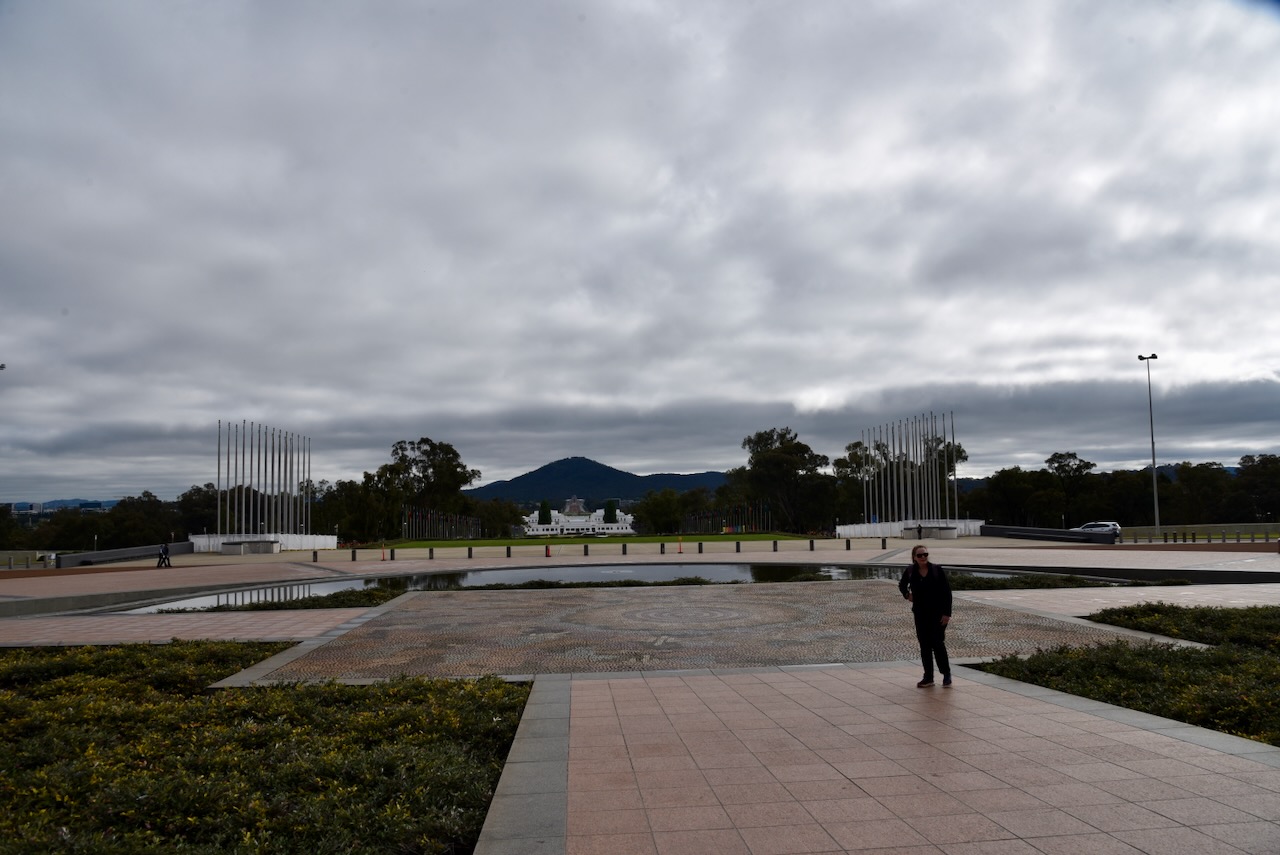
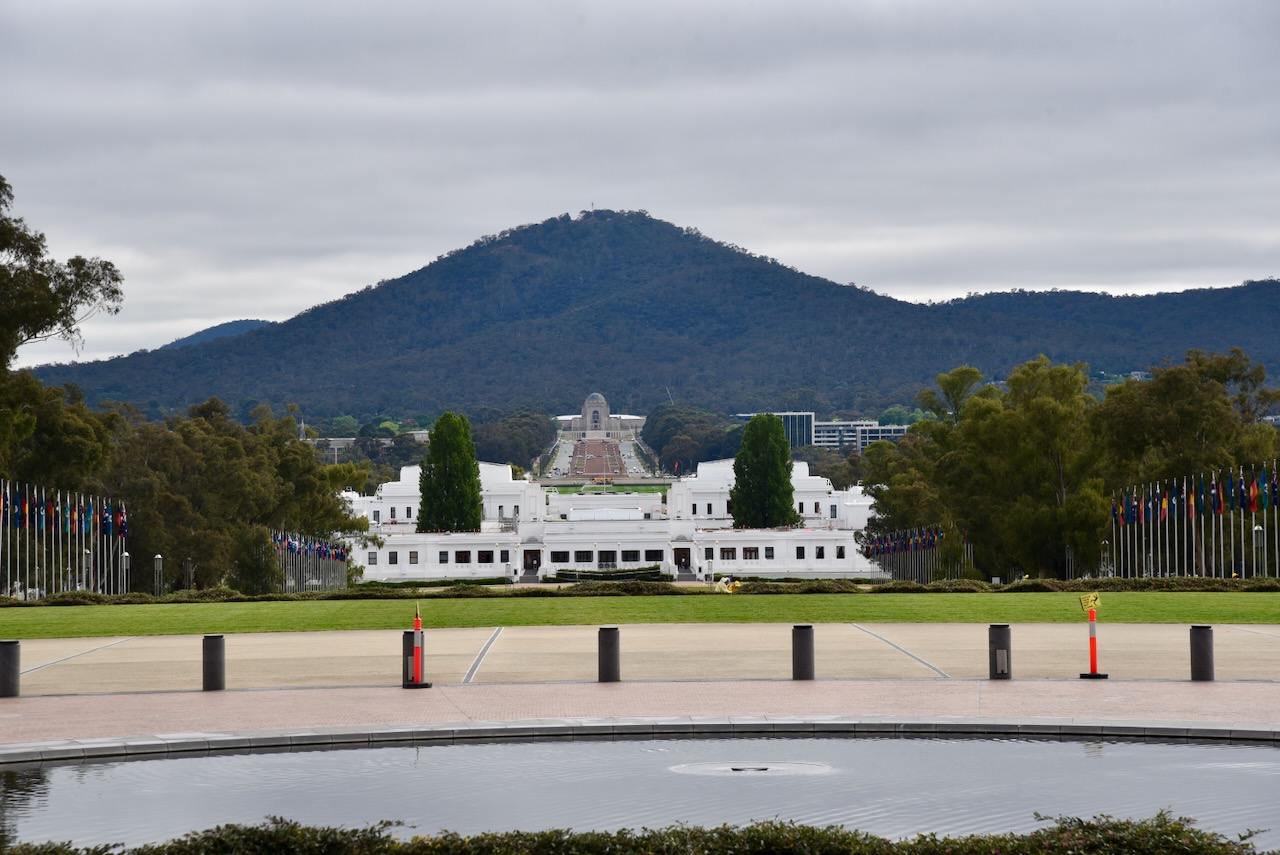
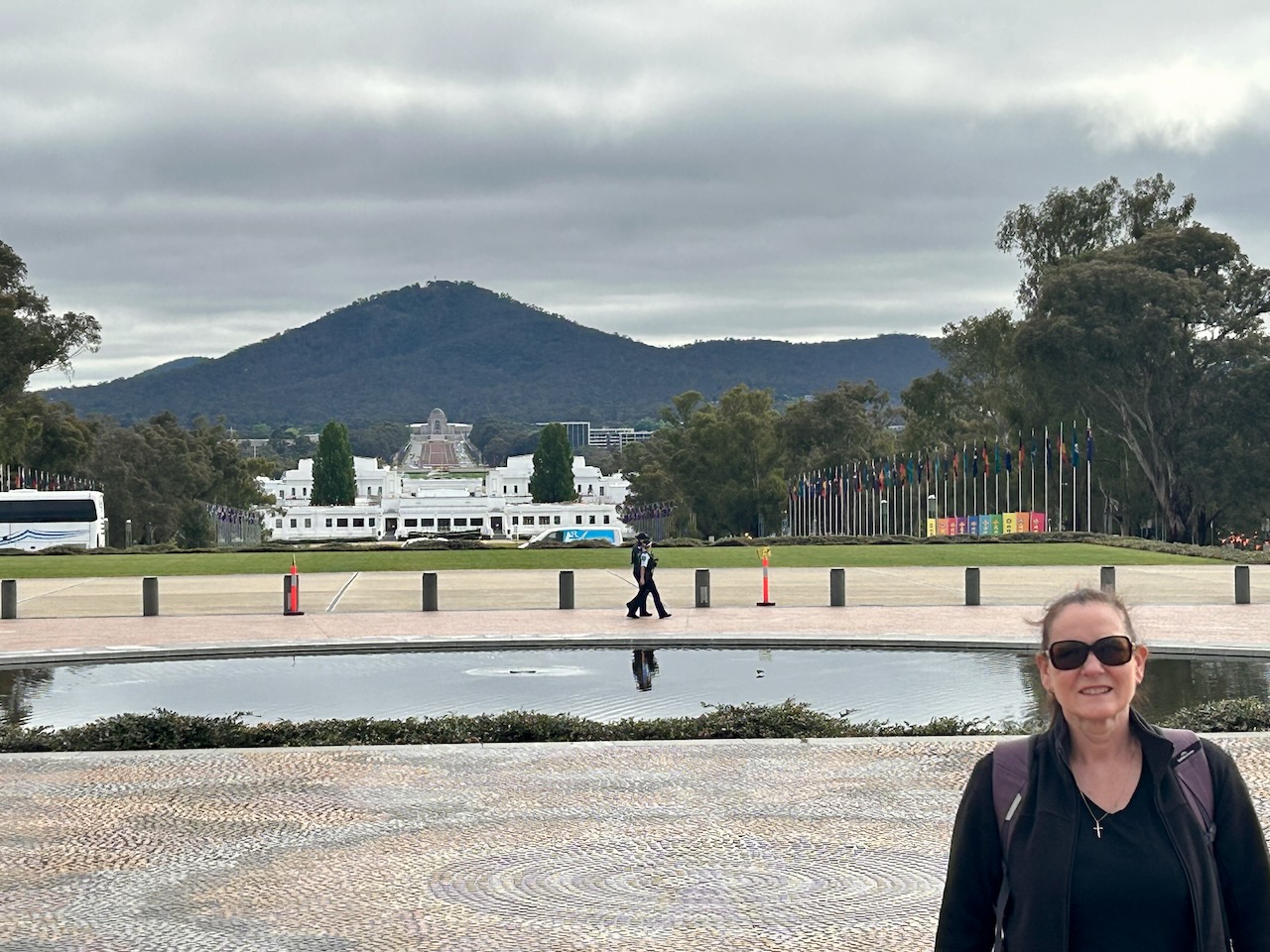
There are some nice views across the lawns back to the old Parliament House and across the Molonglo River to the Australian War Memorial.
Mount Stromlo was part of Yarraluma Station, owned by Frederick Campbell, in the 1880s. It is believed that he named Mount Stromlo from the Poems of Ossian, an 18th-century literary work. (Wikipedia 2024)

Above: Osian Singing. Image c/o Wikipedia
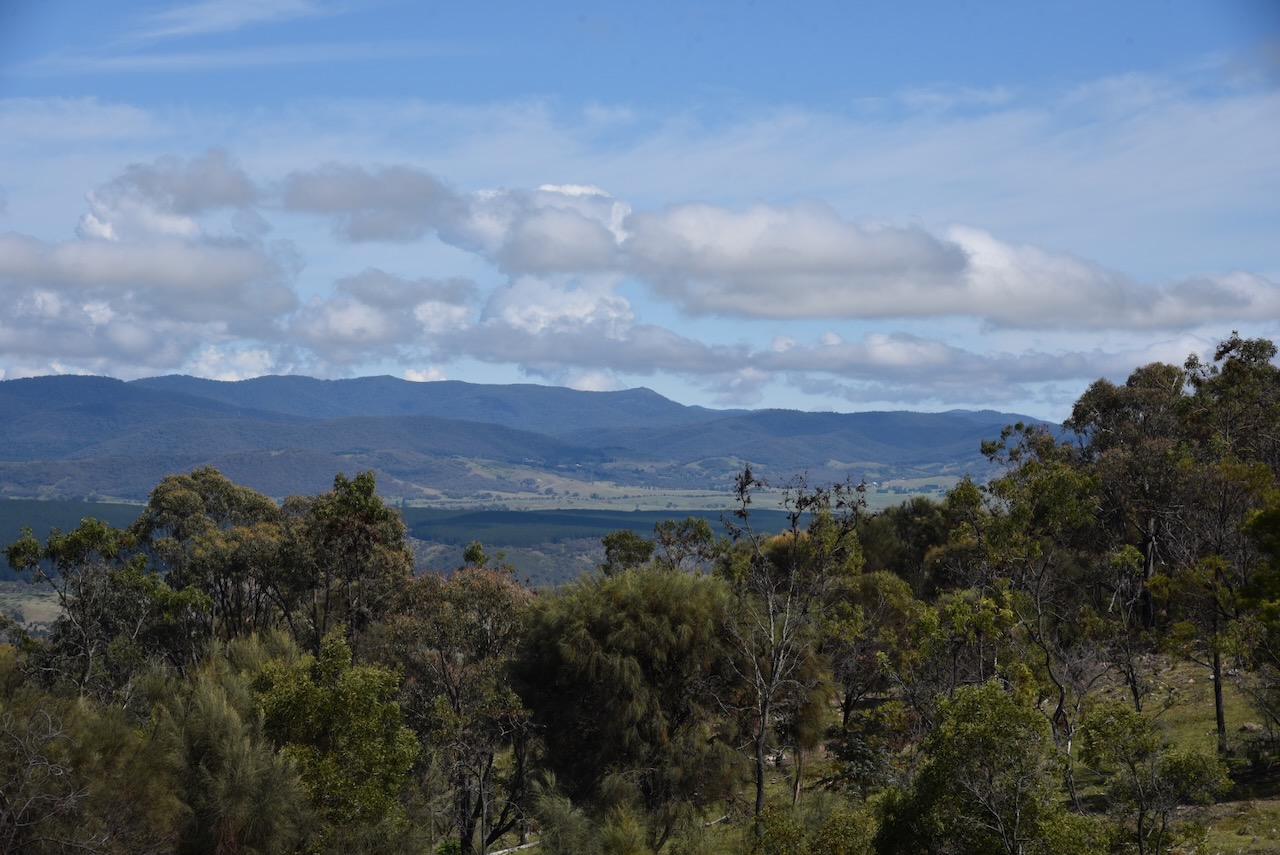
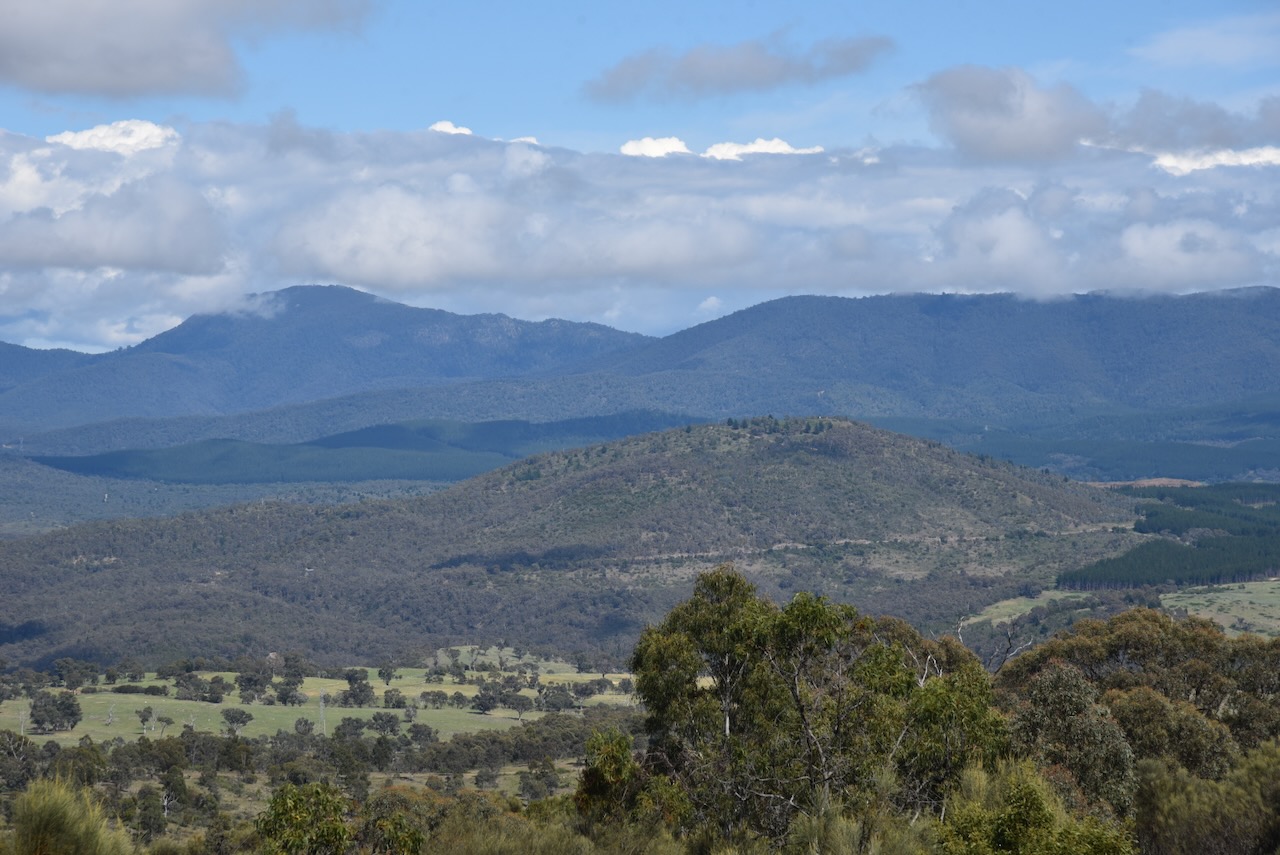
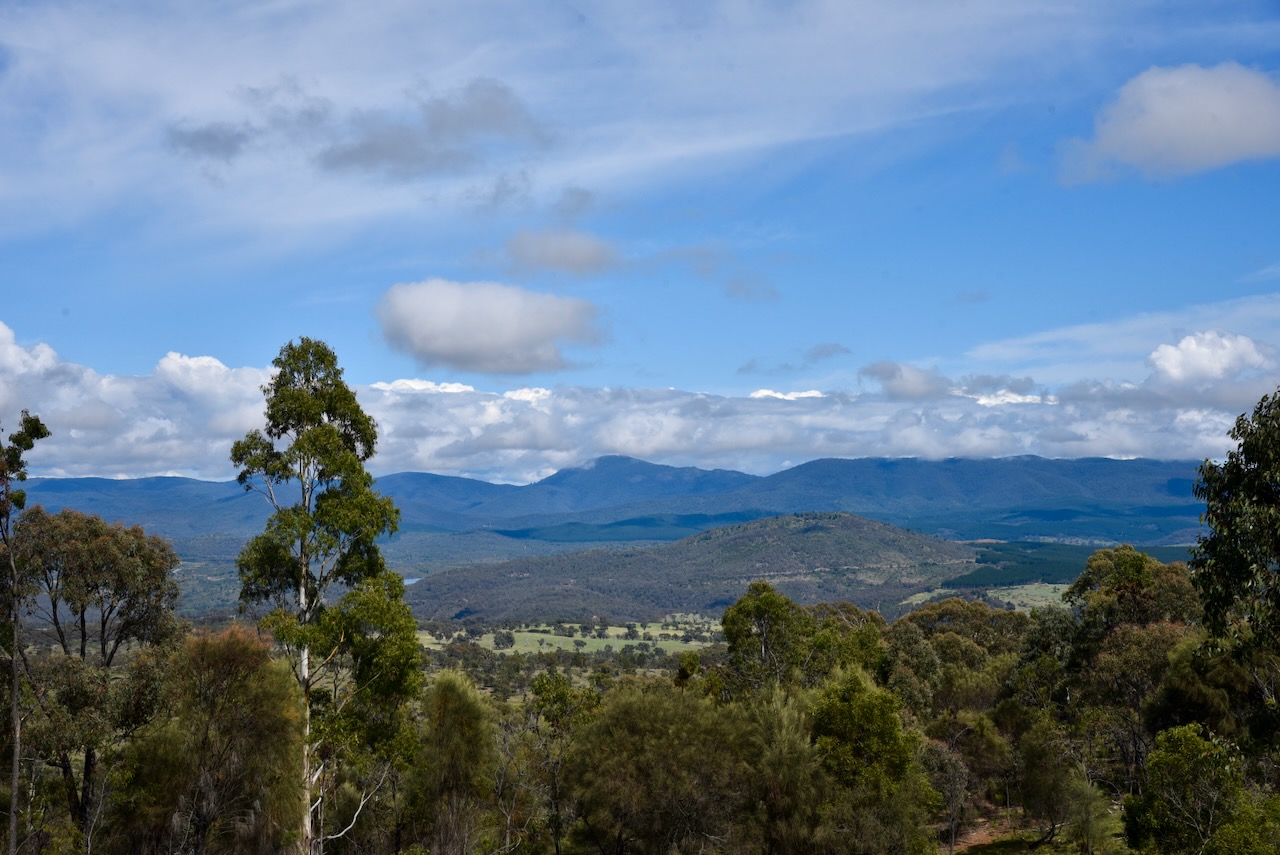
Mount Stromlo is 770 metres above sea level. There are some very nice views to be enjoyed. (Wikipedia 2024)
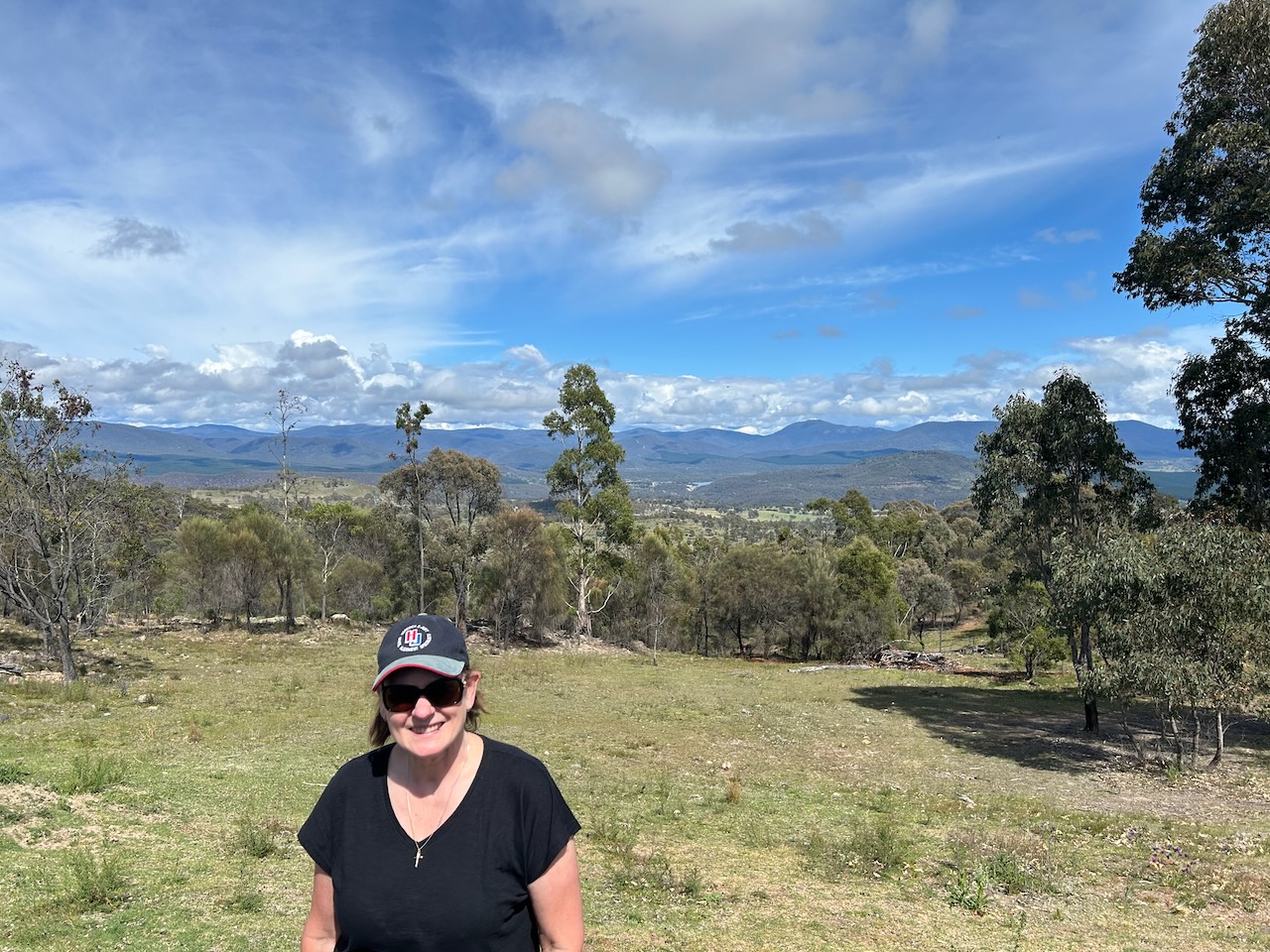
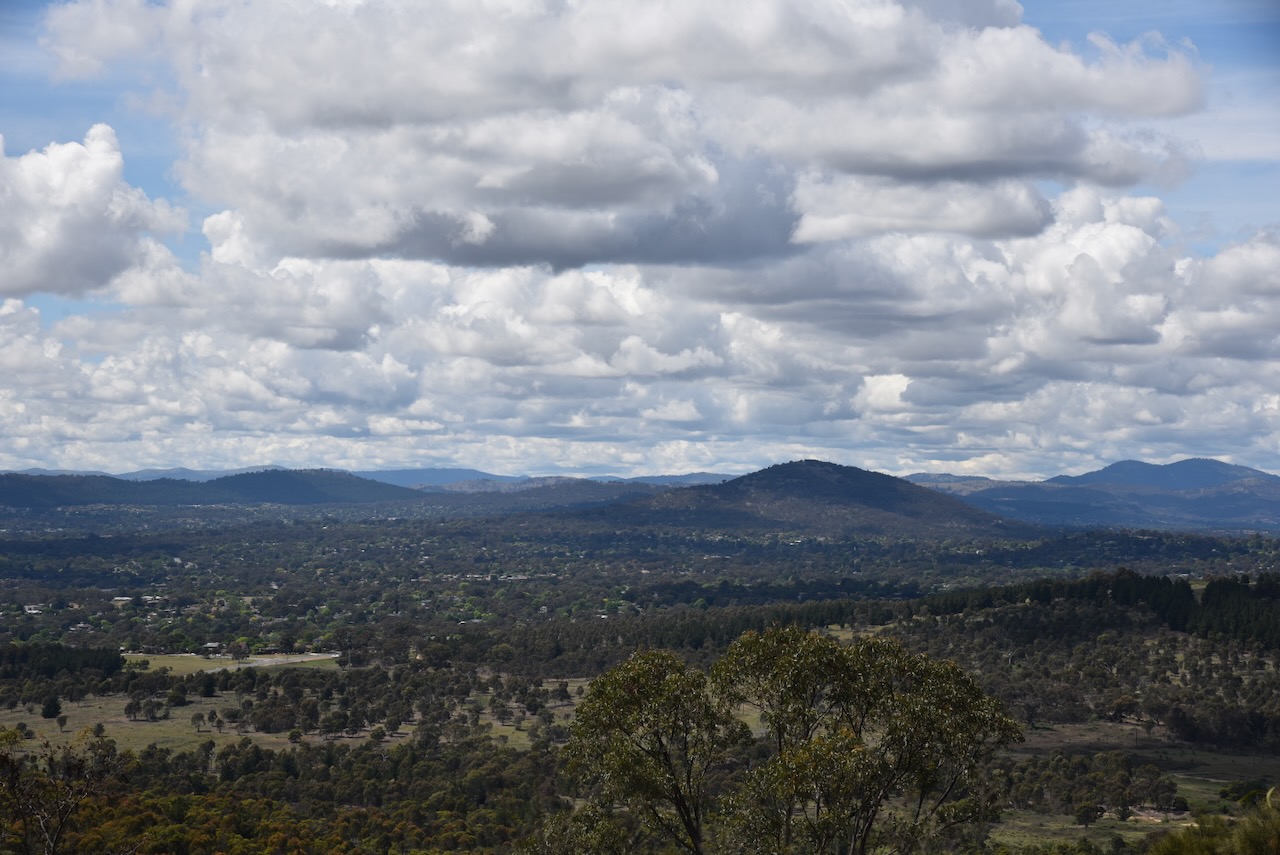
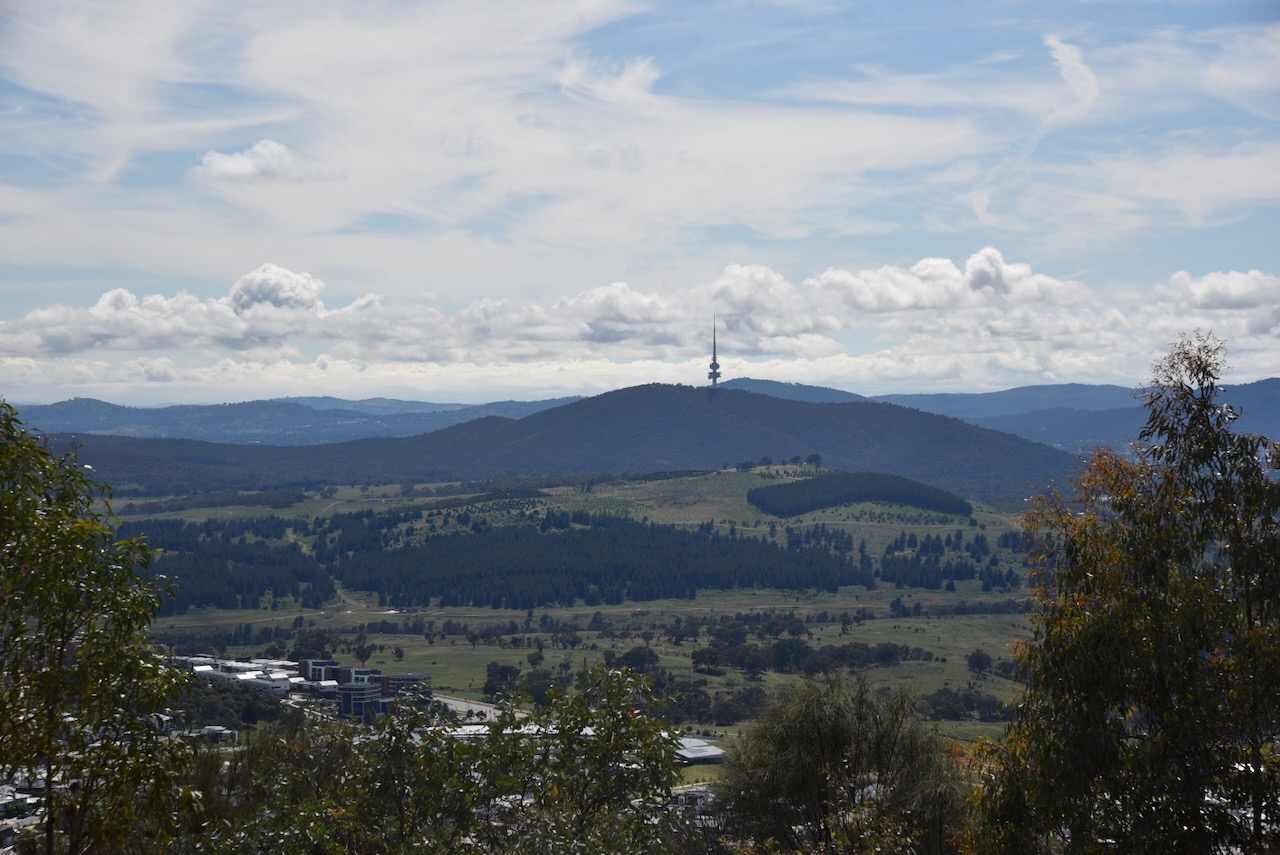
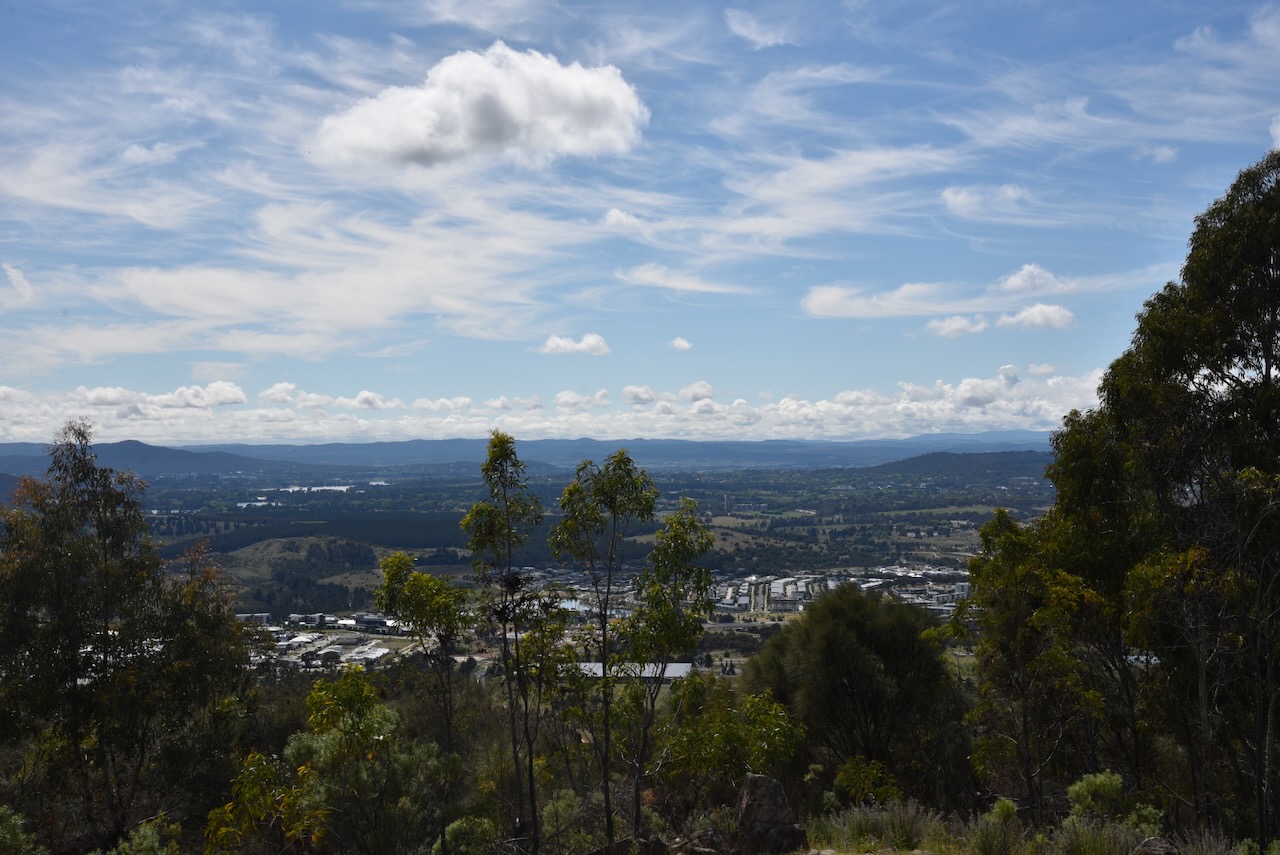
Walter Geoffrey Duffield was born in 1879 in Gawler, South Australia. He graduated from the University of Adelaide in 1900. During 1905 in Oxford, England, and 1907 in Paris, France, Duffield attended meetings of the International Union for Solar Research. He became aware of the lack of solar observatories in eastern Australia and commenced promoting the idea of such an observatory. (Allen 1981)
Duffield’s enthusiasm attracted the attention and support of leading scientists and others interested in the physics of the sun. In October 1909, Duffield advised the Government that the Australian Association for the Advancement of Science at the Brisbane congress had unanimously passed a resolution approving of the proposed solar observatory as ‘a matter of national and international importance.’ (Nla.gov.au 2026)
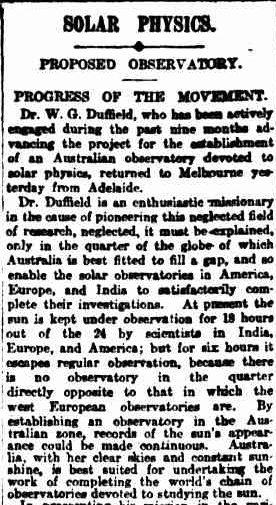
Above: part of an article from The Argus, Melbourne, Sat 9 Oct 1909. Image c/o Trove
In 1909, Ballarat businessman James Oddie offered to the Commonwealth Government one 9-inch reflector telescope, one micrometer, one clock, and timber for an 18-foot dome to house the package. The Australian Prime Minister Alfred Deakin accepted what he described as a ‘splendid gift’.
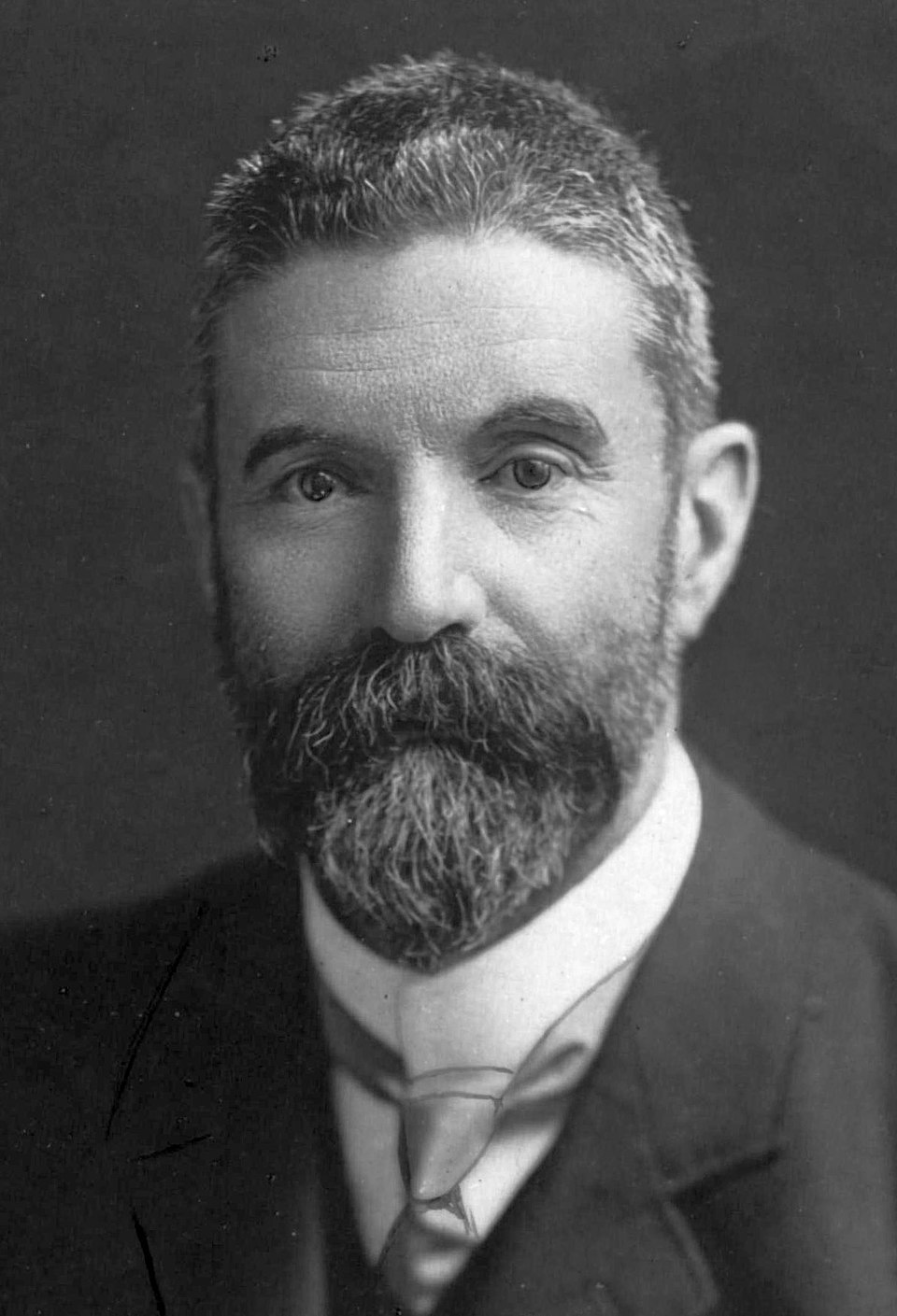
Above: Alfred Deakin. Image c/o Wikipedia
The estate of Lord Farnham also made a promise of a valuable telescope. (Nla.gov.au 2026)
It was estimated that the minimum cost of the observatory would be £10,000, and its maintenance would mean an expenditure of £1,500 per year. (Nla.gov.au 2026)
In March 1910, the Government Astronomer of Victoria, Pietro Baracchi and the Commonwealth Principal Surveyor, Charles Scriverner were tasked with determining the best location for Oddie’s telescope in the Canberra and Yass region. Mount Stromlo was chosen as the site. I will talk more about James Oddie and the Oddie telescope shortly.
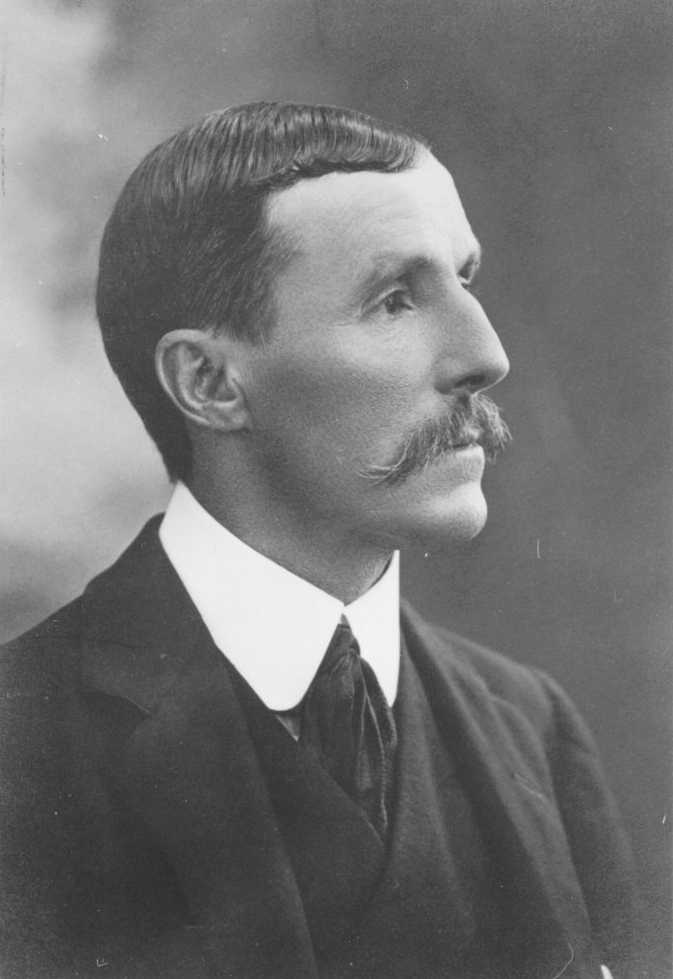
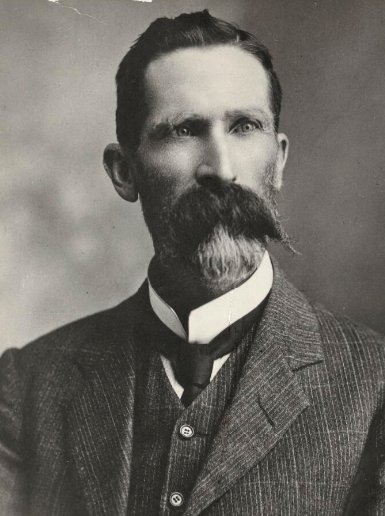
Above: Pietro Baracchi (left) & Charles Scrivener (right). Image c/o Wikipedia
Below is a short YouTube video on Mount Stromlo produced by the Australian National University.
Below is an interesting video made by the Commonwealth Film Unit in 1958 entitled ‘Reaching for the Stars.’
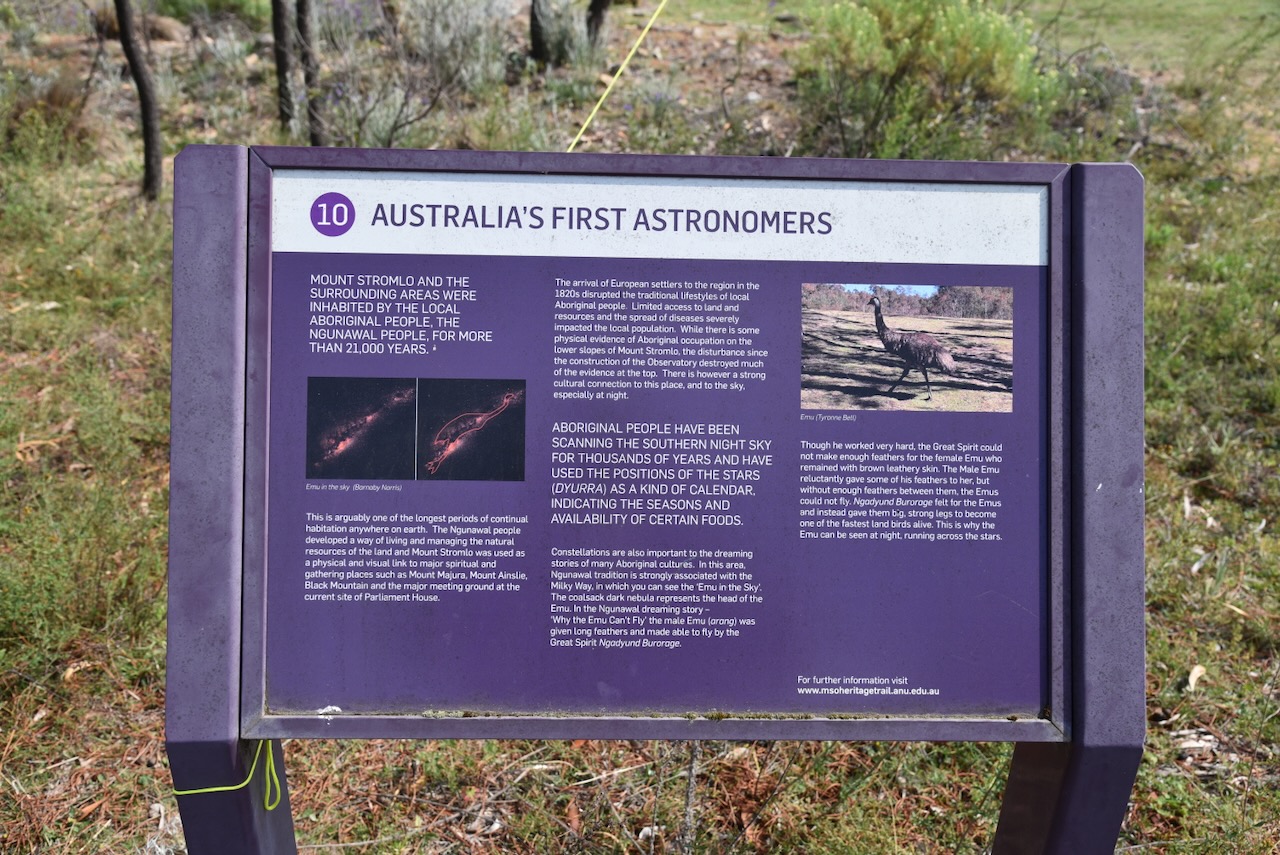
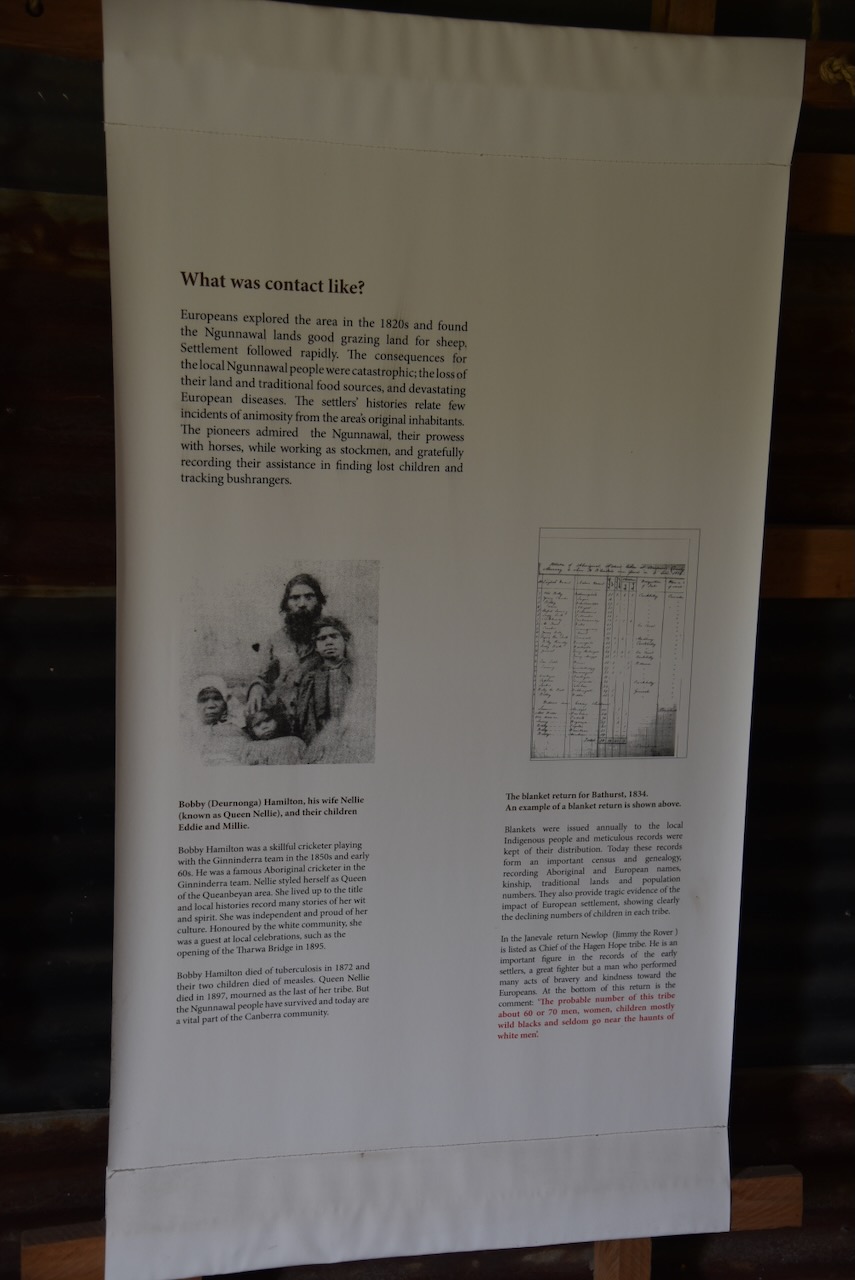
The Ngunawal Aboriginal people are reported to have used the southern night sky and the position of the stars as a calendar, indicating the seasons and availability of particular food sources.
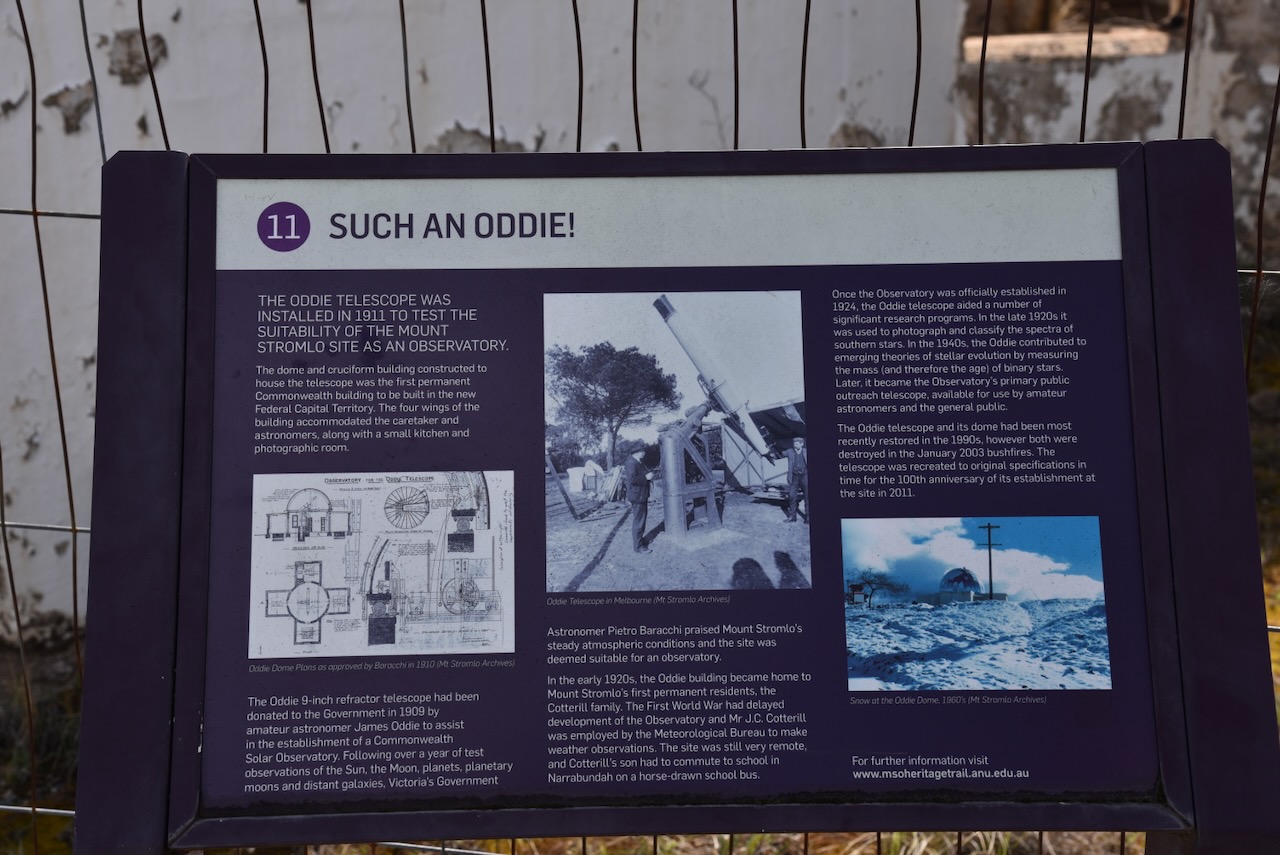
The Oddie telescope was installed at Mount Stromlo in 1911, with the Oddie Dome becoming the first building on Mount Stromlo and the very first Commonwealth building in Canberra. The building had four wings and accommodated a caretaker and astronomers. It included a small kitchen and a photographic room. The building can be found at the northern end of Oddie Way. (Anu.edu.au 2025) (Trove 2026)
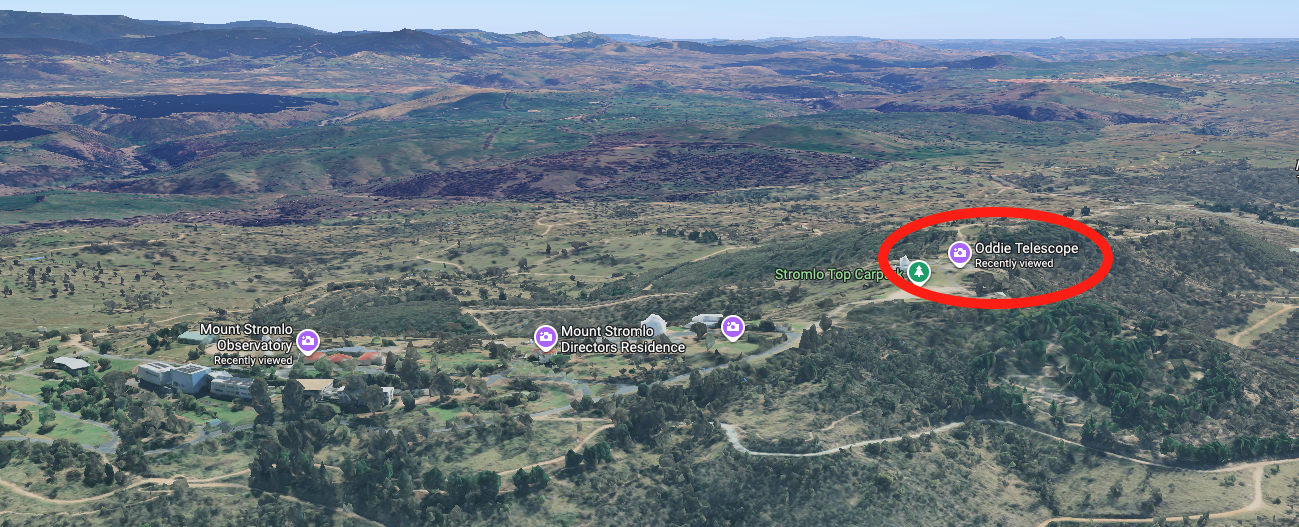
Above: An aerial view of Mount Stromlo showing the location of the Oddie Telescope. Image c/o Google Maps
James Oddie was born in March 1824 in Lancashire, England. He died on the 5th day of March 1911 in Ballarat, Victoria. (ancestry 2016)
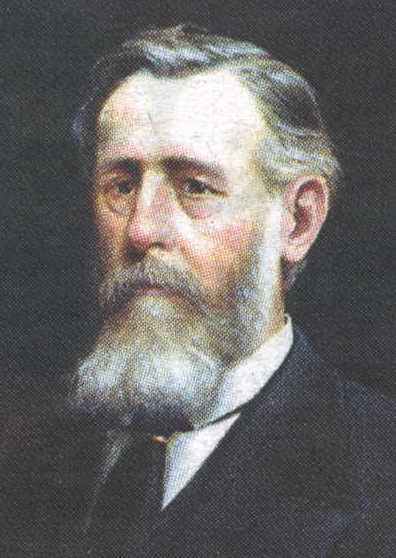
Above: James Oddie. Image c/o ancestry.com.au
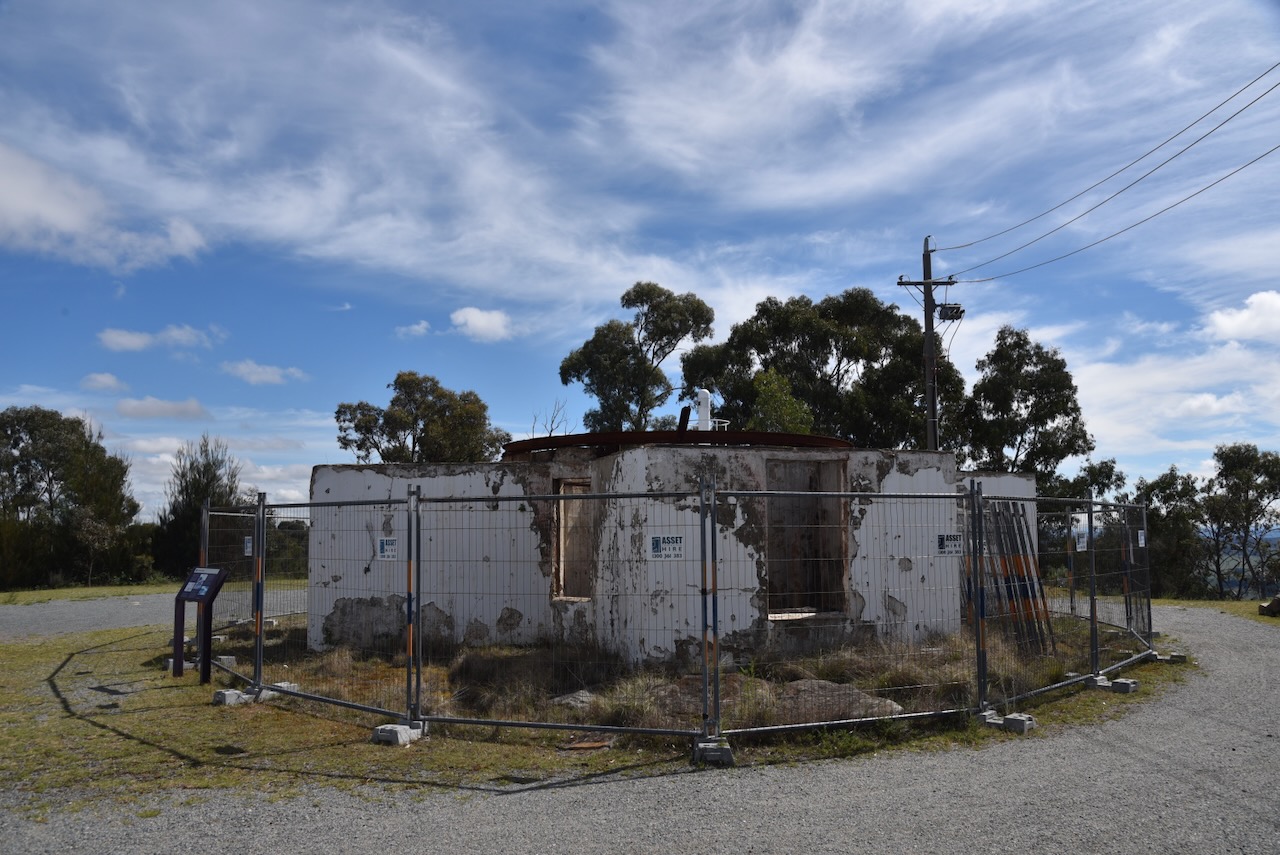
The Oddie telescope was initially used to test the suitability of Mount Stromlo as a site as an observatory. The Oddie dome was restored in the 1990s, but sadly, it was destroyed in the 2003 Canberra bushfire. (Anu.edu.au 2025)
Below is an excellent video from the ABC on the life of James Oddie and the Oddie telescope at Mount Stromlo.
Adjacent to the Oddie telescope is the Mount Stromlo Satellite Laser Ranging (SLR) Facility. The SLR is used to accurately determine the orbits of satellites. It is one of forty SLR stations around the world. Six of those are located in the Southern Hemisphere. A short laser pulse is transmitted through the ranging telescope to passing satellites which are specifically equipped with retro-reflectors. The time of flight of the pulse to the satellite and back to a detector, gives a measure through a processor of the distance to the satellite with a precision of one centimetre.
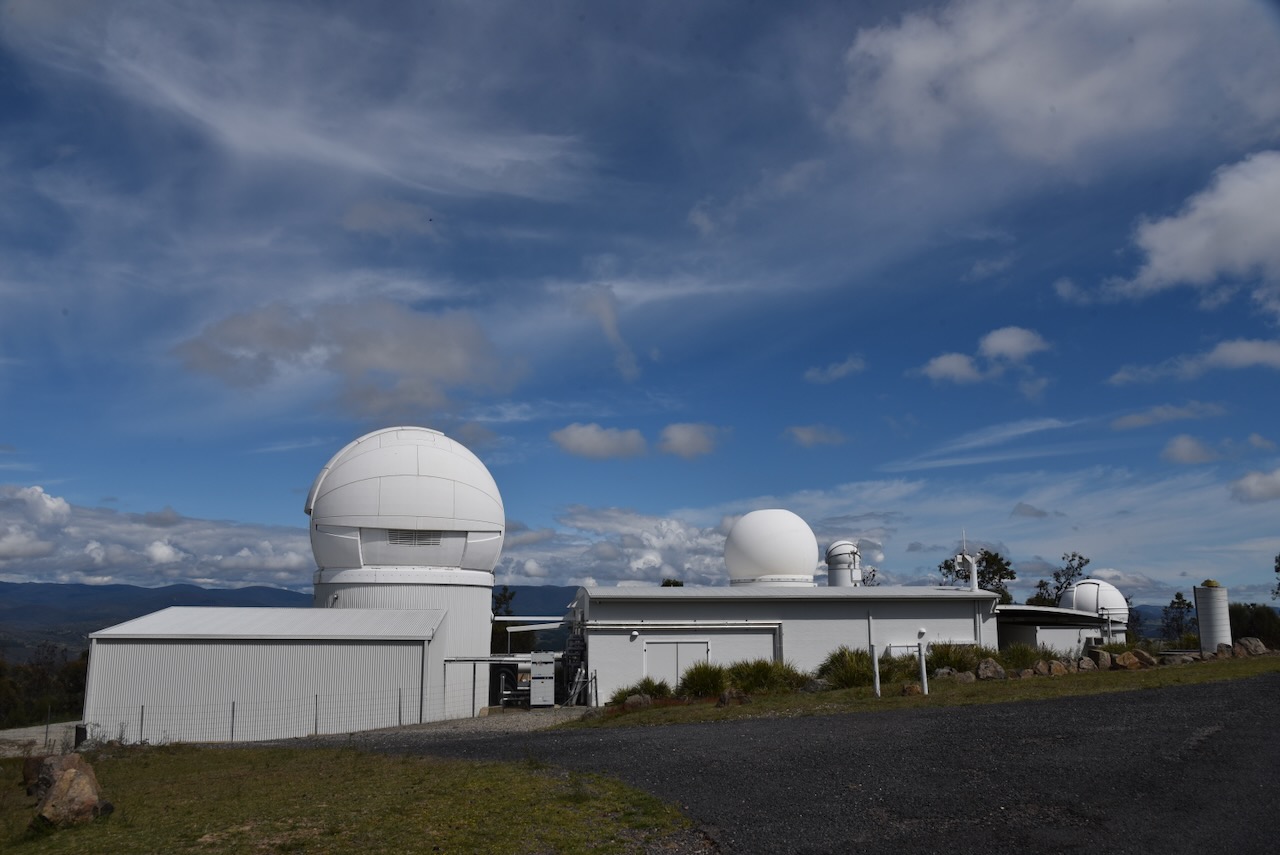
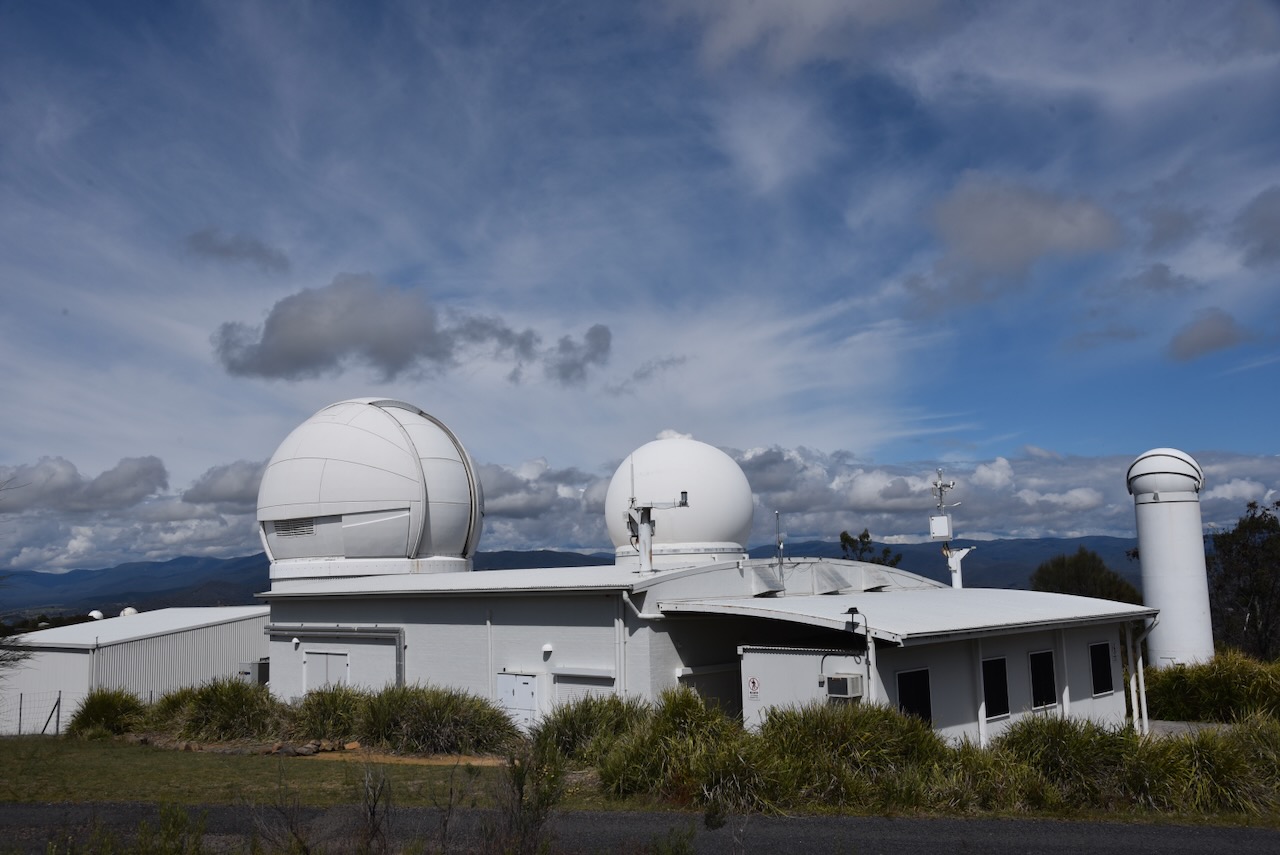
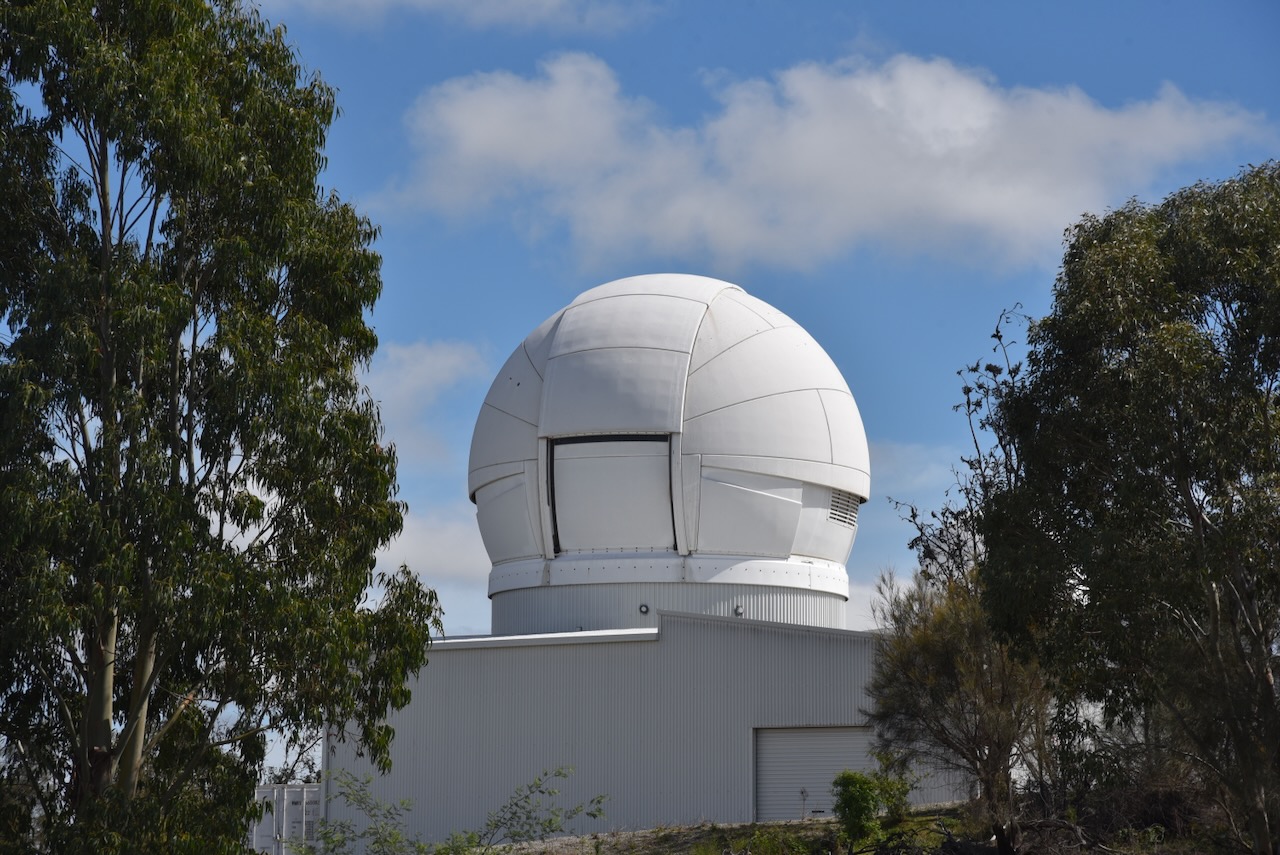
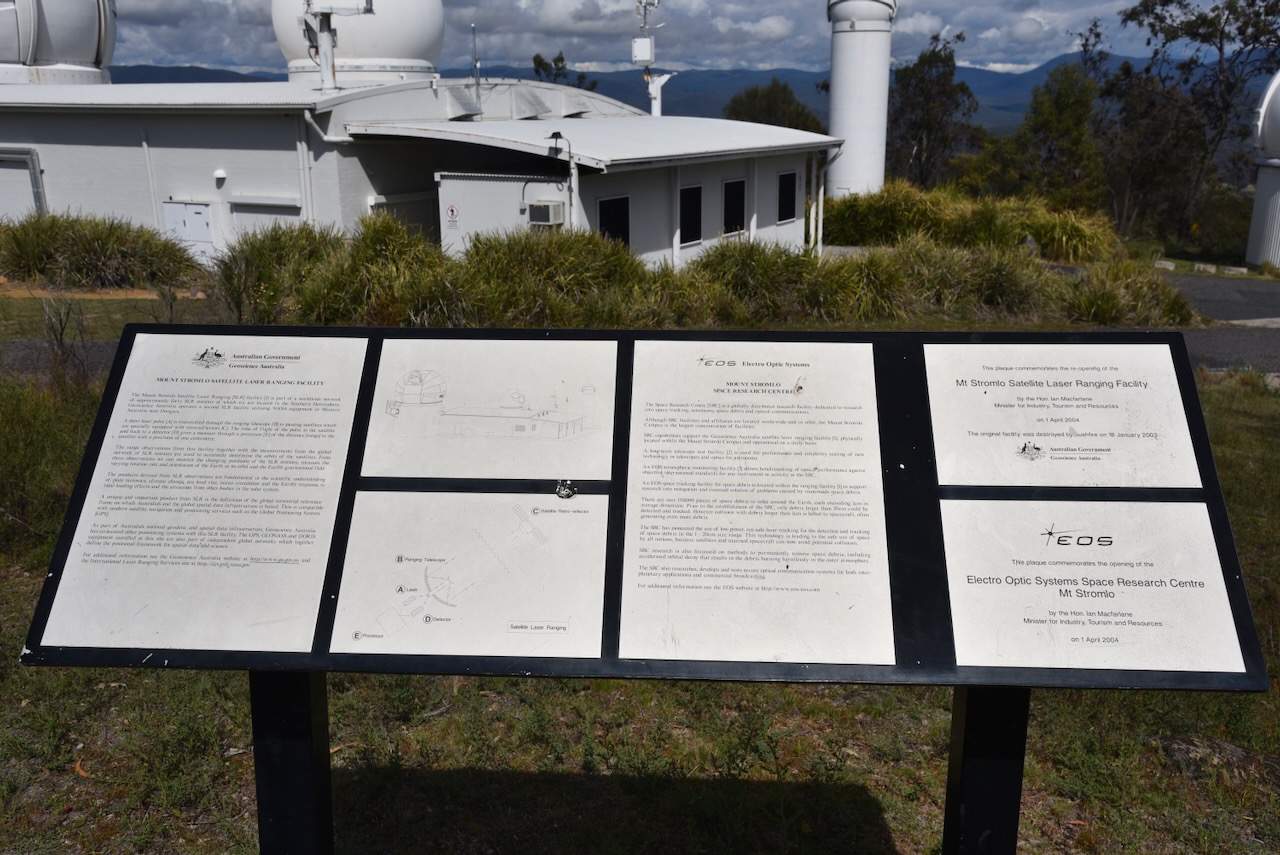
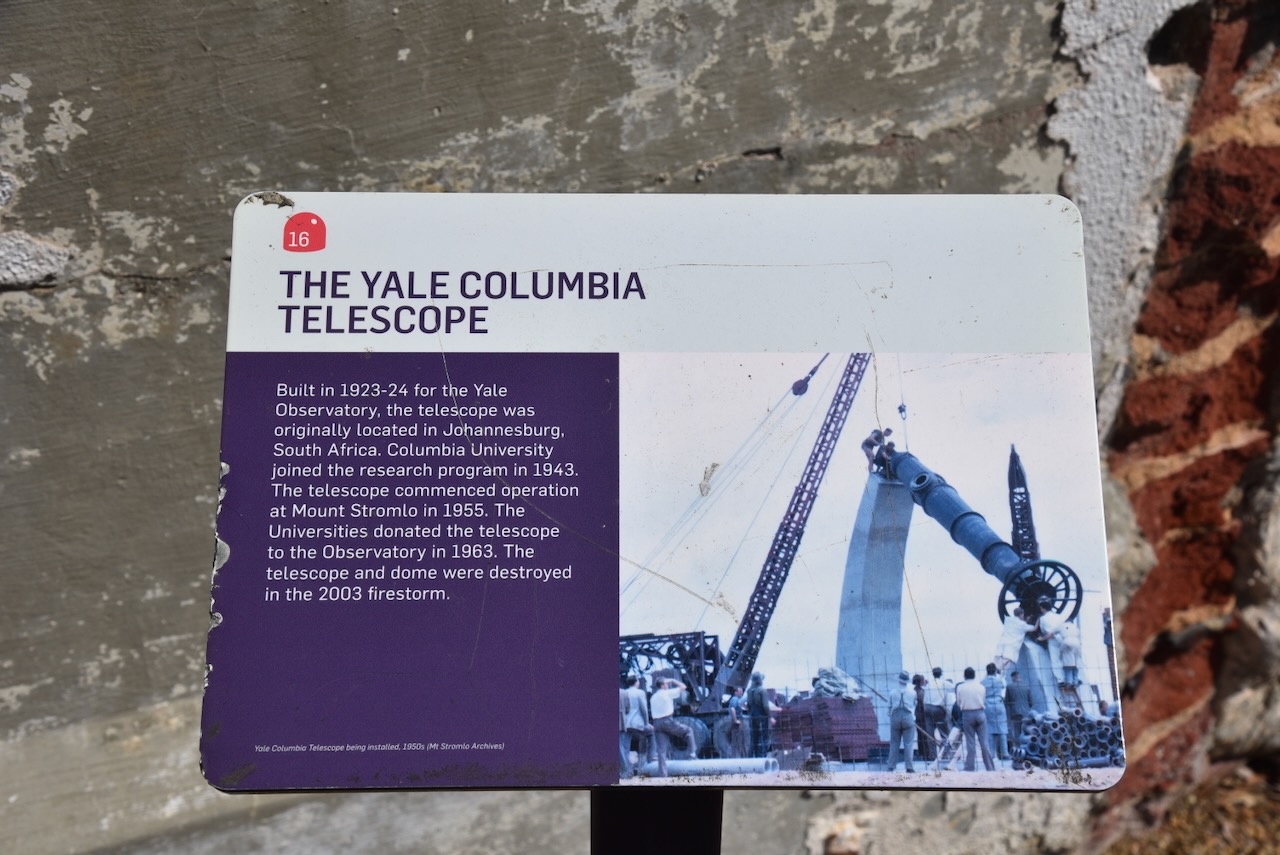
The Yale Columbia 26-inch telescope was first used as Yale University’s Southern Station in Johannesburg, South Africa. In 1952, the telescope was moved to Mount Stromlo and commenced operation in 1956. (Anu.edu.au 2025) (Nla.gov.au 2026)
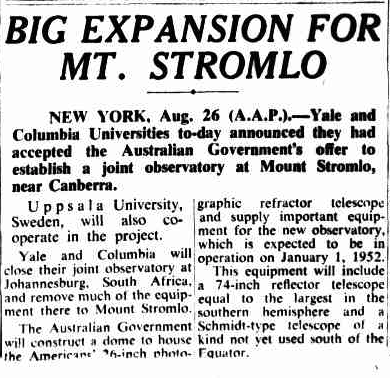
Above: Article from The Sydney Herald, Sun 27 Aug 1950. Image c/o Trove
The refractor assisted in the preparation of NASA’s Voyager missions to the outer planets by taking photographs of Jupiter and Saturn’s moons. (Anu.edu.au 2025) (Nla.gov.au 2026)
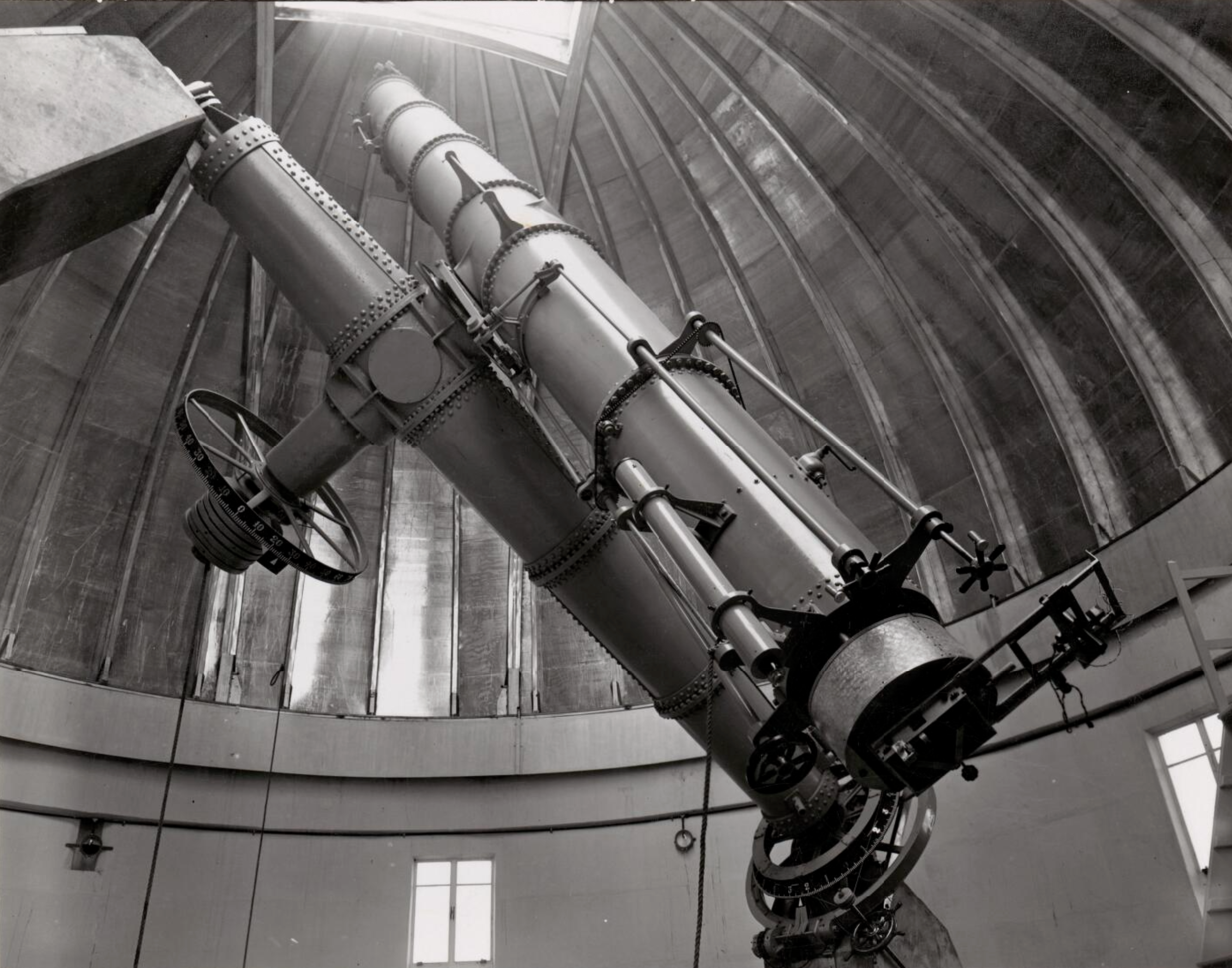
Above: The Yale-Columbia telescope. Image c/o National Library of Australia.
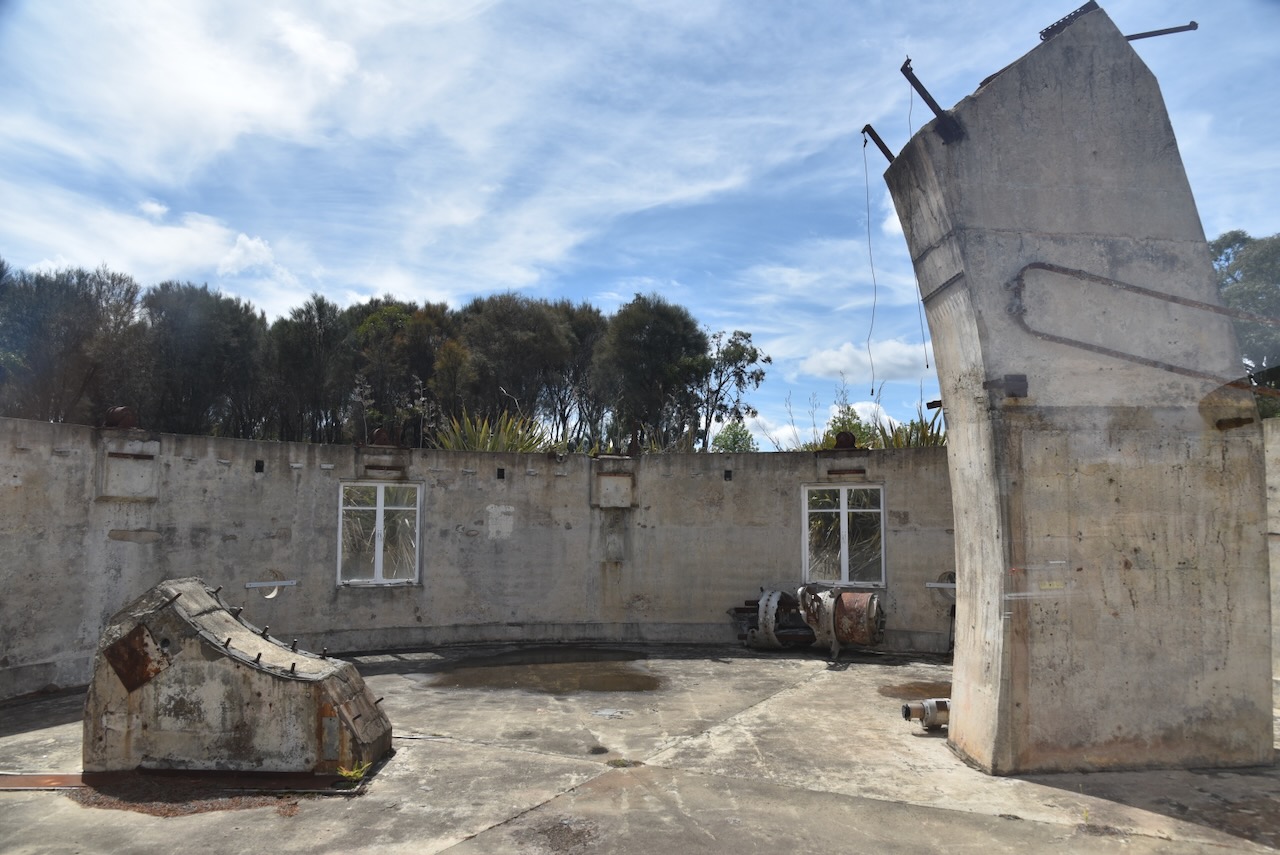
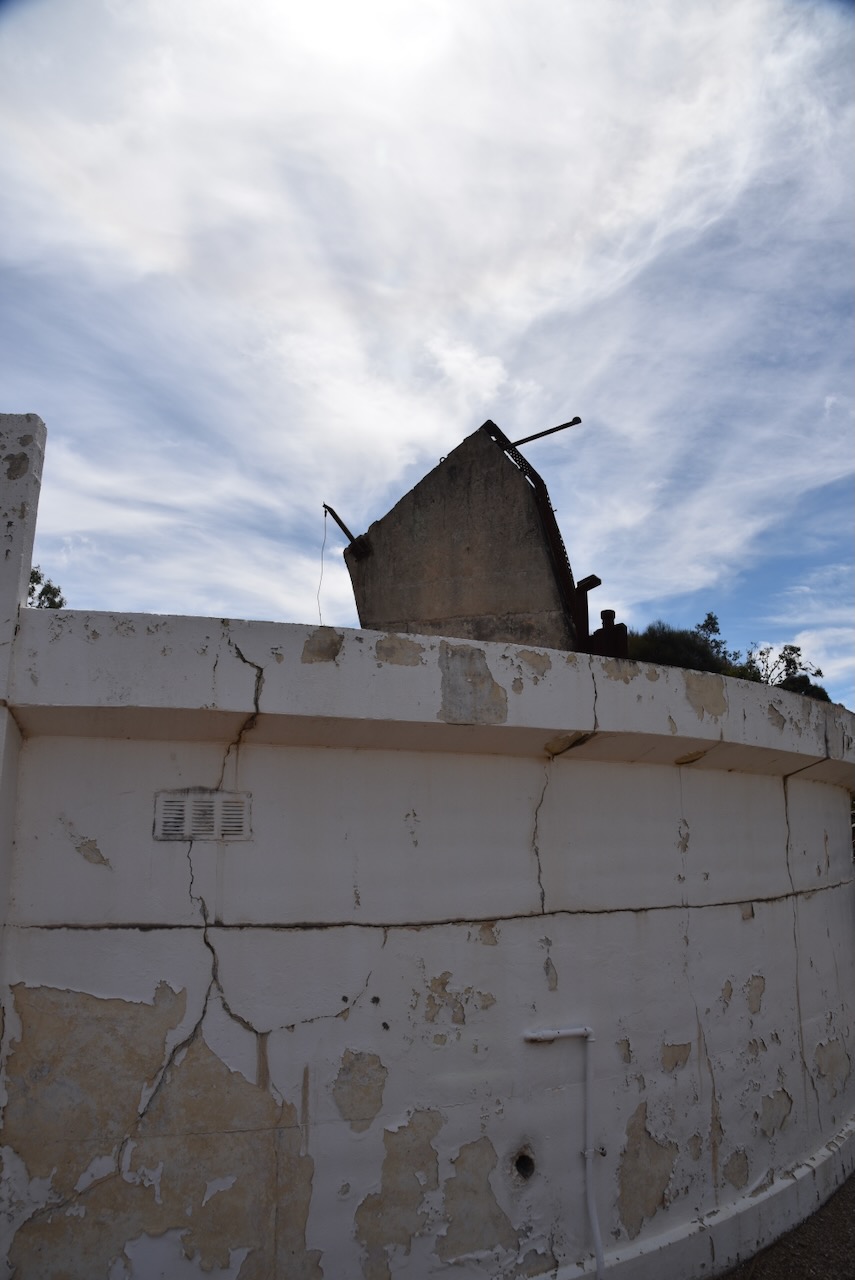
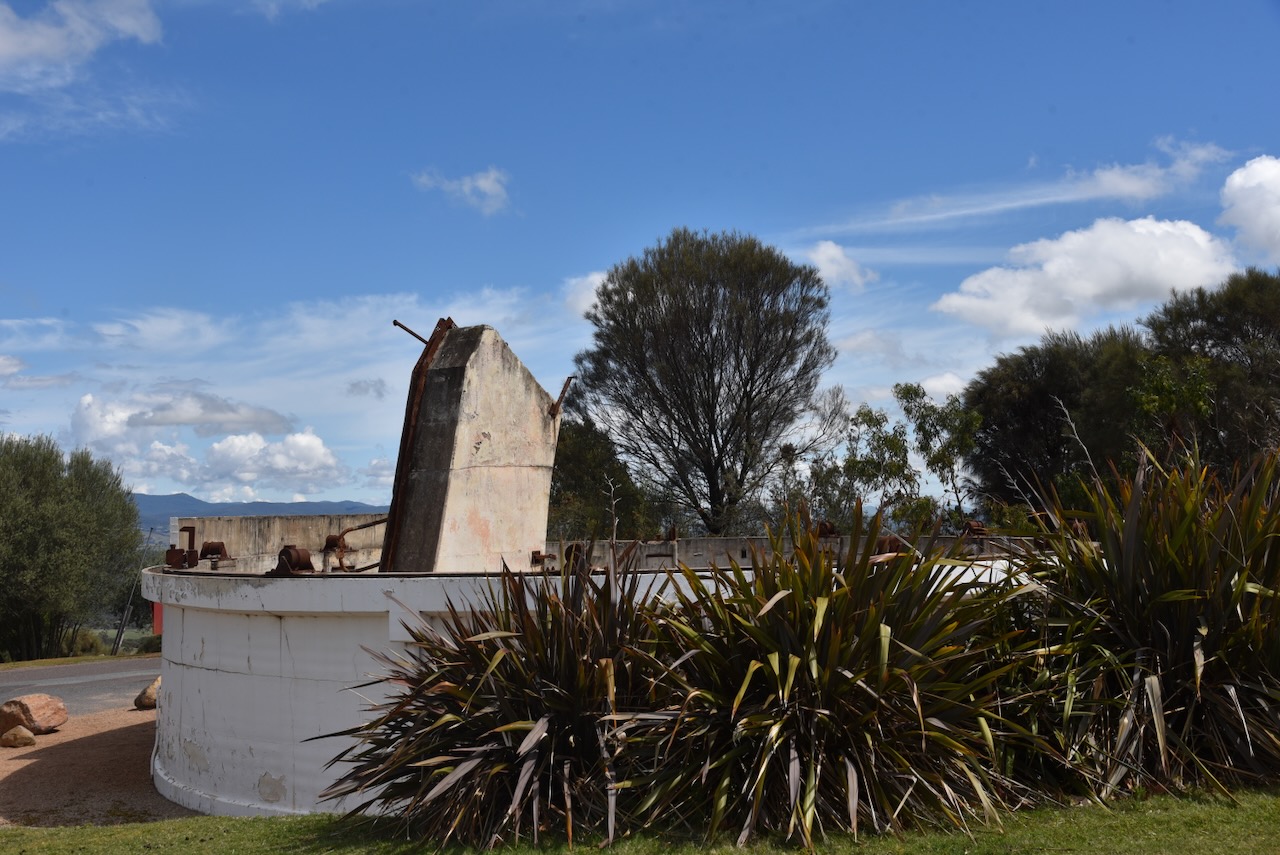
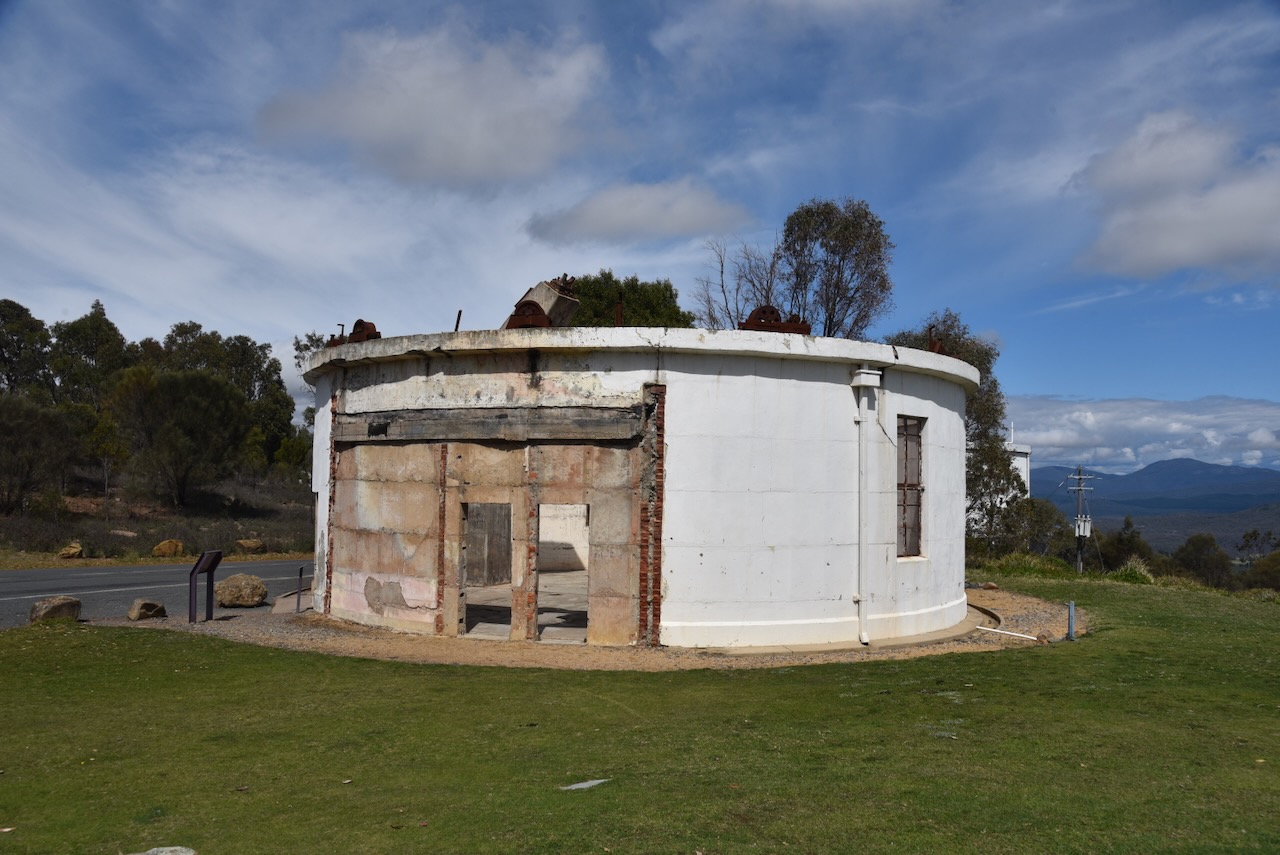
Sadly, it was destroyed in the Canberra 2003 bushfire. All that is left is the scarred shell of the dome.
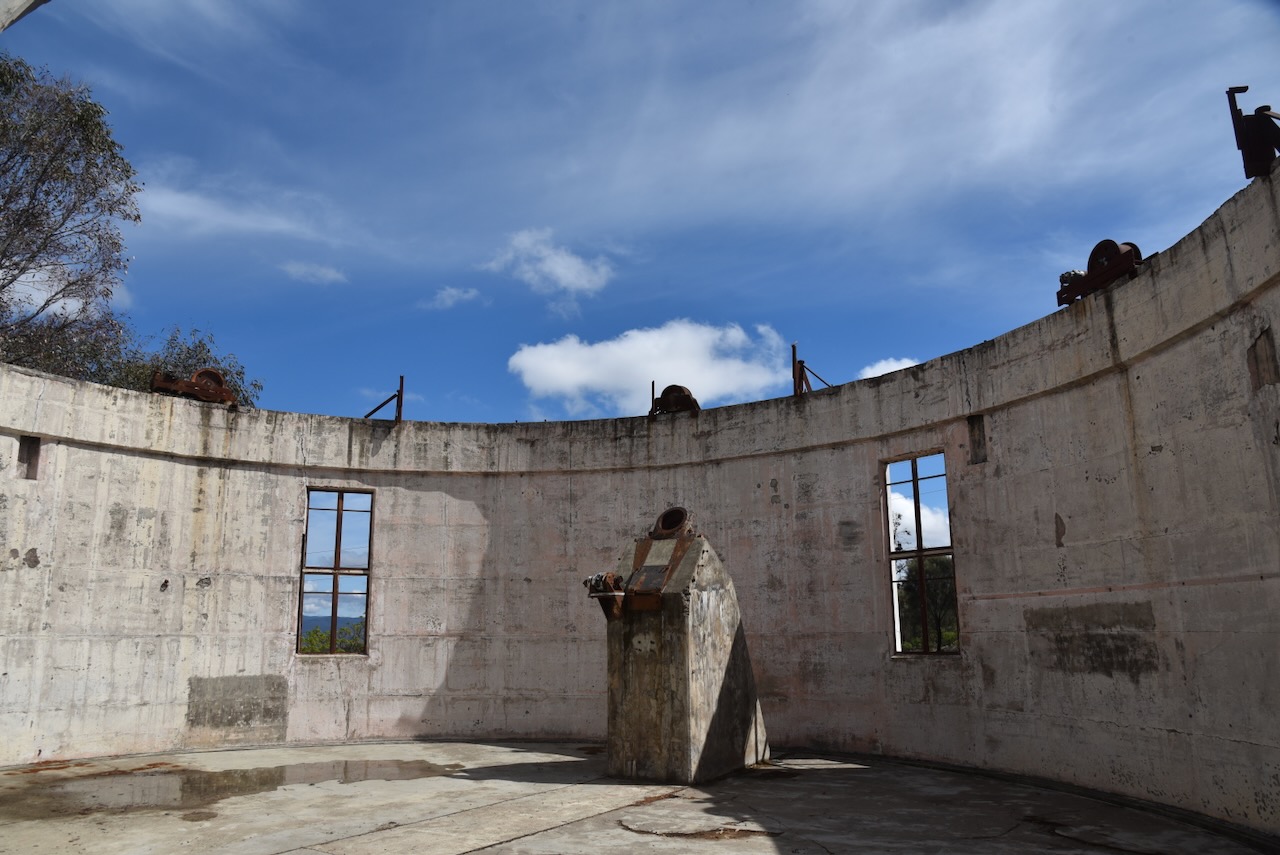
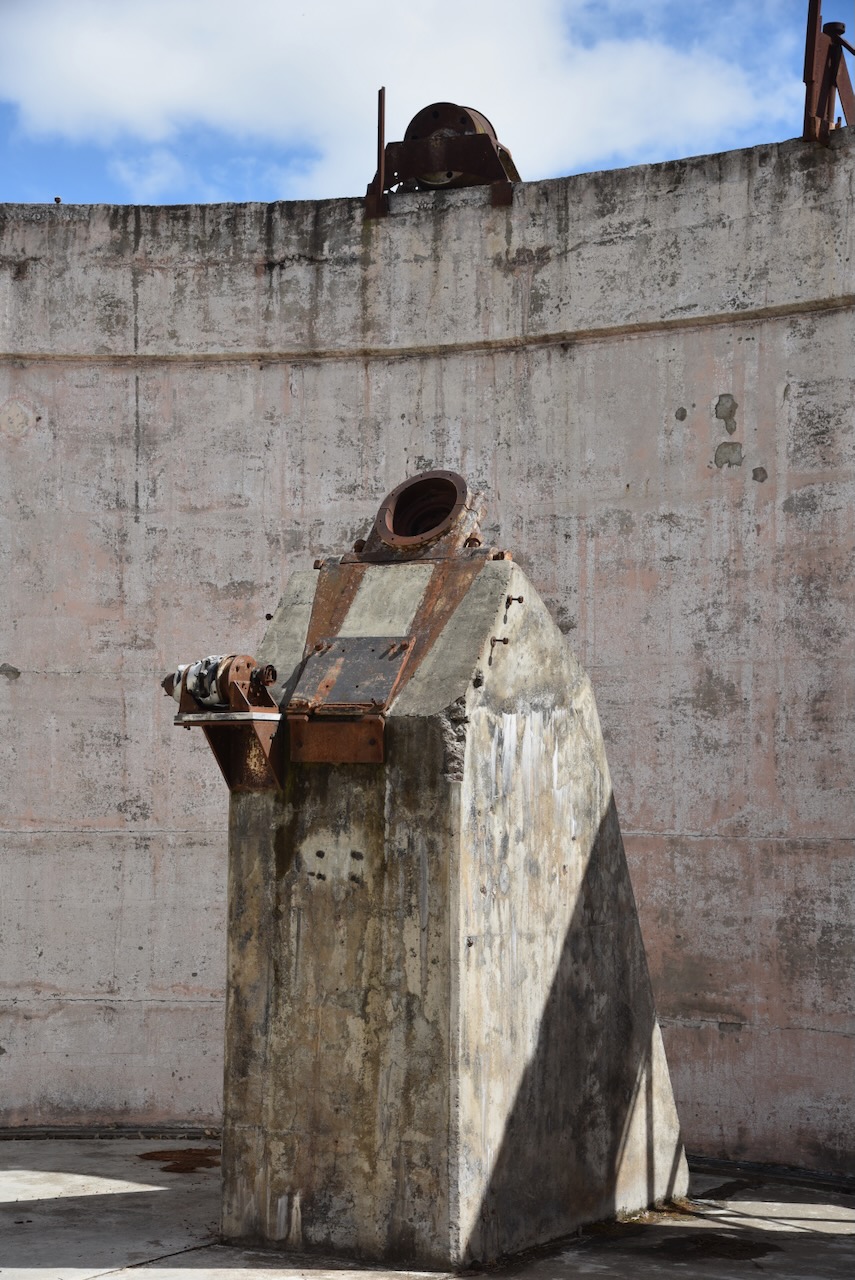
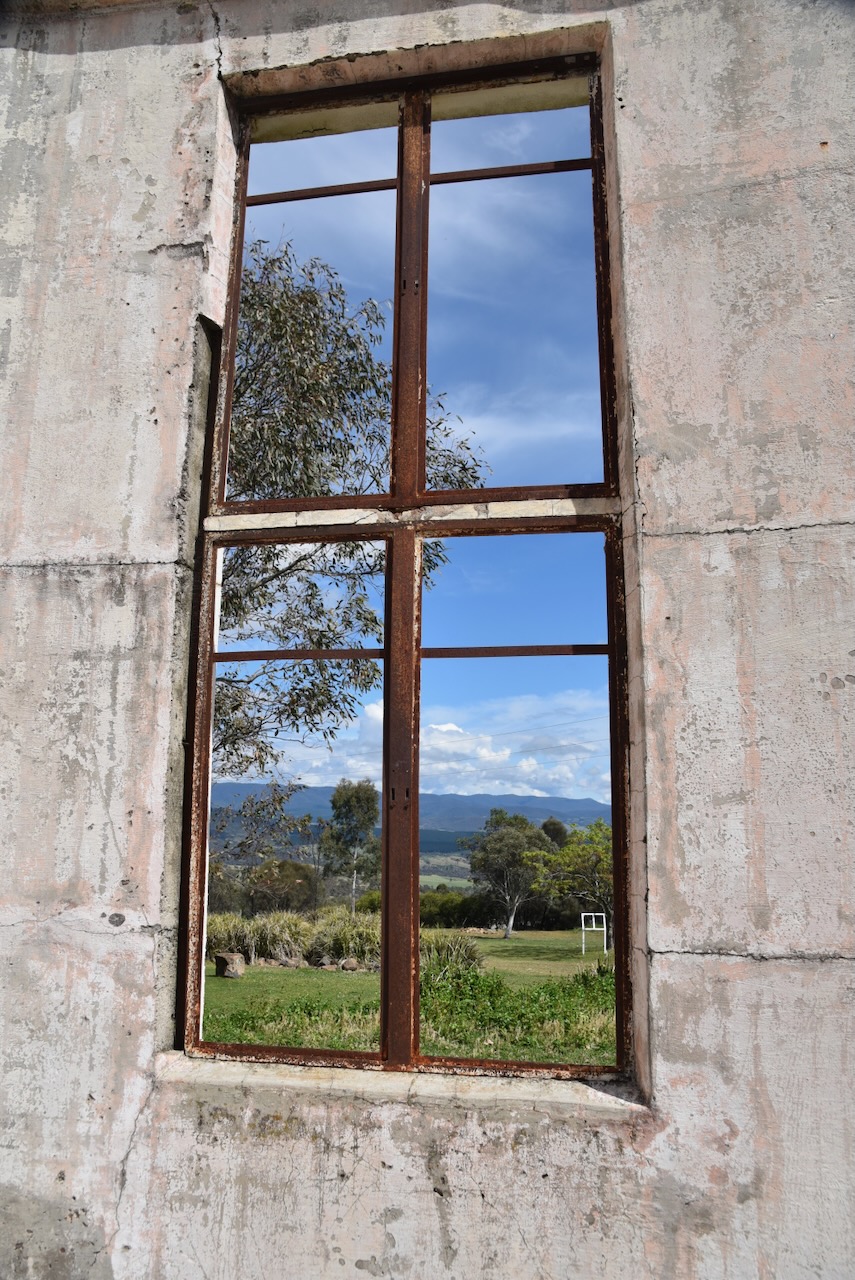
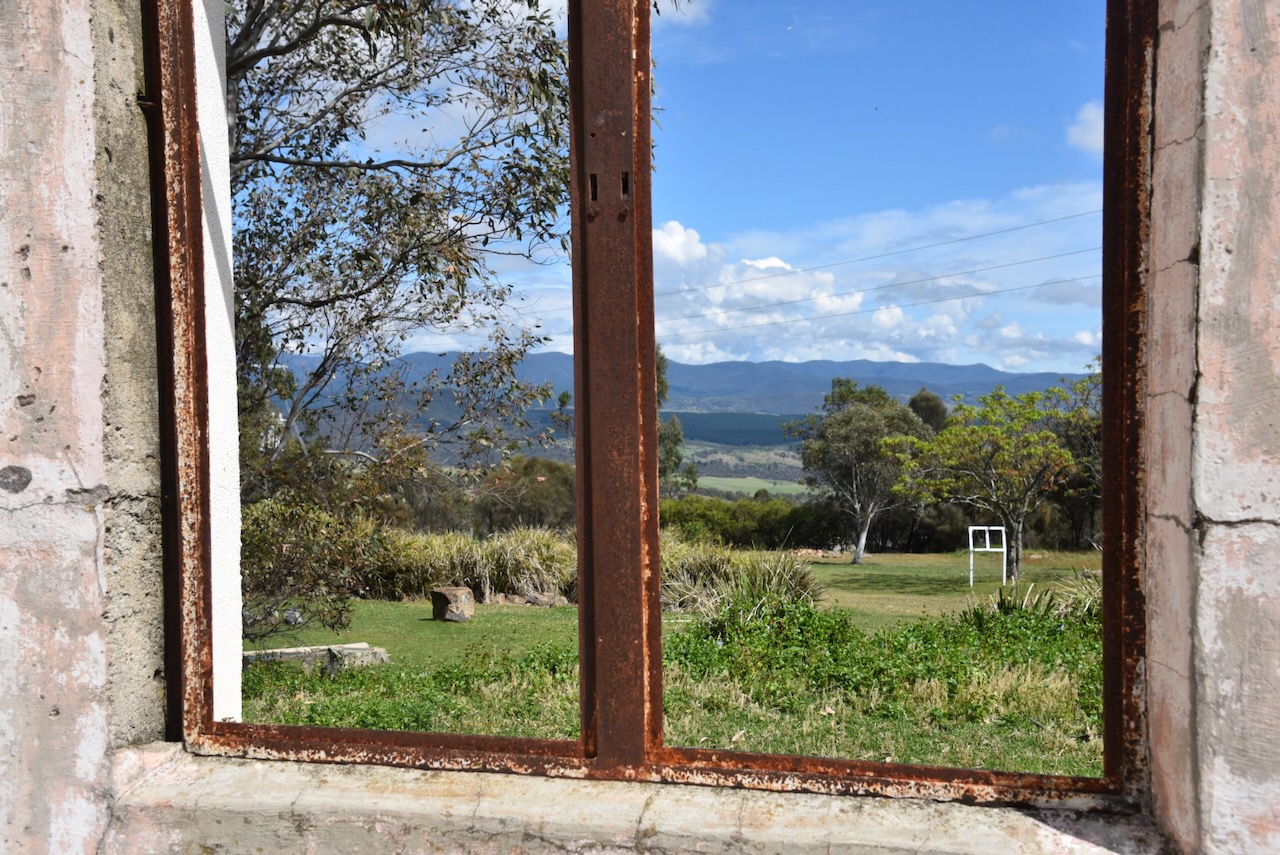
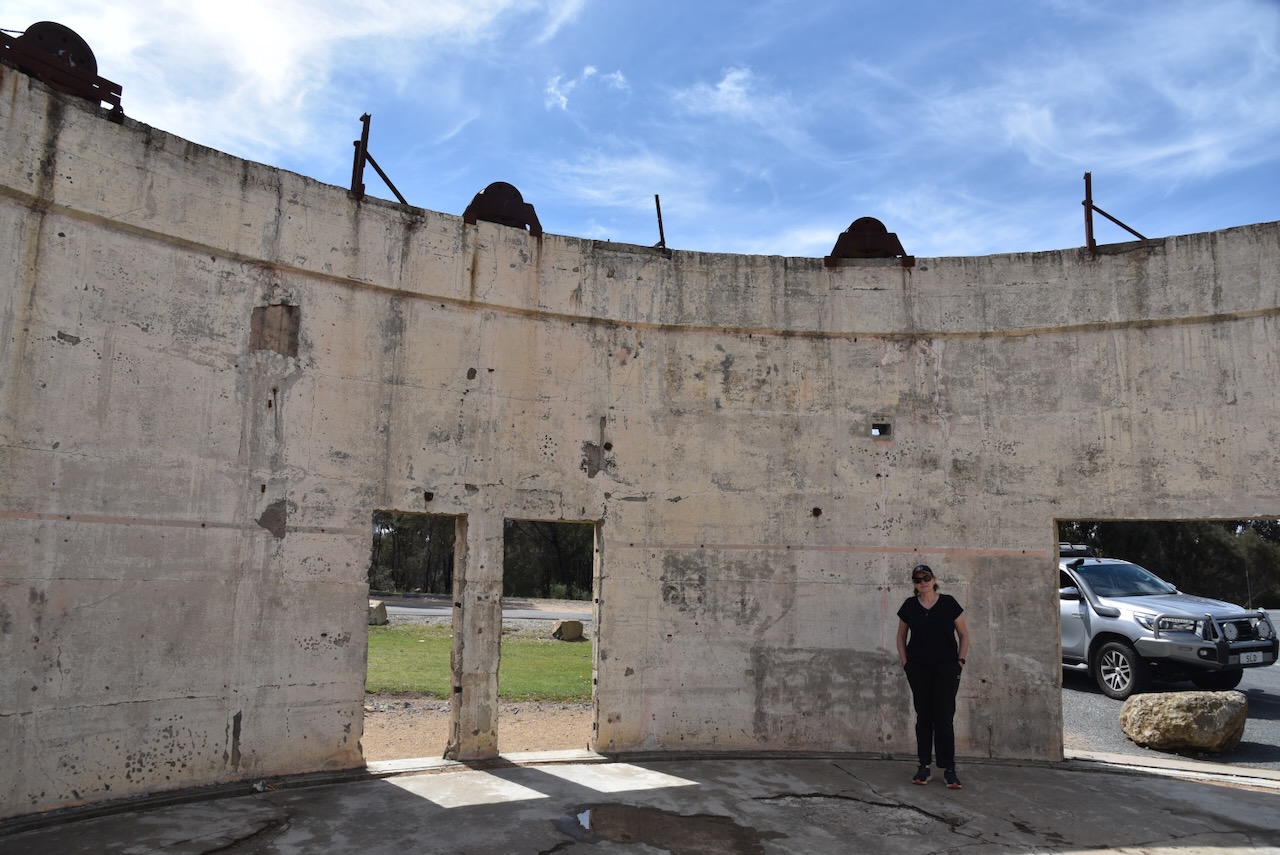
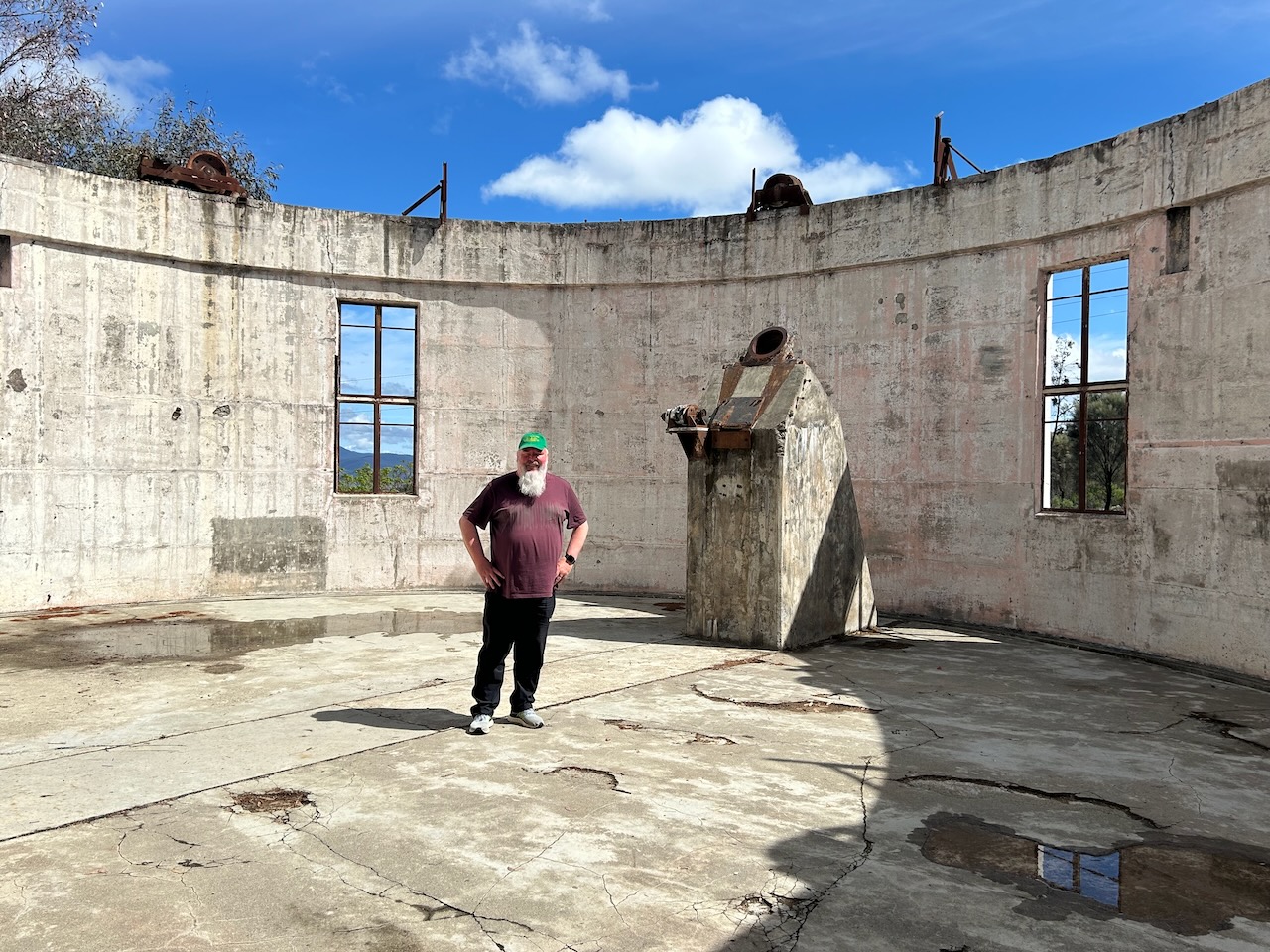
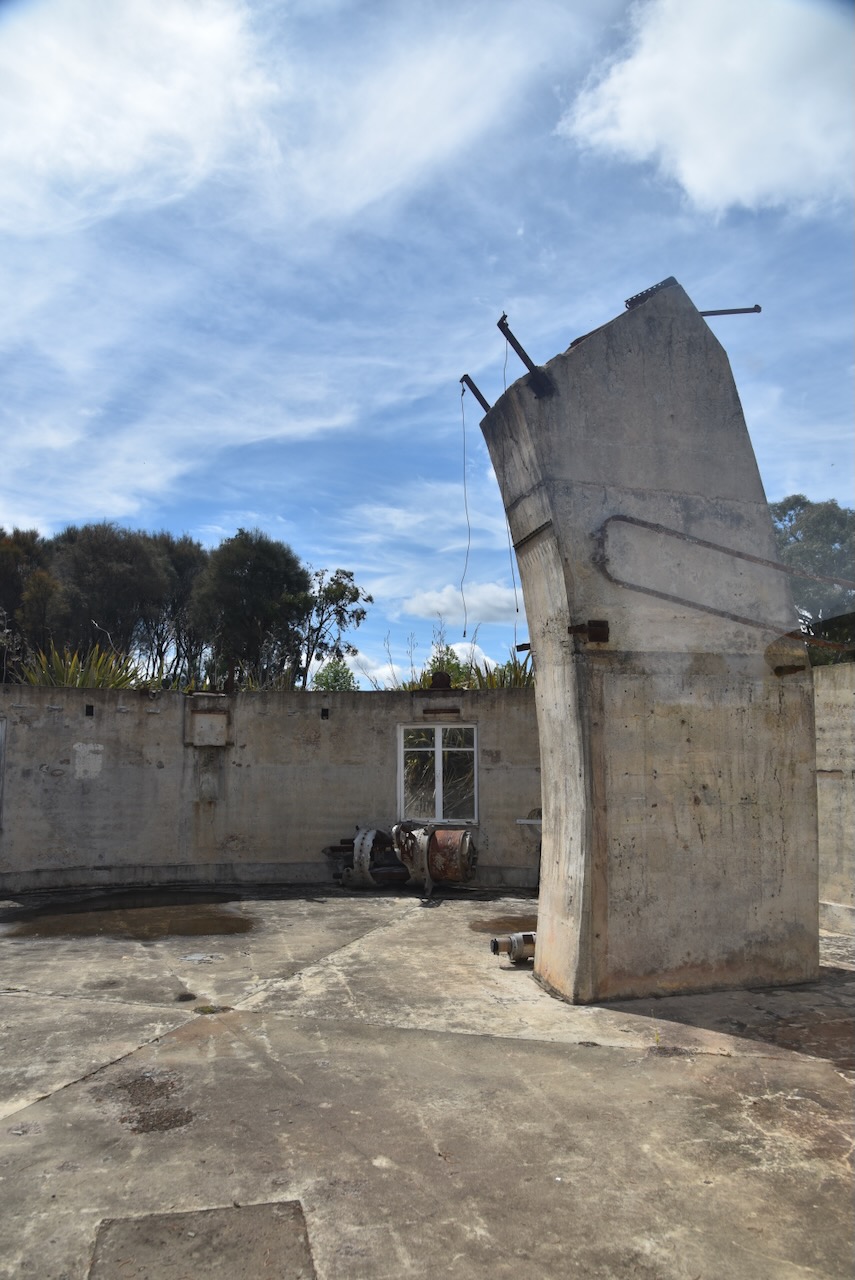
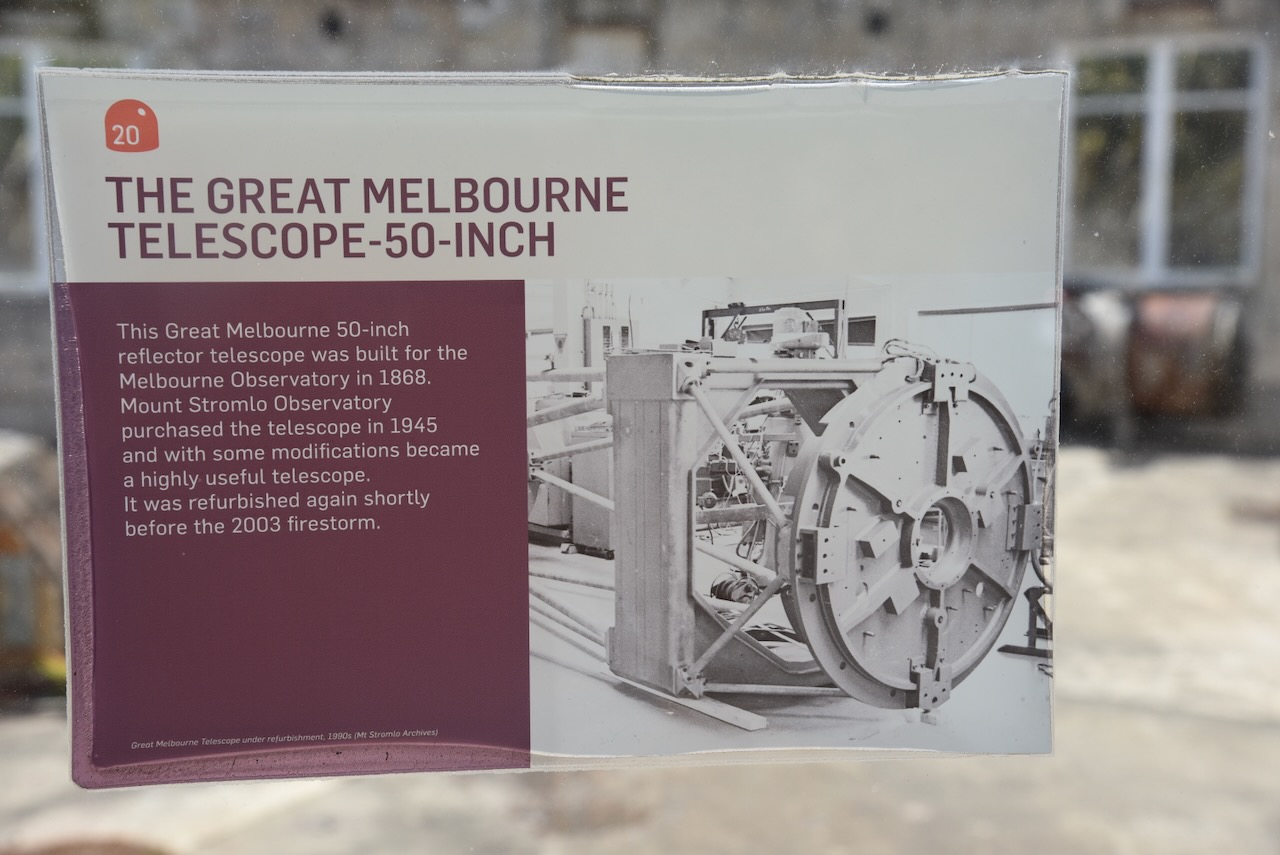
The Great Melbourne 50-inch telescope was built in 1868 by Grubb Parsons in Dublin, Ireland, a historic manufacturer of telescopes. The company was founded in 1833 by Thomas Grubb. The telescope was specifically manufactured for the Melbourne Observatory in 1868. The telescope had a mirror made of speculu, which is a heavy alloy of copper and tin. This made the telescope cumbersome to balance. Another interesting feature was that the telescope was used without a dome, which made it vulnerable to vibrations from the wind. In 1944, the telescope was purchased by Mount Stromlo following the closure of the Melbourne Observatory. The telescope had been offered for sale as scrap. (Anu.edu.au 2025) (Nla.gov.au 2026)(Wikipedia 2025)
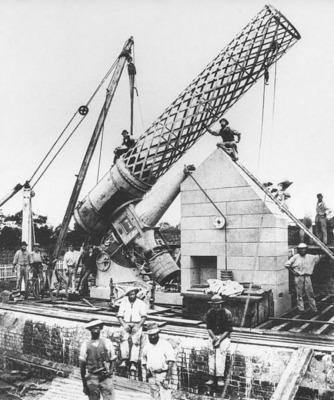
Above: Installation of the Great Melbourne Telescope, 1869. Image c/o Wikipedia
Several significant modifications were undertaken on the telescope at Mount Stromlo in the workshops. A special mirror was ordered from Great Britain. The telescope was put into use at Mount Stromlo in the 1950s. It joined the MACHO project during the 1990s to investigate ‘dark matter.’ This telescope was also destroyed during the 2003 Canberra bushfire. Just prior to its destruction, the telescope had been automated and was used in the ‘Skymapper’ project to create a digital map of the southern sky. (Anu.edu.au 2025) (Nla.gov.au 2026)
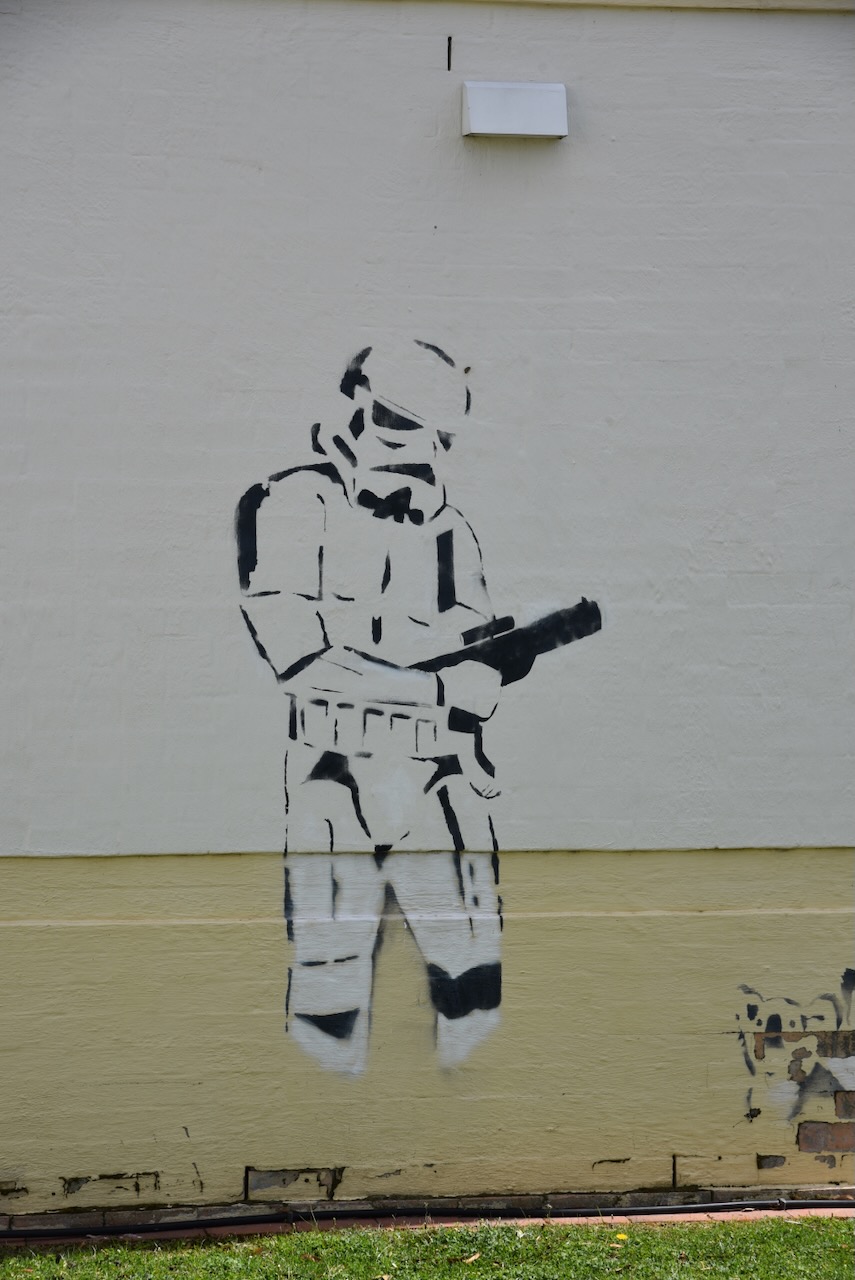
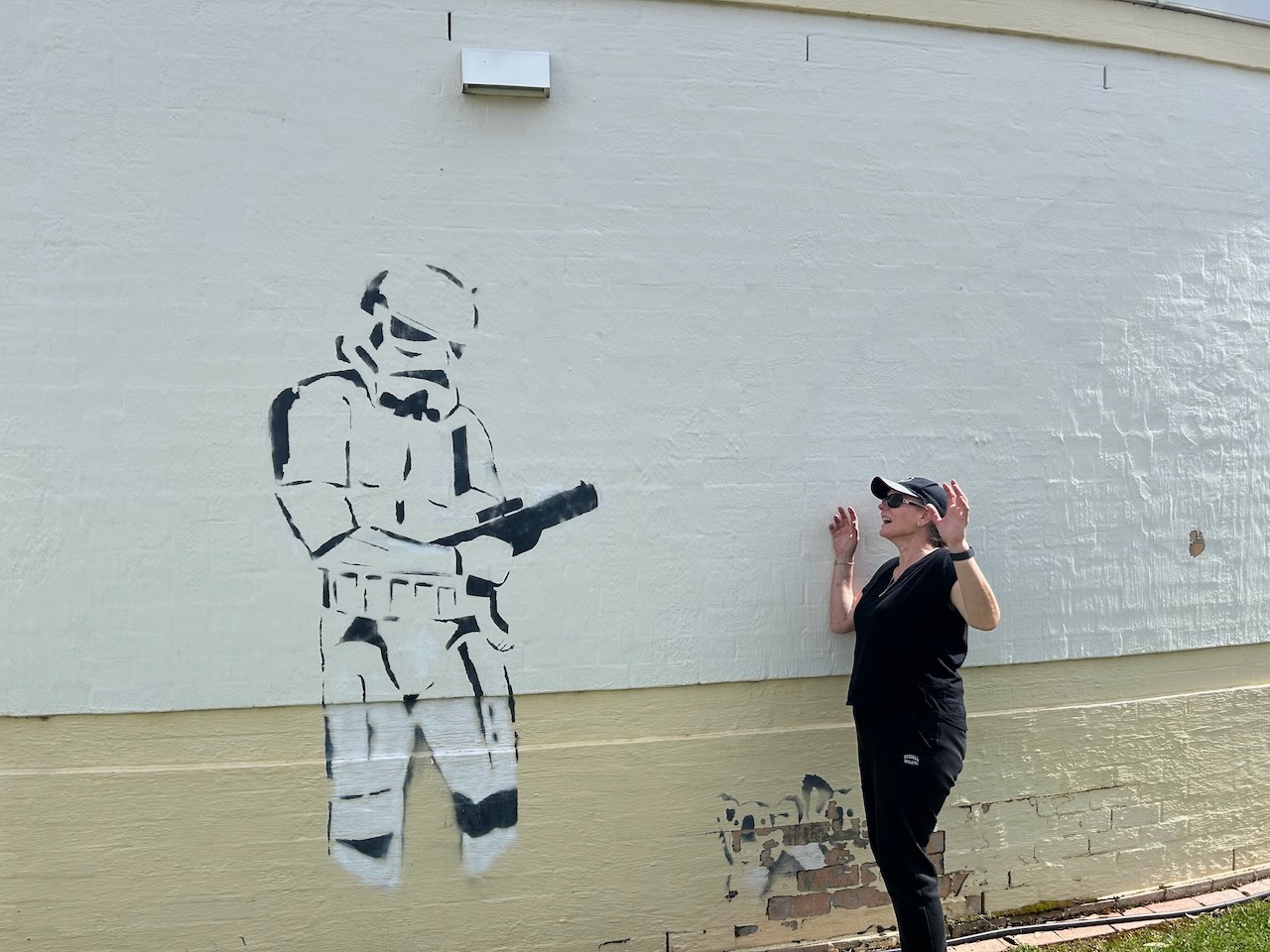
Unfortunately, the Visitor Centre was not open at the time of our visit. There is a mural of a Star Wars stormtrooper on the building.
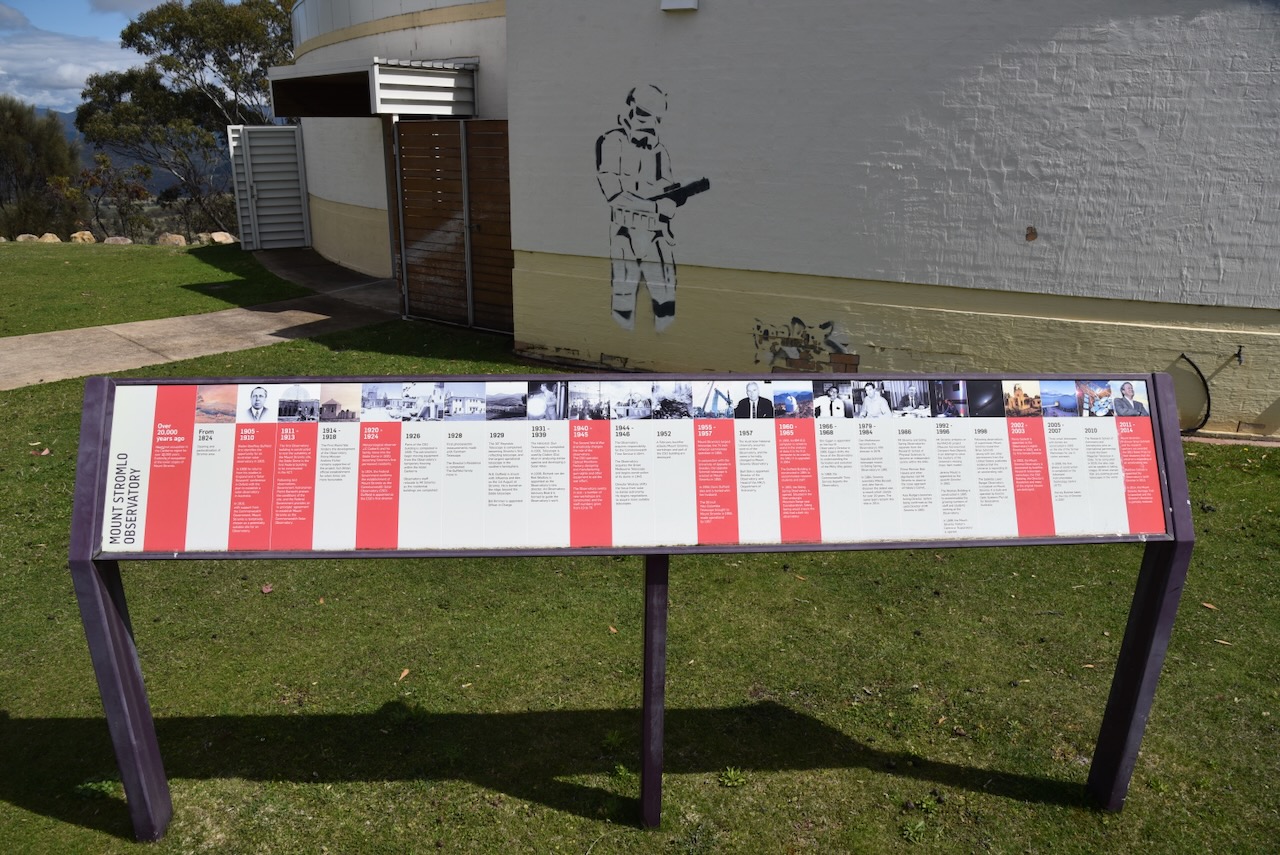
The Mount Stromlo Visitor Centre was officially opened in 1995.
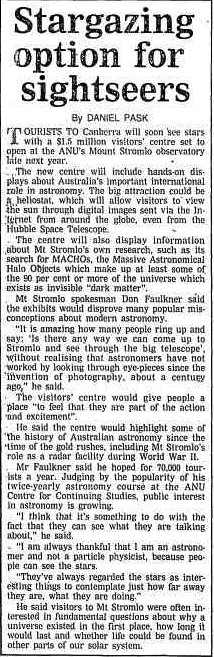
Above: article from The Canberra Times, Tue 13 Jun 1995. Image c/o Trove
The 74-inch reflector was Mount Stromlo’s primary telescope following its completion in 1955. It was Mount Stromlo’s largest and most advanced telescope, and was capable of deep-space viewing. (Anu.edu.au 2025)
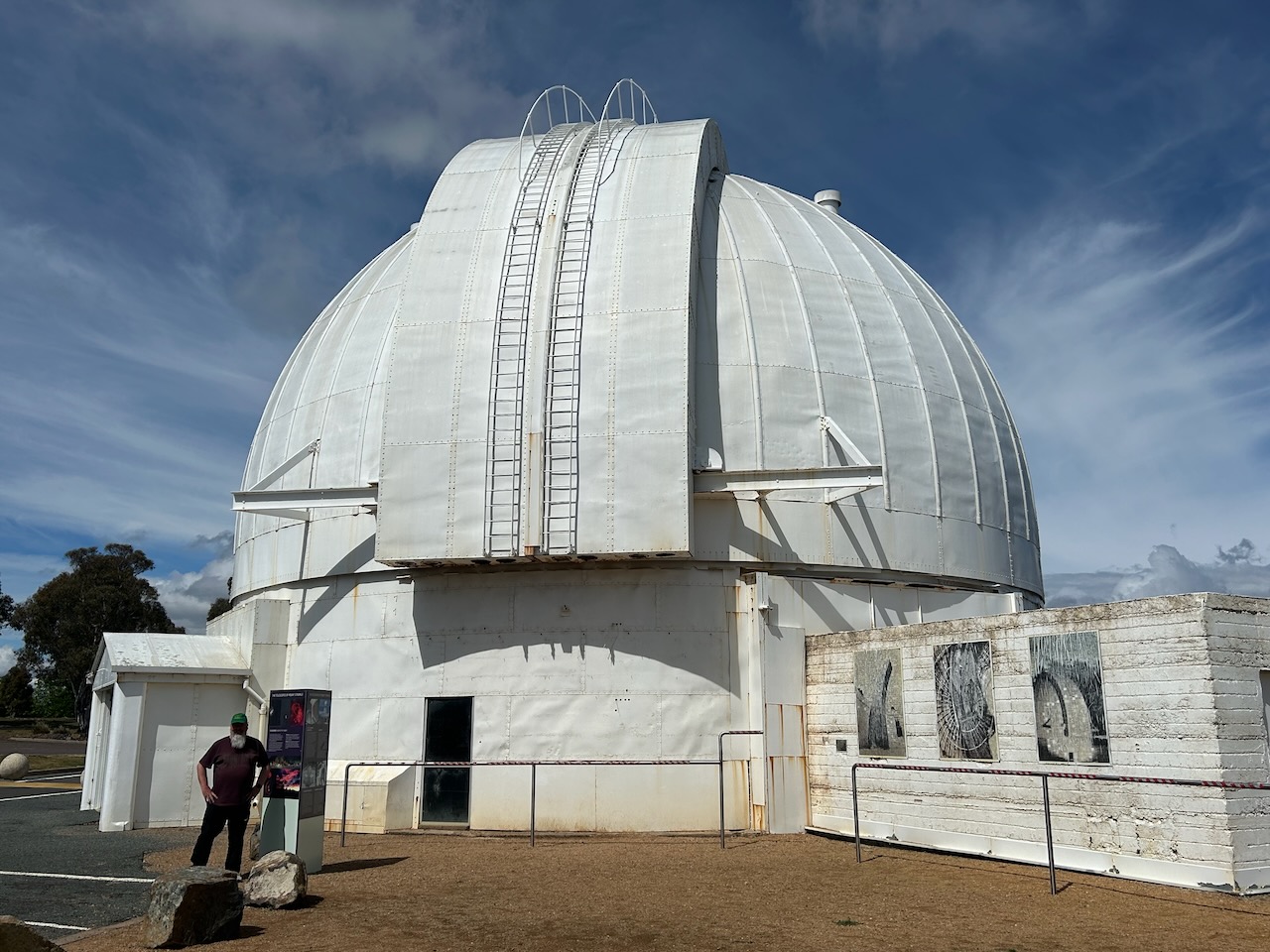
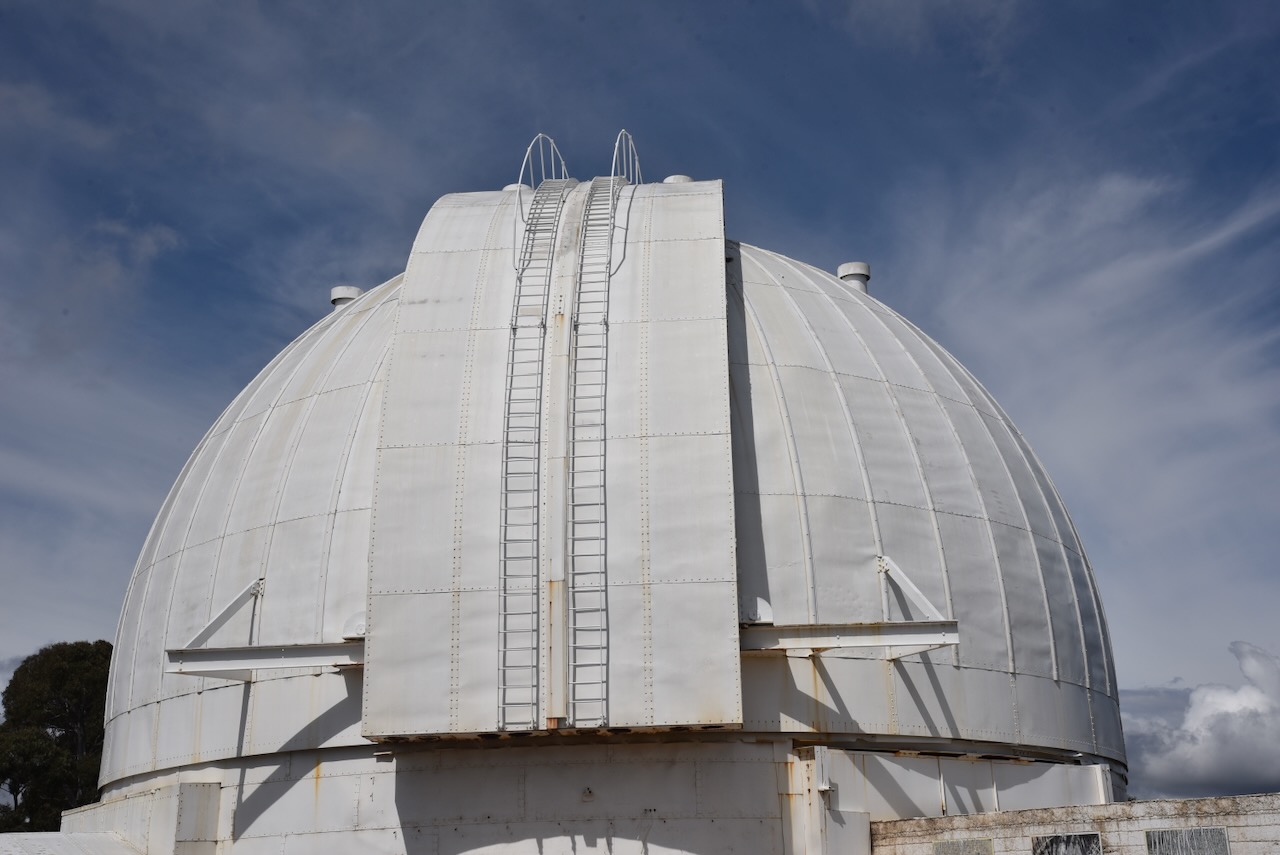
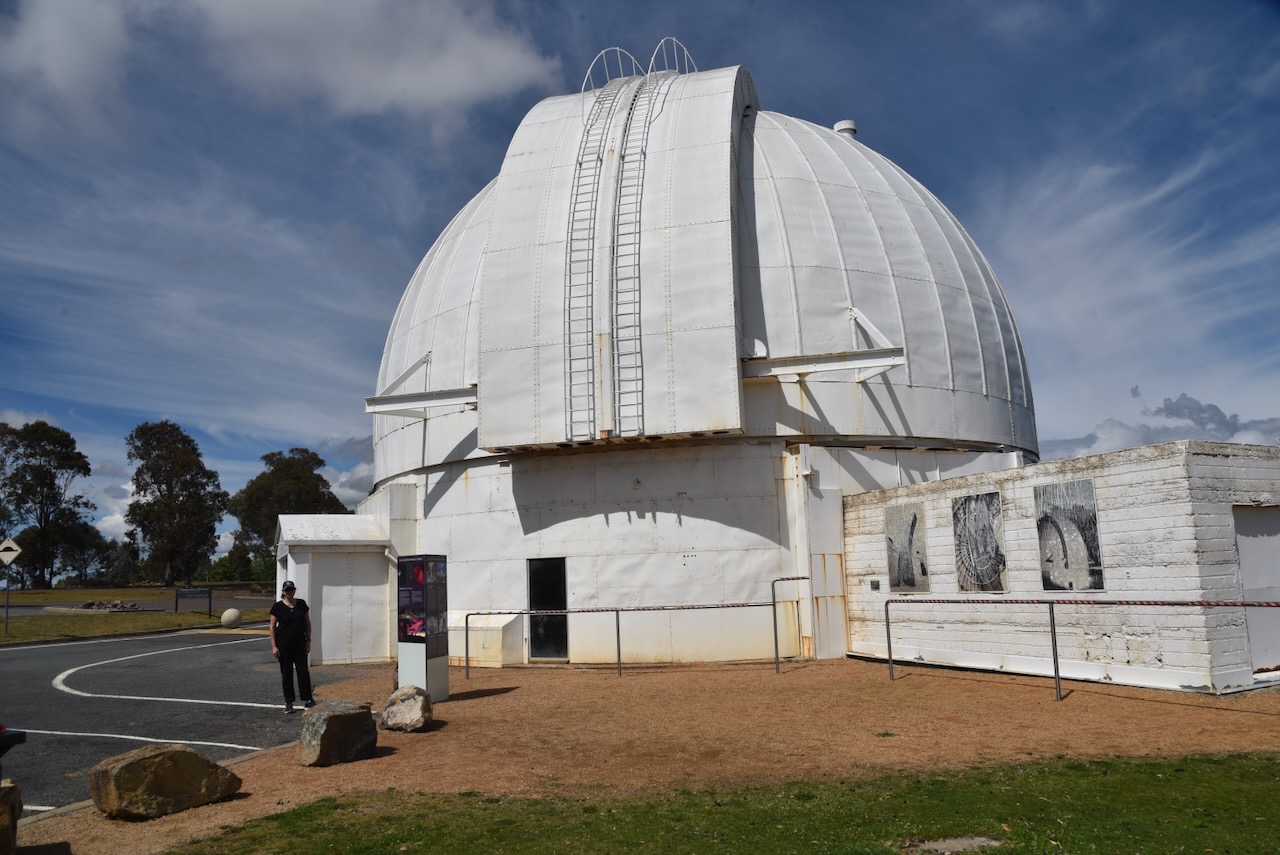
The 74-inch telescope was built by Grubb Parsons in Dublin, Ireland. In 1947, the telescope was ordered by Mount Stromlo’s Director, Richard van der Riet Woolley. At the time, it was the largest telescope in the southern hemisphere and one of the largest in the world. The telescope weighed 70 tons and cost £100,00. (Exhibitions 2024) (Nla.gov.au 2026)
Just prior to the telescope being shipped to Australia, Woolley stated:
“The new telescope, combined with other equipment we are setting up, will mean that instead of being able to study, say, only the 20 brightest stars in the southern skies, we will be able to see and, more important still, photograph the next brightest hundred stars.” (Nla.gov.au 2026)
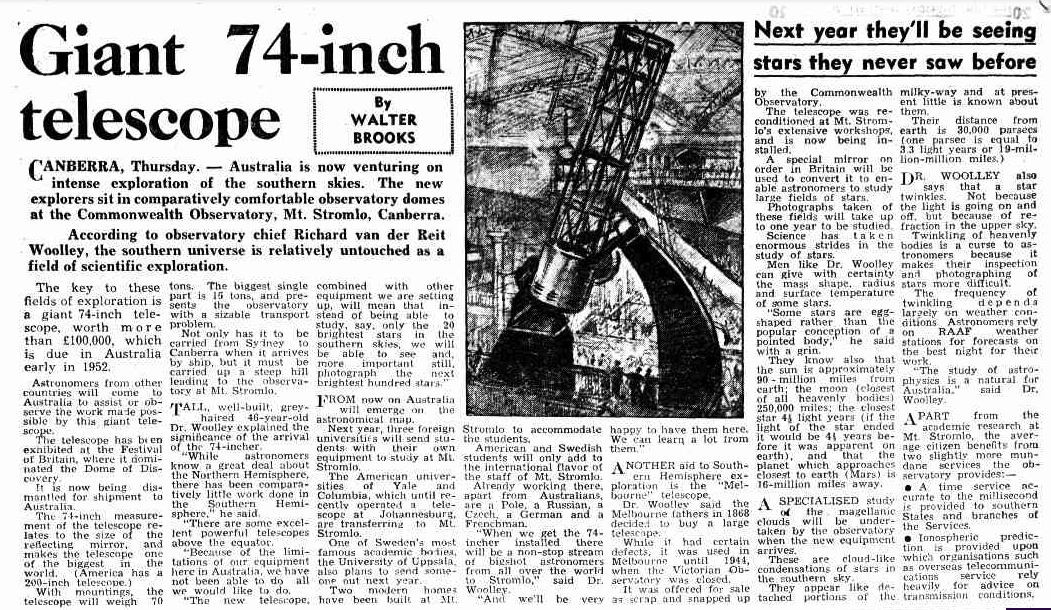
Above: article from The Sun, Thu 25 Oct 1951. Image c/o Trove
Prior to being sent to Australia, the telescope was on display in 1951 at the Festival of Britain in London’s South Bank, in the ‘Dome of Discovery.’ (Exhibitions 2024)
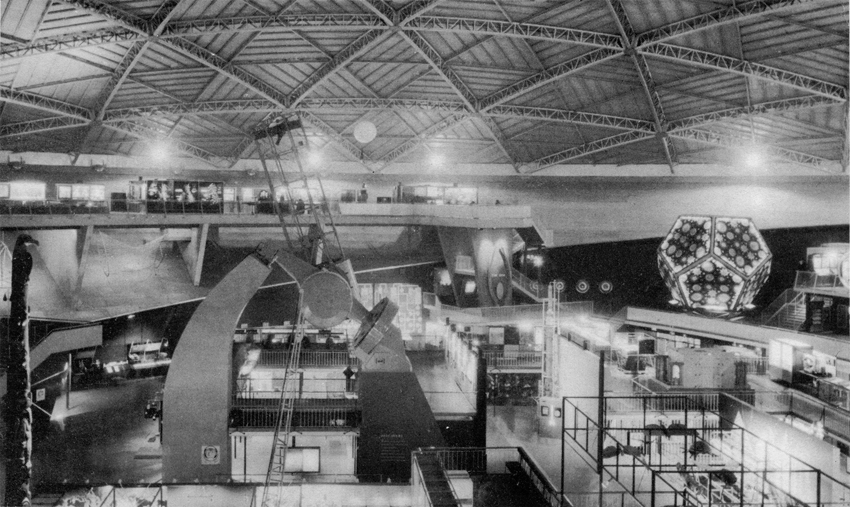
Above: The interior of the Dome of Discovery, showing the 74-inch telescope. Image c/o Wikipedia
The telescope was destroyed in the 2003 bushfire. Only the dome and the adjoining burnt-out building remain.
The Heliostat is a Sun telescope. It was completed in 1931 and used two flat mirrors that tracked the sun and passed the sun’s light down the tower through a 12-inch lens. This was then reflected into a camera or a 3-prism spectrograph. Amongst other uses, the Mount Stromlo Heliostat was used to monitor solar flares and sunspots. With an emphasis on stellar astronomy at Mount Stromlo after World War II, the Heliostat began to fall into disuse. The last observations were taken in 1957. (Anu.edu.au 2025)
Renowned astronomer Clabon ‘Cla’ Allen visited Mount Stromlo and used the Heliostat to measure and photograph the spectrum of the sun.
The Heliostat was destroyed in 2003 during the Canberra bushfire. The Visitor Centre now has a similar Heliostat. (Anu.edu.au 2025)
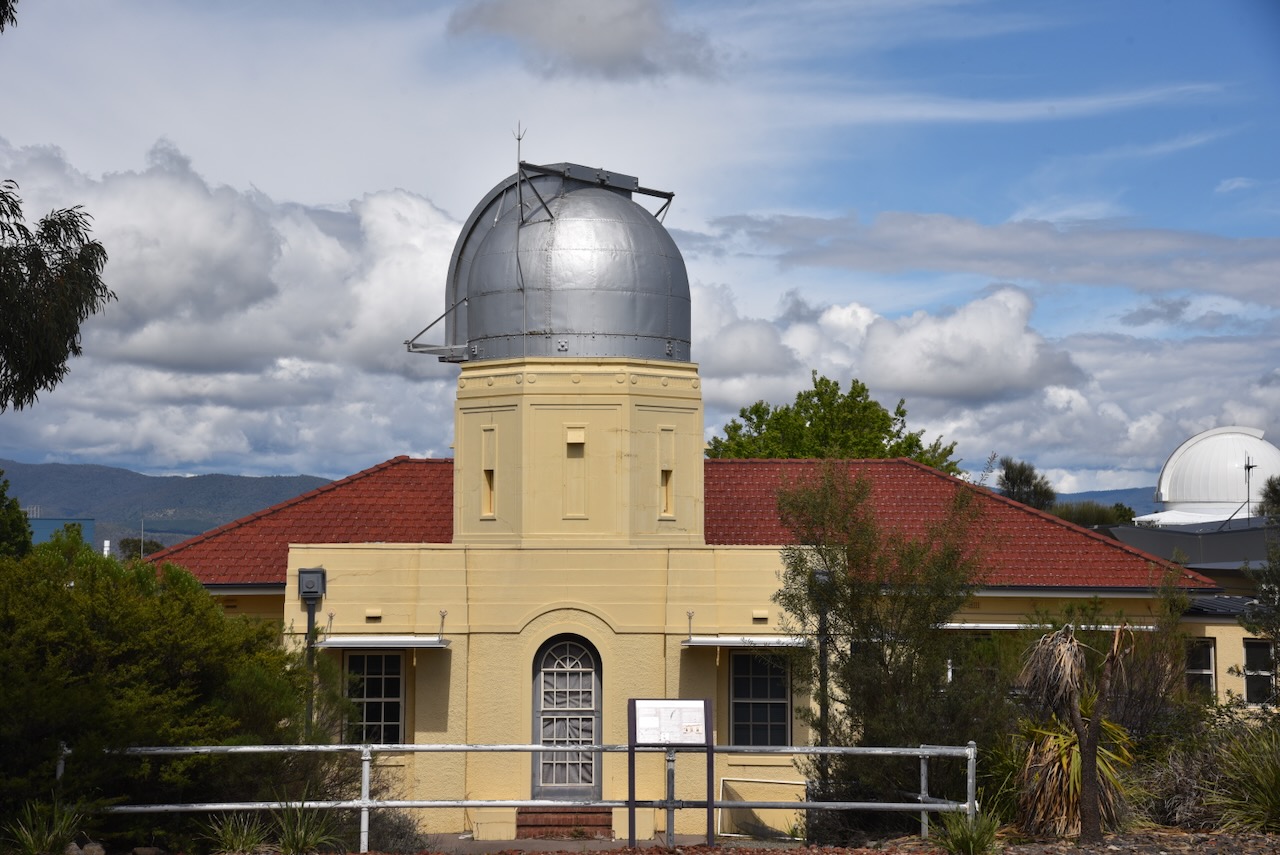
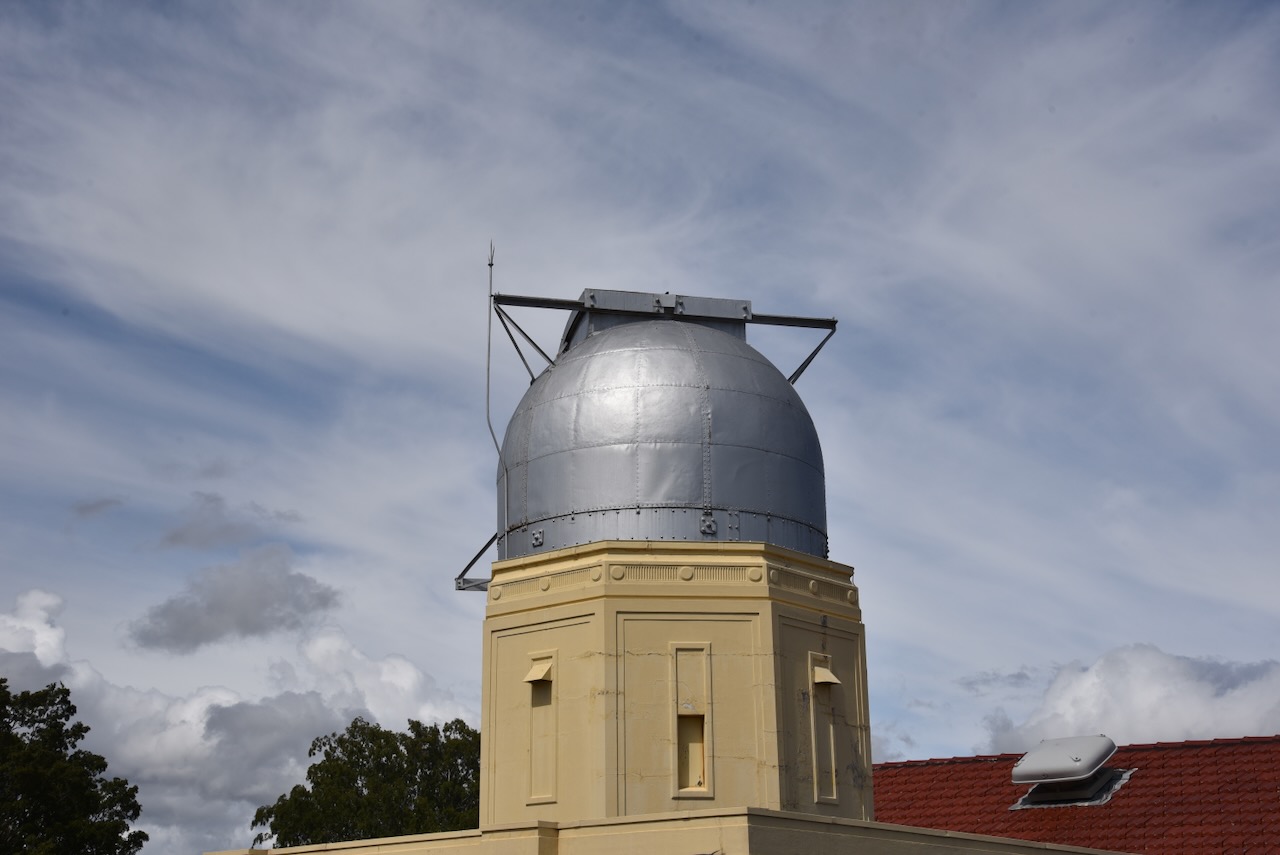
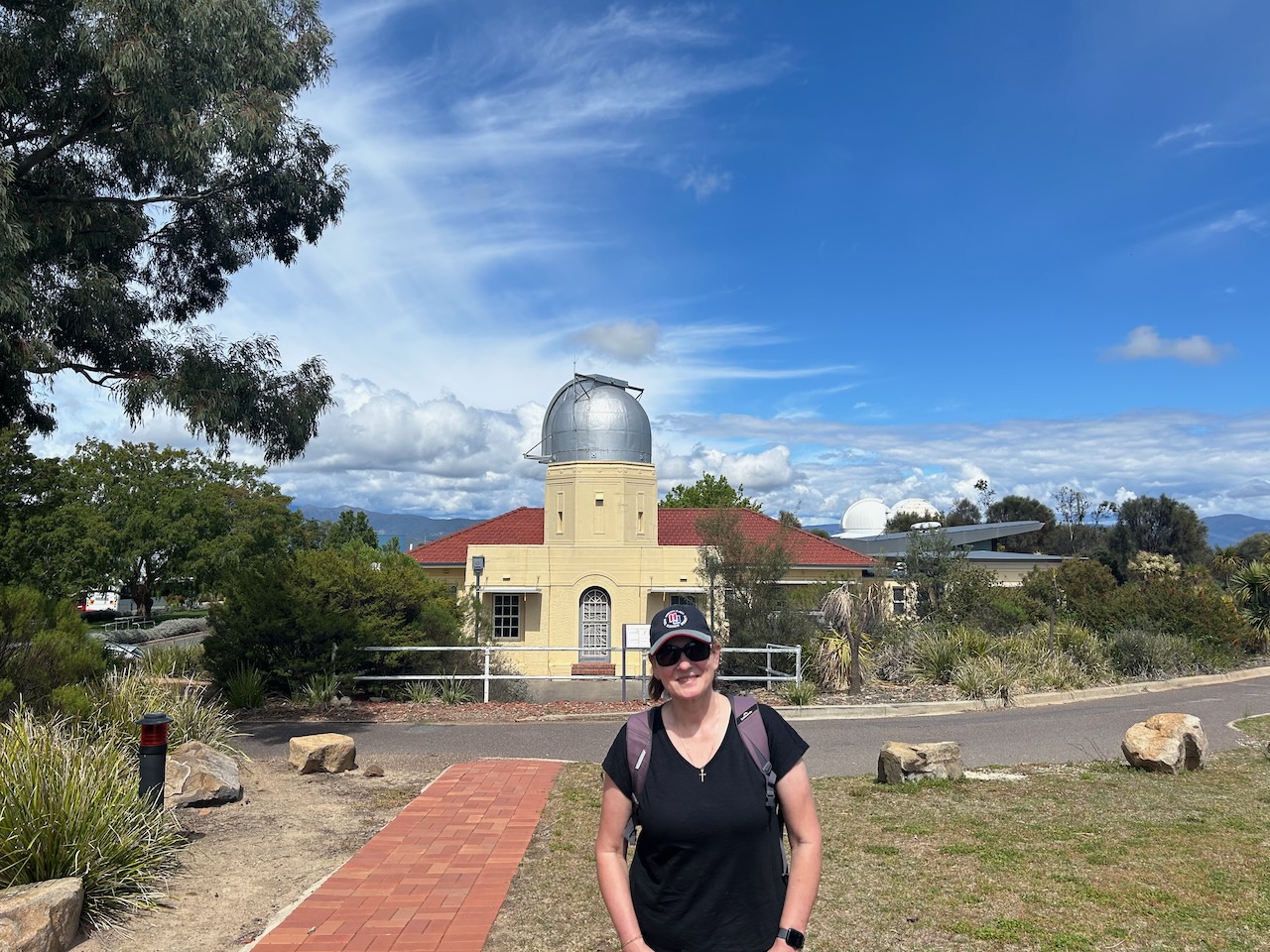
The Commonwealth Solar Observatory building was built between 1924 and 1926 and was designed by John Smith Murdoch, the government architect who also designed Old Parliament House in Canberra. (Anu.edu.au 2025)
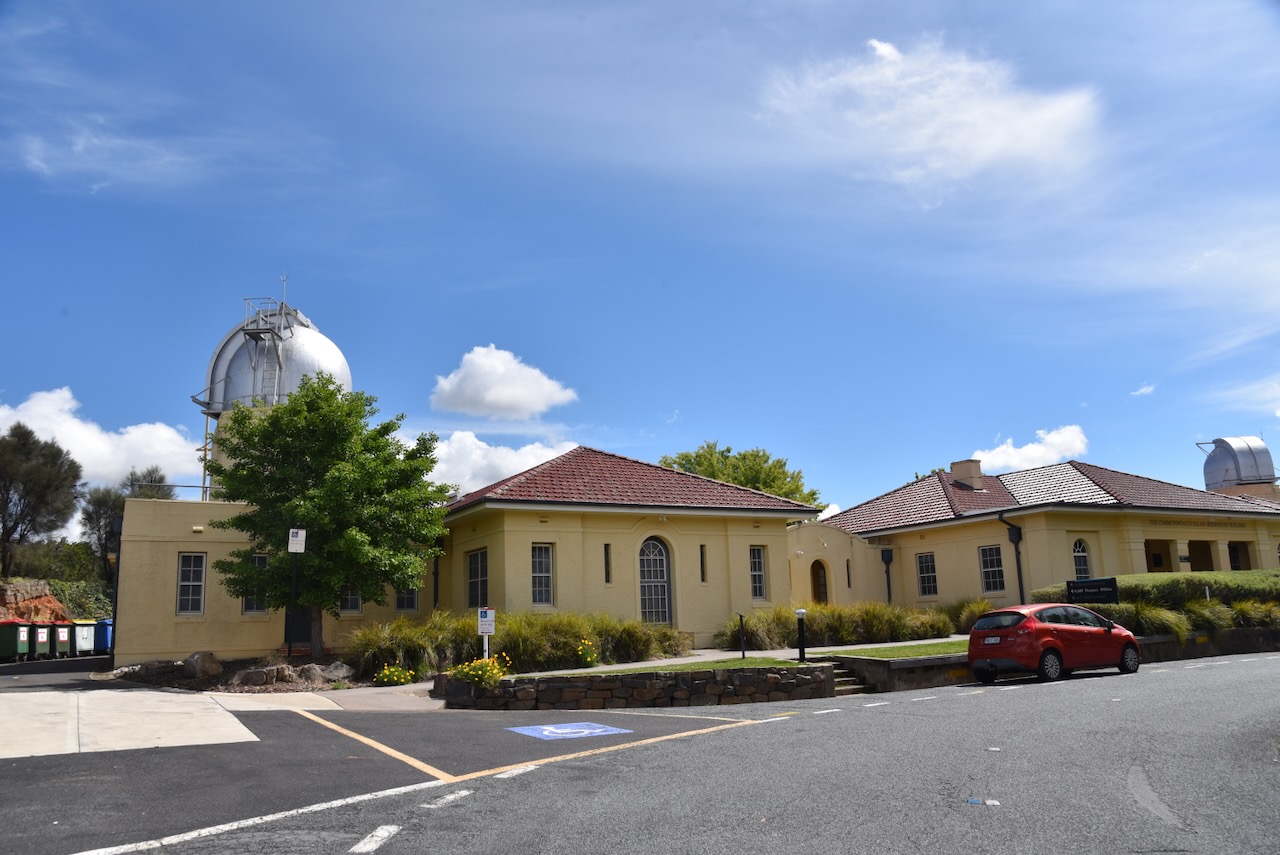
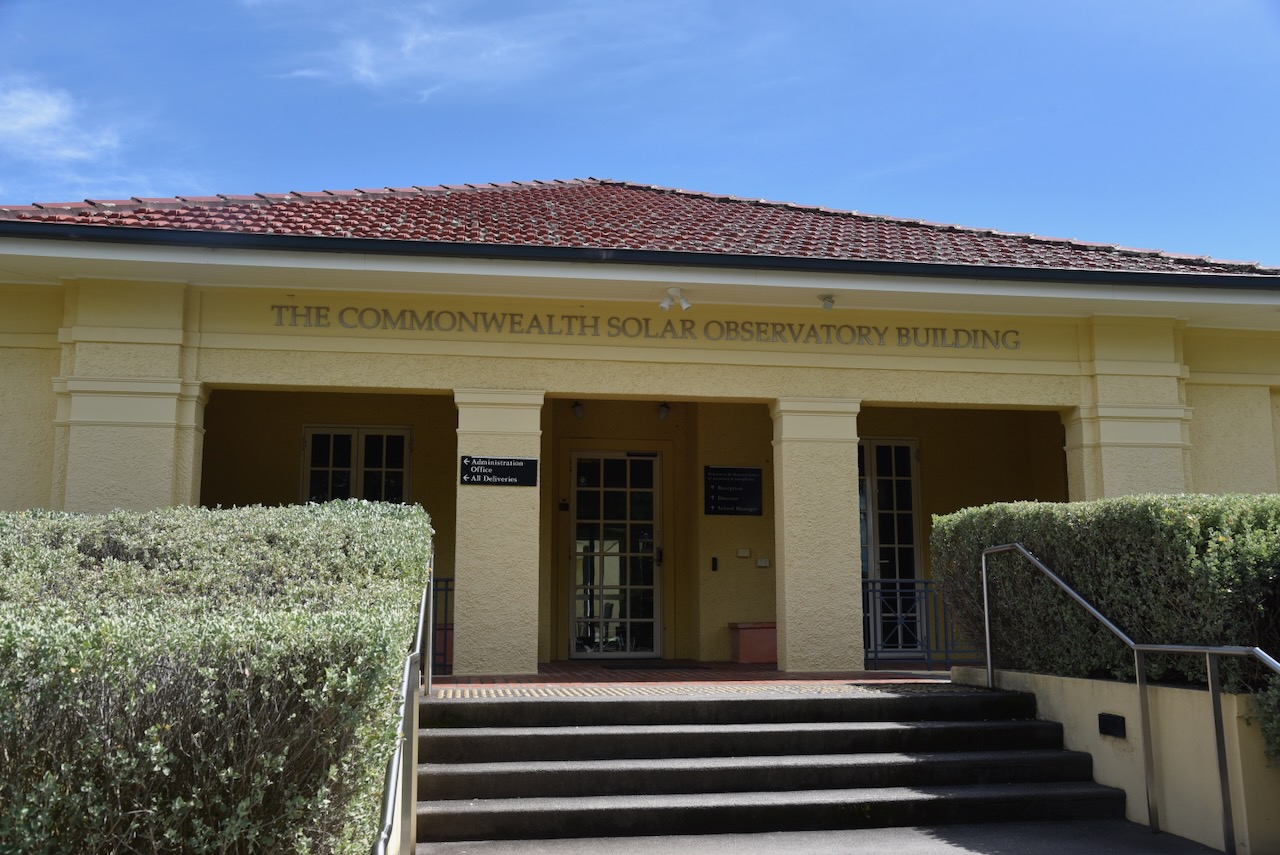
The 6-inch Farnham telescope was built in 1886 by Grubb Parsons in Ireland and was donated by the estate of Lord Farnham in 1907 to the Commonwealth. The Rt Hon. Somerset Henry Maxwell, 10th Baron Farnham ‘Lord Farnham’ was a keen astronomer. The telescope was installed in 1928. In 1965, the Farnham telescope was used to track and photograph the Ikeya-Seki comet. (Anu.edu.au 2025) (Nla.gov.au 2026)
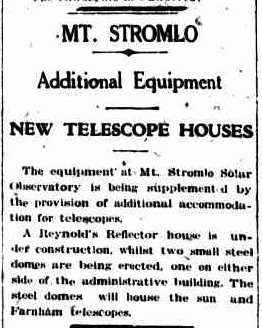
Above: article from The Canberra Times, Tue 30 Aug 1927. Image c/o Trove
The Administration Building was severely damaged in the 2003 Canberra bushfire. The Farnham telescope was the only telescope to survive the 2003 Canberra bushfire.
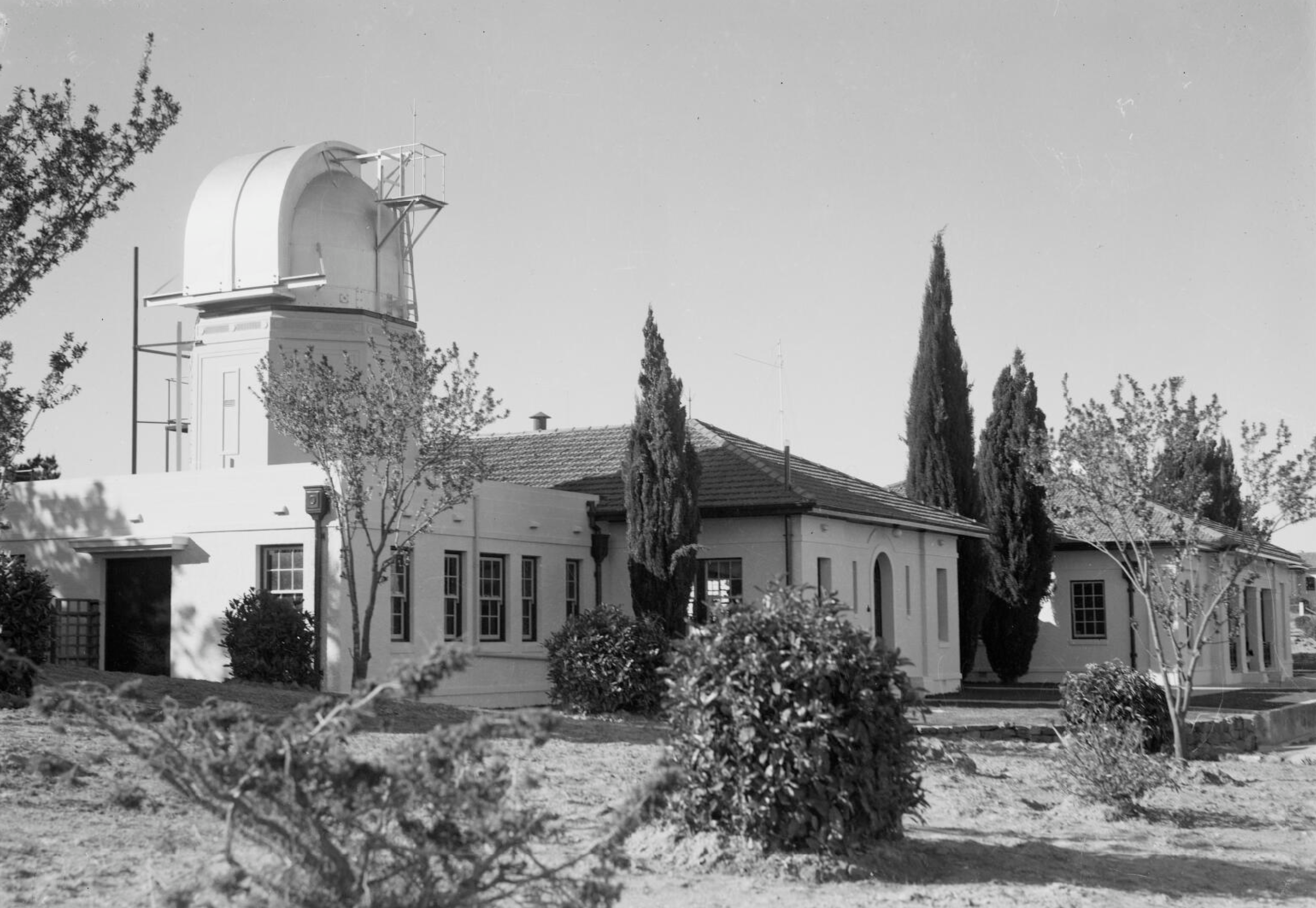
Above: the Farnham telescope and the Commonwealth Solar Observatory building, c. 1951. Image c/o National Library of Australia
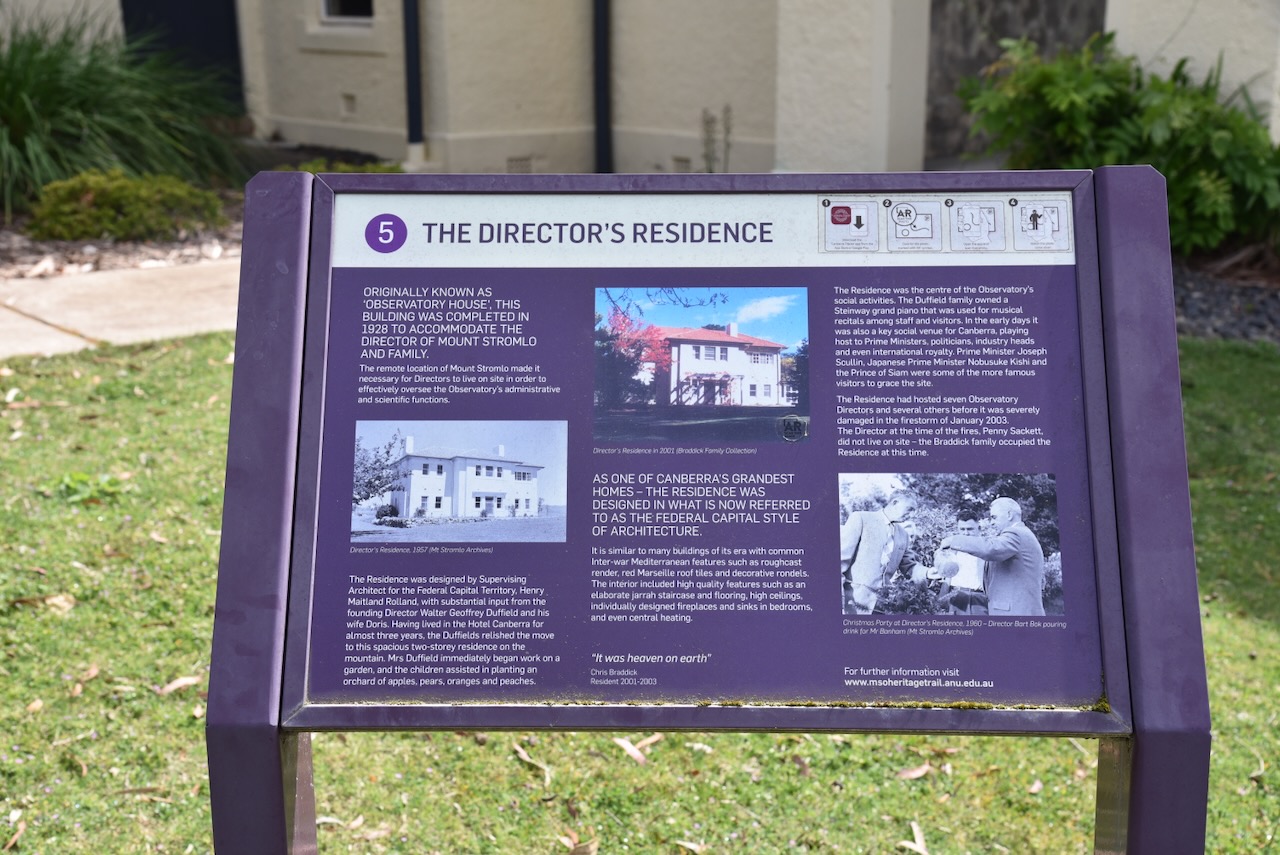
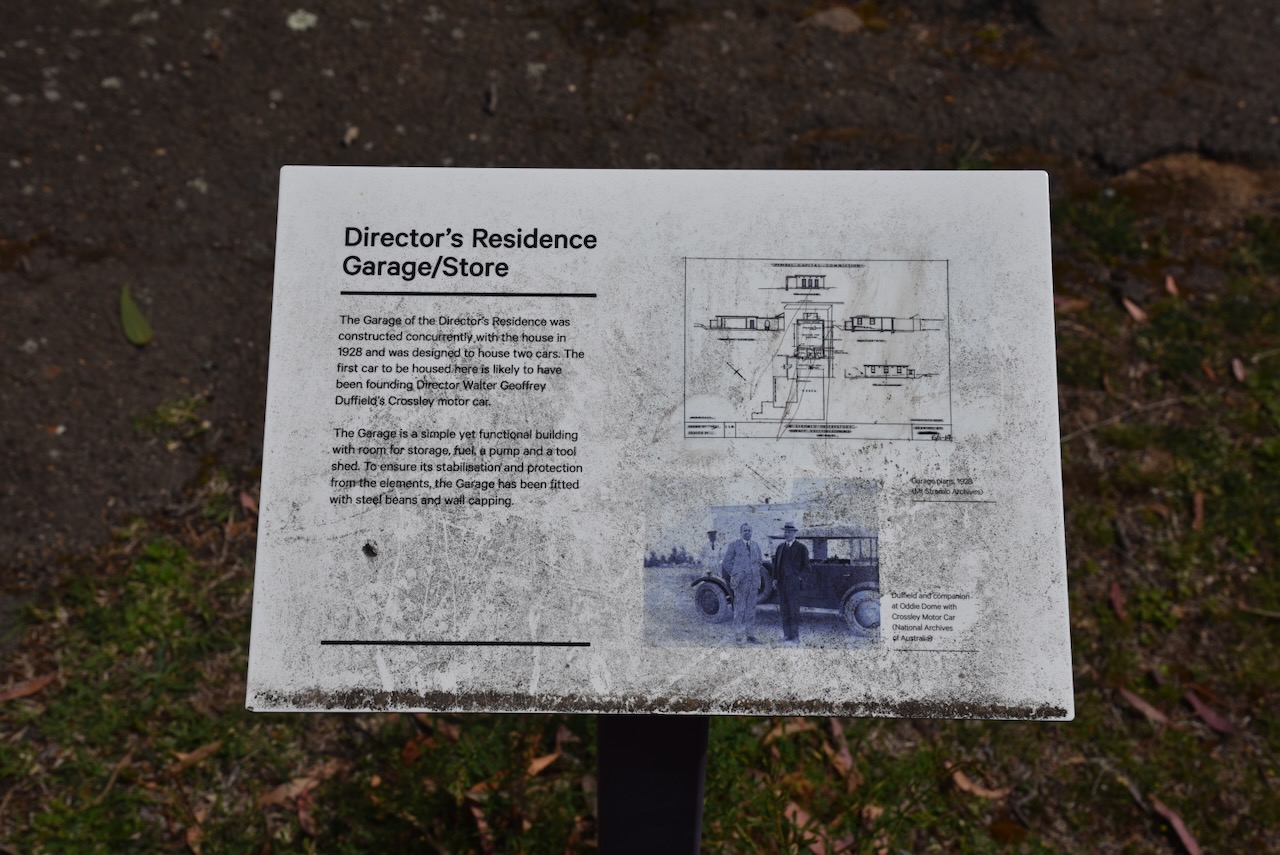
The Director’s residence was originally known as ‘Observatory House.’ It was built in 1928 to accommodate the Mount Stromlo Director and his family. The building was described as one of Canberra’s grandest homes. It was occupied by the founding Director of Mount Stromlo, Walter Geoffrey Duffield. The Director’s residence was destroyed in the 2003 Canberra bushfire and reopened in 2015. (Wikipedia 2025).
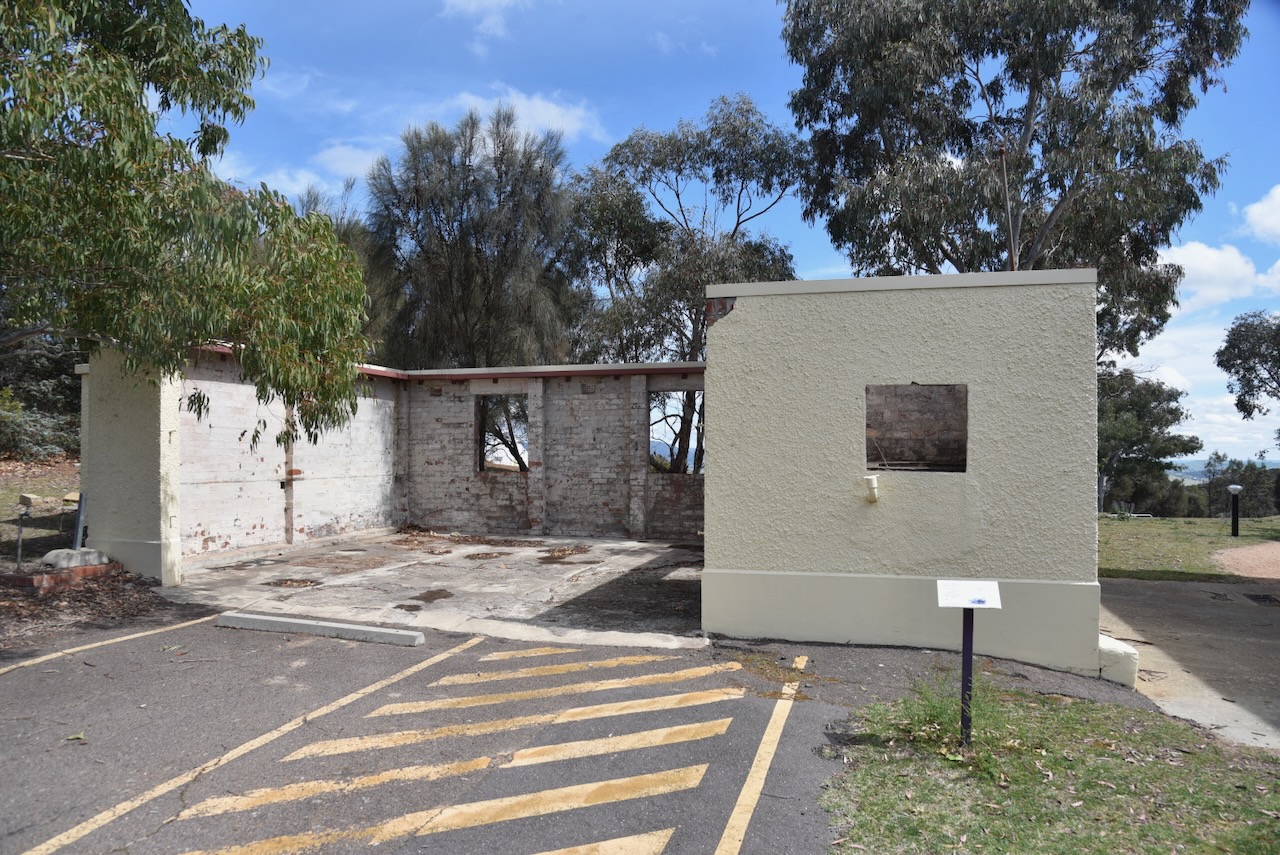
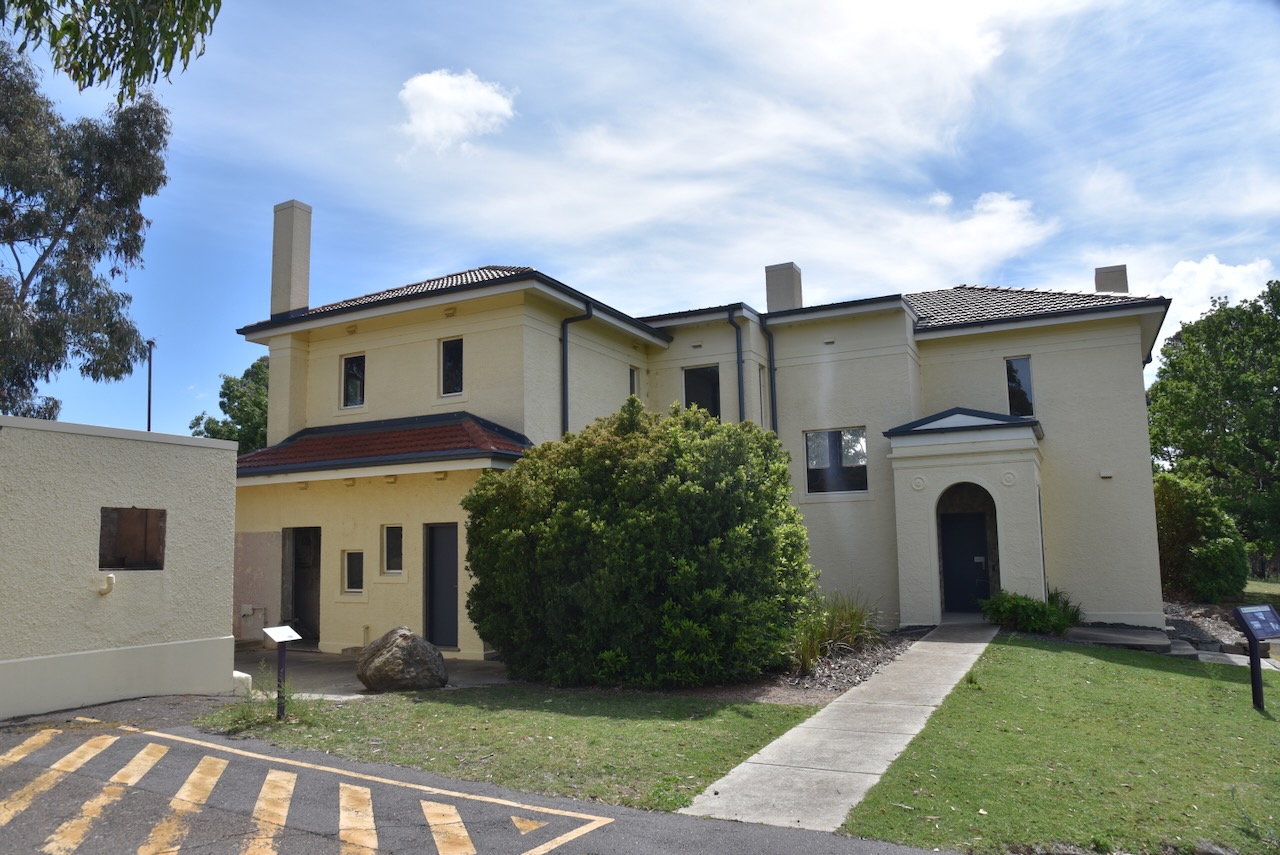
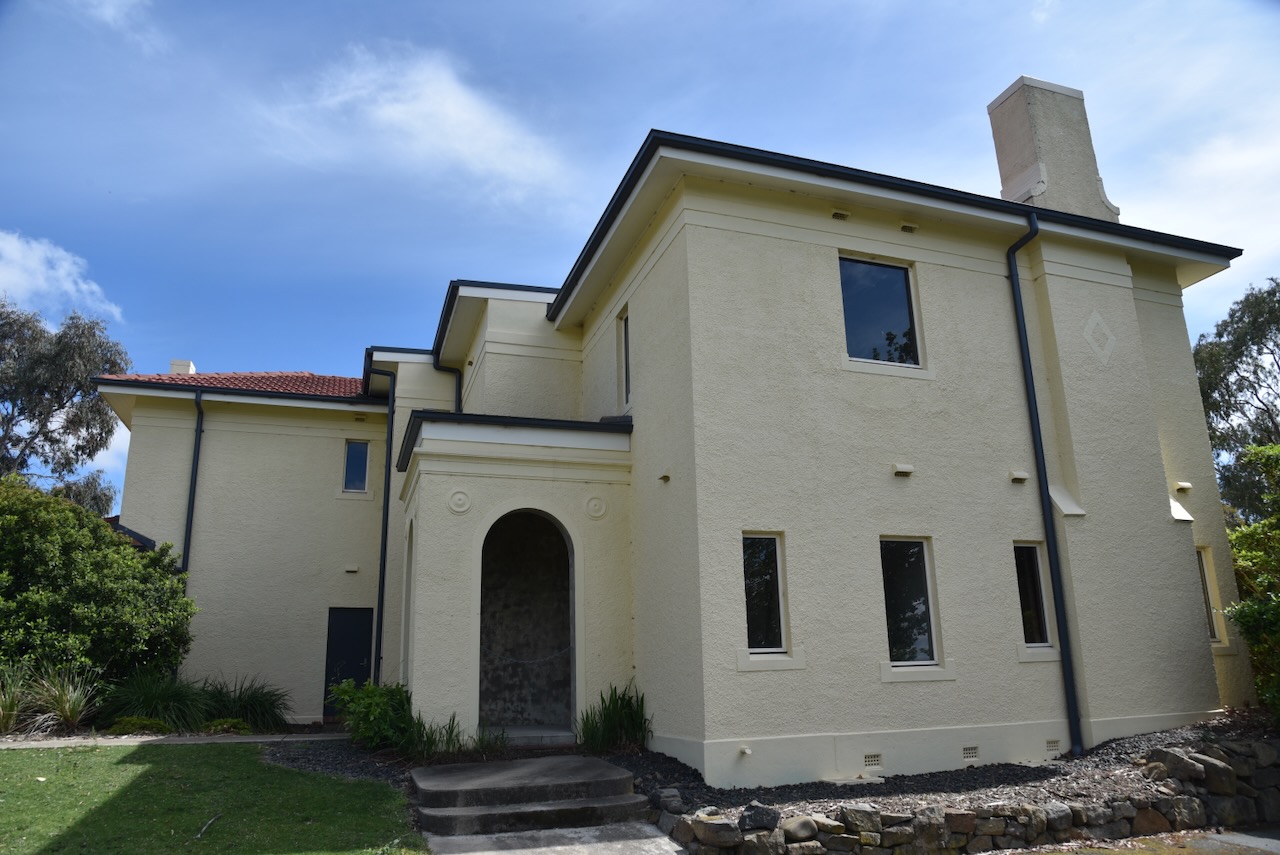
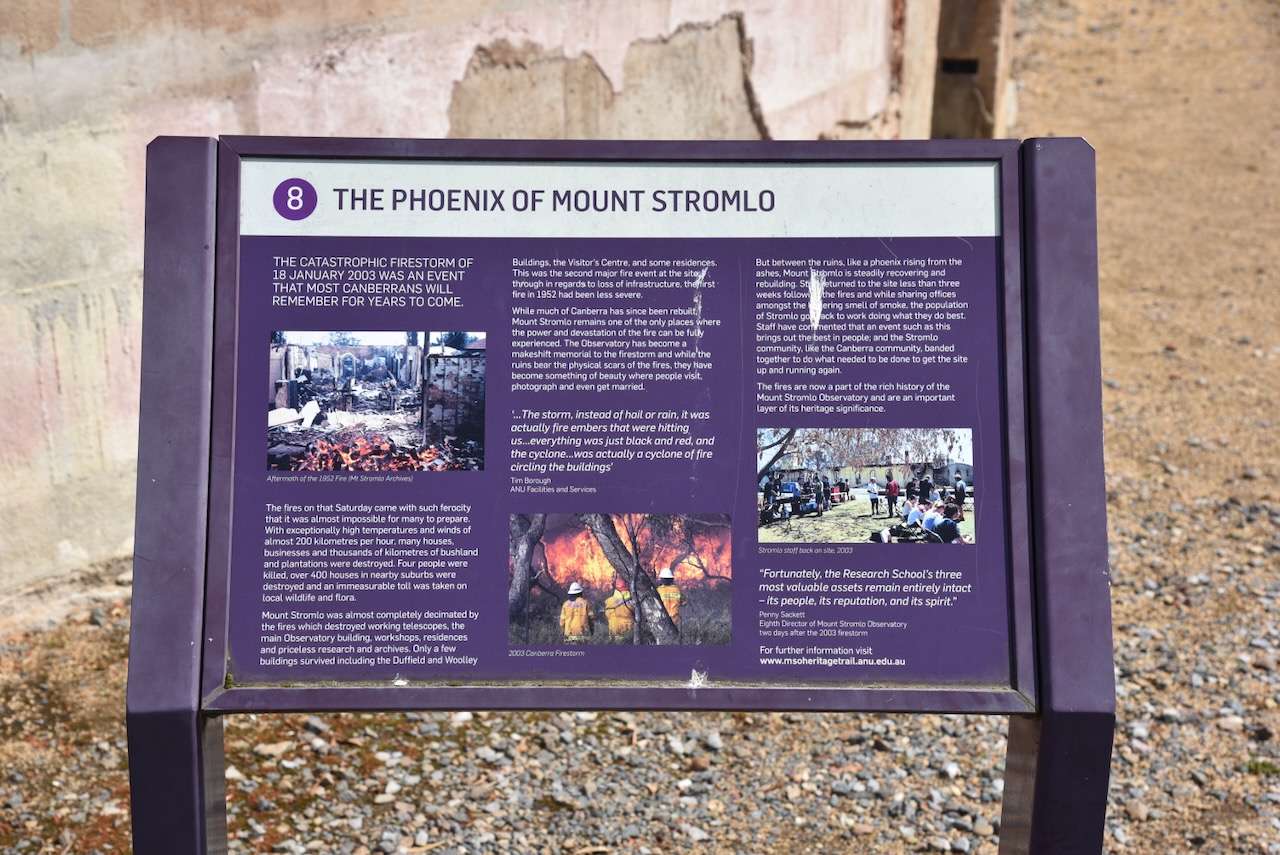
As mentioned previously in this post, Canberra was devastated by a fire on the 18th January 2003. Four people were killed, and over 500 homes were destroyed. Mount Stromlo was severely impacted by the fire. But this was not the first time that Mount Stromlo had faced the challenge of fire.
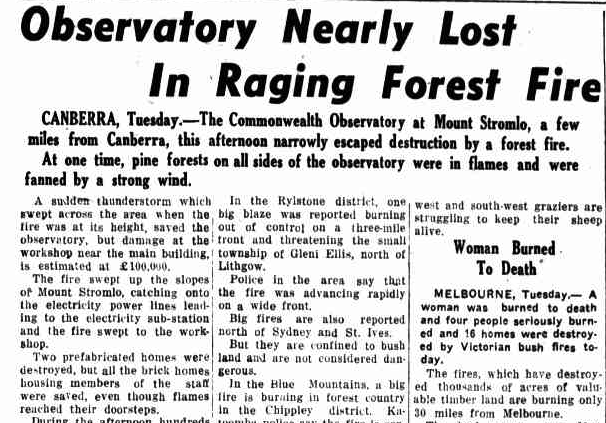
Above: part of an article from the Central Western Daily, Wed 6 Feb 1952. Image c/o Trove
The 2003 fire, which impacted Mount Stromlo, destroyed five telescopes, the administration building, various workshops, and seven homes. The surviving telescope was the 1886 Farnham telescope. If you visit the National Museum of Australia, you can view remnants of the fire at Mount Stromlo, including a melted telescope mirror and a piece of melted optical glass that has pieces of charcoal and wire fused into it from the heat of the fire. (Wikipedia 2025)
Below is a video produced by ANU TV on the impact of the Canberra bushfire on Mount Stromlo.
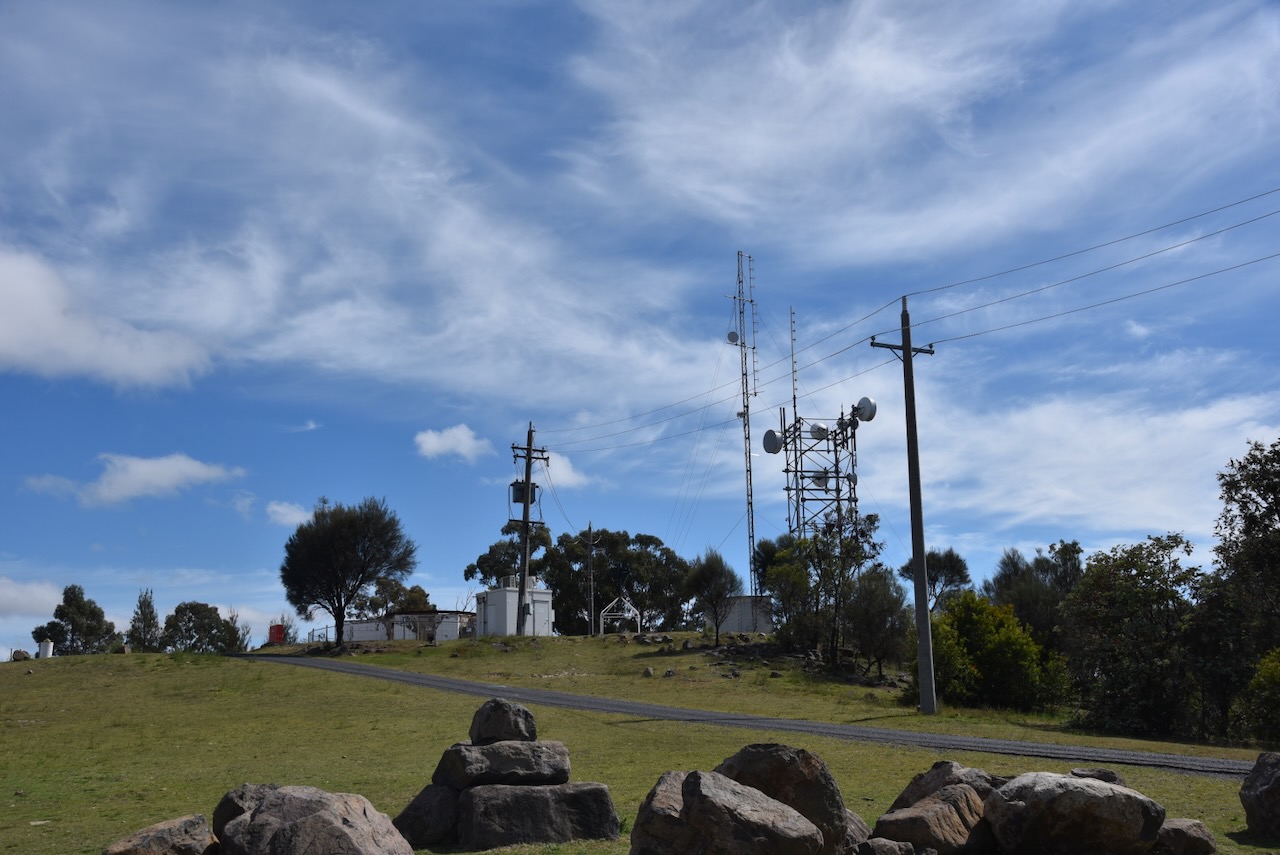
Below is a view up to the telecommunications equipment and the trig point.
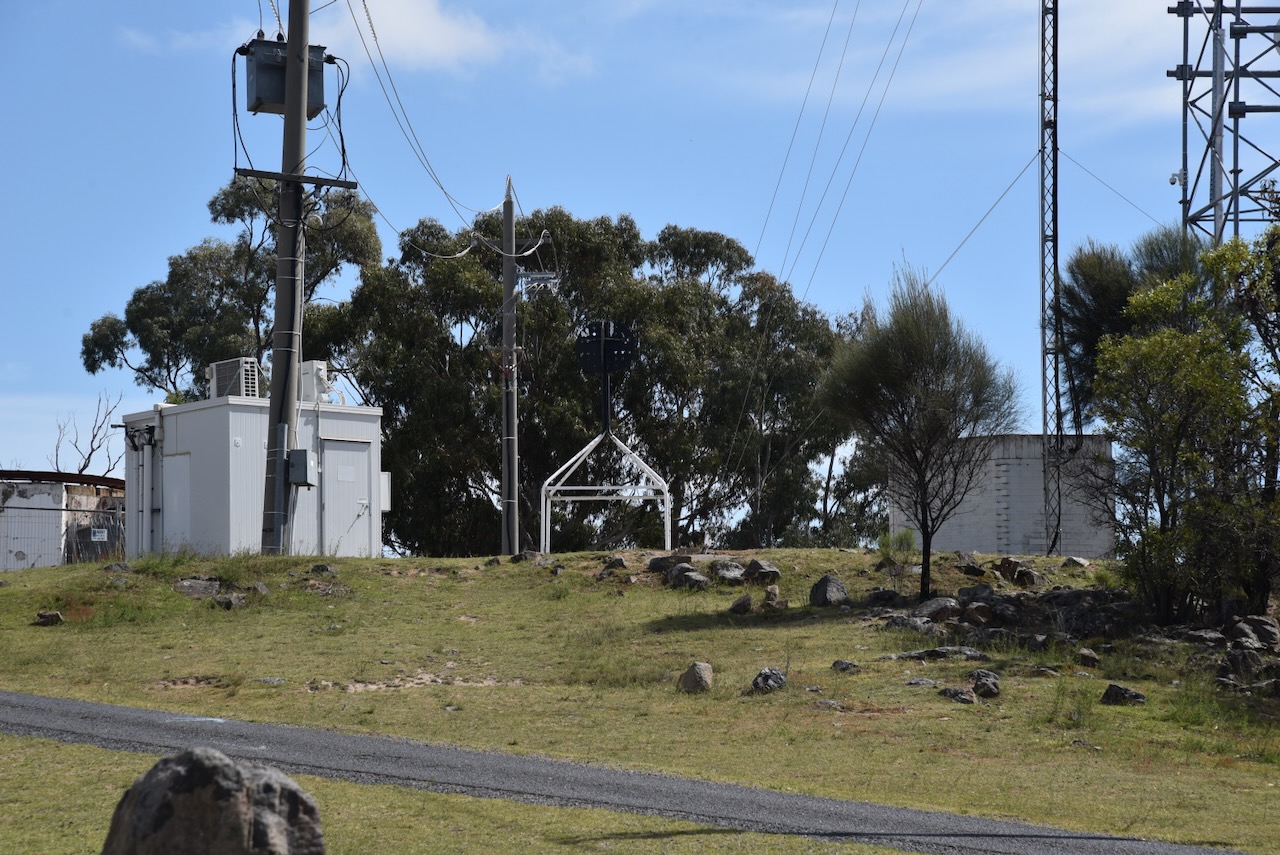
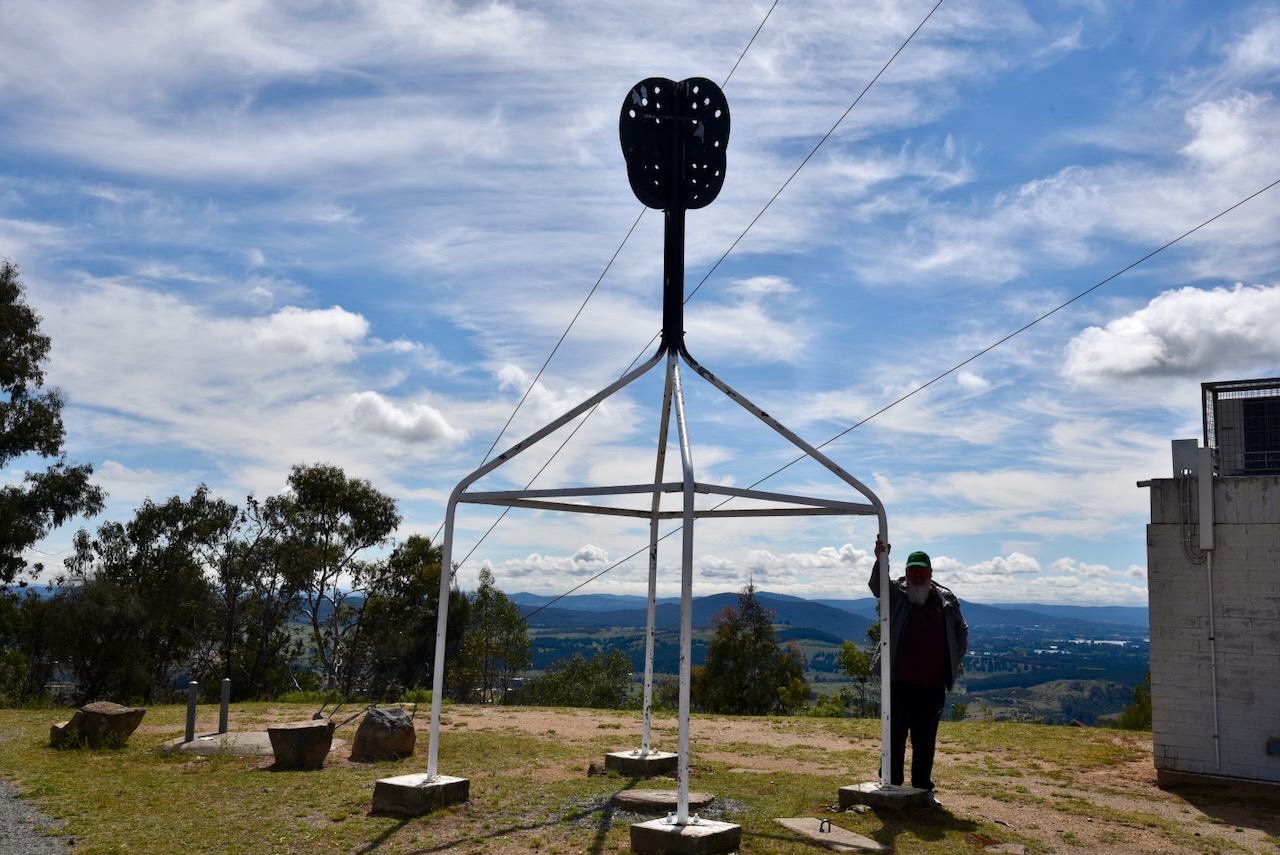
Below is a photograph of me at the trig point at Mount Stromlo.
Mount Stromlo is worth 1 point in the Summits On The Air (SOTA) program. It has been activated a total of 422 times. The first activation was back in February 2013 by Matt VK1MA. (Sotadata.org.uk 2026)
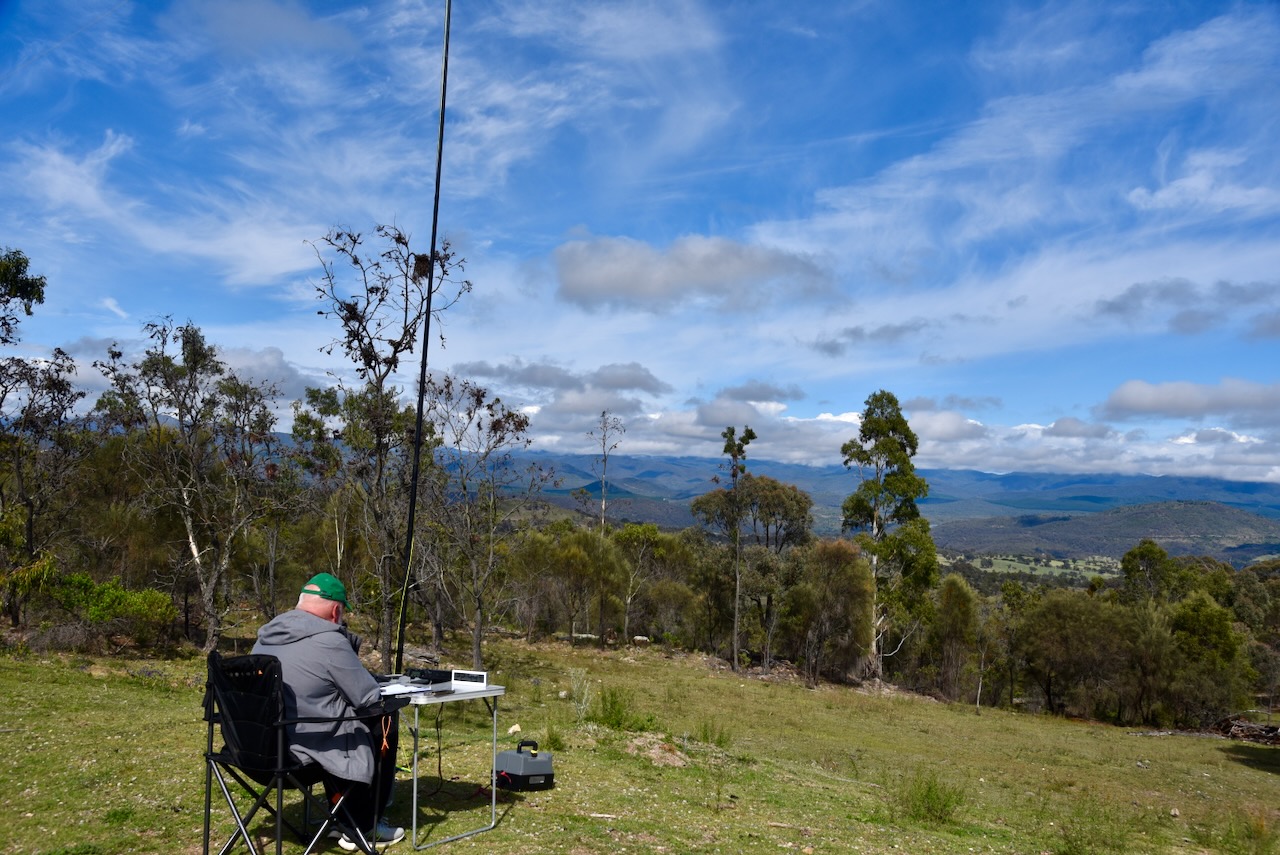
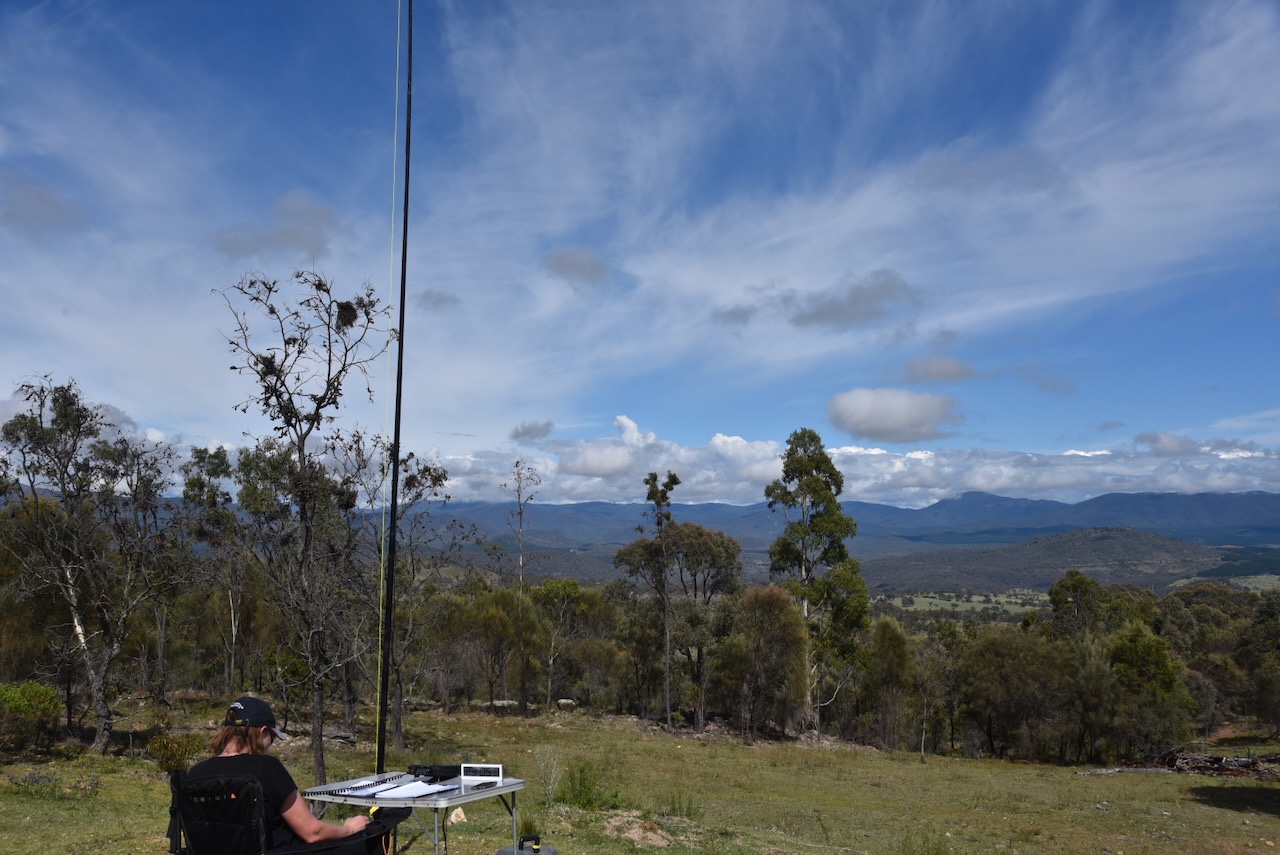
We set up in a clearing. Unfortunately, we had a strength 7 noise on the 40m band, and this made it extremely difficult to copy the weaker stations that were calling us. Marija and I apologise to those who were calling who we were unable to log. Yes, we should have listened to Andrew VK1DA’s advice about the noise and where to set up. However, there was zero noise floor on the 20m band.
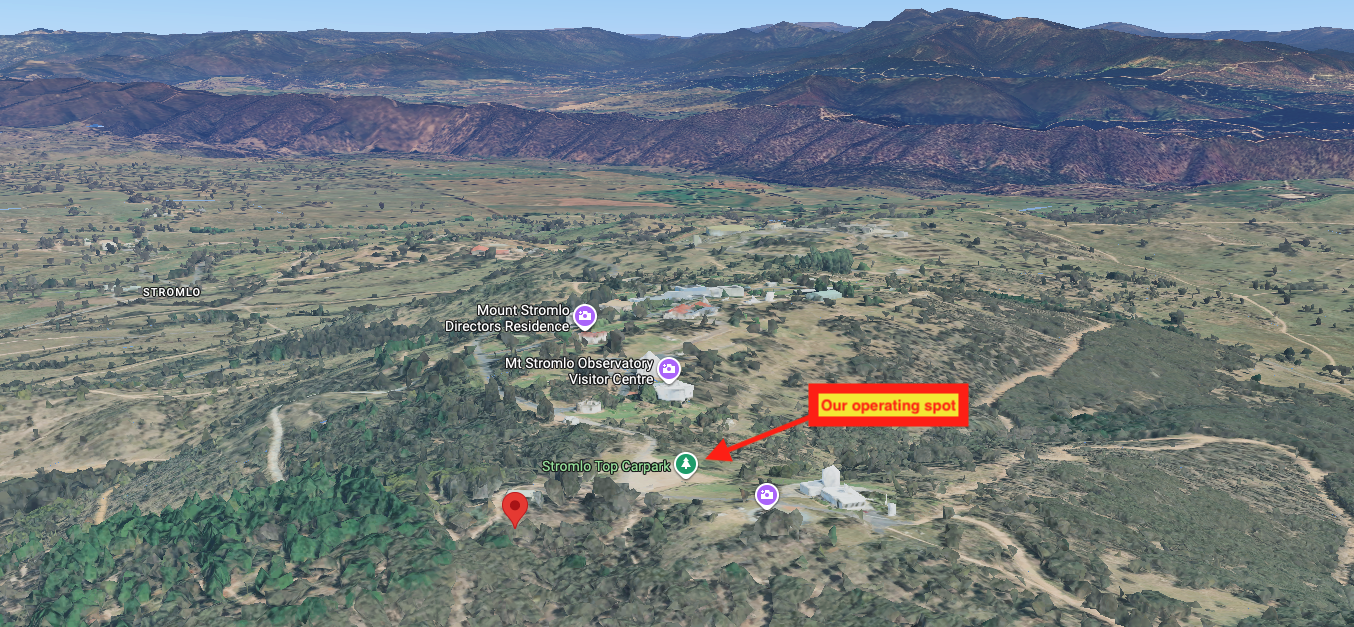
Above: an aerial view of Mount Stromlo showing our operating spot. Image c/o Google Maps
As this was a drive-up summit, we had the luxury of a fold-up table and deck chair. We ran the Yaesu FT857, 40 watts, and the 20/40/80m linked dipole. It was a beautiful morning, and the view was quite amazing.
Marija worked the following stations on 40m SSB:-
I worked the following stations on 40m SSB:-
I worked the following stations on 20m SSB:-
References.
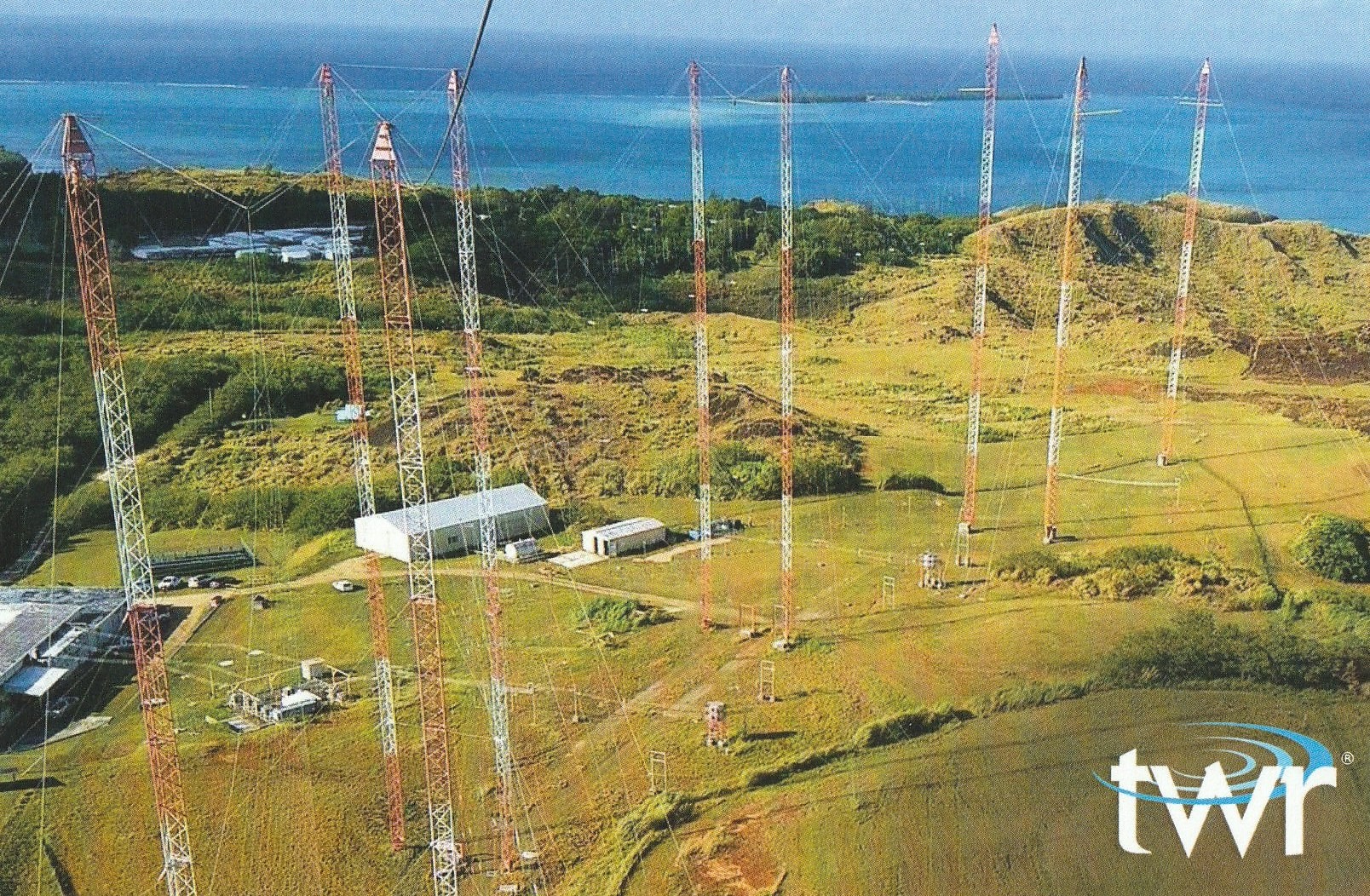
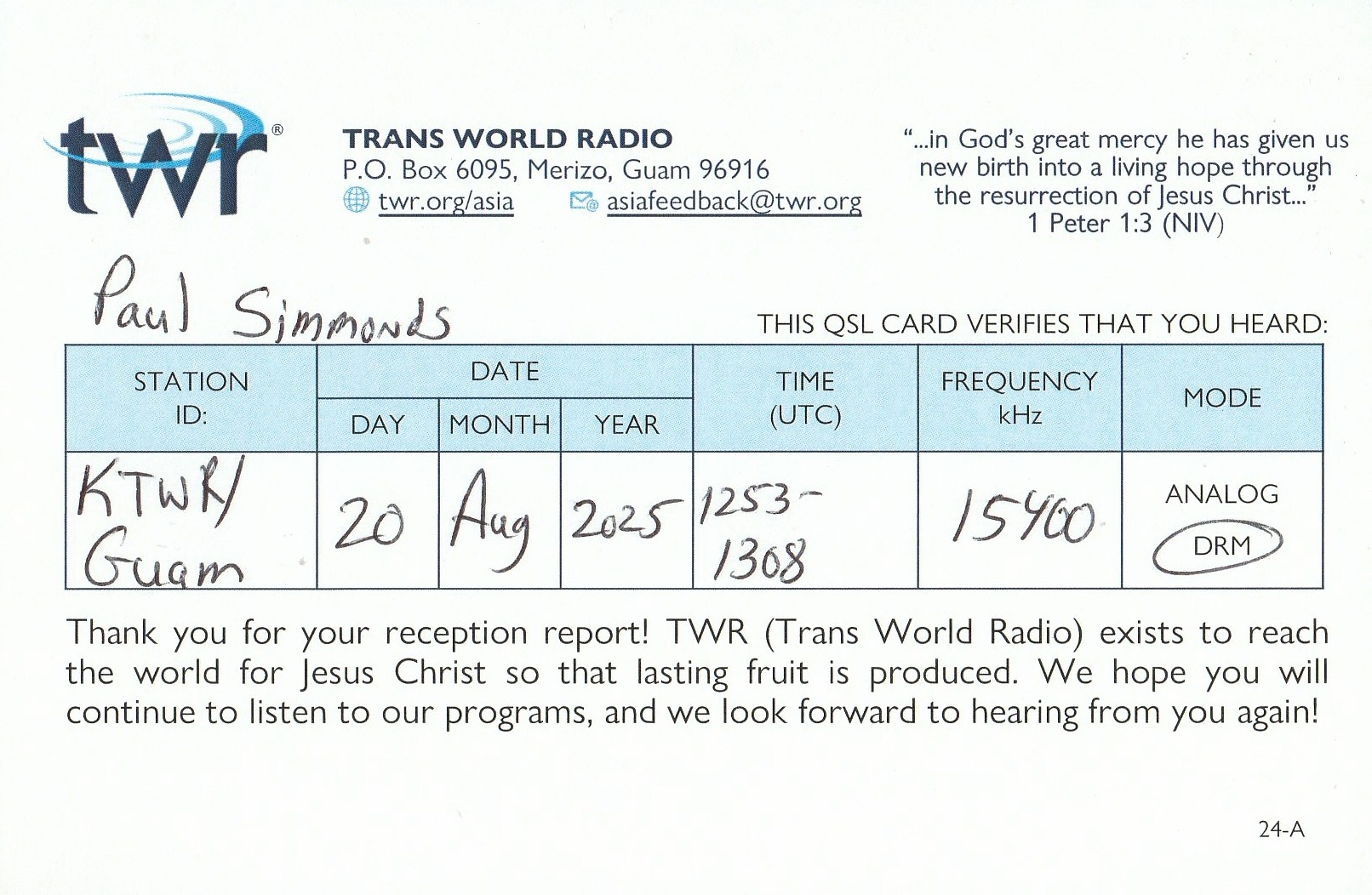
Last week, I received the QSL card below from KTWR Guam for my reception of their station on 15400 kHz on 20th August 2025.
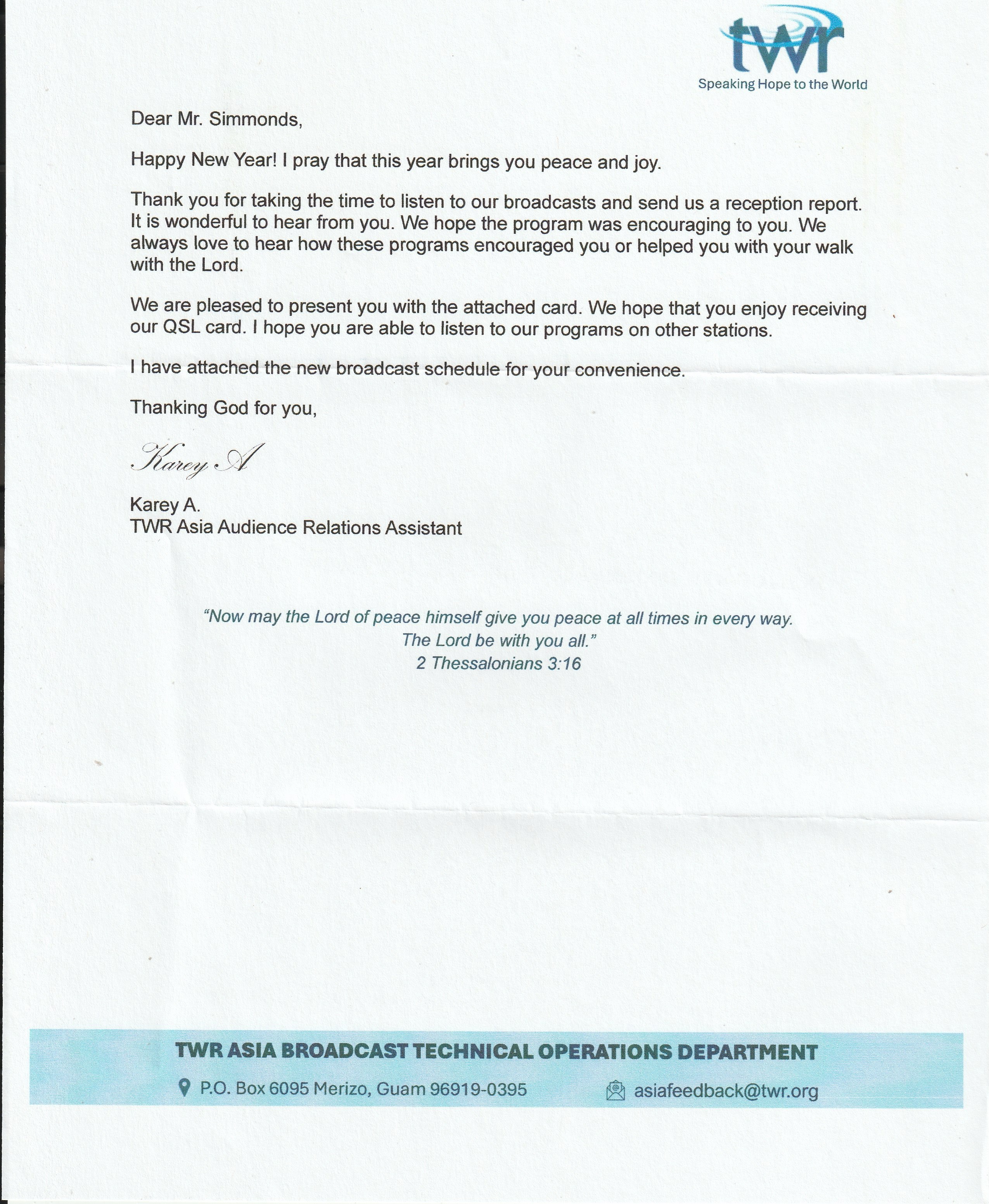
Included was the following letter….
and sticker…..
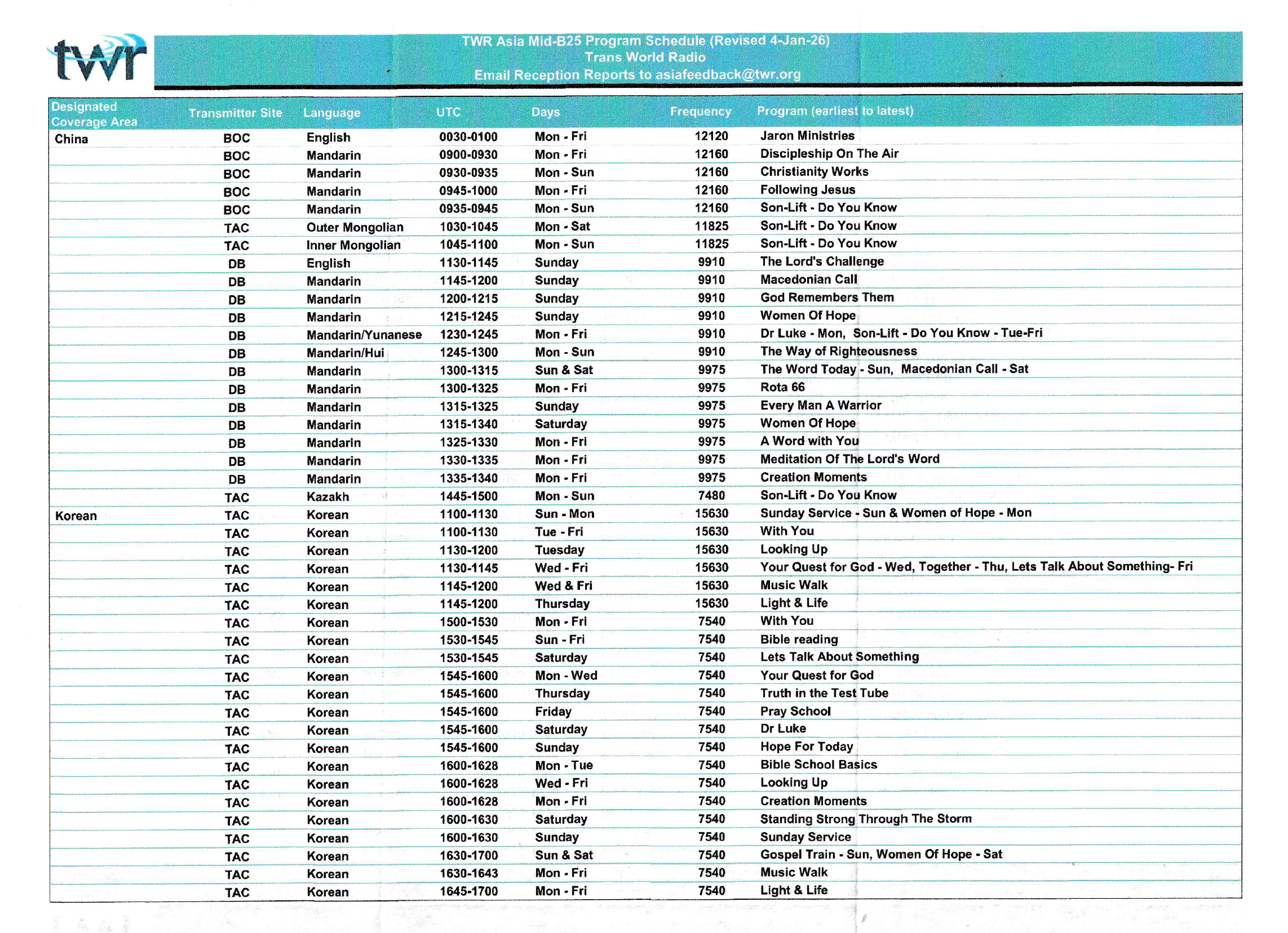
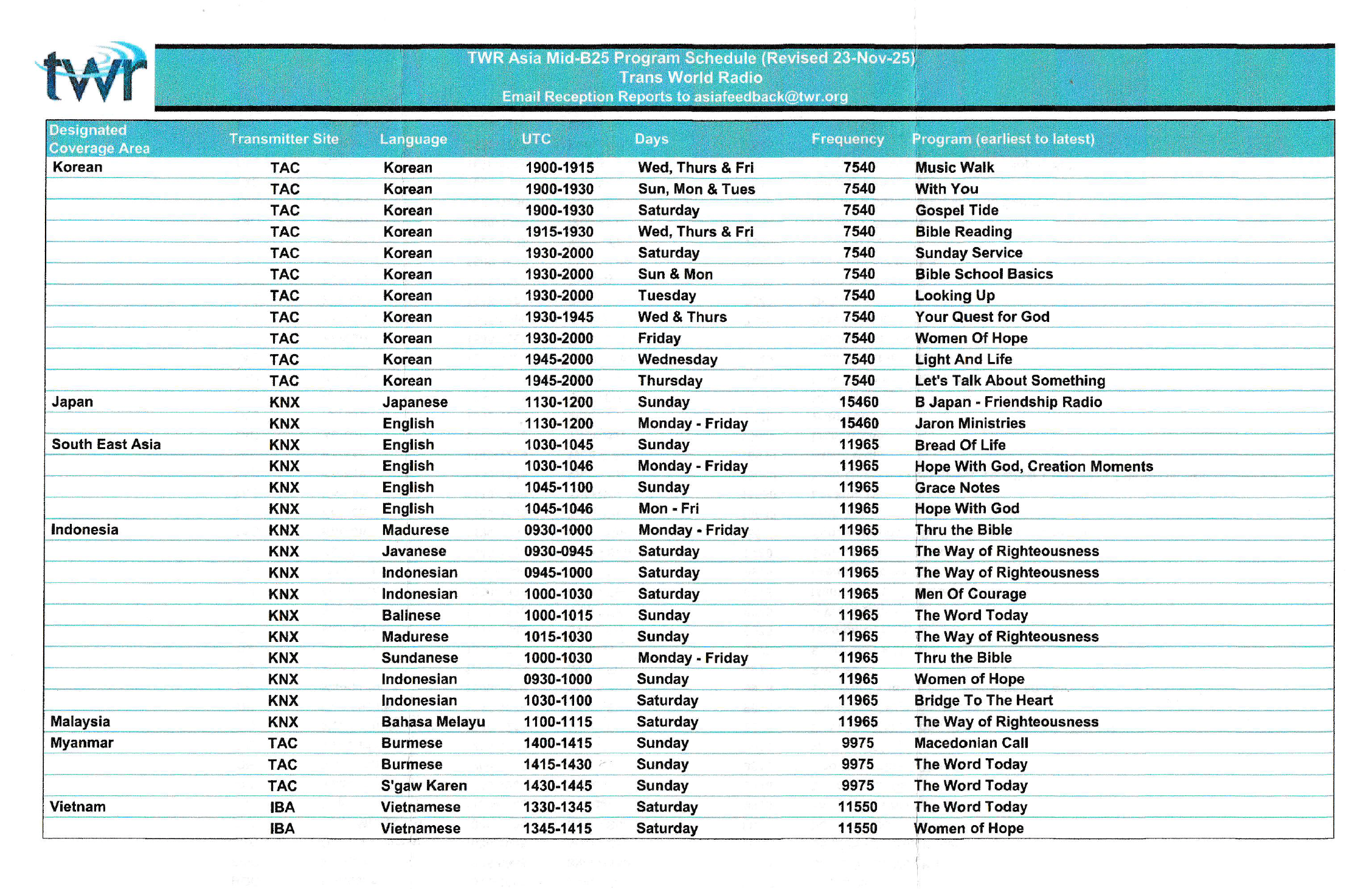
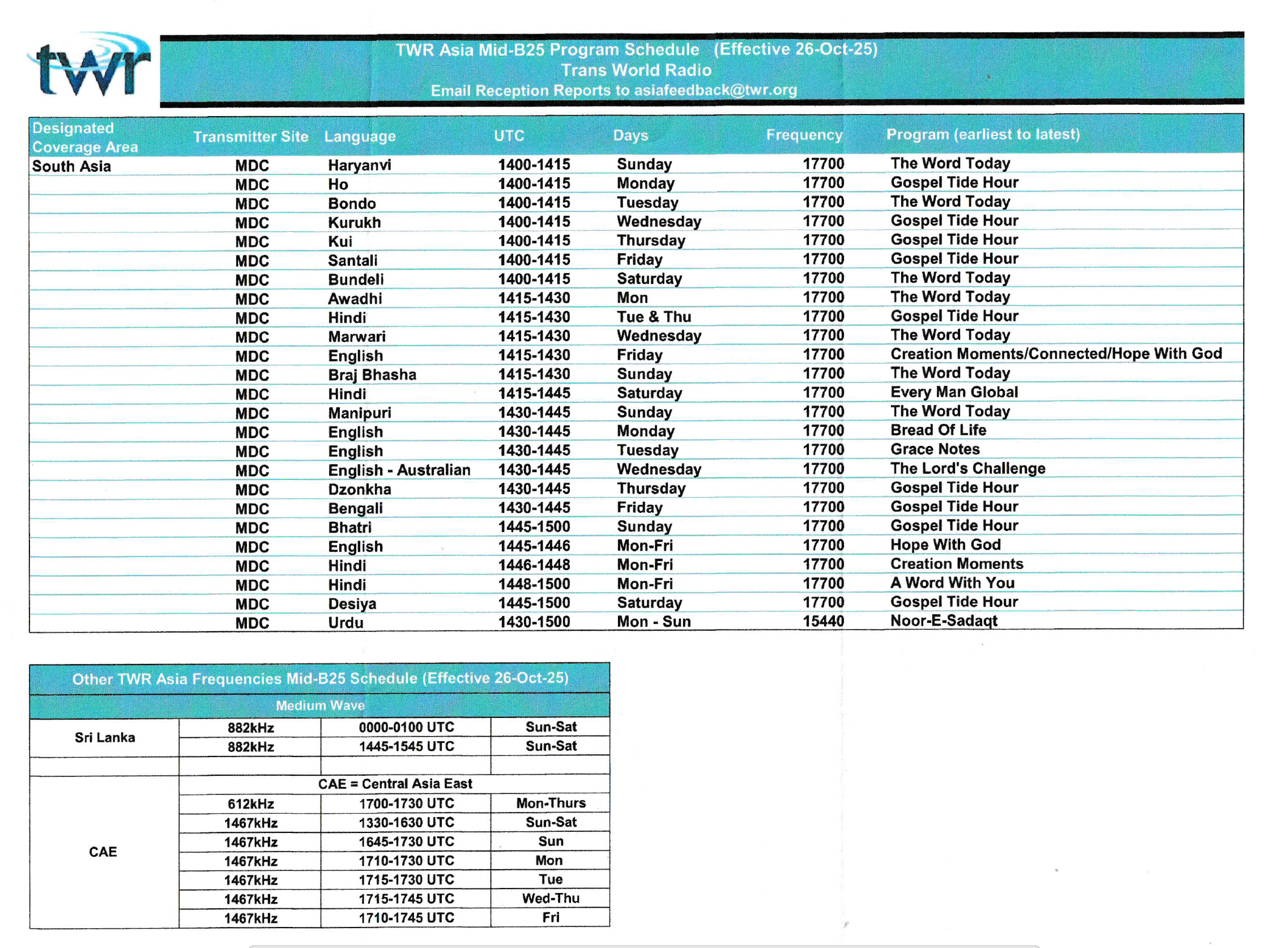
and the October 2025 broadcast schedule…..
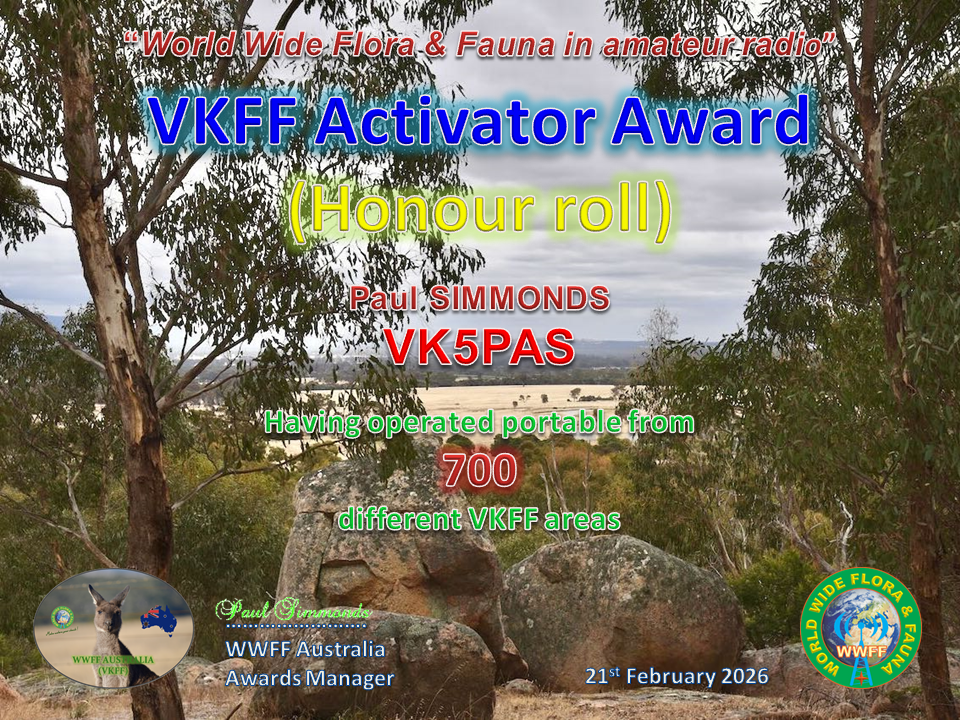
Here is my latest VKFF Activator Honour Roll certificate for the World Wide Flora Fauna (WWFF) program. It is issued for having activated 700 VKFF reference areas.
Thank you to all of the WWFF Hunters, and thank you to Adam VK2YK, the VK5 VKFF State Rep, for the certificate.
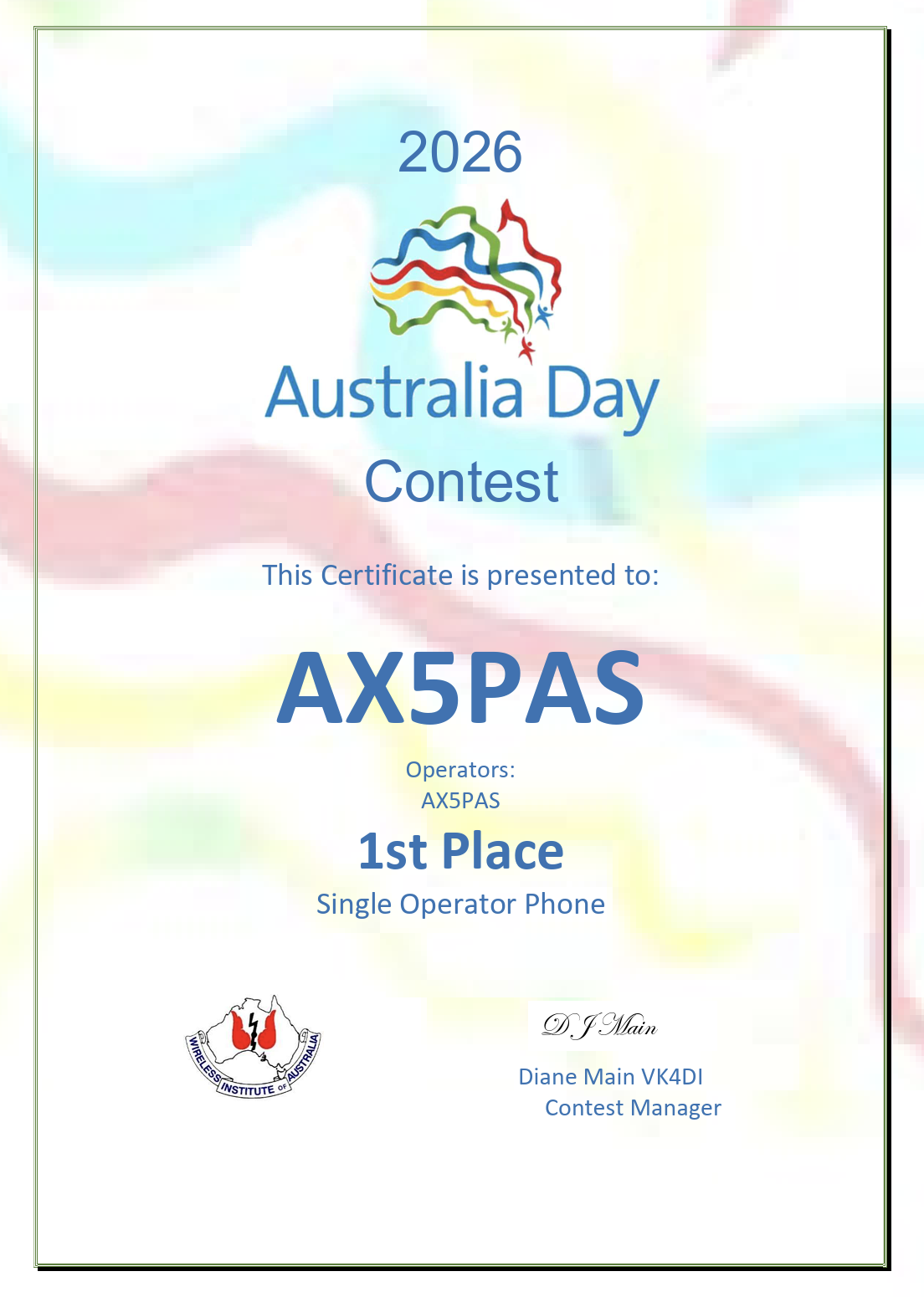
Yesterday I found out that I came in first place in the 2026 Australia Day Contest.
I entered the Single Operator Phone category. My score was 273,393 points, with Paul VK2H in 2nd position with 16,245 points, and then Garrick VK3GJG with 72,041 points.
Thank you to everyone who called me, and thank you to Diane VK4DI, the Contest Manager.
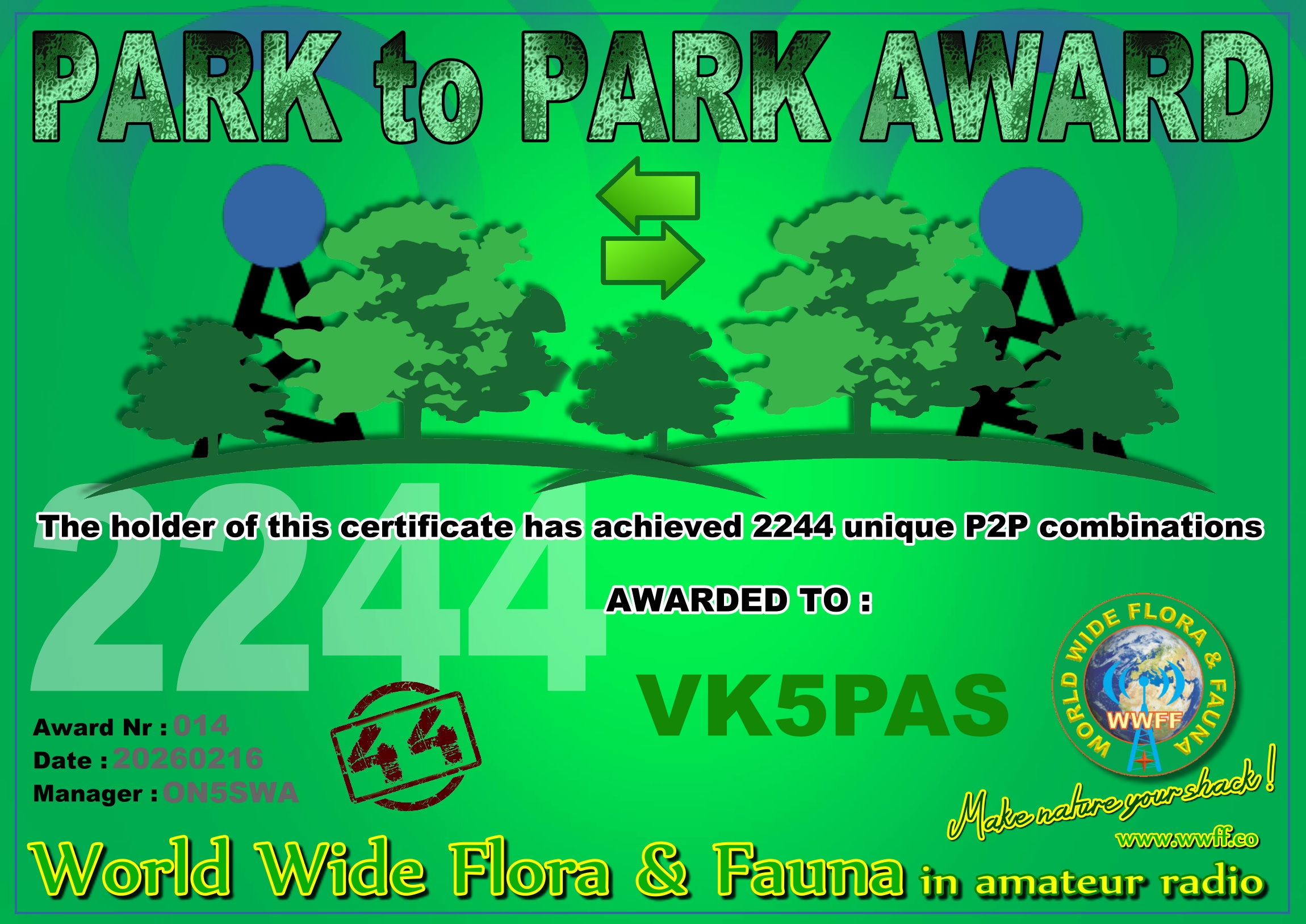
This morning, I received the certificate below for the World Wide Flora Fauna (WWFF) program. It is the Park to Park Award, issued for having made a total of 2,244 Park to Park contacts.
Thank you to all of the WWFF activators, and thank you to Swa ON5SWA, the Awards Manager.
After leaving the Old Naas Travelling Stock Route on Wednesday, 29th October 2025, Marija and I headed to the former Orroral tracking station. Andrew VK1AD had recommended that we visit the site, and we are very pleased that he did, as we found it extremely interesting.
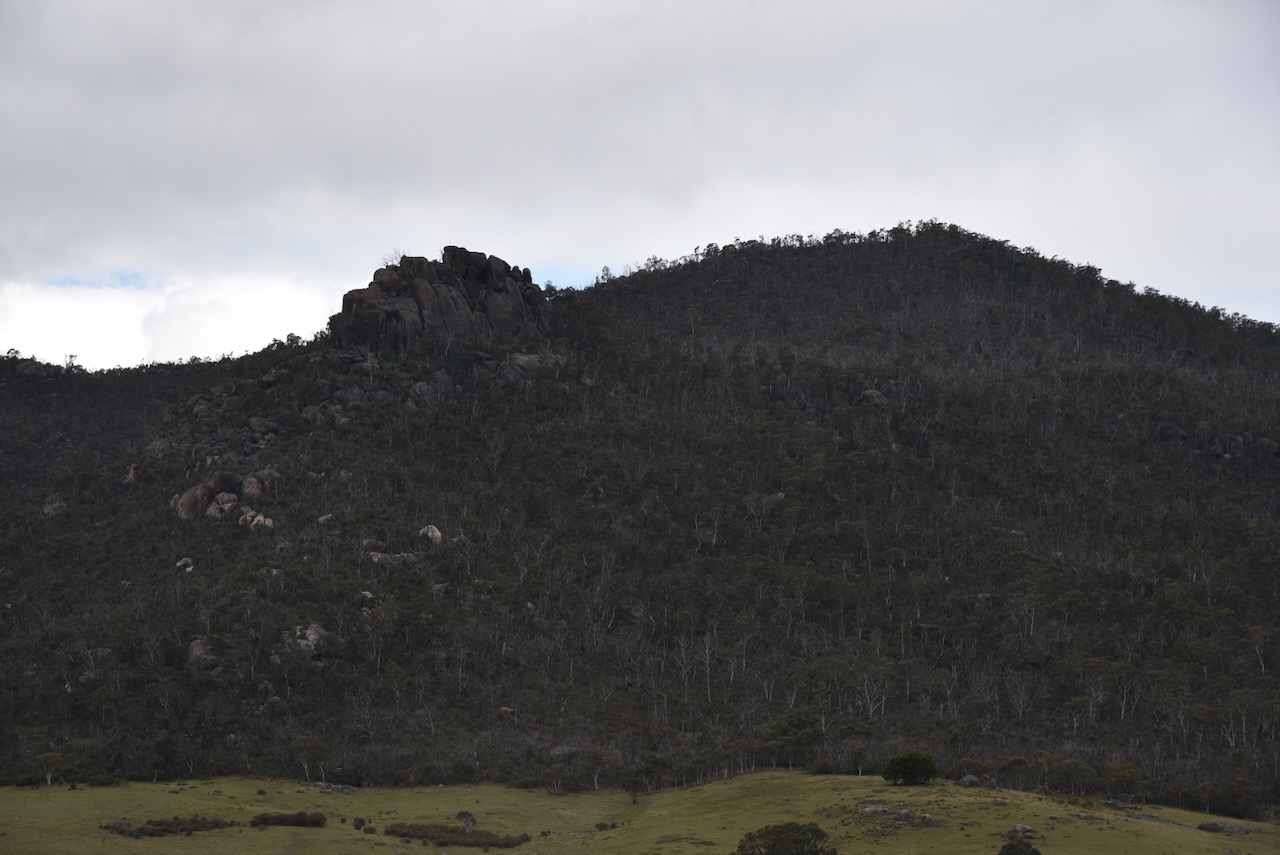
To get there from Old Naas, we headed south on Boboyan Road and then took Orroral Road. We first crossed the Gudgenby River and then into the Namadgi National Park past the Orroral campground. A little further along, we came into the Orroral Valley, with a cleared area and Orroral River on one side of the road, and thick scrub of Namadgi on the other.
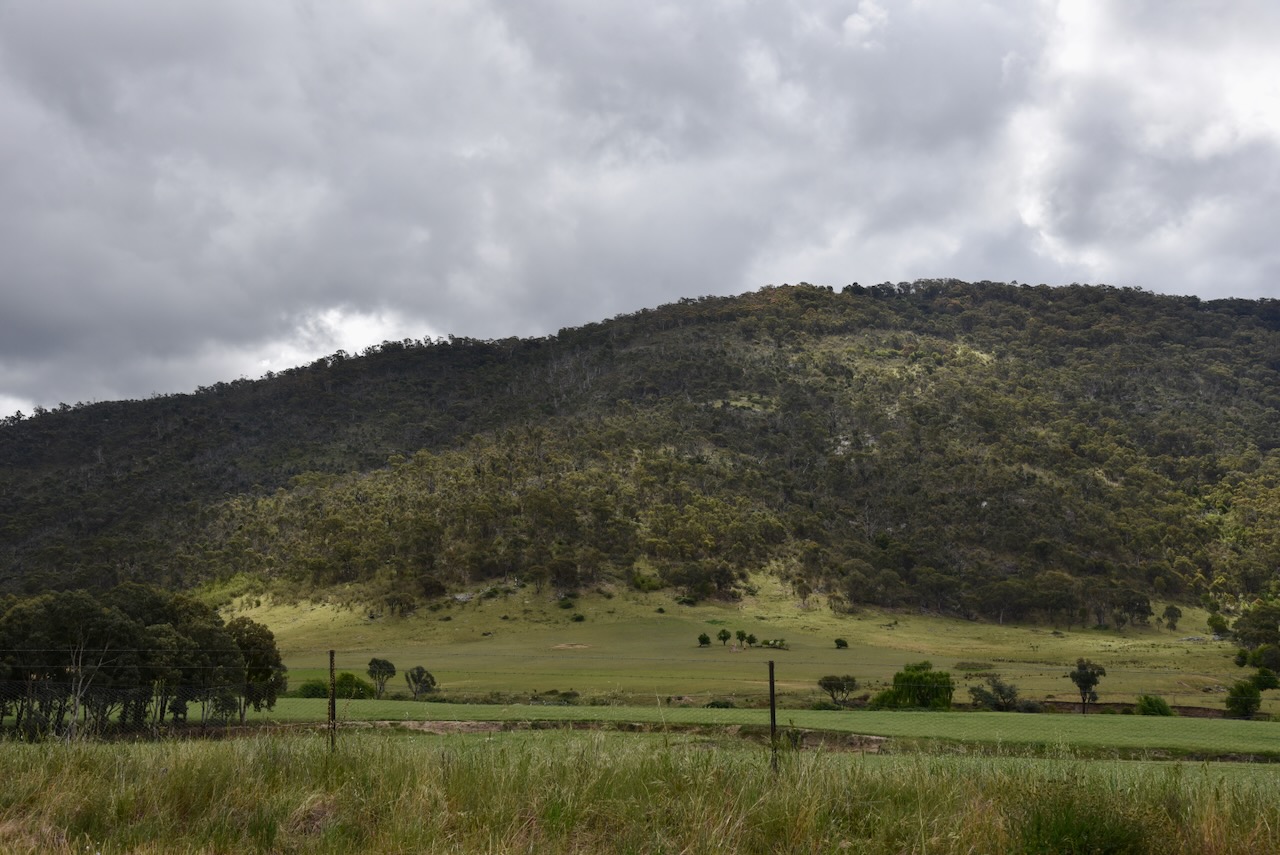
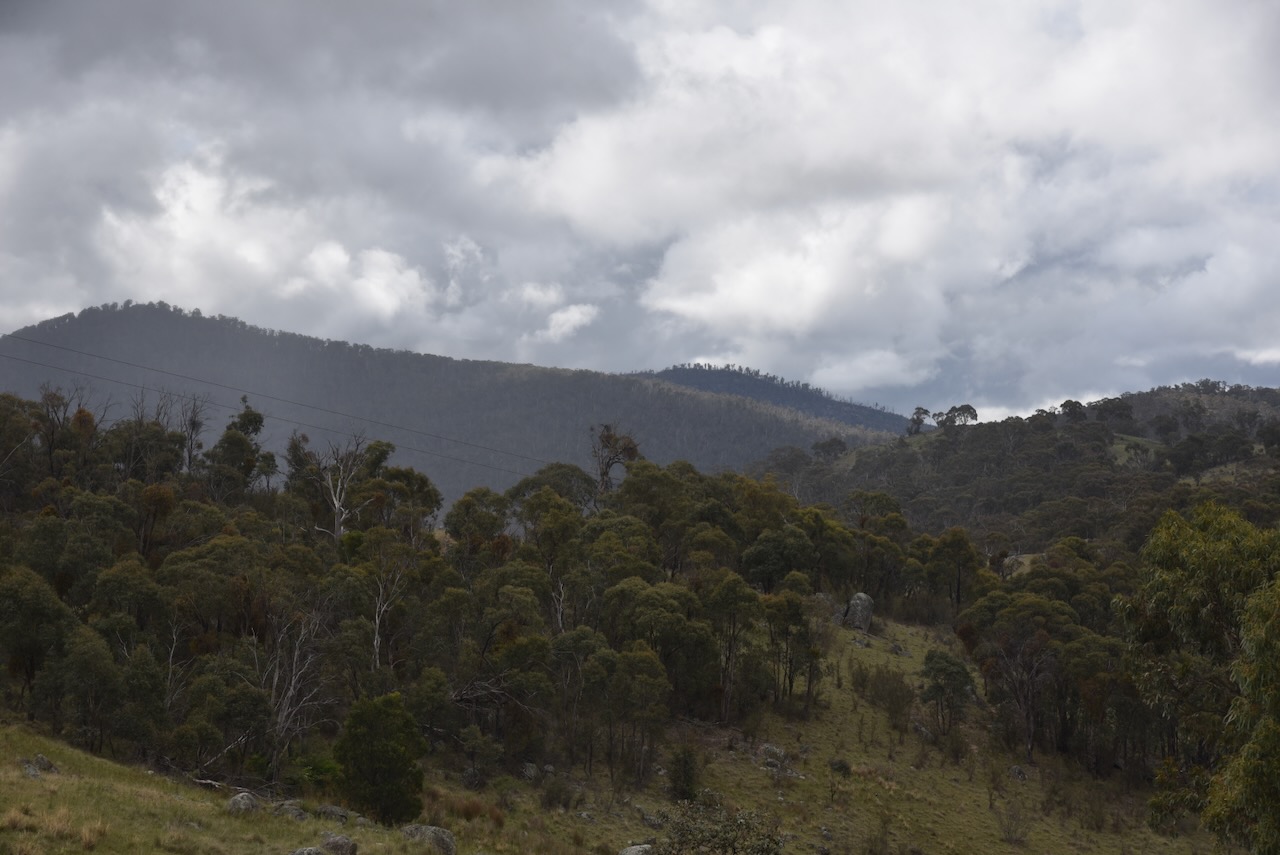
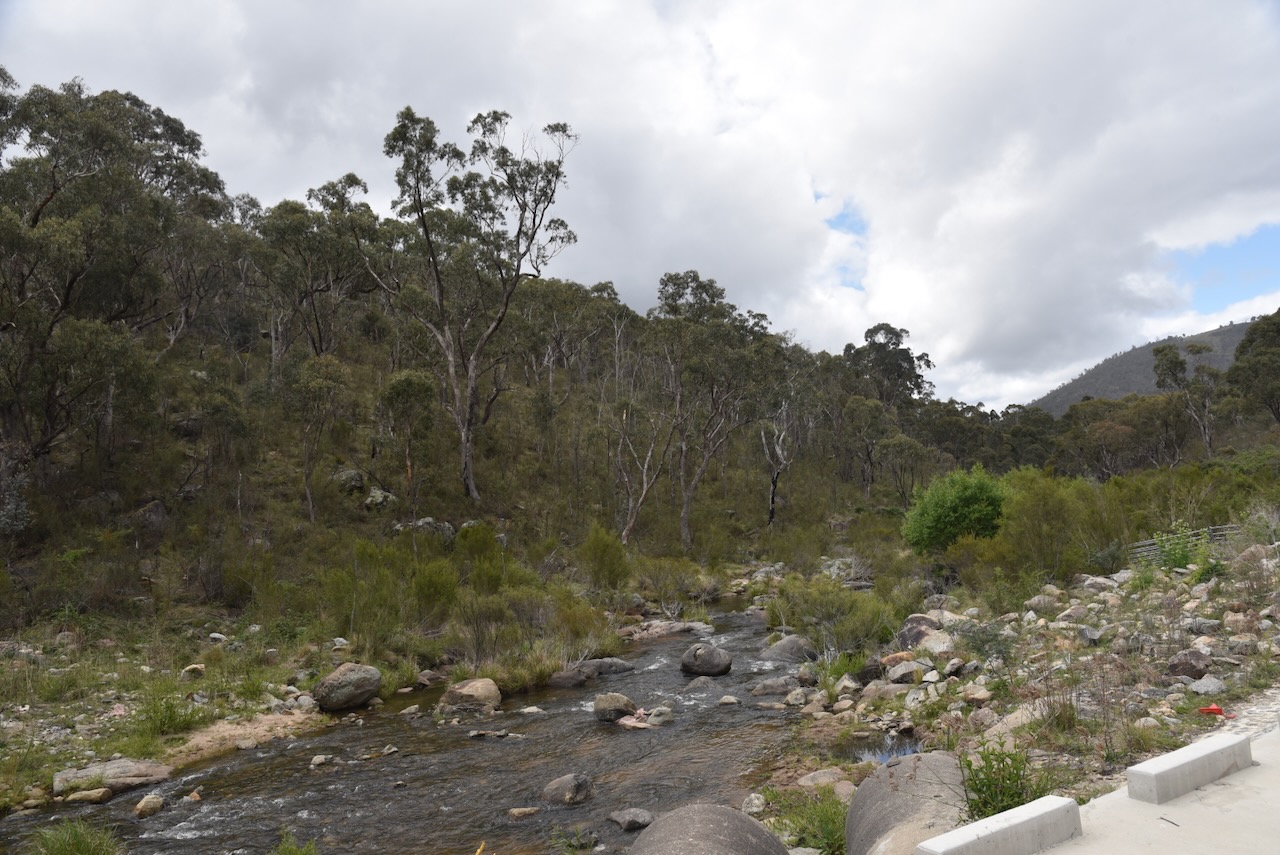
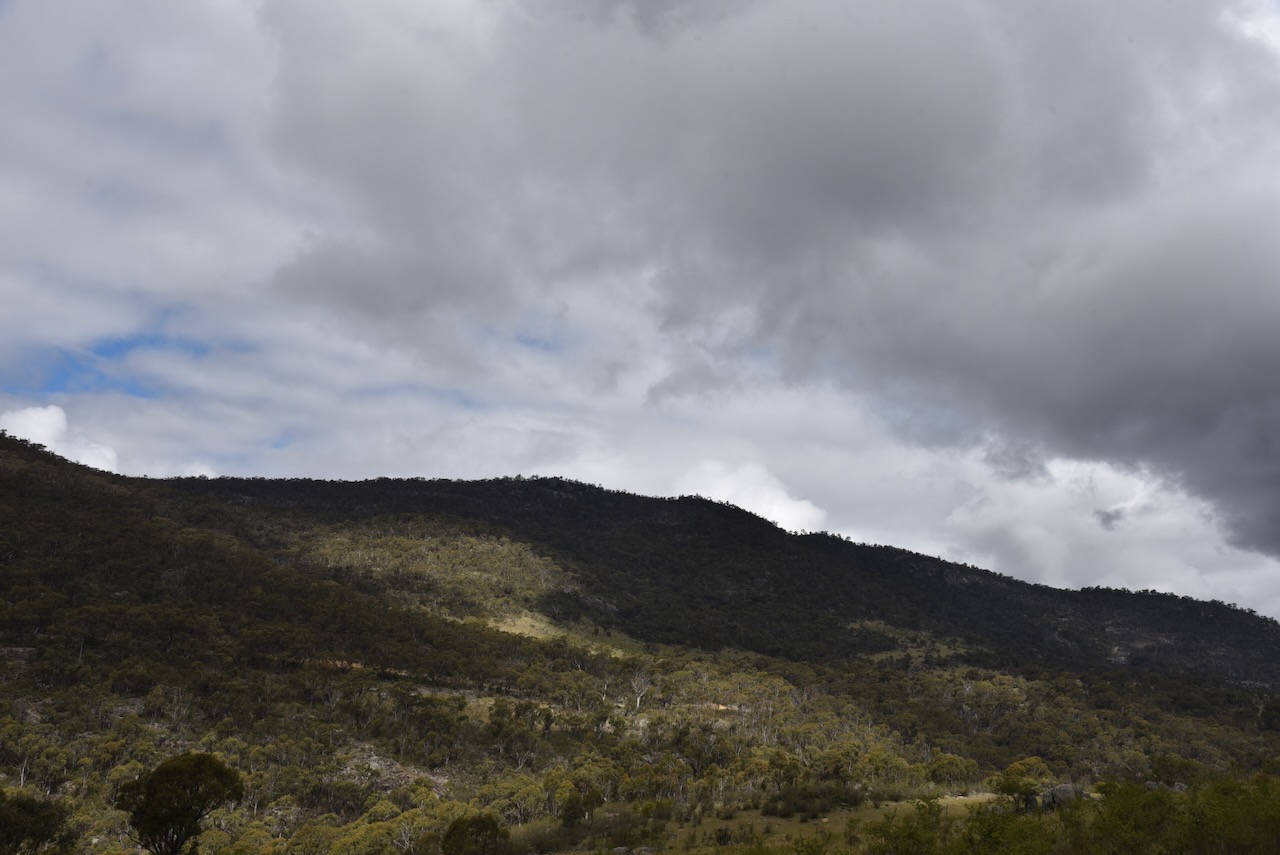
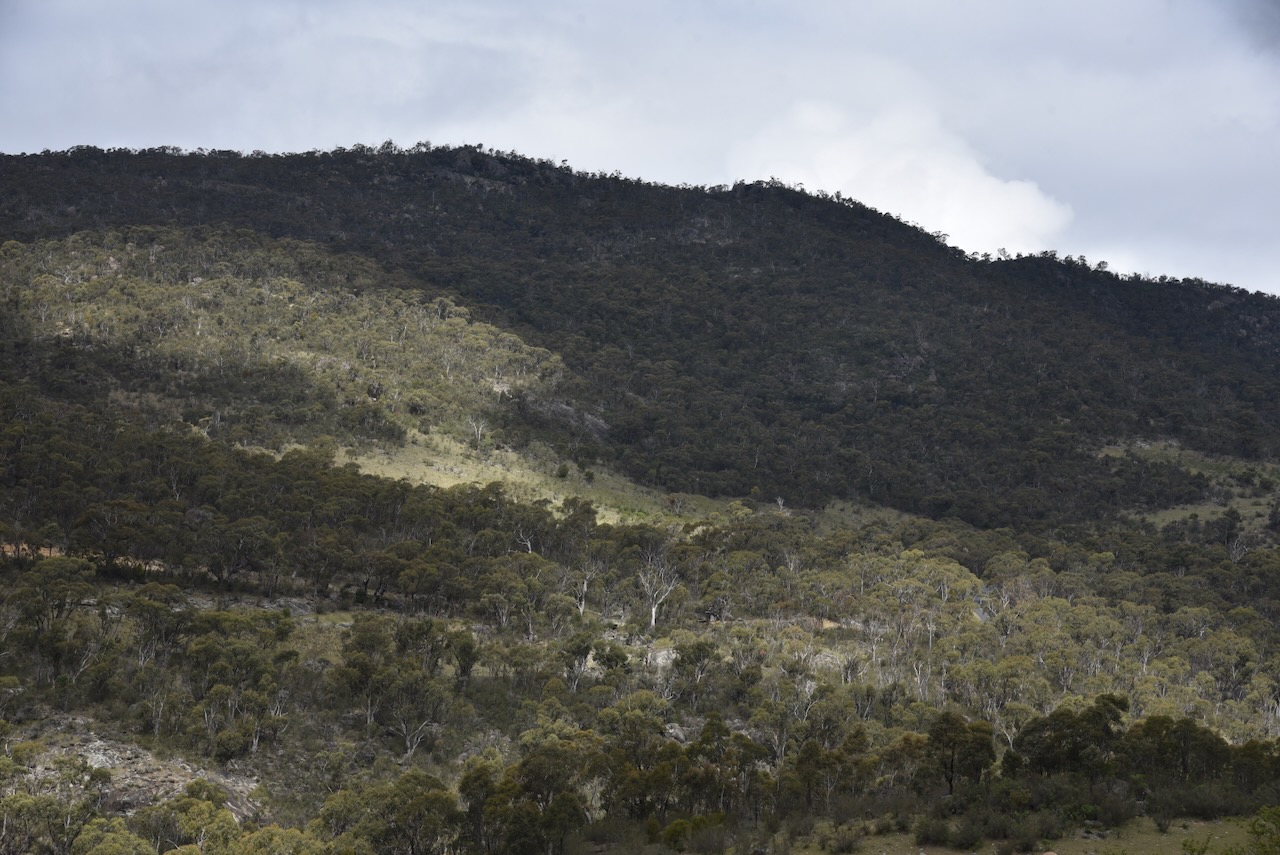
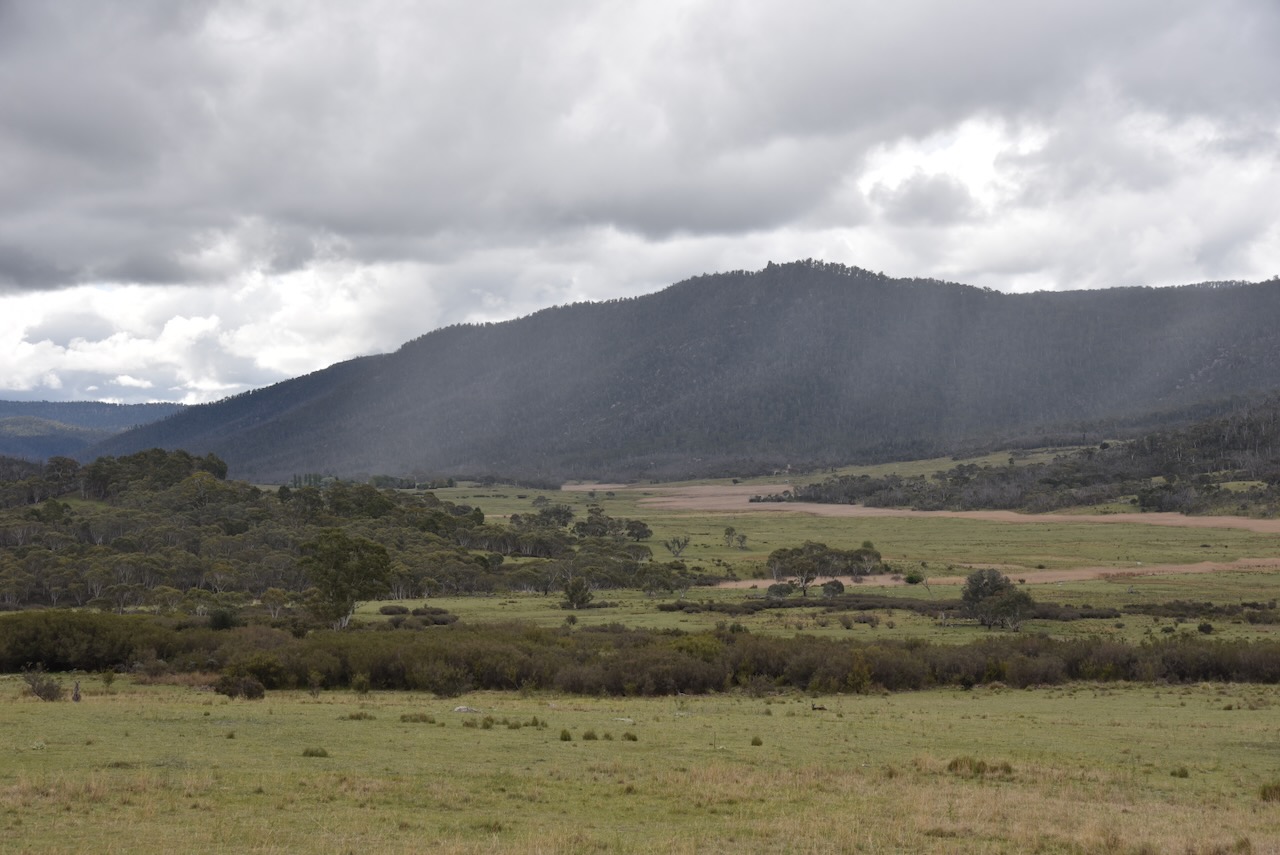
The Orroral Valley is believed to take its name from the Aboriginal word Urongal, meaning tomorrow. Urongal was depicted on the 1834 map by the explorer Sir Thomas Livingstone Mitchell. In 1839, Land Commissioner Bingham referred to the area as Orrooral. In 1847, the area was referred to as Ararel in the NSW Government Gazette. In 1856, it was referred to as Orrorall in the NSW Government Gazette. In 1865, it was referred to as Orrorall in Fussell’s Squatting Directory. In 1867, it was referred to as Oralla in Bailliere’s Post Office Directory. (ACT Heritage Council 2016) (NPA 1992)
The first European in the area is believed to be William Herbert. I spoke a bit about Herbert in my Old Naas post. Herbert was transported to Australia for life in 1816. He was initially a squatter and was then granted land on a leasehold basis. Several other people owned the run up until 1864. (NPA 1992)
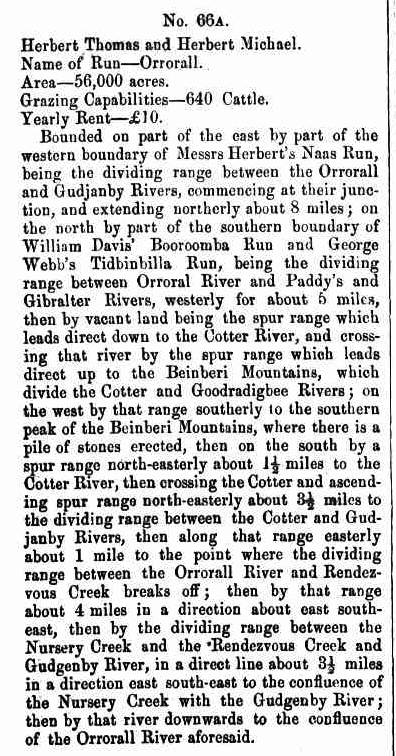
Above: Item from the NSW Govt Gazette, Wed 24 Dec 1856. Image c/o Trove
In 1864, the property was transferred to Charles McKeahnie. He was born in October 1809 in Argyll, Scotland. He was a bounty emigrant who arrived in Port Jackson in 1838 with his wife Elizabeth and their baby daughter Ann, aboard the ship St George. McKeahnie died in April 1903 at Queanbeyan, NSW. (ancestry 2016) (NPA 1992)
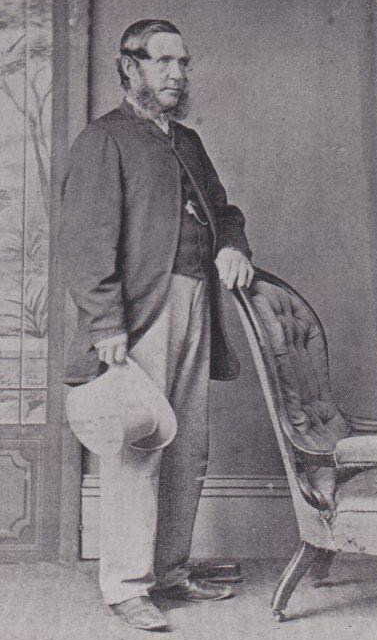
Above: Charles McKeahnie. Image c/o ancestry.com.au
In 1911, the Orroral property was sold to Albert Bootes from Gundagai. Albert George William Bootes was born in 1888 in Burwood, NSW. He ran the property whilst residing at Gundagai and in 1923 came to the district to reside permanently following his purchase of the Bywong property. In 1927, he purchased property at Gudgenby. Bootes died in June 1963 in Queanbeyan, NSW. (ancestry 2016) (NLA.gov.au 2026) (NPA 1992)
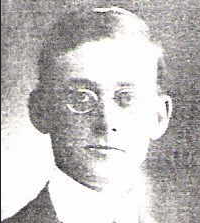
Above: Albert Bootes. Image c/o ancestry.com.au
In 1926, the property was sold to Andrew Twynam Cunningham. He was born in September 1891 in Tuggeranong, ACT. (ancestry 2016) (NPA 1992)
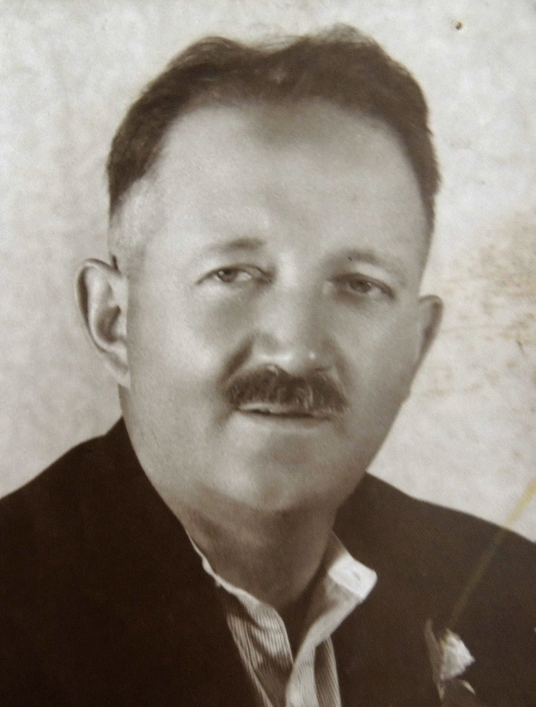
Above: Andrew Twynam Cunningham. Image c/o ancestry.com.au
Cunningham fought at Gallipoli with the 1st Light Horse Regiment. where he was wounded in 1915. He then became a Lieutenant with the 2nd Light Horse Brigade and, in 1917, was promoted to Captain and led the 2nd Machine Gun Squadron. He was awarded the Military Cross in June 1917 and was mentioned in Despatches in July 1917. Cunningham became known as a daring pilot with his De Havilland Moth biplane that was known as the Orroal Dingo. His landing strip was located between the homestead and the Orroral River. (ACT Memorial 2024) (ancestry 2016)
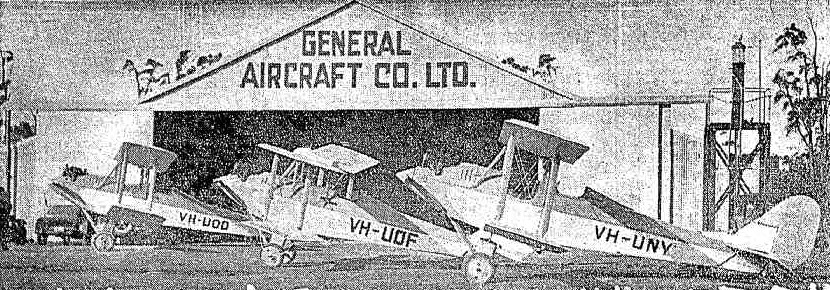
Above: Cunningham’s aircraft VH-UOF. Image c/o Referee, Sydney, Wed 6 Aug 1930. Image c/o Trove
In 1930, the Referee Sydney stated the following about Cunningham: ‘there are none to combine dare-deviltry, physical toughness, adaptability, and a general don’t care-a-dam-ishness’.
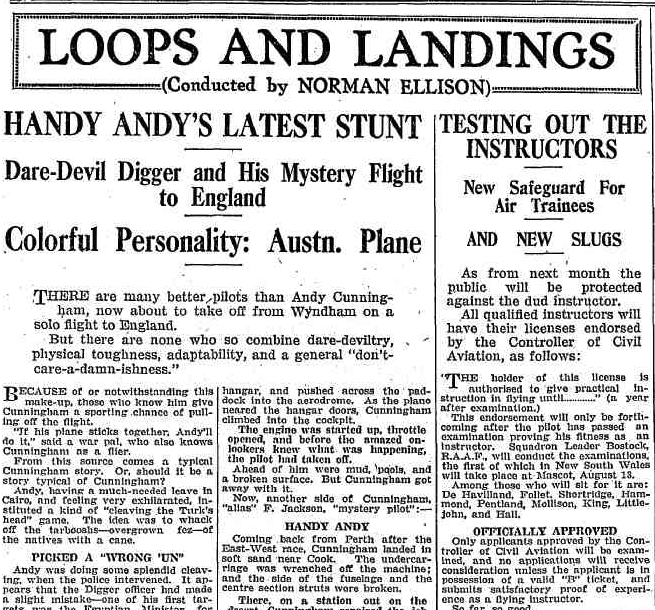
Above: part of an article from the Referee, Sydney, Wed 6 Aug 1930. Image c/o Trove
Cunningham built the Orroral woolshed in 1930. Cunningham died in August 1959 at Randwick, NSW. (ACT Memorial 2024) (ancestry 2016) (NPA 1992)
Marija and I were keen to visit the Orroral homestead and woolshed, but it appeared that access was not allowed, so sadly, we kept heading on our way. It was slow going along the road due to the wildlife.
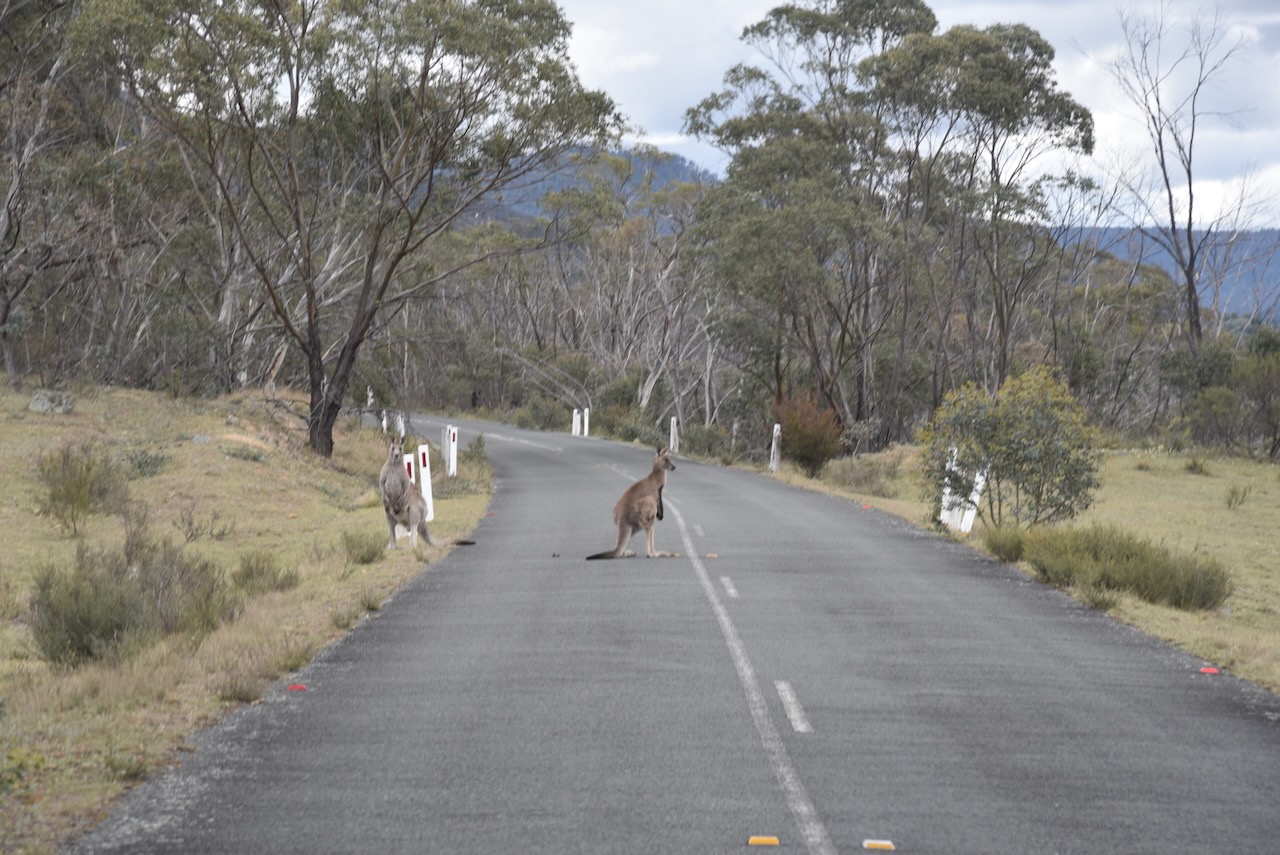
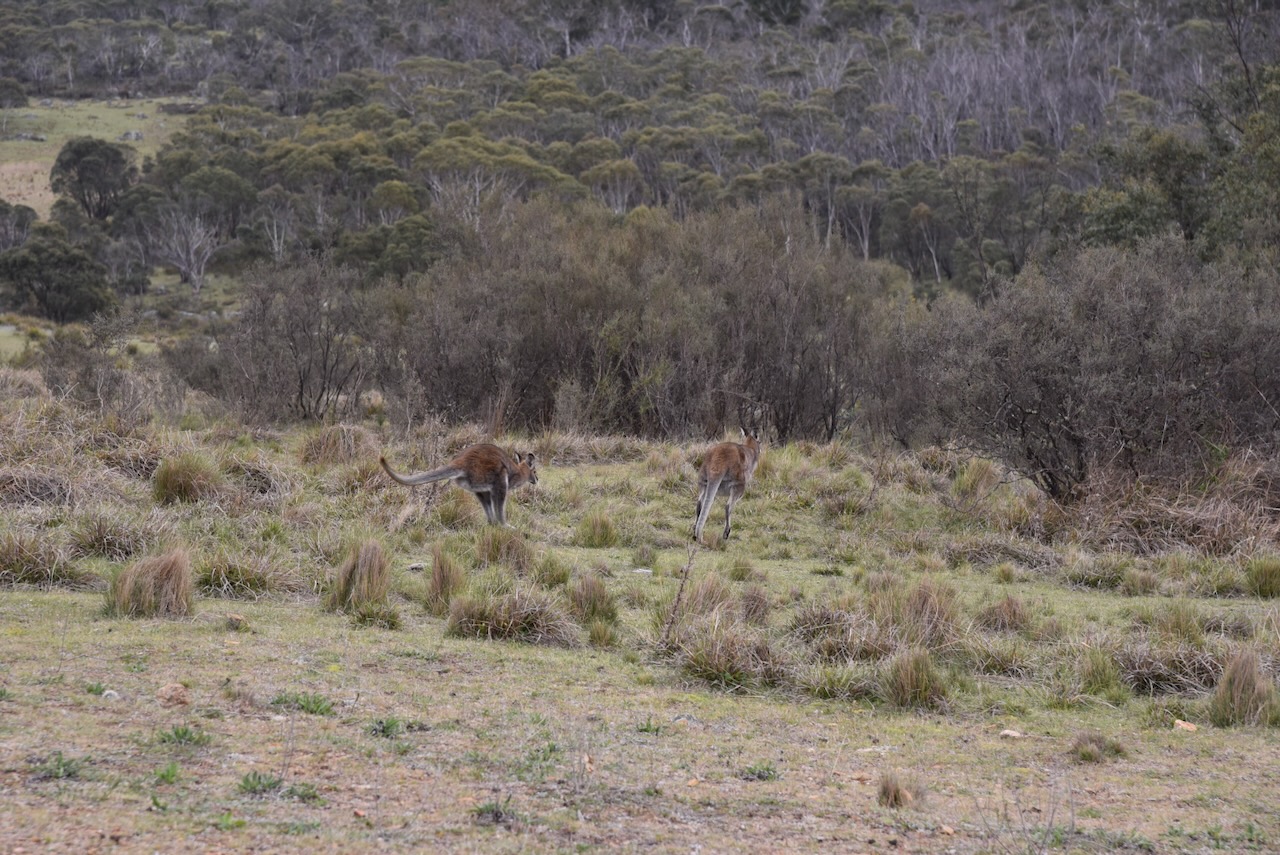
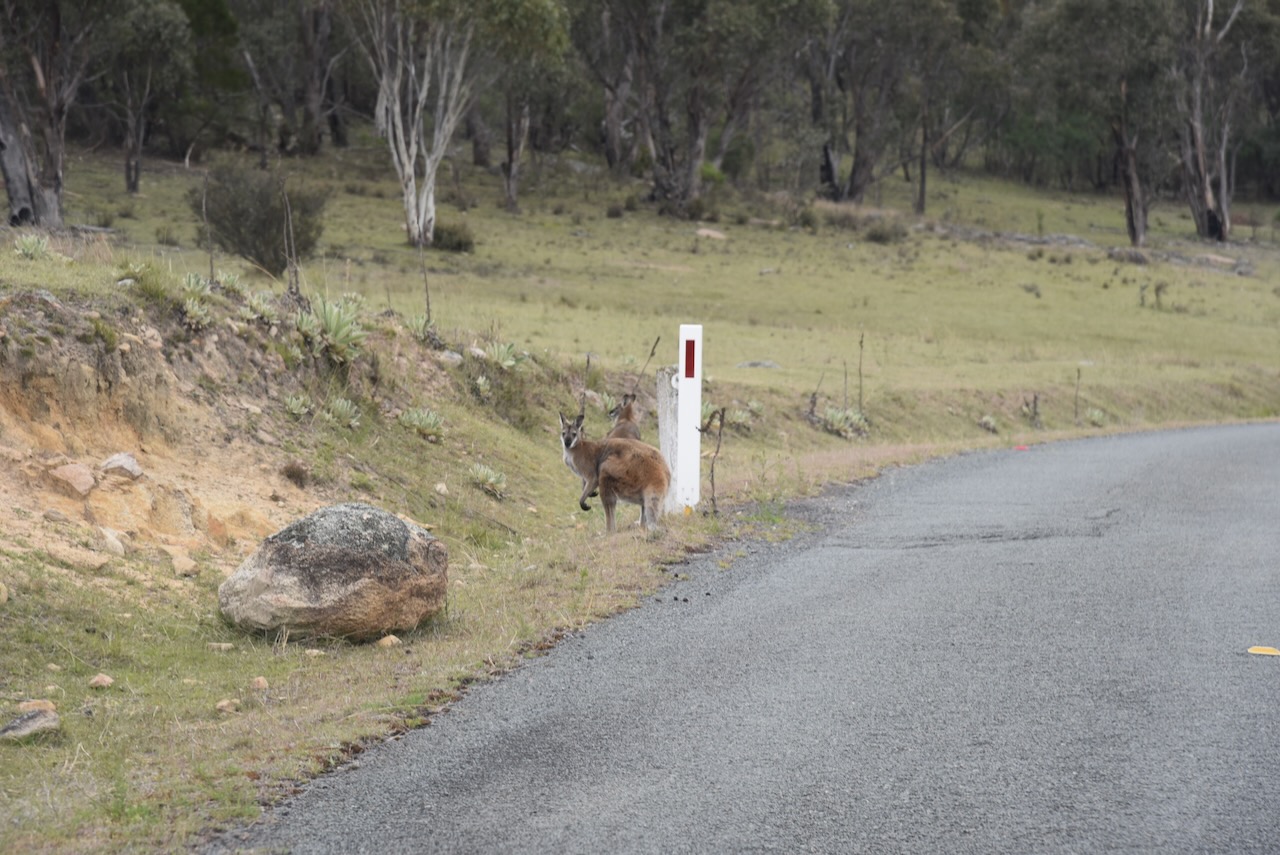
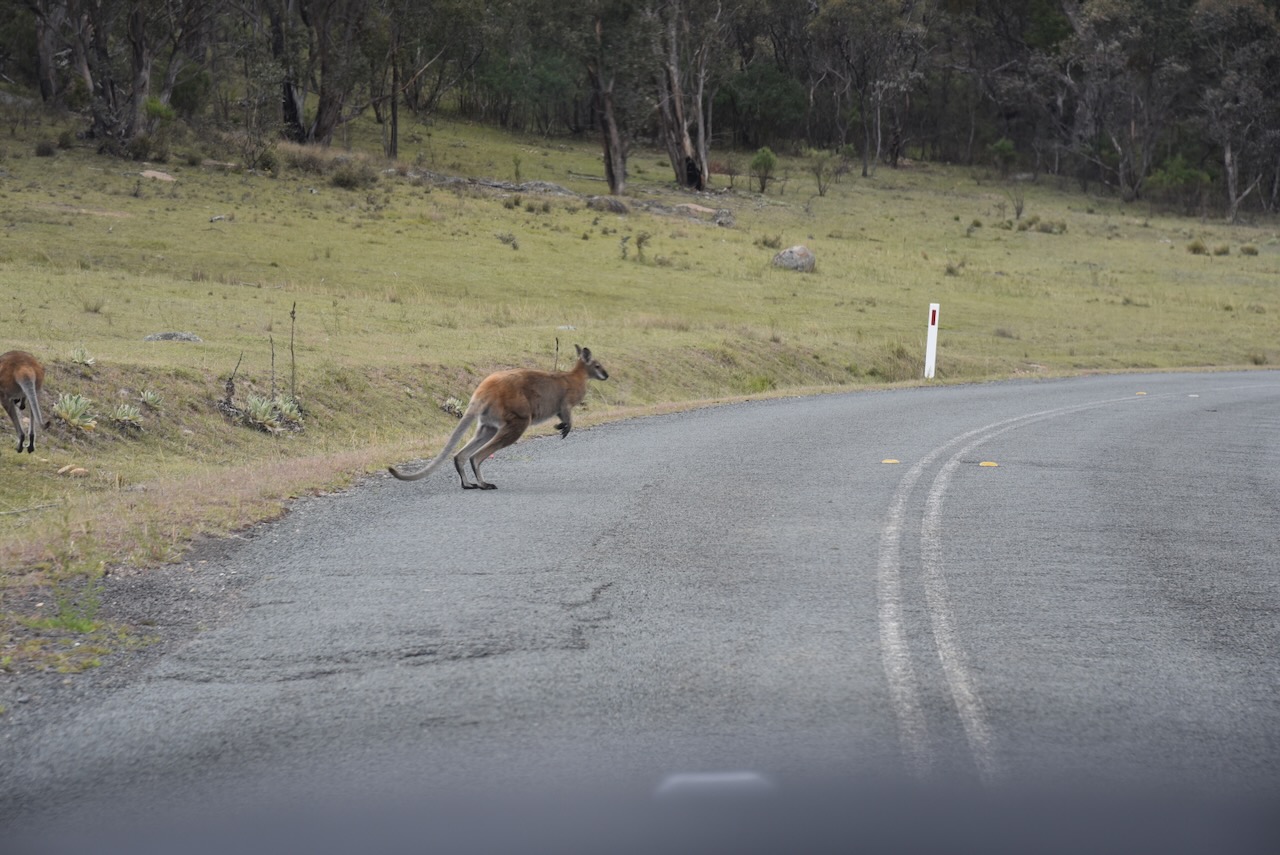
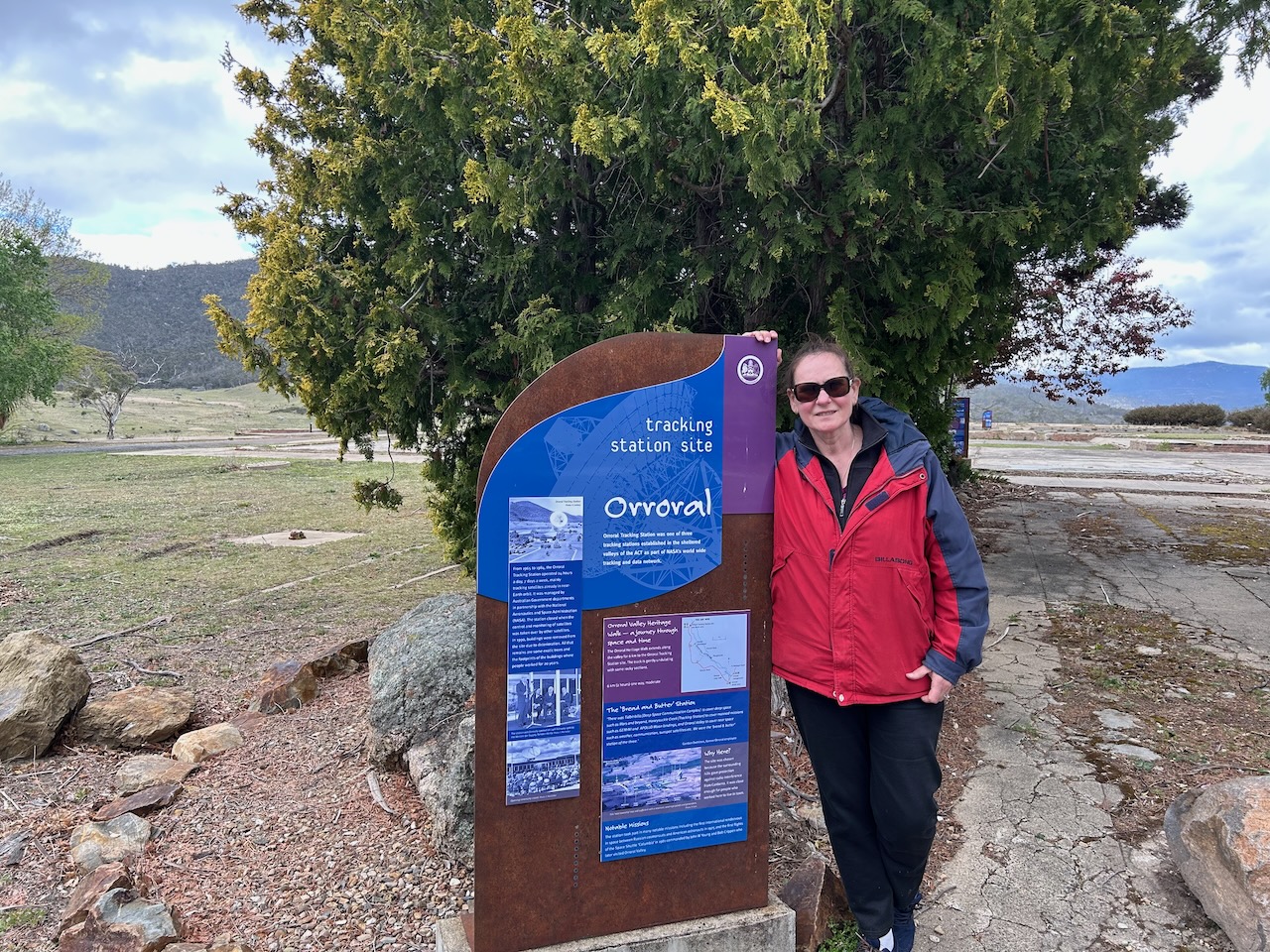
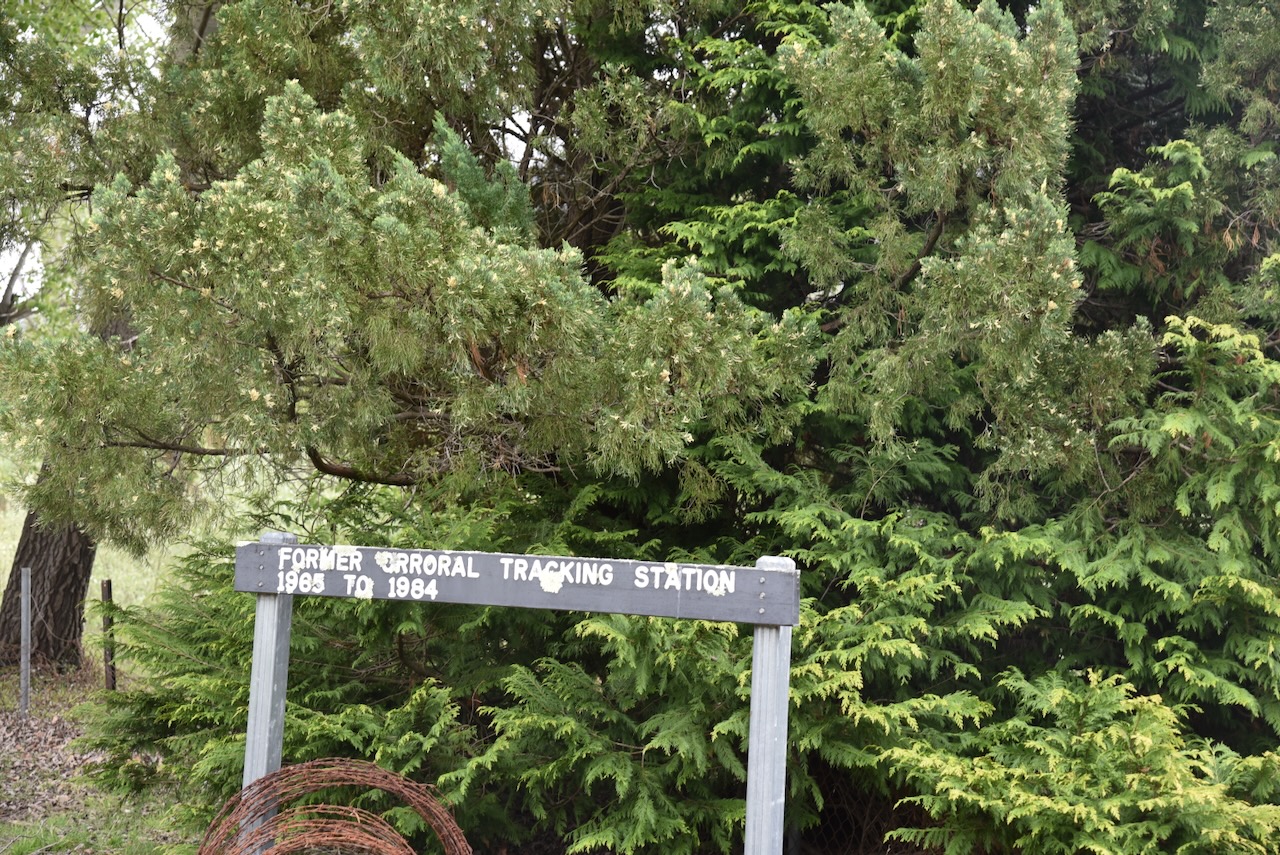
Not far past the homestead, we reached the former Orroral Tracking Station, which was one of three tracking stations established in the sheltered valleys of the Australian Capital Territory as part of NASA’s worldwide tracking and data network.
In 1964, the Australian Government purchased 2,000 acres of freehold land at Orroral for the establishment of the station.
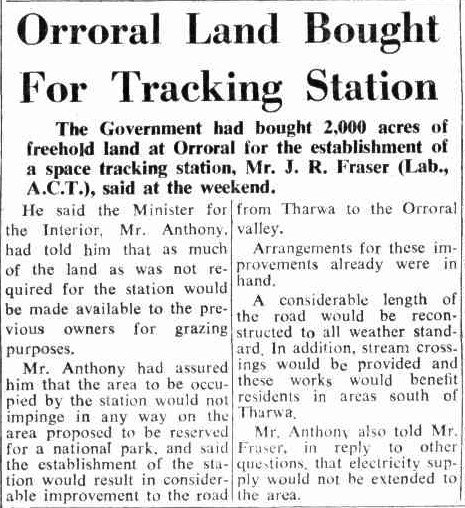
Above: article from The Canberra Times, Mon 13 Apr 1964. Image c/o Trove
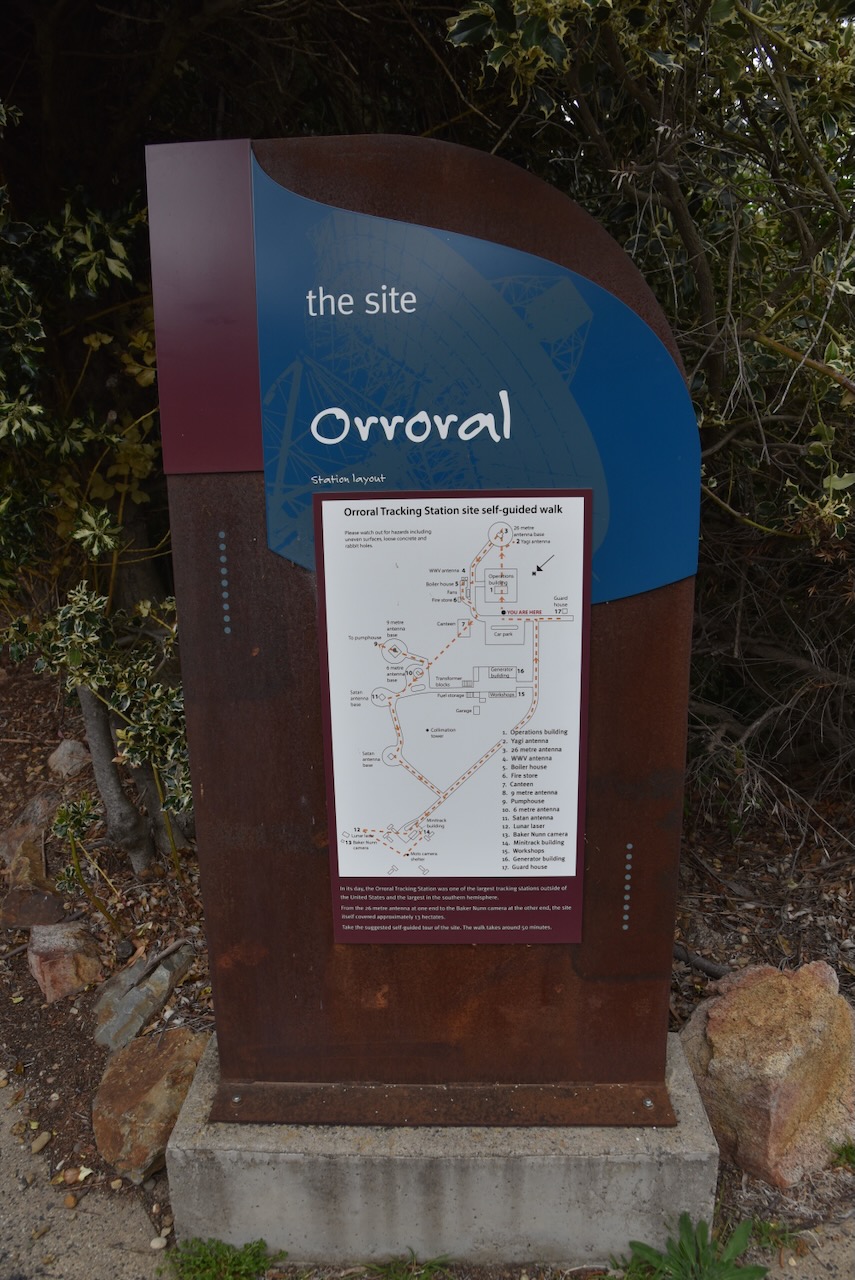
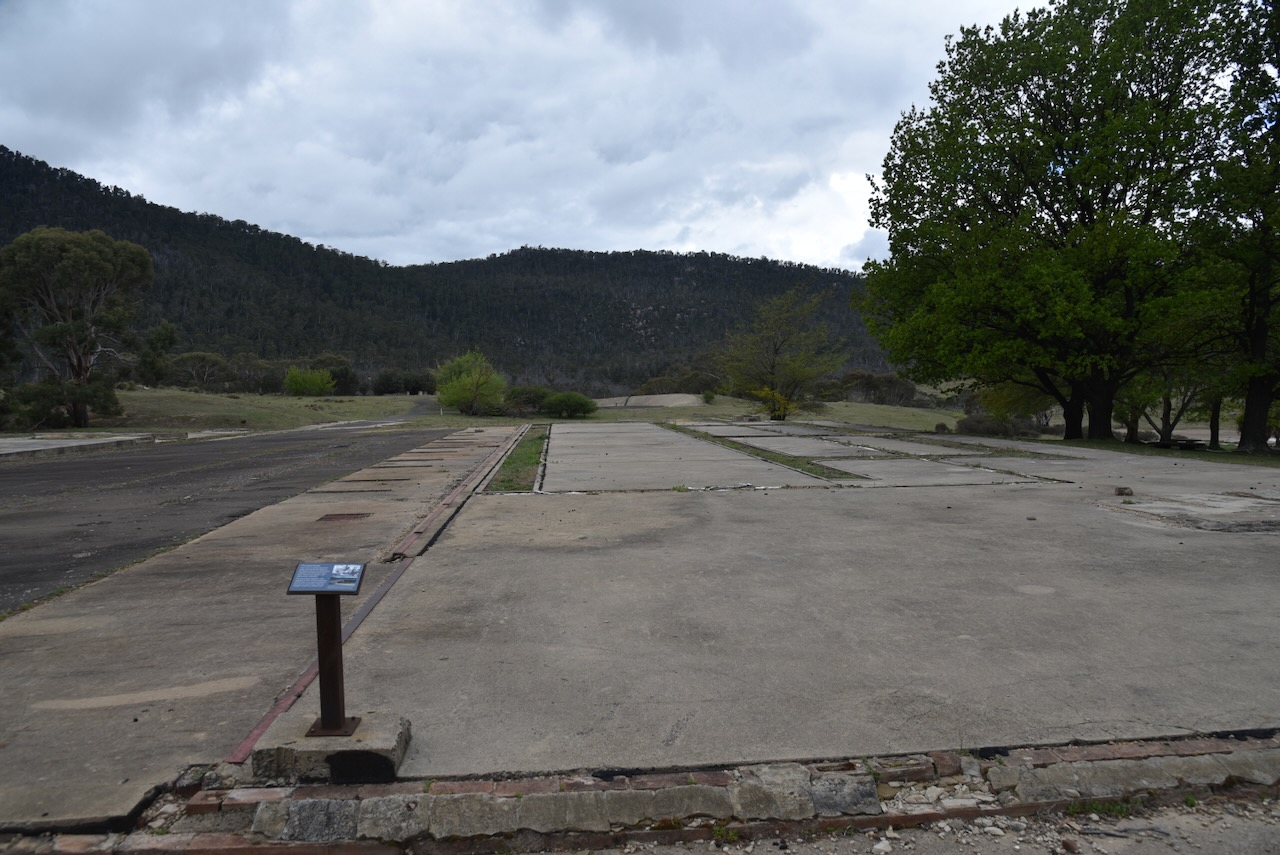
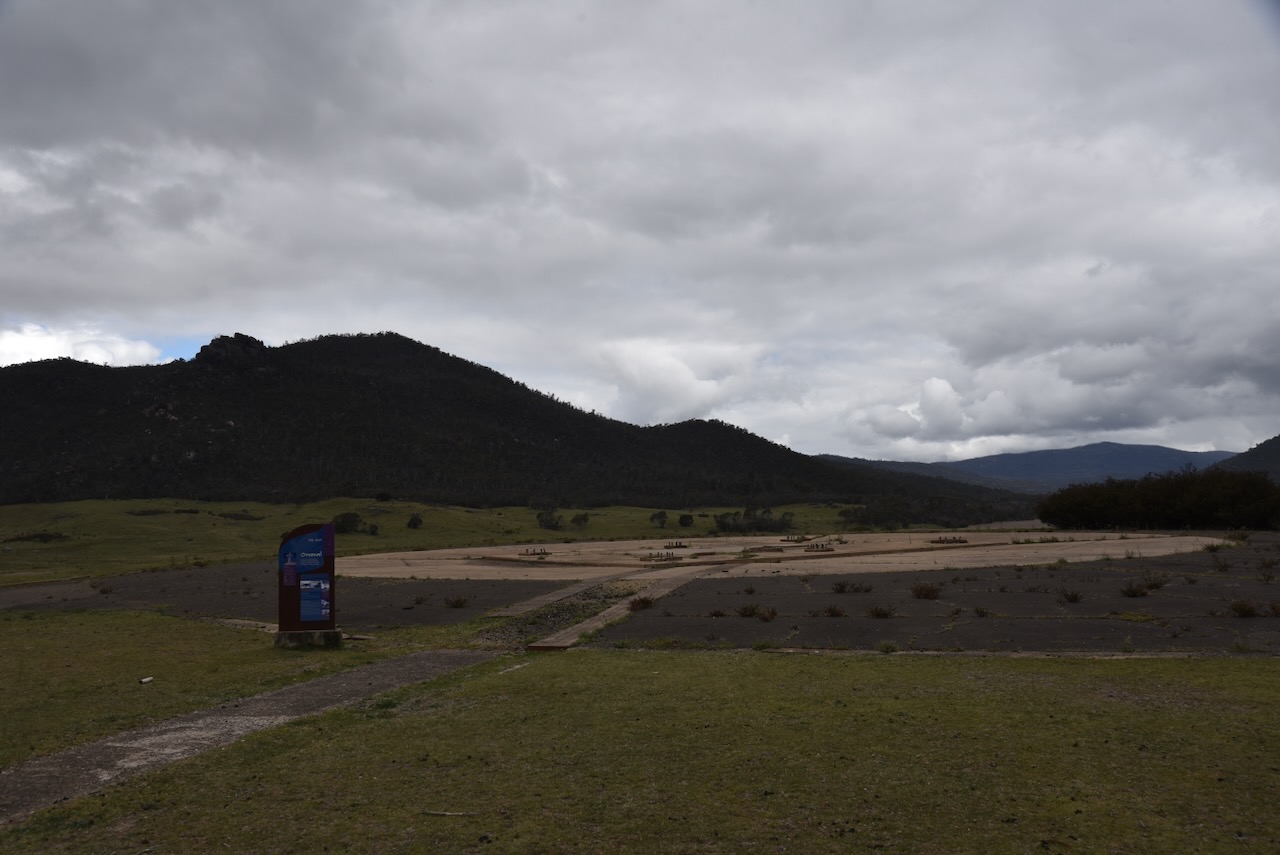
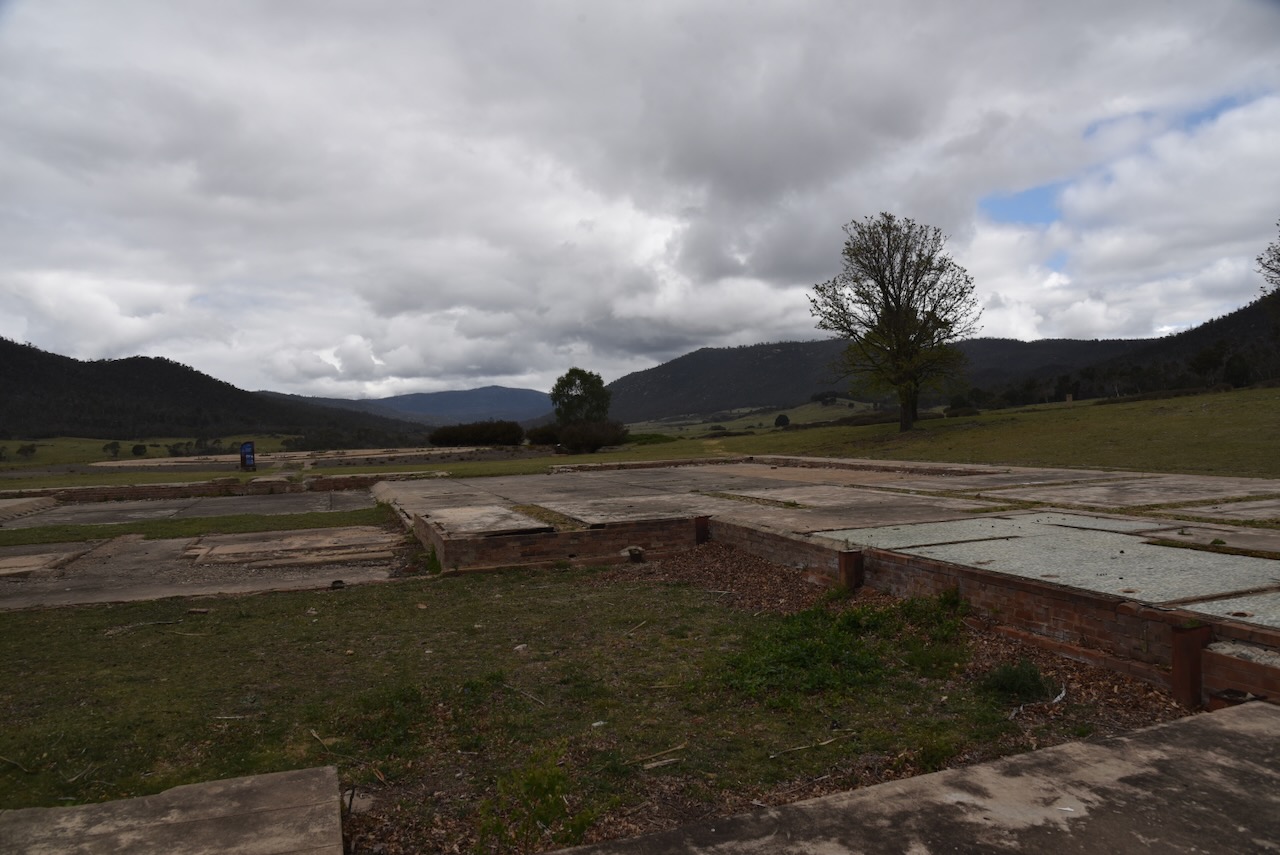
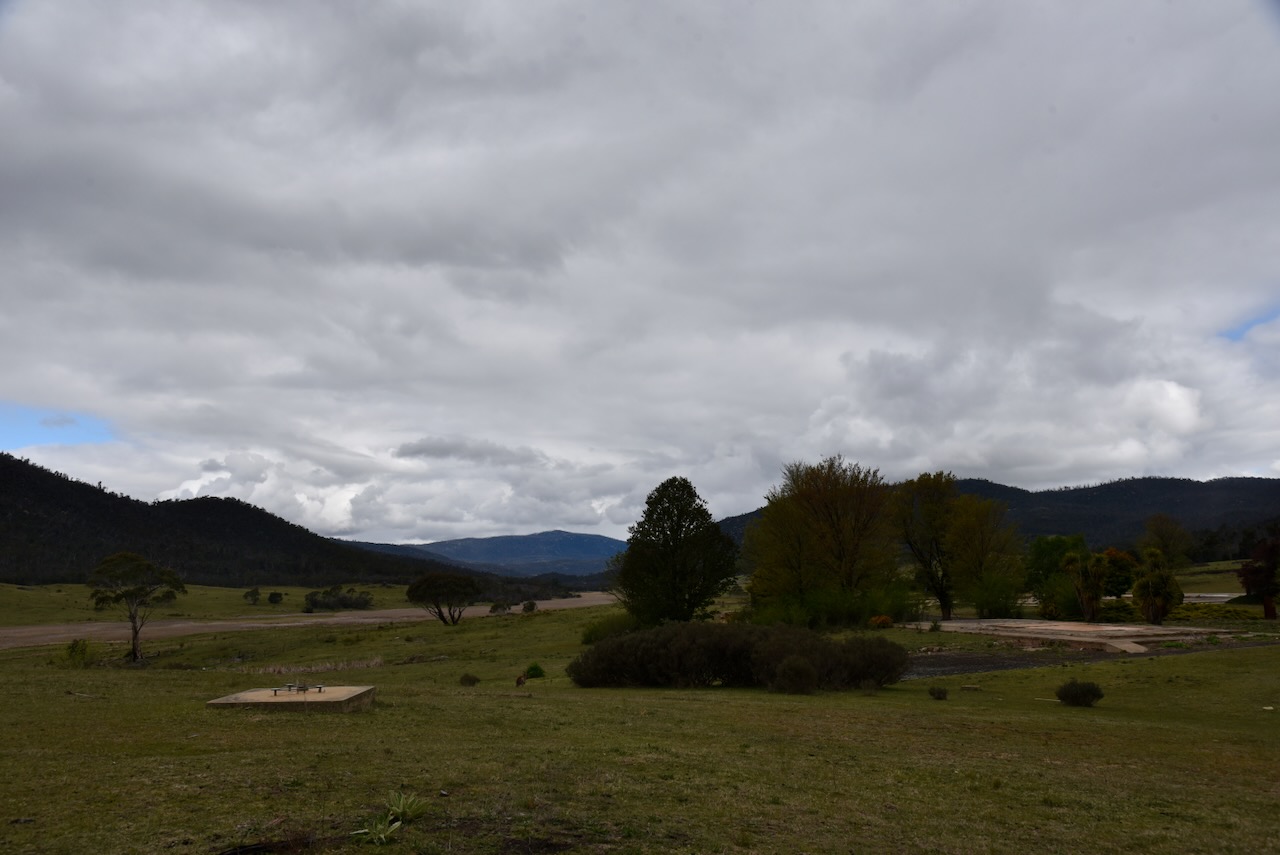
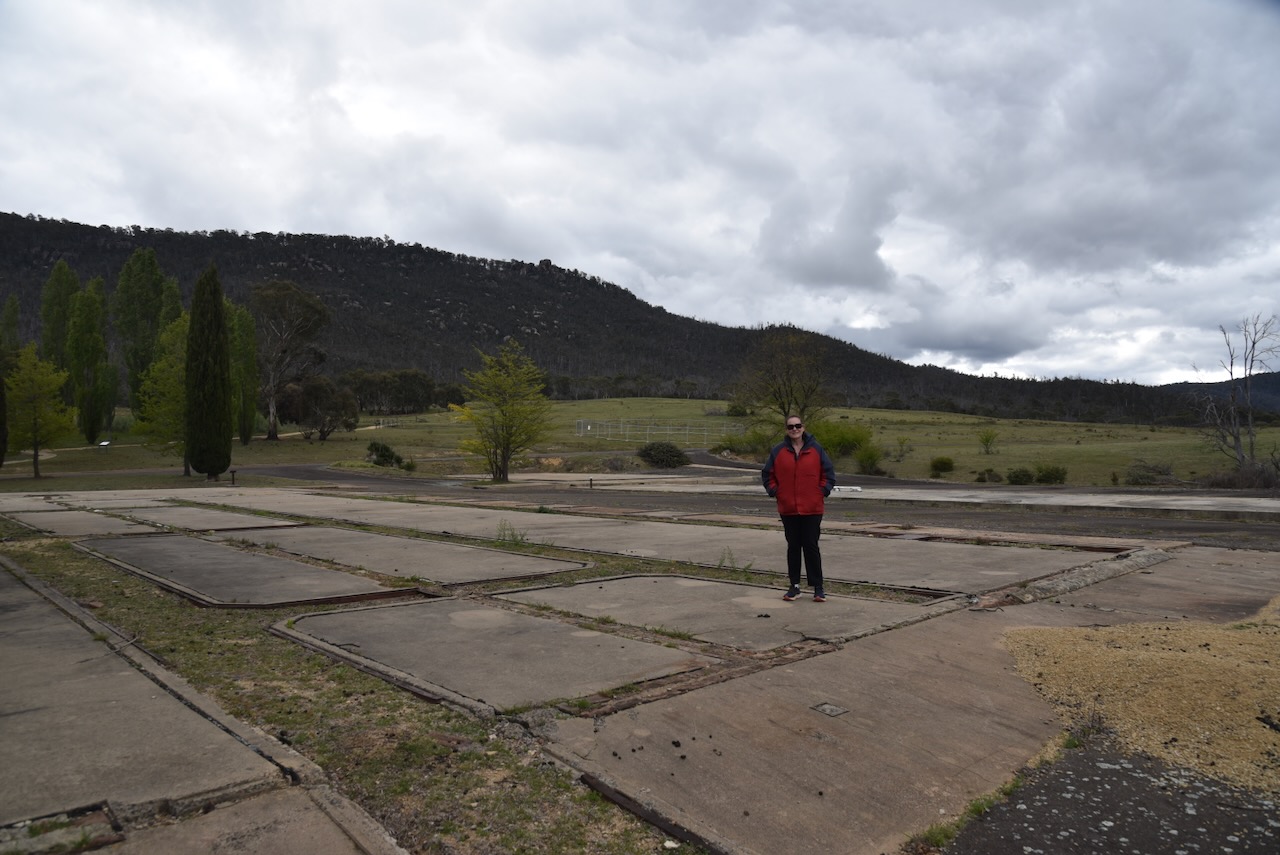
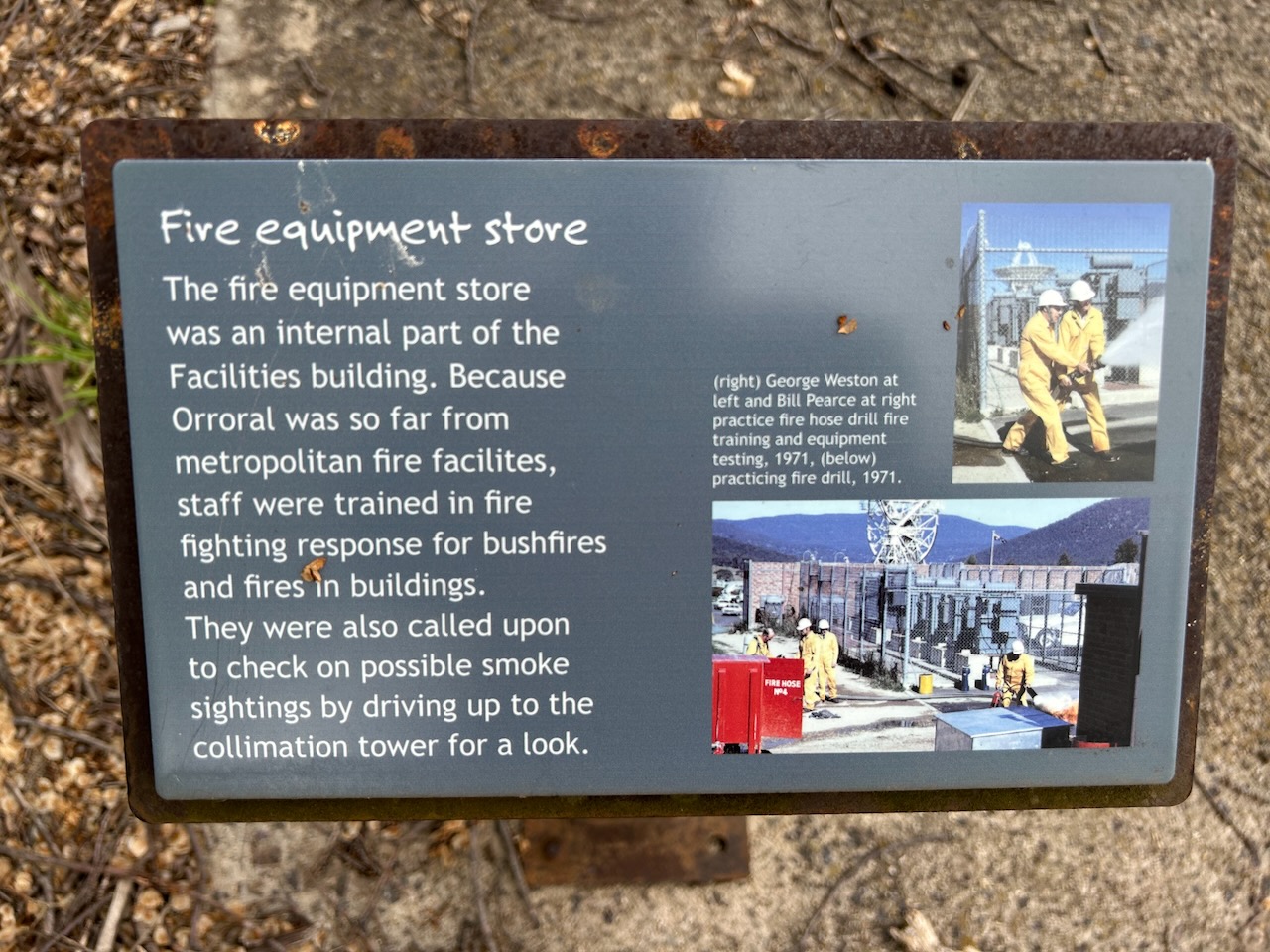
From 1965 to 1984, the Orroral Tracking Station operated 24 hours a day, 7 days a week, mainly tracking satellites in near-Earth orbit. The station closed when the control and monitoring of satellites was taken over by other satellites. In 1990, the buildings were removed from the site due to deterioration. All that remains now are some exotic trees and the footings of the buildings. You can undertake a self-guided walk around the site, which is what Marija and I did. There are several interpretive signs detailing the history of the site.
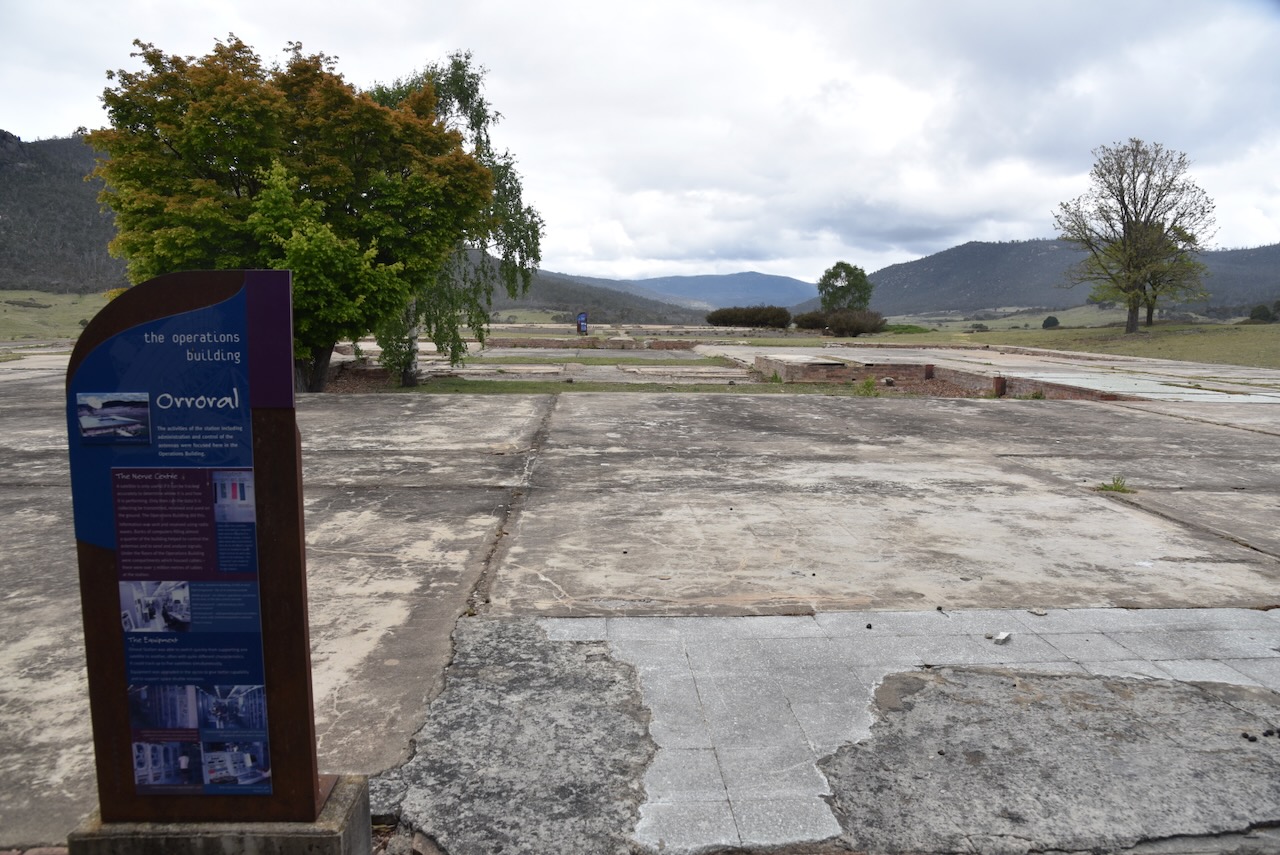
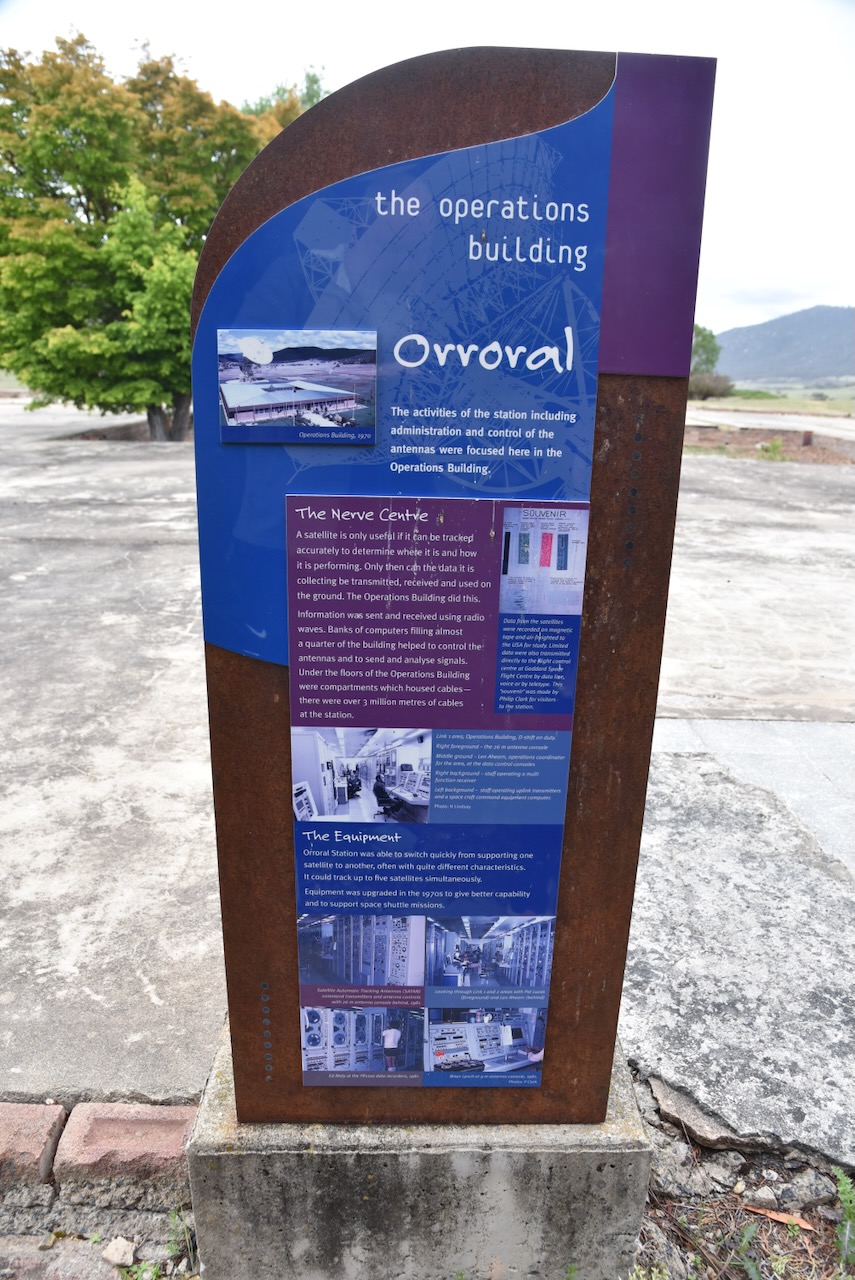
The Operations building was the ‘nerve centre’ of Orroral. The activities of the station, including administration and control of the antennas, occurred in the Operations building.
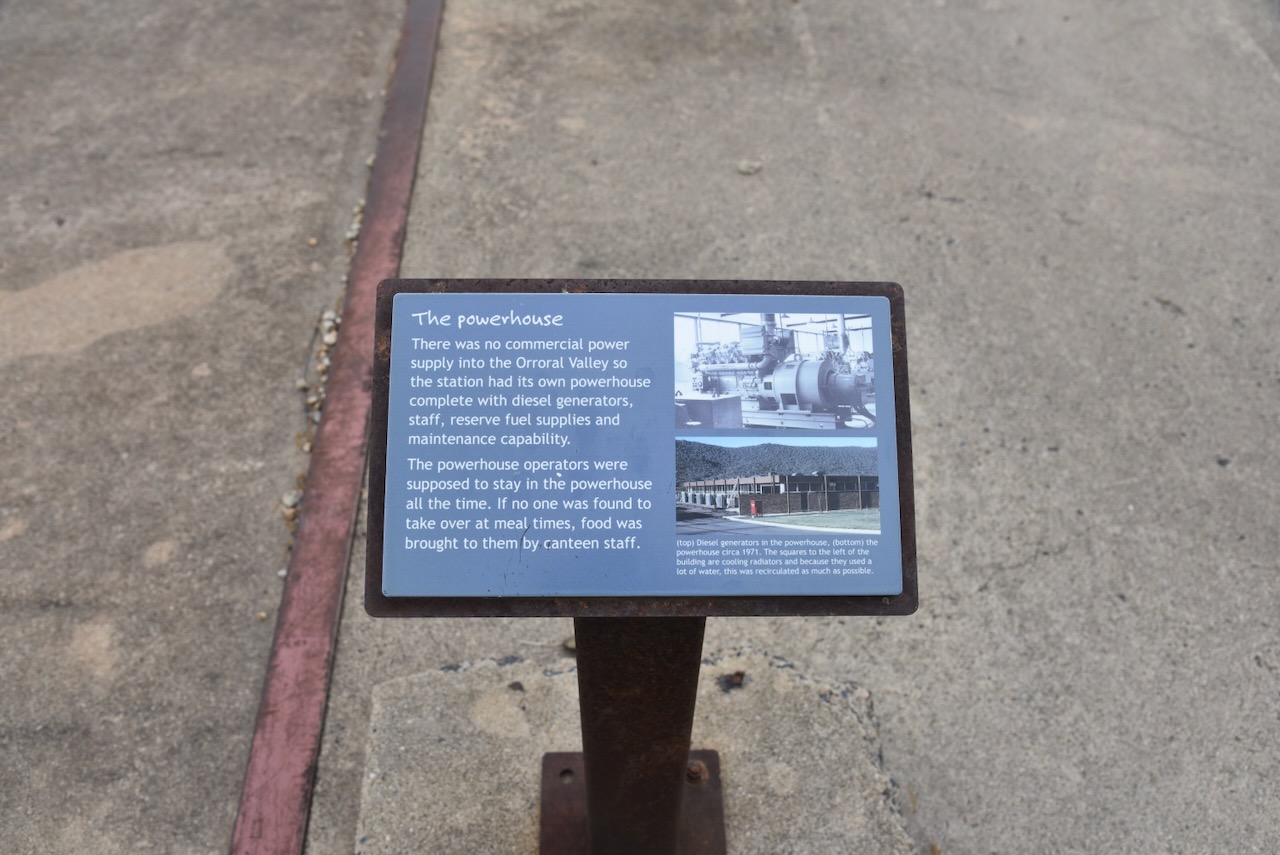
There was no commercial power supply to the Orroral Valley, so the tracking station had its own powerhouse.
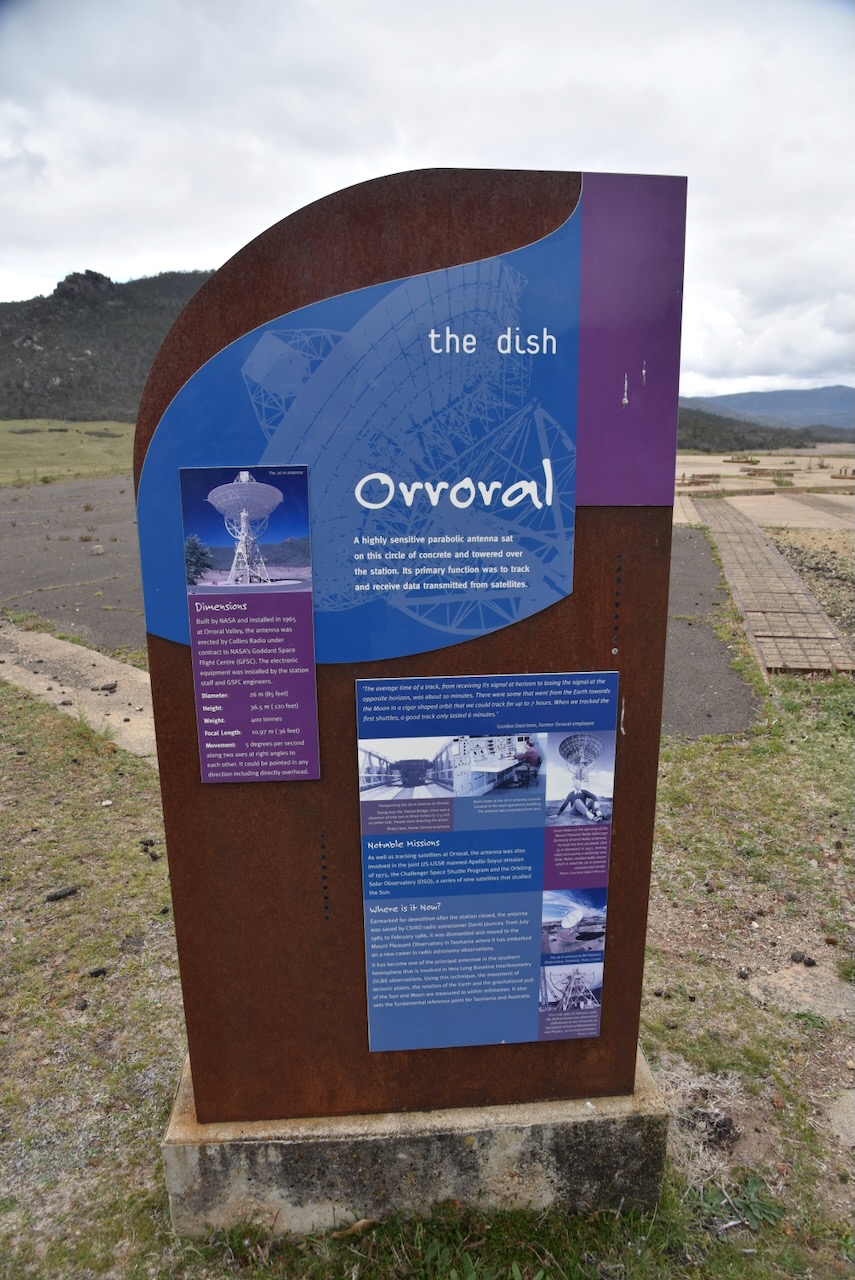
The dish was built by NASA and installed in 1965. The antenna was erected by Collins Radio under contract to NASA’s Goddard Space Flight Centre. The diameter of the dish was 26 metres (85 feet), and it stood at 36.5 metres (120 feet). It weighed 400 tonnes.
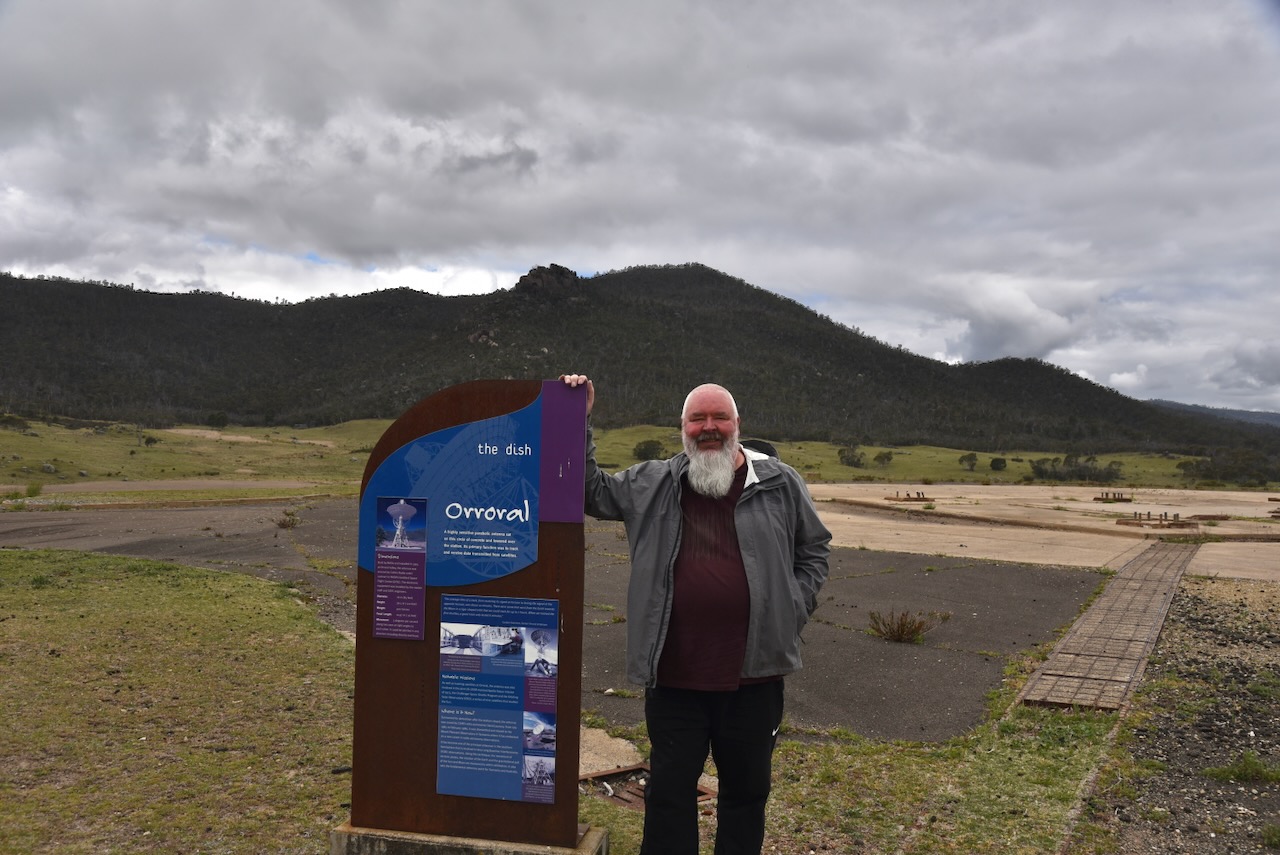
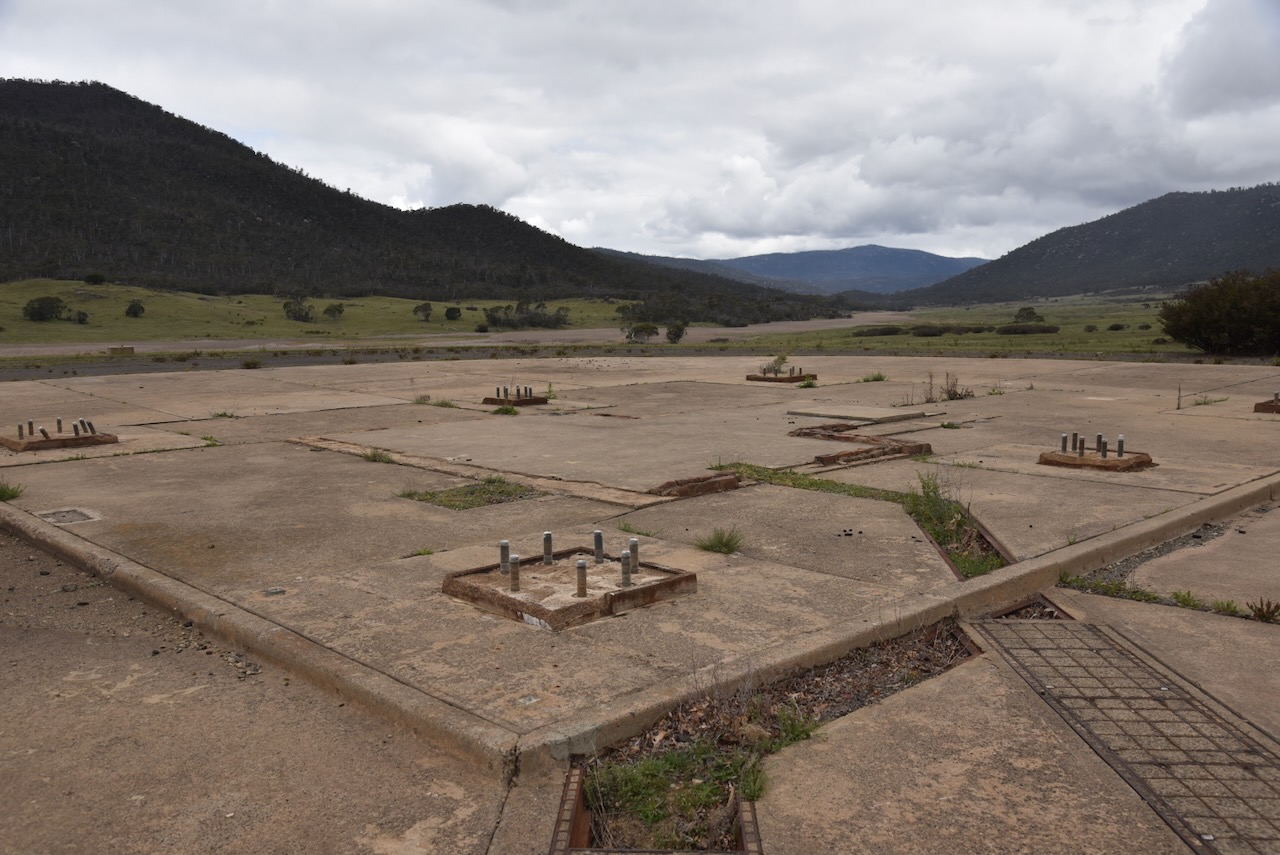
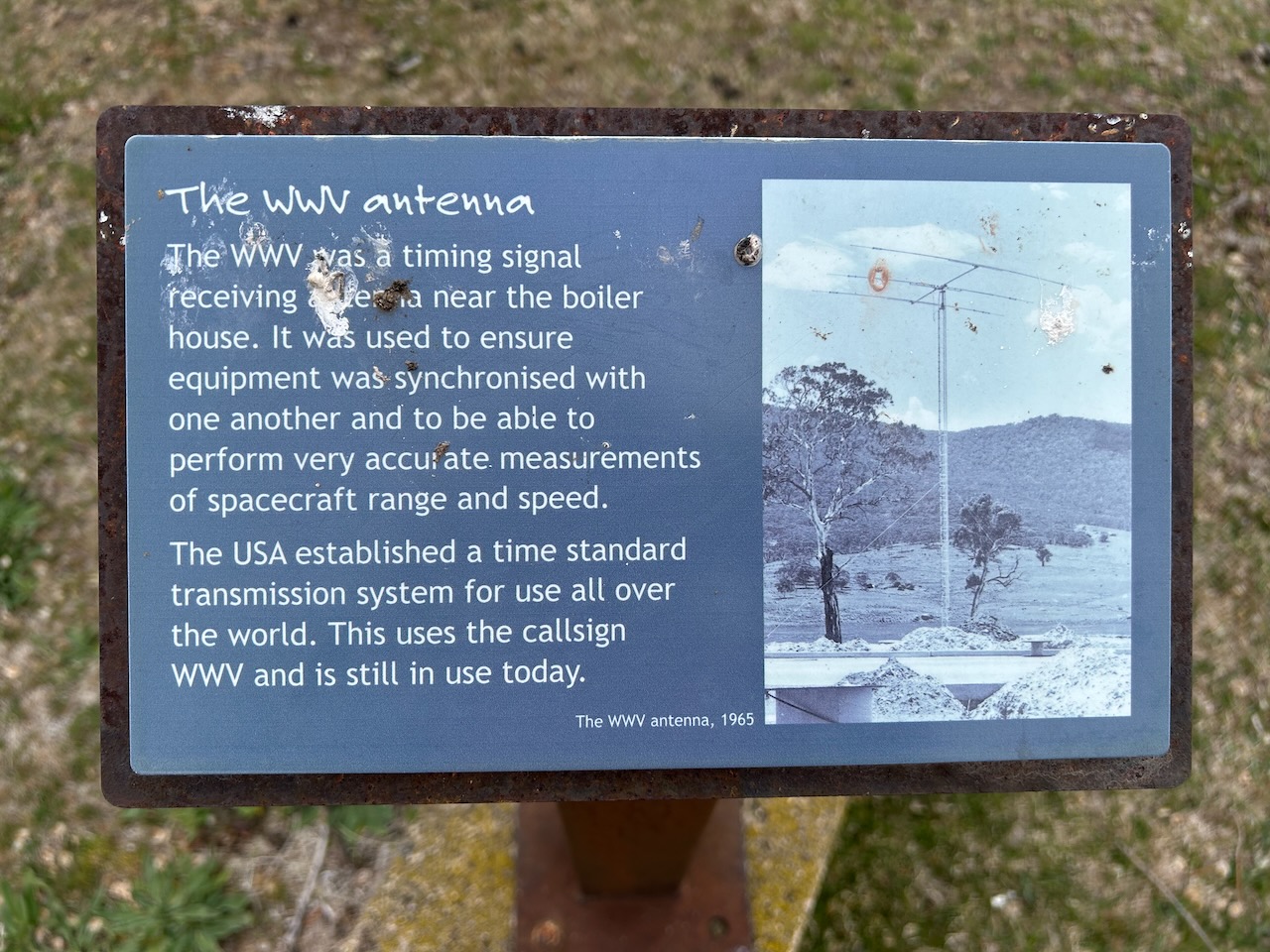
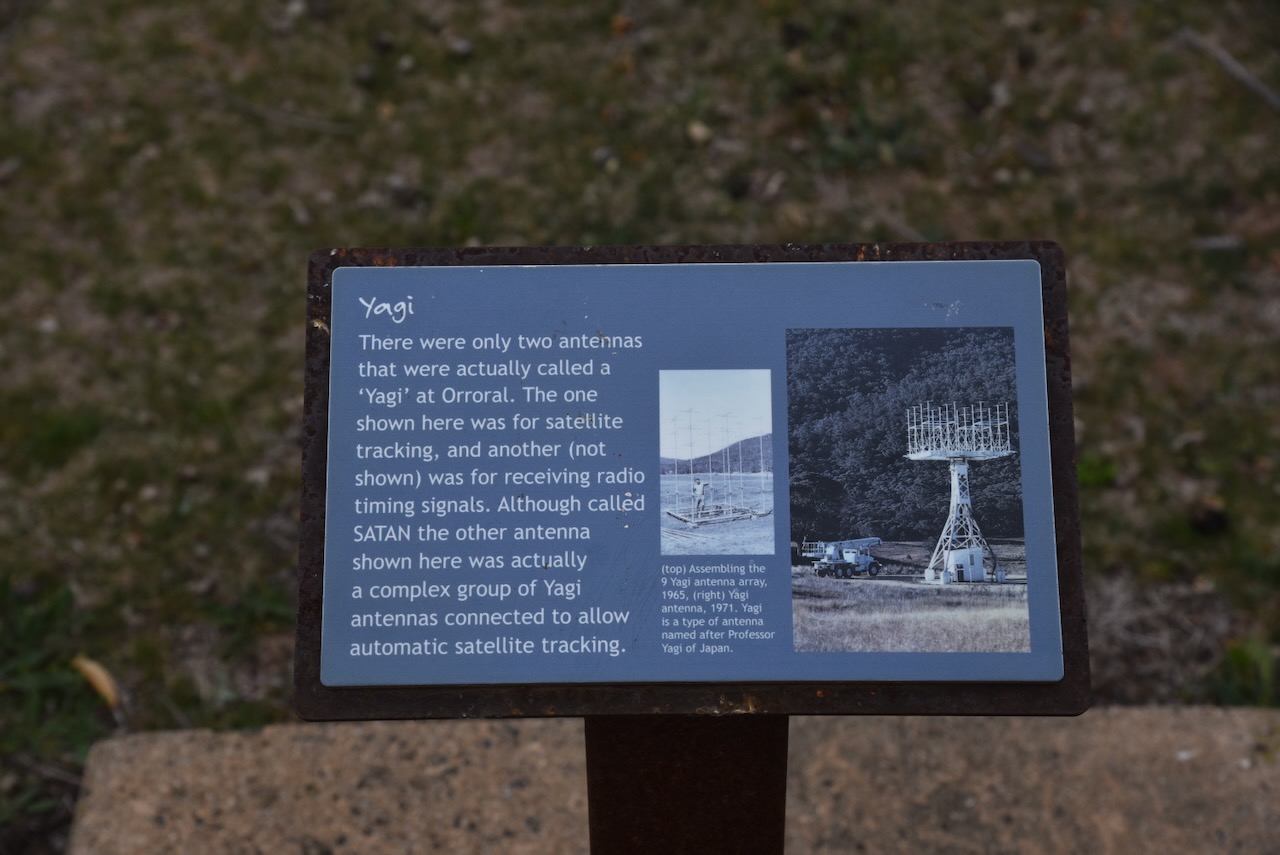
There were two Yagi antennas at Orroral. One was for satellite tracking, and the other was for receiving radio timing signals. The WWV antenna was a timing signal receiving antenna used to ensure that equipment was synchronised with one another.
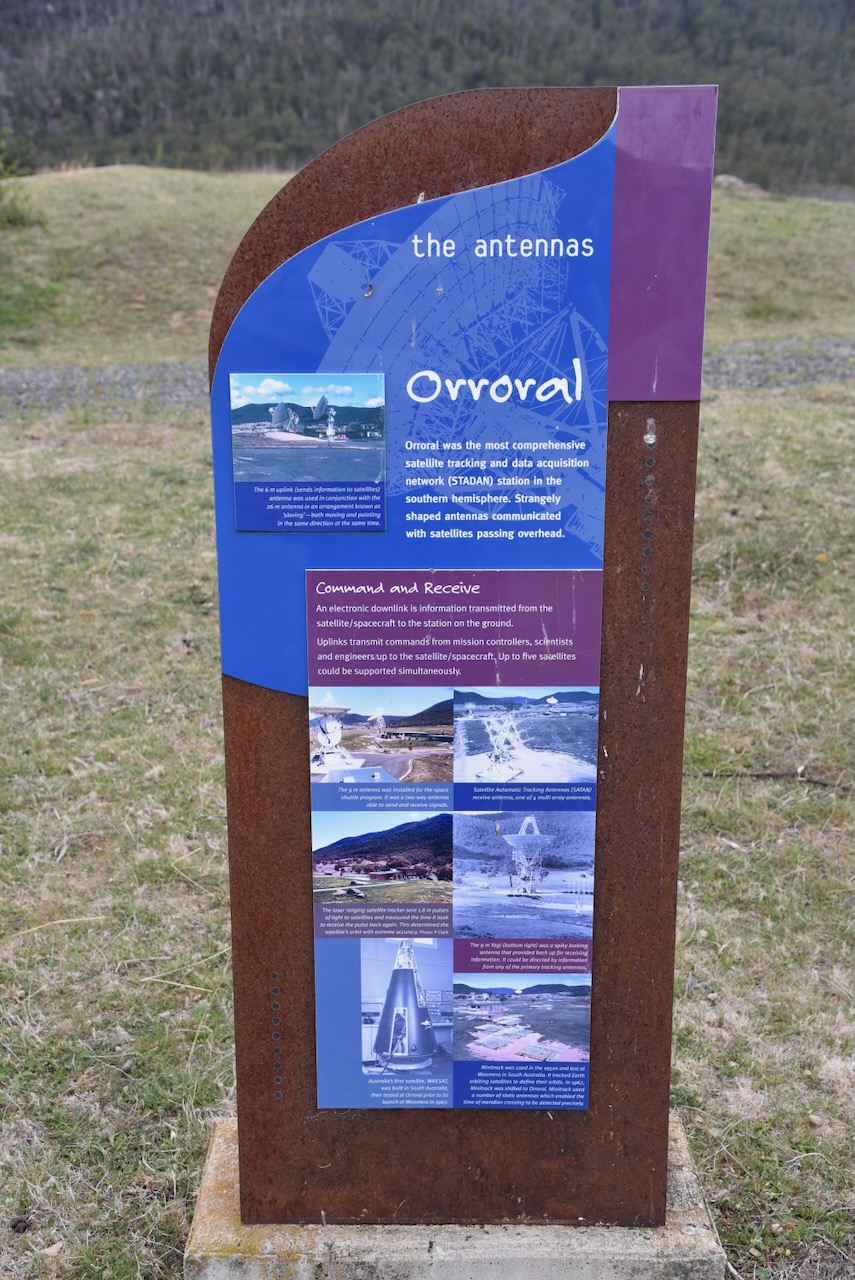
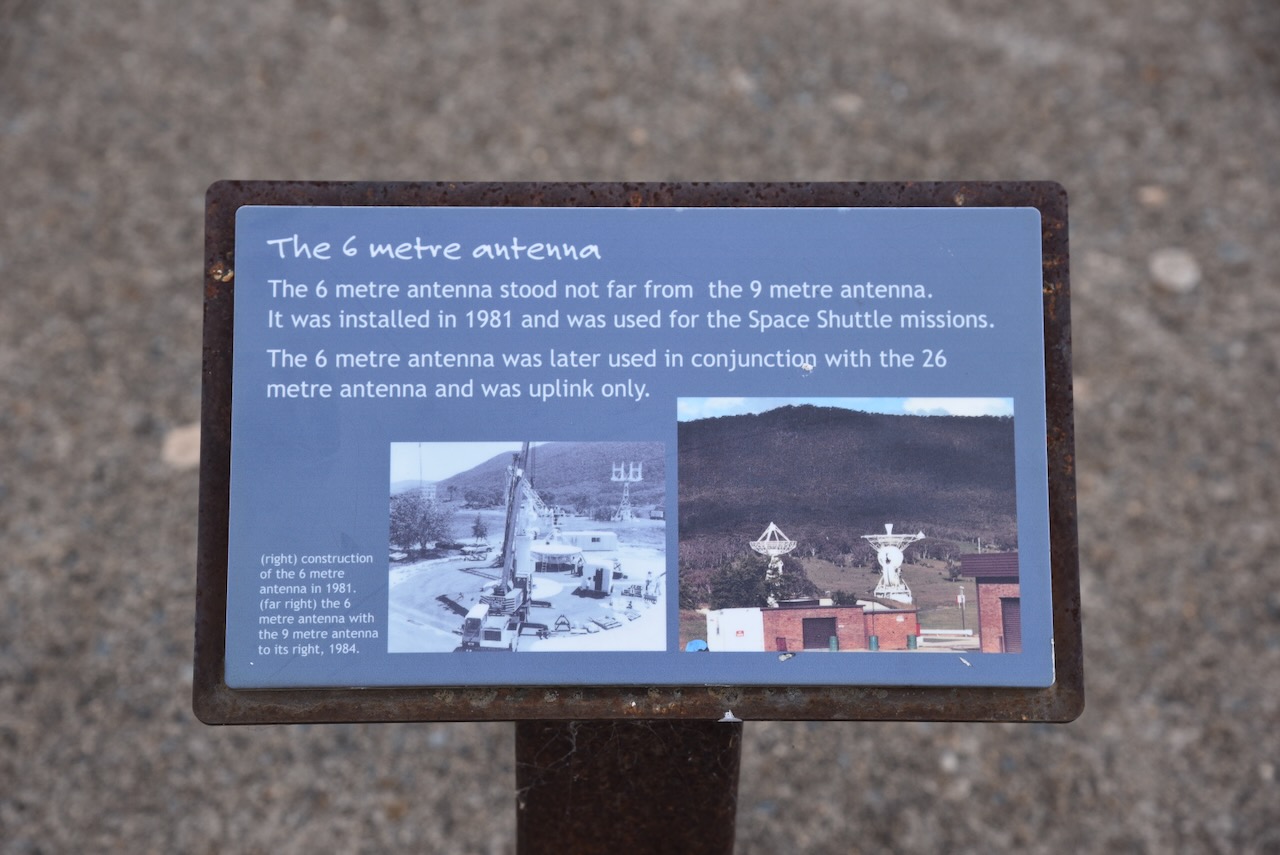
The 6 metre antenna stood not far from the 9 metre antenna. It was installed in 1981 and was used for the Space Shuttle missions.
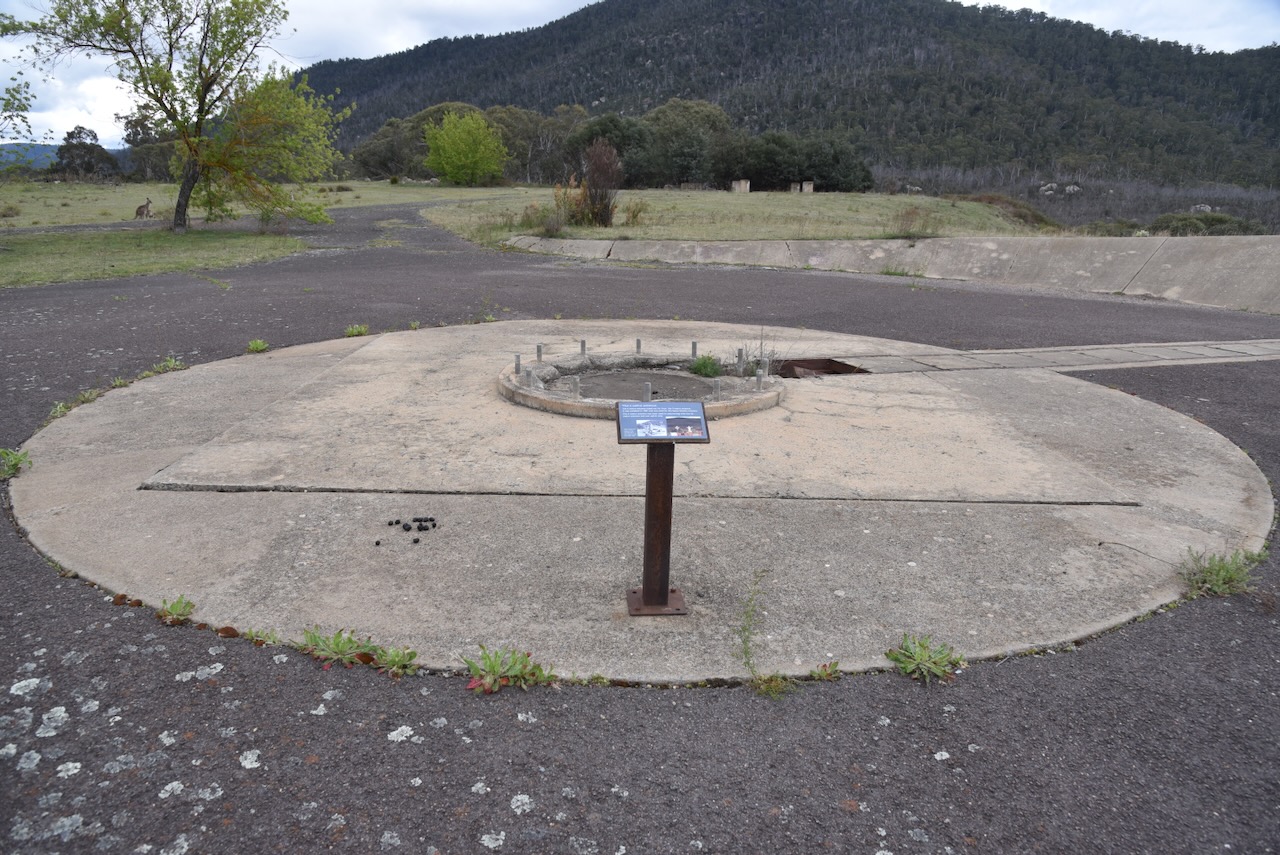
This really is a fascinating place to wander around and imagine what it looked like when it was operational.
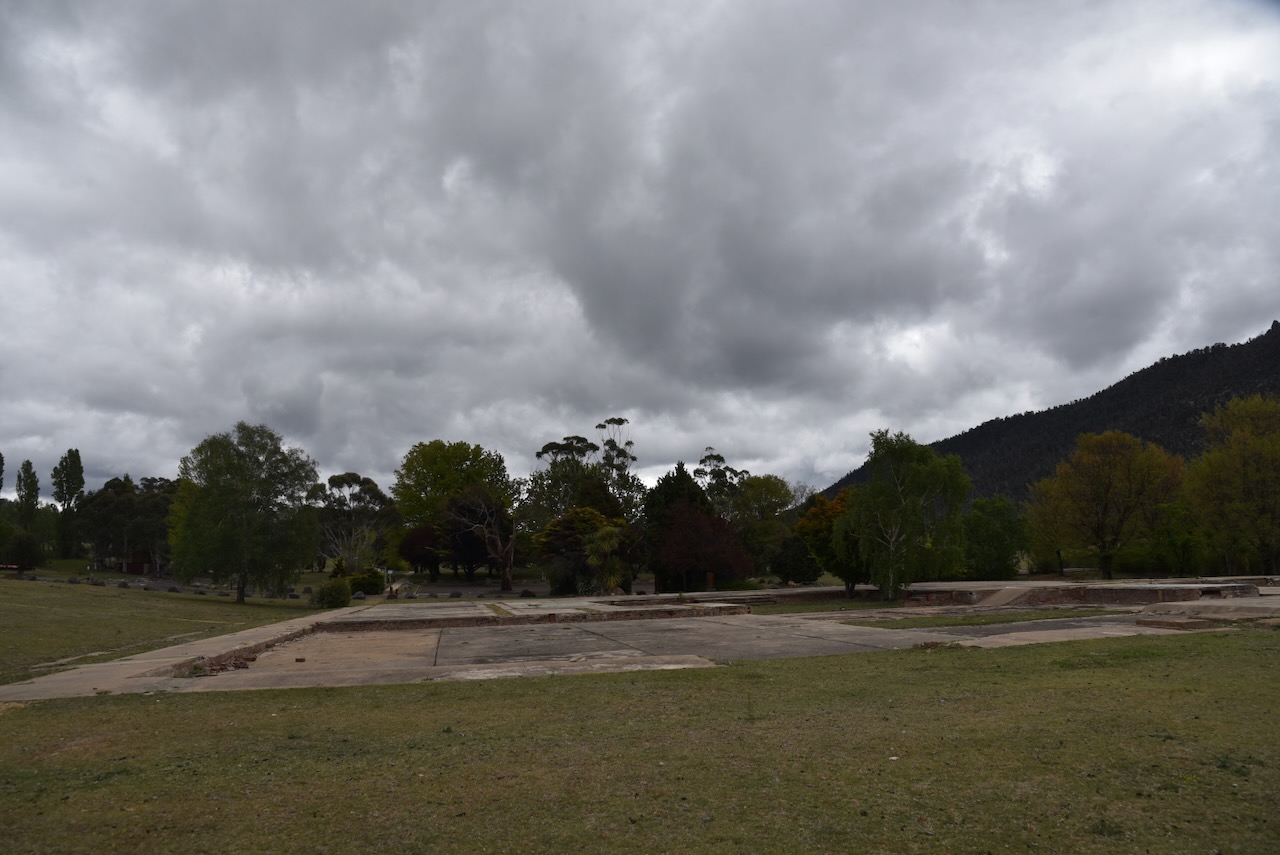
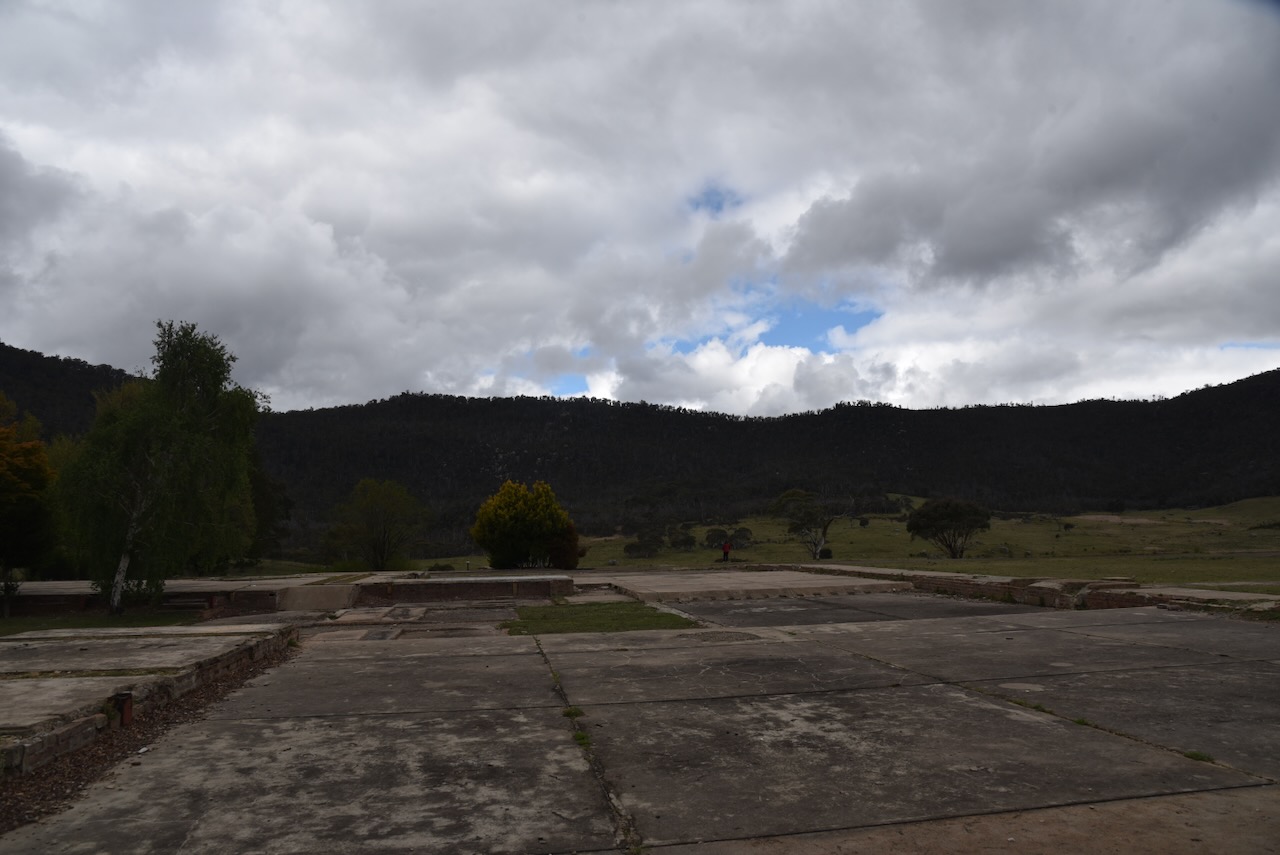
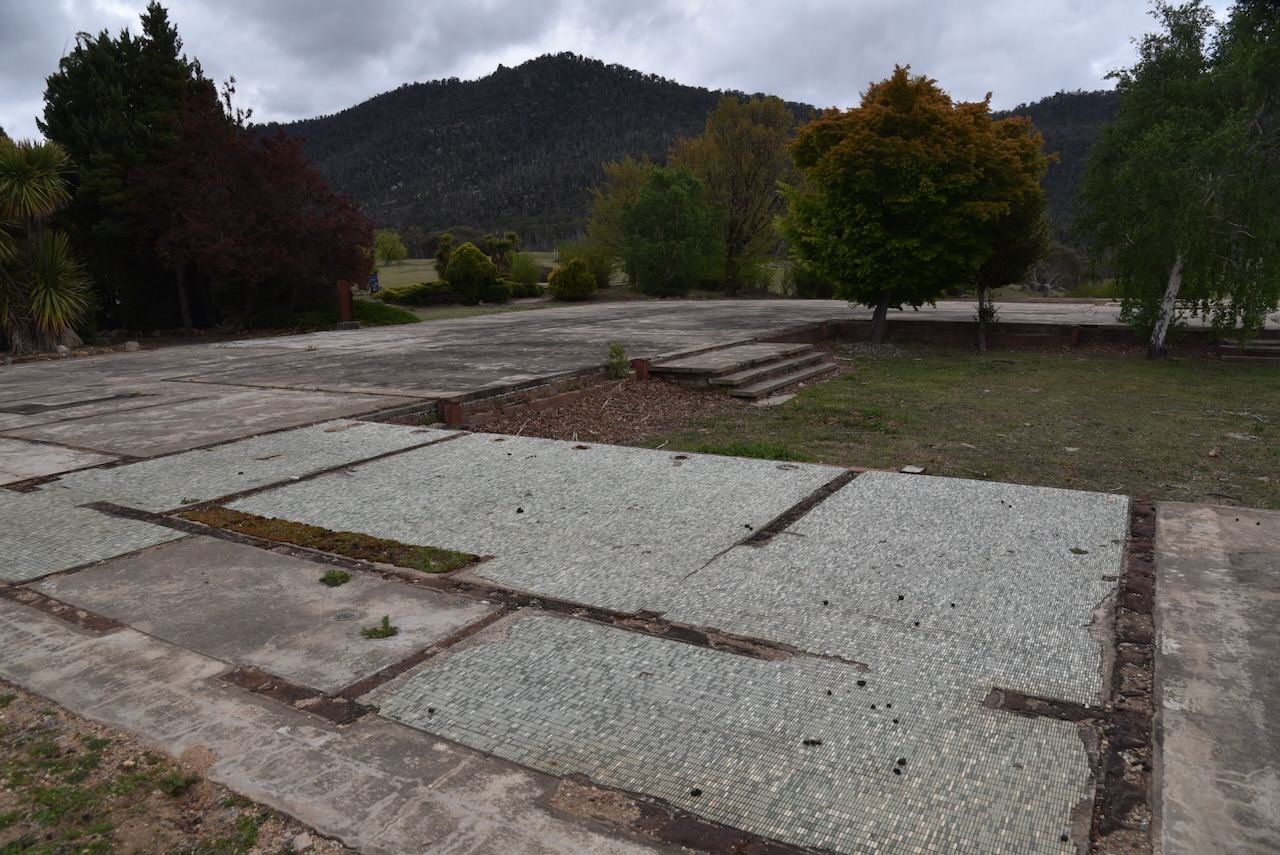
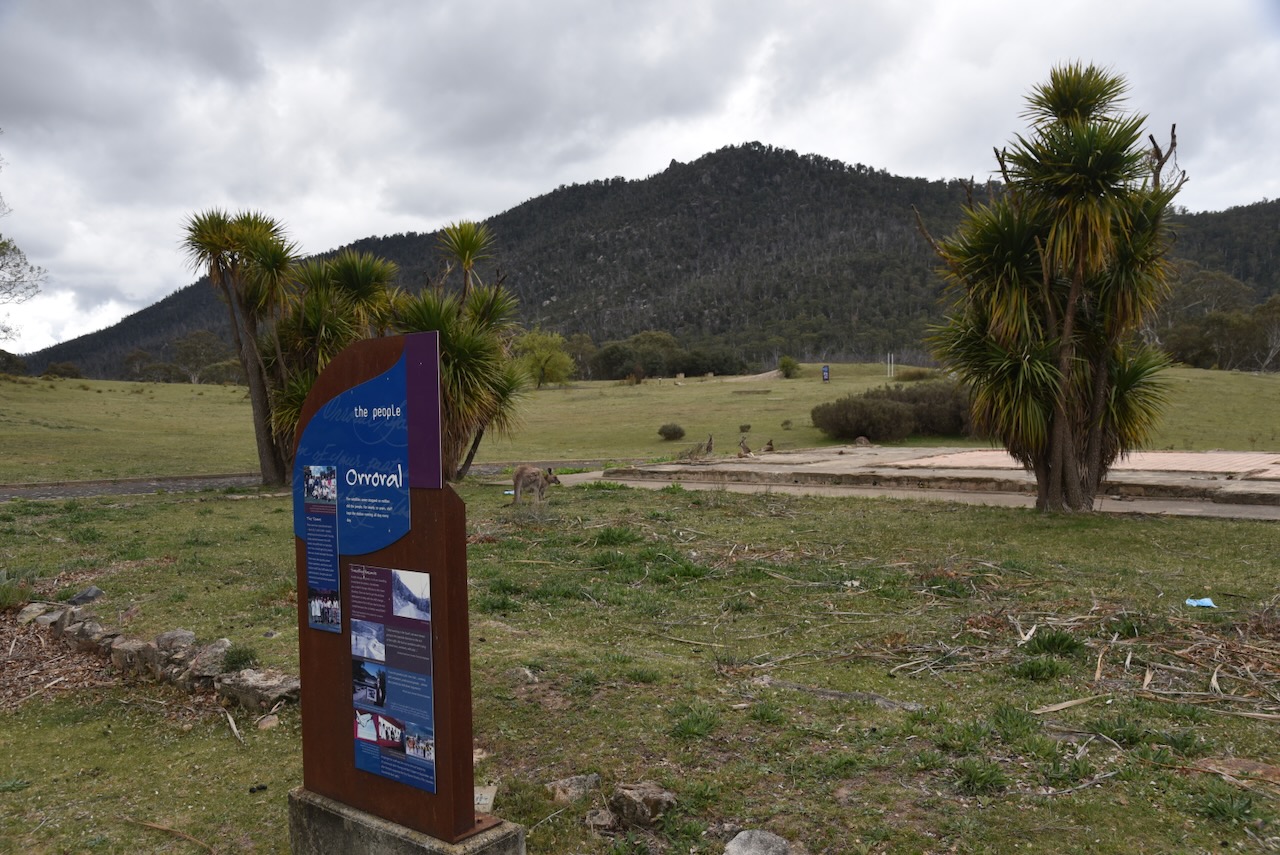
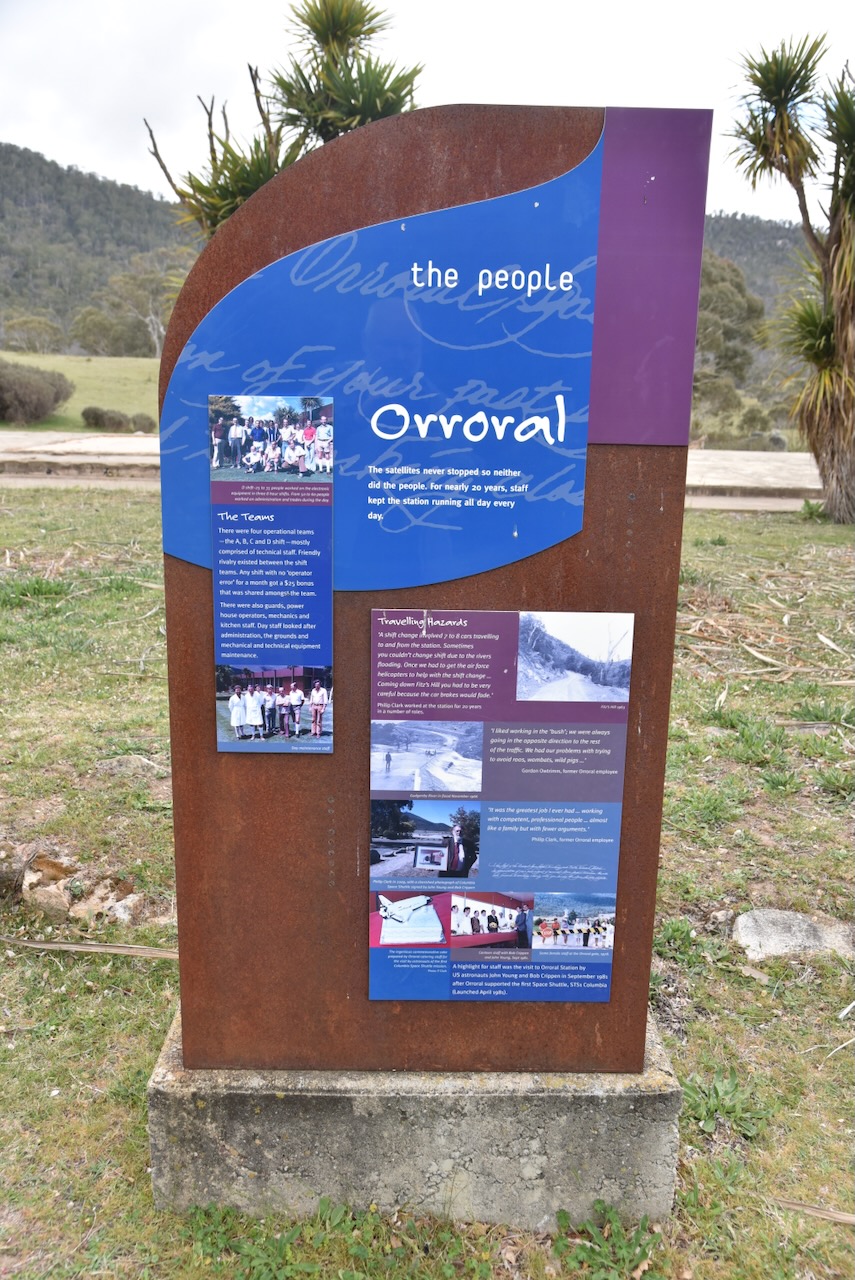

There is some Aboriginal art at the Orroral Tracking Station which shows the connection between the Ngunnawai Aboriginal people and the sky.
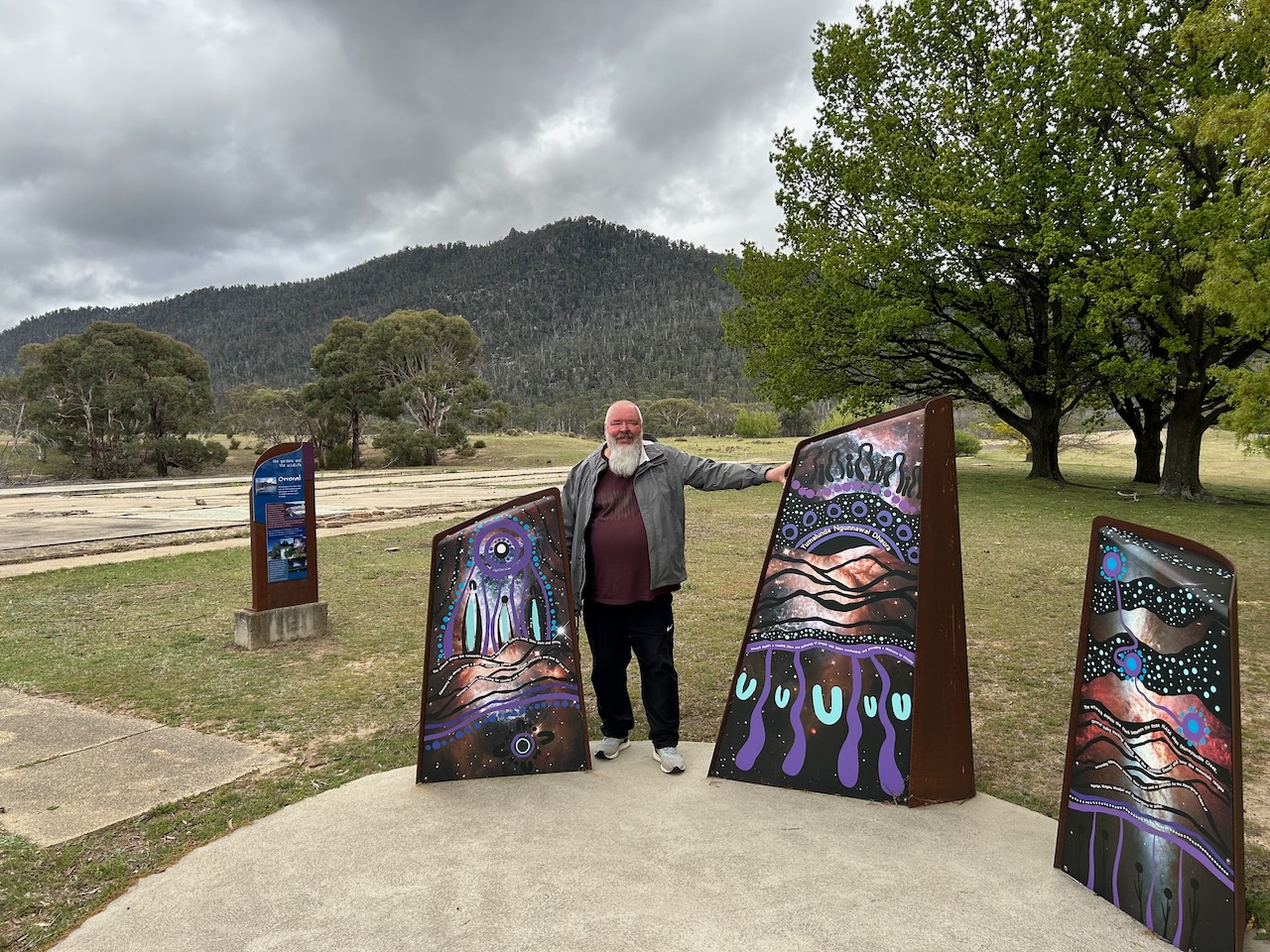
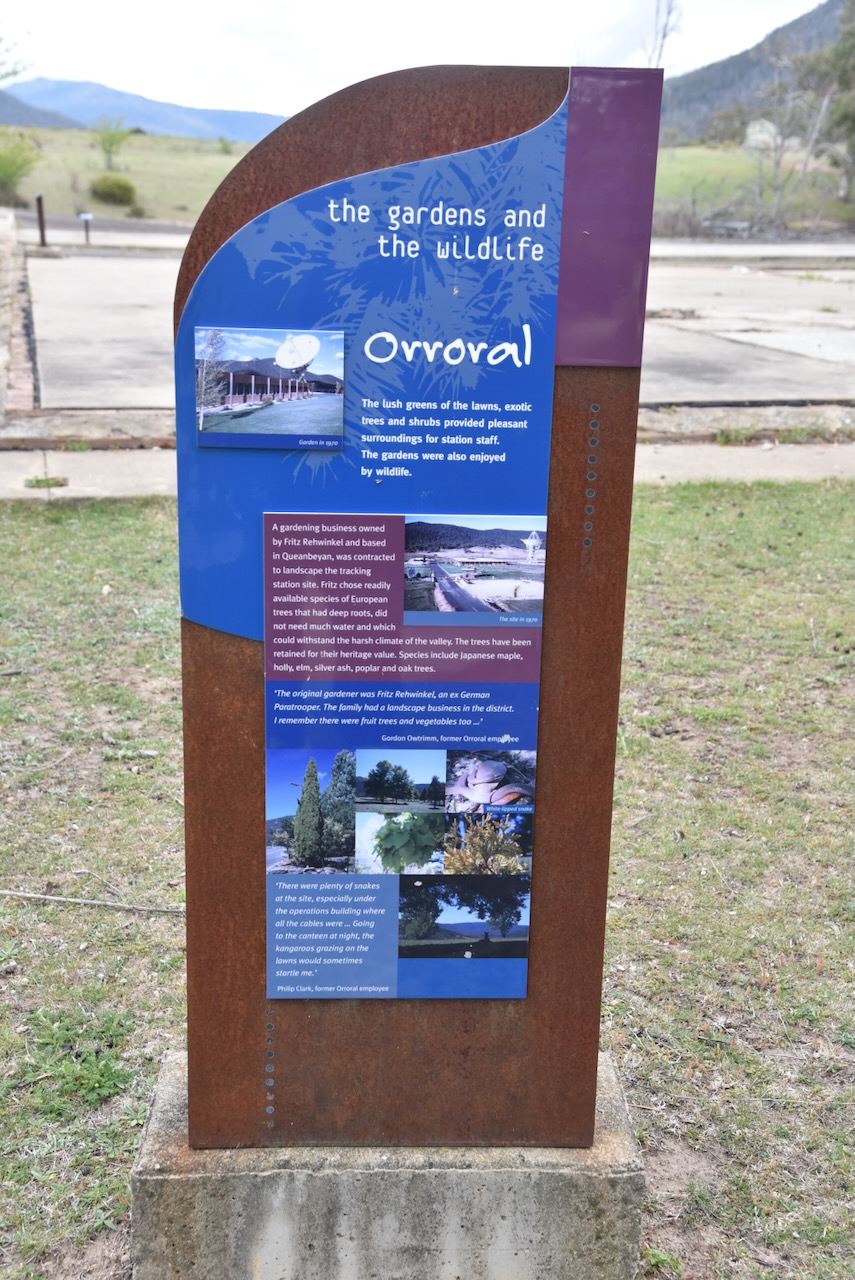
The Orroral Tracking Station had lush green lawns, exotic trees and shrubs. A gardening business owned by Fritz Rehwinkel and based in Queanbeyan was contracted to landscape the tracking station site.
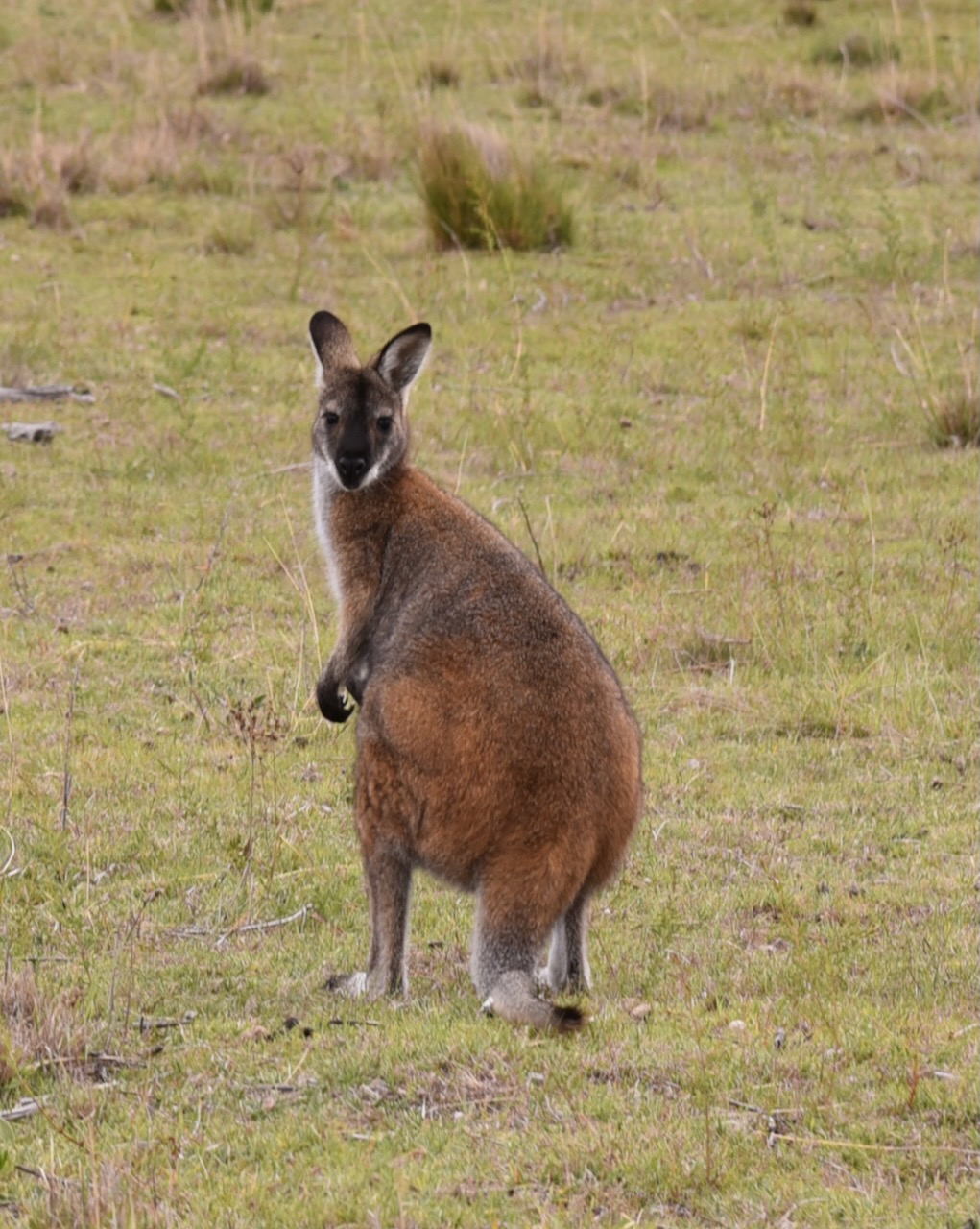
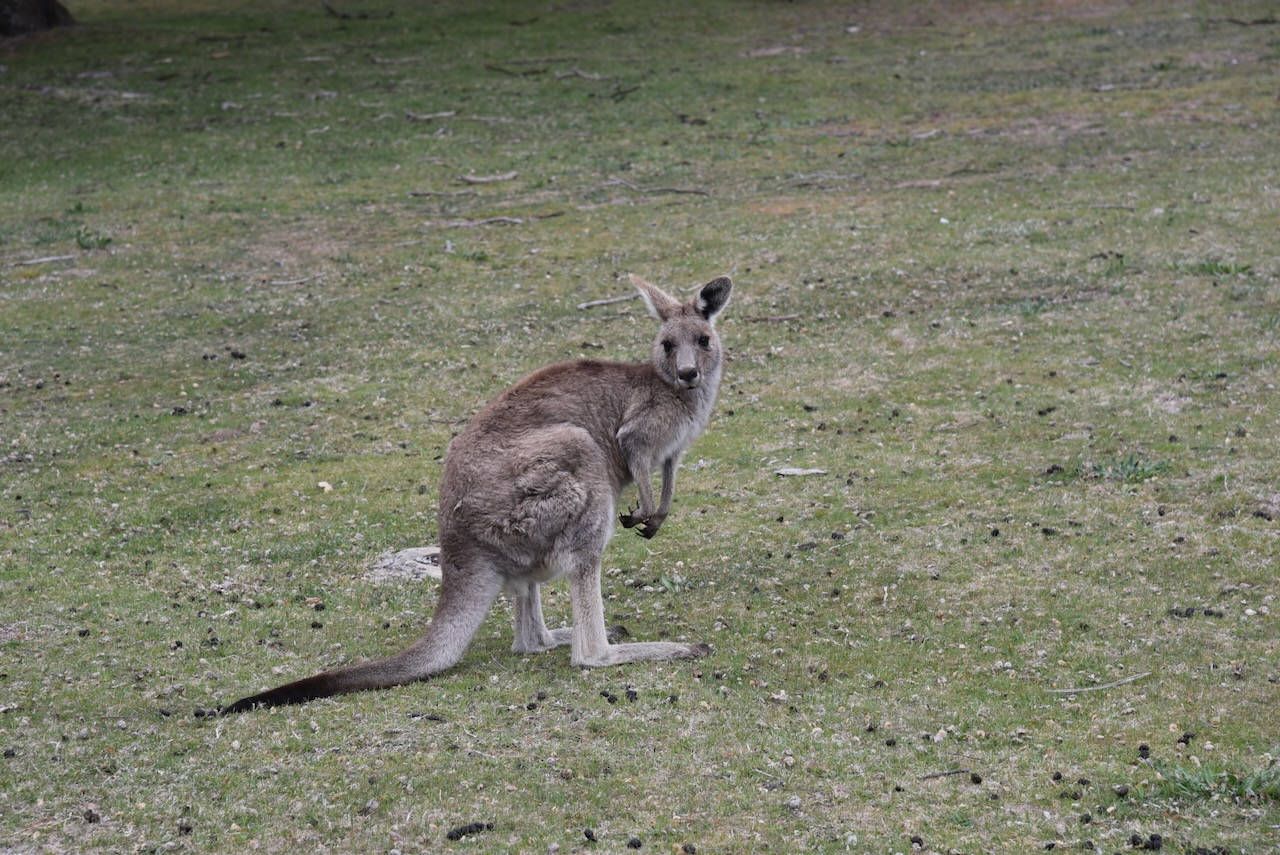
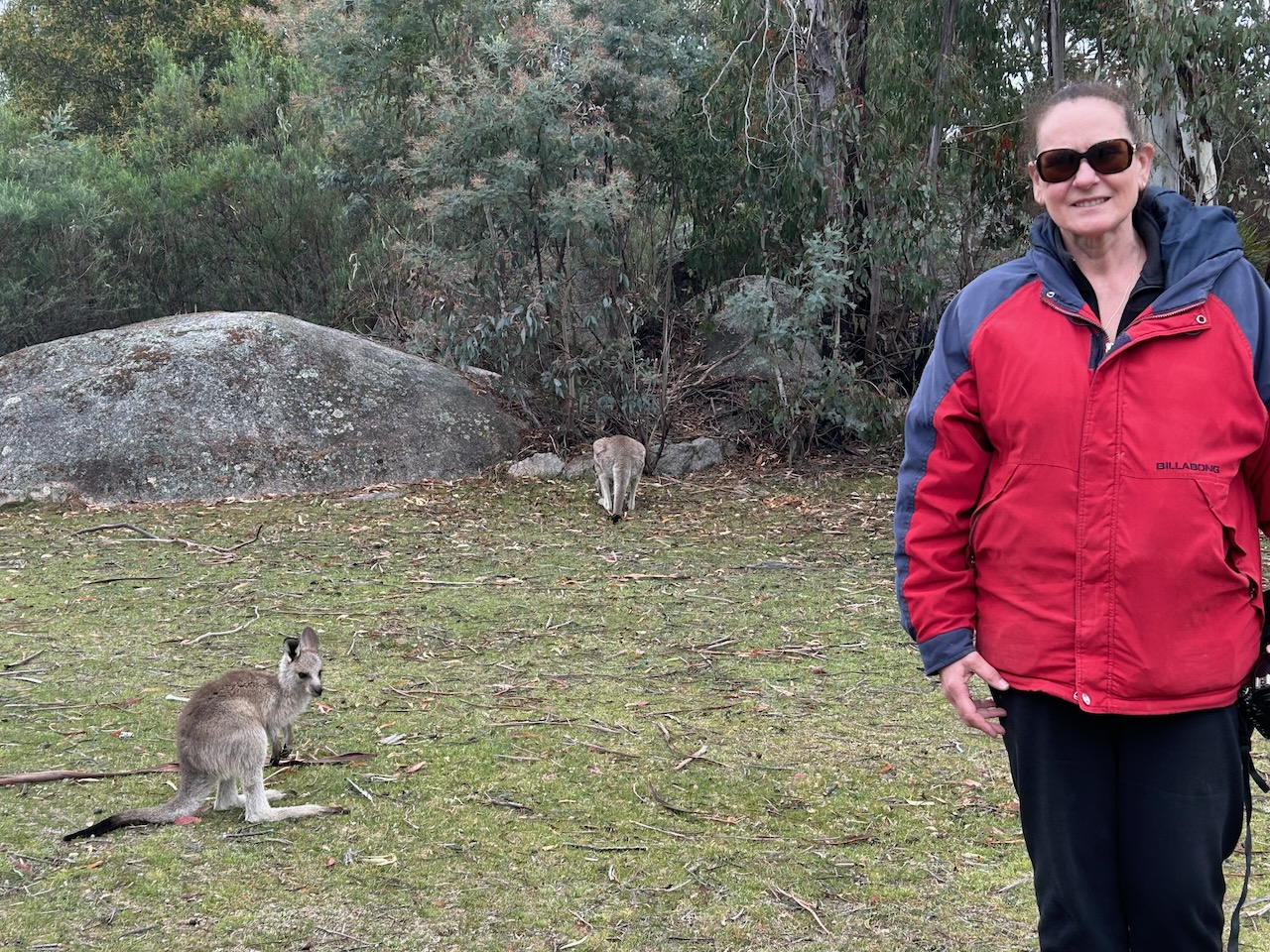
There was a large mob of kangaroos on the site during our visit.
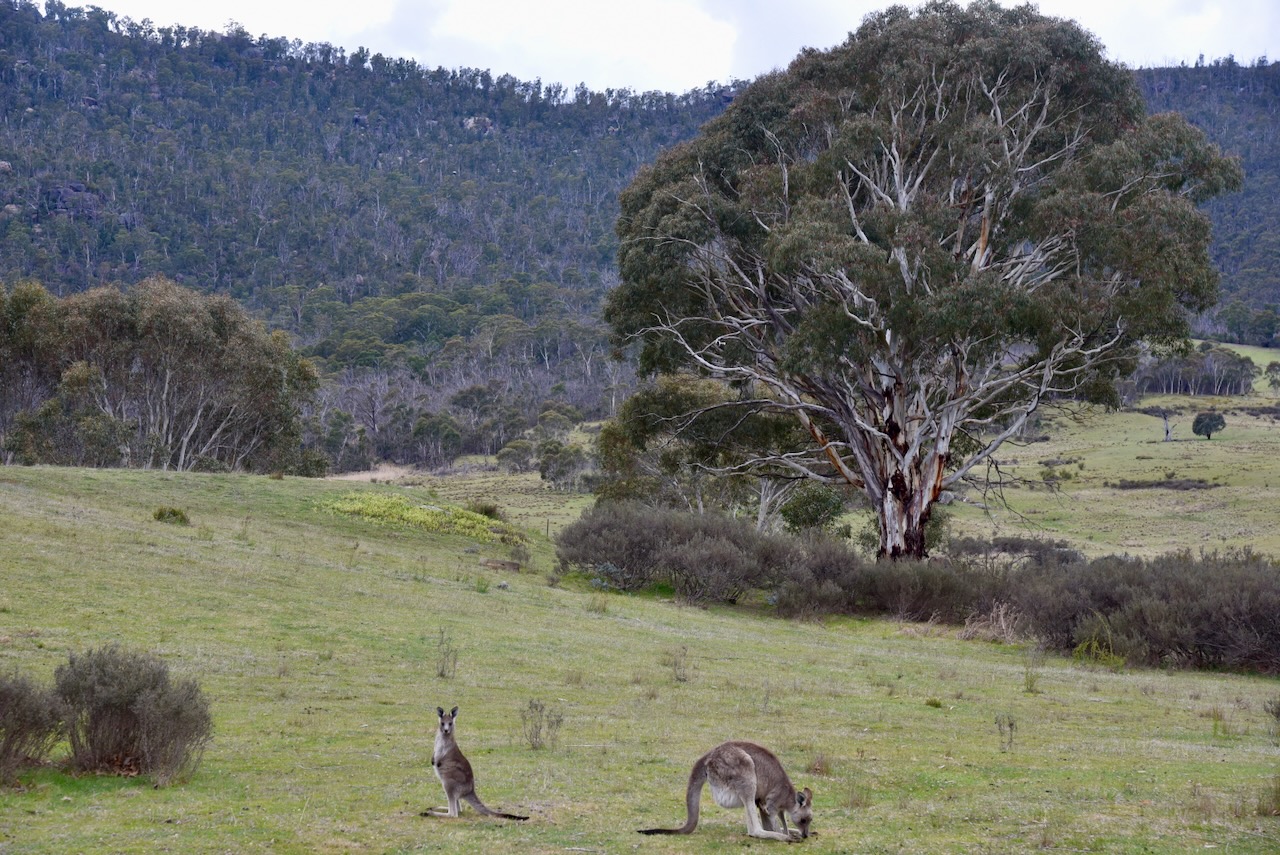
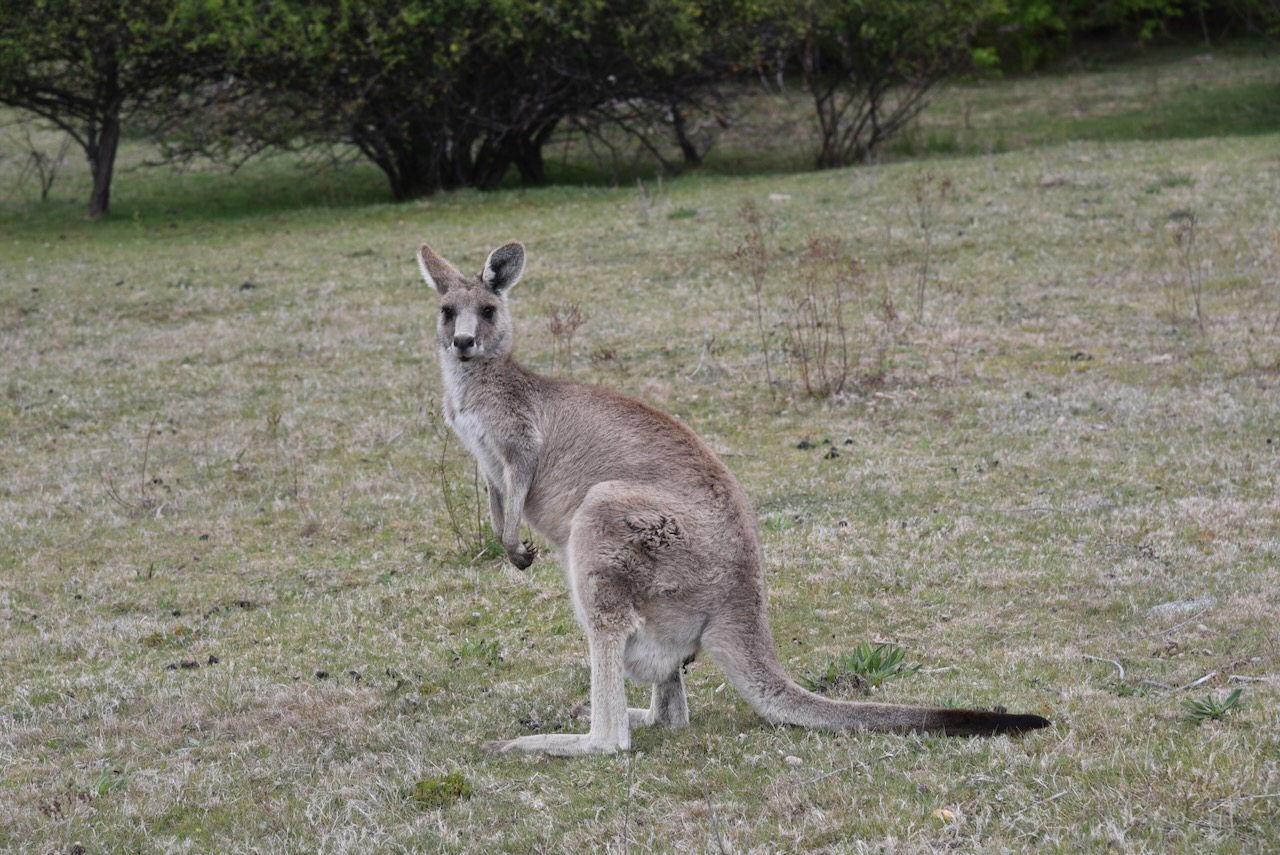
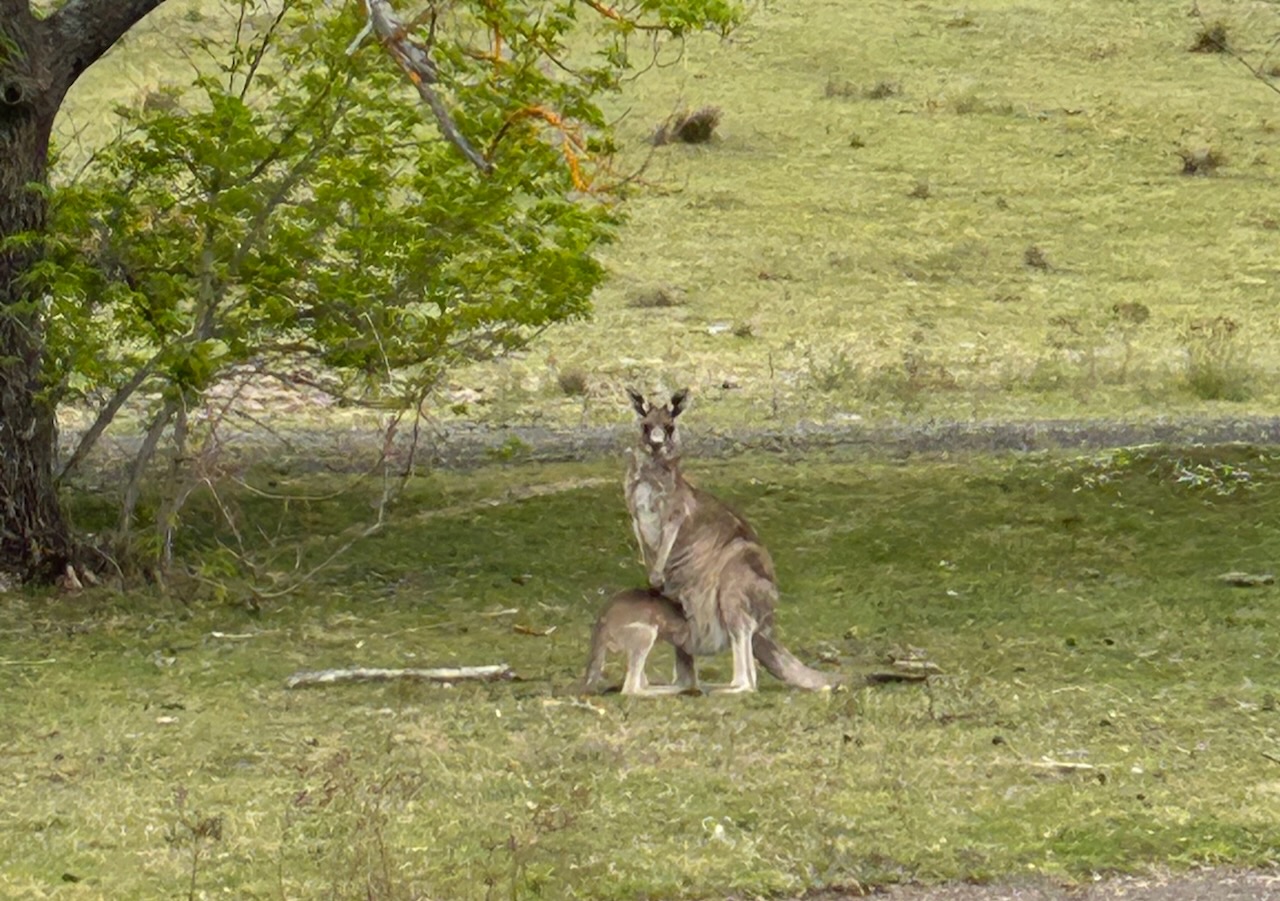
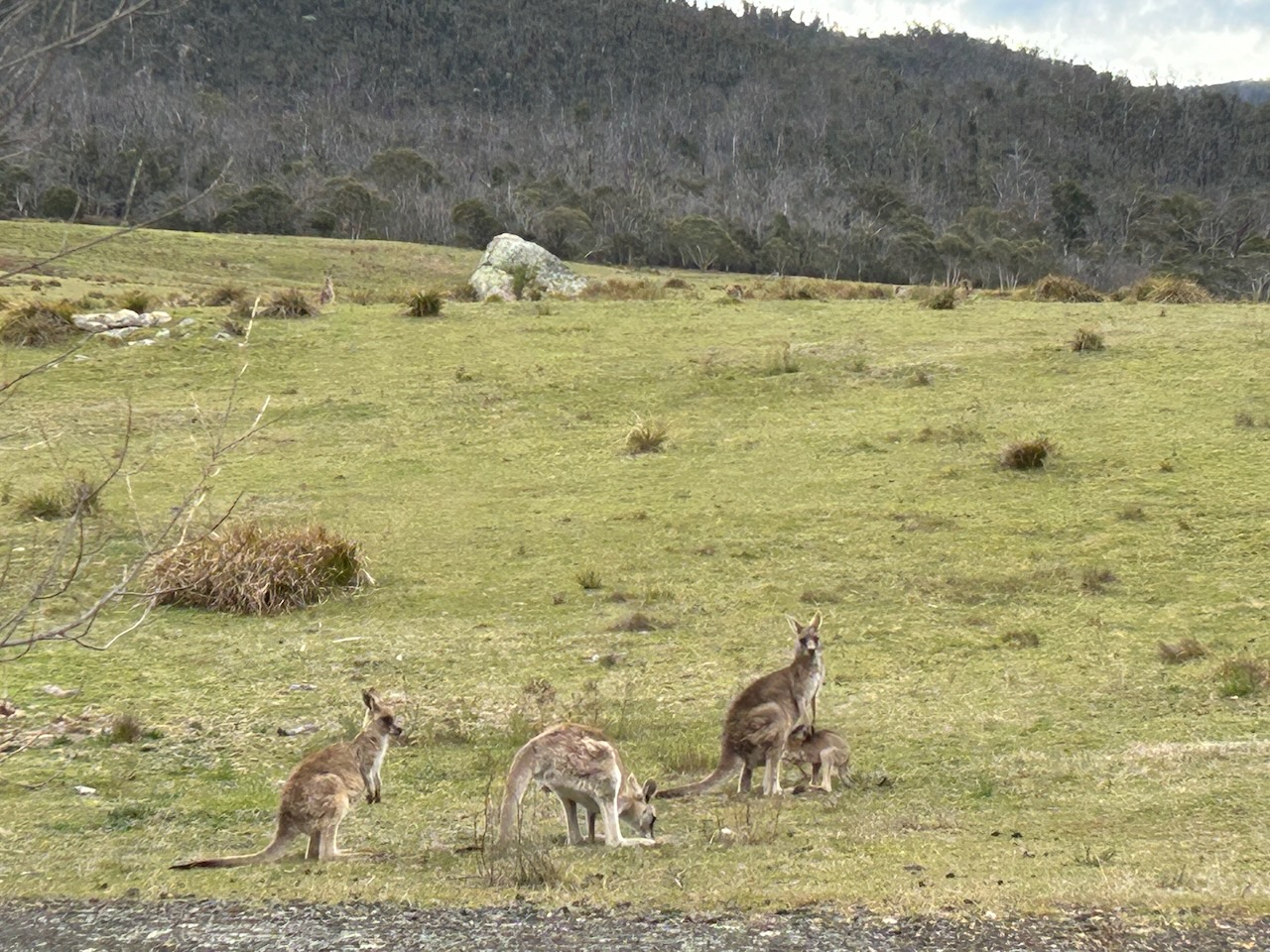
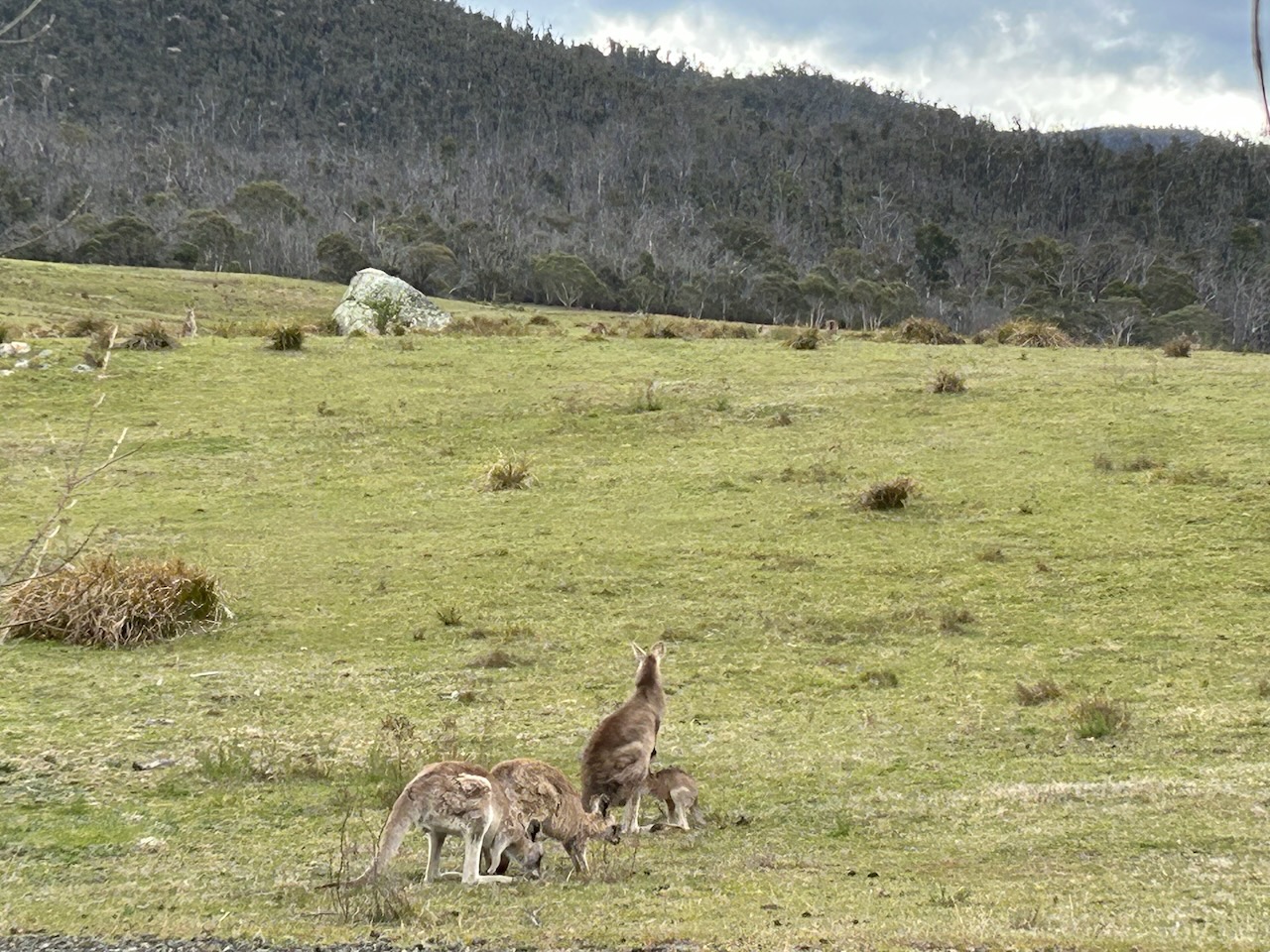
Marija and I then left the Orroro Valley and travelled south along Boboyan Road, admiring the spectacular Namadgi National Park.
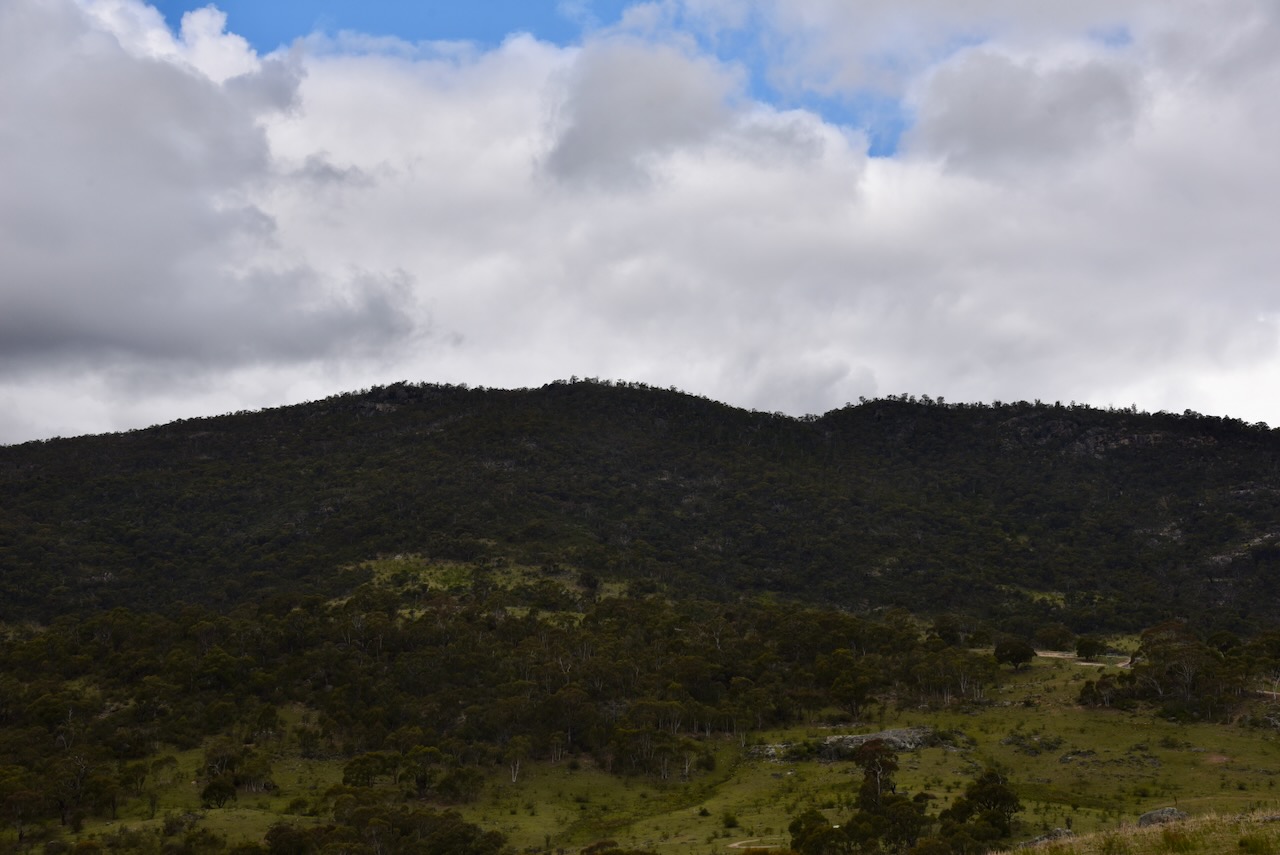
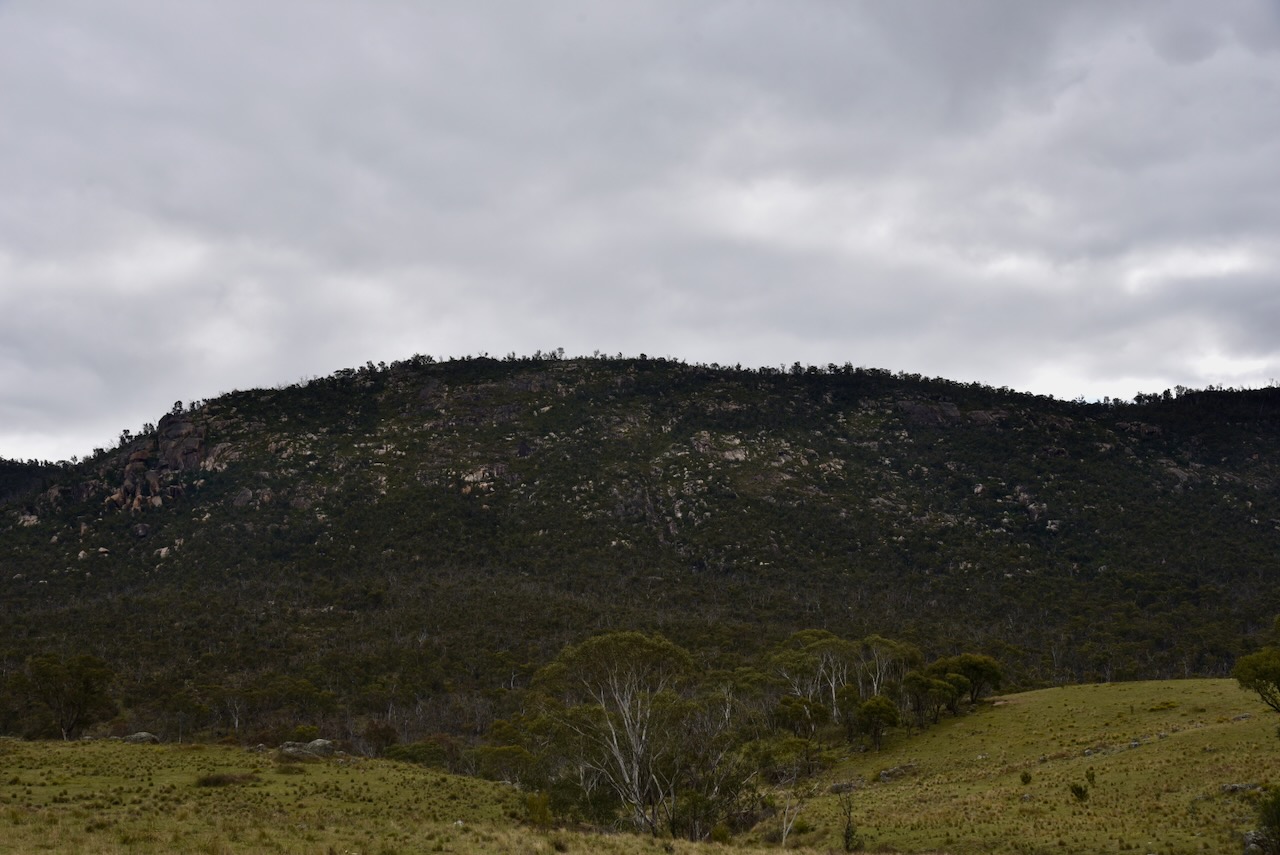
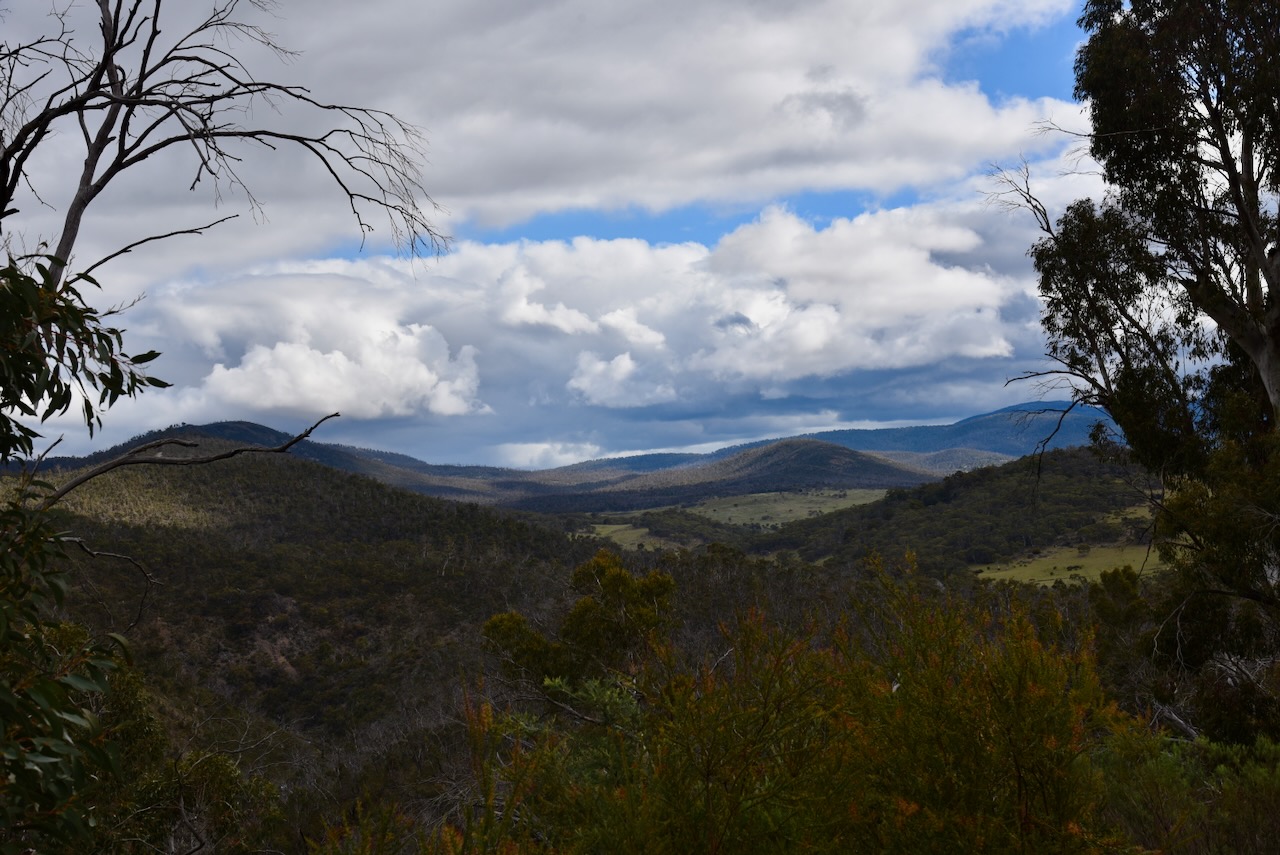
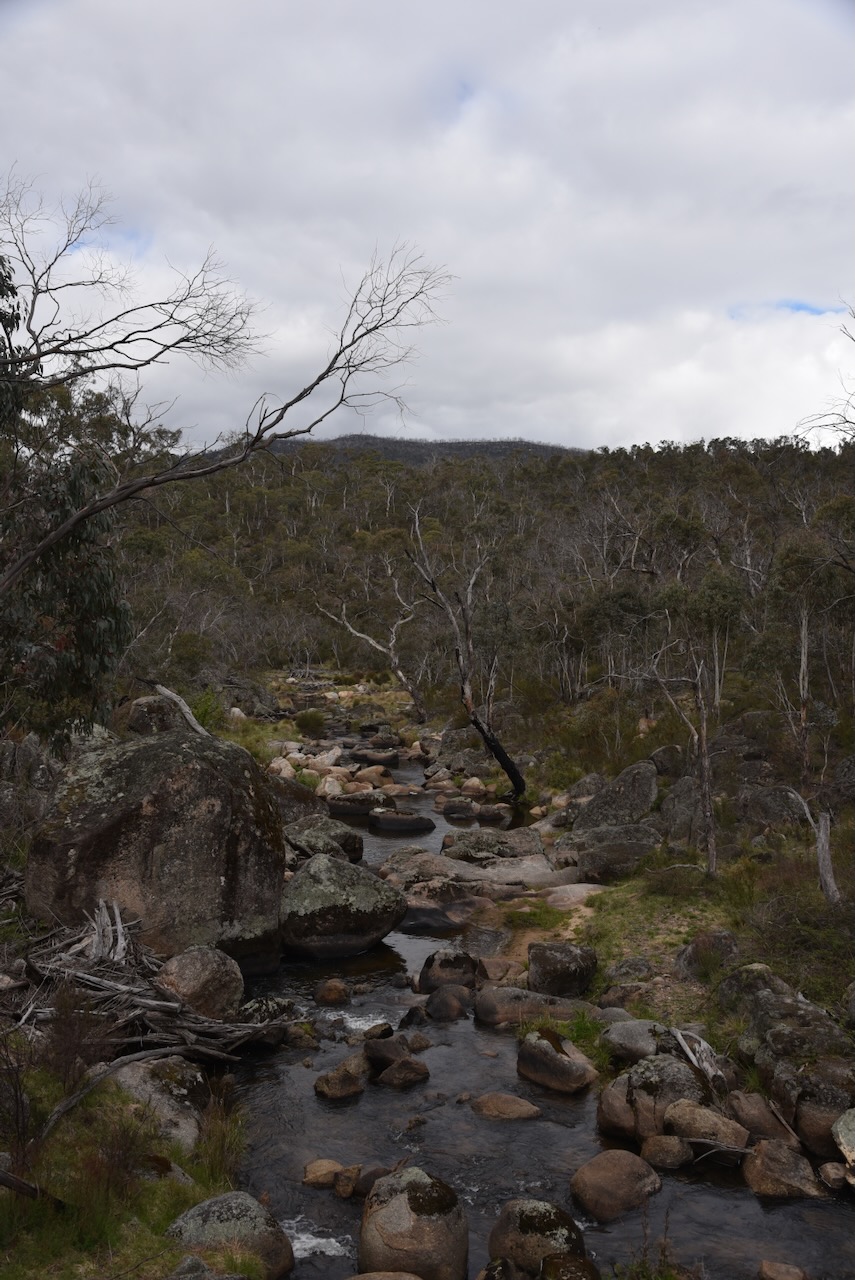
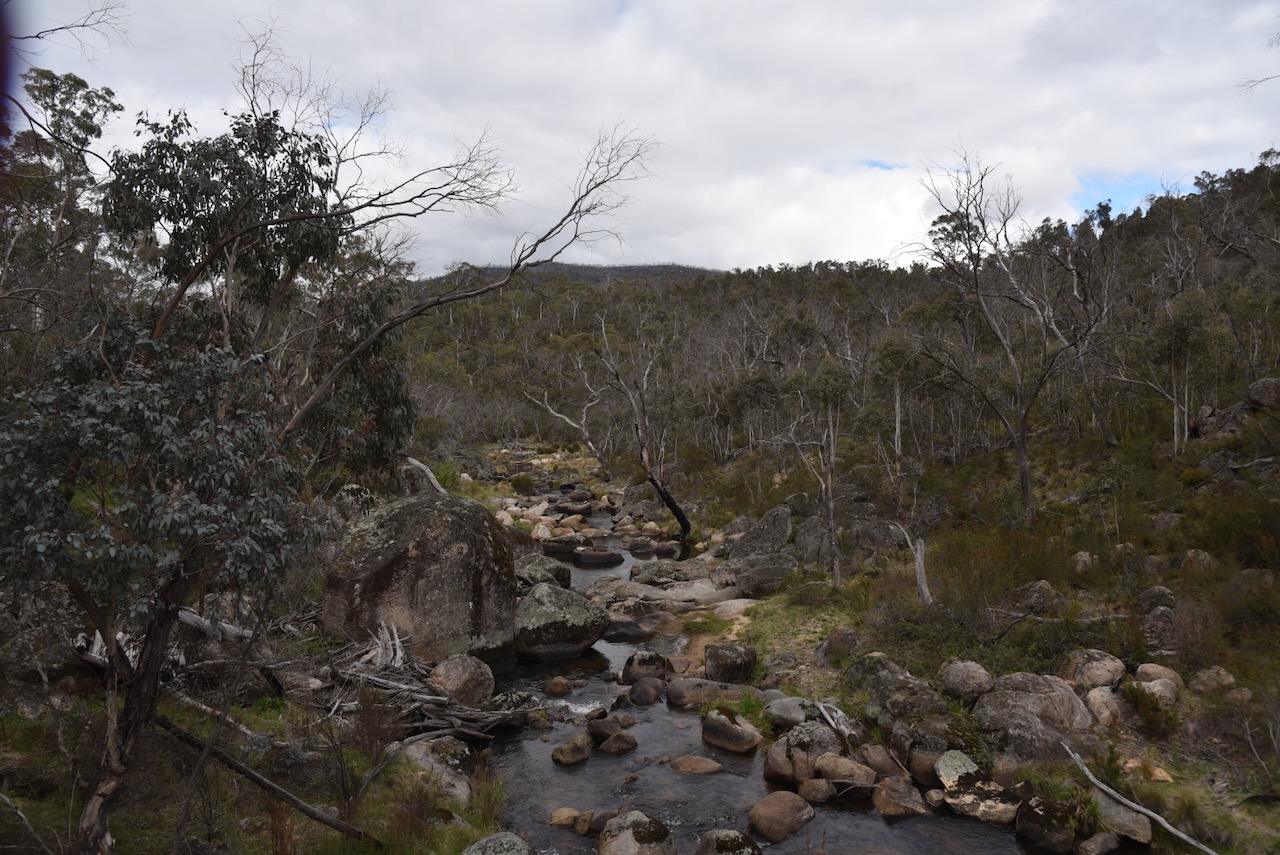
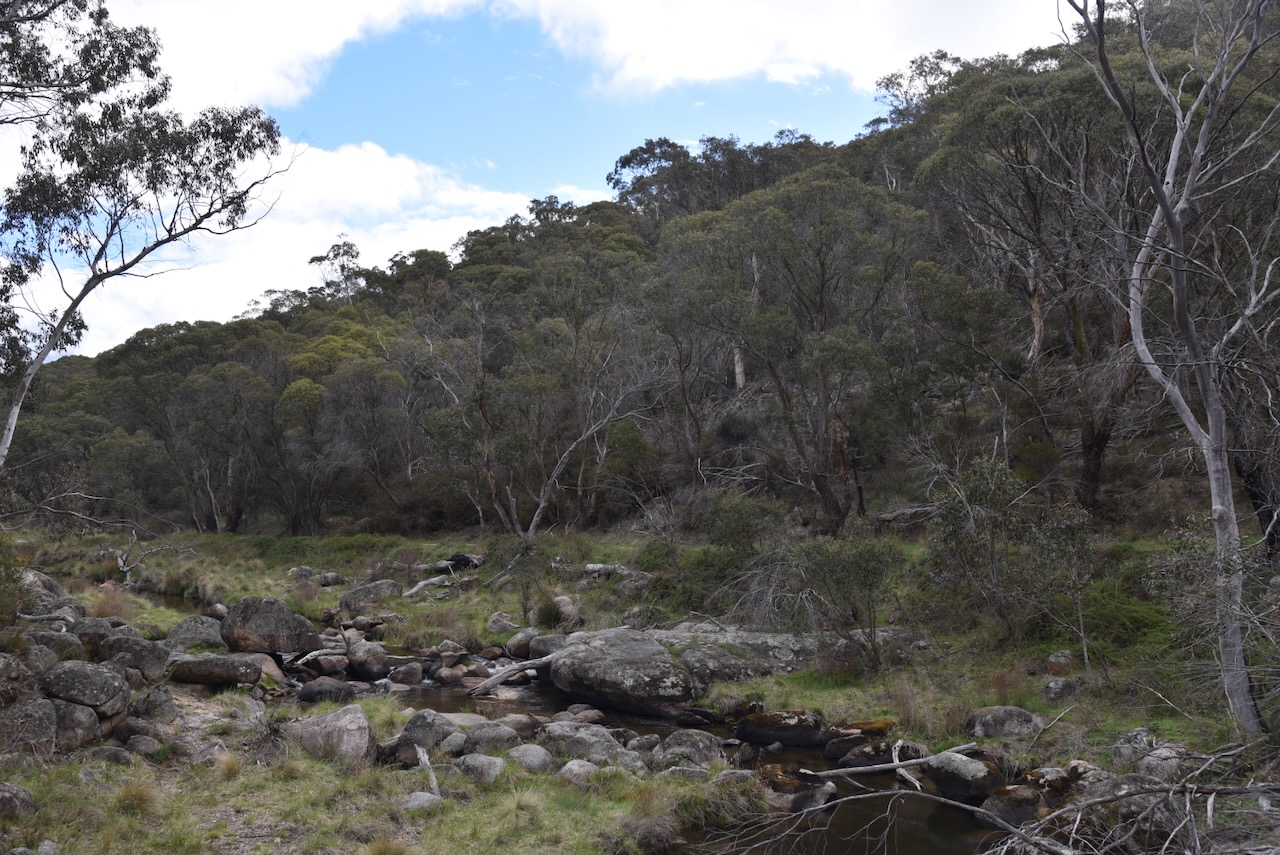
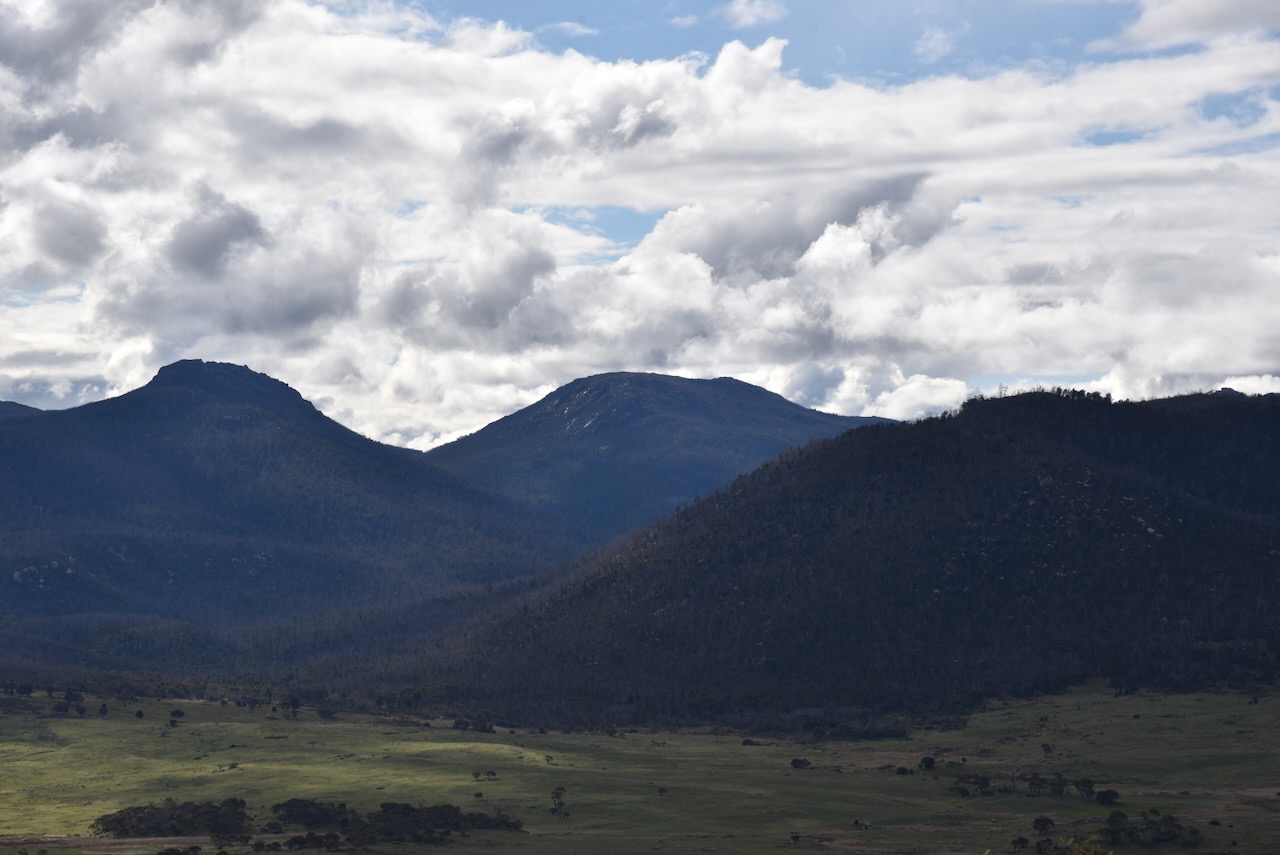
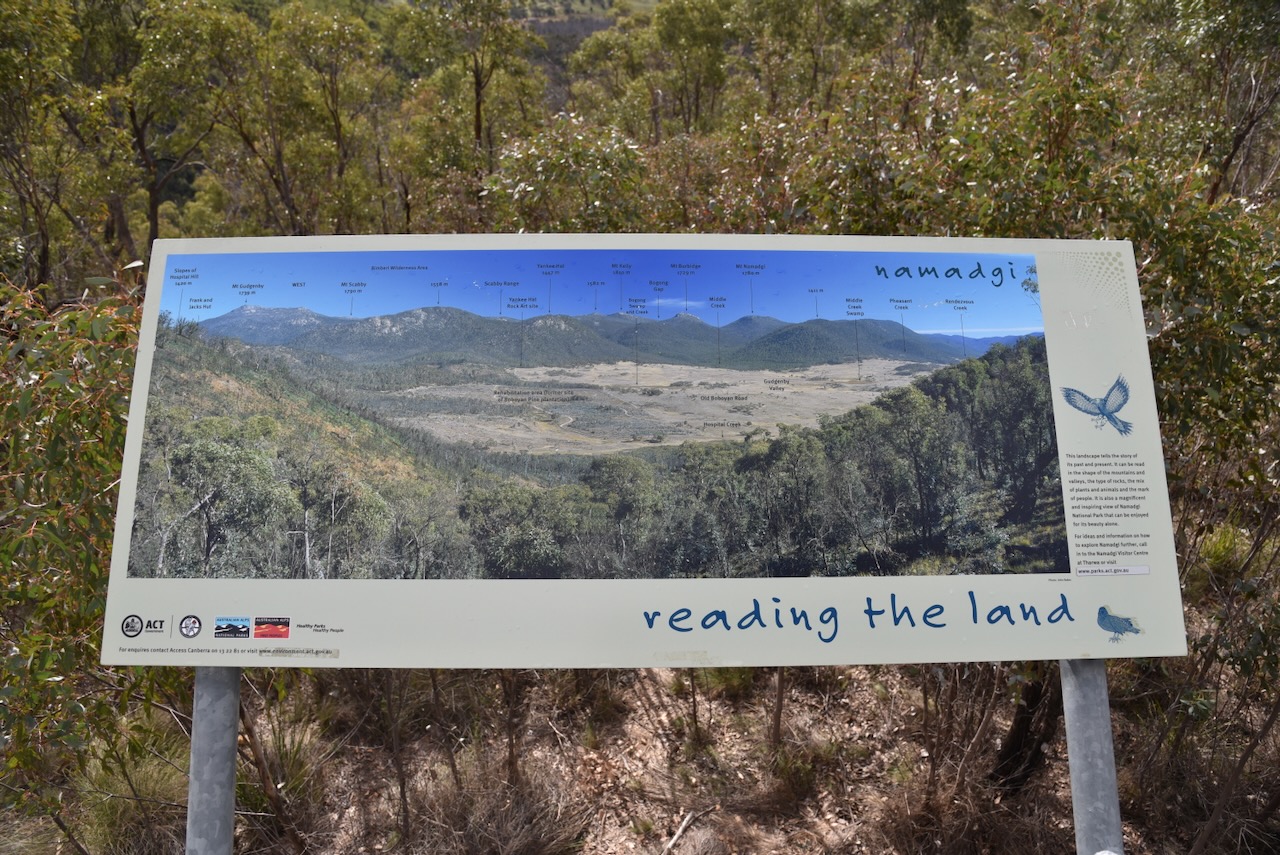
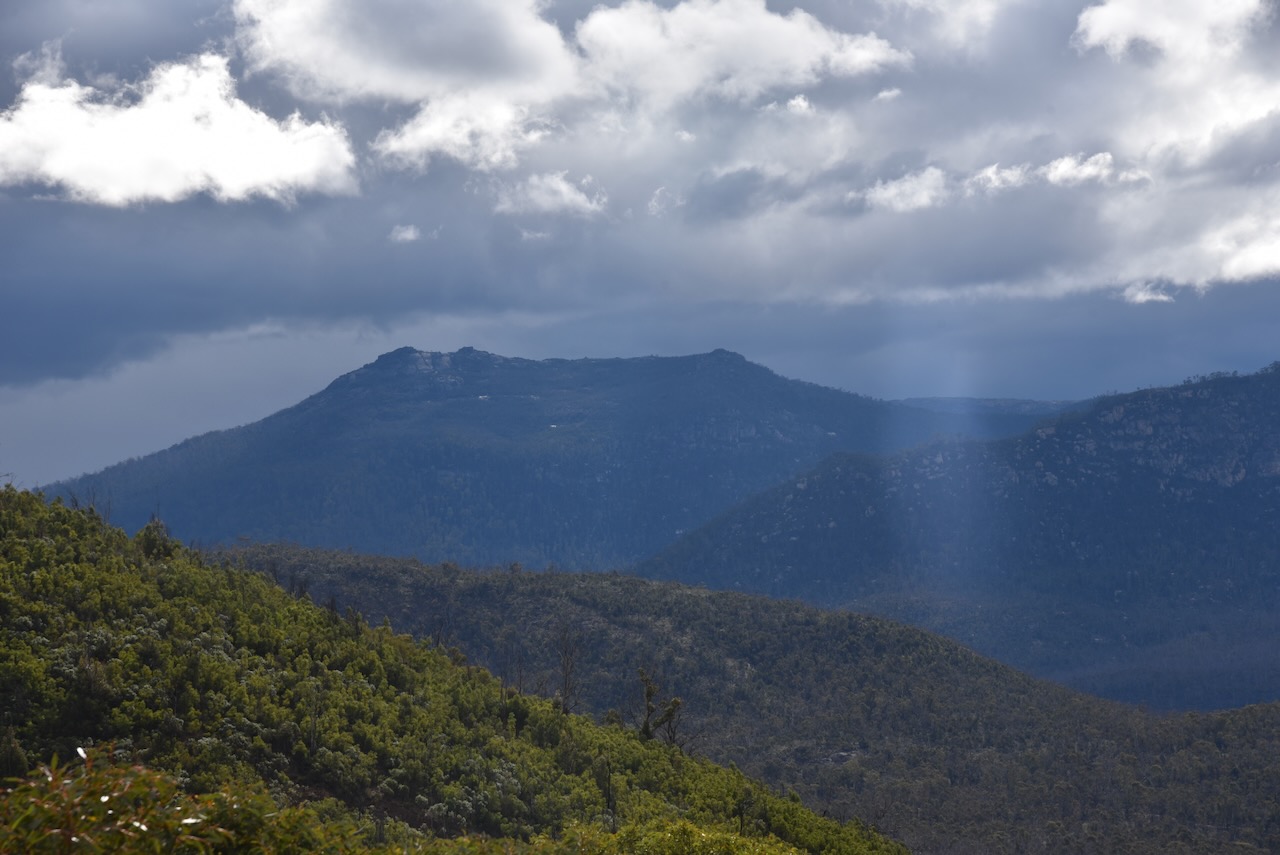
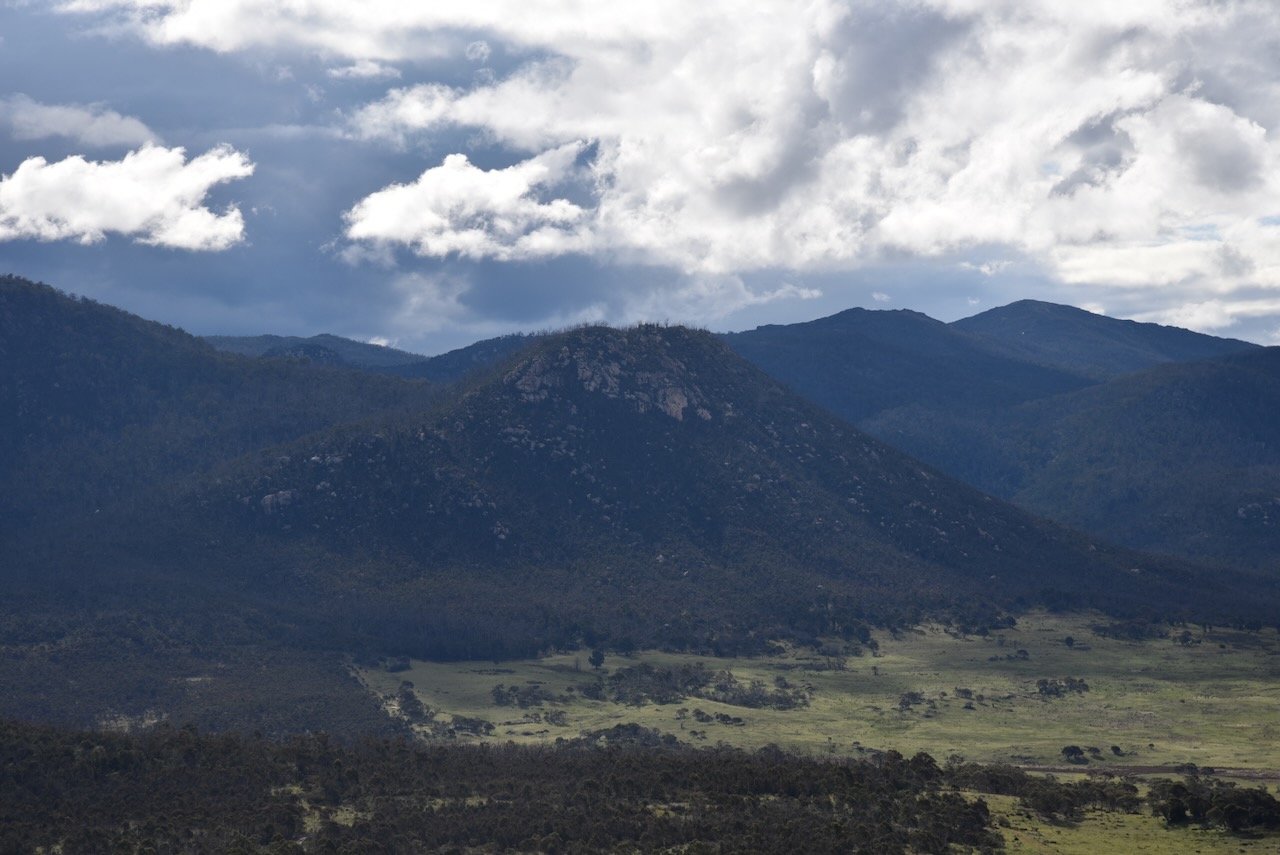
Our next stop was the Hospital Hill lookout on Boboyan Road. There is a small parking area here off the road and a viewing platform with an interpretive sign giving details of the various summits that you can see from this point. The view across Gudgenby Valley towards the ACT/New South Wales border is magnificent. Apparently, Hospital Hill takes its name from the practice of accommodating calving, lambing or sick animals at this location. (Johnevans.id.au 2017)
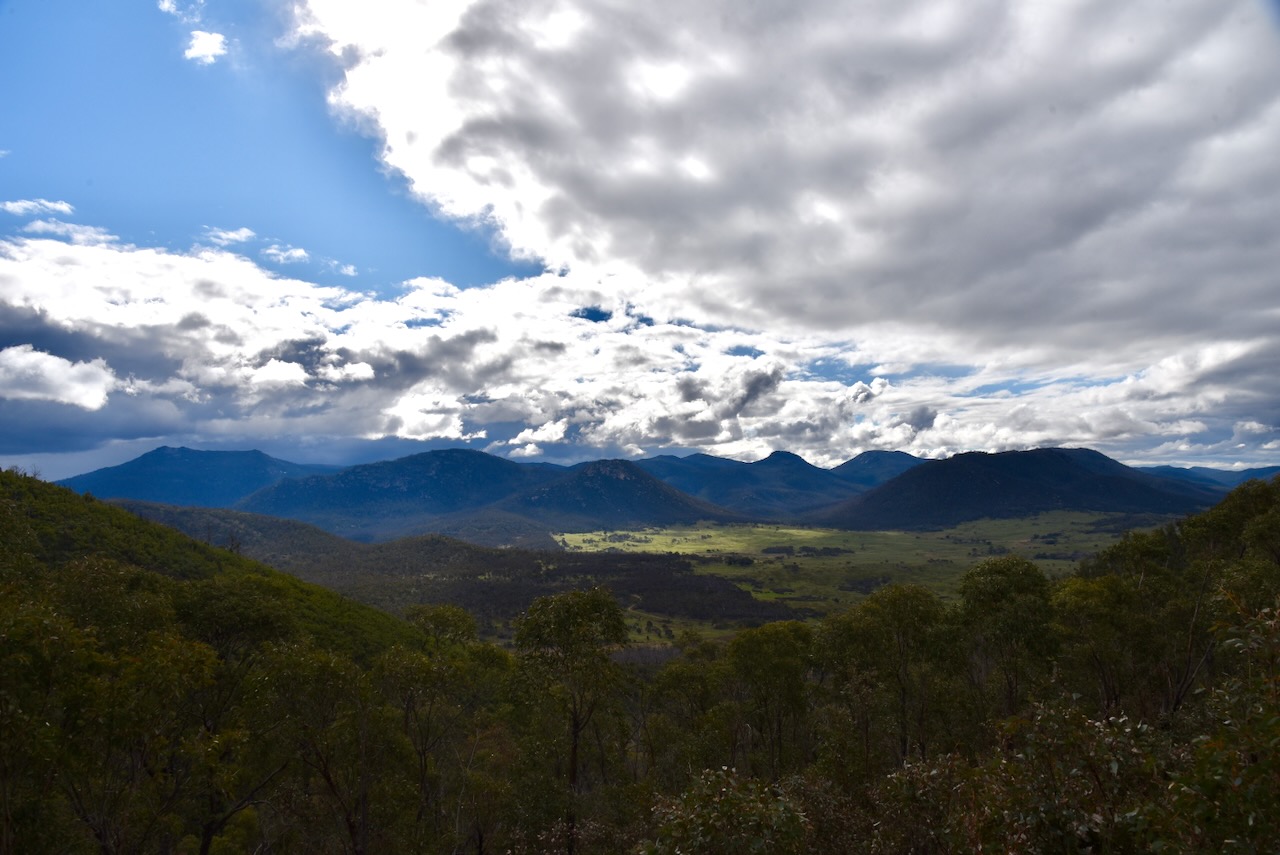
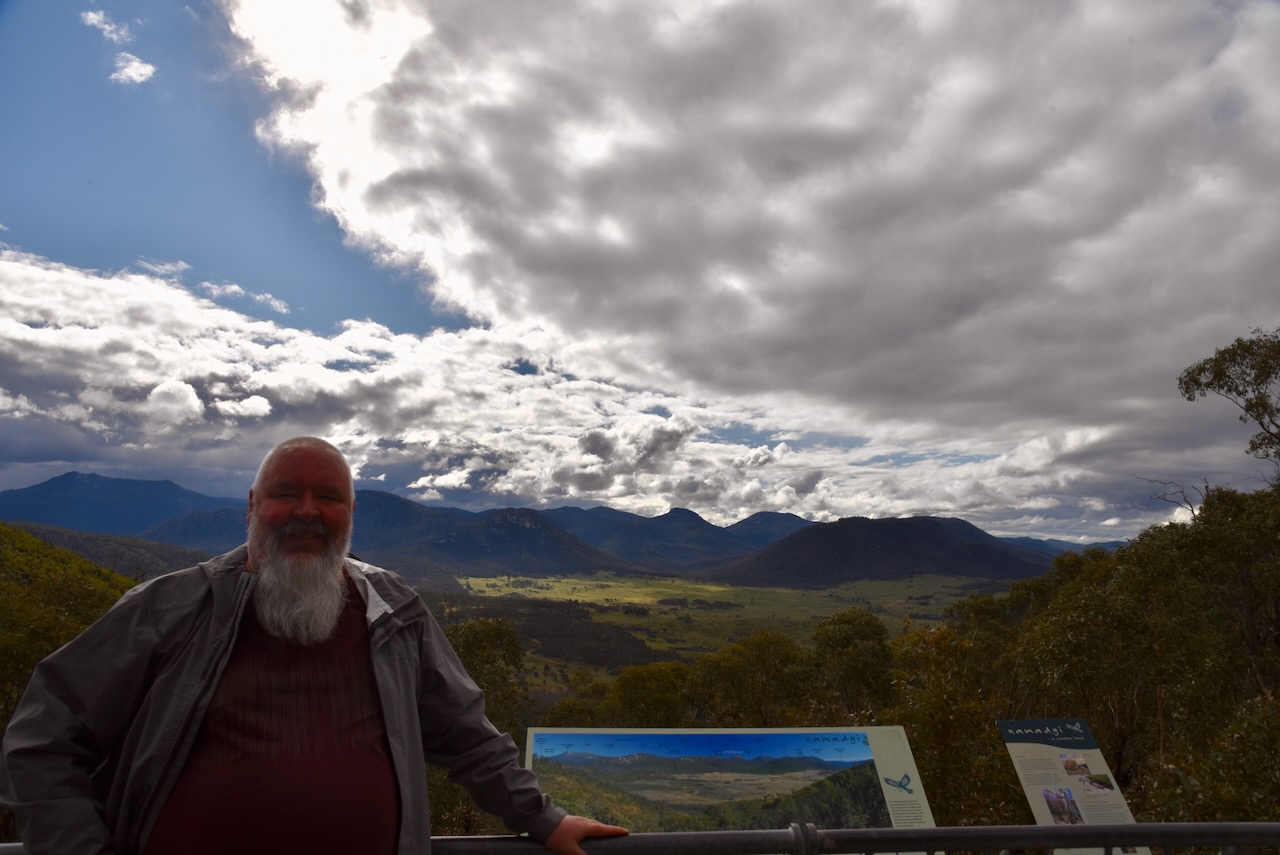
Marija and I continued south along Boboyan Road through the Namadgi National Park.
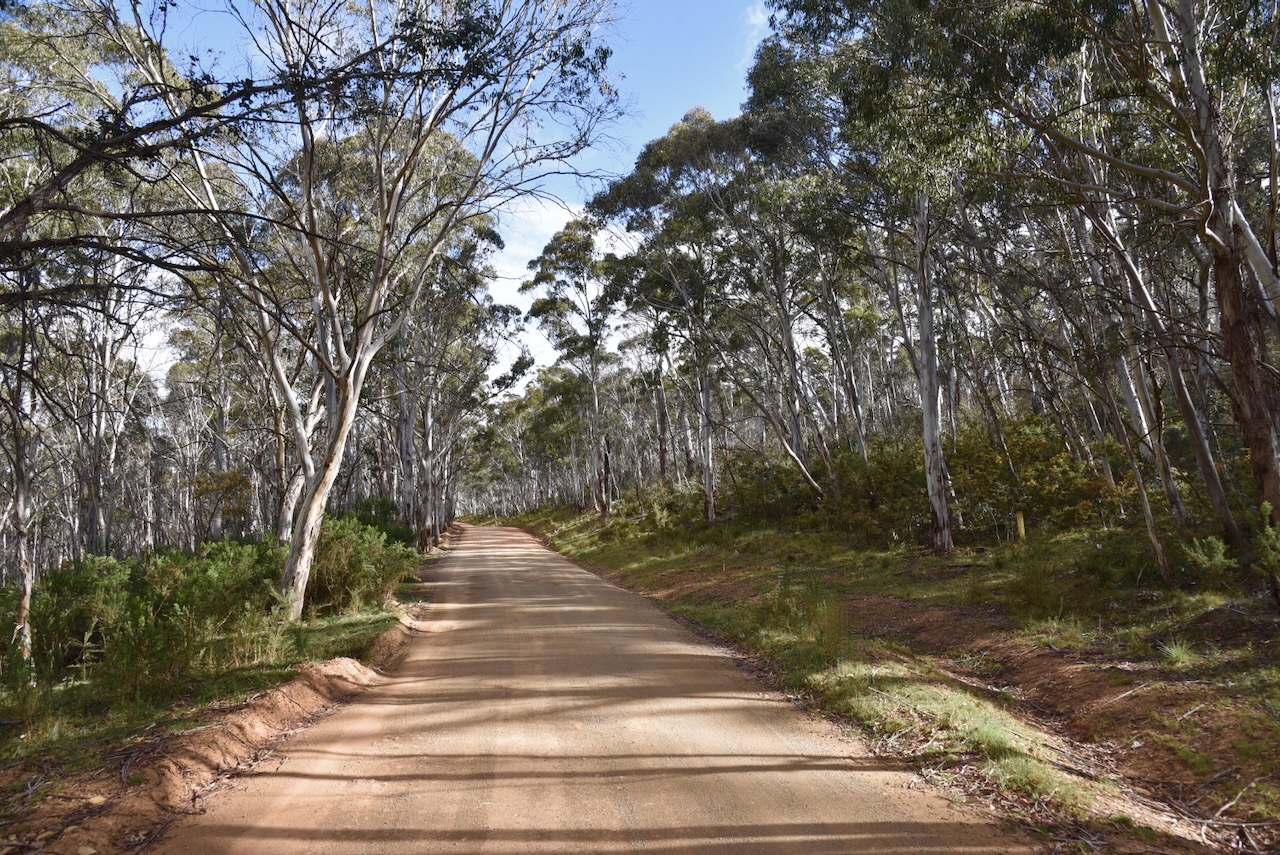
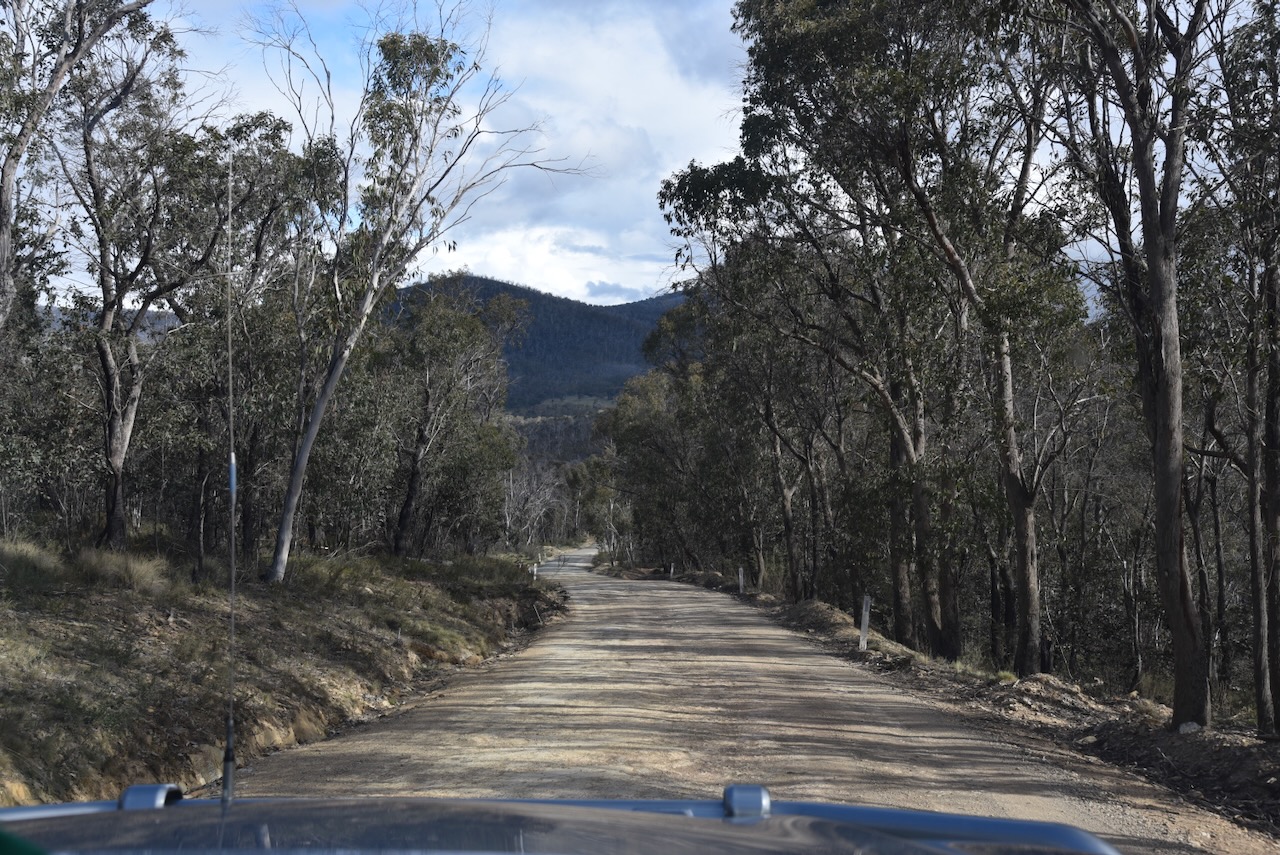
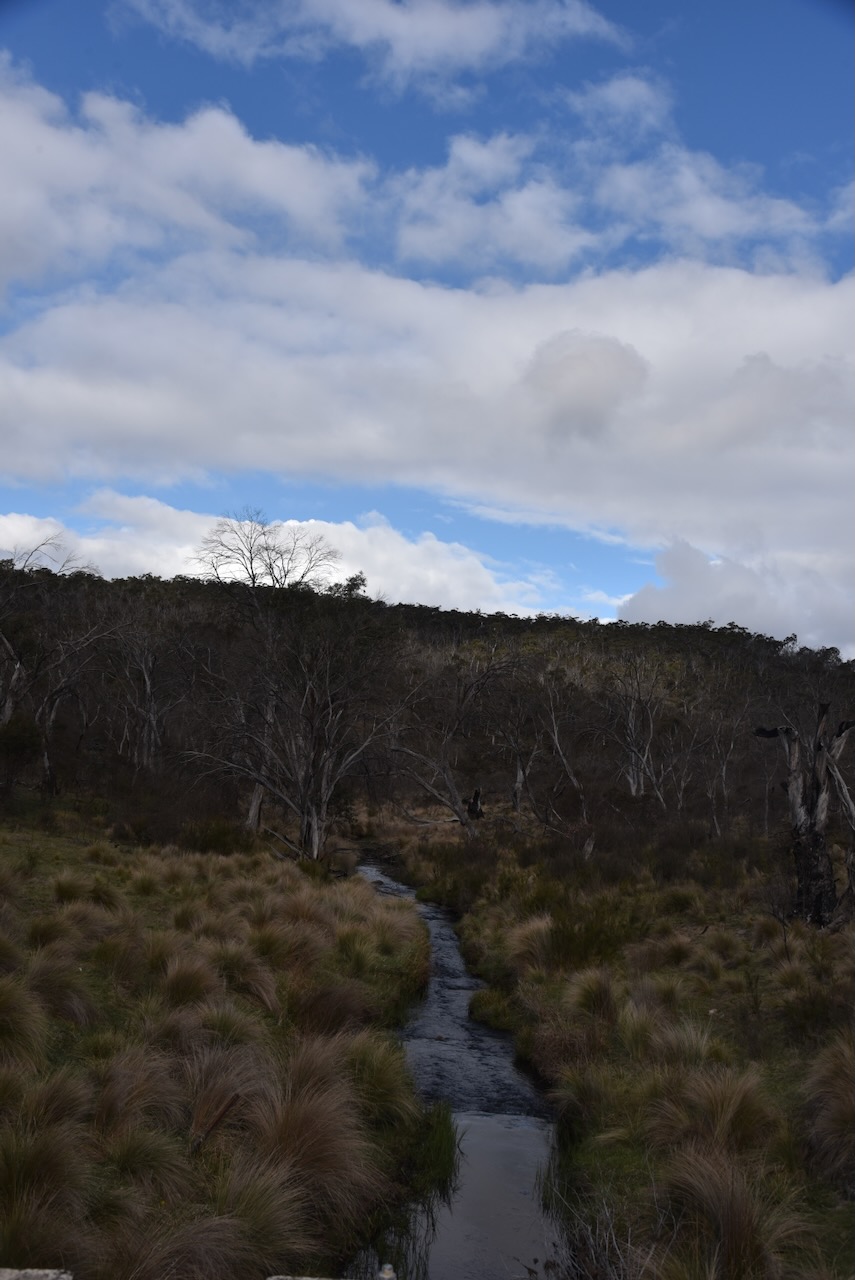
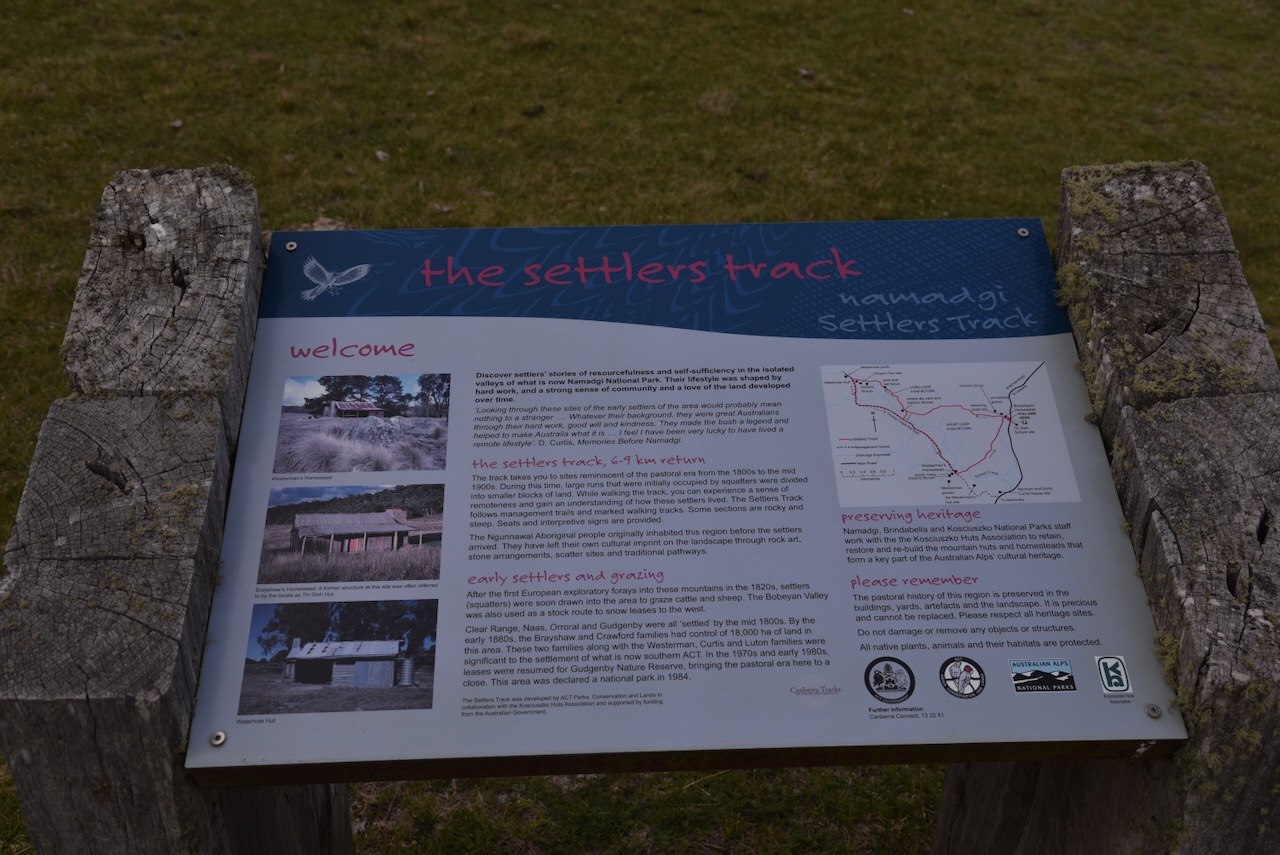
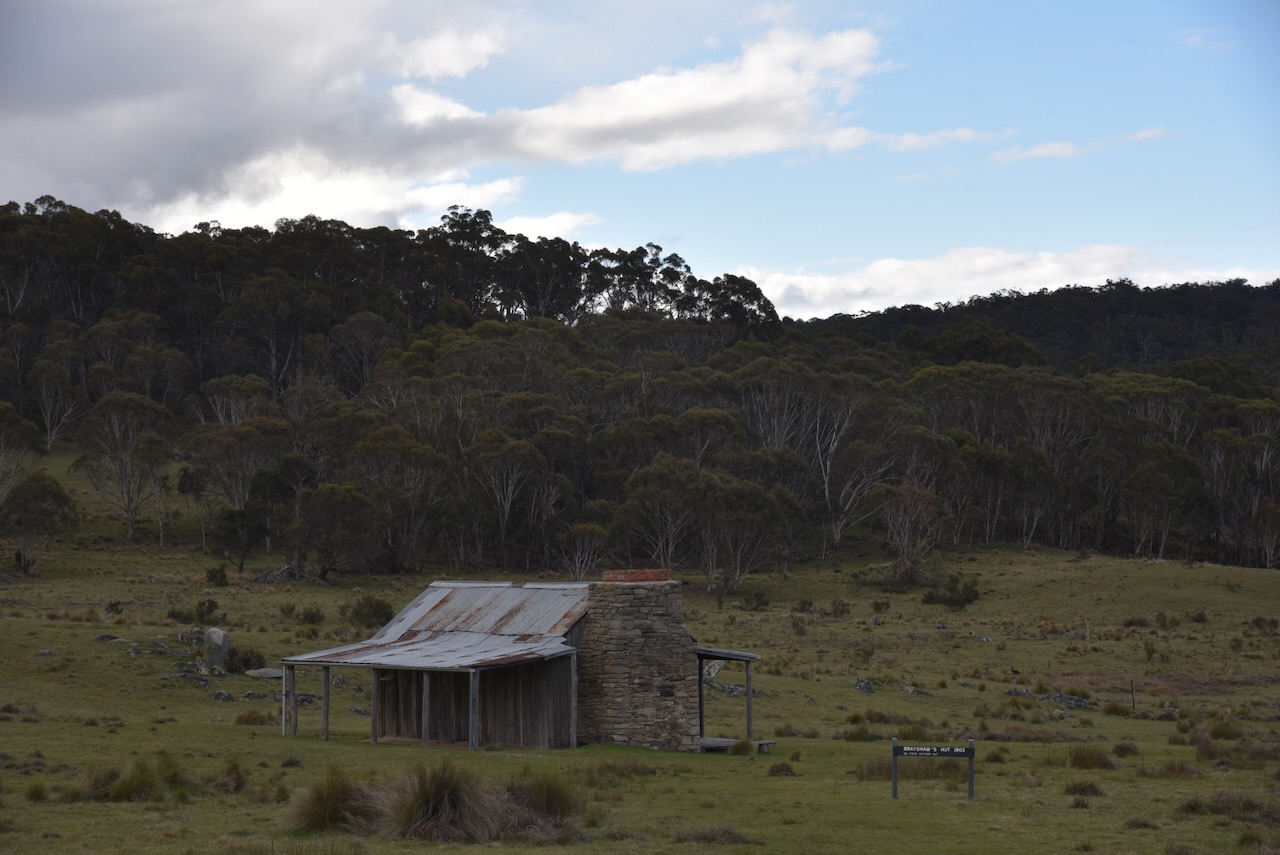
Our next stop was the historic Brayshaws Hut, which is also referred to as Brayshaws Homestead. The hut was built in 1903 by Edward Brayshaw for his brother David.
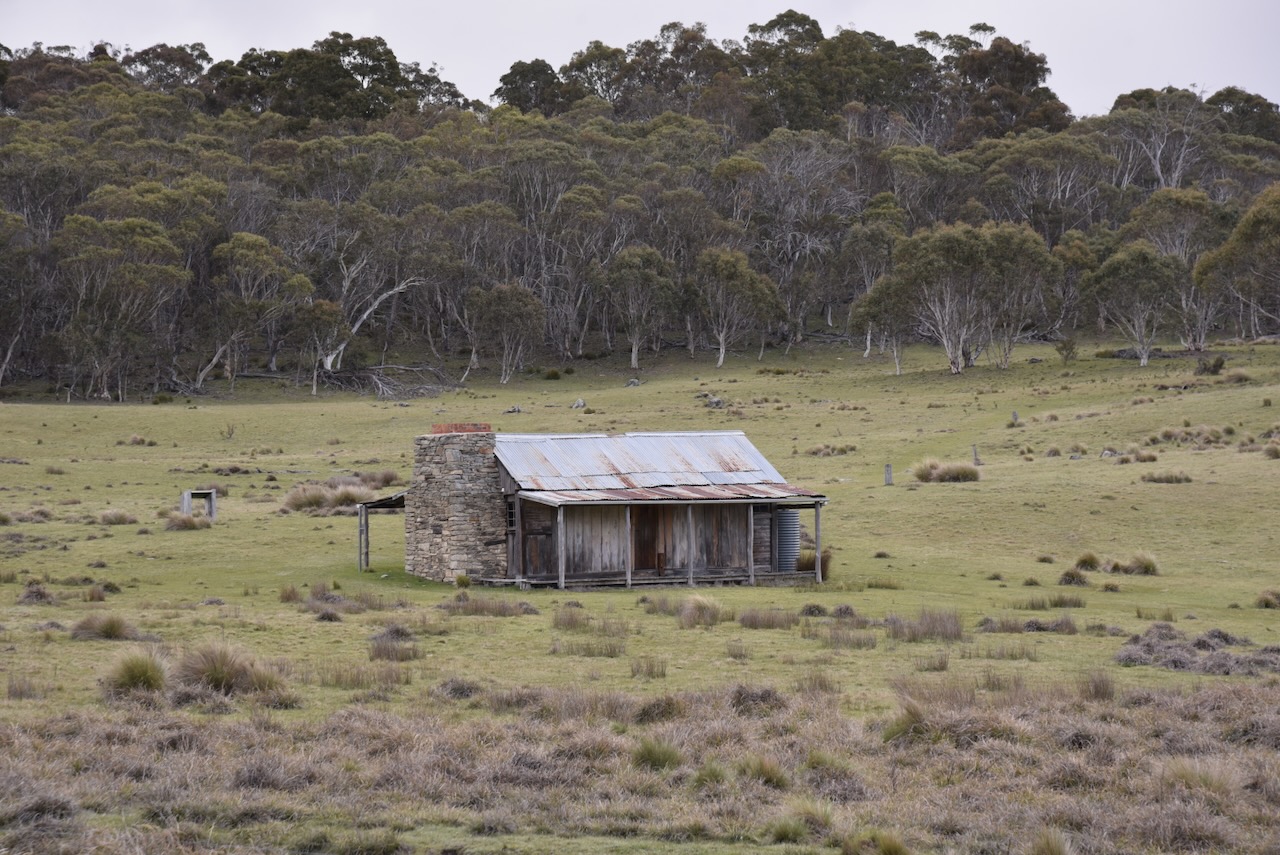
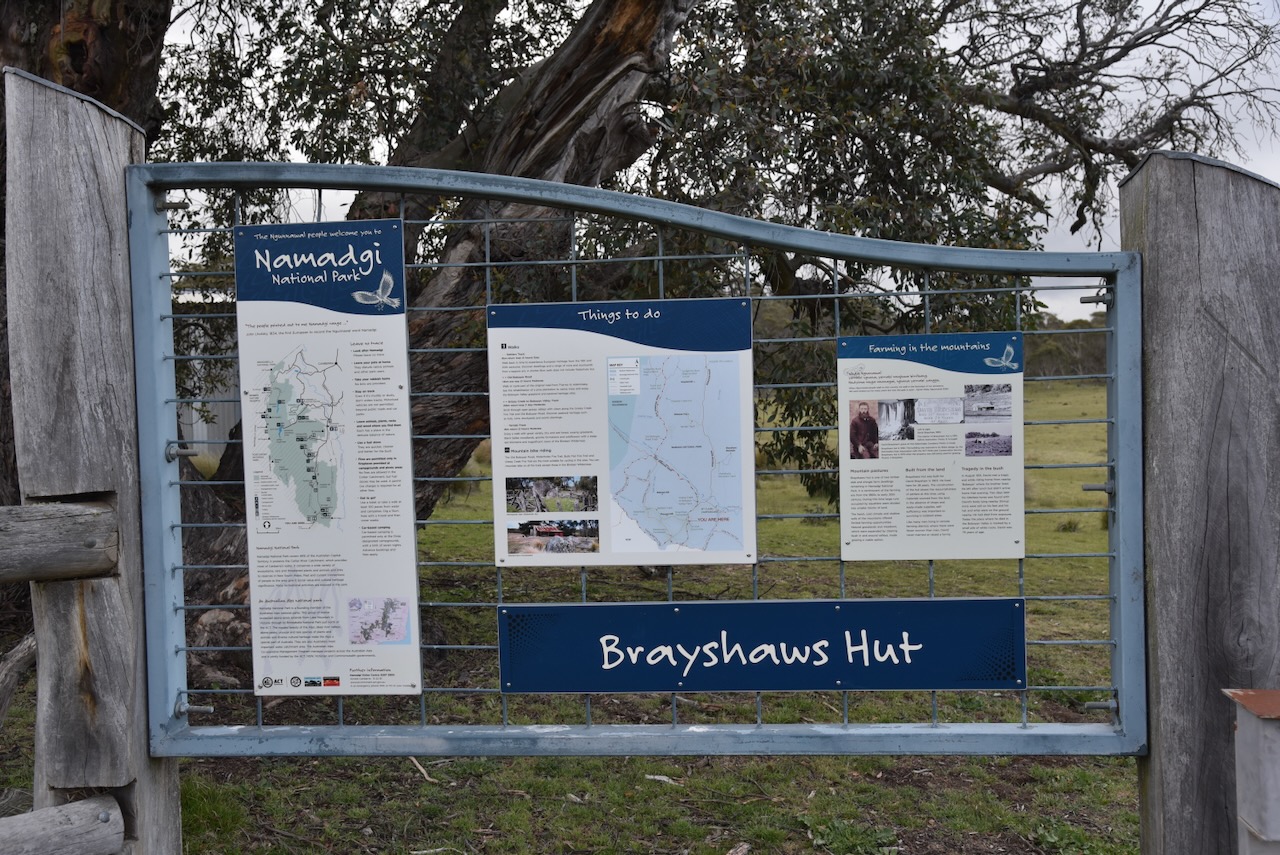
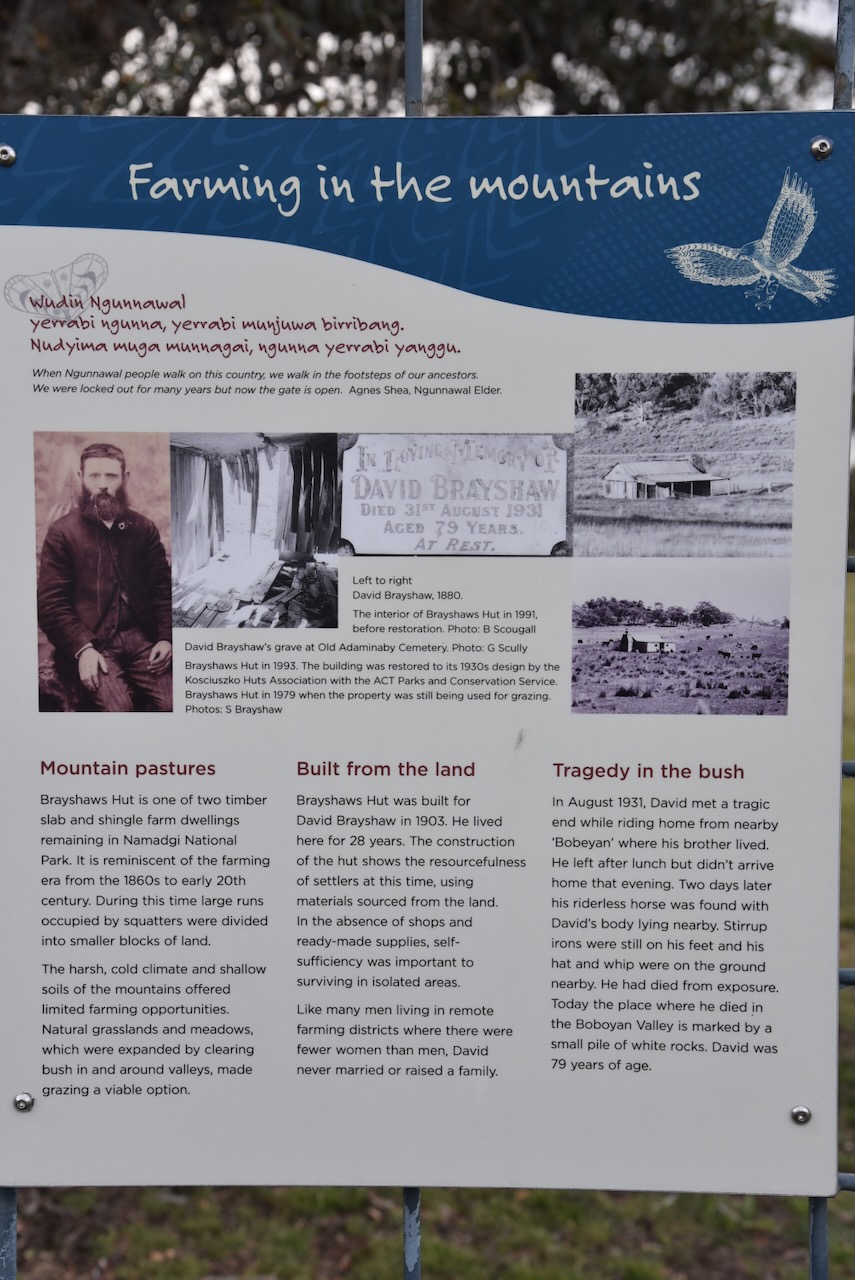
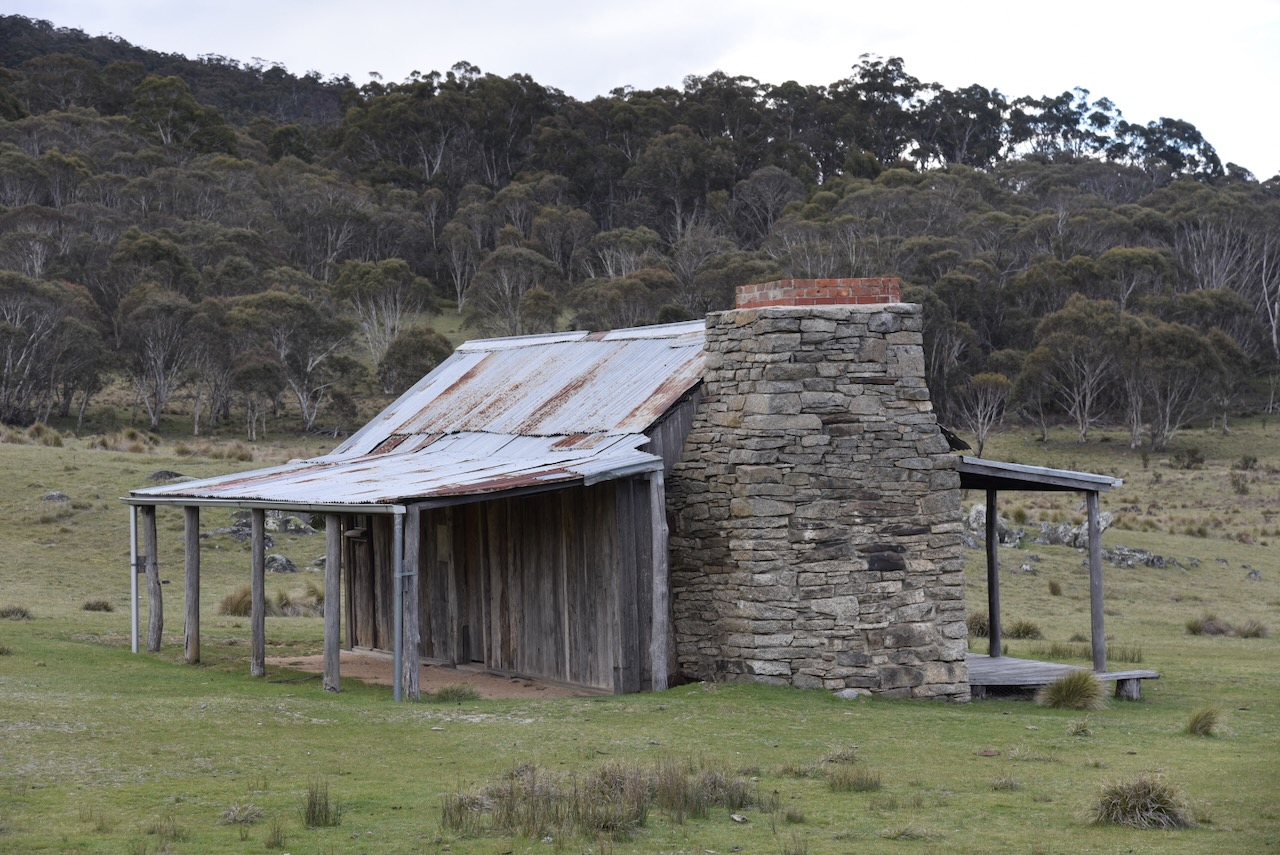
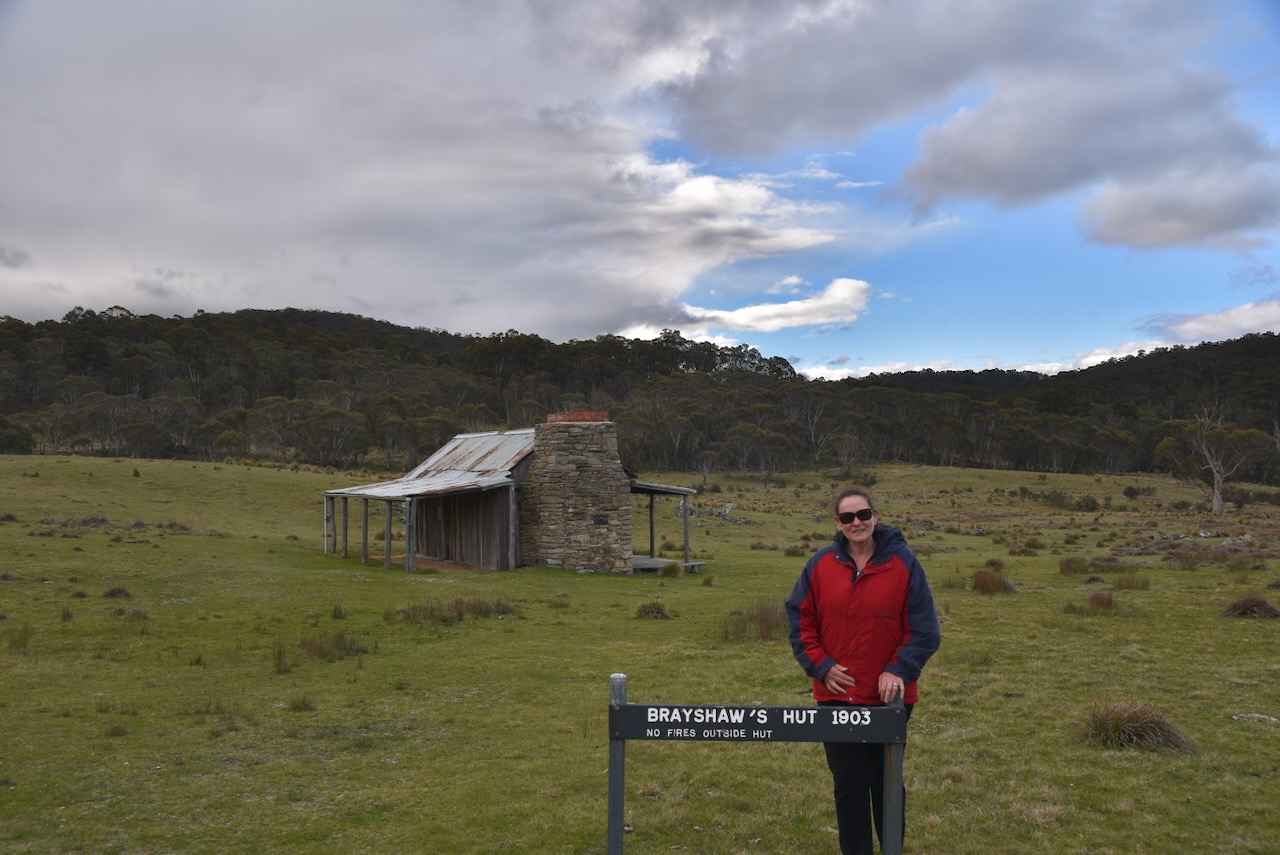
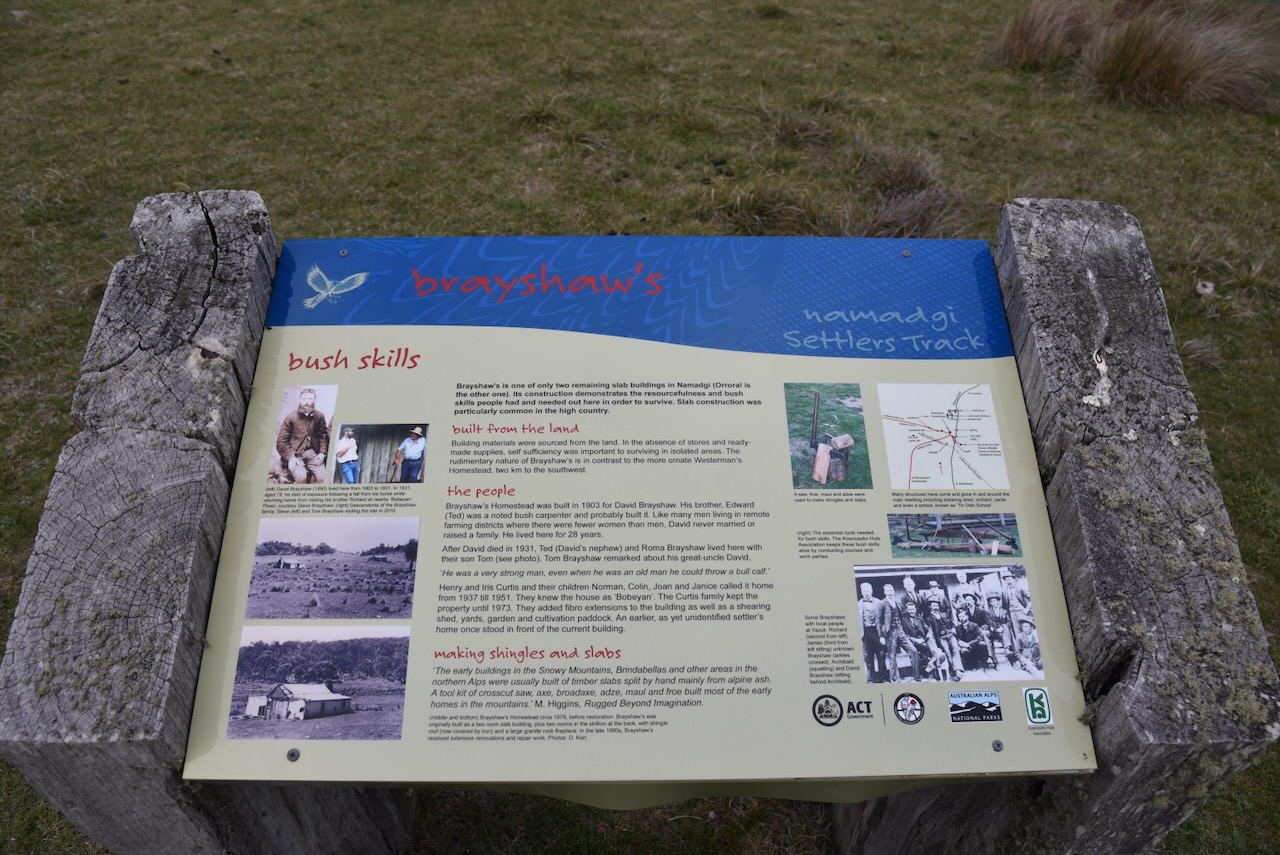
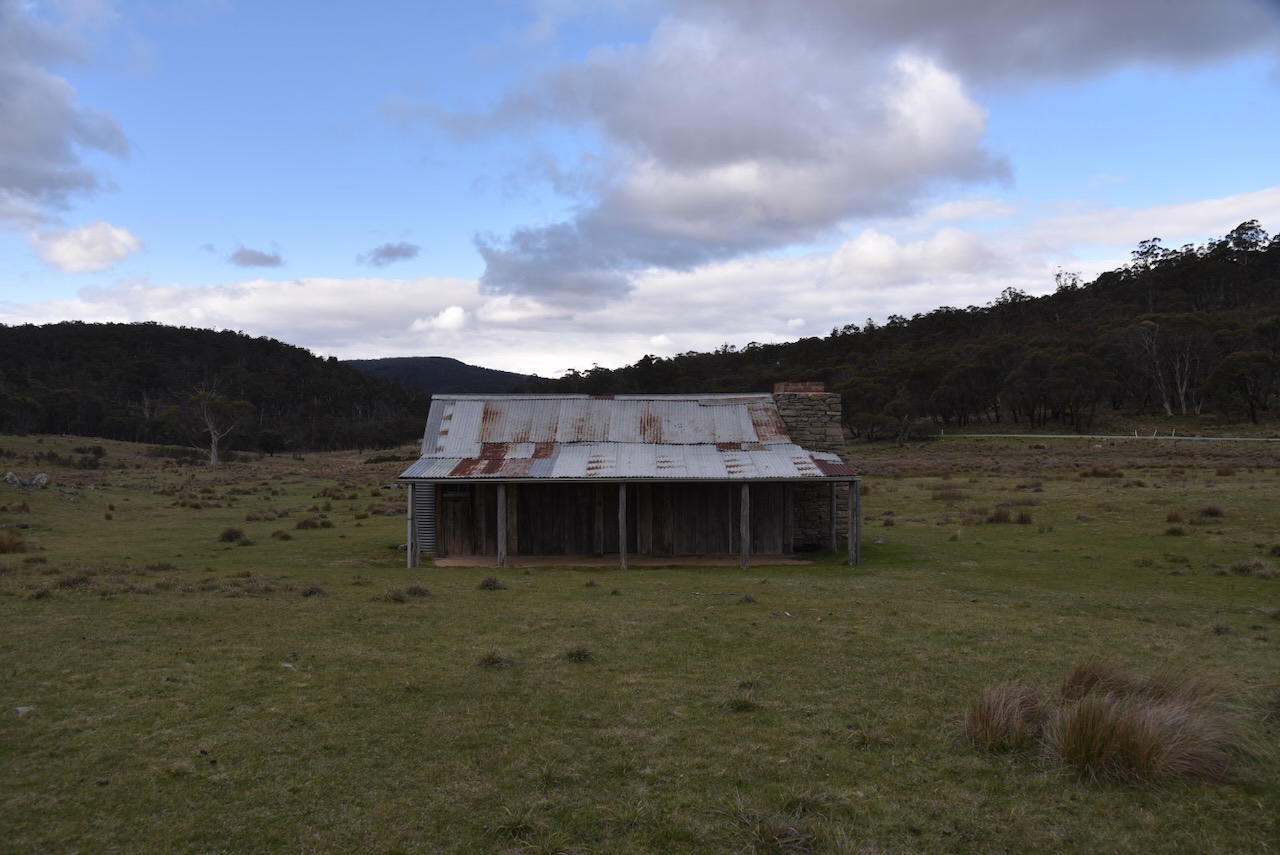
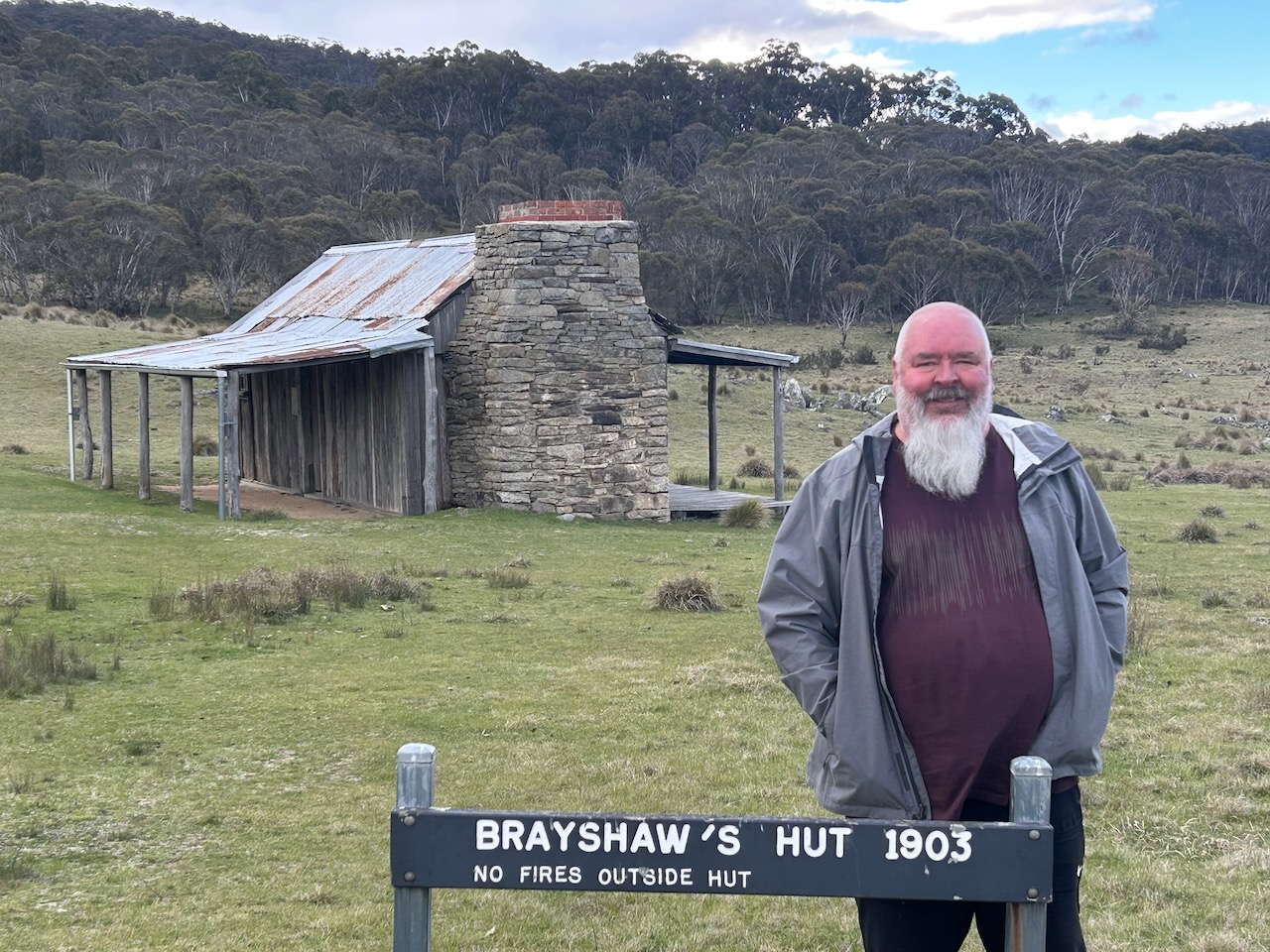
David Brayshaw was born on the 29th day of July 1852 at Bobeyan, New South Wales. He was one of 14 children to William Brayshaw (b. 1810. d. 1988) and Flora Crawford (b. 1821. d. 1891). In 1903, David moved into the hut after it was constructed by his brother. He lived there until his death on the 31st day of August 1931. His body was discovered by his brother Richard, not far from the hut. The District Coroner attended the scene the following day and held an inquest at the hut. A verdict of death from shock and exposure following a fall from his horse was returned. David is buried at the Adaminaby Cemetery. (Nla.gov.au 2026)
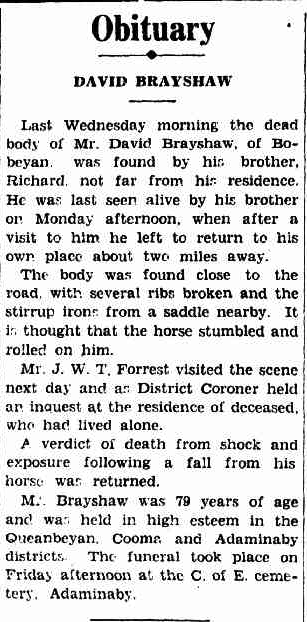
Above: Obituary of David Brayshaw, Queanbeyan Age, Tue 8 Sept 1931. Image c/o Trove
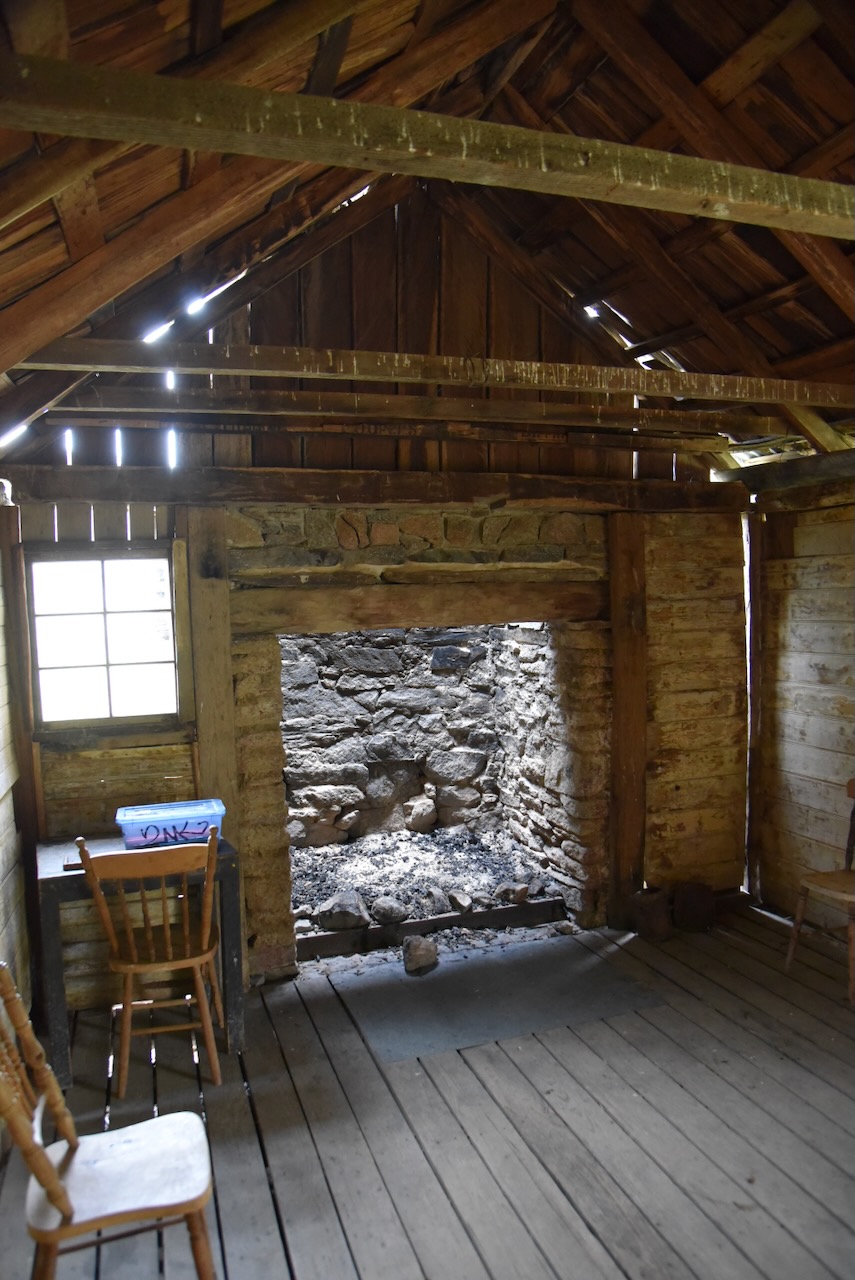
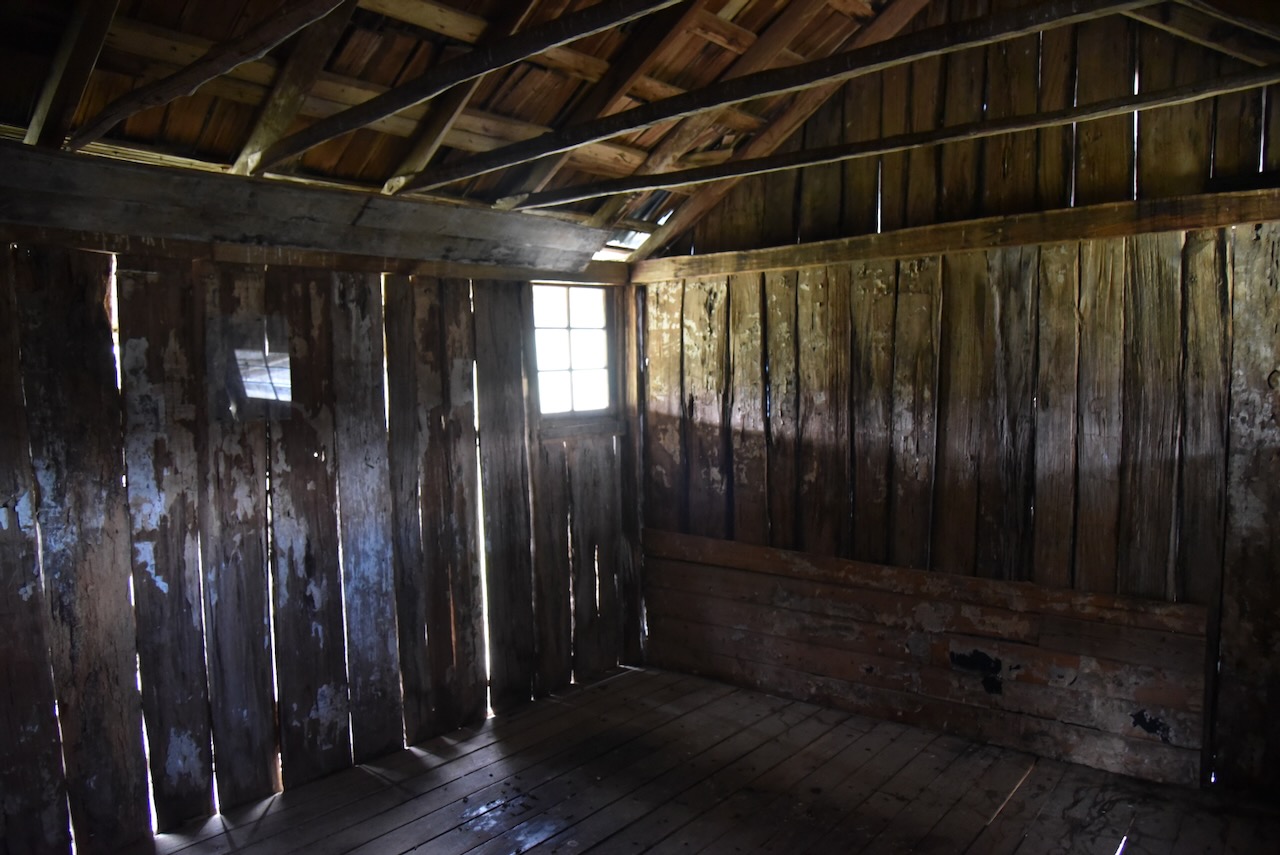
You can enter the hut, which has been restored.
Marija and I continued south along Bobeyan Road and stopped to have a look at the Adaminaby Racecourse. This little racecourse is really in the middle of nowhere, about 3.5 km east of the town of Adaminaby.
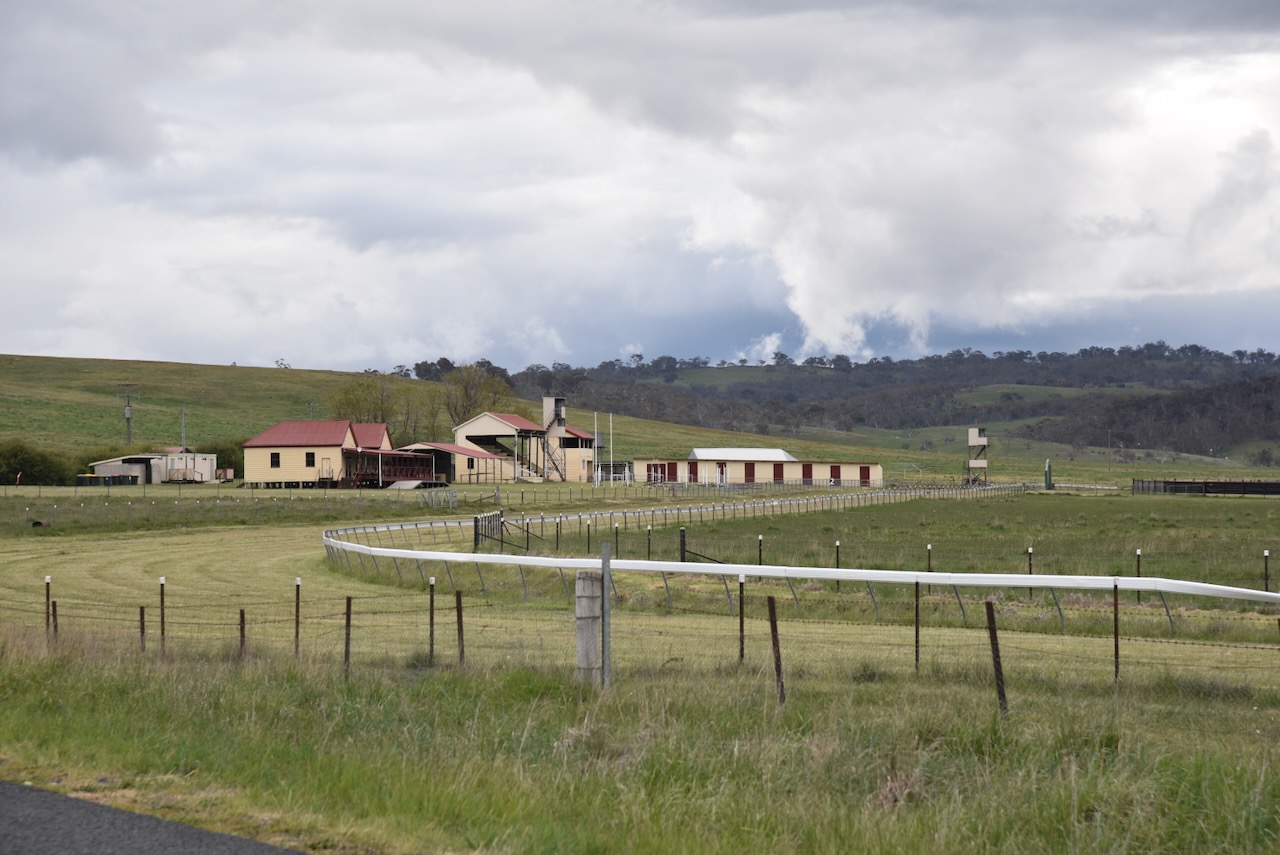
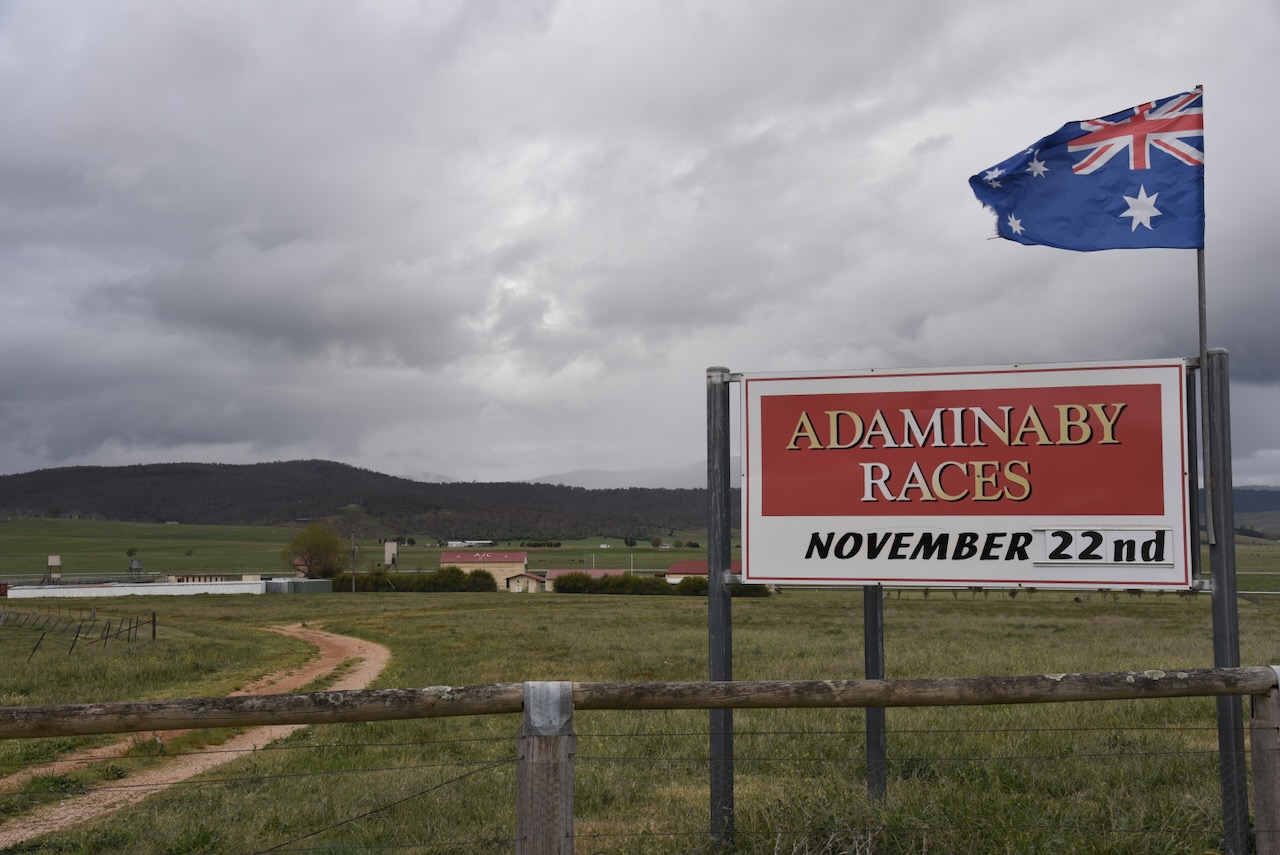
The present racecourse is not the original Adaminaby racecourse. This is due to the town moving for the Snowy Hydro Scheme and the creation of Lake Eucumbene. The old racecourse is now underwater. The present course is about 50 years old. More than 2,000 people gather for the annual Adaminaby Races, which date back to the 1860s. (Adaminabyraces.com.au 2025)
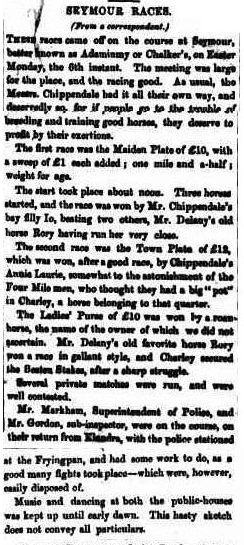
Above: article from the Manaro Mercury, Friday 10 April 1863. Image c/o Trove
We then drove the short distance to the town of Adaminaby.
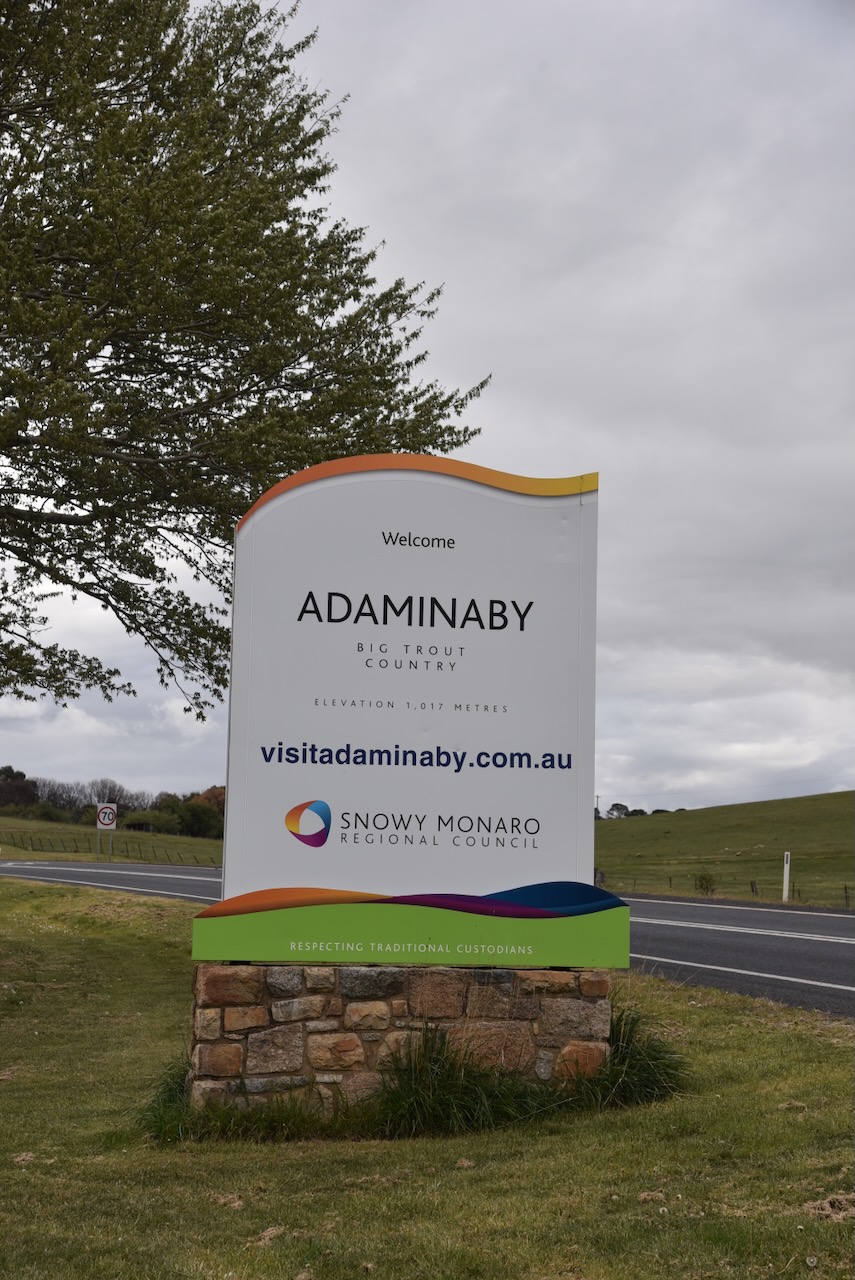
The Adumindumee run was established in the 1840s. Adumindumee is believed to be a corruption of an Aboriginal word meaning either ‘camping or resting place’ or ‘place of springs.’ (Marshall 2022)
The town of Seymour was surveyed in 1861. On the 9th day of October 1886, it was renamed Adaminaby. This was due to avoiding confusion with the town of Seymour in Victoria. (Marshall 2022)
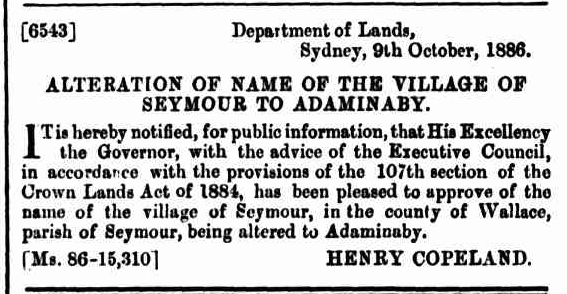
Above: reference to the name change in the NSW Govt Gazette, Sat 9 Oct 1886. Image c/o Trove
The town of Adaminaby was moved due to the construction of the Snowy Mountains Hydro-Electricity Scheme, which commenced in Adaminaby in 1949. (Wikipedia 2016)
Charlie McKeahnie from Adaminaby is believed to be the inspiration for the poem ‘The Man from Snowy River’ by Banjo Patterson. He is the grandson of Charles Duncan McKeahnie who I spoke about earlier in this post. (Wikipedia 2026)
The poet Barcroft Boake also wrote about McKeahnie’s ride in ‘On the Range.’ McKeahnie chases down a well-bred horse that had escaped with a mob of wild brumby horses. (Wikipedia 2026)
Charlie Lachlan McKeahnie was born in April 1868 at Queanbeyan, NSW. He married Sarah Anne Read in 1890. They had 2 children. McKeahnie died in a riding accident in 1895. (ancestry 2016)
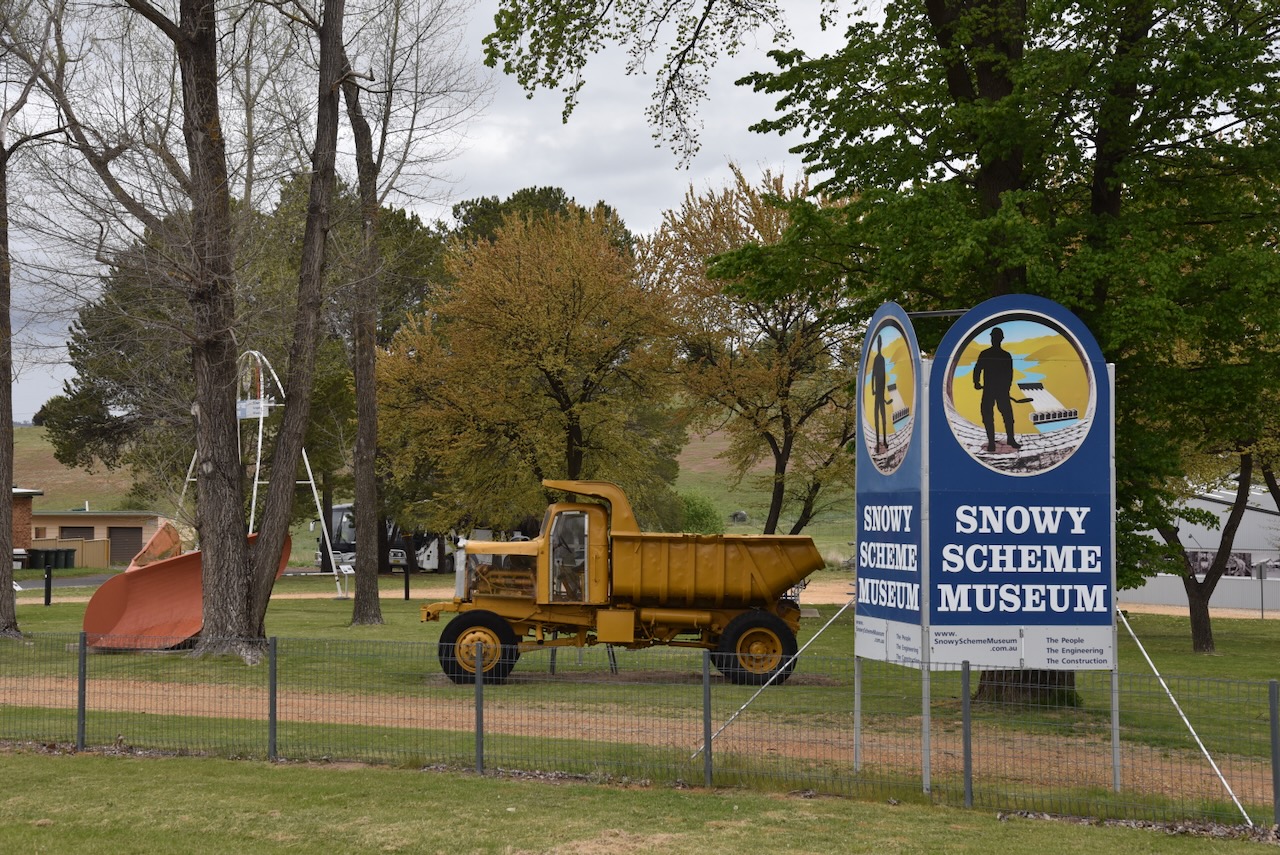
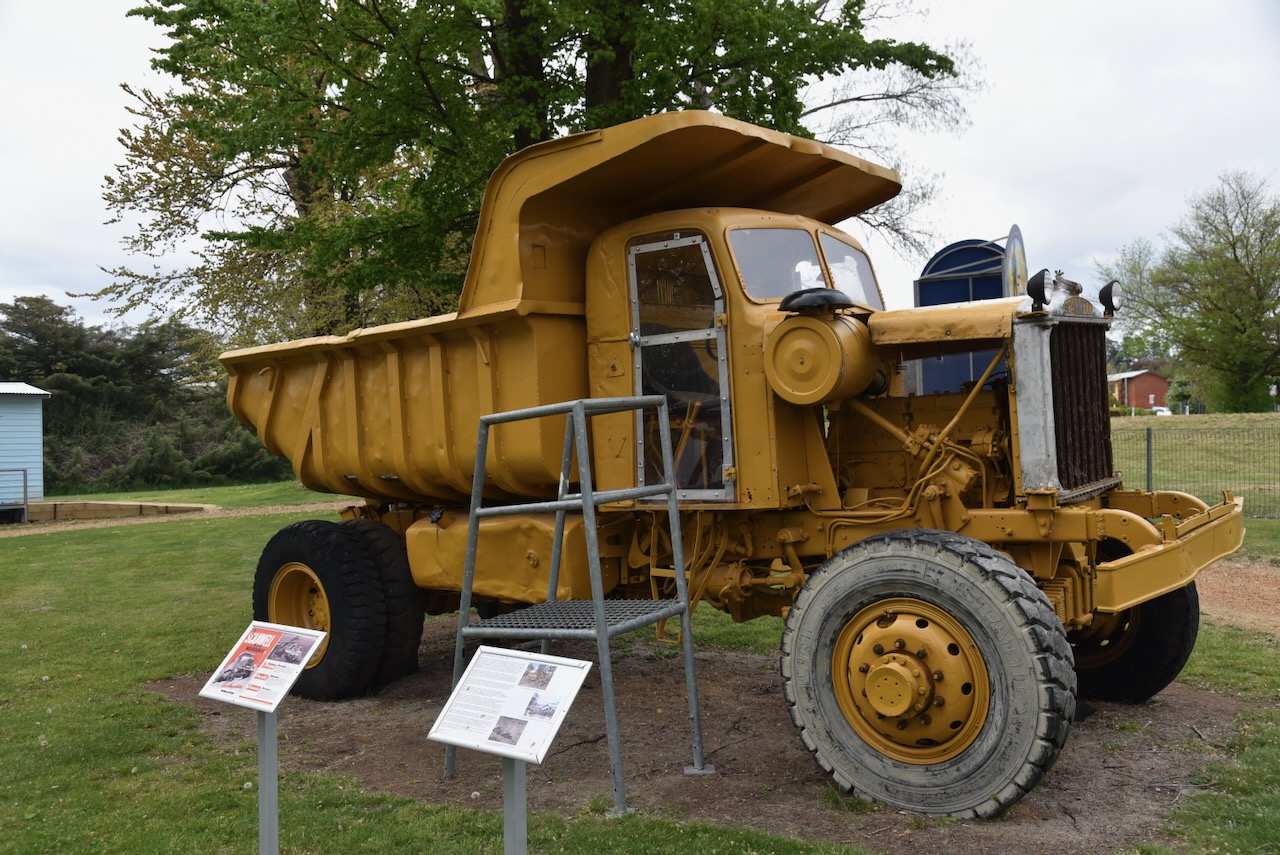
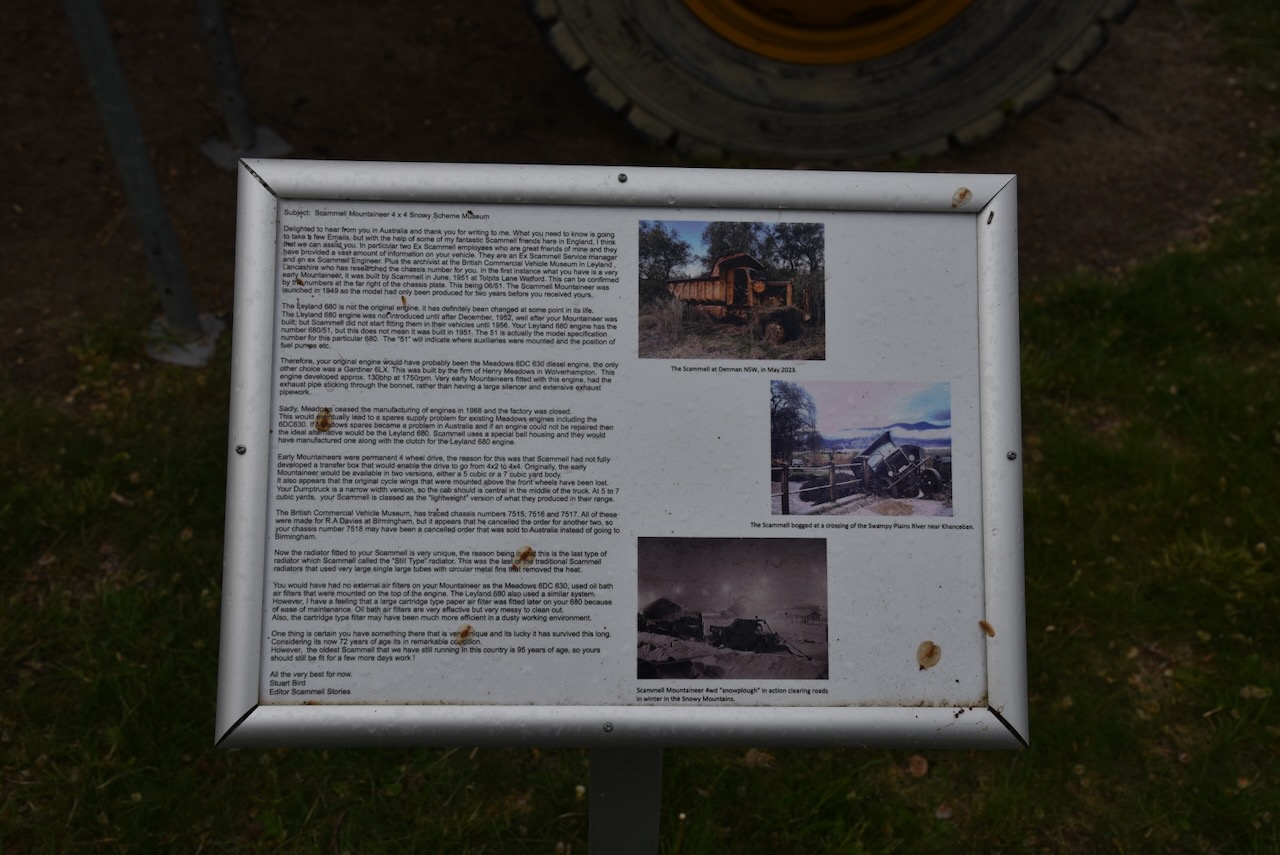
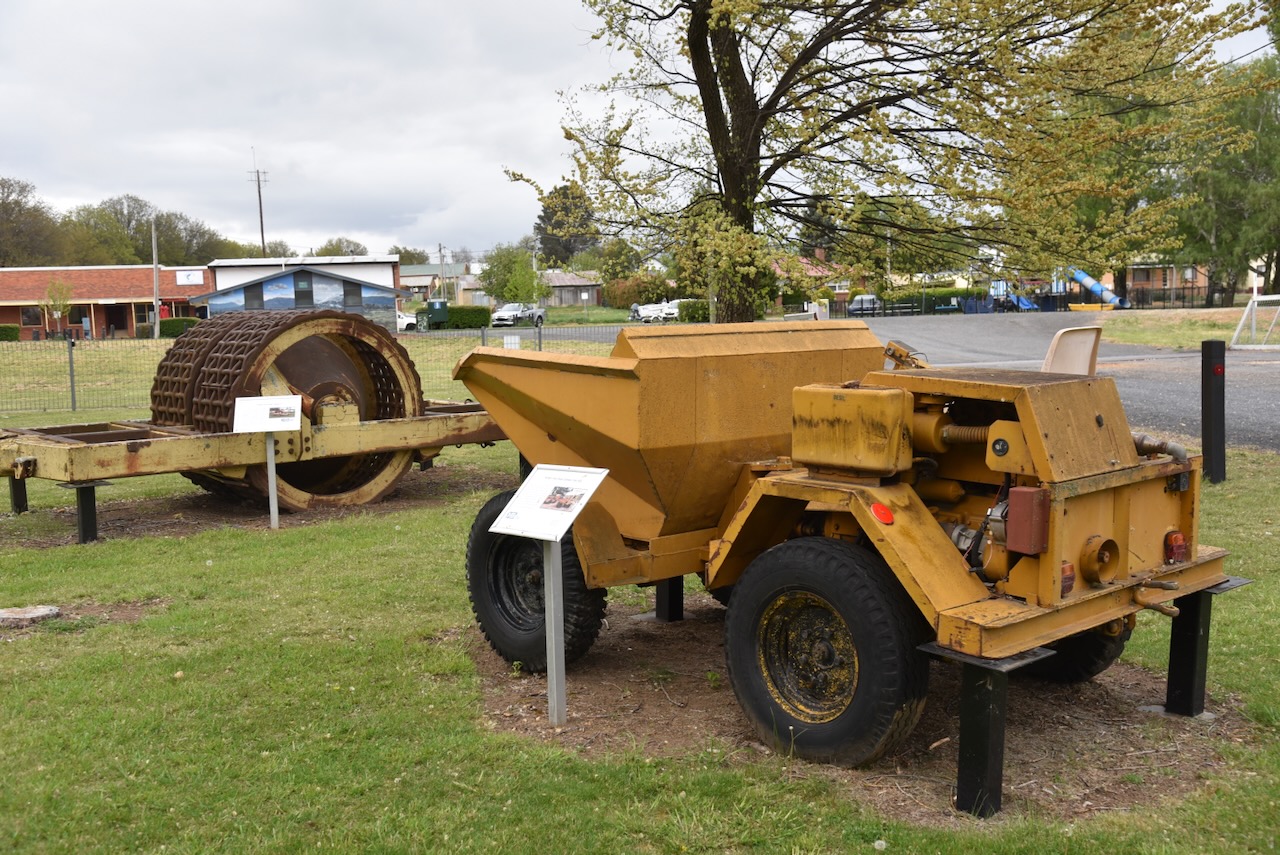
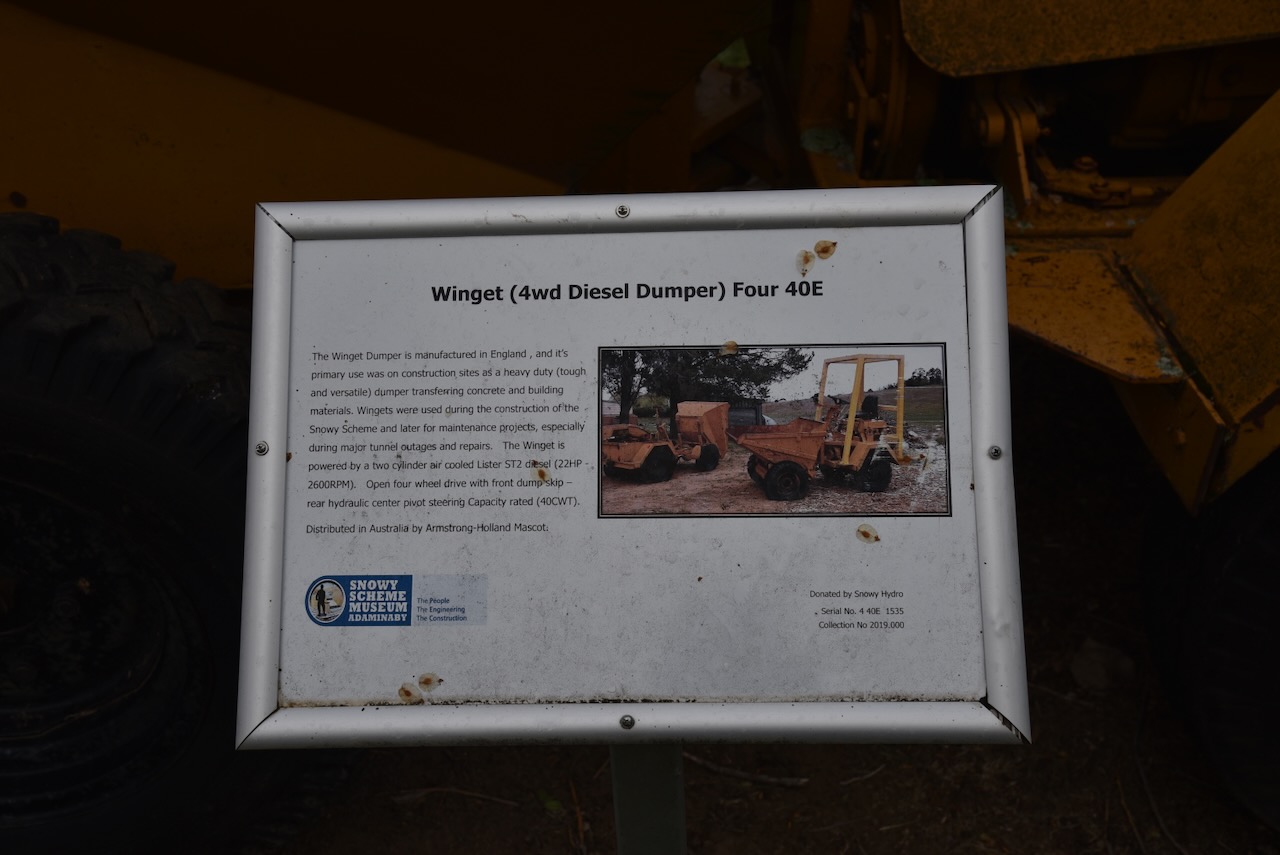
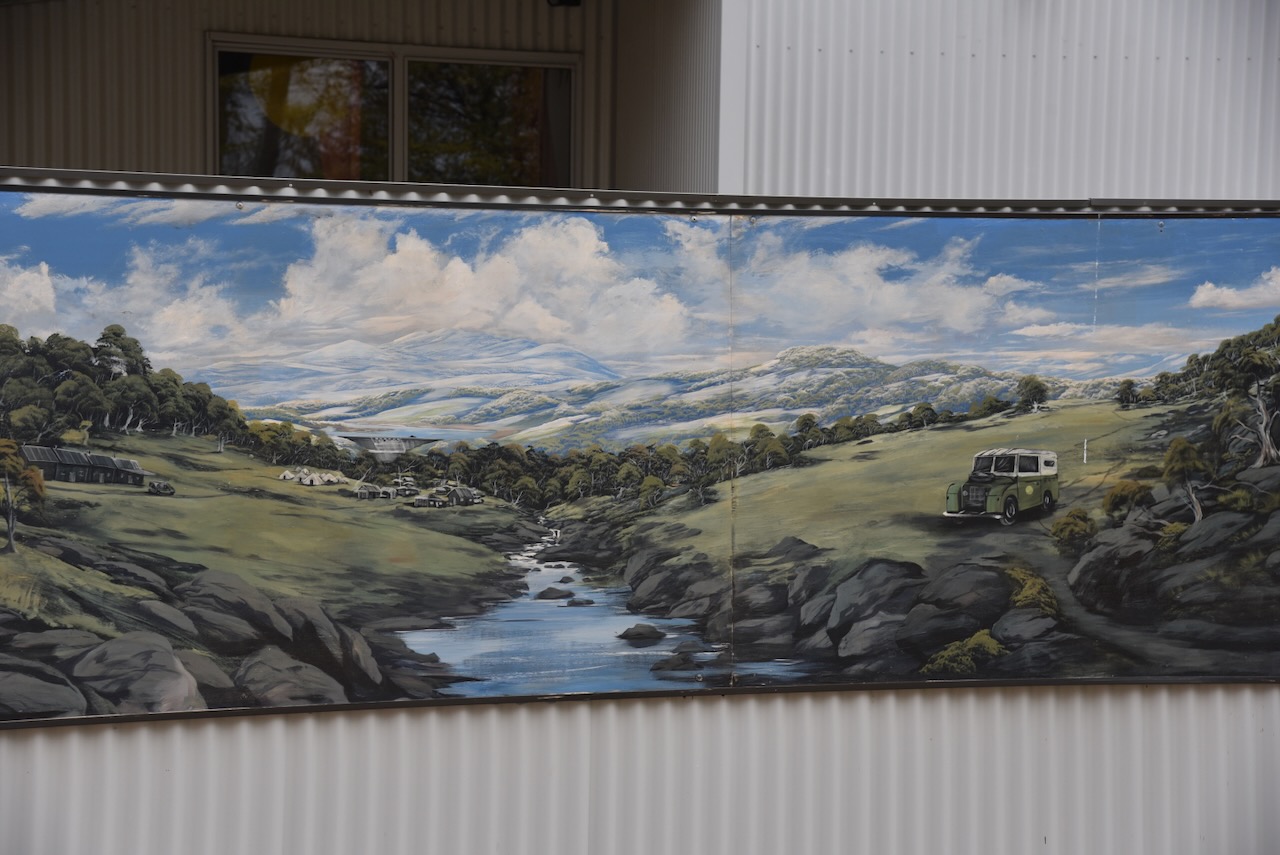
We briefly had a look at the outside exhibits of the Snowy Scheme Museum at Adminaby. Unfortunately, the museum was closed as it was late in the afternoon. Marija and I agreed that we would have to come back to have a good look around Adaminaby and the district.
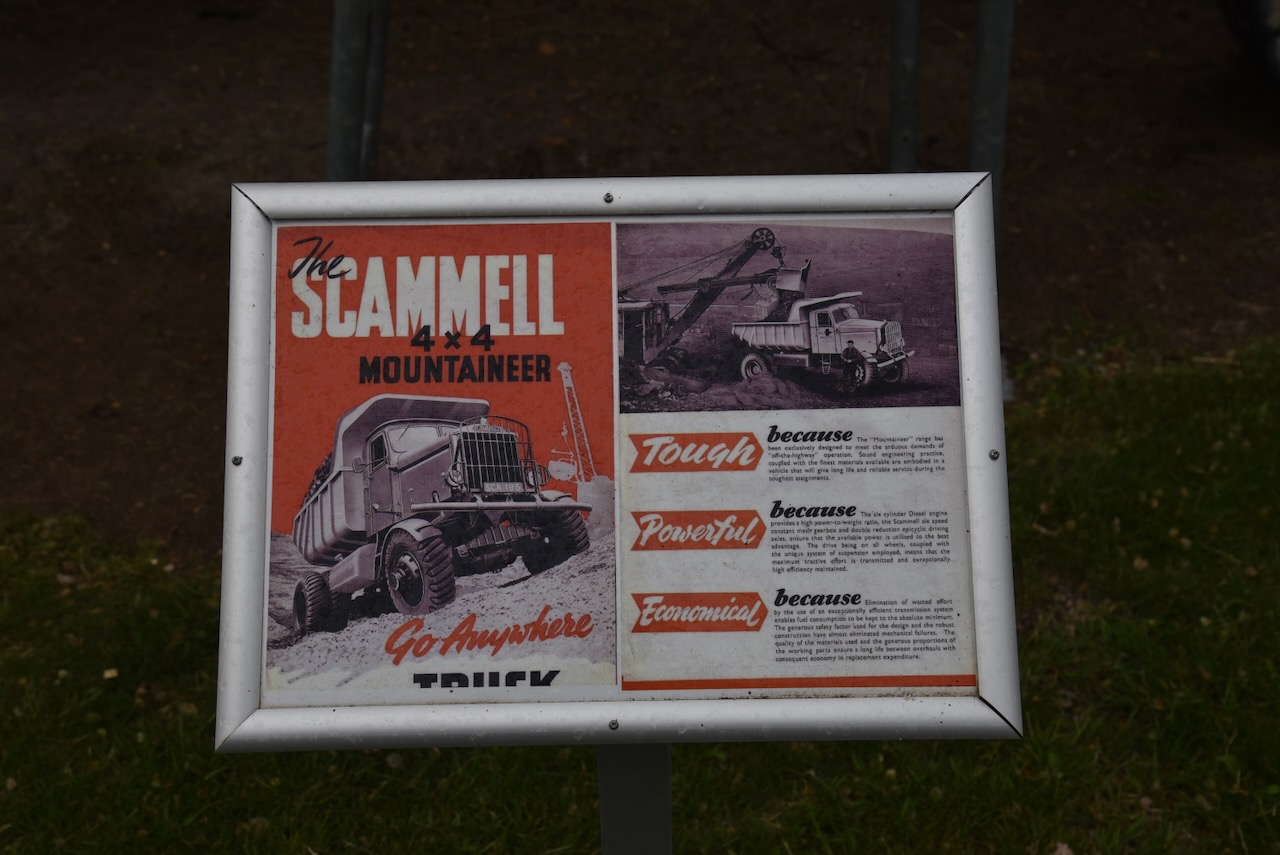
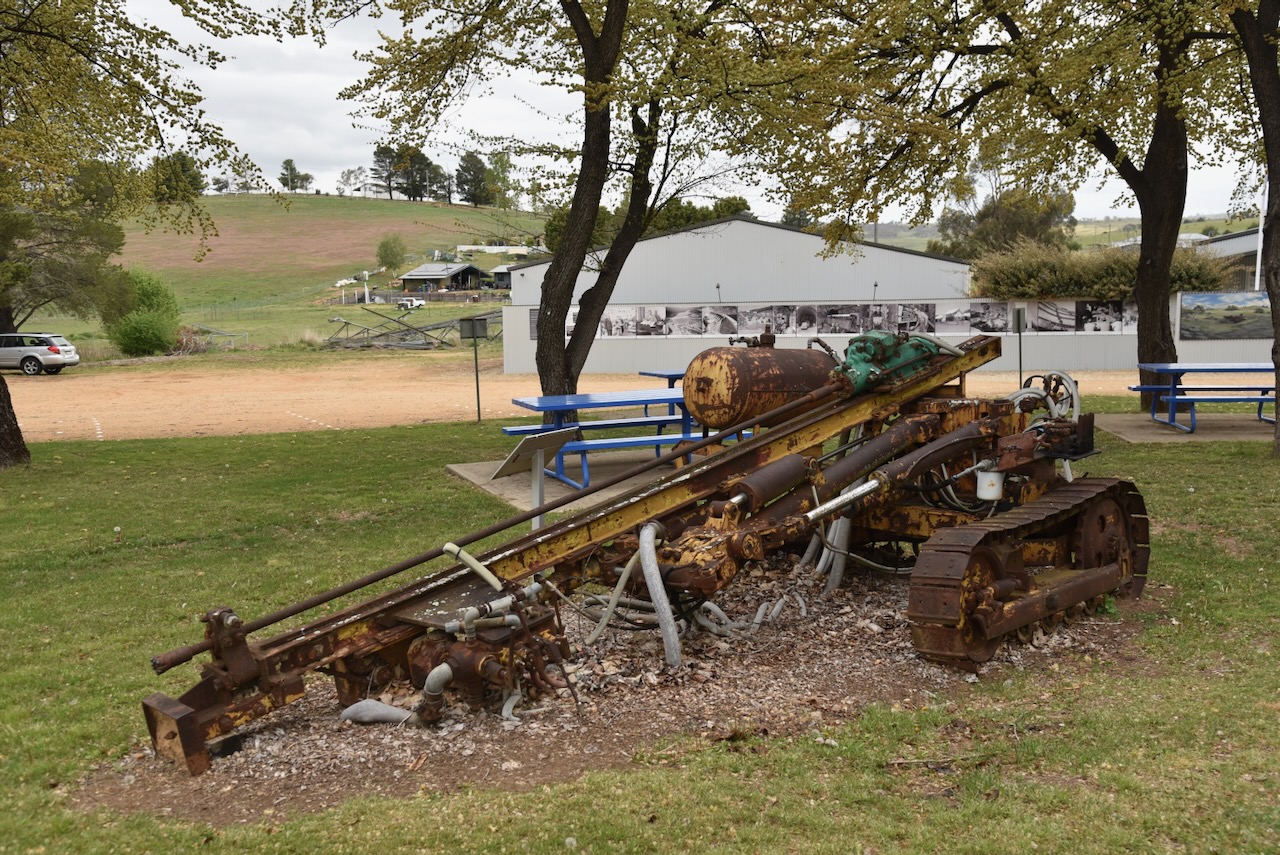
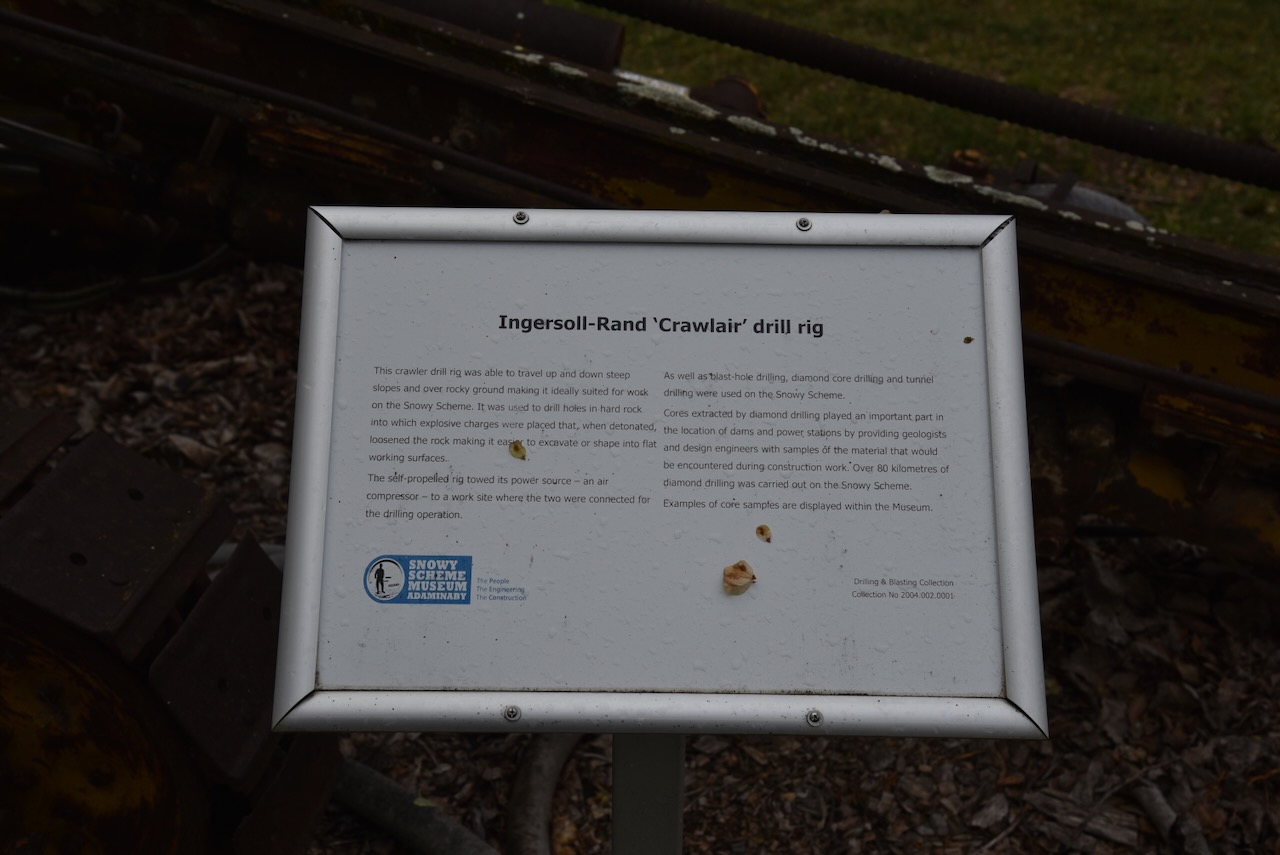
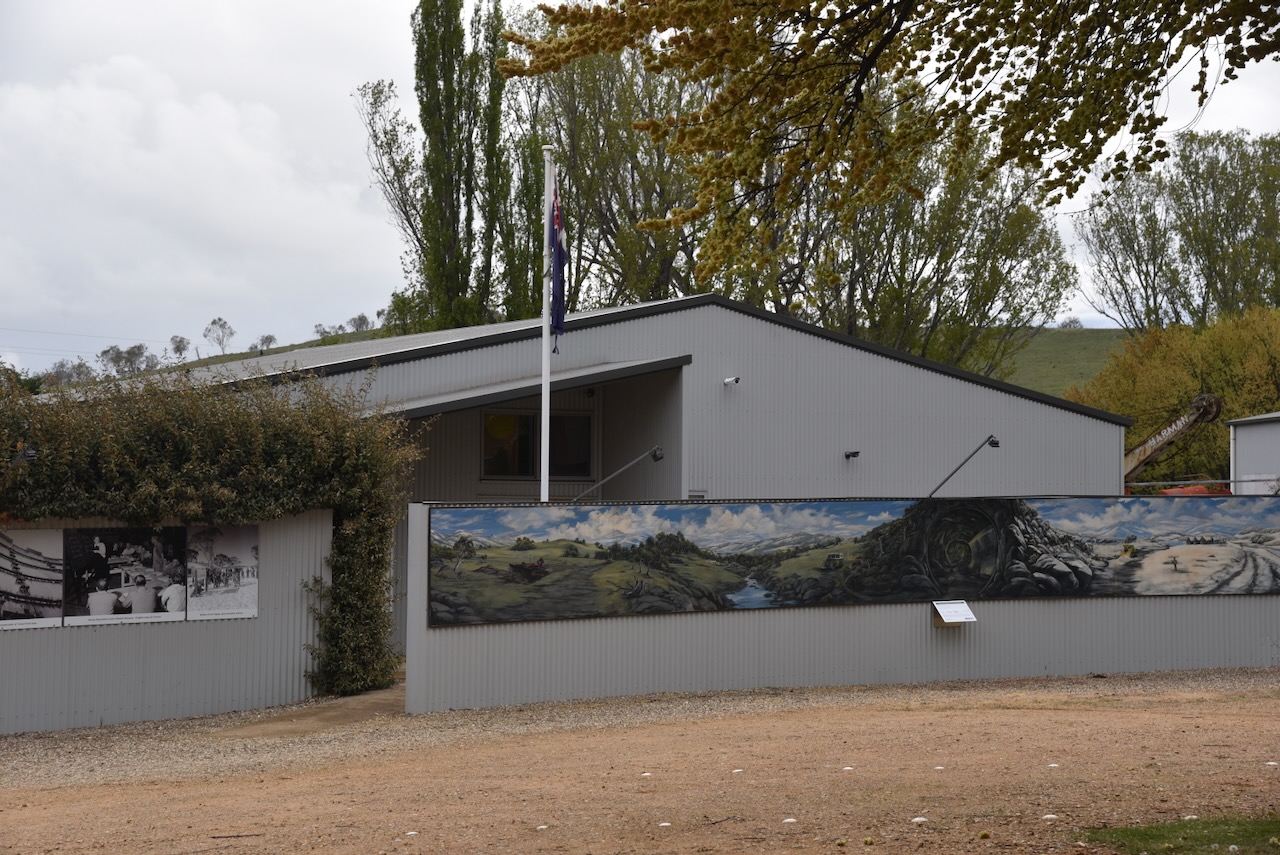
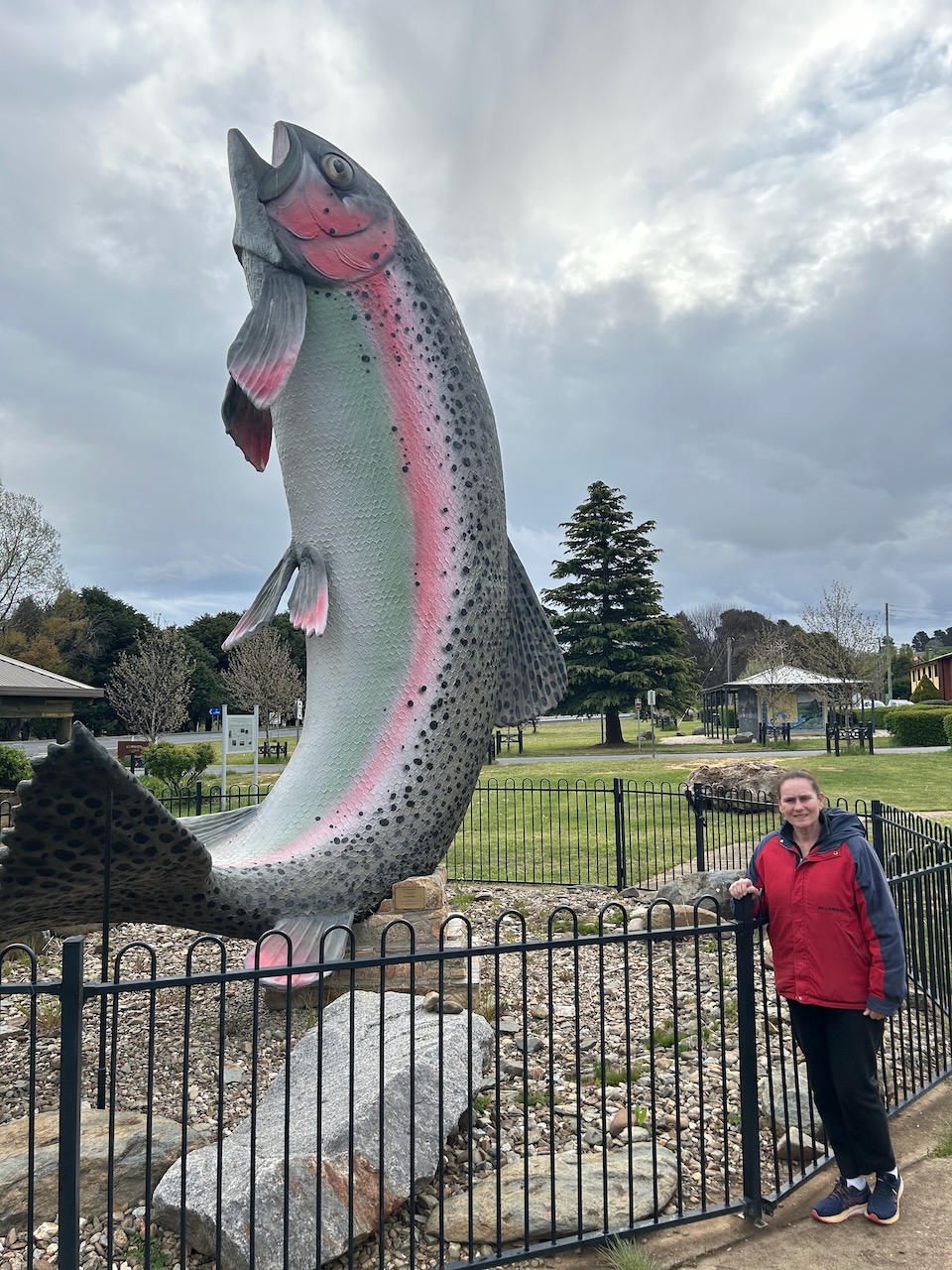
The Adaminaby district is well known for trout fishing. The town features a 10 metre tall Big Trout. It was built by a local artist, Andy Lomnici and was completed in 1973. It underwent a restoration in 2024 by Ryan Loughnane, a Sydney-based mural painter. (Visitnsw.com 2016)
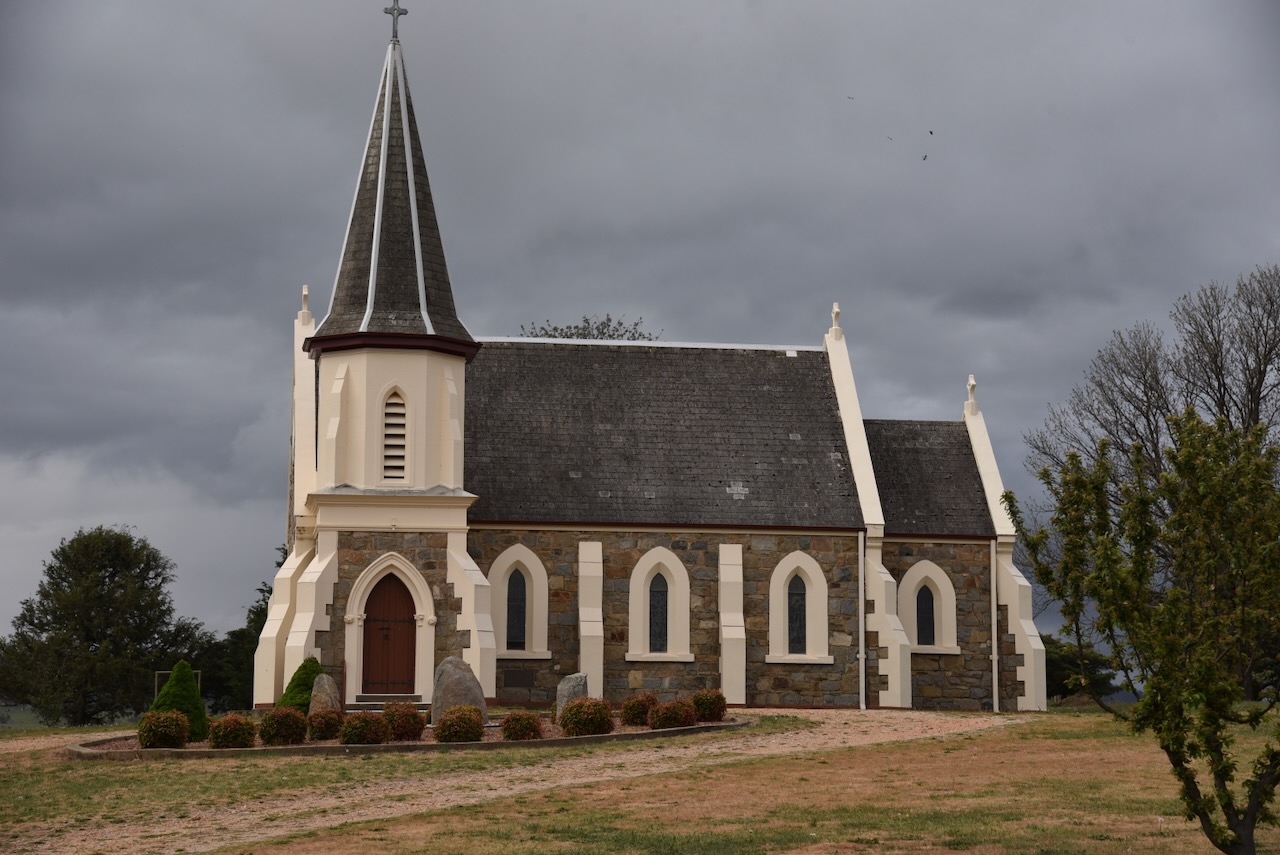
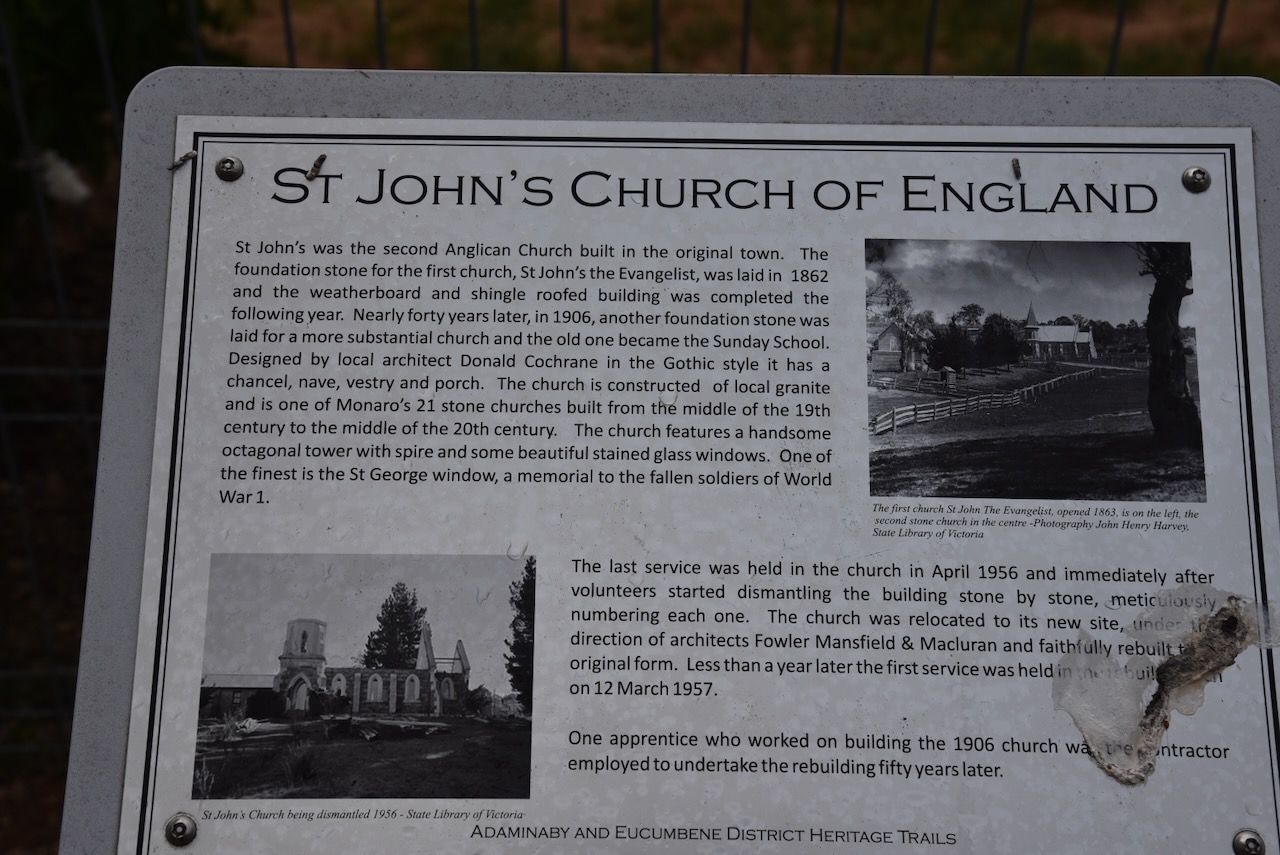
St John’s Church of England in Adaminaby was the second Anglican church built in the original town. The last service was held in the church in April 1956. Following this, a team of volunteers commenced dismantling the church stone by stone. The church was relocated to its new site and rebuilt. On the 12th day of March 1957, the first service was held in the newly built church.
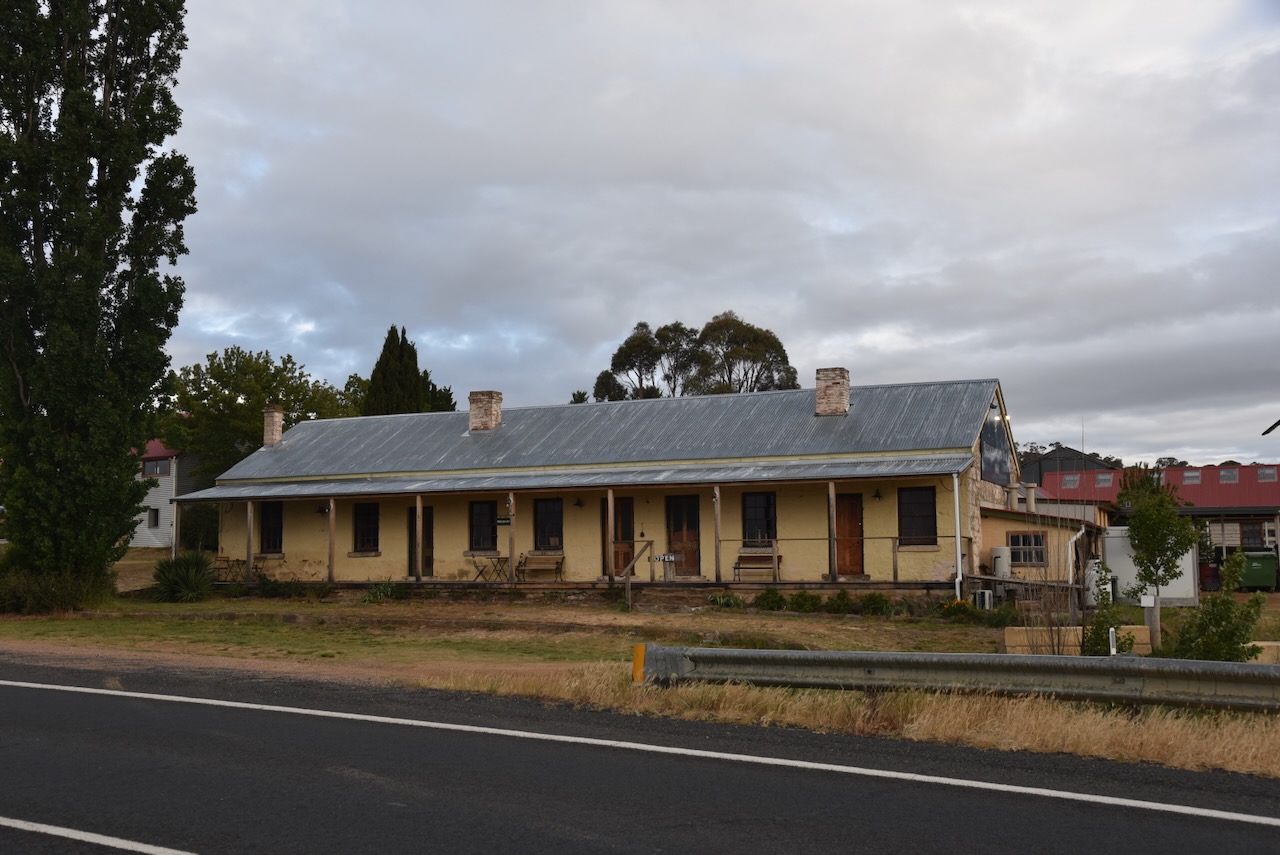
Marija and I then drove southeast on Snowy Mountains Highway towards the town of Cooma. About 6 km west of Cooma is the Snowy Mountains Travellers Rest. The Inn was constructed in 1861 by Hugh Stewart. It housed bullock teams as they travelled from the Kiandra goldfields to Cooma to obtain supplies. (Visitnsw.com 2016)
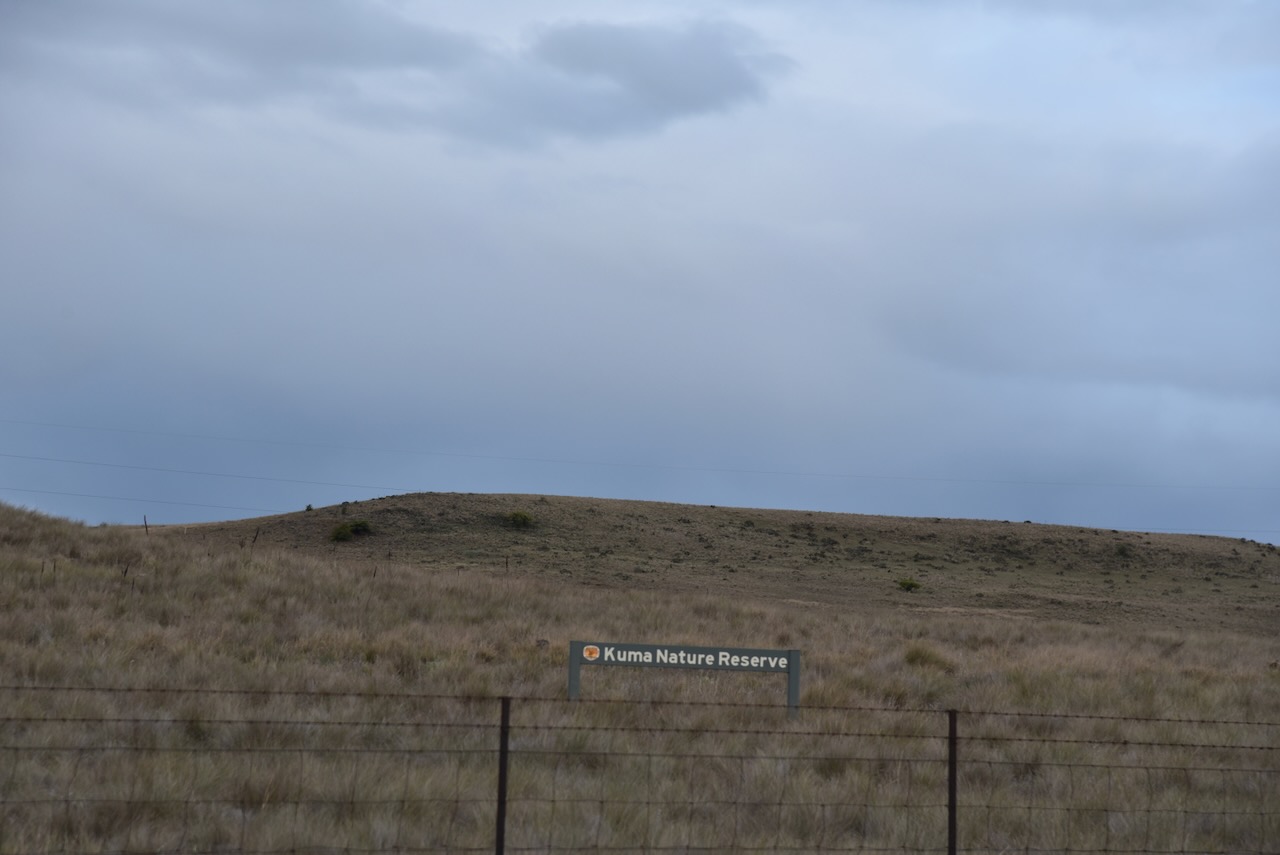
We then drove a short distance out of town to the Kuma Nature Reserve VKFF-1954.
The reserve is about 184 hectares in size and was established in March 2003. It is an example of the natural temperate grassland of the Southern Tablelands and is recognised as a threatened ecological community under the Commonwealth Environment Protection and Biodiversity Conservation Act 1999. It was created to protect endangered and vulnerable reptile species and a remnant area of their natural habitat. Most of the surrounding countryside is used for cattle and sheep grazing. (NSW NPWS 2007) (NSW National Parks 2026)
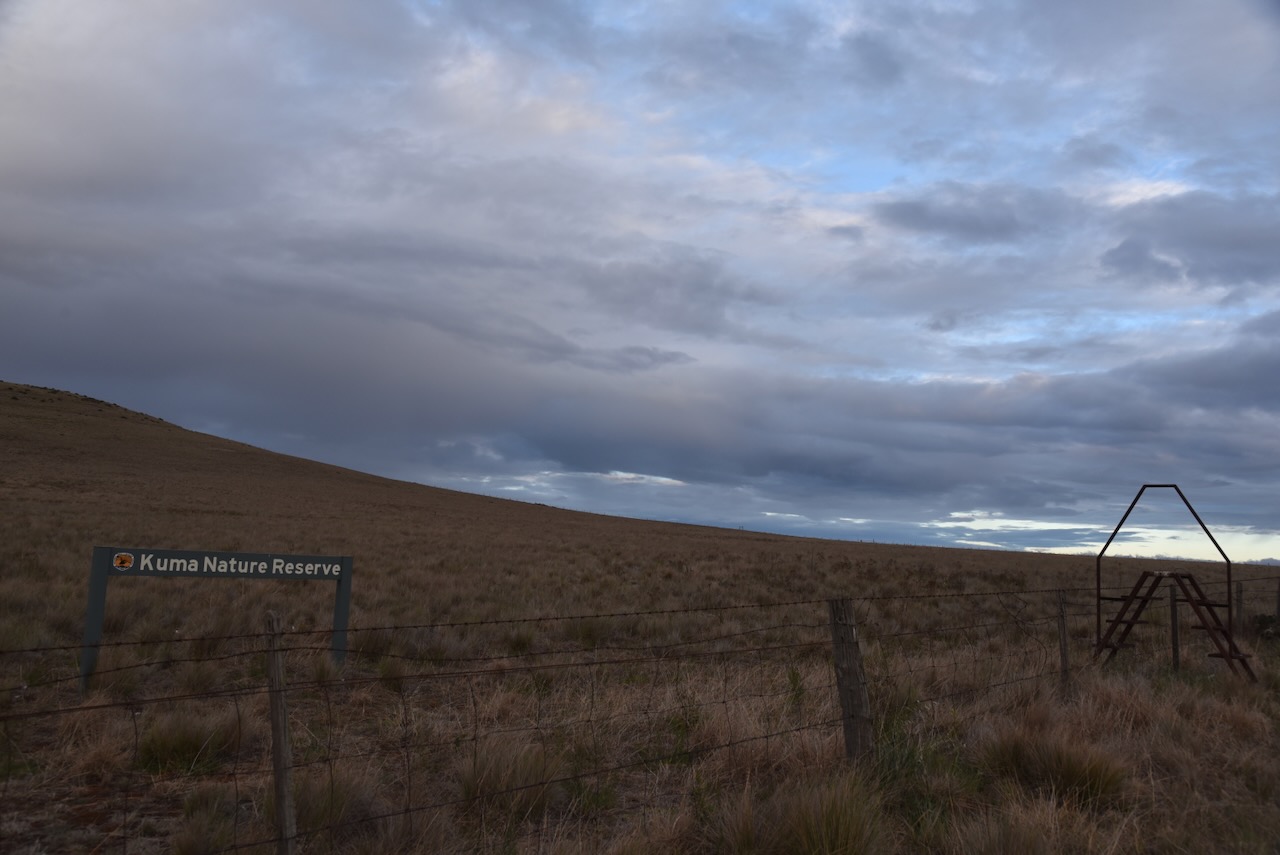
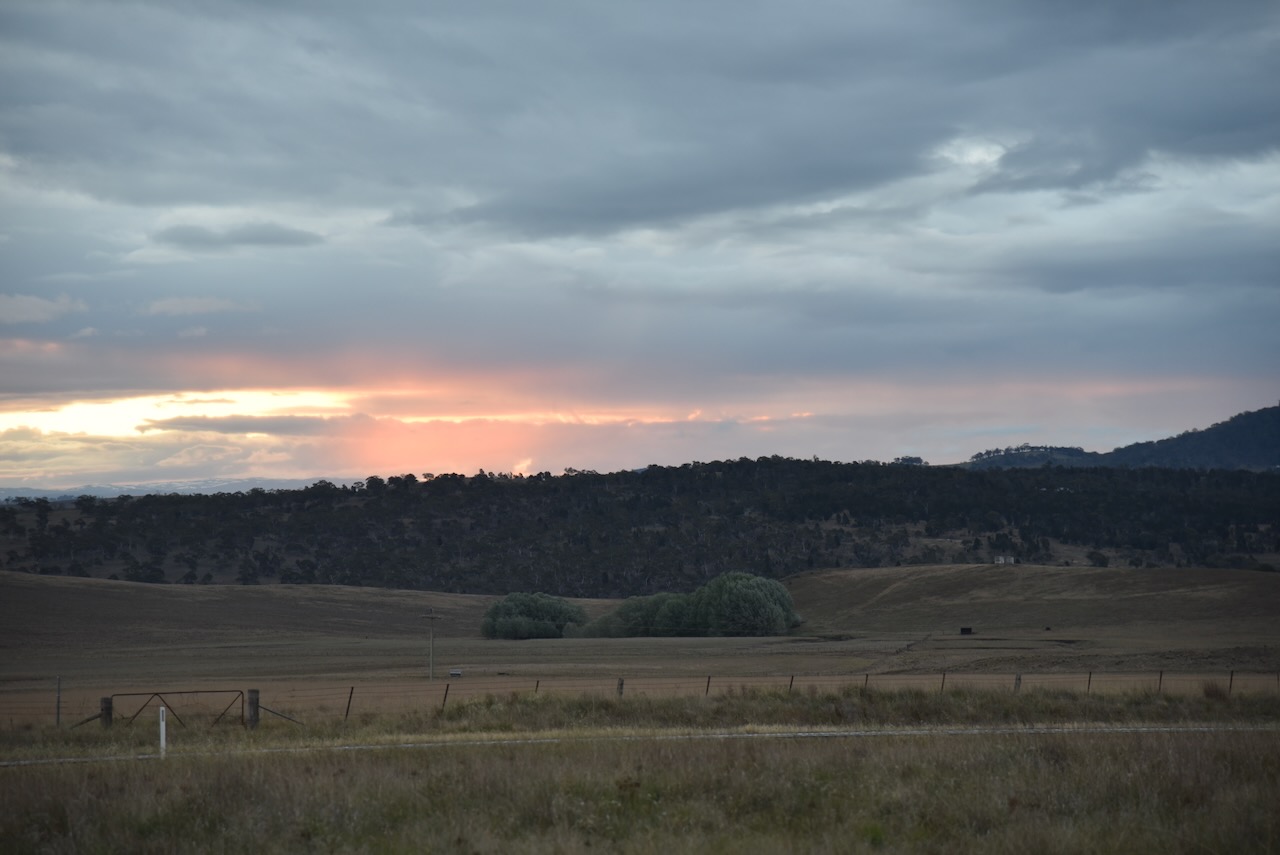
The name Kuma is derived from an early spelling of Cooma, which was the Aboriginal name for the area. The reserve was purchased in 1997 following the drought that year. It was privately owned and had been used for grazing. (NSW NPWS 2007)
The Kuma Nature Reserve is home to three species of threatened grassland reptiles. The Grassland Earless Dragon is listed by the NSW and Commonwealth Governments as endangered. The Striped Legless Lizard and the Little Whip Snake are listed as vulnerable. (NSW NPWS 2007)
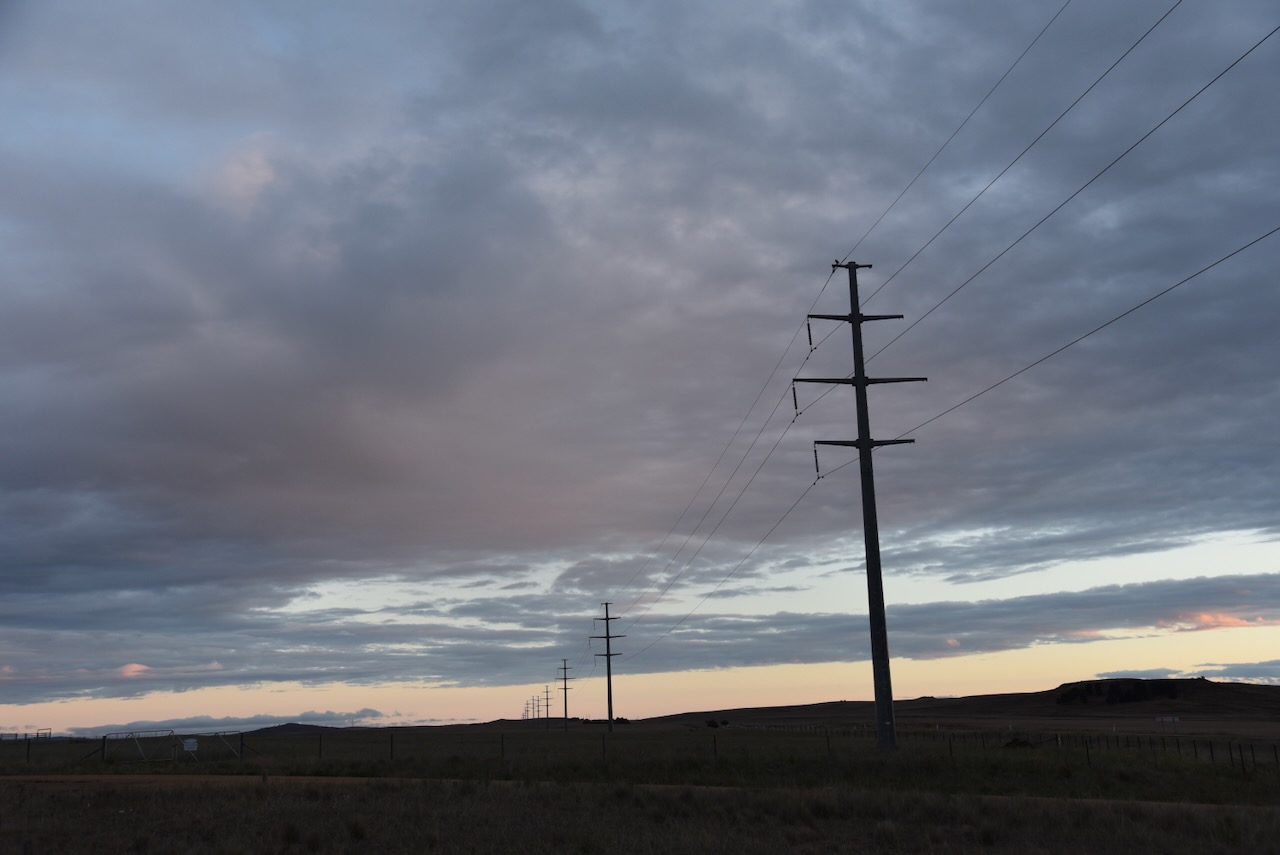
There was a ladder over the fence allowing access to the reserve. We set up just alongside the fenceline as we were cognisant of the endangered reptiles that lived in the reserve. We ran the Yaesu FT857, 40 watts, and the 20/40/80m linked dipole.
Marija worked the following stations on 40m SSB:-
I worked the following stations on 40m SSB-
References.
After leaving the Namadgi National Park on Wednesday, 29th October 2025, Marija and I headed to the Old Naas Travelling Stock Route (TSR) VKFF-0992.
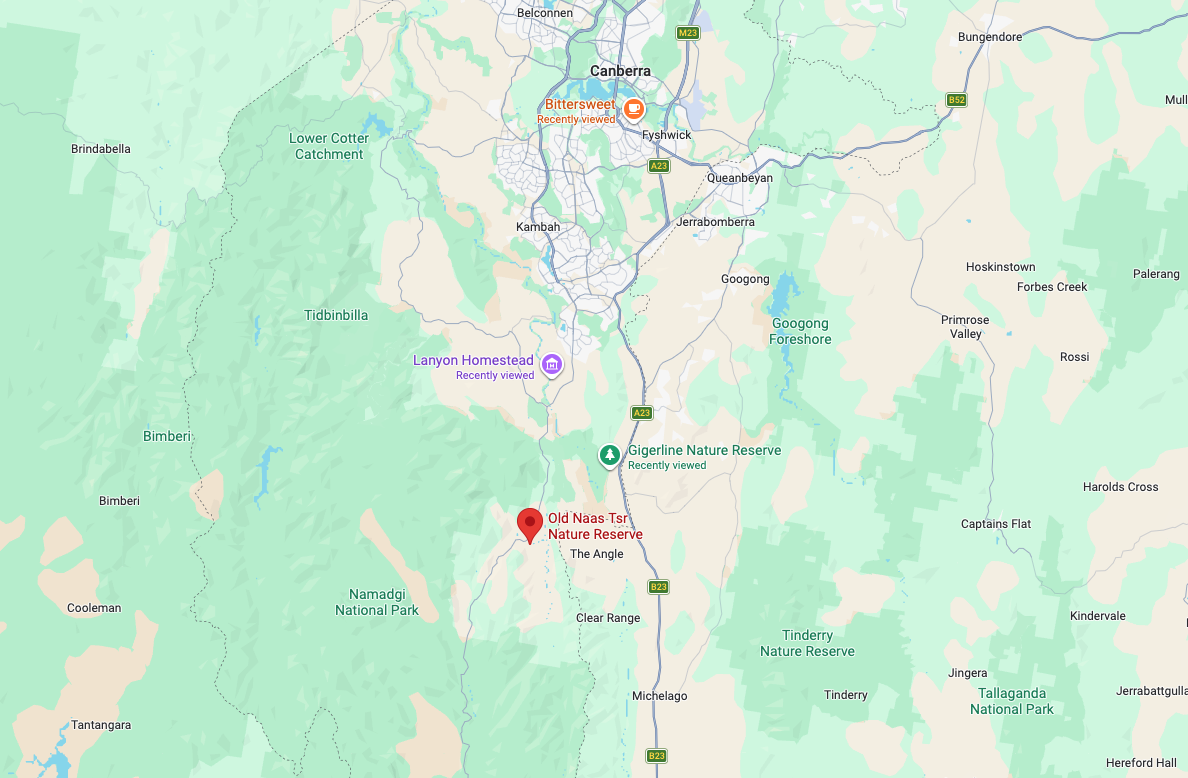
Above: Map showing the location of the Old Naas Travelling Stock Route. Map c/o Google Maps
The TSR is located in the Naas Valley south of Canberra. It is located near the intersection of Naas Road, Boboyan Road and Top Naas Road.
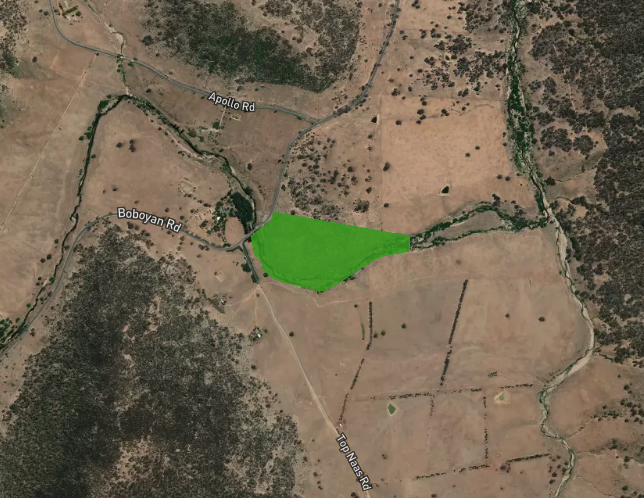
Above: the boundaries of the Old Naas Travelling Stock Route. Image c/o Protected Planet
The Old Naas Travelling Stock Route is about 18 hectares in size and was established on the 18th day of March 2013. (CAPAD 2025)
The Gugenby River flows through the TSR. The Gugenby is formed by the confluence of Bogong Creek and Middle Creek and rises within the Namadgi National Park. The river flows for a distance of about 35 km and is joined by nine tributaries, including the Naas River and Orroral River, before reaching its confluence with the Murrumbidgee River near Tharwa. (Wikipedia 2025)
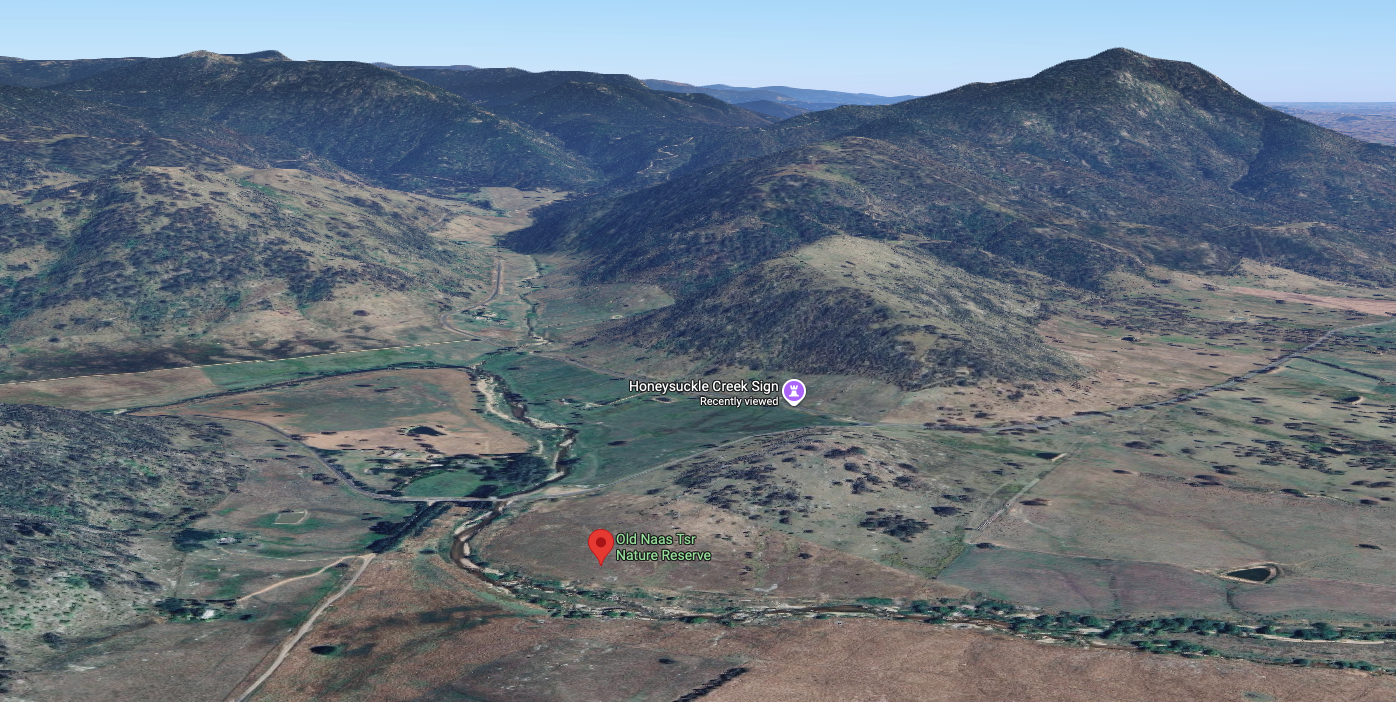
Above: An aerial view of the Old Naas TSR. Image c/o Google Maps
The first European settler in the Naas Valley was William Herbert. Herbert was initially a squatter in the district, but by 1848, he had been granted 2,428 hectares of land on a leasehold basis. He was born in 1778 in Wiltshire, England. In July 1816, he was convicted of breaking open and robbing the Wiltshire and Berkshire Canal Lockhouse and was sentenced to transportation for Life. He was transported to New South Wales aboard the Shipley, arriving in Sydney on the 24th day of April 1817. In 1818, he married Ann Sharkey. He was issued with a Ticket of Leave in September 1826. Herbert died on the 25th day of October 1857 in the Naas Valley. (Convictrecords.com.au 2026) (Wikipedia 2025)
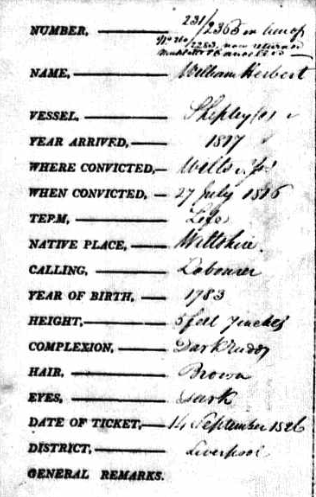
Above: the Register of Tickets of Leave for William Herbert. Image c/o ancestry.com.au
A travelling stock route (TSR) is an authorised thoroughfare for the walking of domestic livestock, e.g. cattle or sheep. They are colloquially known as The Long Paddock. Many of these TSRs were located along corridors that followed river systems. Today, their original transport purpose has mostly been superseded. (Wikipedia 2024)
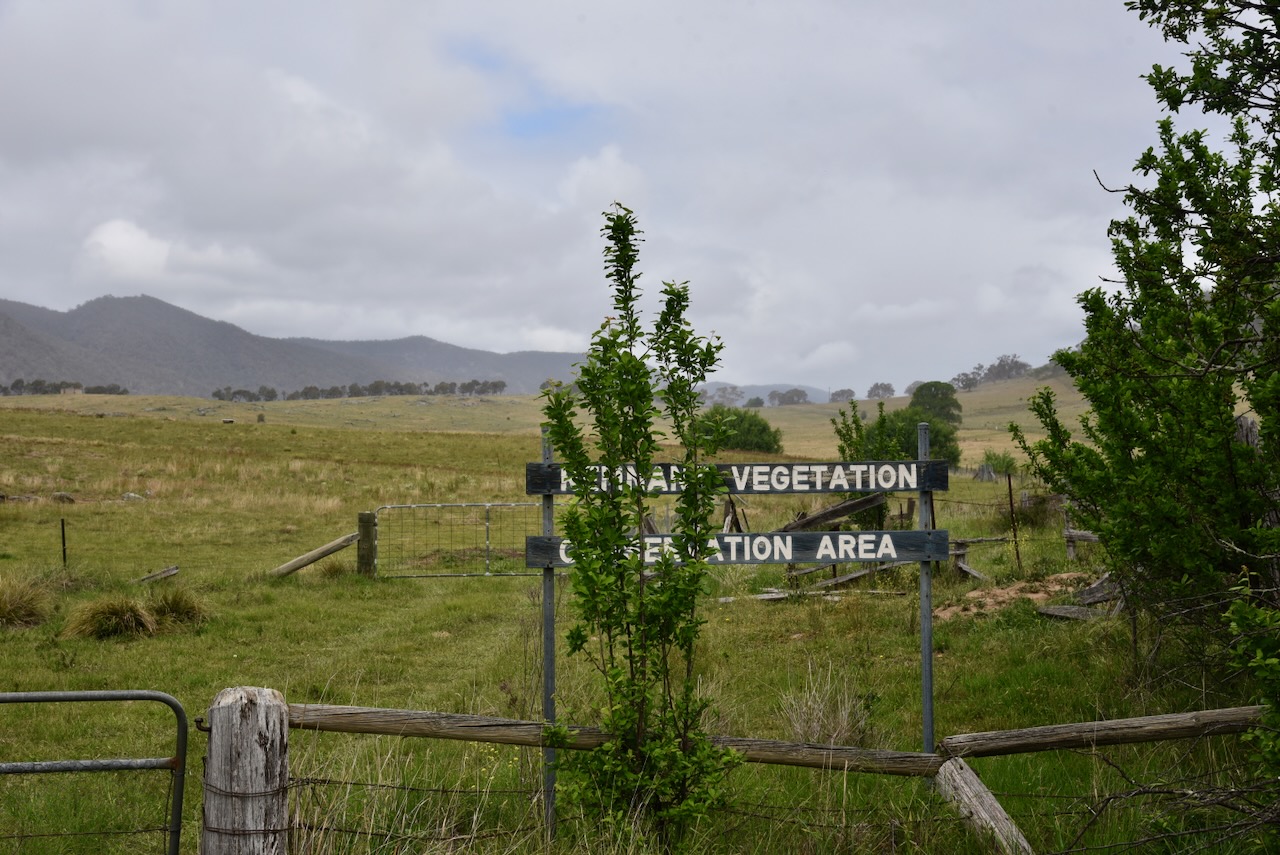
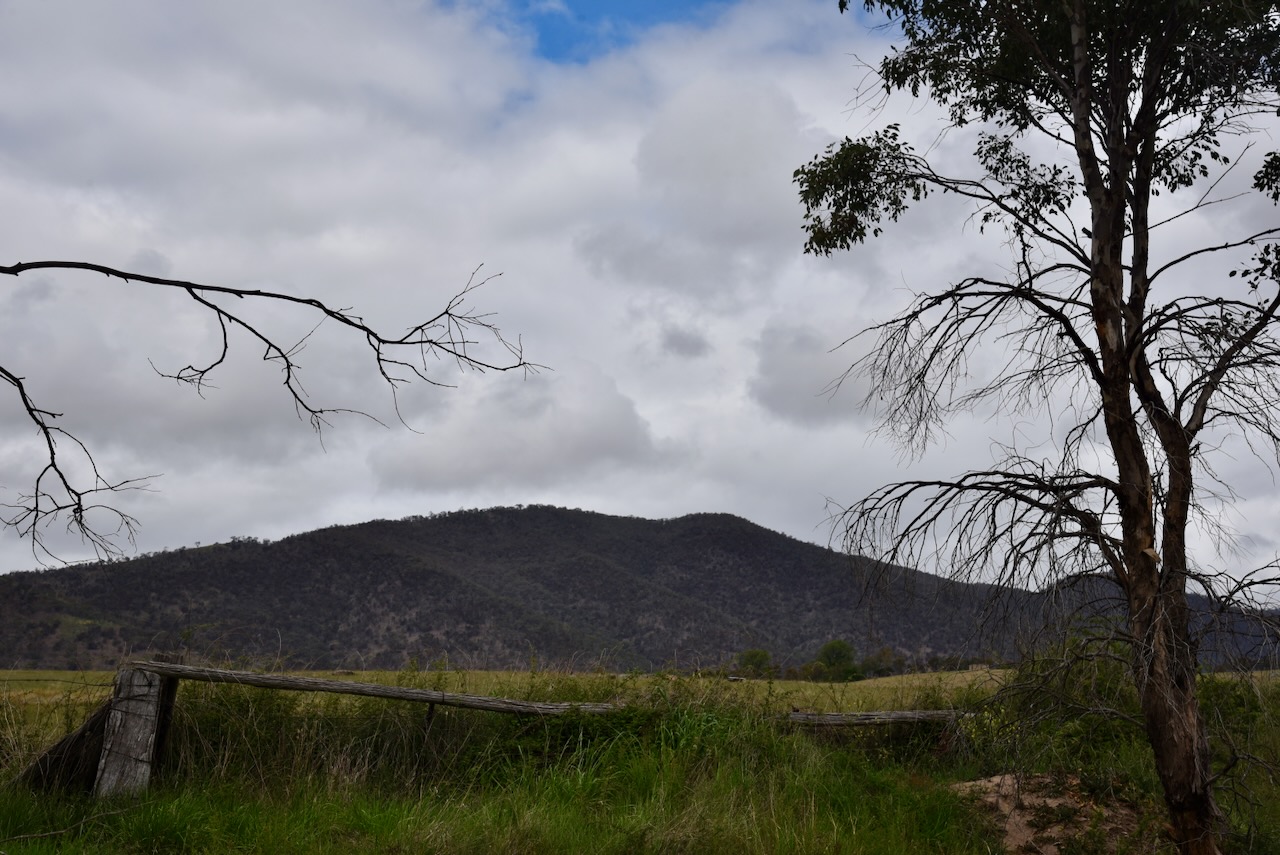
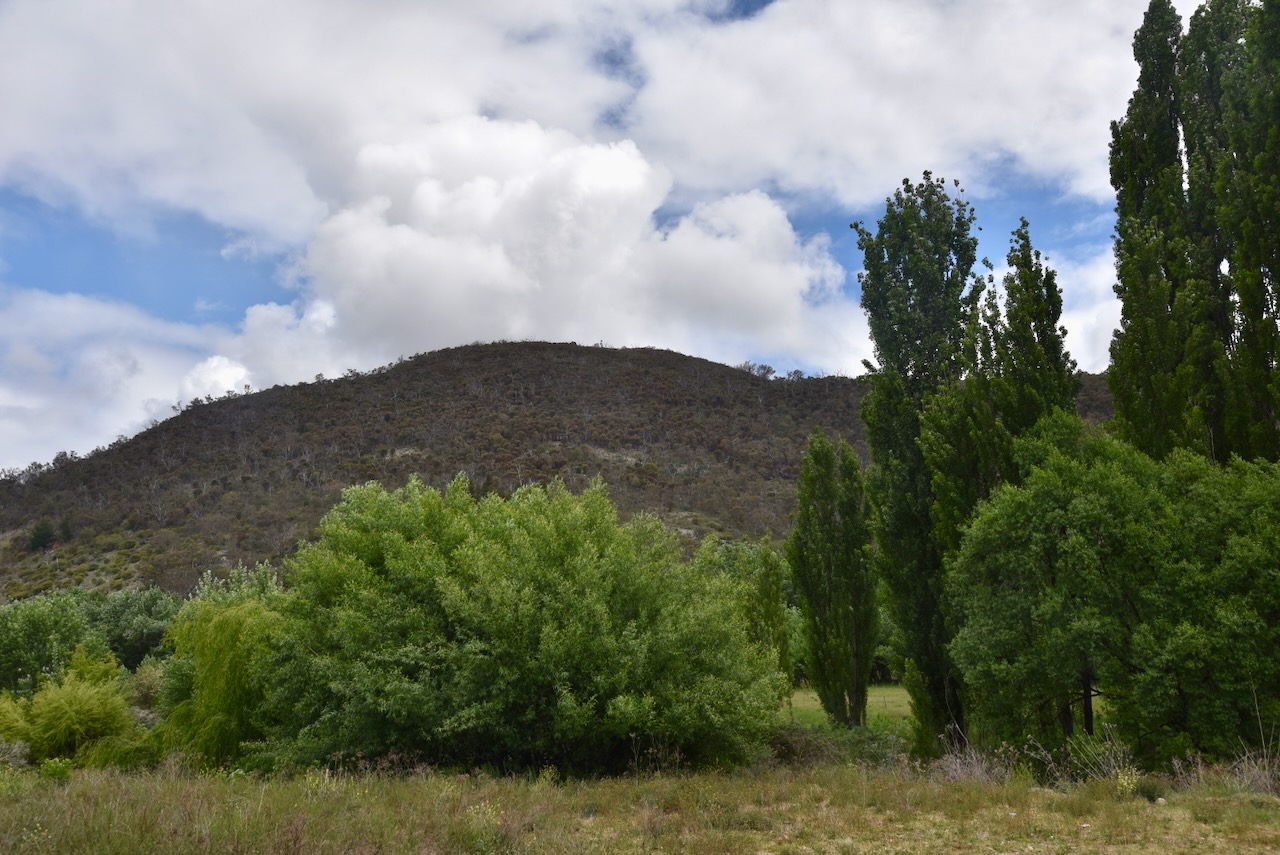
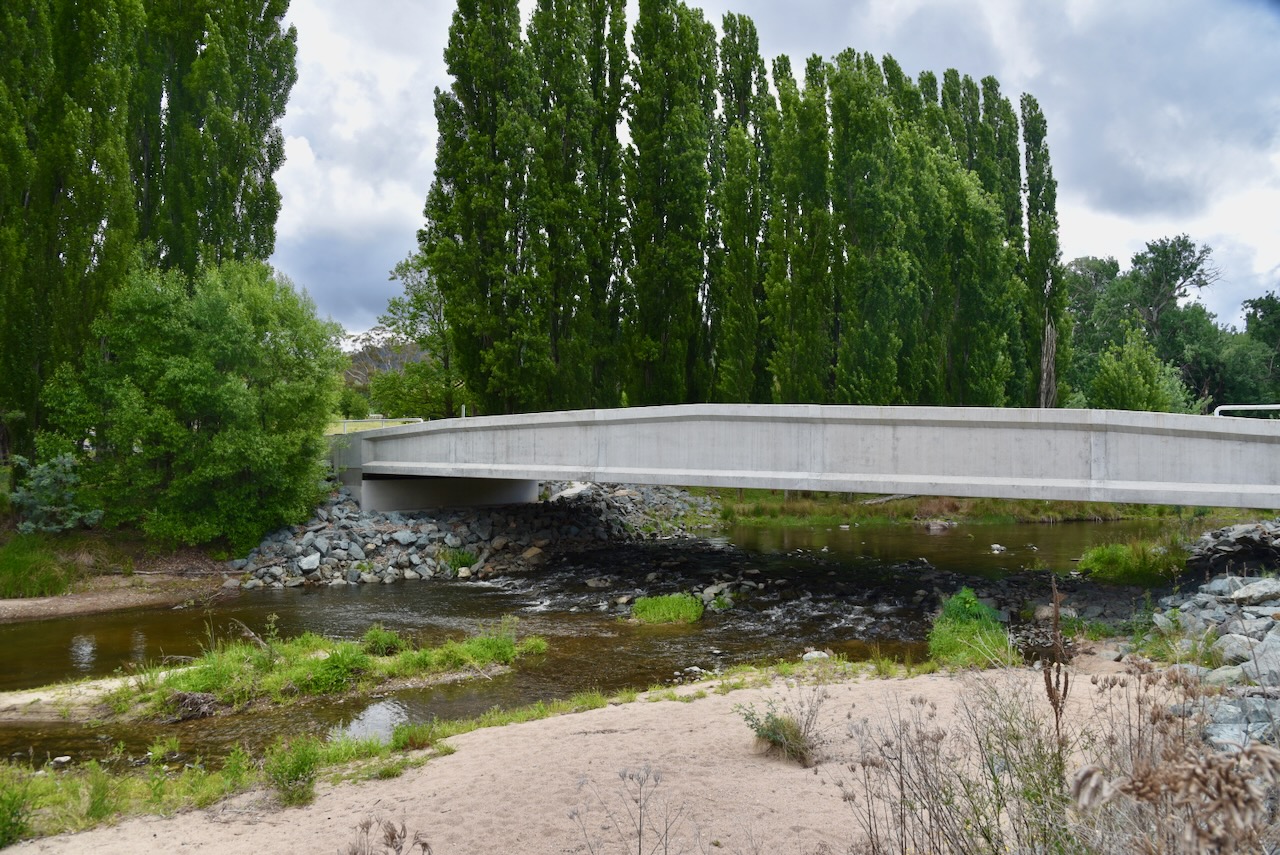
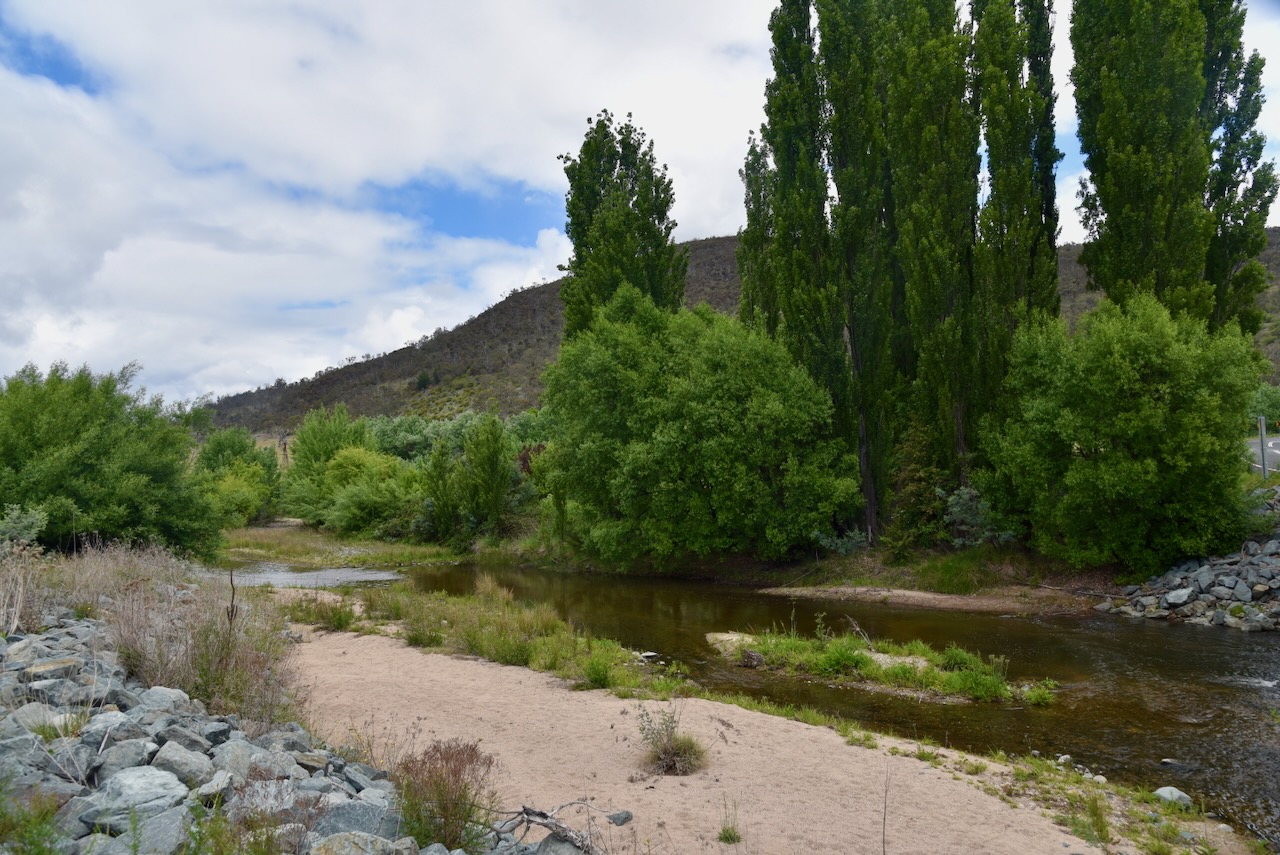
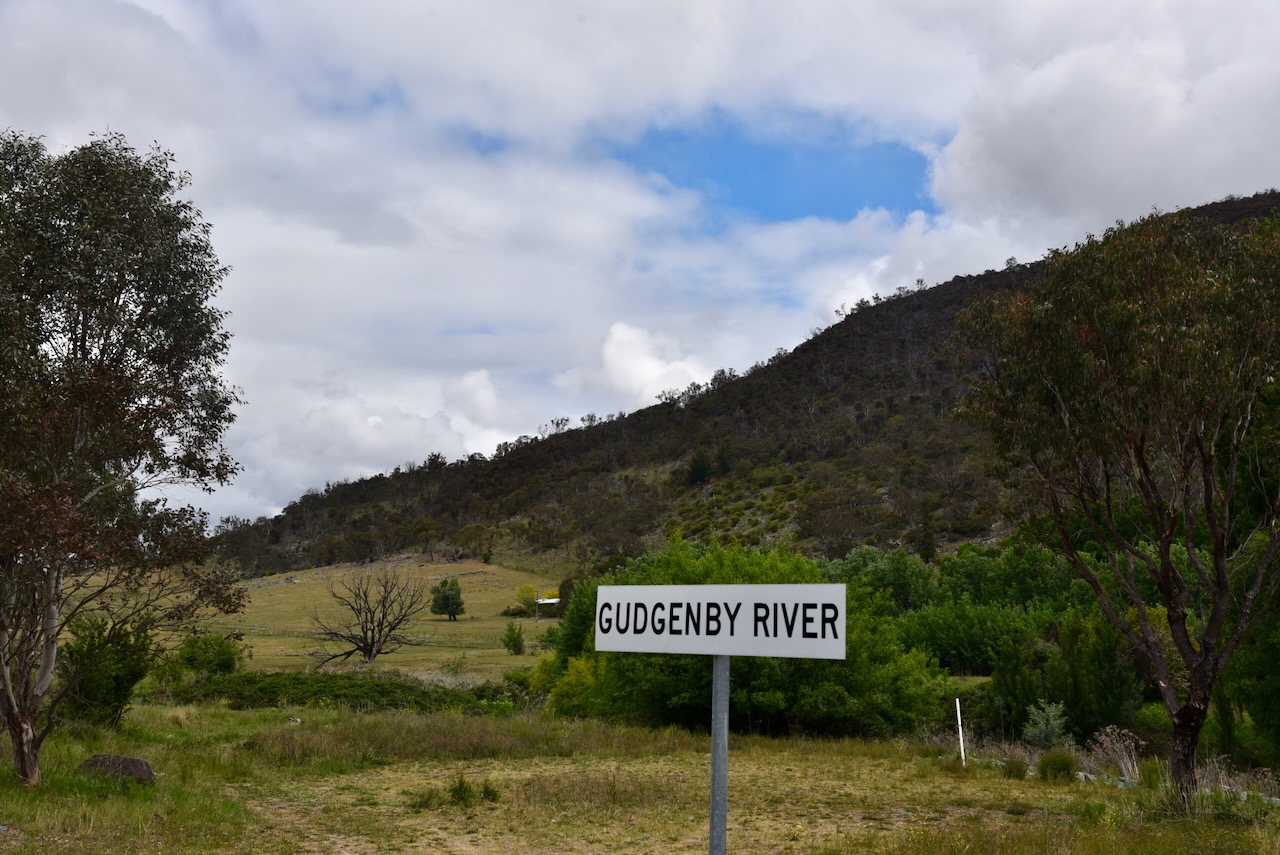
We pulled in alongside the river and operated using the Yaesu FT857, 40 watts, and the 20/40/80m linked dipole.
Marija worked the following stations on 40m SSB:-
I worked the following stations on 40m SSB:-
References.
Our start for Wednesday, 29th October 2025, was breakfast at Kingston in Canberra. Marija and I had a beautiful cooked breakfast at the Bittersweet Cafe. We also revisited the nearby Durham Castle Arms Pub. Many years ago, I attended a course in Canberra with colleagues from across Australia. I phoned my great mate Tim up in Queensland to let him know that I was ‘back at the scene of the crime’ at the pub. We spent many a night there during my 6-week course in Canberra and had lots of laughs.
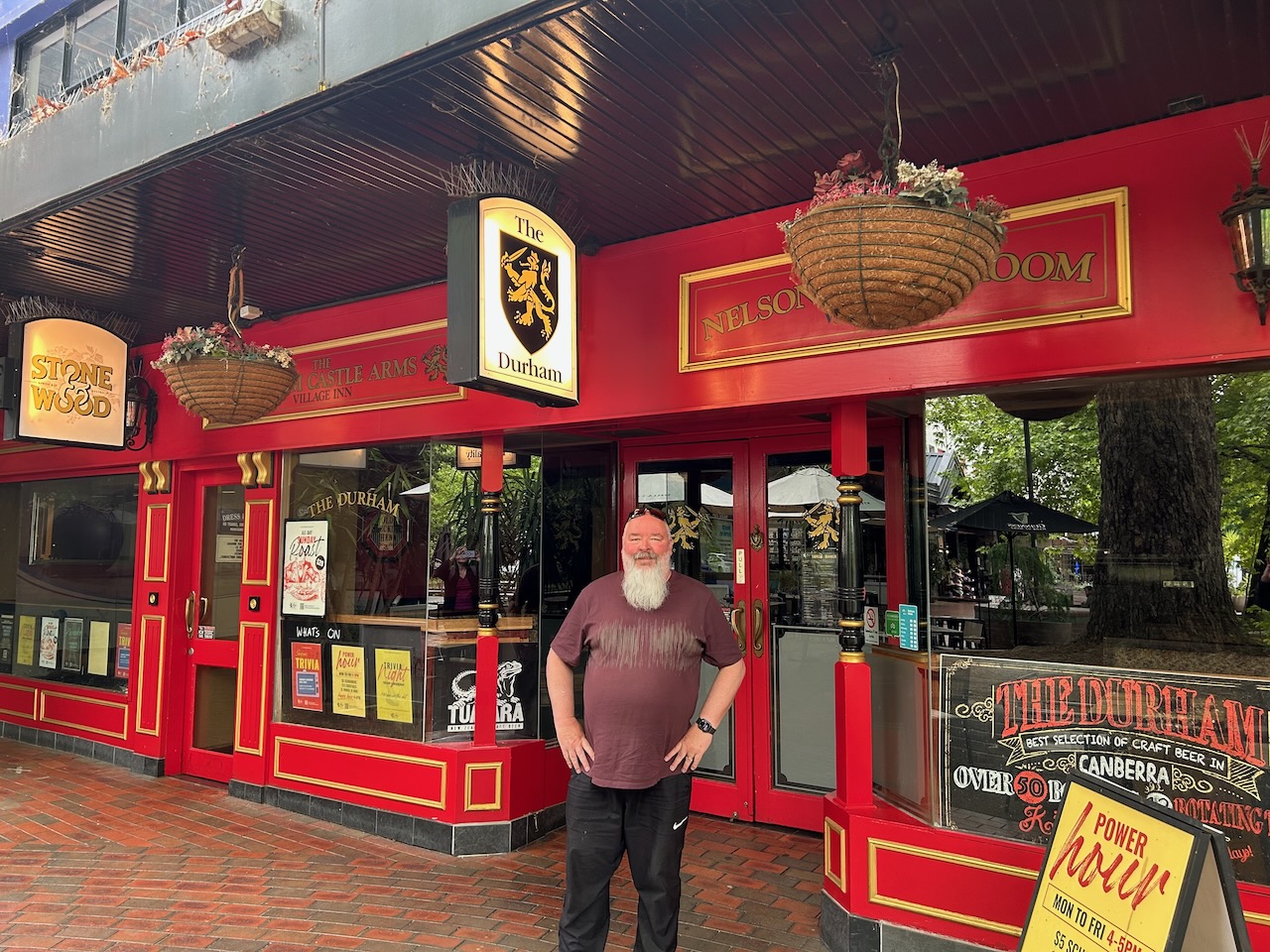
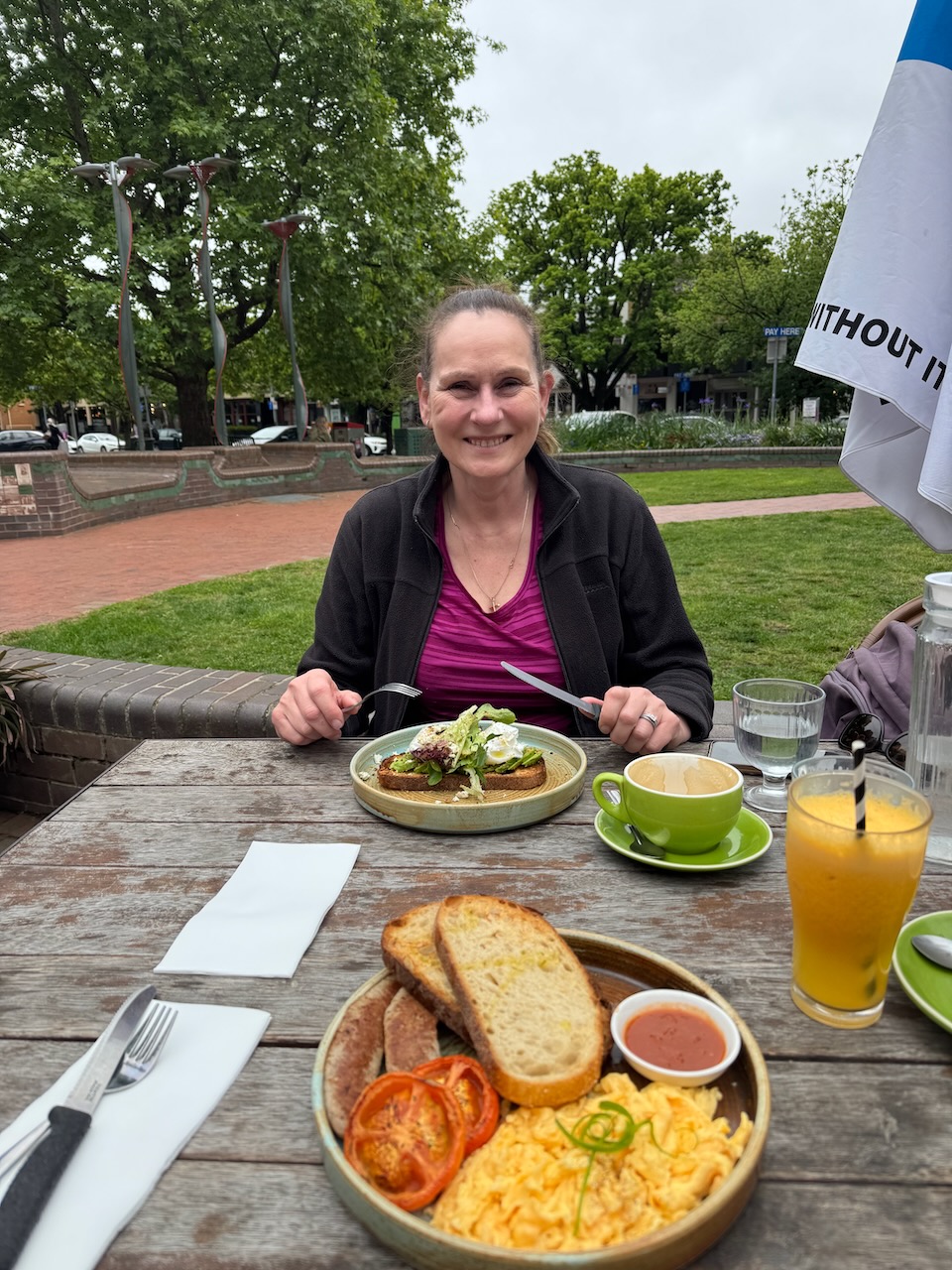
After breakfast, Marija and I took a brief drive around Canberra to have a look at some of the embassies. There is a Diplomatic Missions self-guided driving tour, but Marija and I just drove around admiring some of the amazing architecture and culture that the embassies represent.
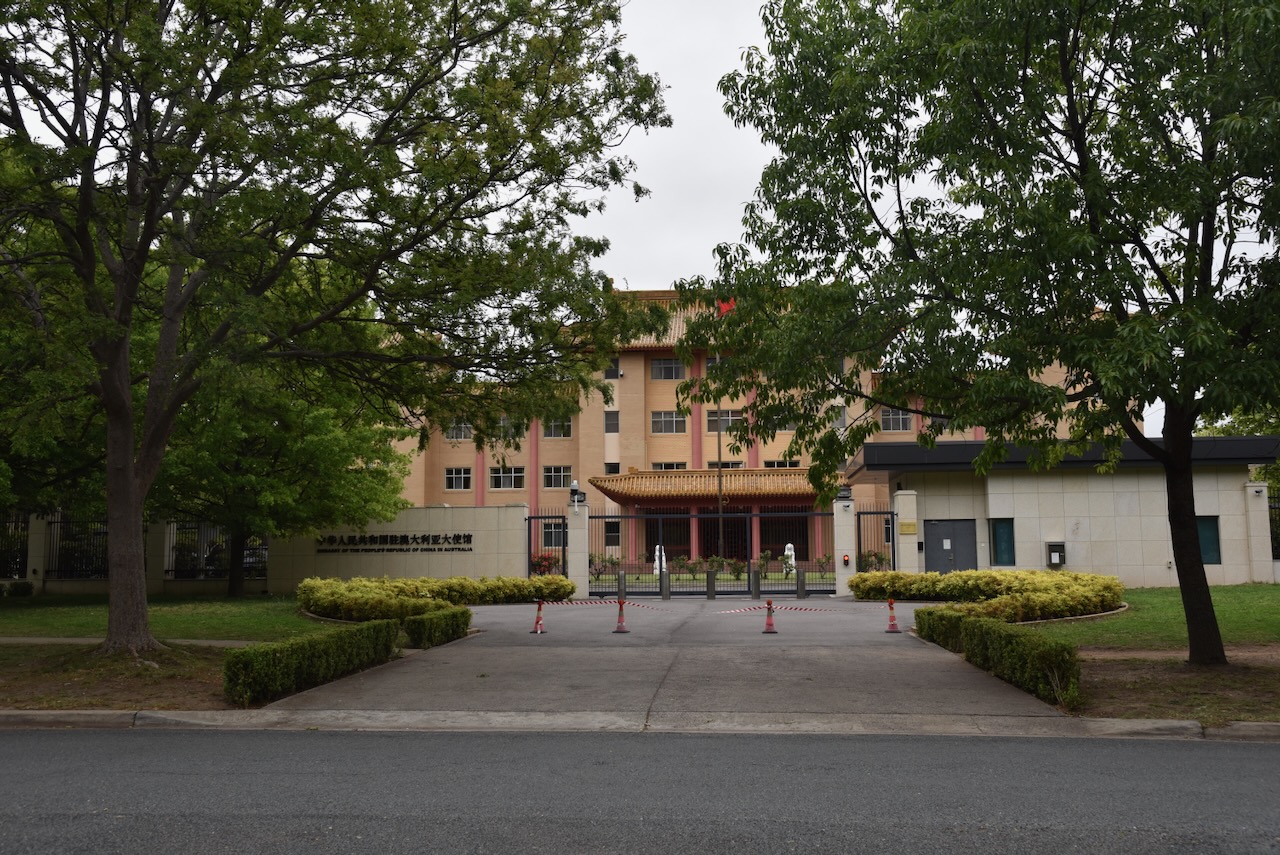
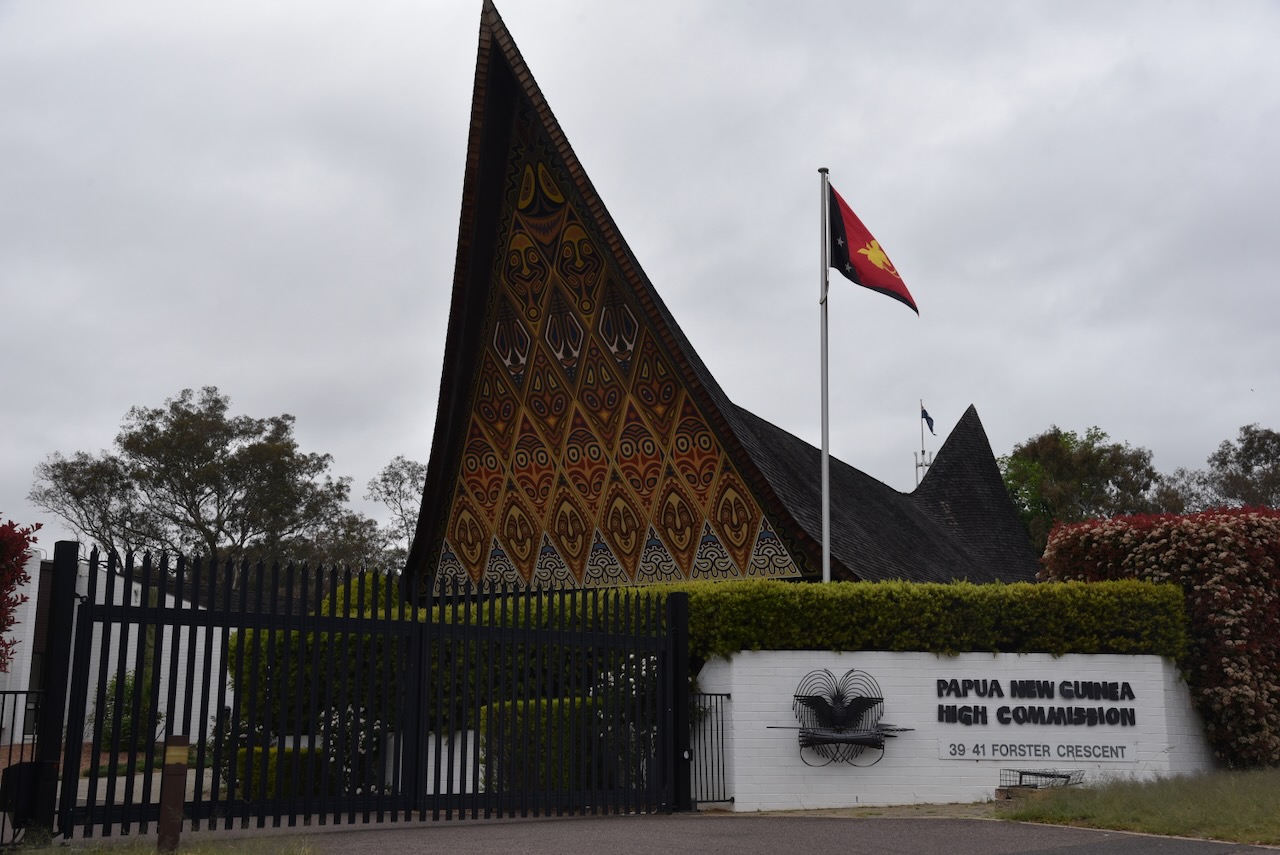
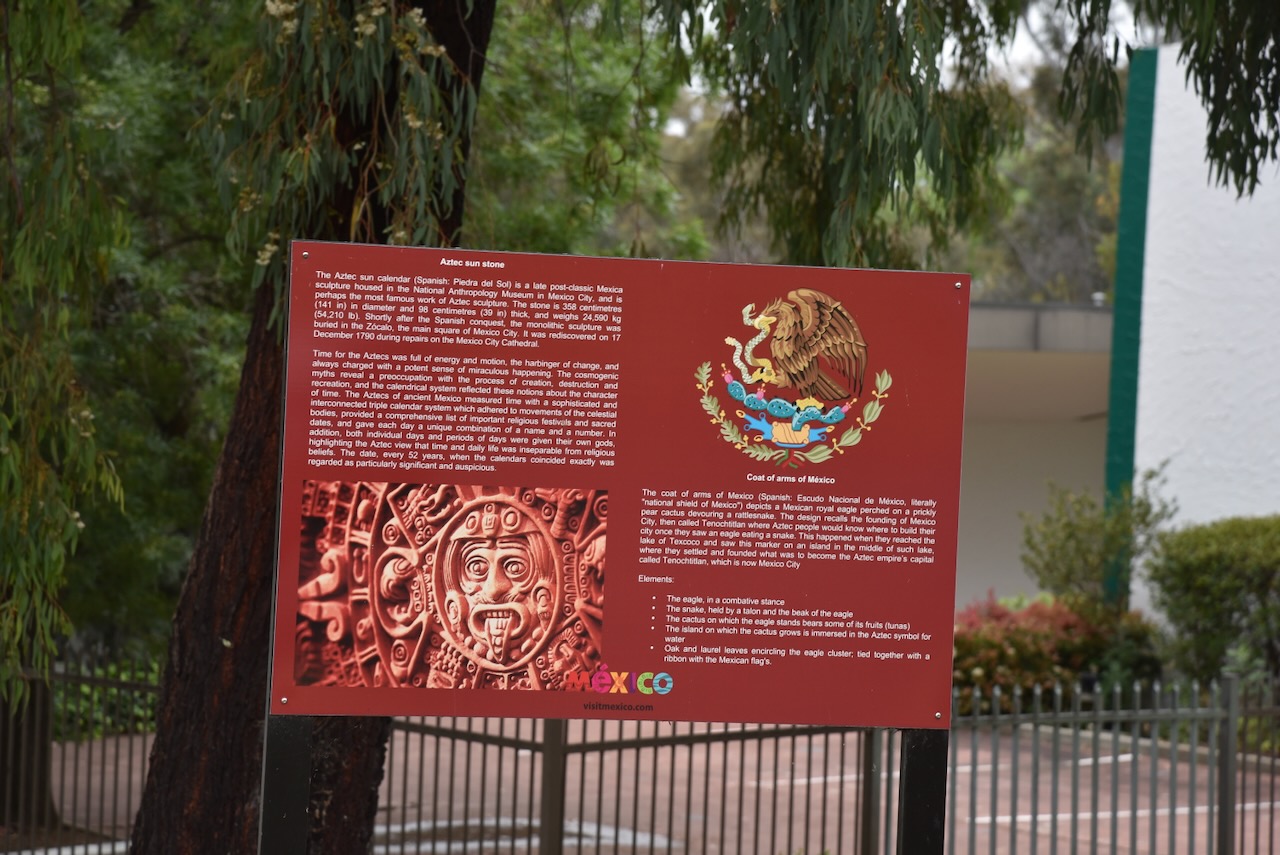
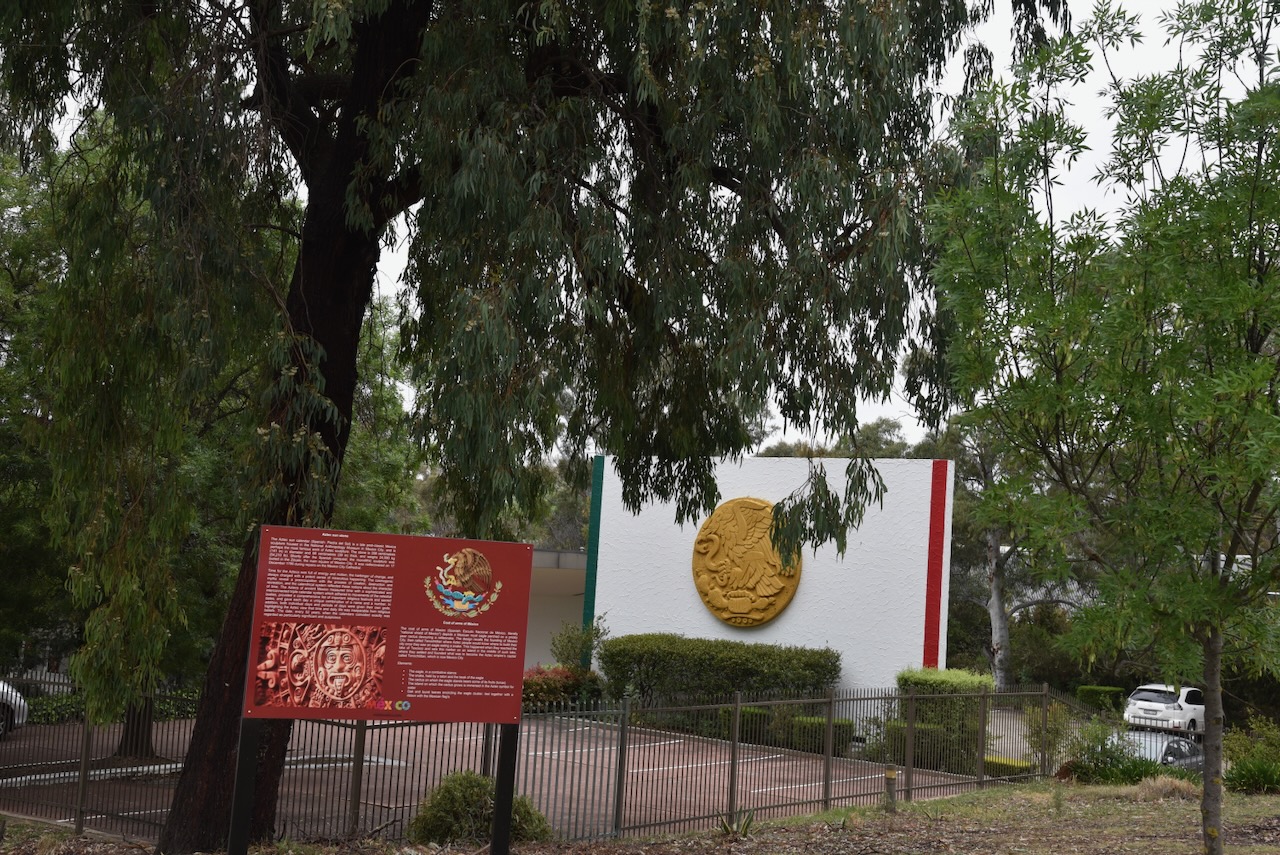
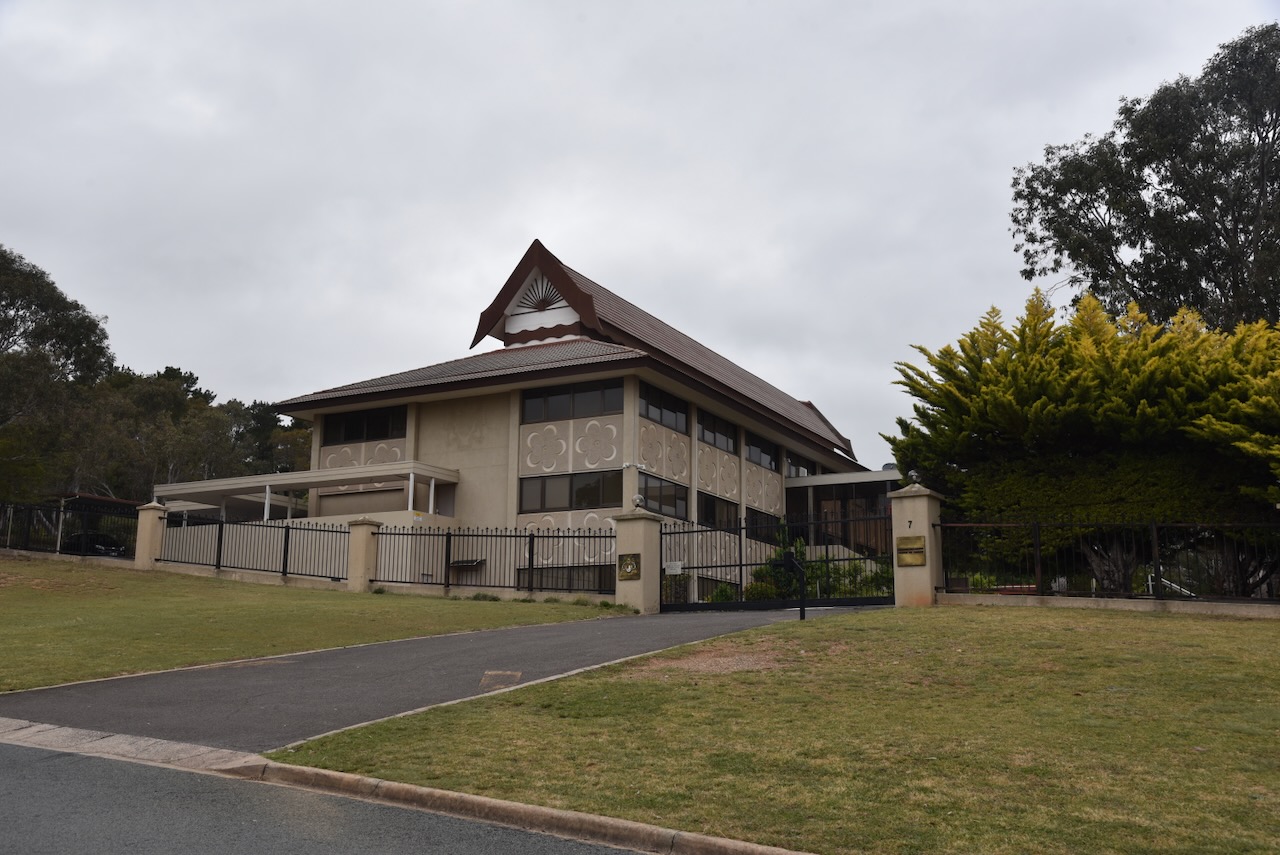
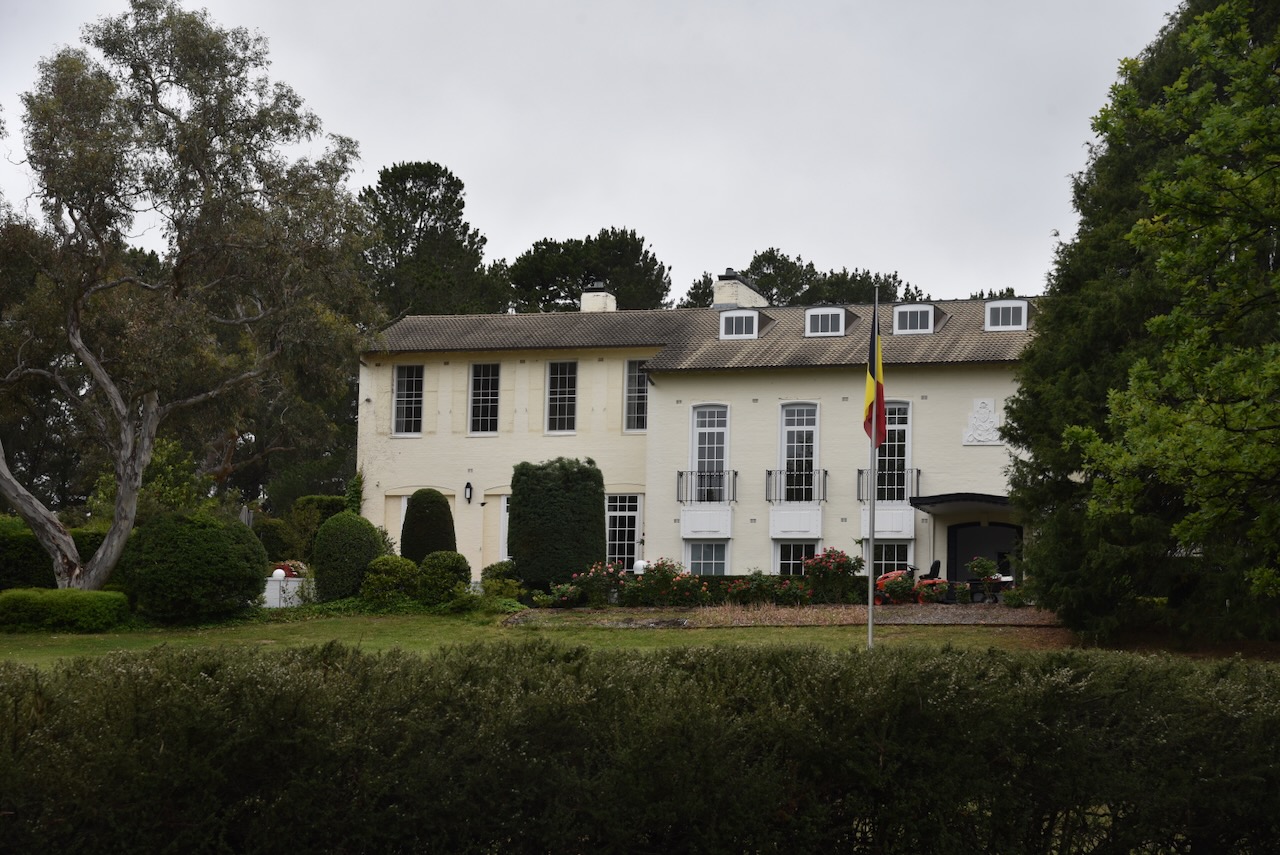
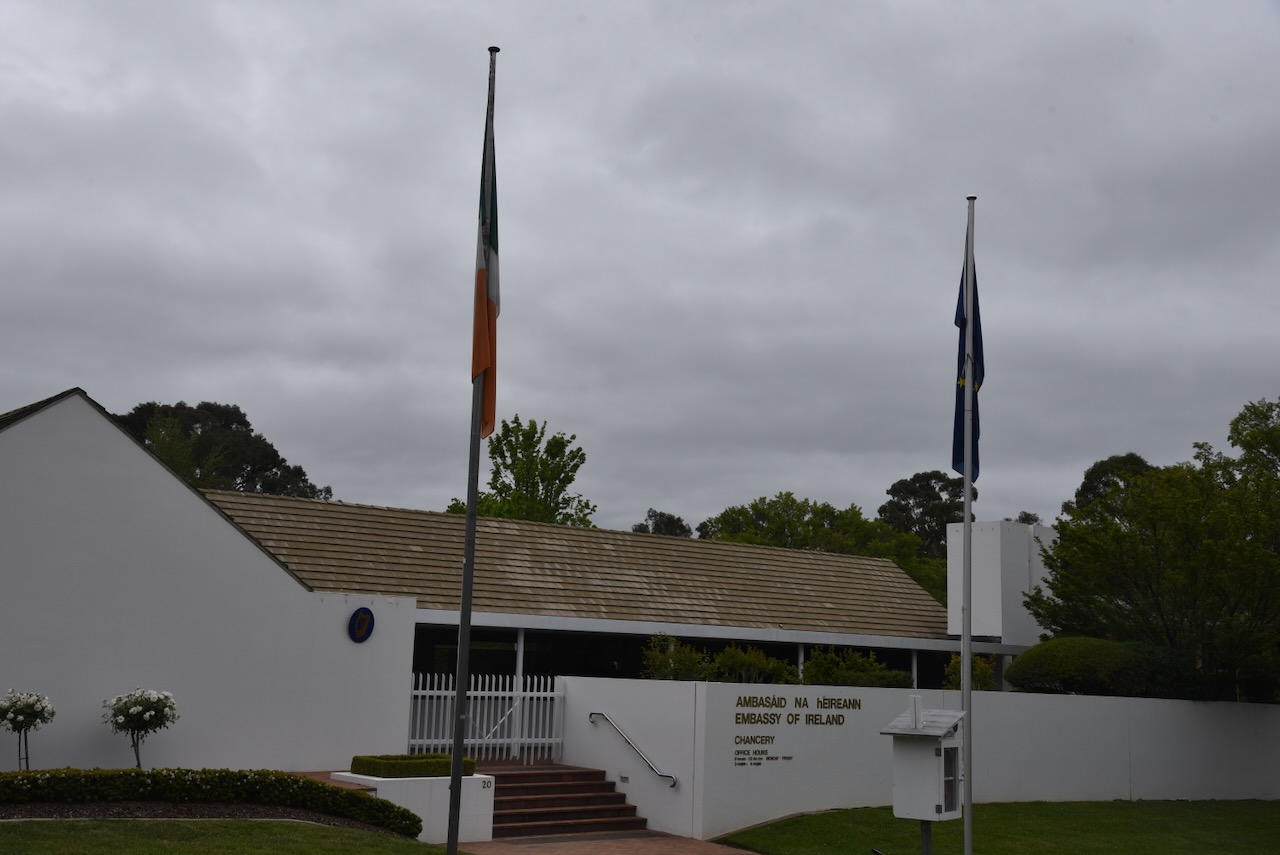
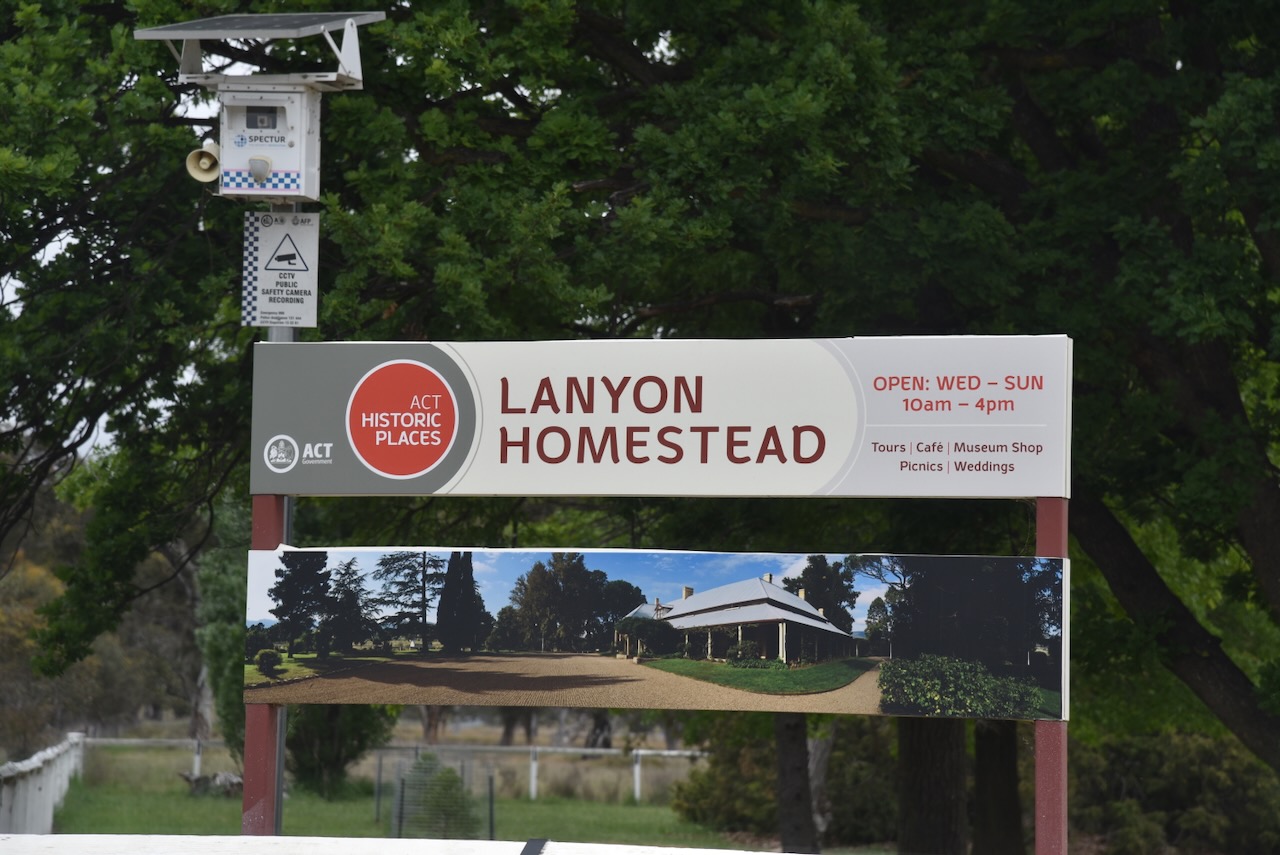
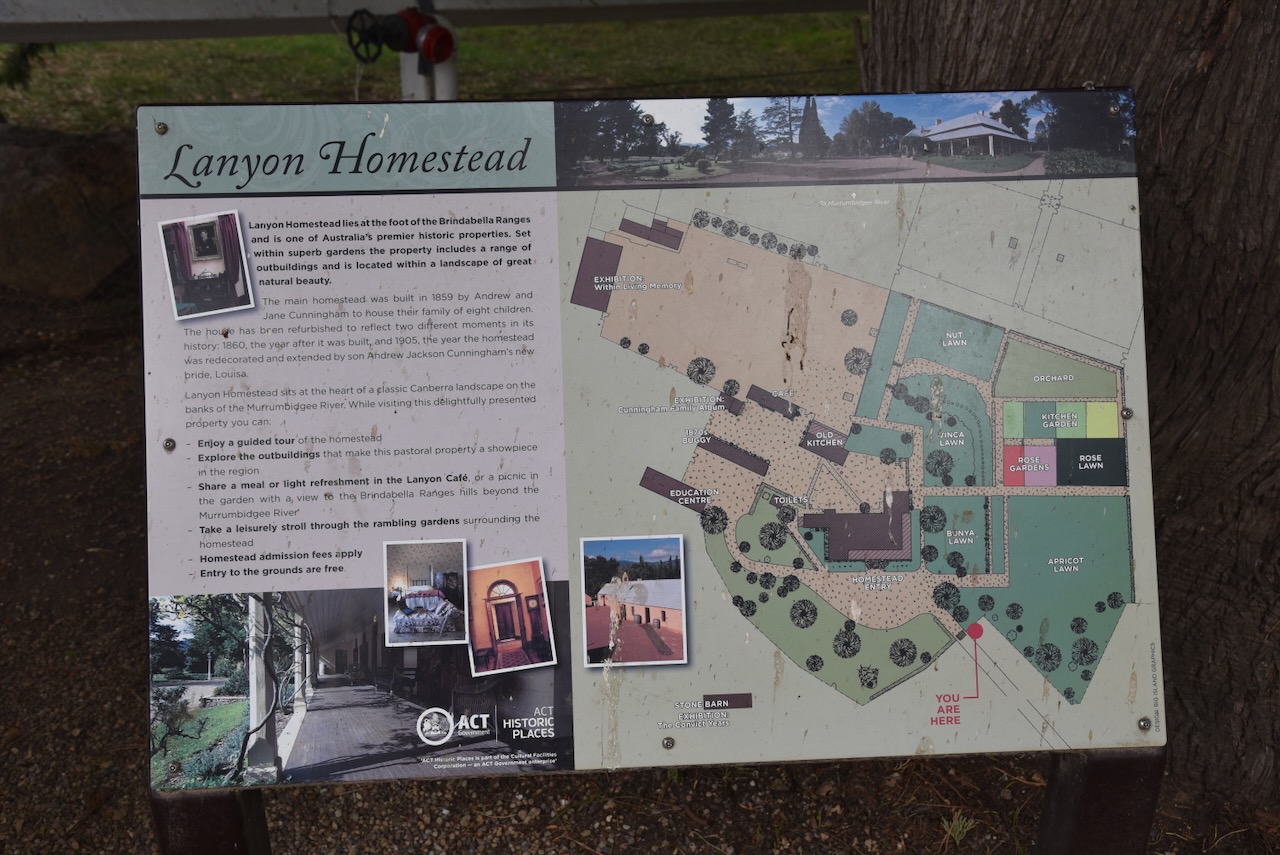
We then drove south out of Canberra to Lanyon Homestead at Tharwa. We had driven past the homestead the day prior during our visit to Gigerline Nature Reserve, and we were very keen to pay a visit.
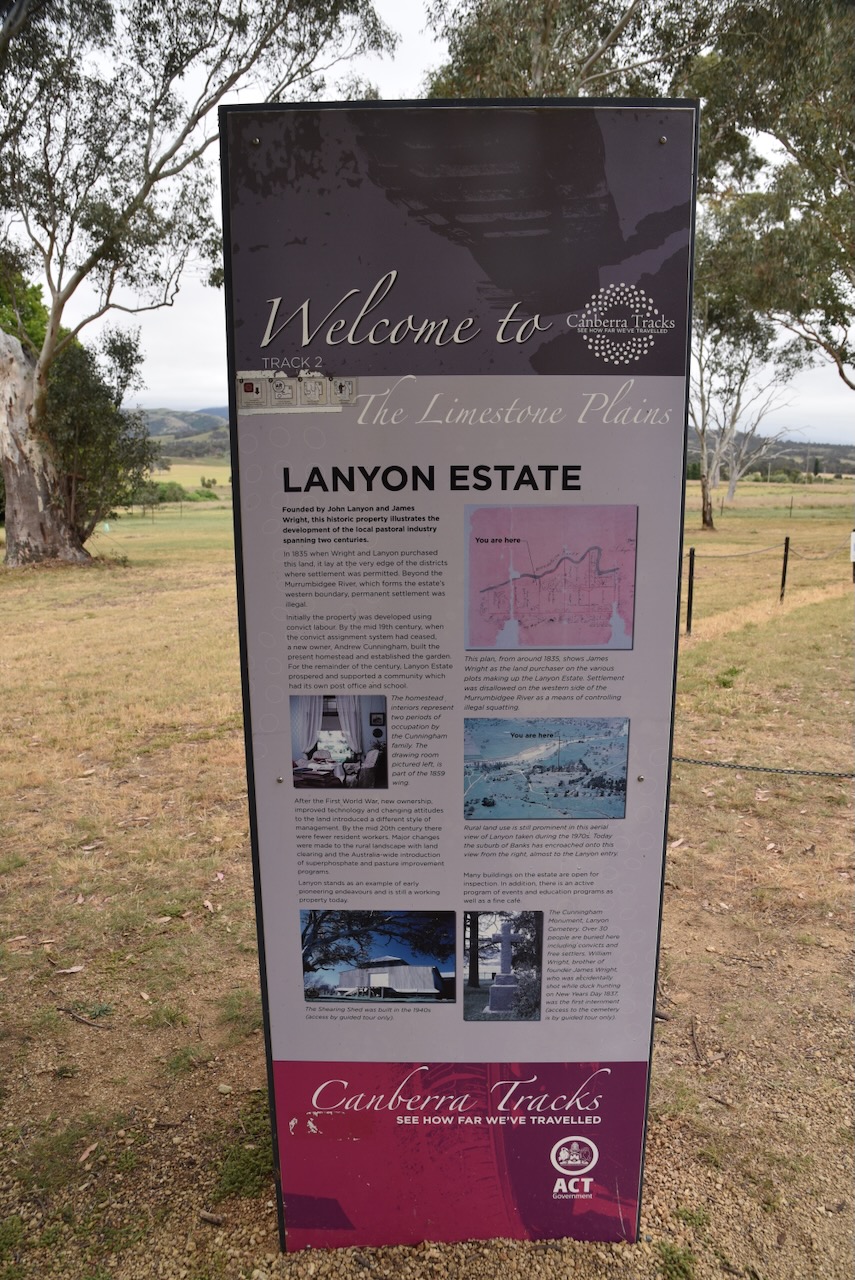
The first European to settle on the land on which Lanyon is located was Timothy Beard. He depastured cattle on the Limestone Plains from c. 1829. Beard was born in 1764 and was a carpenter. In March 1805, he was convicted at Gloucester, England, for sheep stealing and sentenced to transportation to the colony of Australia for life. (ACT 2020) (ancestry 2016)

Above:. Prison record for Timothy Beard. Image c/o ancestry.com.au
Beard arrived in the new colony in July 1806 aboard the Fortune and Alexander. He was assigned to Thomas Jamison, who was the Surgeon General for New South Wales. In 1818, Beard was conditionally pardoned. He became a squatter and ran a station called ‘Queenbeeann’. His huts were located on the Molonglo River on the site of the Lanyon homestead. In the late 1820s, he was forced out of the district and became an inkeeper. At the time of his death, the Beard family owned several acquisitions of land comprising nearly 100,00 acres. Timothy died in May 1848, aged 86 years. He is buried at the Liverpool Pioneer Cemetery. The suburb of Beard in Canberra is named after him. (ACT 2020) (ancestry 2016) (Convictrecords.com.au 2026)
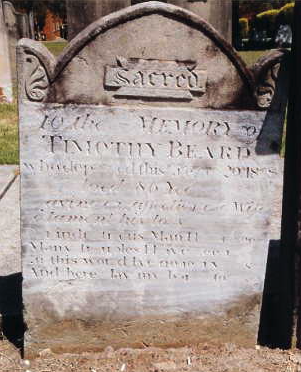
Above: headstone of Timothy Beard. Image c/o ancestry.com.au
About 7 years after Beard was forced from his land, along came James Wright and John Lanyon.
James Wright was born on the 21st day of January 1797 in Derbyshire, England. James elder brother, William Wright, was born in February 1795 in Middlesex, England. James emigrated to Australia in 1820 aboard the Enchantress. James died on the 22nd day of April 1879 at Bombala, New South Wales. (ancestry 2016)
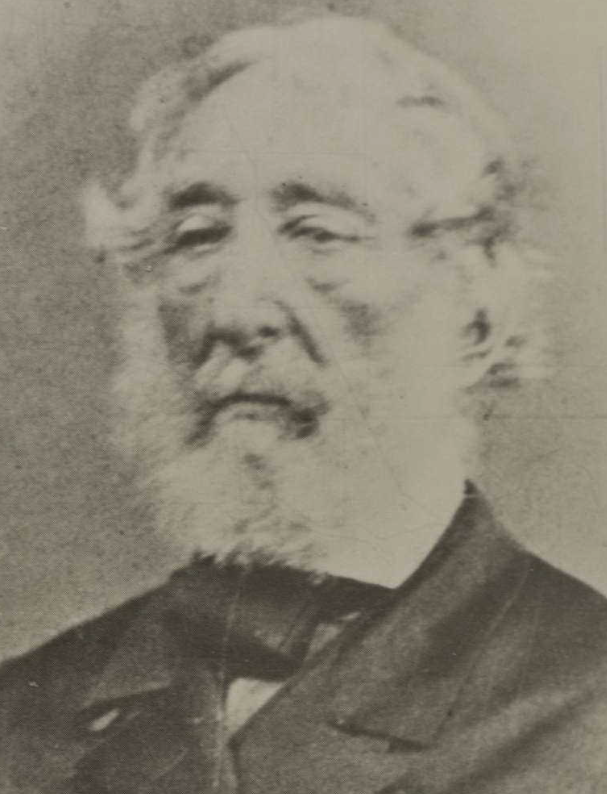
Above: James Wright. Image c/o ancestry.com.au
John Hamilton Mortimer Lanyon was born in May 1807 in Sussex, England. He emigrated to Australia in 1832, arriving in Hobart in May 1832 aboard the Medway. He then travelled to New South Wales in 1833 aboard the Susannah. (ancestry 2016) (Stuart 1999)
In April 1835, Lanyon acquired 640 acres of land along the Murrumbidgee River. Wright acquired 1,680 acres at the same location. (Davis 2021)
In 1838, James Wright married Mary June Davis in 1838 in Sydney. They had 8 children, some of whom were born at Lanyon. (ancestry 2016)
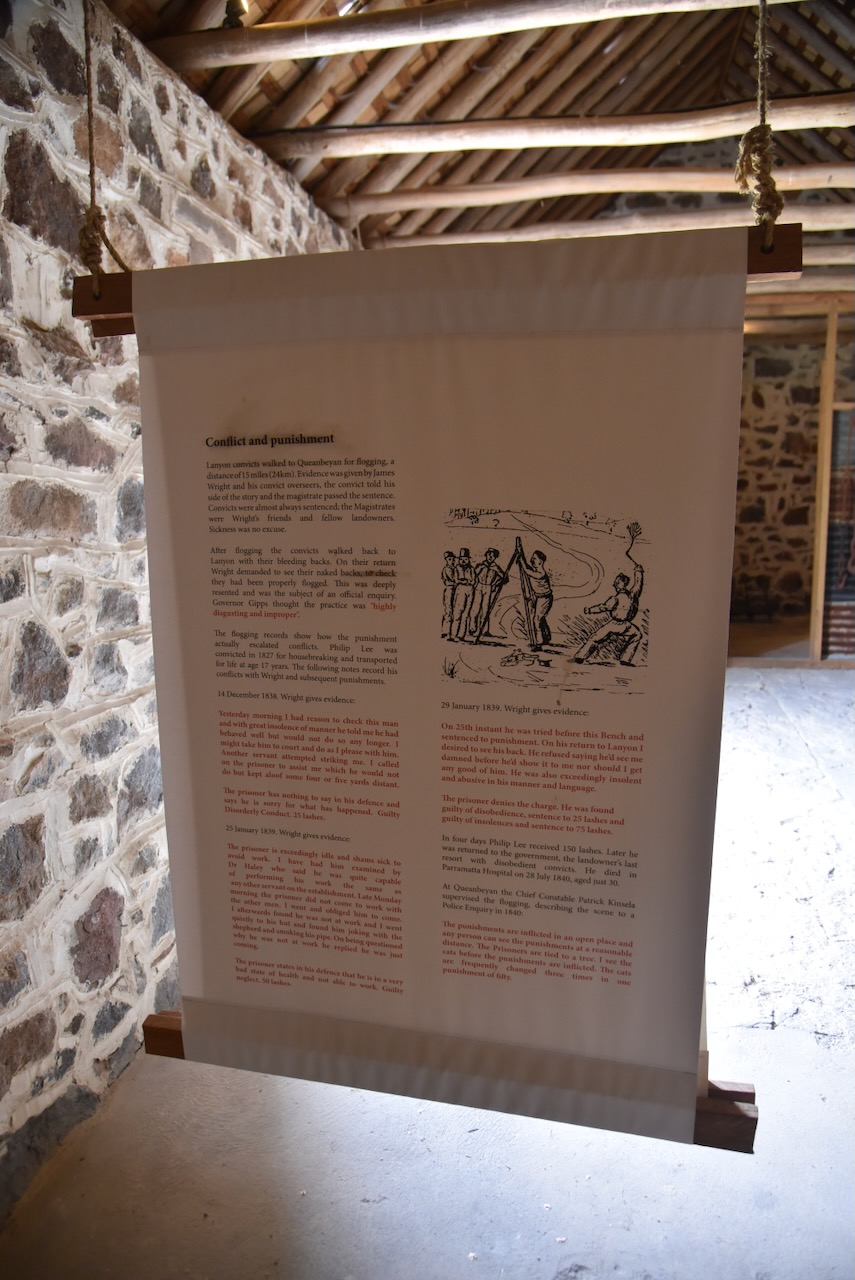
A total of 15 convicts were assigned to Wright and Lanyon. By 1837, this had increased to 30. Some of the convicts who worked for Wright on the Lanyon property included Joseph Oldfield, William Dawkins, and Thomas Warner. (Ancestry 2016) (Lanyon n.d.)
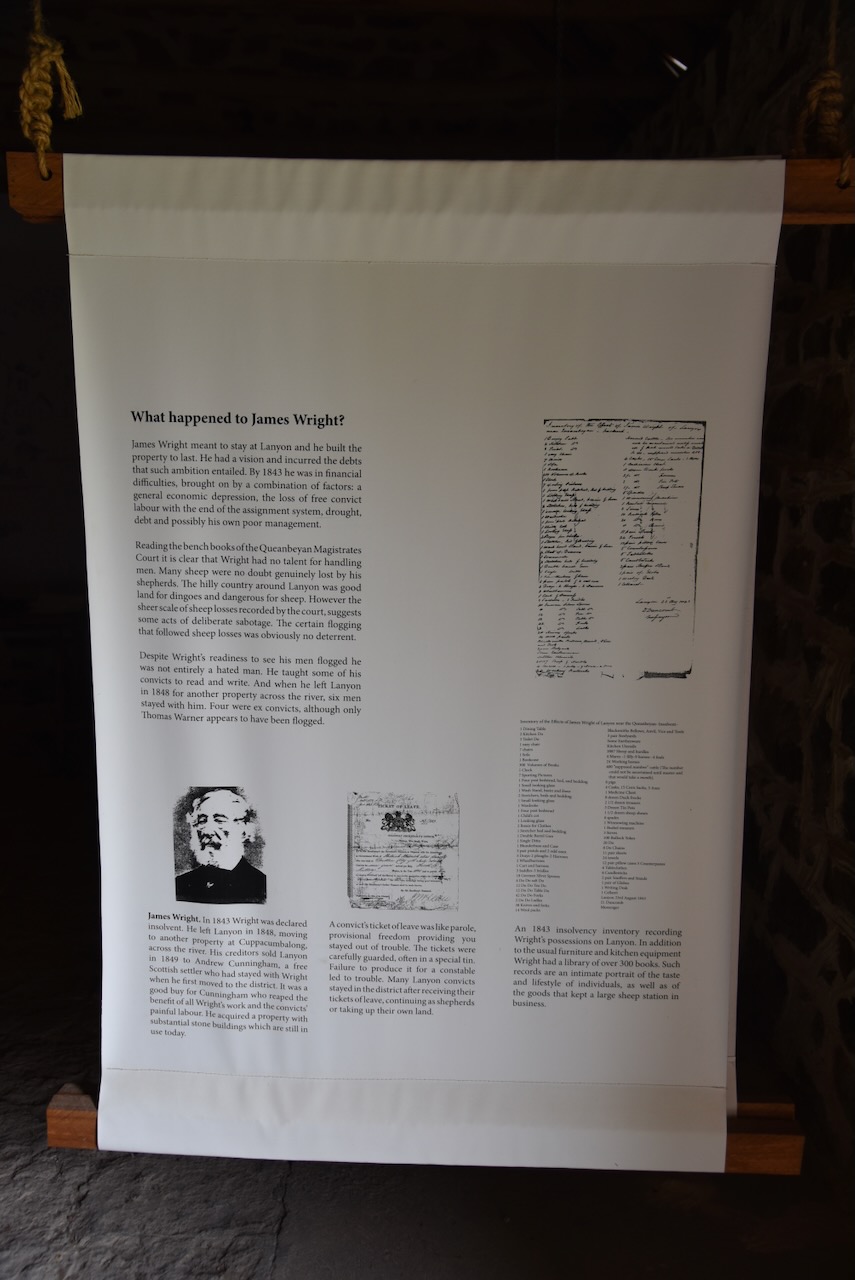
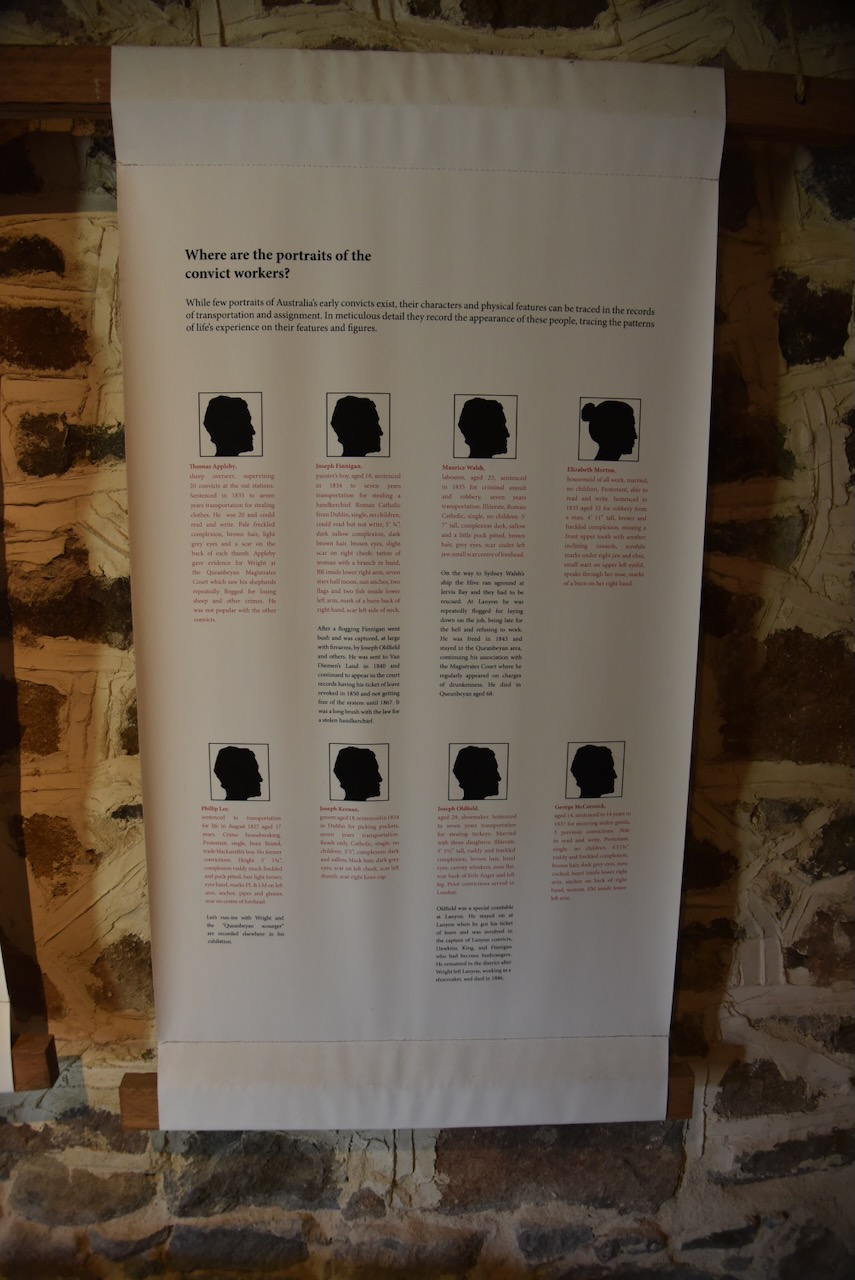
Joseph Matthew Oldfield was born in March 1805 in Norfolk, England. In 1834, he stole some turkeys and received 7 years’ transportation to the colony of Australia. He arrived in Sydney in June 1834 aboard the Hive. He was assigned to Wright at Lanyon Station. Oldfield was known as the ‘Farm Constable’ as he was responsible for the apprehension of runaway convicts and bushrangers. He died in August 1886 at Cuppacumbalong. (ancestry 2016) (Findagrave.com 2018) (Lanyon n.d.)
William Dawkins was born in 1816. He was transported to Australia in 1835 for burglary and was employed by Wright on the Lanyon property as a shepherd. He lost hundreds of Wright’s sheep. In 1839, he absconded from Lanyon’s property. He became the leader of a gang that robbed stores and outstations and was known as the ‘Harry Houdini’ of the Queanbeyan district. He was captured, and in 1840, he was tried and convicted for being at large with firearms. He was sentenced to penal settlement for Life and was transported to Norfolk Island. (Convictrecords.com.au 2026) (Lanyon n.d.)
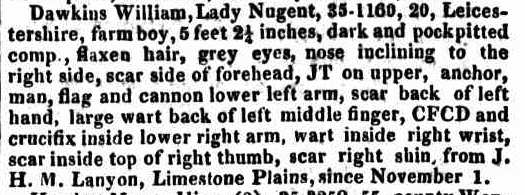
Above: item from the NSW Govt Gazette, Wed 16 Nov 1836. Image c/o Trove
Thomas Warner. In 1838, Warner lost several of Wright’s bullocks and was involved in an altercation with Wright. Warner was charged and, in the Queanbeyan Magistrates Court, was found guilty and received 50 lashes. (Lanyon n.d.)
In mid 1835, Lanyon returned to England to see his dying father, John Lanyon, who died that year in June. Lanyon never returned to Australia, and he died on the 22nd day of June 1841 at Eastbourne, Sussex, England. (ancestry 2016) (Stuart 1999)
In 1836, William Wright, the elder brother of James, arrived in Australia aboard the Derwent. He purchased adjoining land. (ancestry 2016) (Stuart 1999)
On the 1st day of January 1837, William Wright was accidentally shot while duck shooting. A messenger was sent to the three nearby homesteads seeking medical help. Dr Hayley subsequently attended, but Wright died from his gunshot wound. He was buried near the Lanyon homestead. It is reported that his grave was piled with rocks to prevent dingoes from unearthing the coffin following his burial. It is believed that he was the first ‘white man’ to die in the district. (ACT Govt 2025) (Nla.gov.au 2026) (Stuart 1999)
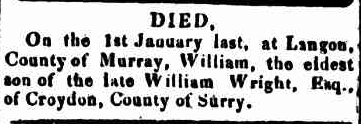
Above: Item from The Sydney Gazette, Sat 18 Feb 1837. Image c/o Trove
In 1841, James Wright encountered financial difficulties and was forced to sell the Lanyon property to Andrew Cunningham. Wright moved to nearby Cuppaccumbalong Station. (ancestry 2016)
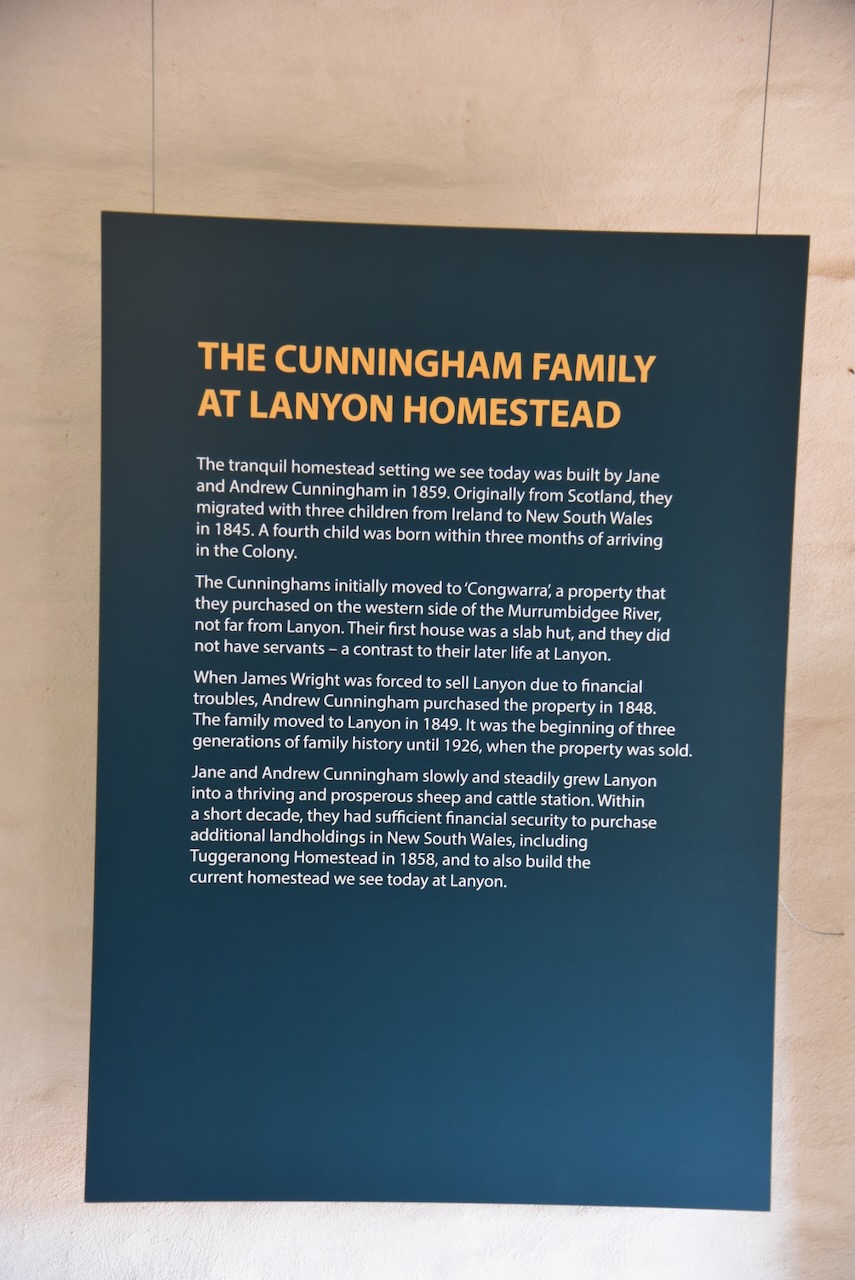
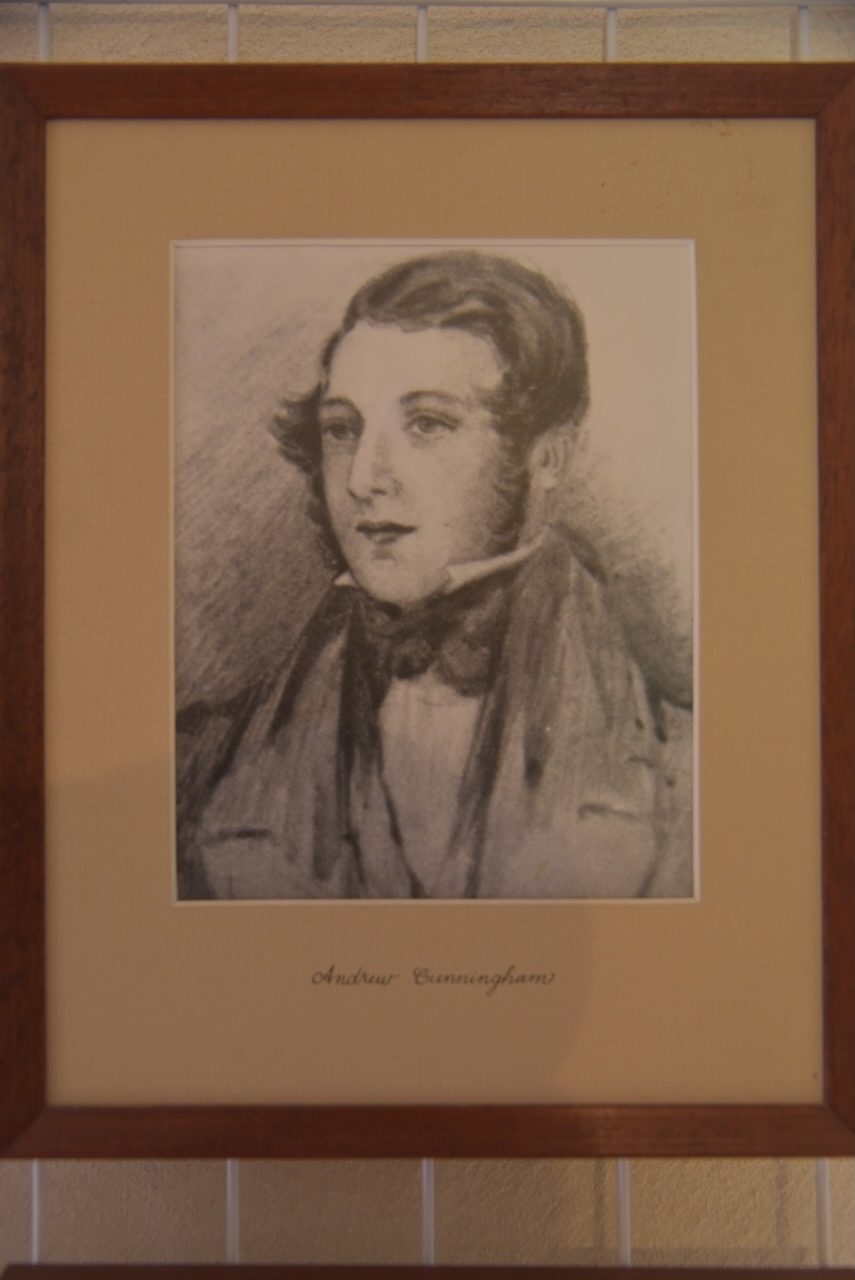
Andrew Cunningham was born in August 1814 in Fireshire, Scotland. He arrived in Sydney in 1845. They settled at Congwara, northwest of Lanyon. (ancestry 2016) (Wikipedia 2025)
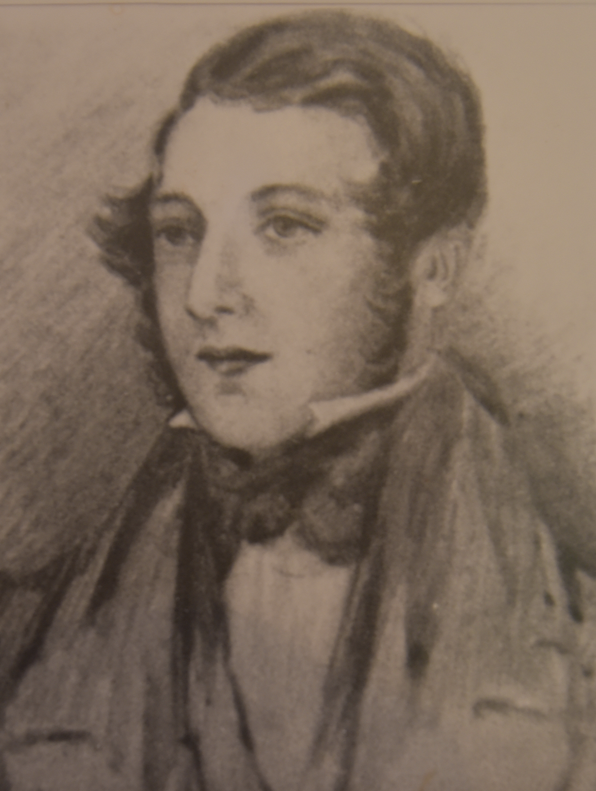
Above: Andrew Cunningham. Photo c/o Lanyon Homestead.
In 1859, the current Lanyon homestead was built by Cunningham, using local fieldstone. (ancestry 2016)
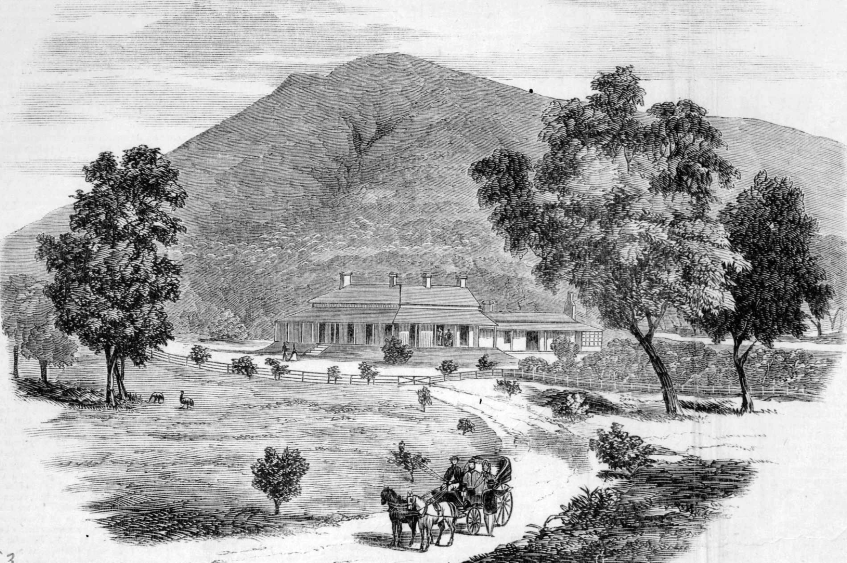
Above: Lanyon Station, c. 1865. Image c/o State Library Victoria.
Andrew died in March 1887. At the time of his death, Lanyon had 25,000 sheep. His sons James and Andrew continued to farm at Lanyon and other properties. In 1921, James Cunningham died. His son Andy oversaw Layon until 1926, when the Lanyon property was sold to Henry ‘Harry’ Osborne of Currandooley. He was the owner of Cowl Cowl Pastoral Company. (Wikipedia 2025)
In the early 1930s, the Cowl Cowl Pastoral Company sold the property to Mr Thomas Field, who had large land holdings throughout New South Wales and Queensland. (Wikipedia 2025)
During the late 1960s, large tracts of farming land south of Canberra were resumed to make way for the development of Tuggeranong, the second of Canberra’s urban satellites. The Australian Federal Government proceeded to acquire the Lanyon property, but Field refused an offer of $1.87m. He also sought compensation of $33m, which was the amount placed on the land when assessed by a private valuer. The matter eventually went to the Australian High Court. In 1974, the Federal Government acquired Lanyon for $3.7m in an out-of-court settlement. (Wikipedia 2025)
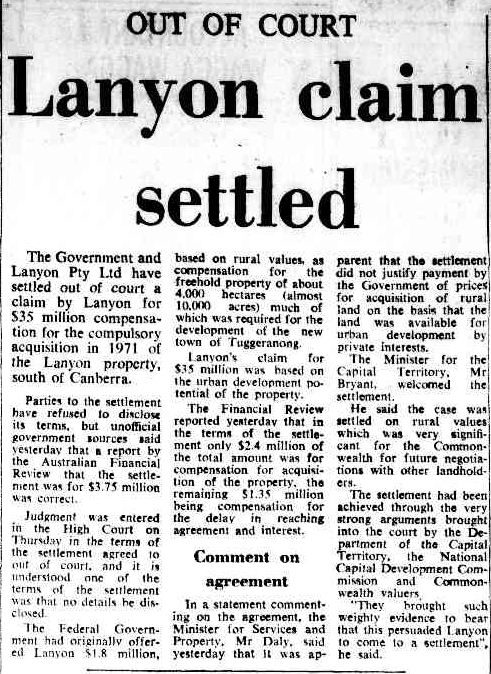
Above: article from The Canberra Times, Sat 6 Apr 1974. Image c/o Trove
Below is an excellent video on Lanyon Homestead.
When you arrive at Lanyon Homestead, you are greeted by a beautiful tree-lined driveway that leads to the homestead.
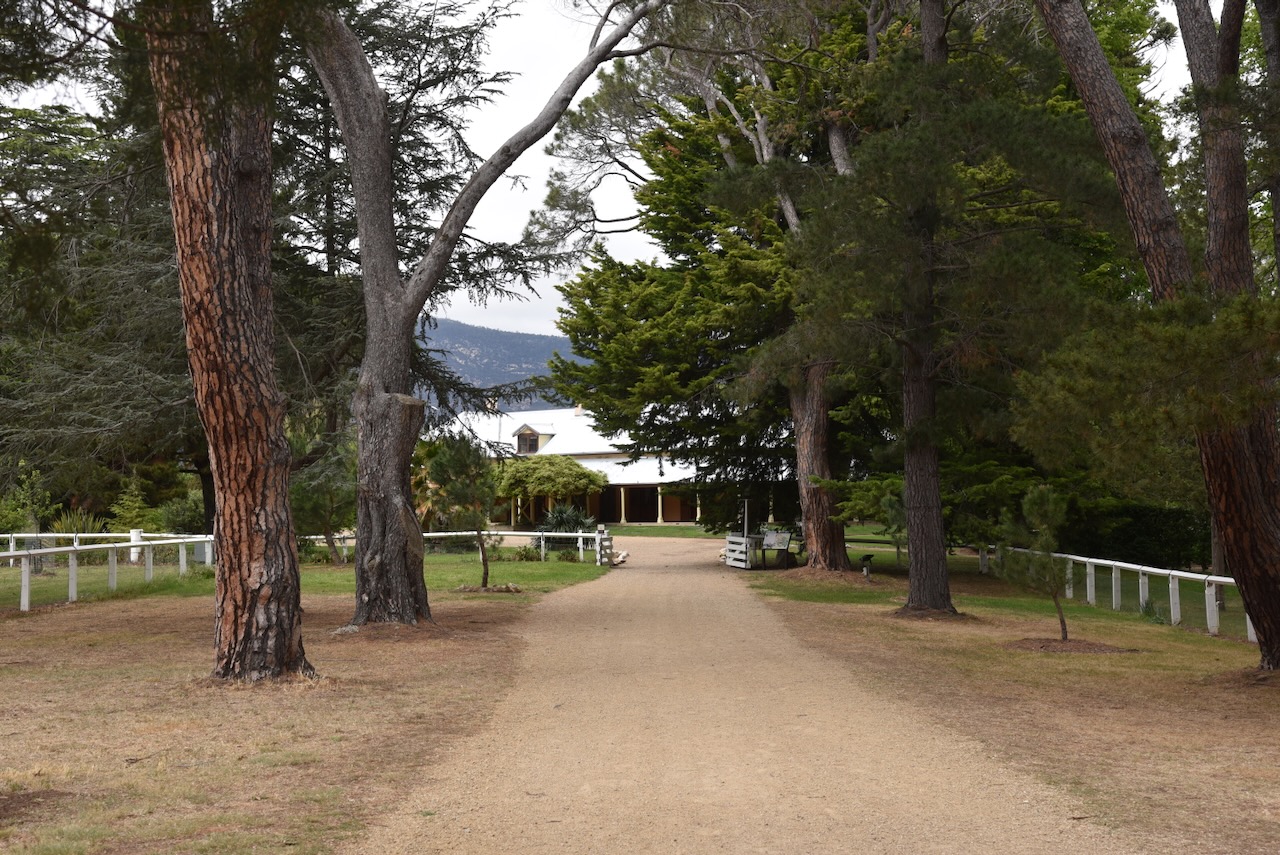
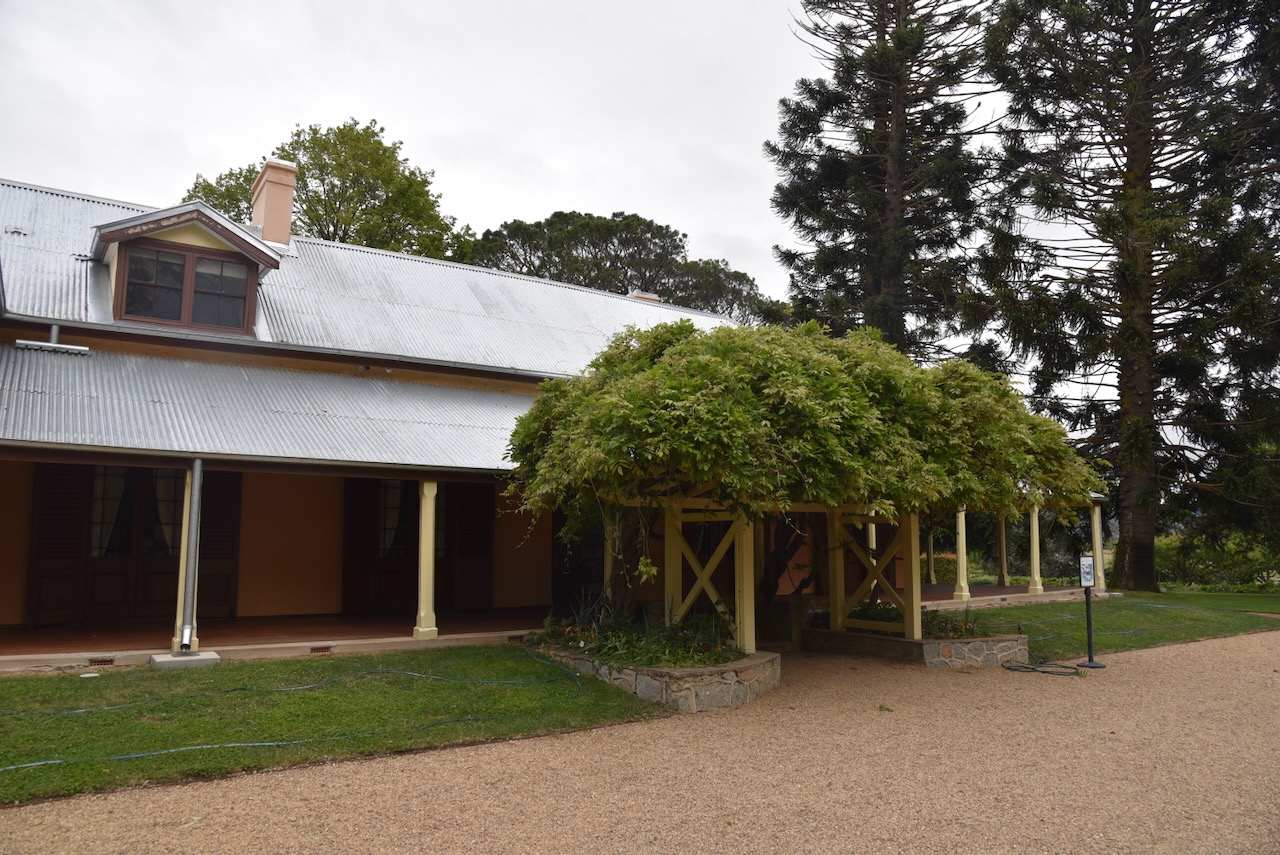
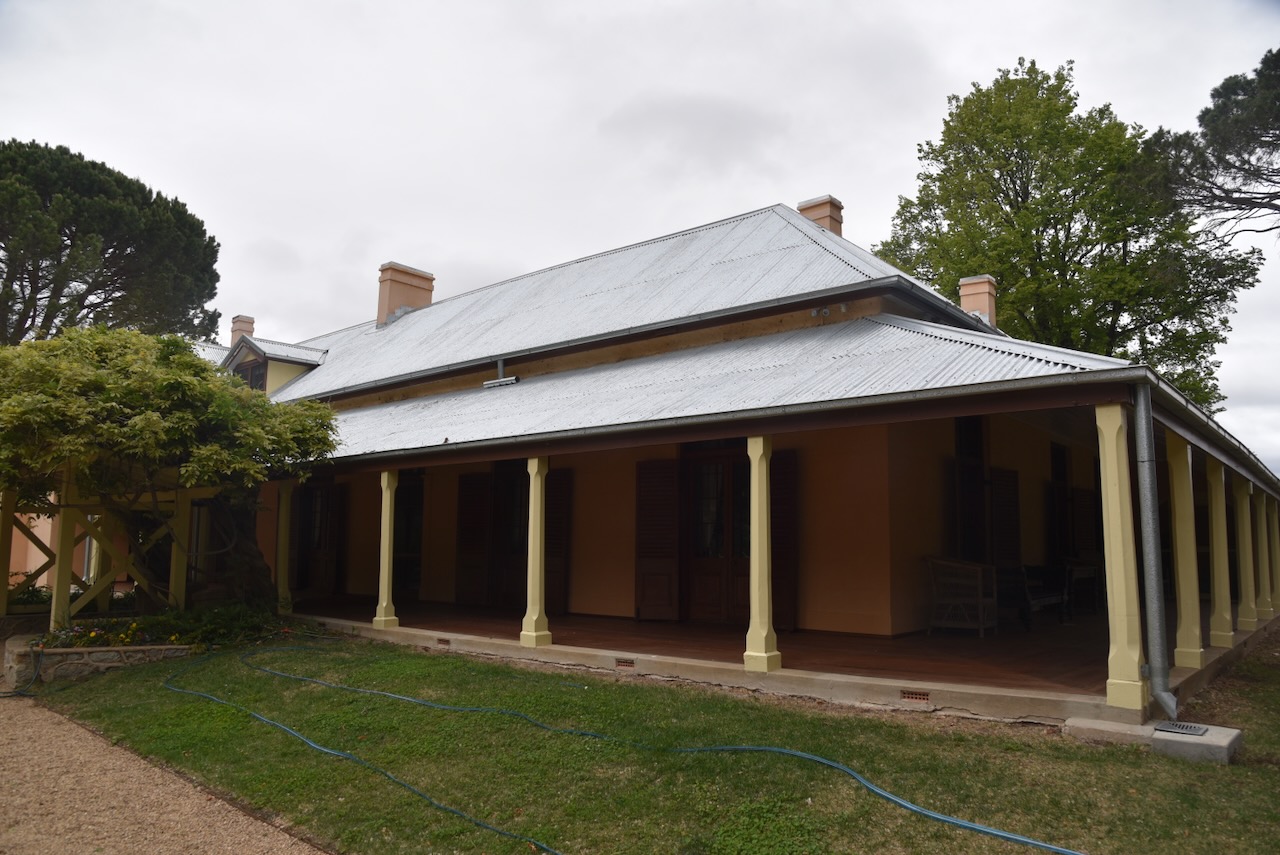
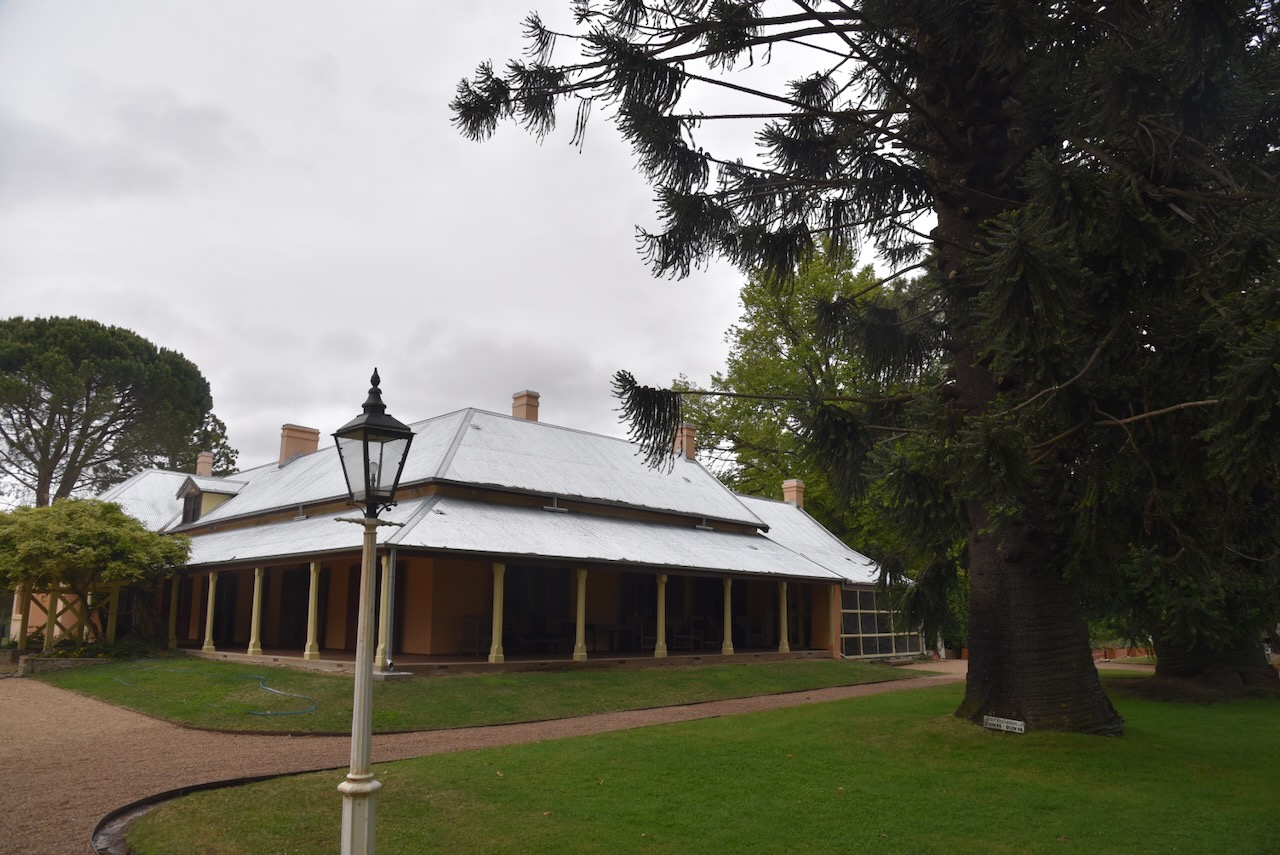
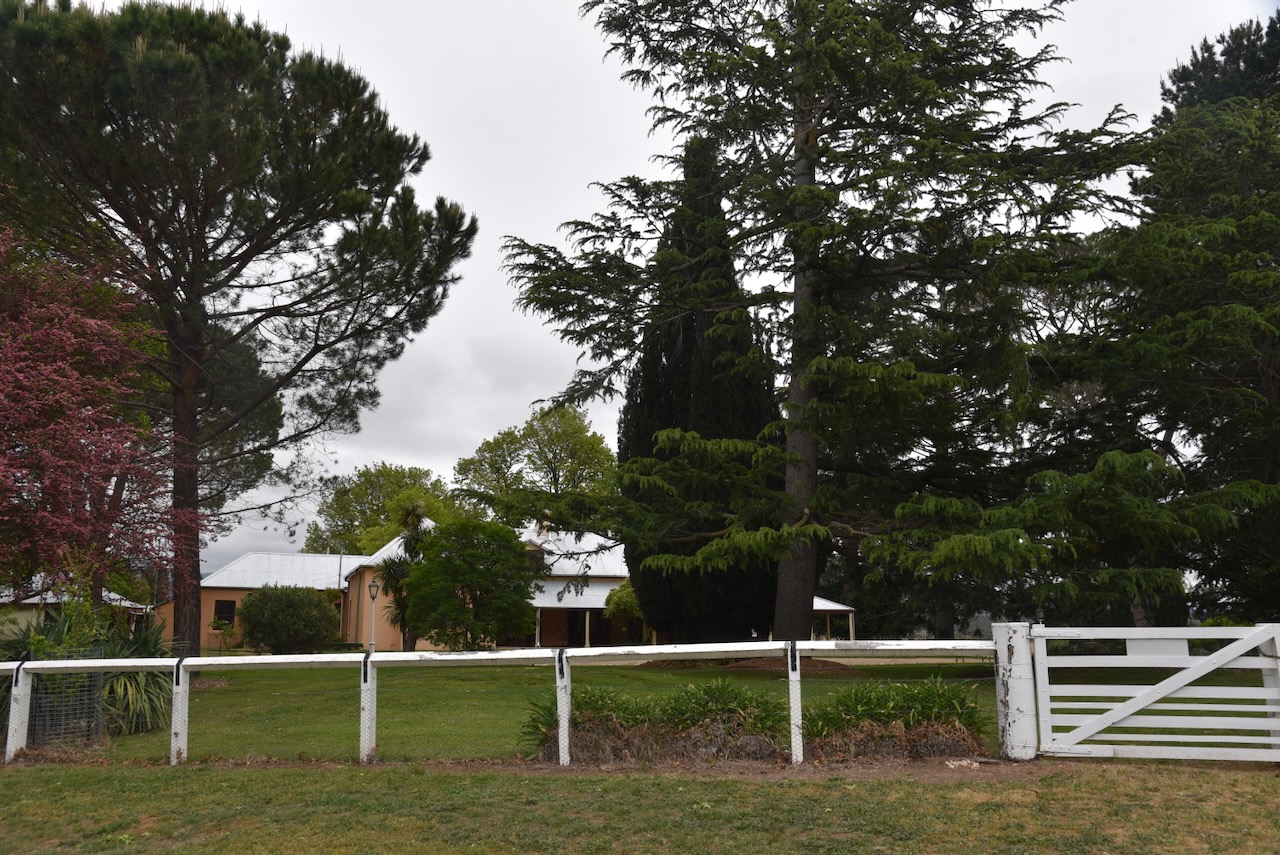
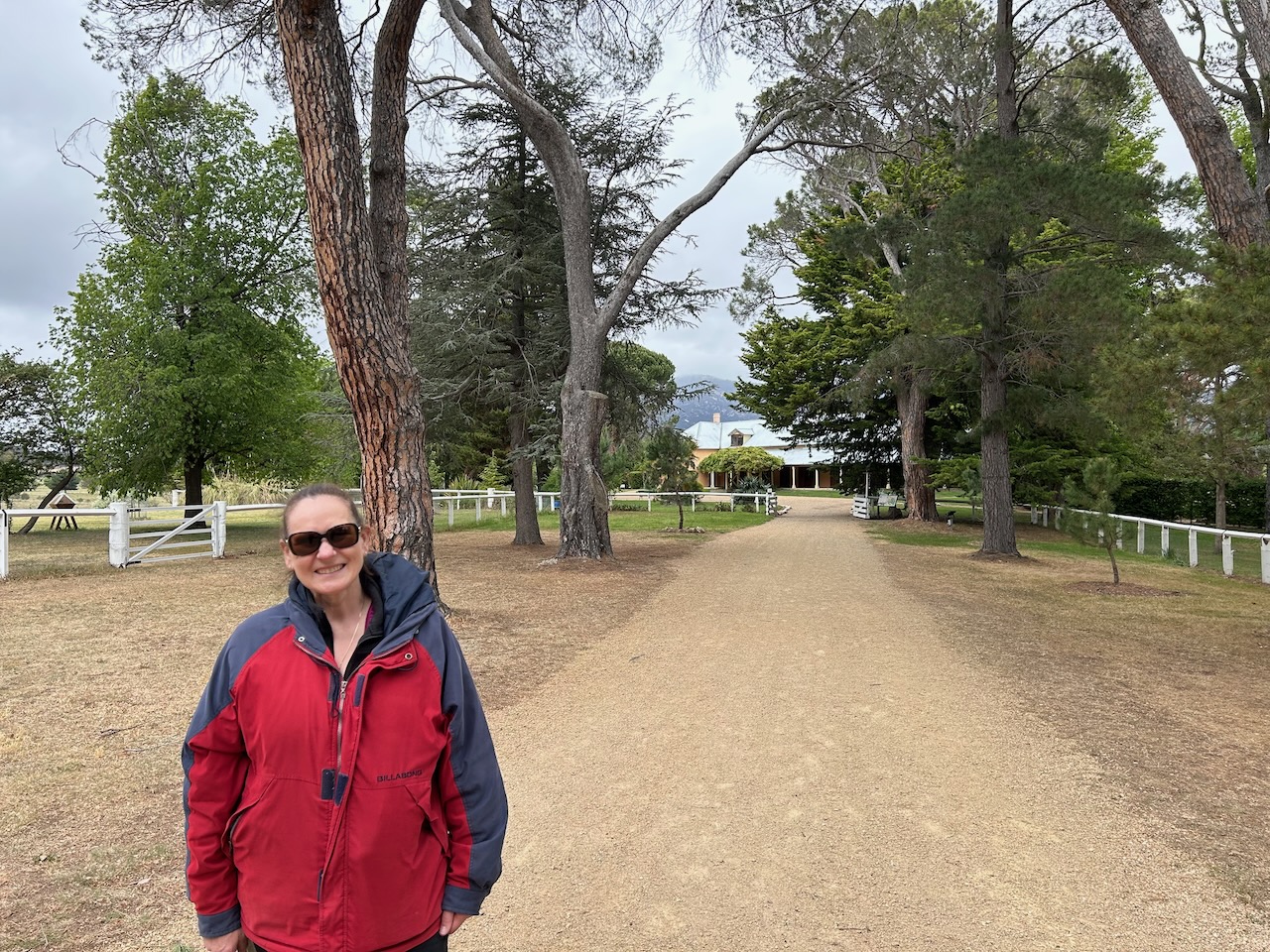
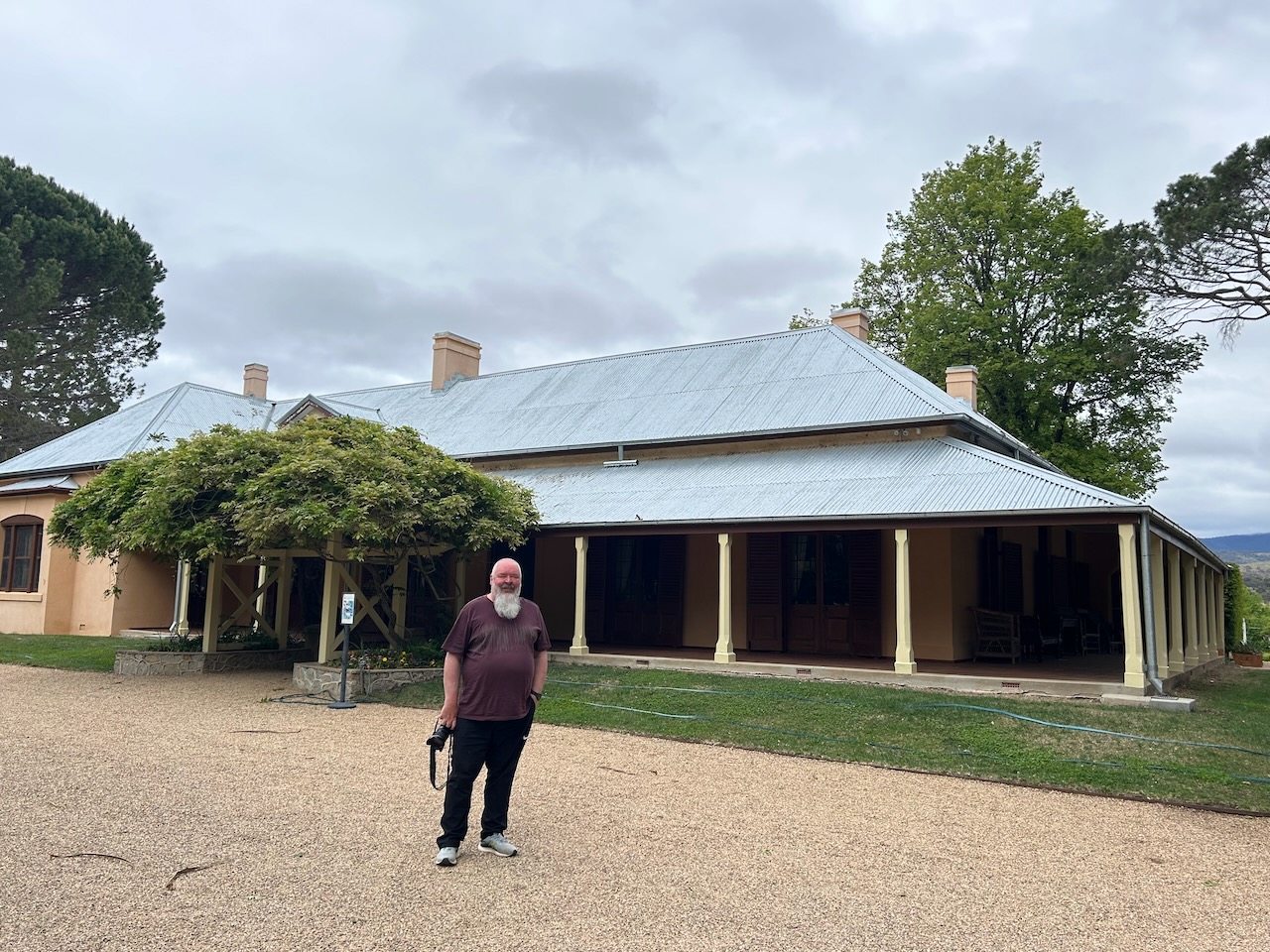
Prior to going inside the home, Marija and I strolled around the beautiful gardens.
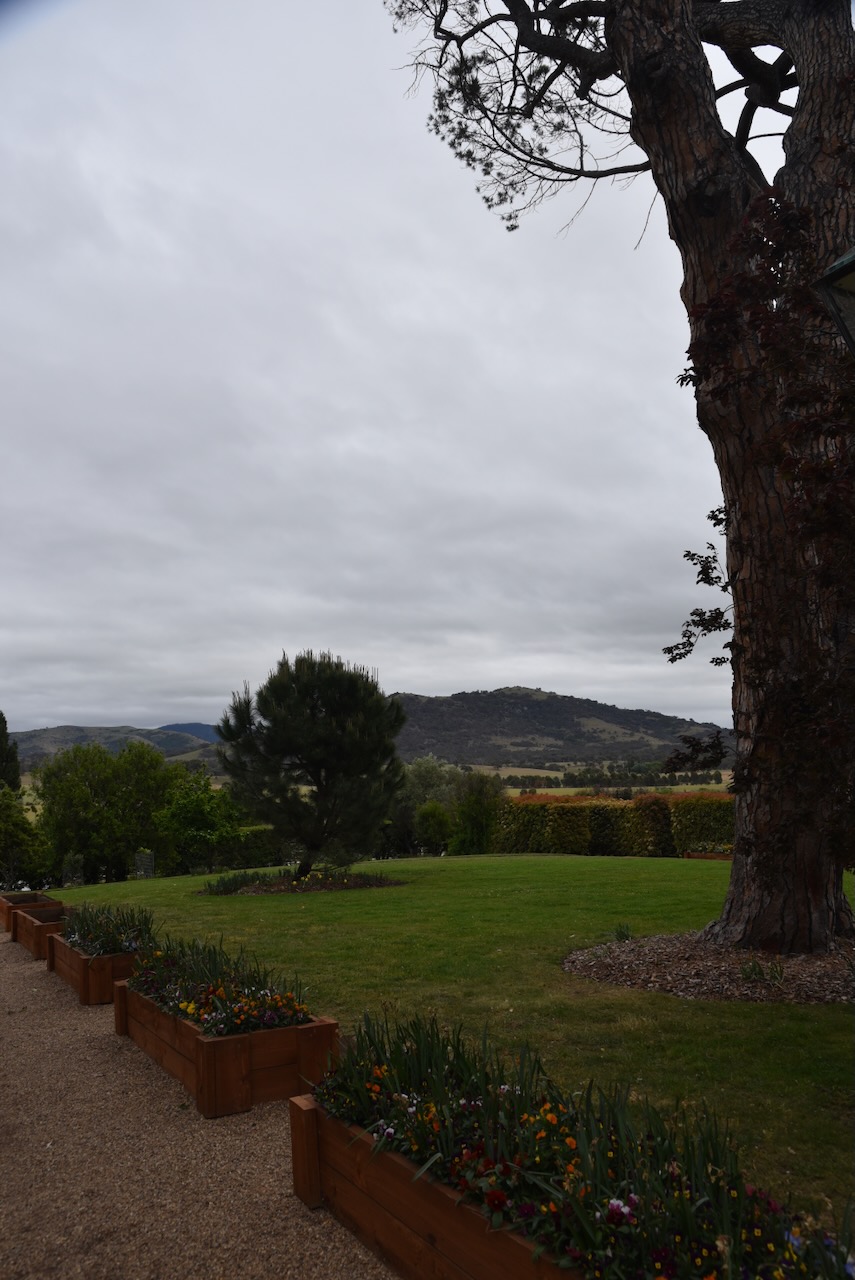
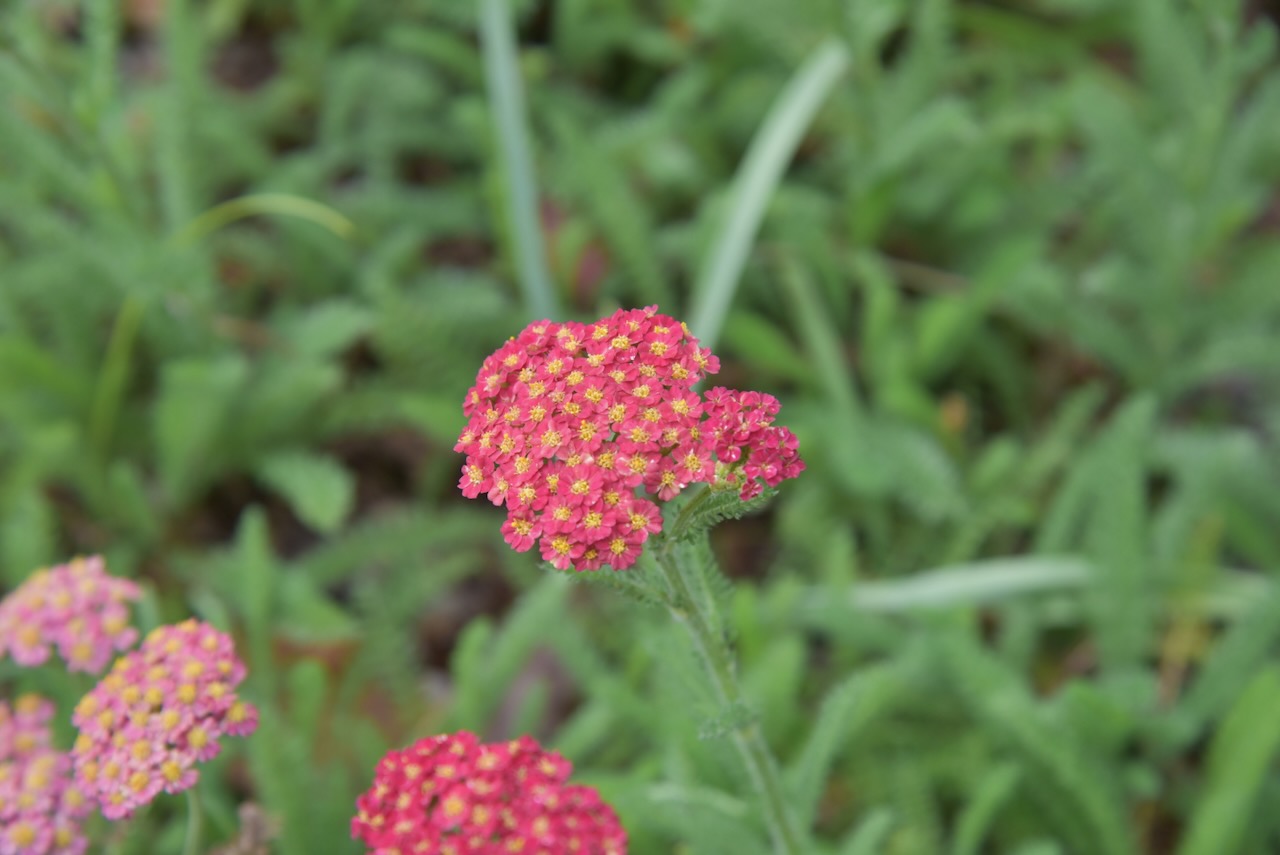
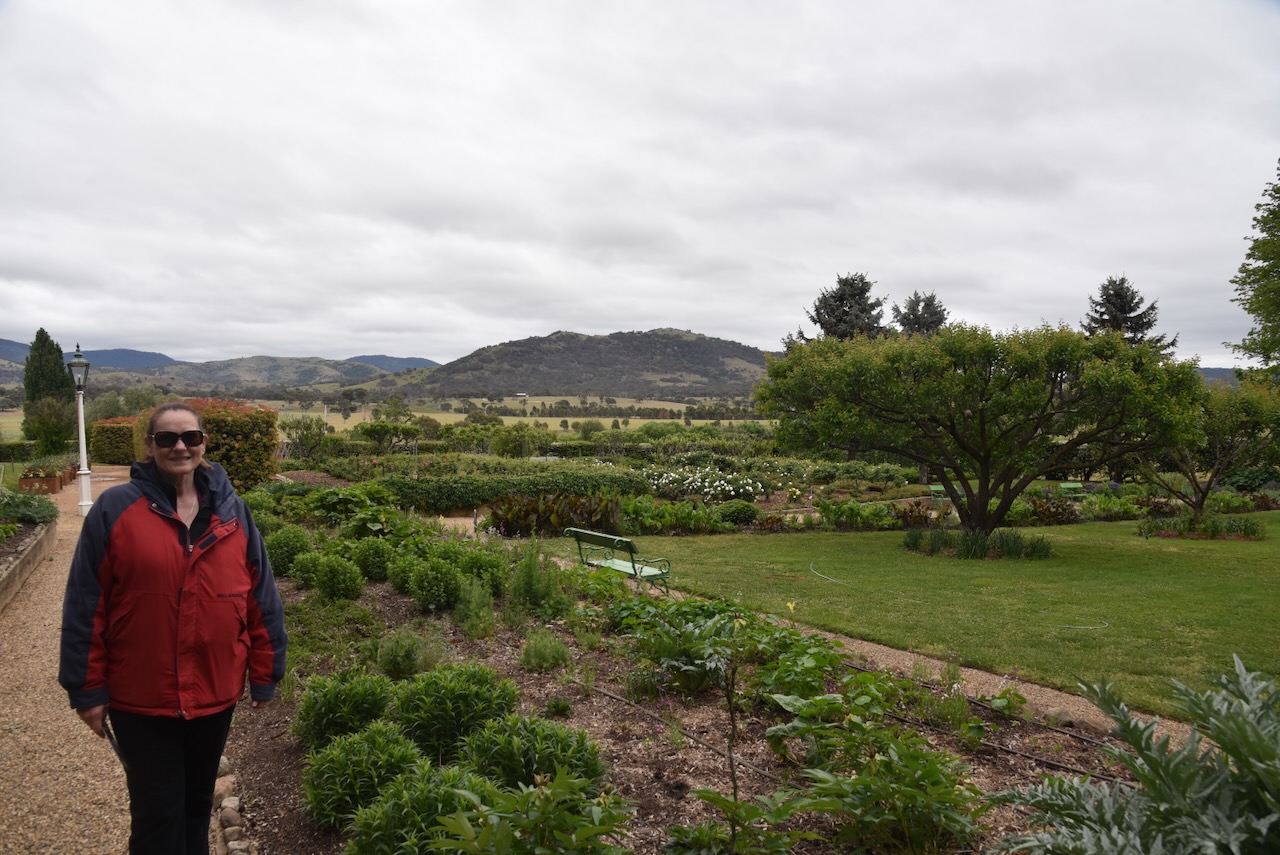
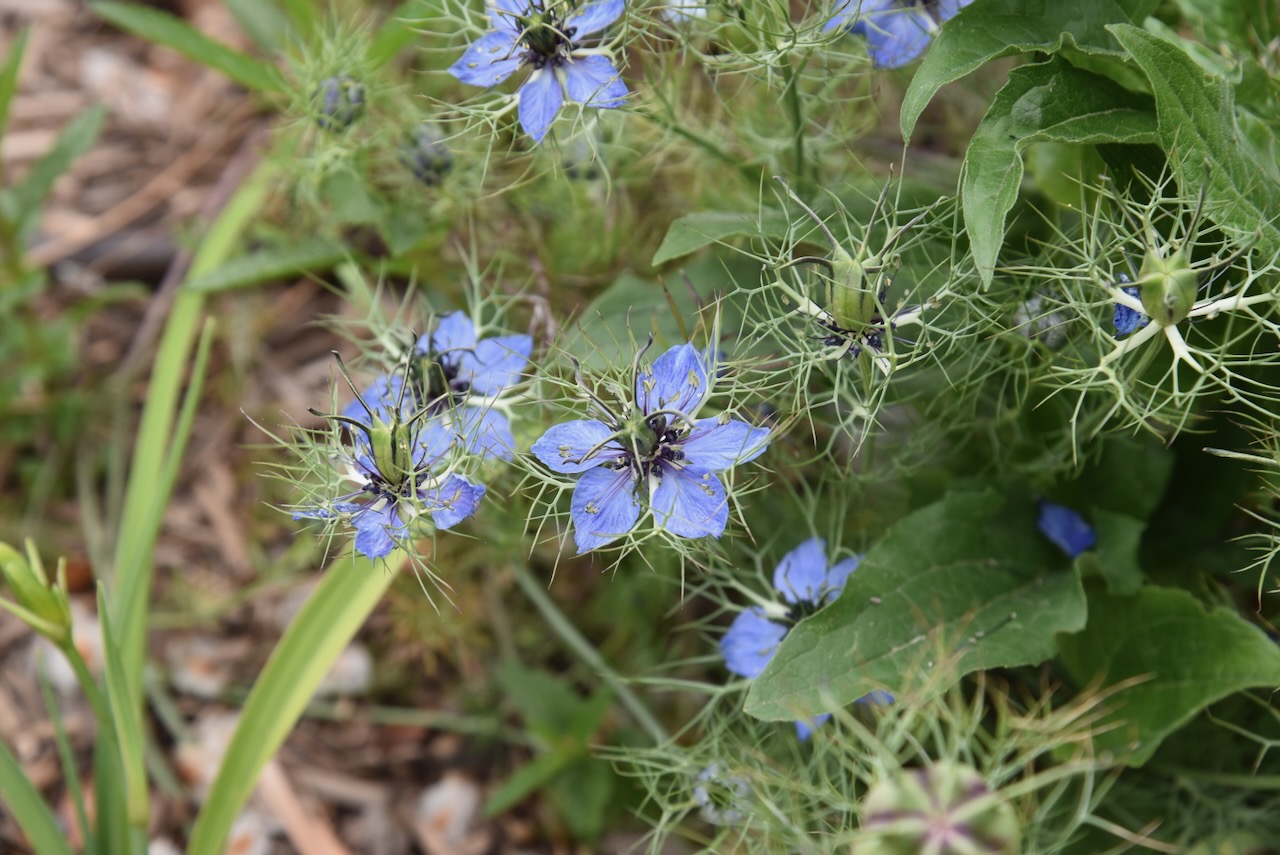
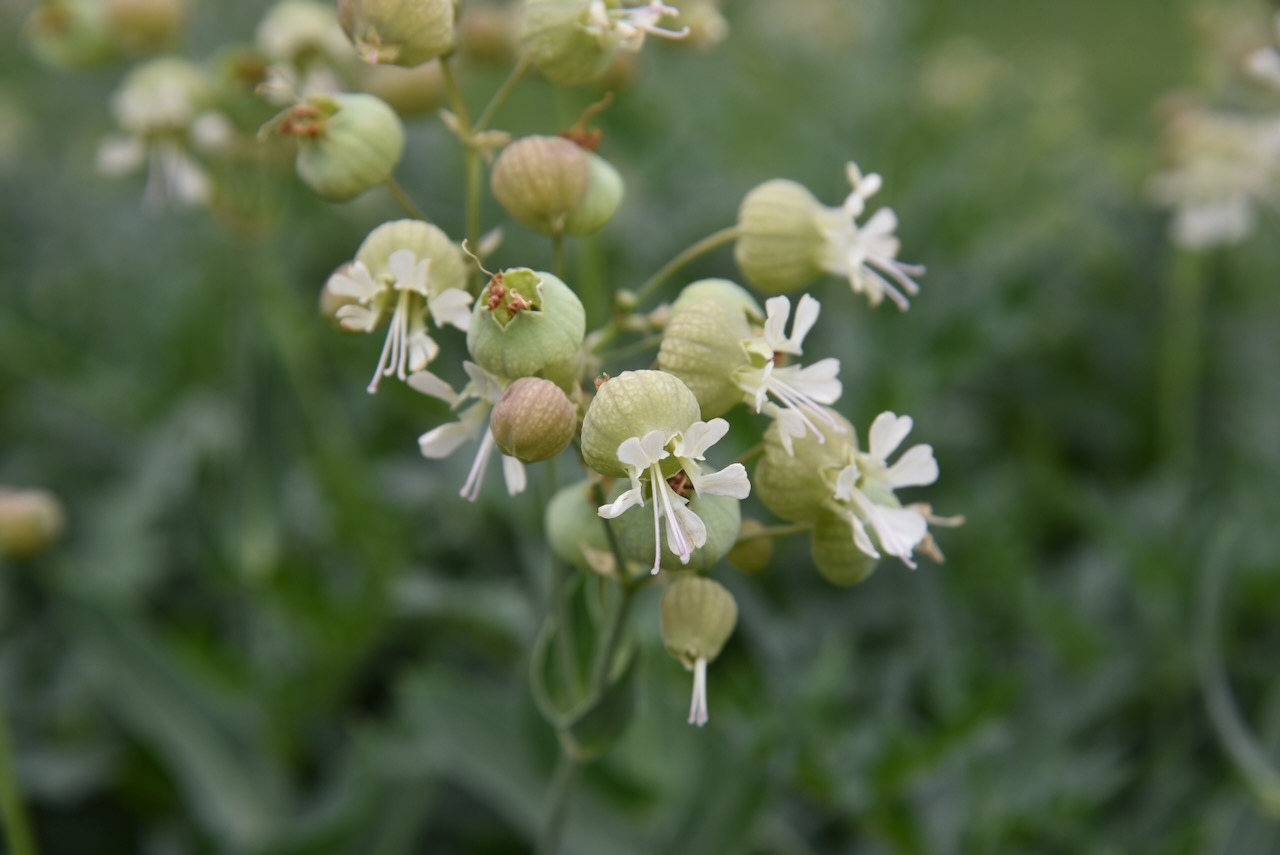
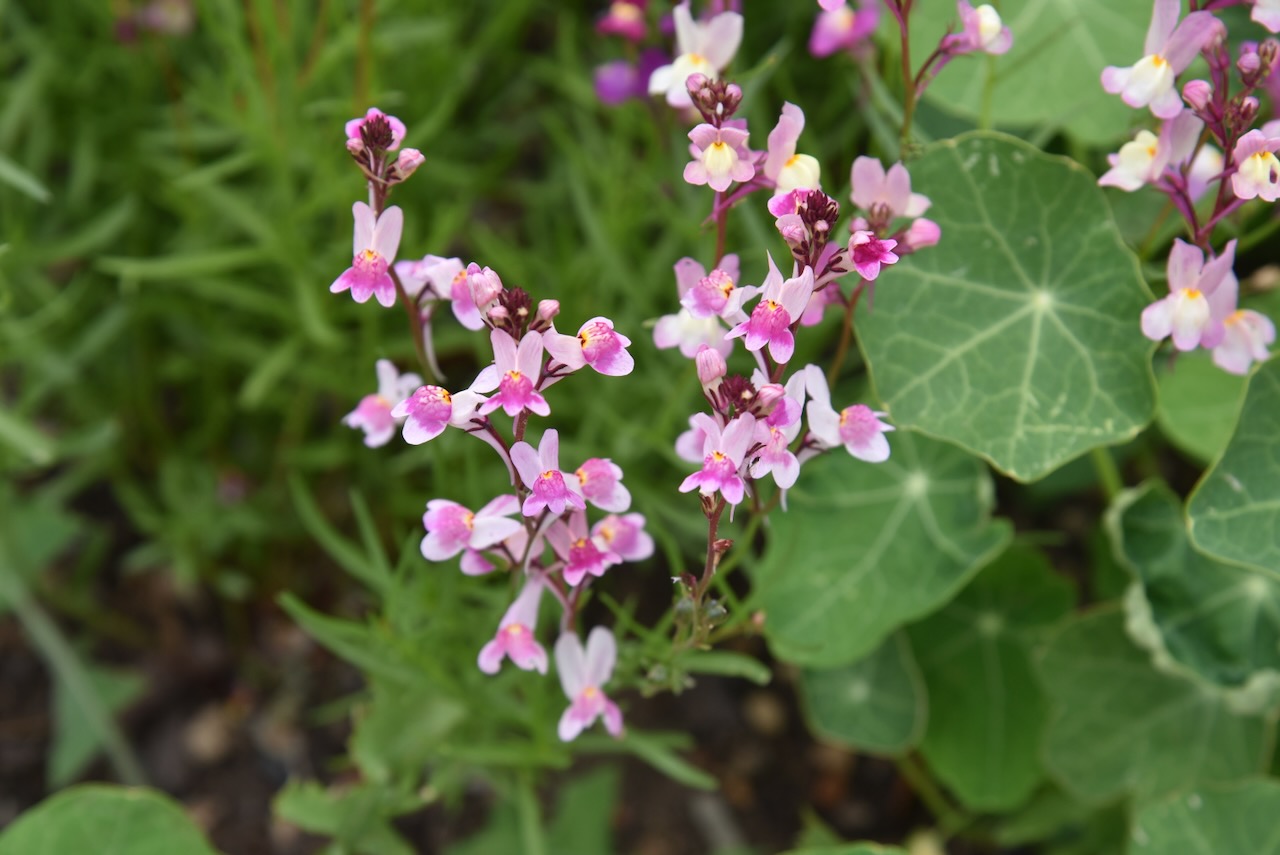
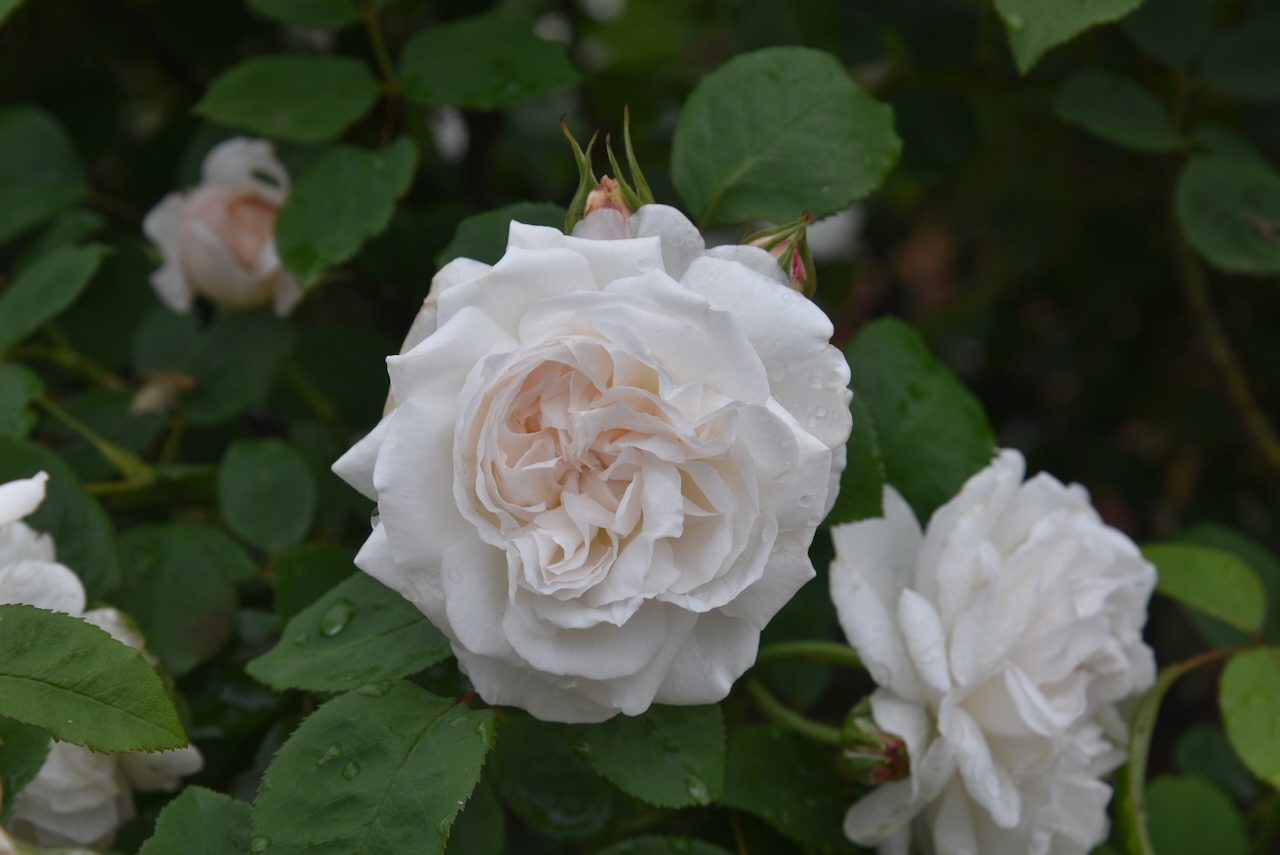
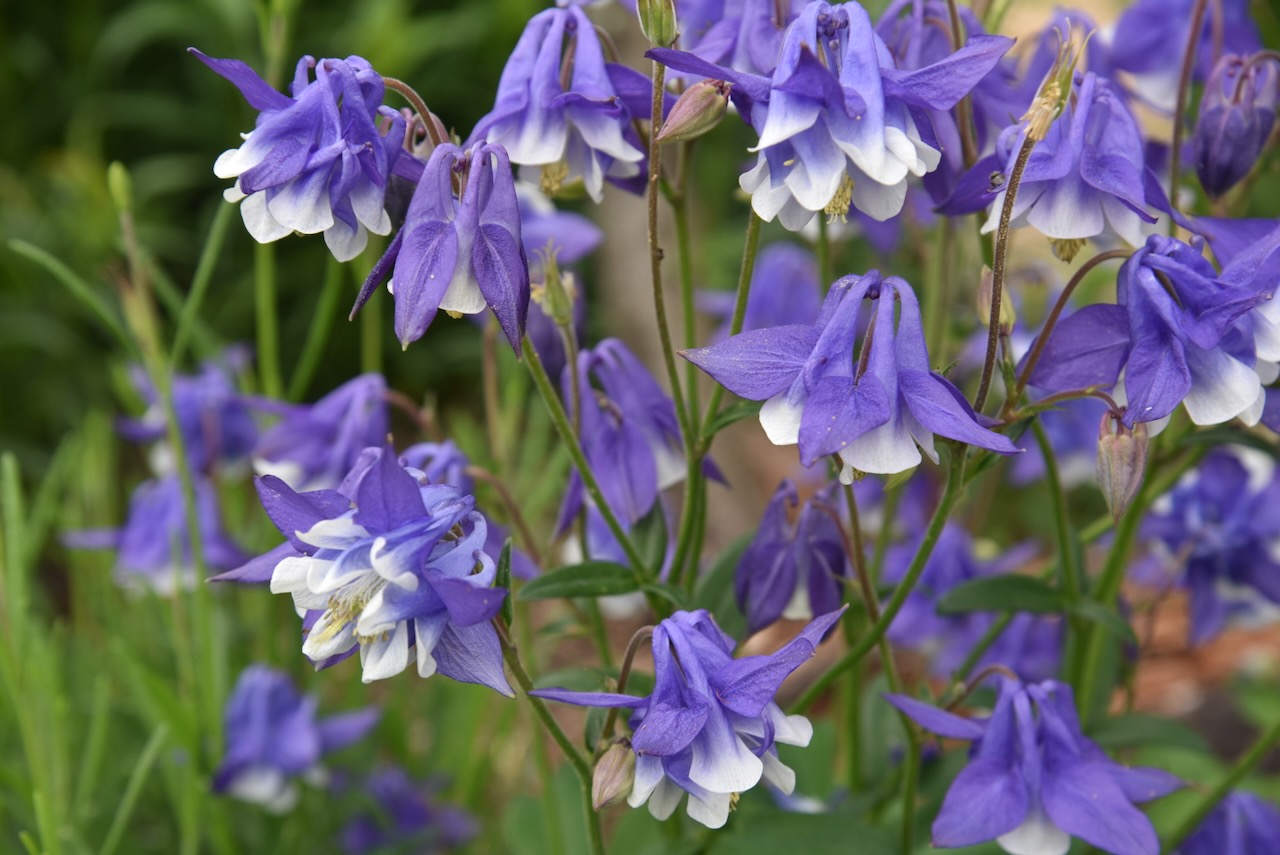
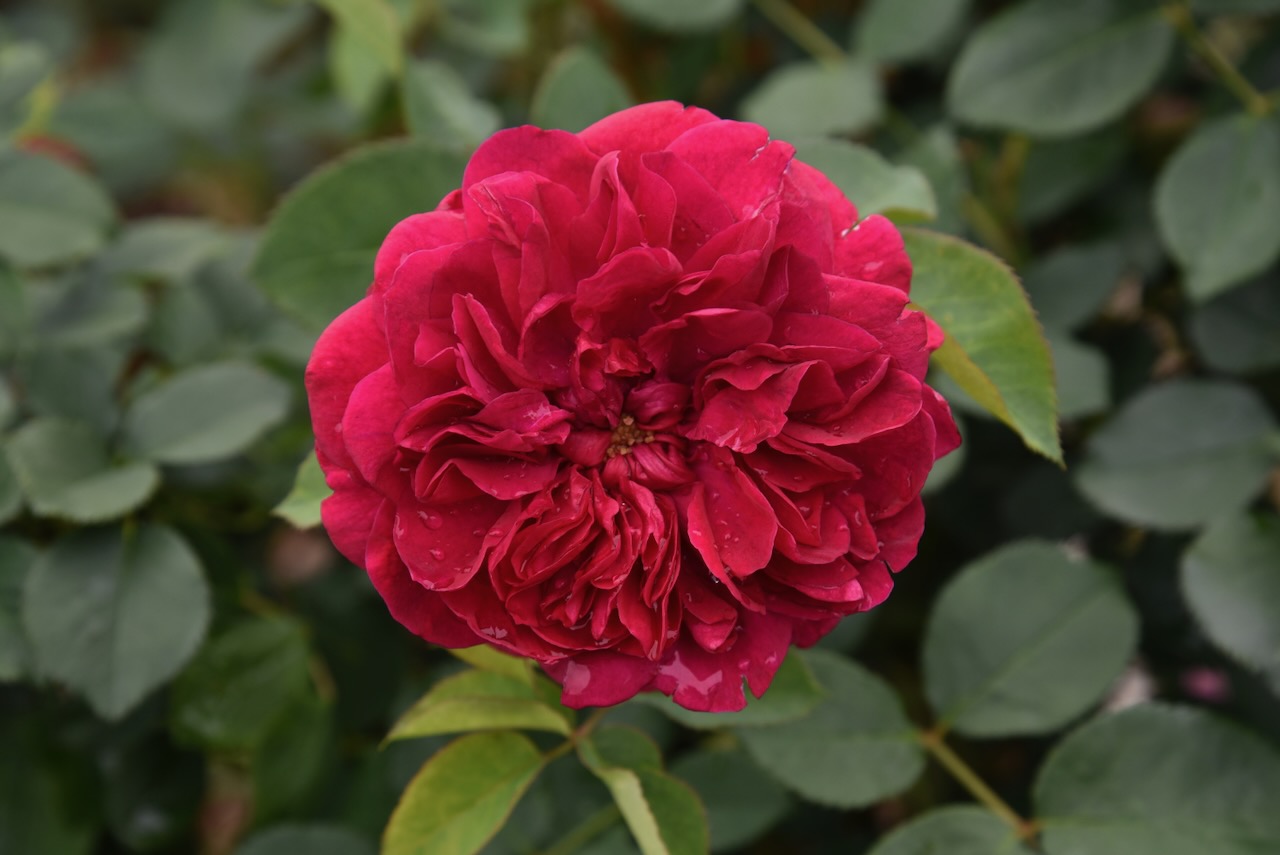
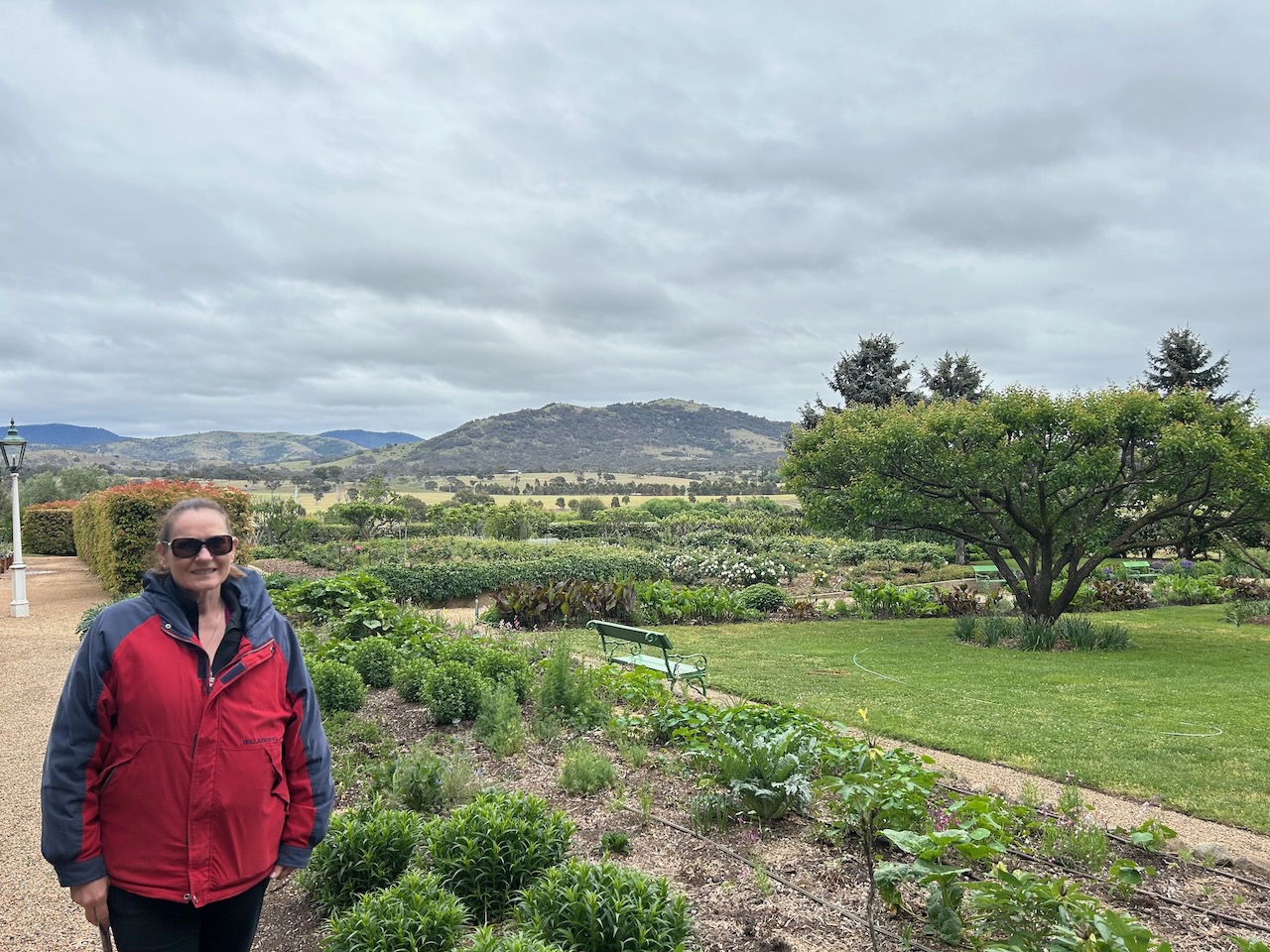
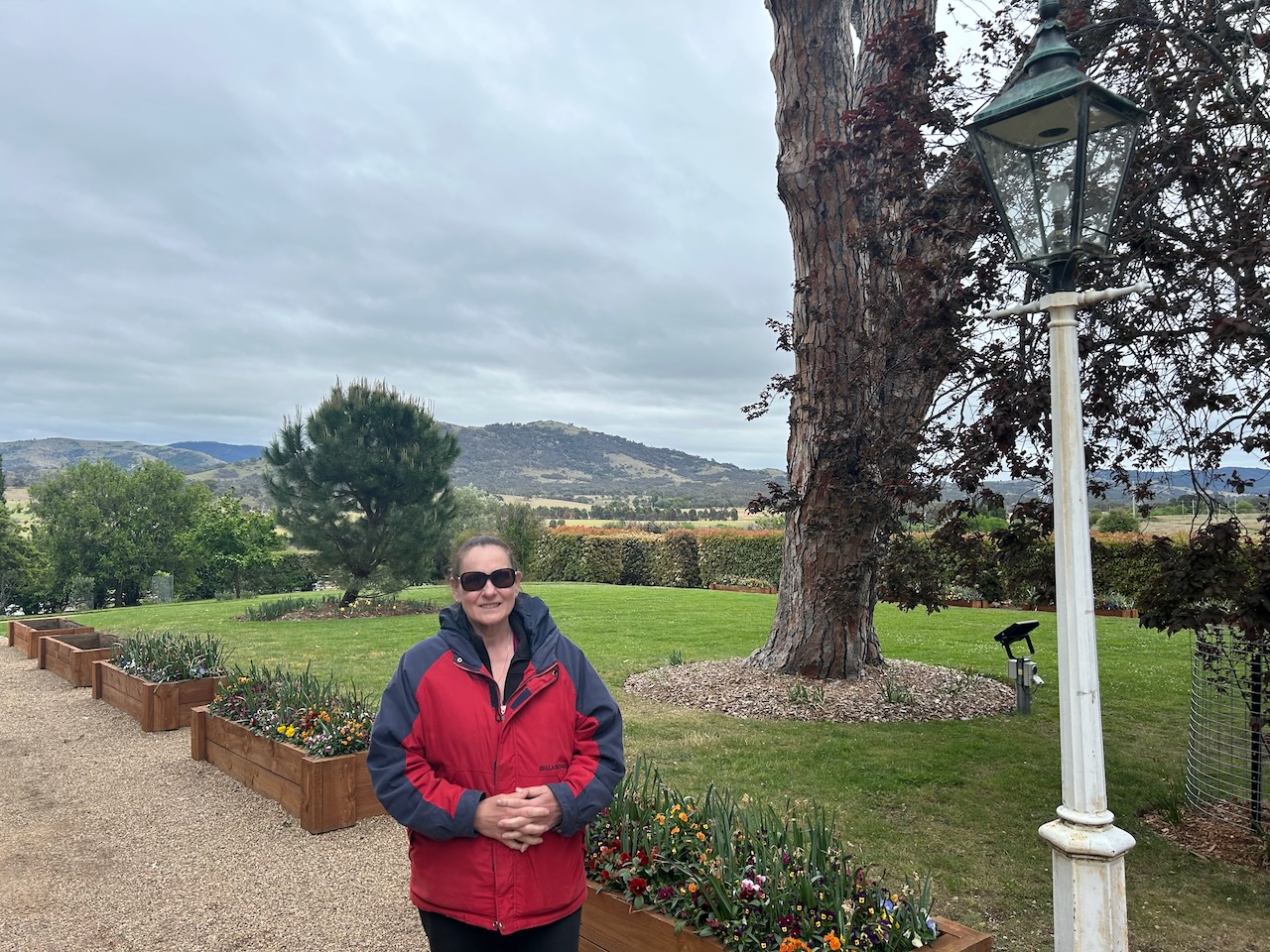
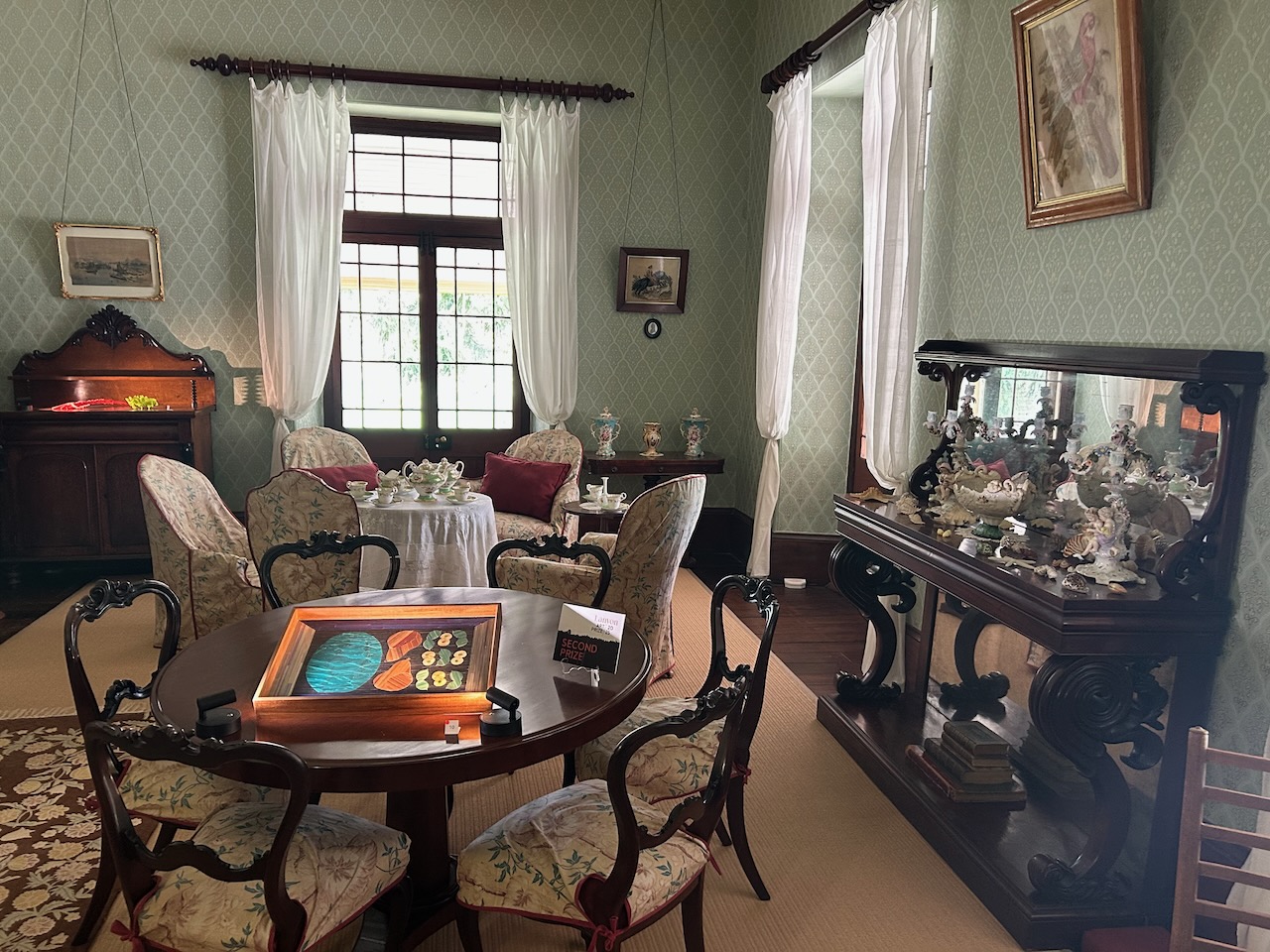
The interior of Lanyon is impressive to say the least.
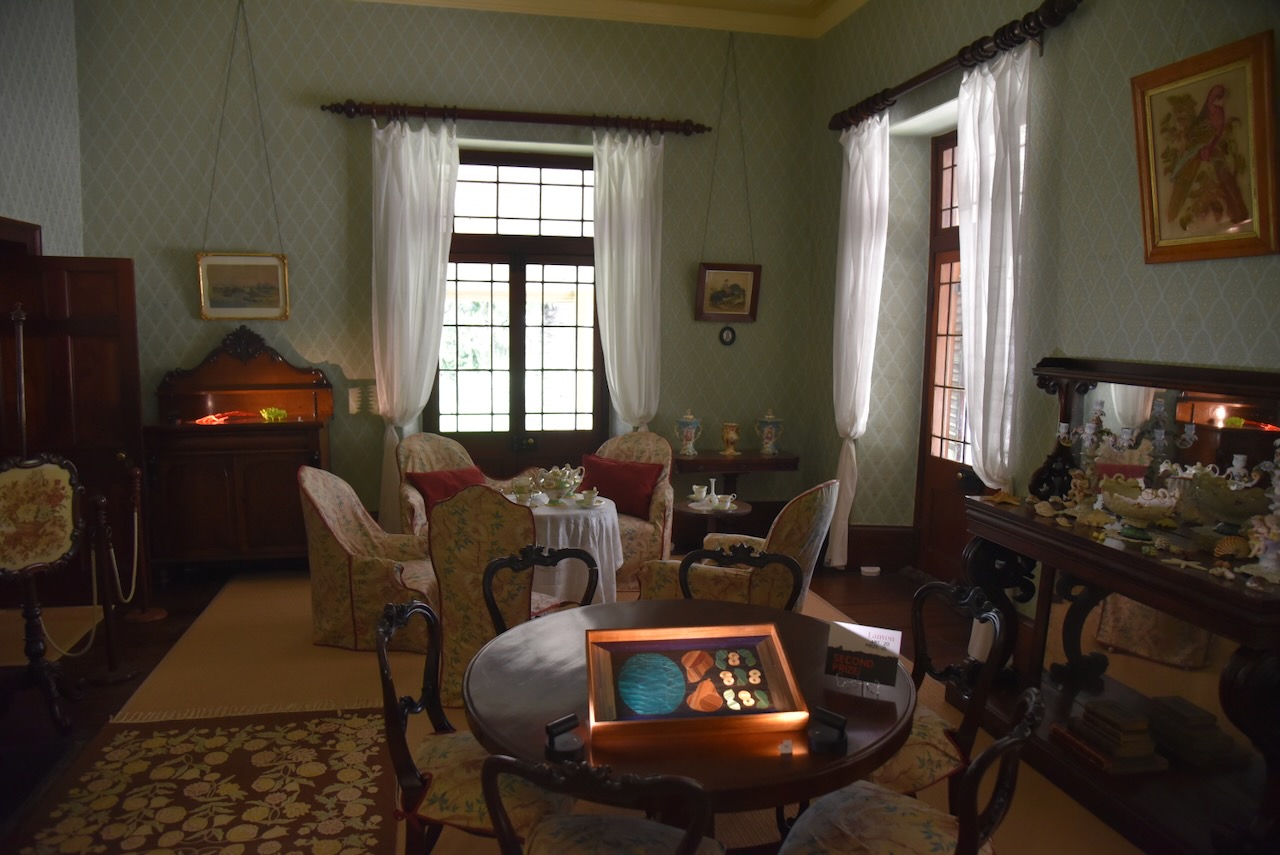
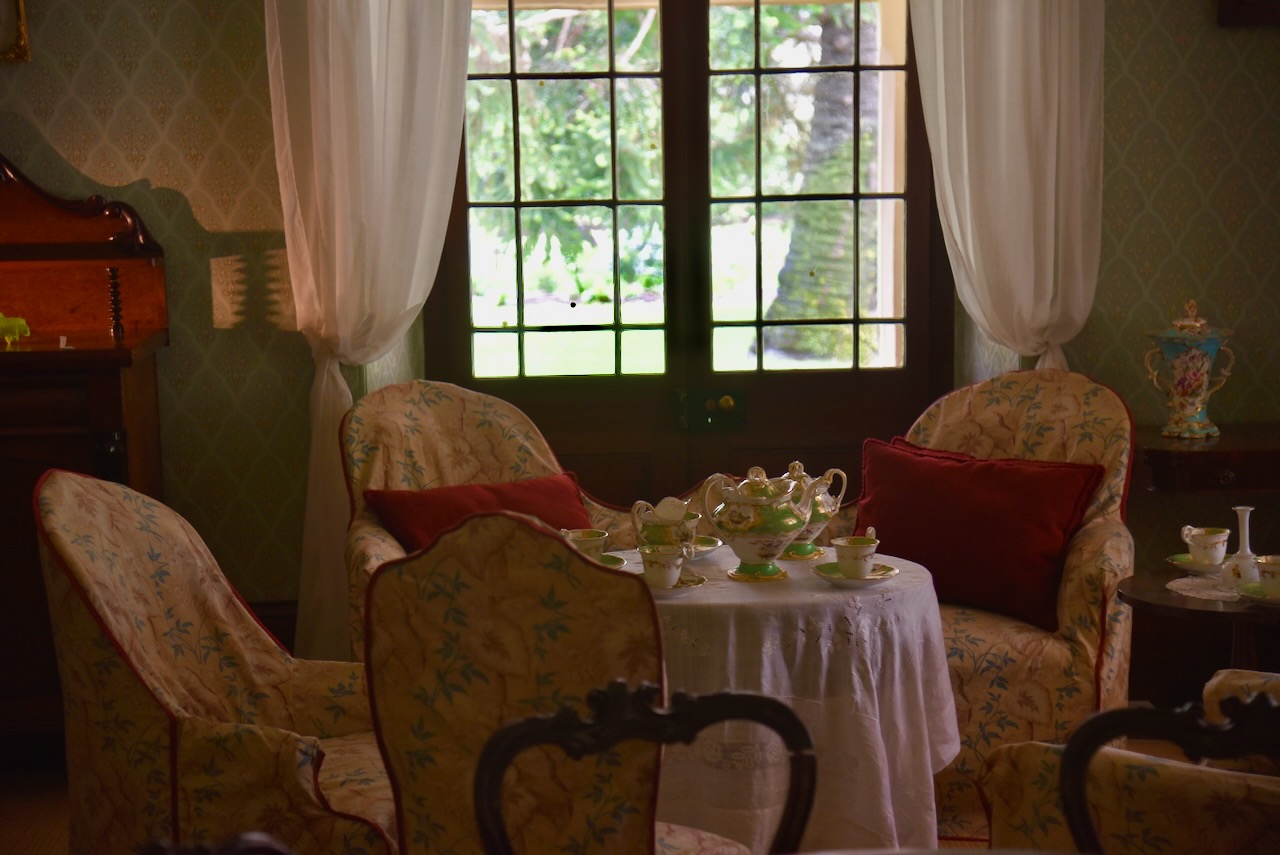
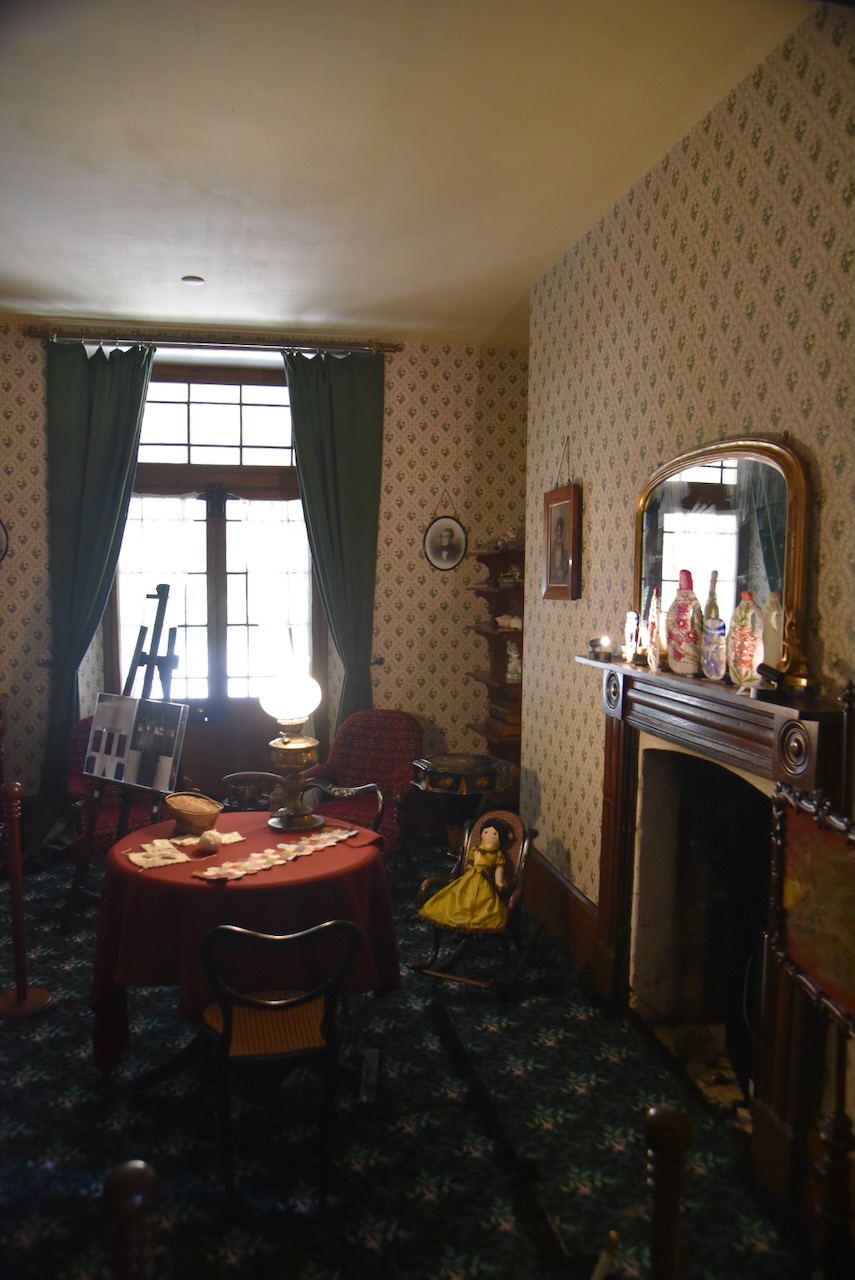
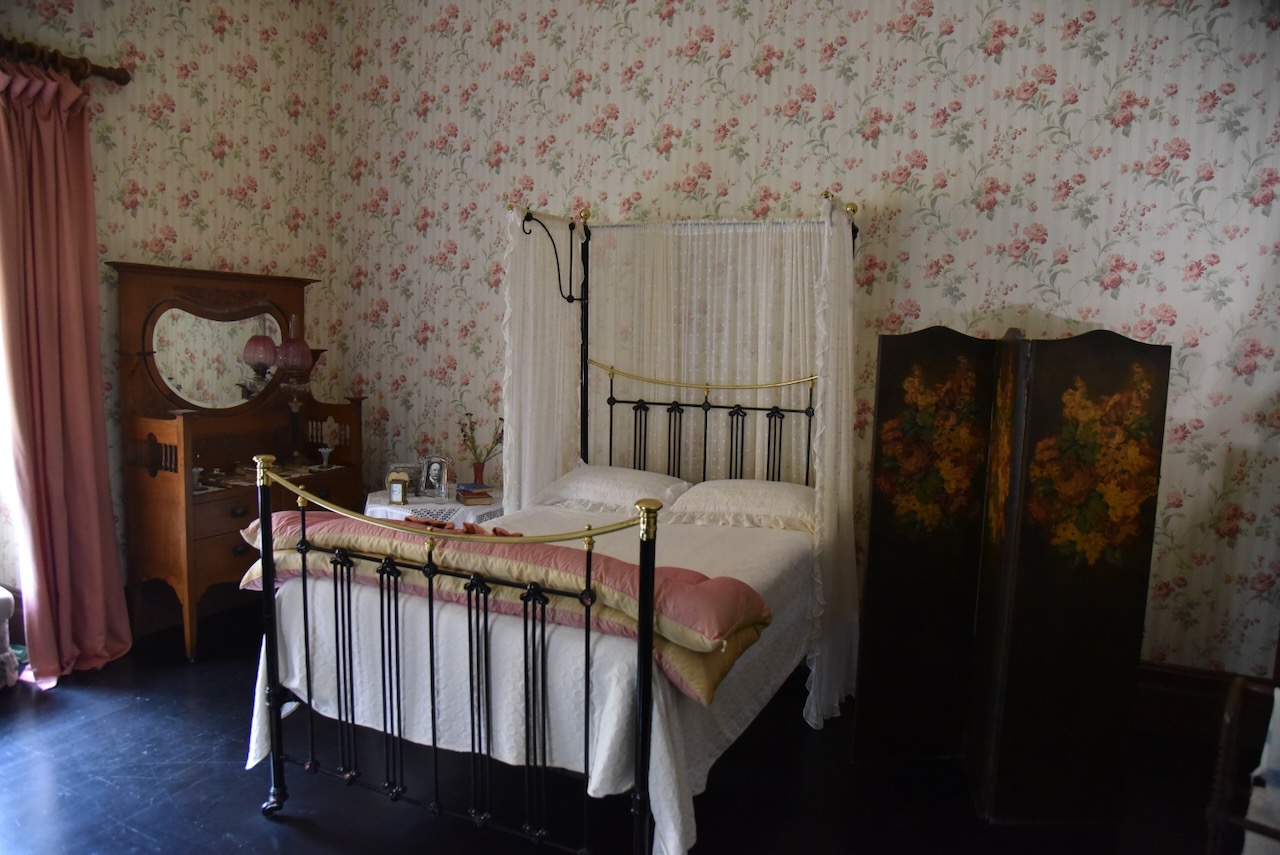
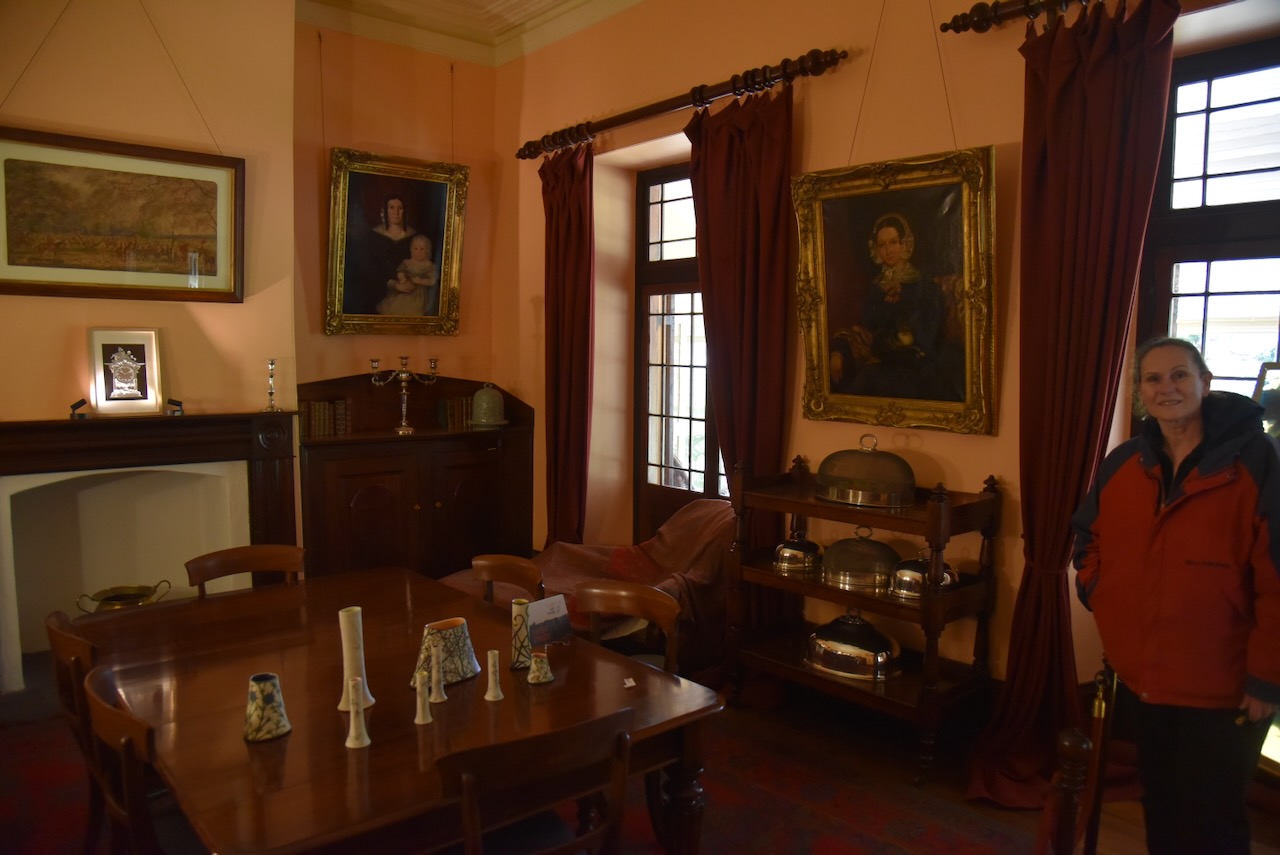
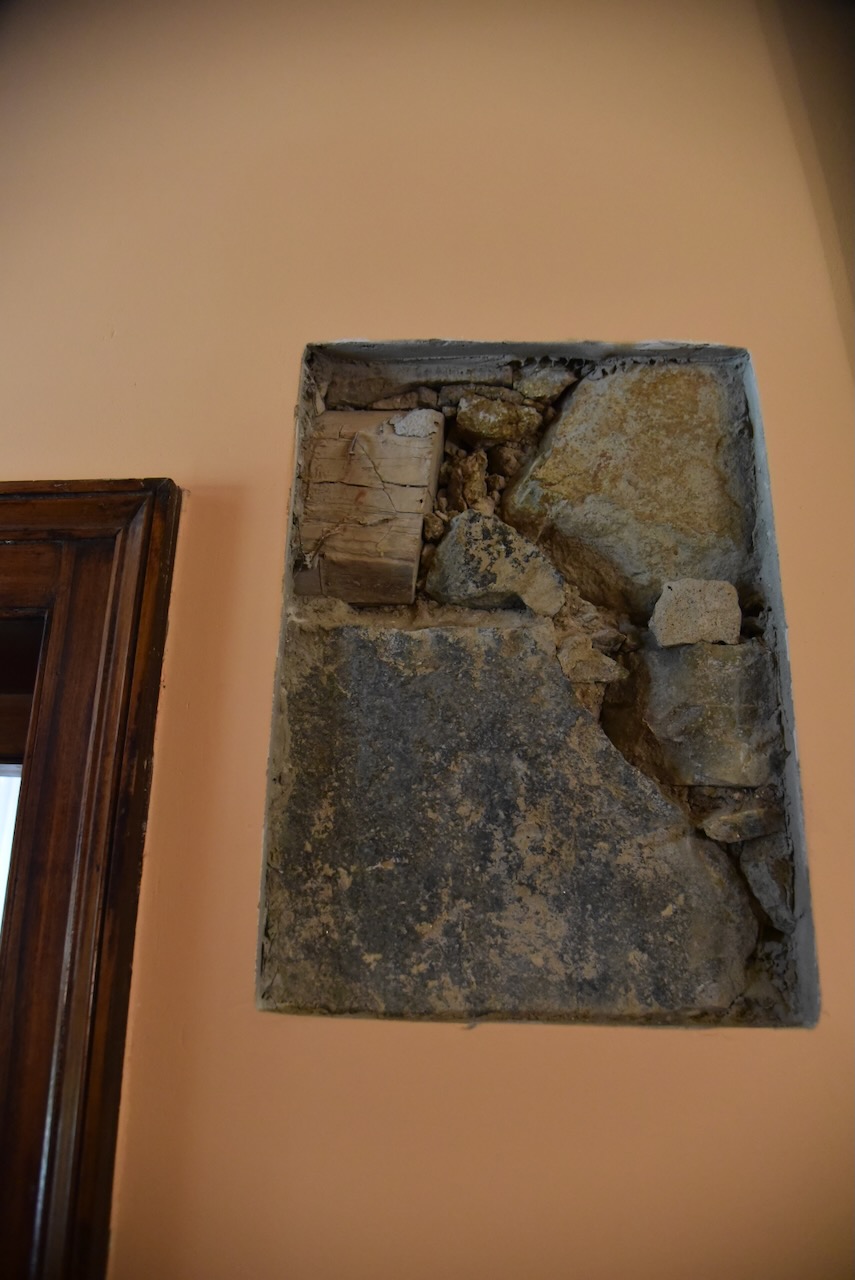
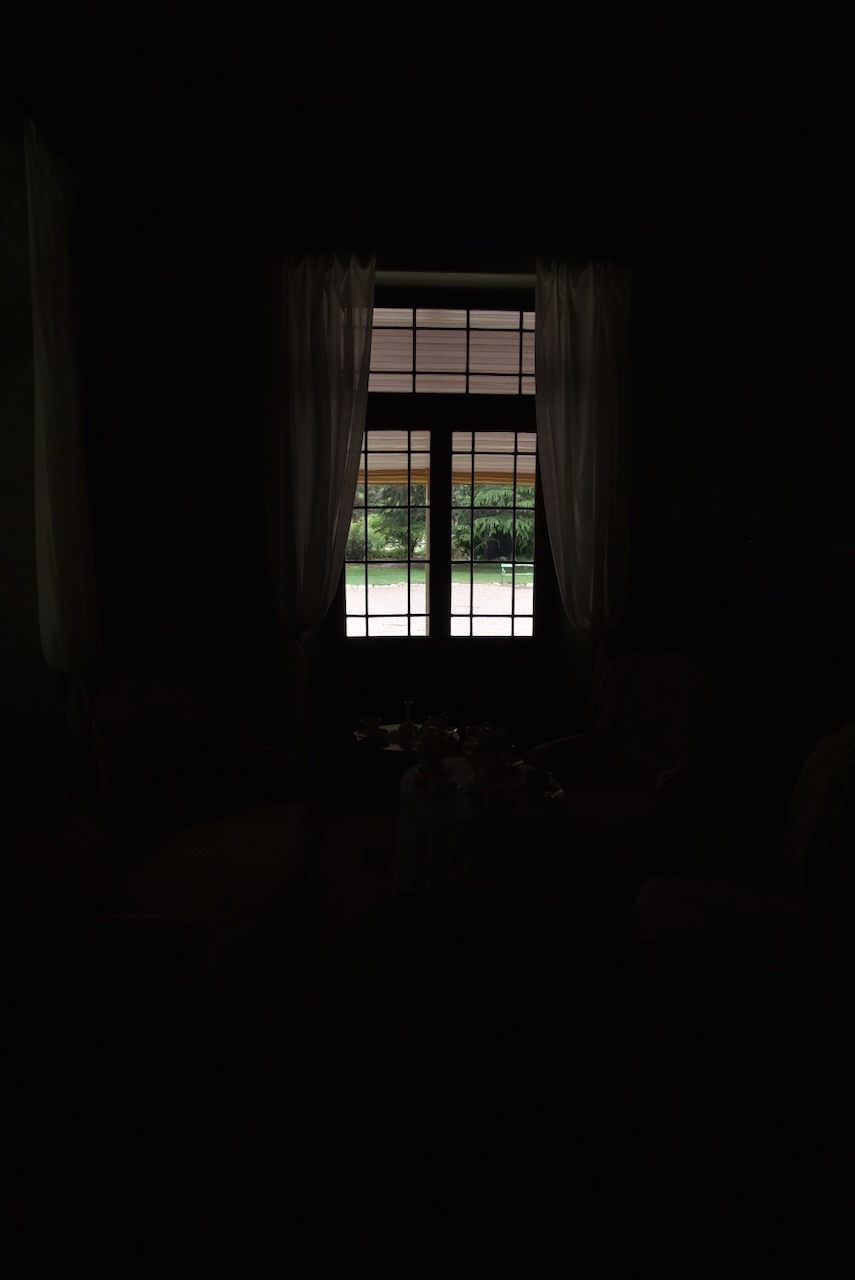
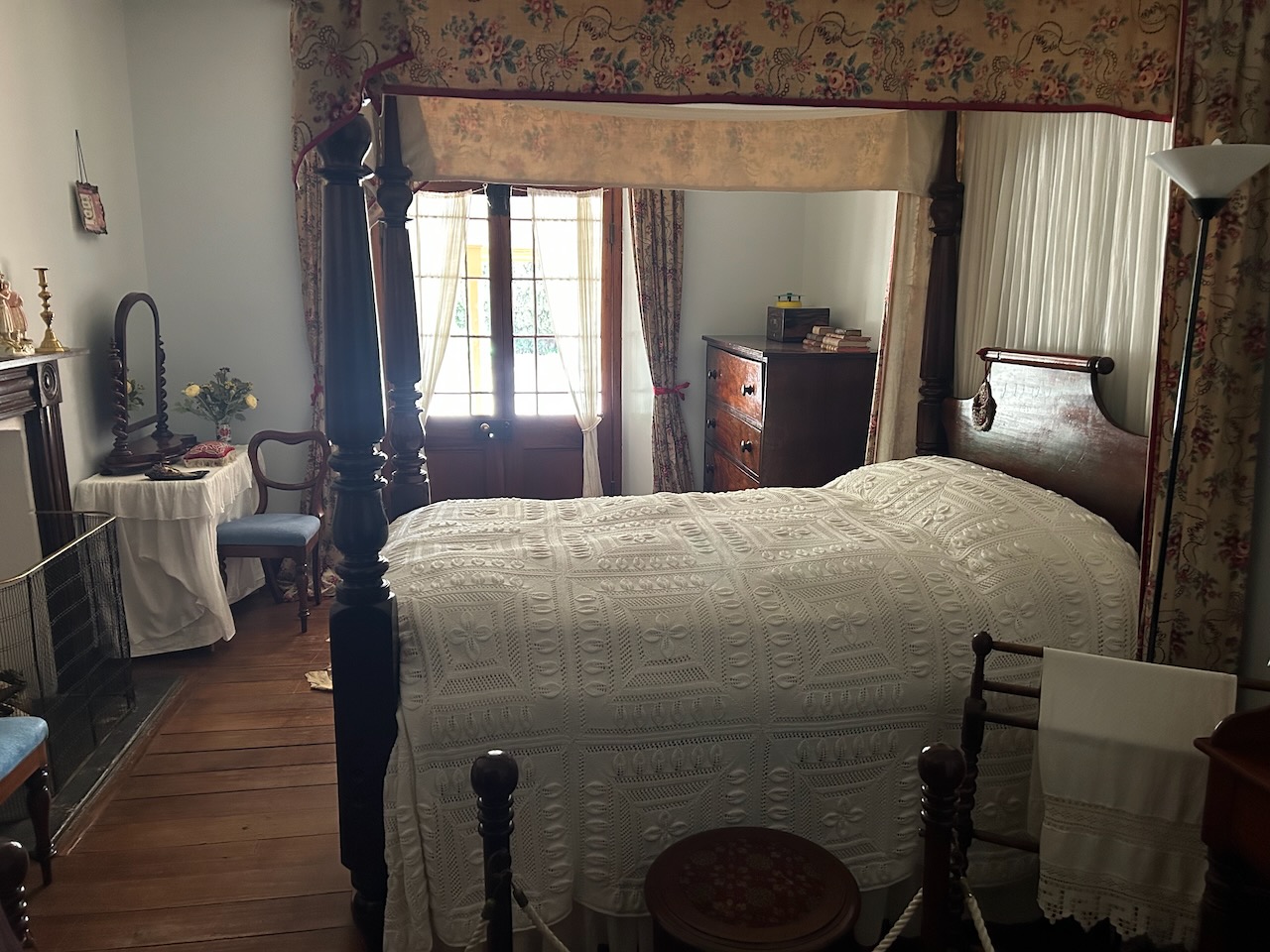
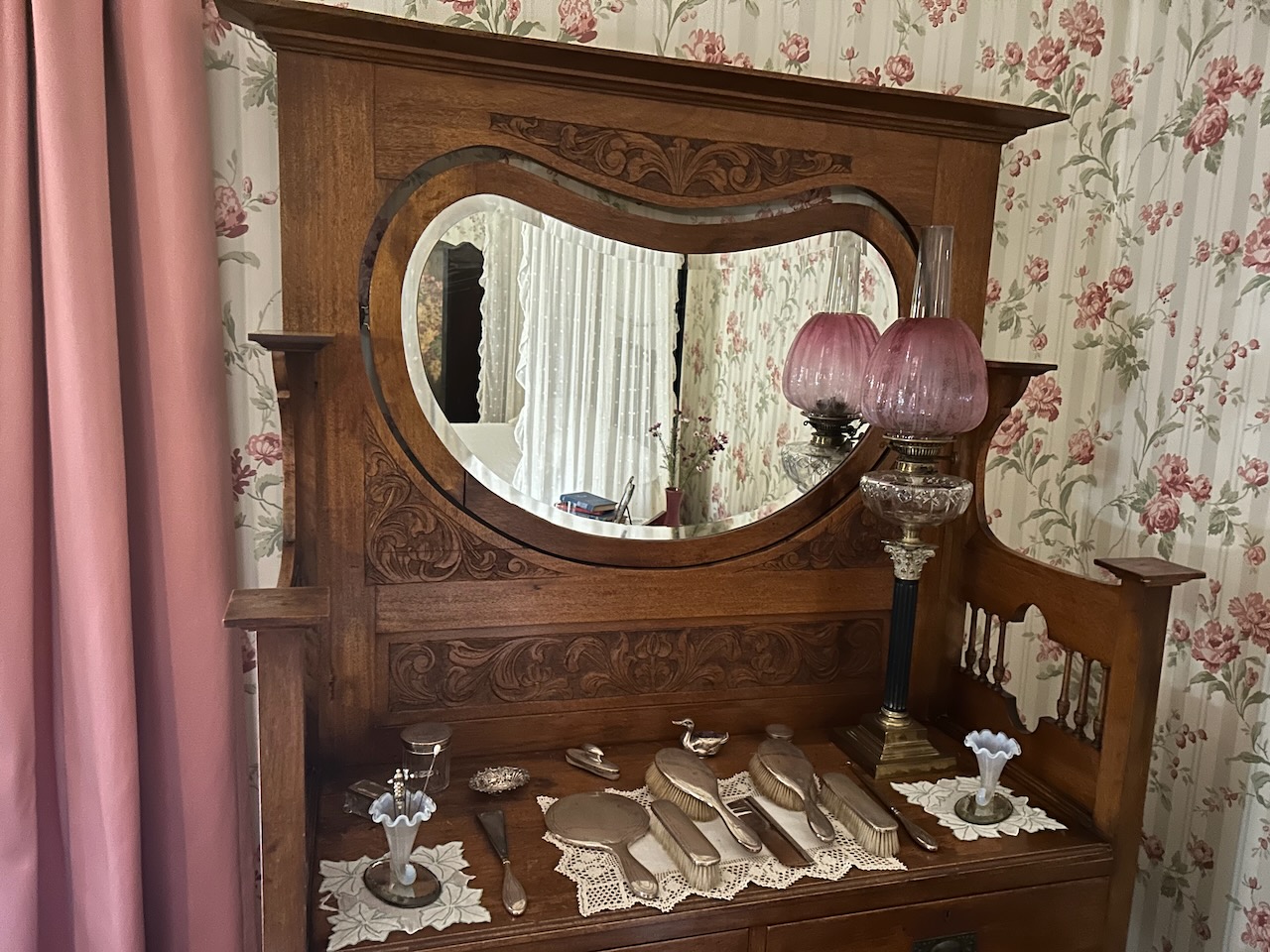
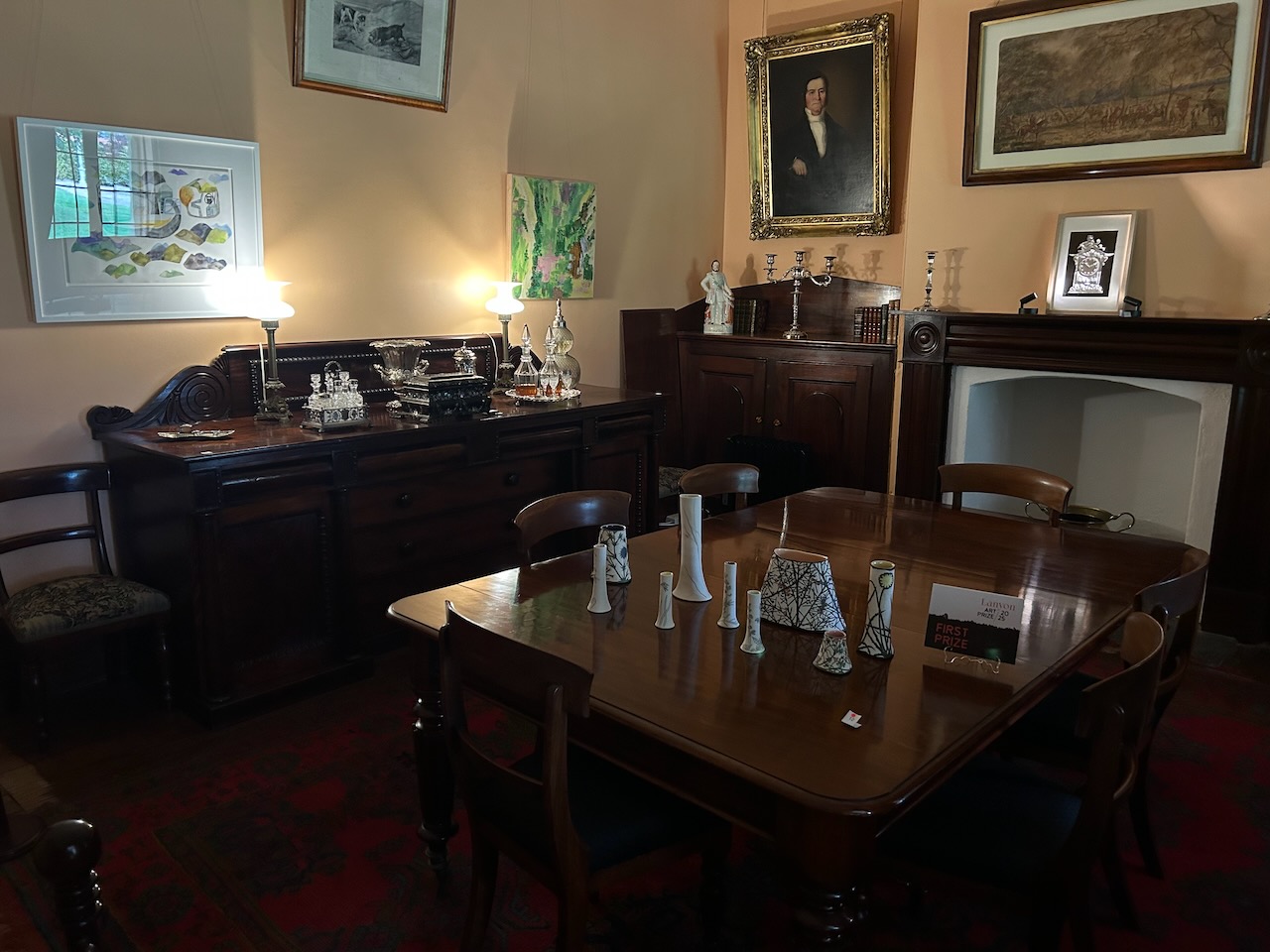
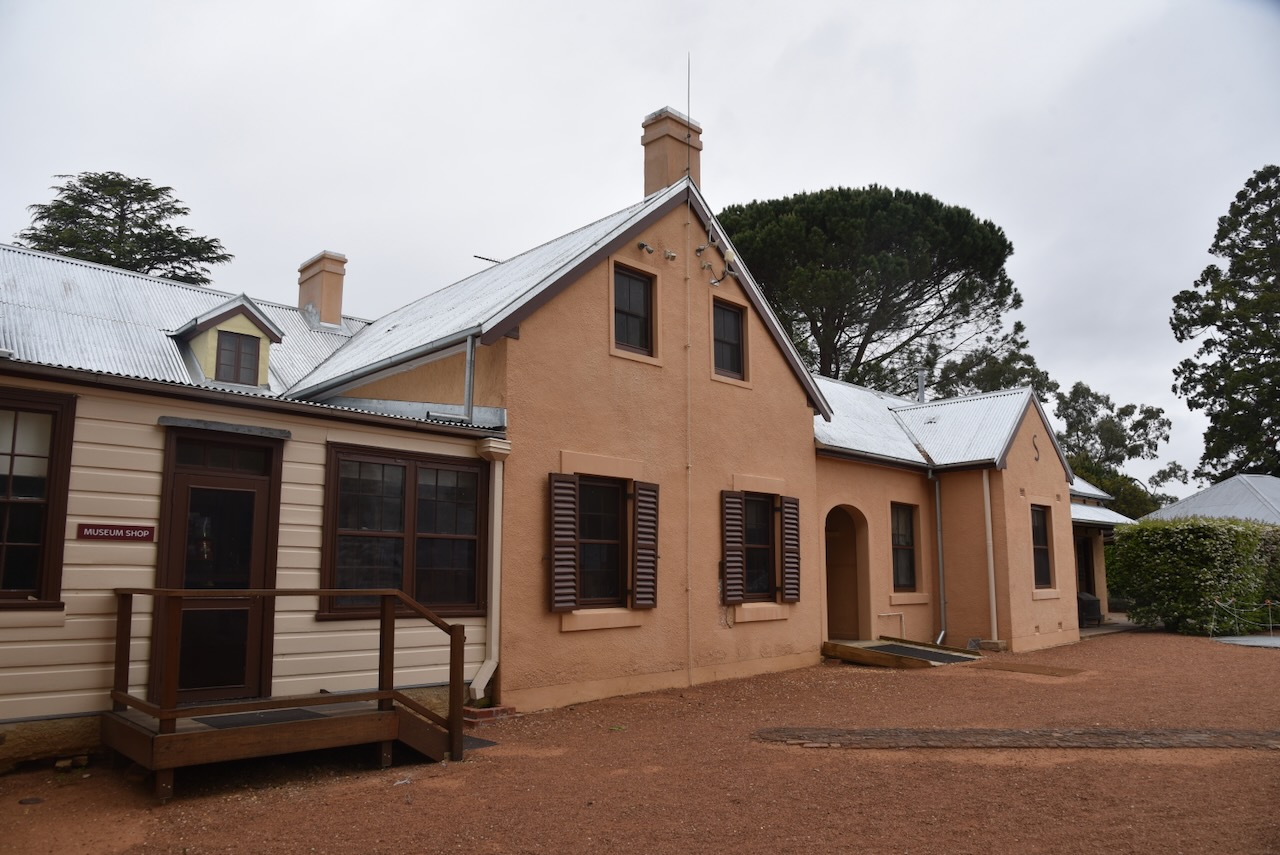
After leaving the homestead, Marija and I visited several historic outbuildings on the property.
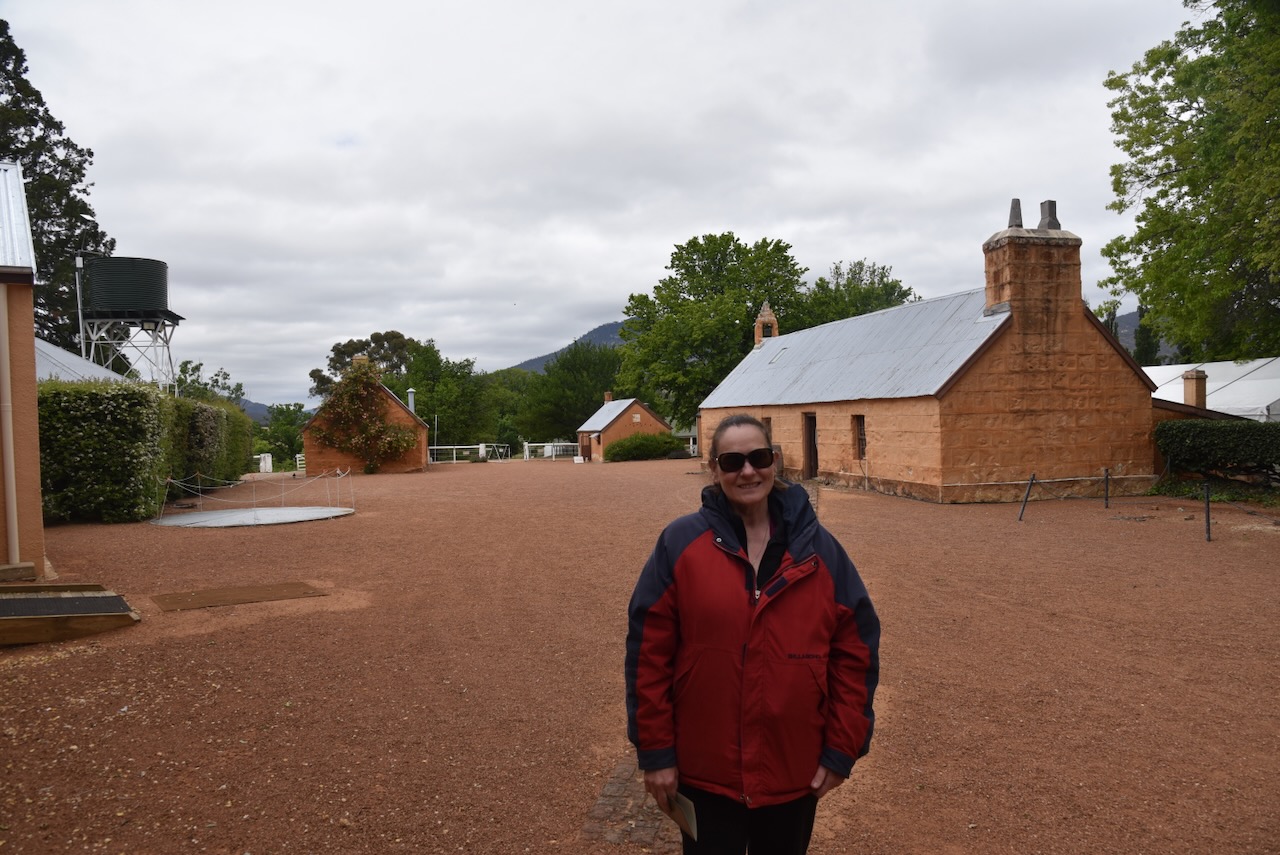
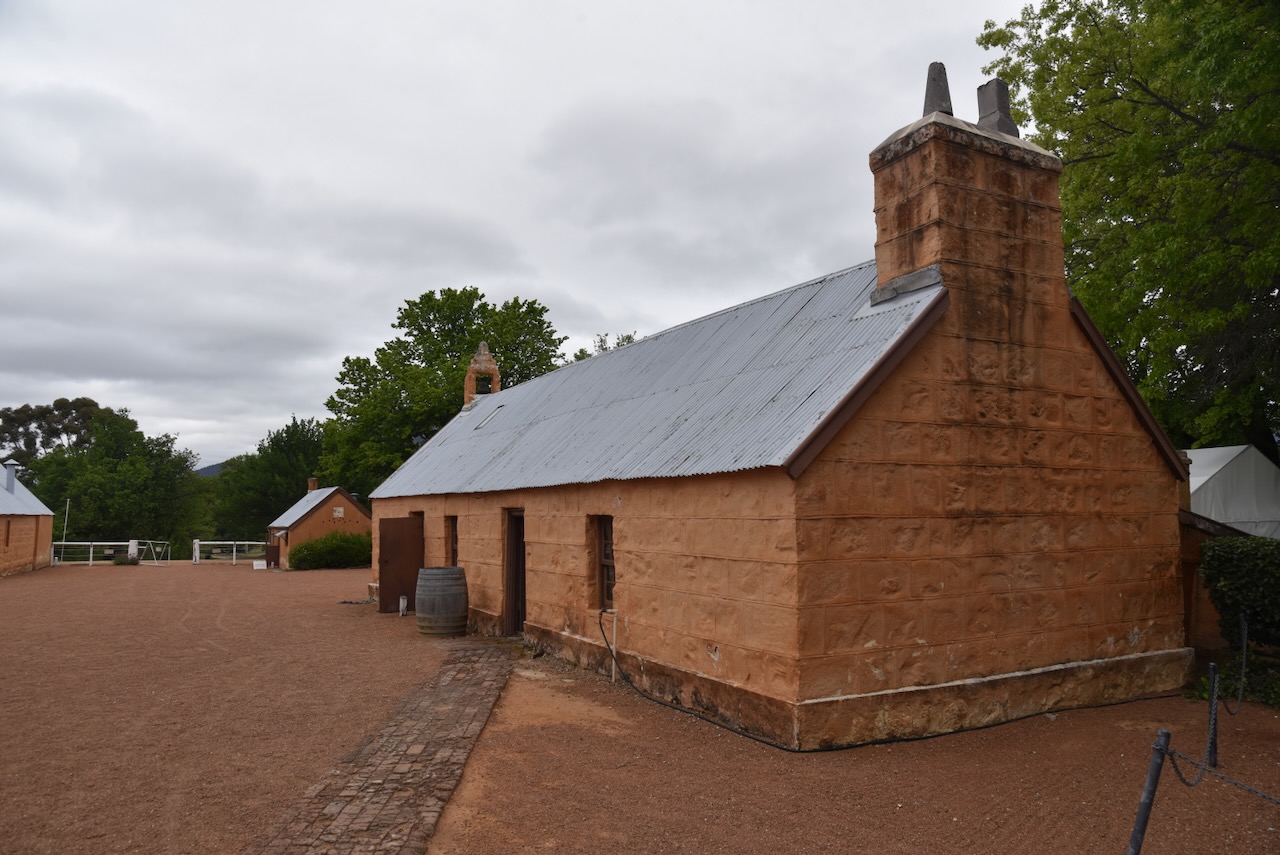
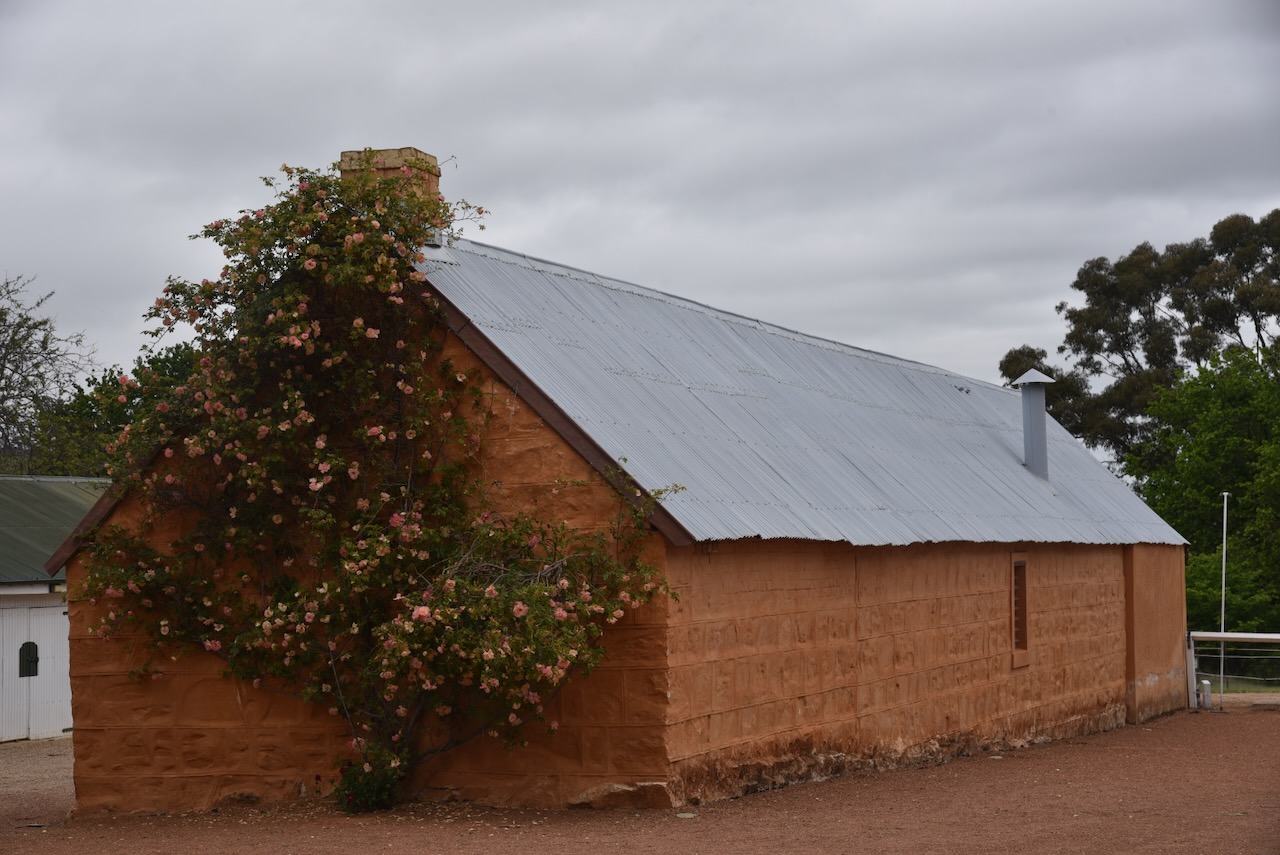
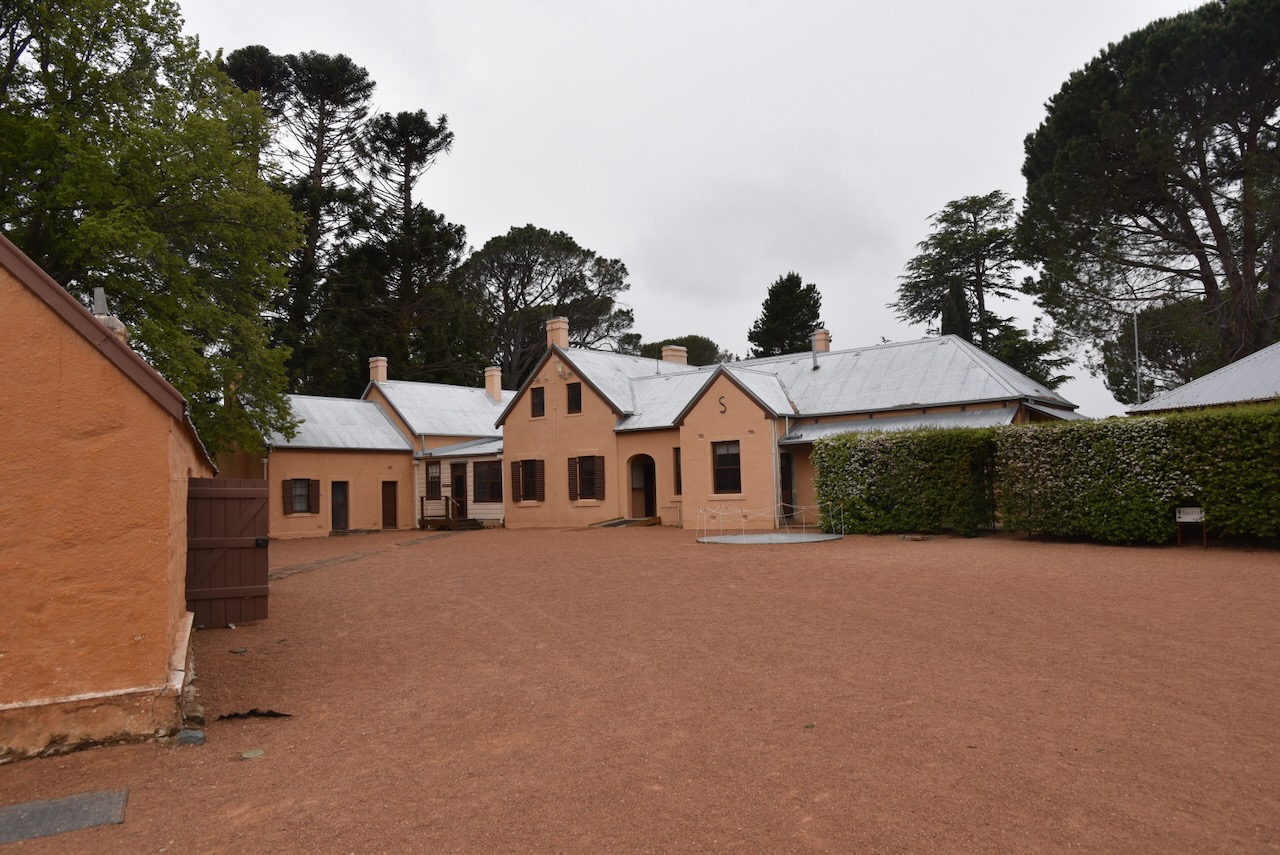
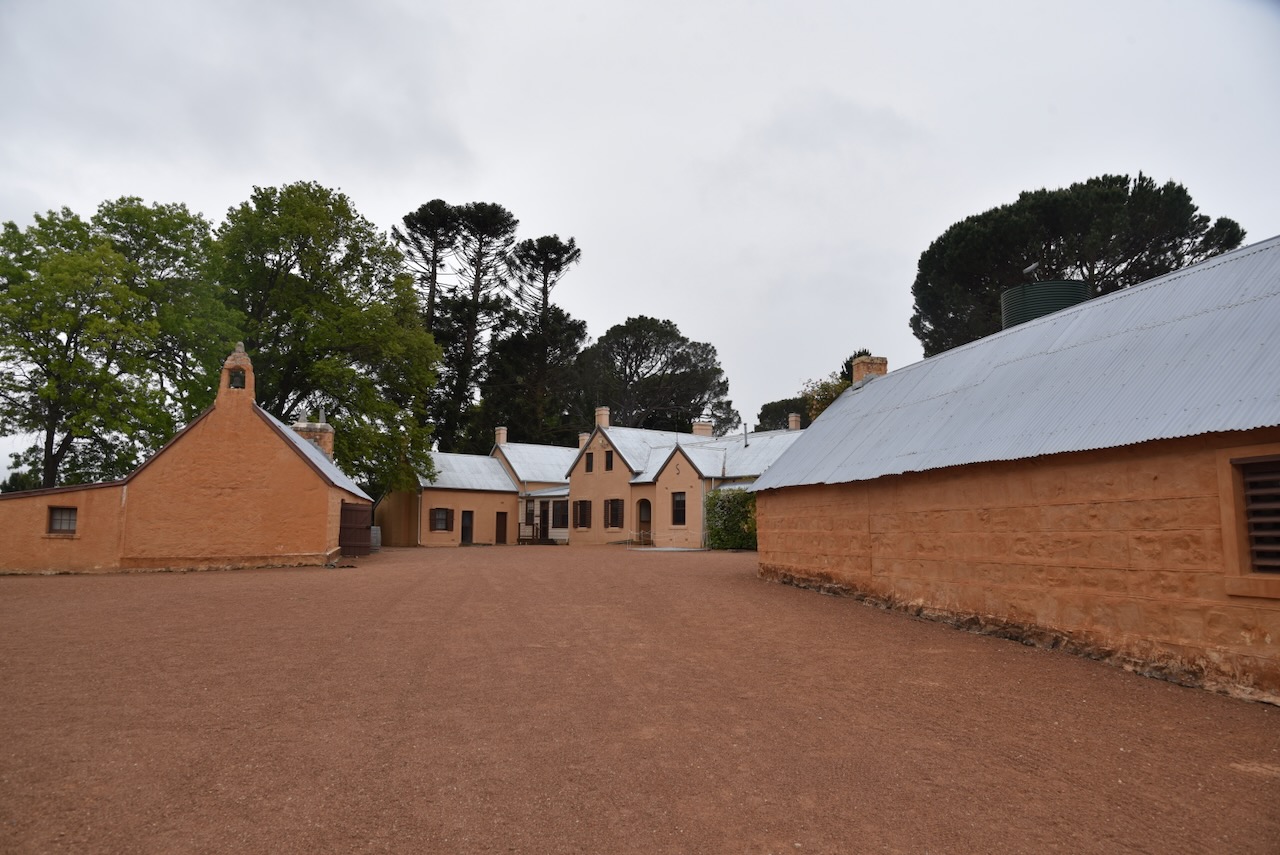
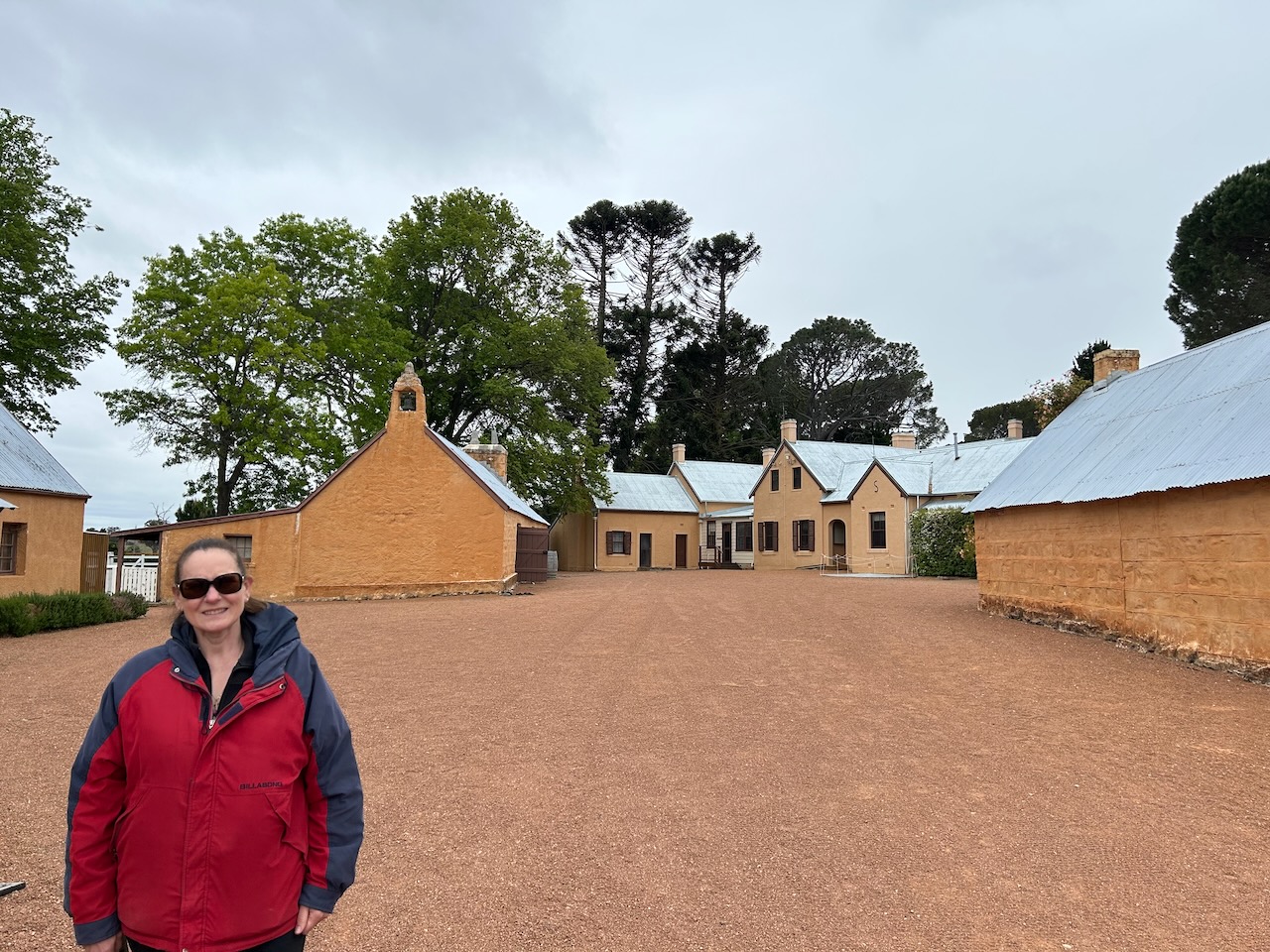
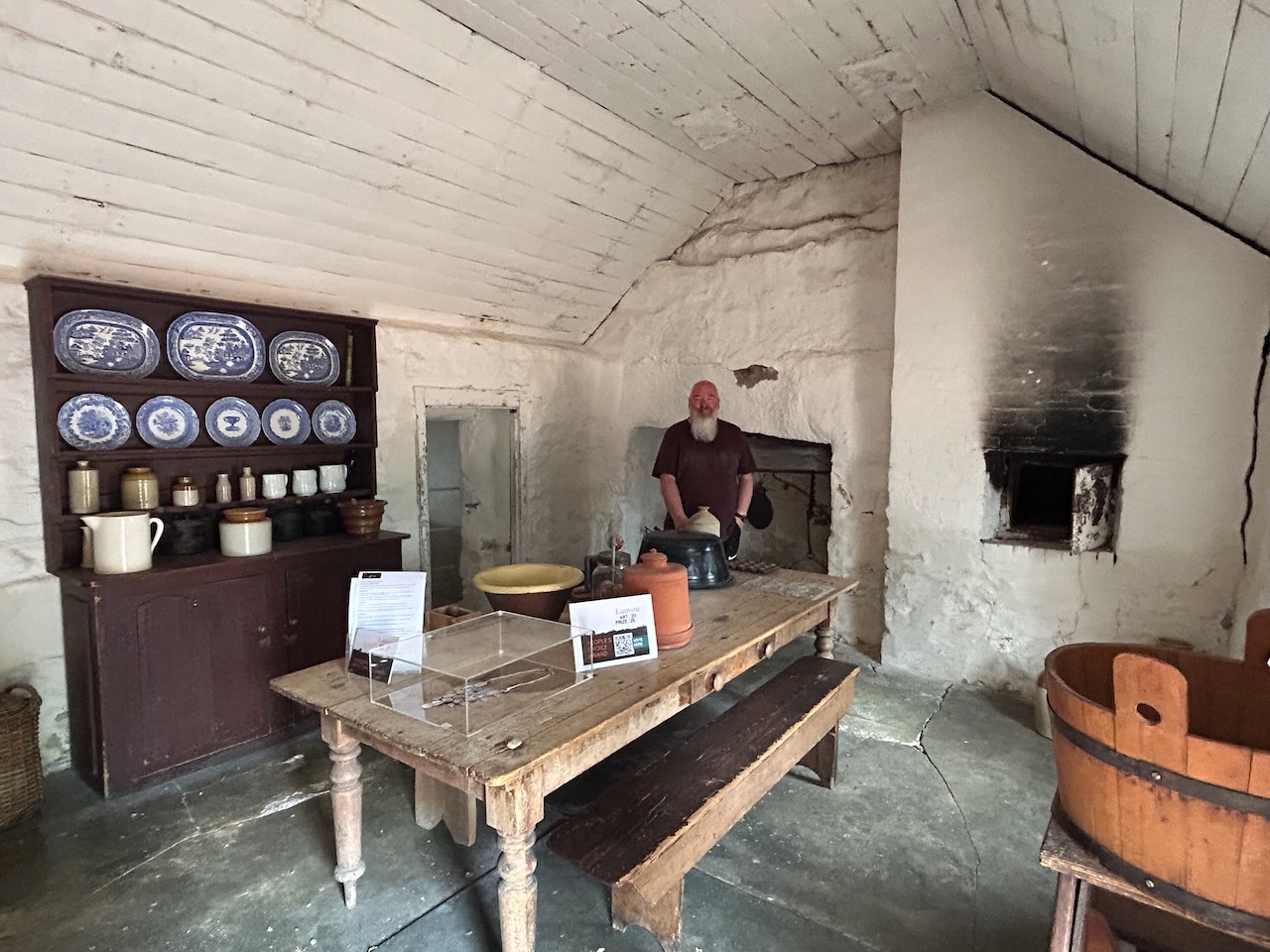
The old kitchen structure was built c. 1830s to 1850. It is built of rubble stone finished in limewashed roughcast with a gabled painted corrugated iron roof. (Marshall 2010)
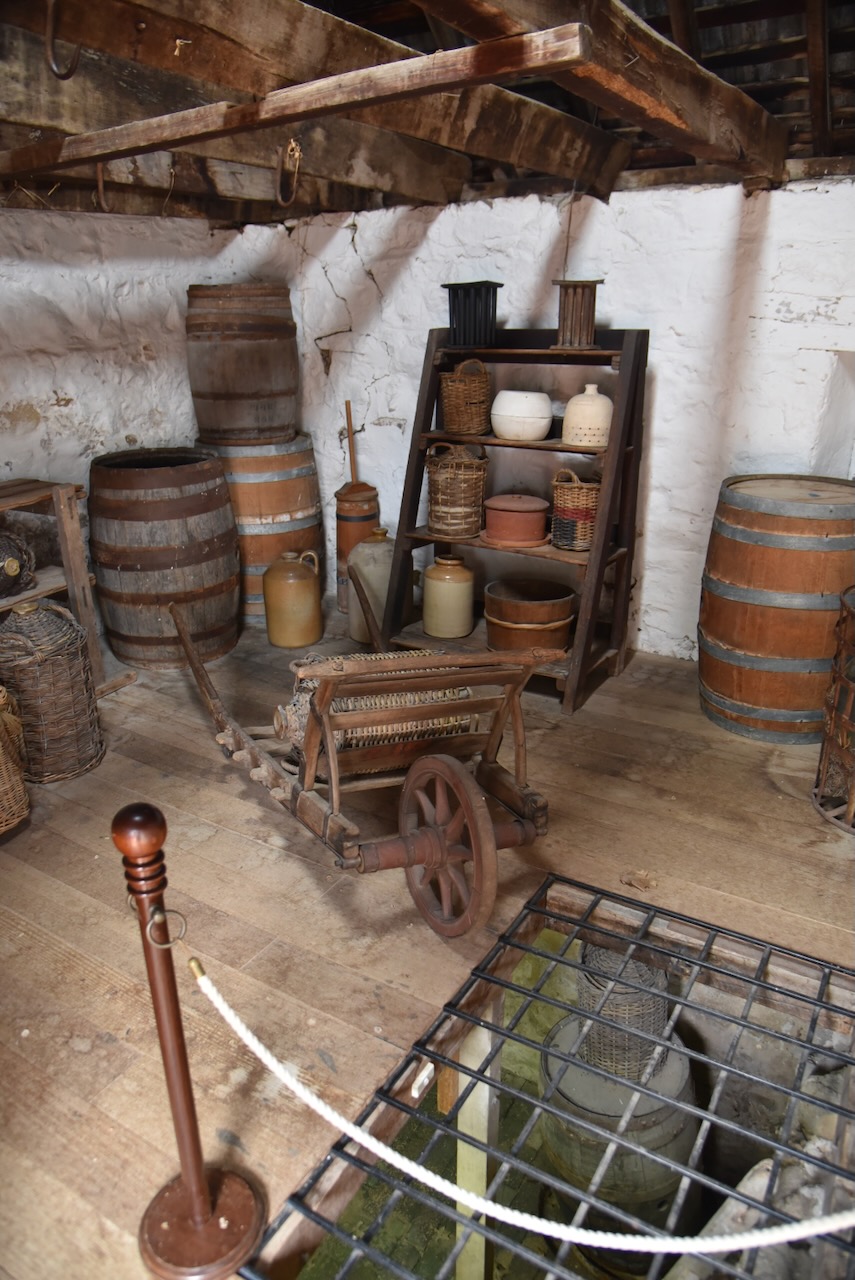
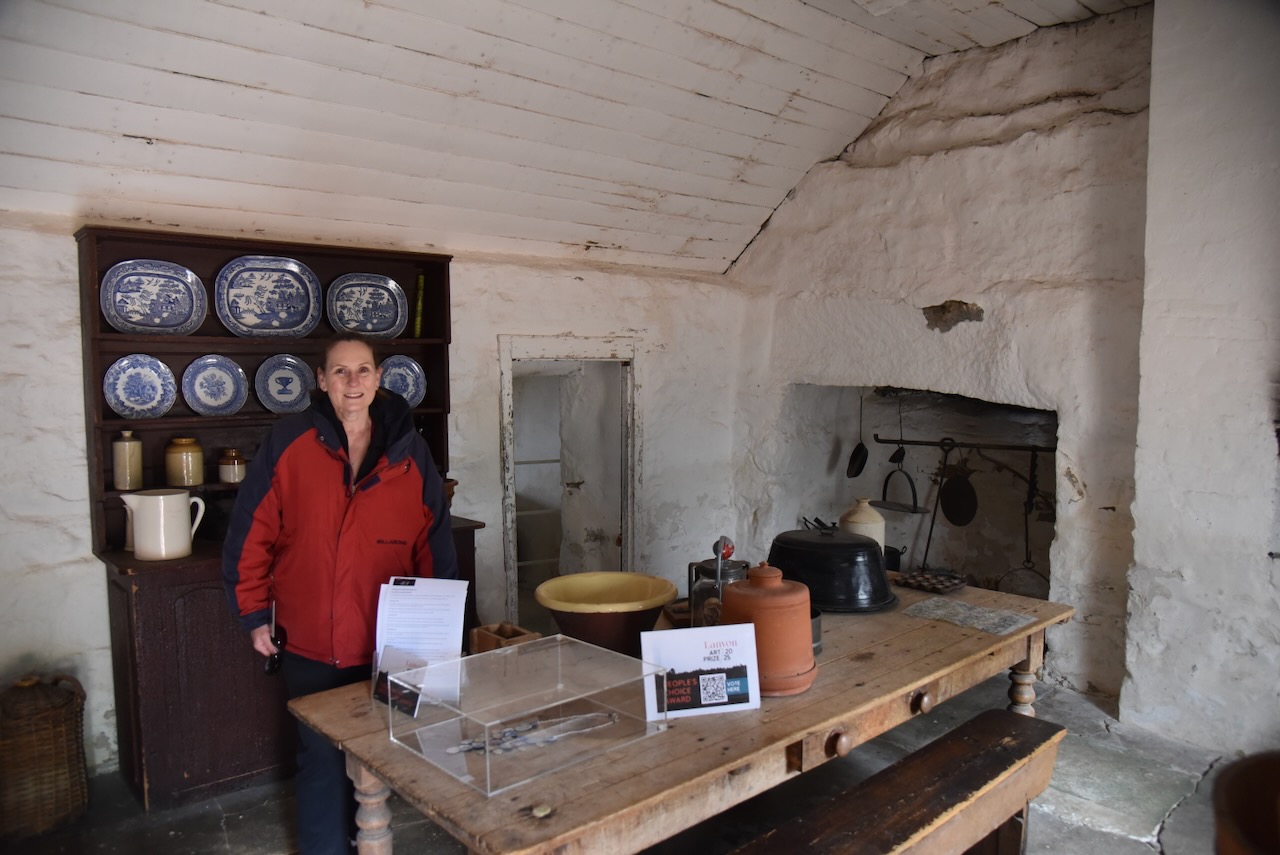
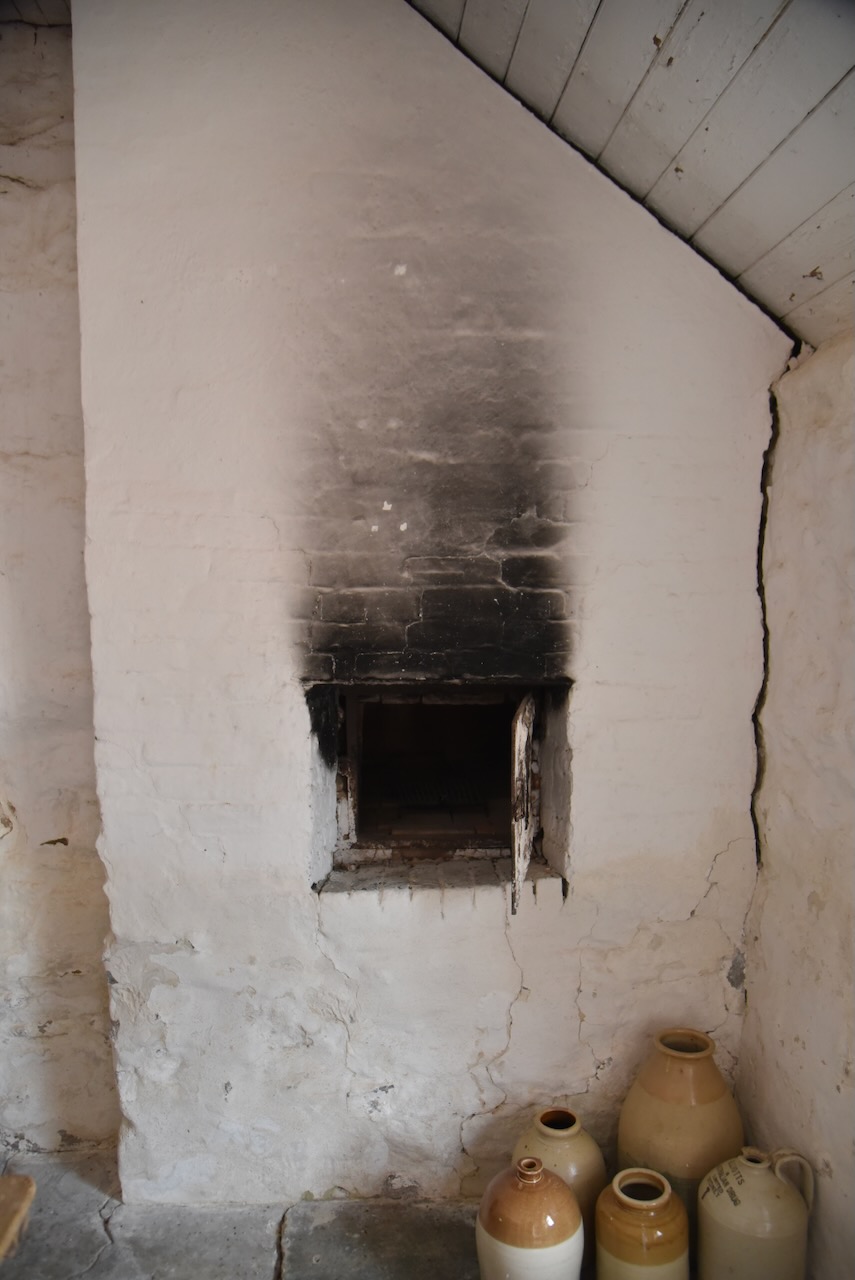
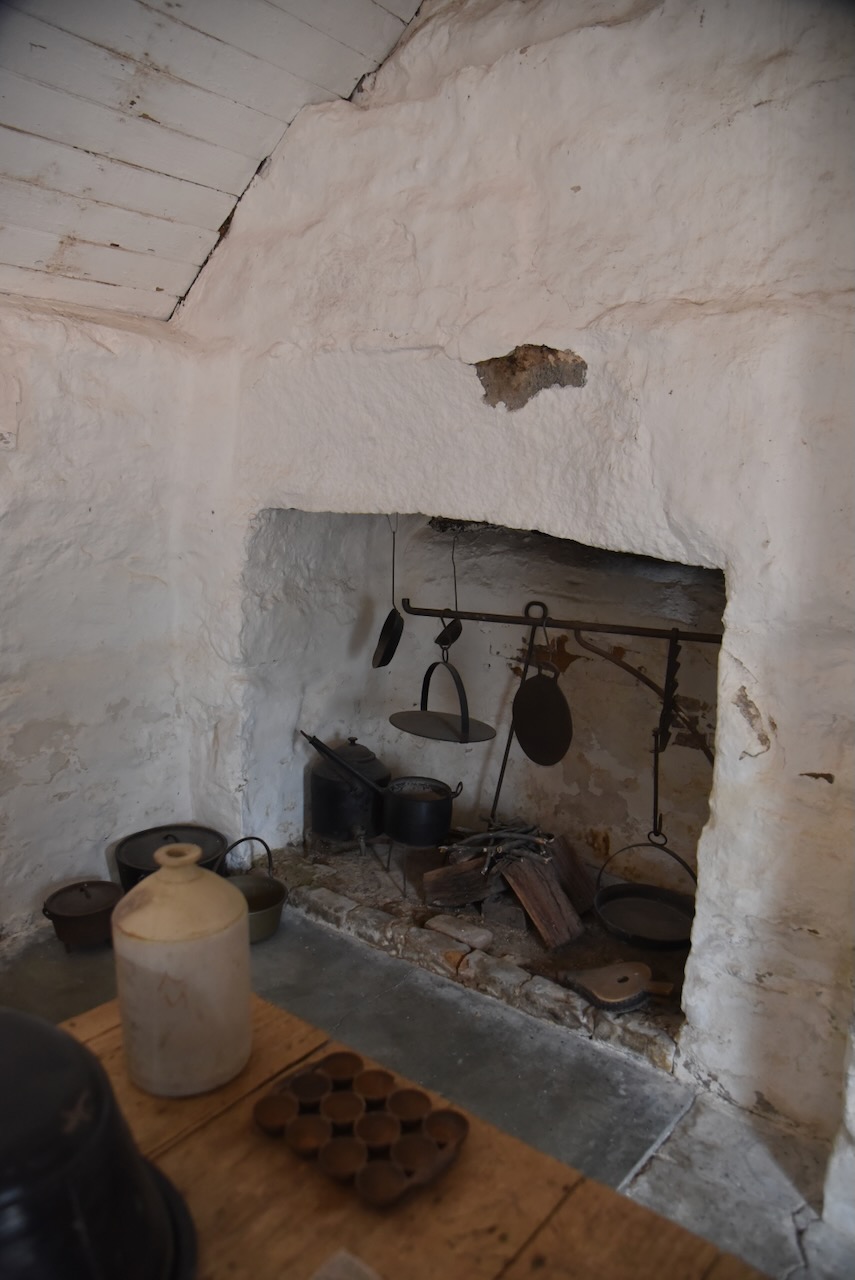
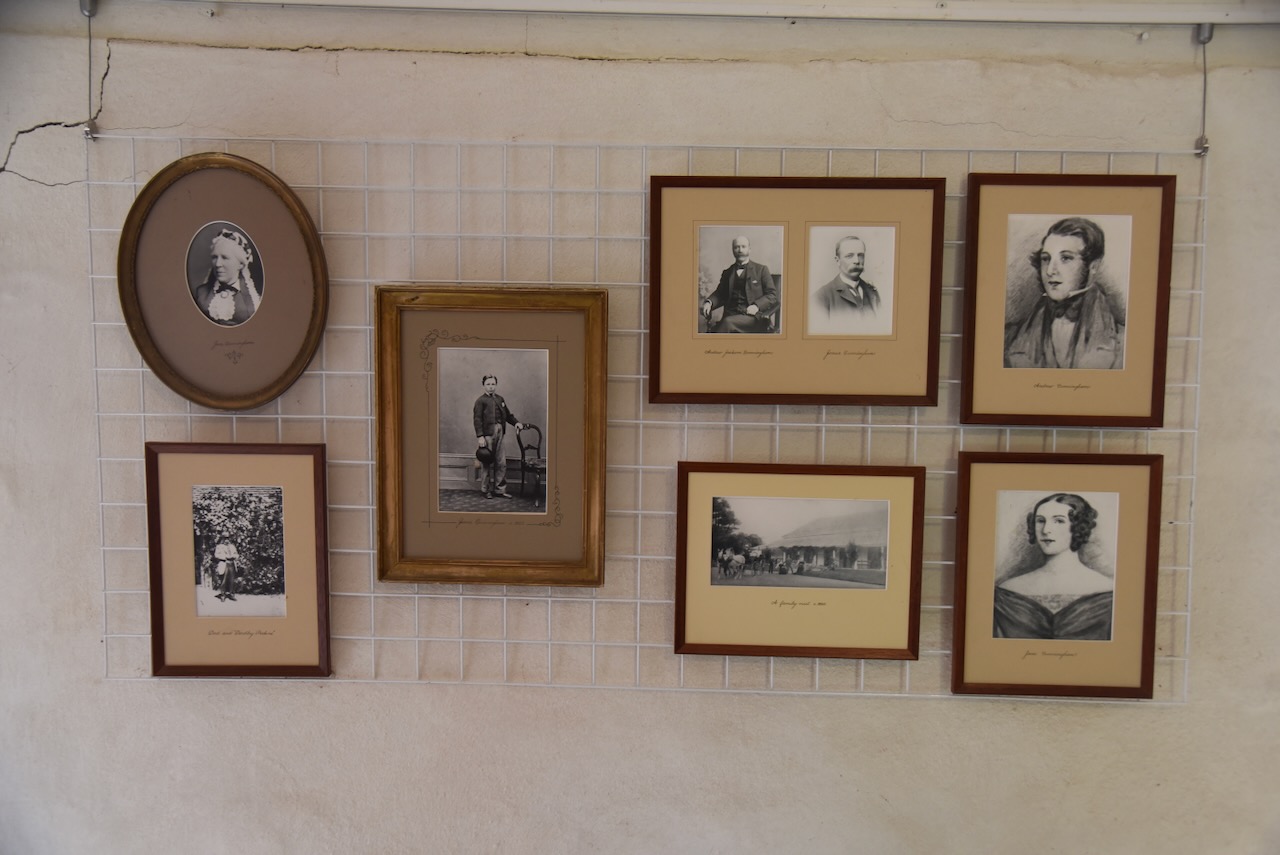
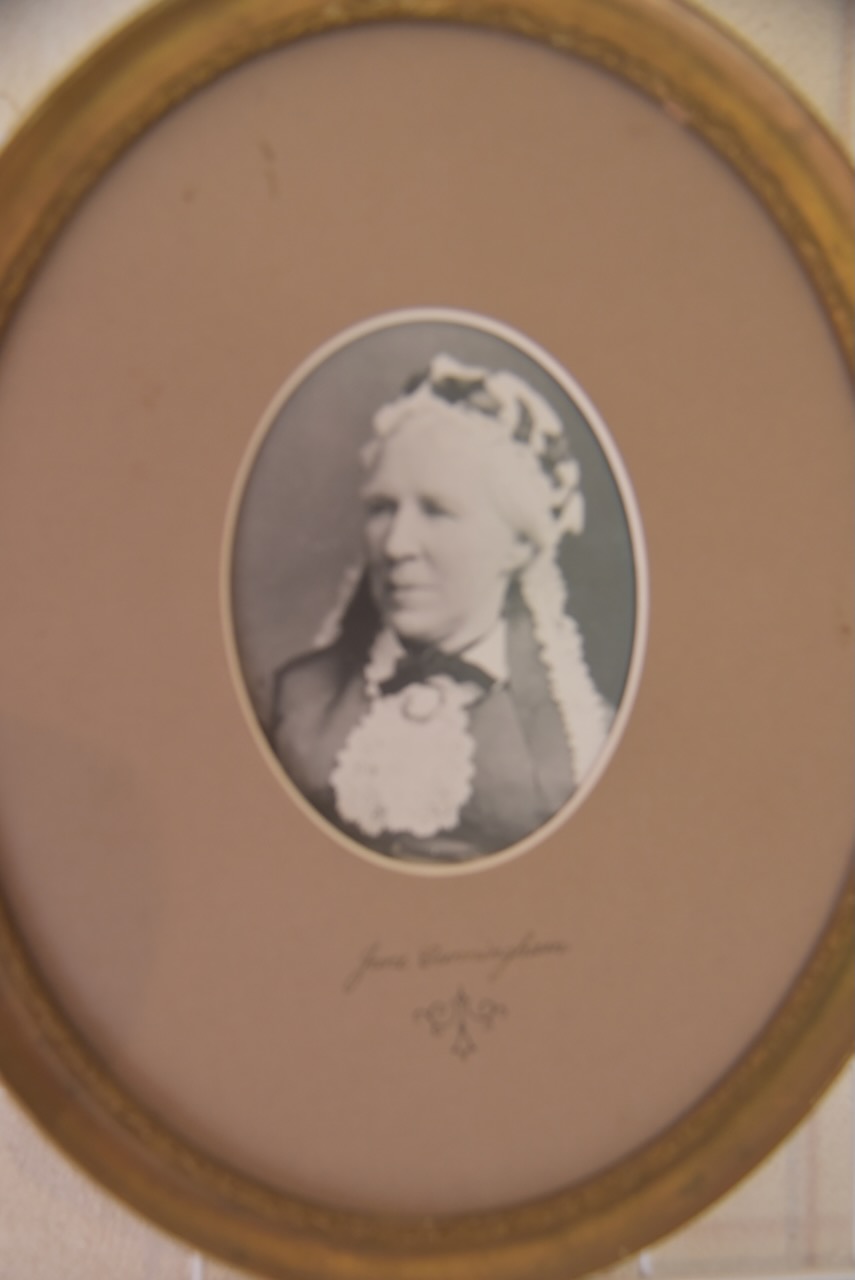
There are several photographs on display of the Cunningham family throughout the complex.
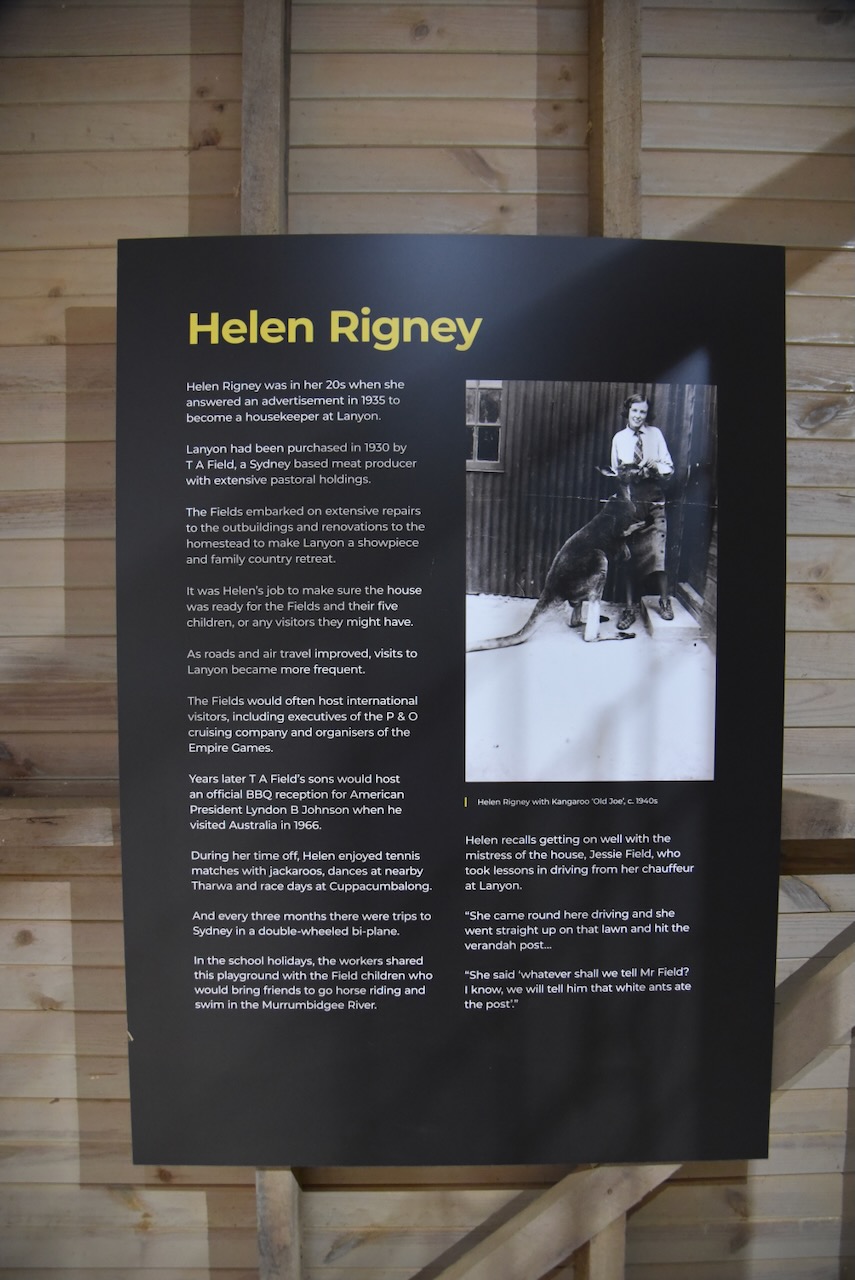
The dairy was built c. 1830s to 1850. It is timber framed with the gabled bark roof still visible underneath the corrugated iron. (Marshall 2010)
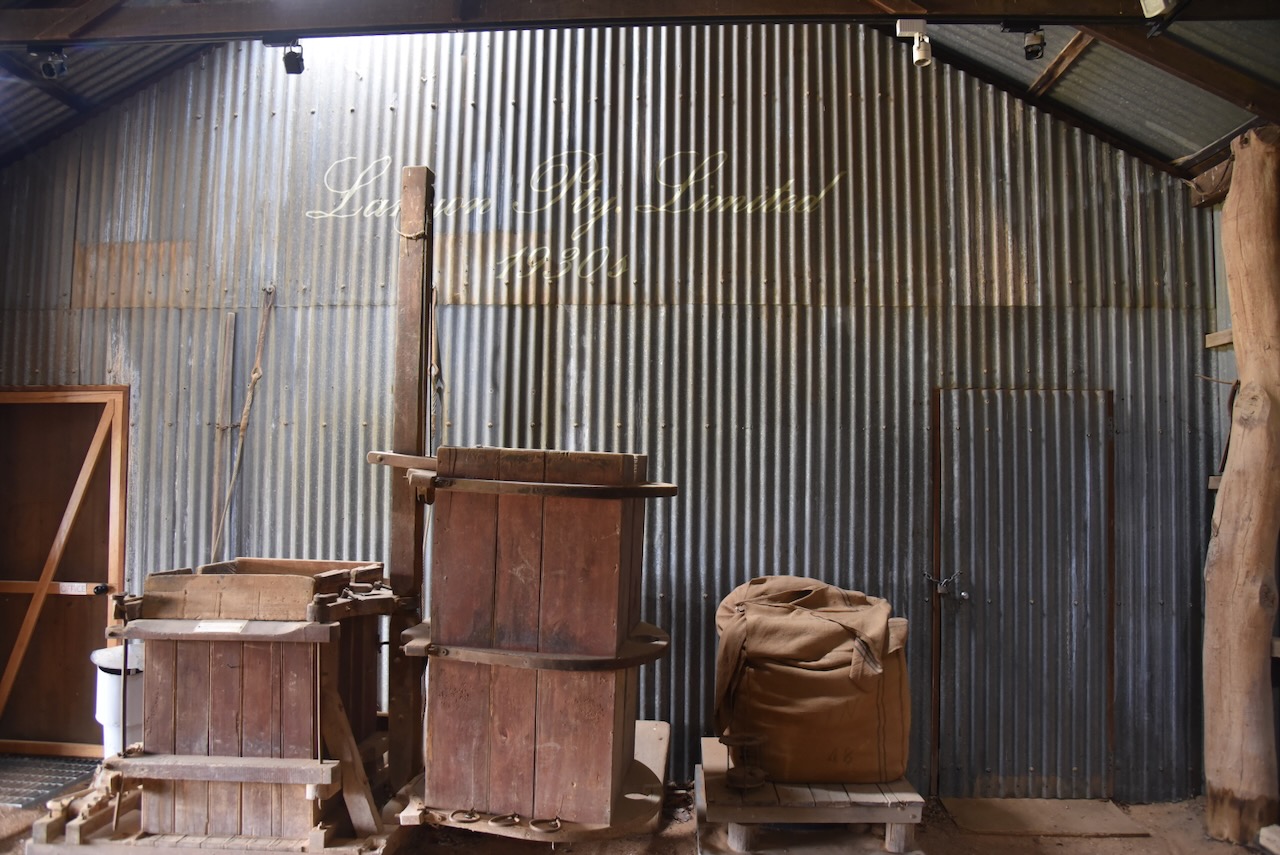
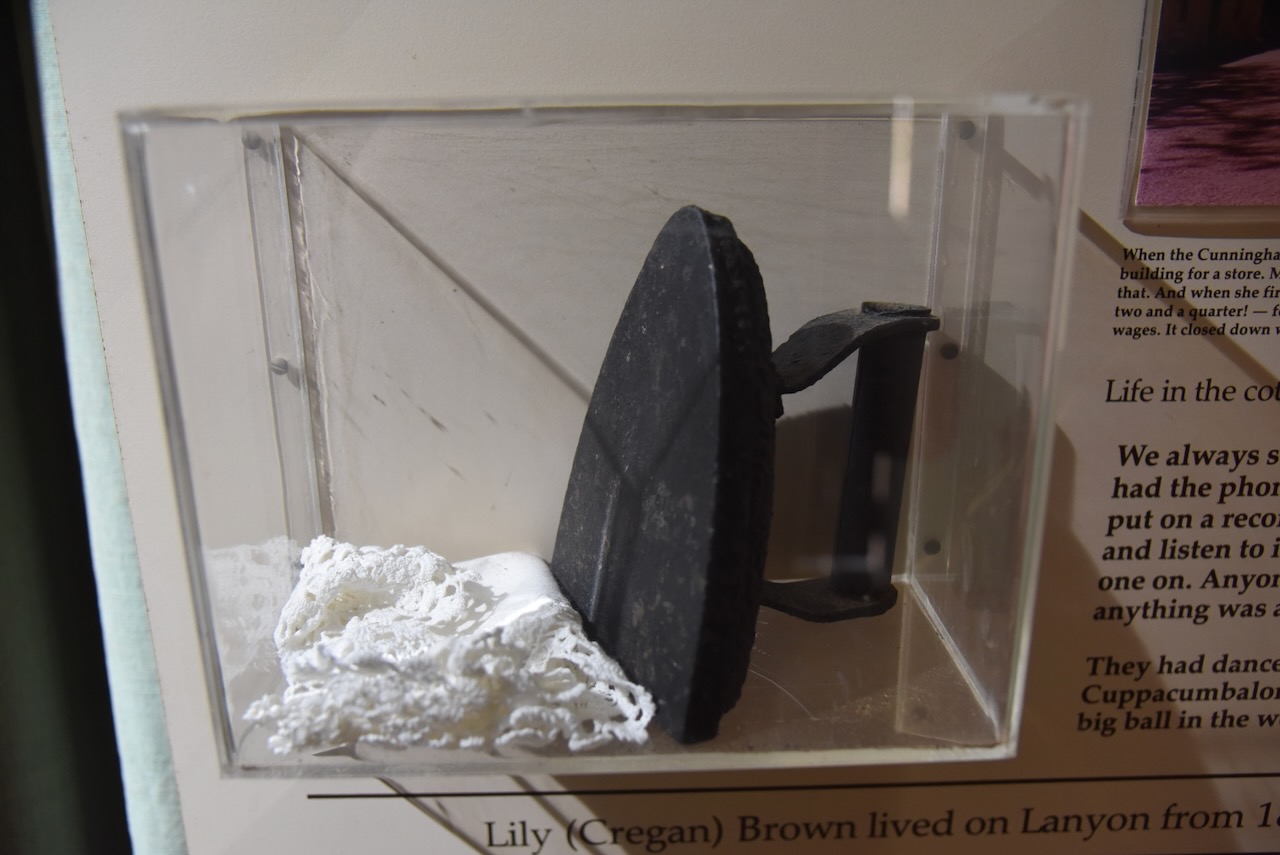
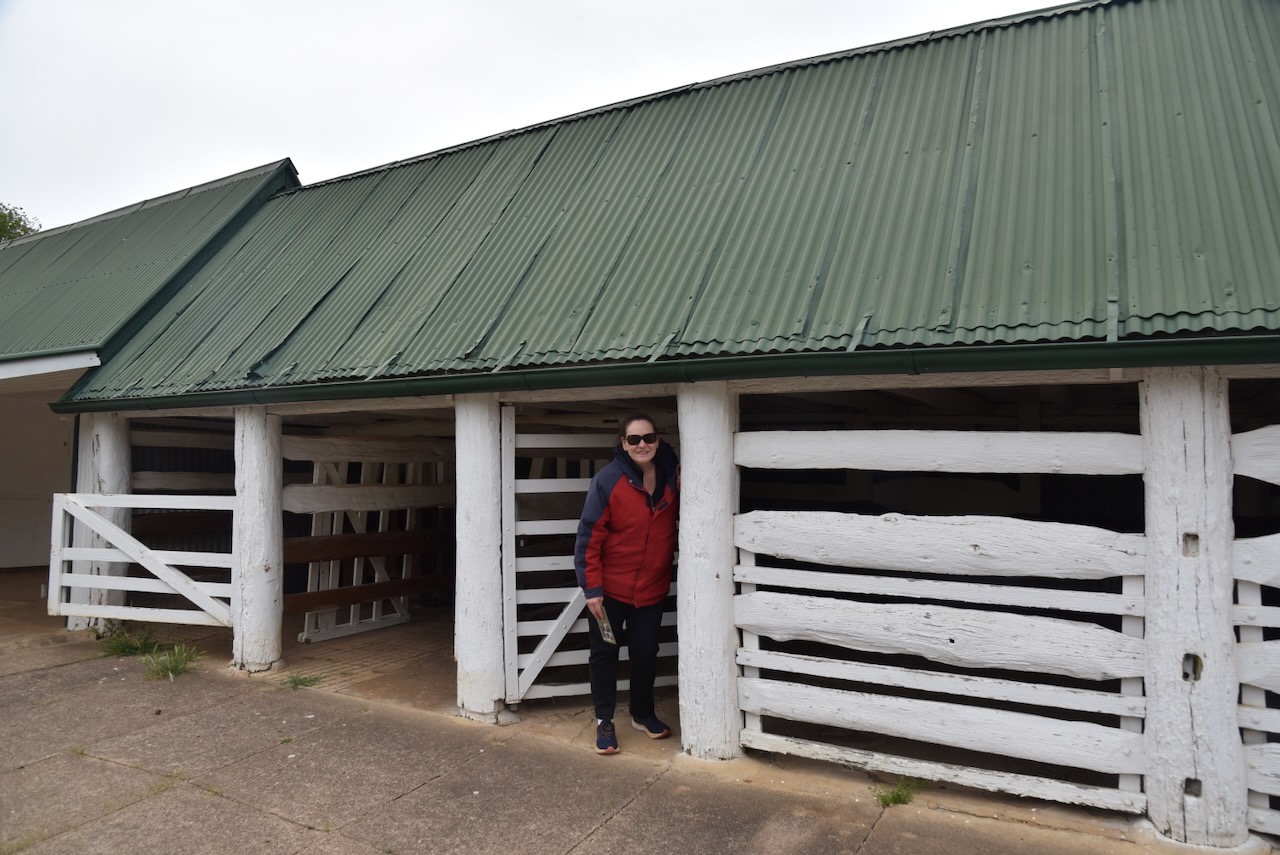
The slab hut was built c. 1830s-1850 and is a single-roomed timber structure with a hipped corrugated iron roof. (Marshall 2010)
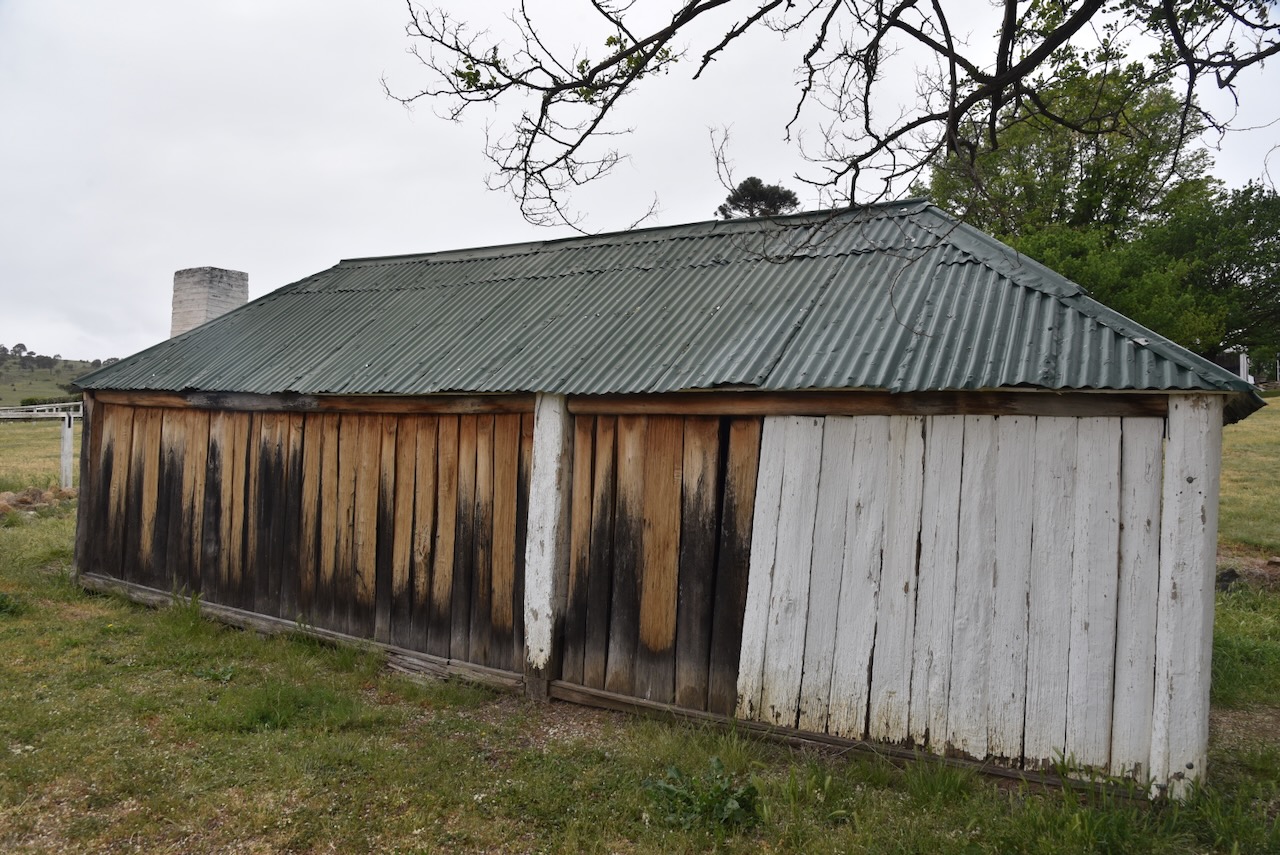
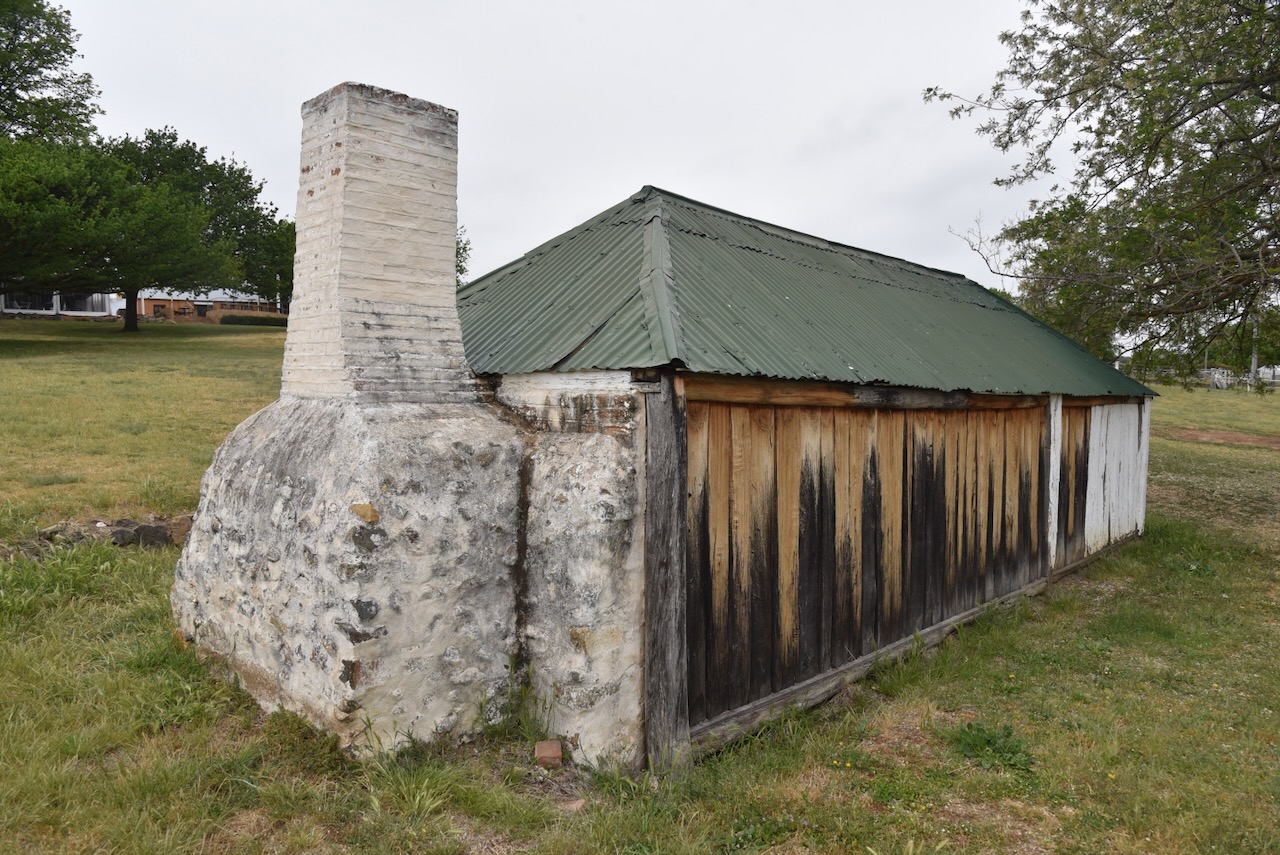
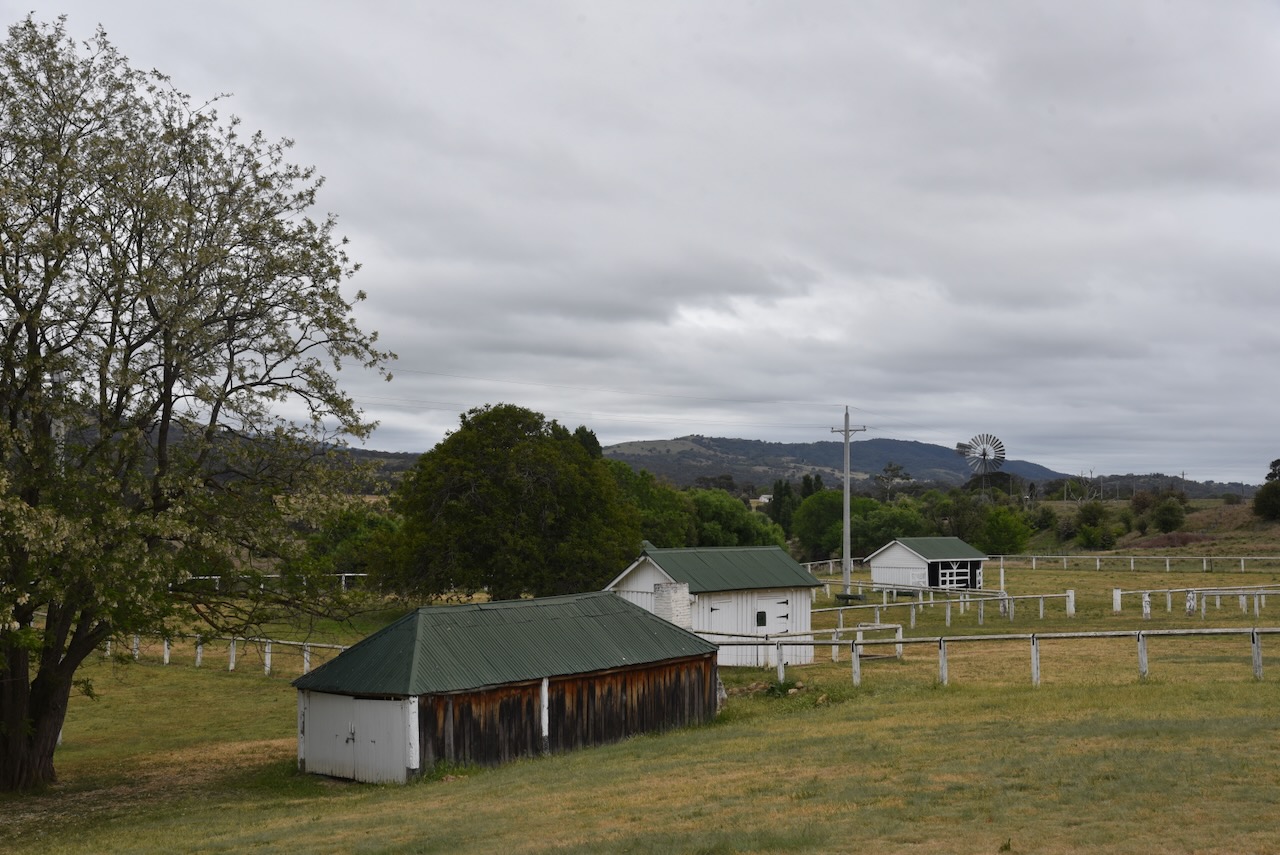
We then walked down to the convict barn, which was built c. 1830s-1850. It is constructed of limewashed coursed rubble walls and a gabled hardwood shake roof. It was initially used as a barn and later used as a wool store and for other storage. (Marshall 2010)
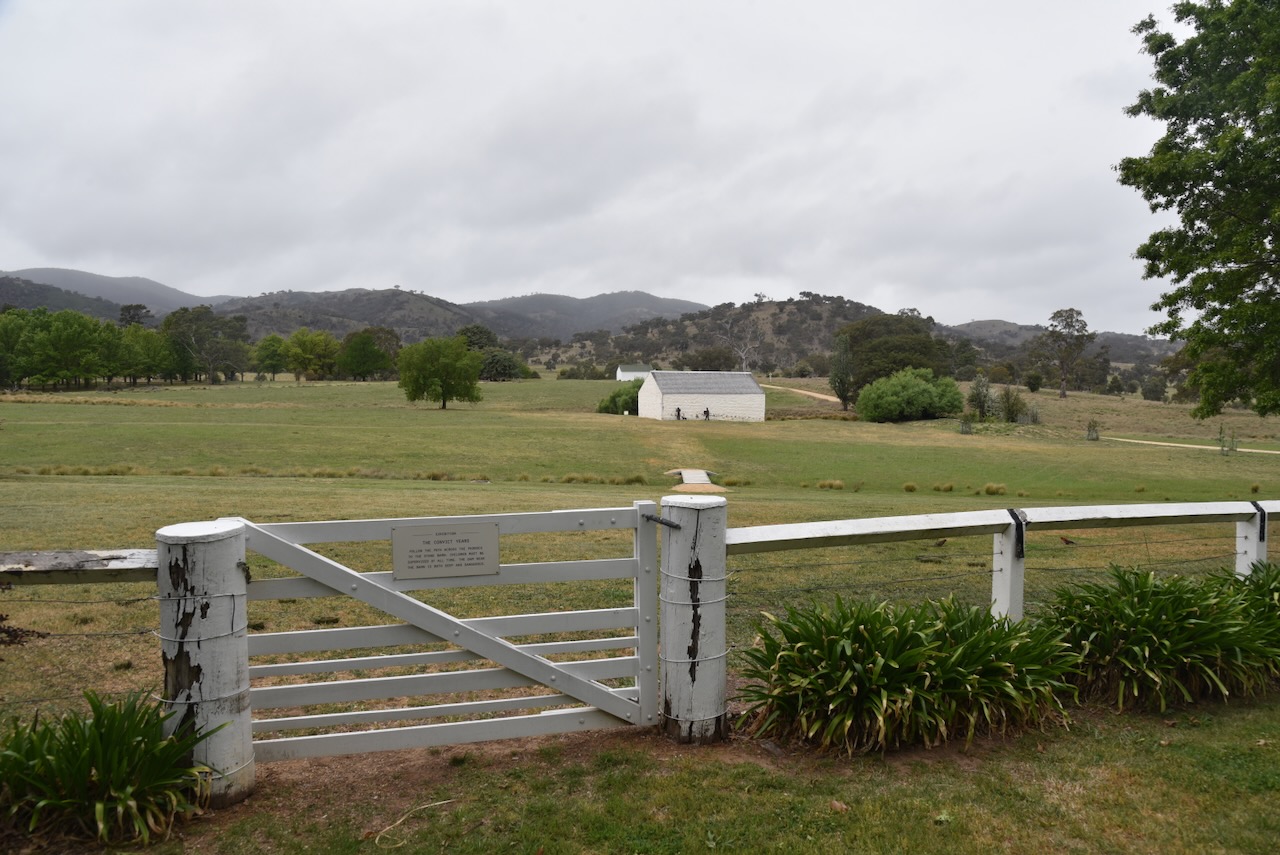
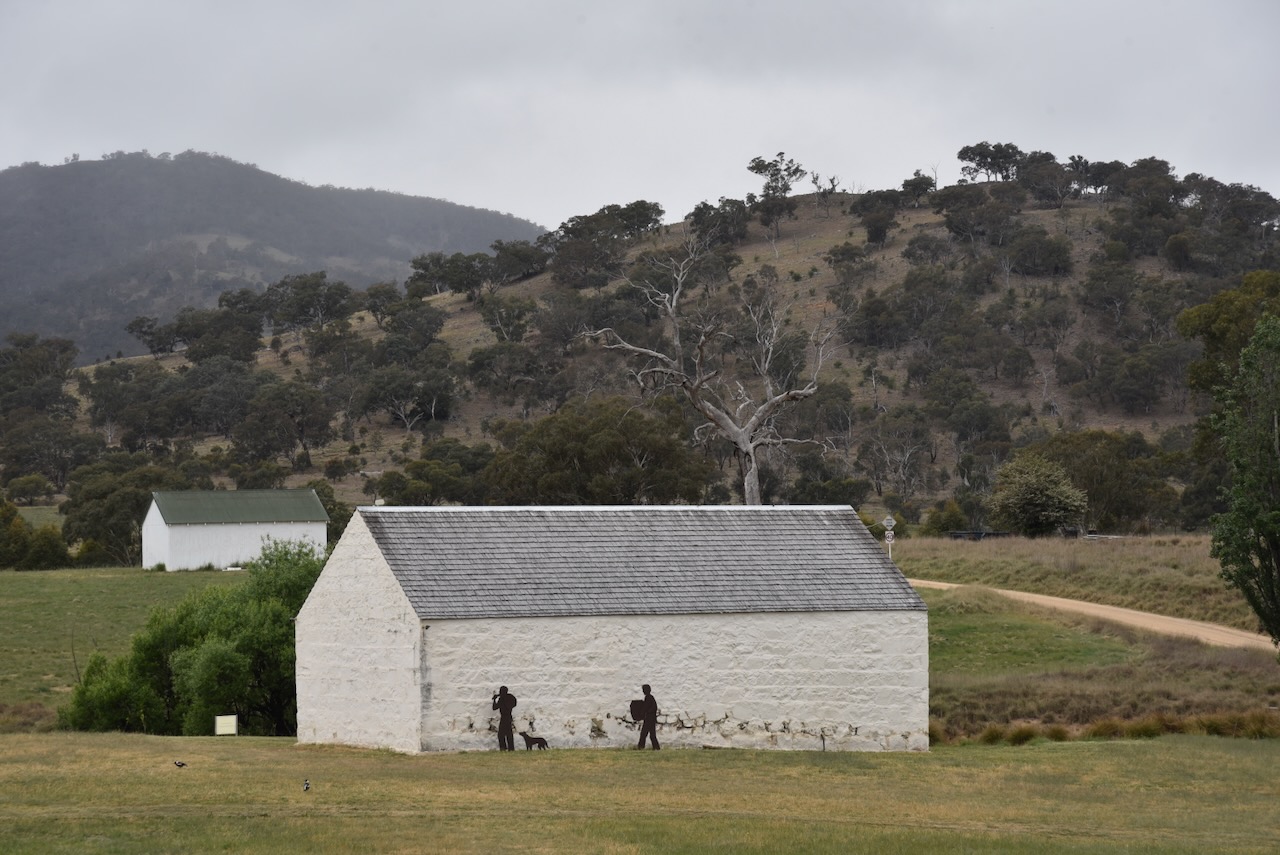
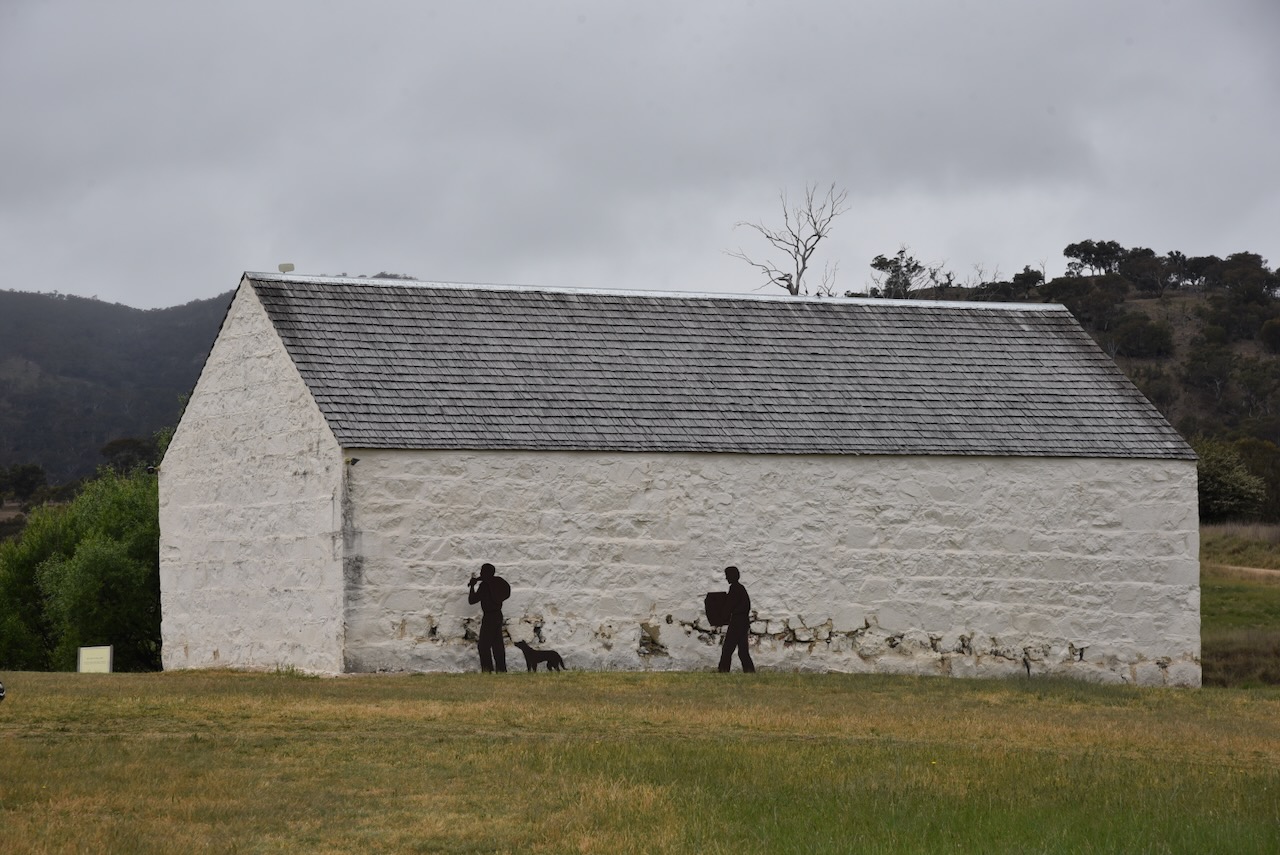
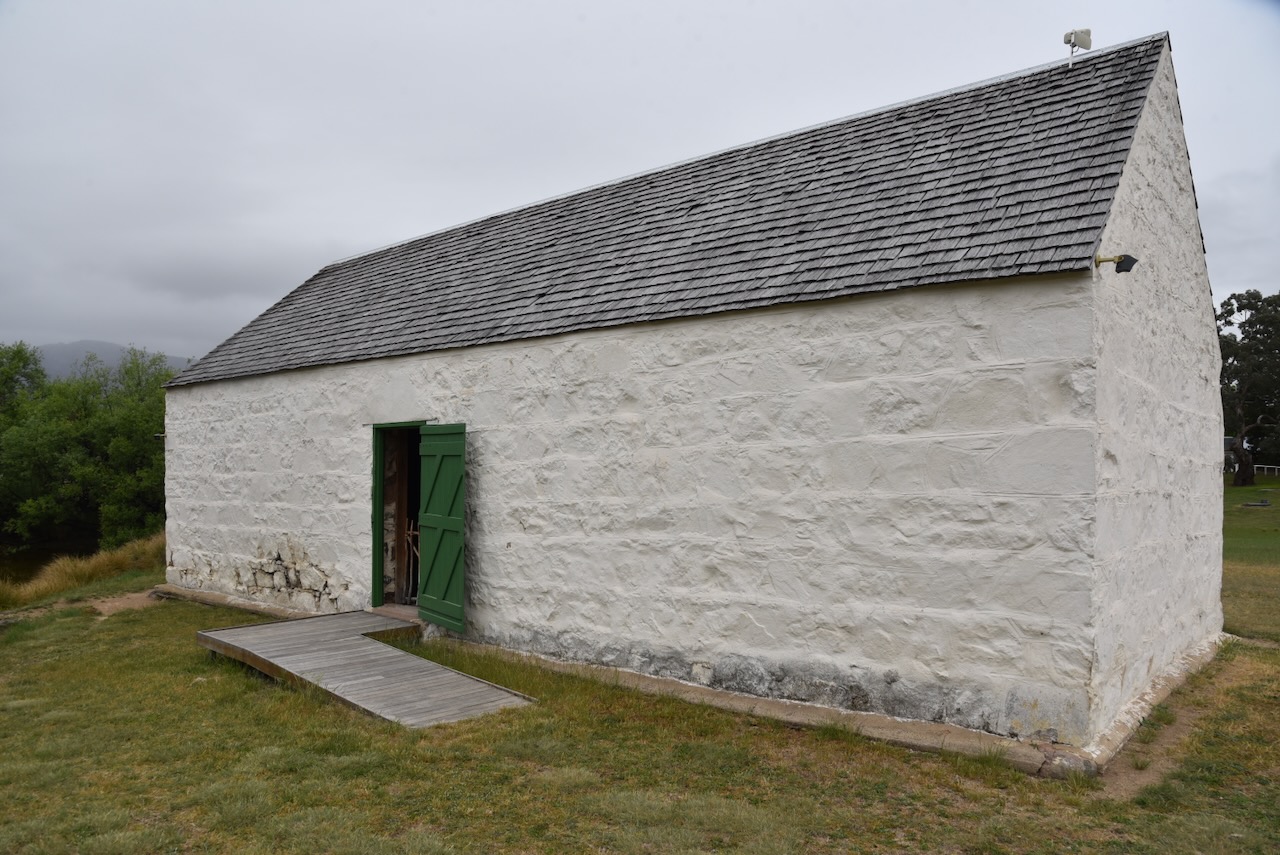
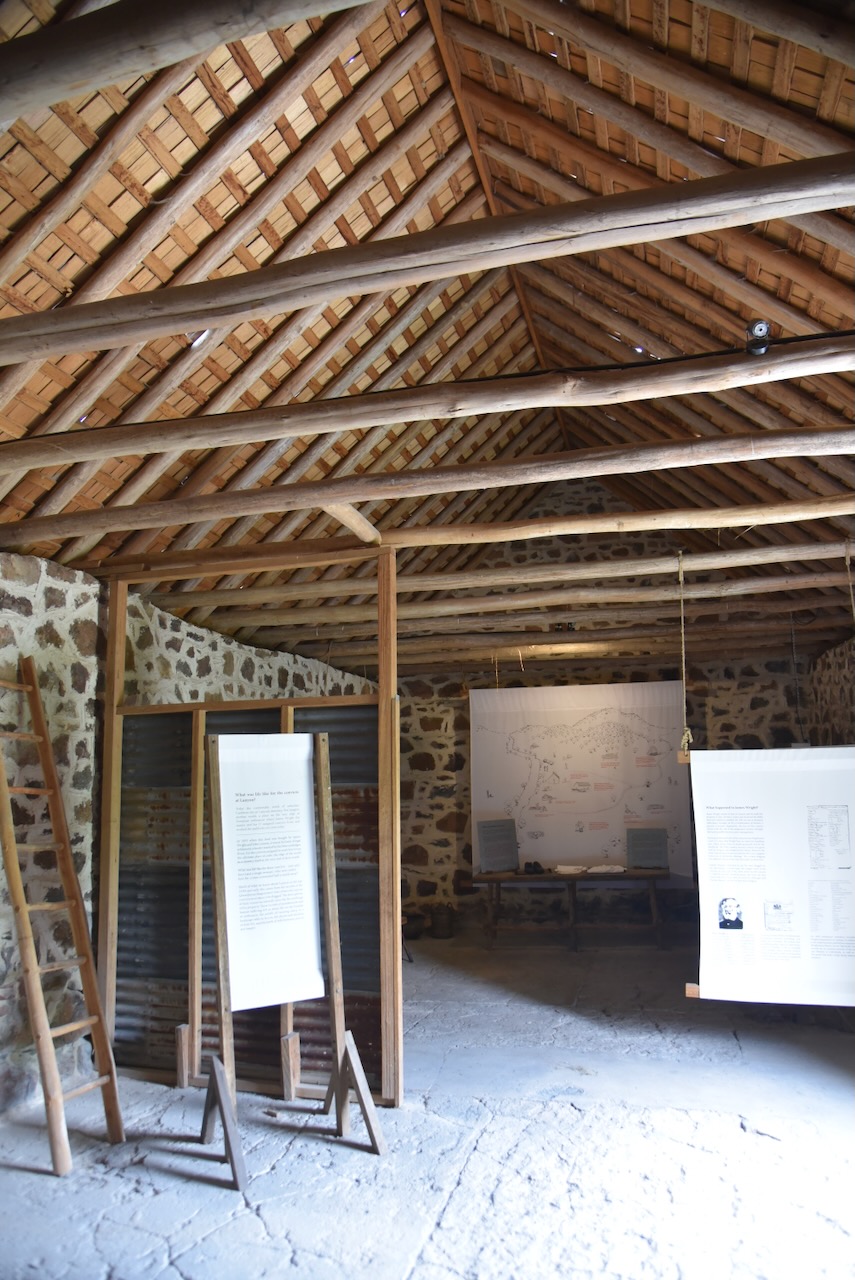
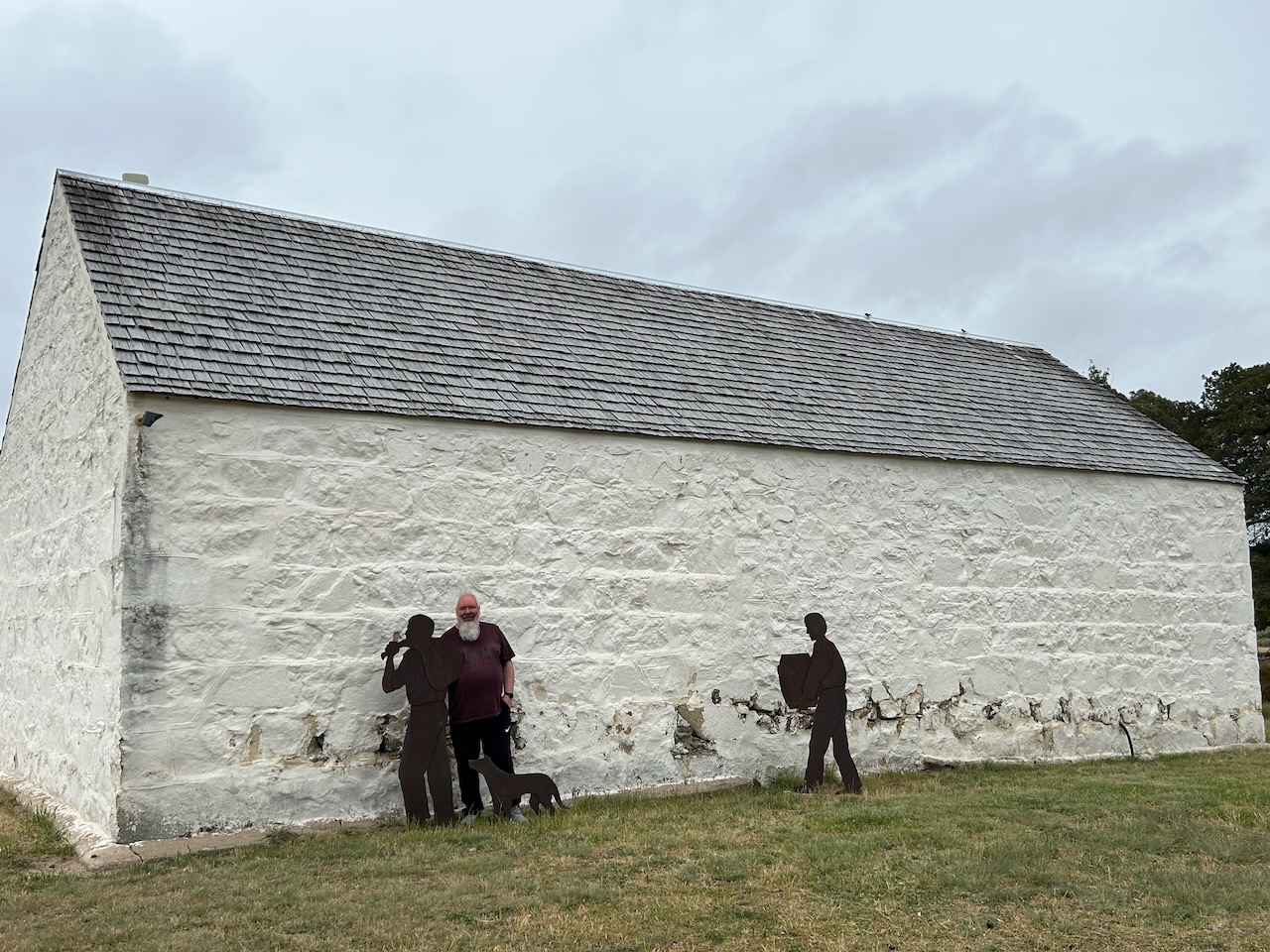
Unfortunately, we did not get to visit the Layon cemetery as it was not open to the public. The first recorded burial was that of William Wright in January 1837. The second burial was that of John Smith, aged 7 months, in December 1840. The last recorded burial was Mary Dumlop in May 1978, aged 85 years. (ACT Govt 2014)
After leaving Lanyon, Marija and I headed to the Namadgi Visitor Centre just off Naas Road, south of Tharwa. We spoke to some of the rangers, obtained some maps, and had a look at the displays at the centre.
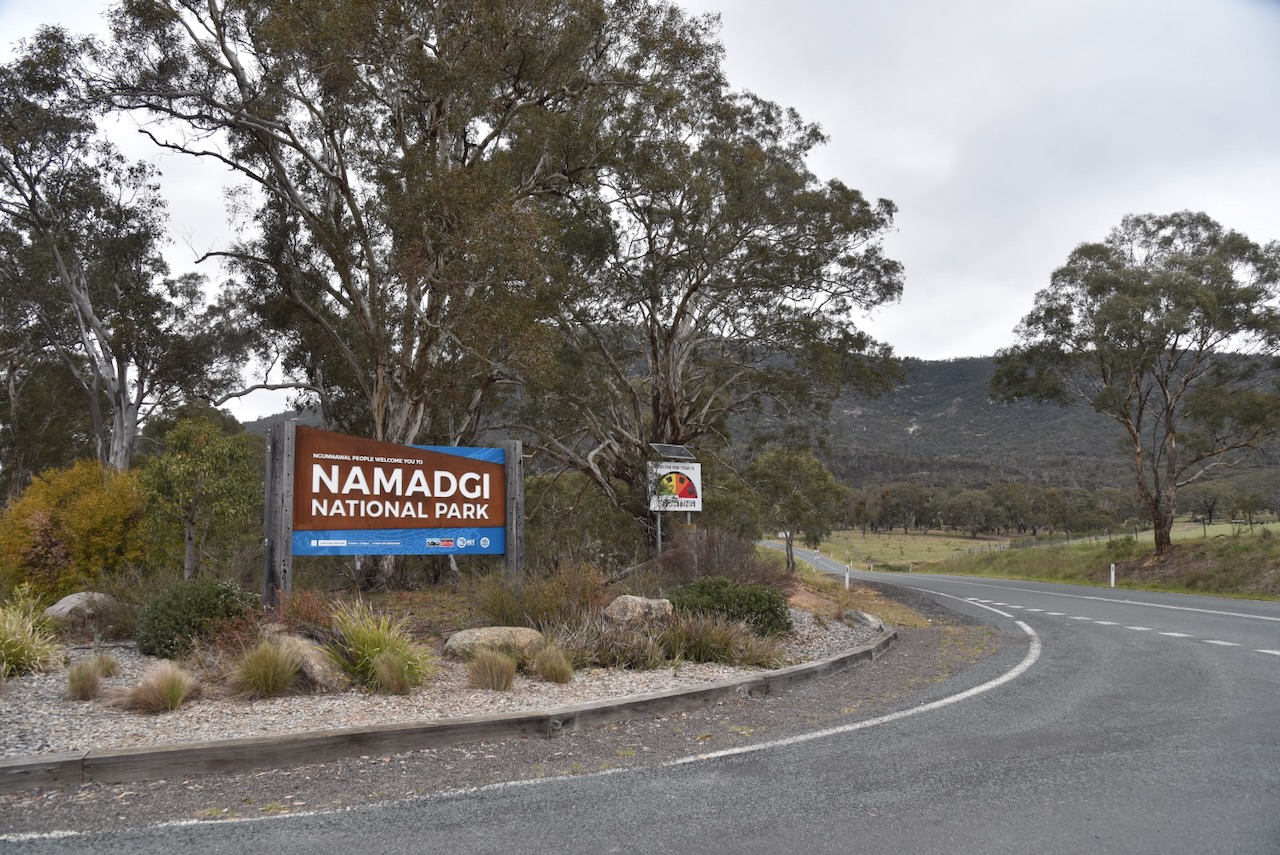
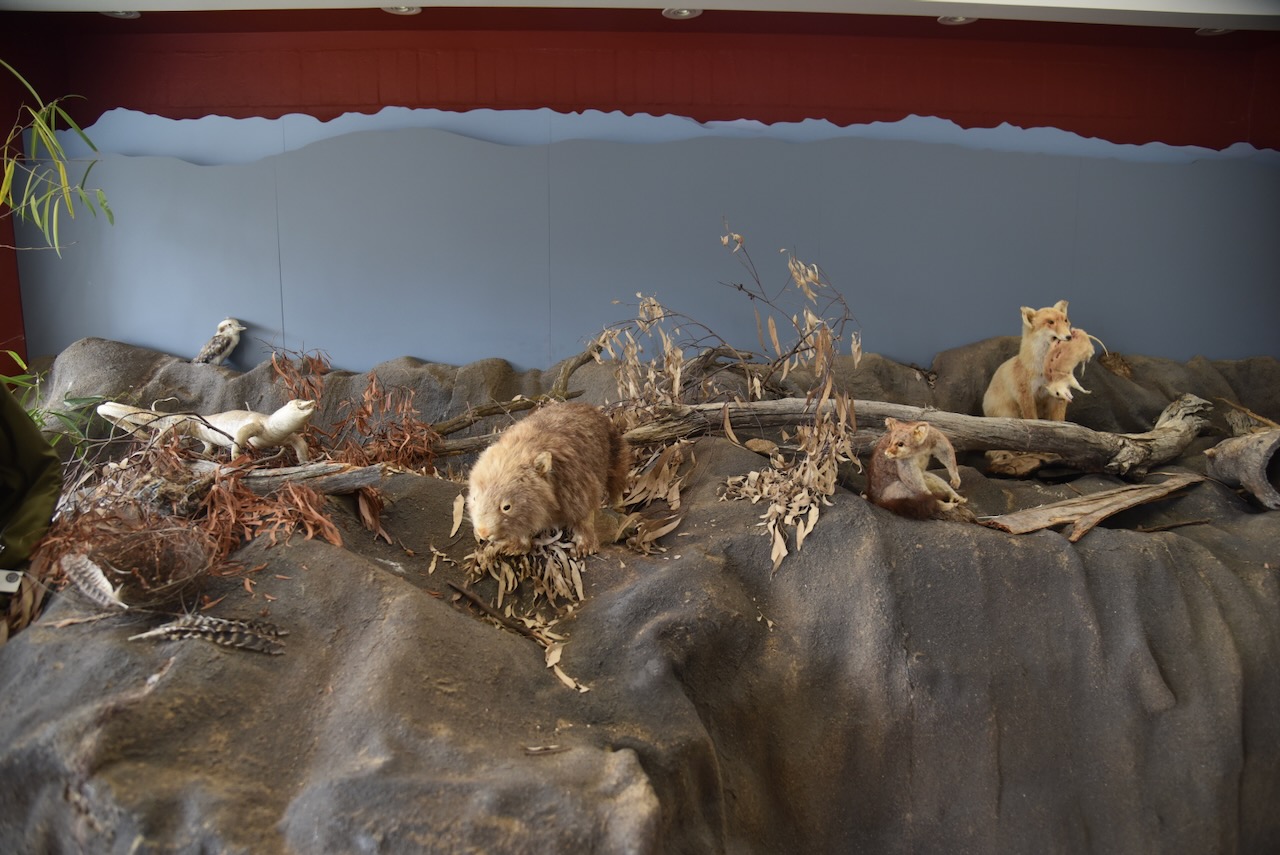
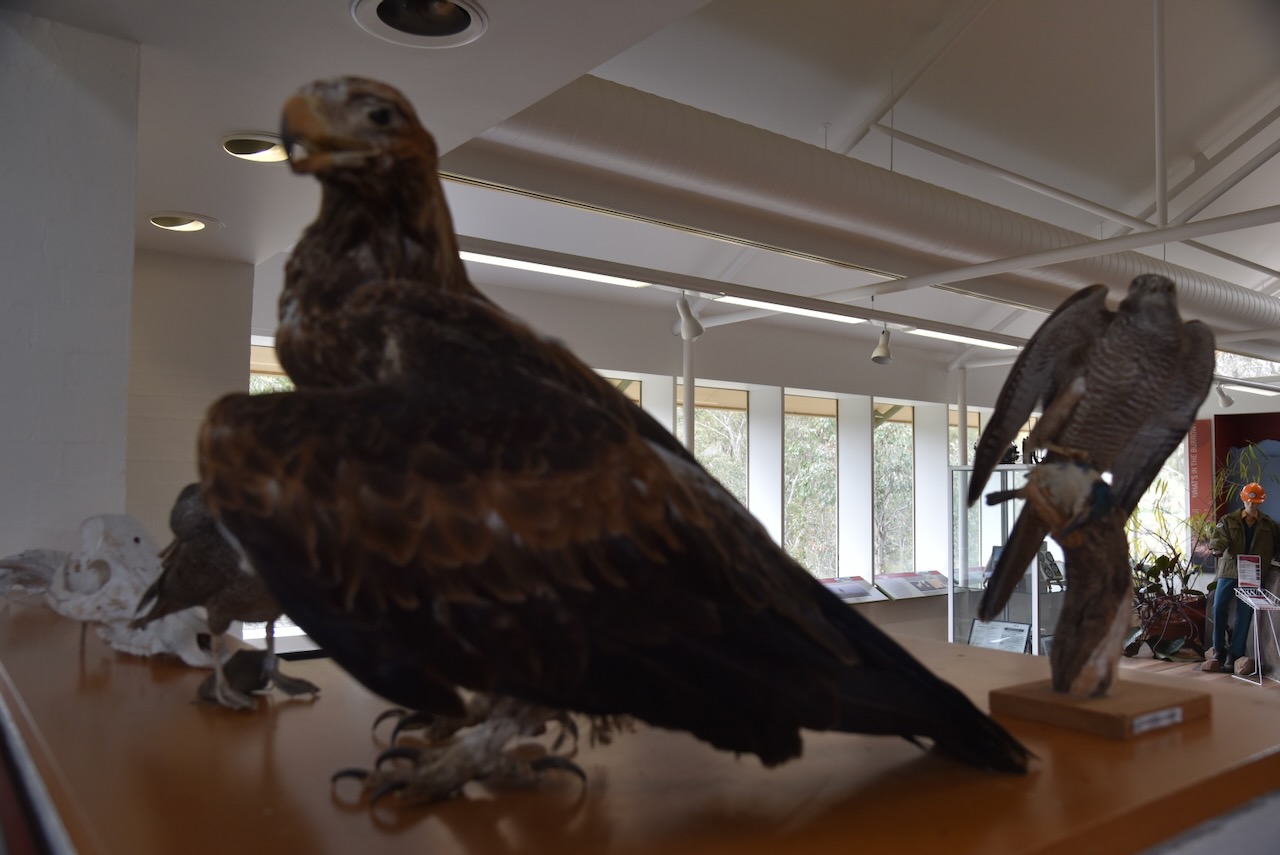
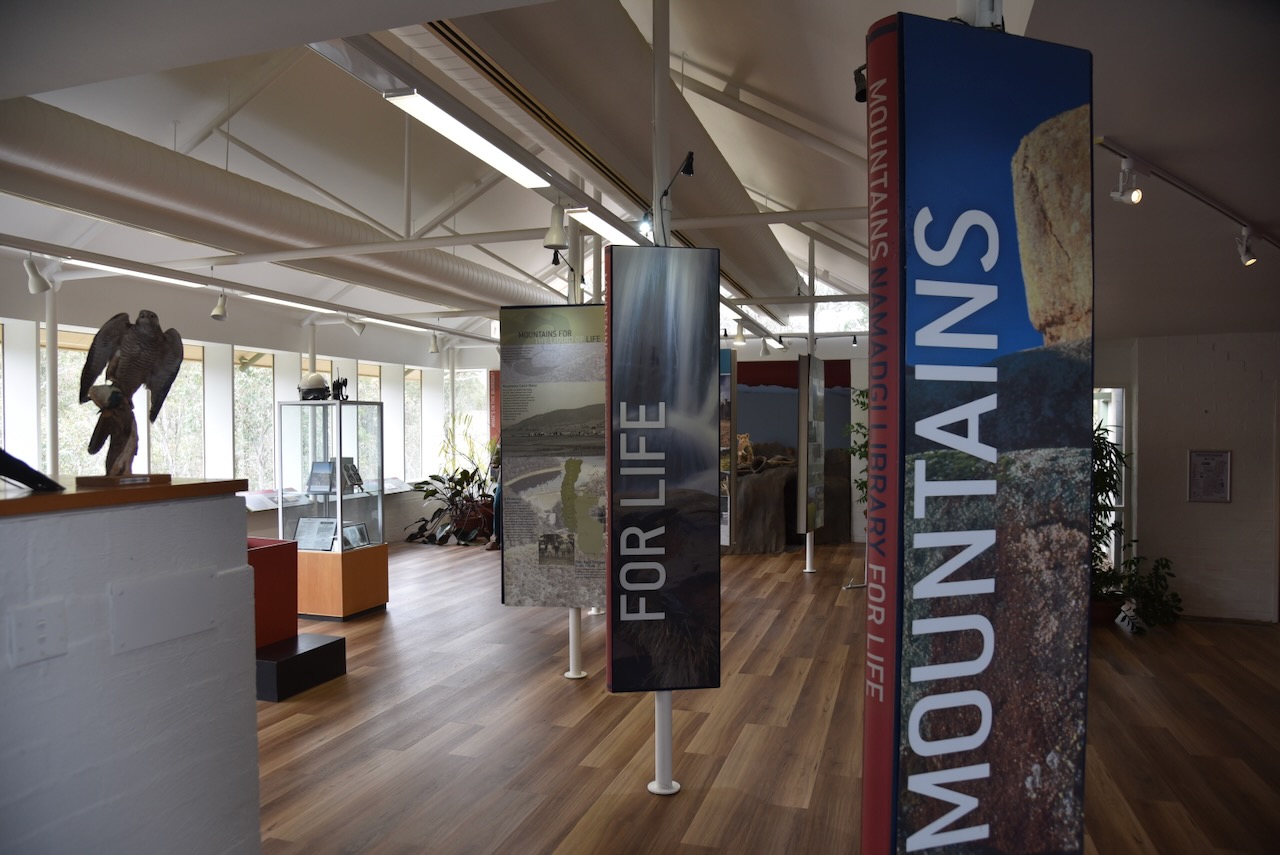
We then travelled south on Naas Road and turned onto Apollo Road heading towards the Honeysuckle Creek Tracking Station, which I will talk about shortly.
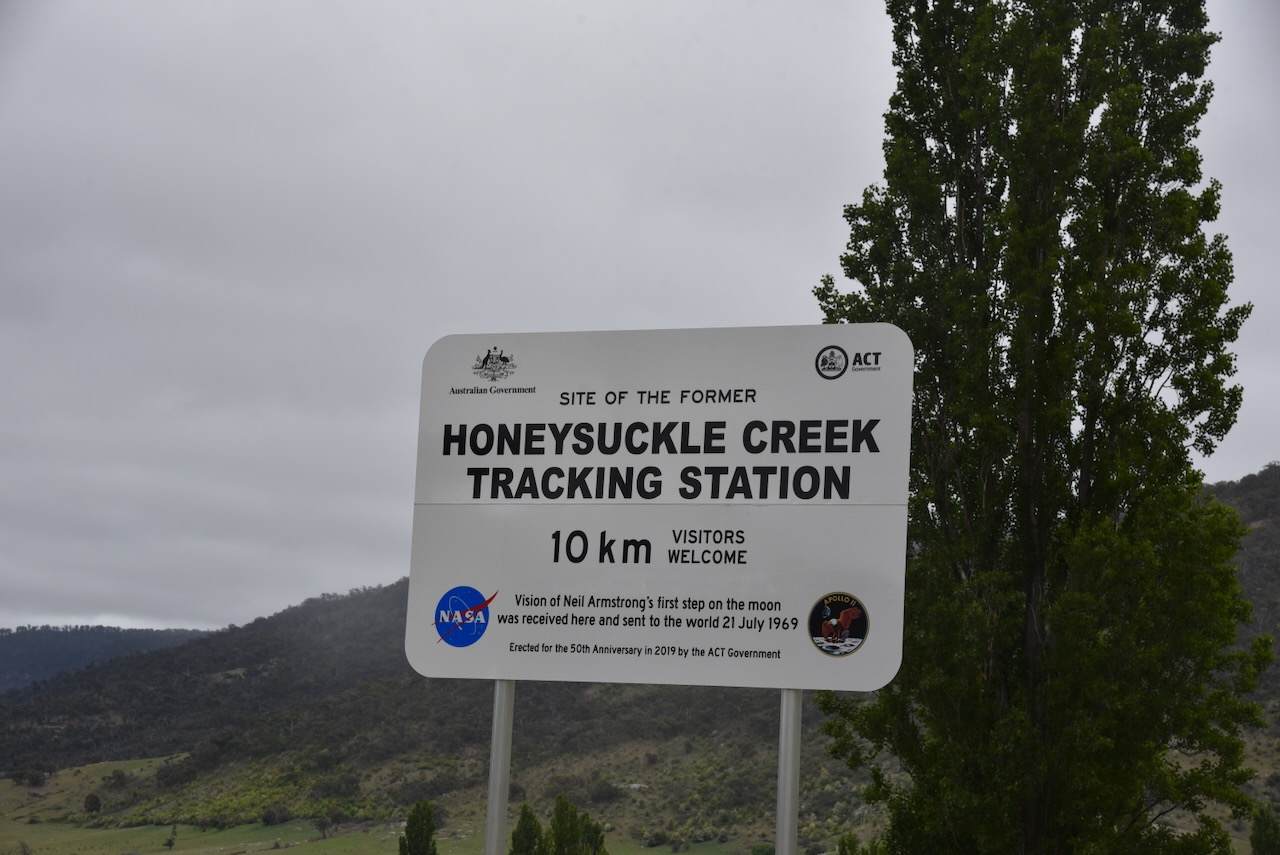
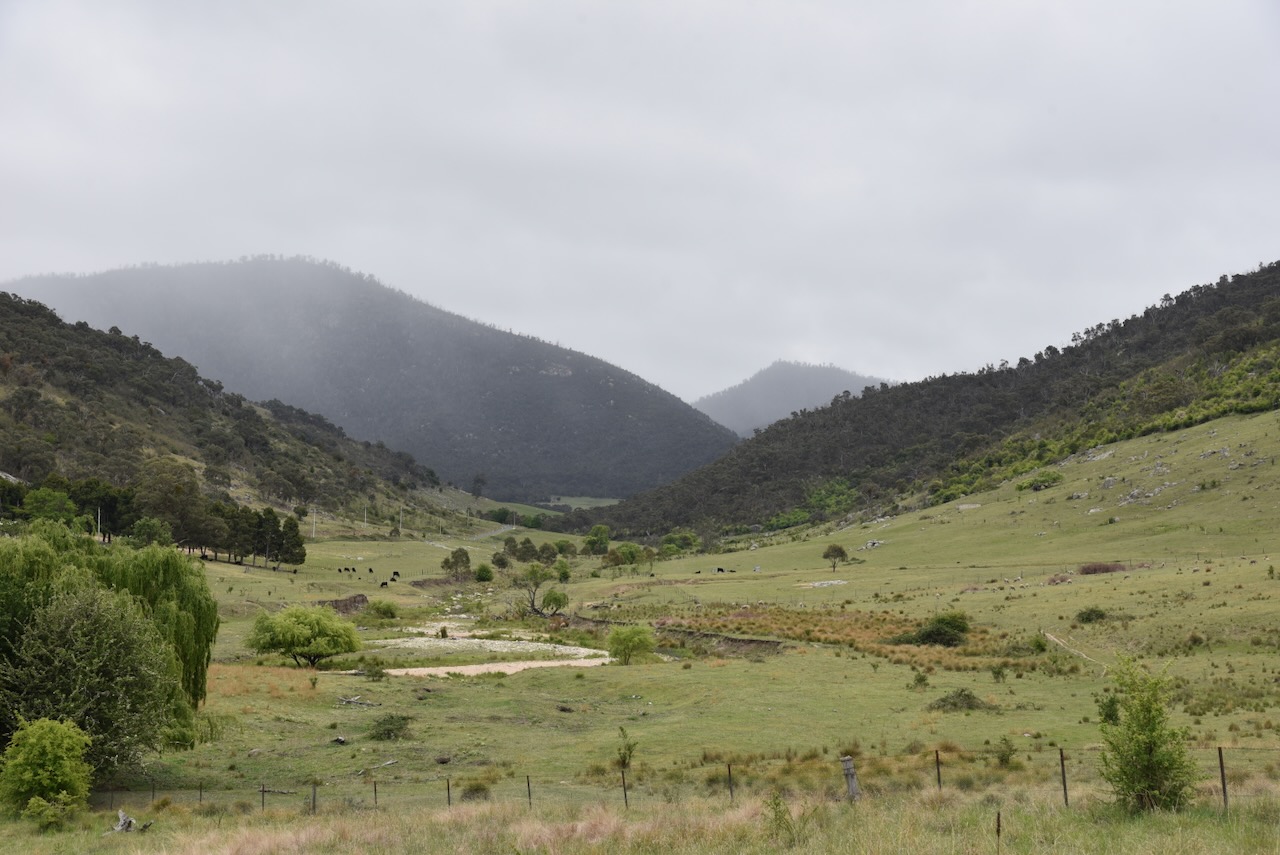
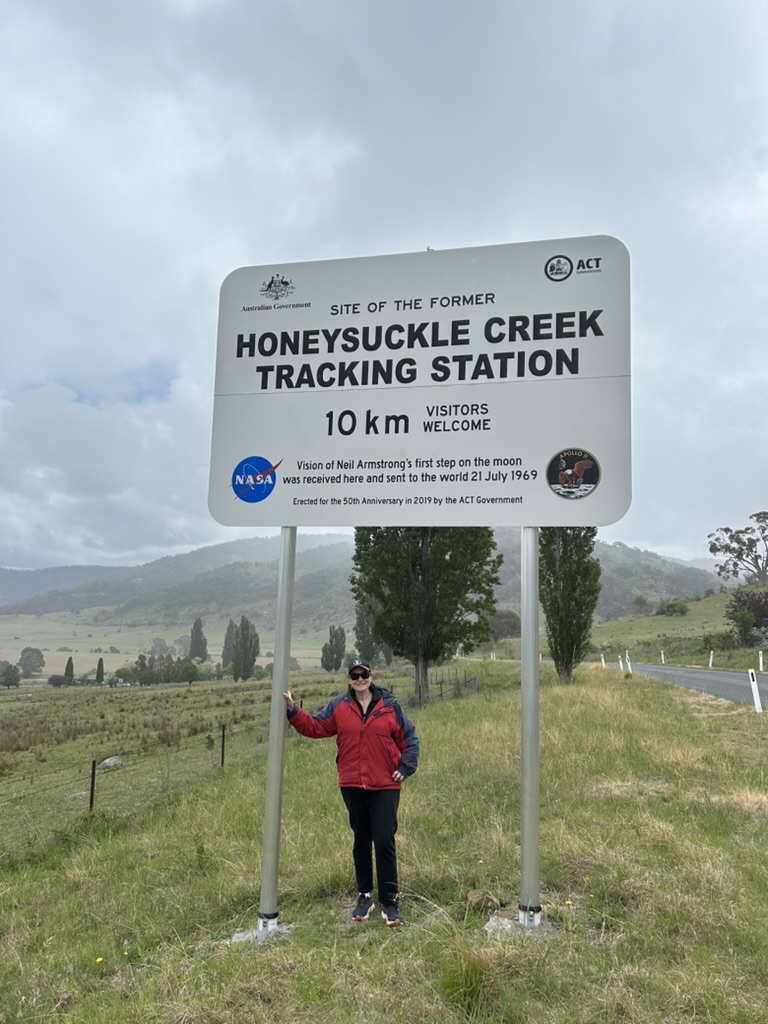
It was a beautiful drive along Apollo Road, which follows Honeysuckle Creek and Booroomba Creek. After about 4 km, we reached the Namadgi National Park.
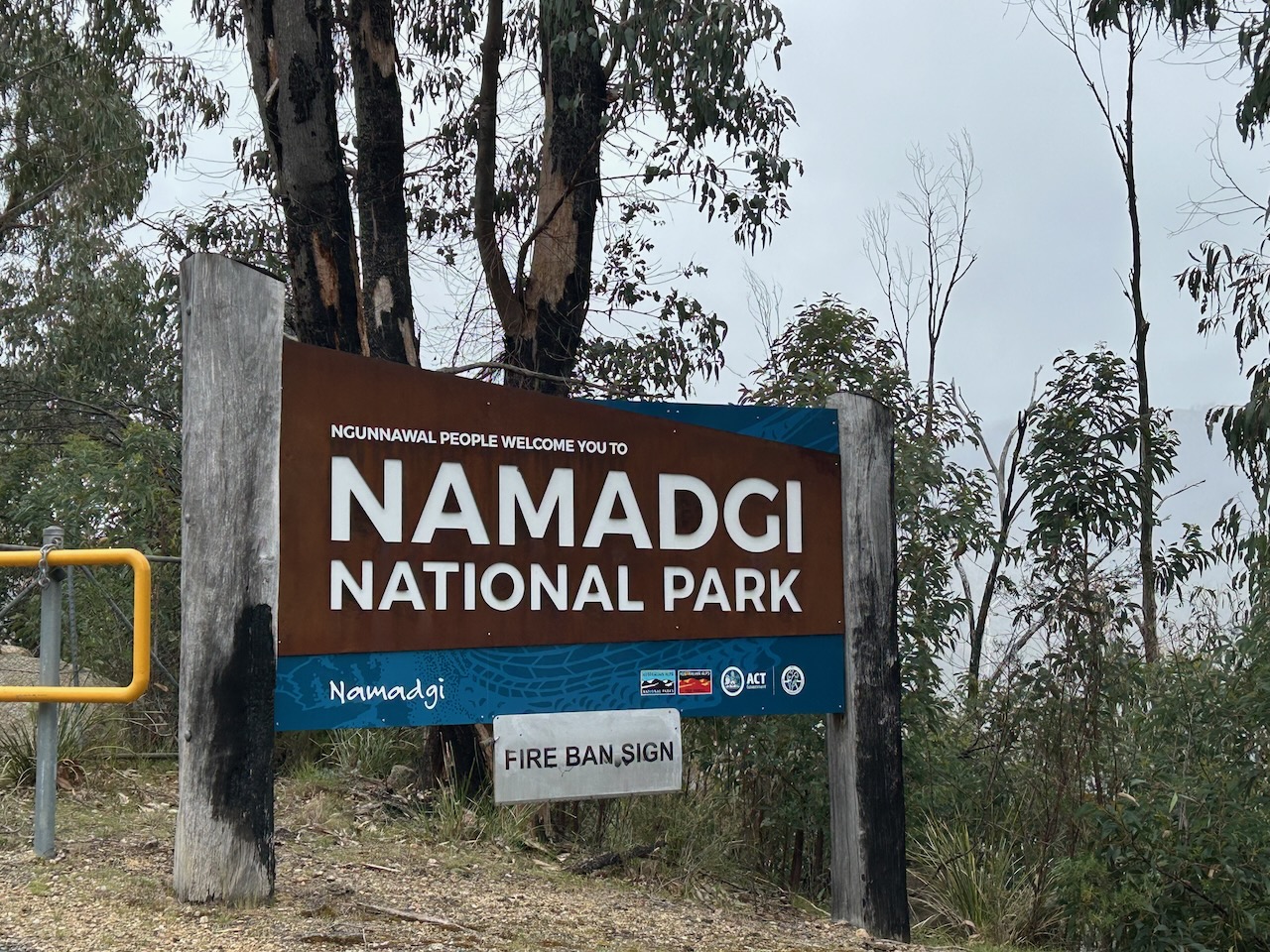
Namadgi National Park is about 106,095 hectares in size and was established in 1984. It is on the Australian National Heritage List. The park was expanded to its current size in 1991. Namadgi is the Aboriginal word for the mountains in the park. (and 2025) (Wikipedia 2022)
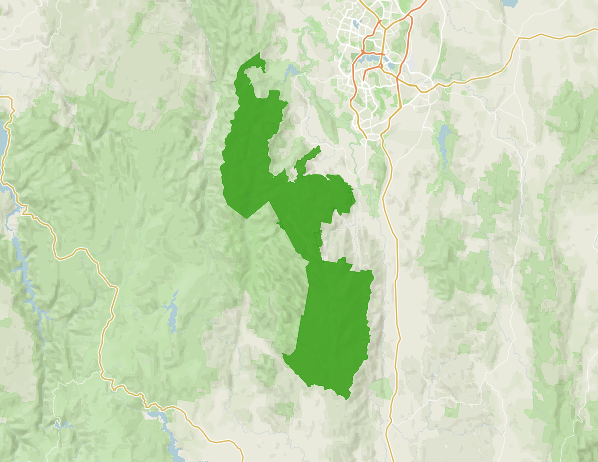
Above: The boundaries of the Namadgi National Park. Image c/o Protected Planet.
The park is about 40 km southwest of Canberra and borders the Kosciuszko National Park in New South Wales. Namadgi occupies about 46% of the land area of the Australian Capital Territory (ACT). The highest peak in the ACT, Bimben Peak at 1,911 metres, is located in the park. (Wikipedia 2022)
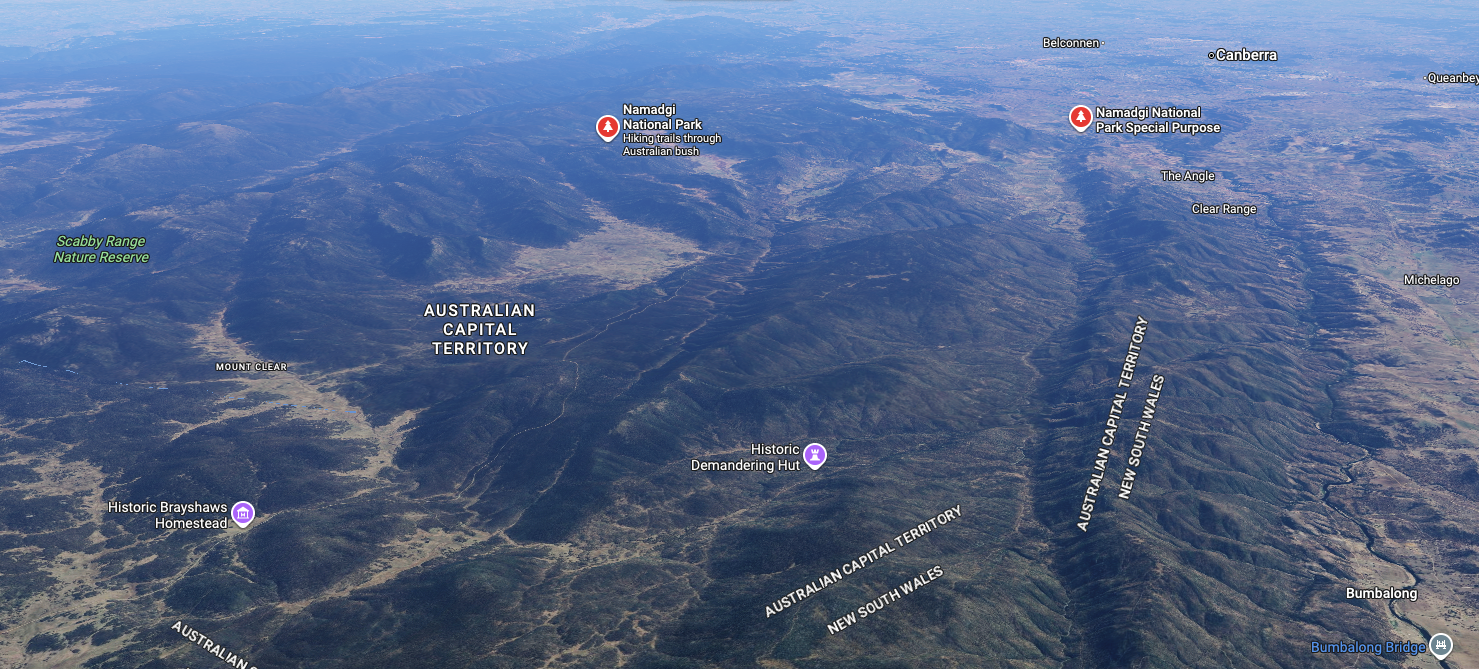
Above: an aerial view of the Namadgi National Park. Image c/o Google Maps
Unfortunately, about 80% of the park (86.562 hectares) was burnt during the Orroral Valley bushfire in January 2020. The 2019-2020 Australian bushfire season, which became known as Black Summer, was one of the most catastrophic fire seasons on record in Australia. The Orroral Valley fire was started by the landing light on an Australian Army MRH-90 Taipan helicopter while it was conducting routine aerial reconnaissance and ground clearance work, assisting local firefighters (and 2025) (Wikipedia 2020) (Wikipedia 2022)
And then in January 2003, another devastating fire ripped through Namadgi National Park, burning more than 90% of the park and destroying several historic heritage sites in the park, including Mt Franklin Chalet, Tennent Homestead and Read’s Hut.. About 70% of the ACT’s pastures, pine plantations and nature parks were severely damaged in the fire. More than 500 homes were destroyed or severely damaged, four people died, and 490 were injured. (ACT 2010) (Wikipedia 2020)
Namadgi National Park is home to a variety of native animals, birds, and reptiles. This includes Eastern Grey kangaroos, wallabies, and wombats. A total of 222 species of vertebrate animals, including 15 threatened species and 40 rare species, have been recorded in the park. The endangered Northern Corroboree frog can be found in the park. (and 2025) (Wikipedia 2022)
Marija and I continued along Apollo Road and soon reached the Honeysuckle campground.
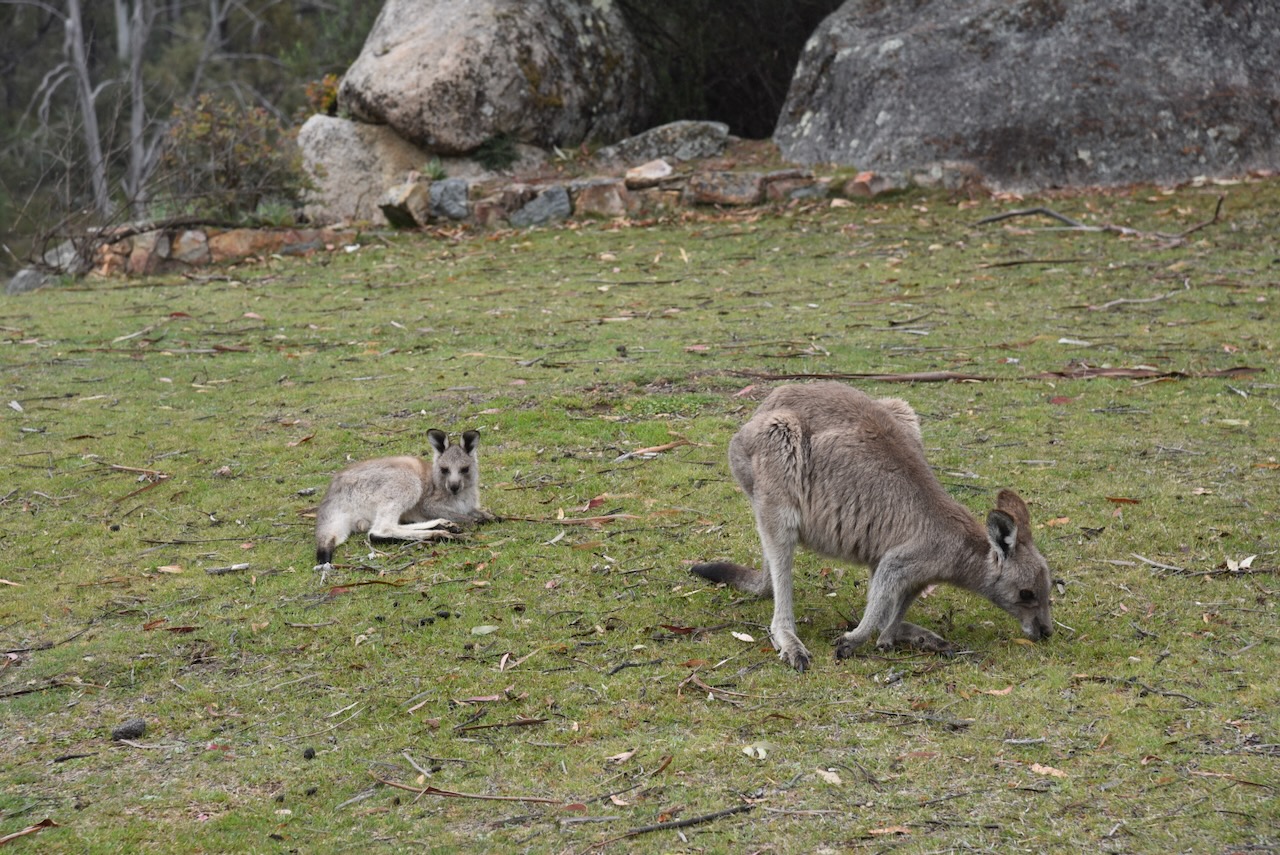
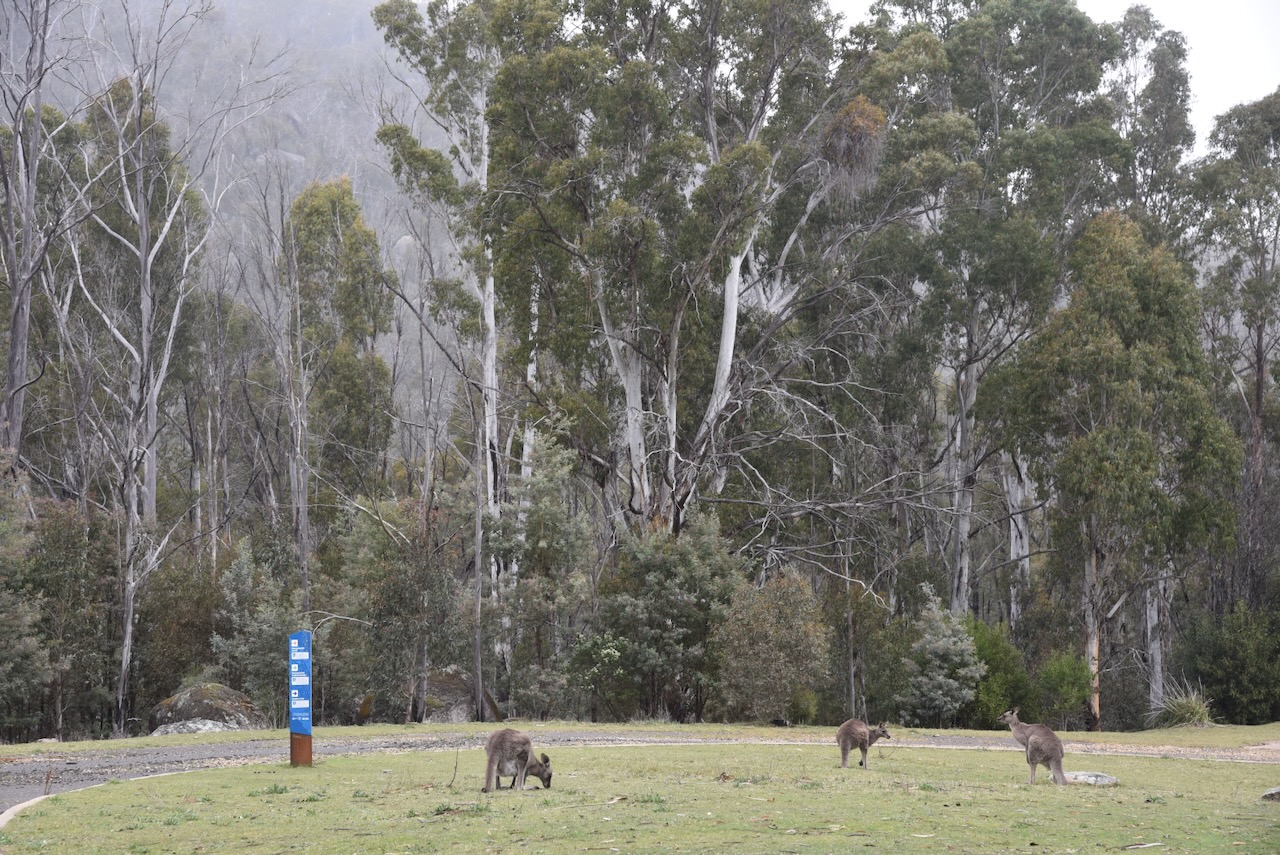
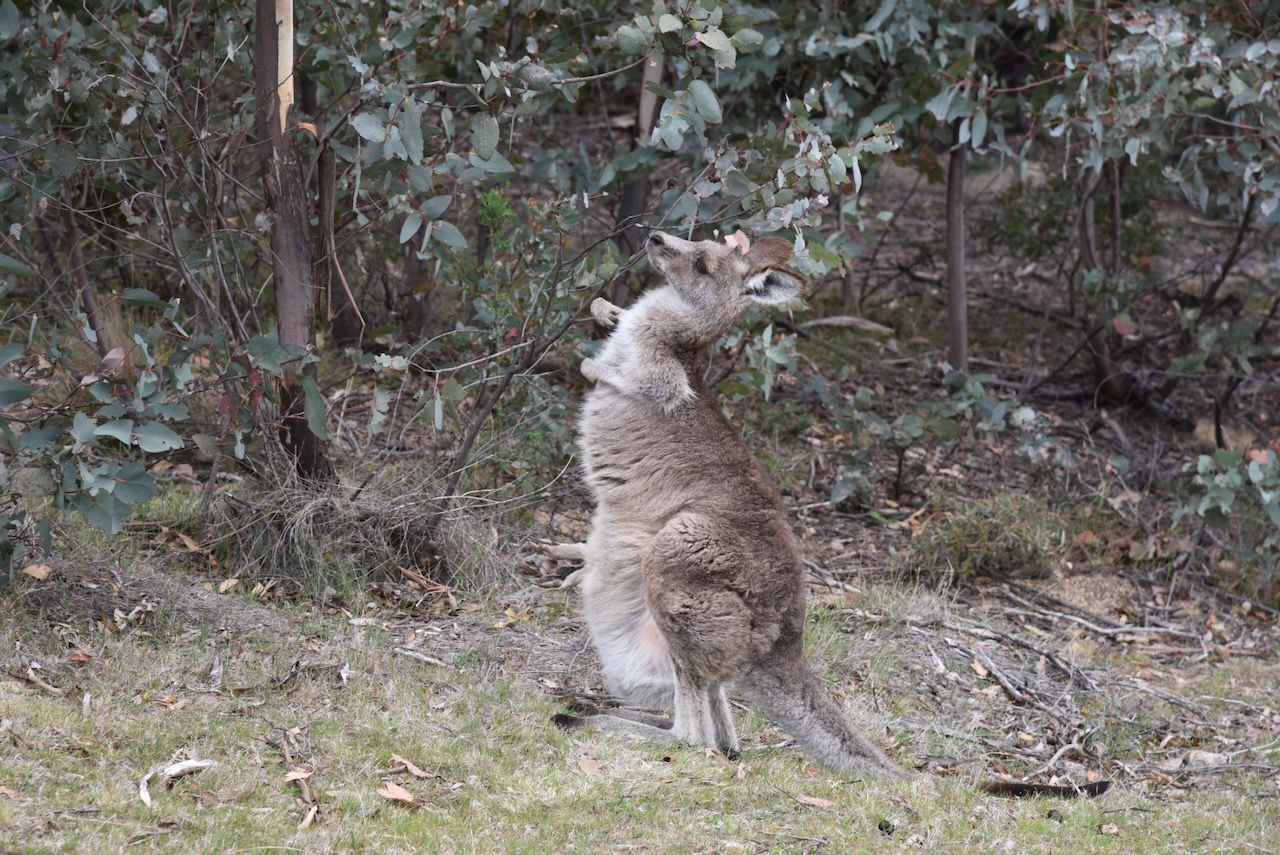
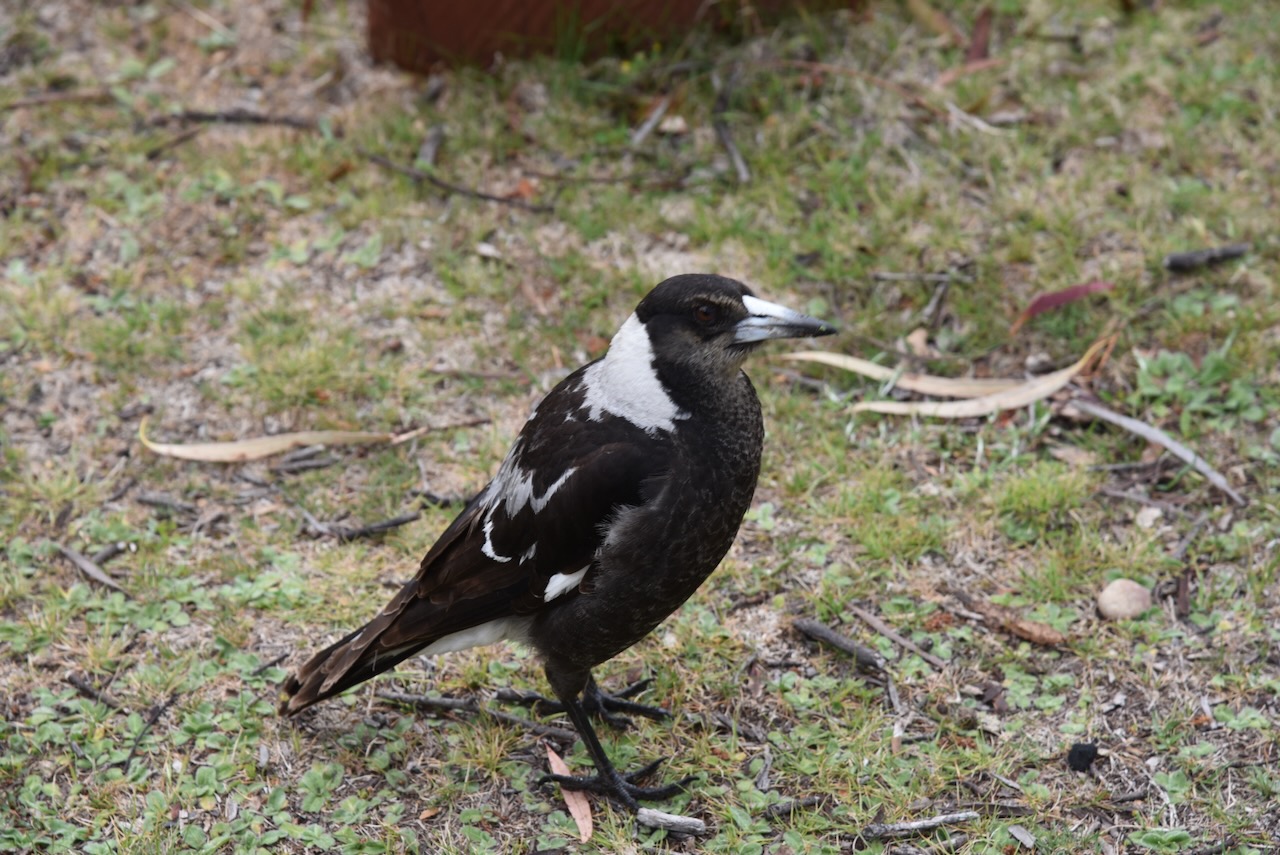
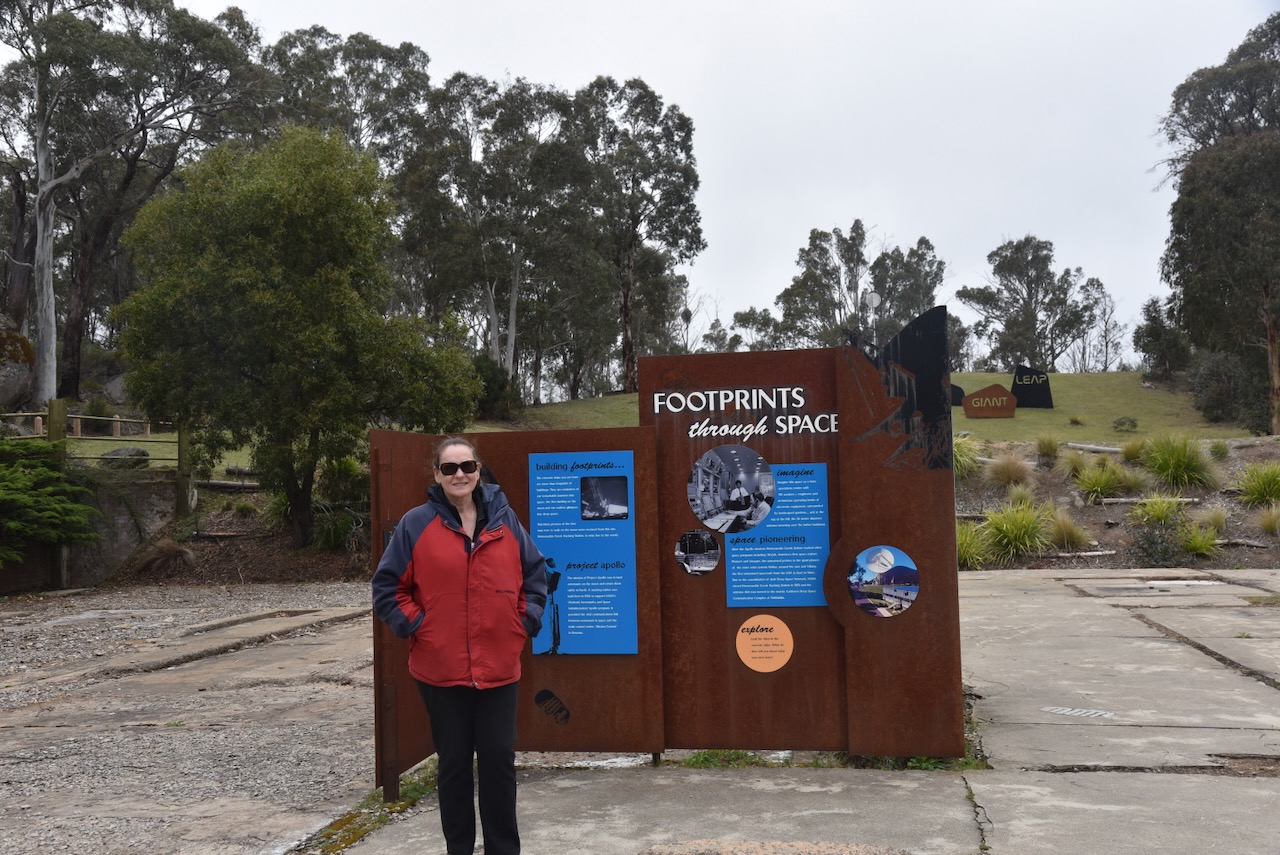
What an amazing place this is!
The Honeysuckle Creek Tracking Station was a National Aeronautics and Space Administration (NASA) Earth station that played a crucial role in the Apollo program, which led to the first humans landing on the moon in 1969. Honeysuckle Creek received and relayed to the world the first televised footage of Neil Armstrong setting foot on the moon in July 1969. Honeysuckle Creek and the Canberra Deep Space Communication Complex at Tidbinbilla also had communication and telemetry contact with both the Eagle lunar and Columbia command modules. (Wikipedia 2024)
The 2000 Australian movie, The Dish, dramatised these events as occurring at the Parkes Observatory. The pictures received at Parkes only came into play later in the moon landing. The Parkes antenna was more powerful than Honeysuckle Creek, however its angle and wind gusts did not allow it to receive signals for the first 7 minutes of the moon landing. (Wikipedia 2024)
Honeysuckle Creek opened in 1967 and had a 26-metre dish. It was built and run by NASA, but was staffed by Australians. The station closed in December 1981. The dish was removed, and the buildings were demolished. (Wikipedia 2024)
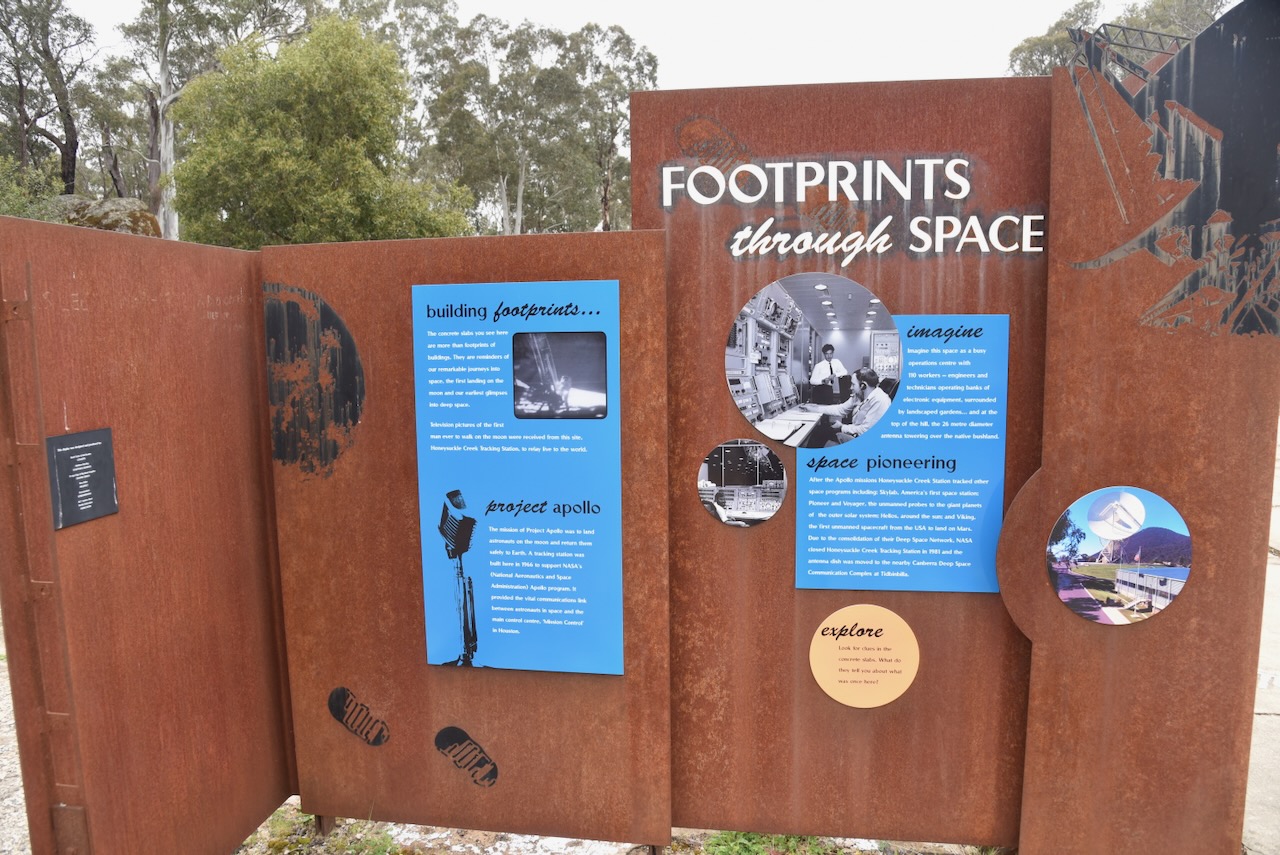

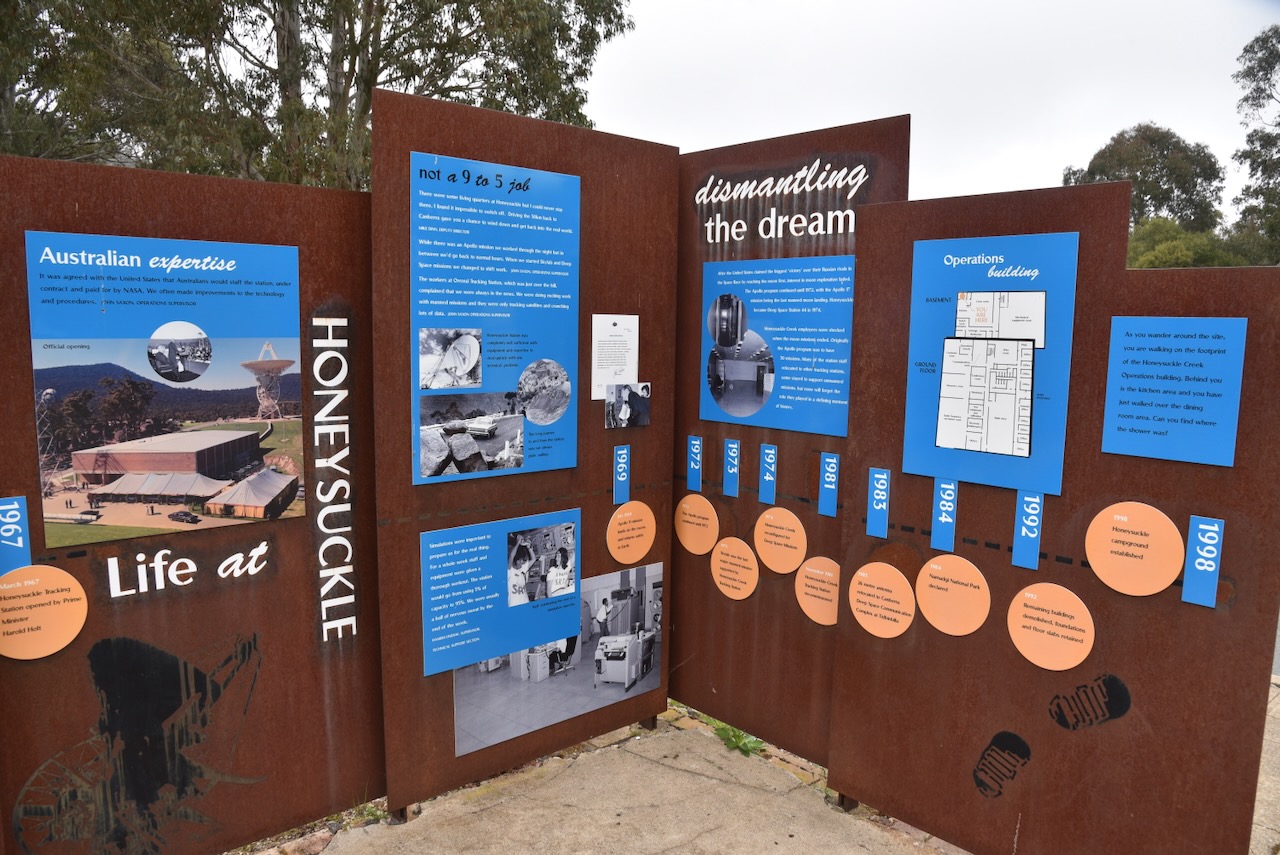
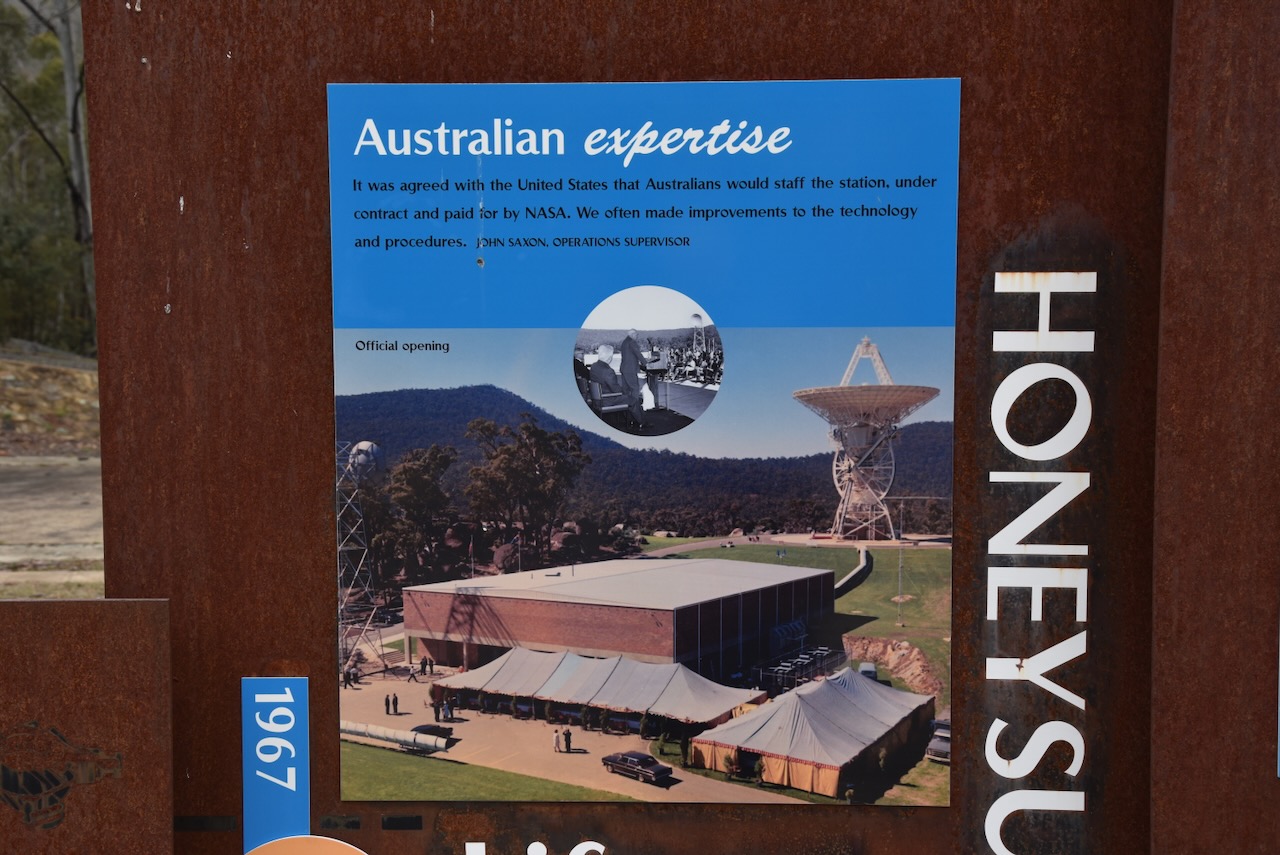
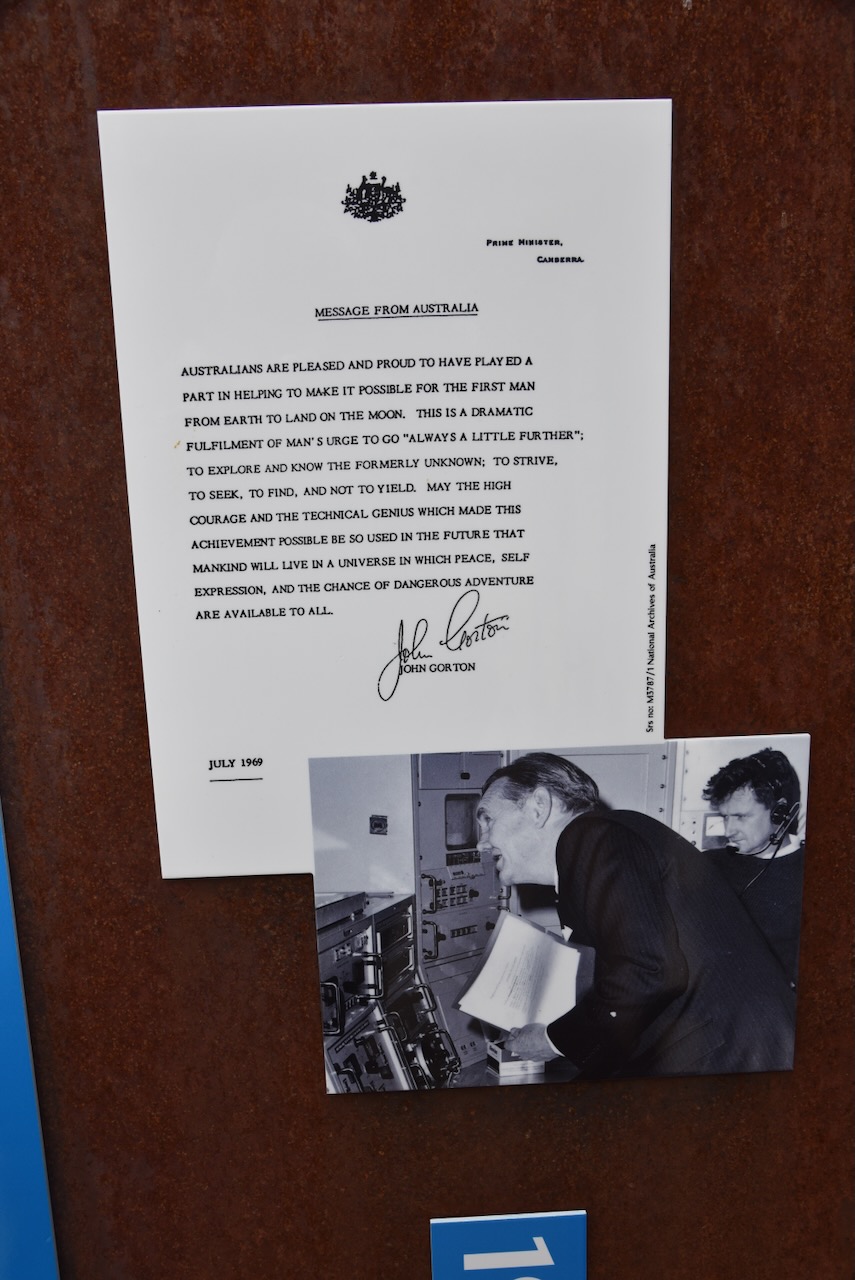
On the small hill above the interpretive signs, you can find the remains of the tracking station.
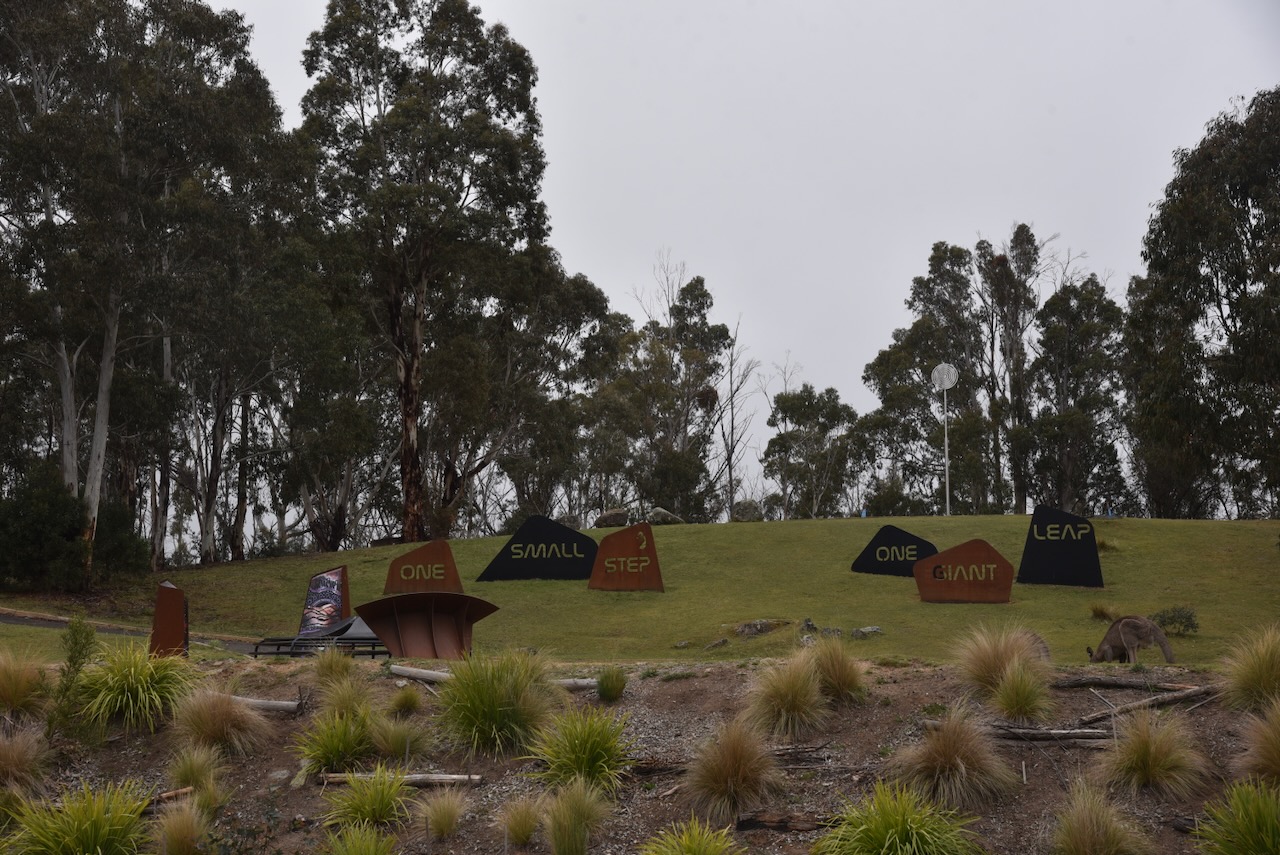
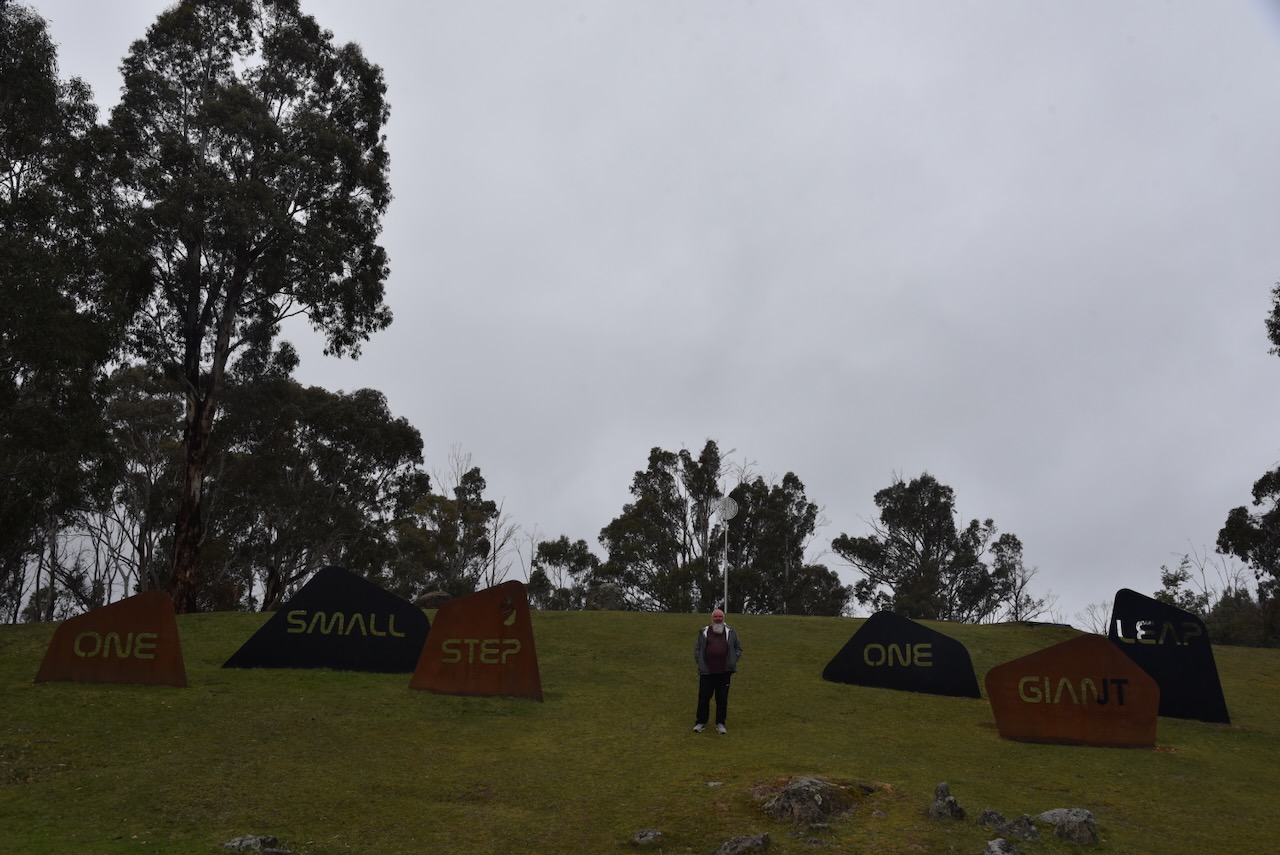
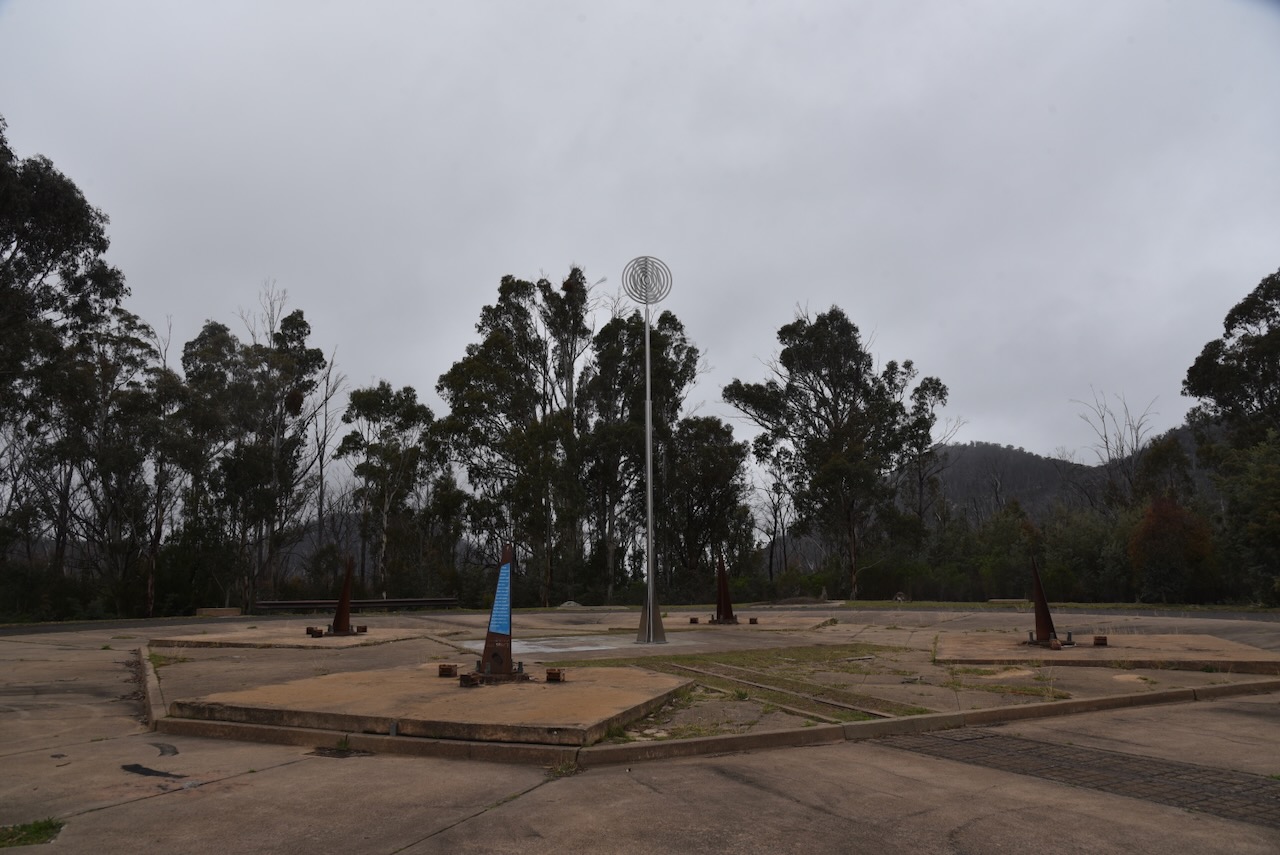
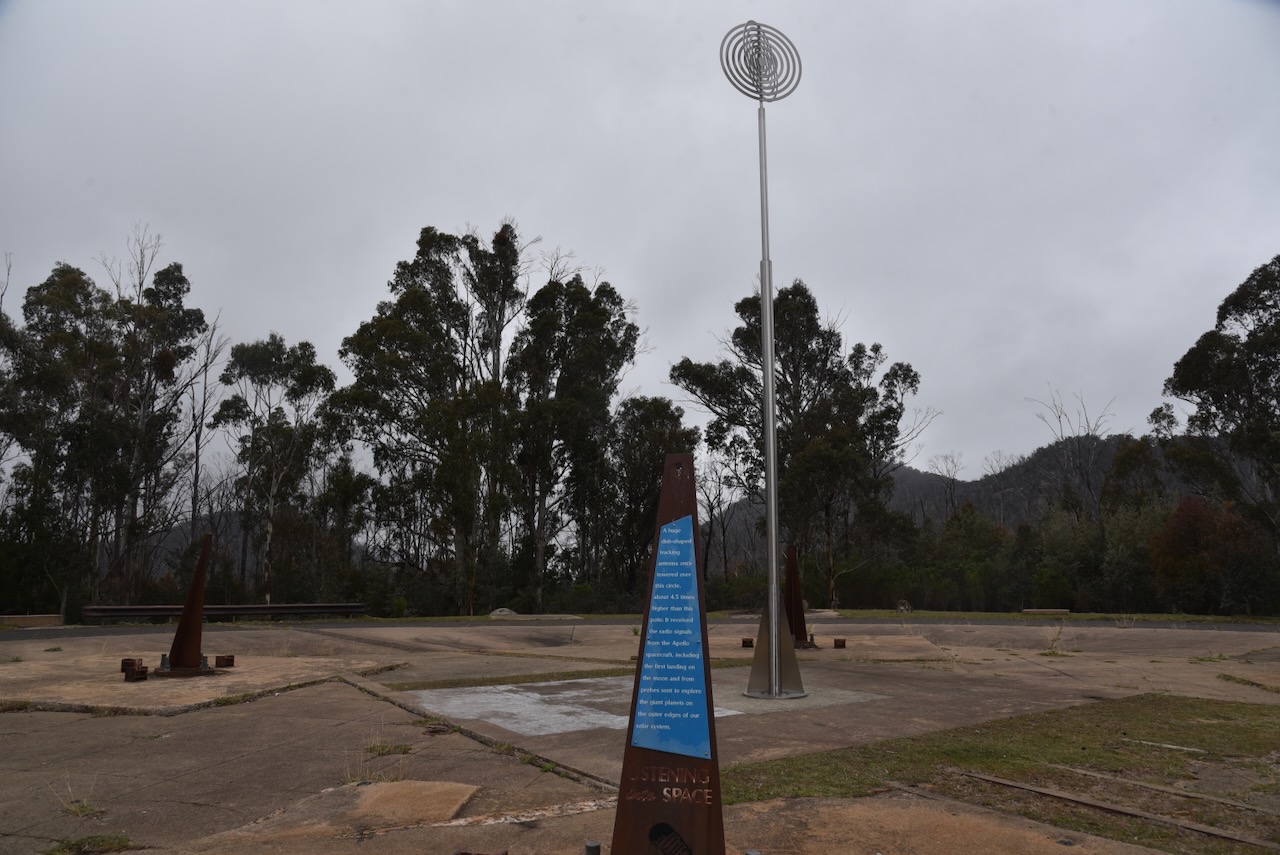
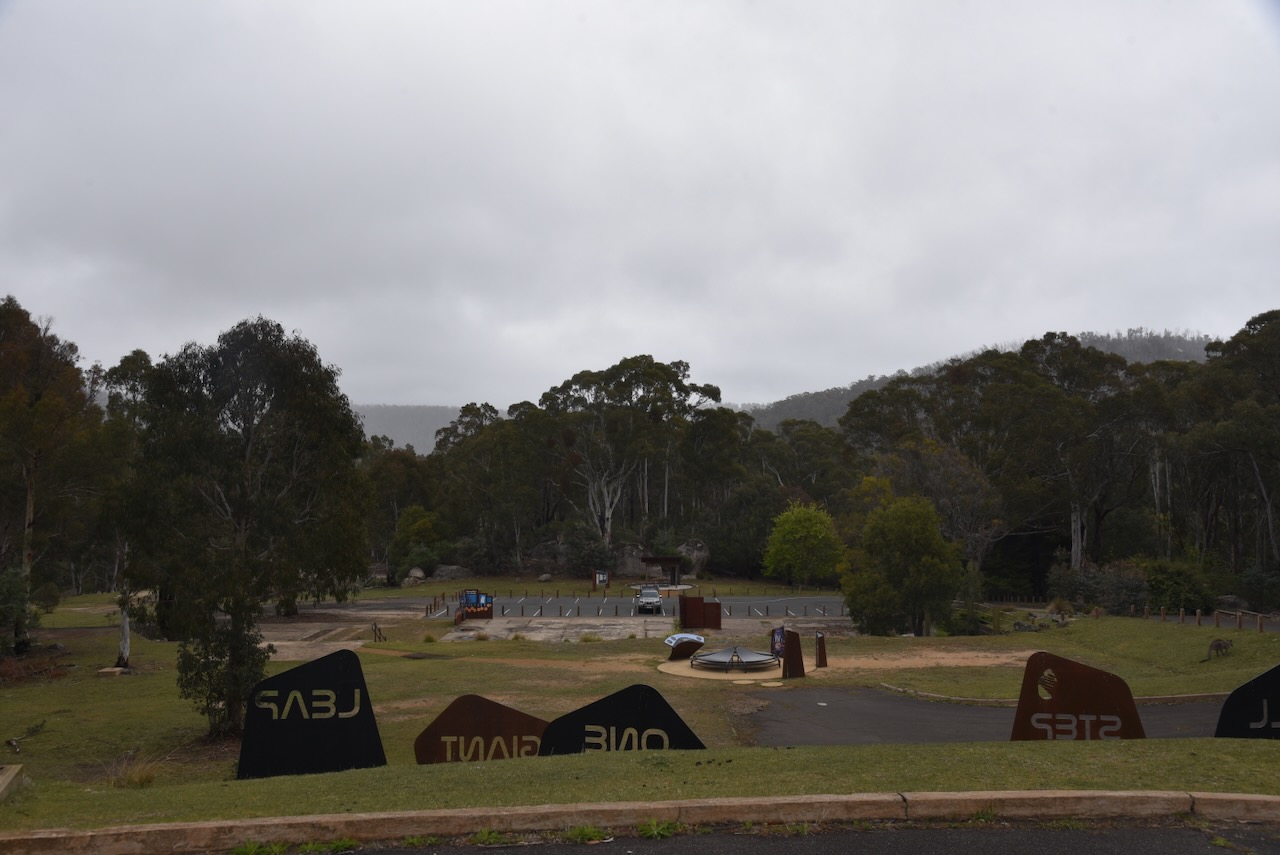
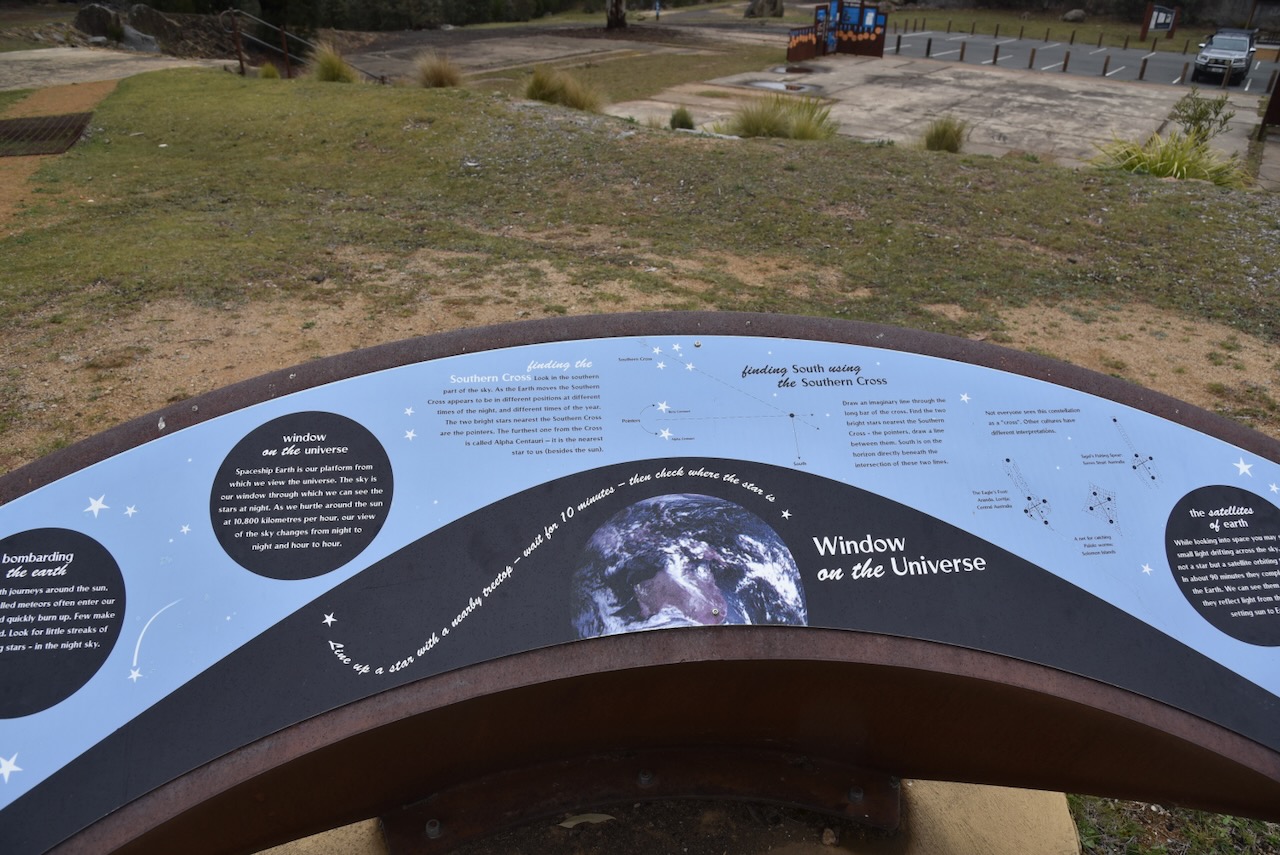
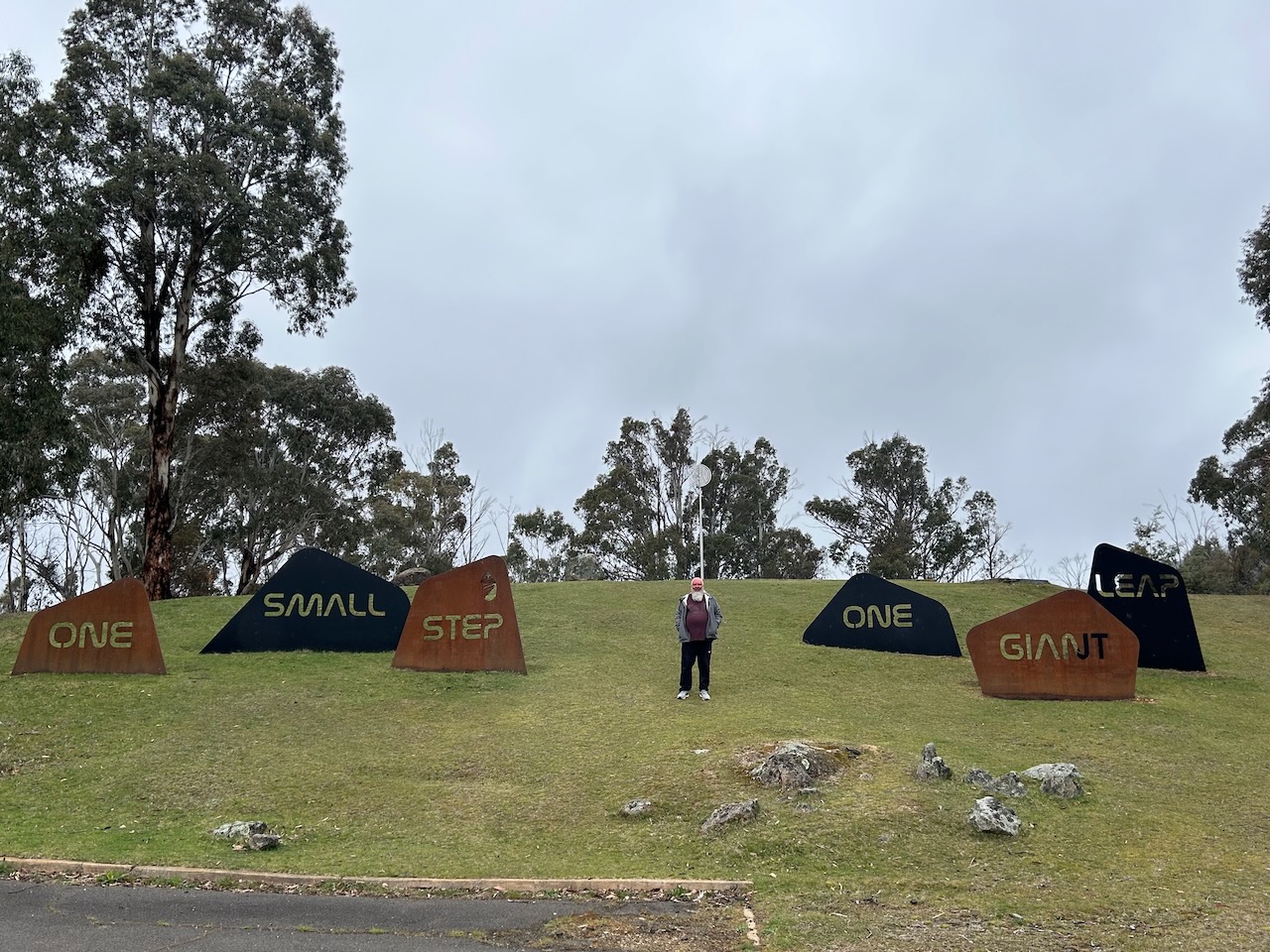
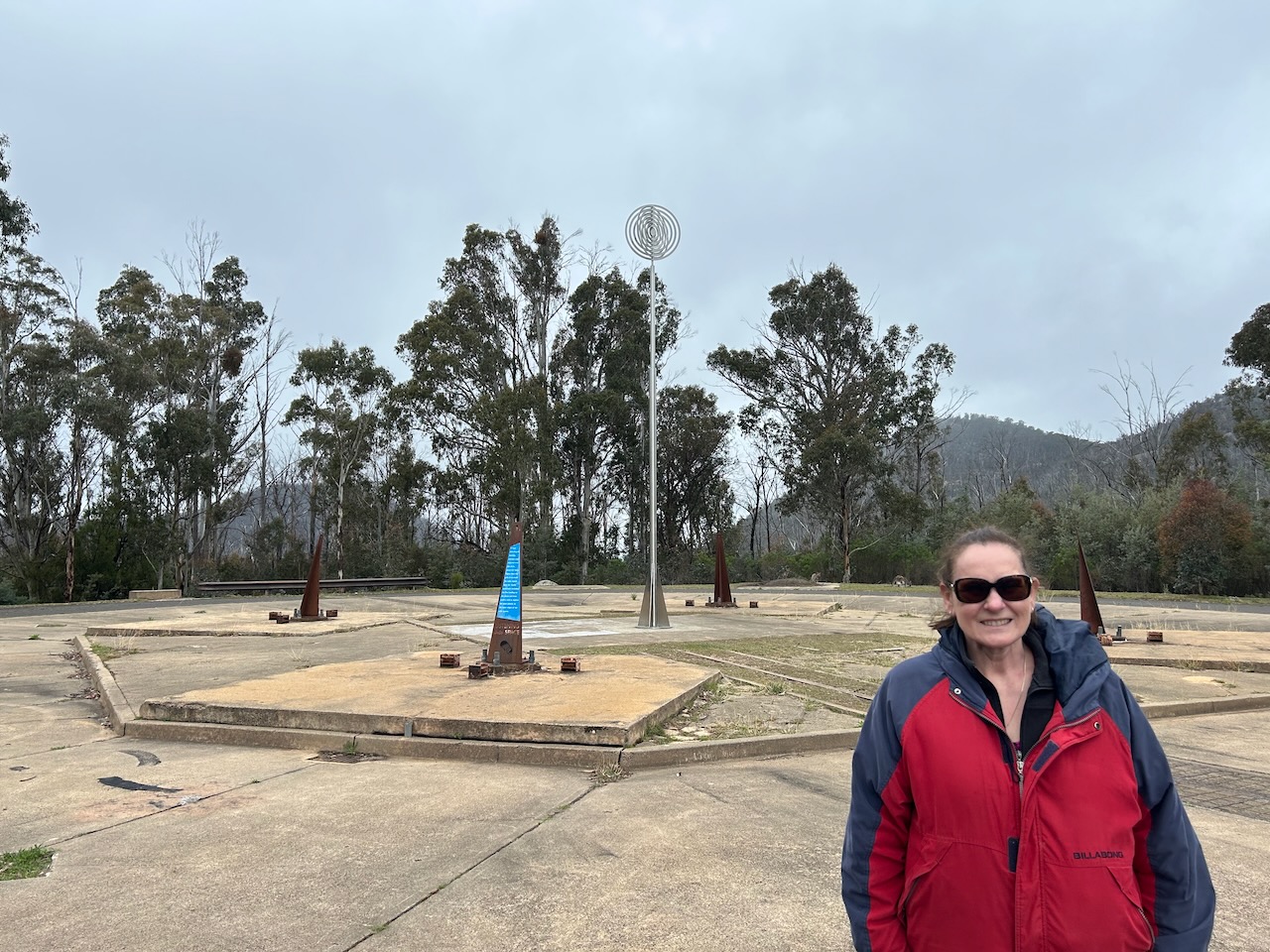
Below is an excellent video about the Honeysuckle Creek Tracking Station.
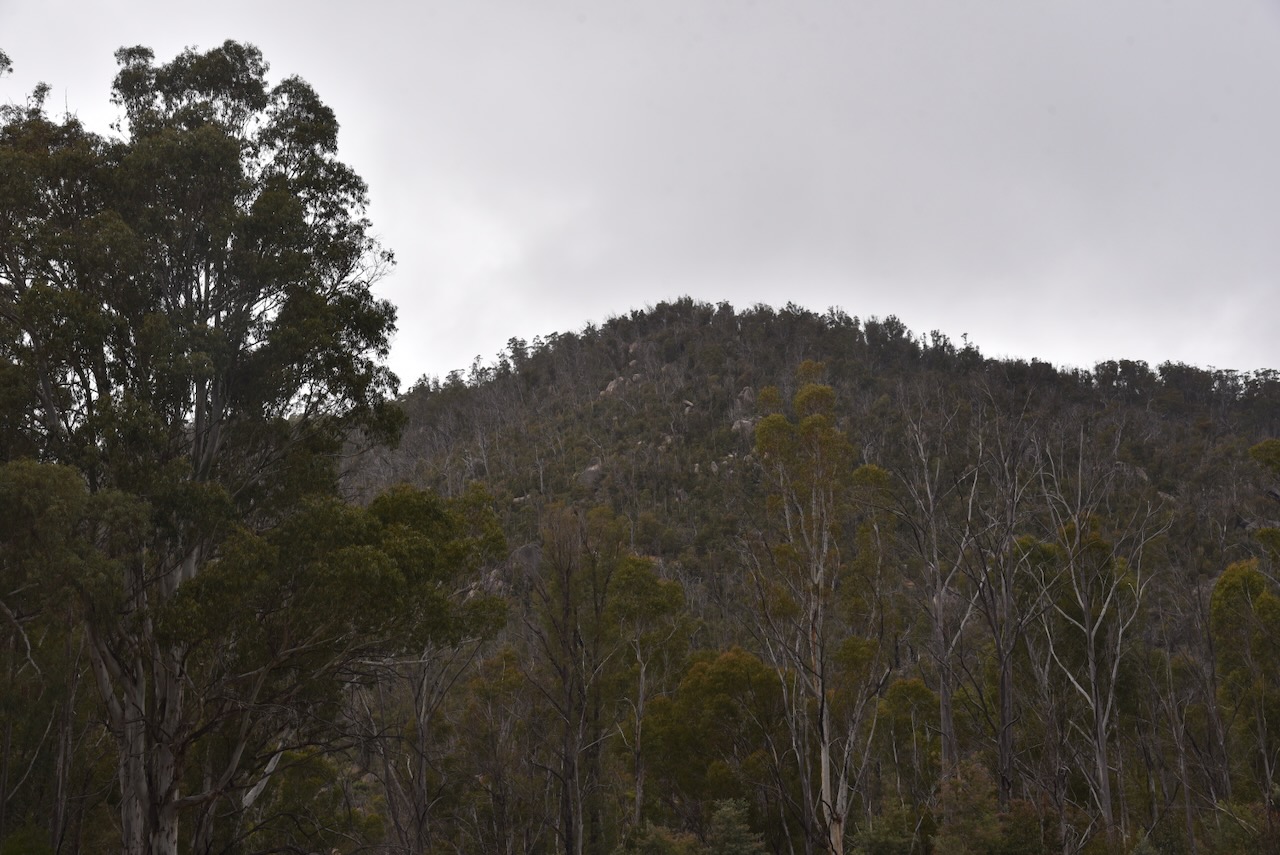
Our operating spot was very picturesque, although we did have intermittent drizzly rain and fog covering some of the higher points in the park.
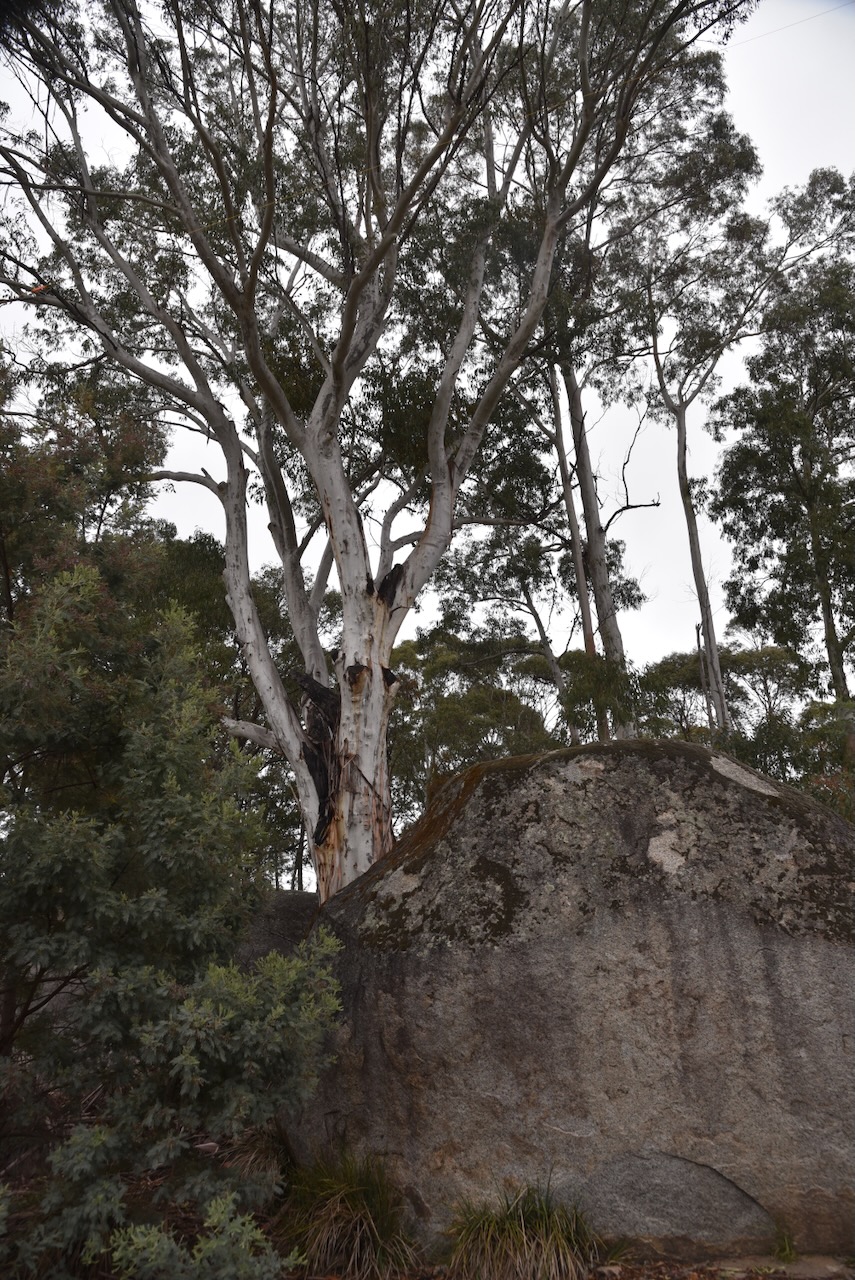
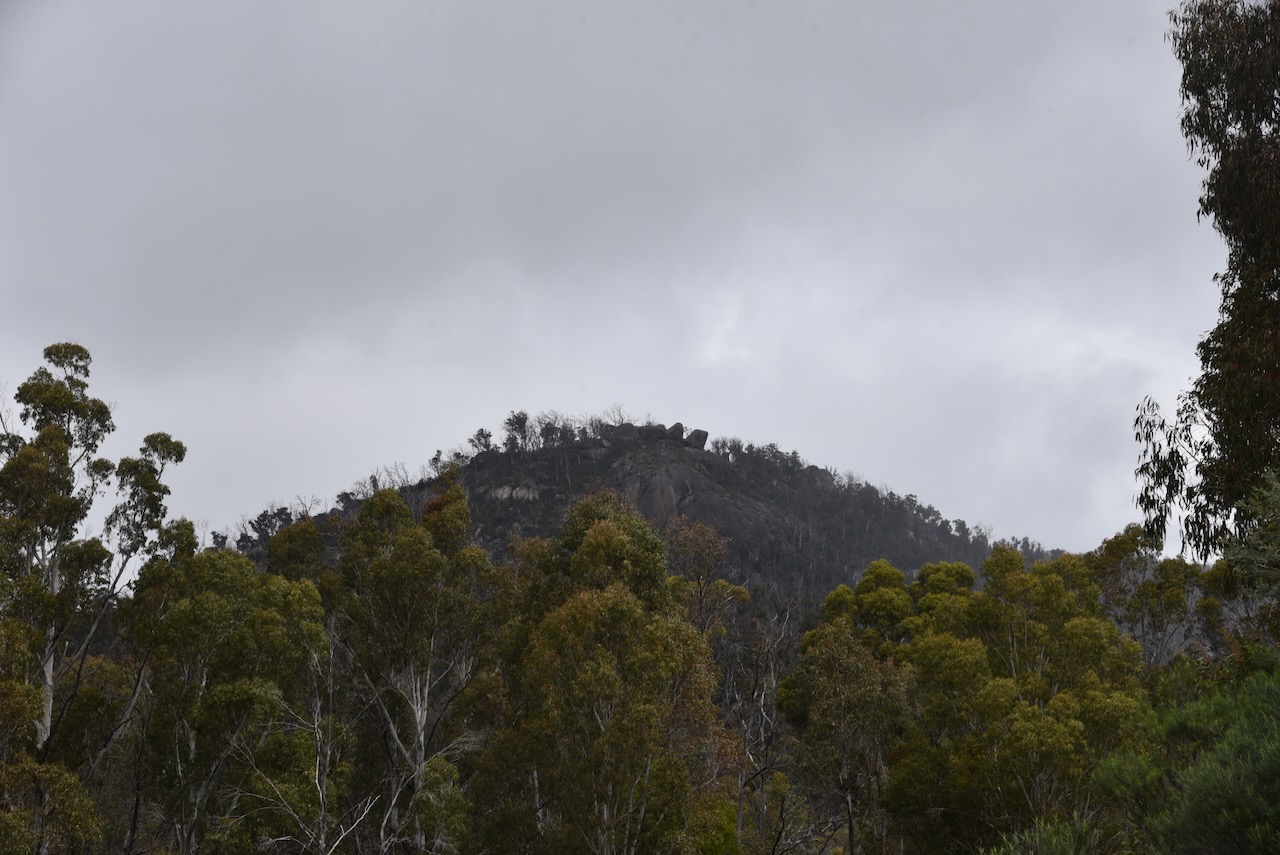
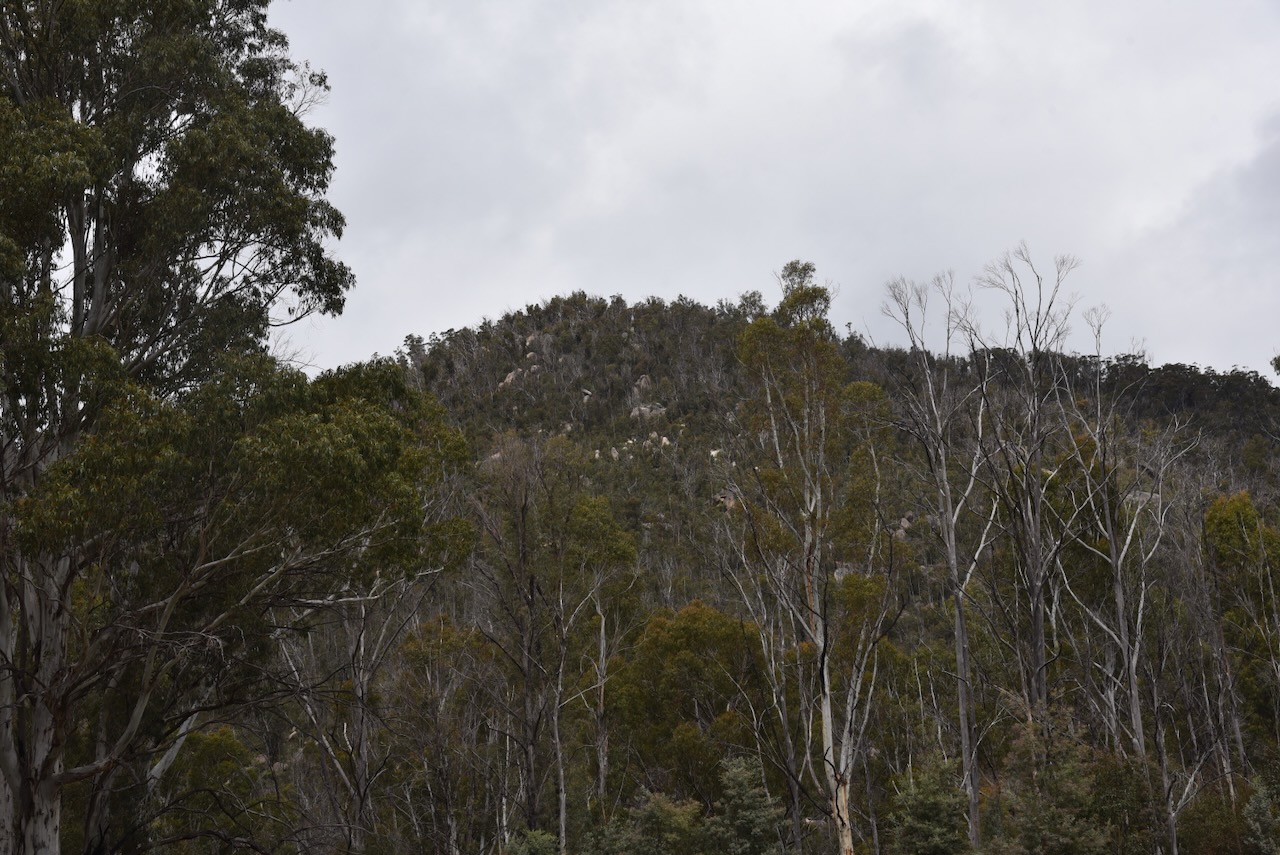
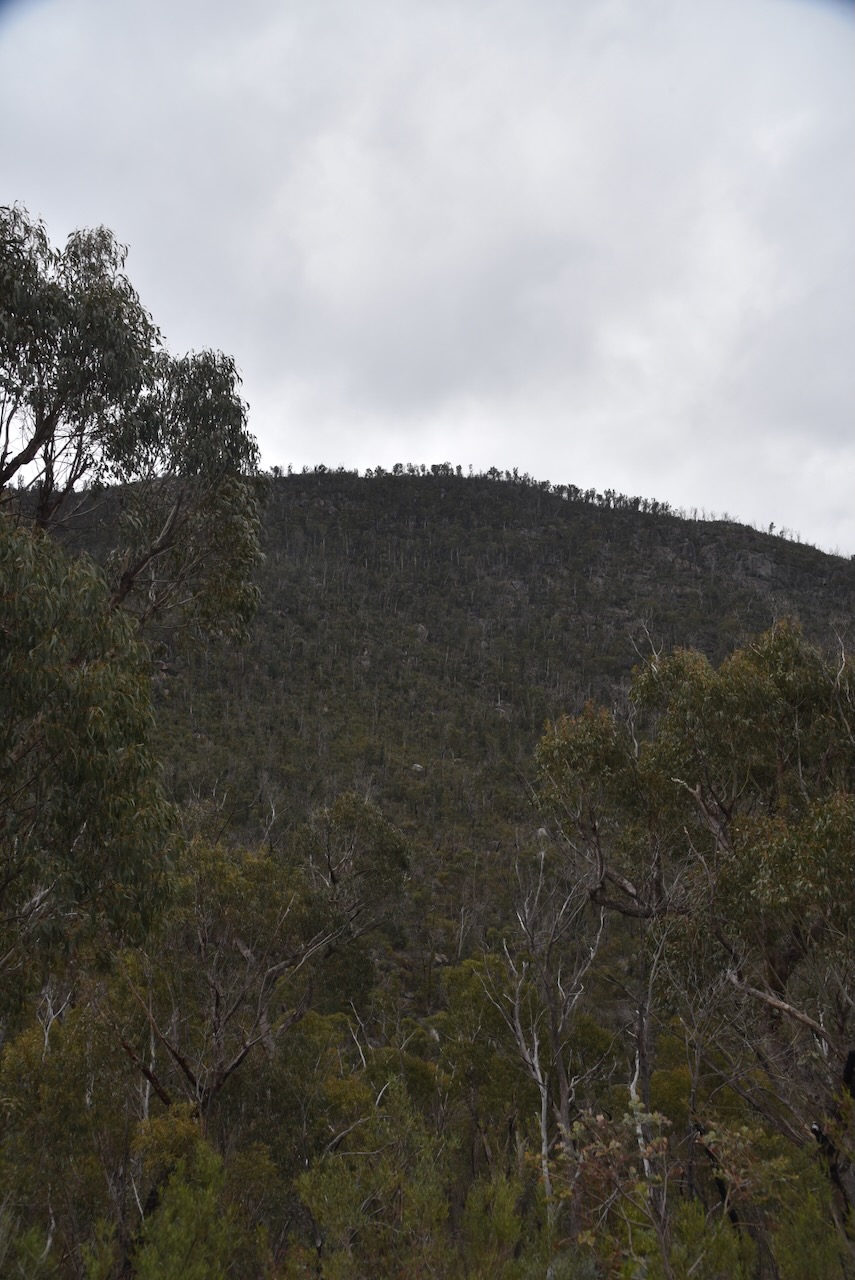
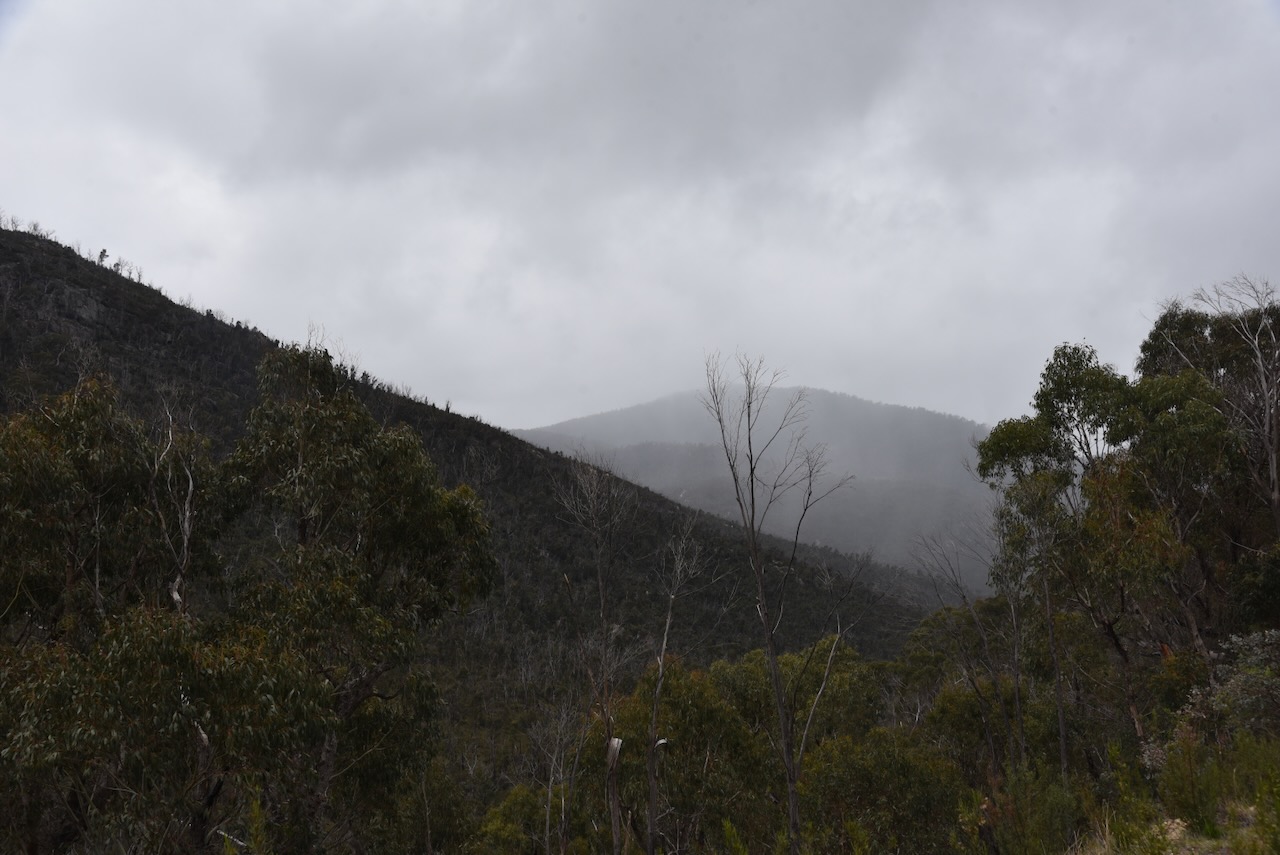
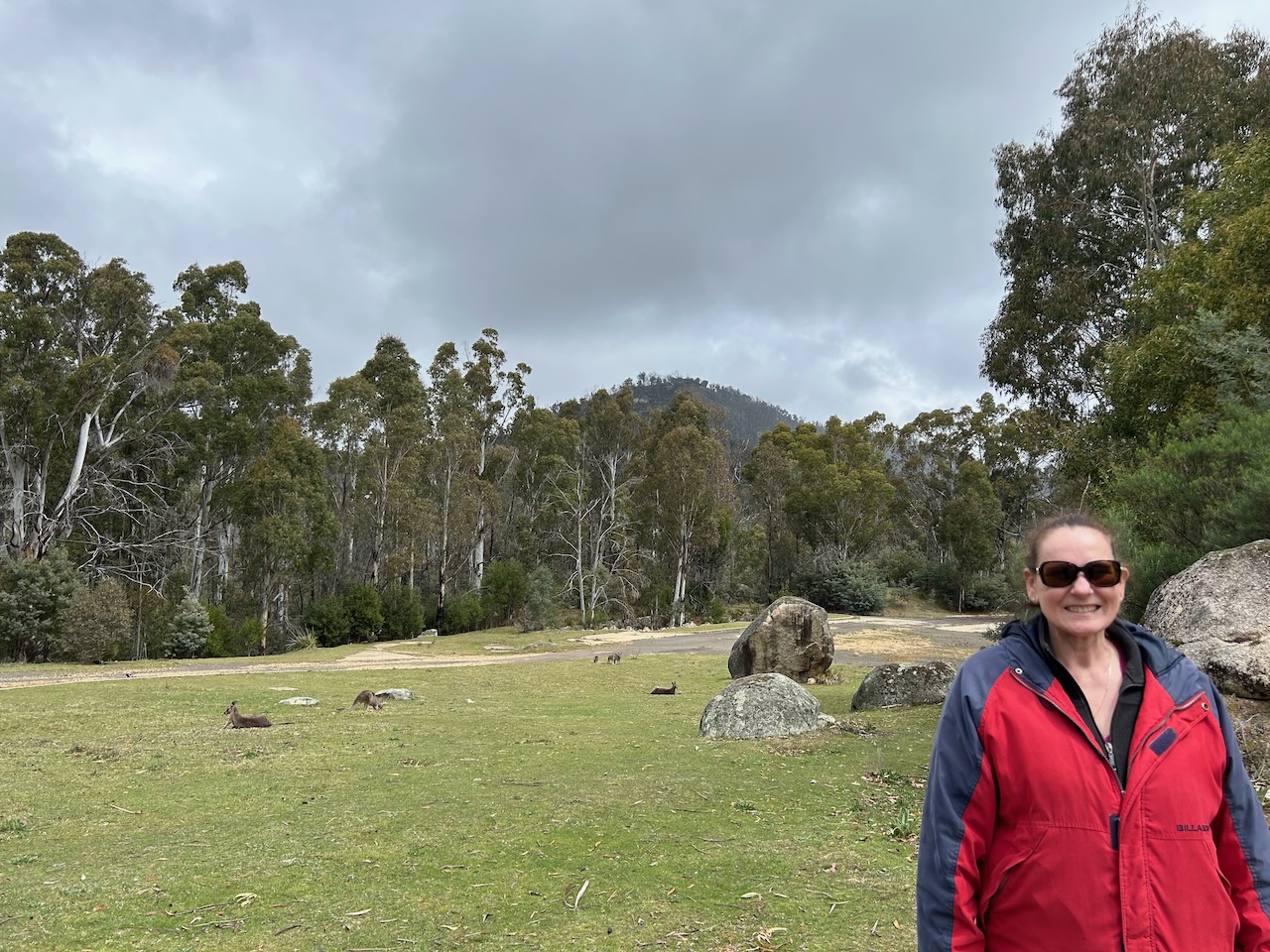
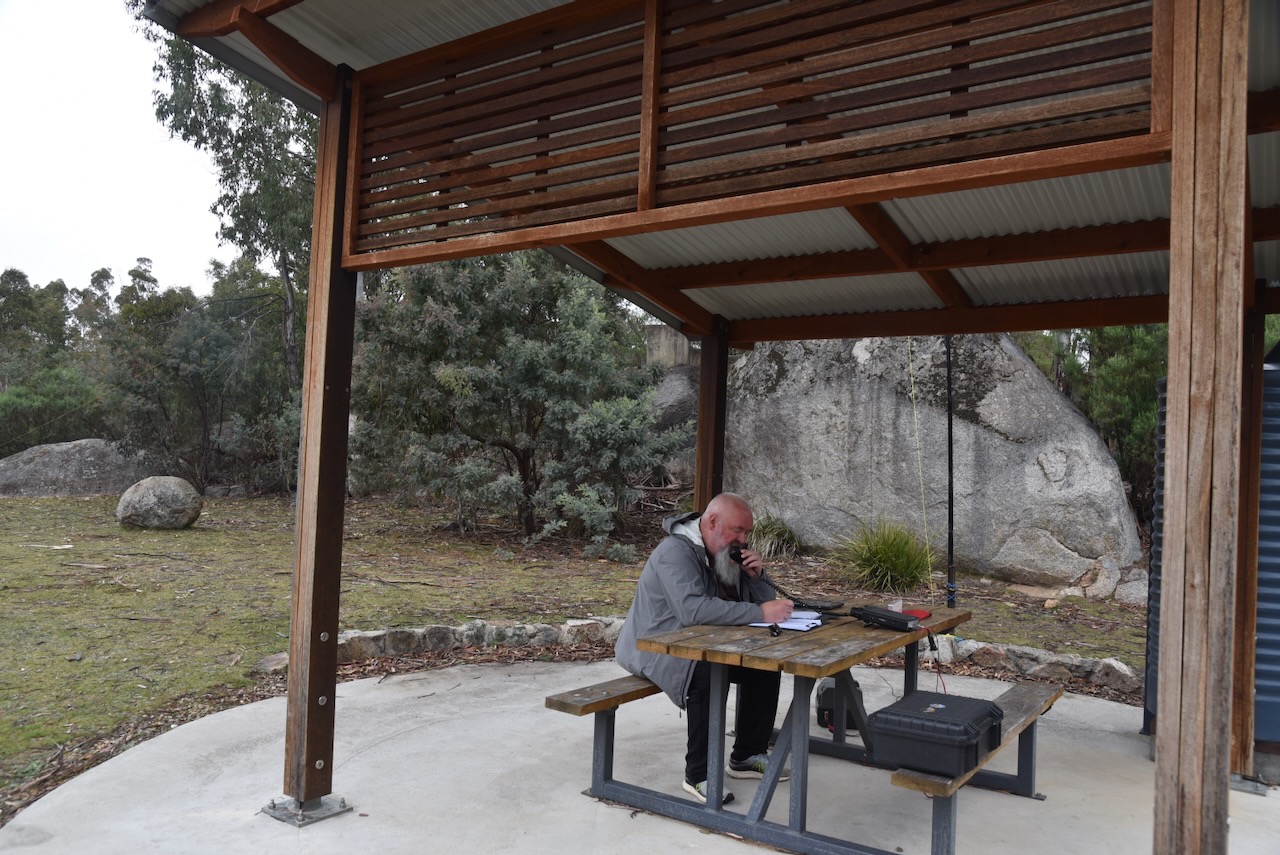
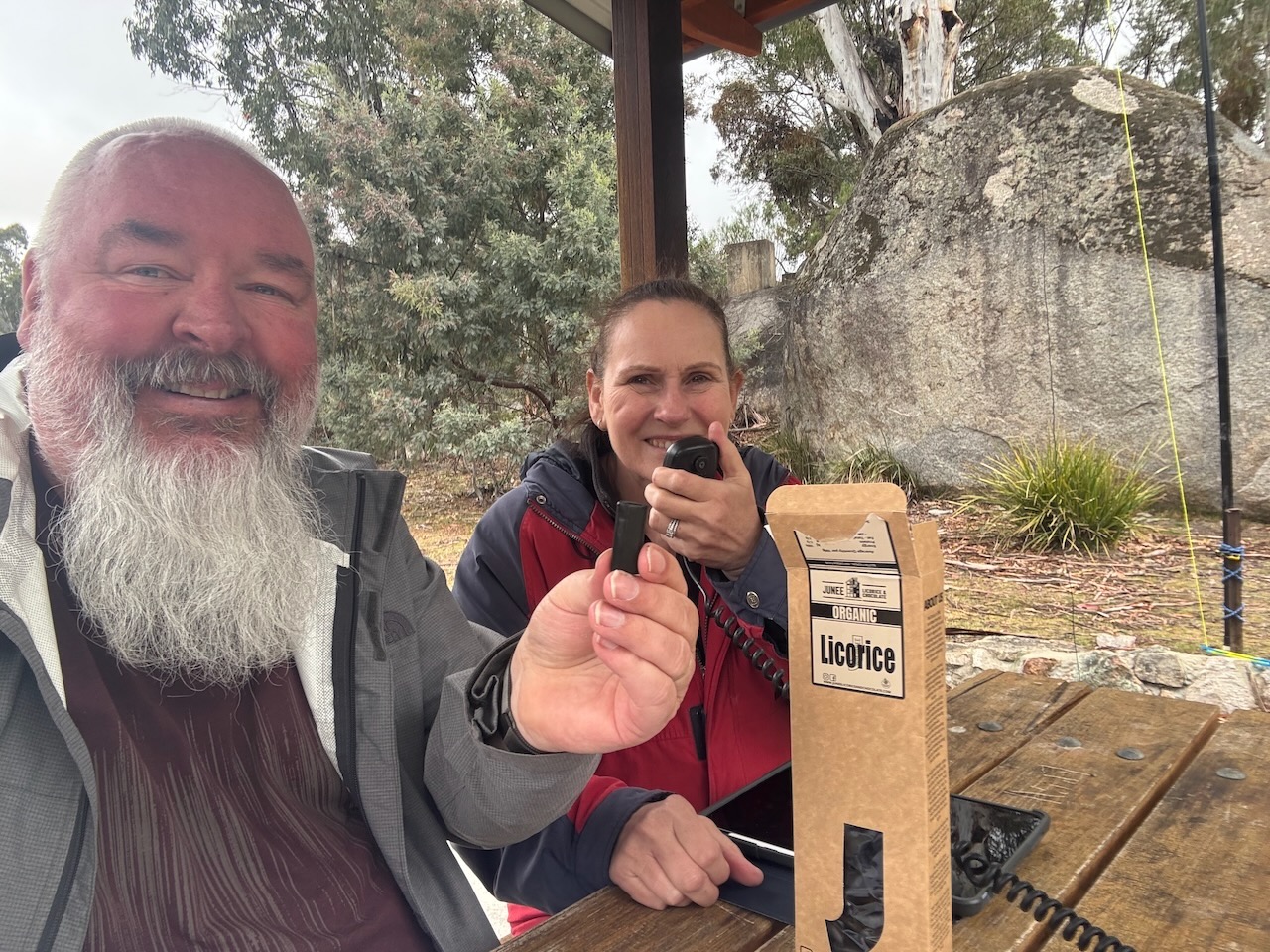
We set up in a small shelter shed, which afforded us some protection from the drizzly rain. Marija and I ran the Yaseu FT857, 40 watts, and the 20/40/80m linked dipole.
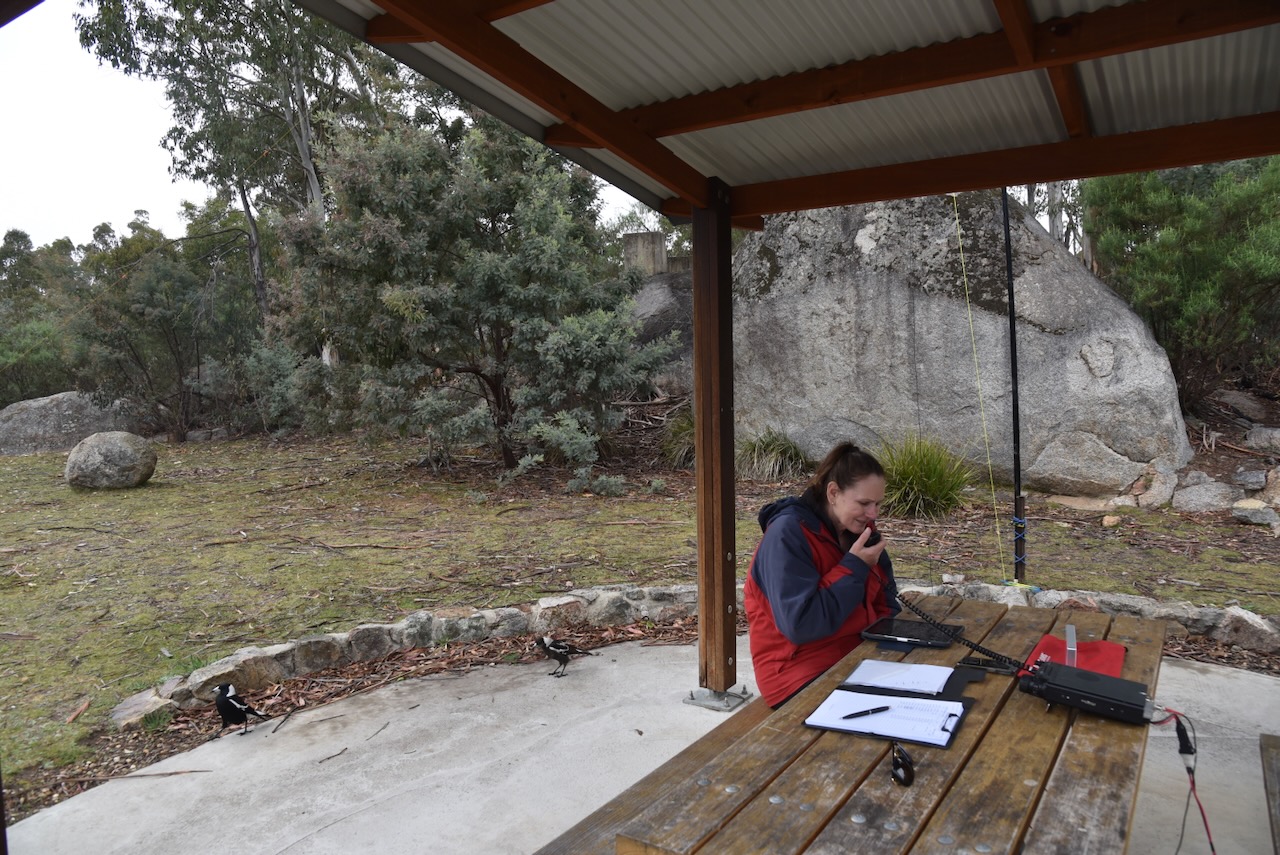
Marija worked the following stations on 40m SSB:-
Marija worked the following stations on 40m AM:-
Marija worked the following stations on 20m SSB:-
I worked the following stations on 40m SSB:-
I worked the following stations on 40m AM:-
I worked the following stations on 20m SSB:-
References.
Amateur Radio, Short Wave Listening, travel and history
Amateur radio experiences with VK1DA
Brisbane - Australia
german amateur radio station
Summits On The Air
SOTA on the peaks, wilderness QRP and some bushwalking
A fine WordPress.com site
Amateur Radio Adventures
Summits on the Ai
Amateur radio station from Belgium
Radio craft, homebrew, QRP/SOTA, AM
Ego loqui ad viros super montes
My adventures with Amateur Radio and Geocaching!
The rantings of VK2GAZ on his SOTA experiences in Australia
A survivor, with minor cuts and abrasions.
The Art and Craft of Blogging
The latest news on WordPress.com and the WordPress community.
Blog of Justin Giles-Clark VK7TW's SOTA and amateur radio adventures.
Occasional SOTA & Microwave operation
 VK5PAS