I received the two QSL cards below in the mail yesterday for my reception of NHK World Radio Japan.
9750 kHz – 5th August 2024
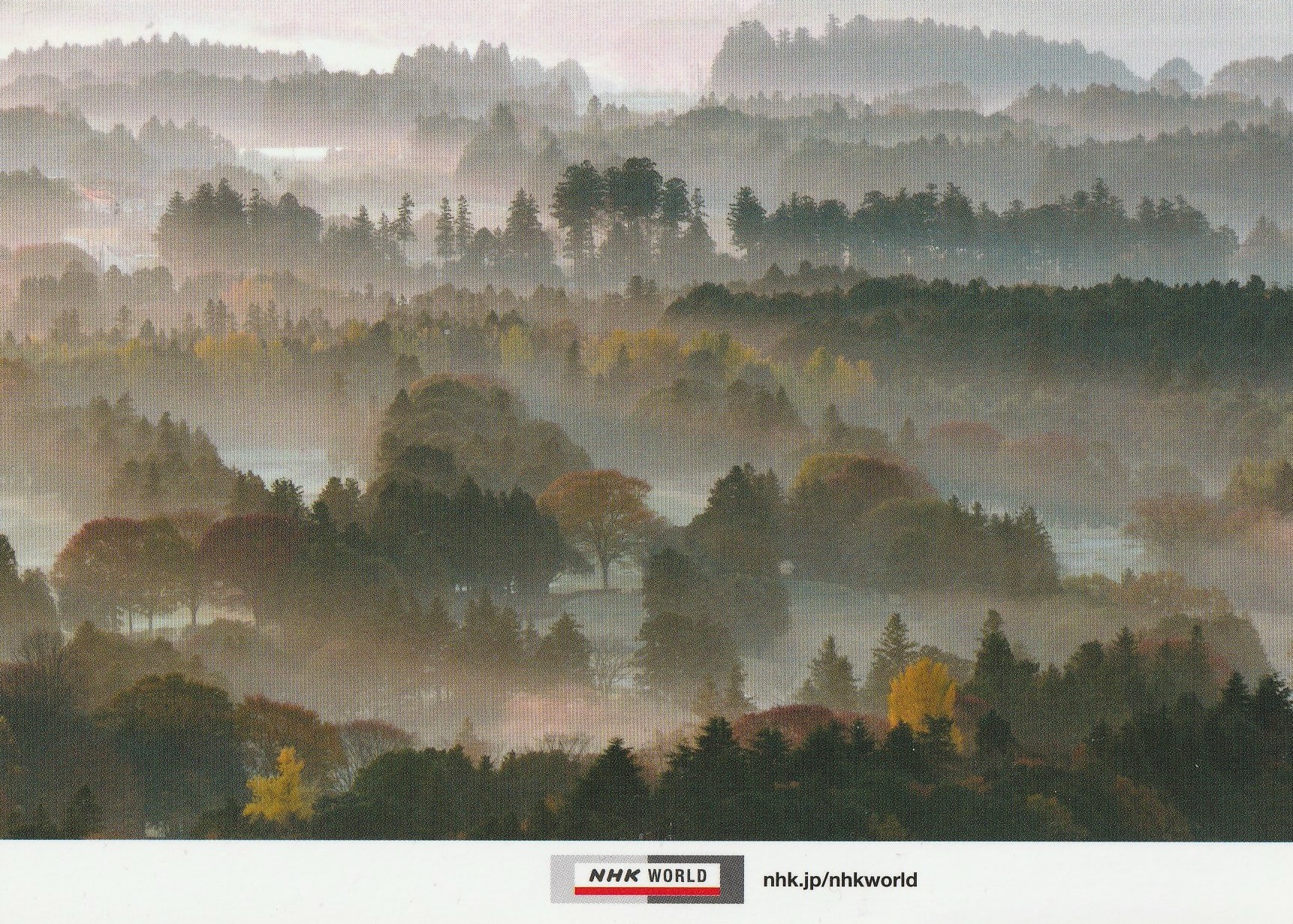

15280 kHz – 10th August 2024
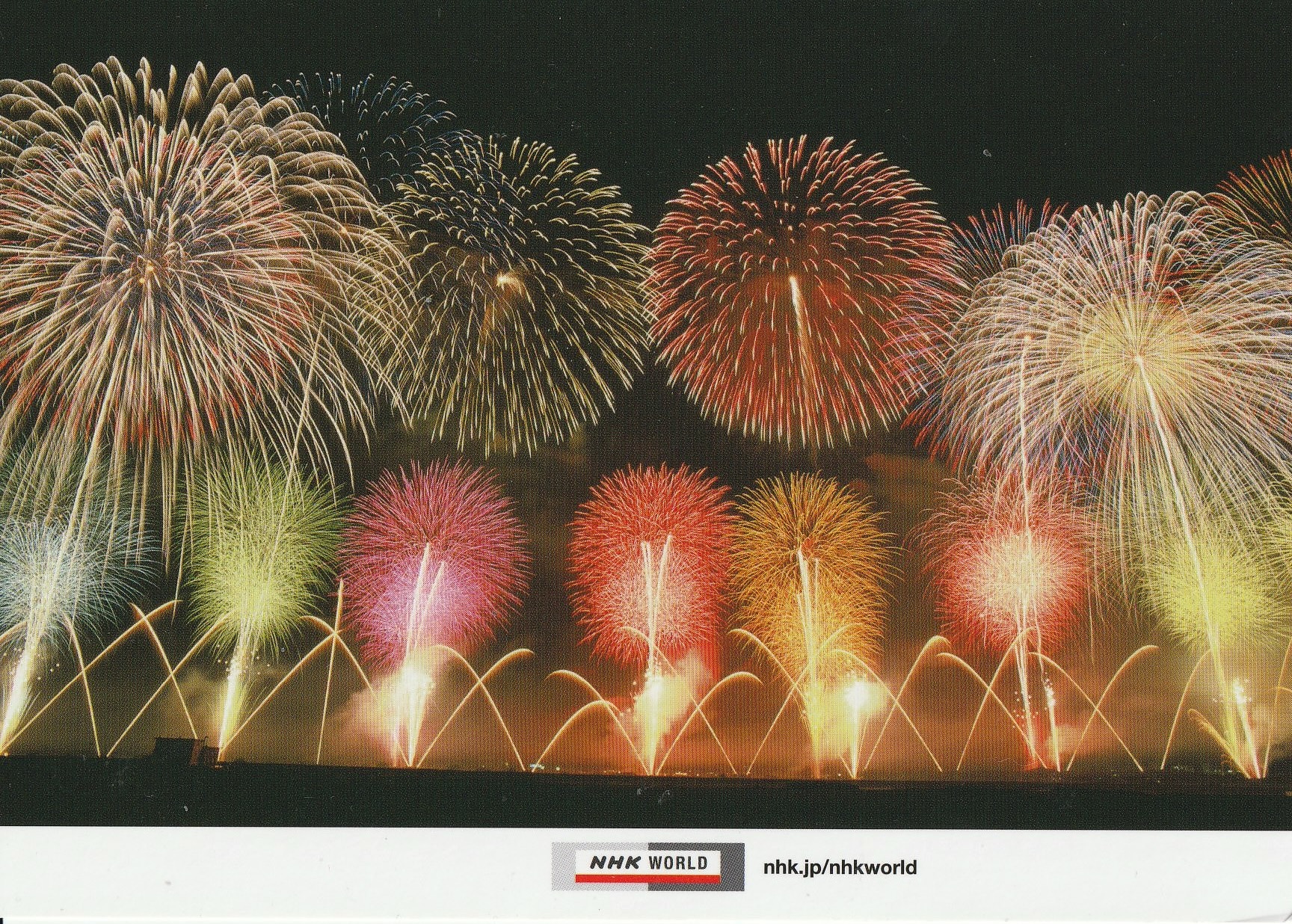
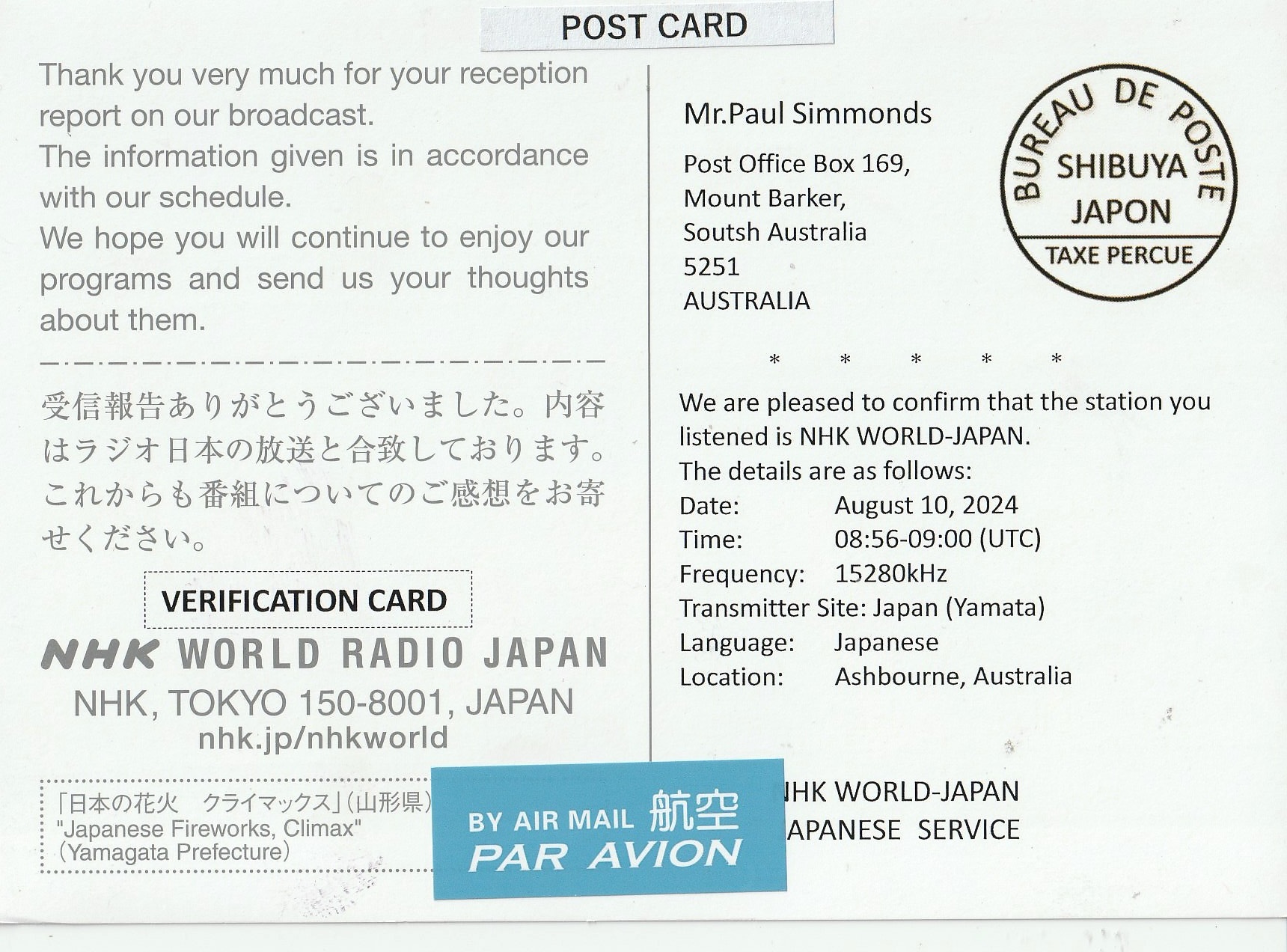

I received the two QSL cards below in the mail yesterday for my reception of NHK World Radio Japan.
9750 kHz – 5th August 2024
15280 kHz – 10th August 2024
My final activation for the Werrimul Victoria trip was O’Shannessy Bushland Reserve VKFF-4200.
The reserve is located about 15 km south of the town of Walpeup in northwest Victoria.
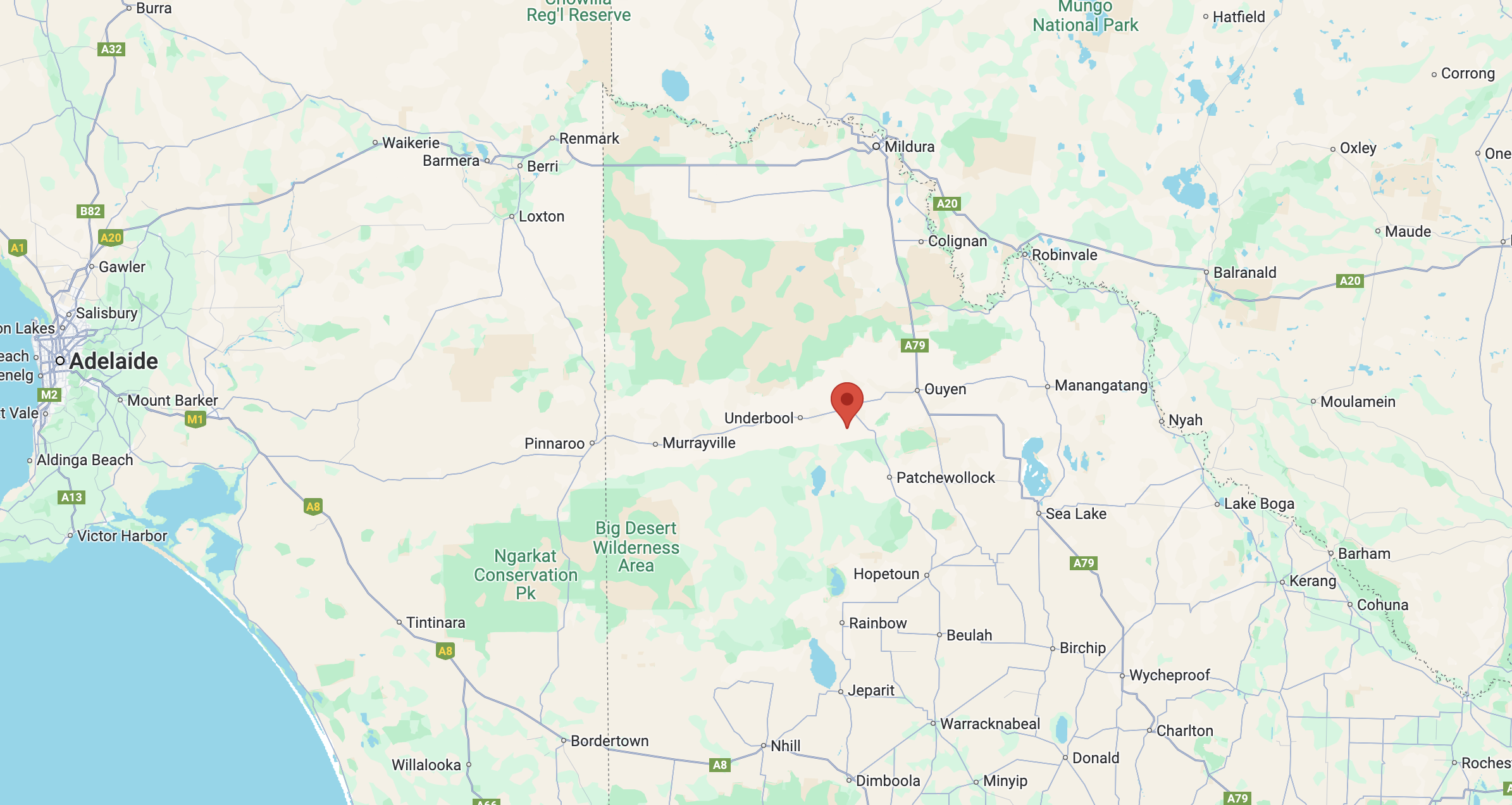
Above:- Map showing the location of the O’Shannessy Bushland Reserve. Map c/o Google Maps.
The reserve is located at the junction of O’Shannessy Road and Munro Road, Walpeup.
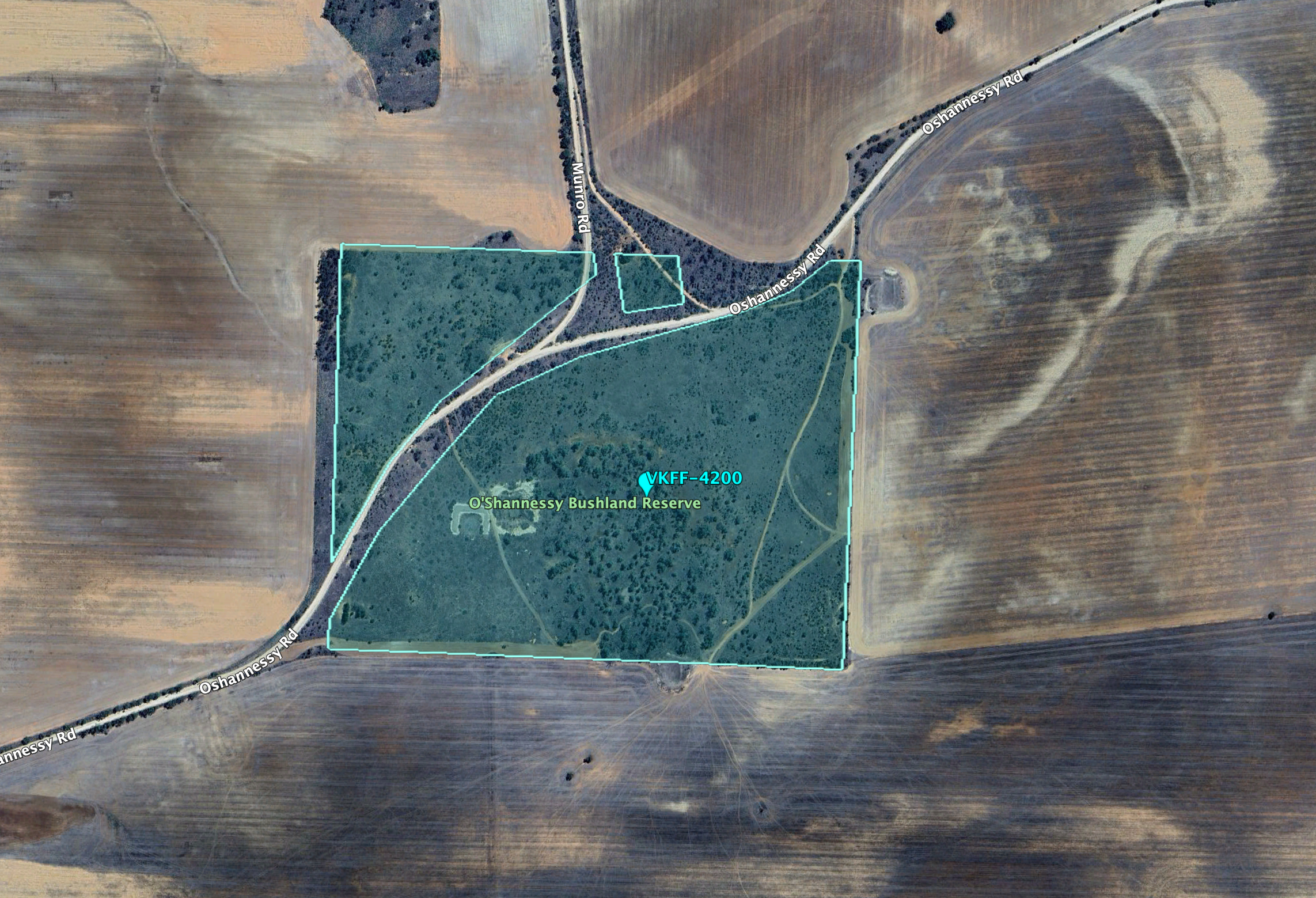
The reserve is about 41 hectares in size and was established on the 1st day of May 1979. (CAPAD 2022)

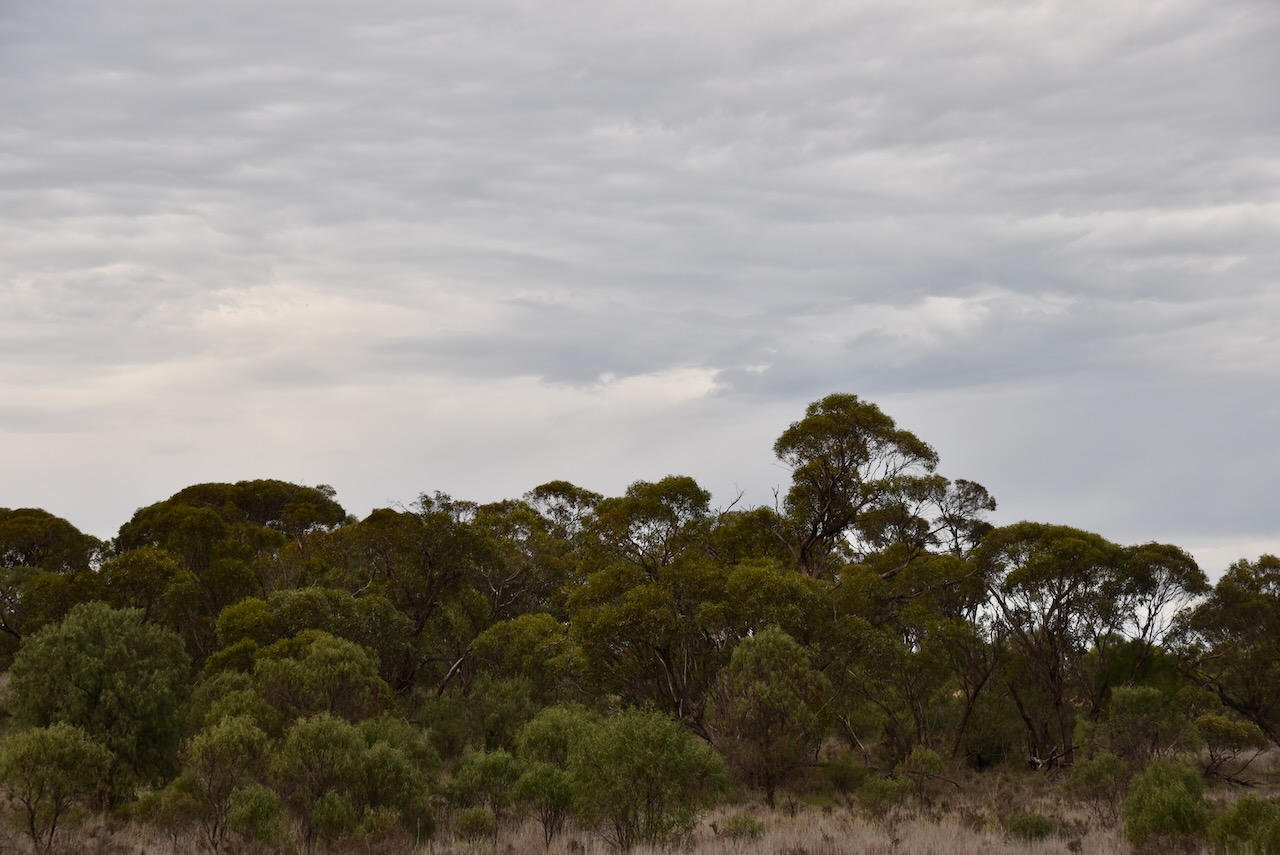
This was an easy park to access. I pulled off the road in the 4WD and set up in a clearing amongst the scrub. I ran the Yaesu FT857, 40 watts, and the 20/40/80m linked dipole for this activation.
I logged a total of 87 stations including quite a bit of DX on 20m.
I worked the following stations on 20m SSB:-
I worked the following stations on 40m SSB:-
It was getting late and I still had a long drive ahead of me to get back home. I packed up and headed west along the Mallee Highway. I stopped briefly in the town of Underbool to stretch my legs. This is another favourite little town of mine along the Mallee Highway.
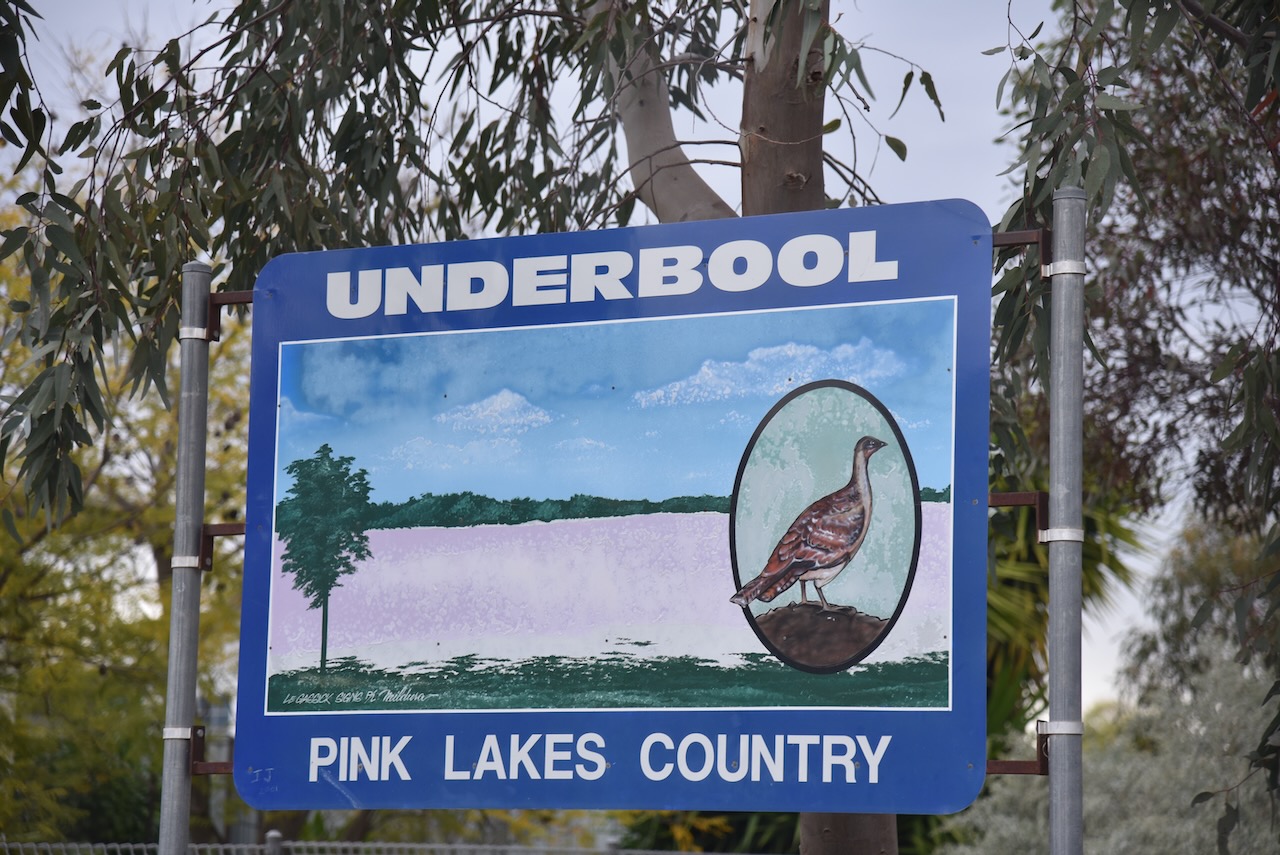
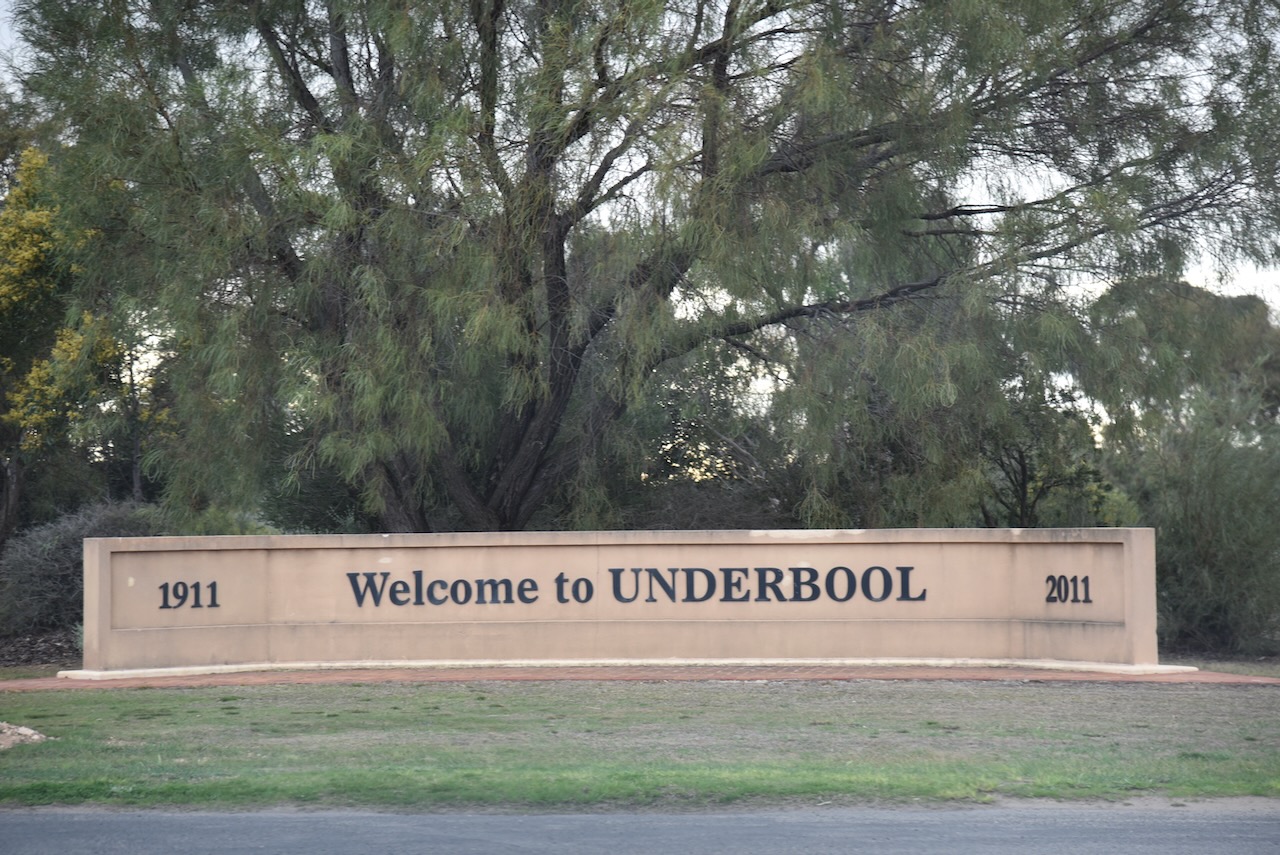
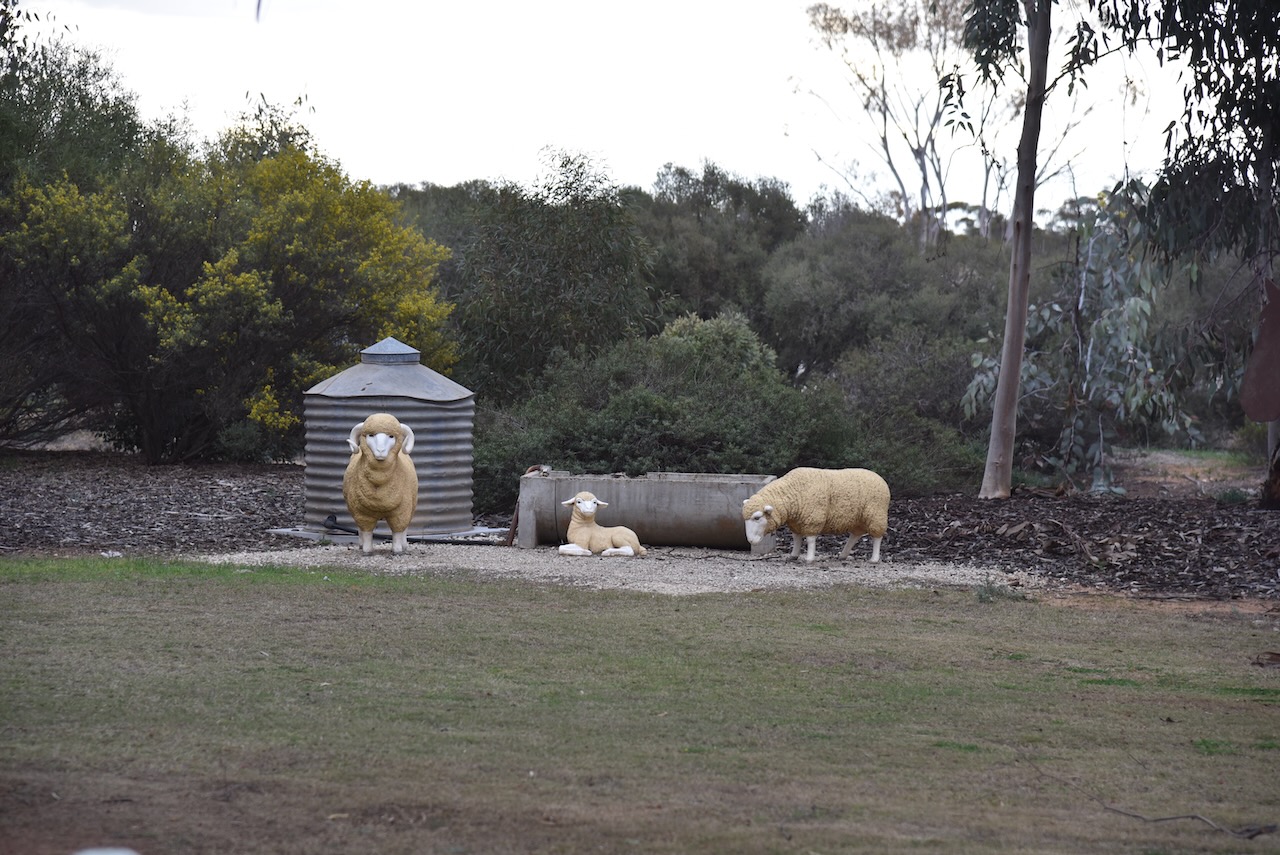

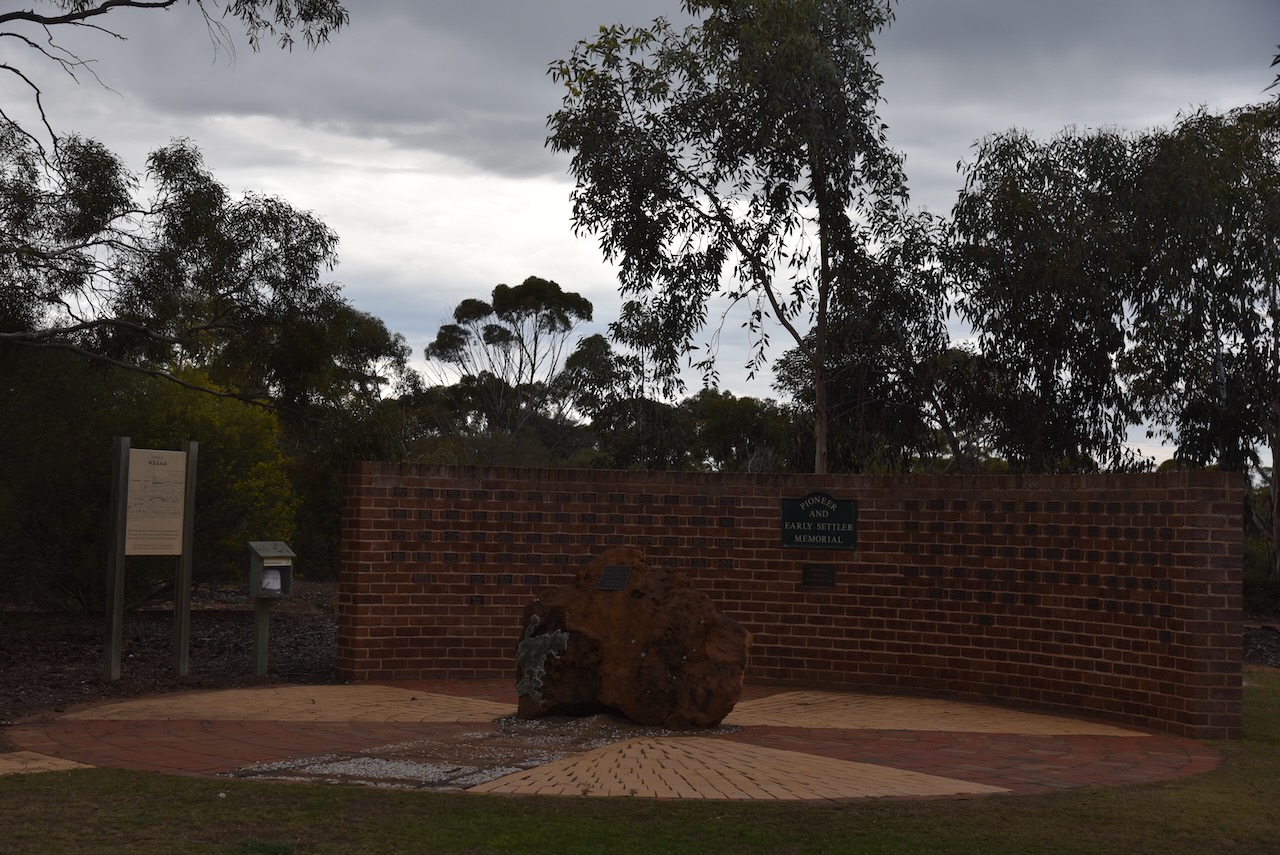

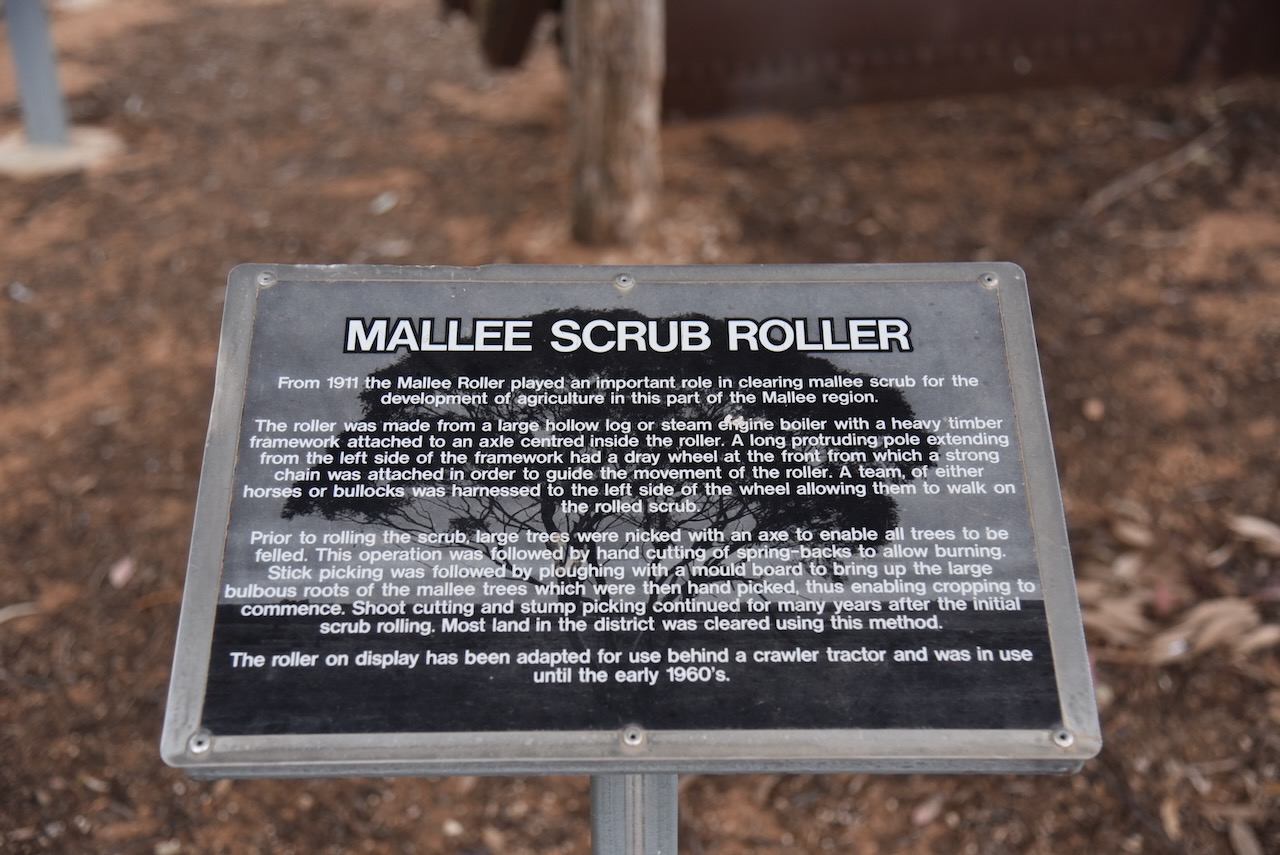
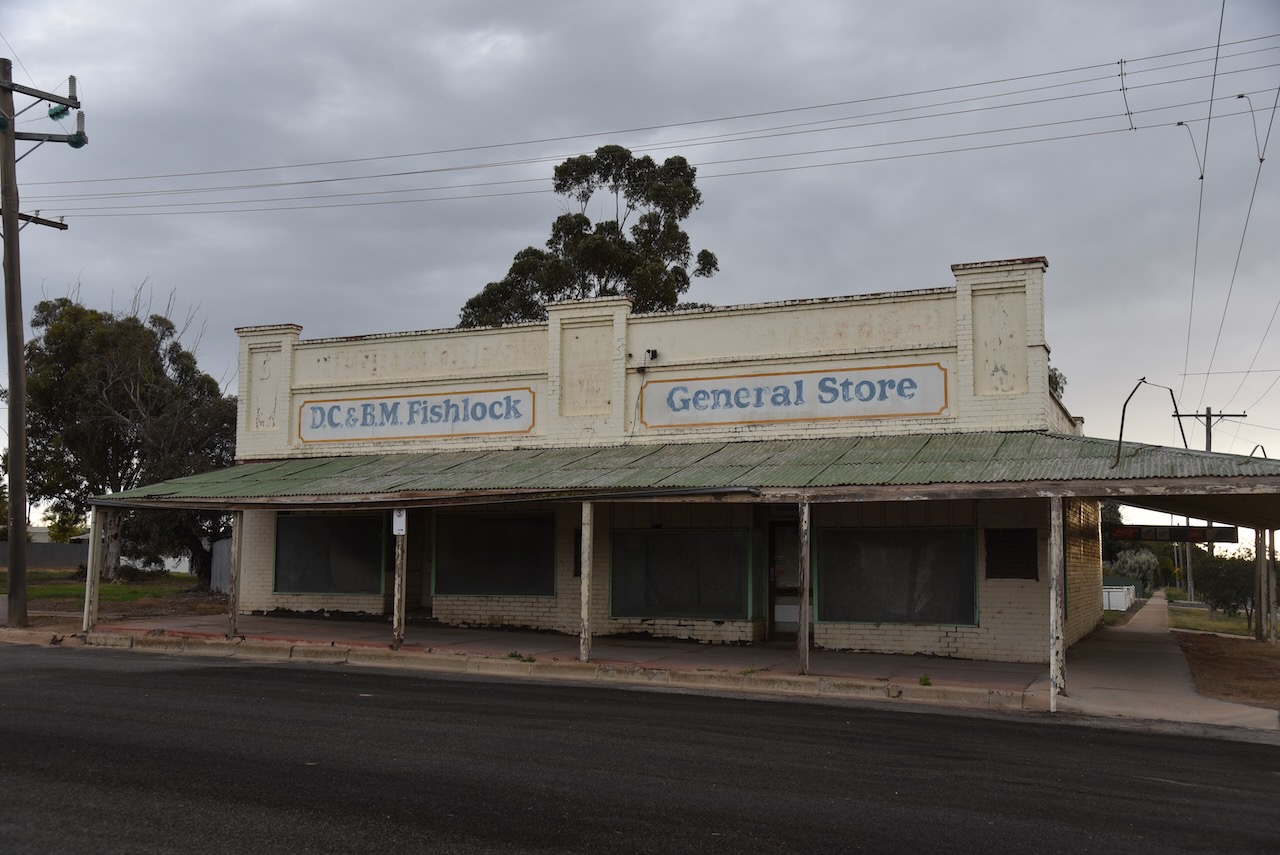
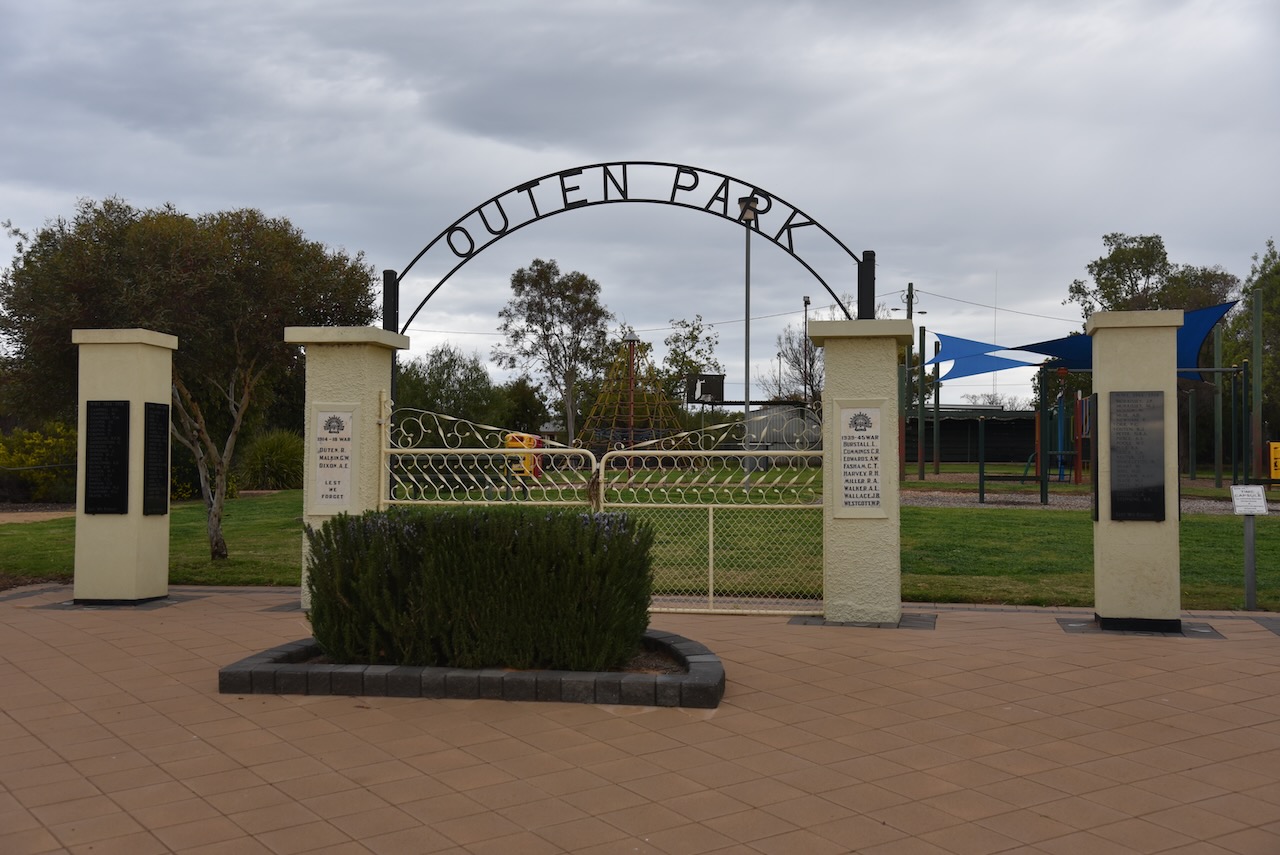
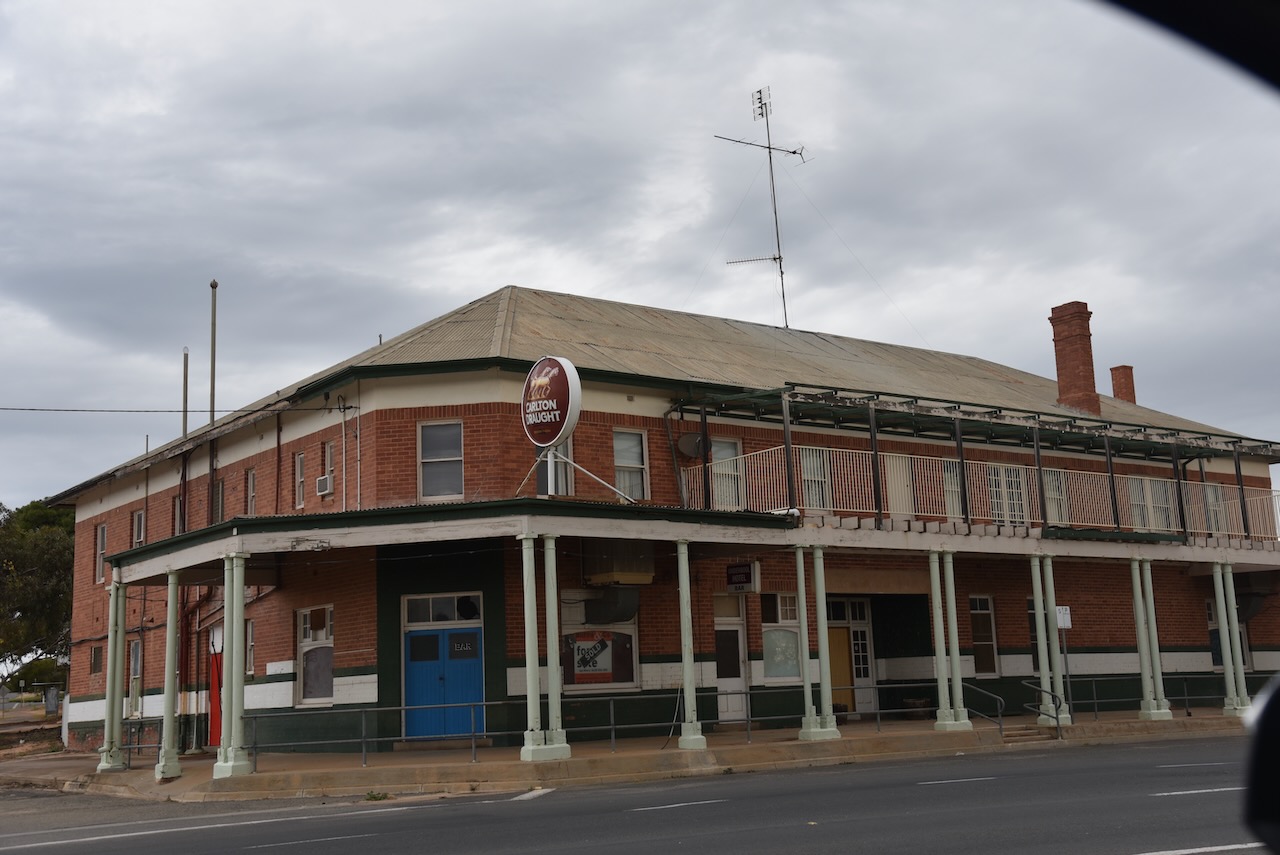
During the 1850’s, Europeans commenced to settle in the Underbool district. This included pastoralists Clow, Ellerman and Cameron who sought leases. However, life here was difficult. It was a desolate and remote region with drought and vermin being just some of the difficulties faced by those who decided to settle in the area. (Underbool 2024)
The exact origin of the name Underbool is unclear. Some suggest Underbool is derived from the aboriginal word ‘wimbool’ meaning the ear, or ‘bool’ meaning ‘water’. (Blake 1978)
While others believe the name is derived from the German word underbolt, given to it by surveyor Dr. Georg von Neumayer who camped in the area in October 1861. (Blake 1978)

Above:- Georg von Neumayer. Image c/o Wikipedia.
By 1883, the Mallee Leases Act approved the establishment of A and B Blocks by dividing Mallee land in lines of 10 mile intervals. T.H.Turner surveyed the County of Weeah into A and B blocks in 1887. (Underbool 2024)
During the early 1900’s the then Premier of Victoria, Sir Thomas Bent, recognised the potential for agricultural development along the Ouyen to Kow Plains route. This followed the successful settlement of Mallee land in the nearby South Australia. (Underbool 2024)
By 1907, the Mallee Select Committee recommended that Kow Plains be opened for selection and that a rail link should be established. Land was opened for selection as rail selections were completed. The block sizes were set at 600-700 acres. (Underbool 2024)
The Parish of Underbool was surveyed on the 24th day of July 1910. By August 1910, 31,000 acres of land were declared available in the Parish of Underbool. This consisted of 92 blocks. The demand was immediate and a list of the successful applicants appeared in The Age newspaper on the 20th day of December 1910. (Underbool 2024)

Above:- Article from The Age, Mon 12 Sep 1910. Image c/o Trove.
A post office opened ay Underbool on the 15th day of July 1912 when a regular mail service was provided following he opening of the railway from Ouyen to Murrayville a month earlier in June 1912. Underbool Primary School (No. 3819) opened on the 5th day of November 1913. (Phoenix 2012) (Underbool 2024)
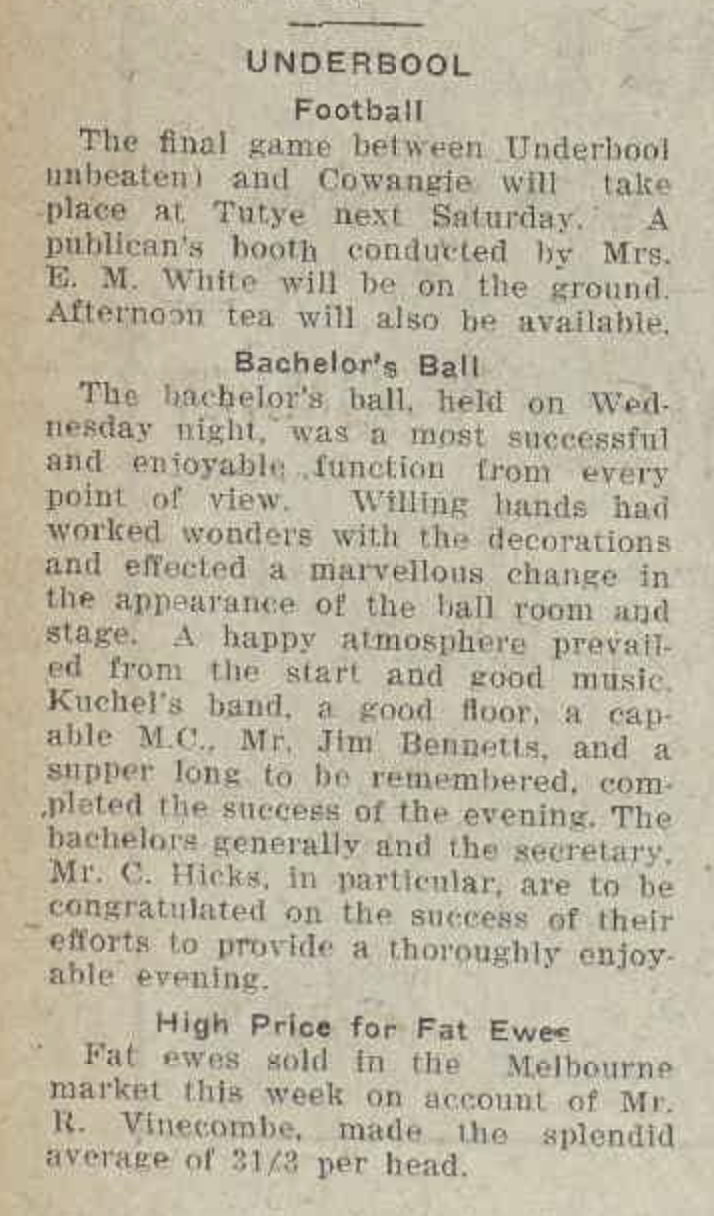
Above:- Article from the Ouyen Mail, Mon 18 Sep 1933. Image c/o Trove
I continued along the Mallee Highway and crossed into South Australia.

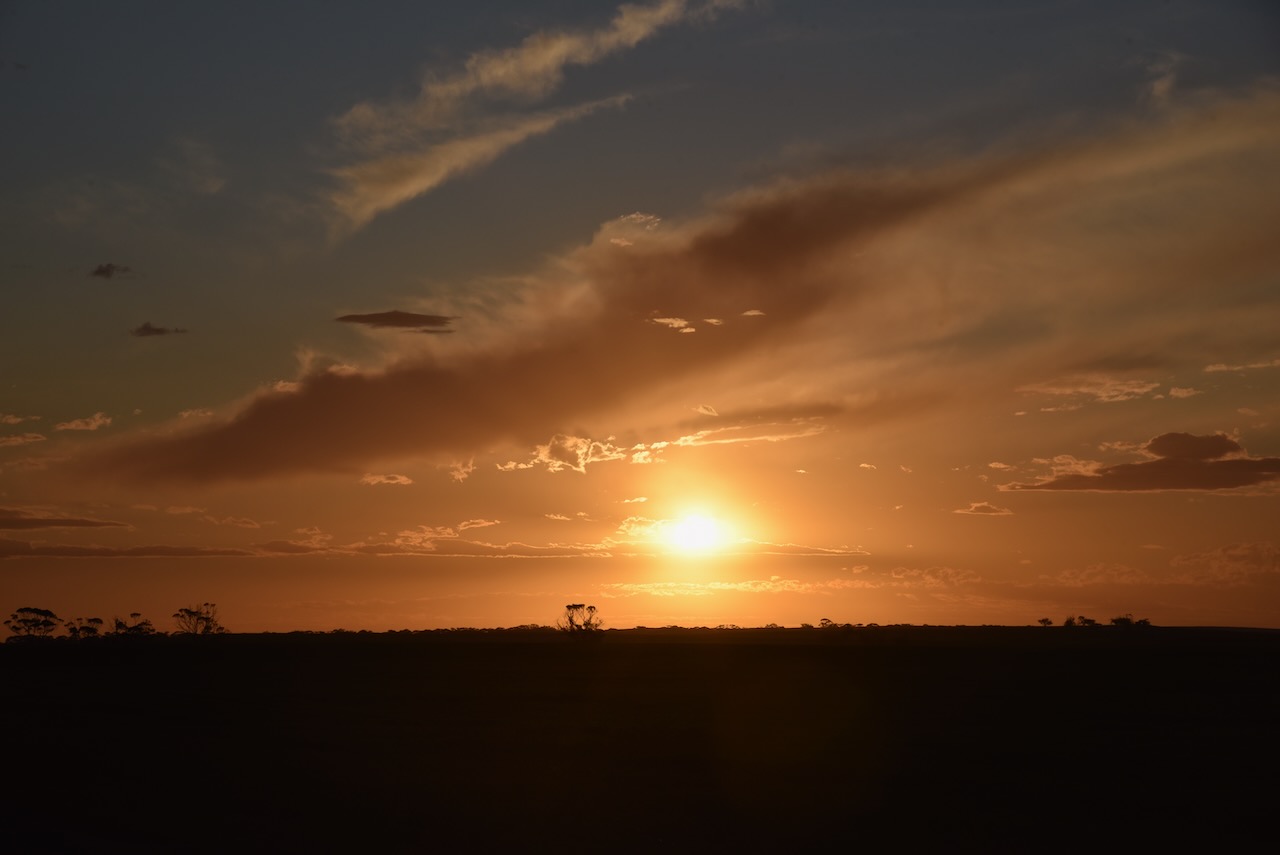
My next stop was the little town of Parilla in South Australia. As I entered the town I enjoyed a magnificent sunset.
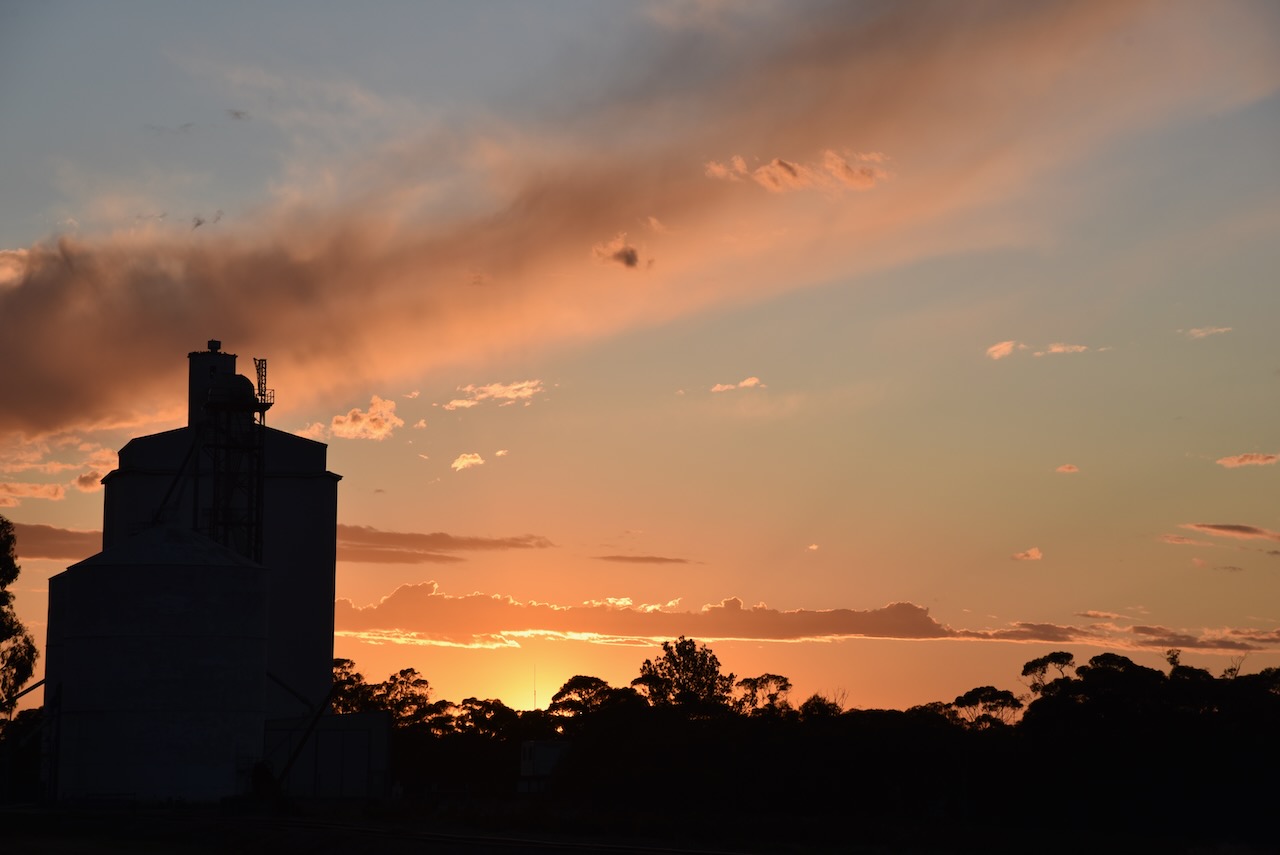
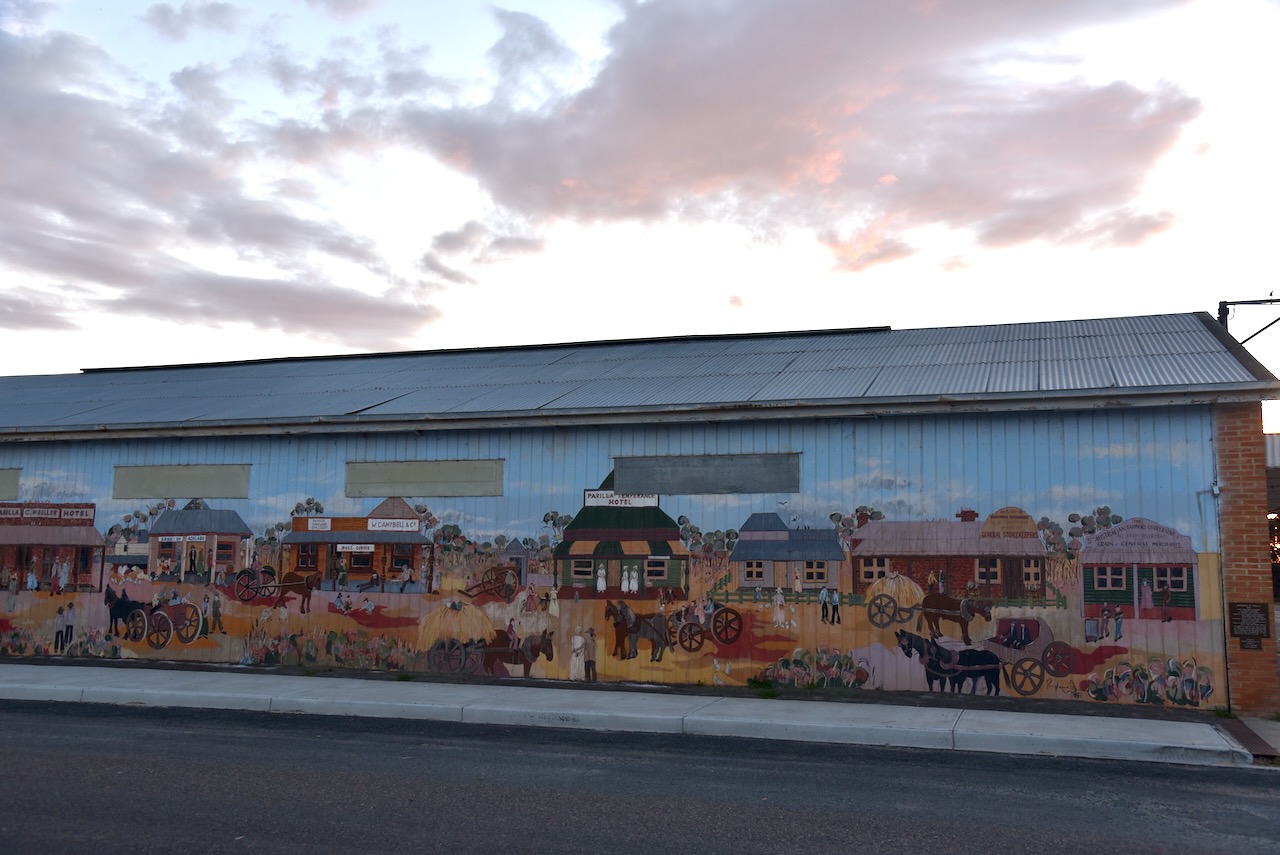
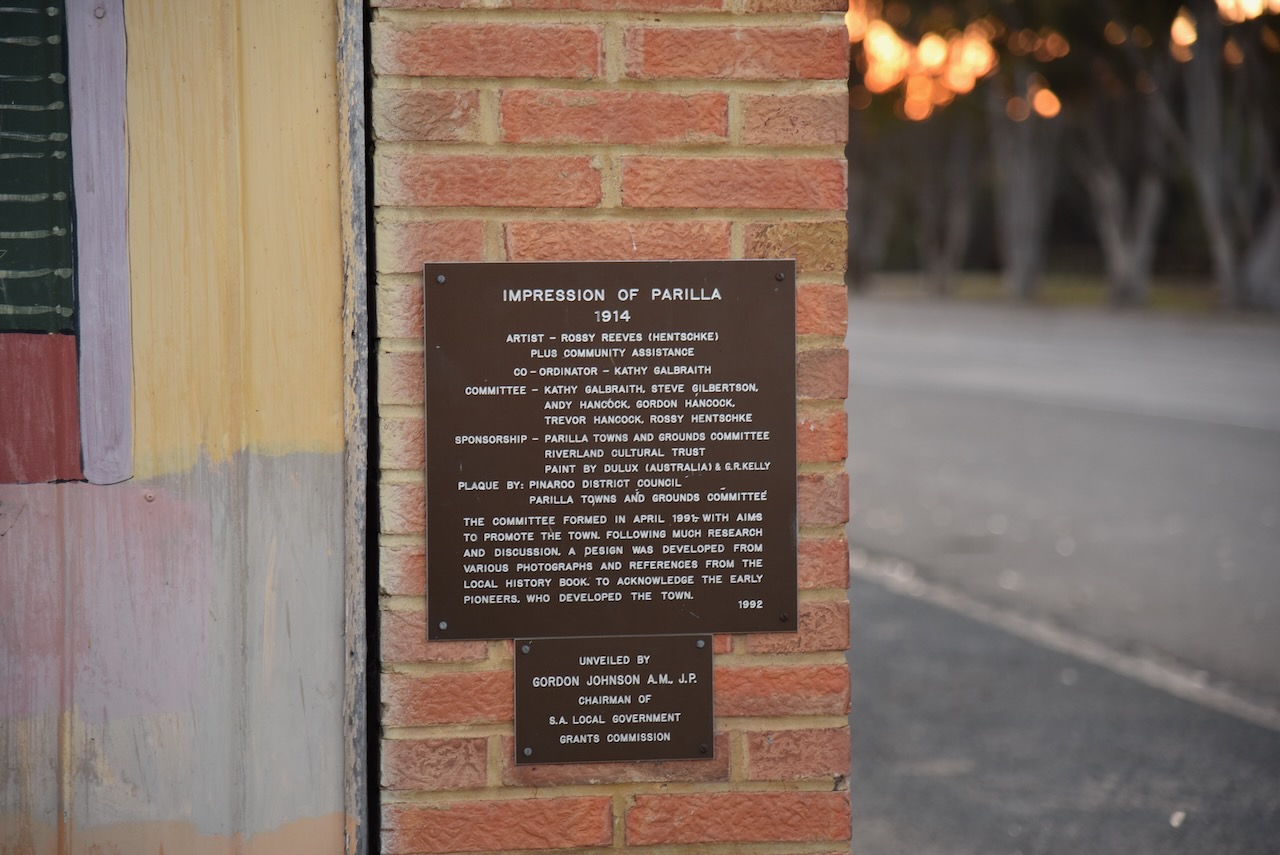
Parilla is believed to be an aboriginal word meaning ‘cold place’. The township of Parilla was proclaimed on the 4th day of January 1894. There is a magnificent mural in Parila entitled “Impression of Parilla 1914” acknowledges the early pioneers who established the town. The images appearing on the mural were designed from various photographs in a local history book. (Monument Australia 2024)


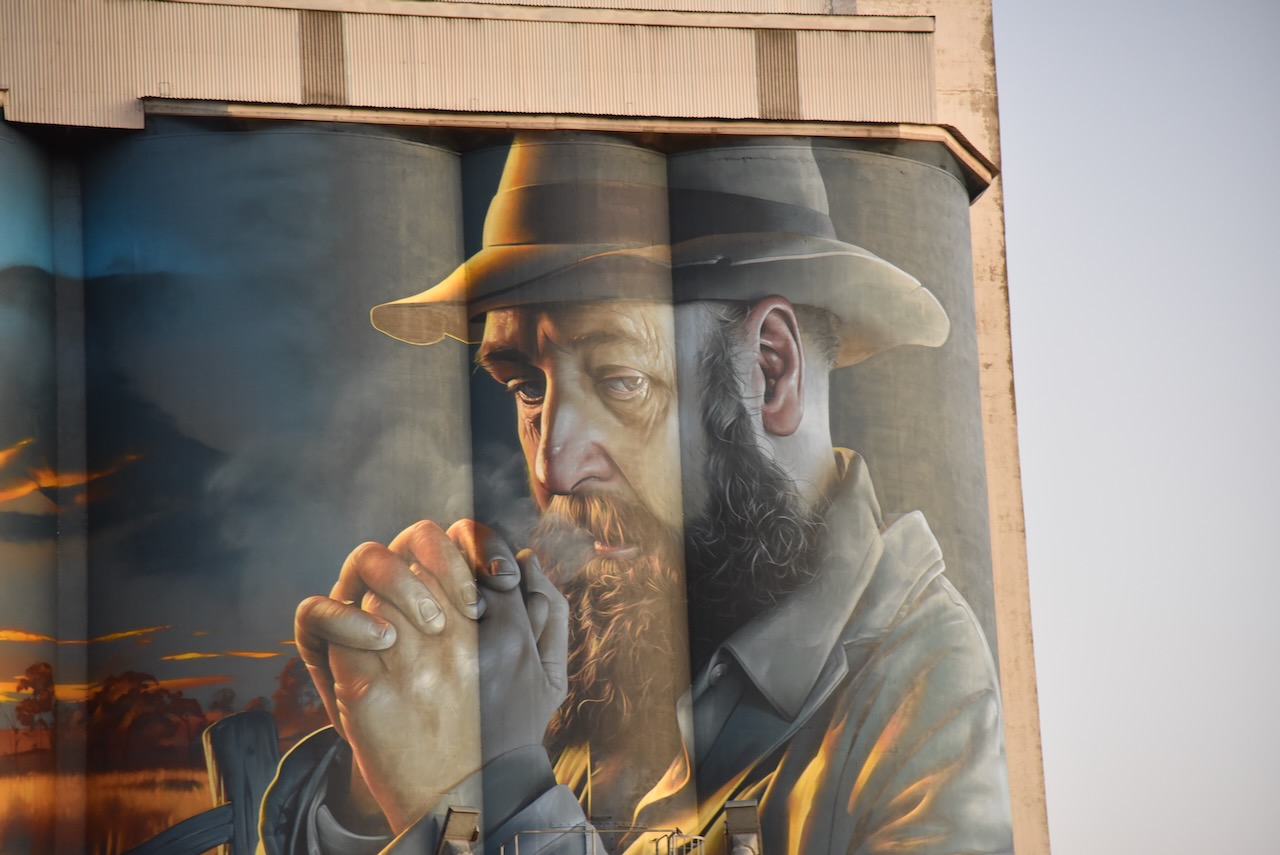
I then stopped briefly to have a look at the Lameroo silo. Unfortunately, I was running short of time and decided not to activate the silo for the Silos On the Air (SiOTA) program. The silo was completed in April 2024. I had been through Lameroo numerous times before but this was prior to the silo art being completed. The silo art features a Mallee farmer and a windmill. The artist was ‘Smug’ Sam Bates. (Silo Art 2024)



I stopped off along the way to get a bite to eat and made it home by earlu evening.
Thank you to everyone who called me while I was away.
References.
My next park for Friday 23rd August 2024 was the Walpeup I101 Bushland Reserve VKFF-4191.
The reserve is located about 7 km south of the town of Walpeup in northwest Victoria.
Above:- Map showing the location of the Walpeup I101 Bushland Reserve. Map c/o Google Maps.
Along the way, I had another look at access to the Gnarr I237 Bushland Reserve. It shows as bright green on MapshareVic which indicates the public can access it. However, the only apparent access point was a road running off Aikman Road, and there were two gates at this location and they were padlocked.
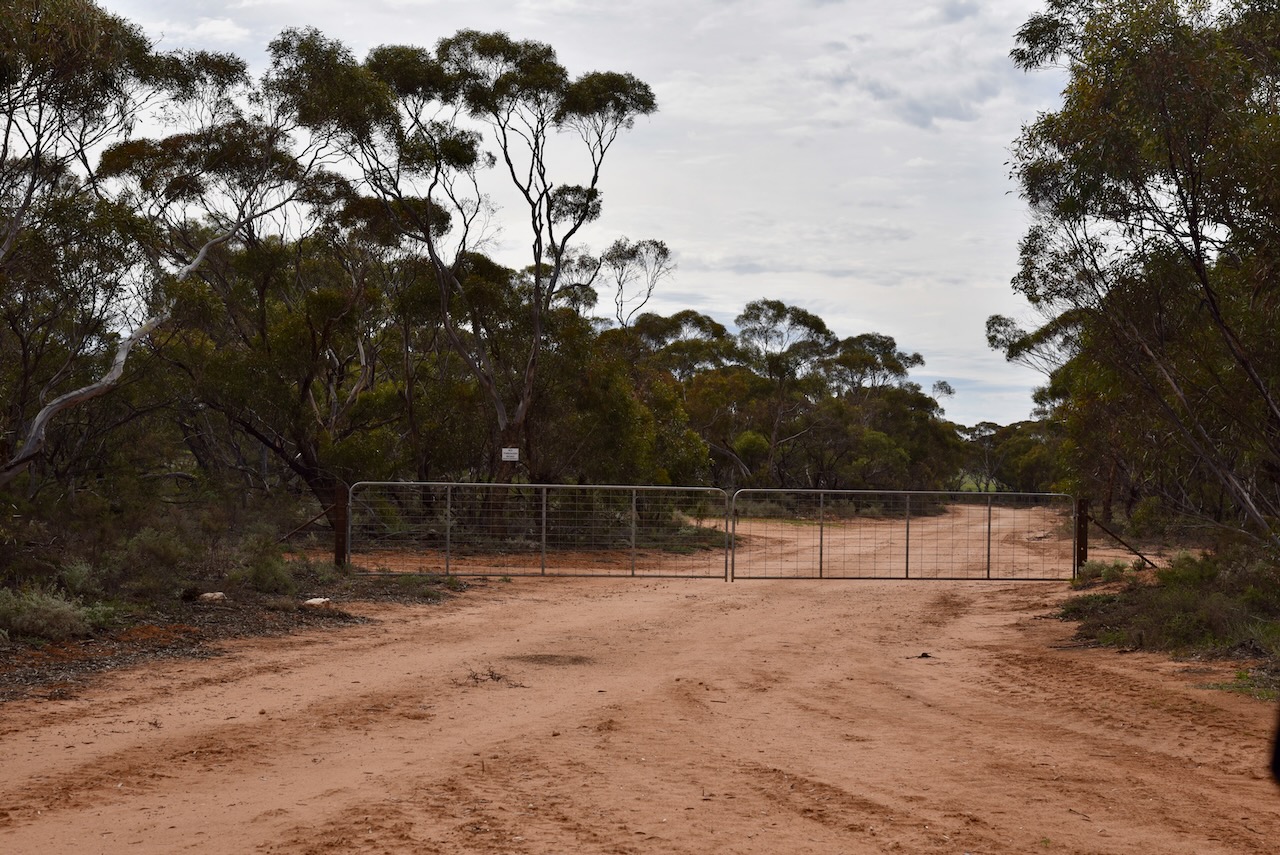
The reserve is located on the western side of Donnelly Road and to the north of Stock Route Road.
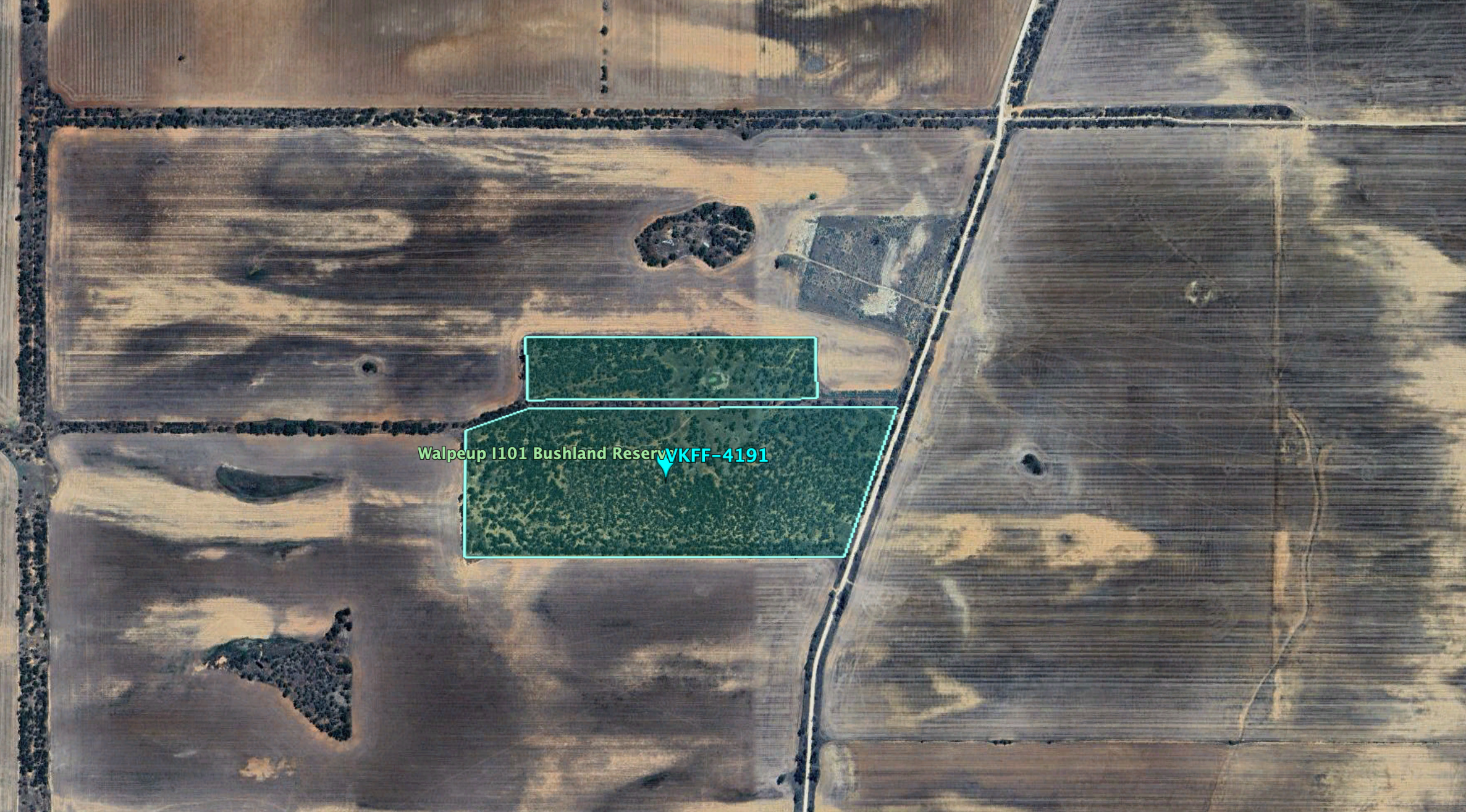
Above:- An aerial view of the Walpeup I101 Bushland Reserve. Image c/o Google Earth.
The reserve is about 43 hectares in size and was established on the 1st day of May 1979. (CAPAD 2022)


I found a dirt track leading into the park. I ran the Yaesu FT857, 40 watts, and the 20/40/80m linked dipole for this activation.
I worked the following stations on 40m SSB:-
I worked the following stations on 20m SSB:-
References.
My third park activation for Friday 23rd August 2024 was the Mamengoroock I18 Bushland Reserve VKFF-4234.
The reserve is located about 18 km north of Underbool in northwest Victoria.

Above:- Map showing the location of the Mamengoroock I18 Bushland Reserve. Map c/o Google Maps.
To access the park I took a dirt track that ran off Bertalli Road. It took me passed the ruins of an old farm with several old tractors rusting away.


This was quite an isolated location. The reserve is located just to the south of the remote expanse of the Murray Sunset National Park.

Above:- An aerial view of the Mamengoroock I18 Bushland Reserve. Image c/o Google Earth.
The reserve is about 16 hectares in size and was established on the 1st day of May 1979. Mount Gnarr is just to the south of the park. It is not really a mountain, more like a hill at just 99 metres above sea level. (CAPAD 2022) (Peak Advisor 2024)

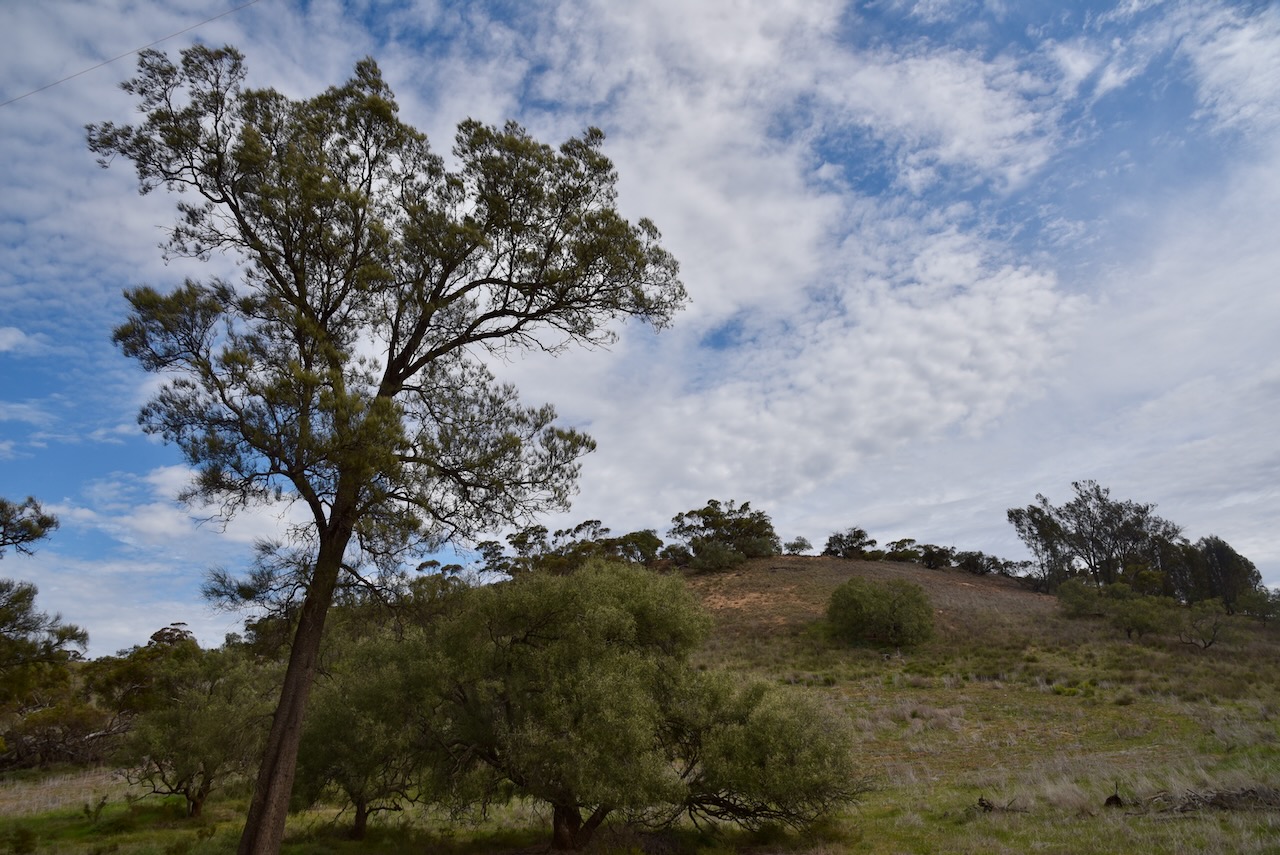
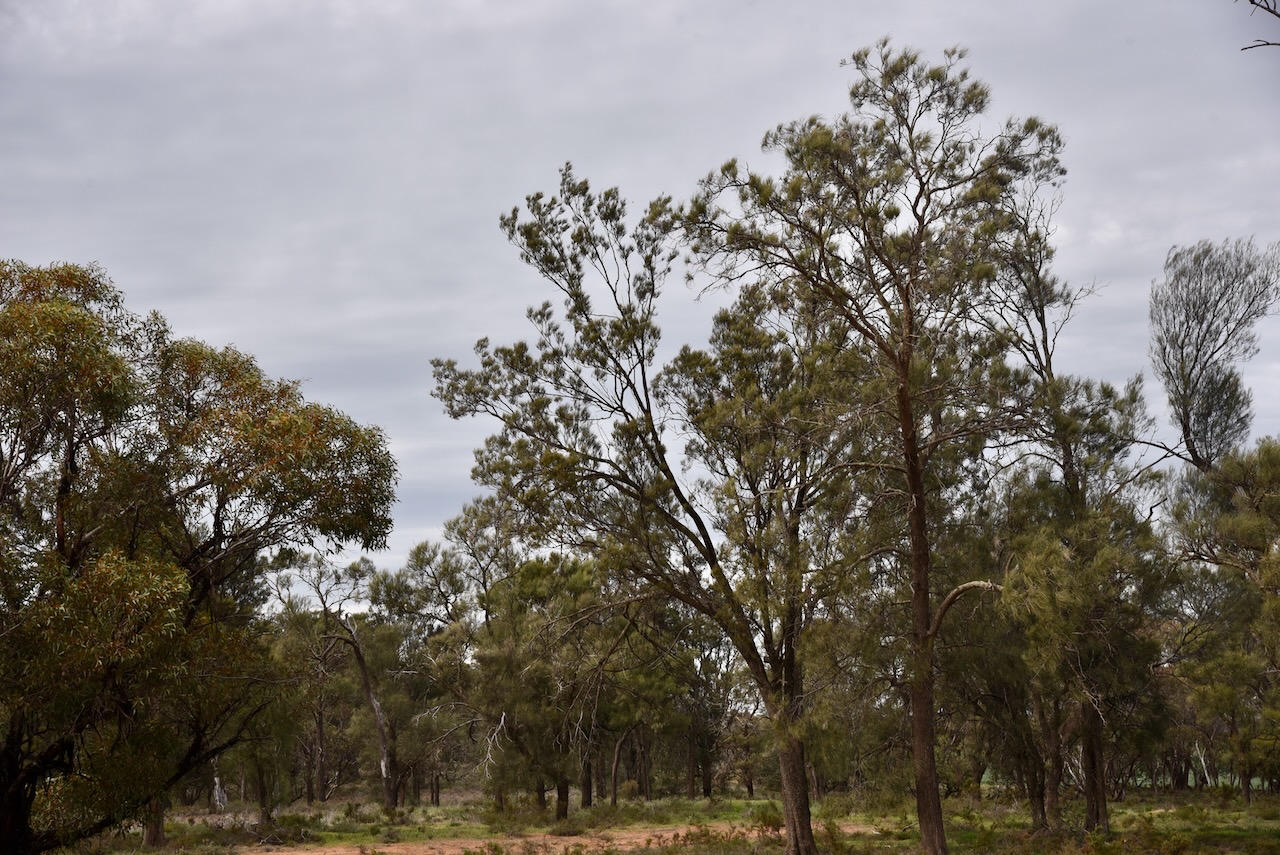
I ran the Yaesu FT857, 40 watts, and the 20/40/80m linked dipole for this activation.
I worked the following stations on 20m SSB:-
I worked the following stations on 40m SSB:-
References.
After leaving the Worooa Bushland Reserve on 23rd August 2024, I headed to my next planned park activation, the Purnya Bushland Reserve. However, this did not end well. The park showed up as bright green on the MapshareVic website, which indicates public access is allowed. However, it was not easy to access the park. I initially took Megaw Road which ran off the northern side of the Mallee Highway which turned into Kinnersley Road. But I soon started encountering gates. In the end, I decided not to continue.
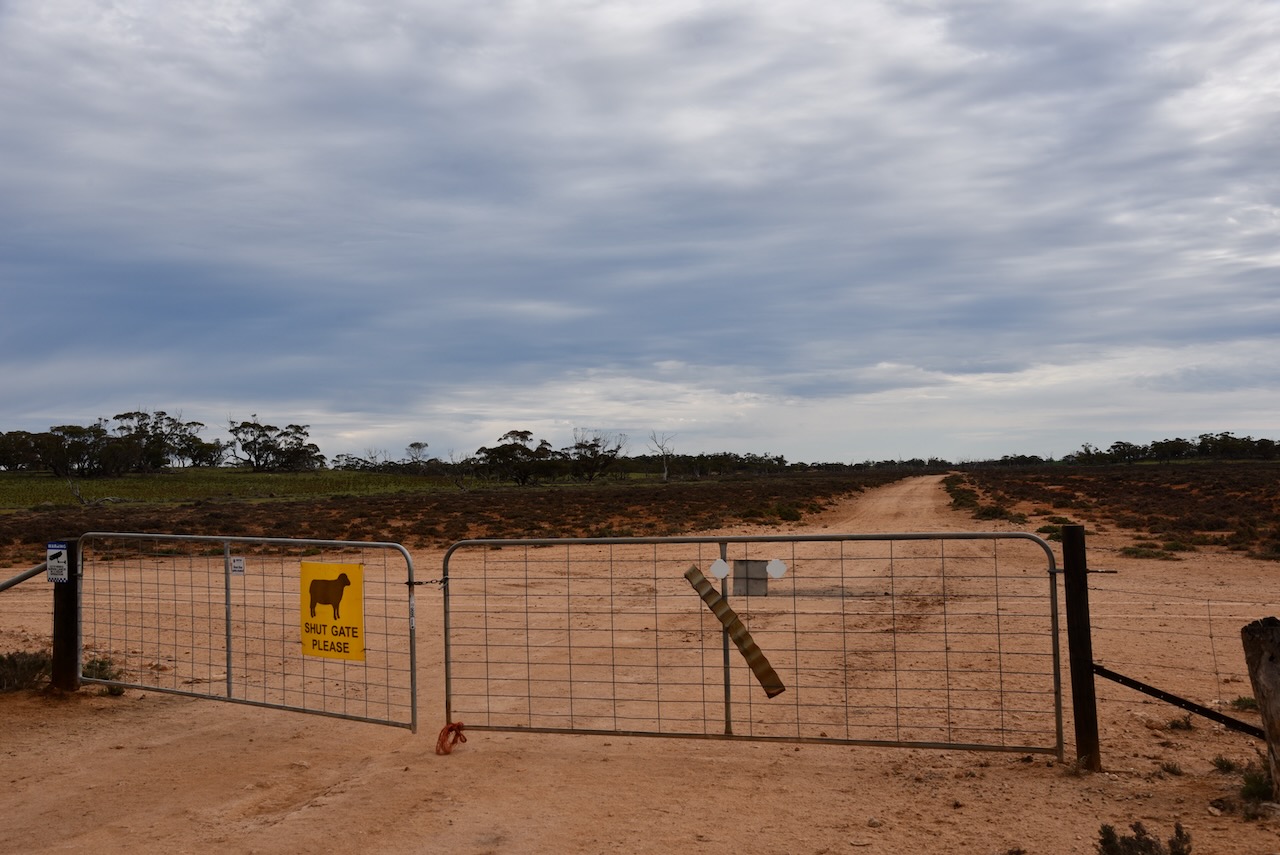
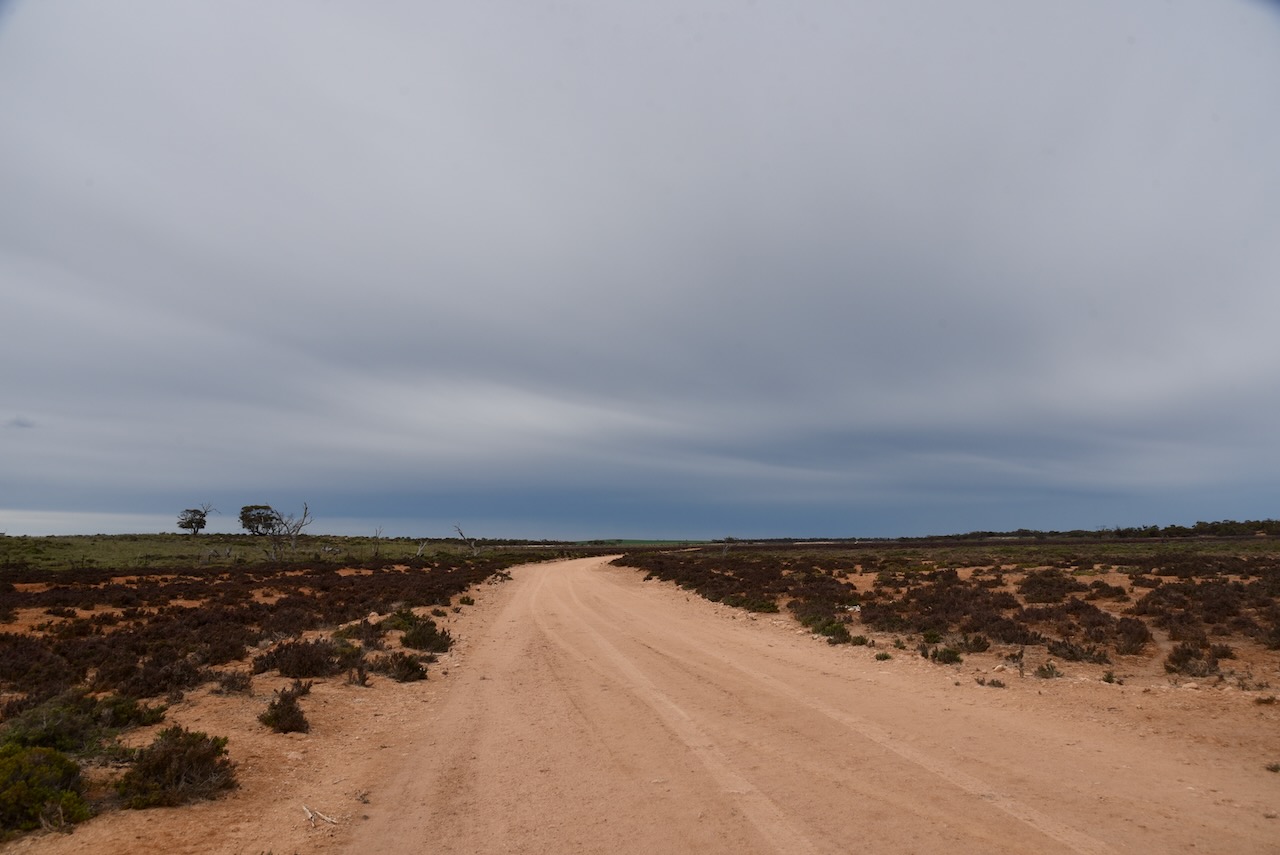
It was off to option number two, the Mamengoroock I72 Bushland Reserve VKFF-4174.
The reserve is located about 14 km north of Underbool in northwest Victoria.
Above:- Map showing the location of the Mamengoroock I72 Bushland Reserve. Map c/o Google Maps.
The park is located at the corner of Mamengoroock Road and Bertalli Road, Underbool.
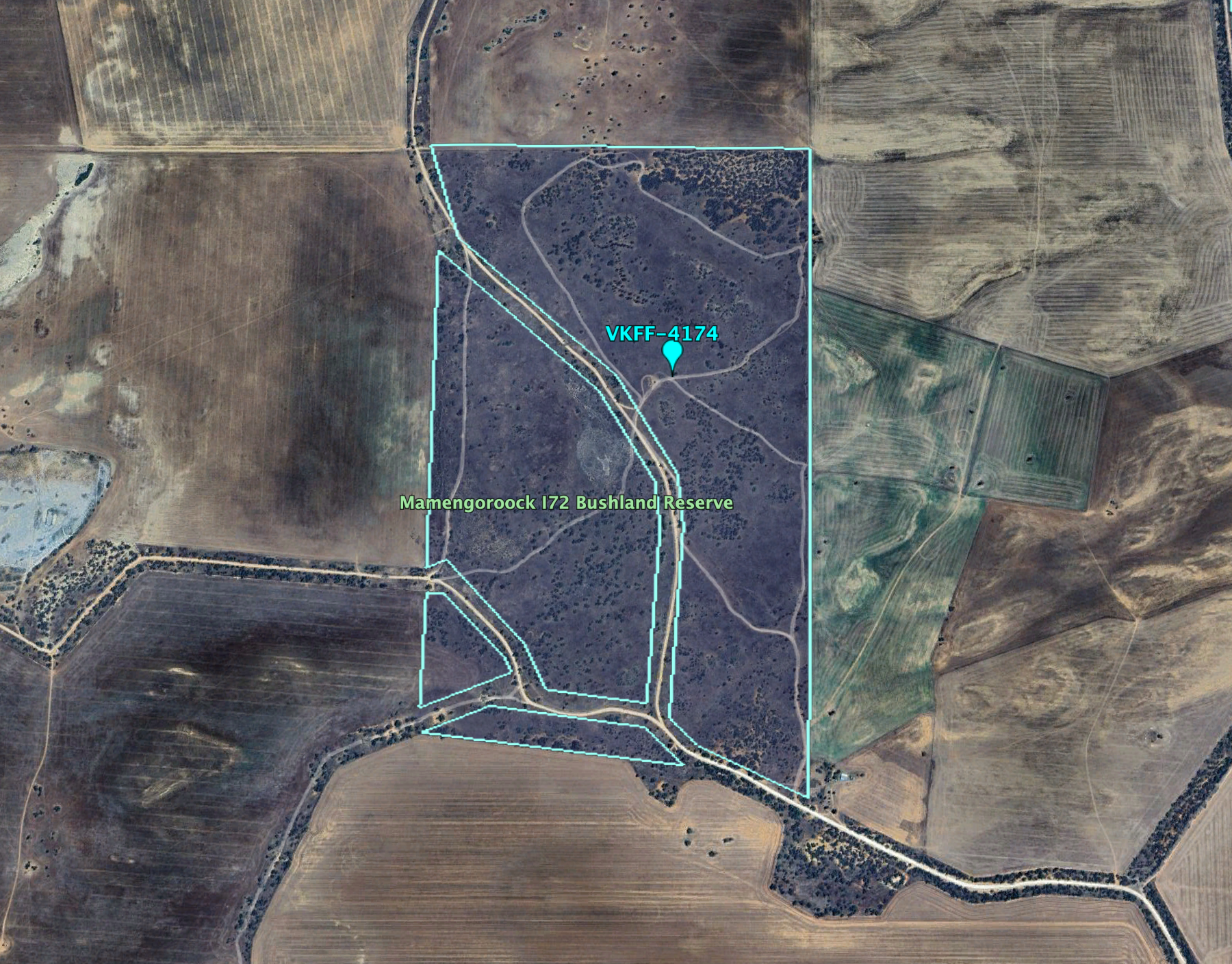
Above:- An aerial view of the Mamengoroock I72 Bushland Reserve. Image c/o Google Earth.
Mamengoroock is an aboriginal reference to great father, e.g. spirit god. (Blake 1978) It is interesting to note that there is a Mamengorook I236 Bushland Reserve. Note the spelling difference.
The Mamengoroock I71 Bushland Reserve is about 144 hectares in size and was established on the 1st day of May 1979. (CAPAD 2022)

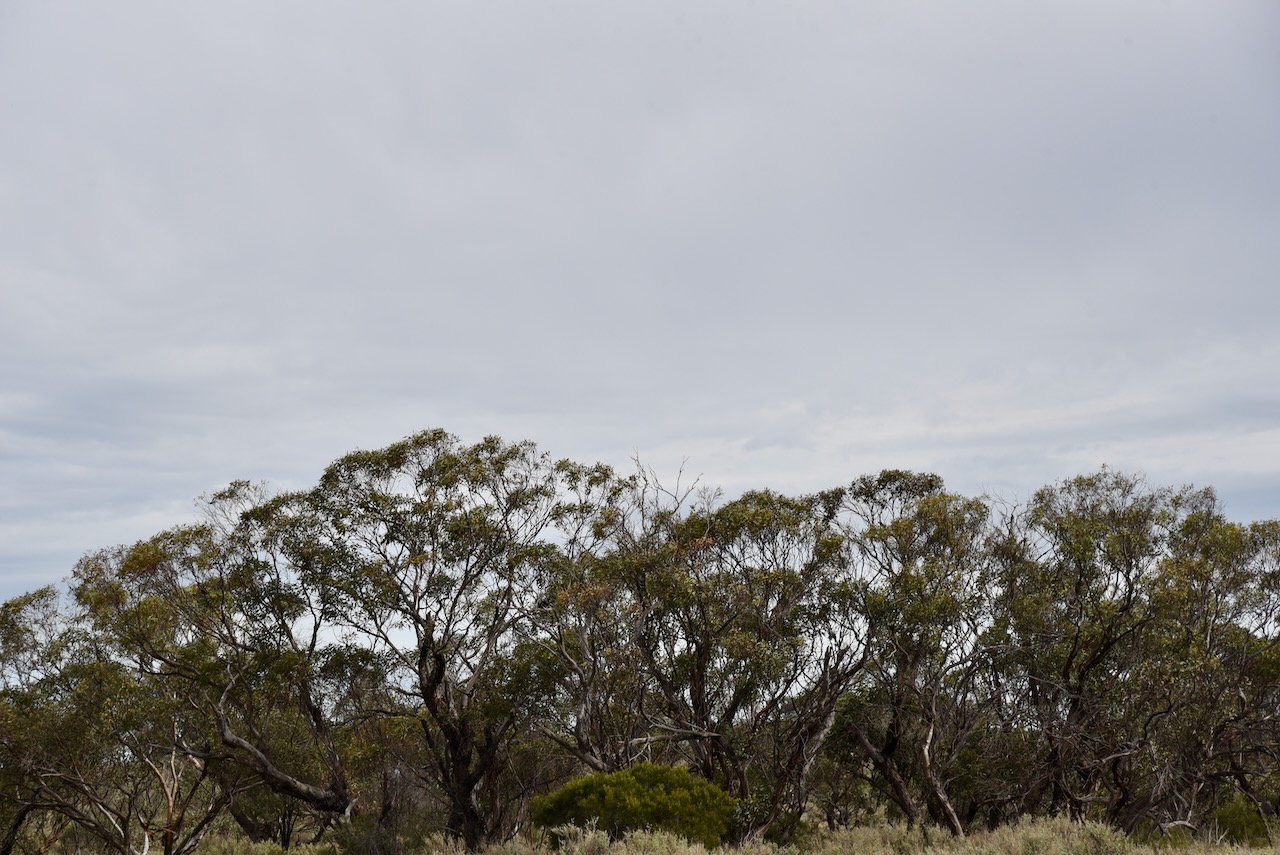
To the north of the park is the great expanse of the Murray Sunset National Park.

Above:- An aerial view of the park looking north. Image c/o Google Maps.
I ran the Yaesu FT857, 40 watts, and the 20/40/80m linked dipole for this activation.
I logged a total of 67 QSOs.
I worked the following stations on 40m SSB:-
I worked the following stations on 20m SSB:-
References.
It was now Friday 23rd August and it was to be my last day of activating on the Werrimul Victoria trip. My plans for the day were to activate some parks and then head home to Ashbourne.
My first park for the day was the Worooa Bushland Reserve VKFF-4165.
The park is located about 41 km east of Murrayville in northwest Victoria.
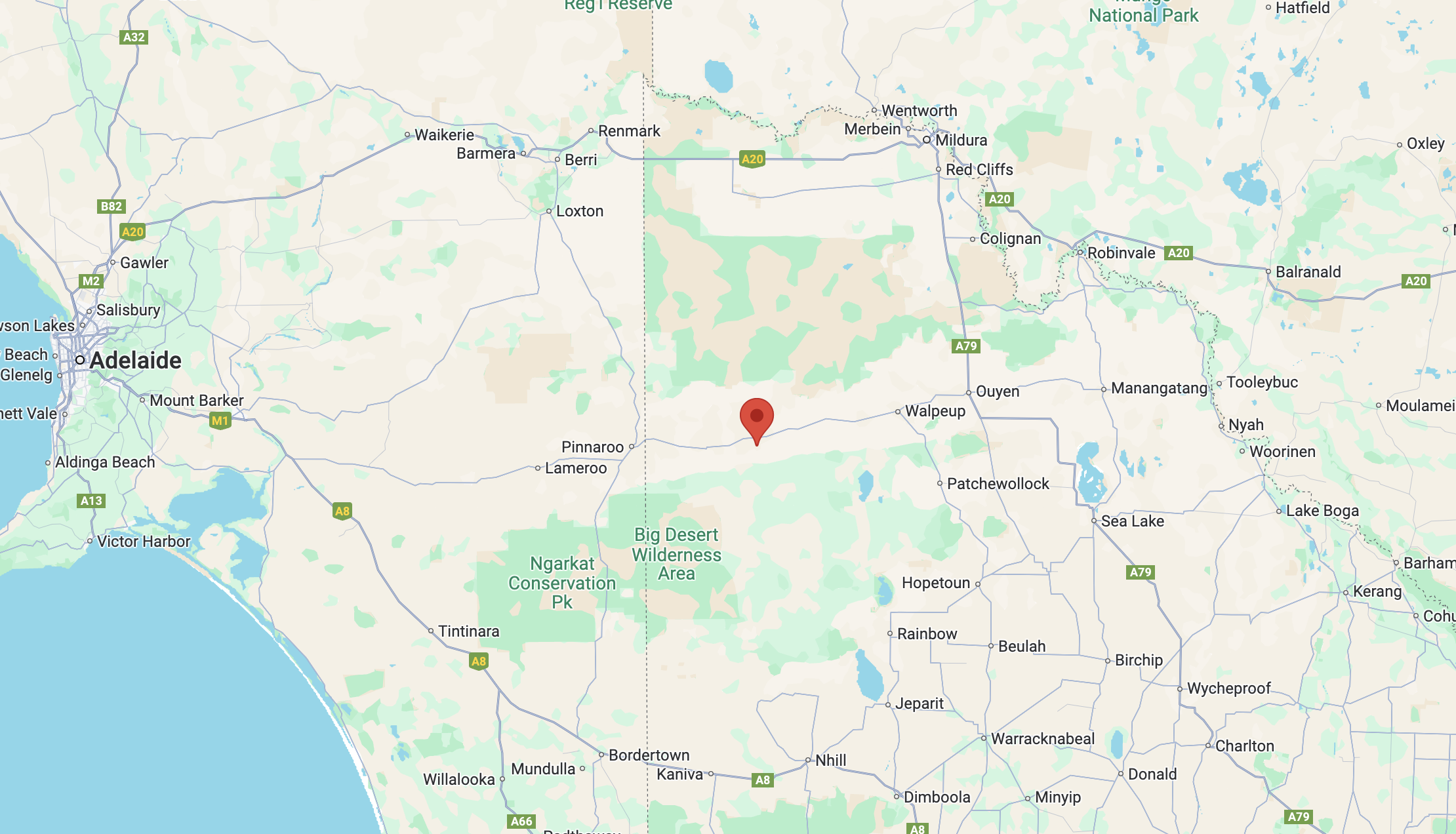
Above:- Map showing the location of the Worooa Bushland Reserve. Map c/o Google Maps.
Before heading to the park, I drove around the town of Murrayville to take a few photographs. Marija and I have visited Murrayville several times and love this little town.
Before European settlement, the Murrayville area was home to the Wergaia or Werriga Aboriginal people who lived in the Wimmera and Mallee regions. (Aussie Towns 2024)

Above:- Map of aboriginal tribal territories in Victoria. Image c/o Tirin aka Takver, WIkipedia.
In 1849 Edward Riggs White was appointed to survey the border between South Australia and Victoria. He attempted to develop a road between the Murray Darling junction and the upper Wimmera in Victoria. Between 1852 and 1862, annual depasturing licences were being issued, however few were taken up. During the 1860s cattle was being driven from Kow Plains near Murrayville to Nhill Station. (Aussie Towns 2024)
The area around Murrayville was not settled until the early 1900s. Test bores were sunk by the State Rivers and Water Supply Commission to establish if there was reliable water. By 1909 selectors commenced to move into the district and began clearing scrub for farming. (Aussie Towns 2024)
The town of Murrayville was surveyed in 1910. In that same year, the Post Office opened. In 1911 a hotel was built. In 1912 a school and a mechanics institute were opened. Murrayville’s first agricultural show was held in 1917. In 1923 St Peters Lutheran church was built and in 1929 the Anglican church was consecrated (Aussie Towns 2024)

Above:- A plan of the township of Murrayville. Image c/o State Library Victoria.
Murayville is named in honour of John ‘Jack’ Murray (b. 1851 d. 1916) who was the Premier of Victoria from 1909-1912. (Aussie Towns 2024)

Above:- John Murray. Image c/o Wikipedia.
On the 4th day of May 1916, Murray was riding on his horse, along a street in Warrnambool. His horse was frightened and bolted. Murray eventually controlled the horse and upon his alighting, he collapsed and died. He was buried with a State funeral attended by nearly 2,000 people including First Nation’s people. His funeral procession was nearly 3.2 km long. (Aust. Dict. Biography 2024)
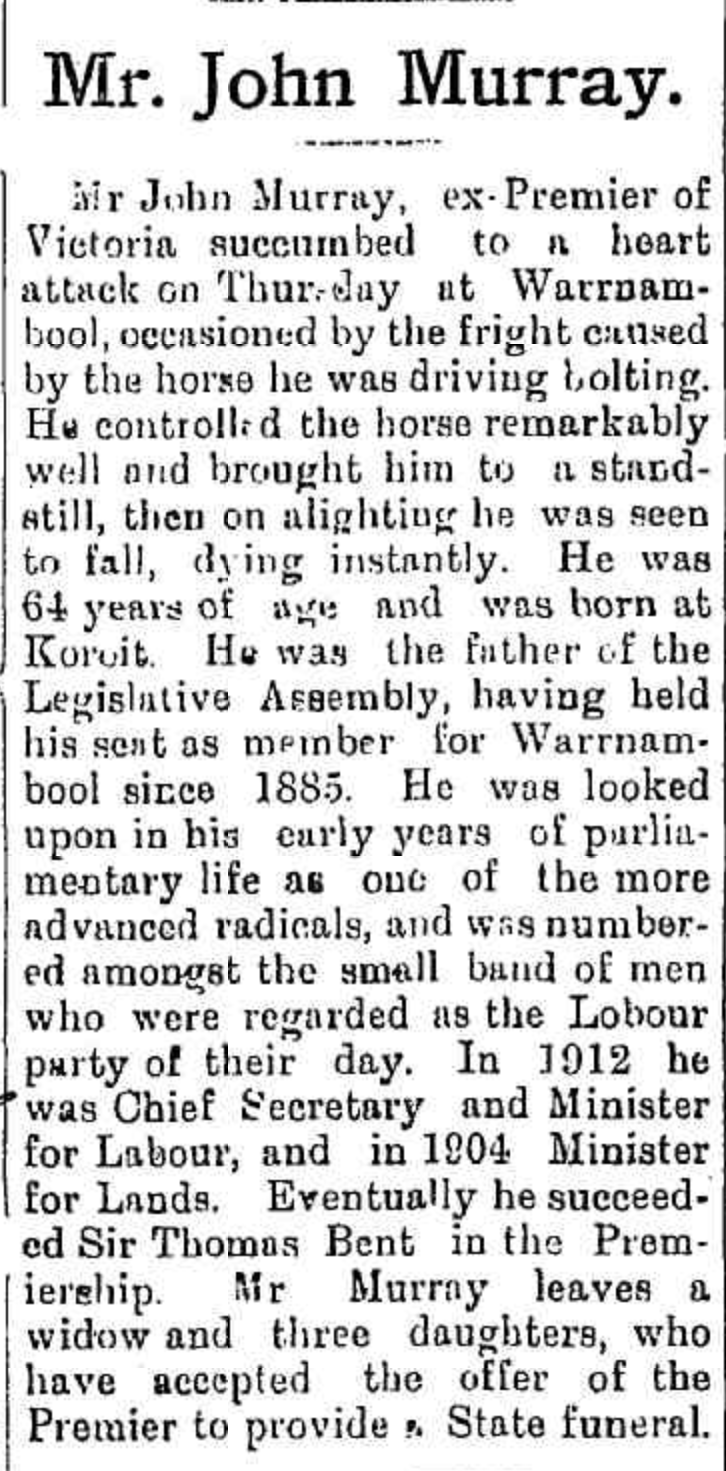
Above:- Article from the Dungog Chronicle, Tues 9 May 1916. Image c/o Trove.
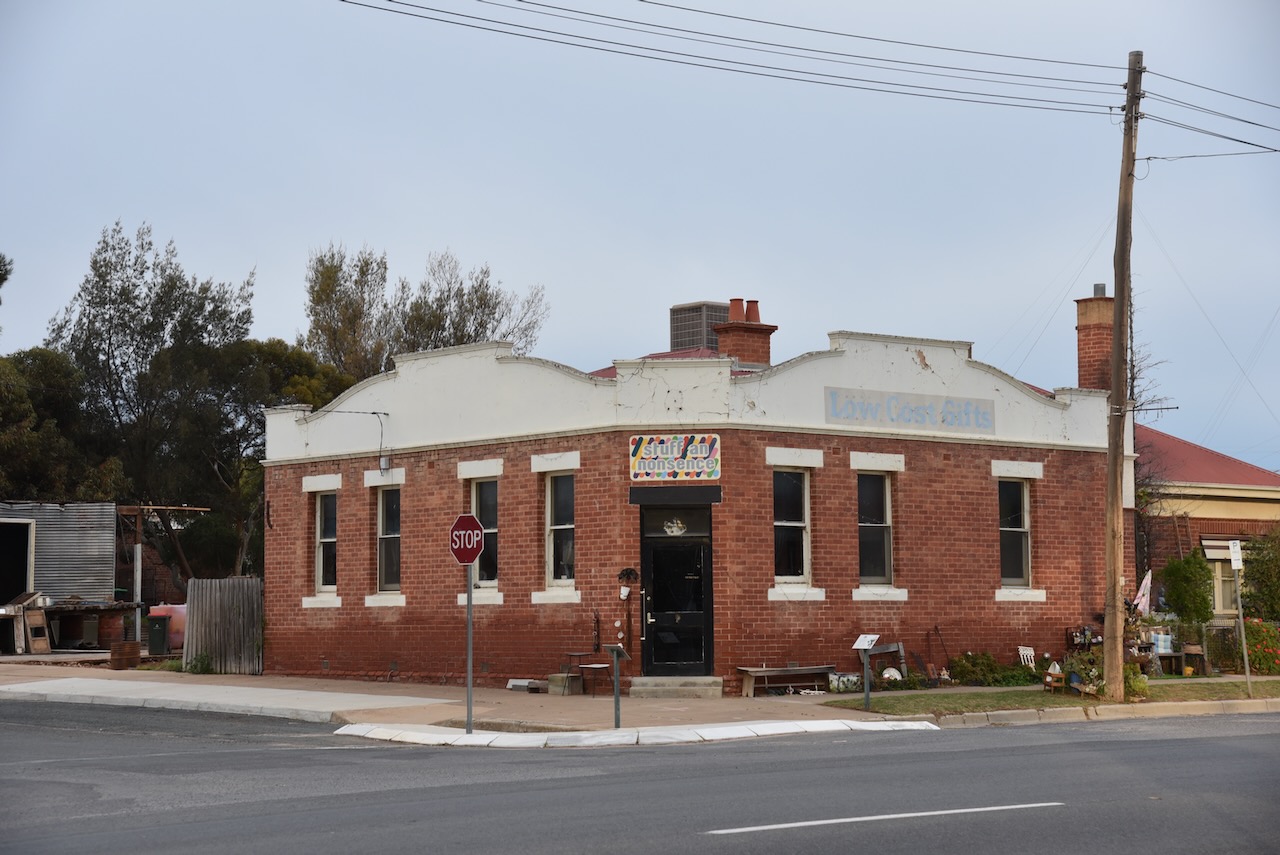
The Murrayville Hotel is the town’s most impressive building. It was built in 1918.


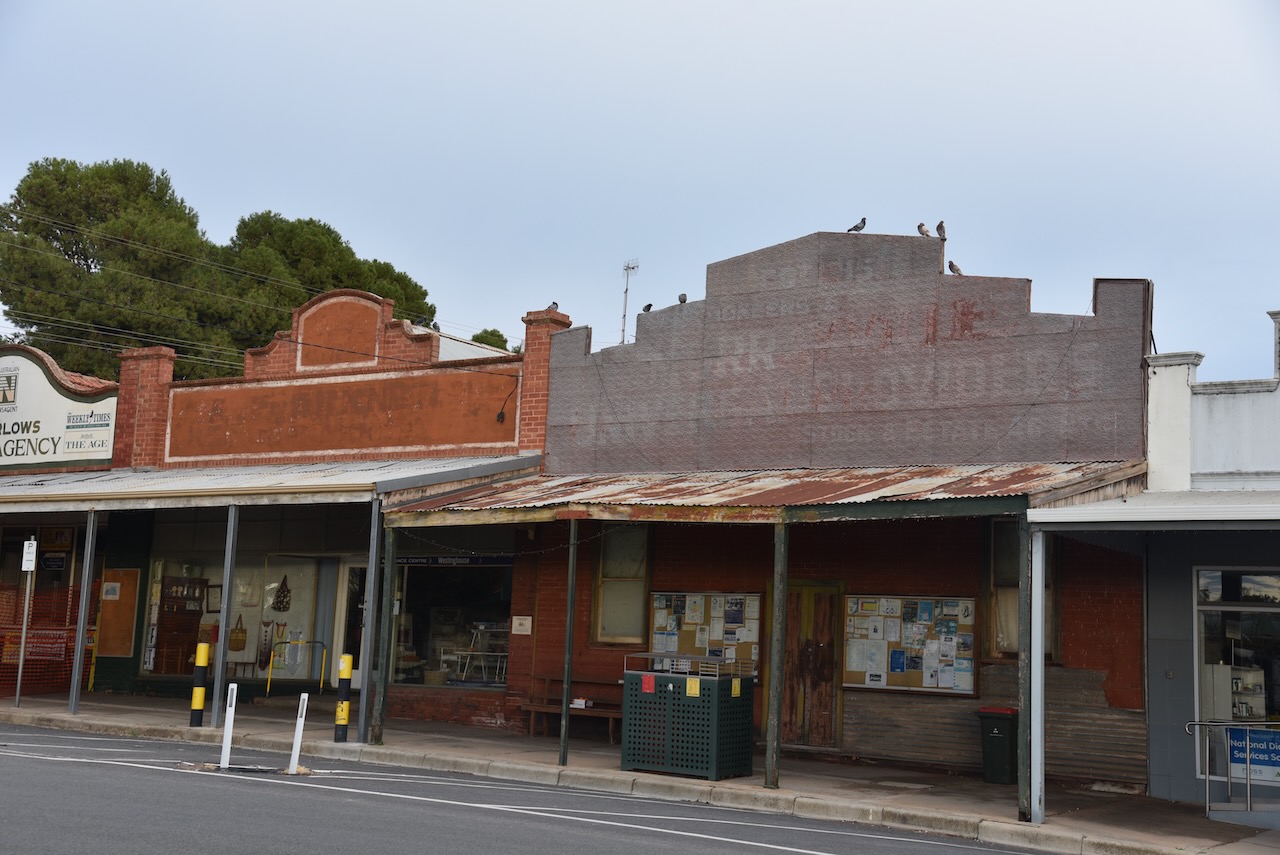
Murrayville’s main street is evidence of what was once a thriving town.

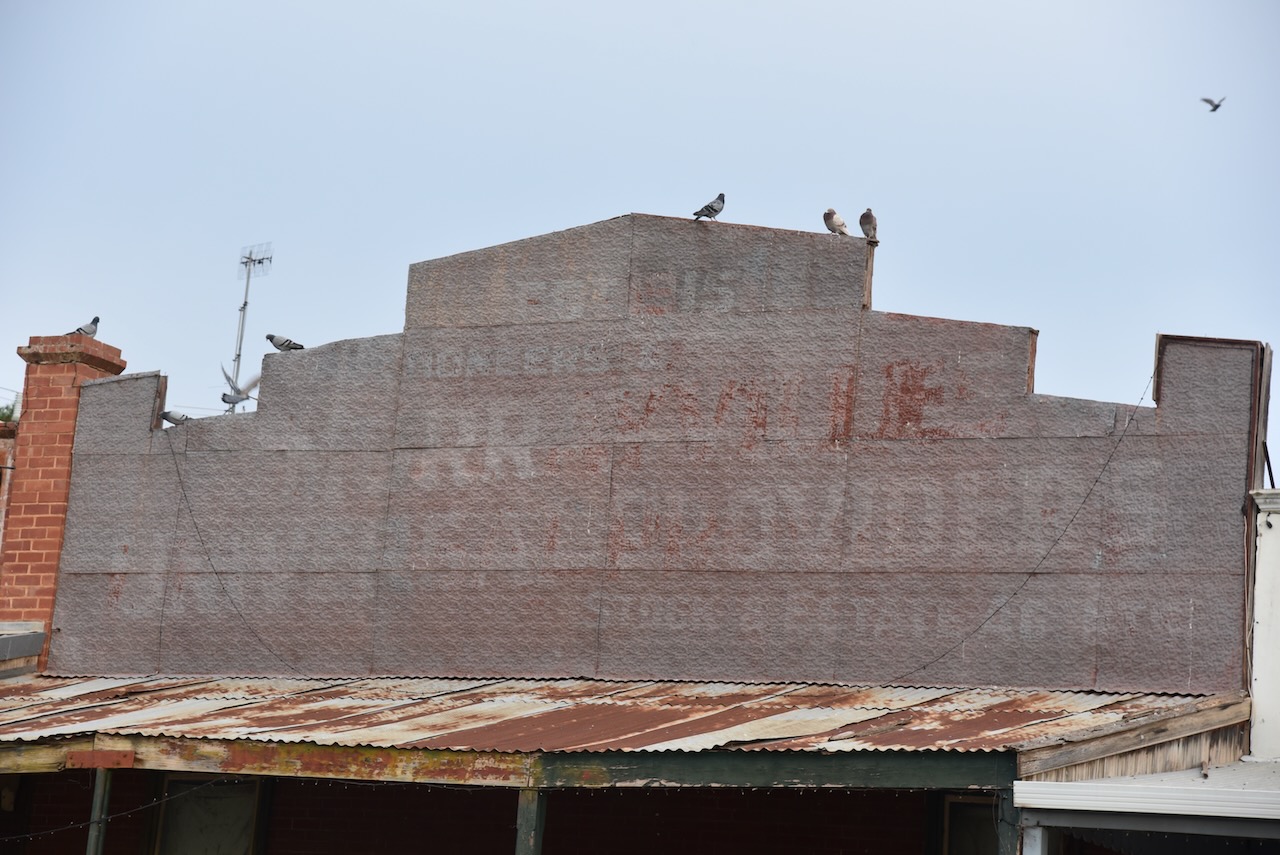

Murrayville is home to former Olympic basketball Rachael Sporn.

And of course, Murrayville has a Bill’s horse trough

Murrayville also has a rather unusual collection of old army tanks. They are located next to the self-serve service station on the eastern side of town.
The story behind these tanks varies depending on what you read on the internet. I found some YouTube posts where it was reported that the tanks were purchased from an army disposal sale at Bandiana near Wodonga. It is reported that they were purchased for steel to be used in an engineering manufacturing business owned by Peter Peers. Two were used in his limestone surface quarry at Cowangie. Several others were sold to military collectors while another was donated to a military museum. Engines were used in other earthmoving machinery built by Peers. Armour plate from the tanks was also used to construct chain which was pulled to clear mallee scrub. (Murrayville Tank Graveyard 2017) (On Roads Less Travelled 2024)
Other sites report that the tanks were purchased in Darwin and were to be converted into tractors or bulldozers to be used by farmers for use in agricultural and earthmoving duties.

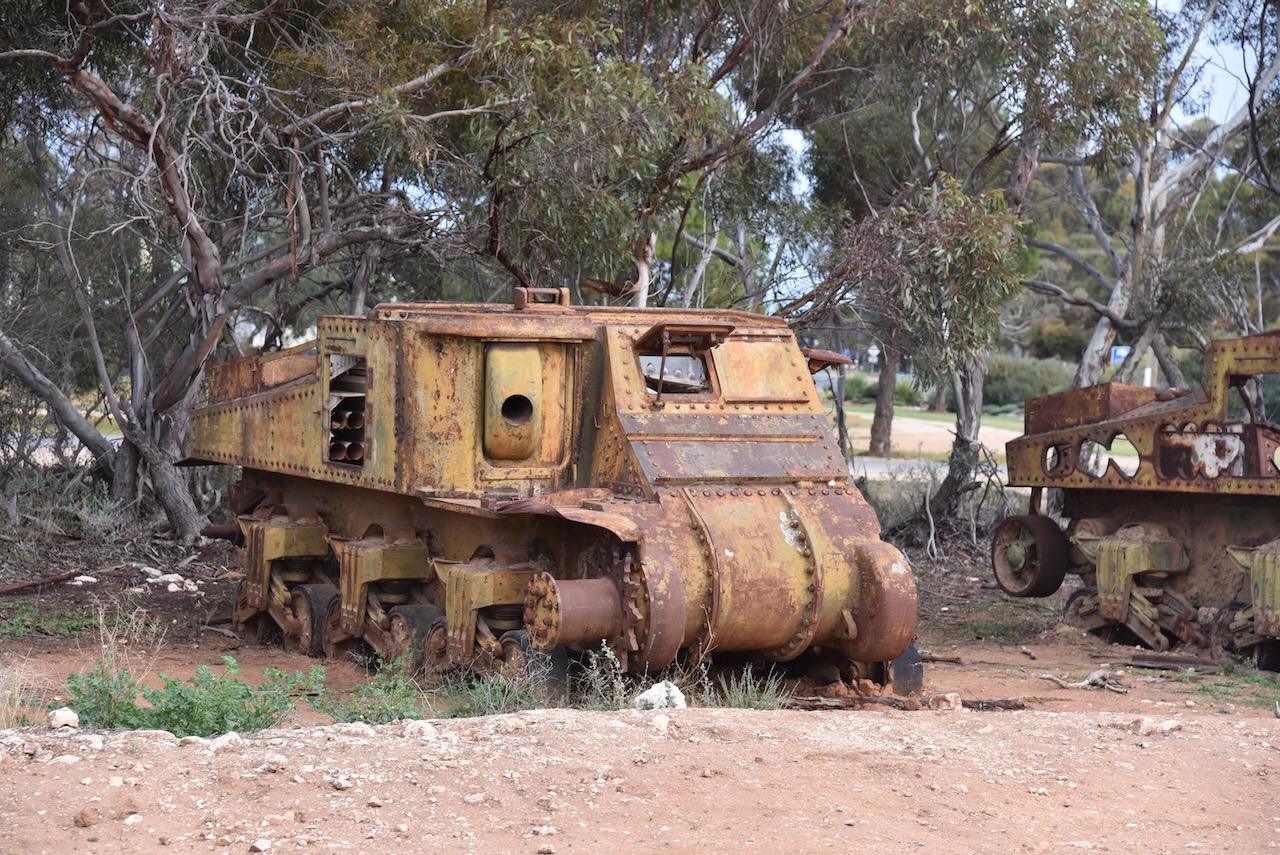

The tanks include some M3 Grant tanks.

Above:- M3 Lee/Grant tanks, Egypt, 1942. Image c/o Wikipedia.
Below is an interesting video on the M3 Lee/Grant army tank.
The story about Mr. Peter Peers is very interesting. Peter Robert Nelson Peers was born in 1911 at Fairfield, Victoria. Peter was just 4 years old when he was lost in the bush. He rode a horse to school. He studied electrical and mechanical engineering and worked on the family farm at Duddo. In 1942 he married Lucy Stella Duffin who was a teacher. They had four children. Peter had an engineering workshop in Murrayville. He also ran a school bus service. In the early 1960s he established a surface limestone quarry and crushing plant. He retired at the grand old age of 93. Peter was a life member of the Ouyen Harness Racing Club and the Murrayville Lawn Tennis Club. He was a renowned storyteller and loved music from the 1920s to 1940s. He played piano, banjo and steel guitar. Peter died in 2010 at Pinaroo, South Australia, aged 99 years. His wife Lucy of 67 years, died 4 days later. (Ancestry.com.au) (The Age 2024)
The Worooa Bushland Reserve is located on Cummings Road.
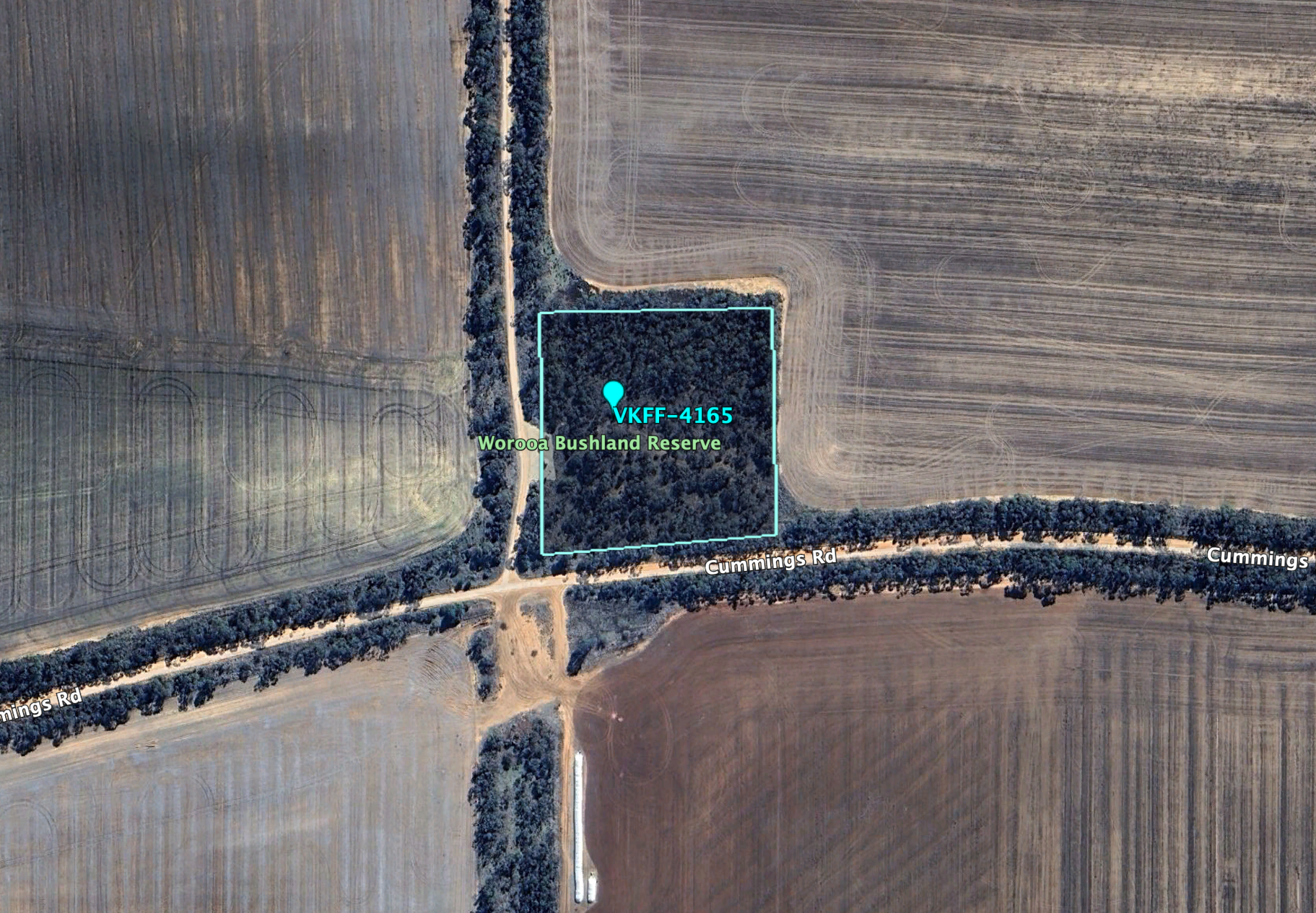
Above:- An aerial view of the Worooa Bushland Reserve. Image c/o Google Earth.
Worooa is an aboriginal word meaning ‘green’. The Reserve is about 2 hectares in size and was established on the 8th day of May 1990. (Blake 1978) (CAPAD 2022)
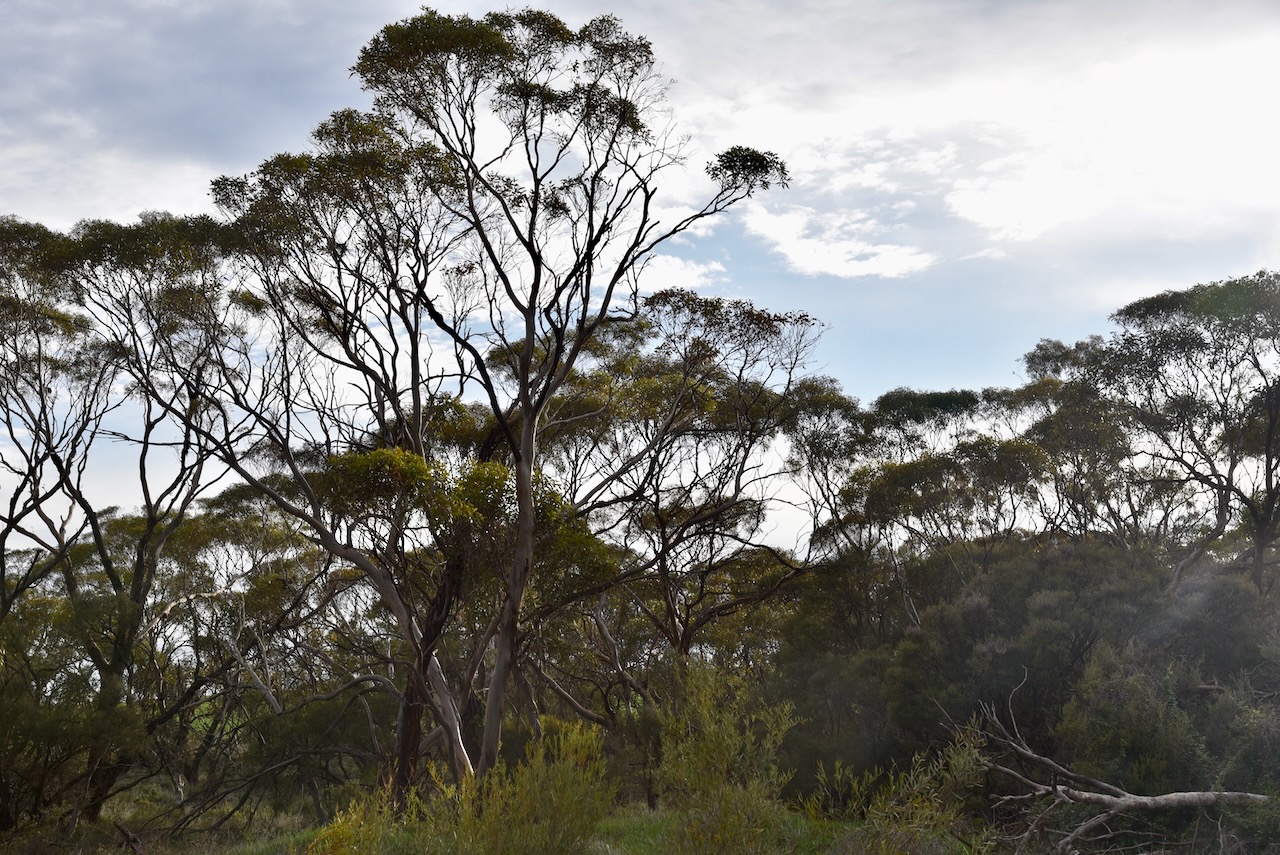

I worked the following stations on 40m SSB:-
I worked the following stations on 20m SSB:-
References.
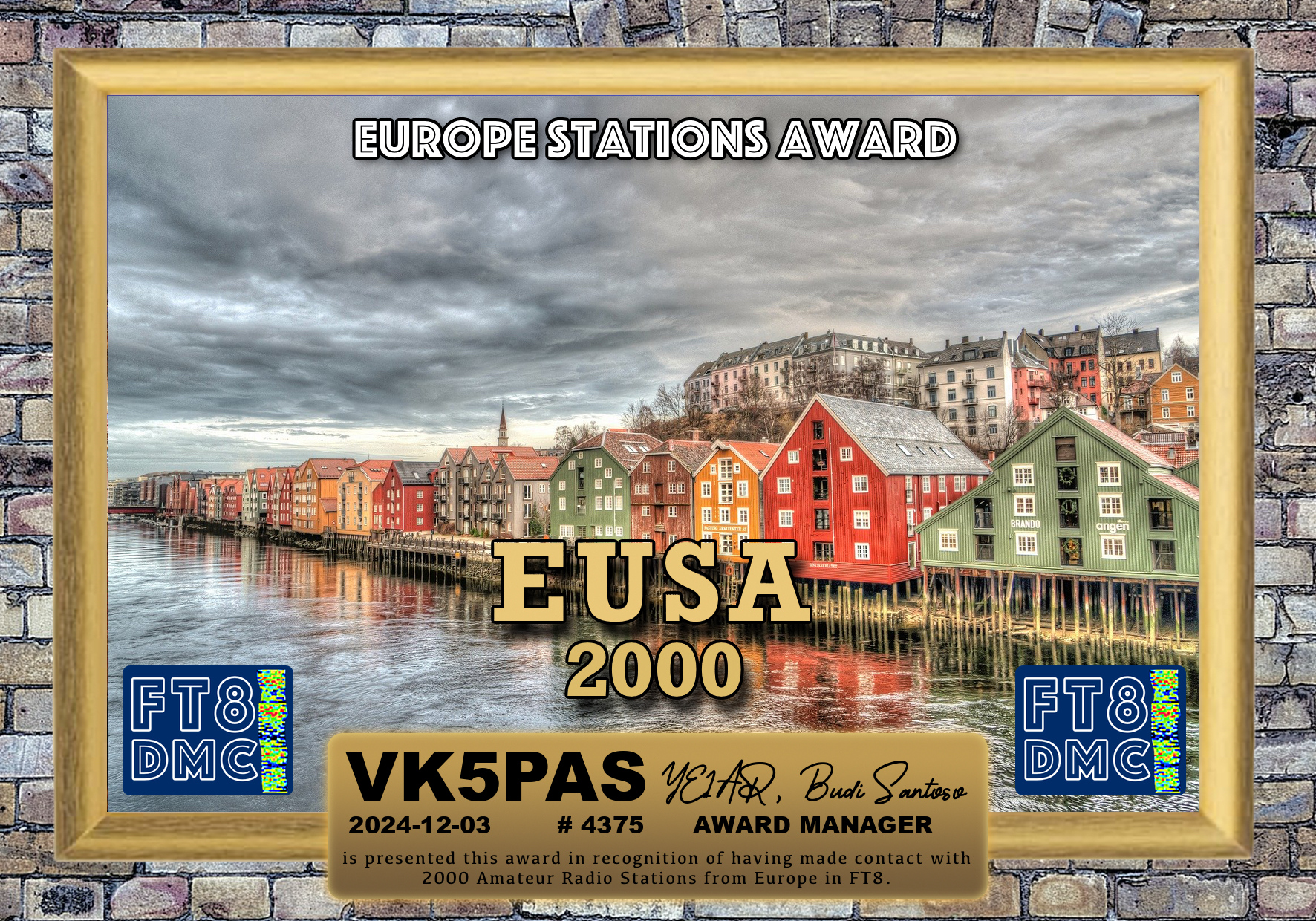
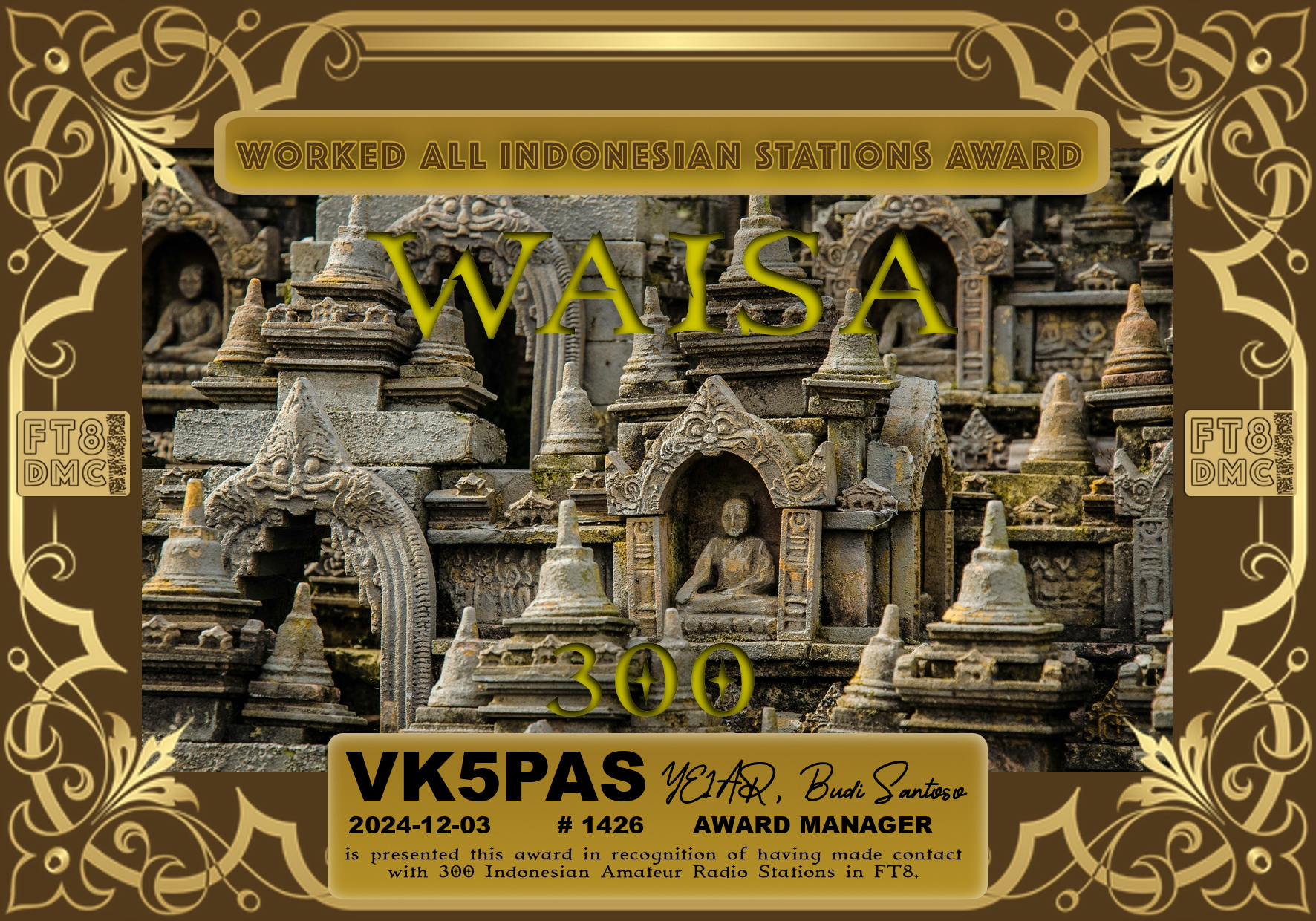
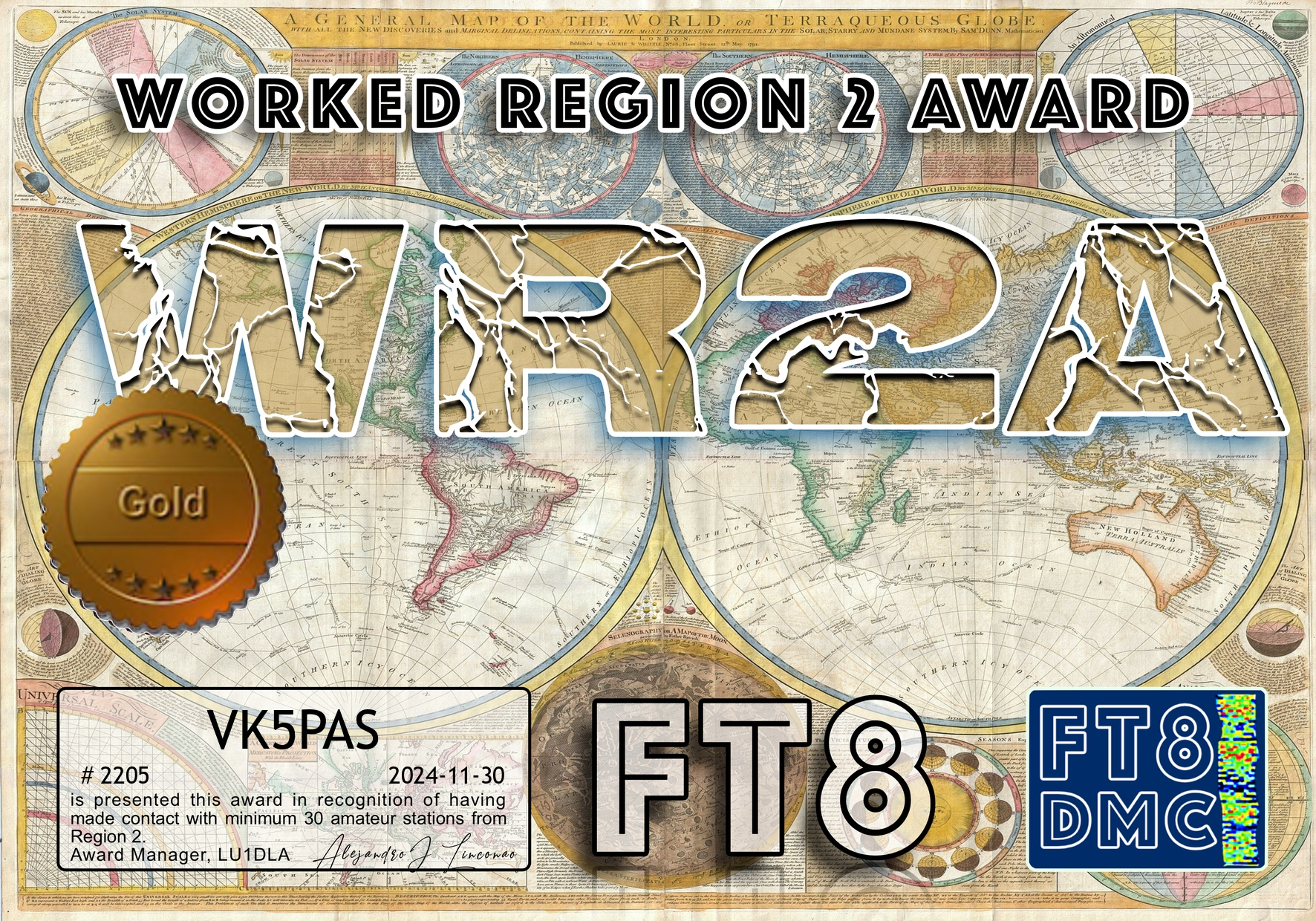
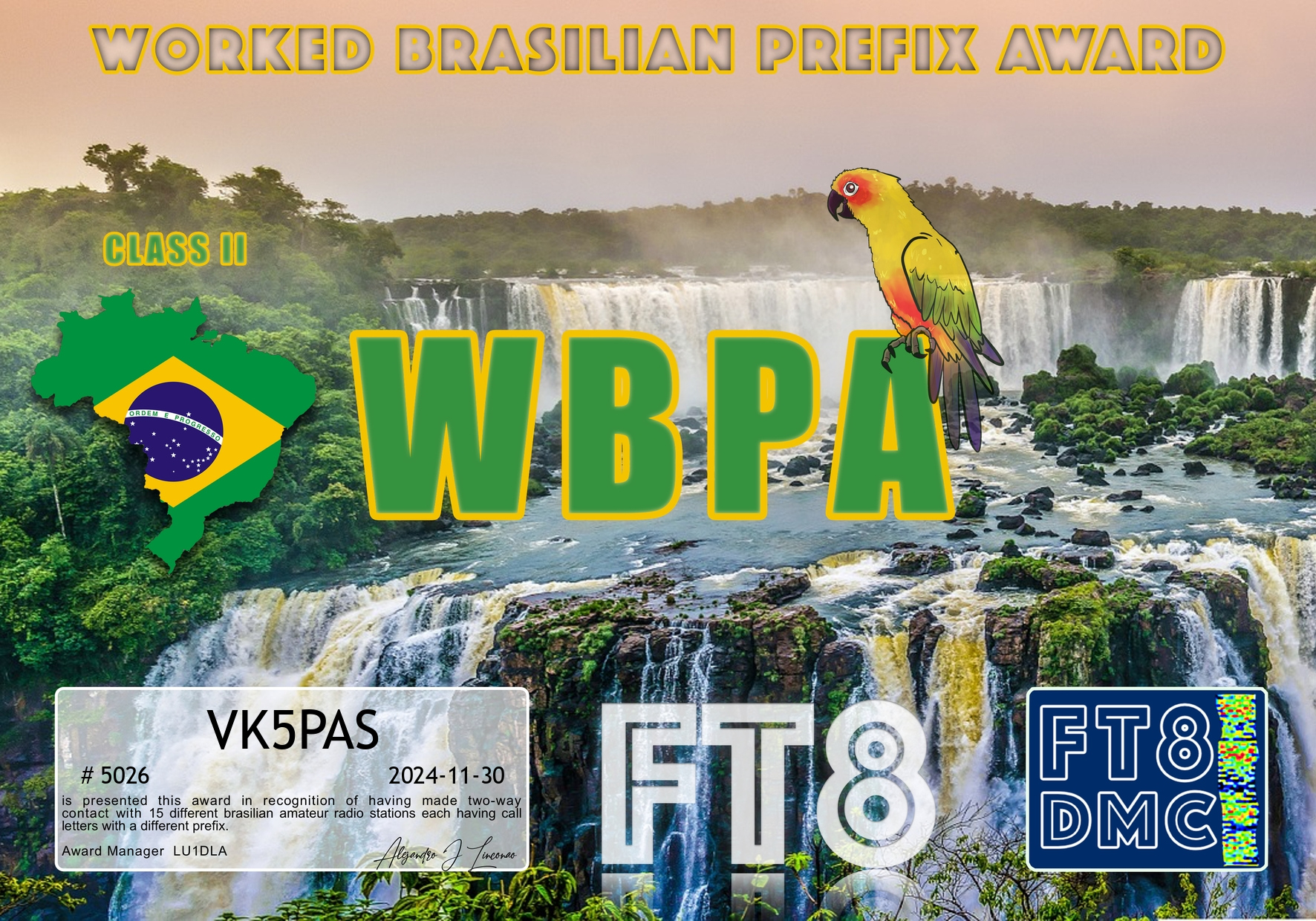
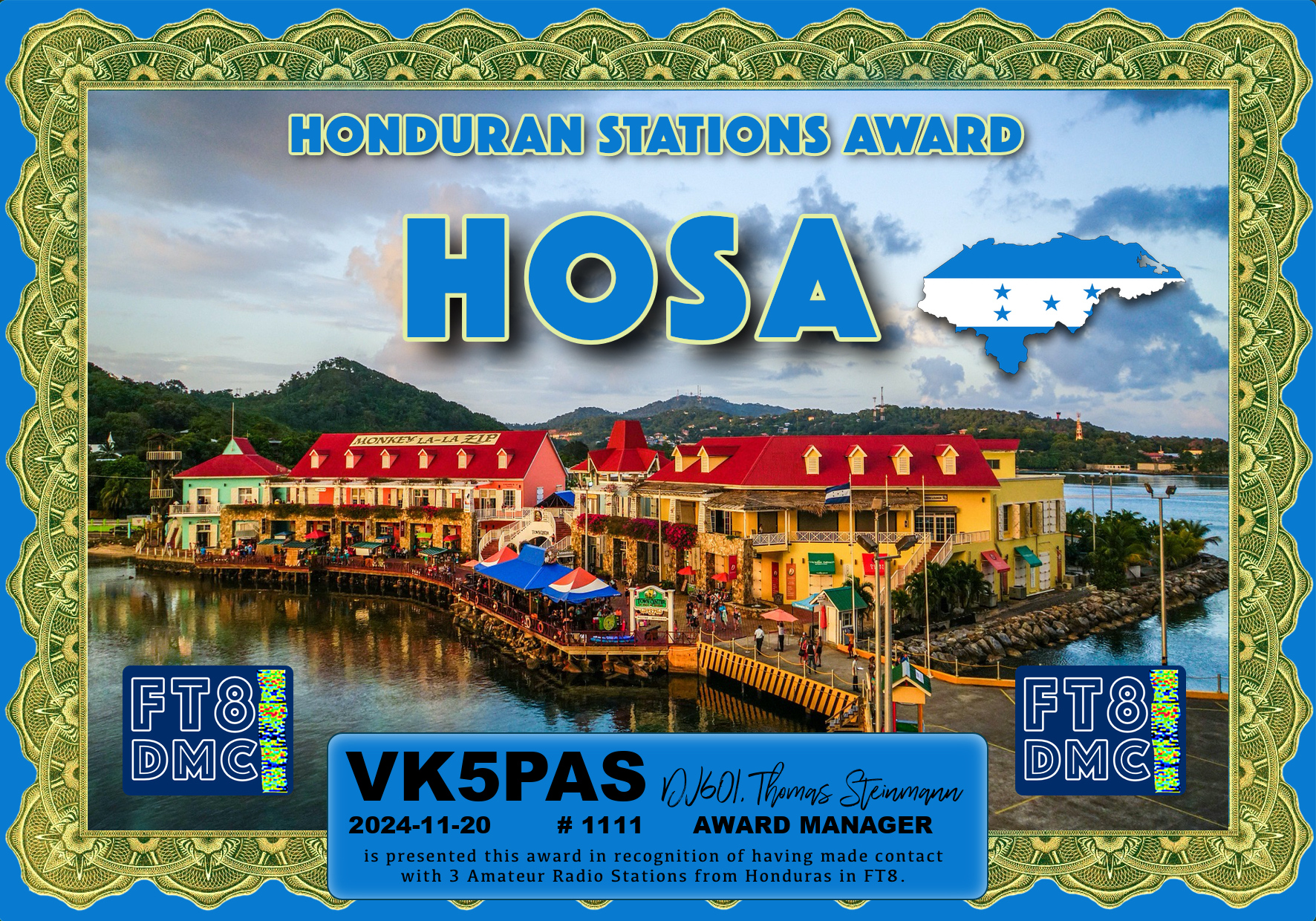
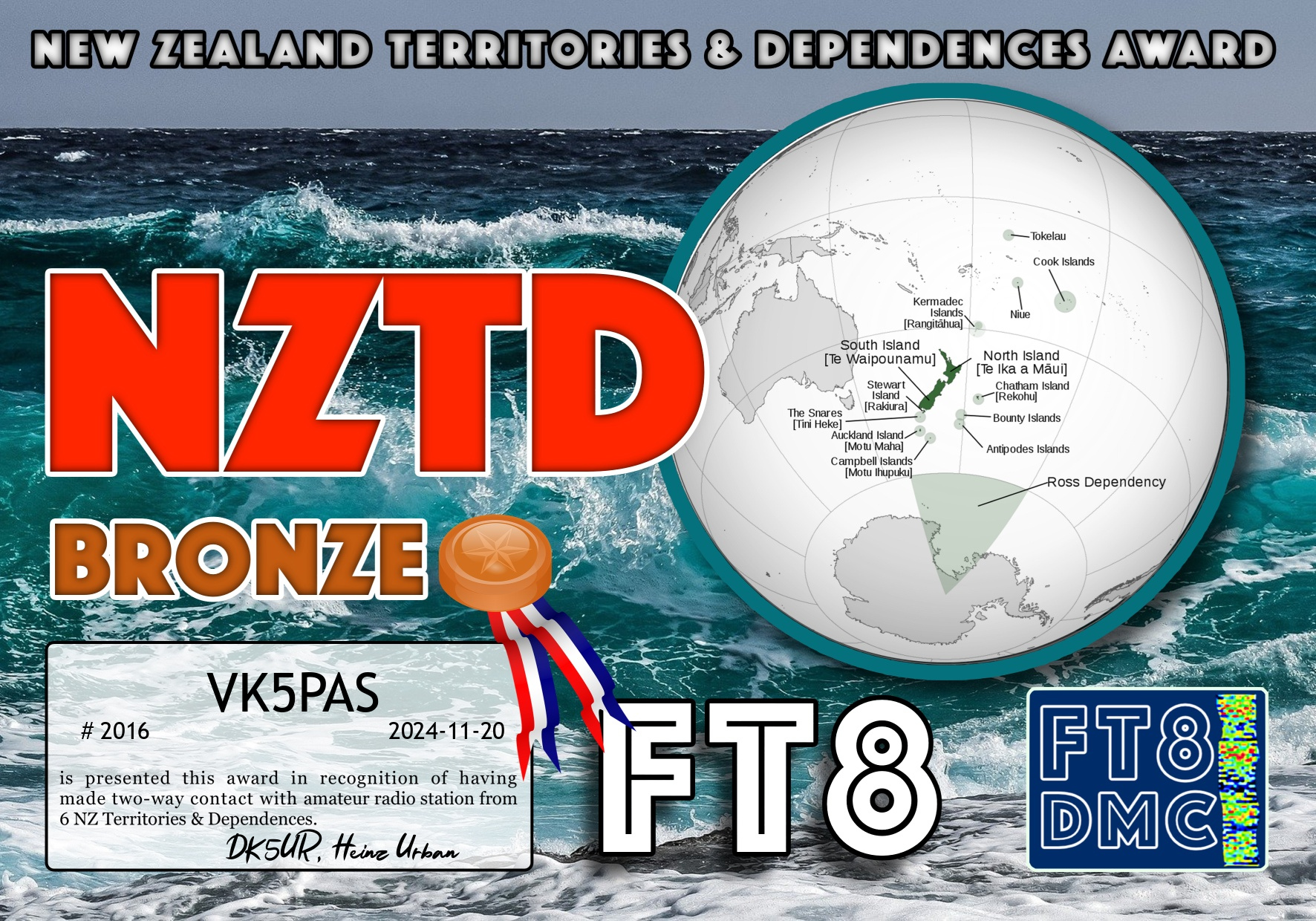
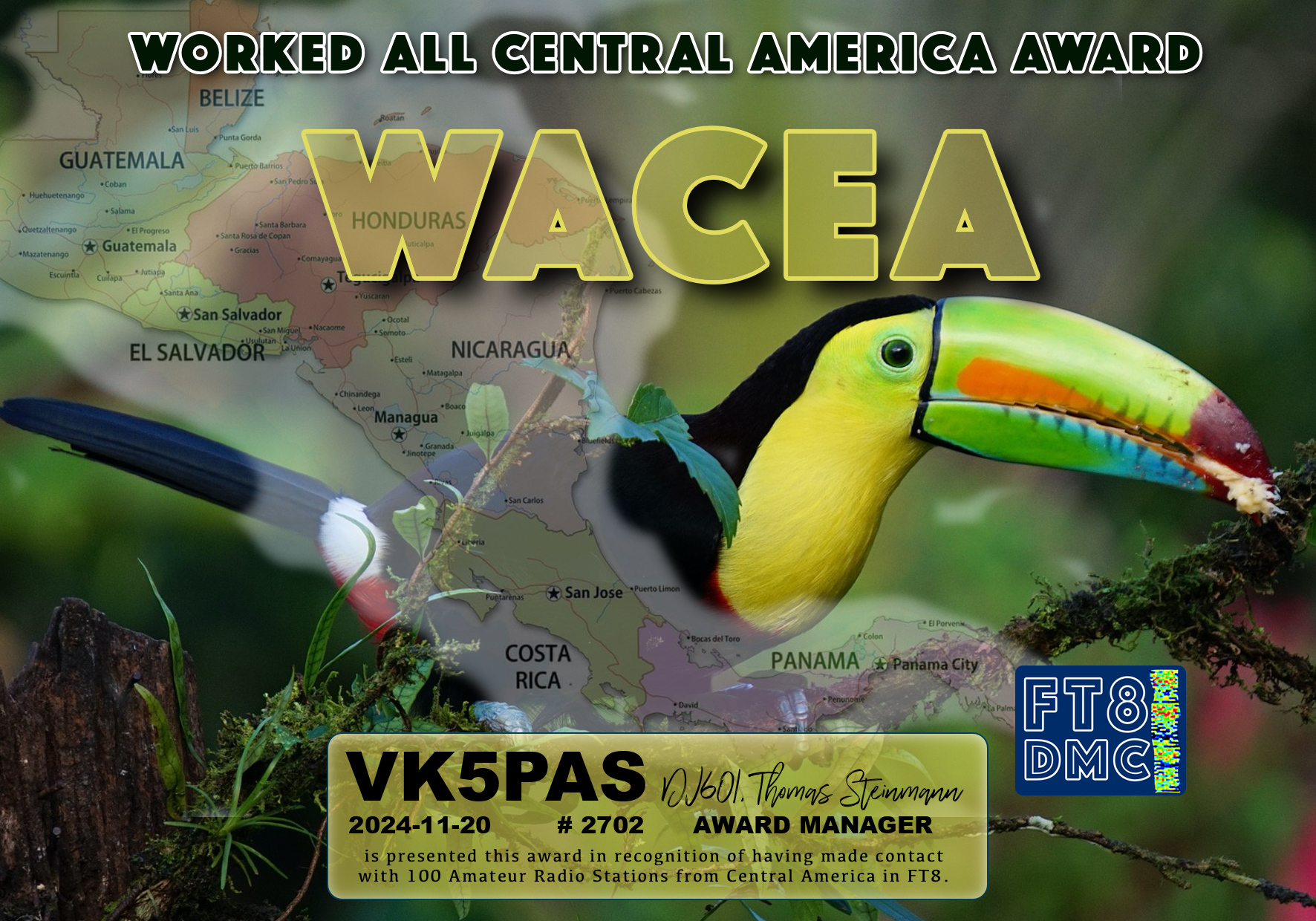
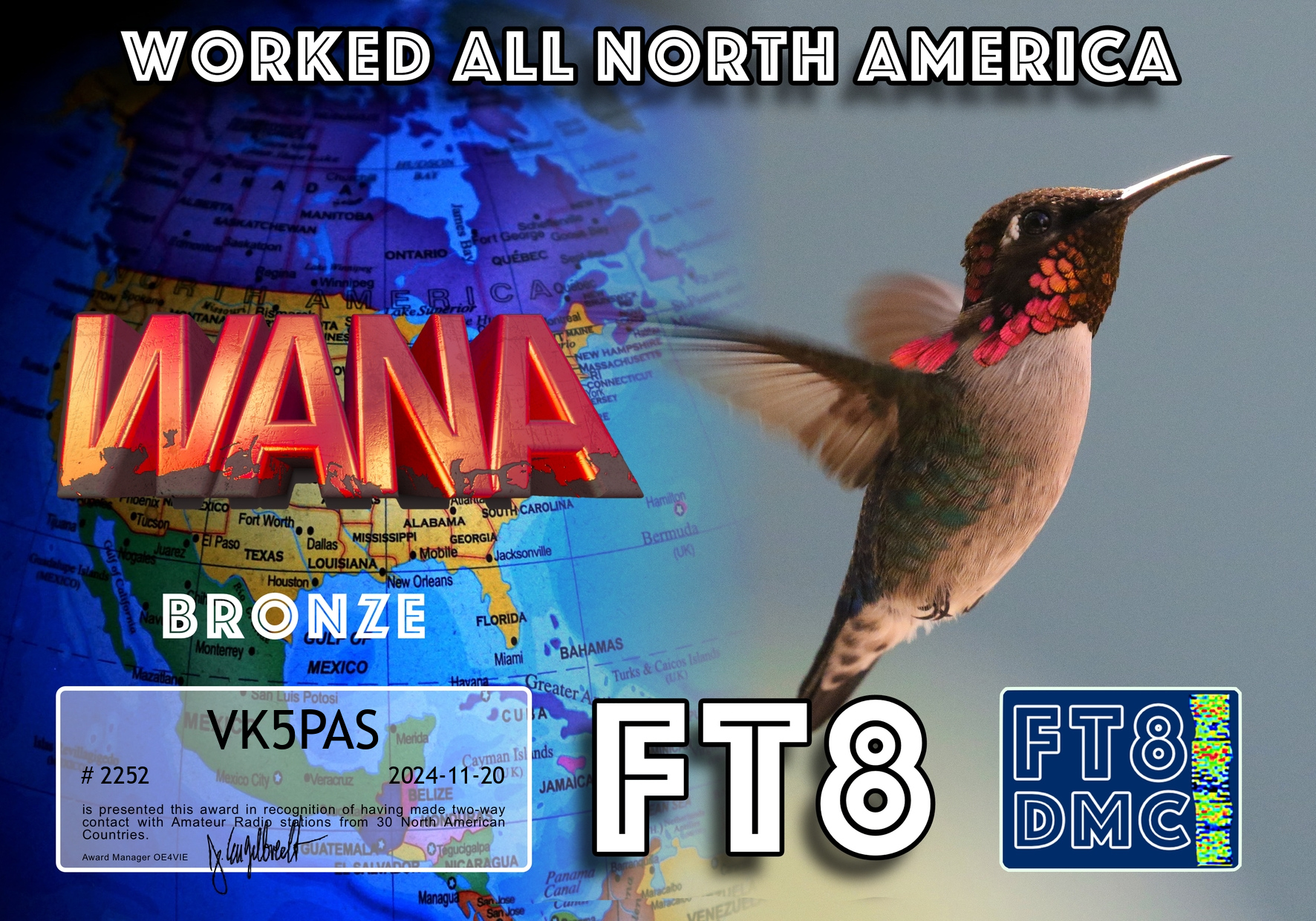
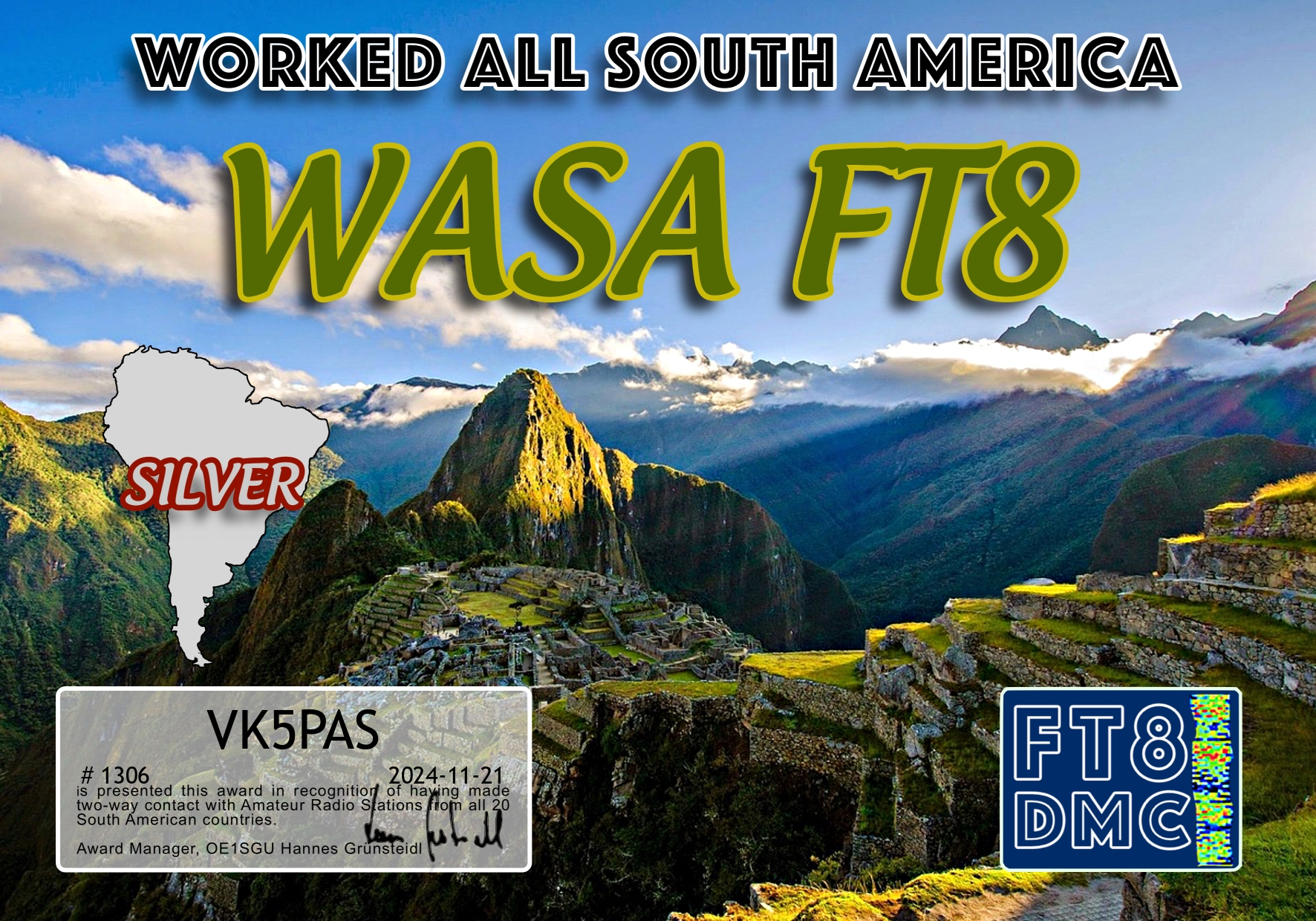
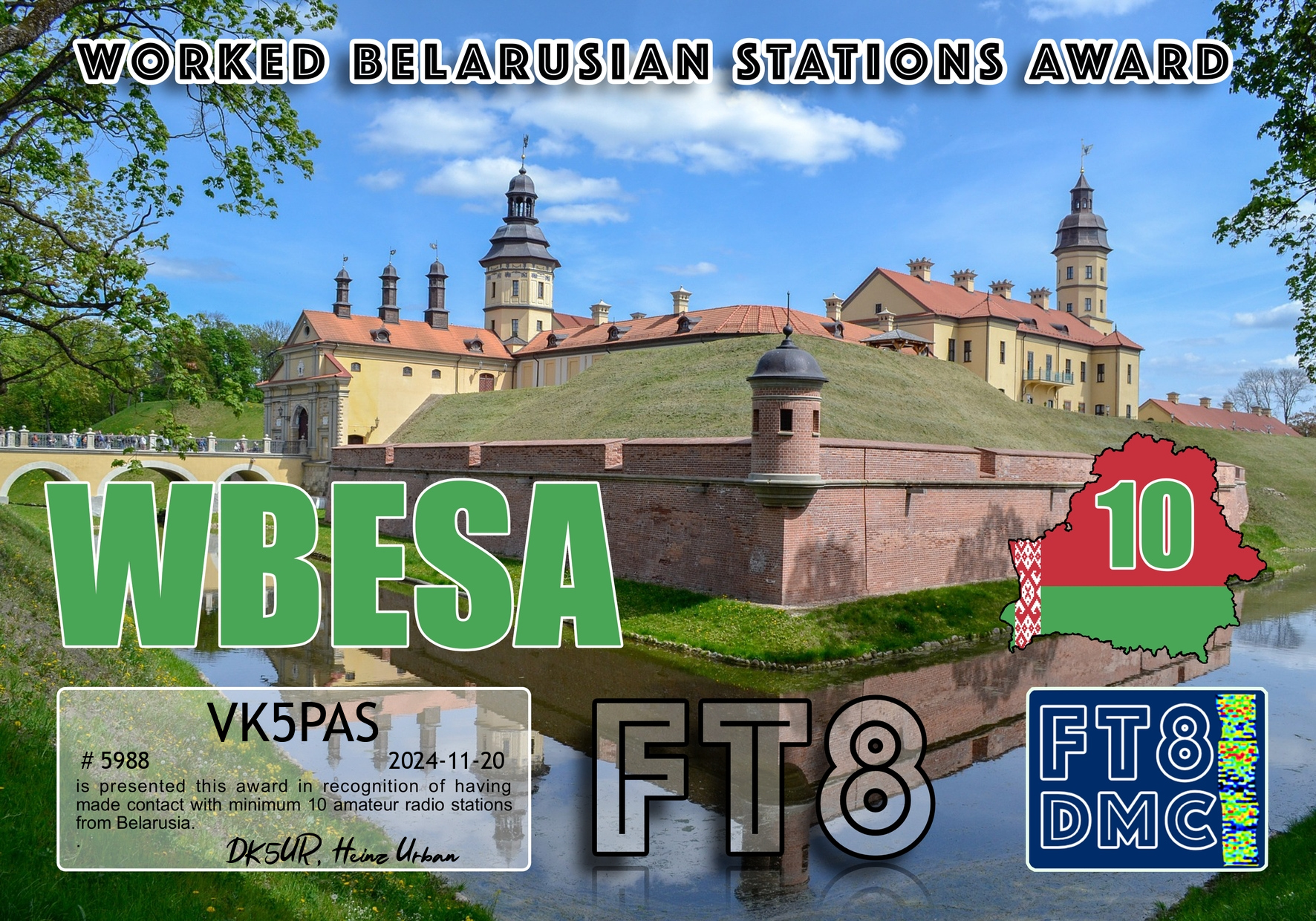
Here are my latest FT8 award certificates.
Thank you to all of the FT8 operators and the various FT8 award managers.




A very pleasant surprise this morning to find the certificate below in my email inbox.
The certificate was issued by Leszek SQ9MDF in recognition of me contacting him several times whilst he was activating summits for the Summits On The Air (SOTA) program.
Thank you very much, Leszek.

My final activation for Thursday 22nd August 2024 was the Drendles Bushland Reserve VKFF-4161.
The reserve is located about 27 km east of Murrayville in northwest Victoria.
Above:- Map showing the location of Drendles Bushland Reserve. Map c/o Google Maps.
The park is at the end of a dirt track that runs off the Mallee Highway’s southern side.
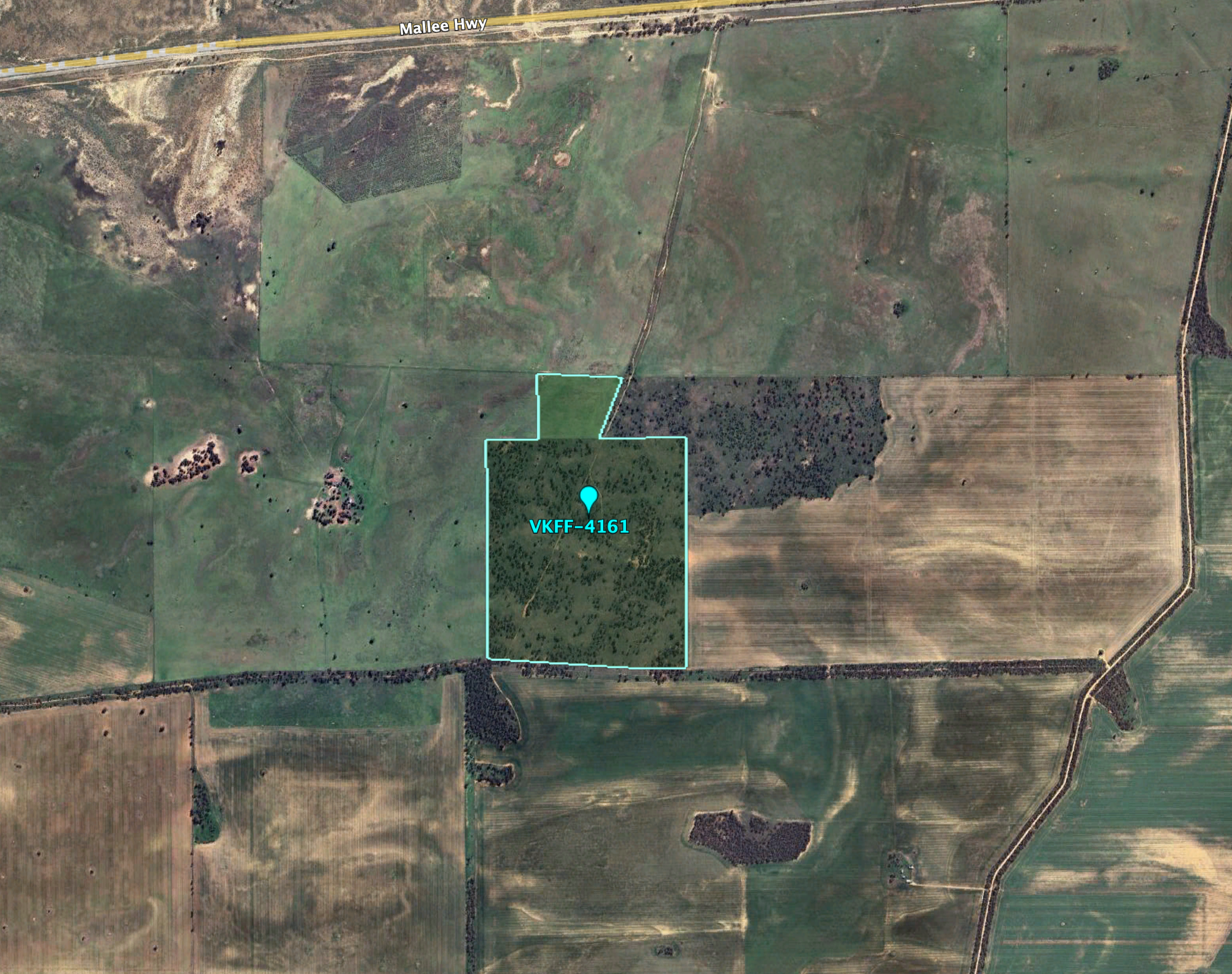
Above:- Aerial view of the Drendles Bushland Reserve. Image c/o Google Earth.
By the time I reached the park it was dark.

I ran out the 20/40/80m linked dipole in the dark with my head torch. I ran the Yaesu FT857 and 40 watts output.
It was a beautiful balmy evening and no mosquitoes. My location was quite remote, with the Big Desert Wilderness Area and North Wyperfeld Wilderness Area to my south. To my north was the vast Murray Sunset National Park.
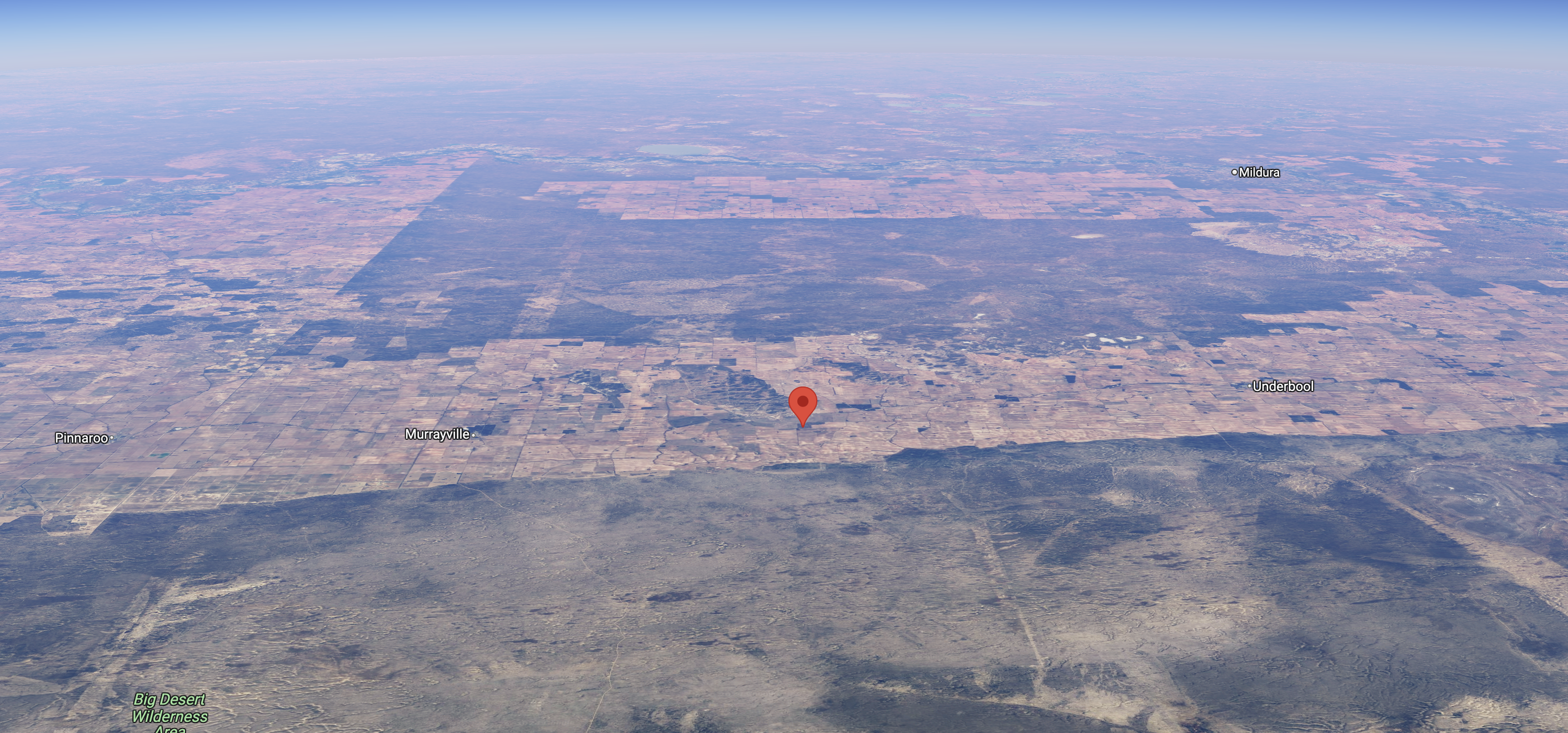
Above:- An aerial view of the Drendles Bushland Reserve looking north. Image c/o Google Maps.
I worked the following stations on 40m SSB:-
I worked the following stations on 80m SSB:-
References.
Here are my latest FT8 award certificates.
Thank you to all of the FT8 operators and the various award managers for their hard work.


Amateur Radio, Short Wave Listening, travel and history
Amateur radio experiences with VK1DA
Brisbane - Australia
german amateur radio station
Summits On The Air
SOTA on the peaks, wilderness QRP and some bushwalking
A fine WordPress.com site
Amateur Radio Adventures
Summits on the Ai
Amateur radio station from Belgium
Radio craft, homebrew, QRP/SOTA, AM
Ego loqui ad viros super montes
My adventures with Amateur Radio and Geocaching!
The rantings of VK2GAZ on his SOTA experiences in Australia
A survivor, with minor cuts and abrasions.
The Art and Craft of Blogging
The latest news on WordPress.com and the WordPress community.
Blog of Justin Giles-Clark VK7TW's SOTA and amateur radio adventures.
Occasional SOTA & Microwave operation
 VK5PAS