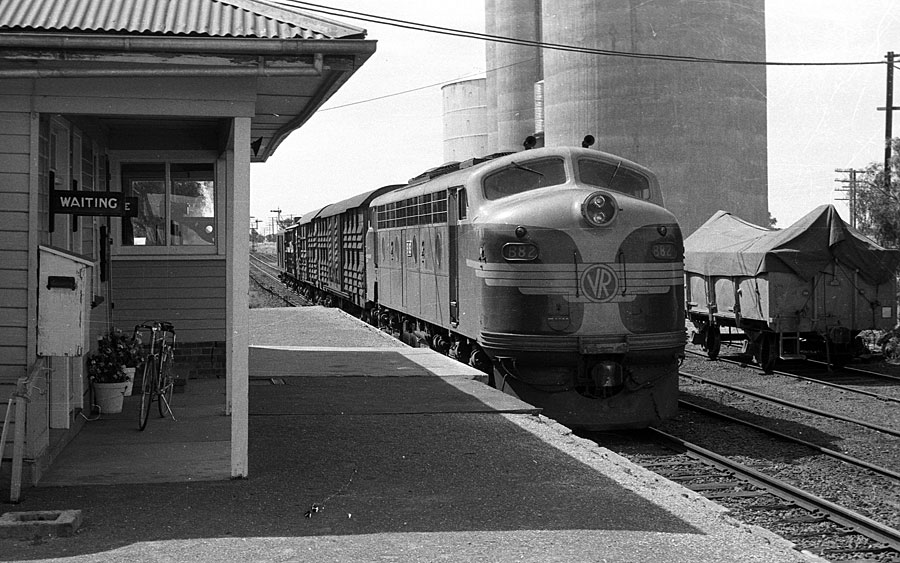
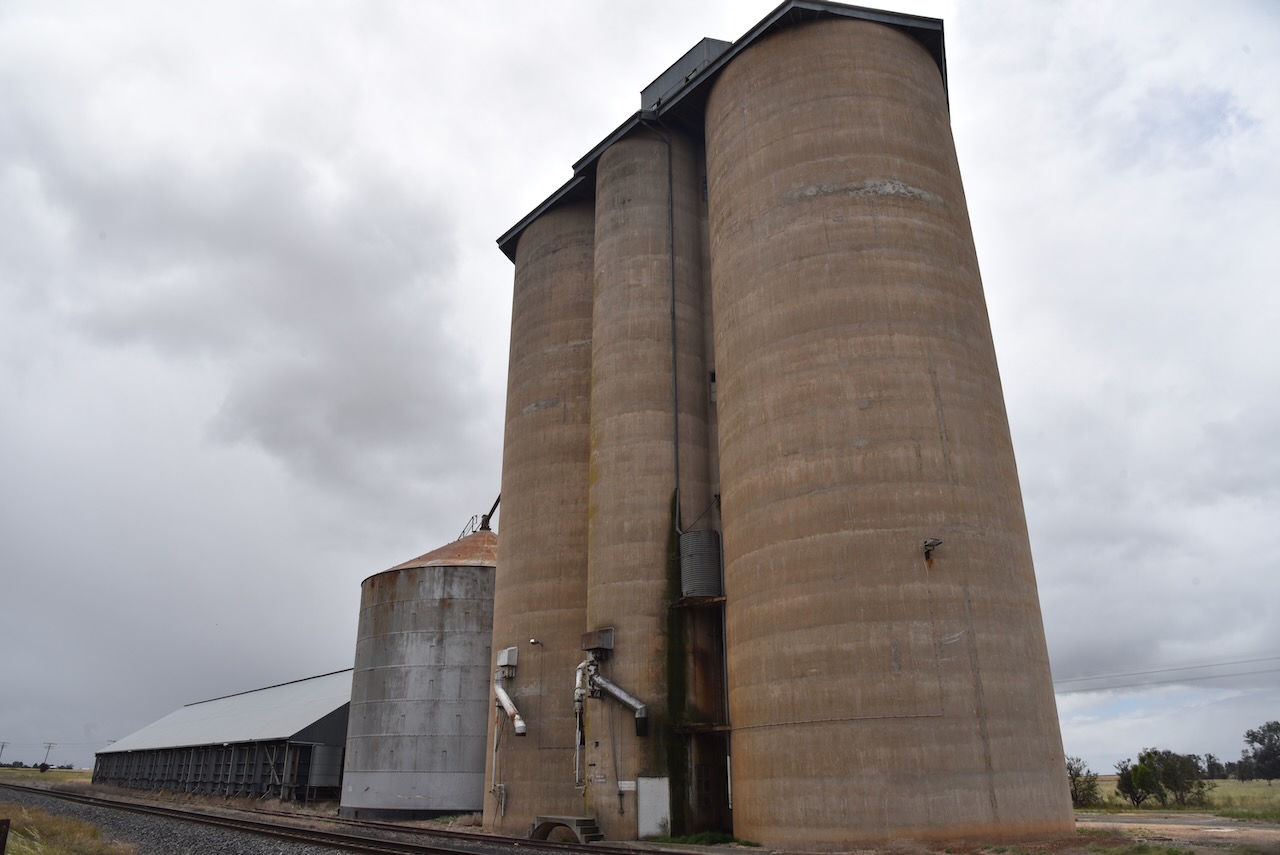
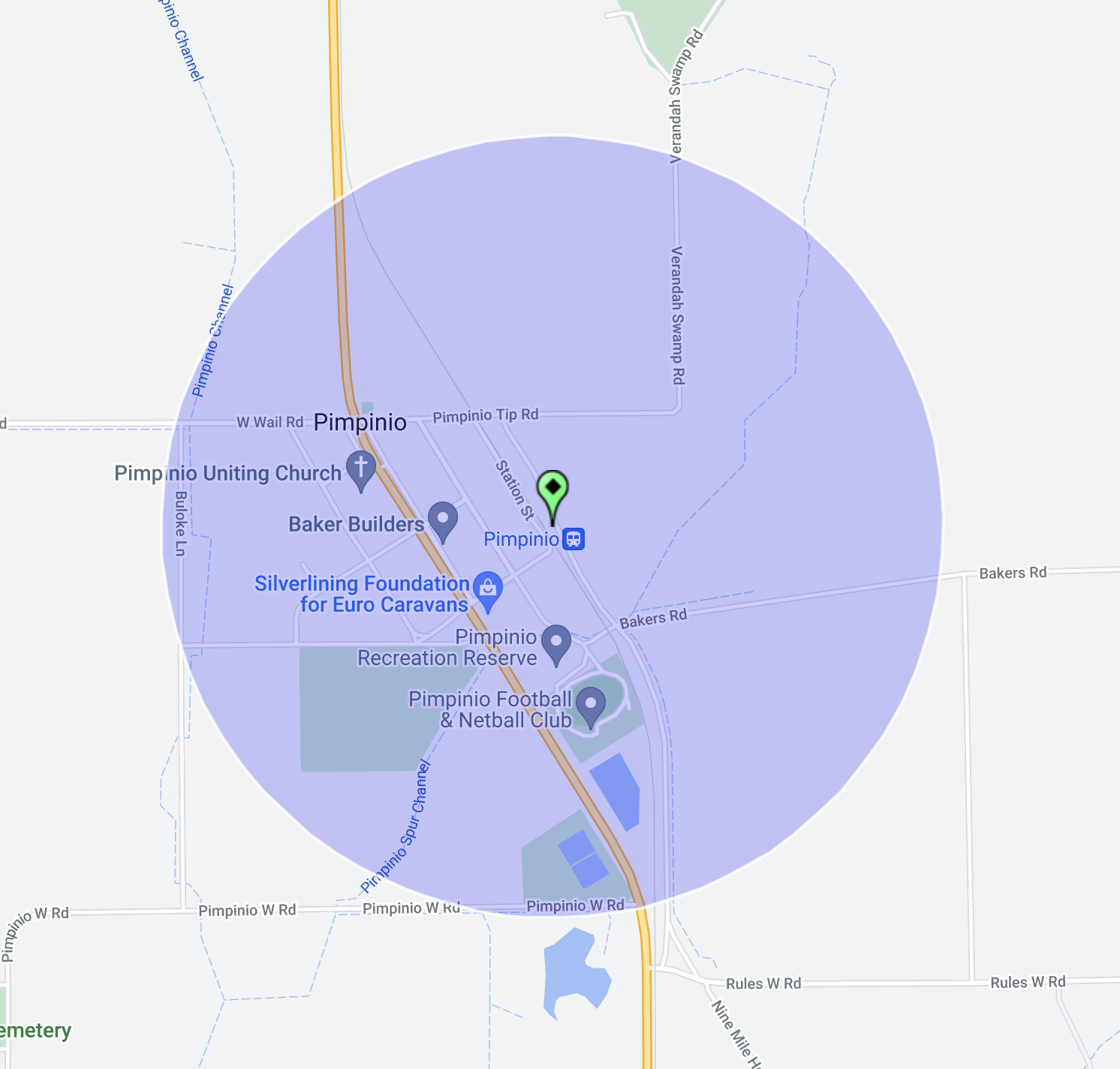
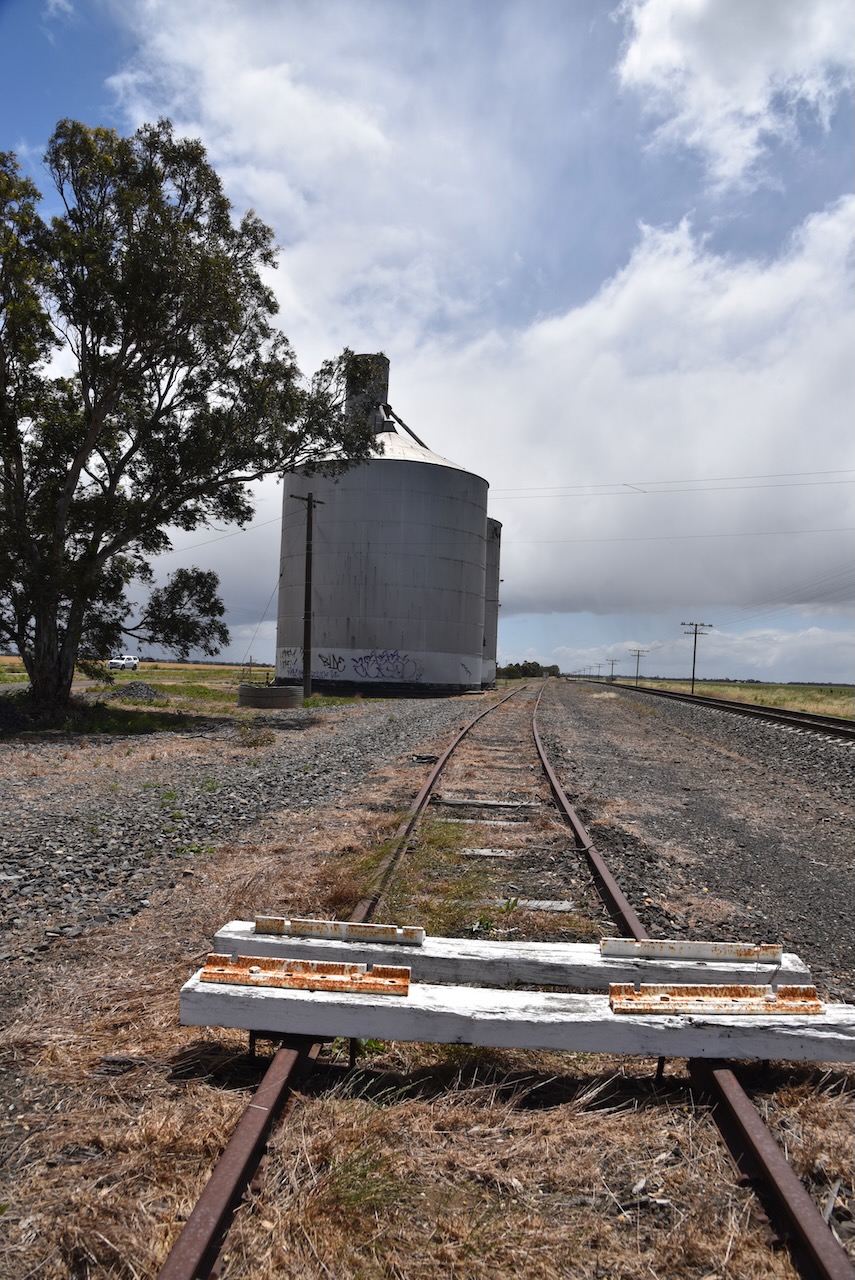
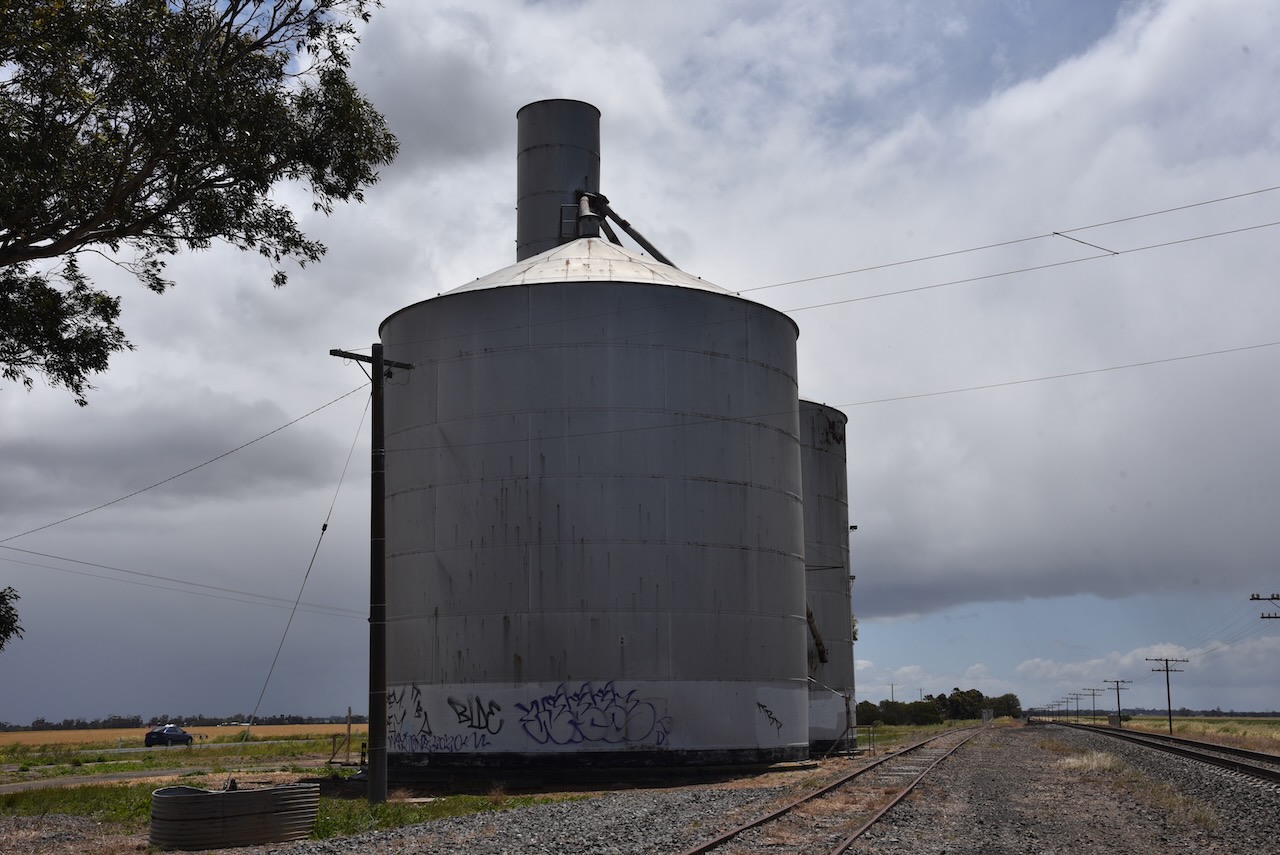
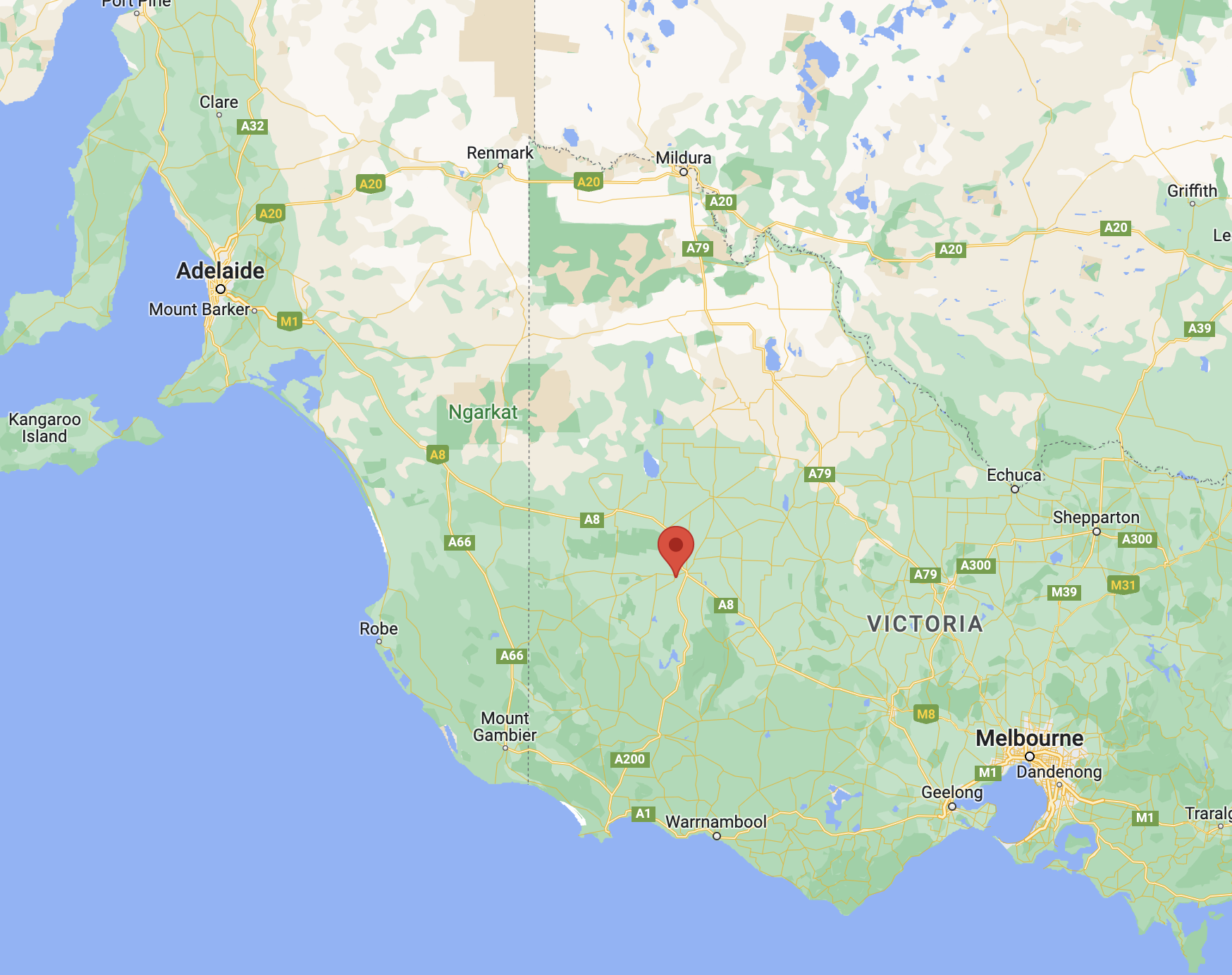
Our next silo for Monday 21st November 2022 was the Pimpinio silo VK-PMO3. Pimpinio is located about 15km west of Horsham and about 317 km north west of Melbourne.
Above:- Map showing the location of Pimipinio. Map c/o Google maps.
Pimpinio is believed to have derived from an Aboriginal word describing a man squatting on his heels, or children. In around 1870 a hotel and blacskmith’s forge was established in the Pimpinio area. The township of Pimpinio was gazetted on the 28th day of July 1873. In 1874 the Pimpinio school was opened in a Union Church hall. Following the extension of the railway from Horsham to Dimboola, a store was opened in the town.
The Pimpinio railway station was built in 1882 and disestablished 100 years later in 1982.
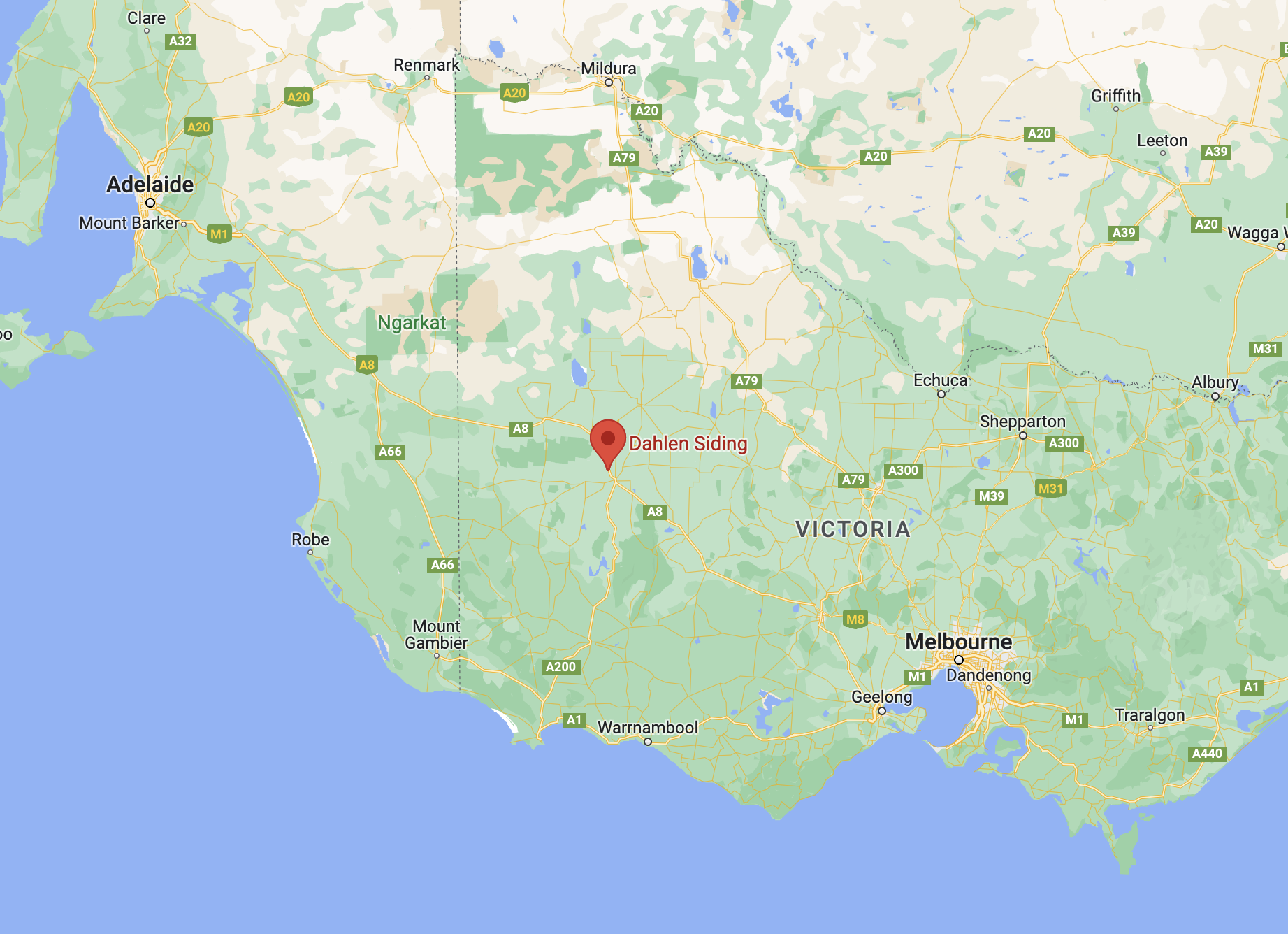
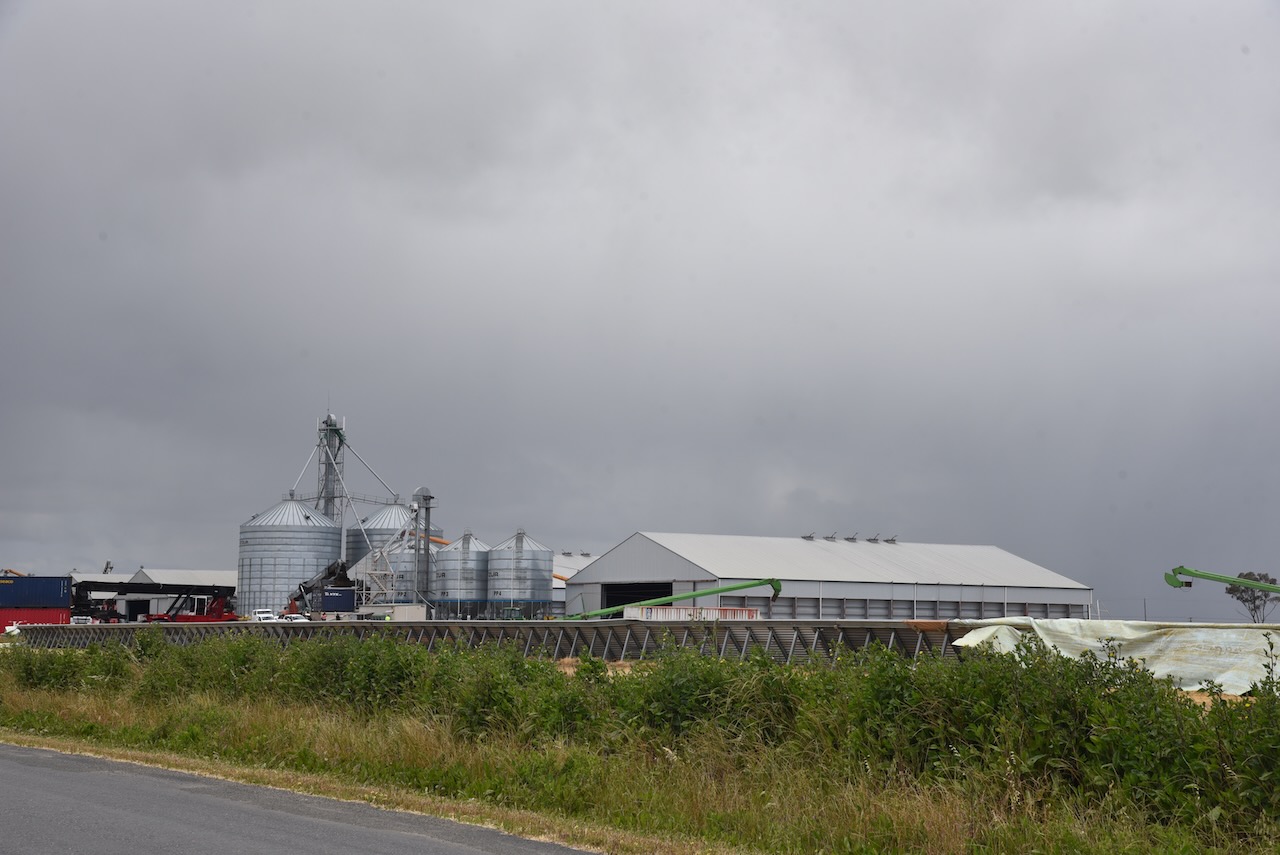
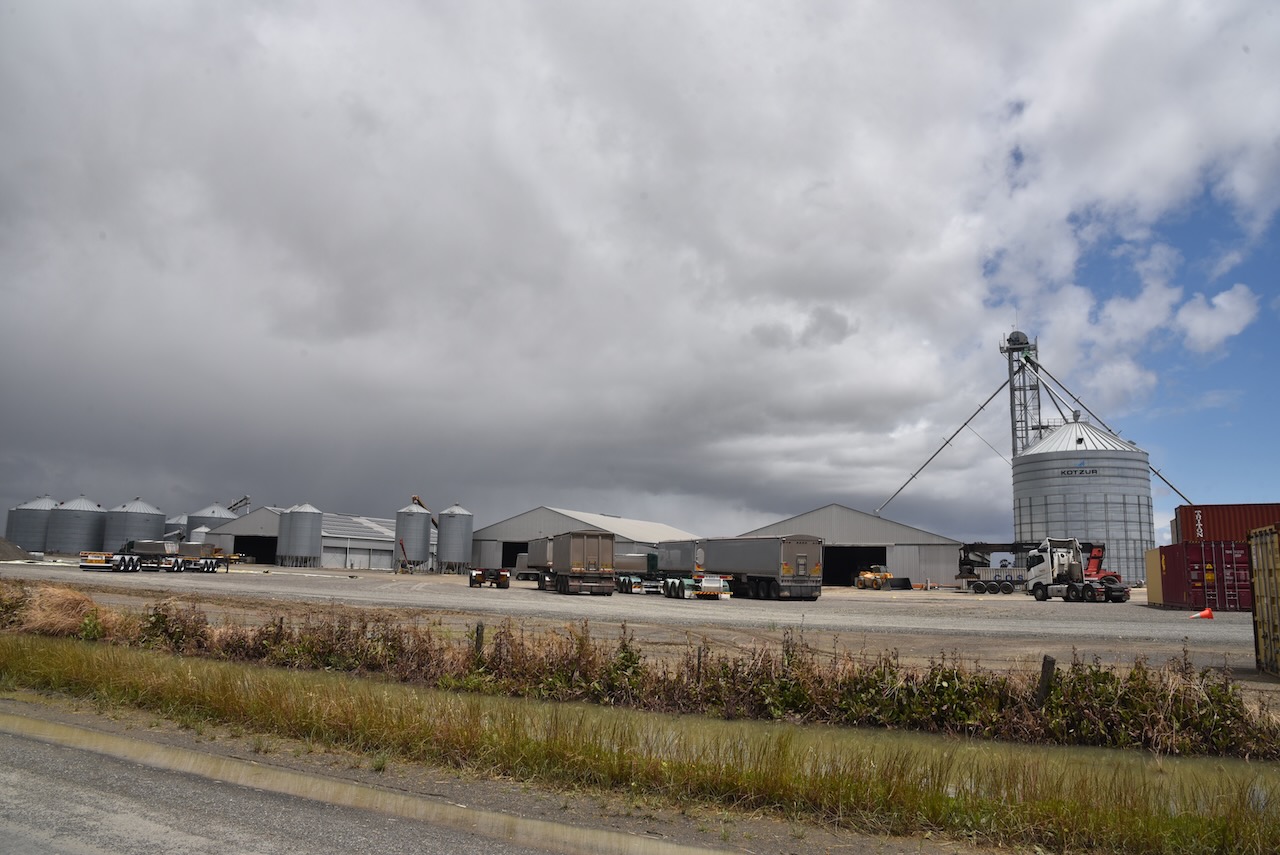
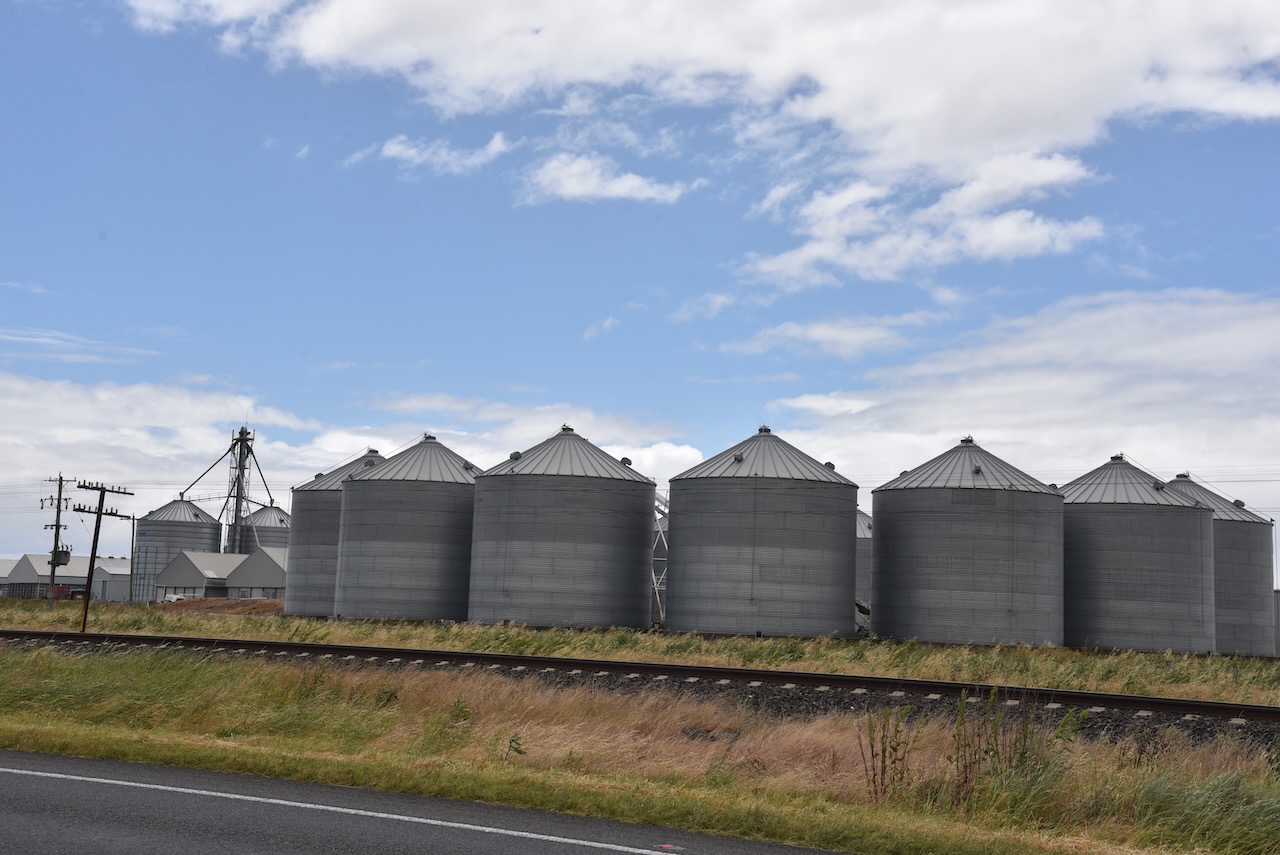
Our third silo for Monday 21st November 2022 was the Dahlen Siding silo VK-DHG3. It is located on the Western Highway about 10km north west of Horsham.
Above:- Map showing the location of Dahlen Siding. Map c/o Google maps.
Dahlen Siding is a railway siding, with the silos being located between the Western Highway and Plowrights Road.
The Dahlen silos were built in 1951.
Above:- Article from The Horsham Times, Tues 17 July 1951. Image c/o Trove.
We operated from right alongside of the silos, running the Icom IC-7000, 100 watts, and the Codan 9350 self tuning antenna.
During our activation we were hit by heavy rain and hail. As the rain band approached the rain static on the 20m band went up to strength 9.
Our second silo for Monday 21st November 2022 was the Vectis silo VK-VCS3, located just off the Wimmera Highway in western Victoria, about 15 km west of Horsham.
Above:- Map showing the location of Vectis, Victoria. Map c/o Google maps.
The rural locality of Vectis was named after the Vectis pastoral run which was taken up in 1844 by James and Alexander Wilson. By the early 1870’s a number of Prussian Lutheran settlers took up farm selections in the area. In 1875 the Zion Lutheran church was erected. Schools were also established between 1876 to 1878. In 1887, the railway line between Horsham and Noradjuha was opened and a railway station existed at Vectis.
The Vectis silos are working silos, operated by Shannon Bros, a family owned and operated commercial grain storage, export packing and logistics company. They have two grain receival and export packing sites, one of which is Vectis.
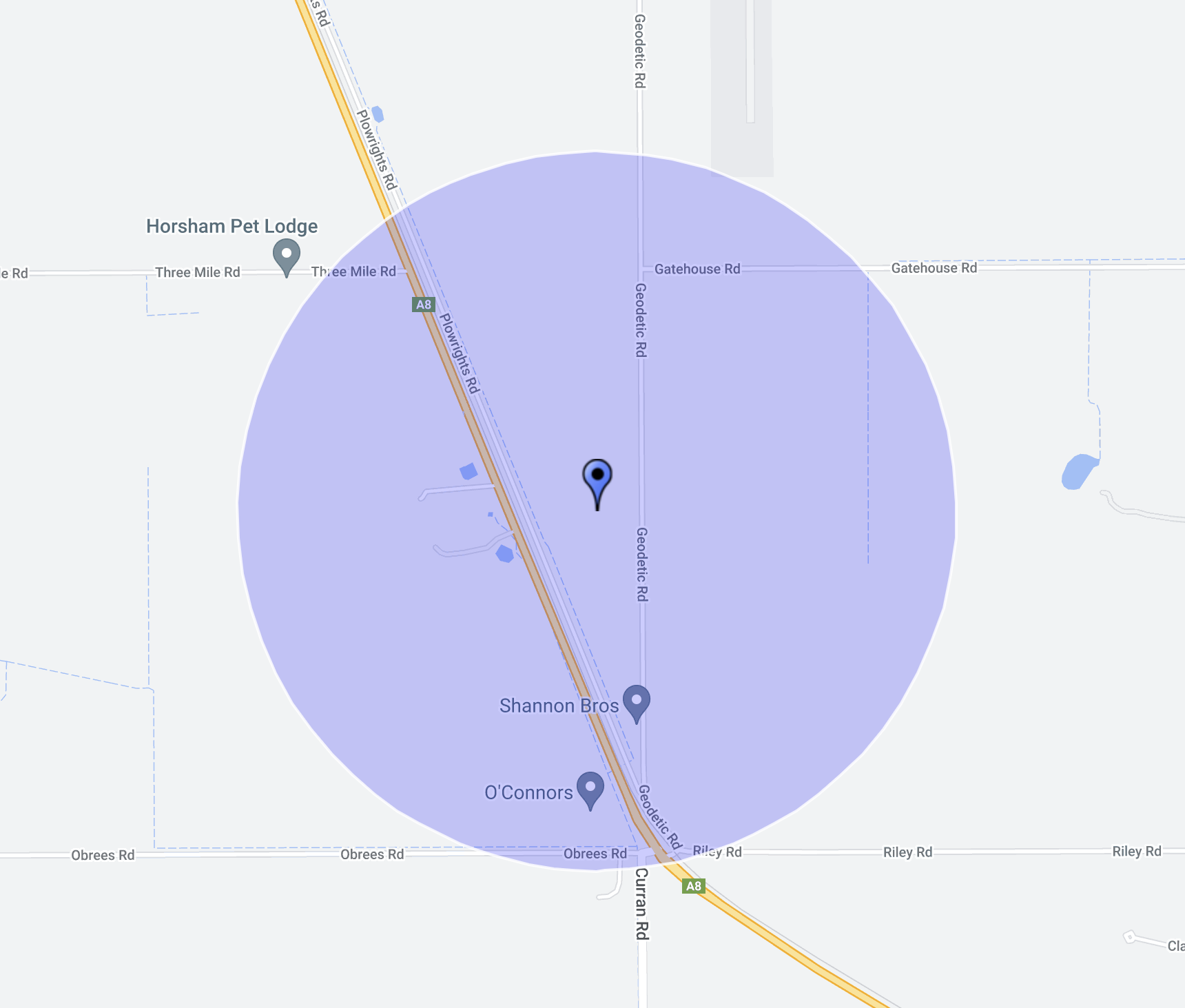
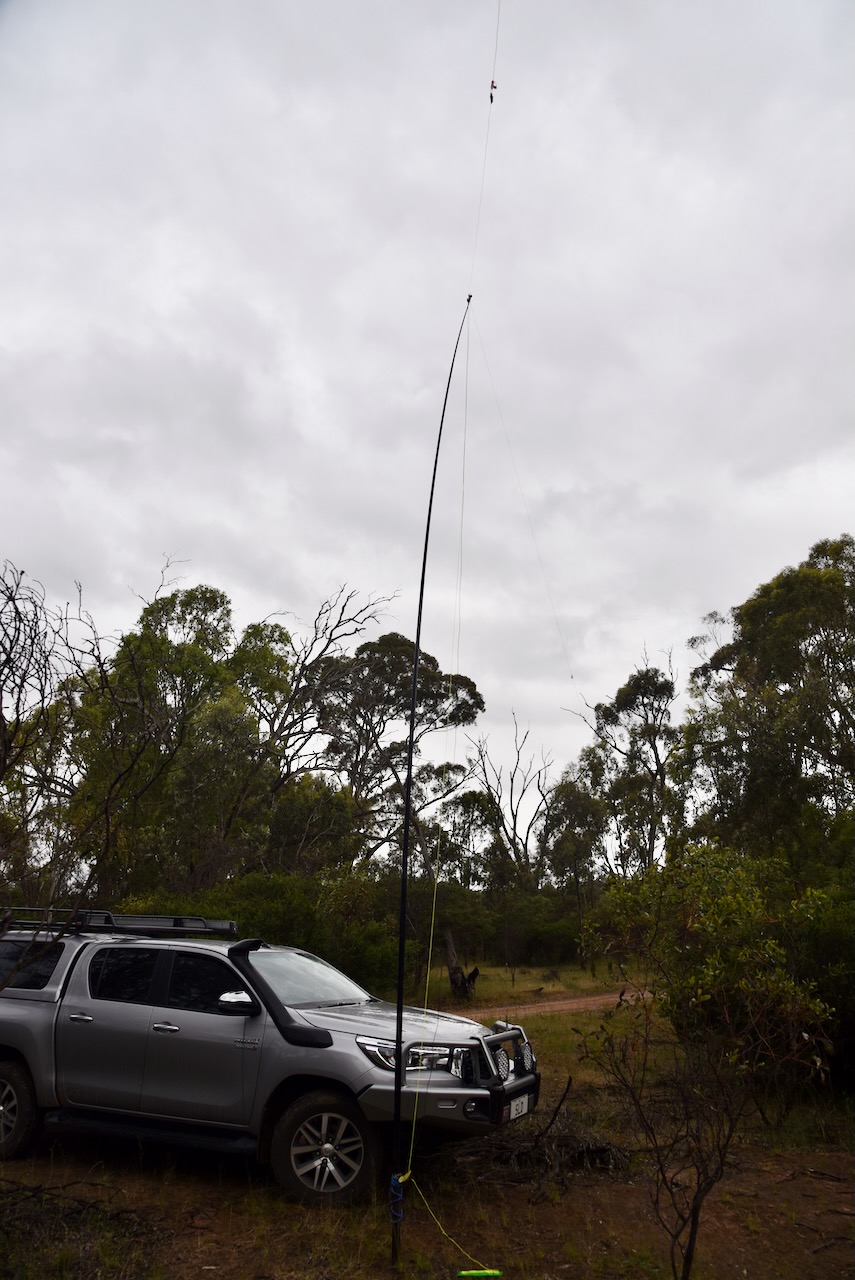
We operated from the 4WD for this activation on Geodetic Road, adjacent to the silo. We used the Icom IC-7000, 100 watts, and the Codan 9350 self tuning antenna.
Above:- Map showing the location of the silo and the activation zone. Image c/o SiOTA website.
On our way home (Monday 21st November 2022) we had planned on trying to activate as many silos as possible for the Silos On The Air (SiOTA) program. We had a 410 km drive ahead of us and it was already late in the morning, so each activation was going to be quick.
Our first silo was the Horsham silo VK-HRM3, in western Victoria.
Above:- Map showing the location of Horsham. Map c/o Google maps.
Horsham is a regional city in western Victoria about 300 km northwest of Melbourne. It has a population of about 20,429 people (2021 census). It is the 11th largest city in Victoria.
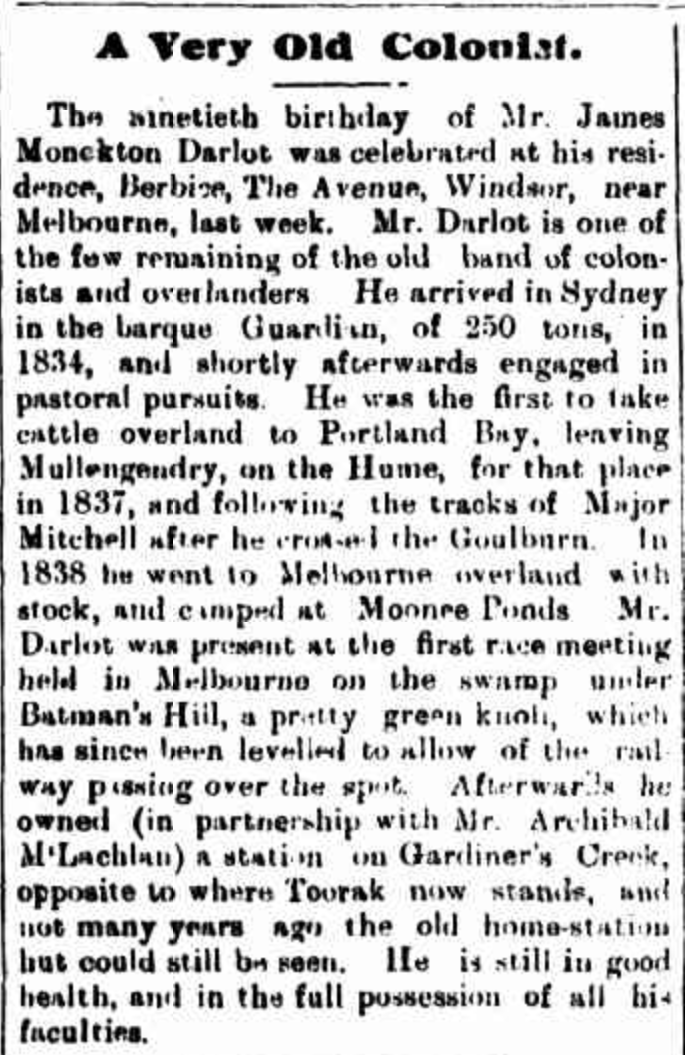
It was named Horsham by James Monckton Darlot (b. 1811. d. 1903), an early settler in the area, after his native town of Horsham in the United Kingdom.
Above:- Article from The Blayney Advocate and Carcoar Herald, Sat 20 Jul 1901. Image c/o Trove
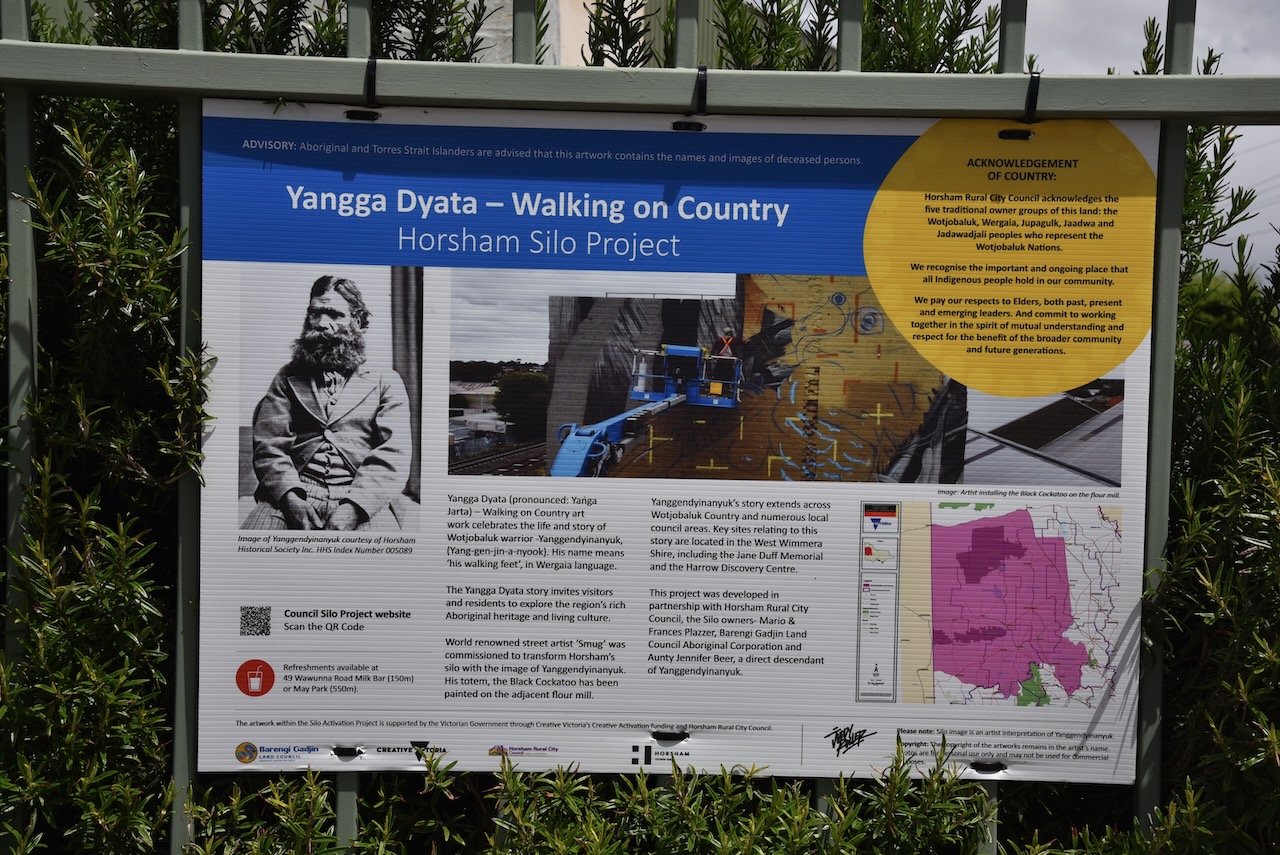
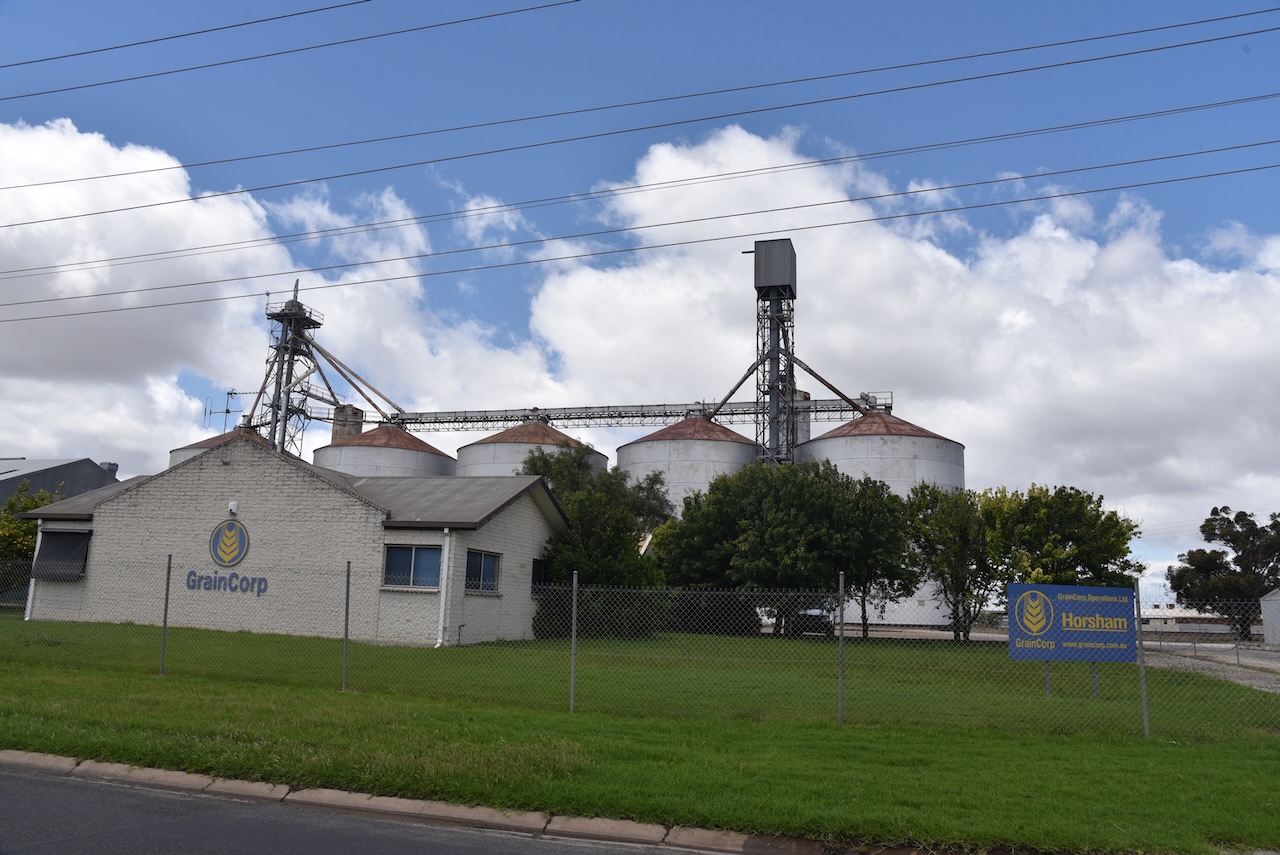
The Horsham silo features silo art. The silo itself has a painting of Yanggendyiaanyuk, an aboriginal man whose tracking skills were used. On the old flour mill next to the silo is a painting of a Red-tailed Black Cockatoo.
The murals were painted by artist Sam Bates @ Smug and were completed in May 2022. The mural is titled The Yangga Dyata which means ‘Walking on Country’.
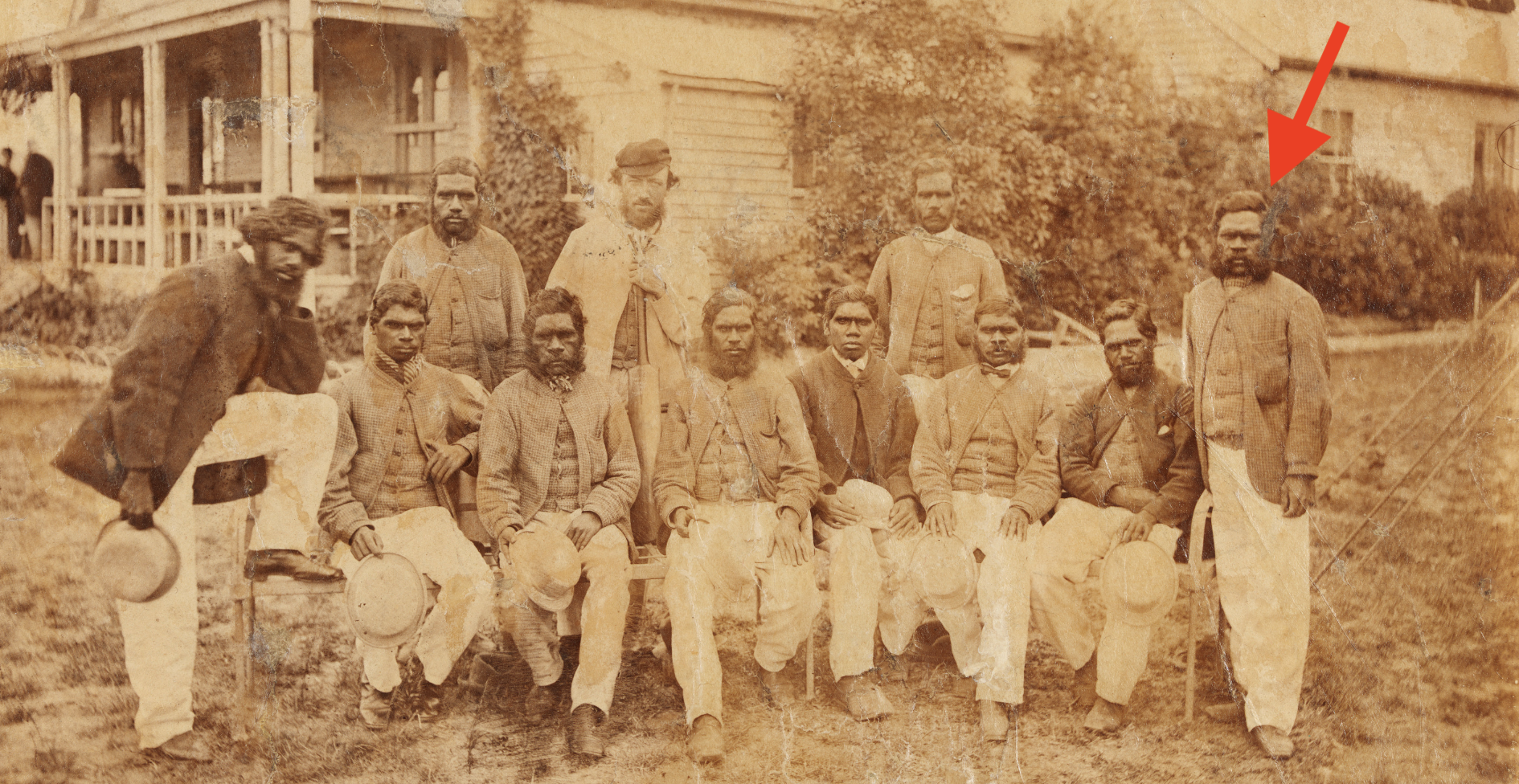
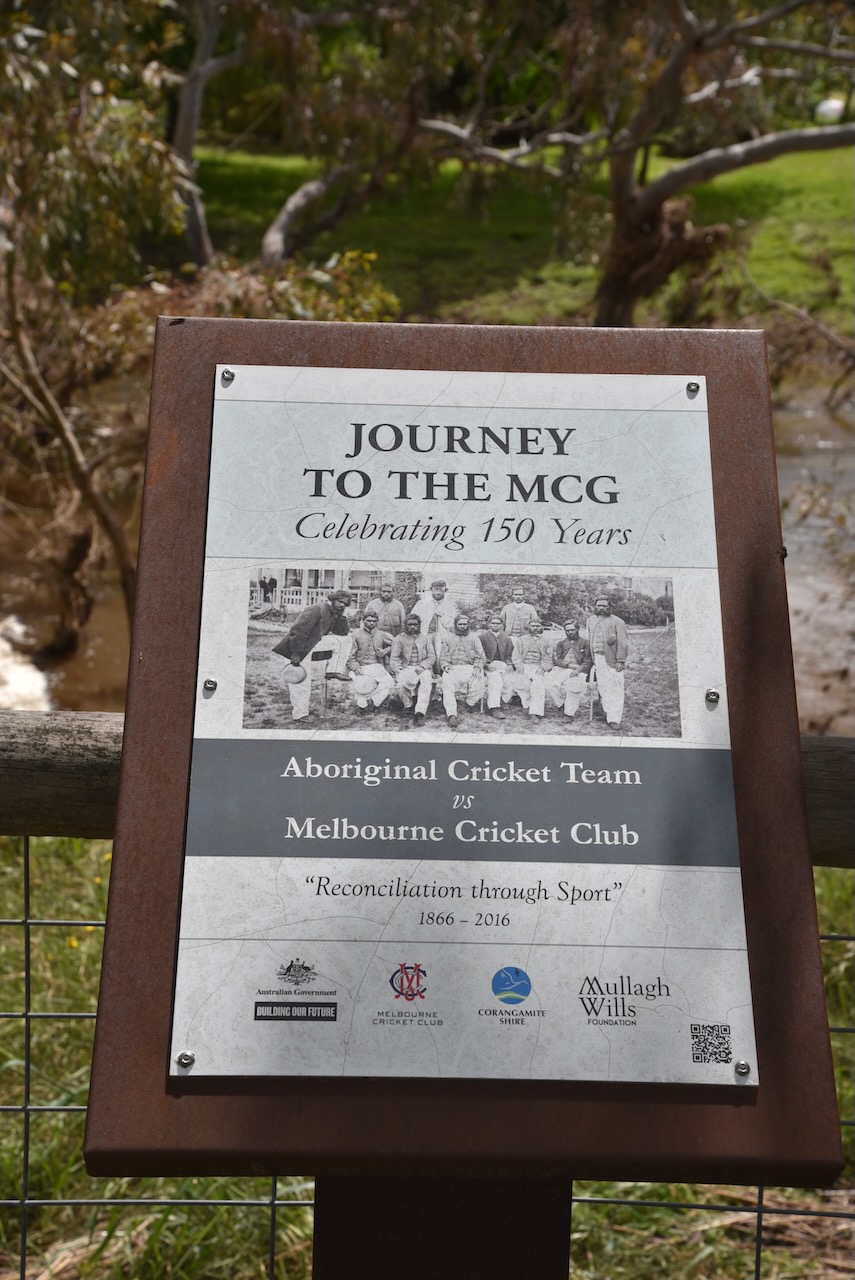
Yanggendyinanyuk (b. c. 1834d. 1866), also known as ‘Dick-a-Dick’, Dicky Dick, King Richard, Richard Kennedy, and Richard Barney, was a tracker and cricketer. He was a member of the first Australian cricket team to tour England in 1868, composed of aboriginal Australians.
Above:- The aboriginal cricket team, c. 1867 at the Melbourne Cricket Team. Image c/o State Library NSW
The story of this cricket team is little known by many Australians I have found. There is a brilliant museum at Harrow, the Harrow Discovery Centre, which we have visited and tells the story of the team.
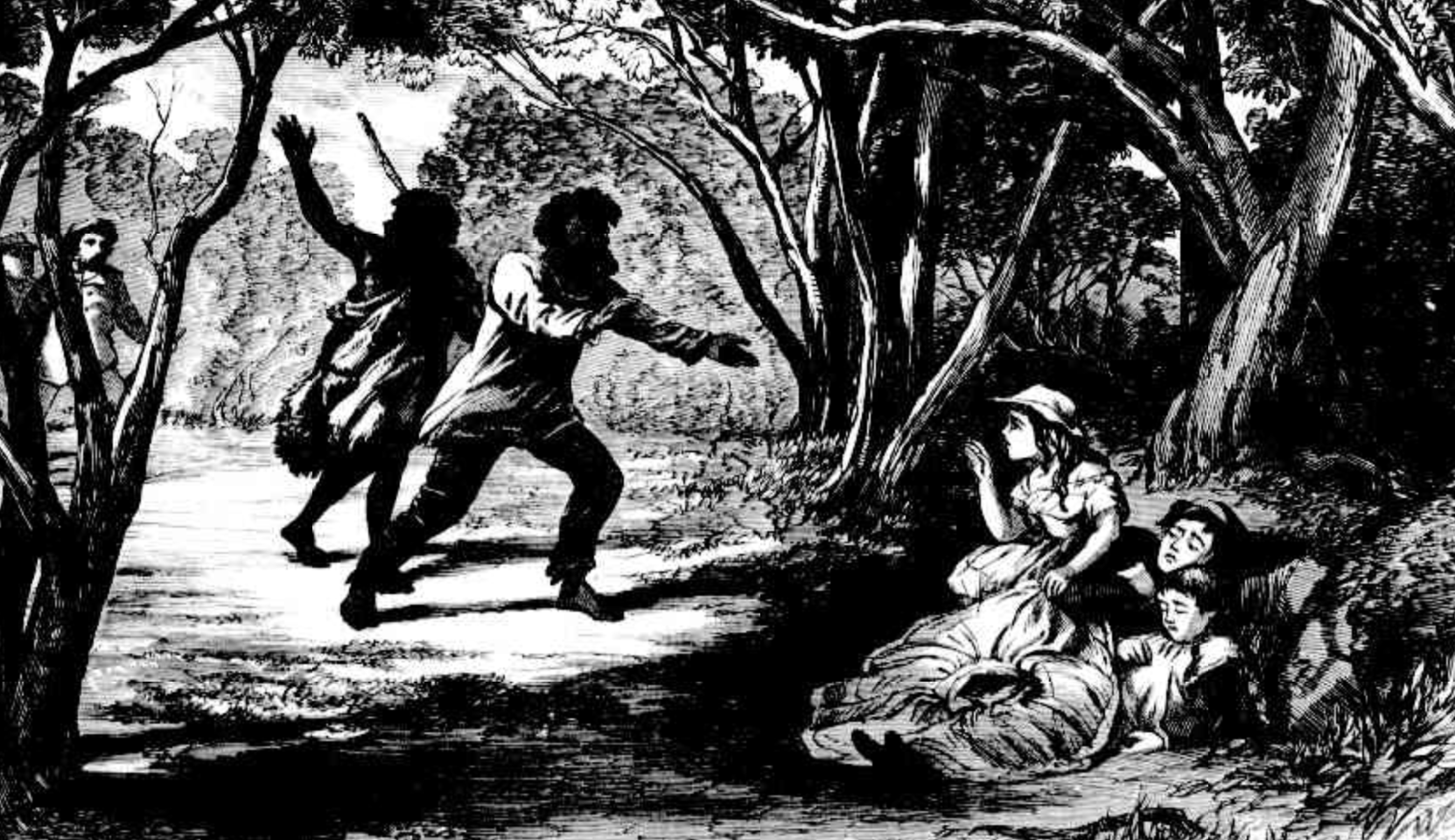
On Friday the 12th day of August 1864, in the mallee scrub near Natimuk, three white children, Isaac Cooper, Jane Cooper and Frank Duff, went missing. Their tracks were found the following day, however a thunderstorm developed and this resulted in the tracks being destroyed. The official search for the children was subsequently cancelled and the children were reported as being dead.
Six days later on the 18th day of August 1864, a neighbour of the Duff family suggested that Dick-a-Dick and other Wotjobaluk aboriginal trackers be used. The Duff family agreed and as a result, Dick-a-Dick took two other Wotjobaluk men, Jerry and Fred, with him and recommenced a search. Within hours they located the children.
As a result Dick-a-Dick became a hero and was called King Richard. He and the other two aboriginal trackers received a reward of £15 between them. They were permitted to spend £5 in whatever fashion they chose, while the remaining amount ws given to their white employer.
Above:- from an article in The Australian News for Home Readers, Sat 24 Sep 1864. Image c/o Trove.
We operated from the 4WD directly alongside of the silo on Wawunna Road, Horsham. We used the Icom IC-7000, 100 watts, and the Codan 9350 self tuning antenna for this activation.
Above:- The location of the silo and the activation zone. Image c/o SiOTA website.
It was day 27 (Monday 21st November 2022) and the final day of our amazing trip. After breakfast and booking our of our motel we decided to do one more final park activation. We did plan on a number of silos on our way home.
We headed to the JJ Kingston Wildflower Sanctuary VKFF-2337, just on the edge of the town of Stawell.
Above:- Map showing the location of the JJ Kingston Wildfloweer Sanctuary. Map c/o google maps
The park is a tiny piece of remnant scrub on the northern side of Crowlands Road between Barbara Street and Oliver Road.
Above:- An aerial view of the park. Image c/o Google Earth.
The park is named in honour of Mr. J.J. Kingston, the Stawell Mayor 1951-1952.
Unfortunately there were no wildflowers in the park during our visit.
We operated from the 4WD for this activation, running the Icom IC-7000, 100 watts, and the Codan 9350 self tuning antenna.
Marija made the following QSOs on 40m SSB:-
VK2IO
VK2MET
VK1AO
VK2PKT
VK5HAA
VK5FANA
VK5BJF
VK5BJE
VK3PF
VK3AHR
Marija made the following QSOs on 20m SSB:-
VK2MET
VK1AO
I made the following QSOs on 40m SSB:-
VK2IO
VK2MET
VK1AO
VK2PKT
VK5HAA
VK5FANA
VK5BJF
VK5BJE
VK3PF
VK3AHR
I made the following QSOs on 20m SSB:-
VK2MET
VK1AO
VK4MUD
ZL1TM
VK4EMP
VK4TI
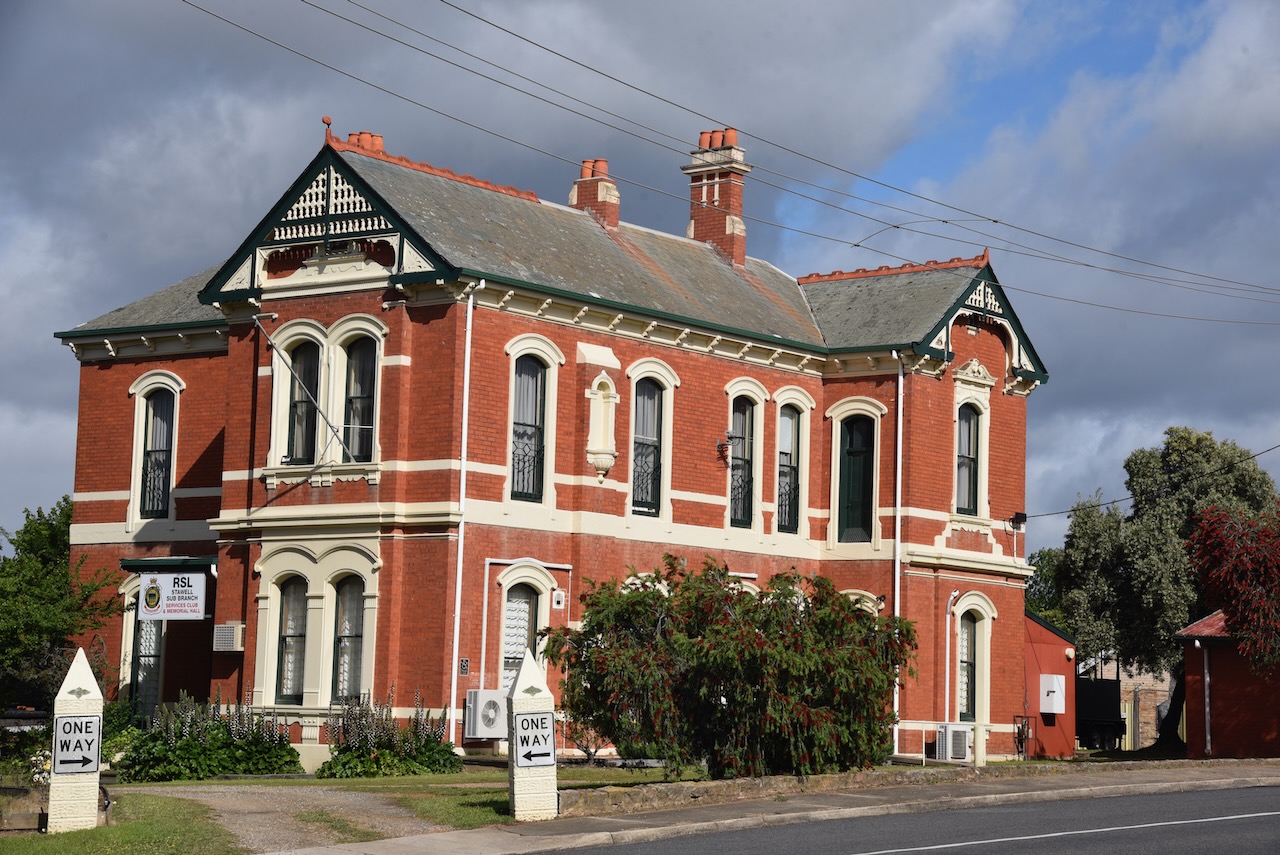
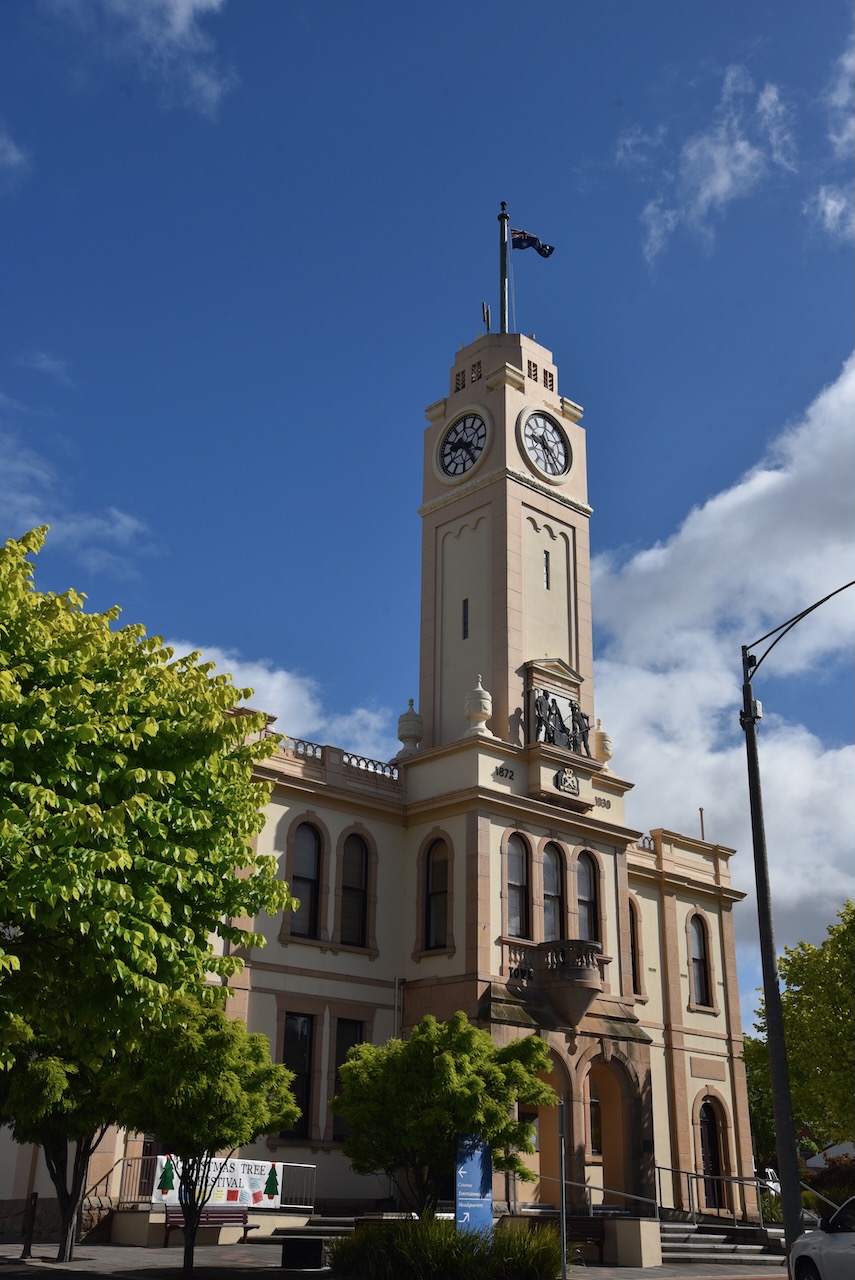
We headed back into Stawell and despite having visited the town many times previously, we took the time to have a look at some of the historic buildings located in the town.
St Matthews Uniting Church was completed in 1868 and was opened on the 11th day of April 1869 with a special dedication service. The church was built at a cost of about £2000. The tower and spire was paid for by anonymous donor at a cost of £1352. The 40,000 bricks required were purchased for 35 shillings per 1000.
Oban was built in 1898 as a private home for Mr & Mrs. Edward Simmons (no known relation). He and his brother Walter were the main shareholders in Stawell’s Oriental gold mine.
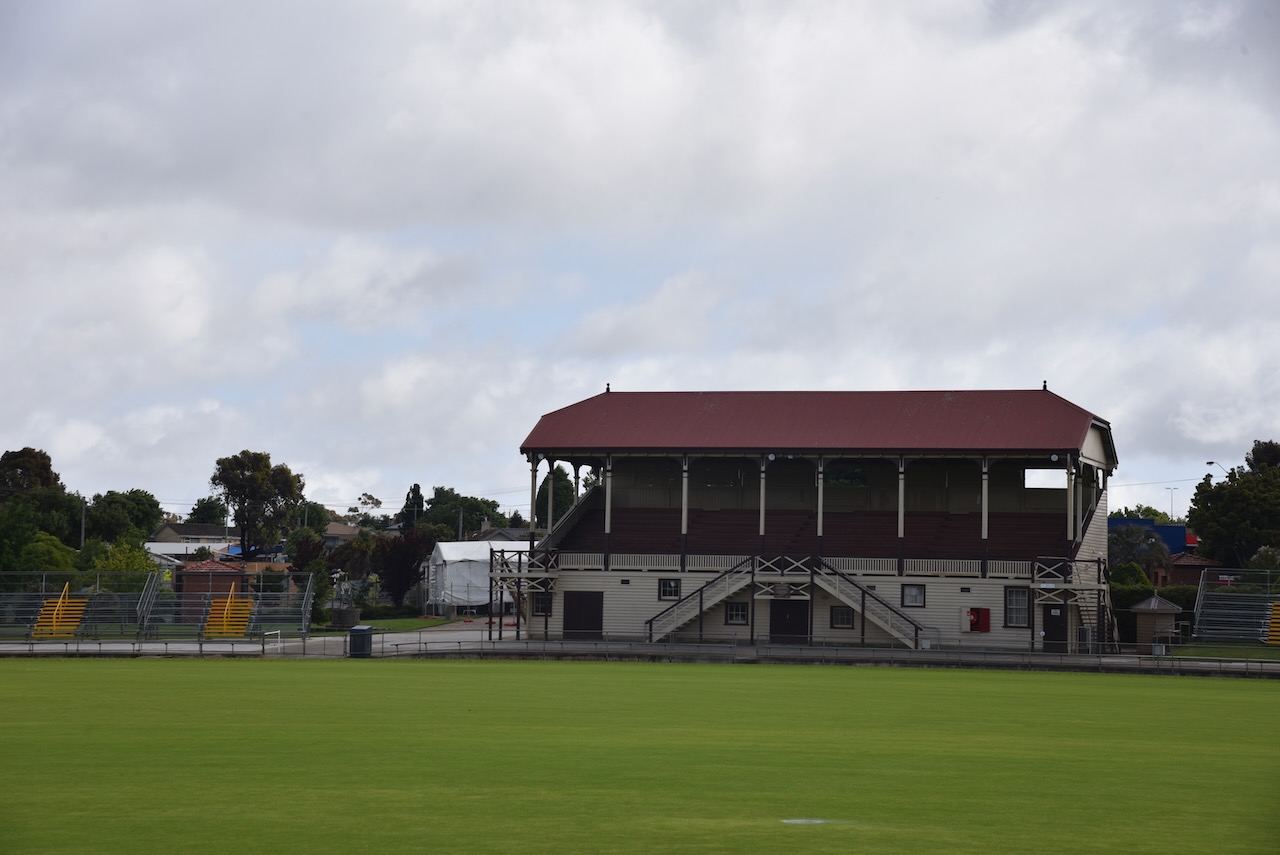
The town of Stawell holds the annual Stawell Gift, a foot race which has been held since 1878. It is held at Central Park in Stawell.
No visit to Stawell can pass without a visit to the local bakery which has regularly been the winner of Australia’s best vanilla slice.
We then stopped at the site of the old Pleasant Creek Hospital. It was opened on the 21st day of June 1861 and replaced the tent hospital of the goldfields. It was the only hospital between Ballarat and the Murray at that time. In 1882 a Benevolent ward was opened which gave shelter to many miners and others who had come from overseas int he gold rush days and had no families in Australia to assist them.
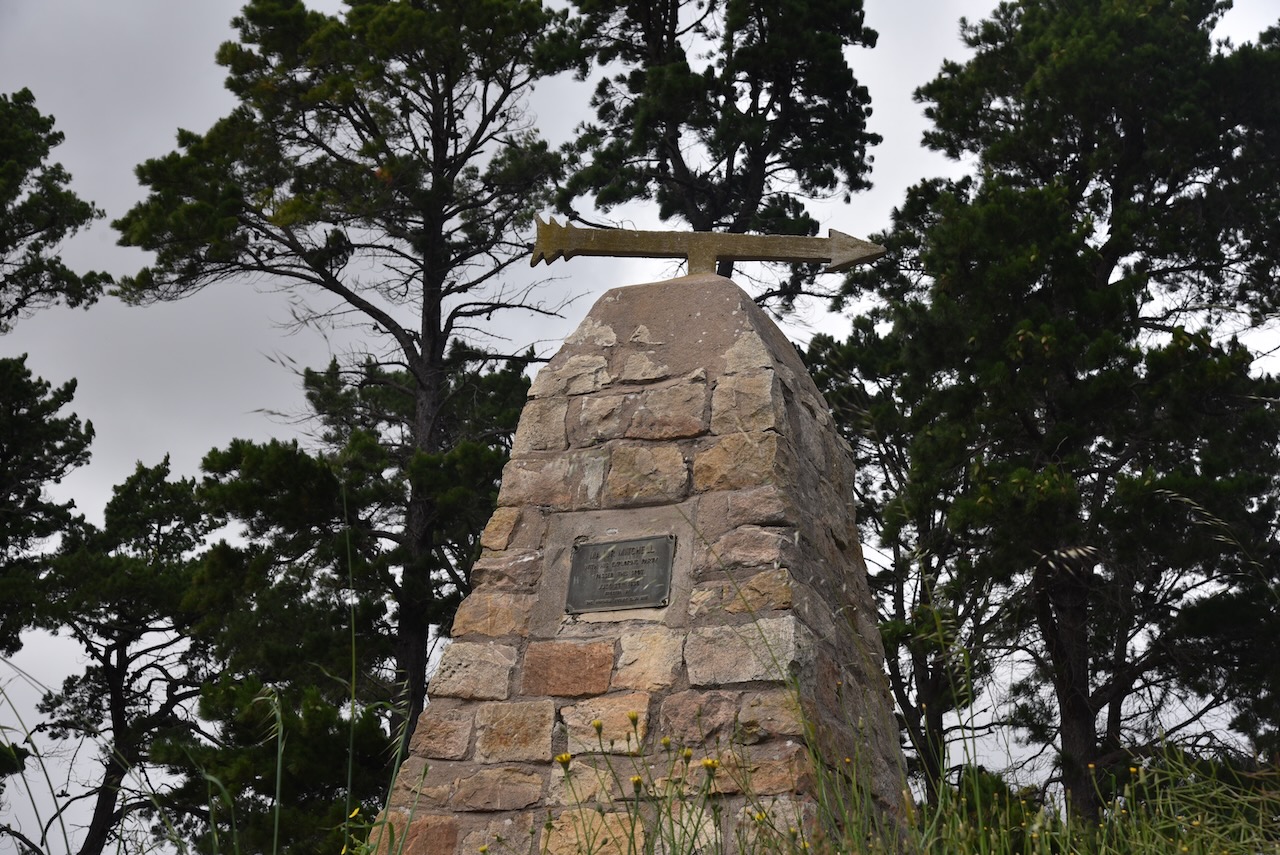
A little further along the Western Highway at Stawell is the memorial cairn for explorer Major Mitchell who passed by the location in July 1836.
A little further down the road, not far from Deep Lead is the Doctors Hill Monument. It commemorates the establishment and erection in 1859 of the first Pleasant Creek Hospital, which served the needs of the gold miners and the rural community of western Victoria.
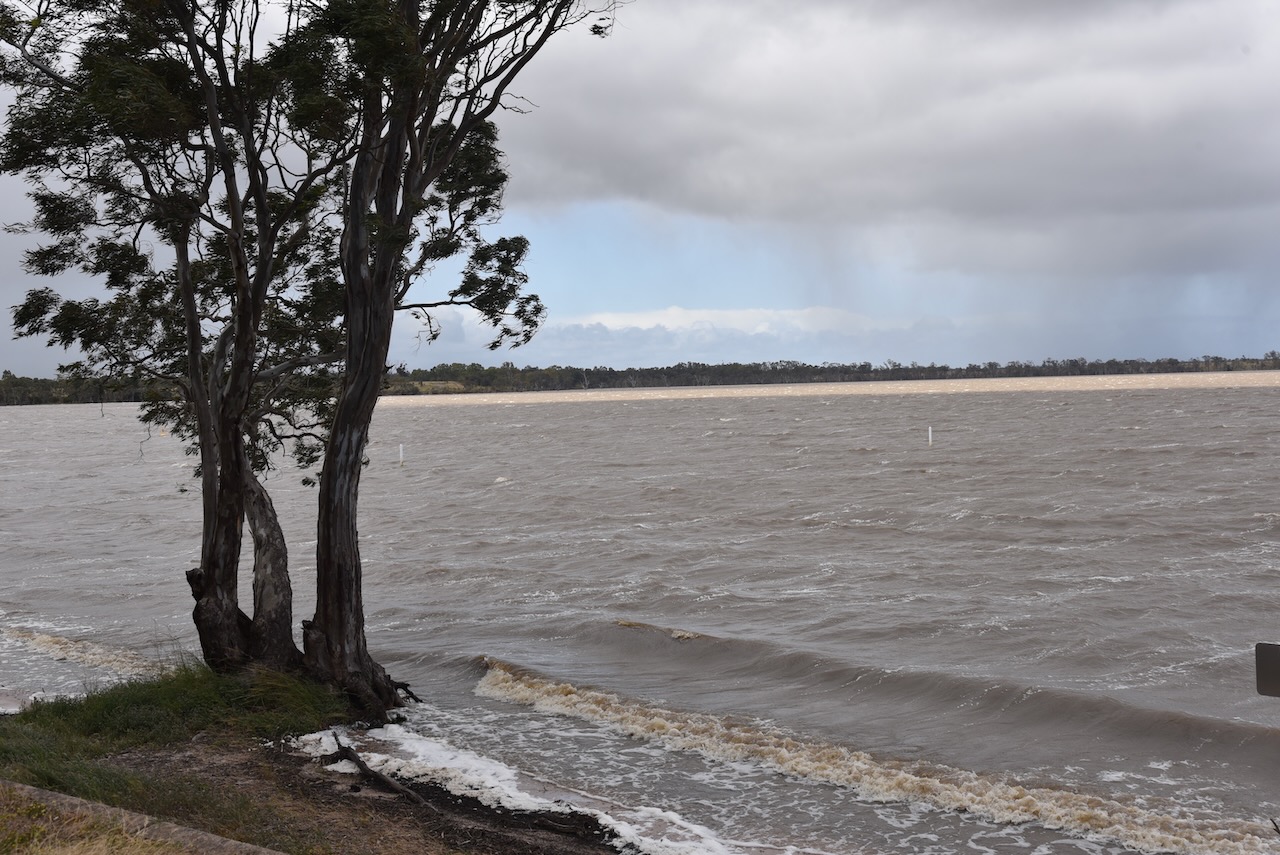
Just before getting into Horsham we stopped sat Green Lake where I previously went swimming as a child during my visits to Horsham to with my parents to visit relatives. Due to all of the recent rain the lake was full. Marija and I have previously seen it bone dry.
We then called in to see my Aunty Dawn and Uncle Jack at Horsham, and spent a few very enjoyable hours with them.
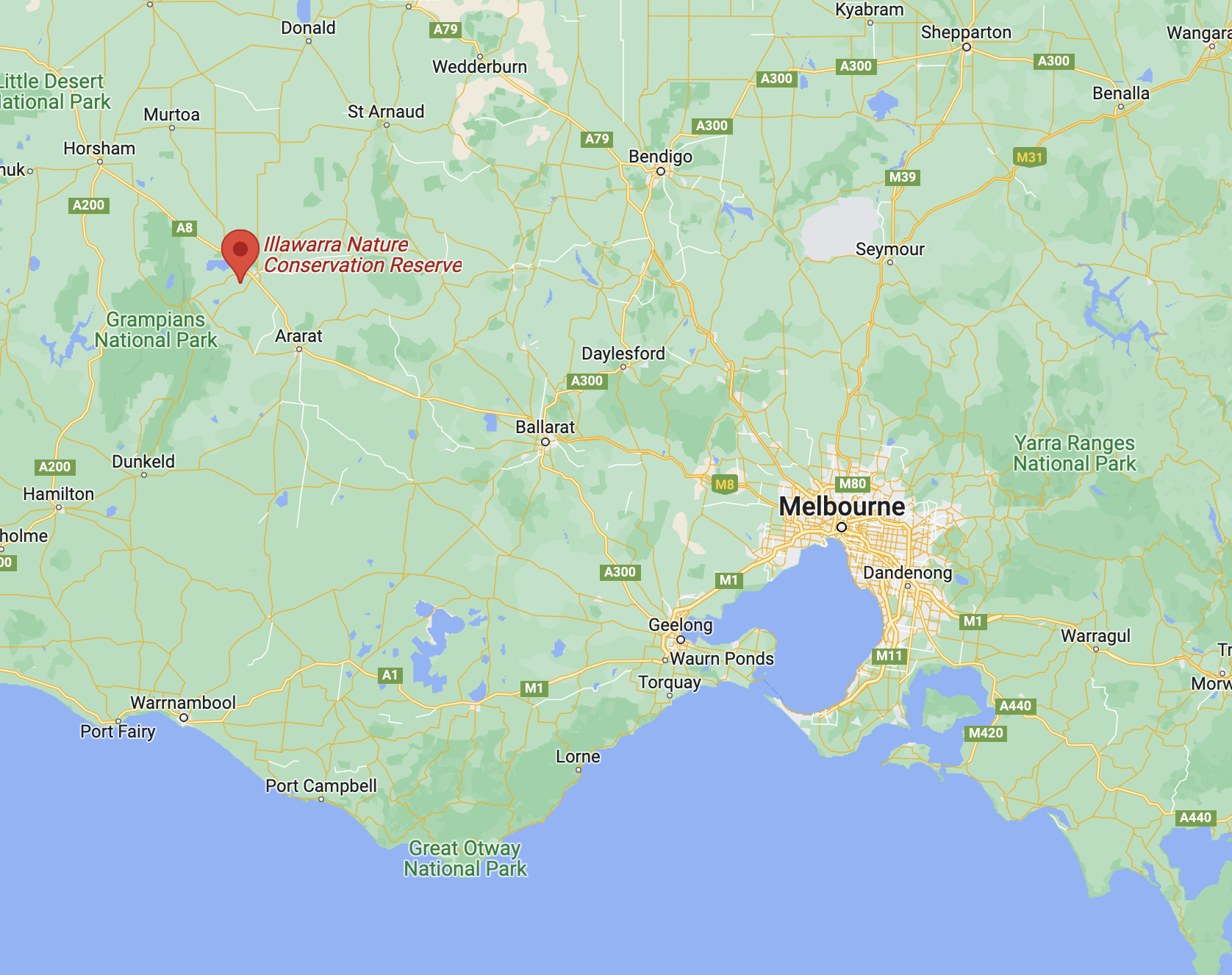
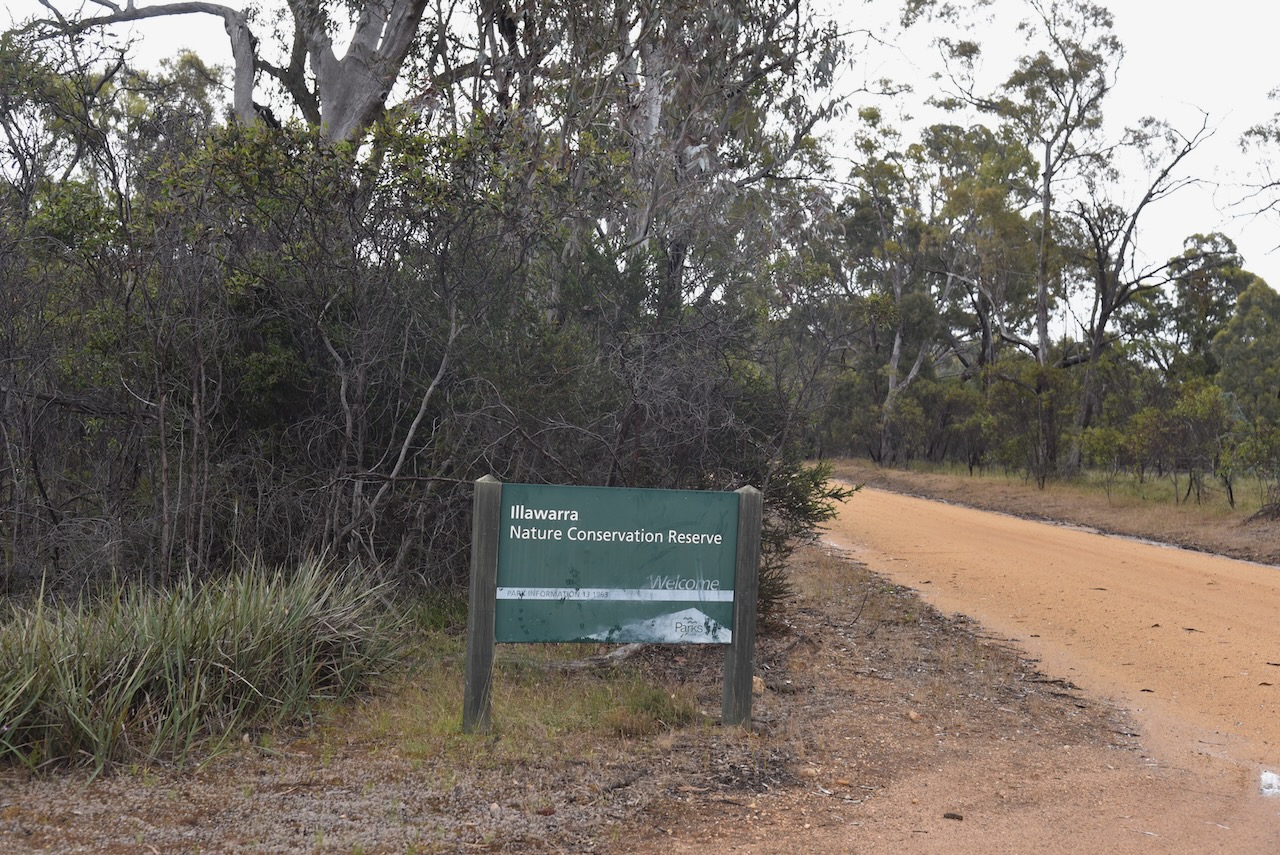
Our final park for 20th November 2022 was the Illawarra Nature Conservation Reserve VKFF-2111. The park is located in western Victoria near Stawell, about 243 km northwest of Melbourne.
Above:- Map showing the location of the Illawarra Nature Conservation Reserve. Map c/o google maps.
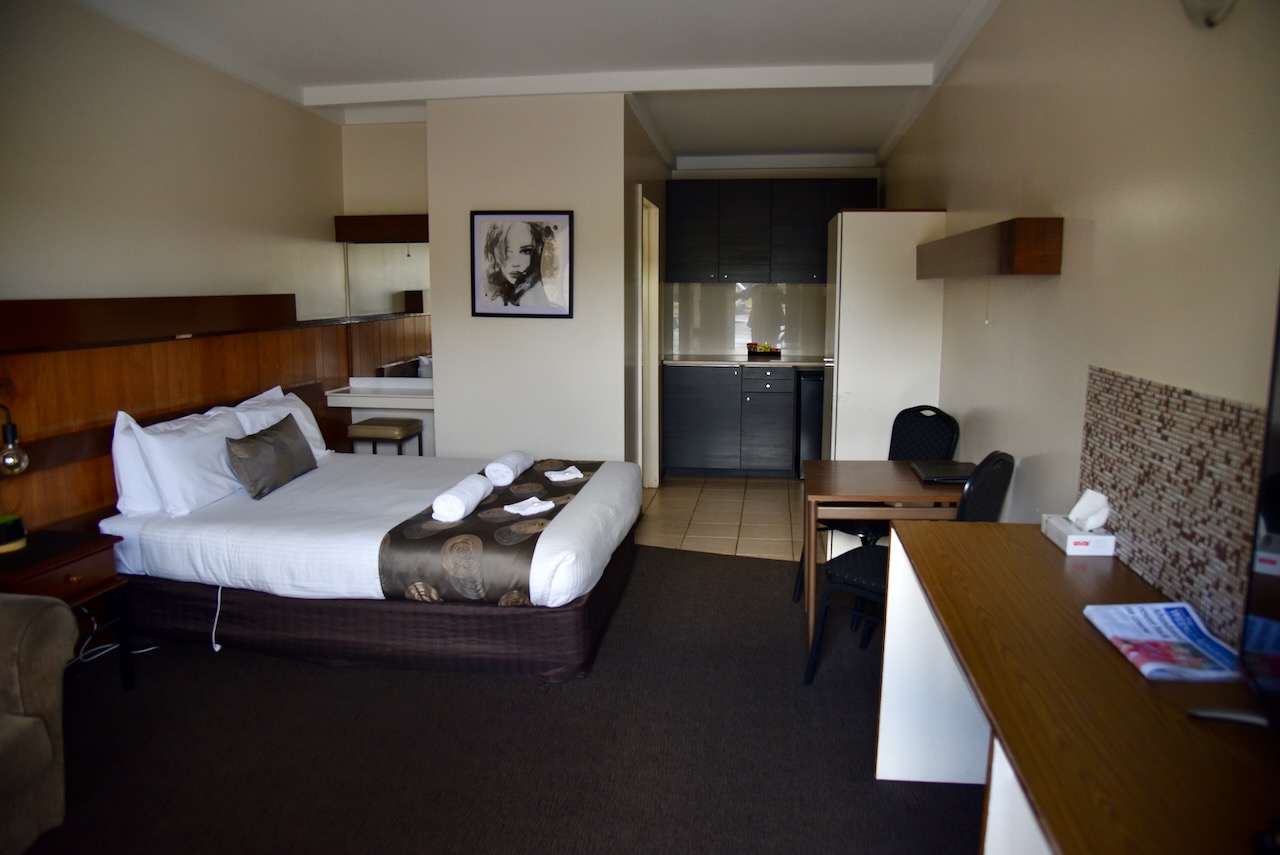
Prior to heading to the park we booked in to our accomodation in Stawell.
We then drove the short distance out to the park. The Illawarra Nature Conservation Reserve covers an area of about 600 hectares.
The critically endangered Swift parrot can be located in the park.
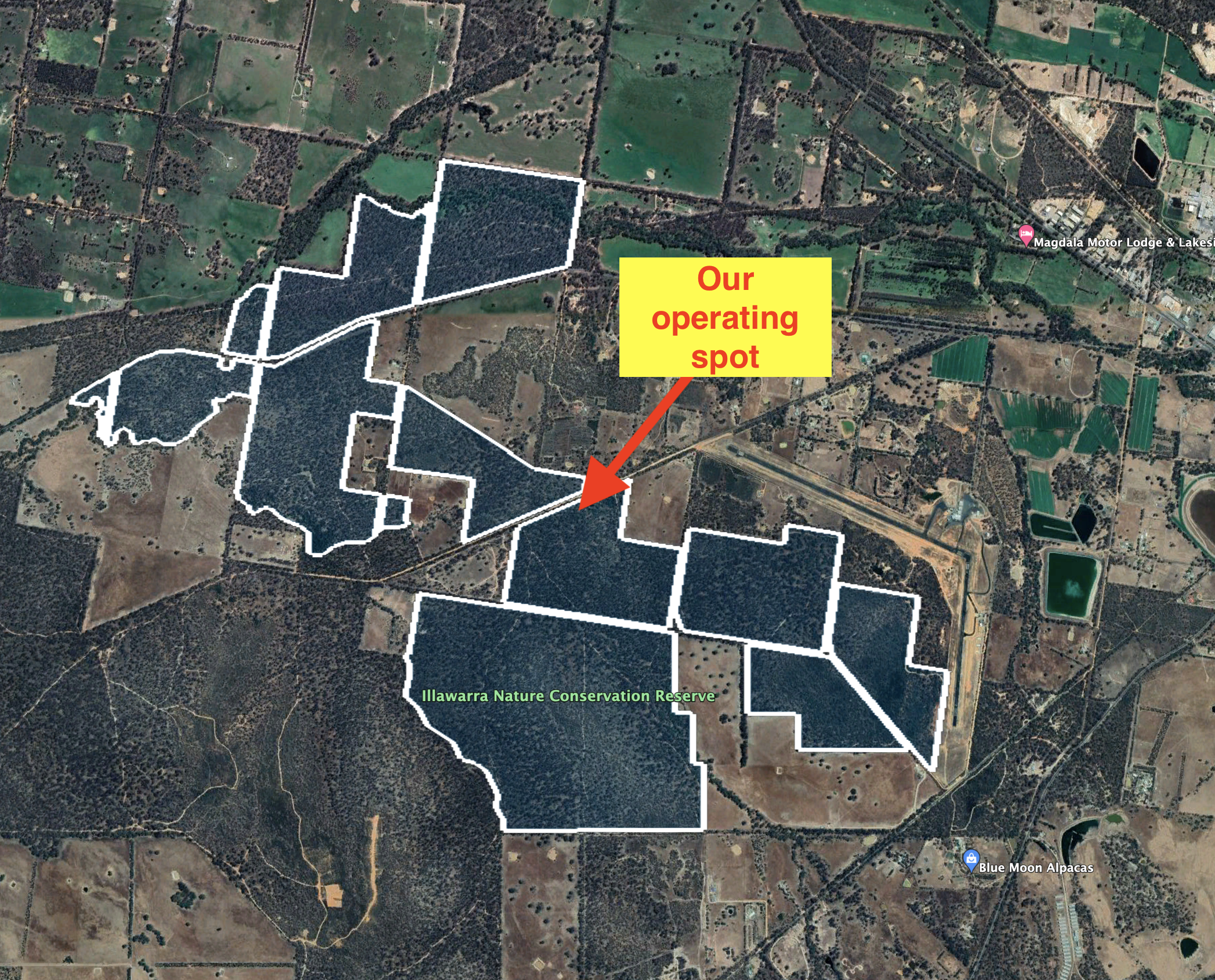
We set up in a clearing amongst the scrub off Commercial Road. As it was raining on and off, we operated from the 4WD for this activation, running the Yaesu FT857, 40 watts, and the 20/40/80m linked dipole.
Above:- An aerial view of the park showing our operating spot. Image c/o Google Earth.
Marija made the following QSOs on 20m SSB:-
VK4HAT
VK4SMA
VK4TJ
VK6AB
VK4NH
VK4DXA
ZL4NVW
VK6NU
VK6JK
VK3VEK
VK4MUD
VK4FW
VK8MM
VK2IO/p (Windsor Downs Nature Reserve VKFF-2020)
I made the following QSOs on 20m SSB:-
VK4HAT
VK4SMA
IK4IDF
HA4FB
VK4TJ
VK6AB
VK4NH
VK4DXA
ZL4NVW
SP5INQ
VK6NU
IW2NXI
UT5ZC
VK6JK
ZL3MR
VK3VEK
VK4MUD
VK4FW
VK8MM
I made the following QSOs on 40m SSB:-
VK3AHR
VK3ZPF
VK7XX
VK5BJE
VK3SQ
VK3DL
VK3PF/m
VK5MSA
KG5CIK
VK4FW
VK8MM
VK2YAK
VK4YAK
VK2IO/p (Windsor Downs Nature Reserve VKFF-2020)
VK3VIN
VK3GJG
VK5FANA
VK5KLV
VK4NH
VK4DXA
VK2GMC
VK2MET
VK1AO
VK5AYL
VK3ZK
VK3CWF
VK3UAO
VK2YK
VK5GA
VK3ACZ
VK7PSJ
VK3ANL
VK3UH
VK1DI
VK4HMI
VK4EW
VK4HAT
VK4MUD
VK4TVR/m
VK1HF
We packed up and headed back to Stawell and purchased Fish N Chips and went back to our motel room for the evening.
After packing up at Rokewood (20th November 2022) we headed northwest along the Rokewood-Skipton Road and we soon reached the little town of Skipton.
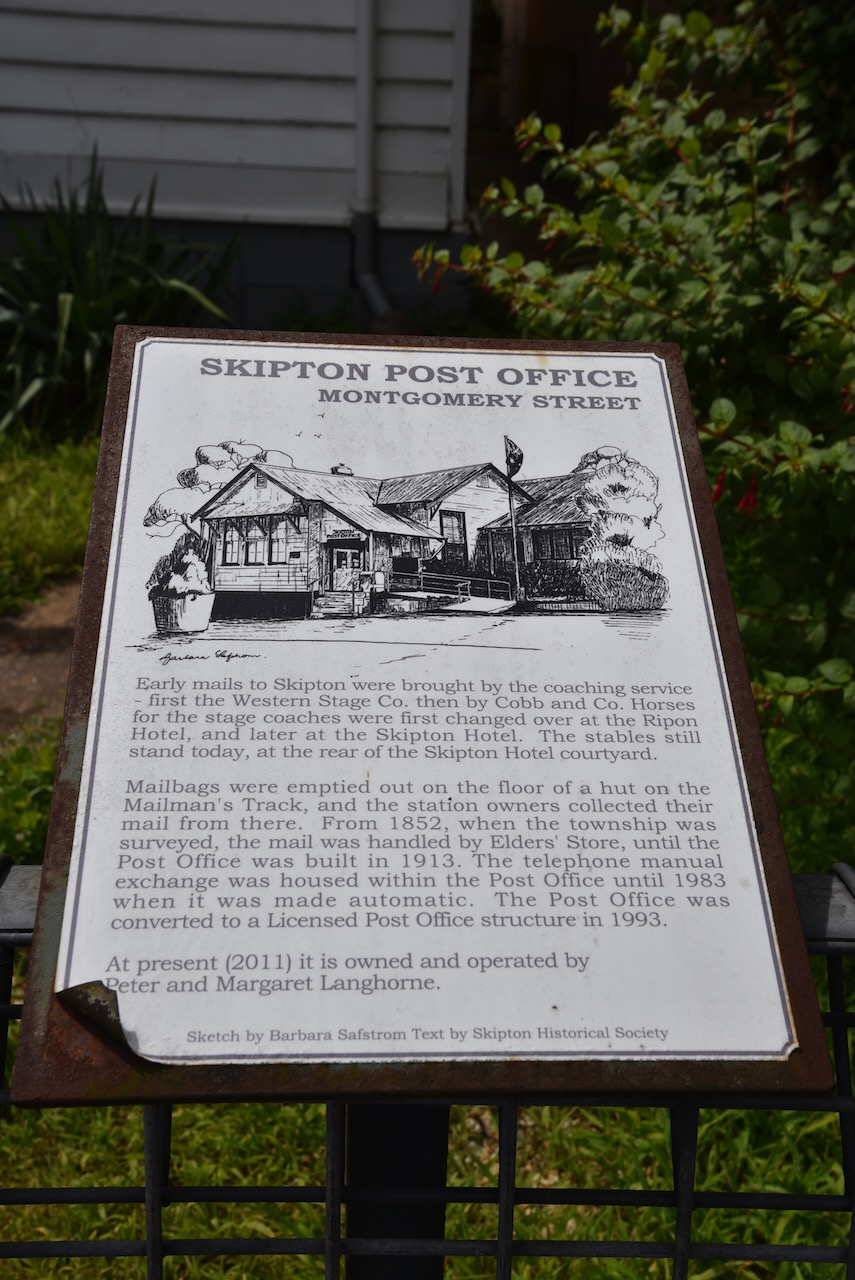
Skipton takes its name from Skipton in Yorkshire in the United Kingdom. It comes from Old English – ‘Scip-tun’ meaning ‘sheep town’. The area was first established as a pastoral run in 1839. By 1852 the town site had been surveyed. A Post office was opened on the 6th day of March 1858. In 1859, Skipton held the first agricultural show in the western district of Victoria.
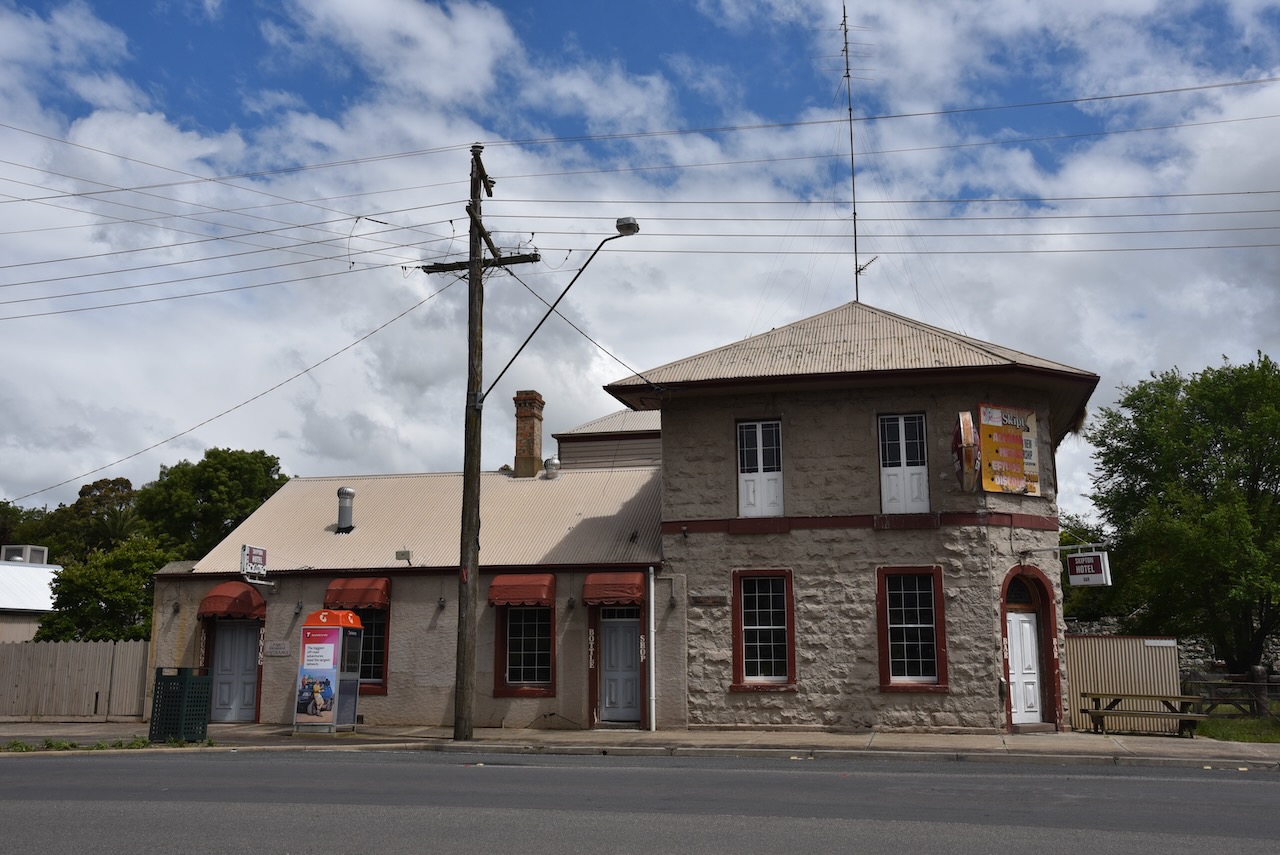
Skipton was the home to a number of notable people including Henry Bolte, the longest serving Premier of Victoria. There are also a number of historic buildings including the old Skipton Hotel which waas built in 1859.
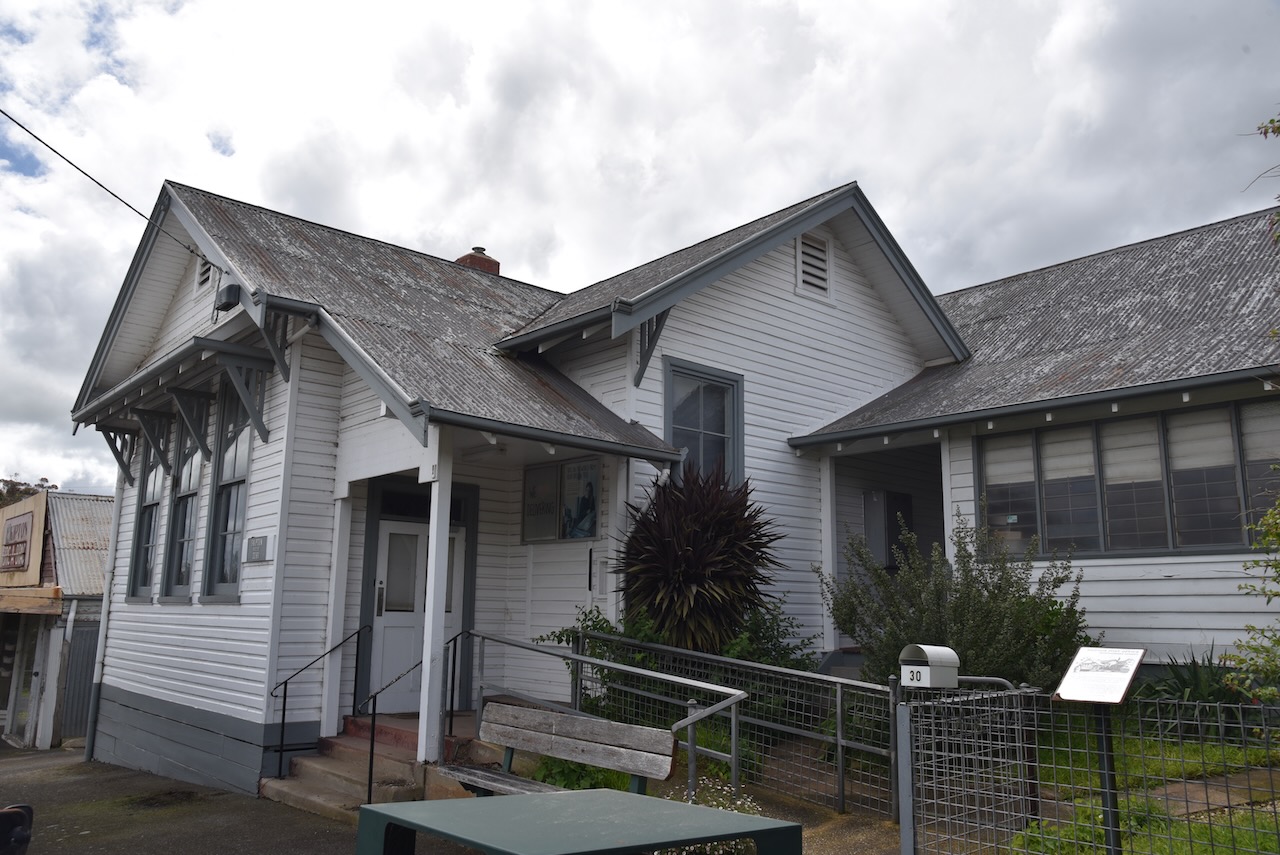
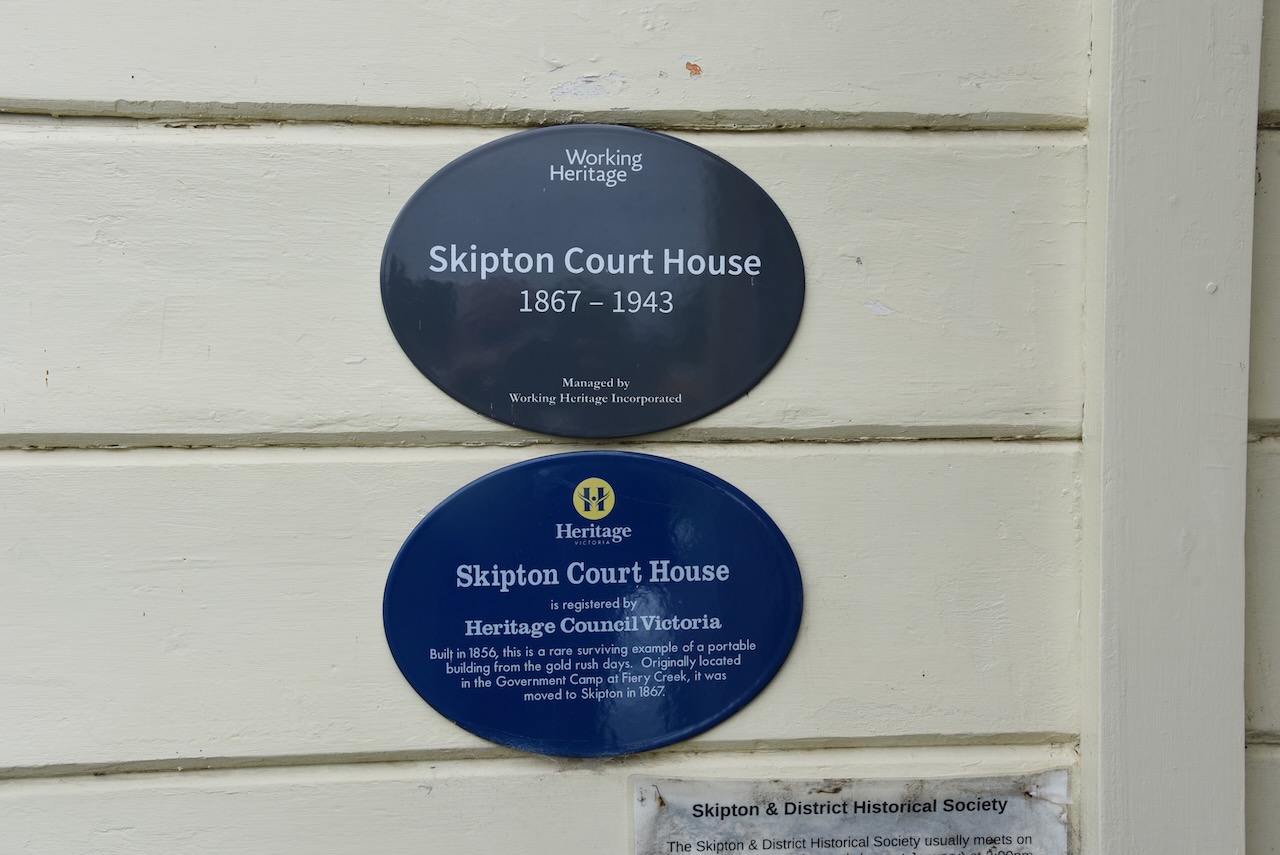
Marija and I then visited the old Skipton Court House which is now used by the Skipton Historical Society.
The old court house building was built at the government camp at Fiery Creek in 1856 and was moved to Skipton in 1867. We were lucky in that there were volunteers present and we were able to go inside the courthouse. The volunteer that we spoke to advised that the court house was flooded in recent weeks due to the heavy rain and that water was quite a few inches deep inside.
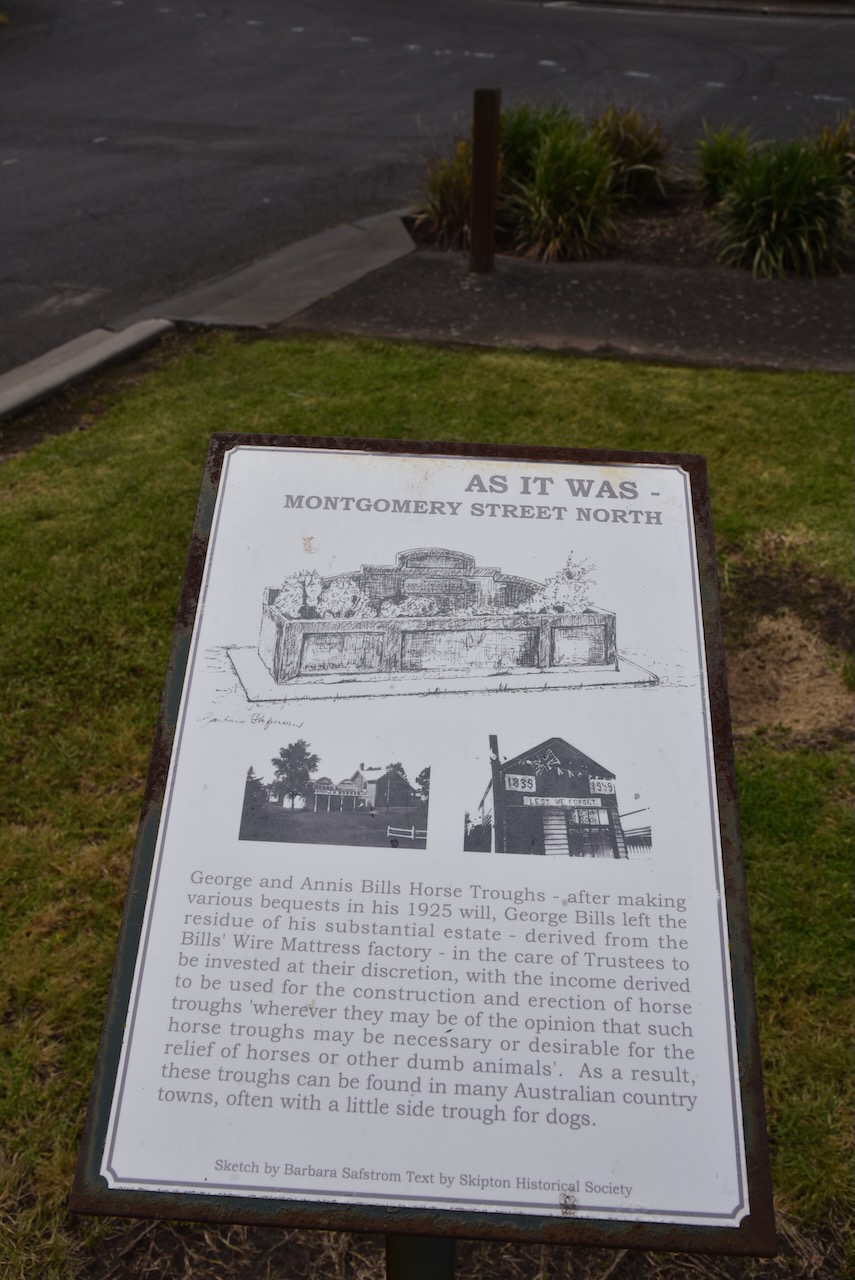
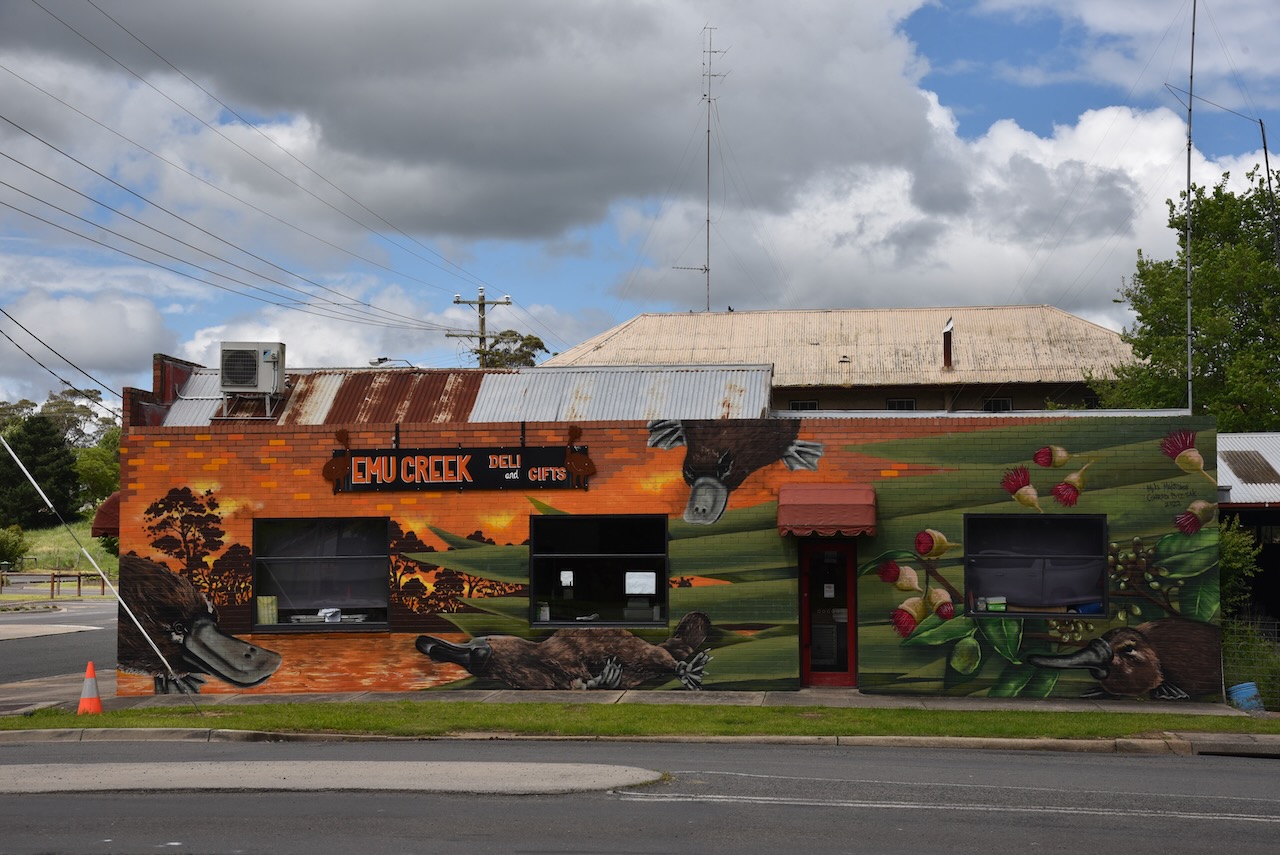
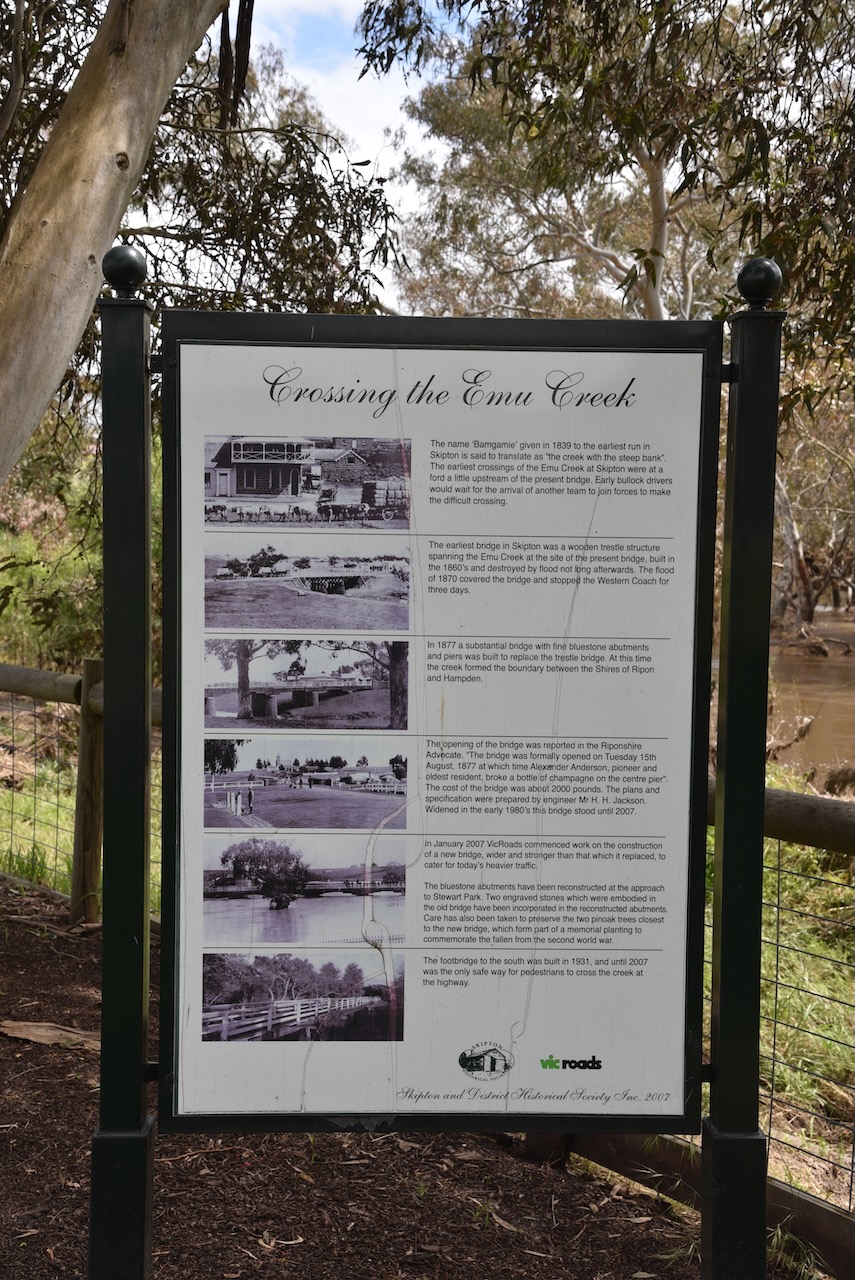
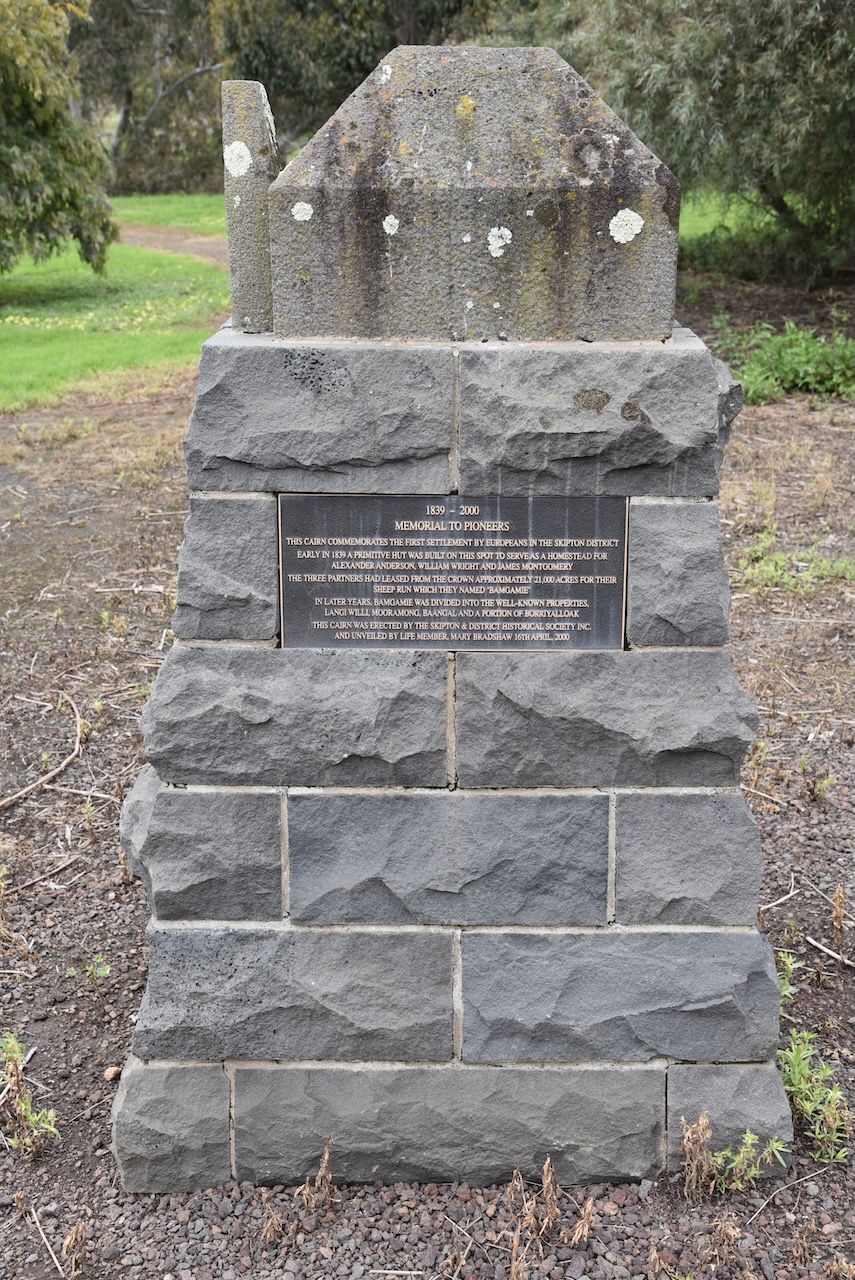
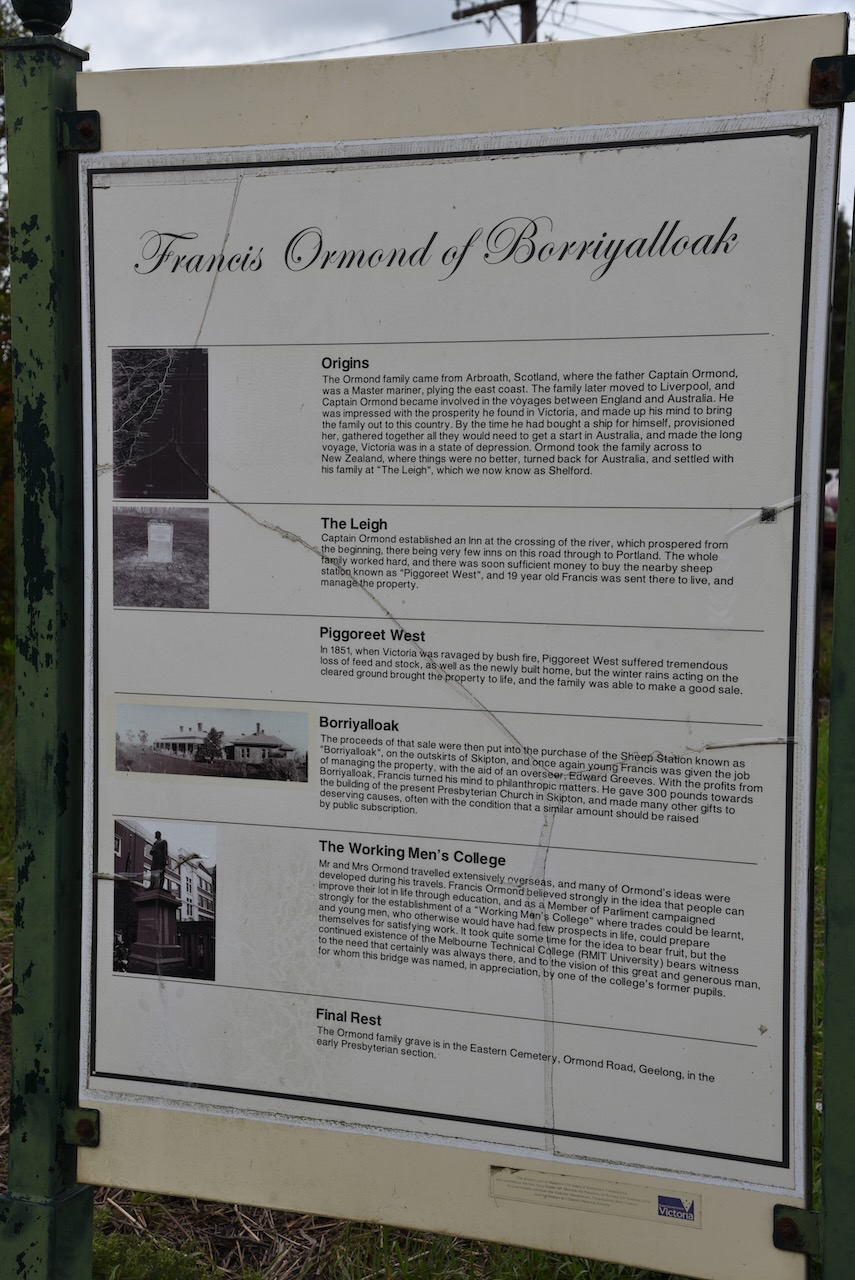
Adjacent to the old court house is Stewart Park on the banks of the Mount Emu Creek. There is a viewing platform in the park to view platypus which can be found in the creek. There are also a number of information boards with history of Skipton, and a memorial cairn to the Skipton pioneers. There was quite a bit of water flowing along the creek after the recent floods.
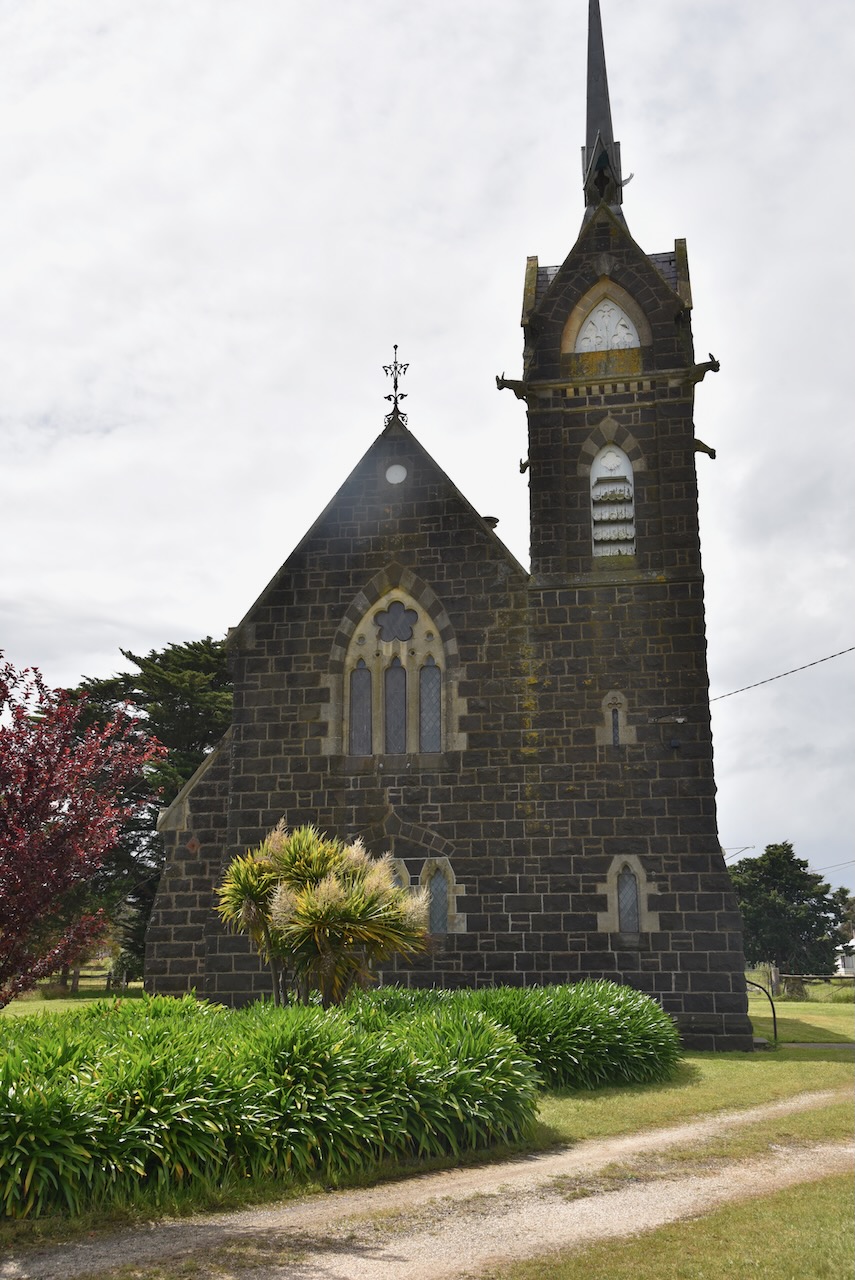
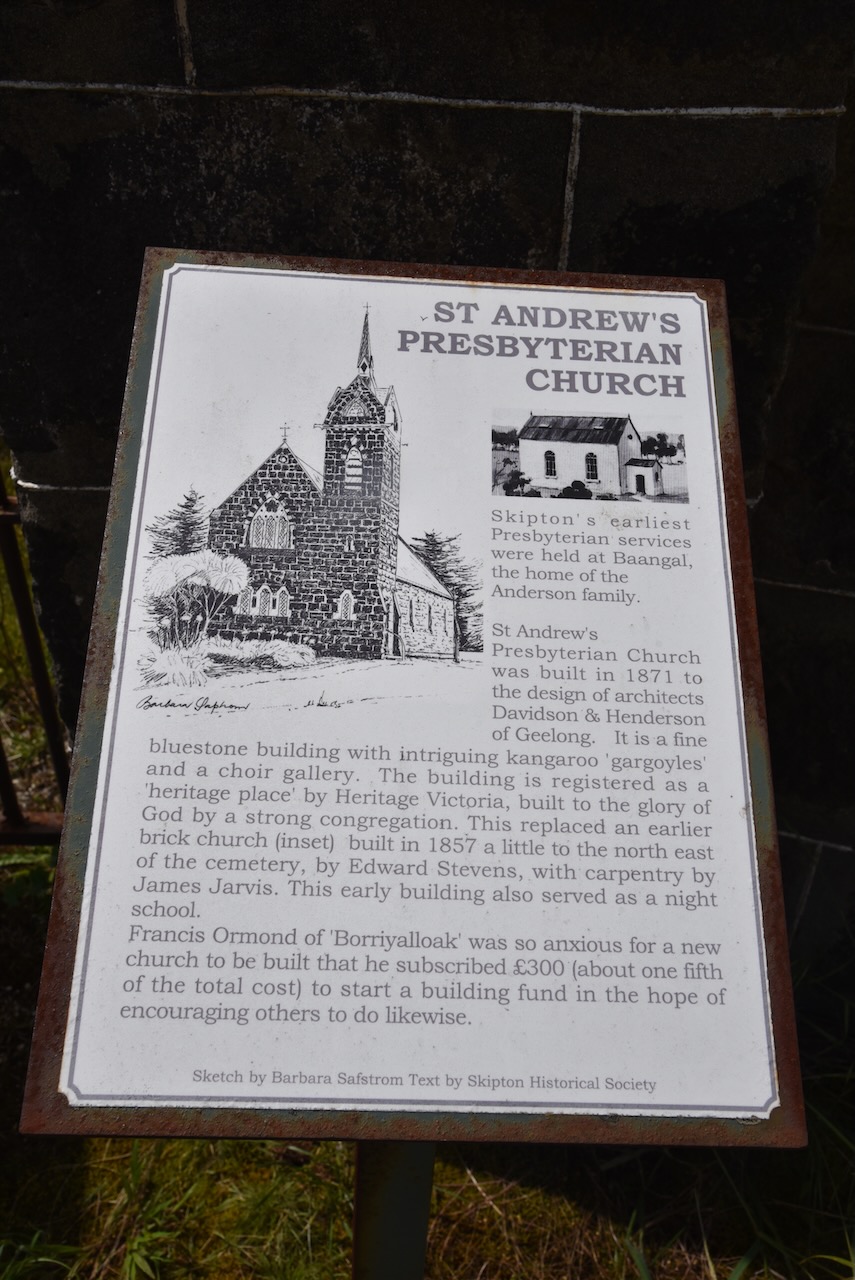
We then had a look at St Andrews Presbyterian Church, a beautiful tuck-pointed bluestone Gothic Revival church which was built between 1871-1872.
We then drove north out of Skipton on the Skipton Road towards Beaufort. Marija saw on the map that the Blacks Creek Nature Conservation Reserve VKFF-2049 was just up the road, so we decided to call in there for a quick park activation.
Above:- Map showing the location of the Blacks Creek NCR. Map c/o Google maps.
The Blacks Creek Nature Conservation Reserve is 233.95 hectares in size and is located on the northern side of the Carngham-Streatham Road. It was gazetted in 2002.
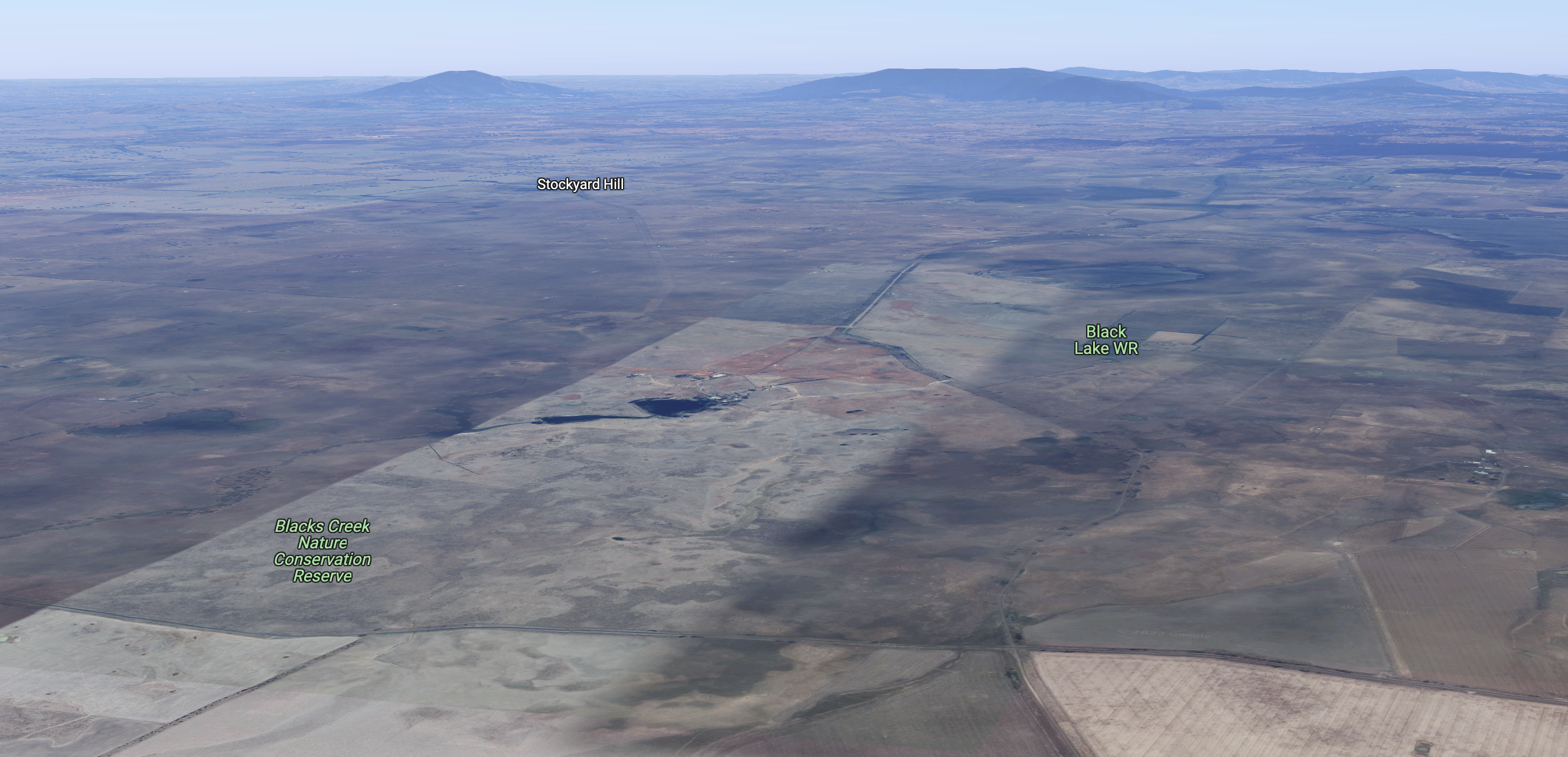
Above:- An aerial view of the Blacks Creek NCR. Image c/o Google maps.
The park preserves Plains Grassland which is considered endangered in the Victorian Volcanic Plain bioregion. Patches of grassland the size of Blacks Creek are very rare. The park contains a number of significant plant species, including at least two which are of national significance.
Marija and I set up near the corner of the Carngham-Streatham Road and Stockyard Hill Road.
Above: Aerial view of the park showing our operating spot. Image c/o Google Earth.
Marija worked the following stations on 40m SSB:-
VK7XX
VK2HHA
VK3SQ
VK2MET
VK1AO
VK2VH
VK4AAC
VK3VB
VK7AN
VK5PL
VK2IO/p (Pitt Town Nature Reserve VKFF-1984)
VK3BEZ/p (Alpine National Park VKFF-0619)
VK3NRB/p (Alpine National Park VKFF-0619)
I worked the following stations on 40m SSB:-
VK7XX
VK2HHA
VK3SQ
VK2MET
VK1AO
VK2VH
VK4AAC
VK3VB
VK7AN
VK2PKT
VK5PL
VK3VIN
VK5AYL
VK3BBB
VK2CCP
VK3DL
VK3GRX
VK2IO/p (Pitt Town Nature Reserve VKFF-1984)
VK4FW
VK8MM
VK4TJ
VK3UH
VK4KLA
VK3YV
VK3ZK
VK4NH
VK4DXA
VK3GJG
VK3BEZ/p (Alpine National Park VKFF-0619)
VK5KVA
VK3NRB/p (Alpine National Park VKFF-0619)
VK3DXJ
VK5BJE
VK1AAF
I worked the following stations on 20m SSB:-
VK4NH
VK4DXA
VK4FW
VK8MM
VK4EW
VK4SMA
I worked the following stations on 20m AM:-
VK4EW
VK4NH
VK4DXA
VK4SMA
It had started to rain so we packed up, with 57 contacts in the log, including 6 Park to Park contacts.
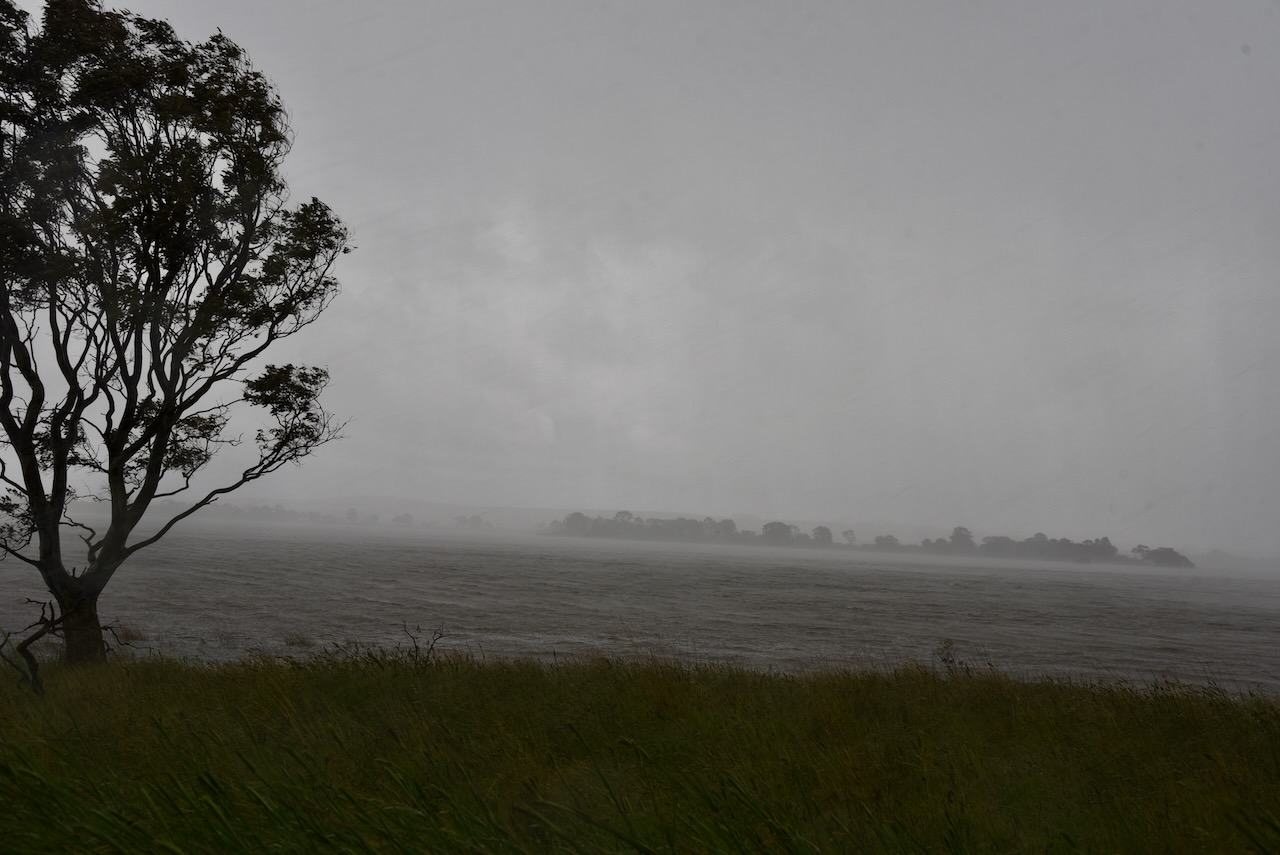
We drove north on the Skipton Road towards Beaufort and the heavens really opened up and we experienced very heavy rain was we drove passed Lake Goldsmith.
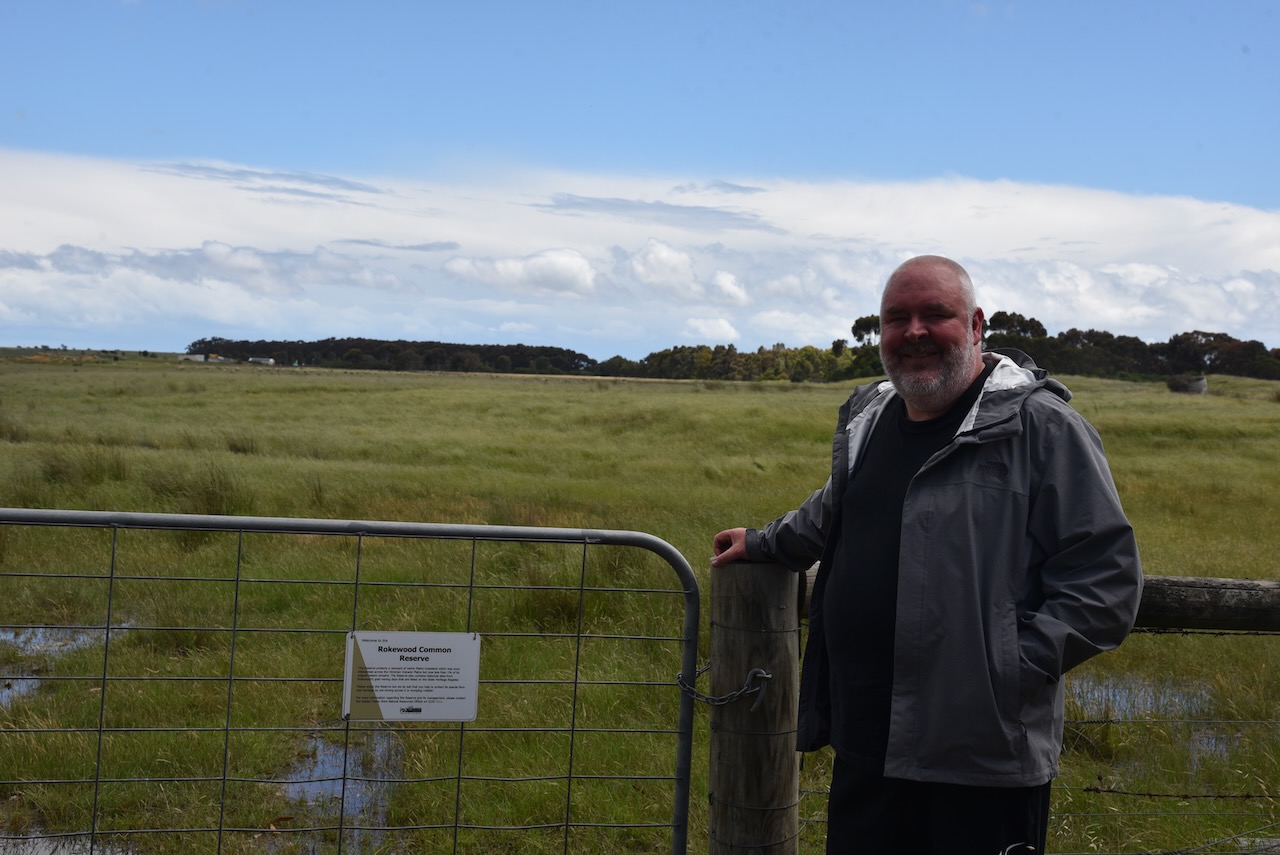
Our second park for 20th November 2022 was the Rokewood Common Nature Conservation Reserve VKFF-2182. Due to the flooding and heavy rain Marija and I had to detour significantly to get to there.
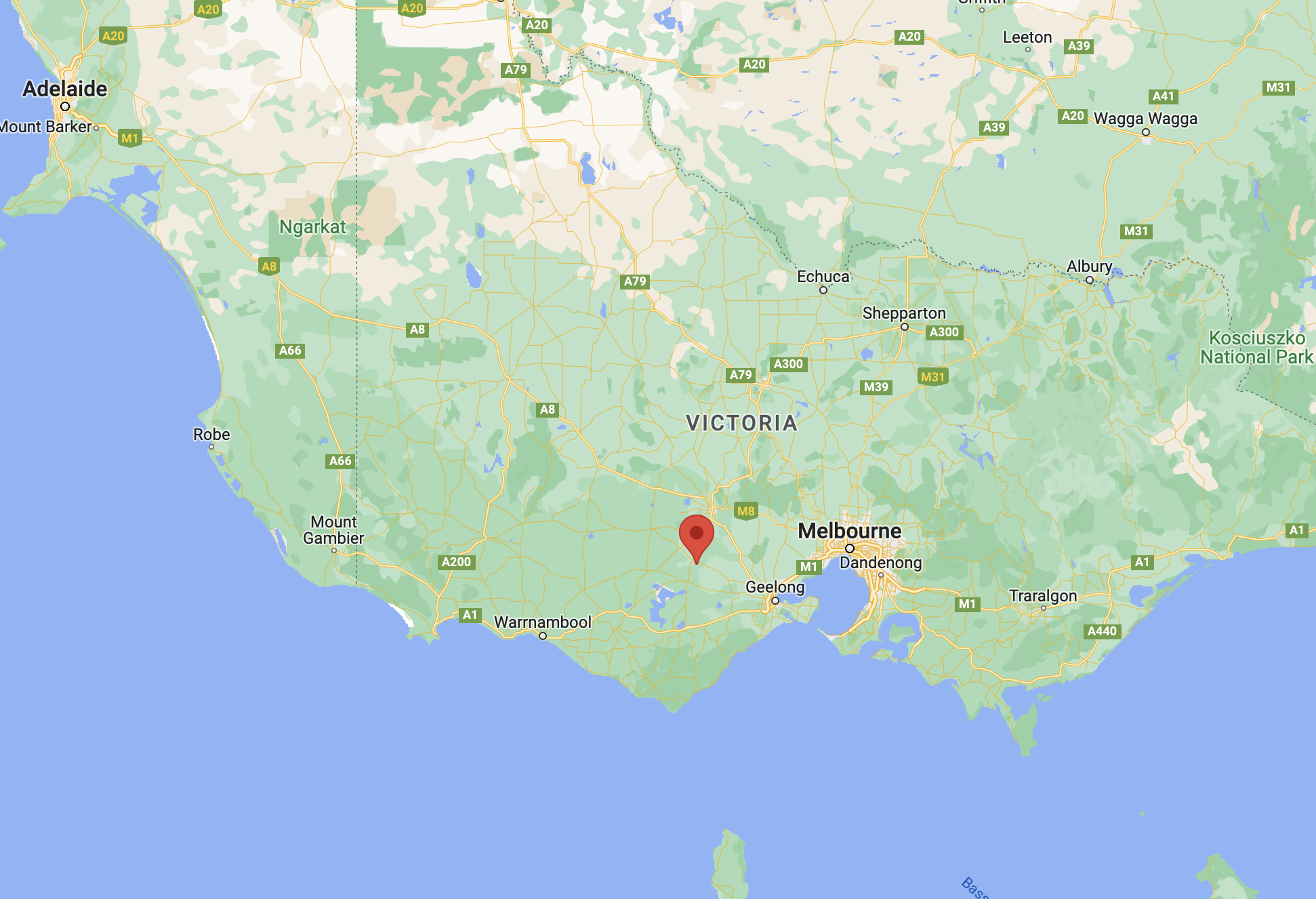
Above:- Map showing the location of the Rokewood Common NCR. Map c/o Google maps.
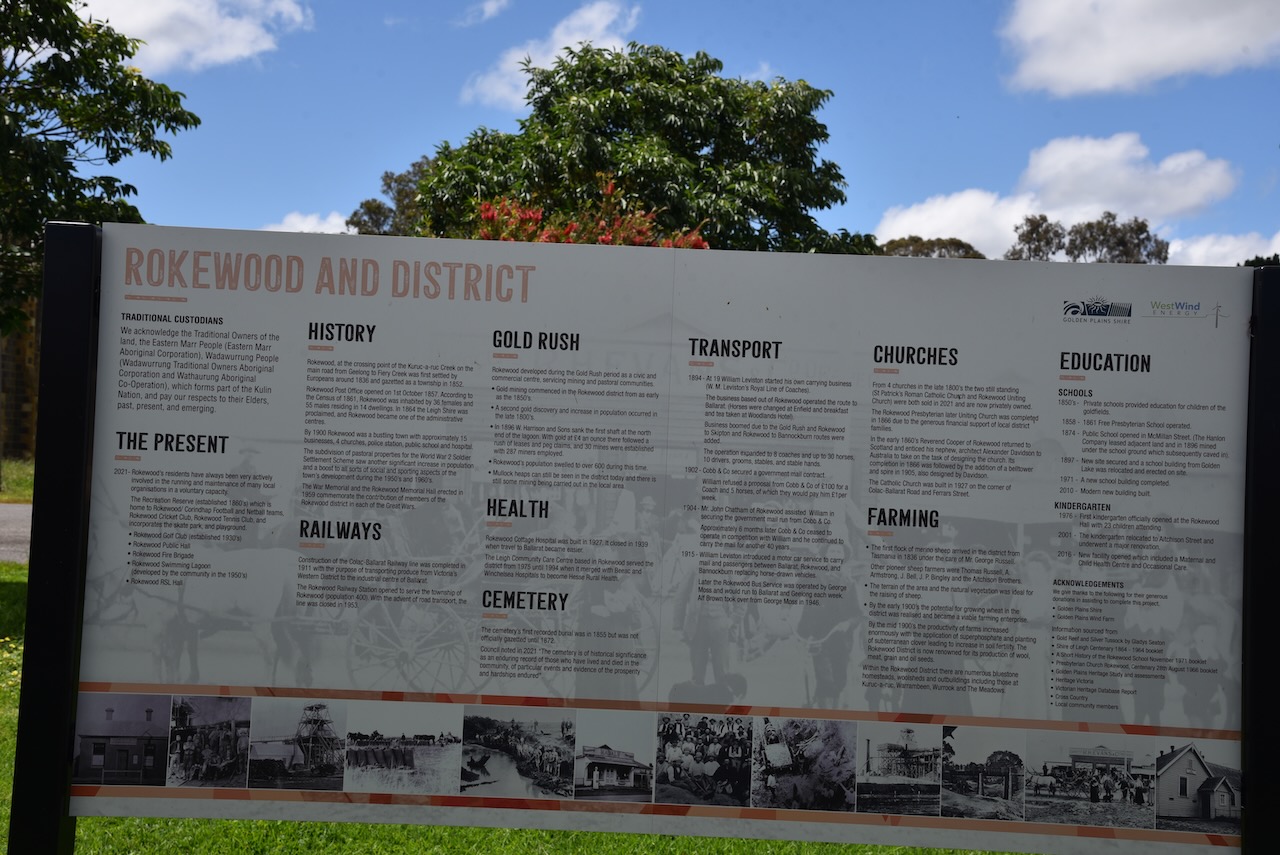
The Rokewood area commenced as a crossing place on the Kuruk A Ruc Creek, aboriginal for place of the frog. It was gazetted as a town in June 1853. It is believed that the name of the town was inspired by English miners after the Rokewood family in Suffolk, although this is not confirmed. In 1854 a hotel was opened. The Rokewood Post Office opened on 1 October 1857. Rokewood became the main town for the gold mining are which included Dereel and Rokewood Junction.. By the early 1870s there were 54 dwellings and three hotels in Rokewood. The 1871 census has 276 people living in Rokewood.
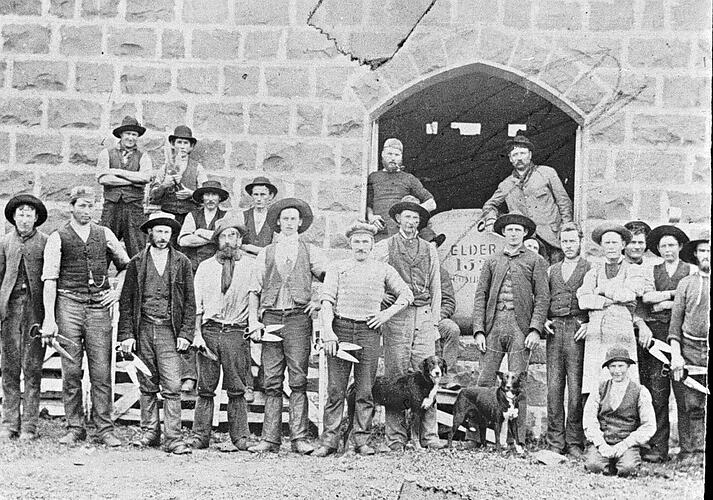
Above:- Shearers at Rokewood, c. 1905. Image c/o collections.museumsvictoria.com
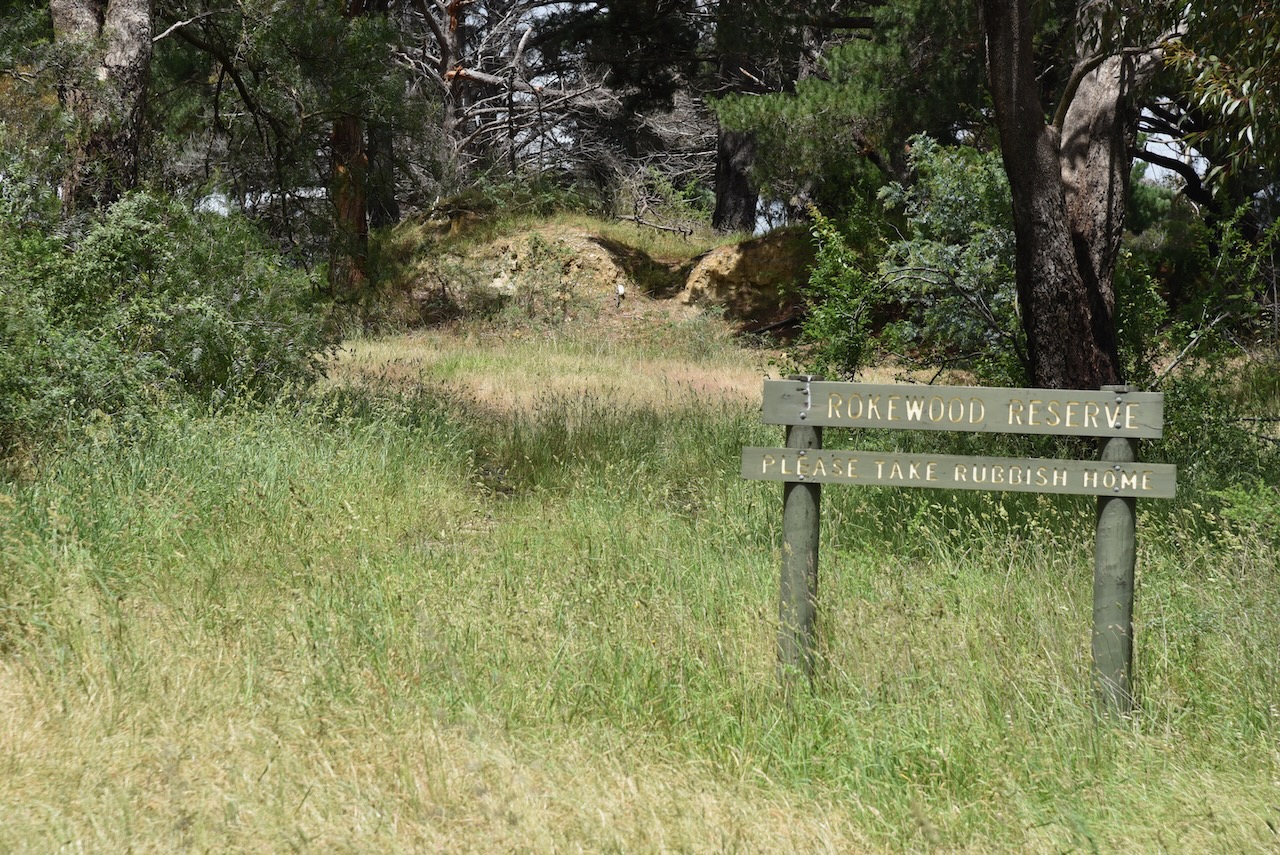
Do not confuse the Rokewood Common NCR with the Rokewood Reserve. This is not part of VKFF-2182.
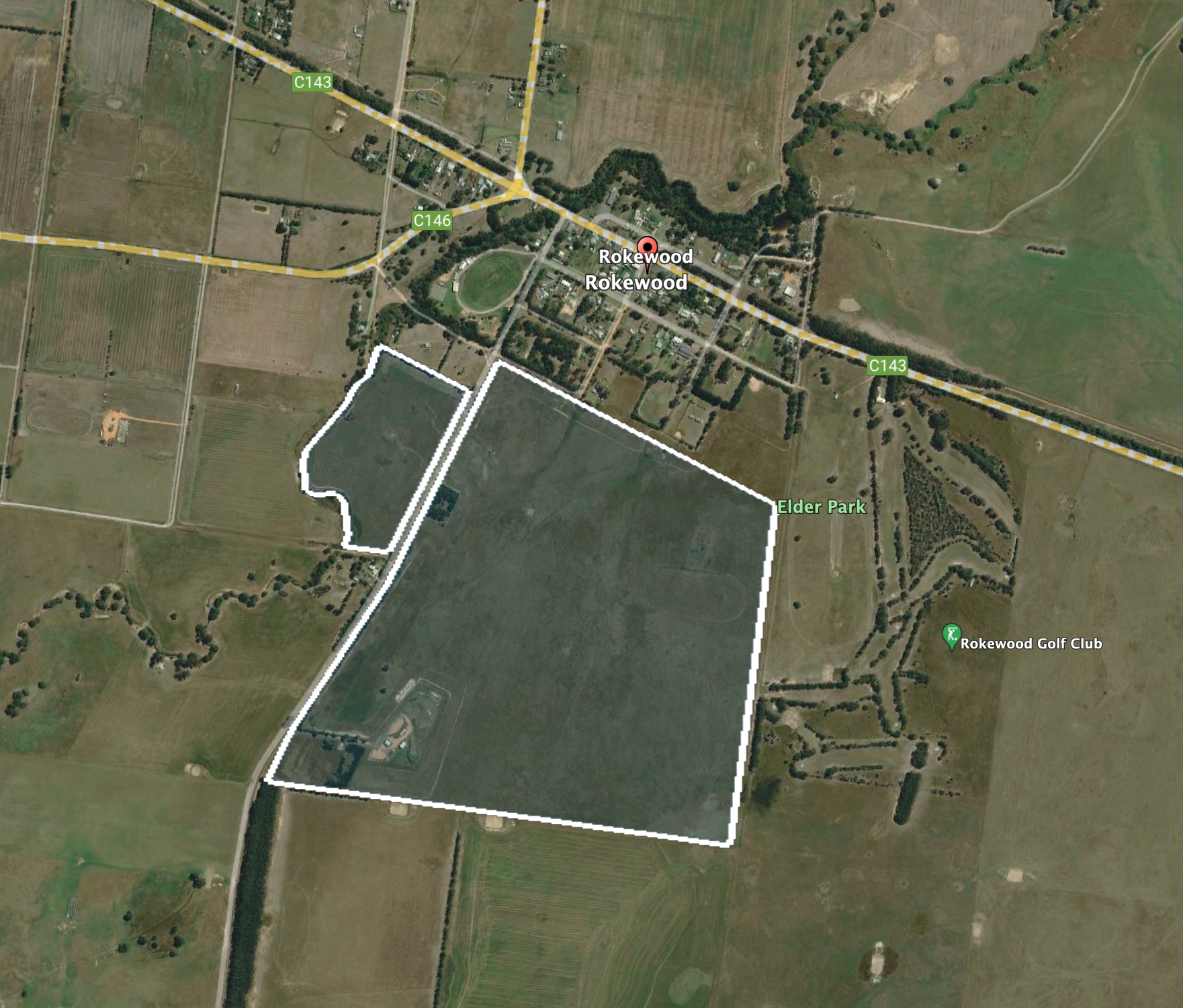
The park can be located to the south of Wilson Street and adjacent to the Rokewood Golf Club, and on the eastern and western side of Meadows Road.
Above:- Aerial view of the Rokewood Common NCR. Image c/o Google Earth.
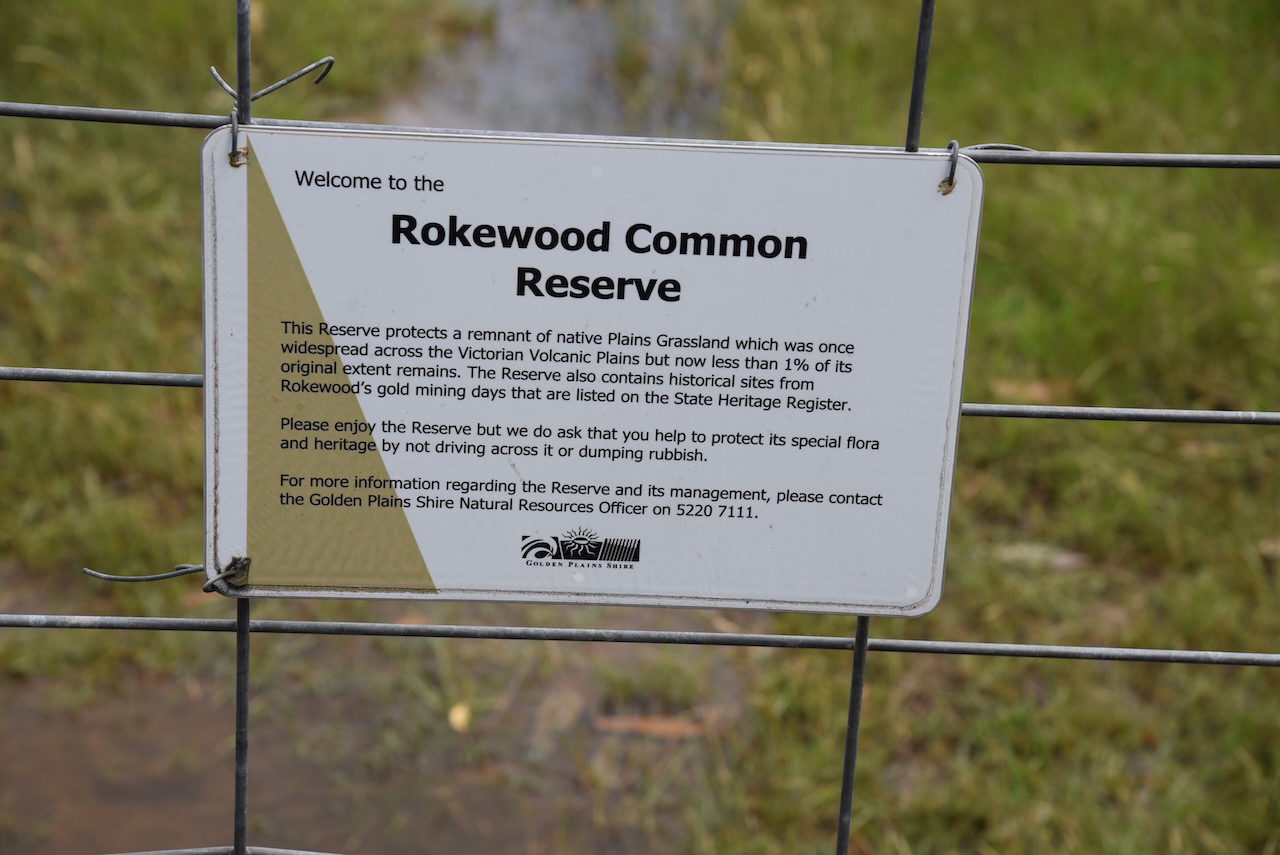
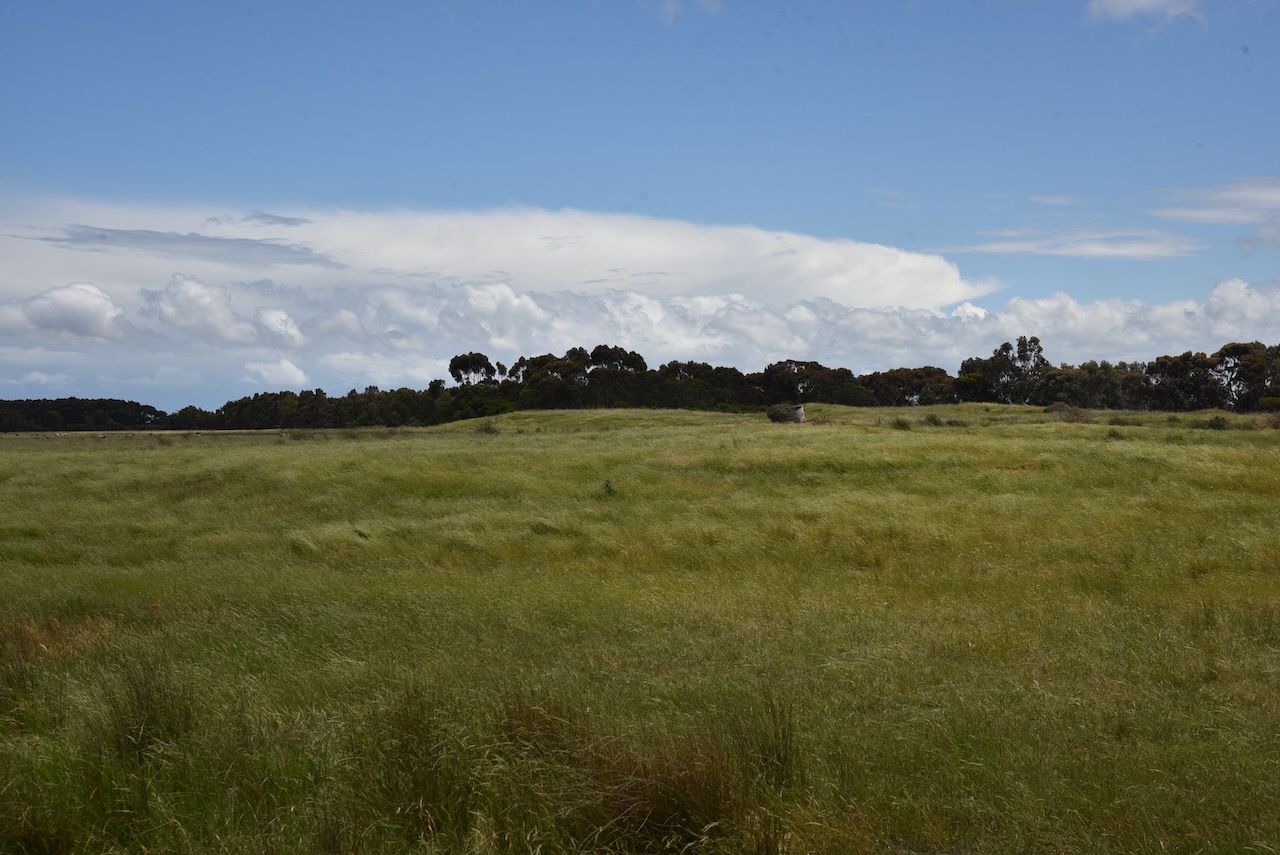
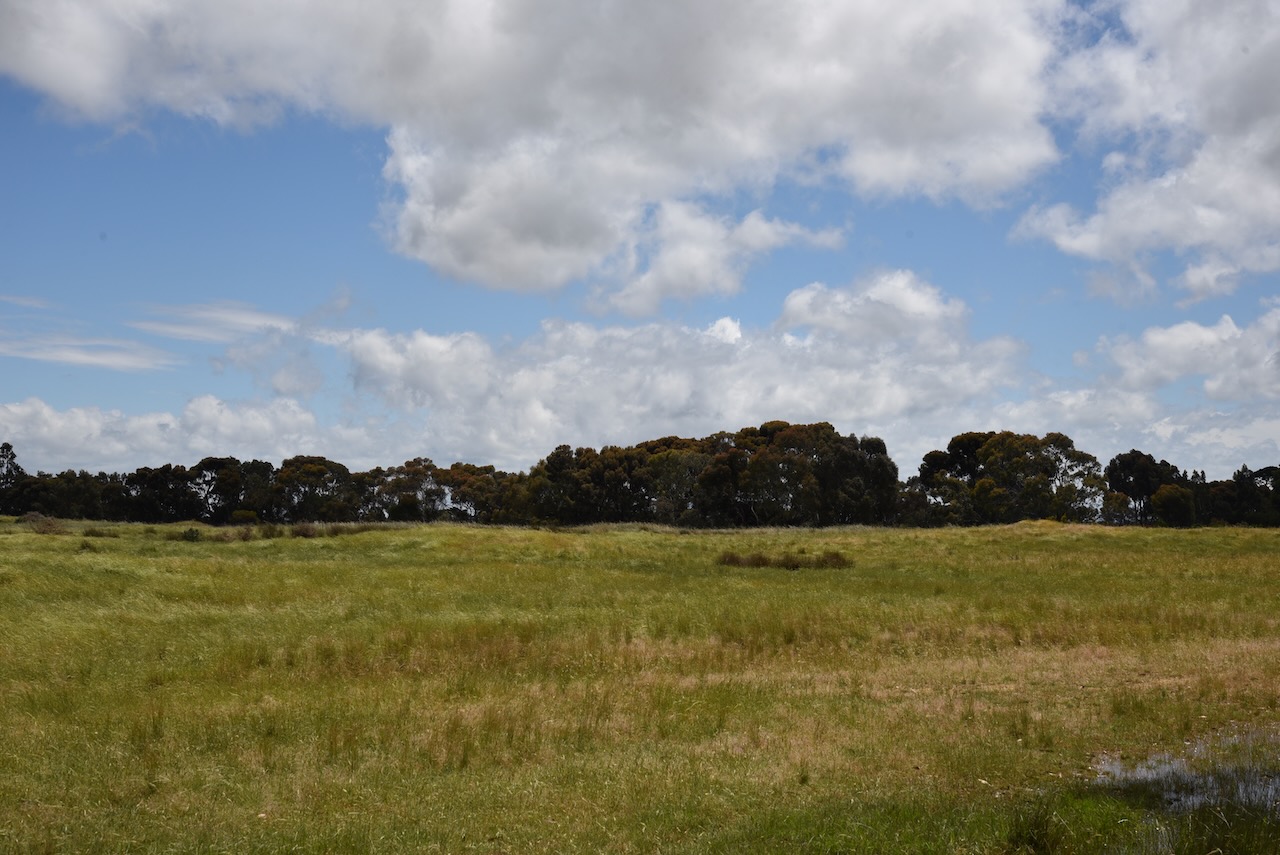
The Rokewood Common MCR protects a remnant Plains Grassland which was once widespread across the Victorian Volcanic Plains. Less than 1% of its original extent remains today. The Reserve also contains historical sites from Rokewood’s gold mining days which are listed in the State Heritage Register.
We set up on the western side of Meadows Road and ran the Yaesu FT857, 40 watts, and the 20/40/80m linked dipole for this activation.
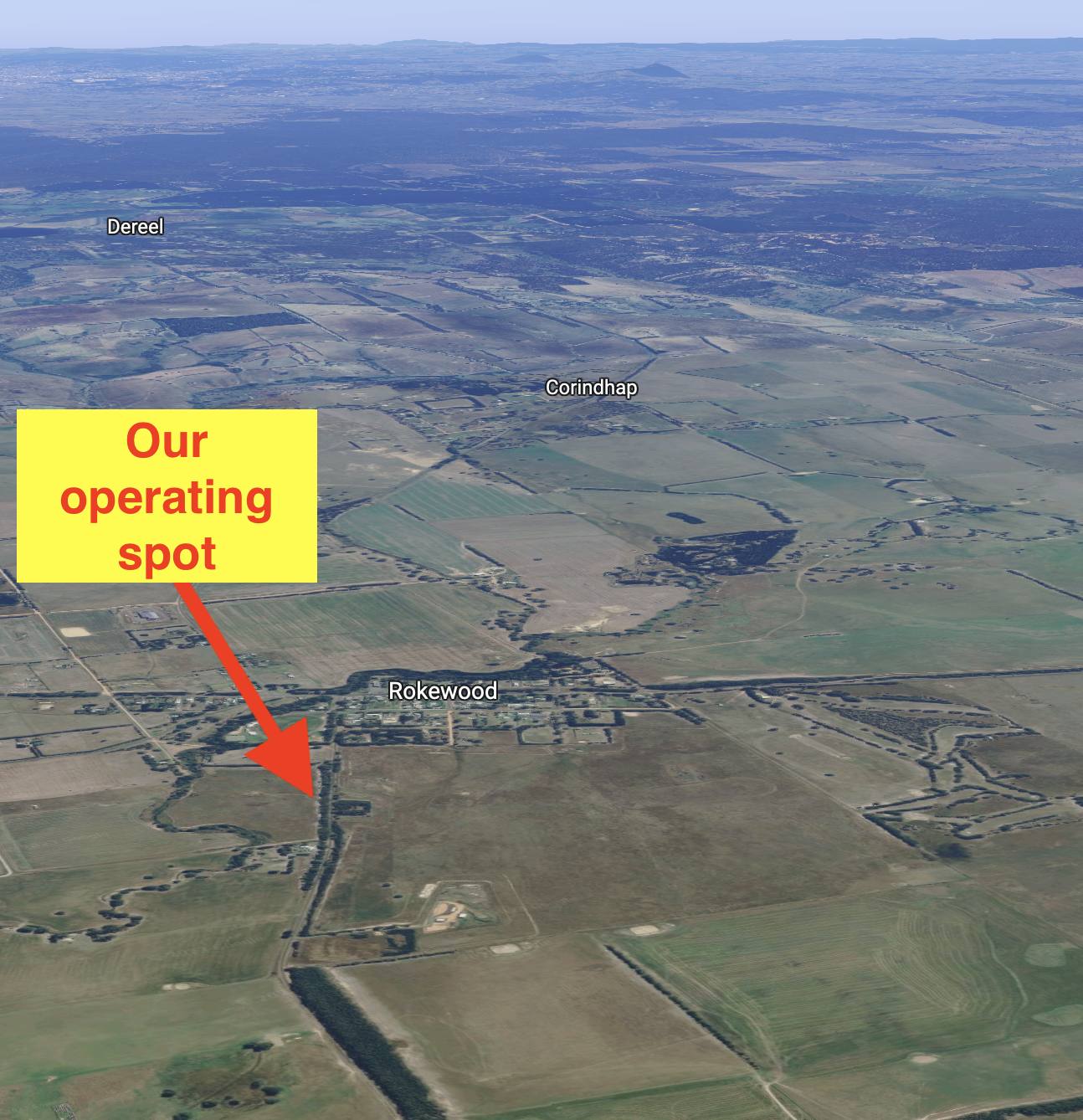
Above:- An aerial view of the park showing our operating spot. Image c/o Google maps.
We made a total of 76 QSOs, including 18 Park to Park contacts.
VK2APC/p (Burragorang State Conservation Area VKFF-1292)
VK3HBD
VK2LP/p (Burragorang State Conservation Area VKFF-1292)
VK3MRG
VK3UH
VK2EG/p (Medowie State Conservation Area VKFF-1349)
VK3LSR
VK5DW
VK2JES
VK3MDC/m
VK3FMRC
VK5IS
VK3PMV
VK3UAO
VK3ABI
VK5FB
VK5CZ
VK3UN
VK3TUN/p (Tooloy Flora Reserve VKFF-2459)
I worked the following stations on 20m SSB:-
ZL3MR
VK4NH
VK4DXA
VK4SMA
VK2MET
VK1AO
VK4TJ
VK4KC
VK4MAD
VK4DOG
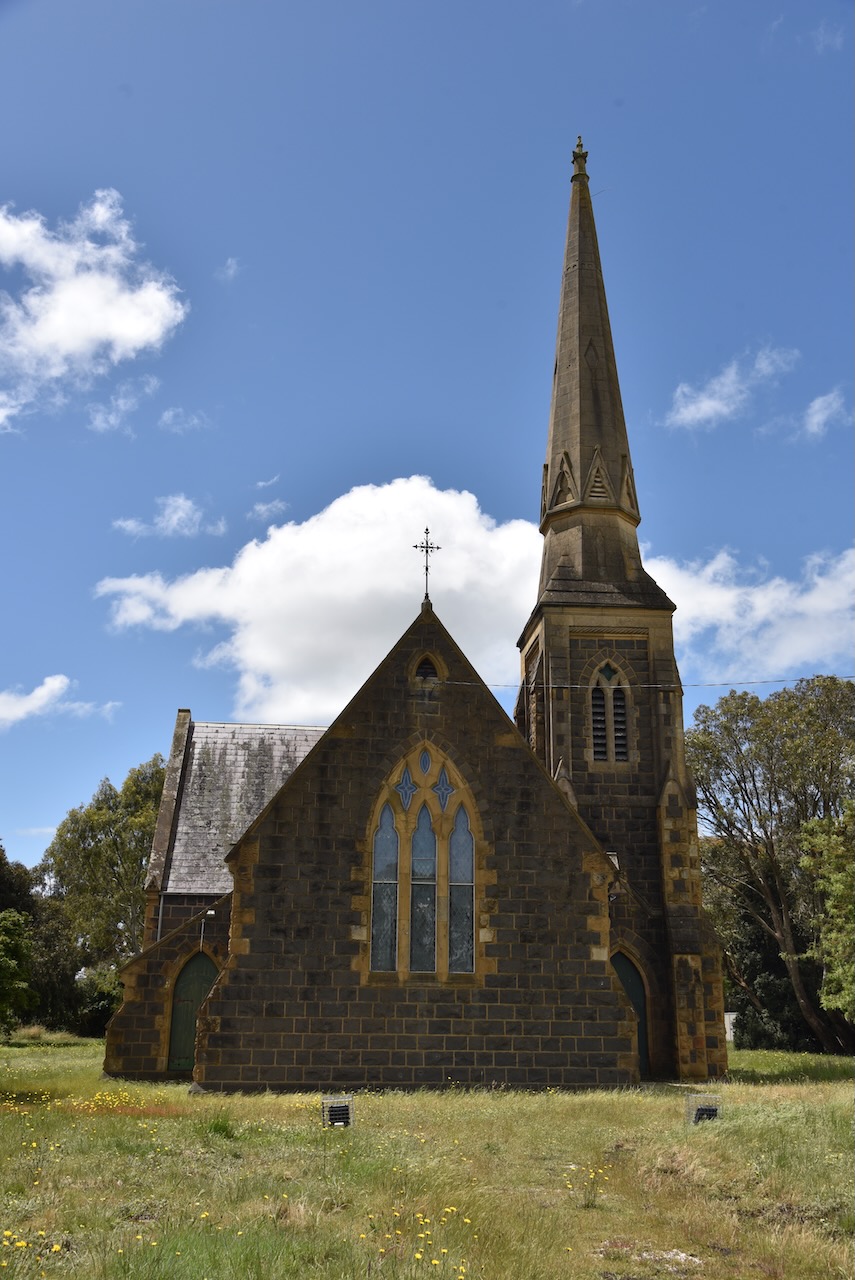
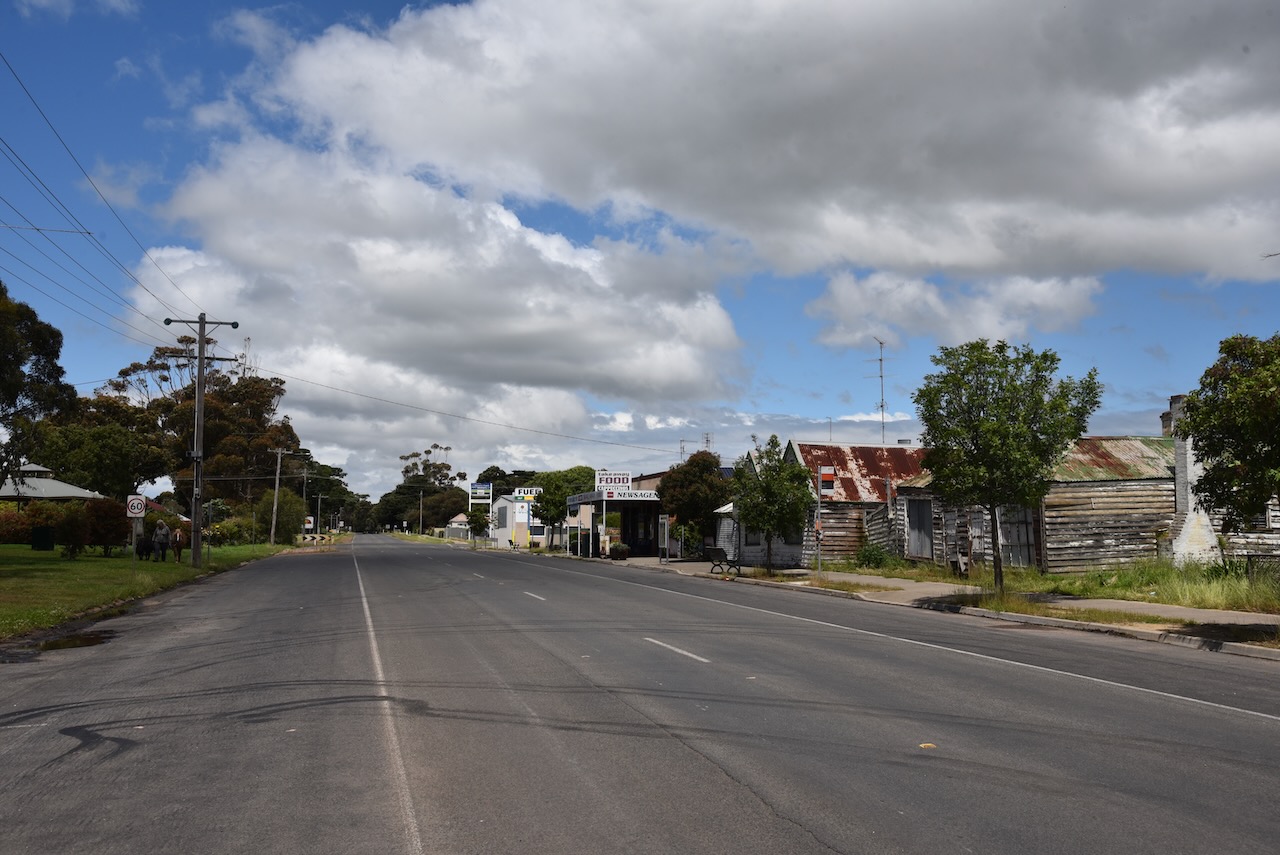
Once we packed up we had a quick look around the town of Rokewood. The Rokewood Uniting church is one of the impressive structures in the town and was built in 1866.
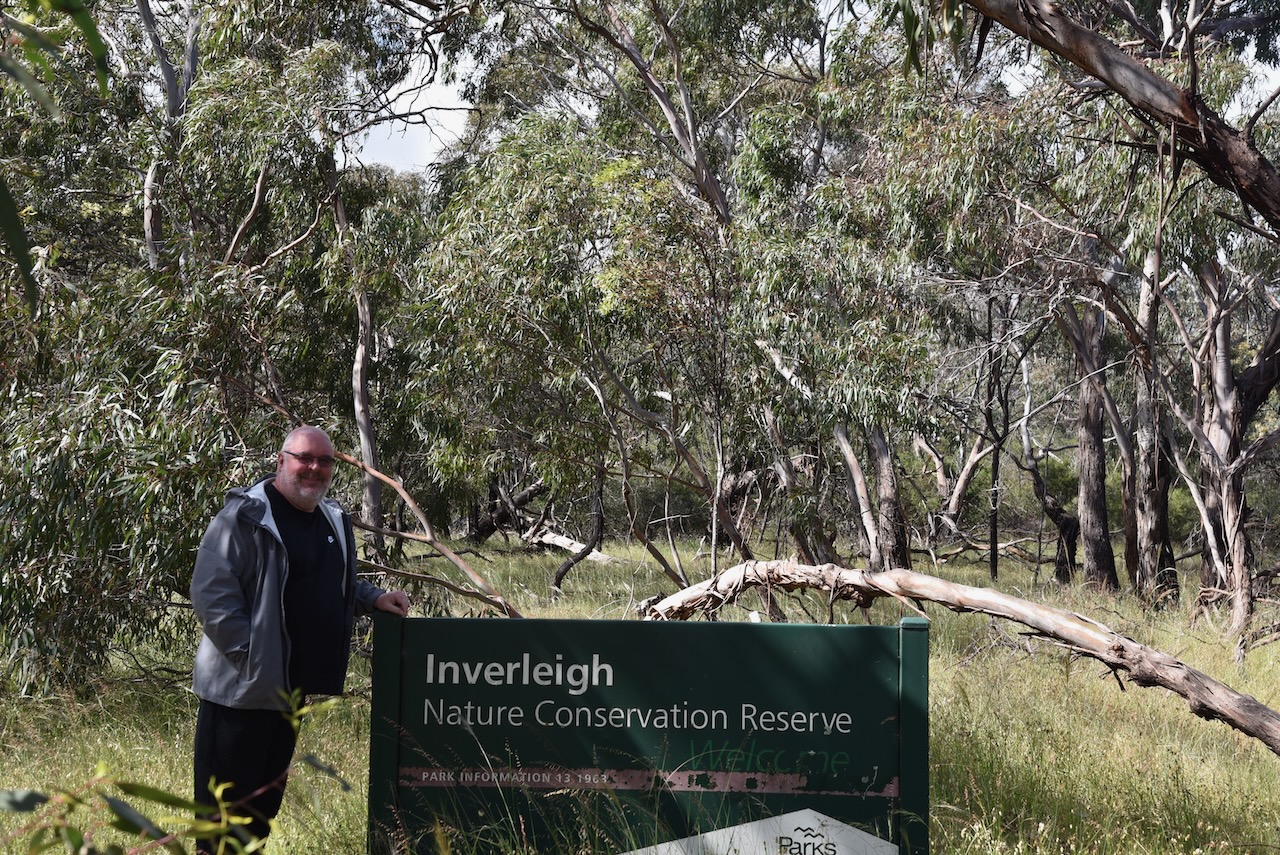
Marija and I arrived back to mainland Australia from Tasmania on Sunday 20th November 2022. After disembarking from the Spirit of Tasmania we drove into Geelong and got some breakfast. We then headed west out of Geelong to the Inverleigh Flora Reserve VKFF-2336, the first of a handful of parks we had hope to activate that day.
I last activated the Inverleigh Flora Reserve back in November 2018 and made 31 QSOs, so another 13 for me this time would mean I had qualified the park for the global World Wide Flora Fauna (WWFF) program.
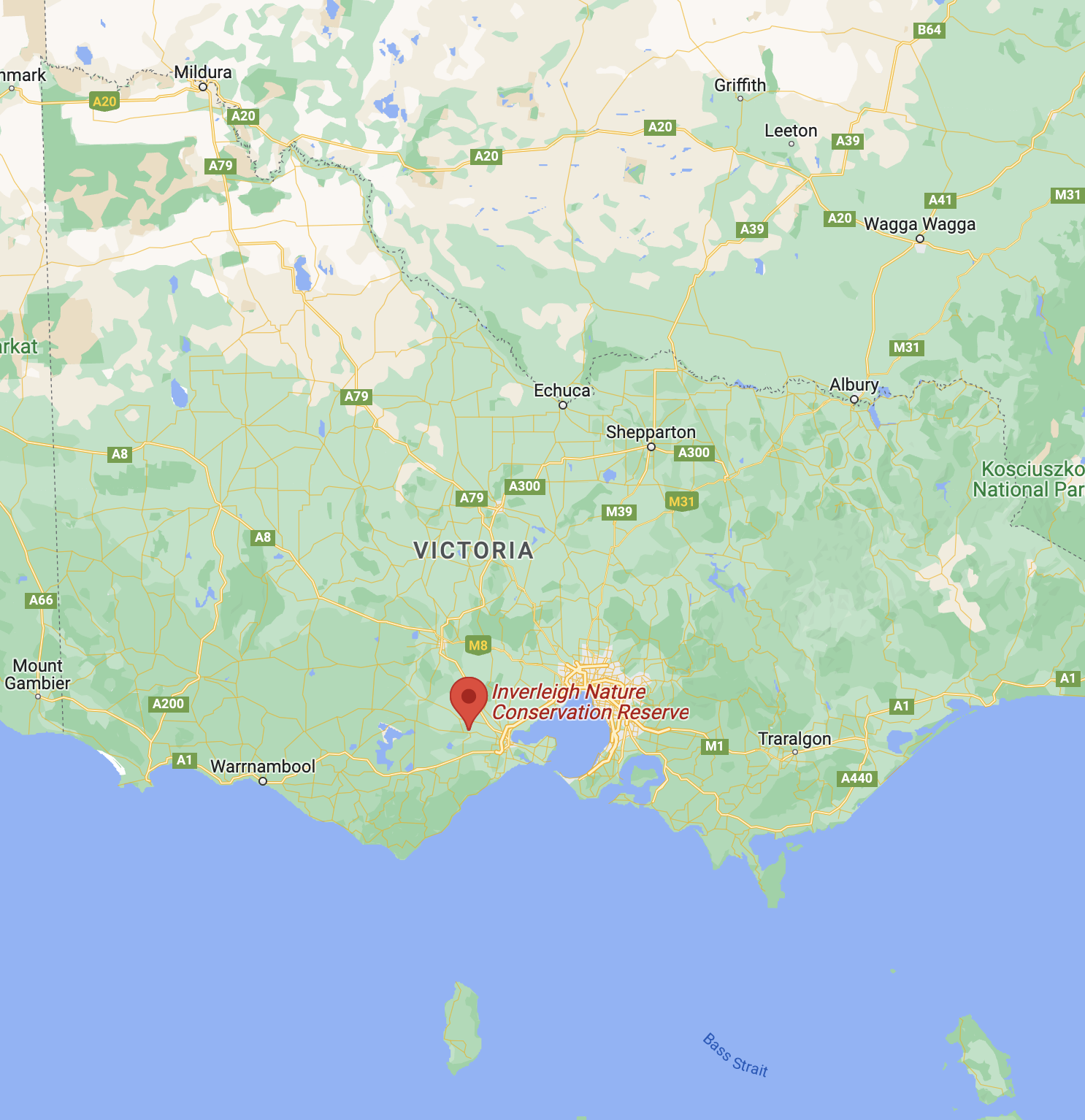
The Inverleigh Flora Reserve is located about 32 km west of Geelong.
Above:- Map showing the location of the Inverleigh Flora Reserve. Map c/o Google maps.
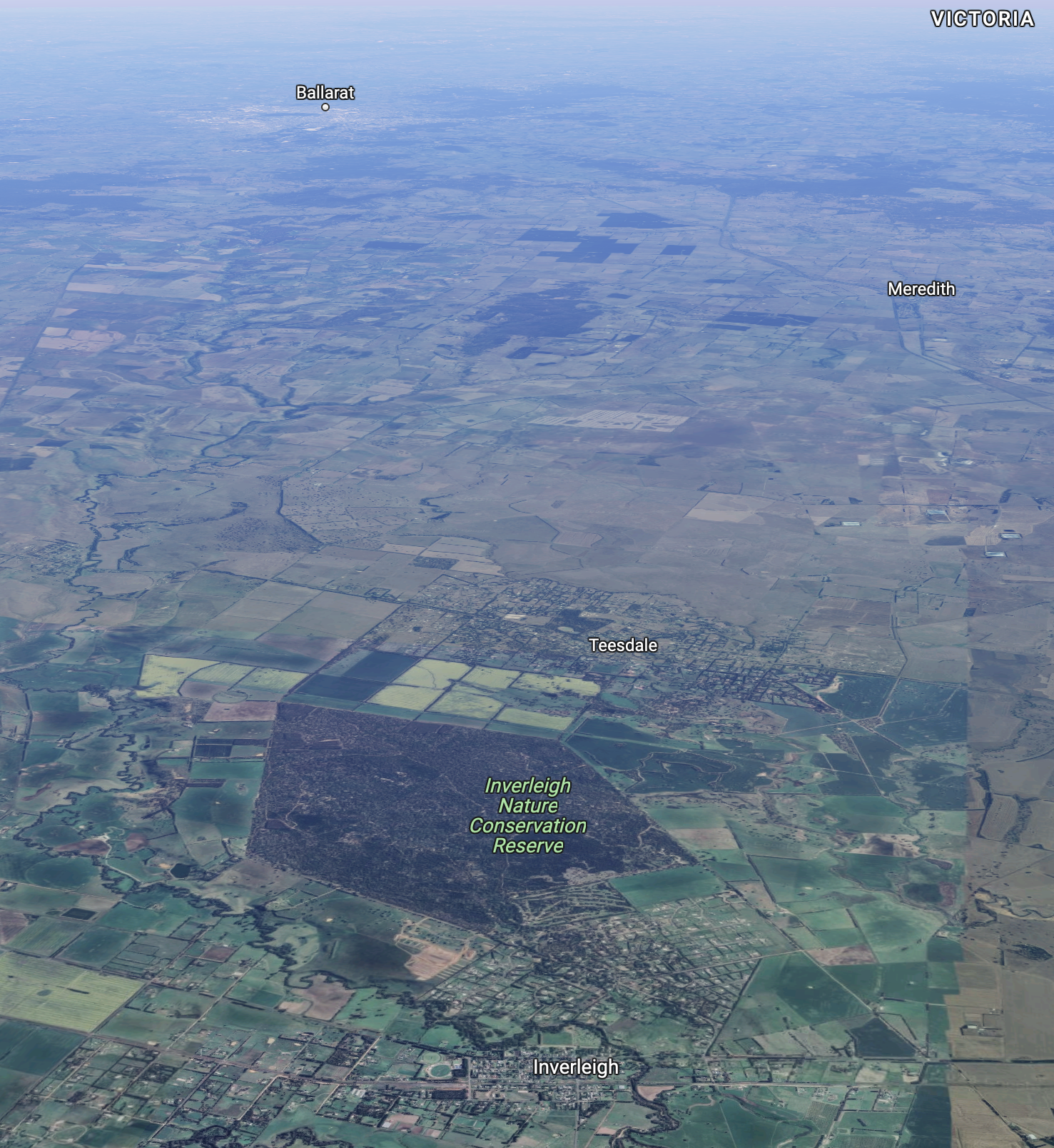
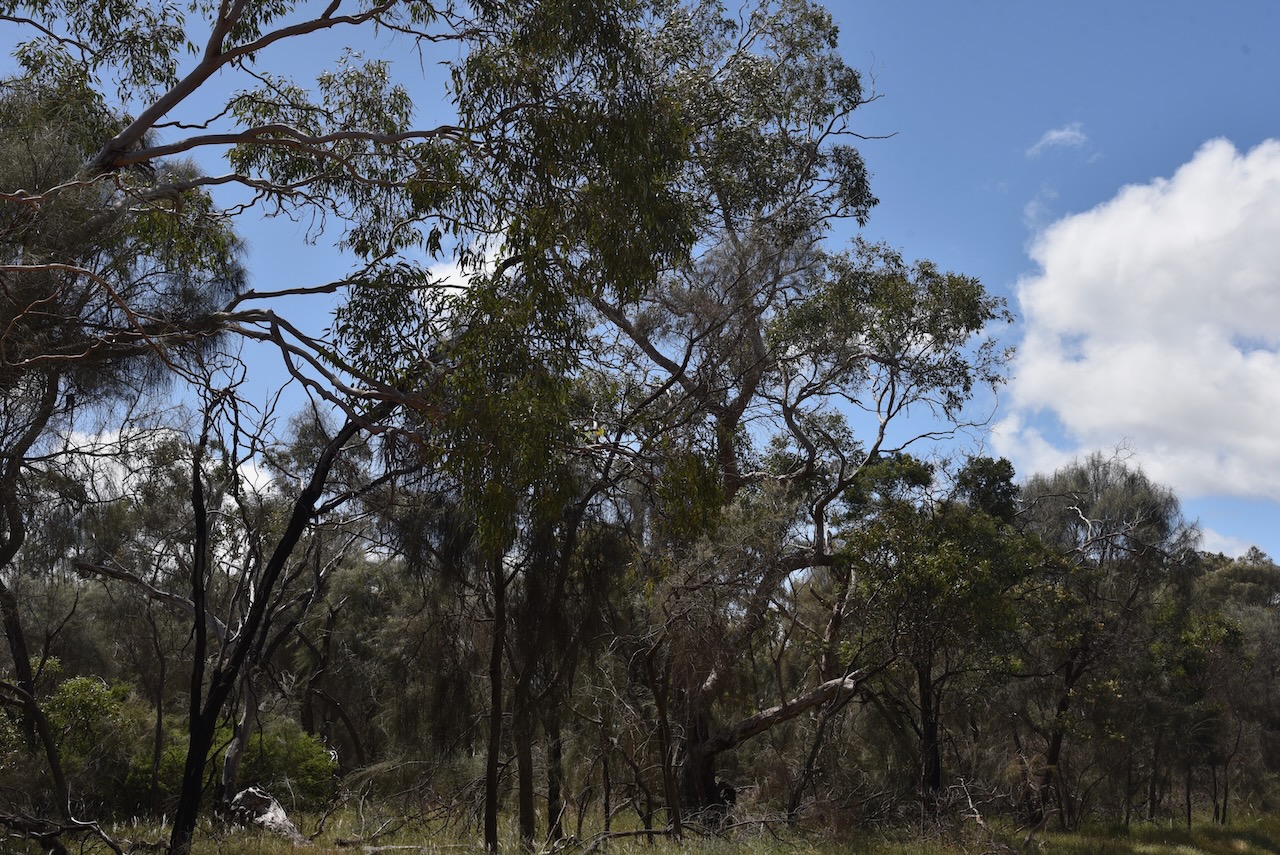
The park is about 1,050 hectares in size. About 300 fauna species have been recorded in the park, including about 50 species of orchid. The dominant species of flora in the park is the Manna Gum and River Red Gum.
Above:- An aerial view of the Inverleigh Flora Reserve. Image c/o Google maps.
Of all the grassy woodlands that previously existed in the state of Victoria, only 1% remains. Of that 1%, 2/3rd is the Inverleigh Flora Reserve.
A total of 119 bird species have been recorded in the park. Native mammals found in the park include Eastern Grey kangaroo, Black-tailed wallaby, koala, and echidna.
The park has a Friends Group. Their Facebook page can be found at…..
The Inverleigh area was once occupied by the Wathaurong of the Kulin aboriginal nation.
During the 1830s and 1840s the Derwent Company had runs in the area totalling about 26,000 acres. A crown survey of the area took place in 1854, with the town of Inverleigh officially proclaimed in 1855. Inverleigh was an important stop on the colonial trade links between Geelong and the western district and the Woady Yaloak goldfields to the north. By the 1860s a number of public and commercial buildings were built in the town including the town’s two bluestone hotels.
The origin of the town’s name comes from the Leigh River, which was named by Colonial Surveyor John Helder Wedge in 1835.
Above:- John Helder Wedge. Image c/o Wikipedia.
There was a lot of water from all of the recent heavy rains, so our options were a little limited as many of the tracks in the park were flooded.
We set up on the side of a track off the Teesdale-Inverleigh Road. We ran the Yaesu FT857, 40 watts, and the 20/40/80m linked dipole for this activation.
Marija and I made a total of 72 QSOs from Inverleigh. This included 22 Park to Park contacts.
Marija made the following QSOs on 40m before the UTC rollover:-
VK5FB
VK3PF/m
VK3TCP/m
VK3TKK/p (Macedon Regional Park VKFF-0972)
VK2OKR/p (Port Stephens/Great Lakes Marine Park VKFF-1410)
VK2YAK/m
VK4YAK/m
VK2IO/p (Scheyville National Park VKFF-0444)
VK3GJG/p (Churchill National Park VKFF-0621)
VK5BJE
VK3SQ
VK1RF/p (Meroo National Park VKFF-0312)
Marija made the following QSO on 20m SSB:-
VK3TKK/p (Macedon Regional Park VKFF-0972)
Marija made the following QSOs on 40m SSB after the UTC rollover:-
VK2IO/p (Scheyville National Park VKFF-0444)
VK3GJG/p (Churchill National Park VKFF-0621)
VK3PT
VK1RF/p (Meroo National Park VKFF-0312)
VK2MET/p (Port Stephens/Great Lakes Marine Park VKFF-1410)
VK1AO/p (Port Stephens/Great Lakes Marine Park VKFF-1410)
I made the following QSOs on 40m SSB before the UTC rollover:-
VK5FB
VK3PF/m
VK3TCP/m
VK3TKK/p (Macedon Regional Park VKFF-0972)
VK2OKR/p (Port Stephens/Great Lakes Marine Park VKFF-1410)
VK2YAK/m
VK4YAK/m
VK2IO/p (Scheyville National Park VKFF-0444)
VK3GJG/p (Churchill National Park VKFF-0621)
VK5BJE
VK3SQ
VK5AKR
VK5FANA
VK5AR/m
VK3VIN
VK2EXA
VK2VH
VK4AAC
VK1RF/p (Meroo National Park VKFF-0312)
VK7JFD
VK5CZ
VK7EE
VK3ADX
VK3GRX
VK3ZSC
VK3UAO
I worked the following stations on 40m SSB after the UTC rollover:-
VK3UAO
VK3VIN
VK2YK
VK5GA
VK2IO/p (Scheyville National Park VKFF-0444)
VK3GJG/p (Churchill National Park VKFF-0621)
VK3UH
VK5LN
VK3PT
VK1RF/p (Meroo National Park VKFF-0312)
VK2PKT
VK3ZSC
VK2MET/p (Port Stephens/Great Lakes Marine Park VKFF-1410)
VK1AO/p (Port Stephens/Great Lakes Marine Park VKFF-1410)
VK5NFT
I worked the following station on 20m SSB before the UTC rollover:-
ZL1BQD
I worked the following stations on 20m SSB after the UTC rollover:-
VK4SMA
VK4HAT
VK4EMP
VK4TI
ZL1BQD
VK4KLA
VK4KC
VK4MAD
VK4DOG
ZL1TM
VK3TKK/p (Macedon regional Park VKFF-0972)
Marija and I then headed to our next park, the Rokewood Common Nature Conservation Reserve.
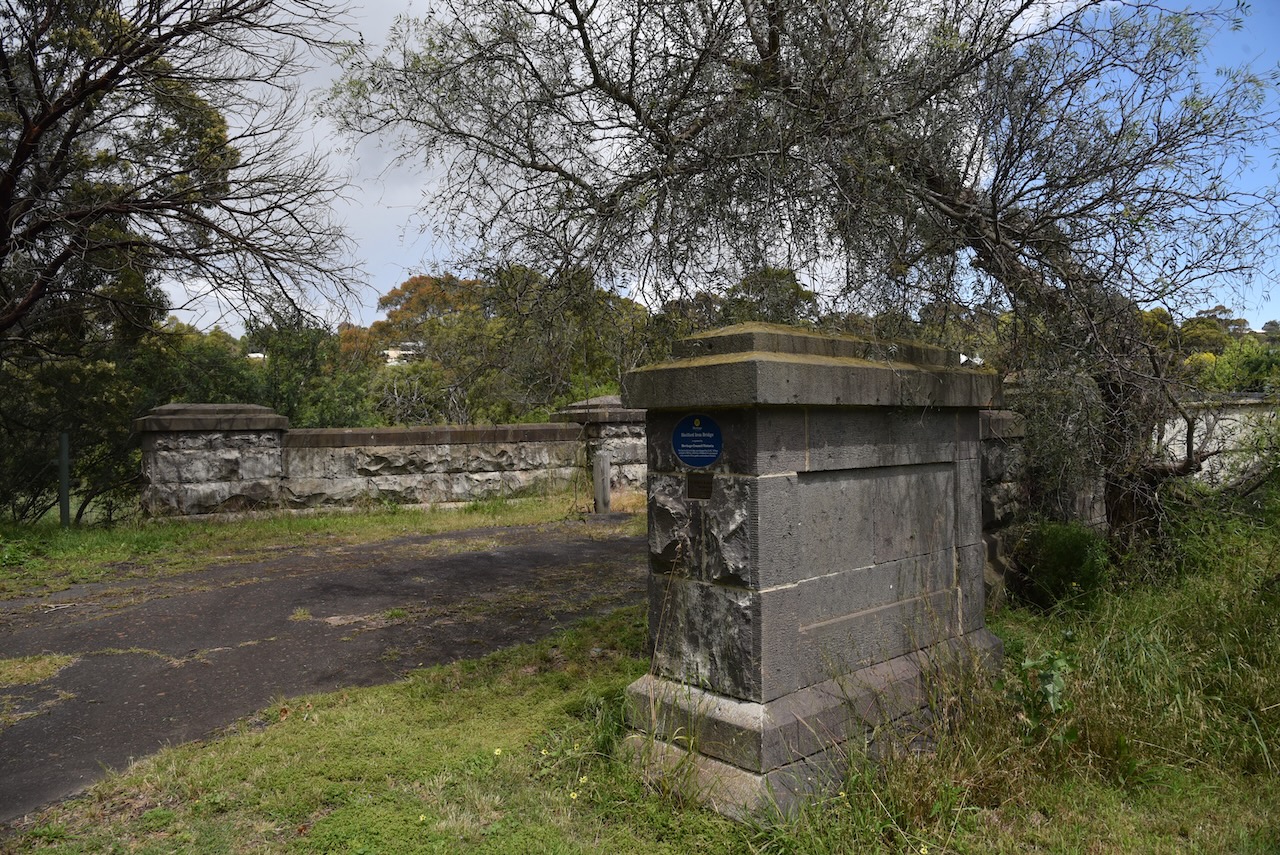
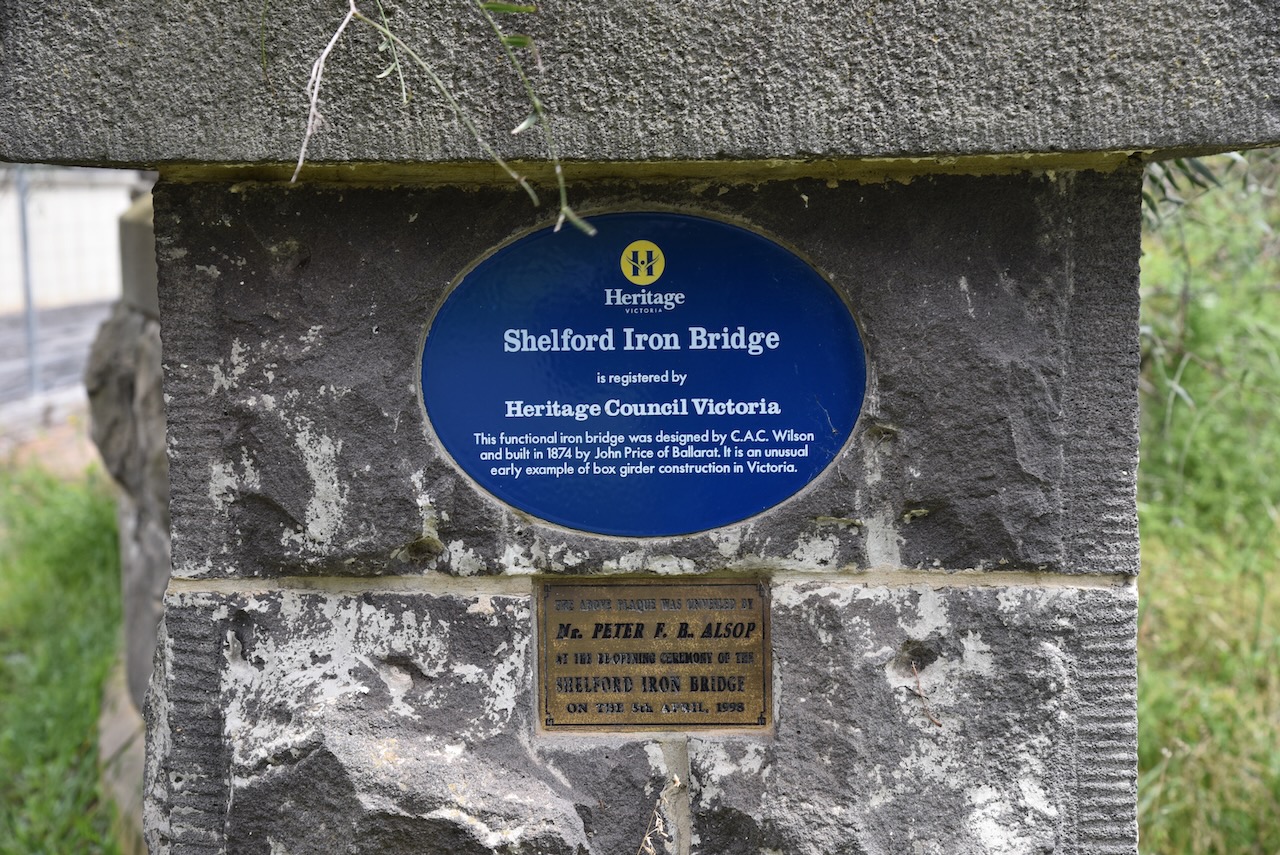
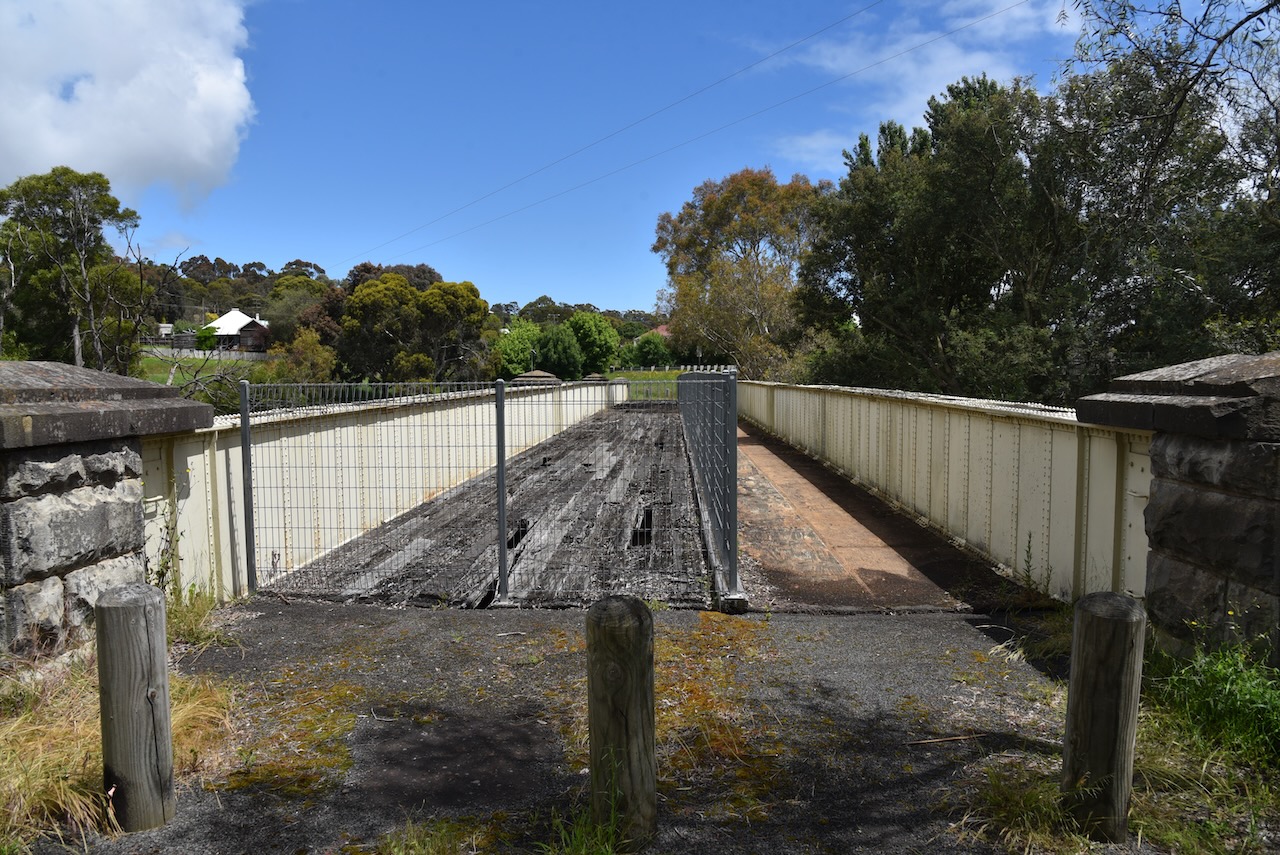
We stopped to have a look at the historic Shelford bridge which was built in 1873-1874 over the Leigh River. It is a wrought iron box girder bridge which was designed by Charles Anthony Corbett Wilson (b. 1827. d. 1923). The first bridge over the Leigh River was built in 1840 and is possibly the first bridge built in Victoria. It was replaced with a more substantial bridge in 1851, with the Shelford Iron bridge being constructed about 20 years later.
The little town of Shelford was established in 1836 with most of the local squatters coming from Scotland. On the 1st day of July 1847 The Leigh Post Office was opened. It was renamed Shelford in 1854. The former Shelford Hotel was built in c. 1855.
We continued west out of Shelford on the Cressy-Shelford Road but soon reached a road closed sign due to flooding and the recent heavy rain. Our short trip to Rokewood was now going to be about 30 minutes longer.
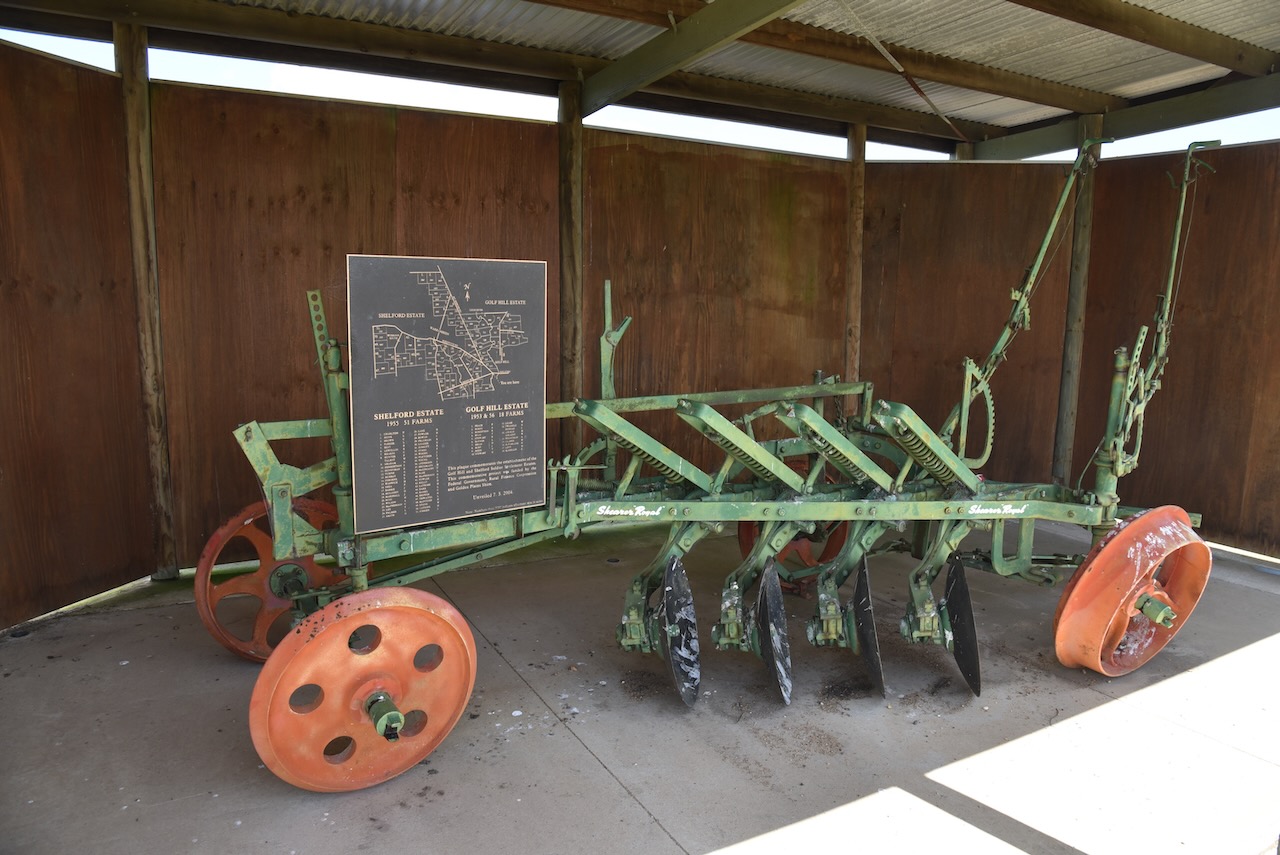
We took the opportunity of having a look at the Soldiers Settlement memorial on the corner of the Cressy-Shelford & Rokewood-Shelford Roads. It includes farm machinery and commemorates the Golf Hill and Shelford solder settlements which were created following the Second World War.
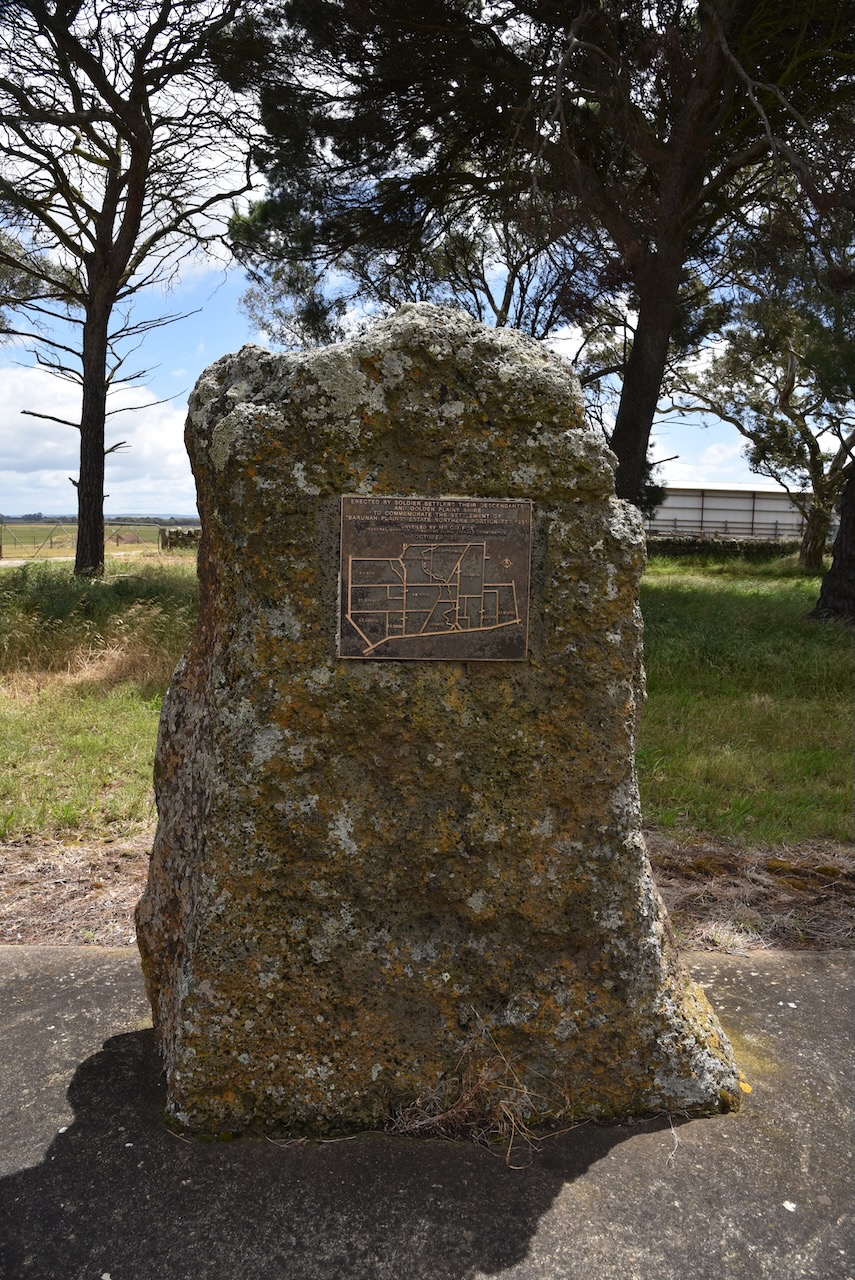
Our next brief stop was the memorial to commemorate the soldier settler families who settled on the “Barunah Plains” Estate.
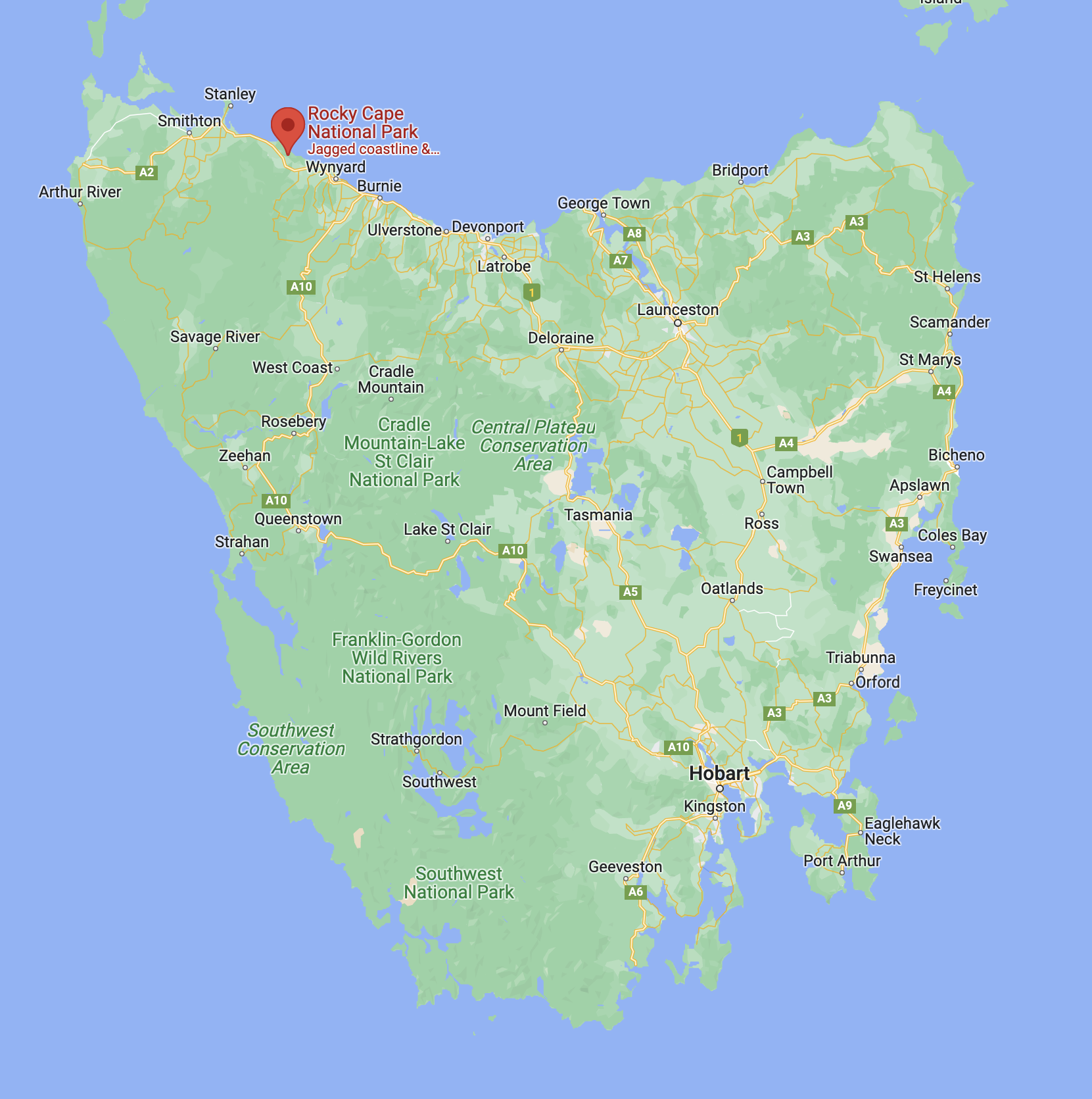
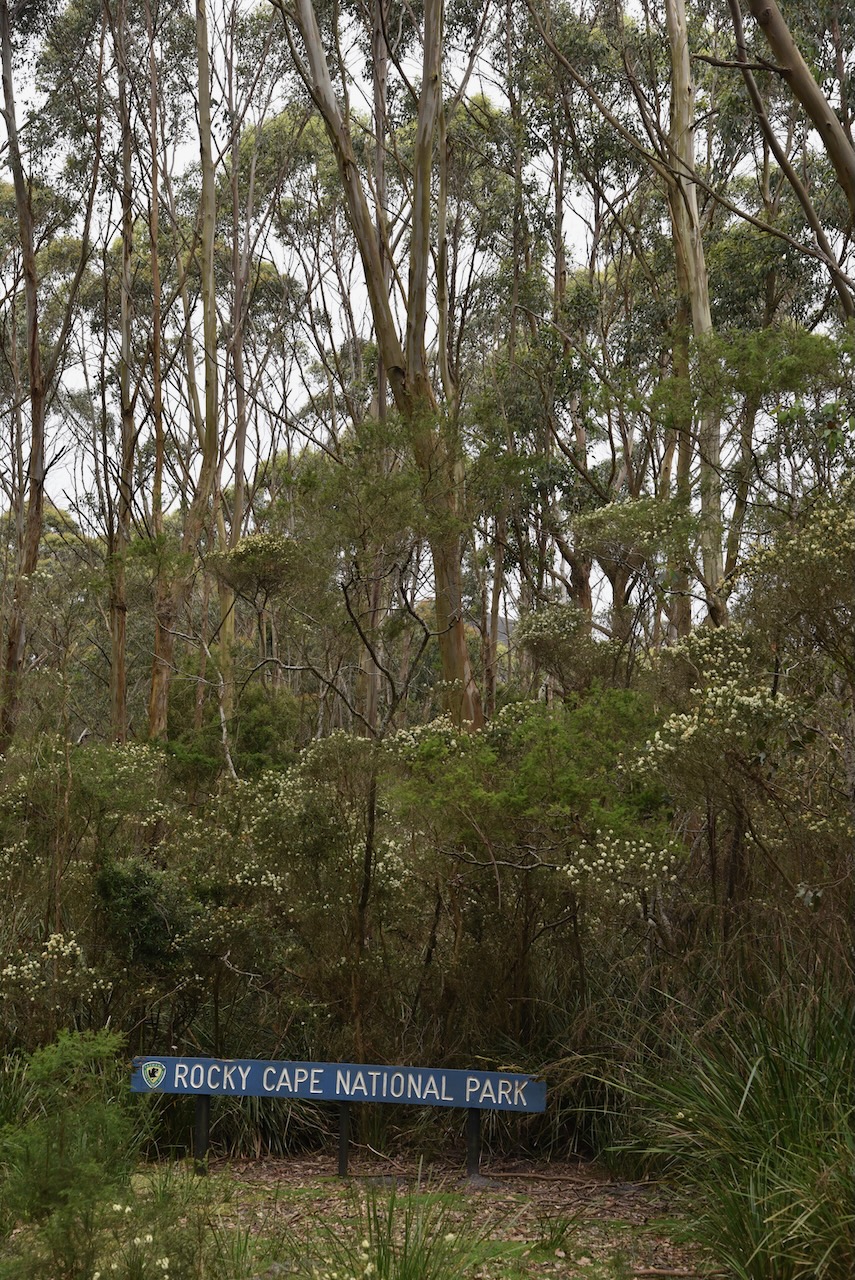
The time had come for our final park activation in Tasmania (19th November 2022), the Pinmatik-Rocky Cape National Park on the north coast of Tasmania. It surrounds the town of Sisters Beach.
Above:- Map of Tasmania showing the location of the Rocky Cape National Park. Map c/o Google maps.
The Rocky Cape National Park is 30.64 km2 in size and was gazetted in 1967.
Birds found in the park include the White-bellied sea eagle and the Yellow-tailed black cockatoo. Eight of Tasmania’s ten honeyeaters can also be found in Rocky Cape. Native mammals include the Bennett Wallaby, pademelon, Tasmanian DEvil, echidna, Southern brown bandicoot, Eastern-barred bandicoot, and Spotted-tail quoll.
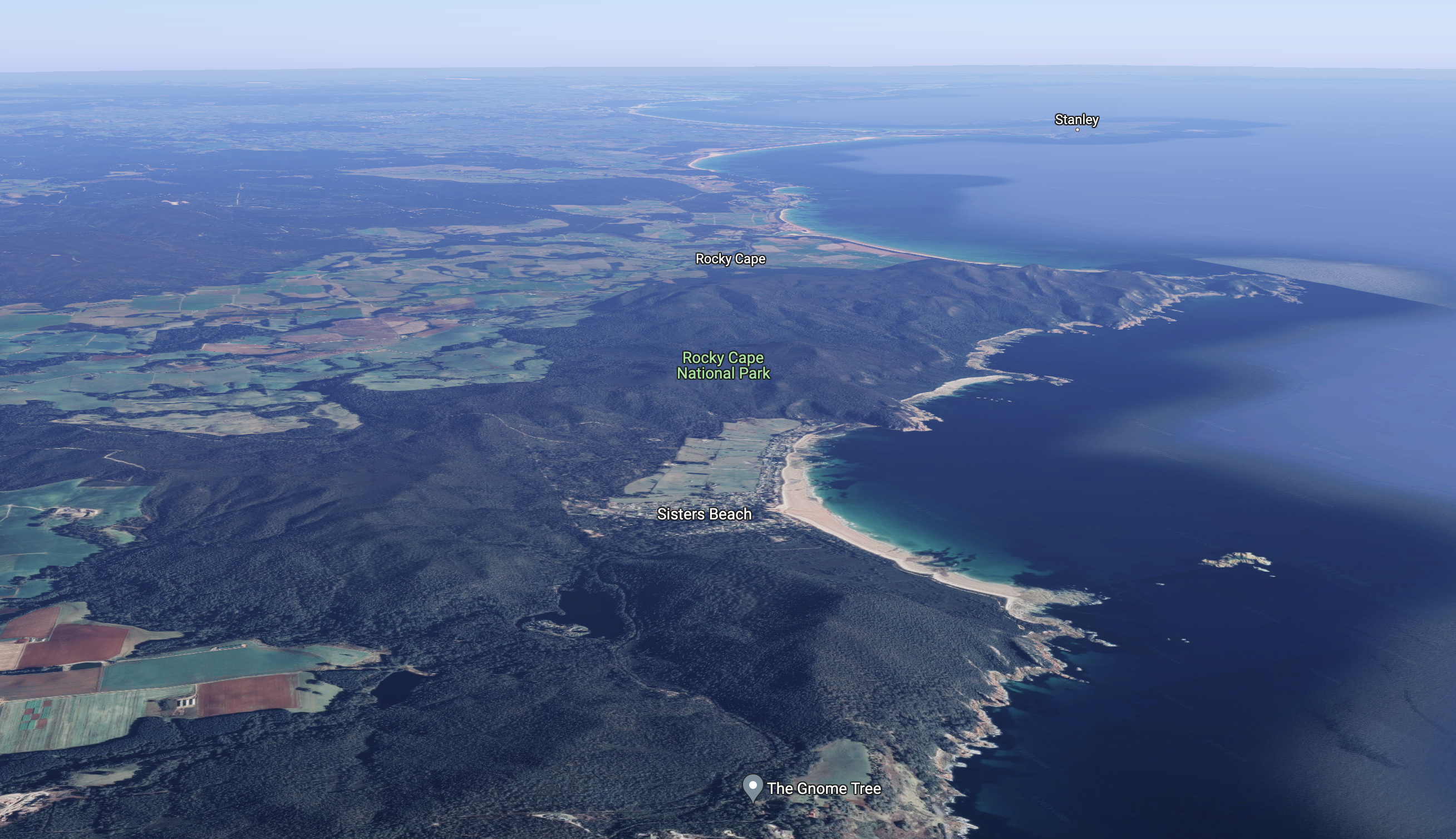
Above:- An aerial view of the Rocky Cape National Park. Image c/o Google maps.
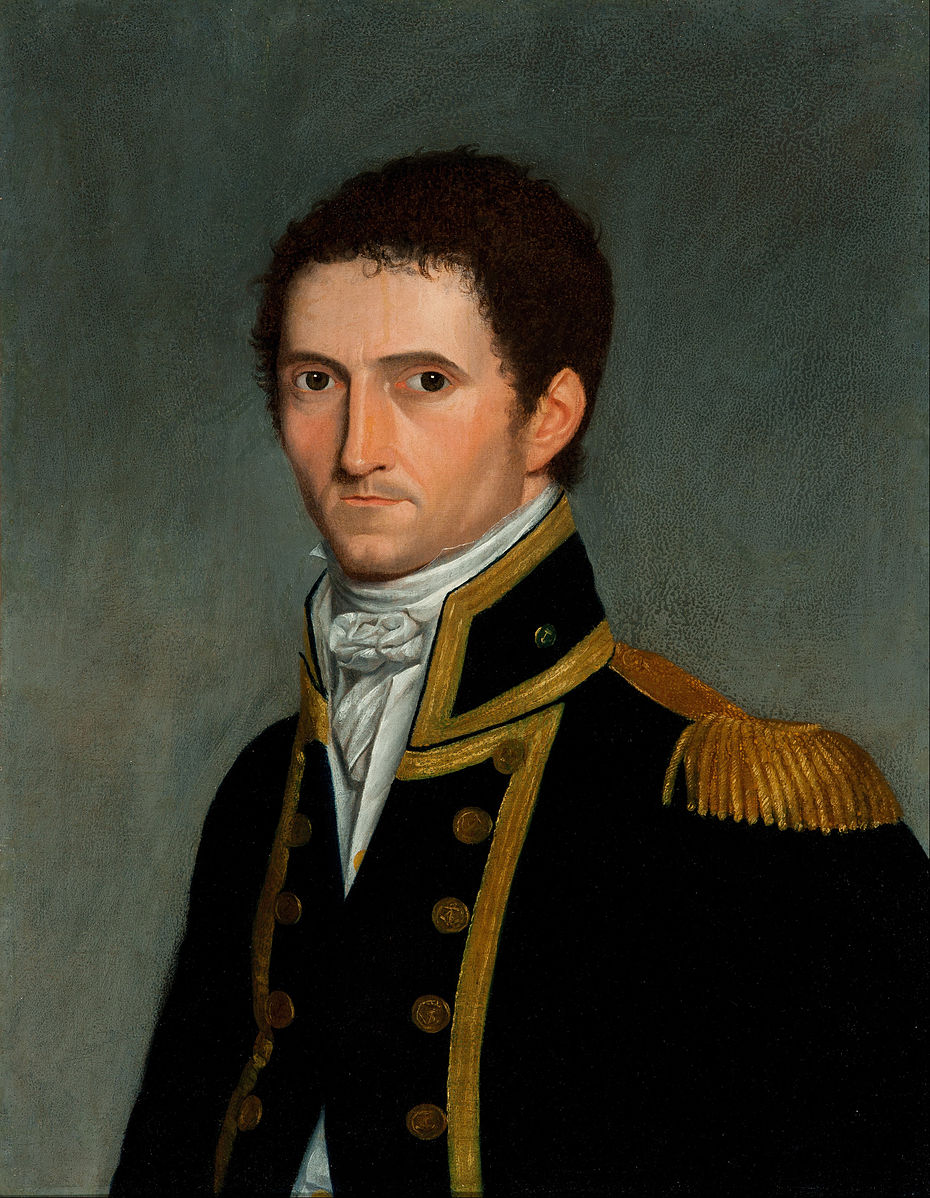
The park was named by Matthew Flinders in 1798.
Above:- Matthew Flinders. Image c/o Wikipedia.
In 2022, researchers from Melbourne’s Monash University found that the park was home to some rocks which are believed to be from the Grand Canyon in Arizona in the USA. It is believed that Tasmania was once connected to the West Coast of the United States of America.
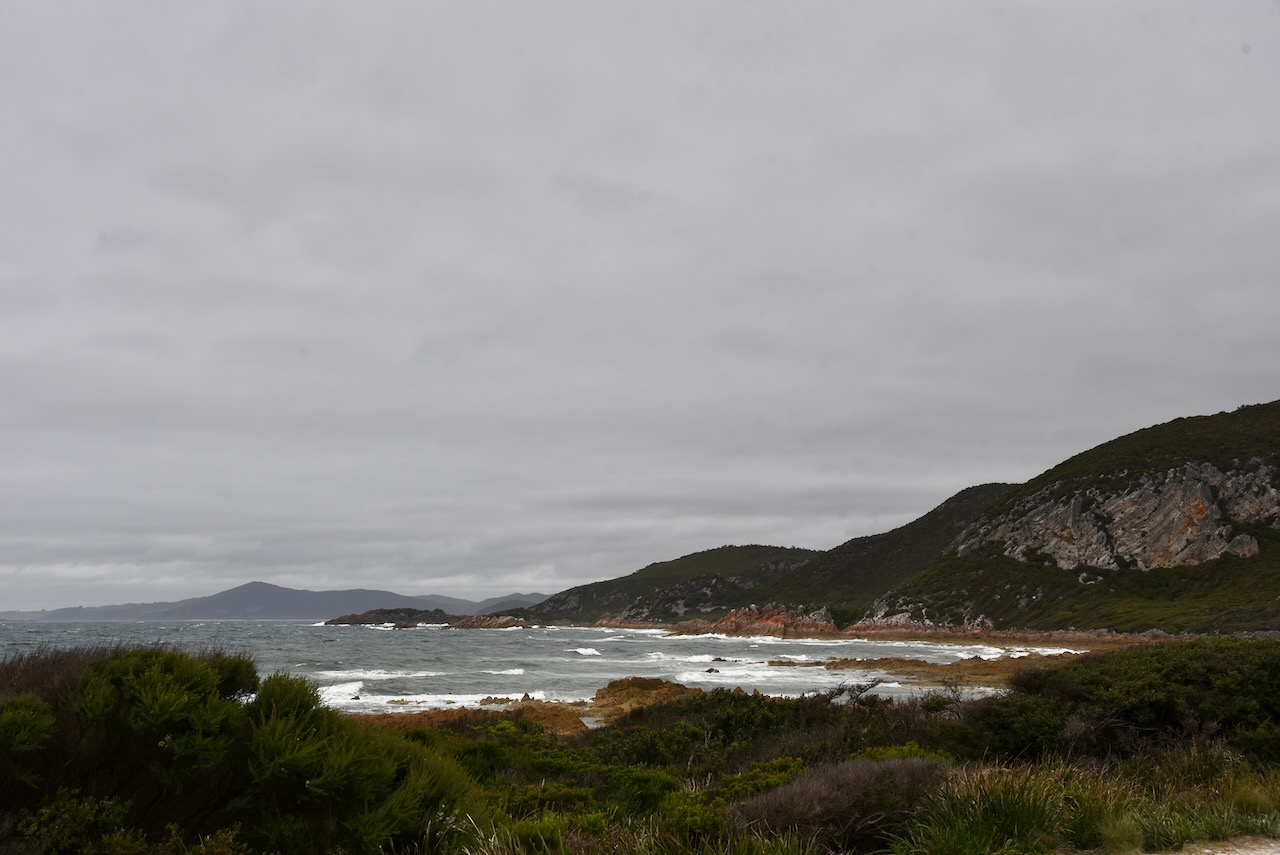
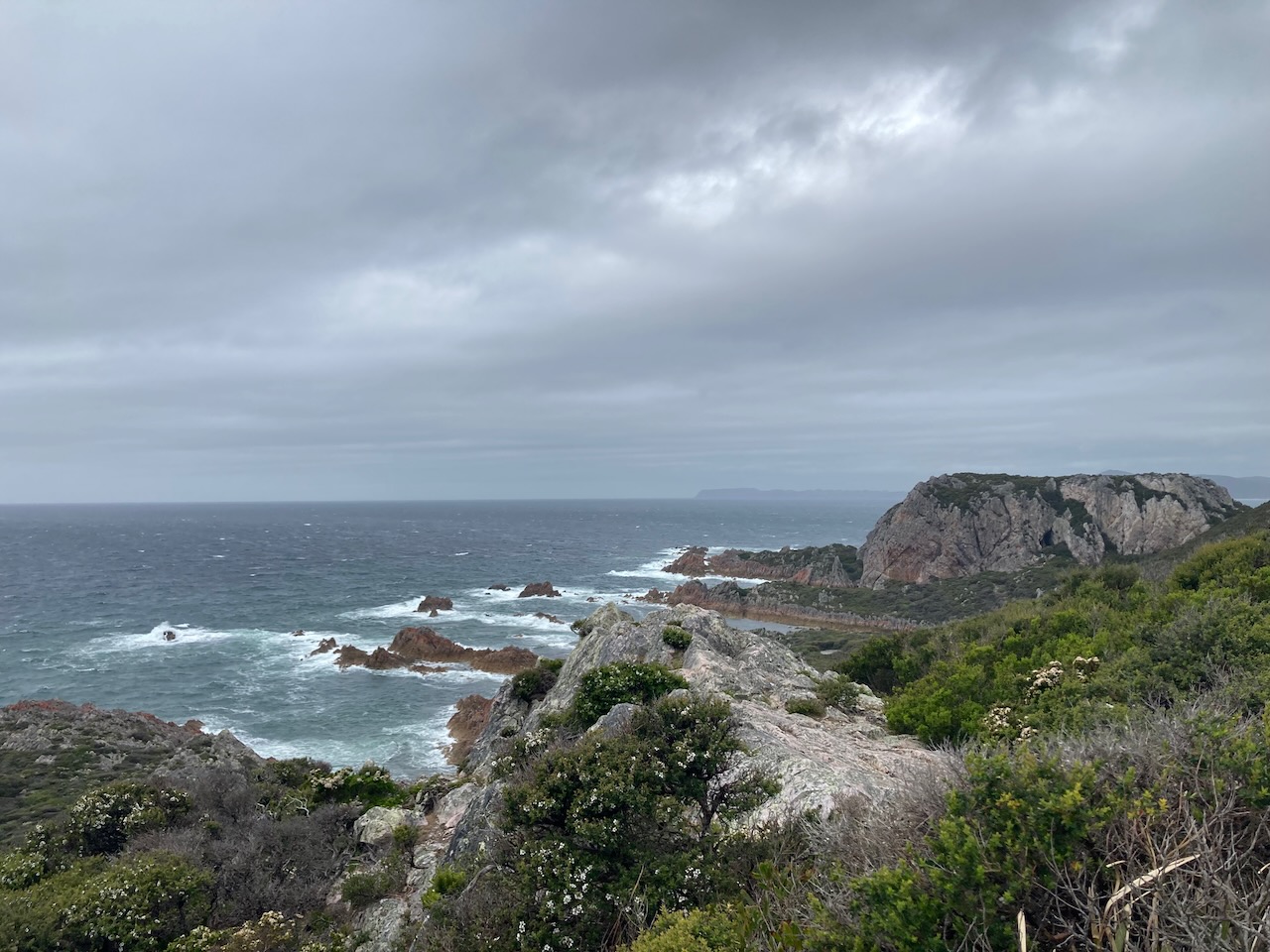
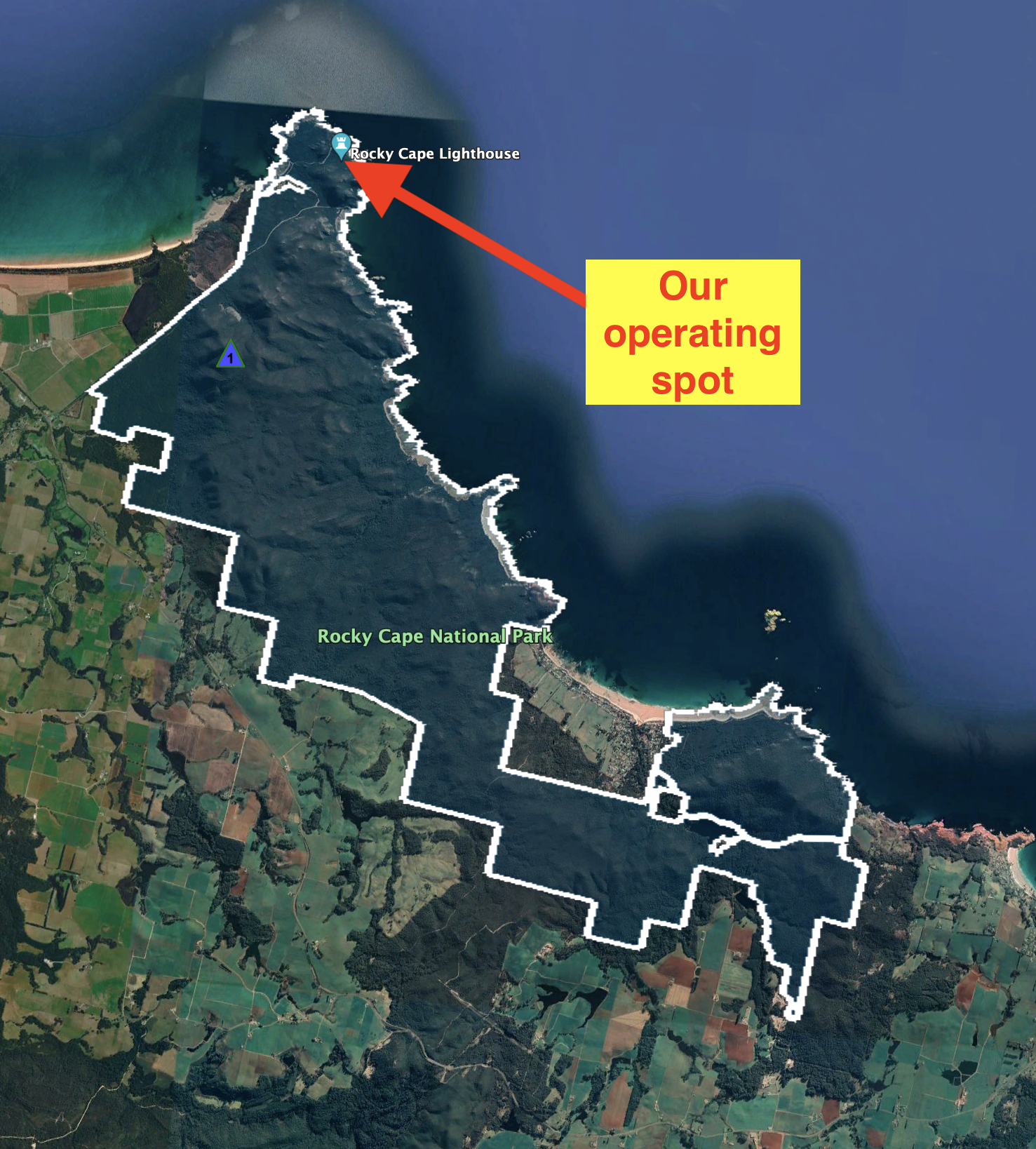
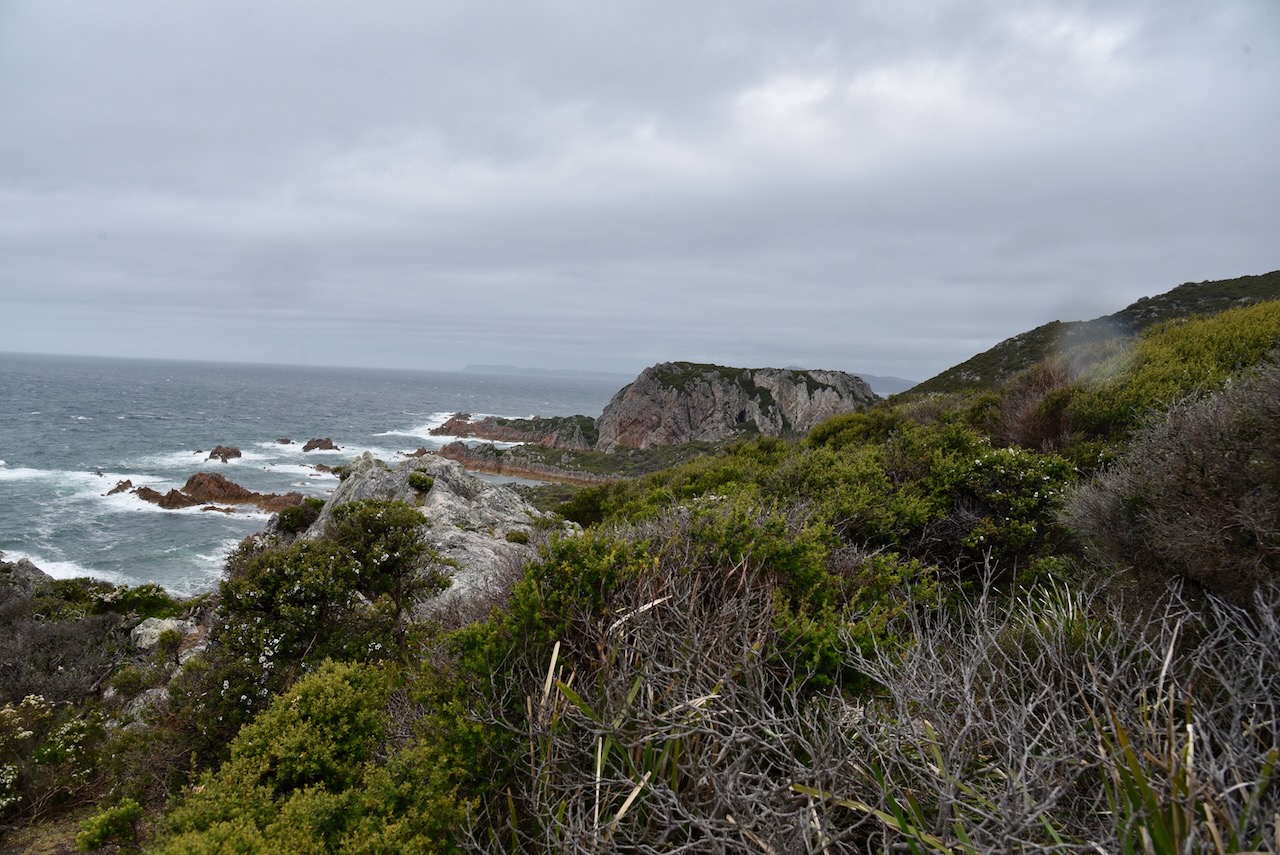
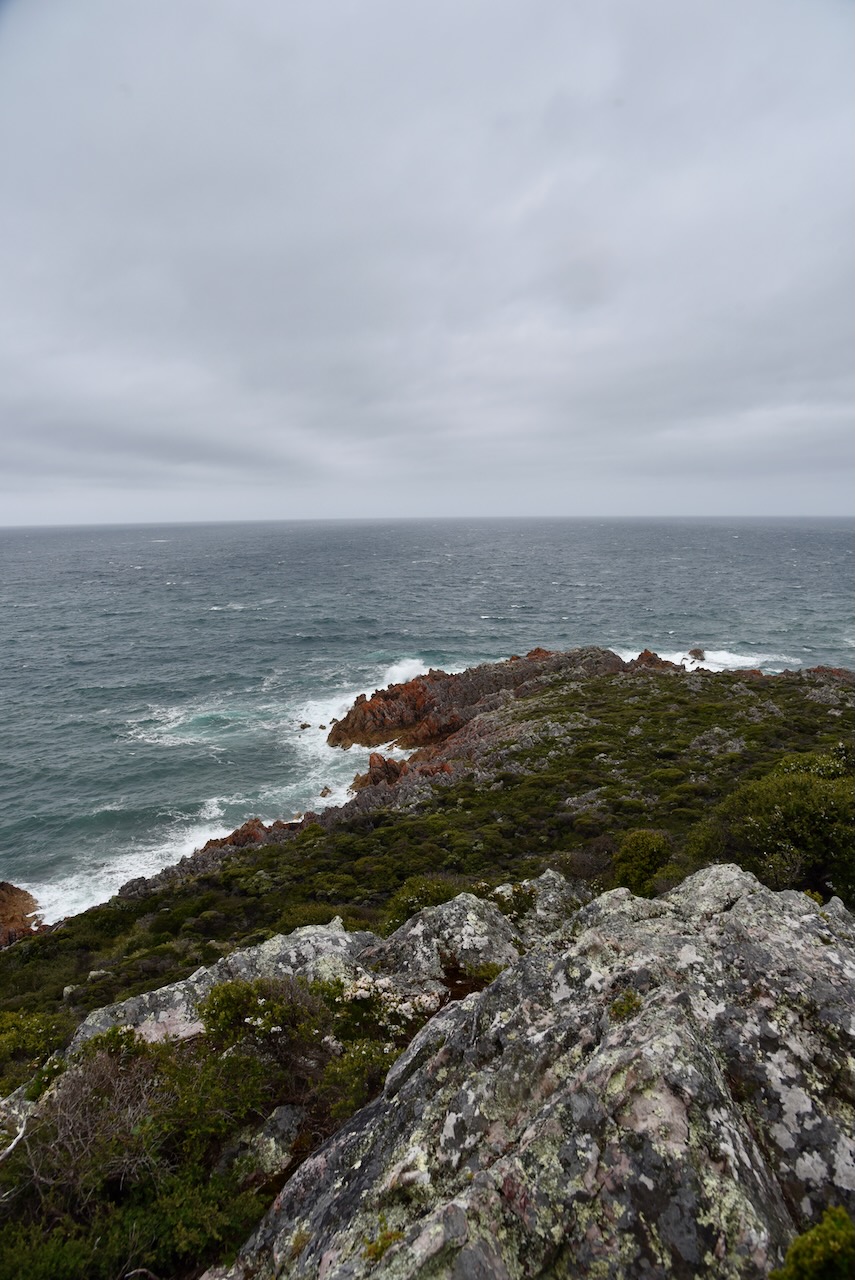
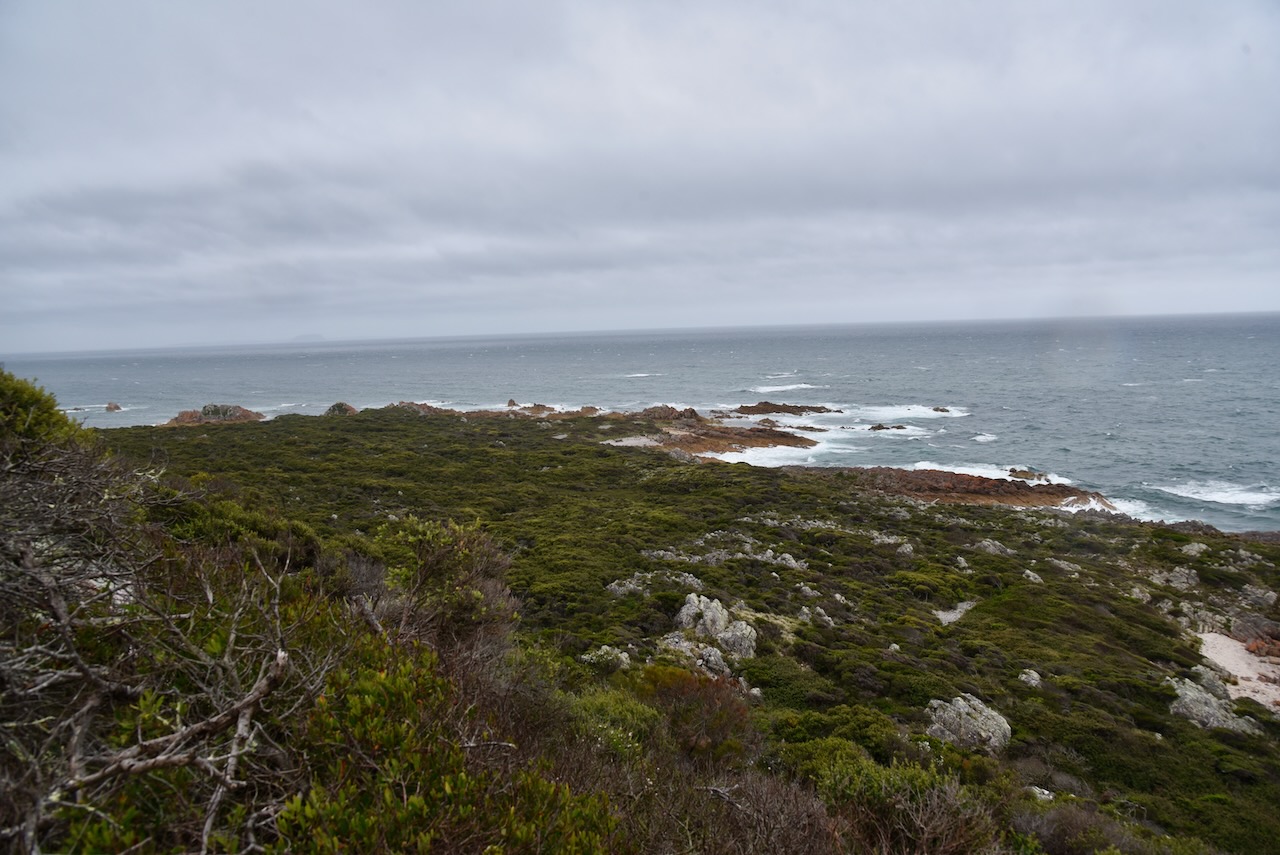
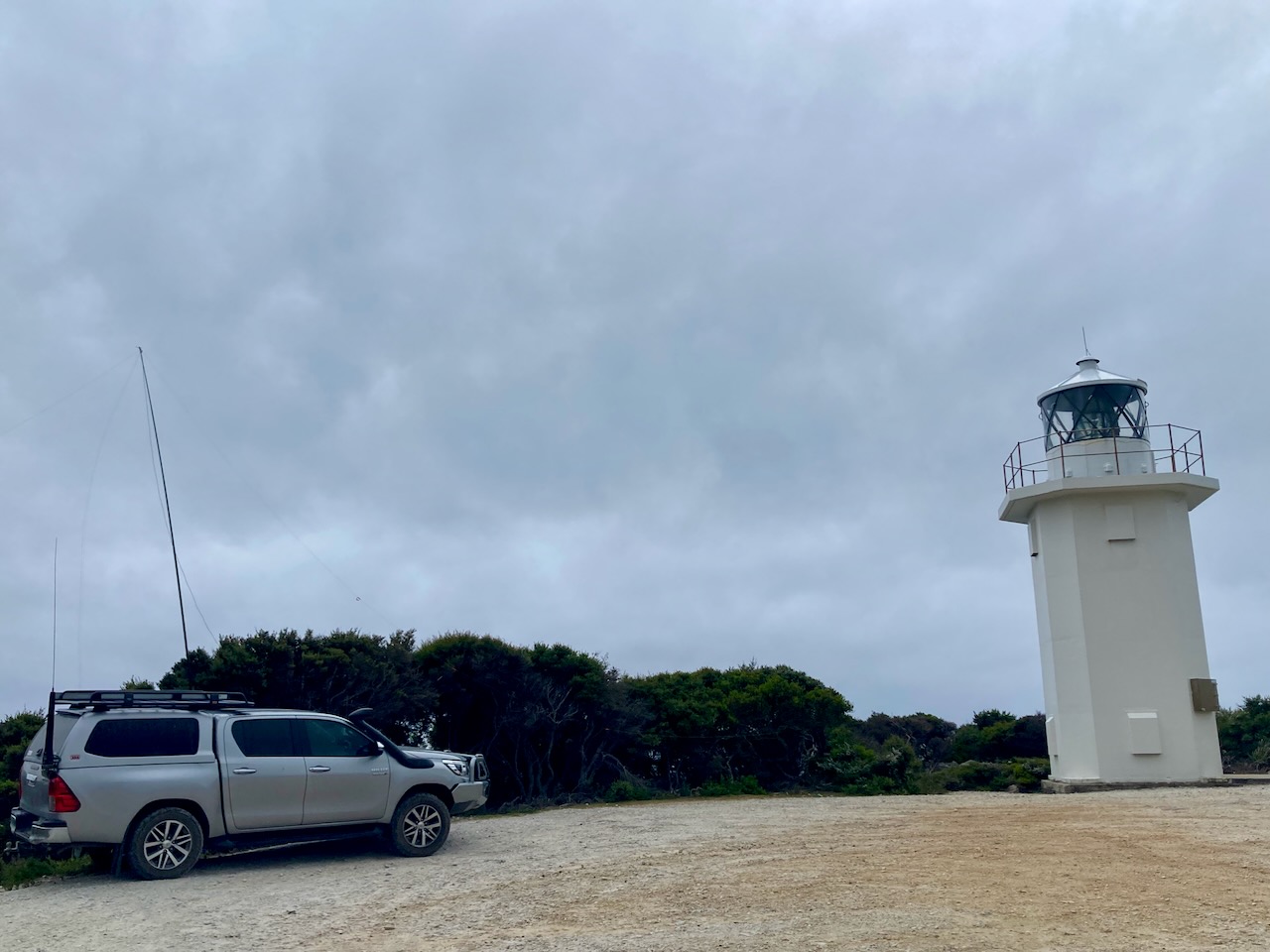
It was a very bleak, cold, and wet afternoon and operating spots were scarce away from the extremely high winds. We drove to the Rocky Cape lighthouse and set up there.
Above:- An aerial shot of the Rocky Cape National Park showing our operating spot. Image c/o Google Earth.
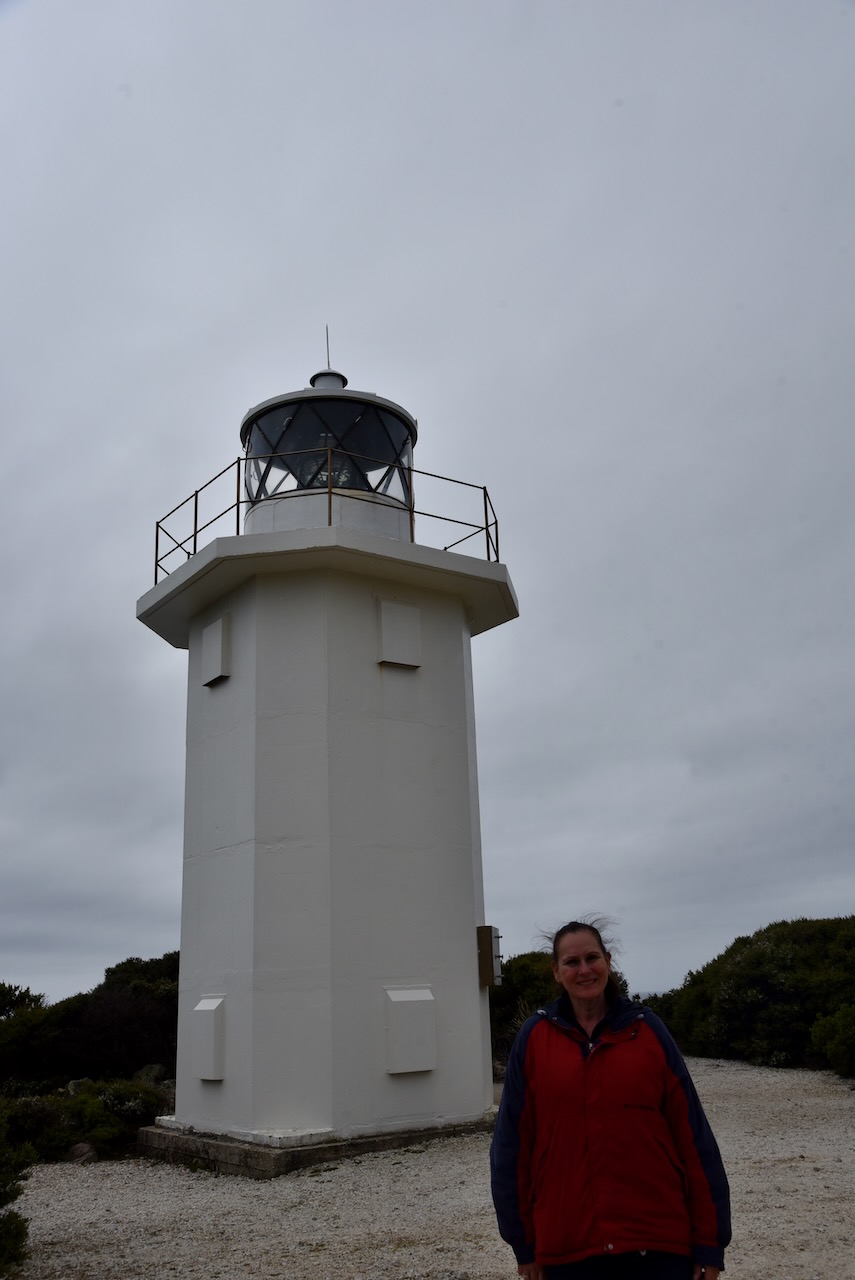
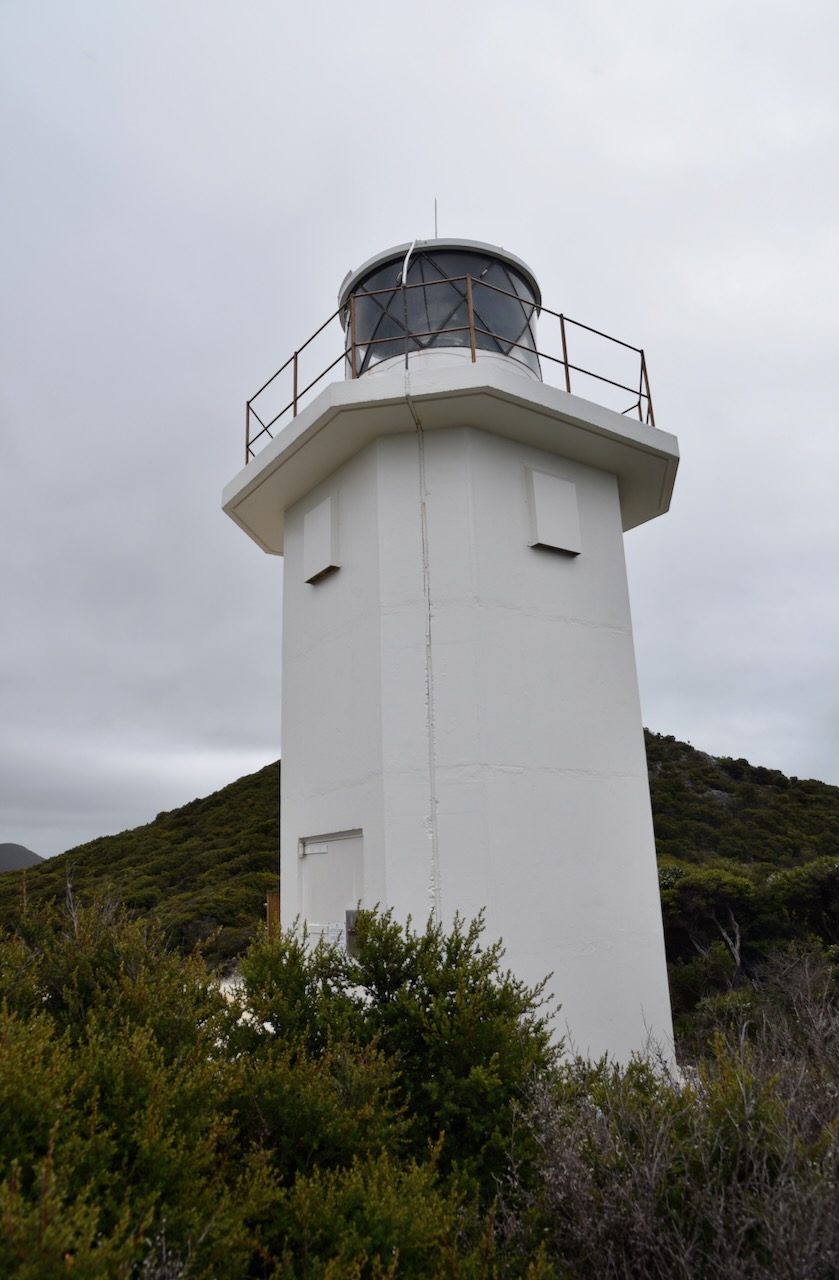
The Rocky Cape lighthouse is a relatively new lighthouse, having been erected in 1968. It is white in colour and squared shaped, made of concrete. It has a mains powered Chance Brothers 400mm catadioptric lens.
As it was so cold and bleak that we operated from the vehicle, using the Yaesu FT857, 40 watts, and the 20/40/80m linked dipole. There wasn’t enough room to string out the 80m sections of the dipole unfortunately. The squid pole certainly got a lashing from the high winds and rain.
Marija and I made a total of 72 QSOs from Rocky Cape, including 19 Park to Park contacts.
Marija made the following QSOs on 40m SSB:-
VK3BEZ/p ( Tarra Bulga National Park VKFF-0480)
VK3TUN/p (Crawford River Regional Park VKFF-0963)
VK3TKK/p (Mount Charlie Flora Reserve VKFF-2396)
VK2EXA
VK3ZPF/p (Reef Island and Bass River Mouth Nature Conservation Reserve VKFF-2181)
VK7GH
VK3GJG
VK3SQ
VK3UH
VK3VIN
VK2HHA
VK2OKR/p (Wallingat National Park VKFF-0512)
VK3BEZ/p (Traralgon South Flora Reserve VKFF-2465)
VK2IO/p (Garigal National Park VKFF-0191)
VK2EG/p (Sugarloaf State Conservation Area VKFF-1772)
Marija made the following QSOs on 20m SSB:-
VK6MB/p (Canning River Management Area VKFF-2955)
I made the following QSOs on 40m SSB:-
VK3BEZ/p ( Tarra Bulga National Park VKFF-0480)
VK3TUN/p (Crawford River Regional Park VKFF-0963)
VK3TKK/p (Mount Charlie Flora Reserve VKFF-2396)
VK2EXA
VK3ZPF/p (Reef Island and Bass River Mouth Nature Conservation Reserve VKFF-2181)
VK7GH
VK3GJG
VK3SQ
VK3UH
VK3VIN
VK2HHA
VK3MH
VK3ZSC
VK1DI
VK3MIJ
VK1TTY
VI2022PRIDE
VK3PMC
VK5BJE
VK2MET
VK1AO
VK3BWS
VK4FW
VK8MM
VK3BNF
VK2OKR/p (Wallingat National Park VKFF-0512)
VK3DL
VK3UAO
VK3BEZ/p (Traralgon South Flora Reserve VKFF-2465)
VK3ACZ
VK2IO/p (Garigal National Park VKFF-0191)
VK3DCQ
VK2KJJ
VK3QH
VK2EG/p (Sugarloaf State Conservation Area VKFF-1772)
VK3KAI/p (Traralgon South Flora Reserve VKFF-2465)
VK7JFD
VK3ABI
VK7IAN
VK3YUN
VK7AAE
VK5AYL
VK3OHM
VK3SRC
ZL1BQD
VK3AHR
VK2VW
VK2HFI
VK3HBG
I worked the following stations on 20m SSB:-
VK3BBB/5
VK2CCP/5
VK4NH
VK4DXA
VK6MB/p (Canning River Management Area VKFF-2955)
ZL1TM
VK4HAT
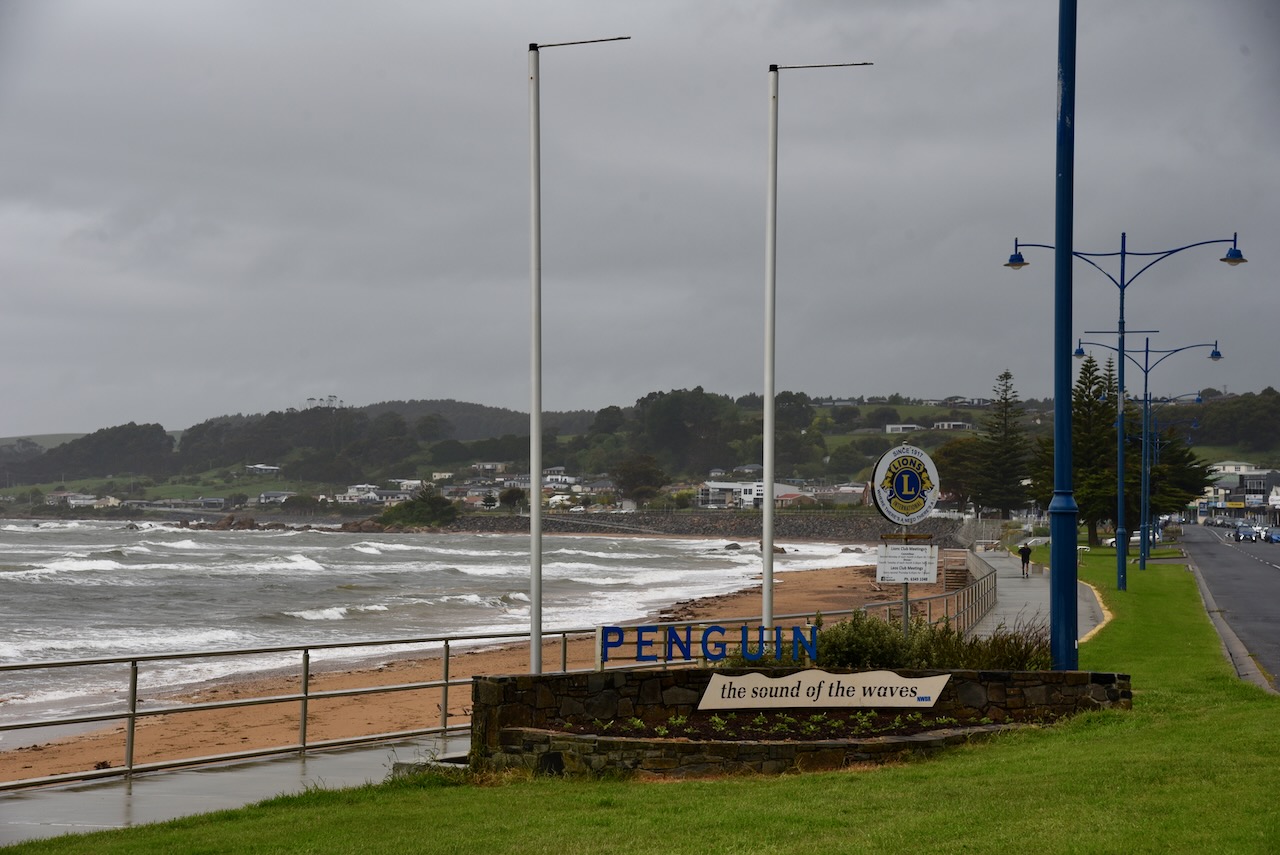
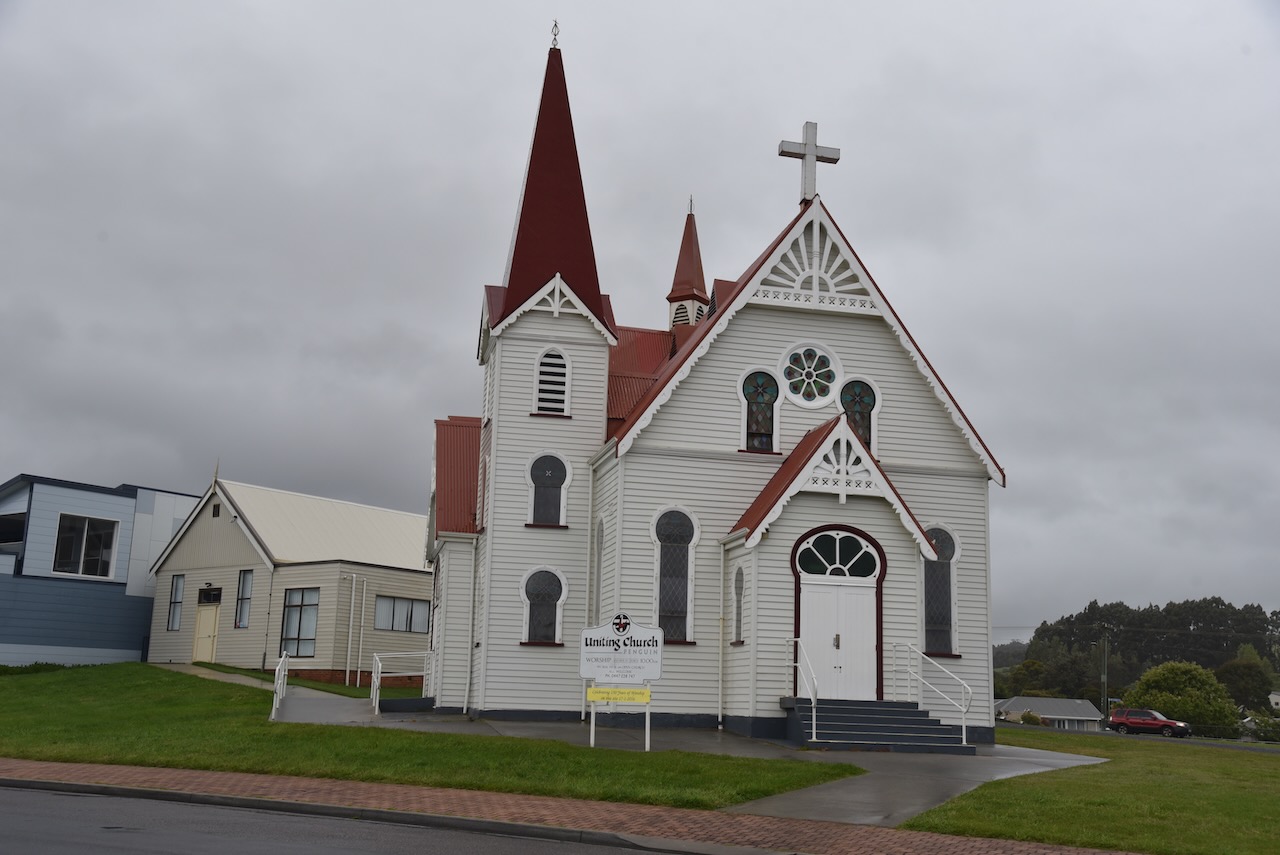
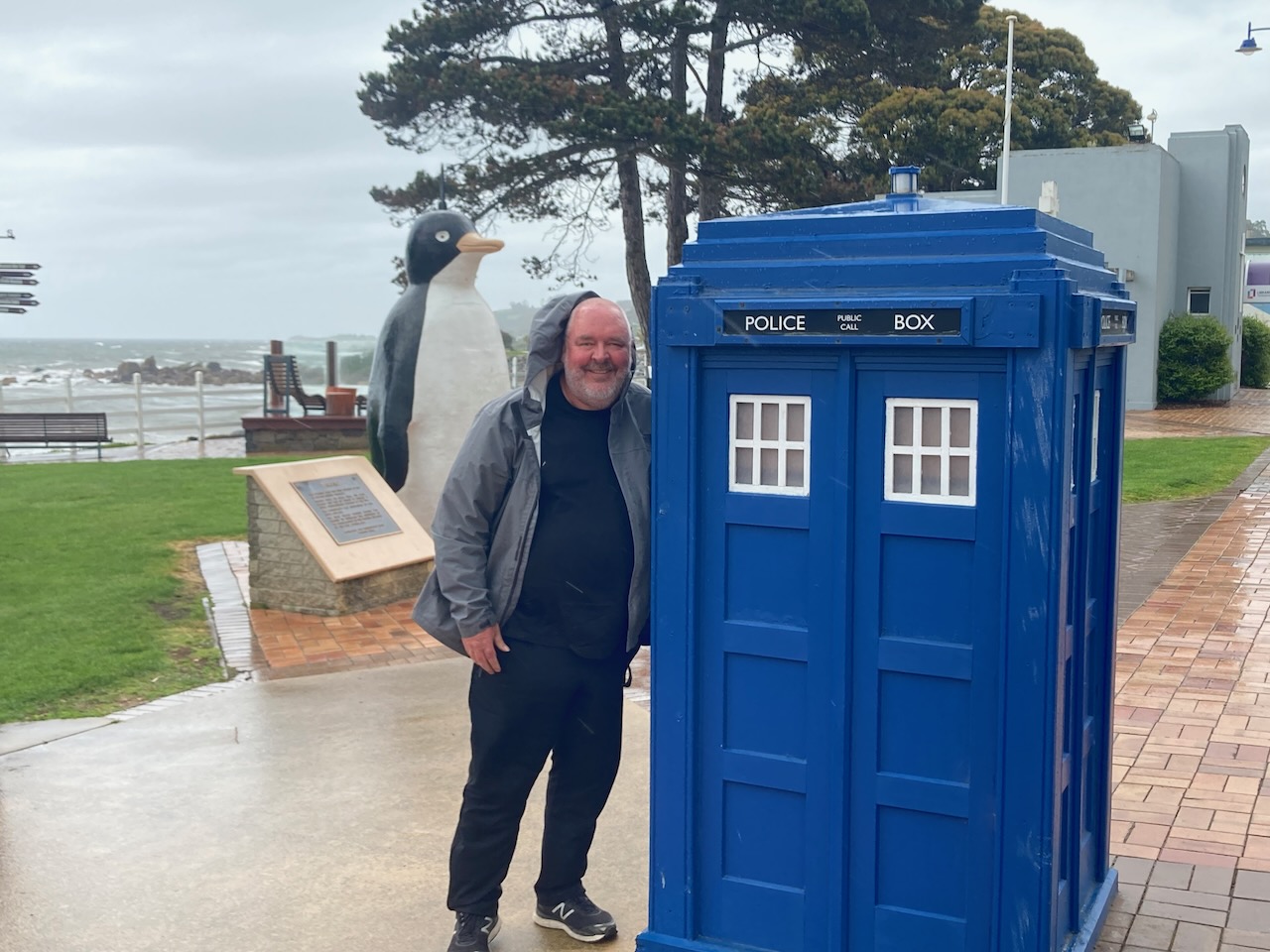
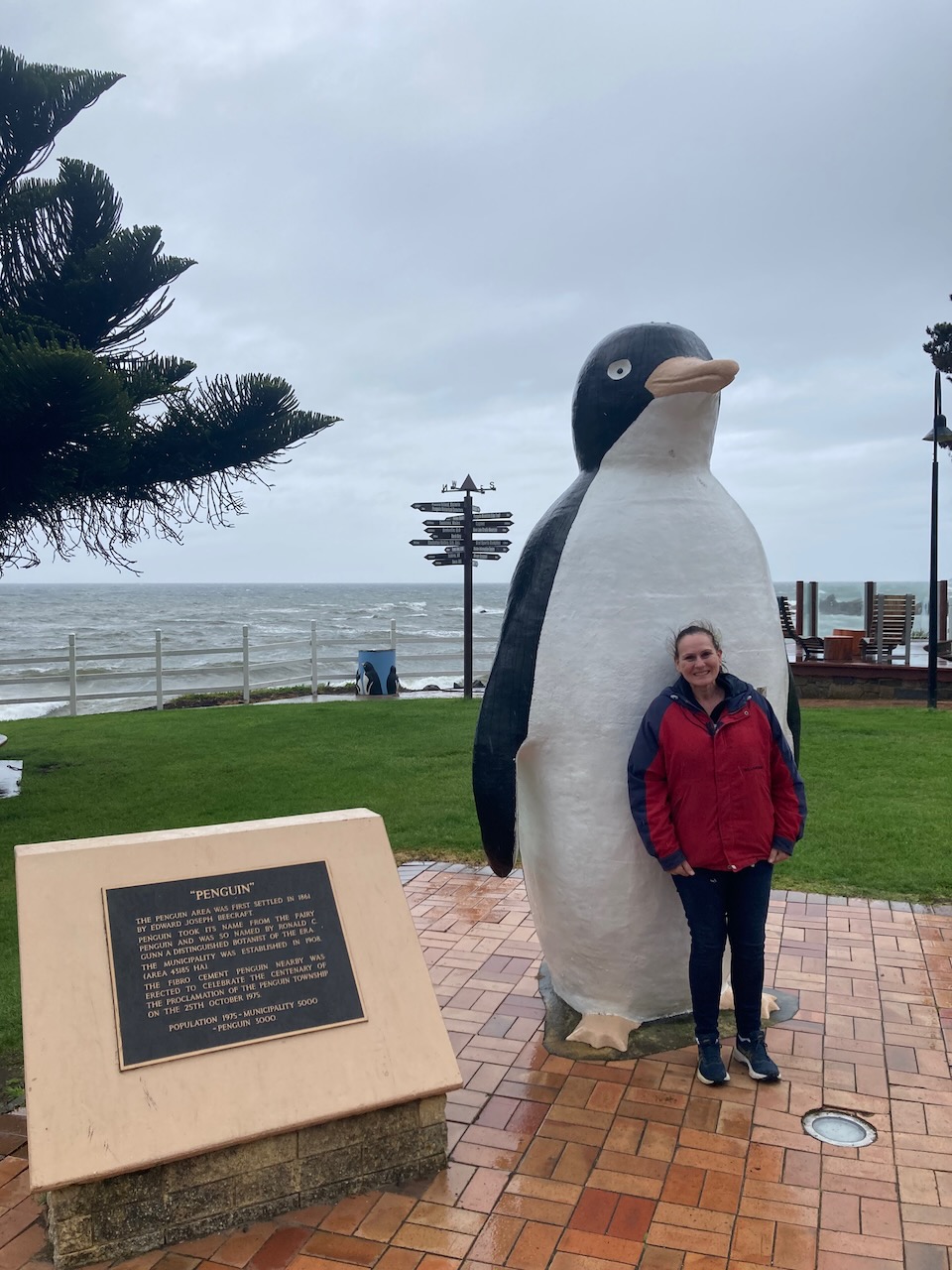
Marija and I then hit the road and drove west towards Devonport. We stopped briefly in the little town of Penguin to stretch our legs.
The town of Penguin was proclaimed on the 25th day of October 1875. It had been settled in 1861 as a timber town. It was named by botanist Ronald Campbell Gunn for the Little Penguin population found along the coastline.
We continued on to Devonport and that evening we boarded the Spirit of Tasmania and headed back to the mainland of Australia.
It had been a fantastic three and a bit weeks in Tasmania.





































 VK5PAS