Mutton Cove Conservation Reserve VKFF-2246

For a variety of reasons, this year, 2018, has been a very quiet year for me as a Park and SOTA activator.  So yesterday (Sunday 11th February 2018), my wife Marija VK5FMAZ and I decided to head out to enjoy the sunshine.  We drove down to Port Adelaide to activate the Mutton Cove Conservation Reserve VKFF -2246.  This was to be the first time that the park had been put on the air for the World Wide Flora Fauna (WWFF) program.

The Mutton Cove Conservation Reserve is located on the LeFevre Peninsula, north of the city of Adelaide, and is adjacent to the Port River.  The reserve is part of the Adelaide Dolphin Sanctuary.
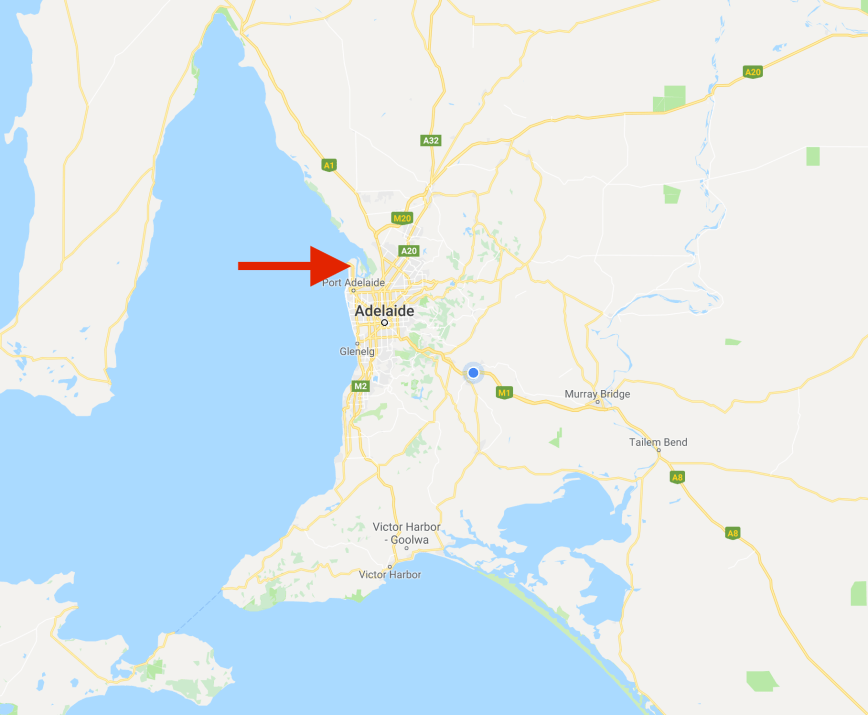
Screen Shot 2018-02-11 at 9.00.47 pm.png

Above:- Map showing the location of the Mutton Cove Conservation Reserve.  Map courtesy of google maps.

Mutton Cove is about 48 hectares in size and is the last remaining biodiverse area of salt marsh and Grey Mangrove woodland on the LeFevre Peninsula, about 15 km northwest of the Adelaide city centre.  The peninsula is a narrow sand spit of around 30 square km running north from its connection to the mainland.  The peninsula is bounded to the west by Gulf St Vincent and to the north and the east by the Port River.
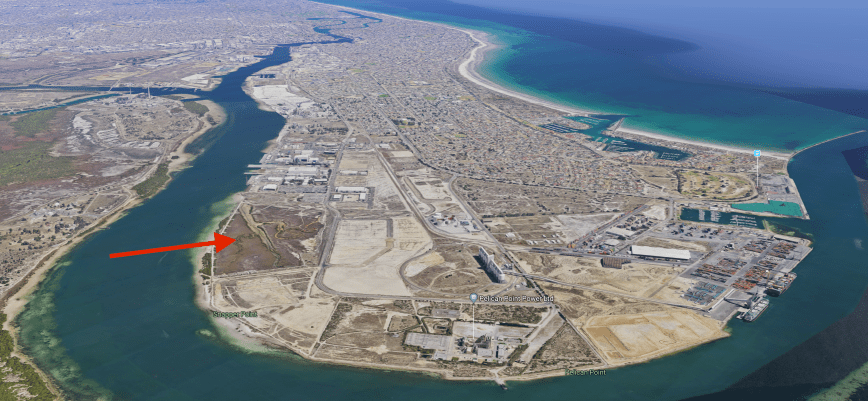
Screen Shot 2018-02-11 at 9.00.02 pm

Above:- Aerial shot of the LeFevre Peninsula showing the Mutton Cove Conservation Reserve.  Image courtesy of google maps

The earliest recorded European to see the Port River was Captain Collet Barker.  In 1831 Barker was on his quest to find the Murray Mouth, at the request of Governor Darling of New South Wales.  On the 19th April 1831, Barker spotted the Port River from the top of Mount Lofty (not far from my home).  The LeFevre Peninsula was named by Governor John Hindmarsh on the 3rd June 1837, after Sir John George Shaw-Lefevre, who was one of South Australia’s Colonisation Commissioners.  Mutton Cove was named after Mutton Cove in Devonport in the United Kingdom.
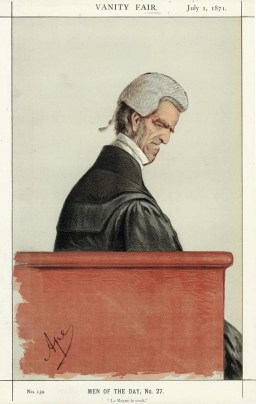
John_Shaw-Lefevre_Vanity_Fair_1_July_1871

Above:- Sir John George Shaw-Lefevre.  Image courtesy of Wikipedia

The salt marsh in the park is comprised of Beaded Samphire, Austral Seablite,  Shrubby Glasswort and Grey Samphire low shrubland.  There are three branches of the Mutton Cove creek located in the park.

The Le Fevre Peninsula was considerably smaller when Europeans first settled the area.  The land has been raised by large amounts of fill and dumping.  Most of this fill was placed between the early 1940’s and 1992, when dumping ceased. The area of Mutton Cove is one of the few areas along the edges of the Peninsula that remains at natural surface level.

Mutton Cove is identified with the Commonwealth government’s Environment Protection and Biodiversity Conservation Act (1999), as an important migratory bird habit.  A total of 89 bird species have been recorded in the park including White-faced Heron, Sharp-tailed Sandpiper, Silver Gull, Spur-winged Plover, White-fronted Chat, Singing Honeyeater, Welcome Swallow, Musk Duck, Pacific Reef Heron, Australian Pelican, Rock Parrot, Grey Shrikethrush, and Brown Songlark.

The Mutton Cove Conservation Reserve contains a ship’s graveyard.  It is on of five abandonment sites within the Port Adelaide area, including Garden Island, Jervois Basin, Angas Inlet, and Broad Creek.

In around 1945 an embankment was constructed across the entrance to Mutton Cove.  However prior to this two ships were abandoned within Mutton Creek, the Excelsior and the Jupiter.  The Excelsior’s remains can be found in the north western corner of the park, whilst the Jupiter is mostly covered in mud.  To give an indication of how deep the original Mutton Cove Creek was may be gained from the fact that Excelsior was floated right up the Cove to its current position.

The steel hulled Excelsior was built in 1897 by Gourlay Brothers of Dundee, Scotland, and measured  39.9 m in length and 7.3 m in breadth, 3.3 m depth and was 310 gross tons. The Excelsior was originally registered in Sydney in 1897 and worked on the north coast of New South Wales.  In the 1930’s it was converted to a coal hulk, lightering coal to the steam powered dredges working in Port Adelaide.
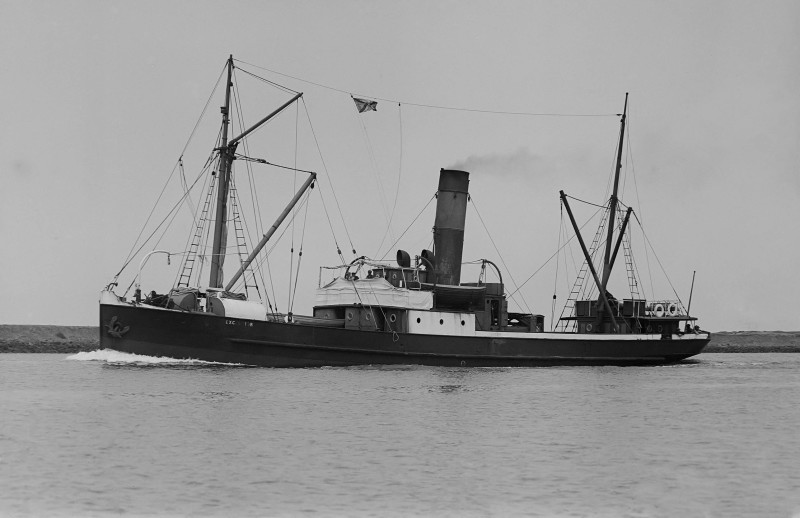
2315386.jpg

Above:- The Excelsior.  Image courtesy of Ship Spotting

Prior to heading to the park Marija and I decided to take a quick walk around Port Adelaide.  There is a lot to see down here.  Our first stop was the clipper ship, the City of Adelaide.  This is the world’s oldest surviving clipper ship, having been built in 1864 to carry passengers to Adelaide.  About 250,000 Australians can trace their ancestry to the ship.
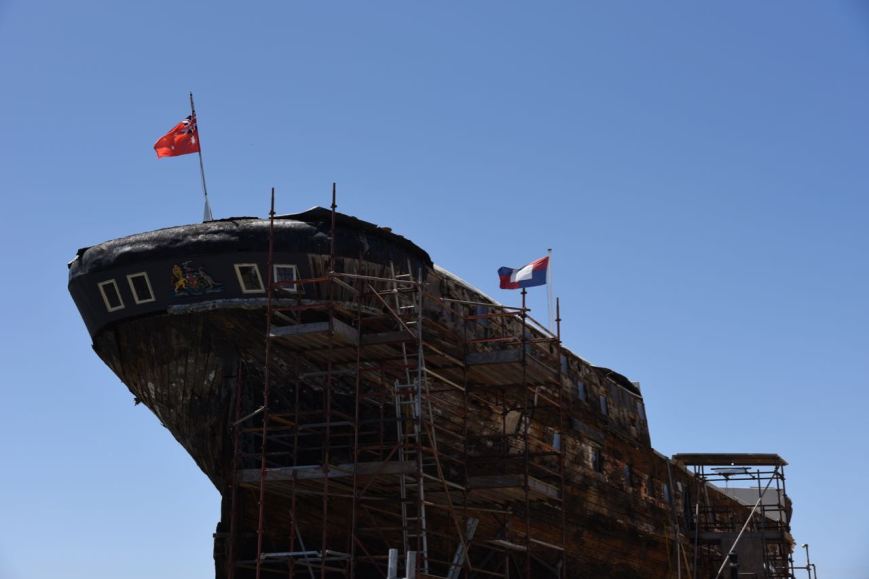
DSC_0101

‘The City of Adelaide’.

The Port Adelaide area has some of the finest colonial buildings in Australia.  Many date back to the mid and late 1880’s when the ‘Port’ was at its peak.

The wharf precinct at Port Adelaide was very busy, as it was such a lovely sunny day, with a temperature of about 26 deg C.  We viewed the Dolphin Explorer returning to the Port after a 2 hour trip down the Port River to view the dolphins.  The One and All sailing ship was open for inspection.  This tall ship was launched in 1985 and took part in the First Fleet Re-enactment Voyage as part of Australia’s bicentenary celebrations.

And despite the Port being very busy and Adelaide having a population of nearly 1.2 million people, it is amazing who you bump in to.  As we were walking along the wharf area we found my Dad and stepmum enjoying some pancakes and a coffee at one of the many cafes overlooking the Port River.  What a bonus for the day out.
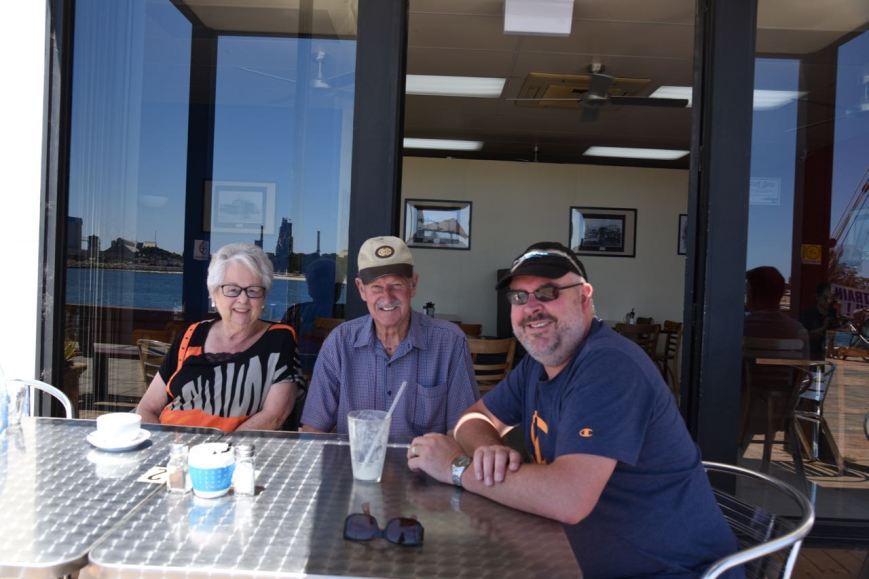
DSC_0105

After enjoying a milkshake with Dad & Dorthy, Marija and I travelled north along Victoria Road and then turned right into Veitch Road and then left onto Mersey Road North.  Unfortunately we soon encountered a number of bollards and fences and found that the road was blocked off.  I suspect due to security for the Australian Submarine Corporation (ASC).  The ASC is notable for the construction and maintenance of the Collins-class submarine fleet operated by the Royal Australian Navy (RAN) and the construction of Hobart-class destroyers.

So we headed back out onto Victoria Road and then took Pelican Point Road which continues in to Mersey Road North.  There is a carpark for the park on Mersey Road North, but we had noted the huge powerlines and decided this was not going to be a great place to operate from.  So we followed a dirt track which runs down the northern side of the reserve.  This takes you down to a small car parking area right alongside of the Port River.

We set up at this location, as there are not too many other options.  Sadly there was rubbish everywhere and we had to put up with the continual sound of ‘burnouts’ by the hoons who use the nearby roads as a racetrack.  There was also no shade and it was quite blustery, with the squid pole flexing in the wind.
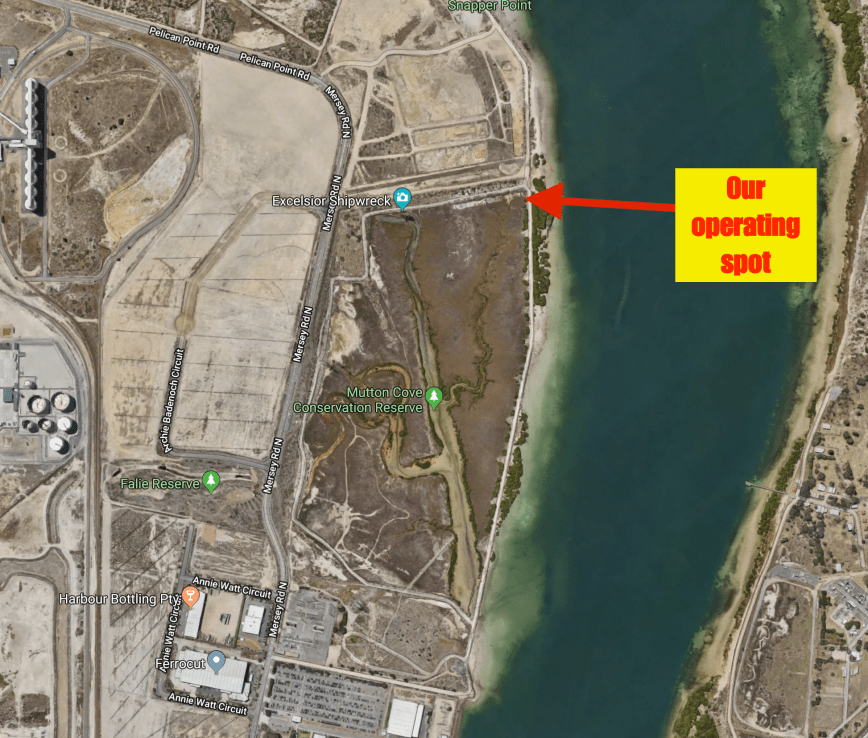
Screen Shot 2018-02-11 at 8.59.02 pm.png

Above:- An aerial shot of the Mutton Cove Conservation Reserve showing our operating spot.  Image courtesy of google maps

After setting up, we tentatively turned on the transceiver and our worst fears were realised, with a strength 8 noise floor.  The park is surrounded by industry, including the Australian Submarine Corporation, so it was no surprise.

Marija and I were keen to qualify the park for the VKFF program, which required 10 contacts in the log, and for us to then ‘get out of there’.  So we decided to run just the 10 watts PEP, due to Marija’s Foundation licence, and share the mic.  I called CQ for around 2 minutes with no takers, whilst Marija spotted me on parksnpeaks.  Our first caller was Les VK5KLV at Port Augusta, north of Adelaide, who fortunately had a strong 5/8 signal, above the noise.  Geoff VK3SQ from Beechworth was next.  But Geoff’s signal was right on the threshold, but we made it.
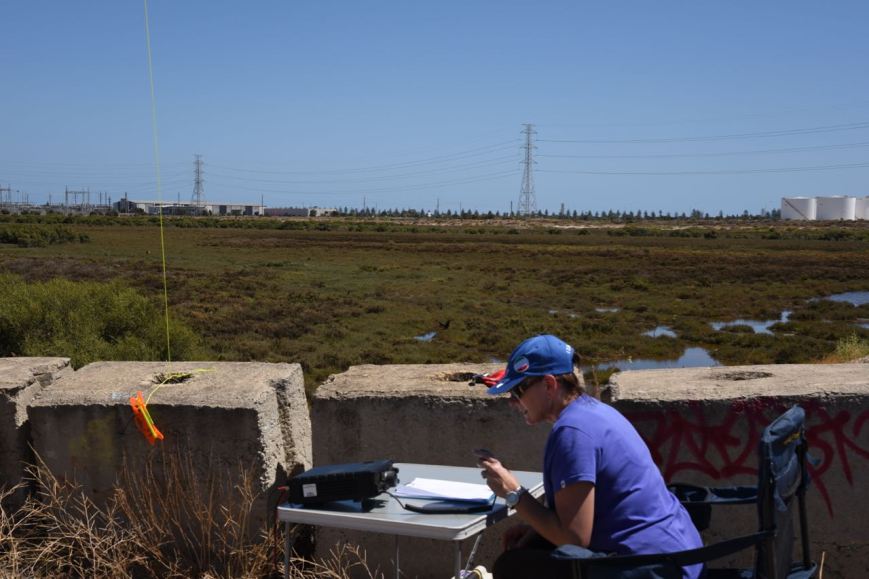
DSC_0132

Above:- Marija on air in the park.

Band conditions were terrible for us due to the noise floor and we could hear quite a few stations calling, but just couldn’t pull them through.  Our sincere apologies if you were one of those stations calling.  We persevered and within 15 minutes had 10 contacts in the log.  Contact number 10 was Ian VK5KKT at Two Wells north of Adelaide, who was 5/9 plus.  Once Marija had her 10 contacts in the log, she sat back and enjoyed watching some of the fishing boast, yachts and the Dolphin Explorer sailing passed us on the Port River.

I logged a further 6 stations on 40m, making my tally of contacts on 40m, 16 QSOs into New South Wales (VK2), Victoria (VK3), South Australia (VK5), and Tasmania (VK7).  We then lowered the squid pole and removed the links in the antenna, and I tried my luck on the 20m band.  I headed to 14.310 and found Jonathan VK7JON who was in contact with another station.  Jonathan was just below the noise and I was only just able to make him out, so I decided not to call.  I am sure that Jonathan would have hear me, but the noise on 20m for me was strength 6, making it very difficult.
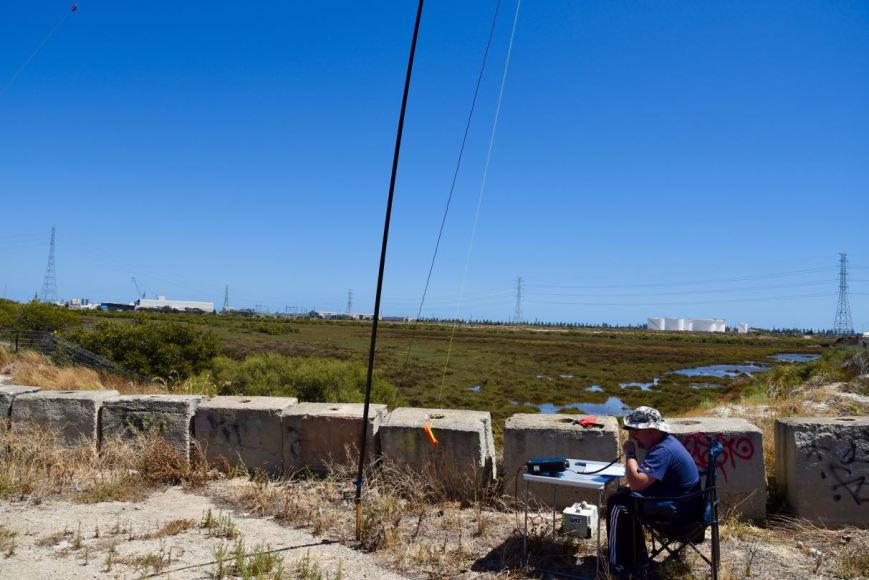
DSC_0116

Dennis VK2HHA in Albury was my first contact on 20m with a strong 5/8 signal, followed by VK3GSG and then Gerard VK2JNG/p who was activating the Dooragan National Park VKFF-0143.  It was nice to get a Park to Park contact in the log.  I logged a further 5 stations on 20m, before the noise, the heat, and the wind, became just too much.  Marija and I packed up and headed back to the Adelaide Hills, with the intention of activating Mount Lofty, where we knew the noise floor would be very low.

So after 45 minutes on air, we had both qualified the park for the VKFF program.  I had 24 contacts in the log, which meant I required a further 20 to qualify the park for the global WWFF program.  I’m not sure that I will rush back here to get my 20 QSOs, as this is a very noisy park with no real options of finding an RF noise free location.

Marija worked the following stations on 40m SSB:-

  1. VK5KLV
  2. VK3SQ
  3. VK3PMG
  4. VK3GGG
  5. VK3ANL
  6. VK2IO
  7. VK3CWF
  8. VK2UH
  9. VK7ME
  10. VK5KKT

I worked the following stations on 40m SSB:-

  1. VK5KLV
  2. VK3SQ
  3. VK3GGG
  4. VK3PMG
  5. VK3ANL
  6. VK2IO
  7. VK3CWF
  8. VK2UH
  9. VK7ME
  10. VK5KKT
  11. VK3HKV/m
  12. VK5FDRW/p
  13. VK5TT
  14. VK5FMWW
  15. VK2PKT
  16. VK3TKK/m

I worked the following stations on 20m SSB:-

  1. VK2HHA
  2. VK3GSG
  3. VK2JNG/p (Dooragan National Park VKFF-0143)
  4. VK4TJ
  5. VK4/AC8WN
  6. VK4/VE6XT
  7. VK3SQ
  8. VK4AAC/2


References.

Birds SA, 2018, <https://birdssa.asn.au/location/mutton-cove-conservation-reserve/>, viewed 11th February 2018

City of Adelaide, 2018, <https://www.cityofadelaide.org.au/>, viewed 12th February 2018

Friends of Mutton Cove, 2018, <http://friendsofmuttoncove.noticeboard.net.au/>, viewed 12th February 2018

Ship Spotting, 2018, <http://www.shipspotting.com/gallery/photo.php?lid=2315386>, viewed 12th February 2018

Wikipedia, 2018, <https://en.wikipedia.org/wiki/Lefevre_Peninsula>, viewed 12th February 2018
Kinchina Conservation Park 5CP-277 and VKFF-1764

Yesterday (Friday 26th January 2018) was Australia Day, which is the official National Day of Australia.  It is celebrated annually on the 26th January and marks the anniversary of the 1788 arrival of the First Fleet of British ships at Port Jackson, New South Wales and the raising of the Flag of Great Britain at Sydney Cove by Governor Arthur Phillip.

And each Australia Day, amateur radio operators in Australia are permitted to replace the VK prefix with the AX prefix.  Down here in Australia we can only do this three times a year: for Australia Day in January, ANZAC Day in April, and World Telecommunications Day in May.  So it is a relatively rare event.  

AX5PAS.jpg

Above:- My special AX5PAS QSL card for Australia Day

I was on Afternoon Shift on Thursday evening and had also been recalled during the wee hours of the morning, so my intended early start on Friday morning did not eventuate.  I had to work afternoon shift again on Friday, so I decided to head out to a local park to operate as AX5PAS for a few hours before heading off to work.  I chose the Kinchina Conservation Park 5CP-277 & VKFF-1764 which is about 40 km east of my home, and about 40 km east of Adelaide.

Screen Shot 2018-01-27 at 10.11.57 am.png

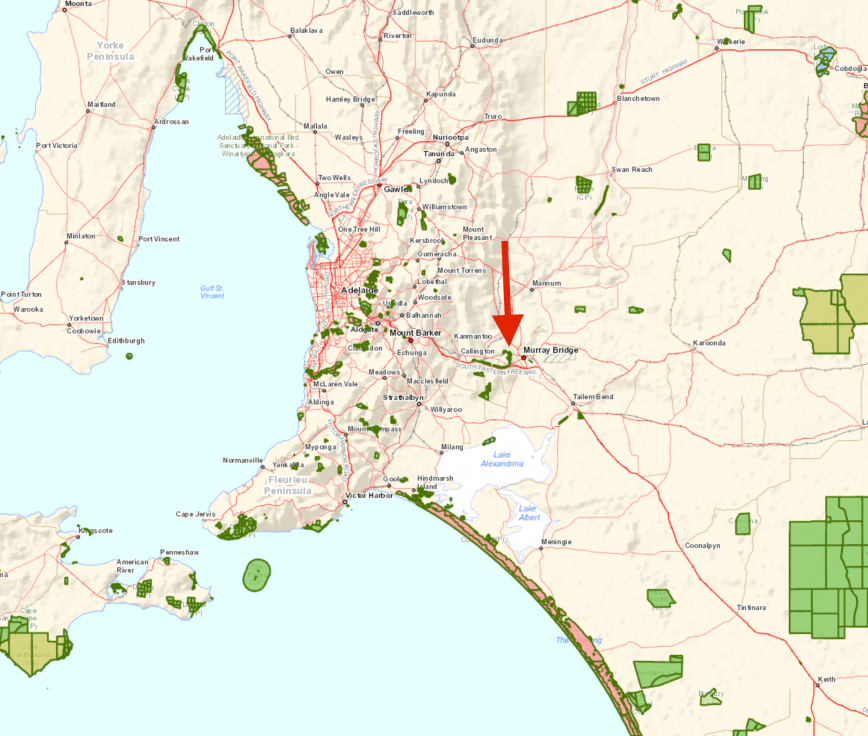
Above:- Map showing the location of the Kinchina Conservation Park.  Image courtesy of Location SA Map Viewer.

I have activated Kinchina on two previous occasions, and have qualified the park for the World Wide Flora Fauna (WWFF) program.  Details on those activations and full information and history of the park can be found by clicking on the following links…..

https://vk5pas.org/2017/03/25/kinchina-conservation-park-5cp-277-and-vkff-1764/

https://vk5pas.org/2016/11/03/kinchina-conservation-park-vkff-1764/

Kinchina Conservation Park is a relative ‘new’ park.  It was only gazetted in September 2016.  Kinchina is quite large, being 414 hectares in size.  The park protects grassy woodland communities considered of high conservation significance.  The park was named for the rail siding where local Monarto Granite was loaded to be sent to Adelaide by Jessie and Charles Duncan from 1879.  This granite was used in many buildings including Colonel Light’s statue, St Peters Cathedral stepgs, Electra House on King William Street and for kerbing in Adelaide’s central business district.

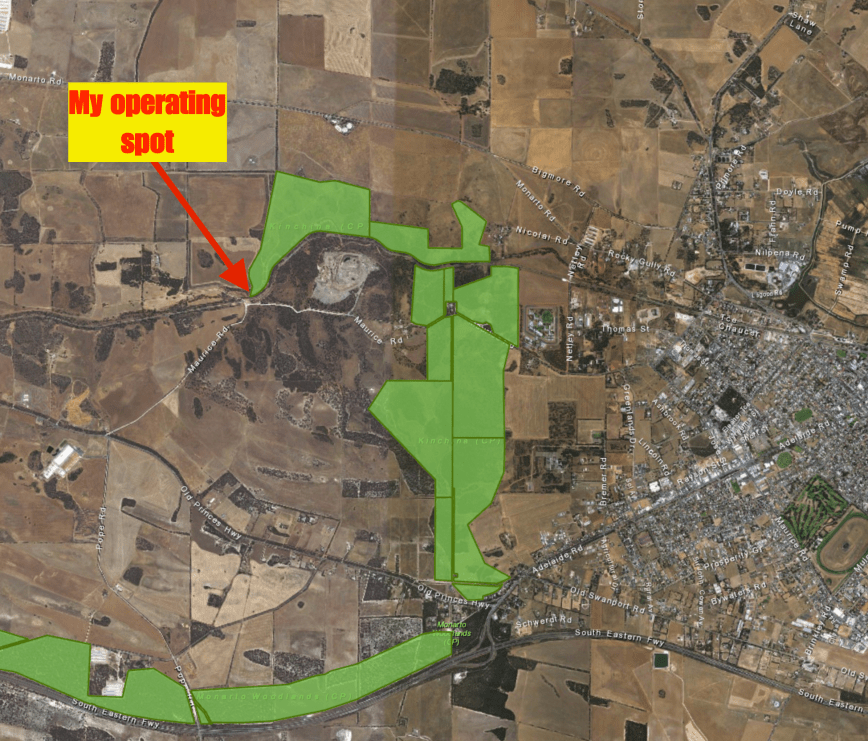
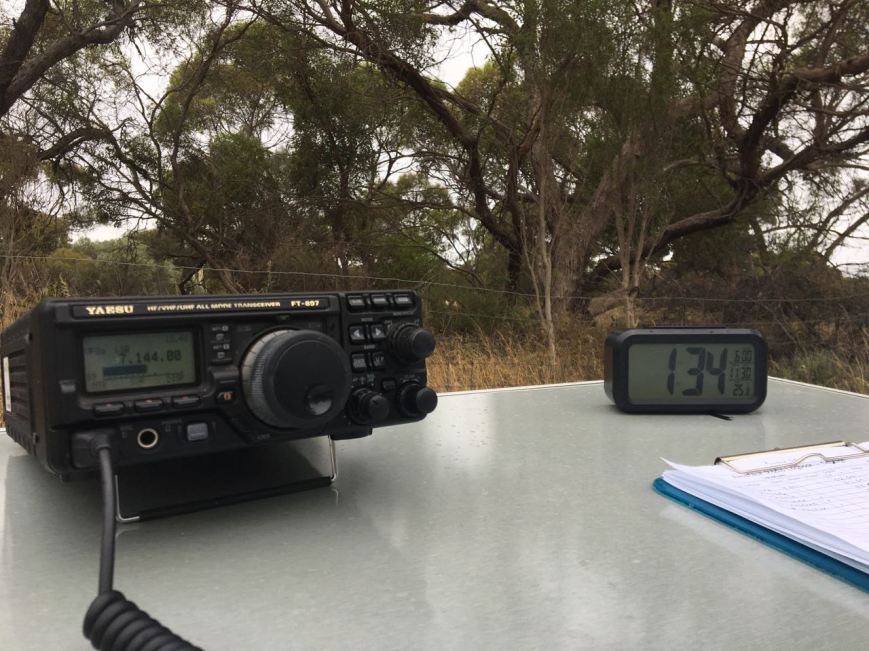
It was quite a warm morning, around the high 20’s, but it was also wet.  There were consistent light showers, making conditions very humid.  I set up under the shade of some gum trees in the western section of the park.

Screen Shot 2018-01-27 at 10.11.42 am.png

Above:- Map showing my operating spot in the Kinchina Conservation Park.  Image courtesy of Location SA Map Viewer.

I kicked off the activation by calling CQ on 7.144.  This was answered by Matt VK1MA in Canberra, who had a good strong 5/8 signal.  This was followed by Gerard AX2IO/p who was in the Dalrymple-Hay Nature Reserve VKFF-1921.  Gerard kindly spotted me on parksnpeaks.  Thanks Gerard.

Band conditions were very depressed and signals were well down compared to usual.  I logged a total of 24 stations on 40m from VK1, VK2, VK3, VK4, VK5, and VK7.  This included another two Park to Park contacts.  The first being with Mark VK4SMA/p in the D’Aguilar National Park  VKFF-0129, and then Giles VK5GK/p in the Flinders Ranges National Park VKFF-0176.  Giles was actually on his honeymoon.  He obviously had a very understanding wife.

IMG_1001

I then moved to the 20m band where I found Rob VK4AAC/p on 14.310, calling CQ from the Tallaganda National Park VKFF-0474, with a nice 5/7 signal.  After logging Rob I moved up the band to 14.315 and self spotted on parksnpeaks and started calling CQ.  I logged a total of 9 stations from VK1, VK2, VK3, VK4, and VK7.  This included two more Park to Park contacts, with Mark VK4SMA/p in the D’Aguilar National Park  VKFF-0129, and Gerard VK2JNG/p in the Guy Fawkes River National Park VKFF-0224.

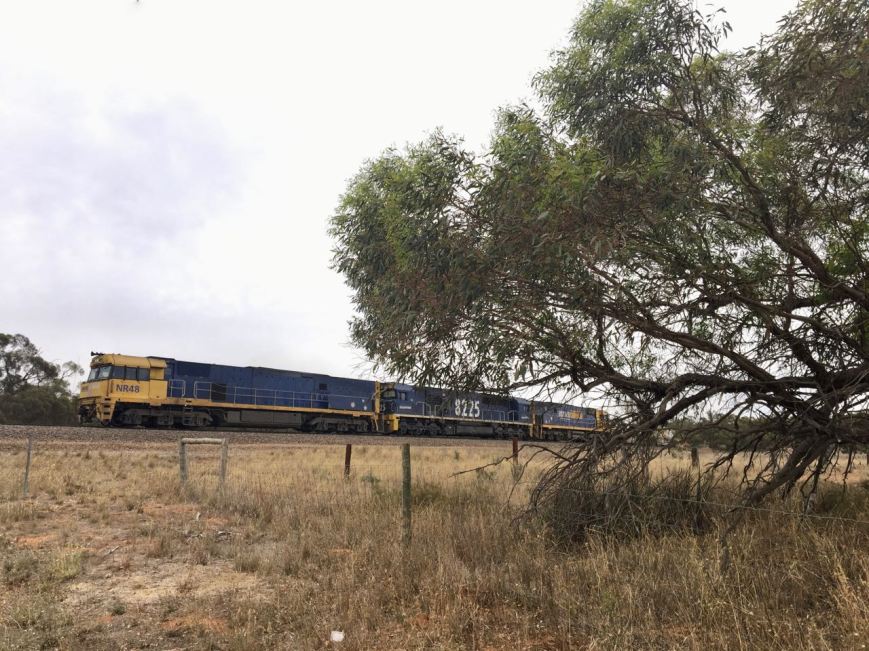
I was set up very close to the main Adelaide-Melbourne railway corridor, and a few times during the activation I needed to take a break as the noisy freight trains passed by me.

IMG_1007

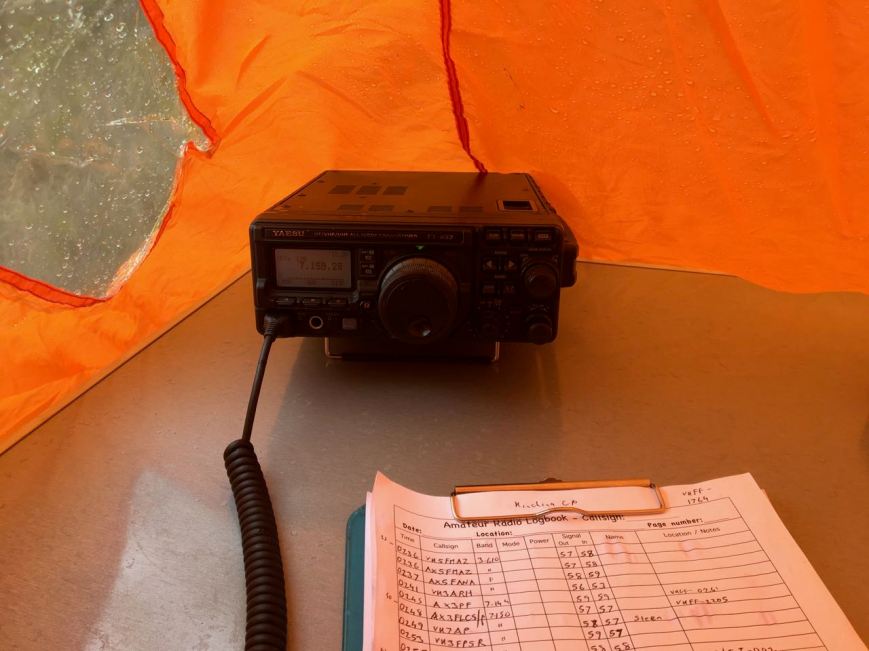
I also had to deploy the bothy bag on a few occasions to protect both myself and the radio gear from the showers.  It was a warm and humid day and it was particularly muggy under the bothy bag.

IMG_1009

I then moved to the 80m band hoping to log a few of the locals, as it was clear the 40m band and 20m band were not going to be fruitful for VK5 contacts.  My first contact on 80m was with my wife Marija VK5FMAZ/AX5FMAZ, followed by Adrian VK5FANA on the Yorke Peninsula, and then Allen VK3ARH in western Victoria.  But sadly they were my only callers on that band, so I headed back to 40m where I logged another Park to Park contact, this time with Peter AX3PF/p who was in the Churchill National Park VKFF-0621.

I then moved up to 7.150 where I spoke with Brett AX3FLCS/p who was activating the Taradale Nature Conservation Reserve VKFF-2205.  But band conditions were still quite poor, and I logged just 3 more stations.  I then tuned across the 40m band and found Sam VK2GPL/p calling CQ on 7.090 from SOTA peak Mount Trickett VK2/ CT-002.

To complete the activation I put out a few CQ calls on 21.244 and logged three stations: Mike VK6MB/p in Western Australia, John VK4TJ in Queensland, and Con VK7HCK in Tasmania.

I packed up and headed back home for a quick shower and then off to work.  I had a total of 48 contacts in the log including 8 Park to Park QSOs.

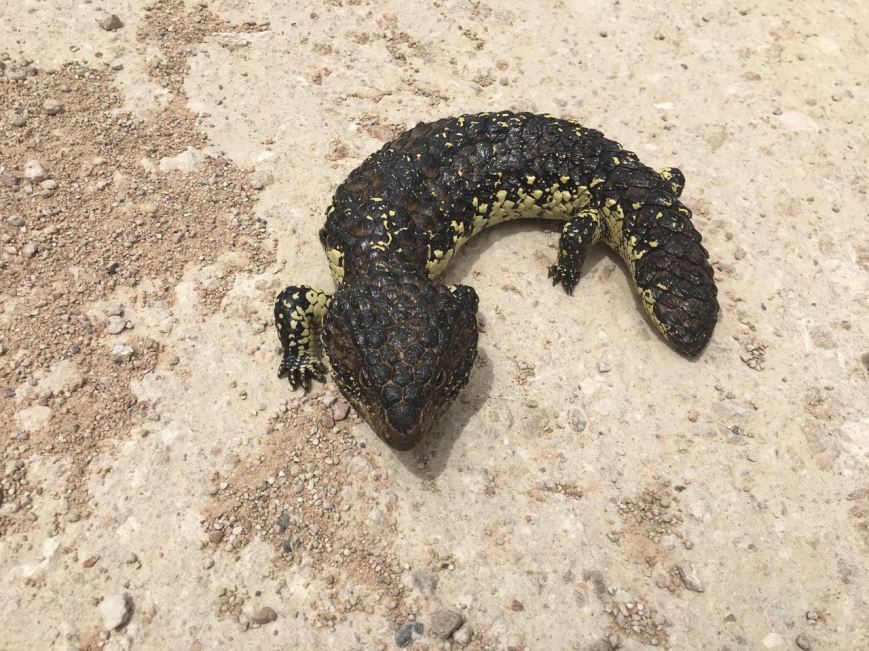
Fortunately my only scaly friend for the activation was a Shingleback Lizard.

IMG_1013

I worked the following stations on 40m SSB:

  1. VK1MA
  2. AX2IO/p (Dalrymple-Hay Nature Reserve VKFF-1921)
  3. VK3YSA
  4. VK3KMH
  5. VK5FMAZ
  6. AX5FMAZ
  7. VK2YW
  8. VK3PF/p
  9. AX3ZPF
  10. VK4NH/2
  11. AX4DXA/2
  12. ZL4TY/VK2
  13. AX3ANL
  14. VK3ANL
  15. VK3GGG
  16. VK3PMG
  17. VK4SMA/p (D’Aguilar National Park  VKFF-0129)
  18. VK4CPS
  19. AX3FMKE
  20. AX5GK/p (Flinders Ranges National Park VKFF-0176)
  21. AX3FMMB
  22. AX3MRG/p
  23. VK5KLV
  24. AX7FOLK
  25. VK3VEK
  26. AX3PF/p (Churchill National Park VKFF-0621)
  27. AX3FLCS/ p (Taradale Nature Conservation Reserve VKFF-2205)
  28. VK7AP
  29. VK3FPSR
  30. VK2PKT
  31. AX2GPL/p (SOTA Mount Trickett VK2/ CT-002)

I worked the following stations on 20m SSB:-

  1. AX4AAC/p (Tallaganda National Park VKFF-0474)
  2. VK6MB/p
  3. VK2VW
  4. VK2VK
  5. VK1AT
  6. VK2NP
  7. AX3ZPF
  8. VK4SMA/p (D’Aguilar National Park  VKFF-0129)
  9. AX3MRG/p
  10. VK2JNG/p (Guy Fawkes River National Park VKFF-0224)

I worked the following stations on 80m SSB:-

  1. VK5FMAZ
  2. AX5FMAZ
  3. AX5FANA
  4. VK3ARH

I worked the following stations on 15m SSB:-

  1. VK6MB/p
  2. VK4TJ
  3. VK7HCK


References.

National Parks South Australia, 2018, <https://www.environment.sa.gov.au/parks/find-a-park/Browse_by_region/Murray_River/kinchina-conservation-park>, viewed 27th January 2018

Top 44 Activator (QSOs) certificate

Each year the World Wide Flora Fauna (WWFF) program issues certificates to activators who have made it into the Top 44, with respect to the number of QSOs made during activations.

In 2017 I came in at position number 27 with a total of 7,037 QSOs from 102 different references.  That works out to around 69 contacts per activation.

I am a long long way from the top.  The Top Activator (QSOs) was SP5UUD in Poland with an amazing 61,105 QSOs from 505 activations.  That equates to around 121 QSOs per activation.

Other VK’s to get into the Top 100 were Bill VK4FW with 3,387 QSOs during 15 activations.  That equates to a very impressive 226 QSOs per activation.  Gerard VK2JNG made 3,127 QSOs from 99 activations (about 31 QSOs per activation).  Gerard VK2IO made 3,002 QSOs during 57 activations (about 53 QSOs per activation).

Thankyou to everyone who called me during my 2017 activations and thankyou to the Awards Manager, YO3JW for the certificate.

VK5PAS TOP 44 2017 QSO.jpg

2017 VKFF Photographic Competition

I have finalised the results for the 2017 VKFF Photographic Competition.

There were a total of 31 entries. Thankyou to everyone who submitted photos (VK3FLCS, VK3GGG, VK3PF, VK3ZPF, VK4HNS, VK4JAZ, VK4SMA, VK4SOE, VK5FMAZ, VK5PAS, VK7JON).

A total of 17 amateurs took the time to cast their vote/s. It is a shame that more did not take part.

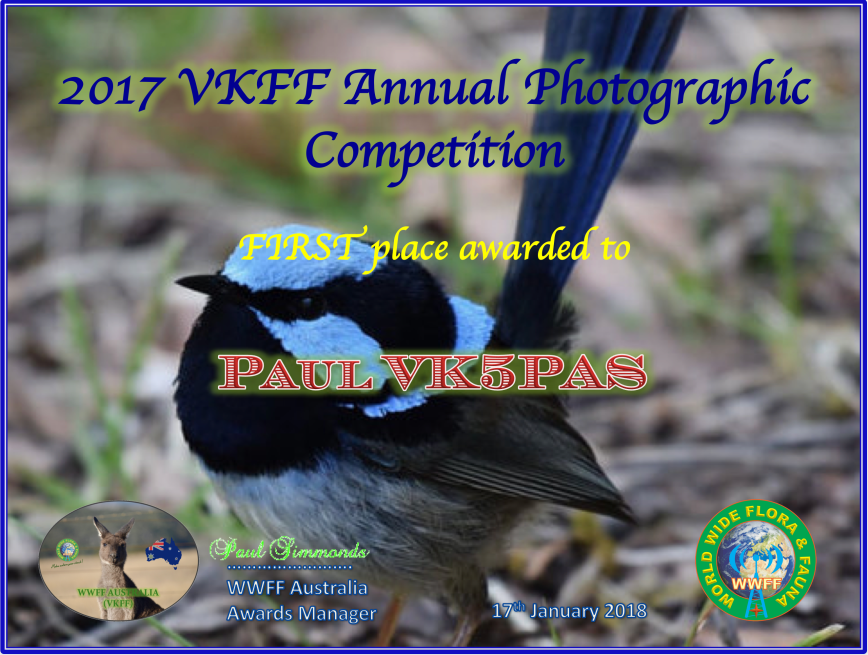
1st place – SHARED by Neil VK4HNS & Paul VK5PAS (will share a $50.00 voucher from Jaycar and also receive a winners certificate)


VK5PAS 2017 VKFF Photographic competition 1st place.png

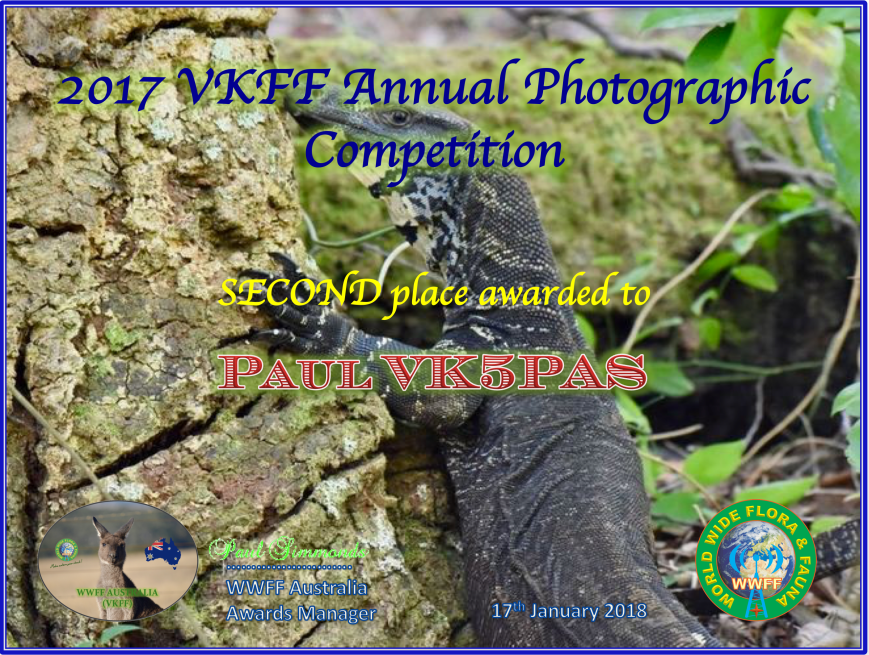
2nd place – SHARED by Grant VK4JAZ, Marija VK5FMAZ & Paul VK5PAS (will each receive a certificate).


VK5PAS 2017 VKFF Photographic Competition Second place.png

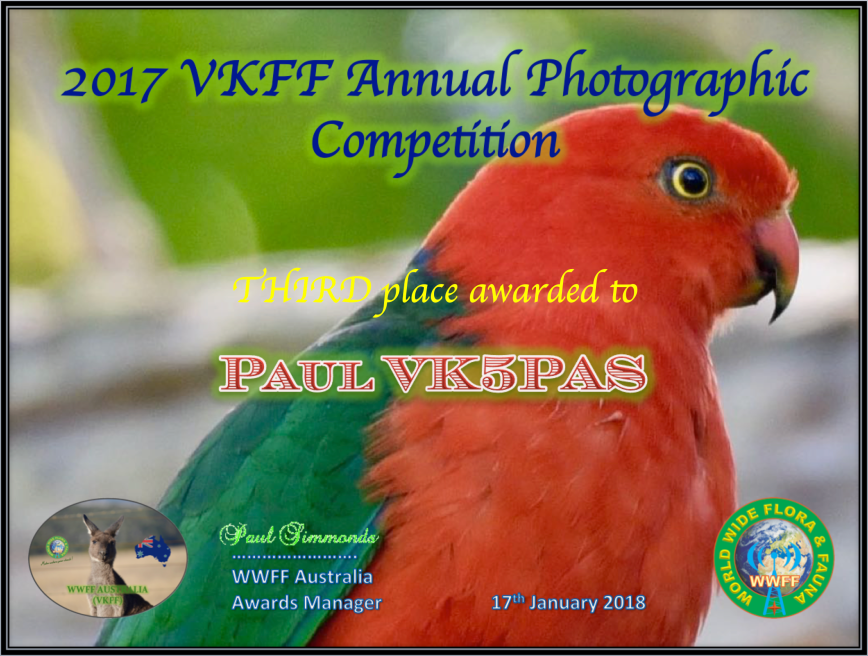
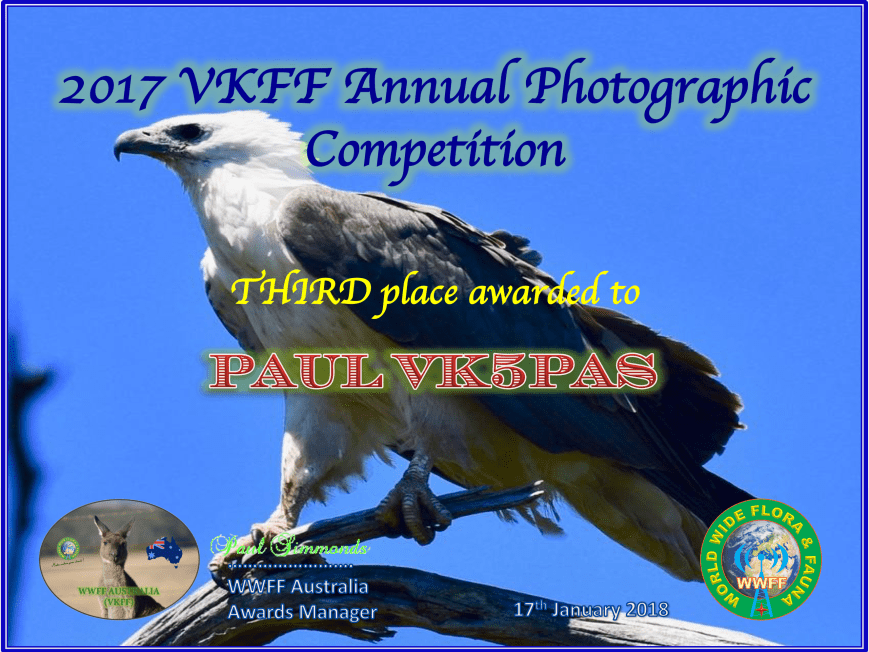
3rd place – SHARED by Jonathan VK7JON, Peter VK3ZPF, Peter VK3PF, & Paul VK5PAS (will each receive a certificate).


VK5PAS 2017 VKFF Photographic competition third place (2).png

VK5PAS 2017 VKFF Photographic Competition Third Place.png

More info, including photos, etc, can be found on the WWFF Australia website at…..

https://www.wwffaustralia.com/2017.html

Again, thanks to everyone who took part.

And a BIG THANKS to JAYCAR, who again sponsored the event.

Keith Roget Activator certificate

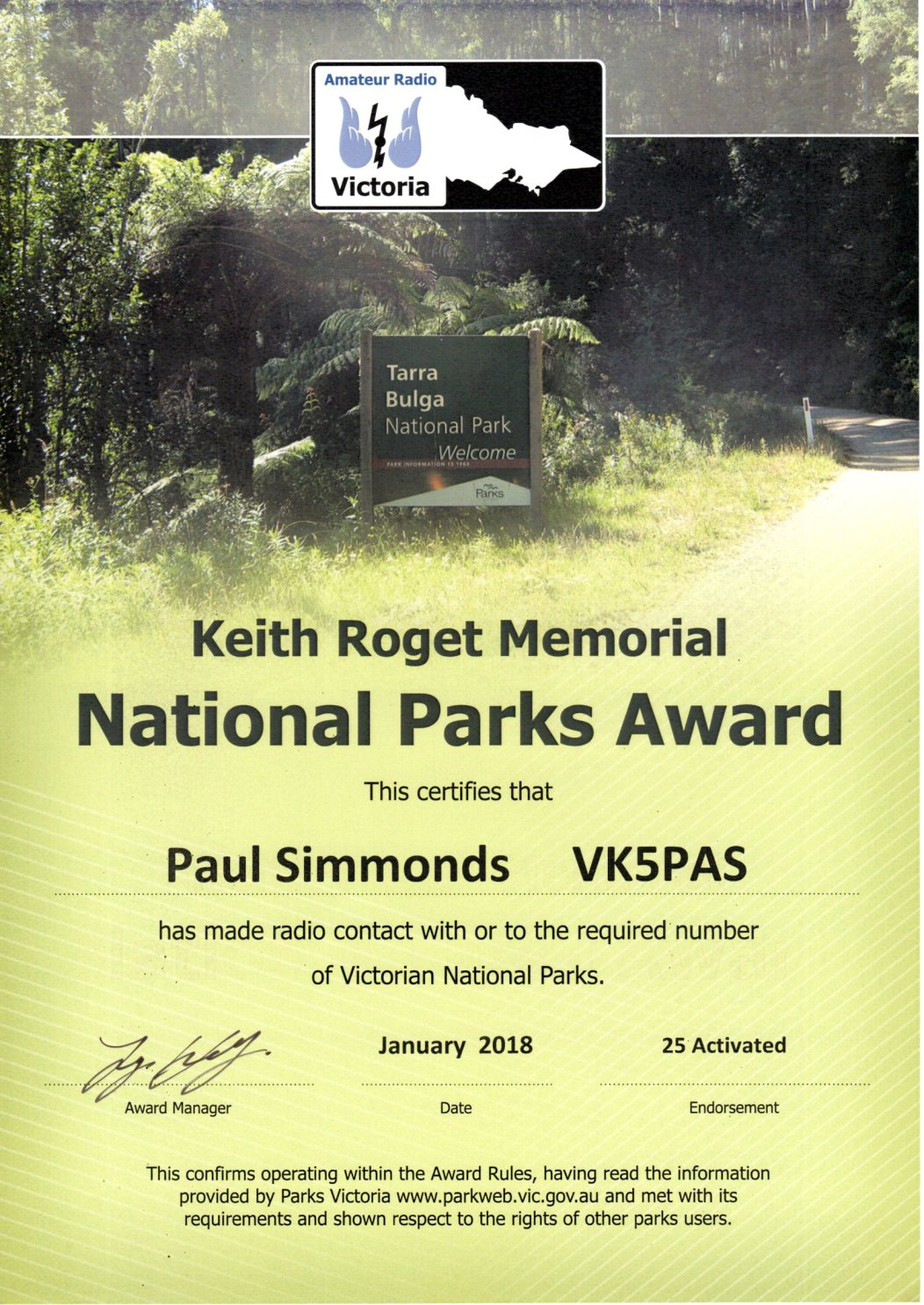
In the past couple of days I received in the mail my latest certificate for the Keith Roget Memorial National Parks Award (KRMNPA), which is the VK3 National Parks Award.  It is issued for having activated a total of 25 different Victorian National Parks.

Many thanks to Tony VK3XV the KRMNPA Awards Manager, and thanks to everyone who has called me during those activations.

VK5PAS KRMNPA 25 activated.jpg

Top VKFF Activator certificate

Each year the VKFF program issues certificates to the Top VKFF Hunter and the Top VKFF Activator.

This year the Top VKFF Hunter with a total of 548 different VKFF references during 2017 was Peter VK3PF.  An amazing effort.  Coming in at 2nd place was Gerard VK2IO with 547 different VKFF references, just 1 behind Peter.

The Top VKFF Activator turned out to be myself with 102 different VKFF references activated during 2017.  This was very closely followed by Gerard VK2JNG with 99 different VKFF references activated.  Gerard has certainly taken to park activating.

VK5PAS Top Activator 2017

More info on the Top Operators can be found on the wwff website at…..

http://wwff.co/logsearch/top-operators/

And also the WWFF Australia website at……

https://www.wwffaustralia.com/top-vkff-hunter.html

https://www.wwffaustralia.com/top-vkff-activator.html

Thankyou to everyone who took part in the VKFF program during 2017.

Top 44 WWFF Activator certificate

This morning I received via email the Top 44 Activator certificate below.

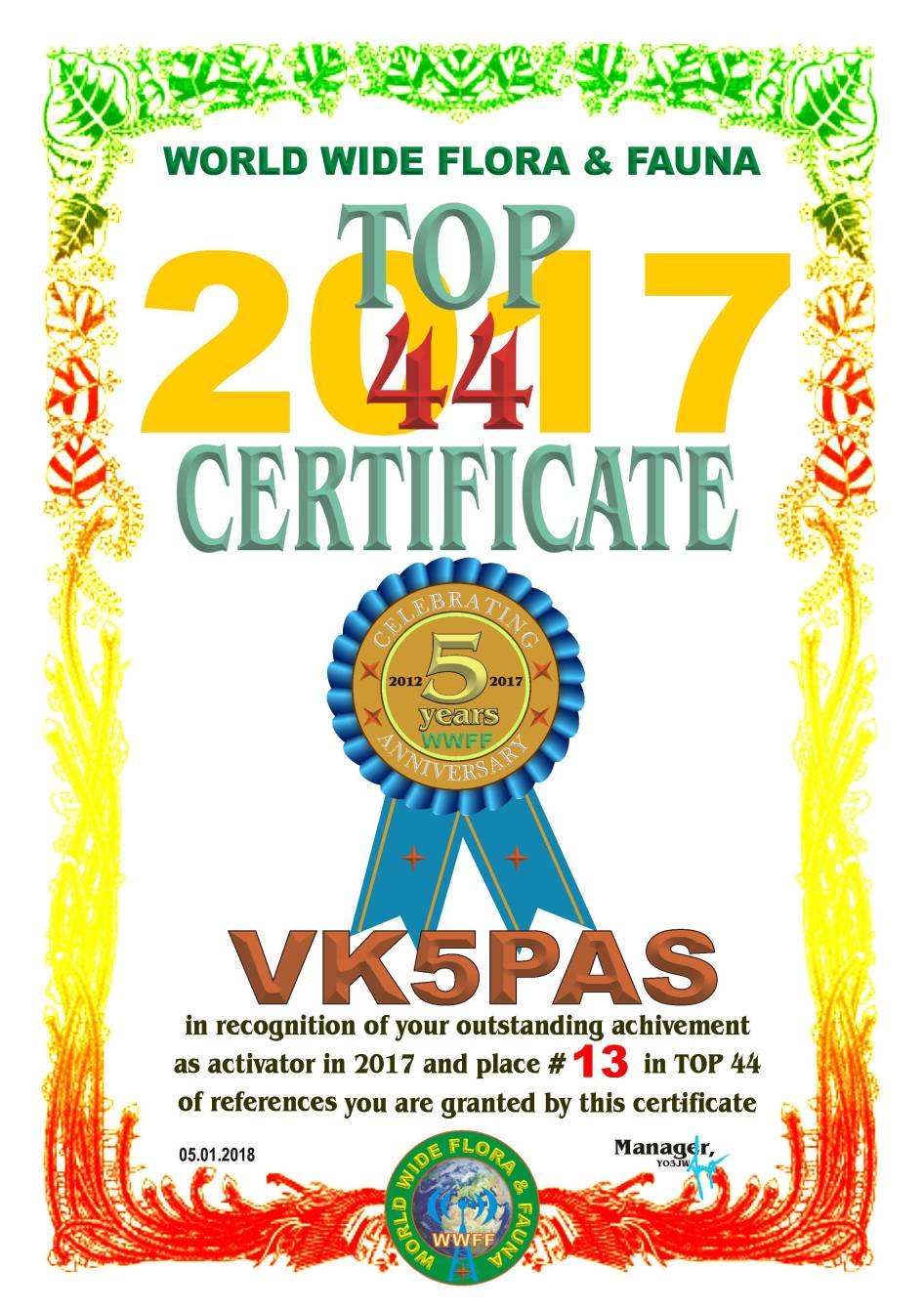
VK5PAS TOP 44 2017 REFERENCES.jpg

The Top 44 certificate is issued each year for the Top 44 activators in the world, and is based on activations where 44 QSOs are achieved.

I came 13th in the world with 90 activations.

The top activator in the world was SP5UUD with 505 activations. Now that is an achievement.

Congratulations also to Gerard VK2IO who came 32nd (with 49 activations), Rob VK4AAC who came 37th (with 43 activations), and Gerard VK2JNG (with 42 activations).

Not bad getting 4 x VK’s in the Top 44.

Thanks to YO3JW, the award Manager.