Murray Sunset National Park, Victoria

My third and final activation for Saturday was the Murray Sunset National Park.  This was my first of two Victorian park activations for the 2013 KRMNPA weekend.

Prior to activating the park, Marija and I headed to the town of Underbool, where we met up with Larry VK5LY and his wife Di.  After a nice cold beer, Larry loaned me one of his home brew 40m dipoles.  The VSWR on my linked dipole had been very high, so I was very appreciative of Larry’s offer of a spare antenna.
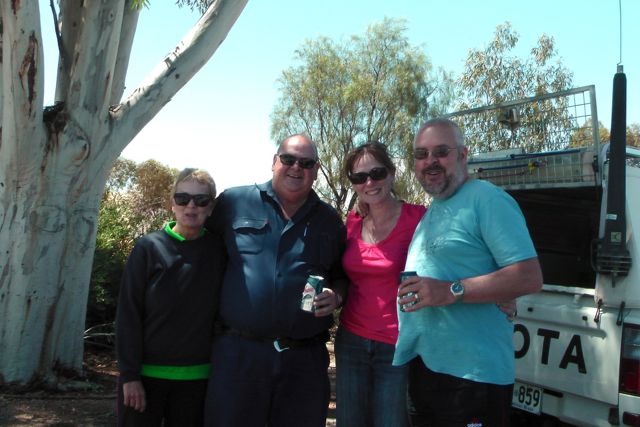
IMGA0066

Murray Sunset National Park is 6,330 km2 in size and is the second largest National Park in Victoria.  It is about 438 km northwest of Melbourne and is situated in the northwestern corner of Victoria, bordering South Australia  to the west and the Murray River to the north.  The Sturt Highway passes through the northern part of the park, but most of the park is in the remote area between the Sturt Highway and the Mallee Highway, west of the Calder Highway.

Vic-Mallee-Loop-map copy

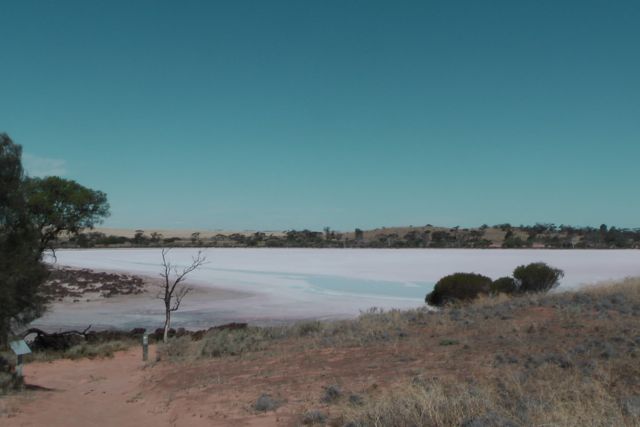
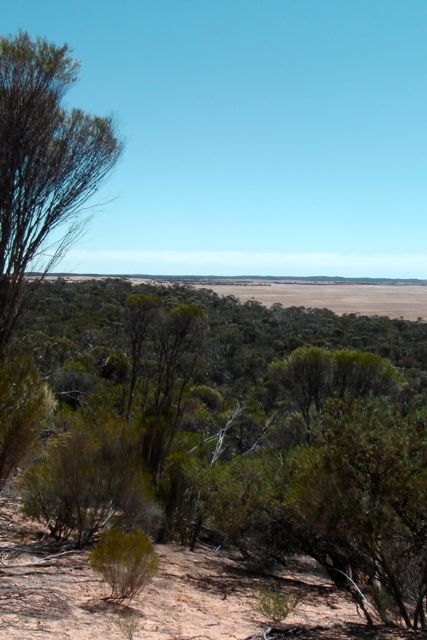
Murray Sunset NP was created in 1991, and in 1999, the park was expanded to encompass Pink Lakes State Park. This is the area of the park that Marija and I activated.  The lakes are dubbed “pink” after the beta-carotene pigment that colours it in late summer, caused by the algae Dunaliella salina.  Beta-carotene is a red-orange pigment found in plants and fruits, especially carrots and colourful vegetables.  Between 1916, through until 1975, this area was the site of a major salt industry.  At its peak, 10,000  tons of salt was harvested and railed from Lake Crosbie, Lake Becking, and Lake Keynyon to the nearby town of Linga.  Marija and I drove through Linga, and sadly it is a shadow of what it previously was at its boom.
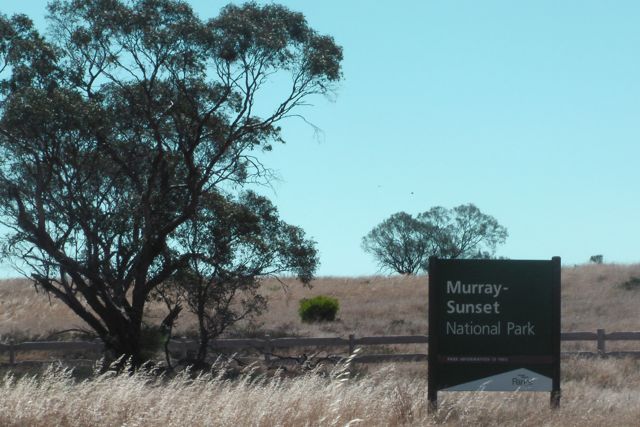
IMGA0077      IMGA0078

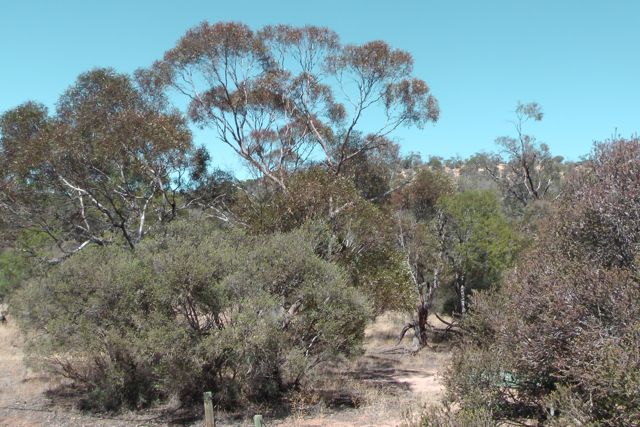
Over 600 species of plants have been recorded in the Murray Sunset National Park.  Some of the more notable plants include the Murray Lily, Silvery Emu bush, porcupine grass, and Blue leaved Mallee.  During springtime, there are numerous wildflowers including spider orchids, Azure Sun orchids, Desert Heath myrtles, and the interestingly named Poached egg daisies.

The park is home to many Australian native birds.  In fact over 300 species of birds have been documented.  The majority of the Murray Sunset NP lies within the Murray Sunset, Hattah, and Annuello Important Bird Area (IBA), identified by BirdLife International.  This is due to the fact that the agra contains mallee habitats which support numerous threatened mallee bird species, including the Malleefowl, Black eared Miner, and the Mallee Emu wren.

The park also supports a large amount of wildlife including both Western Grey and Red Kangaroos.  When we were leaving we saw a group of Western Grey’s grazing in some of the grassy area.
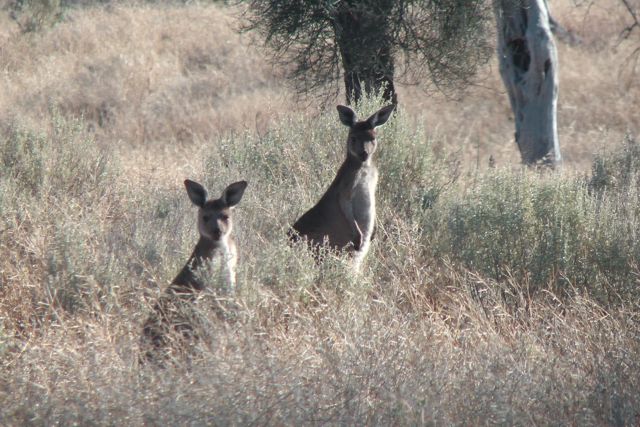
IMGA0103

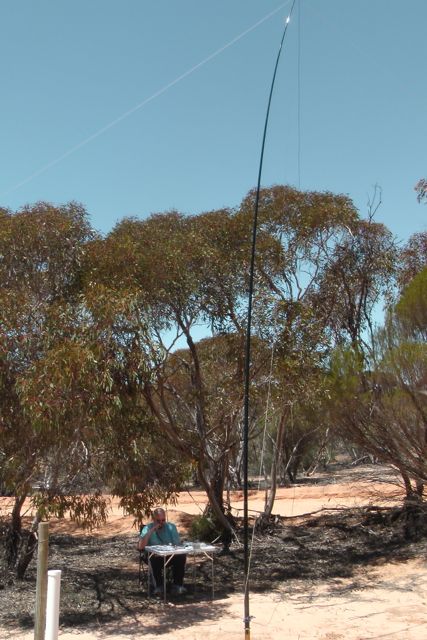
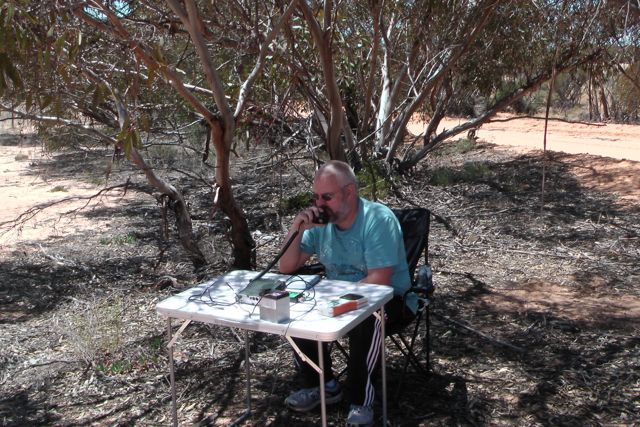
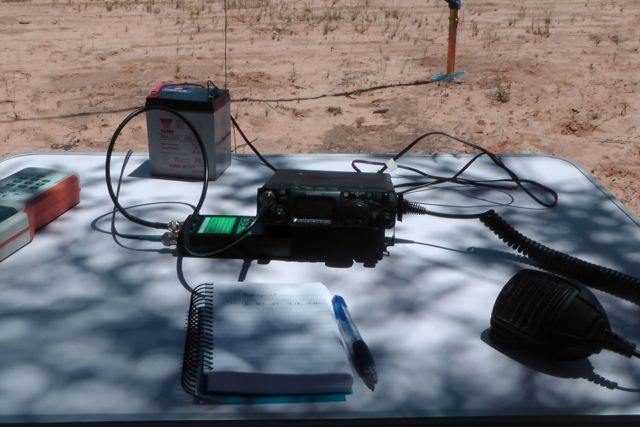
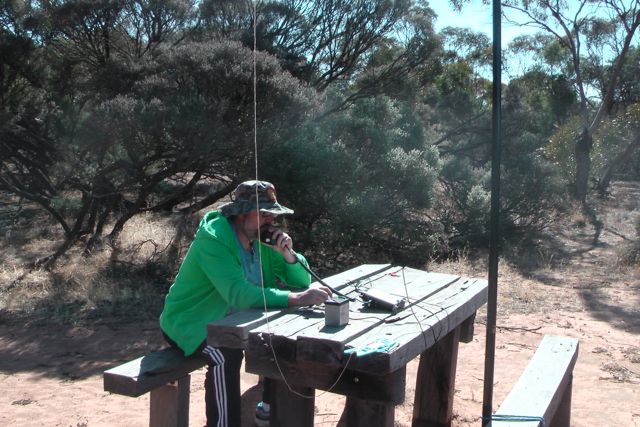
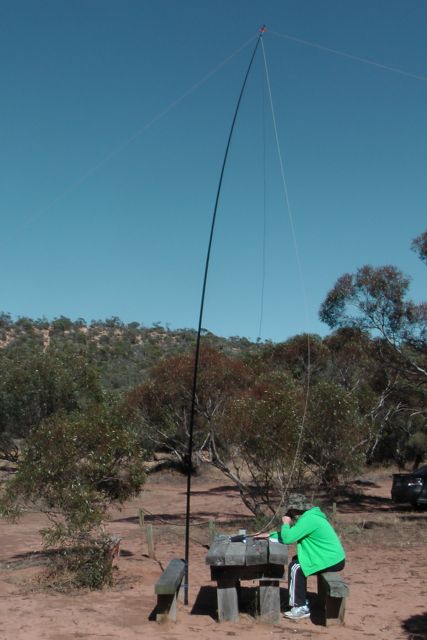
Marija and I pulled into the Lake Crosbie campground which was buzzing with activity.  There were numerous campers and caravaners here.  But we did manage to find a parking spot, very close to the shores of Lake Crosbie, and set up the gear here at a table with benches, and conveniently placed under the shaded of a nearby gum tree.
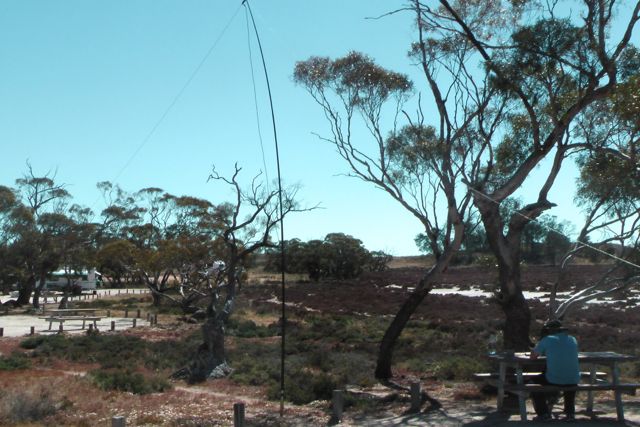
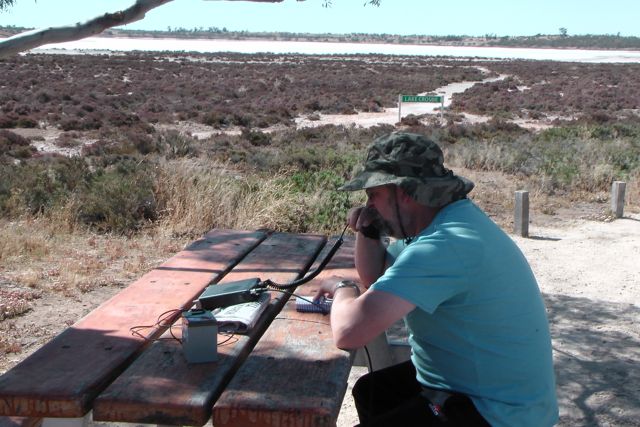
IMGA0082      IMGA0084

The 40m band appeared to have ‘repaired itself’ a bit since the morning.  Of course, it was a much better time of the day for the band as well.  Signals appeared much stronger.  My first contact within the park was with Peter VK3ZPF who was portable on SOTA peak, West of England Range, VK3/ VW-013, which is contained within the Kara Kara National Park (formerly known as St Arnaud Range National Park).  Peter had a beautiful strong 5/8 signal and I received 5/8 back.  Things were looking promising.  This was followed by a QSO with Joe VK3YSP and his wife Julie VK3FOWL, who were both portable in the Churchill National Park (5/9 both ways).

I then worked into VK1, VK3, & VK5.  Larry VK5LY then called in to say g’day.  He was with his wife Di, portable in Wyperfeld National Park, which I planned on activating on Sunday (5/7 both ways).  Following this I had a steady flow of callers from VK2 & VK3.

My final contact of the day was with the same station I had started off with.  That being Peter VK3ZPF who had moved, and now was portable on top of SOTA peak West if England Fire Tower, VK3/ VW-016, which was still within the Kara Kara National Park.

After 2 very enjoyable and pleasant hours in Murray Sunset NP, it was time to pack up, and head back to Pinnaroo, and catch up with Larry & Di.  I had a total of 26 QSO’s on 40m SSB.

I worked the following stations:-

Peter VK3ZPF/p; Joe VK3YSP/p; Julie VK3FOWL/p; Matt VK1MA; Ron VK3AFW; Kevin VK3EC; Tim VK5AV; Ivan VK5HS; Ian VK5CZ; Larry VK5LY/p; Brian Vk3MCD/p; Ernie VK3DET; Clive VK3FCMR; Kev VK3AKT; Bob VK3XP; Frank VK3GFS; Joe VK3YSP/p; Mal VK3AZZ; Colin VK3LO; Laurie VK3AW; Peter VK2NEO; Tim VK3MTB; Peter VK3TKK, Lloyd VK2KNS; and Peter VK3ZPF/p.

I have uploaded a video of this activation to You Tube.  It can be found at…..
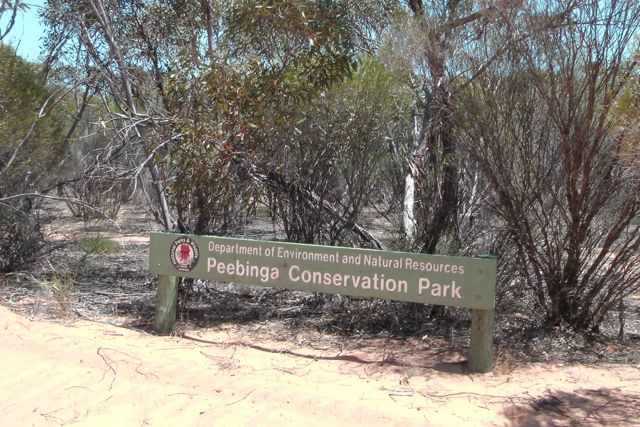
Peebinga Conservation Park

Off to my 2nd activation of Saturday 16th November.  And this was to be Peebinga Conservation Park, which is located about 240 km east of Adelaide, and just 10 km west from the Victorian border.  It is located about 37 km north of the town of Peebinga.

Peebinga Conservation Park which is about 3.400 hectares in size, was reserved to conserve the habitat of the rare Western Whipbird.  Vegetation in the park varies as some of it has been cleared and remains grassland. The rest is characterised by low stabilised dunes with open scrub cover featuring Ridge-fruited and Slender-leaved Mallee with Warty Cypress over Broom Bush.  The higher areas have Square-fruited, Red and White Mallees.  A total of 150 native flora species have been recorded in the park, including 14 of conservation significance.

IMGA0052       IMGA0058

The ecological value of the park was formally recognised back in 1940, when Peebinga Flora and Fauna Reserve was dedicated.  It was renamed following proclamation was a conservation park in 1977.

The park is recognised by BirdLife International as an Important Bird Area.  This is due to the fact that it supports a relatively large population of Malleefowl.  The park previously had a population of Eastern Mallee subspecies of the Western Whipbird, which sadly, is now locally extinct.  The declining species of Black shouldered Kite, and Tawny crowned Honeyeater are also found within the park.

Numerous native animals also call the park home, including Western Grey Kangaroos and Echidnas.  A total of 97 native fauna species have been recorded in the park.

A total of 23 reptile species have been recorded within Peebinga CP, including the regionally rare Rough-nosed Blind Snake and the State rare Bardick, which is a small venomous snake morphologically similar to a death adder that attains a maximum length of 70 cm.

Marija and I accessed the eastern side of the park via Conservation Road.  The road is dirt and is in good condition.  Everything was going well, until I came around a sharp corner which bordered the park, and the hard gravelk surface suddenly turned to very soft sand.  After some cursing and some swearing, I managed to get the Ford Falcon out of a rather precarious situation.  We decided to park the car and activate the park at this location.

Fortunately there was some shade offered by small gum trees.  It was great to sit under these and escape the sun.  The temperature was rapidly increasing and there was no breeze to speak of.

IMGA0055

Conditions here on 40m SSB were really hard going.  The band was certainly not in great shape, and my antenna was also playing up.  The VSWR was showing as really high.  However I did manage some interesting contacts including a handful of VK3 Park QSO’s.  My first contact was with Larry who was portable in Hatte Kulkyne National Park.  Larry kindly offered to meet me over the Victorian border, and provide me with a 40m dipole.

My last 2 contacts of the day were with Bernard VK3AMB who was portable in the Organ Pipes National Park, and Nick VK3ANL who was portable in the Mornington Peninsula National Park.

IMGA0054      IMGA0057

So after just 30 minutes in the park, it was time to pack up and head off across the border into Victoria to meet up with Larry and his wife Di.  I had a total of 9 contacts in the log on 40m SSB.

I worked the following stations:-

Larry VK5LY/p; Kevin VK3EC; Peter VK3PF; John VK5BJE; Ivan VK5HS; Andrew VK2UH; Tim VK5AV; Bernard VK3AMB/p; and Nick VL3ANL/p.

Karte Conservation Park

The Keith Roget Memorial National Parks Award (KRMNPA) weekend was held between Friday 15th – Sunday 17th November, 2013.  So my wife Marija and I booked in to the Pinnaroo cabins, near the South Australian and Victorian border, with the intention to activate 2 South Australian Conservation Parks and 2 Victorian National Parks over the weekend.

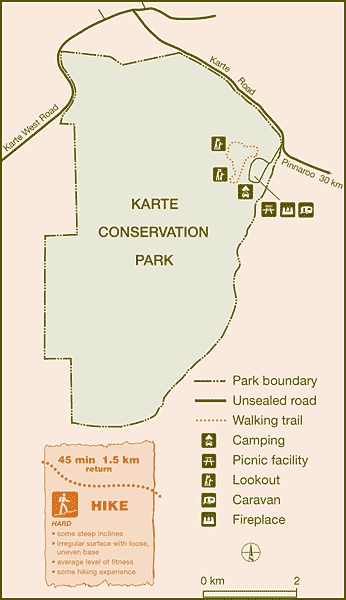
The first activation was the Karte Conservation Park, which is situated about 30 km north west of Pinnaroo, which in turn is about 250 km north east of Adelaide.  We activated the park on Saturday morning (16th November) and accessed the park by travelling out of Pinnarroo along the Parilla Wells Road and then onto the Karte Road.  We located the campground on the eastern side of the park, and set up the equipment there.  The short dirt road leading into the park is well sign posted and is easily accessible to 2wd vehicles.  The dirt track leading to the campground is about 250 metres in length from the roadway.

karte-park-map

How do you pronounce Karte ?  Well, during the activation, I was corrected by Larry VK5LY, because I was pronouncing the park as (Kart).  Larry informed me that it was (Kart-ay).  Very French and toffy !  But I have since found that Karte (pronounced Kartee) is an aboriginal word meaning thick, low scrub.  So it is not quite the exotic French influence that we thought.

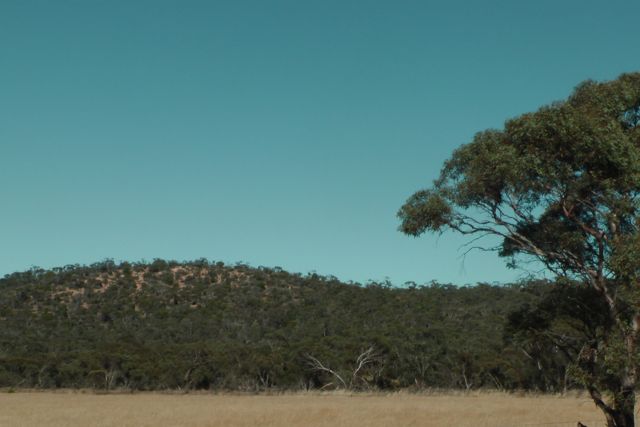
Karte Conservation Park which protects 3,565 hectares of mallee vegetation, was first proclaimed in 1969 as Karte National Park.  It was later renamed as Karte Conservation Park following proclamation as a conservation park in 1977.  The park comprises of thick low scrub covering steep sand dunes which rise up to 40 metres.  Although I must say that they give the impression that they are much higher.  Sadly, not quite high enough to be a SOTA peak, although they do have definite prominence over the surrounding terrain.  Other than thick and dense Mallee scrub, the park also contains Mallee Cyprus pines, wattles, and broombush.

IMGA0022      IMGA0023

The park contains a large amount of wildlife.  In fact if you look carefully at the sandy soil, you can see quite a few signs of their presence.  Marija and I spotted quite a few kangaroo paw prints.  Native animals that inhabit the park include western grey kangaroos, echidnas, and flat tailed dunnarts.  What is a dunnart ?  Dunnarts are strange looking narrow footed marsupials which are the size of a mouse.

Karte Conservation Park is also home to a large variety of bird life.  Over 40 species of birds can be found here, including Ringneck Parrots (of which we say many), Malleefowl, Whipbirds, Galahs, Thornbills, Weebills and Yellow-tailed Black Cockatoos.

During the early twentieth century much of the surrounding land was cleared except for those areas that were unsuitable for agriculture.  This includes the area that is now known as Karte CP.  The sand dunes were deemed to be unsuitable for agriculture.

At the campground we found a strategically placed timber table and benches, which was just perfect to call the shack, and attach the squid pole to.  The morning was already warm, with no breeze.  And there was no shade at the table, so we quickly set up to avoid the heat.

IMGA0027   IMGA0036

I switched the radio on and tuned to 7.100 and placed a number of CQ calls, but sadly there were no takers.  So I tuned down the band and found John VK2AWJ/3 who was portable in the Terrick Terrick National Park, talking with Joe VK3YSP who was portable in the Churchill National Park.  So I called up to say hello to John and Joe, and also Joe’s wife Julie, VK3FOWL, who is newly licenced.

I heard John VK5BJE call in to say hello to John, Joe, & Julie, but his signal was extremely low (no better than 5/3).  In fact he was not really moving the meter on the 817nd.  This was strange, because John normal rockets in wherever I am.

I managed a few more park contacts prior to heading off to the next park.  That included Larry VK5LY/3 who was portable in Hattah Kulkyne National Park, and Tony VK3VTH who was portable in Mount Eccles National Park.

And to my listening pleasure, prior to dismantling the gear, I was subsequently called by John VK5BJE, who was now obviously peddling faster, because his signal had come up to a good 5/8.  The 40m band was certainly moving around a lot !

And to top of a fun activation I was called by Nick VK3ANL who was portable on SOTA peak, Arthurs Seat, VK3/ VC-031, and I then worked Ben VK3FTRV who was on top of SOTA peak, Redmans Bluff, VK3/ VW-002, within the Grampians National Park.

IMGA0029     IMGA0045

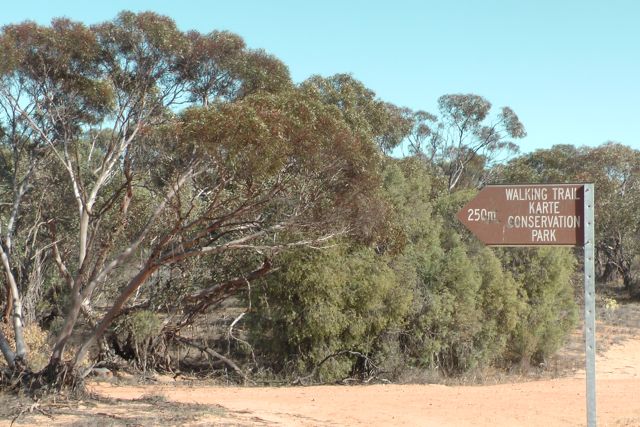
At the end of the activation, Marija and I went for a walk along the 1.5 km Karte Youth Hike, within the park.  It commences and finishes at the campgrounds and winds its way through the scrub and up to the top of one of the higher sand dunes.  The walk takes about 45 minutes return, and was constructed in 1988 by students at the Pinaroo Area School as part of the Bicentennial Project.  There are Interpretive signs along the walking trail which provide an insight into the importance of the areas remaining vegetation.  The signs explain how certain plants, ranging from small ground cover species to large trees, have an important part to play in the mallee.  There are very good views from the top across the park and the seemingly endless farmland which stretches off to the horizon.

In fact, over 83 native flora species have been recorded within the park, including 4 which are of conservation significance.  The Inland Green-comb Spirder-orchid, which is nationally endangered, is also found within the park. 

So after about an hour on air, I had managed an unlucky 13 contacts on 40m SSB.

The following stations were worked:-

John VK2AWJ/3; Joe VK3YSP/p; Julie VK3FOWL/p; Peter VK3PF; Owen VK7OR; Larry VK5LY/p; John VK5BJE; Ian VK5CZ; Mal VK3AZZ; Tony VK3VTH/p; Bill VK5MBD; Nick VK3ANL/p; and Ben VK3FTRV/p.

North East Radio Club presentation

Last night, I attended the North East Radio Club and gave a presentation on Summits on the Air (SOTA).  The presentation did include the VK5 Parks Award, WWFF, & KRMNPA.  But sadly I ran out of time to present the last part  re those awards.

There were about 35 people in attendance, who all showed a keen interest in the SOTA program.  Hopefully I have encouraged a few more hams to get out and about, and activate a summit.

Thanks to my mate Nigel VK5NIG, for asking me to come along.  It was great to catch up with a lot of fellas that I had spoken to on air, but had never met.

I have been asked to come back to complete the presentation, and let everyone know about the various parks awards.

NERCLOGO_large2

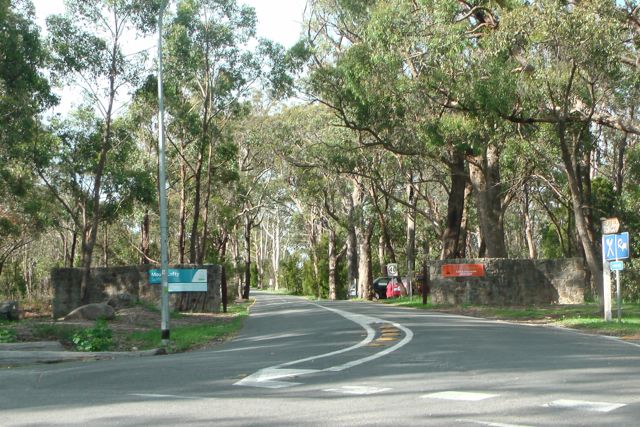
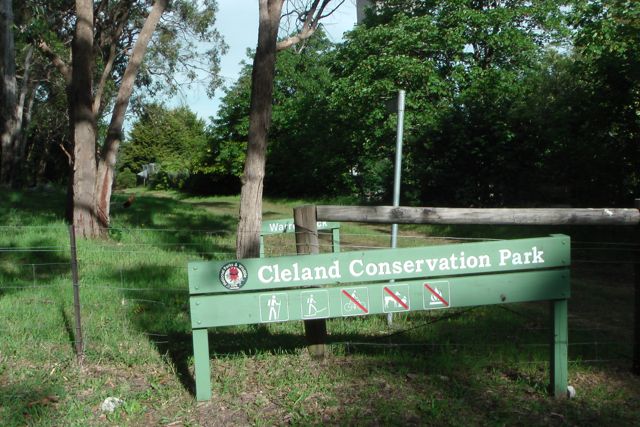
Mount Lofty summit VK5/SE-005 & Cleland Conservation Park

I had already activated Mount Lofty summit VK5/ SE-005 which is within the Cleland Conservation Park.  In fact Mt Lofty was my 2nd ever SOTA activation way back in March 2013, when I first started SOTA.  And I activated it for a second time in May 2013.  So there were no SOTA points up for grabs by me.  But the temperature on Wednesday (6th November) had reached 35 degrees C, and it was going to be a magnificent evening.  Additionally, the 7.130 DX Net was on, and my main inspiration was that the Barefoot Table Net was having a special QRP night that evening.  So off to Mt Lofty I headed.

I had contacted John VK5BJE earlier in the day whilst he was activating the Port Gawler Conservation Park, and asked John if he would like to come along and do a joint activation.  John sounded really keen and I arranged to call him later in the day, which is exactly what I did on the way to the summit.  When I called I found that John was enjoying a nice cold beer at the Stirling Hotel, waiting for his lovely wife Jenny.  But he did agree that he would meet me up at the summit at about 7.00 p.m.

IMGA0006     IMGA0008

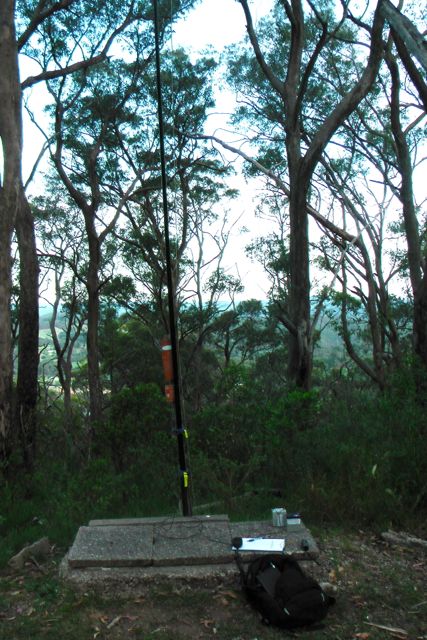
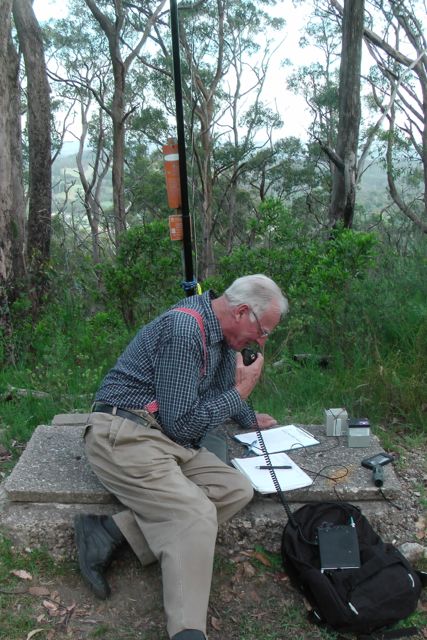
So I continued on my way to Mount Lofty, with some thoughts…..’should I do the summit, or join John for a nice cold beer‘.  The summit activation won……..just !  Upon reaching the summit I set up on the eastern side of the main car park, amongst the scrub.  I had operated from this exact spot during my 2nd Mt Lofty activation in May, 2013.  It is a bit more of a secluded position, away from all the tourists and lovers enjoying the view of Adelaide near the obelisk.  It is an excellent take off point out to the east, through the trees.  I found a Telstra cable sign which was ideal to attach the 7m squid pole to with some octopus straps.

IMGA0011

After turning on the little Yaesu FT-817nd, the noise floor was very low.  There were quite a few strong static crashes however.  My first contact of the evening was with Al VK1RX (5/9 both ways).  This was a real thrill for me, because band conditions on 40m have been really poor into the eastern states.  Particularly the further afield states, like NSW & the ACT.  And things only got better from there, because my second contact was with Andrew VK1NAM, who also had a good strong 5/8 signal coming in from Canberra.  I received a 5/7 signal report from Andrew.  Things were looking up !

My third contact was with my old mate Larry VK5LY who was at the home of Ivan VK5HS, both enjoying a nice cold beer after a hard days work.  I was very envious.  And my fourth contact was with regular Parks Hunter and SOTA Chaser, Brian VK5FMID, from Mount Gambier.

This was followed by a steady flow of Chasers from VK1, VK2, VK3, and VK5.  The band conditions were really great.  Conditions even allowed me to make contact with Tom VK5EE in Mount Gambier, who was QRP with 5 watts, and a terrific QSO with Ben VK3FTRV, who was running QRP with just 2.5 watts.  My 3rd QRP to QRP contact was with Bill VK2YKW who was QRP 5 watts, using his Wouxon X1M and an inverted vee dipole.  I had intended to try 20m for the further afield VK’s, but 40m was performing so well, I decided to stay there.

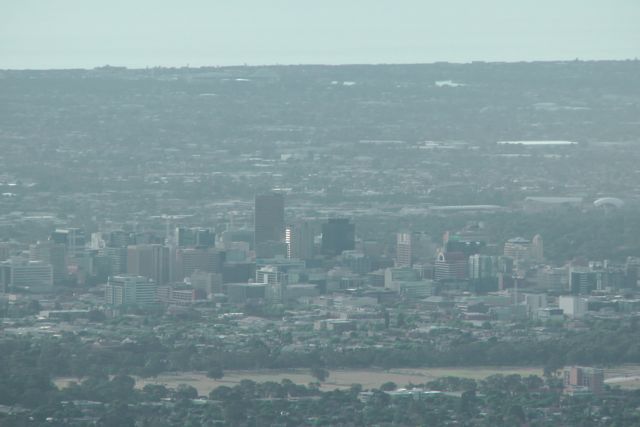
After 30 minutes of operating, I decided to stretch the legs and go for a walk up to the main lookout area near the obelisk.  The obelisk, known as Flinders Column, was constructed in 1885.  Its primary function was that of a Trigonmetrical Survey Station.  There are spectacular views of the Adelaide metropolitan area, and out to the east through the Picadilly valley, from the lookout.

IMGA0027     IMGA0030

I headed back to the operating spot and had a tune across the band.  Soon after, at about 7.00 p.m. I received a call from John VK5BJE, asking me “where are you ?”  I gave John some directions, and he soon joined me at the operating spot.  John made himself comfortable and took over the reigns of the mic, whilst I enjoyed sitting back relaxing watching John in action.  It wasn’t long before John had his own steady flow of Chasers & Hunters.  This was John’s third SOTA activation.  It appears he had been bitten by the dreaded SOTA bug.  It is worse than Dengue fever !

After working Bernard VK3AMB, John QSY’d down 5 kc, as we were experiencing QRM from T33A, the DXpedition on Banaba Island, DXCC-320, and IOTA OC-018.  He had come up and was operating on the same frequency and sadly he was not hearing us.

IMGA0041

At 8.00 p.m. John and I QSY’d to 7.130 on 40m, to book in to the 7.130 DX Net, hoping that we might be able to get some exotic DX in the log.  I started off on the mic and was very fortunate to be able to work William FO5JV in French Polynesia.  William had a very strong 5/9 + signal, and I received a 5/1 from William.  I also spoke to Brian ZL2ASH in Wellington New Zealand, who also had a very strong 5/9 + signal.  I received 5/7 from Brian.   Band conditions on 40m were holding up really well, despite the static crashes becoming increasingly strong.

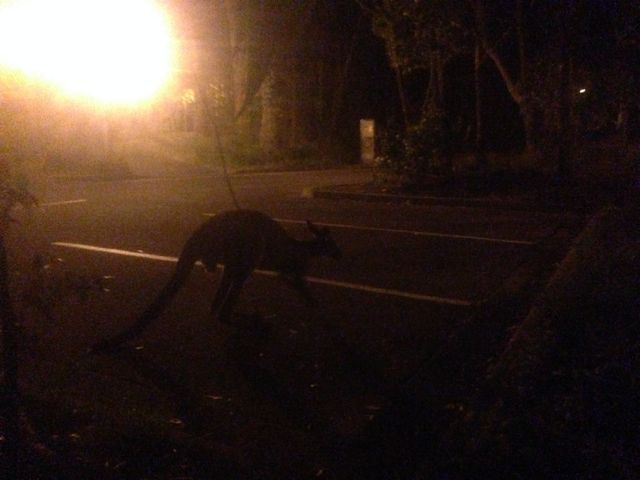
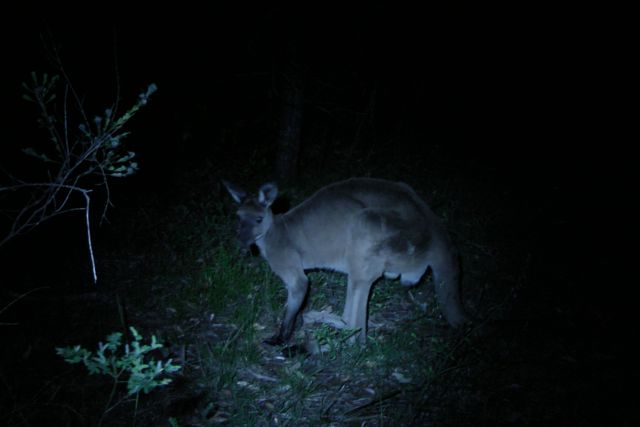
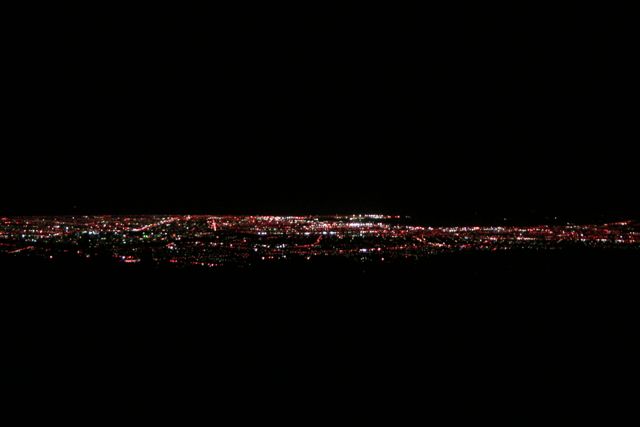
John then took up the operating spot, and whilst John was operating on the Net, I headed up to the main look out area to enjoy the night time view.  Surprisingly, there were not many cars in the carpark.  But what was lacking with motor vehicles, was replaced by kangaroos.  There were at least half a dozen Western Grey kangaroos roaming around in the carpark.  They appeared to be quite tame, and you could get relatively close to them.  The photo below isn’t great….it was taken on my i-phone.

IMG_1182

Despite there not benign many cars in the carpark, there were quite a few people at the lookout, enjoying the superb view of the Adelaide lights.  After taking some photos, I headed back to the operating spot and rejoined John who was still patiently waiting for his turn to call on the 7130 DX Net.  Sadly by the time it was John’s call, the band conditions had changed, and William FO5JV, was suffering extremely bad QRM from Malaysian stations operating on the frequency.  However John did speak with Brian ZL2ASH (5/7 received by John from Brian).

John and I then booked out of the 7130 DX Net, and headed up the band to the Barefoot Table Net on 7.170.  Ian VK3VIN had advised via e-mail earlier in the day that the net for that evening would be a special QRP net.  We could hear all the participants coming in extremely well, and made contact with a number of VK3 and VK7 stations.  We did experience quite a bit of QRM from North America.  It appeared that one of the exotic DX stations from one of the DXpeditions was operating split.  And the receive frequency included 7.170.

John remained on the summit with me, for a while and then decided he should head home.  It was starting to get late, and we had experienced a really fun night.  In fact he had only reached the TV transmitter towers just down the road, when he received a telephone call from his wife Jenny.

I stayed for another 45 minutes and worked a few more stations in VK2, VK3, & VK5.  The band still seemed to be performing very well.  By the time I was ready to pack up I had a total of 40 QSO’s on 40m SSB in the log, including 2 ‘DX’ contacts into French Polynesia, and New Zealand.

Whilst John and I were operating during the evening, we could hear lots of sounds coming from the bush.  And whilst walking back to the car, along the track through the bush, I found out what was causing a lot of the noise.  There were a large number of Western Grey kangaroos.  I headed up to the lookout again, for one final glimpse of the Adelaide lights, and then back to the car.

IMGA0056     IMGA0057

I worked the following stations:-

Al VK1RX; Andrew VK1NAM; Larry VK5LY; Brian VK5FMID; Tom VK5EE; Ivan VK5HS; Andy VK5LA; Adam VK2YK; Mike VK3XL; Matt VK2DAG; Peter VK3FPSR; Ben VK3FTRV; Ian VK1DI; Tony VK3CAT; Ed VK2JI; Mark VK1MDC; Shaun VK5FAKV; Peter VK3TKK; Ian VK5CZ; Bernard VK3AMB; Bill VK2YKW; Peter VK3YE-ped mobile; Don VK7DON; Paul VK5FUZZ; Brian ZL2ASH; Brent VK2MEV; William FO5JV; Ian VK3VIN; Peter VK3FPSR; Tony VK7AU; Glen VK3GMC; Joe VK3YSP; Jim VK5KOB; Bob VK2ZWZ; Dallas VK3EB; Dennis VK2HHA; Gary VK5PCM; Ian VK5KKT; John VK5TD; and Tony VK5TT.

This was a thoroughly enjoyable activation, despite the fact that I did not get any SOTA points or VK5 Parks points. The weather was spectacular, band conditions were very good, and it was great to see John having a lot of fun.

I have placed a video on You Tube of the activation…..
Black Hill Conservation Park

Yesterday morning (Wednesday 6th November, 2013) I had the man from Murrays Pest & Weed Control come to spray the house, so I had to disappear from home for a while.  What a great excuse !  So I decided to head out and activate the Black Hill Conservation Park.  The temperature was expected to reach 35 degrees C, and it was already a beautiful warm morning outside.

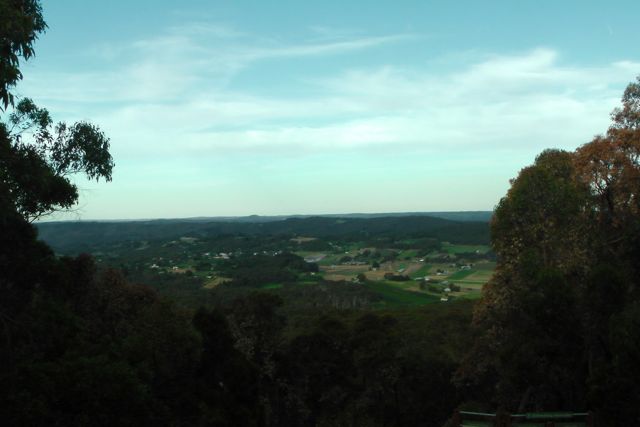
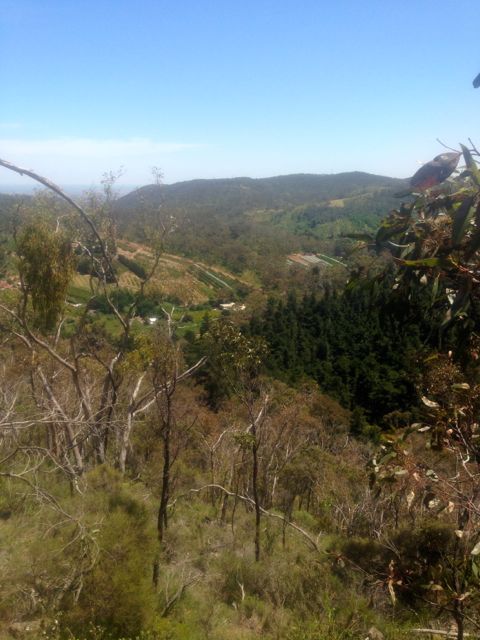
I drove out from Mount Barker and passed Cleland Conservation Park and into the fruit orchard area of Piccadilly and Ashton.  This is a beautiful part of the Adelaide Hills where apples, pears, cherries, lemons and many other fruit is grown.  I then turned on to Montacute Road which disects the Black Hill Conservation Park and the adjacent Montacute Conservation Park.  There are spectacular views of the surrounding valleys and the park from the top of Montacute Road.

IMG_1170

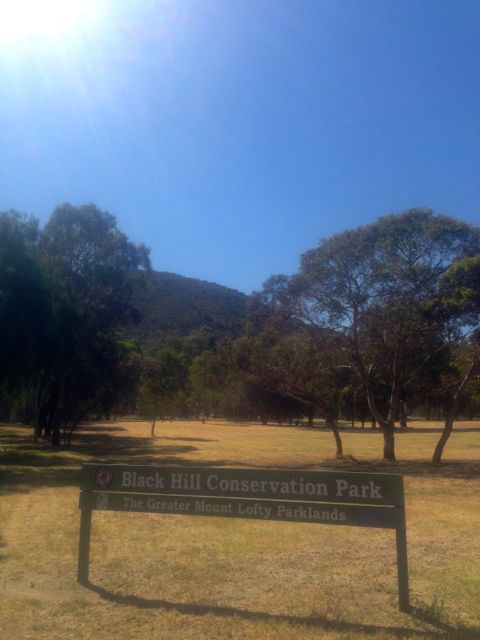
The Black Hill Conservation Park covers an area of about 684 hectares and is situated about 10 km north east of Adelaide.  It features the low shears which give Black Hill its name.  As you view the park from the plains of Adelaide, the hills appear to be black in colour, and this is due to the sheoaks.  I was raised as a child at Felixstow in the north eastern suburbs and Black Hill was clearly visible from our home.  The foliage of the sheoaks gradually matures to a dark rusty, almost black colour, as summer progresses.

The park has spectacular scenery of rugged ridges and a wide variety of native animals including kangaroos, koalas, and echidnas.   The park also has an array of bird life, including the threatened, Chestnut-rumped Heathwren.   I saw quite a few Eastern Rosellas and Rainbow lorikeets whilst I was in the park.

IMG_1145

The park also contains a wide variety of flora that offers a stunning display of native flowers in spring.  The vegetation represents both savannah type woodland with herbaceous understoreys and sclerophyllous open forest.  The park contains large South Australian Blue Gums and Red Gums, as well as vulnerable and precious under storey species including a large number of delicate and colourful orchid species and the Mount Lofty Daisy.

I accessed the park via Maryvale Road at Athelstone, after travelling down Montacute Road.  There is a DEWNR regional office here and a carpark for the public.  This where I parked and walked down towards Fifth Creek where I set up.

IMG_1142

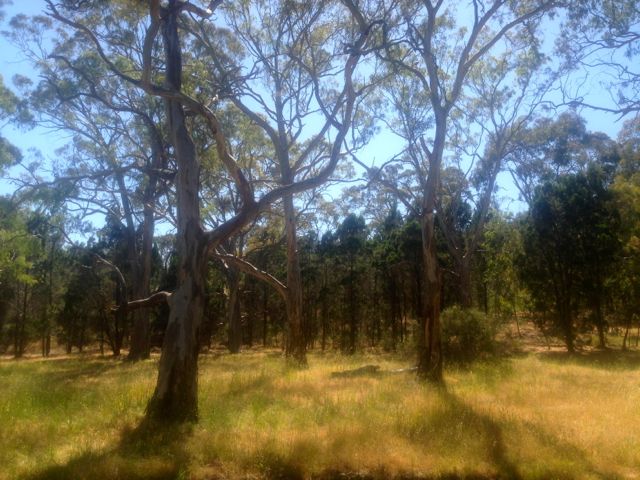
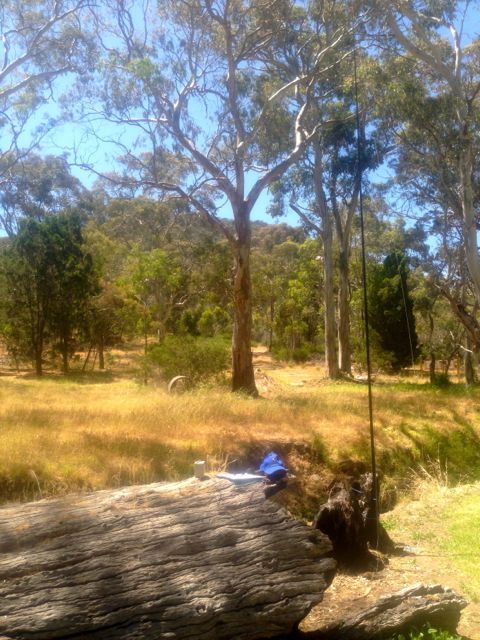
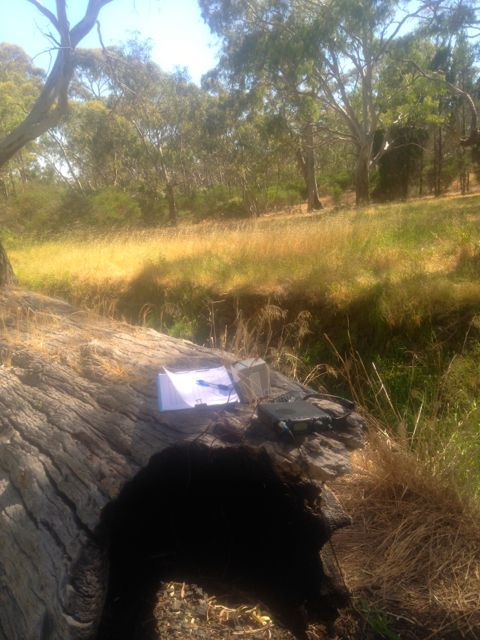
I used a huge fallen gum tree to secure the 7 m squid pole to, with the use of some octopus straps.  The fallen tree also made a great bench, and there were quite a few conveniently placed large gum trees which provided some shade from the already very hot sun.  This was also alongside a small creek which had quite a bit of running water.  But because of the heat, I was ever vigilant of snakes, particularly Red bellied black snakes, which love the water and feed on frogs.  Although they are a dangerous snake, no deaths have been recorded from bites by Red Bellies.  The venom causes blood-clotting disorder and muscle and nerve damage, enough to knock you off your feet, but rarely deadly.  Nethertheless I did not want to encounter one.

IMG_1159      IMG_1143

In recent weeks, I had been having problems with the VSWR on the dipole, but this time when I ran it through the antenna analyser, everything was fine.  So the mystery increases.  As I was setting up I had sent out an SMS message to some of the regular Hunters to advise them that I was in the park.  I put a call out on 7.100 and there was ‘Ol faithful Hunter’ John VK5BJE with a great signal, and this was followed by another regular Parks Hunter, Brian VK5FMID.  Another south east ham, Tom VK5EE then called in.

Conditions seemed to be quite good, but there was just no activity on the 40m band at all.  I called and called and finally Ernie VK3DET with a terrific 5/9 signal came back.  This was followed by Chubba VK5FCLK who wanted to know all about the VK5 Parks Award.  He was very keen.

After my QSO with Chubba, I put out a number of CQ calls but sadly there were no takers.  I tuned across the 40m band and there were no stations at all.  So, I decided to QSY to 20m and I put out a number of CQ calls there, but there were no takers.  The temperature had increased to over 30 degrees C, and the flies were relentless, so it was time to pack up and head home to the comfort of the air conditioning.

Just a handful of Hunters from this park on 40m SSB.  The following stations were worked:-

John VK5BJE; Brian VK5FMID; Tom VK5EE; Ernie VK3DET; and Chubba VK5FCLK.

New VK5 SOTA certificates

Ian VK5CZ and I have decided that we will start issuing some unique VK5 SOTA certificates to VK5 SOTA enthusiasts.  Hopefully it might inspire a few more VK5 Activators & Chasers.

We intend to send the certificates via e-mail, which will eliminate any cost issue with to Ian and I, and the recipient.  The recipient can then print out the certificate at their end.

Certificates will be issued to Activators (Mountain Goats) for the following:-

  • 100 points
  • 500 points
  • 1000 points (Mountain Goat status)

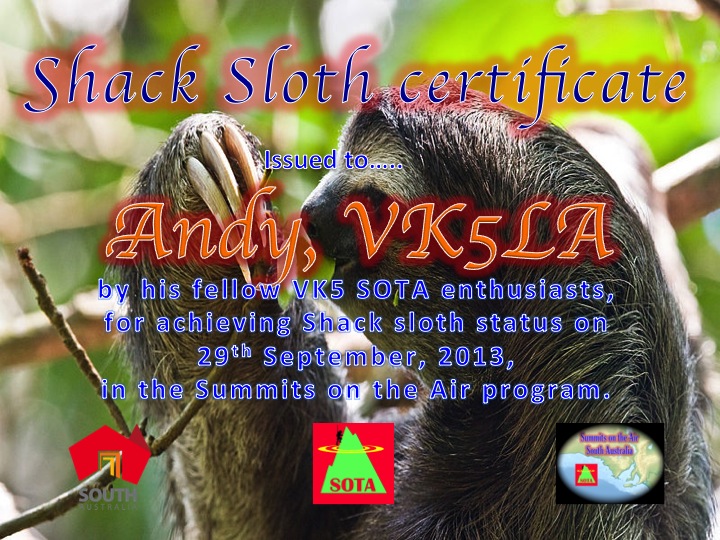
And they will be issued to Chasers (Shack Sloths) for the following:-

  • 100 points
  • 500 points
  • 1000 points (Shack Sloth status)

Below is the Mountain Goat certificate…..
Slide2


And here is the Shack Sloth certificate…..
Slide3

AHARS Buy and Sell

Yesterday (Sunday 3rd November), I attended the Adelaide Hills Amateur Radio Society (AHARS) Buy and Sell, which was held at the Goodwood Community Centre.  This is South Australia’s biggest ‘hamfest’.  And this year did not disappoint, with lots of vendors selling their wares in the main hall, including Ross from Strictly Ham in Melbourne.

DO5YLM220

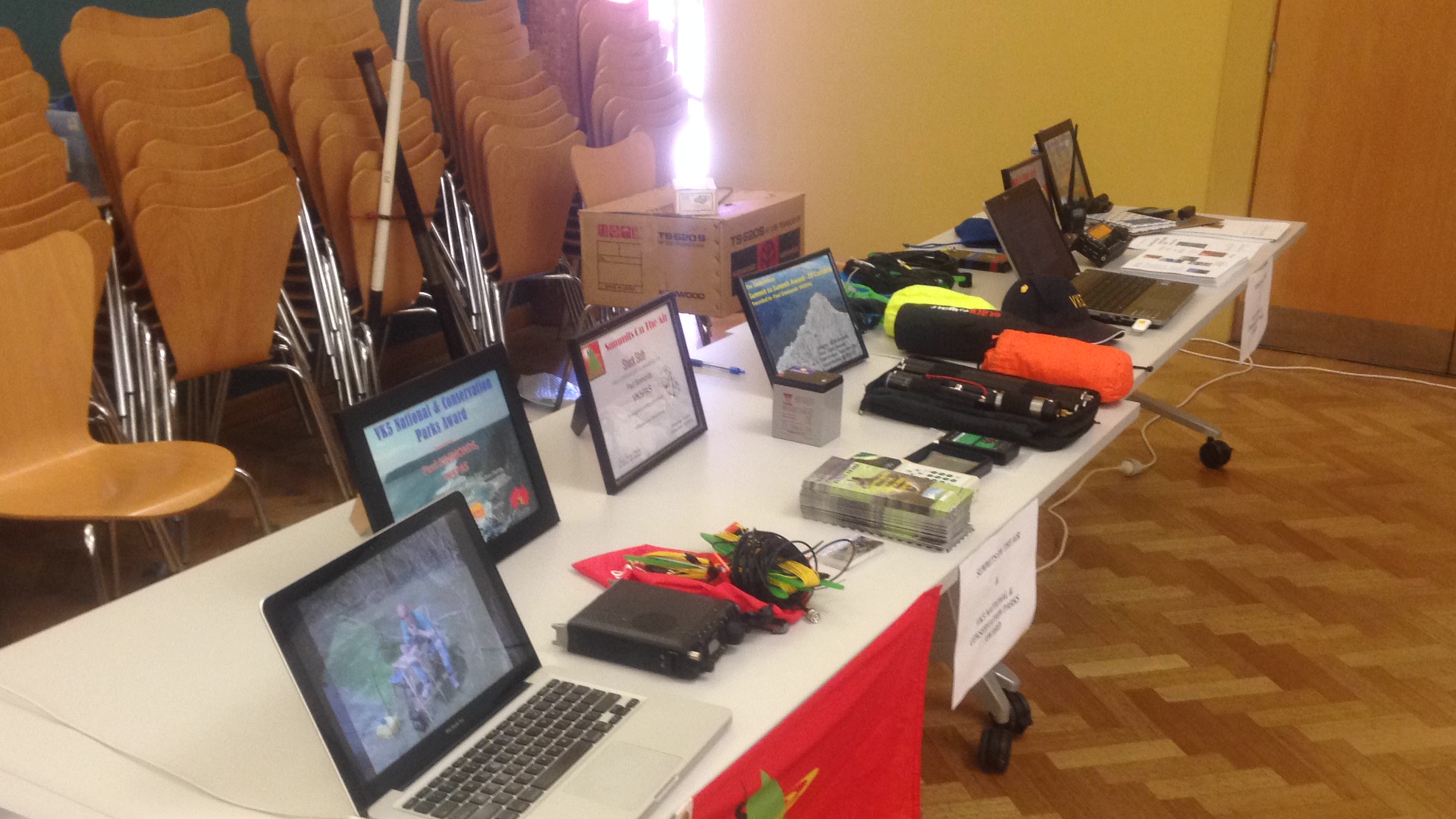
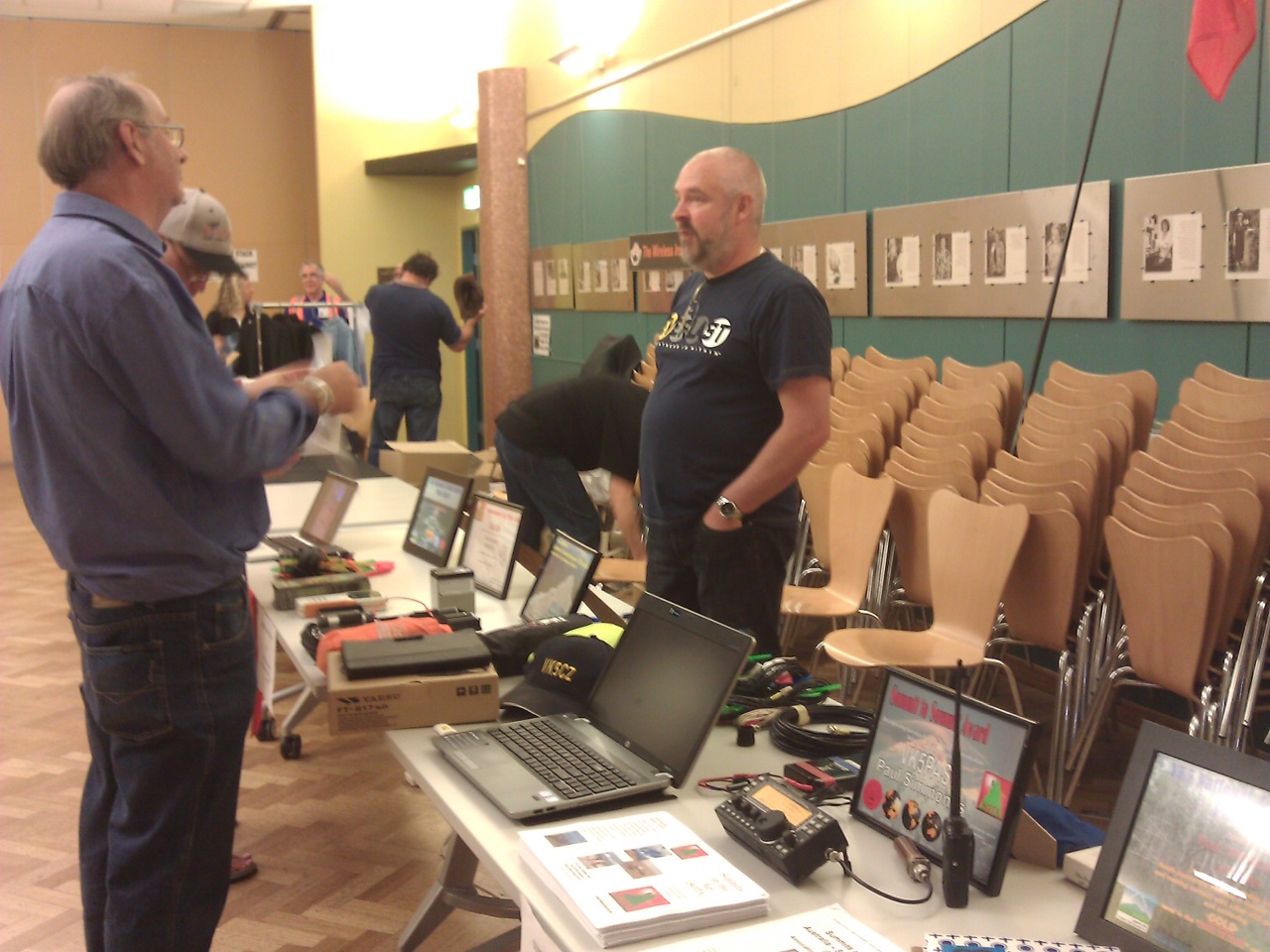
Next door in the adjacent hall, Ian VK5CZ and I had a display on Summits on the Air (SOTA) and the VK5 National & Conservation Parks Award.  During the course of the day we had many interested hams approach us about the 2 programs.  It was great to catch up with many amateurs that I had spoken to on air but had never met.  This included Paul VK4FPPR/5, who I had spoken to on 40m the night earlier.  I had been tuning around the band & heard Paul speaking with Marshall VK3MRG (a keen SOTA enthusiast) about portable operation.

IMG_1138

Included in our display was Ian’s Elecraft KX3; my Yaesu FT-817nd; a collection of portable antennas including end feds, linked dipoles, verticals; SOTA & Parks certificates; Mountain Goat trophy, handouts; squid poles; a variety of batteries used for portable operation; bothy bags, an Elecraft T1 tuner: antenna analysers, etc.

Ian also had his laptop, so we were able to show interested hams the SOTAWatch page and the Parks N Peaks spotting page.  And on my laptop we had a slideshow of SOTA and Parks activations.

All in all, a very enjoyable day with lots of visitors to the display.  And hopefully between Ian and myself, we encouraged a few more amateurs to try portable operation.

S__D400

SOTA VK5 1 year anniversary lunch

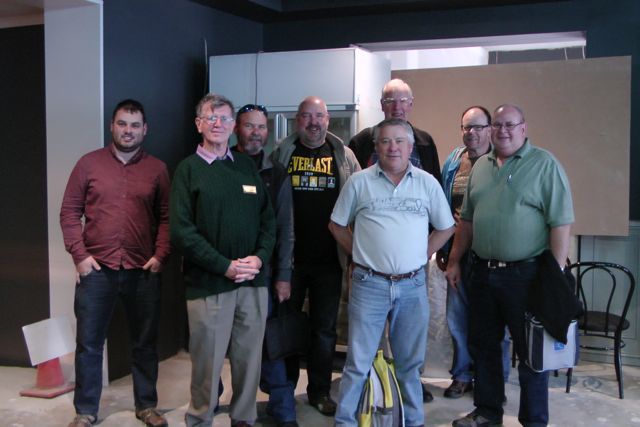
Yesterday, Sunday 27th October, 2013, a group of 8 attended the Kingsford Hotel at Gawler for a lunch to celebrate the 1st year anniversary of SOTA in VK5.

Attendees were:-

  1. Ian VK5CZ.
  2. John VK5BJE
  3. Larry VK5LY
  4. Andy VK5LA
  5. Andy VK5AKH
  6. Keith VK5OQ
  7. Mike VK5MCB
  8. Paul VK5PAS

IMGA0015

Special thanks to Larry 5LY and Andy 5LA who travelled all the way from the Riverland, and Mike 5MCB, who also travelled to the lunch from Pt Pirie.

Larry 5LY & Andy 5LA even activated Mt Gawler, VK5/ SE-013, on the way to the lunch.  John 5BJE and I received a phone call from Andy to advise that they were on the summit.  So John and I pulled the car over, on Lower Portrush Road, and made contact with Larry and Andy from the mobile.  John was a bit more generous with his signal report than me.

IMGA0005      IMGA0002

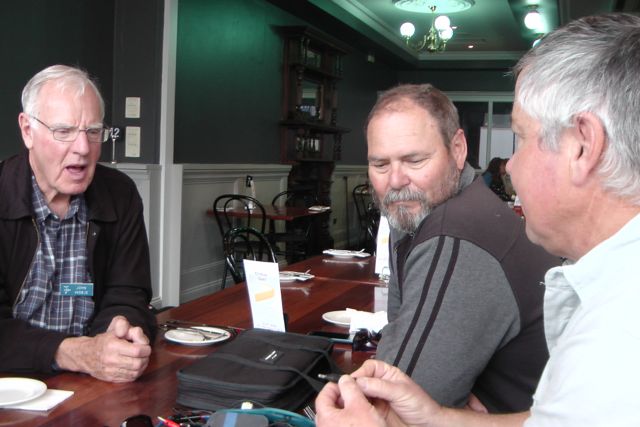
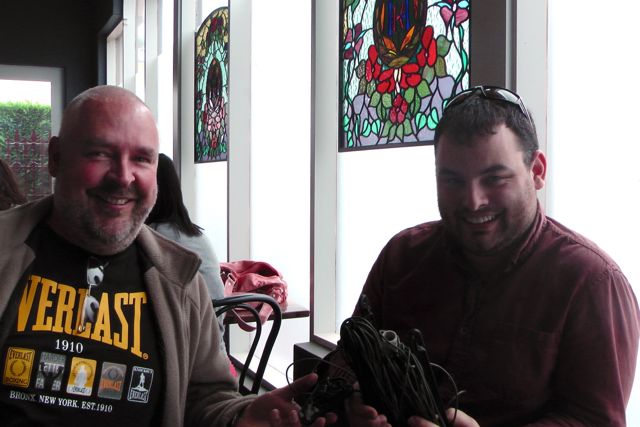
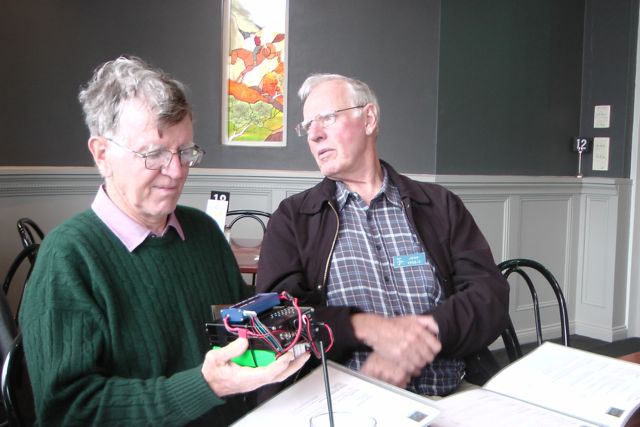
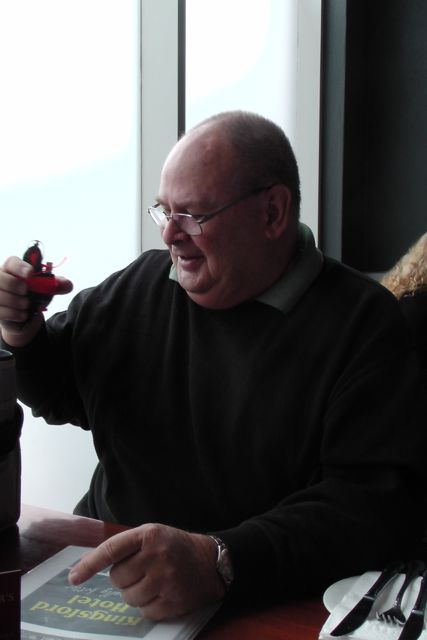
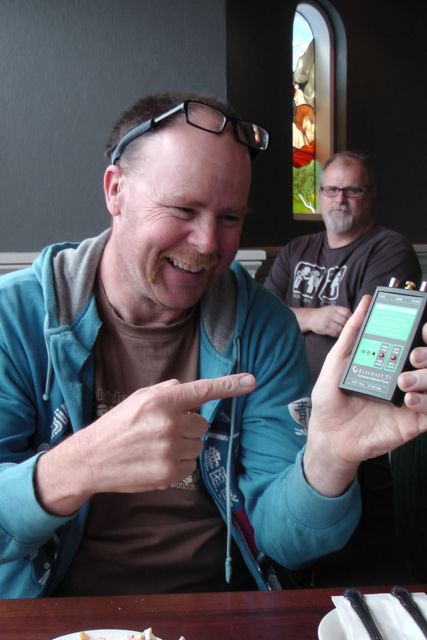
We decided that the afternoon at the pub, would be a show and tell, so a selection of transceivers, antennas, and other gadgets were brought along.  It was good to see and hear what equipment everyone was using.

                                                  IMGA0003     IMGA0004

It was a really good fun afternoon with a nice meal, a few beers, plenty of laughs, and a few war stories from a summit or two.

IMGA0009