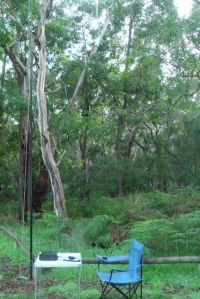
SOTA and balloons

Yesterday, I had a listen for Larry VK5LY and Ian VK5CZ who activated Mount Cone, VK5/ SE-002, in the mid north of South Australia.  They were up there to track the progress of the Wilkins1 balloon and act as a VHF relay station.

Larry and Ian had hoped to activate the summit a lot earlier than they did, but they were held at bay by ‘Hughey’ and had to wait for a break in the weather.  Larry had given me a call and Ian had sent me a few e-mails to advise that the rain was quite heavy and it was blowing a gale.  Not much different to when I activated Mount Cone with Ian last year.  It is a very windy exposed summit, overlooking Burra.

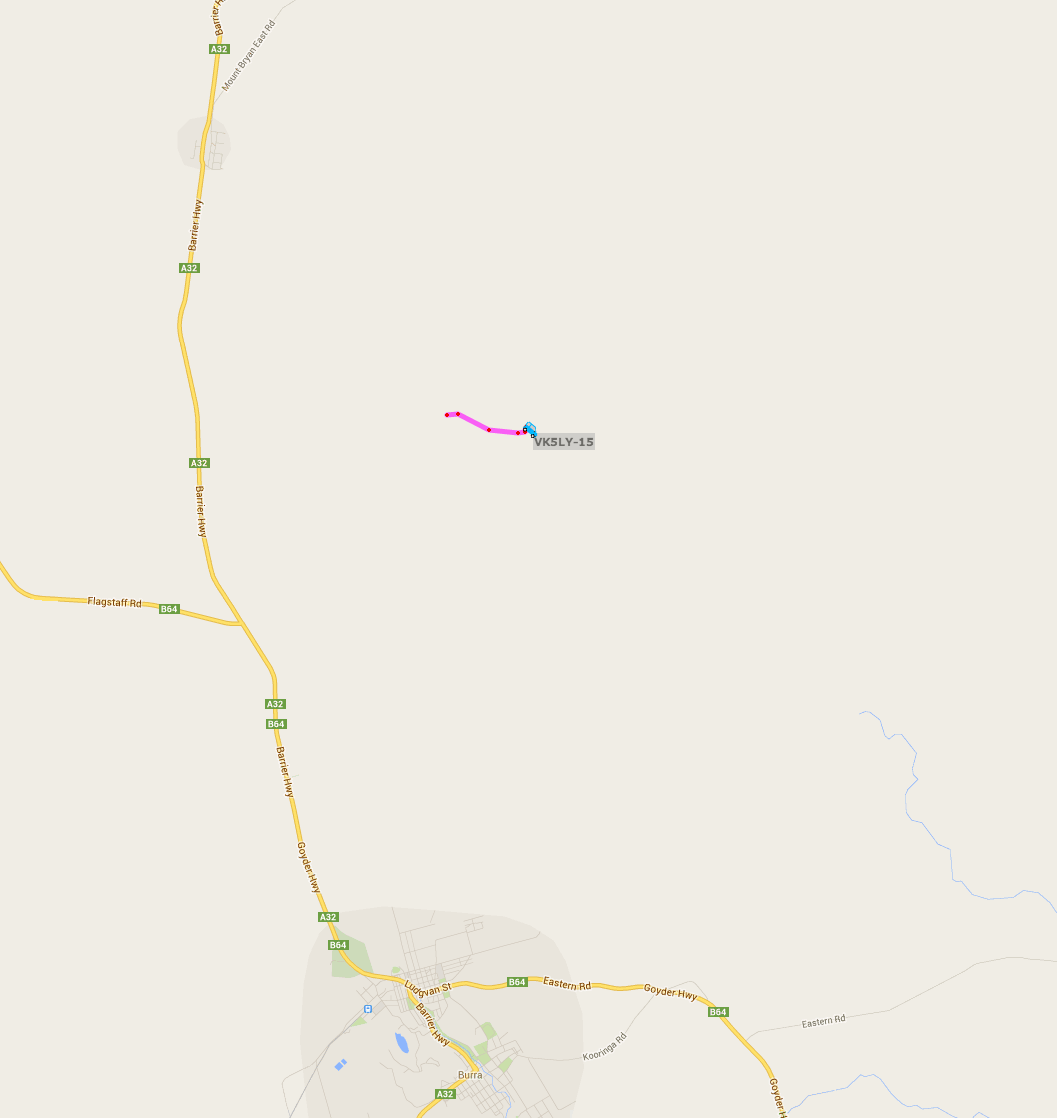
Larry is big into his APRS and he helped me also set up APRS on my tablet.  It was interesting to track Larry’s progress on his way to the summit.  Below is a screen shot of Larry’s progress, parked just down below the summit.  I am going to get my head around APRS, and start using this a lot more often.

Screenshot 2014-06-16 10.12.37

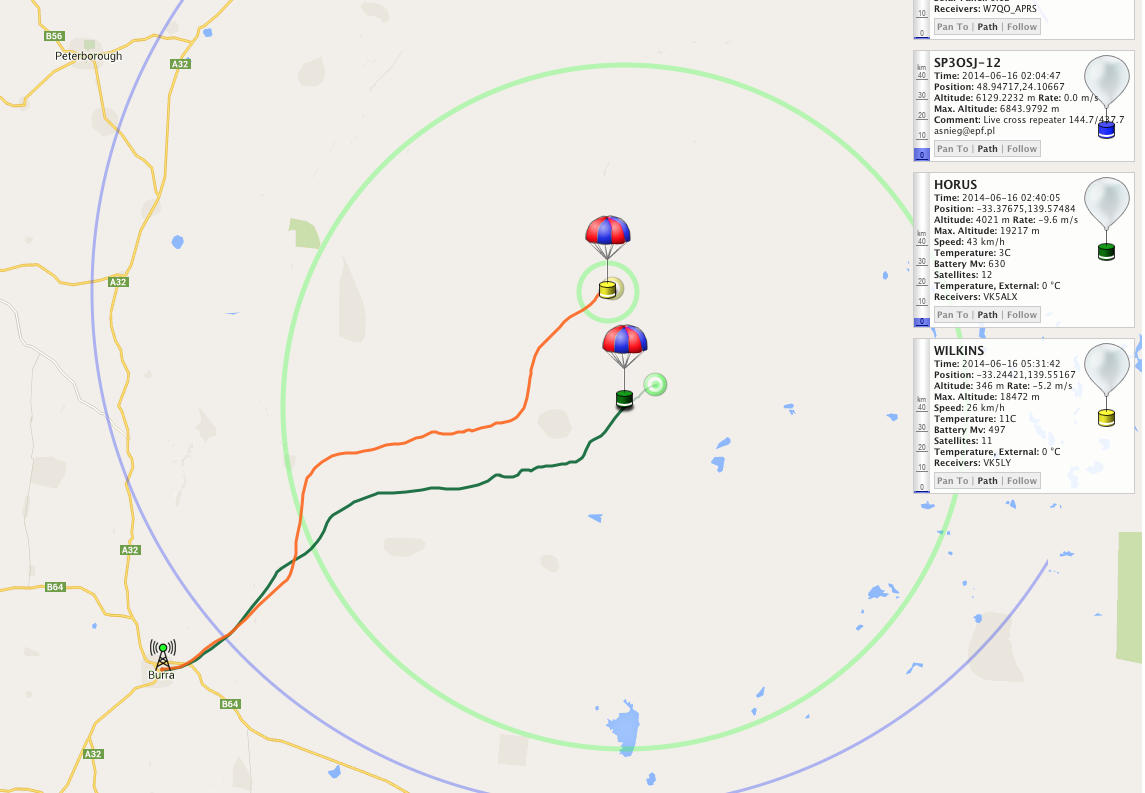
It was also very interesting to track the progress of the Wilkins 1 high altitude balloon which was launched from the Burra Community School as part of the UniSA Connect program.  The ballon was fitted with a high definition camera and tracking system.   The balloon weighs 500 grams.

I tracked the progress of the balloon on…..

http://spacenear.us/tracker/

2

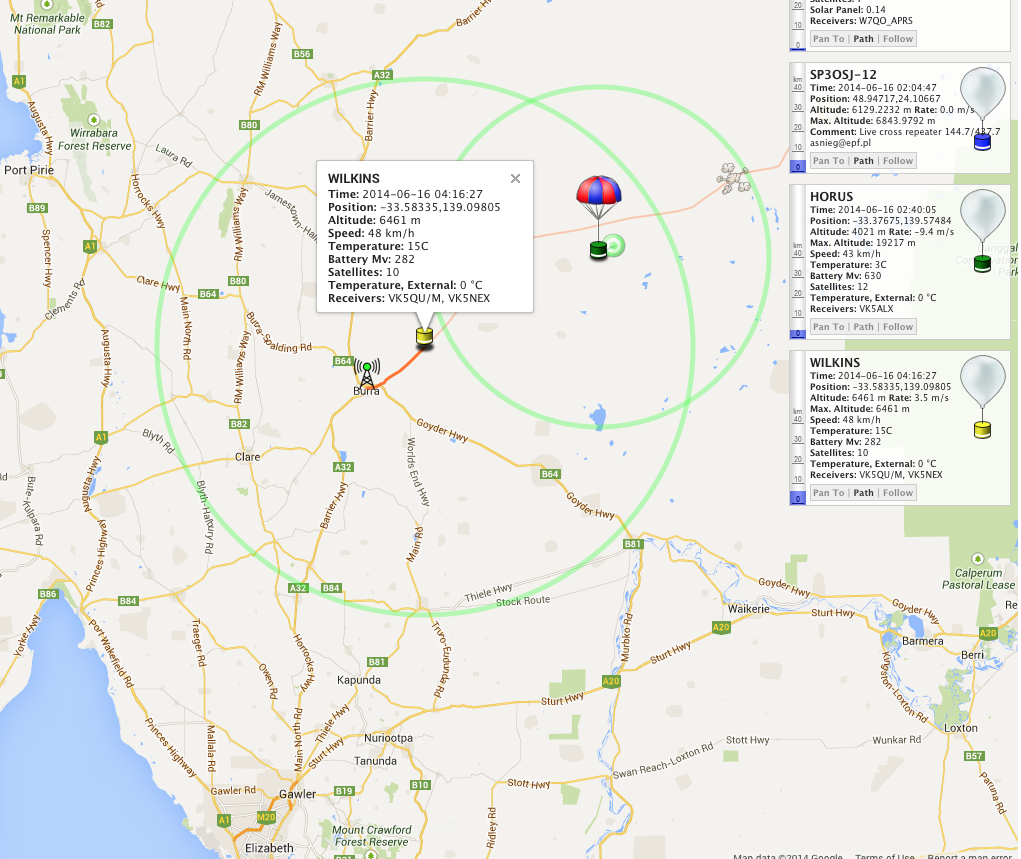
Below is a screen shot showing the flight path of the Horus test balloon which was released first, and then Wilkins 1.

Screenshot 2014-06-16 15.05.11

Click on the link below to view some pictures of this balloon launch…..

https://imgur.com/a/XBs8f

For information on Project Horus, which is a high altitude balloon project based in Adelaide, have a look at…..

http://projecthorus.org

Latest WWFF certificate

Here is my latest certificate for the World Wide Flora Fauna (WWFF) program.  And no that’s not me on the certificate!

This certificate comes from The Romanian Amateur Radio Society and is DXFF.  It is issued for making contact with amateur radio stations from various nature reserves located in 20 different DXCC entities World Wide.

It is an excellent example of how the WWFF system works.  WWFF offers global awards, and then on top of that, many of the National representative countries offer their own awards.  The Romanian Amateur Radio Society being one.

More information on WWFF can be found on the global website at…..

http://www.wwff.co

Or on the Australian (VKFF) website at…..

http://www.wwffaustralia.com

Should you more information on the Romanian DXFF award certificates, here is the link…..

http://wff-yo.blogspot.com.au/2010/06/o-noua-diploma-oferita-de-yoff.html

DXFF 20 VK5PAS 2014 N006 M

My portable antenna/s

I have been sent a few emails in the past few weeks, and asked on air many times about what antennas I use whilst I am out portable.  So here is a short blog about what I use out in the field.

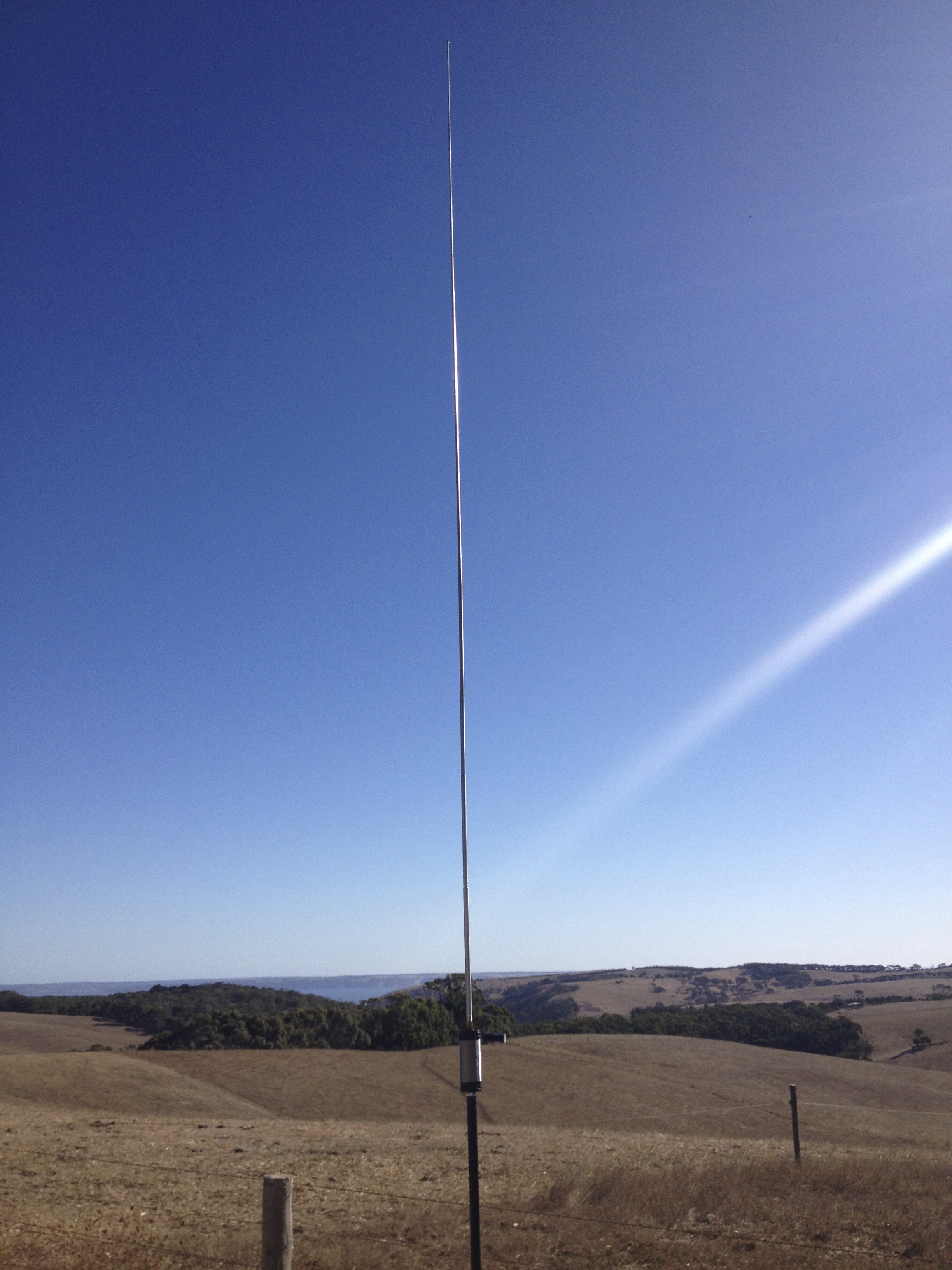
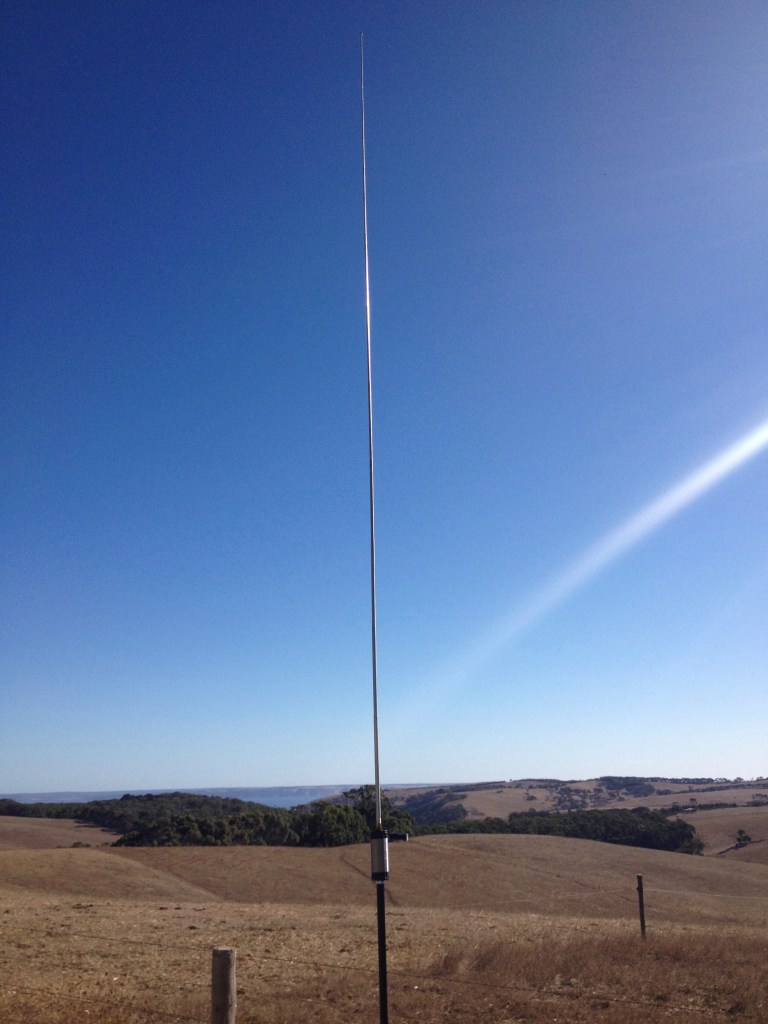
The very first antenna I used on a SOTA activation was a Chinese version of the Buddistick, called the PMSA-12, which has a multi band loading coil.  The antenna comes in a nice fabric bag and its total weight is just 1.4 kg.  The antenna is rated for maximum power of 100 watts and its total set up length is 410 cm.  I purchased this antenna via ebay.

I had heard about this vertical antenna from Marshall VK3MRG who had used it, and continues to use it, with success.

The first time I used this antenna was whilst I was operating portable on VK5/ SE-016 on the Fleurieu Peninsula of South Australia in March 2013.  This was an un-announced activation and my first ever SOTA activation.  In fact it was my first ever portable activation.  I managed to get 7 contacts whilst running the Yaesu FT-817nd and QRP 5 watts.  Signal reports were okay into the eastern states.
IMG_0251

Although the antenna was quick to deploy, I found that the ground radials were a bit of an annoyance and impacted heavily on the VSWR.  I had to use my Rig Expert antenna analyser to get things just right.  So for me it was not the perfect portable antenna which allowed me to get on air quickly.

On my second SOTA operation, this time from Mount Lofty summit, VK5/ SE-005, in March 2013, I again used the vertical.  The vertical performed well, with 14 contacts including 2 QSOs into Western Australia, 1 into Queensland, 1 into Tasmania, and the remaining were in VK5.  Considering I was running QRP, just 5 watts, the signal reports were very good.  But again, getting the radials just right was an annoyance.

This slideshow requires JavaScript.

On my third SOTA activation at Mount Gawler, VK5/ SE-013, in April 2013, I again used the vertical.  But half way through the activation, I changed over to a linked dipole which I had purchased a week or two earlier, from SOTABeams in the UK.  The antenna is called a Band Hopper II which is designed for use on 40 metres and 20 metres.  It is power rated for 125 watts.  Although I have never run anywhere near that amount of power through the antenna.

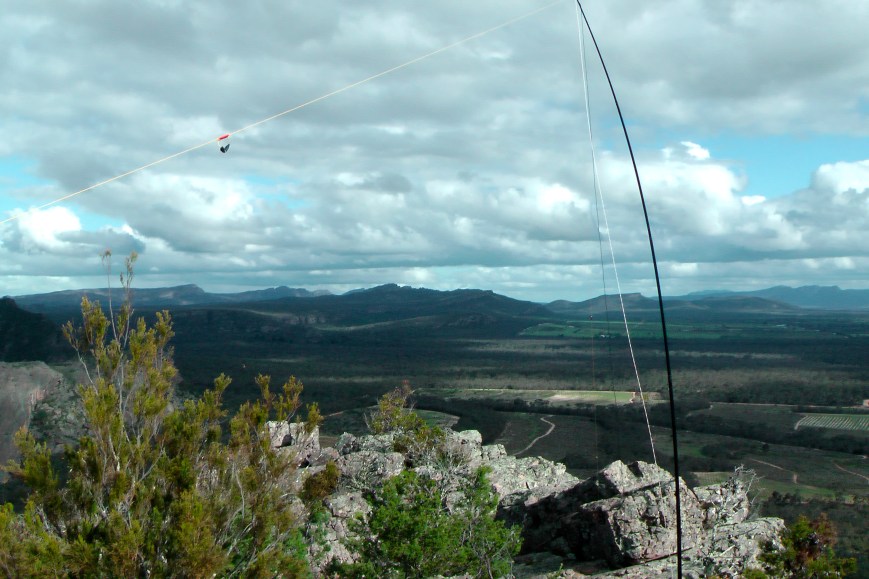
The linked dipole was supported by a 7 metre heavy duty squid pole and in an inverted vee configuration.  The signal reports I received back from the eastern states, were no comparison to the vertical.  They were much better.  I have never looked back since.

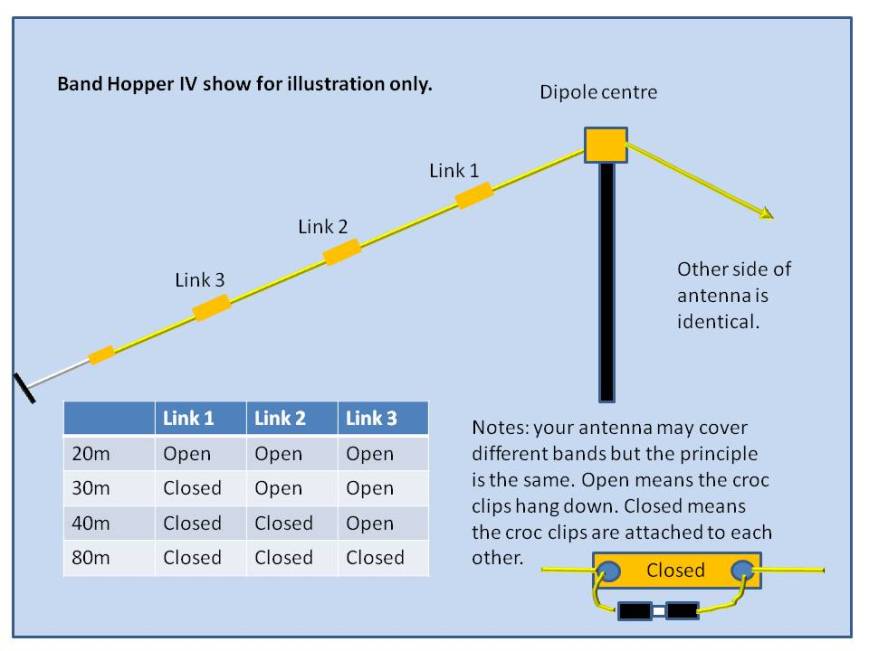
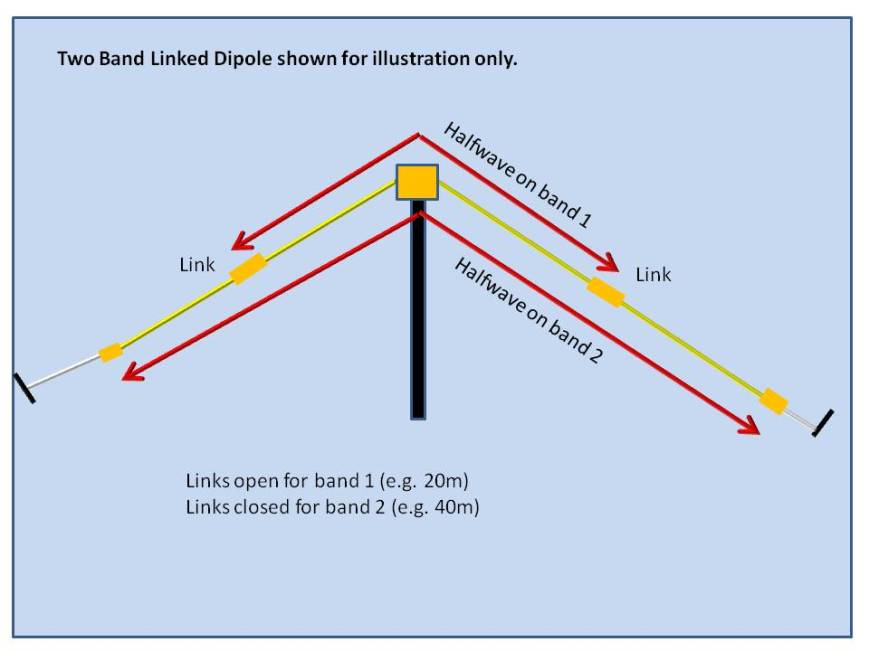
So, what is a linked dipole?

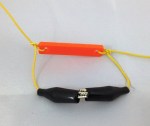
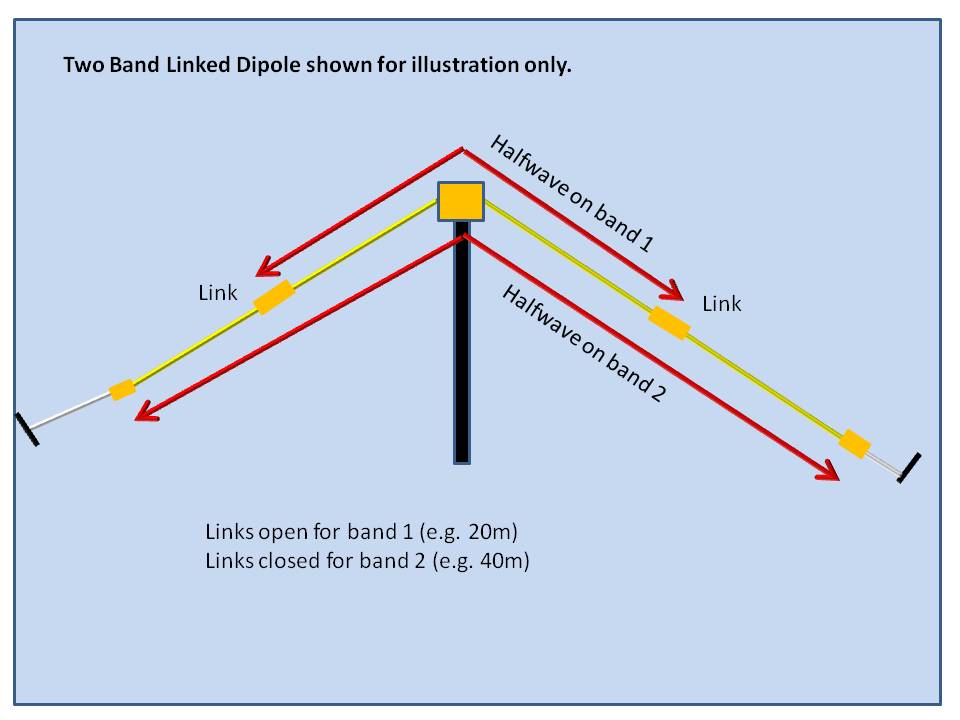
A linked dipole is a very good portable antenna that gives you a very efficient dipole on certain bands.  To select/change bands, you simply need to connect or disconnect sections of the dipole, depending on what band you are operating on.  This lengthens or shortens the antenna to make it resonant on a particular band.
IMGA0129

I have never used a tuner with this antenna.  The coax simply plugs straight into the transceiver.  I have found the VSWR to be about 1.1:1 across the SSB portion of both the 40m and 20m bands.  It is lightweight and has a total weight of 450 grams.

This slideshow requires JavaScript.


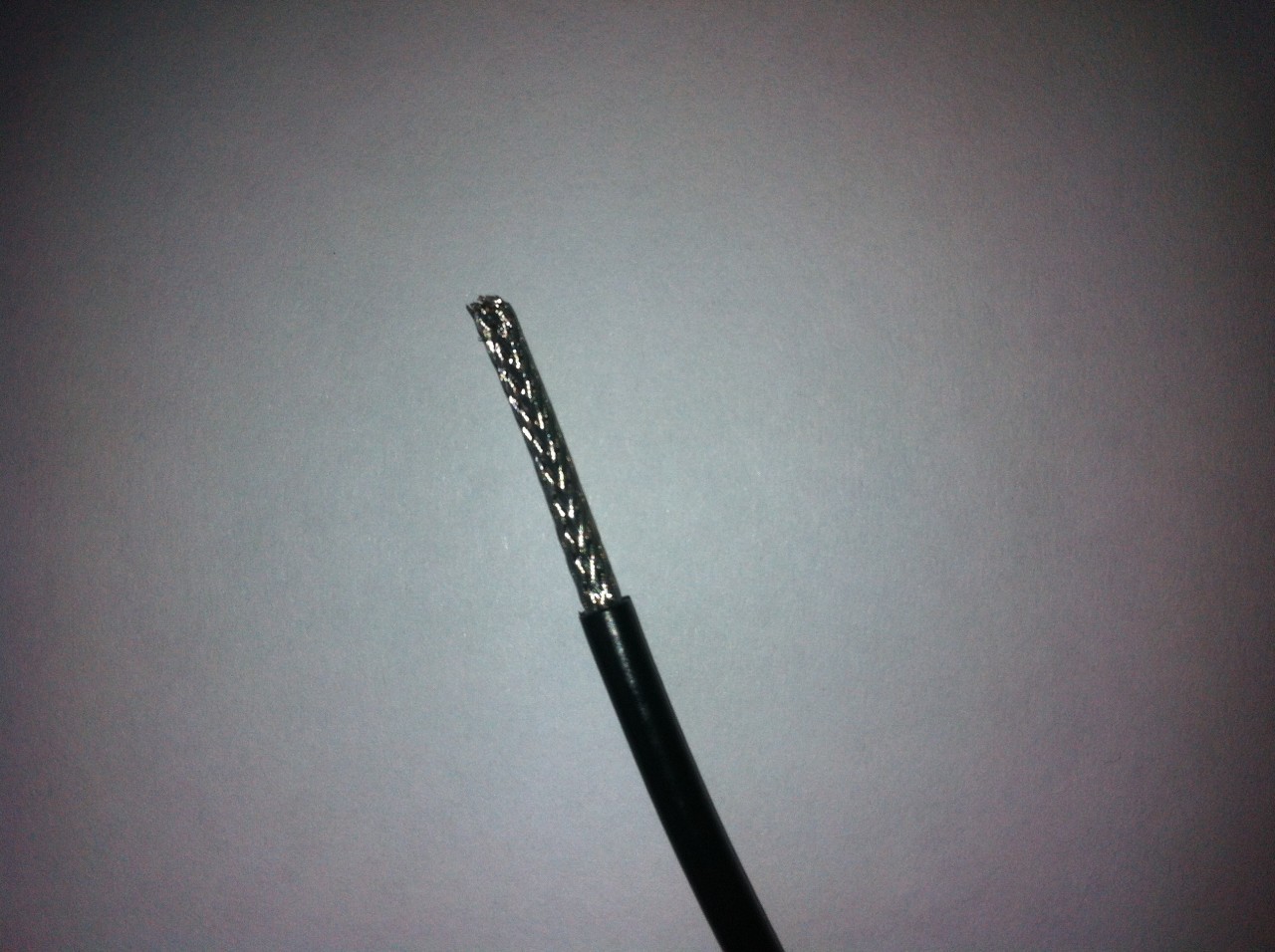
The SOTABeams Band Hopper antenna uses RG174 coax and comes with a 10 metre feeder.  RG174 is very thin and needs to be treated with a degree of care.  However I have found it to be very good and because it is light weight it does not place any strain on the squid pole.  Personally, I’ve found RG58 to be okay if you are park portable.  But some of the summits I have activated from have been incredibly windy and the RG58 has placed just that extra bit of strain on the squid pole.  To prevent the coax from flapping around in the wind I always use a piece of velcroe strapping to secure the coax to the squid pole.
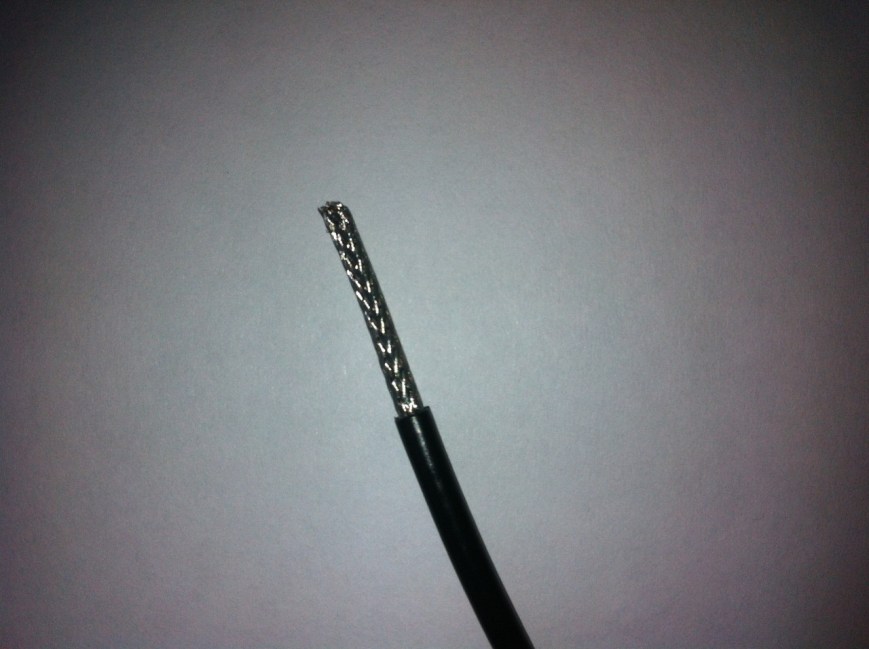
IMG_07951__87370.1347951973.1280.1280

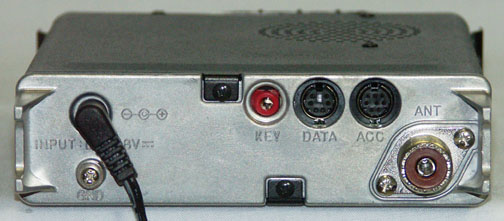
The SOTABeams antenna comes preterminated in a BNC plug, which is handy for use with the Yaesu FT-817nd which comes with a front BNC connector or a rear UHF SO-239 connector. If not simply use an adaptor plug.
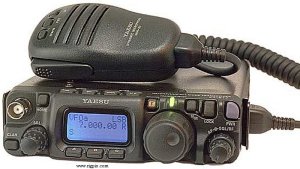
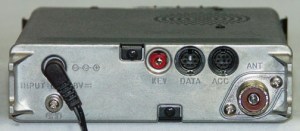
ft817nd

Minolta DSC

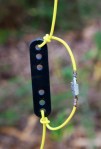
The ends of the antenna each have sufficient lengths of rope with plastic wire winders.  The ropes are nylon braided and are 4 metres (13 feet) in length each.  The ends can be tied off to nearby trees, pegged to the ground, or you can use rocks to weight down the wire winders.

There was a recent straw poll on the SOTA Yahoo group and this showed that the linked dipole was the favoured antenna by SOTA activators.  Since that time, I’ve found that most of the park activators are also using linked dipoles.  They have a number of advantages including:

  • easy to change bands
  • easy to repair and maintain – including in the field
  • the antenna provides two of the guys for your mast (squid pole)
  • no ATU required
  • packs up easily – no parts to loose.

slide5

slide6

Images courtesy of sotabeams.

What squid pole do I use?

I use the 7 metre heavy duty squid poles that can be purchased from Haverfords in Sydney.

http://www.haverford.com.au/telescopic-poles.html

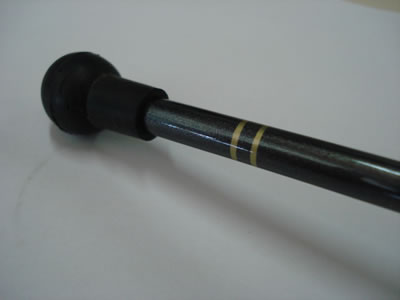
The Haverfords squid poles come with a rubber knob on the top.  However these can be removed if desired.

telescopic1

Image courtesy of http://www.haverford.com.au

These squid poles are very strong.  I have only snapped one, and that was whilst I was activating Hallet Hill VK5/ SE-003, with Ian VK5CZ.  The wind was well and truly above 60 kph on the top of that summit and the squid pole snapped at the weakest point where I had attached it to the trig point.
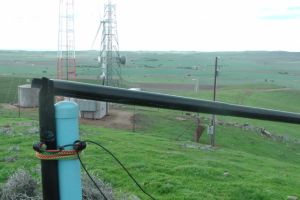
imga0018

How do you secure the antenna to the squid pole?

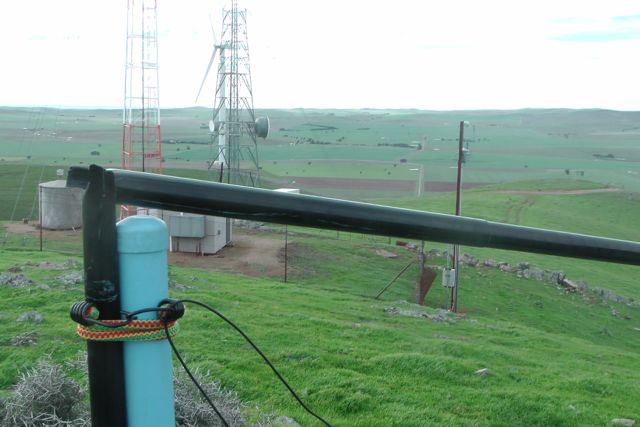
There are a variety of different methods of attaching the antenna to the top of the squid pole.  I use a piece of velcroe string which is tied to the top of the squid pole and inserts through a hole in the perspex centre piece.  Ian VK5CZ uses a wall plug with a hook inserted into the wall plug, which neatly slides into the top of the squid pole (with the knob removed).

Which direction to I erect the antenna?

I normally don’t get too flustered about what orientation the antenna is in.  At this height, the antenna is pretty much omni directional.

As a club, we at the Adelaide Hills Amateur Radio Club (AHARS) are planning a construction day, when a group of us can construct some linked dipoles, and then try them out in a park or on a summit the following day.

Want some more information on linked dipoles?  Here is a link to Peter VK3ZPF’s blog re his linked dipole…..

http://vk3zpf.com/link-dipole

And Andy VK5LA’s WordPress site about his home brew linked dipole…..

http://vk5la.wordpress.com/2013/10/07/putting-together-a-link-dipole-for-sota/

And here is John VK5BJE’s blog…..

http://vk5bje.com/2013/08/14/my-equipment/

And finally Peter VK3PF…..

https://vk3pf.wordpress.com/2013/11/16/a-lightweight-link-dipole/comment-page-1/

If you google linked dipole, there are hundreds of sites that should provide you a lot of information on these very good performing antennas.


References.

SOTABEAMS, https://store-qc1afpvf.mybigcommerce.com/linked-dipoles/


Weekend summary

Hi all,

Here is a breakdown of my activities from Friday – Monday…..


Friday 6th June

Coorong NP – 20 QSOs
Martin Washpool CP – 20 QSOs
Messent CP – 21 QSOs
Tilley Swamp CP – 26 QSOs
Mount Scott CP – 20 QSOs

Saturday 7th June

Dingley Dell CP – 18 QSOs
Nene Valley CP – 31 QSOs
Canunda NP – 33 QSOs

Sunday 8th June

Mount Burr summit VK5/ SE-019 – 66 QSOs
Tantanoola Caves CP – 25 QSOs

Monday 9th June

Telford Scrub CP – 30 QSOs
Glen Roy CP – 29 QSOs
Narracoorte Caves NP – 46 QSOs
Grass Tree CP – 51 QSOs
Padthaway CP – 36 QSOs

 
Total of 472 QSOs.
11 x Conservation Parks
3 x National Parks
1 x SOTA summit

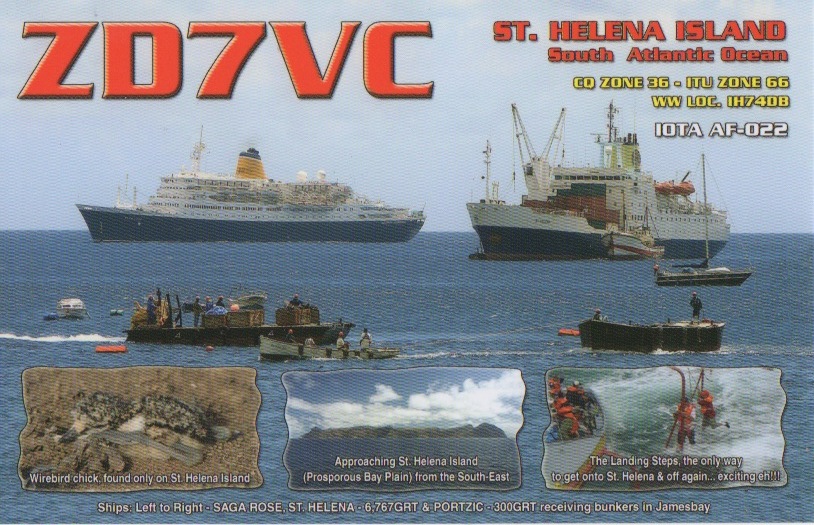
I ran out of time on Monday to do Desert Camp CP. That can wait til another day. There were a few highlights. They included being called by Bruce ZD7VC from St Helena Island in the Atlantic Ocean (very rare DX) whilst I was in Canunda NP. And working many VK6’s including Mike VK6MB on 40m.

ZD7VC (2)

Sorry about the voice over the weekend. Turns out I have a chest infection and the Dr has given me some time off work.

I want to congratulate the South East Radio Group for running a terrific convention and congratulate them on their 50th year. I had an enjoyable time there on Saturday afternoon. And then late on the Sunday afternoon, I delivered a presentation (on the VK5 Parks award) to about 80 people at the Scout Hall, and then enjoyed a beautiful 3 course meal. It was also great to catch up with a lot of hams that I have spoken to many times on the radio but never met in person…..both VK5s and VK3s. I came home with some wire to build a linked dipole, a few tubes for Doc VK5BUG, and even convinced young Patrick to buy a FT-817nd from Ross from Strictly Ham who was at the convention.

Padthaway Conservation Park

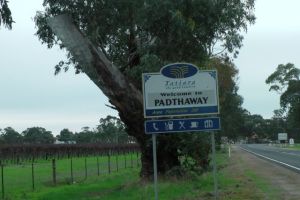
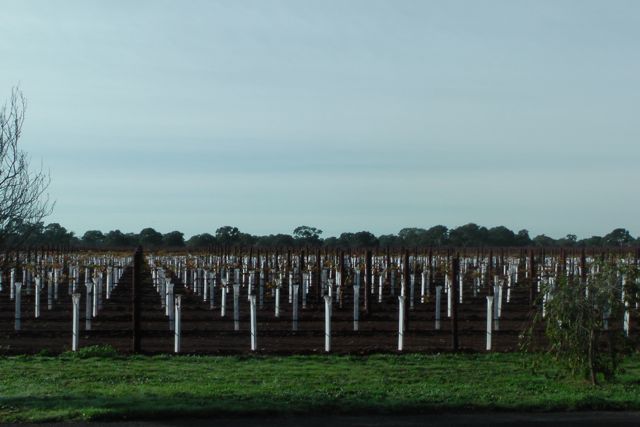
My final activation on Monday 9th June 2014 was the Padthaway Conservation Park, which is located about 254 km south east of Adelaide.  I did plan to activate Desert Camp Conservation Park, making that my 6th park for the day, but I had run out of time.  Oh well, there is always another day.  And there are plenty of other parks remaining in the South East that I am yet to activate.

Padthaway is a small town on the Riddoch Highway in the Limestone Coast region of the South East of South Australia.  The name is derived from Potawurutj, the Aboriginal word for Good Water.

IMGA0070

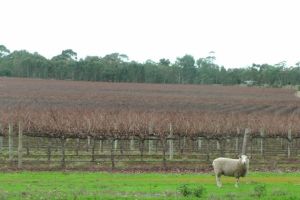
Padthaway was the name of the original pastoral station which was established near the town in 1847 by a successful Scottish businessman, Robert Lawson.  In 1882 the Padthaway Estate Homestead was built by Eliza and Robert Lawson.  In 1952 Padthaway became the centre of a soldier settlement scheme.   The first vineyards were planted in the region in 1968 and today Padthaway is a top wine-producing region.

IMGA0069

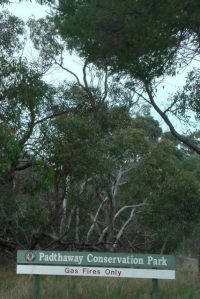
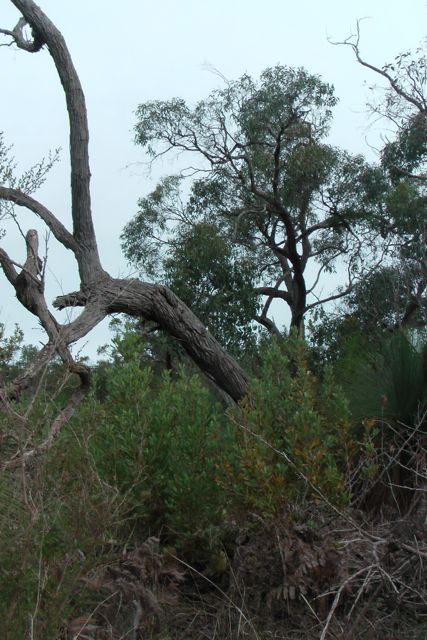
The Padthaway Conservation Park conserves a remnant block of native vegetation, and is an area of about 984 hectares.  The parol wasgazetted in 1971 and is dominated by South Australian blue gum, manna gum and stringy barks.

A number of native animals can be found in the park including kangaroos and koalas.  It is also a haven for a multitude of birdlife.

IMGA0071

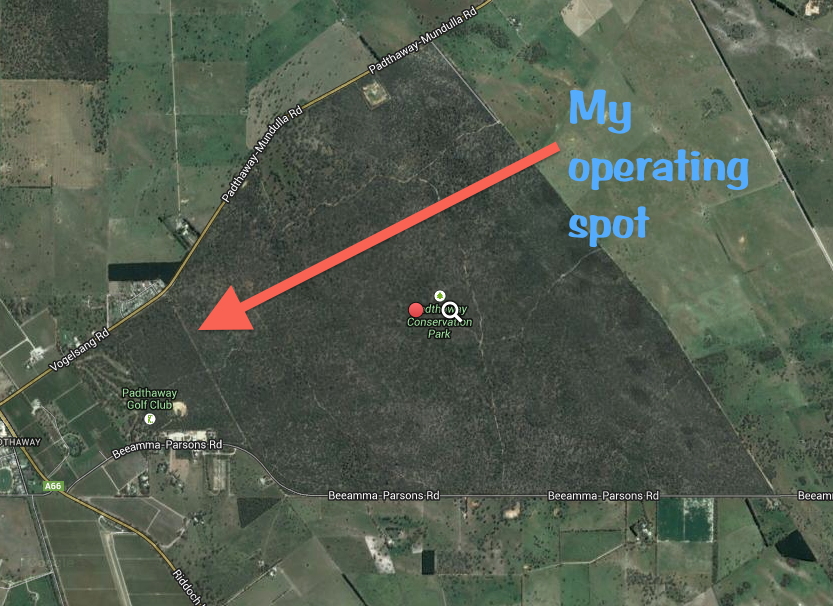
I accessed the park via Vogelsang Road which runs off the eastern side of the Riddoch Highway as you are leaving the town of Padthaway.

Screenshot 2014-06-10 14.21.34

I entered the park via an unlocked gate at the start of a sandy track on the western side of the park.  The track was sandy and was littered with quite a bit of tree debris, but it was passable in my Ford Falcon.  If you do negotiate this track, just remember that you need to turn around.

IMGA0074

The scrub within the park is very thick, and I had to choose a cleared area to allow me to erect the dipole on top of the 7 metre squid pole.  I used an old tree stump to secure the squid pole with an octopus strap.

IMGA0072

I was set up by 3.30 p.m. South Australian local time.  My first contact was with Chris VK4FR/5, followed by Tom VK5FTRG in Millicent running QRP 1 watt, and then Charles VK5FBAC in Strathalbyn also running just 1 watt.  It is about 250 km from Padthaway to Strathalbyn, and Charles was a good 5/8 signal.  The noise floor in the park was non existent and I could literally hear a pin drop.

IMG_1477

I made contact with a number of mobile stations whilst in the park.  They included Rod VK5KFB who was mobile art Meningie on his way home after the SERG convention.  Regular park hunter Greg VK5ZGY also called in from his mobile with a strong 5/9 signal.  I also spoke with Peter VK5KX who was mobile at Mount Mary in the Riverland region of South Australia.

I had a multitude of QRP contacts from Padthaway.  They included Tom VK5FTRG on 1 watt (5/9); Charles VK5FBAC on 1 watt (5/8); Rod VK5KFB/m and QRP; Roy VK5NRG running 7 watts from his FT7 (5/9); Ian VK5IS running 5 watts (5/9); Brian VK5FMID running 5 watts (5/8); Stan VK3BNJ running 5 watts from his Yaesu FT-817nd (5/8); Greg VK5GJ running 5 watts from his home brew QRP rig (5/9); Andrew VK3ARR (5/9); Peter VK5PET running 5 watts (5/9); David VK5NQP running 5 watts from his little Wouxon (5/9); Amanda VK3FQSO running 5 watts (5/9); Kim VK5FJ (5/7); Barry VK5BW running 5 watts (5/9); and Nev VK5WG running his little X1M at 5 watts (5/9).

Again I gave a specific call for any QRP stations and this is why I received so many QRP callers.  It is always a good practice to specifically ask for QRP, mobile, portable, and even DX, before the madding crowd calls in.

  IMGA0073

It was very pleasing to get lots of calls from amateurs who were unfamiliar in my log and also from some recent park devotees such as Tony VK5FTVR who attended the recent SOTA and Parks introduction day.  And again I managed to get Mike VK6MB in the log on 40m (5/7 send and 5/4 received).  This was a good weekend for working Mike.

It was starting to get dark, with the local time being 3.45 p.m. and I still had a three hour drive to get home.  So it was time to pack up and get on the road.  I had a total of 36 QSOs in the log after activating for about 40 minutes.

IMGA0076

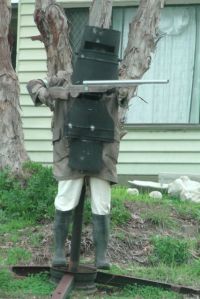
As I was pulling out of the park, I noticed the Ned Kelly figure below in the front yard of the property opposite the park entrance.

IMGA0075

The following stations were worked on 40m SSB:

Chris VK4FR/5; Tom VK5FTRG; Charles VK5FBAC; Rod VK5KFB/m; Roy VK5NRG; Ian VK5IS; Brian VK5FMID; VK3BNJ; Greg VK5GJ; Andrew VK3ARR; Peter VK5PET; David VK5NQP; Amanda VK3FQSO; Kim VK5FJ; Barry VK5BW; Greg VK5ZGY/m; Tony VK5FTVR; Nev VK5WG; VK7YUM; Arno VK5ZAR; Rick VK5FIVE; Peter VK5KX/m; Robin VK5TN; John VK5MG; Tony VK5TT/p; Steve VK5AIM/p; Ken VK3FKNZ; John VK5BJE; Tom VK5FTRG/p; Keith VK2PKT; Craig VK5LI; Nev VK5WG; Mike VK6MB; Dallas VK5WA; Peter VK5APR; and Peter VK2PJF.


References.

National Parks South Australia, http://www.environment.sa.gov.au/parks/Find_a_park/Browse_by_region/Limestone_Coast/Padthaway

Limestone Coast

Wikipedia, Padthaway

Grass Tree Conservation Park

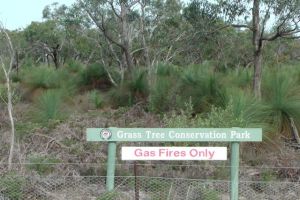
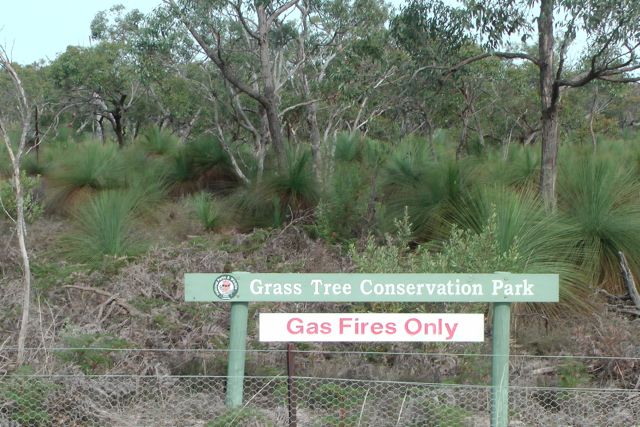
My fourth activation for Monday 9th June 2014, was the Grass Tree Conservation Park, which is located about 17 km north of Naracoorte off the Naracoorte-Keith Road, and has an area of 15.88 hectares.  It was gazetted in 1972 to protect the grass tree Xanthorrhoea australis.

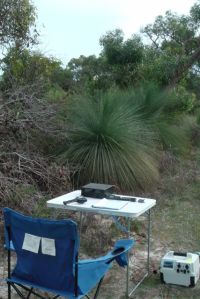
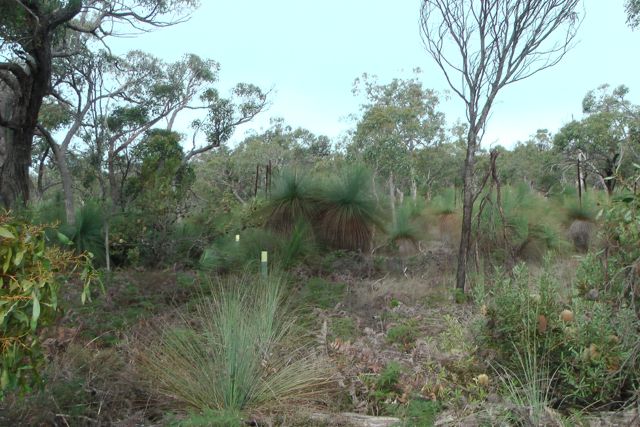
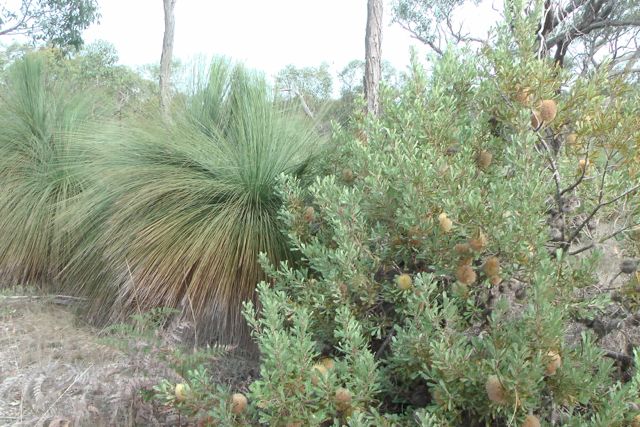
Xanthorrhoea australis, the Grass-tree or Black Boy is an Australian plant, and is the most commonly seen species of the genus Xanthorrhoea.  Grass trees are well adapted to withstand the effects of fire and their flowering is stimulated but fire.  Its fire-blackened trunk can grow up to several metres tall and is often branched.  In certain Aboriginal languages, it is called ‘Bukkup’ or ‘Kawee’.  The park was certainly full of them.

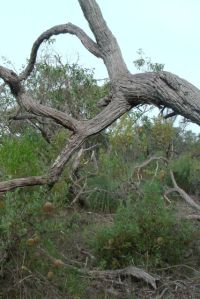
This park appeared to be quite neglected and it appeared that not many people visited the park.  The access gate in the north eastern corner was completely overgrown and did not look as though it had been opened in a very long time.

IMGA0055_2

I have noted that the publication entitled ‘Small Parks of the Upper South East Management Plans’ dated 1992, states the following:

The Park receives very little visitor use and no facilities are provided.  Five metre wide boundary access tracks are maintained on the perimeter of the Park, except along the northern boundary where a Council road serves as an access track’.

I certainly did not see any boundary access tracks.

Screenshot 2014-06-10 14.26.38

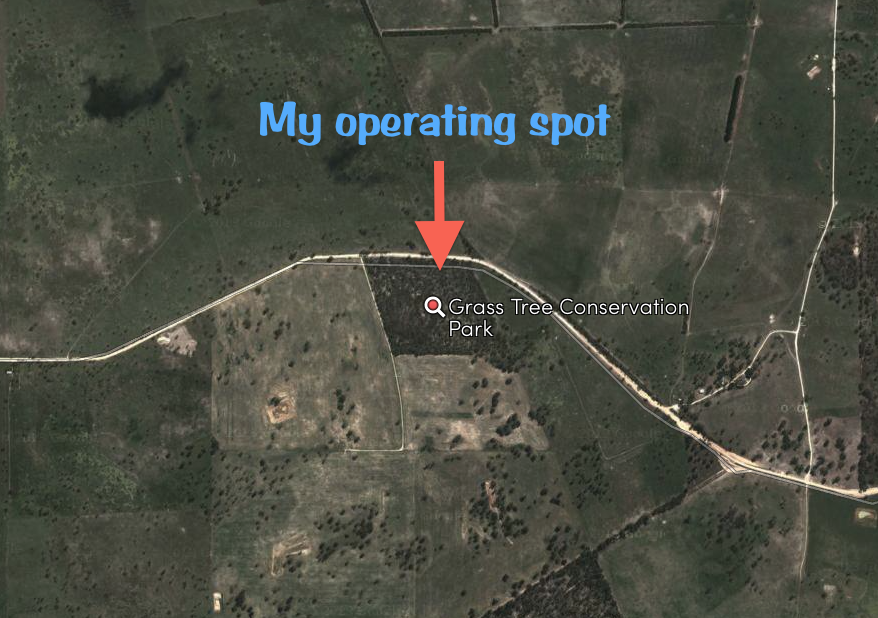
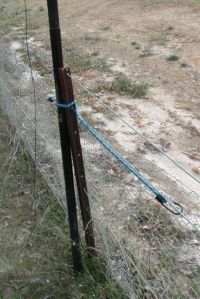
Access to the park is via Boddingtons Road which runs off the eastern side of the Riddoch Highway.  I set up just inside the park fence off Boddingtons Road.  The scrub is incredibly thick and there were no obvious tracks in the park, so set up options were limited.  I used a star dropper on the fence to secure the 7 metre squid pole to with an octopus strap.  I then set up my little fold up table and deck chair just inside the boundary on the other side of the fence.

 IMGA0067

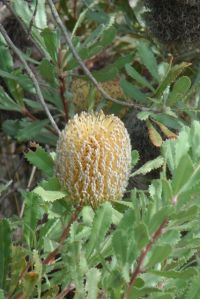
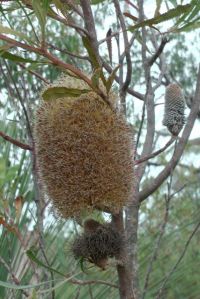
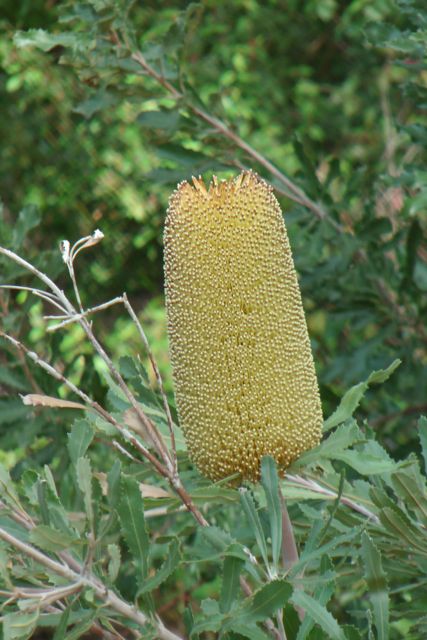
Other than grass trees, the park was full of banksias in flower.  And as a result, there was a large number of wattlebirds in action.

IMGA0057_2    IMGA0062_2

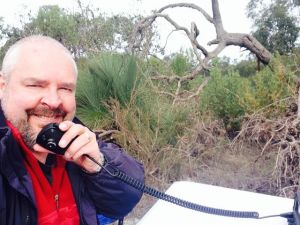
My first contact was with Larry VK5LY who was mobile on the Morgan-Renmark Road in the Riverland, with a beautiful 5/9 signal.  This was followed by regular park hunter and activator John VK5BJE, and then Chris VK4FR/5, and then Amanda VK3FQSO.

IMG_1476

I used the Yaesu FT-450 again for this activation and ran 40 watts.  So although I was not QRP (well not for Aussies anyway), I was called by a number of QRP operators including: Charles VK5FBAC using just 1 watt (5/7); Tom VK5FTRG also using just 1 watt (5/7); Brian VK5FMID running 5 watts (5/9); Ian VK5IS running 5 watts (5/9); John VK5FTCT running 1 watt (5/9); Bernard VK3AMB using 5 watts (5/8); Greg VK5GJ using his home brew 5 watt transceiver (5/8); Peter VK5PET (5/9), David VK5NQP running 5 watts from his X1M; and Steve VK3JY running 5 watts from his KX3.  Whenever possible, I always try to listen for the QRP operators, and portable & mobile stations before the general pile up with normally ensues.

IMGA0064_2     IMGA0065_2

Just one park contact during this activation, and that was with Steve VK3JY who operating portable and QRP from the Lake Eildon National Park.  I was called by Terry VK3UP who was on the top of Mount Buninyong in Victoria.  This mountain qualifies for the SOTA program.  But sadly, Terry was mobile, so this counted out any possible SOTA contact.

IMGA0056_2  IMGA0058_2

I did manage one Summits on the Air (SOTA) contact and that was my last contact in the park.  It was with Ian VK1DI/2 who portable on SOTA peak, Wereboldera, VK2/ SW- 043.  Ian had a nice 5/6 signal coming in and I received a 5/8 signal report from Ian.  This contact with Ian got me ever closer to the 5,000 chaser points for SOTA.  Here is a link to Ian’s blog re this activation…..

http://vk1di.blogspot.com.au/2014/06/sota-activation-wereboldera.html

IMGA0059_2     IMGA0063_2

Whilst I was operating I noticed that my fluorescent orange wire winders were attracting the attention of the Superb Blue Wrens.  The male of these birds, in breeding plumage has a very striking bright blue forehead, ears, mantle and tail, with a black mask and black or dark blue throat.  Non breeding males, females, and juveniles are predominantly grey-brown in colour.

IMGA0060_2

I was way behind my operating schedule, so after 45 minutes of operating in the park it was time to head off.  My voice had not got any better, so I apologise to all the park hunters for having to put up with me.  I had a total of 37 QSOs in the log from VK1, VK3, VK5, and VK7.

     IMGA0066_2

The following stations were worked on 40m SSB:

Larry VK5LY/m; John VK5BJE; Chris VK4FR/5; Amanda VK3FQSO; Charles VK5FBAC; Nigel VK5NIG; Tony VK5FTVR; Rick VK5FIVE; Peter VK3PF; Tony VK5TT/p; Phil VK3BHR; Greg VK5ZGY; Tom VK5FTRG; Brian VK5FMID; Ian VK5IS; Brendan VK3OY; John VK5FTCT; Bernard VK3AMB; Len VK3FB/p; Arno VK5ZAR; David VK7YUM; Tim VK5AV; Gary VK5ZK/m; Derek VK3DD; Bob VK3BWZ/p; Patrick VK5MPJ; Ivan VK5HS/m; Colin VK3ZZS/p; Eric VK5ZAG; Greg VK5GJ; Terry VK3UP/m; Matt VK1MA; Ron VK3FRHB; Erwin VK3ERW; Peter VK5PET; John VK5DJ; and John VK5MG.


References

Department of Environment and Natural resources, ‘Small Parks of the Upper South East Management Plans’, 1994.

Wikipedia, ‘Xanthorrhoea australis


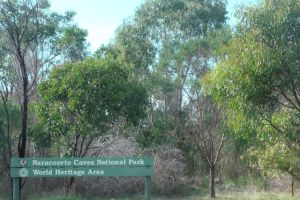
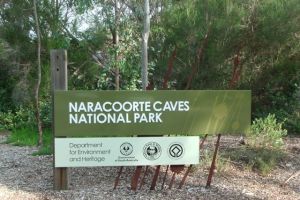
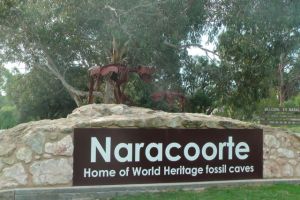
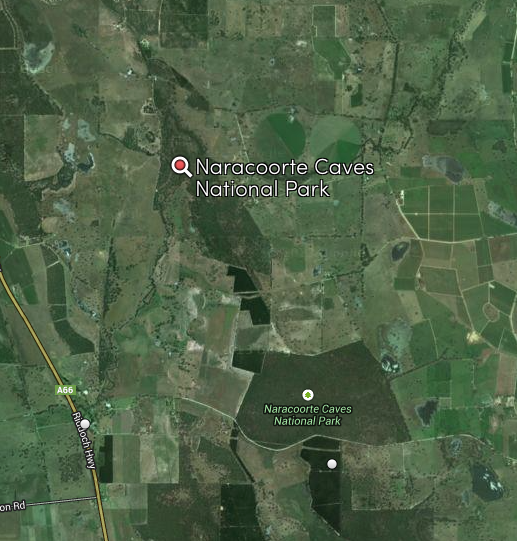
Naracoorte Caves National Park VKFF-380

From Glen Roy Conservation Park, I headed off to the Naracoorte Caves National Park, which qualifies for both the VK5 Parks award and also the World Wide Flora Fauna program (WWFF).

I continued north on the Riddoch Highway and then turned right onto New Caves Road to travel east.  A few km up New Caves Road you will see Victoria Caves Road.  Turn right here and this will take you to the visitor centre for the park.

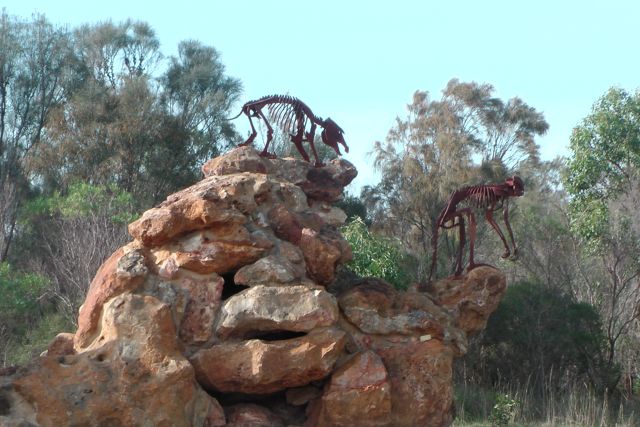
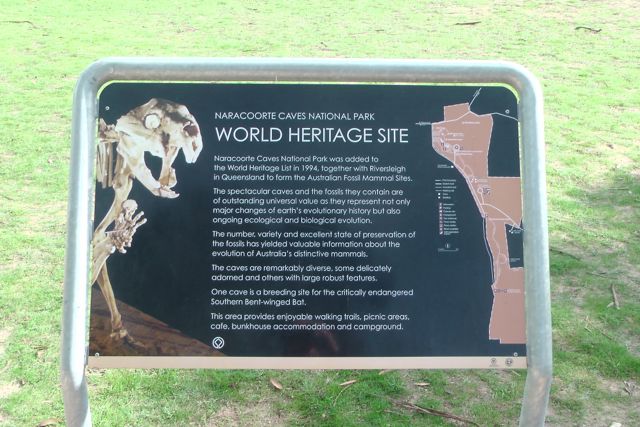
Naracoorte Caves, which is about 600 hectares in size, is recognised as one of the world’s most important fossil sites, with about 26 caves at the Park, though not all are open to the public.  Some are set aside for scientific research or for protection of the caves and their contents.  Naracoorte Caves offers self-guided, guided and adventure caving tours year-round.  There are also a number of walking trails.

IMGA0043_2

Naracoorte Caves National Park is South Australia’s only World Heritage site.  The site was officially recognised in 1994 because of the importance of the fossils in the caves.

The park is home to a large amount of wildlife including Western grey kangaroos, echidnas, wombats, brush tailed possums, and sugar gliders.  The park also contains a variety of birdlife including thornbills, eastern yellow robins, eastern spine bills, rosellas and honeyeaters in large numbers.

The Naracoorte Caves are part of the 800,000 year old Naracoorte East Range. There are 26 known caves in the park, many of them containing spectacular stalactites and stalagmites.  The caves generally stay at a constant 17 degrees centigrade.

IMGA0047_2

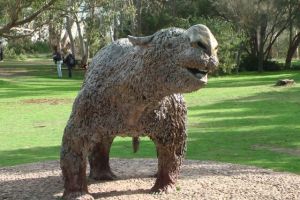
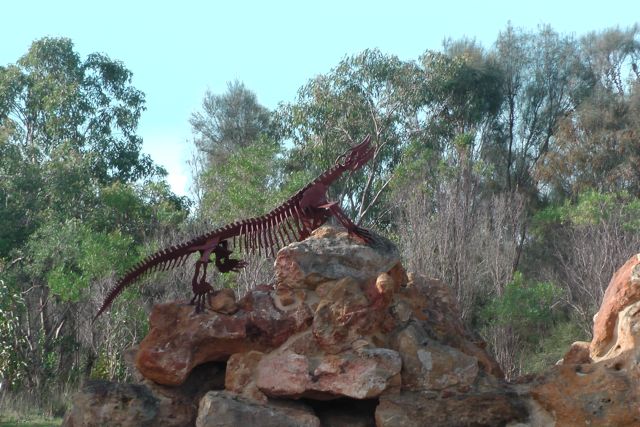
Because the caves have acted as pitfall traps and predator dens for over 500,000 years, a rich fossil record of ancient animals that once roamed the area, can be found at the Naracoorte Caves.  The fossil record covers several ice ages and the arrival of humans in the area.  The park is home to over 100 known fossil deposits, preserving the bones of megafauna that became extinct roughly 60,000 years ago.

IMGA0054_2

The bones of Megafauna species such as Thylacoleo carnifex Marsupial Lion, Thylacine, Zygomaturus and sthenurine kangaroos are found within the 100 fossil deposits found to date.  Naracoorte Caves contain clues to help interpret the geological and evolutionary history of Australia.

IMGA0049_2

For more information on the Naracoorte Caves, please click on the link below…..

http://www.environment.sa.gov.au/naracoorte/Home

Screenshot 2014-06-10 14.30.30

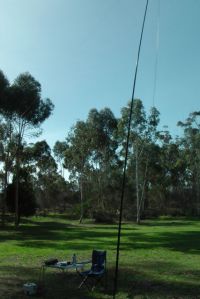
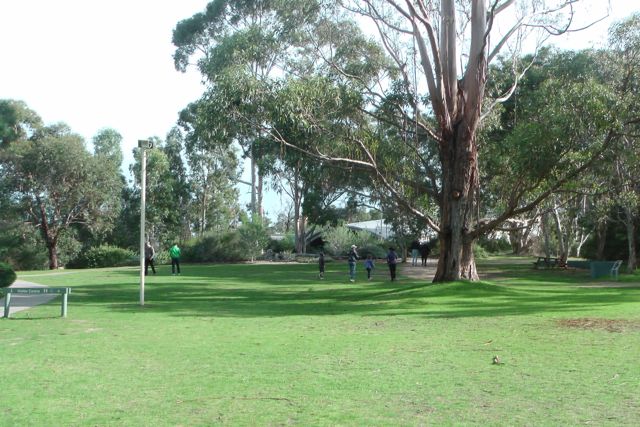
I set up on the oval near the visitor centre.  The carpark was a hive of activity with dozens of visitors to the caves.  But the oval was quiet and there was obviously plenty of room to erect the dipole.

IMGA0046_2

My first contact within the park was with Nick VK3ANL who was portable on SOTA peak One Tree Hill VK3/ VS-036.  I just caught Nick on 7.090 as he was about to go QRT.  Conditions on 40m appeared to be holding up extremely well with 5/9 signal reports being exchanged with Nick, who is an active parks hunter for both the VK5 Parks award and also WWFF.

 IMGA0044_2 IMGA0045_2

I then chose a clear frequency, 7.105 and put our a CQ call, which was responded to be Clayton VK7ZCR.  This was followed by Peter VK3YE who was now at home, and then Tom VK5FTRG running just 1 watts (5/9 both ways).

A little further along and I worked Brian VK3MCD who was portable in the Alpine National Park, which qualifies for both the Keith Roget Memorial National Parks award and WWFF.

IMGA0048_2

A little later in the activation, I was called by Gordon VK5GY who was portable in the Mount Brown Conservation Park in the Flinders Ranges.  Gordon was running just 20 watts into a linked dipole.  I couldn’t persuade Gordon to climb Mount Brown for a SOTA activation (it is 2 hours to the top).  Maybe next time.

IMGA0050_2

I had a steady flow of callers for this activation from VK2, VK3, VK5, & VK7.  This included a number of QRP contacts including the following: Tom VK5FTRG on 1 watt (5/9 both ways); Greg VK5GJ (5/9 both ways); Peter VK3PF (5/9 both ways); Brian VK3MCD (5/9 sent & 5/6 received); Brian VK5FMID on 5 watts (5/9 both ways); and Ian VK5IS (5/9 both ways).  It is always enjoyable getting QRP contacts in the log.

IMGA0051_2

After an hour in the park I had a total of 46 QSOs in the log, which mean that I had qualified the park for the WWFF global award which requires 44 contacts.

The following stations were worked:

Nick VK3ANL/p; Clayton VK7ZCR; Peter VK3YE; Tom VK5FTRG; John VK5BJE; Greg VK5GJ; Peter VK3PF; Bob VK5FPAC; Brian VK3MCD/p; Nigel VK5NIG; Vin VK3FMOL; Rick VK5FIVE; Brian VK5FMID; Adam VK7VAZ; John VK5NJ; Paul VK7CC; David VK3DMX; Mike VK3FMAA/m; Bob VK3BWZ/p; David VK5NQP; Amanda VK3FQSO; Stefan VK3WF; Leo VK2LJM; Tim VK5AV; Andrew VK2UH; Patrick VK5MPJ; Gordon VK5GY/p; Claude VK3FCAS; Nev VK5WG; VK7LCW; Phil VK3BHR; Mike VK3XL/m; Chris VK4FR/5; Keith VK2PKT; John VK5MG; Allen VK3HRA; Geoff VK3SQ; Greg VK5LG; Greg VK7FGGT; Greg VK5ZGY/m; Jamie VK3TZE; Steve VK2FISN; Col VK5HCF; ZDerek VK3FAFC; Ian VK5IS; and Kim VK5FJ.


References

Government of South Australia, Department of Environment, Water and Natural Resources, ]http://www.environment.sa.gov.au/naracoorte/Home


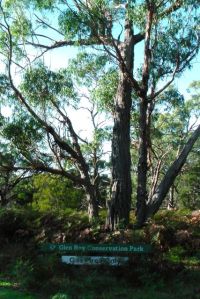
Glen Roy Conservation Park

My second activation on Monday was the Glen Roy Conservation Park, which is located about half way between Penola and Naracoorte in the South East of South Australia, off the Riddoch Highway.

My drive from Telford Scrub took me north along the Riddoch Highway and through the Penola Forest before reaching the town of Penola.  Continuing north I travelled through some of the famous South East wine growing region and through the town of Coonawarra.  I am quite a wine buff and have consumed many a bottle of wine from this region.

IMGA0022_2

I haven’t been able to find out a lot of information on the Glen Roy Conservation Park.  However it appears that the McDonald family from Scotland in the 1800s and established the nearby Glen Roy Station where sheep were farmed.

Col VK5HCF activated this park during the 1 year anniversary of the VK5 Parks award.  A write up and a video of his activation can be found at…..

http://vk5hcf.wordpress.com/2014/04/18/glen-roy-conservation-park-6-04-2014/

IMGA0038_2

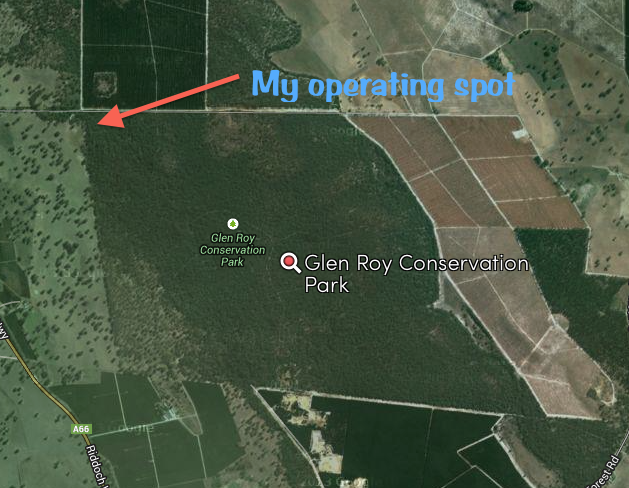
I accessed the park via Rabbits Road which runs off the eastern side of the Riddoch Highway.  It is just a short drive along this dirt road (about 600 metres), before you reach the park on your right, on the southern side of the road.  There is a large pine plantation on the northern side of the road.

Screenshot 2014-06-10 14.39.14

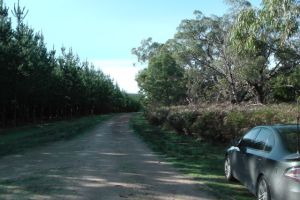
There was a track heading south on the western boundary of the park, but it looked a little boggy for my Falcon, so I parked right on the north western corner of the park, and utilised the track to my advantage by stringing out the legs of the dipole.  I set up my deck chair and fold up table and again used the Yaesu FT-450 and 40 watts for this activation, along with the 40m/20m linked dipole.

IMGA0041_2

My first contact was with John VK5BJE with a strong 5/9 signal, and this was followed by Mike VK3XL who was on SOTA summit Mount Beenak VK3/ VC-016.  Mike also had a good strong 5/9 signal.  I have mentioned it before, but it is really pleasing to see that a lof of the SOTA activators are now also hunting the park activators.  Brian VK5FMID then called in, using just 1 watt.  Although not that far away, with just 1 watt, Brian had a terrific 5/8 signal.

  IMGA0040_2

Whilst in the park I had another very nice QSO with Peter VK3YE who was pedestrian mobile on the beach, about 29 km south of Melbourne, running QRP and a vertical antenna.  For anyone who has not seen some of Peter’s videos, I would highly recommend that you google VK3YE and watch a few.  What Peter does with low power and home brew gear is truly amazing.

Here is a link to Peter’s website….

http://home.alphalink.com.au/~parkerp/vk3ye.htm

Another memorable contact whilst in Glen Roy was with Amanda VK3FQSO who called in with just 1/2 watt and was a very nice 5/6 signal.  It is quite incredible what you can do with QRP and especially when you are operating in a noise free environment like a Conservation Park.

IMG_1475

I also had a few more QRP contacts whilst in Glen Roy including: Tom VK5FTRG (5/8) on 1 watt from the South East; Ian VK5IS (5/9) on 5 watts from the mid north of South Australia; and Erik VK3FMSC (5/9) on 1 watt.

I was also called by the following mobile stations: Greg VK5ZGY (5/9); Gary VK5ZK/m (5/9); and Len VK3FB/m (5/8).

I even managed a VK4 contact from Glen Roy and this was with Brendon VK4MAC in Maleny near the Sunshine Coast (5/5 sent and 5/3 received).  I don’t work too many VK4s on 40m whilst I am out and about in the parks or on summits.

My final contact of the day was another SOTA contact.  This time with Ian VK1DI/2 who was on SOTA summit Mount Burngoogee, VK2/ RI-016.  Ian had a solid 5/8 signal.  Here is a link to Ian’s blog re his activation…..

http://vk1di.blogspot.com.au/2014/06/sota-activation-mount-burngoogee.html

The following stations were worked:

John VK5BJE; Mike VK3XL/p; Brian VK5FMID; Charles VK5FBAC; Peter VK3YE/pm; Amanda VK3FQSO; Tom VK5FTRG; John VK5FMJC/p; Ian VK5IS; Peter VK3PF; David VK3UCD; Tony VK5FTVR; Rick VK5FIVE; Nigel VK5NIG; Greg VK5ZGY/m; STand VK3BNJ; Erik VK3FMSC; Brendon VK4MAC; Kev VK3NKC; Gary VK5ZK/m; Graham VK5KGP; Steve VK2FISN; Phil VK3BHR; VK3FB/m; Erwin VK3ERW; Patrick VK5MPJ; Allen VK3HRA; Bernard VK3AMB; and Ian VK1DI/2.

Telford Scrub Conservation Park

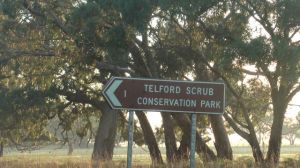
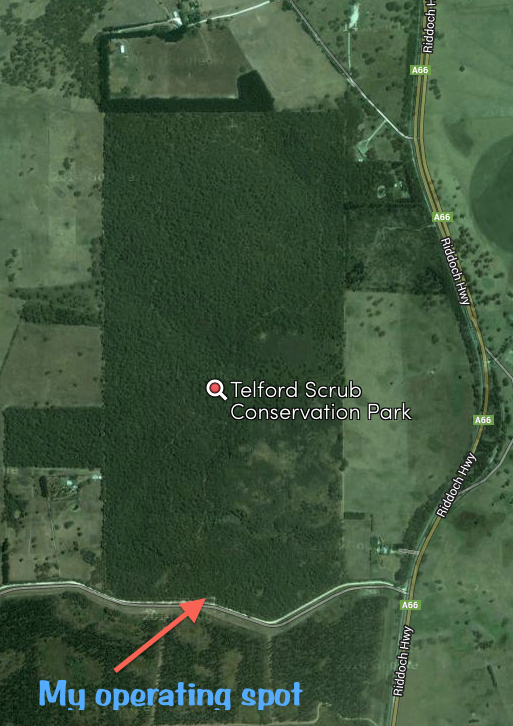
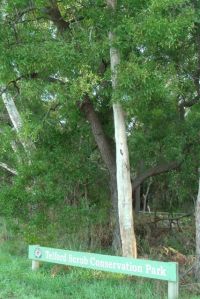
My first activation for Monday morning, 9th June, 2014, was the Telford Scrub Conservation Park, which is located about 15km north of Mount Gambier.   Access is from Riddoch Highway via Grundys Lane.

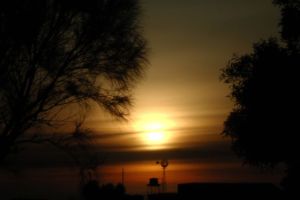
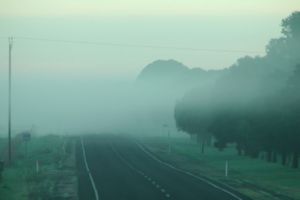
Again it was a very chilly morning down in the South East.  There had been very little cloud cover over night, so there was quite a bit of frost and fog on my way out to the park.  But one of the advantages of getting up at this time of the day is to enjoy the spectacular sunsets.  And this morning was no disappointment.

IMGA0004_2

IMGA0002_3

Telford Scrub Conservation Park, like most parks and native forest areas in the South East of South Australia, is an ‘island’ of native vegetation in a ‘sea’ of farming land and pine forests.  They are a reminder of vast areas of native vegetation that were cleared for forestry and agriculture.

This property was owned and run by the Telford brothers – who, when they finally decided to give the farming game away, sold this parcel of bush to the Environment Department and ultimately all of us.

IMGA0006_2

Telford Scrub was proclaimed in 1987 and conserves a significant eucalyptus forest of Brown Stringybark and Manna Gum and in the southern section, an important Swamp Gum woodland.  Although it is only a small park, consisting of 175 hectares, it provides homes for a wide variety of native flora.  The park also provides a safe refuge for native plants without the threat of being grazed by domestic stock or used for construction timber of firewood.

Within the park you can find the rare Southern Brown Bandicoot, which within the lower South East is now only known to be found in a  few native forest areas including Telford Scrub.  The endangered sugar glider can also be found within the park.  Koalas, which once roamed the woodlands and forests of the South East up to the 1930s, became locally extinct following hunting by Europeans for skins and extensive clearing of the first.  Early in 1997, several Koalas were reintroduced from Kangaroo Island to Telford Scrub and a few other parks and native forest areas in the South East.

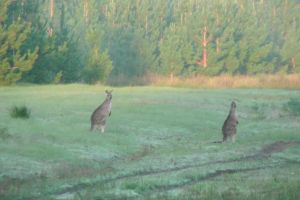
As I drove along Grundys Lane I saw quite a few Western Grey kangaroos grazing in between the park and the adjacent pine forest.  I was also fortunate enough to see 2 of the rare Red Necked wallabies.

IMGA0008_2

Numerous beautiful plants can be located in the forest, including over 20 species of native orchids.  These include Pink Fingers, Common Donkey orchid, Tiger orchid, and Purple Cockatoo.

I set up in the carpark off Grundys Lane.  There was plenty of room here to stretch out the dipole, and because of the early hour of the day, I was the only park visitor.  I used a permapine log fence to secure the 7 metre squid pole to, with the help of an octopus strap.

Screenshot 2014-06-10 14.36.23

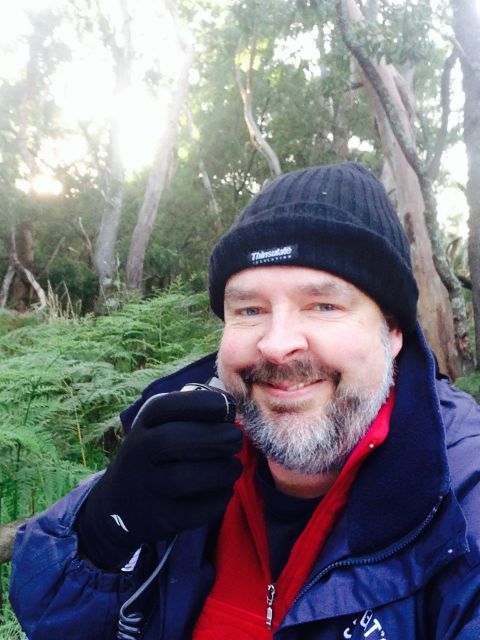
This was truly a very chilly morning.  In fact it was 2 degrees C.  So it was definitely beanie, jacket, and gloves weather.

IMGA0013_2     IMG_1473

 I turned the Yaesu FT-450 onto 40m and did a quick check for VSWR.  As per normal it was about 1.1:1.  I have never used a tuner.  The RG174 coax just simply plugs straight into the back of the transceiver.  I asked if 7.090 was in use, only to be greeted by the every keen Brian VK5FMID.  This was followed by another very keen park hunter, John VK5BJE, and then Andrew VK2UH.  Tom VK5FTRG who I had a fair bit to do with at the SERG conference also called in.  Tom is a keen park activator and hunter.

IMGA0015_2

I had a steady flow of callers, including some QRP operators.  They included Len VK3FB using his Argonaut, Shaun VK3VLY running just 5 watts, Erwin VK3ERW also running 5 watts, Ian VK5IS on 5 watts, Rod VK2TWR on 5 watts, Roger VK5NWE on 5 watts, and John VK5FMJC also on 5 watts.  No-one was below strength 9.  The band conditions were very good.  This was again proven during this activation, by a call from Mike VK6MB.  Mike again had a beautiful 5/9 signal coming into the South East and I received a 5/7 signal report from Mike.

IMGA0019_2

Telford Scrub is truly a very beautiful park.  I just wished I had more time to explore this park, but I was on a very tight schedule.  So it was set up, get some quick contacts, and head off to the next park.  There are some great interpretative signs at the park, and the Stringybark Forest Hike and Forest Canopy Walk, which I believe would be very enjoyable to undertake.

IMGA0010_2

After operating at Telford Scrub for about 35 minutes I had a total of 30 contacts in the log from VK1, VK2, VK3, VK5, VK6, and VK7.

The following stations were worked:

Brian VK5FMID; John VK5BJE; Andrew VK2UH; Tom VK5FTRG; Len VK3FB; Wayne VK5FWMT; Mike VK3XL/m; Shaun VK3VLY’ Col VK5HCF; Ray VK3NBL; Dik VK7DIK; Tony VK2RI; Peter VK3PF; Mike VK6MB; Graham VK7NGA; Mark VK1EM; Erwin VK3ERW; Ian VK5IS; Rod VK2TWR; Roger VK5NWE; Scott VK7NWT; Nev VK5WG; Ethan VK3ETC; John VK5FMJC; Ian VK5CZ; Stan VK3BNJ;Peter VK5NAQ; Matt VK5MLB/m; Mike VK7MNH; and Marshall VK3MRG.


References.

Cockburn, R, ‘South Australia.  What’s in a Name?’, 2002.

Department of Environment and Natural Resources, ‘Telford Scub Conservation Park’, 2010.

South East Radio Group 50th Annual Convention

On Saturday 7th and Sunday 8th June, 2014, the 50th annual South East Radio Group (SERG) Convention was held.  This coincided with the Queen’s Birthday weekend, and this year SERG were celebrating a special milestone, their 50th year.  The venue was the 1st Mount Gambier Scout Hall at Margaret Street, Mount Gambier.

Col VK5HCF and John VK5DJ were kind enough to invite me to the event to deliver a presentation on the VK5 National and Conservation Parks Award.

A week either side of the convention, members of SERG used the special event call of VI50CONV.  I was lucky enough to get this special call in my log whilst I was out activating parks.

The Australia Fox Hunting Championships were held over this weekend, attracting keen competitors from all over south eastern Australia.

Within the scout hall, there were also various buy and sell tables, with some commercial sellers including Ross from Strictly Ham.

A home brew competition was also held.

A trusty band of ladies helped out in the kitchen provided tea and coffee, steak sandwiches, hamburgers, home made cake, etc, over the duration of the weekend.  I must say that the steak sandwiches I enjoyed on both Saturday & Sunday were some of the nicest I have ever had.

I delivered a short 20 minute presentation on the VK5 Parks award, late on Sunday afternoon to a group of about 80 people.  This was followed by the presentation of trophies and certificates for the fox hunters.  And David VK5HDW then gave a presentation on the sinking of the Titanic.

Following the presentations, I enjoyed a 3 course meal: pumpkin soup, roast beef, and sticky date pudding.  Congratulations to the chef/s.

This event was well worth coming to, and at this stage for next year’s event, I will be putting on a display in the hall about SOTA, the VK5 Parks award, and the WWFF program.

It was terrific to catch up with a lot of guys that I have spoken to many many times on the radio, but never met in person, including Greg VK5ZGY, and John VK5NJ.

This slideshow requires JavaScript.