
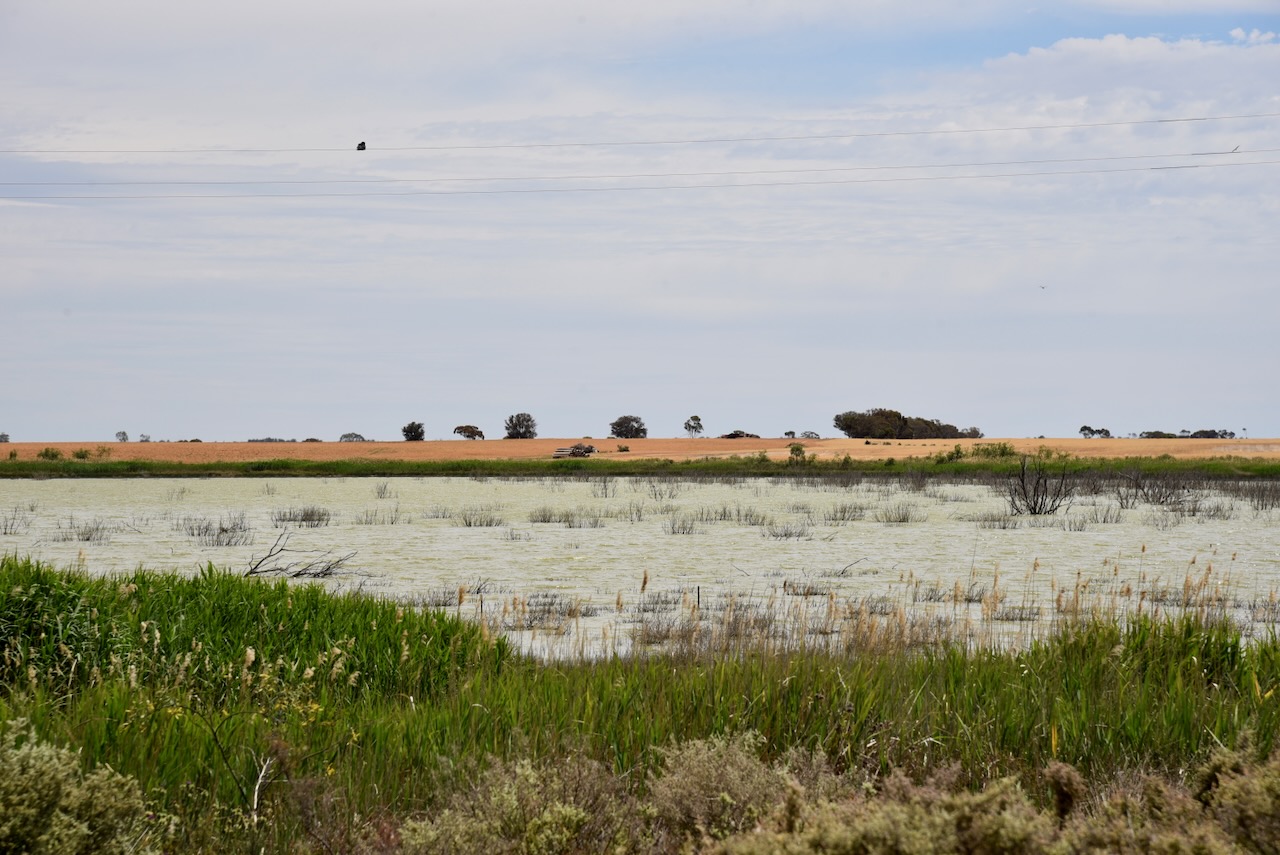
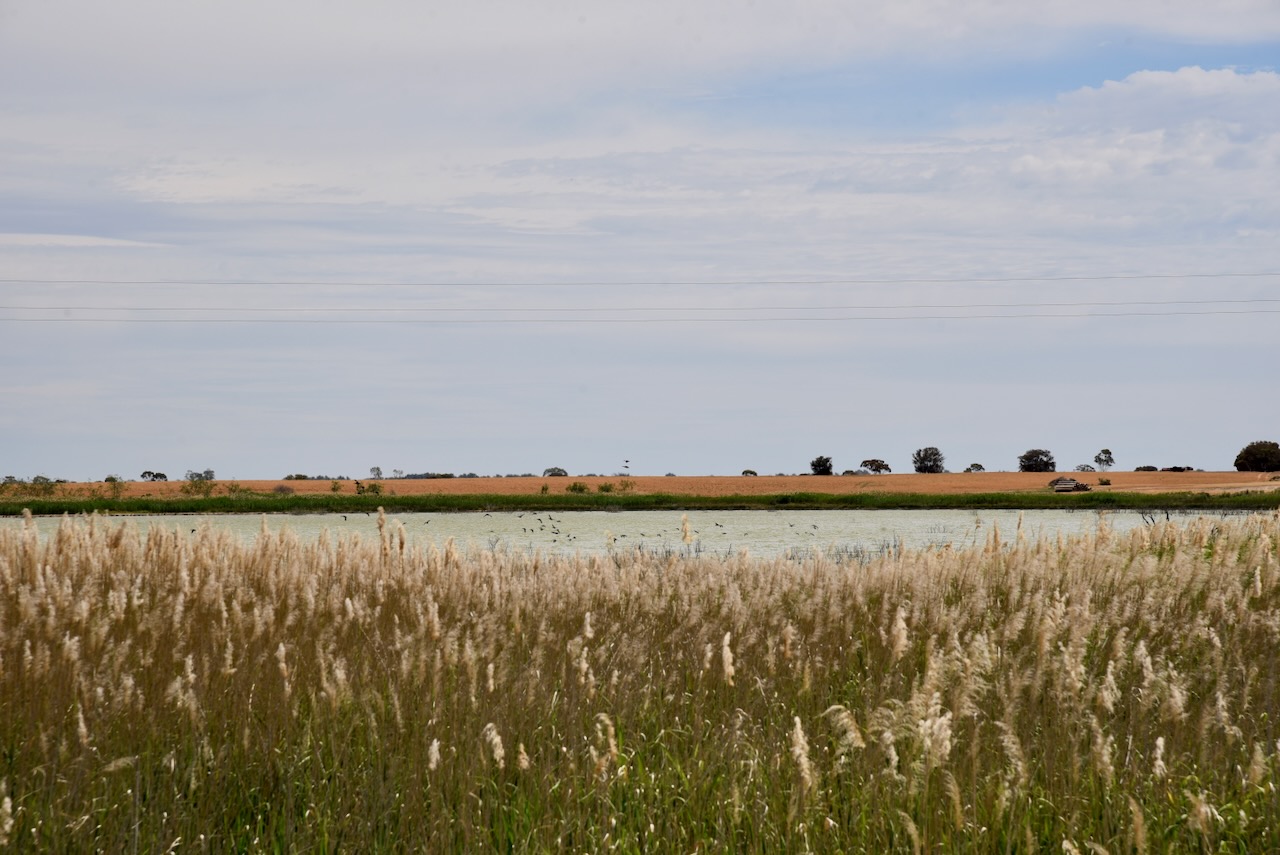
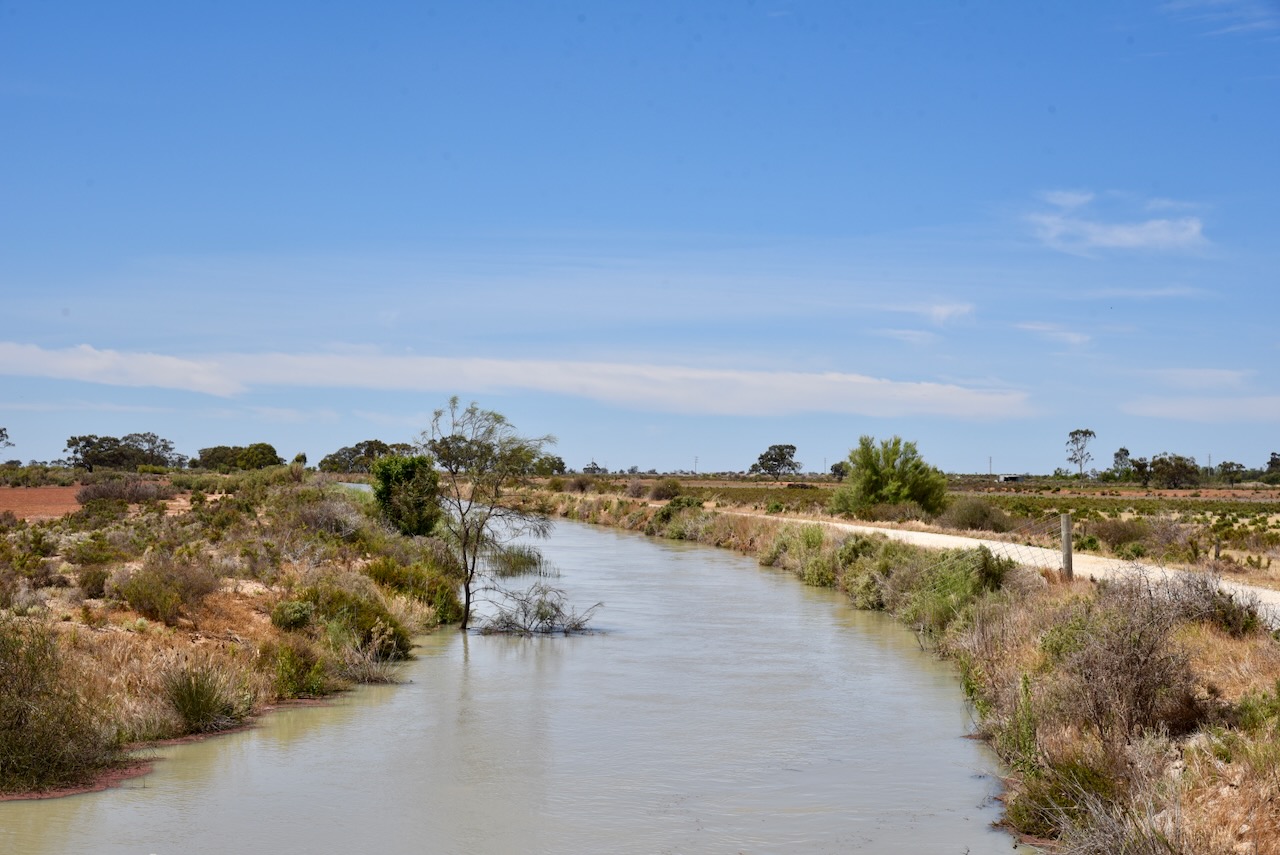
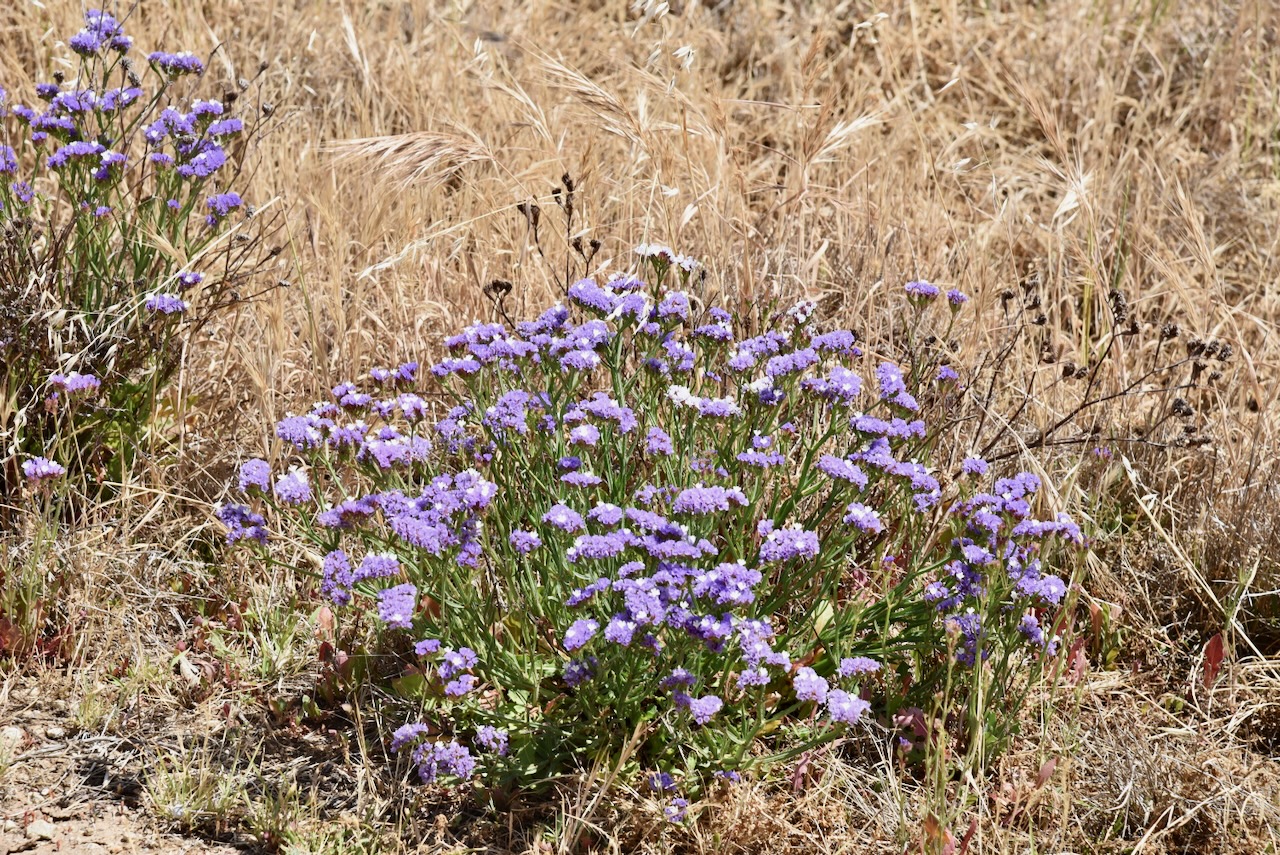
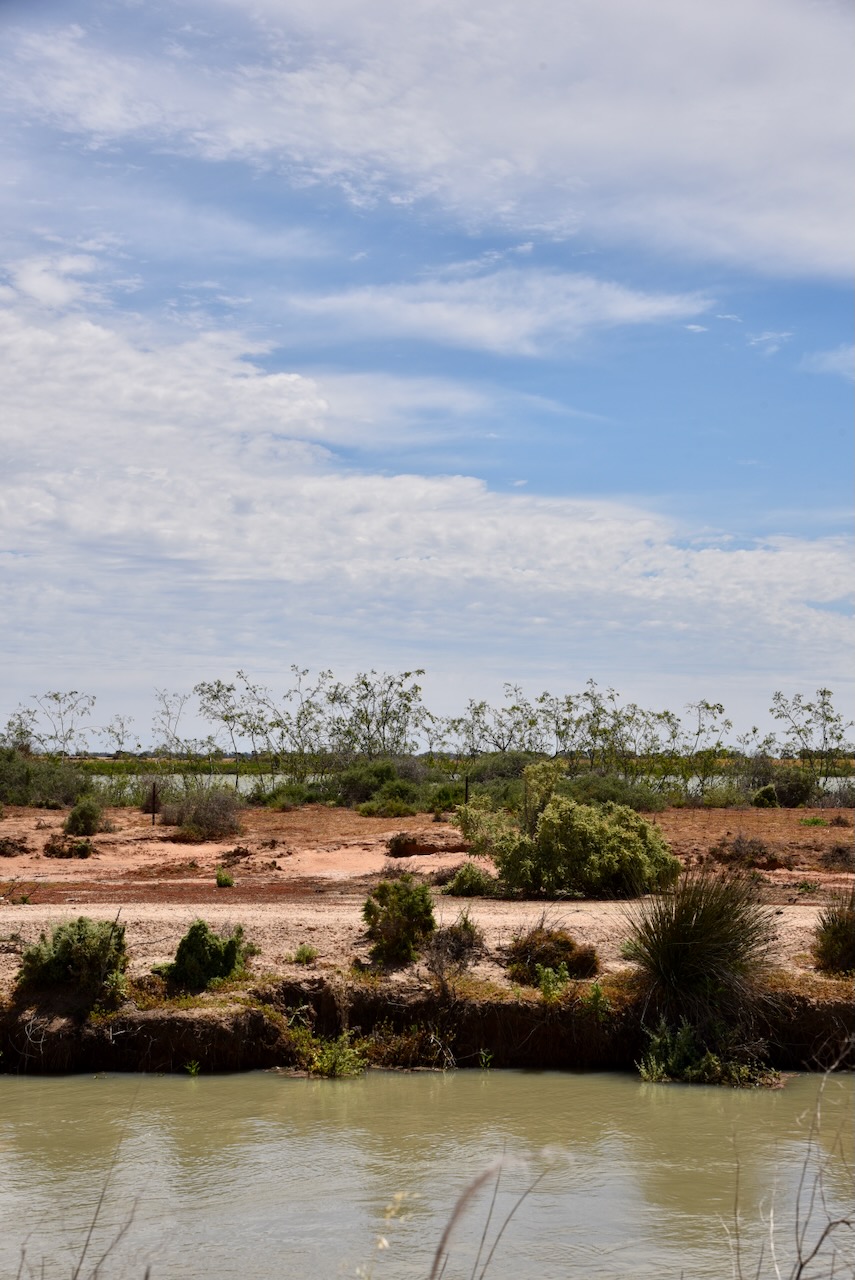
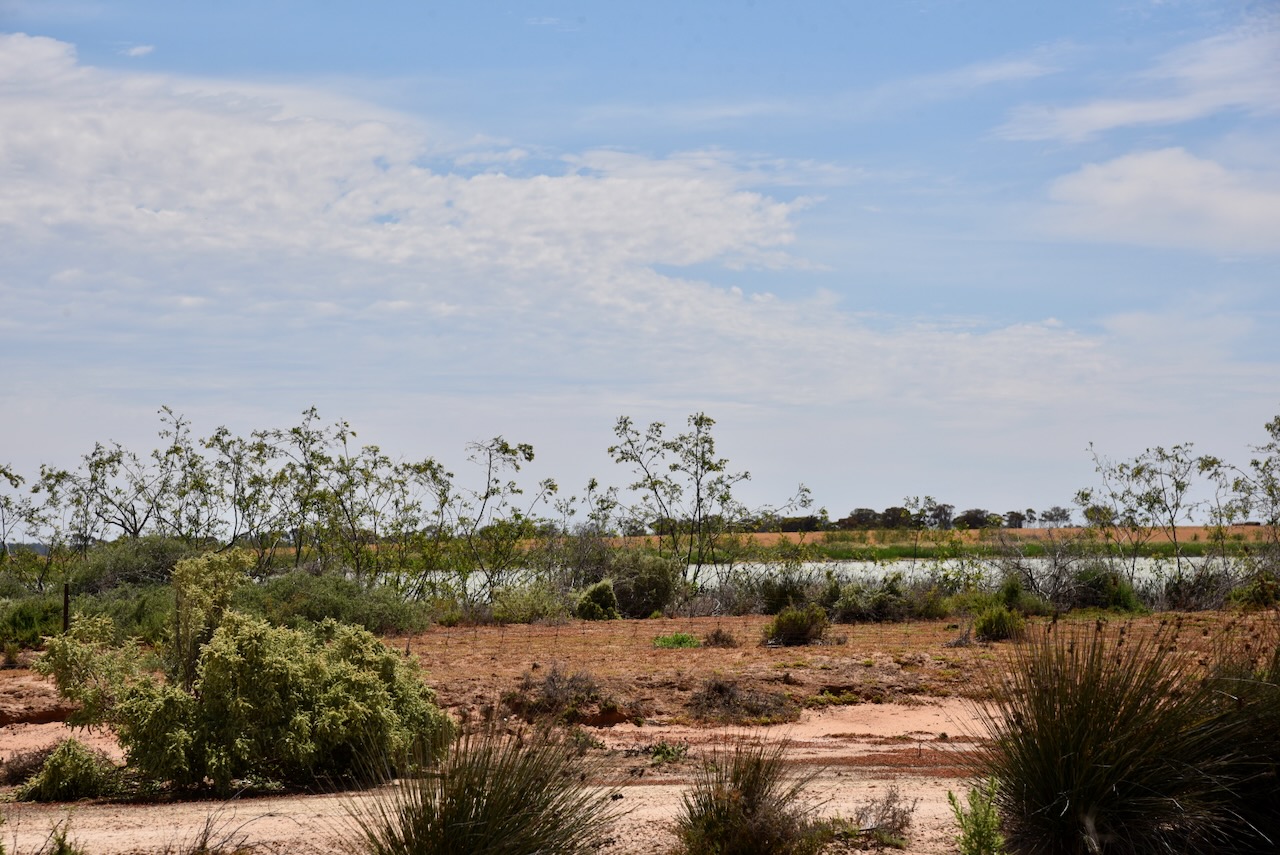
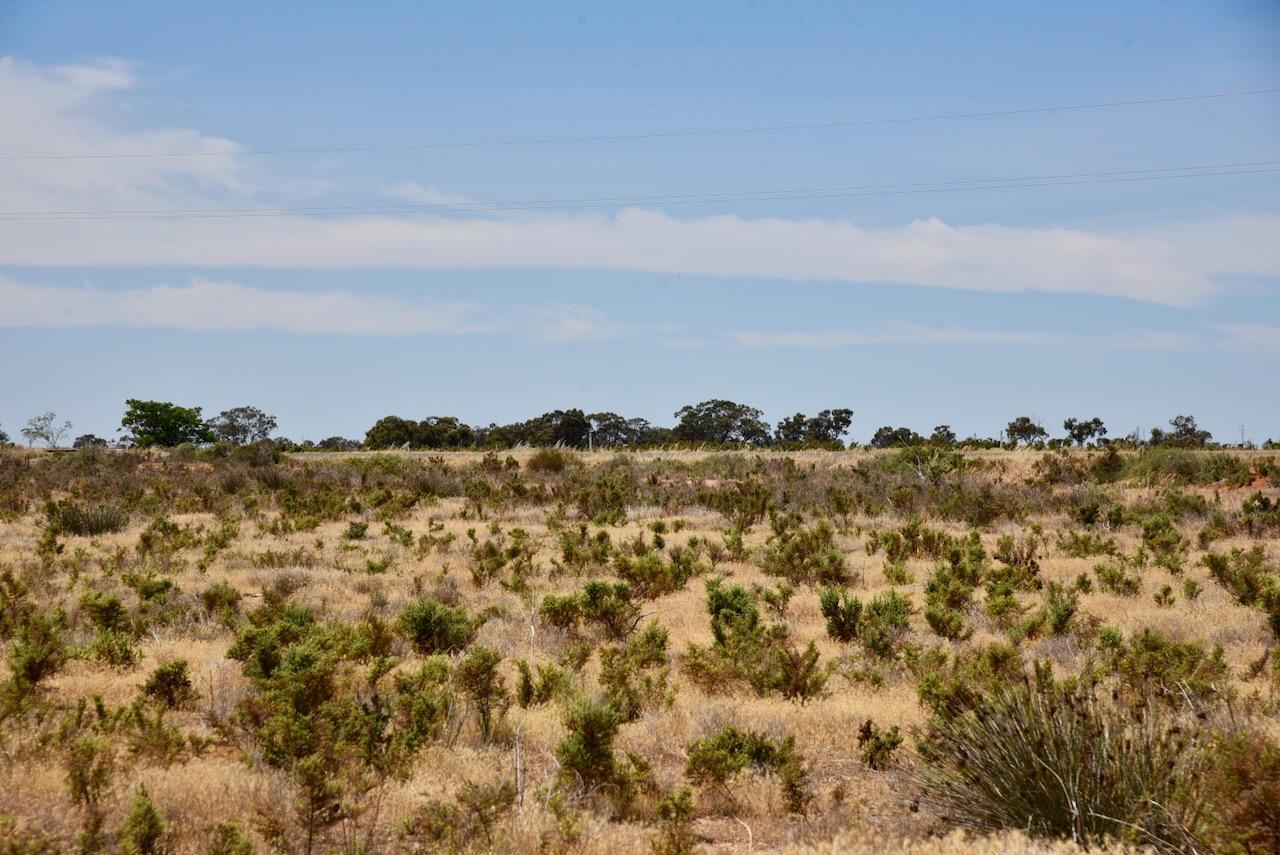
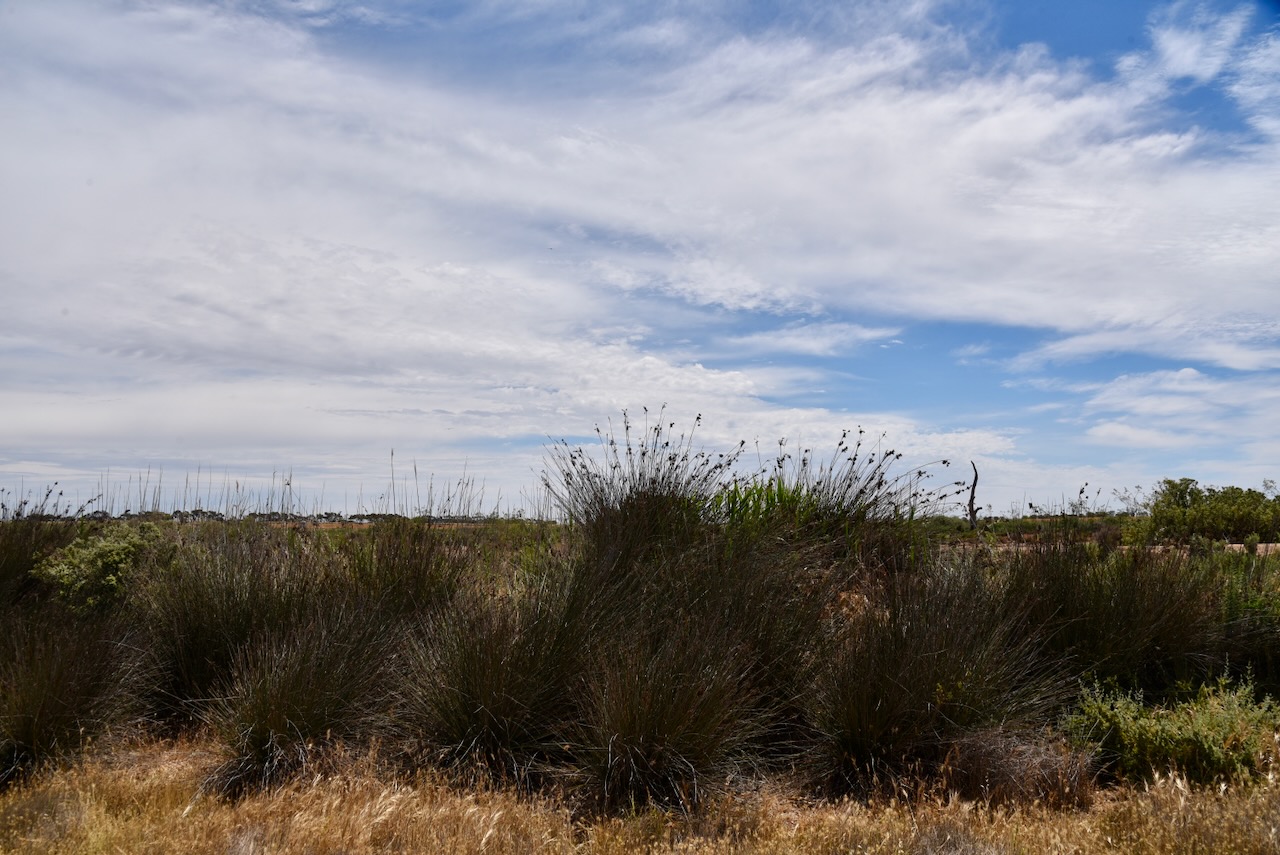
Our third activation for Thursday, the 6th day of November 2025, was Lake Mannaor Wildlife Reserve VKFF-5311. The reserve is about 5 km (by road) east of Lake Boga and about 21 km south of Swan Hill.
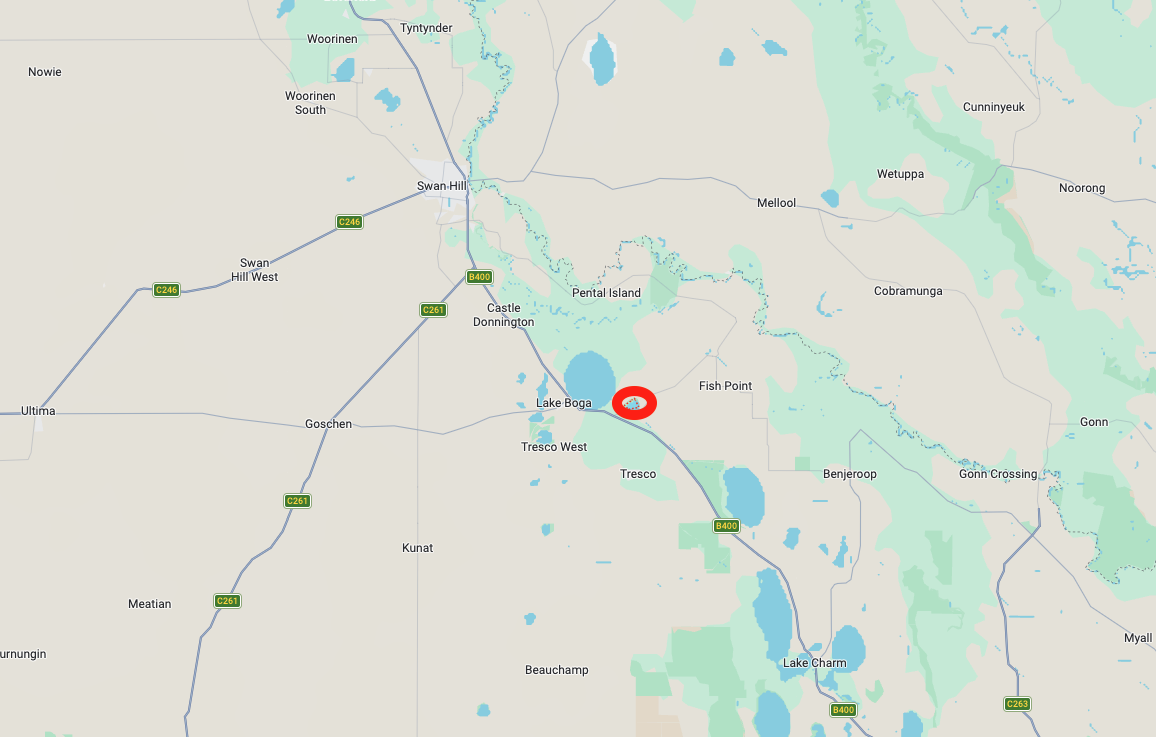
Above: Map showing the location of Lake Mannaor Wildlife Reserve. Map c/o Google Maps
The reserve is located on the southern and northern sides of Fish Point Road and includes Lake Mannaor itself.
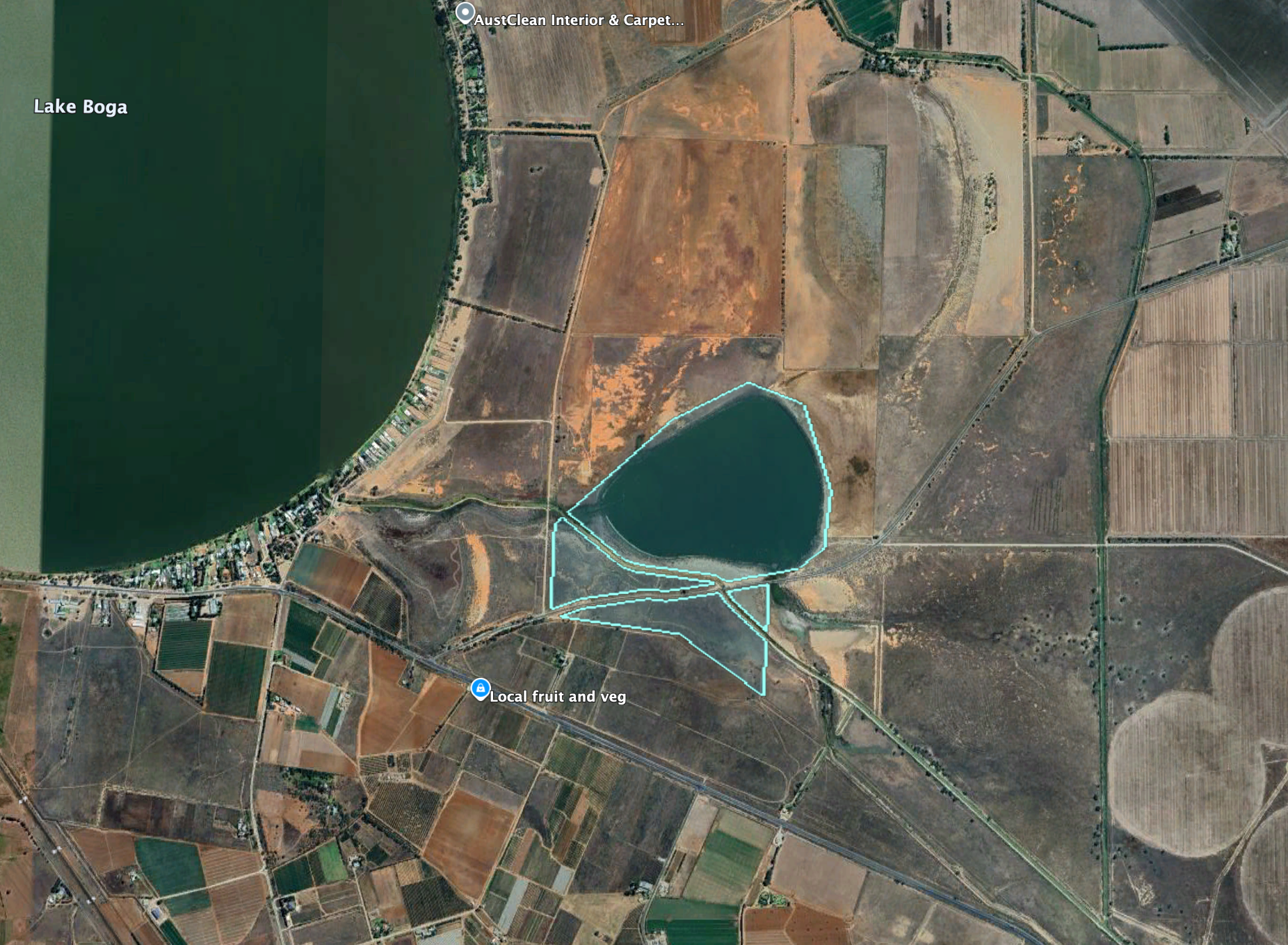
Above: the boundaries of Lake Mannaor. Image c/o Google Earth
Lake Mannaor is about 83 hectares in size and was established on the 8th day of May 1990. Mannaor is derived from the Aboriginal word manua, meaning wattle tree. (Blake 1977) (Dcceew.gov.au 2025)
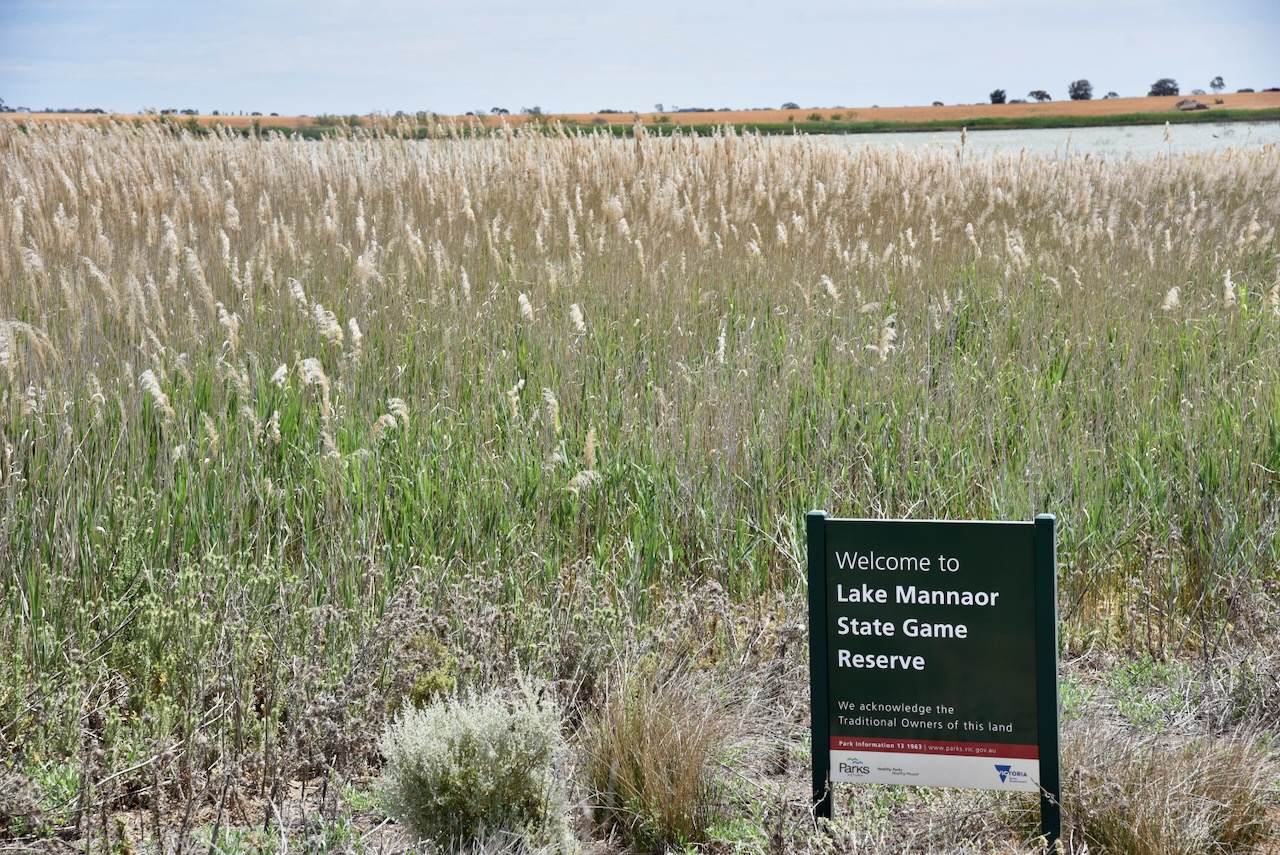
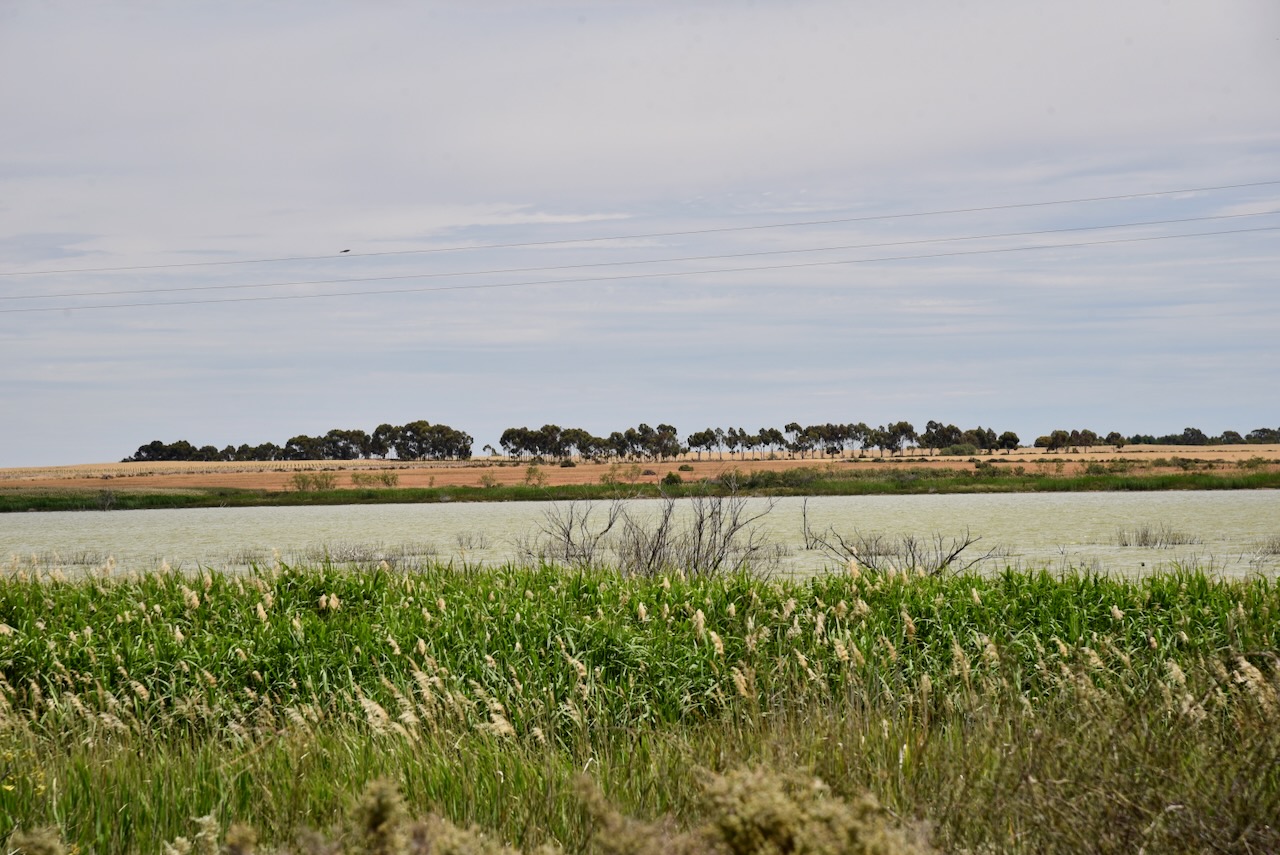
Marija worked the following stations on 40m SSB before the UTC rollover:-
- VK2HBG/P (VKFF-1177)
- VK2GRB/P (VKFF-1177)
- VK2GDX/P (VKFF-1177)
- VK2ALY/P (VKFF-1177)
- VK5GY
- VK5CS
- VK2IO
- VK2GEZ
Marija worked the following stations on 40m SSB after the UTC rollover:-
- VK2VW
- VK2HFI
- VK2AKA
- VK2BUG
- VK2IO
- VK2GEZ
- VK2HBG/P (VKFF-1177)
- VK2GRB/P (VKFF-1177)
- VK2GDX/P (VKFF-1177)
- VK2ALY/P (VKFF-1177)
- VK3WSG
- VK1AD
- VK1NAM
- VK3PF
- VK2NP
- VK7DIK
- VK3APJ
- VK3EJ
- VK5EDY
- VK5HS
- VK1AC
- VK3UH
- VK3CLD
- VK5QA
- VK2DBF
- VK3BEL
- VK3BEB
- VK5GY
- VK5CS
Marija worked the following stations on 40m AM:-
- VK1AC
- VK1AD
- VK1NAM
- VK5HS
I worked the following stations on 40m SSB before the UTC rollover:-
- VK2HBG/P (VKFF-1177)
- VK2GRB/P (VKFF-1177)
- VK2GDX/P (VKFF-1177)
- VK2ALY/P (VKFF-1177)
- VK5GY
- VK5CS
- VK2IO
- VK2GEZ
- VK2VW
- VK2HFI
- VK2AKA
- VK2BUG
I worked the following stations on 40m SSB after the UTC rollover:-
- VK2VW
- VK2HFI
- VK2AKA
- VK2BUG
- VK2IO
- VK2GEZ
- VK2HBG/P (VKFF-1177)
- VK2GRB/P (VKFF-1177)
- VK2GDX/P (VKFF-1177)
- VK2ALY/P (VKFF-1177)
- VK3WSG
- VK1AD
- VK1NAM
- VK3PF/M
- VK2NP
- VK7DIK
- VK3APJ
- VK3EJ
- VK5EDY
- VK5HS
- VK1AC
- VK3UH
- VK3CLD
- VK2DBF
- VK5QA
- VK3BEL
- VK3BEB
- VK5GY
- VK5CS
- VK3SQ
- VK2BD
- VK3JT
I worked the following stations on 40m AM:-
- VK1AC
- VK1AD
- VK1NAM
- VK5HS
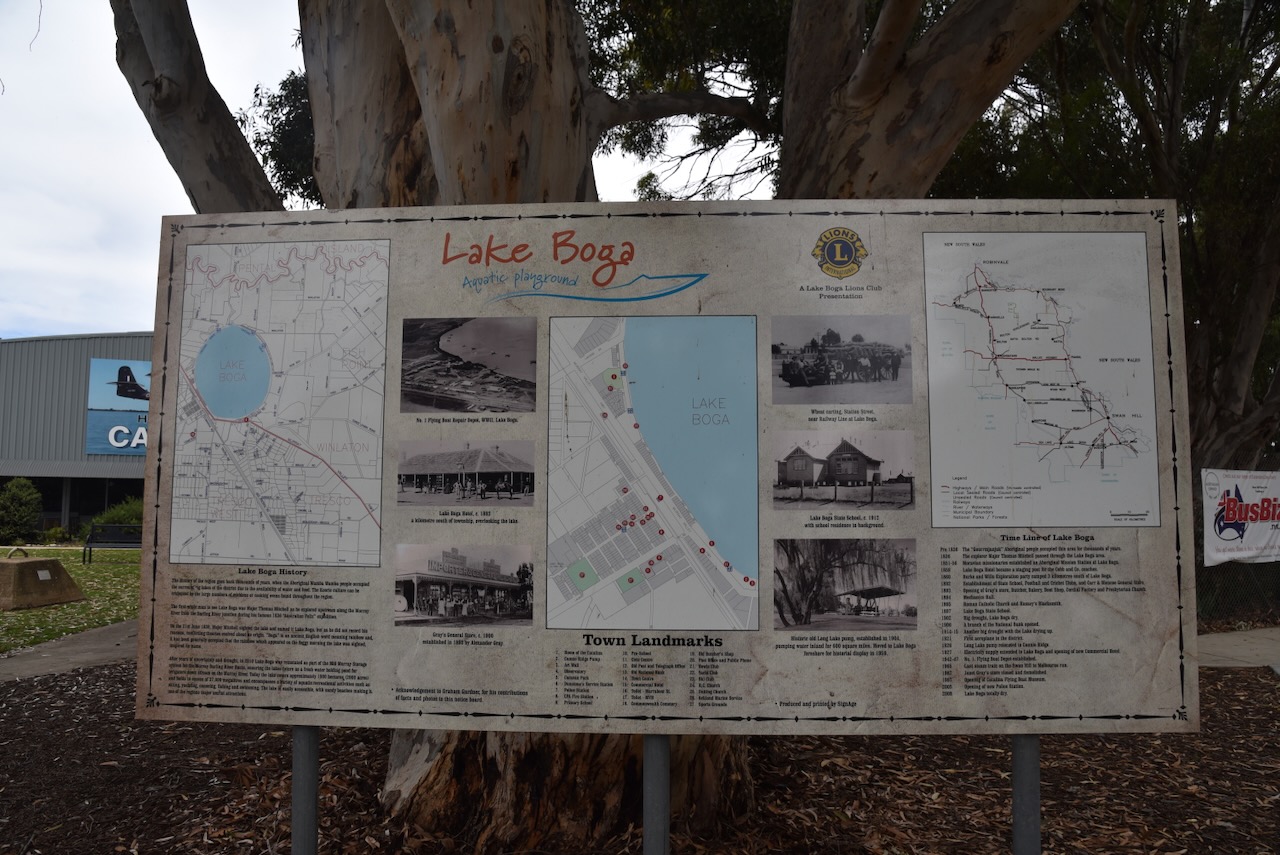
Marija and I packed up, and we headed to the Lake Boga Flying Boat Museum. The museum features over 500 artefacts that relate to Lake Boga’s history associated with the First World War, including the historic Catalina Flying Boat. The concept of the museum was first discussed in a Lake Boga hotel in 1983 by members of the Lake Boga Lions Club. The current modern hangar was officially opened on the 21st day of April 2012. (Artful 2026)
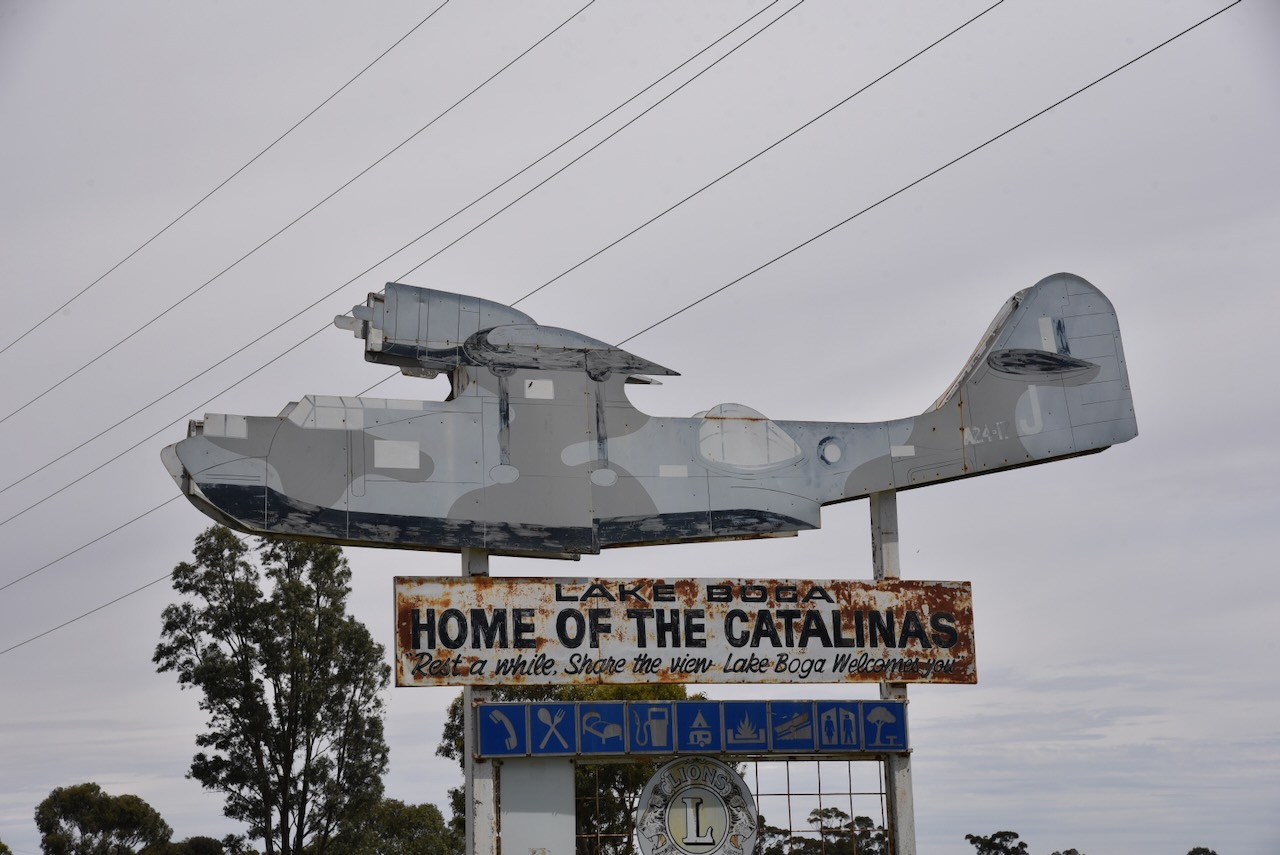
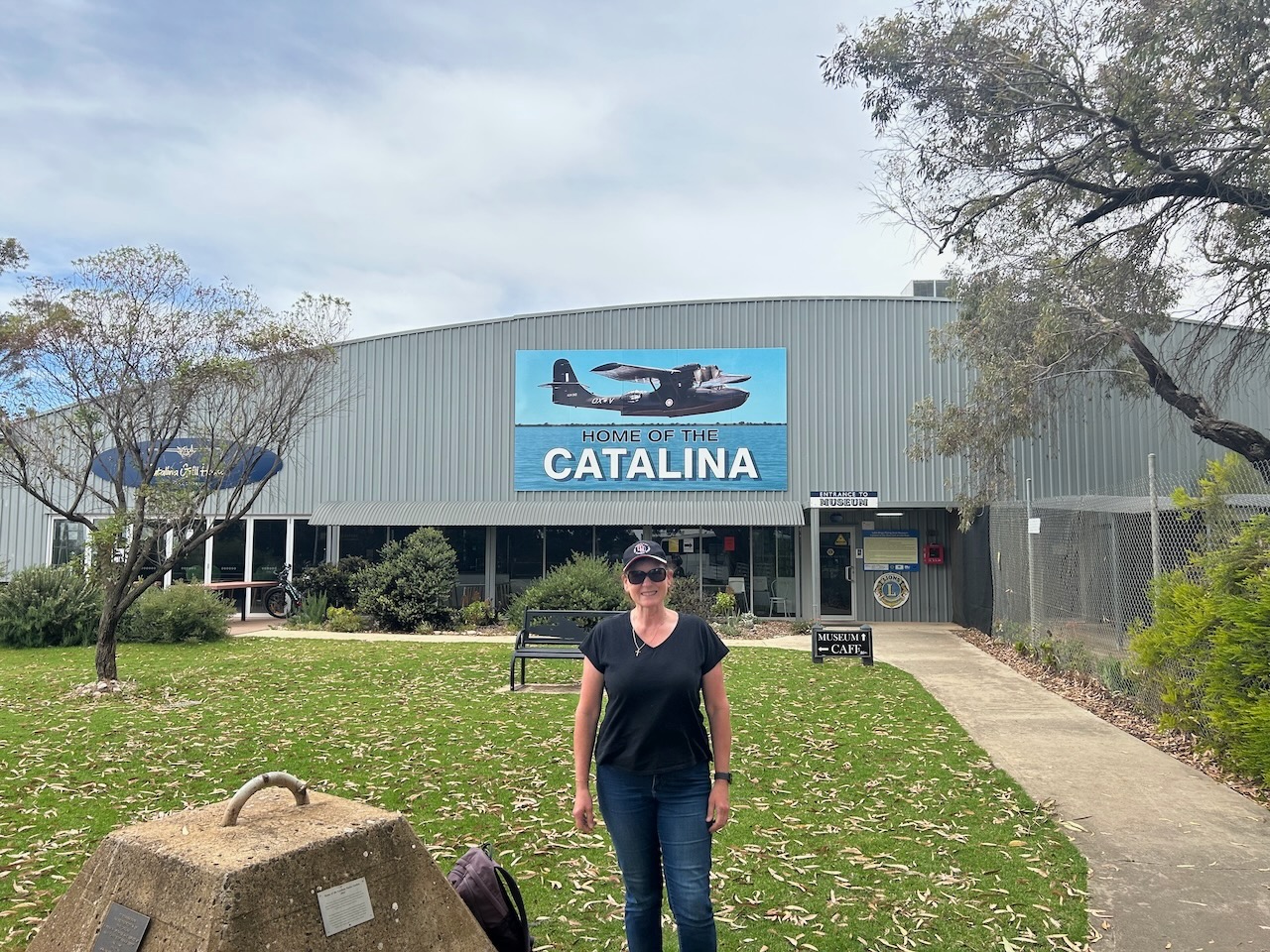
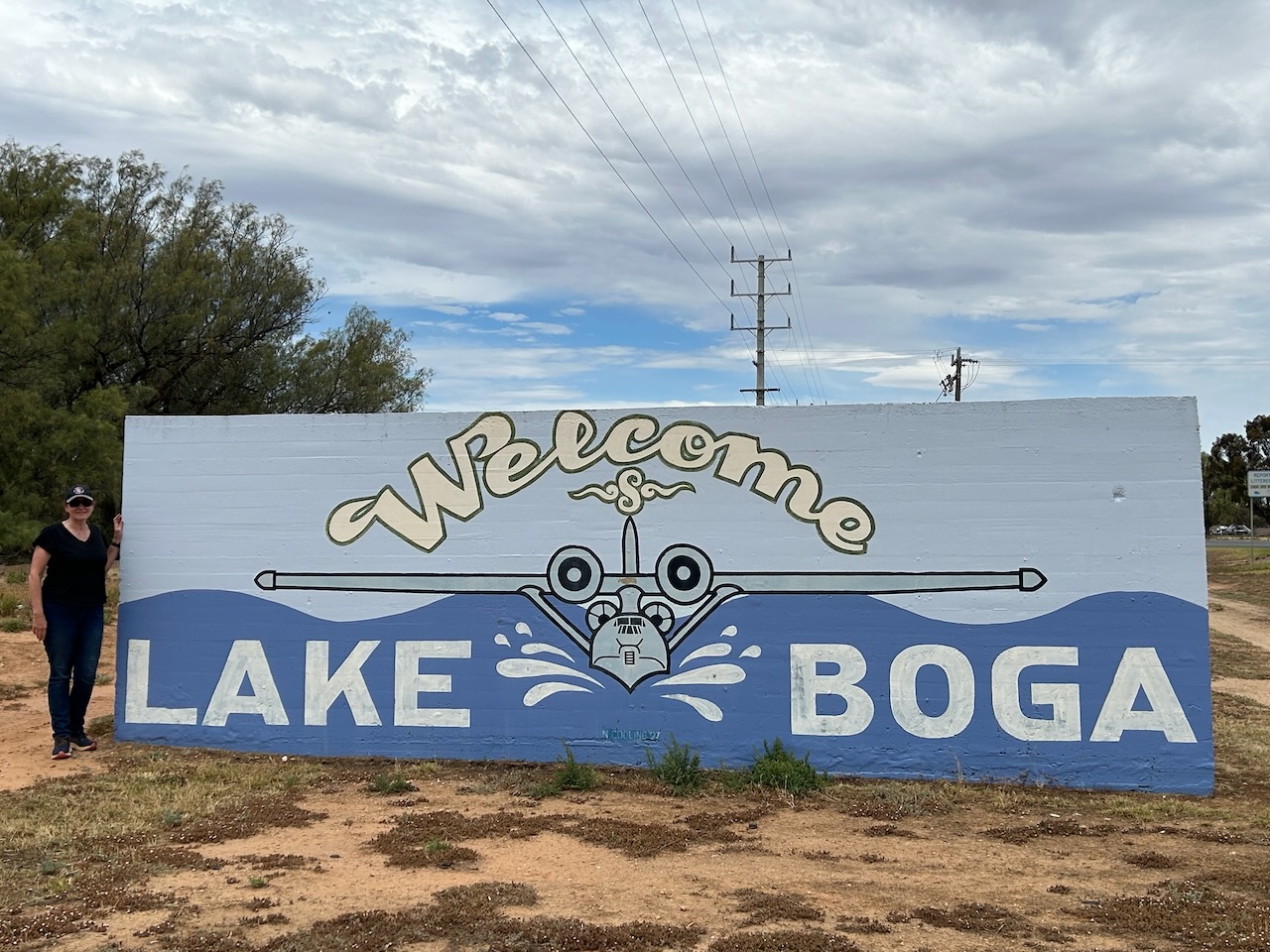
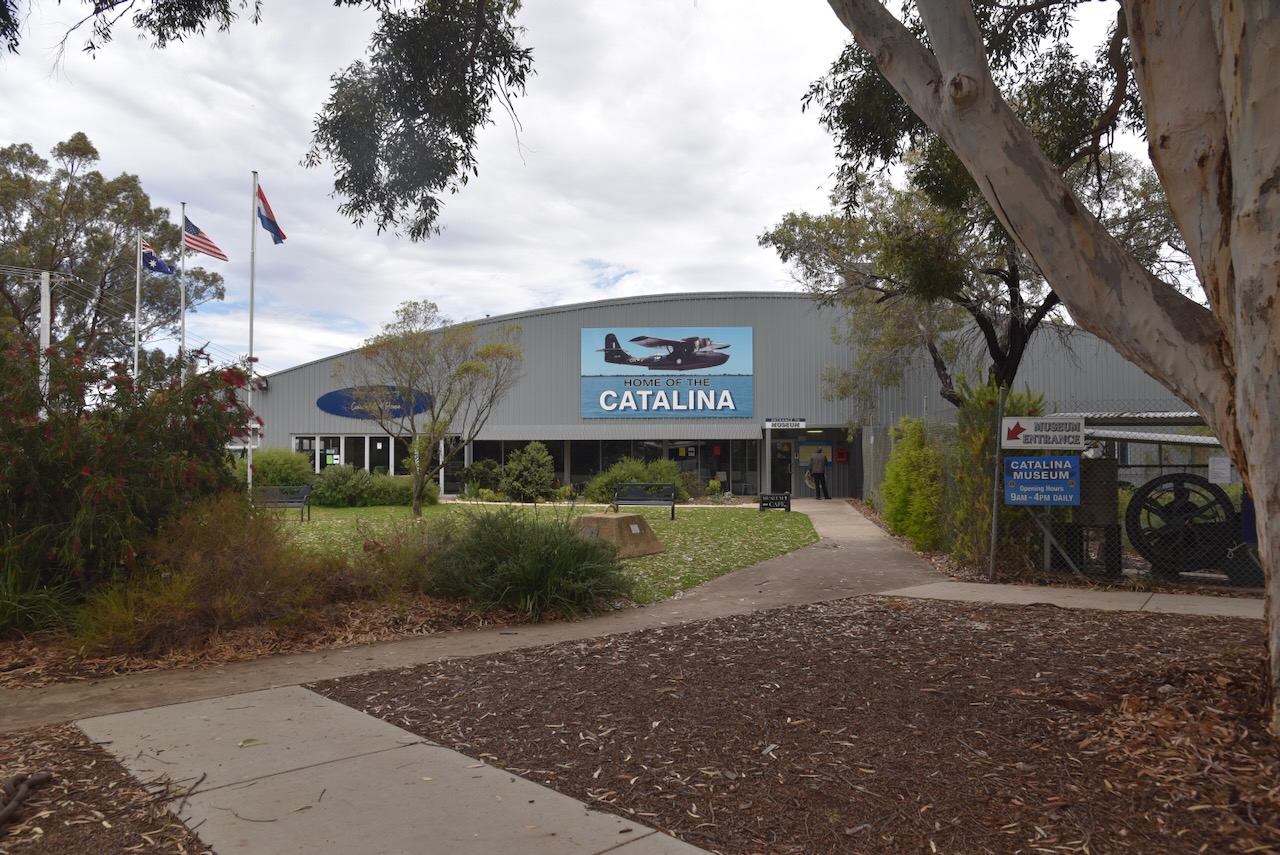
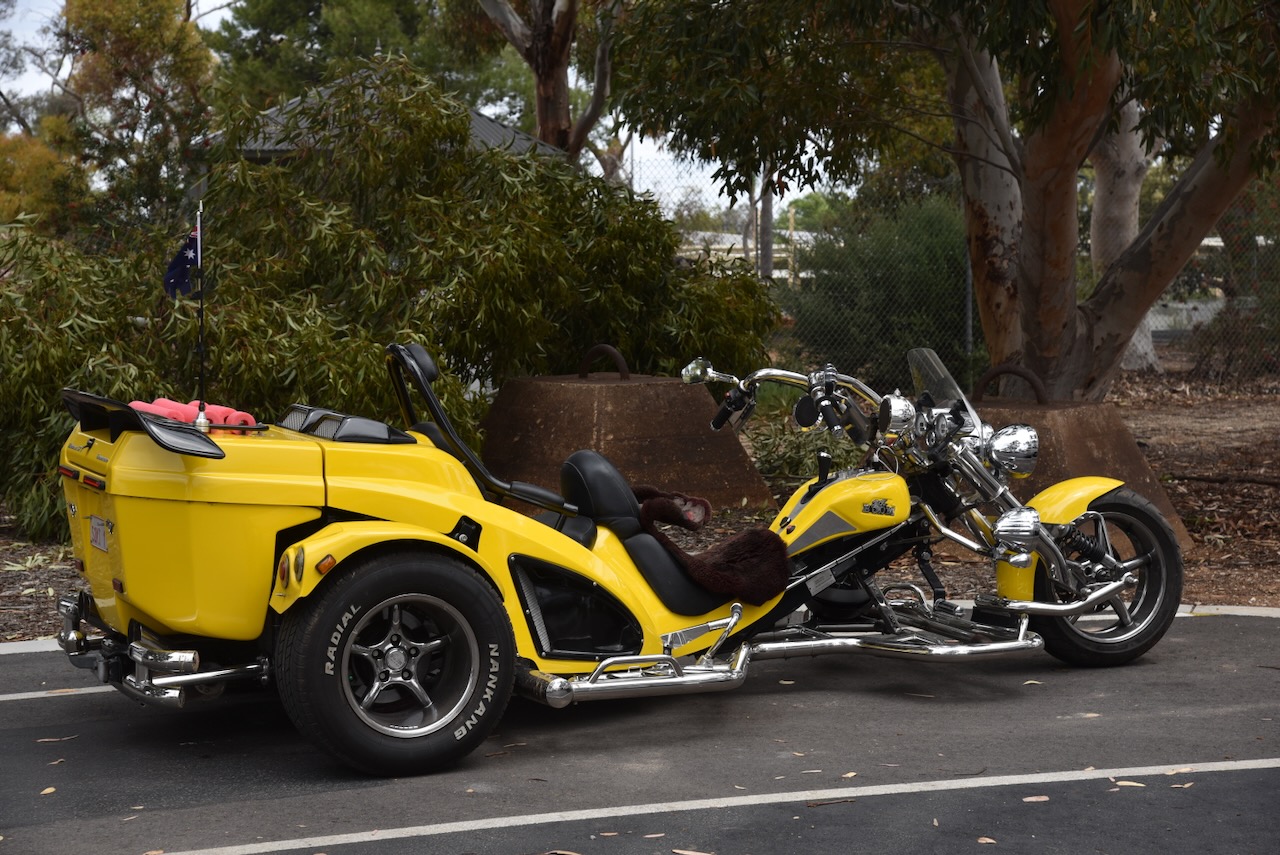
As we arrived, we saw a number of trikes parked in the car park. Over the previous days, we had seen several trikes on the road during our travels.
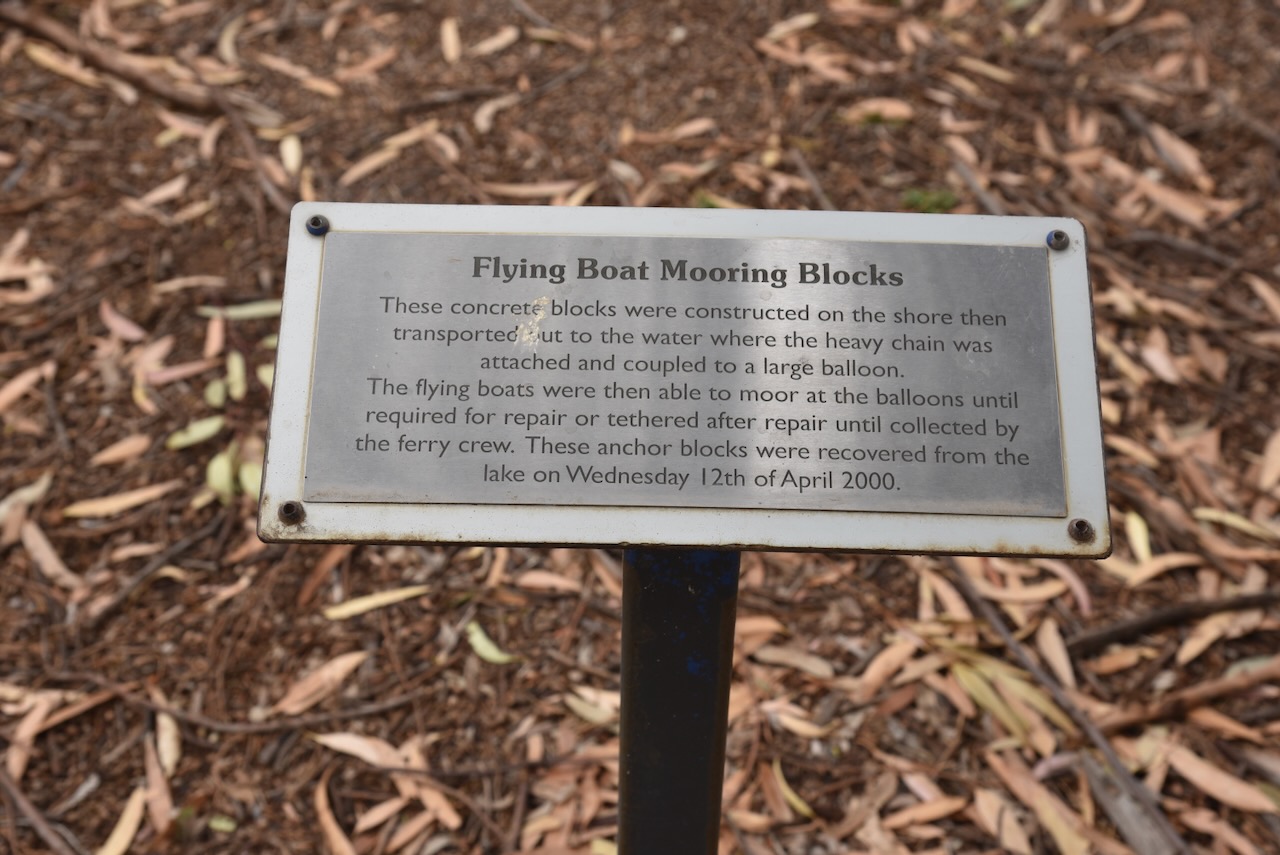
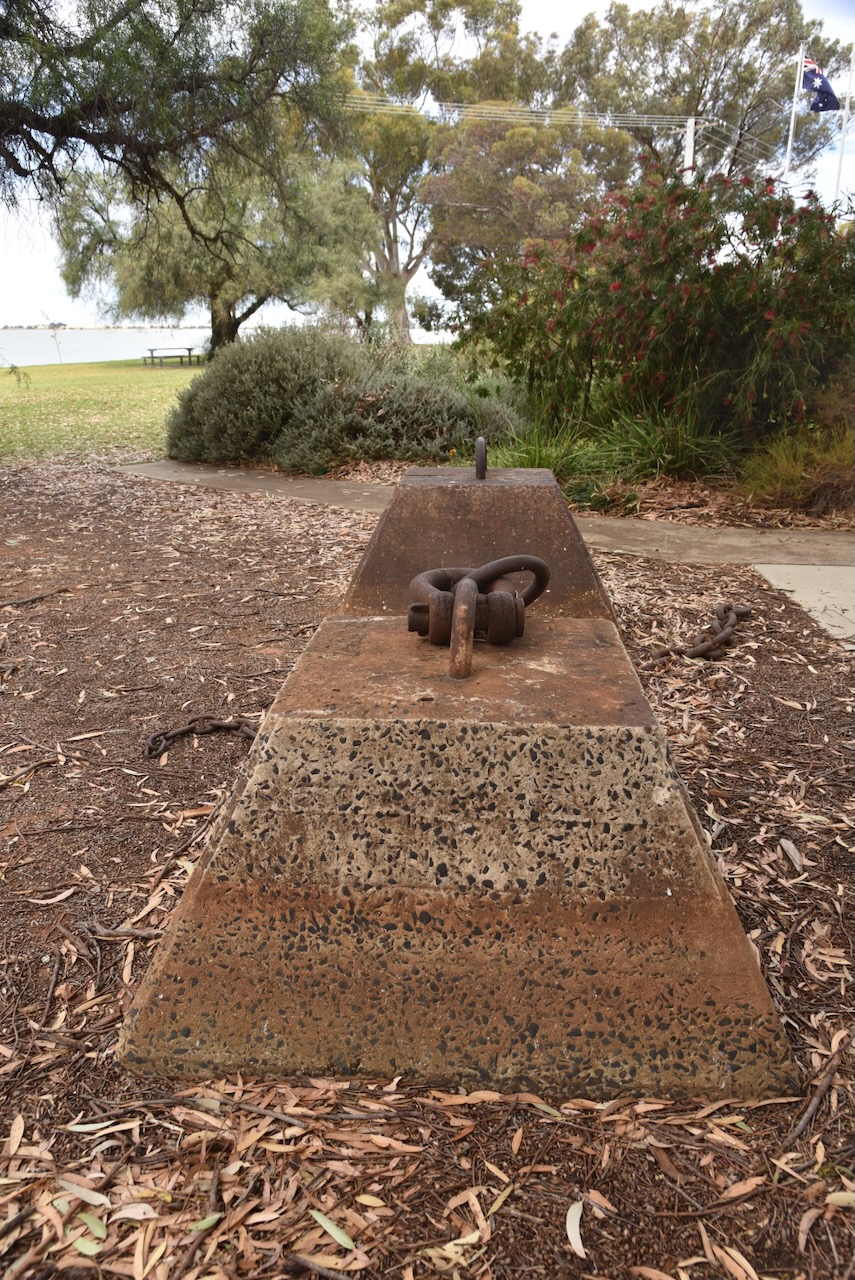
In front of the museum are some Flying Boat mooring blocks. They were constructed on the shore of Lake Boga and then transported out to the water, where the heavy chain was attached and coupled to a large balloon. The flying boats were then able to moor at the balloons.
Inside is a very impressive collection of WW2 memorabilia.
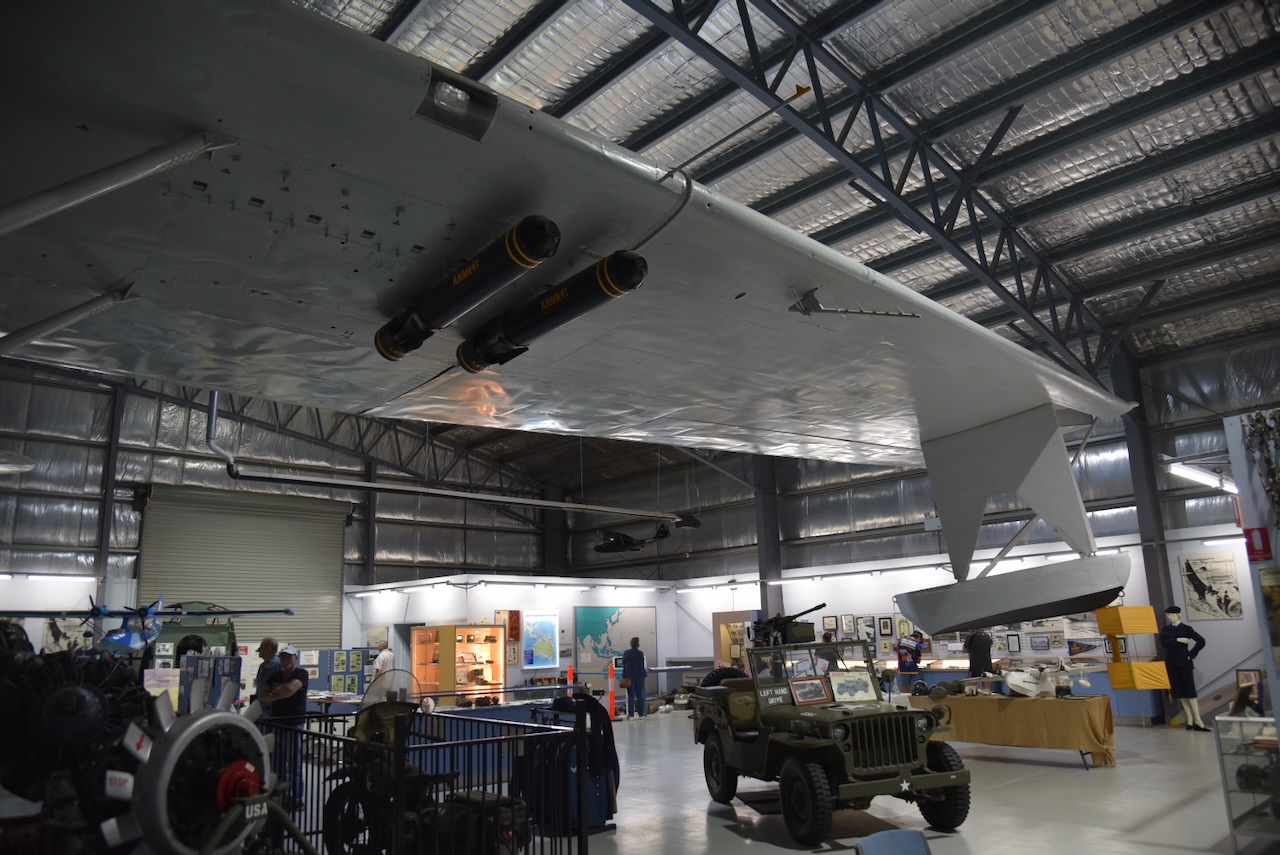
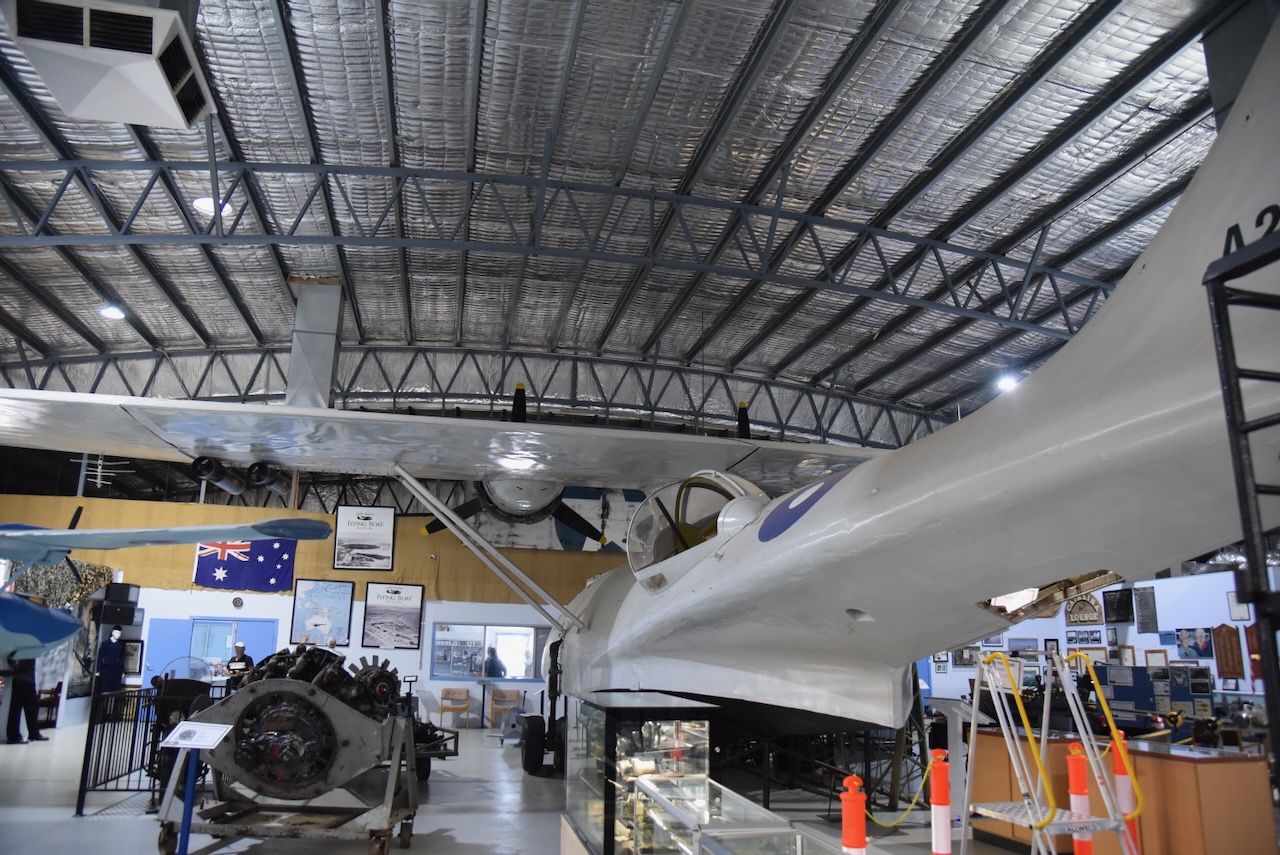
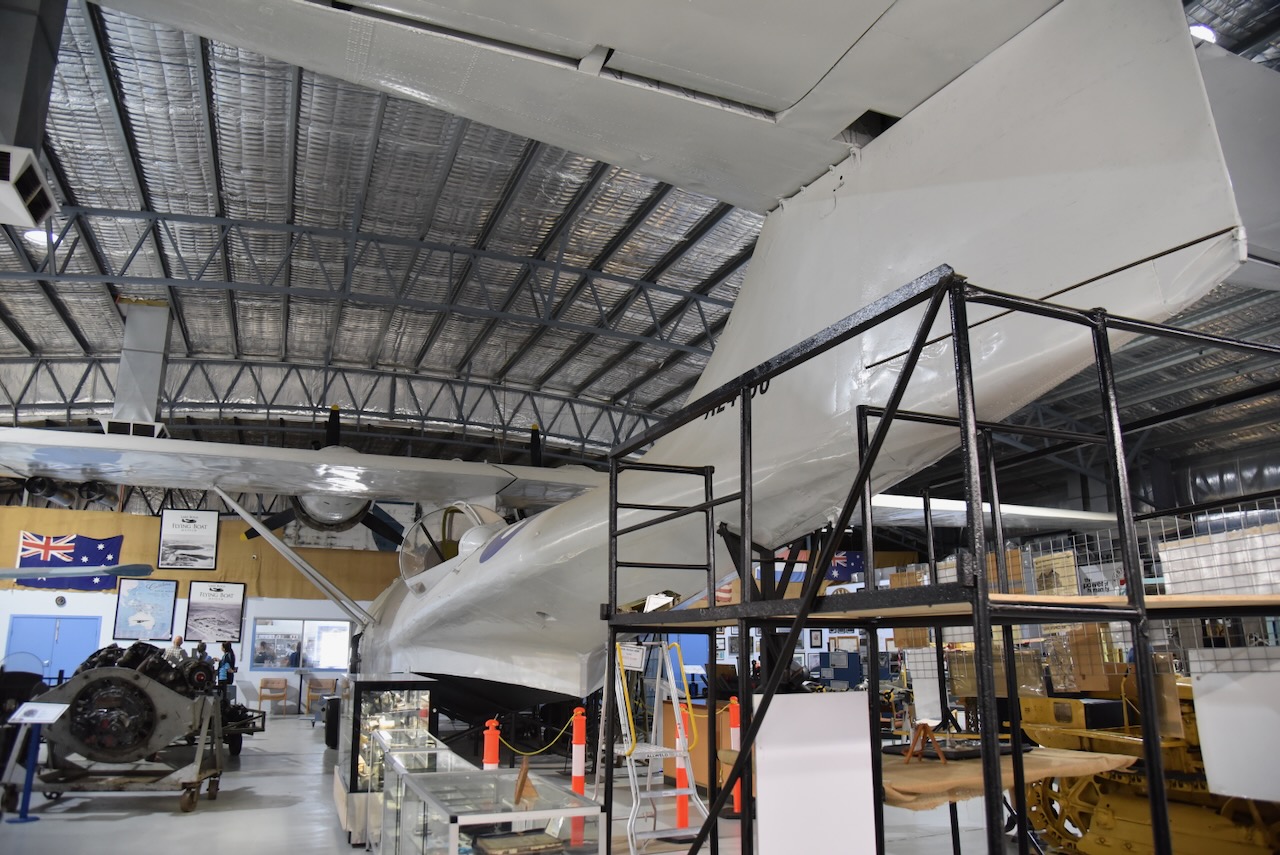
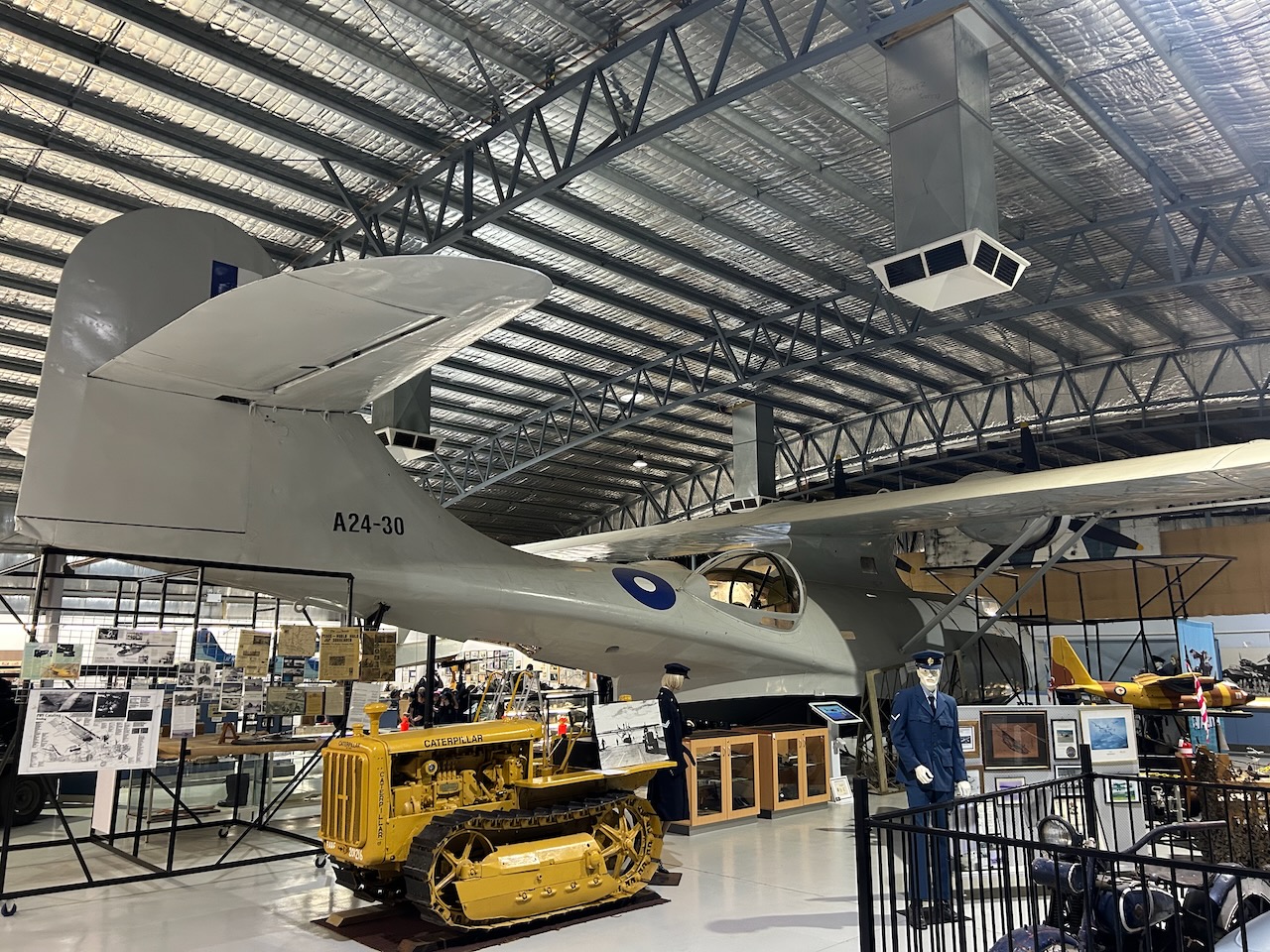
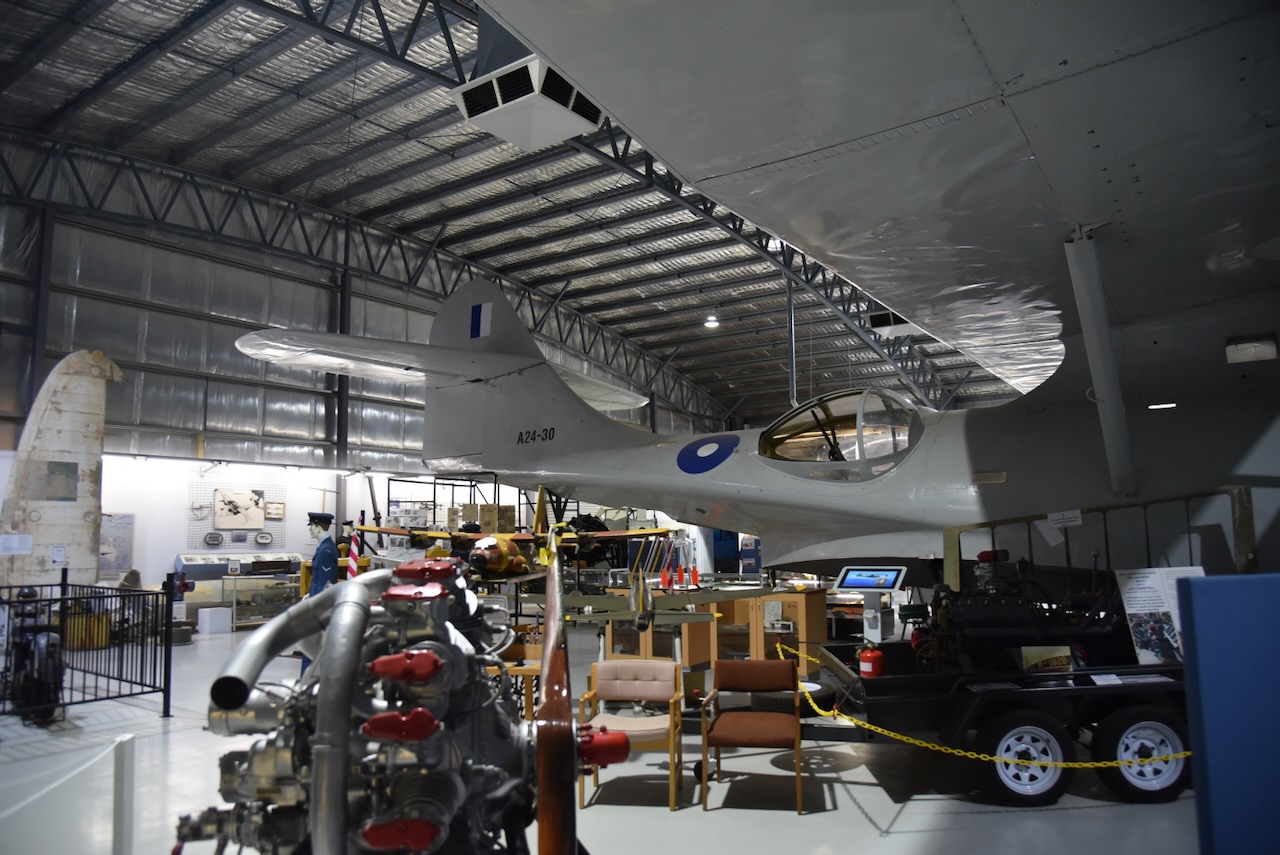
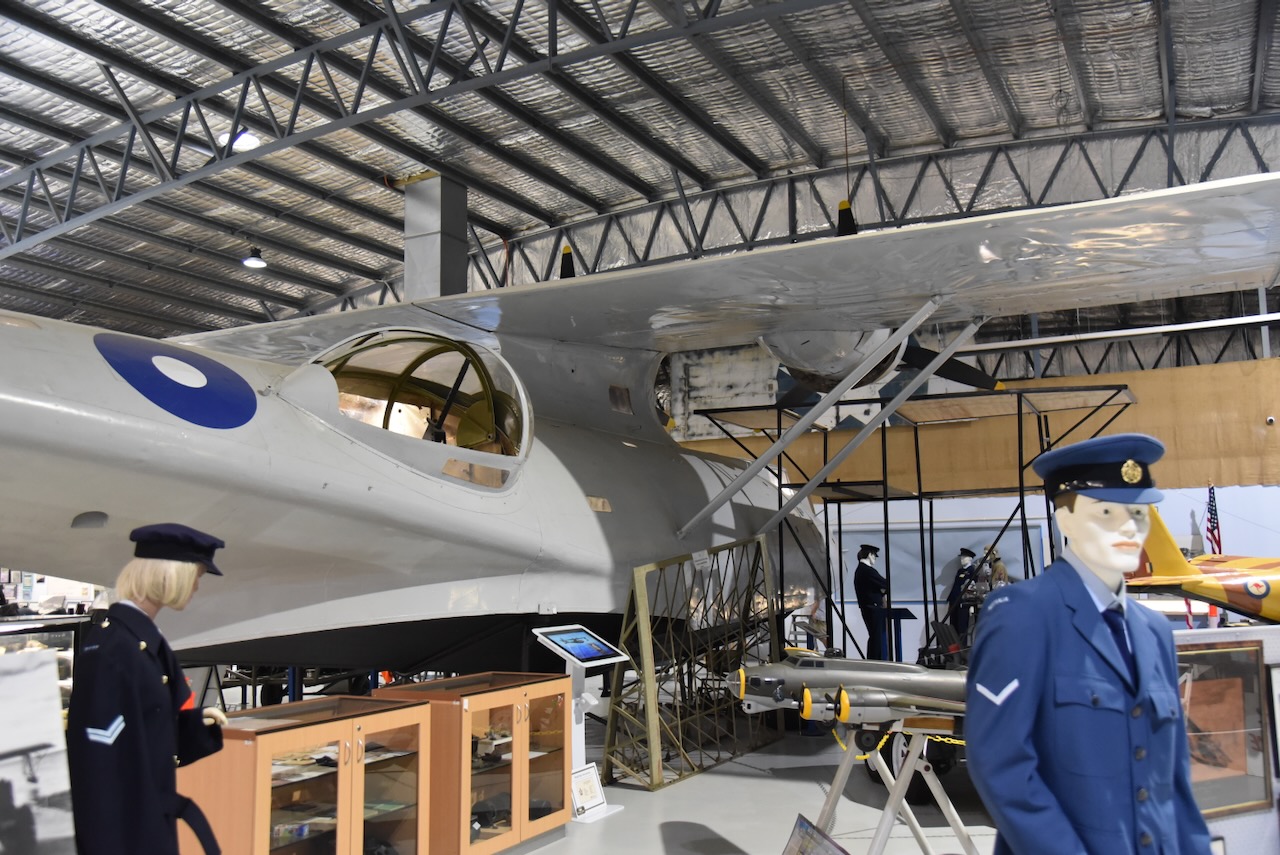
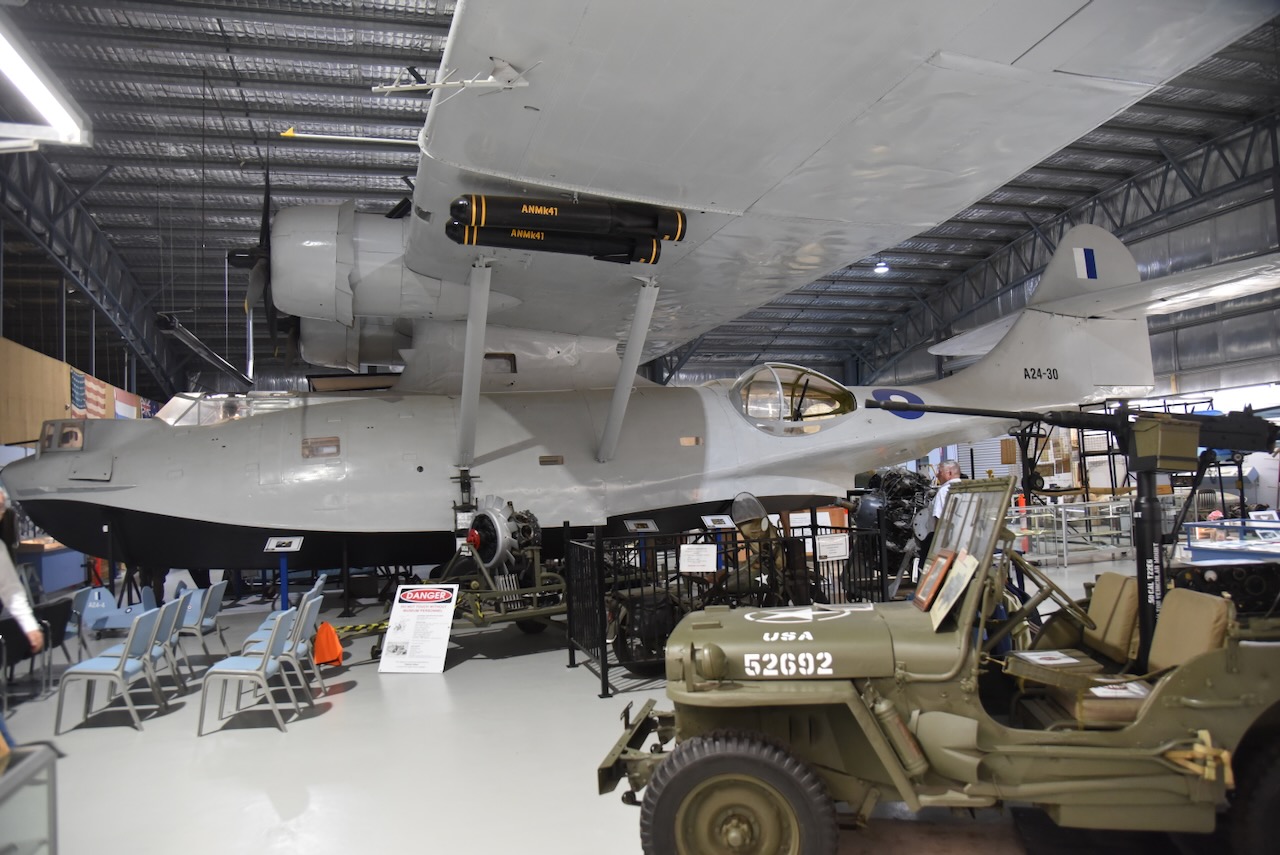
And of course, the primary attraction is the Catalina.
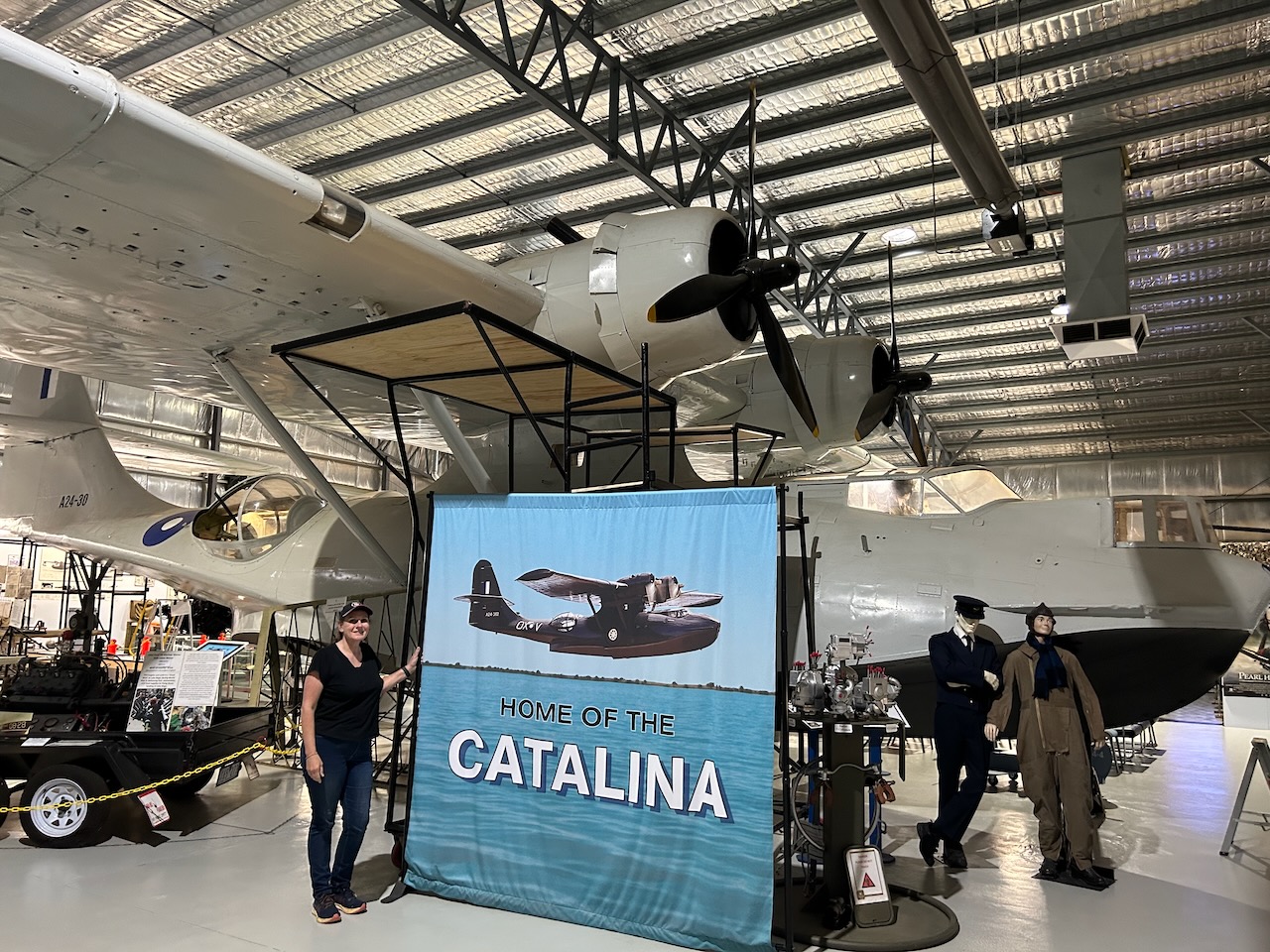
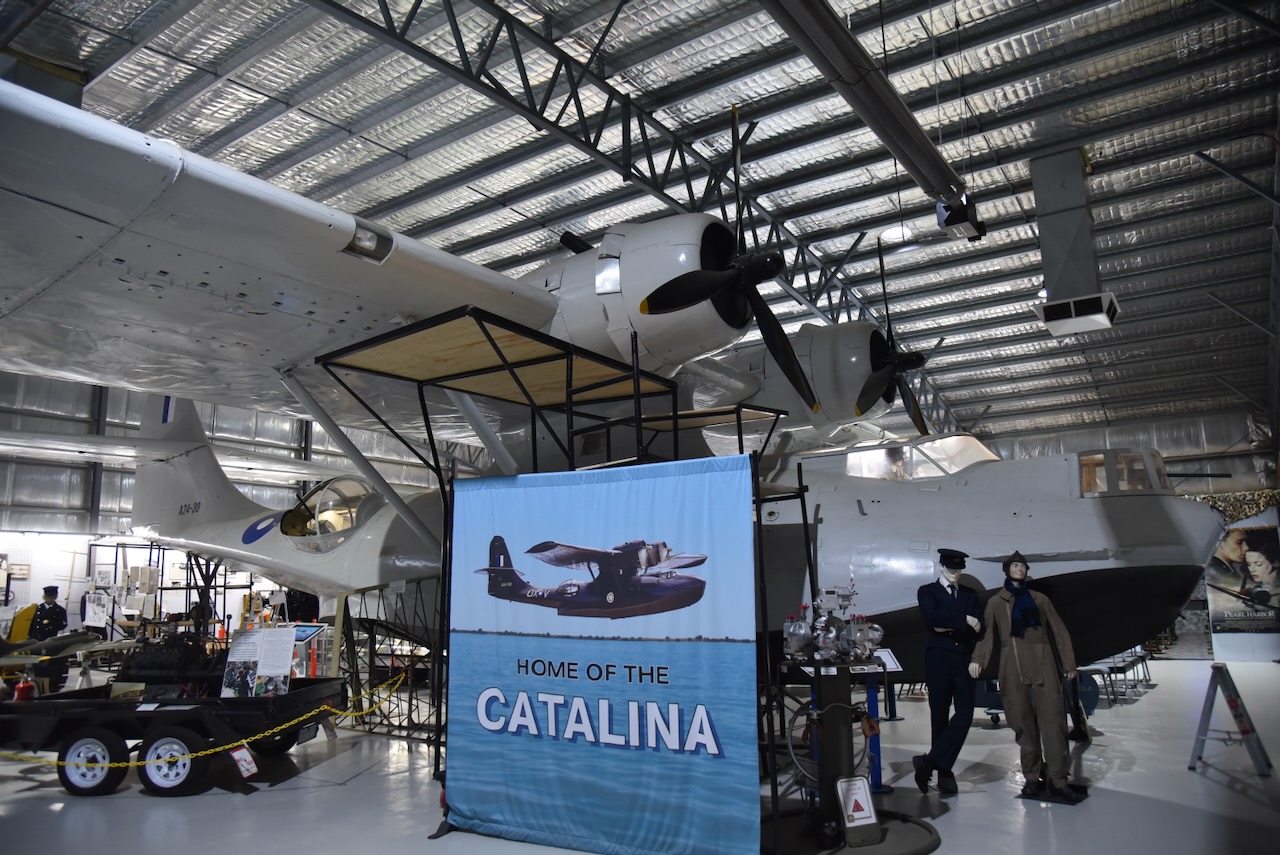
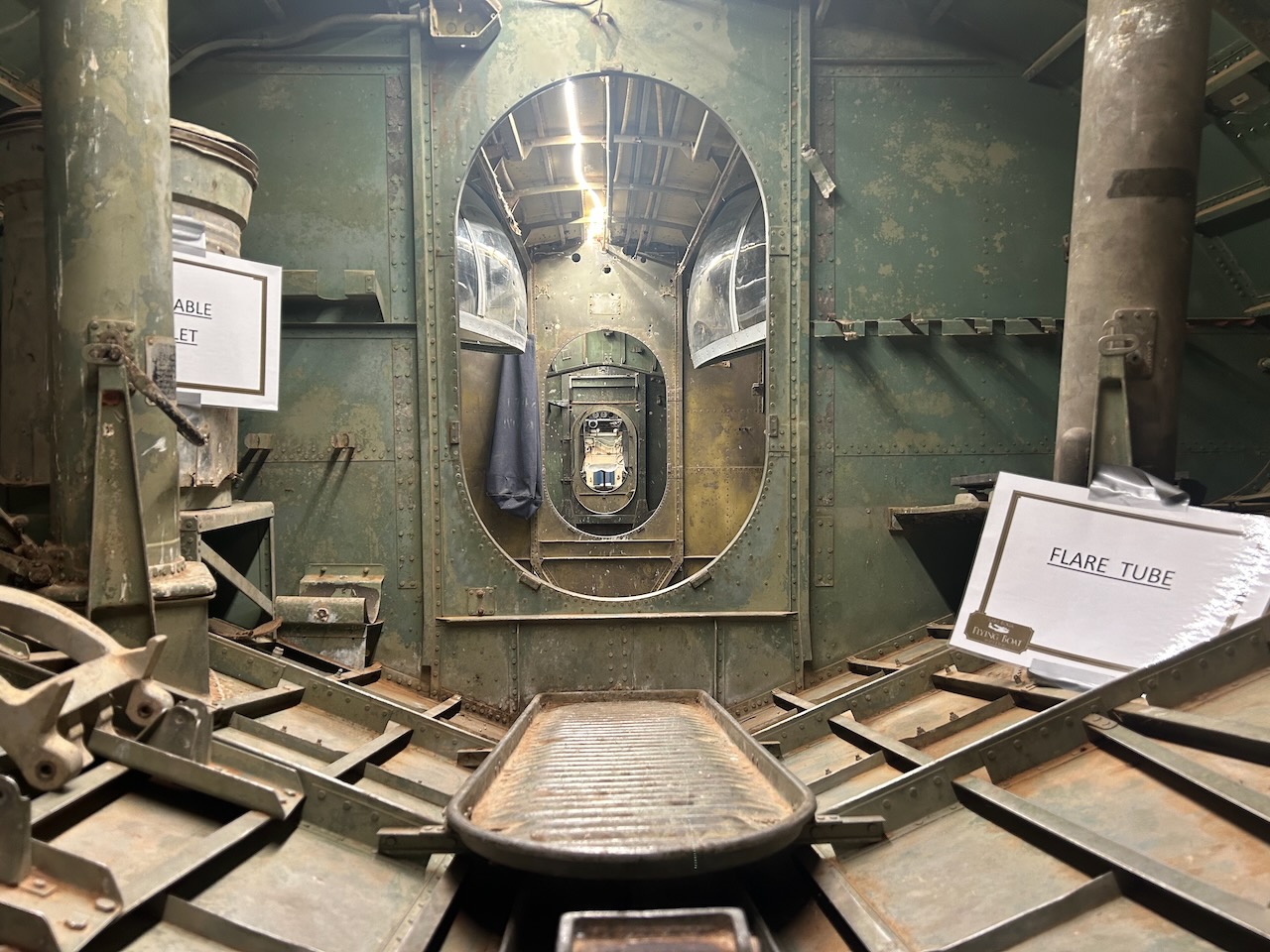
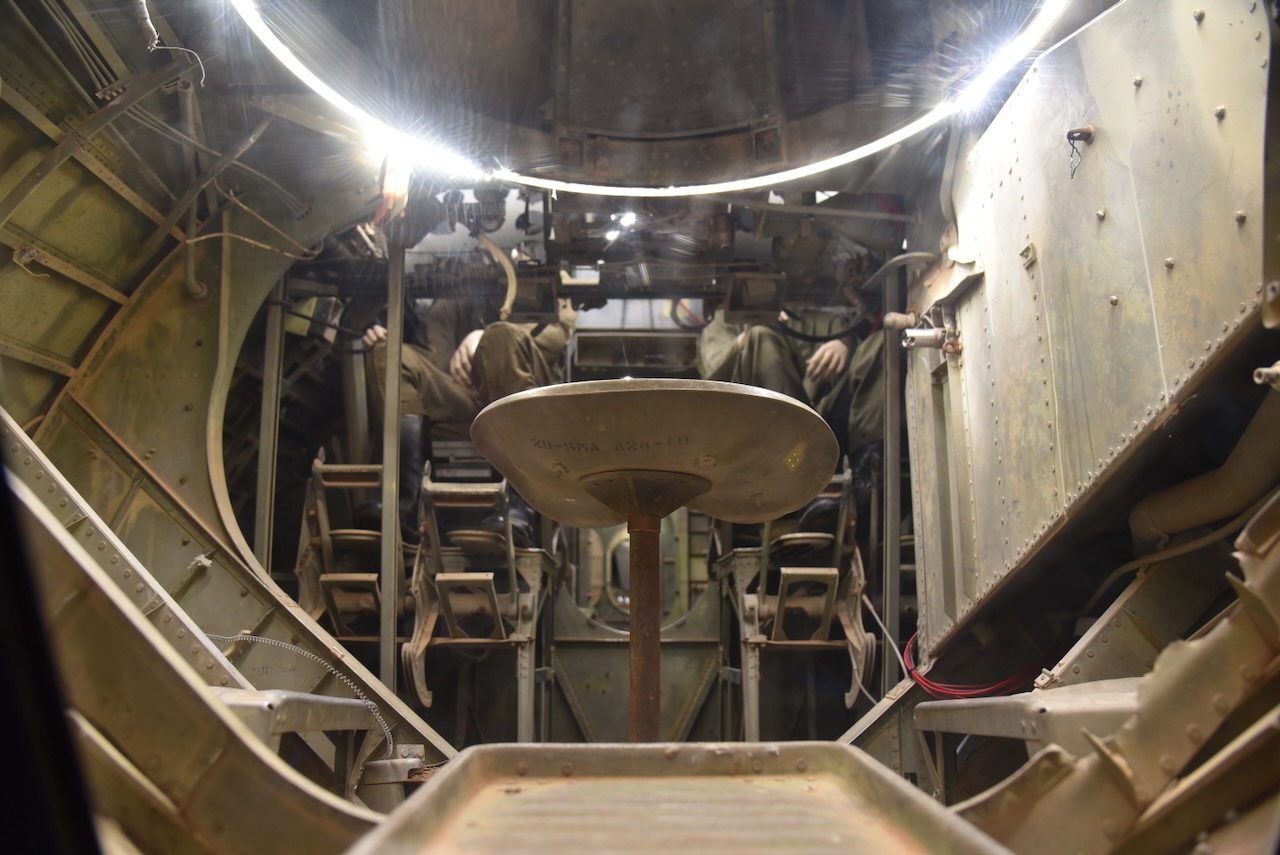
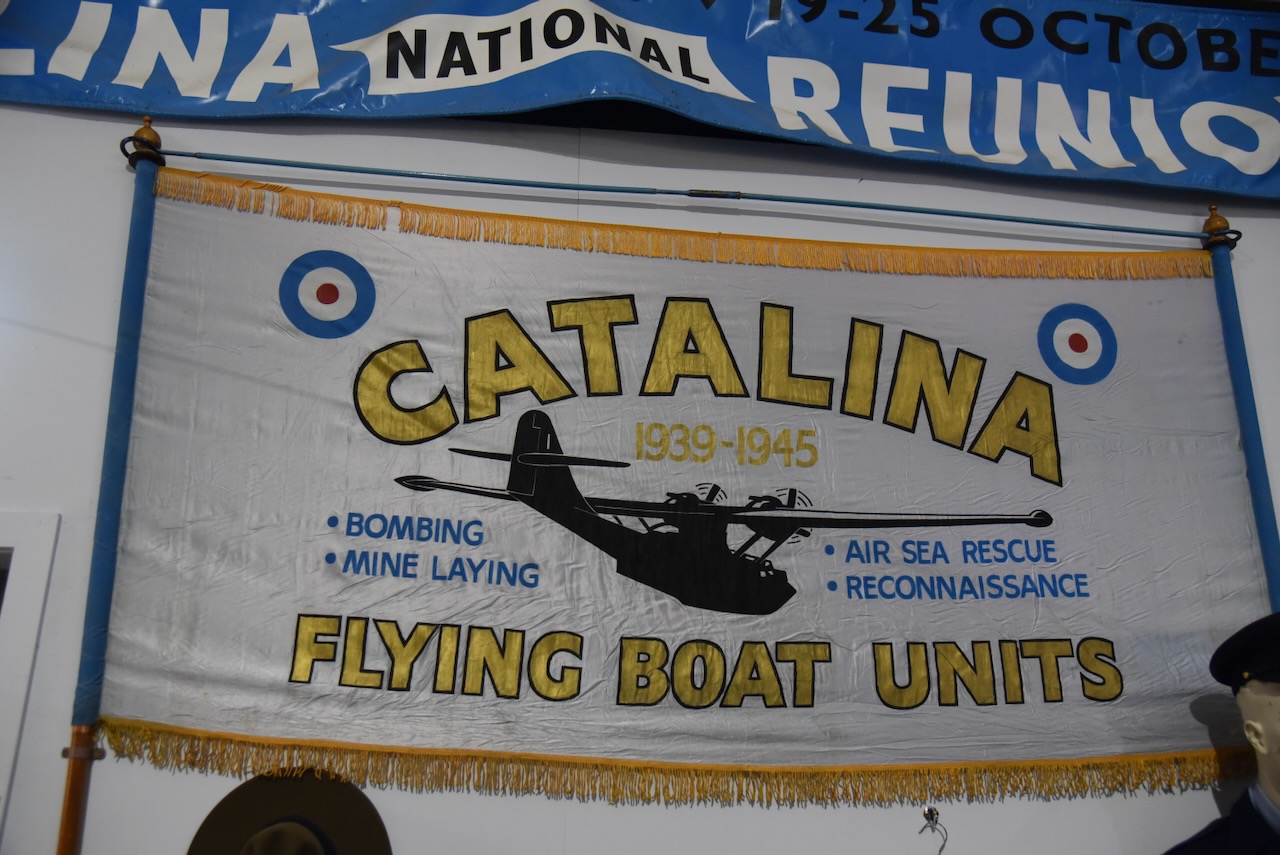
The Consolidated Model 28, more commonly known as the PBY Catalina. The aircraft on display is a Catalina PBY5 A24-30. The Royal Australian Air Force (RAAF) operated Catalinas as night raiders, with four squadrons Nos. 11, 20, 42, & 43 laying mines from April 1943 until July 1945 in the southwest Pacific. This particular Catalina was a Dutch aircraft and was acquired by the Royal Australian Air Force in 1942. Following the end of WWII, it was sold to Kingsford Smith Airlines, which used it for spare parts. The body of the Catalina was sent to Lake Boga for scrap; however, it was purchased by a local farmer and taken to Nyah, where some of the parts were used, with most of the aircraft left under a tree for 40 years. It was donated to the Lake Boga Lions Club by the farmer’s family, and it was restored. (Artful 2026) (Wikipedia 2019)
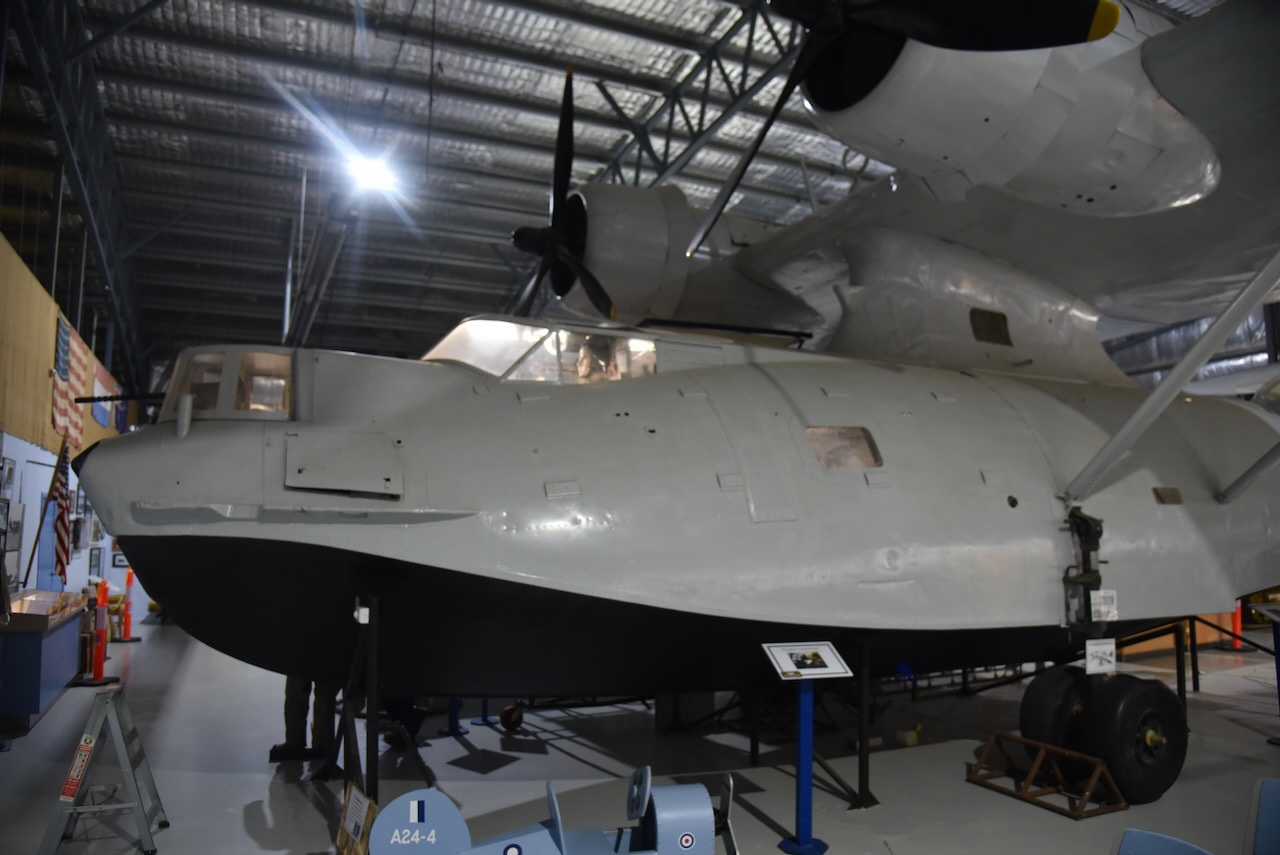
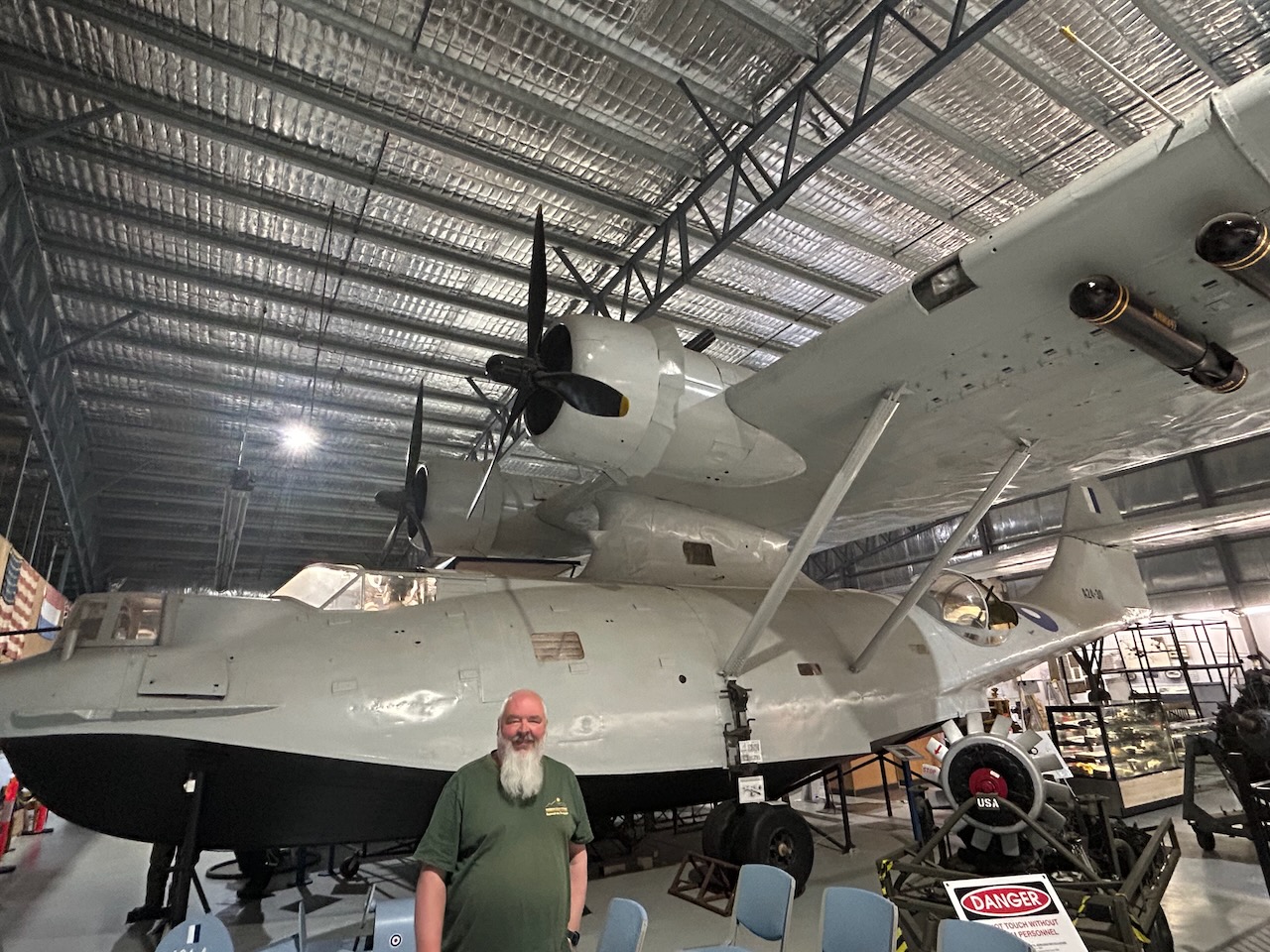
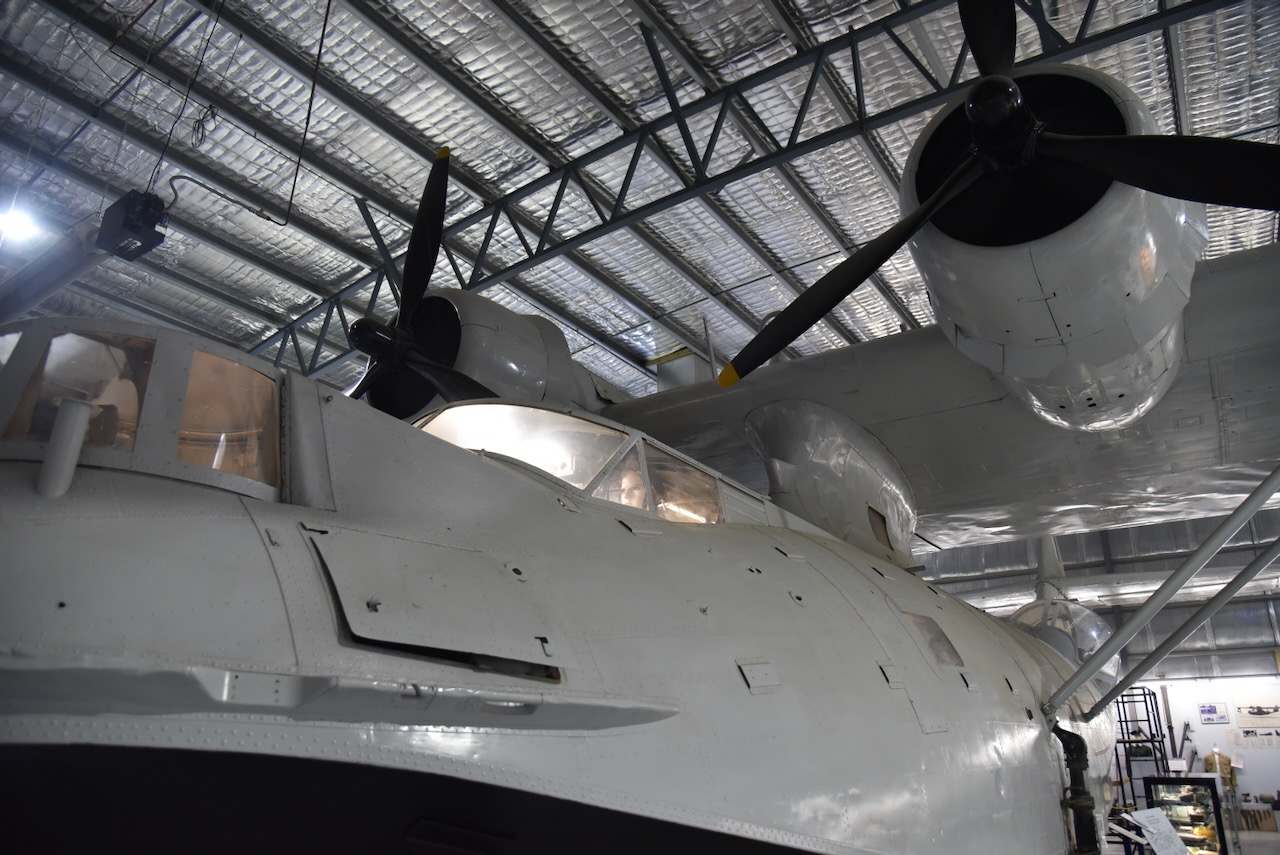
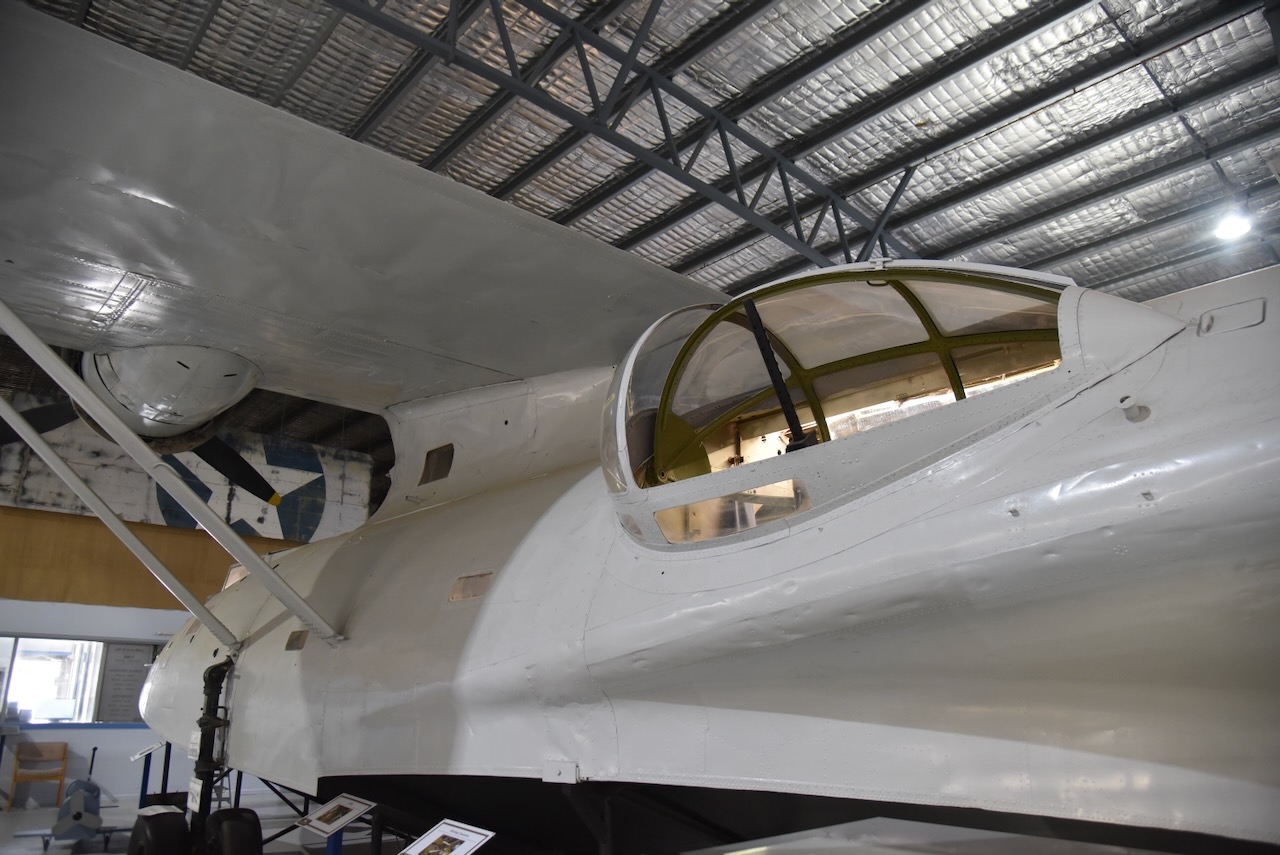
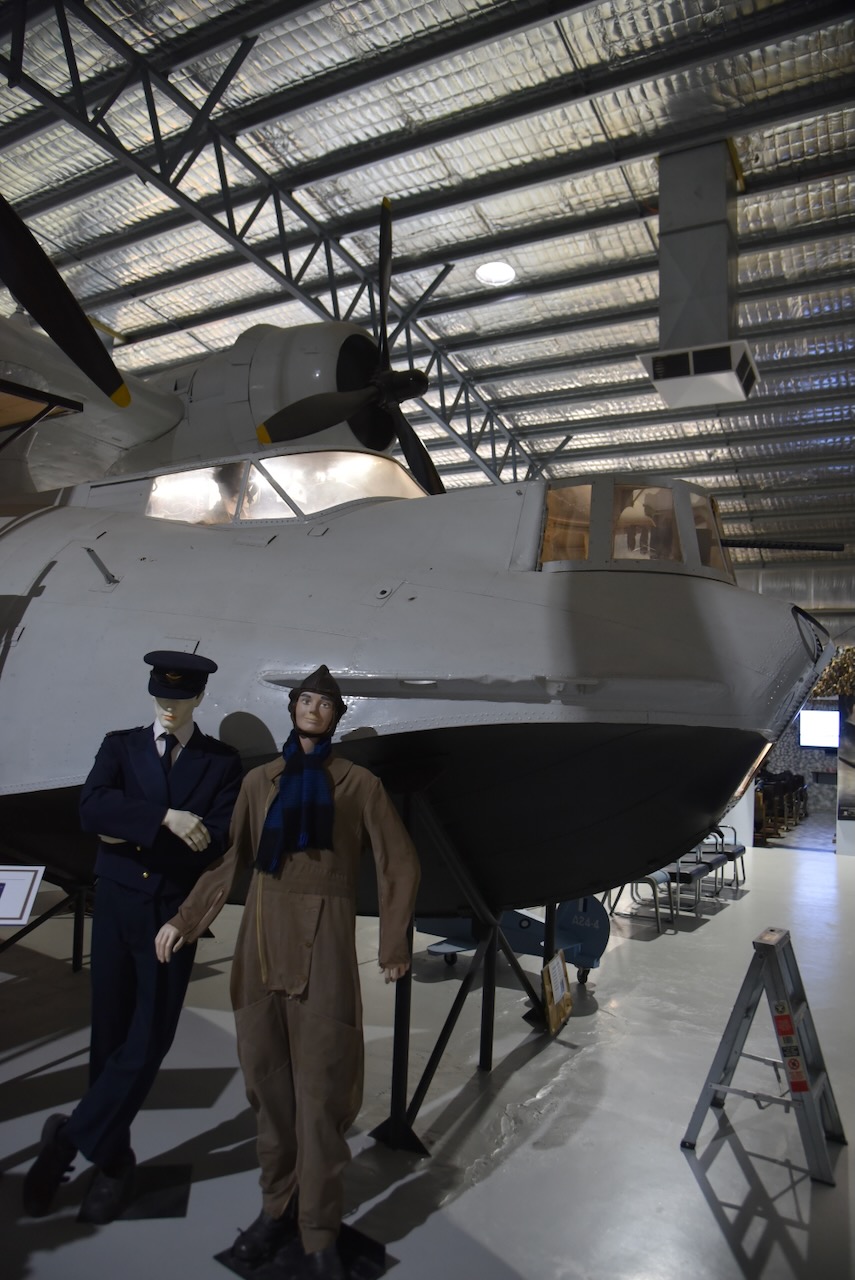
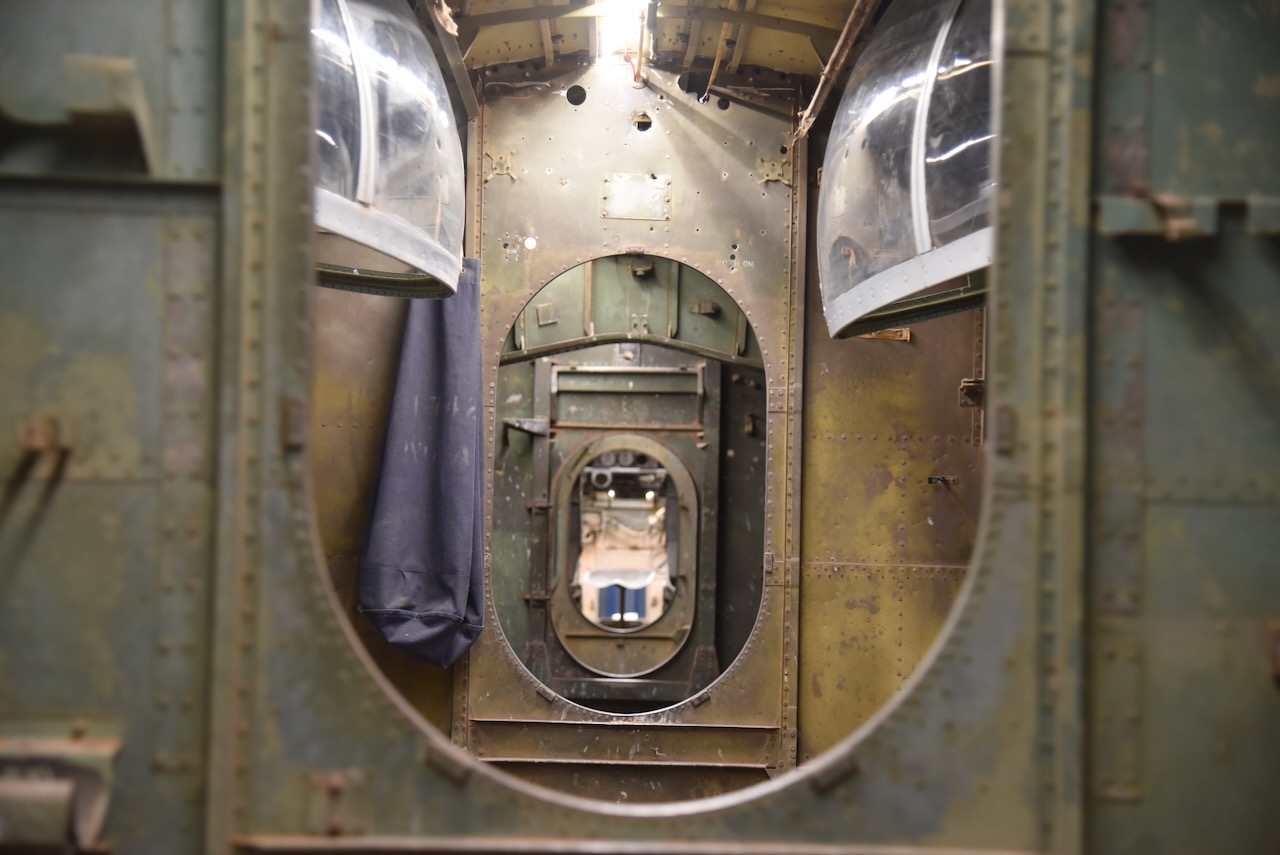
You can view the inside of the Catalina and start to imagine what these brave men endured during the Second World War.
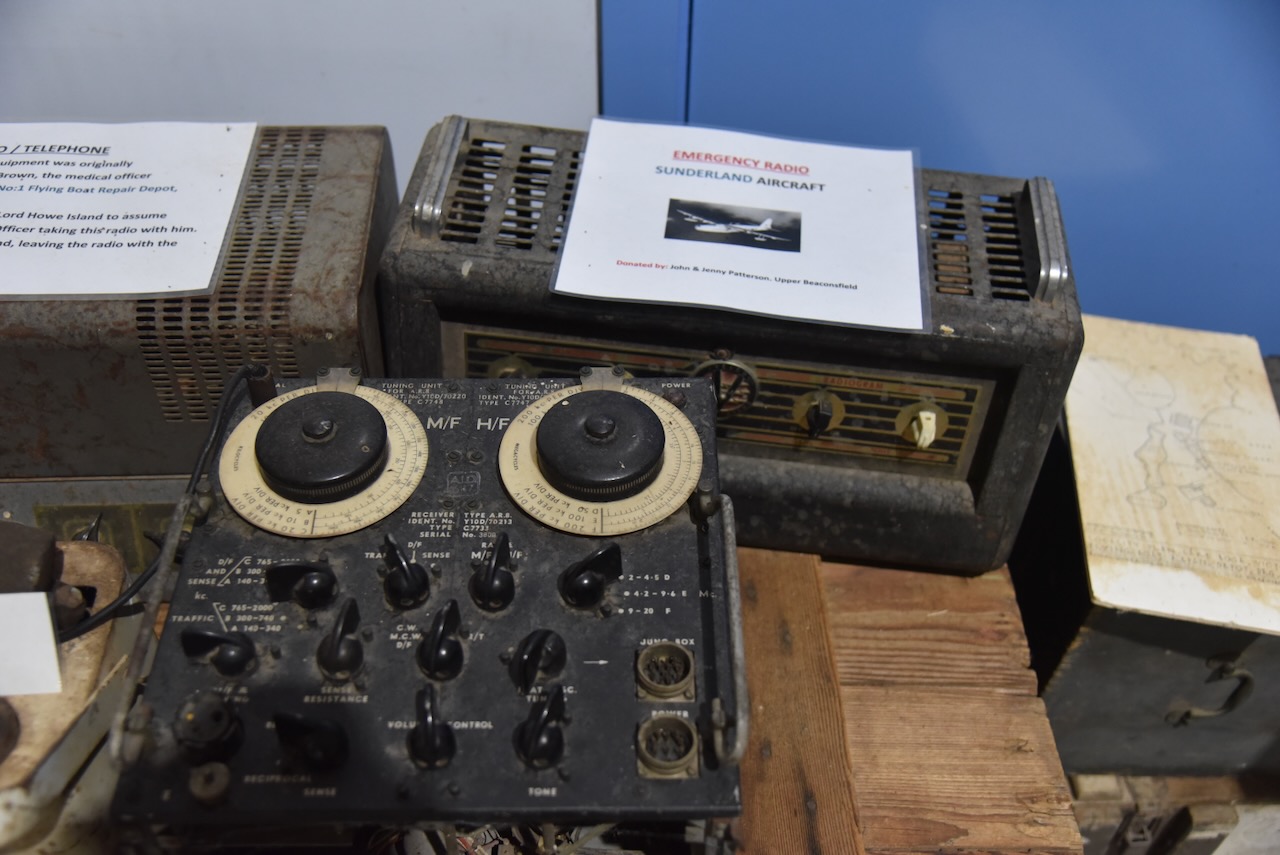
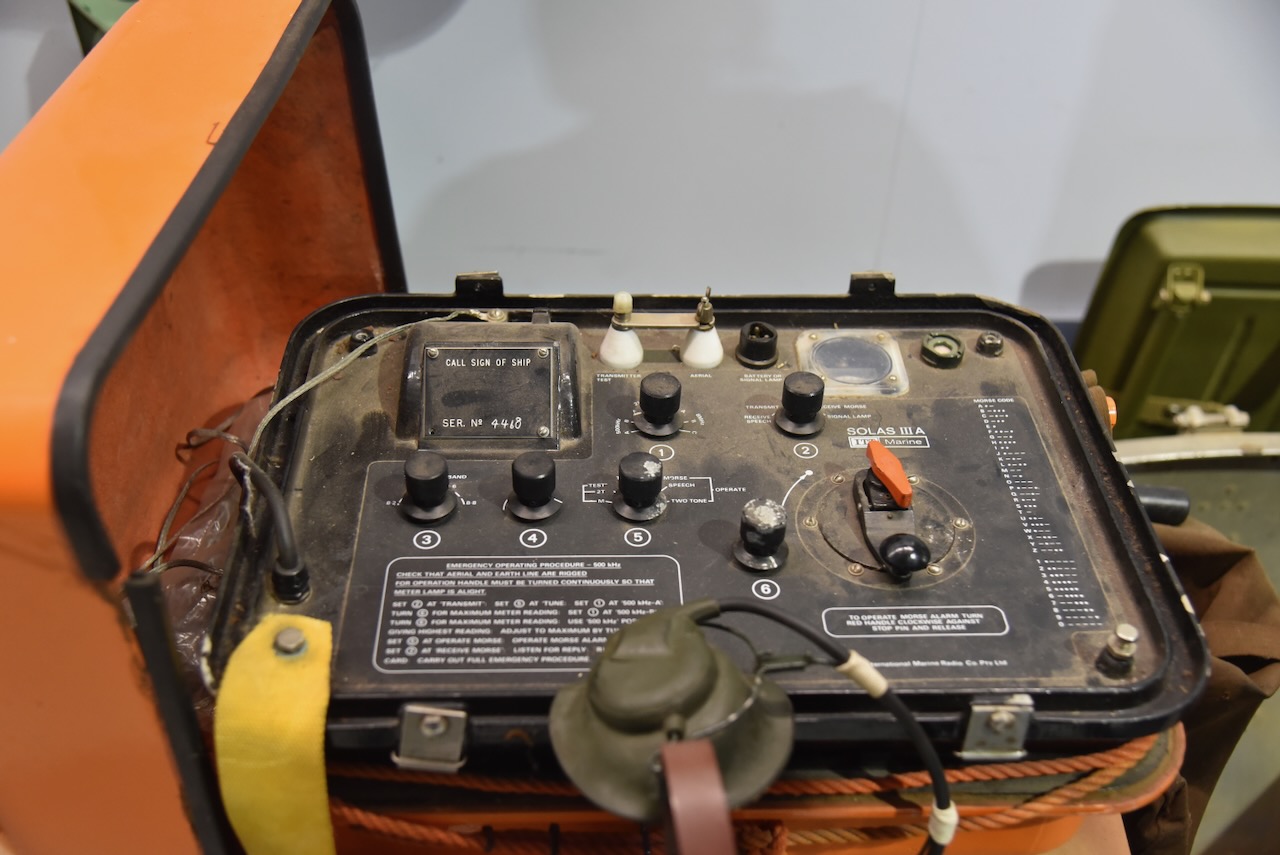
On display is an emergency radio from a Sunderland aircraft.
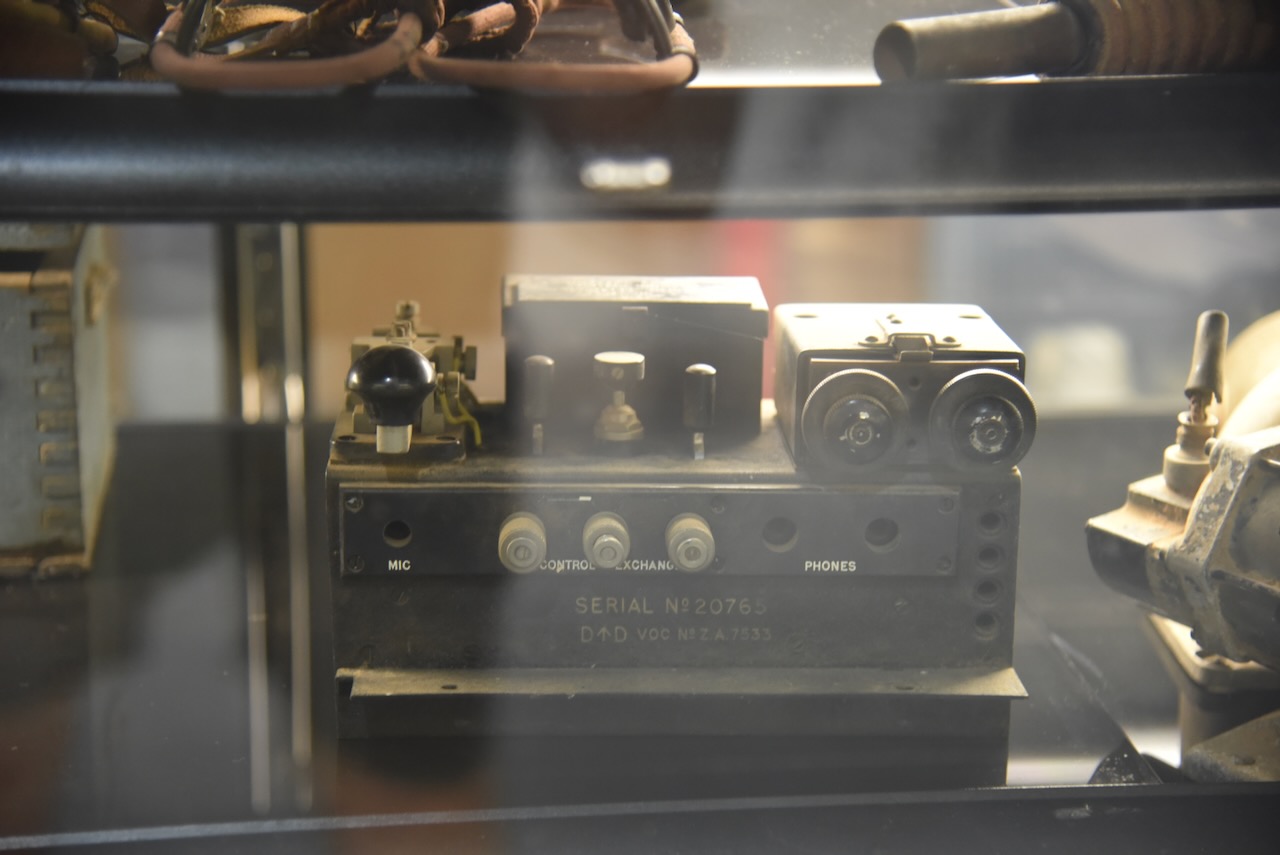
I also found this morse code unit.
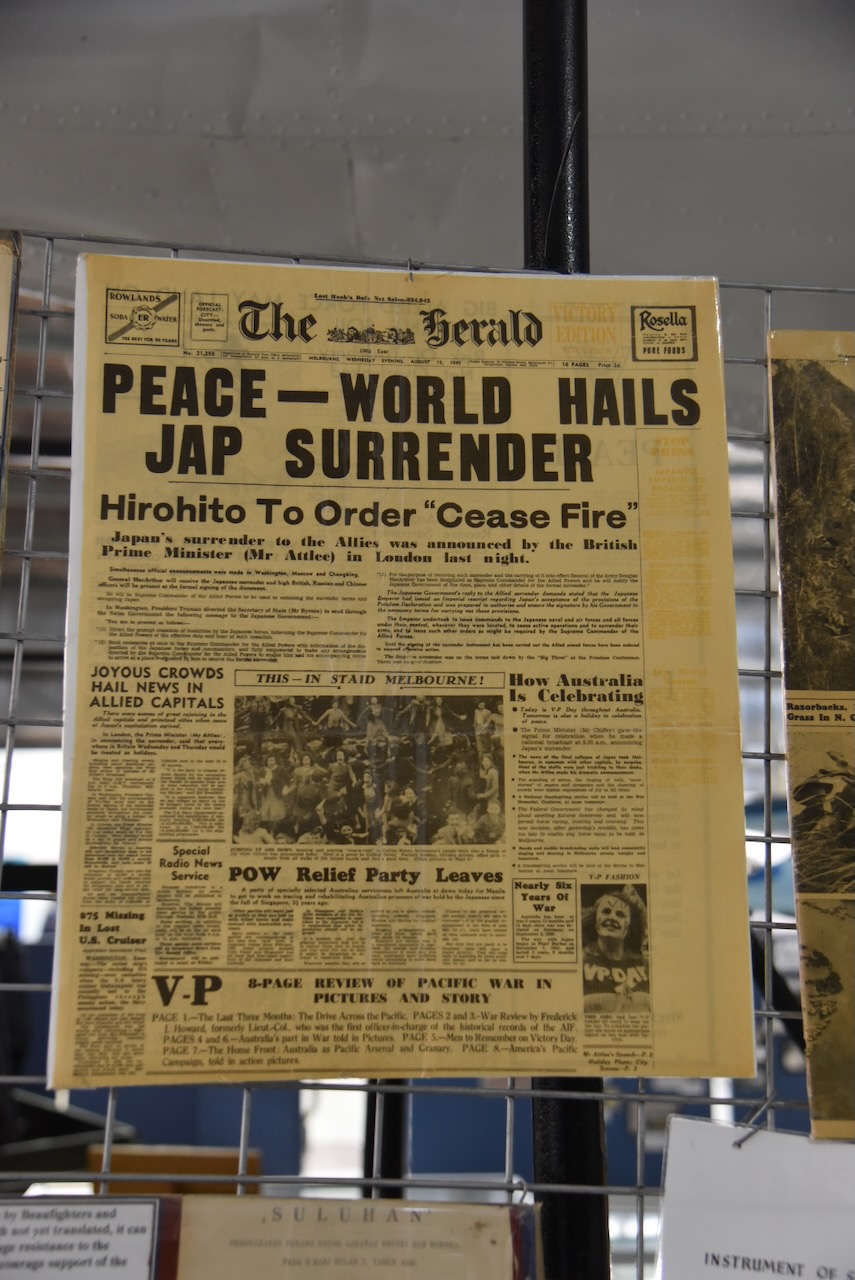
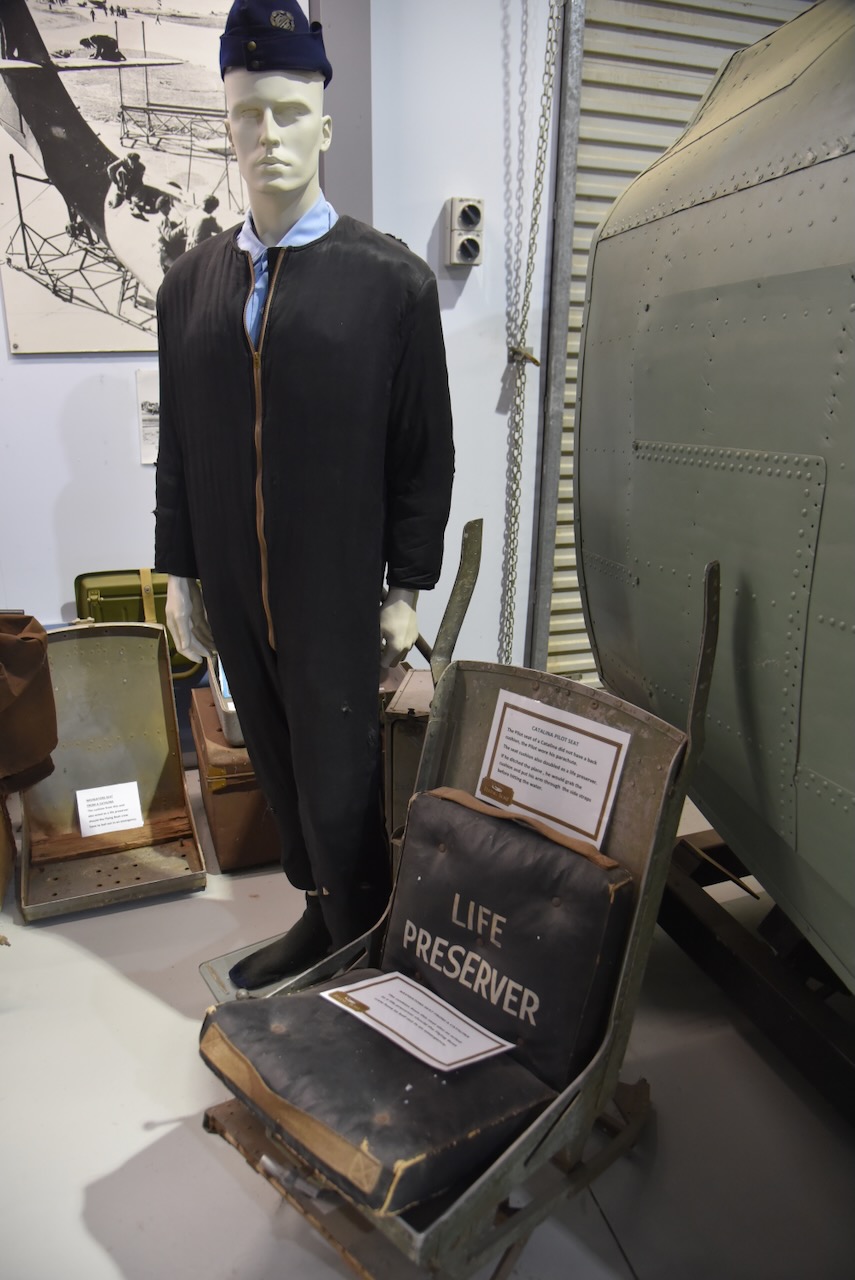
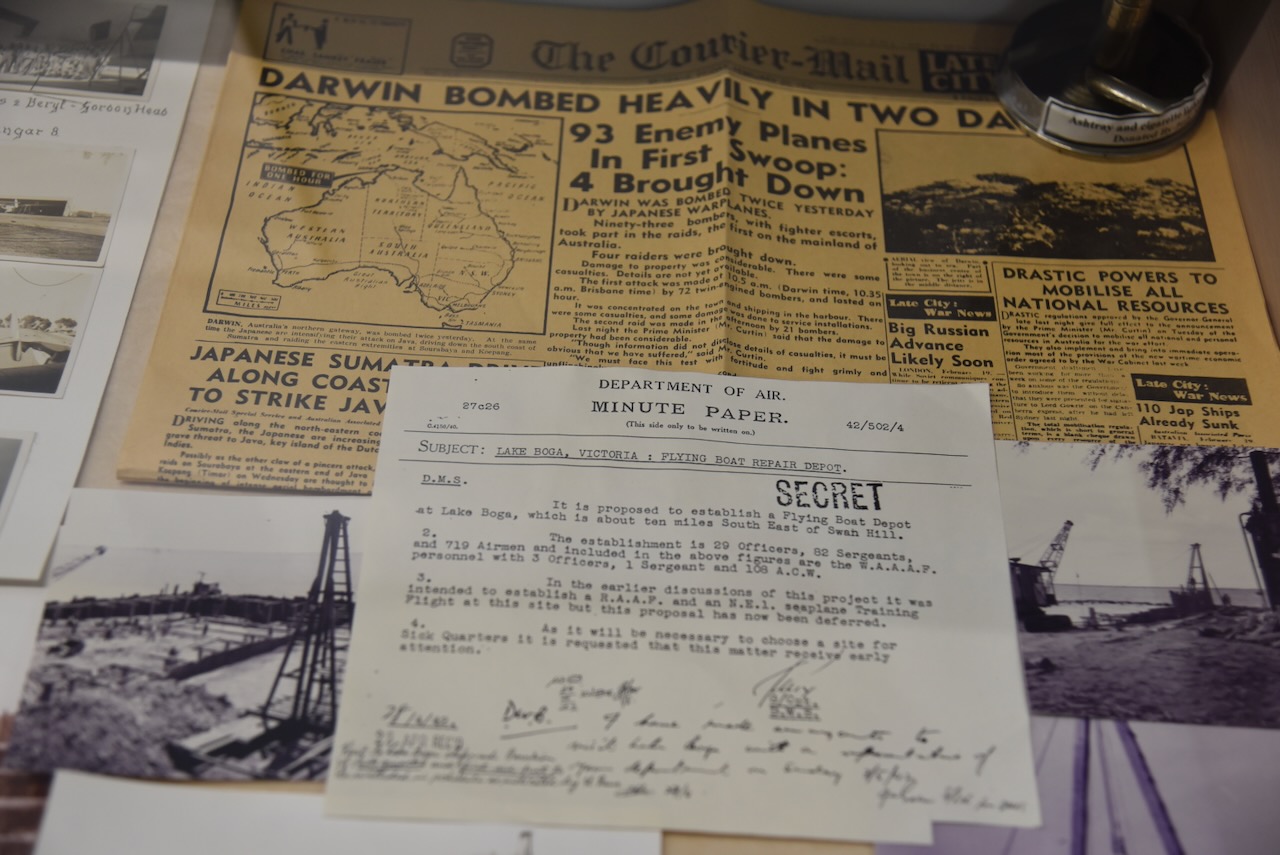
There is a large collection of WW11 historical items.
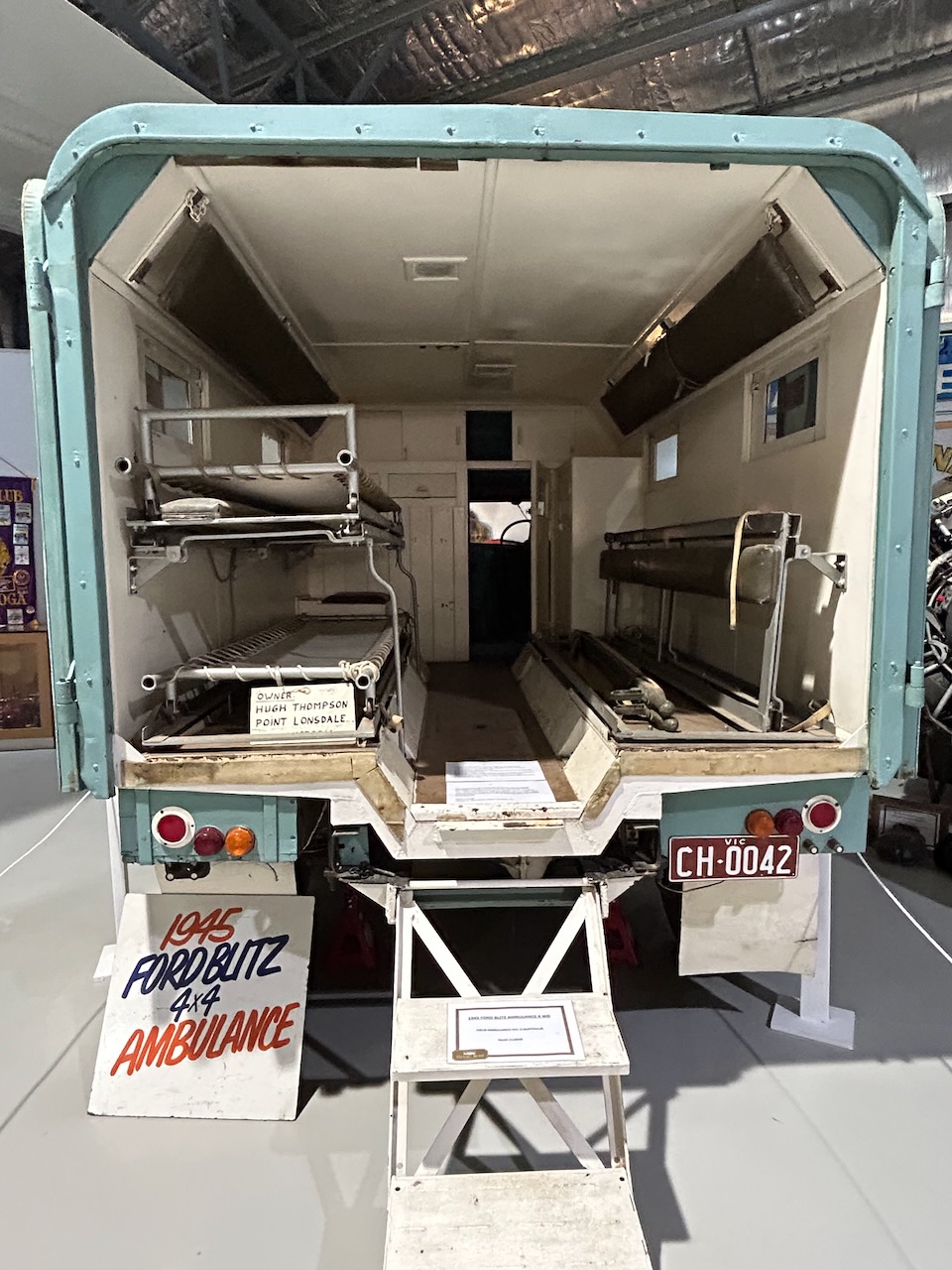
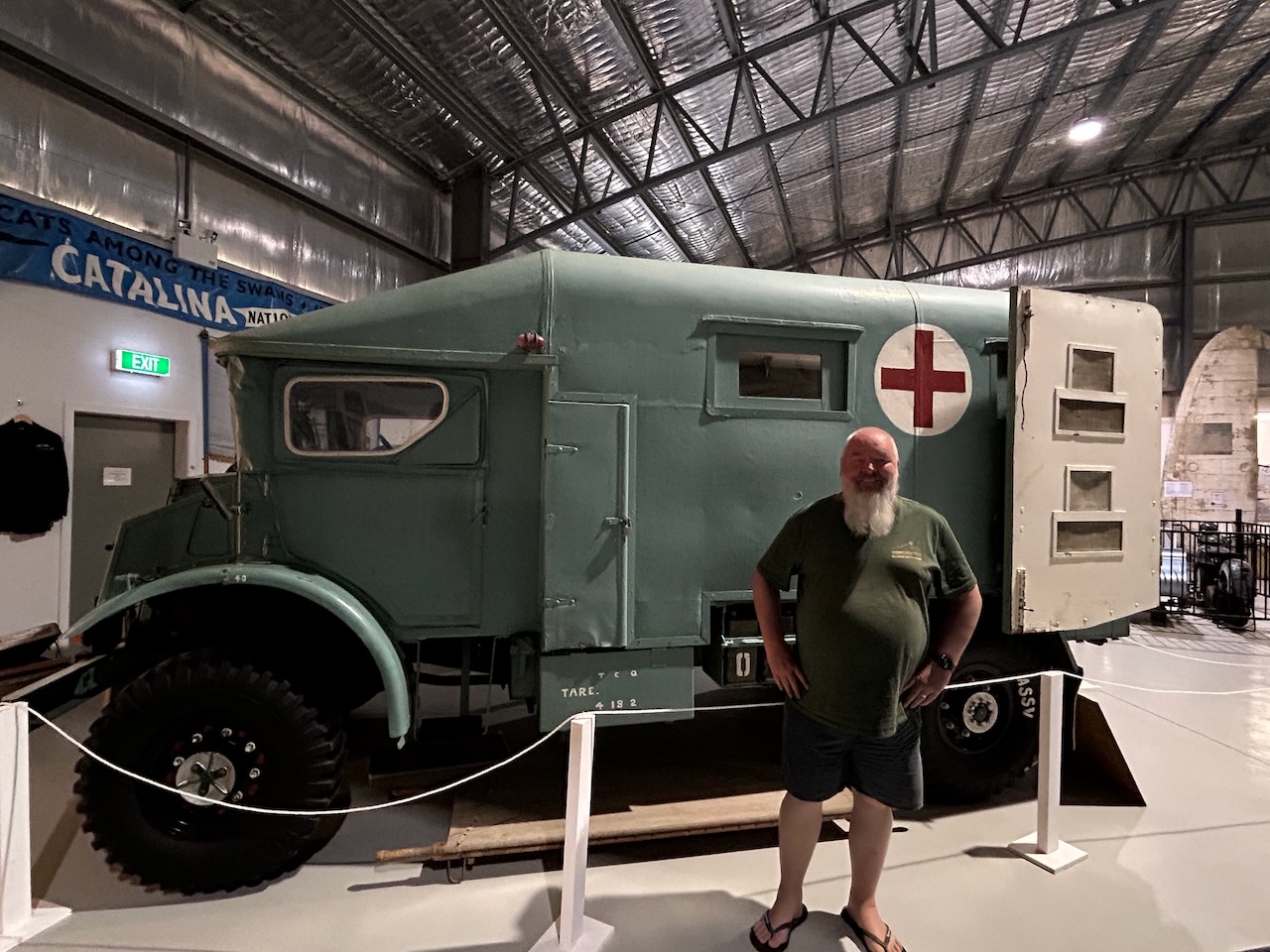
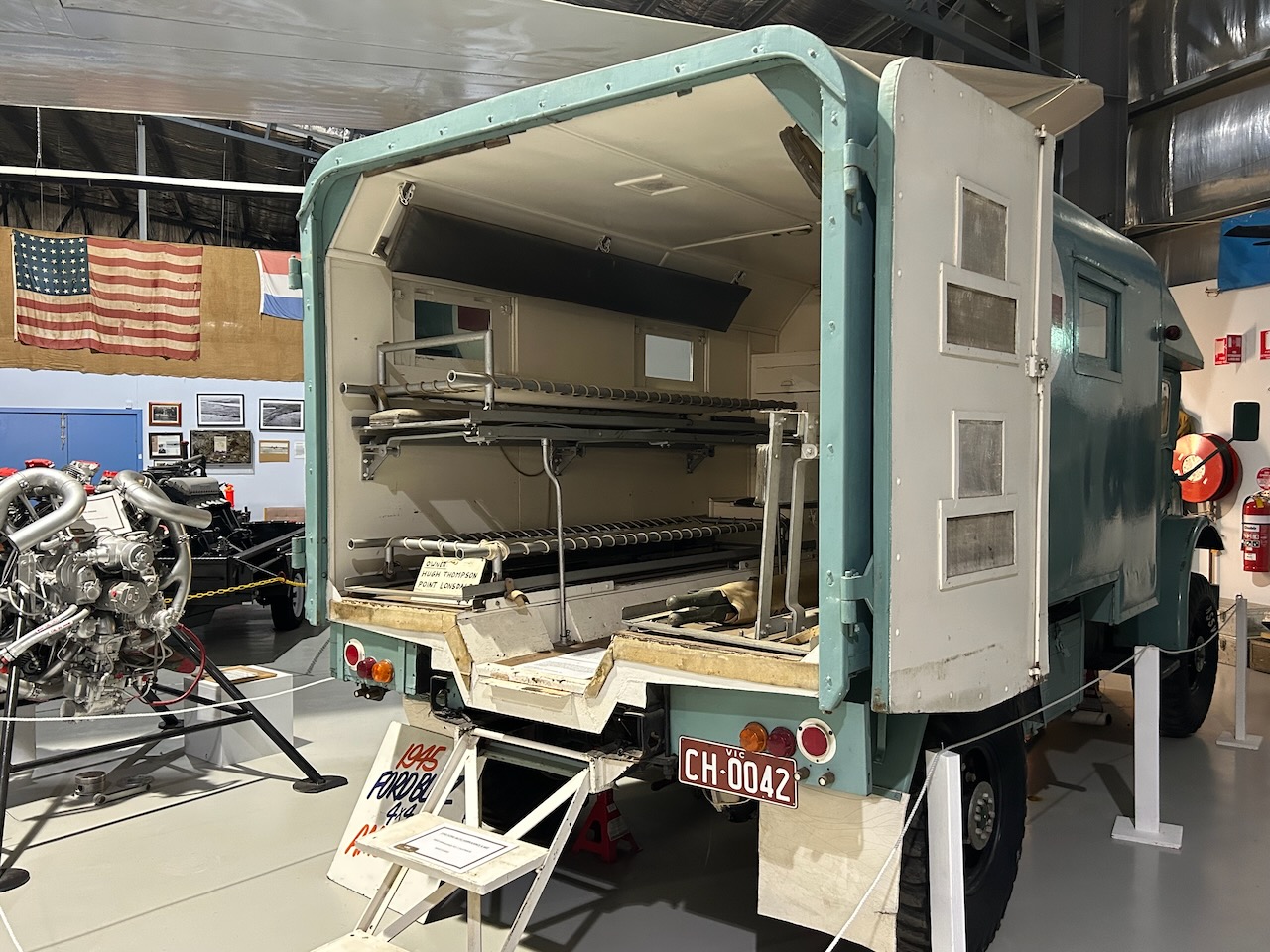
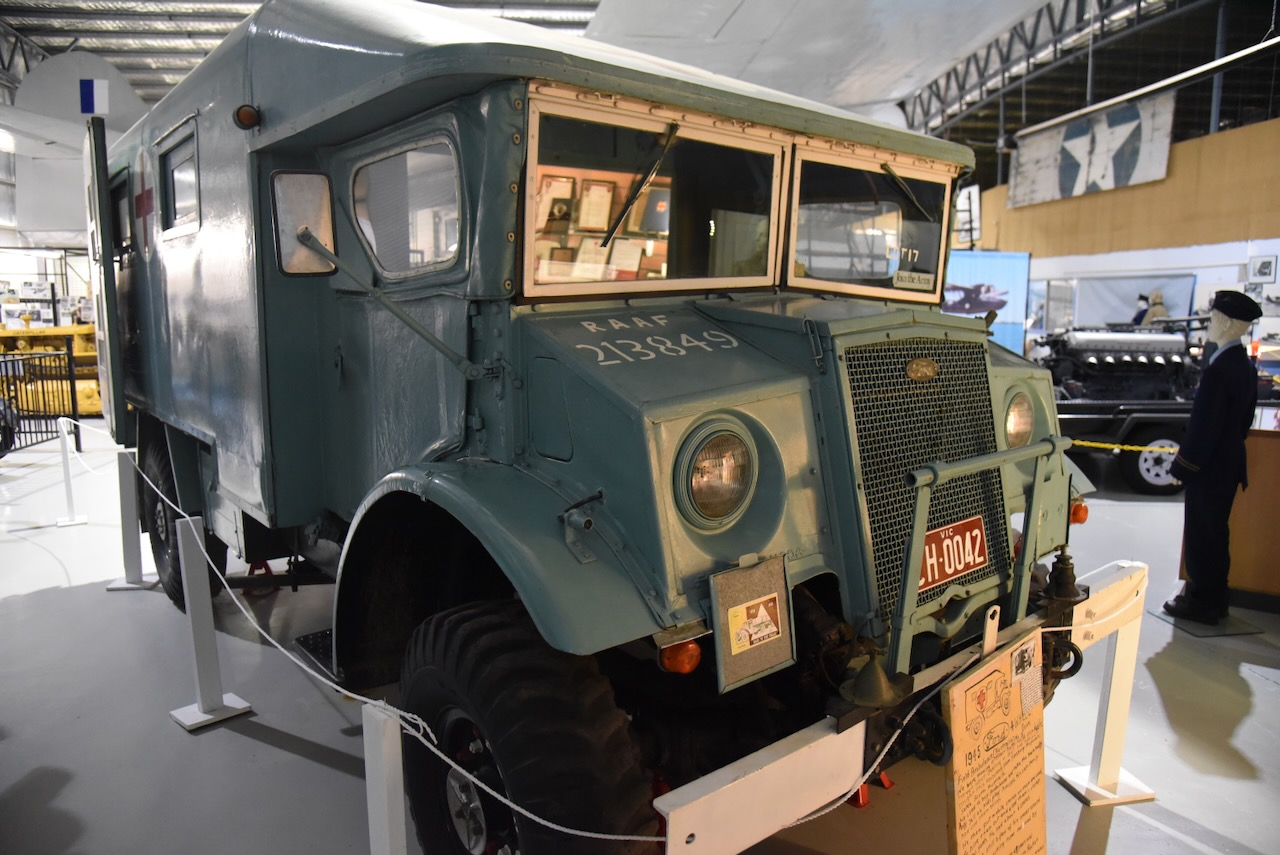
One of the displays I found very interesting was the 1945 Ford field ambulance.
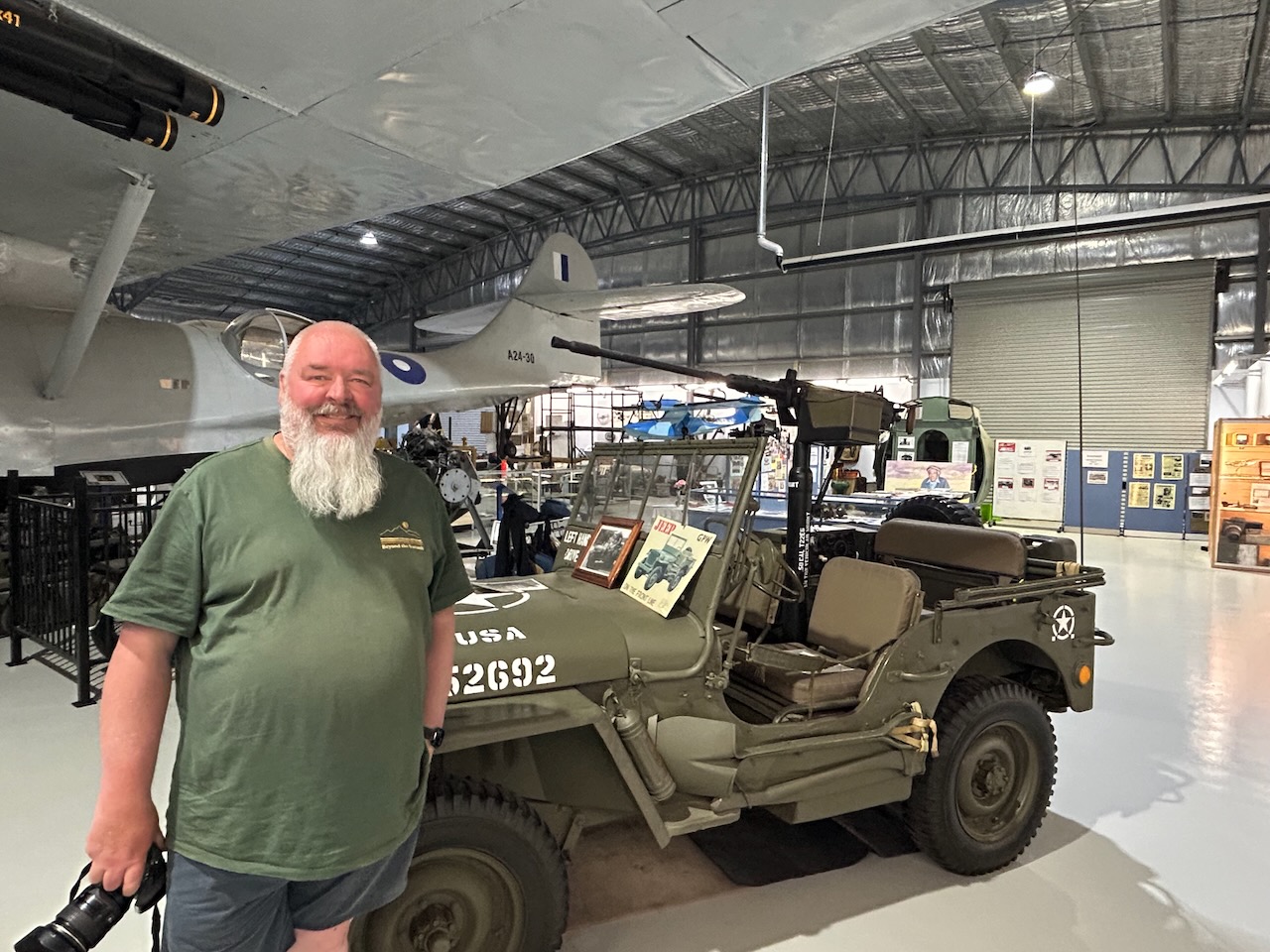
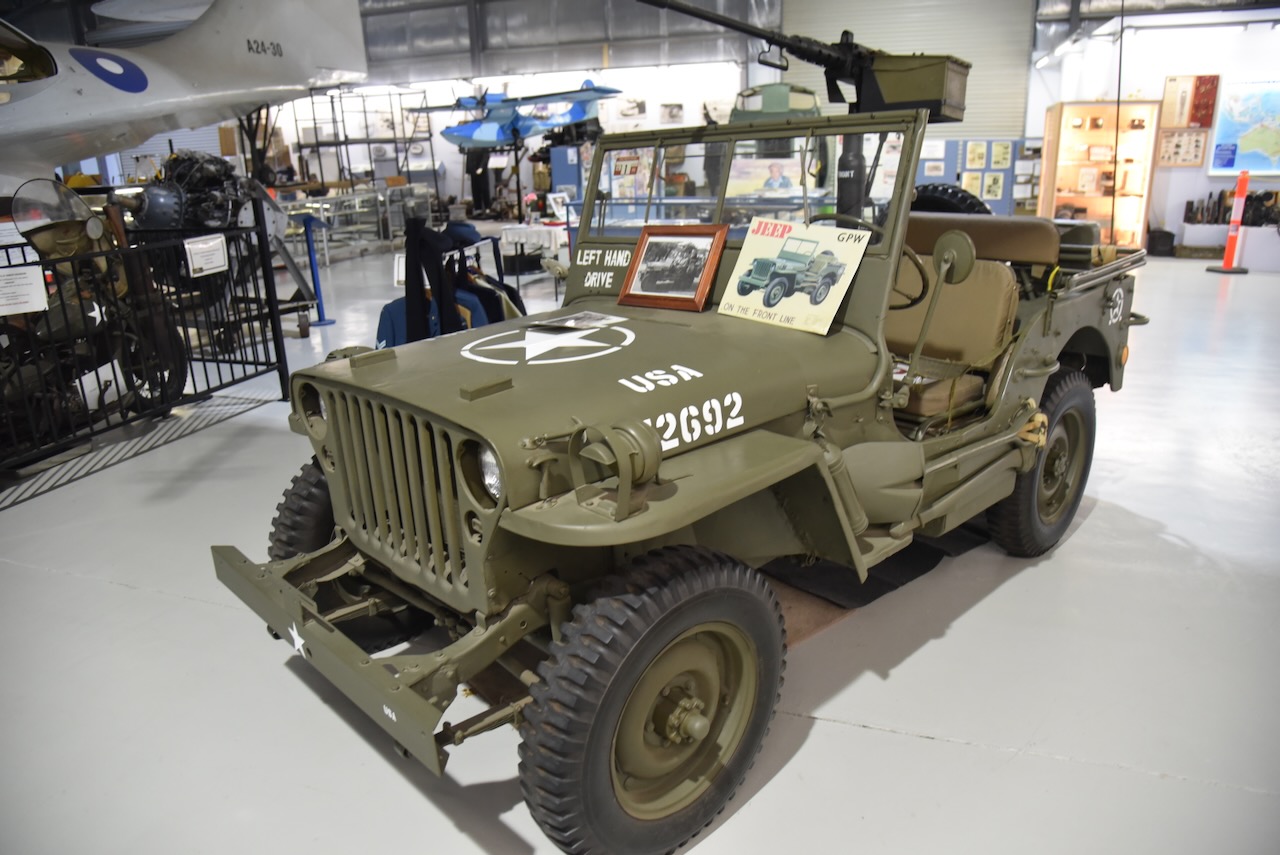
On display is a left-hand drive WWII USA Army jeep.
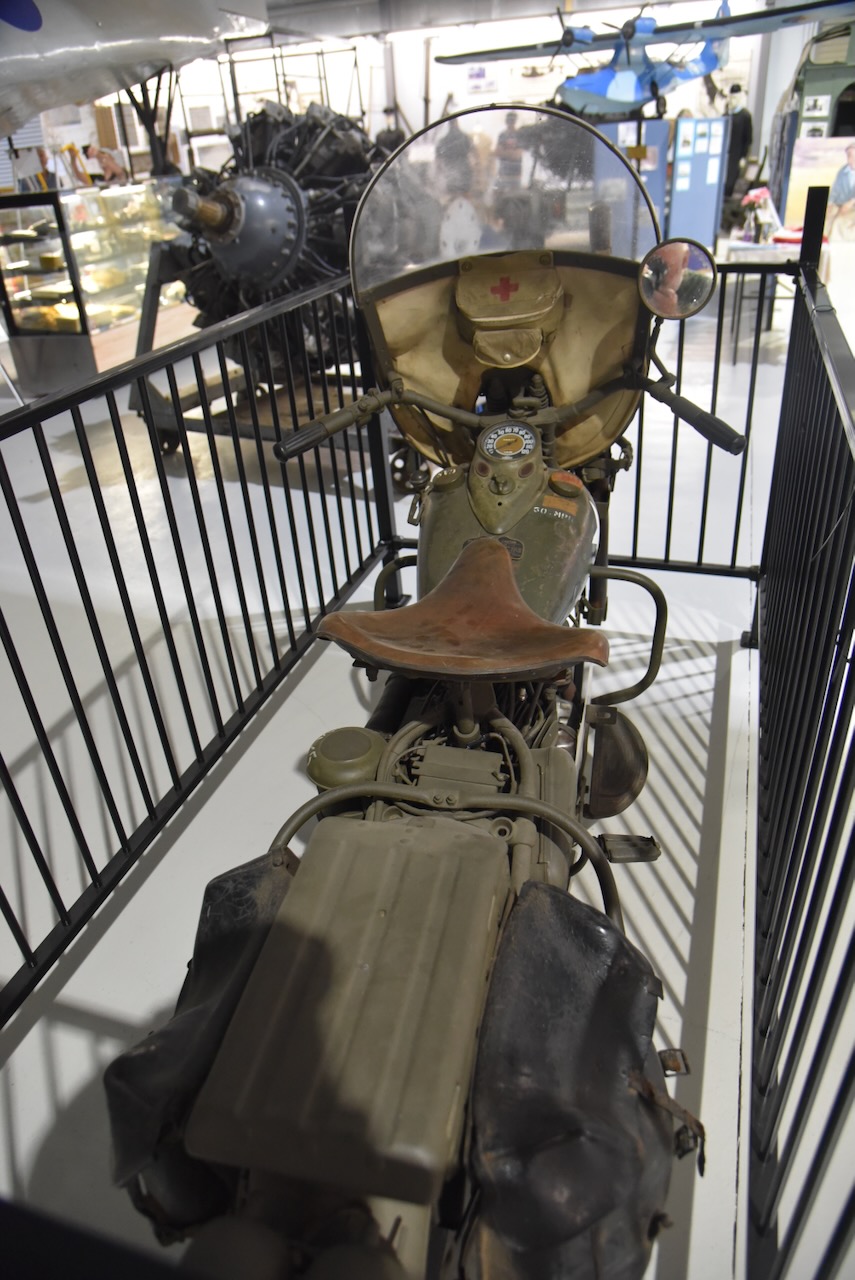
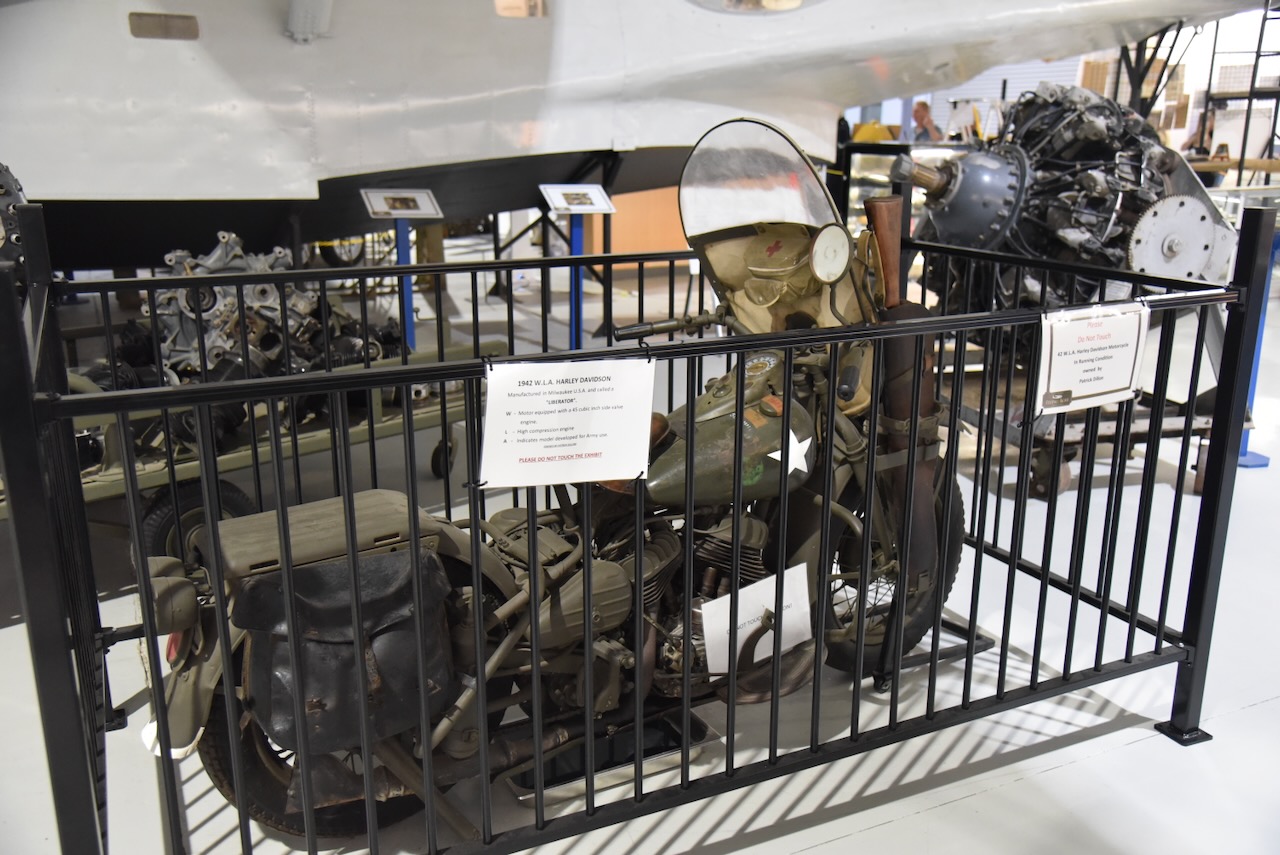
You can also view a 1942 WLA Harley Davidson motorcycle known as the ‘Liberator.’
There are various other military vehicles on display.
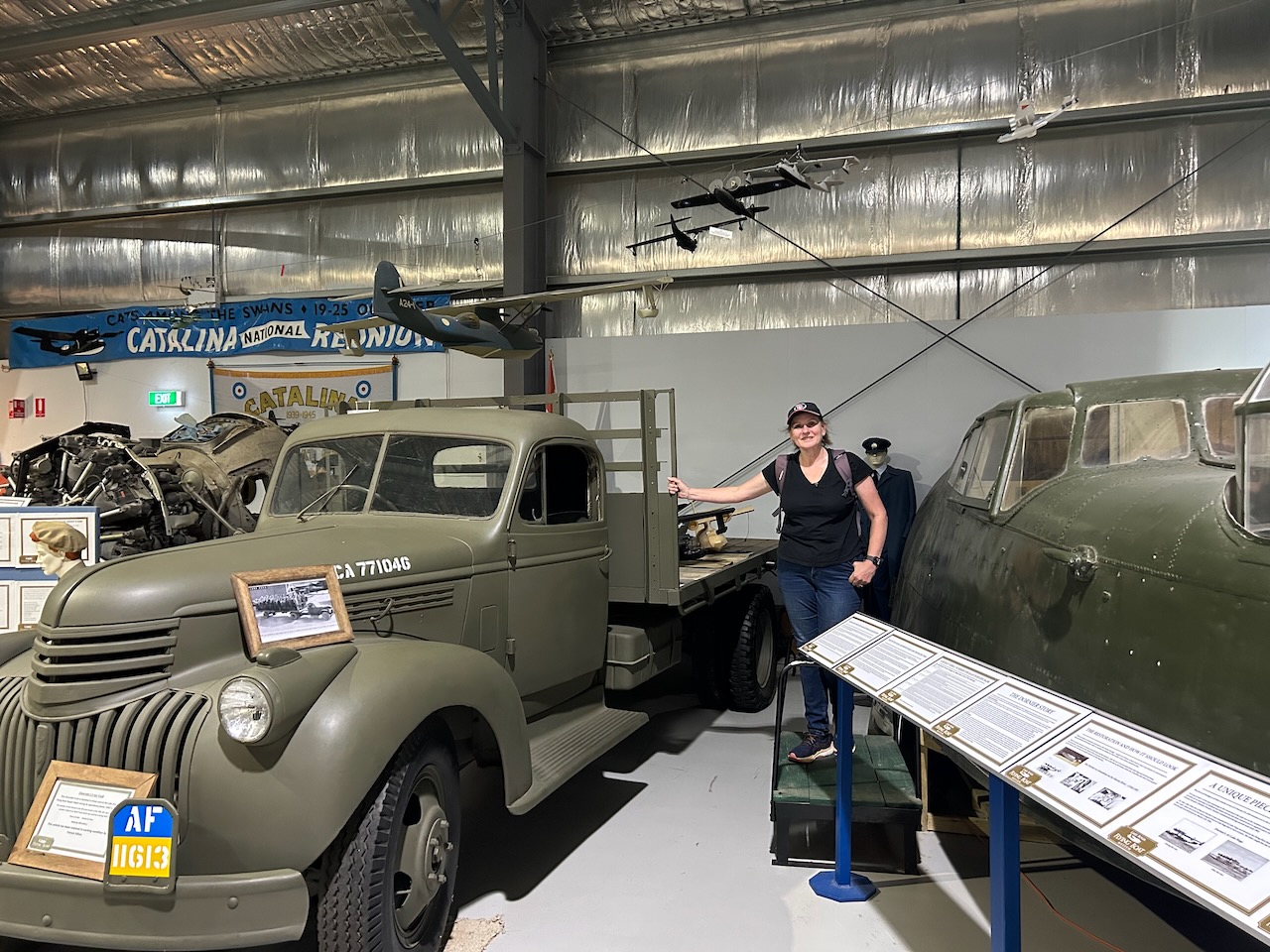
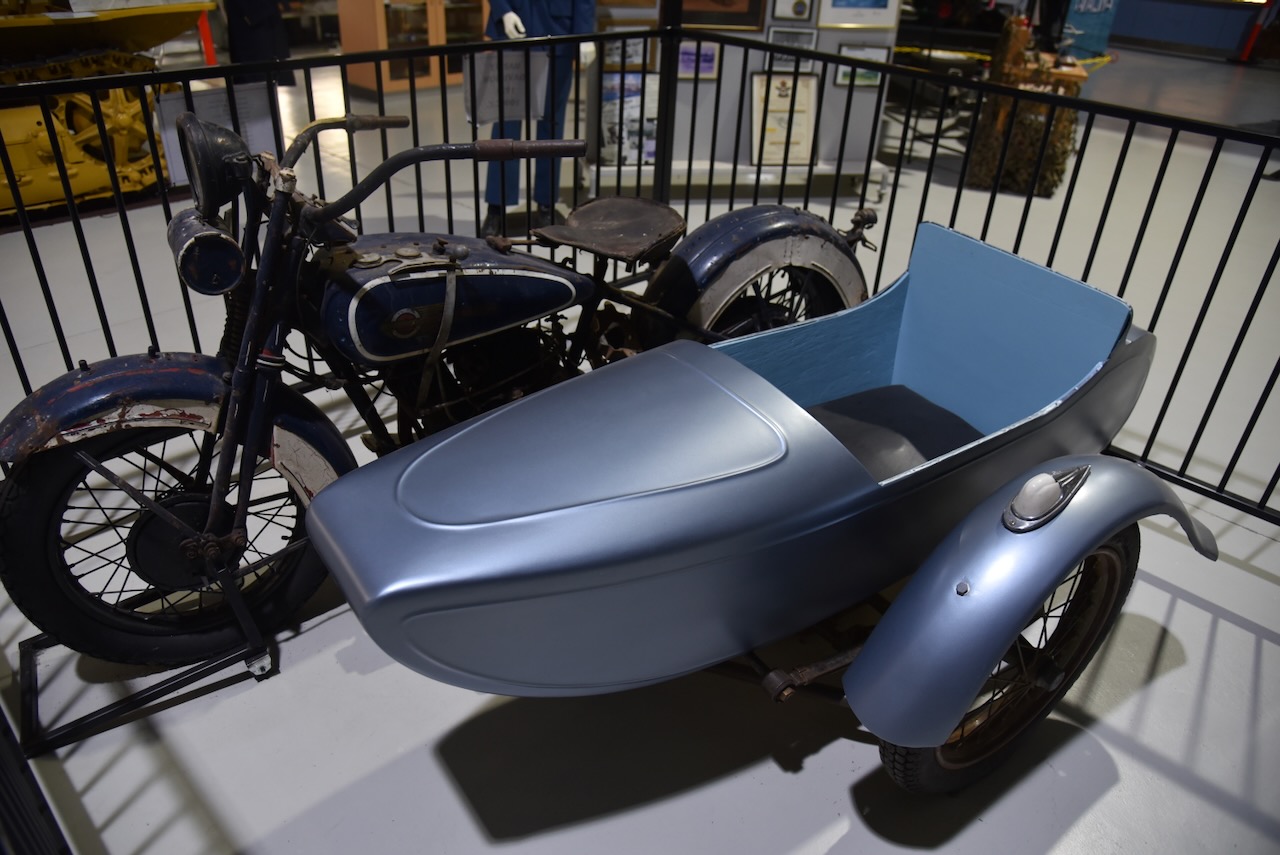
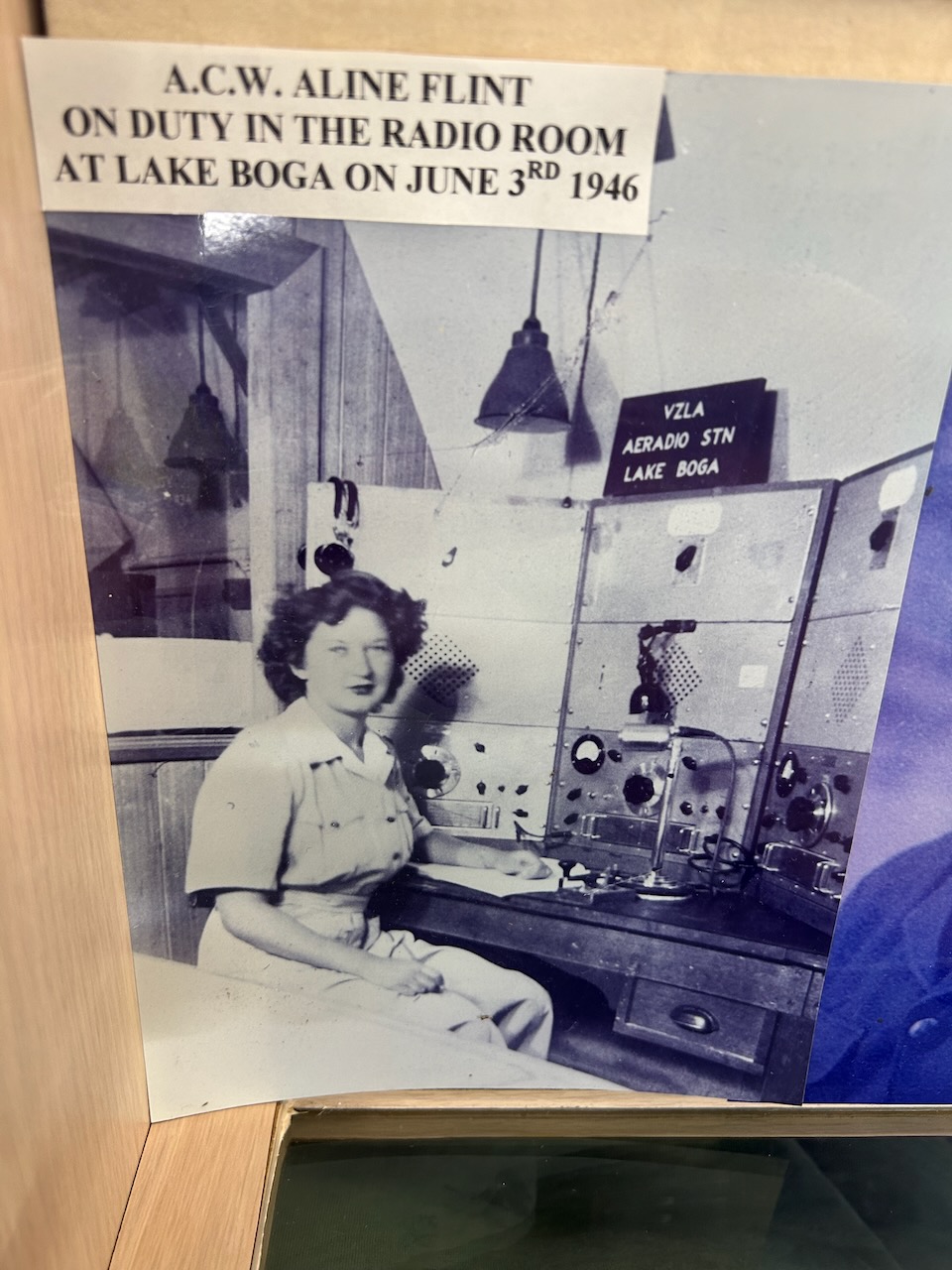
After wandering around the museum, we headed to the communications bunker.
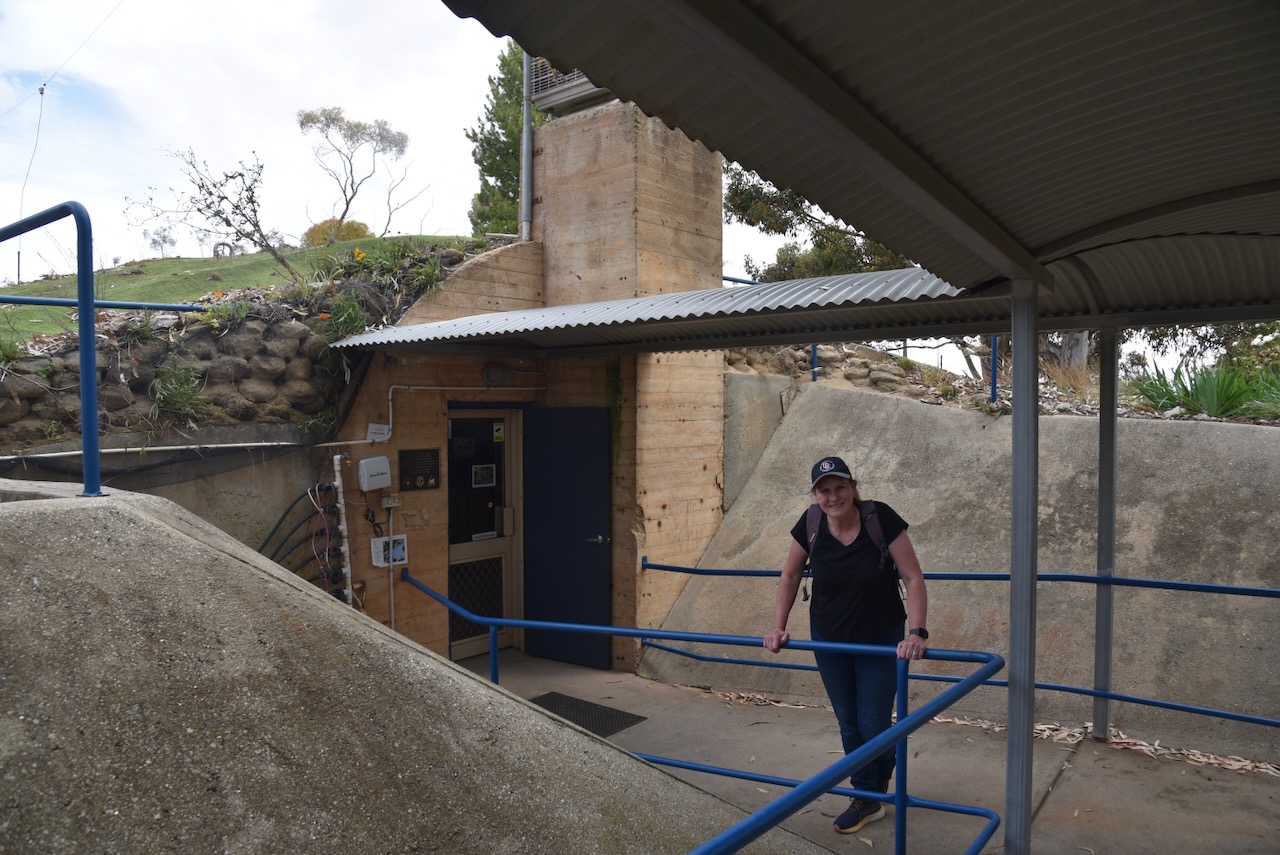
In early 1997, work commenced on creating the bunker into a museum to house exhibits that had been donated and collected. The bunker museum was officially opened in November 1997. In 2011, the museum was relocated from the bunker into the current hangar museum.
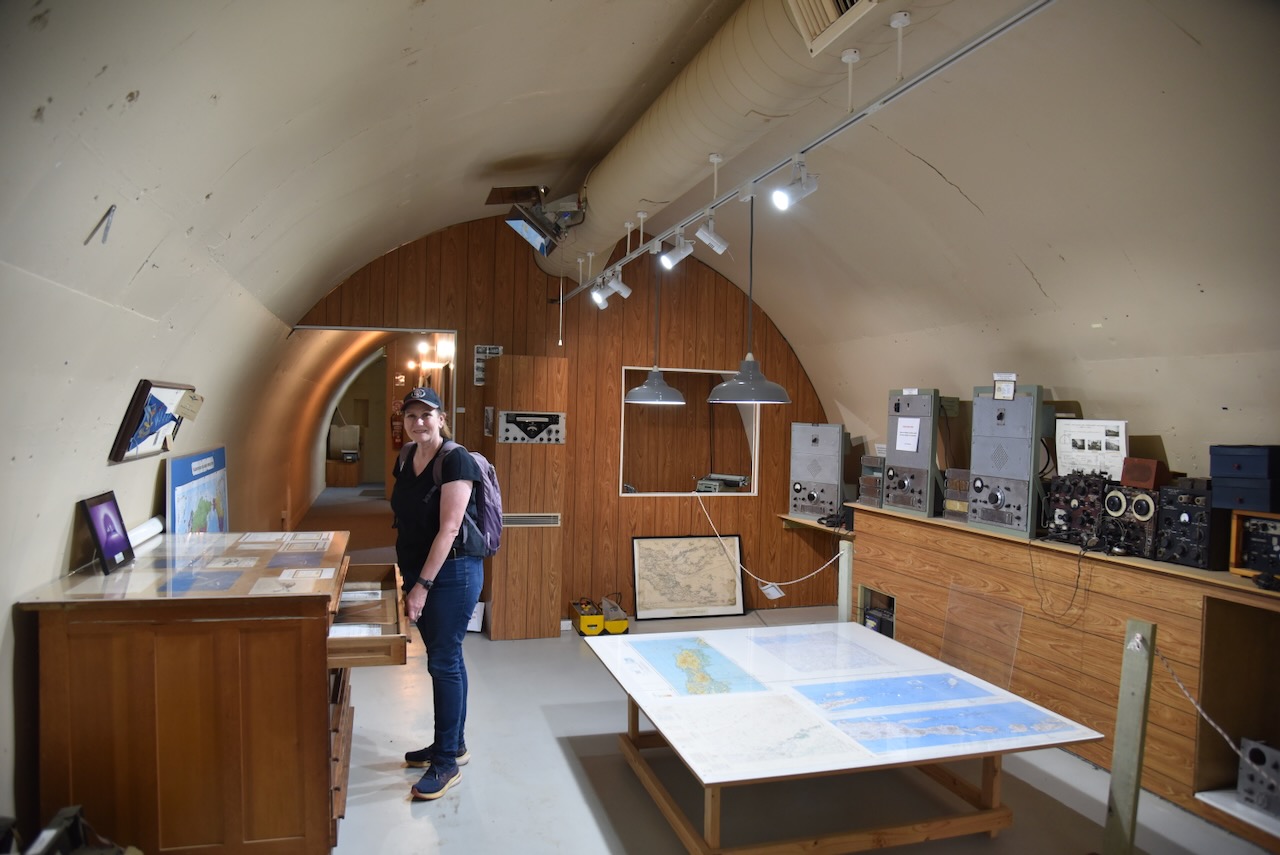
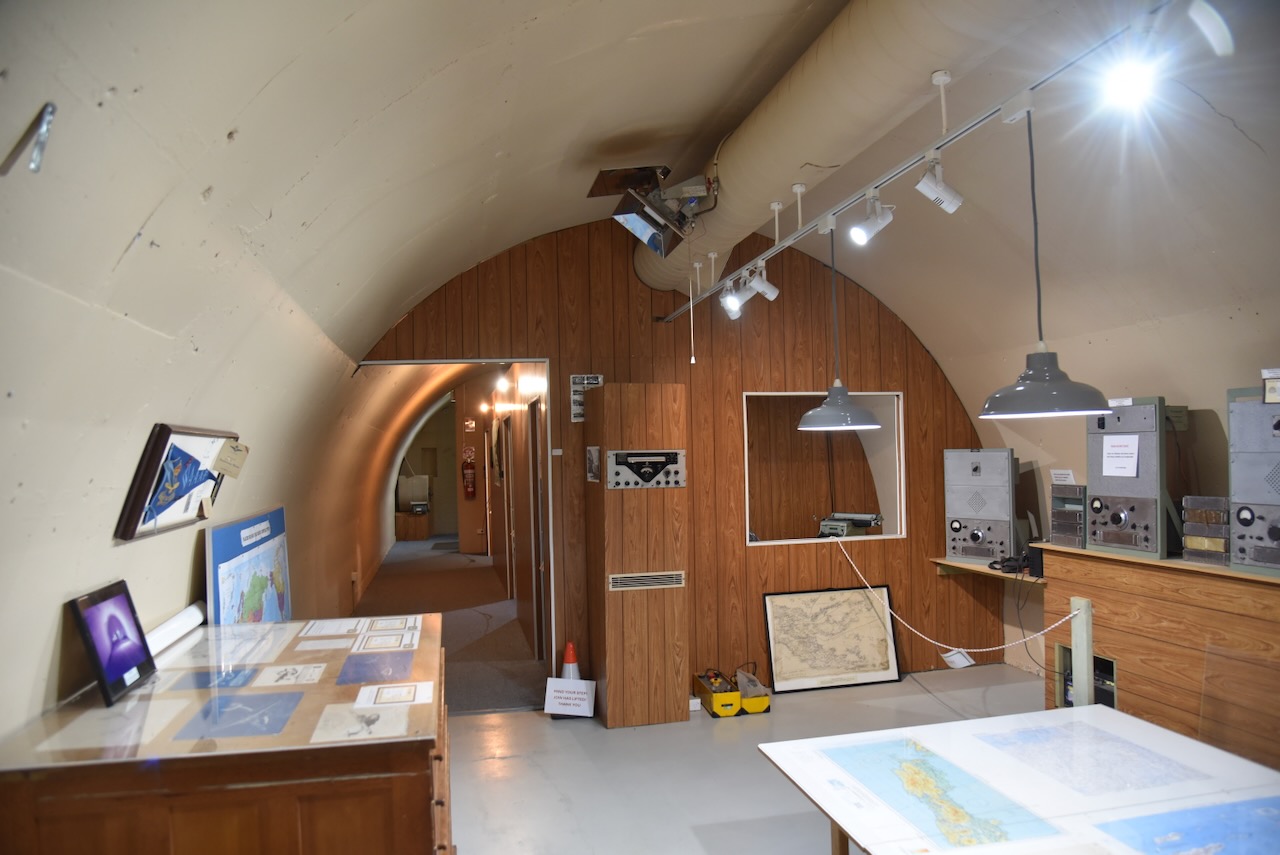
The bunker contains various displays and communications equipment. It has been reconstructed from old photographs and an original floor plan drawing. (Artful 2026)
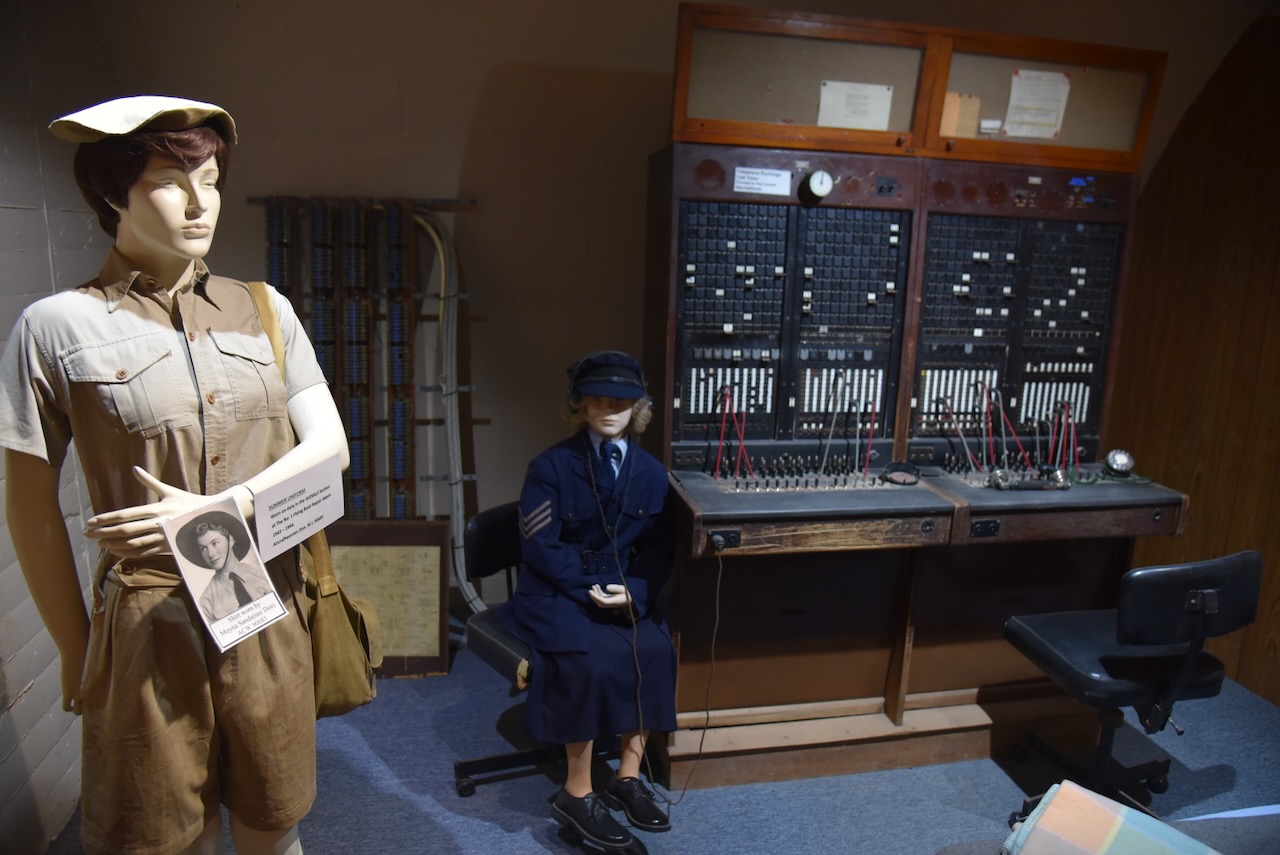
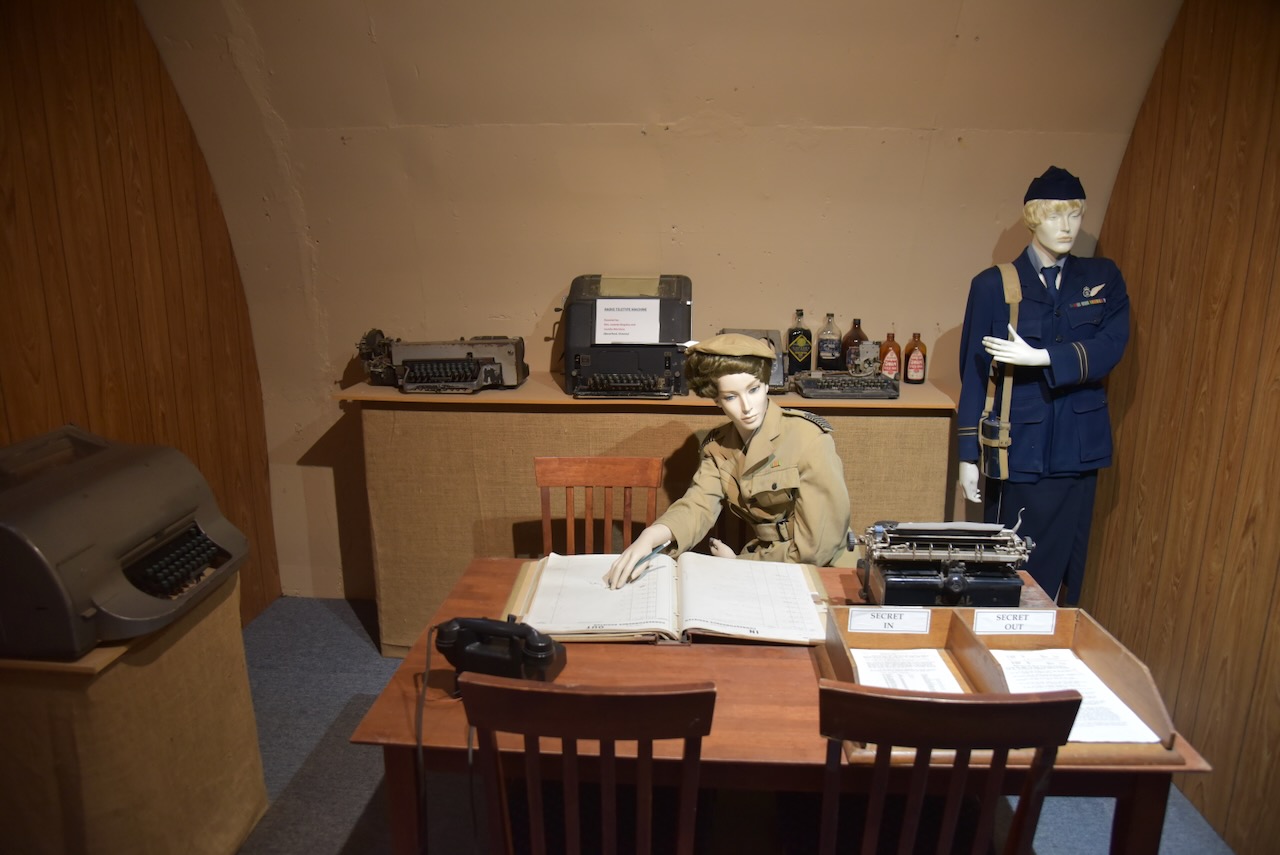
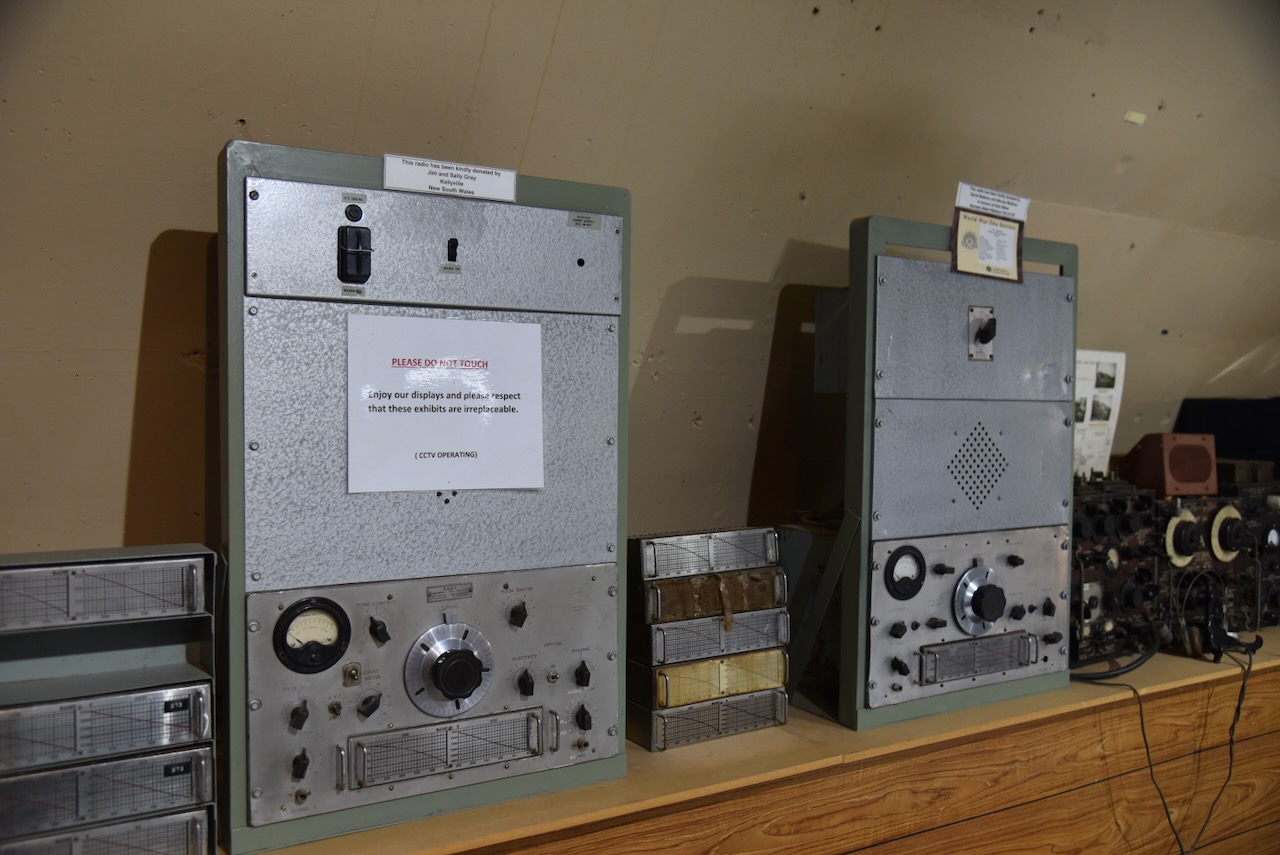
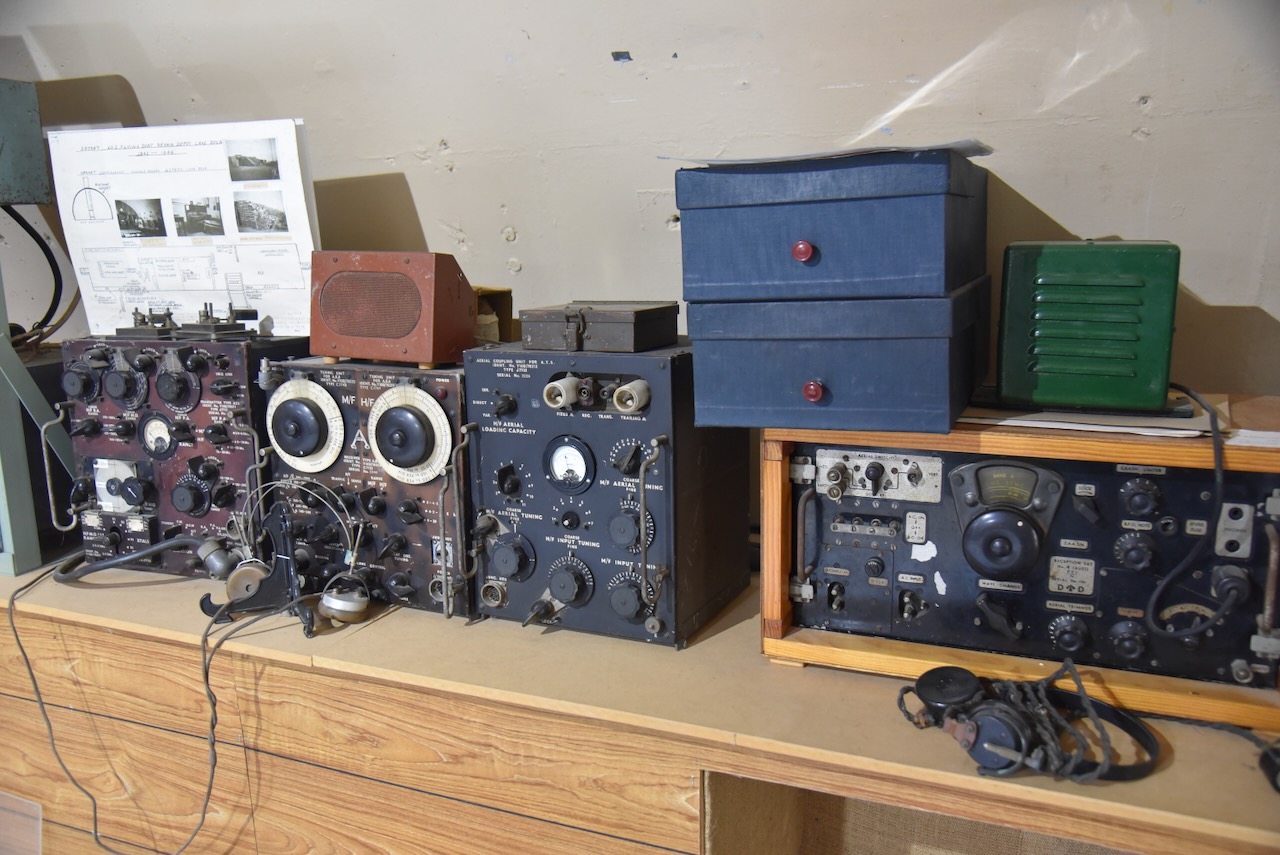
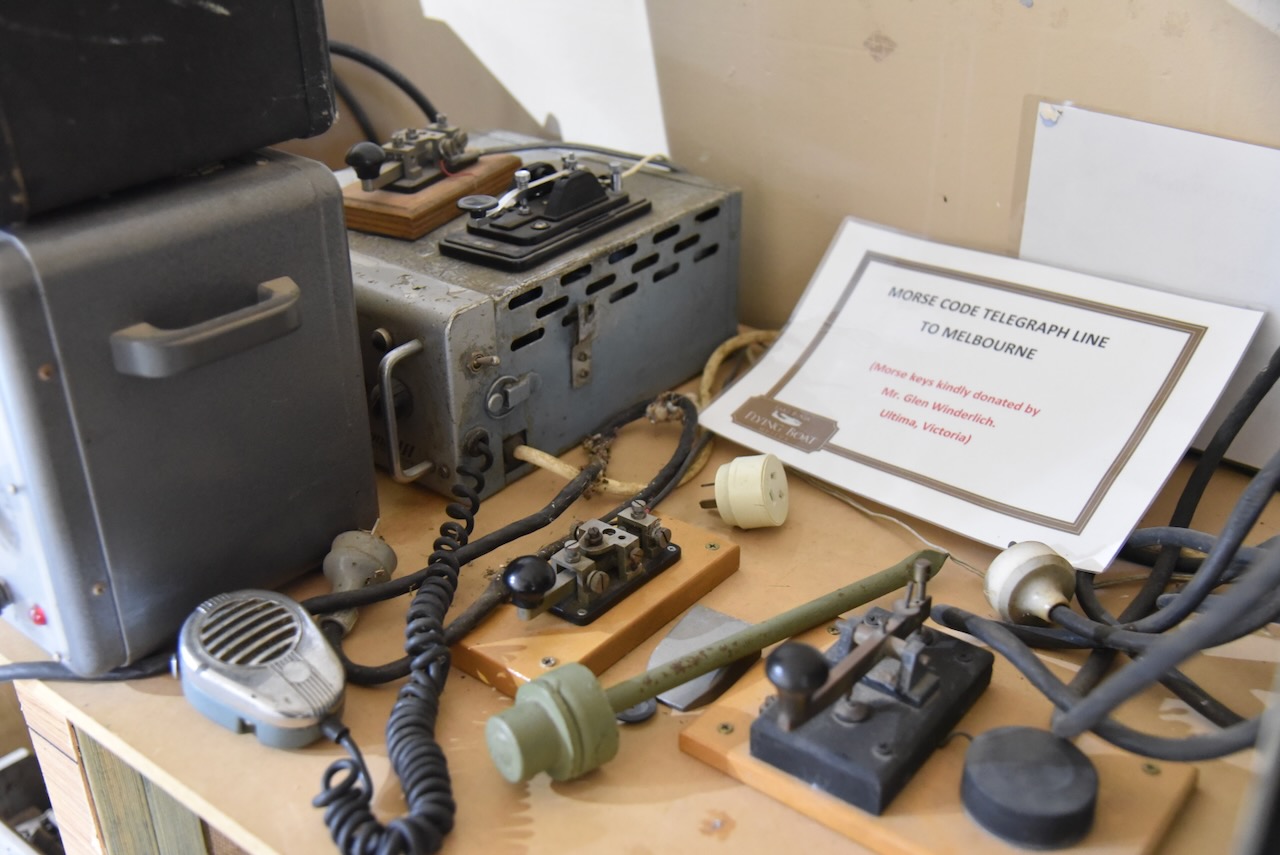
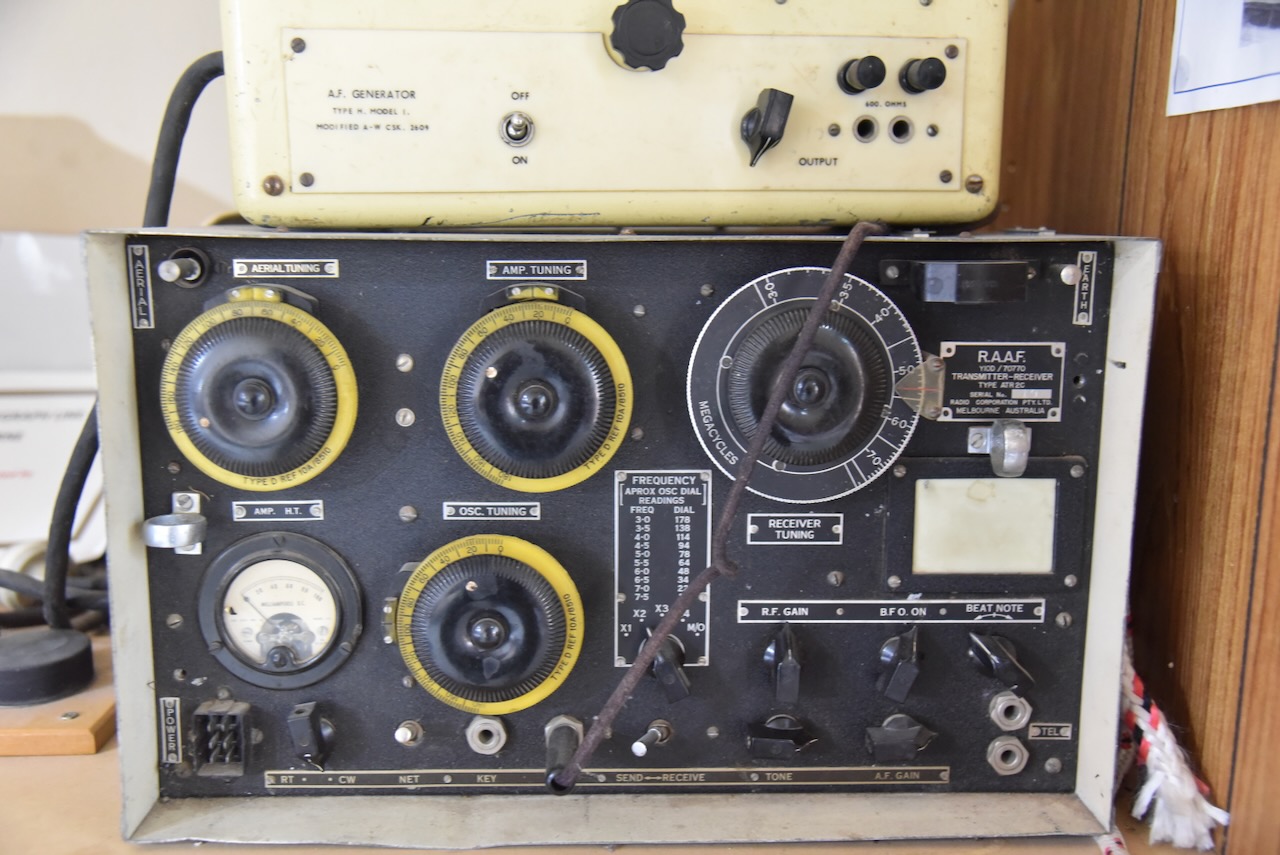
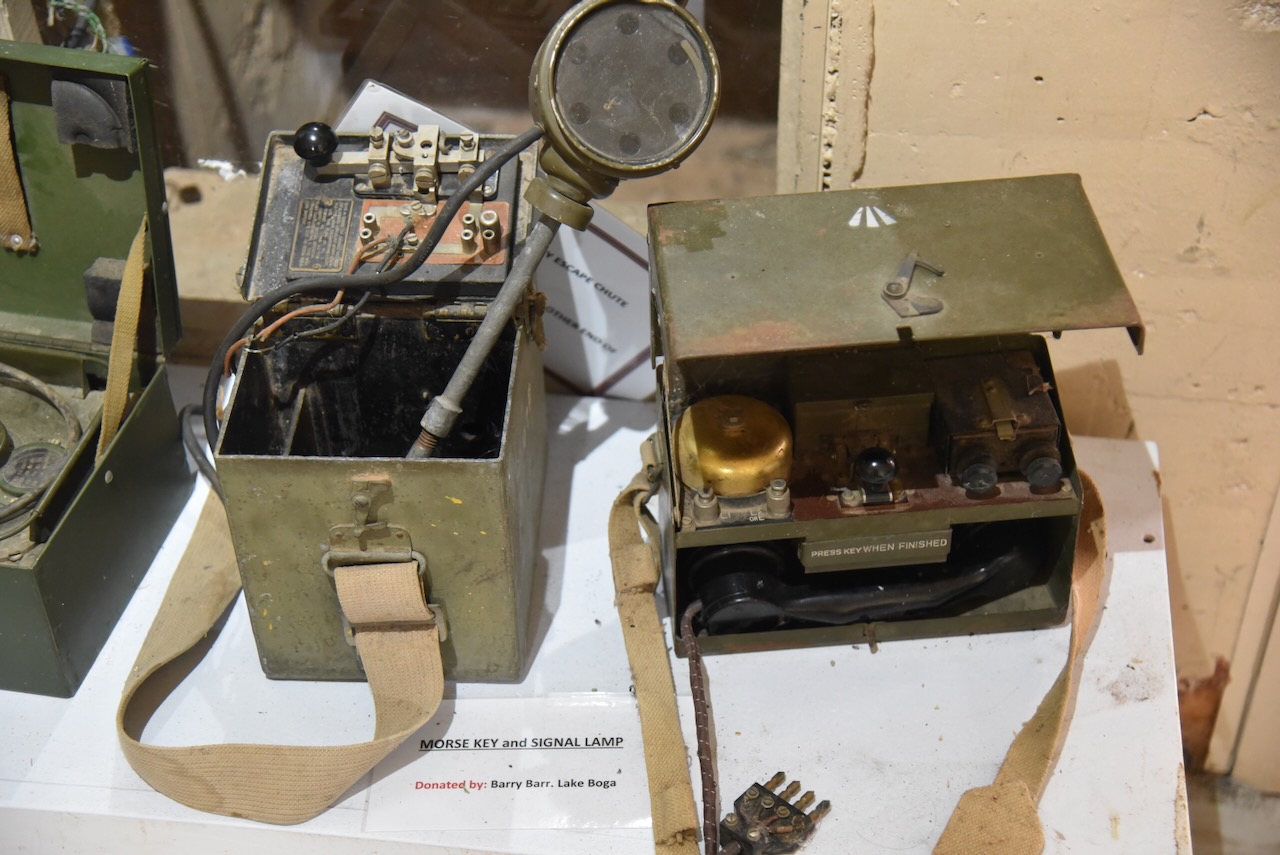
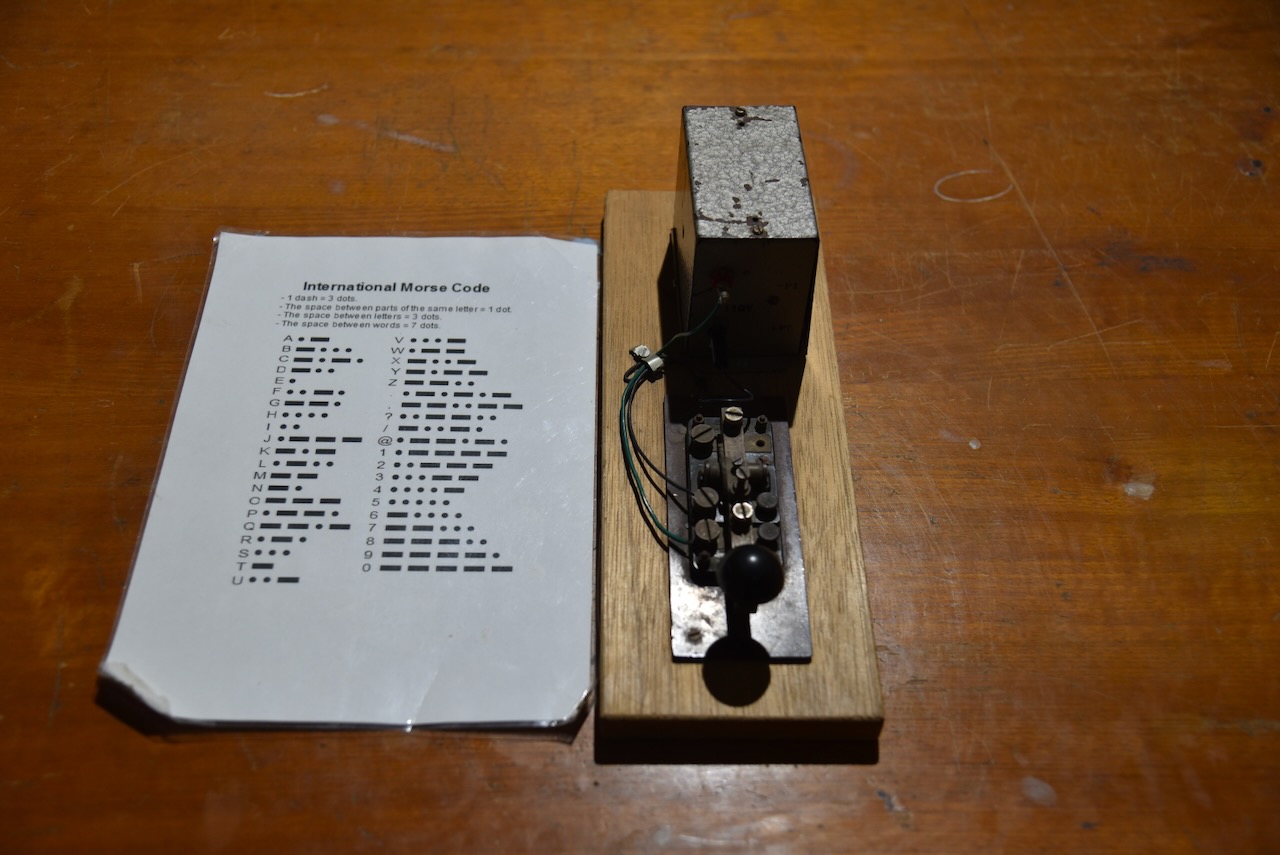
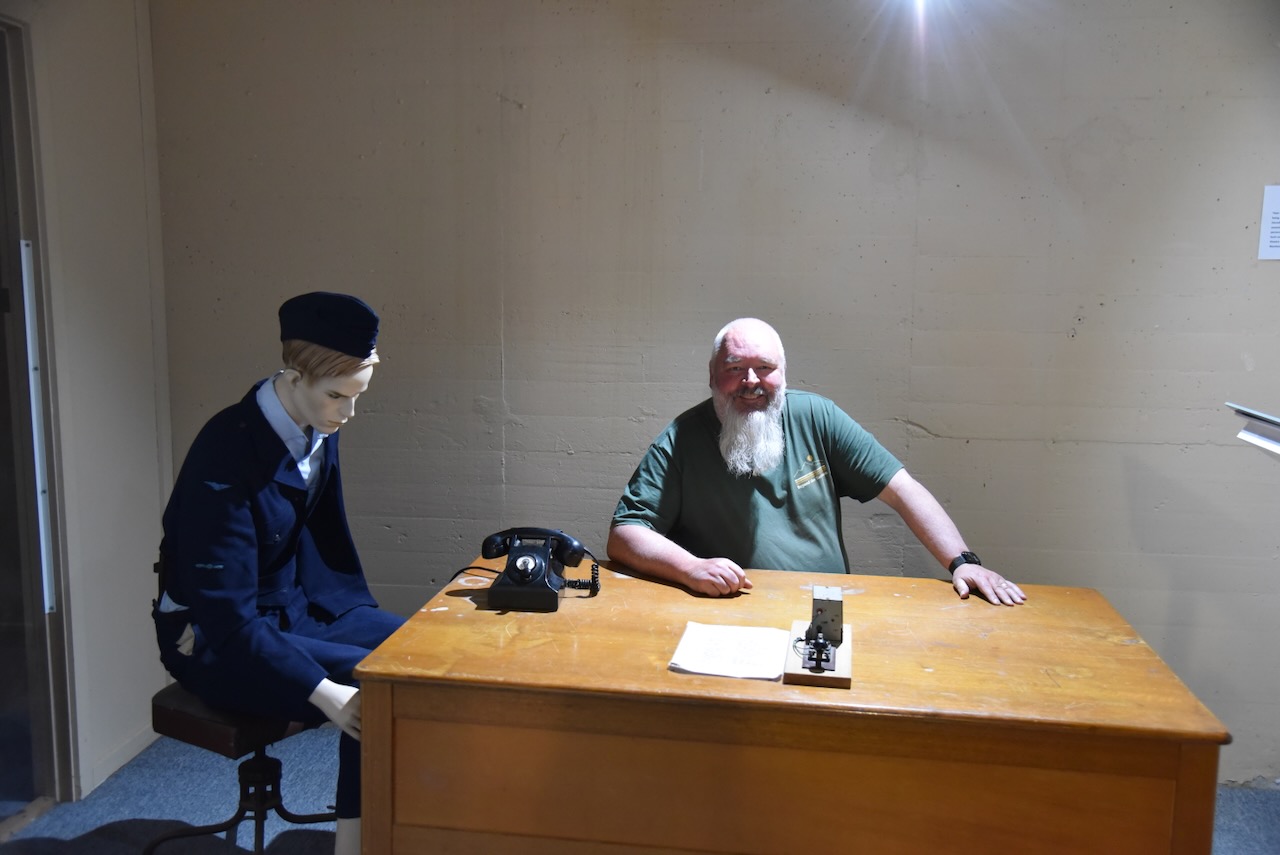
I found the Morse key below and tapped out some Morse for Marija.
References.
- Artful (2026). Lake Boga Flying Boat Museum | Catalina Flying Boat Museum Swan Hill. [online] Flyingboat.org.au. Available at: https://www.flyingboat.org.au/ [Accessed 15 Apr. 2026].
- Blake, L, 1977, Place Names of Victoria
- Dcceew.gov.au. (2025). Collaborative Australian Protected Areas Database 2024 – DCCEEW. [online] Available at: https://www.dcceew.gov.au/environment/land/nrs/science/capad/2024. [Accessed 15 Apr. 2026]
- Wikipedia Contributors (2019). Consolidated PBY Catalina. [online] Wikipedia. Available at: https://en.wikipedia.org/wiki/Consolidated_PBY_Catalina. [Accessed 15 Apr. 2026]

