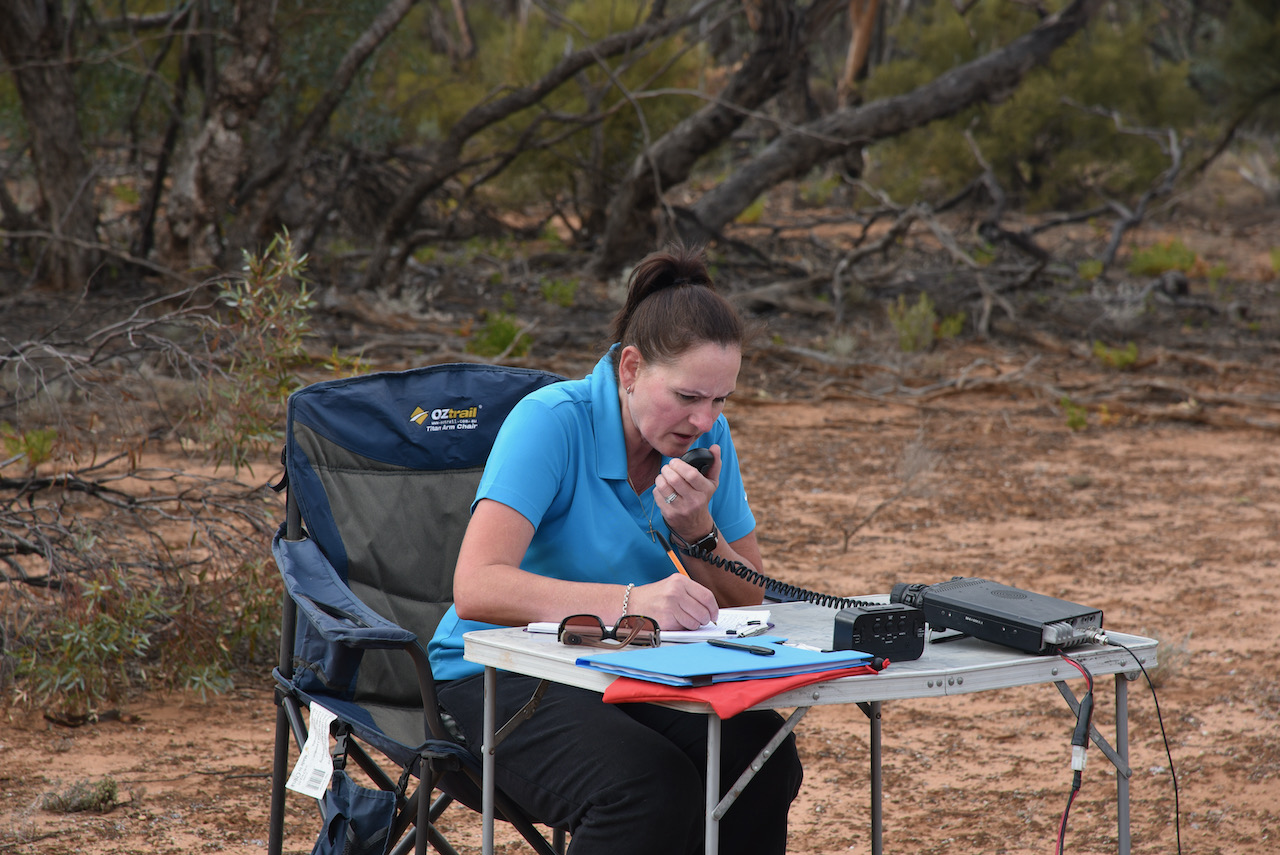
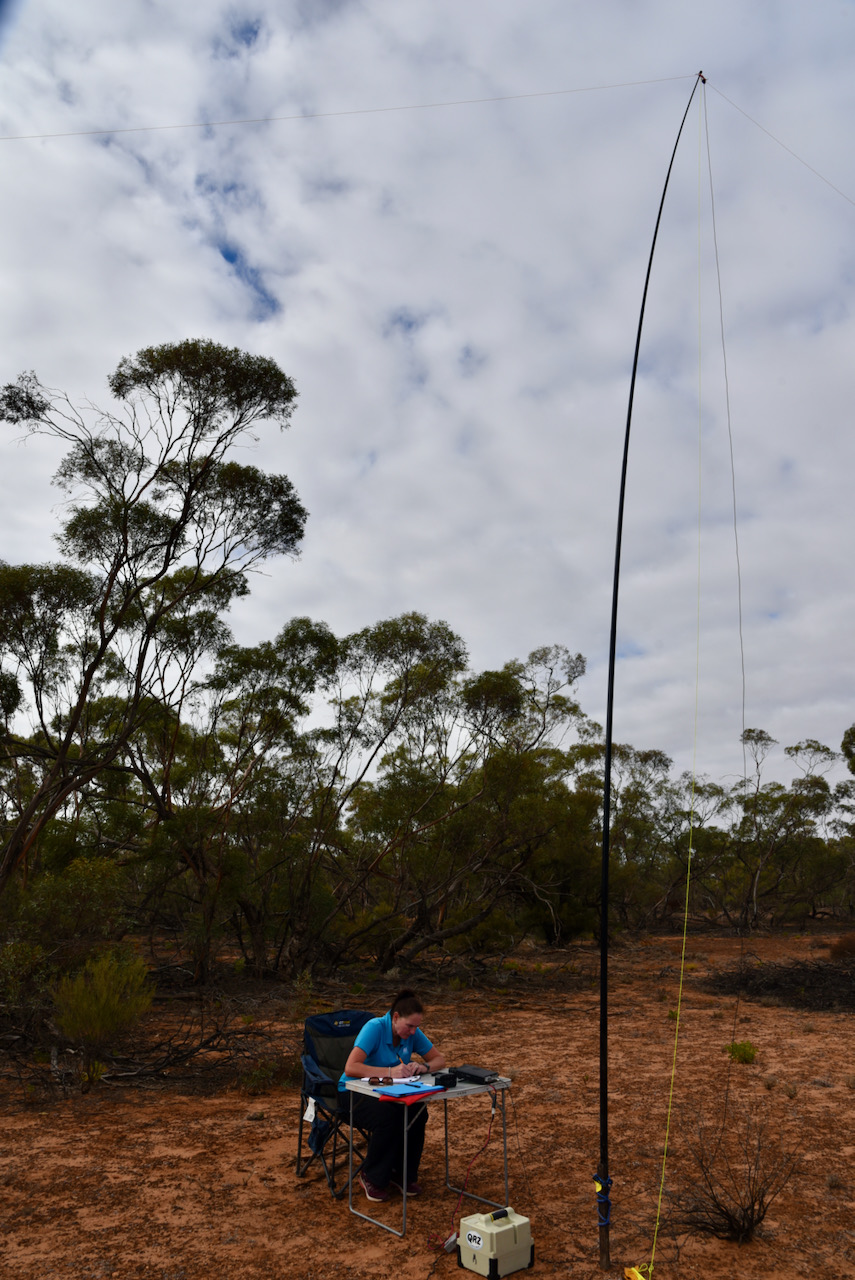
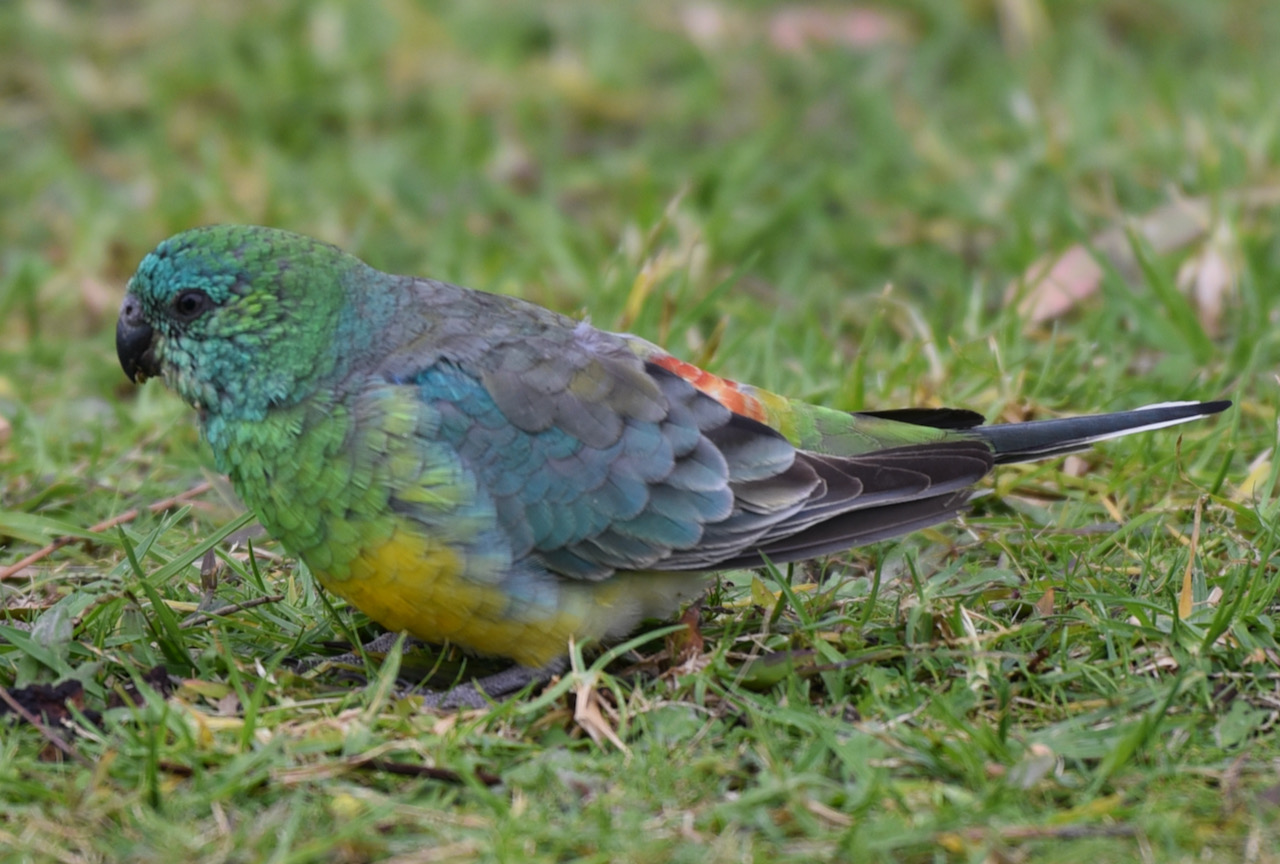
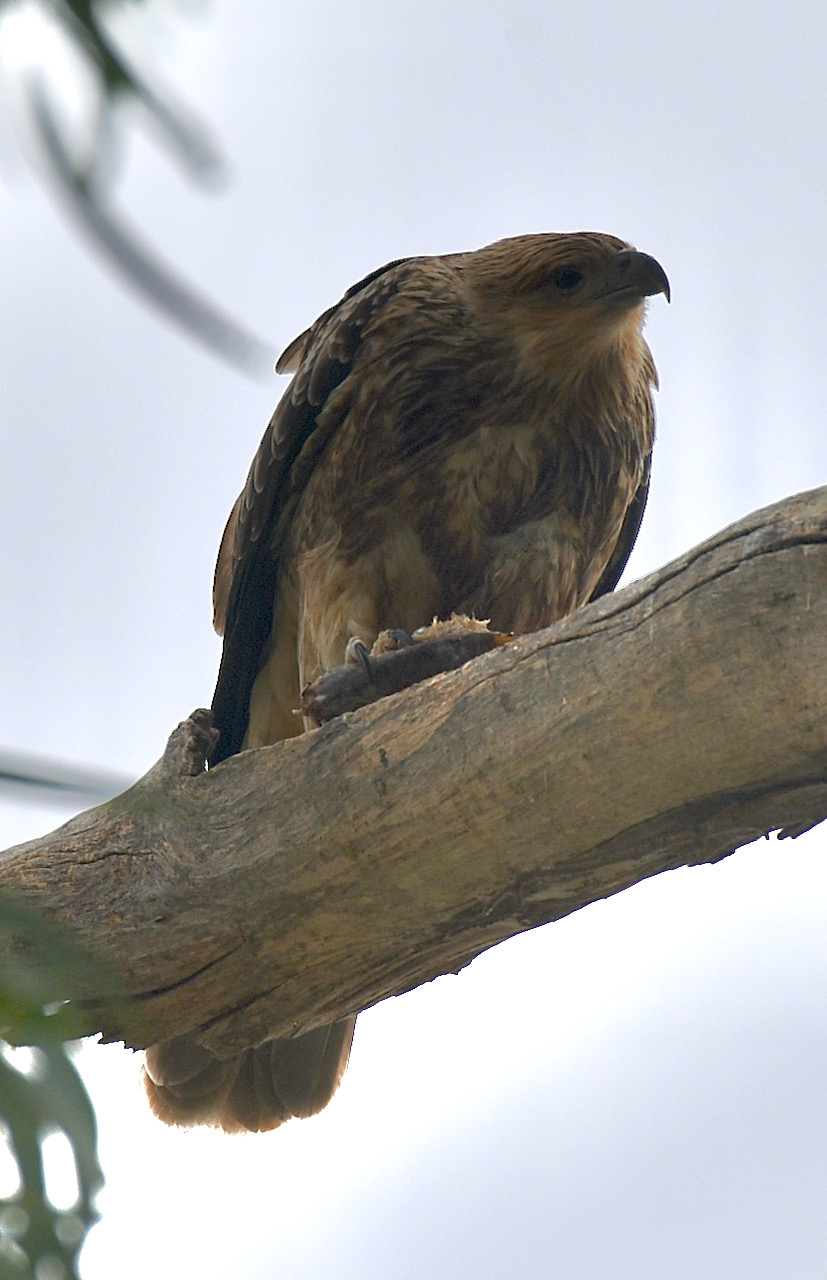
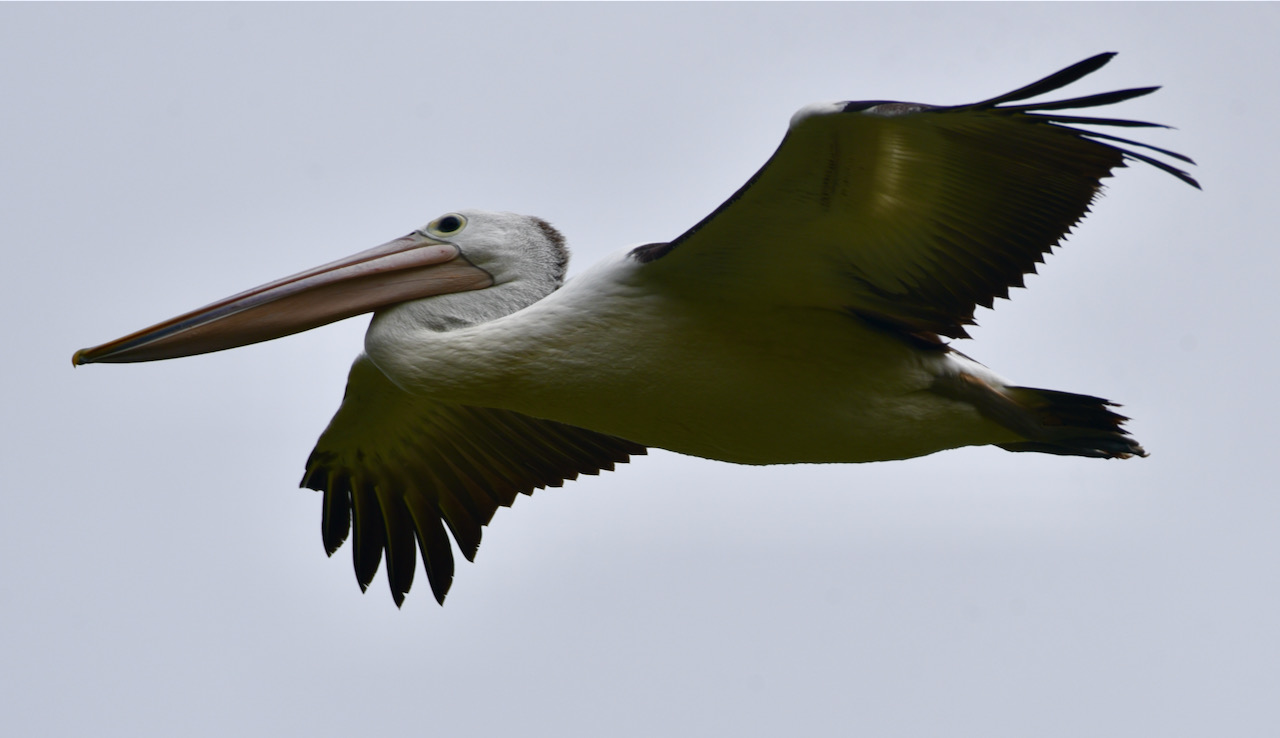
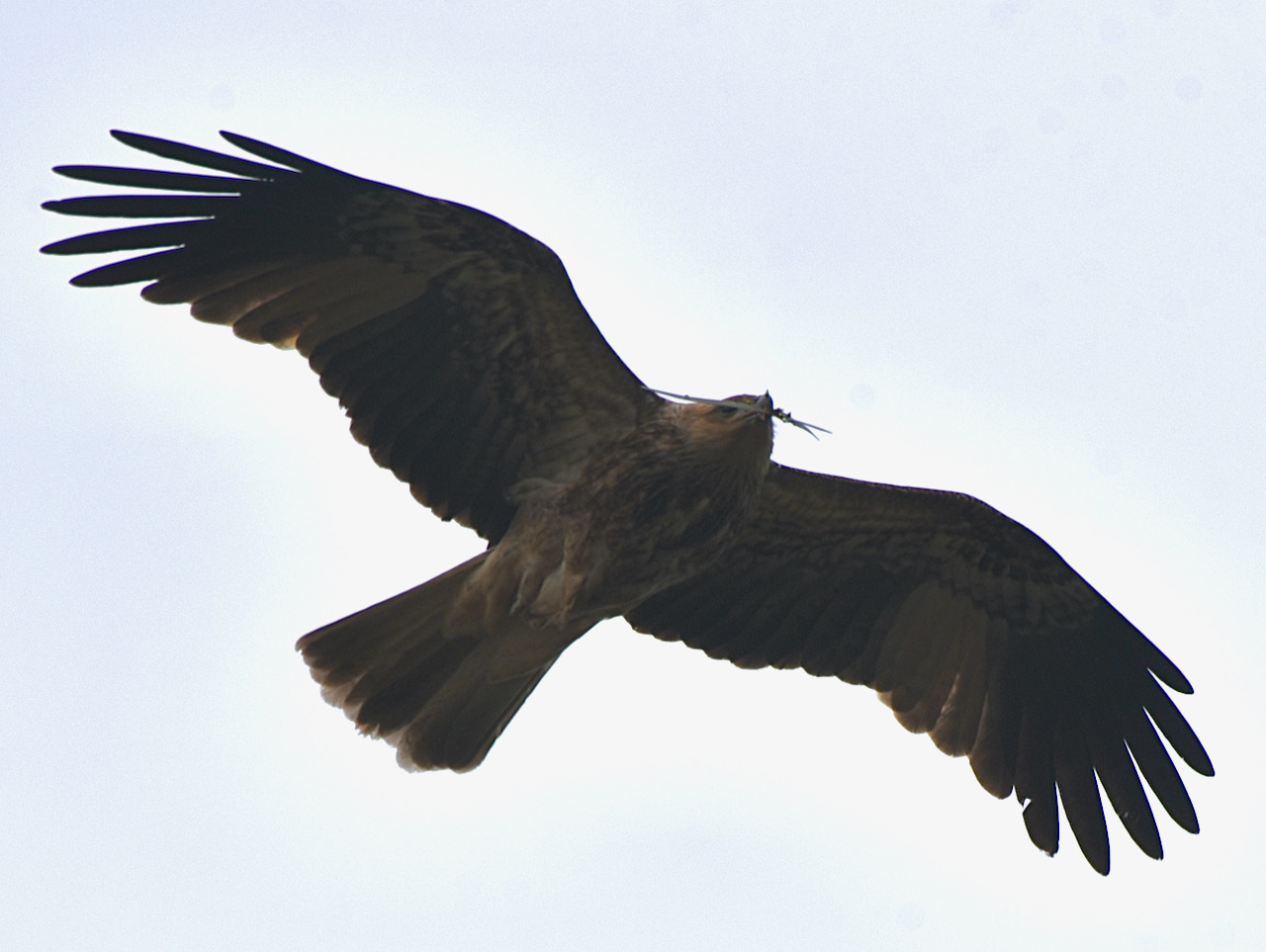
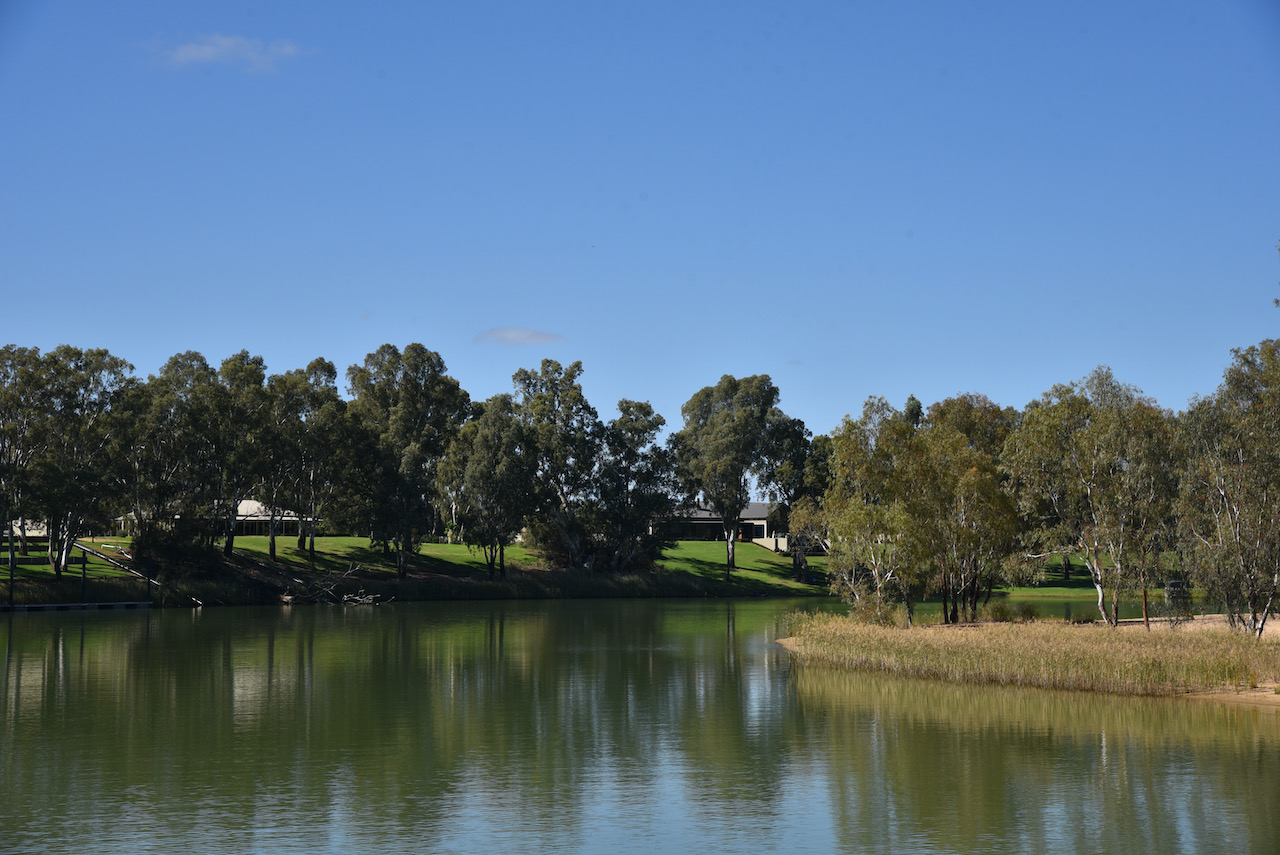
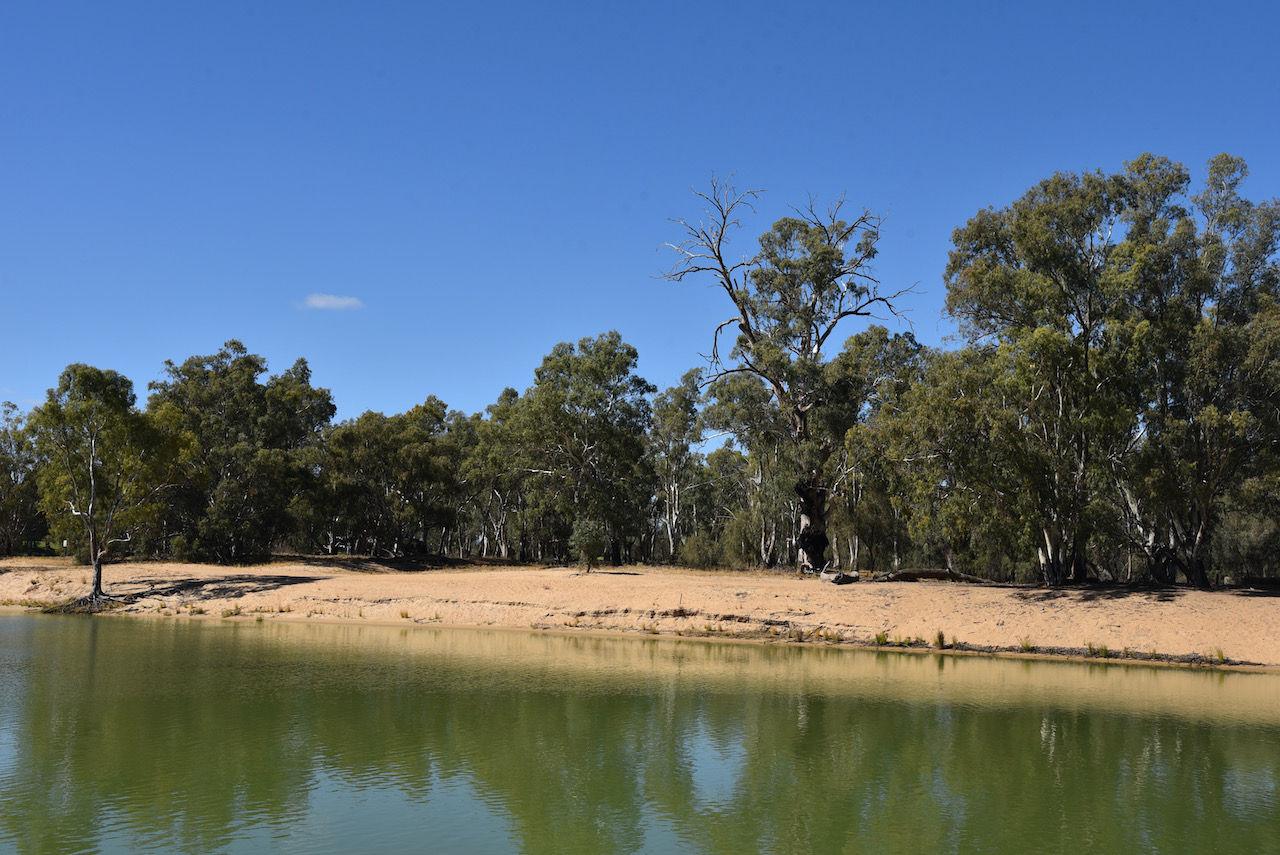
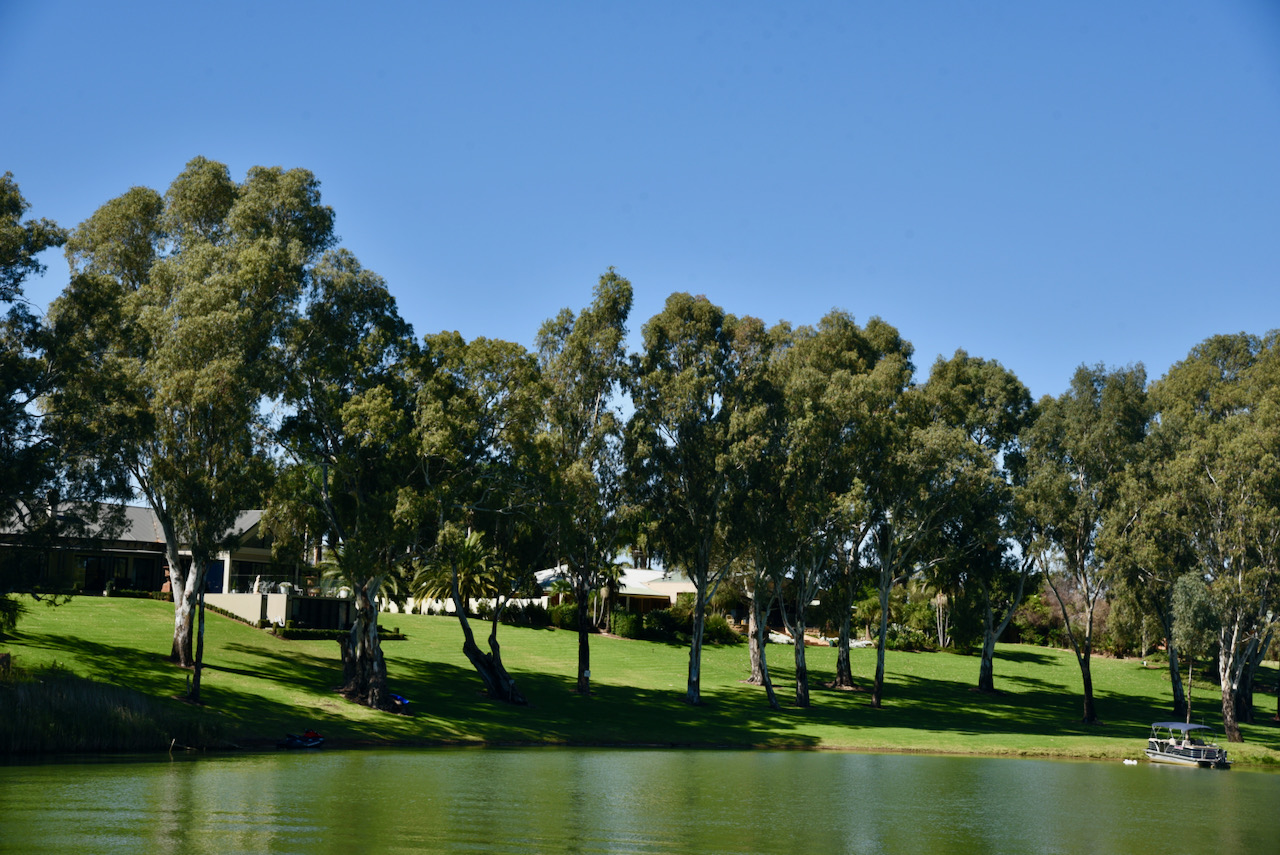
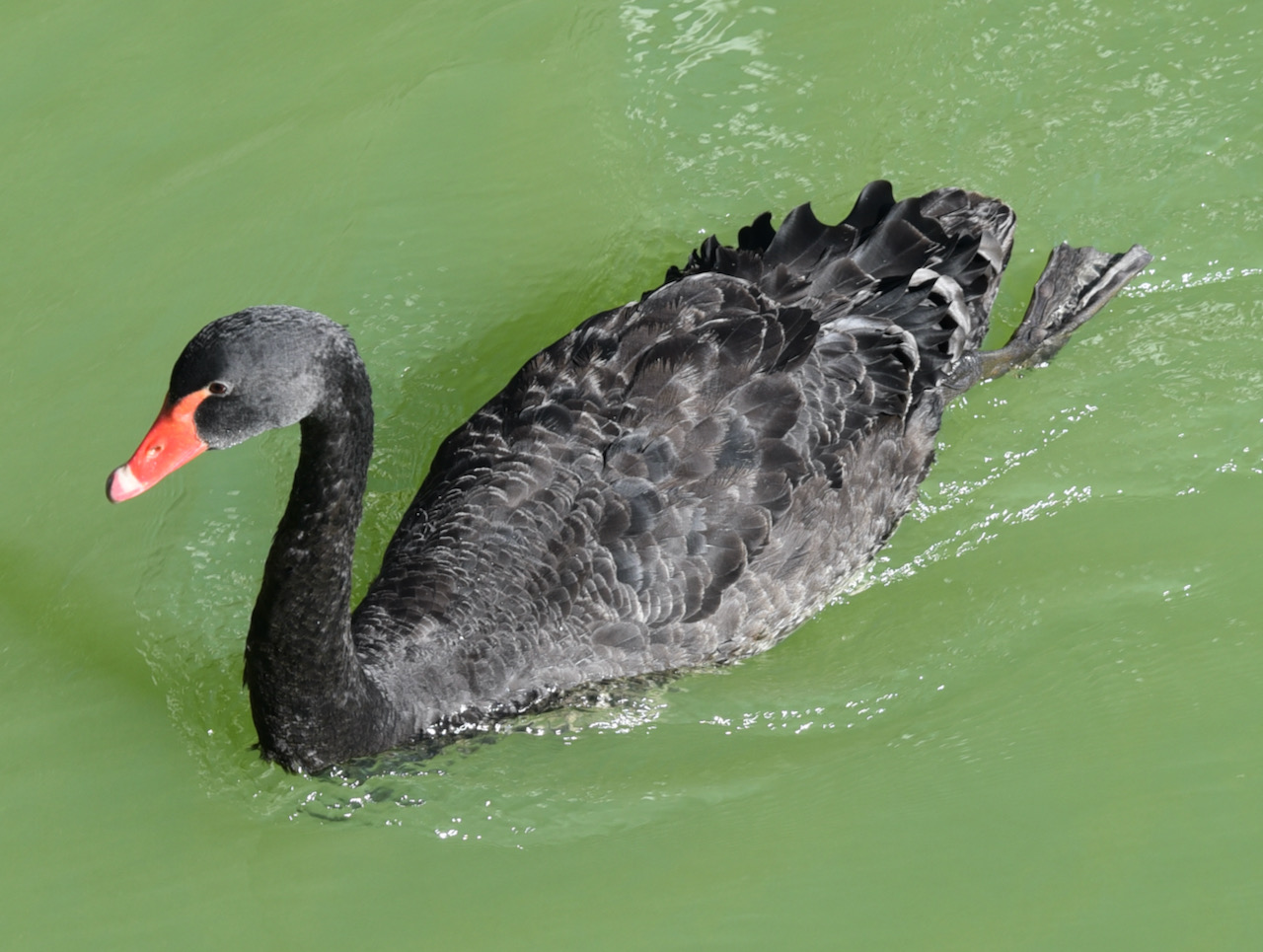
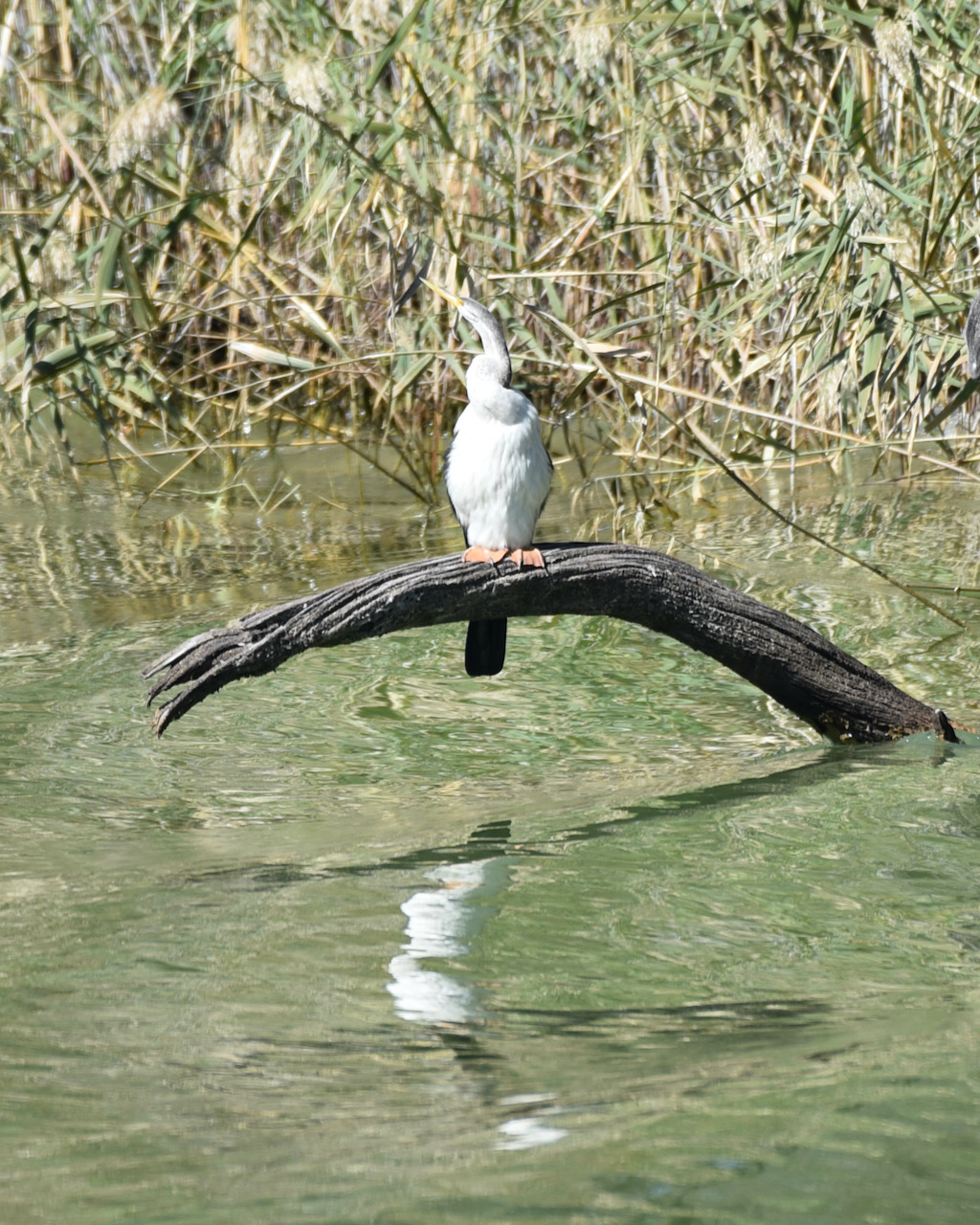
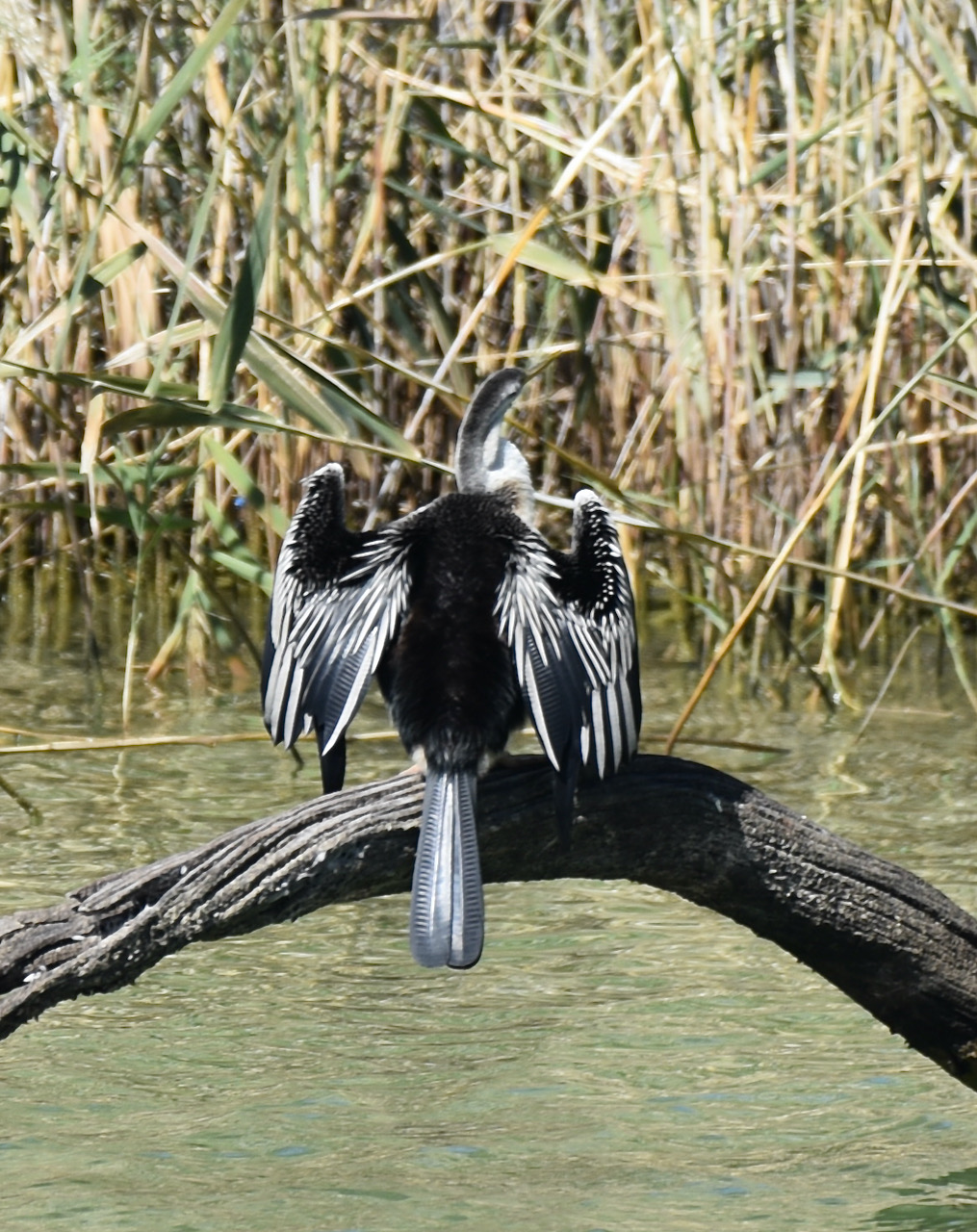
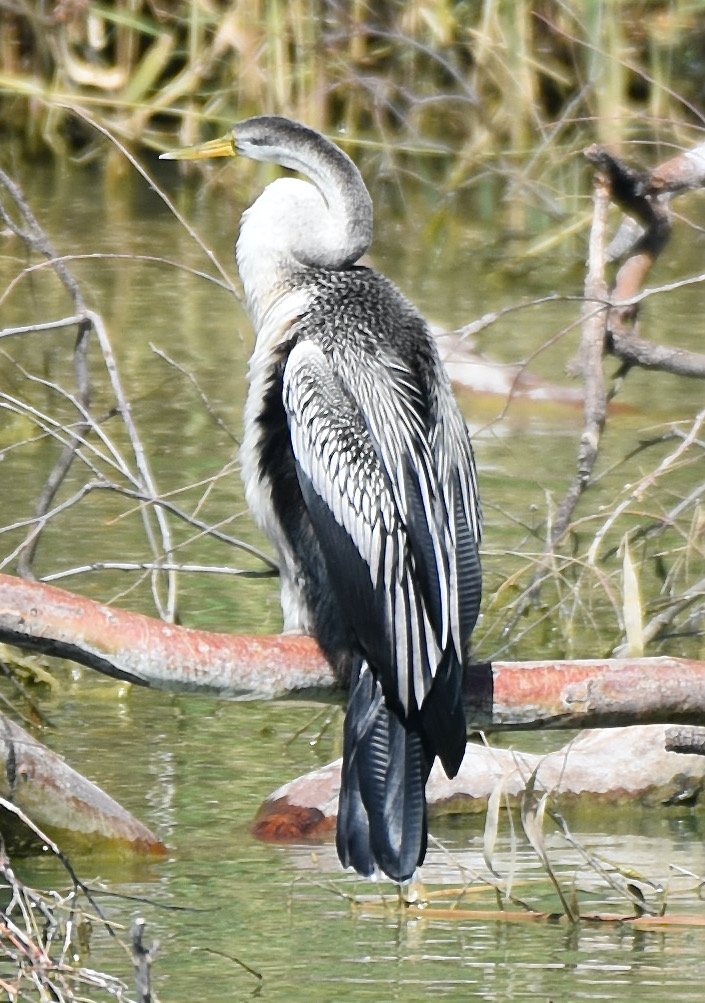
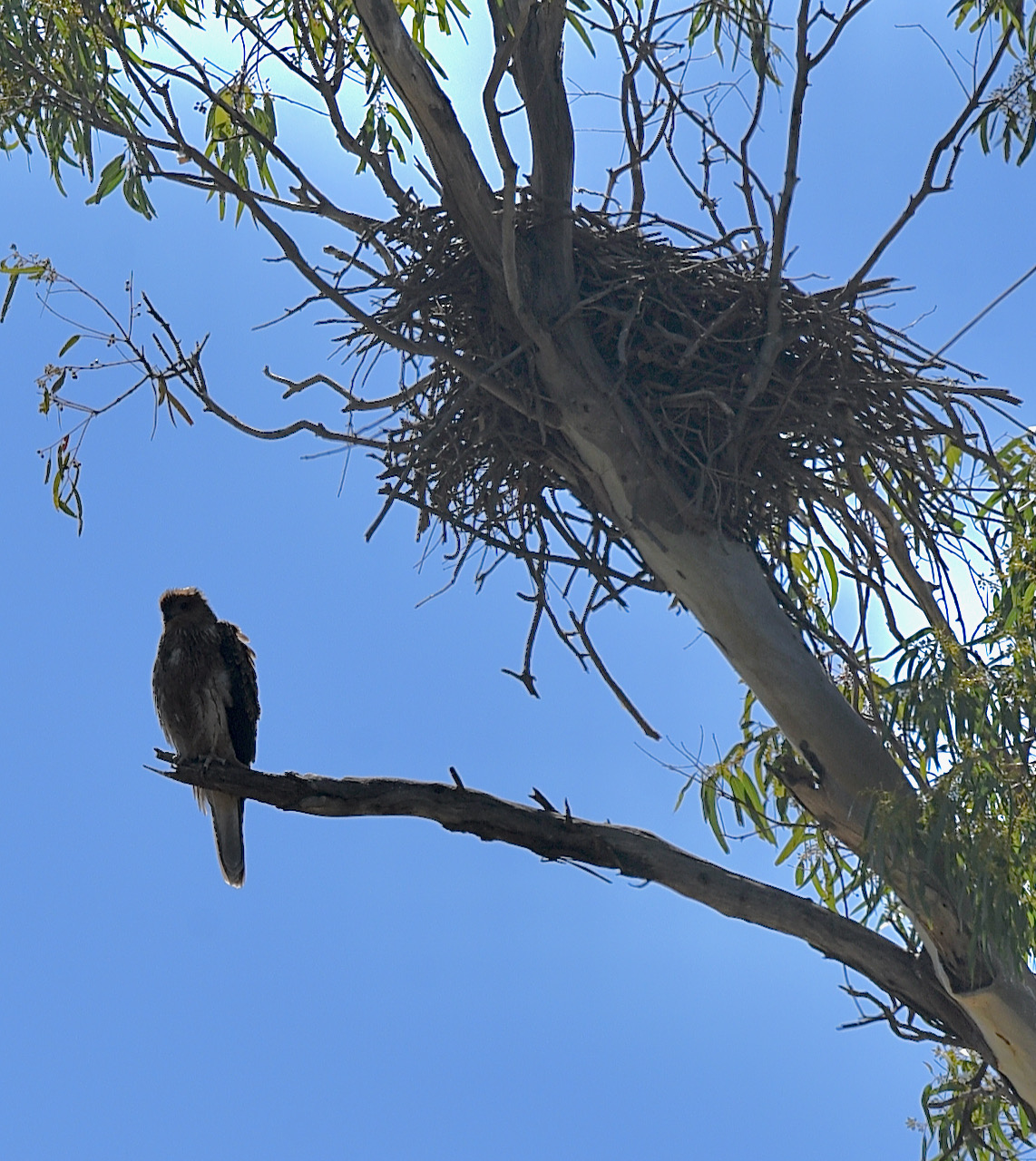
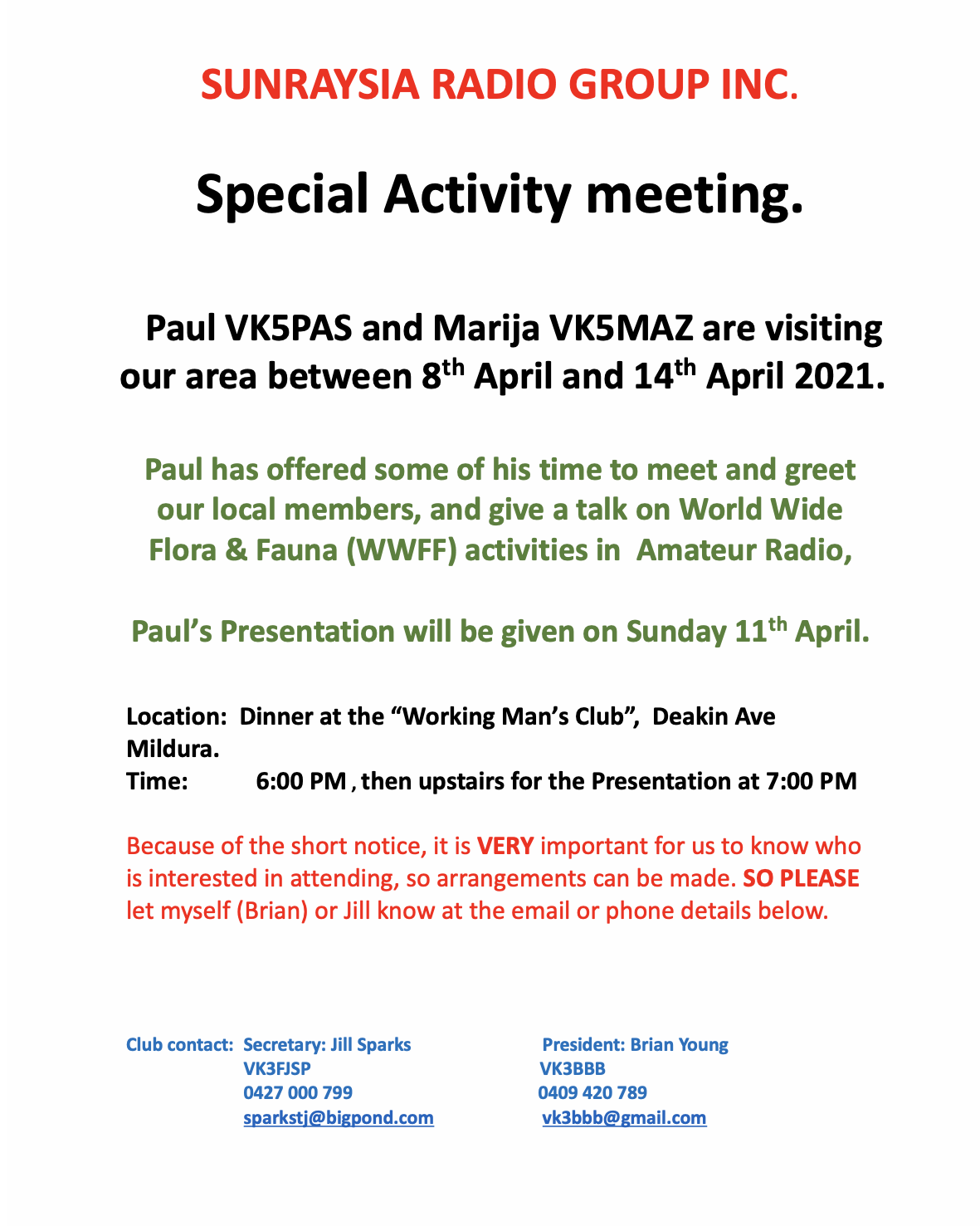
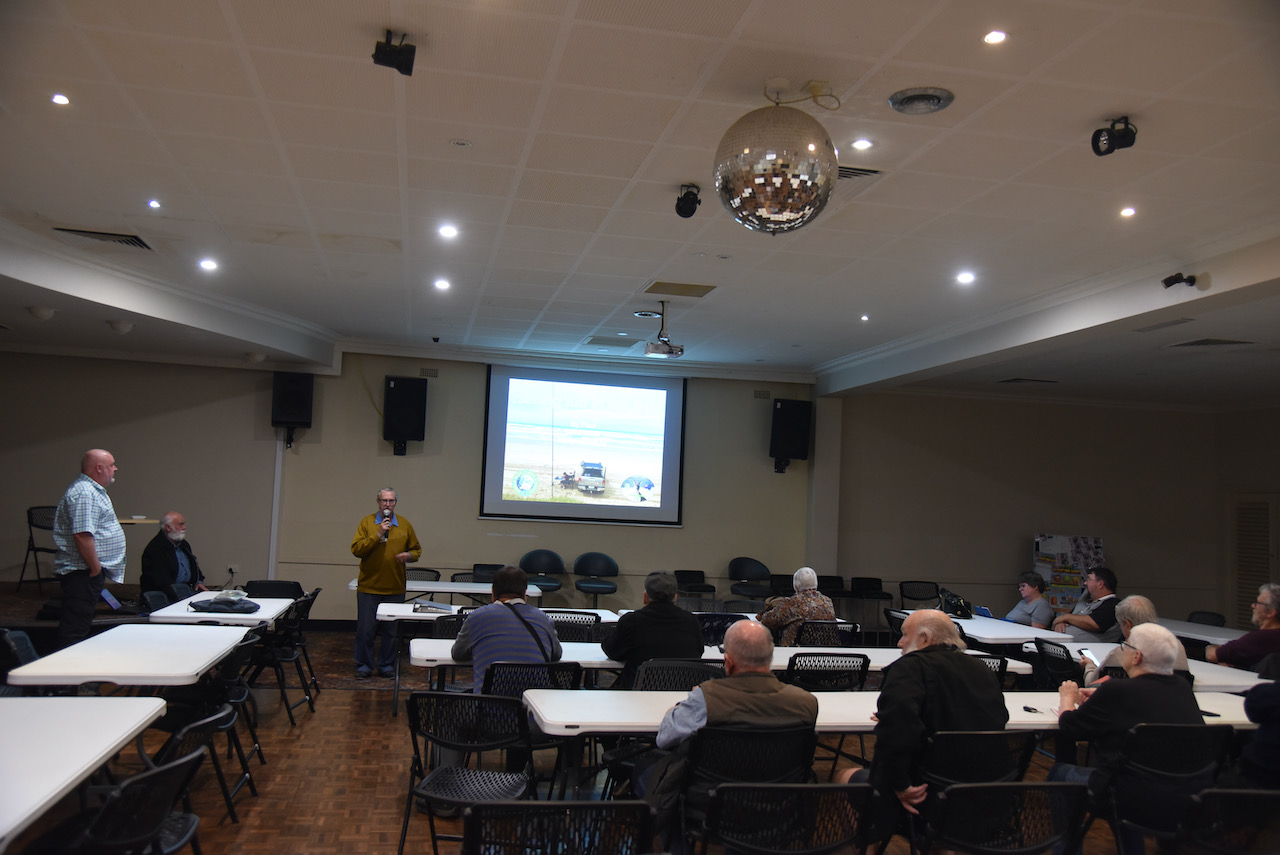
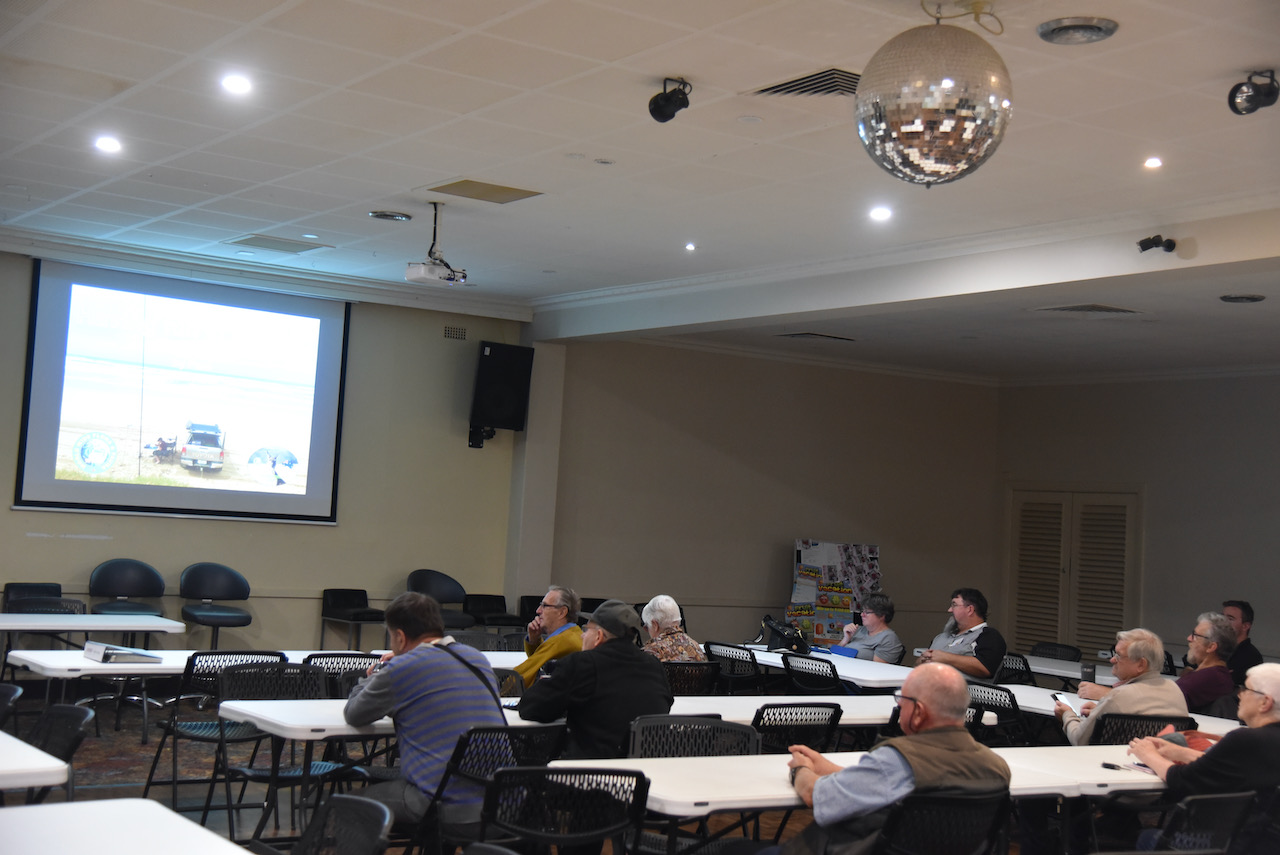
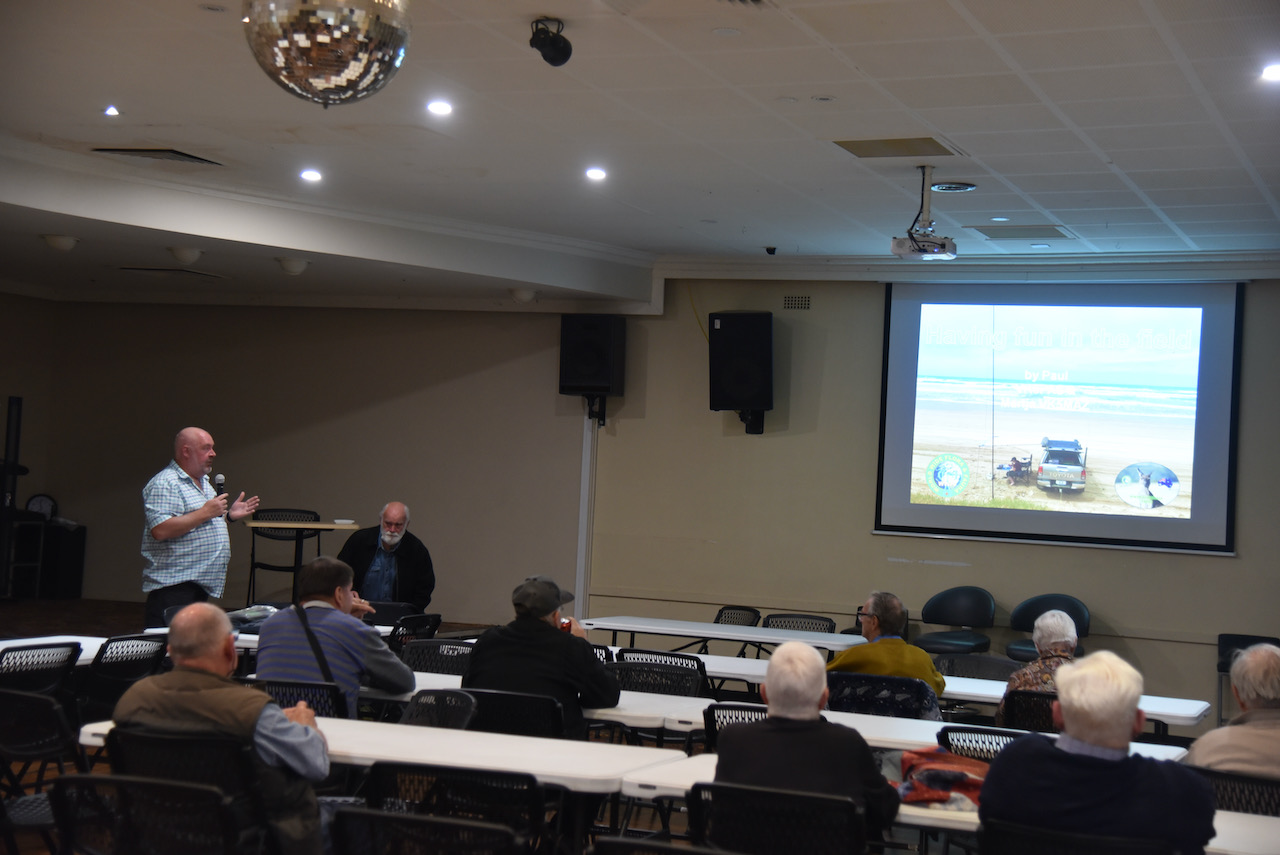
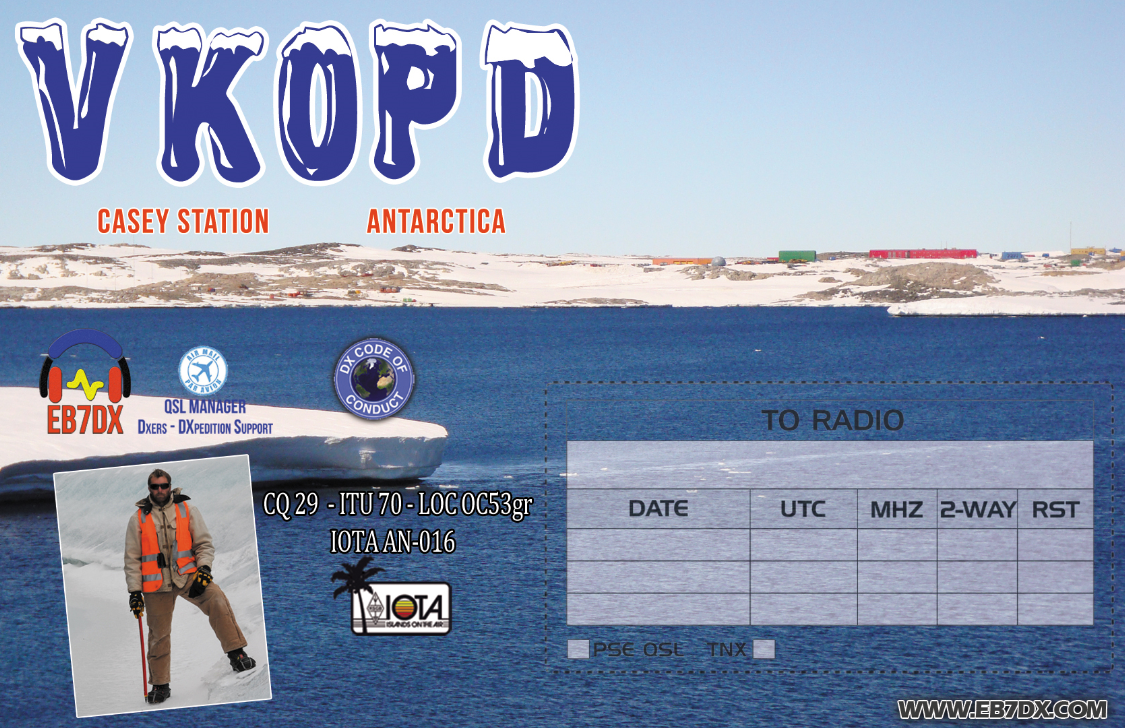
Yesterday I received my latest Park to Park (P2P) award issued for making 1,144 Park to Park contacts.
Thank you to all of the WWFF activators.Also thanks to Swa ON5SWA, the P2P Awards Manager.

Our fourth and final park for the 2020 VKFF Activation Weekend was the Nixon Skinner Conservation Park 5CP-165 & VKFF-0923, which is located about 60 km south of Adelaide and about 4 km south of the town of Myponga.

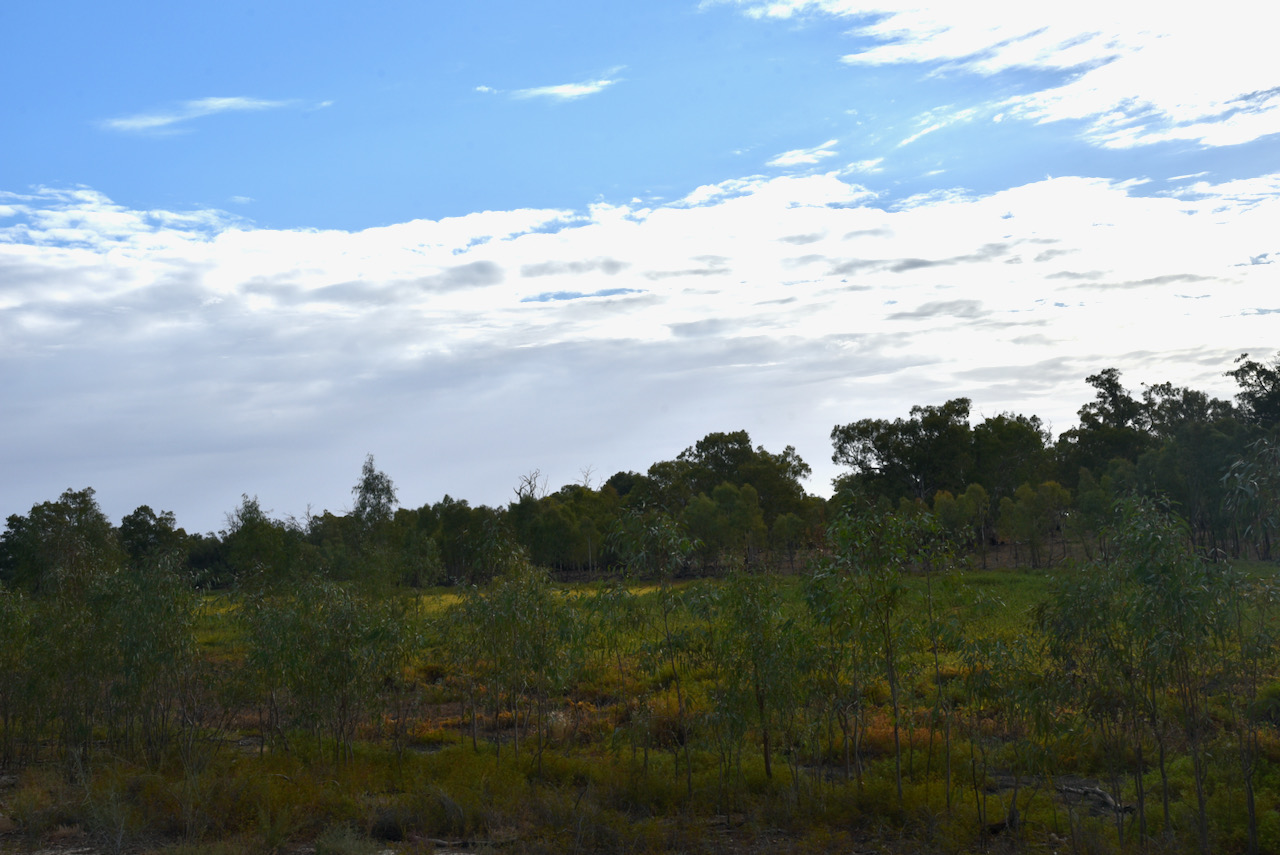
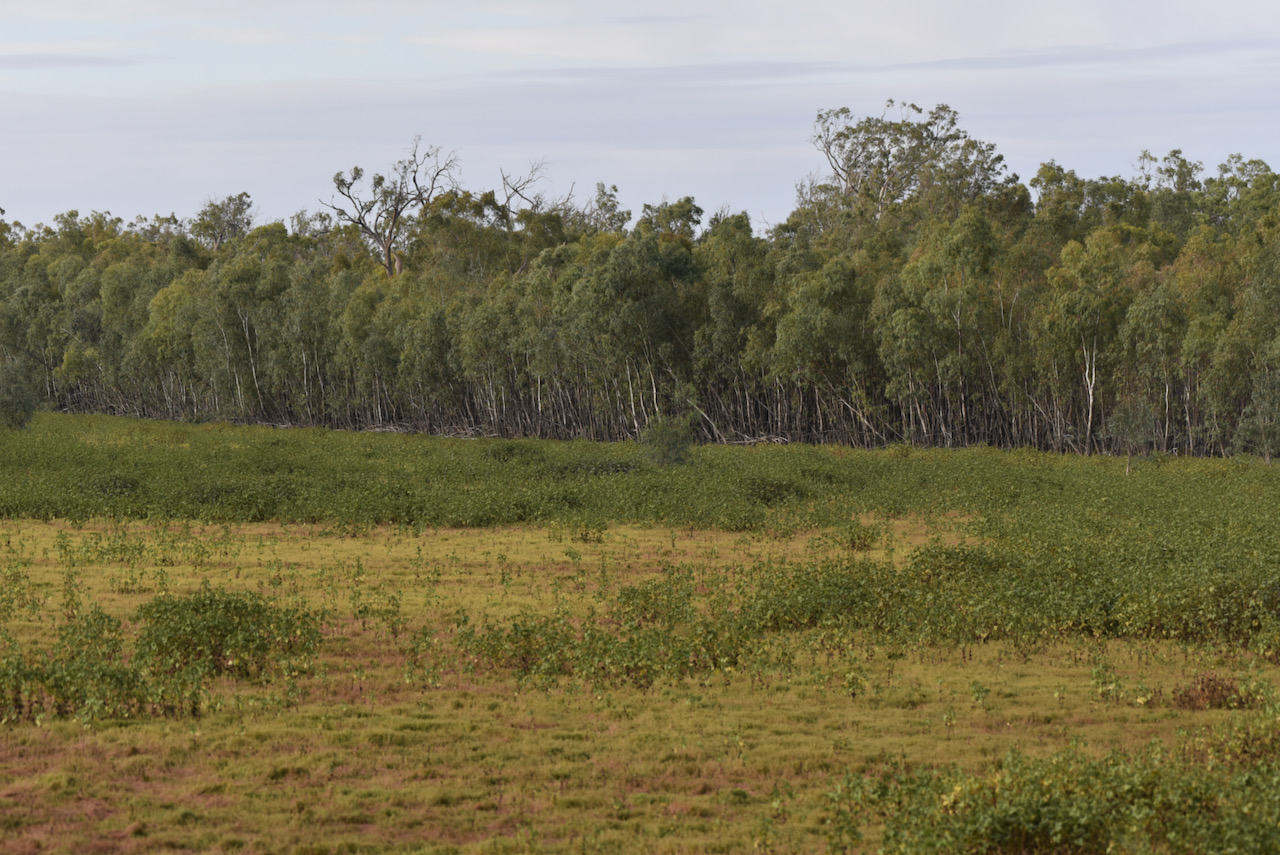
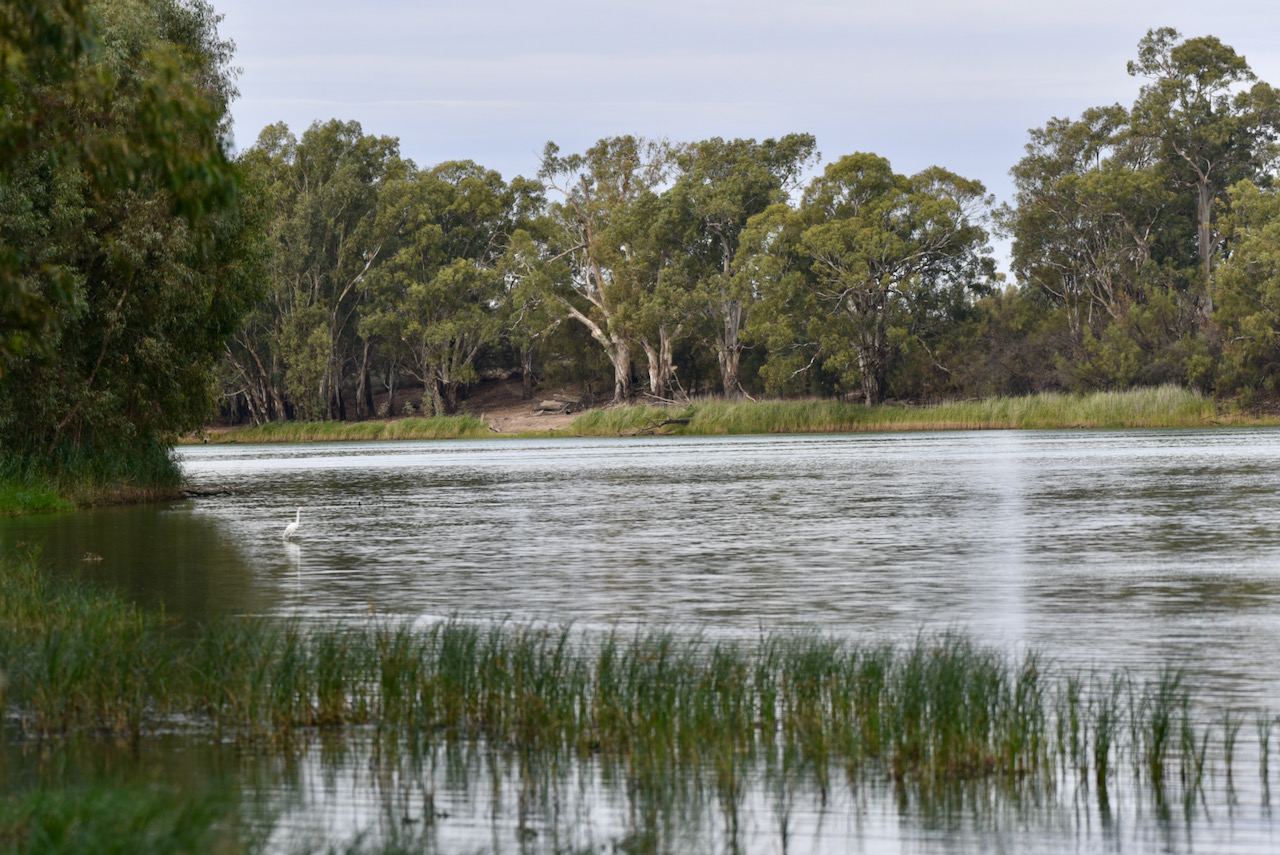
Nixon Skinner Conservation Park is a small park comprising just 8 hectares, but it is a very picturesque park. The park backs onto the Myponga Reservoir and is located adjacent to Main South Road (the main road between Myponga and Yankalilla). There are no signs from the road to indicate the park. There is a small area to park your car, but be careful turning in as Main South Road can be quite busy with the speed limit being 100kph.

The land which became the Nixon Skinner Conservation Park was donated in 1948 by Mrs. Lucy Page of Wattle Flat, to the Field Naturalists Society of South Australia, for use as a natural history reserve.
Mrs. Lucy Eleanor Page nee Nixon (b. 1870. d. 1960) was a long standing and active member of the Field Naturalists Society of South Australia. Mrs. Page lived in the locality for about 60 years.
The land was subsequently bestowed to the National Parks and Wildlife Reserves Commission as the Nixon Skinner Reserve. However the actual land transfer did not occur until the 12th day of April 1961 following the death of Mrs. Page on the 22nd June 1960.
On the 9th day of November 1967 the park was declared the Nixon Skinner National Parks Reserve. On the 27th day of April 1972 it was re-proclaimed as the Nixon Skinner Conservation Park
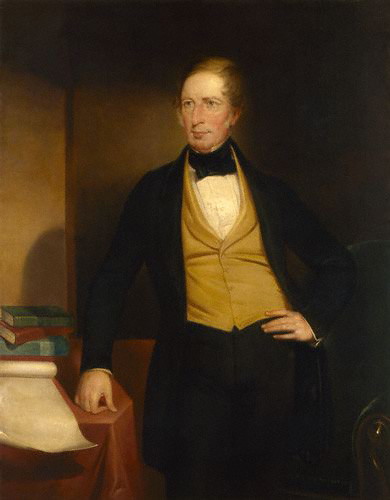
The park was named in honour of the grandfathers of Mrs. Page; Thomas Skinner (b. 1814. d. 1902) and William Millington Nixon (b. 1814. d. 1893).
Thomas William Skinner was born on 2nd September 1822 in Robertsbridge, Sussex, England. Thomas emigrated to Australia in 1854 aboard the ‘Ostrich’. He died on the 2nd April 1902 in Yankalilla.
William Millington Nixon was born on 1st August 1814 in Birmingham, England. He arrived in Melbourne in 1855 aboard the ‘Champion of the Seas’. He then transferred to the ship ‘Havilah‘ and sailed to Adelaide. He lived in the Yankalilla area in 1866.
The land was the first privately donated reserve to be established in South Australia for the preservation in peerpetuity of native plants and animals and for the enjoyment of nature lovers.
In 1980 a plaque was erected in the park by the Field Naturalists Society of South Australia Incorporated. The plaque was unveiled on the 24th day of February 1980, by the Hon. David Wotton, Esq, M.P. Minister of Environment. About 60 people were in attendance, including Mrs. Page’s three surviving daughters.

At the official unveiling of the plaque, Mr. Wotton said:
“this beautiful Myponga area showed that she (Lucy Page) had a far sighted and truly conservationist attitude’.
There is a very easy, but enjoyable walk in the park. It is a distance of about 1.3 km and is about 30 minutes return. The walk concludes at Gate 26 of the reservoir. More information can be found on the Walking SA website at…..
The park consists of Messmate Stringybark, Pink Gum, River Red Gum, Erect Guinea-flower, Heath Tea-tree, Myrtle Wattle, Golden Wattle, South Australian Blue Gum, Silver Banksia, Cross-leaved Honey-myrtle, and Silky Tea-tree.
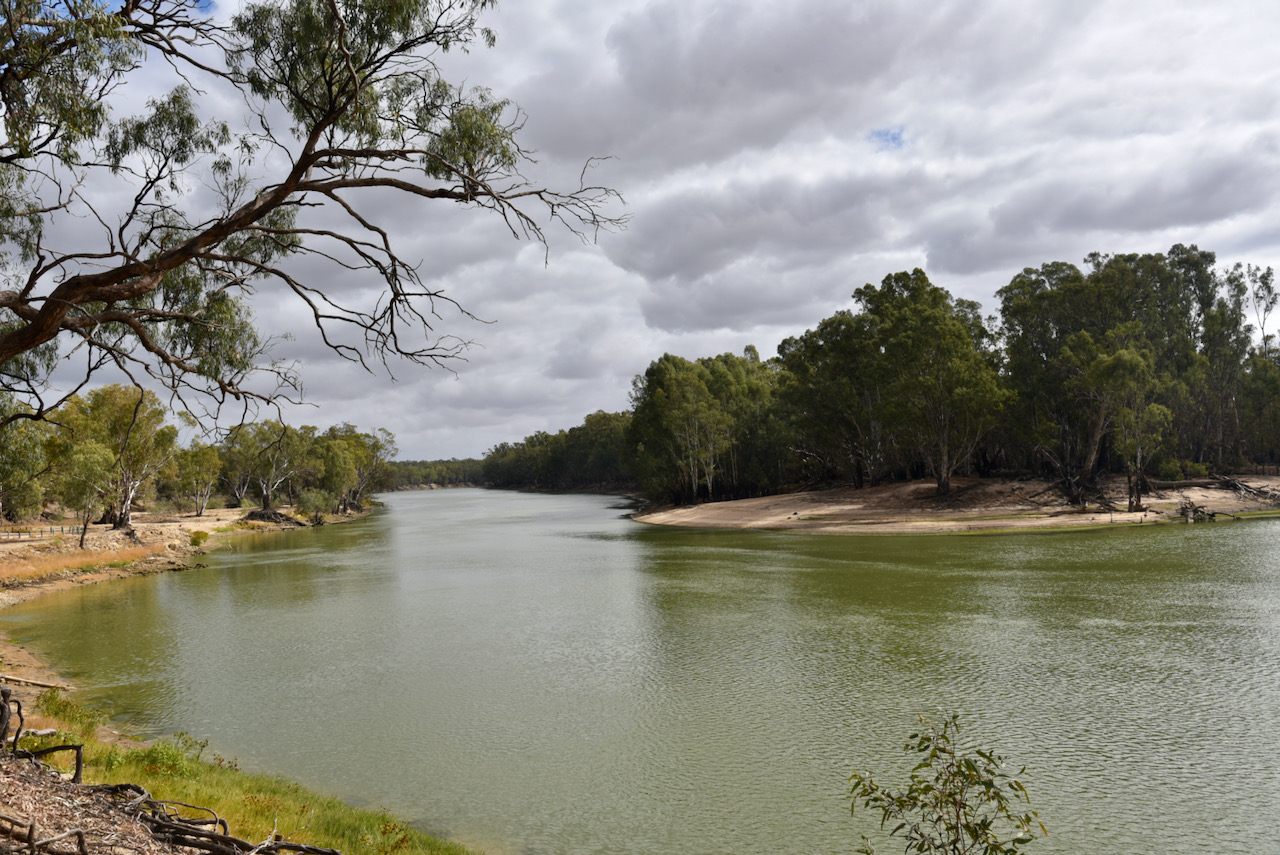
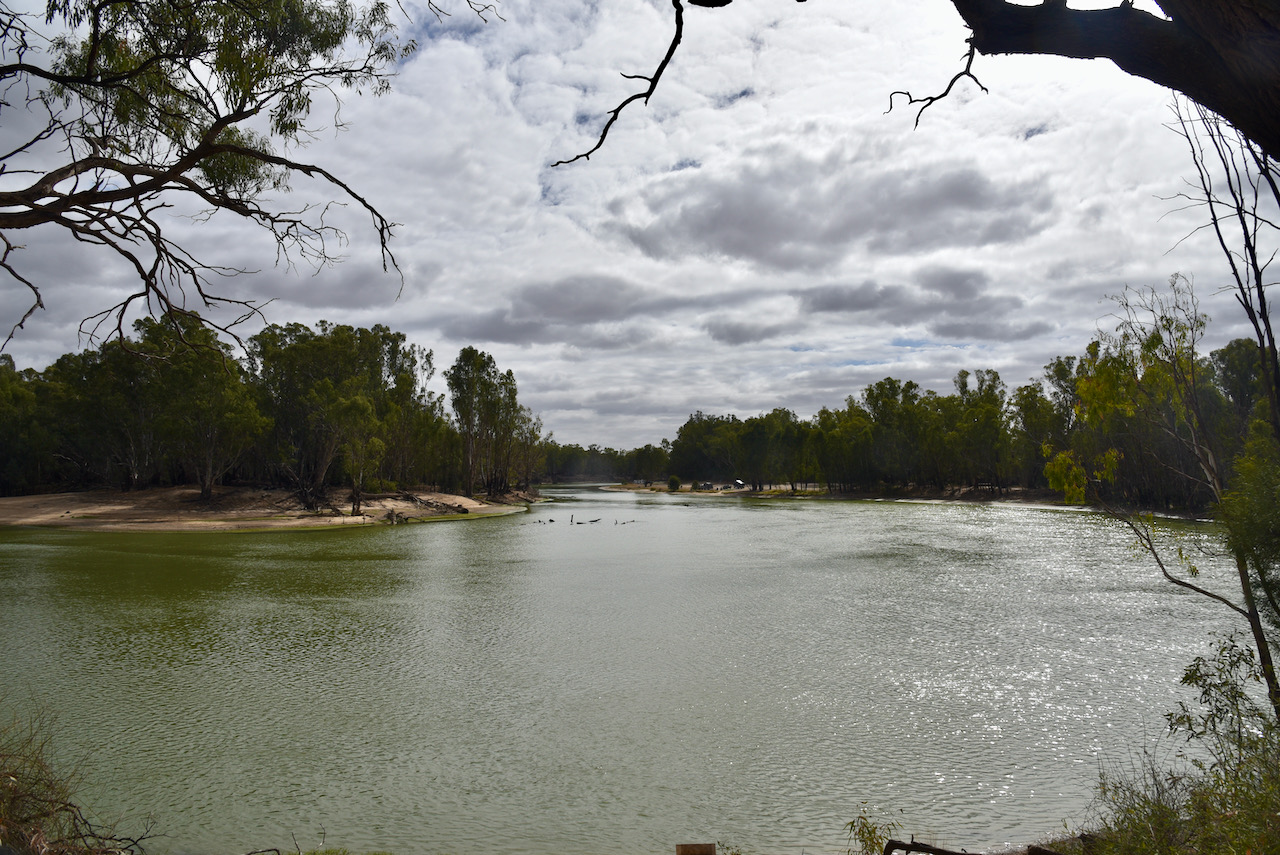
There are some spectacular views to be enjoyed in the park of the adjoining Myponga Reservoir.


The video below shows the Nixon Skinner Conservation Park and the Myponga Reservoir from the air (via drone).
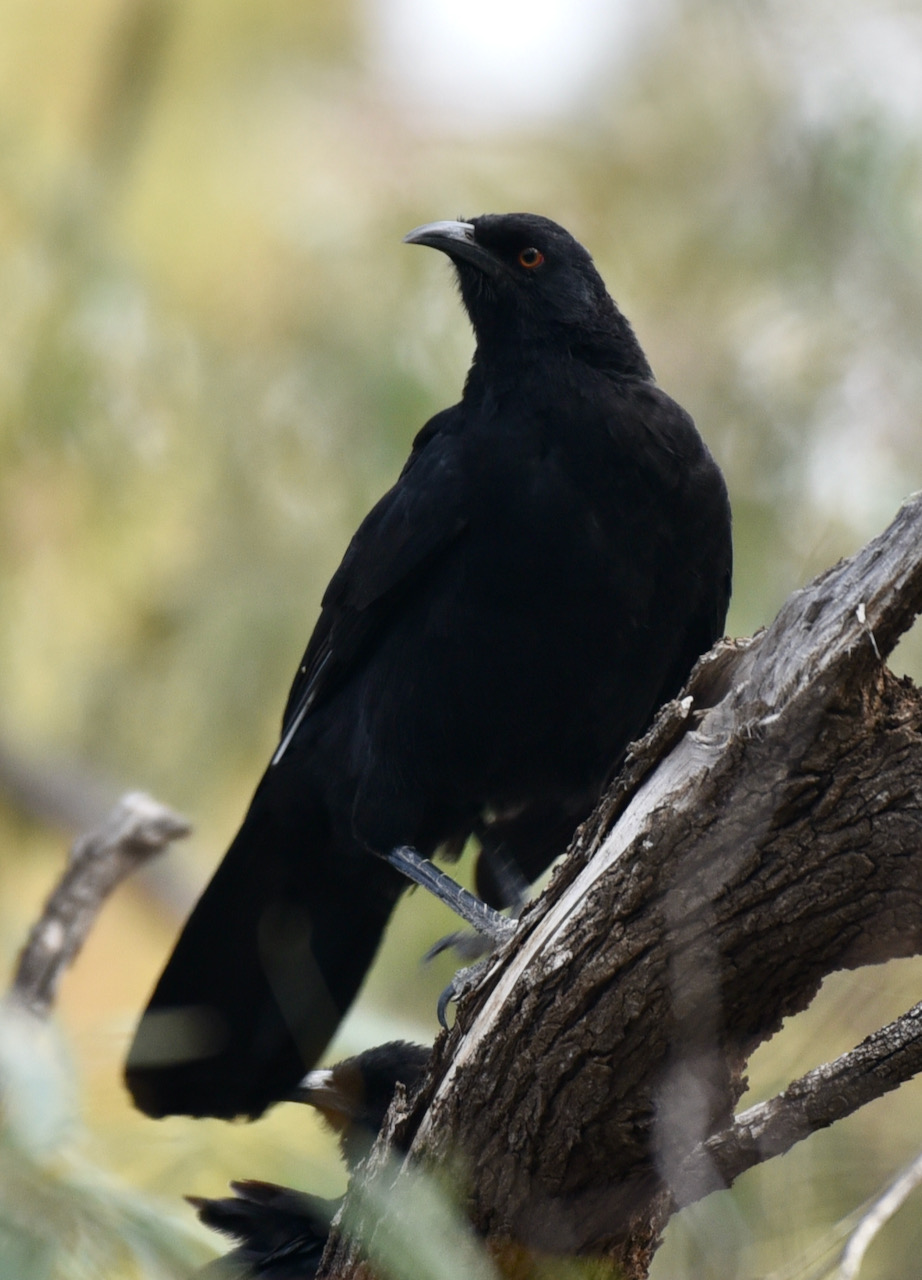
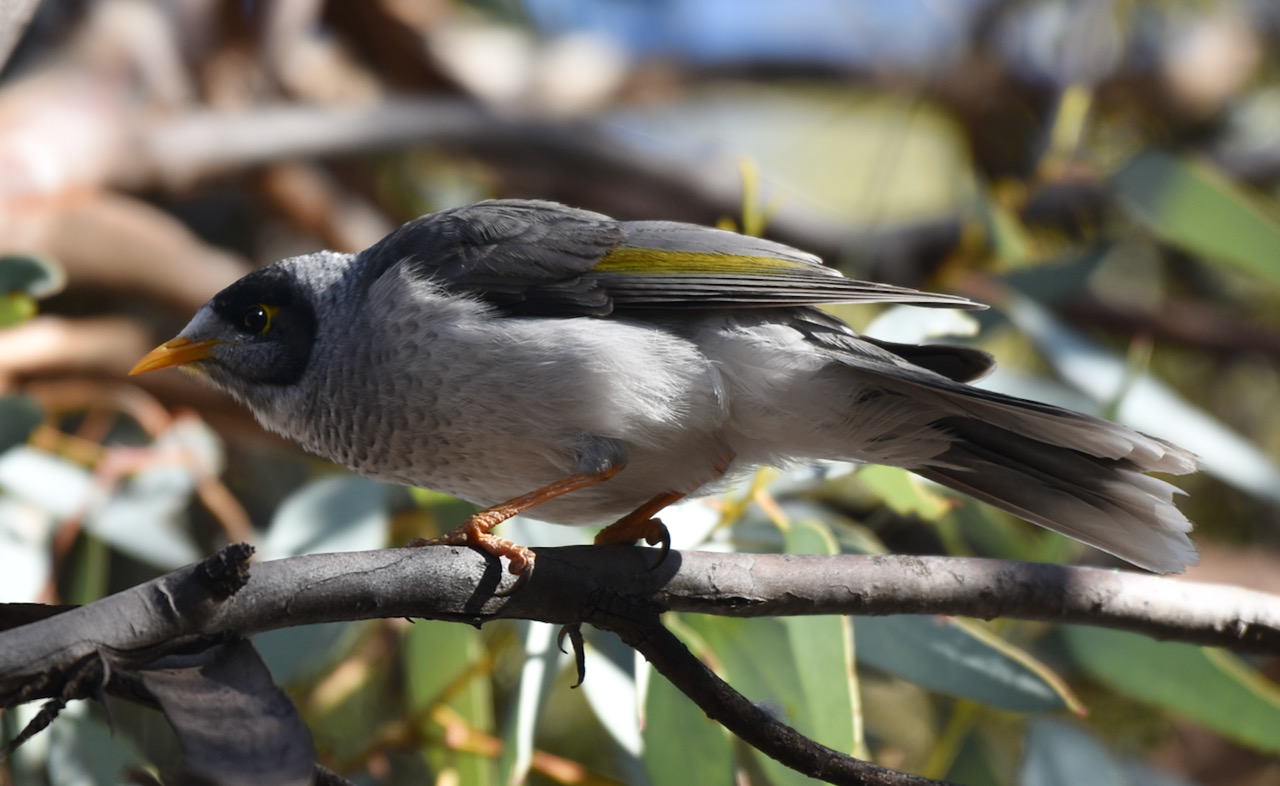
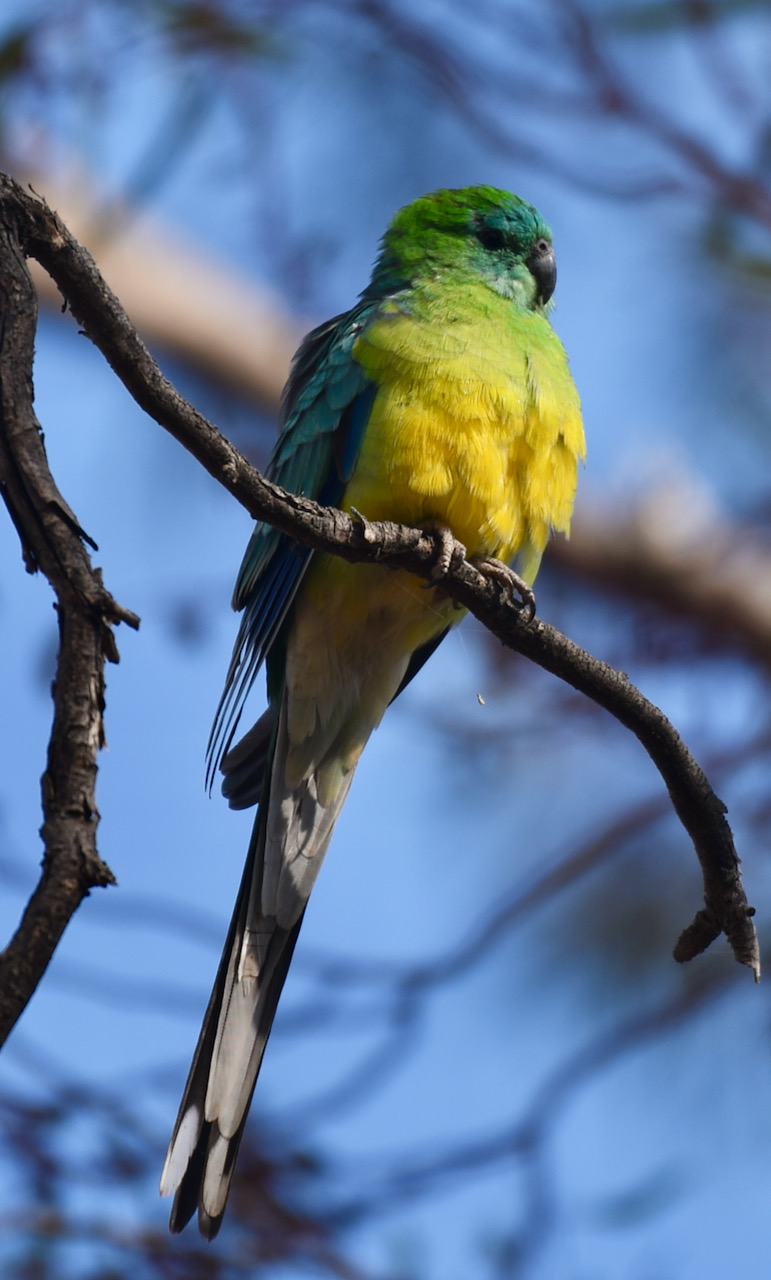
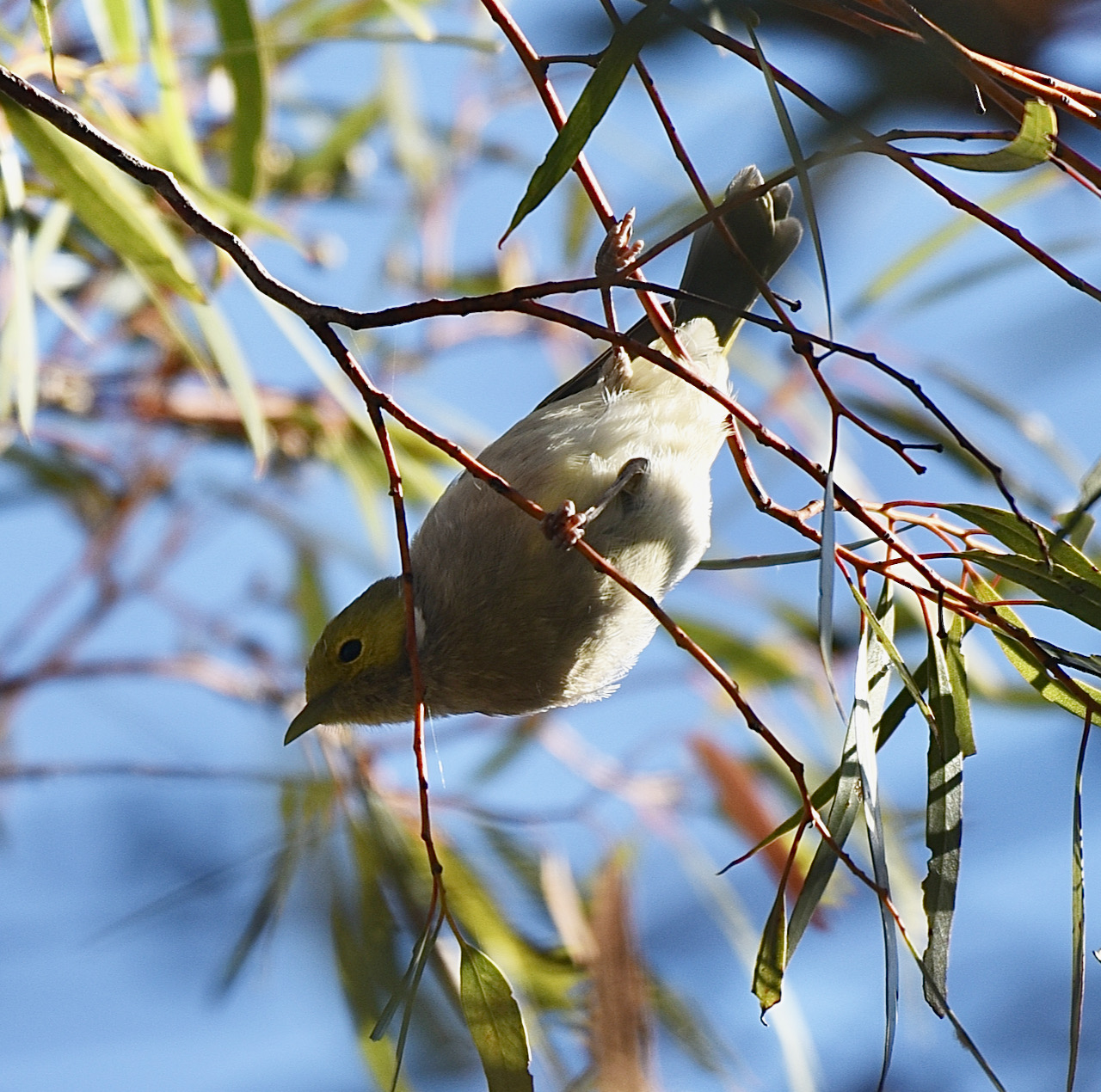
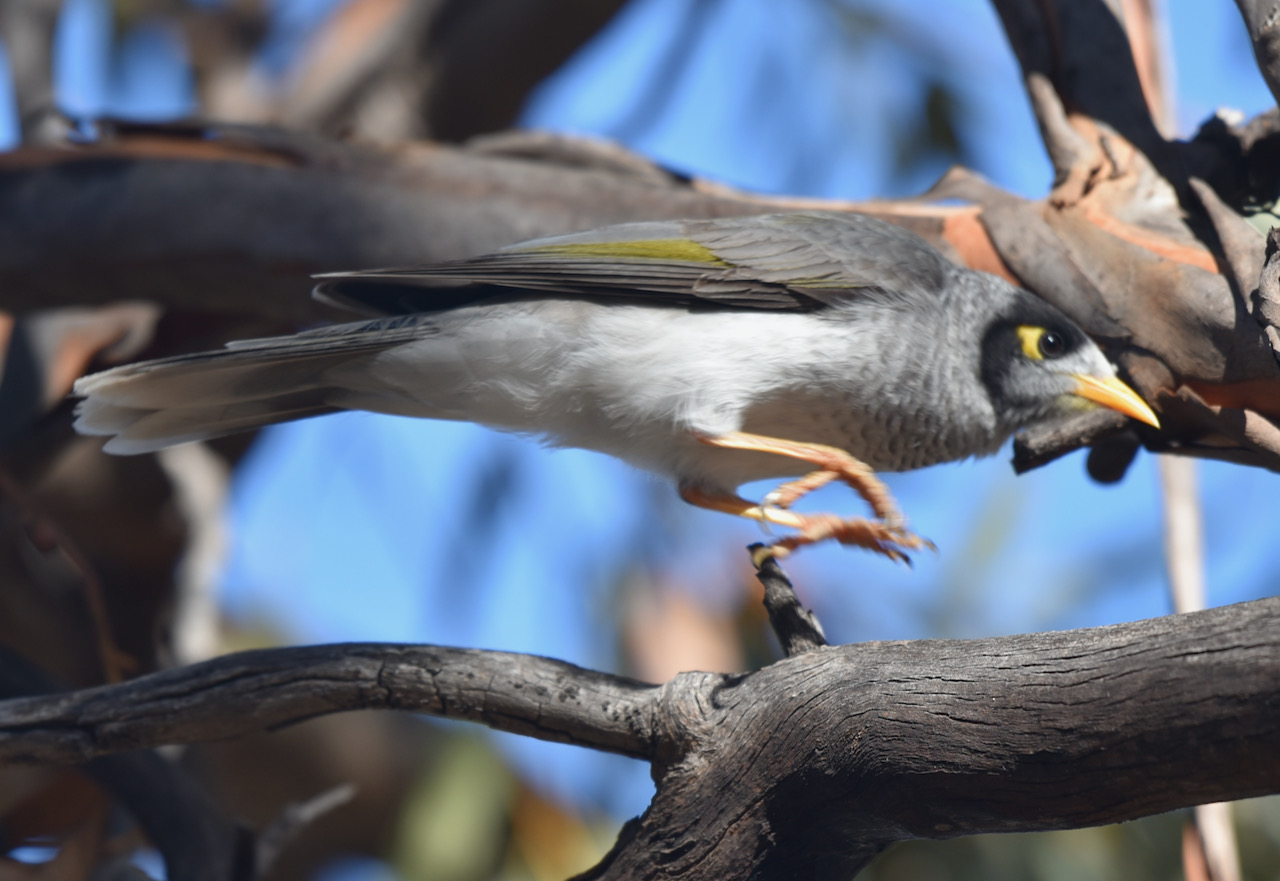
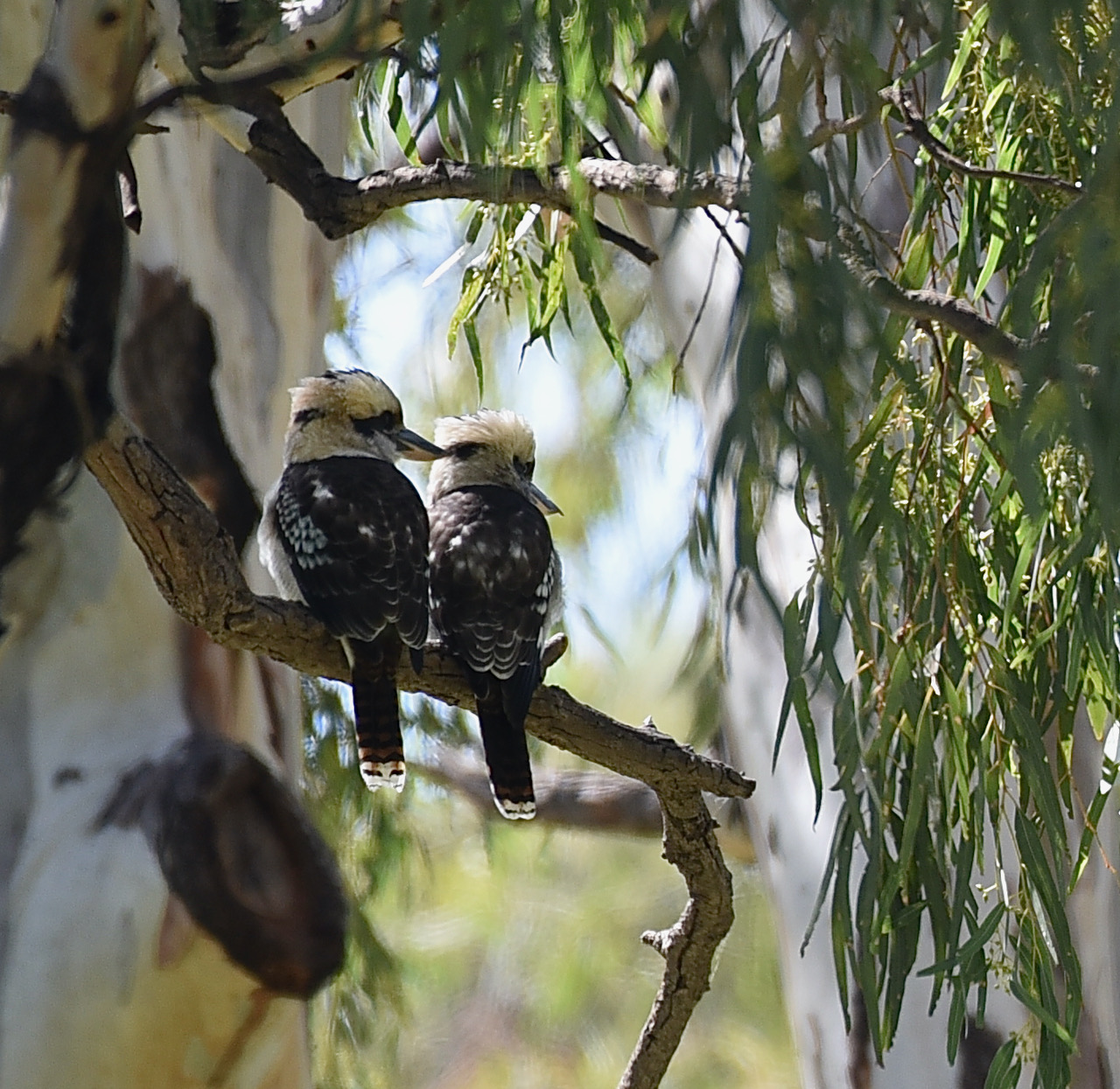
Birds SA have recorded a total of 81 species of bird in the park including :auhing Kookaburra, White-throated Treecreeper, Superb Fairywren, Crescent Honeyeater, Brown Thornbill, Grey Shrikethrush, Scarlet Robin, Musk Lorikeet, Willie Wagtail, Restless Flycatcher, Rufous Whistler, and Black-capped Sittella.
Below you can see some photos I took during my time in the park.


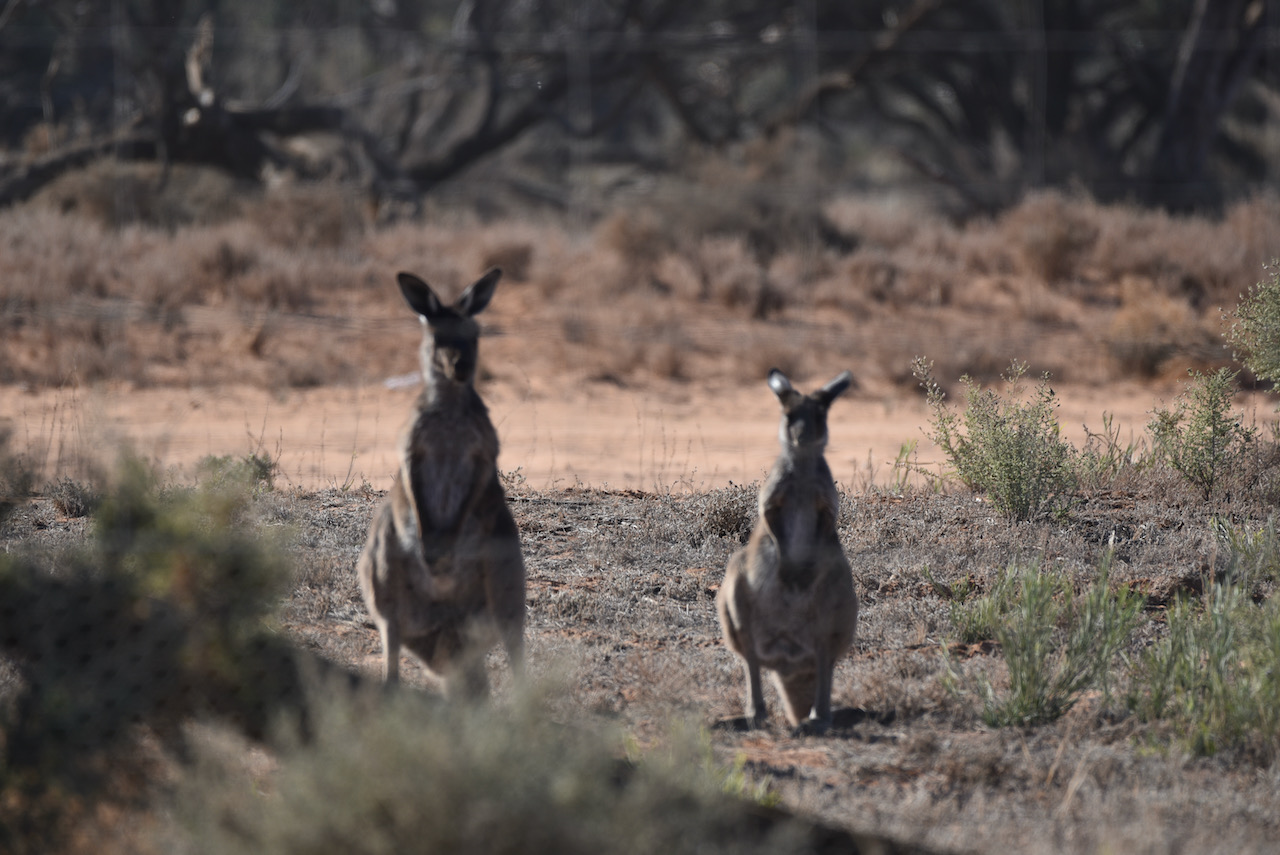
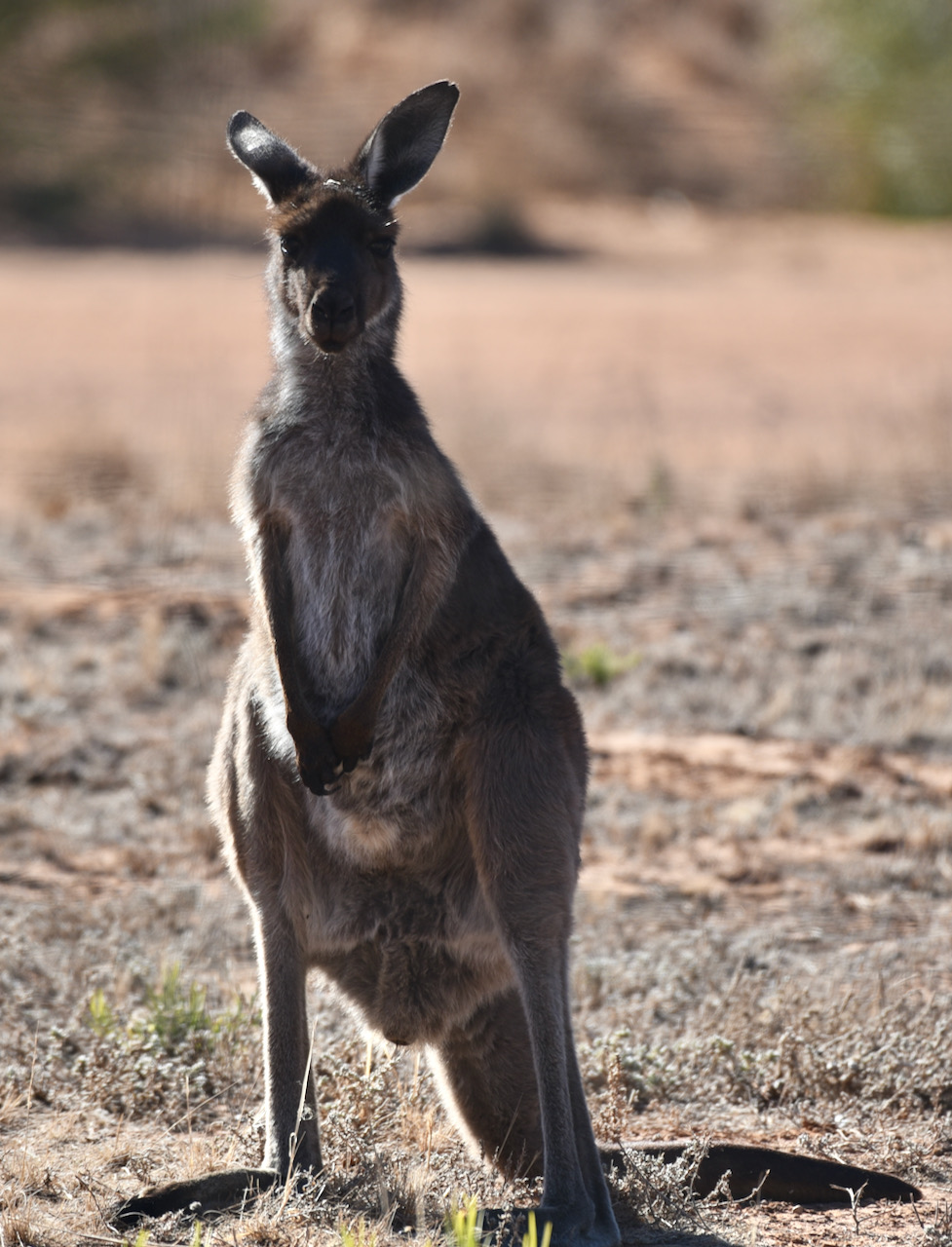
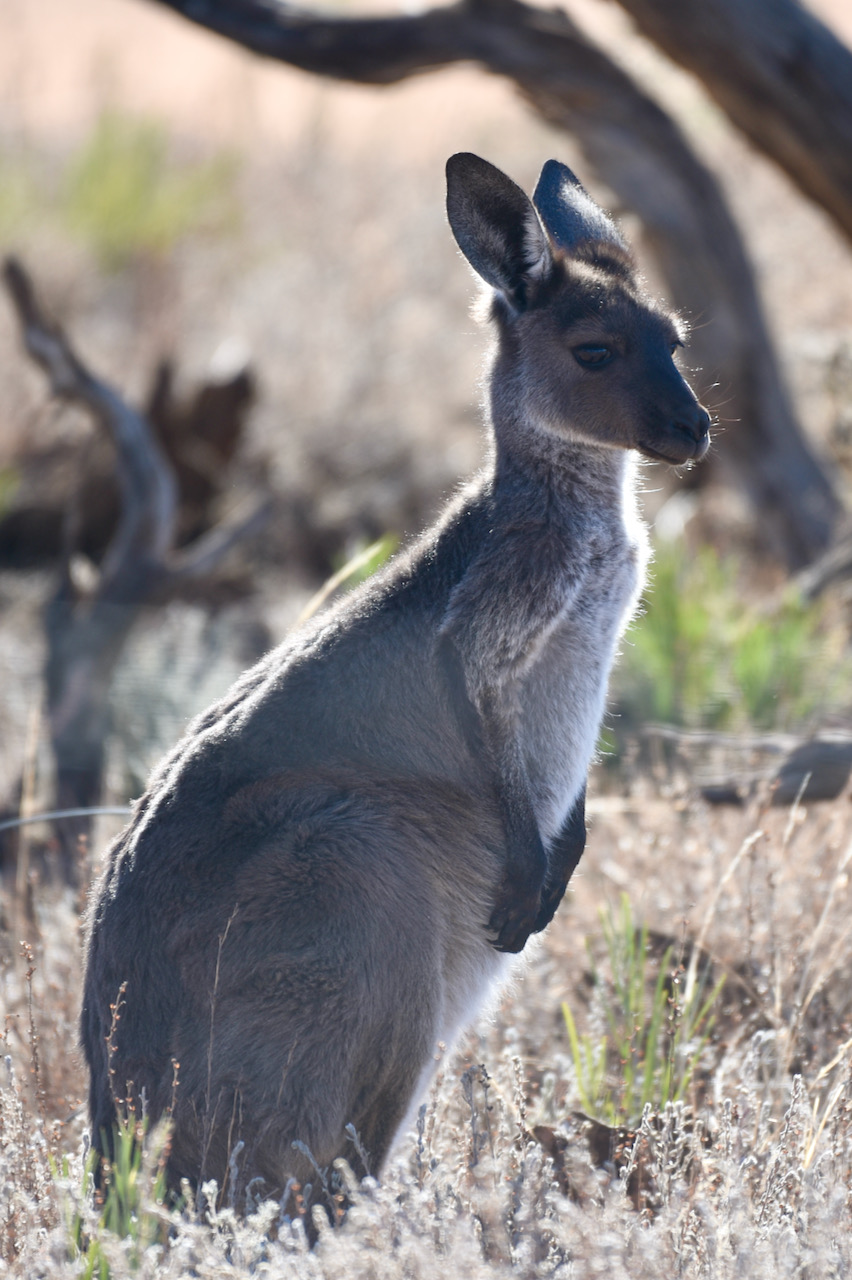
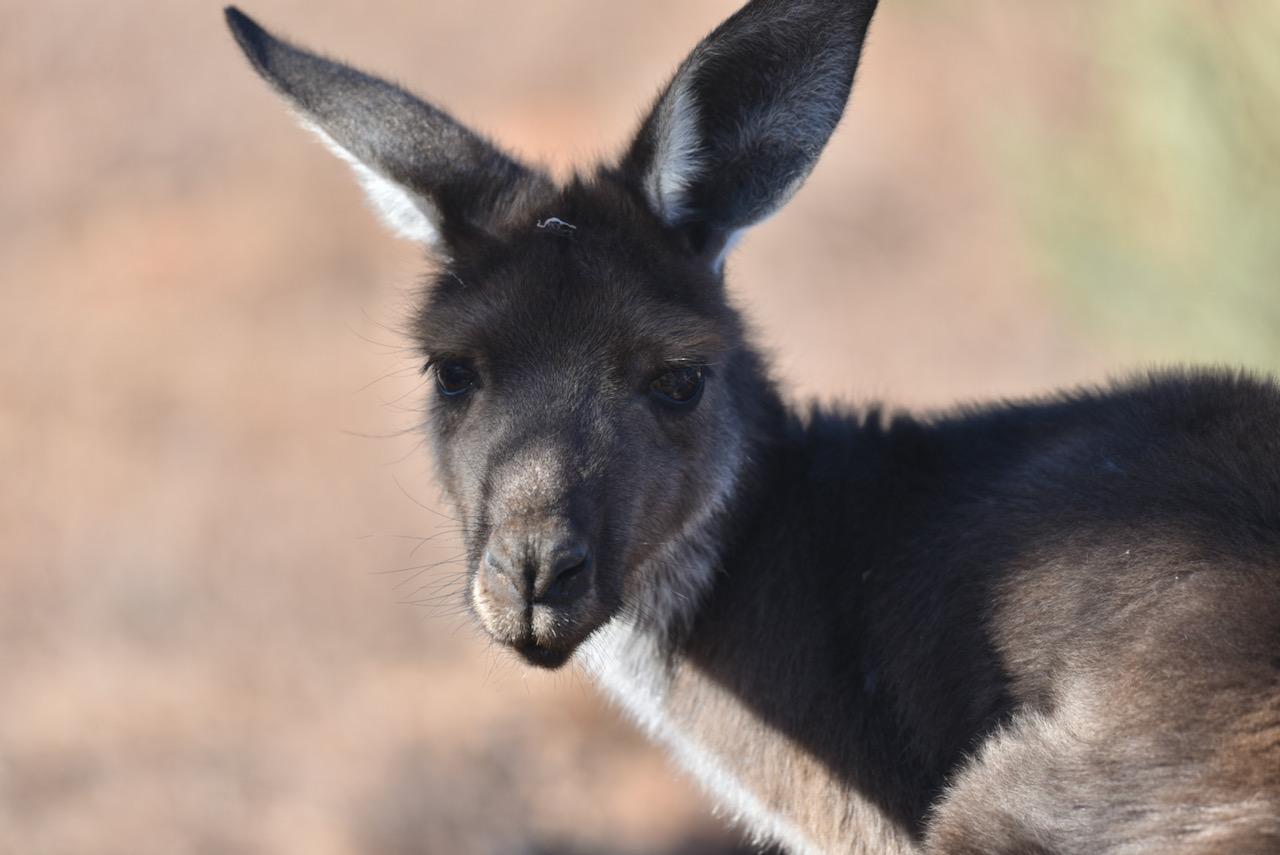
The park is home to a number of native mammals, including numerous Western Grey kangaroos. We certainly saw a lot in the park during our visit.

The park was also alive with butterflies.
Marija and I kicked off the activation by calling CQ on 7.144. Mike VK3ZMD was first in my log, followed by Joseph VK3HJJ, and then Joe VK3YSP. I logged a total of 22 stations before callers slowed down. This included 8 Park to Park contacts who Marija also logged.
I then swapped the mic with Marija who logged a total of 29 stations from VK2, VK3, VK4, and VK5. There was a little bit of close in propagation with VK5 stations logged at nearby Willunga, up to Port Augusta about 300 km to the north of us, and down to Millicent about 350 km to the south-east. We were also very pleased to log Adam VK2YK/5 who was activating the Little Mount Crawford Native Forest Reserve.
I then got back into the mic to hopefully get my 44 QSOs to qualify the park for the global WWFF program. I logged a further 19 stations and now had 41 contacts in the log, just 3 short of my 44. I then moved to the 20m band where I logged a total of 8 stations from VK2, VK3, VK4, and New Zealand. I was very pleased to log Peter ZL1PWM and Andrei ZL1TM. I also logged Tony VK3YV/p who was in the Bull Beef Creek Nature Conservation Reserve VKFF-2055. Contact number 44 for me was a QSO with Geoff VK3SQ at Beechworth in north-east Victoria.
We then took down the linked dipole and put up the 15m dipole. We were hoping for some contacts on that band, which had performed well at our last activation. We were not disappointed, logging a total of 14 stations on 15m from VK2, VK3, VK4. This included another Park to Park contact with Tony VK3YV/p in the Bull Beef Creek Nature Conservation Reserve VKFF-2055.
We headed back to the 40m band to pick up another Park to Park contact, this time with Peter VK3ZPF/p who was in the Kurth Kiln Regional Park VKFF-0971.
We then saw some spots pop up on parksnpeaks for some of the Western Australian park activators, so it was back to that band where I logged the following Park to Park contacts:-
I had well and truly qualified the park for both WWFF and VKFF, while Marija had 43 contacts in the log. So we moved back to 40m where Marija logged 8 further stations including the following Park to Park contacts:-
We decided to have a quick listen on 80m and then pack up and go for a walk through the park. We logged 6 stations on 80m including another Park to Park with Peter VK3TKK/p in the Kurth Kiln Regional Park VKFF-0971.
We were about to pack up when Marija saw a spot on parksnpeaks to advise that Gerard VK2IO would soon be on a SOTA summit. So we decided to wait around for a while with the hope of logging Gerard, which we did, from the top of SOTA VK2/ CT-043.
We then packed up and went for a walk through the park. Between the two of us, we had 117 contacts in our log. Marija had 52 QSOs in the log. I had 65 QSOs in the log. This included 32 Park to Park contacts.
Marija worked the following stations on 40m SSB:-
Marija worked the following stations on 15m SSB:-
Marija worked the following station on 80m SSB:-
I worked the following stations on 40m SSB:-
I worked the following stations on 20m SSB:-
I worked the following stations on 15m SSB:-
I worked the following stations on 80m SSB:-
Marija and I packed up and we headed to the Mount Compass Tavern where we stopped in for a meal and some liquid refreshment. It was a beautiful meal.
A BIG THANKS to all of the Activators and Hunters who took part in the 2020 VKFF Activation Weekend.
References.
ancestry.com.au, 2020, <https://www.ancestry.com.au/>, viewed 8th December 2020.
Birds SA, 2020, <https://birdssa.asn.au/location/nixon-skinner-conservation-park/>, viewed 8th December 2020.
Design & Art Australia Online, 2020, <https://www.daao.org.au/bio/william-millington-nixon/>, viewed 8th December 2020.
Walking SA, 2020, <https://www.walkingsa.org.au/walk/find-a-place-to-walk/short-walk-in-nixon-skinner-conservation-park-myponga/>, viewed 8th December 2020.
Wikipedia, 2020, <https://en.wikipedia.org/wiki/Nixon-Skinner_Conservation_Park>, viewed 8th December 2020.
Our first park for day two of the 2020 VKFF Activation Weekend was the Myponga Conservation Park 5CP-157 & VKFF-0921. The park is located about 60 km south of Adelaide, and about 10 km south of the town of Myponga on the Fleurieu Peninsula.

Myponga Conservation Park is 167 hectares in size. It was formerly known as the Myponga National Park and was proclaimed on the 24th February 1972. On the 27th April 1972, the national park was reconstituted under the National Parks and Wildlife Act 1972 as the Myponga Conservation Park.

The park is situated in hilly terrain and is substantially undisturbed. It is one of my favourite parks. The famous Heysen Trail passes through the park. The Heysen Trail is a 1,200 km long hiking trail which extends from Cape Jervis on the southern tip of the Fleurieu Peninsula, up to Parachilna Gorge in the Flinders Ranges.

Myponga Conservation Park is located in close proximity to the little town of Myponga which has a small population of about 750 people. The area surrounding Myponga is rich grazing and dairy country. The town of Myponga was officially laid out in 1939, fairly recent times. However, European settlement in the area dates back to the 1850s.
The Kaurna aboriginal name for the area is ‘Miapungga’ meaning high cliffs. The town of Myponga backs onto the Myponga Reservoir which has a capacity of 27.6 gigalitres.

There are several vegetation habitats in the park. Plant species include Messmate Stringybark, Cup Gum, Prickly tea-tree, Heath tea-tree, Pink Gum, Cranberry heath, and Common fringe-myrtle.
Various native mammals can be found in the park including the locally endangered Short-nosed bandicoot.
Birds SA have recorded a total of 68 species of bird in the park including Crescent Honeyeater, New Holland Honeyeater, Australian Golden Whistler, Scarlet Robin, Grey Shrikethrush, Red Wattlebird, Magpielark, Jacky Winter, and Hooded Robin.


The only way to access the park (by vehicle) is via James Track. Keep an eye out for the gate which has the name of the park next to it. This track takes you to the park. Please remember to shut the gate. This is a shared track for pedestrians and is part of the Heysen Trail, so please drive carefully.

The track is okay to get you to the park. If however you want to get to the end of the track and enjoy some of the views, I would recommend a 4WD.


There are some magnificent views to be enjoyed of the surrounding countryside as you travel along the track.


And some equally beautiful views of the park itself and its deep gorges.


We set up in close proximity to the park sign. We made sure that we were set up off the track. There was plenty of room to stretch out the 20/40/80m linked dipole. We ran the Yaesu FT-857d for this activation.

I kicked off the activation, calling CQ on 7.120. We could not get a frequency higher up the band as the Sunday morning broadcasts for the Wireless Institute of Australia were in full swing. It took about 5 minutes of CQ calls before my first taker, Rex VK3OF.
This was followed by a Park to Park with Gerard VK2IO/p in the Snow Gum Flora Reserve VKFF-3096. This was followed by Rob VK2VH/VK4AAC, and then Brian VK2CCP.
But we then had a gap of about 5 minutes without any callers. The 40m band appeared to be in very poor condition.
I had just 5 contacts in the log and decided to get Marija on the mic. Marija’s first taker to her CQ call was Rob VK2VH/VK4AAC, followed by Peter VK3PF/p who was activating the Traralgon South Flora Reserve VKFF-2465.
It was really slow going and Marija and I had doubts that we would get 10 contacts, yet alone 44 to qualify the park for the global World Wide Flora Fauna program. We decided that we would get our 10 contacts and qualify the park for VKFF and then move on to another park.
But fortunately for us we were called by a number of other stations to get us both over the line with 10 QSOs. The UTC rollover helped us, with some stations calling back for a contact with us for a new UTC day. We logged a total of 30 stations on 40m including a further three Park to Park contacts…..
Marija and saw a spot on parksnpeaks for Ian VK5CZ/p in a park on 80m. So we lowered the squid pole and inserted the links for the 80m band. We logged Ian VK5CZ/p, Gordon VK5GY/p, Hugh VK5NHG/p, John VK5MJC/p, and Ian VK5IS/p who were all in the Wirrabara Range Conservation Park VKFF-2252 with a big signal.
After working Ian and the crew, we moved down the band to 3.610 where we logged a total of 6 further stations including 2 further Park to Park contacts with…..
Things were starting to look up and we decided to stay and try to press on and get our 44 contacts. We quickly moved back to 40m to get another Park to Park contact in the log, this time with Peter VK3TKK/p who was activating the Mount Fyans Wildlife Reserve VKFF-2398. We then moved back to 80m and logged a further 2 stations, Sue VK5AYL and John VK5BJE.
I then tried the 20m band and had some success there with 12 contacts into VK2, VK3, VK4, including the following Park to Park contacts…..
The 20m band was open to Victoria (VK3) with four VK3 stations logged, which made me think that the 15m band may be open.
We then moved back to 40m where we logged a further including the following Park to Park contacts……
We then took down the linked dipole and put up the 15m dipole and we are so pleased that we did. The 15m band was fantastic with 27 contacts made there into VK2, VK3, VK4, VK5 VK6, and VK8. This included a contact with Stuart VK8NSB in Darwin and the following Park to Park contacts……
To finish off the activation we moved back to the 40m band and logged a further 21 stations including the following Park to Park contacts……

It was now just past 1.30 p.m. local time and we decided to pack up and head to our next park, the Nixon Skinner Conservation Park.
We had both qualified the park for VKFF and WWFF, with a total of 126 contacts in the log including 53 Park to Park contacts.
I had made a total of 77 contacts and Marija hd made 49 contacts.
This activation proved to us that patience and perseverance in park activating in crucial. And it also pays to be band agile. Don’t call it quits if the band isn’t great for 10 minutes and give as many bands a go as possible. You might be pleasantly surprised. We certainly were.
Marija worked the following stations on 40m SSB before the UTC rollover……
Marija worked the following stations on 40m after the UTC rollover……
Marija worked the following stations on 80m SSB:-
Marija worked the following stations on 15m SSB:-
I worked the following stations on 40m SSB before the UTC rollover……
I worked the following stations on 40m SSB after the UTC rollover…….
I worked the following stations on 80m SSB:-
I worked the following stations on 20m SSB:-
I worked the following stations on 15m SSB:-
References.
Birds SA, 2020, <https://birdssa.asn.au/location/myponga-conservation-park/>, viewed 1st December 2020.
Friends of Heysen, 2020, <https://heysentrail.asn.au/>, viewed 1st December 2020
SA Water, 2020, <https://www.sawater.com.au/water-and-the-environment/south-australias-water-sources/reservoir-data/myponga-reservoir>, viewed 1st December 2020.
Wikipedia, 2020, <https://en.wikipedia.org/wiki/Myponga,_South_Australia>, viewed 1st December 2020.
After packing up at the Encounter Marine Park, Marija and I headed to the Scott Conservation Park 5CP-206 & VKFF-0934. The park is located about 80 km south of Adelaide.
This park is not to be confused with the Scott Creek Conservation Park which is located in the Adelaide Hills, or the Mount Scott Conservation Park which is located in the South East region of South Australia.

We drove north out of Goolwa on Alexandrina Road and then turned left onto Gould Road. It wasn’t long until we reached the northern boundary of the park which is well sign posted.
The Scott Conservation Park is about 210 hectares in size and is a small piece of native scrub located on the Fleurieu Peninsula, about 13 km by road, north of Goolwa.

The park was first proclaimed as a National Park on the 20th day of March 1969 and was re-proclaimed as the Scott Conservation Park on the 27th day of April 1972.


As you travel west on Gould Road you will see some thick scrub. This is not the park. These are a number of private properties. You need to continue west to reach the park.
There is also a small piece of scrub in the north western corner of the park. This is a Heritage Agreement. Don’t get this confused for the park. There is also another Heritage Agreement to the south of the park.

Scott Conservation is a beautiful park. It contains Low Woodland comprising Brown Stringybark, Cup Gum, Peppermint Box, Heat Tea-tree and Tate’s Grass-tree. The park also contains Mallee consisting of Pink Gum and Peppermint Box.


Birds SA have recorded a total of 148 birds in the park including Common Bronzewing, White-throated Treecreeper, Superb Fairywren, New Holland Honeyeater, Red Wattlebird, Grey Shrikethrush, Cockatiel, Eastern Rosella, Tawny-crowned Honeyeater, Restless Flycatcher, Hooded Robin, and Eastern Shriketit.
Various native mammals call the park home including Western Grey Kangaroos, Ringtail Possums and Western Pygmy Possums
There are 2 walks which can be undertaken in the park, the Watercourse Hike and the Orchid Hike. Details of those walks can be found on the Walking SA website at…..
https://www.walkingsa.org.au/walk/find-a-place-to-walk/park/scott-conservation-park/


We parked the vehicle in the small carpark near the gate and then walked a short distance down the walking trail. We ran the Yaesu FT-857d and the 20/40/80m linked dipole for this activation.
First in the log was Peter VK3PF whose signal was well down compared to usual. Marija and I went on to work a total of 54 stations on 40m from VK2, VK3, VK4, VK5, VK6, and VK7. This included the following Park to Park contacts…..

I then moved to the 20m band where I logged just 2 stations, Andrei ZL1TM in New Zealand, and Mike VK6MB in the Brookton Highway Nature Reserve VKFF-1846.
We then tried the 80m band, but as was the case at Encounter Marine Park, we logged just the one station, Adrian VK5FANA on the Yorke Peninsula with a good strong 5/9 signal.
To finish off the activation we moved back to 40m and logged a further 15 stations including the following Park to Park contacts…..
It was approaching 4.30 p.m. local time and Marija and I decided to pack up and head home. We had a total of 72 contacts in the log including 28 Park to Park contacts.
Marija worked the following stations on 40m SSB:-
I worked the following stations on 40m SSB:-
I worked the following stations on 20m SSB:-
I worked the following station on 80m SSB:-
References.
Birds SA, 2020, <https://birdssa.asn.au/location/scott-conservation-park/>, viewed 30th November 2020.
Walking SA, 2020, <https://www.walkingsa.org.au/walk/find-a-place-to-walk/watercourse-hike-scott-conservation-park/>, viewed 30th November 2020
Wikipedia, 2020, <https://en.wikipedia.org/wiki/Scott_Conservation_Park>, viewed 30th November 2020.
The weekend of Saturday 28th and Sunday 29th November 2020, was the annual VKFF Activation Weekend for the World Wide Flora Fauna (WWFF) program. The VKFF Activation Weekend is all about promoting the WWFF program here in Australia, and is an incredibly popular event for Australian park activators and hunters.
Marija VK5MAZ and I had planned to travel to the West Coast of South Australia, but unfortunately some restrictions were implemented by the Government re COVID-19 the day before we were planned to leave. As it turned out those restrictions were lifted about 24 hours later, but we had already cancelled our trip.
As a result we had to reconsider our plans for the 2020 VKFF Activation Weekend. The weather was forecast to be 40 deg C on Friday leading up to the weekend, and then 38 deg C on Saturday. This weather was going to present a significant fire danger risk so we decided against an inland activation. As a result of the weather and bushfire risk we decided to do a beach activation at the Encounter Marine Park VKFF-1707.
We left home at around 8.30 a.m. local time and made the short 26 km drive south to the seaside town of Goolwa. Goolwa is a beautiful little town and is a historic river port on the Murray River. I worked at Goolwa back in the mid 1980s. The name “Goolwa” means “elbow” in Ngarrindjeri, the local Aboriginal language.
We drove to the end of Beach Road where there is a large carpark, a cafe, and surf life saving tower. Despite it being quite early in the morning the carpark was a hive of activity. Marija and I deflated the tyres on our Toyota Hi Lux 4WD and we then drove onto the beach at Goolwa. We didn’t even reach the beach proper, before encountering one poor sole who had bogged his 4WD in the sand on the track leading to the beach.
The Encounter Marine Park stretches from Port Noarlunga in the southern suburbs of Adelaide down along the western coast of the Fleurieu Peninsula and across to the eastern part of Kangaroo Island. It continues down along the southern coast of the Fleurieu Peninsula, passing the mouth of the Murray River and includes part of the Coorong National Park.

The park includes spectacular snorkelling and diving locations, top fishing spots and has excellent whale watching areas. The park includes the majority of the shoreline of the beautiful Fleurieu Peninsula which is a very popular tourist destination. The Fleurieu Peninsula was named by French explorer Nicolas Baudin duing his exploration of the south coast of Australia in 1802, in honour of Charles Pierre Claret de Fleurieu who was also a French explorer and hydrographer.

The park takes its name from Encounter Bay which in turn was named by explorer Matthew Flinders after his encounter on the 8th April 1802 with French explorer Nicolas Baudin (photos below are courtesy of Wikipedia).


The two videos below will give you a great feel for the Encounter Marine Park.
It was a warm morning with an expected cool changed in the afternoon including some predicted rain. Although the clouds looked threatening, there was no rain during our activation.


The Goolwa beach is separated by sand dunes with the Coorong and Hindmash Island on the other side of the dunes.


We drove about 1 km along the beach and then backed the vehicle up to the dunes and rolled out the awning of the 4WD. We were on the beach and set up by around 9.50 a.m. Although it was still relatively early in the morning, the beach was very busy with 4WDers, swimmers, people searching for the famous Goolwa cockles, and others just enjoying the sunshine. We were lucky though to find a relatively clear spot with plenty of room to string out the 20/40/80m linked dipole which sat up on the top of our 7 metre telescopic squid pole. We pegged off the ends of the legs of the dipole in the sand.
We ran the Yaesu FT-857d for this activation. For a good portion of the activation we ran just 10 watts PEP to comply with Marija’s Foundation licence. Other times I cranked the power up to about 40 watts to work on 20m.
First in the log were Theo VK3AP and Haydon VK3LOC, who were both in the Chiltern-Mount Pilot National Park VKFF-0620. It was a nice way to start the activation with a Park to Park contact.
Marija and I logged a total of 18 stations on the 40m band before the UTC rollover. This included numerous Park to Park contacts as follows…..
For the VK5’s propagation on 40m seemed to be out to around the 200km + distance. We were able to log Ian VK5IS in the Beetaloo Valley (5/9 both ways) and John VK5MJC in Crystal Brook (5/9 both ways), both who live in the Mid North of South Australia about 280 km north of Goolwa. We also logged Les VK5KLV in Port Augusta 5/9 both ways) about 380 km north of Goolwa. We also logged Ian VK5CZ in the Clare Valley (5/5 sent & 4/3 received) about 225 km north of Goolwa. Ron VK5MRE at Barmera in the Riverland also featured in our log (5/9 both ways), about 275 km north east of Goolwa. But the winner of the strongest VK5 signal was Sue VK5AYL at nearby Hindmarsh Island who was 5/9 plus.
After the UTC rollover Marija and I logged a further 38 QSOs on 40m. This included the following Park to Park contacts……
We were very surprised by the strength of Mike VK6MB’s signal all the way over in his park in Western Australia.
When callers slowed down, we lowered the squid pole and removed the links for the 20m section of the antenna and headed to the 20m band. I logged a total of 14 stations on that band including the following Park to Park contacts…..
We then decided to try our luck on the 80m band as we had not logged many VK5 contacts. Sadly our only contact on 80m was with Adrian VK5FANA on the Yorke Peninsula who had an excellent 5/9 signal.
We then moved back to the 40m band where we logged a further 29 QSOs, including the following Park to Park contacts…..
We also logged David VK3IL, Andrew VK3JBL, and Glenn VK3YY who were activating SOTA summit VK3/ VE-074.
Our only local contacts this time around on 40m were with Rick VK3VCR and John VK5HAA both in the Adelaide Hills, both of whom had low down signals. But it was still working well into the Riverland with Ivan VK5HS being 5/9 plus.
The weather started to cool down and towards the end of the activation the weather had dropped to about 21 deg C. We made some enquiries and found that inland from the beach, the temperature had also dropped. Based on this we decided to pack up and head for the Scott Conservation Park which was just a short drive away.
Between the two of us we had logged a total of 121 QSOs. This included 58 Park to Park contacts. We were incredibly happy with the activation.
Marija worked the following stations on 40m SSB before the UTC rollover:-
Marija worked the following stations on 40m SSB after the UTC rollover:-
Marija worked the following station on 80m SSB:-
I worked the following stations on 40m SSB before the UTC rollover:-
I worked the following stations on 40m SSB after the UTC rollover:-
I worked the following stations on 20m SSB:-
References.
National Parks and Wildlife Service, 2020, <https://www.parks.sa.gov.au/find-a-park/Browse_by_region/Fleurieu_Peninsula/encounter-marine-park>, viewed 30th November 2020.
Wikipedia, 2020, <https://en.wikipedia.org/wiki/Goolwa,_South_Australia>, viewed 30th November 2020.
Wikipedia, 2020, <https://en.wikipedia.org/wiki/Fleurieu_Peninsula>, viewed 30th November 2020.
Marija VK5MAZ and I had a terrific time over the weekend (Saturday 28th & Sunday 29th November 2020) for the 2020 VKFF Activation Weekend. The weekend is all about promoting the World Wide Flora Fauna (WWFF) program here in Australia.
Marija and I activated the following parks over the weekend…..
We made a total of 435 QSOs on 15, 20, 40, & 80m SSB into VK1, VK2, VK3, VK4, VK5, VK6, VK7, VK8, and New Zealand.
This included 173 Park to Park contacts.
Thank you to all of the park activators and park hunters.


Tonight (Friday 13th November 2020) I attended a virtual presentation via Zoom, which was conducted by Steve VK5SFA on Transmitting Magnetic Loop Antennas. The presentation was courtesy of the Melbourne Electronics and Radio Club (MERC).

Steve is well known for his work with Magnetic Loop Antennas and is the winner of the 2018 QST Antenna Design Competition.

Steve spoke about various aspects including design criteria, the design and construction phase, and the testing phase.

He then showed a number of slides showing the proof in the pudding, with numerous DXCC entities worked on 80m and 160m using the TMLA.

Thanks Steve for a very interesting presentation, and thanks to MERC for the invitation.
More information can be found at……..
http://members.iinet.net.au/~sadler@netspace.net.au/tmla.html
I would like to publicly THANK the following people for their kind generosity in recently donating money to the VKFF program
It is without people like you that the trophies offered in the VKFF Team Championship would not be possible.
Everyone who donates to the VKFF program receives a Certificate of Appreciation.

So again, on behalf of the VKFF Team (myself, Ian VK1DI, Gerard VK2IO, Peter VK3ZPF, Mark VK4SMA, Hans VK6XN, & Jonathan VK7JON), we say MANY THANKS.
If you feel inclined to make a donation to the VKFF program, all details can be found on the WWFF Australia website at……
https://www.wwffaustralia.com/treasurer-and-bank-account.html
The 2020 VKFF Team Championship was held on Saturday 24th October 2020. Marija and I activated two parks, the Tolderol Game Reserve VKFF-1752 and the Ferries McDonald Conservation Park VKFF-0881.
Each VKFF activator who took part in the event received a Participation certificate which features a photograph I took of a Superb Fairy Wren.

We made a total of 191 QSOs on 40m SSB & 80m SSB. This included a total of 31 Park to Park contacts.
Marija and I ended up winning the 2 ops/single tx/40 & 80m/wire antenna/<100w section. The certificate features another bird photograph of mine, a Crested Pigeon.

THANK YOU to everyone who called us.
Next years 2021 VKFF Team Championship will be held on Saturday 23rd October 2021.
On Saturday 24th October 2020, Marija VK5FMAZ and I activated two parks: Tolderol Game Reserve VKFF-1752 and the Ferries McDonald Conservation Park VKFF-0881. This coincided with 2020 National Bird Week.
This year National Bird Week was held between 19th to 25th October 2020. The event is hosted by Birdlife Australia and it is a chance to celebrate Australia’s diverse and unique bird species. We are privileged in Australia to be home to more than 800 bird species, with 45% of these found nowhere else in the world.
National Bird Week can trace its origins back to the early 1900s when the 28th October was designated by the Royal Australasian Ornithologists Union as the first ‘Bird Day’.
As was the case in previous years, the VKFF program had a special certificate on offer to any VKFF activator who headed out into the field that week to activate a VKFF reference.
This year’s certificate features a Striated Pardalote which I photographed in the Bullock Hill Conservation Park. The smaller photos which I took in the Bullock Hill Conservation Park and the Cox Scrub Conservation Park show a Silvereye, a Golden Whistler, a Striated Thornbill, and a New Holland Honeyeater.
Thank you to all the VKFF activators who took part in this special week. I have started emailing out your certificate. I hope you like it.
References.
QORF, 2020, <https://qorf.org.au/whats-on/national-bird-week/>, viewed 3rd November 2020
umwelt, 2020, <https://www.umwelt.com.au/national-bird-week-2020/#:~:text=National%20Bird%20Week%20is%20underway,diverse%20and%20unique%20bird%20species.>, viewed 3rd November 2020.
Amateur Radio, Short Wave Listening, travel and history
Amateur radio experiences with VK1DA
Brisbane - Australia
german amateur radio station
Summits On The Air
SOTA on the peaks, wilderness QRP and some bushwalking
A fine WordPress.com site
Amateur Radio Adventures
Summits on the Ai
Amateur radio station from Belgium
Radio craft, homebrew, QRP/SOTA, AM
Ego loqui ad viros super montes
My adventures with Amateur Radio and Geocaching!
The rantings of VK2GAZ on his SOTA experiences in Australia
A survivor, with minor cuts and abrasions.
The Art and Craft of Blogging
The latest news on WordPress.com and the WordPress community.
Blog of Justin Giles-Clark VK7TW's SOTA and amateur radio adventures.
Occasional SOTA & Microwave operation