Shallow Inlet Marine Coastal Park VKFF-0749

After a good night sleep at the home of Chris VK3QB at Foster, I was spoilt by Chris cooking me breakfast on Saturday morning (8th April 2017).  Although I did have to put up with his techicolour morning attire as you can see from the photo below.

IMG_0183

We had decided the night before to activate the Shallow Inlet Marine Coastal Park VKFF-0749 that morning.  Chris VK3PAT also organised to meet us out at the park.  The Shallow Inlet Marine Park is located about 190 km south east of Melbourne, and about 22 km south of Foster.

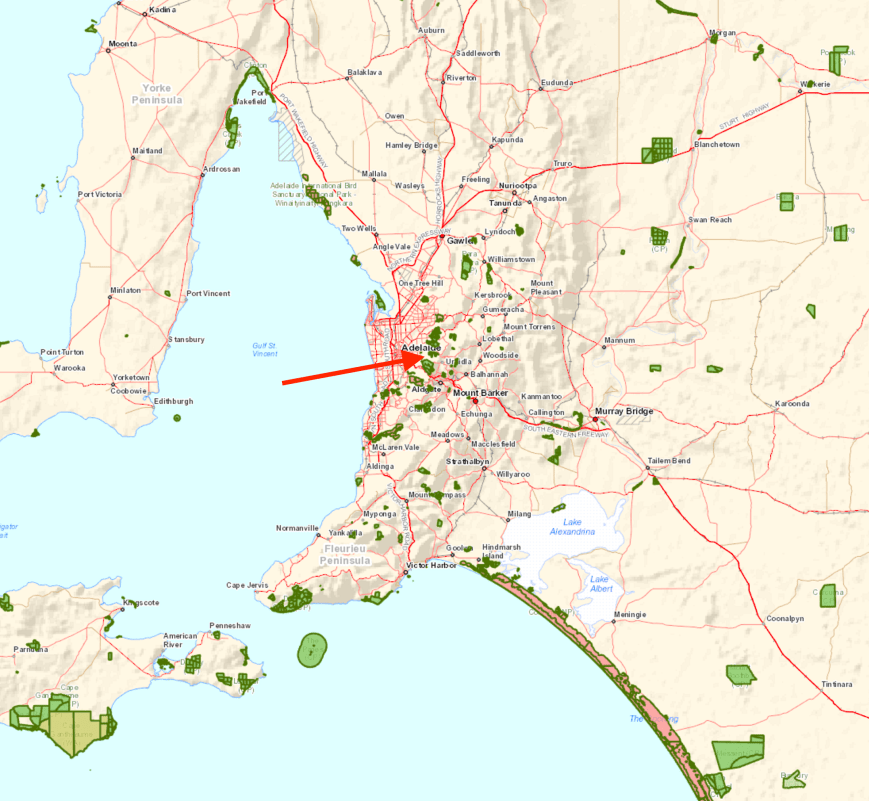
Screen Shot 2017-04-15 at 10.20.51 pm

Above:- Map showing the location of the Shallow Inlet Marine Park.  Map courtesy of Protected Planet.

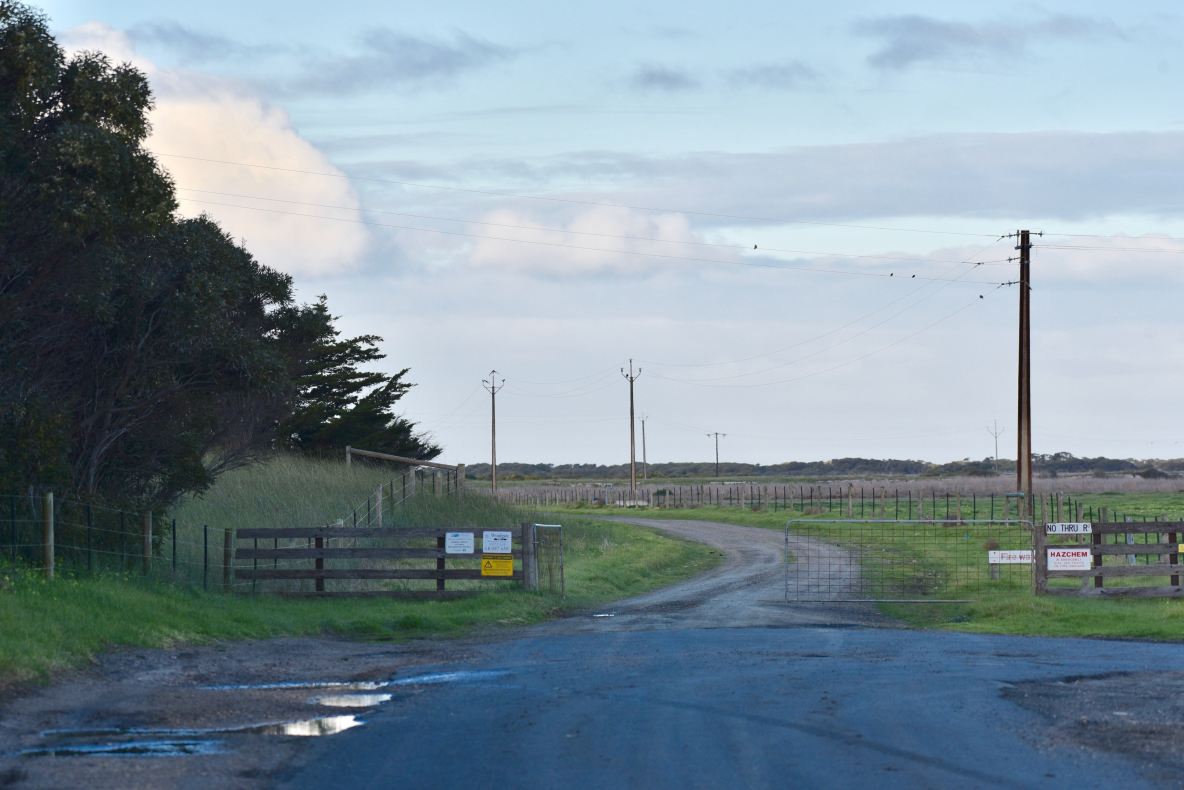
We decided to take two vehicles out to the park so that Chris could leave at any time required to head to the Antennapalooza event.  We drove south out of Foster along the Foster-Promontory Road and then took Soldiers Road and continued to the little town of Sandy Point.  We soon reached the park at the end of Sandy Point Road and drove onto the beach.

DSC_6232

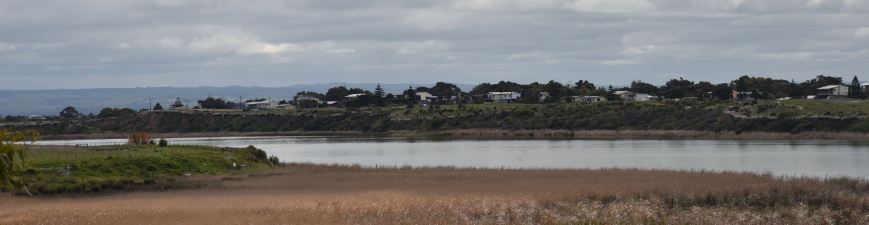
The Shallow Inlet Marine Coastal Park which was established in April 1986 is 2,377 hectares in size.  The park is nestled between Warratah Bay and the peaks of Wilson Promontory.  Shallow Inlet is popular for a range of water based activities including fishing, swimming, boating and sail boating.  And as it was a glorious day, there were numerous people on the beach, swimming, and riding horses.

The Brataualung Aboriginal clan once occupied the area of Wilsons Promontory and Waratah Bay. A large number of coastal middens containing charcoal, stones and the remains of shellfish are located along the coast and around Shallow Inlet and are up to 6000 years old. Earlier sites have been covered by rising sea levels. The Aboriginal population of the area declined from the 1850s after European occupation of their tribal territory, leading to disease, forced evictions and murders.

Settlers established pastoral runs around Shallow Inlet in the 1850s. Land in the catchment of Shallow Inlet was then extensively cleared and drained from the turn of the century. The Shallow Inlet Marine and Coastal Park was declared in 1986 in recognition of the area’s habitat values for migratory wading birds and shorebirds.

This slideshow requires JavaScript.

The park protects a diverse range of vegetation including foredunes of Spinifex, heathy woodlands of Messmate and Coastal Banksia, Paperbark swamps and saltmarsh communities. Extensive mudflats and intertidal areas are exposed at low tide. These areas provide important feeding grounds for a range of migratory wading birds. Below the waves are extensive seagrass meadows.

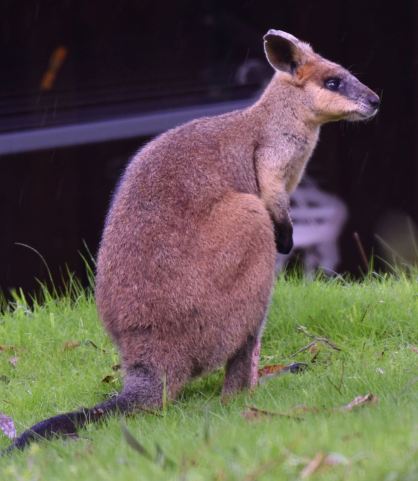
Shallow Inlet and the adjacent ocean beaches are significant areas for breeding shorebirds. Over 180 species of birds have been recorded in the park. Many wading birds make spectacular migrations, breeding in the arctic during the northern hemisphere summer and migrating southwards to arrive in Australia in late August and September. Pied Oystercatchers and Red Capped Plovers nest in the dunes and on the spit. A diverse range of mammals including the Koala, Common Ringtail Possum, Common Wombat, Swamp Wallaby and Echidna can be found in the woodlands and heathlands along the shoreline of Shallow Inlet.

Chris and I set up about 30 feet from the water’s edge and as it was quite a warm day we set up underneath the awning of my Toyota Hi Lux.  For this activation we ran the Yaesu FT-857d, 40 watts output, and the 80/40/20m linked dipole.

Screen Shot 2017-04-15 at 10.20.36 pm.png

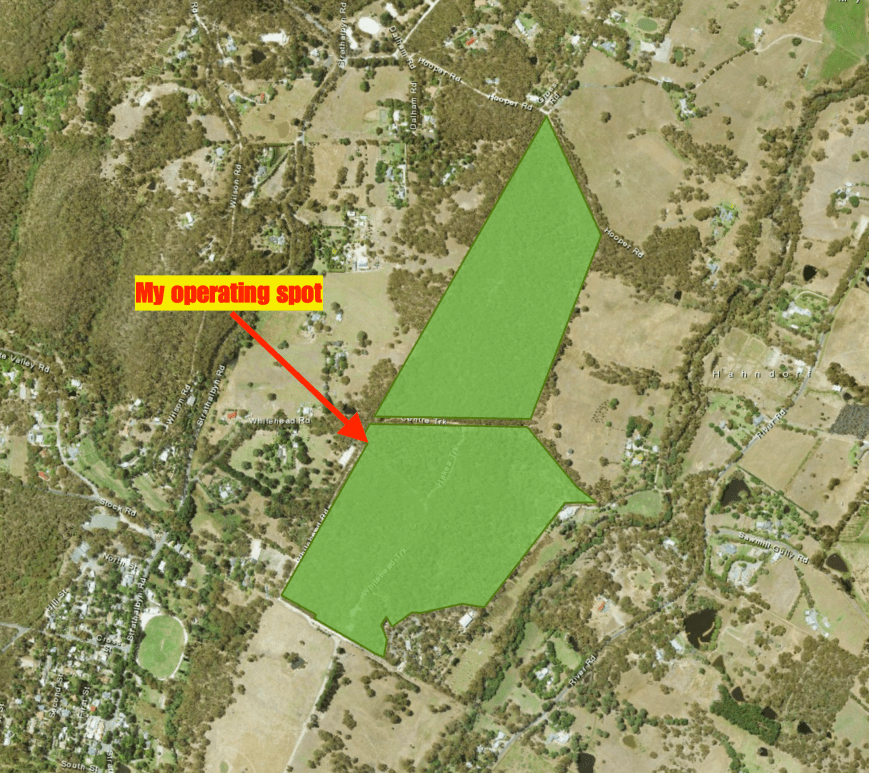
Aerial shot showing our operating spot in the park.  Image courtesy of Protected Planet.

Our first contact was with John VK2YW, followed by Cliff VK2NP, Bill VK4FW, and then Peter VK5PE.  Chris and I swapped the mic to log the contacts.  Contact number 17 in the log was Grant VK4JAZ who was activating the Denmark Hill Conservation Park VKFF-1529.  Grant was a very difficult copy to us, but after a number of attempts, we were able to successfully exchange callsigns and signal reports.  Thanks to the patience of Grant.  For information on Grant’s activation, you can view his blog at….

https://vk4jaz.wordpress.com/2017/04/09/denmark-hill-conservation-reserve-vkff-1529/

Chris VK3PAT soon joined us and we continued our mic sharing experience, logging a total of 21 contacts on 40m from VK1, VK2, VK3, VK4, and VK5.  We then headed to 3.610 on the 80m band where we logged 3 stations: Mike VK3NMK, Geoff VK3SQ, and Nick VK3ANL.

We then tried our luck on 14.310 on the 20m band, where our first caller was the ever reliable Rick VK4RF/VK4HA, followed by Neil VK4HNS, and then Rob VK4AAC.

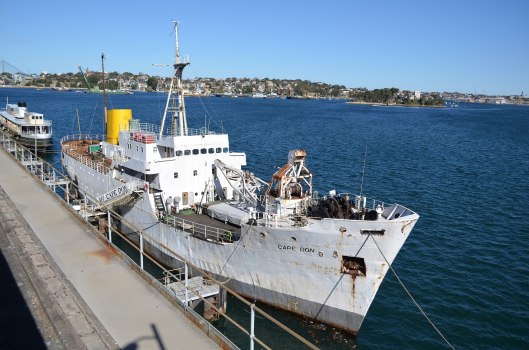
With 28 stations in the log we headed back to 7.144 on the 40m band where our first contact was with Norm VK2FANT, followed by Owen VK2AEJ who was operating from the Cape Don lightship in Sydney.  We also logged Peter VK3PF/p and Sergio VK3SFG/p who were activating SOTA peak Mount Square Top VK3/ VT-071.  A number of the hams at Antennapalooza gave us a shout, including Joe VK3YSP/p, Julie VK3FOWL/p, Tony VK3XV/p, and Jamie VK3TZE/p.  We also logged Ian VK1DI who was activating SOTA peak Mount Tumanang VK2/ SM-049 which is located within the Tallaganda National Park VKFF-0474.

Chris VK3PAT had headed off for lunch with his wife, and Chris VK3QB and I had 45 contacts in the log, and it was time to head off to Antennapalooza.  I think I may have inspired Chris VK3QB into activating.  He was very happy qualifying his first park with 44 contacts +.  It was a beaut morning.  Great weather, good propagation, and good company.

I worked the following stations on 40m SSB:-

  1. VK2YW
  2. VK2NP
  3. VK4FW
  4. VK5PE
  5. VK2NEO
  6. VK1AT
  7. VK5FANA
  8. CK2GKA
  9. VK2AN
  10. VK2ZK
  11. VK2JDC
  12. VK4TJ
  13. VK2FADV
  14. VK4RF
  15. VK4HA
  16. VK3KTO/p
  17. VK4JAZ/p (Denmark Hill Conservation Park VKFF-1529)
  18. VK4AAC/p
  19. VK4KX
  20. VK2IO
  21. VK3ARH
  22. VK2FANT
  23. VK2AEJ
  24. VK5FMAZ
  25. VK5HCF
  26. VK3PF/p (SOTAMount Square Top VK3/ VT-071)
  27. VK3CM
  28. VK3SFG/p (Mount Square Top SOTA VK3/ VT-071)
  29. VK3YSP/p
  30. VK3FOWL/p
  31. VK3XV/p
  32. VK3KYF
  33. VK1DI/p (SOTA Mount Tumanang VK2/ SM-049 &Tallaganda National Park VKFF-0474)
  34. VK5VBR
  35. VK7VDL
  36. VK3XMF
  37. VK3FCLK
  38. VK3TZE/p

I worked the following stations on 80m SSB:-

  1. VK3NMK
  2. VK3SQ
  3. VK3ANL

I worked the following stations on 20m SSB:-

  1. VK4RF
  2. VK4HA
  3. VK4HNS/p
  4. VK4AAC/p

On the way back to Foster we came across a small tree which had fallen across the road.  Fortunately Chris had a chainsaw in the back of his vehicle.

DSC_6233

Once back at Antennapalooza I caught up with all those present.  It was terrific to meet Tony VK3XV for the very first time.  I had spoken with Tony many times previously both on air and on the telephone.  But this was the first time we had met in person.  The presentations commenced mid afternoon, with 3 presentations delivered by myself on 1.  General tips whilst operating portable; 2. WWFF; and 3. the VK5 Parks Award.  Tony VK3XV spoke about the Keith Roget Memorial National Parks Award, whilst Peter VK3PF spoke about the Summits on the Air (SOTA) program.  We settled in for the night, enjoying a nice meal and a few reds, and plenty of chat around the campfire.  A great night.

This slideshow requires JavaScript.


References.

Parks Victoria, 2012, ‘Shallow Inlet Marine Coastal Park’.

Wilsons Promontory National Park VKFF-0539

After activating Mount Fatigue I drove down to the Wilsons Promontory National Park VKFF-0539 to activate the park.  This was to be a unique park for me for the World Wide Flora Fauna (WWFF) program and the Keith Roget Memorial National Parks Award (KRMNPA).  The park is situated about 240 km south east of Melbourne.

Screen Shot 2017-04-14 at 11.22.54 pm

Above:- Map showing the location of the Wilsons Promontory National Park.  Map courtesy of Protected Planet.

The drive took me down through Foster, where I would be staying for the next 2 nights, and then to the little town of Yanakie.  Along the way I stopped to have a look at the Foster Poison post.  It was erected in the late 1800’s to mark where poison was laid to eradicate wild dogs and dingoes.  On the original stock route linking Western Port with East Gippsland, it defined the corner of Wonga Wonga, Waratah and Yanakie Parishes.  Poison Post became quite a significant landmark to the early residents and was used until 1960.

I continued along the Meeniyan-Promontory Road until I reached the park entrance.

The Wilsons Promontory National Park is commonly known as Wilsons Prom or The Prom.  It is located at the southernmost tip of mainland Australia in the Gippsland region, and offers spectacular scenery of huge granite mountains, open forest, rainforest, sweeping beaches and coastlines.  The park is 50,500 hectares (125,000 acres) in size and was established in July 1898.

The park is home to a large amount of native wildlife including kangaroos, wallabies, wombats, and echidnas.  Marine creatures that can be sighted include Southern Right whales, Humpback whales, Killer whales, dolphins, seals, and Sea Lions.

The first Europeans to sight Wilsons Promontory are believed to be George Bass and Matthew Flinders in 1798.  Prior to this the area was inhabited by aboriginals for at least 6,500 years.  During the 1800’s extensive sealing took place at Sealer’s Cove.  Such was the extent of the sealing, that seals are no longer found there.  During the late 1800’s extensive lobbying of the Government of Australia by the Field Naturalists Club of Victoria and the Royal Society of Victoria led to Government temporarily reserving the area in 1898 as a National Park.  This was made permanent in 1908.

In April 2015 a large section of the park was burnt out as a result of a bushfire which originally started as a controlled burn which breached containment lines.  And during the Black Saturday Bushfires of February 2009, numerous trees within the park were struck by lightning which led to the loss of up to 50% of the National Park through fire.

As I pulled in to the carpark at the end of Five Mile Road, the slippery creature below was crossing the carpark in front of me.  The carpark was full of cars and quite a few people, all about to head off on a bush walk.  And all oblivious to the snake’s presence.  Which was not such a band thing, because I suggest there would have been a lot of screaming by the women present.

Red Bellied black snakes are one of Australia’s best known snakes and are found throughout eastern Australia.  Its venom is capabale of causing significant morbidity, however a bite from a Red Belly is not generally fatal, and is less venomous than many other Australian venomous snakes.

DSC_6181

Red-bellied black snake

I set up in the carpark, trying to make as much noise as possible to scare away any other snakes.  I am not a snake fan by any stretch.  However, I have never killed any of the snakes I have sighted.  Snakes are generally a protected species and hefty fines can be imposed on those found killing them.  In South Australia, the maximum penalty is a $10,000 fine and 2 years imprisonment.  The only exception is if a venomous snake is posing a genuine threat to life and safety.

I ran the Yaesu FT-857d, at 40 watts output, and the 20/40/80 m linked dipole, on the top of the 7 metre telescopic squid pole.  There was just enough room to stretch out the dipole.

It was quite a warm day, around 29 deg C, so I tried to find a little bit of shade.

Screen Shot 2017-04-14 at 11.19.27 pm

Above:- Map of the park showing my operating spot.  Map courtesy of Protected Planet  

The 40m band was quite busy, and I found 7.130 and asked if the frequency was in use.  Brenton VK3CM came back to me and was number one in the log from Wilsons Prom.  This was followed by Adrian VK5FANA on the Yorke Peninsula with a good 5/6 signal, then Ivan VK5HS in the Riverland region with a strong 5/8 signal.  Contact number ten, qualifying the park for VKFF, was Mick VK3GGG/VK3PMG.

I was very pleased with the steady flow of callers, as I was keen to leave the park as soon as possible and head off to Antennapalooza at Foster.  In just a little over an hour I had contact number 44 in the log, VK3ER portable at Antennapalooza.

I logged a total of 46 stations on 40m from VK1, VK2, VK3, VK4, VK5, and VK7.  This included a Park to Park contact with Jim VK1AT who was activating the Namadgi National Park VKFF-0377.  I also logged a number of amateurs who were portable at Antennapalooza, including Julie VK3FOWL, Chris VK3QB, and Ian VK3BUF.  Another good contact was with Rick VE3MM/VK5 who was holidaying on Kangaroo Island OC-139.  Rick had a good signal with his KX3, 10 watts and end fed 1/2 wave antenna.

I then headed to 14.310 on the 20m band where I logged a total of 10 stations.  Australian stations logged there were Rob VK4AAC/p, Steve VK4KUS, Sergio VK3SFG, and Rick VK4RF/VK4HA.  There was a small opening into Europe on the long path, with five Italian stations logged.

I then lowered the squid pole and inserted the 80m links and called CQ on 3.610 on the 80m band.  First caller was Peter VK3PF with a strong 5/9 signal, followed by Mick VK3GGG/VK3PMG who was 5/8.  But despite 5 minutes of CQ calls, they were my only takers on 80m.

I had a total of 59 contacts in the log and another unique park activated.  It was approaching 5.00 p.m. local time and I wanted to have a quick look around the park before heading off to Foster.

DSC_6189

I worked the following stations on the 40m band:-

  1. VK3CM
  2. VK5FANA
  3. VK5HS
  4. VK3AXH
  5. VK3SQ
  6. VK7DD
  7. VK3DMD
  8. VK5TR
  9. VK3GGG
  10. VK3PMG
  11. VK3YSP
  12. VK4RF
  13. VK4HA
  14. VK2LX
  15. VK5KX
  16. VK3VIN
  17. VK5EMI
  18. VK3LSD
  19. VK2NP
  20. VK5NFB
  21. VK2EXA
  22. VK7VDL
  23. VK4AAC/p
  24. VK3VBI
  25. VK2STO
  26. VK5KLV
  27. VK5FRSM
  28. VK1AT/p (Namadgi National Park VKFF-0377)
  29. VK4VXX/2
  30. VK2FOUZ
  31. VK4HNS/p
  32. VK2SMS/p
  33. VK2FADV
  34. VK5YX
  35. VE3MM/VK5
  36. VK2GQR
  37. VK2IO/m
  38. VK4CPS
  39. VK3FOWL/p
  40. VK1FWBK
  41. VK3QB/p
  42. VK3BJA/p
  43. VK3BUF/p
  44. VK3ER/p
  45. VK2QA
  46. VK5WG

I worked the following stations on 20m SSB:-

  1. VK4AAC/p
  2. IK2ZJN
  3. IK8FIQ
  4. VK4KUS
  5. VK3SFG
  6. I5FLN
  7. IW2NXI
  8. VK4RF
  9. VK4HA
  10. IU5HIV

I worked the following stations on 80m SSB:-

  1. VK3PF
  2. VK3GGG
  3. VK3PMG

I drove down to Tidal River, the main campground in the park, enjoying some of the amazing coastline views along the way.  The campground was extremely busy as it was school holidays.  There were hundreds of people enjoying the park.  The campground even has a general store and take away food shop.

This slideshow requires JavaScript.

I then headed off to Foster and caught up with Chris VK3QB on the road.  We dropped off my bags at his home and then drove to the campsite next door, where I enjoyed a few ales and good company with those present.


References.

Parks Victoria, 2017, <http://parkweb.vic.gov.au/explore/parks/wilsons-promontory-national-park&gt;, viewed 14th April 2017

Wikipedia, 2017, <https://en.wikipedia.org/wiki/Red-bellied_black_snake&gt;, viewed 14th April 2017

Wikipedia, 2017, <https://en.wikipedia.org/wiki/Wilsons_Promontory_National_Park&gt;, viewed 15th April 2017

Mount Fatigue VK3/ VT-057

My first planned activation for Friday 7th April 2017 was Mount Fatigue VK3/ VT-057.  I made an early start from the motel in Ballarat and headed east.  The first part of my drive was quite pleasant, along the Western Freeway through Ballan and Bachus Marsh.  But I then hit the outskirts of Melbourne and the drive certainly slowed down.  It took me some time to get through the western suburbs and across the Westgate Bridge.

Screen Shot 2017-04-14 at 9.38.59 pm

Above:- Map showing the location of Mount Fatigue VK3/ VT-057, south east of Melbourne.  Map courtesy of google maps.

Once I got out of the Burnley Tunnel and onto the M1, the traffic flowed a little smoother.  I continued on to Koo Wee Rup and then Korumburra and then Leongatha.  I then headed up the Foster-Mount Best Road

DSC_6145

I soon entered the Wonjip plantation area which was truly spectacular, with dense forest and beautiful green tree ferns

After some weaving up Toora-Gunyah Road I reached the junction with the Mount Fatigue Road and headed up to the summit.

I set up in the carpark at the end of Mount Fatigue Road.  There were no other vehicles in the carpark, so I had plenty of room to stretch out the 80/40/20 m linked dipole.  Due to the 7m squid pole splitting the night before, I could only get the antenna up at 6 metres for this activation.  As it was a nice easy drive up summit I had the luxury of the fold up table and deck chair.  I ran the Yaesu FT-857d and 40 watts for this activation.

Screen Shot 2017-04-14 at 9.37.52 pm.png

Above:- Aerial shot of the summit, showing my operating spot.  Image courtesy of google maps

Prior to calling CQ I enjoyed some of the views to be had from the top of Mount Fatigue.  Views can be enjoyed of the surrounding countryside all the way down to the Wilsons Promontory National Park.

Mount Fatigue is 595 metres above sea level and is worth 2 SOTA points.  The summit has been activated a total of 7 times.  It was first activated by Peter VK3PF back in July 2013.  Mount Fatigue is situated in the Strzelecki Ranges, also known as the Strzelecki Hills, part of the Great Dividing Range.  The summit is located within the Mount Fatigue Scenic Reserve which is 12.9 hectares in size and was established in June 1984.
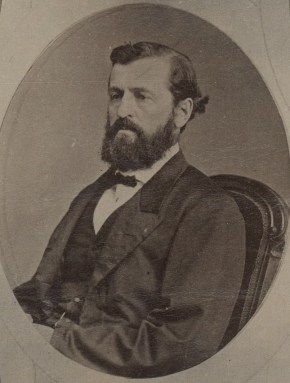
Mount Fatigue was named by Captain John Lort Stokes (1812-1885) in 1846 when he and his party made their way through the thick scrub to the top of the summit.  There is a memorial plaque at the top of the summit to commemorate this fact.

DSC_6153

The following is from Stokes’ book ‘Discoveries in Australia during the Voyage of H.M.S. Beagle’:

“When we sailed out of Alberton – to commemorate my friend Count Strzelecki’s discovery of this important and valuable district, which he named in honour of His Excellency the Governor.  I called the summit of a woody range 2110 feet high, over the north shore of Corner Inlet, Mount Fatigue.  The only vegetation this part of the promontory supports is a wiry grass, stunted gums and banksias in the valleys, and a few grass-trees near the crests of the hills which are generally bare masses of granite”

At the end of the 19th century, the largest tin mines in Victoria were in close proximity of Mount Fatigue.  Gold was also discovered on the slopes of Mount Fatigue by William Turton in 1856.

There is a trig point at the summit which is hidden behind the trees and a small tower.

I was set up and ready to go just after 0220 UTC (12.20 p.m. Victorian local time).  I started calling CQ on 7.095 and this was answered by Matt VK1MA whi a beautiful 5/9 signal.  This was followed by Gerard VK2IO, Nev VK5WG, and then Rick VK4RF/VK4HA.  All had good strong signals.  I had qualified the summit.

Contact number eight in the log was a Summit to Summit contact with Andrew VK3BQ/2 who was activating Australia’s highest peak, Mt Kosciuszko VK2/ SM-001.  Andrew was running QRP 5 watts and was a strong 5/9.

I went on to work a total of 23 contacts from VK1, VK2, VK3, VK4, VK5, VK7, and New Zealand.  This included John ZL1BYZ in New Zealand.

My final contact on 40m was another Summit to Summit, with Rob VK2QR/p who was activating the SOTA peak Mount Hudson VK2/ SM-021.

I then called CQ on 3.610 on 80m and this was answered by Greg VK2MTC who was a good 5/8 signal.  Geoff VK3SQ then called in from Beechworth with a good 5/8 signal.  Sadly Greg and Geoff were my only takers on 80m.

I then moved up to 14.310 on the 20m band and called CQ.  This was answered by Sergio VK3SFG at nearby Mirboo North.  Sergio had a good 5/8 signal and reciprocated with a 5/9 signal for me.  I put out around another 12 CQ calls, but I had no takers.

It was time to pack up and head off to the Wilsons Promontory National Park.  I had a total of 26 stations in the log and a unique SOTA summit to add to my SOTA activator list.

I worked the following stations:-

Screen Shot 2017-04-14 at 9.07.34 pm

As I left the summit, I had some nice views back to Mount Fatigue.

I also enjoyed some nice views of the surrounding countryside including the Toora Wind Farm.  Toora has 12 wind turbines, each of 1.75 MW rated capacity, with a total generating capacity of 21 MW of electricity. The power station was completed in 2002.


References.

Mount Kosciuszko Inc, 2017, http://mtkosciuszko.org.au, viewed 14th April 2017

Parks Victoria, 2017, <http://parkweb.vic.gov.au/explore/parks/mount-fatigue-s.r.&gt;, viewed 14th April 2017

Wikipedia, 2017, <https://en.wikipedia.org/wiki/Toora_Wind_Farm&gt;, viewed 14th April 2017

Enfield State Park VKFF-0757

After booking in to my accomodation I headed out to the Enfield State Park VKFF-0757, which is located about 28 km south of Ballarat.  It was now completely dark and a very chilly night in Ballarat.  I was also a bit hungry, but I had posted that I was going to activate Enfield, so I decided on a quick activation.

The drive from the motel took me out through Mount Helen, Scotchmans Lead and then on to Napoleans and Enfield.

Screen Shot 2017-04-13 at 9.28.35 pm

Above:- Map showing the location of the Enfield State Park.  Map courtesy of Protected Planet.

Enfield State Park was established in August 1995.  It is 4,400 hectares in size.  The open forest of Enfield State Park supports a number of different types of eucalyptus including Messmate, Broad-leaved Peppermint, Narrow-leaved Pepperminth, Swamp Gum, Manna Gum, and the rare Yarra Gum.  Over 60 species of native orchids can be found in the park, and also the endemic Enfield Grevillia.

Over 100 species of birds have been recorded in the park including Kookaburras, Grey Currawongs, Boobook Owls, Crimson Rosellas and the Superb Fairy Wren.  About 22 species of native mammals have been recorded in the park including the Eastern Grey Kangaroo, Swamp Wallaby, Echidna, and Koala.  Several species of possums, bats, and antechinus also occur in the park.  Frogs are also common in the park including the Common Froglet, Victorian Smooth Forglet and the Southern Brown Tree Frog.

Screen Shot 2017-04-13 at 9.16.29 pm

The Enfield State Park, with Ballarat in the background.  Image courtesy of google maps

The park was dominated by tents and diggers from all around the world during the Victorian Gold Rush period.  A reminder of these times is reflected in local place names such as Misery Creek and Surface Point, which was the site of a Chinese settlement in the 1860s, complete with temples, tearooms, gaming tents, herbalists and market gardens. Some remains of this community can still be found in the area.

The forest has been cut for timber, fence posts and local housing materials and has also been used for the production of eucalyptus oil. A historical marker at Enfield township indicates the site of a eucalyptus distillery from days gone by.

DSC_6144

I soon reached the north eastern corner of the park and I found a 4WD track off Incolls Road.  It was now 7.00 p.m. local time.  I set up along the track and ran the Yaesu FT-857d, 40 watts, and the 80/40/20m linked dipole.

DSC_6143

I called CQ on 7.140 and this was answered by Peter VK7PRN whose signal was well down to what I am normally accustomed to with Peter.  He was just a 5/7 and gave me a 5/2.  This was not a good start.  I was then called by Adrian VK5FANA who was 5/9 and reciprocated with a 5/9 for me.  I worked just 11 stations on 40m from VK2, VK4, VK5, VK7 and New Zealand.  I was pleased to log regular park hunter Oliver ZL1XS who was a good 5/9 signal.

Screen Shot 2017-04-13 at 9.24.01 pm

Above:- Map showing my operating spot in the Enfield State Park.  Image courtesy of Parks Victoria.

I decided to try my luck on 80m.  I lowered the squid pole and inserted the 80m section links and headed to 3.610.  I worked Ronny VK3VBI and then disaster.  The squid pole came crashing down, with a huge split detected in the first section of the pole.  So I was forced to use the vehicle equipment, the Icom IC-7000 and the Codan 9350.  As a result, signal reports were way down.  I boxed on and worked a total of 11 stations on 80m.

I was cold, hungry, and frustrated, and decided to call it quits for the night, with just 22 contacts in the log.  This is a park which I will have to return to, to get my remaining 22 contacts to qualify the park for the global WWFF program.

I worked the following stations on 40m SSB:-

  1. VK7PRN
  2. VK5FANA
  3. VK2ZH
  4. VK4TJ
  5. VK4/AC8WN
  6. VK4/VE6XT
  7. VK6NU
  8. ZL1XS
  9. VK4ZL
  10. VK2FOUZ
  11. VK4GSF

I worked the following stations on 80m SSB:-

  1. VK3VBI
  2. VK3GGG
  3. VK3PMG
  4. VK3PF
  5. VK5FANA
  6. VK4HNS/p
  7. VK4GSF
  8. VK3SFG
  9. VK5HYZ
  10. VK7GG
  11. VK3AXF


References.

Parks Victoria, 2010, ‘Enfield State Park’.

Parks Victoria, 2017, <http://parkweb.vic.gov.au/explore/parks/enfield-state-park&gt;, viewed 13th April 2017


Langi Ghiran State Park VKFF-0760

After leaving Ararat I decided to head into the Langi Ghiran State Park VKFF-0760 for an activation.  I have activated Mount Langi Ghiran as part of the Summits on the Air (SOTA) program, but this was to be a unique park for me for the World Wide Flora Fauna (WWFF) program.

Langi Ghiran is situated about 191 km west of Melbourne, and about 20 km east of Ararat.

Screen Shot 2017-04-13 at 7.59.02 pm

Above:- Map showing the location of the Langi Ghiran State Park.  Map courtesy of Protected Planet.

The park is well signposted on the Western Highway.  I entered the park via Kartuk Road, which took me to the Langi Ghiran Picnic and Camping Area.

Langi Ghiran ‘Lar-Ne-Jeering’ is Djab Wurrung aboriginal language for ‘home of the black cockatoo’, referring to the Yellow Tail Black Cockatoo.  The park which is 26.95 km2 (2,965 hectares) in size, is dominated by rugged granite peaks and gentle sloping woodlands.  The park was established in December 1984.  If you are keen you can take the 2km walk to Mount Langi Ghiran where you can enjoy a view of ancient Red Gums on the surrounding plains skirted by Mount Buangor in the east and the Grampians Mountains in the distant west.

Screen Shot 2017-04-13 at 9.09.28 pm

Langi Ghiran State Park, with Ararat in the background.  Courtesy of google maps

River Red Gums, Yellow Box and Candlebark trees are scattered through the woodland, with Messmate, Manna Gums and Red Stringybark in the mountains and Yarra Gums along the waterways.  Some plants unique to this area are the Langi Ghiran Grevillea and the Grampians Bitter-pea.

A number of native animals call the park home including Eastern Grey Kangaroos, wallabies, and echidnas.  Numerous birds can be seen in the park including Powerful Owls and Wedge Tailed Eagles.

The Ngutuwul balug or “mountain people” of the Dwab wurrung tribe occupied this area. Four rock art sites, numerous shelters, scar trees and other artefacts have been found.

Sir Thomas Mitchell climbed Mt Langi Ghiran on his 1836 expedition through ‘Australian Felix’.  He named the summit Mount Mistake.  The two reservoirs which are located in the park were built from locally hewn granite blocks in 1880.  The main reservoir still forms part of the Ararat water supply.

Mitchell,_Sir_Thomas_Livingstone,_Explorer,_1792-1855,_NLA

Lt Col Sir Thomas Livingstone Mitchell

At the foot of the southern side of Mount Langi Ghiran was a small settlement, which no longer exists, called Colvinsby.  It was a staging point for miners making their way to either Ararat or into the forested area surround Langi Ghiran to explore quartz leads.  There was even a hotel here called the Mount Mistake Hotel, later known as Fay’s Hotel.

I headed to the picnic and camping area.  There were a number of wooden tables and benches, and as the camp ground was relatively empty, I had a choice of a few.

Screen Shot 2017-04-13 at 7.59.28 pm

Unfortunately there was very spotty phone coverage in the park, but I had made a phone call to John VK5BJE prior to entering the park, and John had kindly alerted that I was going to activate Langi Ghiran.  So it was quite fitting that, as was the case at One Tree Hill, John was my first contact in the log with a good strong 5/9 signal.  Next up was park regular Geoff VK3SQ at Beechworth, followed by another park tragic Adrian VK5FANA.  It was a weekday, but netherless I had a steady flow of callers from VK2, VK3, VK5, and VK7.  About 9 contacts into the activation, Mike OE6MBG in Austria came onto the frequency and started calling CQ DX.  Sadly he could not hear me.  As Mike’s signal was quite strong, I decided to QSY up to 7.148.

Fortunately some of the callers had followed me up and I worked a total of 30 stations on 7.148 from VK1, VK2, VK3, VK4, VK5, and VK7.  This included a Park to Park contact with Rob VK4AAC who was portable in the Tewantin National Park VKFF-1218 in Queensland.

Time was marching on, and I really needed to pack up and head off to Ballarat, as I still had one more planned park activation.  But I only had 42 contacts in the log and I needed another 2 contacts to qualify the park for the global WWFF program.  I headed to 3.610 on the 80m band and called CQ.  This was answered by Mick VK3GGG/VK3PMG at nearby Stawell.  This was followed by Jason VK3FNQS, Hans VK5YX, and Peter VK3NAD.

I then lowered the squid pole and removed the links and headed to 14.310 on the 20m band.  I managed to get enough phone coverage as standing on the roof of the Hi Lux, and self spotted on parksnpeaks.  My first taker on 20m was Rolf HB9RDE in Switzerland, followed by Maurizio IU5HIV in Italy.  But despite a dozen or so CQ calls, they were my only takers on 20m.

DSC_6135

An interested onlooker

So it was time to pack up and head off to Ararat.  I had successfully qualified the park with a total of 49 contacts in the log.

I worked the following stations on 40m SSB:-

  1. VK5BJE
  2. VK3SQ
  3. VK5FANA
  4. VK5HYZ
  5. VK2HHA
  6. VK5VBR
  7. VK3PF
  8. VK5FSPJ/m
  9. VK7JON
  10. VK5WG
  11. VK2NP
  12. VK5FCLK
  13. VK2IO
  14. VK7XDM
  15. VK5FMJC
  16. VK2VKB
  17. VK5KLD
  18. VK1AT
  19. VK2KF
  20. VK2QK
  21. VK2GKA
  22. VK2JAZ
  23. VK5WA
  24. VK2FADV
  25. VK5PL
  26. VK4FEEL
  27. VK2FJPR
  28. VK2LL
  29. VK2MOR/m
  30. VK5FLKJ
  31. VK4AAC/p (Tewantin National Park VKFF-1218)
  32. VK5MBD
  33. VK2HPN
  34. VK3NGD/m
  35. VK7VDL
  36. VK7JGD.p
  37. VK2VOL
  38. VK5FMLO
  39. VK4KUS
  40. VK7DIK
  41. VK2EJW
  42. VK2OQ/m

I worked the following stations on 80m SSB:-

  1. VK3GGG
  2. VK3PMG
  3. VK3FNQS
  4. VK5YX
  5. VK3NAD

I worked the following stations on 20m SSB:-

  1. HB9RDE
  2. IU5HIV


References.

Parks Victoria, 2017, <http://parkweb.vic.gov.au/explore/parks/langi-ghiran-state-park&gt;, viewed 13th April 2017

Heritage Council Victoria, 2017, ‘Former Fay’s Hotel’ Victorian Heritage Database Report.

One Tree Hill VK3/ VS-036 and Ararat Regional Park VKFF-0958

Bright and early on Thursday morning, 6th April 2017, I hit the road, on my way to Ballarat in western Victoria.  My ultimate destination was Foster, south east of Melbourne for the Antennapalooza event.  But as Foster was 870 km away, I had planned to stay overnight at Ballarat, and then drive down to Foster on Friday morning.

I had one planned activation for the day, and that was Mount Buangor State Park.  But all good plans are made to be broken, and I decided to activate SOTA summit One Tree Hill VK3/ VS-036 which is located in the Ararat Regional Park VKFF-0958.

Screen Shot 2017-04-12 at 4.37.48 pm

Above:- Map showing the location of One Tree Hill in western Victoria.  Map courtesy of Google maps.

After a 7.00 a.m. start, I stopped off briefly at Coonalypn for a coffee at the newly opened Silo cafe on the Dukes Highway.  This is about 200 km south east of Adelaide.  It was also an opportunity to view the newly completed artwork on the adjacent 30 metre high silos.  This fantastic artwork is the product of Brisbane based artist Guido van Helten. He has imortalised five local Coonalpyn Primary School children on the silos.

For more information check out this link to the ABC News website which includes some time lapse video of van Helten at work…..

http://www.abc.net.au/news/2017-03-25/coonalpyn-silo-artist-guido-van-helten-finishes-project/8380546

I continued on, a further 360 km to the west, crossing the South Australian/Victorian border, until I reached the town of Ararat.  It was 1.30 p.m. Victorian local time, and I had just a further 93 km to go until I reached Ballarat.  So I decided to activate One Tree Hill, which is a nice easy drive up summit for Summits on the Air (SOTA).

One Tree Hill is 569 metres above sea level and is worth 2 SOTA points.  The summit has been activated a total of 12 times by SOTA activators from VK3 & VK5.  I myself have activated the summit four times before.  The first being back in 2013.

https://vk5pas.org/2013/09/13/one-tree-hill-vk3-vs-036/

https://vk5pas.org/2013/09/14/one-tree-hill-vk3-vs-036-night-time-activation/

https://vk5pas.org/2015/12/11/one-tree-hill-vk3-vs-036-2/

https://vk5pas.org/2016/11/21/one-tree-hill-vk3-vs-036-and-ararat-hills-regional-park-vkff-0958/

Screen Shot 2017-04-12 at 4.37.19 pm

One Tree hill is located on the north western outskirts of the town of Ararat.  I followed Picnic Road and then One Tree Hill Road and soon reached the Ararat Regional Park sign which has come under attack by local vandals.


DSC_6116

Ararat Regional Park comprises three separate, easily accessible blocks.  The Ararat Hills block, which consists of 820 hectares, offers panoramic views from Pioneers Lookout and has a rich gold mining history.  Dunneworty block is 2,670 hectares in size and is made up of gentle terrain to the north.  While Bradys block is 180 hectares in size and has rich Ironbark forests.  The summit is located in the Ararat Hills block.

Screen Shot 2017-04-12 at 5.54.26 pm

The park is home to more than 200 native wildflower and other plant species, including 34 species of small delicate native orchids.  Victoria’s Box-Ironbark forests once covered 3 million hectares.  Sadly these forests and woodlands were cleared by early settlers for agriculture, gold mining, urban development and timber.  Today, only 17% of the original area of Box-Ironbark vegetation remains.

A significant amount of native wildlife can be found in the park incuding the Peregrine Falcon, the threatened Powerful Owl, and the vulnerable Brush-tailed Phascogale, which is a small carnivorous mammal.  Other native animals found here including Western Grey kangaroos, wallabies, Echidnas, Brush-tailed possums and Sugar gliders.

d605-656_tuan

Brush-tailed Phascogale.  Image courtesy of http://www.roundthebend.org.au

Gold was discovered at Ararat in 1857, and relics of this gold mining era are evident in the numerous shallow mine shafts, a mining dam and water-races in the Ararat Hills.  Ararat’s Gum San Chinese Heritage Centre gives an insight into the area’s goldmining.

Edward_Roper_-_Gold_diggings,_Ararat,_1854

The Ararat gold diggings, c. 1854.  Image courtesy of Wikipedia.

I followed the road up passed the telecommunications tower and on to the lookout.  In just under 2km the One Tree Hill Road climbs nearly 200 metres.  There are some sensational views to be enjoyed here of Ararat township, the Grampians National Park, and the Pyrenees mountains.  Enjoy the views here, as the views from the summit itself are shrouded by the trees.

However, the lookout carpark is technically NOT the summit.  You need to continue along the 4WD track and head north.  The track is quite washed out in many parts and I would not recommend you trying to negotiate it without a 4WD.  If you decide to walk, it is a short walk along the track until you reach the official summit point, One Tree Hill.  A little further up the track is Snake Hill, which interestingly is marked on some maps as being 579 metres, 10 metres higher than One Tree Hill.  And a little further to the north is Napolean Hill.

I’m not sure of the origins of the name of the summit, but there is definitely more than one tree on the summit.

Screen Shot 2017-04-12 at 4.39.14 pm

As this was an easy drive up summit, I had the luxury of the fold up table and deck chair.  I could also use the 44 amp hour power pack and run a little extra power, 40 watts from the Yaesu FT-857d.  I used my normal antenna, the 80/40/20m linked dipole, inverted vee, supported on the 7 metre telescopic squid pole.

I had telephoned John VK5BJE just before reaching Ararat to let him know that I was going to be on the summit and he had kindly spotted me.  So it was pleasing that John was the first in my log, with a lovely 5/9 plus signal from the Adelaide Hills.  Interestingly, John was number one in my log the last time I activated One Tree Hill.  This was followed by SOTA & Parks guru Peter VK3PF, and then Bob VK5AFZ at Goolwa, south of Adelaide.

As it was a weekday, there was not a mad pileup, but more than enough callers for me to qualify the summit.  Contact number four was with Nev VK5WG in the Mid North of South Australia.  I went on to work a total of 16 stations from VK2, VK3, VK5 and VK7.  This included a Summit to Summit contact with Phil VK2JDL who was activating SOTA peak Mount Elliot VK2/ HU-093, which is situated near Gosford in New South Wales.

DSC_6123

I then lowered the squid pole and removed the links and headed off to 14.310 on the 20m band where I started calling CQ.  This was answered by John ZL1BYZ in New Zealand with a good 5/5 signal.  Sadly, John was my only caller on 20m.

So it was away with the gear and back on the road, heading east towards Ballarat.

I worked the following stations:

Screen Shot 2017-04-12 at 4.30.47 pm


References.

Parks Victoria, 2010, ‘Ararat Regional Park’

Trip to Antennapalooza in VK3

On Thursday 6th April 2017 I headed over to Foster in Victoria to attend Antennapalooza, hosted by the Gippsland Gate Radio & Electronics Club.  I returned home last night, Monday 10th April.

The theme for this year’s Antennapalooza was ‘operating portable’.  I delivered 3 short presentations on operating portable from parks.  I also had a small display table.  Other presenters included Peter VK3PF, Tony VK3XV, Joe VK3YSP, and Ian VK3BUF.

Whilst away I activated 2 summits for the Summits on the Air (SOTA) program, and 8 Parks for the World Wide Flora Fauna (WWFF) program & the VK5 Parks award.  I made a total of 386 QSOs.

Below is a run down on my activations…..

  • One Tree Hill VK3/ VS-036 & VKFF-0958
    • 17 QSOs
    • 1 Summit to Summit
  • Langi Ghiran State Park VKFF-0760
    • 49 QSOs
    • 1 Park to Park
  • Enfield State Park VKFF-0757
    • 22 QSOs
  • Mount Fatigue VK3/ VT-057
    • 26 QSOs
    • 2 Summit to Summit
  • Wilsons Promontory National Park VKFF-0539
    • 59 QSOs
    • 1 Park to Park
  • Shallow Inlet Marine Park VKFF-0749
    • 45 QSOs
    • 2 Park to Park
  • Creswick Regional Park VKFF-0964
    • 48 QSOs
    • 1 Park to Park
  • Mount Buangor State Park VKFF-0766
    • 70 QSOs
    • 1 Park to Park
  • Mount Monster Conservation Park 5CP-149 & VKFF-0800
    • 50 QSOs

Thanks to everyone who called during my activations, and special thanks to those who took the time to spot me on parksnpeaks, the DX Cluster, Facebook, etc.

Thanks also to Chris VK3QB for allowing me to stay at his home during my visit.  This was a great event and I will certainly be doing my very best to be back next year.

Eric Bonython Conservation Park 5CP-062 and VKFF-0877

Our final activation for the 4th year anniversary weekend for the VK5 National & Conservation Parks Award was the Eric Bonython Conservation Park 5CP-062 & VKFF-0877.  The park is located about 100 km south of Adelaide on the Fleurieu Peninsula.

Screen Shot 2017-03-29 at 10.28.28 pm

It was just a short drive from Waitpinga, and we soon reached the park.  Eric Bonython is a small narrow park, comprising 6 hectares of native scrub.  It follows Rymill Road and sits on the top of a ridge line about 280 metres above sea level.

The park was named after Eric Glenie Bonython (1910-1971) who was an author, explorer, and conservationist.  Bonython’s chief occupation was in landholding and grazing, however he had a very wide interest in history, geography and anthropology.  He became a well known explorer of the Lake Eyre Basin, at that time one of the most mysterious geological areas on earth.

Where-the-seasons-come-and-go

The park is surrounded by cleared land used for farming purposes, particularly dairy.

DSC_6108

There are some nice views from the park out across the Southern Ocean, to The Pages (2 small islands) and Kangaroo Island.

DSC_6102

We set up in the south western corner of the park in a clearing amongst the scrub.  We extended the awning on the Toyota Hi Lux and set up the deck chairs and fold up table.  For this activation we ran the Yaesu FT-857D, and the 80/40/20m linked dipole on the 7 metre telescopic squid pole.  On 40m we ran 10 watts PEP (complying with Marija’s Foundation licence conditions), and on 20m I cranked up the power to 30 watts output.

Screen Shot 2017-03-29 at 10.28.13 pm

Above:- Aerial shot of the park showing our operating spot.  Image courtesy of Protected Planet.

There was quite a stiff breeze blowing, so the VK5 Parks Award flag was flying proudly on the top of the squid pole.

DSC_6104

I started off proceedings at Eric Bonython, calling CQ on 7.144 on 40m, which was answered by Helen VK7FOLK and Jonathan VK7JOPN who were activating the Rocky Cape National Park VKFF-0432 in Tasmania.  Their signals were incredibly strong.  Marija and I swapped the mic to log both Helen and Jonathan Park to Park.  We did the same for three other park activations:

  • Andrew VK5MR in the Lake Torrens National Park 5NP-013 & VKFF-0278;
  • Greg VK5GJ in the Stipiturus Conservation Park 5CP-220 & VKFF-0936; and
  • Brett VK3FLCS in the Lerderderg State Park VKFF-0763.

After logging 16 stations from VK2, VK3, VK5, VK6, and VK7, Marija jumped into the operators seat and called CQ.  This was answered by Dennis VK2HHA, followed by Peter VK3FOGY and then Steve VK3FSPG/VK3MPR.  It wasn’t long and Marija had a little pileup going.  Marija logged a total of 24 stations from VK2, VK3, VK5, VK7, VK8.  This included a contact with Greg VK8GM in Alice Springs in the Northern Territory.

After a bit of a wander through the park, I went back onto the mic, calling CQ on 7.139, which was promptly answered by Ivan VK5HS in the Riverland, followed by Alan VK3LSD in the Wimmera region of Victoria.  Things had slowed down a little, and I logged 10 stations from VK1, VK3, VK5, and VK7.

Marija and I then took the opportunity of tuning across the 40m band and logging a few park activators:

  • Rob VK4AAC/p, Tewantin National Park VKFF-1318
  • Chris VK5FR, Morgan Conservation Park 5CP-141 & VKFF-0911
  • Bill VK4FW/p, Mount Walsh National Park VKFF-0363

The weather was starting to move in, with the occasional shower, so we were forced to put up a side wall on the awning.  It also sheltered us a bit from the bitterly cold wind coming in off the Southern Ocean.  It was cold!  After all, the next land mass, was the Antarctic.

DSC_6110

I then called CQ on 7.105, where I worked a total of 19 stations including:

  • Peter VK3PF/p, Green Lake State Park VKFF-0967
  • Adrian VK5FANA/p, Eastern Spencer Gulf Marine Park VKFF-1706

It was nice to also log Marco VK3FTRI, and be his 1st ever contact on HF.

I then QSY’d to 14.310 on 20m and called CQ, competing with the Over the Horizon Radar which was extremely strong (S9 plus when it intermittently came on).  My first station logged on 20m was Ozren 9A7W in Croatia, followed by John VK6NU, and then Swa ON65SWA in Belgium.  I worked a total of 13 stations on 20m, but it was incredibly difficult with the radar.  Despite that it was nice to log a little bit of DX, long path to Europe: Croatia, Belgium, Denmark, Germany, France and Italy.

It was now 5.45 p.m. local time and the sun was setting and it was certainly not getting any warmer.  So I headed down to 3.610 on the 80m band and started calling CQ.  Adrian VK5FANA mobile, on his way home from his park, was the first in the log.  Marija was sitting on 30 contacts, with just 14 more to go to qualify the park for the global WWFF program, and she had a ‘second wind’ of enthusiasm and took control of the mic.

Marija logged 10 stations on 80m including Bill ZL2AYZ in New Zealand (Marija’s first ever ZL contact on 80m), and Gerard VK2IO who was portable in the Columbey State Conservation Area VKFF-1303.  Marija was now on 38 contacts and needed just 6 more contacts, but QSOs soon dried up on 80m, so we lowered the squid pole and removed the 80m links and headed back to 40m.  Marija commenced calling CQ on 7.130 and soon racked up her required number of contacts, with QSO number 44 being with Steve VK3SN/p in the Alpine National Park VKFF-0619.  A nice way for Marija to get her 44, with a Park to Park contact.

DSC_6113

Marija ended up with a total of 47 contacts in the log, which included 10 Park to Park QSOs.  I had a total of 69 QSOs in the log, including 11 Park to Park QSOs.

Marija worked the following stations on 40m SSB:-

  1. VK7FOLK/p (Rocky Cape National Park VKFF-0432)
  2. VK7JON/p (Rocky Cape National Park VKFF-0432)
  3. VK5MR/p (Lake Torrens National Park 5NP-013 & VKFF-0278)
  4. VK5GJ/p (Stipiturus Conservation Park 5CP-220 & VKFF-0936)
  5.  VK3FLCS/p (Lerderderg State Park VKFF-0763)
  6. VK2HHA
  7. VK3FOGY
  8. VK3FSPG
  9. VK3MPR
  10. VK7KW
  11. VK3BL
  12. VK5PET
  13. VK3CJD
  14. VK3FLJD
  15. VK3TKK/m
  16. VK2QK
  17. VK3LSD
  18. VK3MRH
  19. VK2HOT
  20. VK3MNZ
  21. VK8GM
  22. VK3FRAB
  23. VK4HNS/p
  24. VK5HS
  25. VK4AAC/p (Tewantin National Park VKFF-1318)
  26. VK5FR/p (Morgan Conservation Park 5CP-141 & VKFF-0911)
  27. VK4FW/p (Mount Walsh National Park VKFF-0363)
  28. VK3PF/p (Green Lake State Park VKFF-0967)
  29. VK3FSLG
  30. VK4FDWS
  31. VK4AAT
  32. VK4LX
  33. VK3ZPF
  34. VK3SN/p (Alpine National Park VKFF-0619)
  35. VK1DI
  36. VK2GKA
  37. VK3FEVT

Marija worked the following stations on 80m SSB:-

  1. VK2IO/p (Columbey State Conservation Area VKFF-1303)
  2. ZL2AYZ/p
  3. VK3ARH
  4. VK3HRA
  5. VK5MRT
  6. VK5FANA
  7. VK3GGG
  8. VK3PMG
  9. VK2UH
  10. VK3MCK

I worked the following stations on 40m SSB:-

  1. VK7FOLK/p (Rocky Cape National Park VKFF-0432)
  2. VK7JON/p (Rocky Cape National Park VKFF-0432)
  3. VK3SQ
  4. VK5MR/p (Lake Torrens National Park 5NP-013 &VKFF-0278)
  5. VK5GJ/p (Stipiturus Conservation Park 5CP-220 & VKFF-0936)
  6. VK3FLCS/p (Lerderderg State Park VKFF-0763)
  7. VK3ELH
  8. VK3FOGY
  9. VK3LBW
  10. VK3FSPG
  11. VK3MPR
  12. VK3TL
  13. VK3EY
  14. VK6ZFG
  15. VK2NP
  16. VK2HHA
  17. VK3HS
  18. VK3LSD
  19. VK3BSG
  20. VK3GGG
  21. VK3PMG
  22. VK3FRAB
  23. VK3MRH
  24. VK3VIN
  25. VK1DI
  26. VK7DW
  27. VK4AAC/p (Tewantin National Park VKFF-1318)
  28. VK5FR/p (Morgan Conservation Park 5CP-141 & VKFF-0911)
  29. VK4FW/p (Mount Walsh National Park VKFF-0363)
  30. VK3CIB
  31. VK2SVN
  32. VK7EV/m
  33. VK3IL/m
  34. VK3NBL
  35. VK5FAKV
  36. VK3PF/p (Green Lake State Park VKFF-0967)
  37. VK3VEF
  38. VK4QQ
  39. VK6BD/7
  40. VK3VEK
  41. VK3FSLG
  42. VK3FORD/m
  43. VK4HNS/p
  44. VK5FANA/p (Eastern Spencer Gulf Marine Park VKFF-1706)
  45. VK3MIJ
  46. VK3FTRI
  47. VK5KLV
  48. VK2GPT

I worked the following stations on 20m SSB:-

  1. 9A7W
  2. VK6NU
  3. ON5SWA
  4. 9A3NM
  5. OZ5HP
  6. VK4QQ
  7. ON4VT
  8. DL1SPE
  9. VK4NH
  10. F4GTD
  11. IZ2QDC
  12. OO2T
  13. VK4MWG

I worked the following stations on 80m SSB:-

  1. VK5FANA/m
  2. VK3GGG
  3. VK3PMG
  4. VK3SQ
  5. VK2UH
  6. VK2IO/p (Columbey State Conservation Area VKFF-1303)
  7. ZL2AYZ/p
  8. VK3ARH

At the end of the activation we headed off to the Yankalilla Hotel for tea.  It was a nice end to another fun anniversary weekend for the VK5 Parks Award.

IMG_0171

References.

Illawong Texel Lamb, 2017, <http://www.illawongtexel.com.au/pages/where-the-seasons-come-and-go.php&gt;, viewed 11th April 2017

Waitpinga Conservation Park 5CP-243 and VKFF-0940

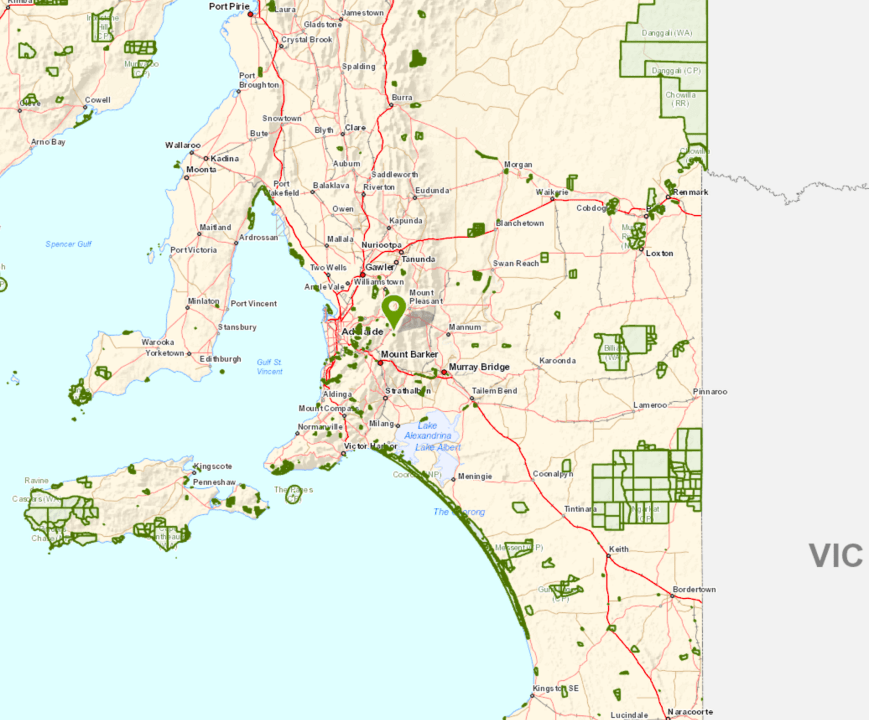
Our first planned park activation for Sunday morning (2nd April 2017) was the Waitpinga Conservation Park 5CP-243 and VKFF-0940.  The park is located about 113 km south of Adelaide, and about 40 km west of the seaside tourist town of Victor Harbor, on the Fleurieu Peninsula.

Screen Shot 2017-04-11 at 10.05.00 am.png

Above:- Map showing the location of the Waitpinga Conservation Park, south of Adelaide.  Map courtesy of Location SA Map Viewer.

Our morning commenced with some breakfast and a nice cup of coffee. at the Deep Creek homestead.  The Western Grey kangaroos were also out and about, all around the homestead, also enjoying their breakfast.  It was quite a bleak morning, with a lot of cloud cover, and some very heavy rain overnight.  We both had our fingers crossed that the cloud cover may burn off and the weather fine up.

DSC_5989

Prior to activating the park, we detoured down to Boat Harbor Beach where we enjoyed some fantastic views out across the ocean to Kangaroo Island.  As we looked out to the south east there was some heavy shower activity which signalled some alarm bells.

The track down to the carpark is definitely for 4WD only.  You can then take a walk down to the beach where you can often see dolphins playing in the surf.  There are some great views of the park along the way.

We then headed back to Range Road and then took Illawong Road, approaching the park from the eastern side.  The weather we had seen out to the south east had now hit with vengeance.  The showers were quite heavy and our prospects of activating were not looking good.  We travelled south along Illawong Road and soon reached a ‘Road Closed’ sign.  As the track was very wet, we decided not to try out luck and we headed back to Range Road and then took Tunkalilla Road and approached the park from the west.

DSC_6002

The eastern side of Illawong Road

If you approach the park on Illawong Road from the west, you need to travel down through the creekline and passed the old farmhouse ruin on your right, before reaching the park boundary on your left.


DSC_6004

The western side of the creekline on Illawong Road leading down to the park

Waitpinga is a small park, and although it is just 3 hectares in size, it is very important in that it conserves the rare Coral Fern.  Waitpinga consists of low open forest of stringy bark and Pink Gum, over an under storey of bracken, tea-tree, sedges and grasses.  The park is within the extent of ‘Illawong Swamp’ which is listed as a wetland of national importance.  The park also backs on to the quite large Second Valley Forest Reserve.

Waitpinga is a corruption of the aboriginal word ‘Waitpi-unga’ which means ‘the windy place’.

The park is located about 5 km to the north west of the surf fishing beach, Waitpinga Beach, which is in turn located within the Newland Head Conservation Park.

We sat in the vehicle for around 20 minutes, waiting for the showers to clear.  Sadly they didn’t.  We then set up the awning of the Toyota Hi Lux, getting wet in the process.  For this activation we used the Yaesu FT-857d, set at 10 watts PEP for Marija, and the 90/40/20m linked dipole on the 7 metre telescopic squid pole.

Screen Shot 2017-04-11 at 10.04.28 am

We were all set up and ready to go by just after 0040 UTC (11.10 a.m. South Australian local time).  A little later than expected.  Marija started off the activation, as I had previously activated and qualified the park.  Prior to calling CQ, we tuned across the band and found Tony VK3XV/5 on 7.100 calling CQ from the Ewens Ponds Conservation Park 5CP-064 & VKFF-0796.  Tony’s signal was fluctuating severely with QSB, but was spiking up to 5/5.  We both managed to make contact with Tony who gave us a 5/1 signal report.  It was a nice way to start the activation with a Park to Park contact.

We then moved down to 7.095 and Marija started calling CQ.  But it was very slow going, with just a handful of callers.  Sadly, we had no phone coverage, so we were unable to self spot on parksnpeaks.  With just 5 contacts in the log, Marija decided to go for a walk along Illawong Road to see if she could get some phone coverage, and spot us on parksnpeaks.  Whilst Marija was doing this I jumped onto the mic and called CQ.  This was answered by Sergio VK3SFG, followed by Jonathan VK7JON, and then Gerard VK2IO who was portable in Werakata State Conservation Area VKFF-1391.  I also logged Greg VK5GJ who was portable in the Stipiturus Conservation Park 5CP-220 & VKFF-0936, and David VK3IL who was activating SOTA peak King Billy No. 1 VK3/ VE-016 located within the Alpine National Park VKFF-0619.

Marija then returned from her journey up the road and took control of the mic again, soon obtaining her 10th QSO, qualifying the park for VKFF.  I then jumped back into the chair and called CQ.  Marija and I swapped the mic to log the various Park and SOTA activators who called in.  This included:

  • Andrew VK1AD/p, SOTA Mount Stromlo VK1/ AC-043
  • Les VK5KLV/p, Munyaroo Conservation Park 5CP-154 & VKFF-0920
  • Peter VK5KPR/p, Munyaroo Conservation Park 5CP-154 & VKFF-0920

When callers slowed down, we tuned across the 40m band where Marija worked Gerard VK2IO/p in Werakata State Conservation Area VKFF-1391.  Marija had missed Gerard earlier when he called in.  And Marija also logged Greg VK5GJ in the Stipiturus Conservation Park 5CP-220 & VKFF-0936.

We then went back to 7.095, but in that short time, it had been taken up by some other stations, so we found 7.105 clear and I started calling CQ.  This was answered by Adrian VK5FANA who was activating the Minlacowie Conservation Park 5CP-135 & VKFF-0909.  Marija was also keen to log Adrian, Park to Park.  I worked another 2 stations, Craig VK3CRG and Geoff VK3SQ, before my attention was drawn to a Scarlet Breasted Robin who was quite active a few metres away from us.  Marija jumped back onto the mic whilst I took the opportunity of taking some photographs.

Marija logged a further 16 stations from VK2, VK3, VK5, and VK7, including Peter VK2PX/3 who was in the Greater Bendigo National Park VKFF-0623, Steve VK3SN who was portable in the Alpine National Park VKFF-0619, and Greg VK5ZGY who was activating the Carpenter Rocks Conservation Park 5CP-038 & VKFF-1018.

We continued our game of ‘musical microphone’ and I again jumped into the ‘driver’s seat’ working a steady flow of callers.  Marija had only intended to get 10 contacts from this park, qualifying Waitpinga for VKFF, but she was rapidly approaching 44, so we exchanged the mic so she could add some QSOs to her tally.  We also logged some more Park and SOTA activators.  They being:

  • Chris VK5FR/p, Morgan Conservation Park VKFF-0911
  • Brett VK3FLCS/p, Lerderderg State Park VKFF-0763
  • Col VK5HCF/p, Tantanoola Caves Conservation Park 5CP-225 & VKFF-0804
  • Adrian VK5FANA/p, Eastern Spencer Gulf Marine Park VKFF-1706
  • Andrew VK1DA/2, SOTA Bobbara Mountain VK2/ ST-044
  • Tony VK5MRT/p, Bullock Hill Conservation Park 5CP-265 & VKFF-0873

Other interesting contacts were with Peter VK2STO and Kevin VK2FOUZ who were operating the club call of VK2STO.  They were portable at the First Shaft lookout at the Lightning Ridge Opal Field in outback New South Wales.

Time was marching on, and we needed to get to our second park of the day, Eric Bonython.  But before going QRT I headed down to 3.610 on the 80m band and called CQ.  As we had no internet coverage I was unable to spot on parksnpeaks or Facebook.  Sadly, 5 minutes of CQ calls went unanswered.  I then moved up to 14.310 on the 20m band and called CQ.  Again, as there was no internet coverage, we were relying on luck that some park hunters would find us.  My first caller on 20m was Igor VK6ZFG, with a good strong 5.8 signal, followed by Bruce VK2HOT, Rob VK2ZH, and finally Neil VK4HNS/p in Goondiwindi.

What started off as a less than promising activation, with very poor weather, turned into a successfully qualified park.  Marija had a total of 51 contacts in the log, including 14 Park to Park contacts.  I also had a total of 51 contacts in the log, including 17 Park to Park contacts.

Marija worked the following stations on 40m SSB:-

  1. VK3XV/5 (Ewens Ponds Conservation Park 5CP-064 & VKFF-0796)
  2. VK2LX
  3. VK7AV
  4. VK3FSPG
  5. VK3MPR
  6. VK3SFG
  7. VK3MRH
  8. VK3MRG/p
  9. VK3PAT
  10. VK7FPRN
  11. VK1AD/p (SOTA Mount Stromlo VK1/ AC-043)
  12. VK5KLV/p (Munyaroo Conservation Park 5CP-154 & VKFF-0920)
  13. VK5KPR/p (Munyaroo Conservation Park 5CP-154 & VKFF-0920)
  14. VK2IO/p (Werakata State Conservation Area VKFF-1391)
  15. VK5GJ/p (Stipiturus Conservation Park 5CP-220 & VKFF-0936)
  16. VK5FANA/p (Minlacowie Conservation Park 5CP-135 & VKFF-0909)
  17. VK3GGG
  18. VK3PMG
  19. VK3CRG
  20. VK5WG
  21. VK2PX/3 (Greater Bendigo National Park VKFF-0623)
  22. VK3FLES
  23. VK3NBL
  24. VK7JON
  25. VK2RP/m
  26. VK3NCC/m
  27. VK3SN/p (Alpine National Park VKFF-0619)
  28. VK5ZGY/p (Carpenter Rocks Conservation Park 5CP-038 & VKFF-1018)
  29. VK2YW
  30. VK3CM
  31. VK3FSTA
  32. VK2SMS/p
  33. VK3FQSO
  34. VK5FR/p (Morgan Conservation Park VKFF-0911)
  35.  VK3FLCS/p (Lerderderg State Park VKFF-0763)
  36. VK5HCF/p (Tantanoola Caves Conservation Park 5CP-225 & VKFF-0804)
  37. VK3FOGY
  38. VK3HN
  39. VK2STO/p
  40. VK2FOUZ/p
  41. VK3XL
  42. VK3VIN
  43. VK5FANA/p (Eastern Spencer Gulf Marine Park VKFF-1706)
  44. VK7QP
  45. VK1DA/2 (SOTA Bobbara Mountain VK2/ ST-044)
  46. VK5MRT/p (Bullock Hill Conservation Park 5CP-265 & VKFF-0873)

I worked the following stations on 40m SSB:-

  1. VK3XV/5 (Ewens Ponds Conservation Park 5CP-064 & VKFF-0796)
  2. VK3SFG
  3. VK7JON
  4. VK2IO/p (Werakata State Conservation Area VKFF-1391)
  5. VK3MRG/p
  6. VK5GJ/p (Stipiturus Conservation Park 5CP-220 & VKFF-0936)
  7. VK3IL/p (SOTA King Billy No. 1 VK3/ VE-016 and Alpine National Park VKFF-0619)
  8. VK3MRH
  9. VK1AD/p (SOTA Mount Stromlo VK1/ AC-043)
  10. VK3WE
  11. VK3ARH
  12. VK7PRN
  13. VK5KLV/p (Munyaroo Conservation Park 5CP-154 & VKFF-0920)
  14. VK5KPR/p (Munyaroo Conservation Park 5CP-154 & VKFF-0920)
  15. VK3FSPG
  16. VK3MPR
  17. VK2RP/m
  18. VK3VIN
  19. VK5FANA/p (Minlacowie Conservation Park 5CP-135 & VKFF-0909)
  20. VK3CRG
  21. VK3SQ
  22. VK5ZGY/p (Carpenter Rocks Conservation Park 5CP-038 & VKFF-1018)
  23. VK5FR/p (Morgan Conservation Park VKFF-0911)
  24. VK3FQSO
  25. VK3FLCS/p (Lerderderg State Park VKFF-0763)
  26. VK2PX/3 (Chiltern Mount Pilot National Park VKFF-0623)
  27. VK3XL
  28. VK3MAB
  29. VK5NAQ
  30. VK5ZRY/m
  31. VK7EK
  32. VK5HCF/p (Tantanoola Caves Conservation Park 5CP-225 & VKFF-0804)
  33. VK3FOGY
  34. VK3HN
  35. VK2SMS/p
  36. VK2STO
  37. VK2FOUZ
  38. VK3GGG
  39. VK3PMG
  40. VK5FANA/p (Eastern Spencer Gulf Marine Park VKFF-1706)
  41. VK7QP
  42. VK6ZFG
  43. VK1DA/2 (SOTA Bobbara Mountain VK2/ ST-044)
  44. VK3FVIC
  45. VK5MRT/p (Bullock Hill Conservation Park 5CP-265 & VKFF-0873)
  46. VK5AYD
  47. VK3SN/p (Alpine National Park VKFF-0619)

I worked the following stations on 20m SSB:-

  1. VK6ZFG
  2. VK2HOT
  3. VK2ZH
  4. VK4HNS/p


References.

Cockburn, R, “2002, South Australia.  What’s in a Name?”

Department of Environment and Natural Resources, 2011, “Parks of the Fleurieu Peninsula”.

Wikipedia, 2017, <https://en.wikipedia.org/wiki/Waitpinga_Conservation_Park&gt;, viewed 11th April 2017

Deep Creek Conservation Park 5CP-054 and VKFF-0780

Once we got home to the homestead, I set up the equipment outside again and headed to 14.310 on 20m and called CQ.  As we had no internet coverage, I was just hoping that someone would come across my signal.  It didn’t take long and I was called by Ozren 9A7W in Croatia.  Ozren’s signal was not overly strong but we successfully exchanged 5/5 signal reports.  Next was Chris VK4BX, followed by Sasa 9A3NM in Croatia.

This was followed by a handful of Europeans from France, Poland, Italy, Slovenia, Slovak Republic, and just 2 Australians from VK8 and VK6.

IMG_0135

It was a pretty cool evening, only 13 deg C, so I was rugged up with my beanie and jacket.   It was a much cooler evening compared to the night earlier.  Marija was kind enough to bring my tea outside to me, and I took a break, while Marija called CQ on 7.144.  Steve VK4QQ was her first caller, followed by Simon VK3FSLG and then Ian VK1DI.  Marija logged a total of 24 stations from VK1, VK2, VK3, VK4, VK5, VK7, and New Zealand.  This included Allan VK3ARH who was on SOTA peak Mount Beckworth VK3/ VC-024 and Gary VK5FGRY who was portable in the Morialta Conservation Park 5CP-142 & VKFF-0783.  Marija was also very pleased to have her second contact into New Zealand, with Oliver ZL1XS.

IMG_0132

After finishing tea and lighting the slow combustion heater, I started calling CQ on 7.144.  It was getting too cold for Marija, and she retreated indoors to the fire.  My CQ was answered by Marshall VK3MRG who was camping on the banks of the Upper Yarra.  This was followed by Damien VK3FRAB, and then much to my surprise, Lubos KP2AD in the American Virgin Islands.  Lubos was booming in at 5/9 plus and gave me a 5/5 which I was very happy with.   I quickly summoned Marija outside and asked Lubos if he would be so kind to listen out for Marija.  He agreed and I would the power back down to 10 watts PEP.  Much to our amazement Lubos came back with a 4/4 signal report for Marija.  We were both very excited as this was a new DXCC entity for Marija.

I went on to work a total of 32 stations on 7.144 from VK2, VK2, VK3, VK4, VK5, VK6, VK7, Virgin Islands, New Zealand, and USA.  This included Bill VK4FW who was portable in the Mount Walsh National Park VKFF-0363, Peter VK3PF/p who was portable on SOTA peak VK3/ VW-007, Steve VK3SN who was portable in the Mount Buffalo National Park VKFF-0339, and Gerard VK2IO was portable on SOTA peak Broken Back Range VK2/ HU-054.  I was also very pleased to work Clive ZL4CJR who was operating portable from the Fjordland National Park ZLFF-0004.  Clive and I had quite a lengthy chat.

I then headed to 7.130 as I had been informed that Pedro NP4A in Puerto Rico was very loud and was working VK.  He certainly had quite a pile up going, and thanks to Mike VK2BXE who advised Pedro to have a listen out for me, I logged Pedro 5/9 both ways.

I then headed down to 3.610 on the 80m band and started calling CQ.  The Over the Horizon radar was choofing away in the background, but it didn’t take long and I had my first caller, Chris VK3YUN.  This was followed by Mark VK6BSA who had a terrific 5/9 signal.  I worked a further 6 stations from VK3, VK4, VK6, and VK7, including Tony who was on top of SOTA peak Mount Mitchell VK3/ VN-012.

I then headed back to 40m and I tuned across the band.  I heard Alberto P29LL with a huge pile up from North America.  I then heard Bill W1ZY calling CQ from Rhode Island.  He wasn’t so busy and we had a short chat, exchanging signal reports 5/9 sent and 5/7 received).  Bill was quite amazed with my operating conditions.

I then called CQ on 7.155 and worked 7 stations, including Mark AF6TC in California USA and Oliver ZL1XS, before going QRT for the evening.

I worked the following stations on 20m SSB:-

  1. 9A7W
  2. VK4BX
  3. 9A3NM
  4. F1BLL
  5. SP5INQ
  6. IK4LZH
  7. S52KM
  8. OM7OM
  9. VK8RD
  10. VK6AHR
  11. IZ1ERW

I worked the following stations on 40m SSB:-

  1. VK3MRG/p
  2. VK3FRAB
  3. KP2AD
  4. VK5FANA
  5. VK1MTS
  6. VK3VG
  7. VK2GPT
  8. VK2LDN
  9. VK3NU
  10. VK4FW/p (Mount Walsh National Park VKFF-0363)
  11. VK3PF/p (Near Boroka Lookout VK3/VW-007)
  12. VK4GSF
  13. VK3SN/p (Mount Buffalo National Park VKFF-0339)
  14. VK2XQX
  15. VK2IO/p (SOTA Broken Back Range VK2/ HU-054)
  16. VK6FCAO/p
  17. VK3HBG
  18. VK1FC
  19. VK7ALB
  20. VK7VZ/p
  21. ZL4QT
  22. VK3ANL
  23. VK2HJVK7PRN
  24. KN7D
  25. VK1HW
  26. VK2SR
  27. VK2HHA
  28. VK7PSJ
  29. VK7PAL
  30. VK2IAN
  31. ZL4CJR/p (Fjordland National Park ZLFF-0004)
  32. NP4A
  33. W1SY
  34. VK2ZIW
  35. AF6TC
  36. VK6NTE
  37. VK1AL/2
  38. VK2XXM
  39. ZL1XS
  40. VK2IWU

I worked the following stations on 80m SSB:-

  1. VK3YUN
  2. VK6BSA
  3. VK7PRN
  4. VK3ZIP
  5. VK4GSF
  6. VK3CAT/p (SOTA Mount Mitchell VK3/ VN-012)
  7. VK6HRC
  8. VK3PAT

Marija worked the following stations on 40m SSB:-

  1. VK4QQ
  2. VK3FSLG
  3. VK1DI
  4. VK2GPT
  5. VK2LDN
  6. VK2ND
  7. VK3ARH (SOTA Mount Beckworth VK3/ VC-024)
  8. VK3MMX
  9. VK4NH
  10. VK4FLJT
  11. VK3FSPG
  12. VK3MPR
  13. VK5FGRY/p (Morialta Conservation Park 5CP-142 & VKFF-0783)
  14. VK3ANL
  15. VK3LBW
  16. VK3NGD
  17. VK7FEAT/m
  18. VK3FCMC
  19. VK3FRAB
  20. VK2FSAV
  21. VK3LPG
  22. ZL1XS
  23. VK2YW
  24. VK3MRG/p
  25. KP2AD
  26. VK4FW/p (Mount Walsh National Park VKFF-0363)