Radio Azadi on 15.090 kHz was next in my log. They were broadcasting in the Dari language.
Radio Azadi was formerly known as Radio Free Afghanistan. The station is the Afghan branch of the United State’s Government Radio Free Europe/Radio Libert’s external broadcast services.
Radio Free Afghanistan first aired in Afghanistan from 1985 to 1993 and was re-launched in January 2002 as Radio Azadi. According to Radio Azadi, their mission is “to promote and sustain democratic values and institutions in Afghanistan by disseminating news, factual information and ideas”
Radio Free Europe / Radio Liberty first launched this service on the 1st day of October 1985 during the period of the SOviet invasion of Afghanistan. The purpose of the broadcasts was “to bring objective and uncensored news and information to the population and resistance forces of Soviet-occupied Afghanistan.
The overall reception of Radio Azadi was fair.
S
I
N
P
O
3
5
4
3
3
Below is a short video of my reception of Azadi Radio.
Next in my log on Monday evening (18th October 2021) was Radio Romania International on 15340 kHz on the 19m shortwave band.
I tuned in at 1332 UTC. They were broadcasting in the Romanian language.
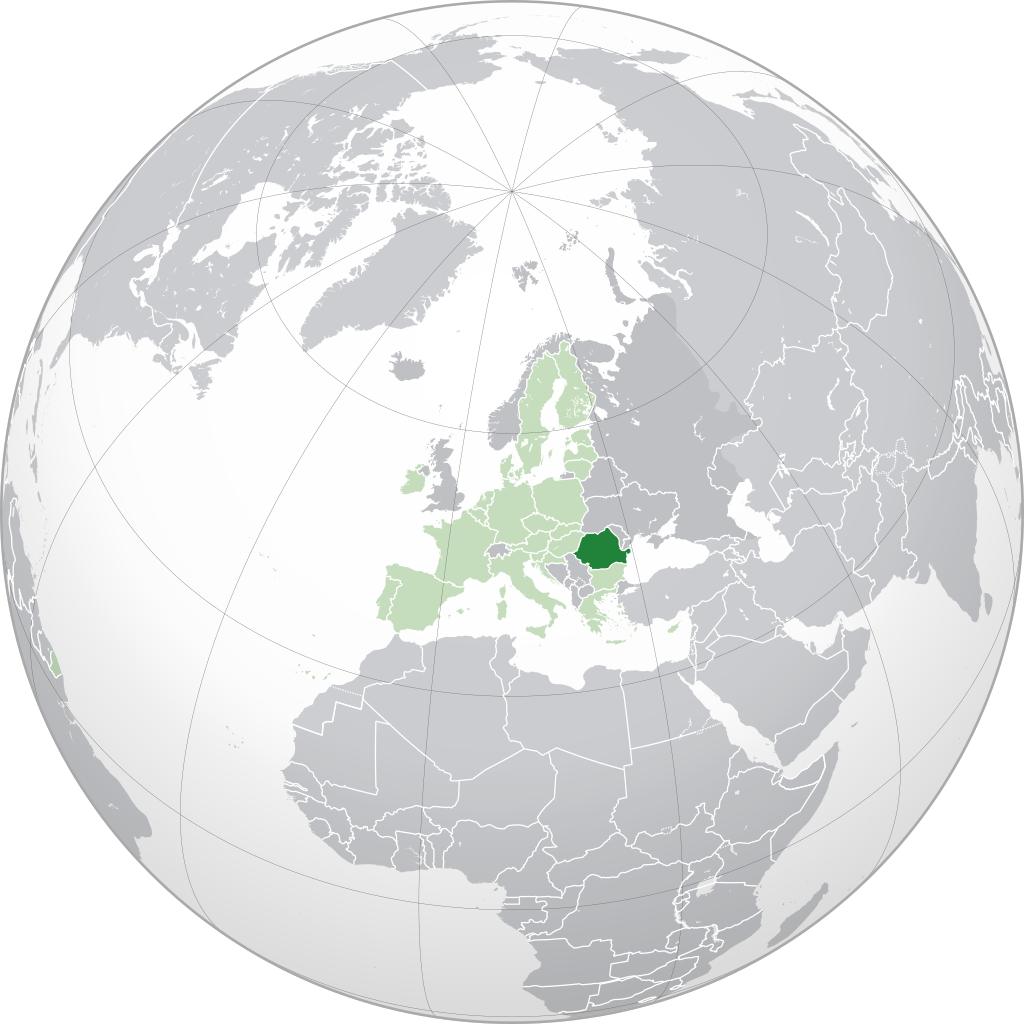
Above:- World globe showing the location of Romania. Image c/o Wikipedia.
Radio România Internaţional is owned by the Romanian public radio broadcaster Societatea Română de Radiodifuziune. Prior to 1989, the station was known as Radio Bucharest.
The first experimental broadcast by Romania for listeners abroad was in 1927. They consisted of music programs. The first official broadcast in Romanian was broadcast on the 1st day of November 1928 on a 400-watt transmitter in the 401/6 metre band. The first formal broadcasts in foreign languages of the Romanian Radio Broadcasting Corporation were during the early 1930s.
More information can be found on the Radio Romania International website at…..
I then tuned into National Unity Radio on 9475 kHz on the 31m shortwave band. They were broadcasting in the Korean language.
National Unity Radio is produced by Unification Media Group, which is based in Seoul in South Korea. The station purports to be a non-governmental organization (NGO), however, it is believed this group is in fact in funded by U.S. Congress.
The Unification Media Group website states:-
“Unification Media Group (UMG) is a news and entertainment production organization focused on North Korea. Through video, radio, and online news, UMG brings the latest developments from North Korea to South Korean and international audiences in addition to North Koreans themselves. UMG is helping to increase global awareness of North Korean issues and is arming the people of North Korea with the freedom of information.”
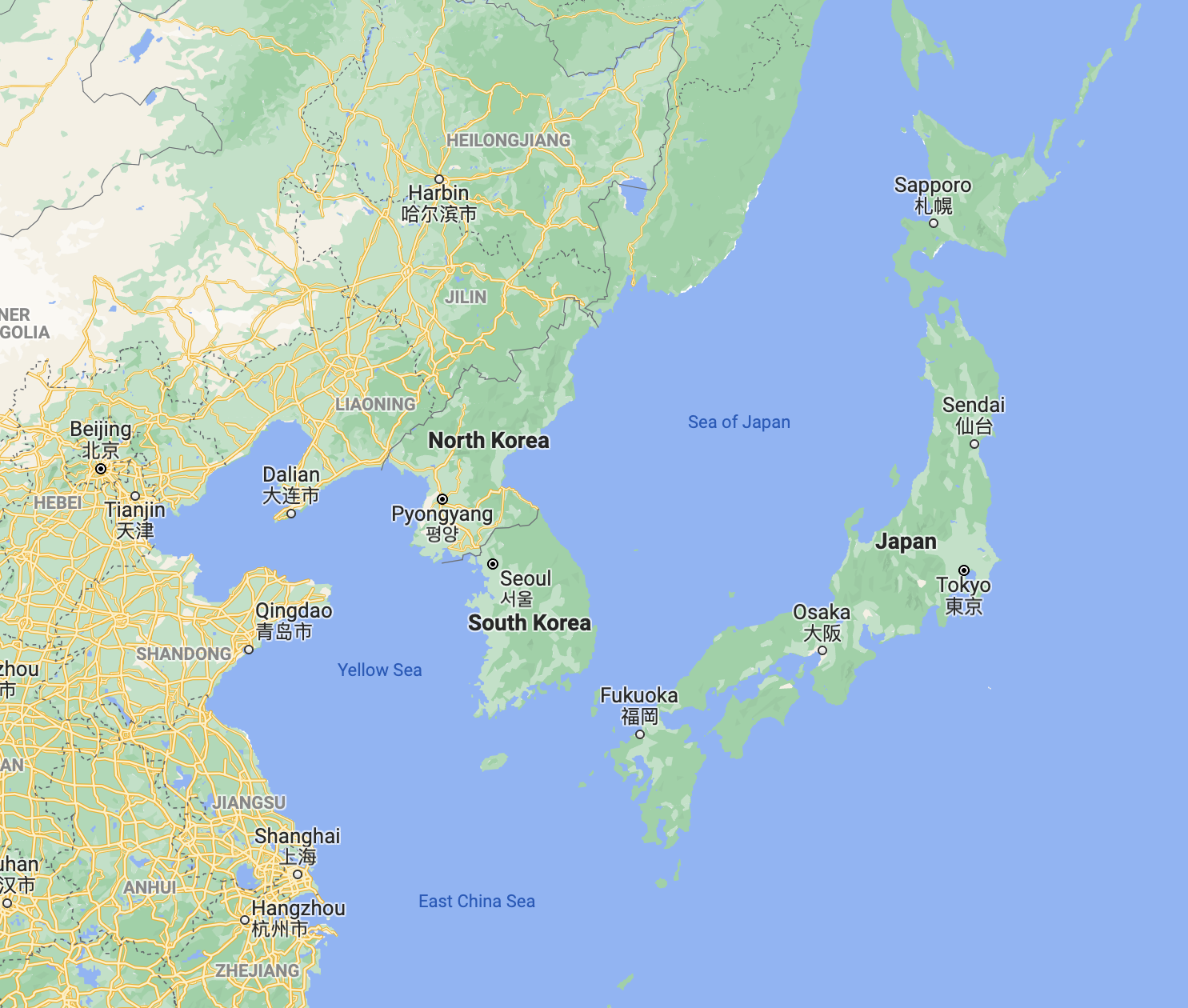
There are also a number of NGOs broadcasting to North Korea. Among them is National Unity Radio who uses shortwave transmitters in Tajikistan.
Above:- Map showing South & North Korea. Map c/o Google maps
I was receiving National Unity Radio relatively well. Their signal strength was fair, but there was moderate interference from NHK in Japan on 9470 kHz who were broadcasting in the Japanese language and CNR in Chinese on 9480 kHz. There also appeared to be a jamming signal on the frequency, possibly from North Korea.
S
I
N
P
O
3
2
4
4
3
Below is a short video of my reception of National Unity Radio.
I then found Vatican Radio broadcasting on 9610 kHz in the 31m band. The broadcast was in the Russian language.
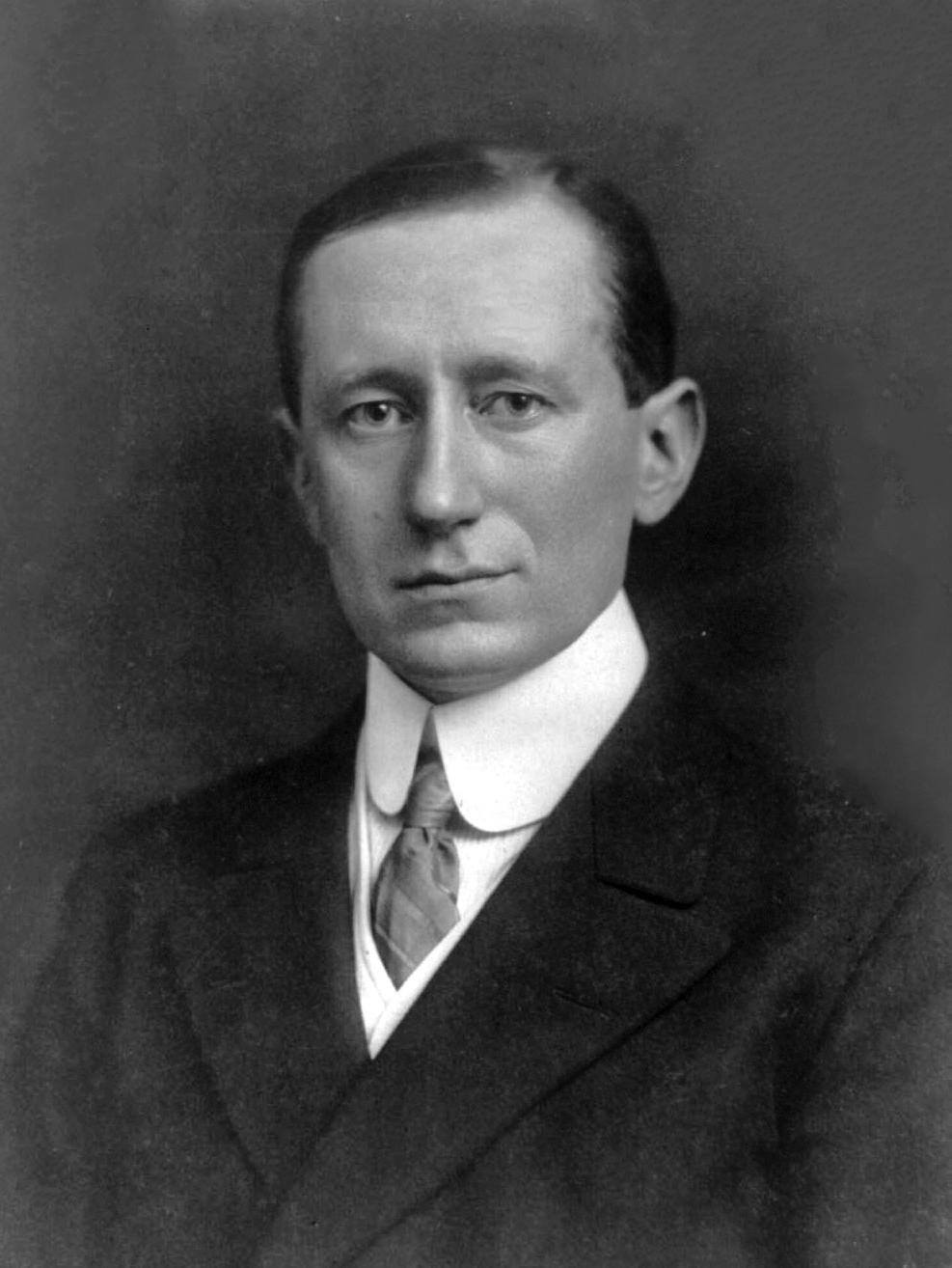
Vatican Radio is the official broadcasting service of Vatican City. The station was set up in 1931 by Guglielmo Marconi, and today its programs are offered in 47 languages and are sent out on various mediums including shortwave.
Above:- Guglielmo Giovanni Maria Marconi. Image c/o Wikipedia
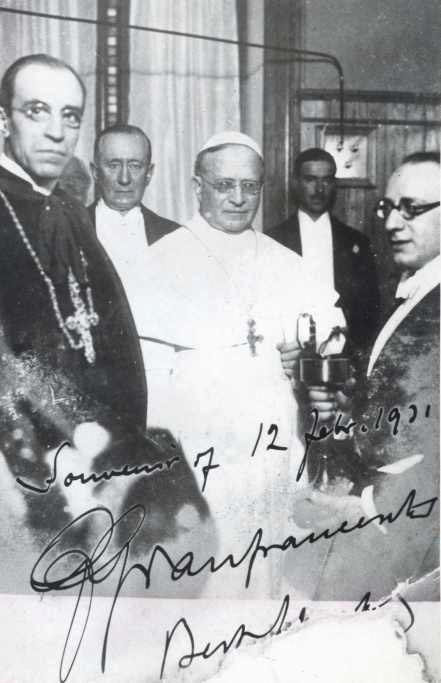
On the 12th day of February 1931, Vatican Radio commenced broadcasting with the callsign HVJ on two shortwave frequencies using 10 kilowatts of power, with the pontifical message “Omni creature” of Pope Pius XI. Also in attendance was Guglielmo Marconi and Cardinal Eugenio Pacelli, who would become Pope Pius XII.
Above:- Pope Pius XI, his successor Pacelli with Marconi at starting of Vatican Radio 1931. Image c/o Wikipedia
Today, programming is produced by over two hundred journalists located in 61 different countries. Vatican Radio produces more than 42,000 hours of simultaneous broadcasting covering international news, religious celebrations, in-depth programs, and music.
Above:- Administration building and radio masts at Vatican City Image c/o Wikipedia
I was receiving Vatican Radio well. Unfortunately, I tuned in right at the end of their broadcast.
S
I
N
P
O
4
4
4
4
4
Below is a short video of my reception of Vatican Radio.
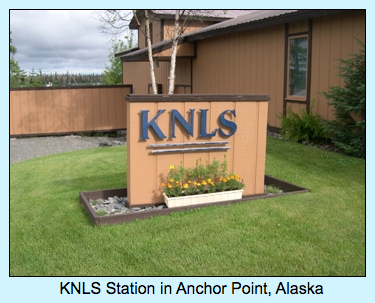
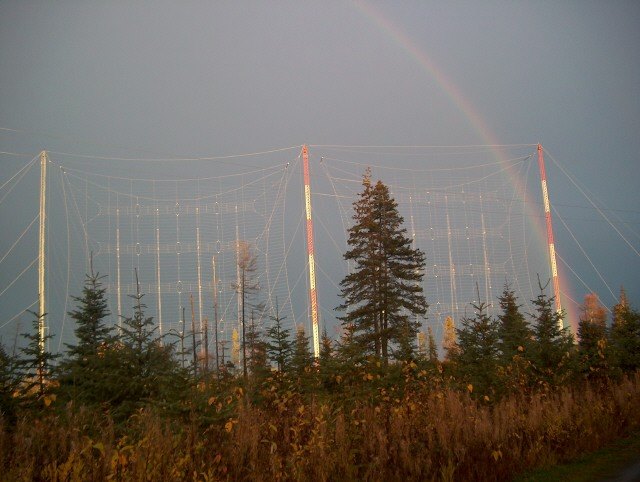
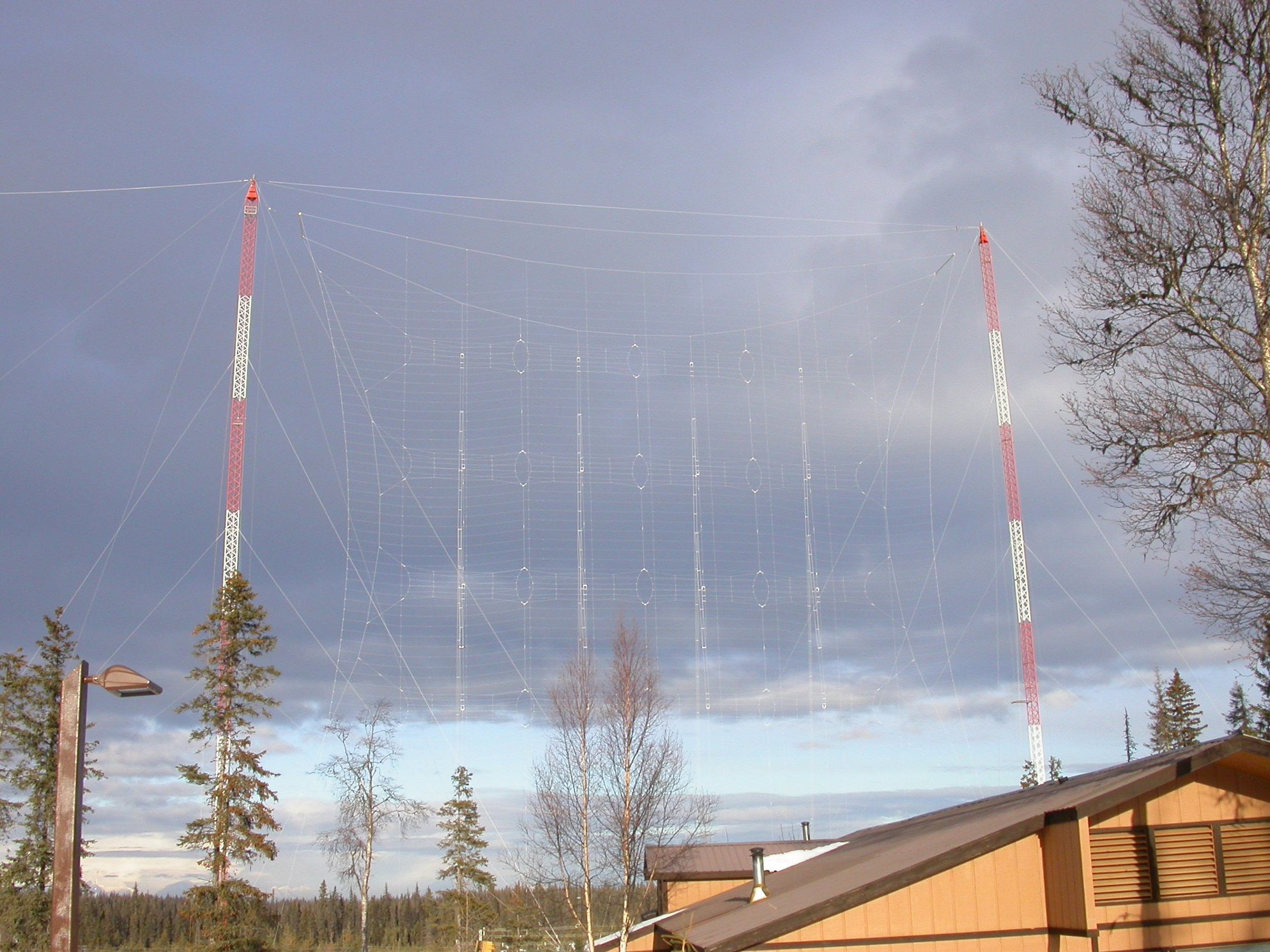
Next in my Short Wave log was KNLS, New Life Station, broadcasting from ALASKA on 9795 kHz in the 31m band.
KNLS is an international shortwave radio station near Anchor Point, Alaska, United States. The station is operated by World Christian Broadcasting, a non-profit company based in the United States. KNLS broadcasts 20 hours a day of Christian-themed programming in Chinese, English and Russian.
The target area of the broadcast was the Pacific Rim which is that part of the Eastern Hemisphere that encompasses the English-prevalent countries of the Philippines, Malaysia, Singapore, Australia, and New Zealand.
Maurice Hall was the inspiration for KNLS. During the Second World War he was a young Army Signal Corps officer, and was involved in delivering shortwave radio transmitters to the Yalta Conference so that President Franklin D. Roosevelt could stay informed of news from Washington.
Hall was a devout Christian and realised that Christian programming could also be sent to the entire world in the same way. At the end of World War II, Hall became a minister, educator and missionary. He still dreamed of an international shortwave station that would reach the entire world with Gospel messages.
Above:- Maurice Hall. Image c/o christianchronicle.org
In 1976, World Christian Broadcasting Corporation was formed and work began on making the station a reality. The following year, Lowell Perry, Hal Frazier, and Ken Ferguson, three of the KNLS founders, were killed in a plane crash near the island of Martinique, during a mission to find a transmitter site. In 1979, land was purchased in Alaska and a transmitter was built.
KNLS signed on the air July 23, 1983, broadcasting ten hours a day in Mandarin Chinese and Russian and reaching roughly one-third of the world. English was added later. As the Soviet Union’s empire fell apart, listeners from those countries began writing and requesting Bibles and other religious materials. In 2005, the station signed on a second transmitter in Alaska.
Overall reception of KNLS was good for the majority of the time. The signal strength was good and there was slight fading of the signal with no interference from adjacent stations on the band. However, from about 1215 UTC, an Over the Horizon Radar came onto the frequency and wiped out the signal out from time to time. The SINPO report below is when there was no interference.
S
I
N
P
O
4
5
4
4
4
Below is a video showing my reception of KNLS. It shows the Over the Horizon Radar.
I then tuned into Radio Mashaal on 15365 kHz on the 19m band. The broadcast was in the Pashto language.
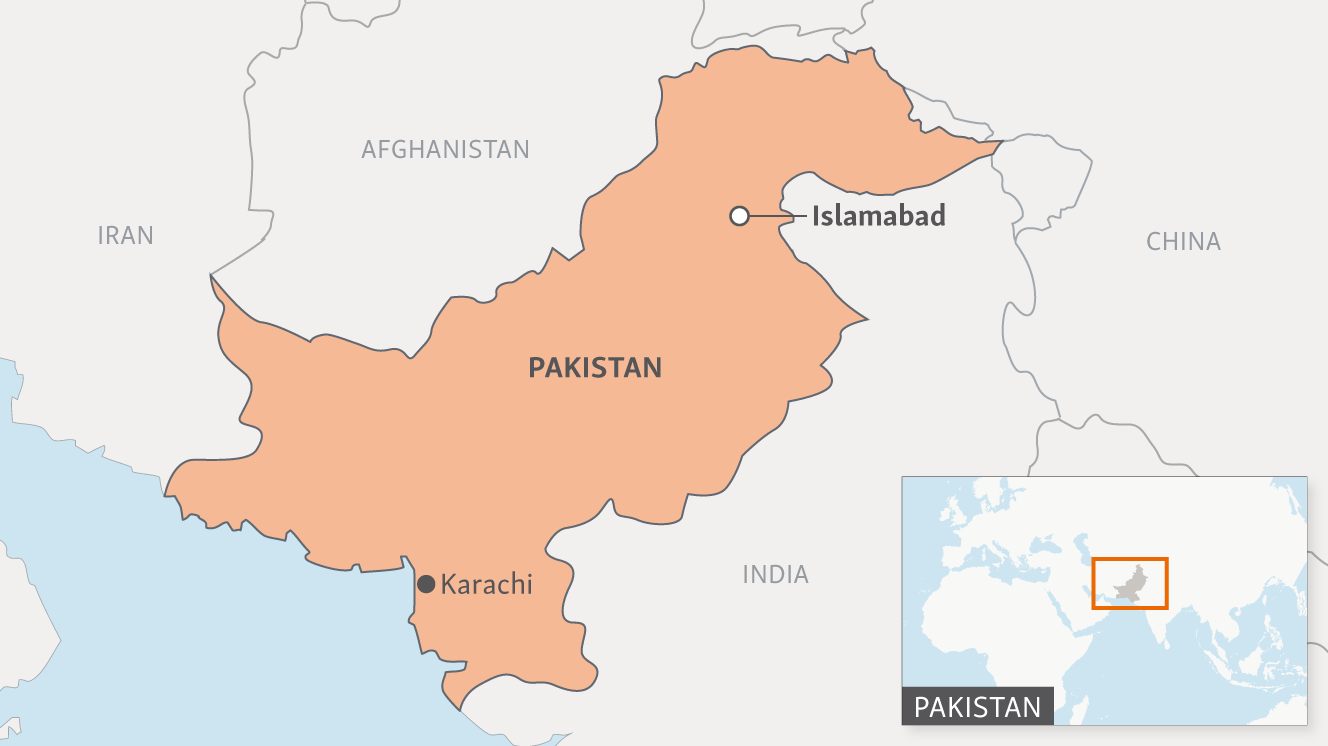
Radio Mashaal is a member of Radio Free Europeand was launched on the 15th day of January 2010. It only broadcasts in the Pashto language and its headquarters are located in Prague in the Czech Republic . In 2018 the Radio Mashaal office in Islamabad was closed by the Pakistan Government.
Above:- Map of Pakistan. c/o Radio Free Euope.
Radio Free Europe’s website states:-
Radio Mashaal is a public service broadcaster providing a powerful alternative to extremist propaganda in Pakistan’s remote tribal regions along the border with Afghanistan.
I was receiving Radio Mashaal well.
S
I
N
P
O
4
5
4
4
4
Below is a short video of my reception of Mashaal Radio.
Next in the log on Monday evening (18th October 2021) was Voice of Korea on 13650 khz on the 22 m band shortwave.
Above:- Map showing the location of North Korea. Map c/o Google maps.
The Voice of Korea is the international broadcasting service of North Korea. Up until 2002 the station was known as Radio Pyongyang.
The Voice of Korea’s origins date back to 1936 when the radio station JBBK was operated by the occupying Japanese Forces. In 1945 the station was founded as Radio Pyongyang. It was officially inaugurated on the 14th day of October 1945 with a live broadcast of the victory speech of Kim Il-sung.
The first foreign broadcast was on 16th March 1947. In 1950 Japanese language broadcasts commenced, followed by English in 1951. By 1960 Radio Pyongyang broadcast 159 hours of programming every week. By 1970 that had increased to 330 hours. By 1980 the station broadcast 597 hours.
Overall reception of Radio Korea was good. The signal strength was good and there was no interference at all from other stations. Every now and again the Over the Horizon Radar came onto the frequency but it was nowhere strong enough to cause any disruption. Fading of the signal was slight.
S
I
N
P
O
4
5
4
4
4
Below is a video of my reception of the Voice of Korea.
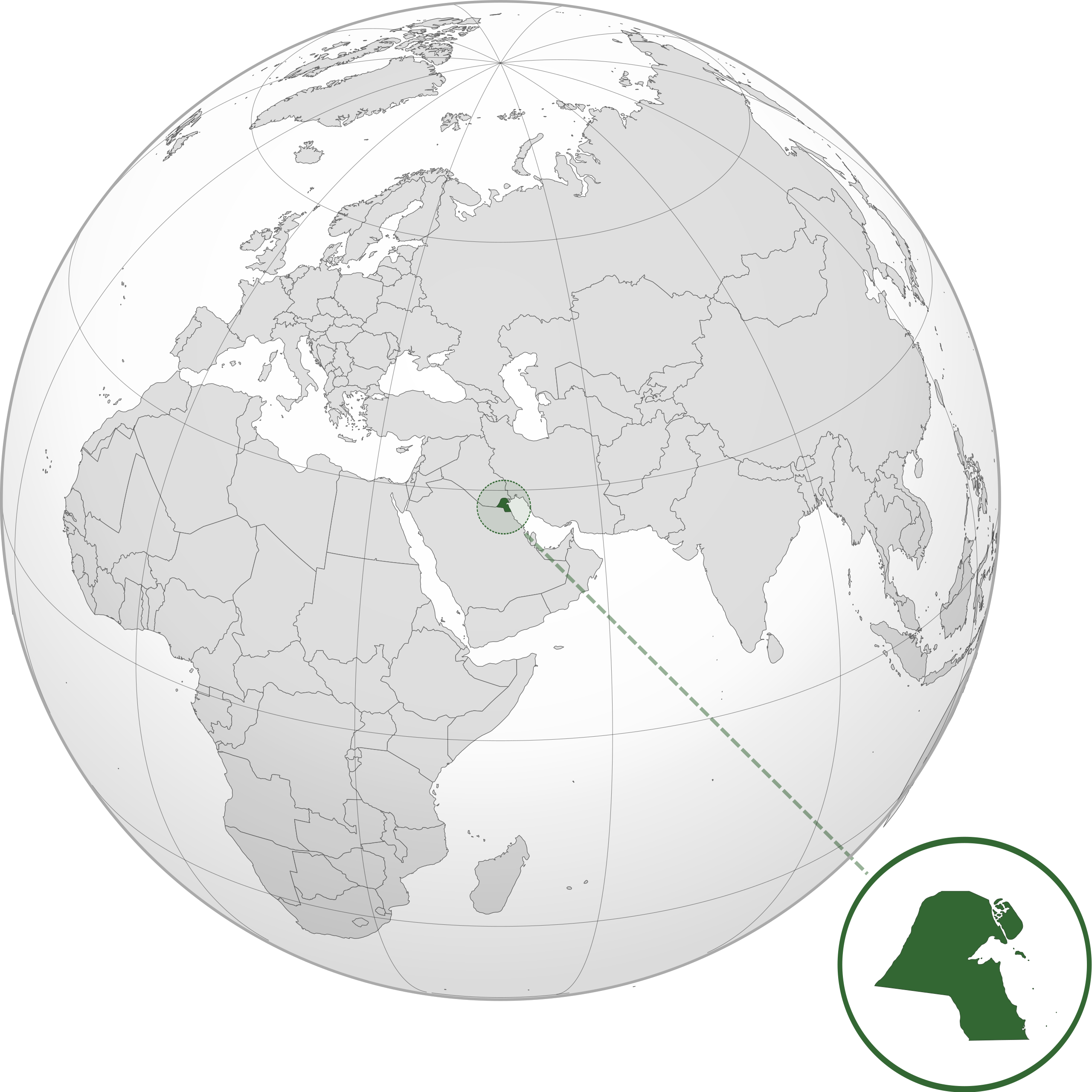
On Monday evening (18th October 2021) I logged a number of stations on shortwave. First in the log was Radio Kuwait on 15470 kHz.
Above:- World globe showing the location of Kuwait. Image c/o Wikipedia
The station is run by the Ministry of Information and has five 500 KW transmitters in Kabd.
Radio Kuwait had a good strong signal, however, the signal appeared to be drifting in frequency and this is reported on a number of other SWL websites. I initially believed the broadcast was on 15460 kHz but it appears the signal was on 15.470 kHz.
S
I
N
P
O
4
4
4
4
4
Below is a short video of my reception of Radio Kuwait.
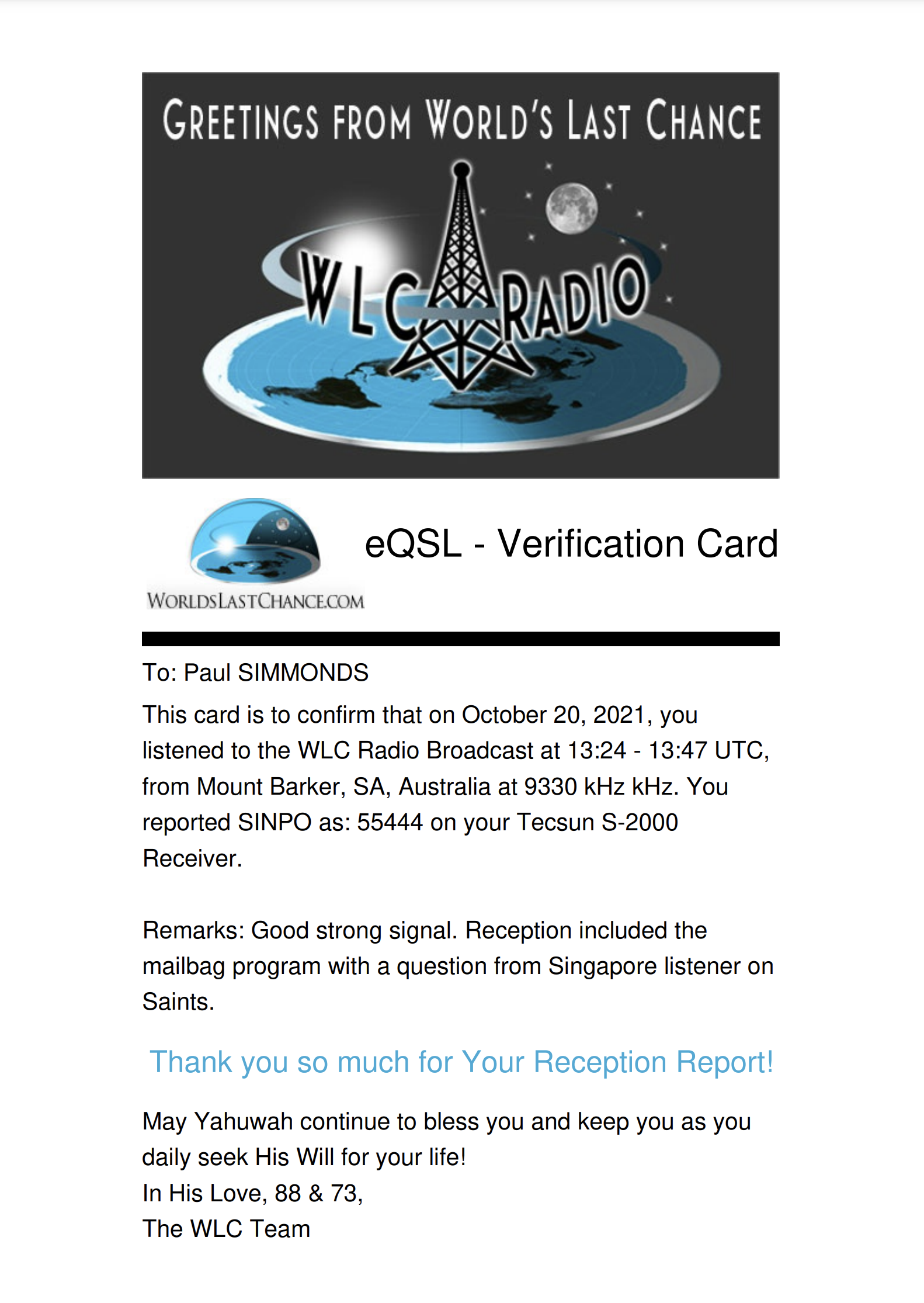
On 10th October 2021 I tuned into WBCQ on 9330 kHz. I submitted an on-line reception report and received a very prompt email response. Below is eQSL Verification Card received.










 VK5PAS