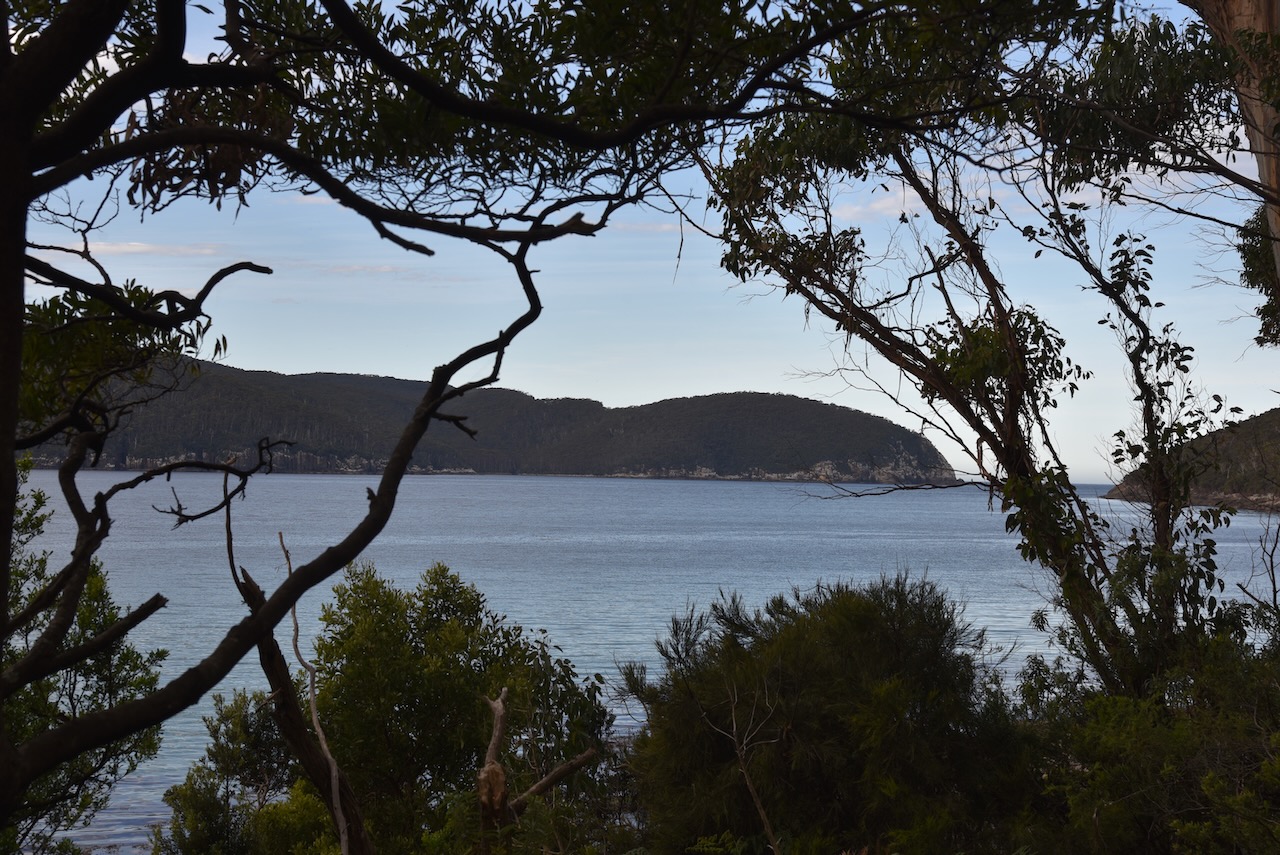
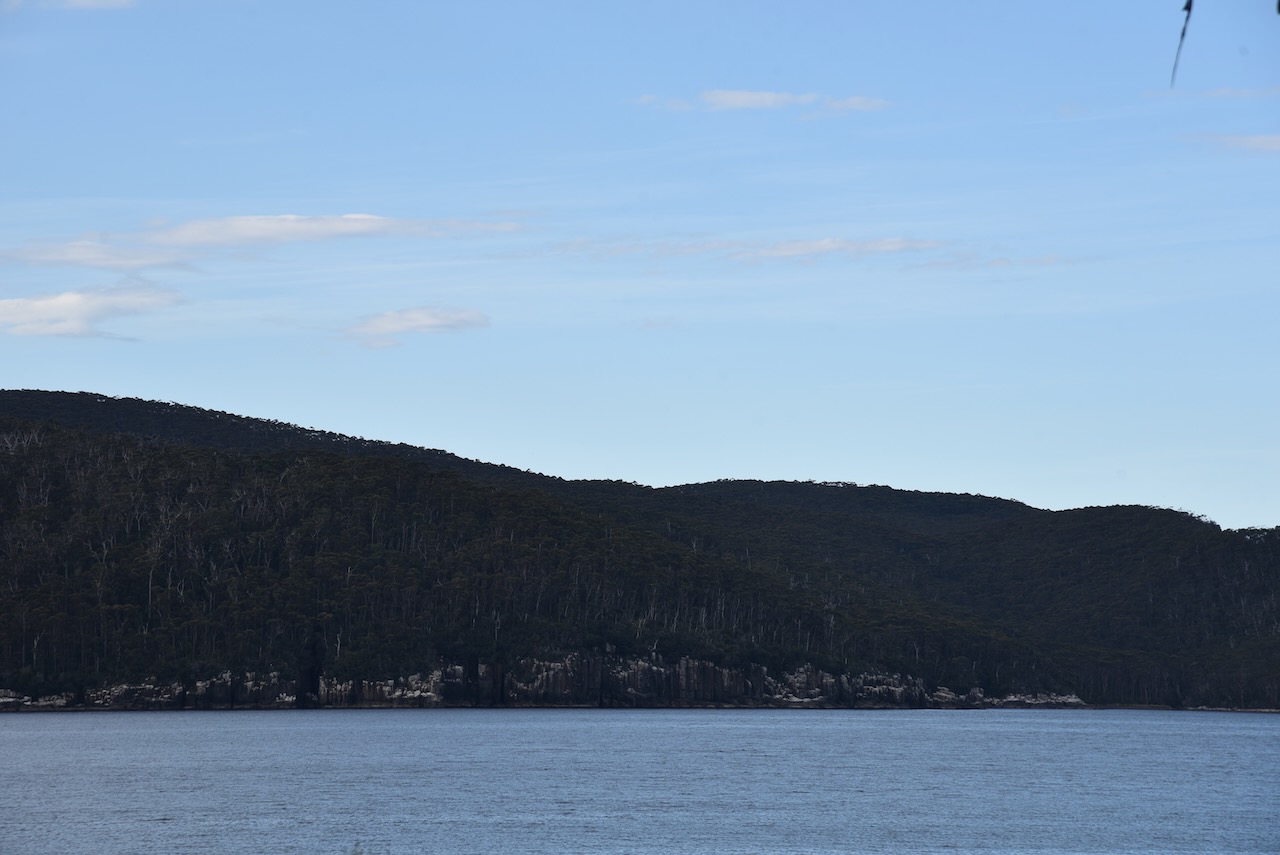
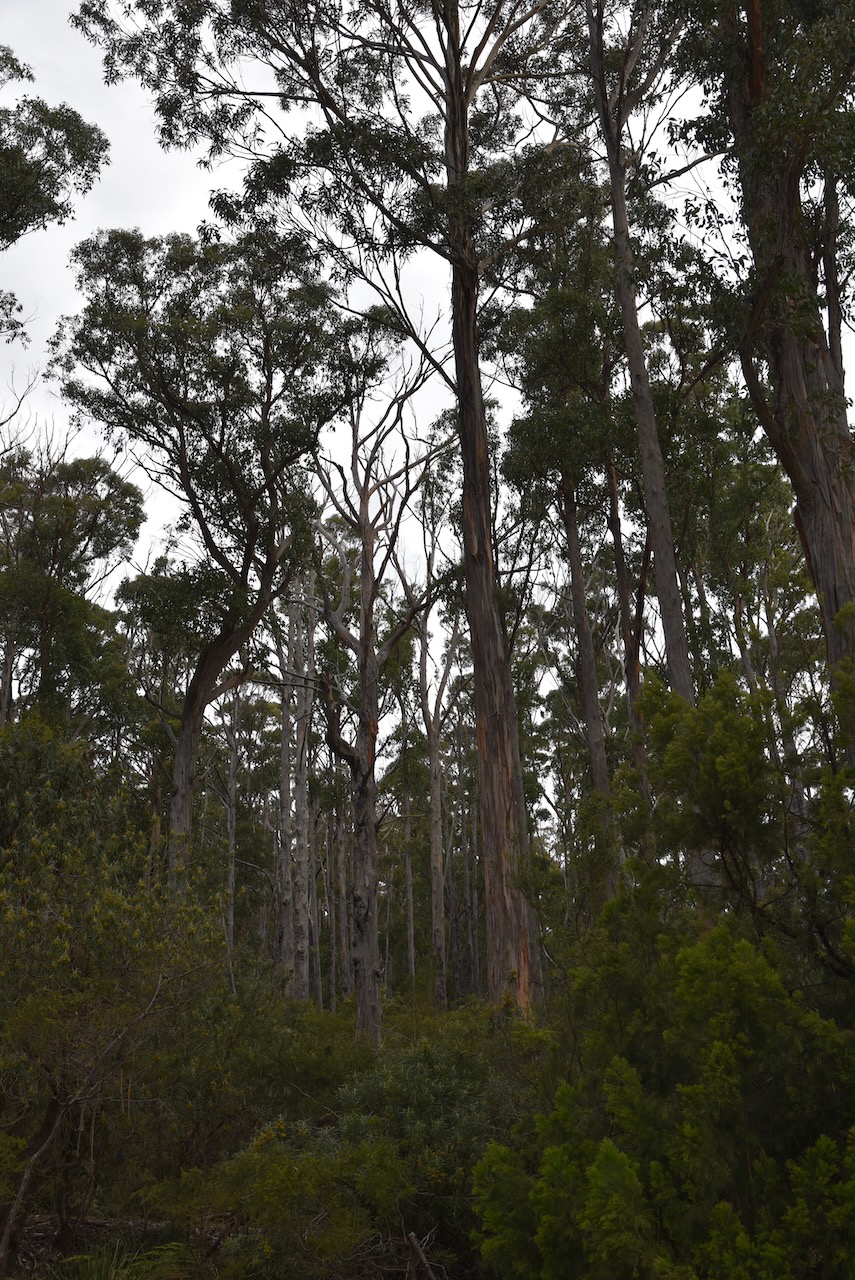
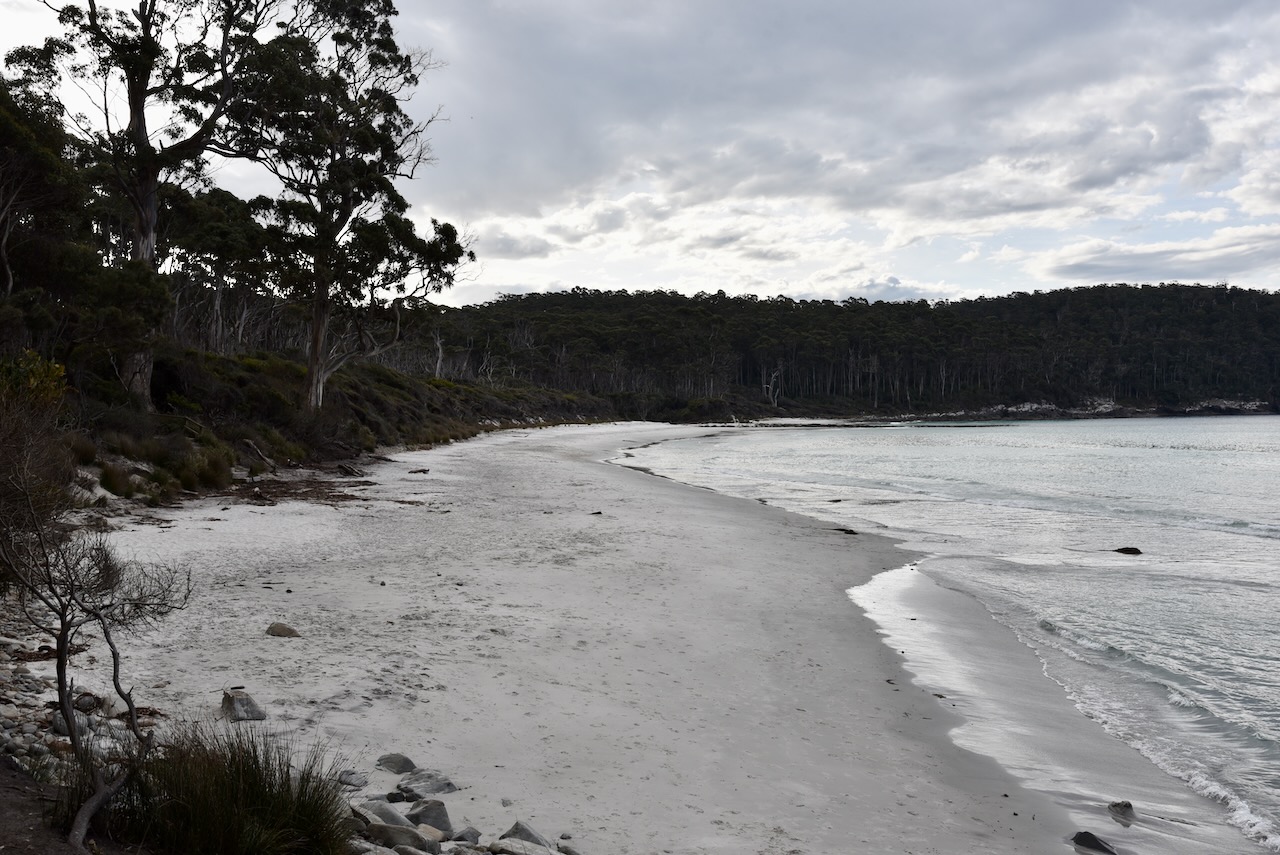
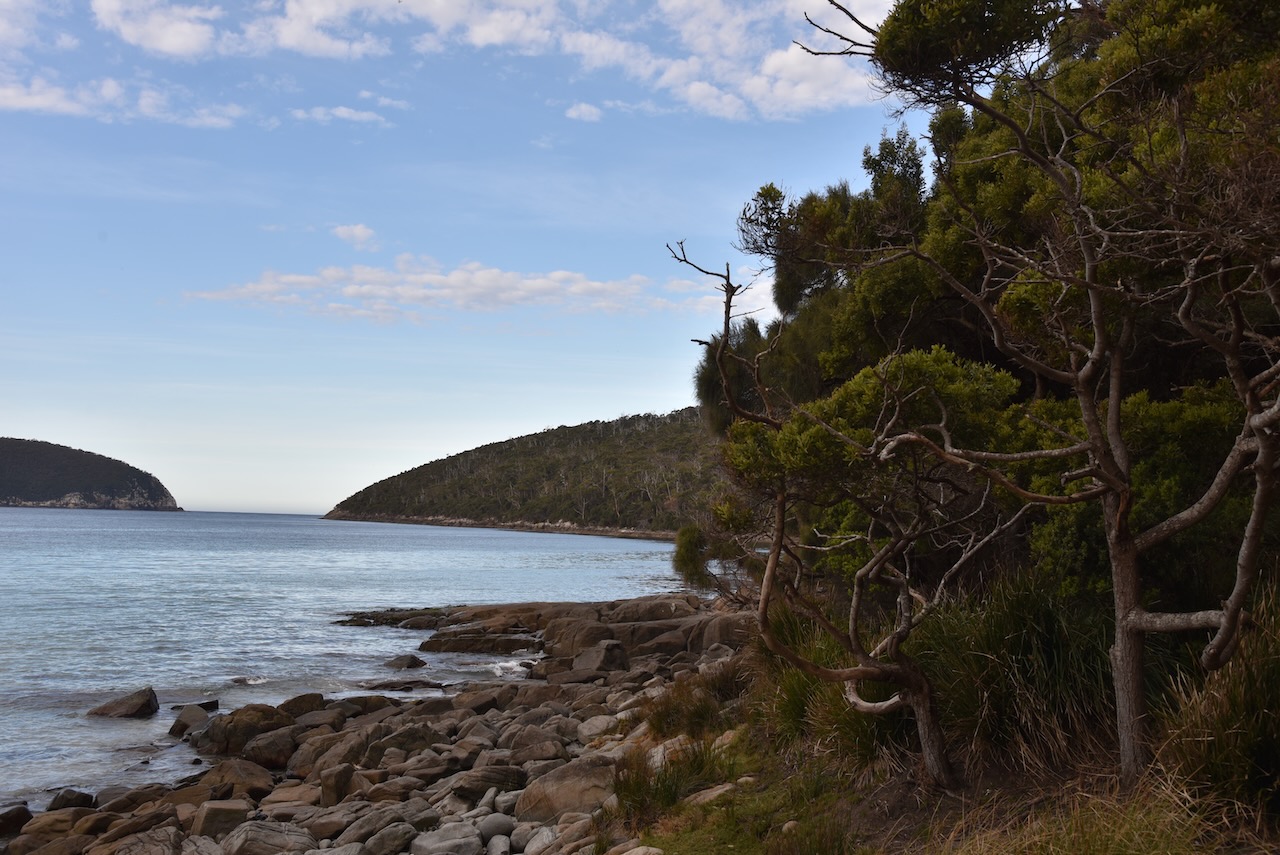
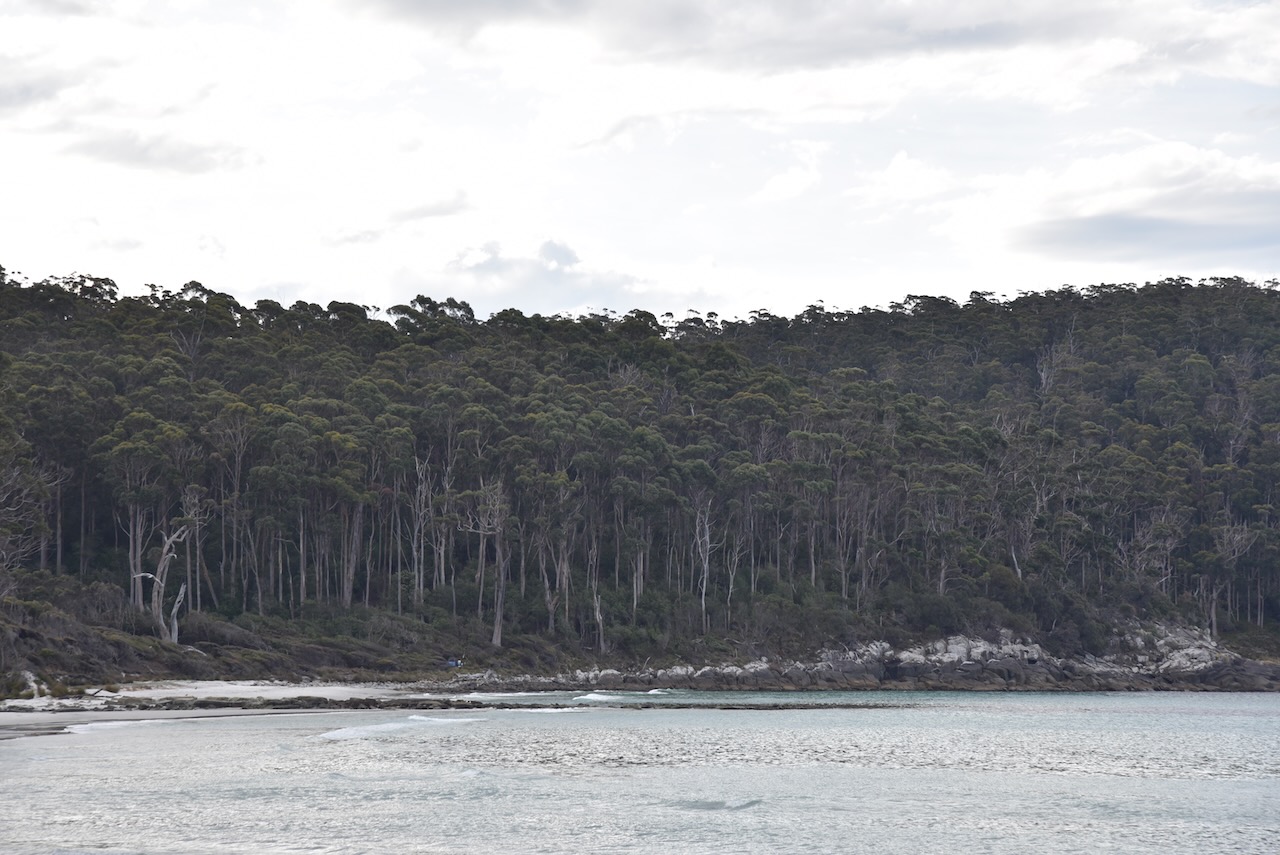
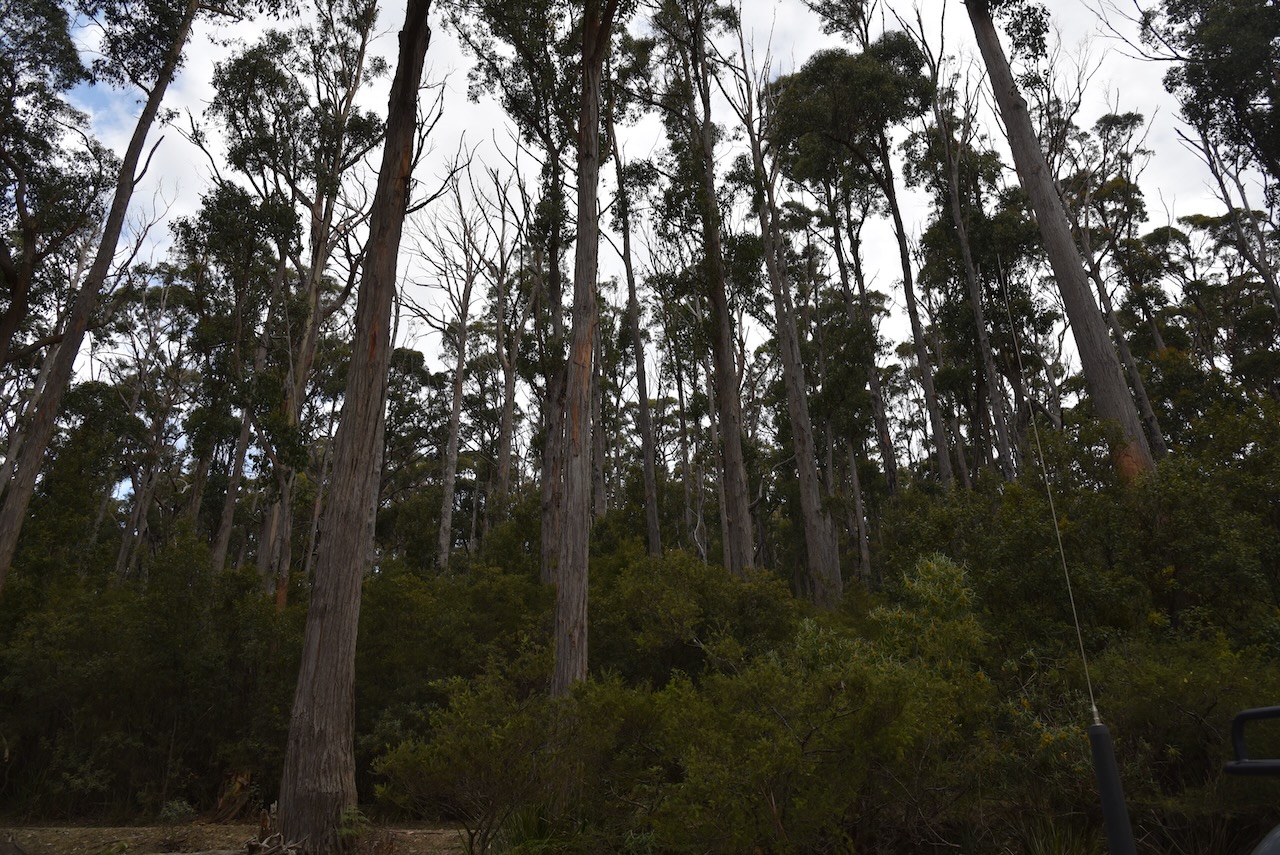
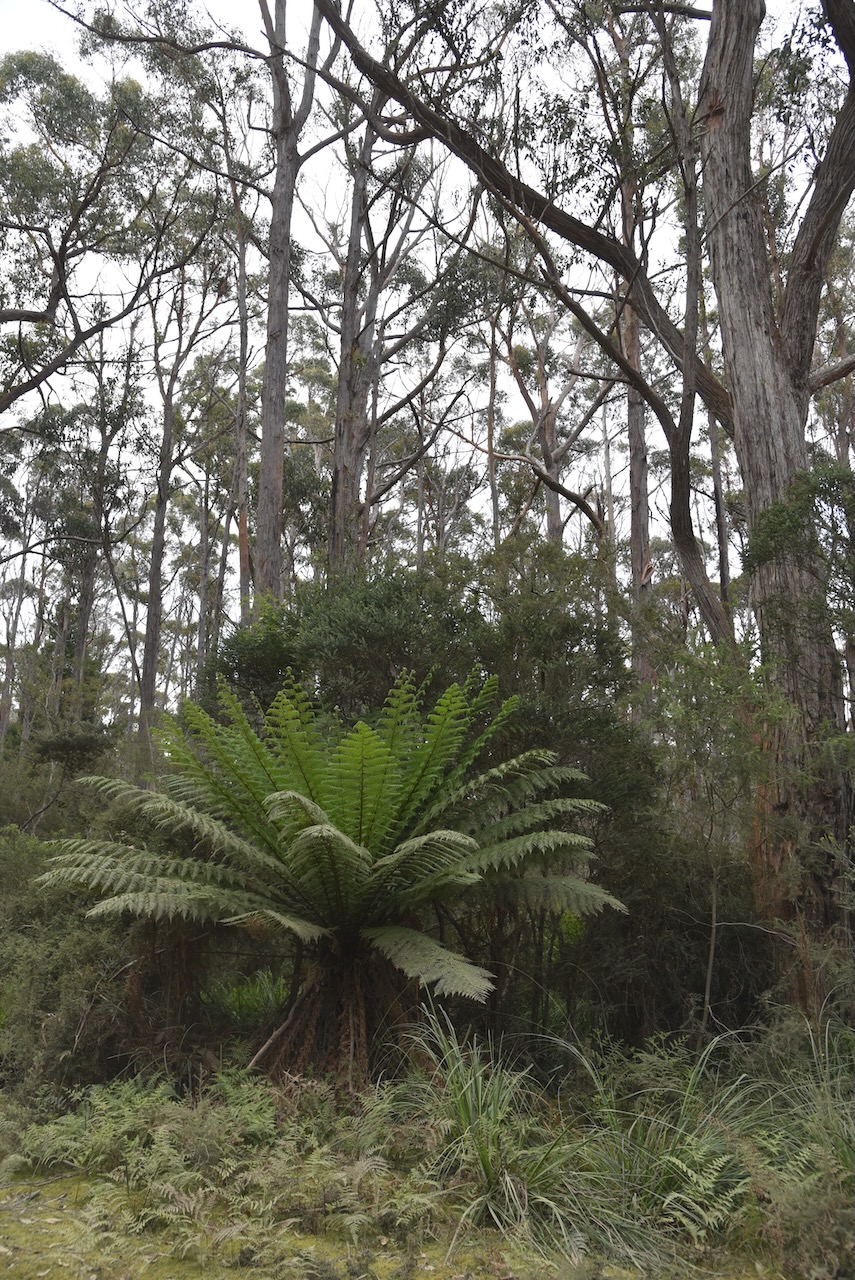
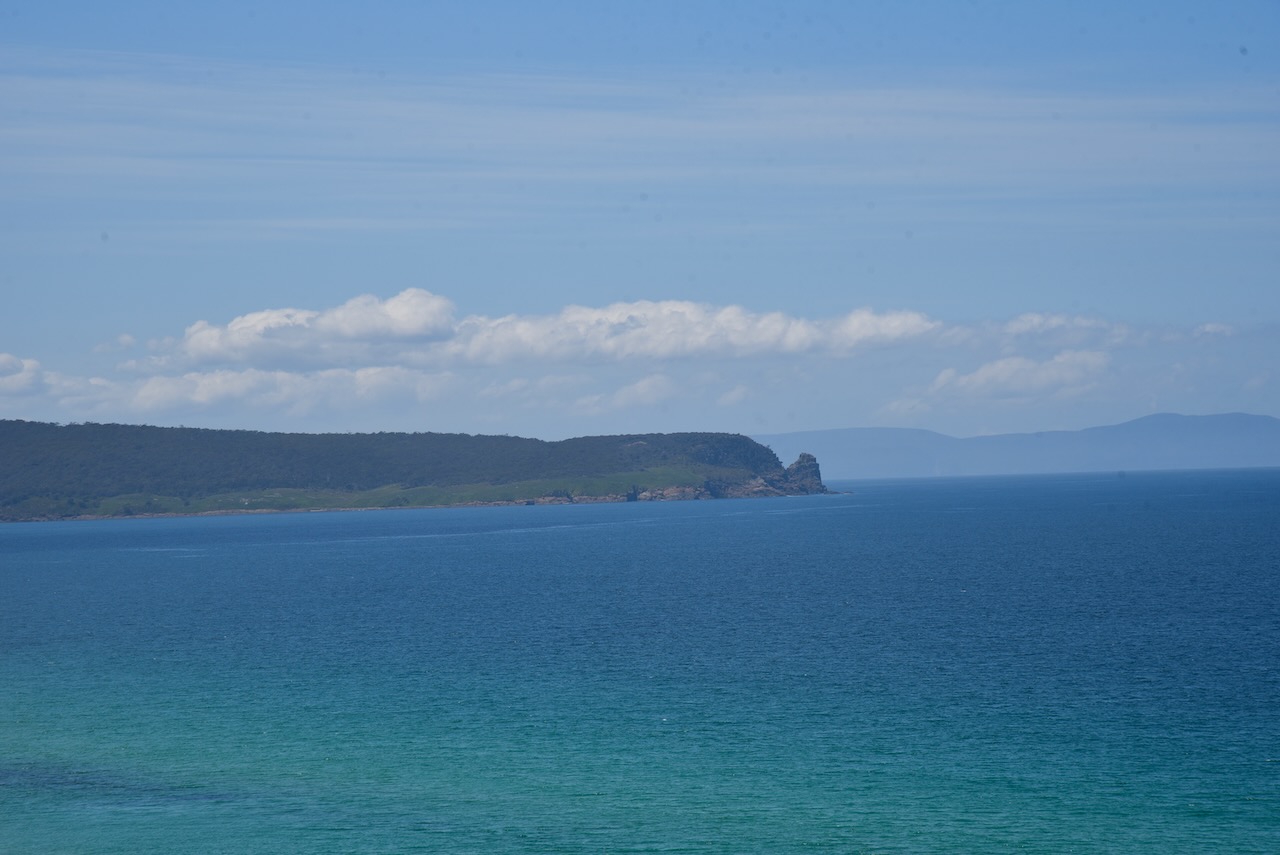
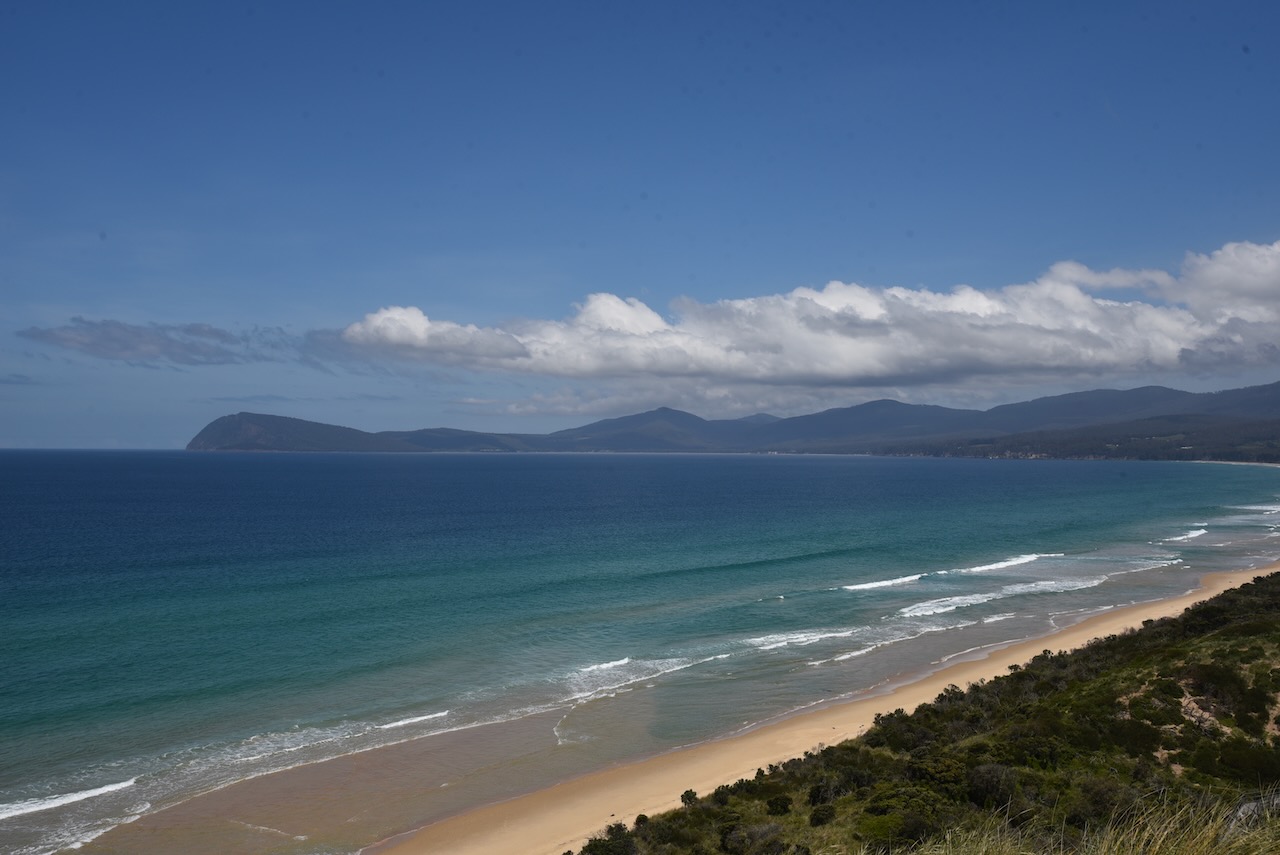
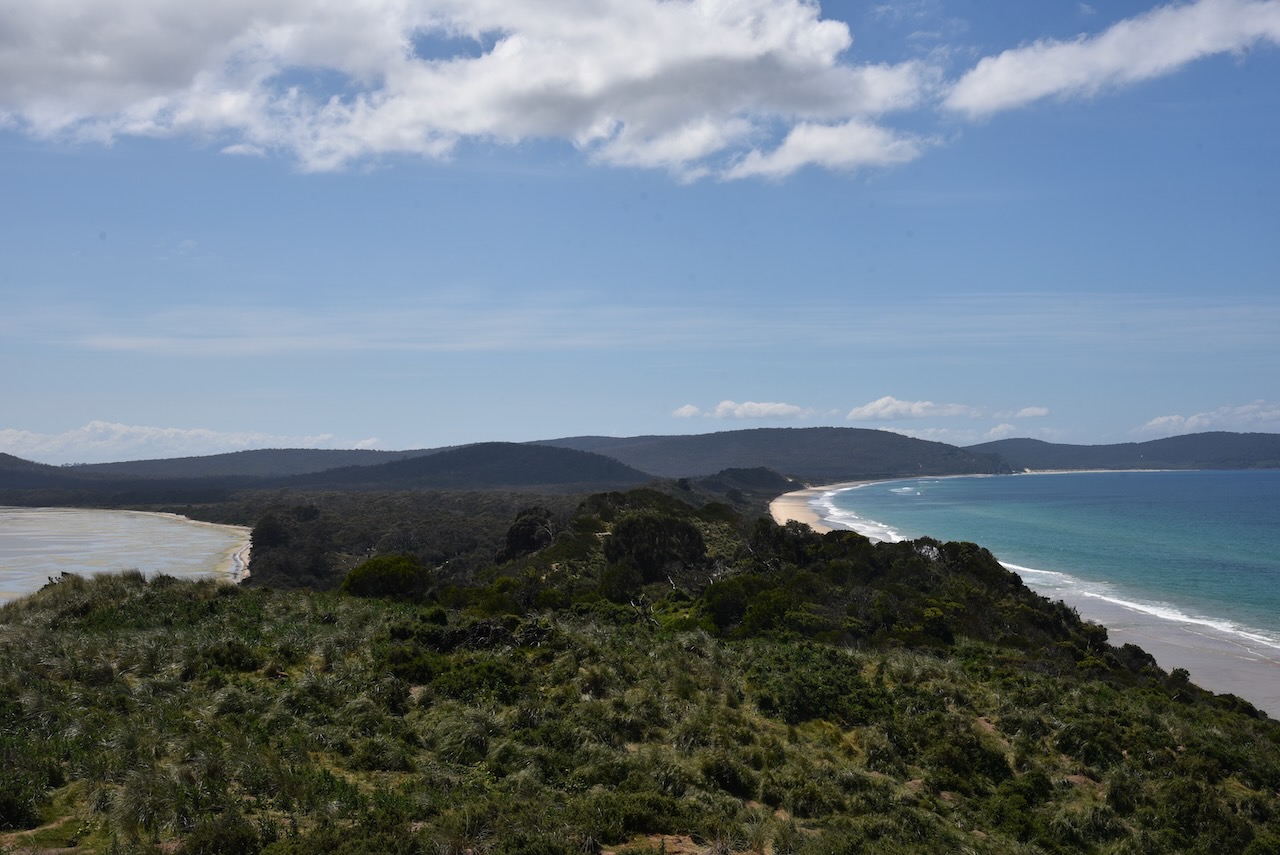
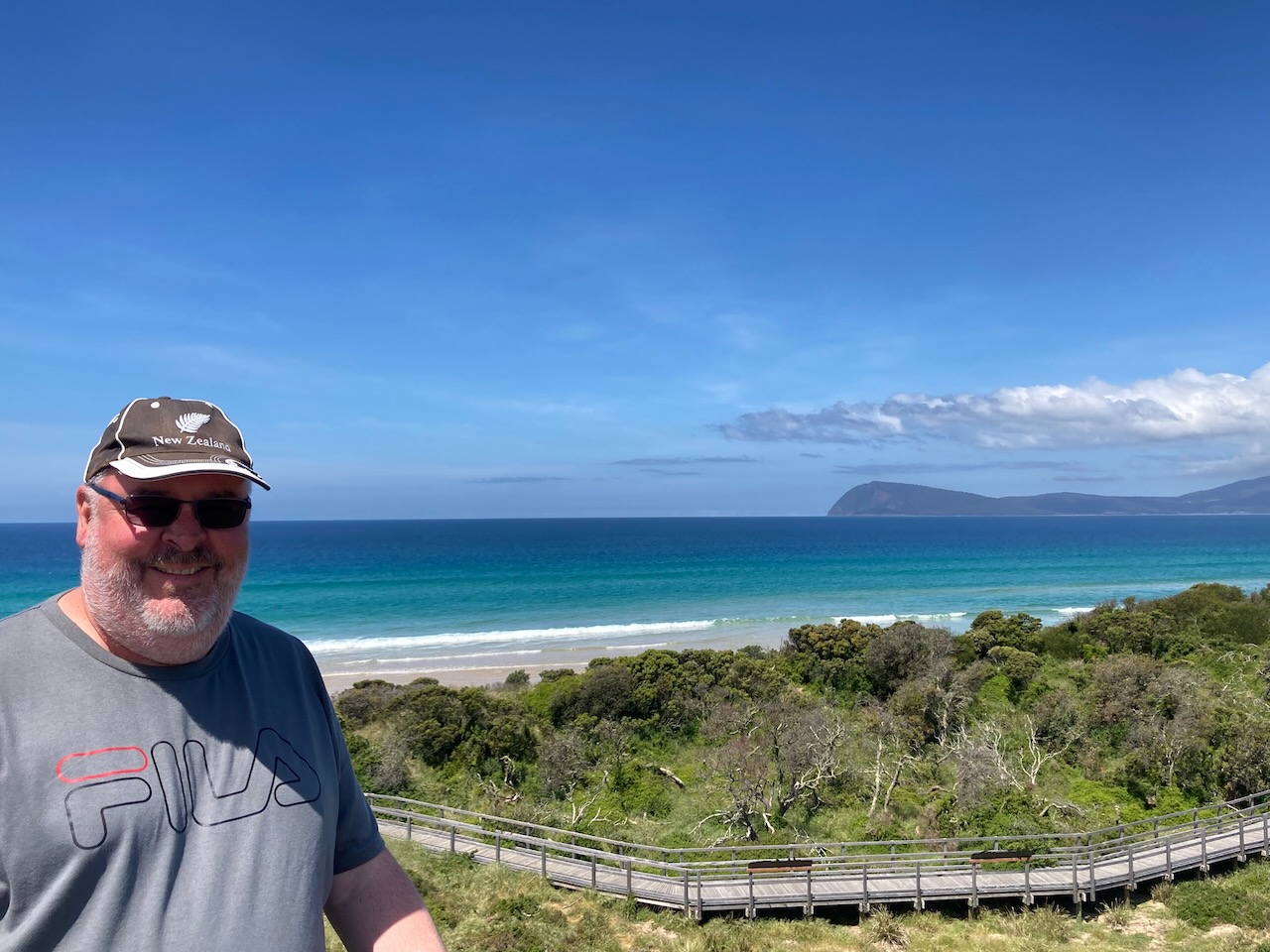
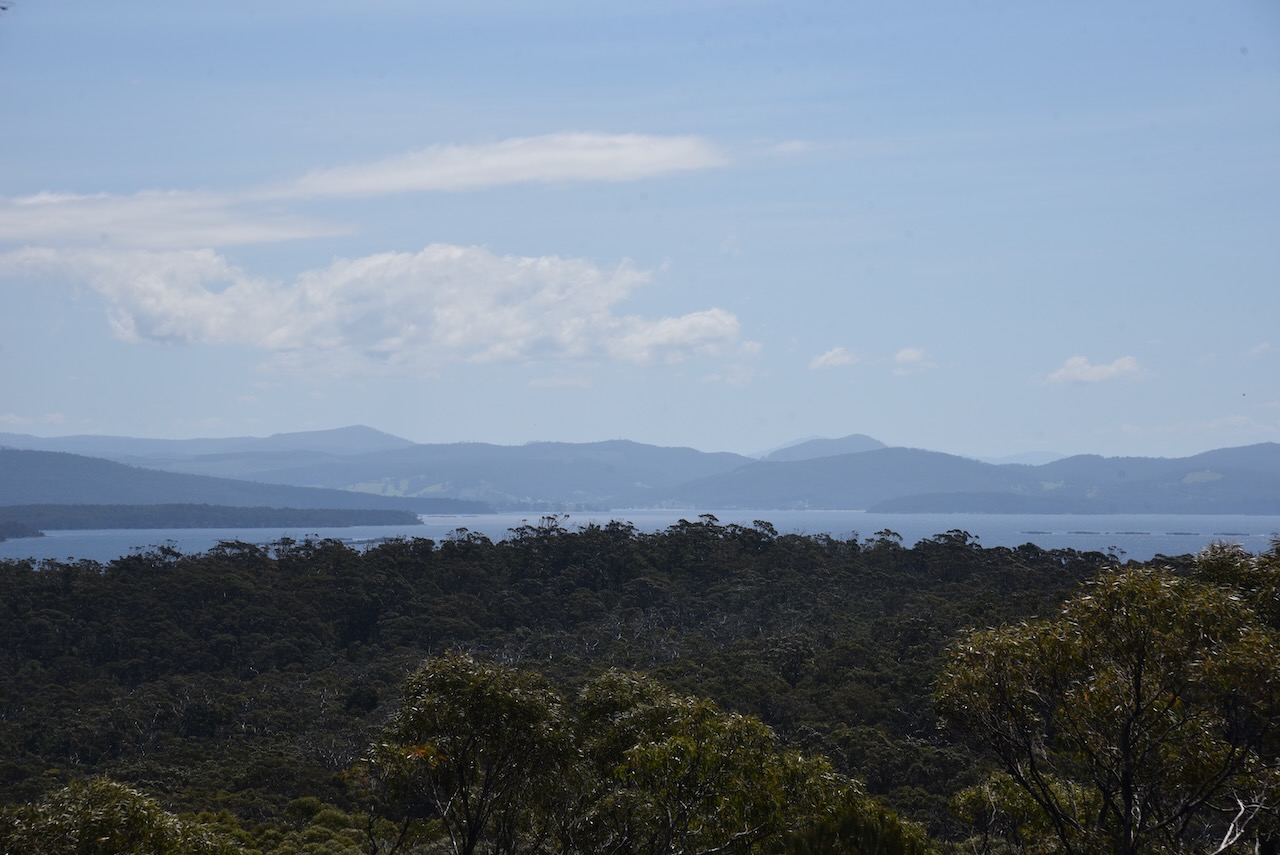
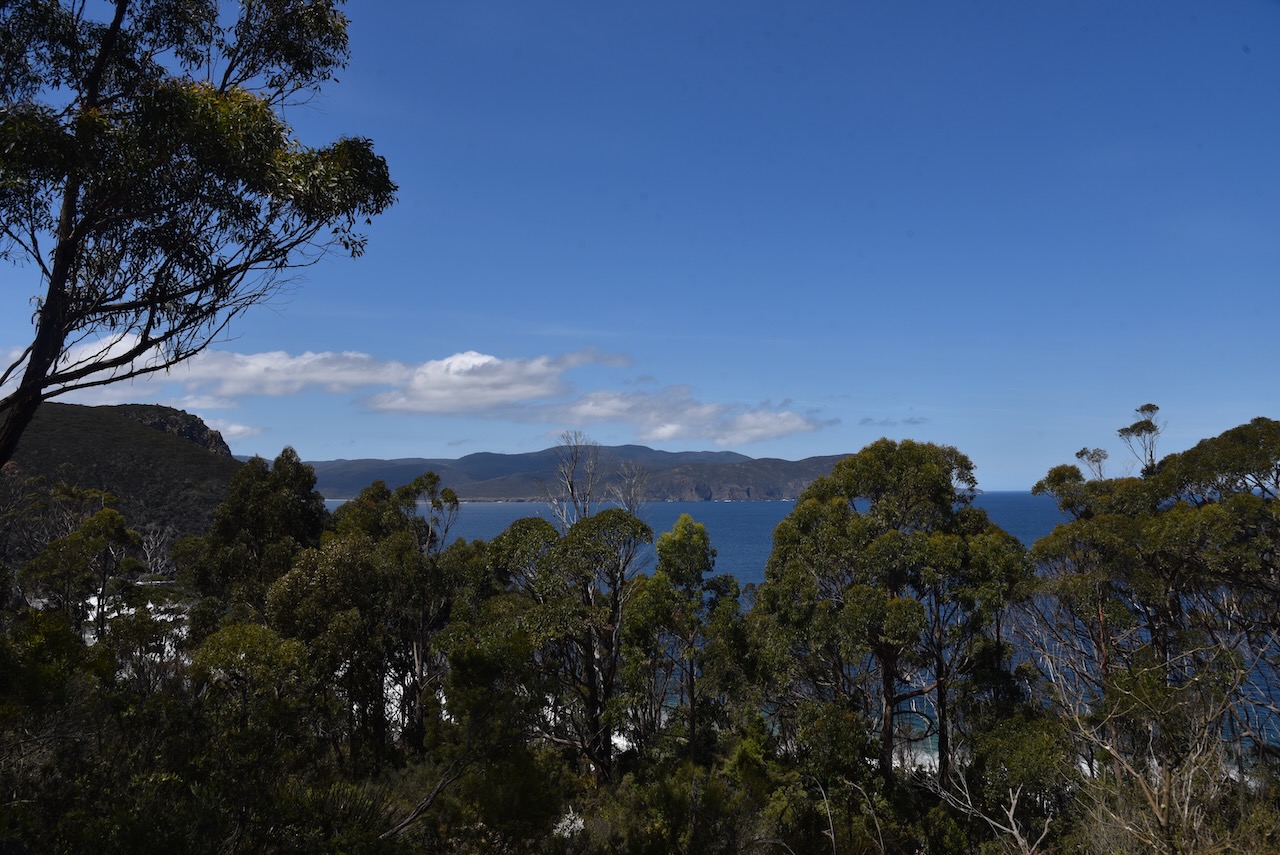
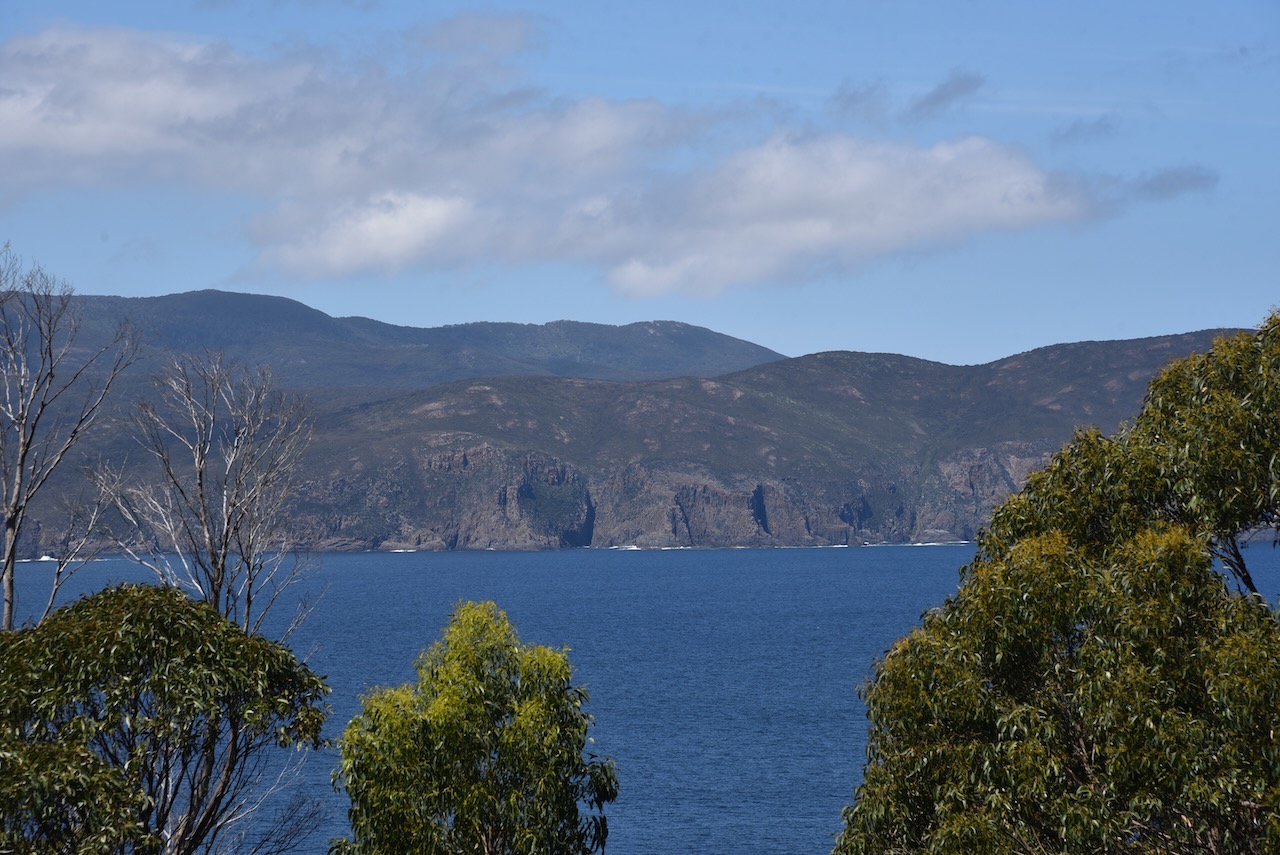
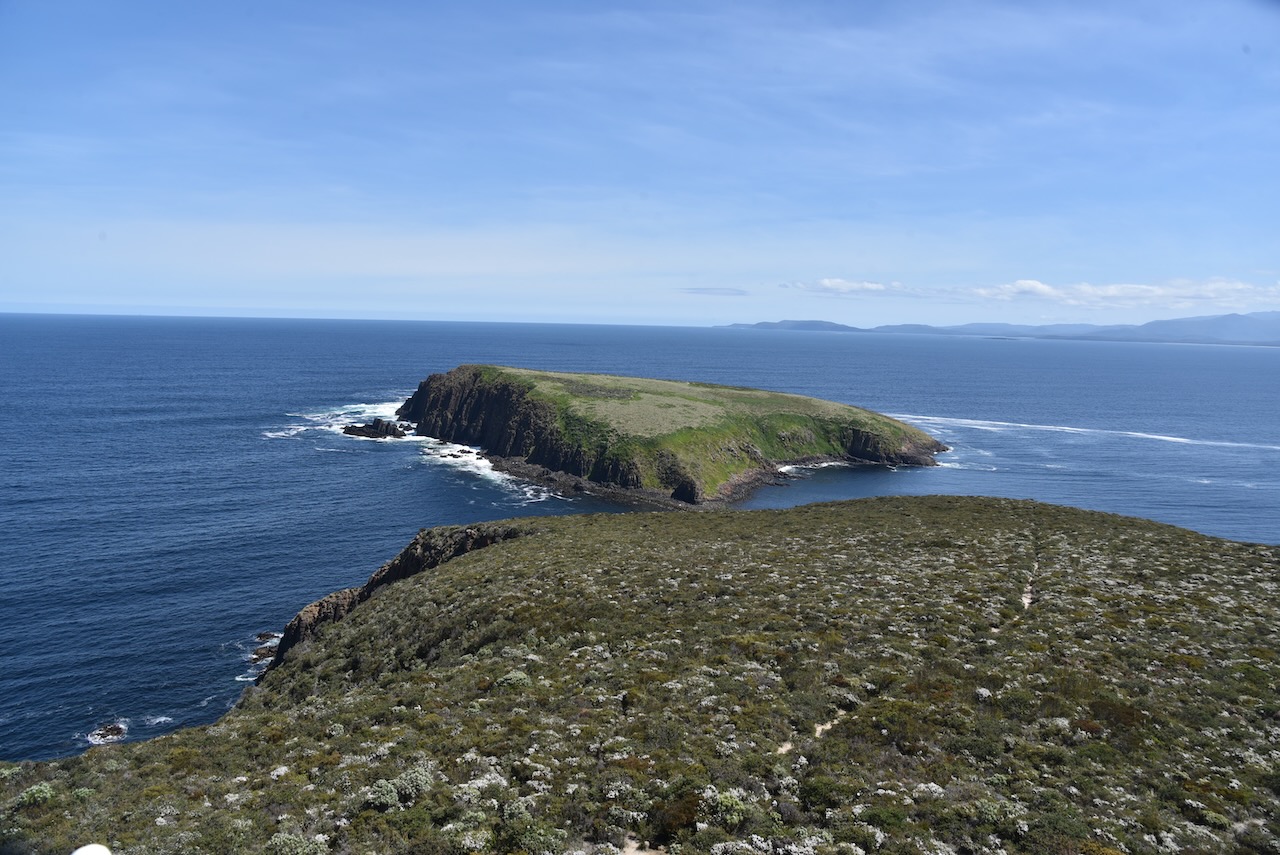
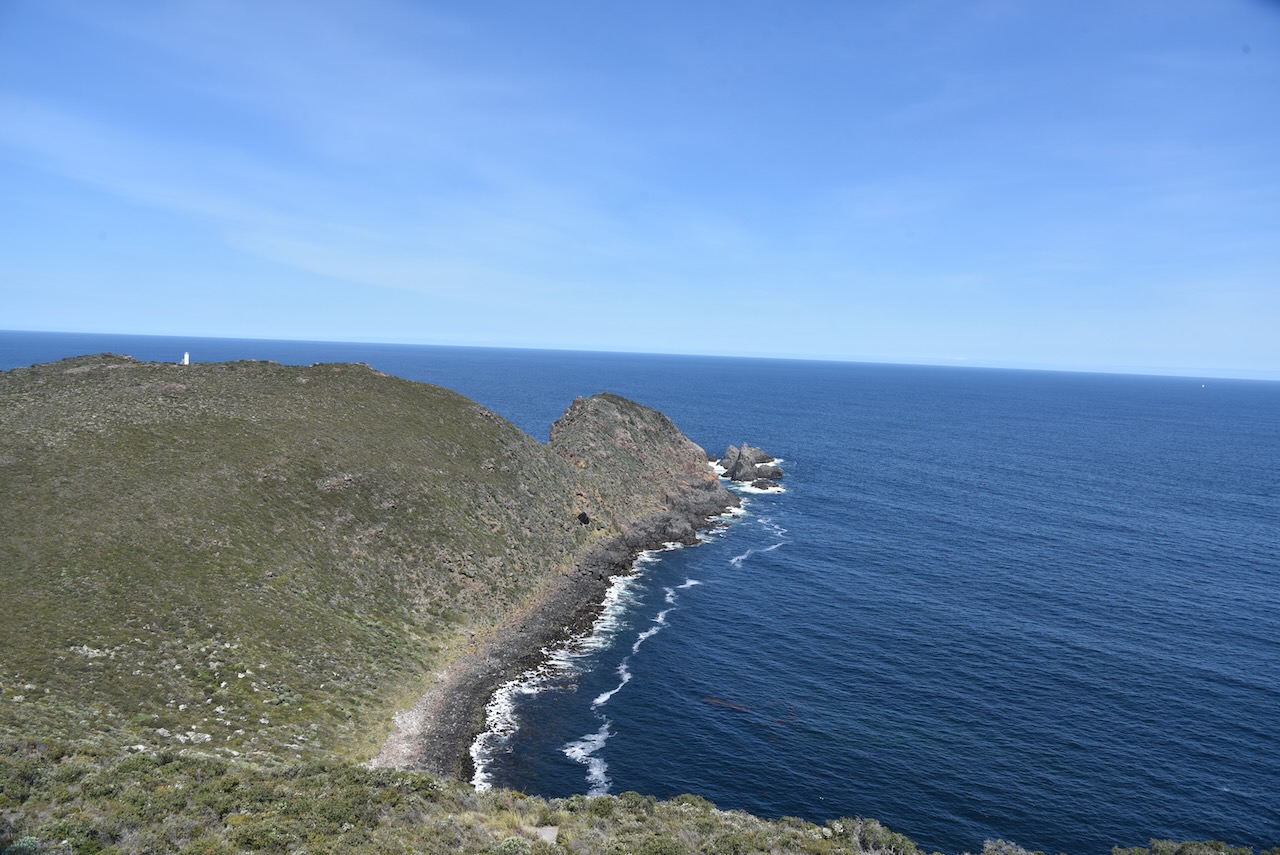
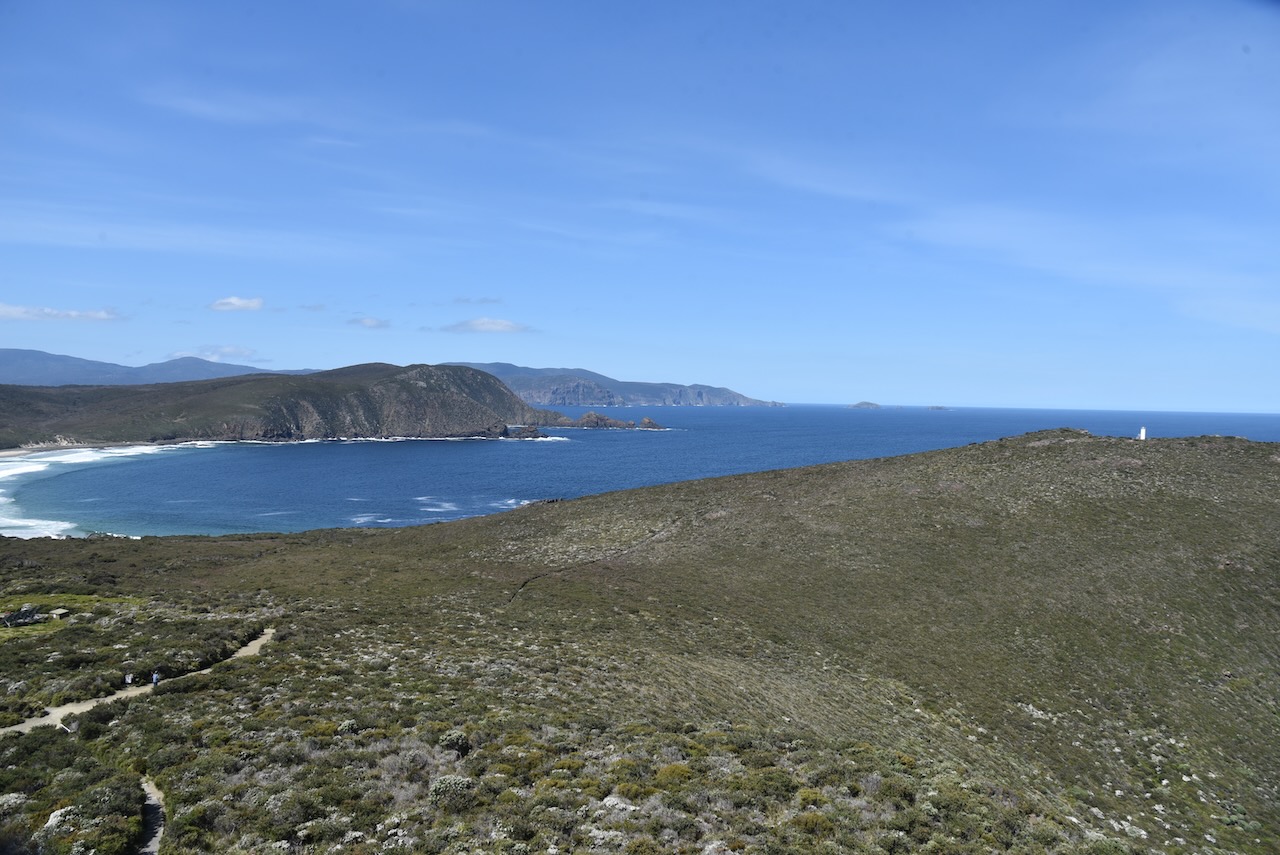
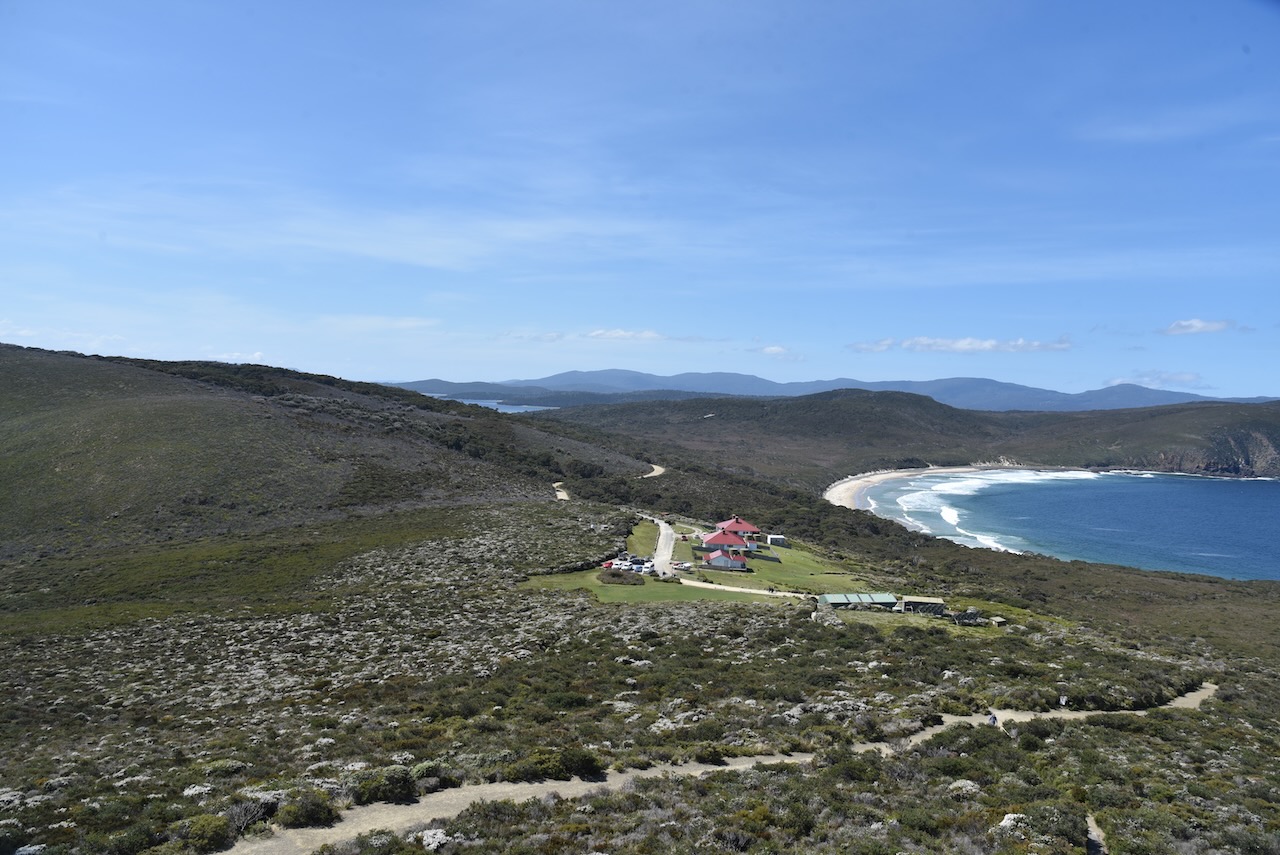
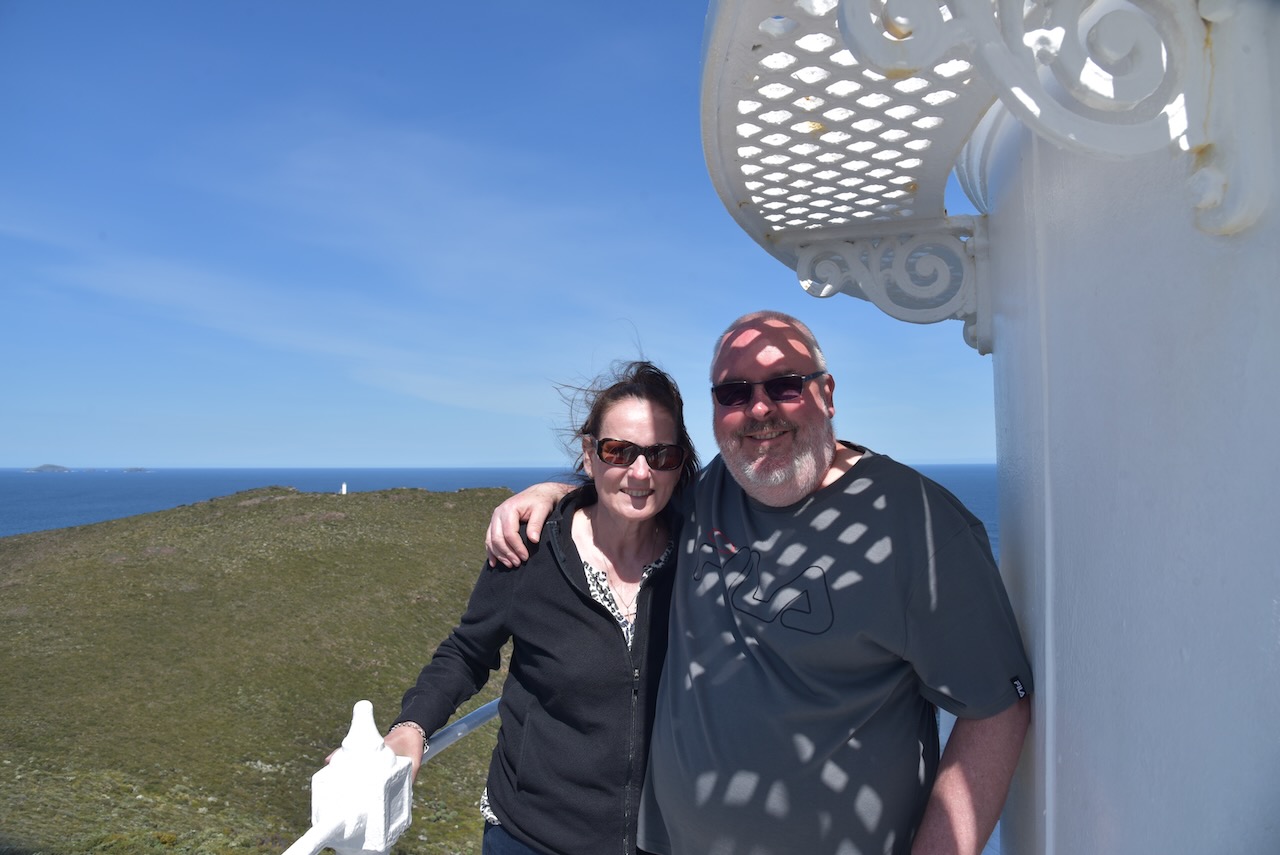
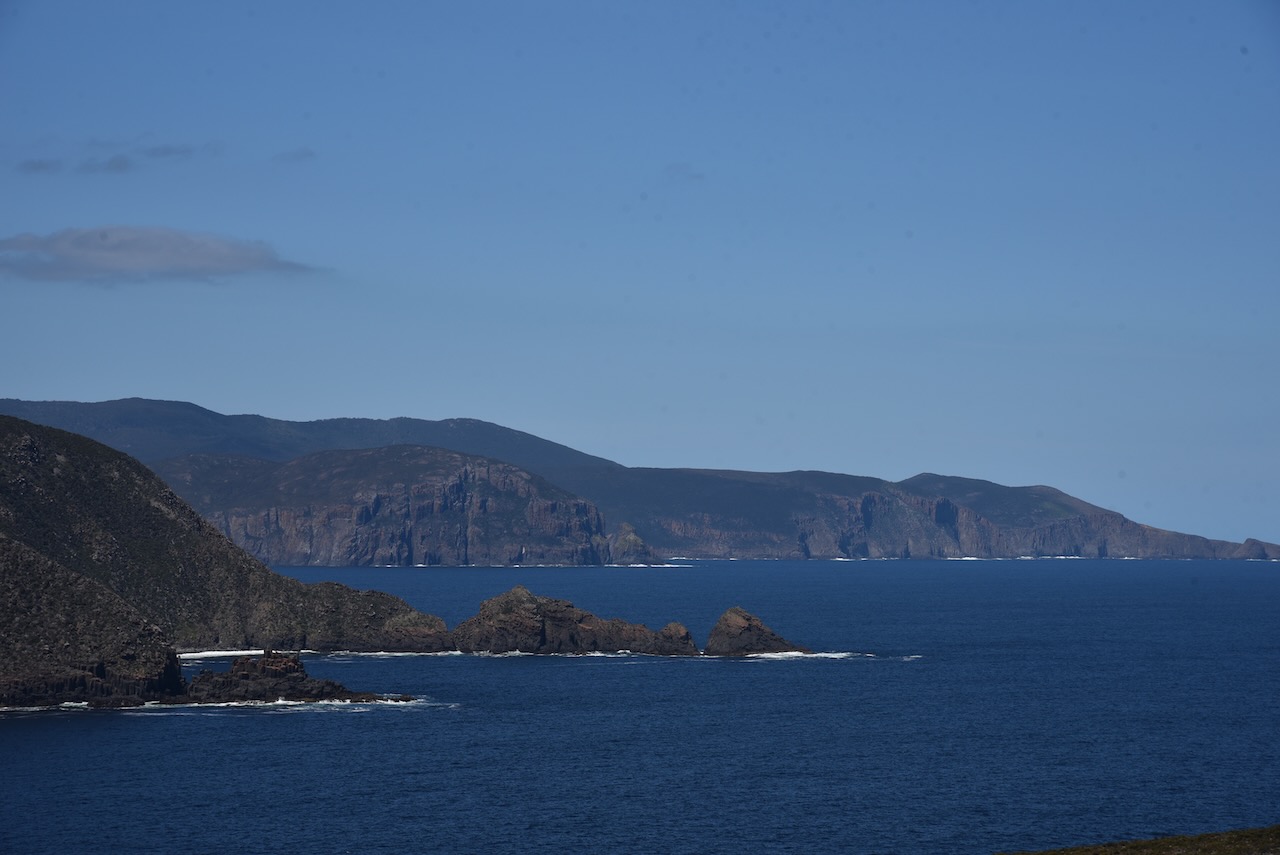
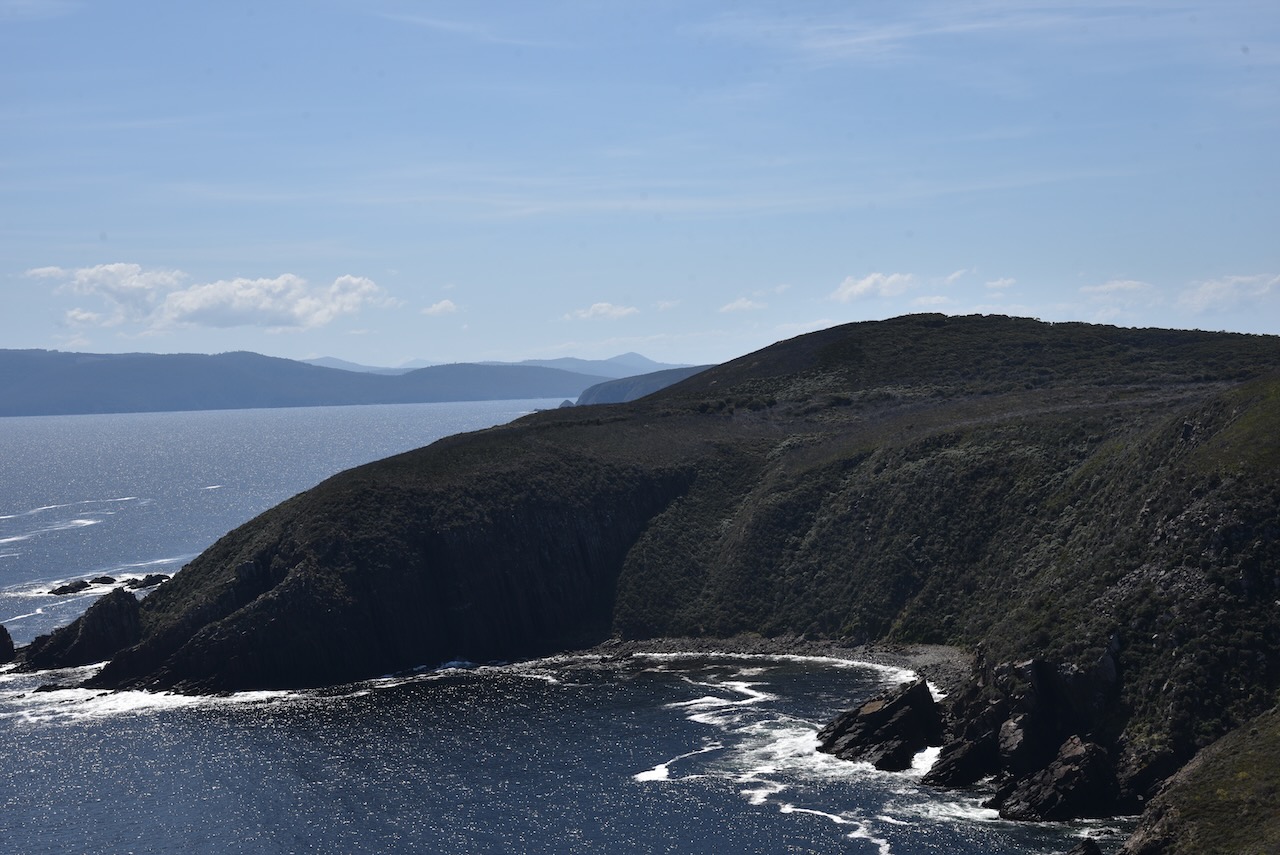
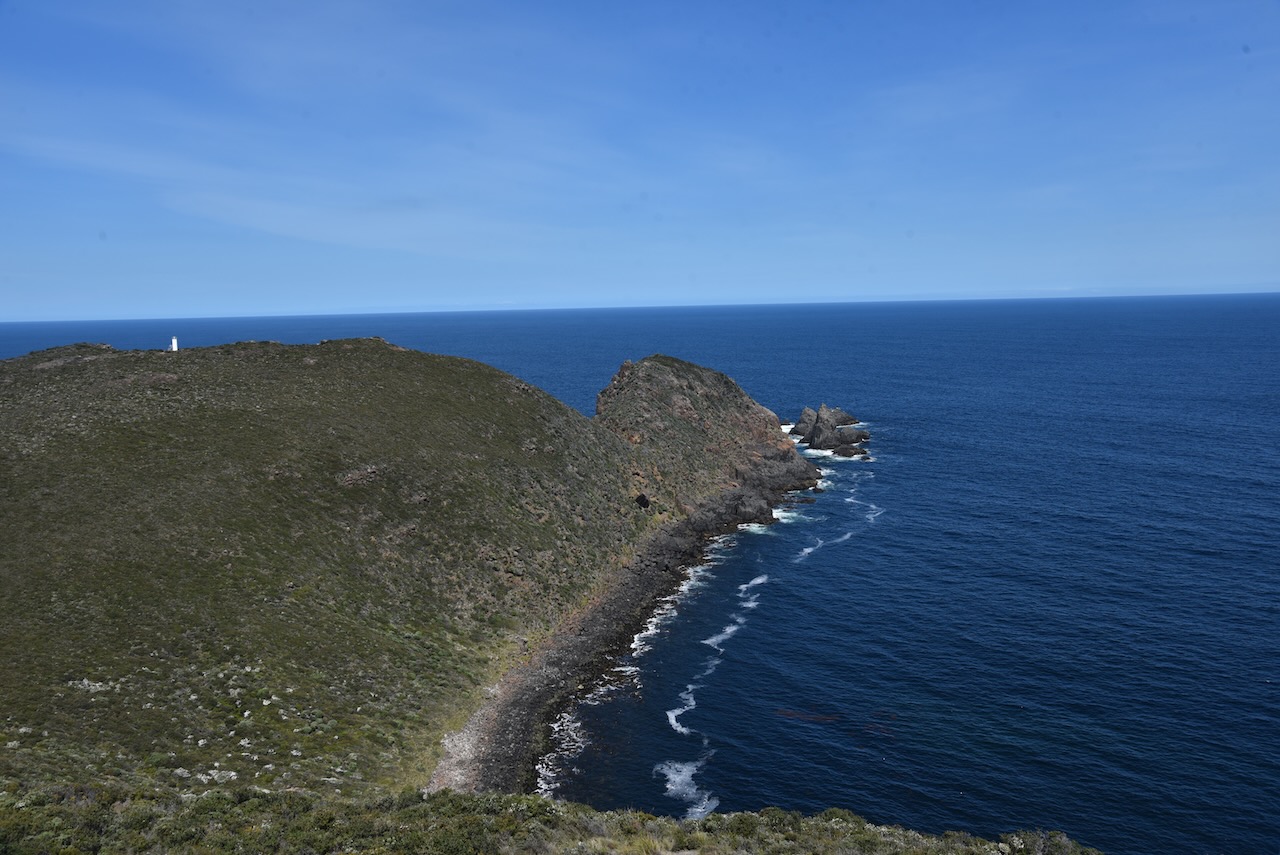
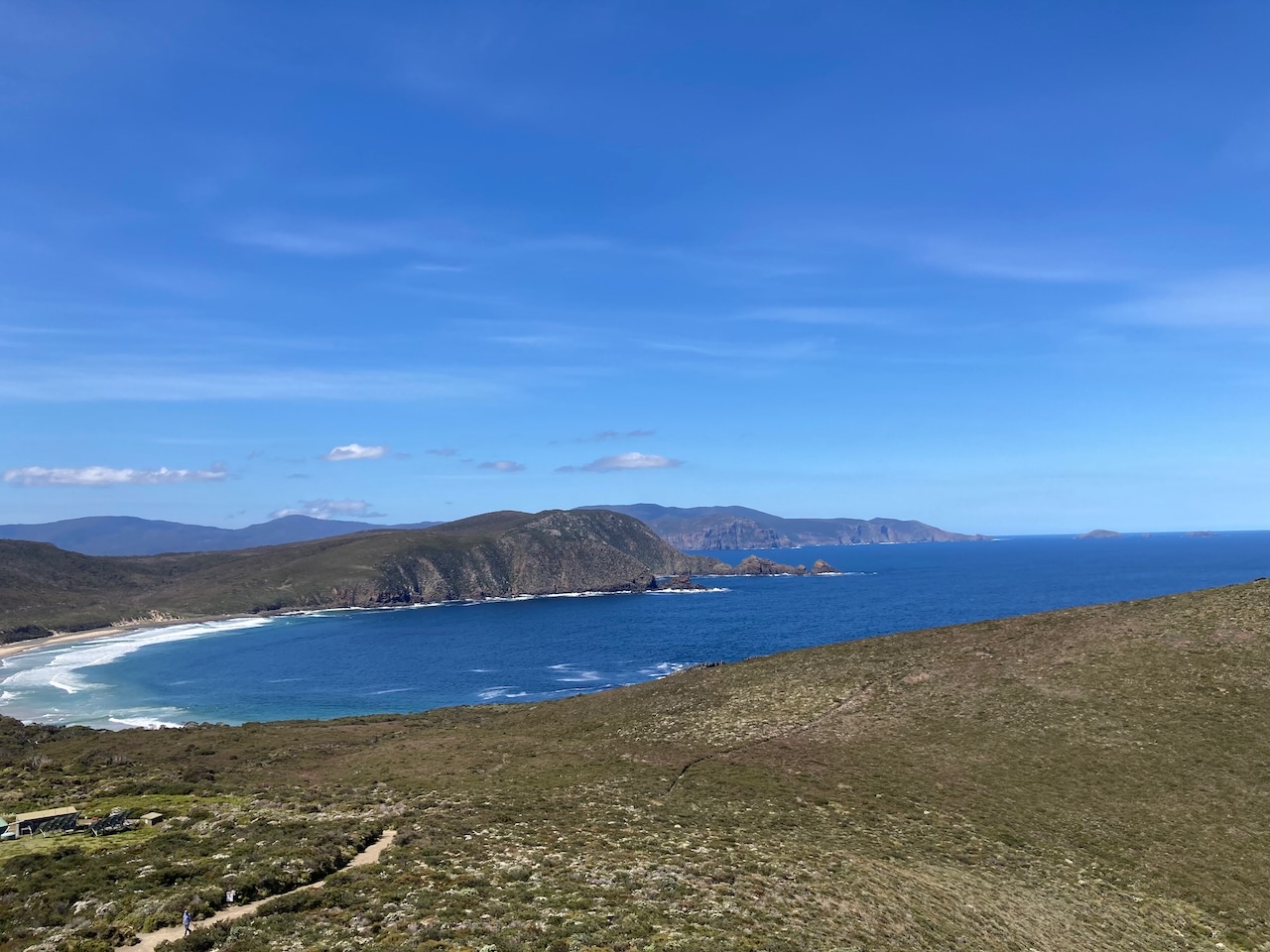
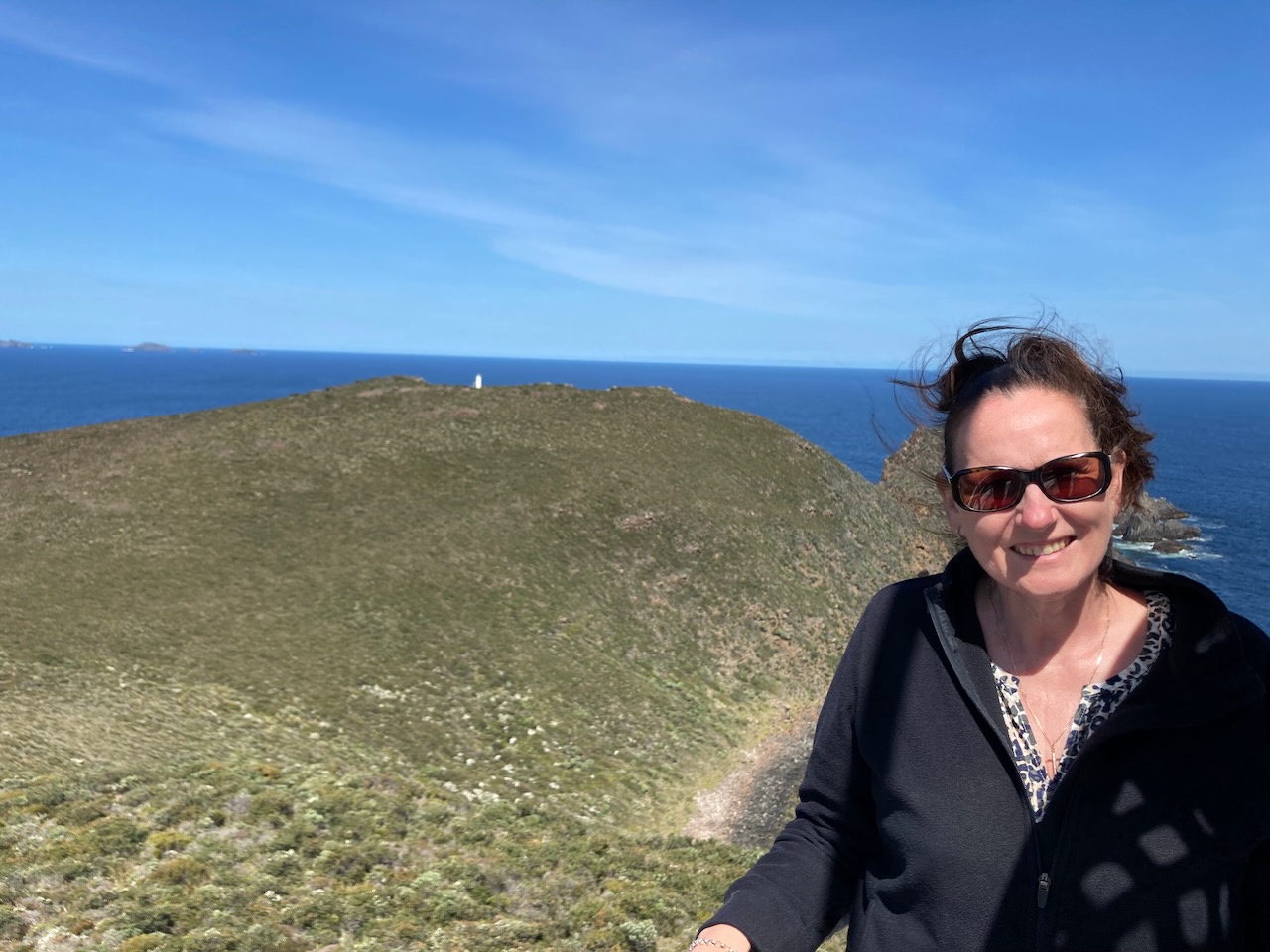
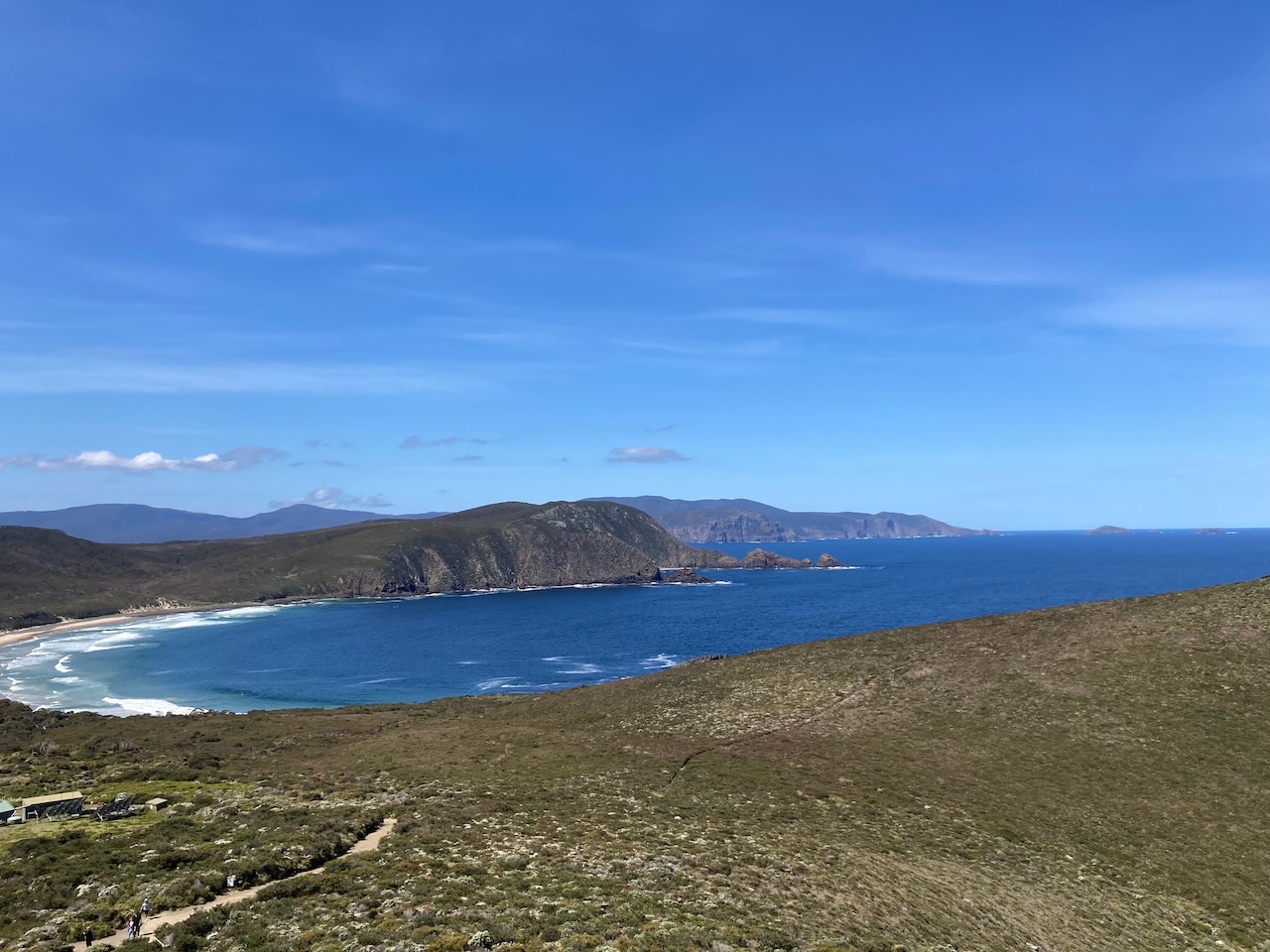
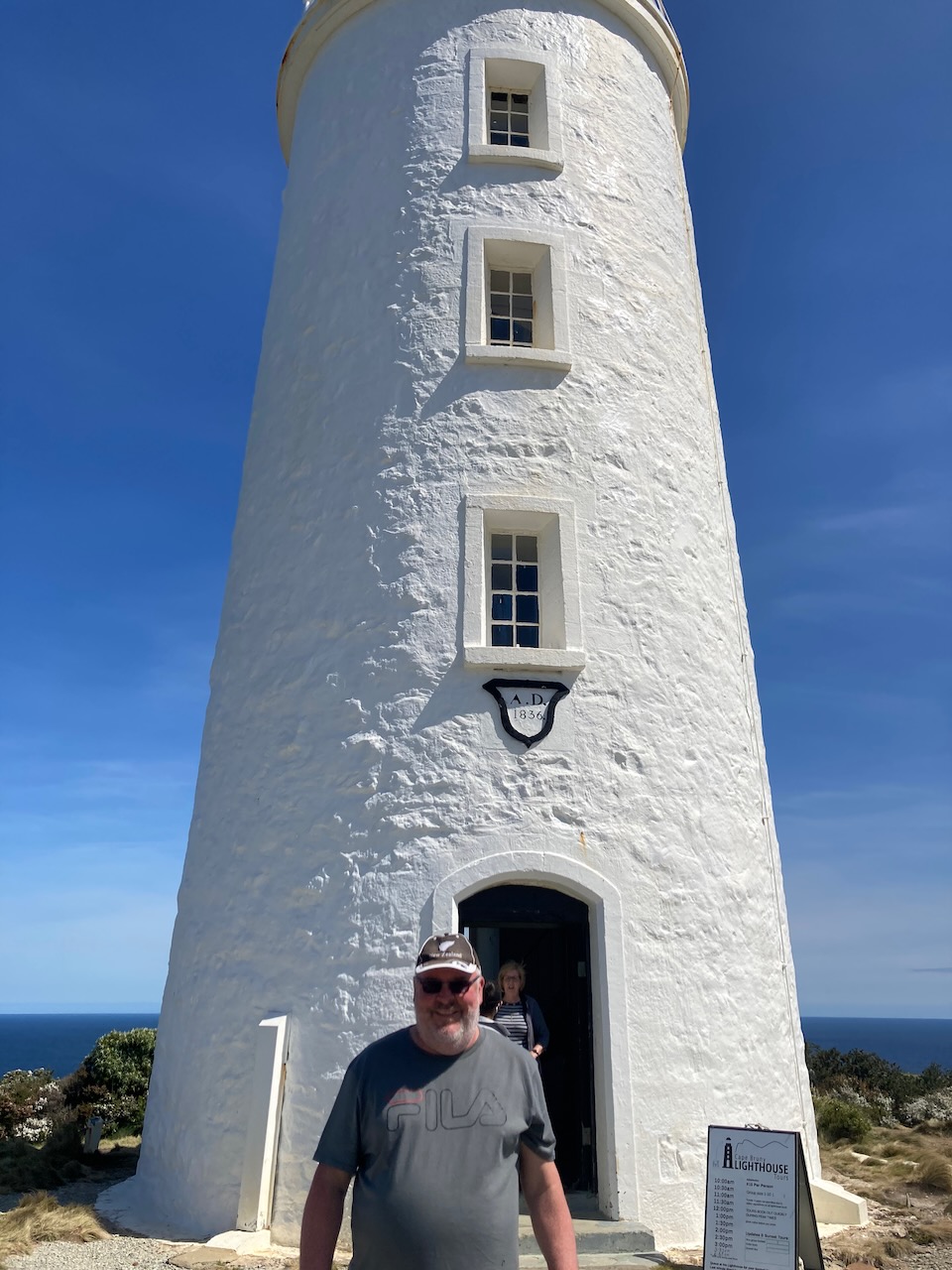
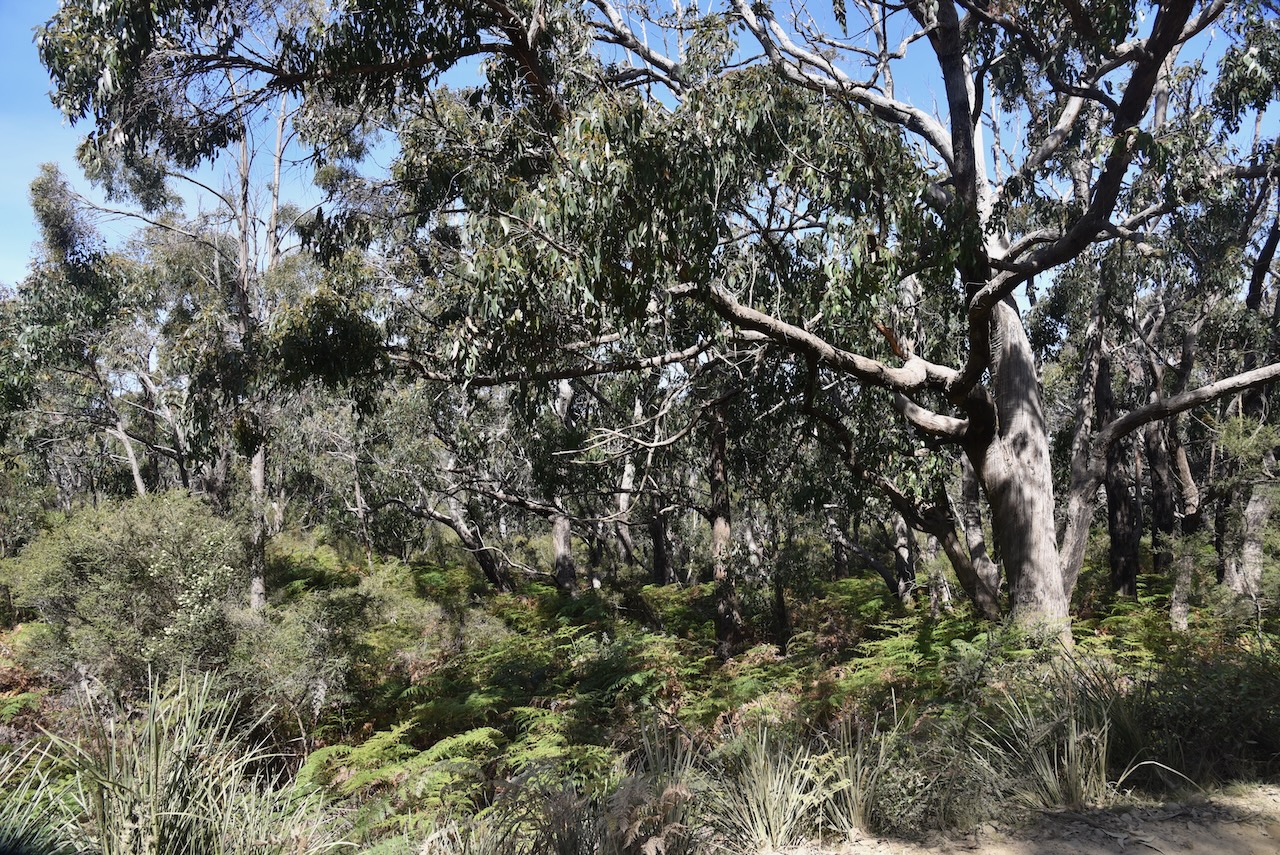
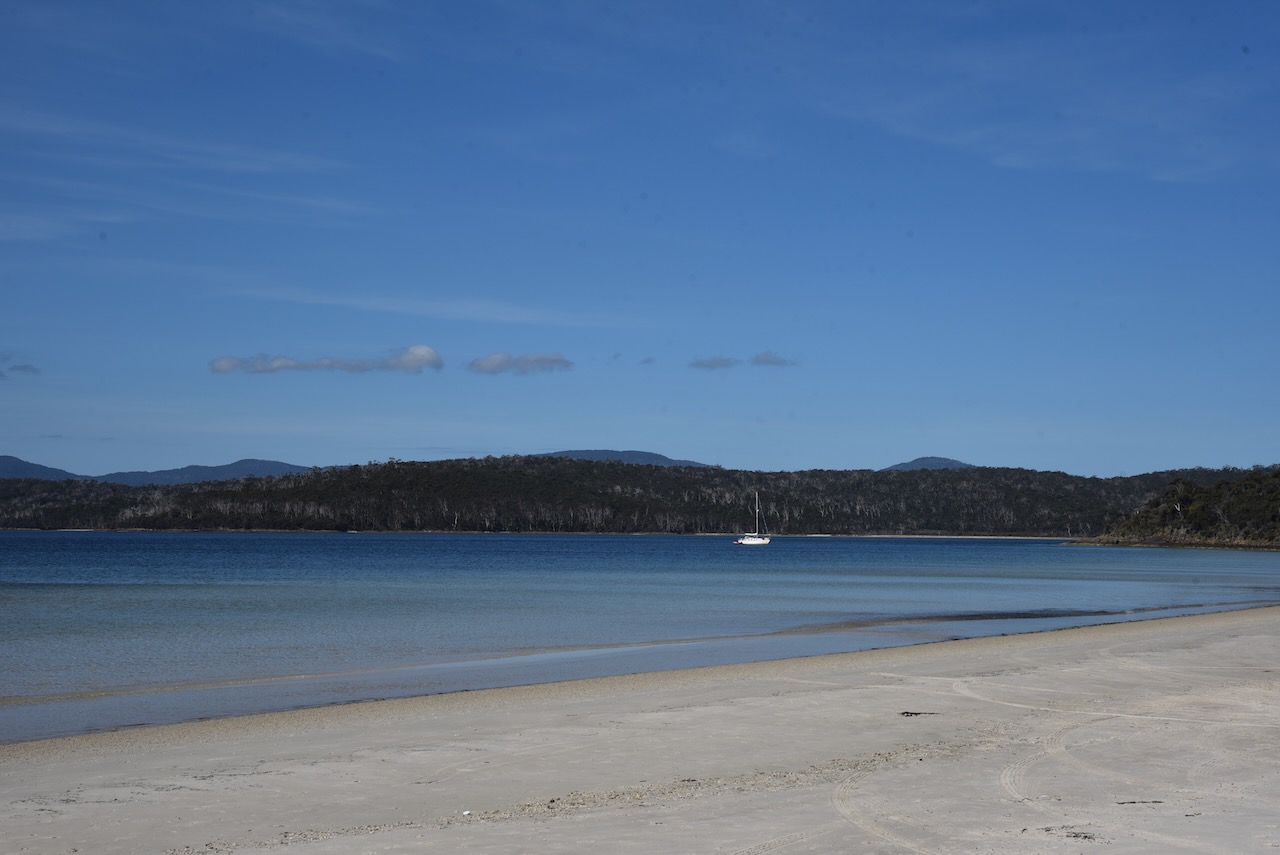
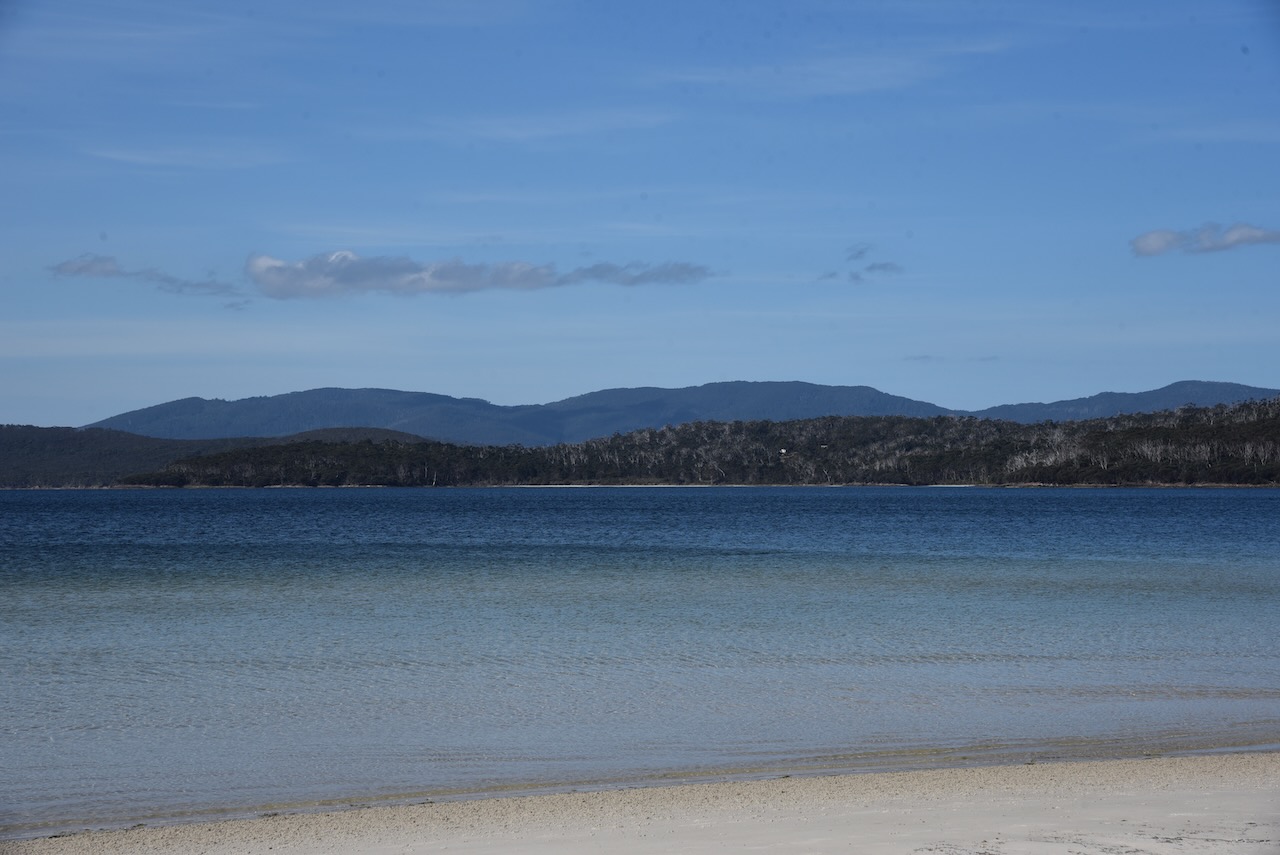
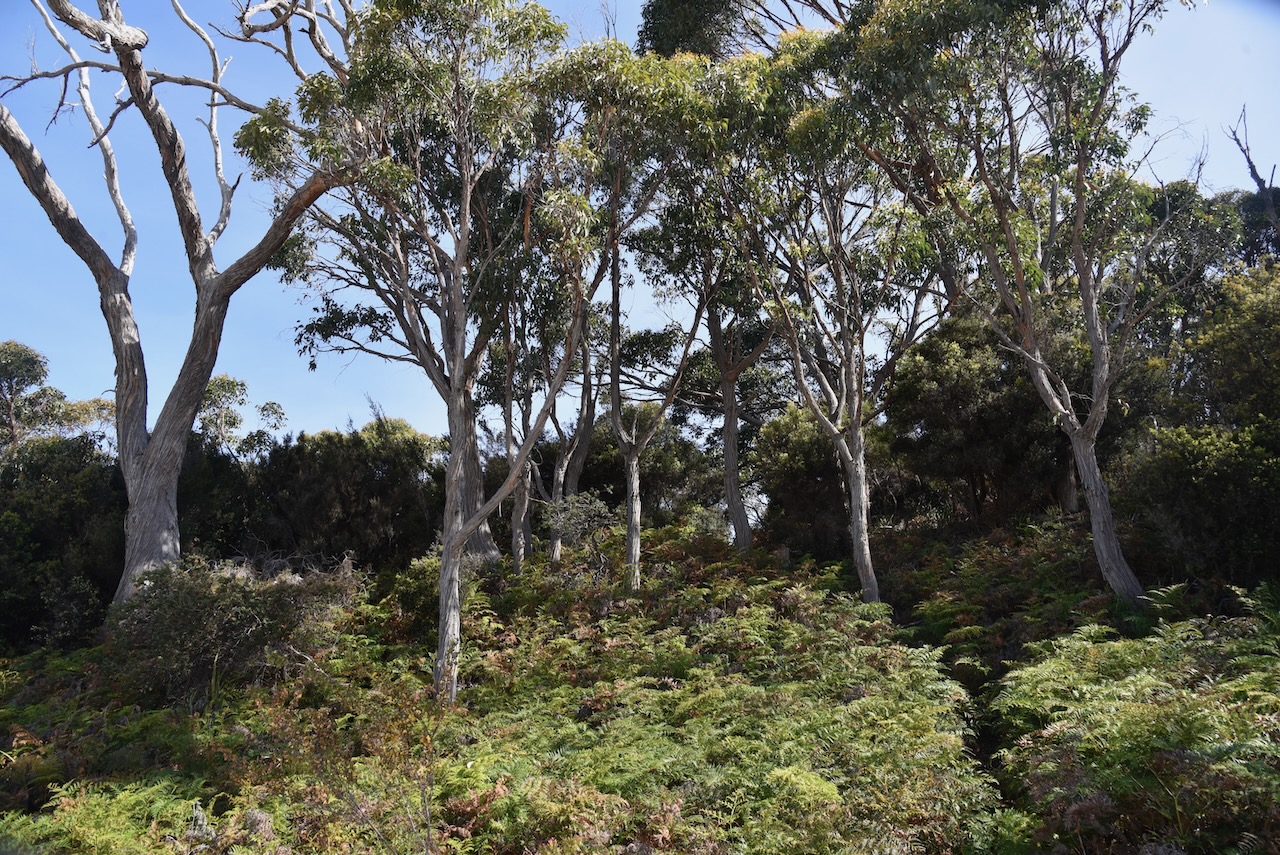
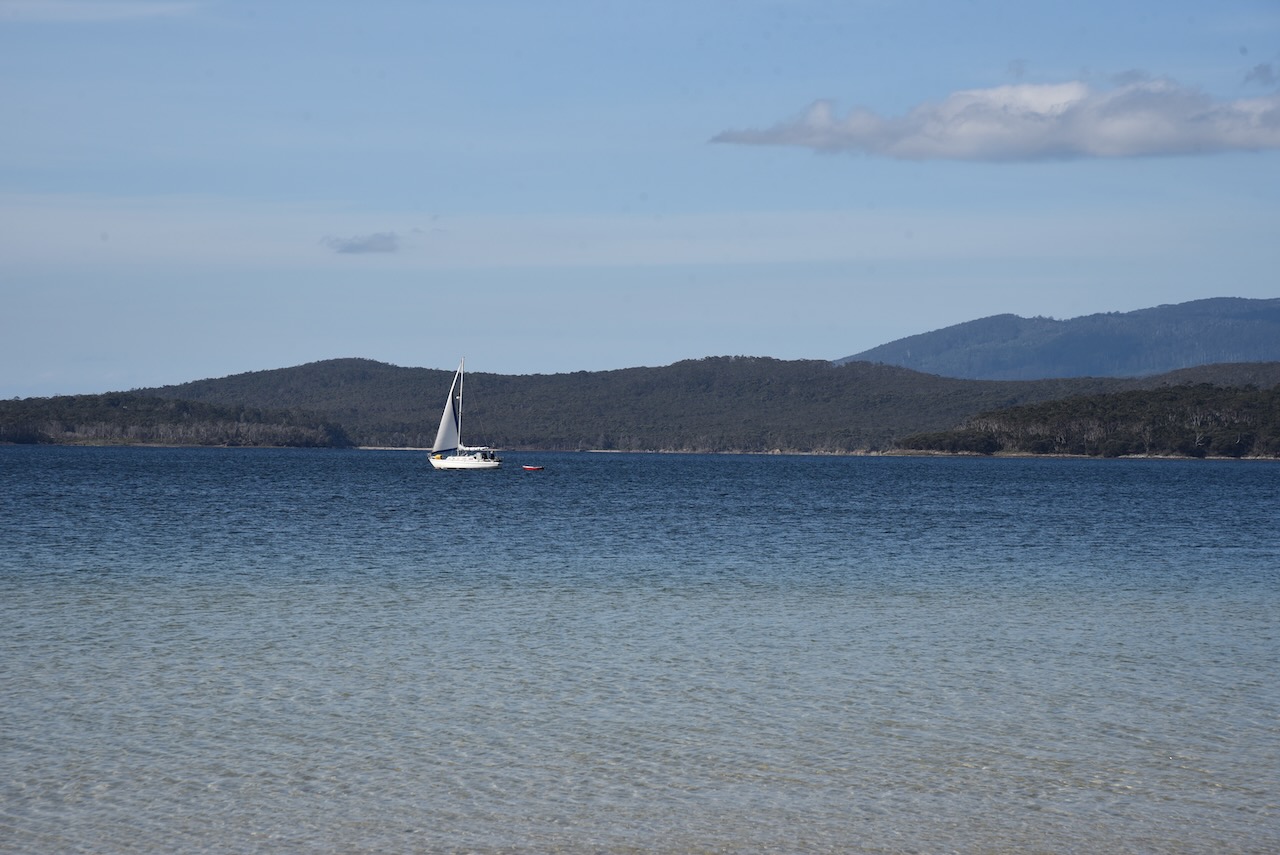
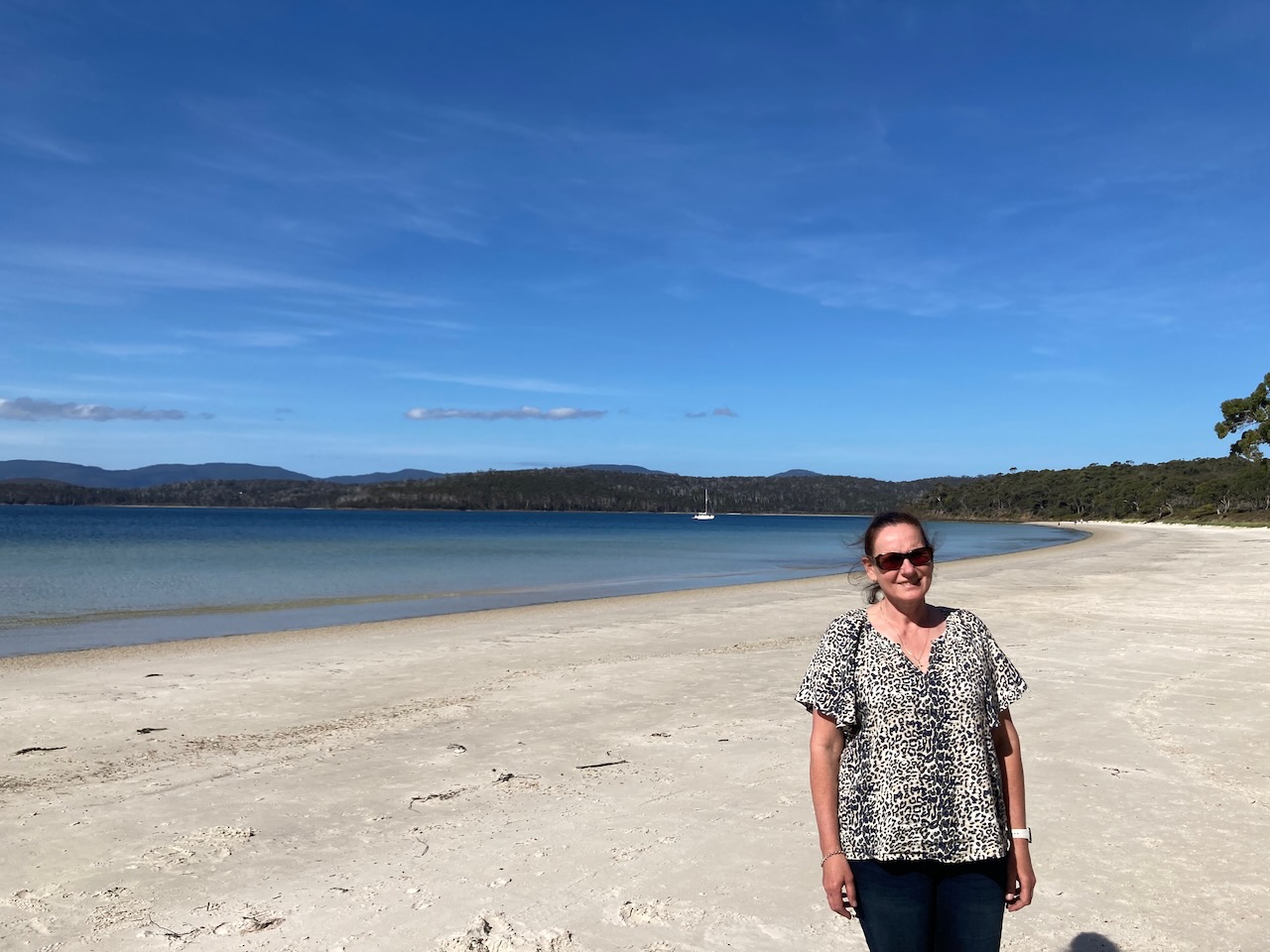
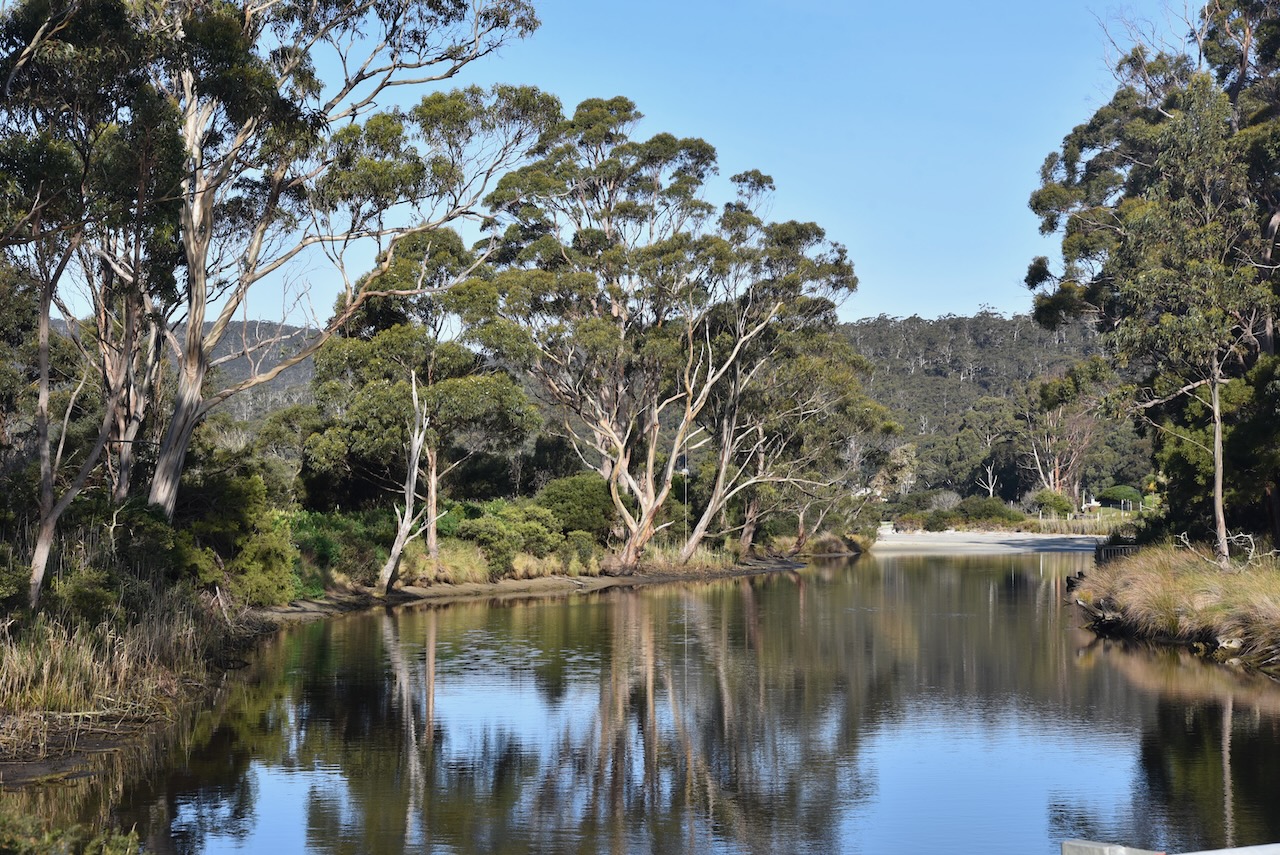
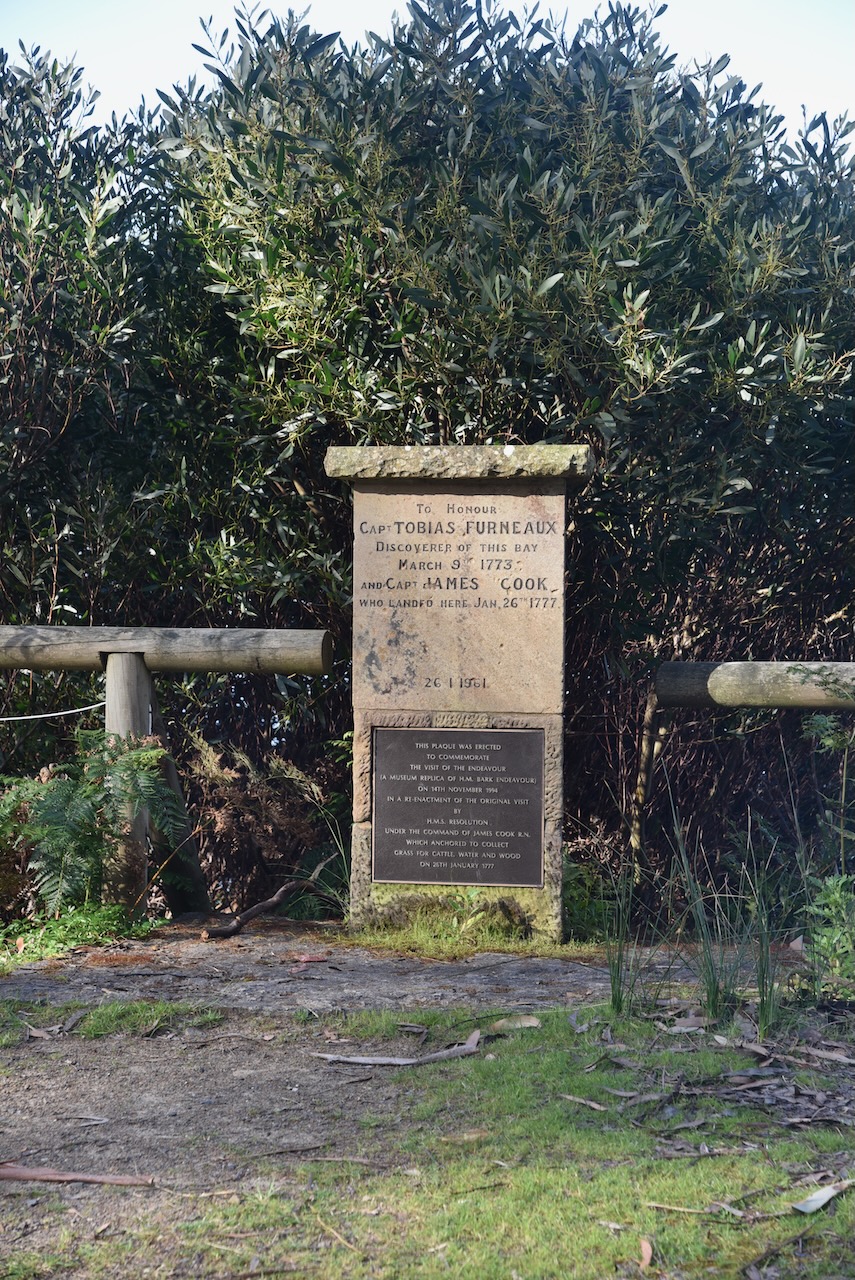
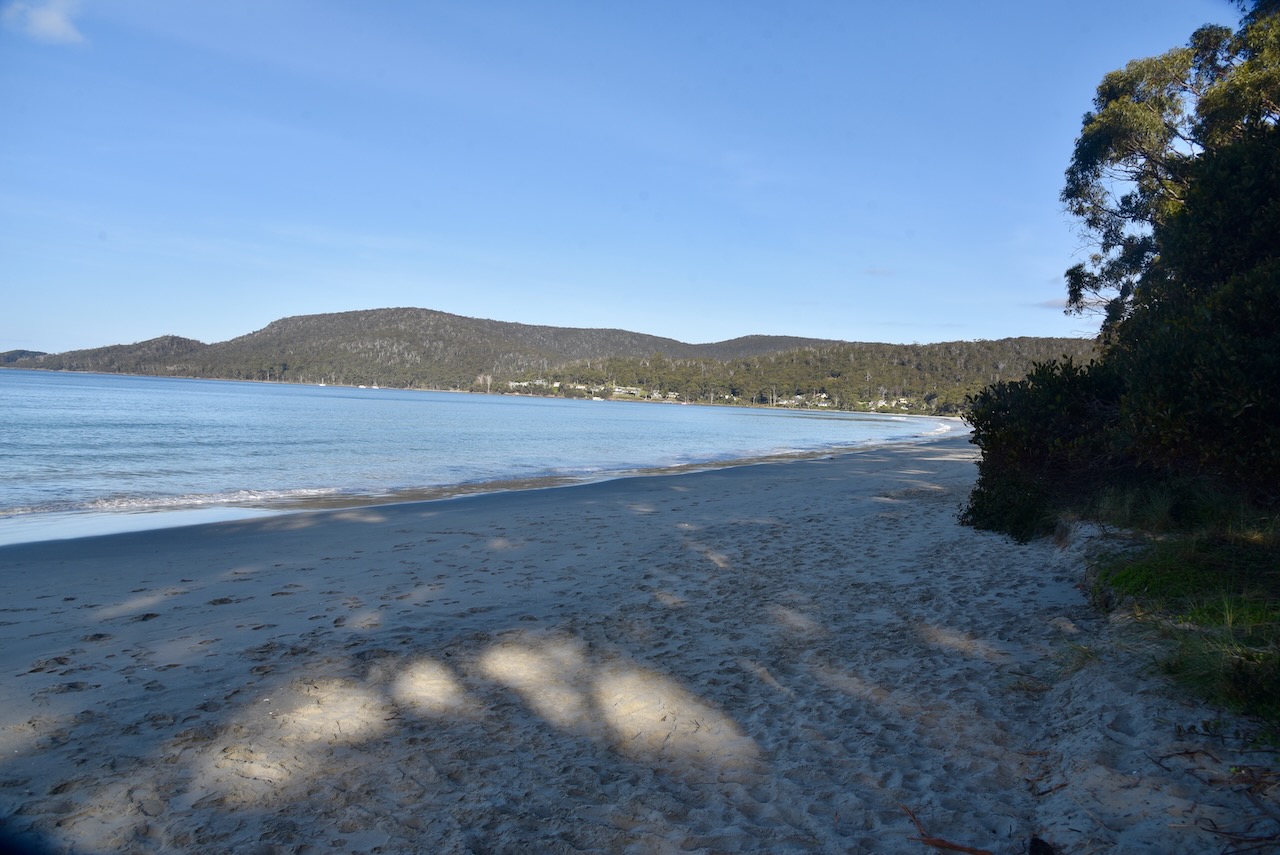
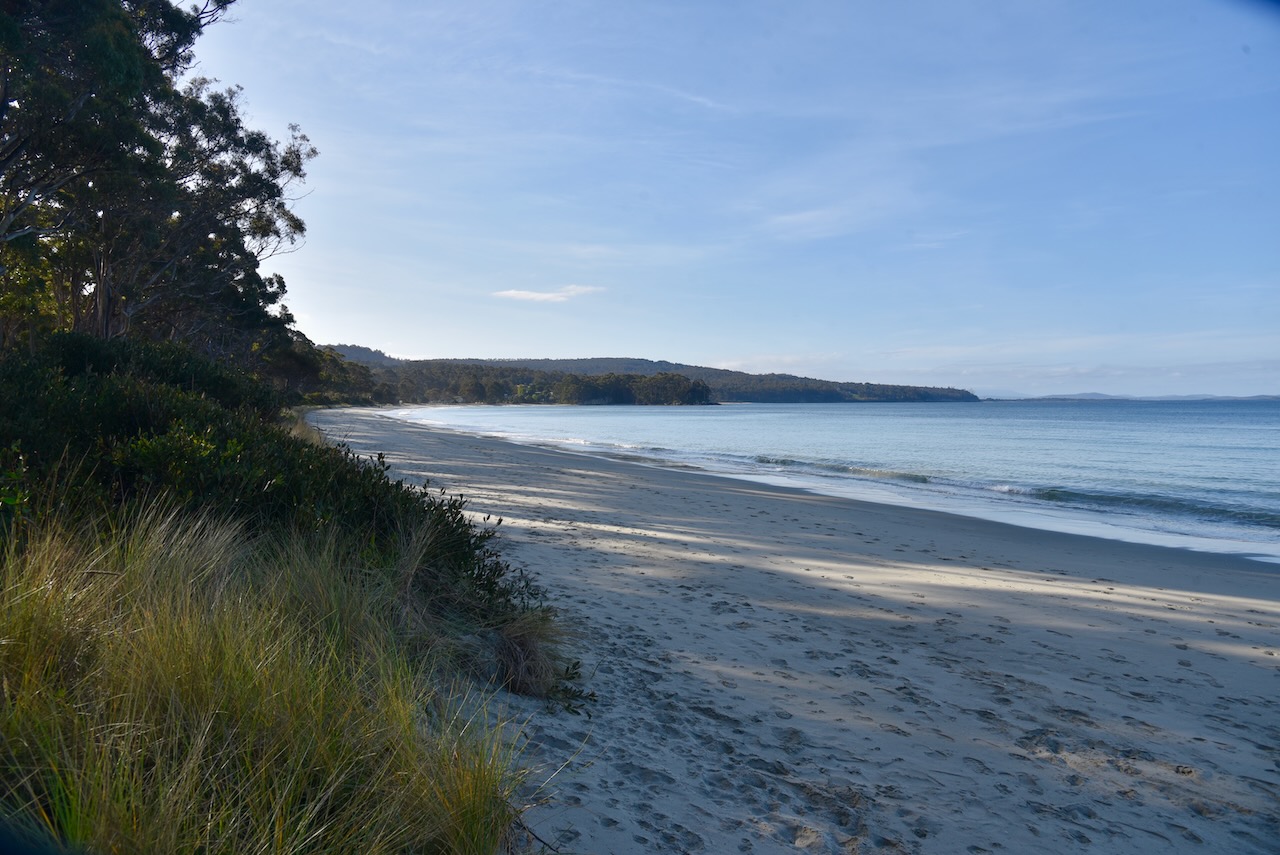
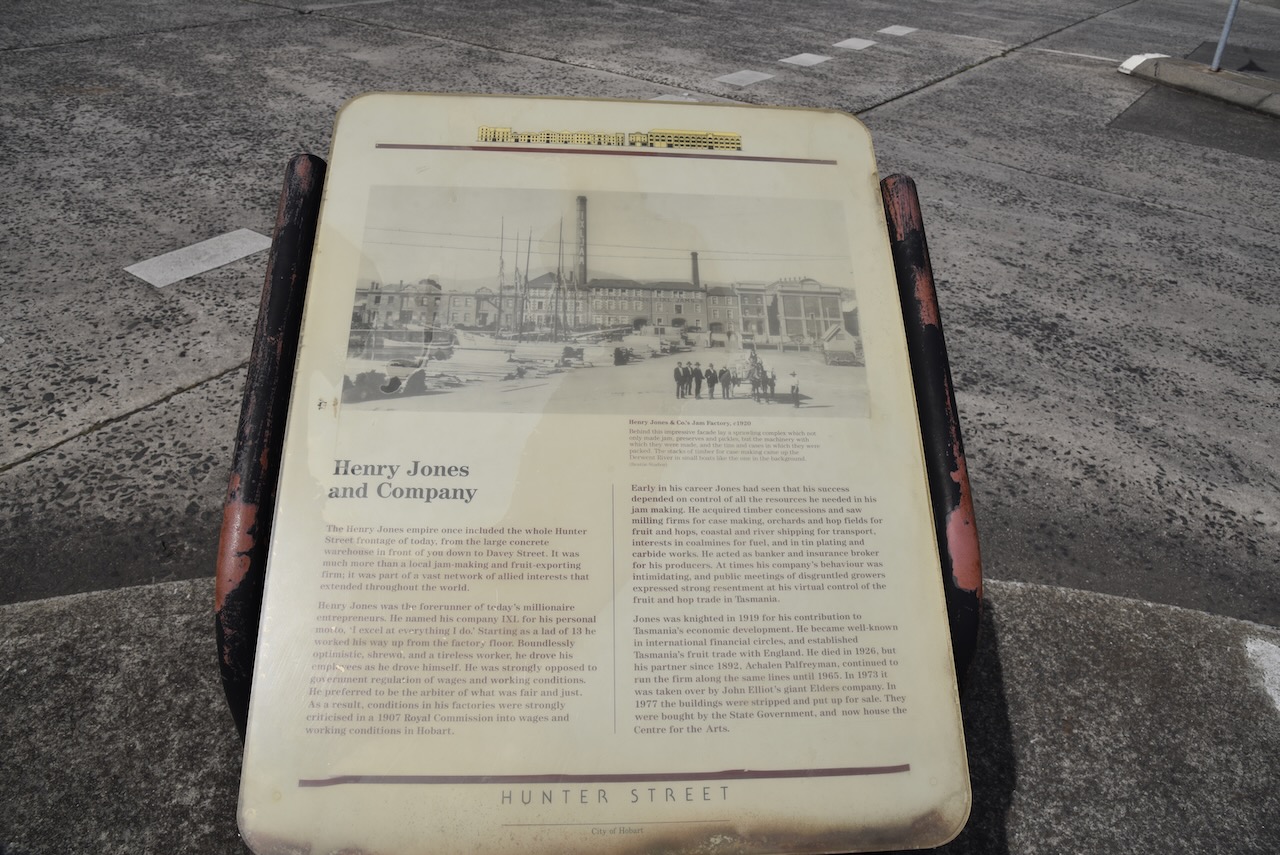
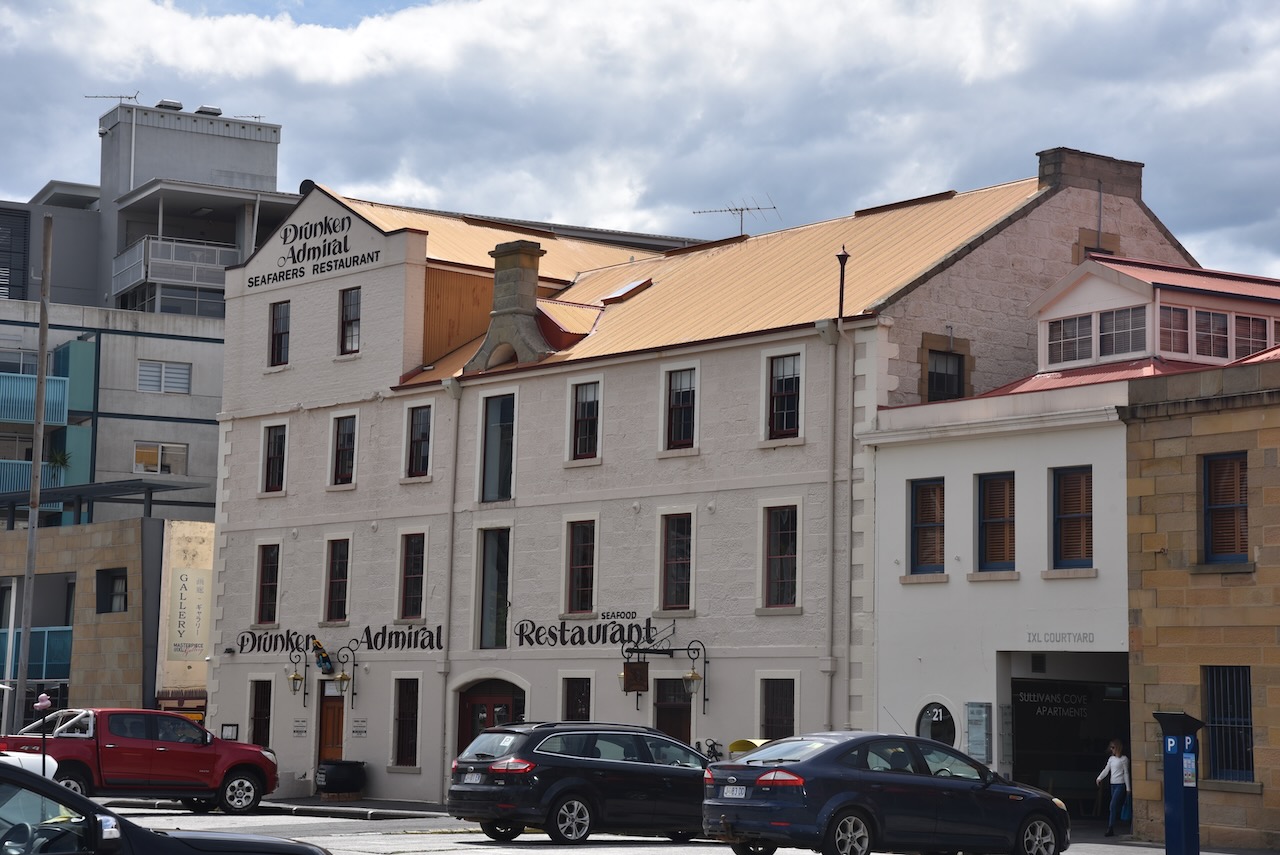
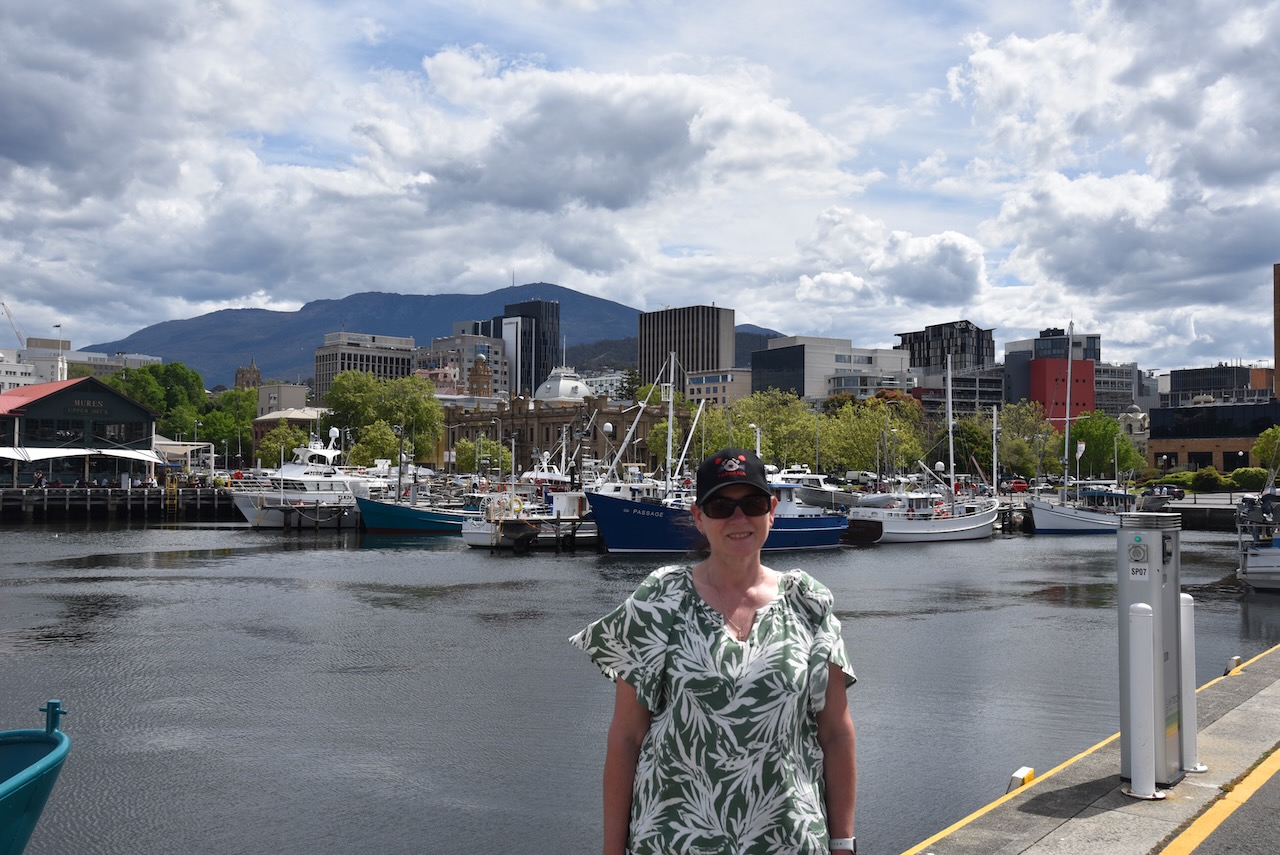
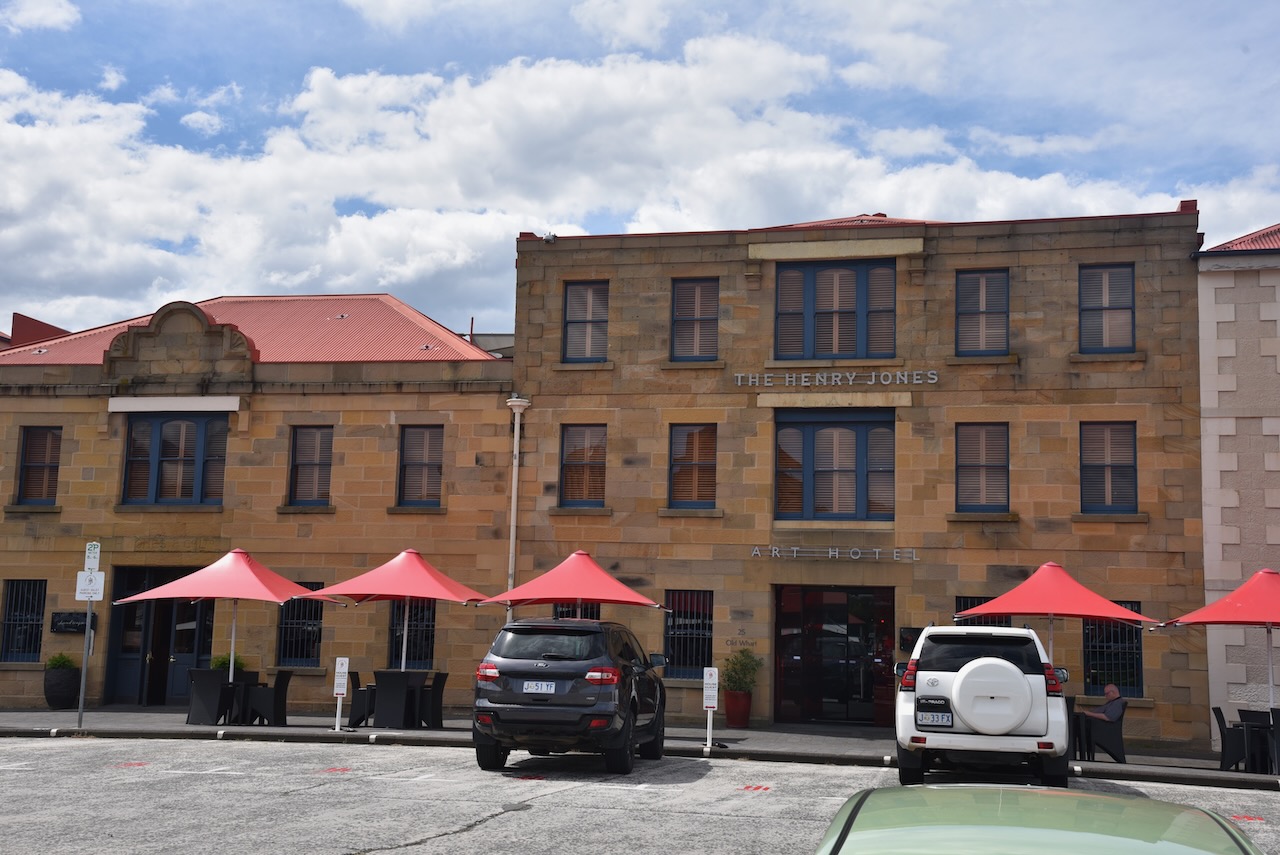
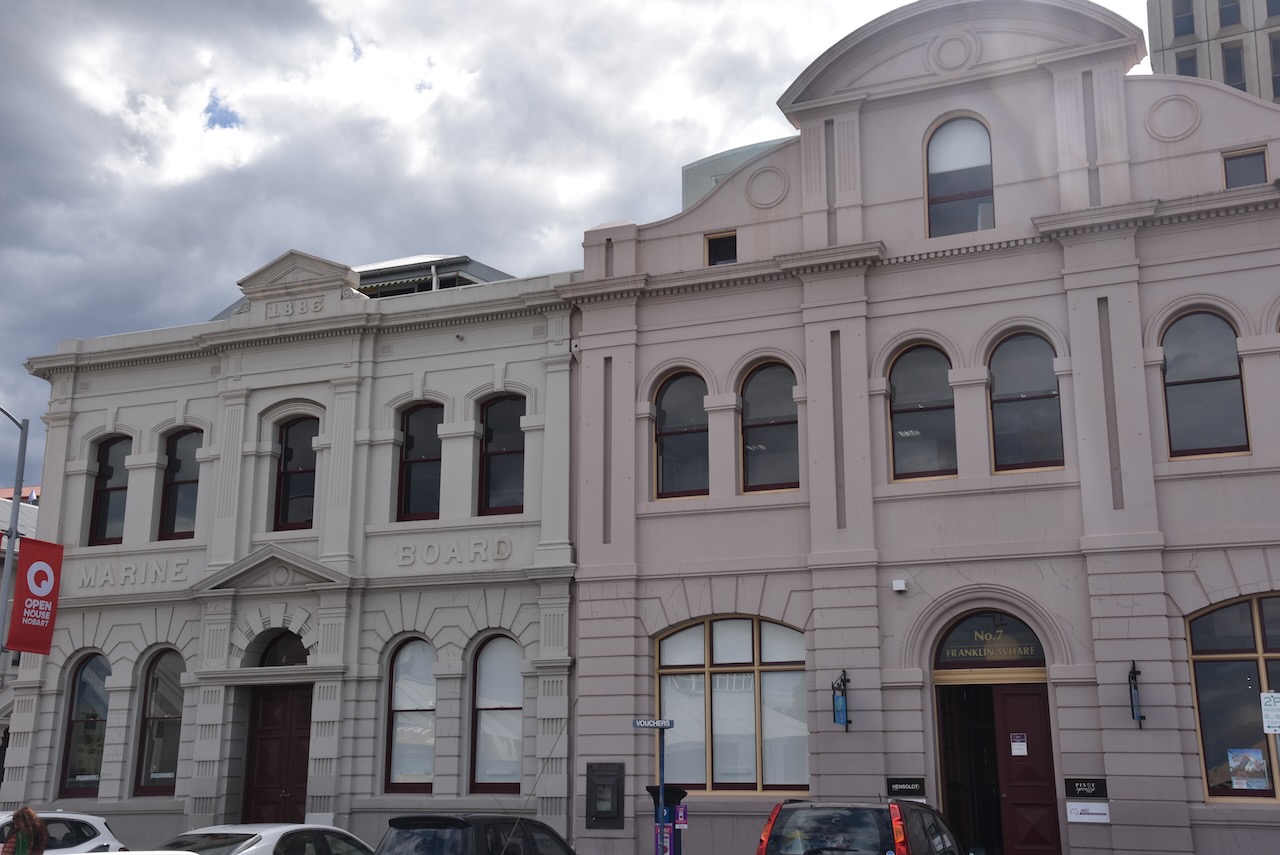
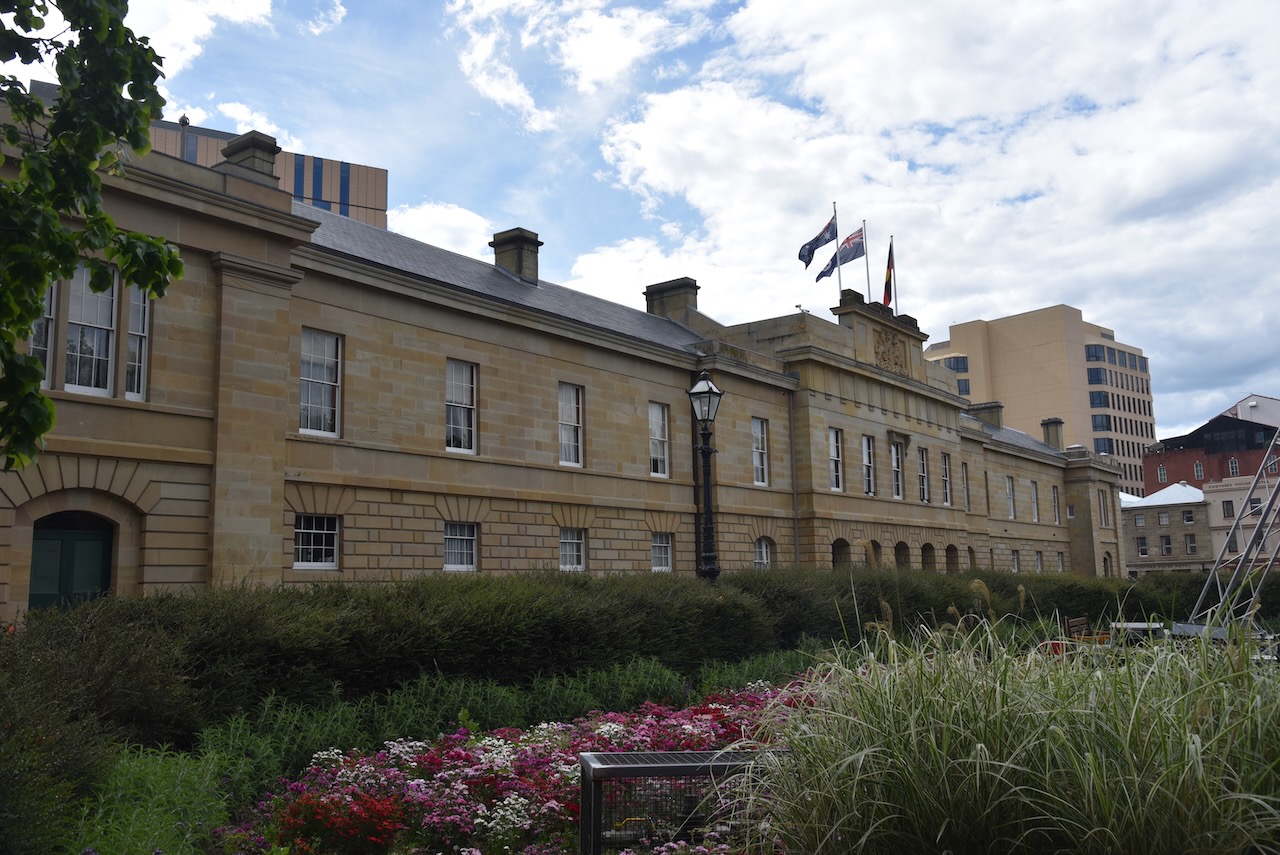
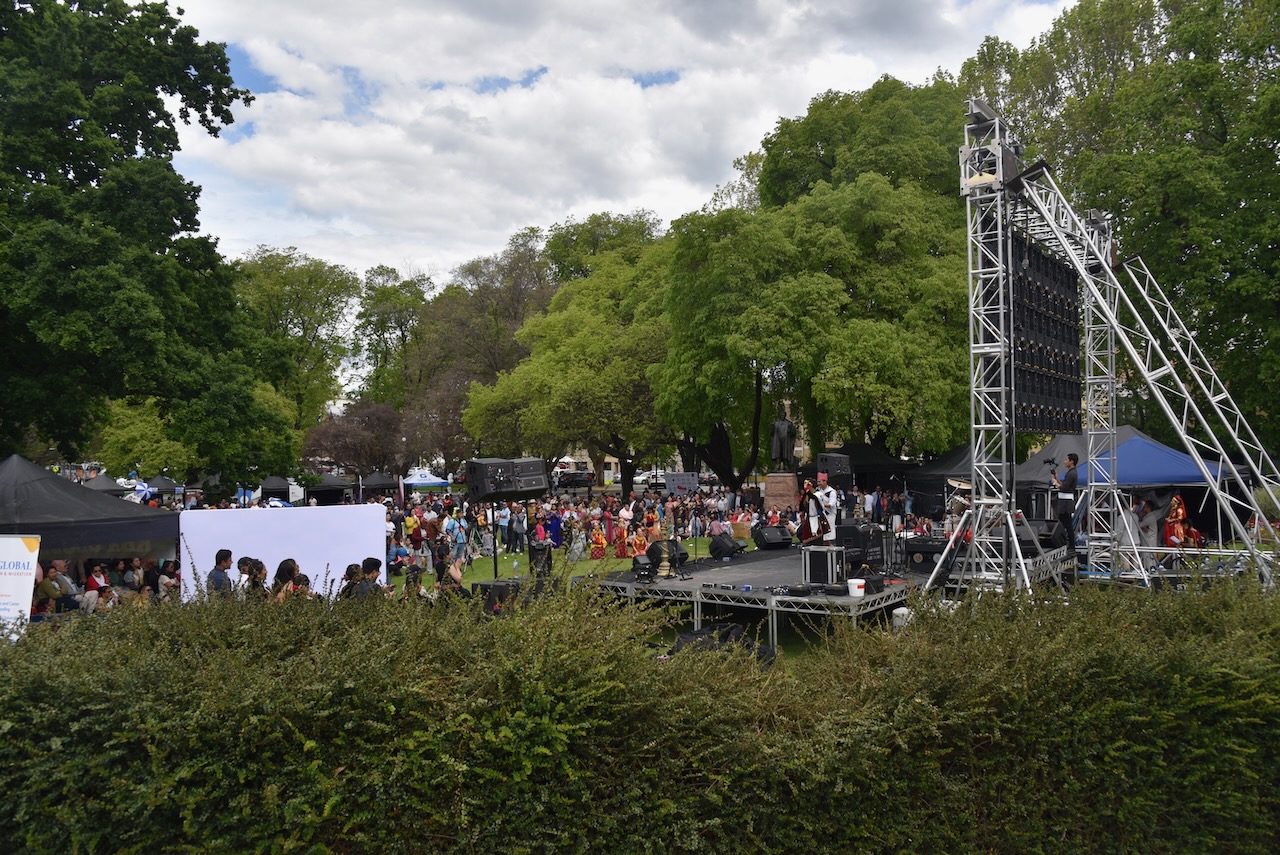
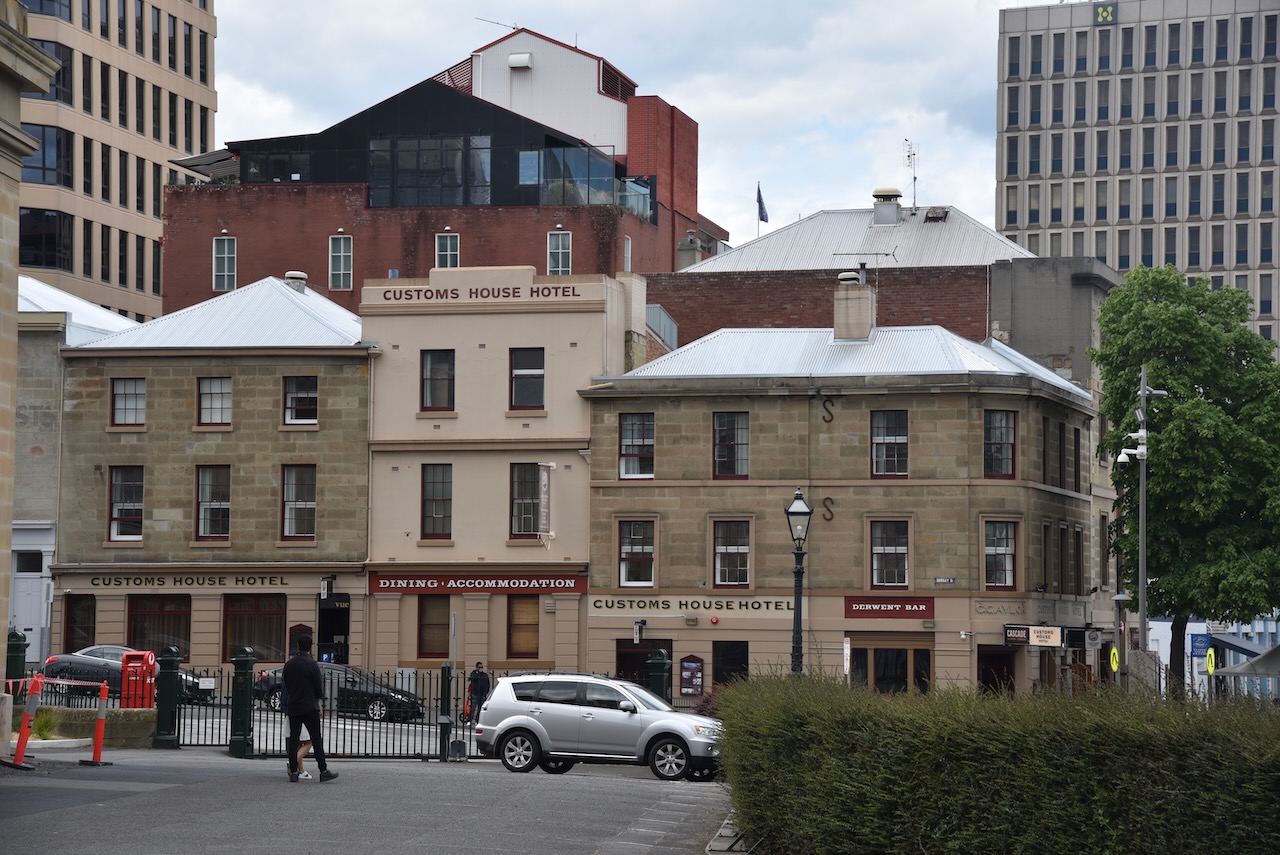
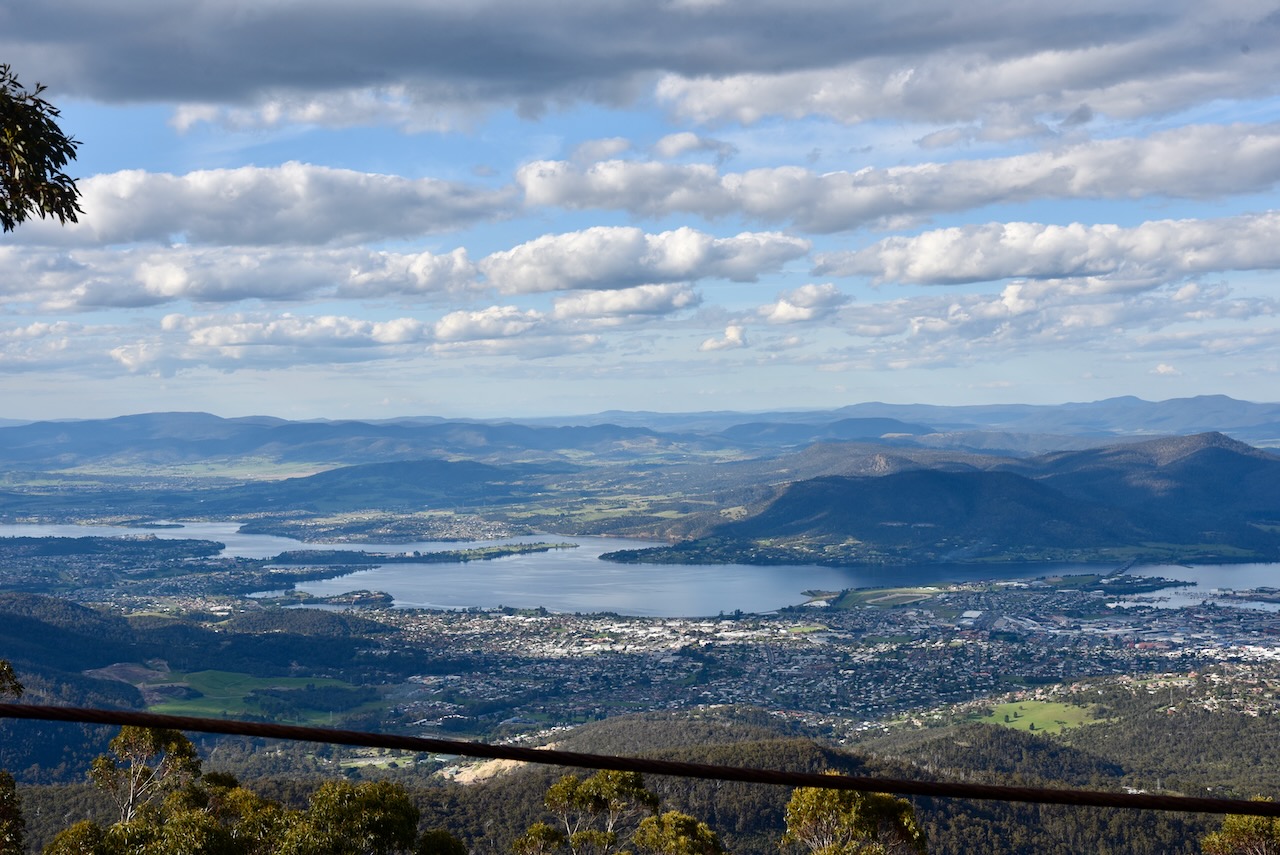
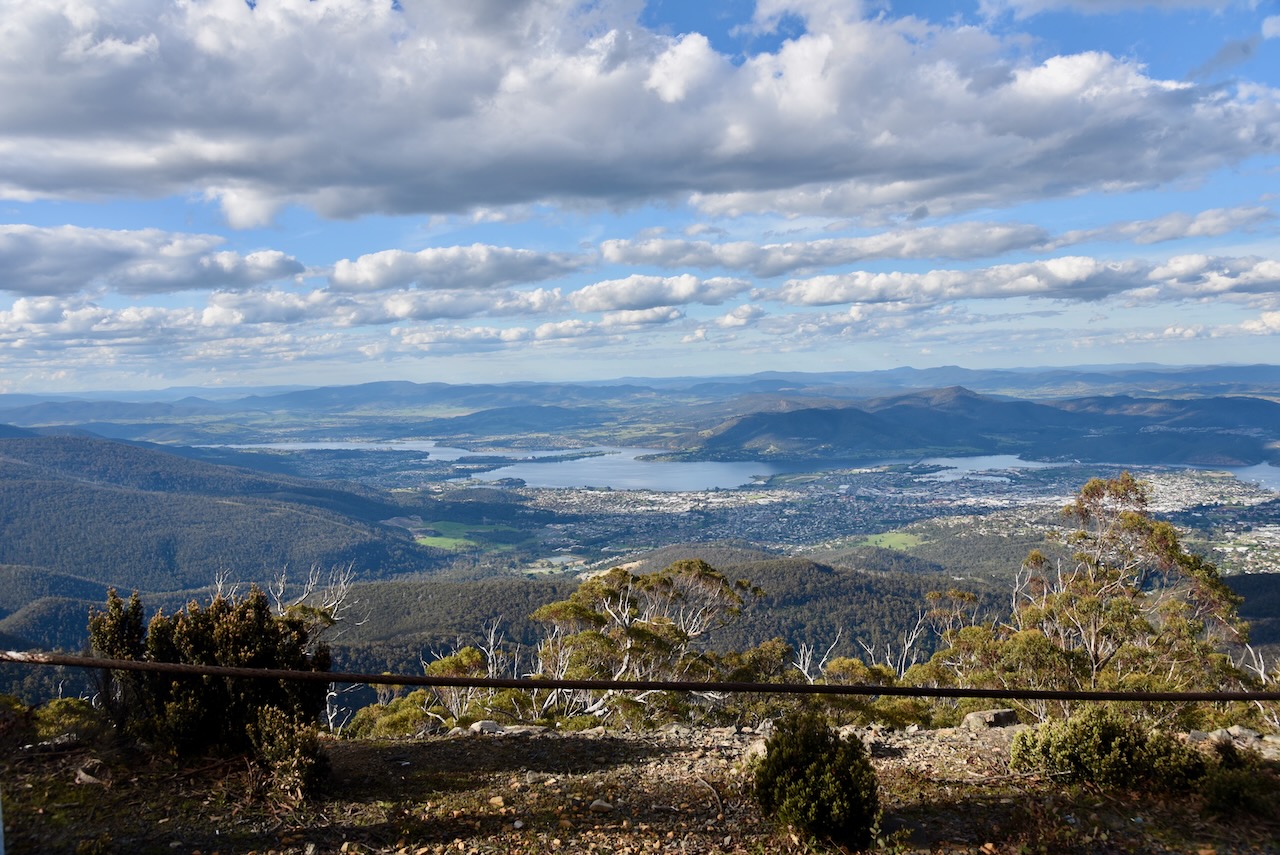
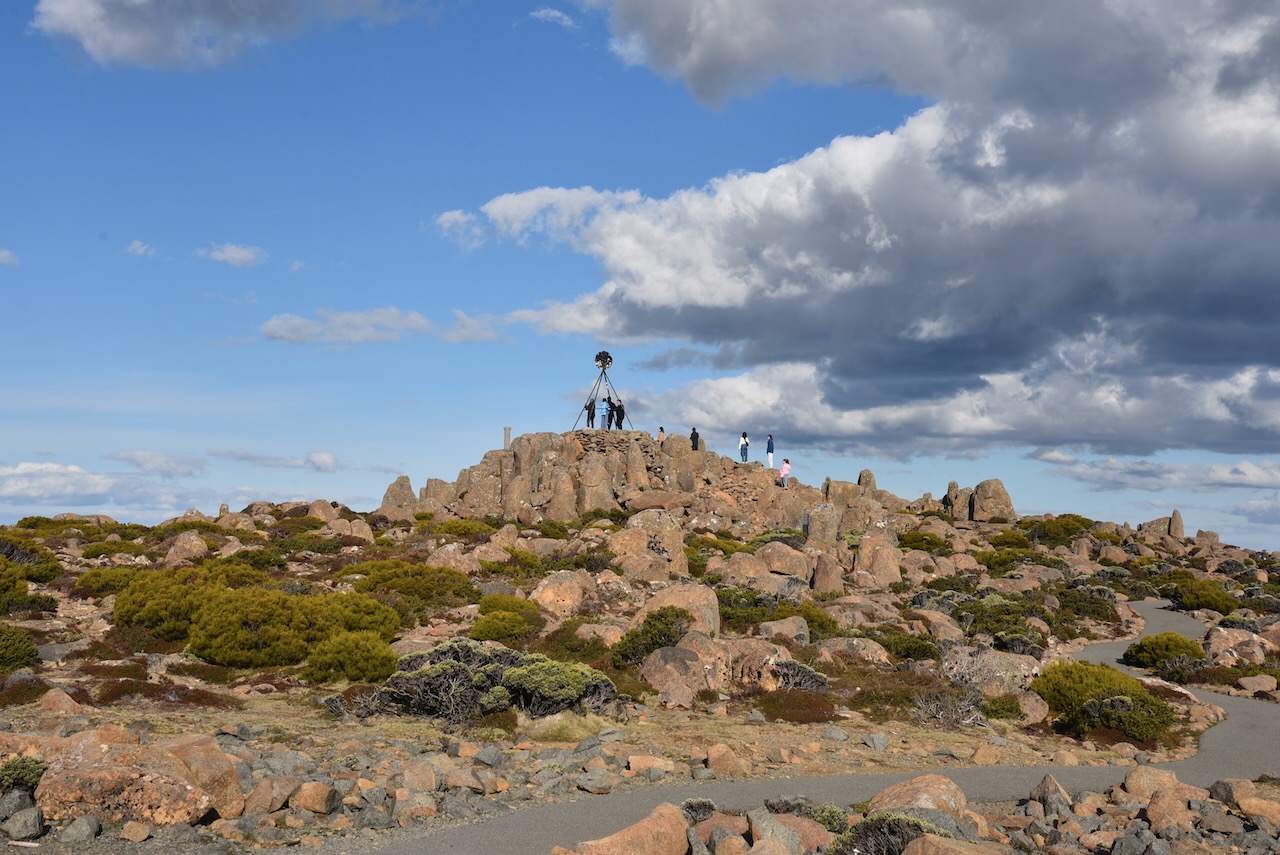
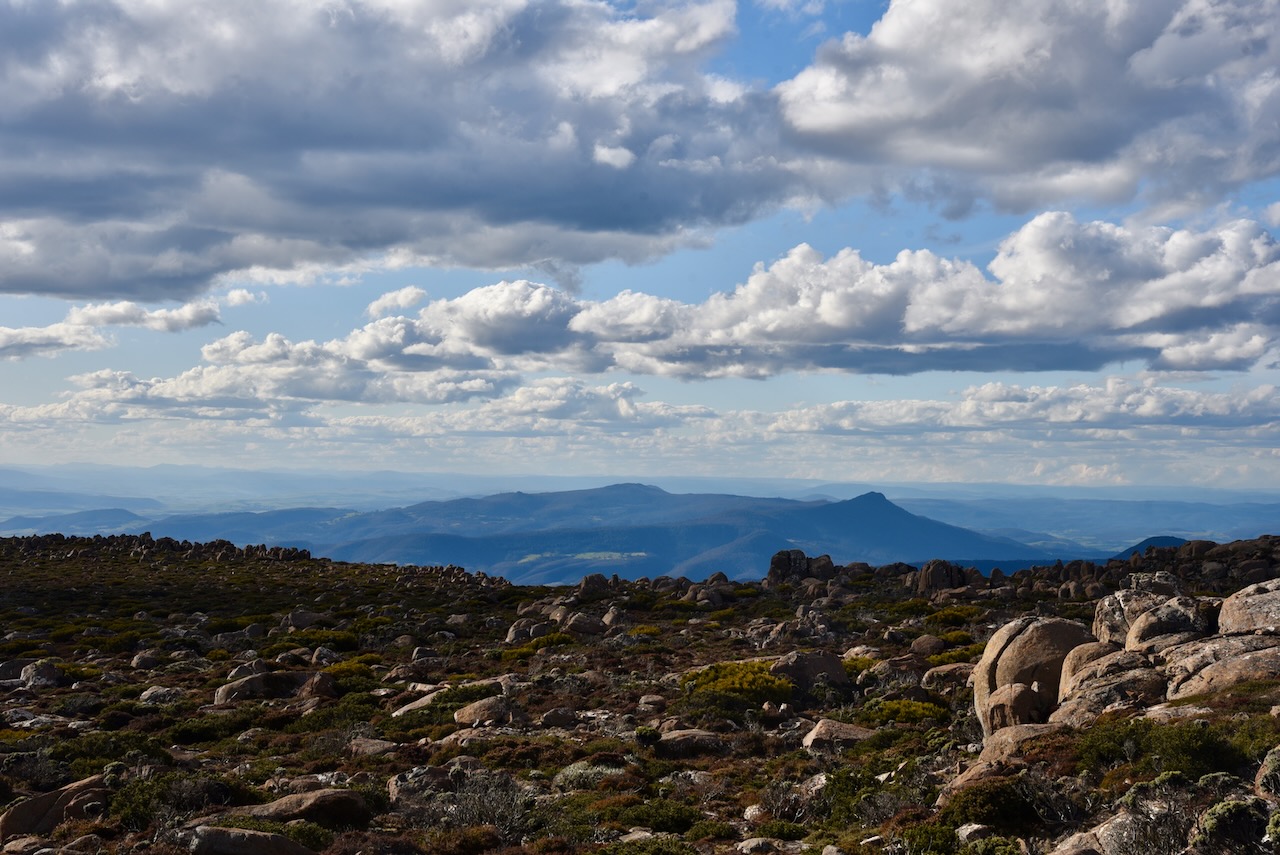
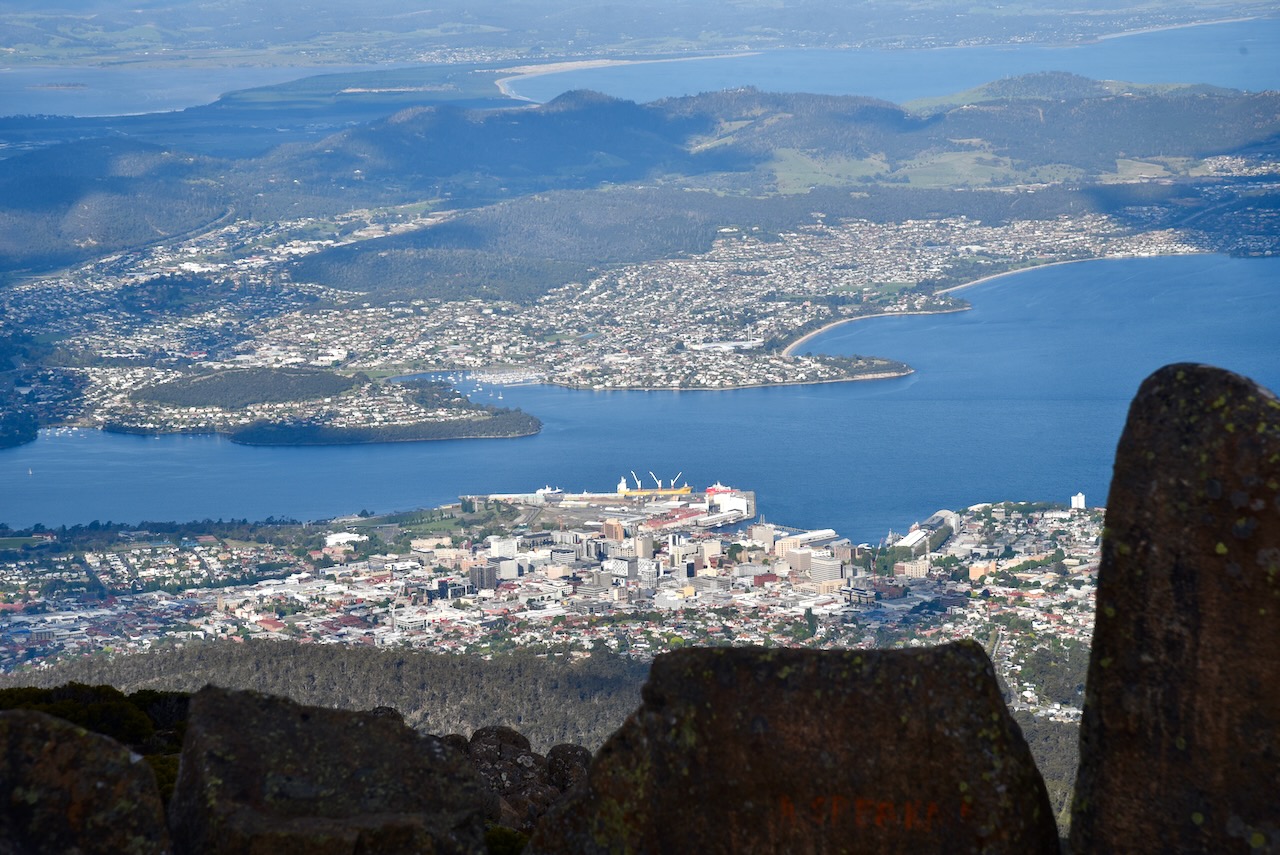
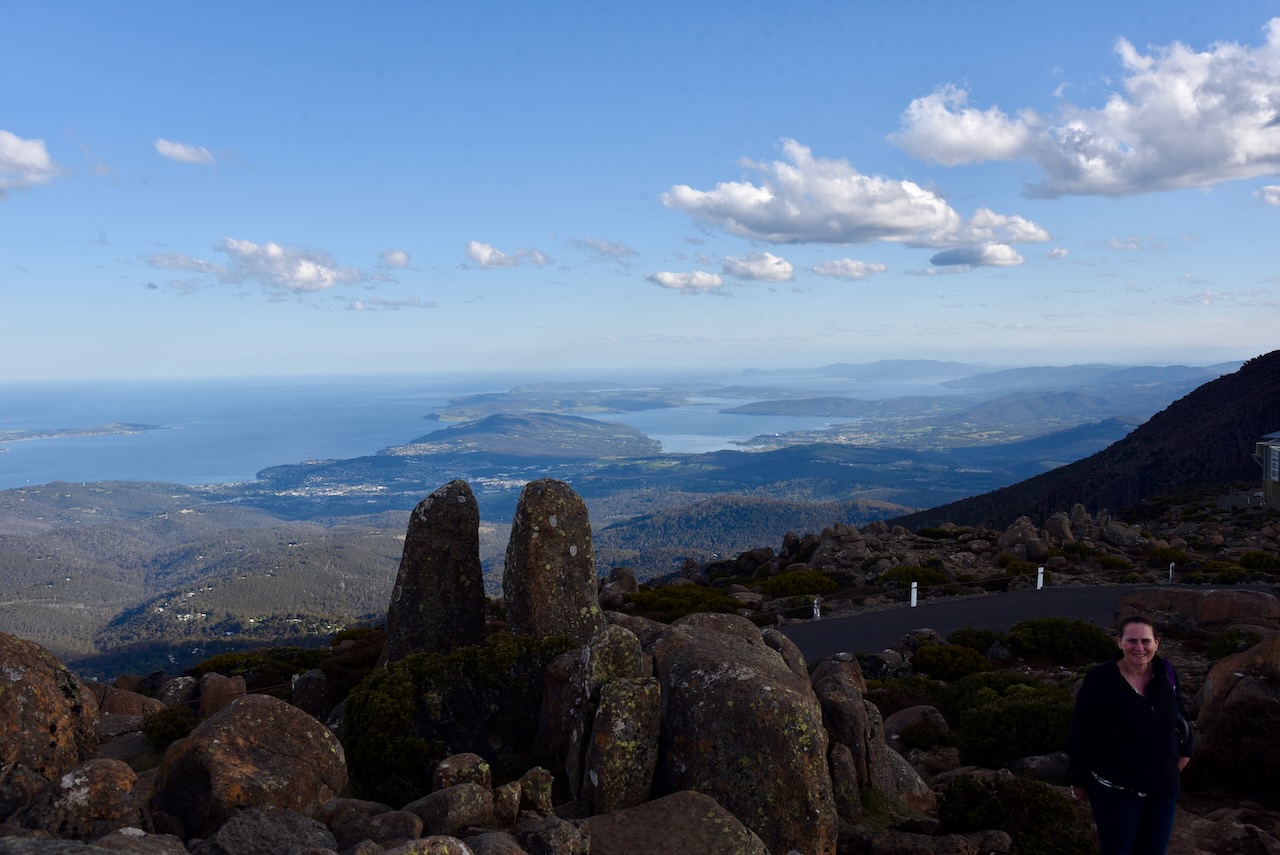
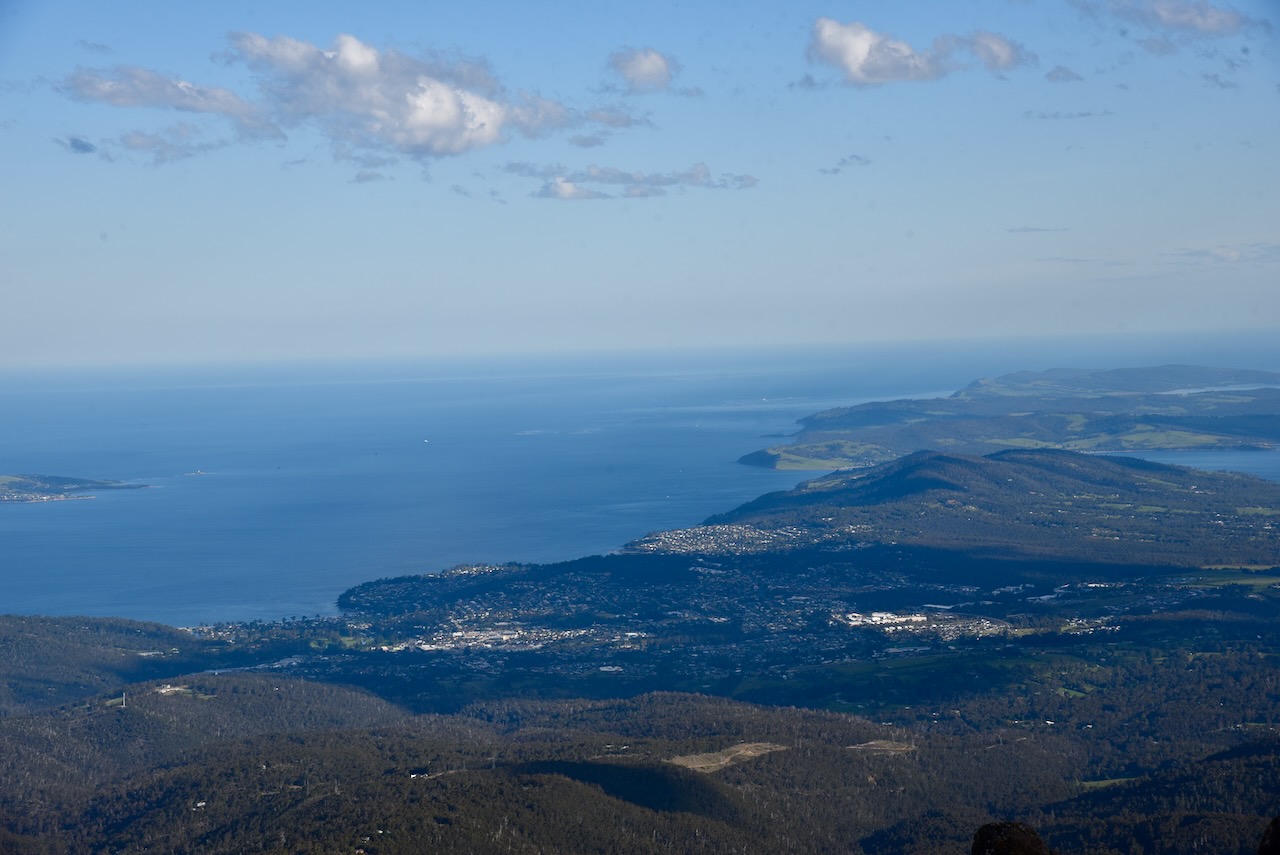
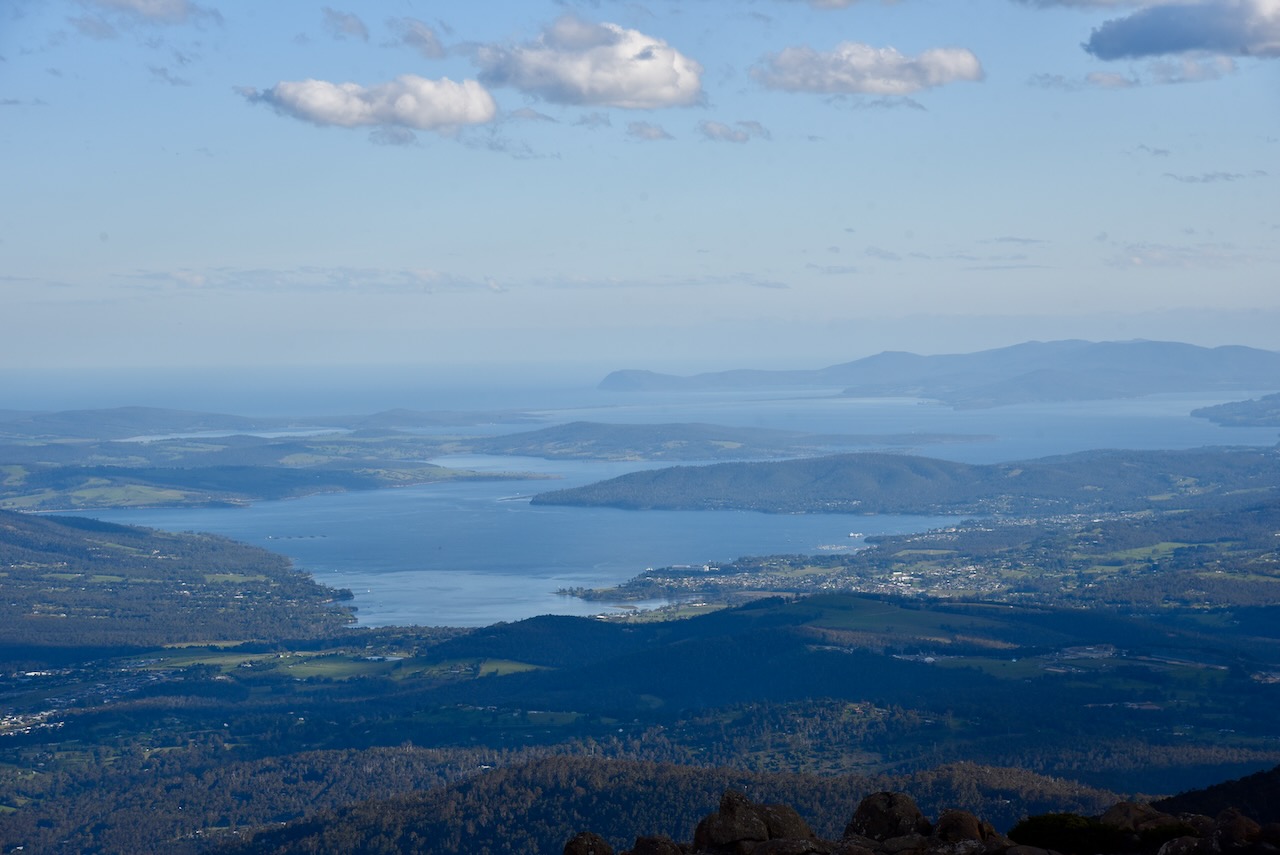
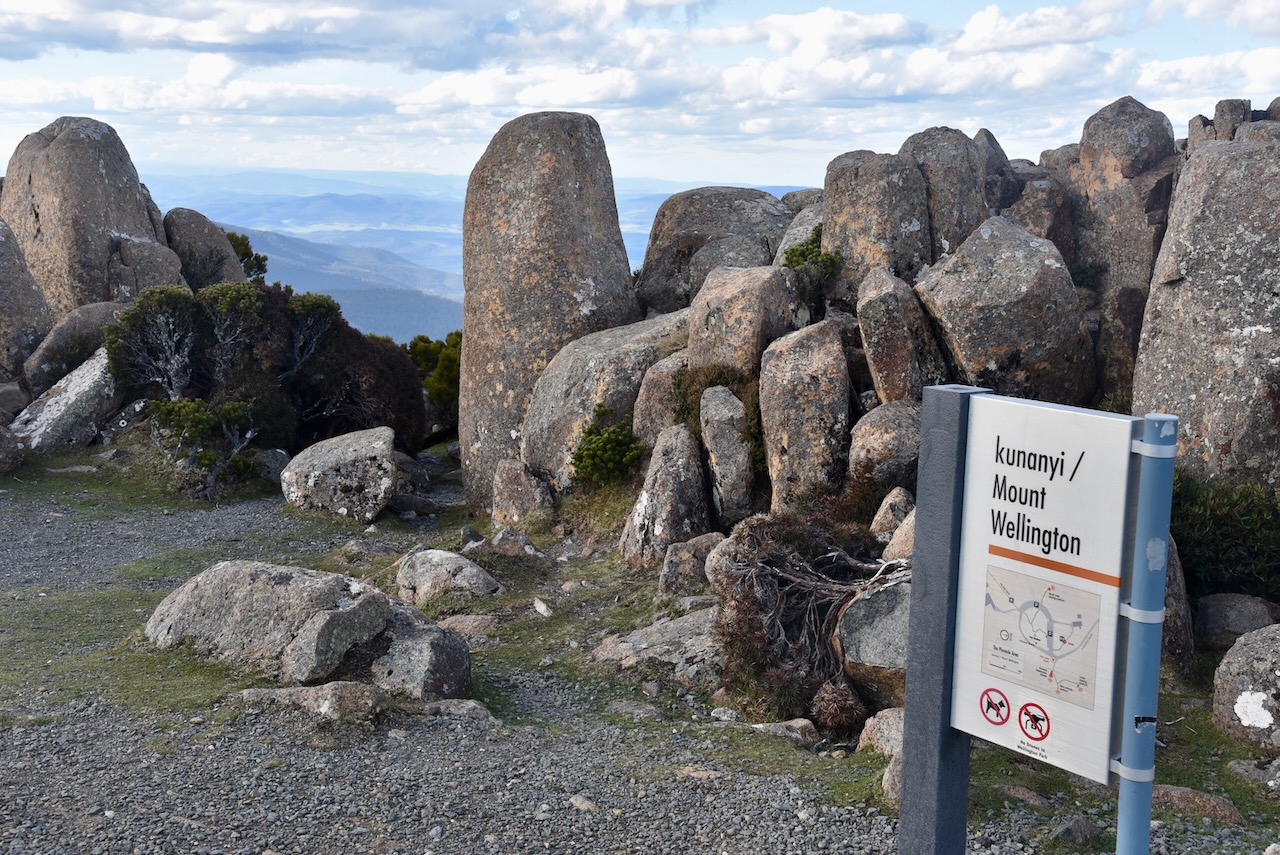
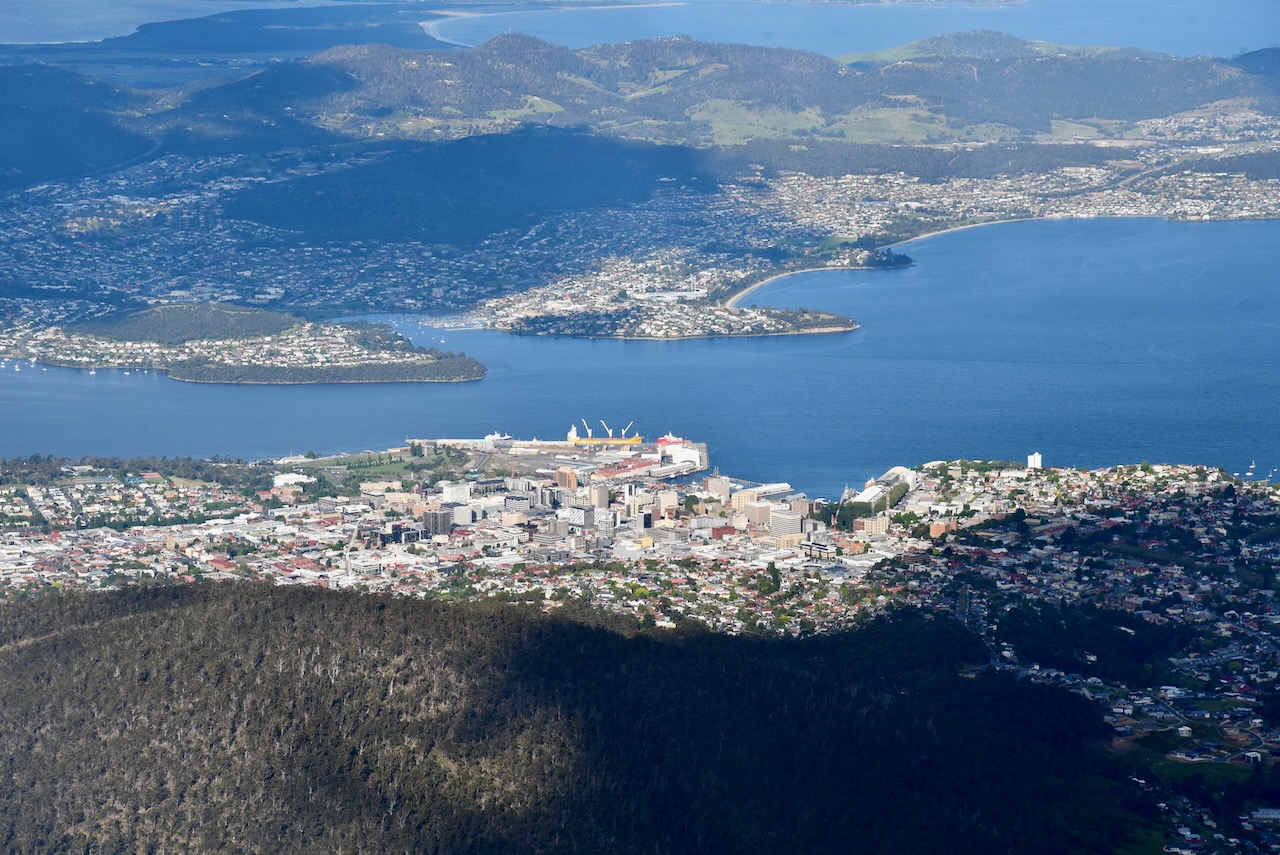
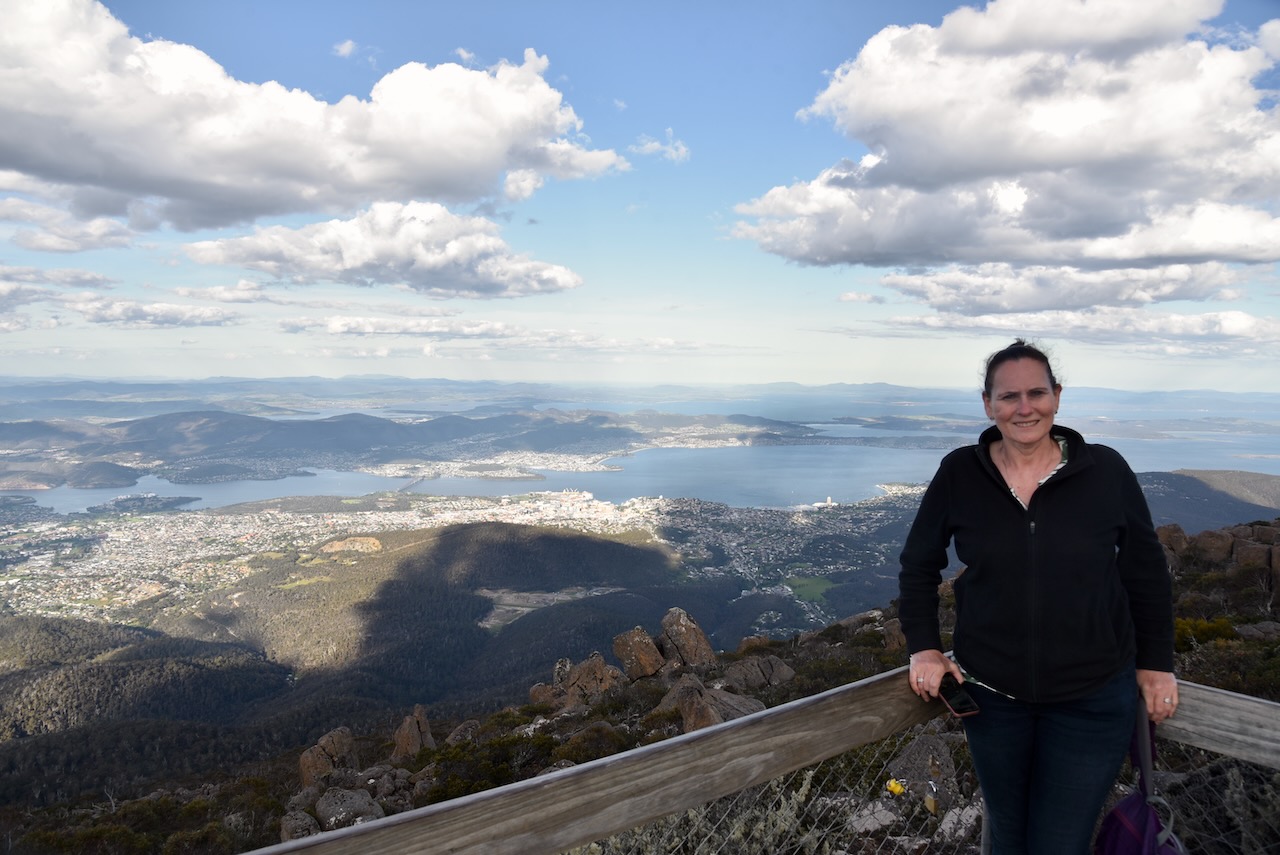
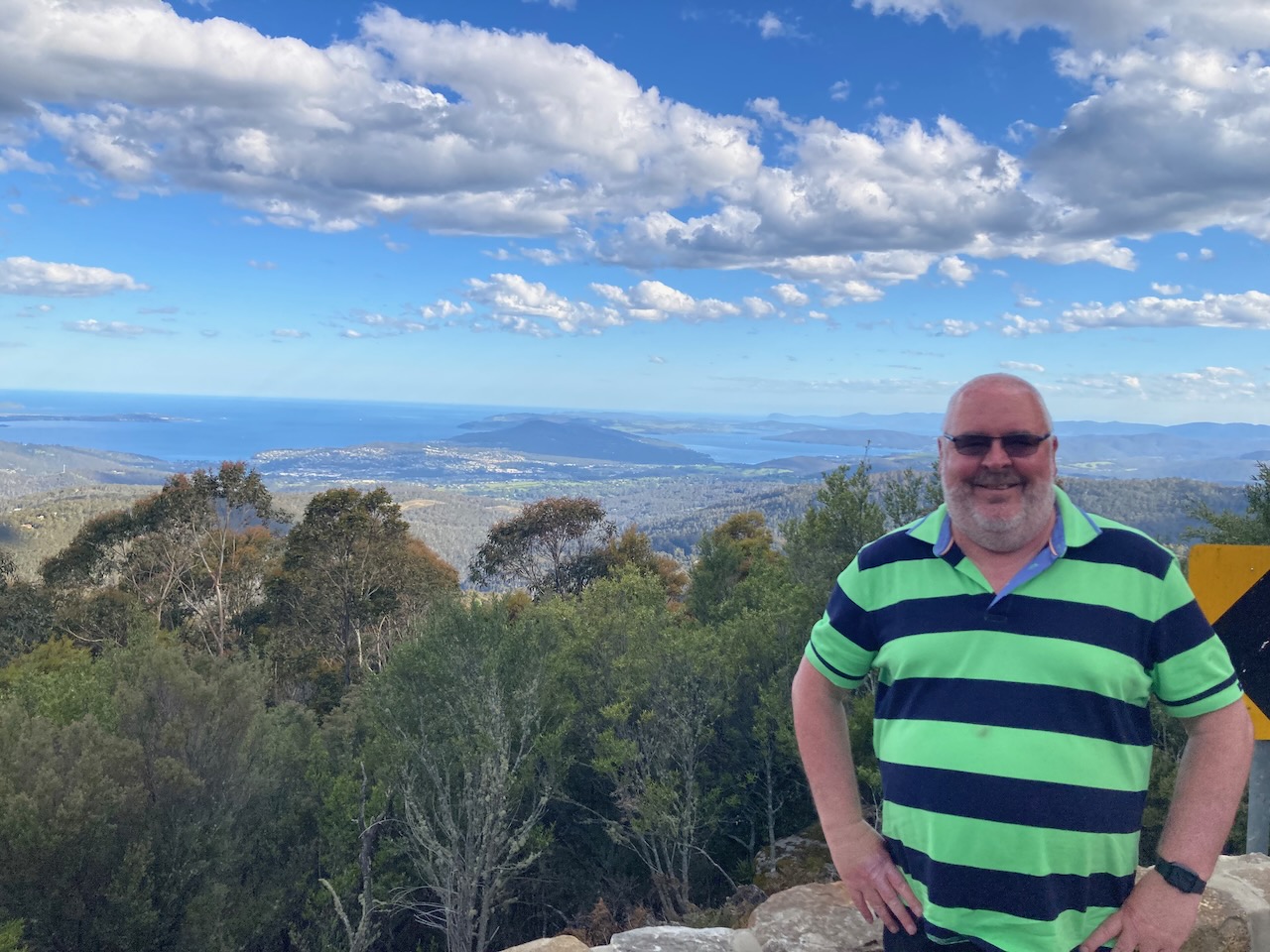
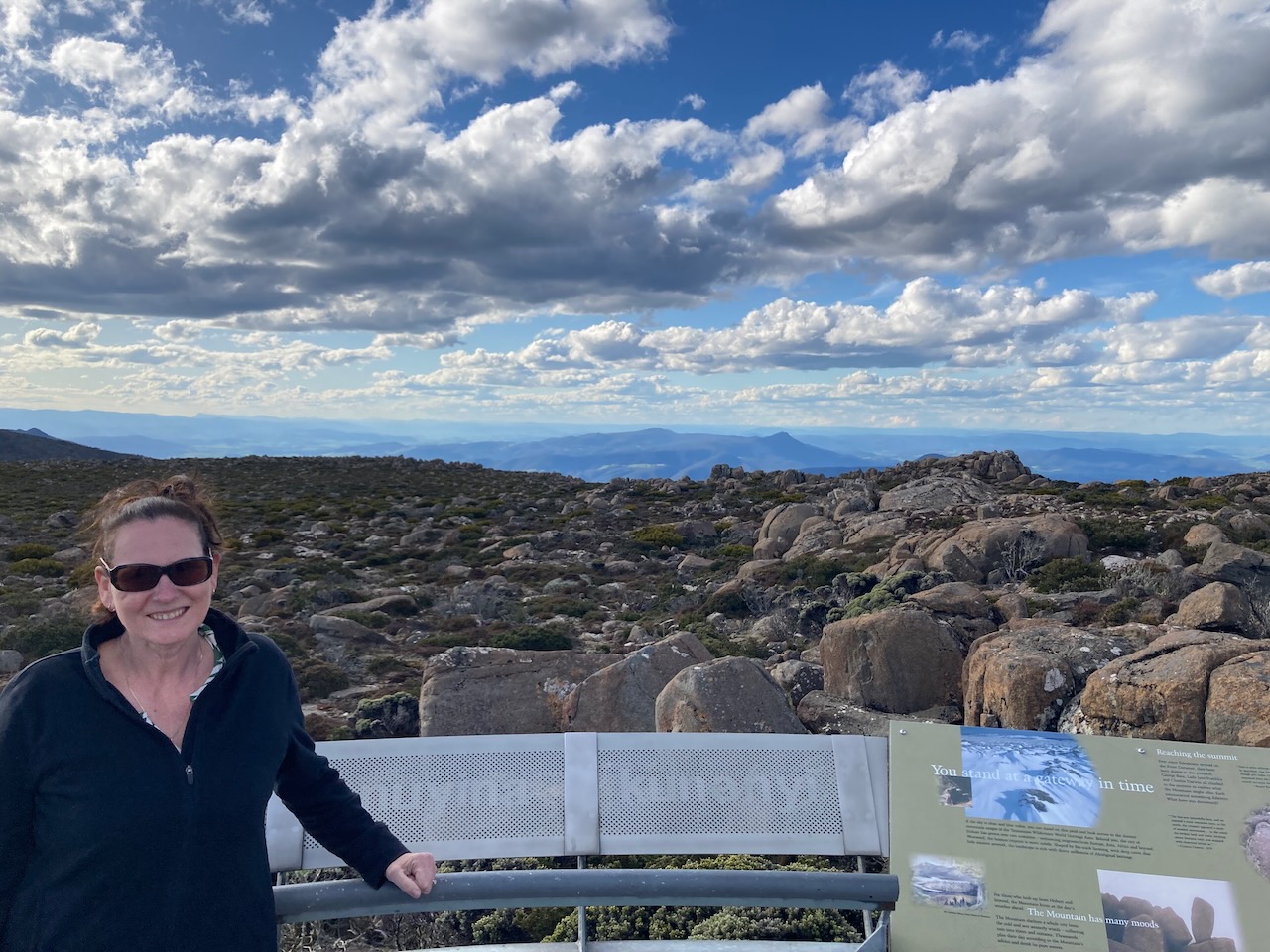
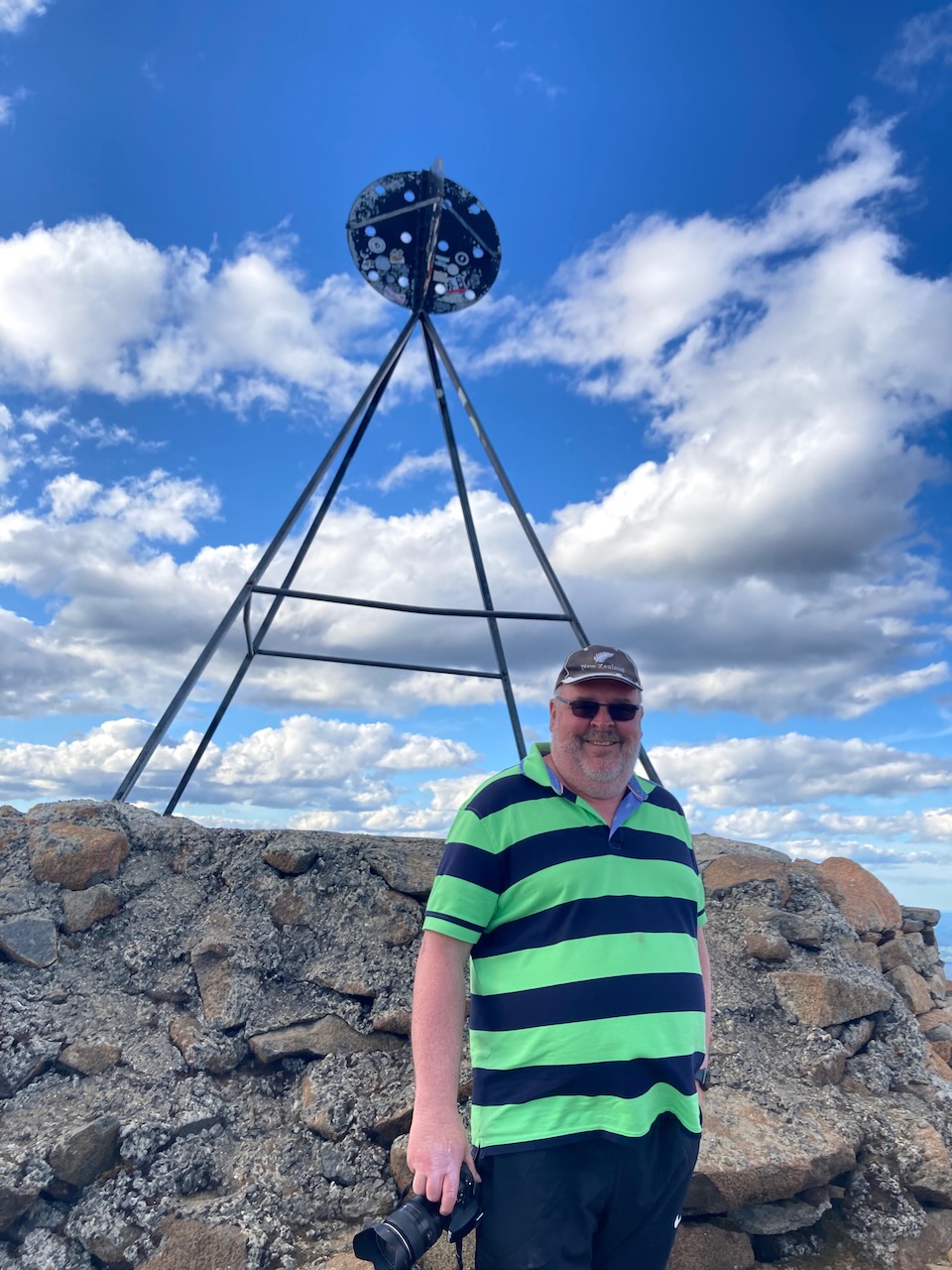
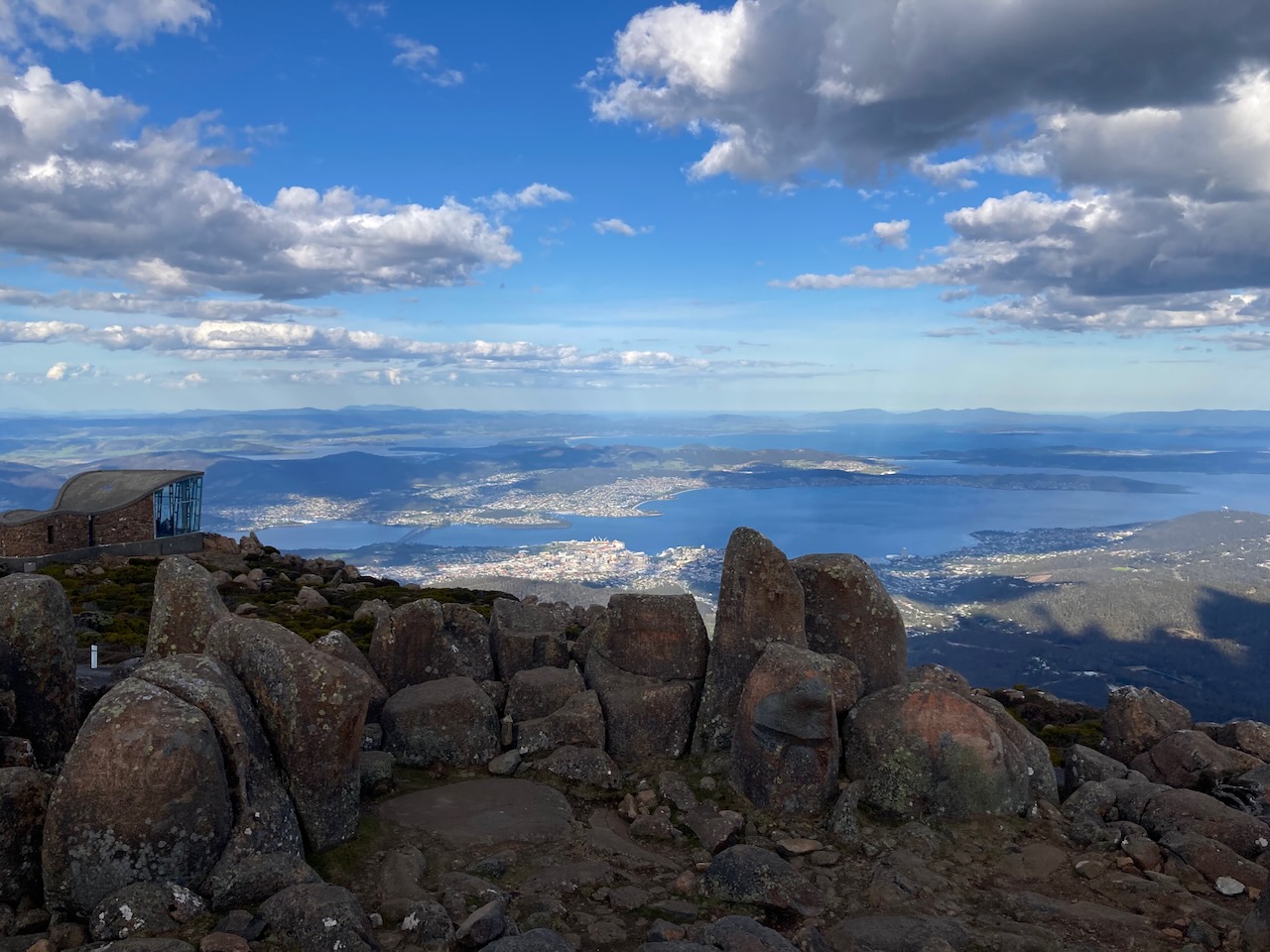
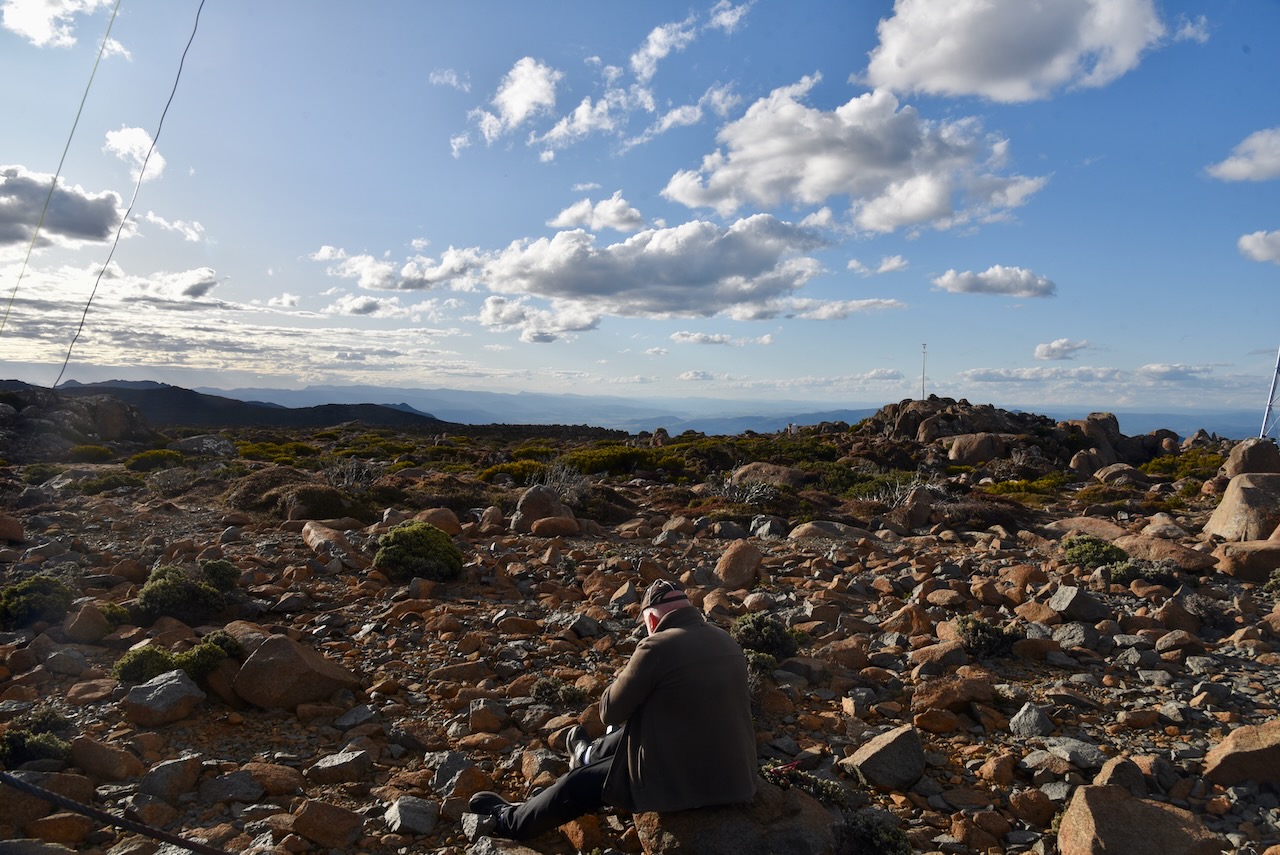
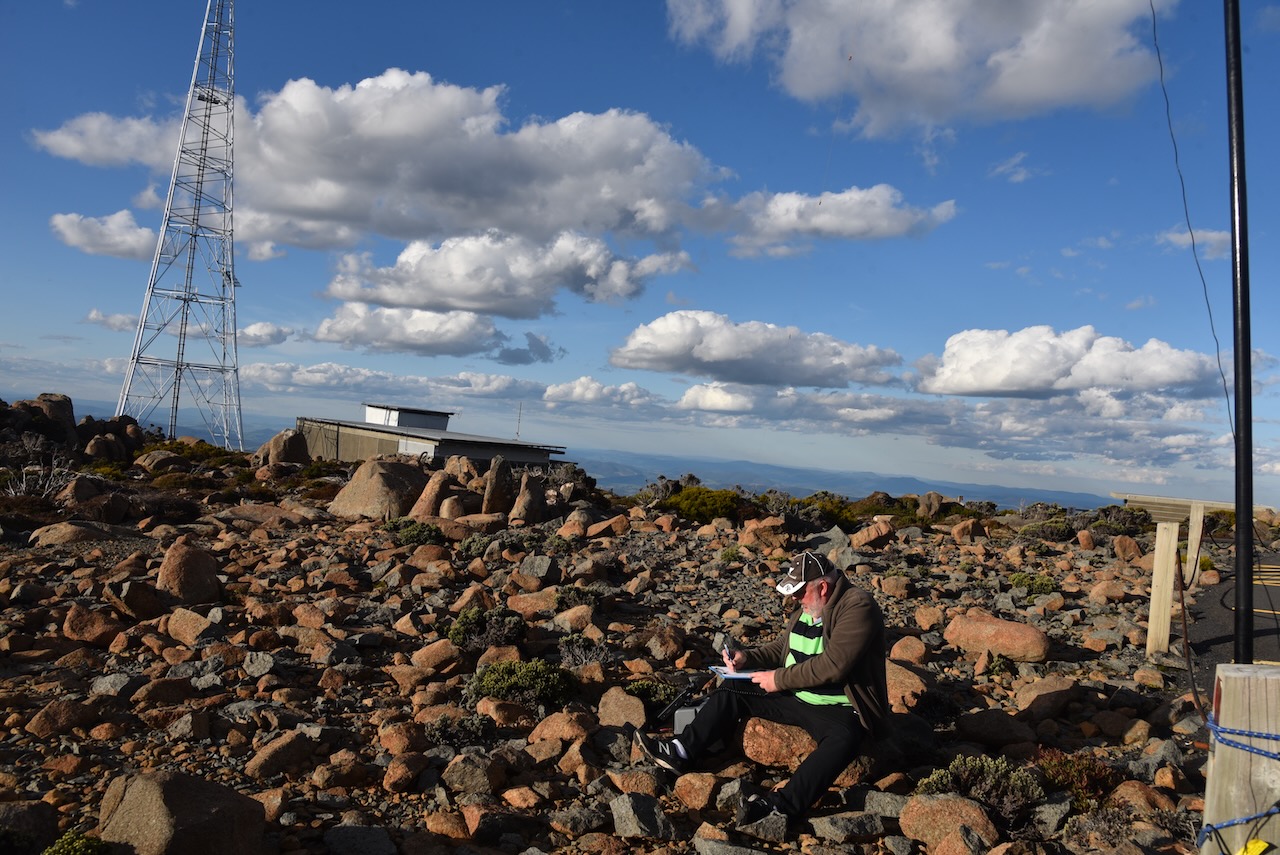
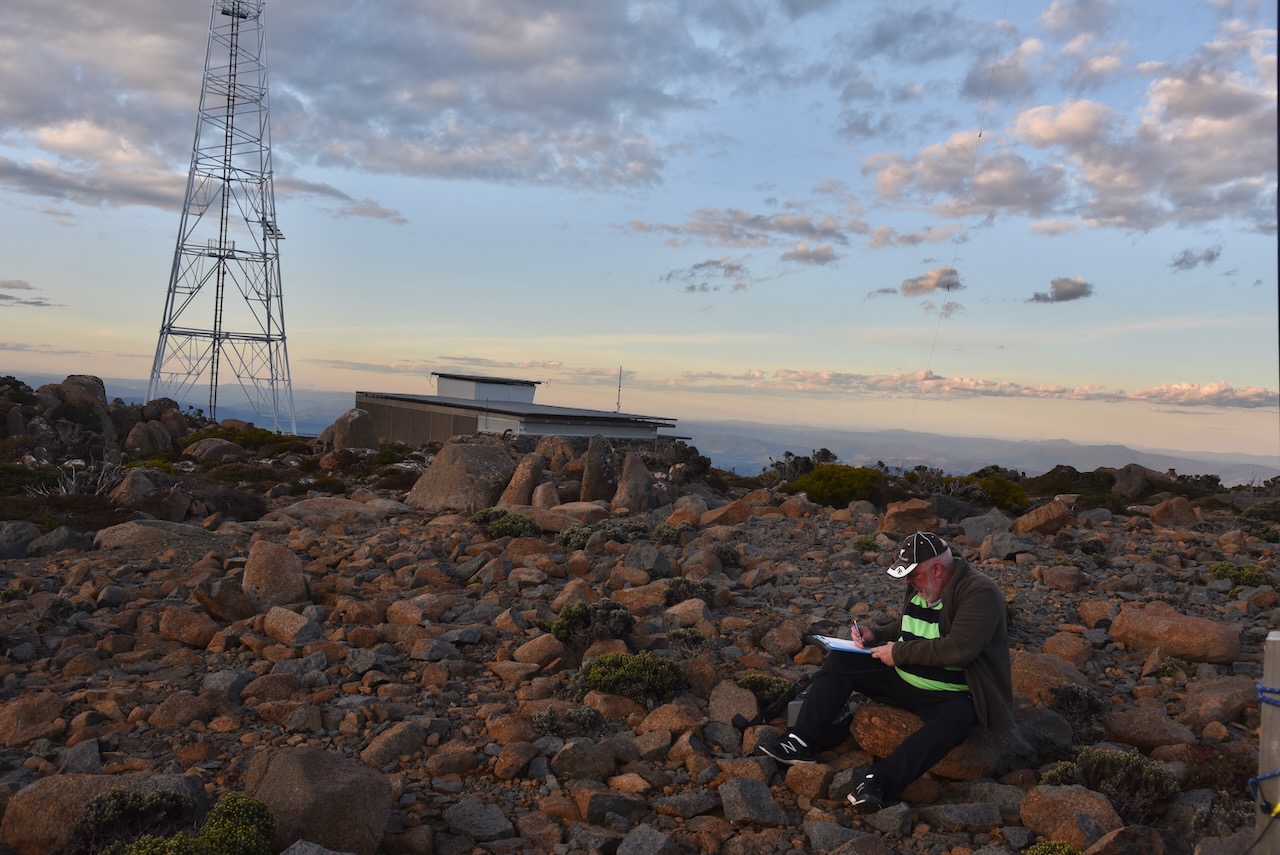
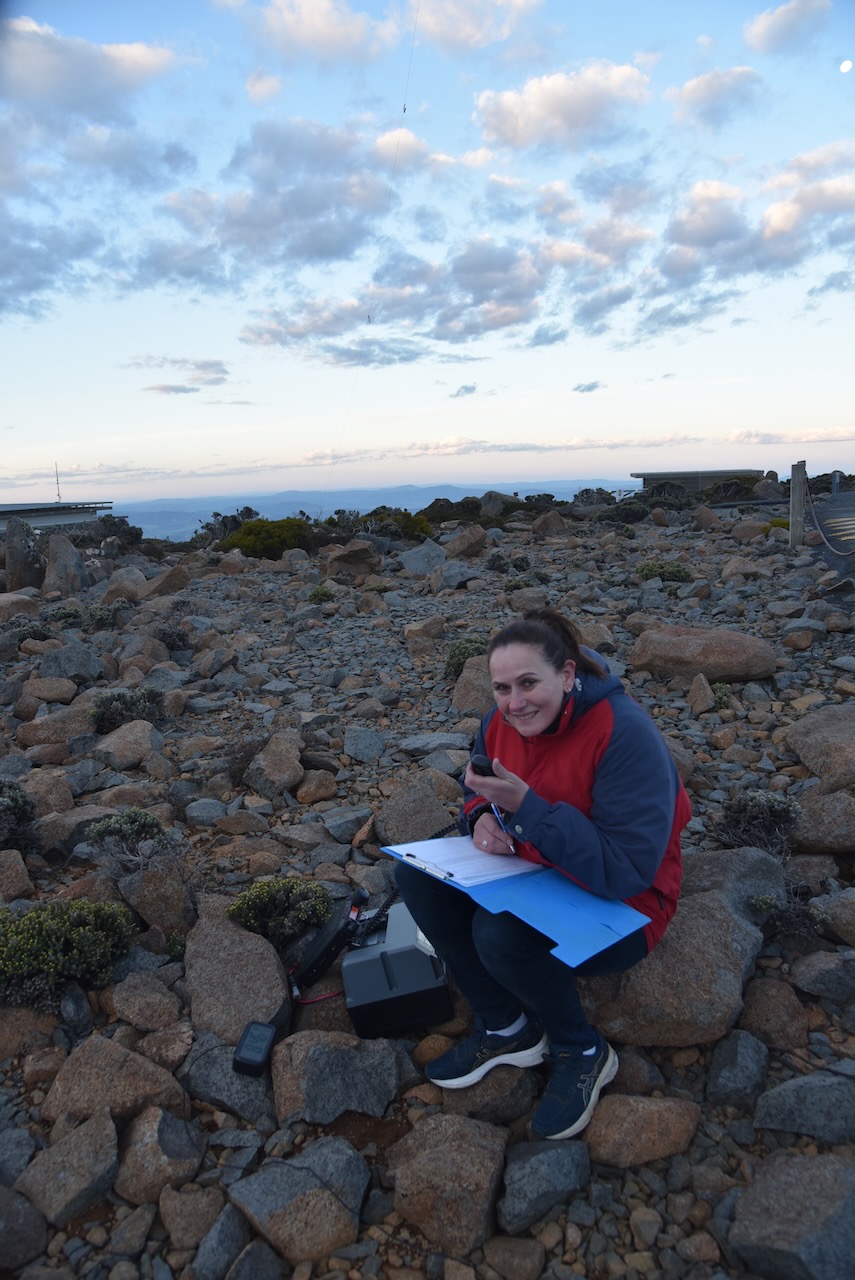
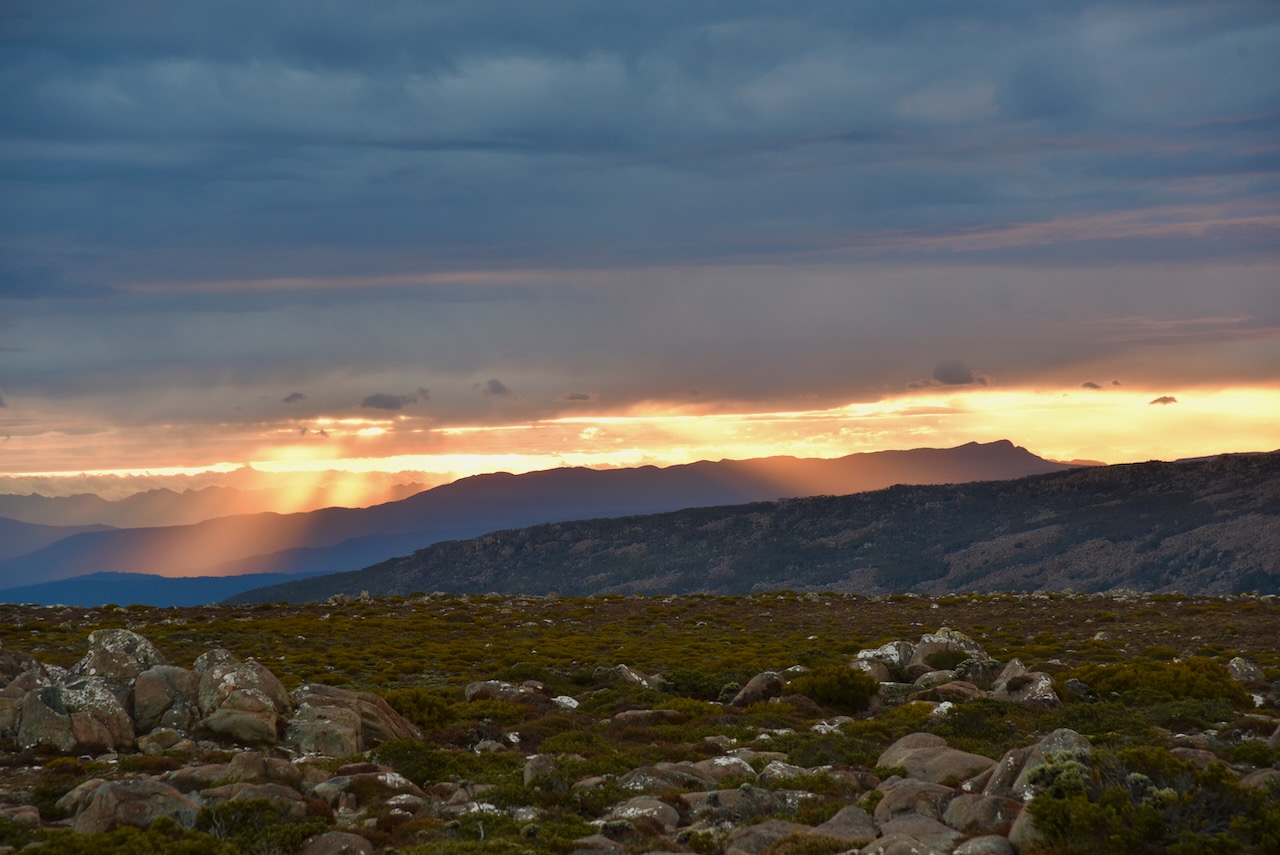
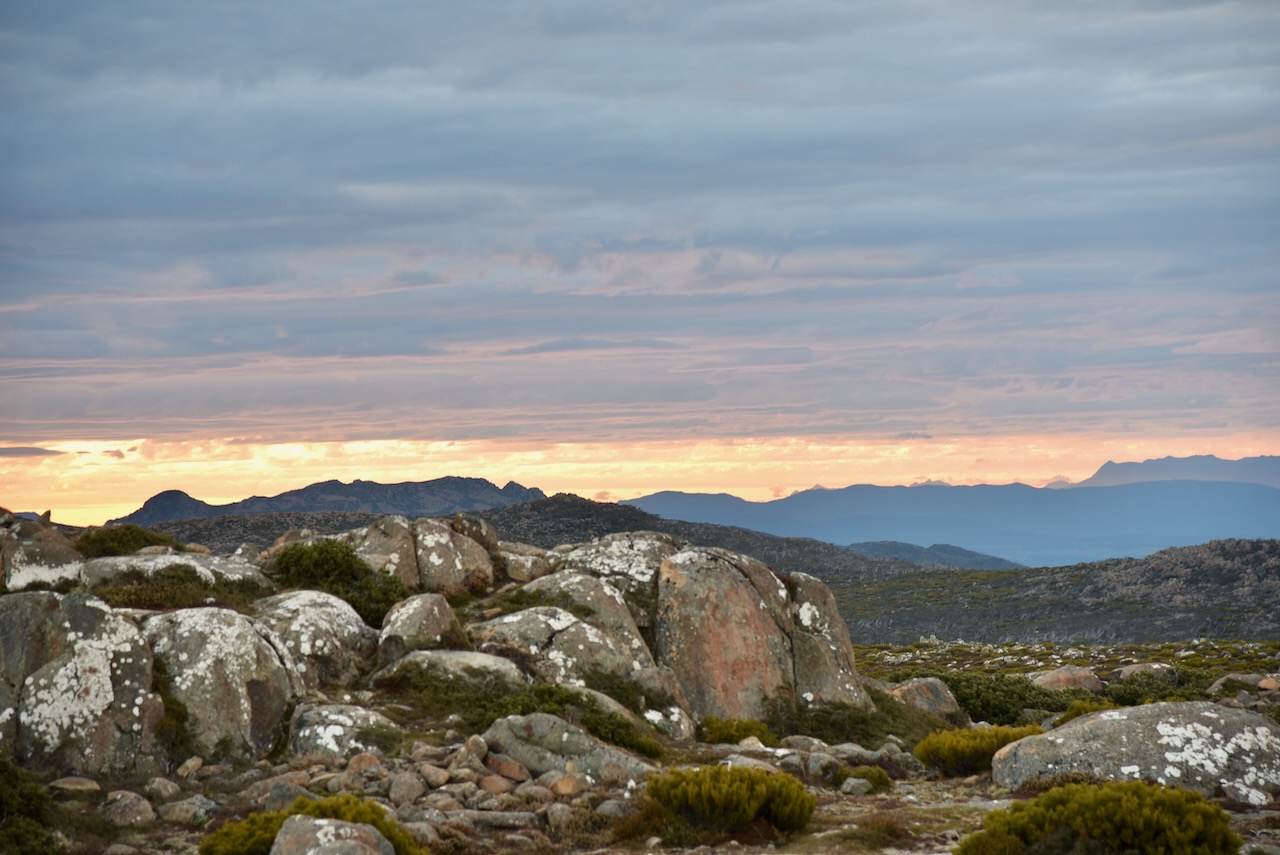
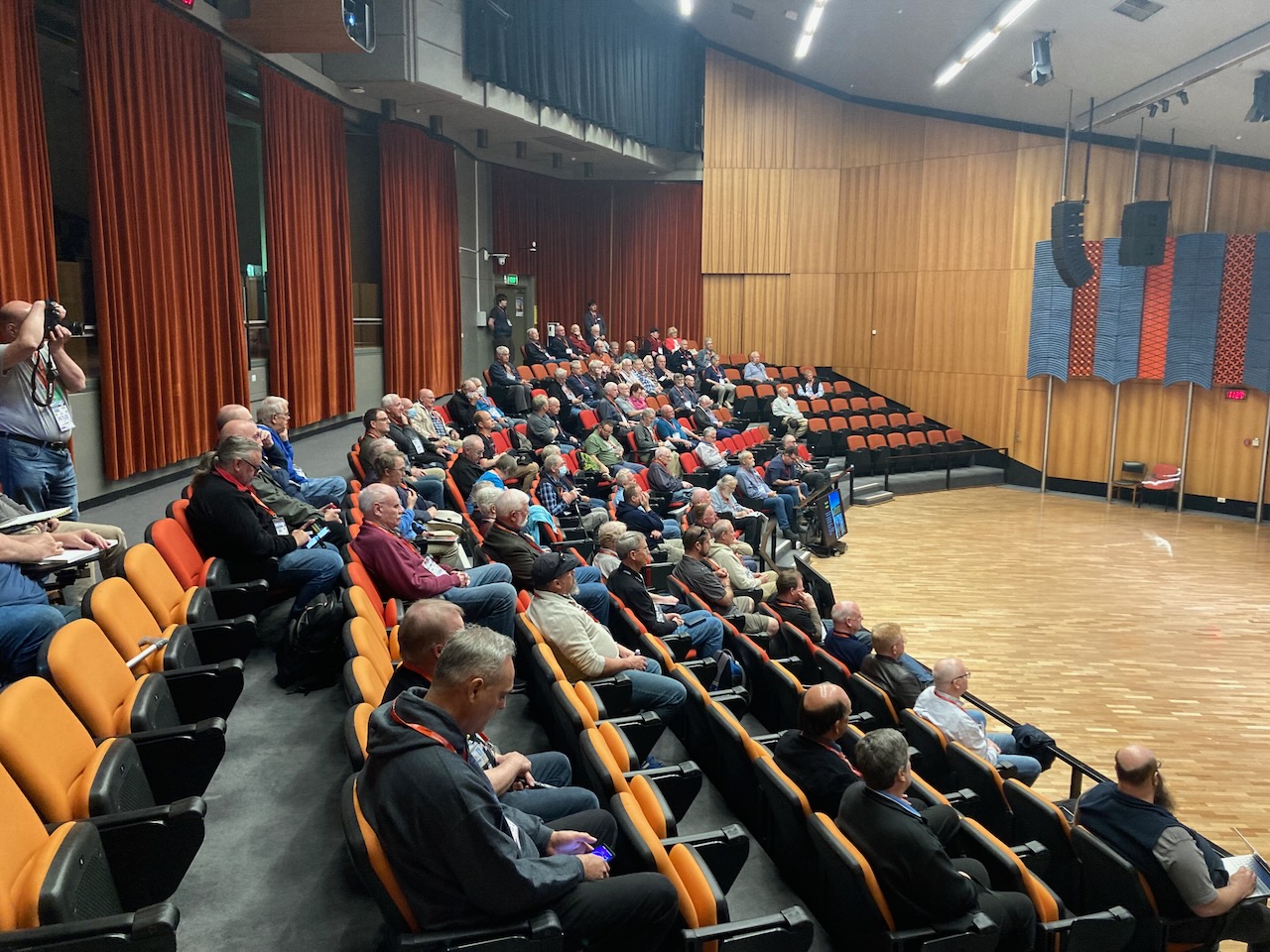
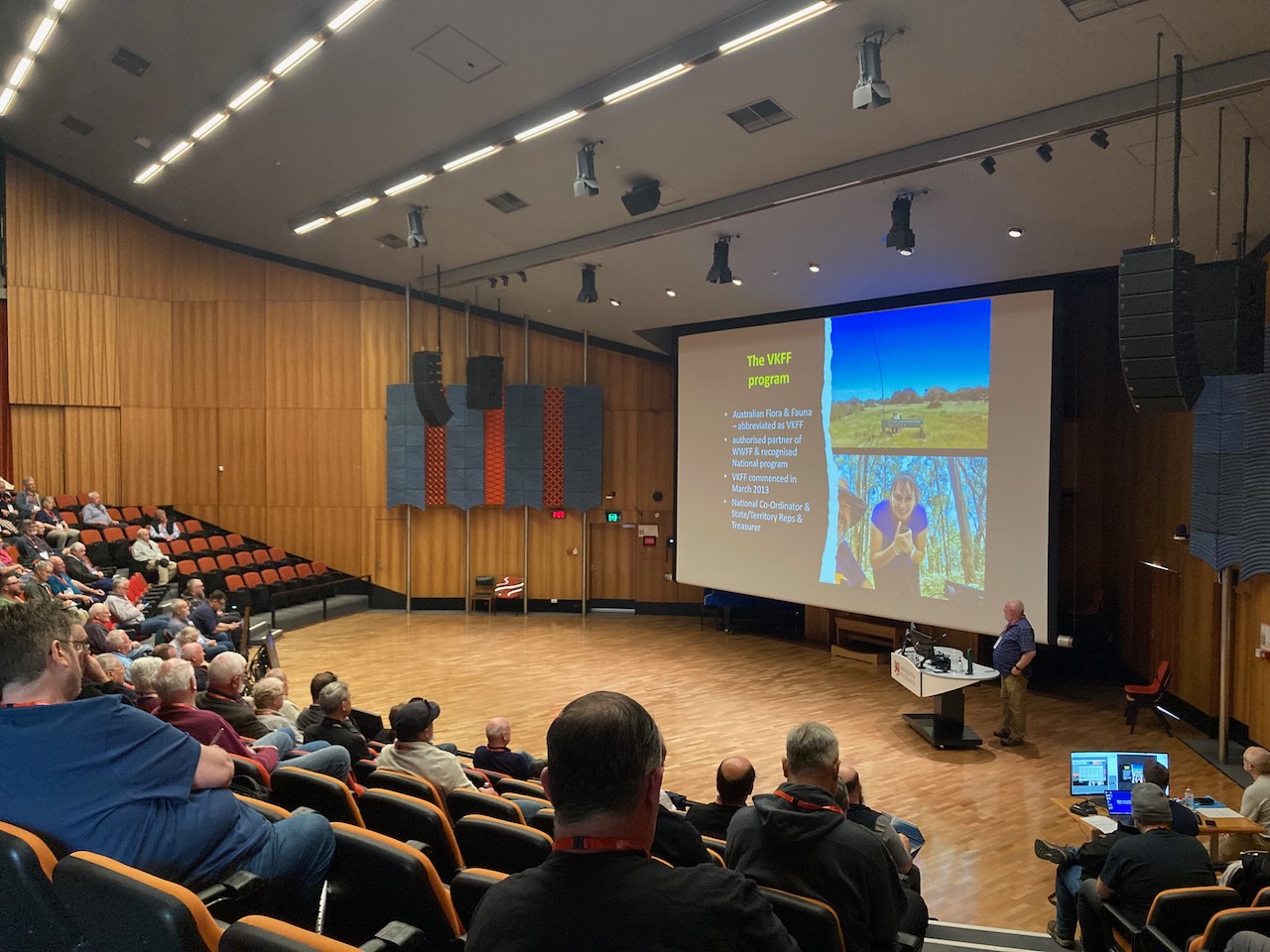
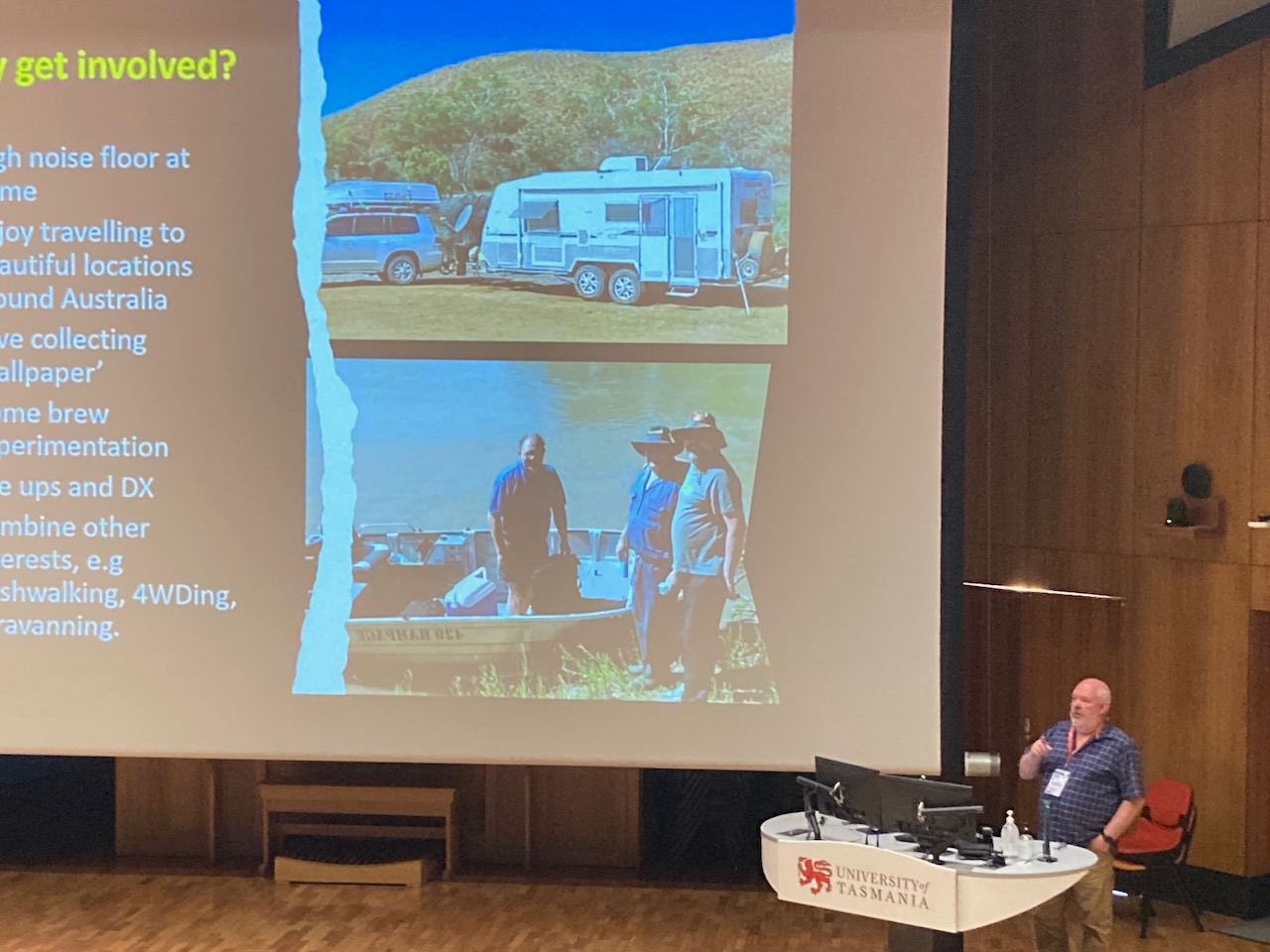
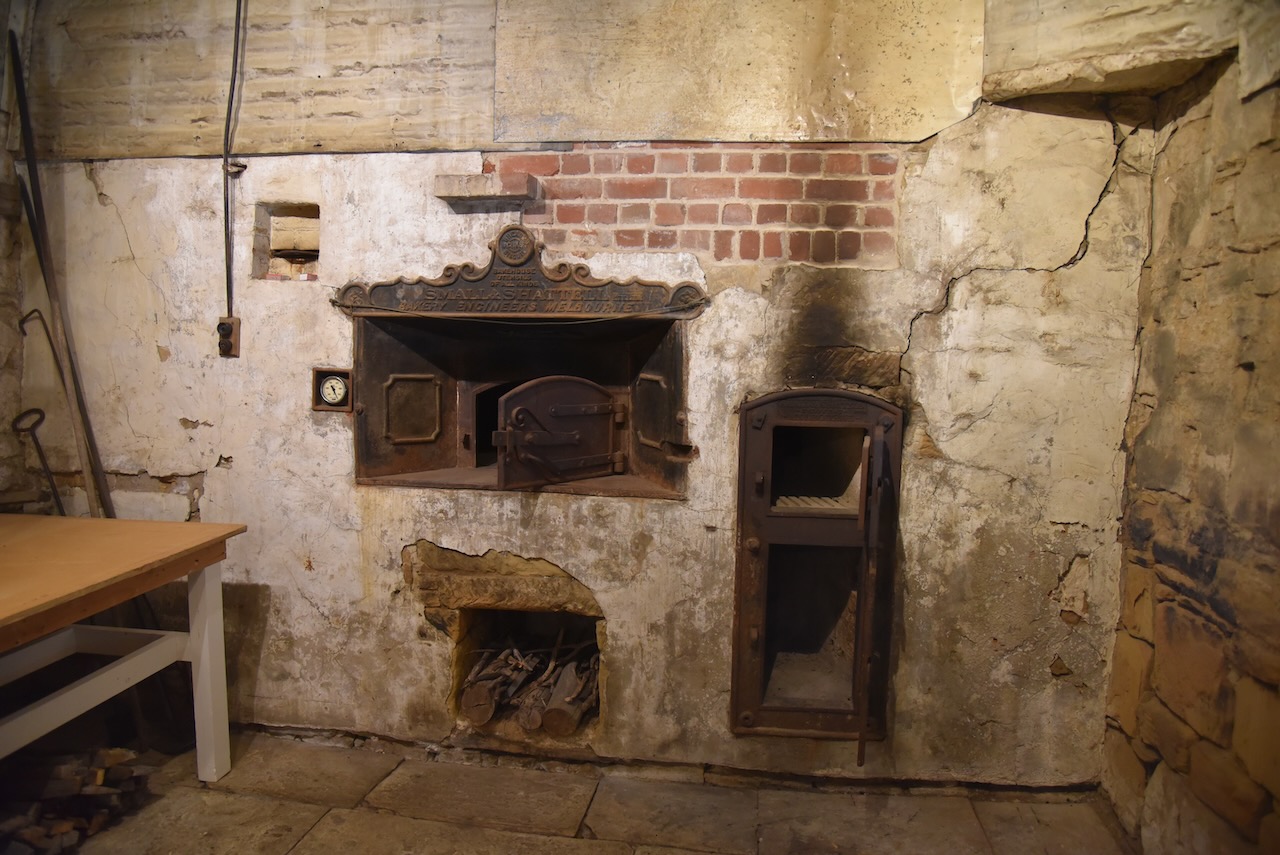
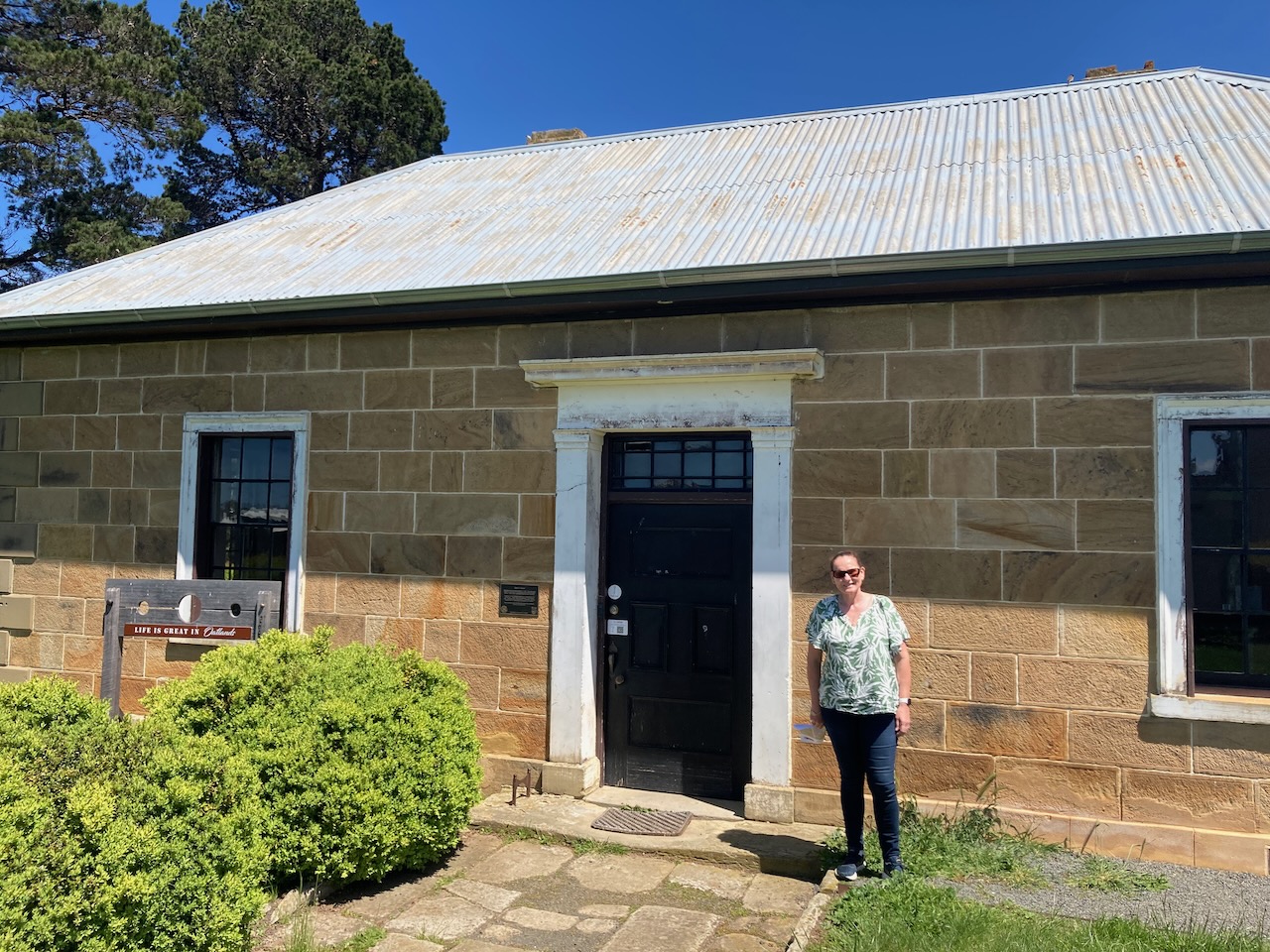
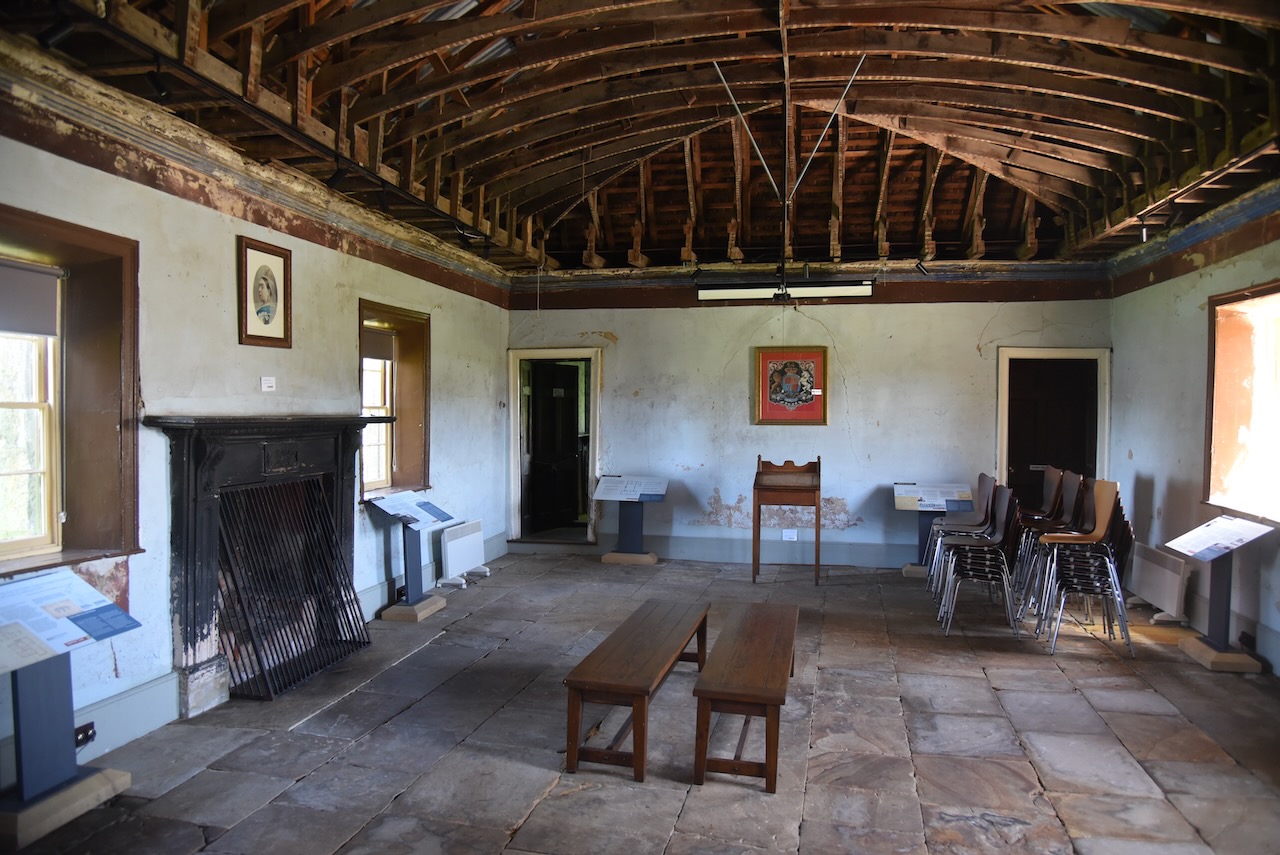
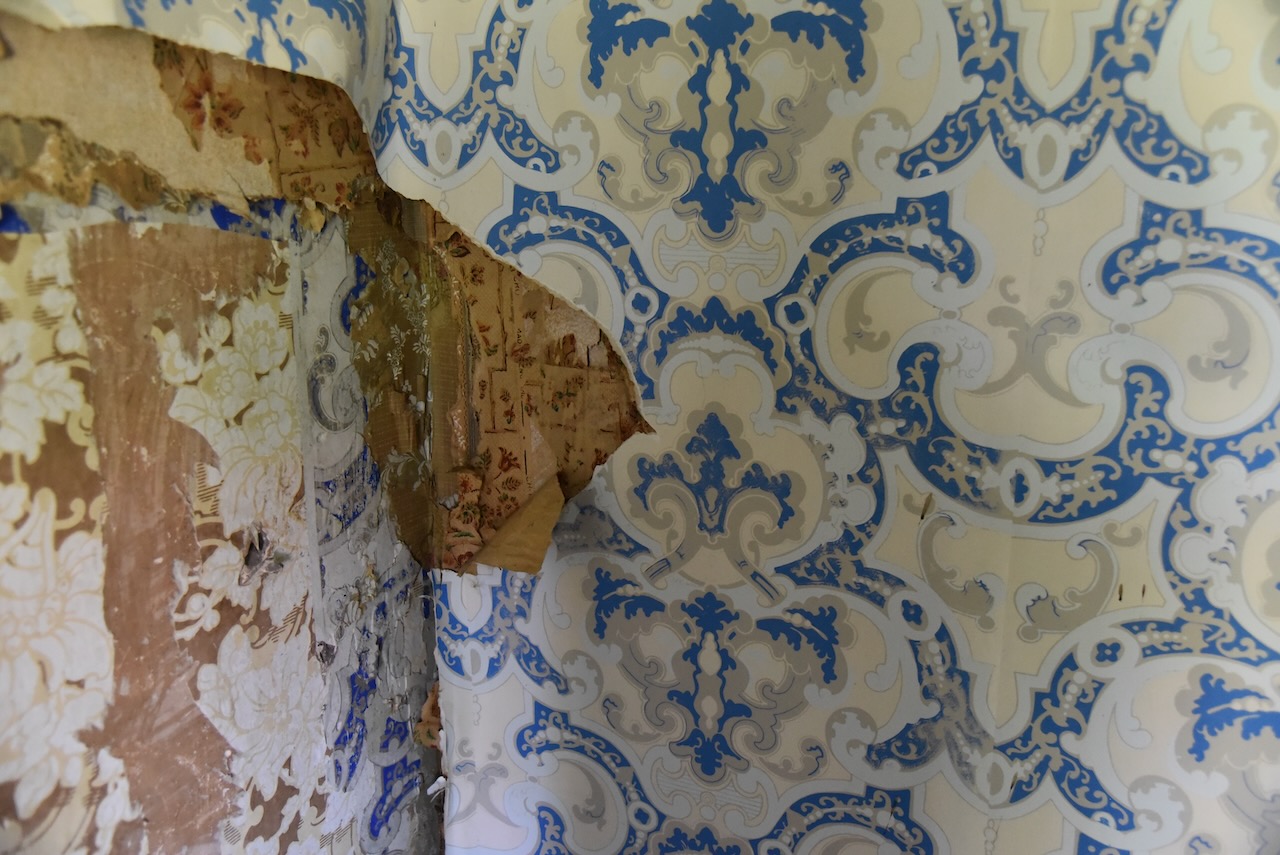
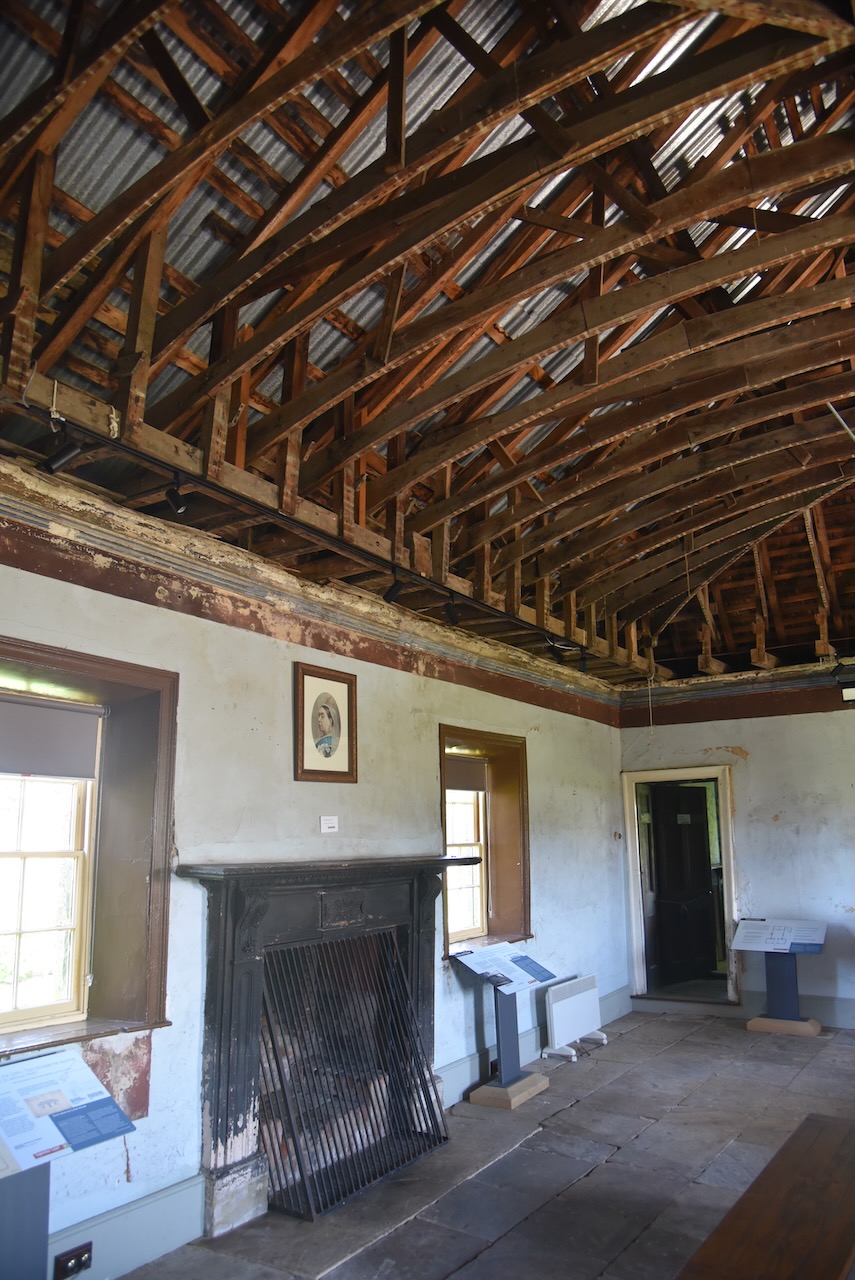
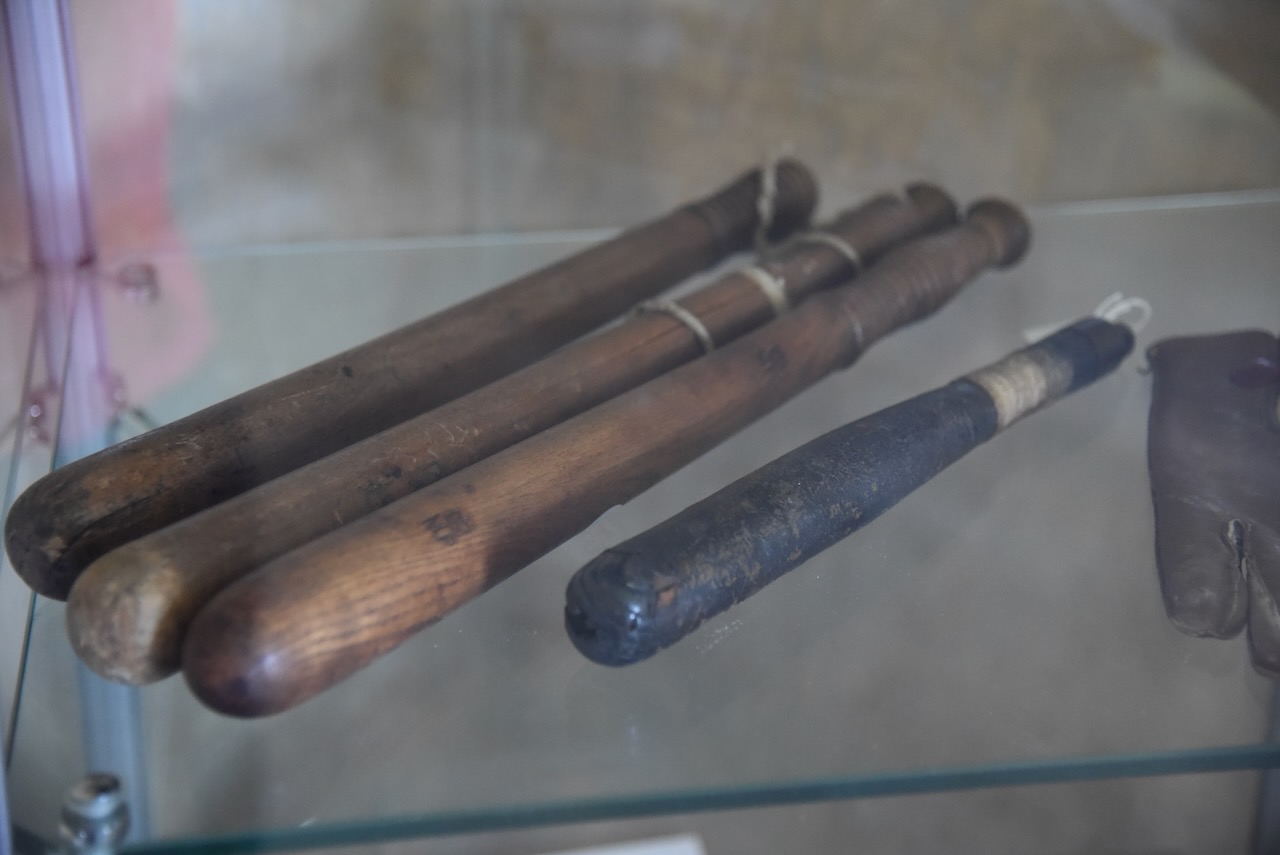
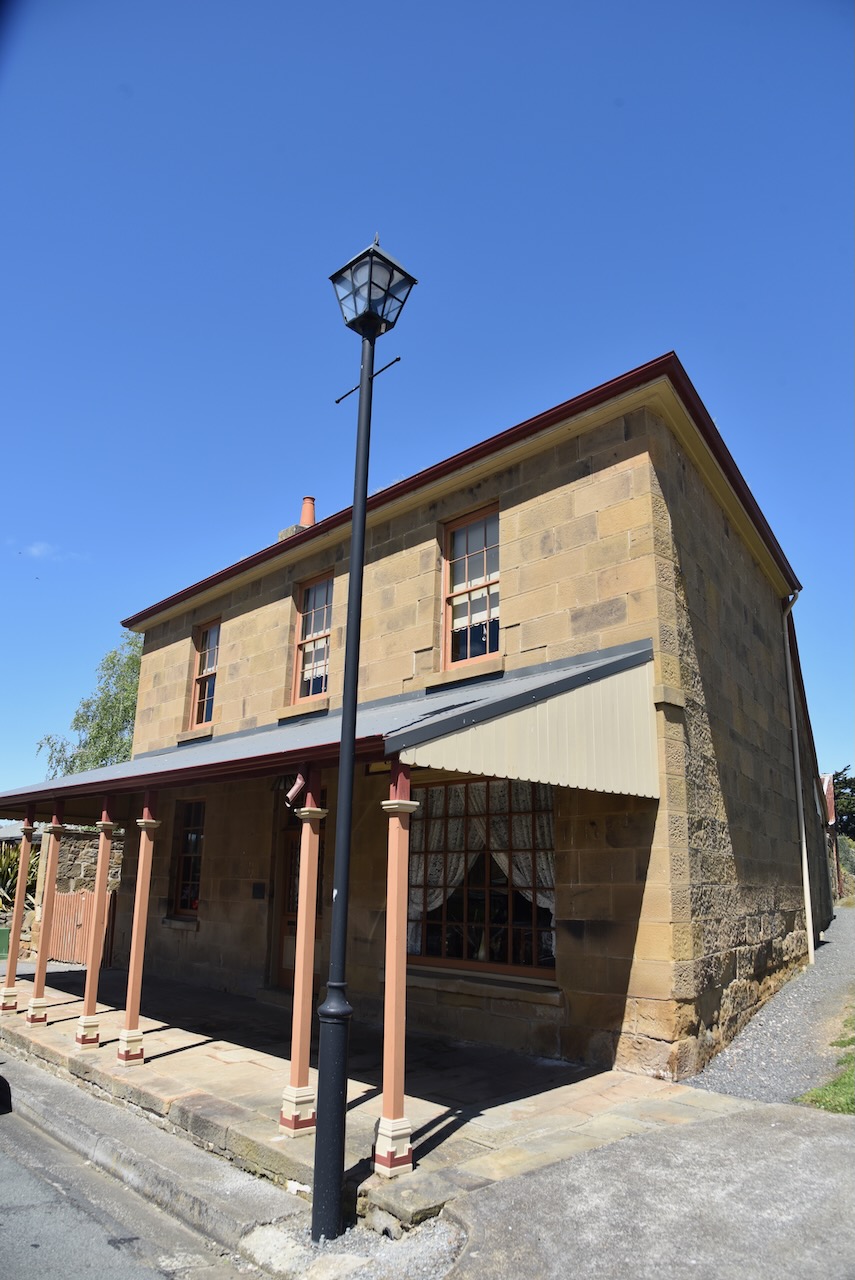
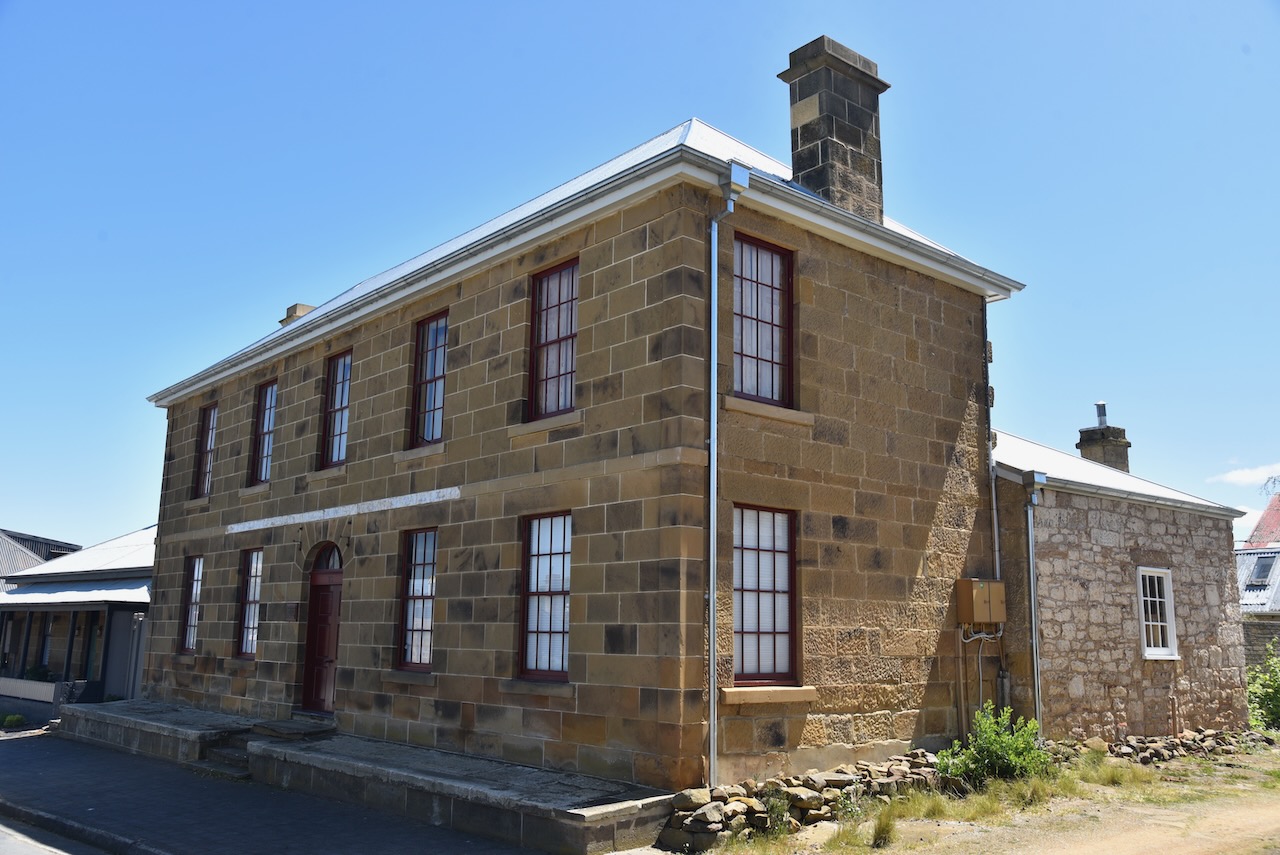
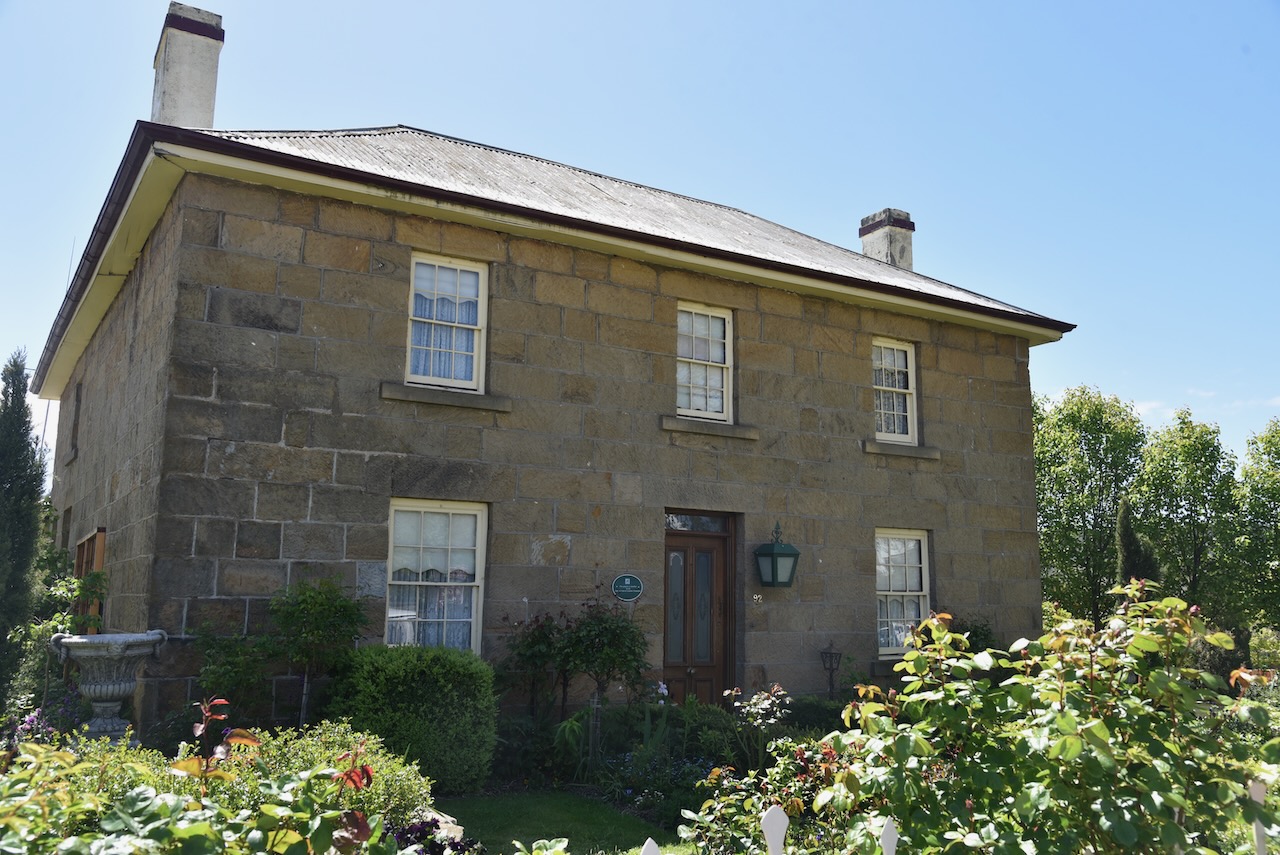
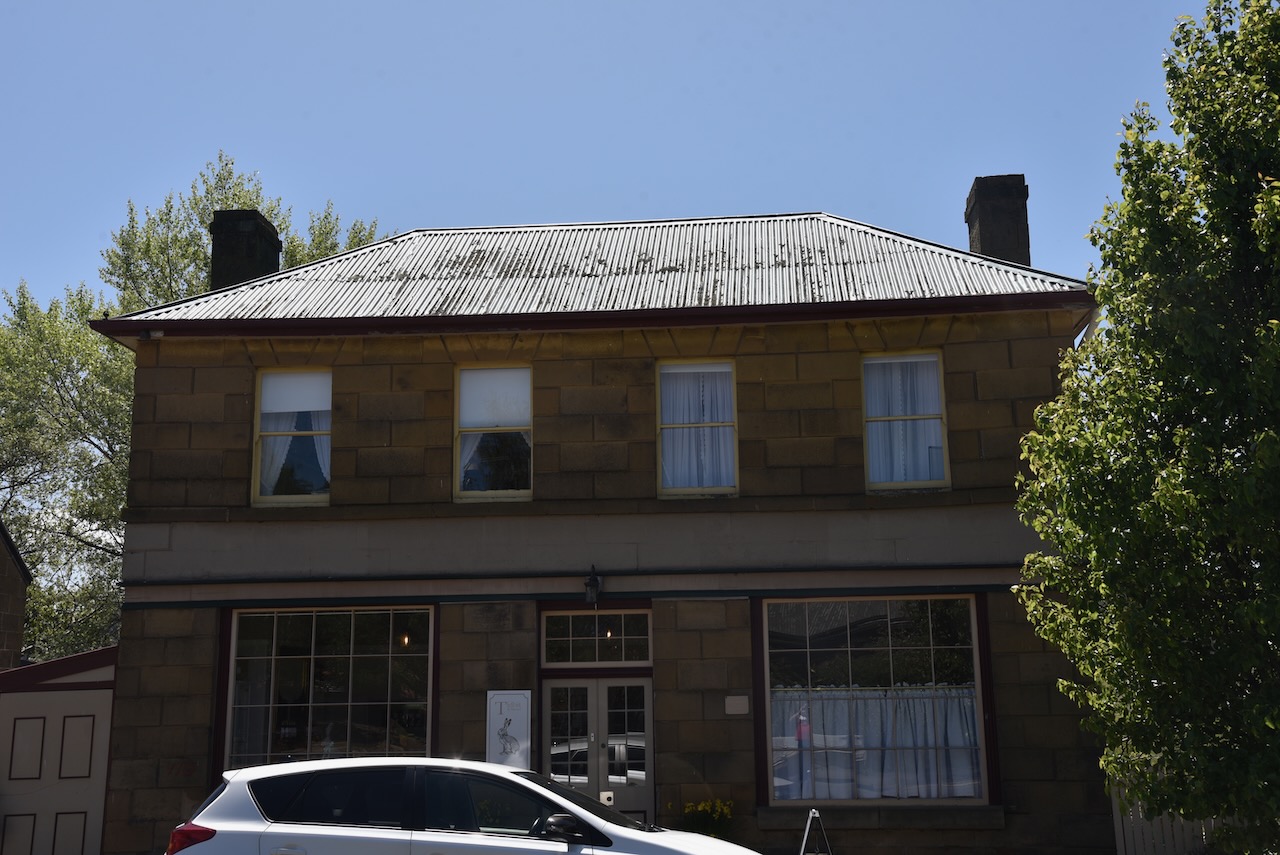
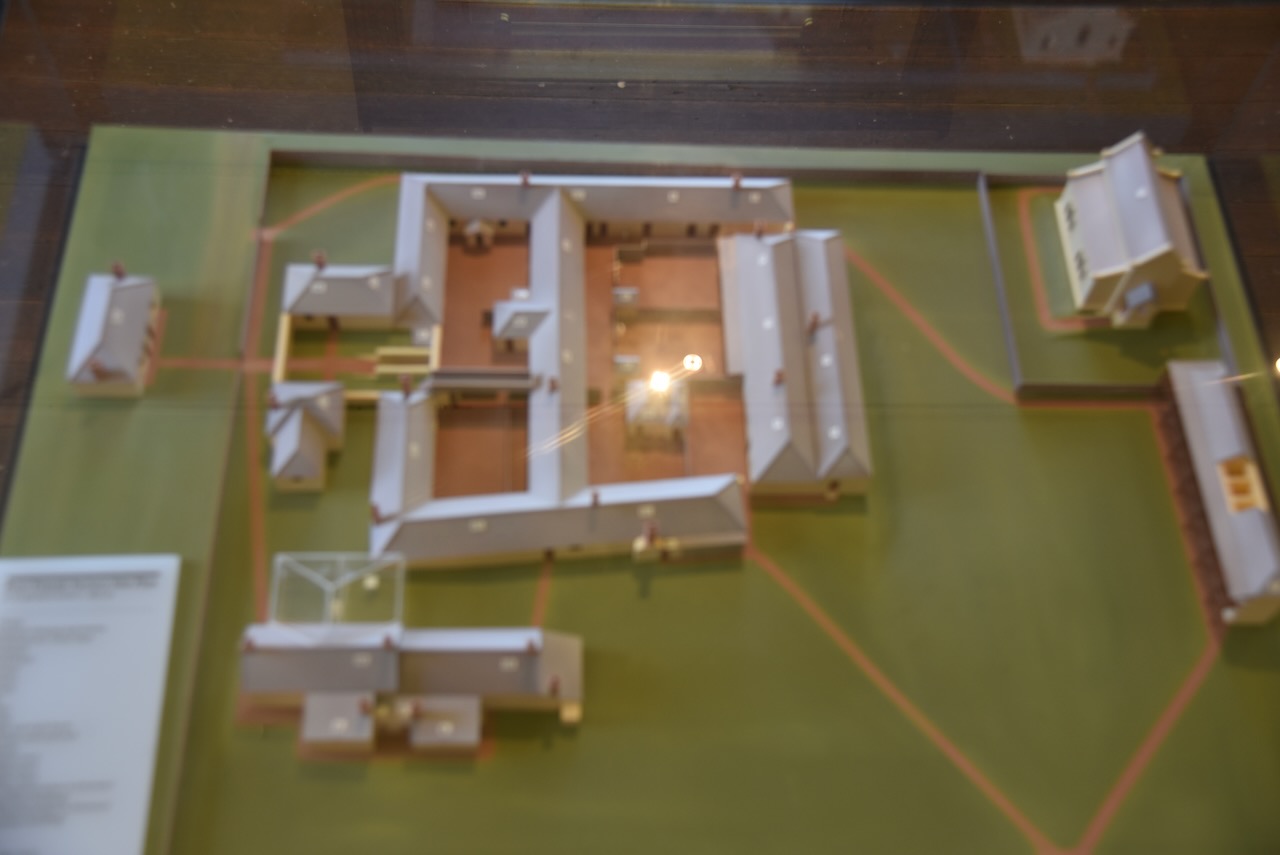
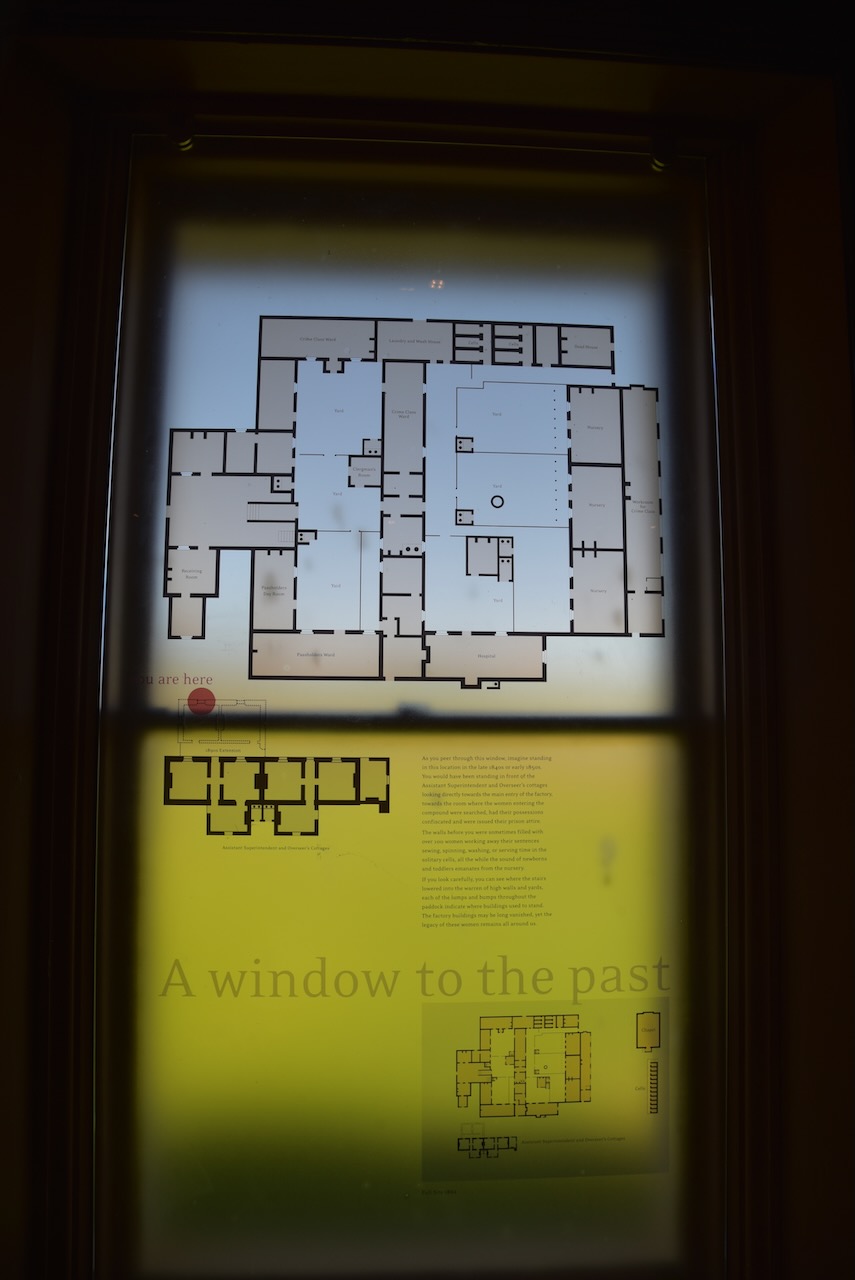
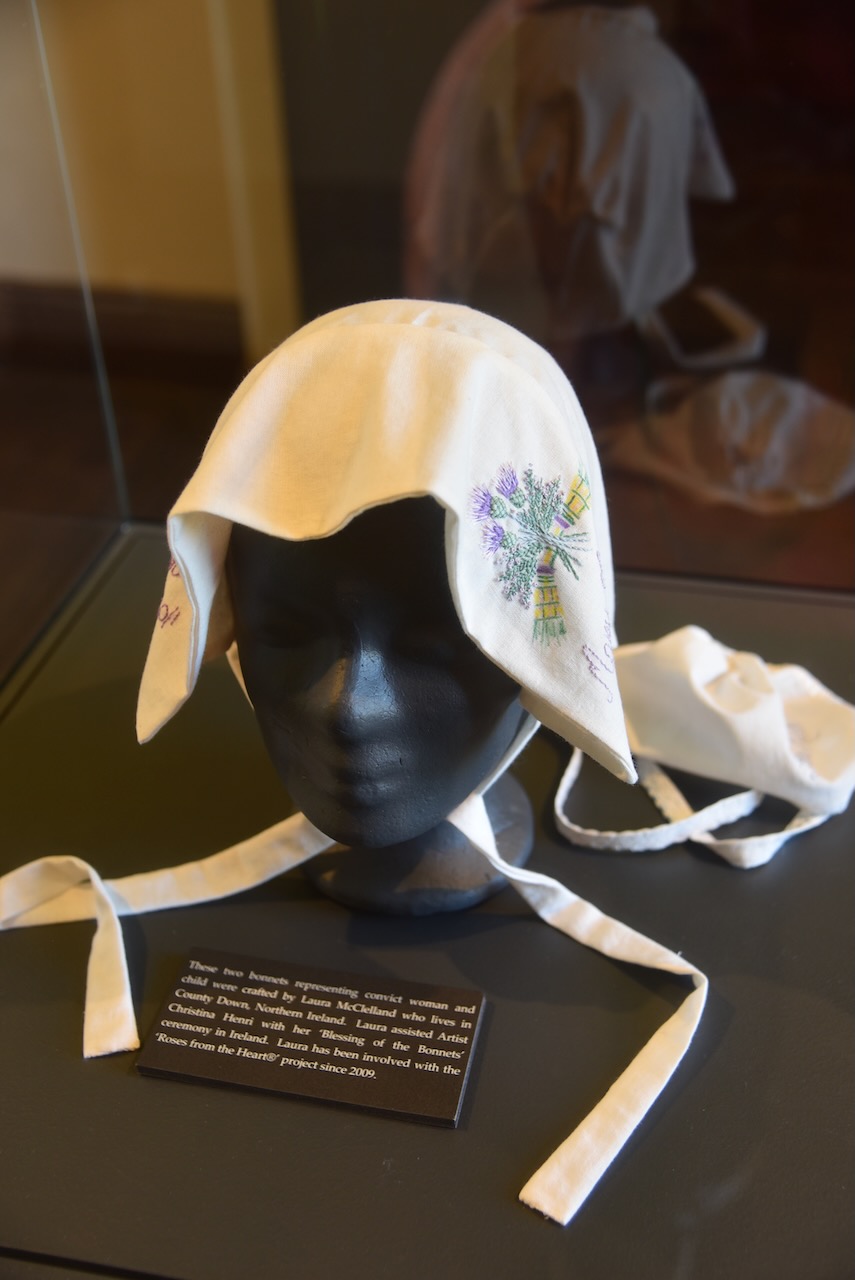
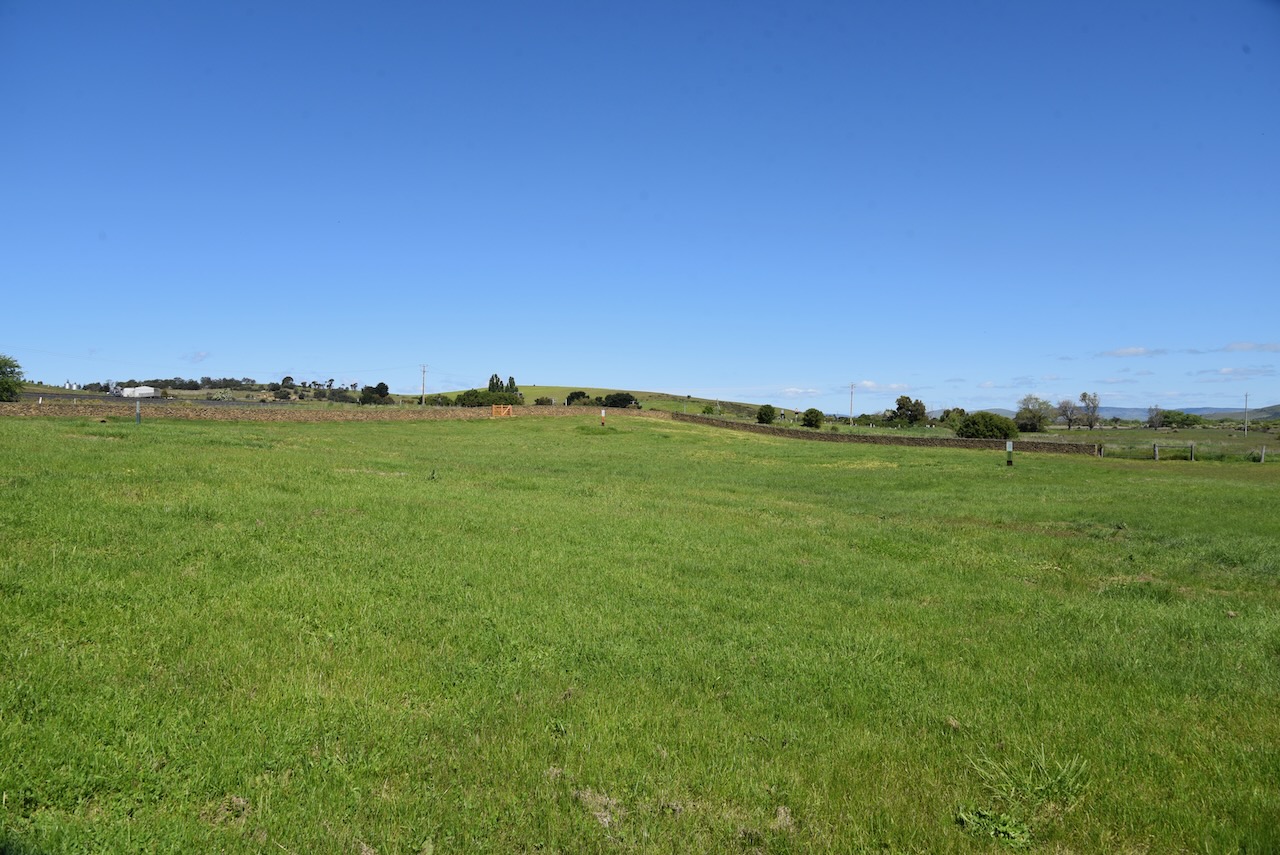
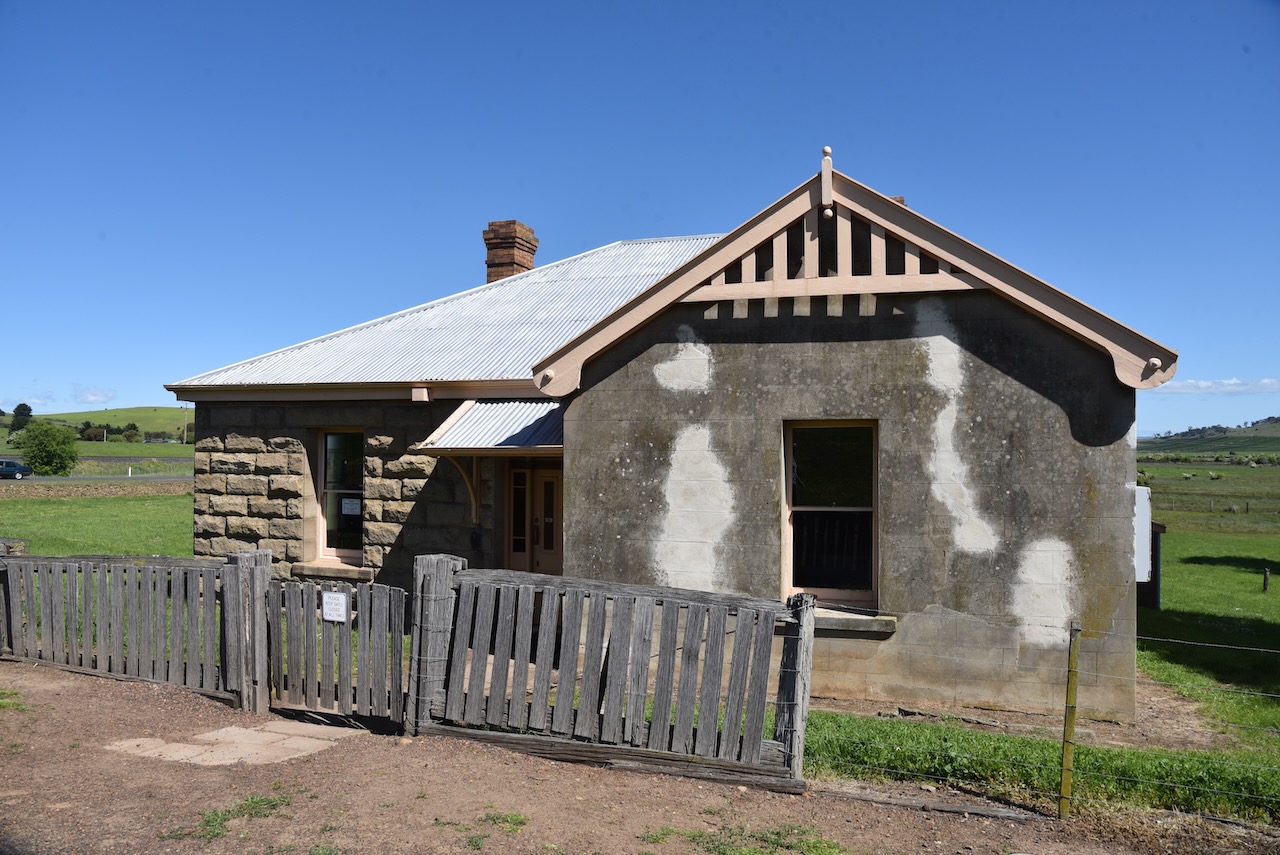
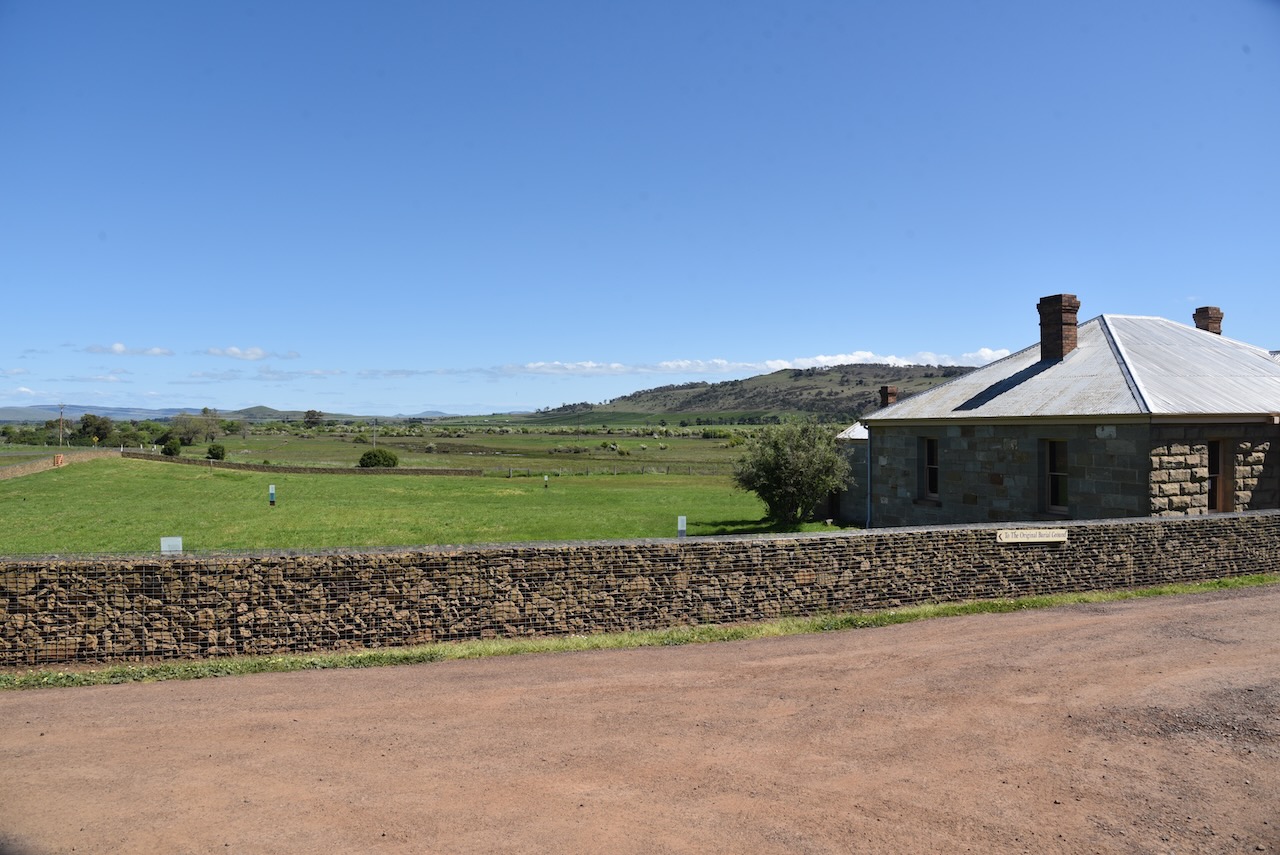
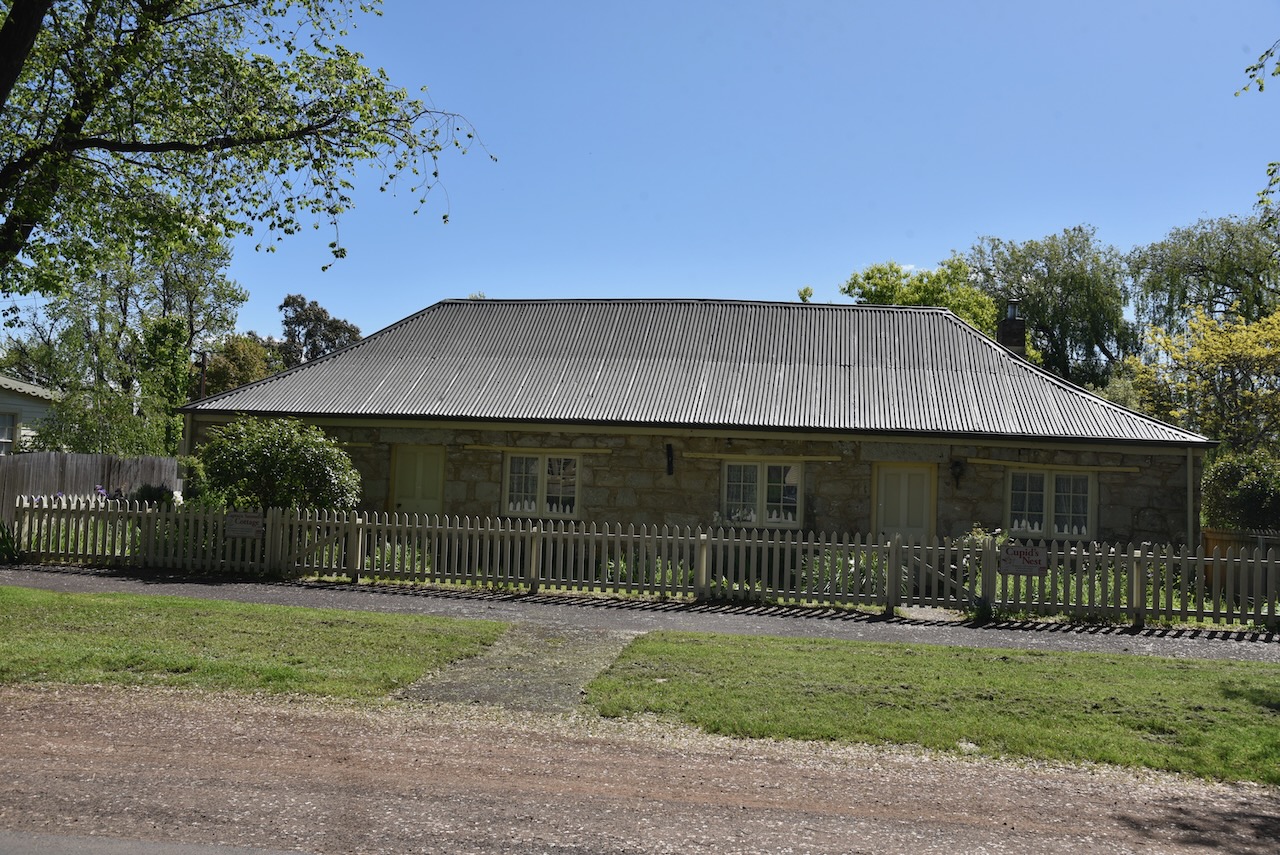
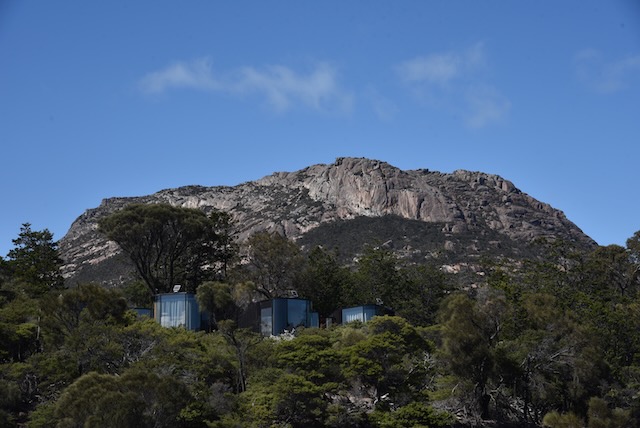
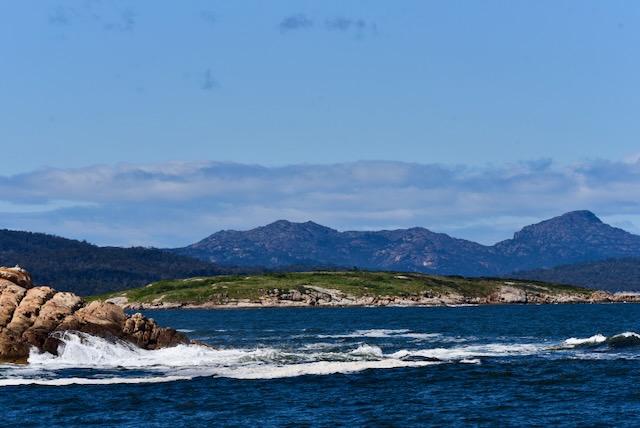
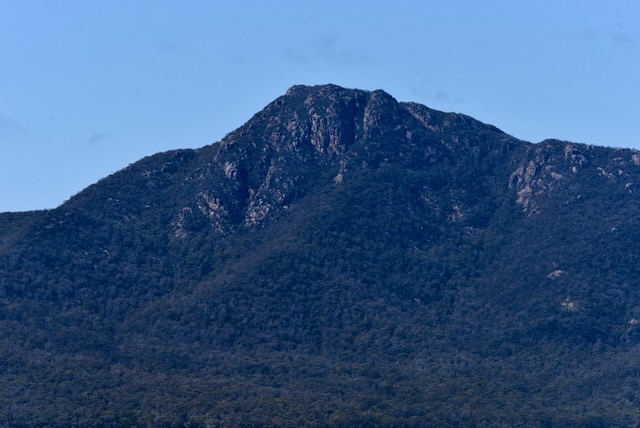
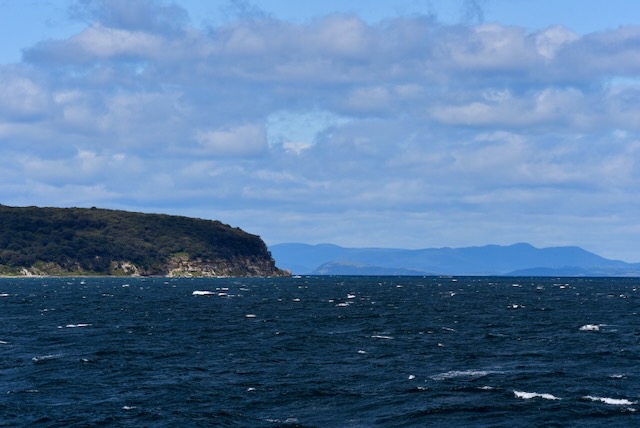
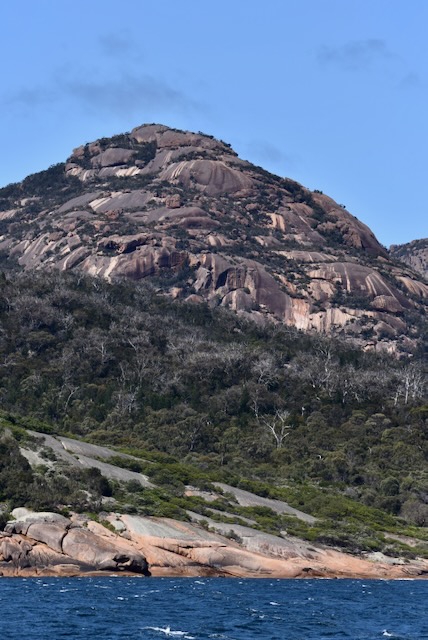
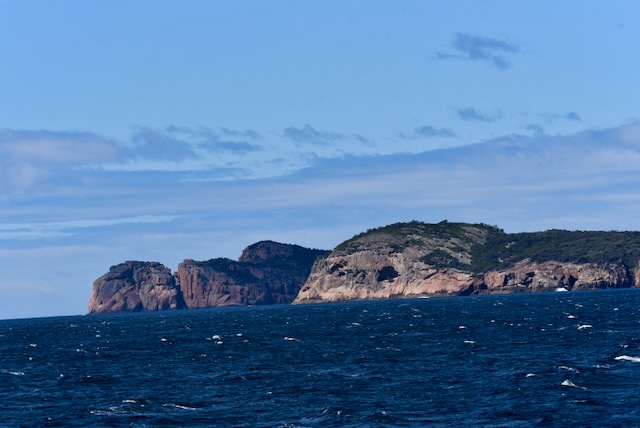
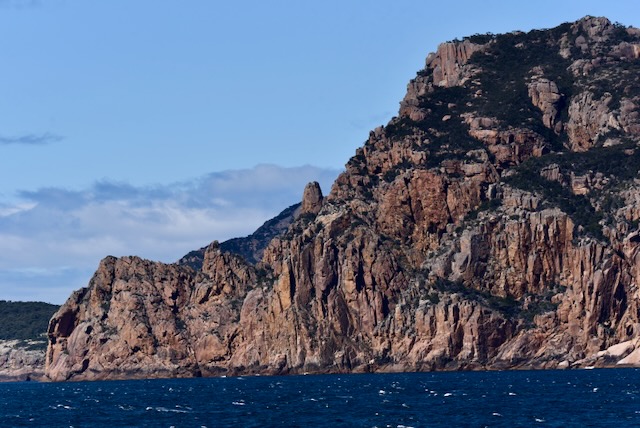
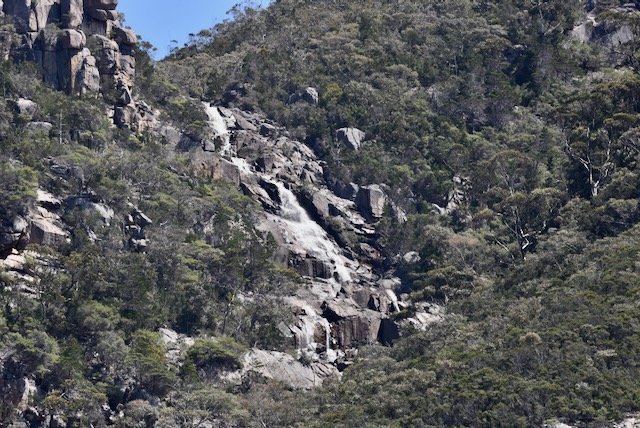
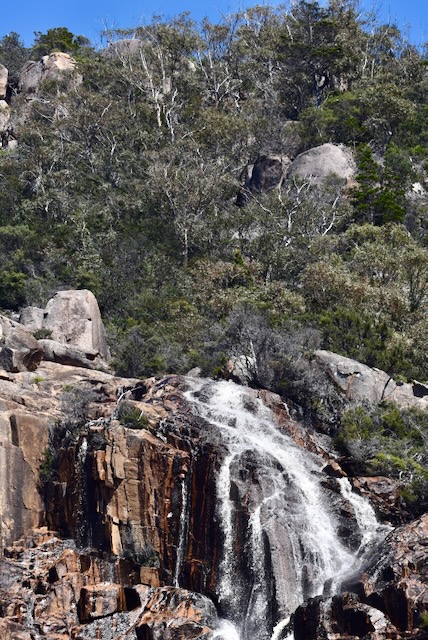
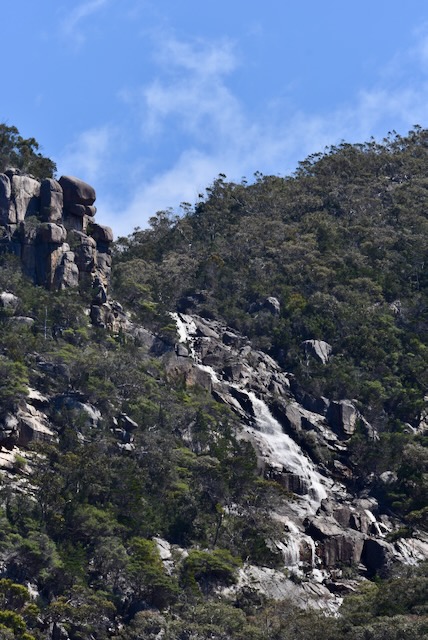
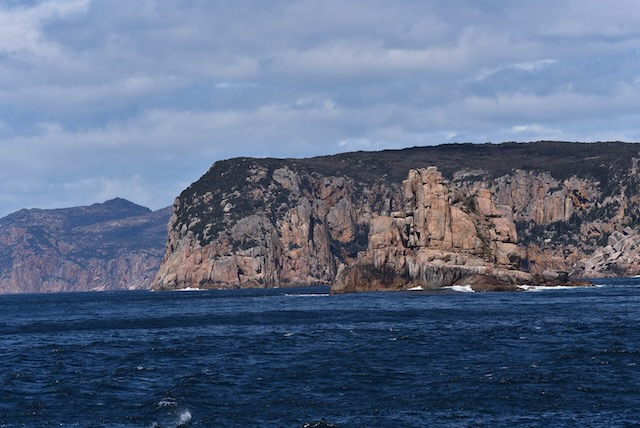
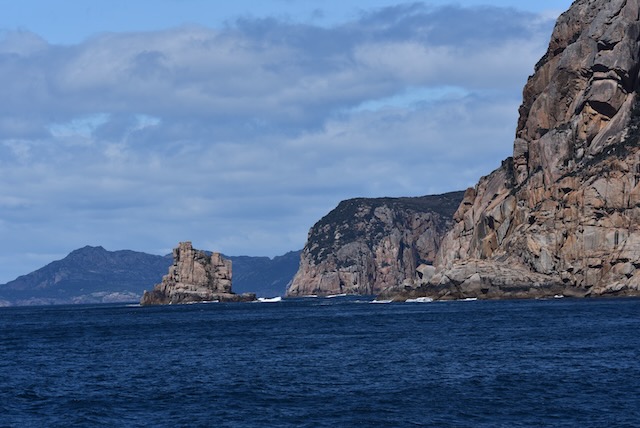
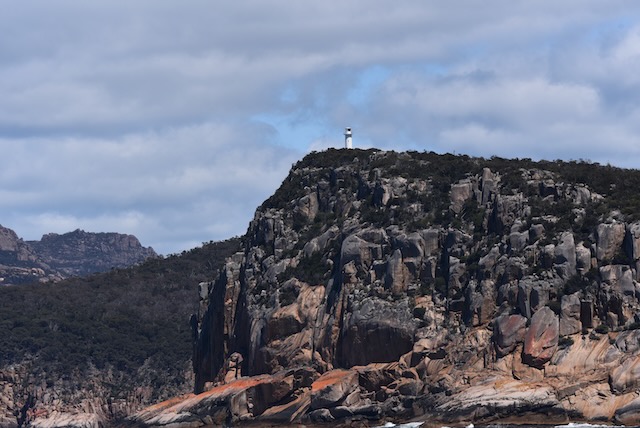
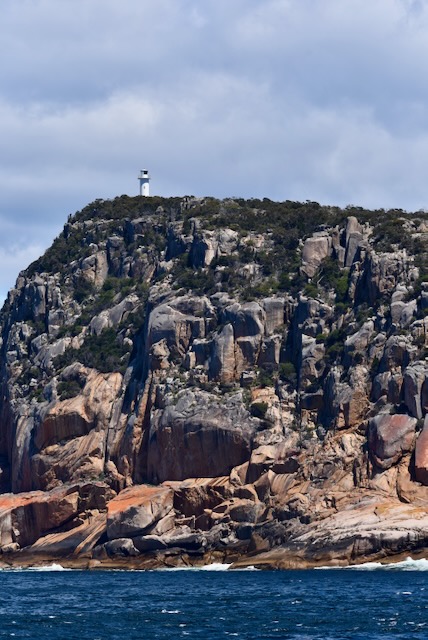
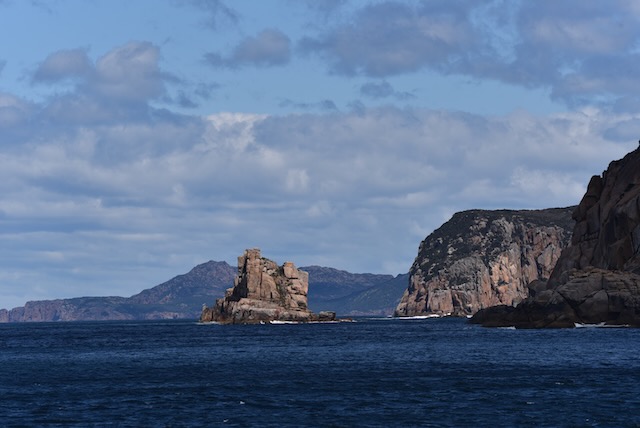
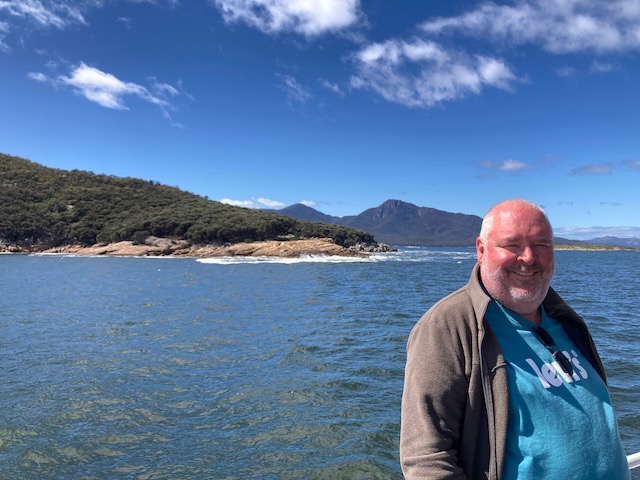
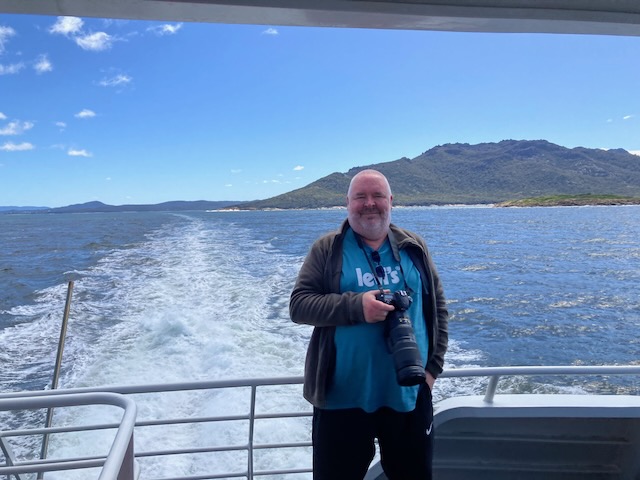
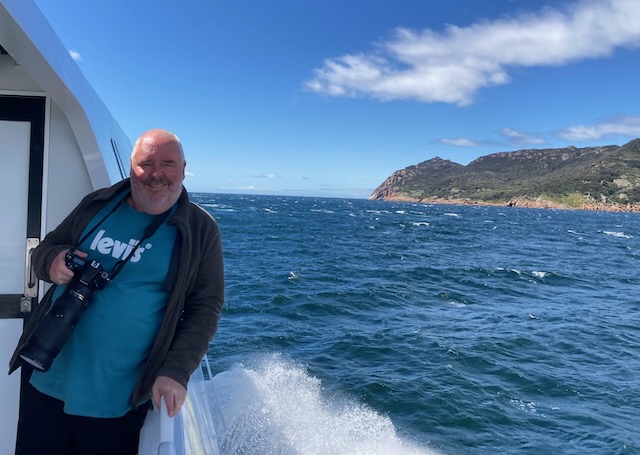
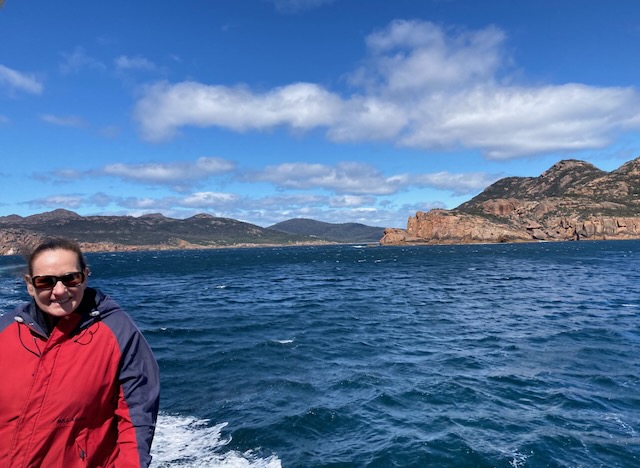
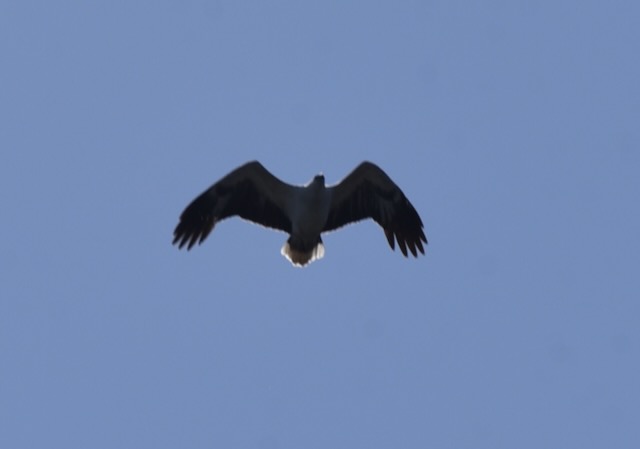
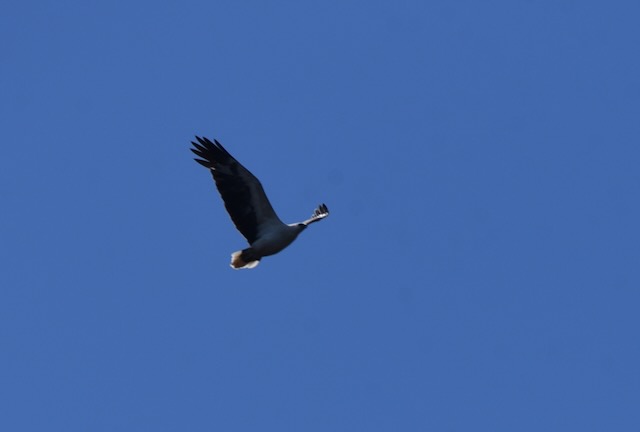
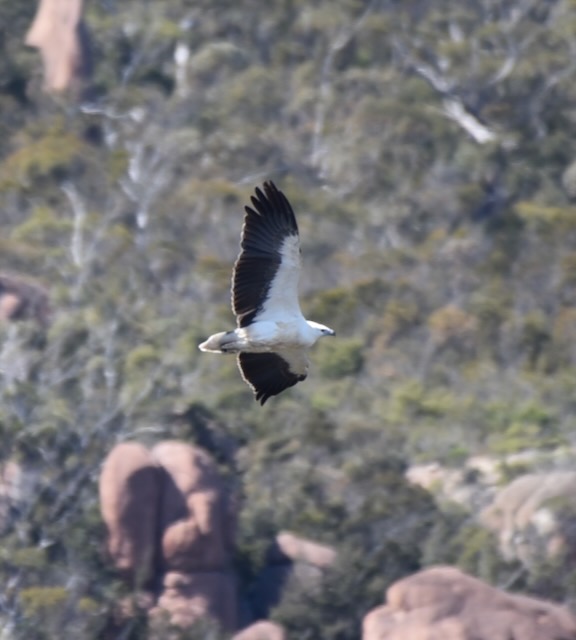
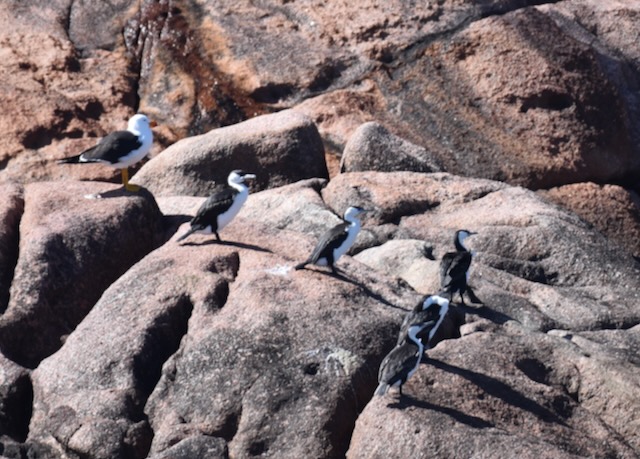
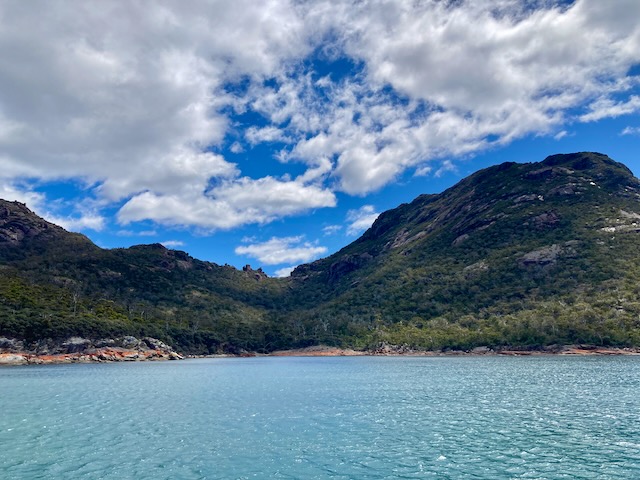
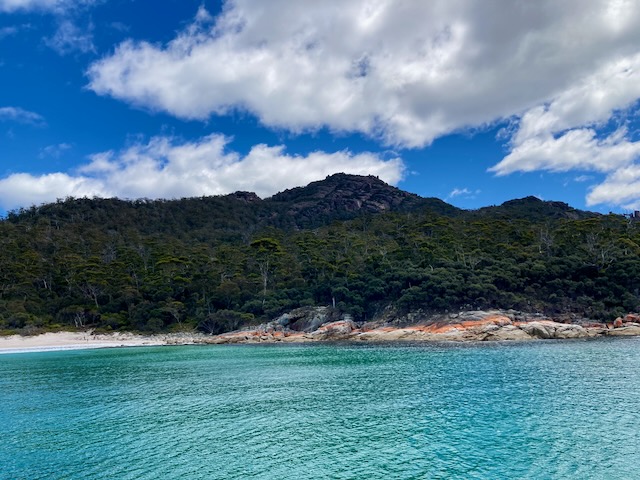
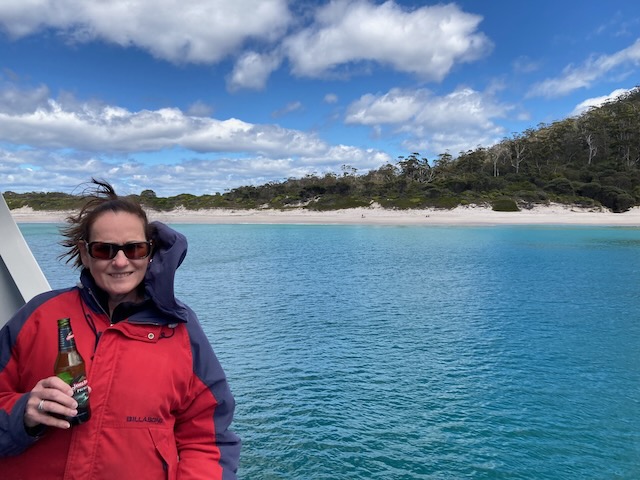
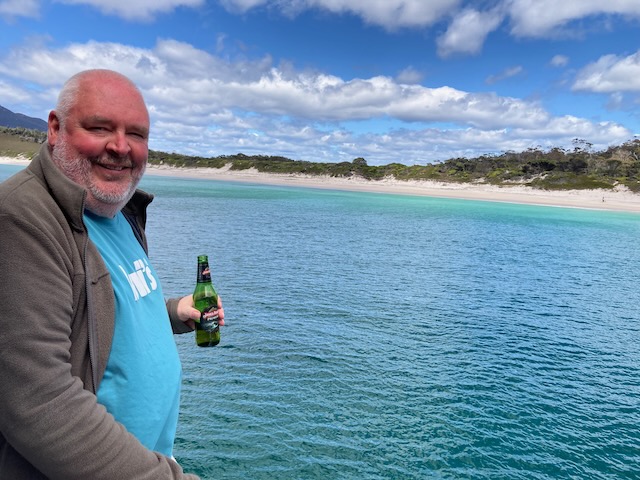
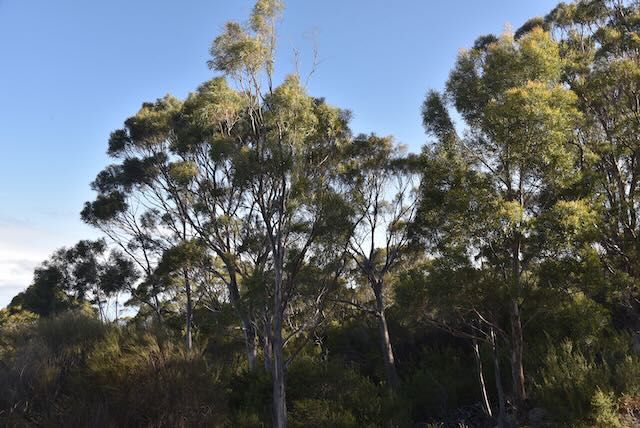
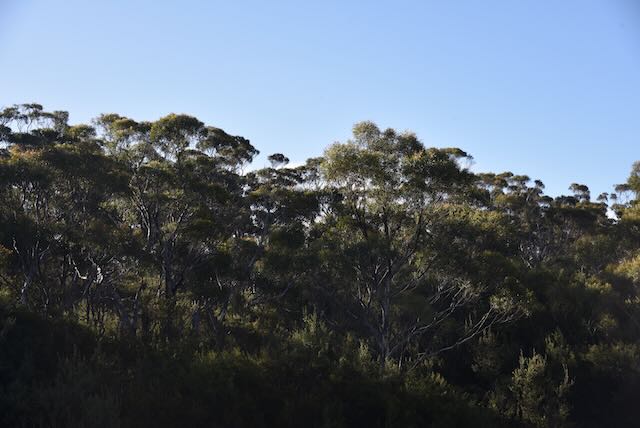
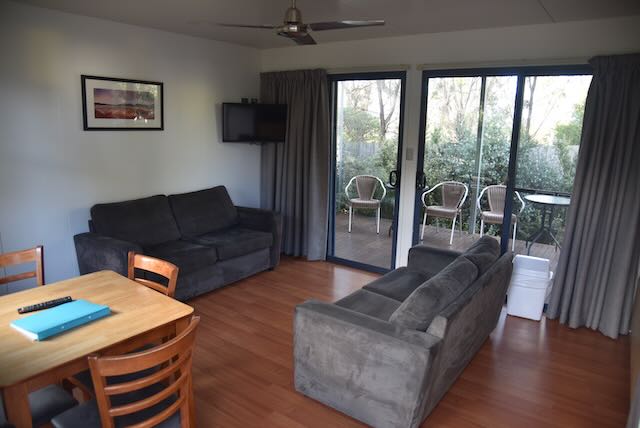
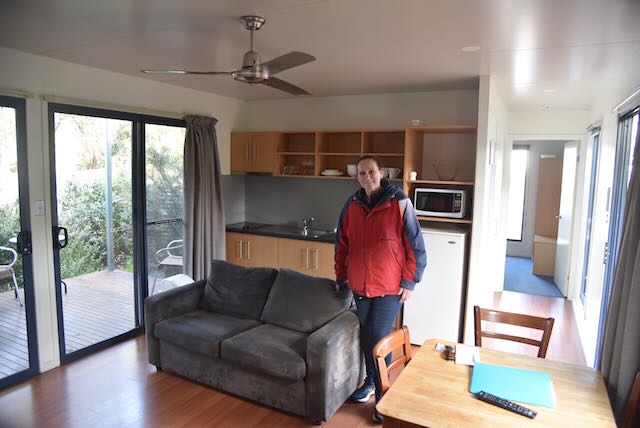
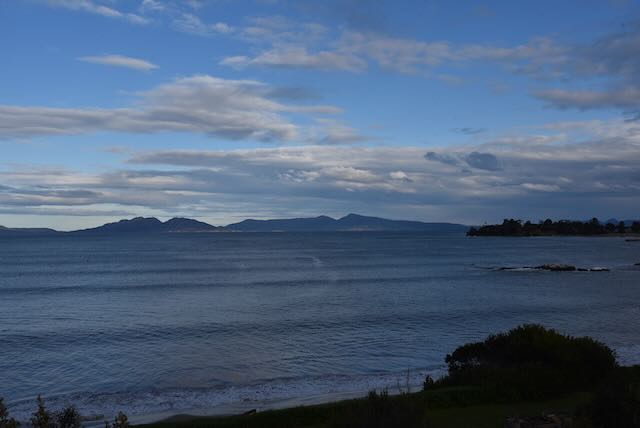
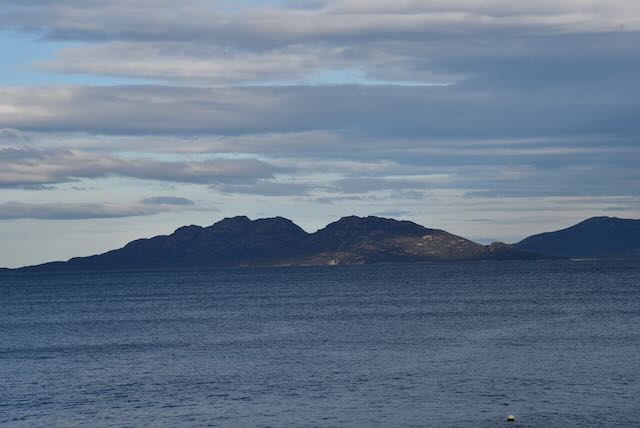
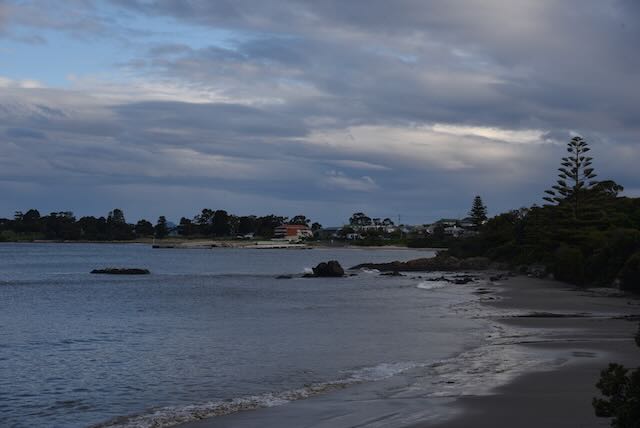
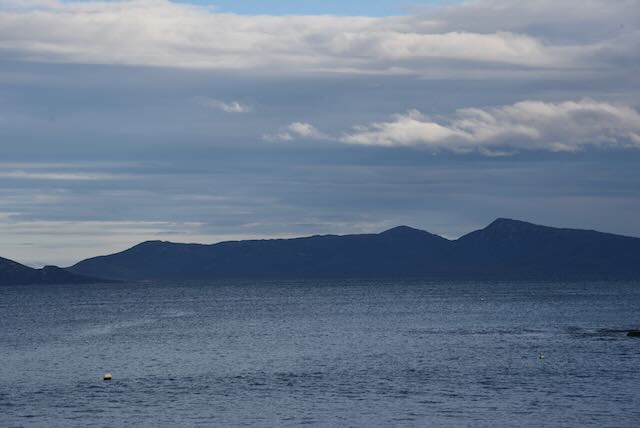
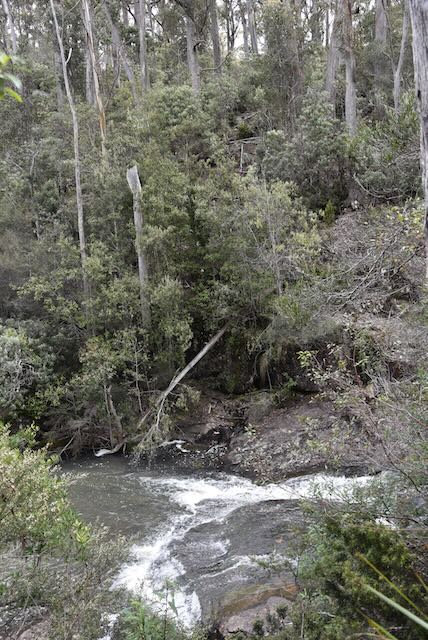
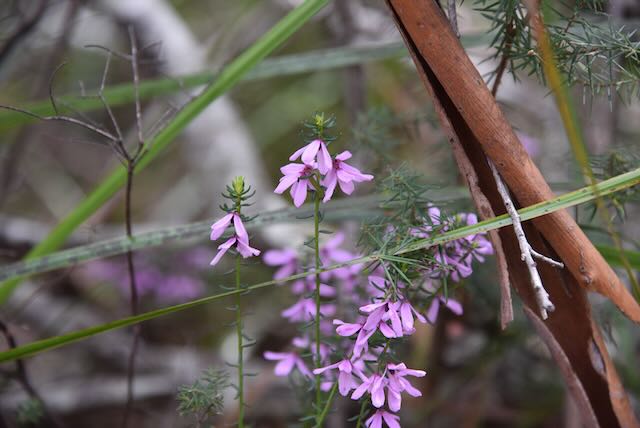
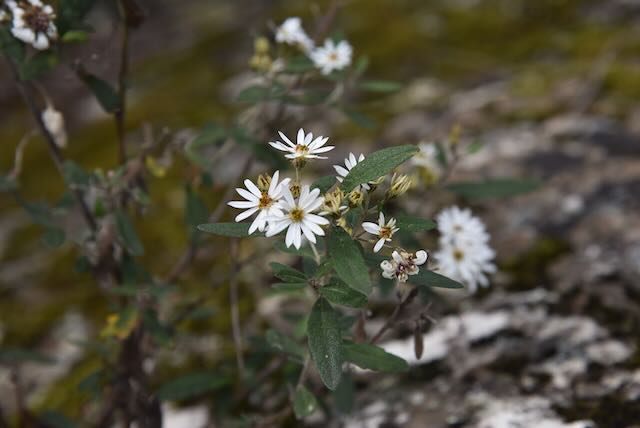
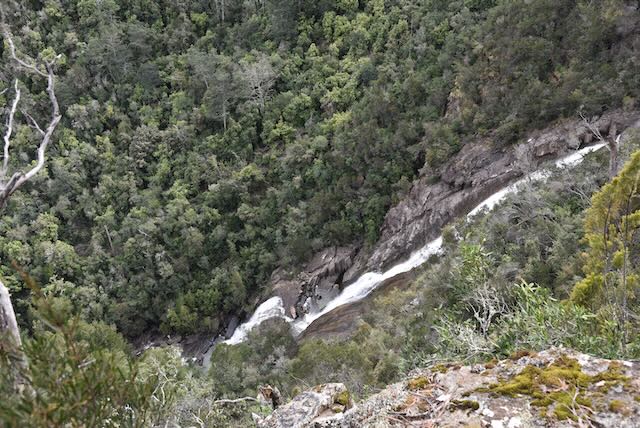
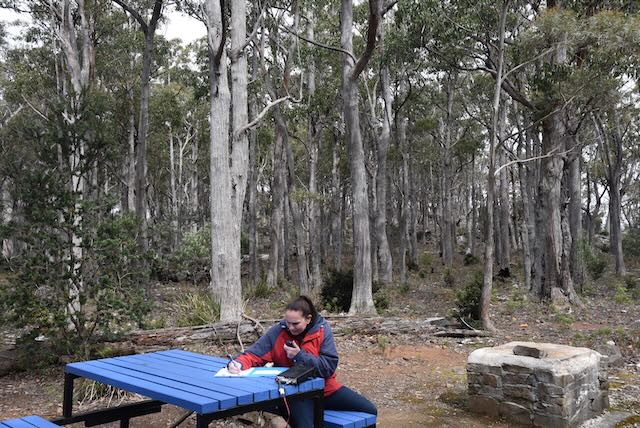
Day thirteen and Tasman National Park VKFF-0481

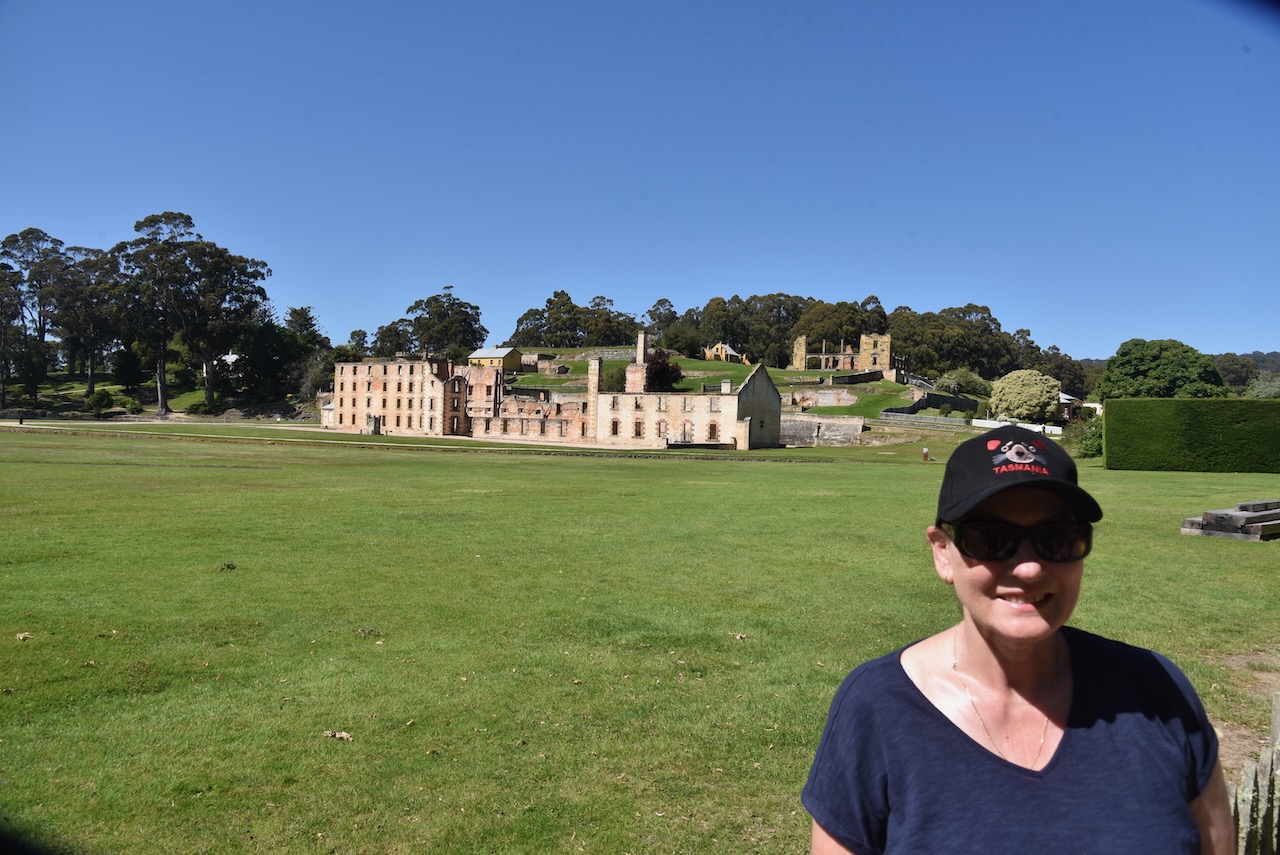
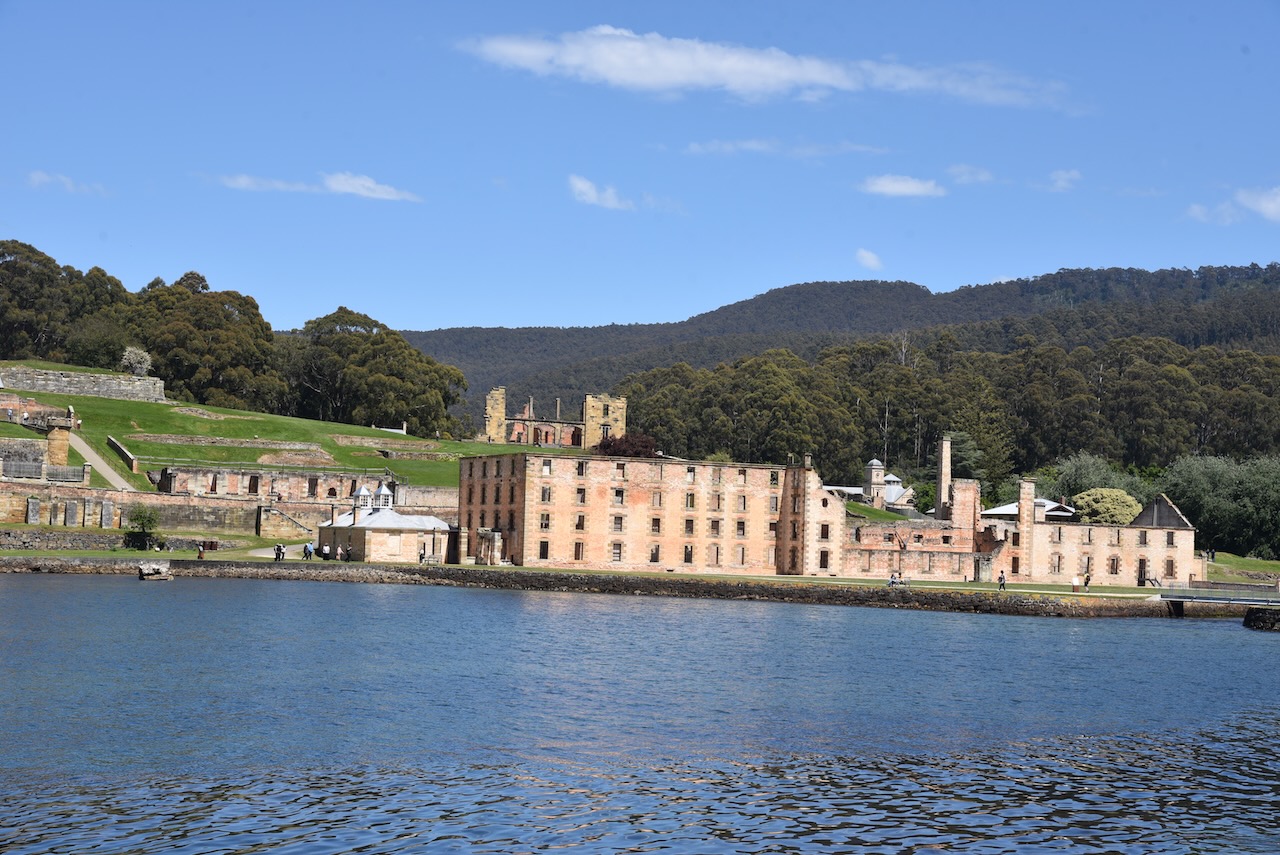
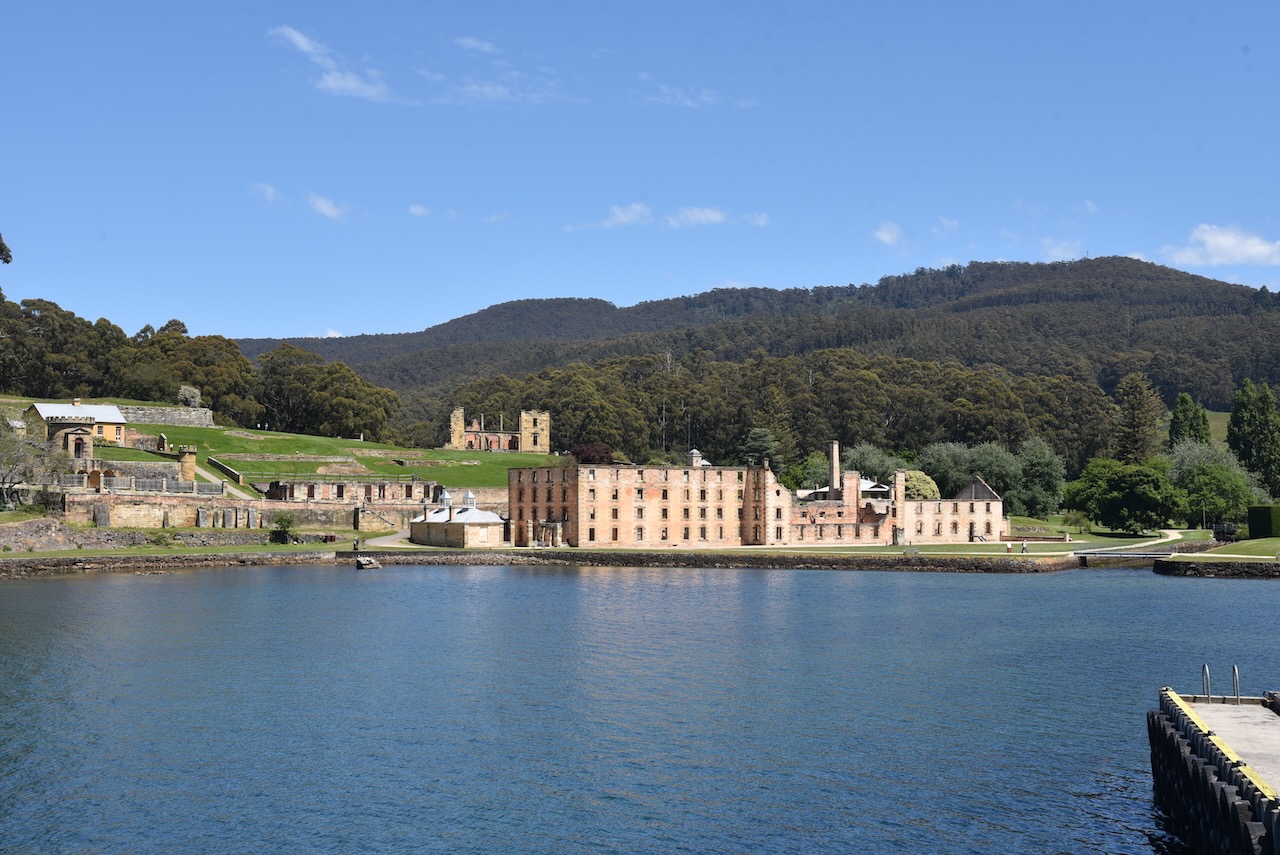
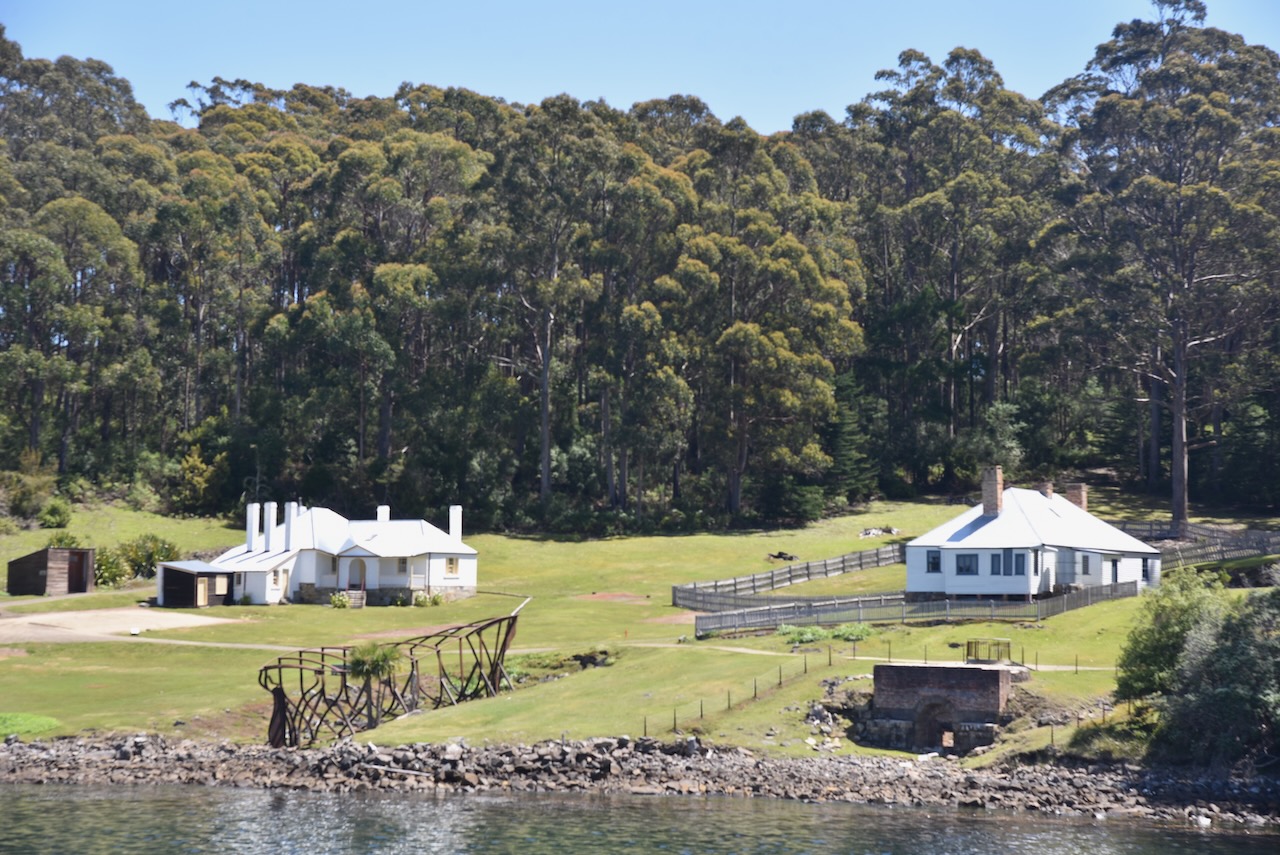
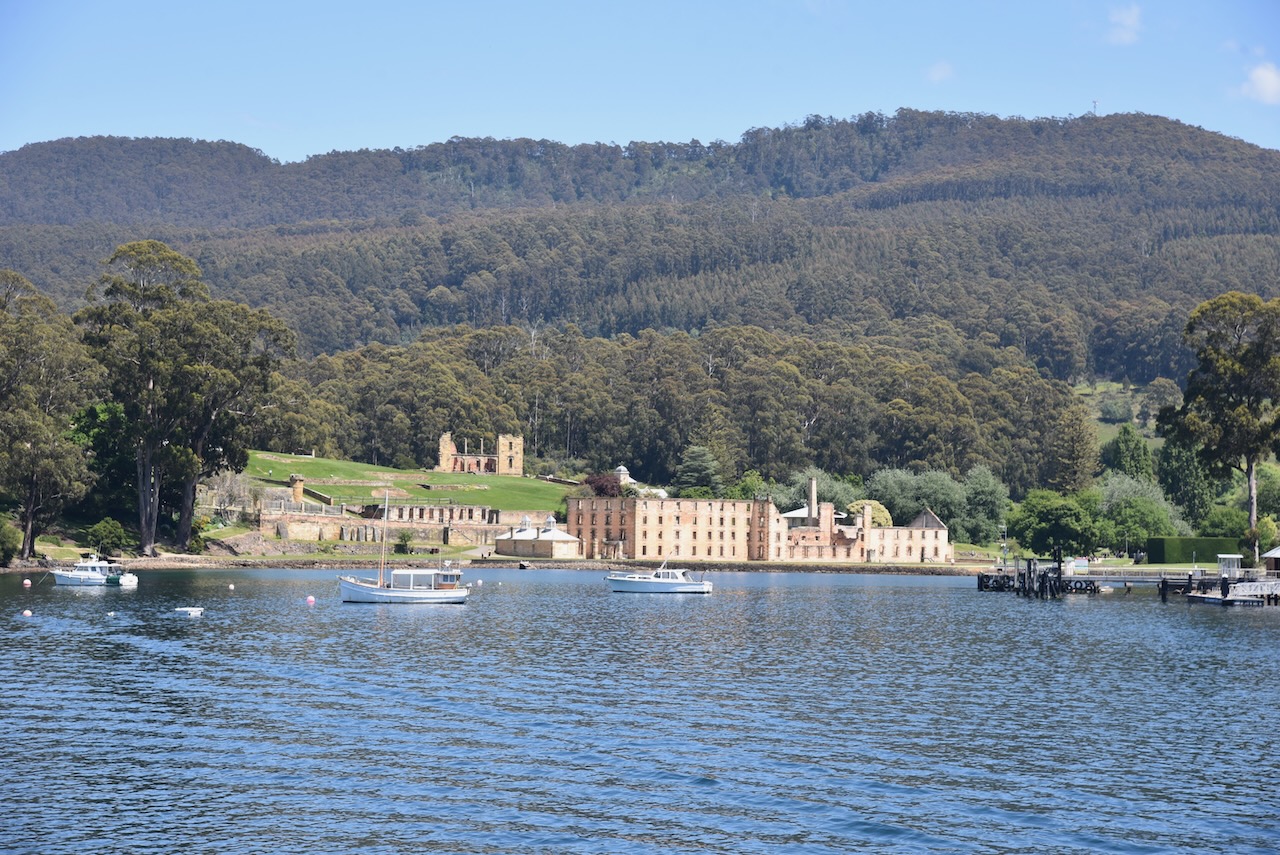
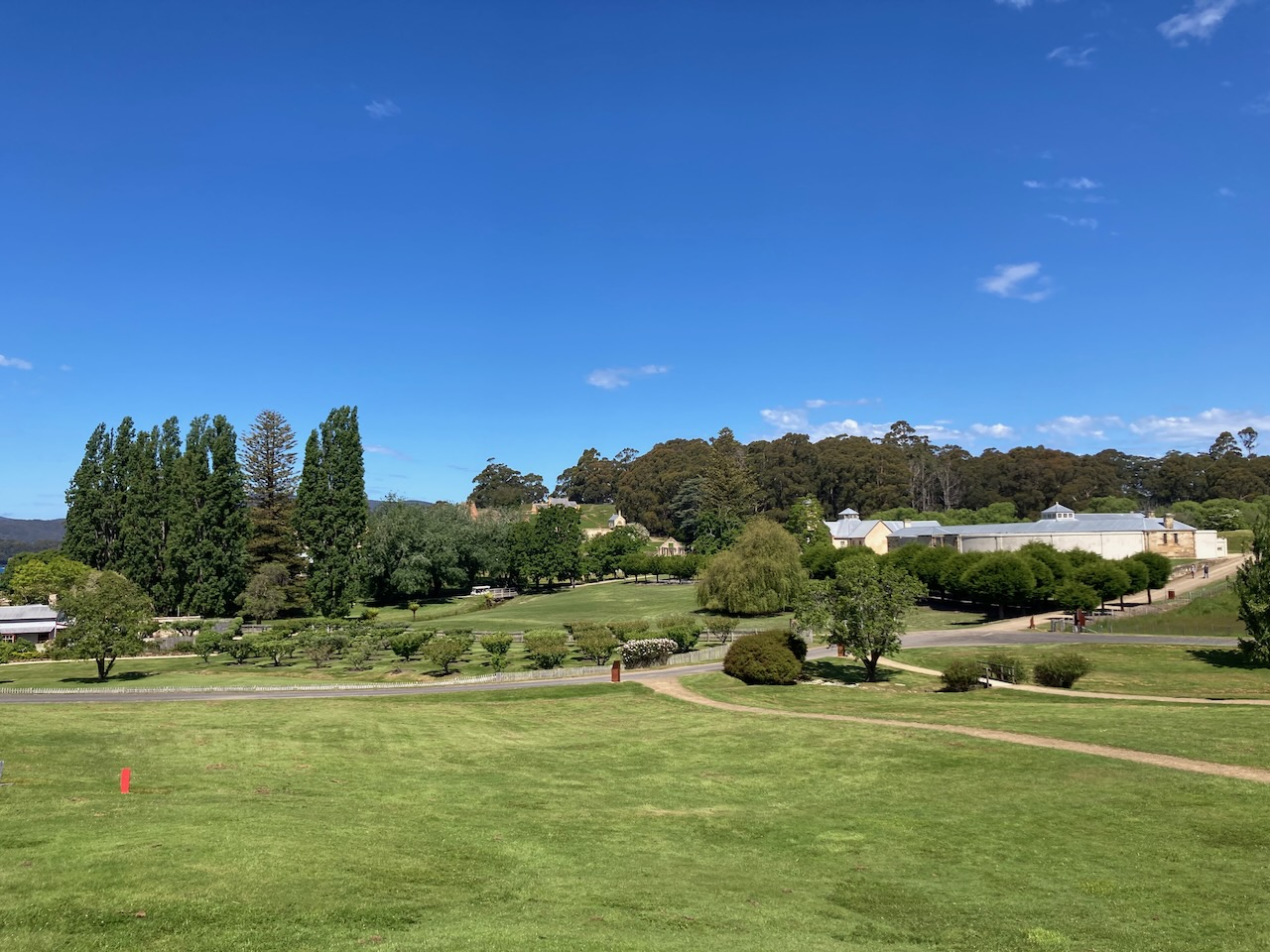
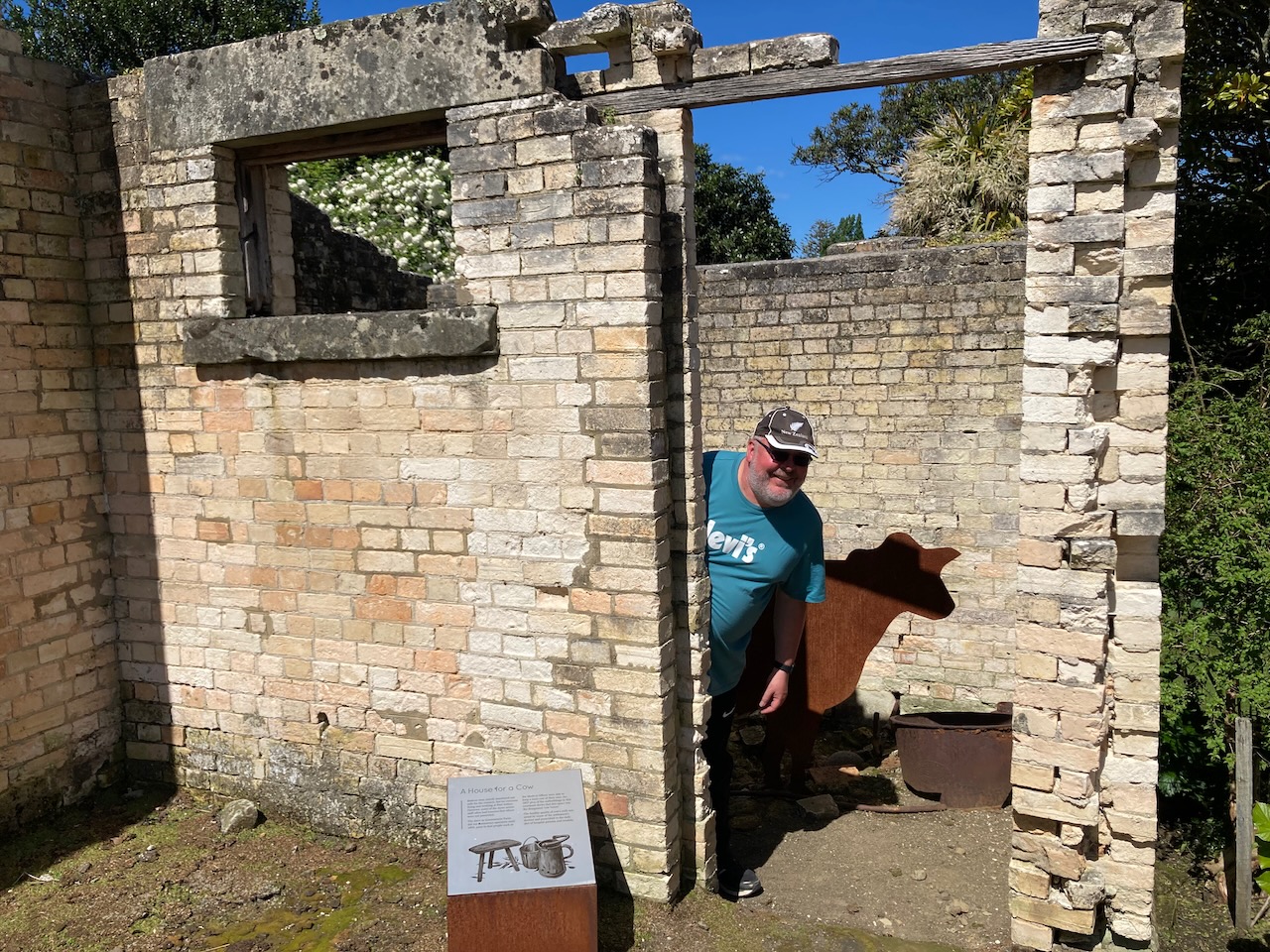
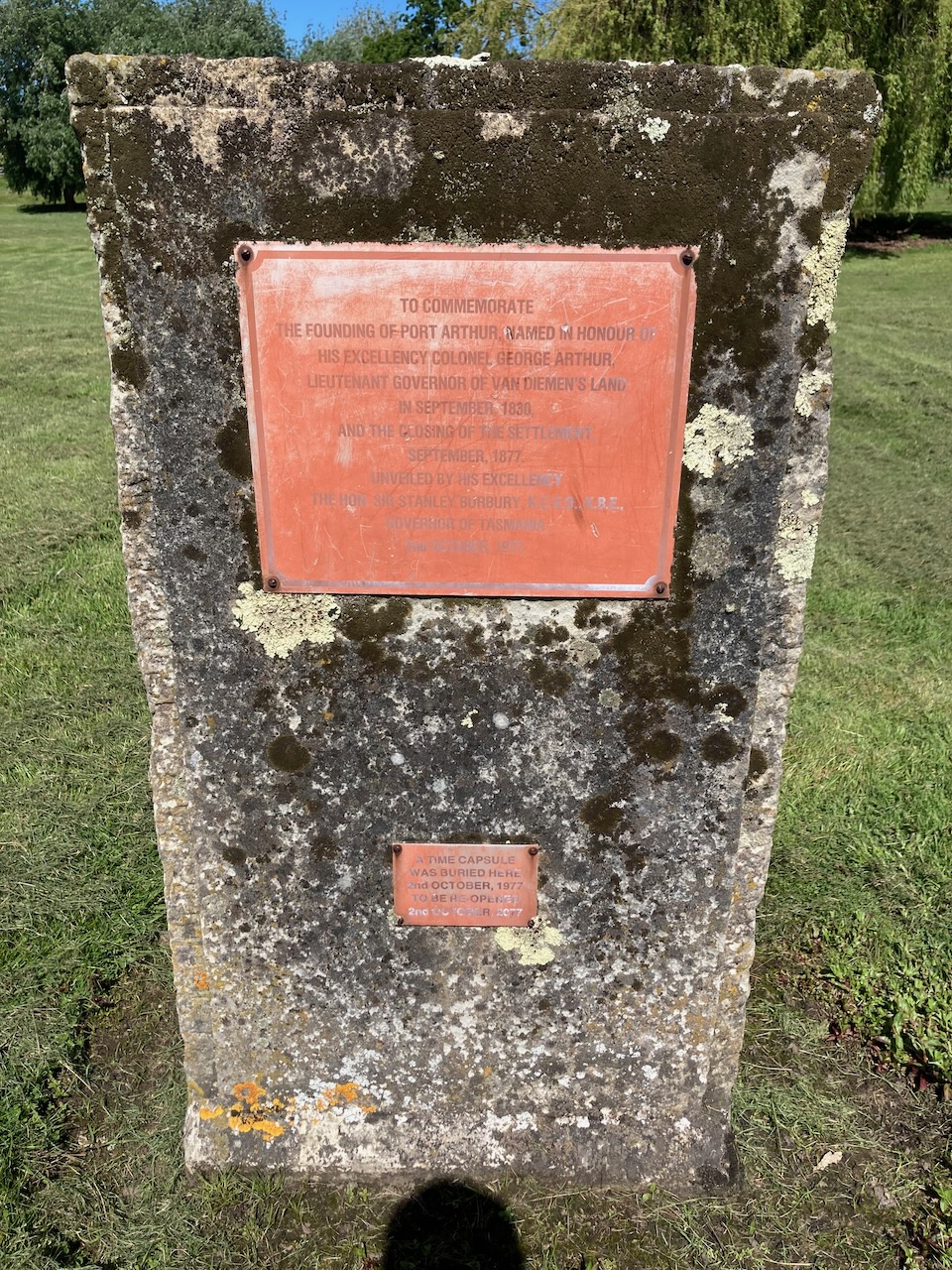
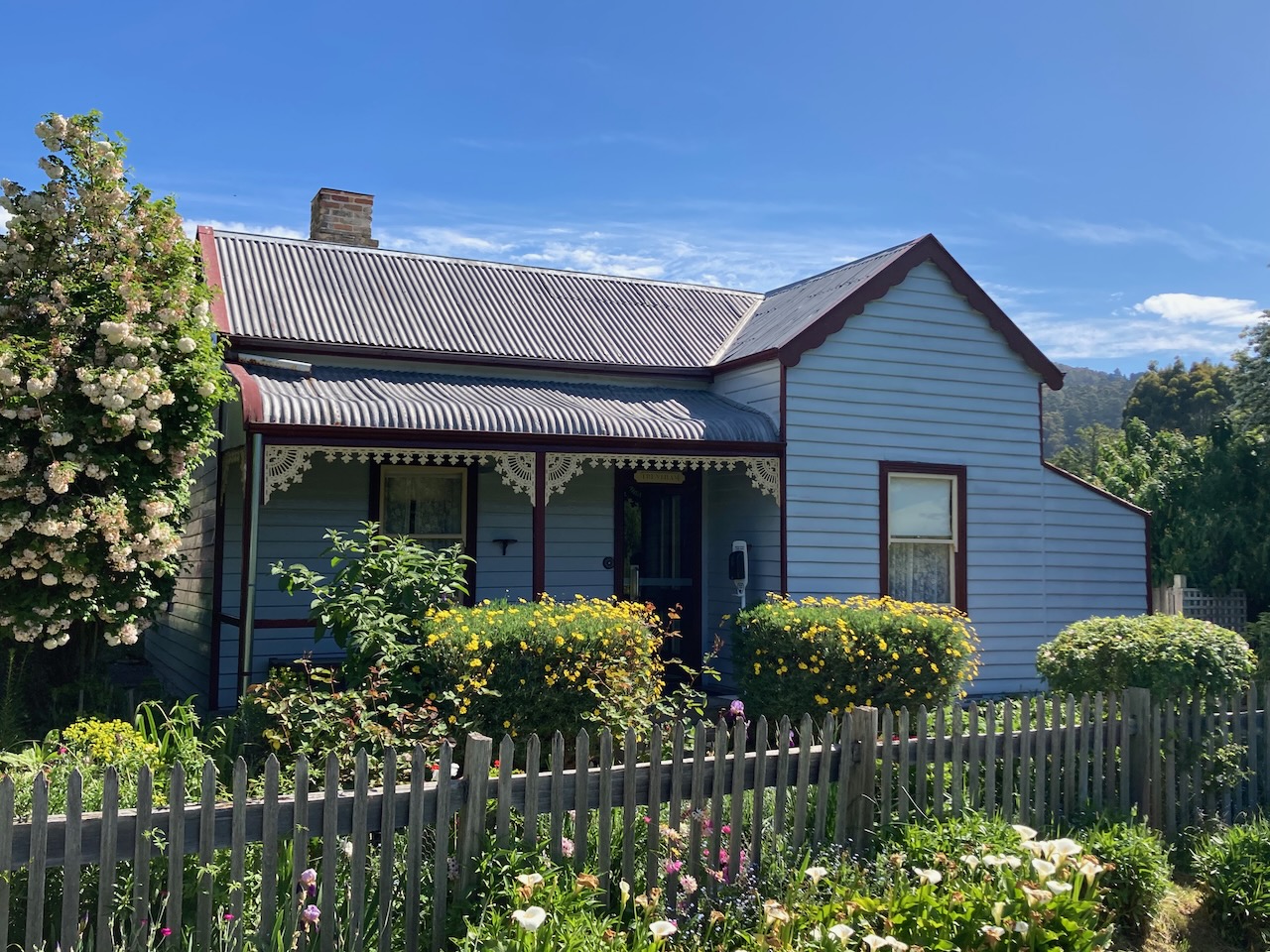
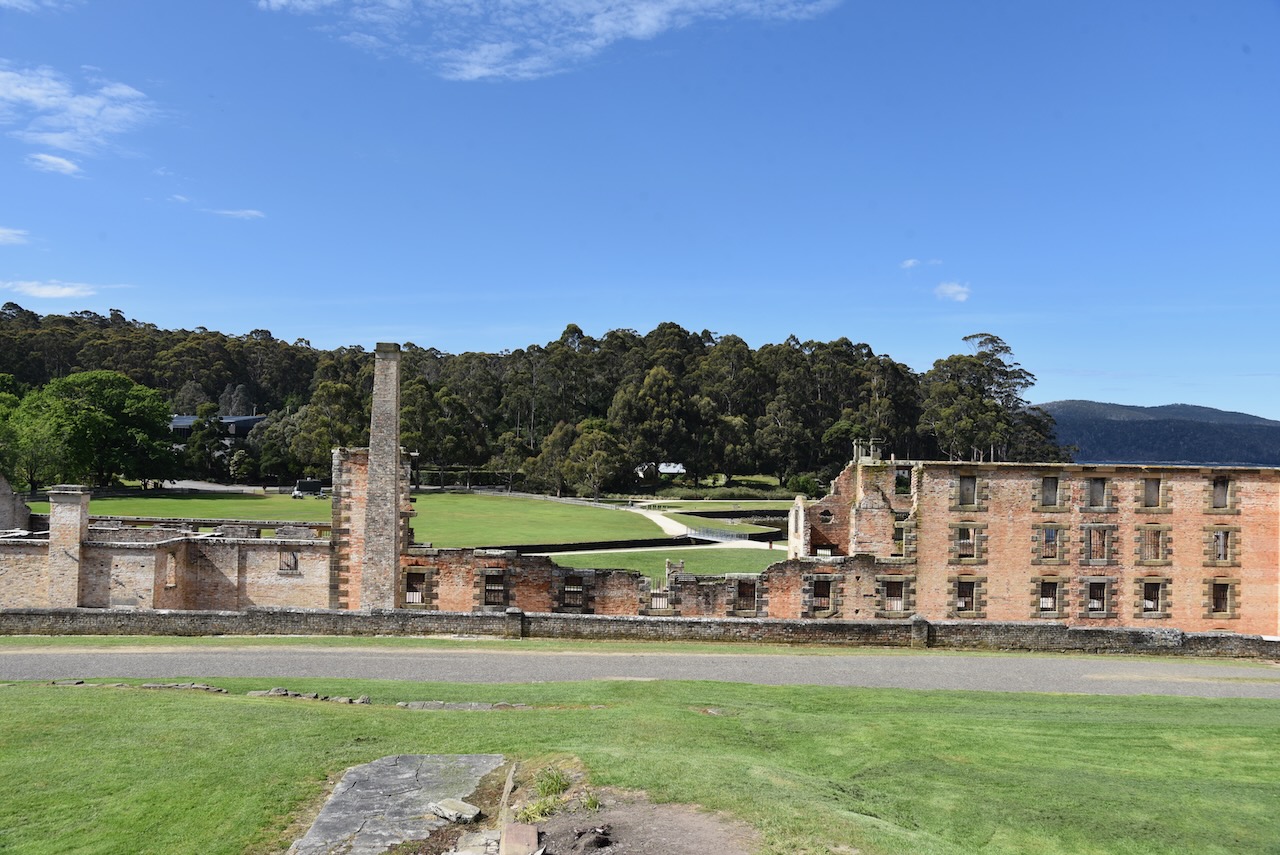
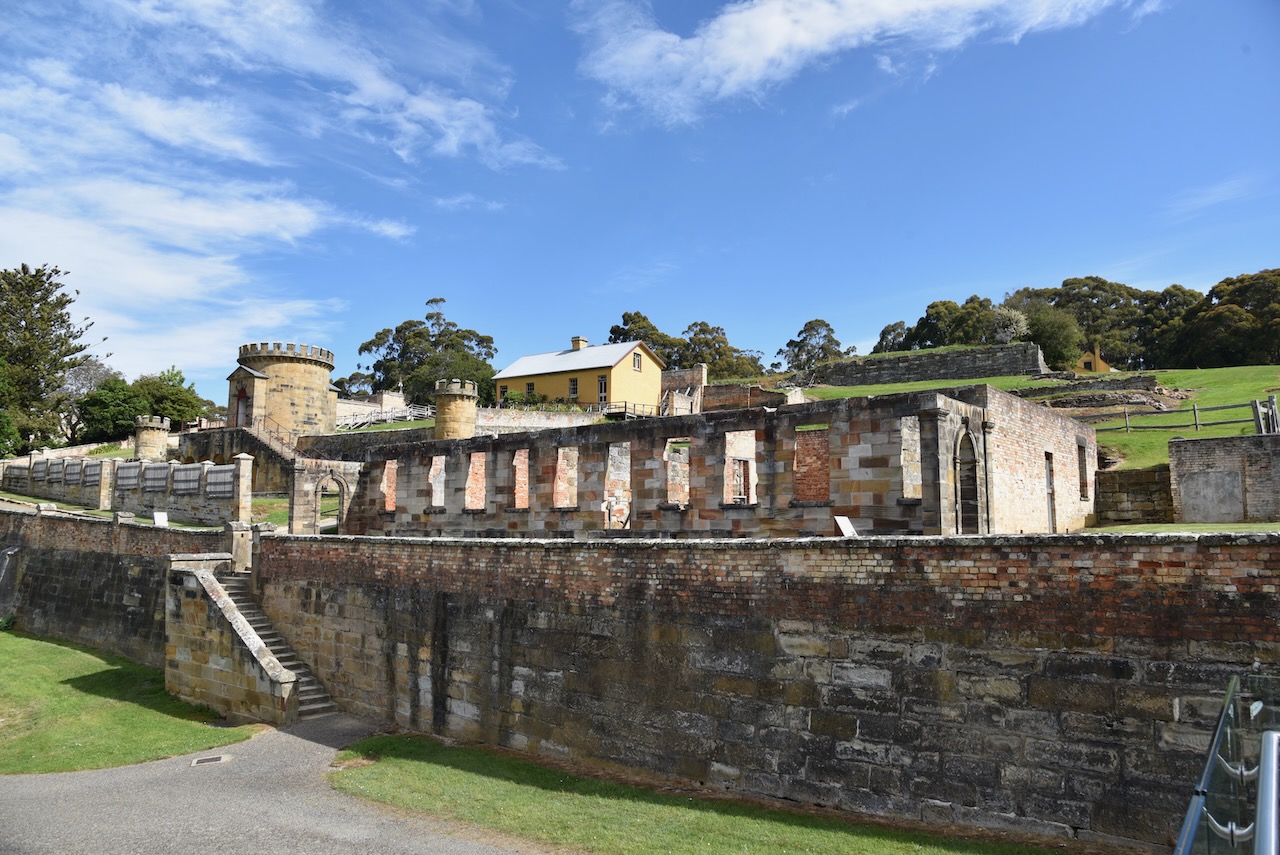
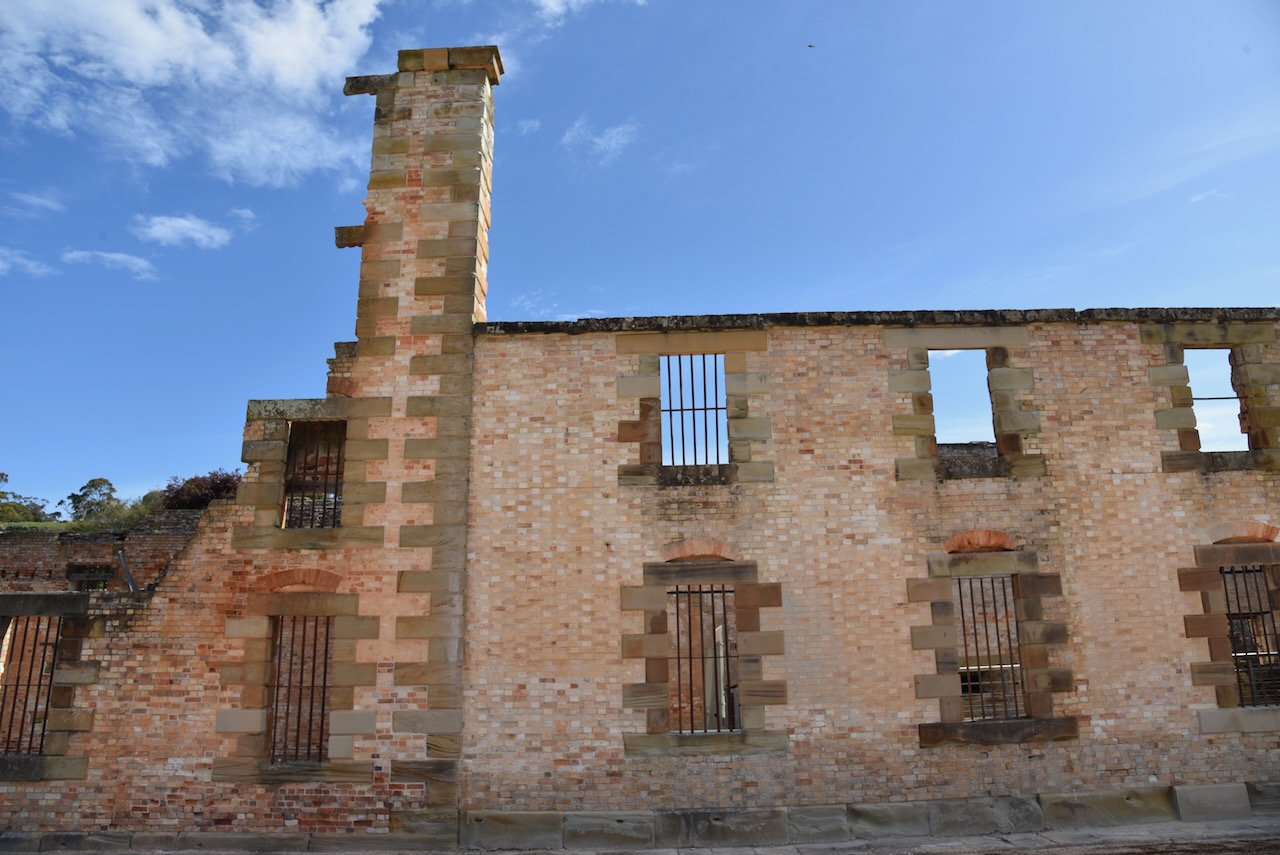
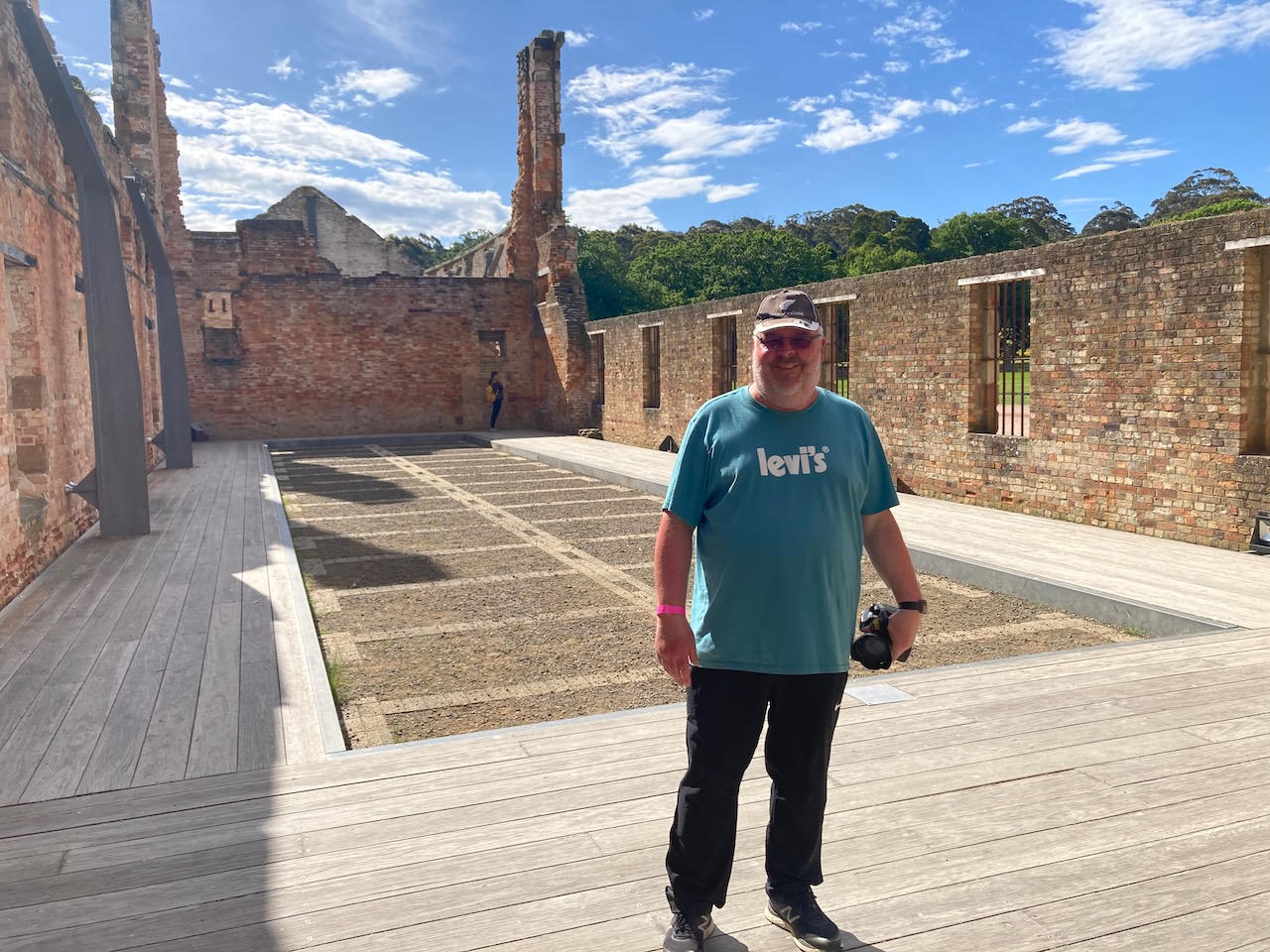
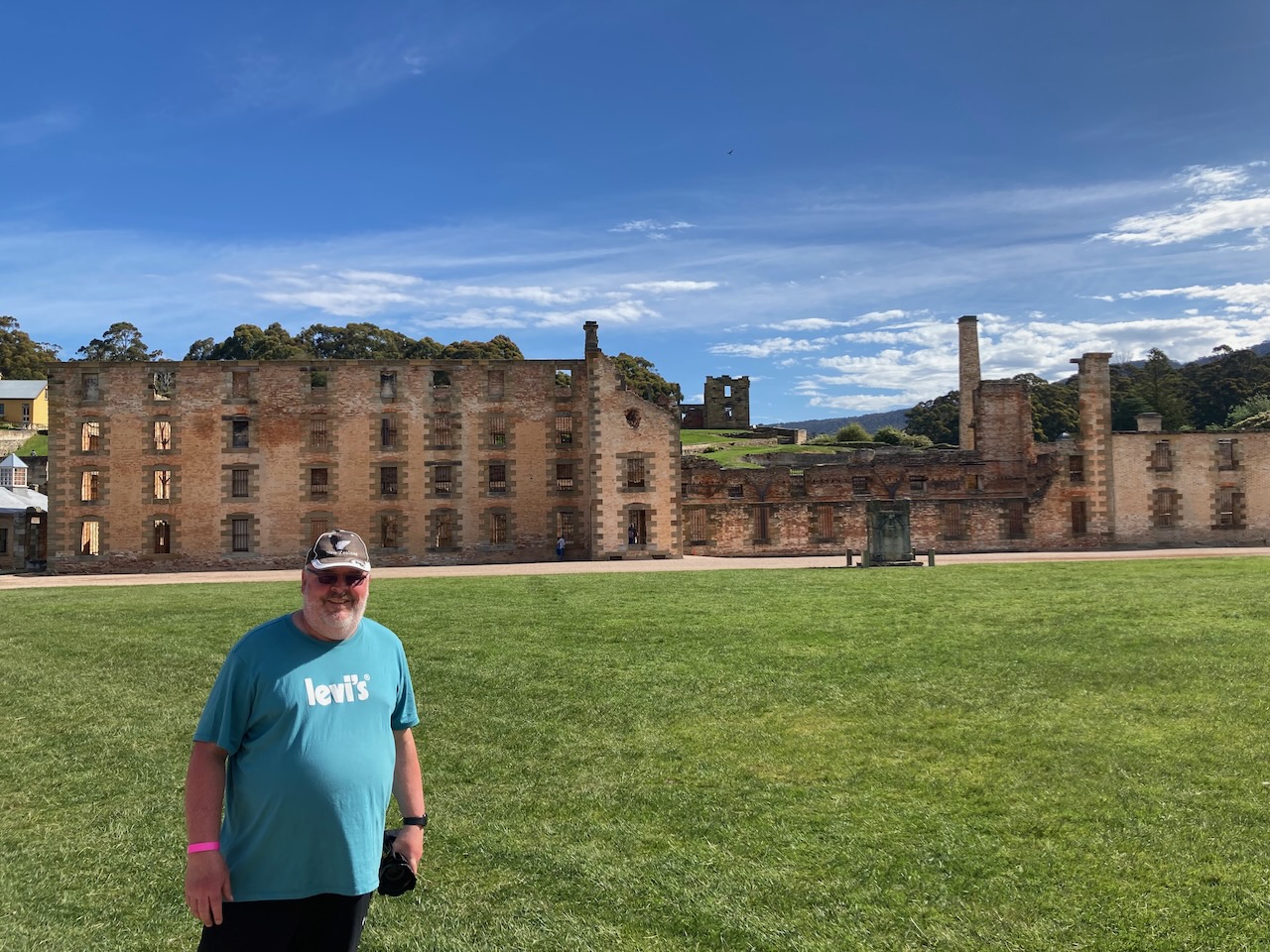
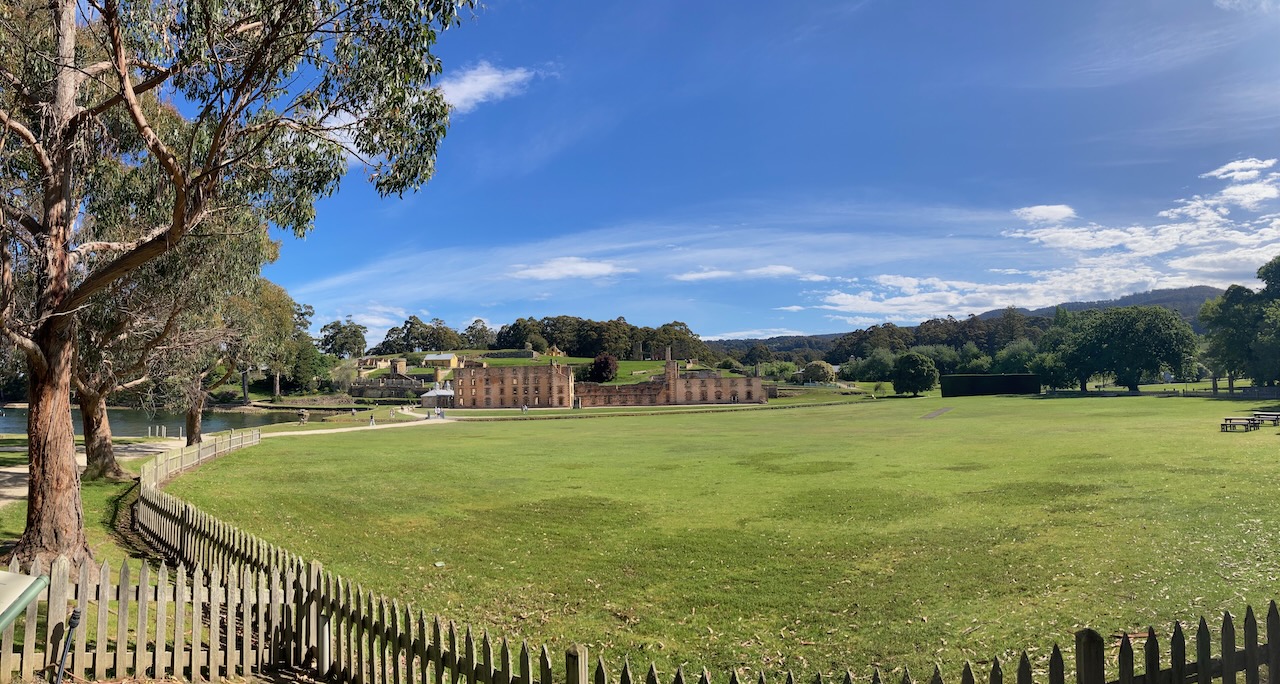
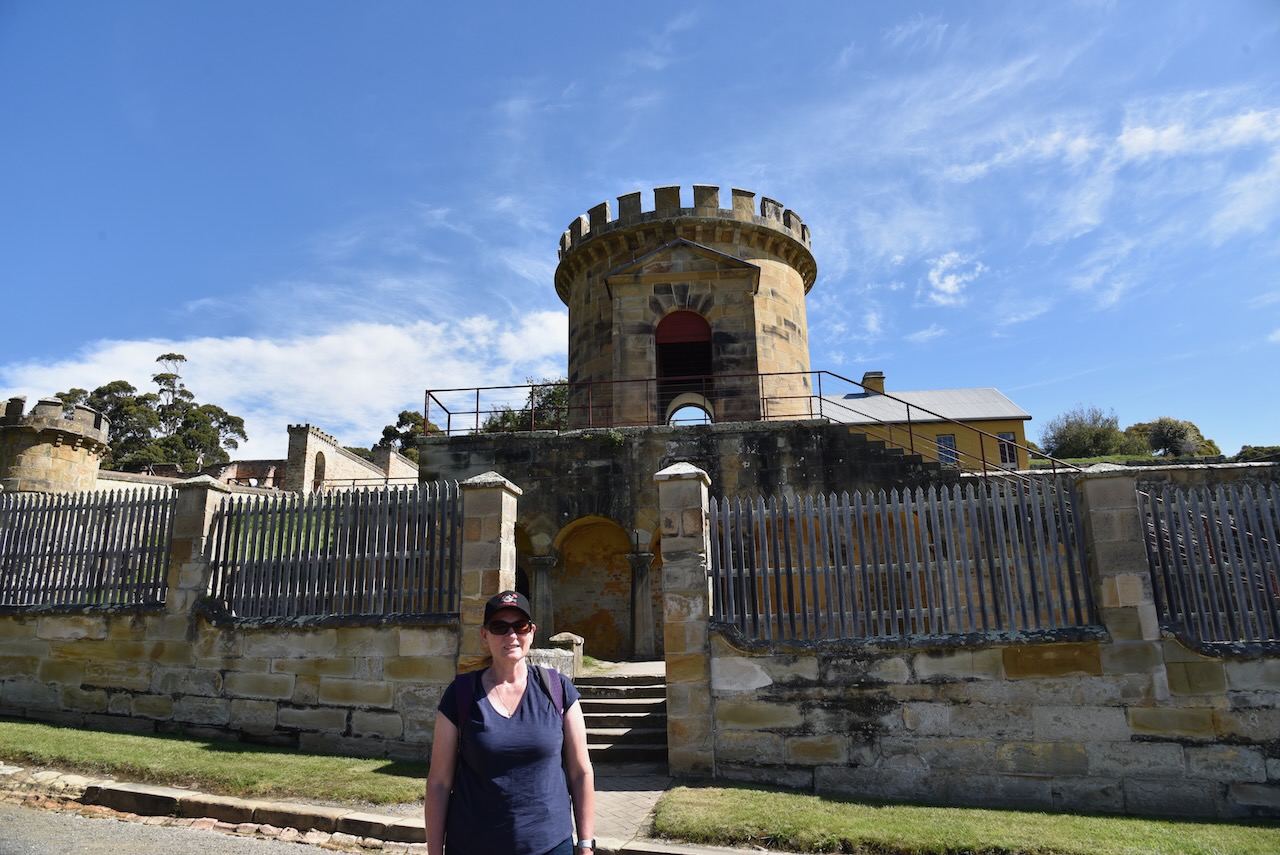
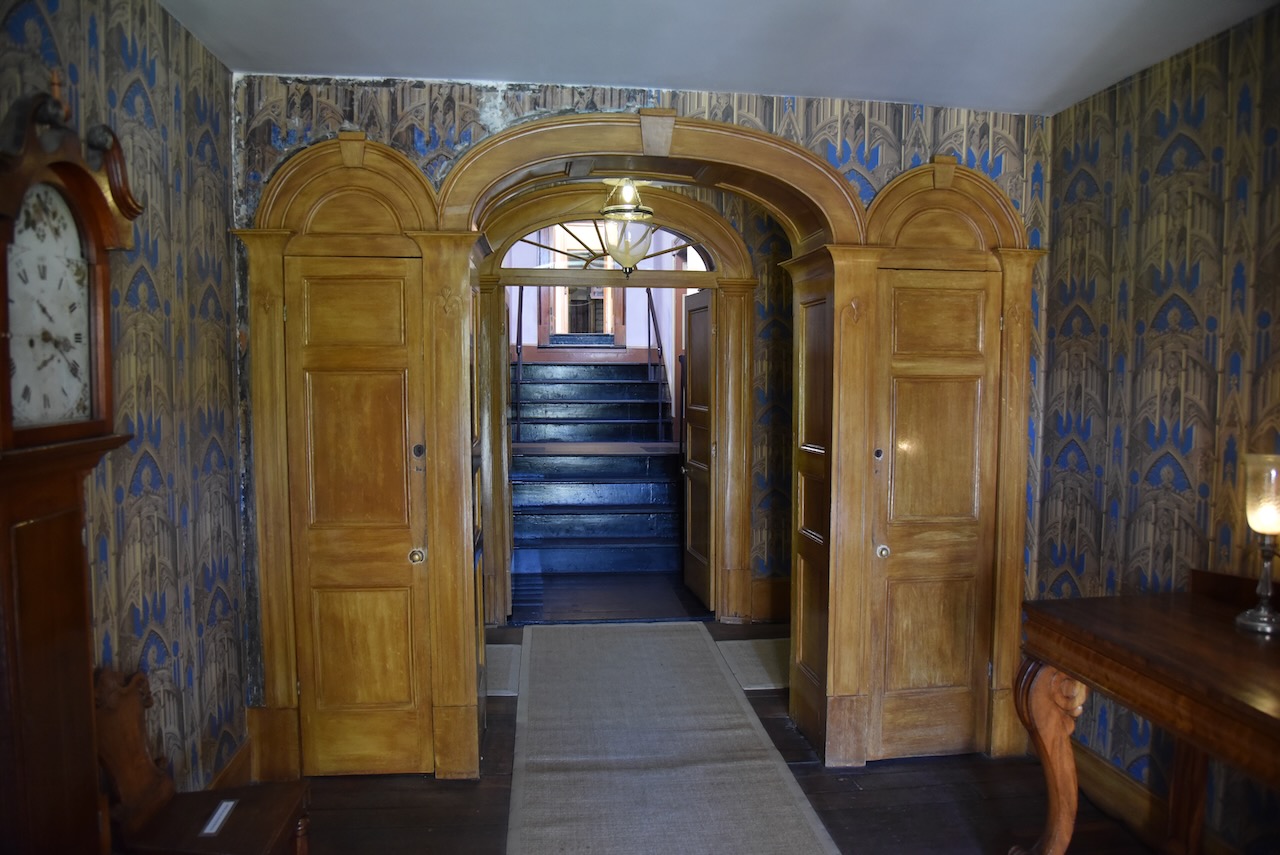
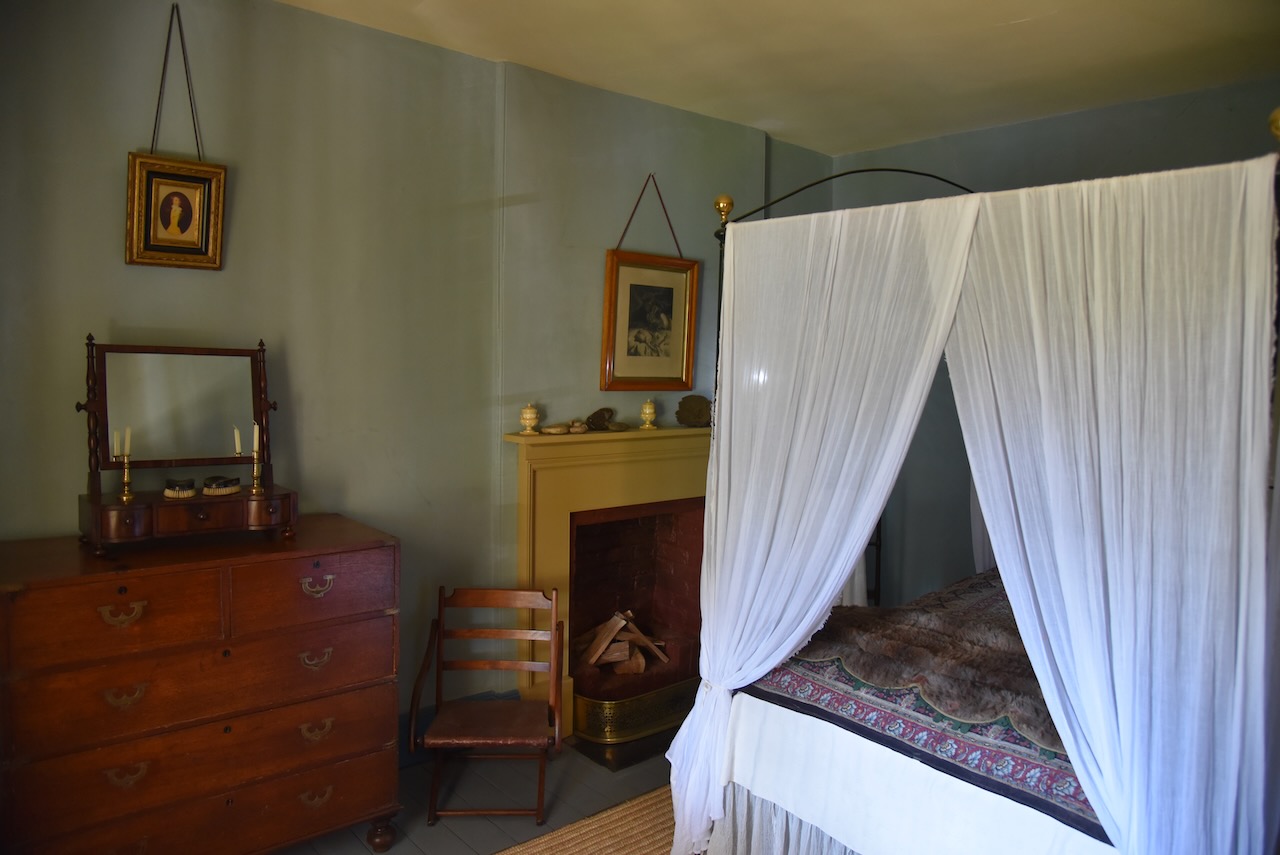
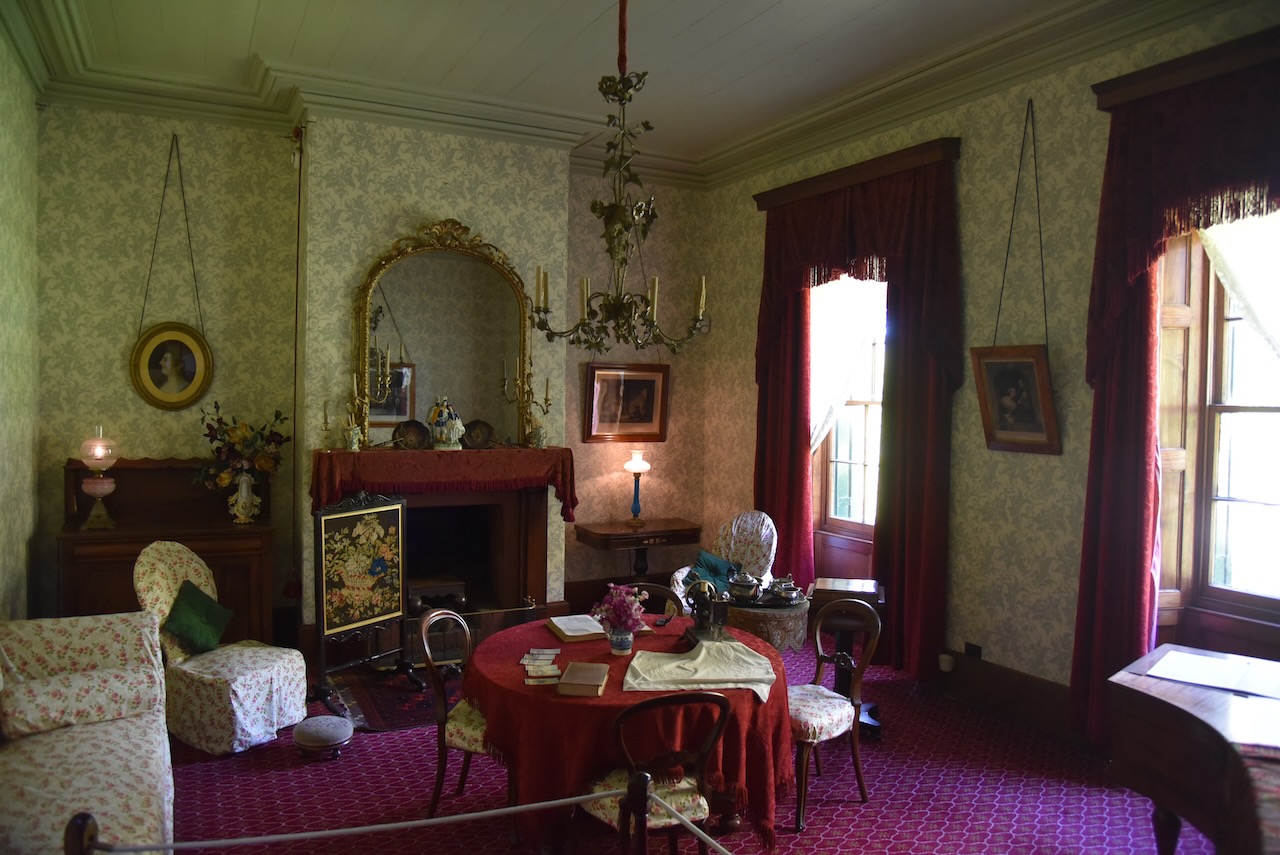
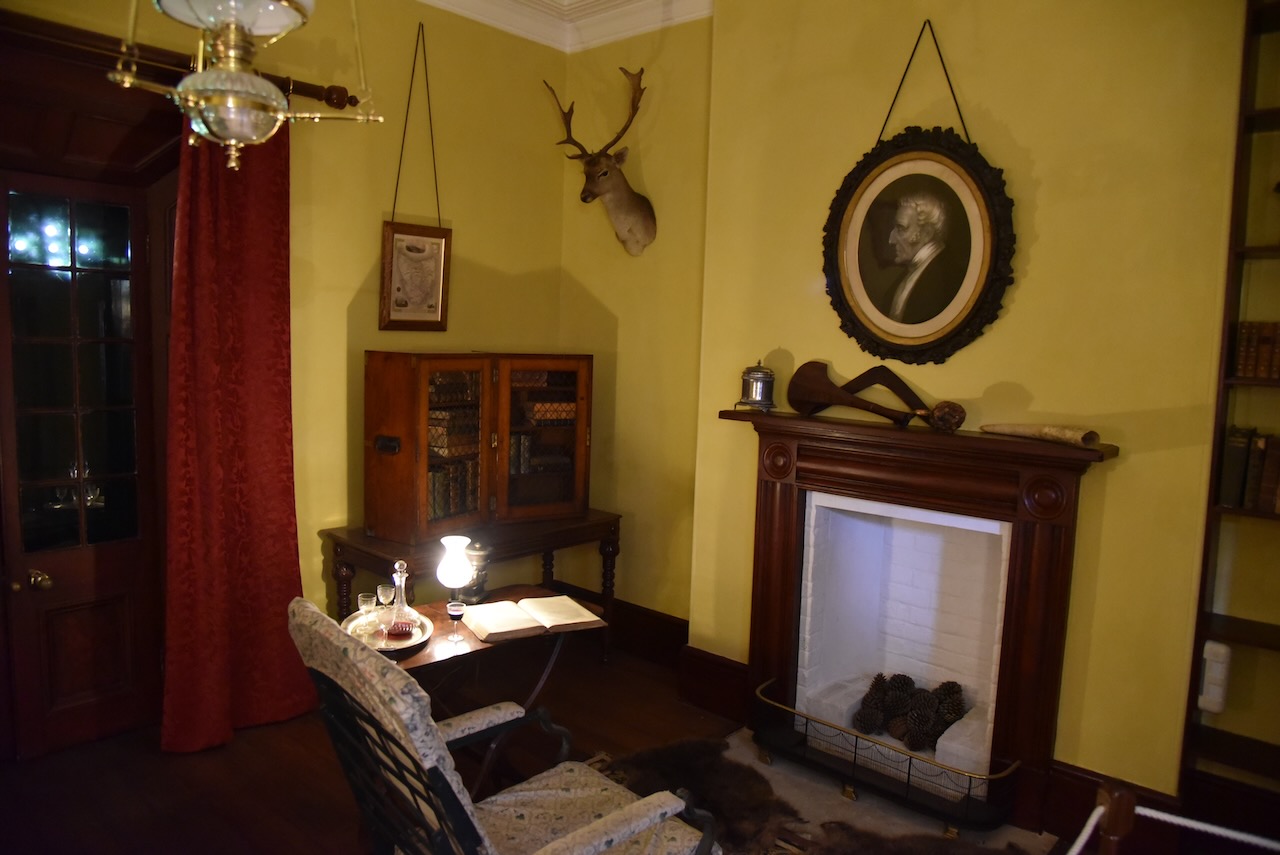
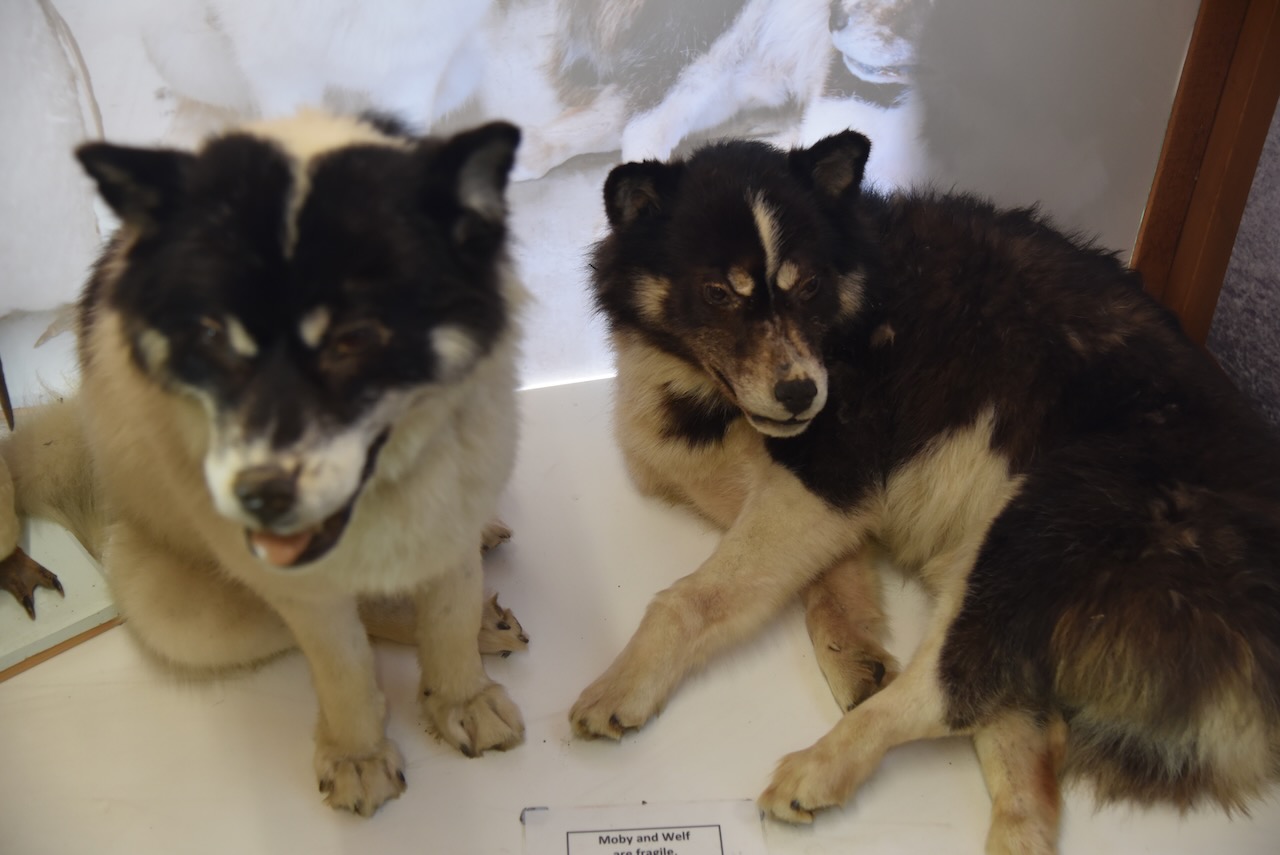
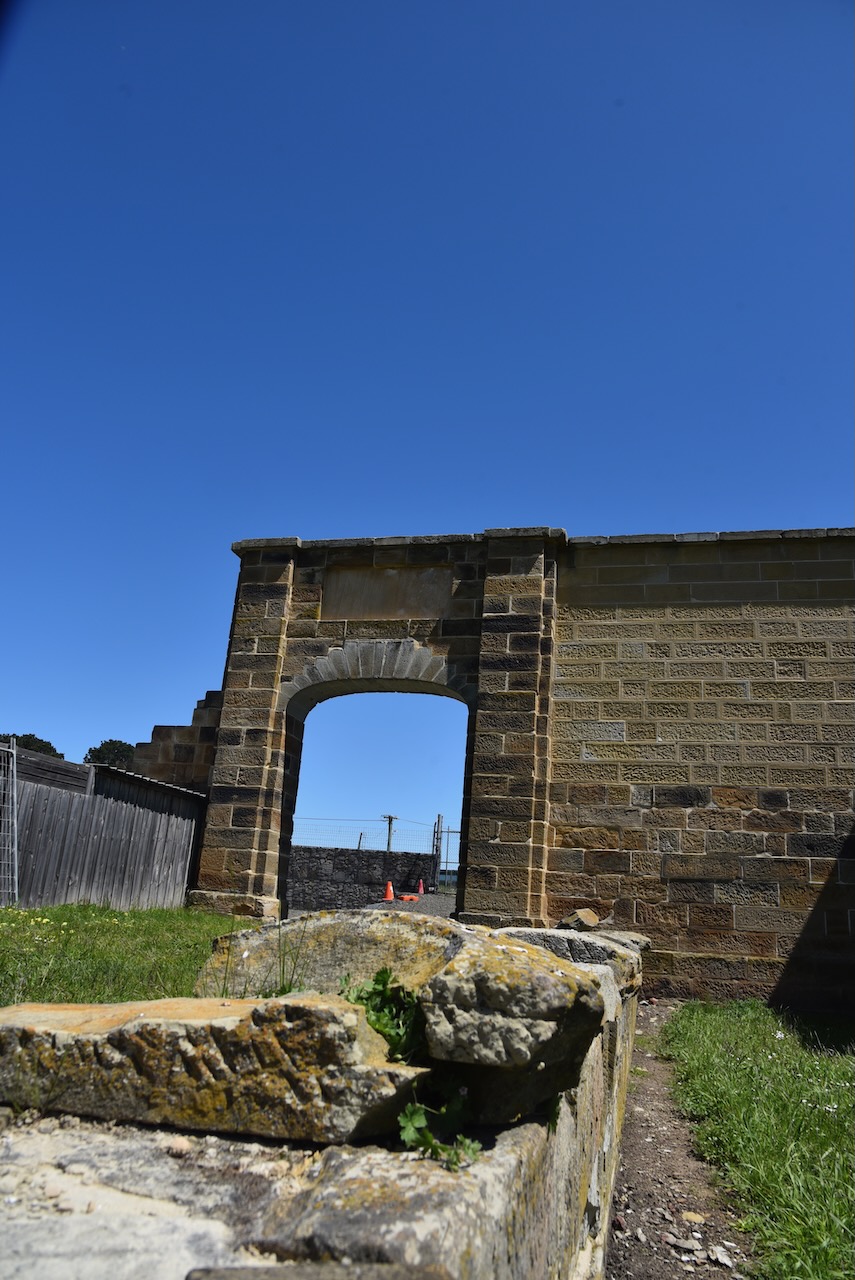
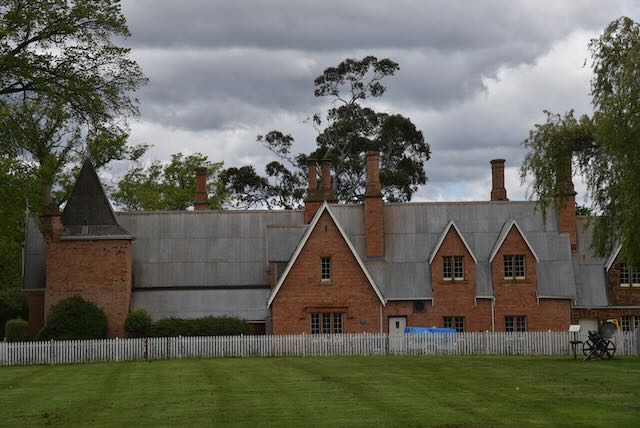
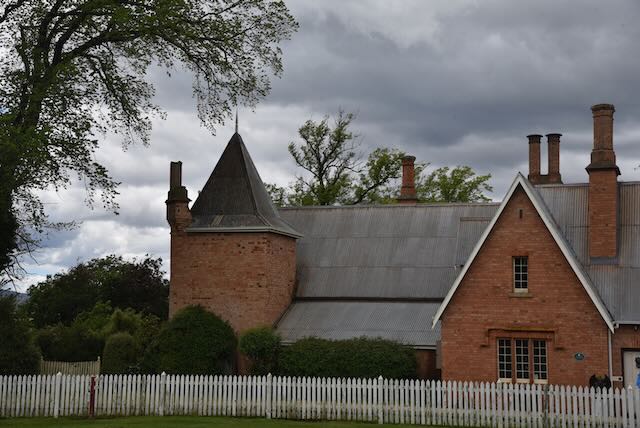
Day thirteen (Tuesday 8th November 2022) was upon us and we had planned a trip to the historic Port Arthur site on the Tasman Peninsula. Port Arthur is the best preserved convict site in Australia and among one of the most significant convict era sites in the world. Port Arthur haas about 30 historic buildings. I had not been to Port Arthur since 1983 and Marija had never been there, so we were both excited about the day’s activities.
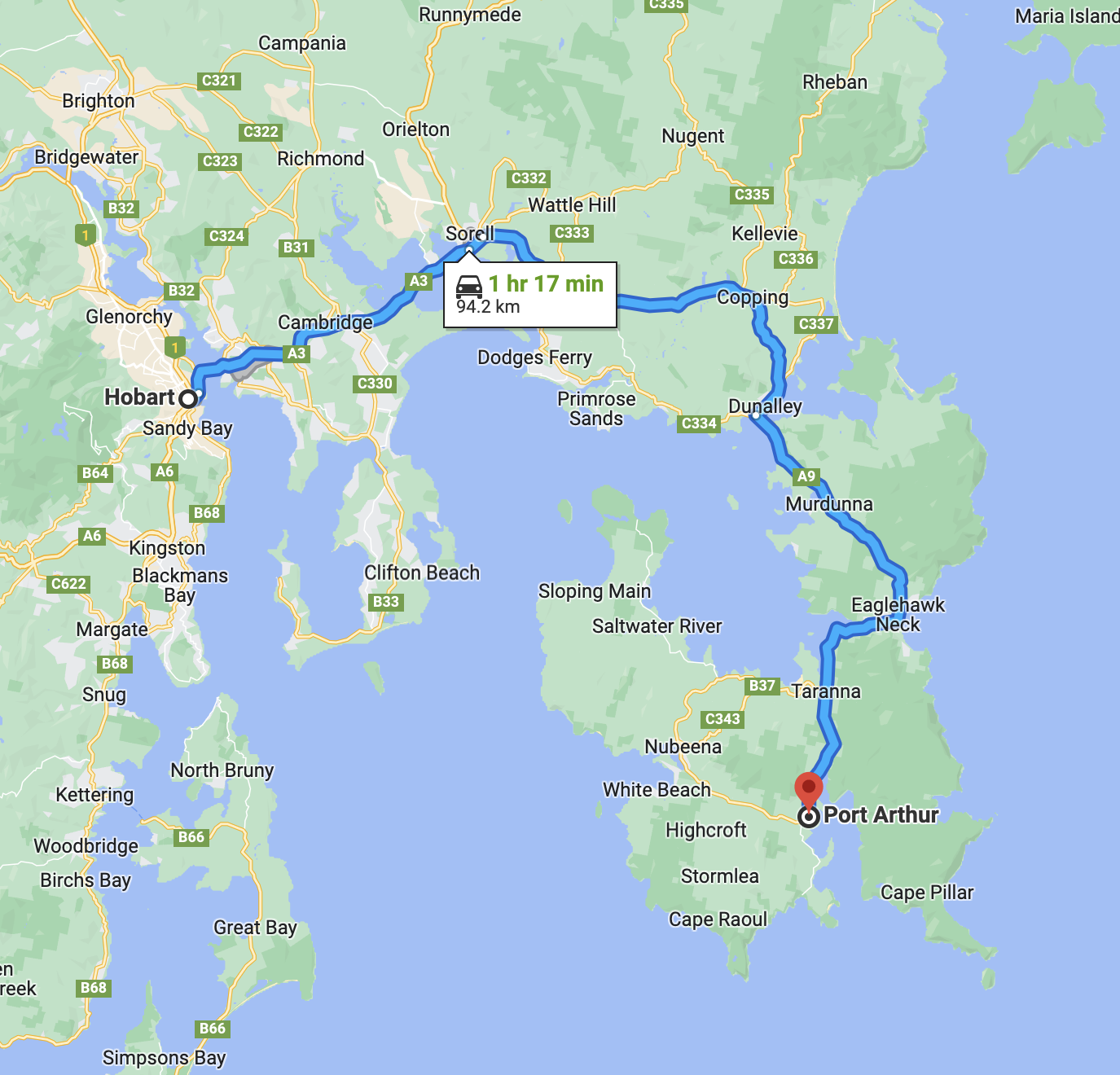
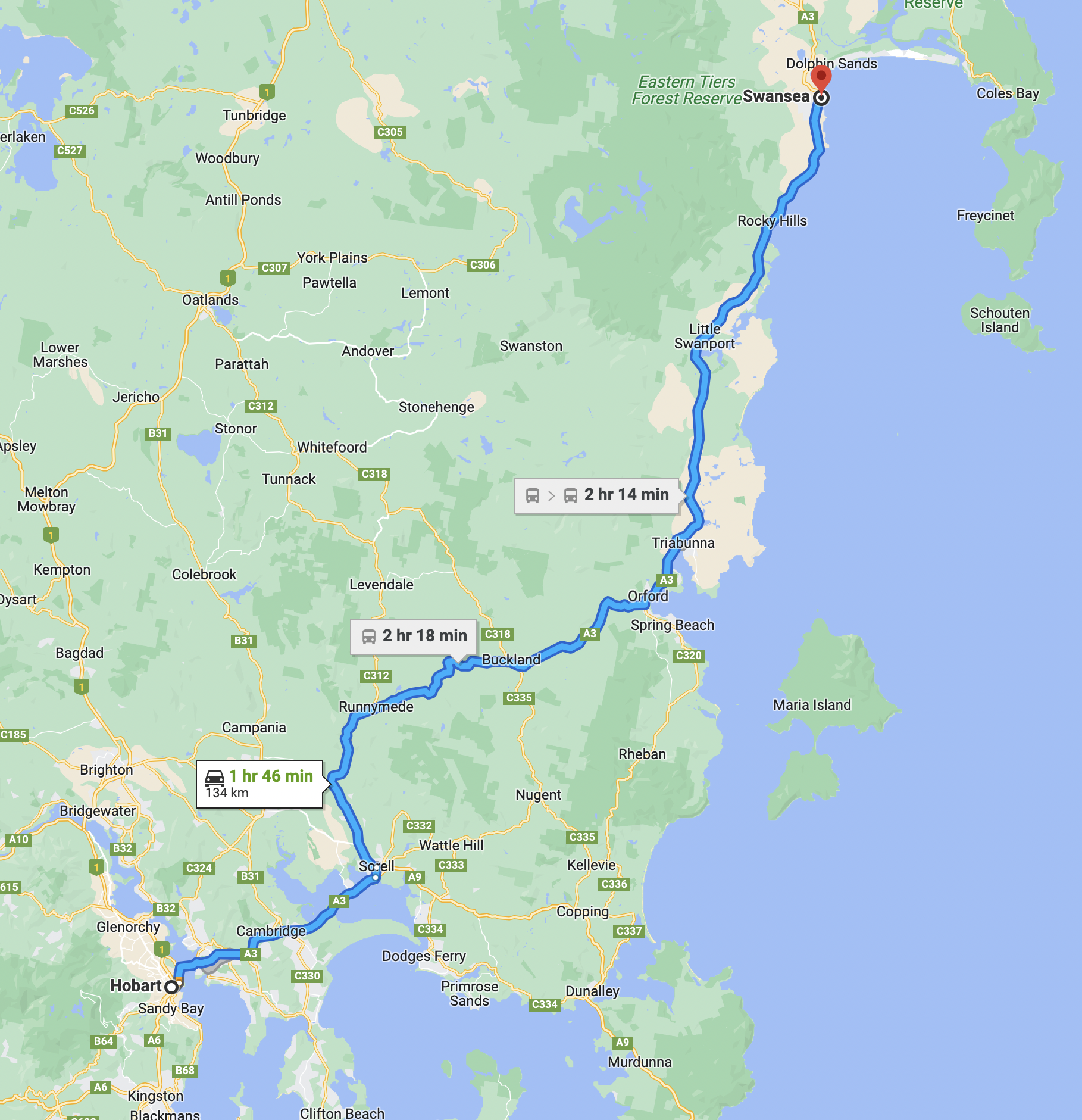
Above:- Map showing our route from Hobart to Port Arthur. Map c/o google maps.

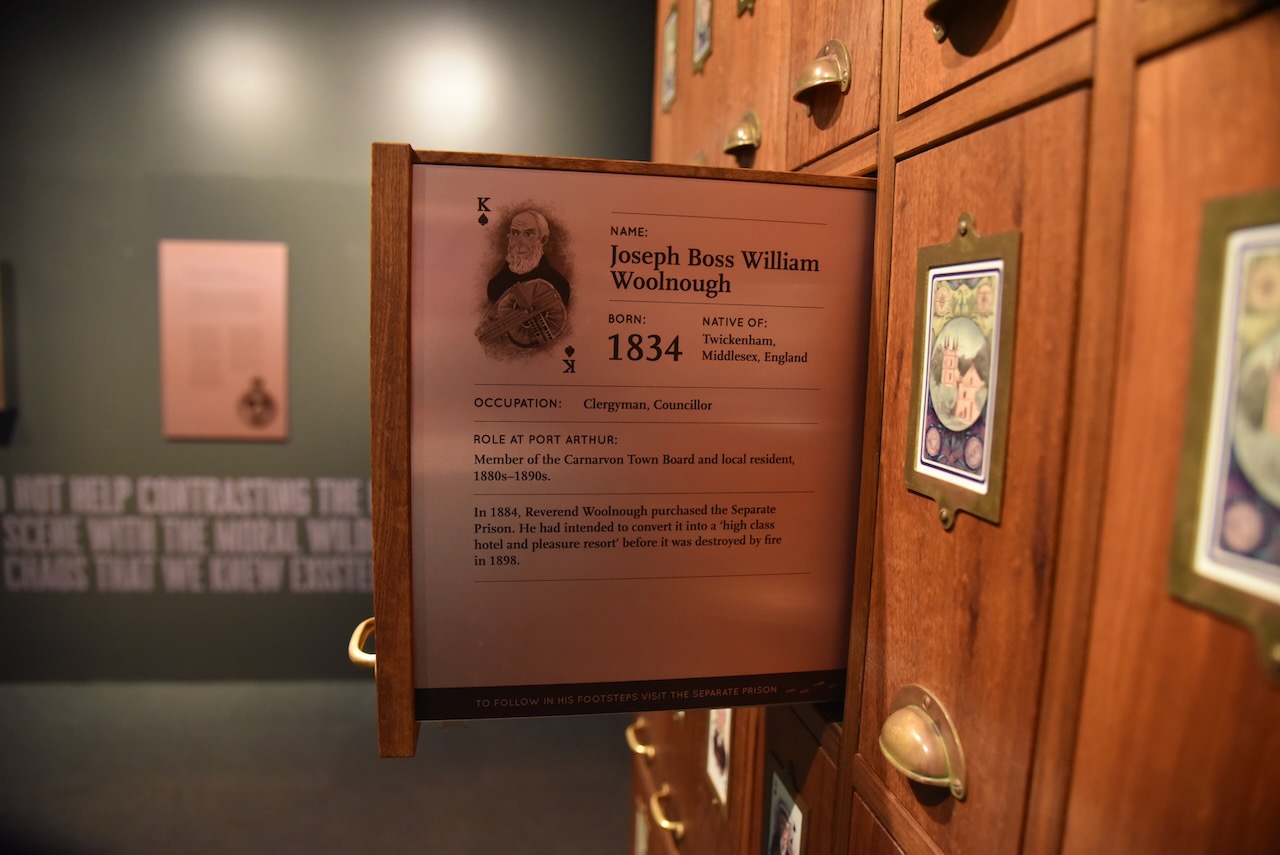
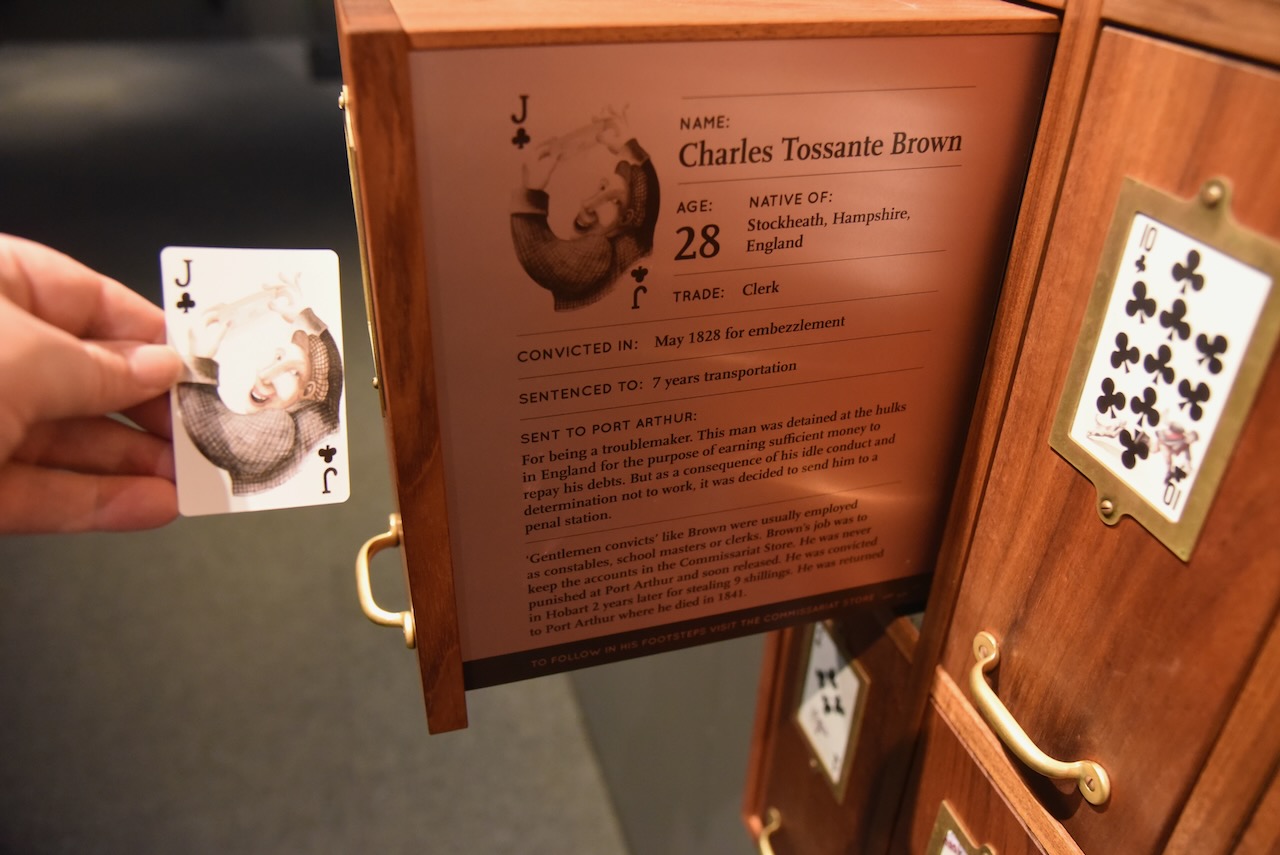
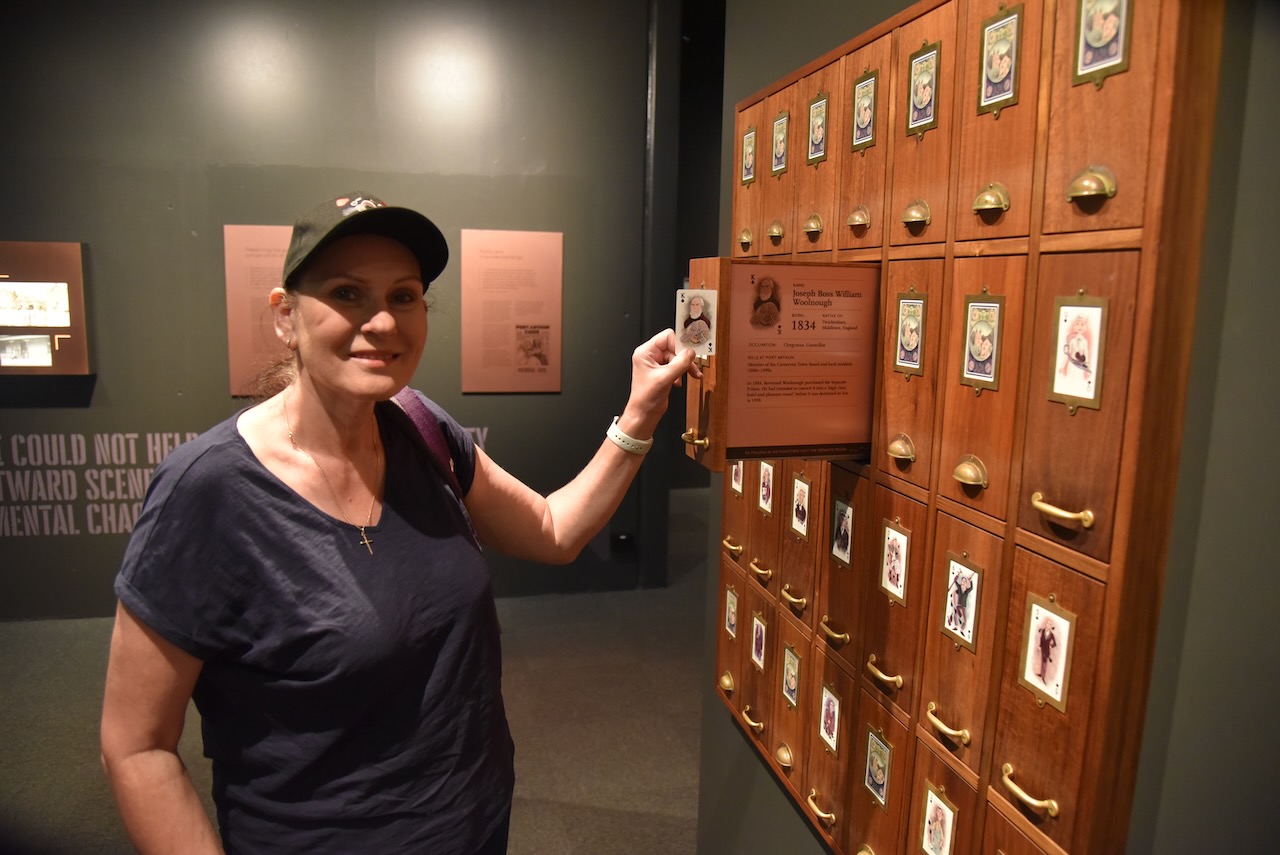
Upon arrival at Port Arthur you are given a playing card. It features a convict or another Port Arthur identity whom you are invited to learn more about during your visit.

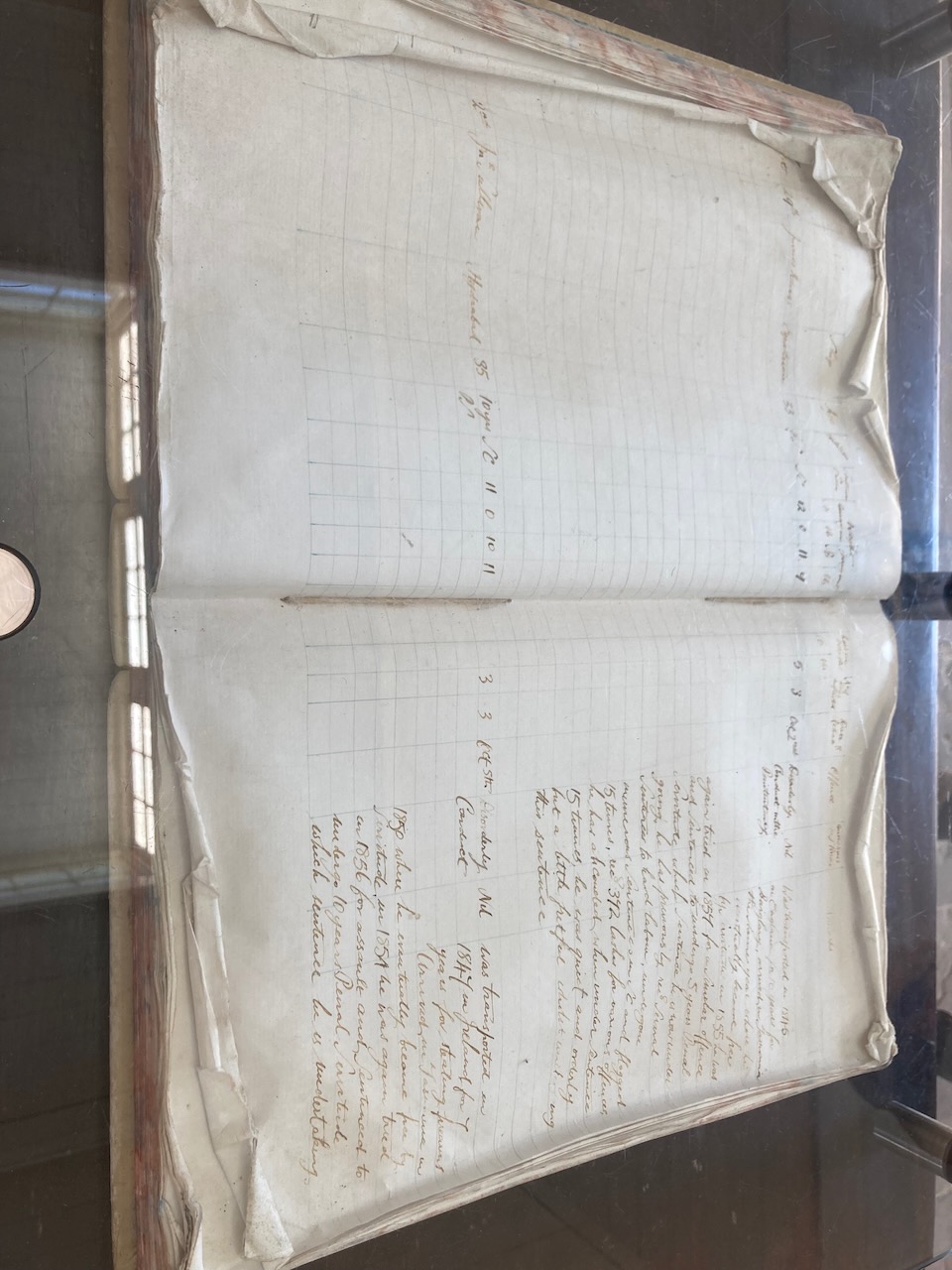
My convict was Charles Tossante Brown who was just 28 years old and a native of Stockheath, Hampshire, England, when in May 1828 he was convicted of embezzlement. He was sentenced to 7 years transportation. His job was to keep the accounts in the Commissariat Store. He was never punished at Port Arthur and was soon released. He was convicted in Hobart two years later for stealing 9 shillings and he was returned to Port Arthur where he died in 1841.

Marija’s card was for Joseph Boss William Woolnough, who was a clergyman and Councillor. He was a member of the Carnarvon Town Board. In 1884 Reverend Woolnough purchased the Separate Prison. He had intended to convert it into a high class hotel and pleasure resort before it was destroyed by fire in 1898.
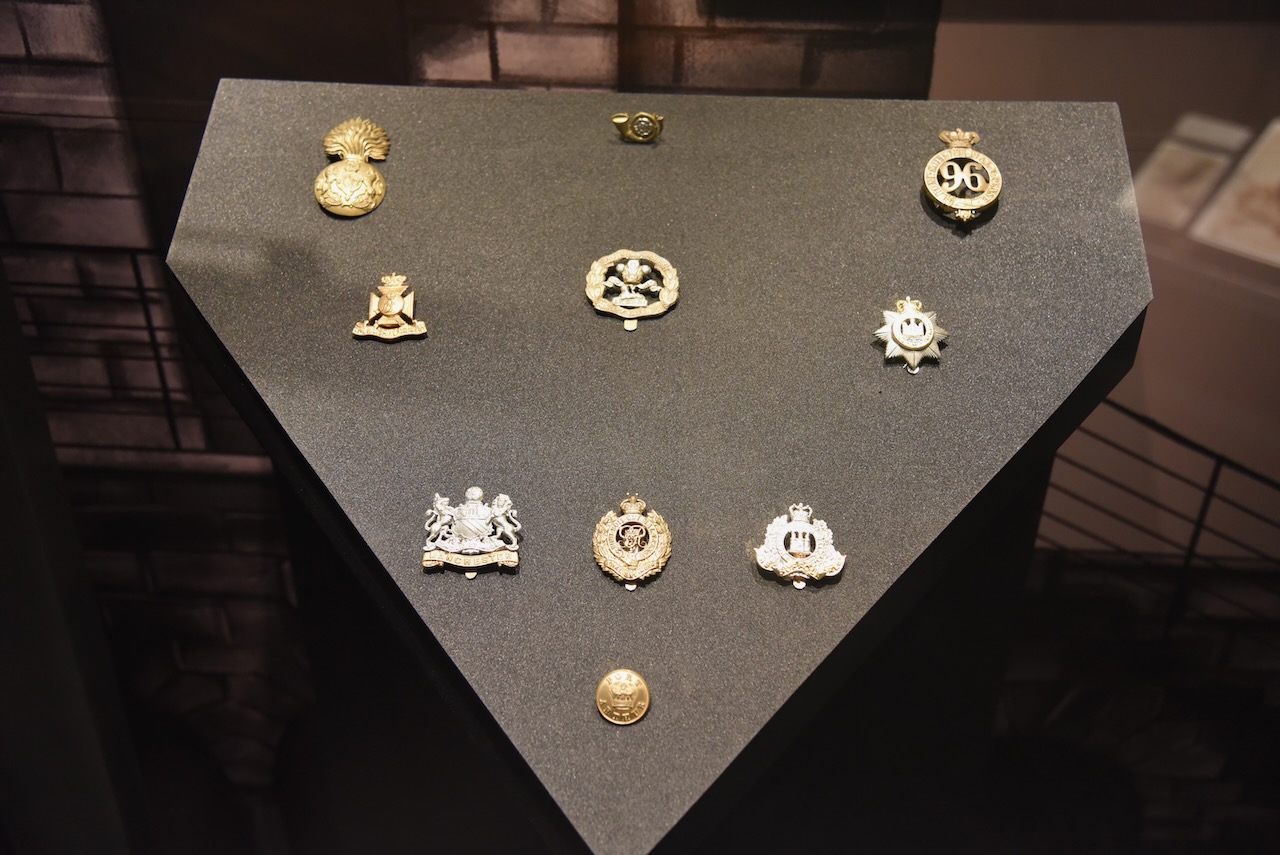
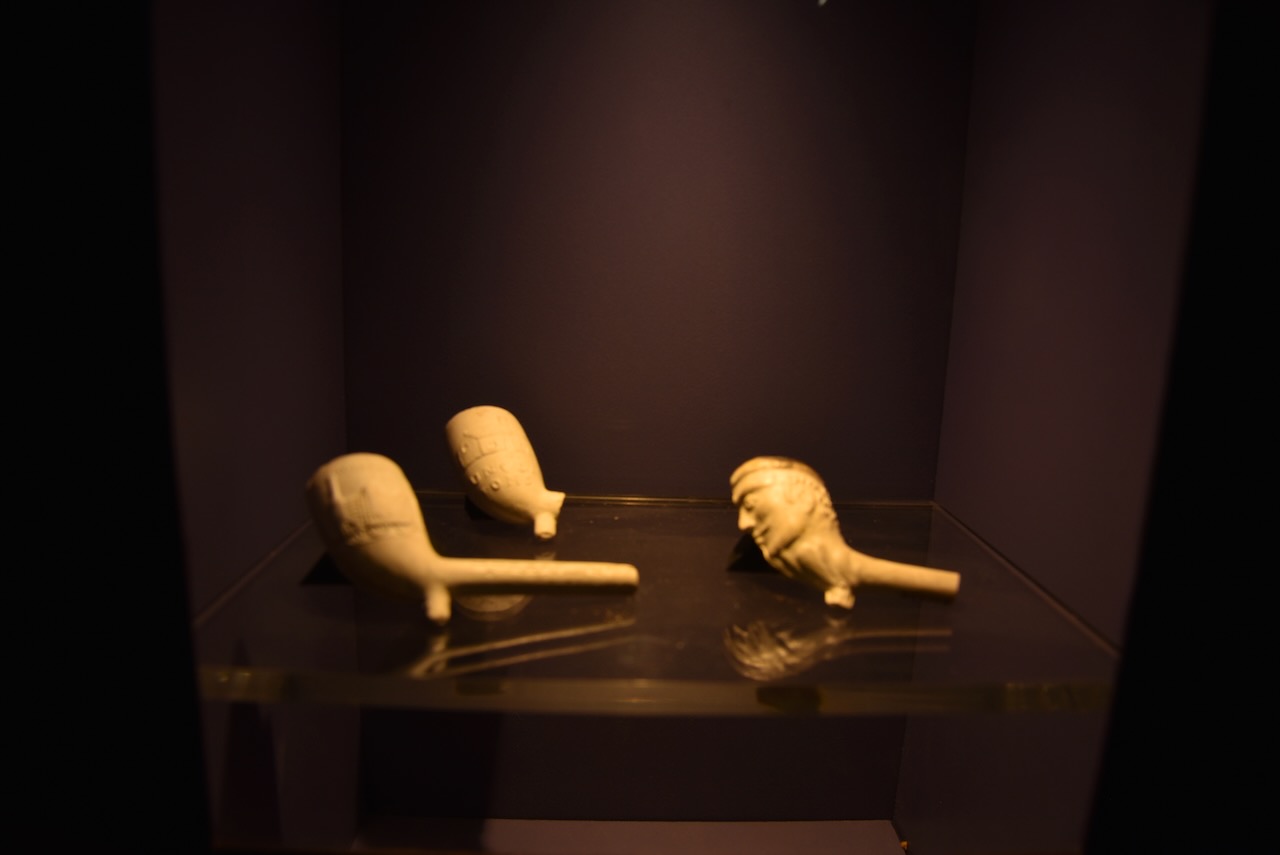
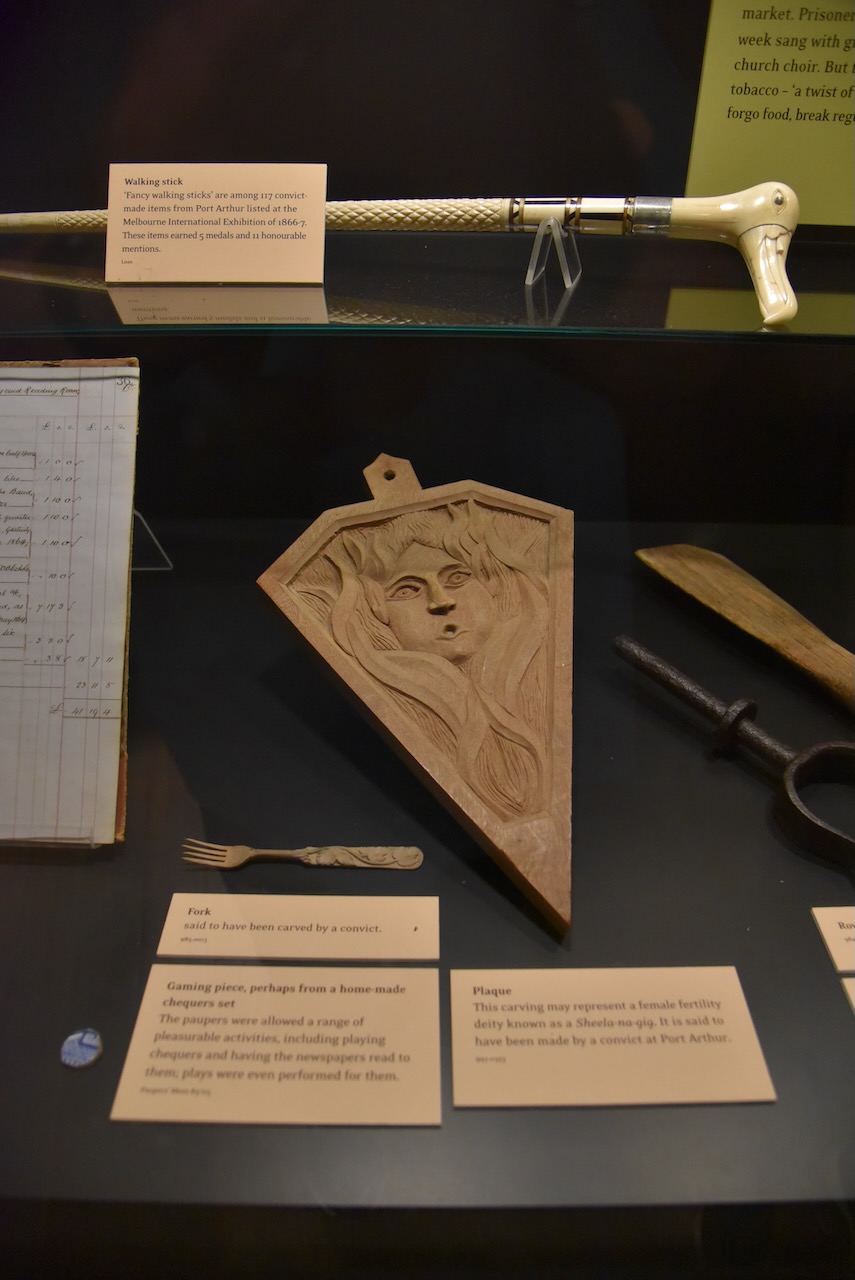
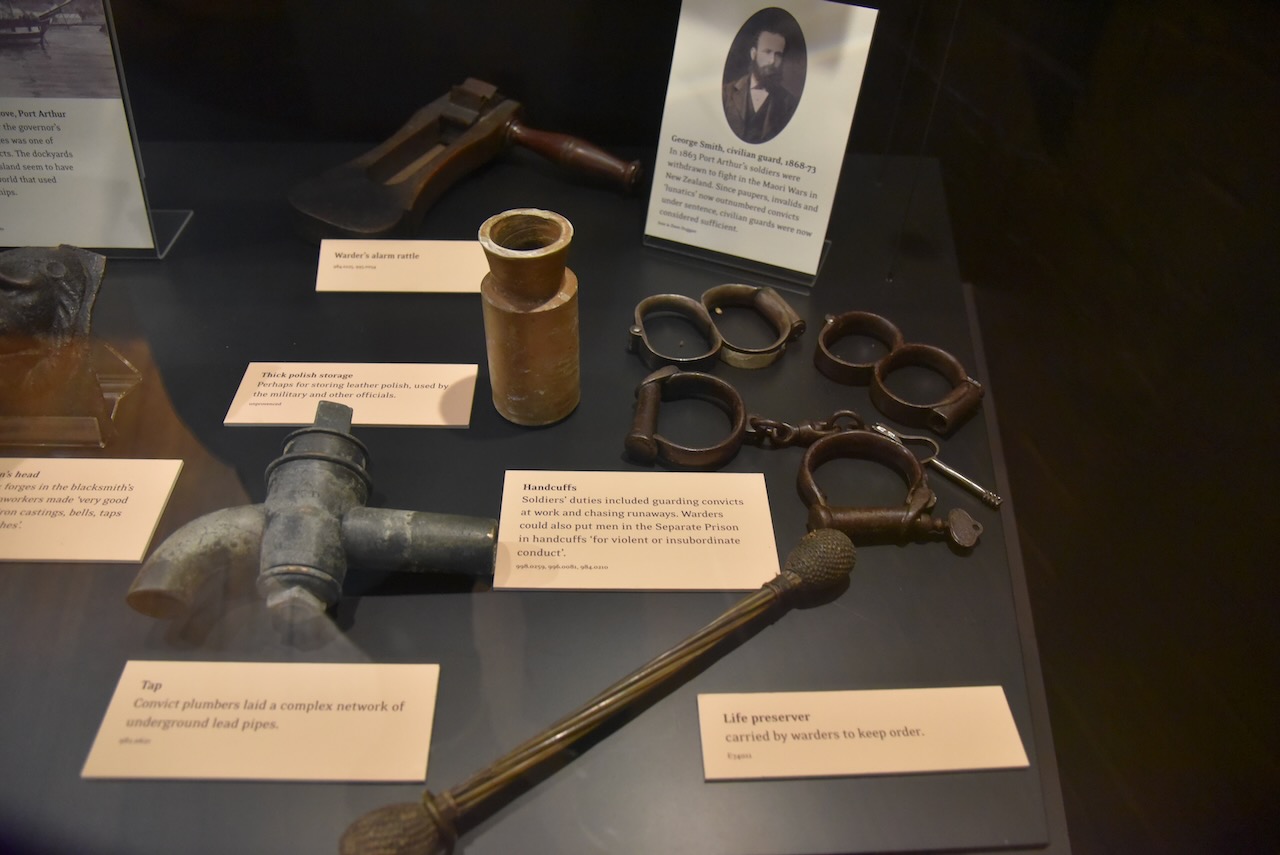
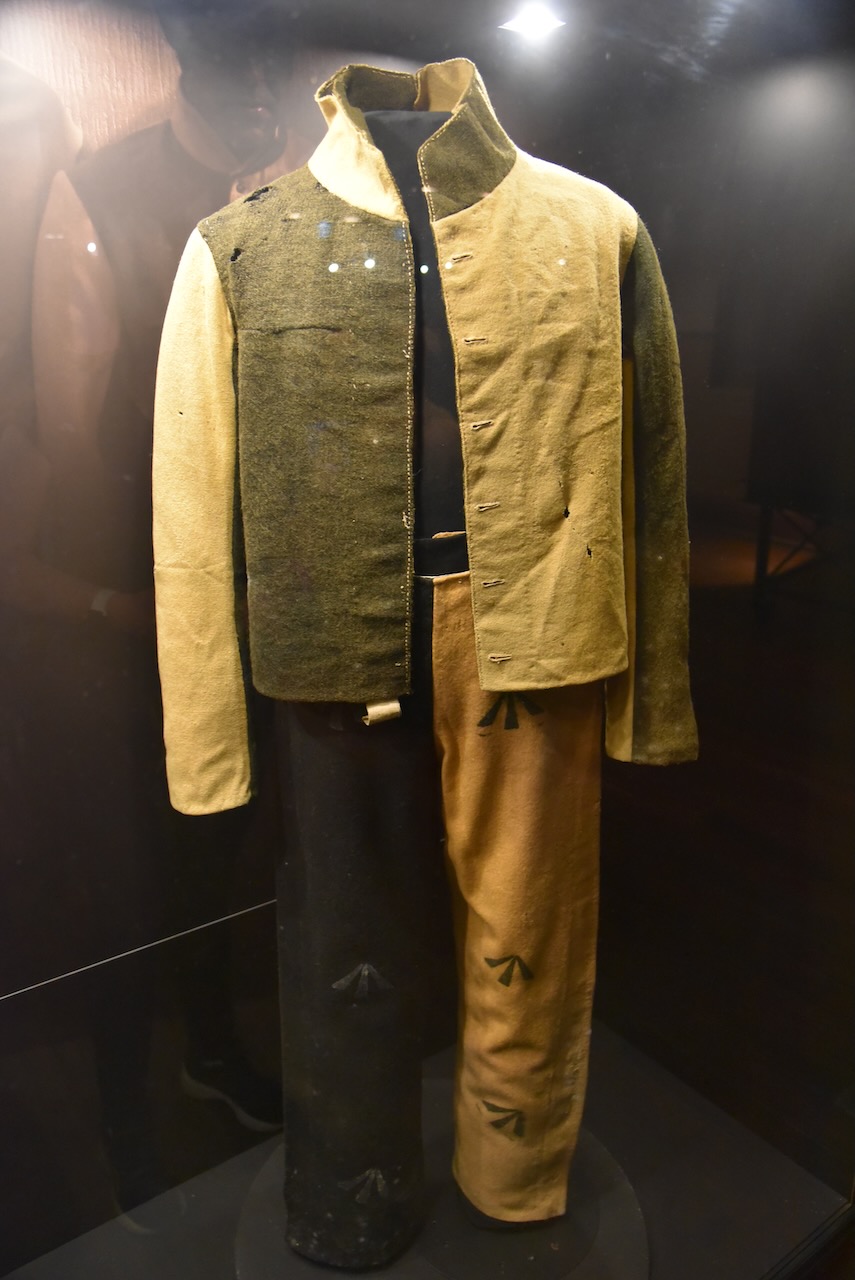
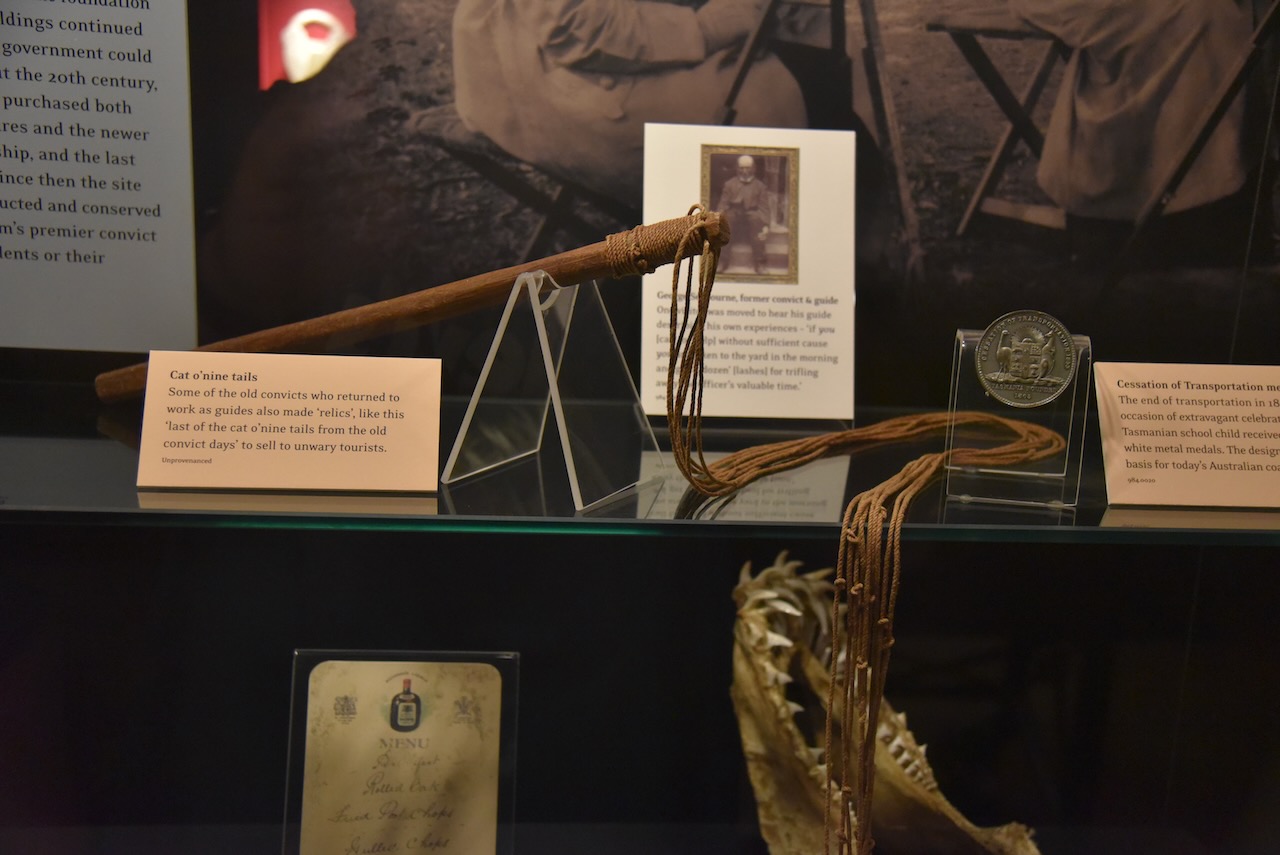
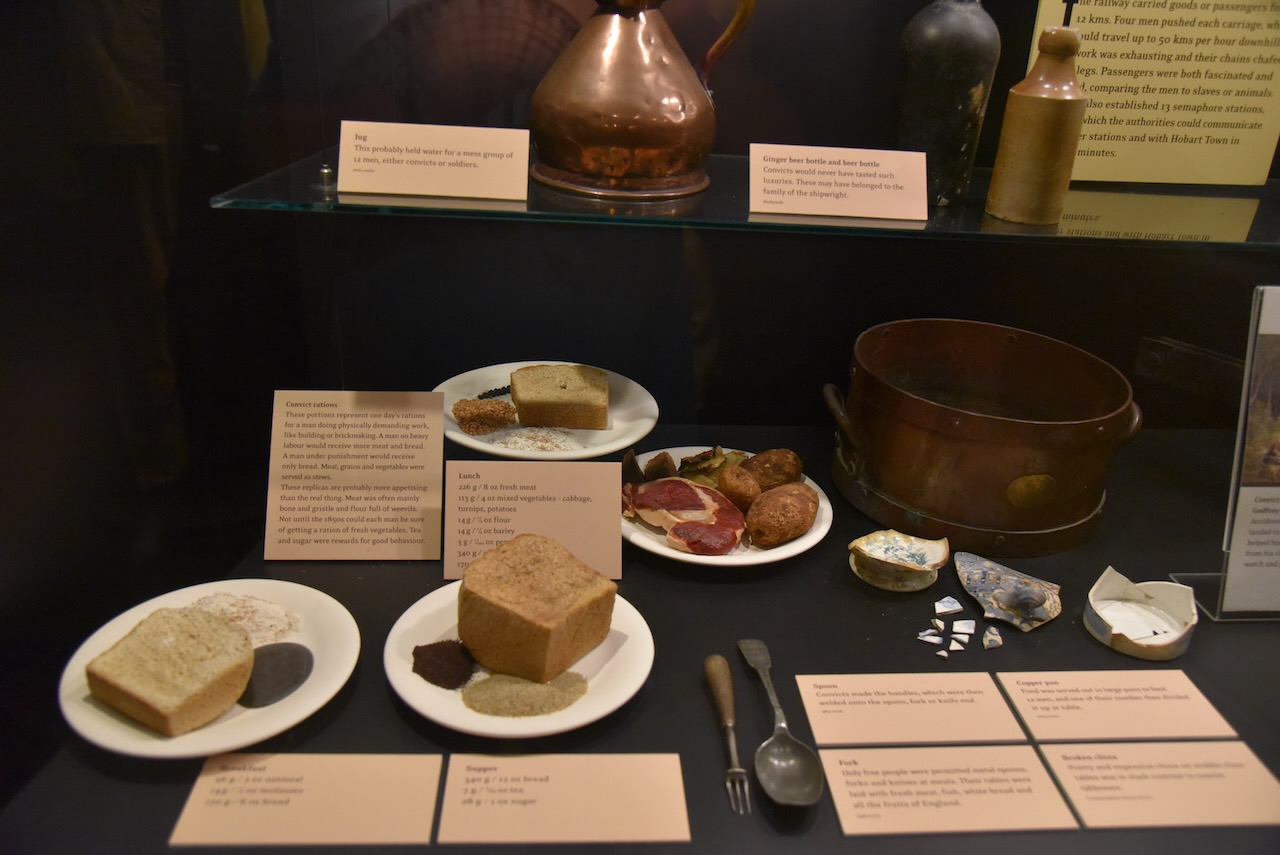
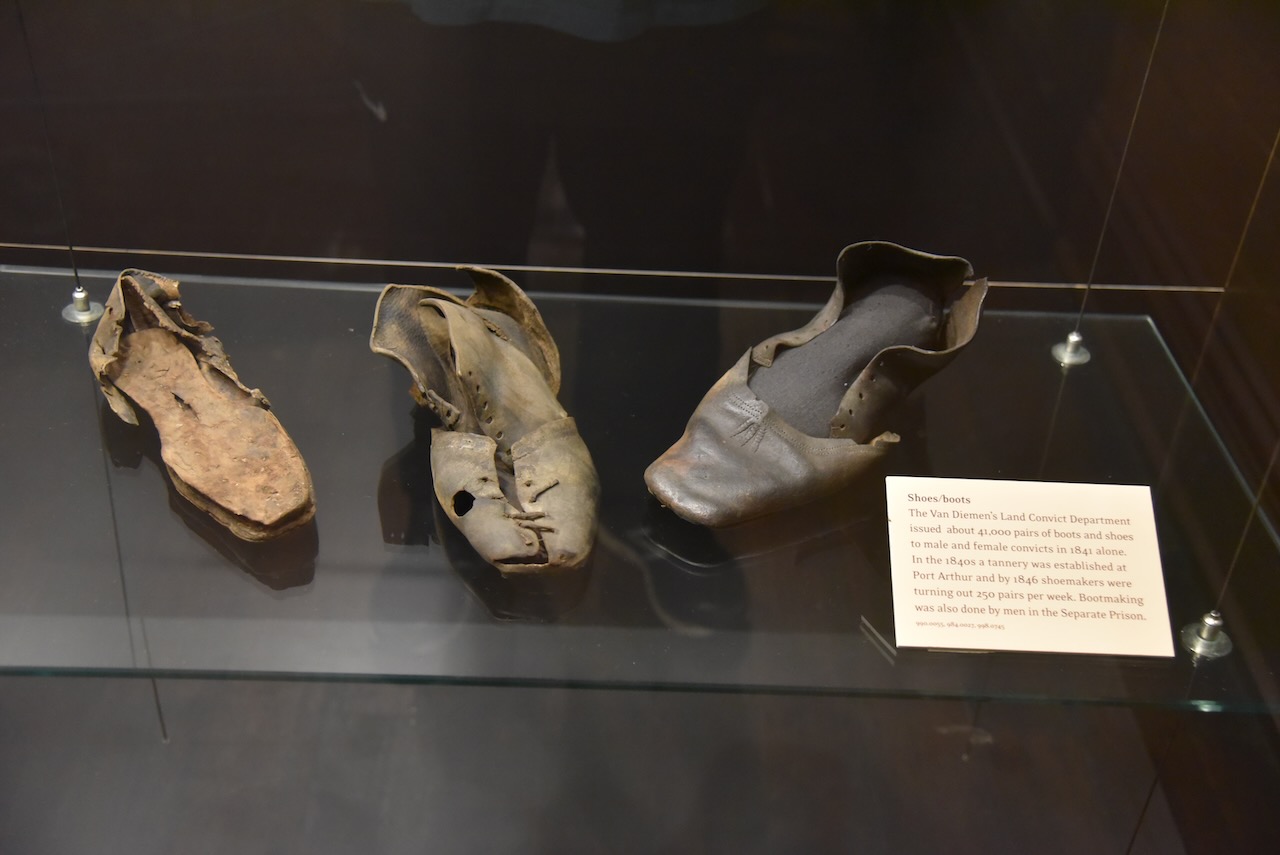
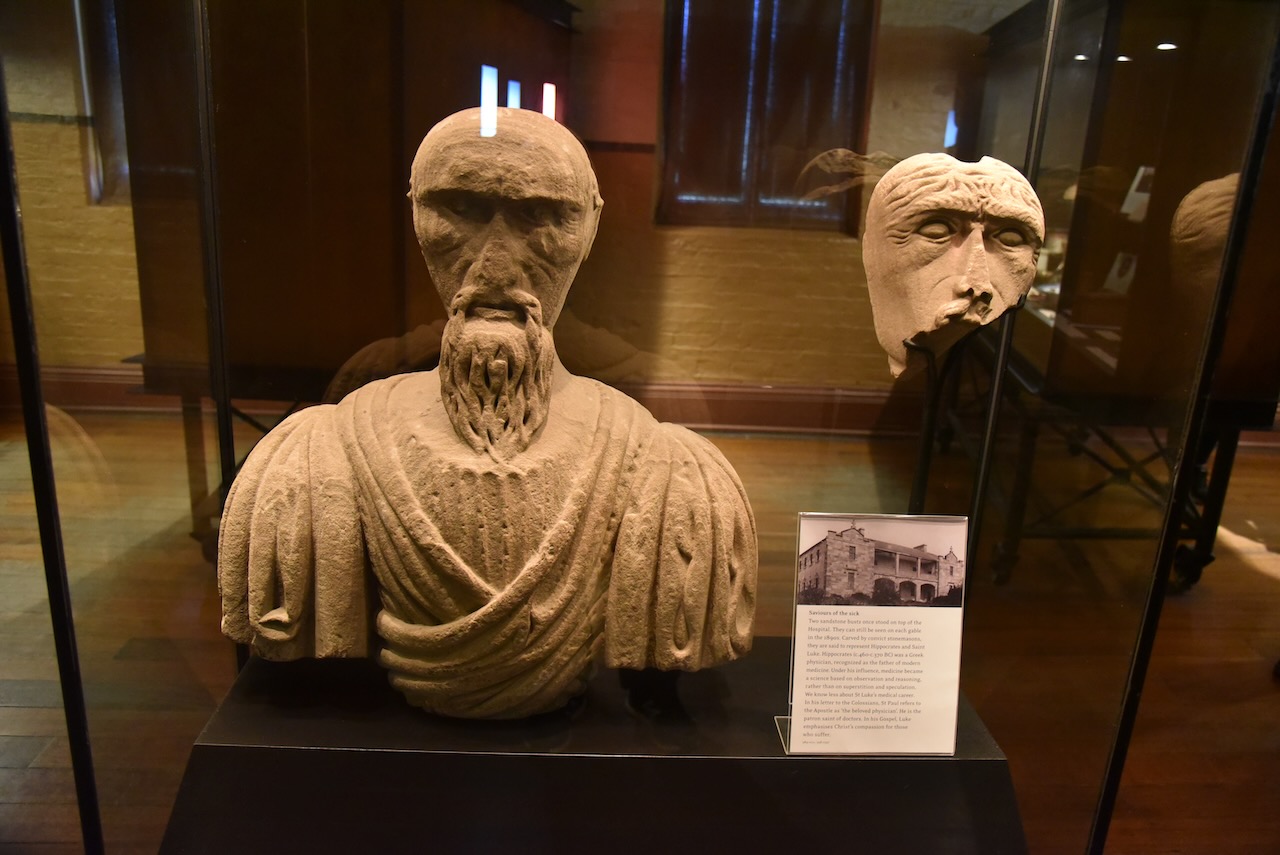
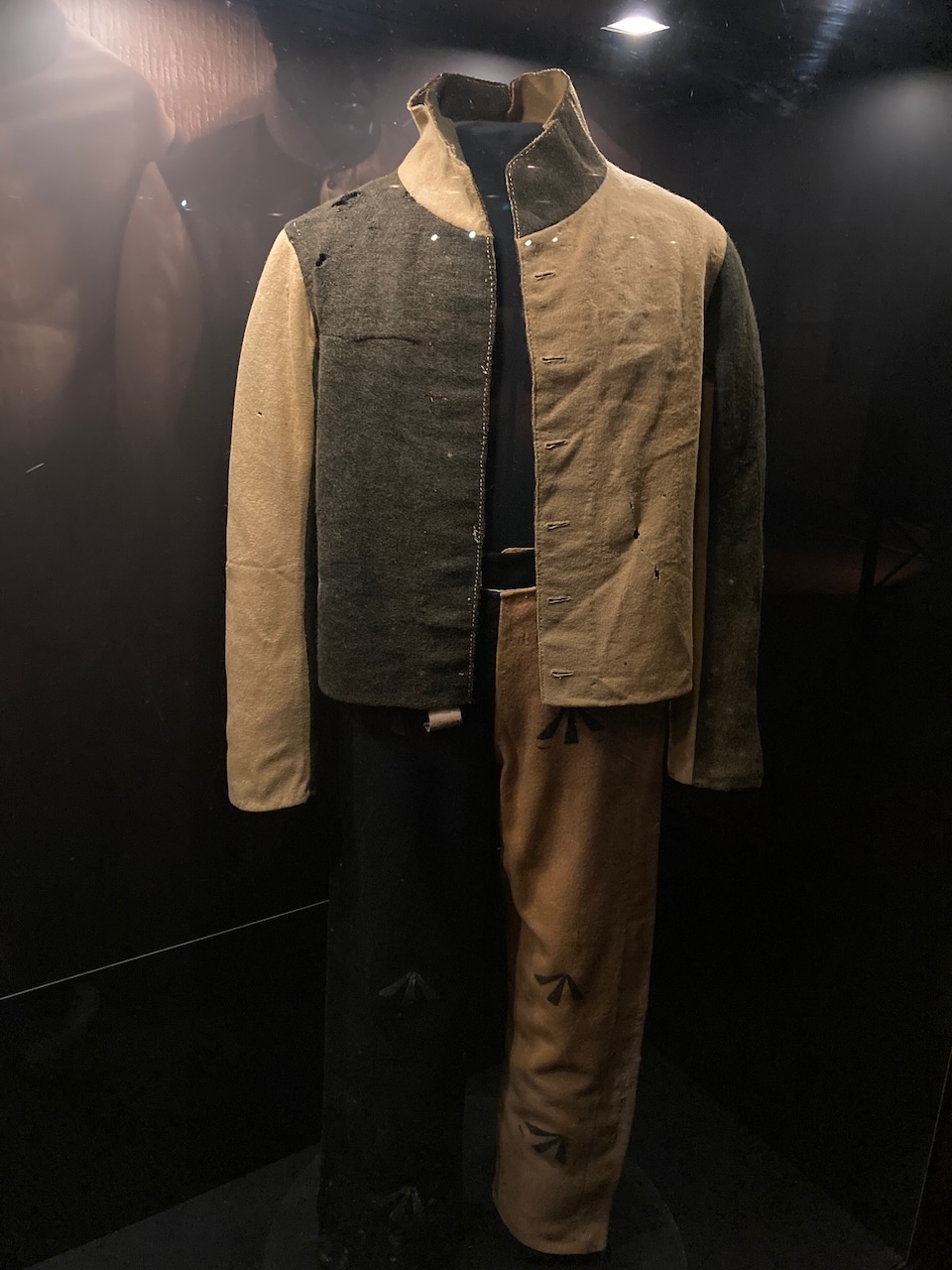
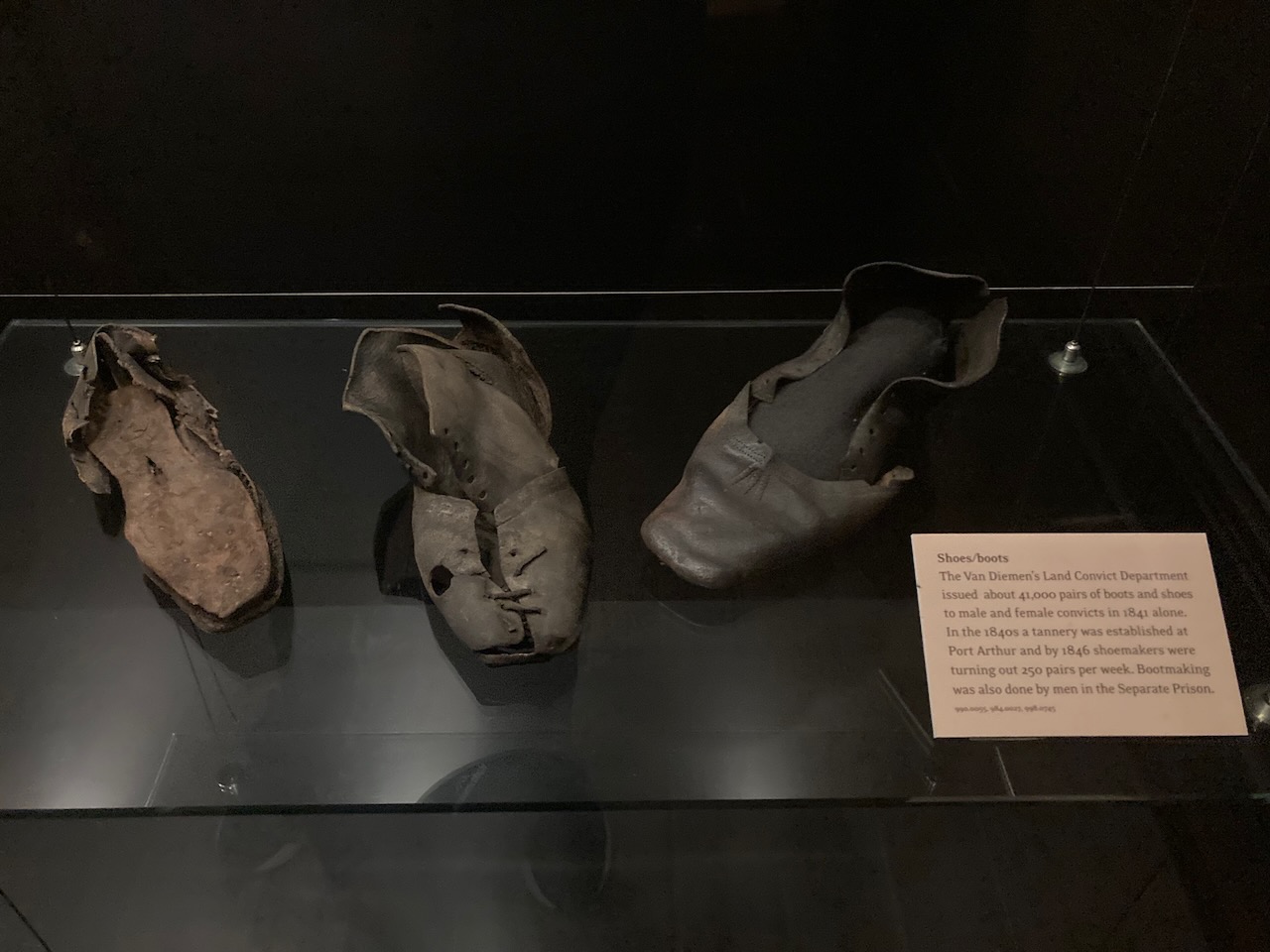
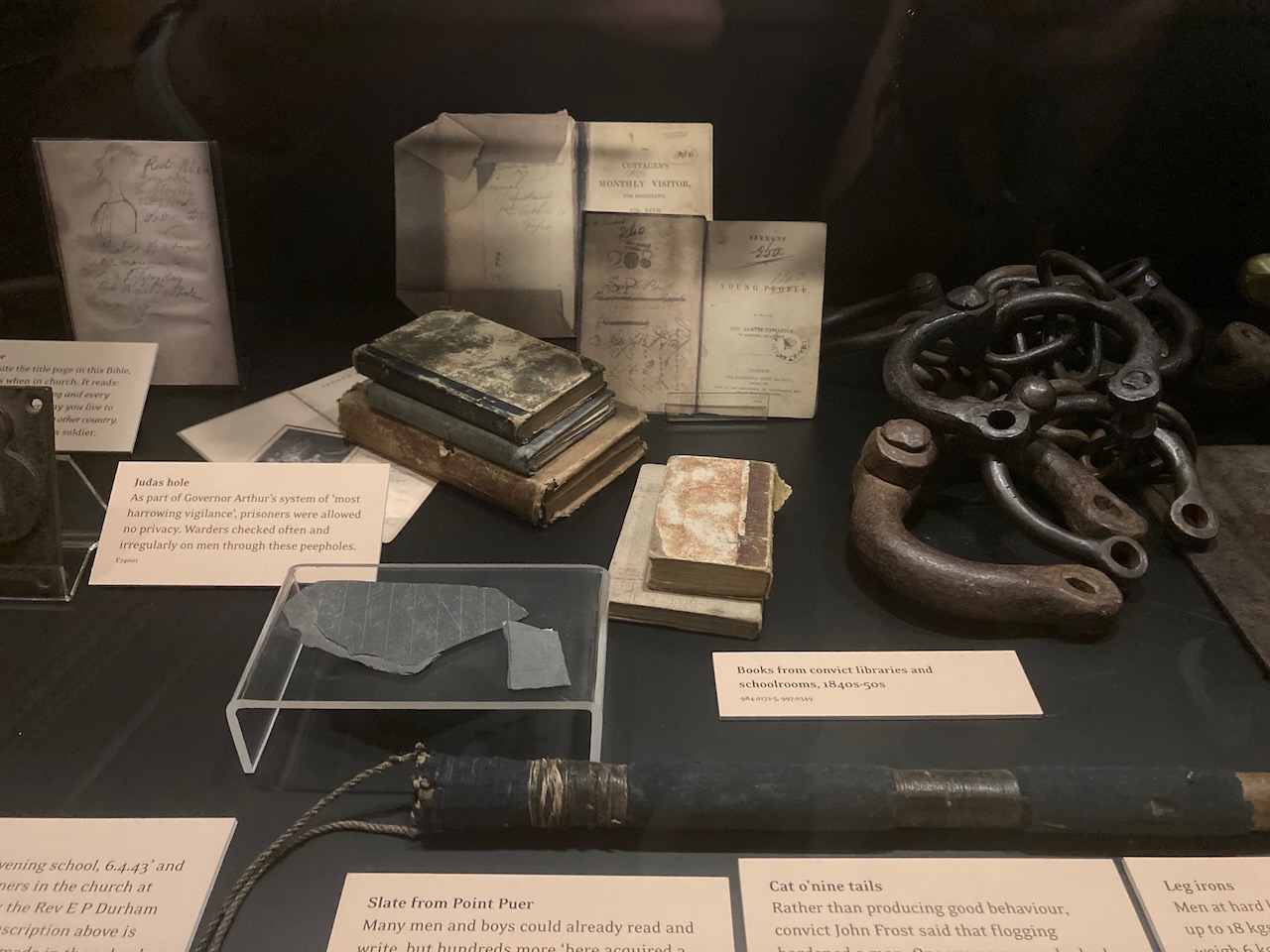
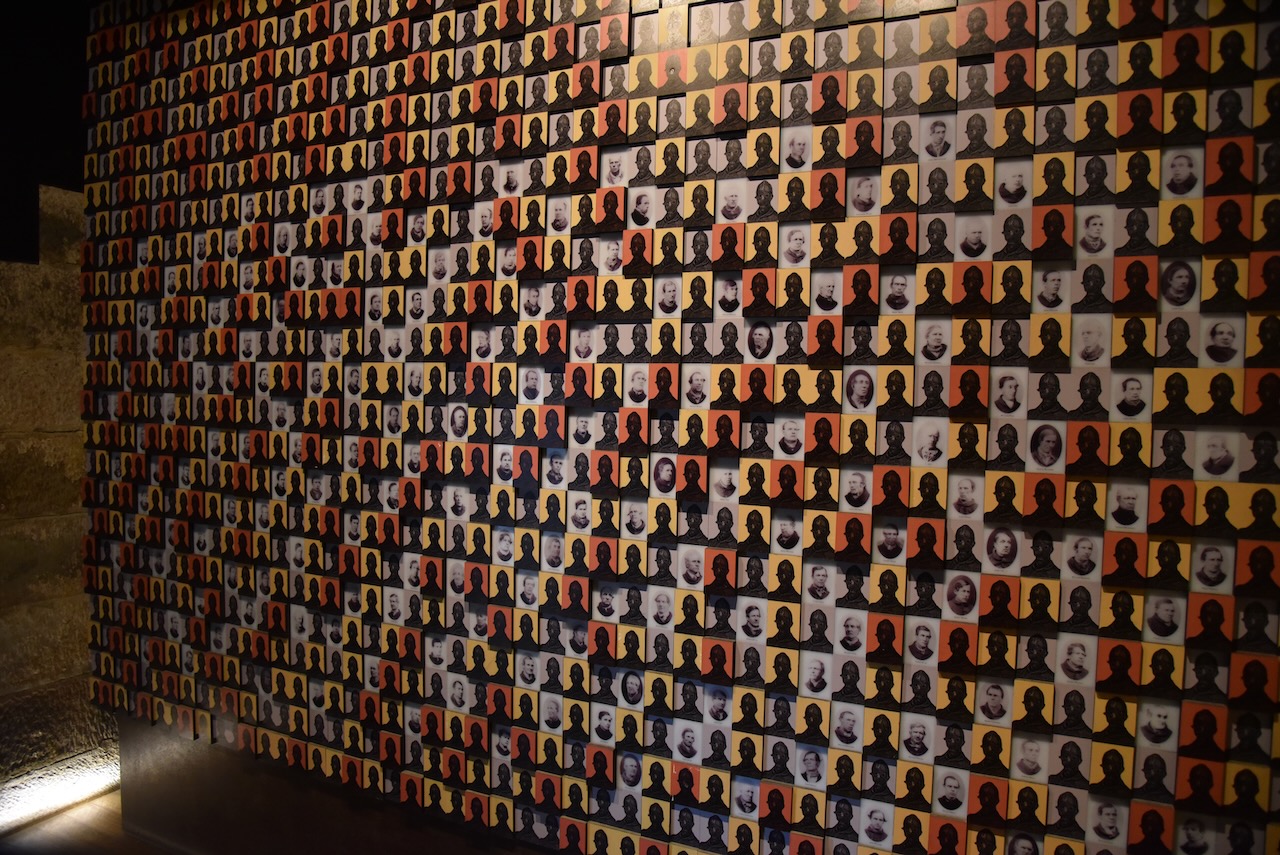
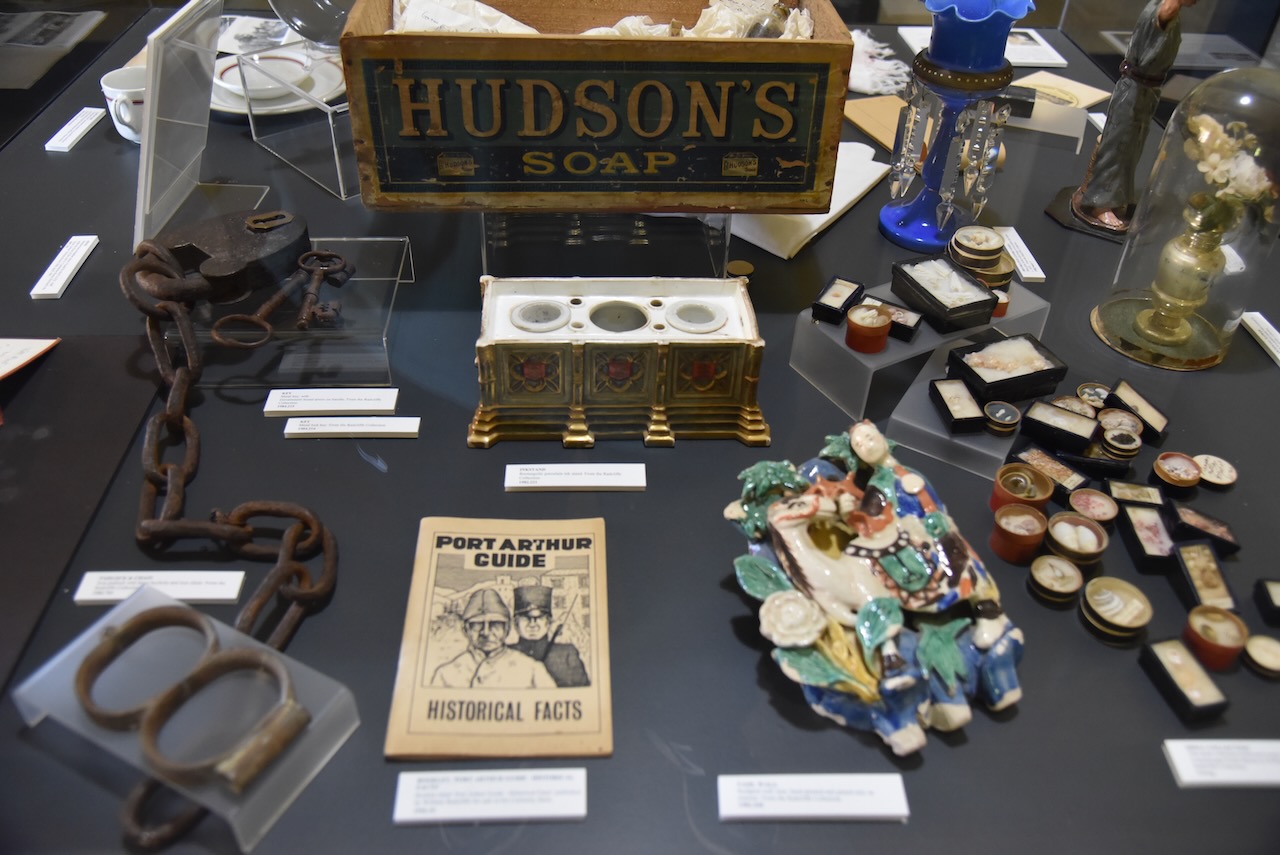
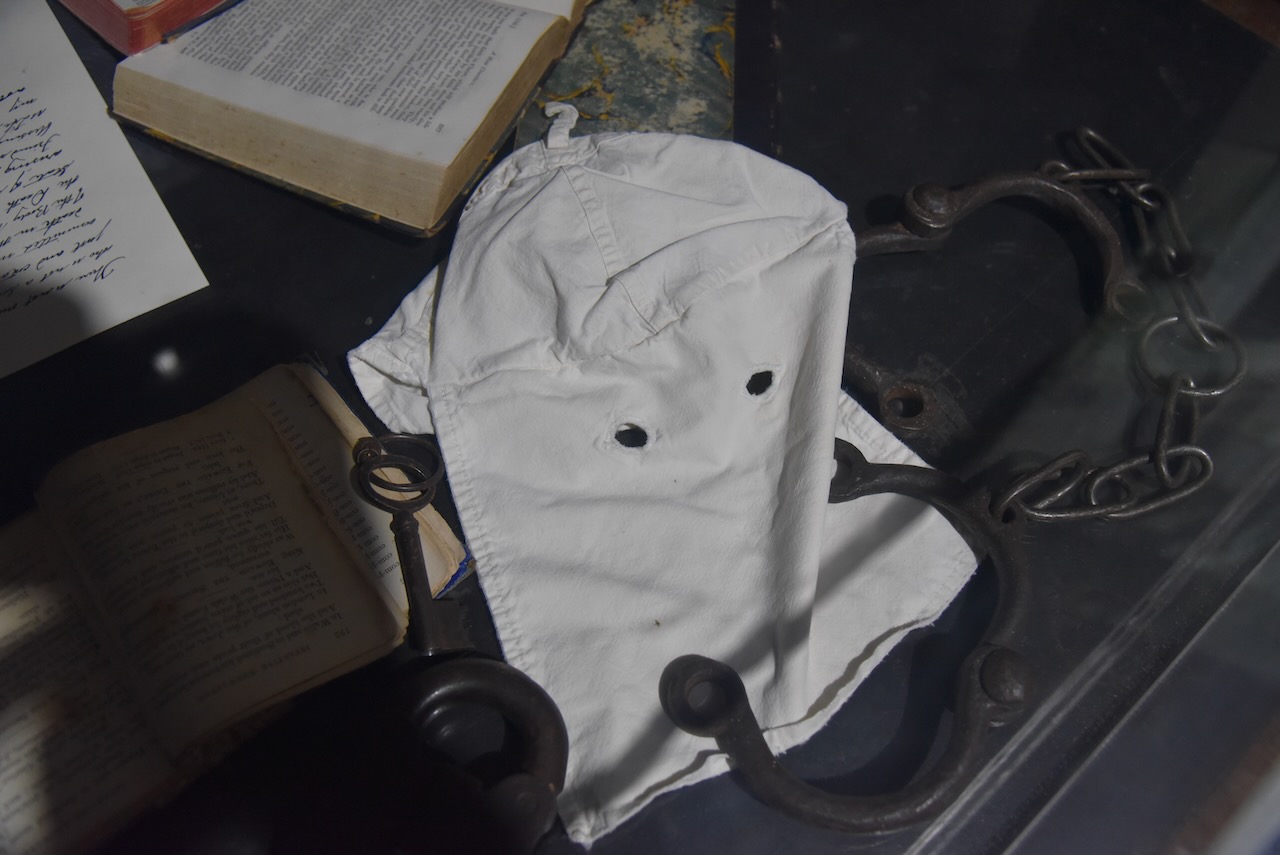
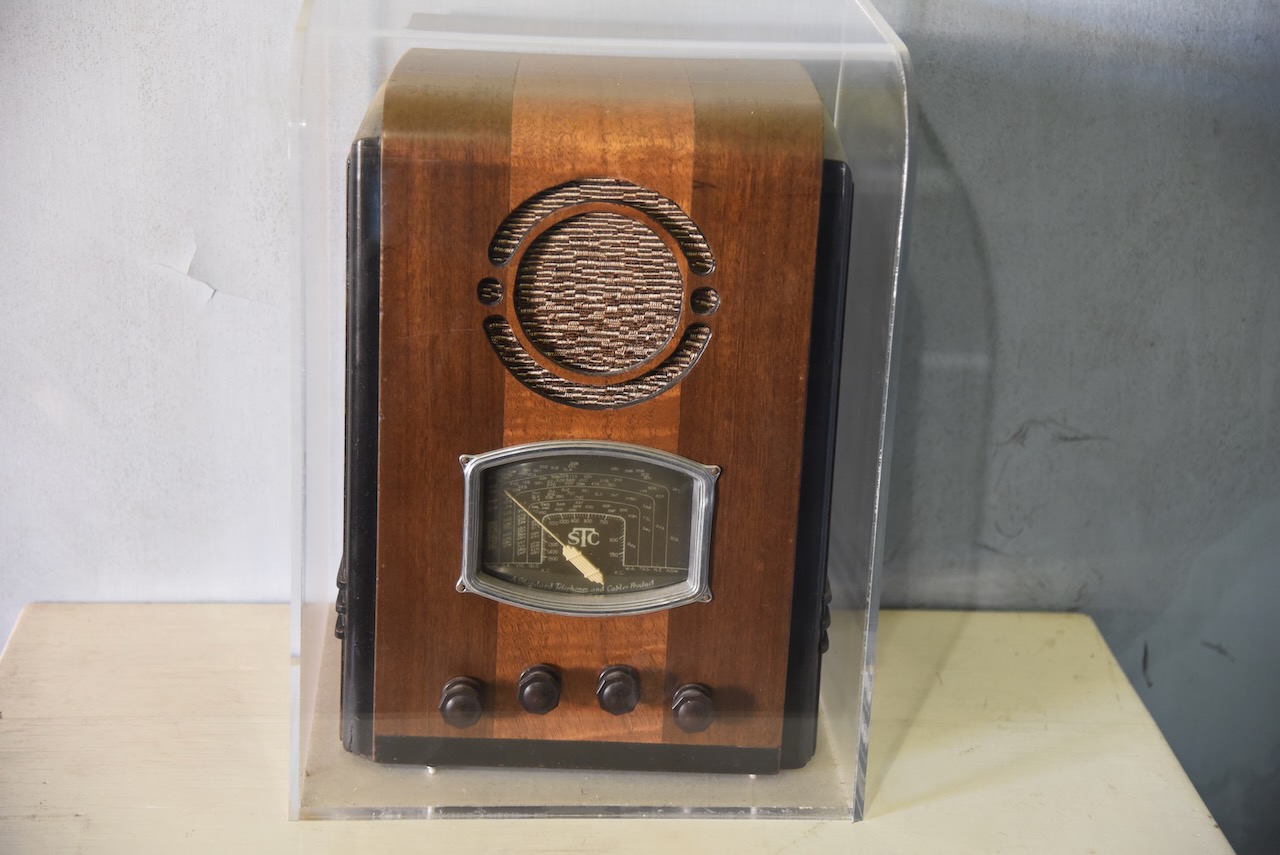
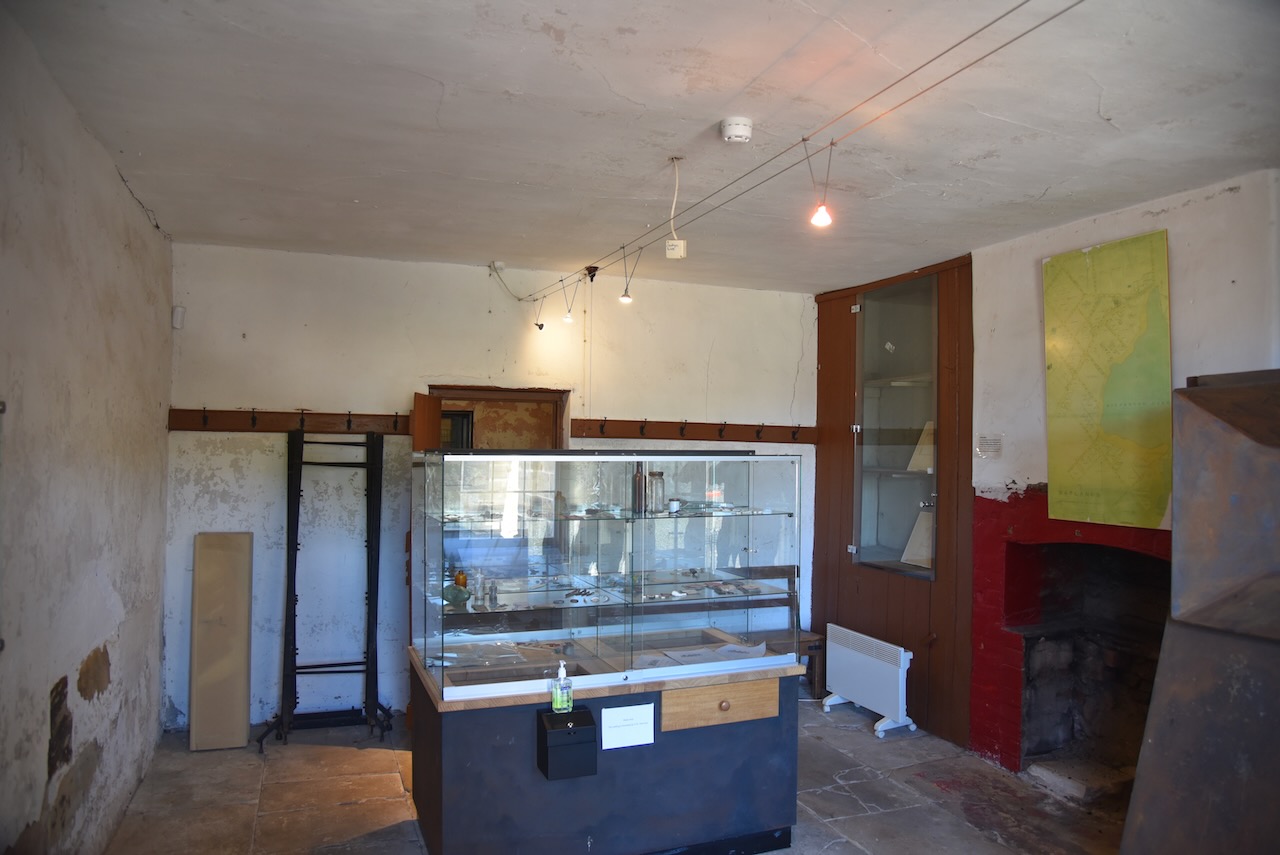
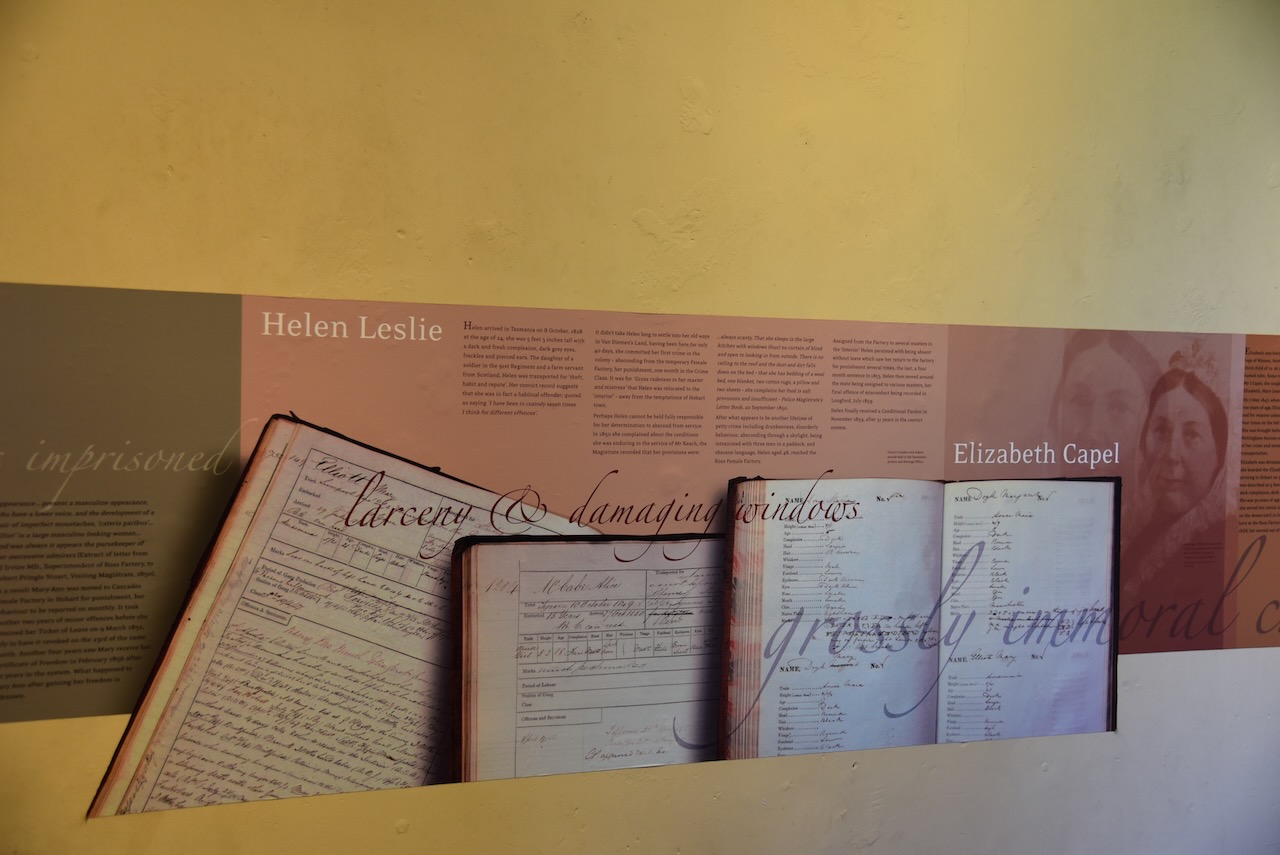
We booked a tour of Port Arthur and also a separate tour out to the Isle of the Dead. To fill in some time we had a look at the extremely interesting museum in the visitor centre.
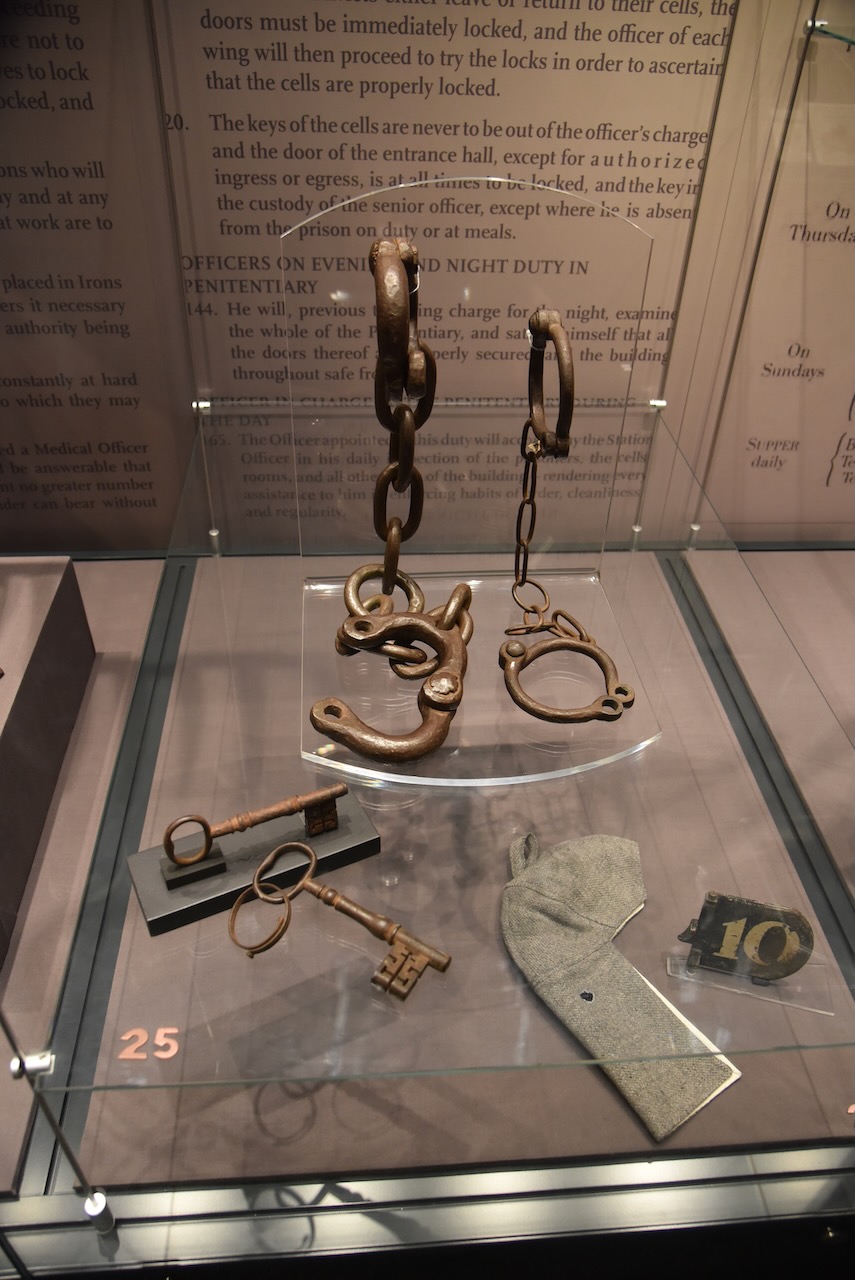
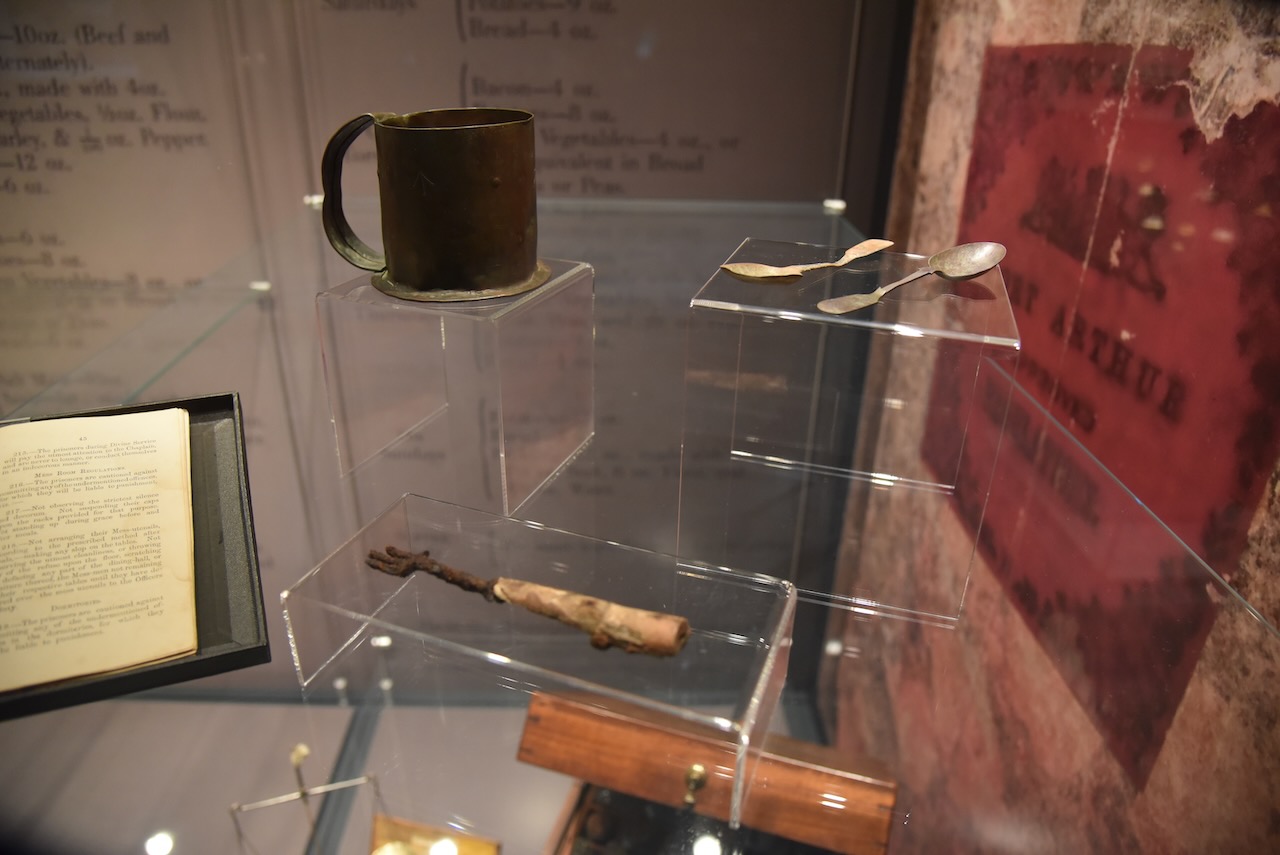
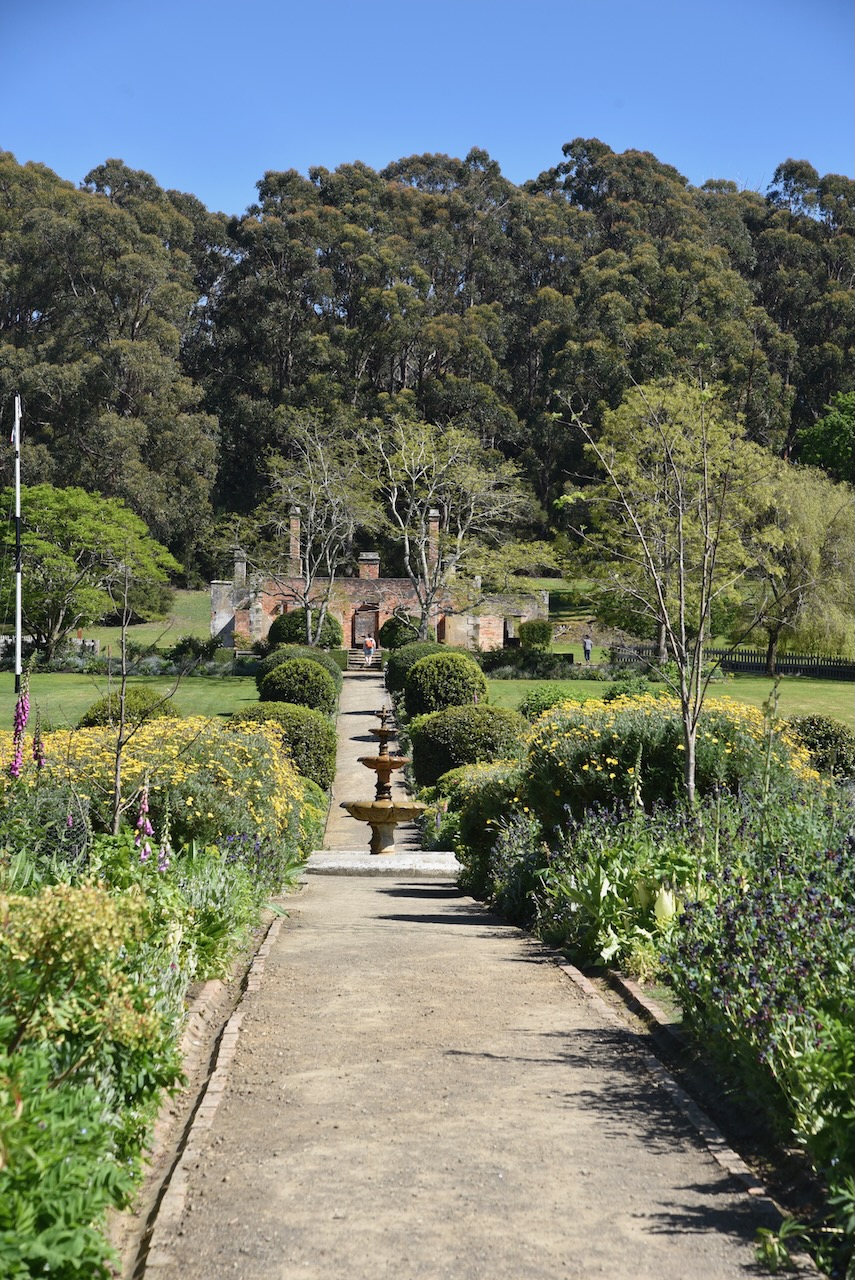
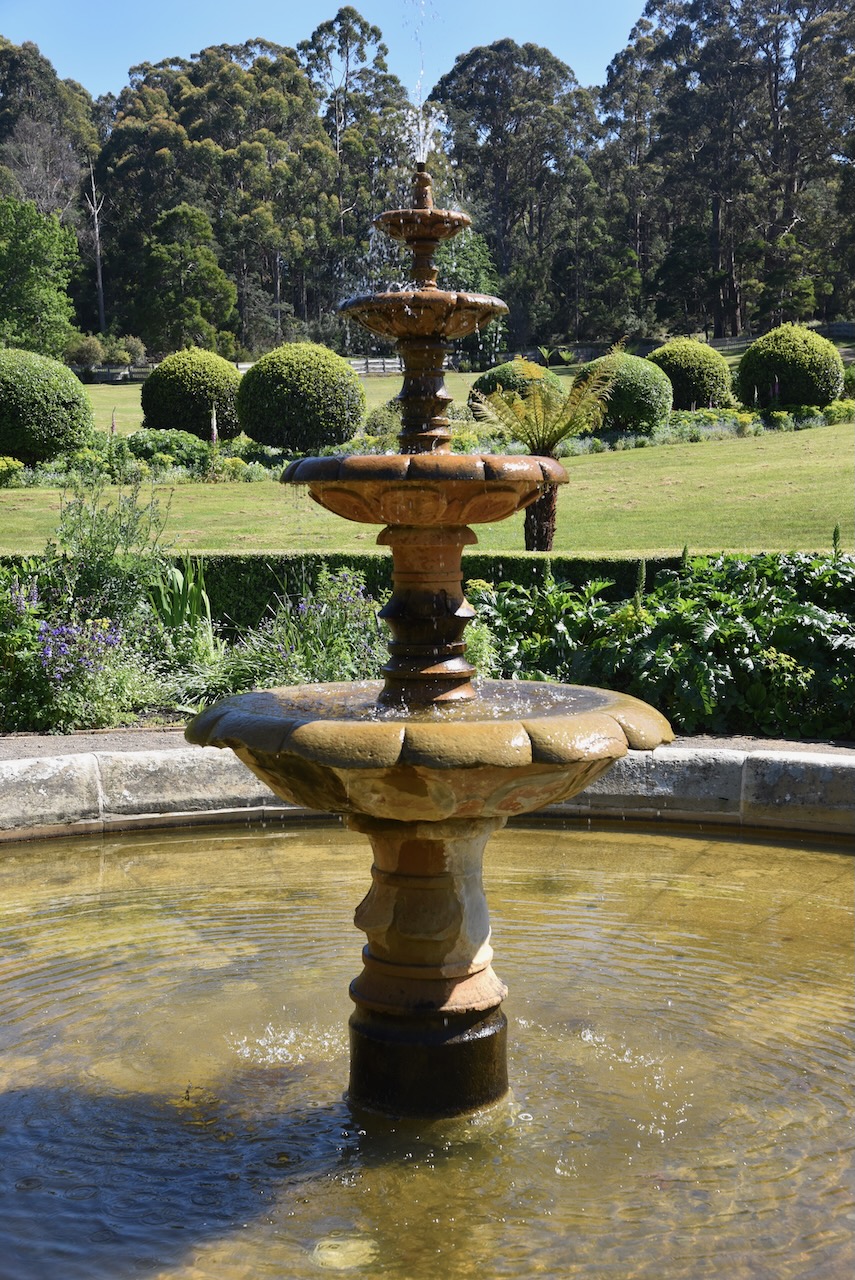
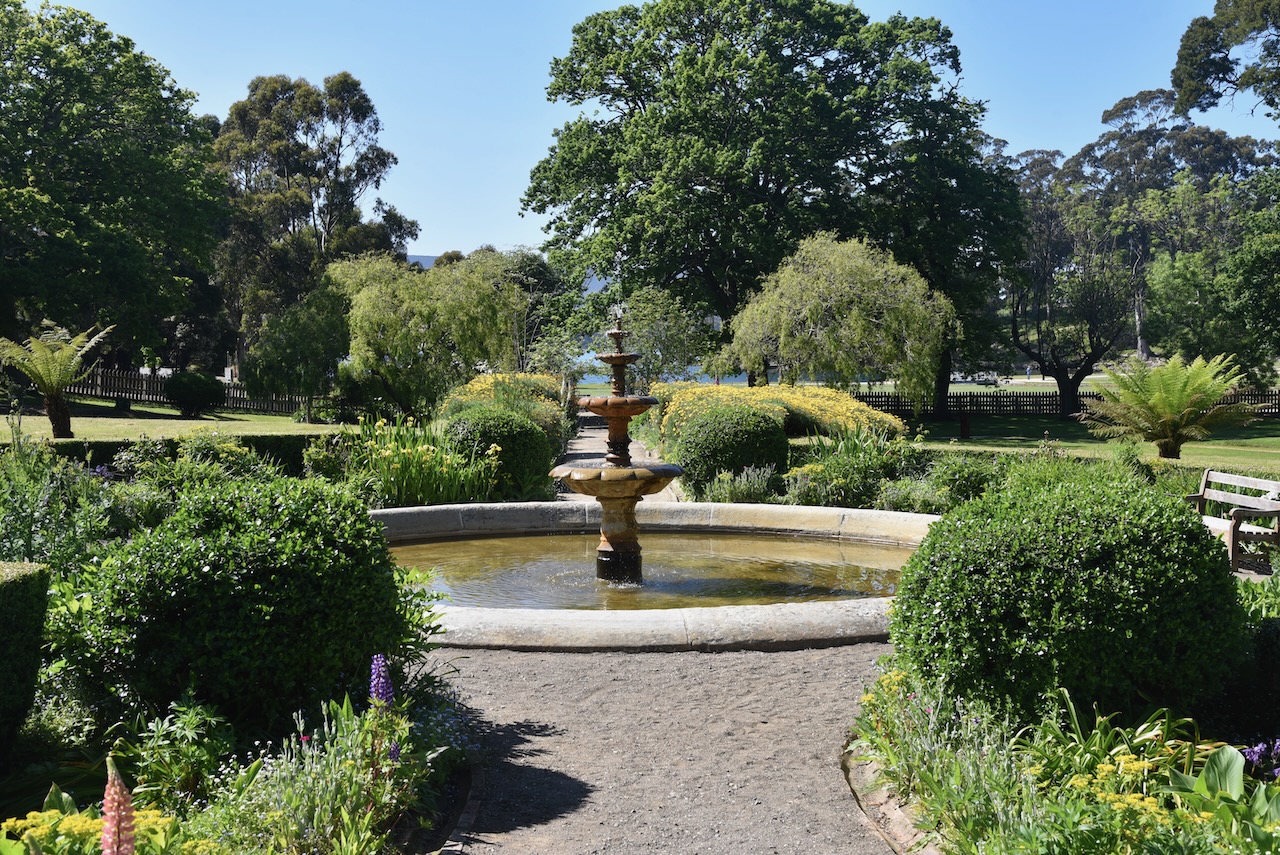
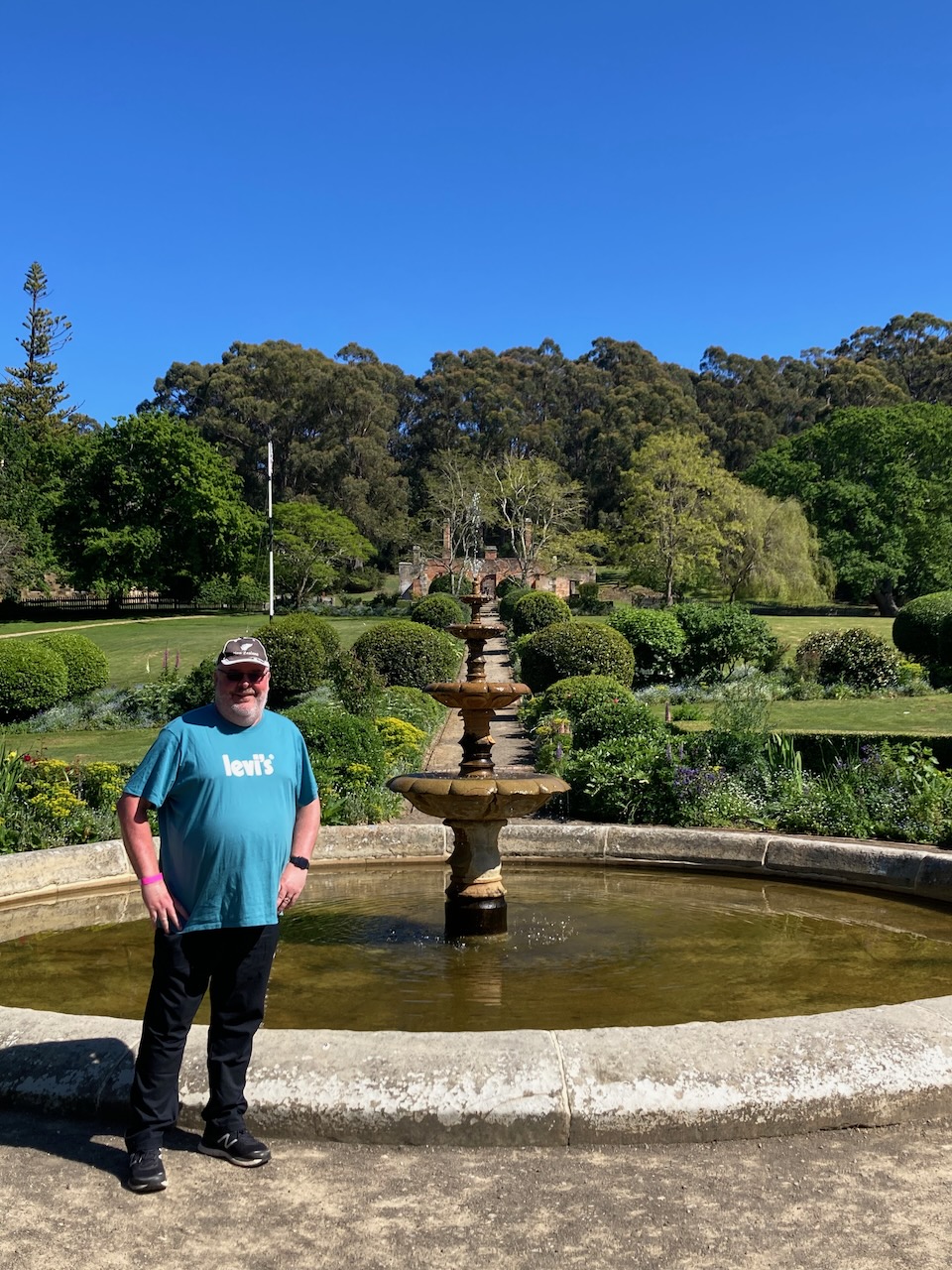
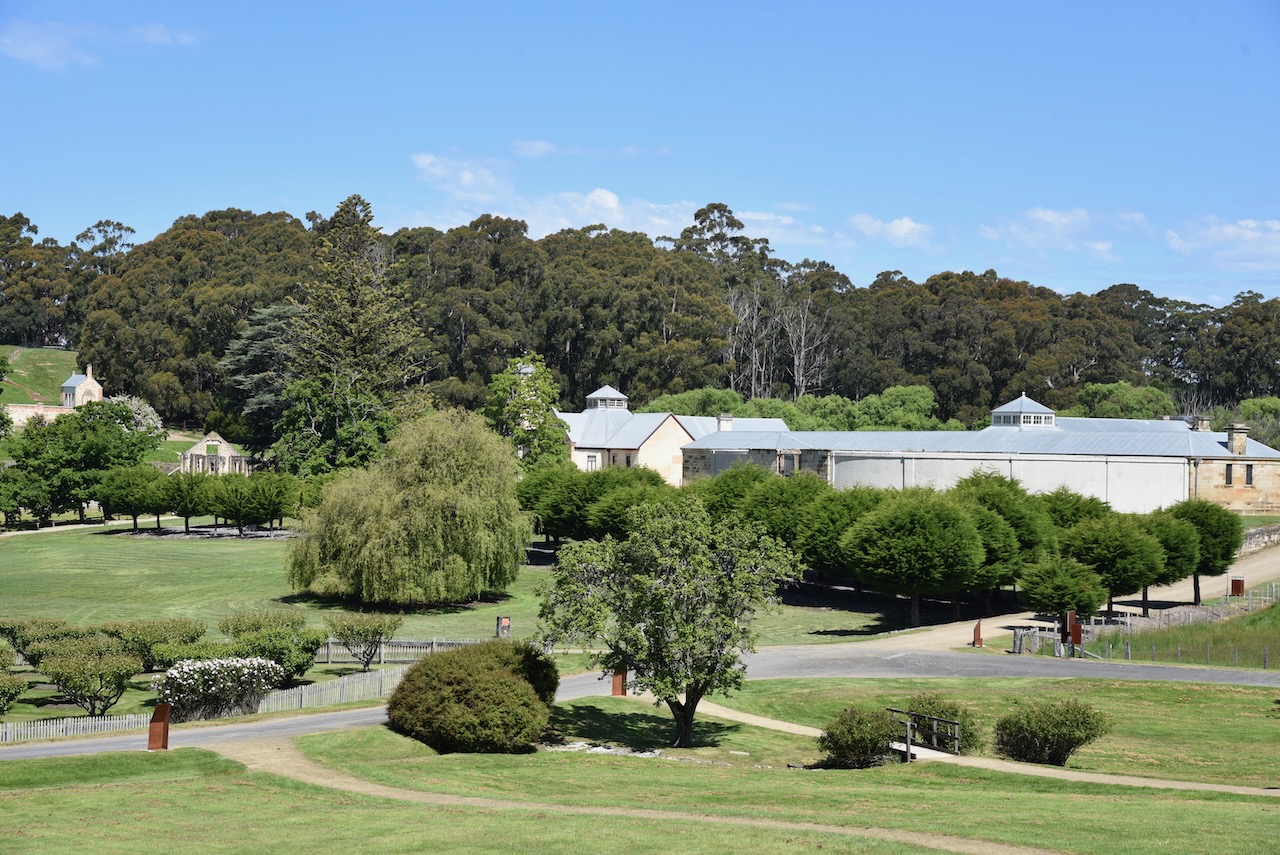
We then took a walk though Government Gardens. Ornamental trees were planted at Port Arthur during the 1830s. By 1838 the avenue leading to the church was lined with trees which had been provided by Governor Sir John Franklin. Between 1846 to 1847 Government Gardens were developed by Commandant Champ, primarily for the enjoyment of the ladies who lived at Port Arthur. 
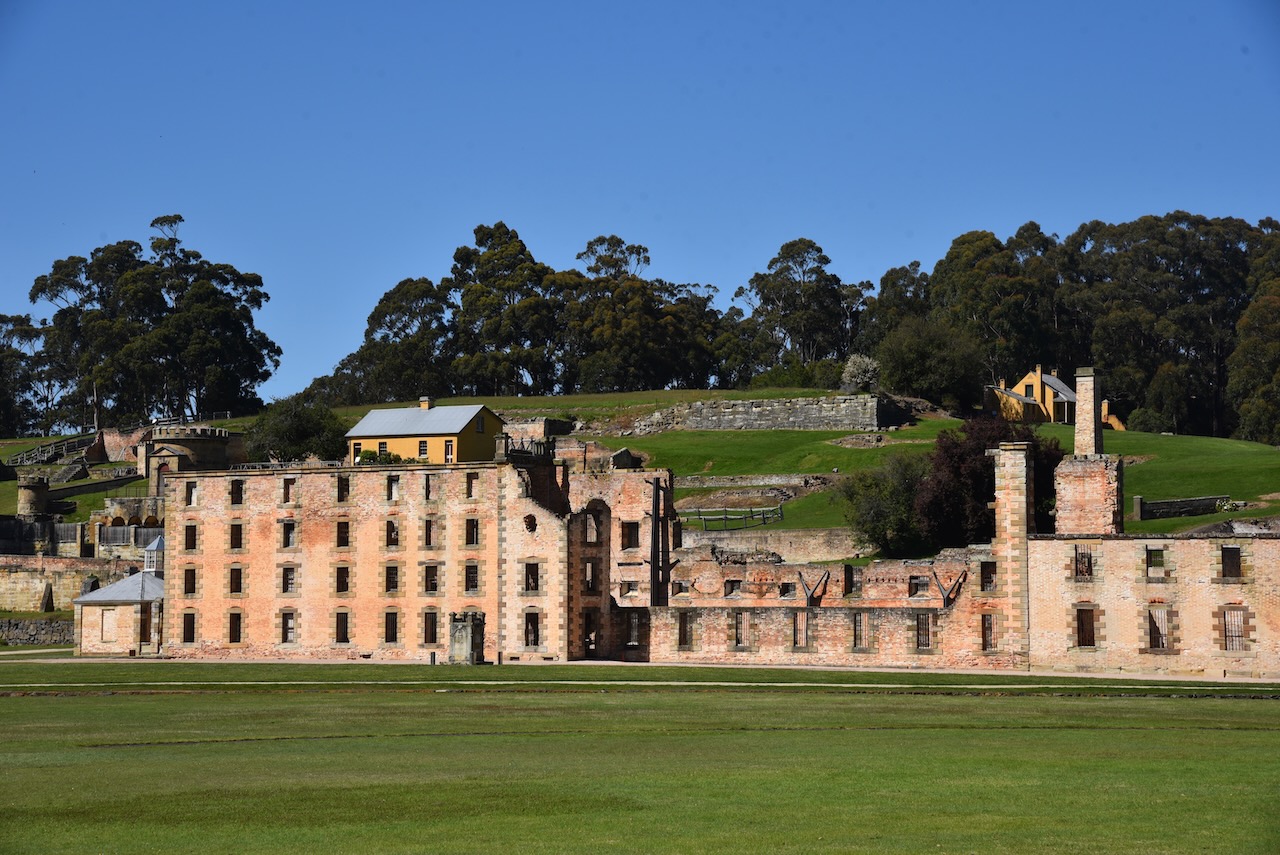
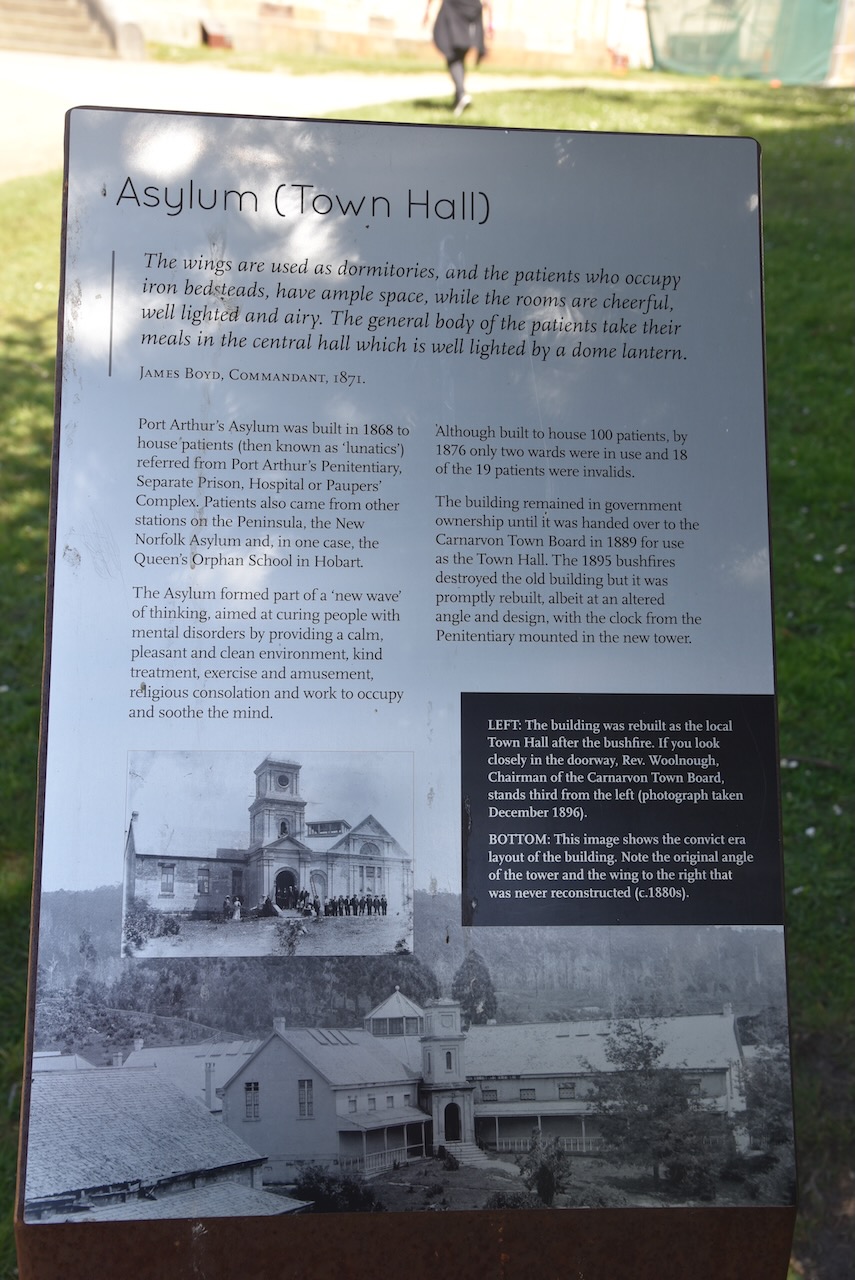
After our introductory tour of the Port Arthur site, we had a bit of spare time before our Isle of the Dead tour. We took the opportunity of visiting the Asylum.

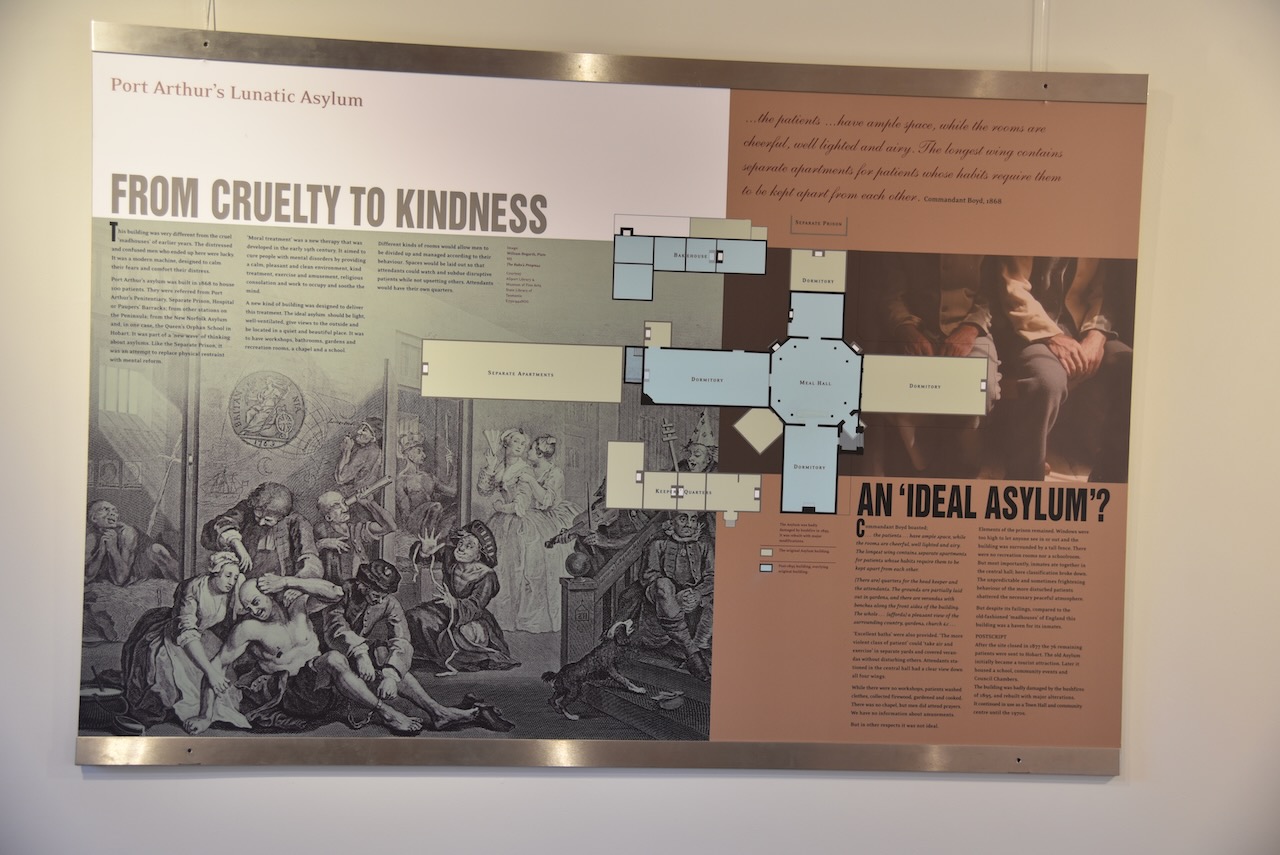
Port Arthur’s asylum was built in 1868 to house ‘lunatics’ referred from Port Arthur Penitentiary, Separate Prison, Hospital or Pauper’s Complex. Patients also came from other stations on the Tasman Peninsula, the New Norfolk Asylum, and in one case, the Queens Orphan School in Hobart. The Asylum was orientated re a new way of thinking, aimed at curing people with mental disorders by providing a calm, pleasant and clean environment, kind treatment, exercise and amusement, religious consolation and work to occupy and soothe the mind.

It was built to house 100 patients. By 1876 only two wards were in use and 18 of the 19 patients were invalids.

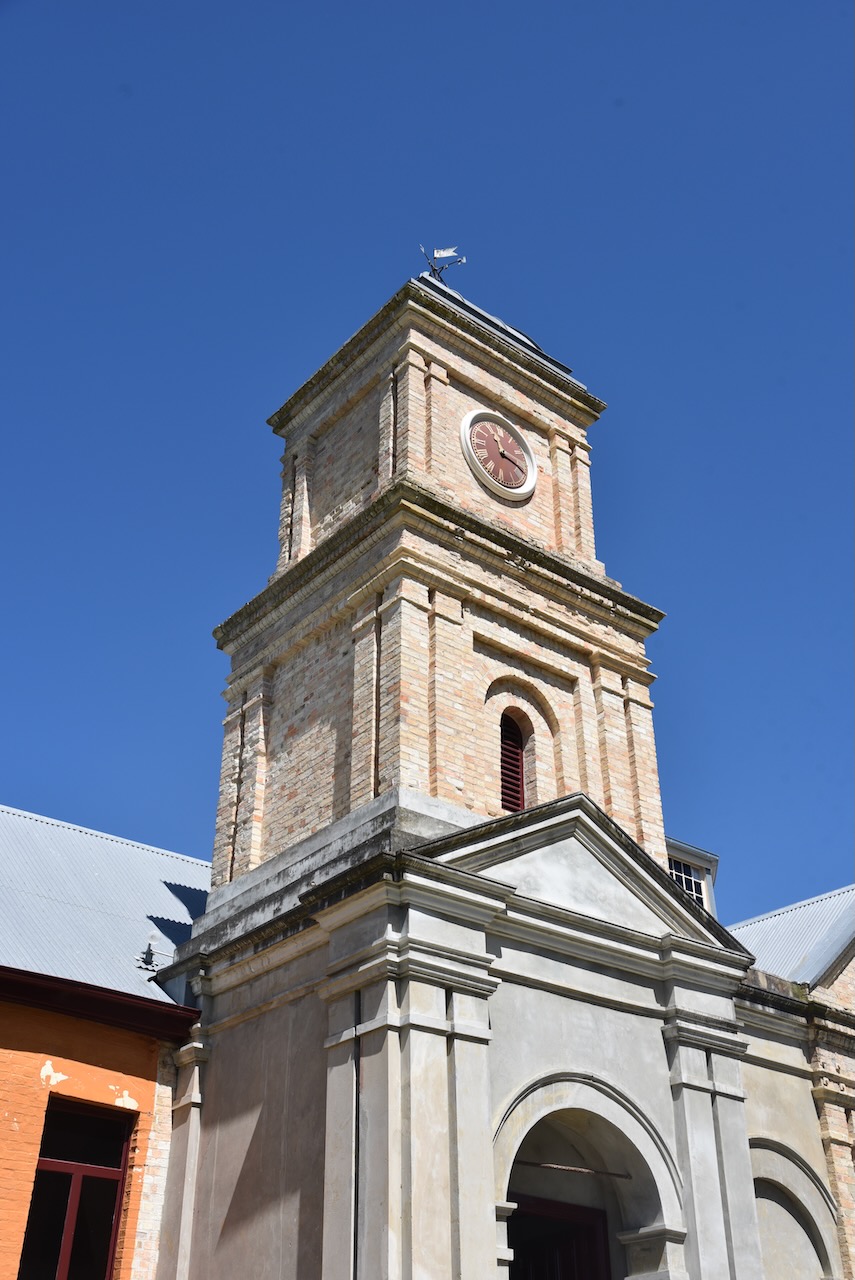
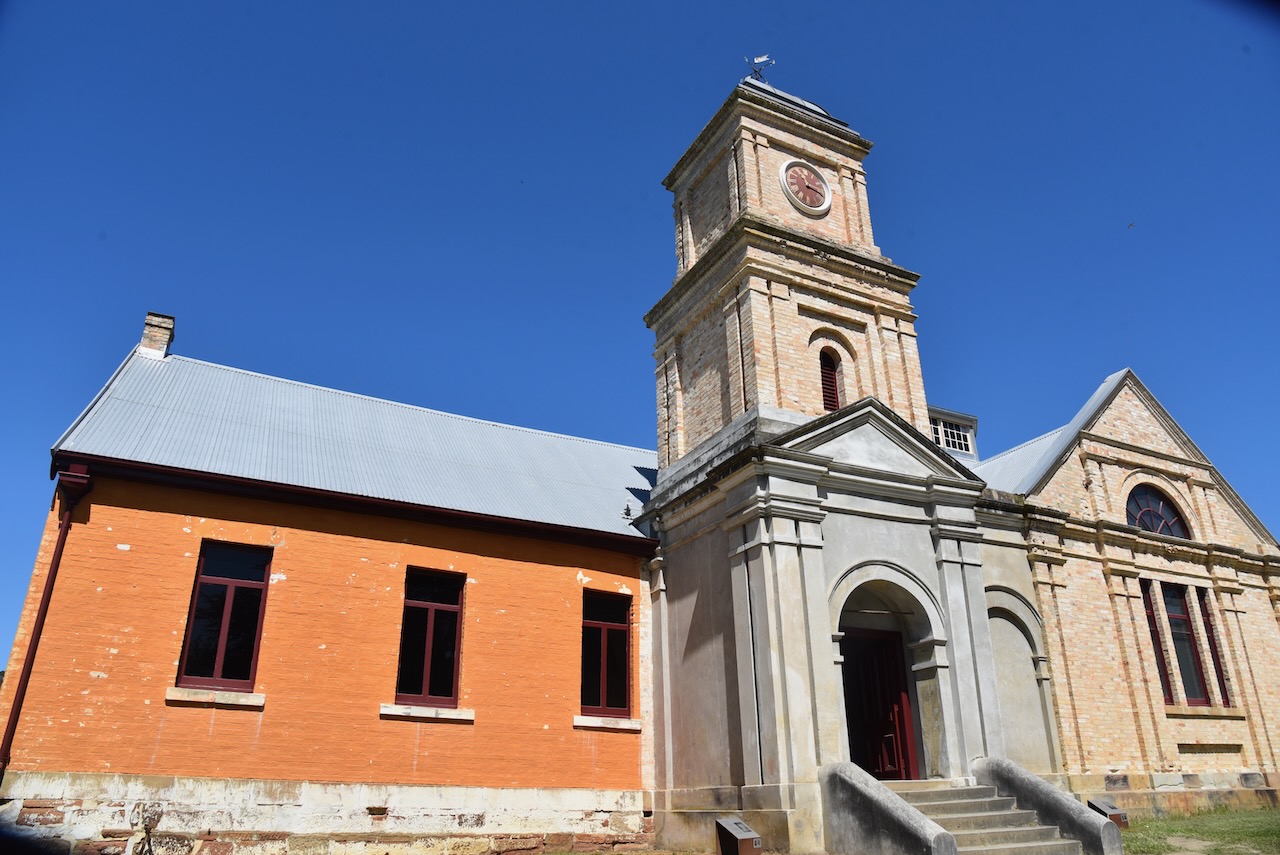
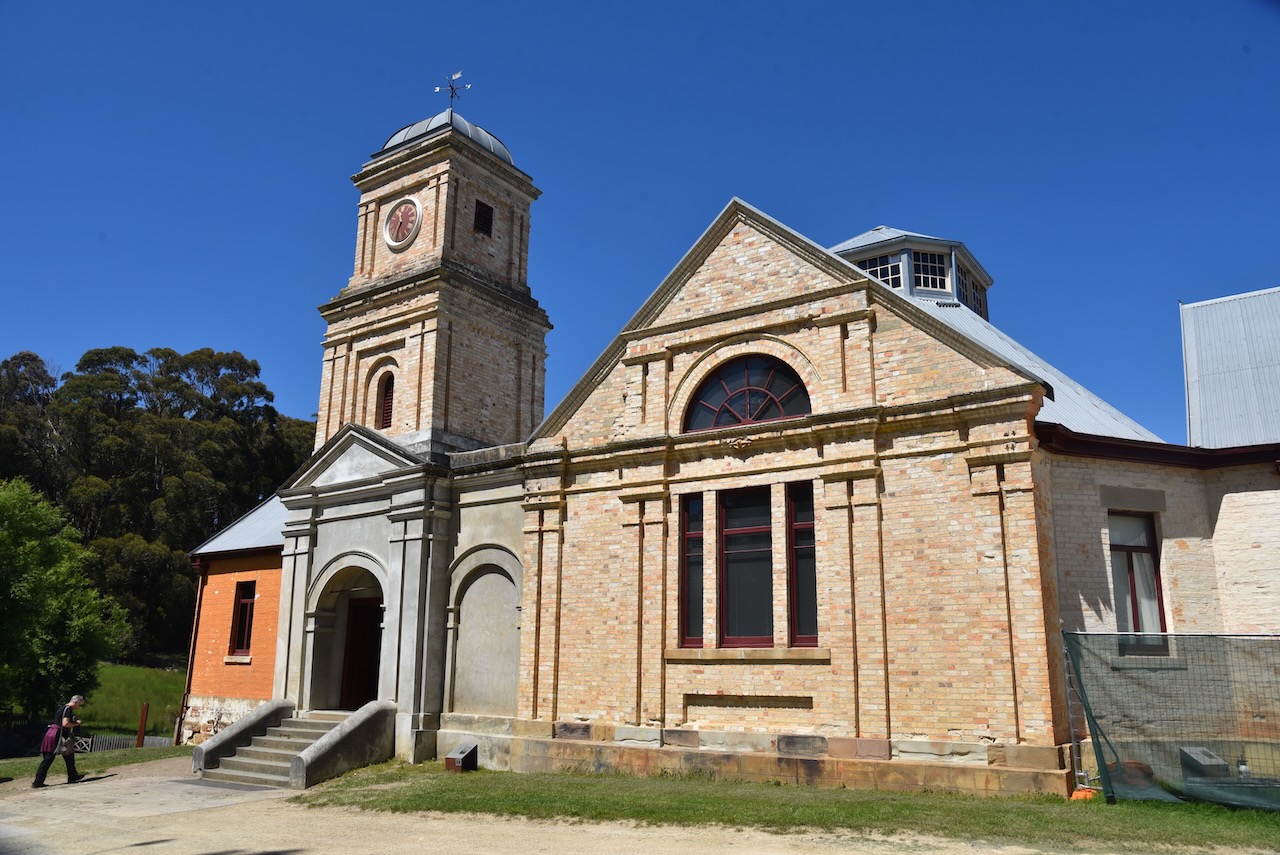
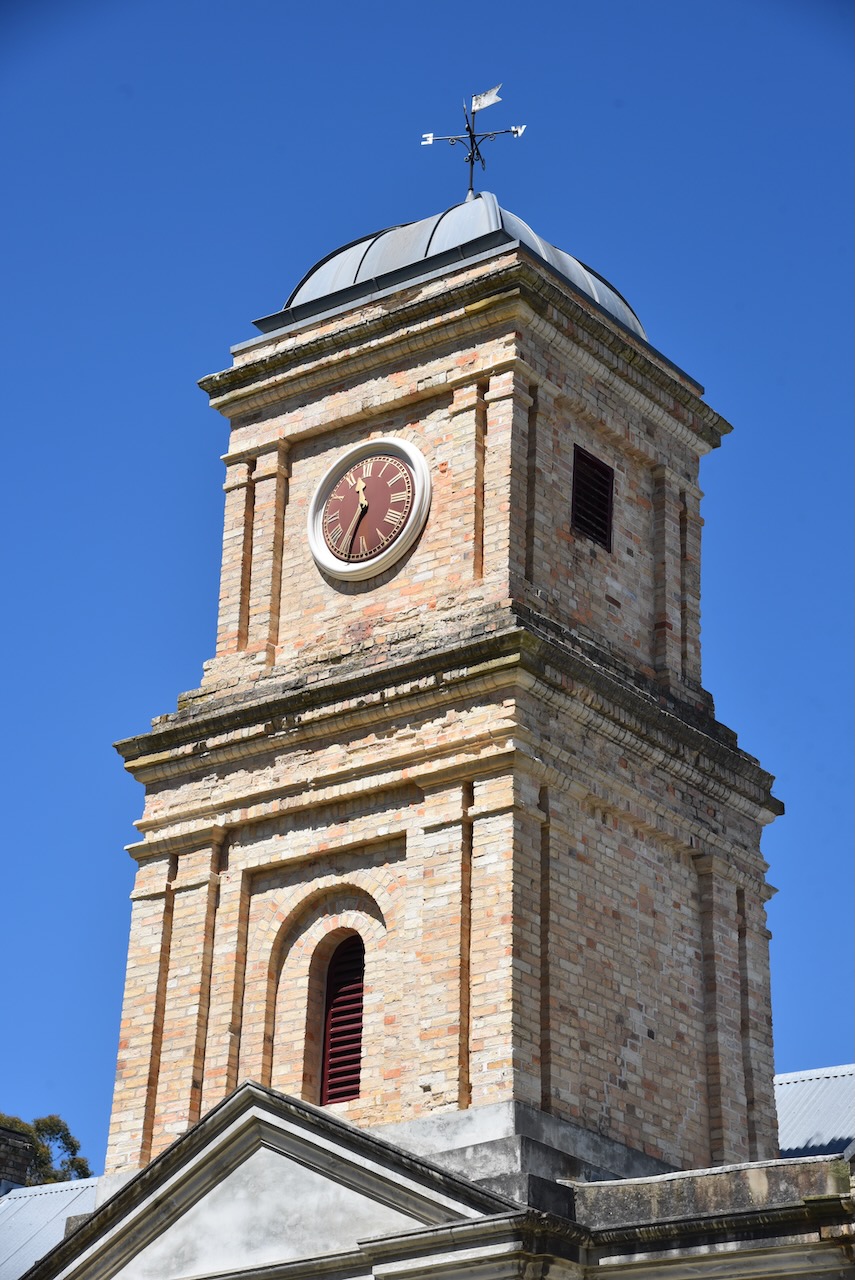
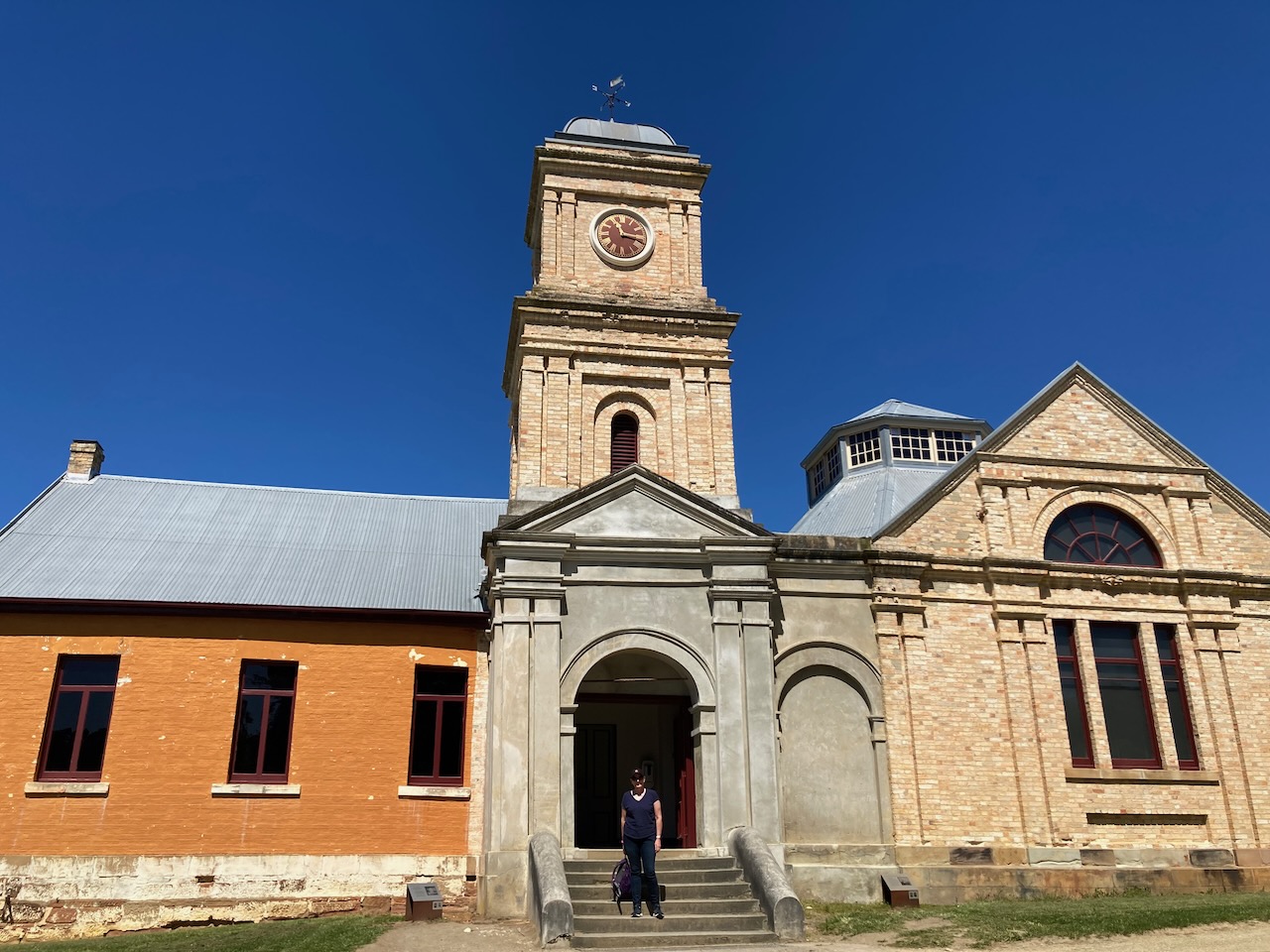
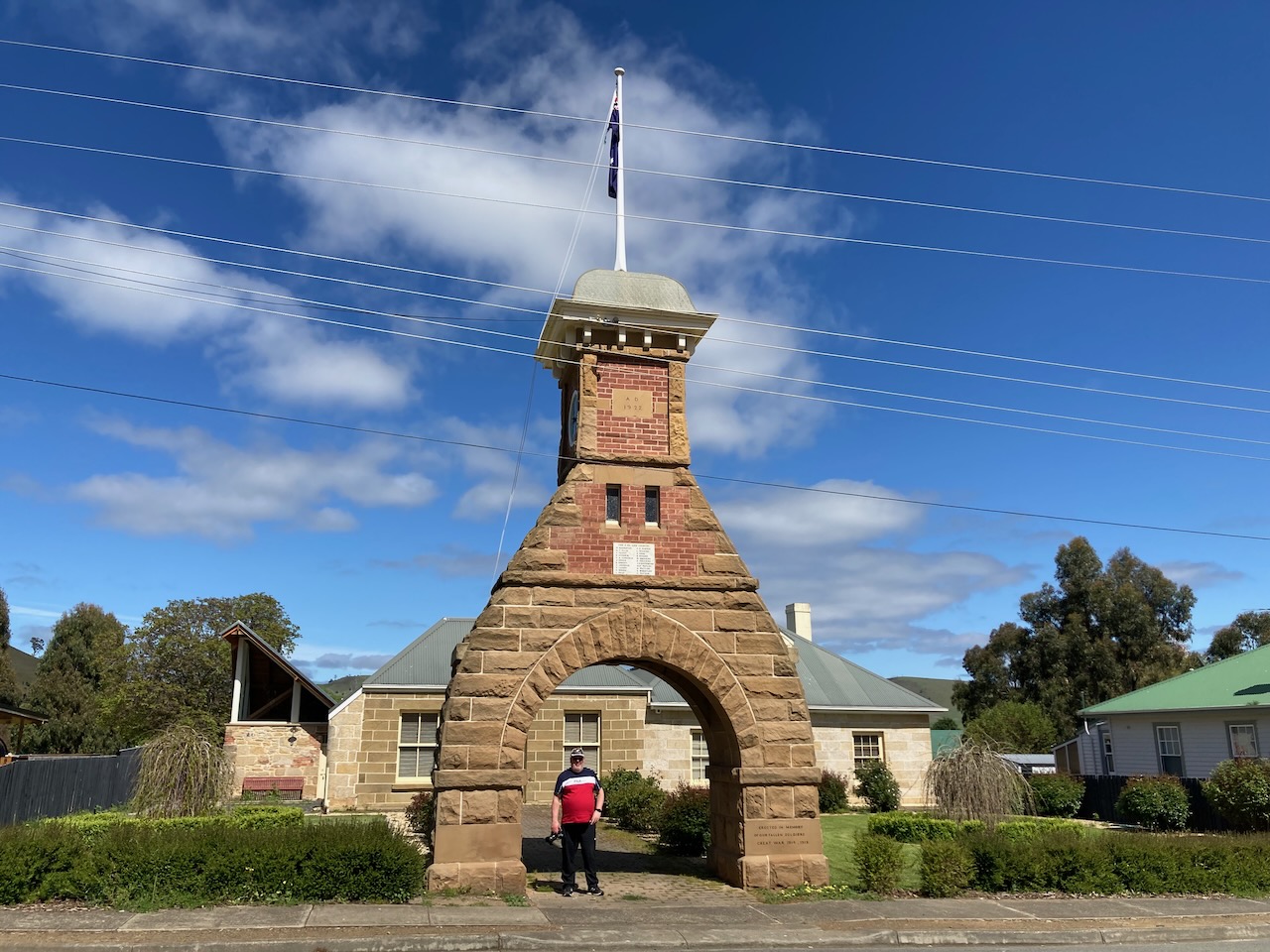
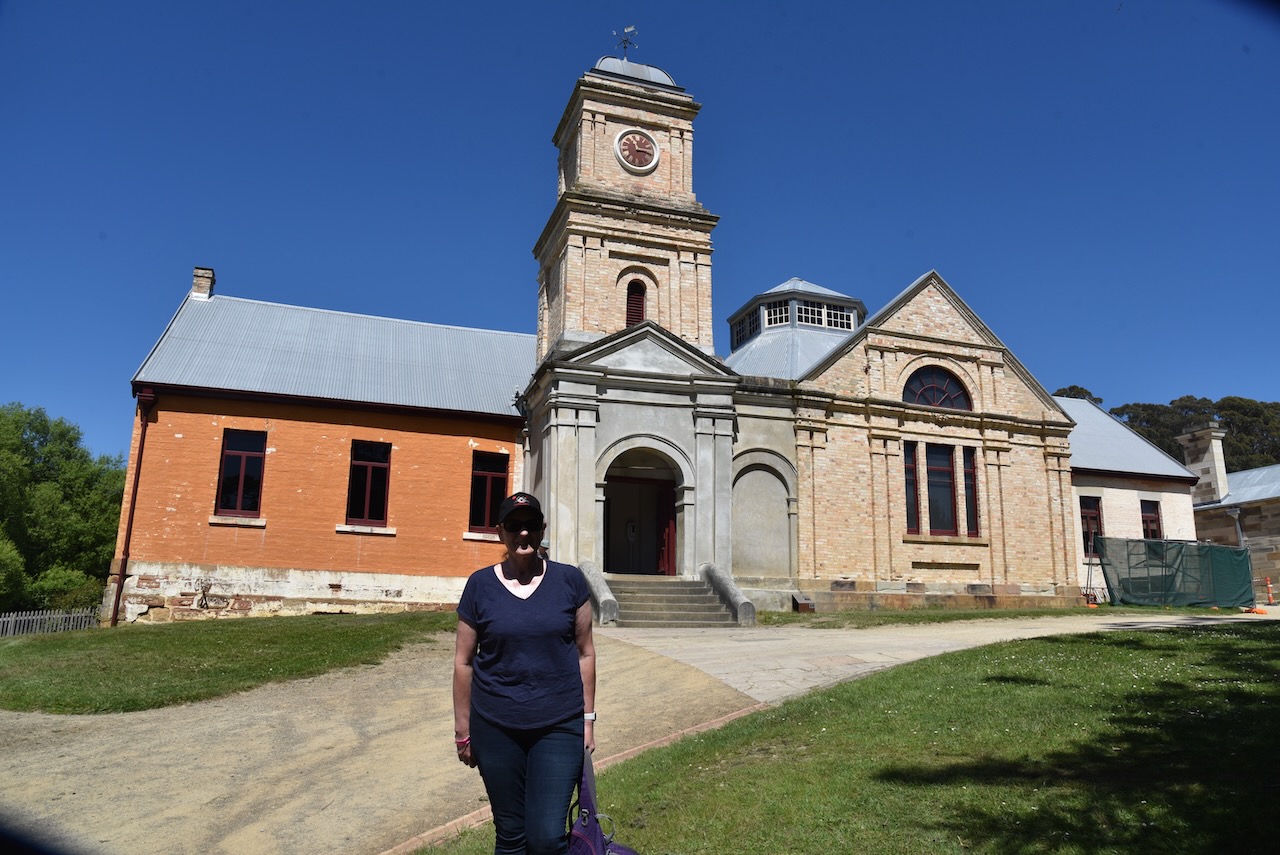
The building remained in government ownership until it was handed over to the Carnarvon Town Board in 1899 for use as the Town Hall. The 1895 Tasmanian bushfires destroyed the old building, however it was promptly rebuilt. The clock from the Penitentiary was mounted in the new tower.
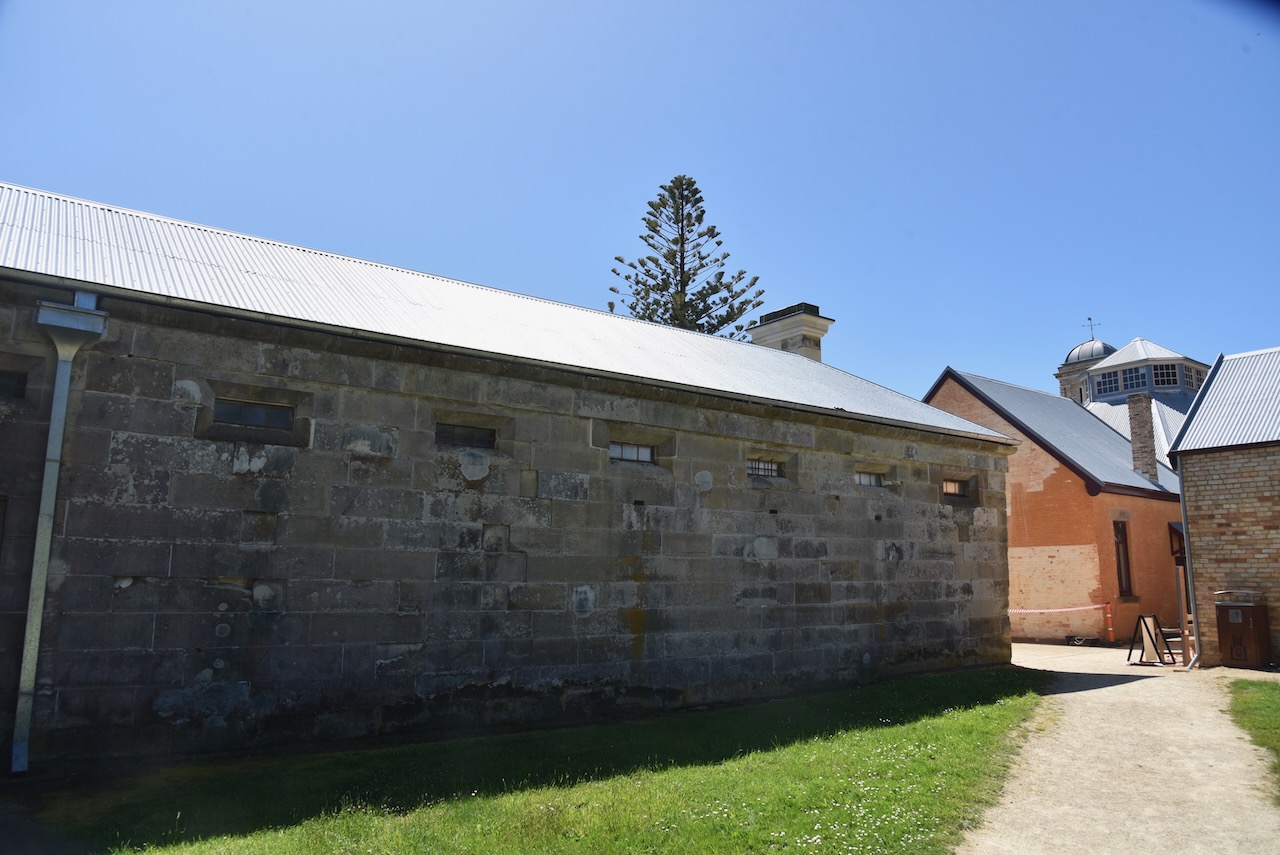
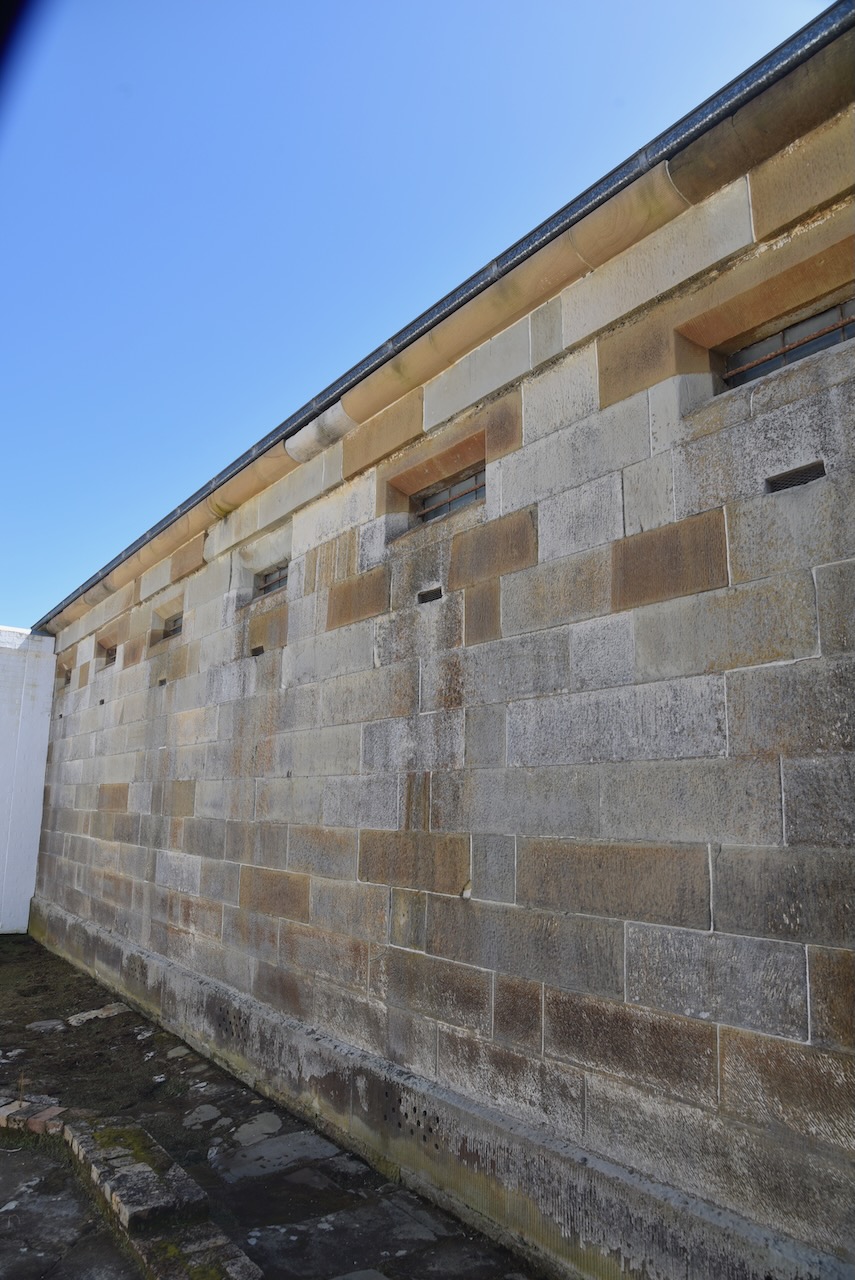
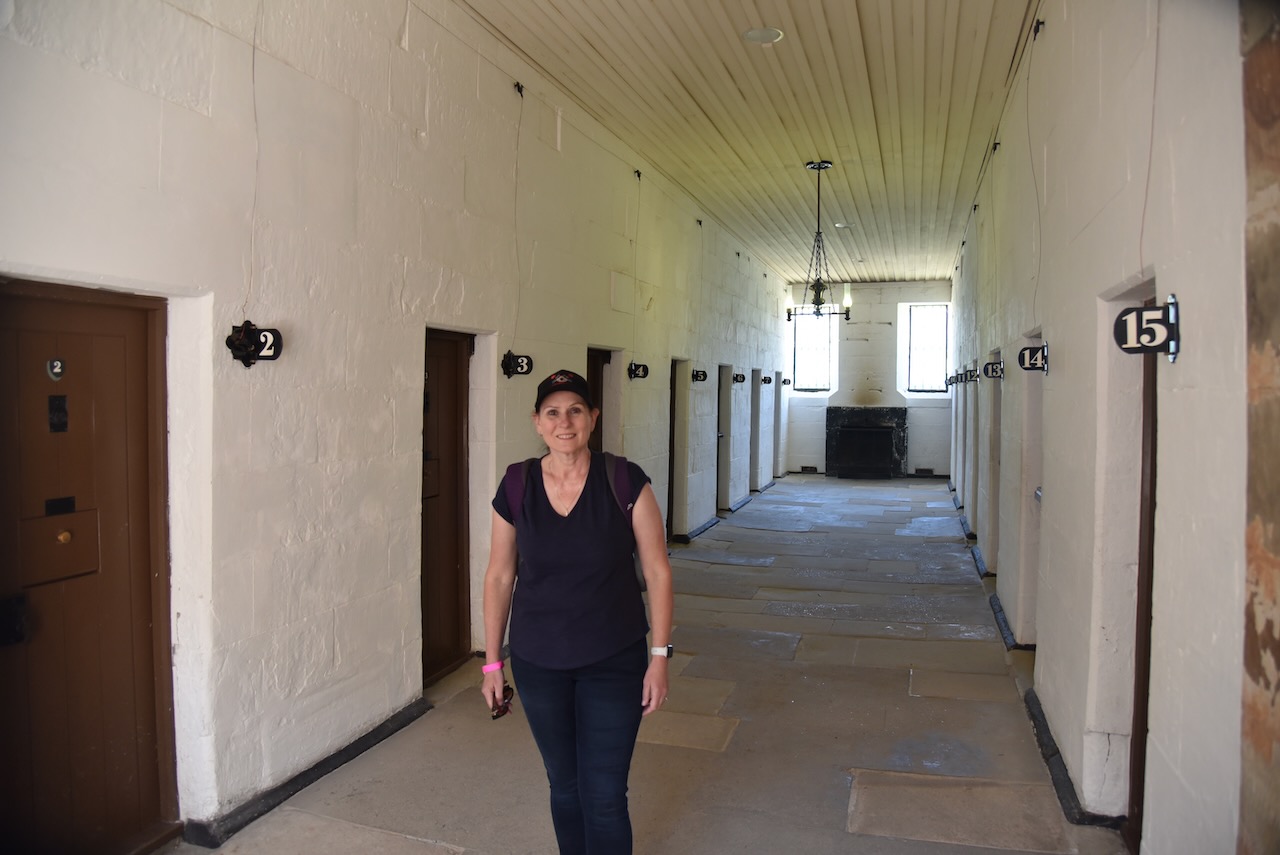
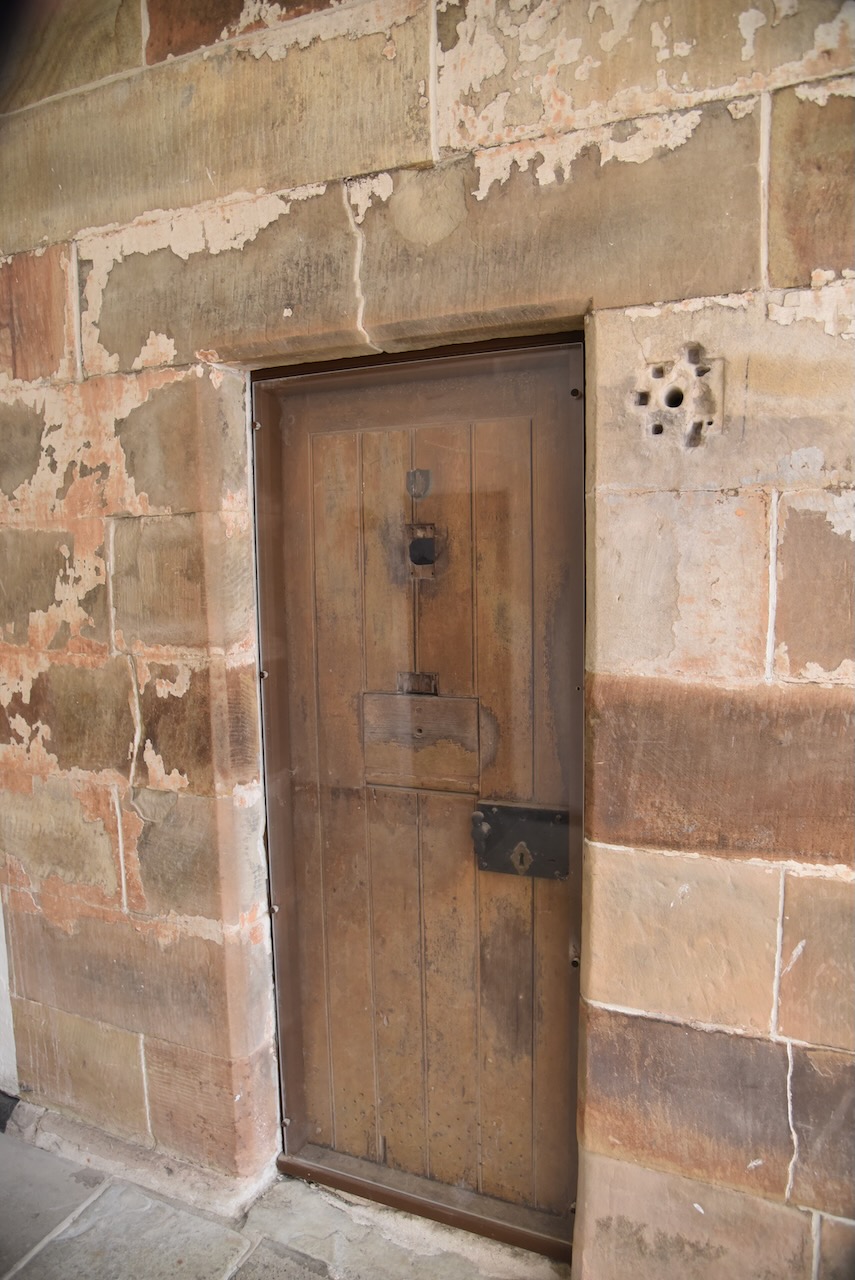
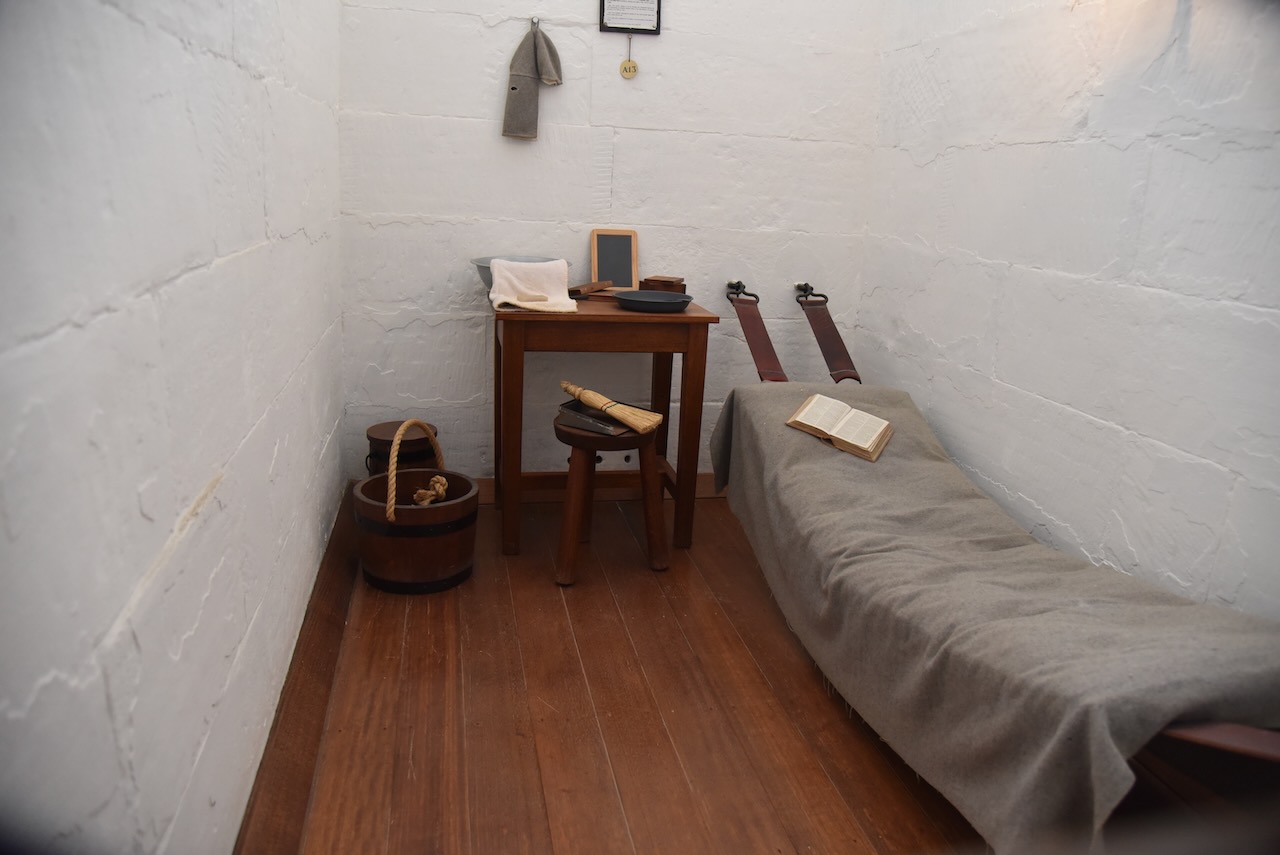
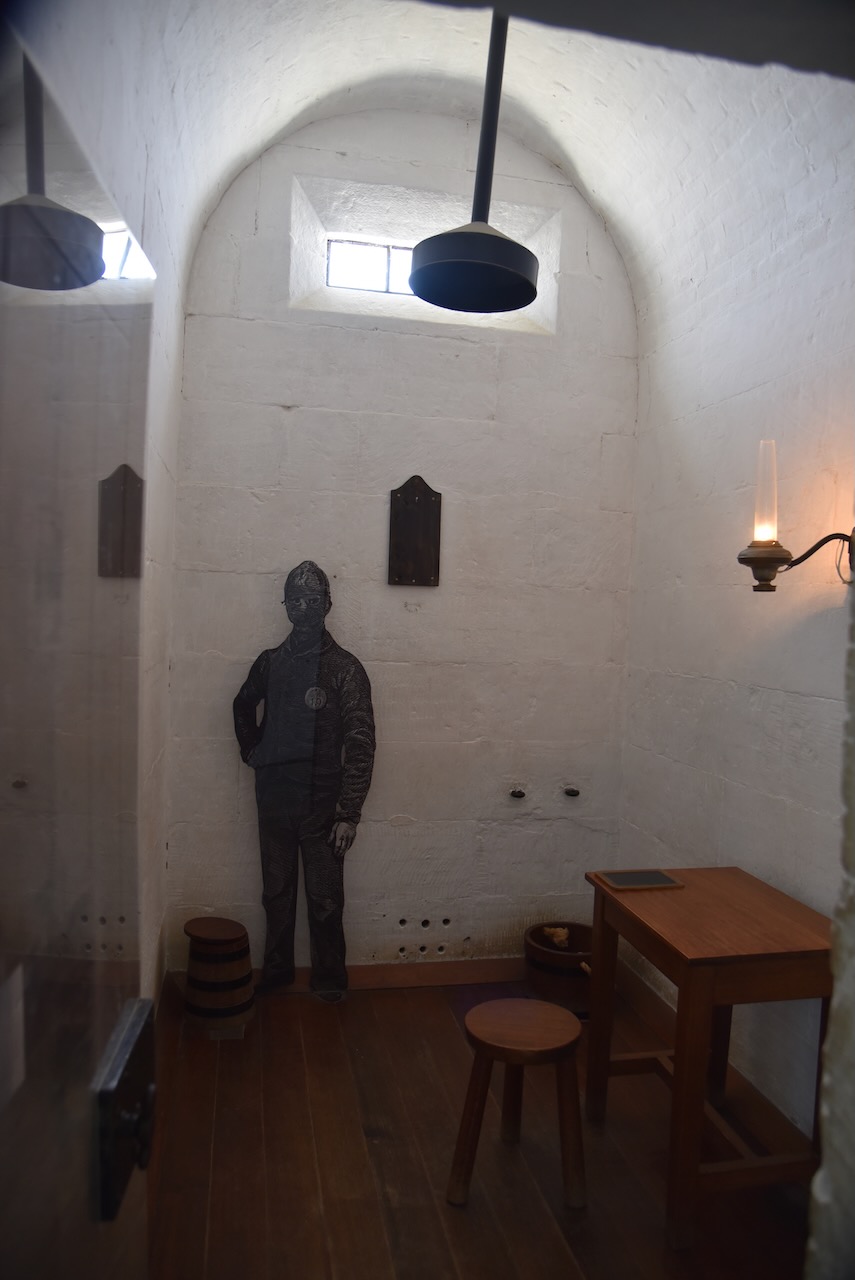
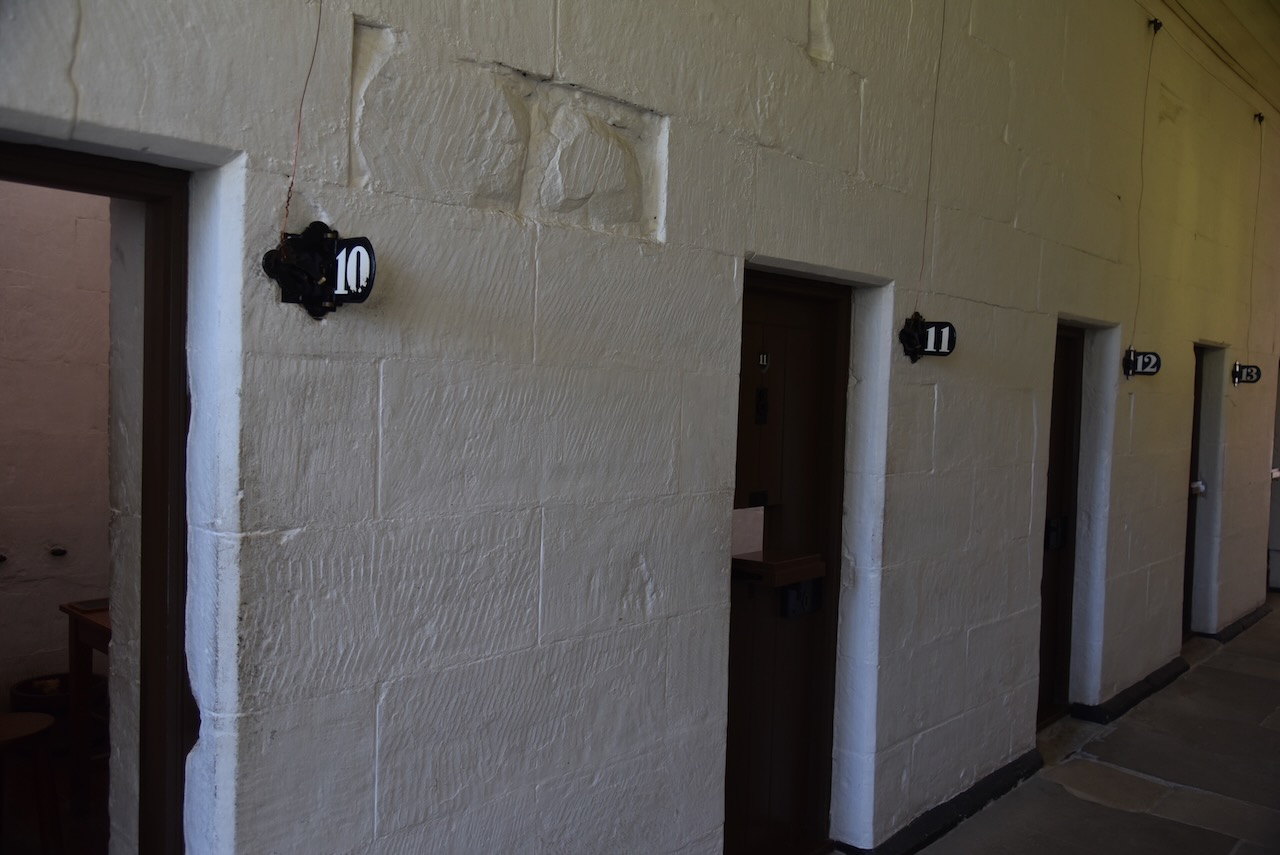
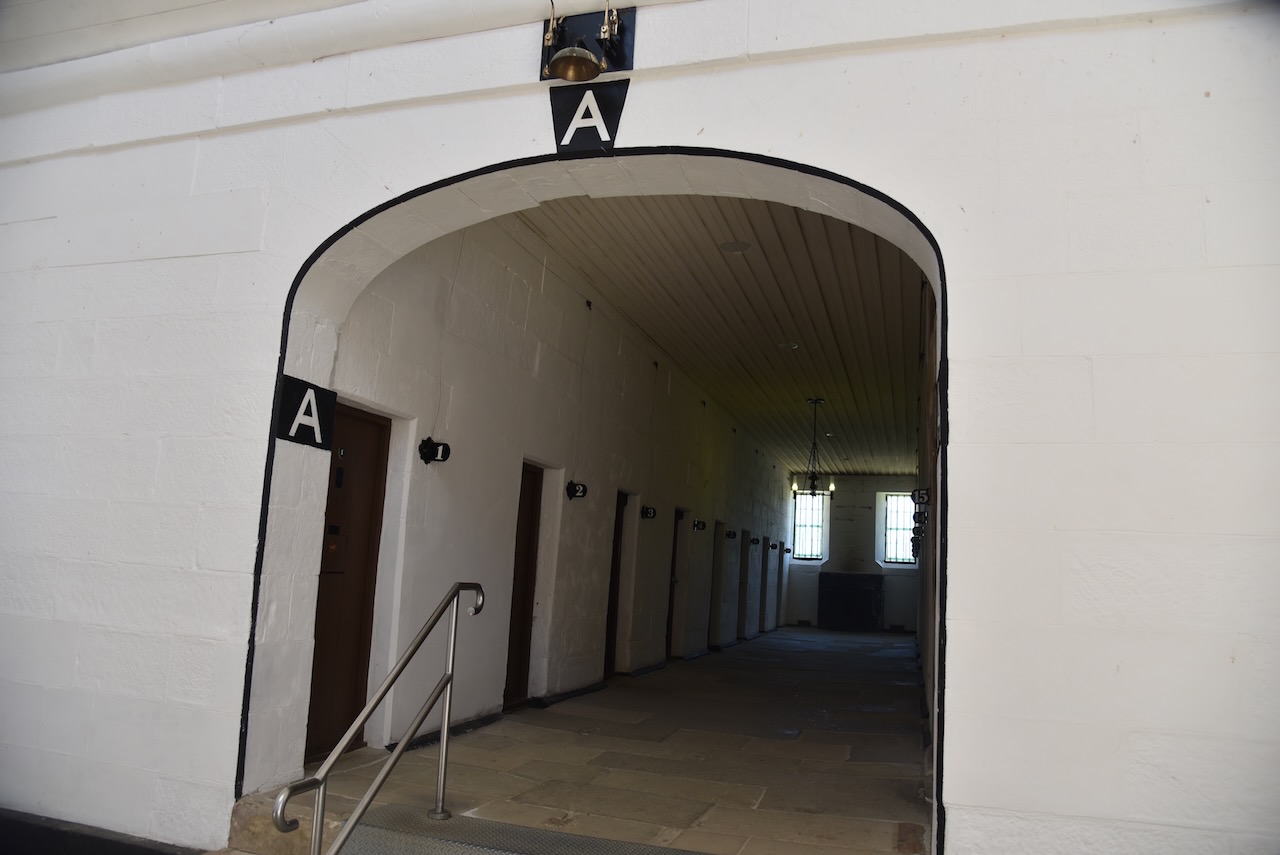
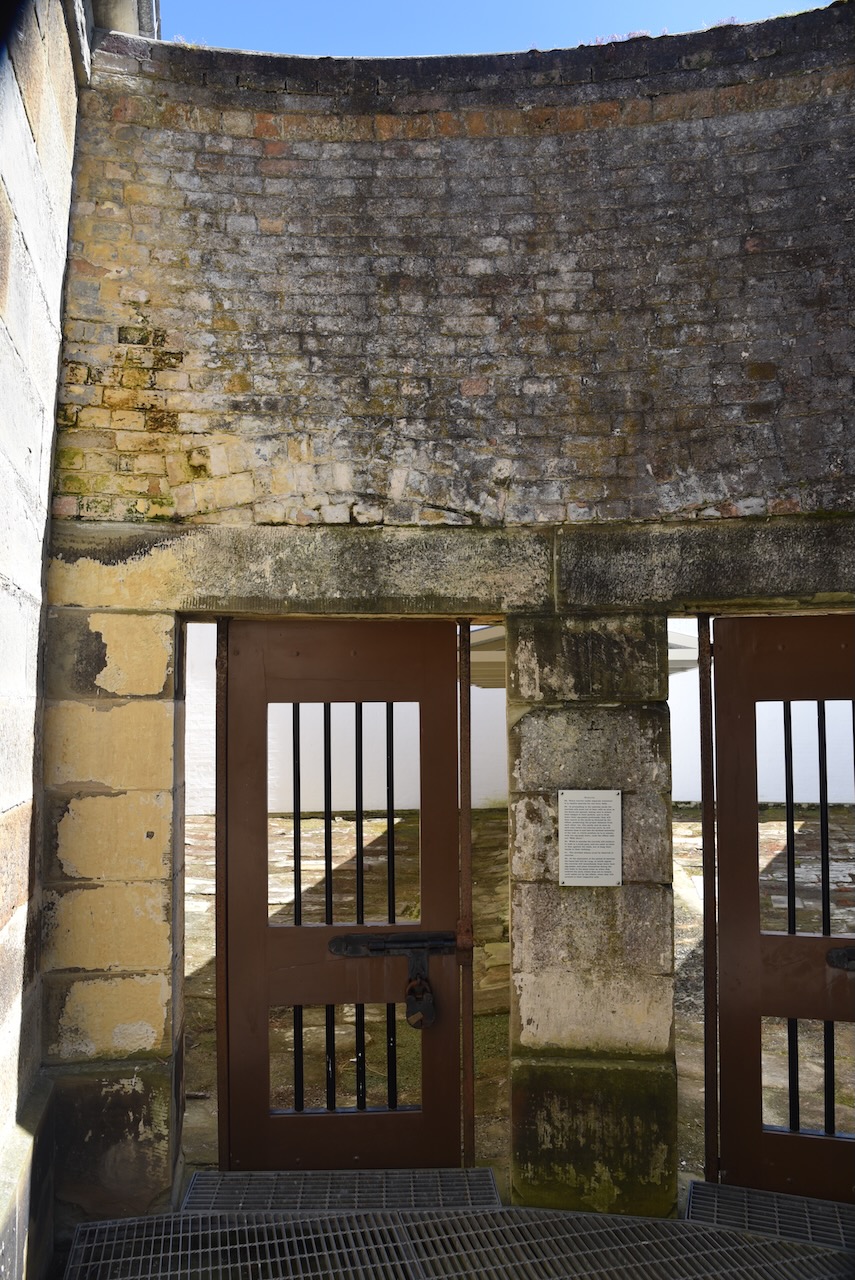
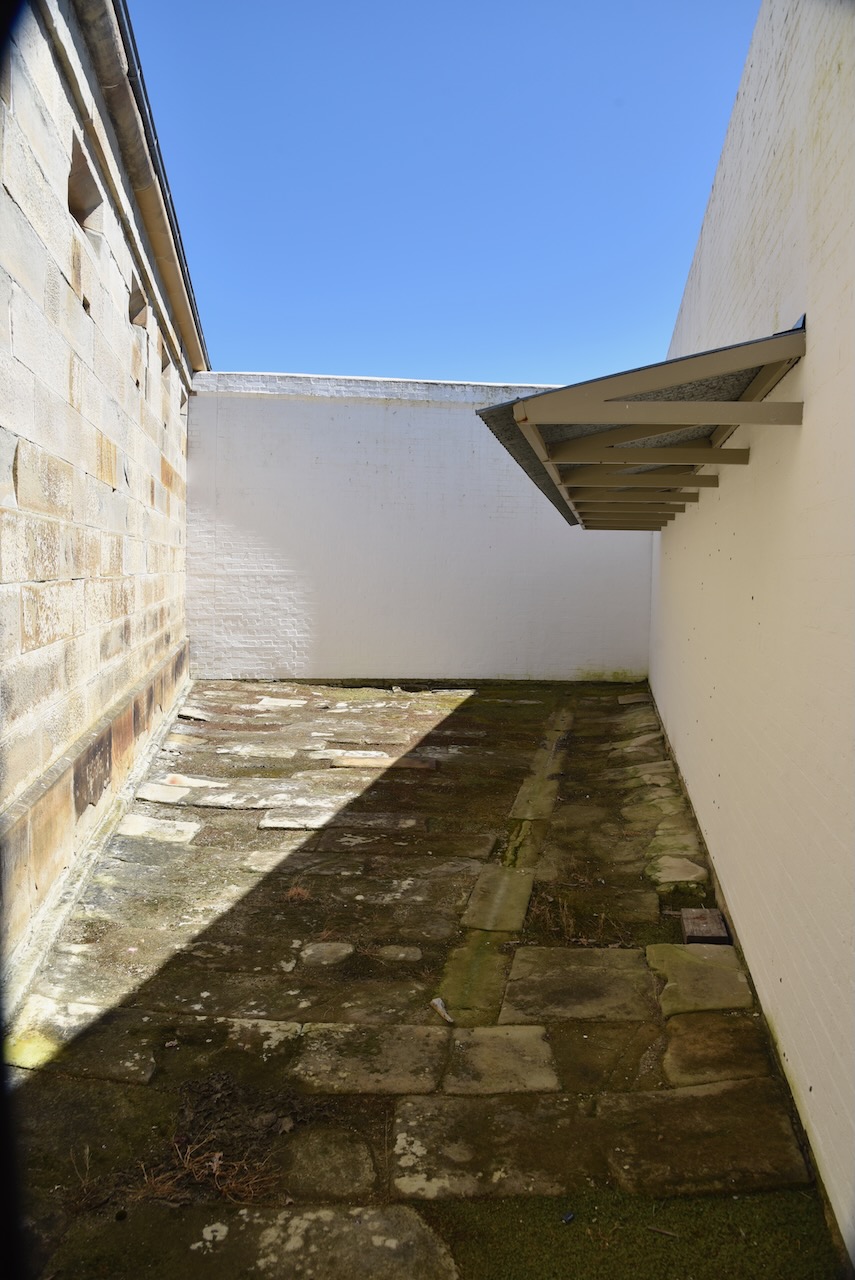
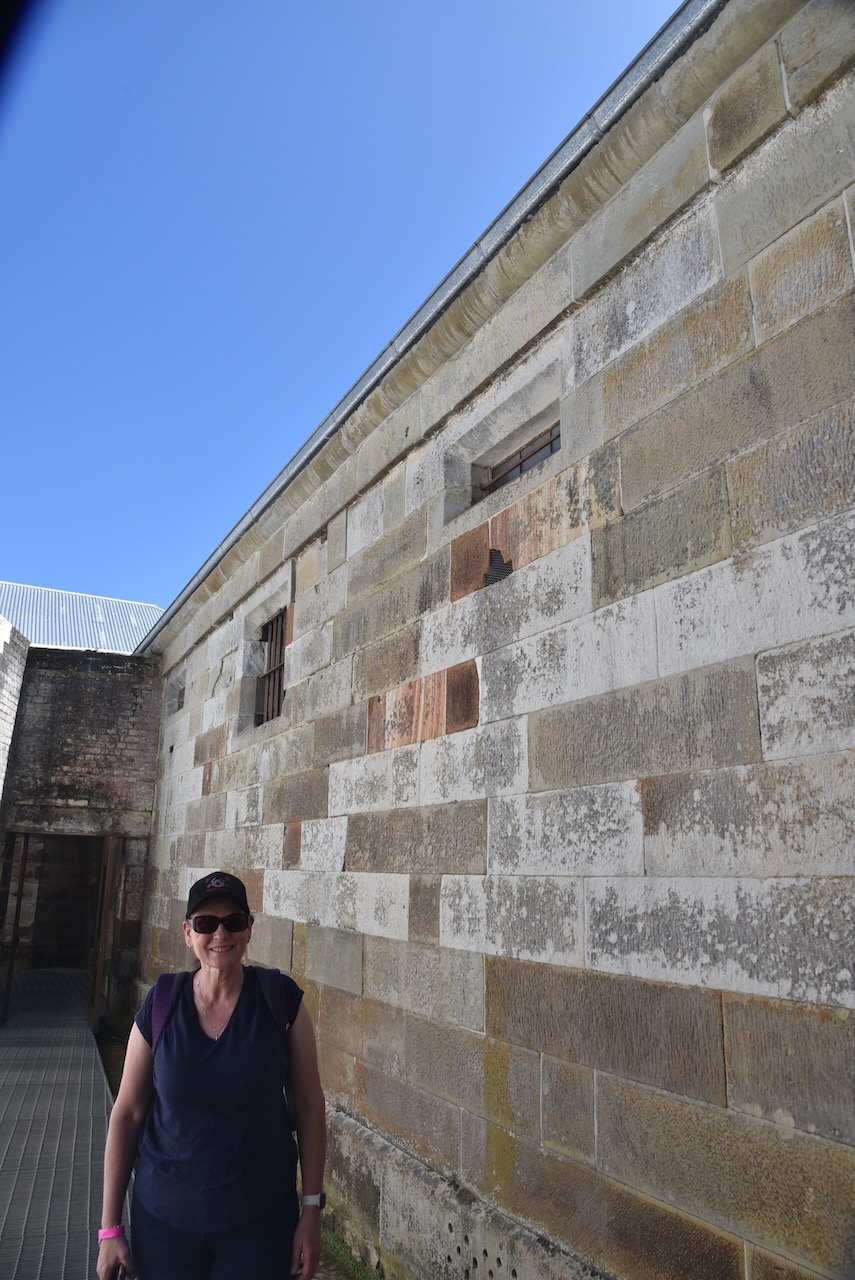
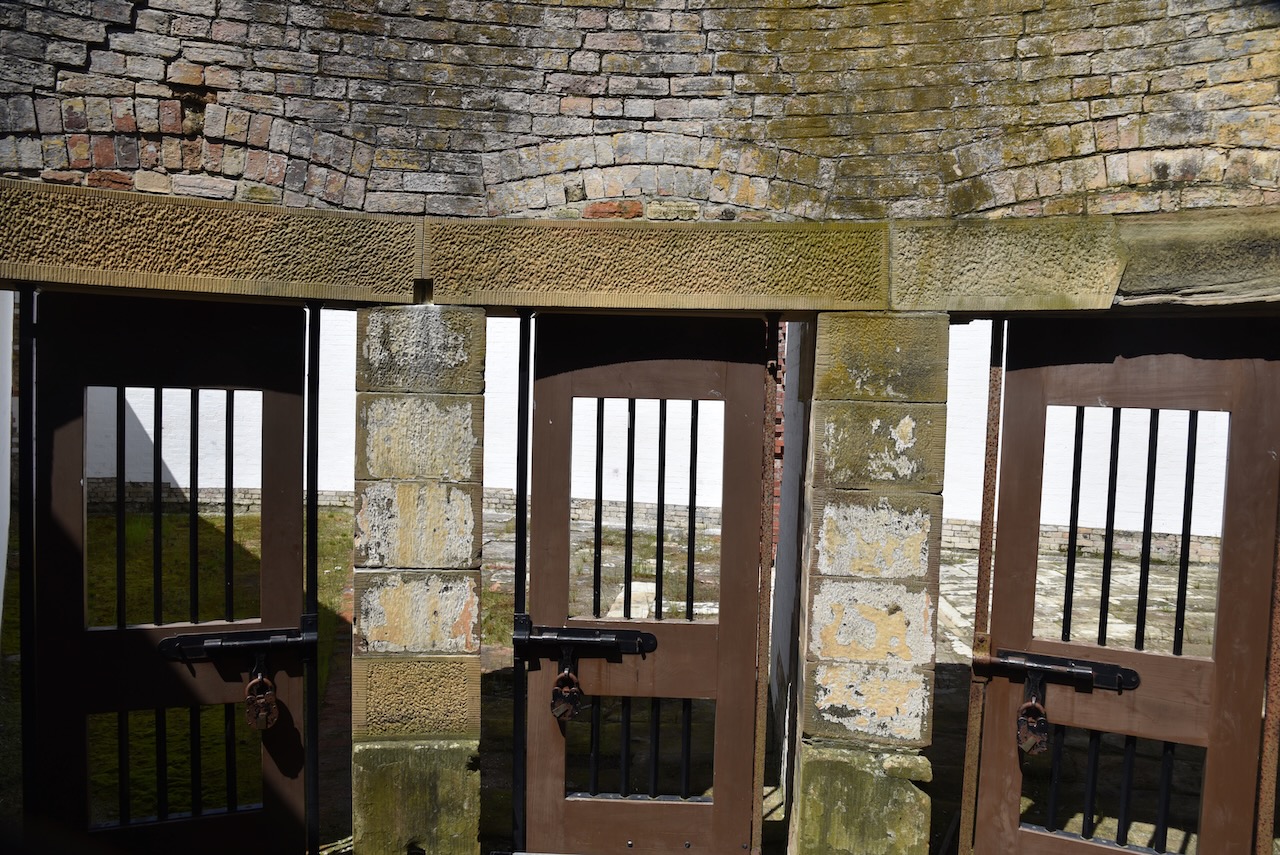
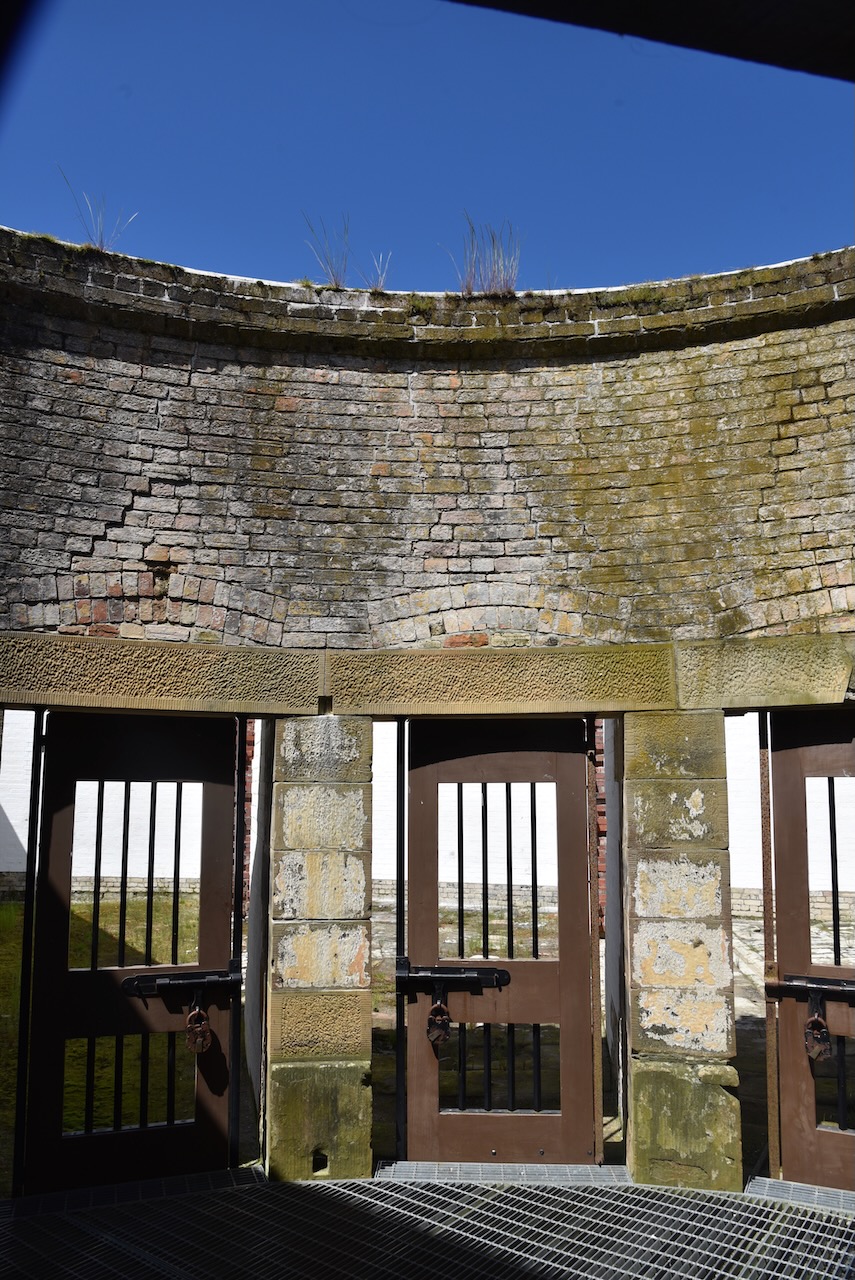
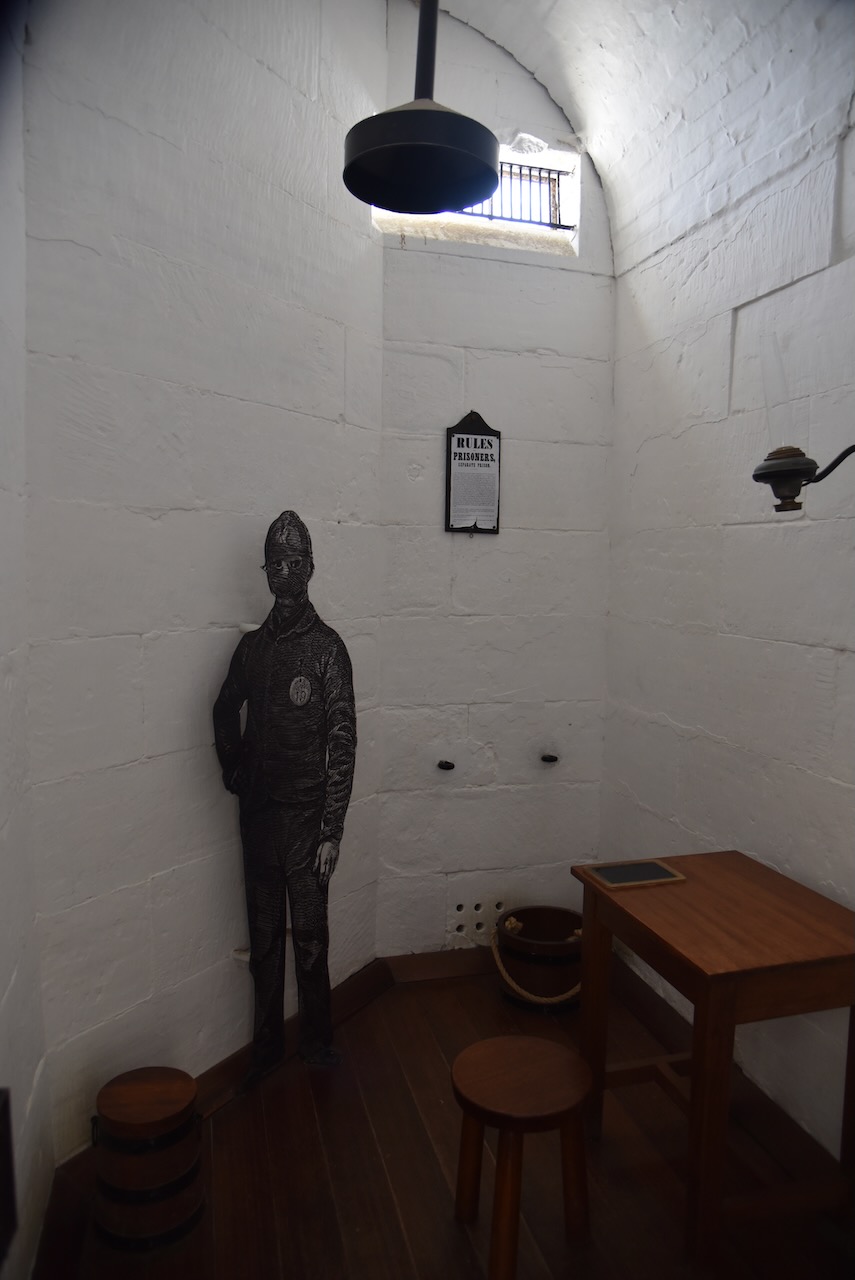
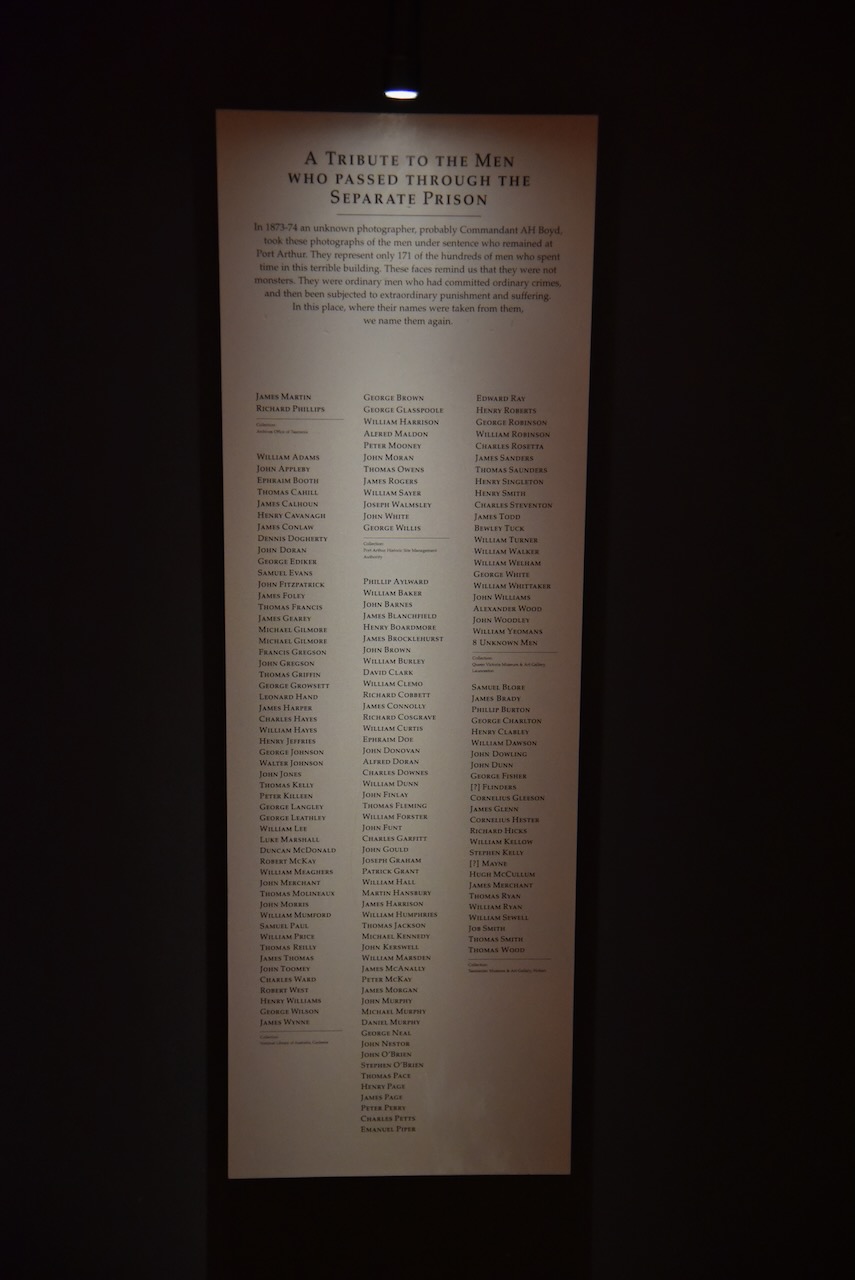
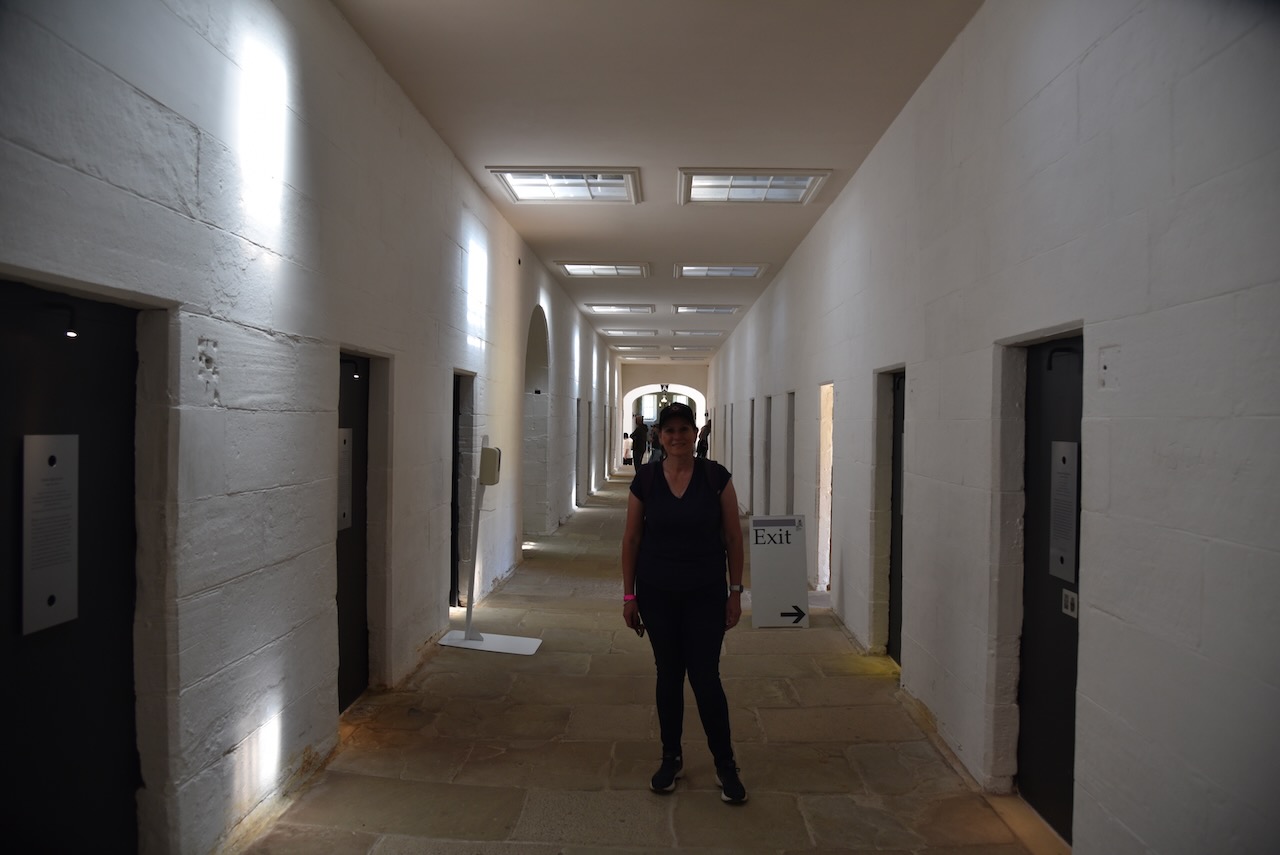
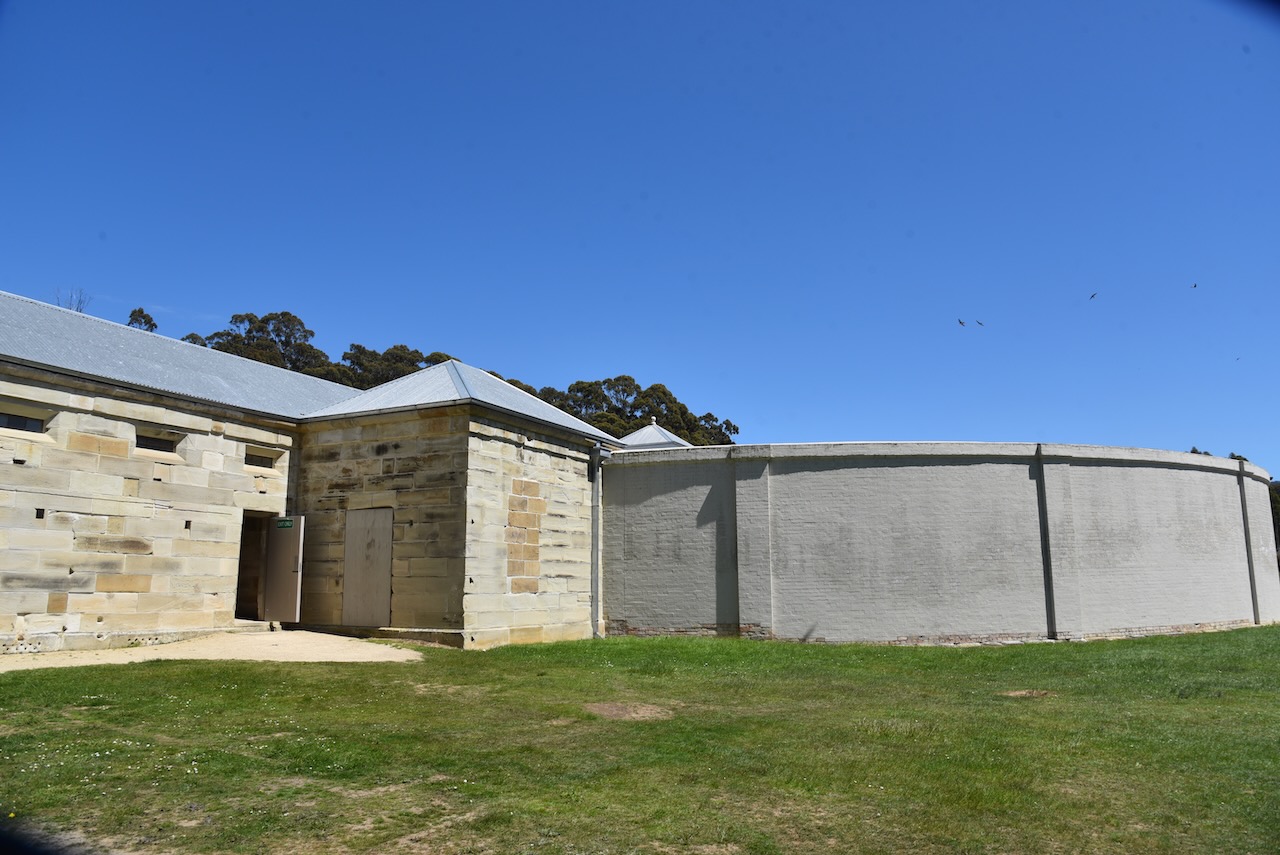
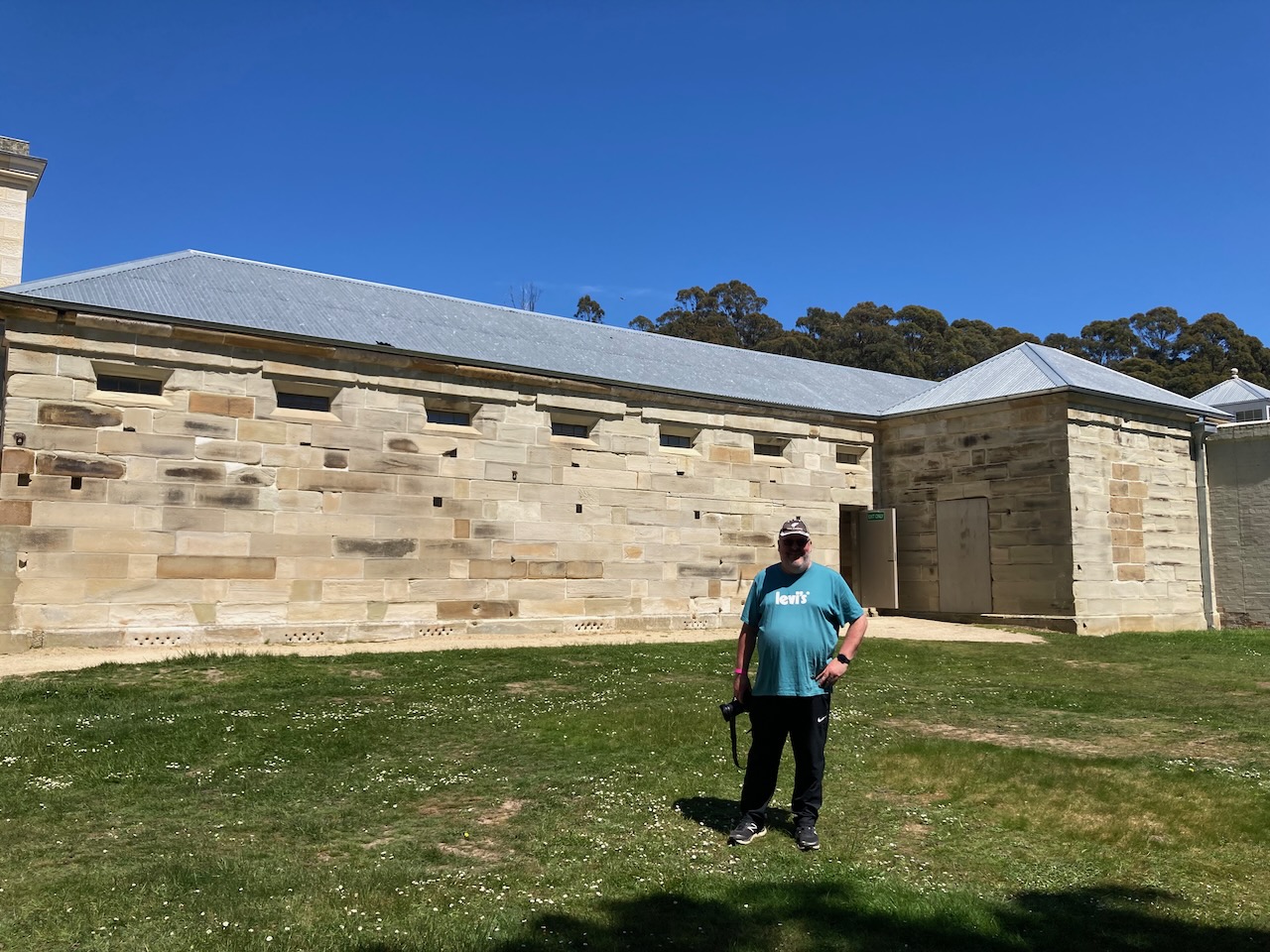
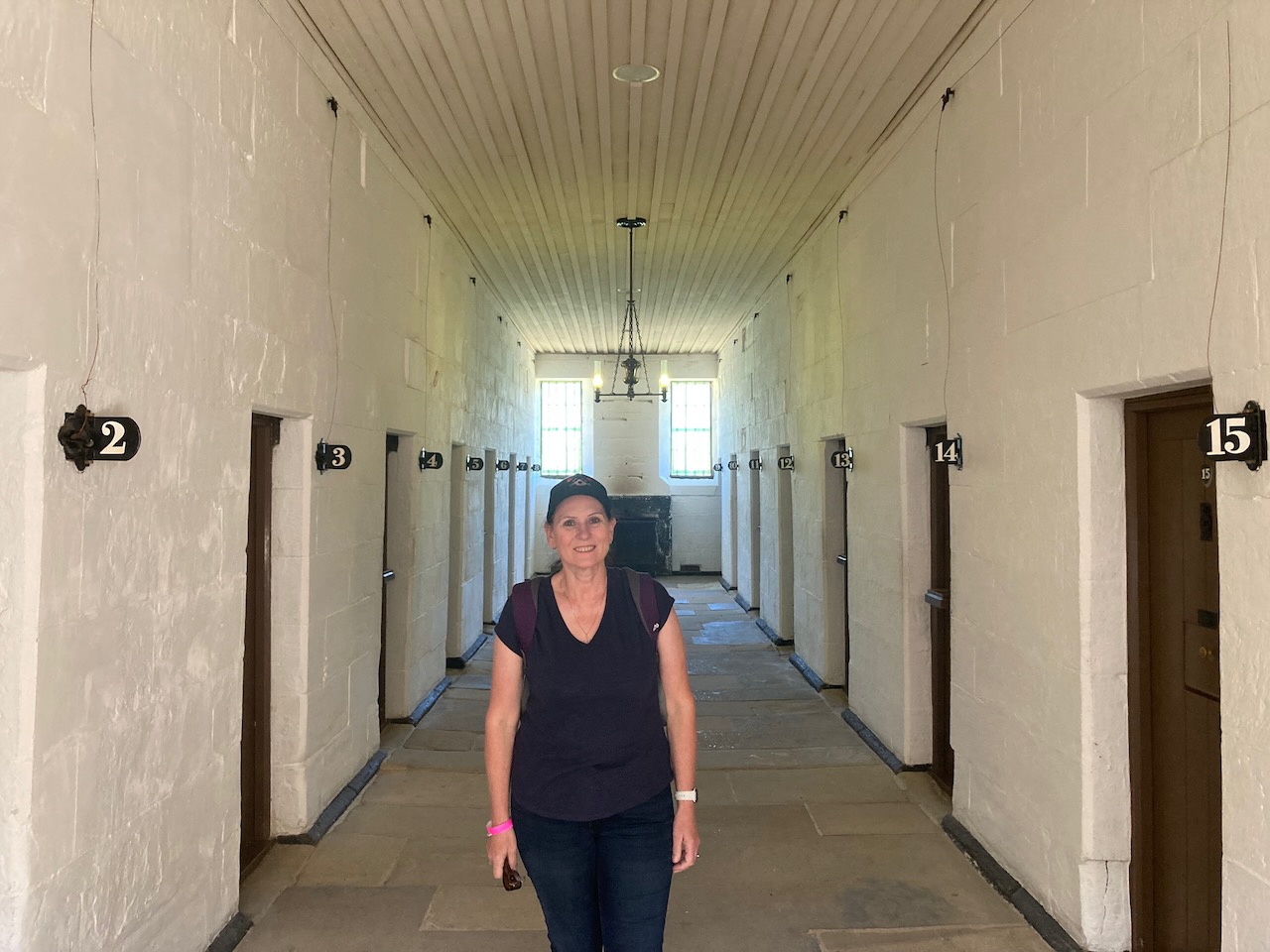
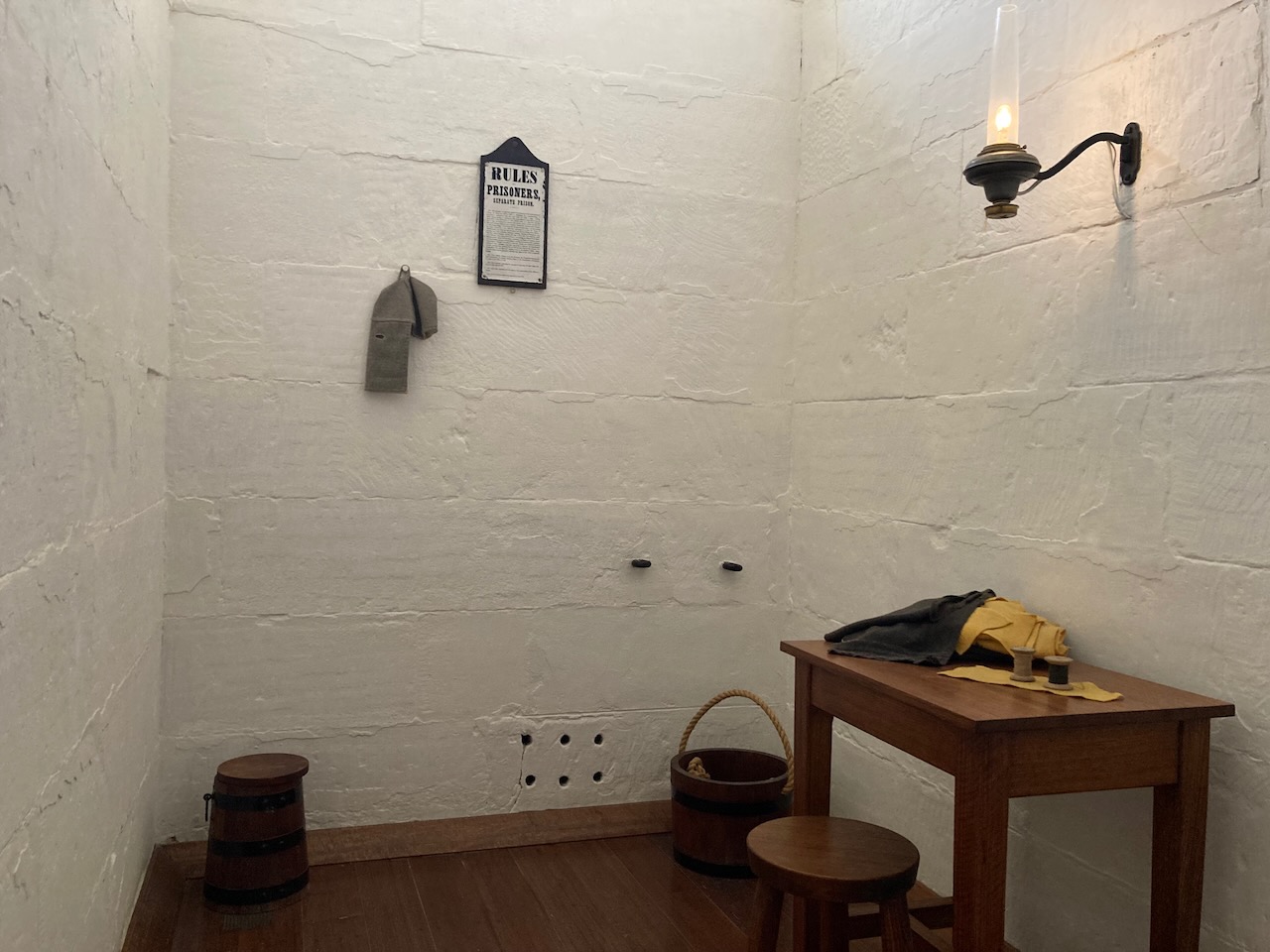
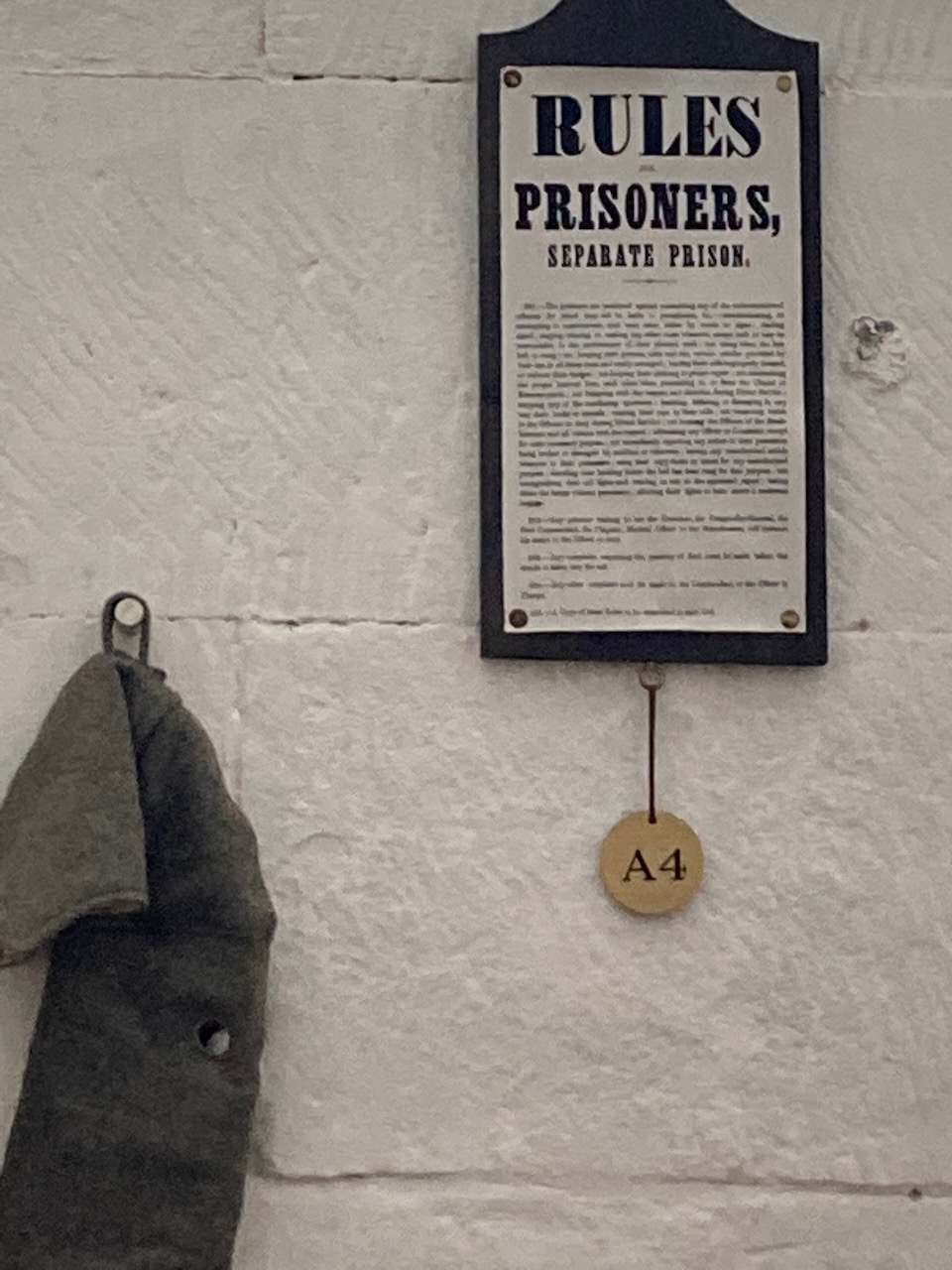
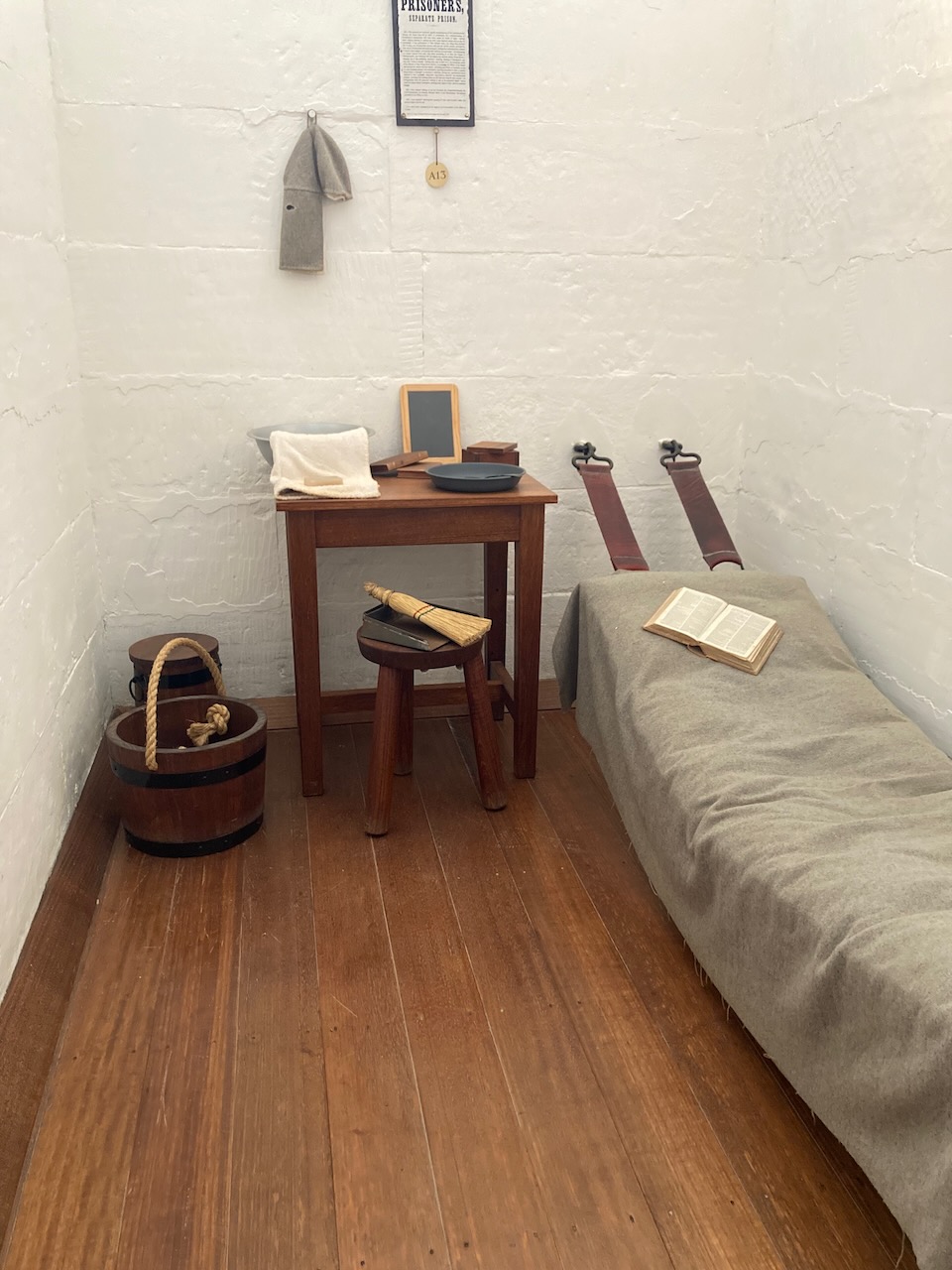
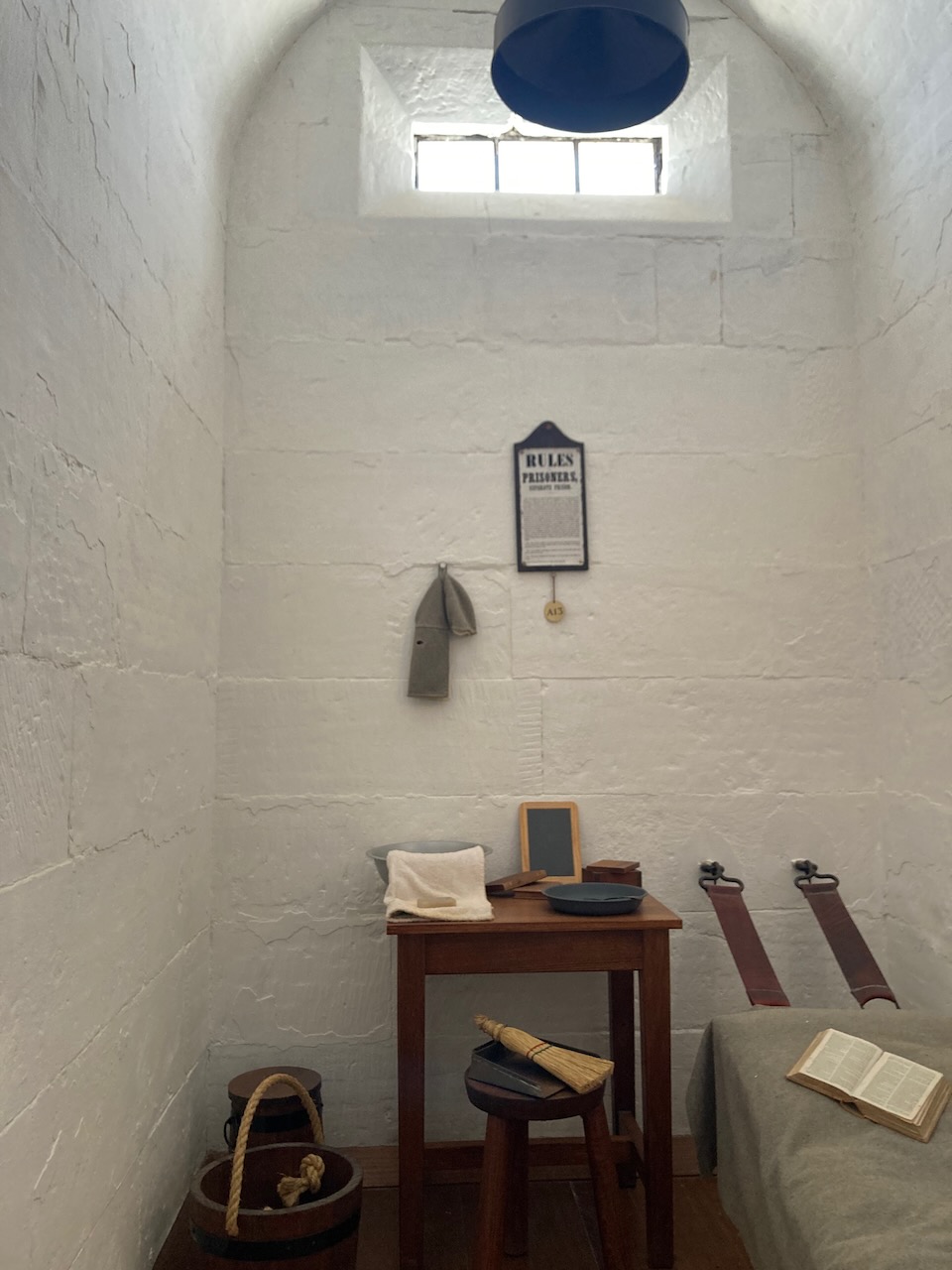
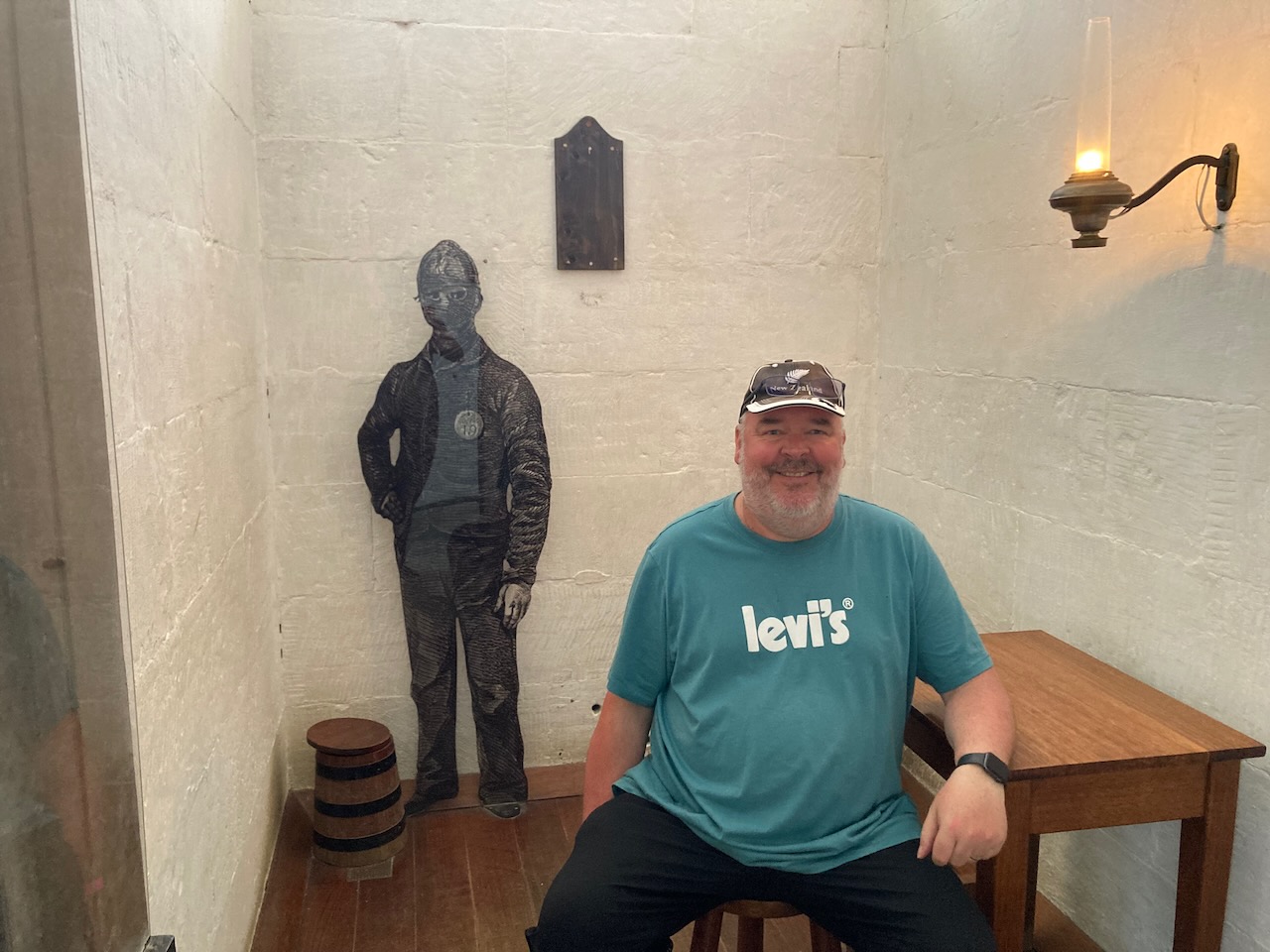
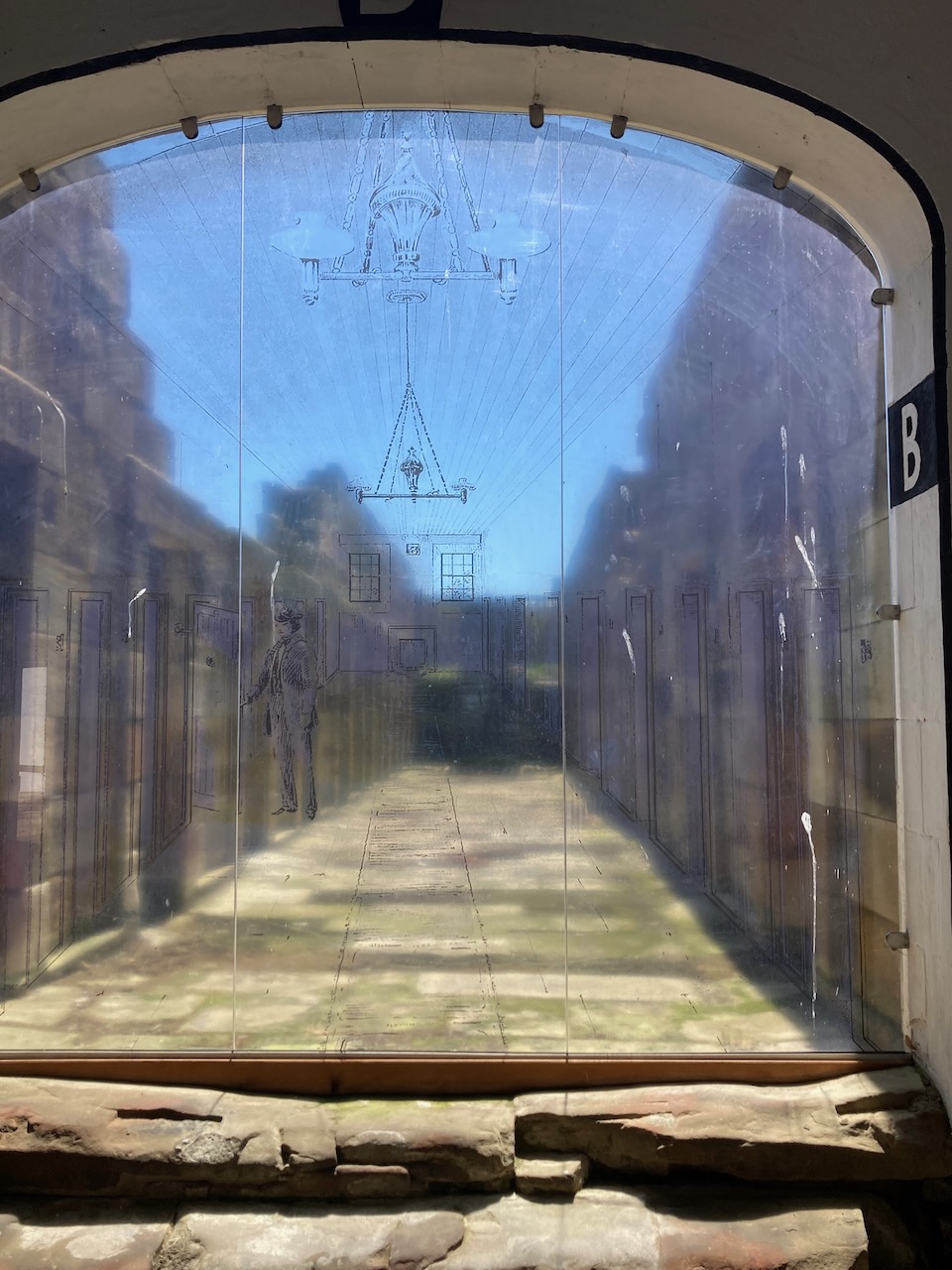
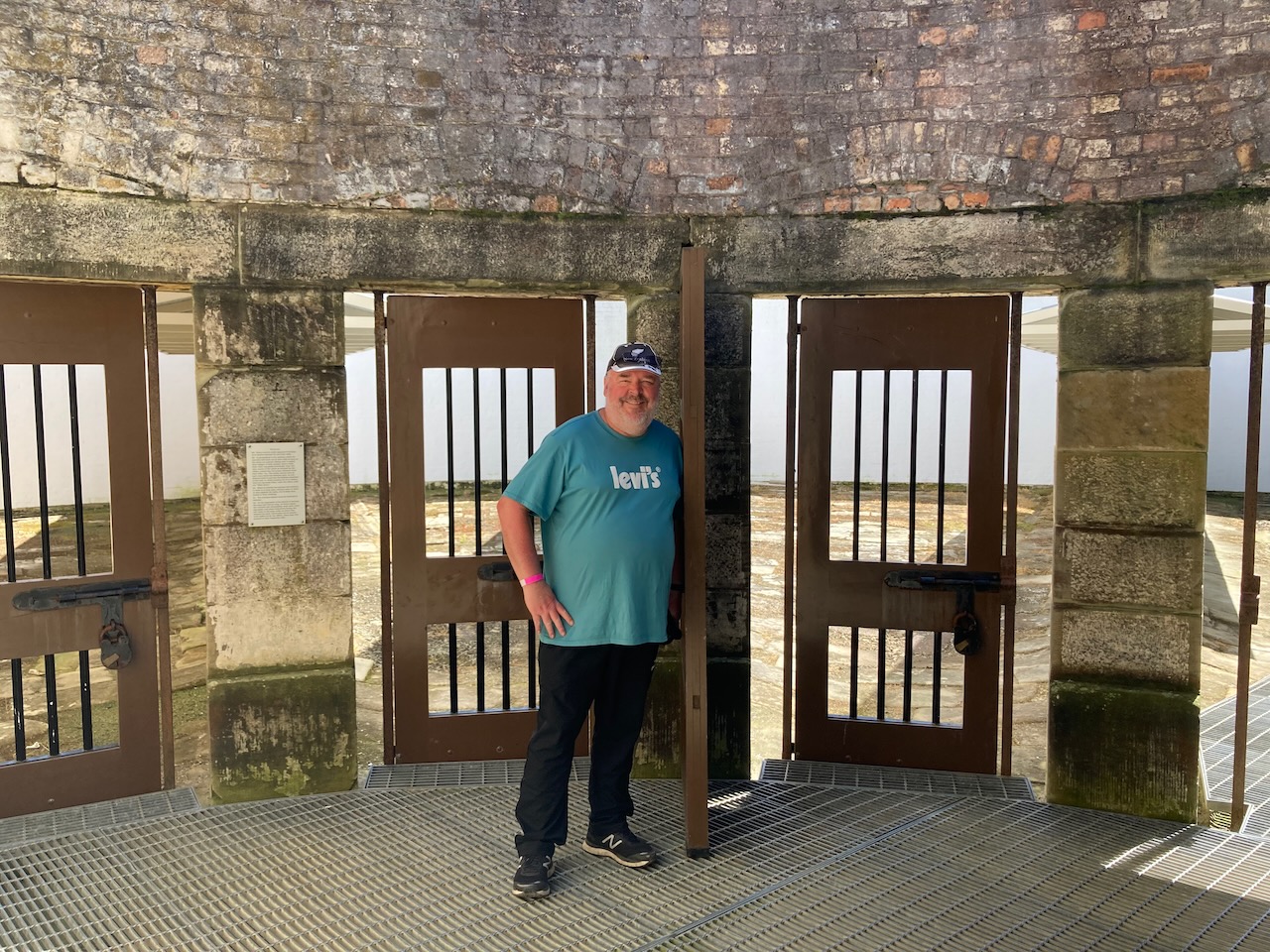
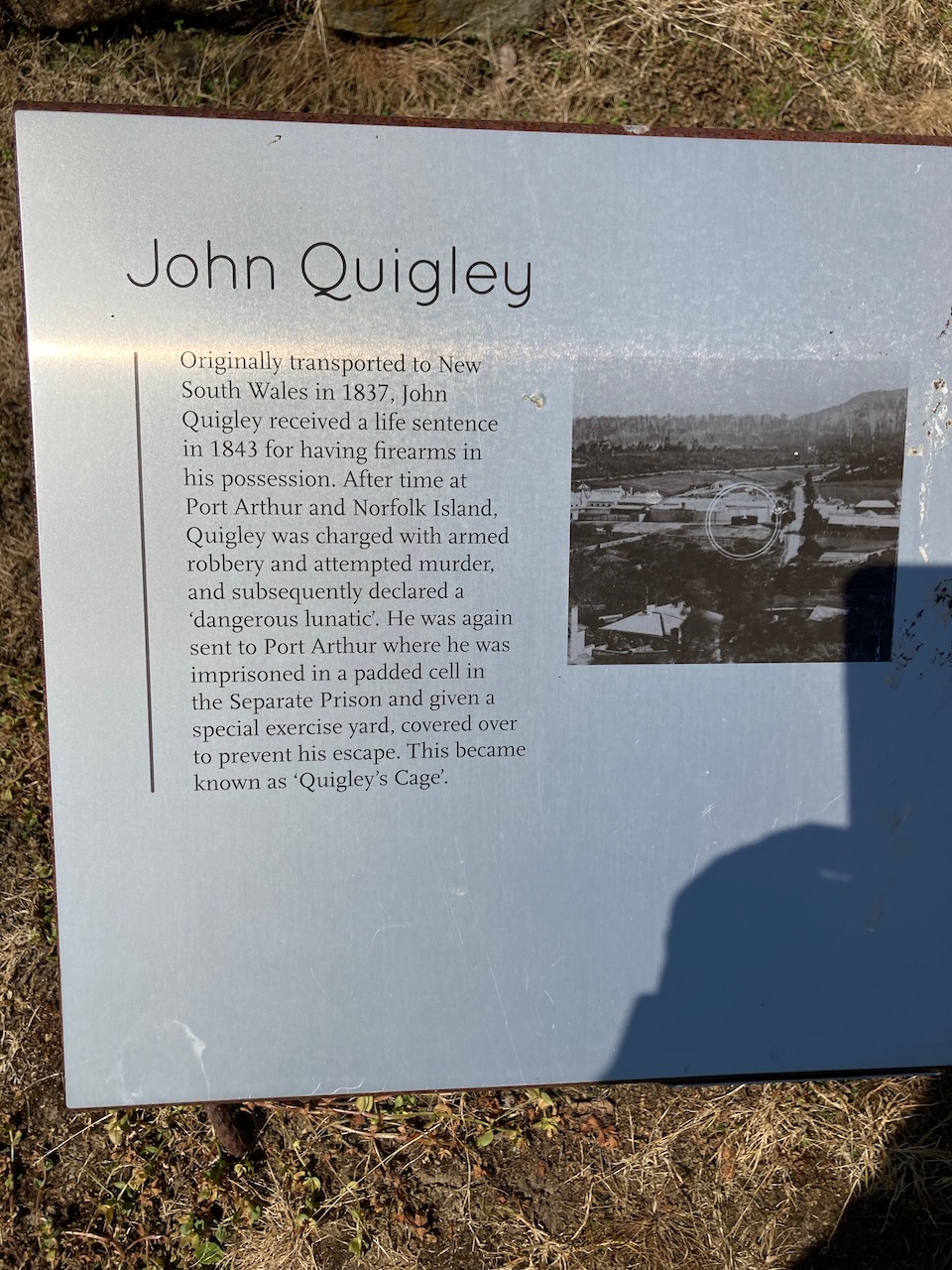
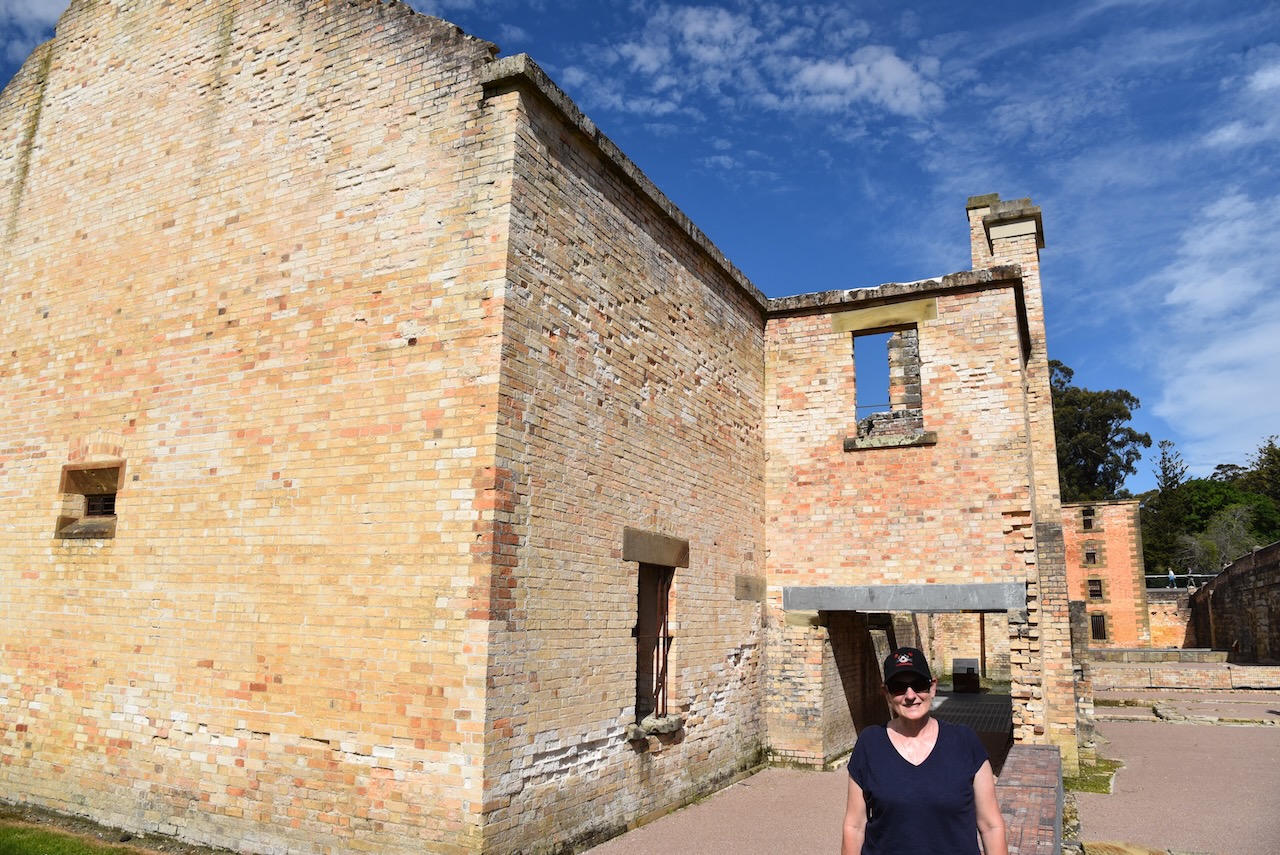
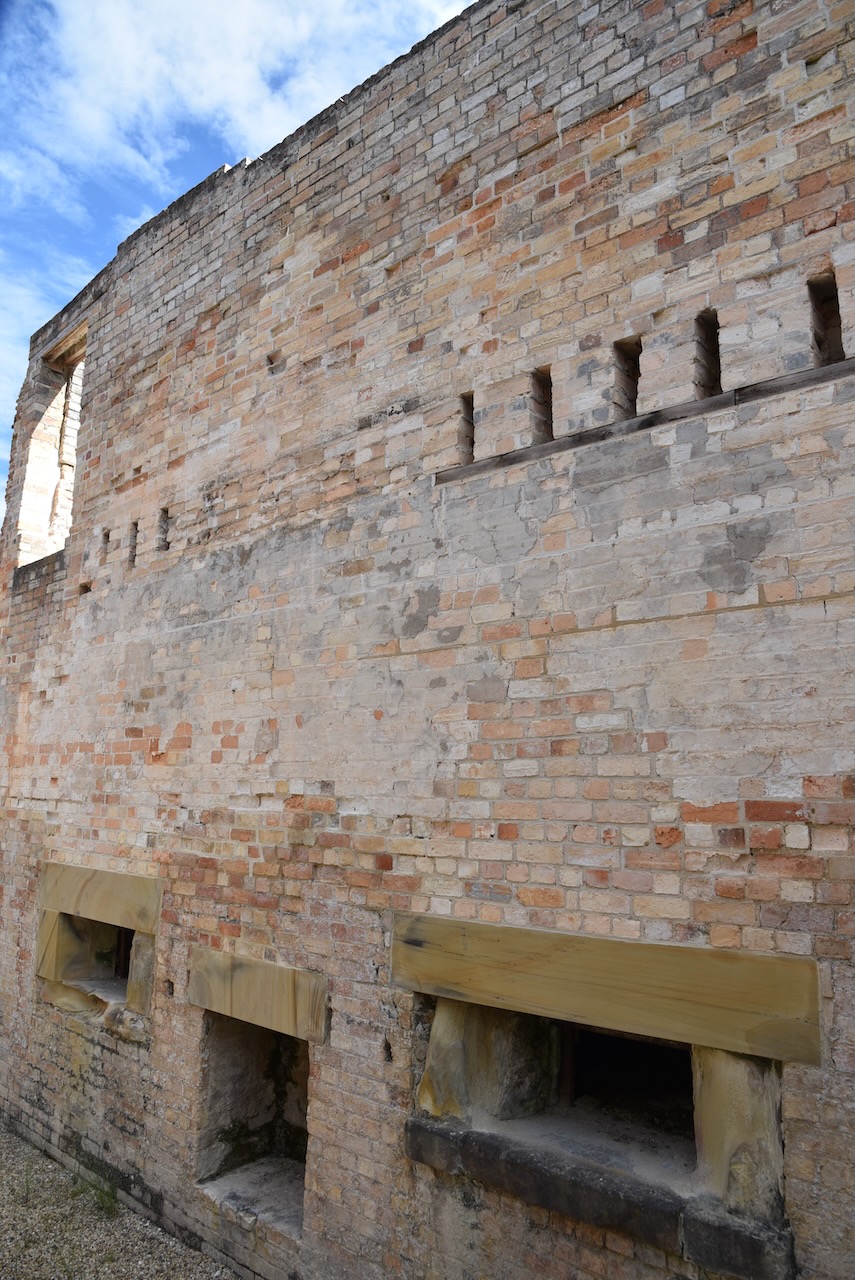
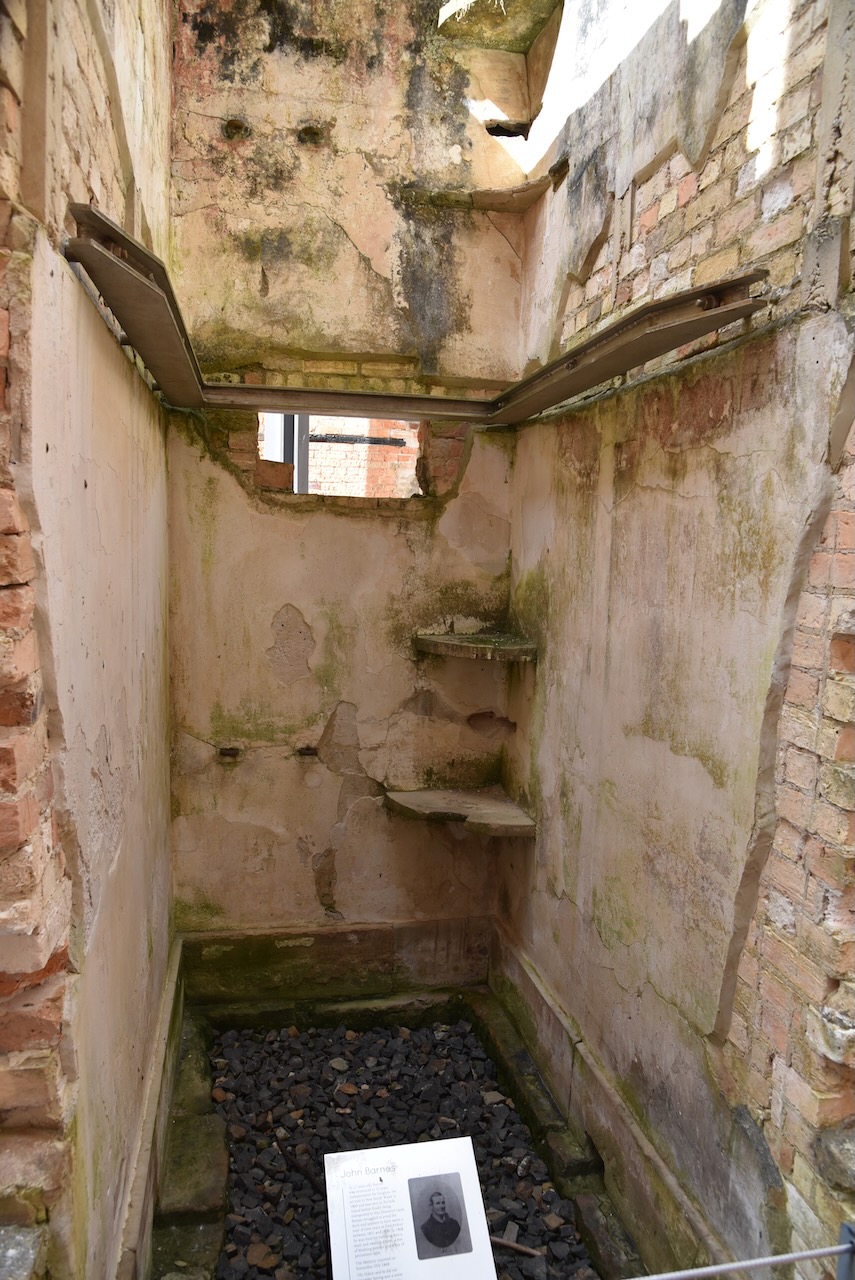
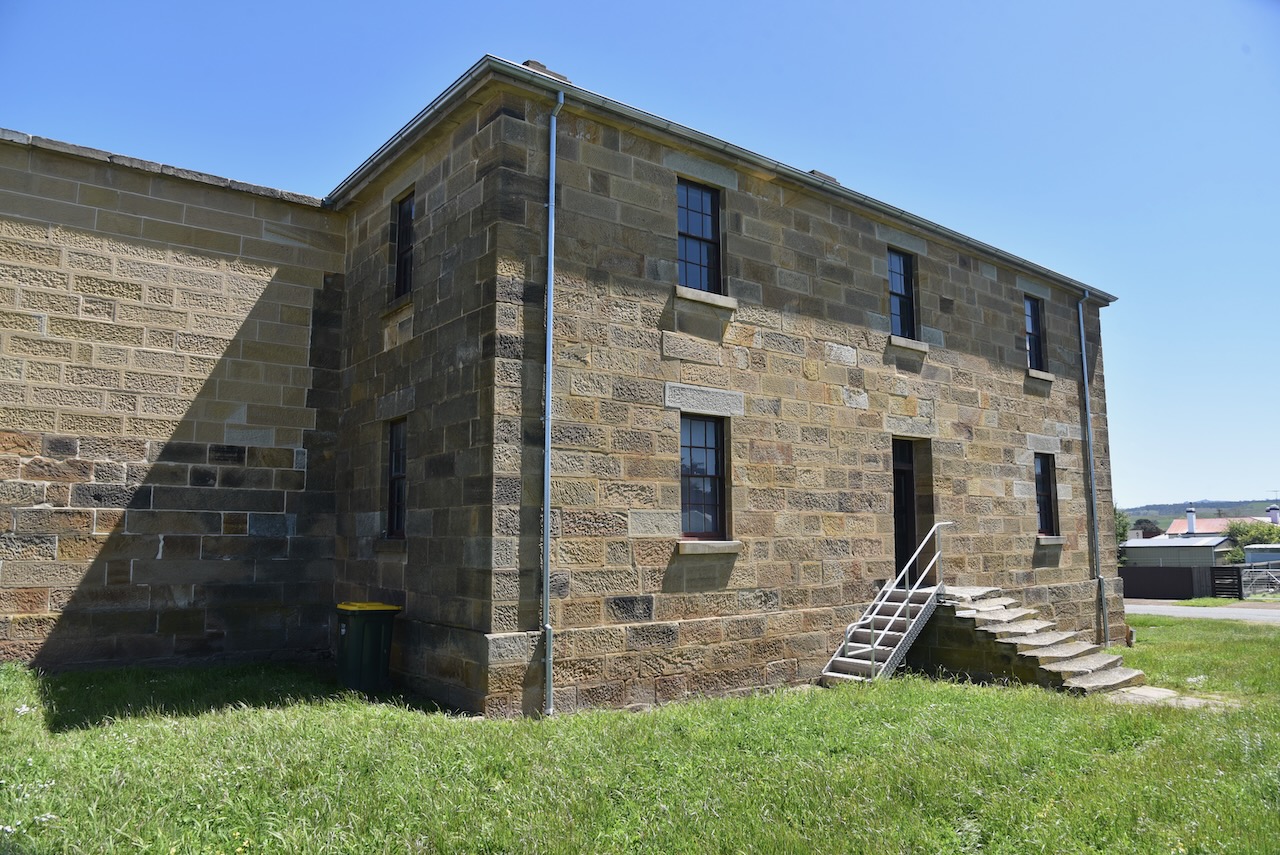
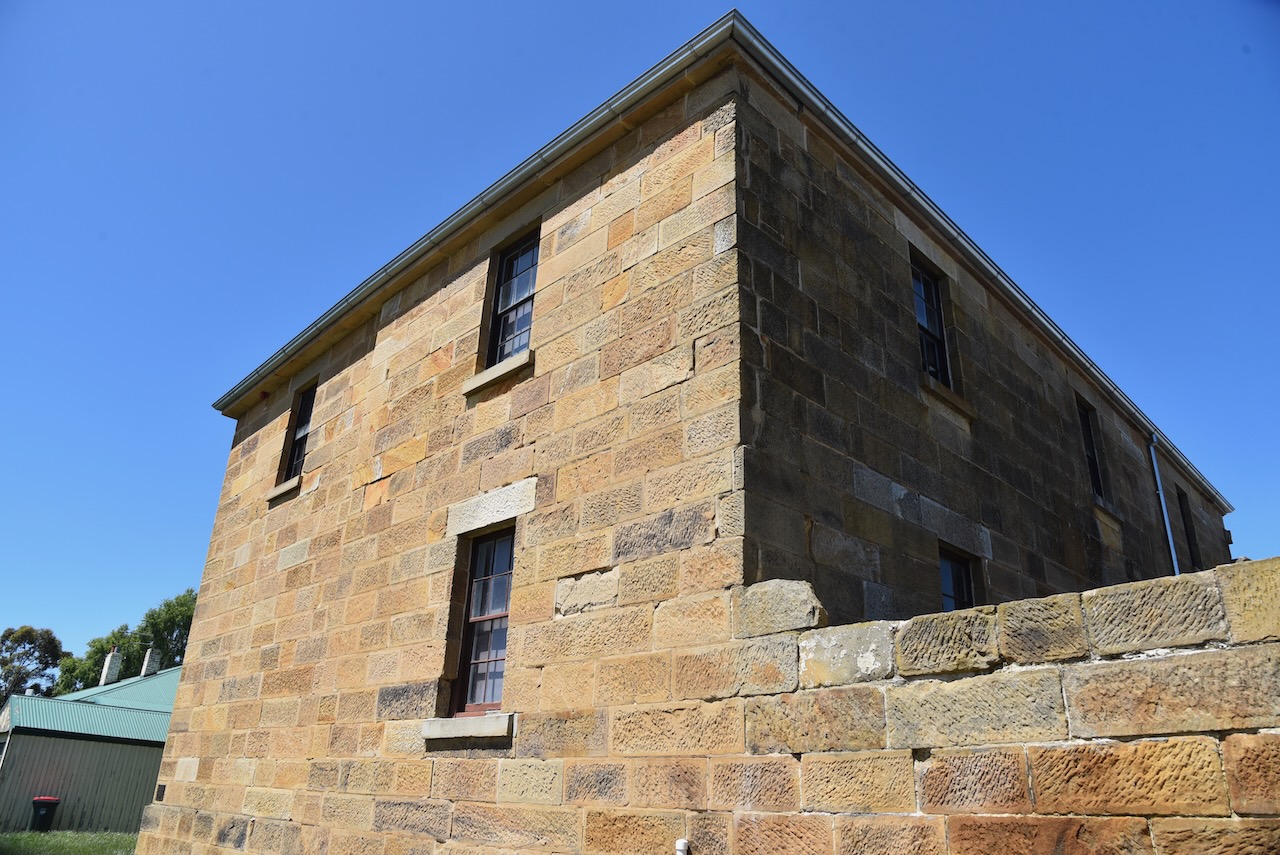
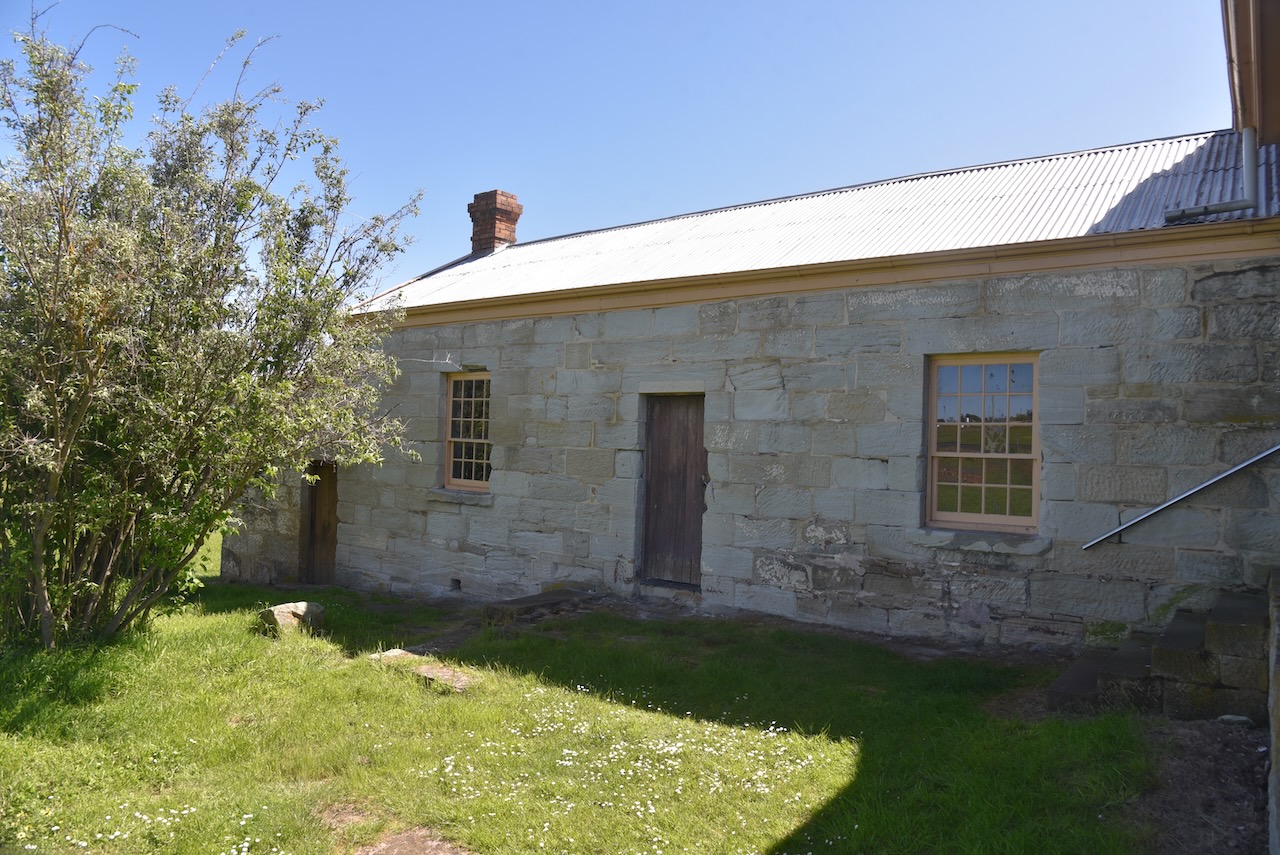
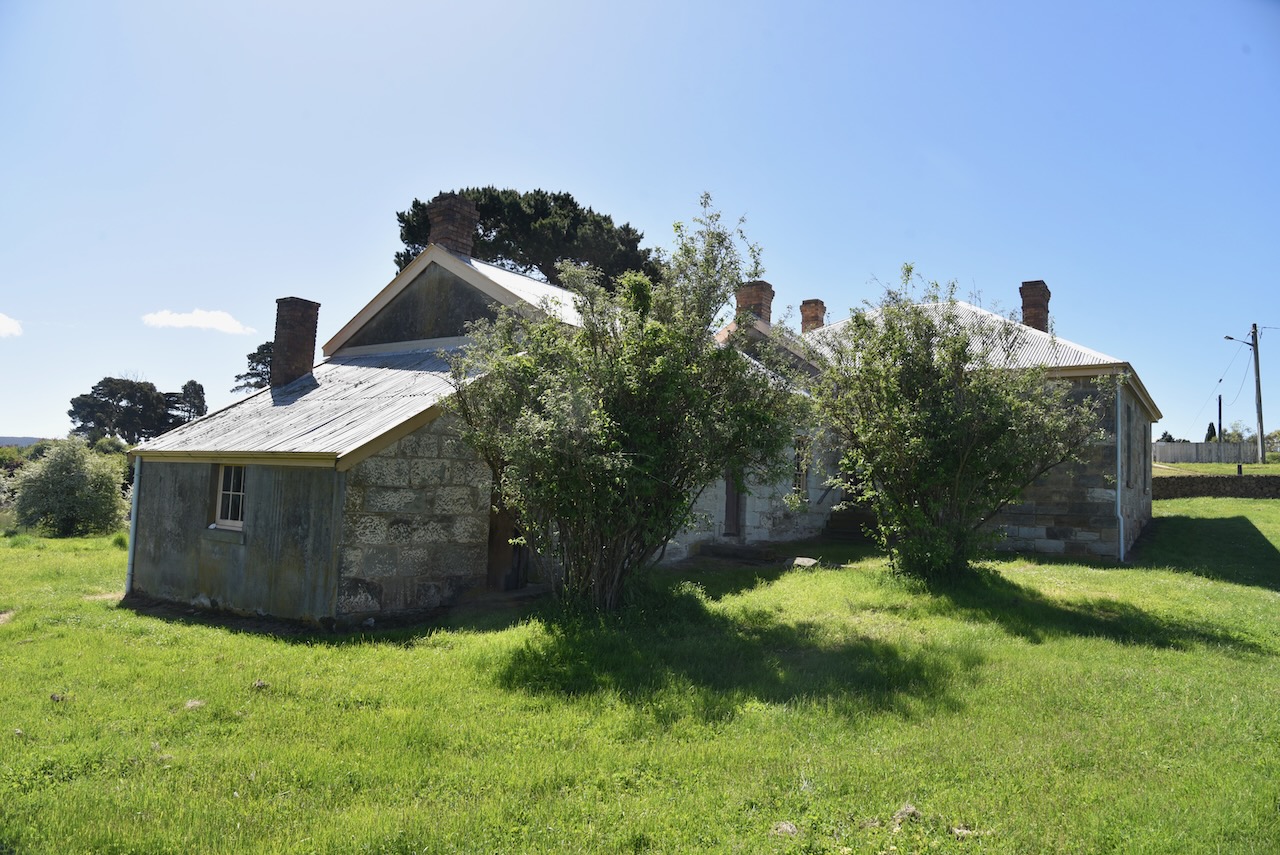
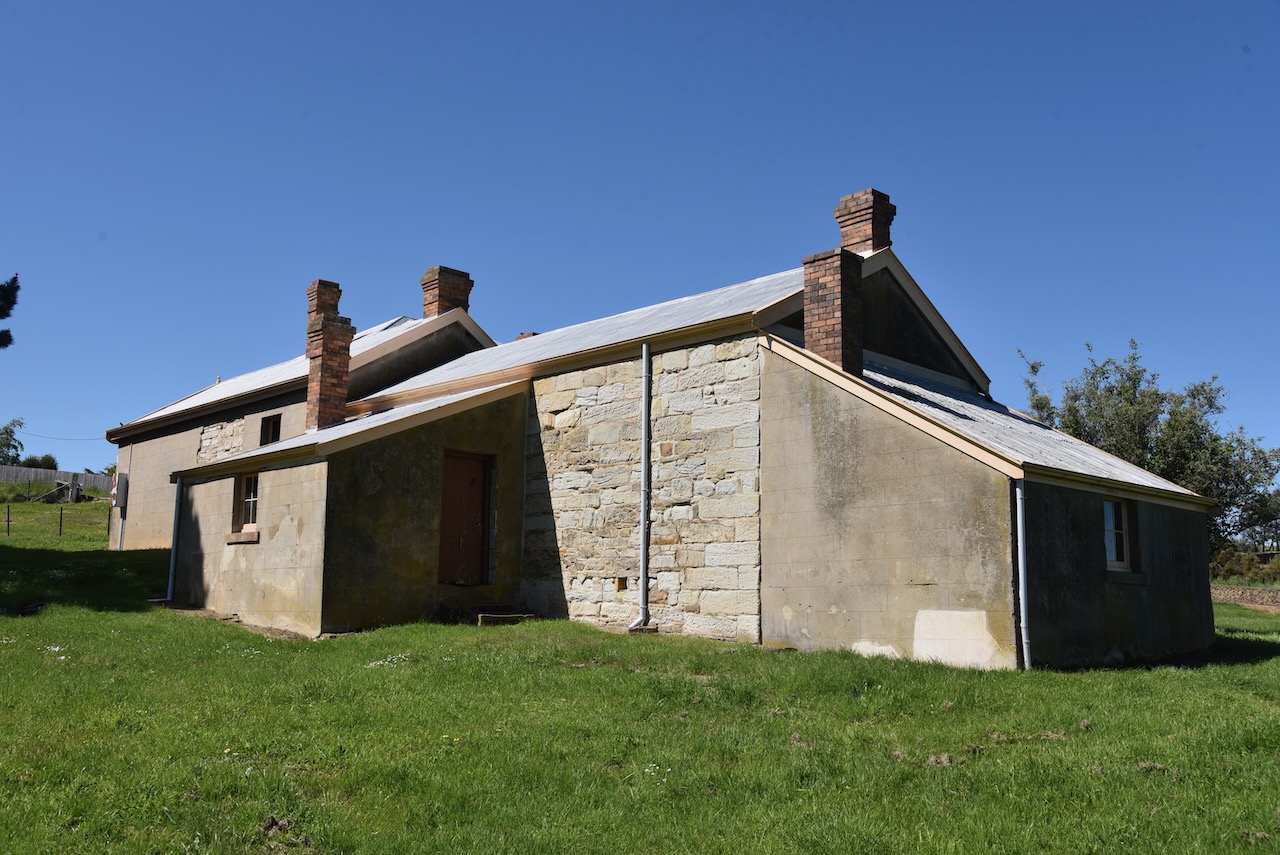
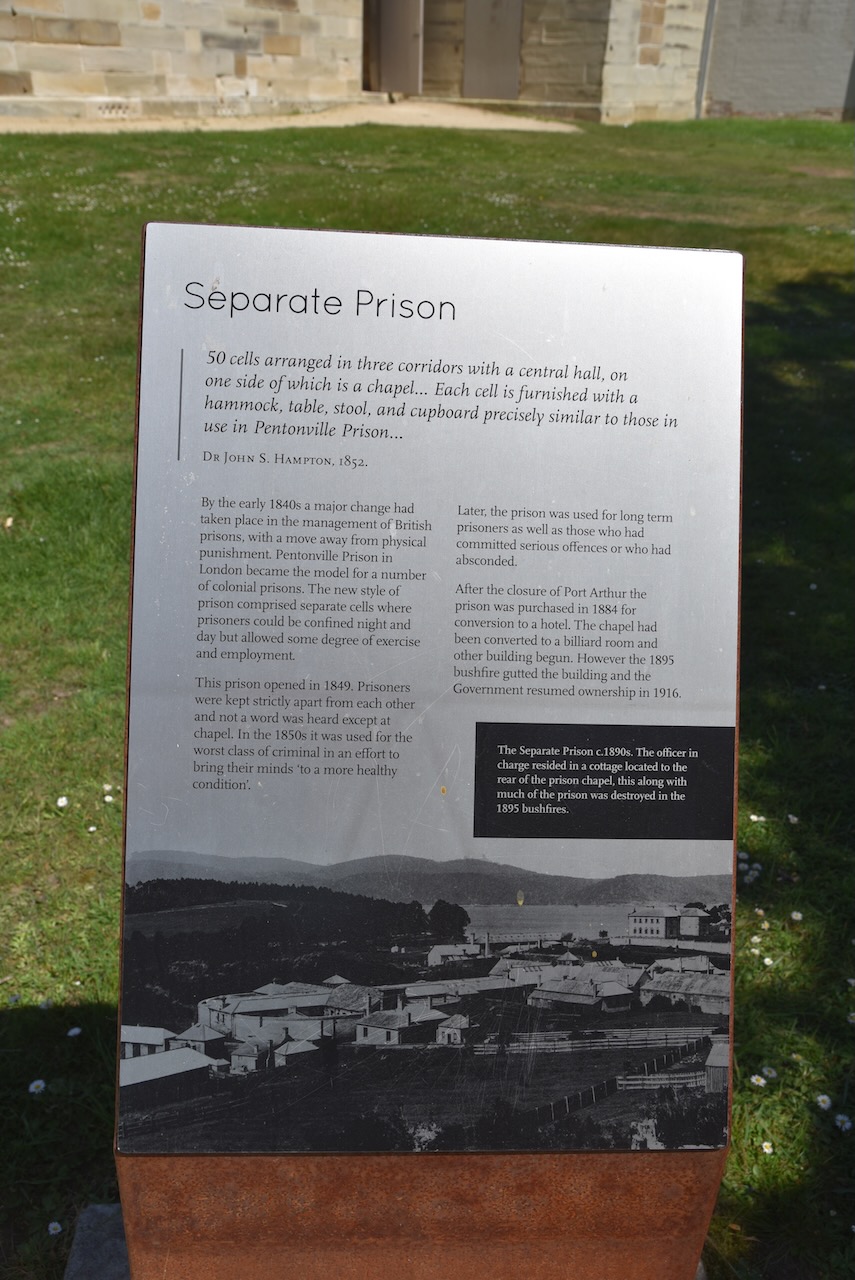
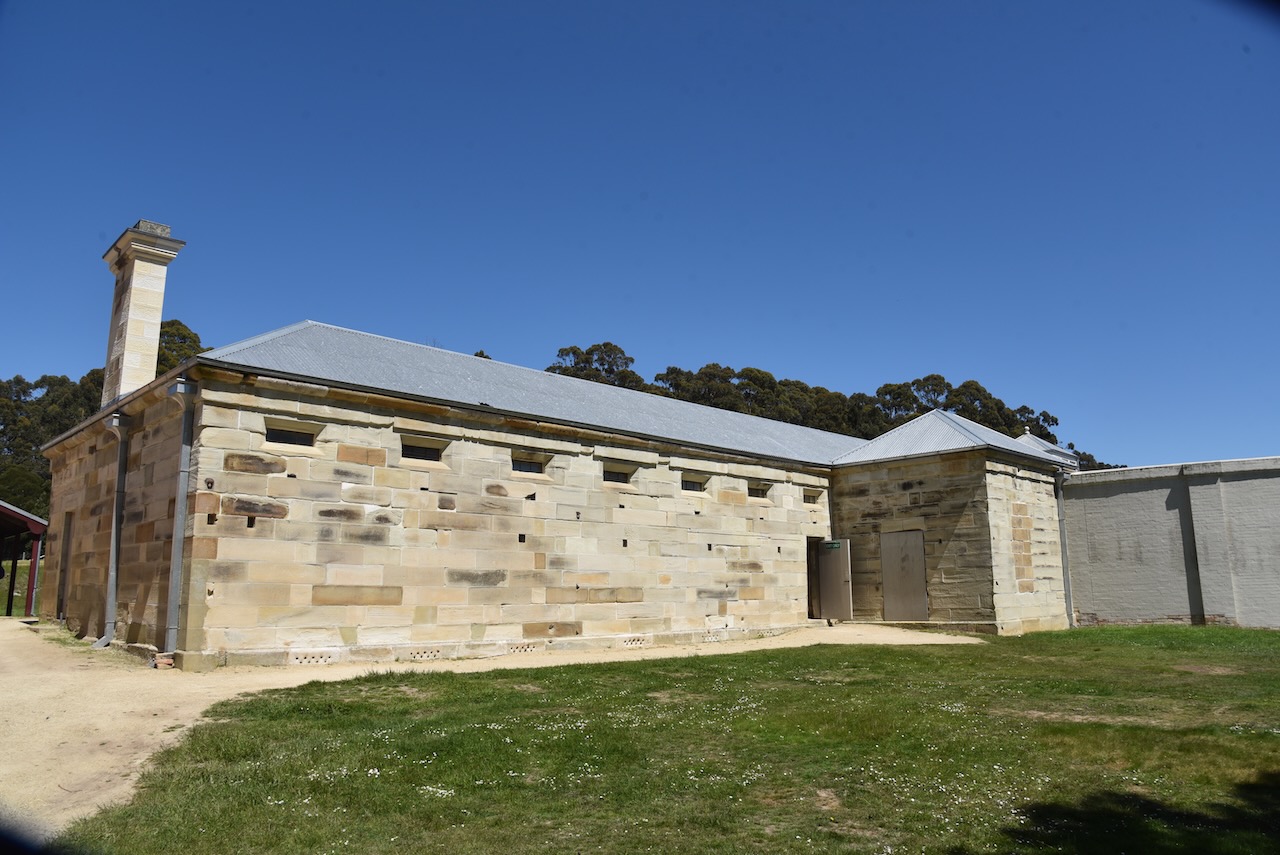
We wandered next door to the Separate Prison which was opened in 1849. It consists of 50 cells arranged in three corridors with a central hall, on one side of which is a chapel. Each cell is furnished with a hammock, table, stool, and cupboard.

Prisoners were kept strictly apart from each other and not a word was heard except at chapel.

During the 1850s it was used for the worst class of criminal in an effort to bring their minds ‘to a more healthy condition.’ Later the prison was used for long term prisoners as well as those who had committed serious offences or who had absconded.

Following the closure of Port Arthur the prison was purchased in 1884 for conversion to a hotel. The chapel had been converted into a billiard room and other building had commenced. However the 1895 Tasmanian bushfire gutted the building and the Government resumed ownership in 1916.
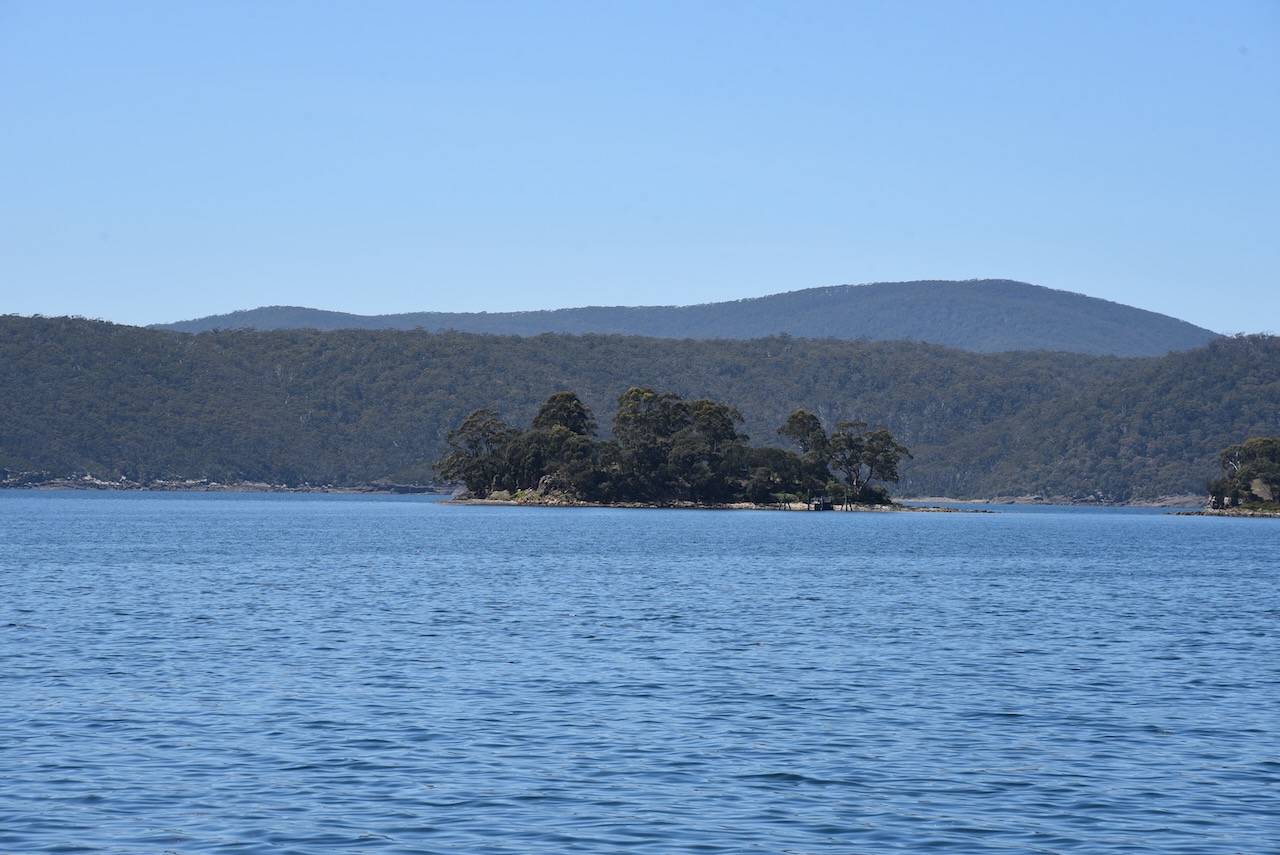
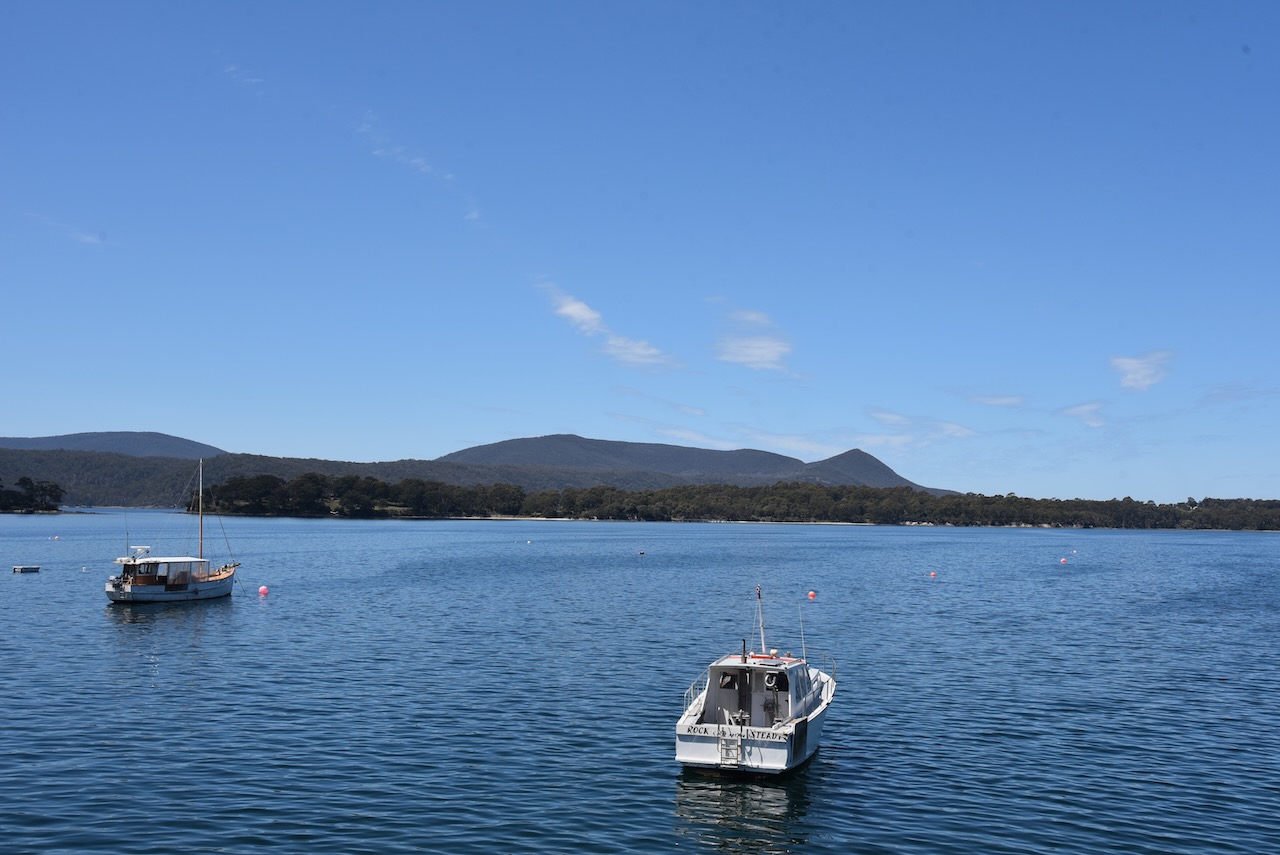
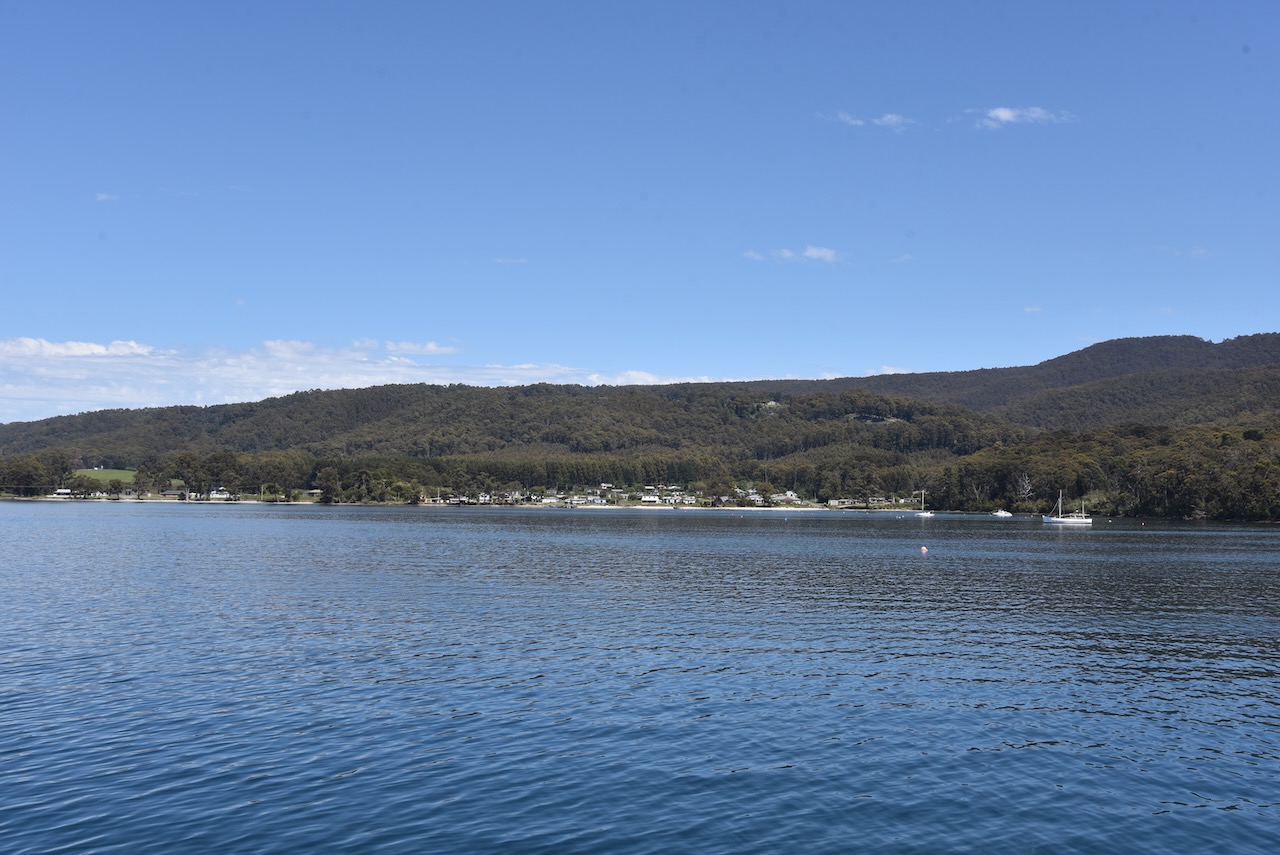
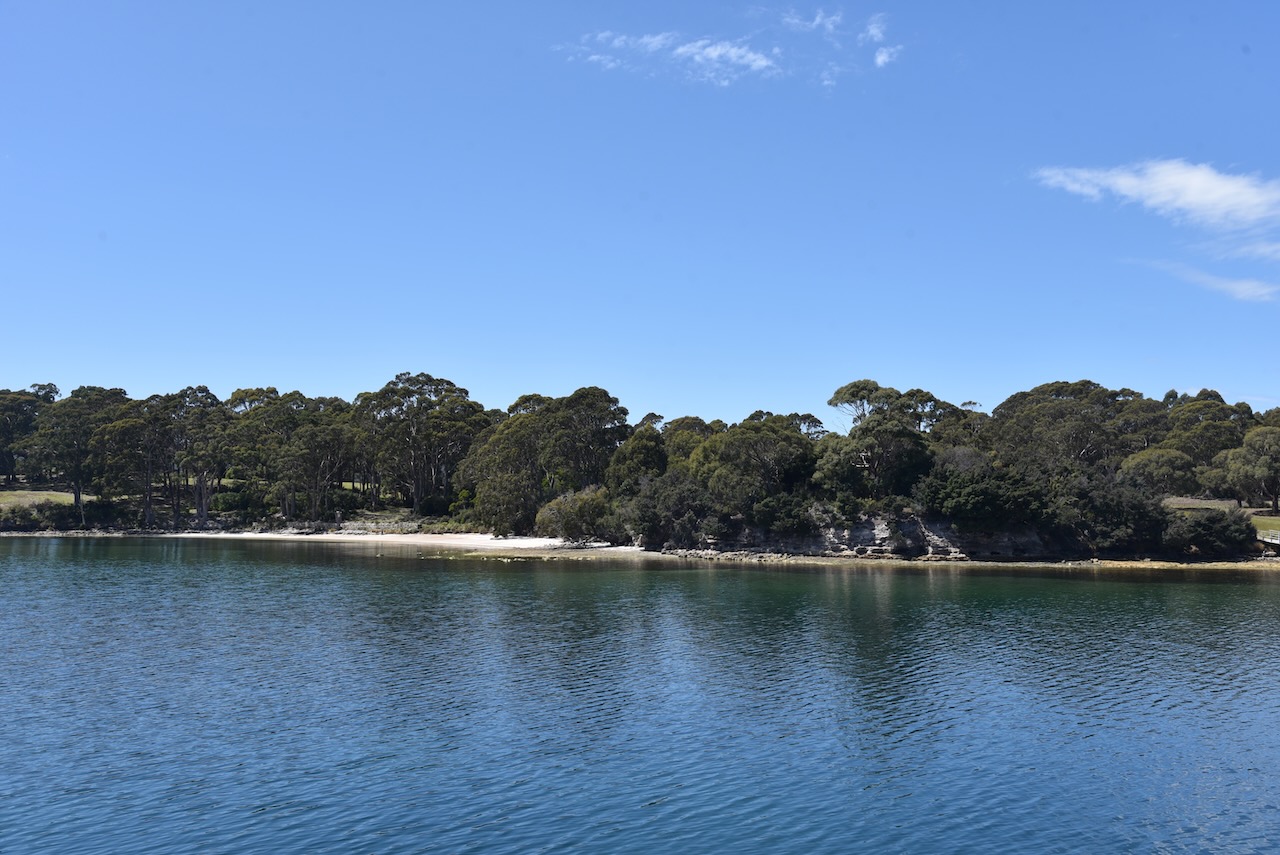
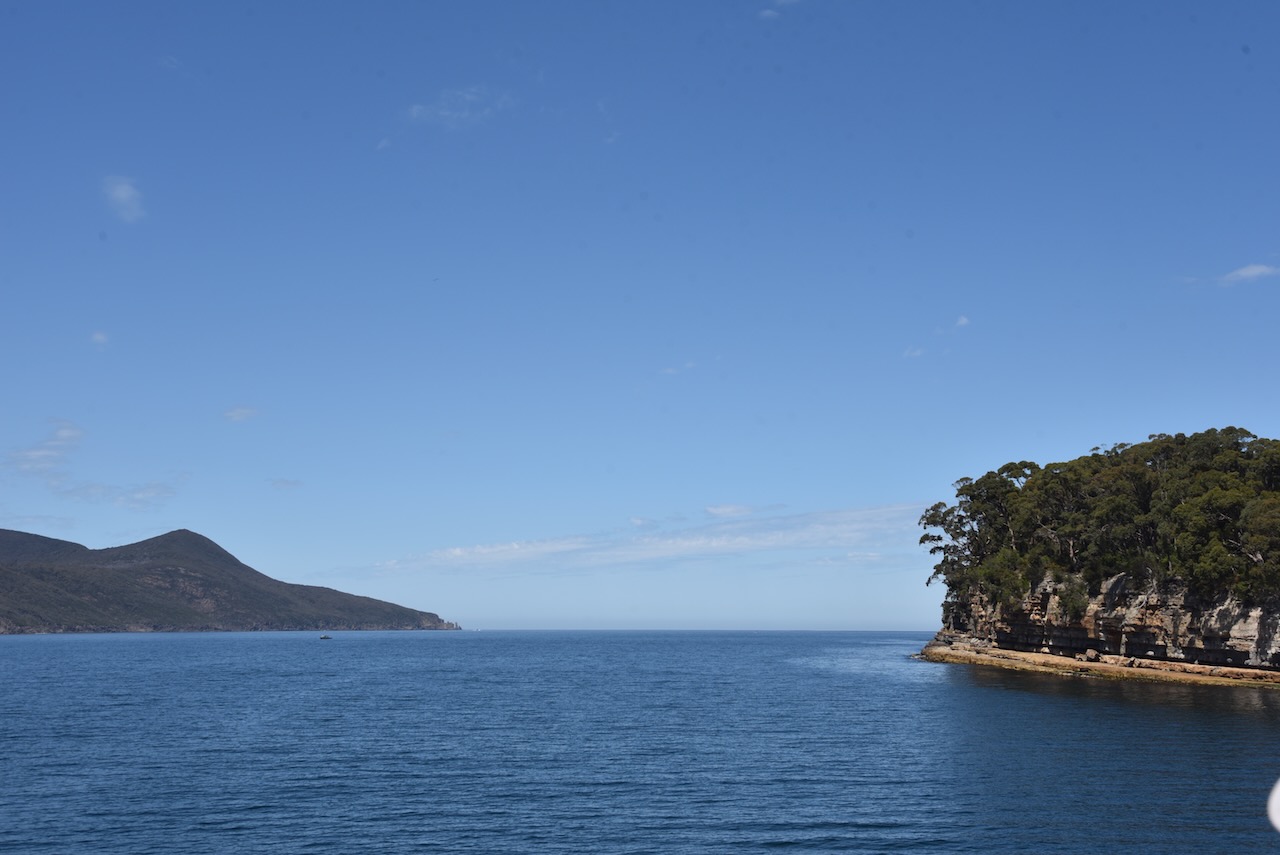
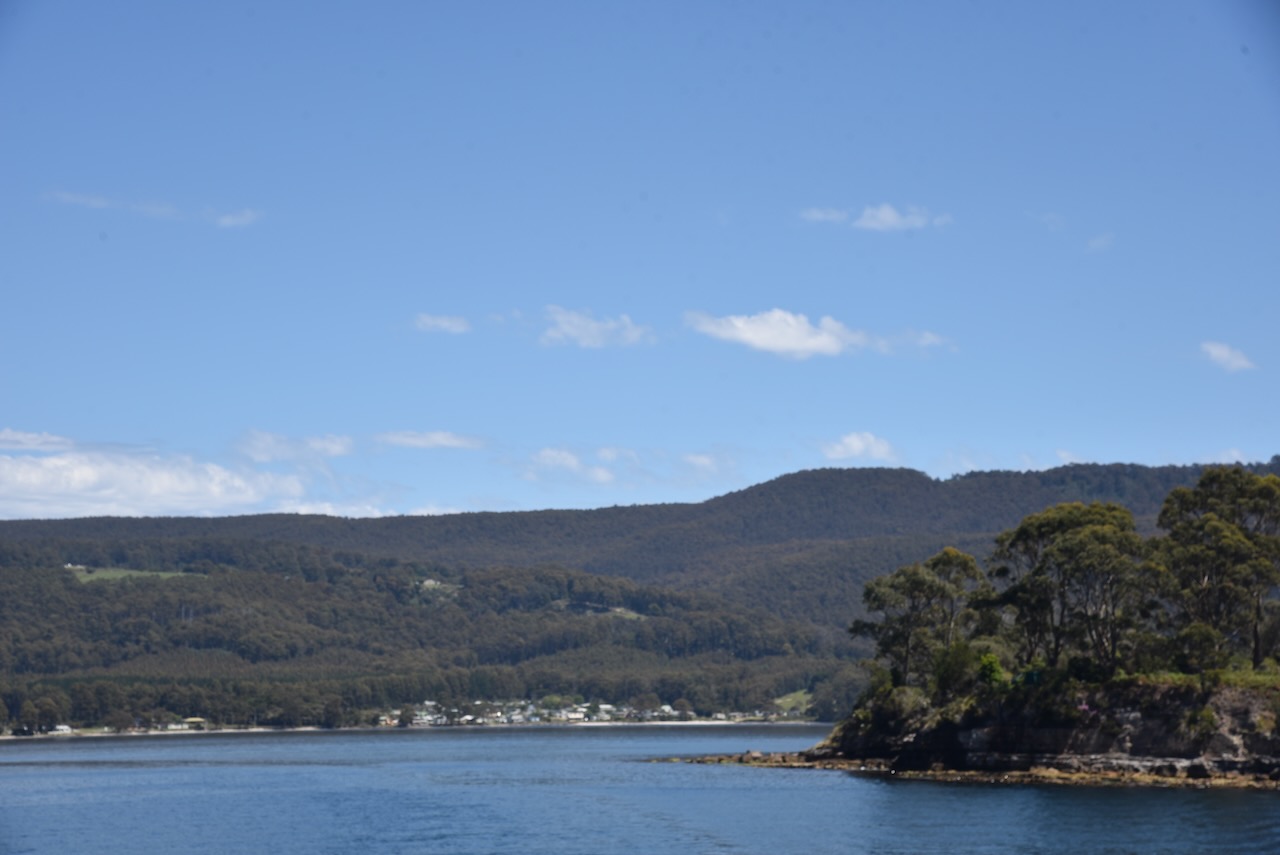
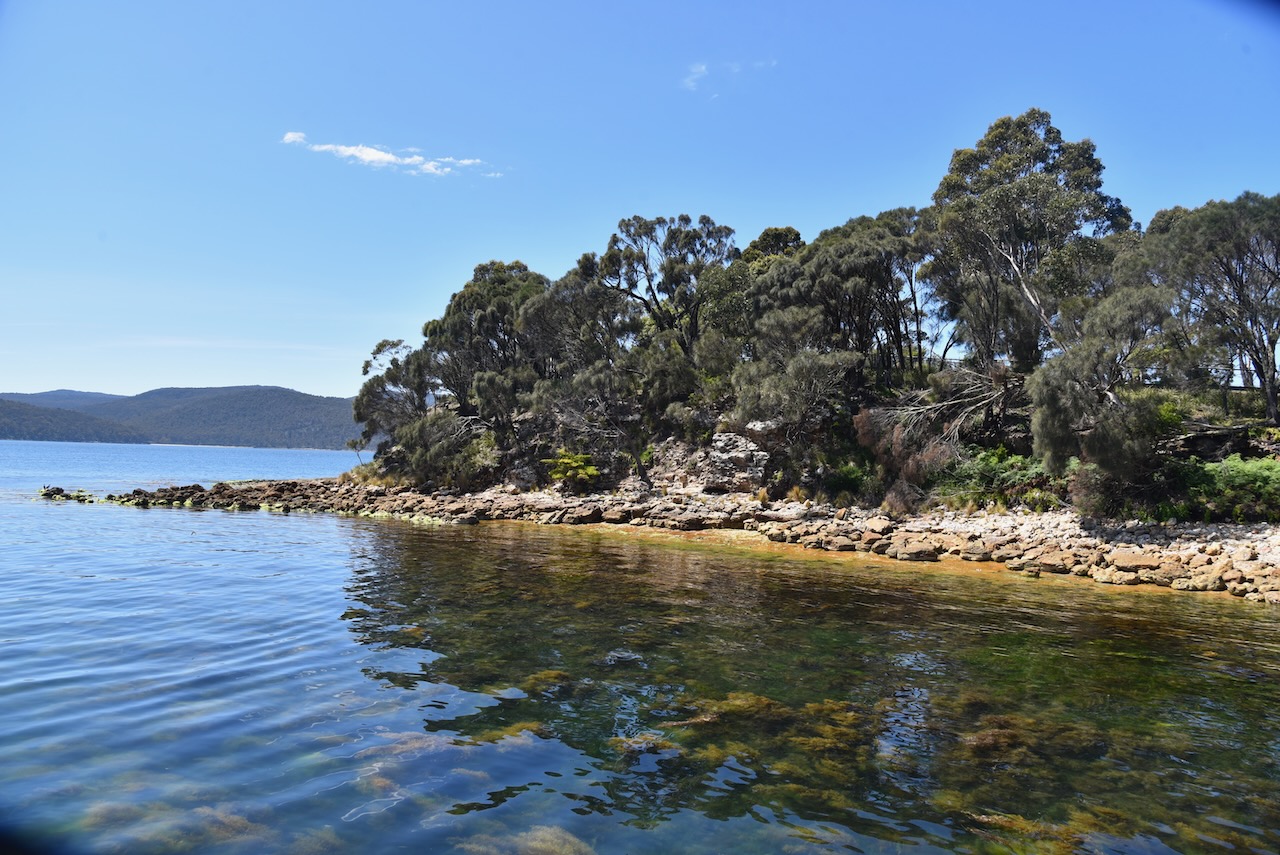
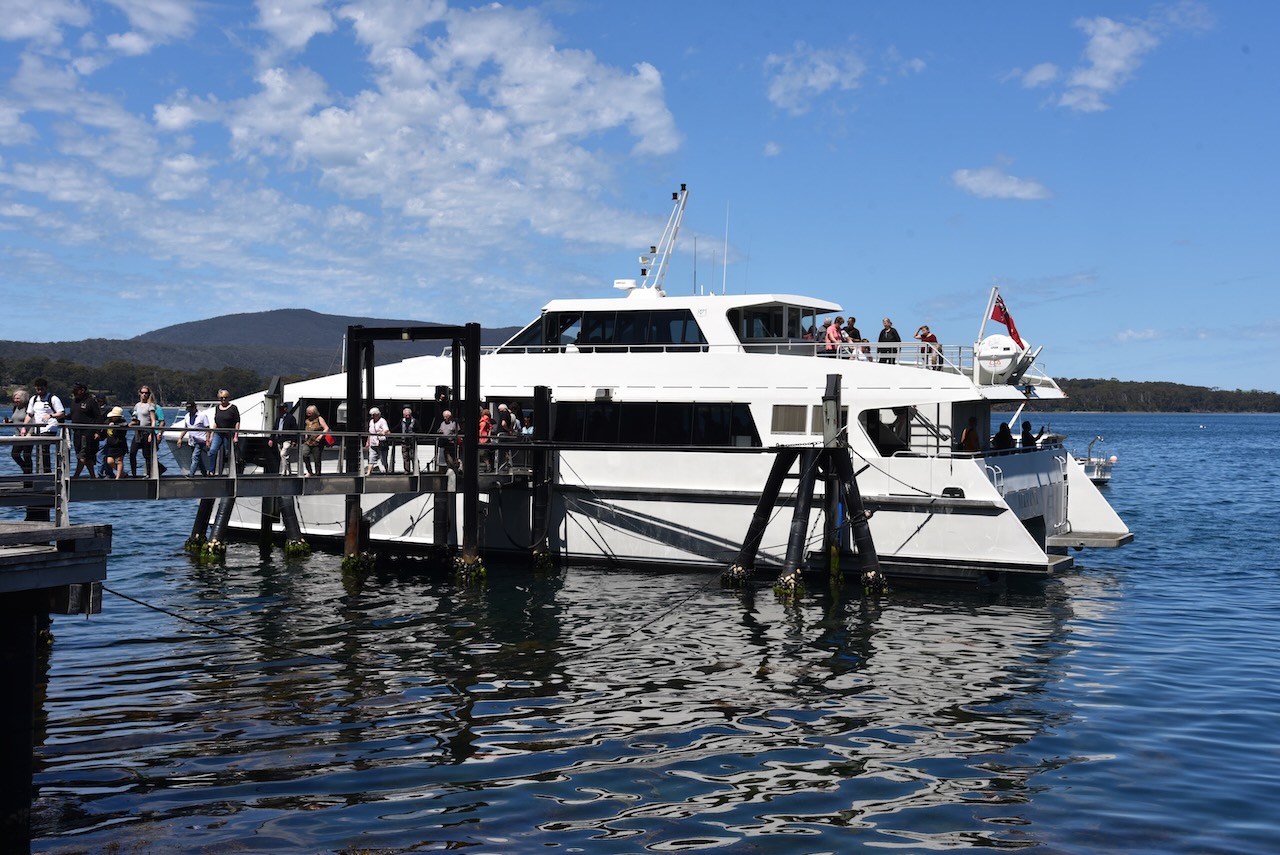
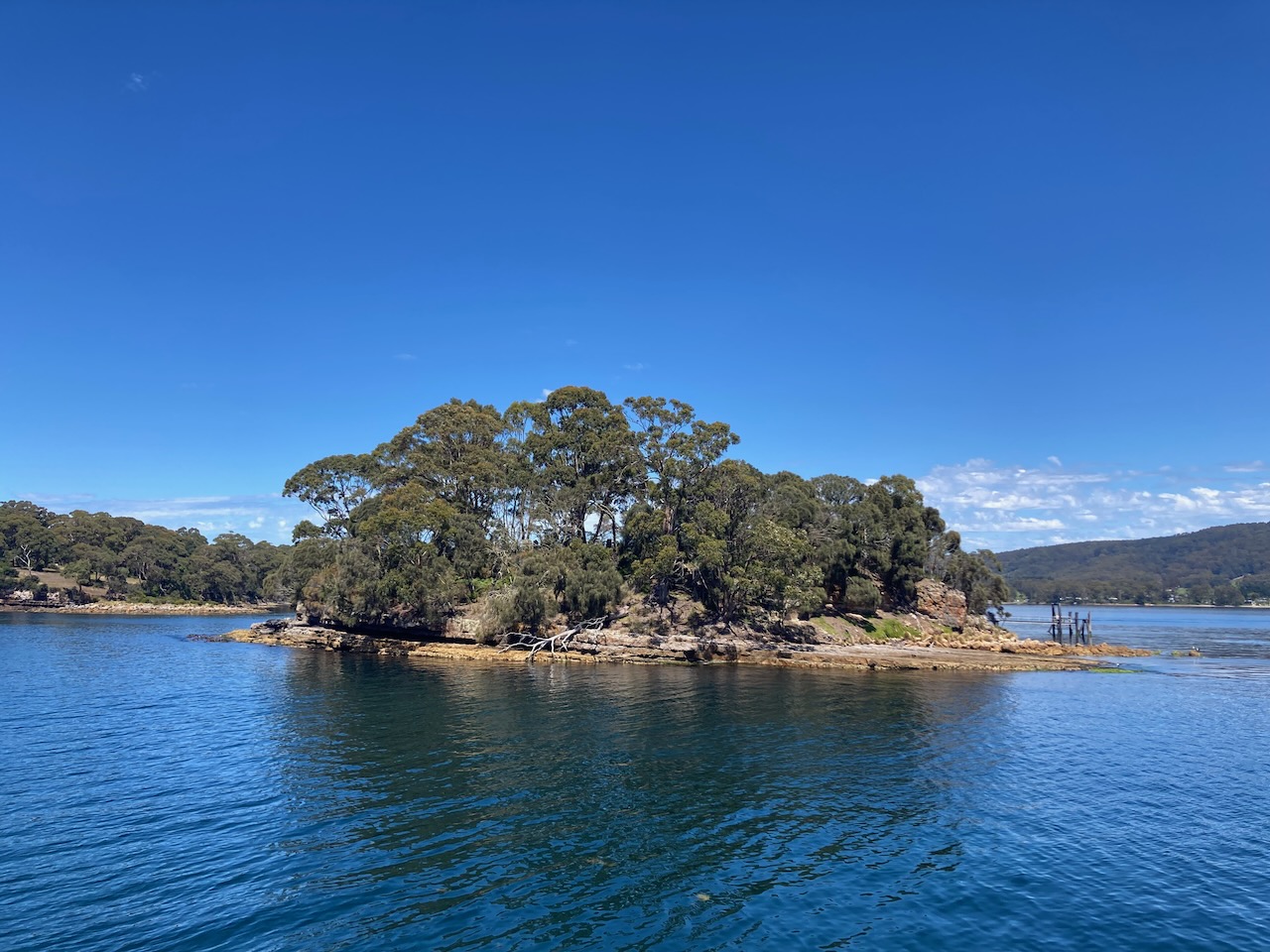
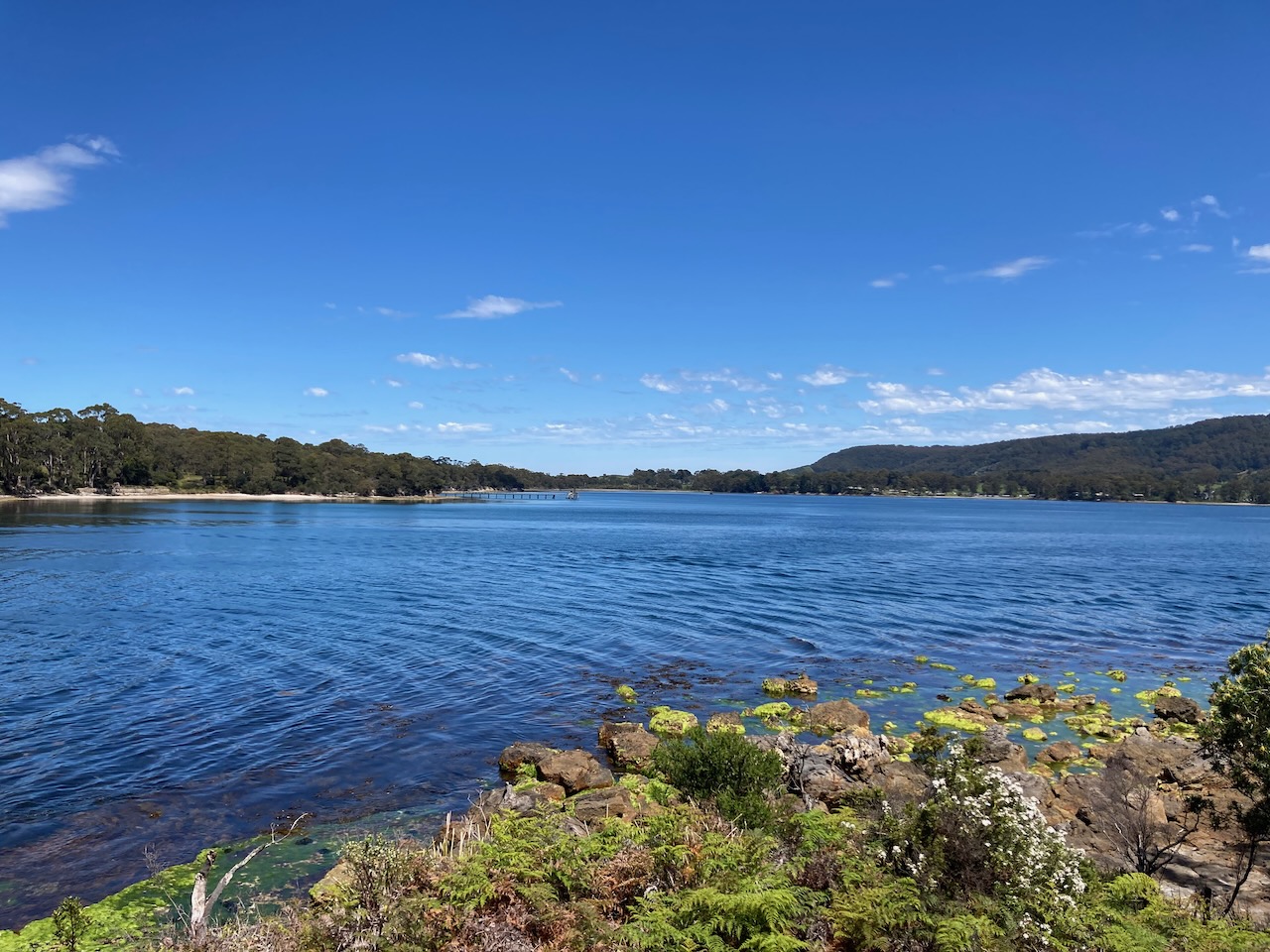
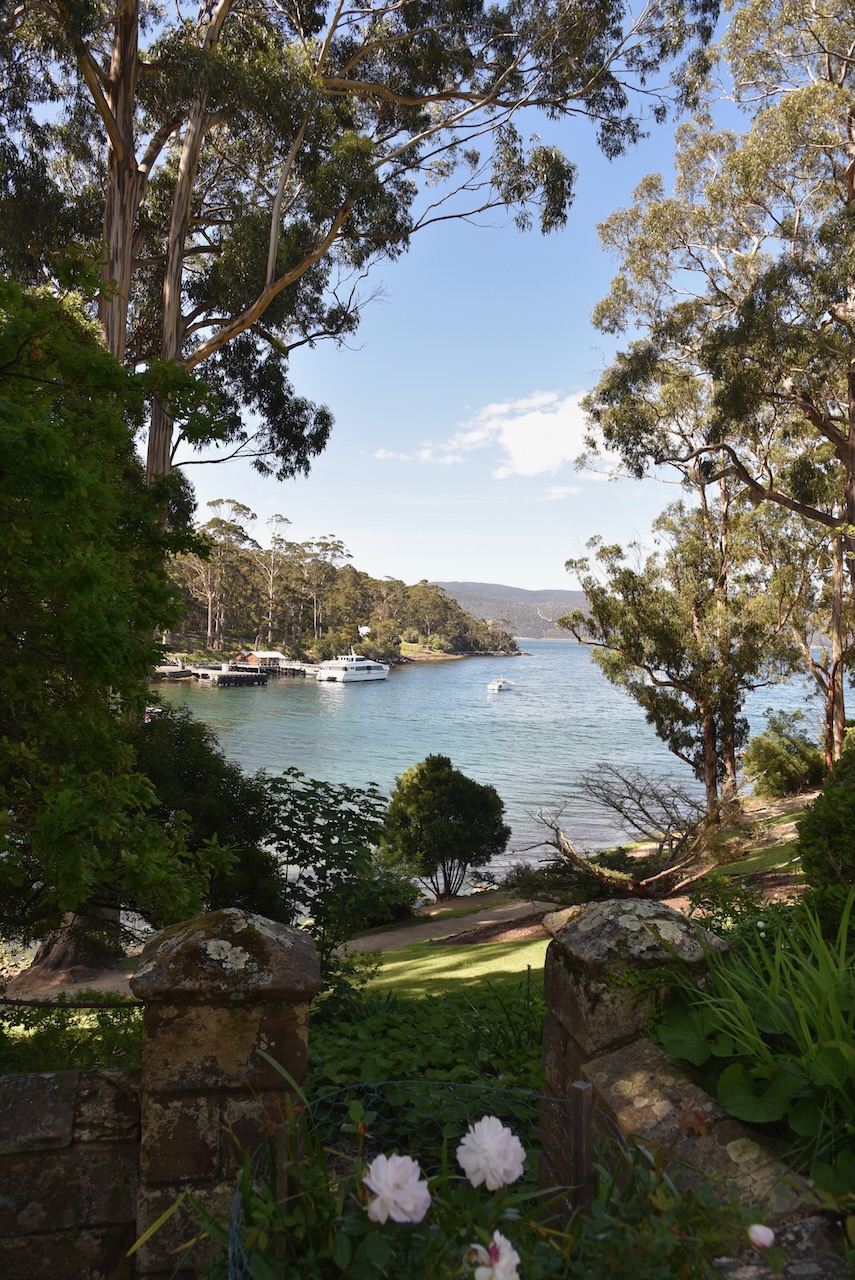
We then headed down to the dock for our cruise to Isle of the Dead. Our admission tickets included a 20 minute harbour cruise which passed the Dockyard, Point Puer Boys Prison and then for us, stopped off at the Isle of the Dead.

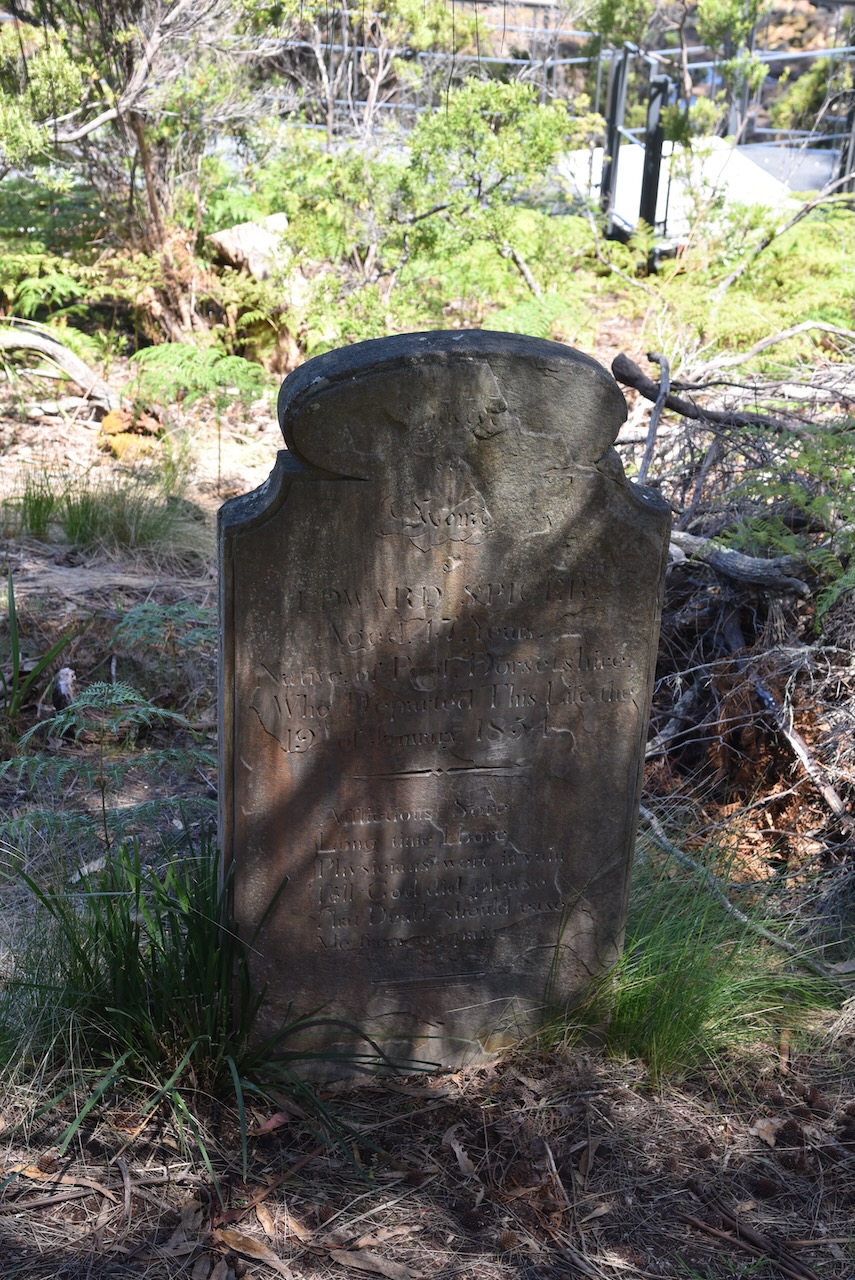
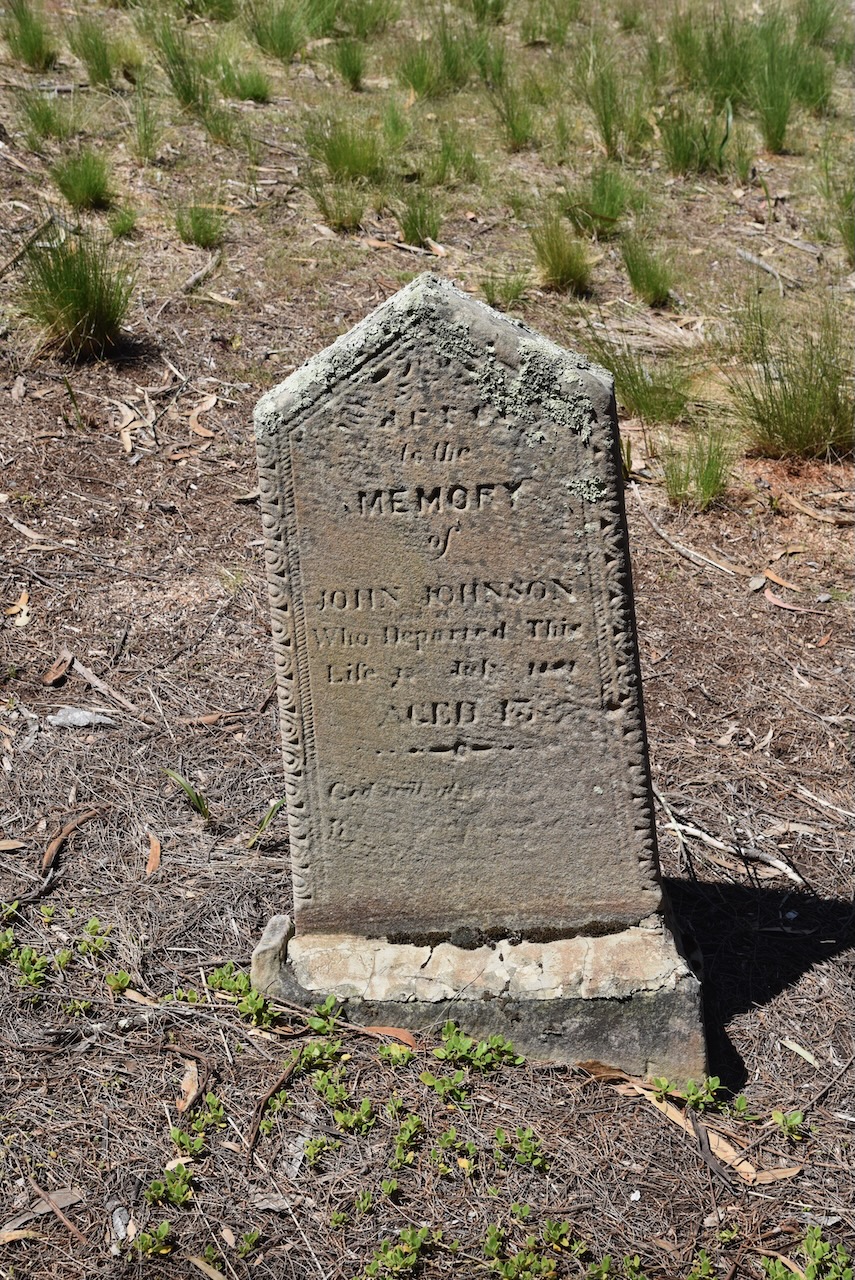
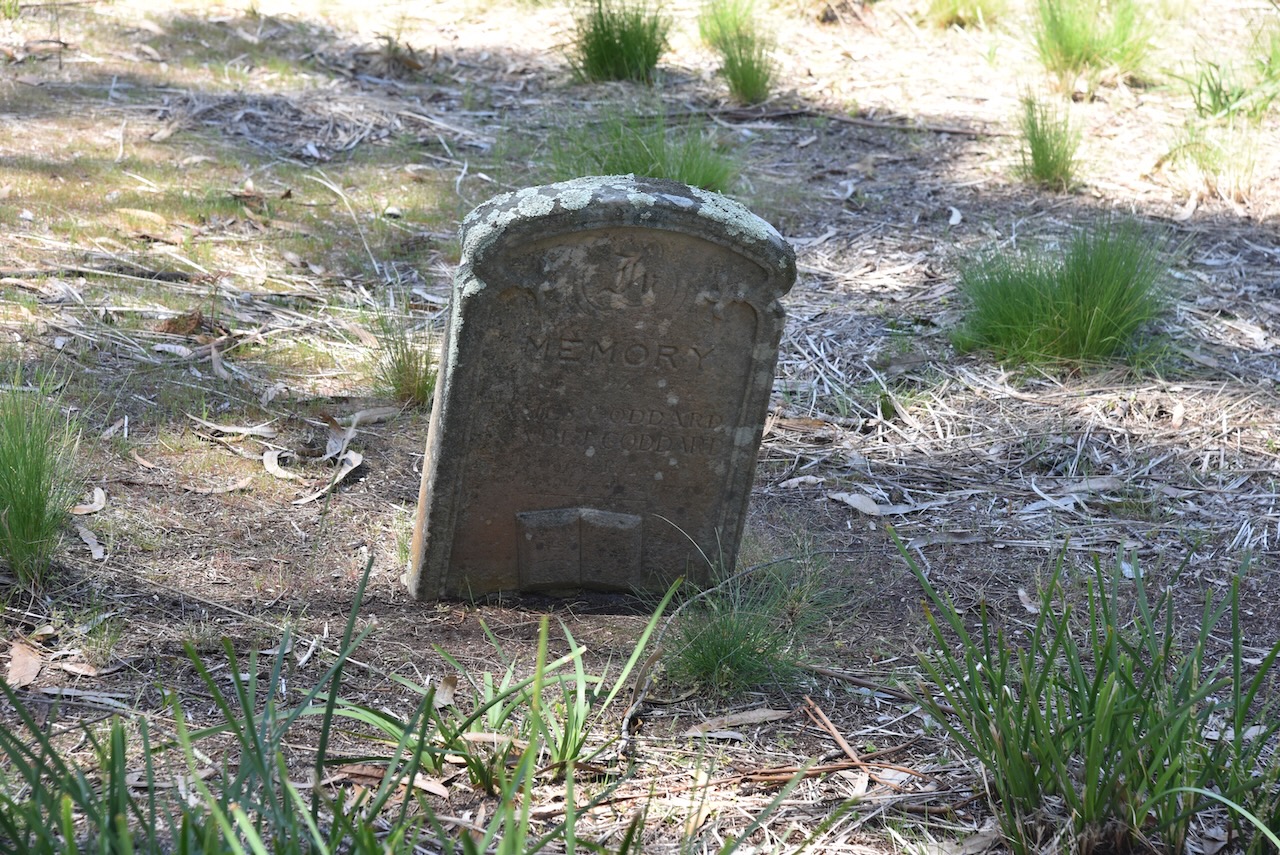
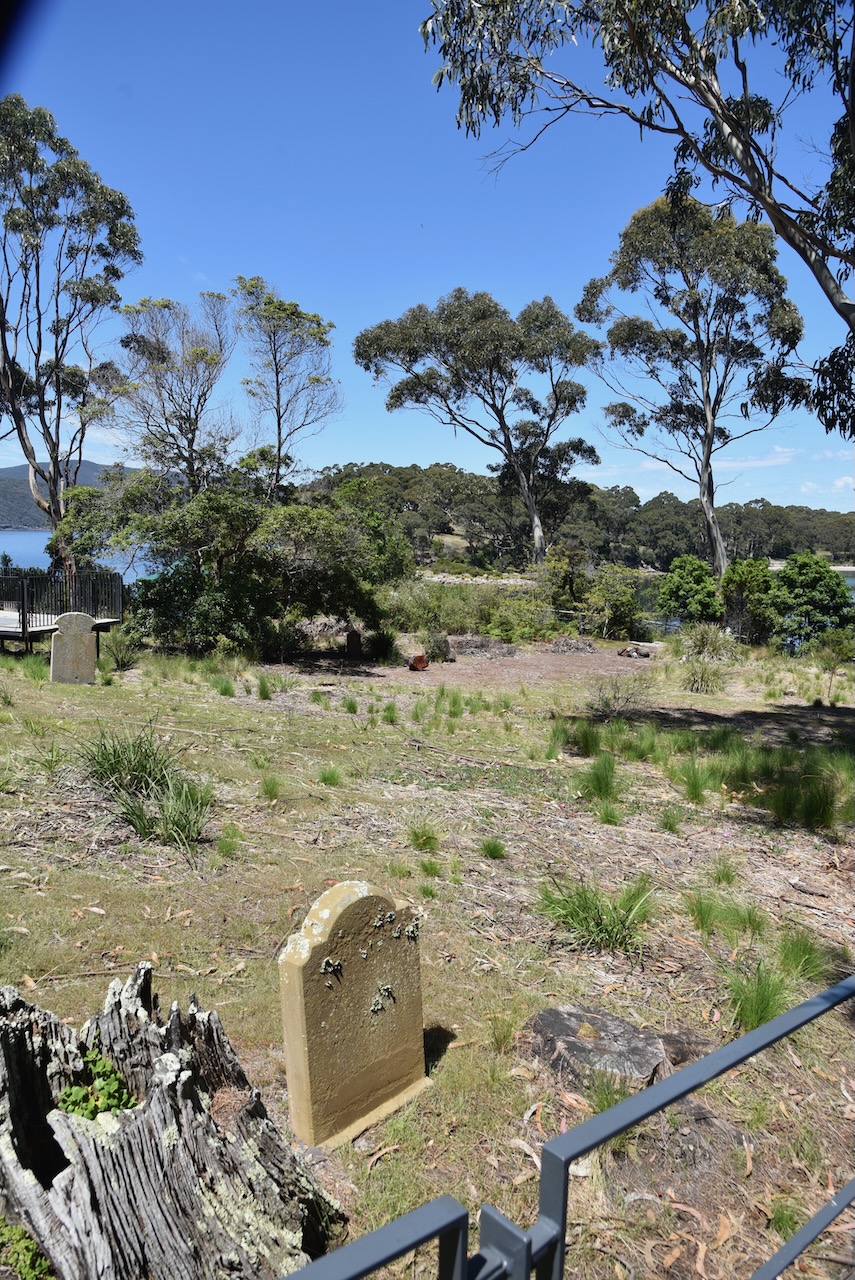
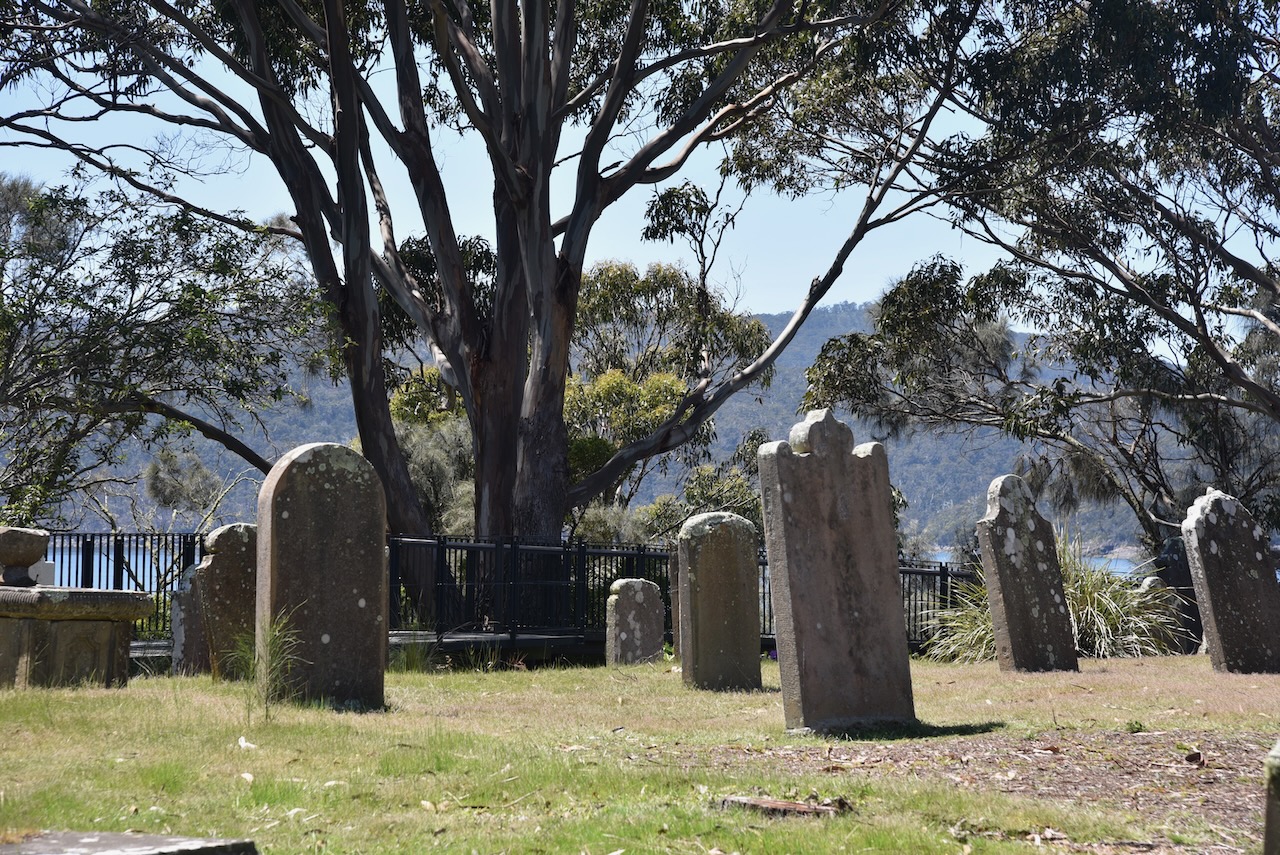
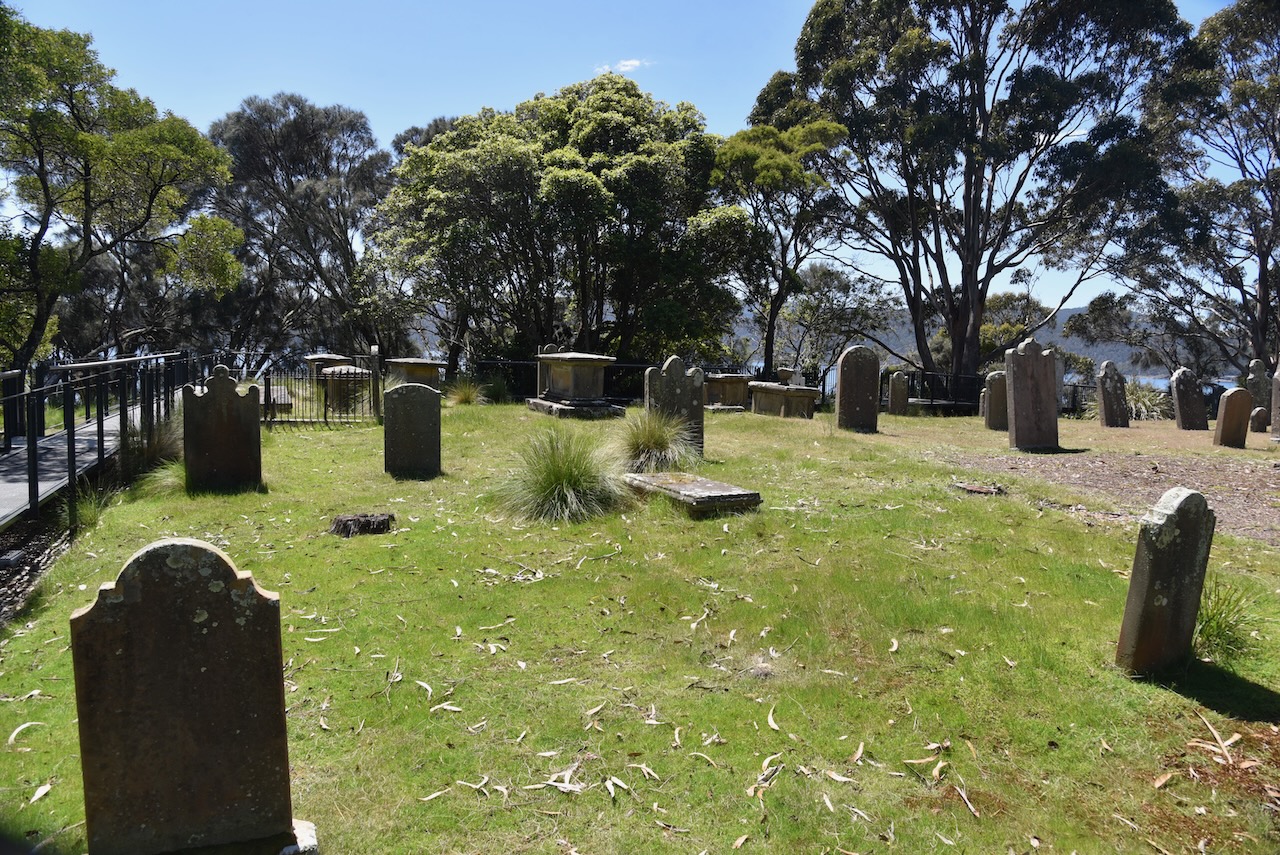
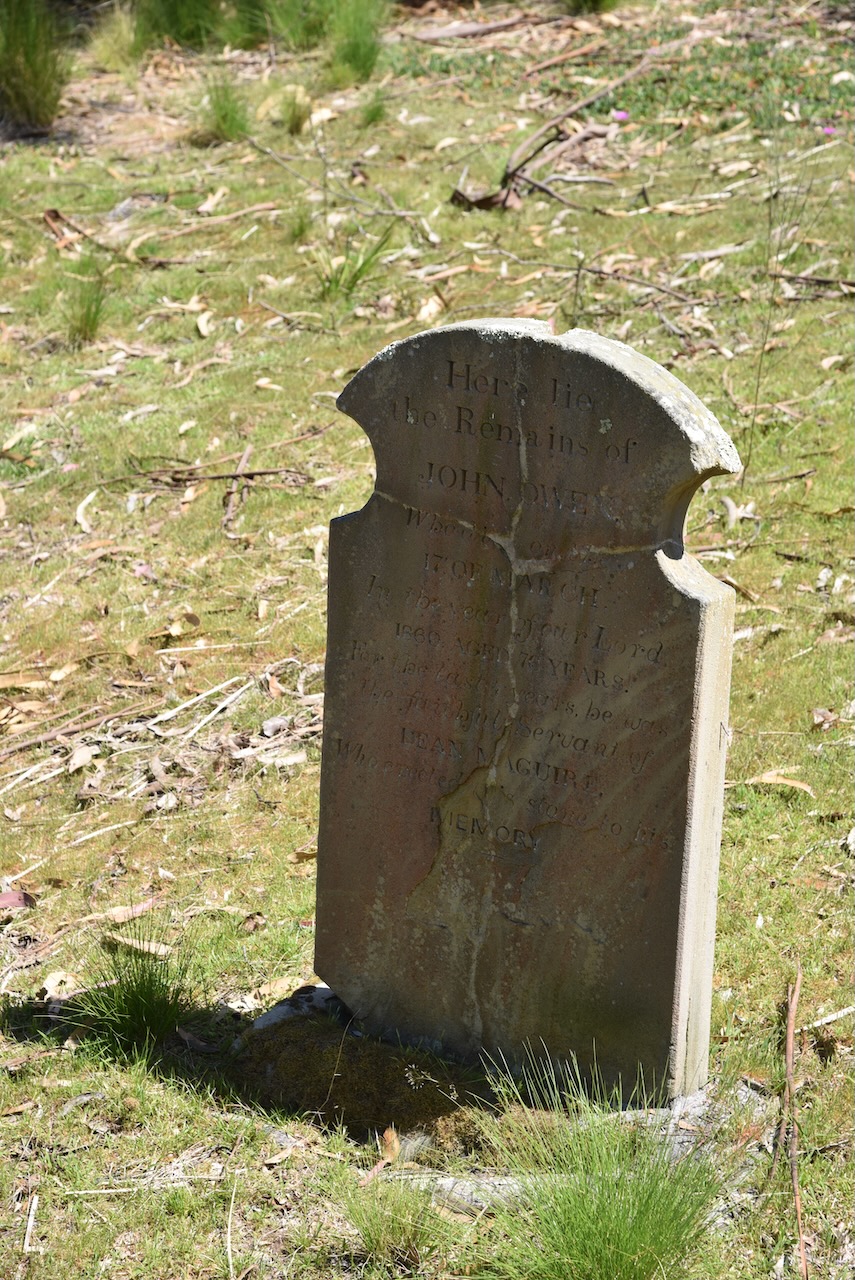
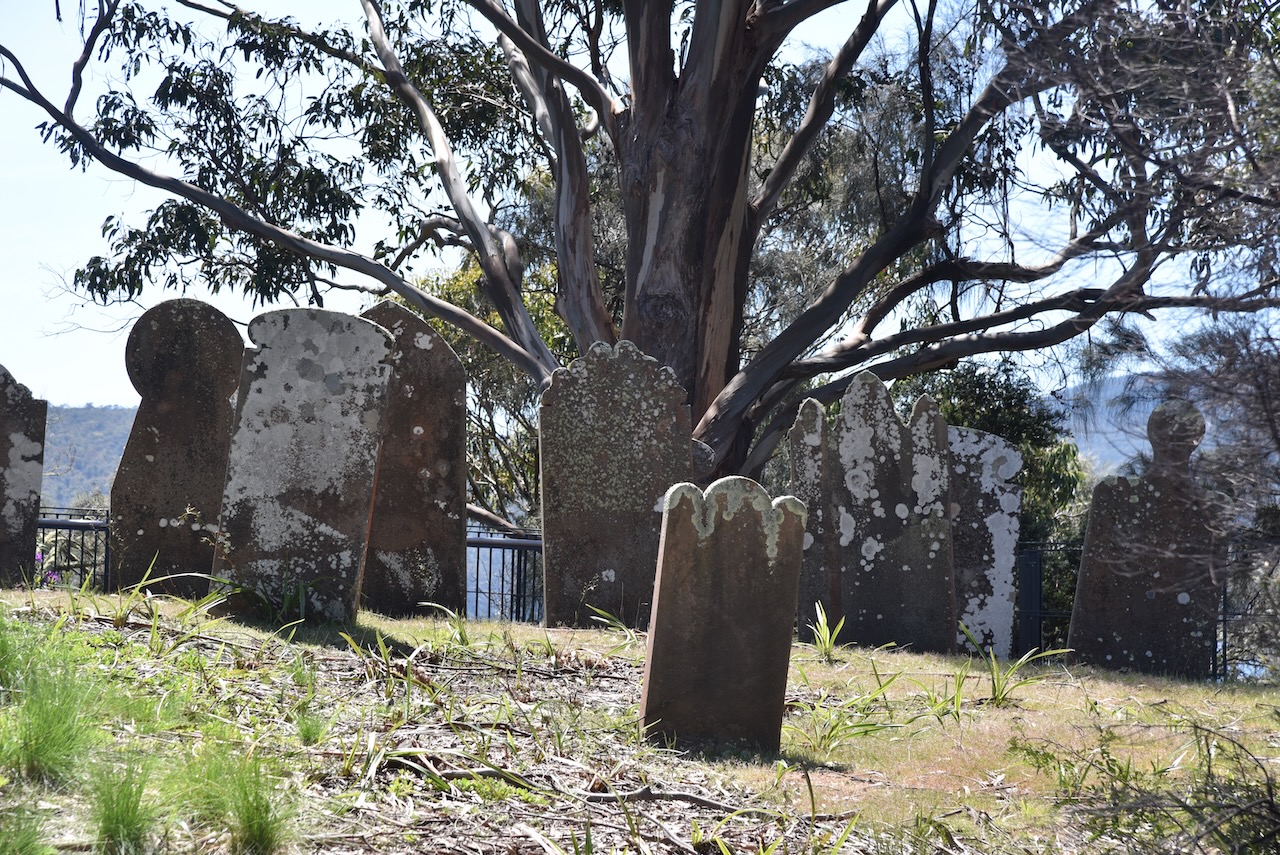
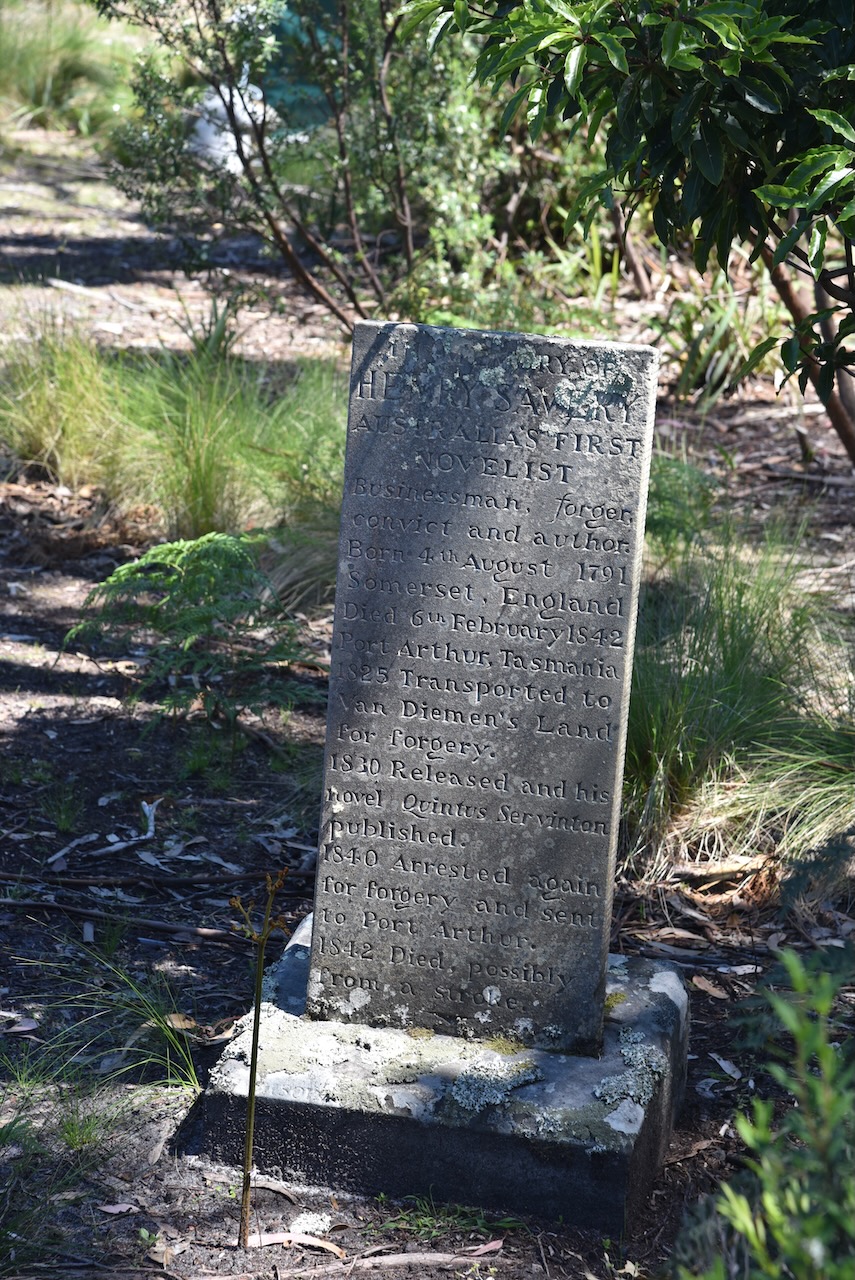
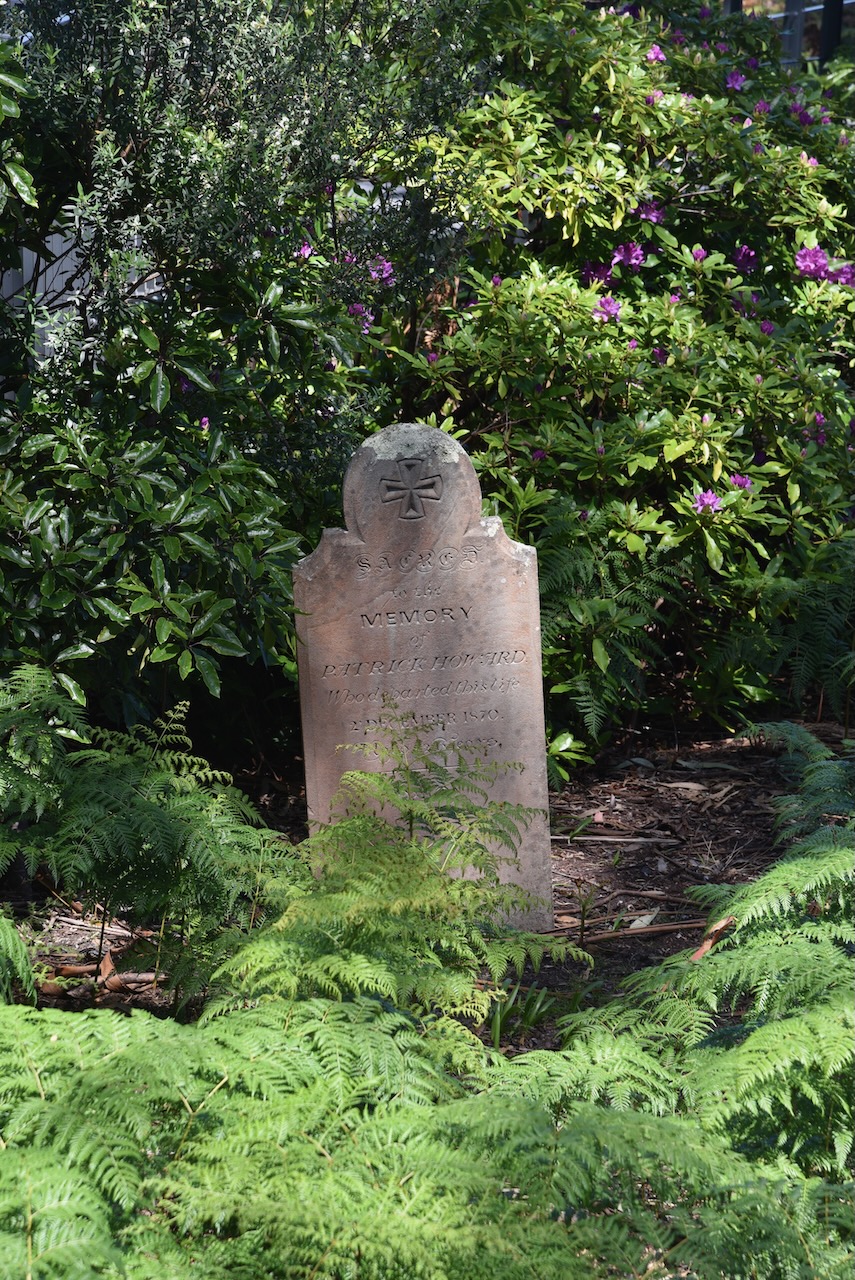
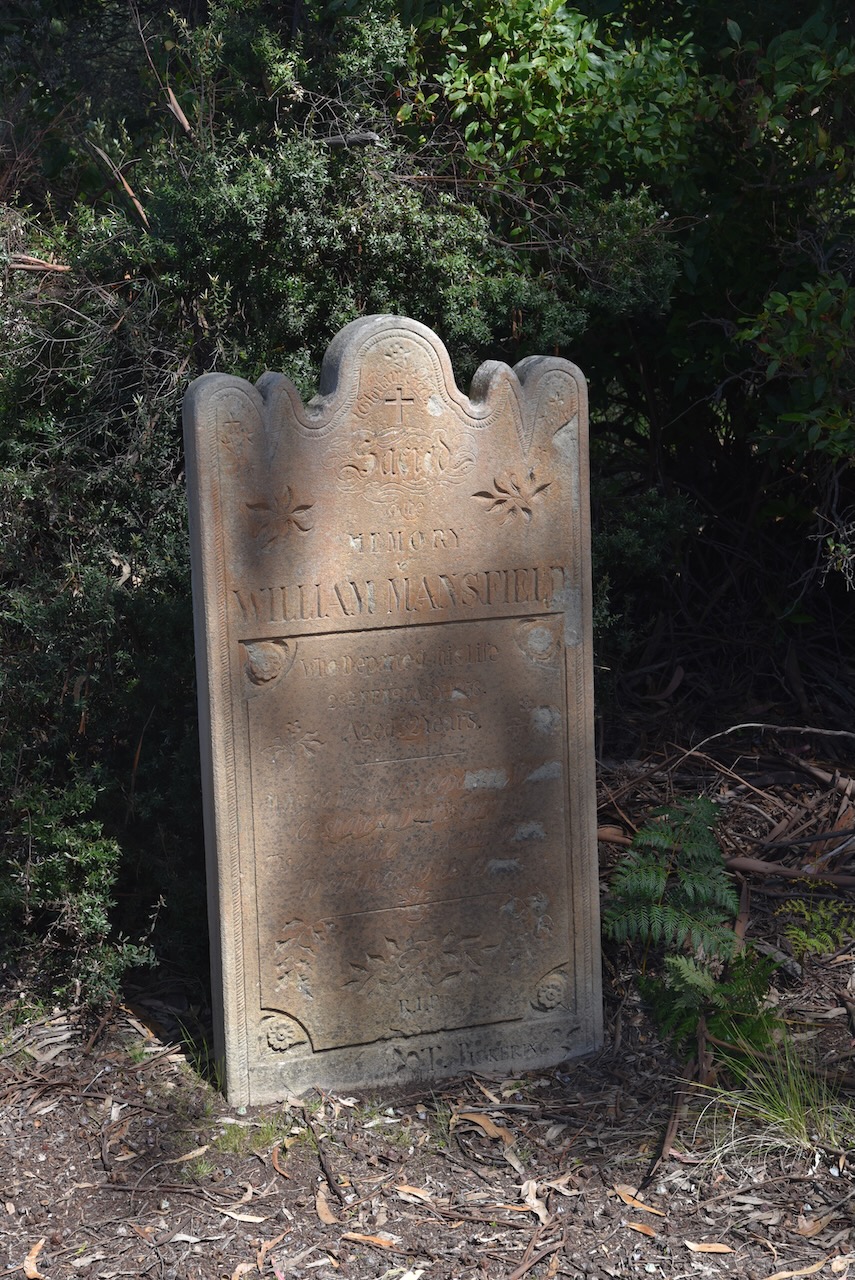
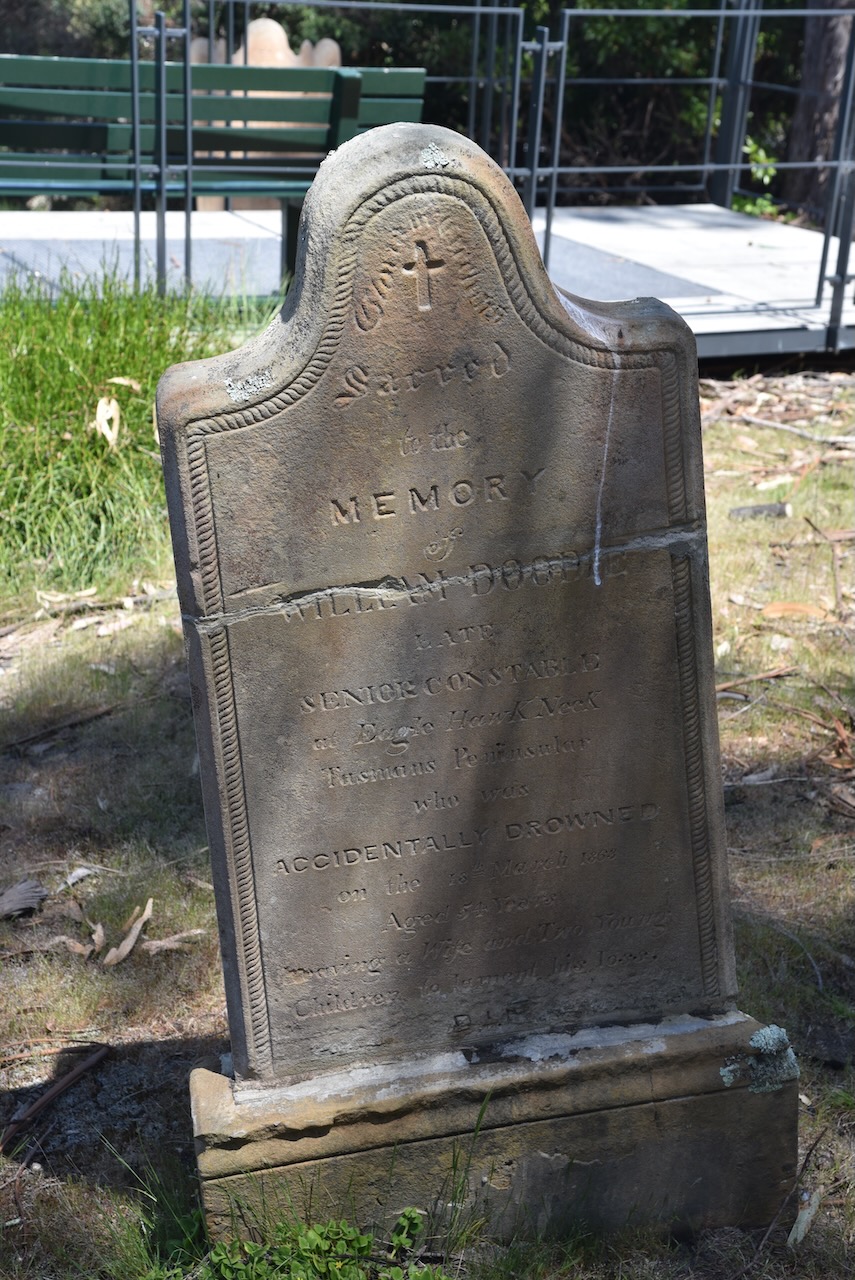
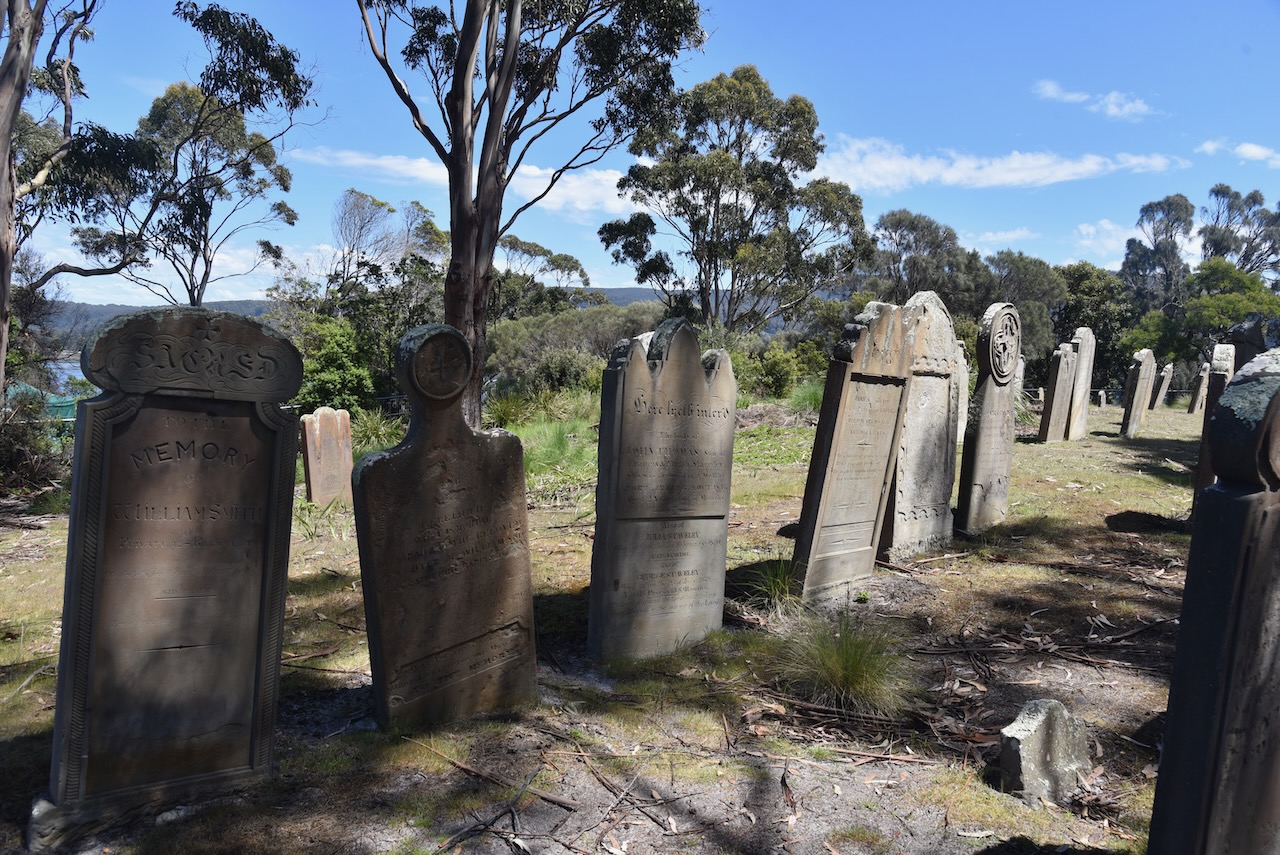
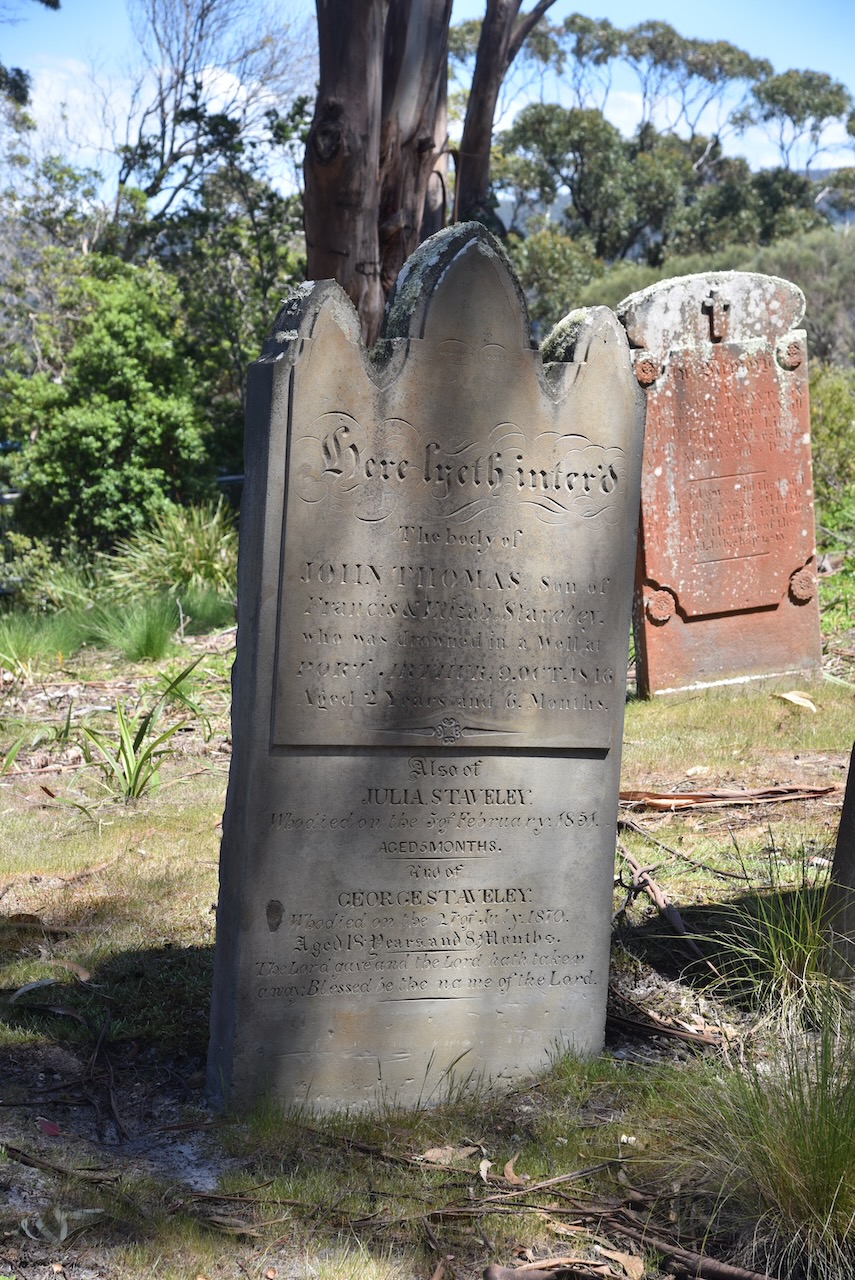
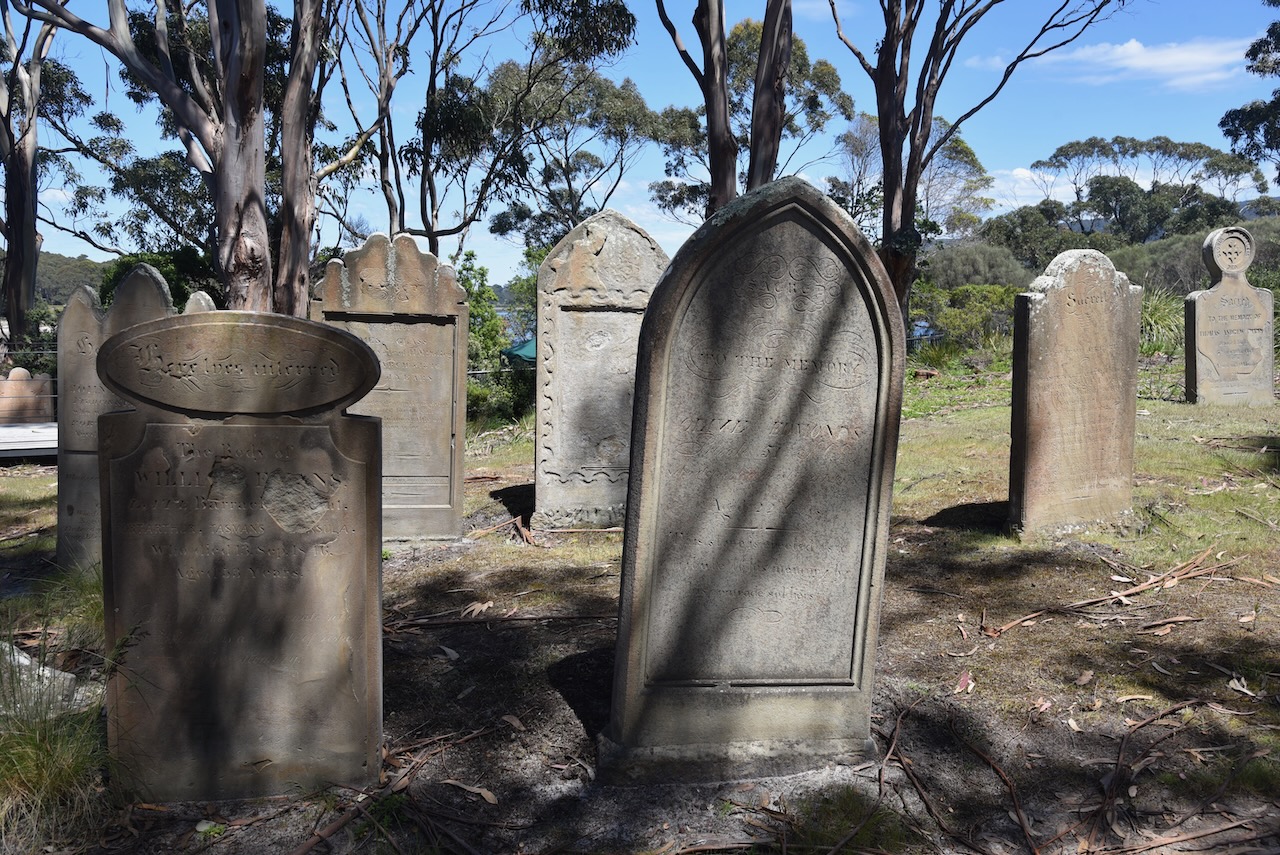
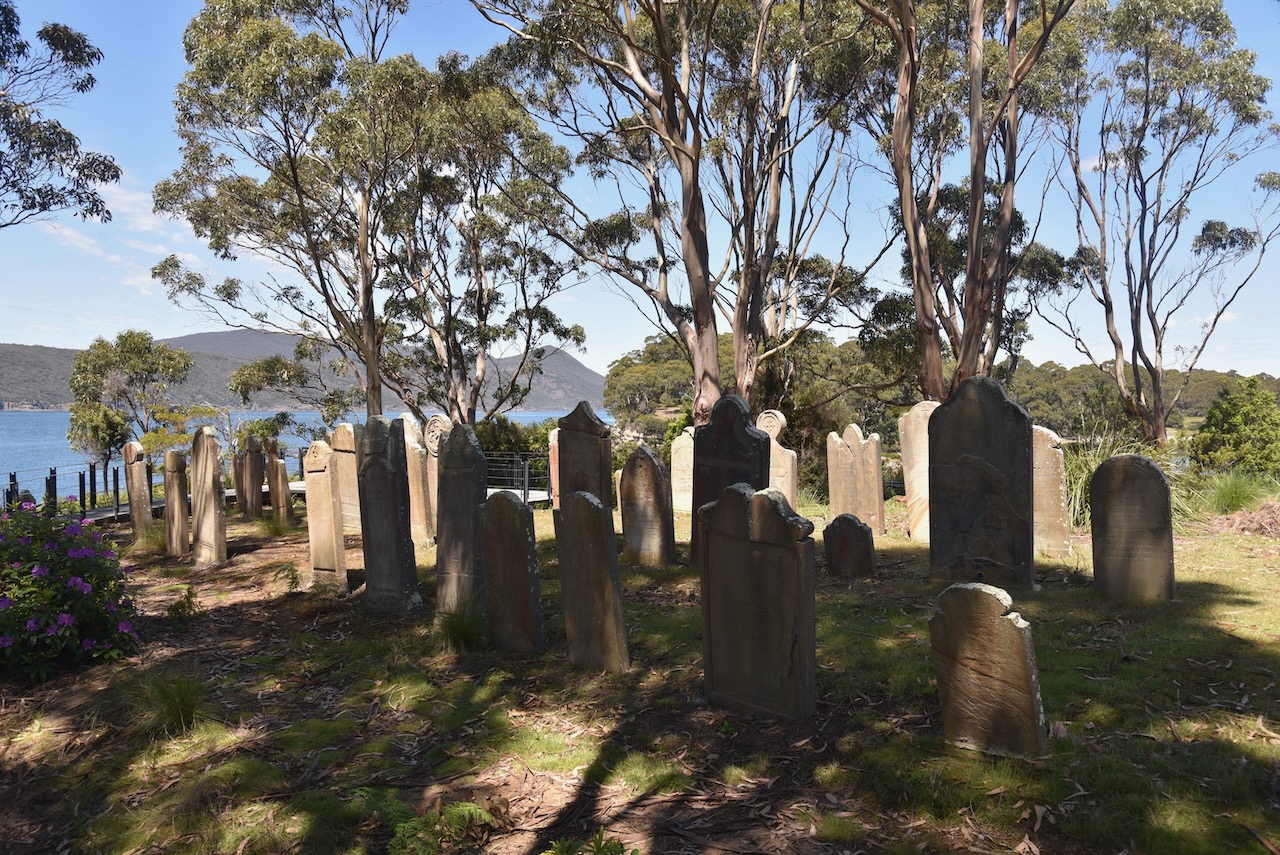
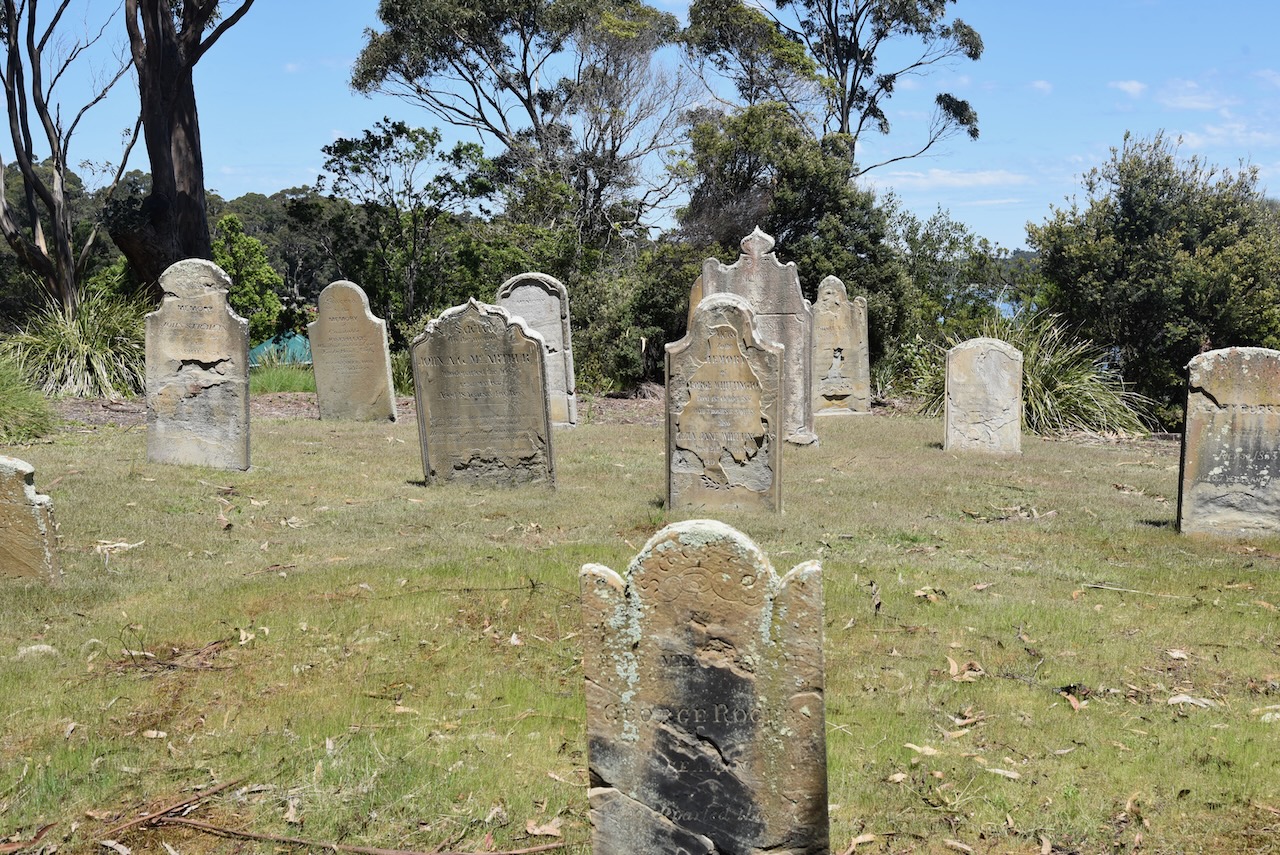
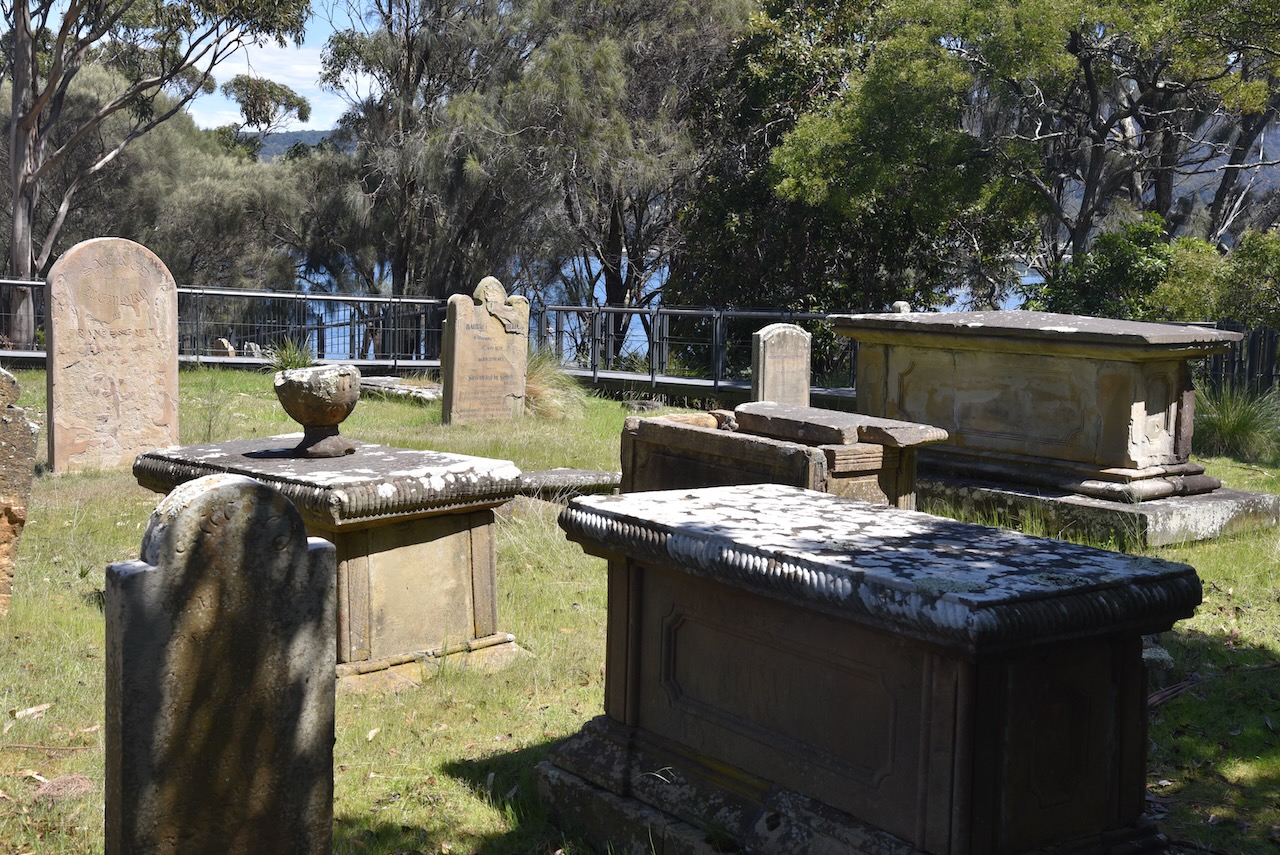
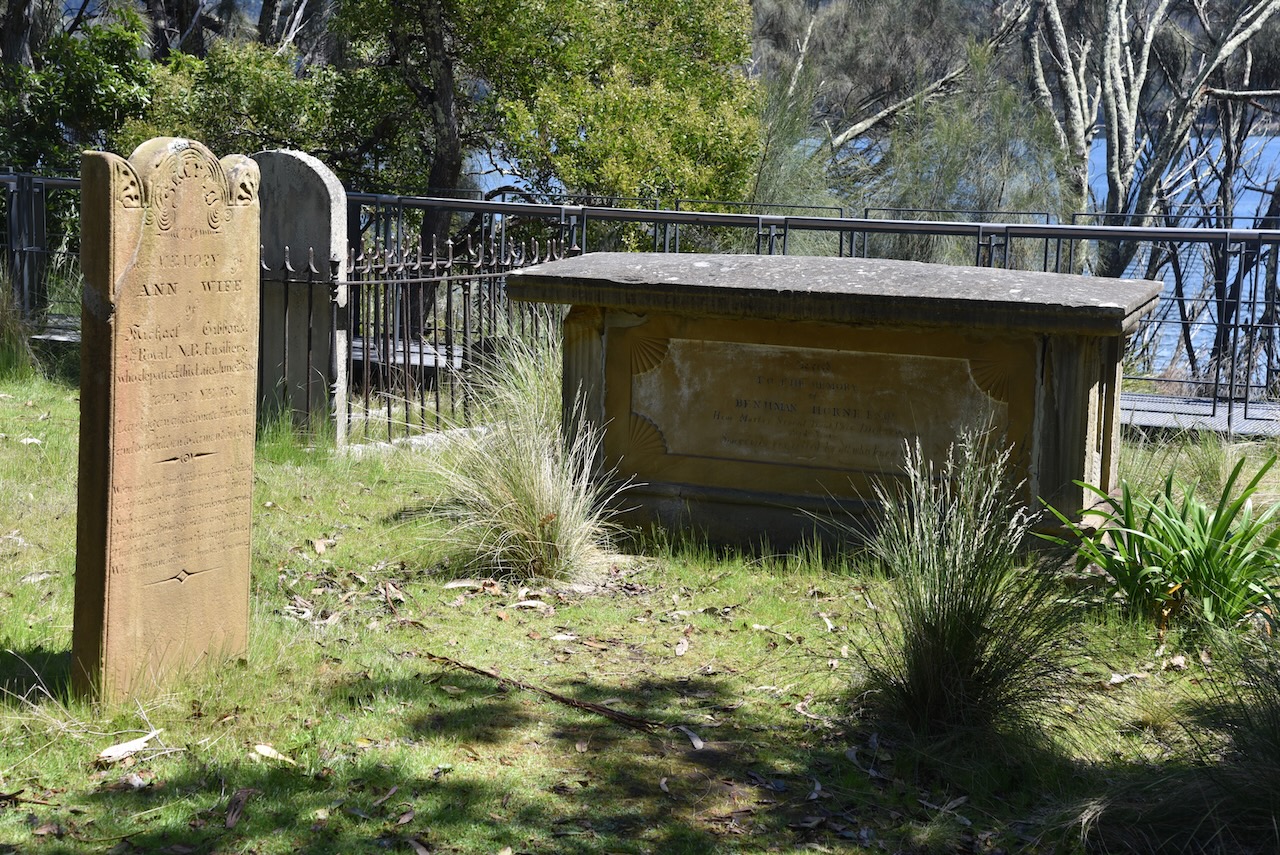
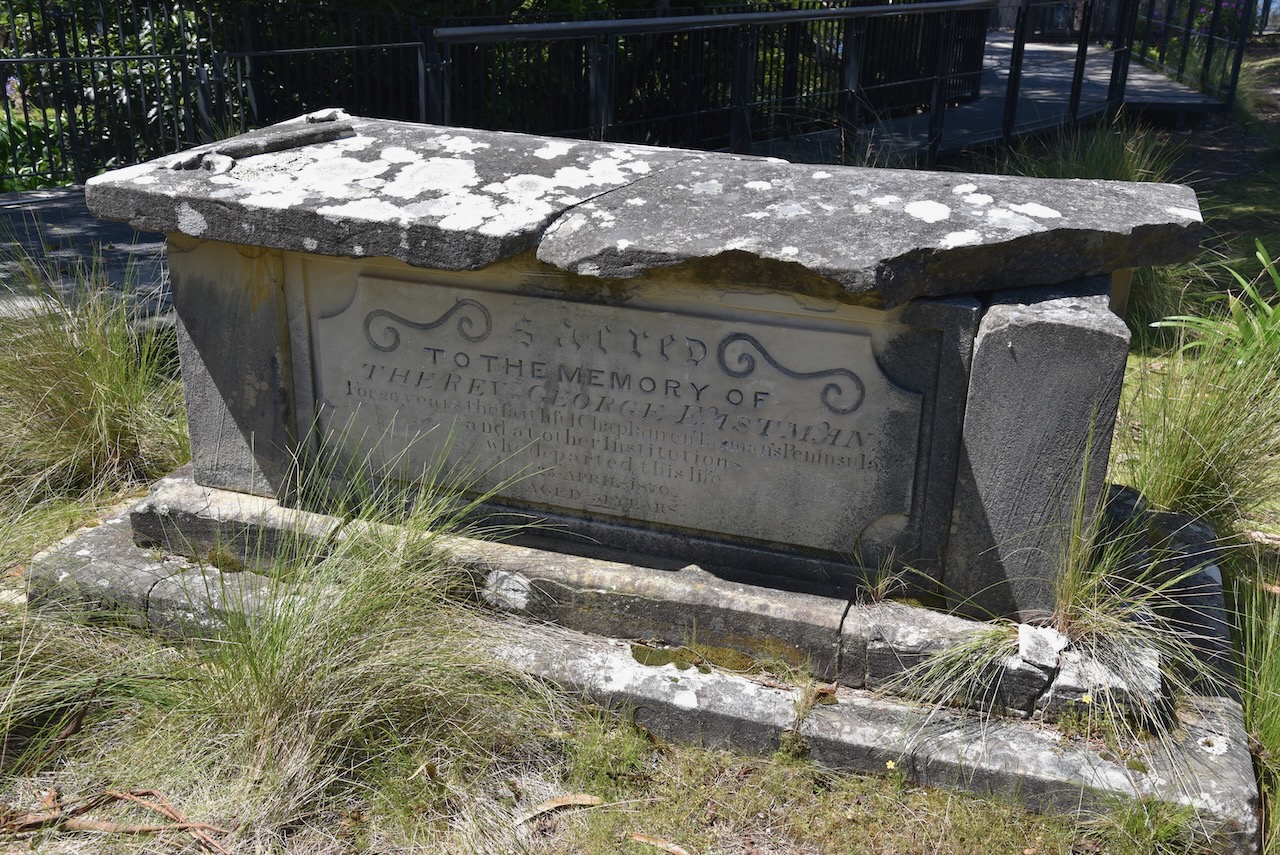
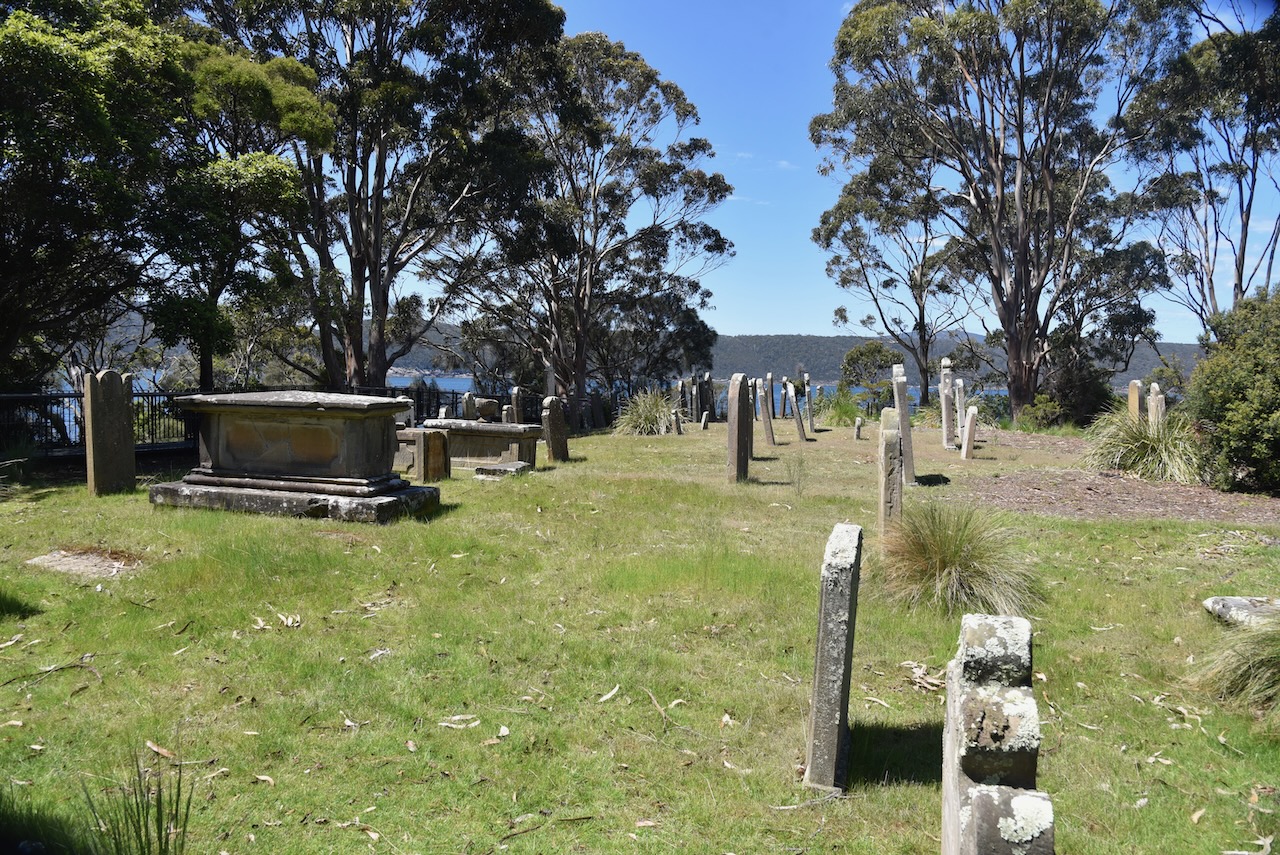
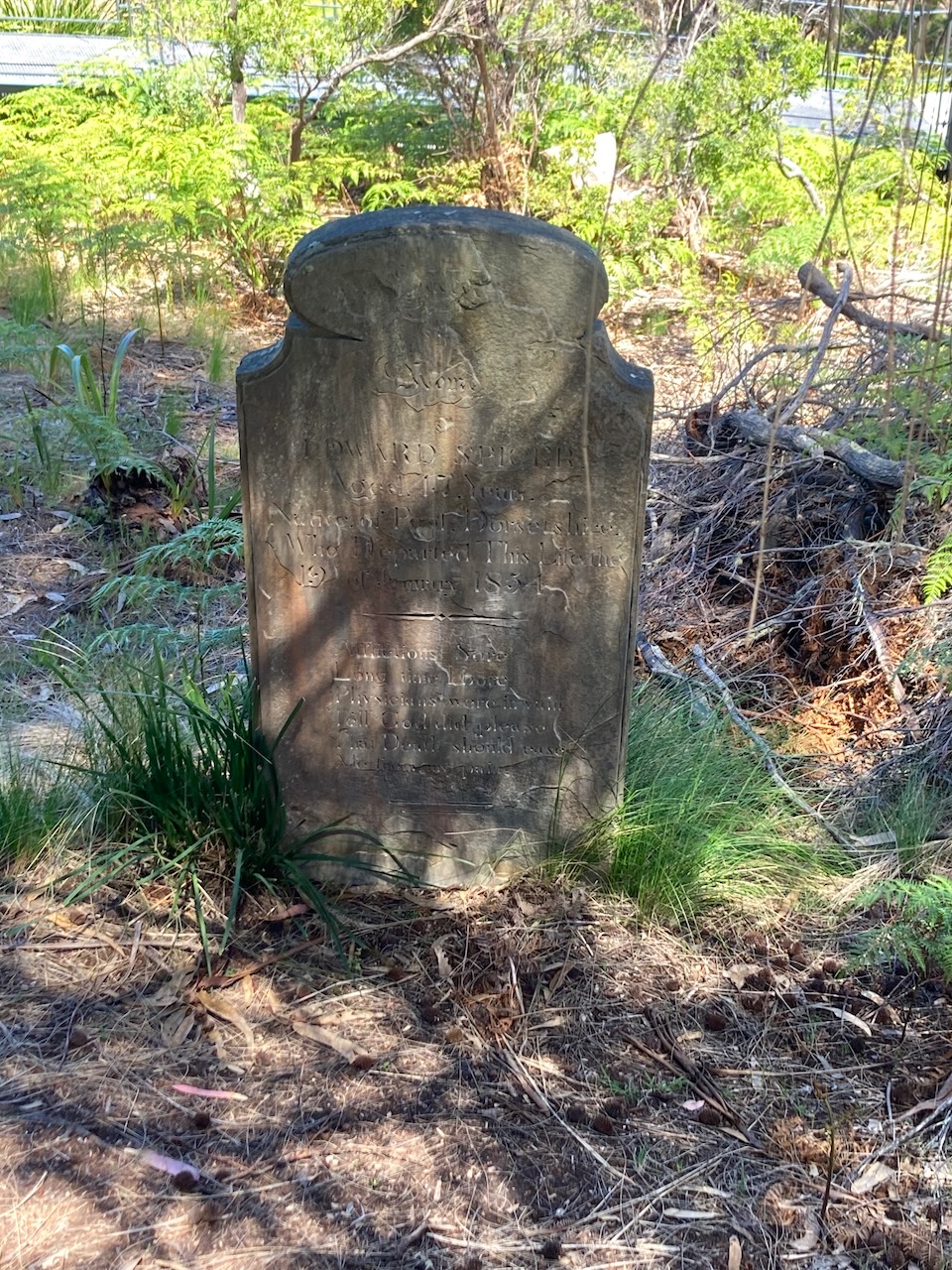
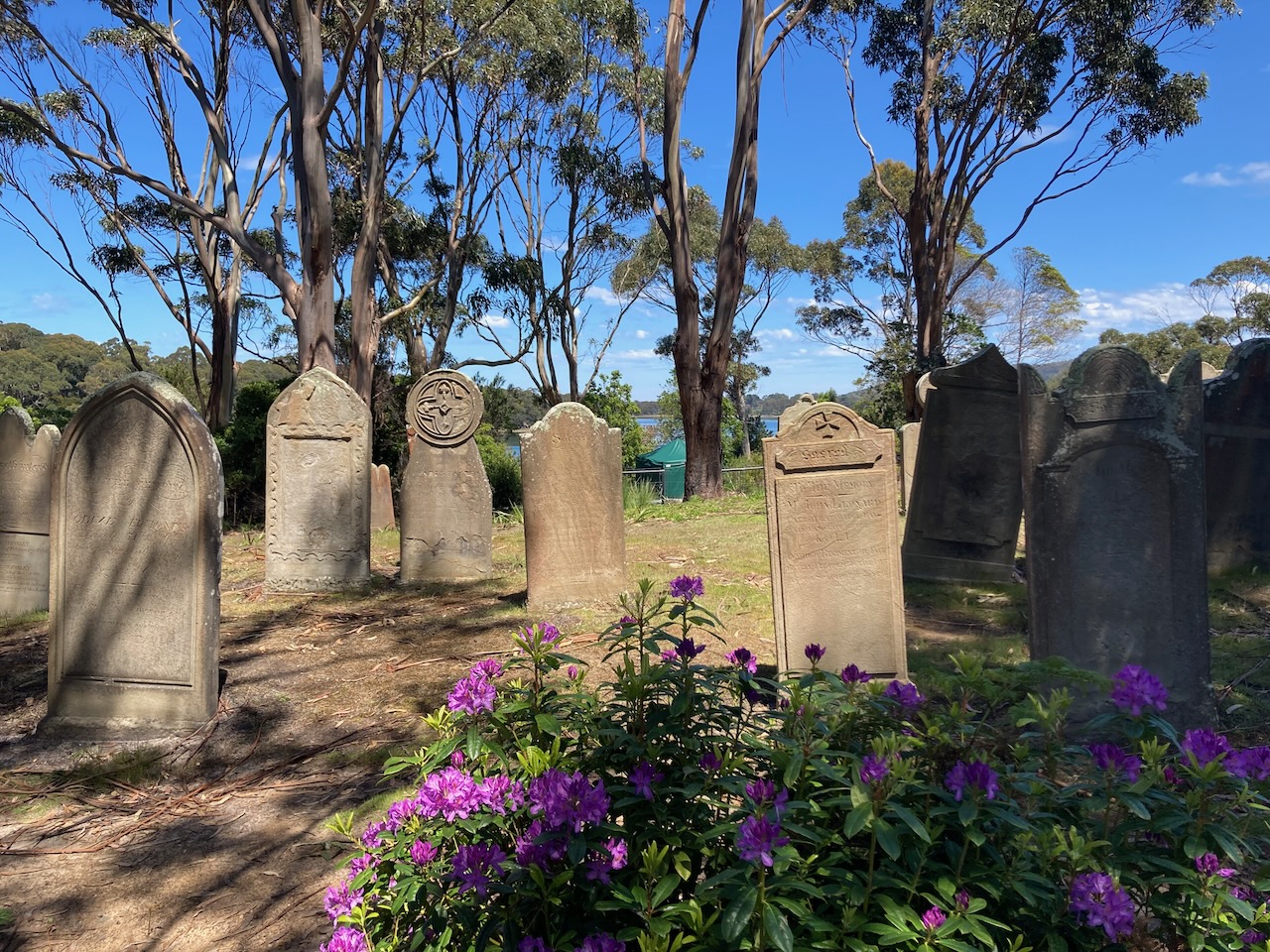
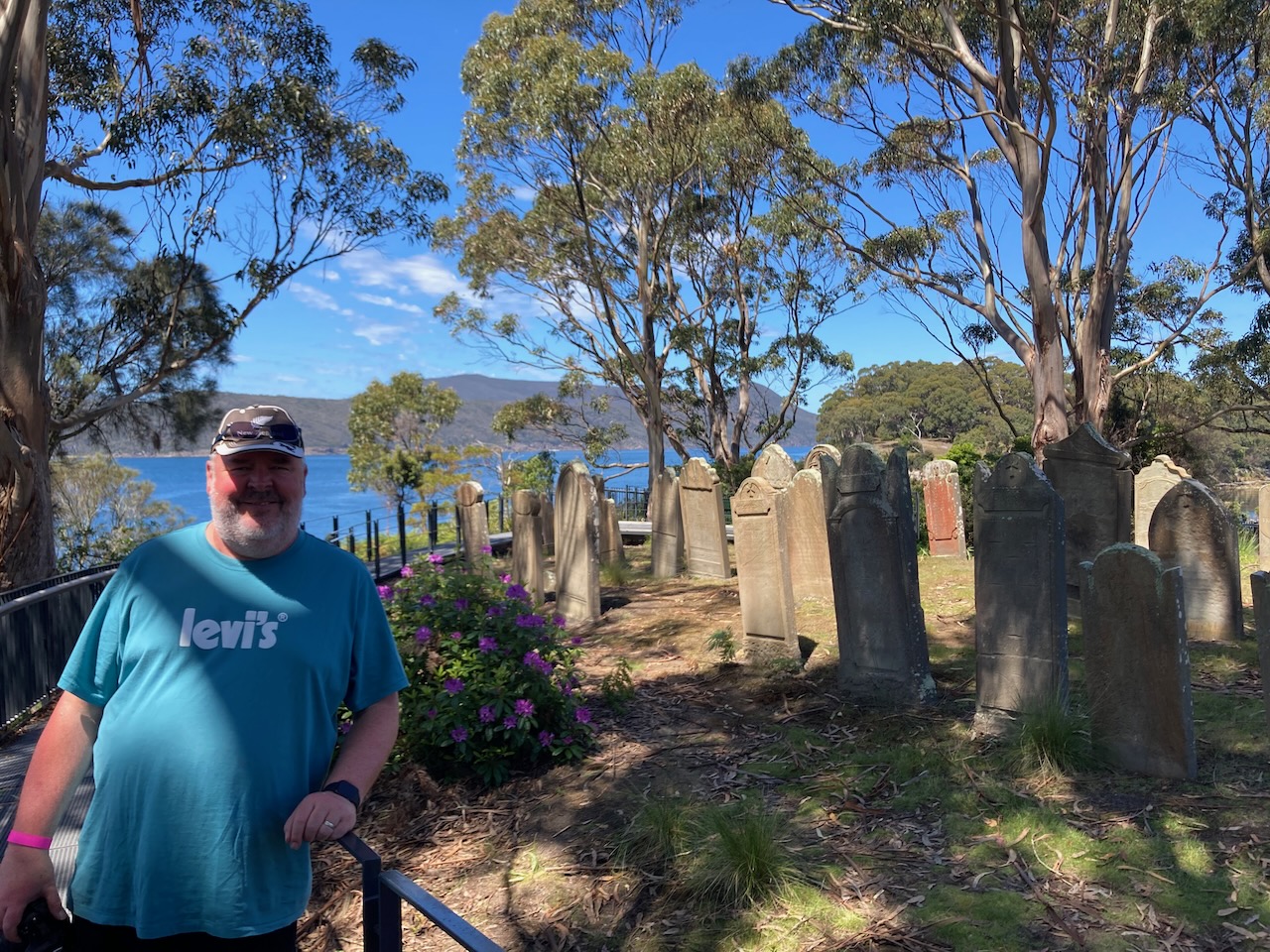
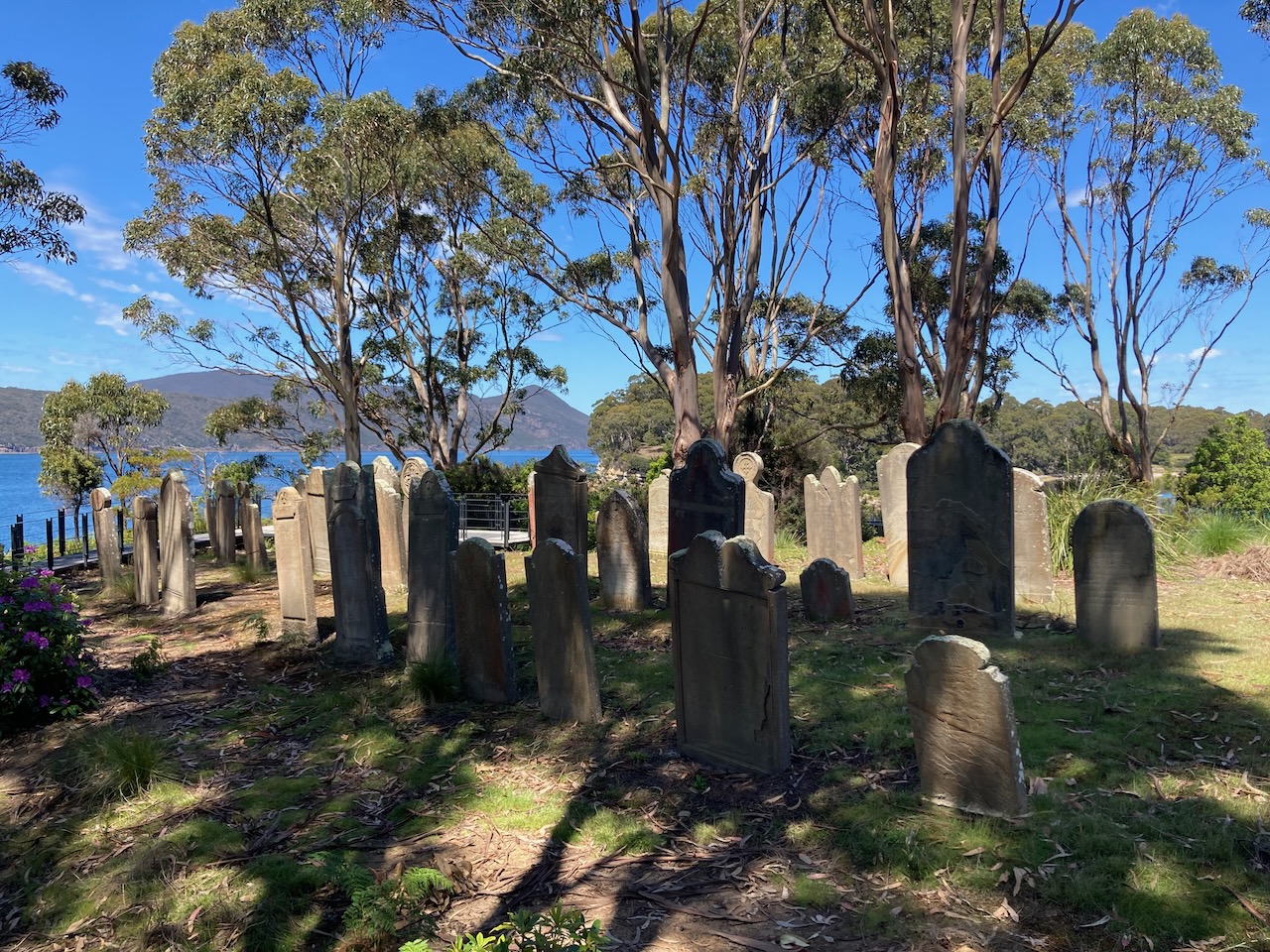
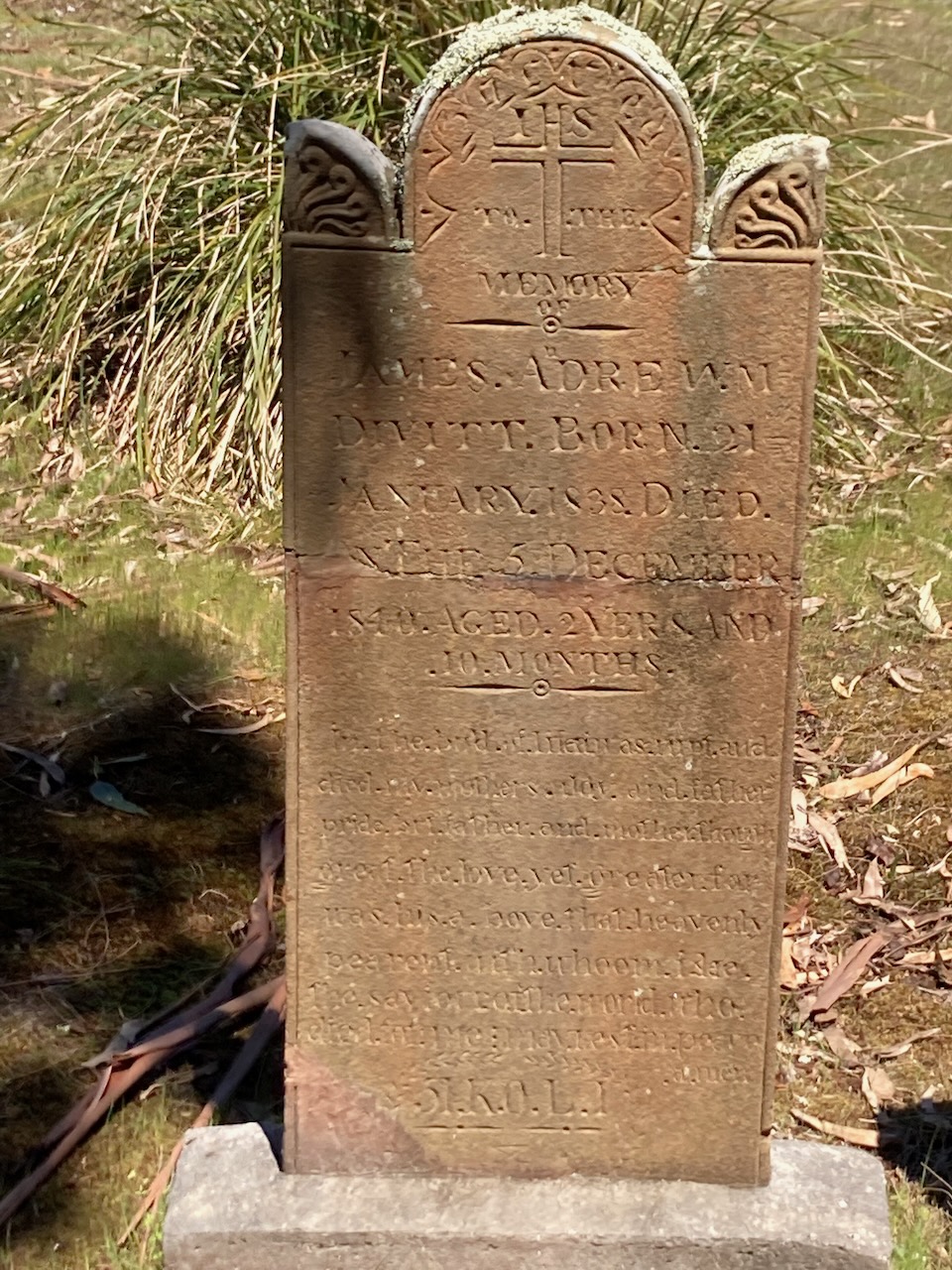
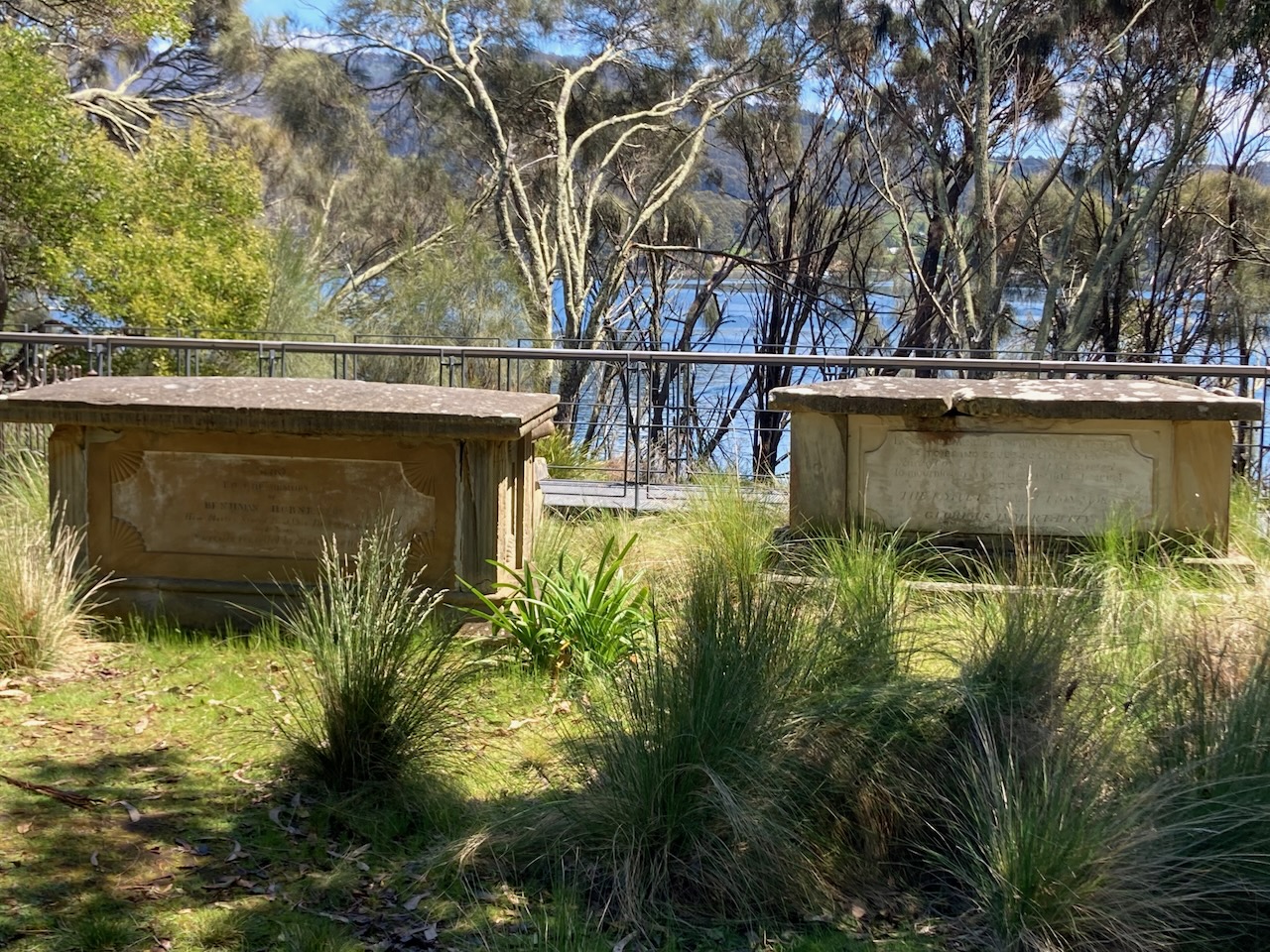
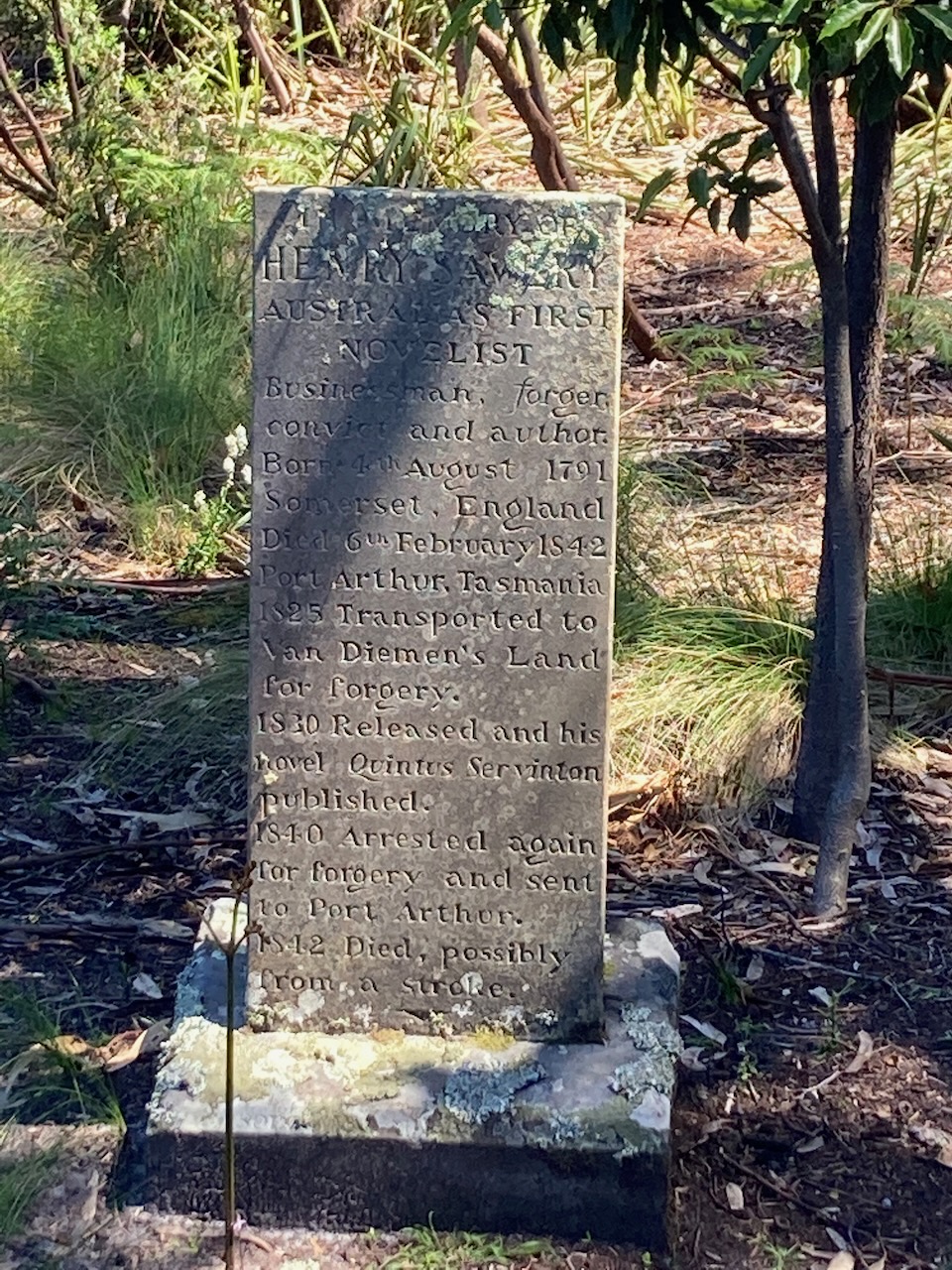
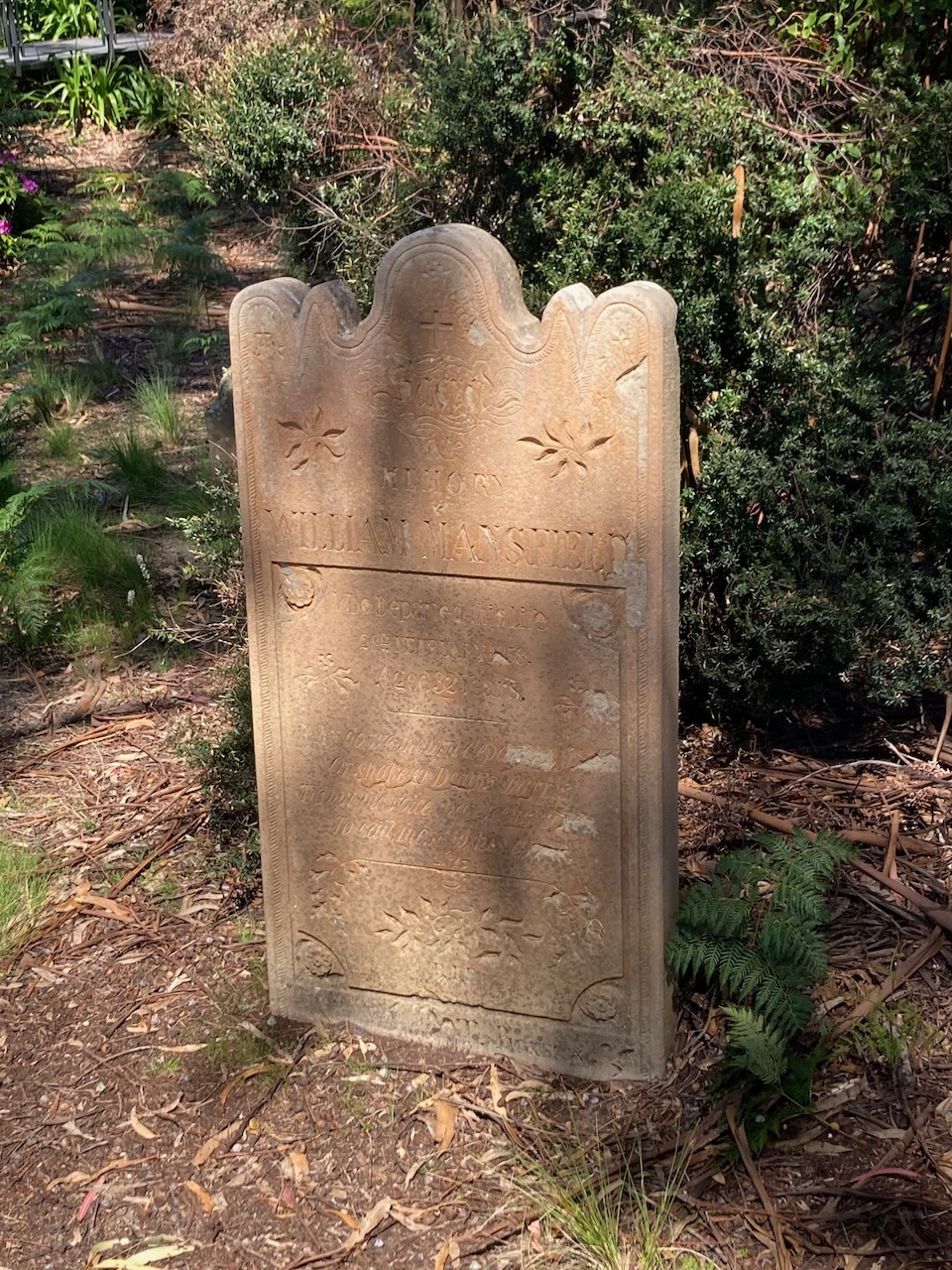
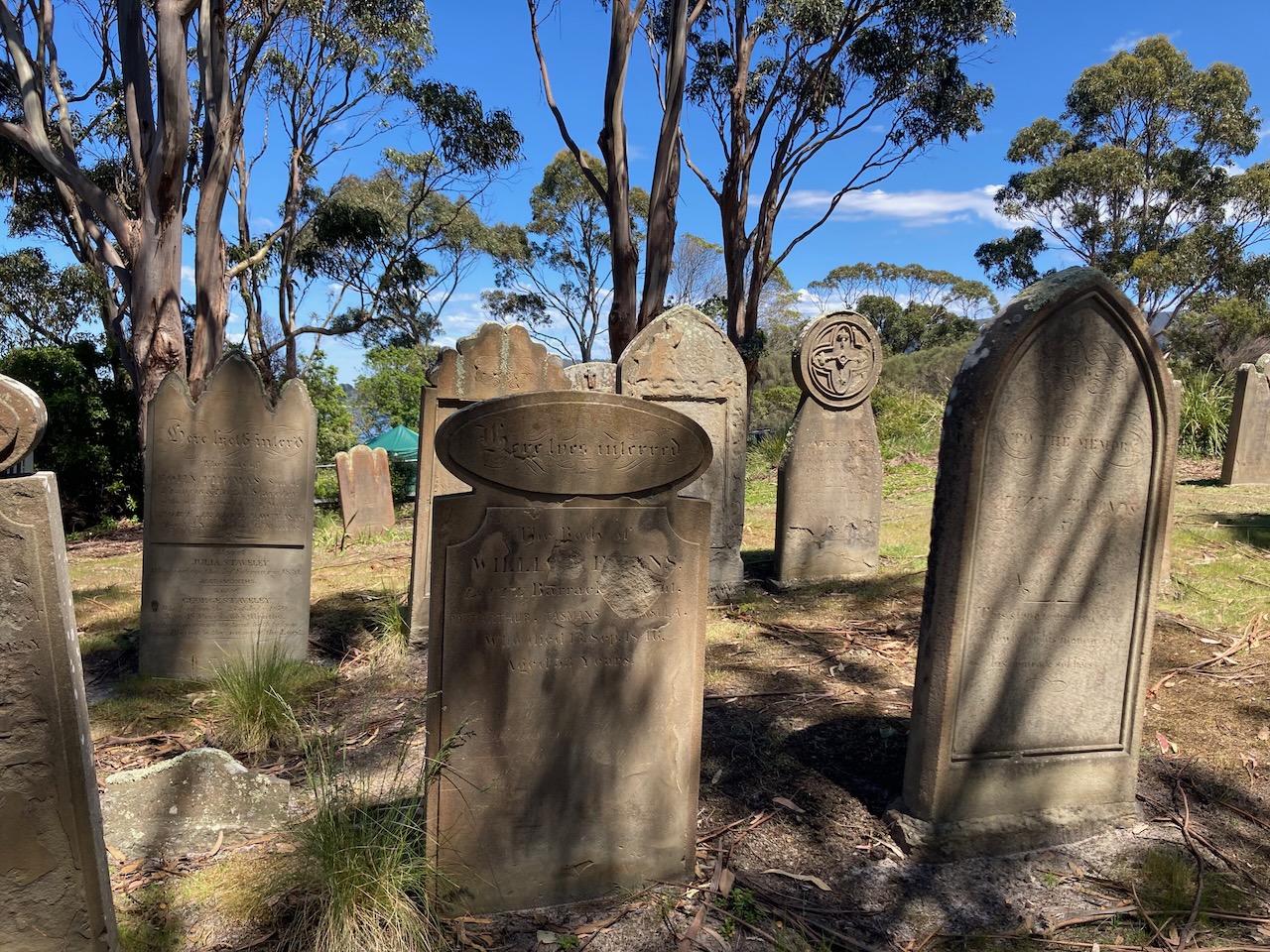
Between 1833 and 1877 about 1,100 people were buried at the settlement’s cemetery. The Isle of the Dead is the final resting place for convicts and those who worked at Port Arthur.

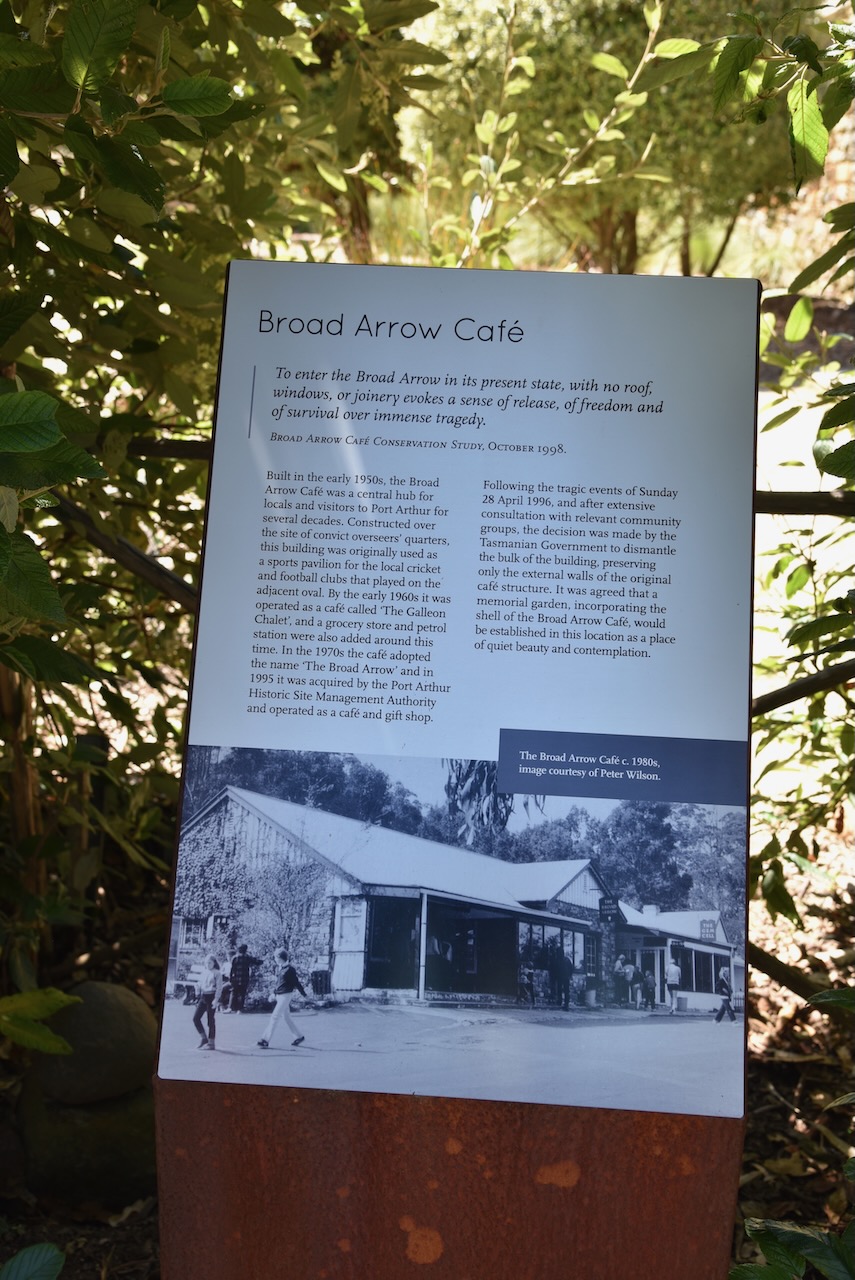
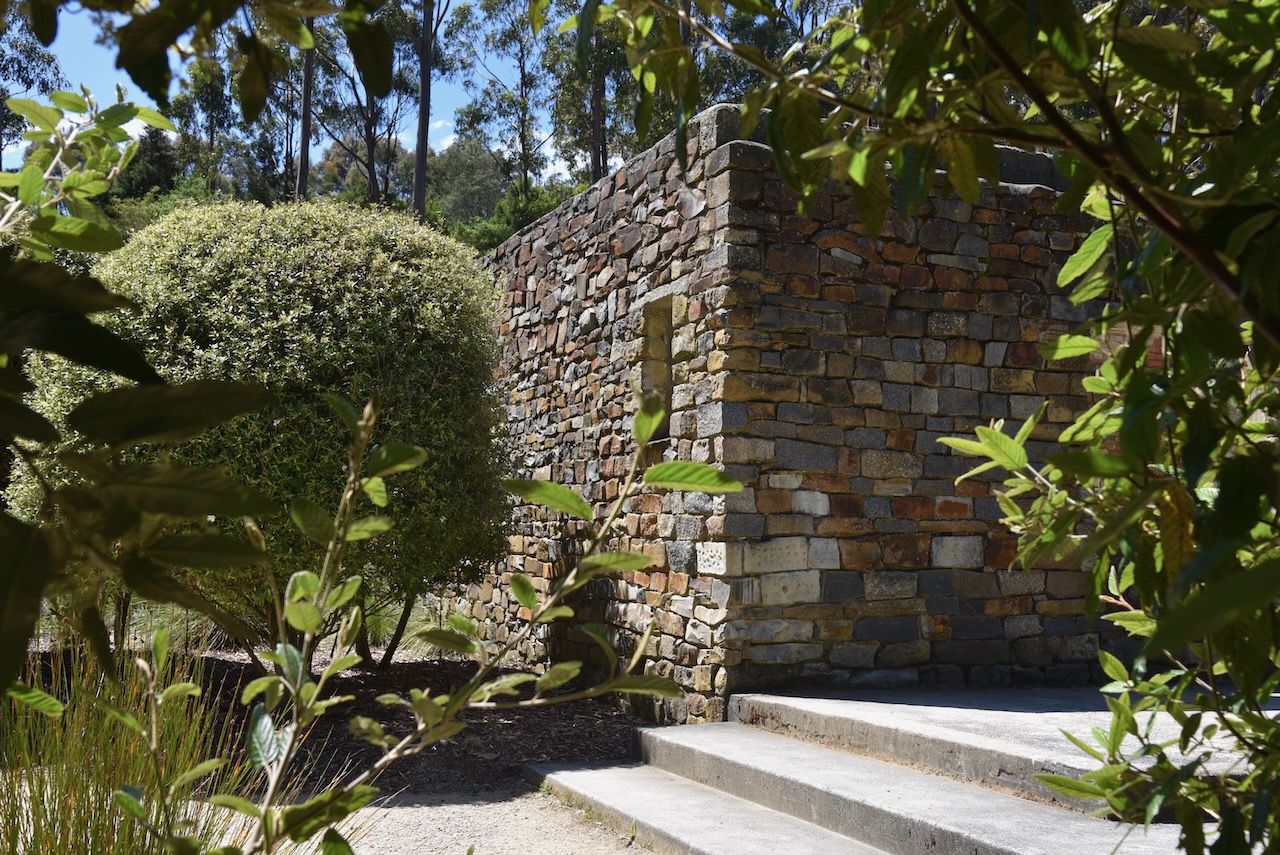
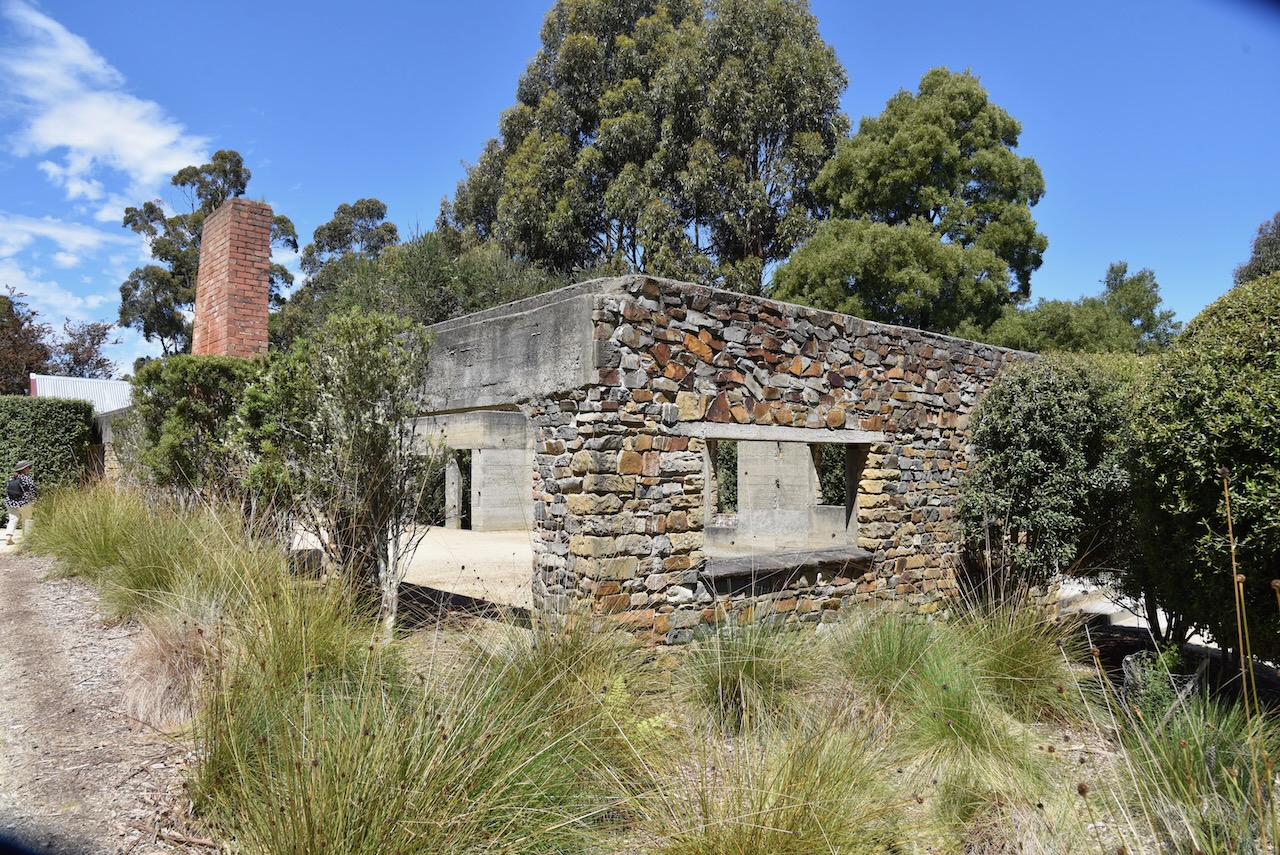
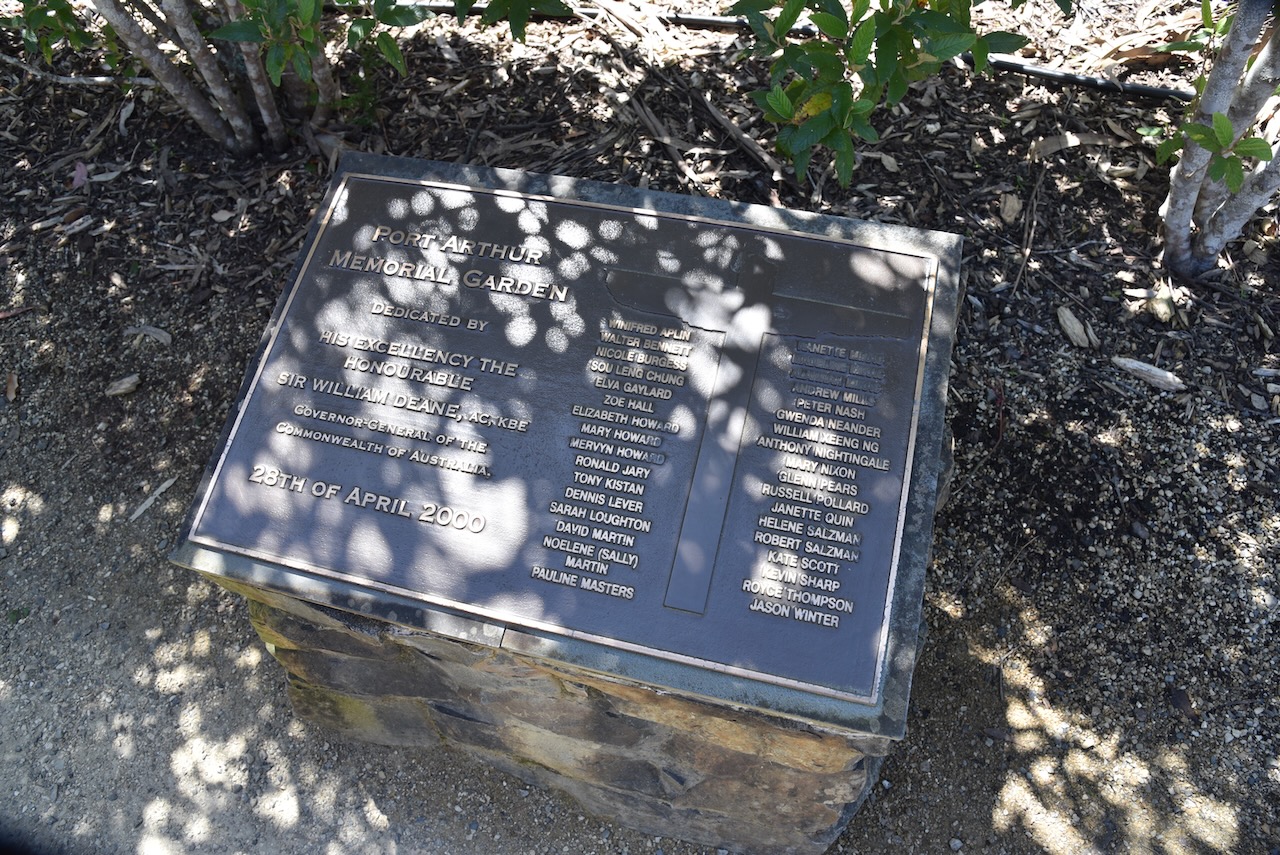
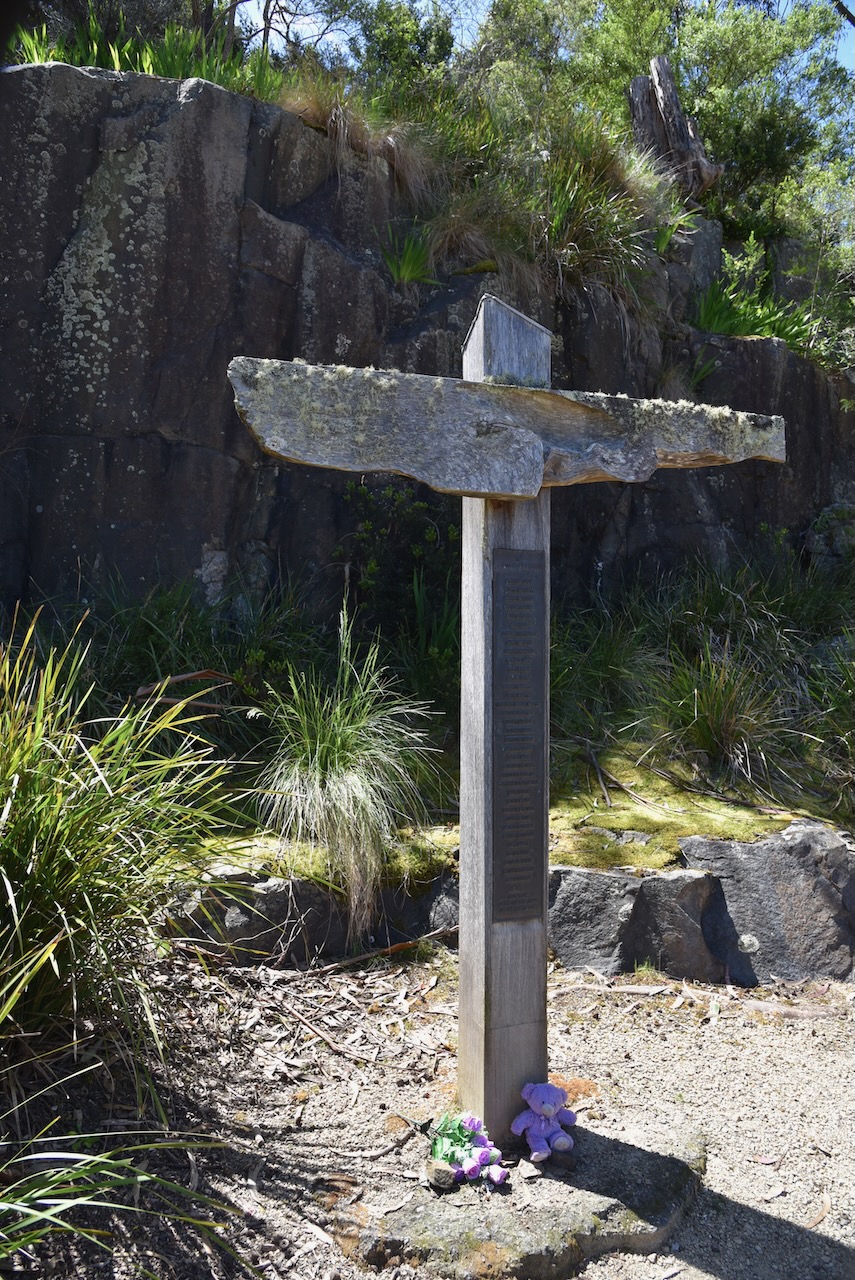
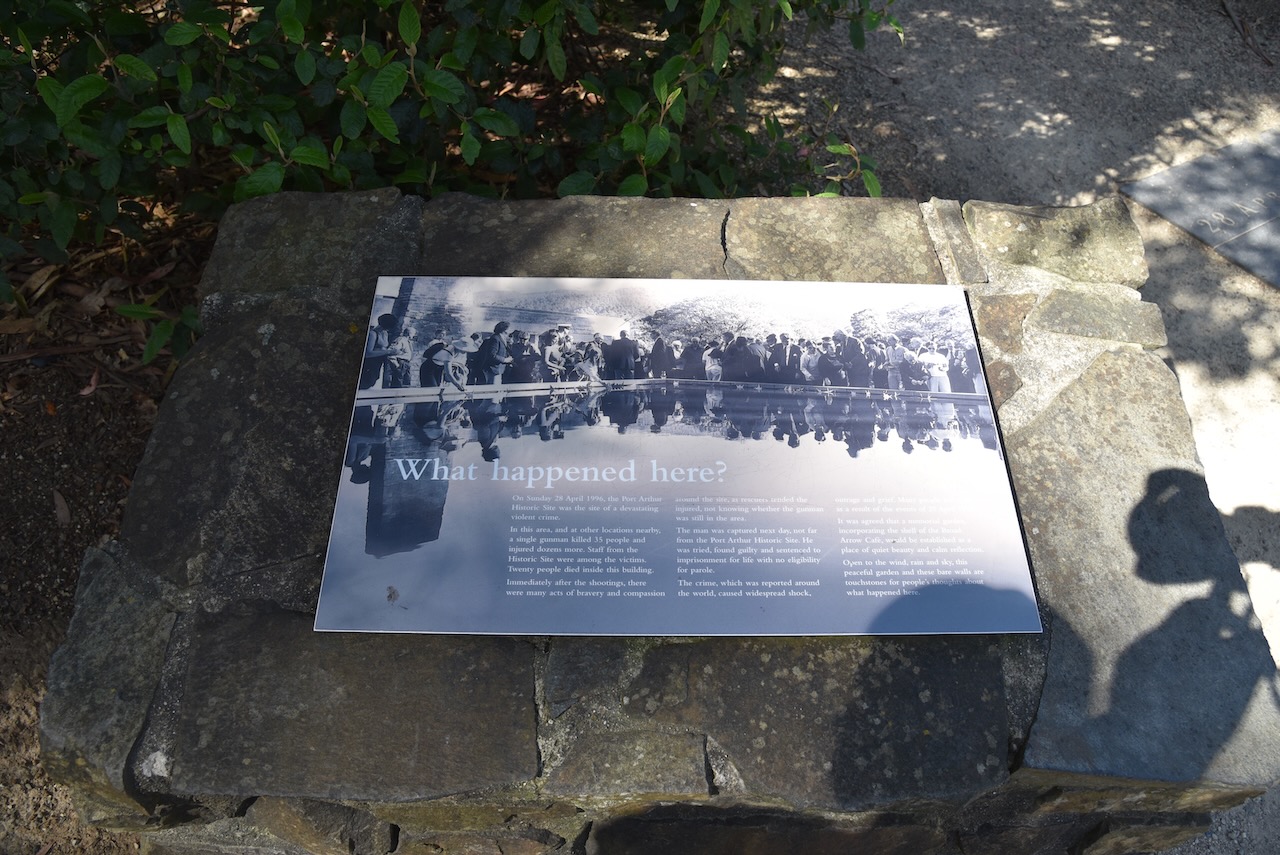
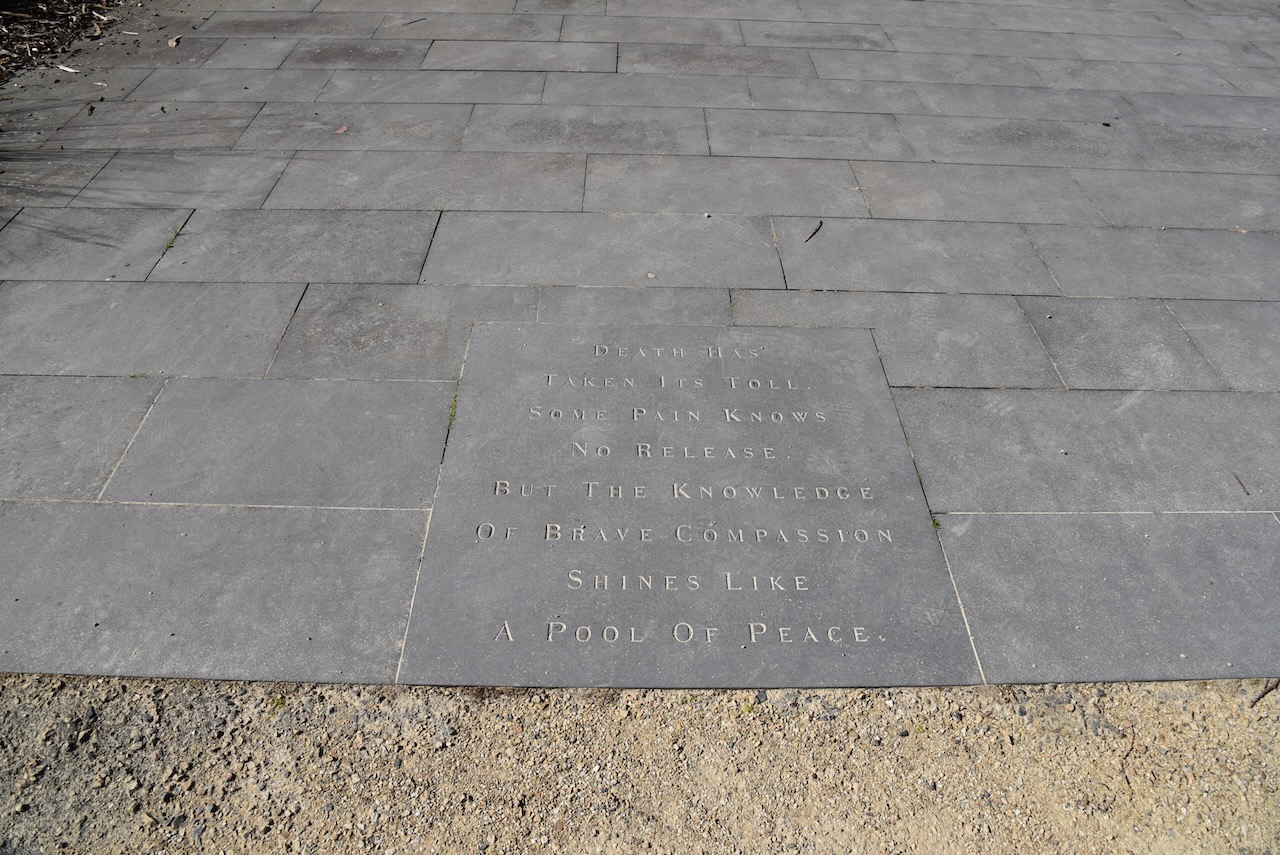
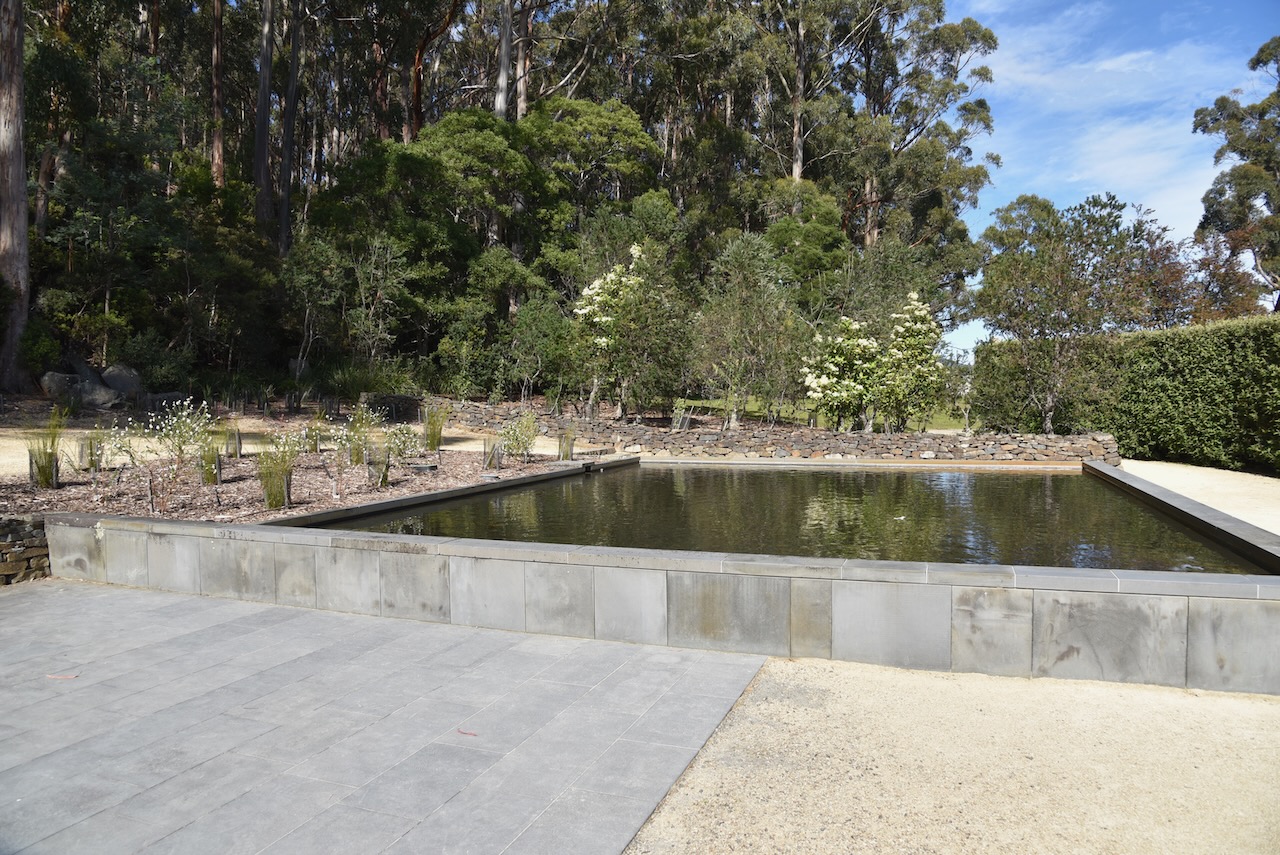
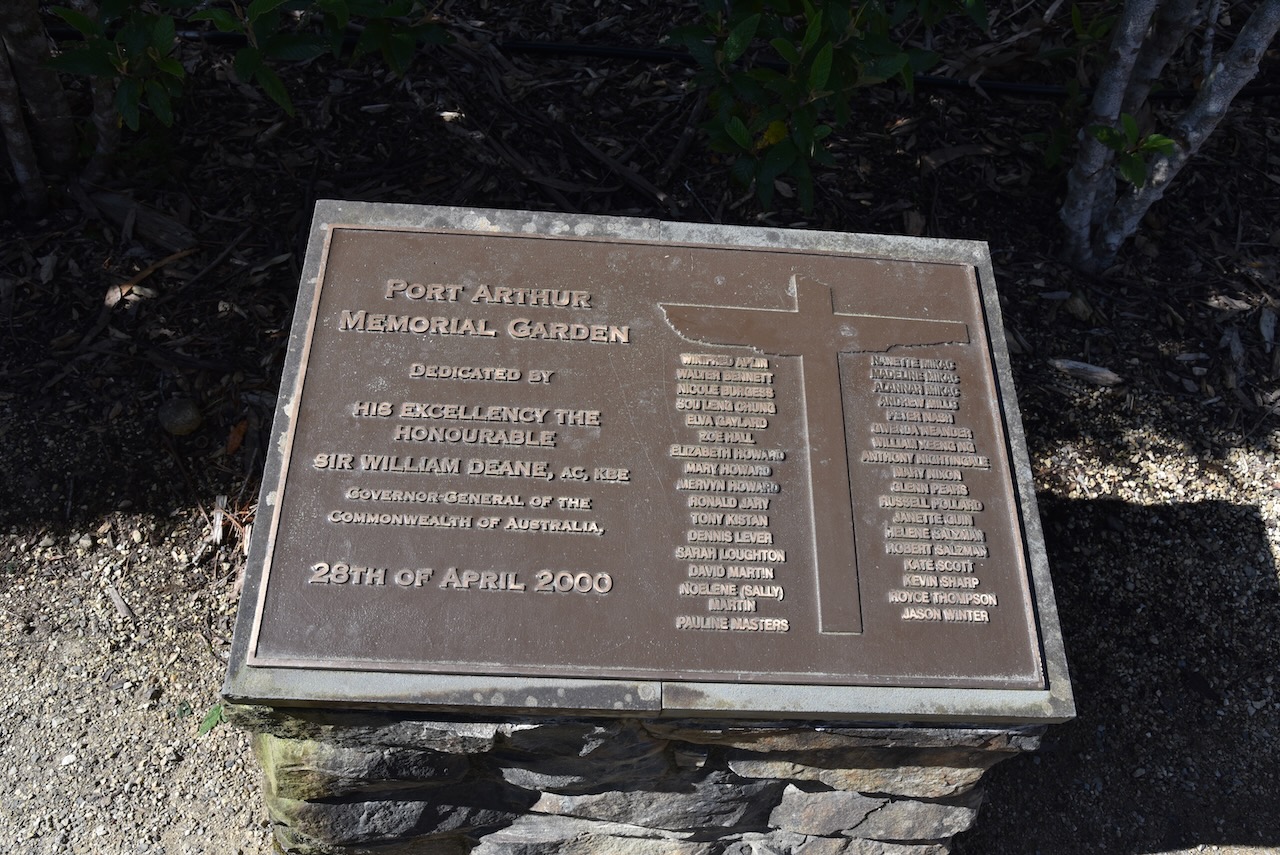
We then made an emotional visit to the Memorial Garden at Port Arthur. On Sunday 28th April 1996, a gunman in cold blood murdered 35 people and wounded a further 19 in and around the Port Arthur historic site. I remember working in the Criminal Investigation Branch for the South Australia Police as a young Detective that day.

The Memorial Garden includes the remnants of the Broad Arrow Cafe where 20 people were murdered.

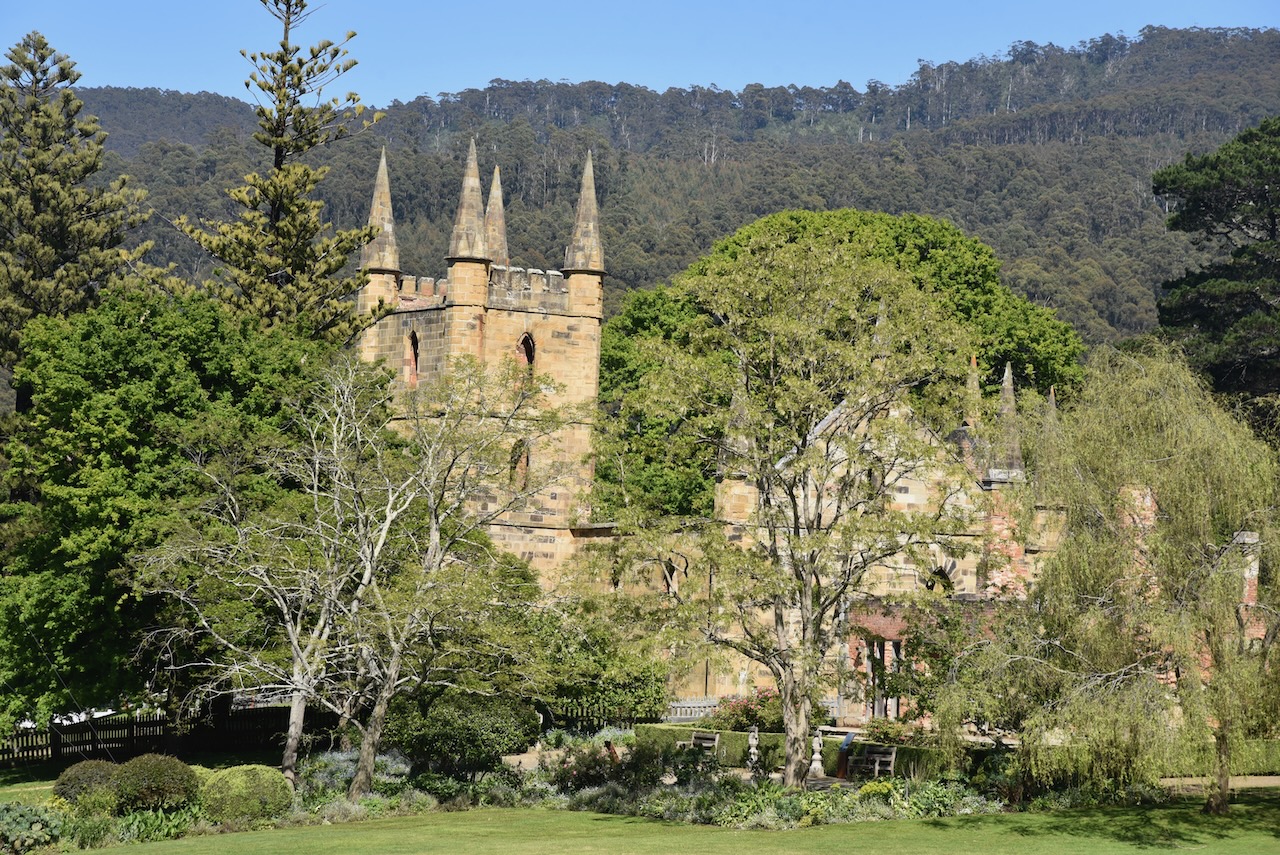
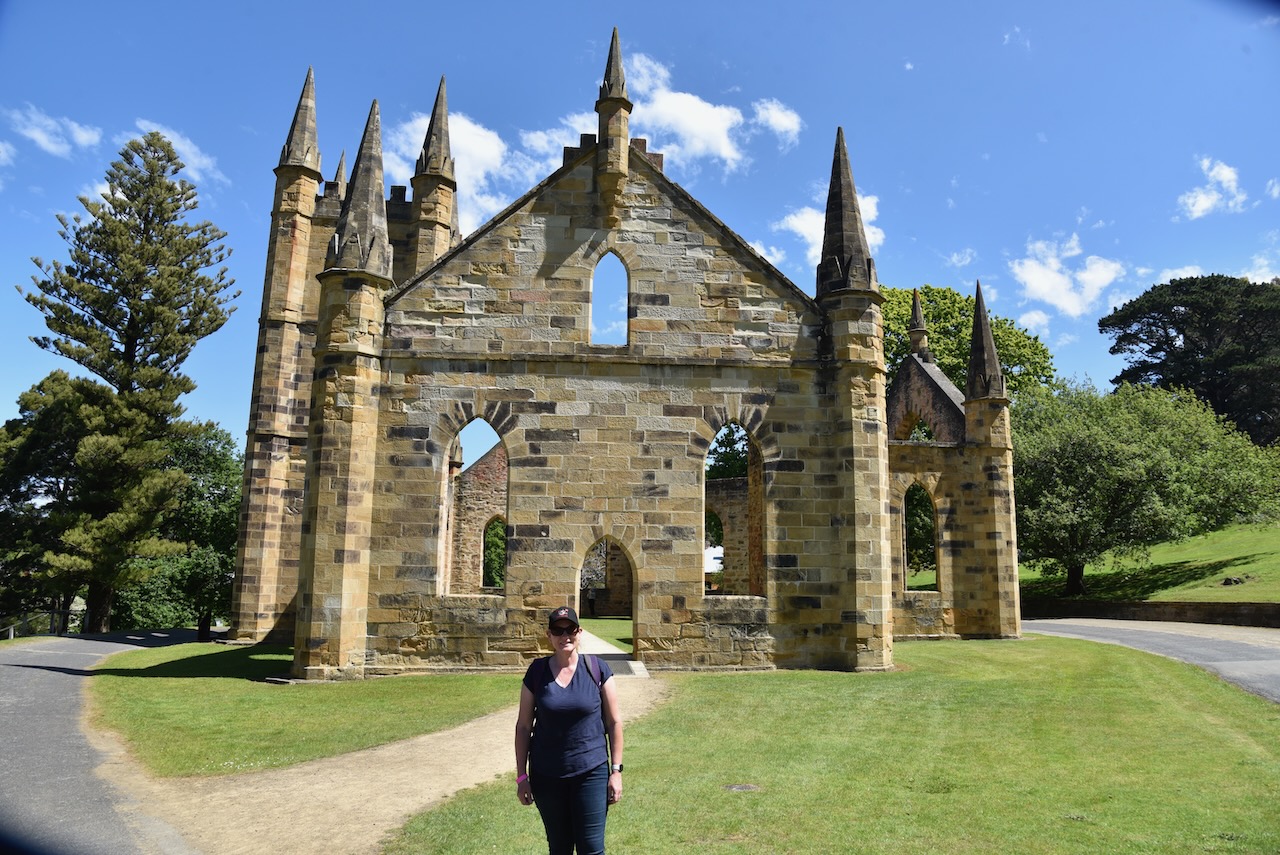
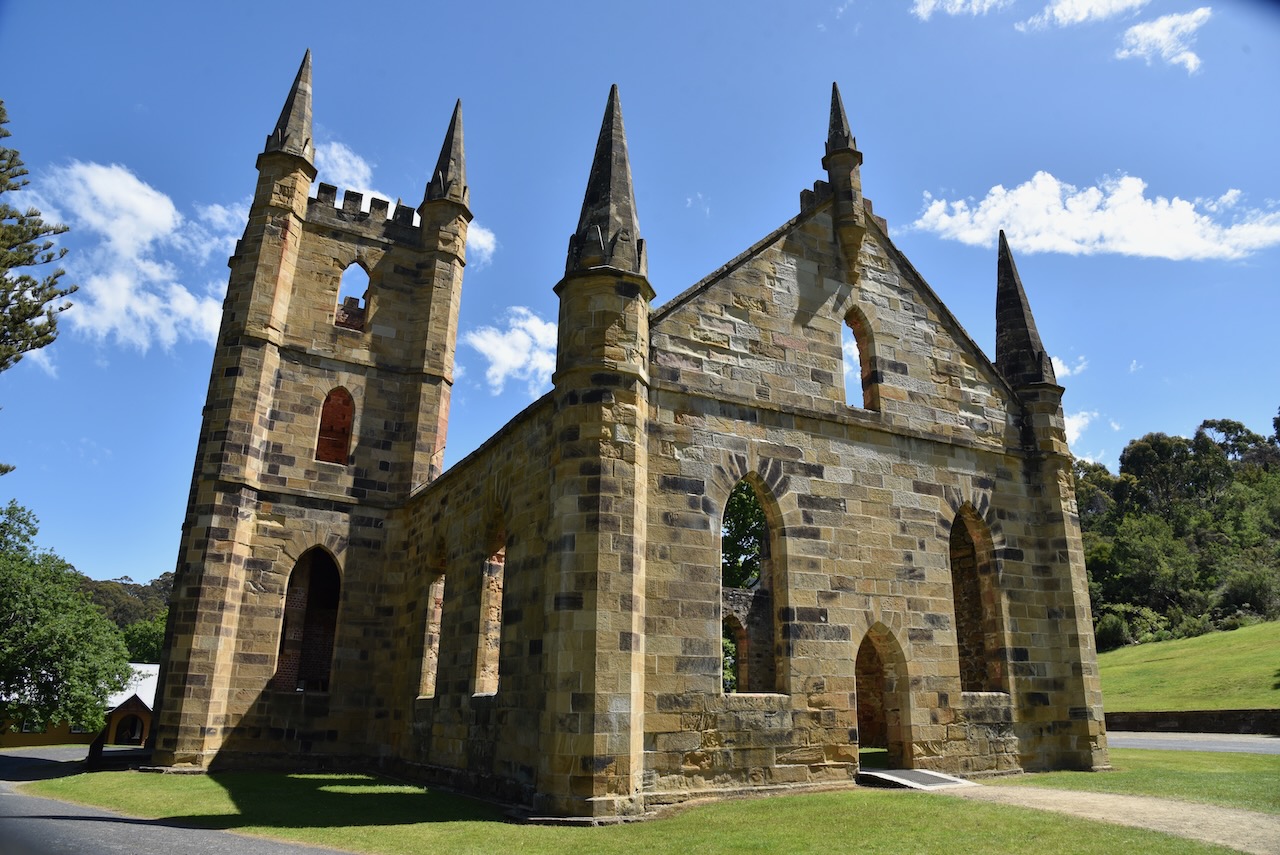
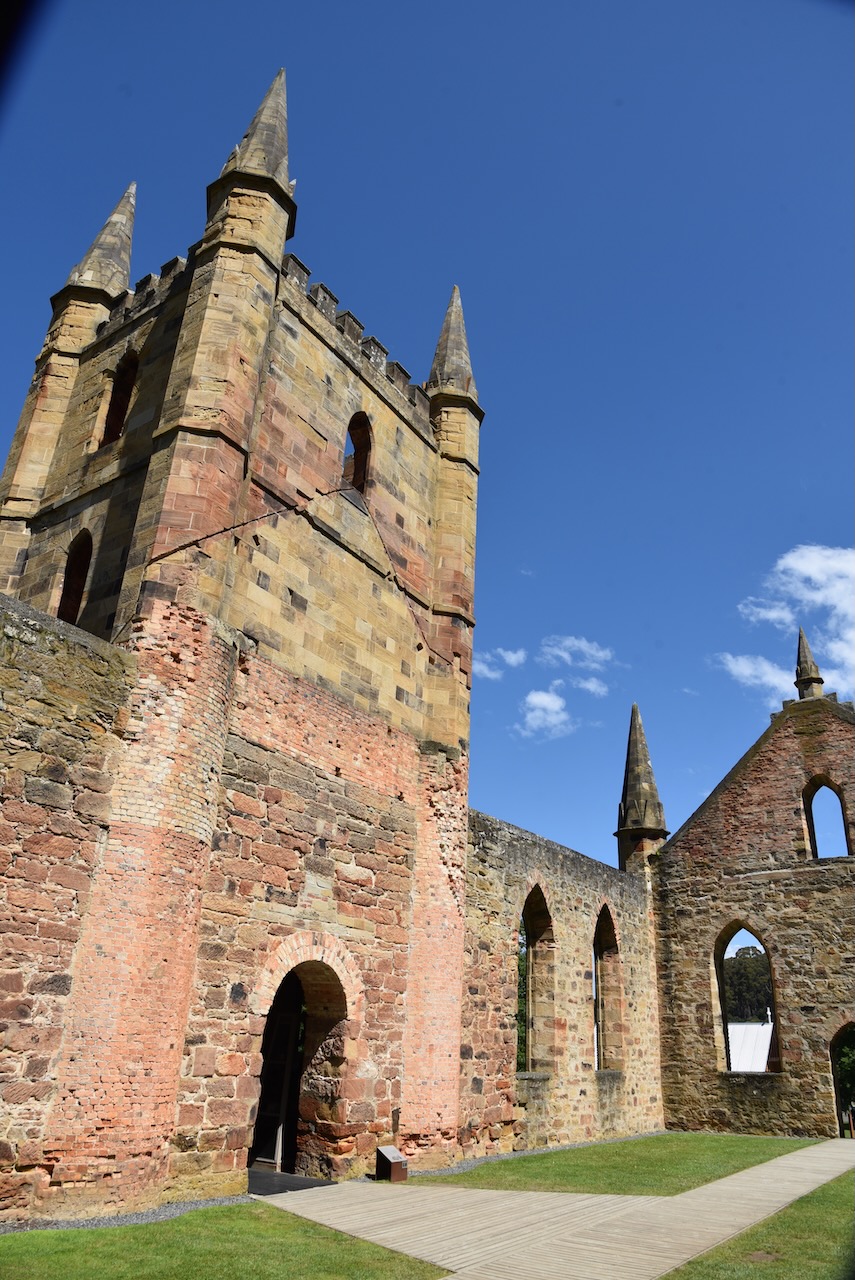
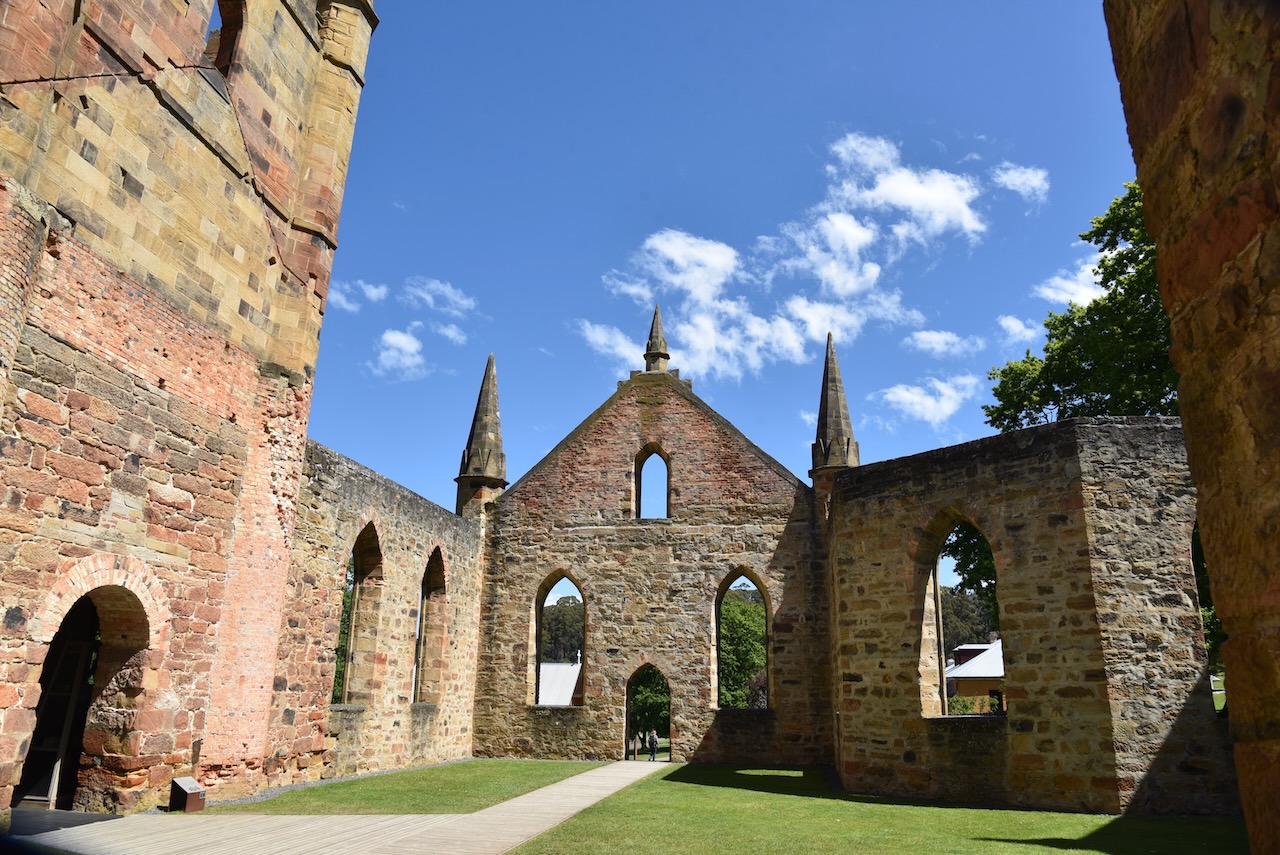
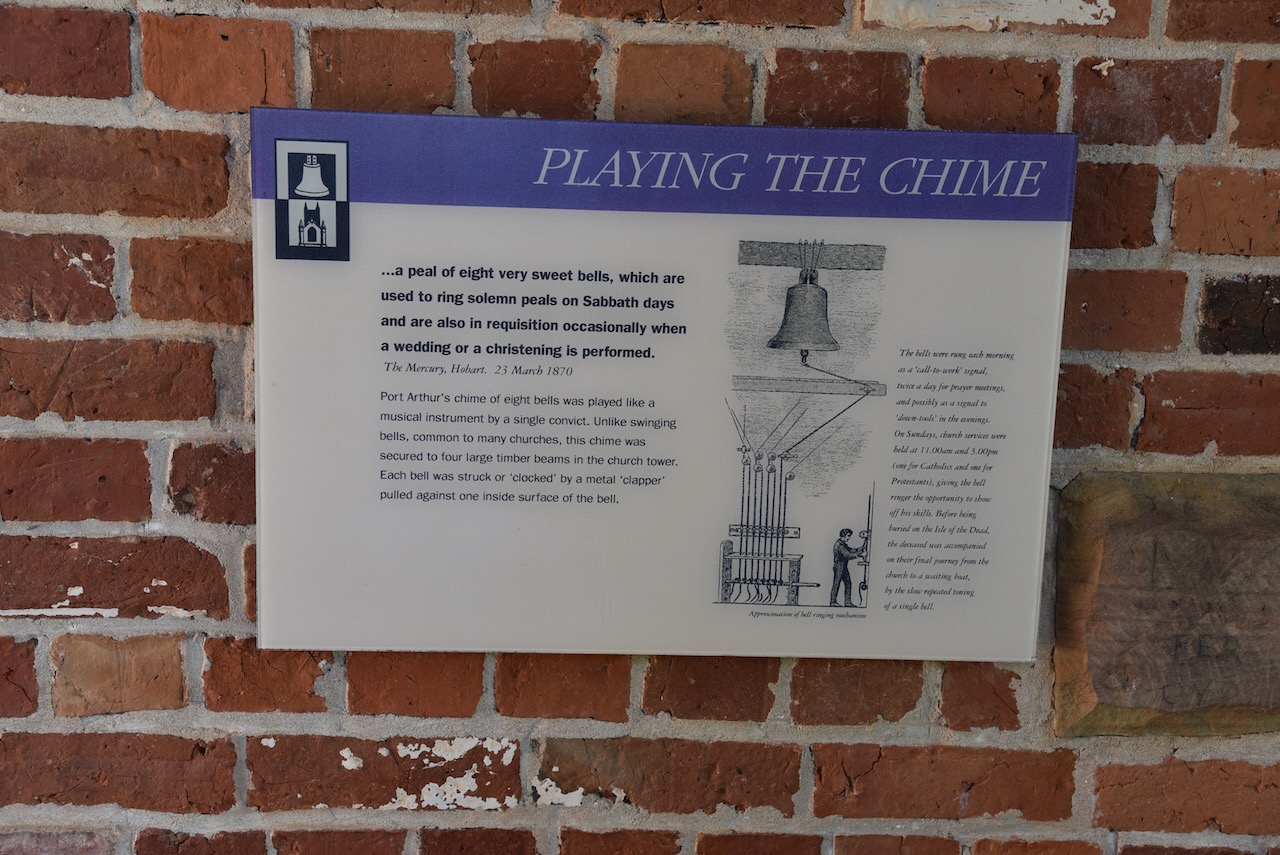
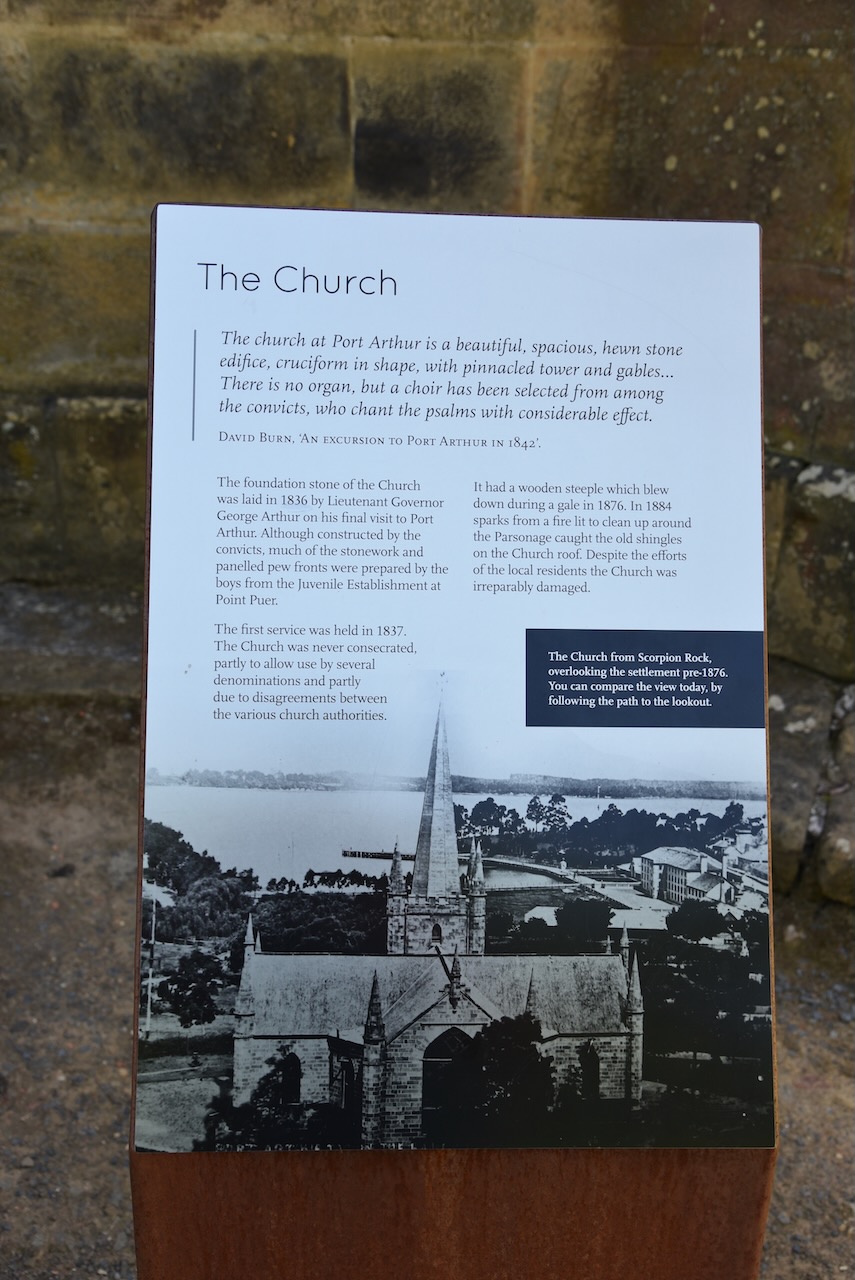
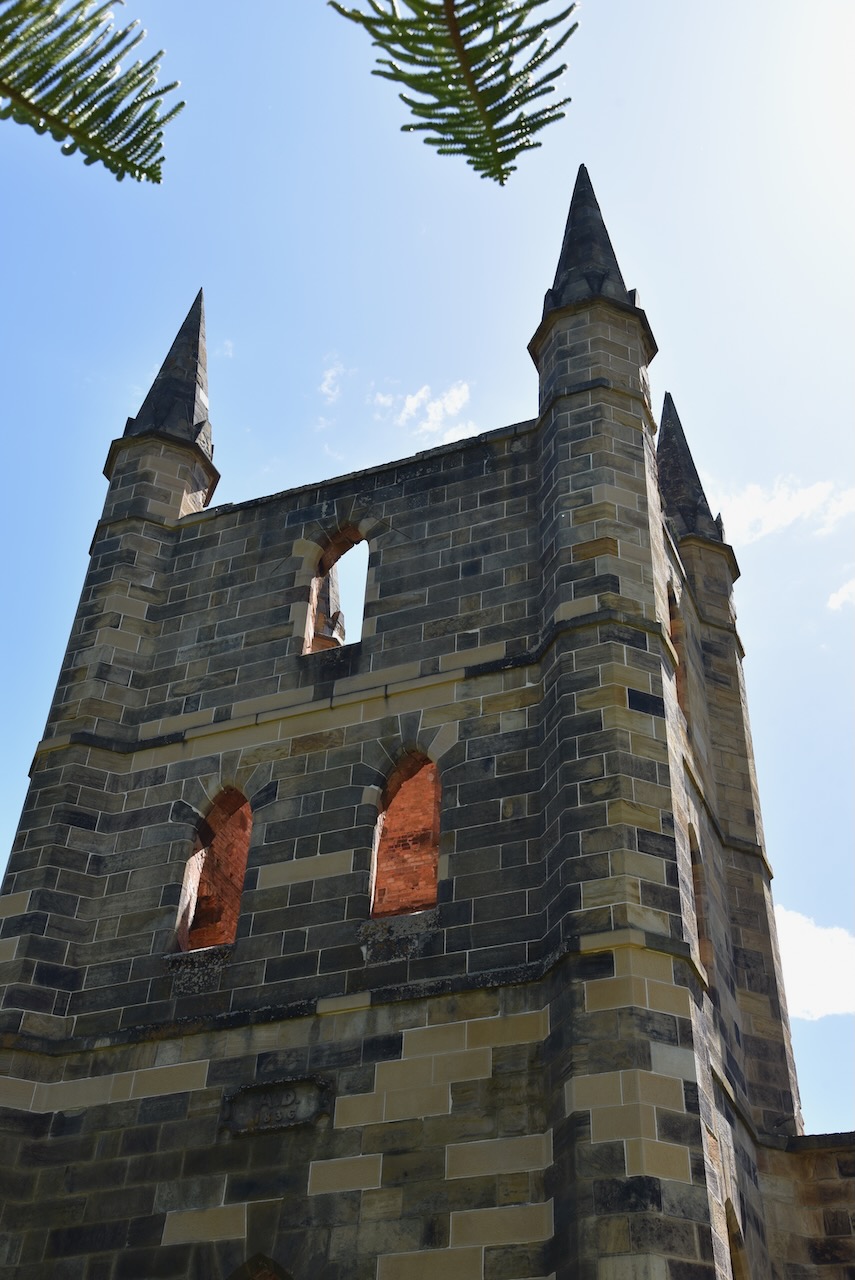
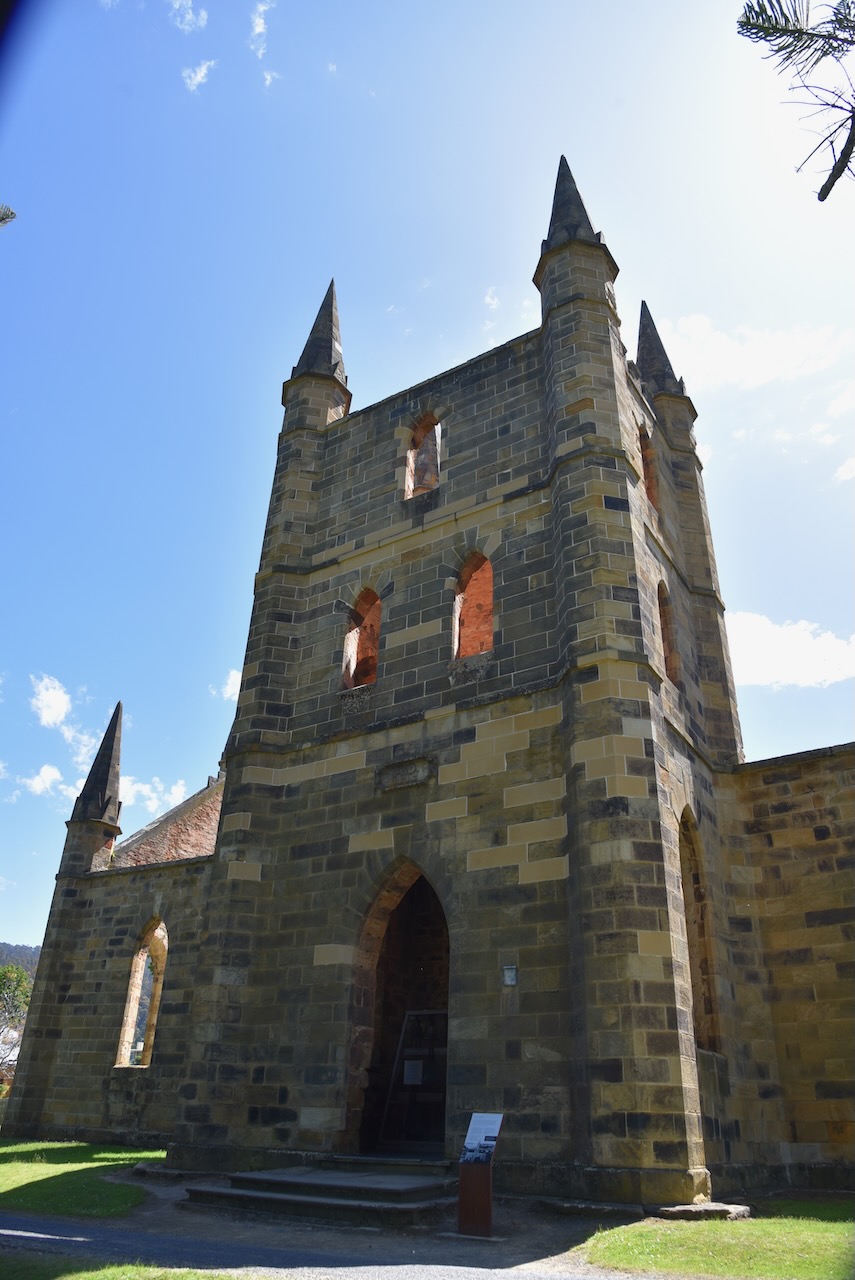
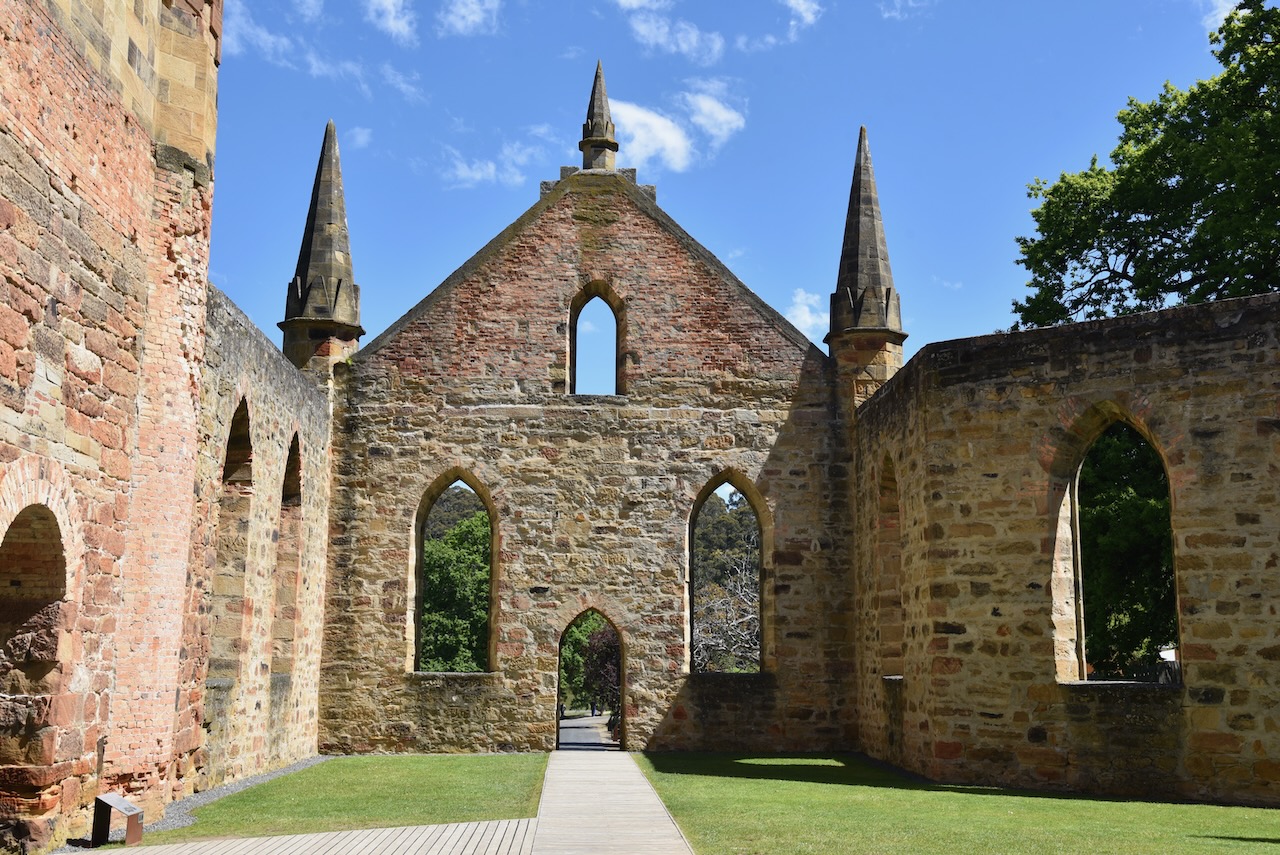
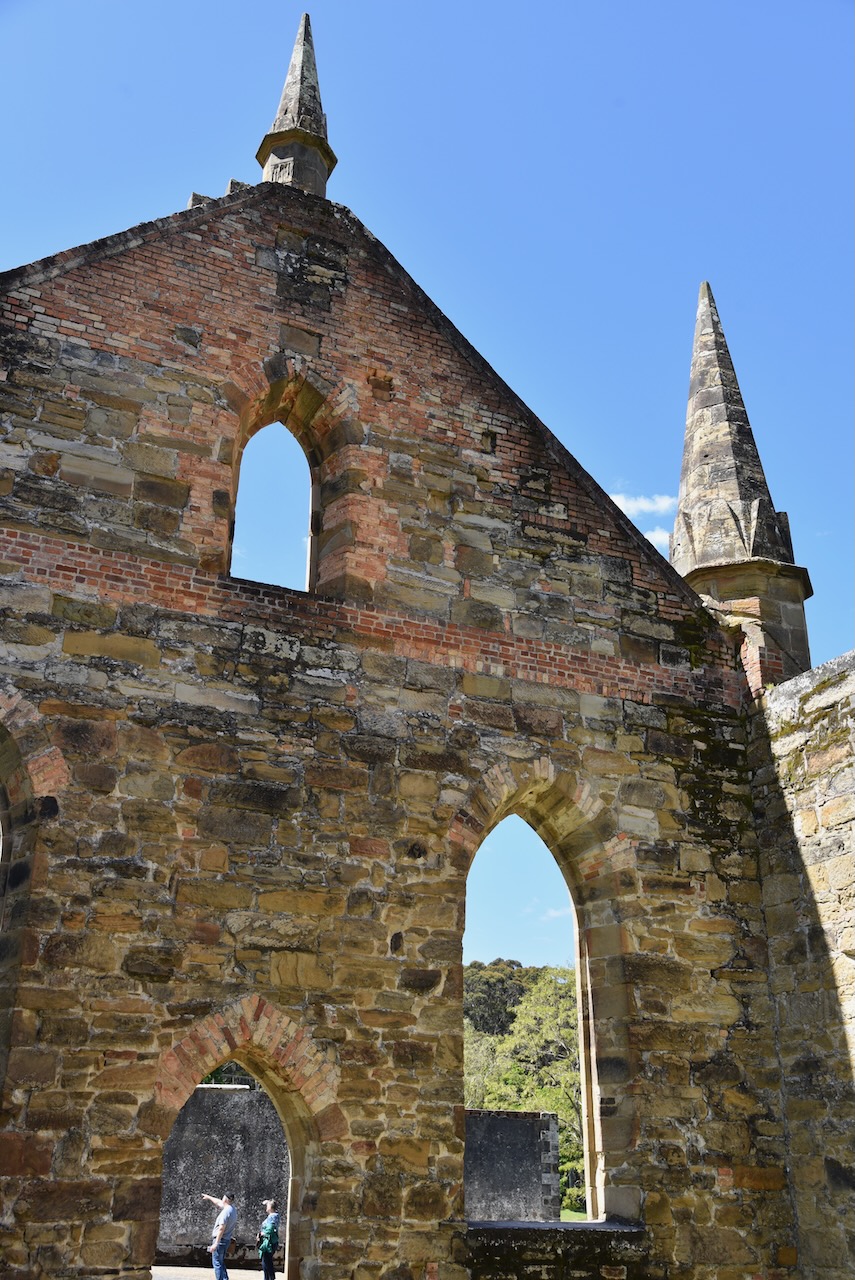
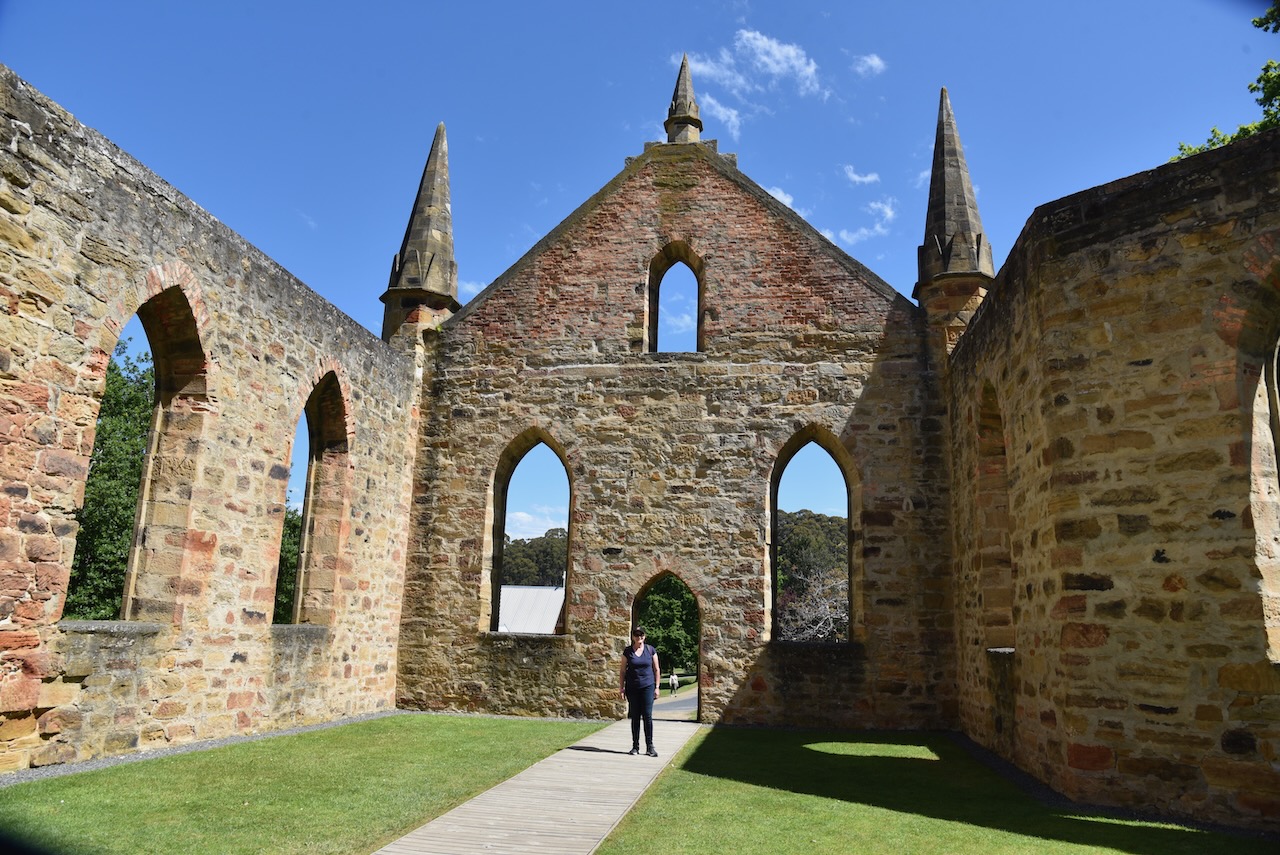
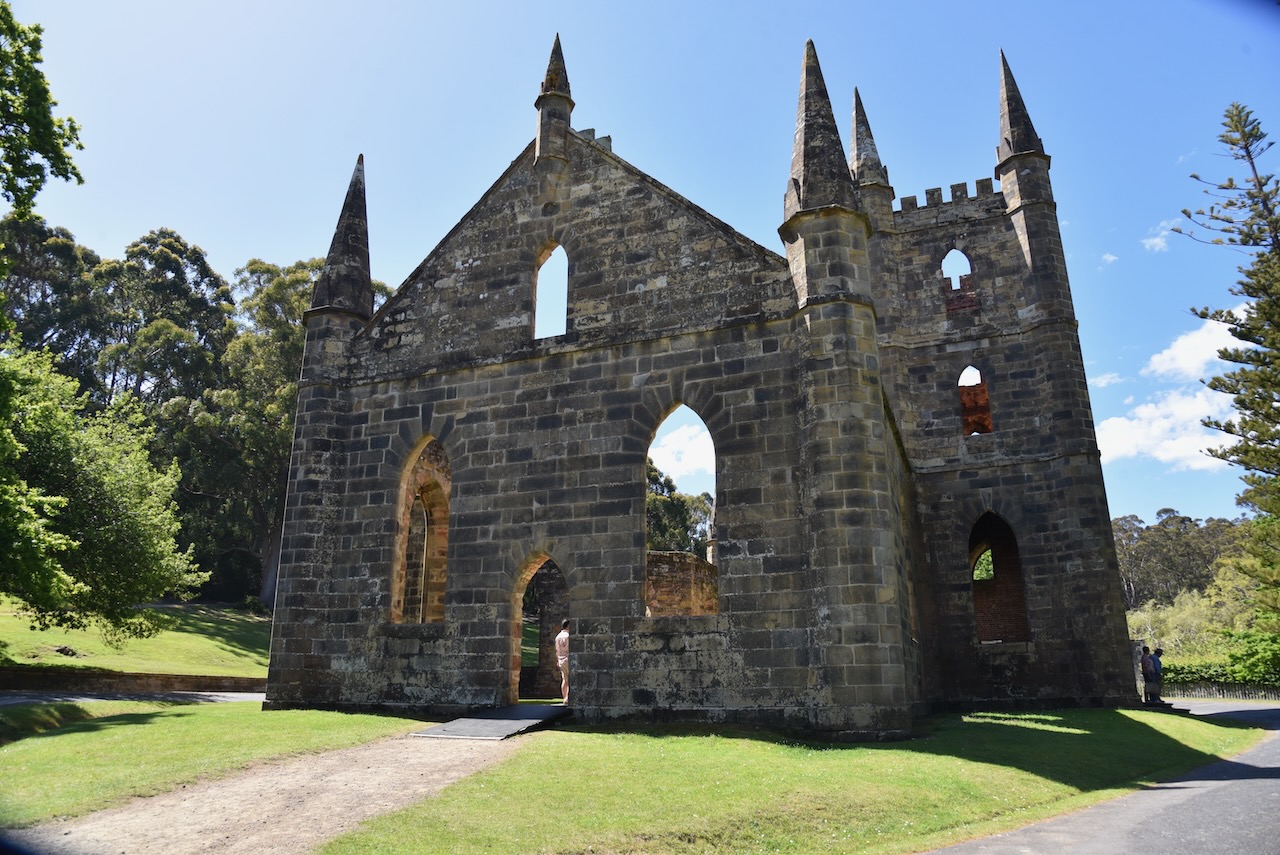
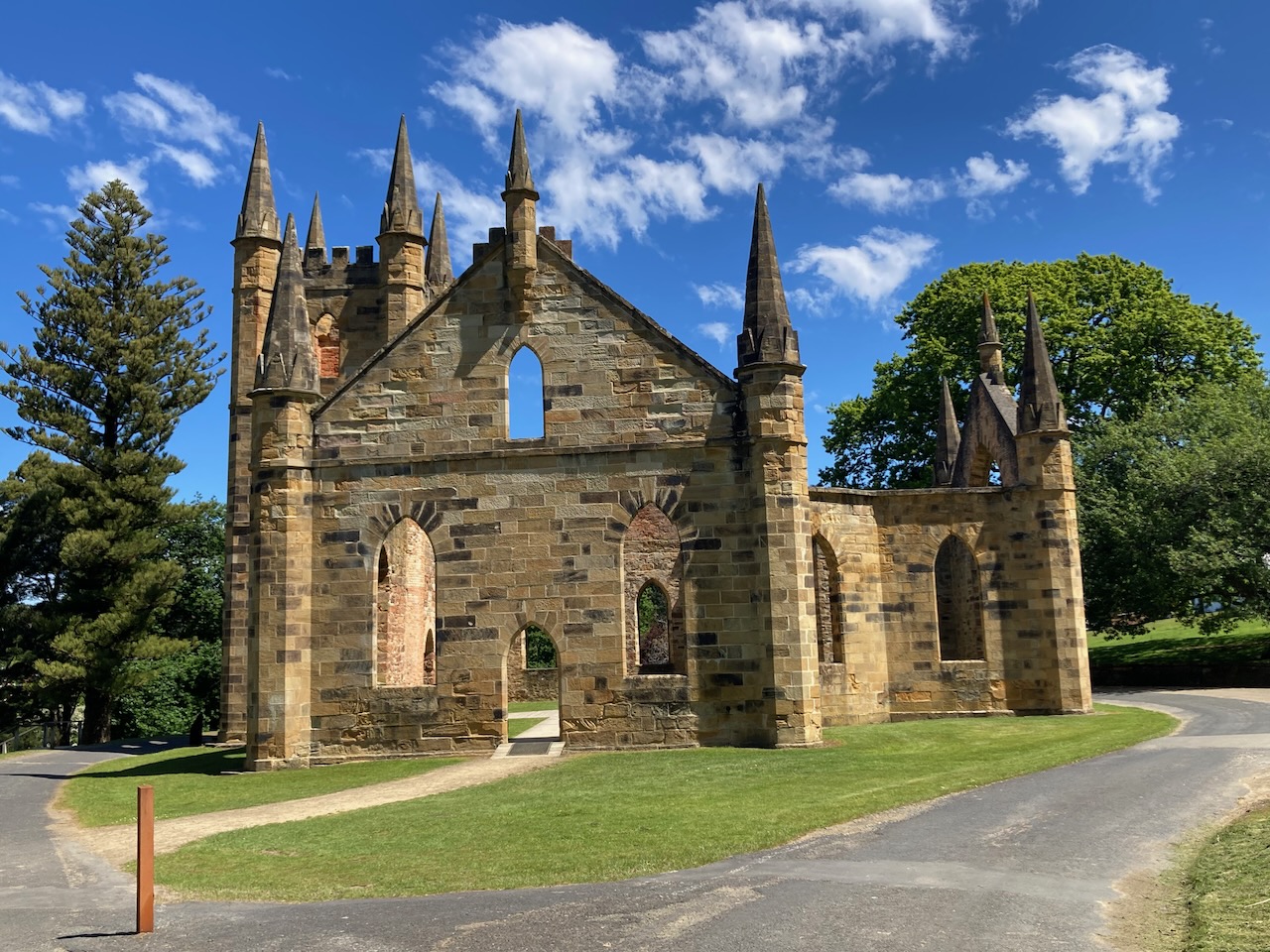
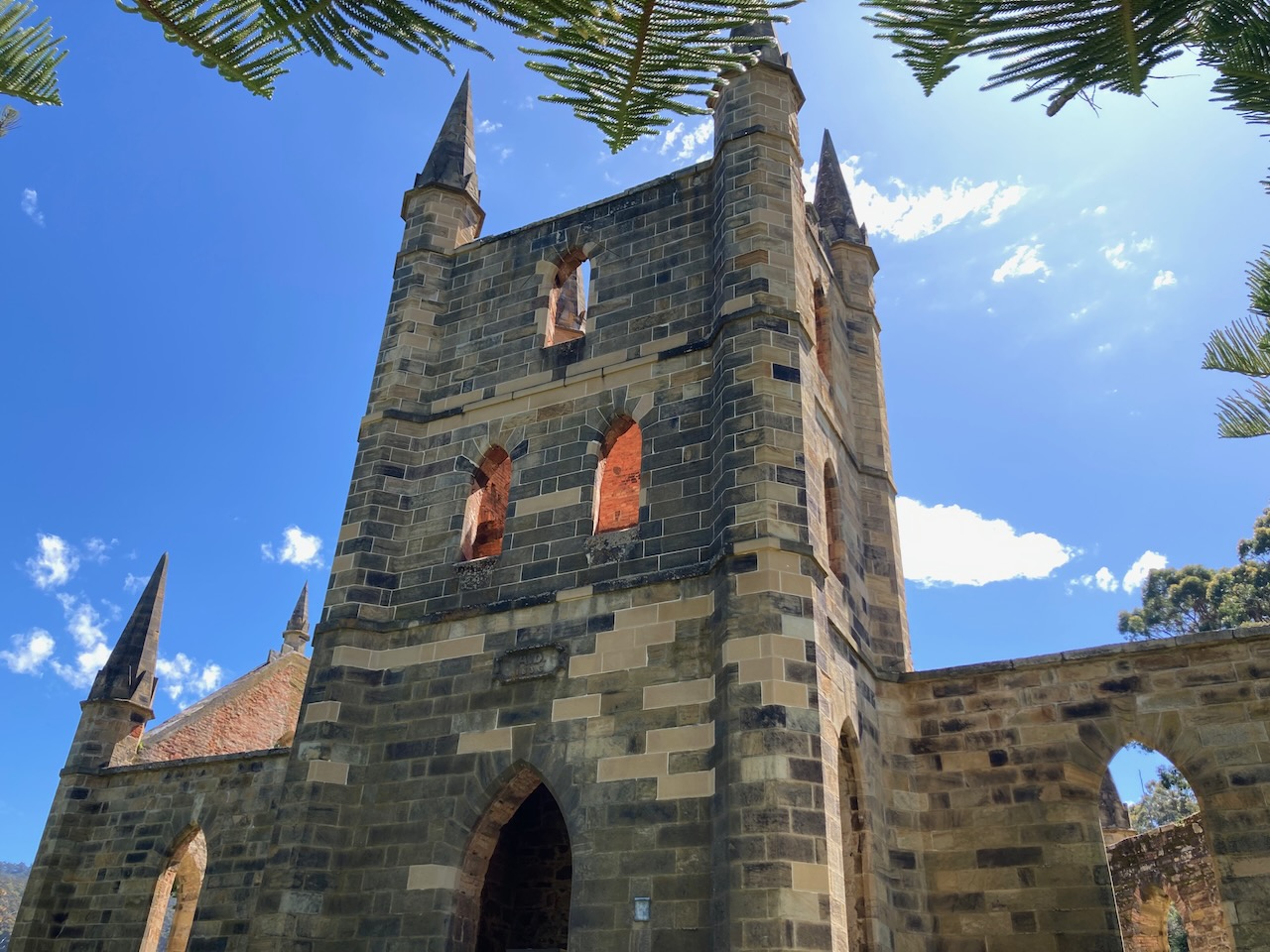
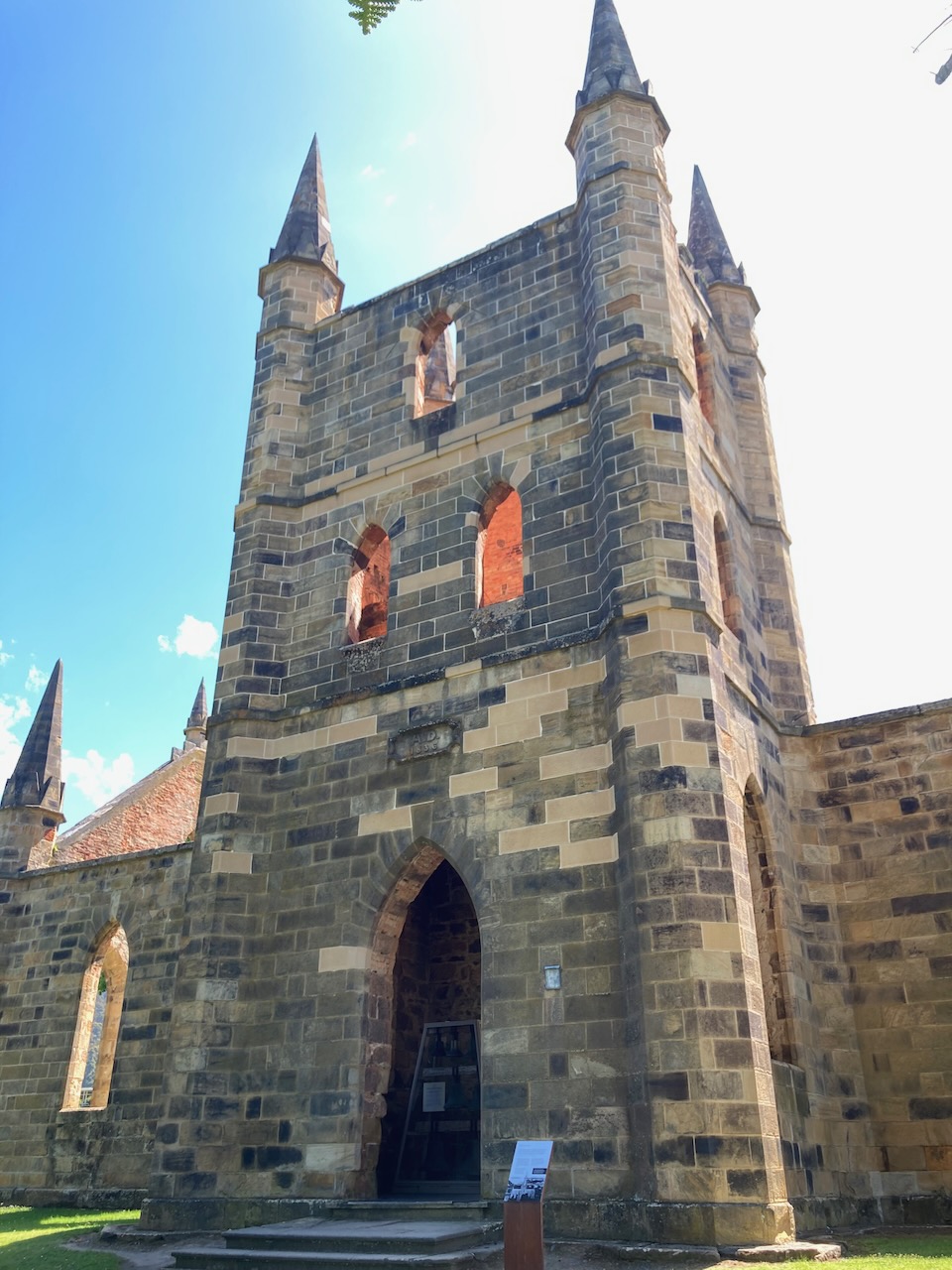
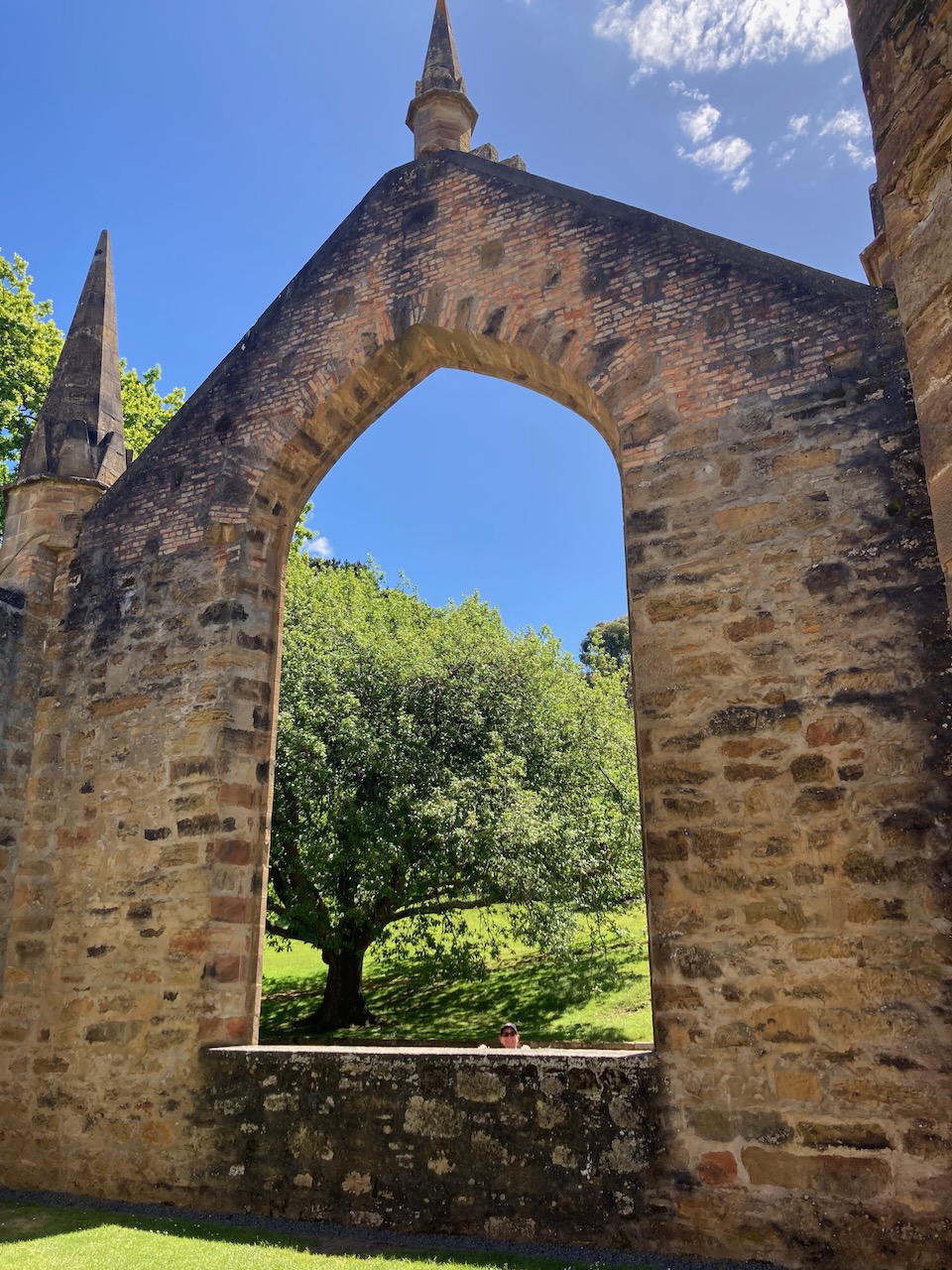
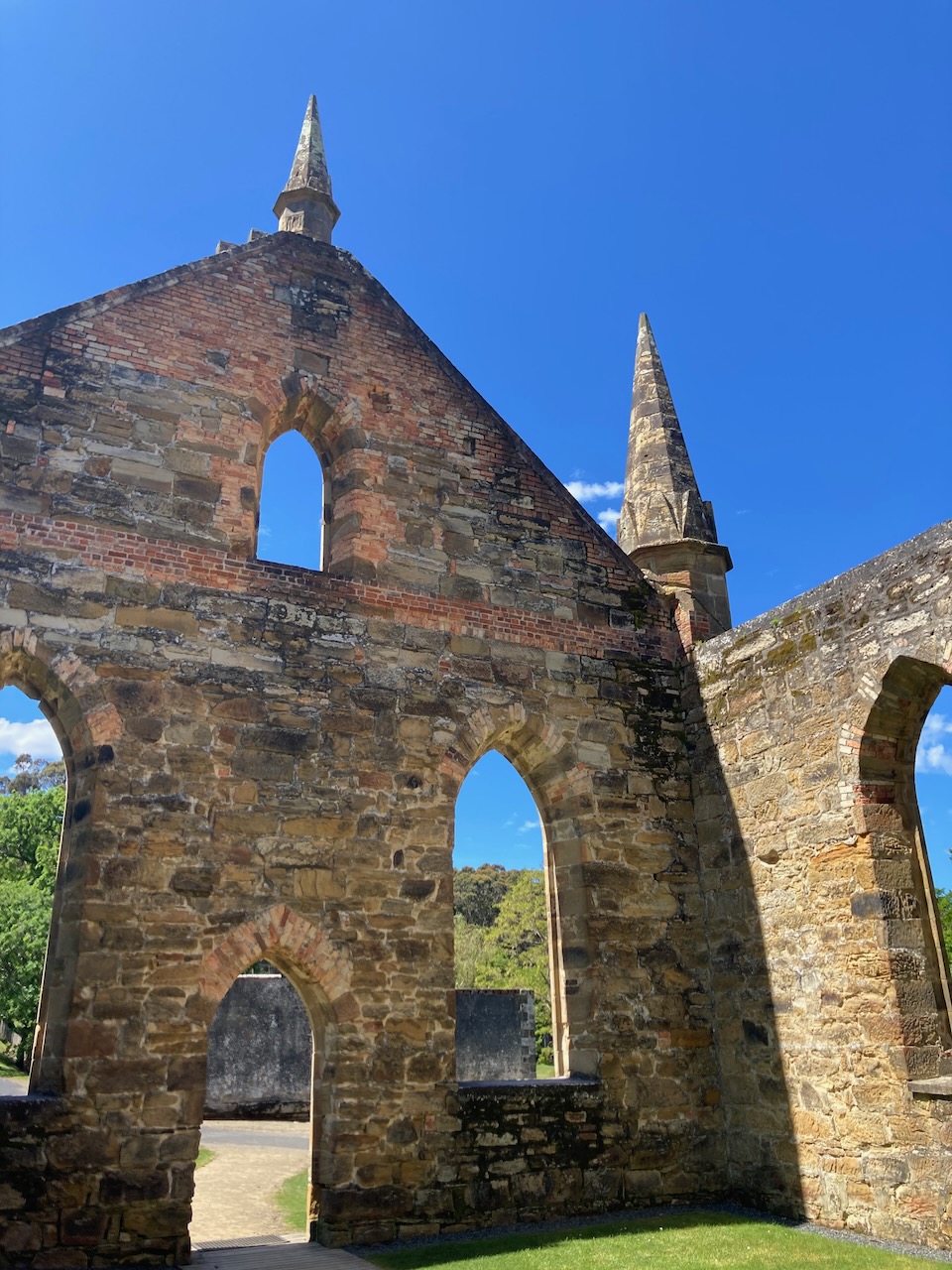
Our next stop was the Port Arthur church, one of the most impressive buildings/ruins on the site. The foundation stone of the church was laid in 1836 by Lieutenant Governor George Arthur. The church was constructed by convicts and boys from the juvenile establishment at Point Puer. The first service in the church was held in 1837.

In 1884, sparks from a fire which had been lit to clean up around the Parsonage, caught the old shingles of the church roof on fire. Despite the efforts of the local residents the church was irreparably damaged.

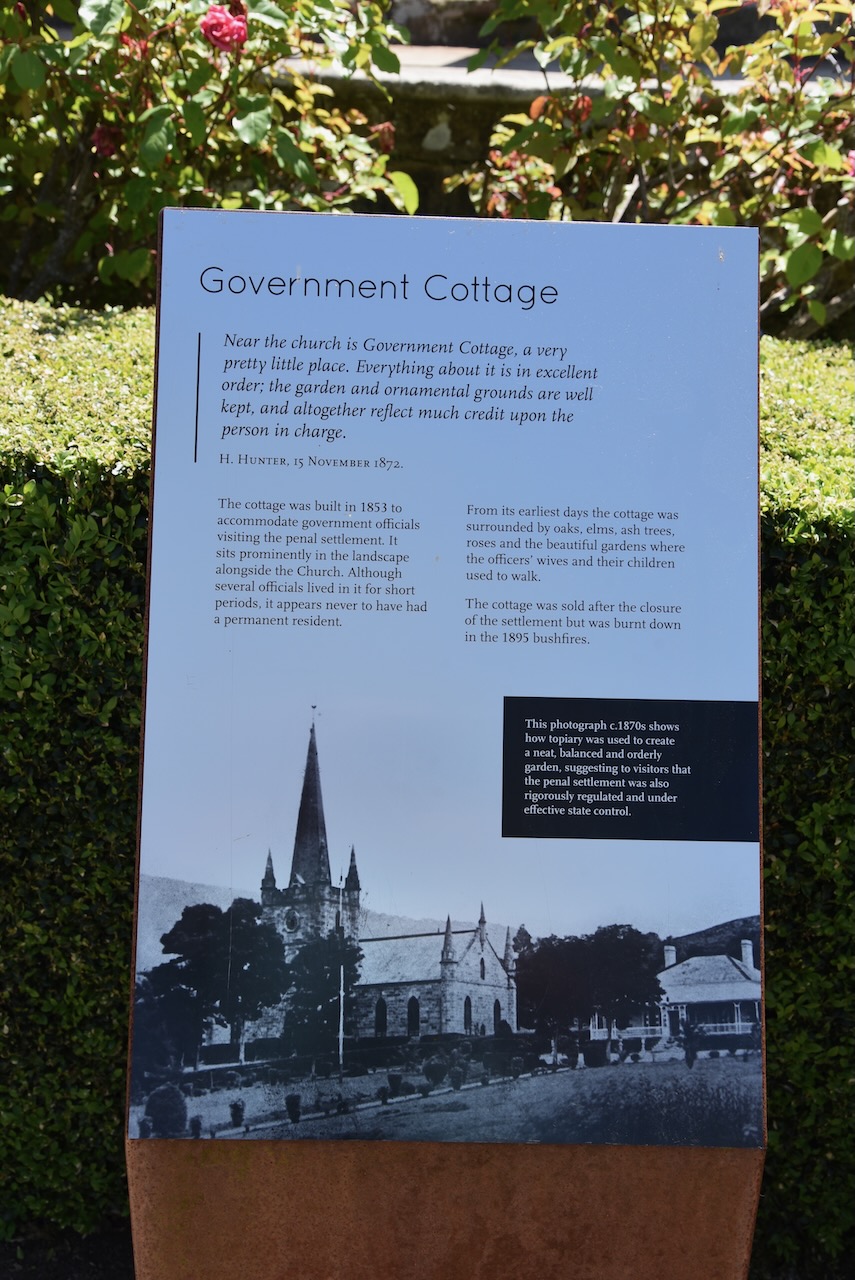
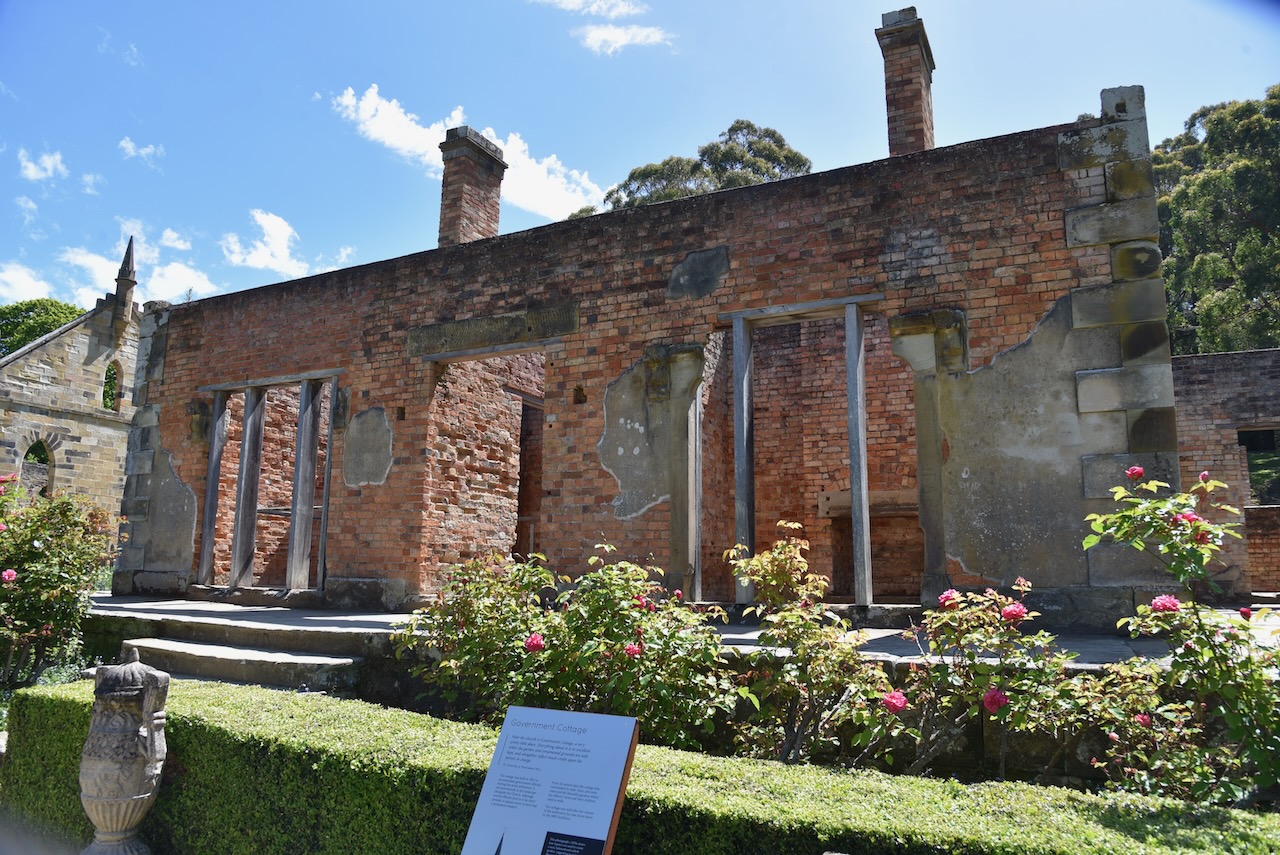
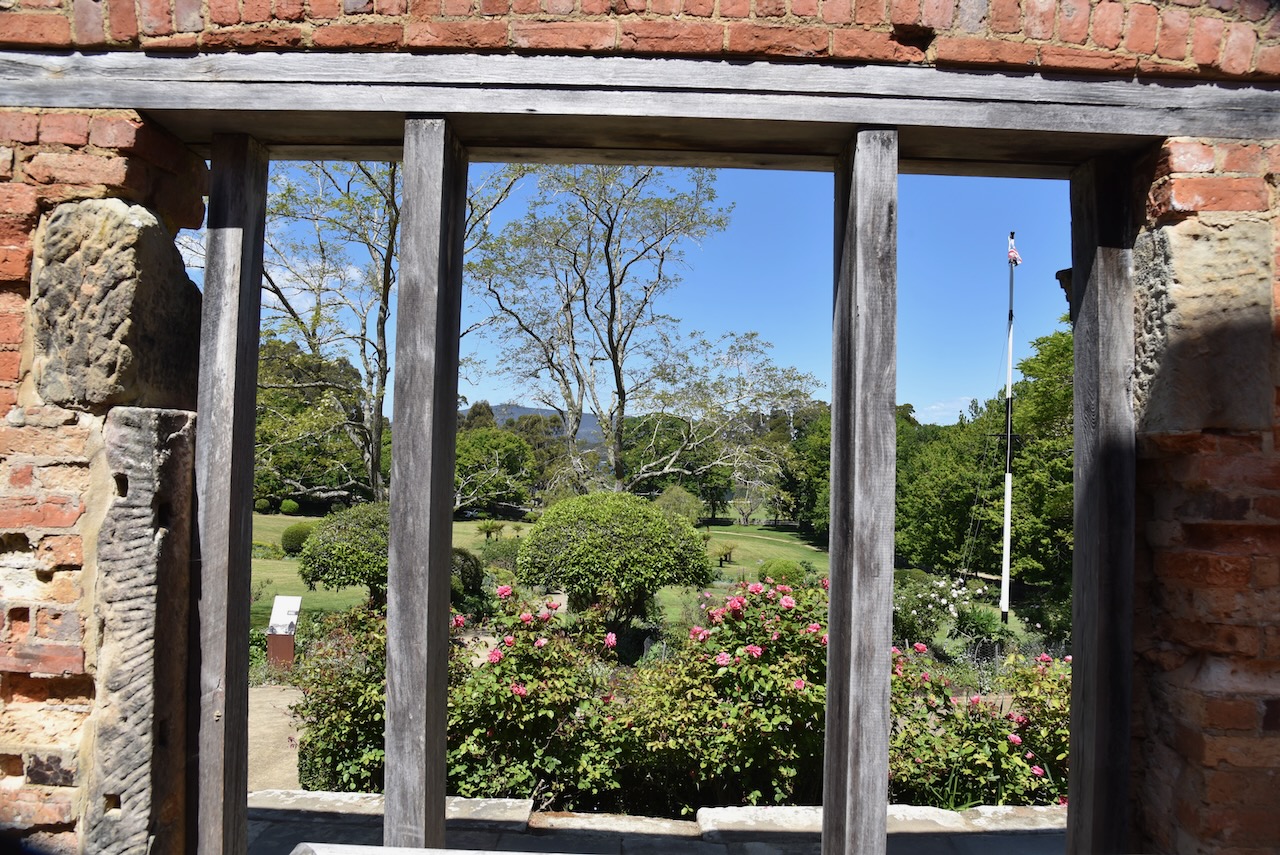
Not far from the church is Government Cottage which was built in 1853 to accomodate government officials who were vistting the Port Arthur penal settlement. Unfortunately it was another victim of the 1895 bushfires.

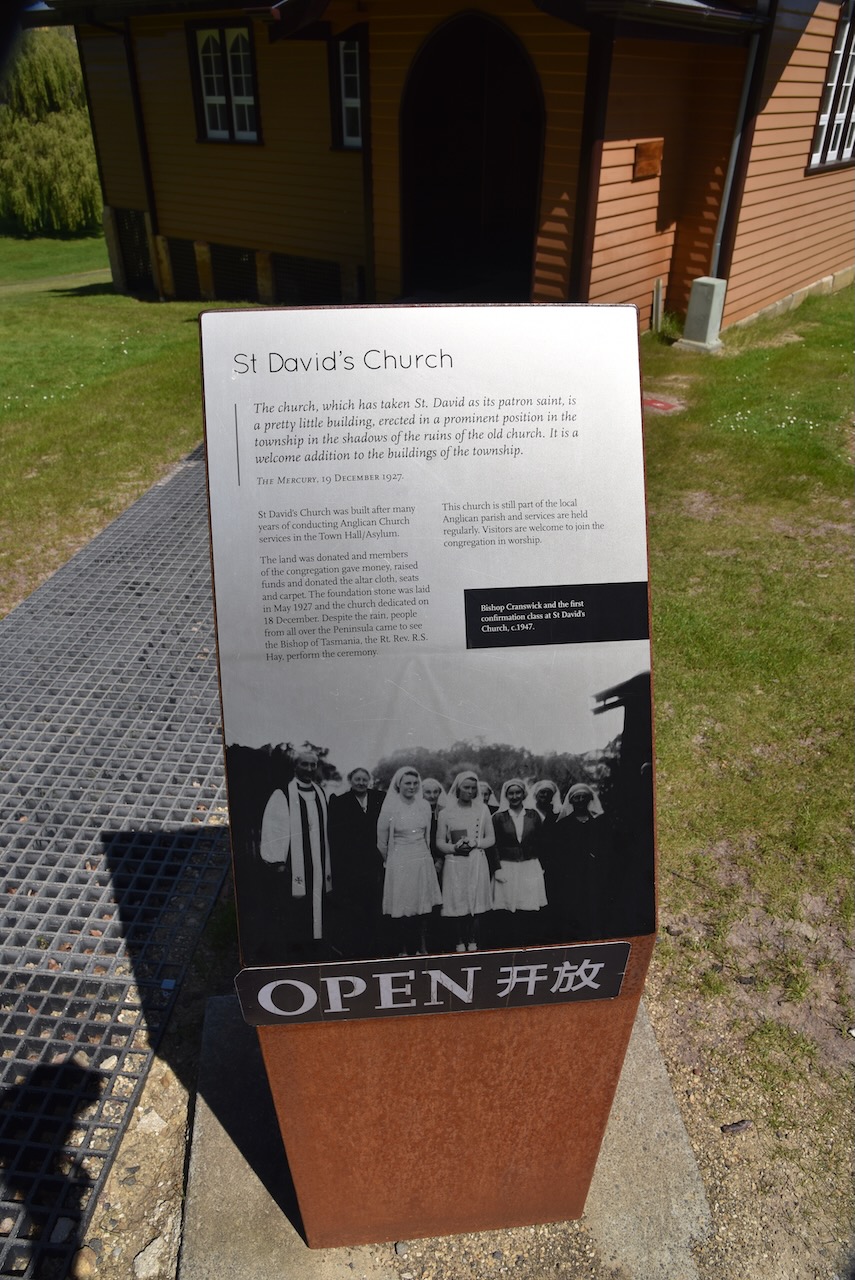
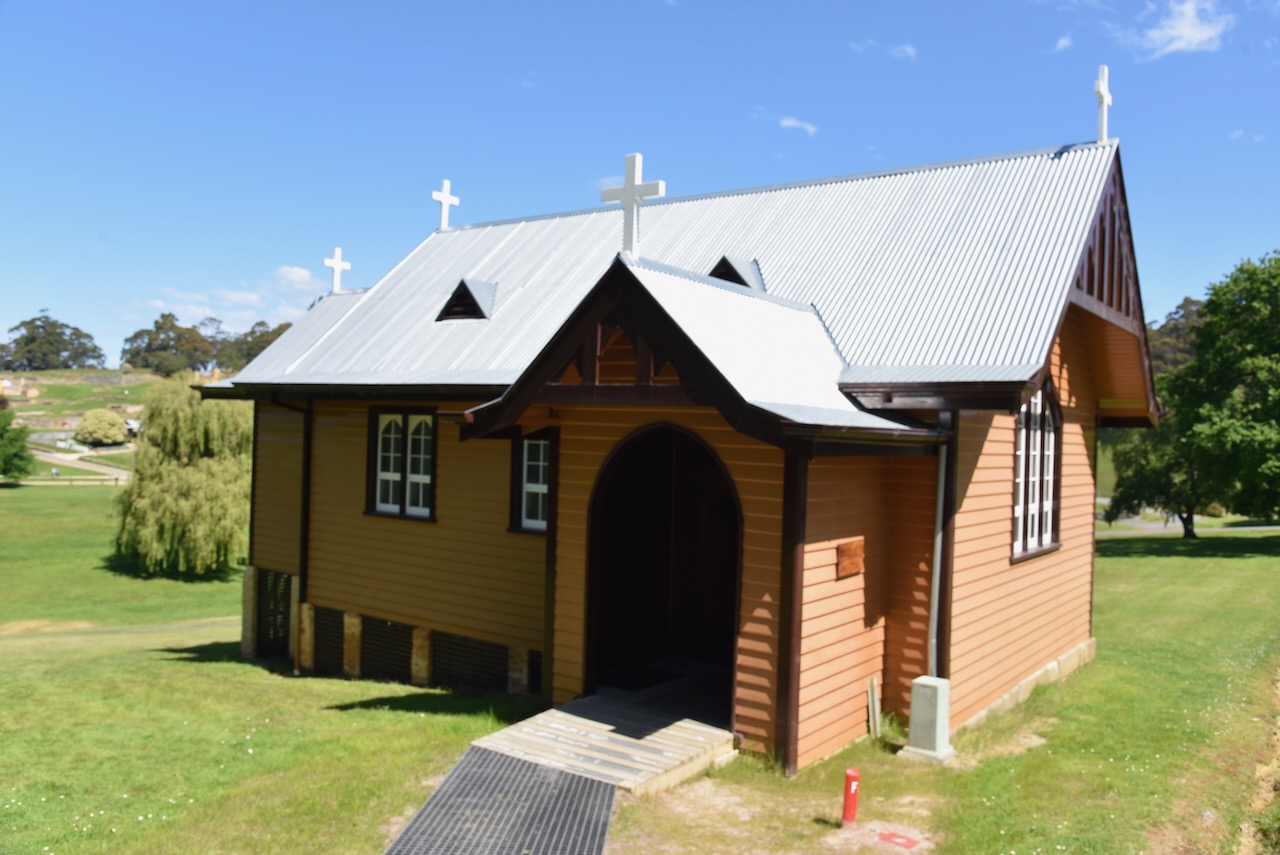
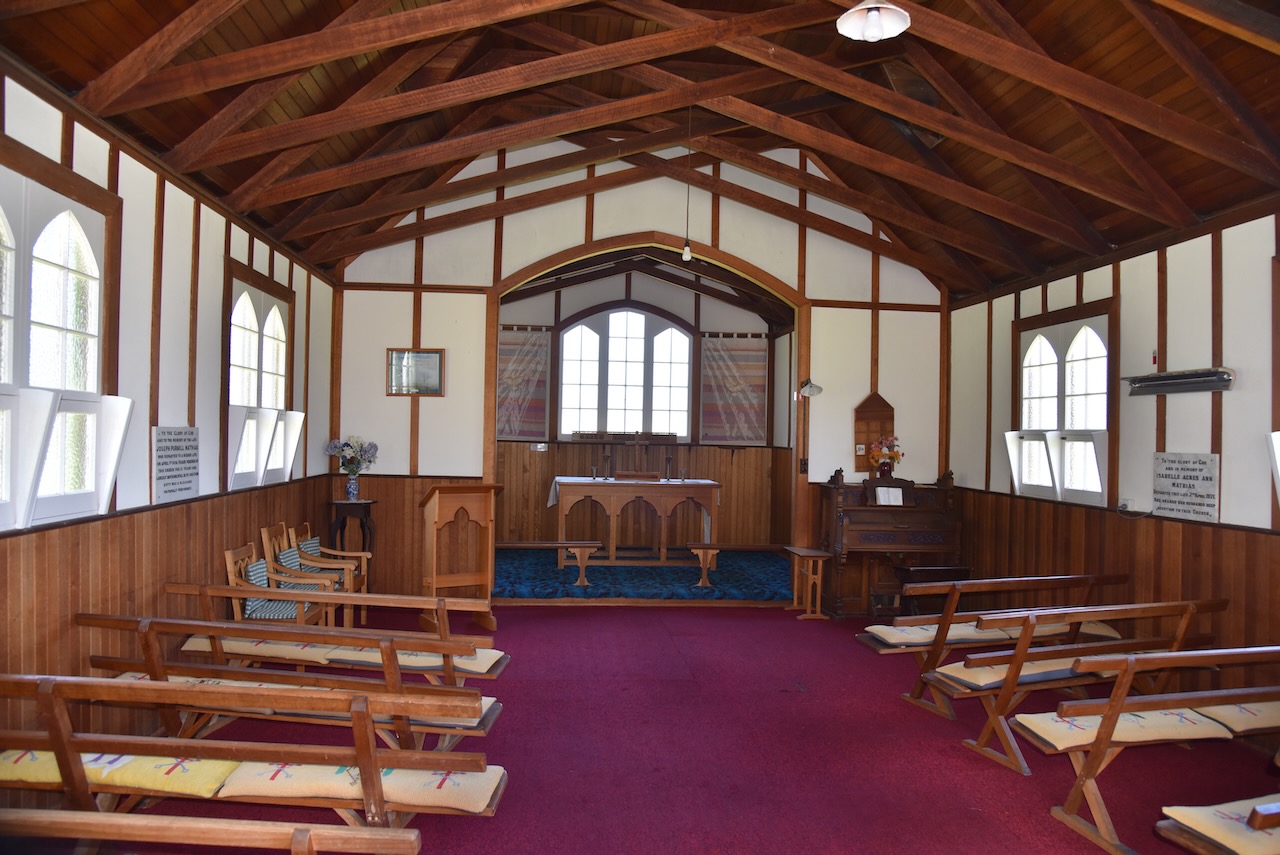
Also nearby is St David’s church, named after the patron saint, St David. The foundation stone was laid in May 1927.

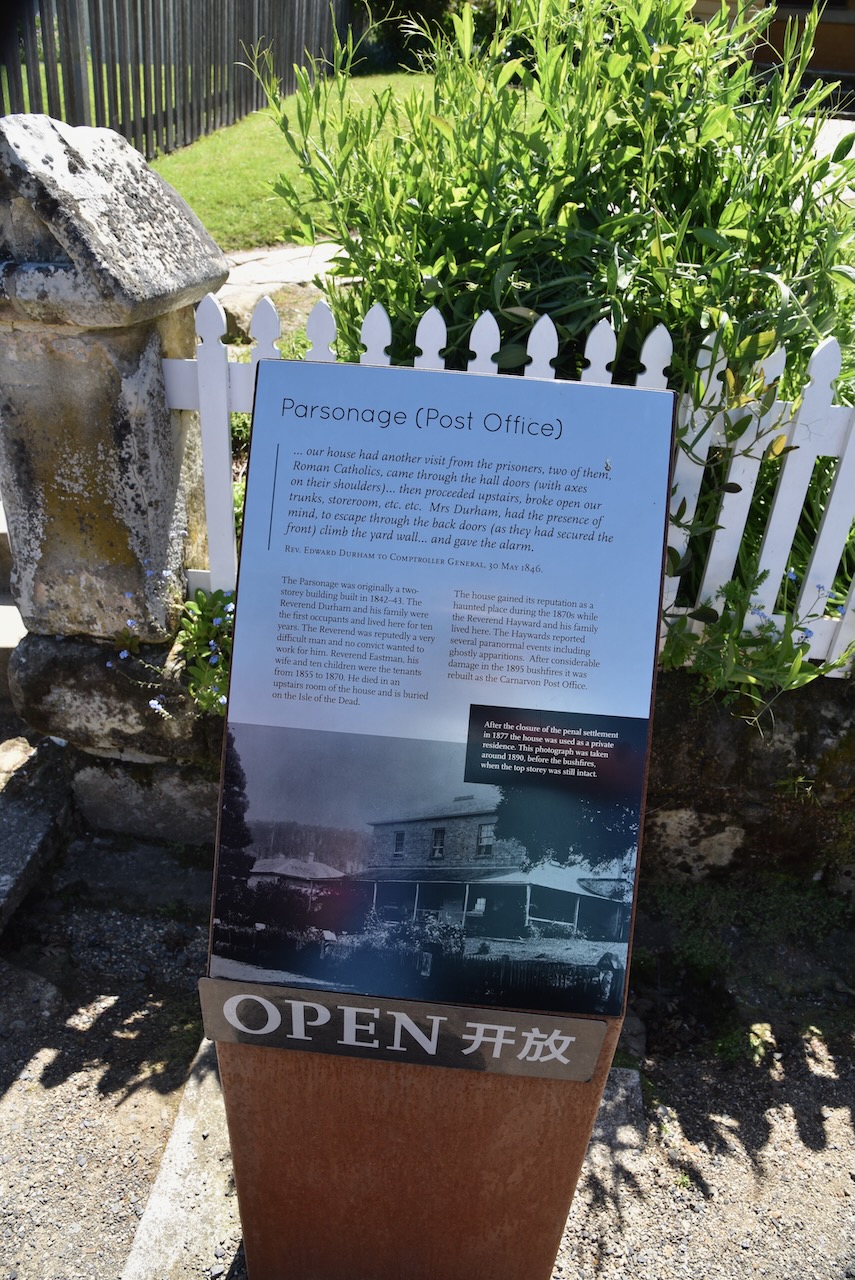
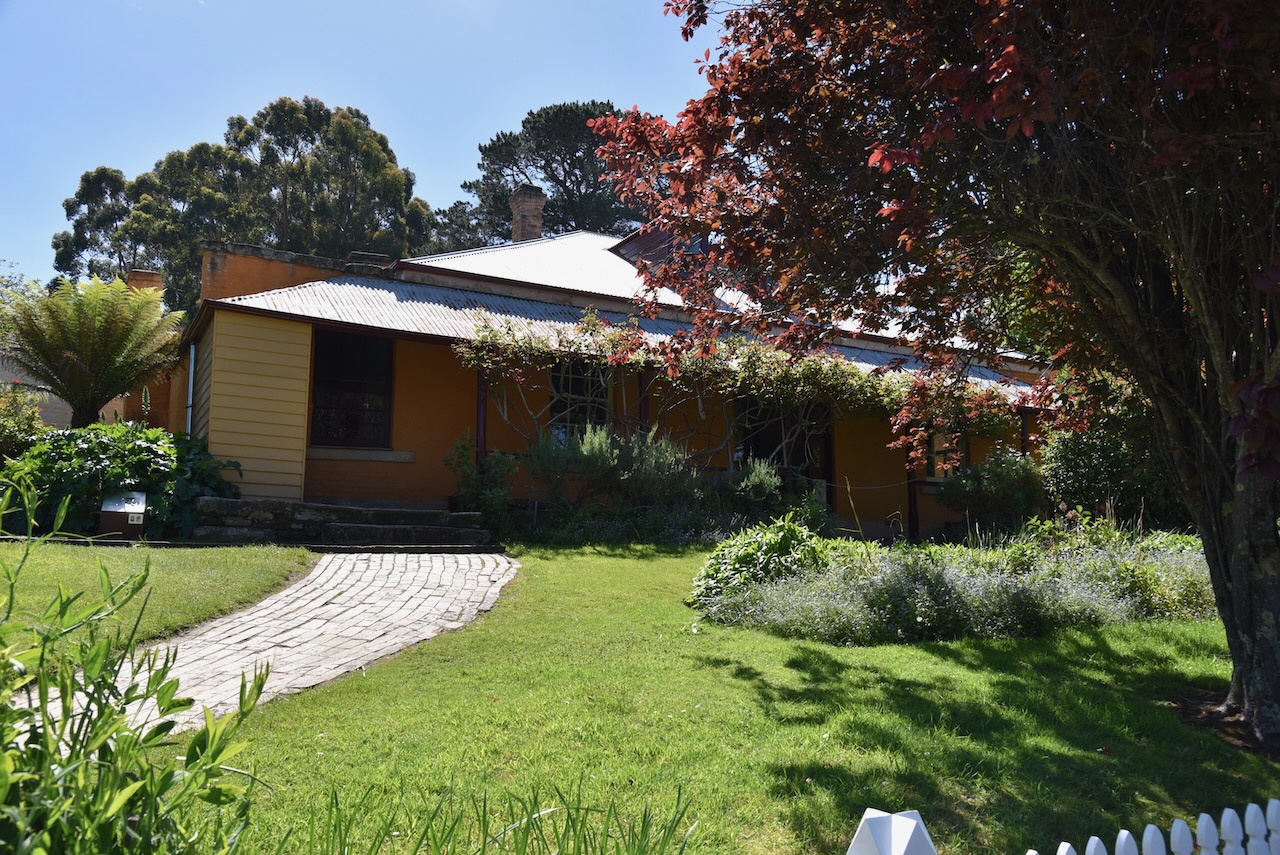
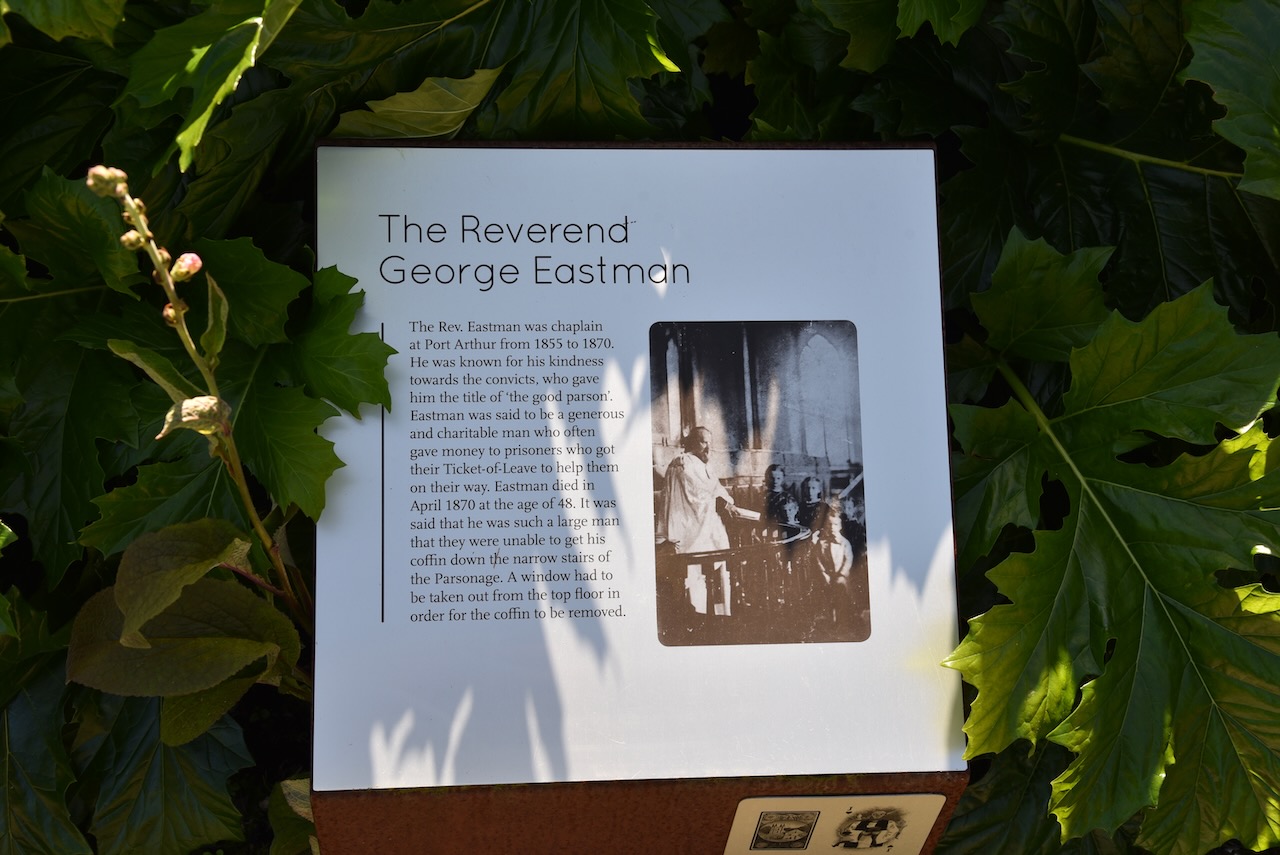
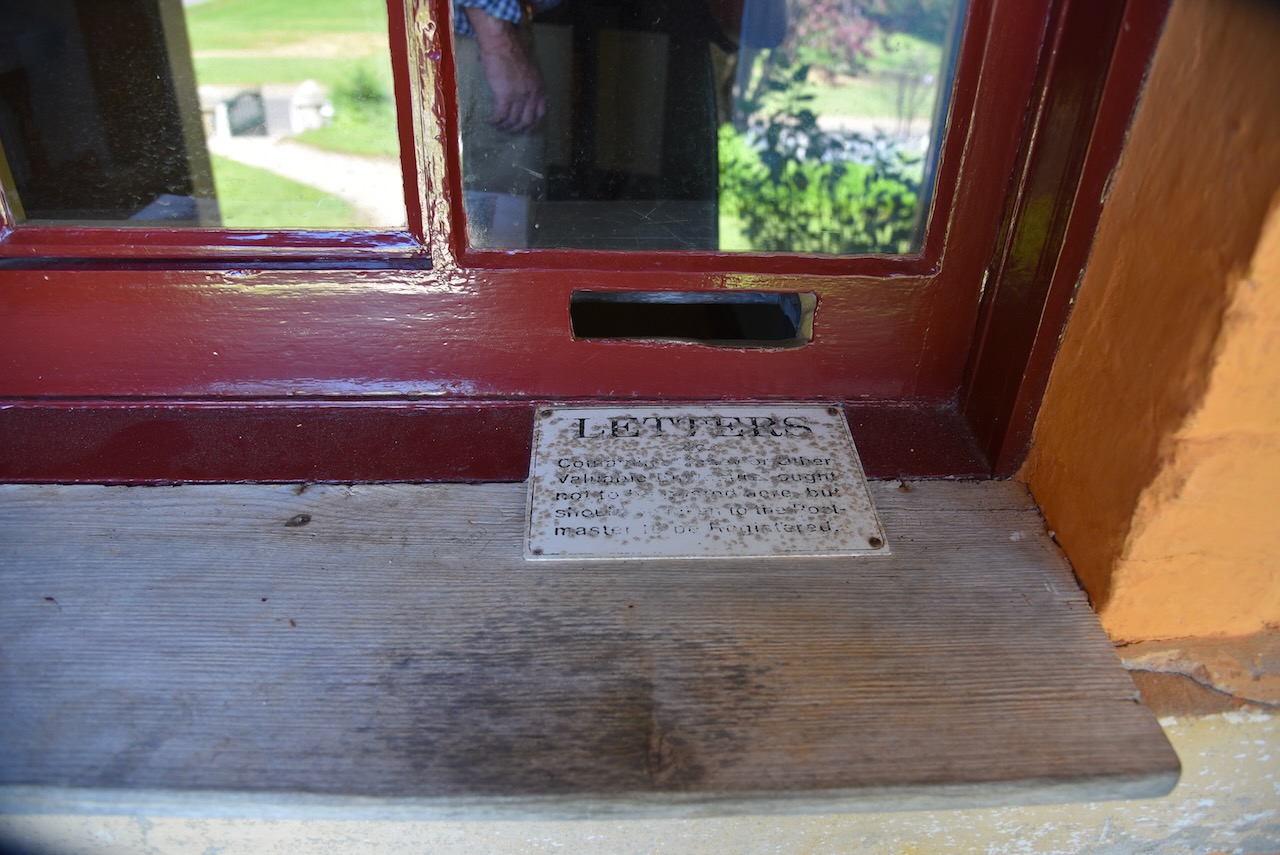
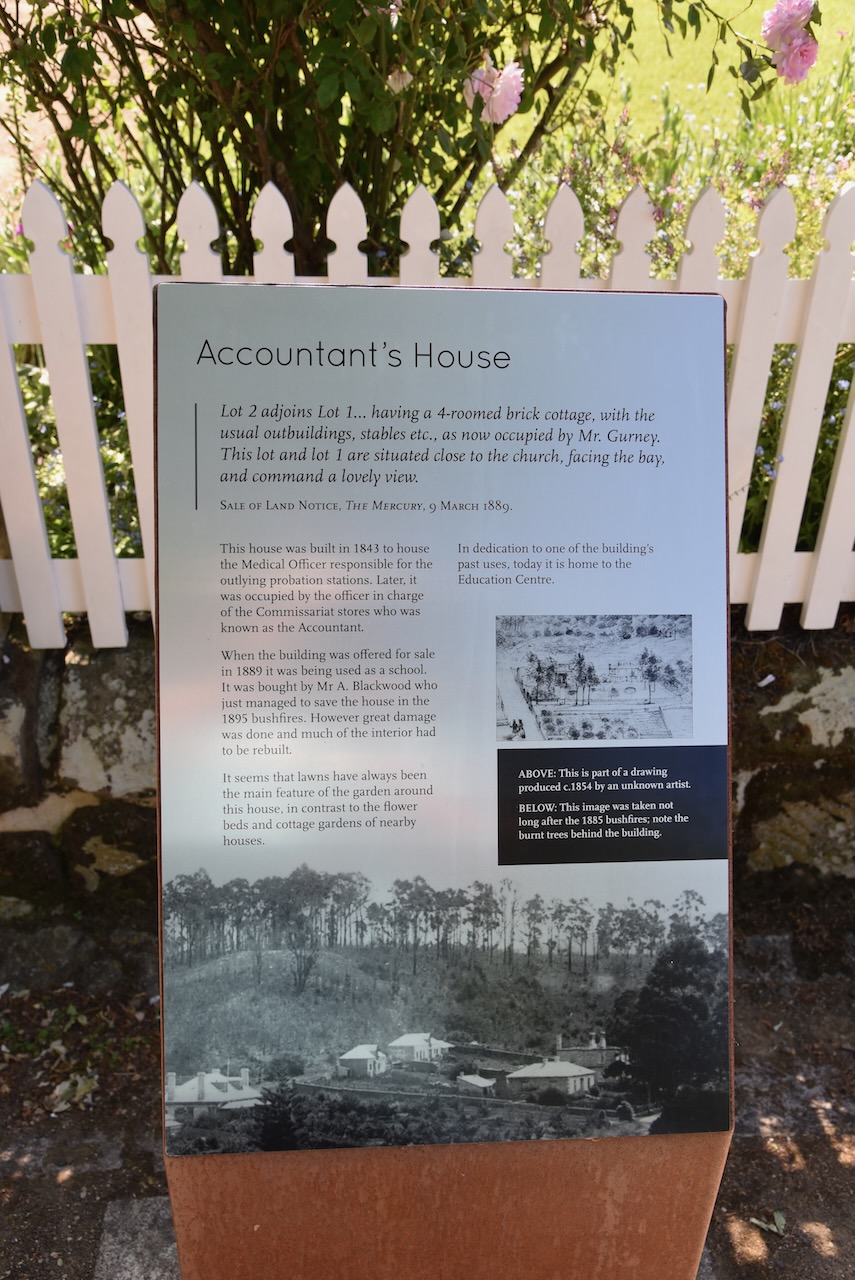
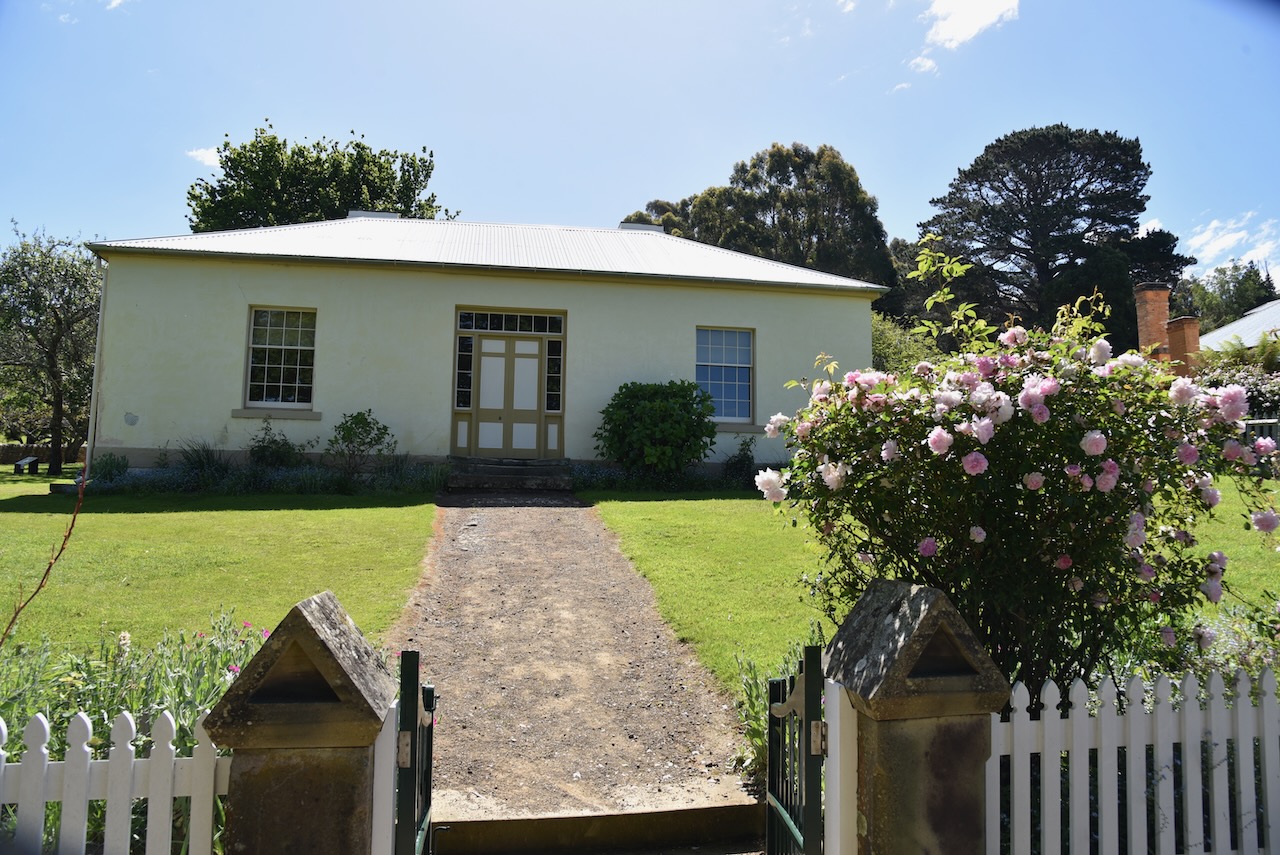
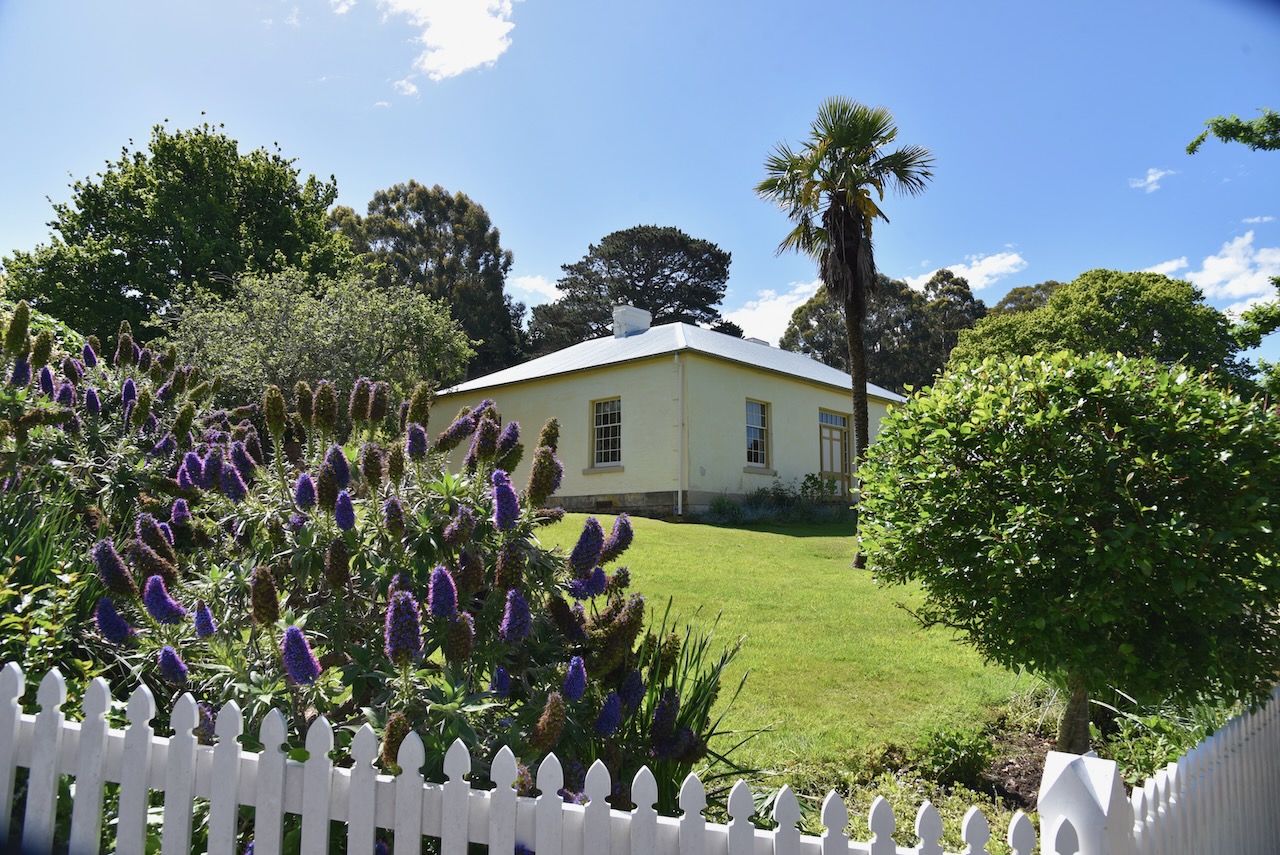
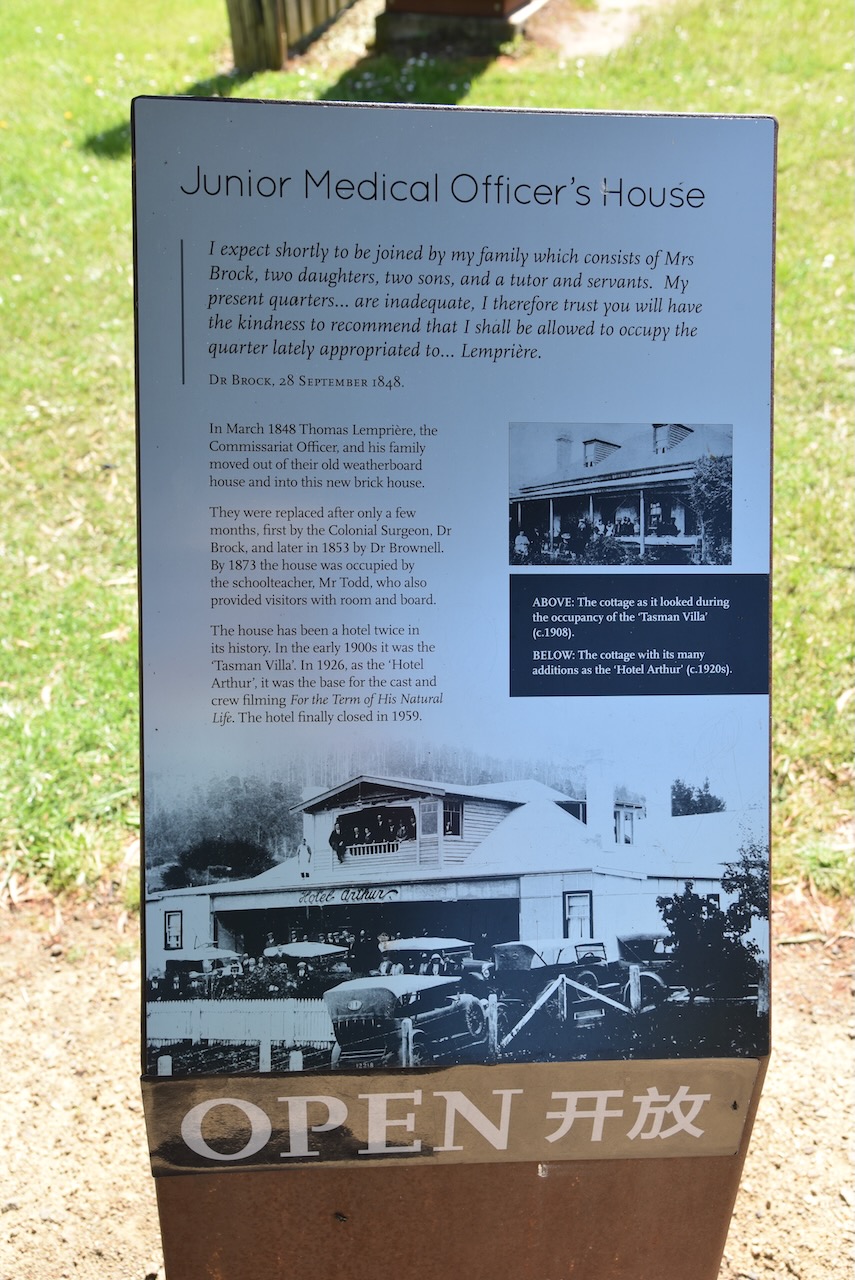
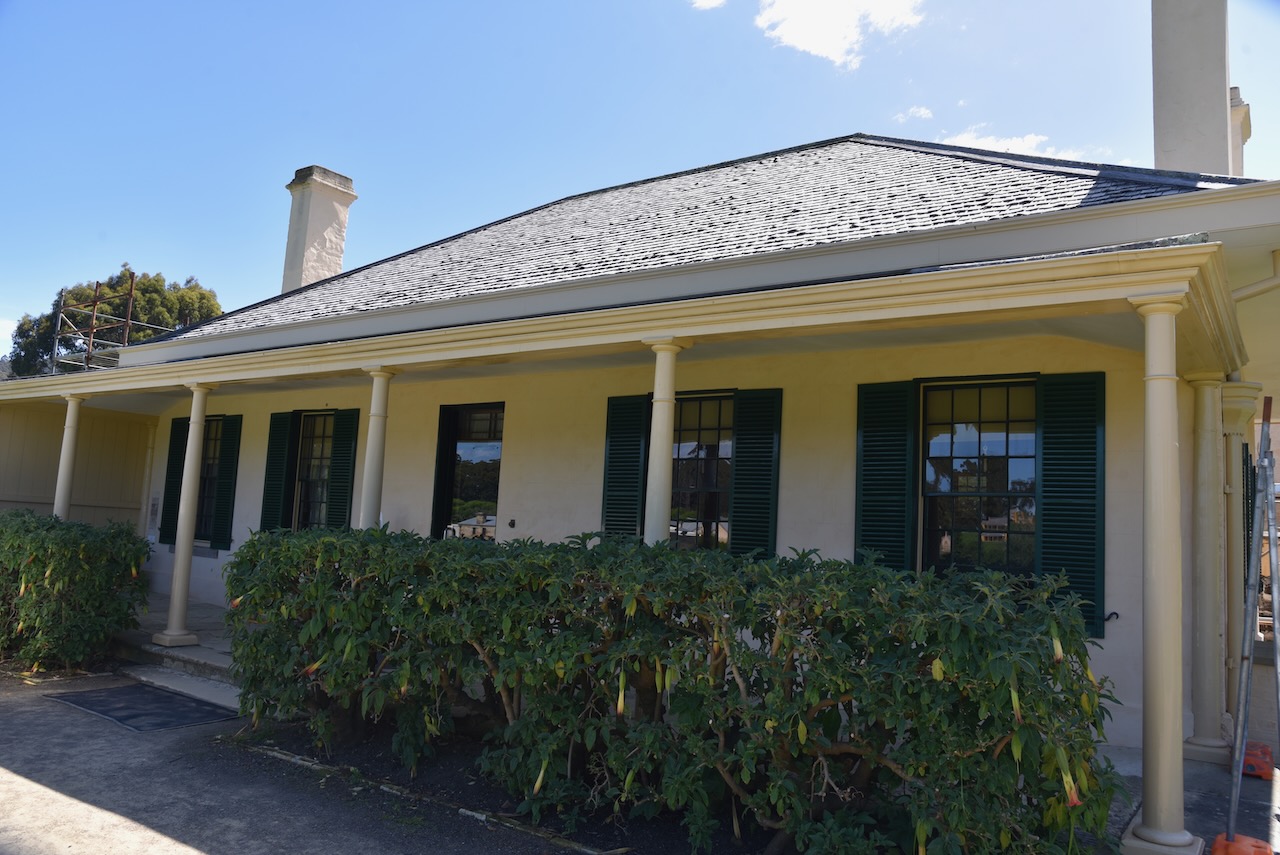
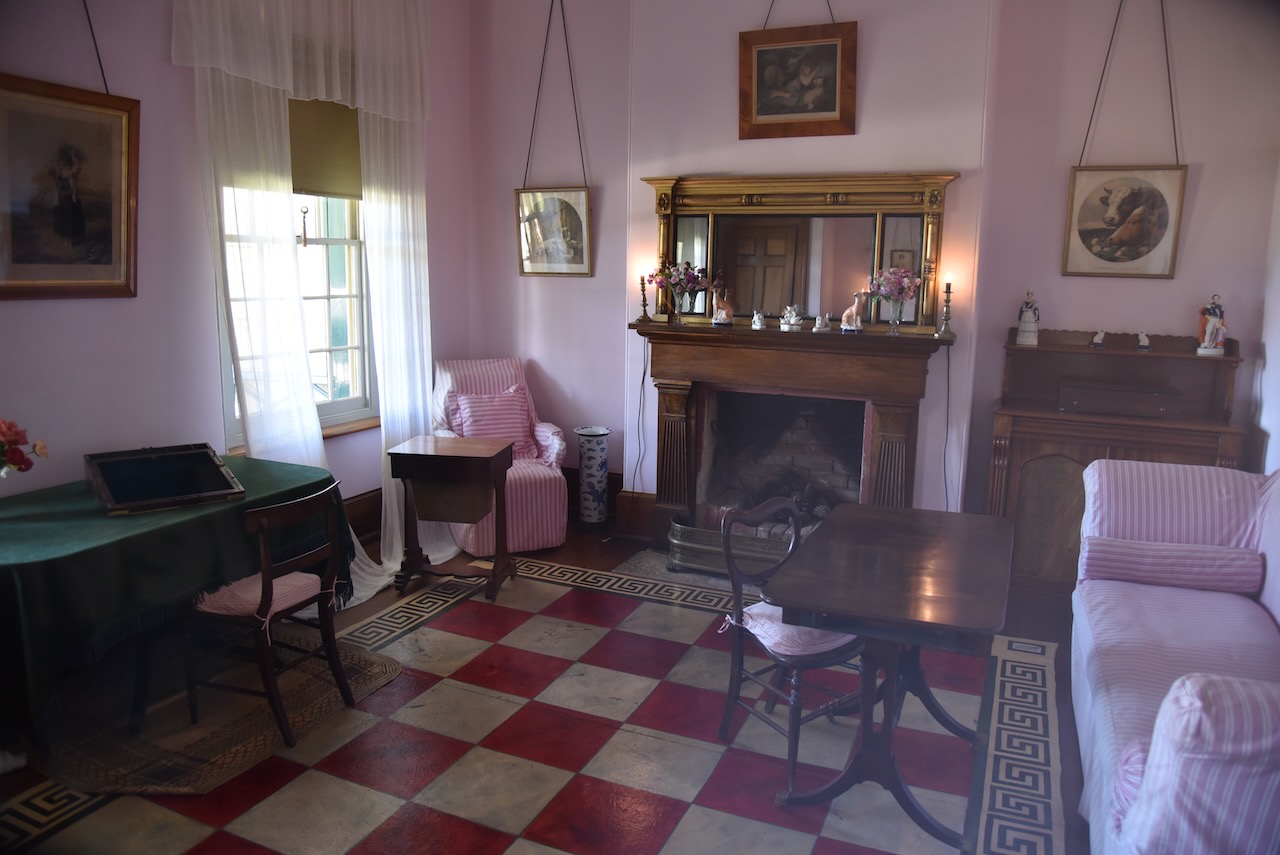
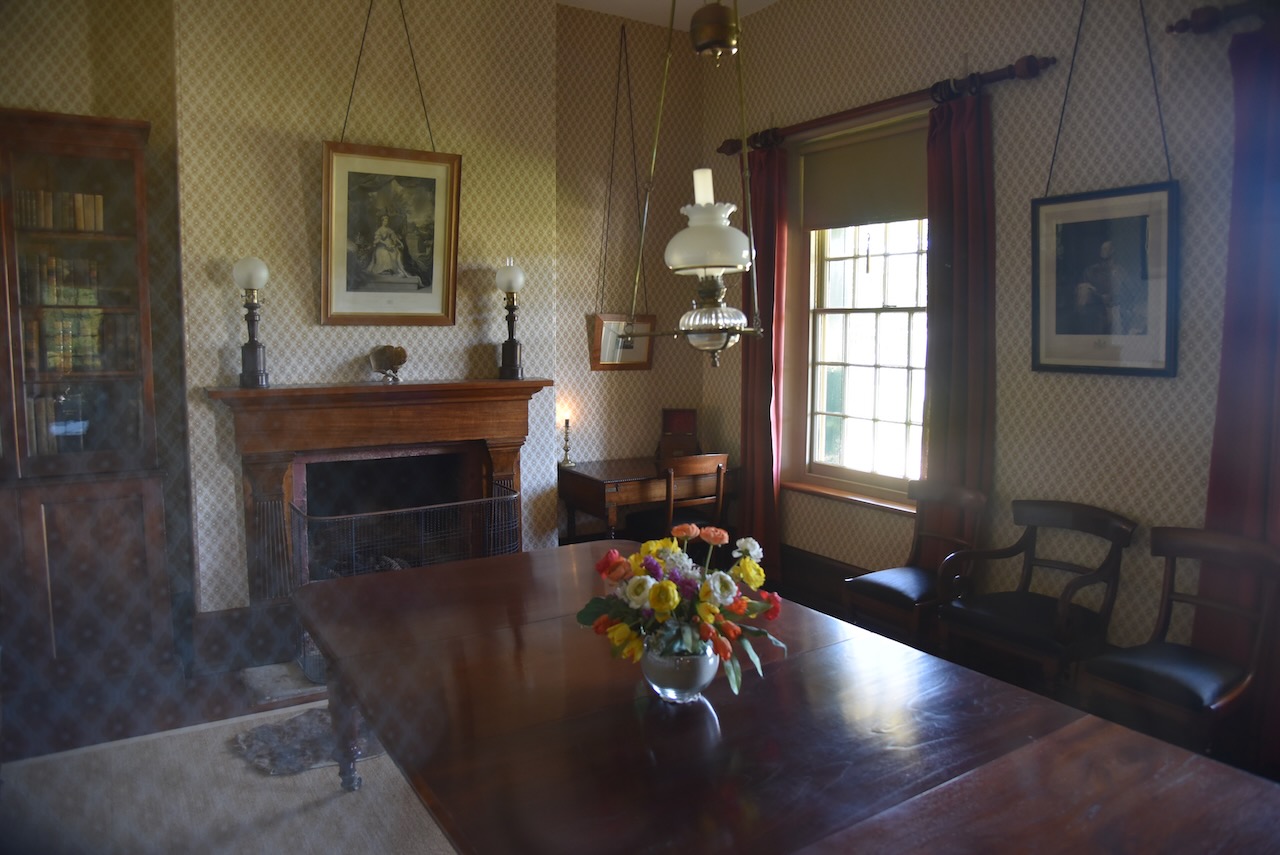
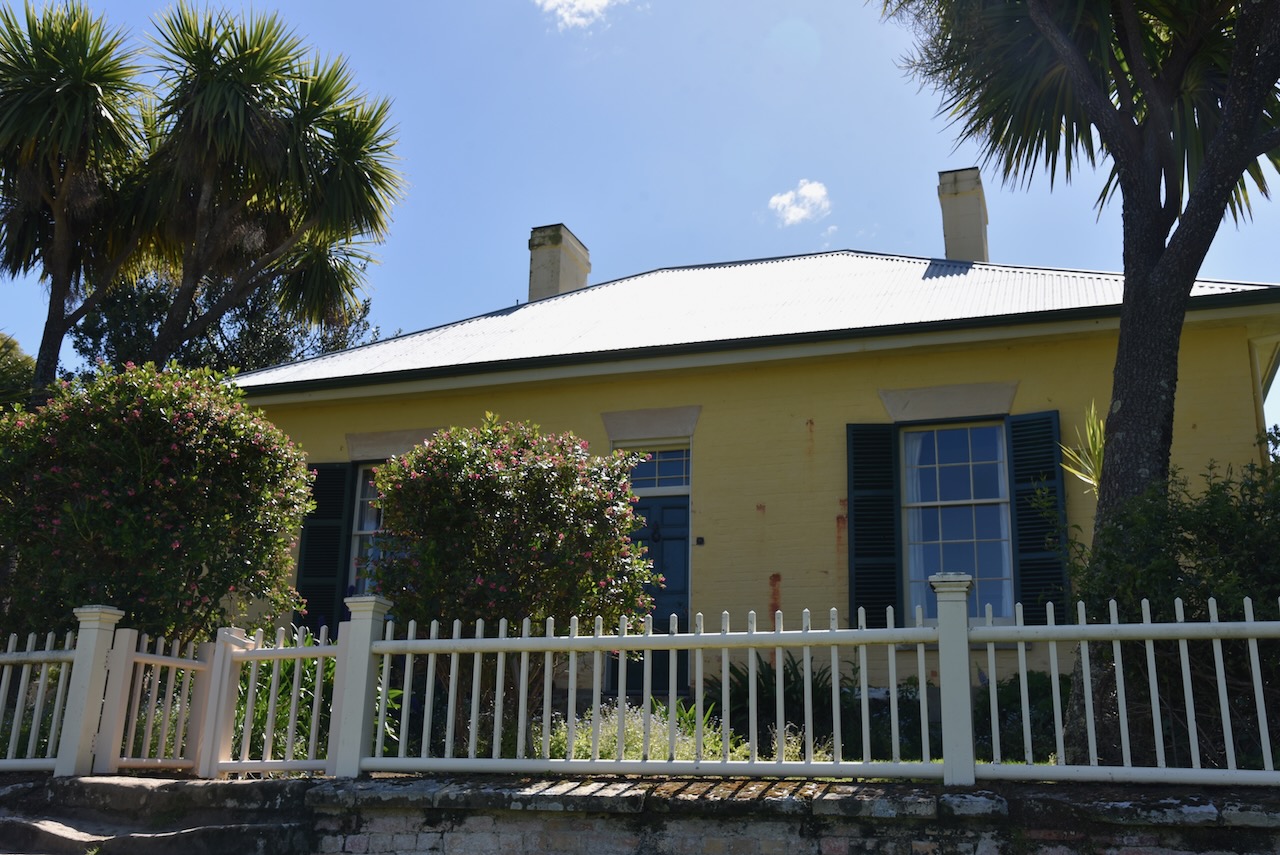
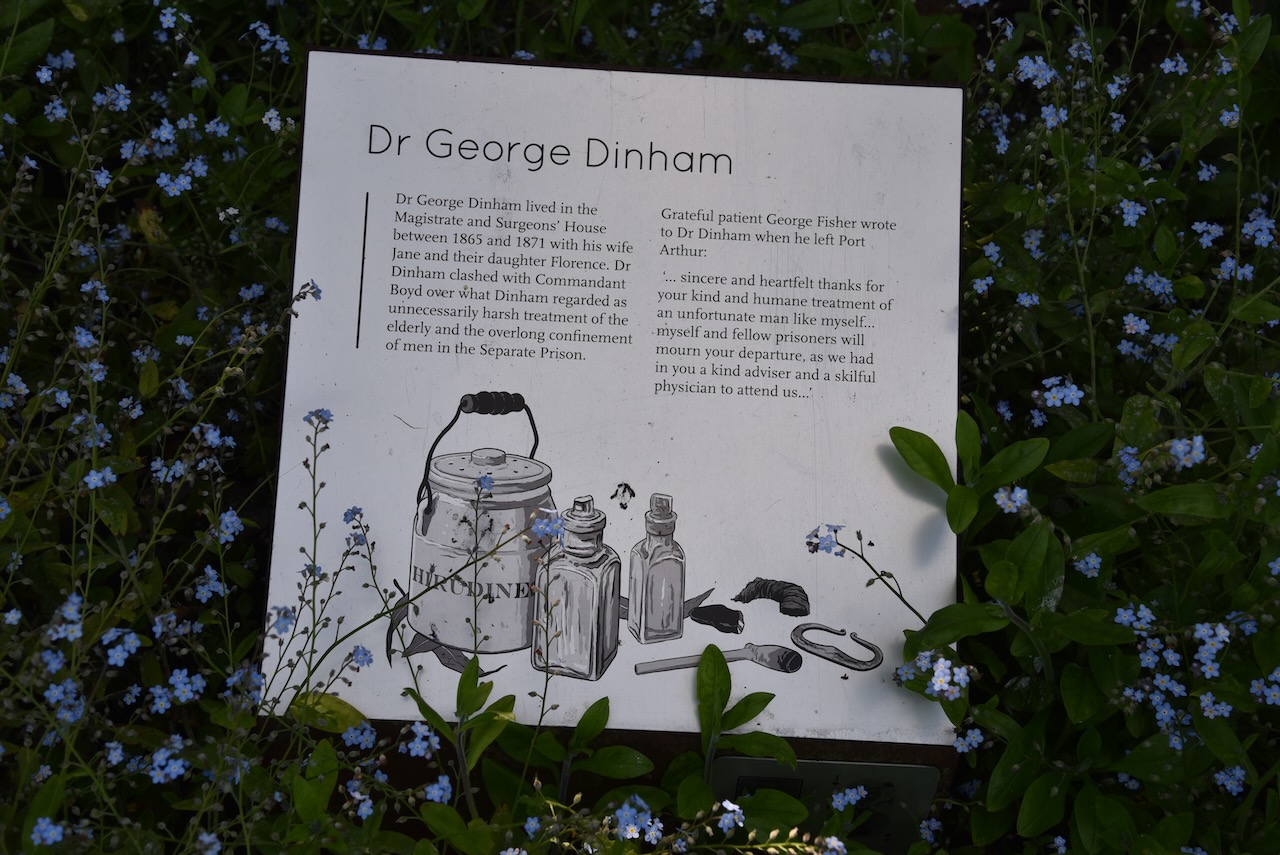
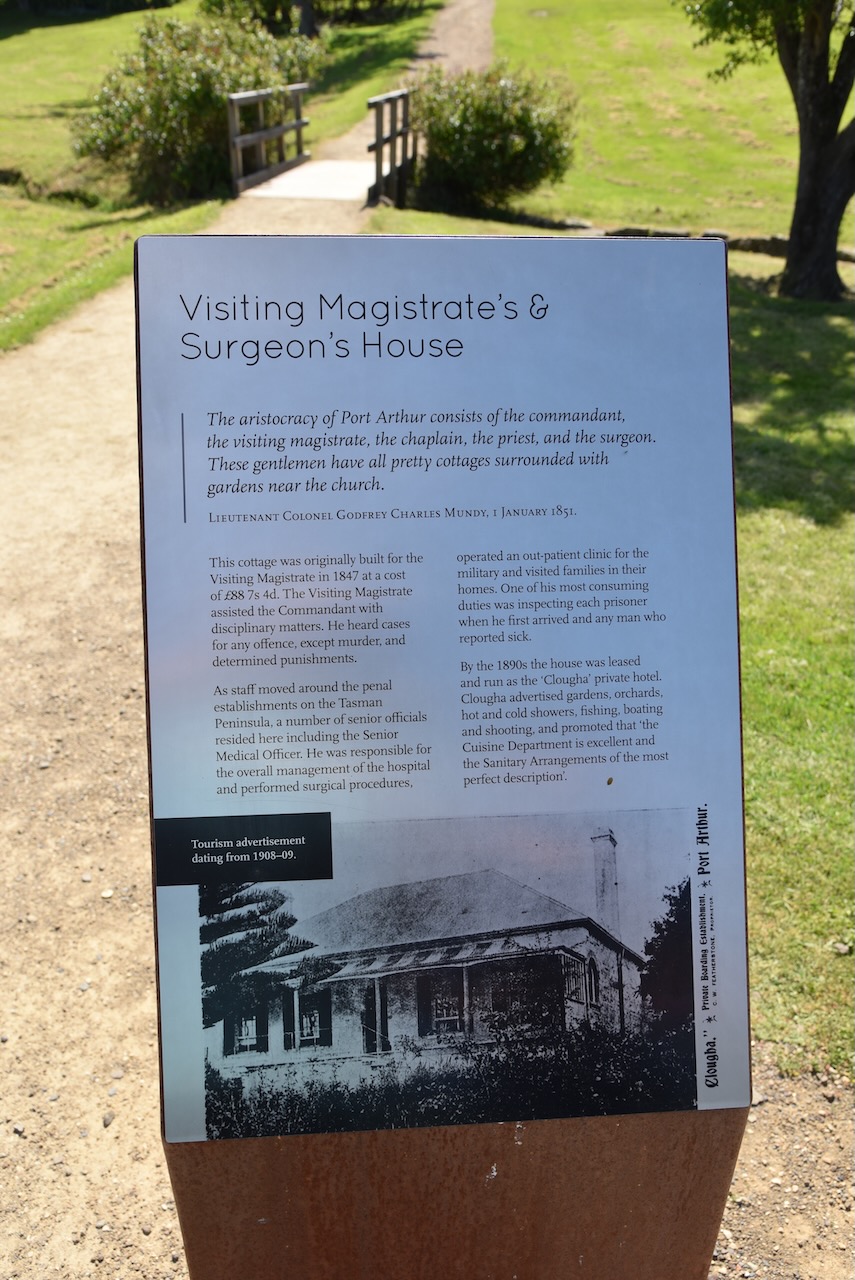
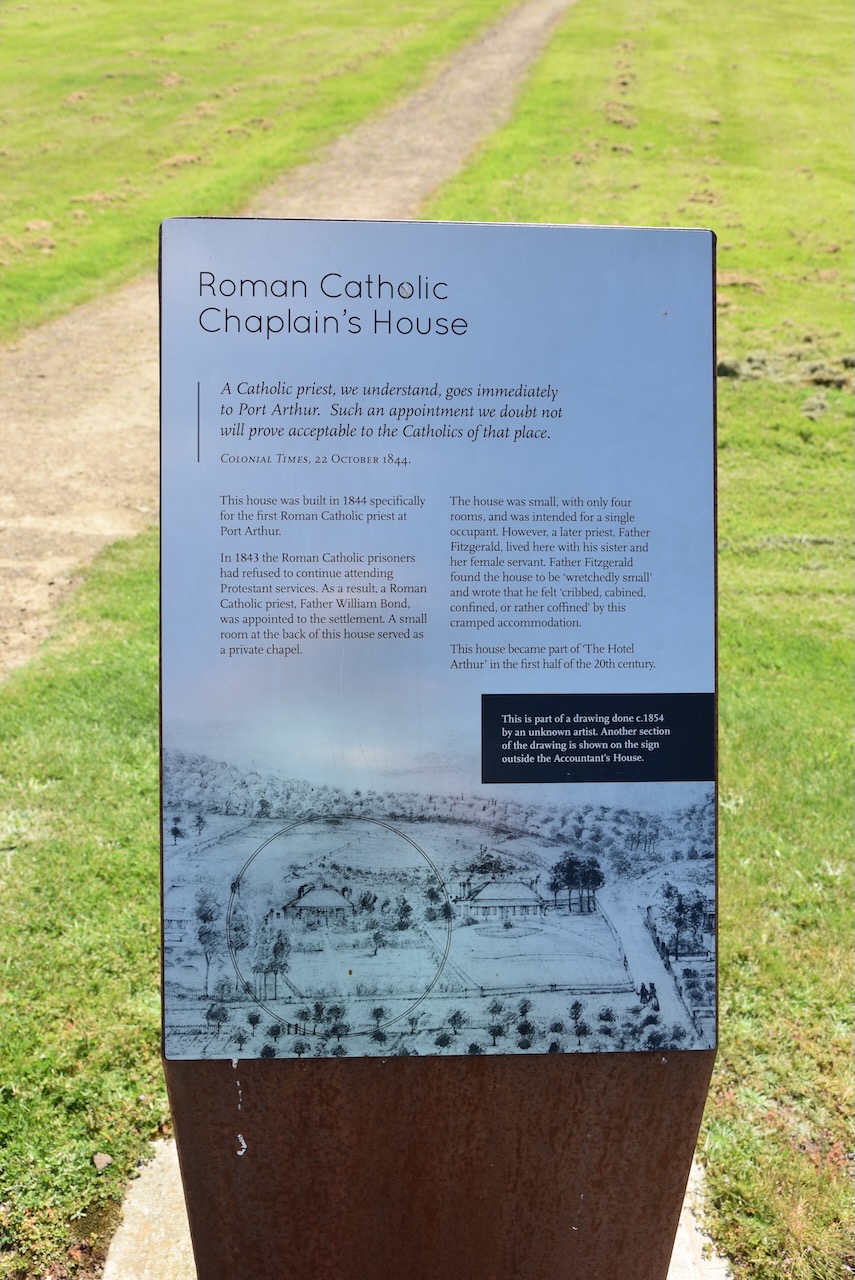
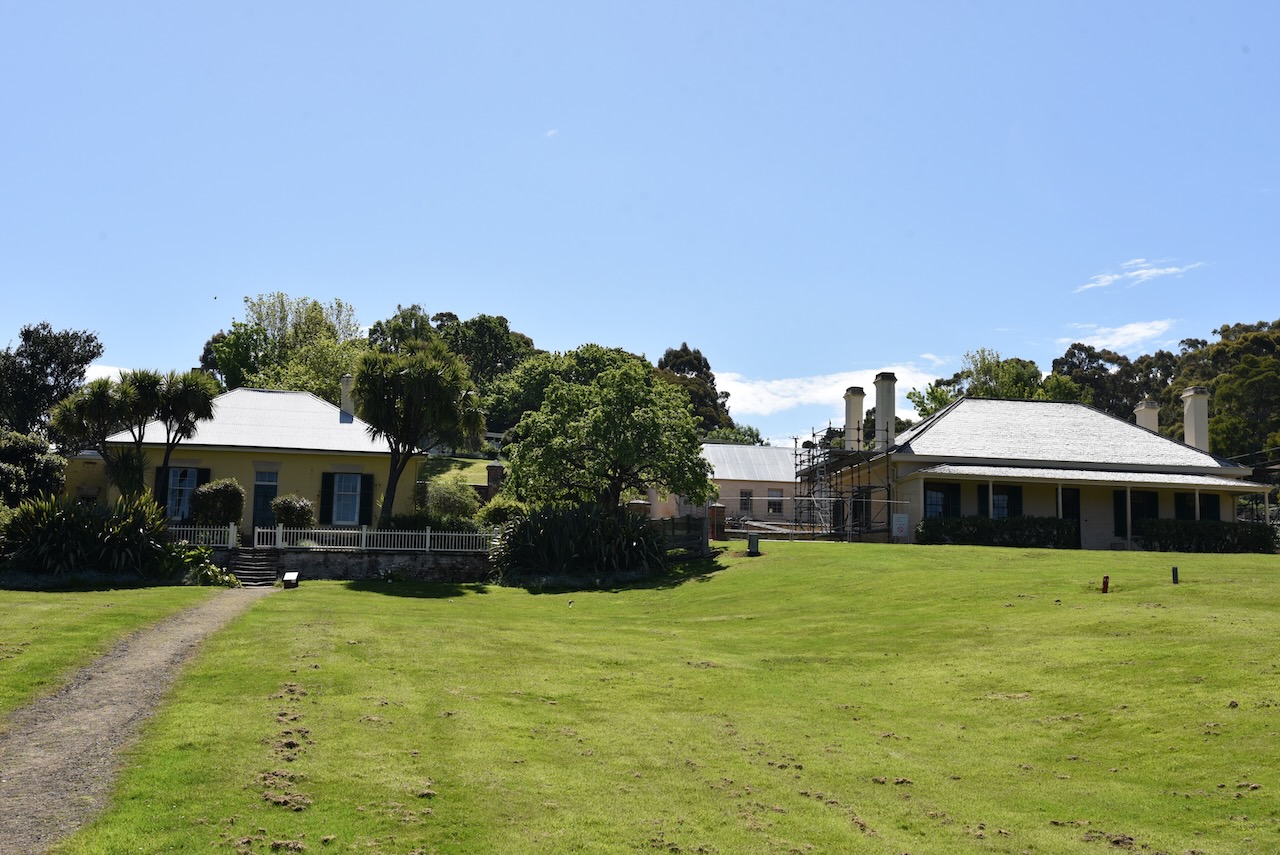
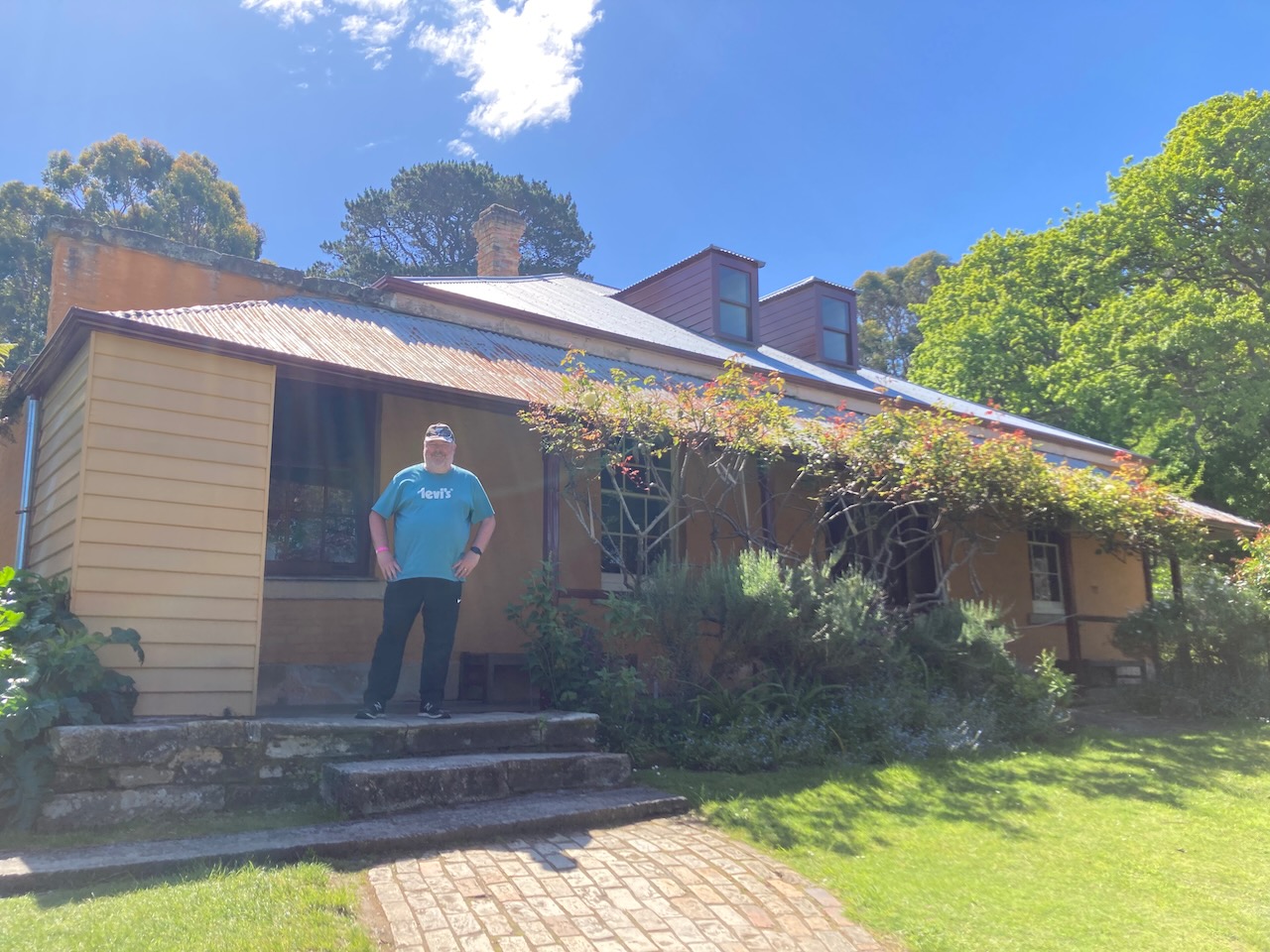
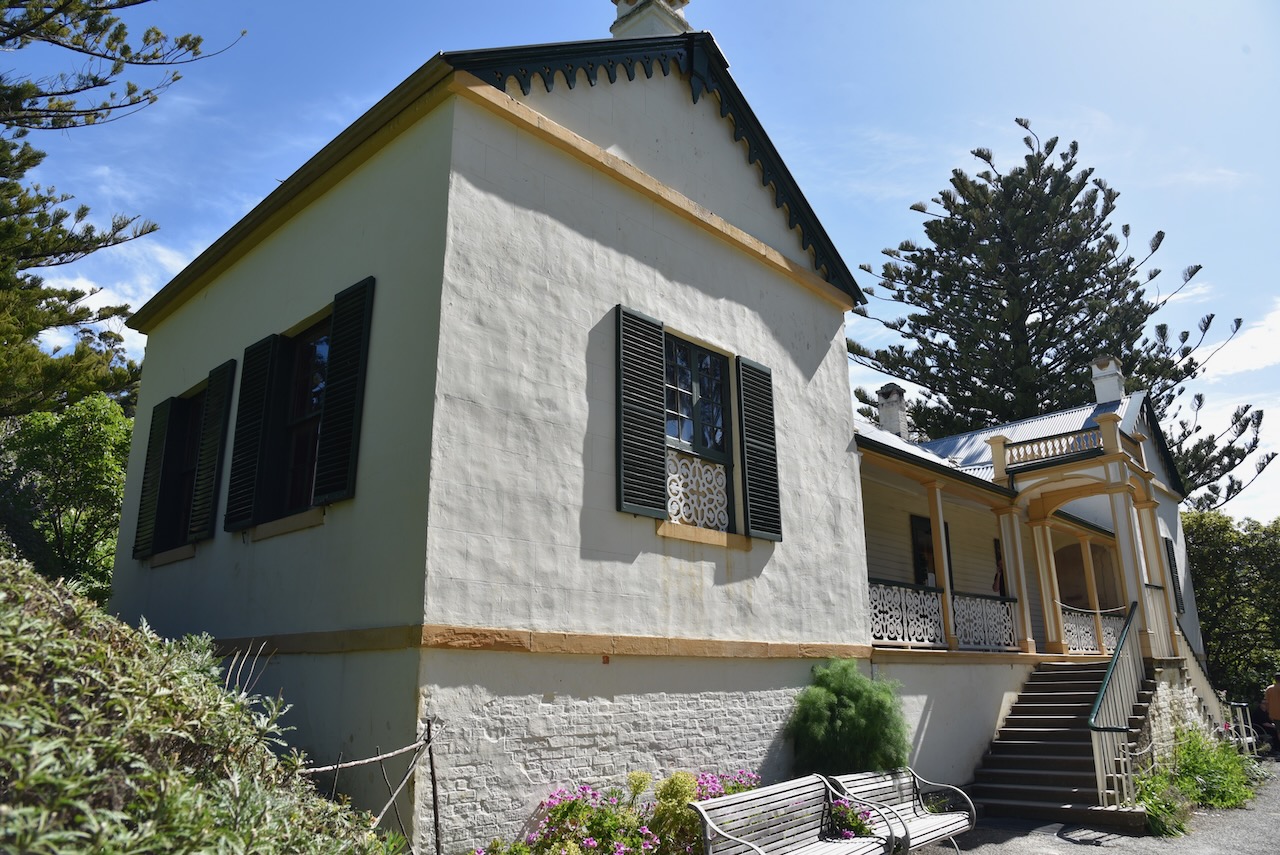
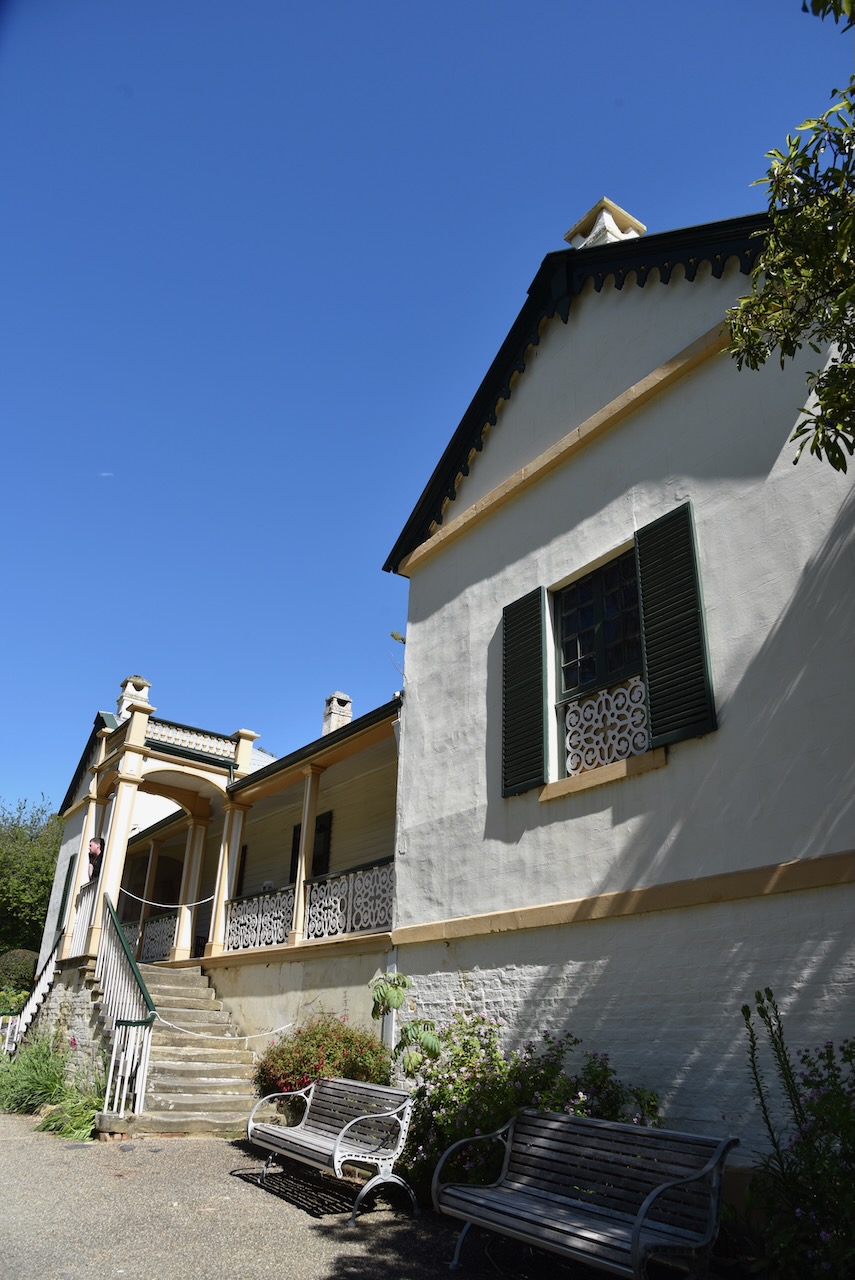
We then visited the Parsonage (Post Office), the Accountants House, the Junior Medical Officers House, the Roman Catholic Chaplains House, and the Visiting Magistrates House.

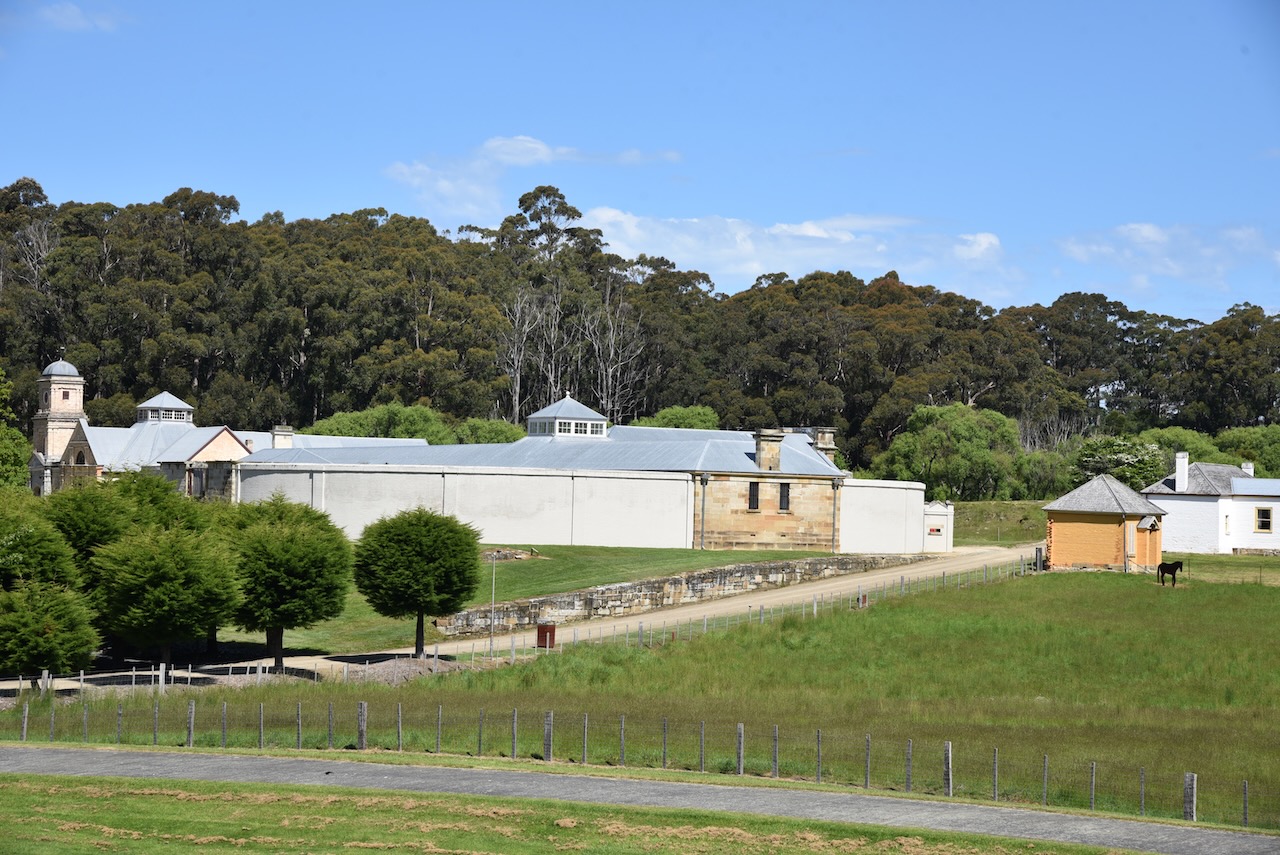
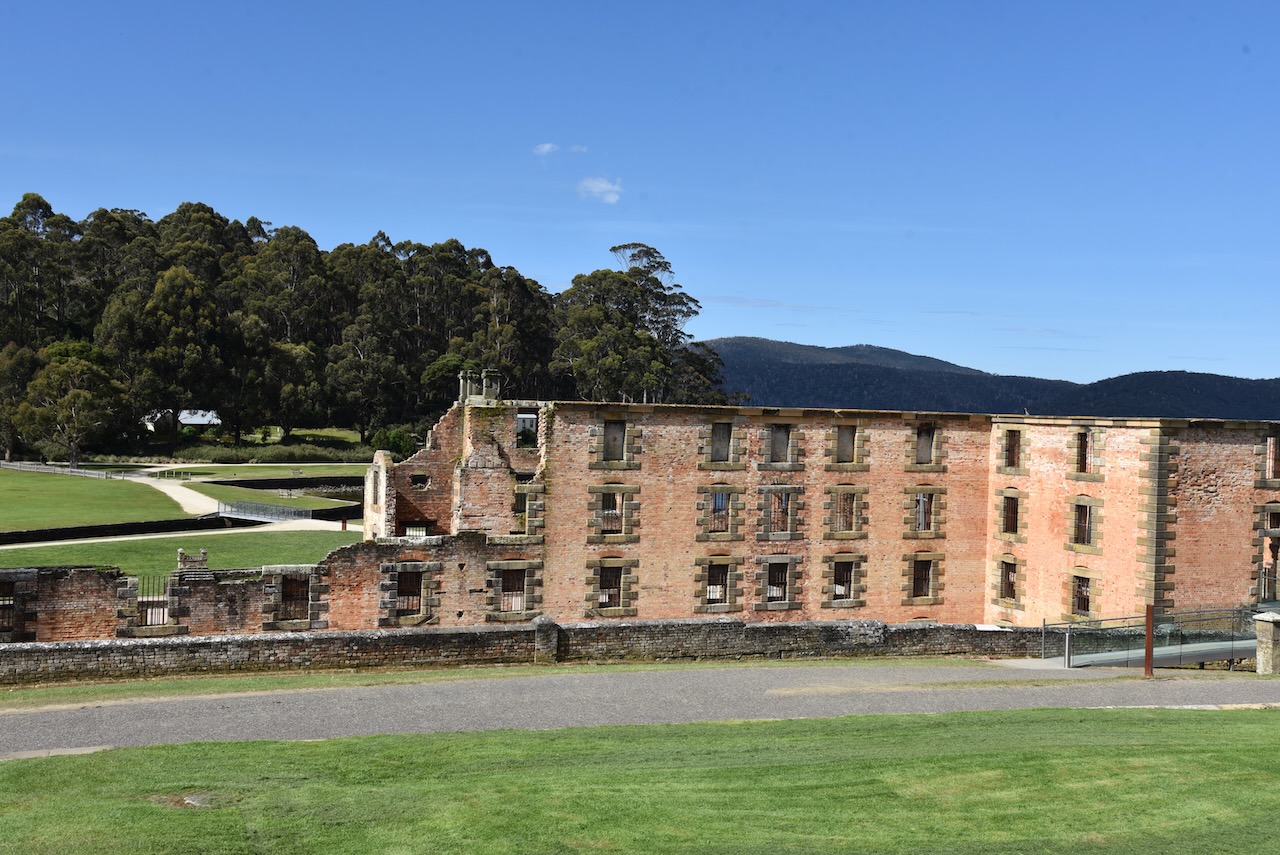
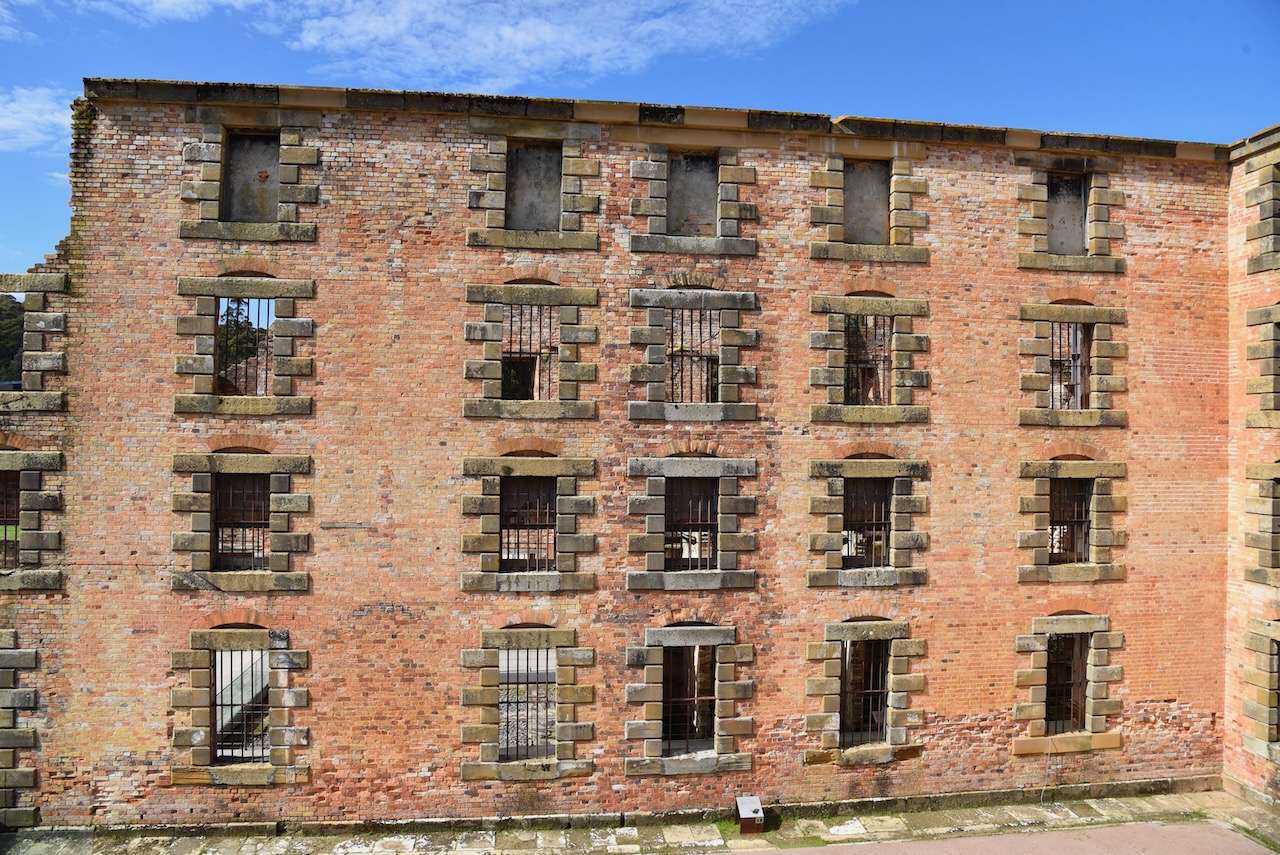
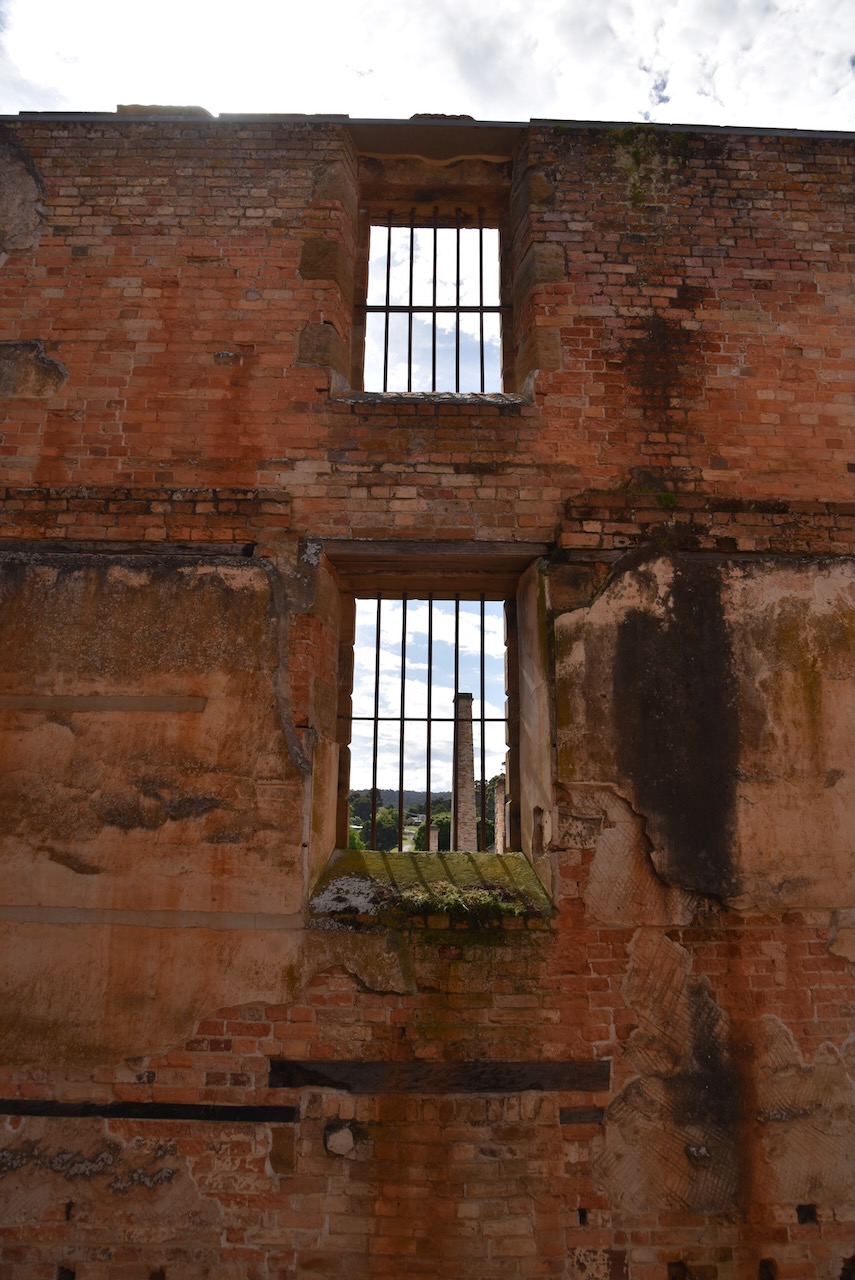
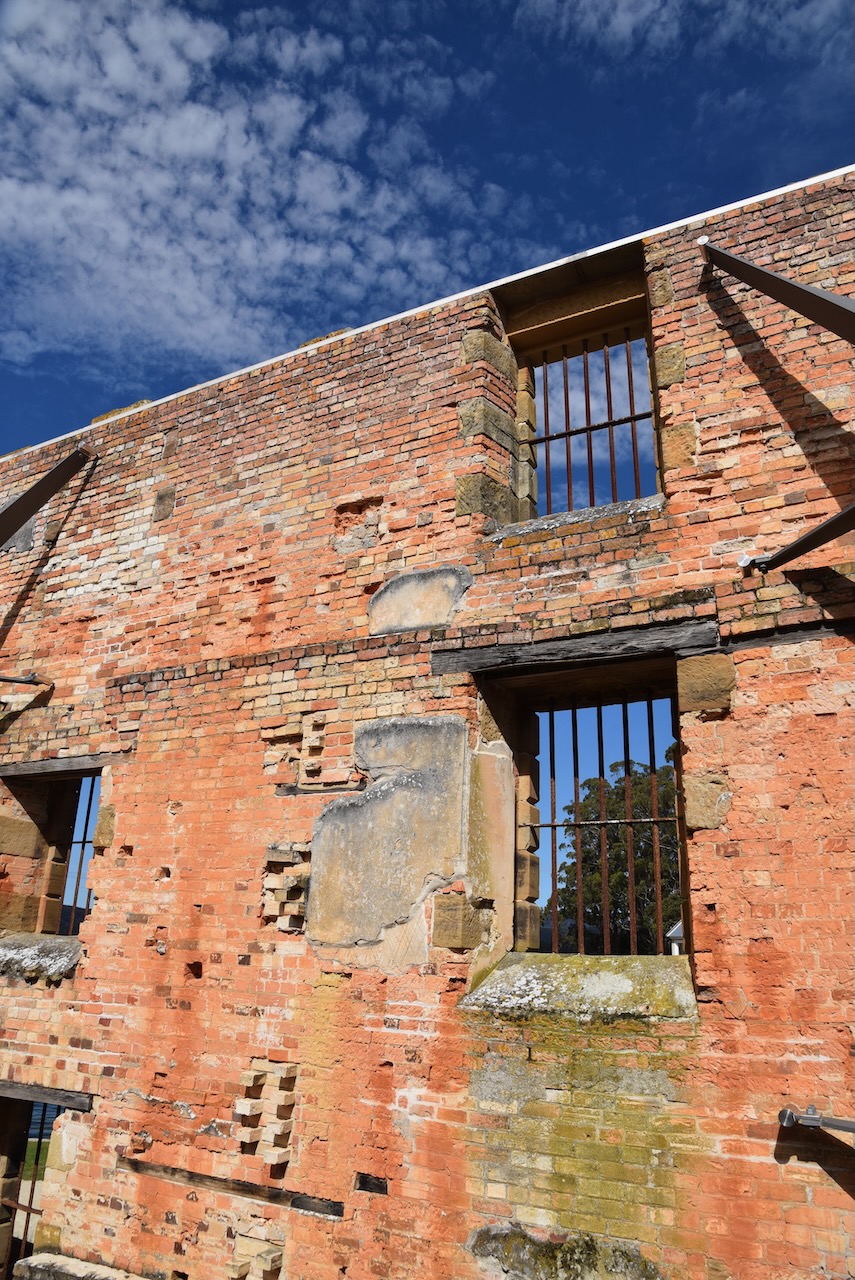
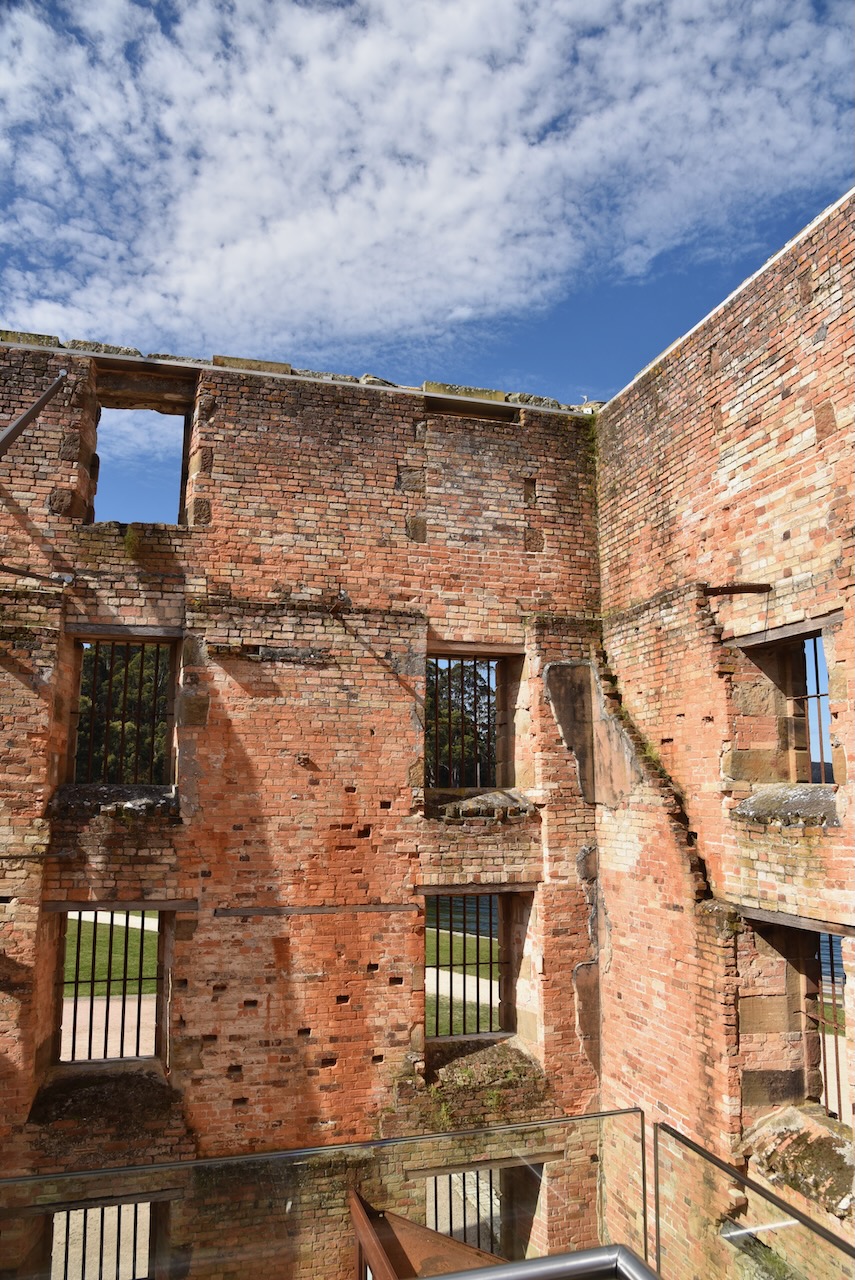
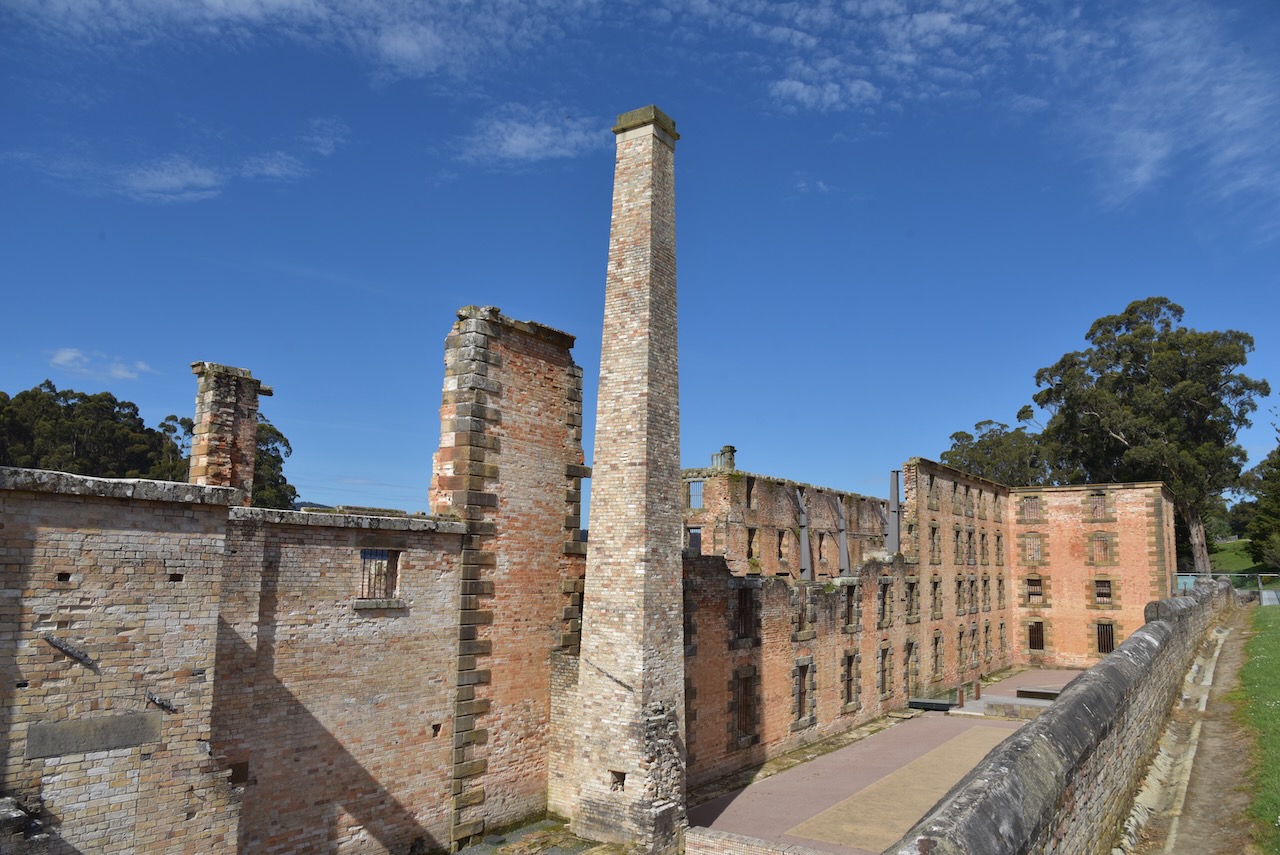
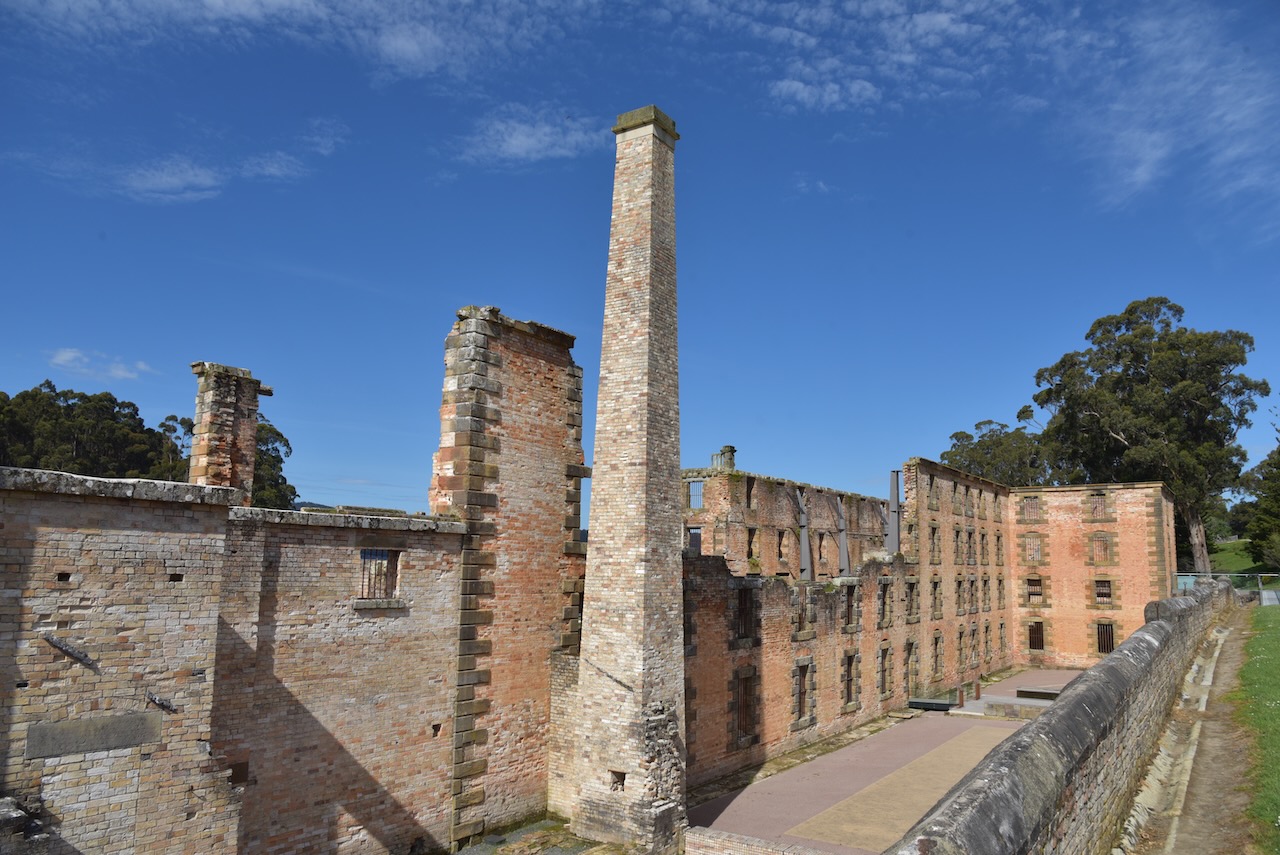
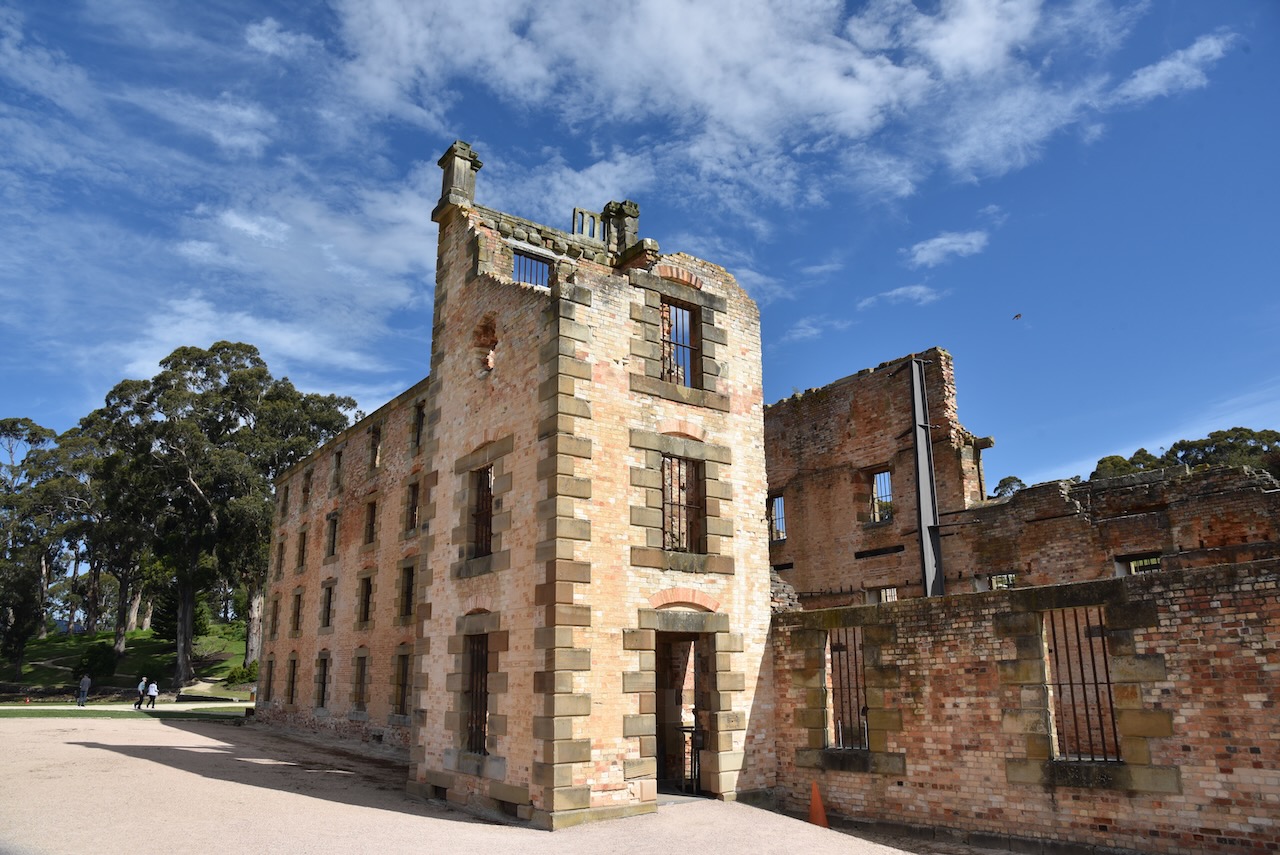
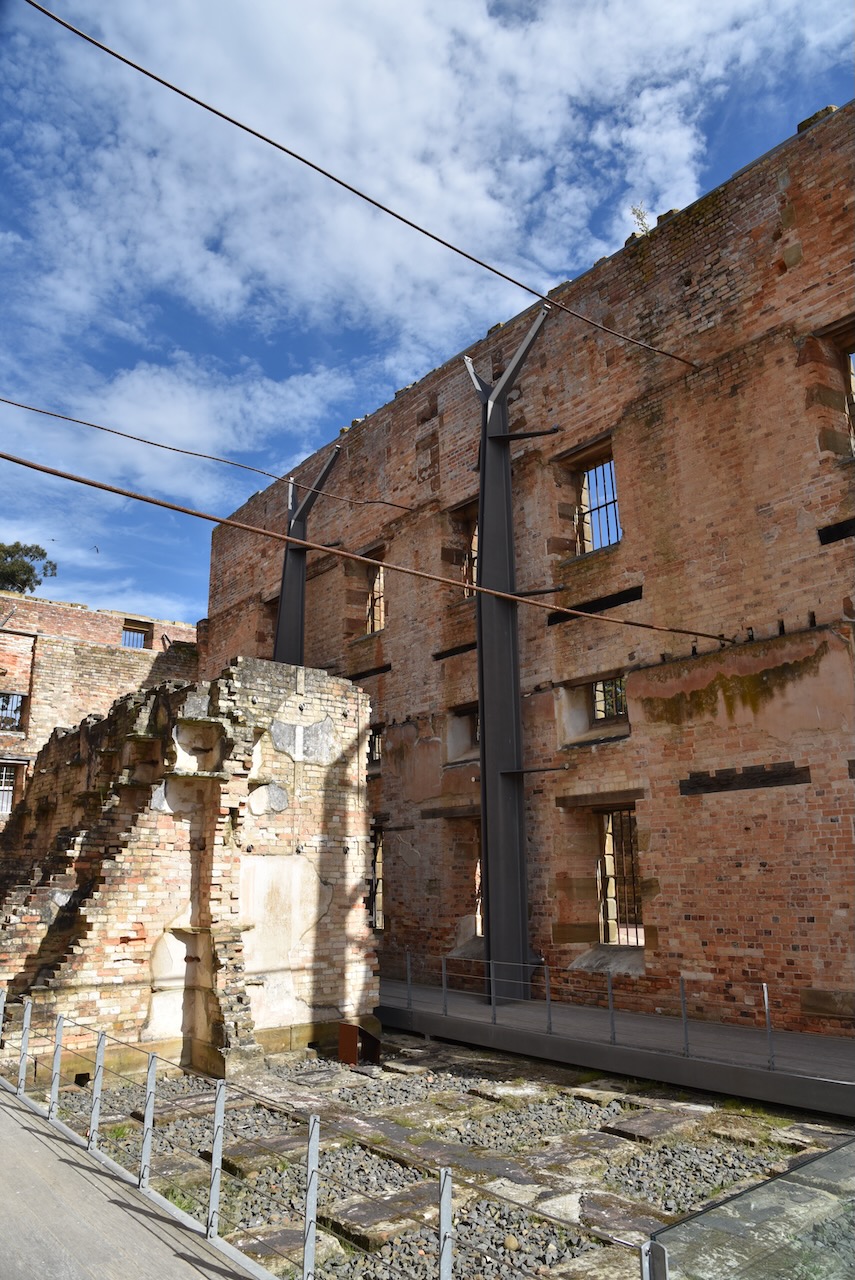
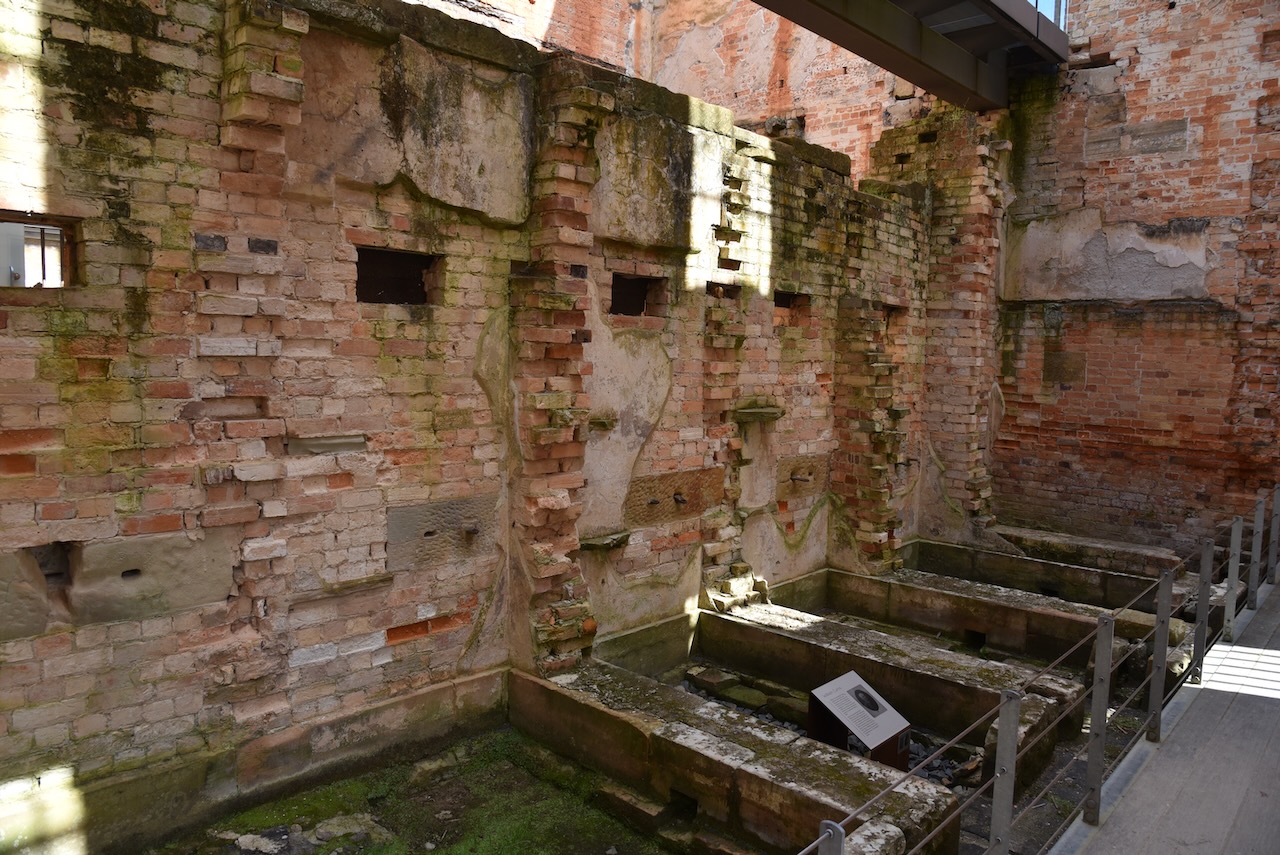
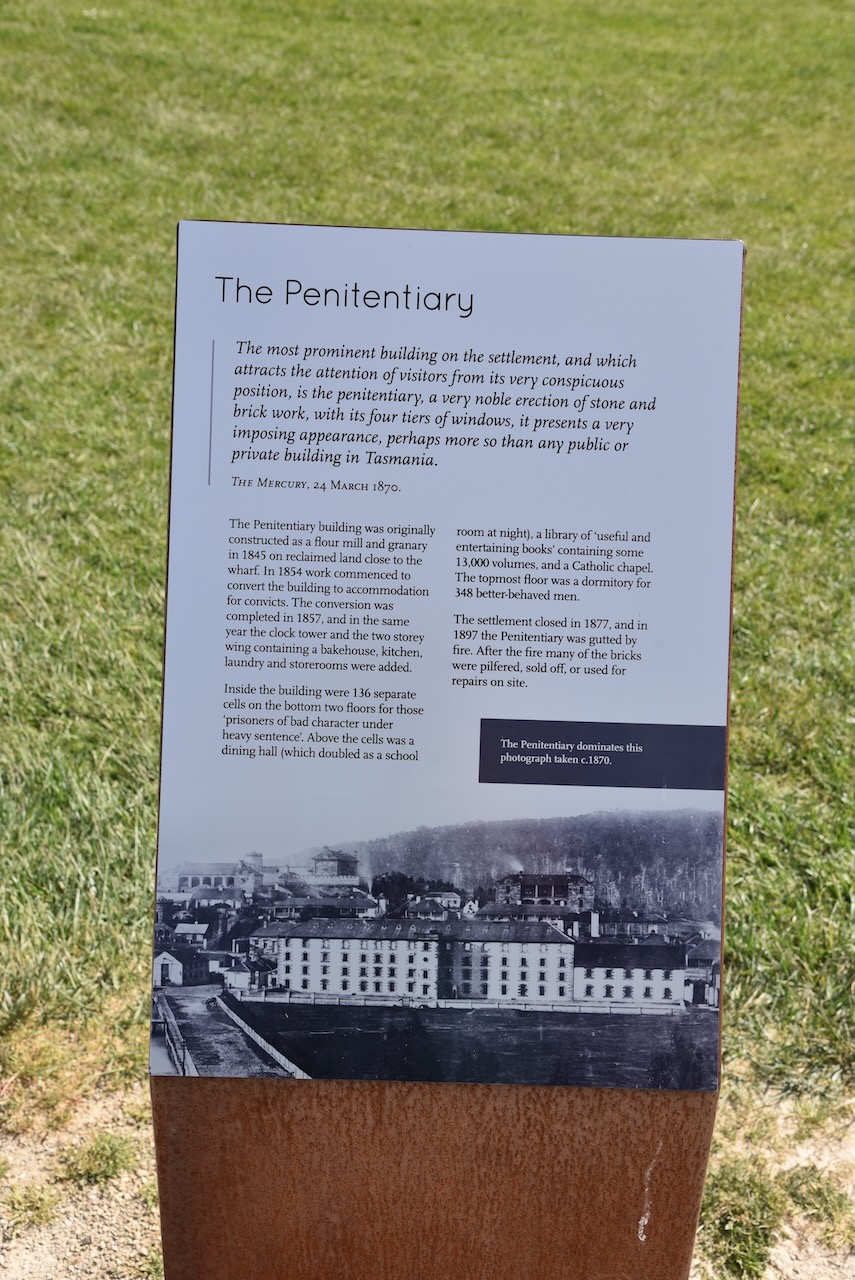
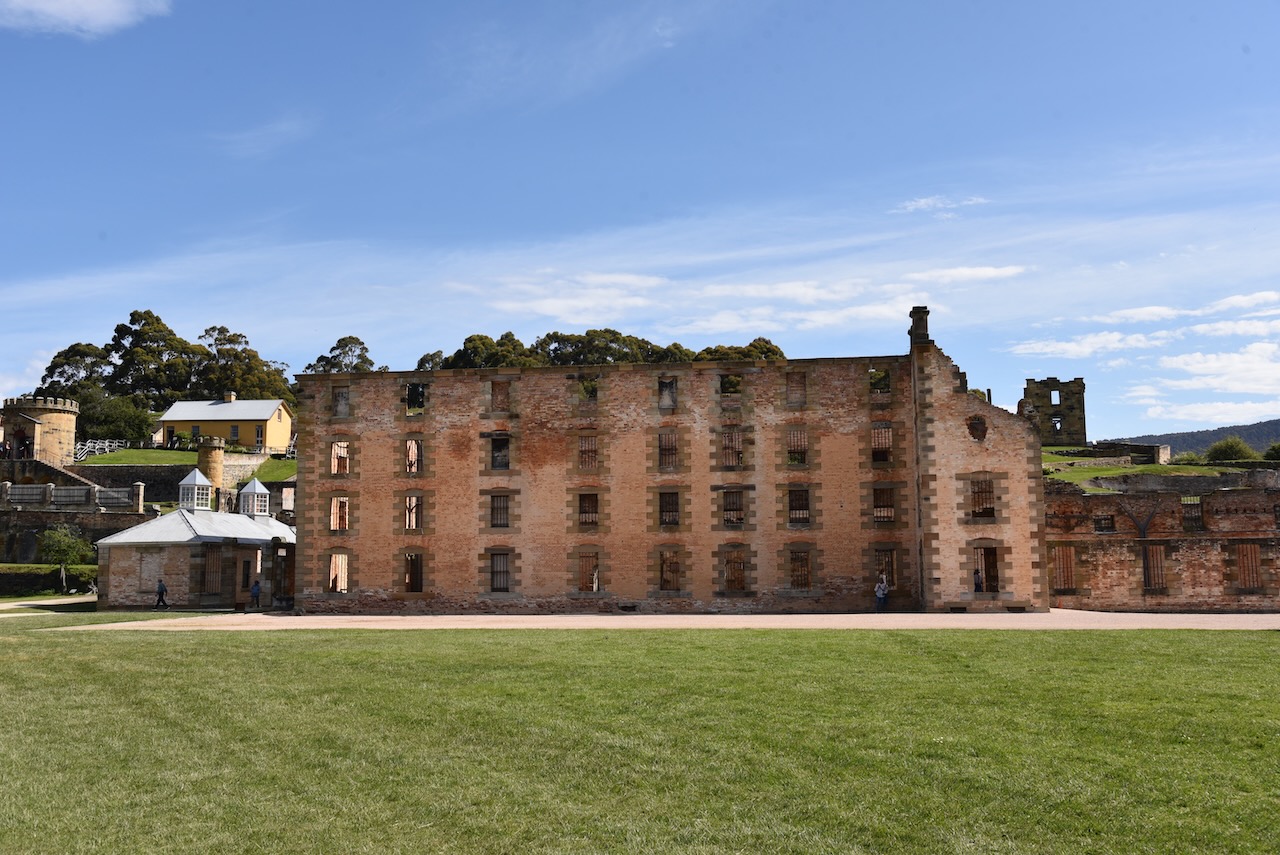
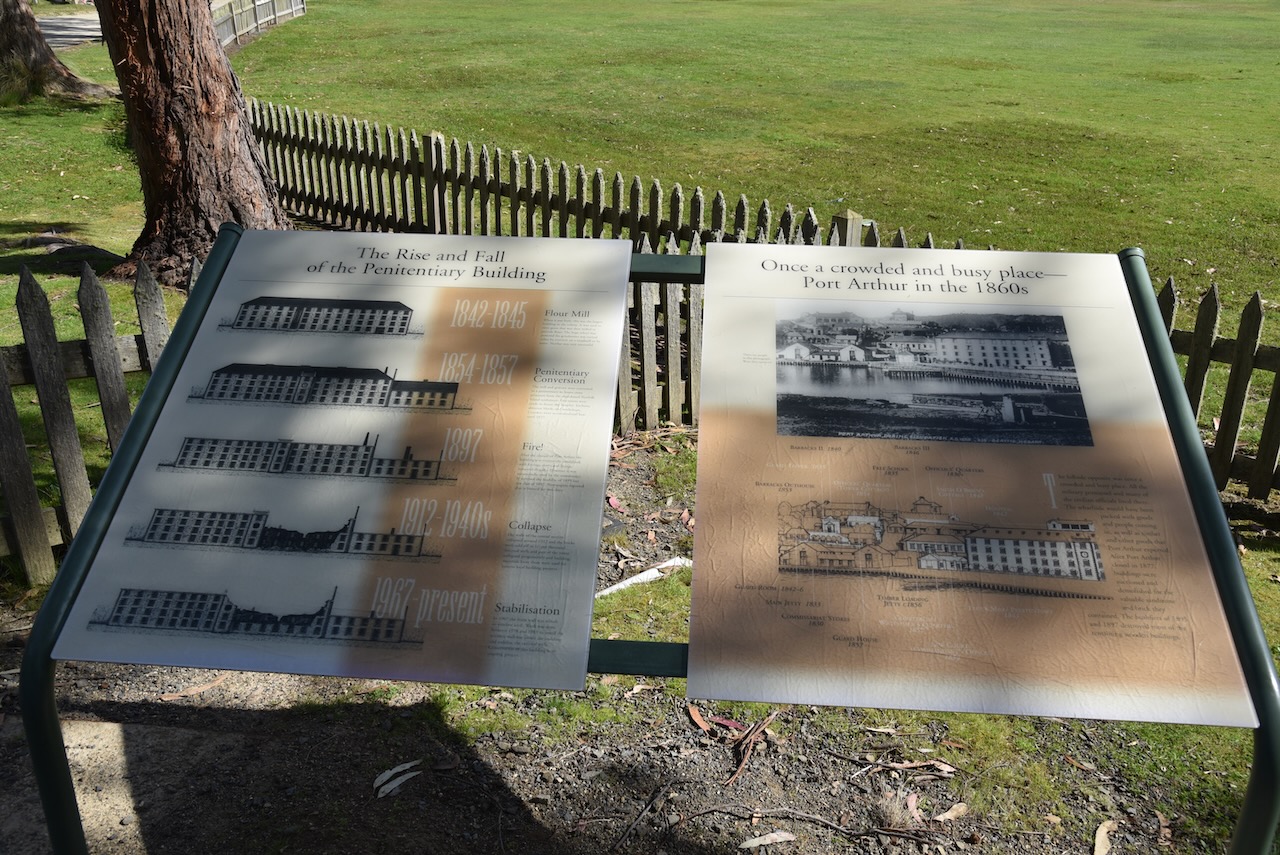
Next was the Penitentiary, the most recognisable building on the site. The building was originally constructed as a flour mill and granary in 1845. Due to an insufficient water supply and competing priorities for space and industry, the mill was converted into a penitentiary between 1854 and 1857.

There were 136 separate cells on the lower floors. Men in heavy chains were housed on the ground floor. Those in lighter chains were on the first floor. A total of 348 men were accommodated on the uppermost floor in the dormitory in bunk style beds.

The 1897 bushfire saw the devastation of the building other than the masonry walls and barred windows.

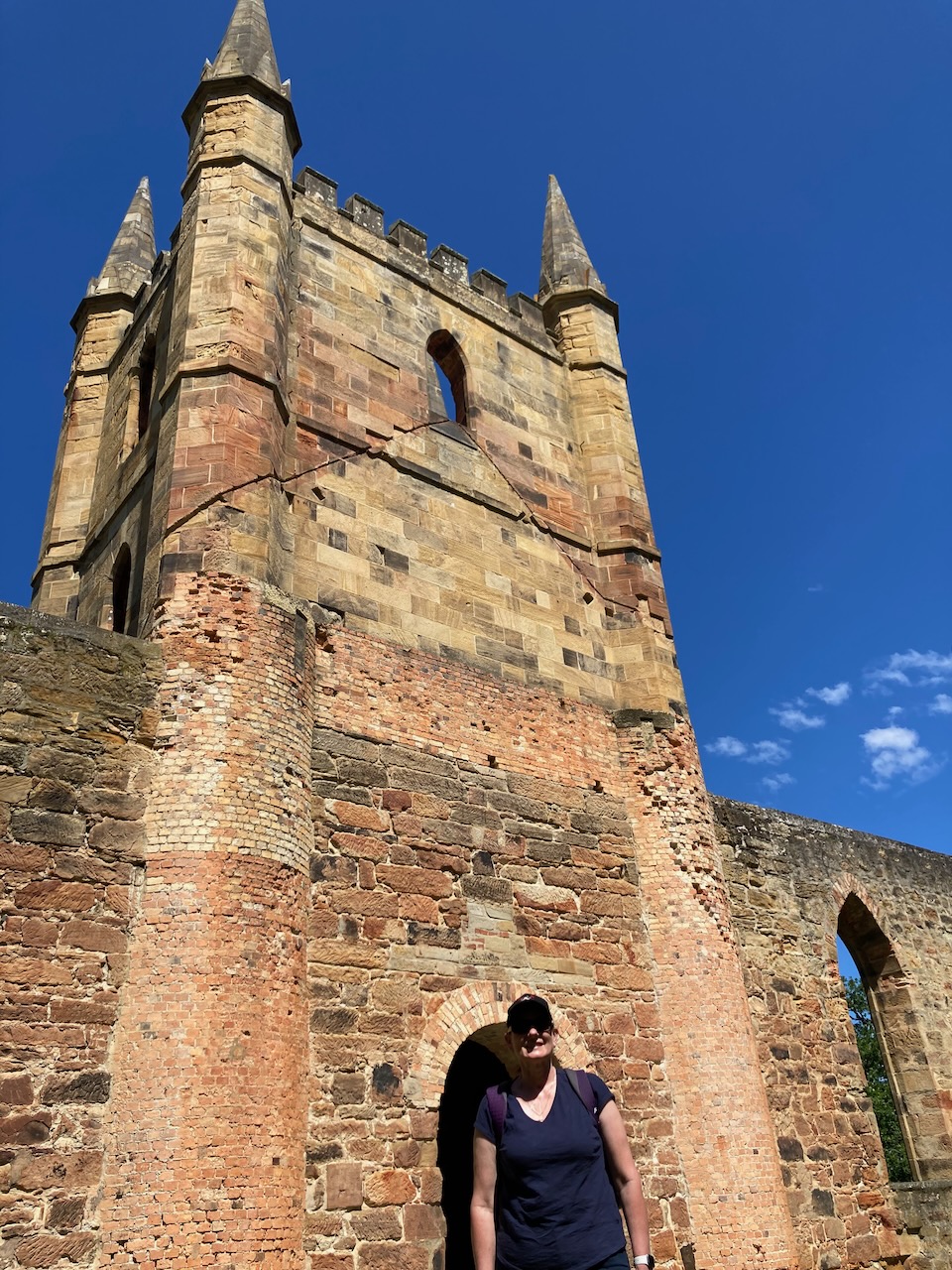
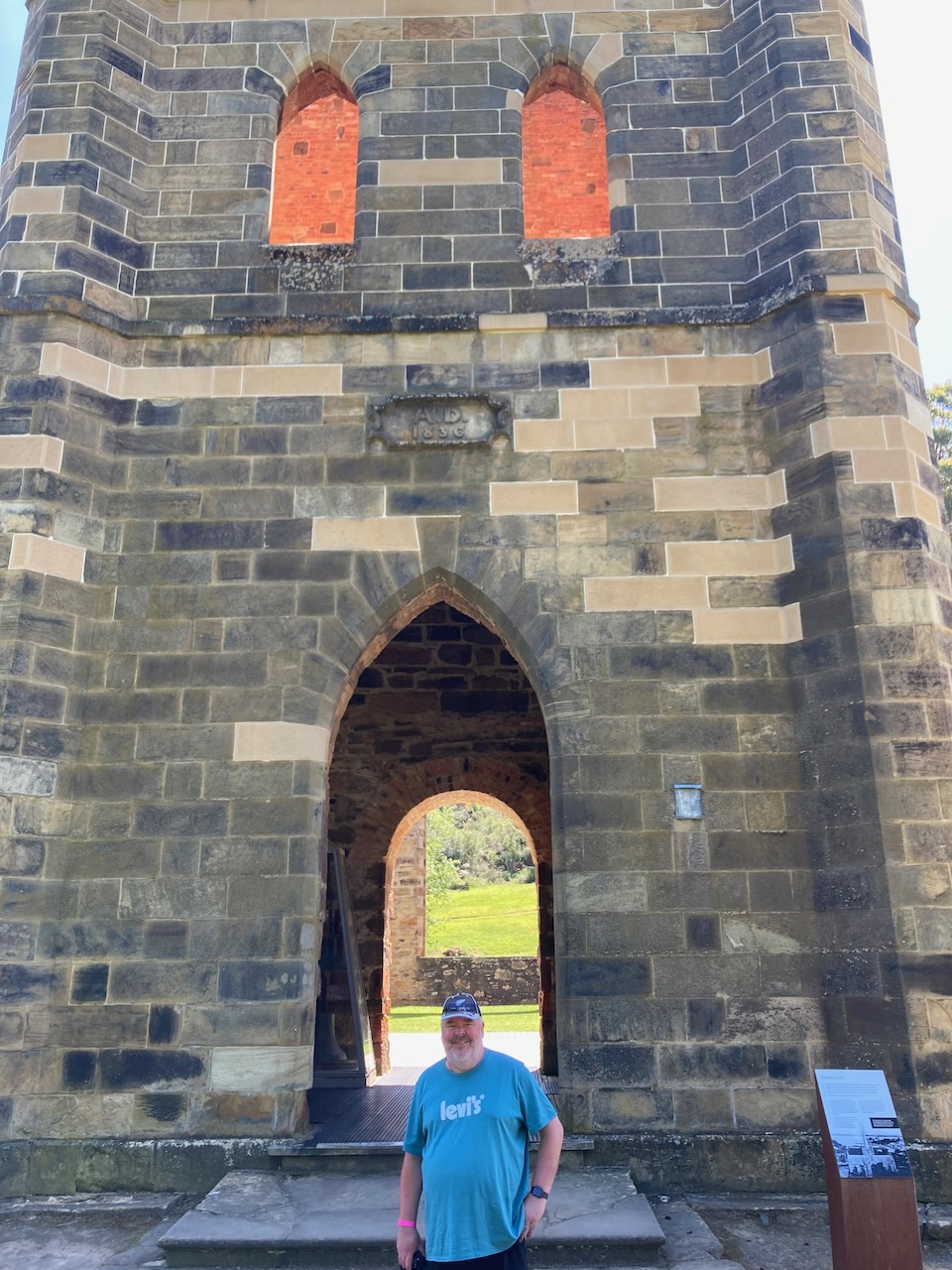
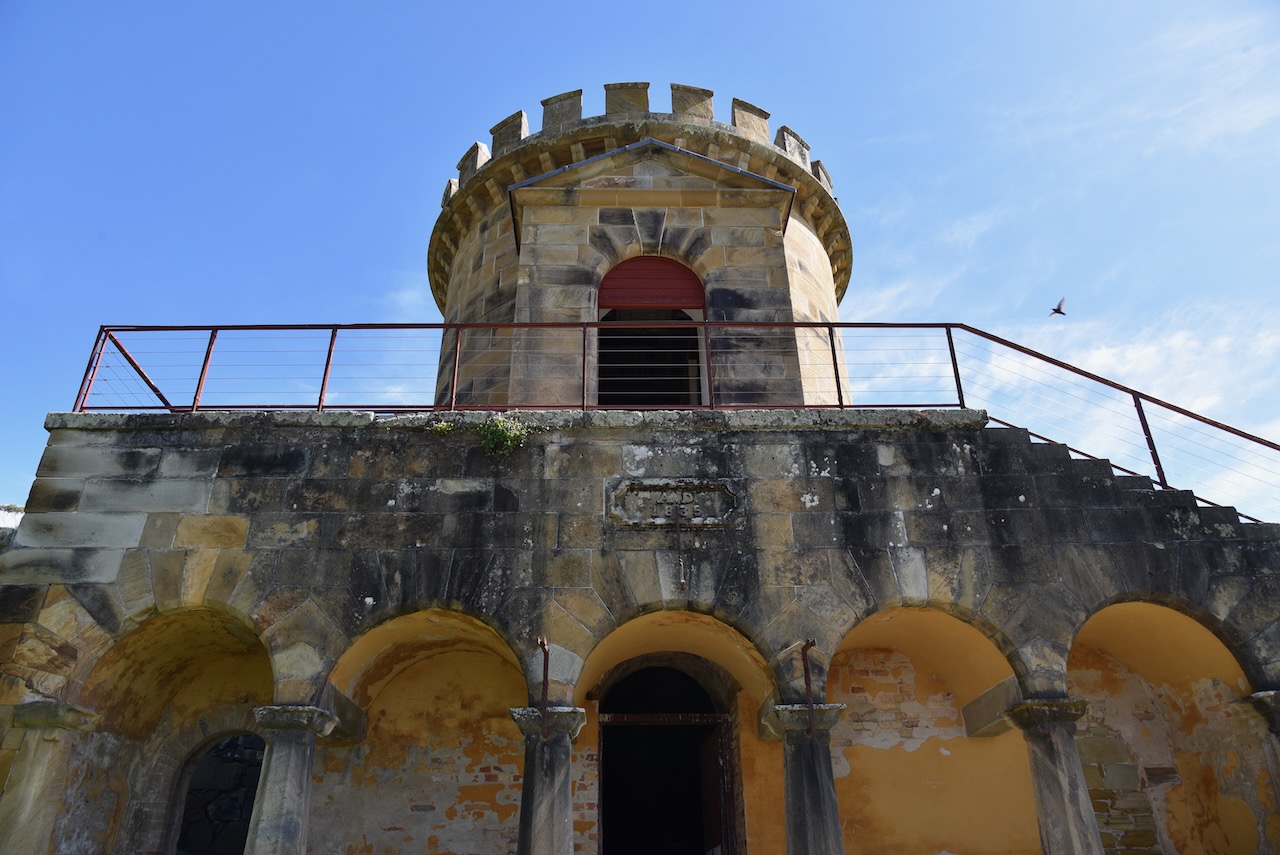
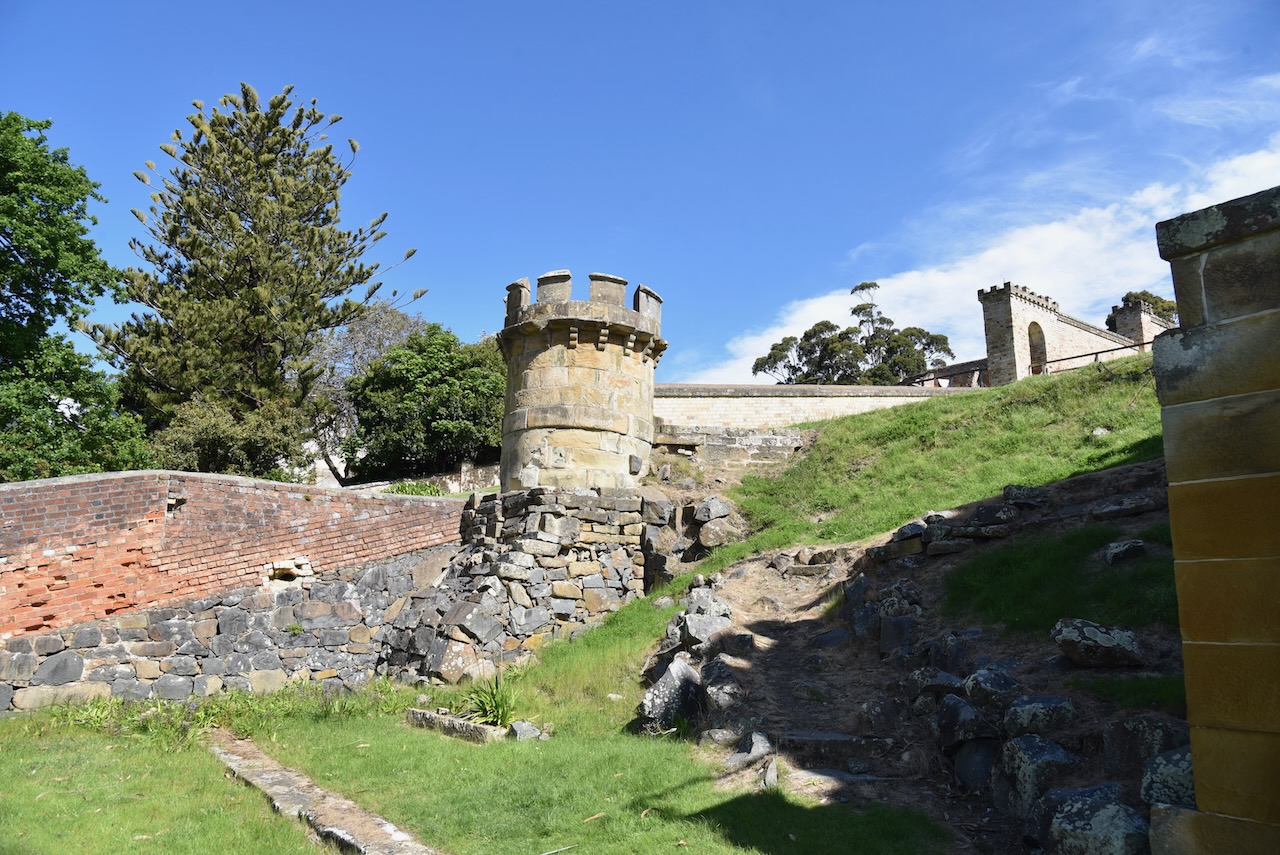
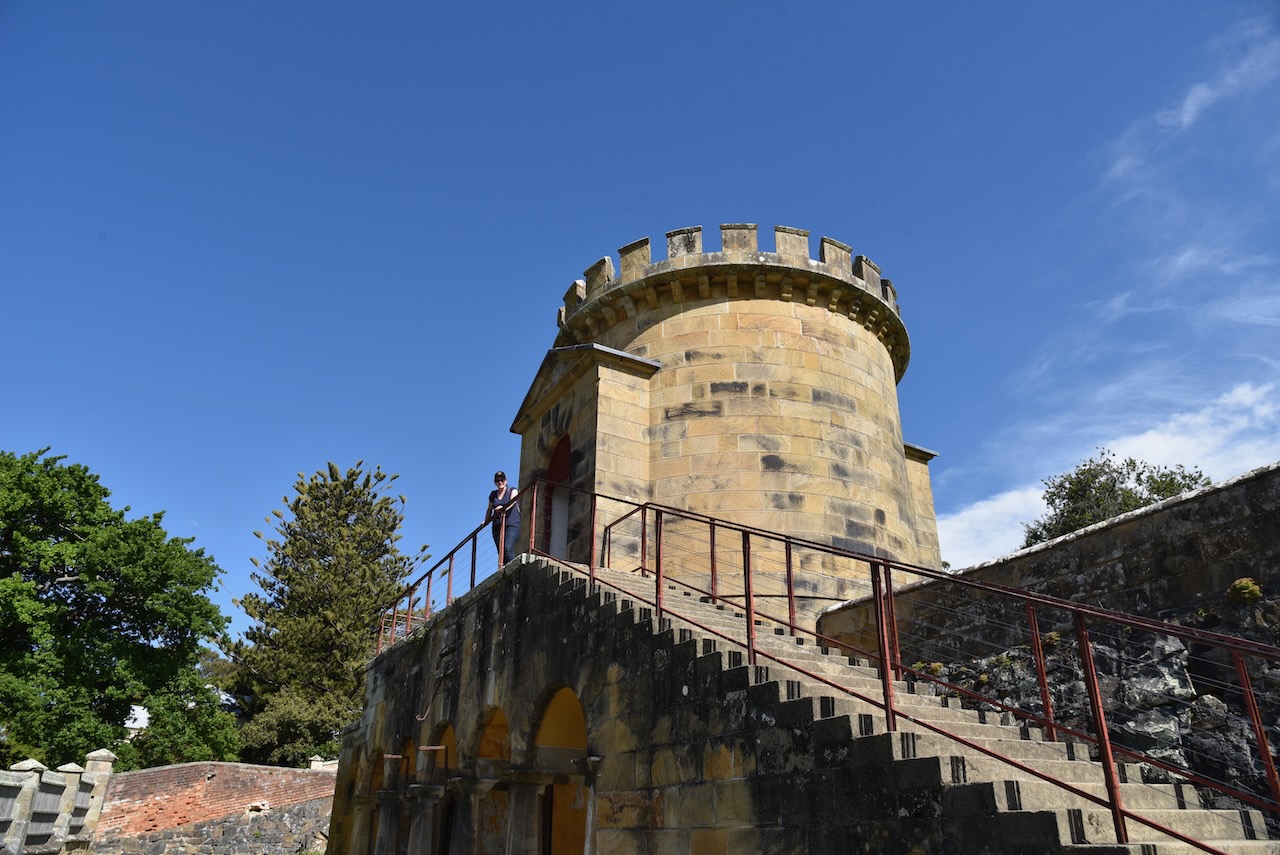
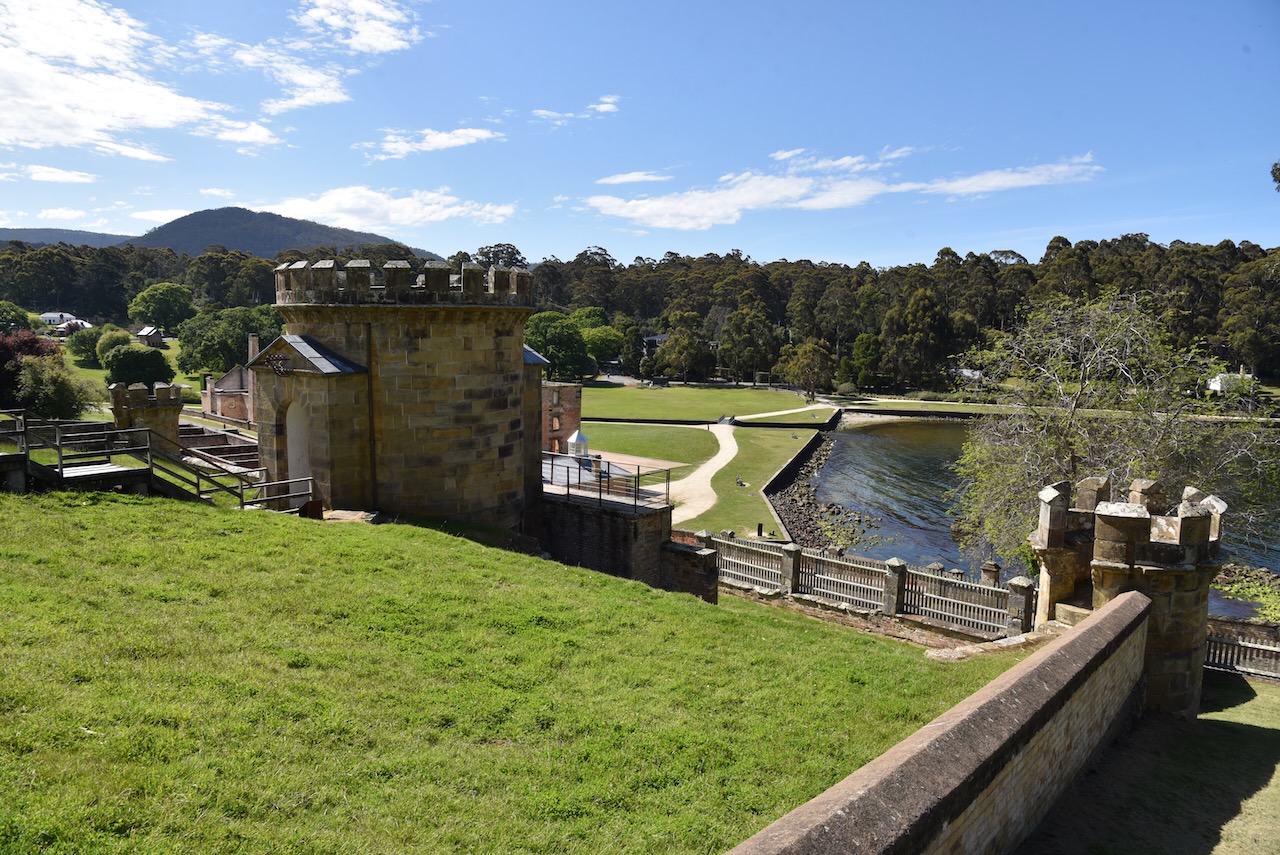
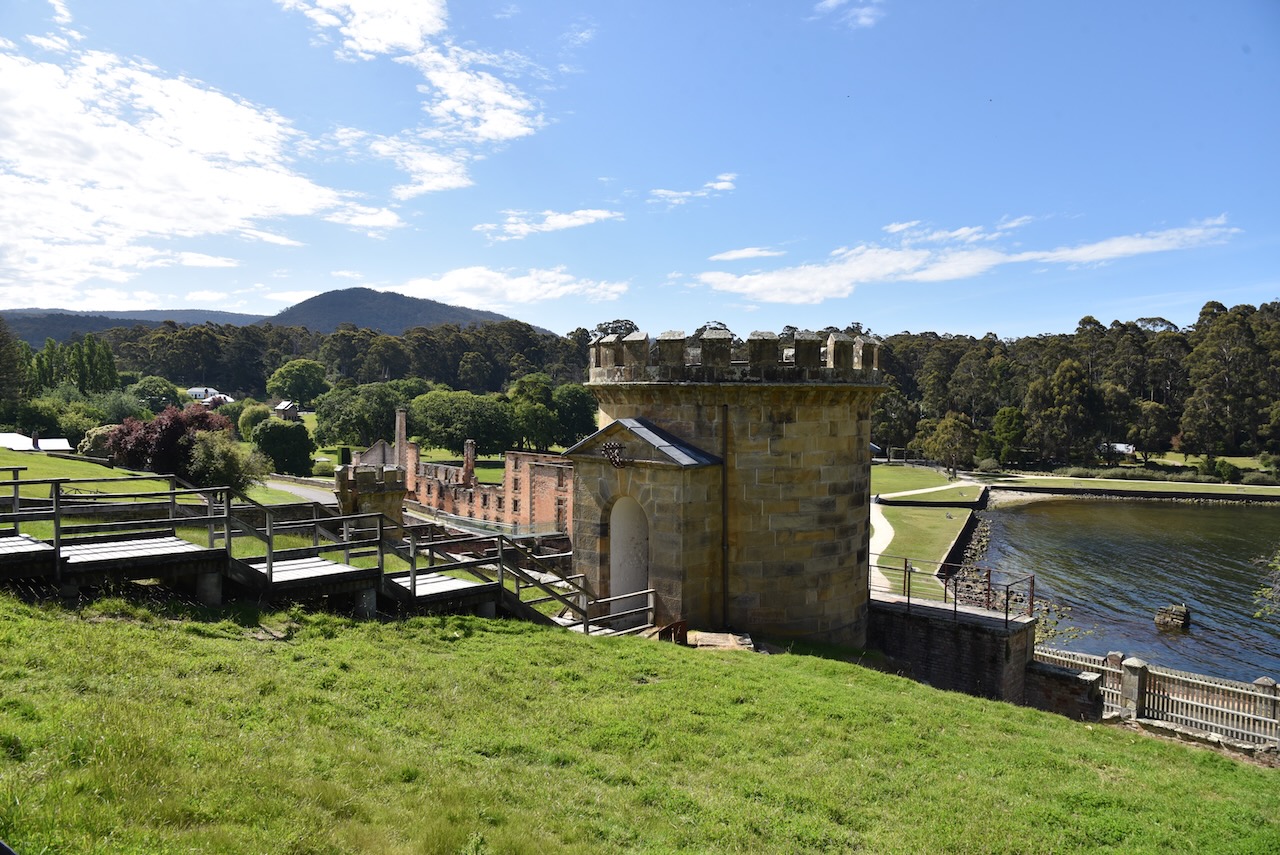
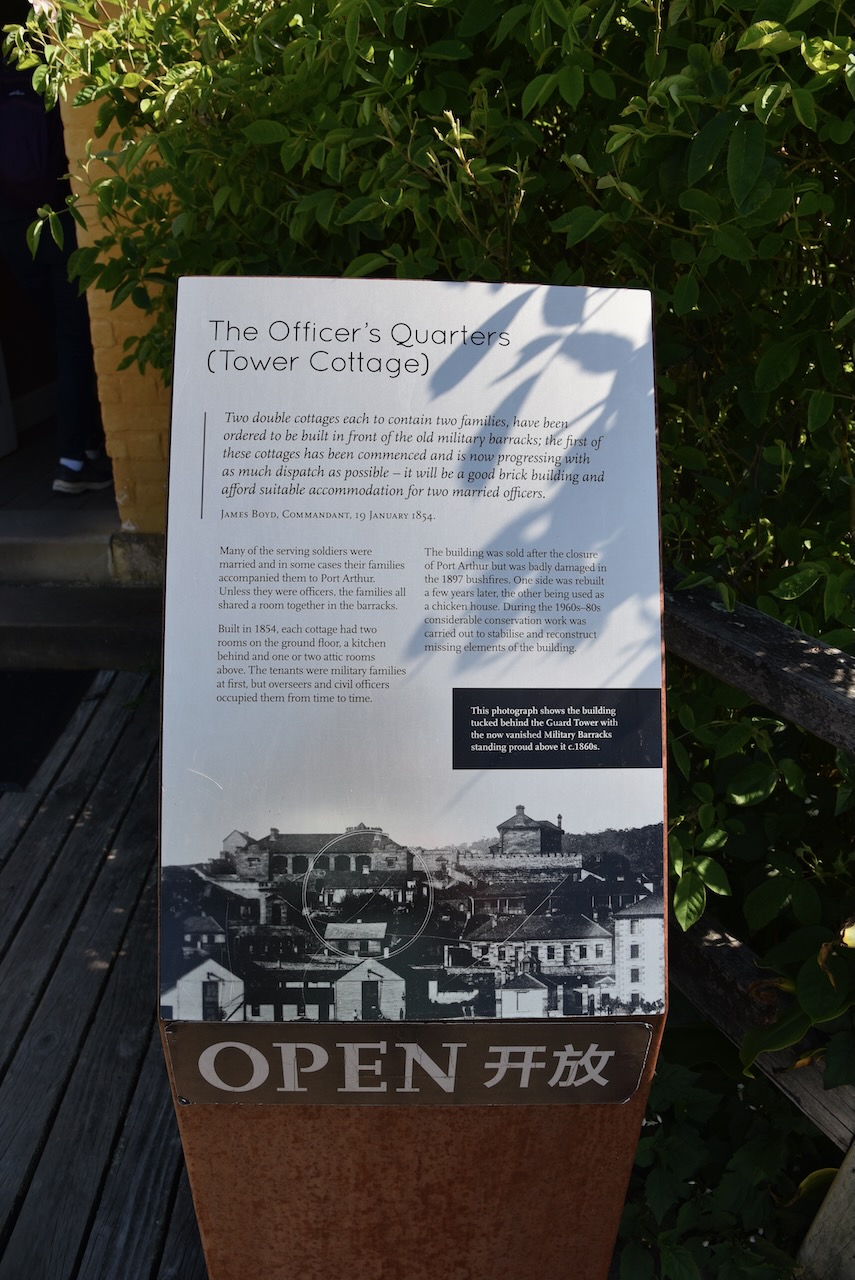
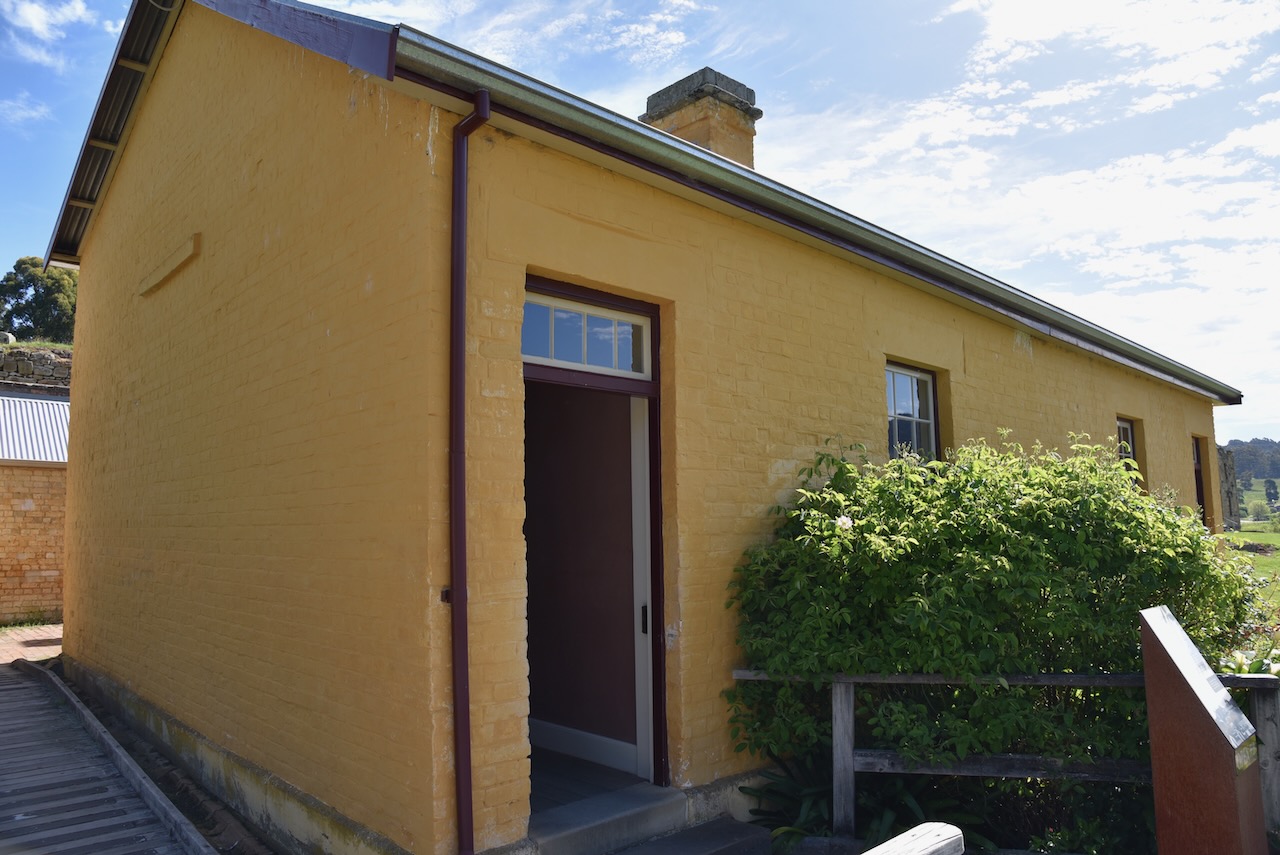
The guard tower at Port Arthur was built in 1835. The Senior Military Officer’s Quarters had been constructed two years earlier in 1833. The quarters were the home of the Military Officer in charge of the soldiers at Port Arthur.

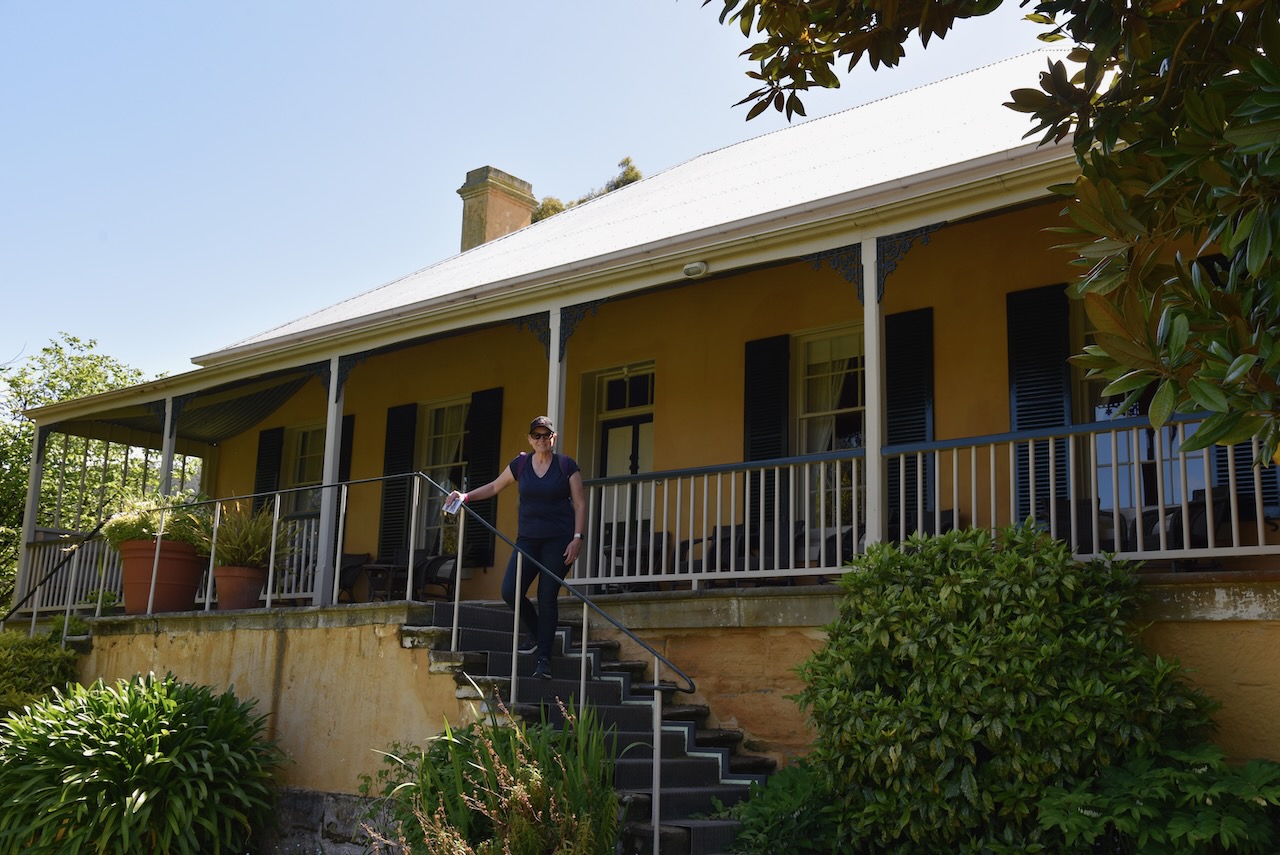
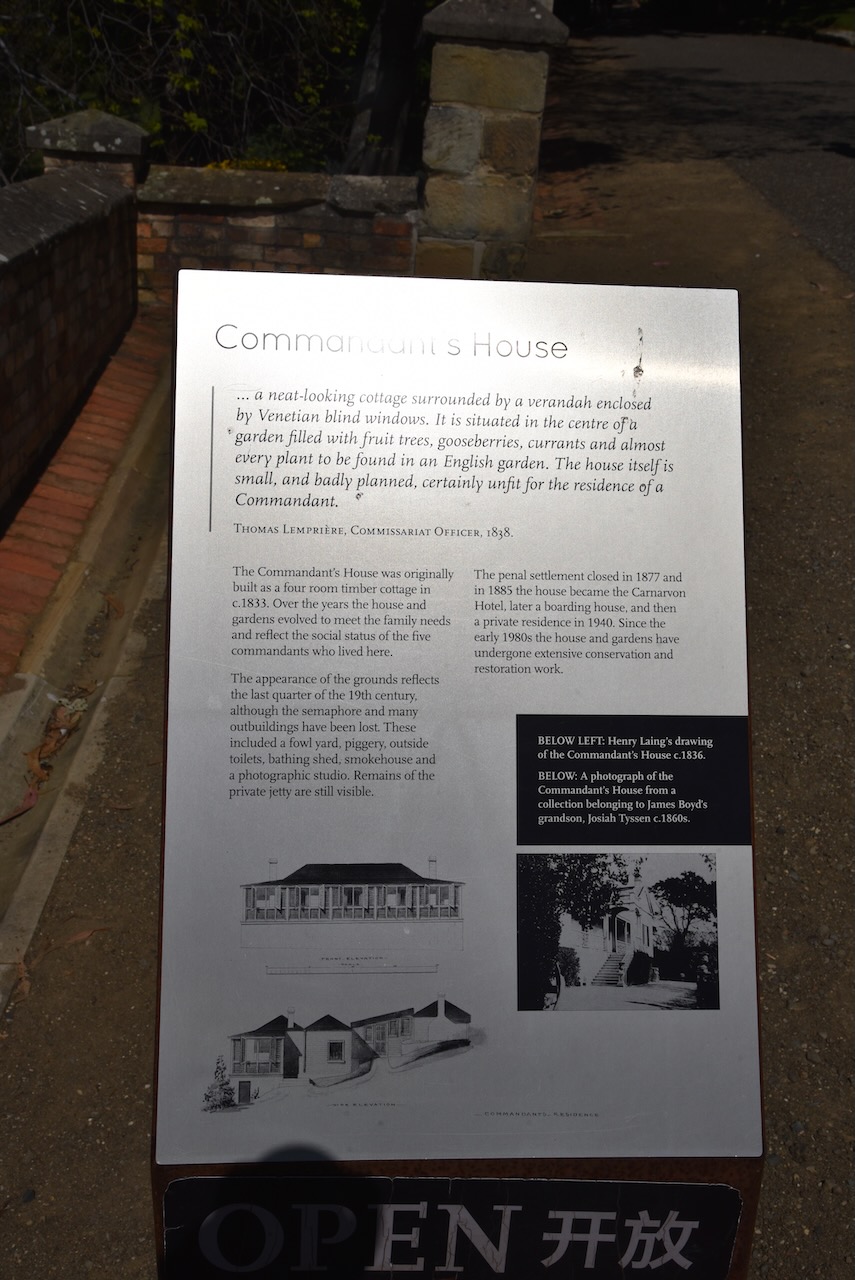
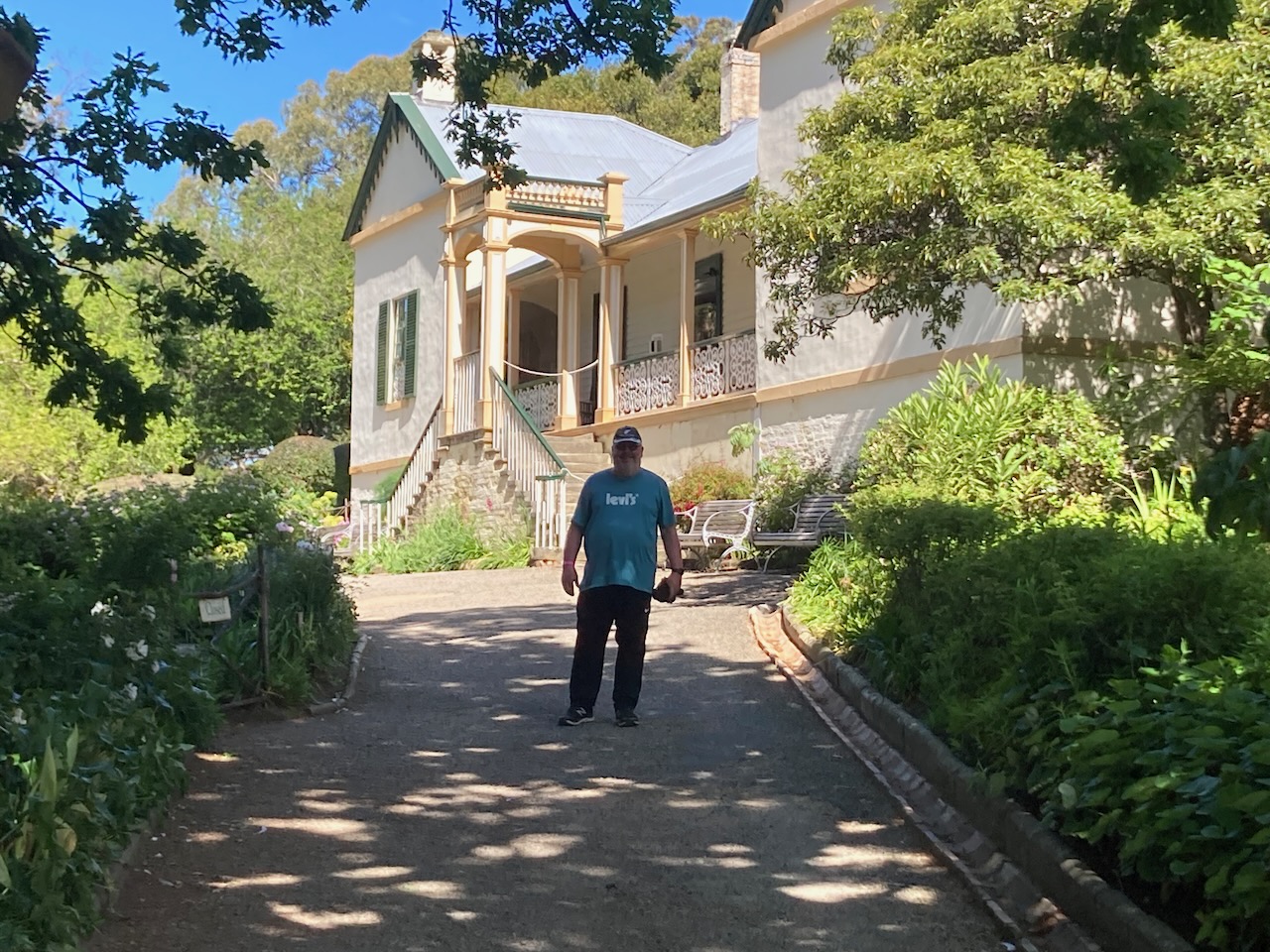
The Commandants House was originally built as a four room timber cottage in 1833. Ove the years the house and gardens evolved to accomodate the needs of the five commandants and their families who lived there.

It had been a brilliant day at Port Arthur and it was time to head back towards Hobart. But before getting back to our motel, there were a few other things we wanted to stop to have a look at and we also intended on a quick activation of the Tasman National Park VKFF-0481.

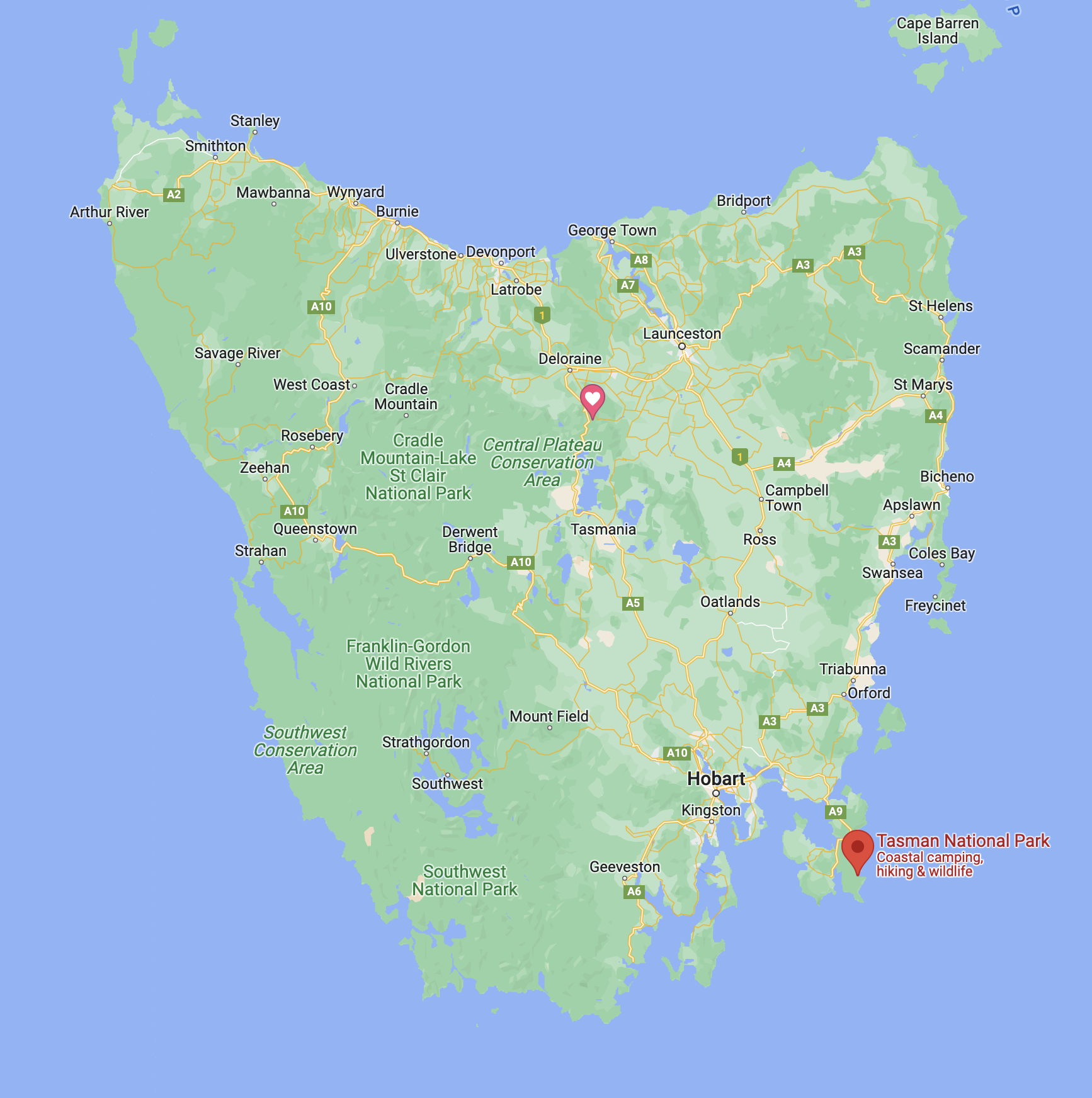
Above:- Map showing the location of the Tasman National Park. Image c/o Google maps.

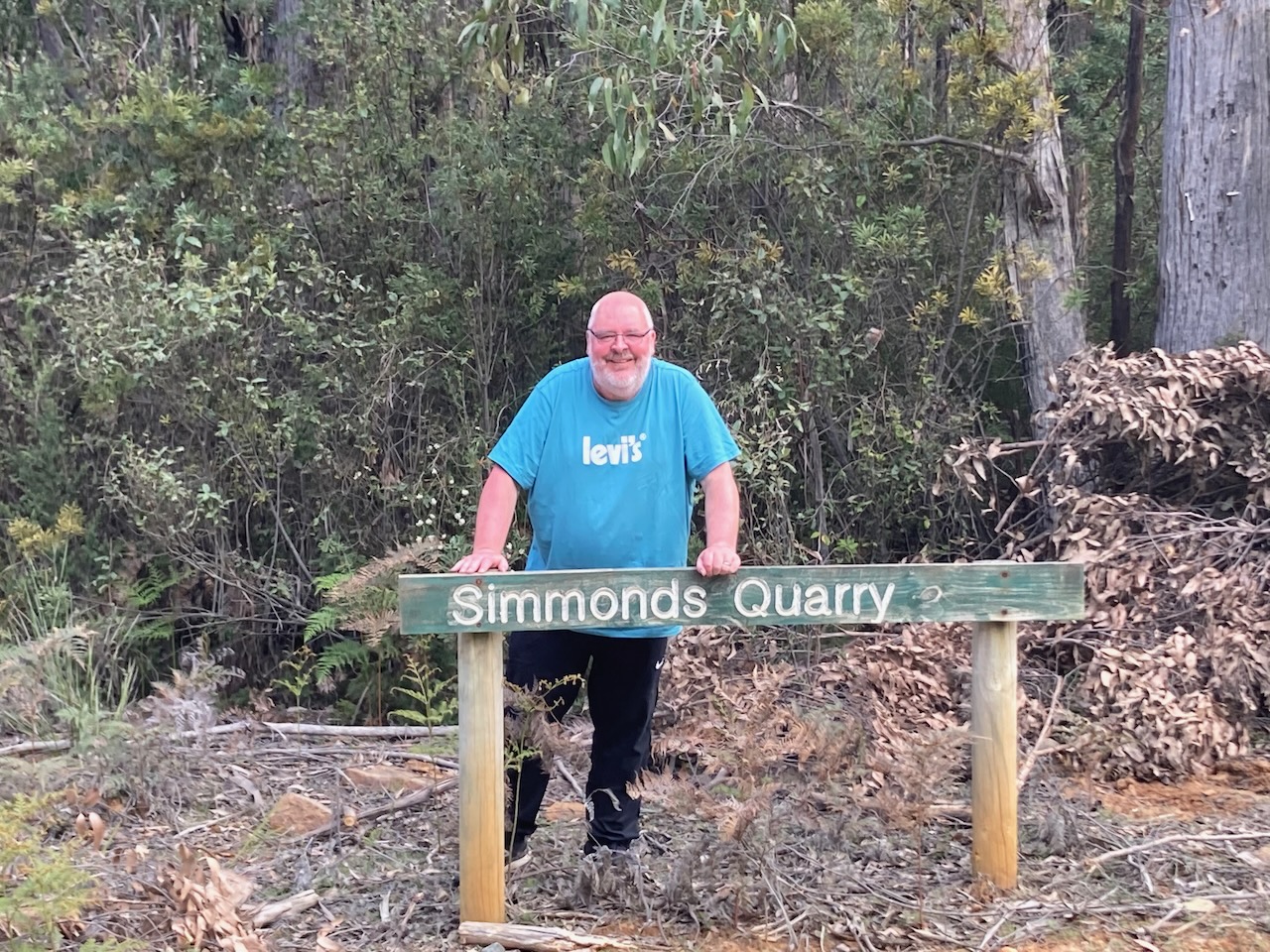
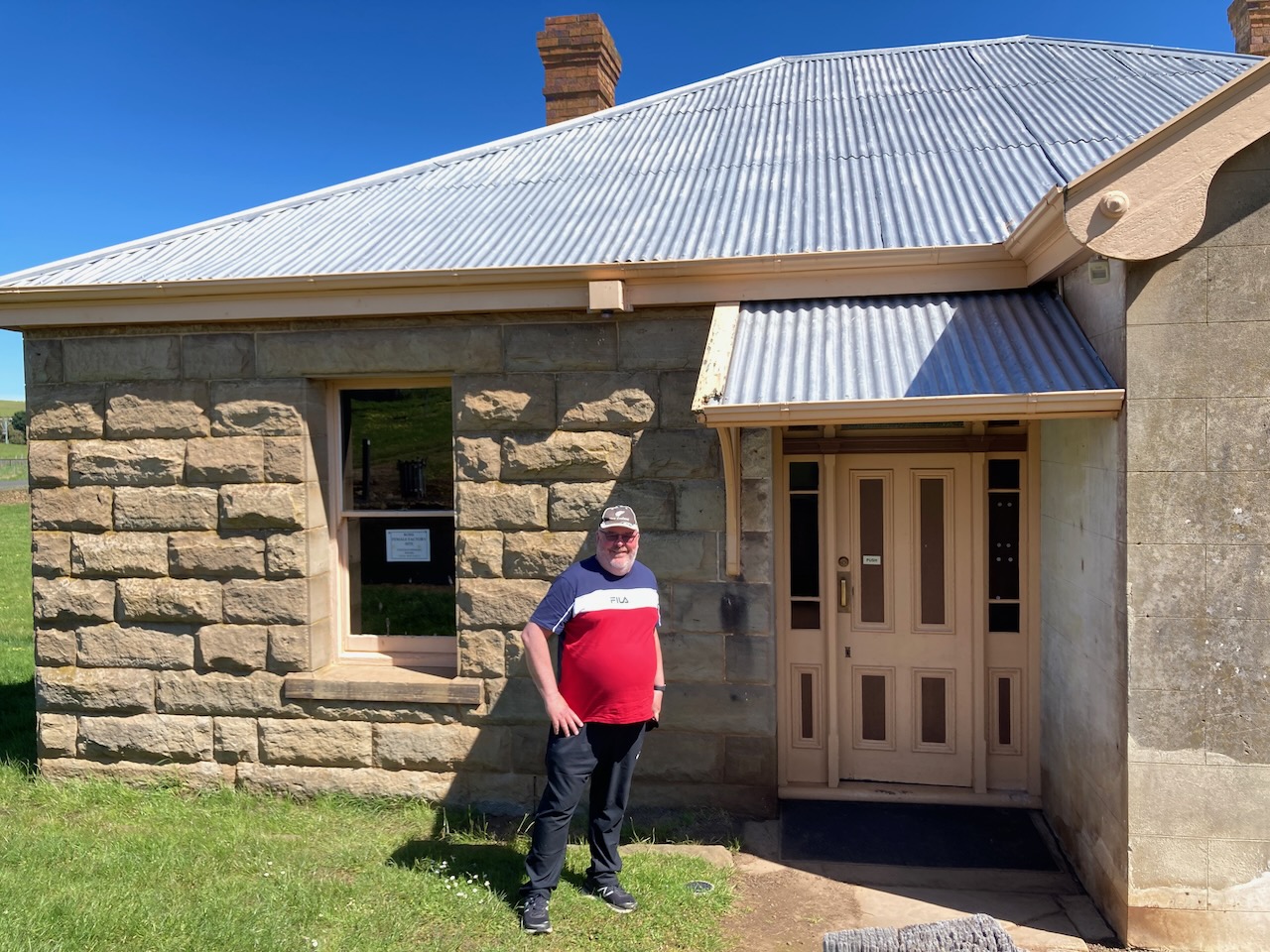
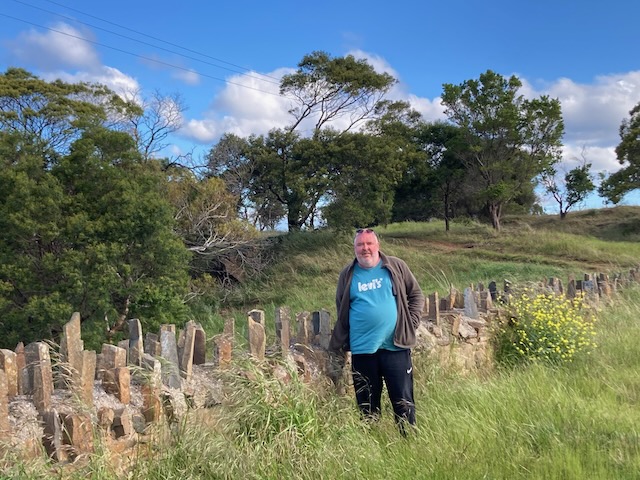
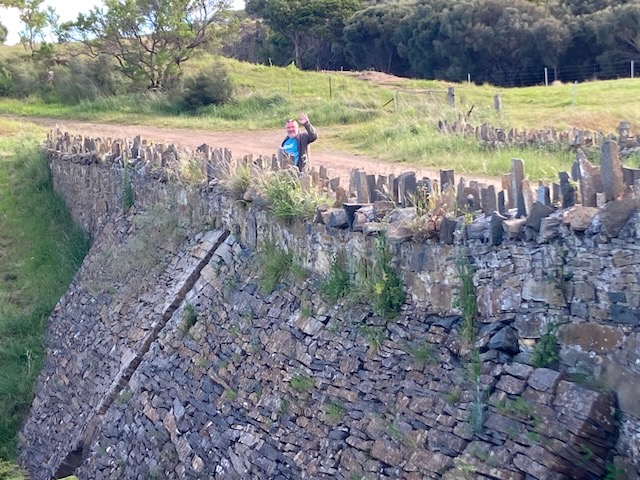
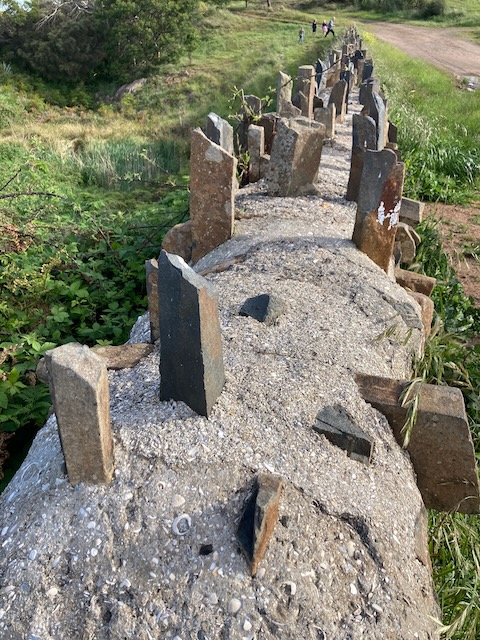
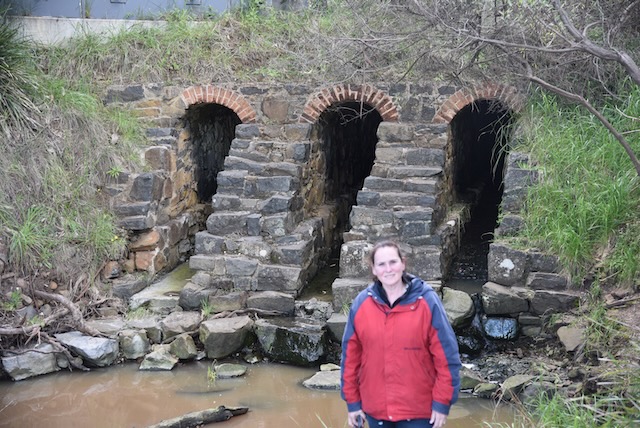
On our way to the park we stopped off at my namesake quarry.

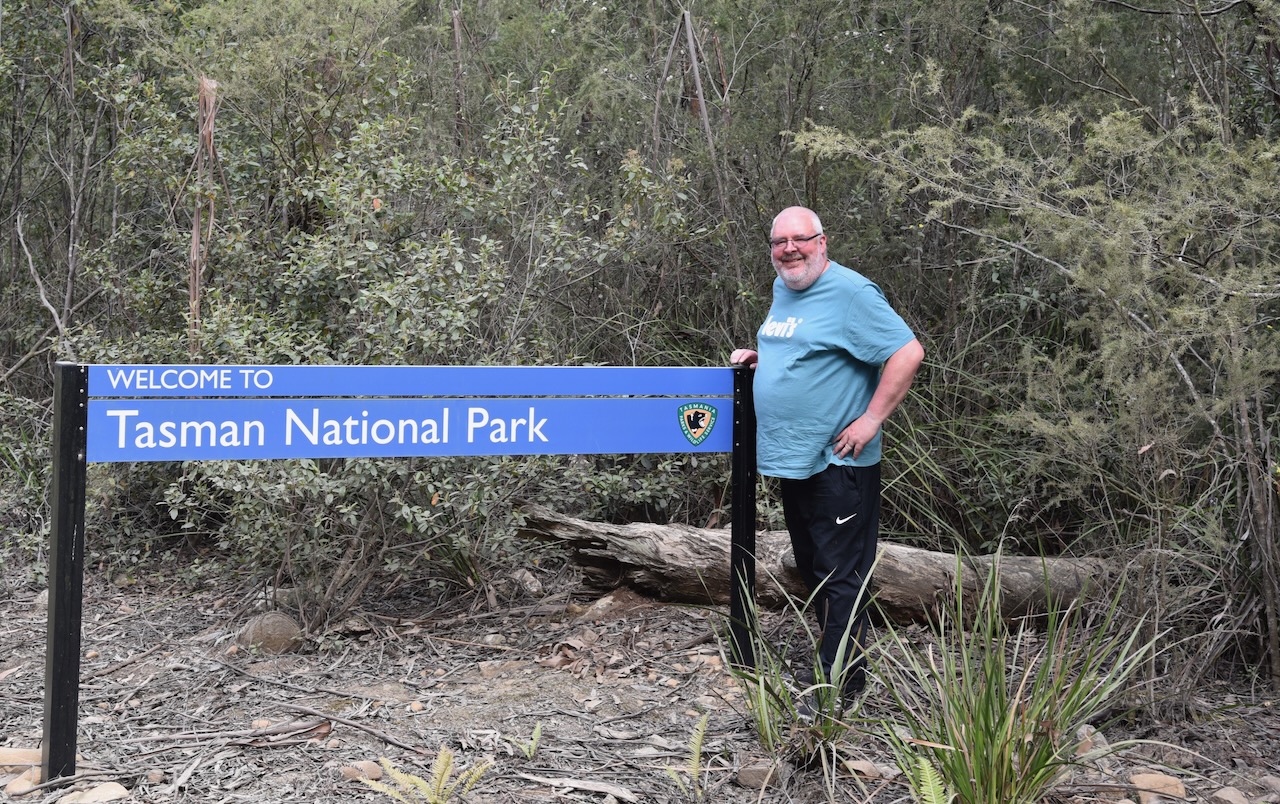
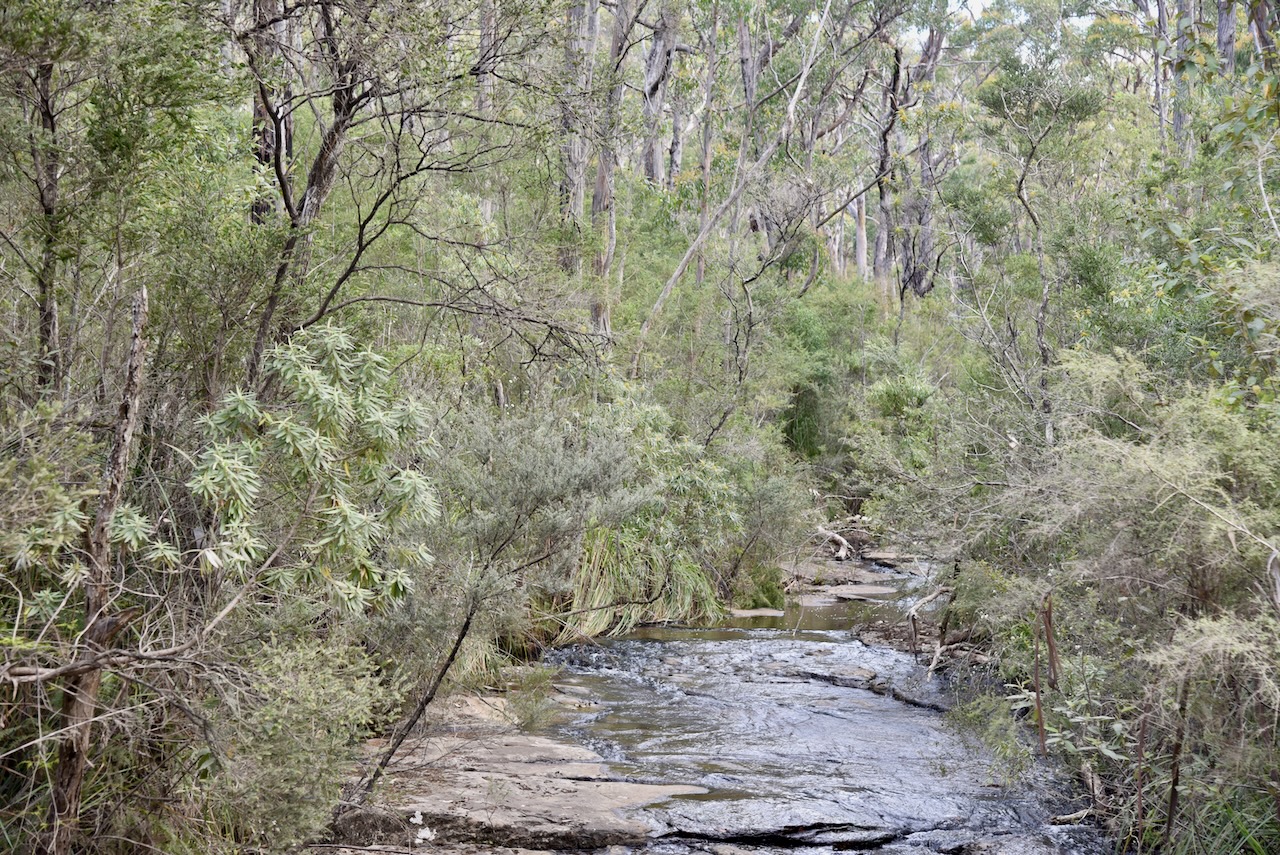
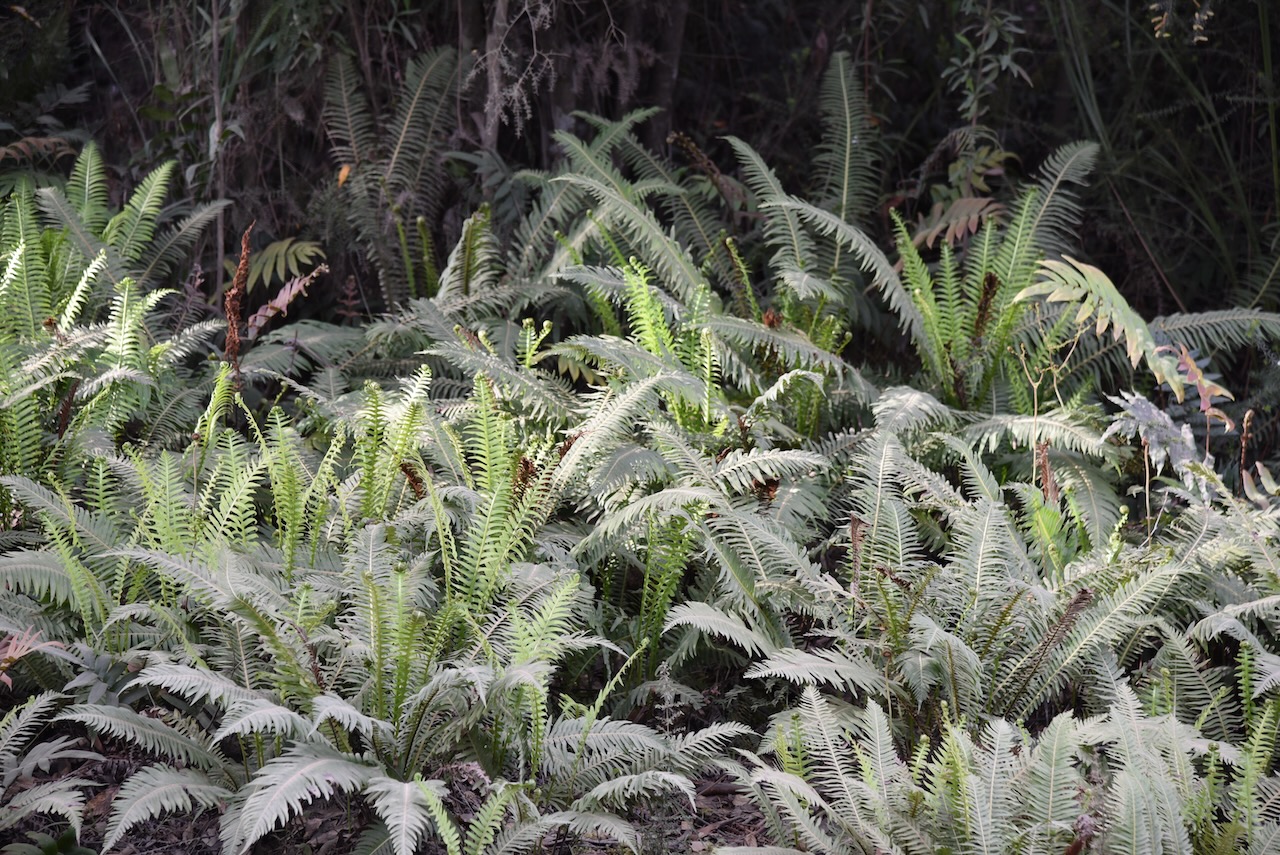
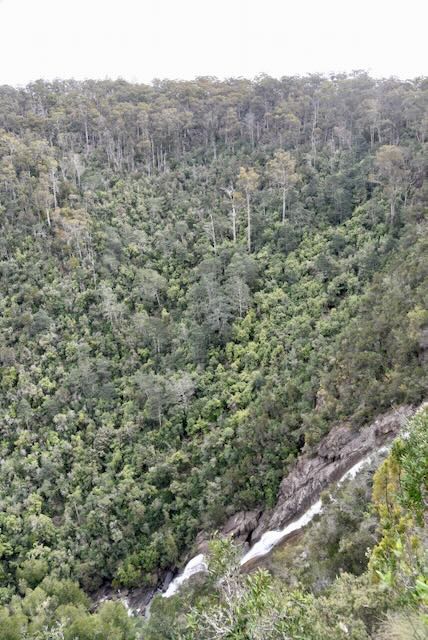
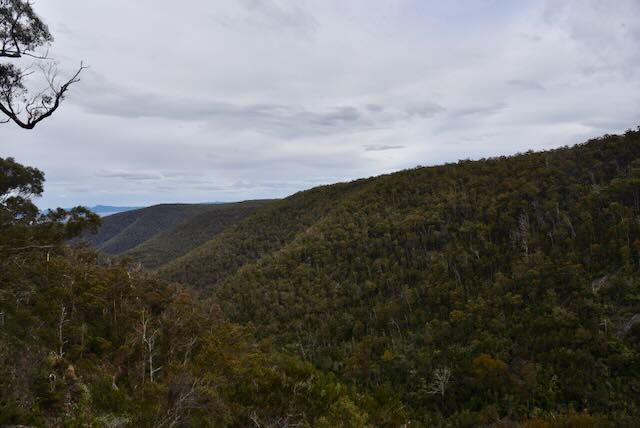
We soon reached the Tasman National Park.

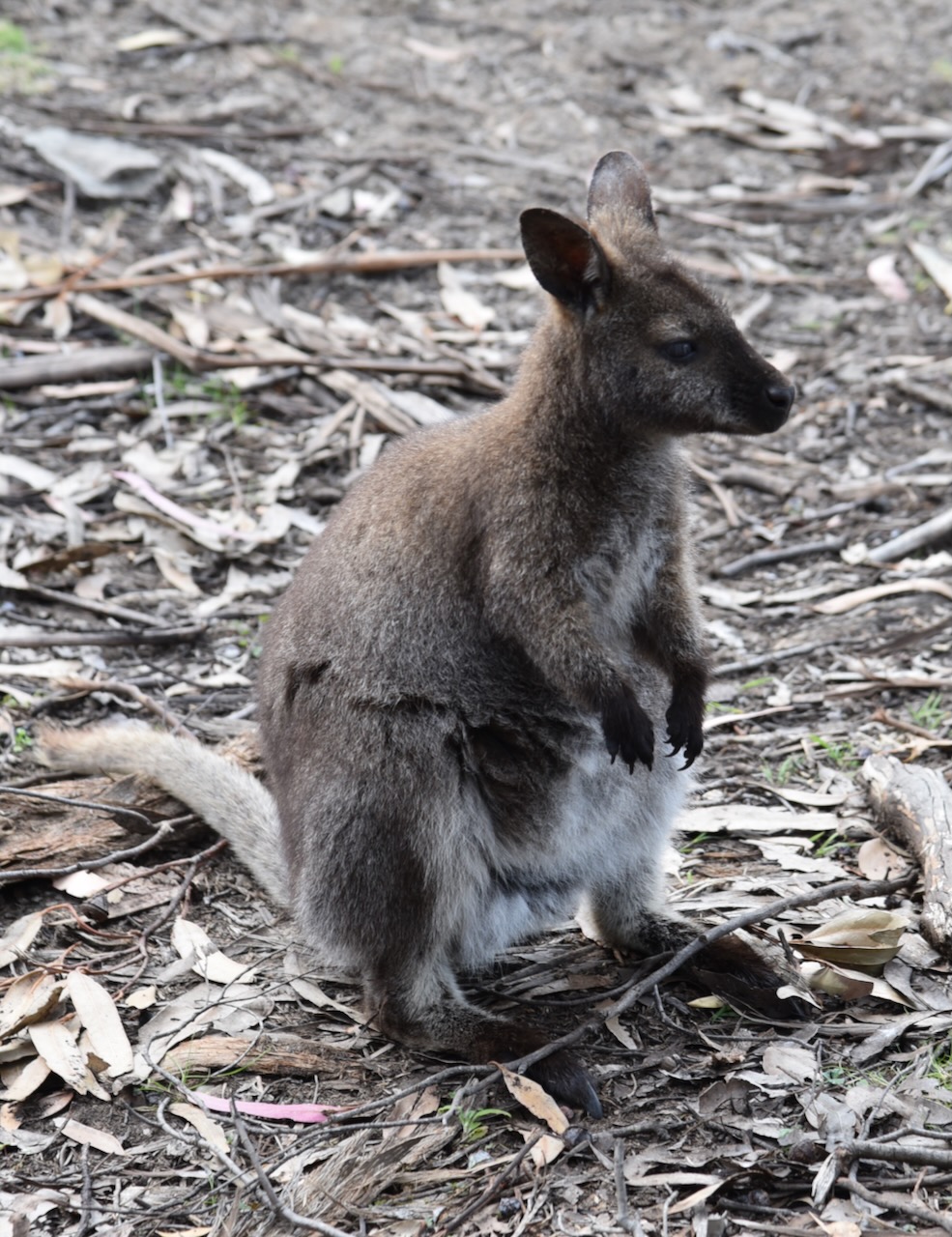
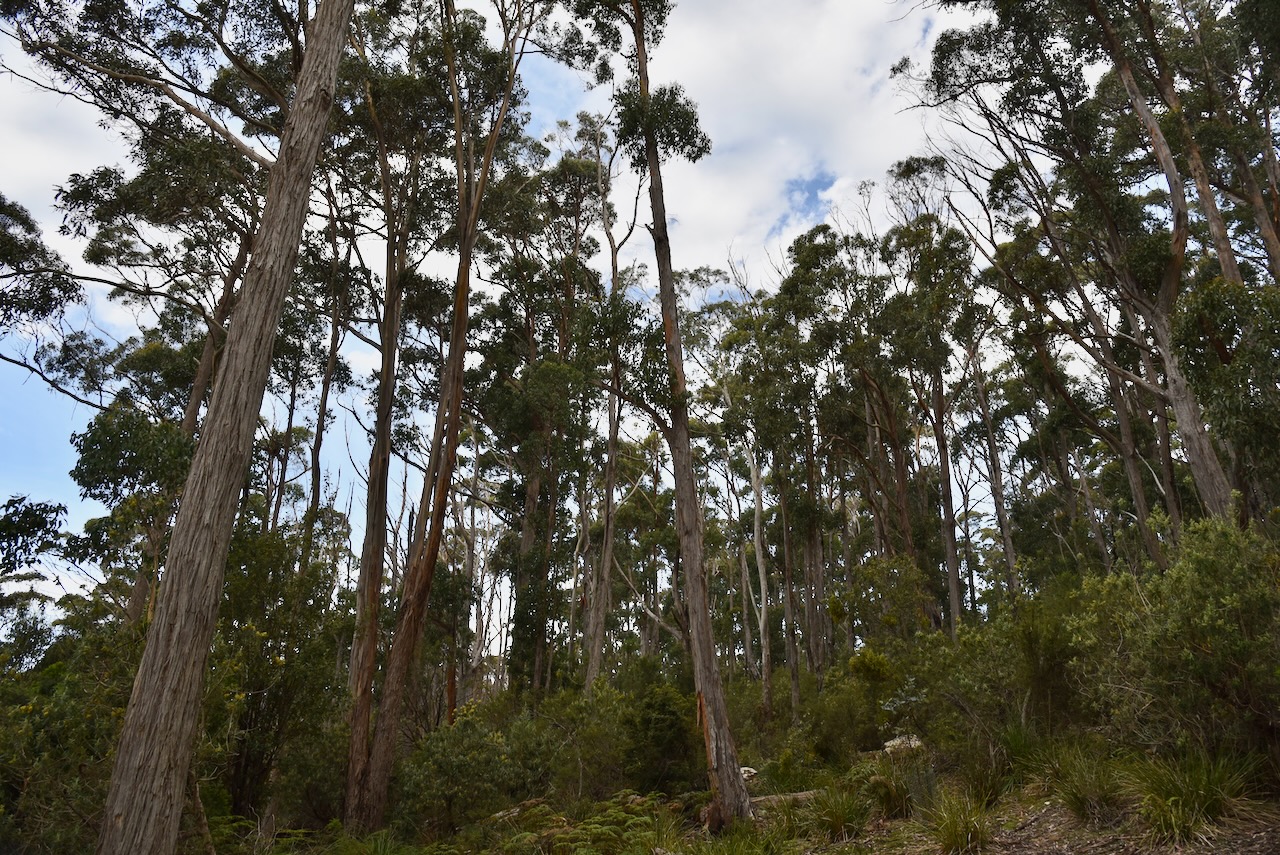
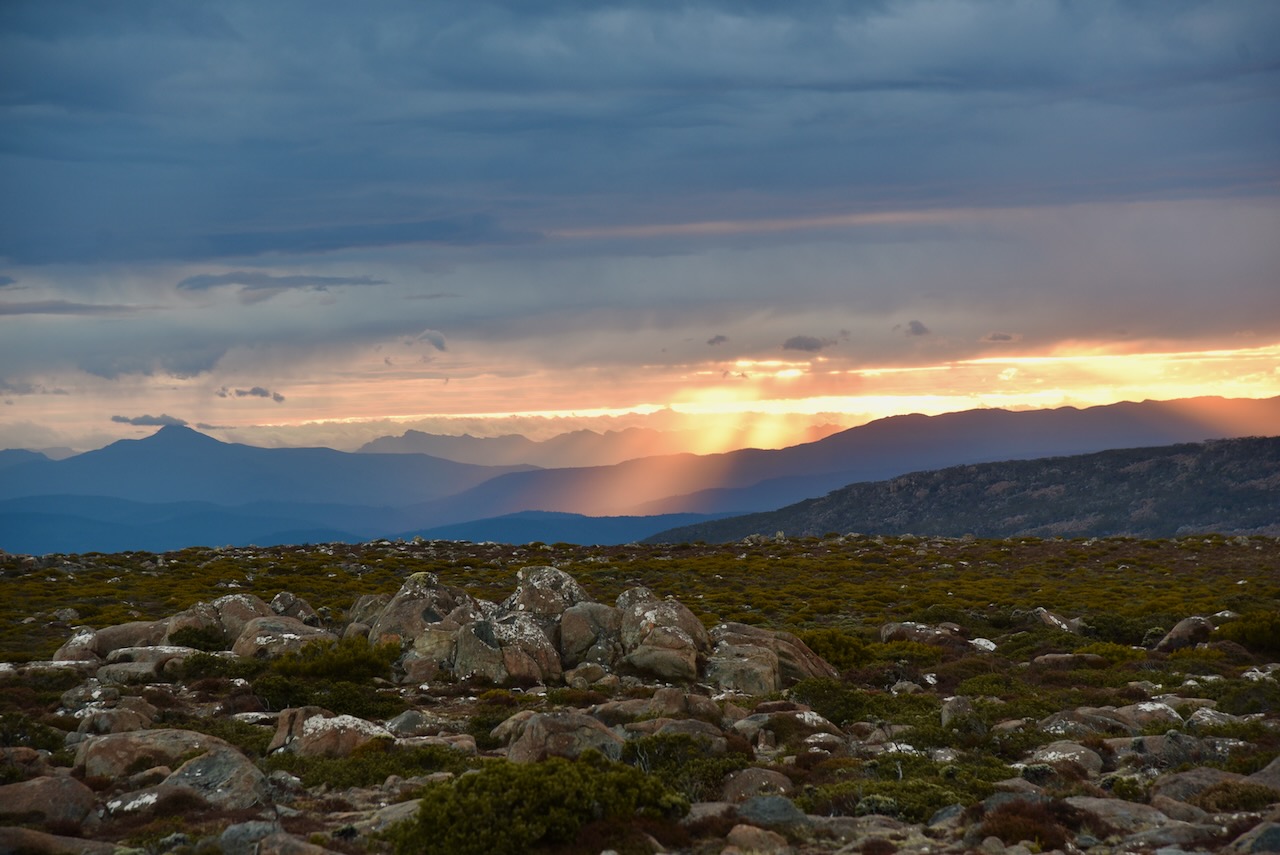
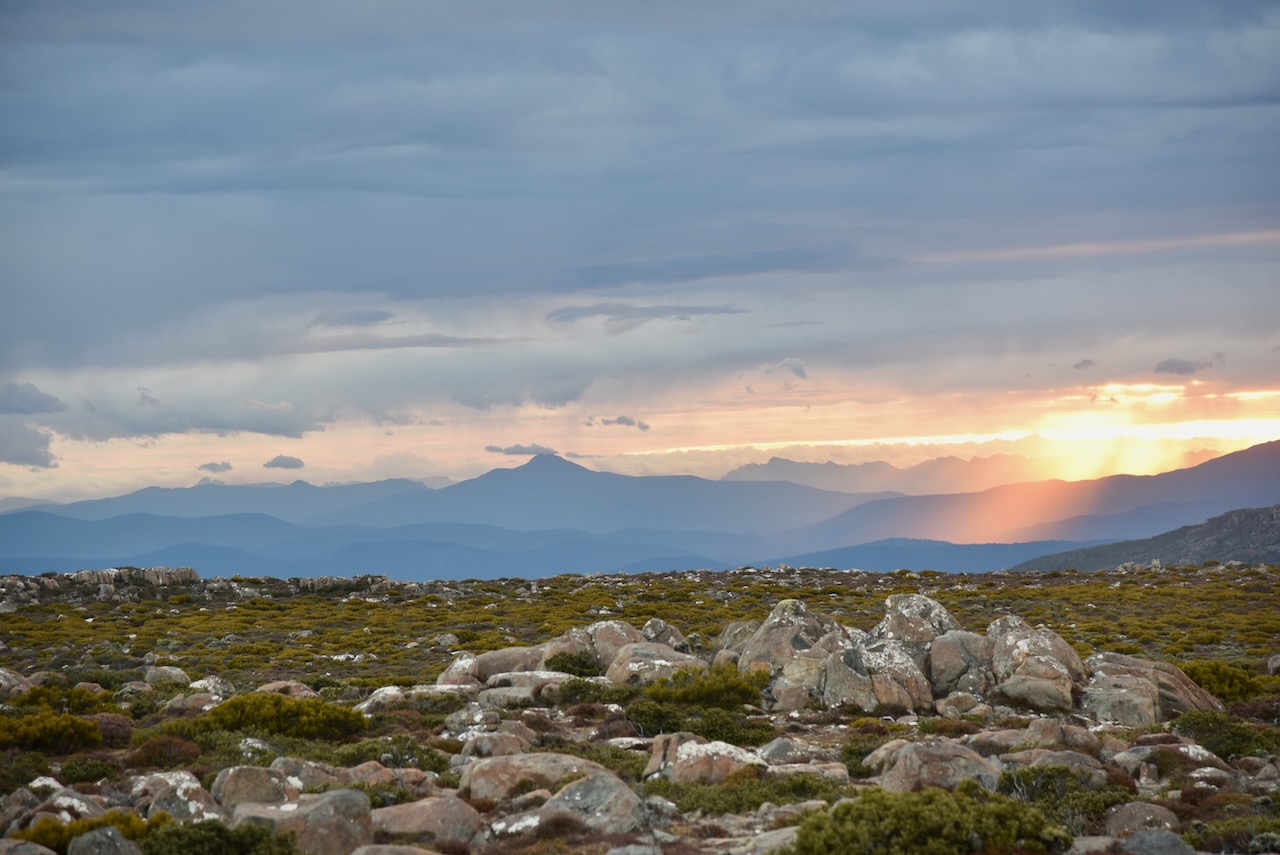
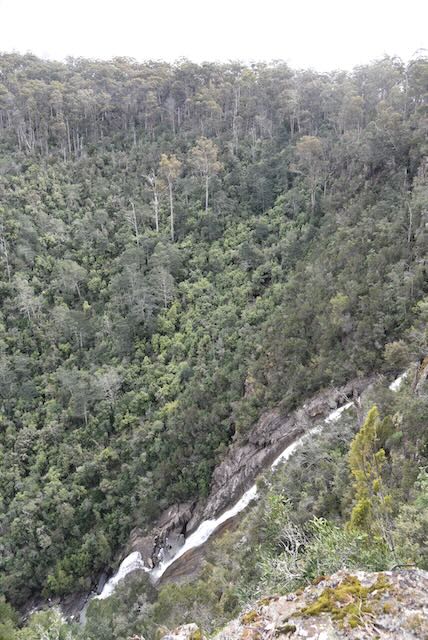
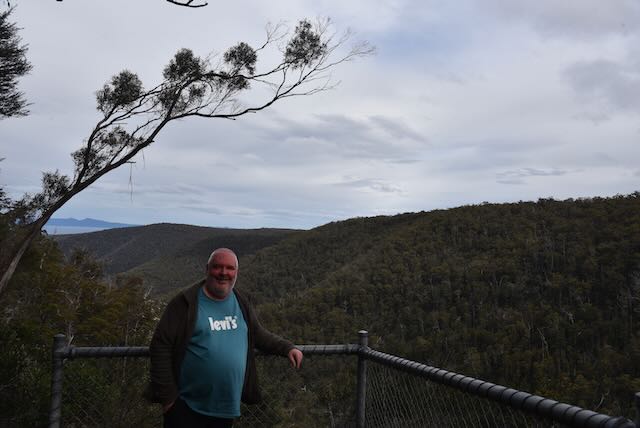
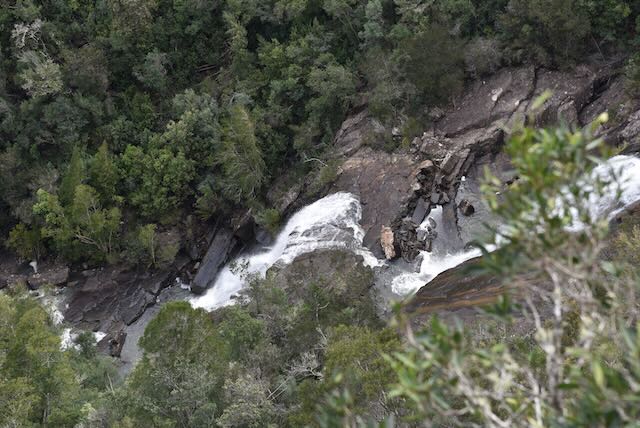
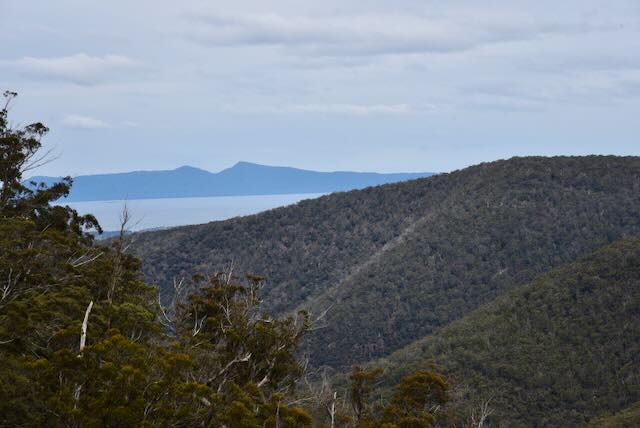
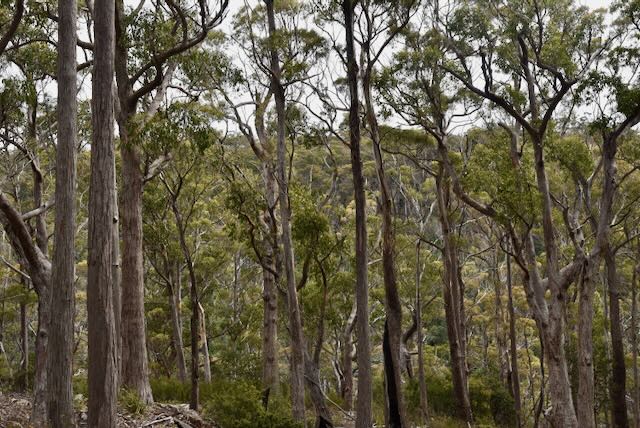
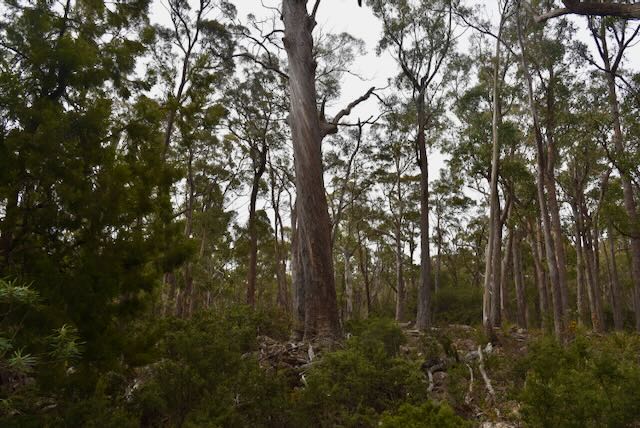
Tasman National Park is located about 56 kilometres east of Hobart. It is 107.5-square-kilometre in size and was proclaimed on the 30th April 1999. It is located on the Forestier and Tasman Peninsulas and includes all of Tasman Island.

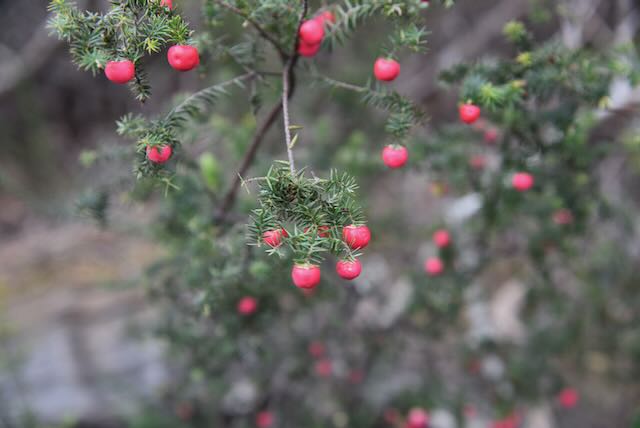
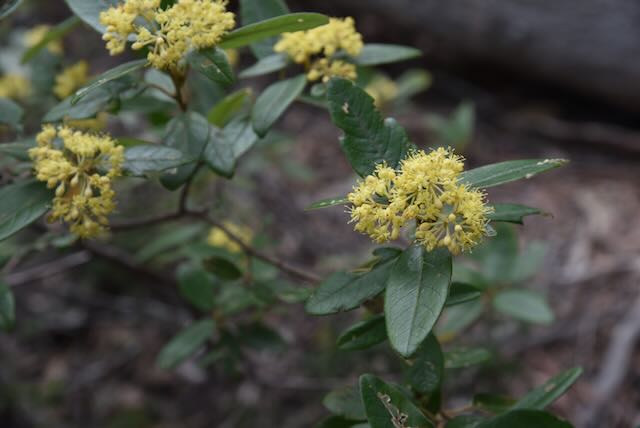
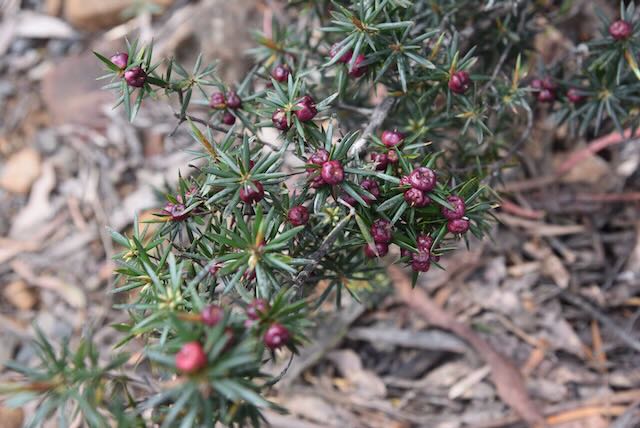
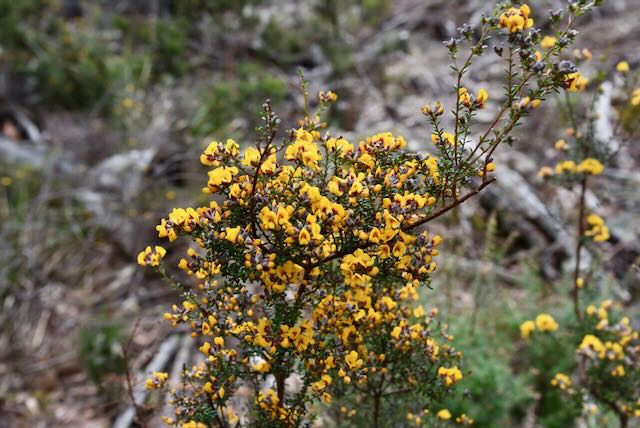
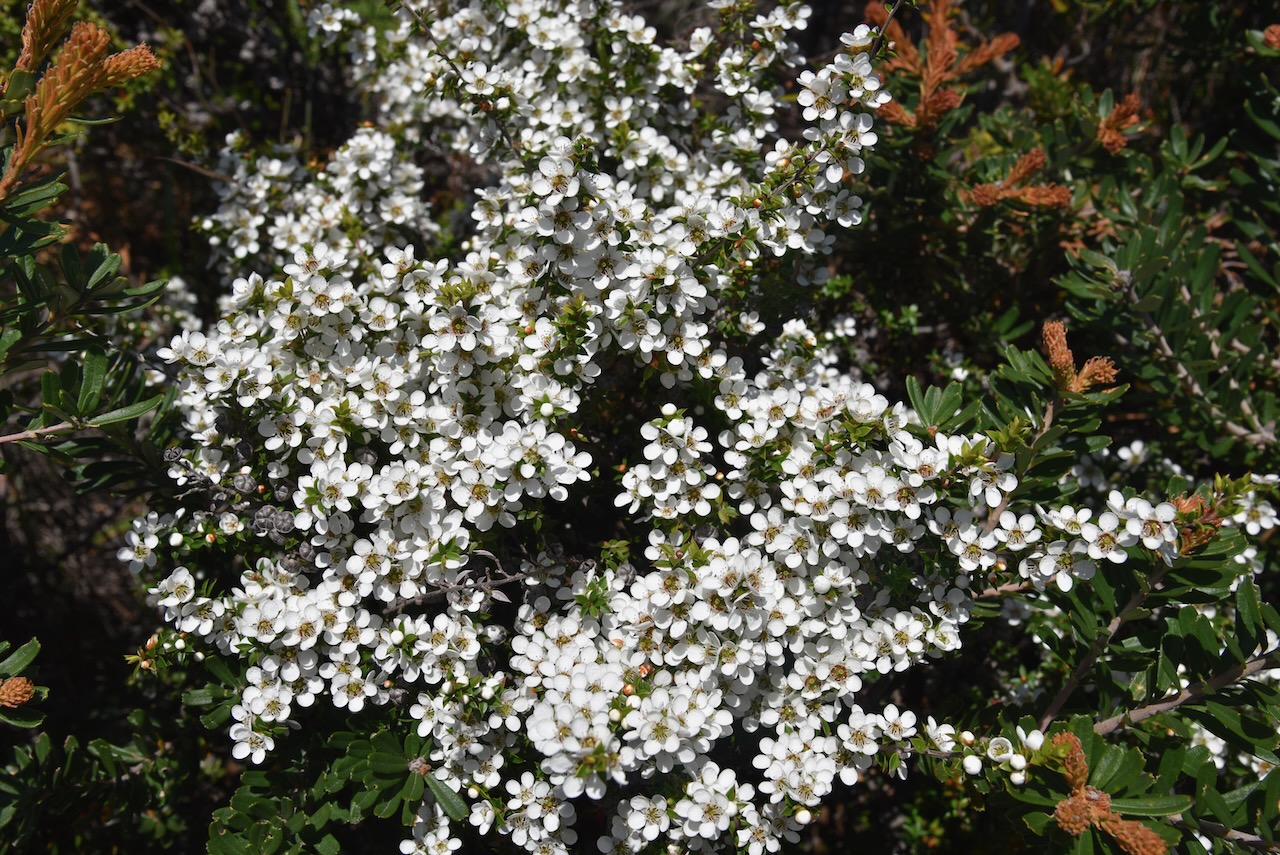
Three species of Euphrasia commonly known as eyebright are found only in Tasman National Park. Also found only in the park is the rare Cape Pillar Sheoak, a small shrub or tree.

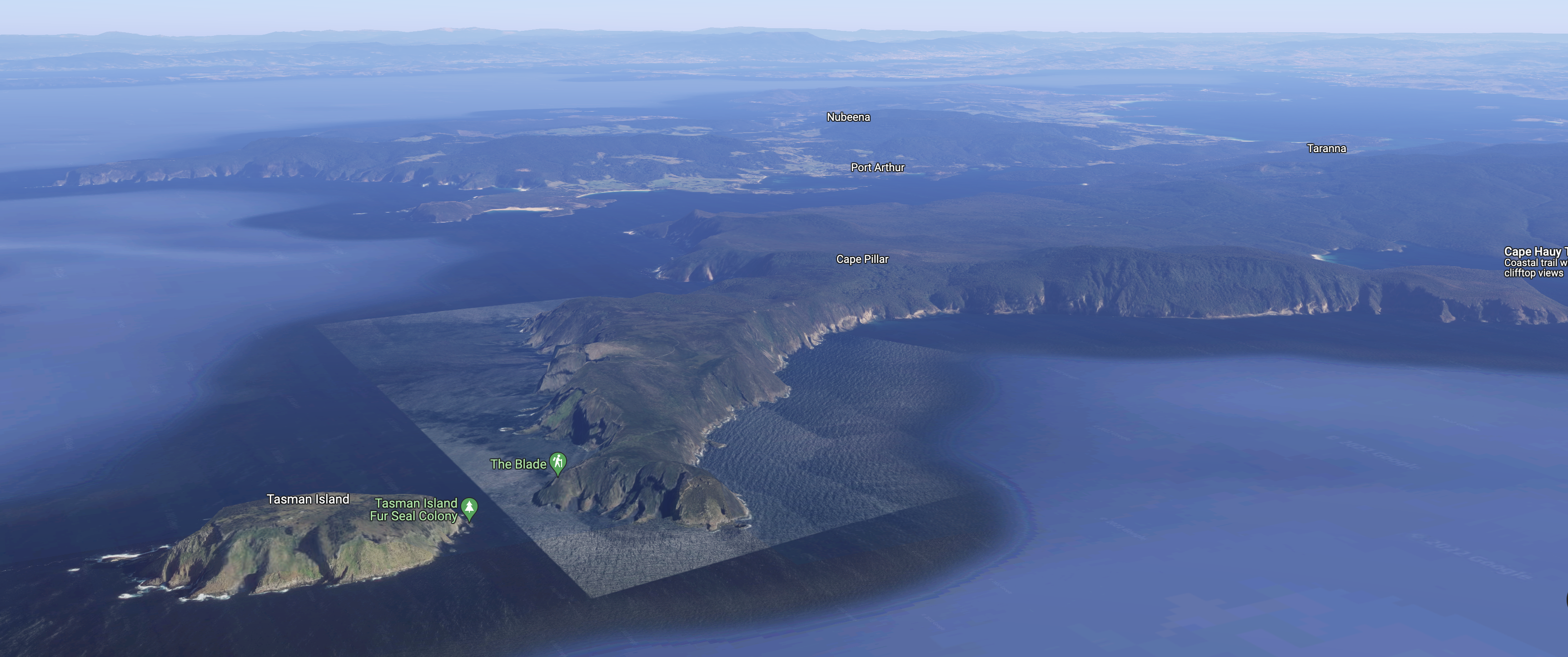
Above:- An aerial shot of the Tasman National Park. Image c/o Google maps.

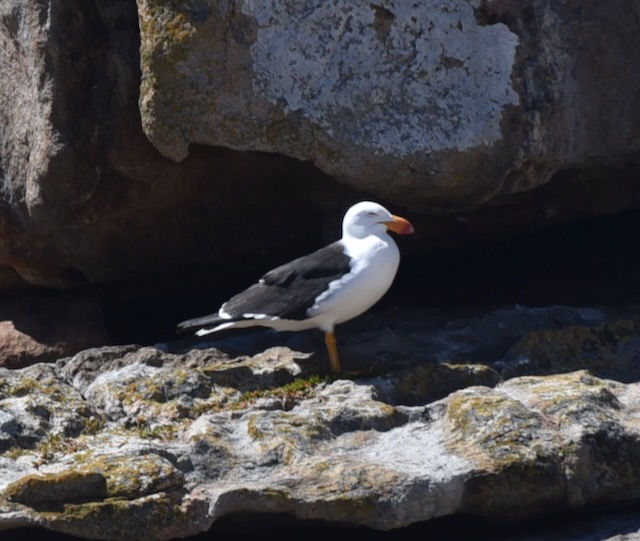
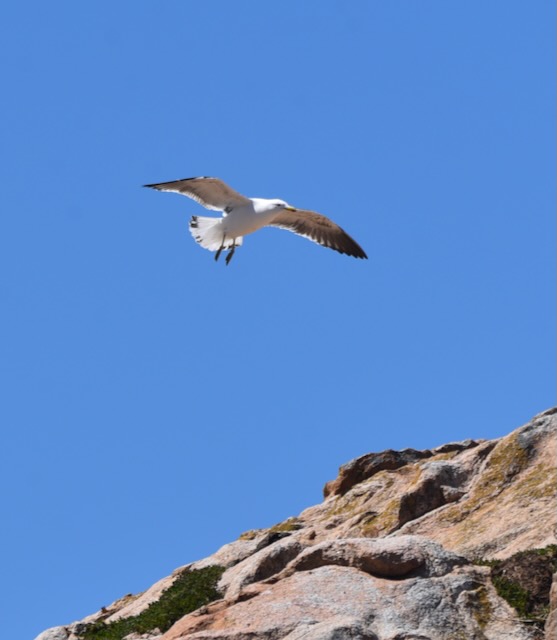
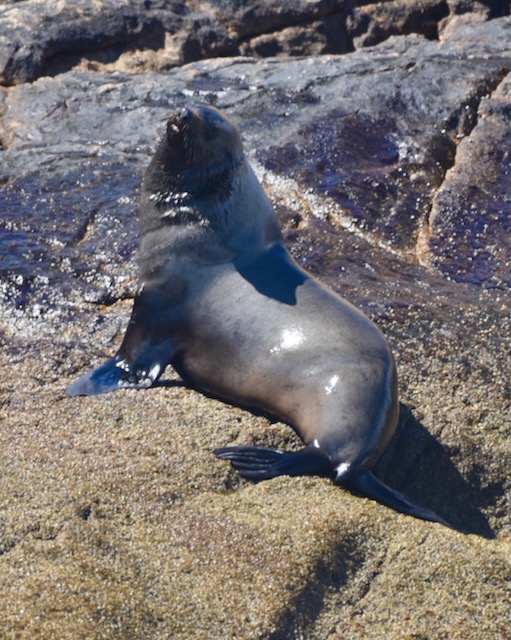
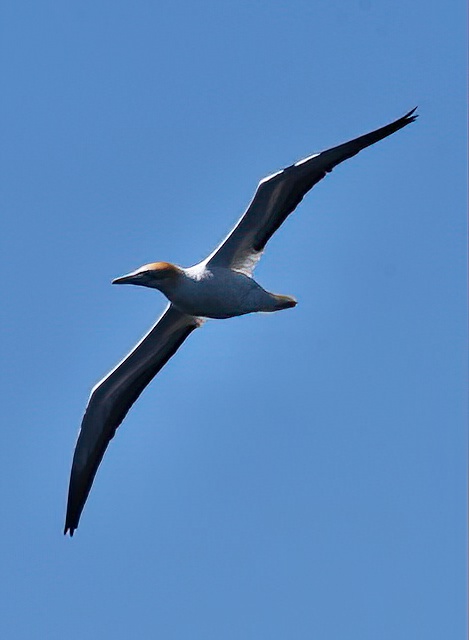
The coast of the Tasman National Park supports a colony of Australian Fur Seals and also Little Penguins. The Tasman National Park forms part of the South-east Tasmania Important Bird Area which has been identified by BirdLife International due to its importance in the conservation of a range of woodland birds. This includes the endangered Swift parrot and the Forty spotted pardalote.

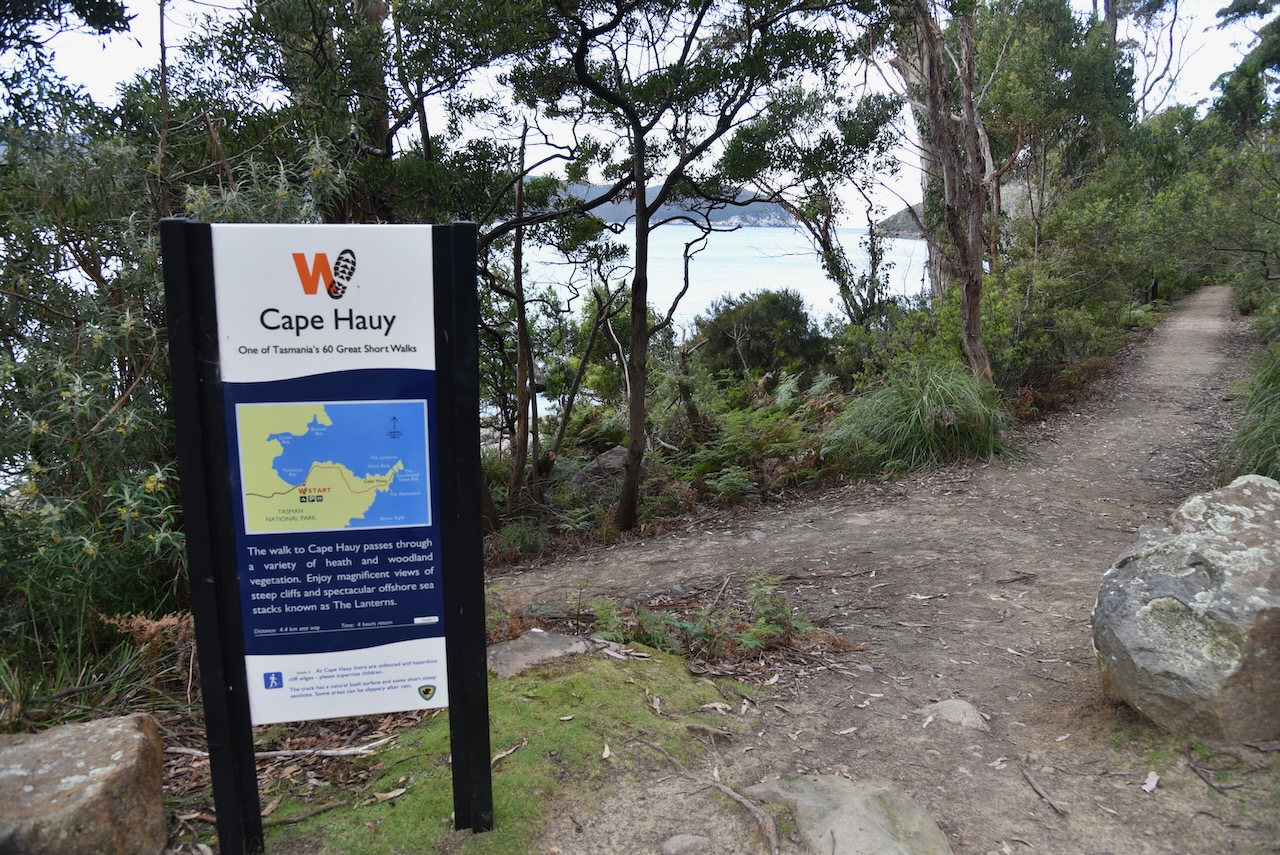
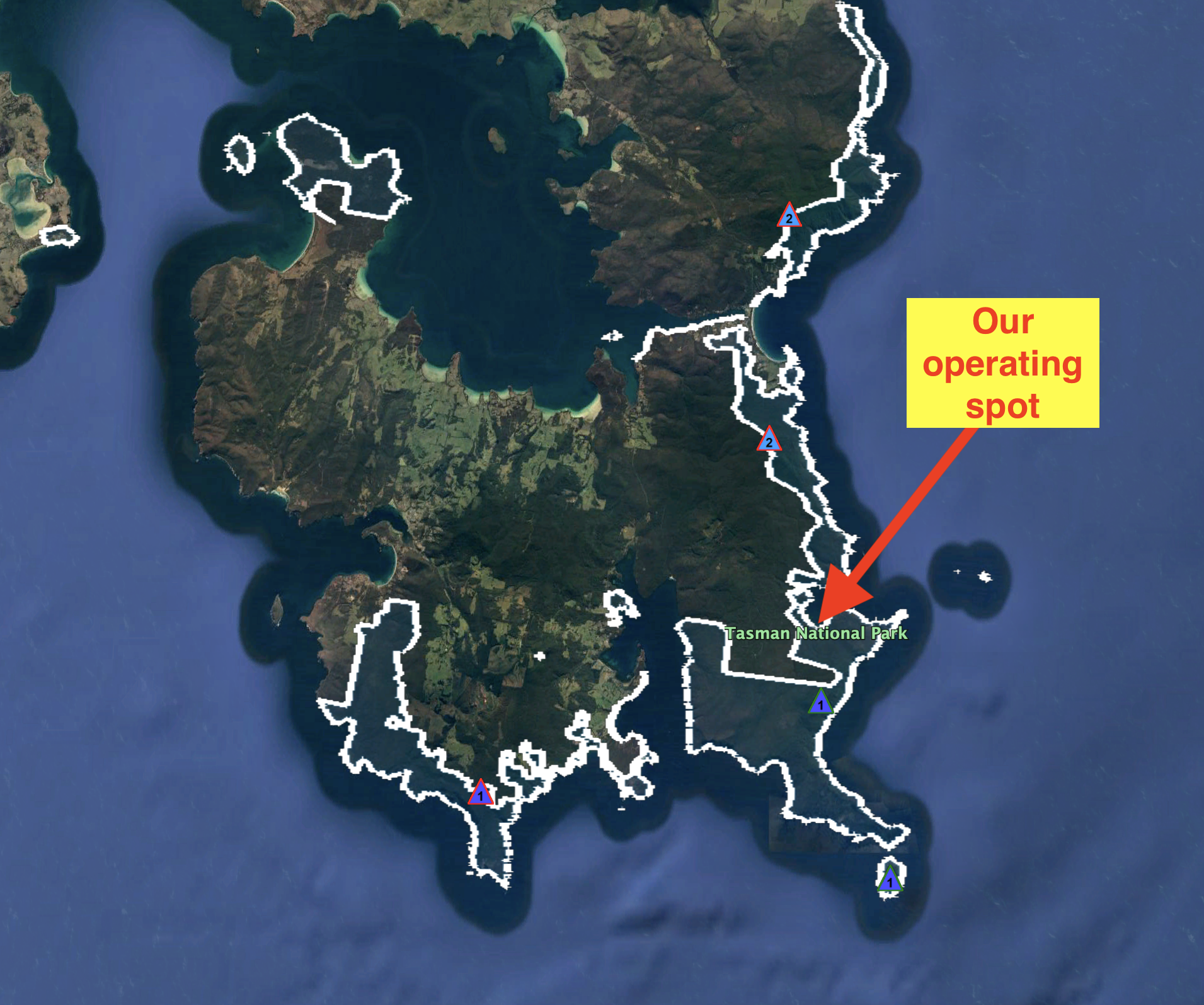
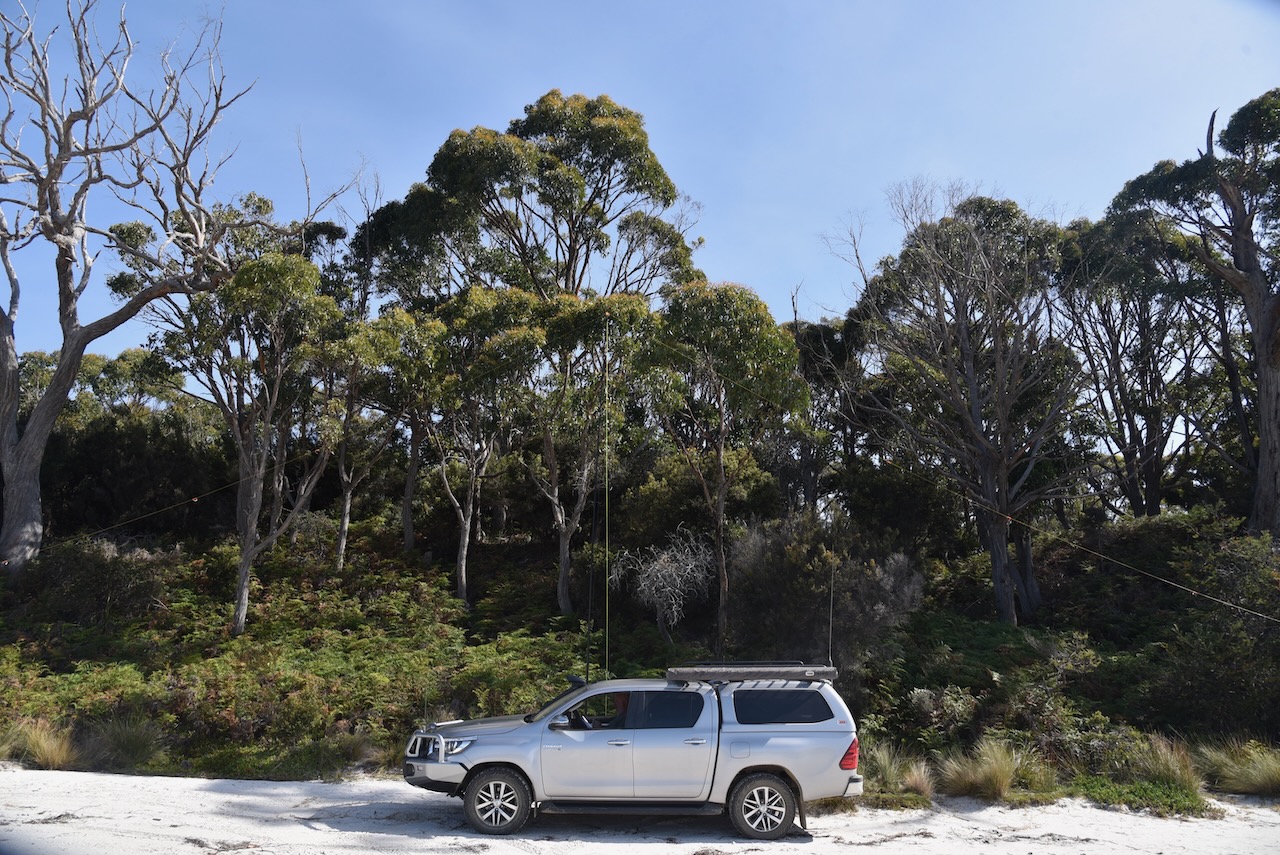
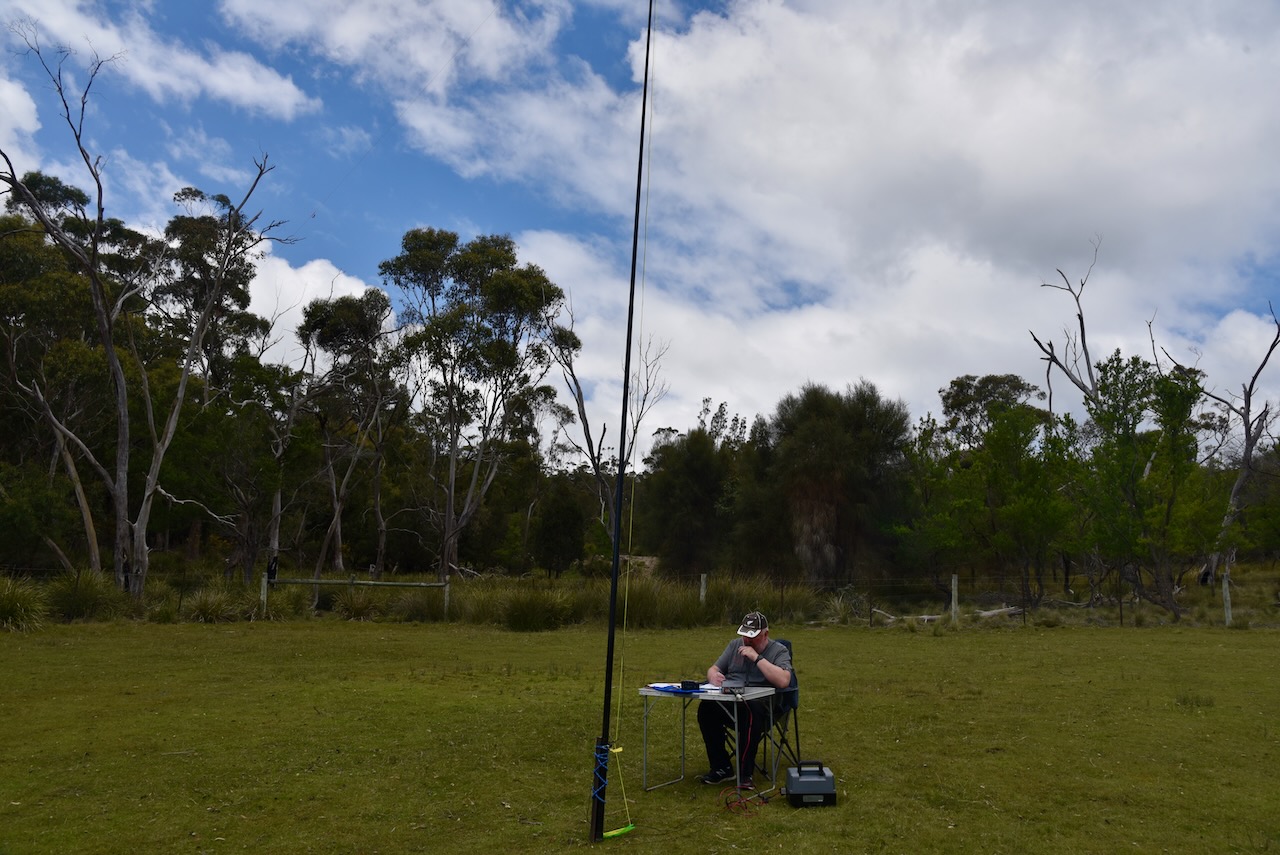
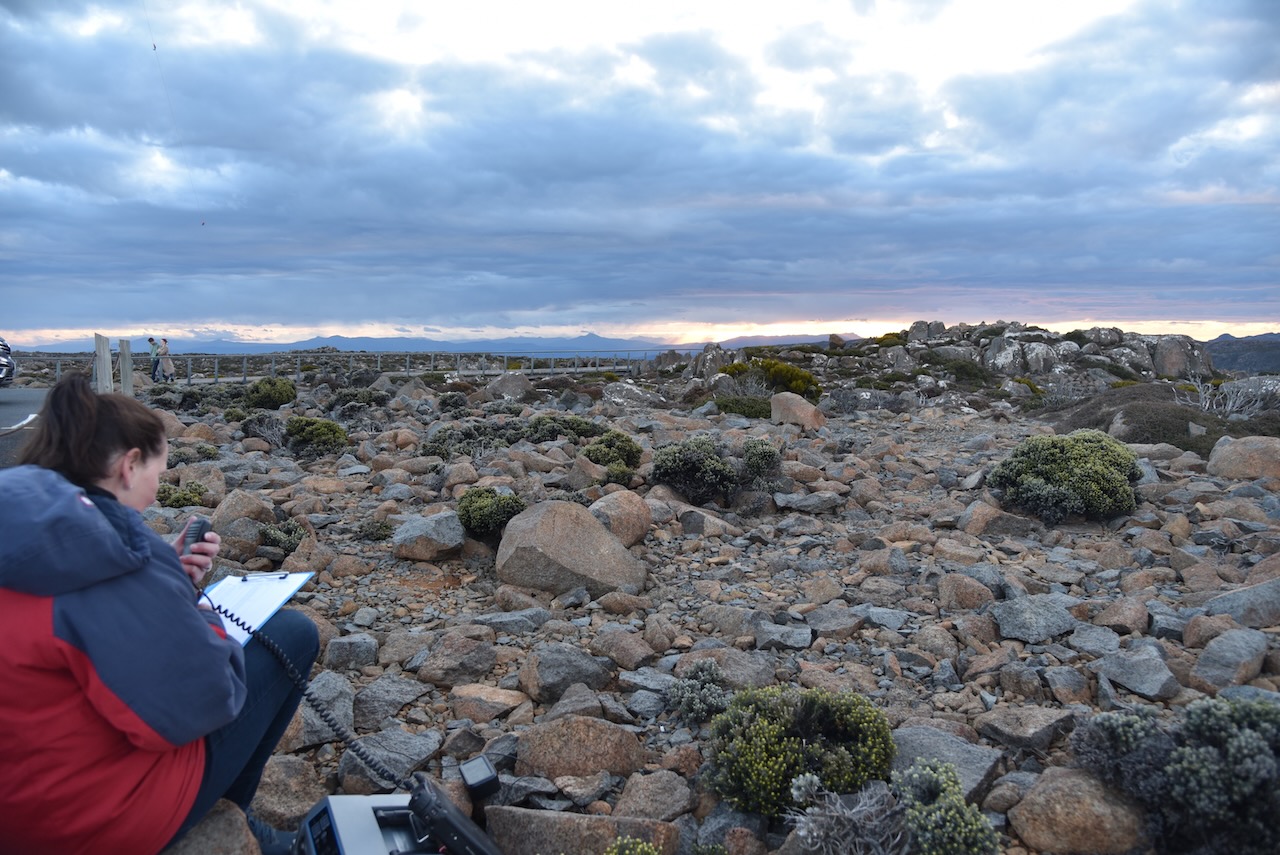
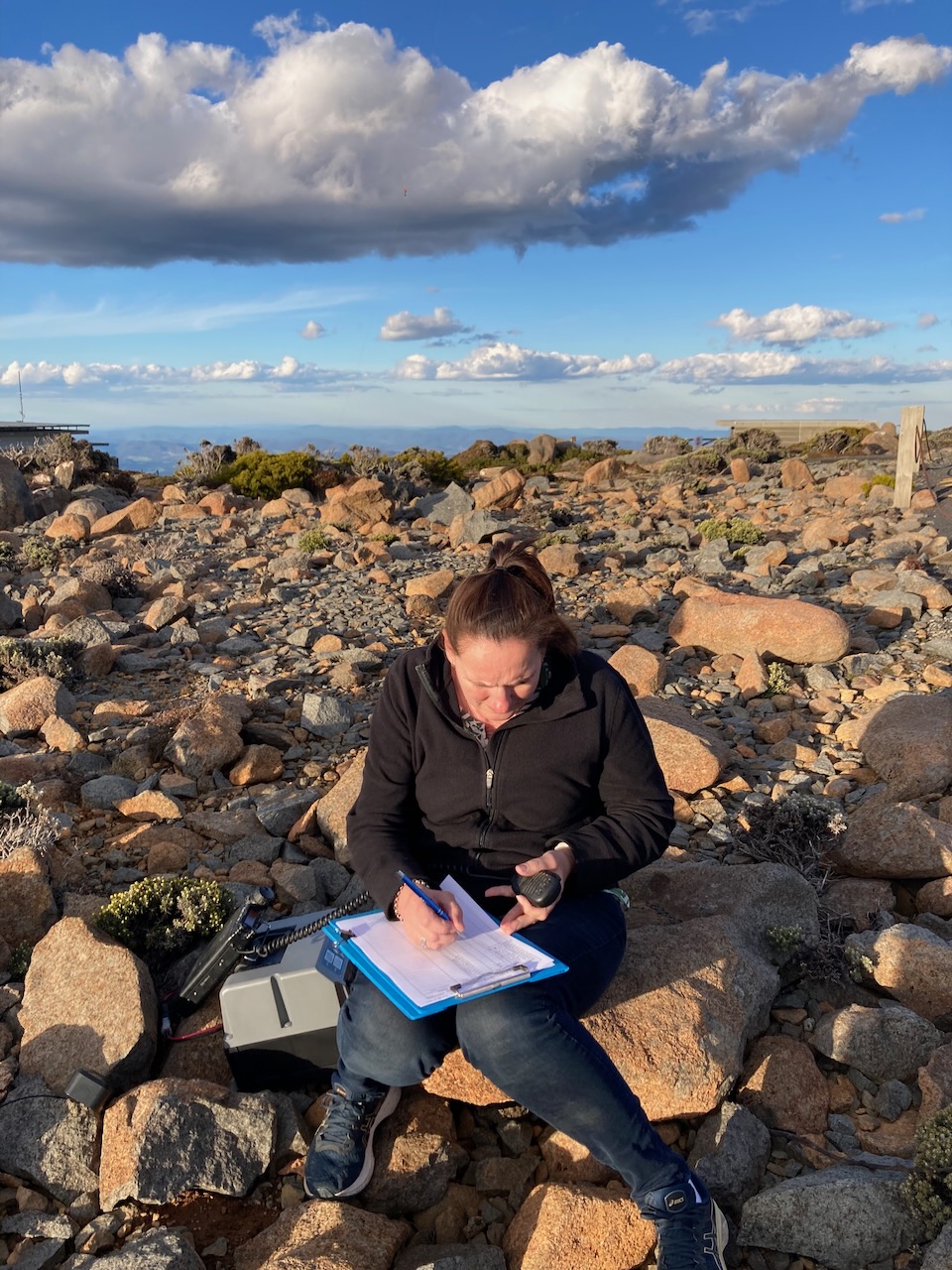
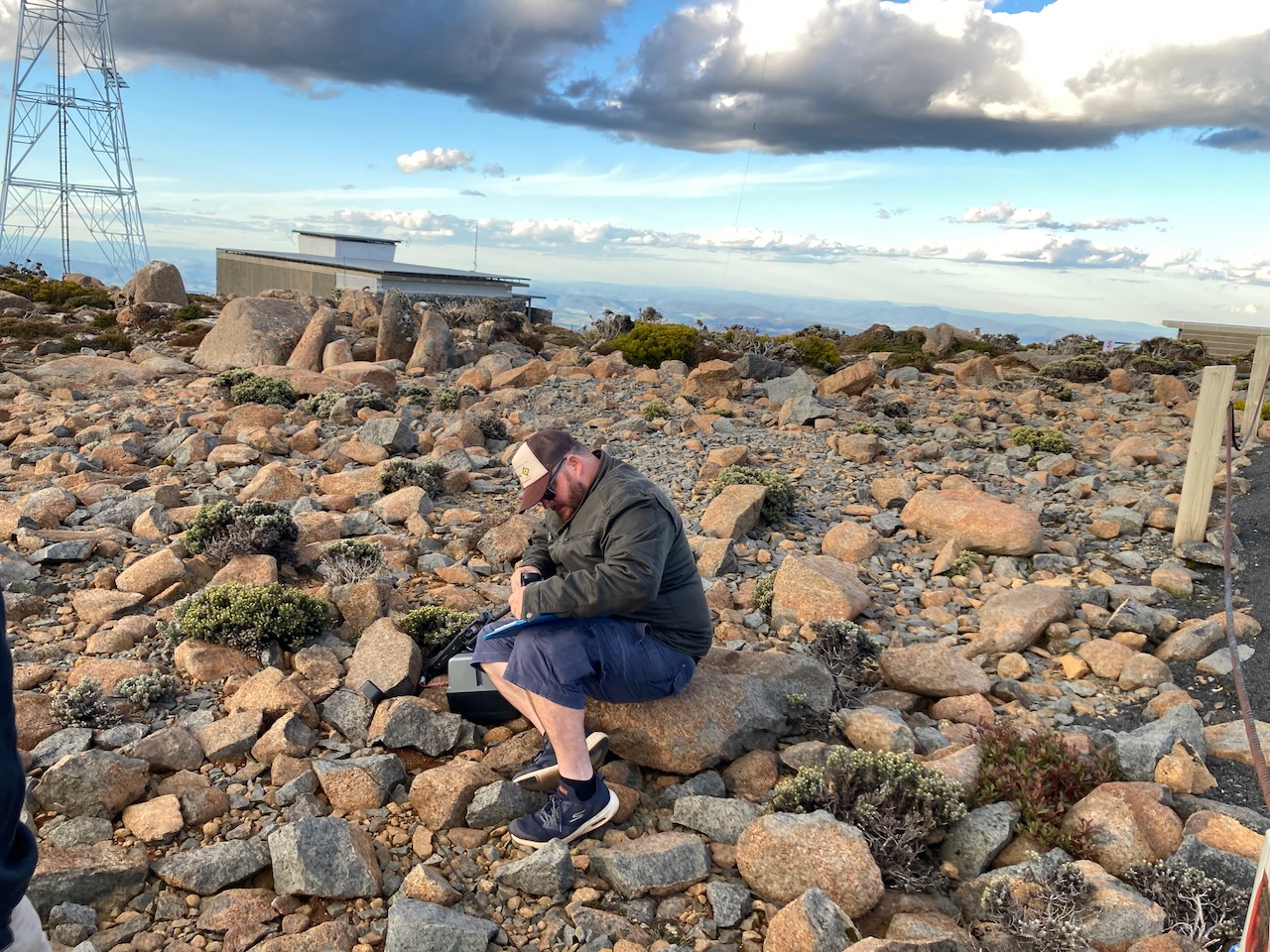
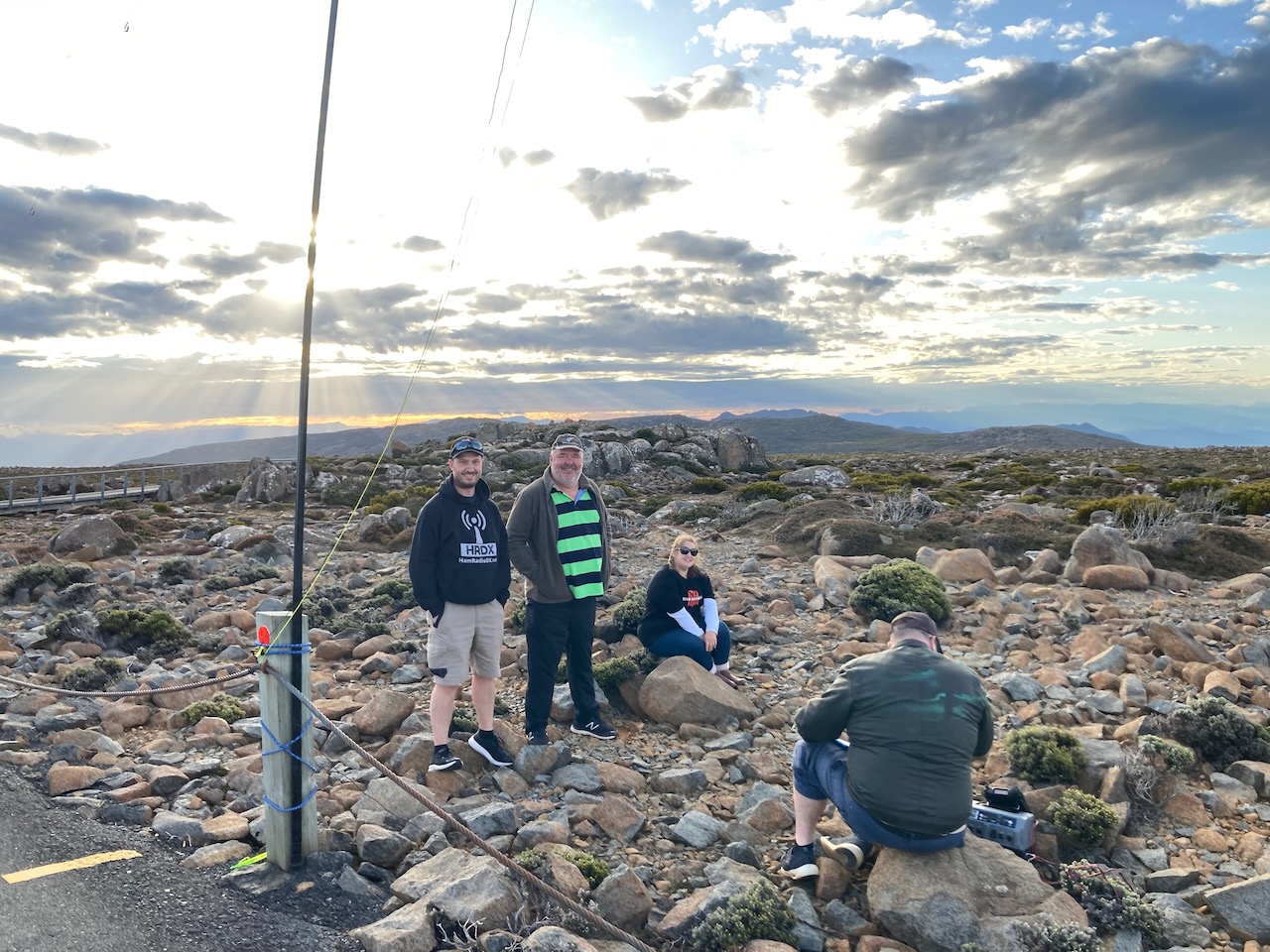
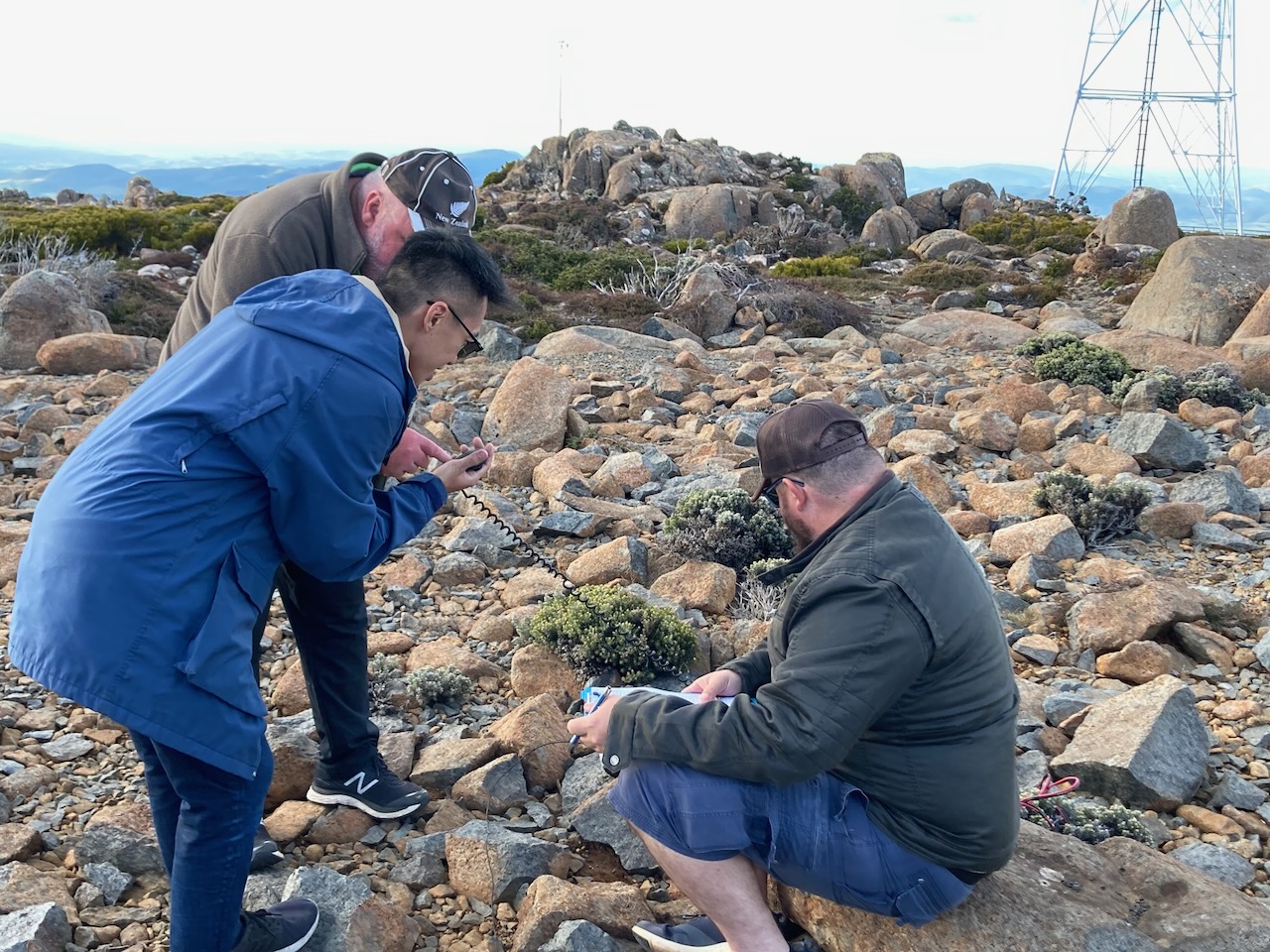
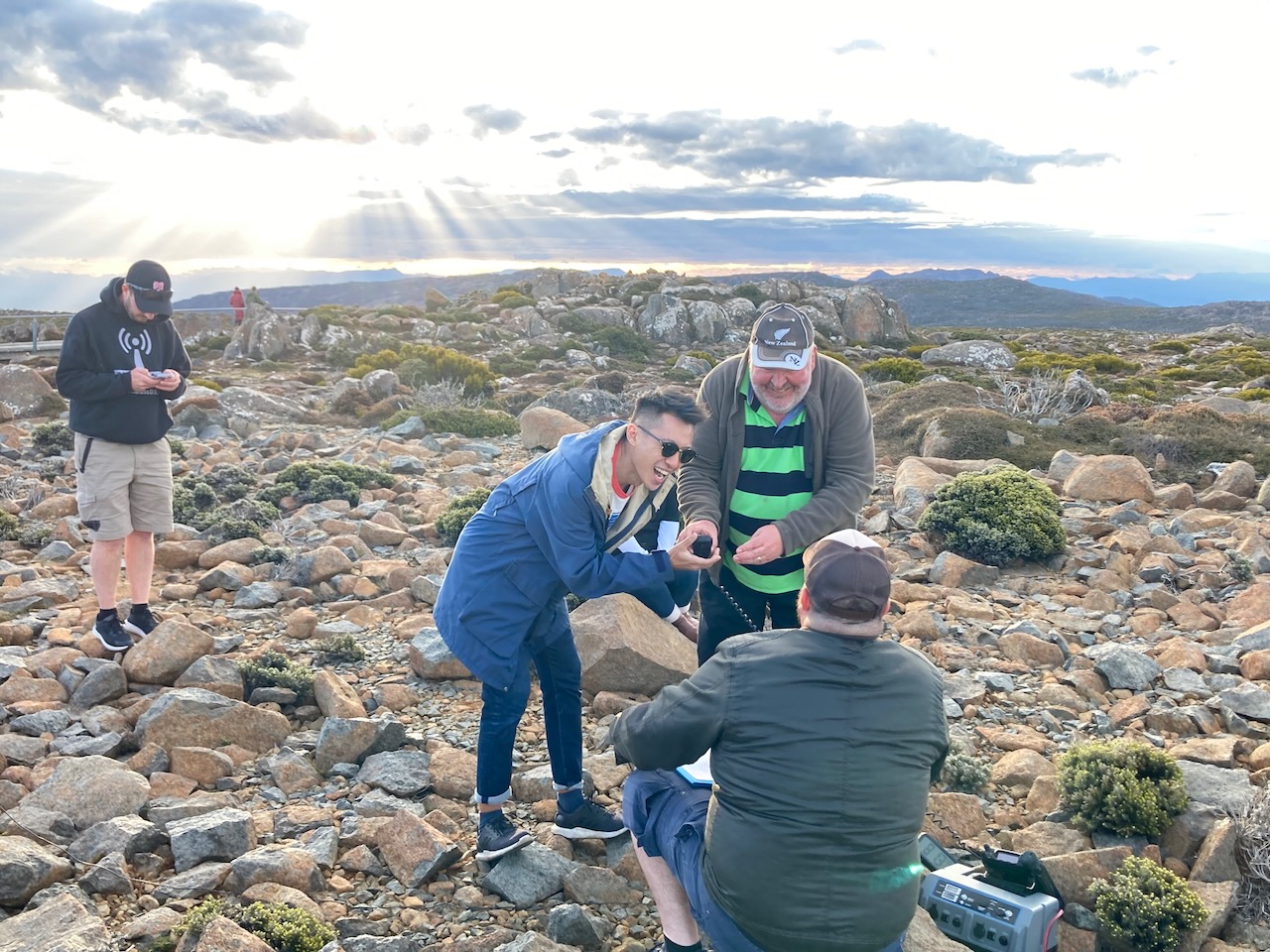
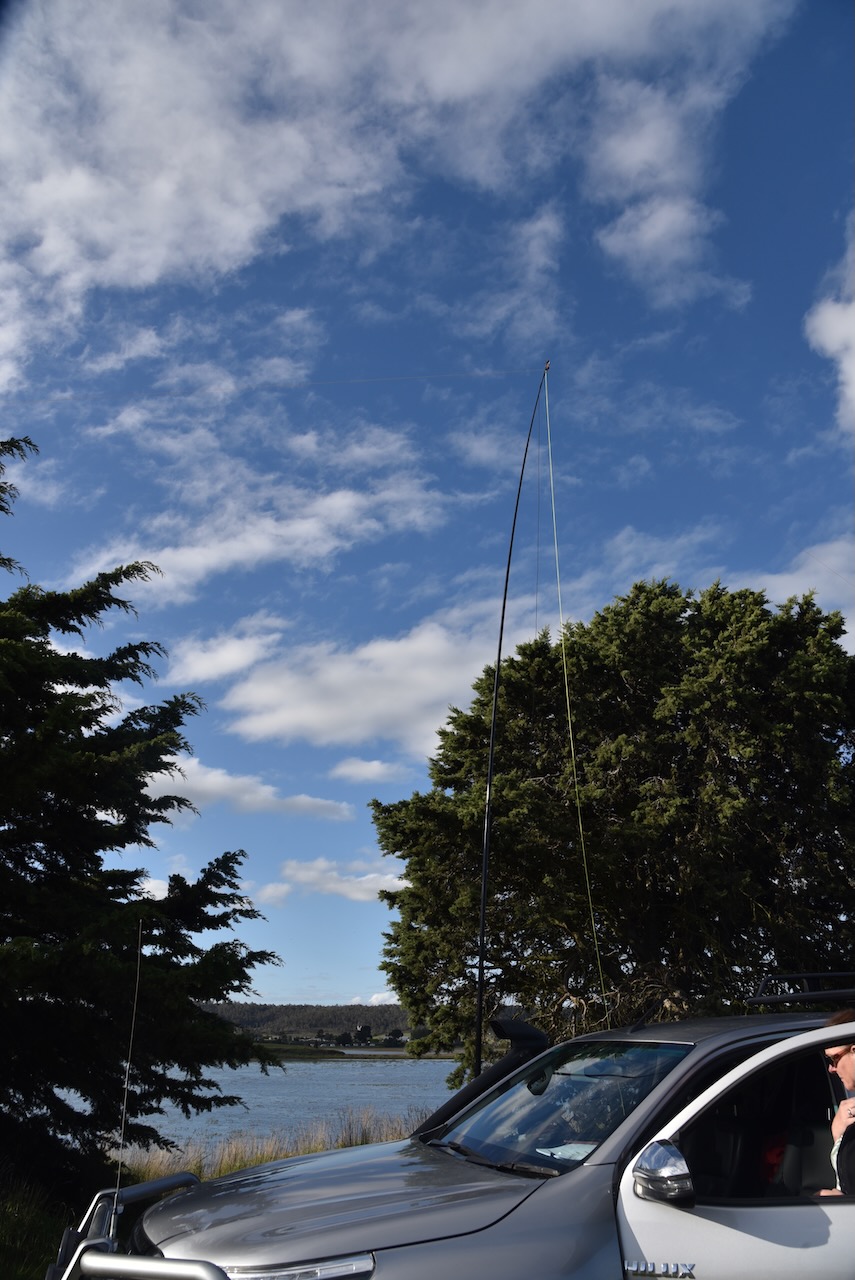
We operated from the campground at the trailhead of Cape Hauy. We operated from the 4WD using the Icom IC-7000, 100 watts, and the Codan 9350 self tuning whip antenna.

Above:- An aerial shot of the park showing our operating spot. Image c/o Google Earth.

Marija made the following QSOs on 40m SSB:-

  1. VK2DWP
  2. ZL4NVW/p (Mount Aspiring National Park ZLFF-0006)
  3. VK2VH
  4. VK4AAC
  5. VK2EXA
  6. VK2MET
  7. VK1AO
  8. VK3APJ
  9. VK3SMW
  10. VK4NH
  11. VK4DXA

Marija made the following QSOs on 20m SSB:-

  1. VK6NU/p (SOTA VK6/ SW-005 & Stirling Range National Park VKFF-0467)
  2. ZL1TM

I made the following QSOs on 40m SSB:-

  1. VK2DWP
  2. ZL4NVW/p (Mount Aspiring National Park ZLFF-0006)
  3. VK2VH
  4. VK4AAC
  5. VK2EXA
  6. VK2MET
  7. VK1AO
  8. VK3APJ
  9. VK3SMW
  10. VK4NH
  11. VK4DXA
  12. VK2NP
  13. VK2VW
  14. VK2HFI

I made the following QSOs on 20m SSB:-

  1. VK6NU/p (SOTA VK6/ SW-005 & Stirling Range National Park VKFF-0467)
  2. ZL1TM
  3. VK4HAT
  4. IW2NXI
  5. VK4NH
  6. VK4DXA
  7. VK5HS

It was starting to get late in the day and we were hungry, so we decided to pack up having not reached the 44 QSOs required for the global World Wide Flora Fauna (WWFF) program. However we had both qualified the park for VKFF with 10 QSOs each. It was a pleasure to log Matt ZL4NVW in New Zealand and John VK6NU in Western Australia for some Park to Park contacts.

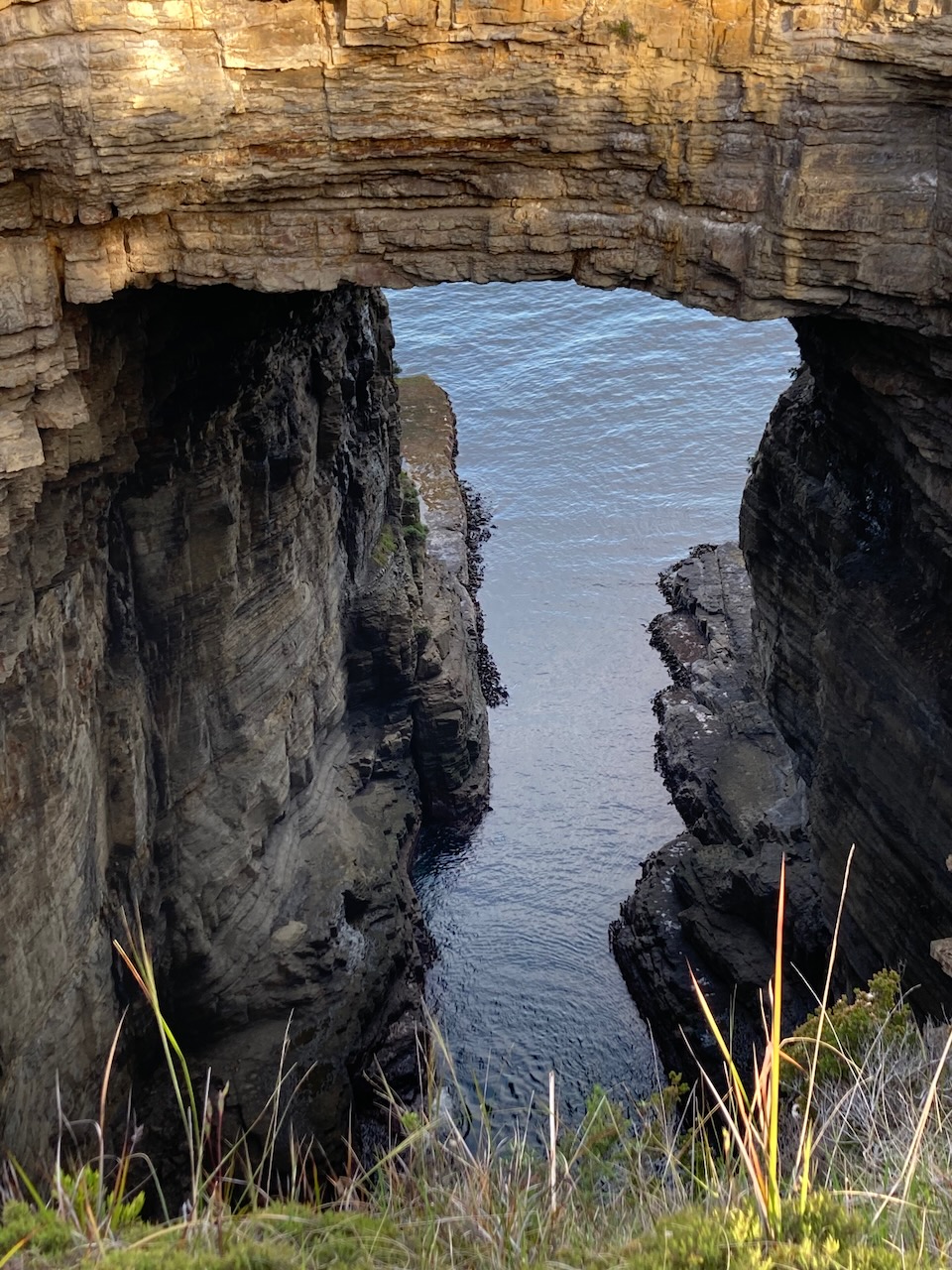
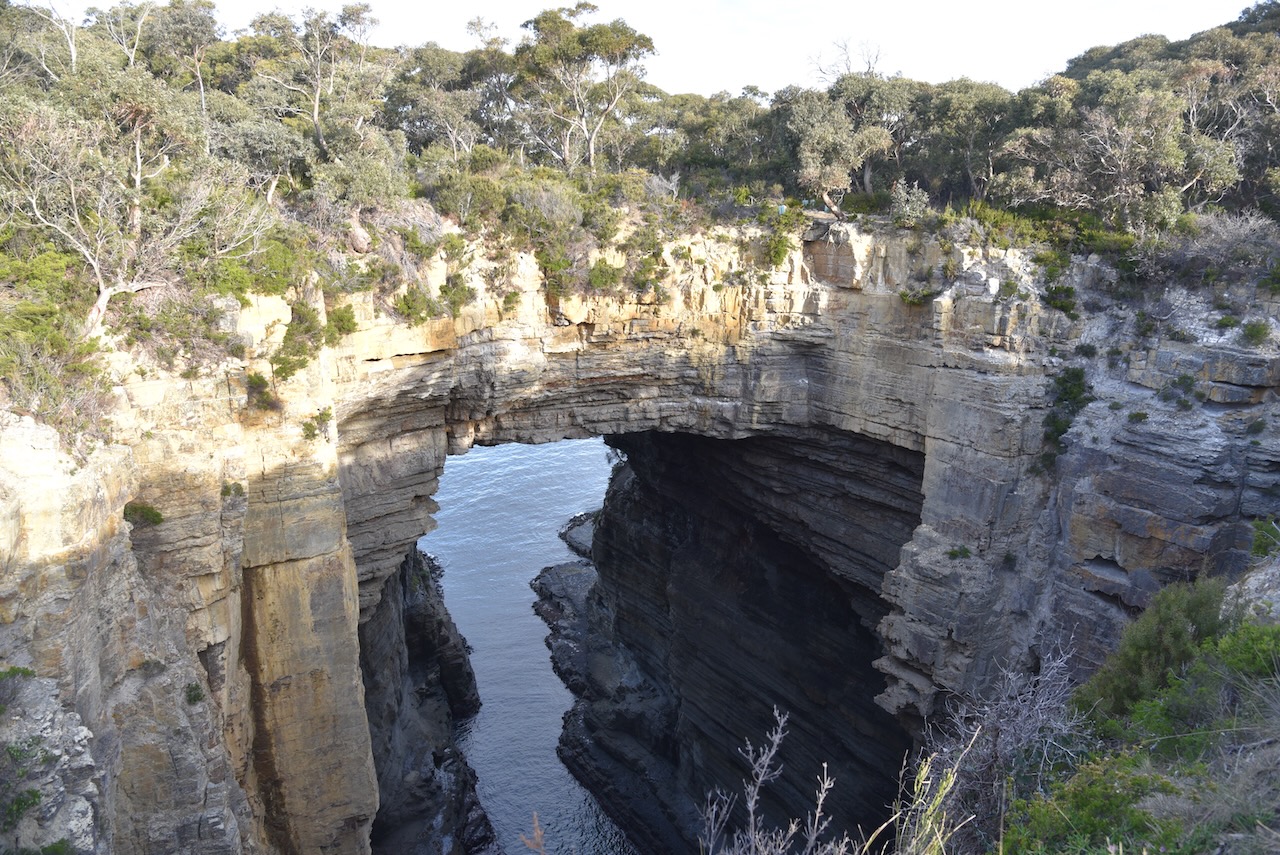
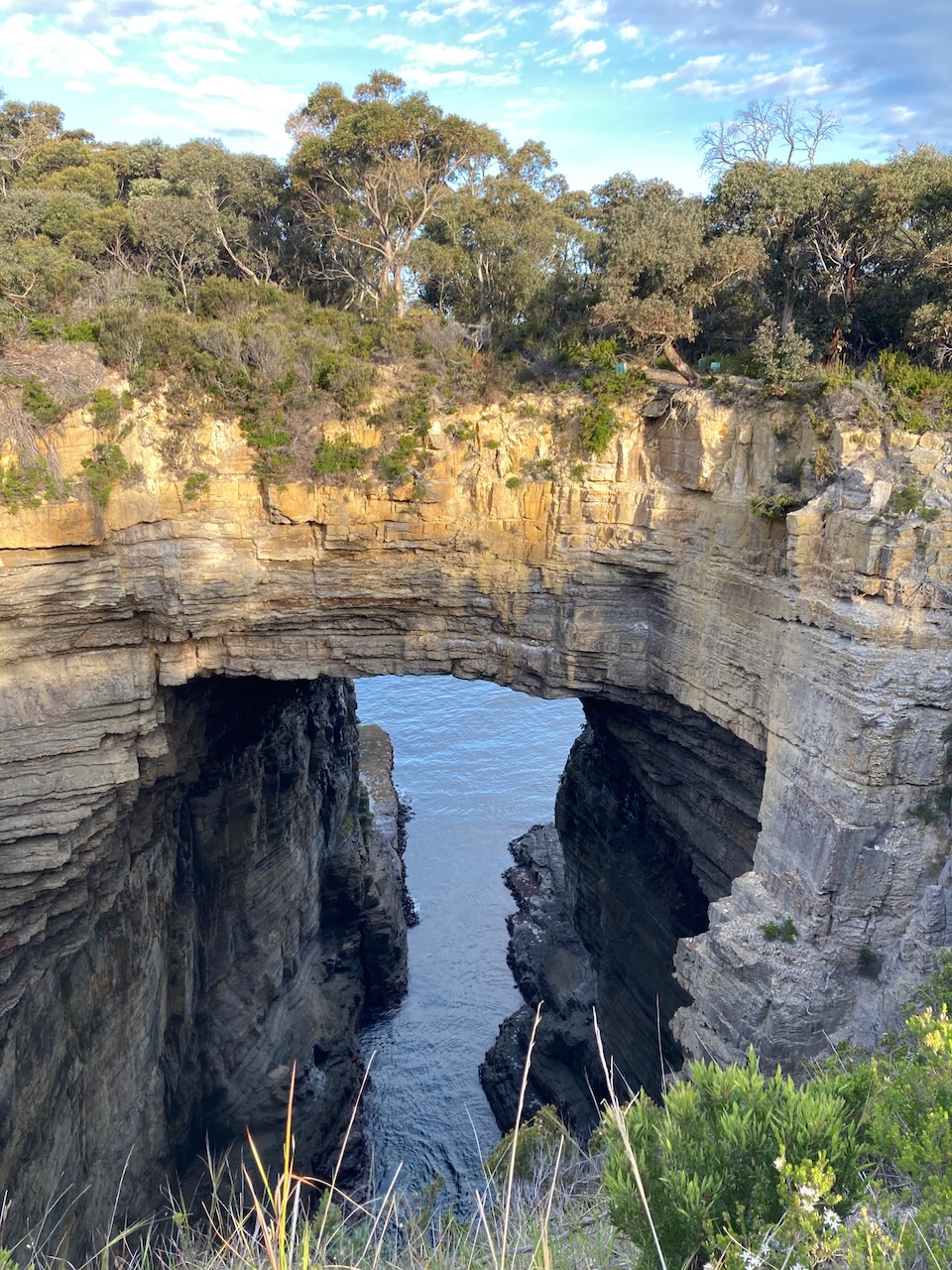
We stopped briefly to have a look at Tasmans Arch which is located in the park.

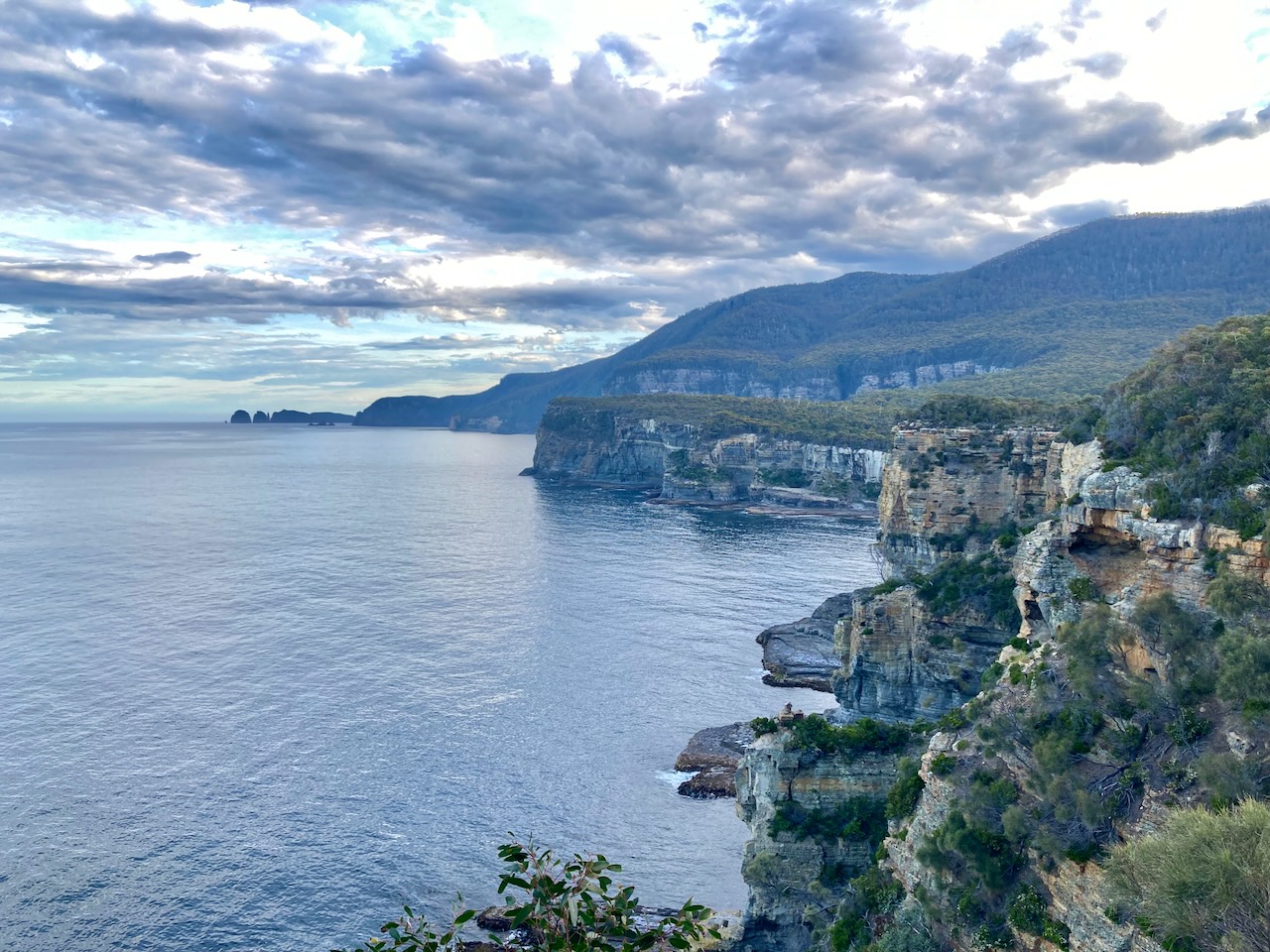
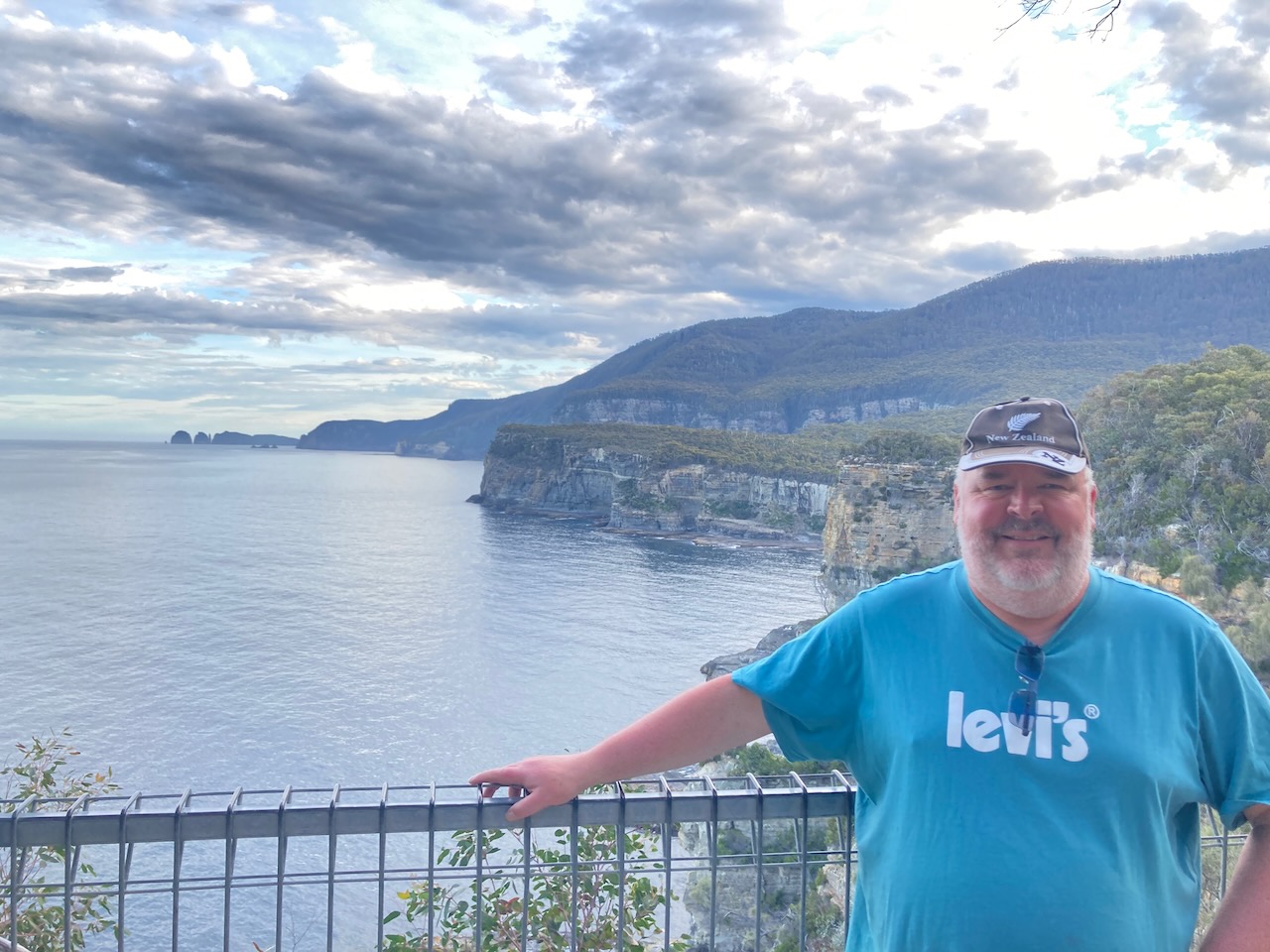
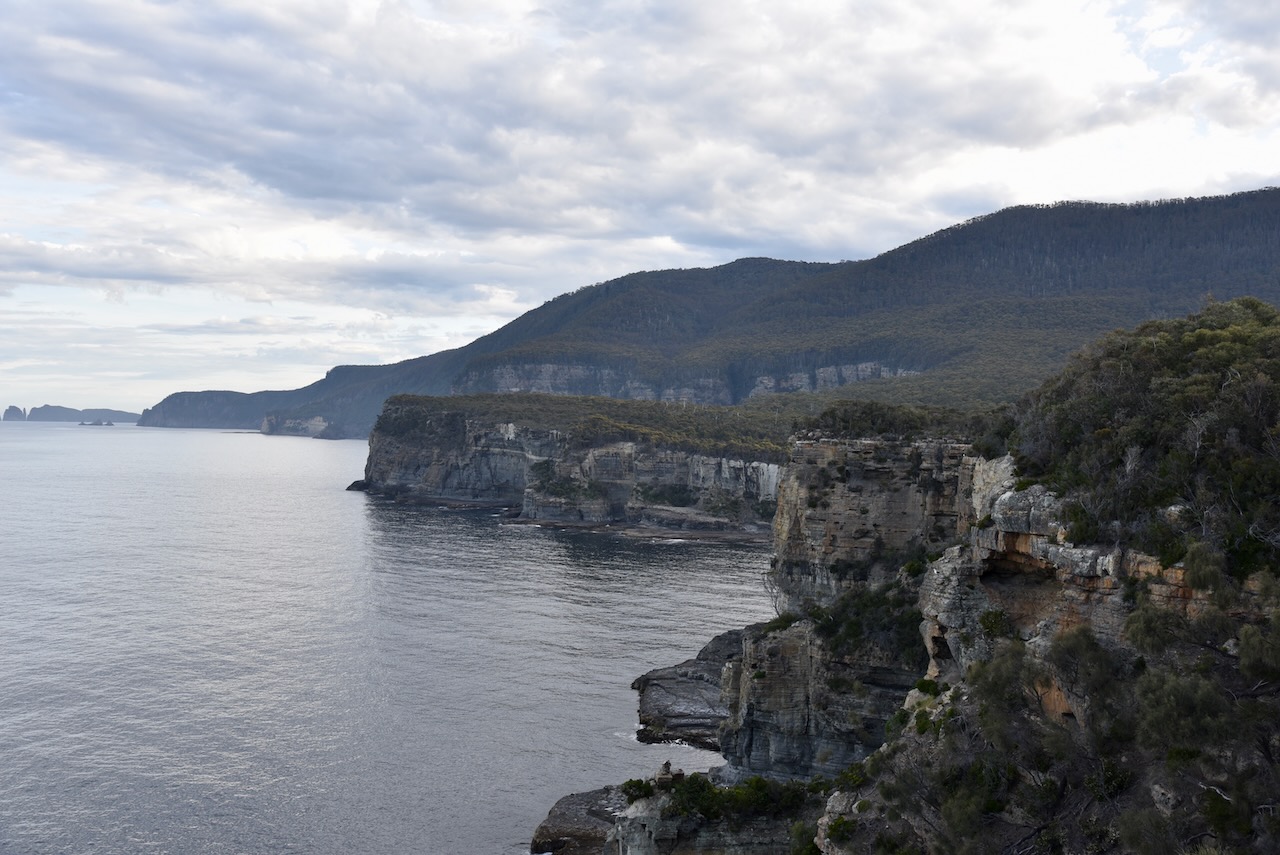
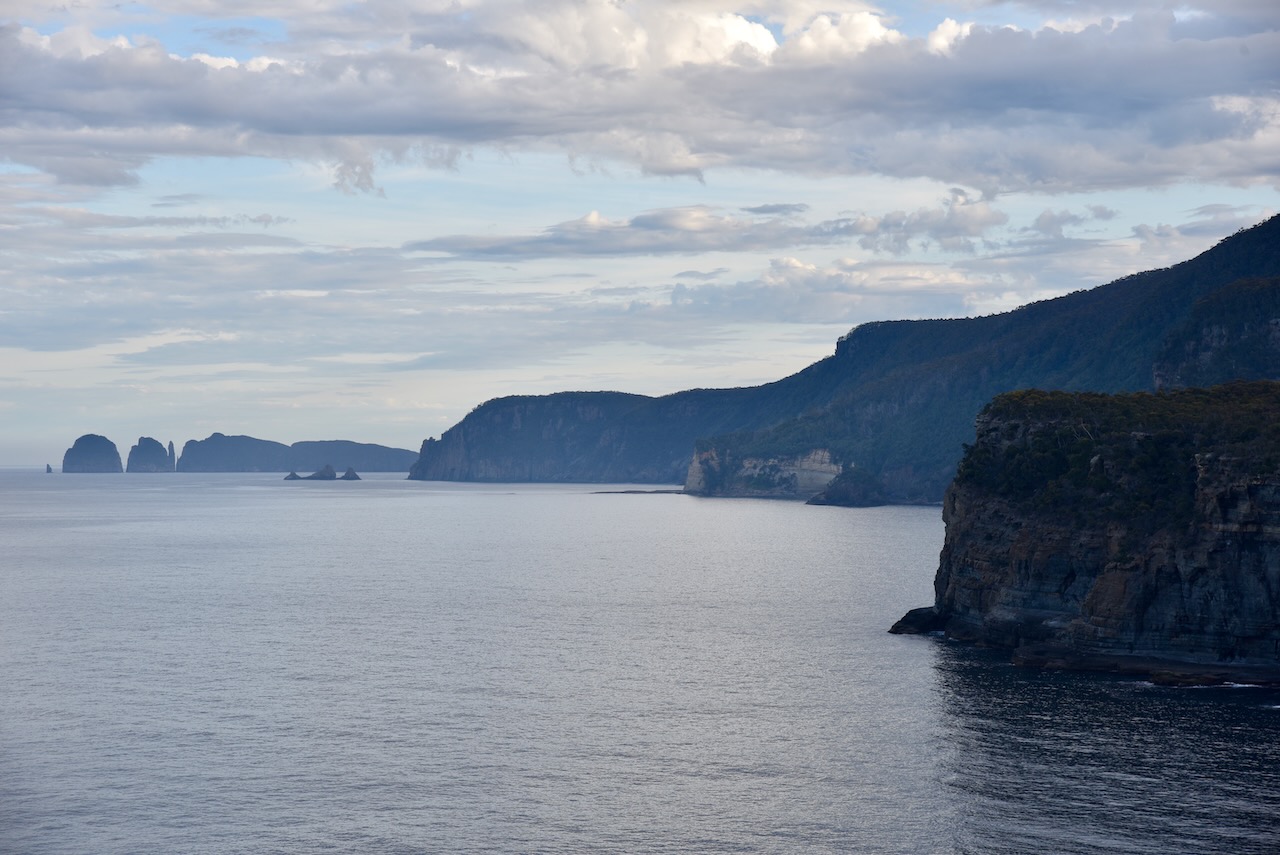
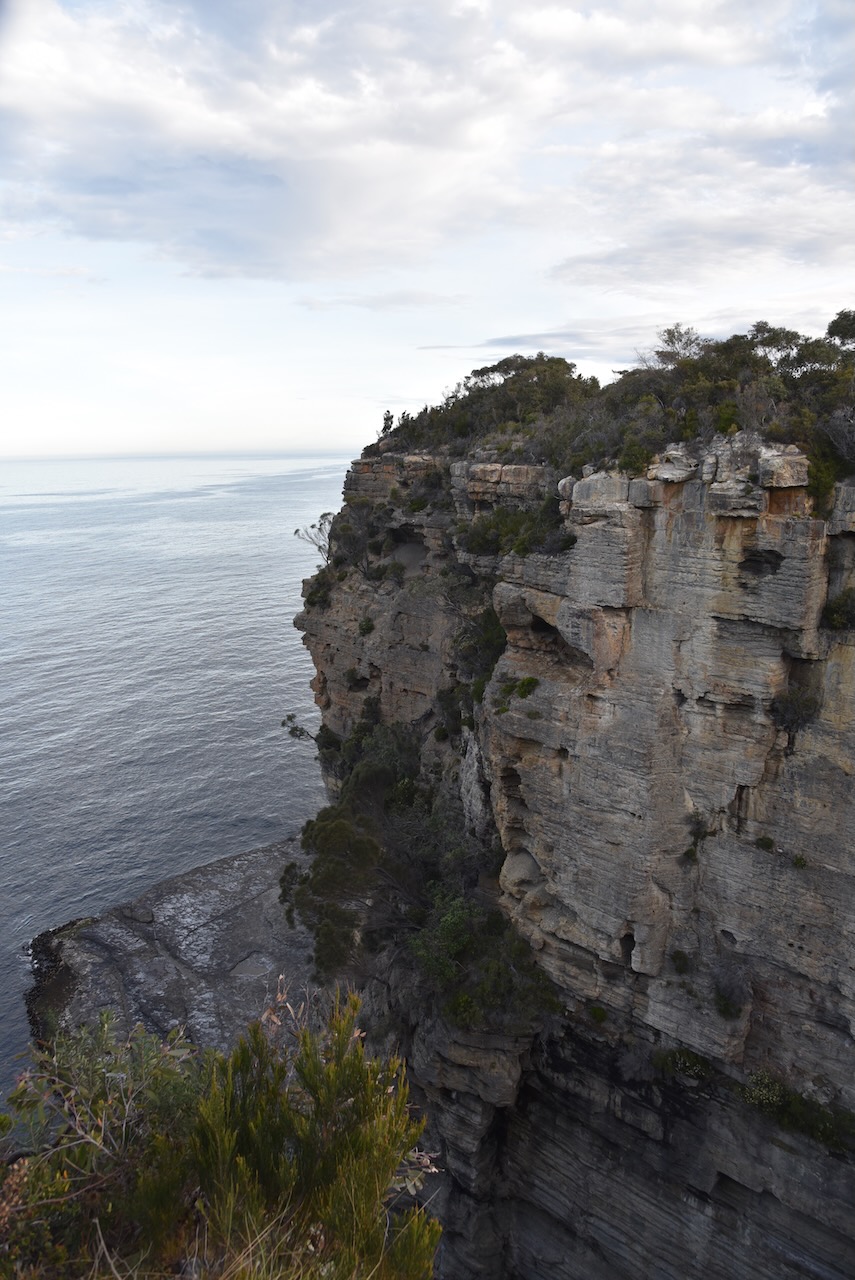
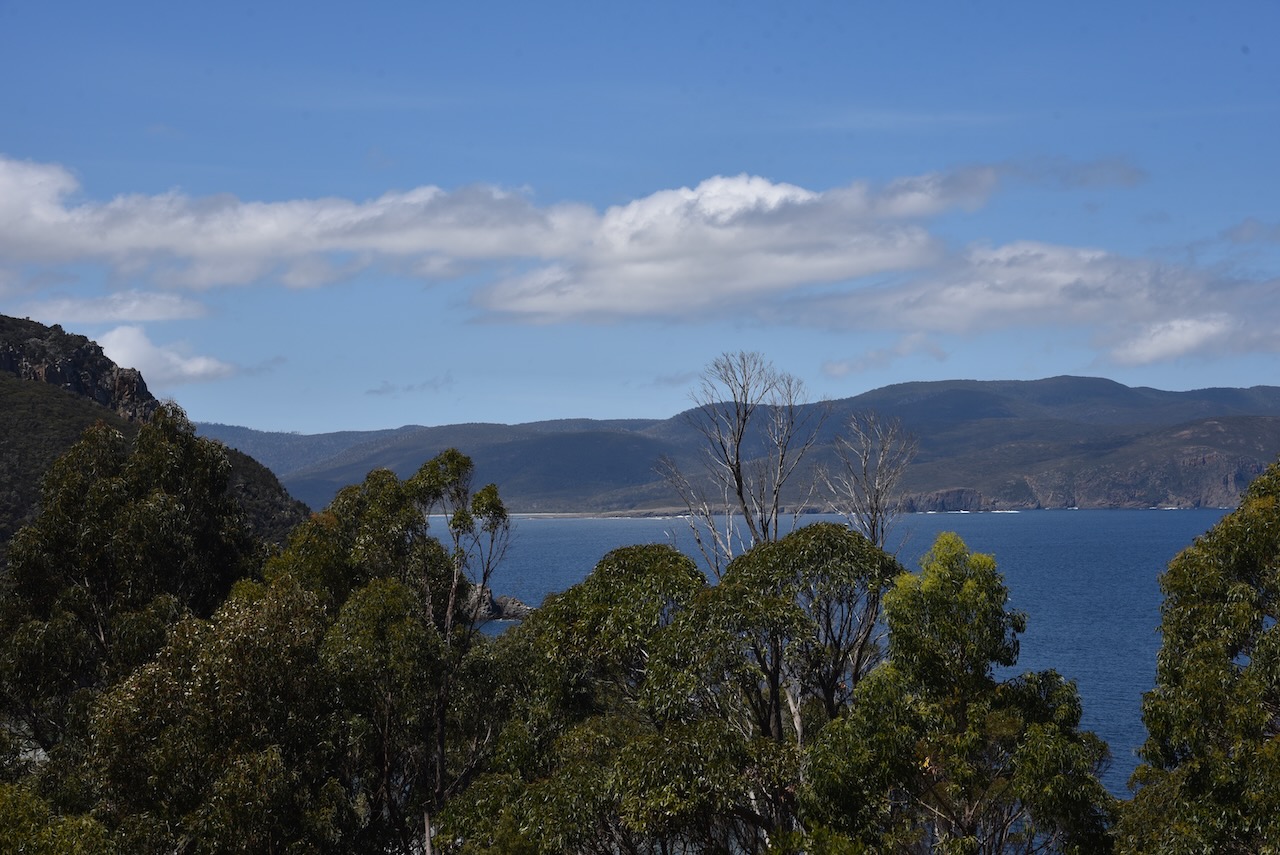
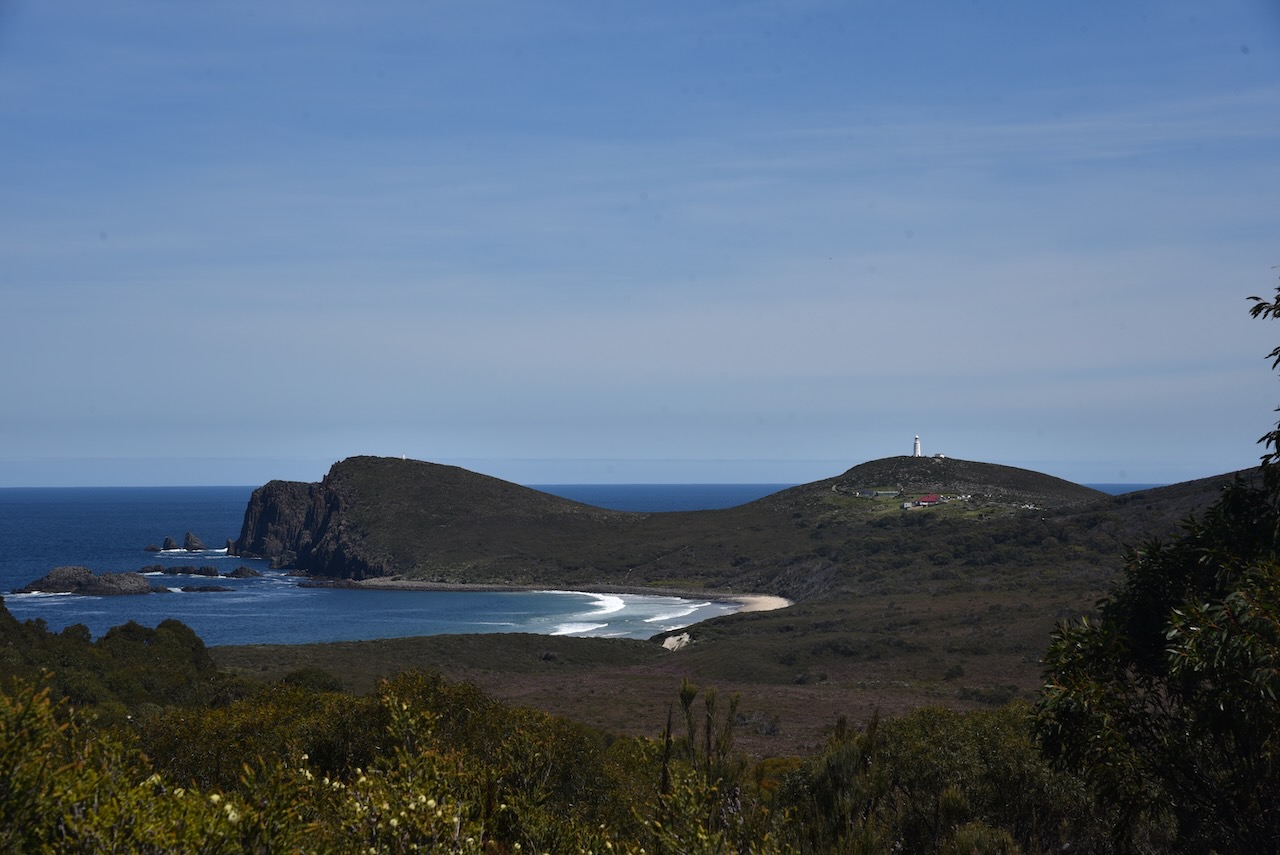
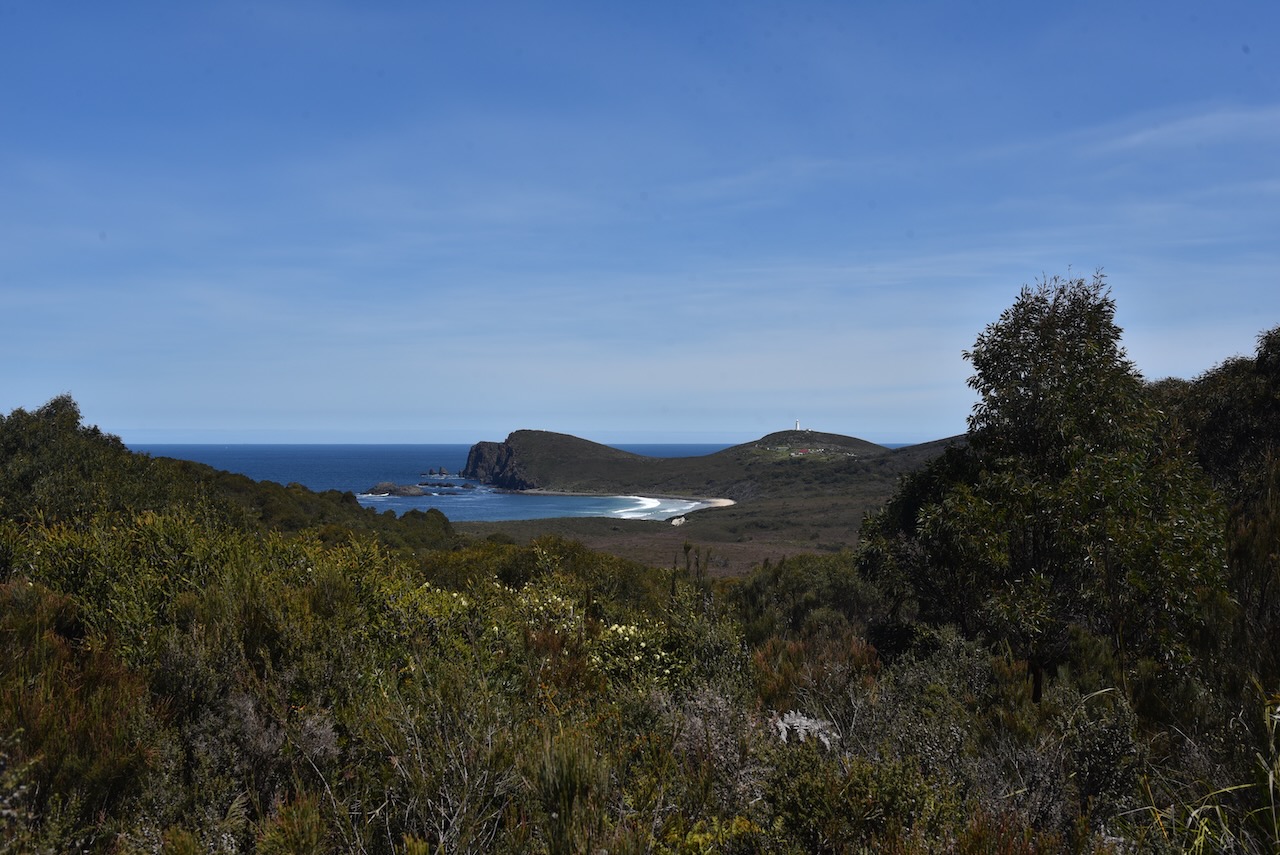
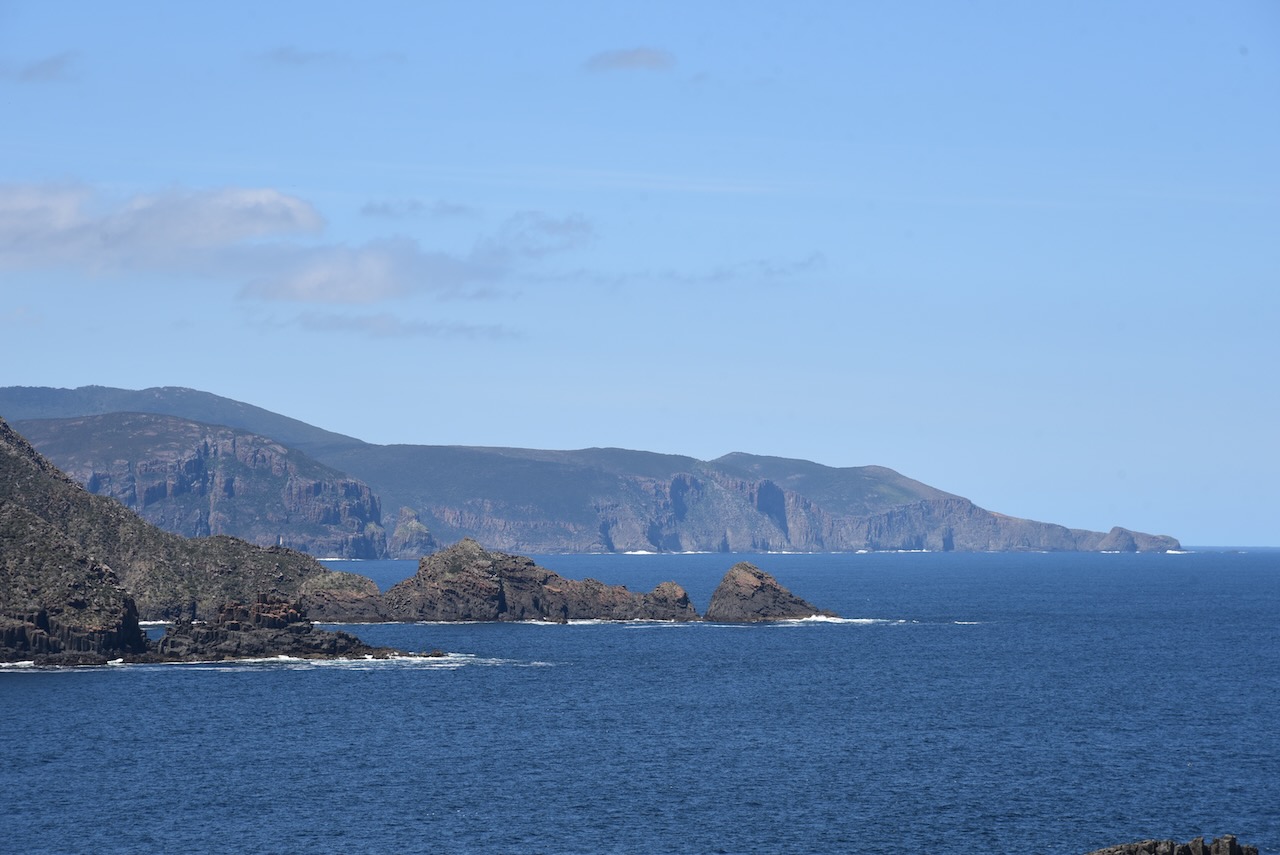
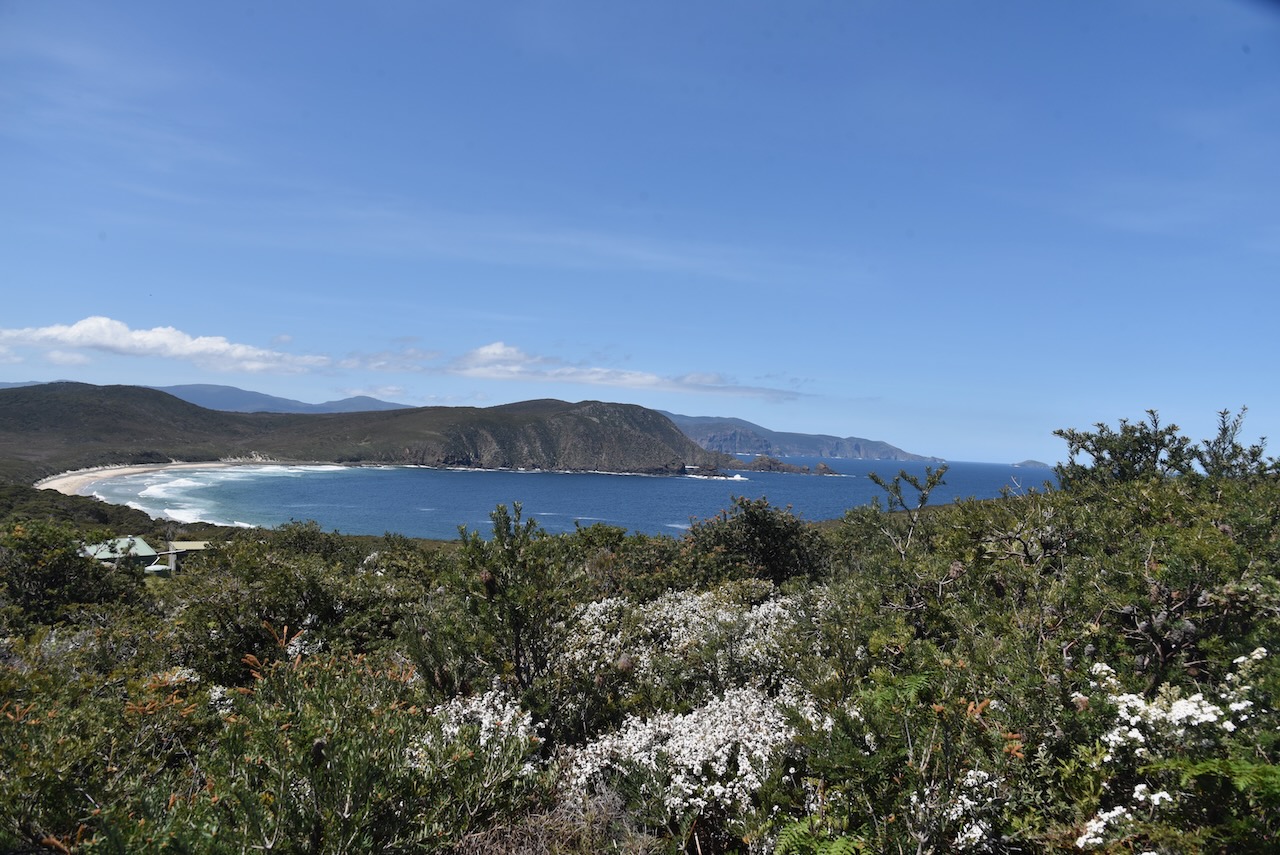
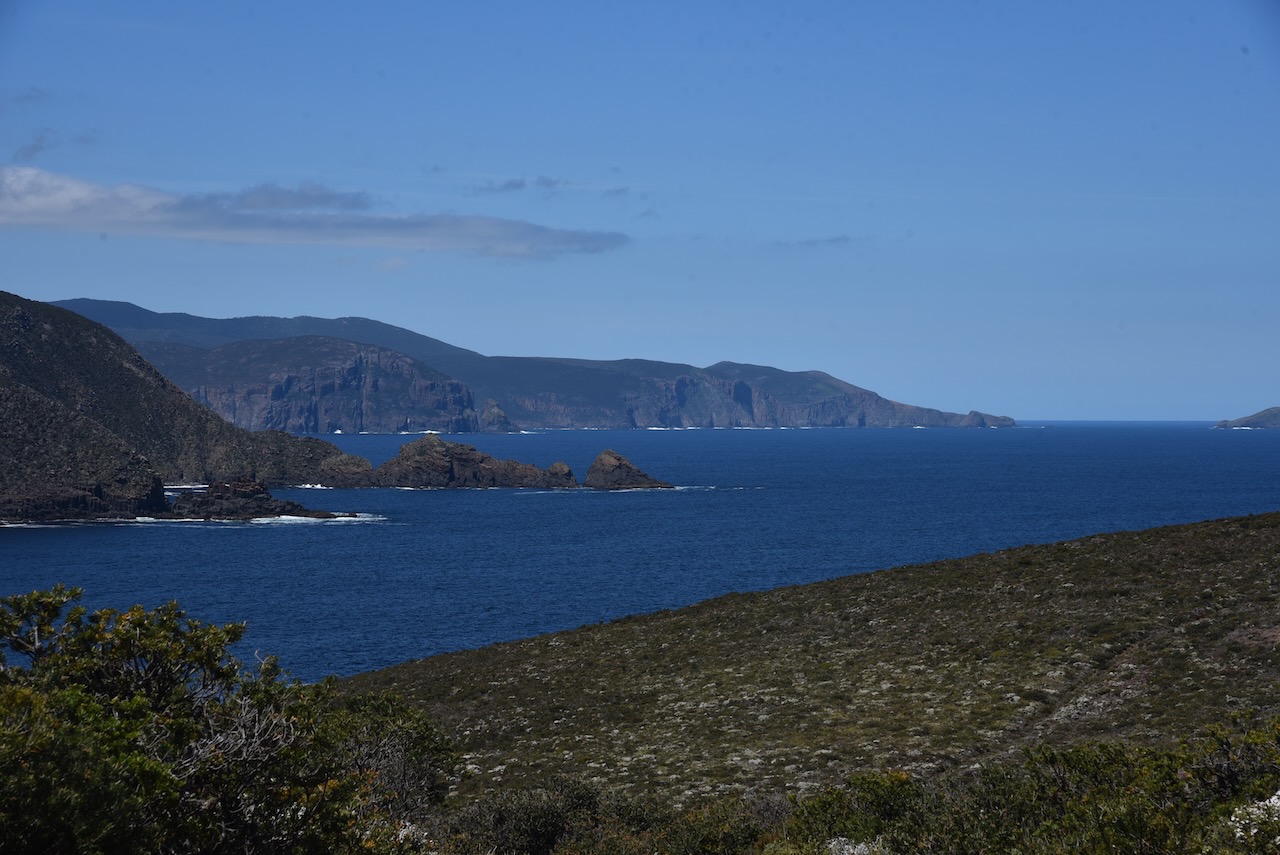
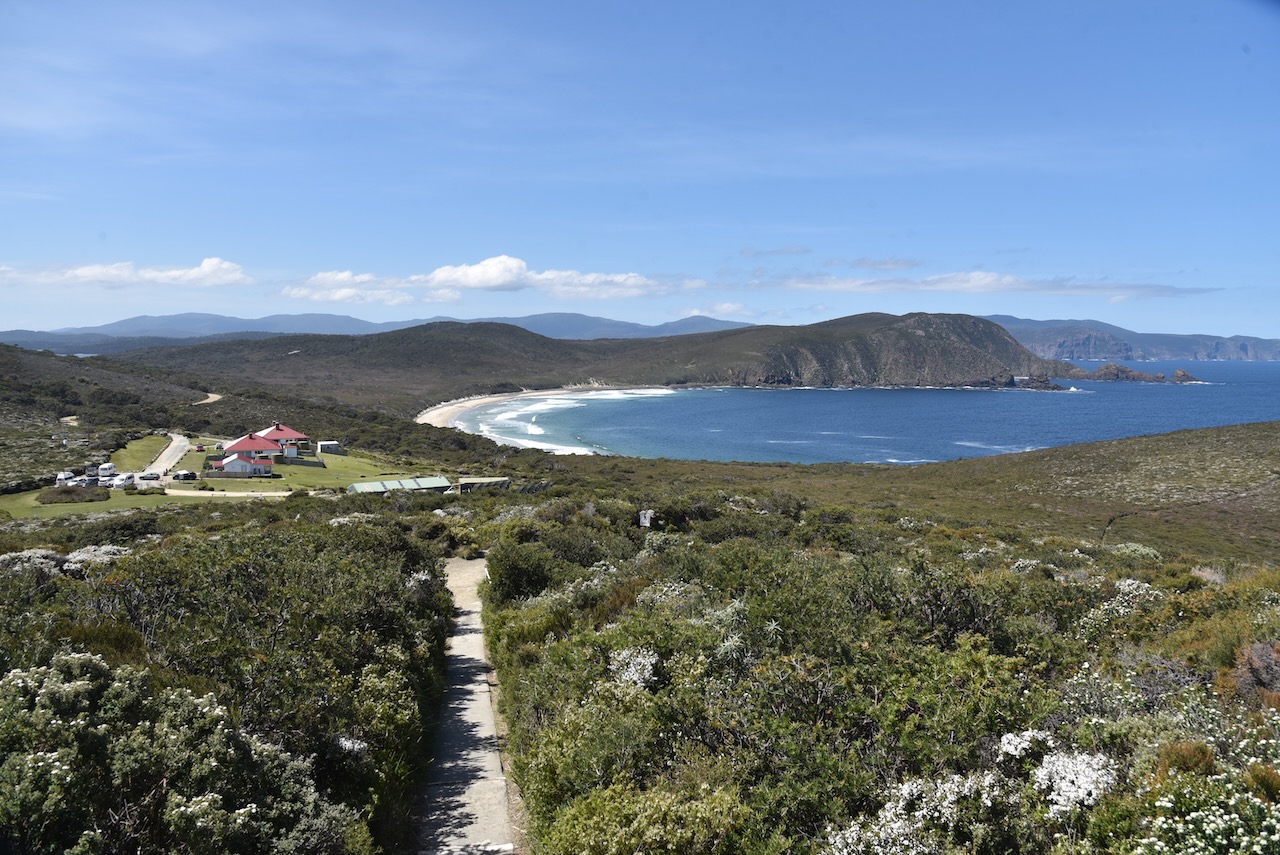
There are some amazing viewing points of the spectacular coastline including the Cliffs Lookout point.

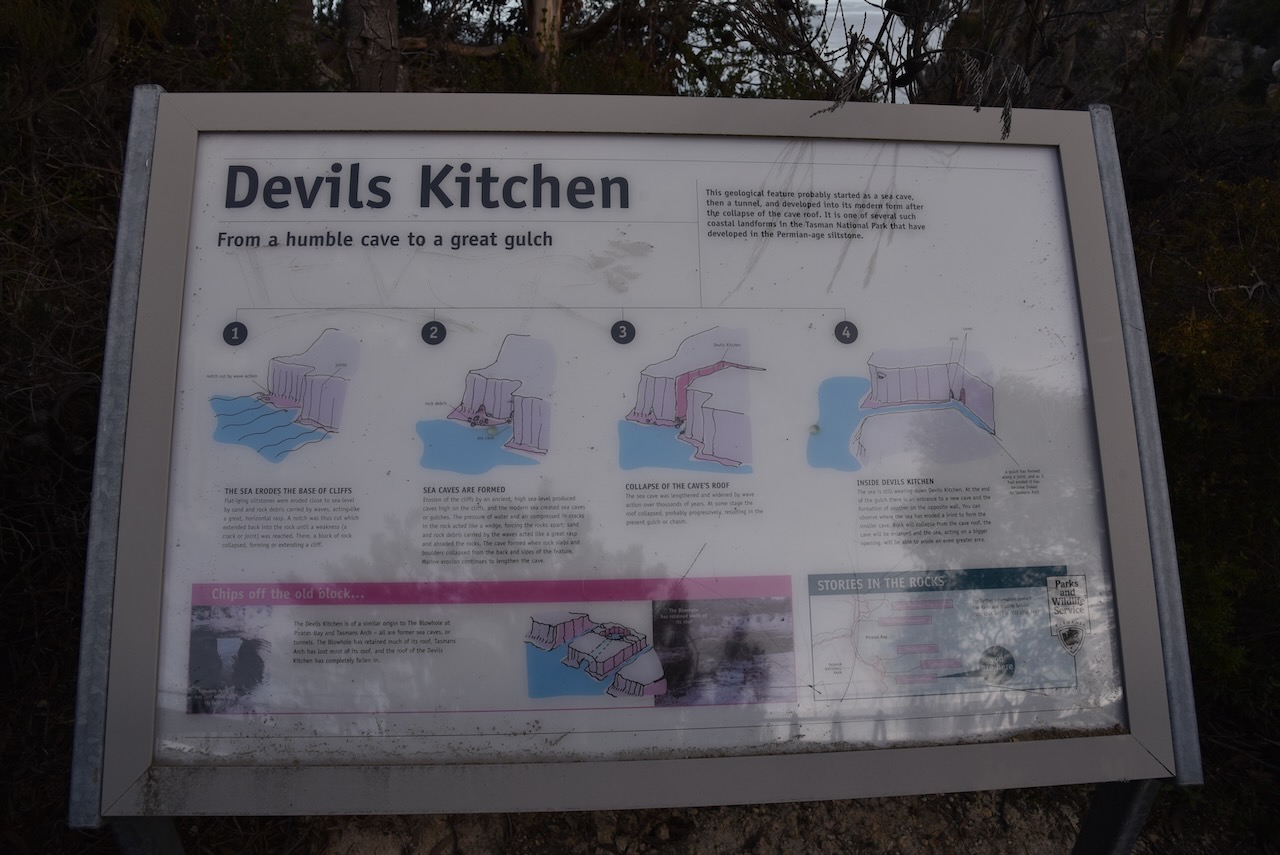
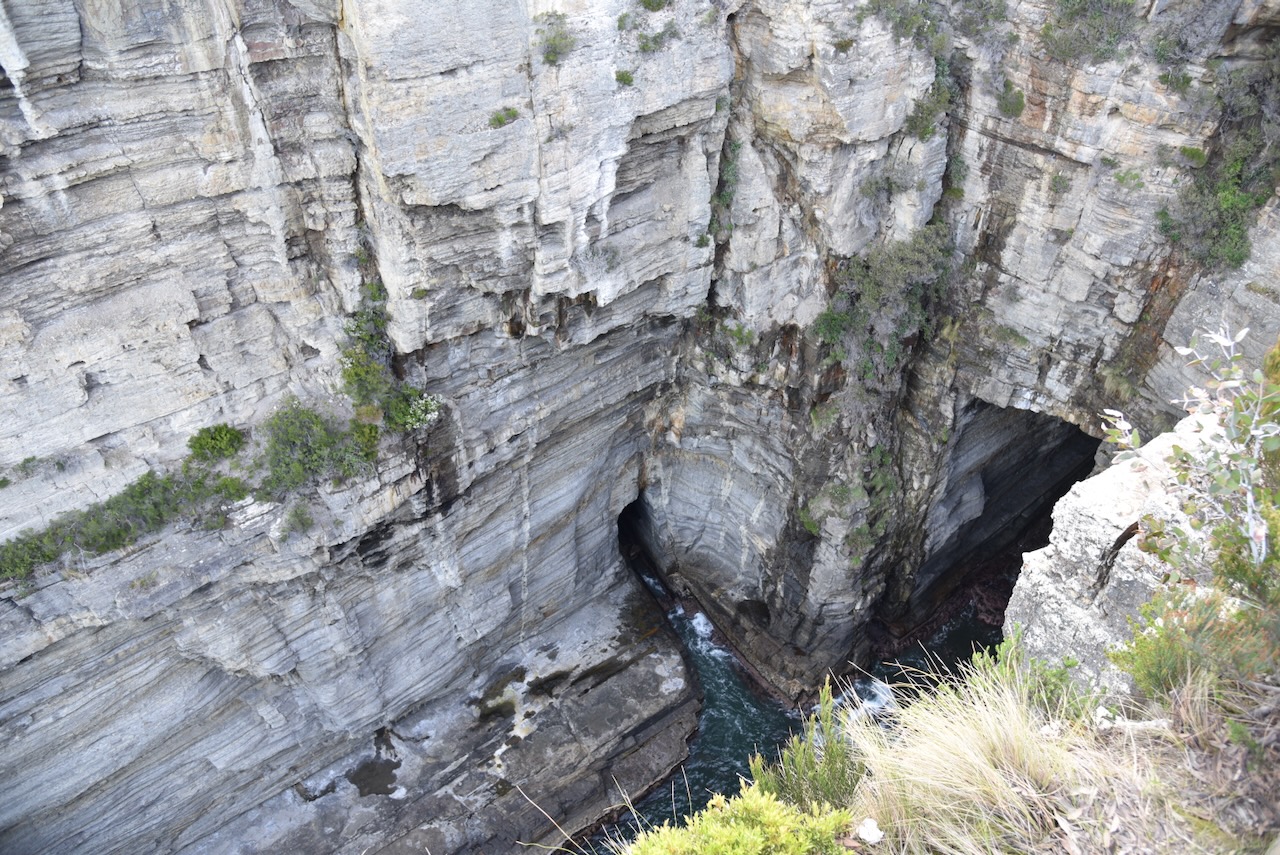
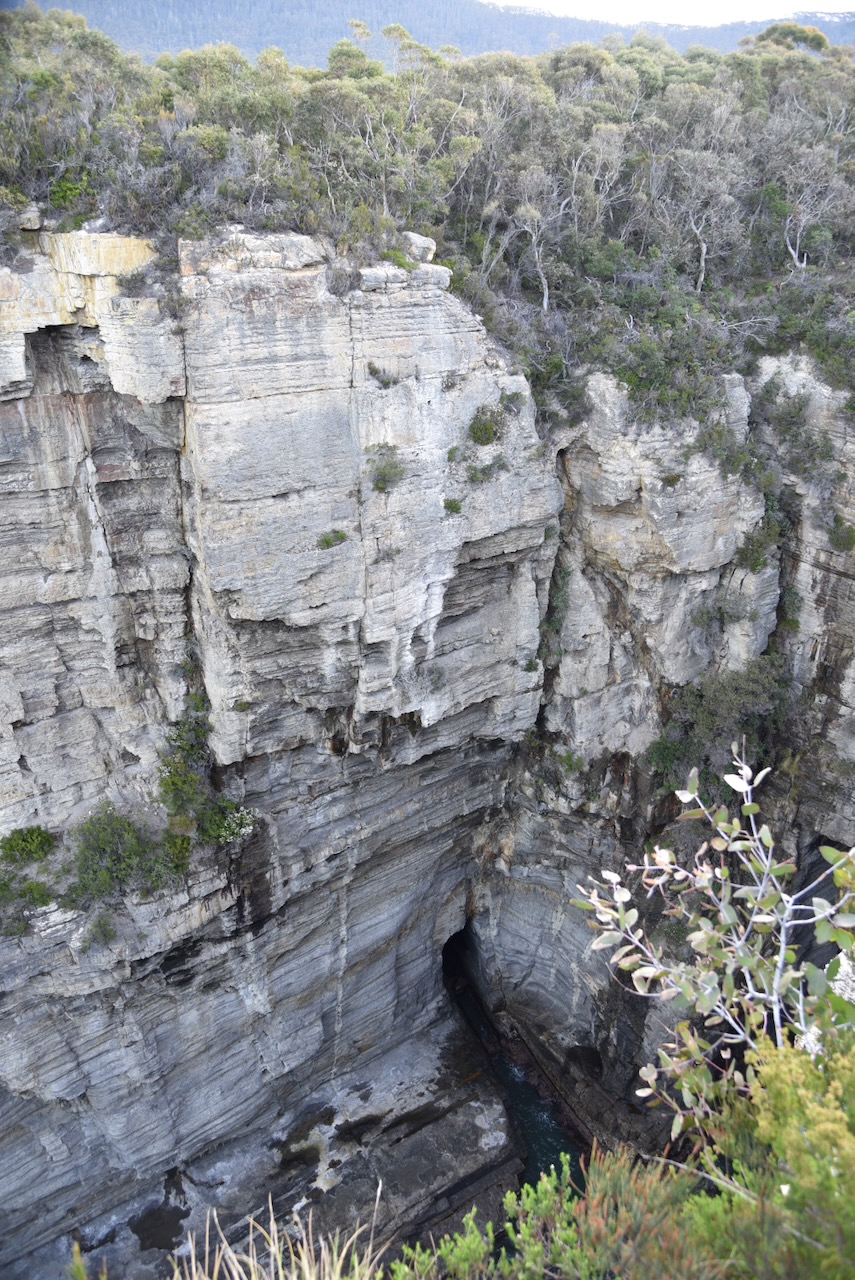
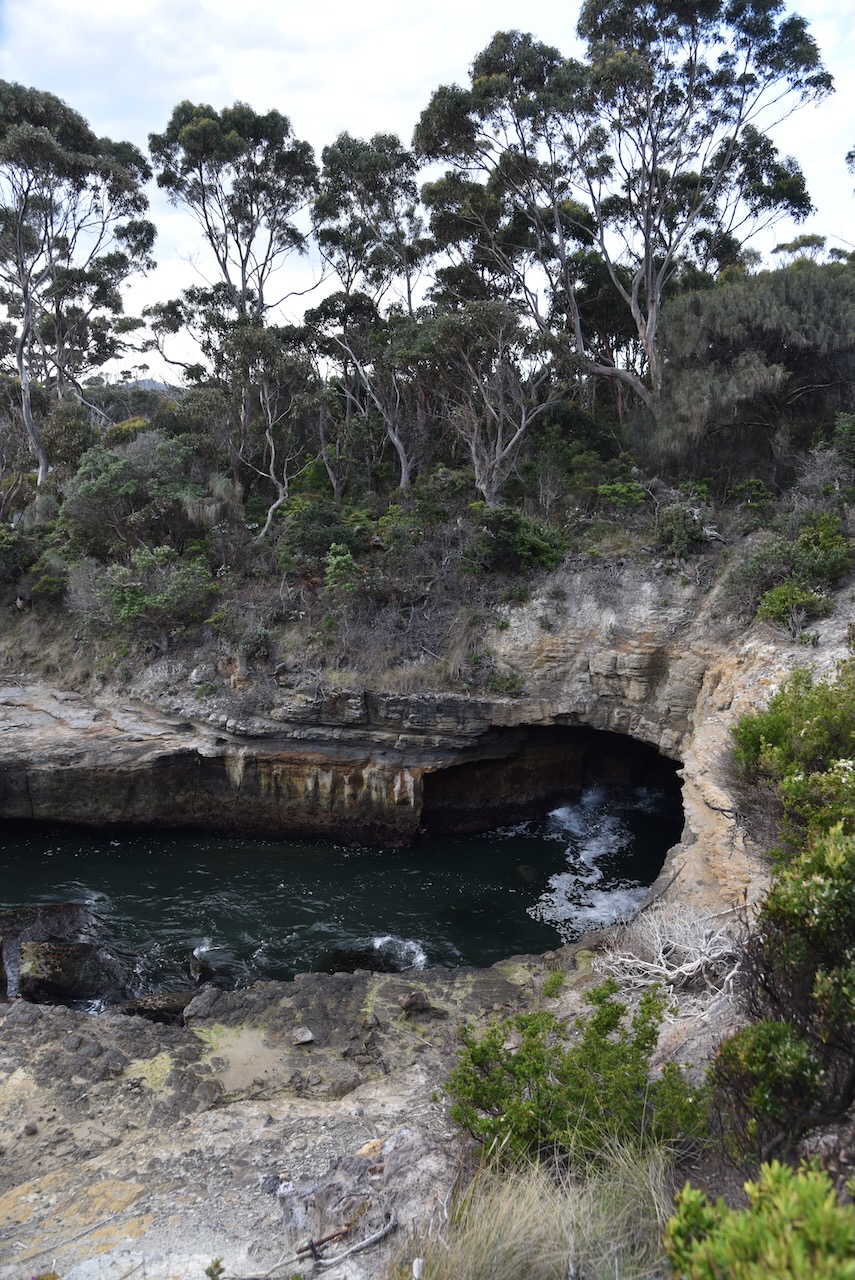
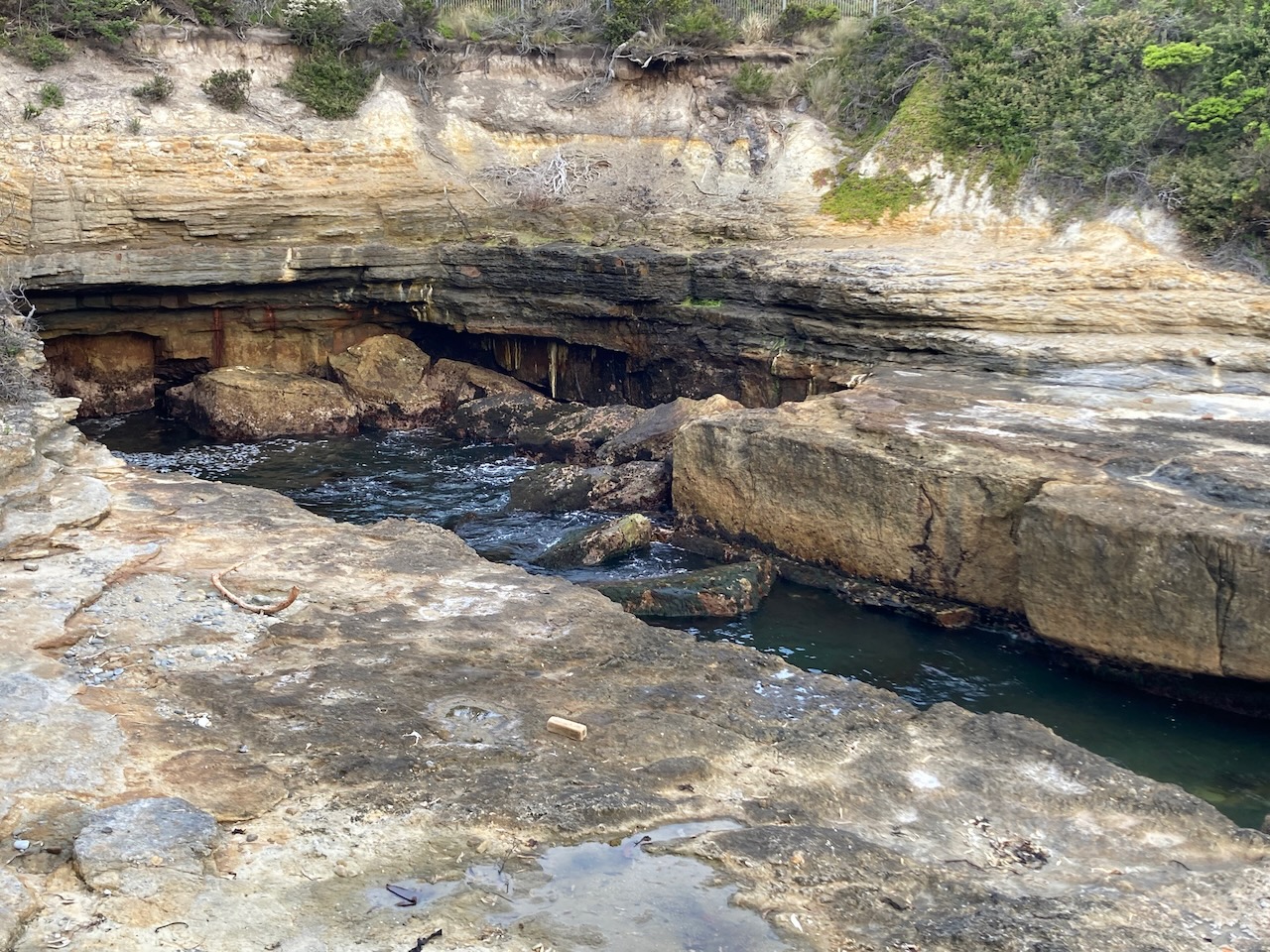
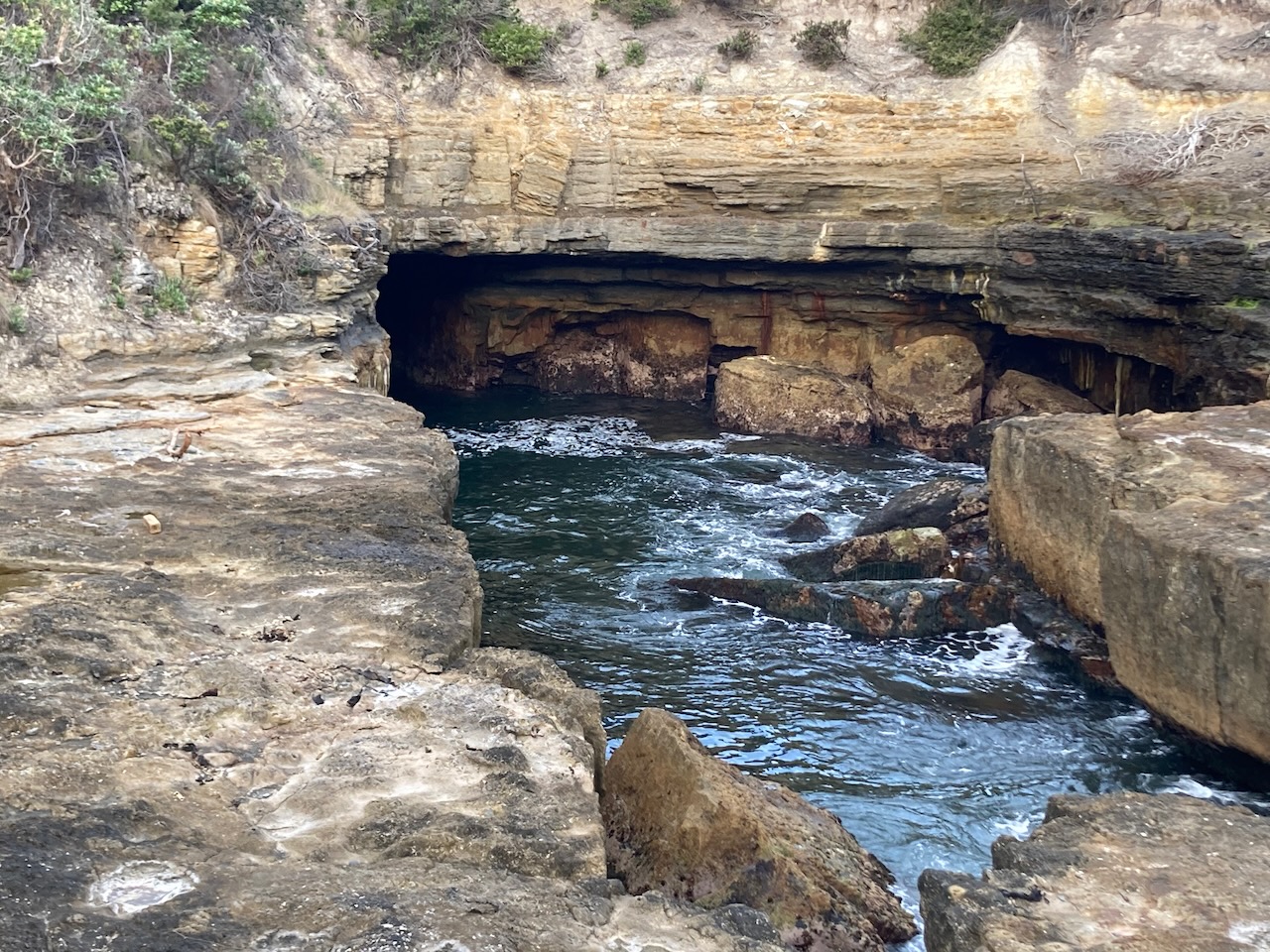
We then visited Devils Kitchen, the remnants of a collapsed sea cave.

Our final stop in the park was the Blow Hole.

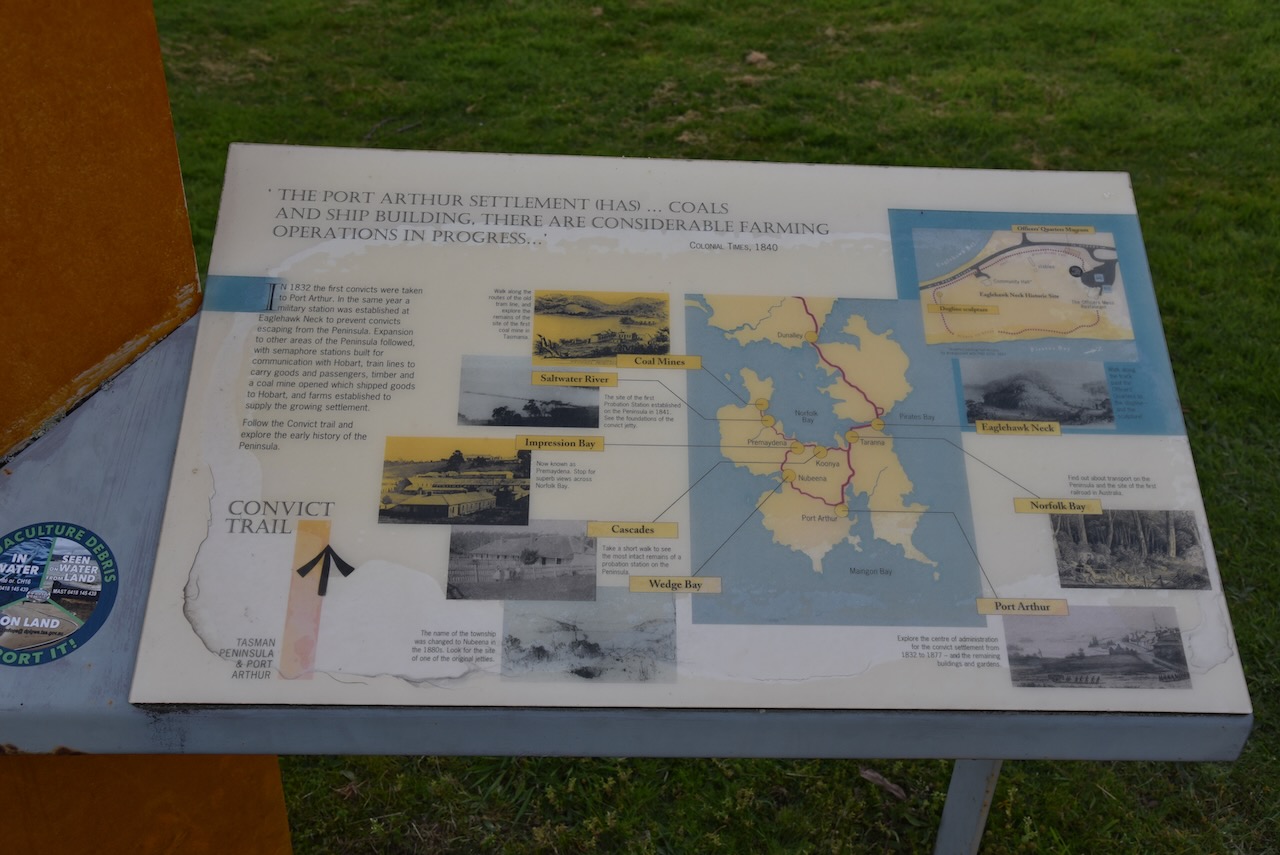
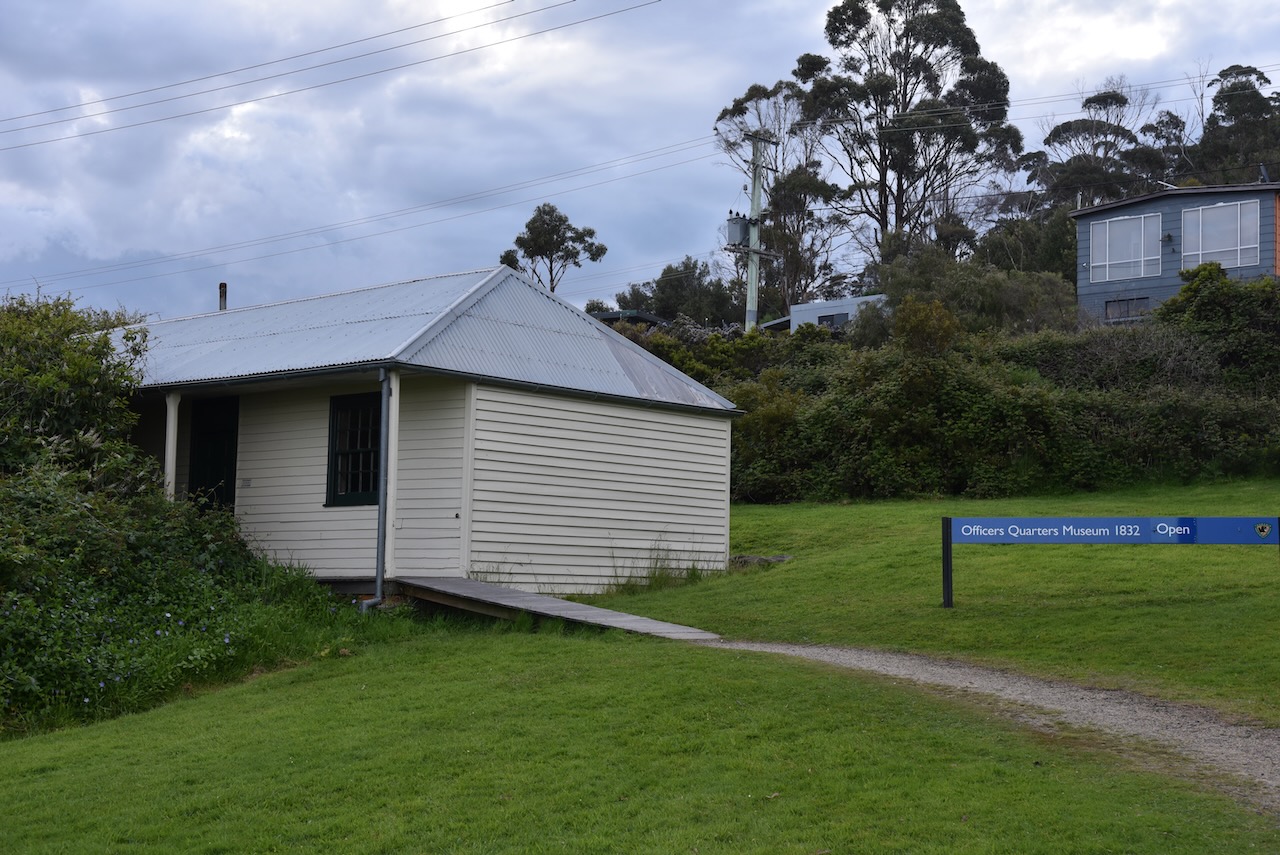
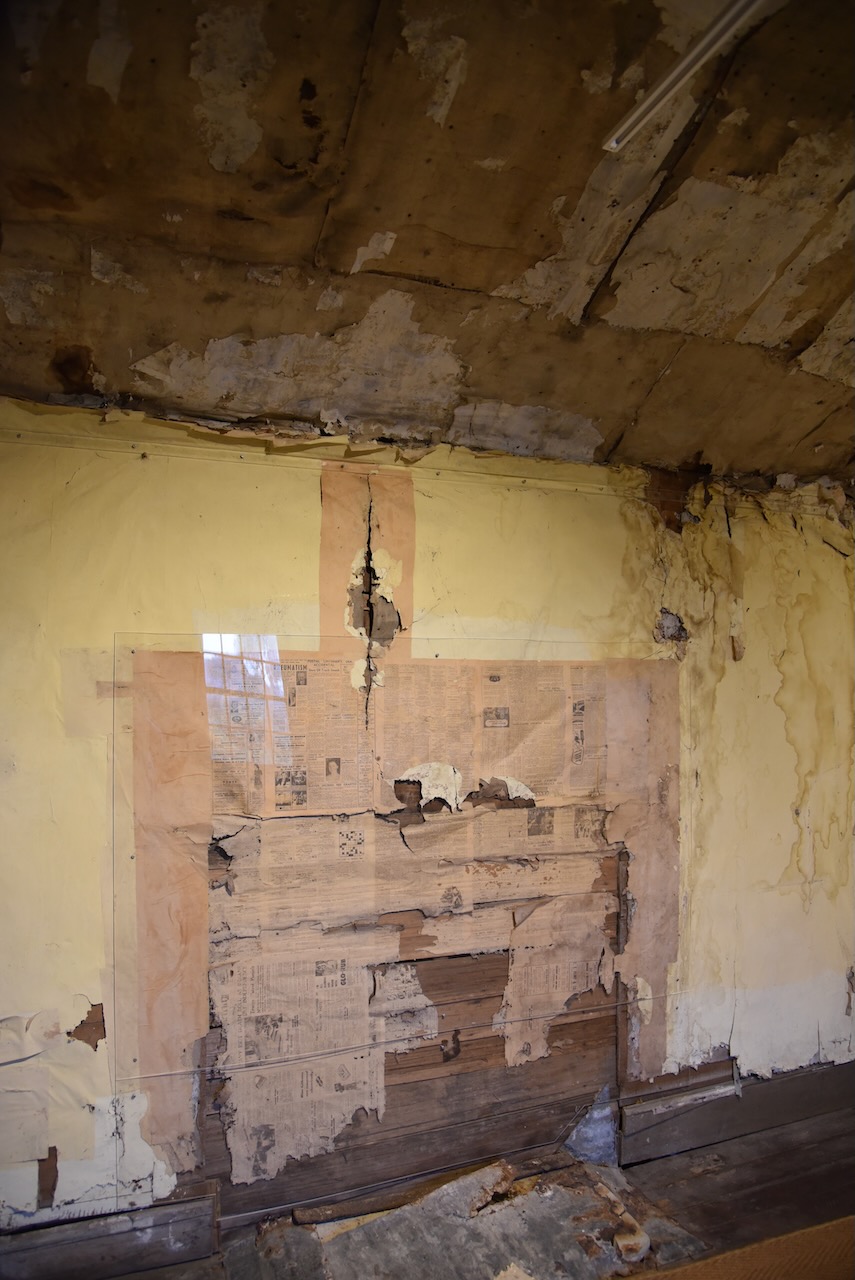
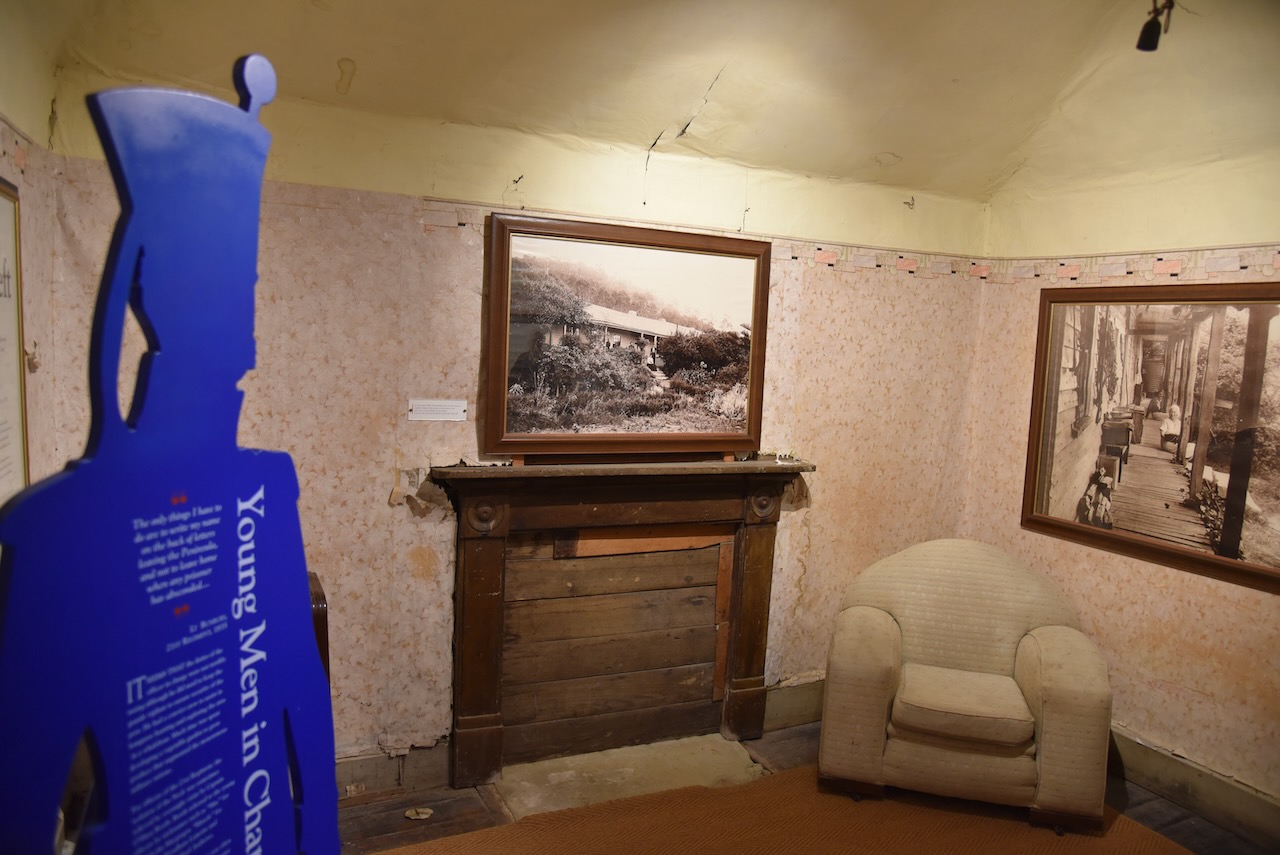
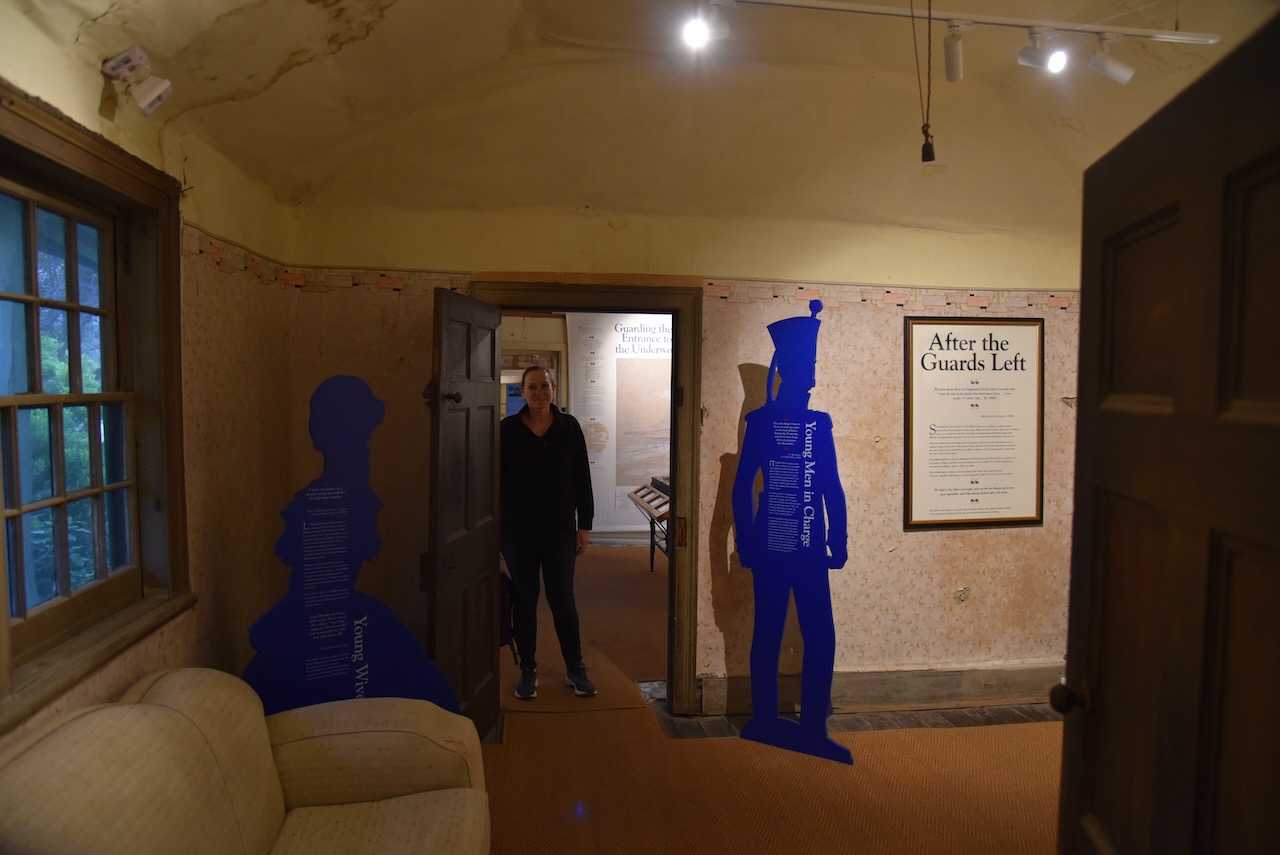
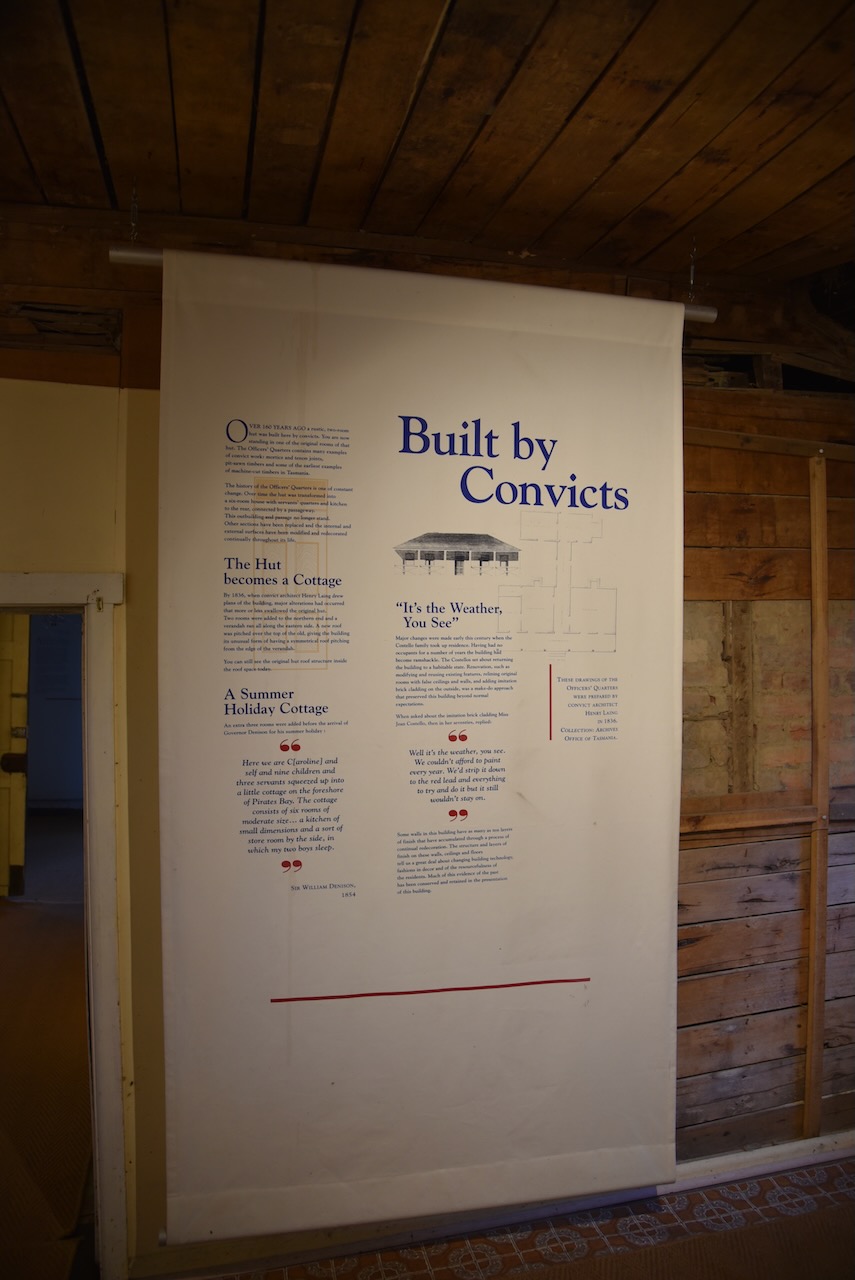
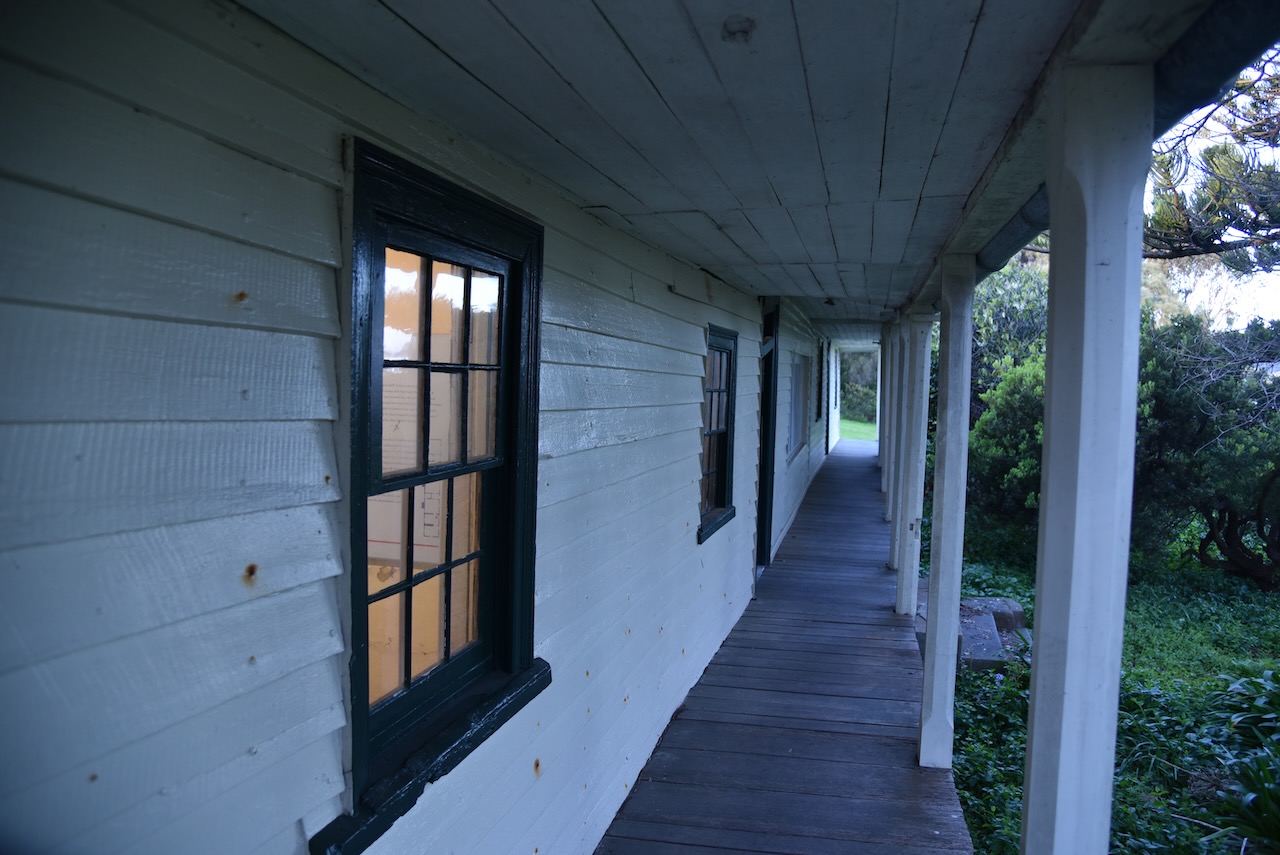
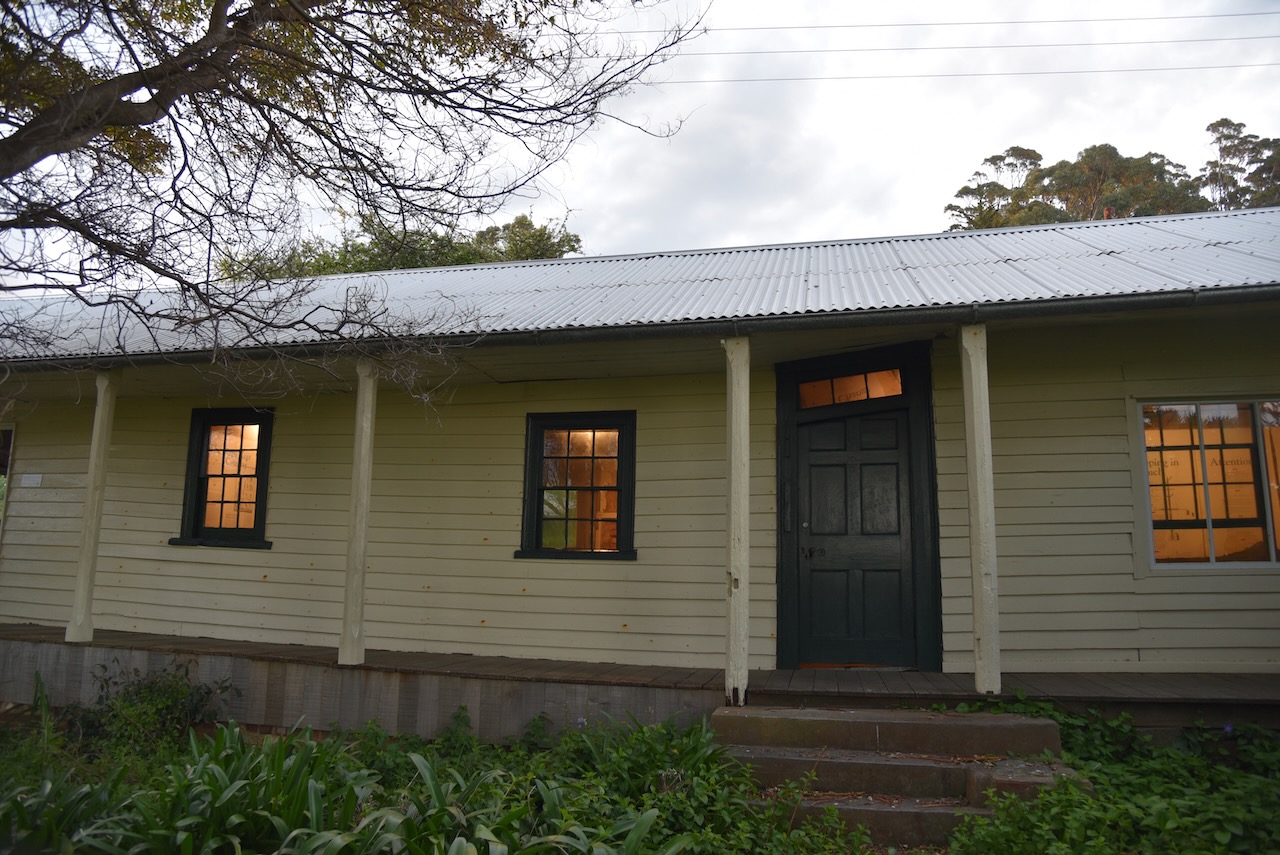
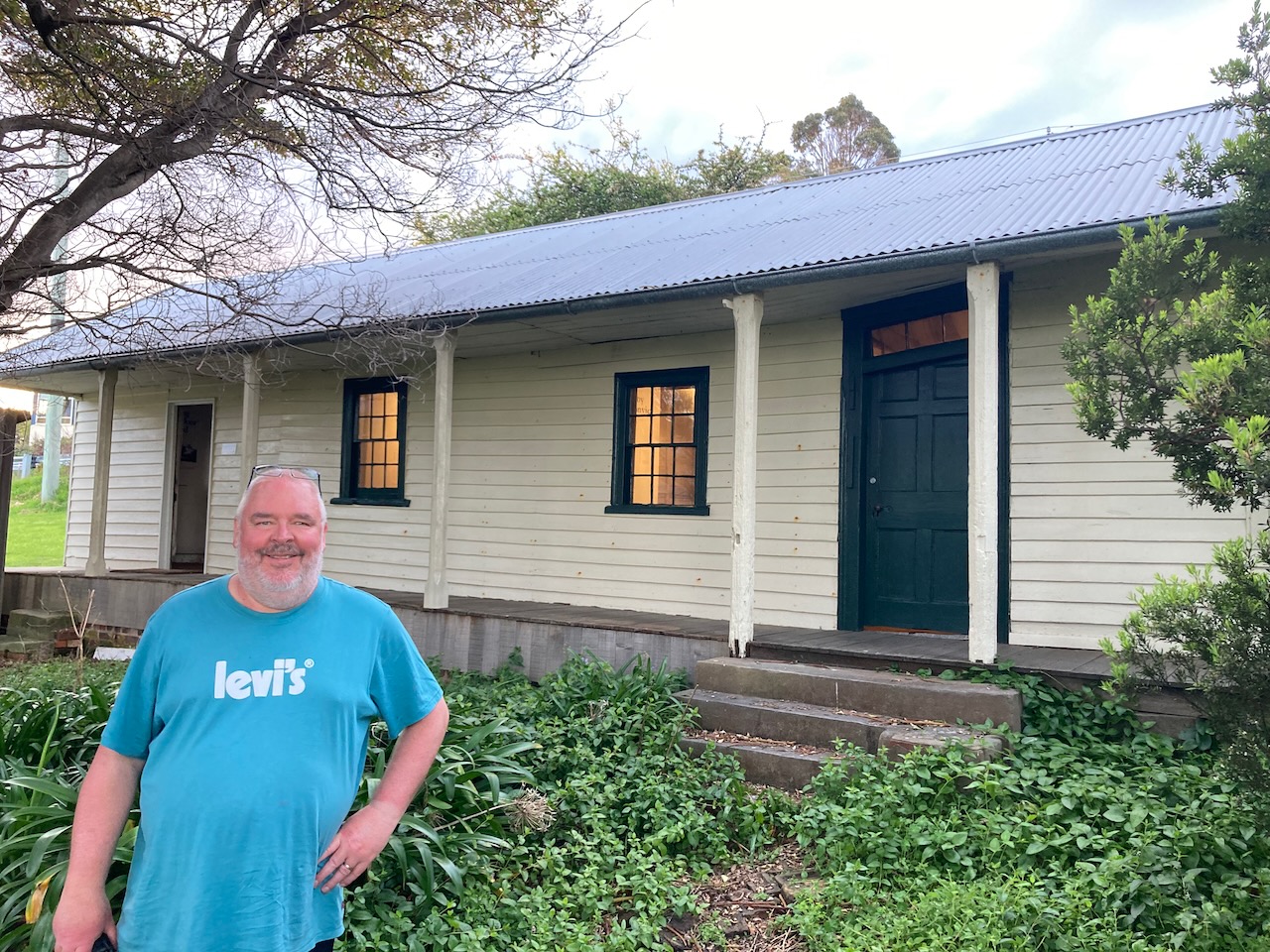
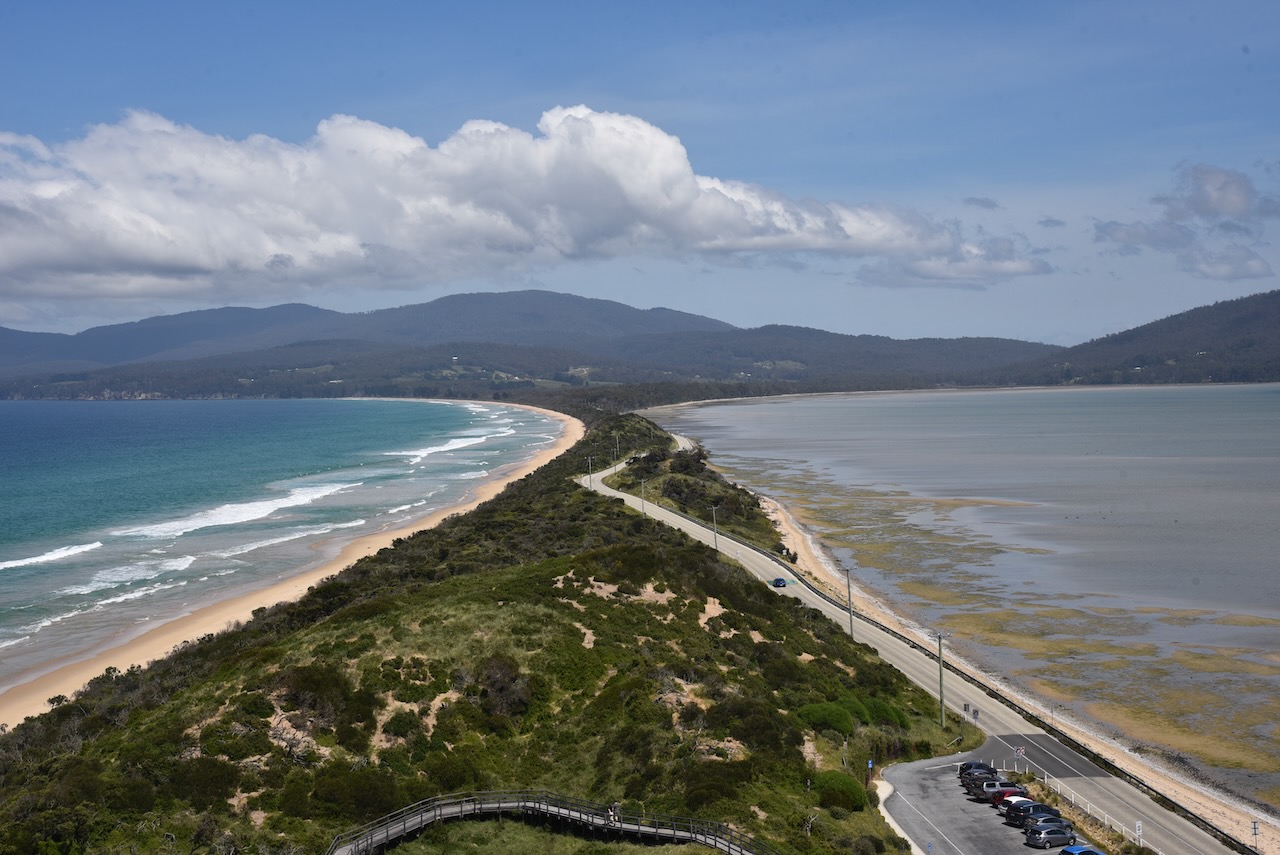
We then stopped to have a look at the former Officers Quarters at Eaglehawk Neck. Eaglehawk Neck, known as ‘The Neck’ is a narrow isthmus which connects the Tasman Peninsula with the Forestier Peninsula.

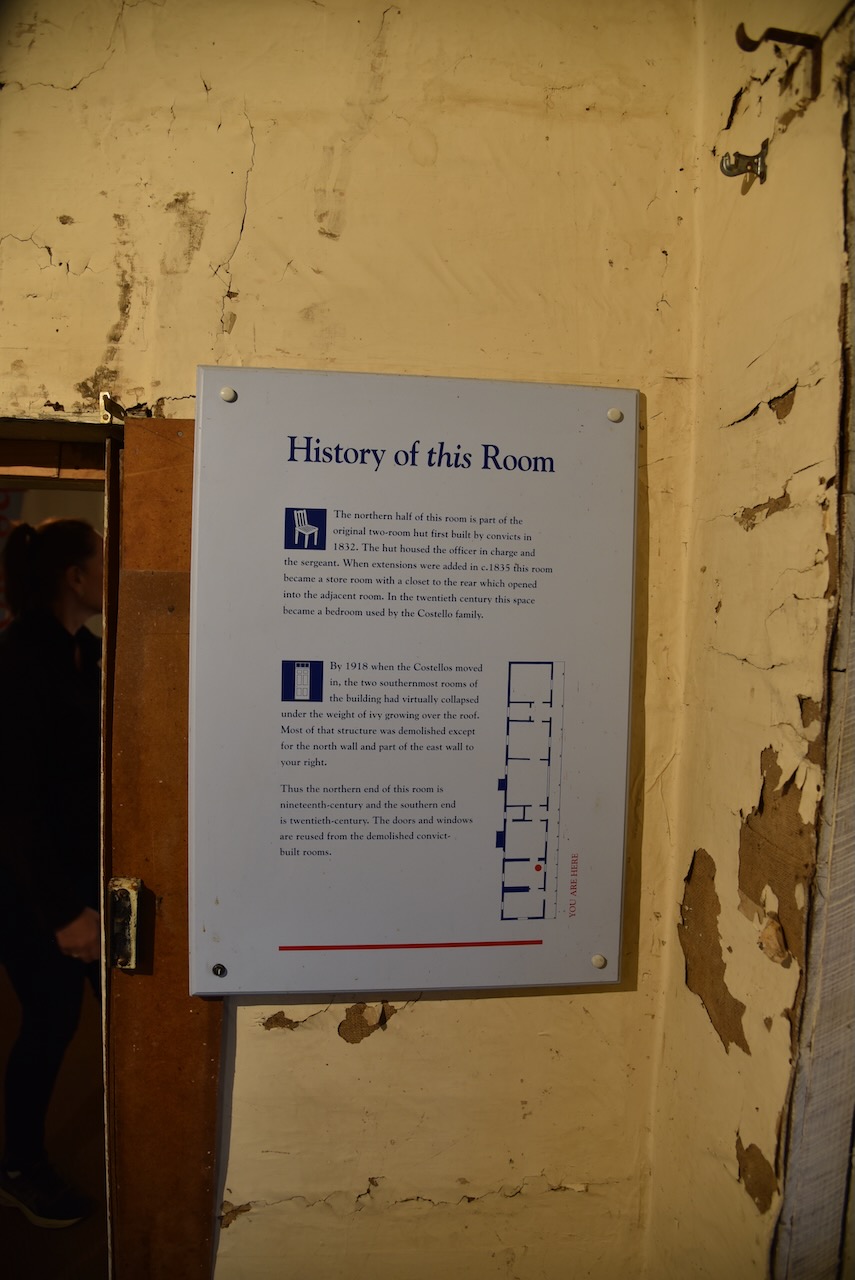
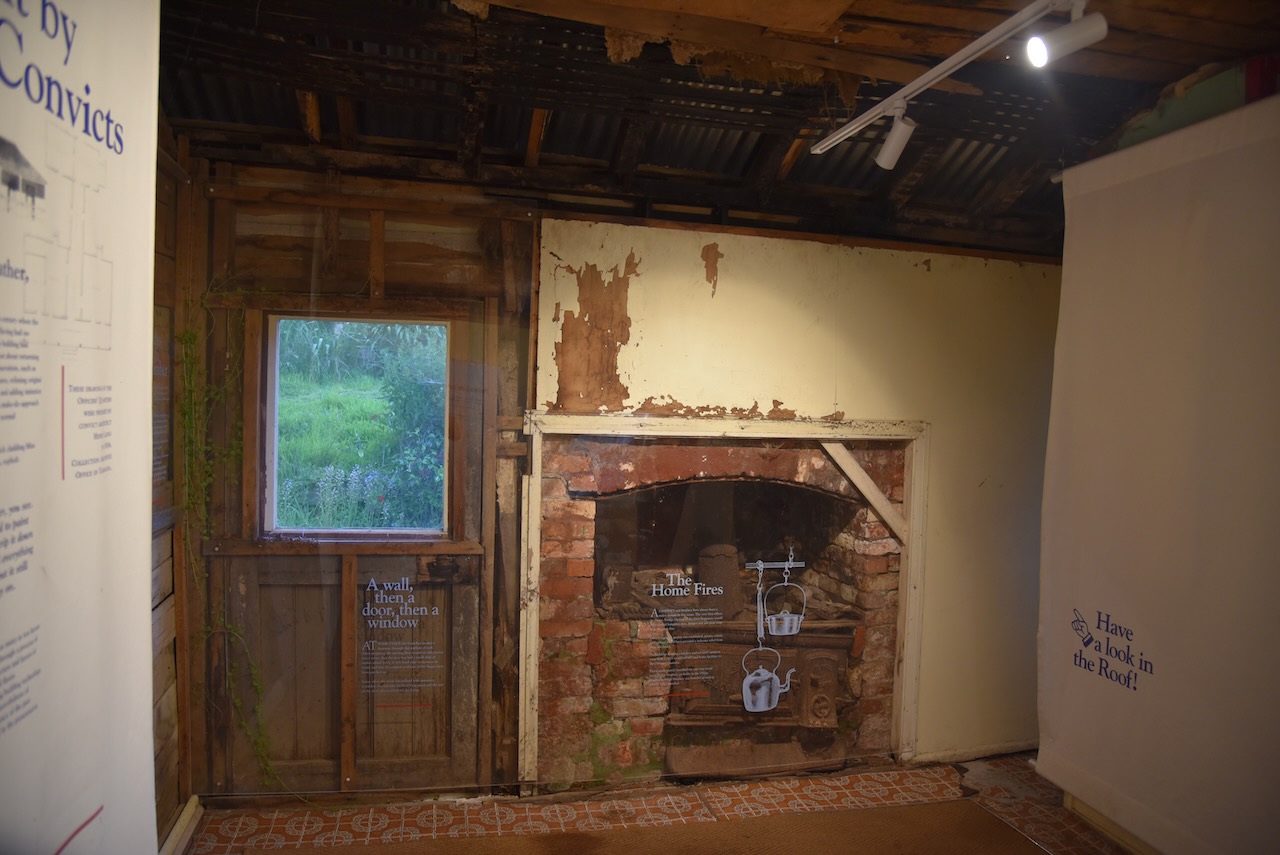
The quarters were built in 1832 and are believed to be the oldest military building in Australia. The Officers Quarters was one of several structures which formed a small military settlement at this location which was established to prevent the escape of convicts from the peninsula.

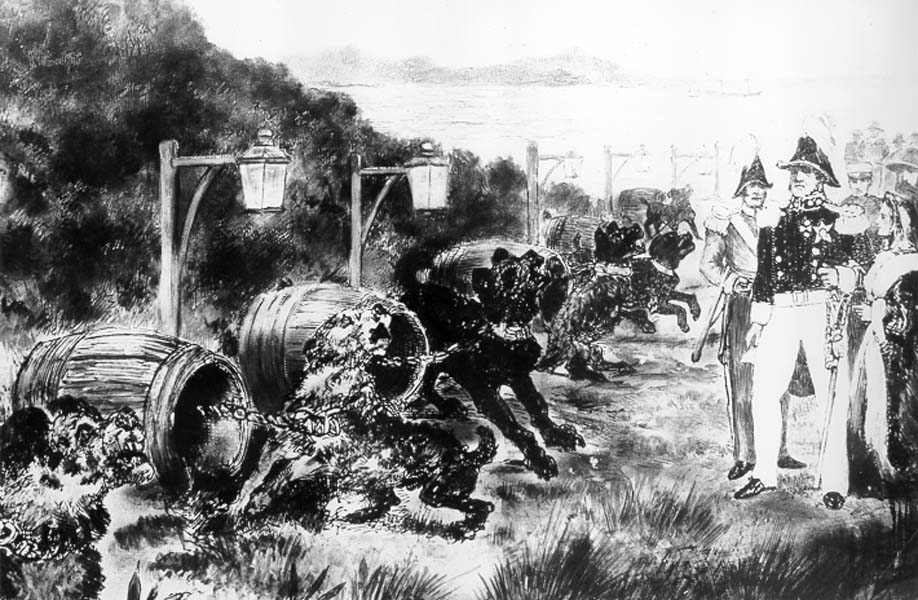
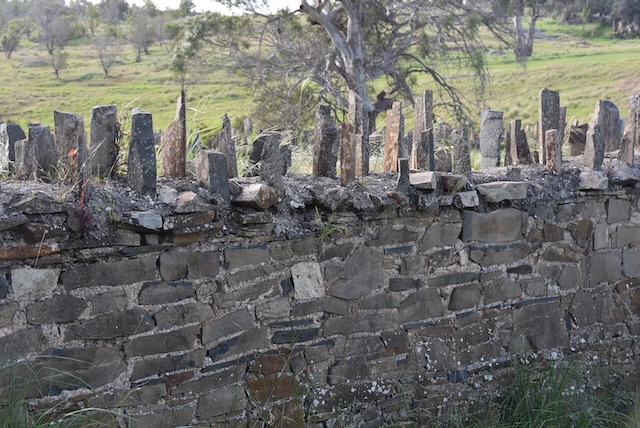
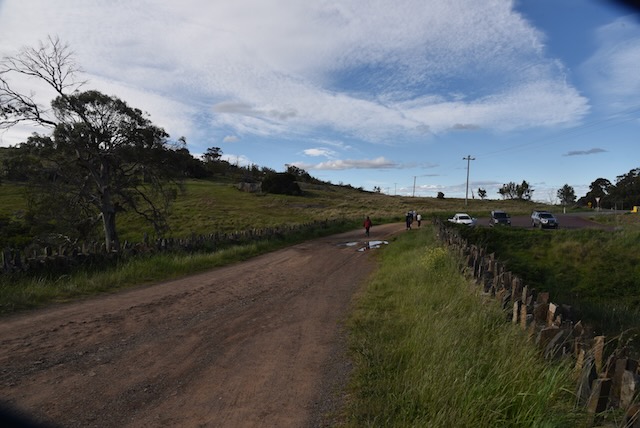
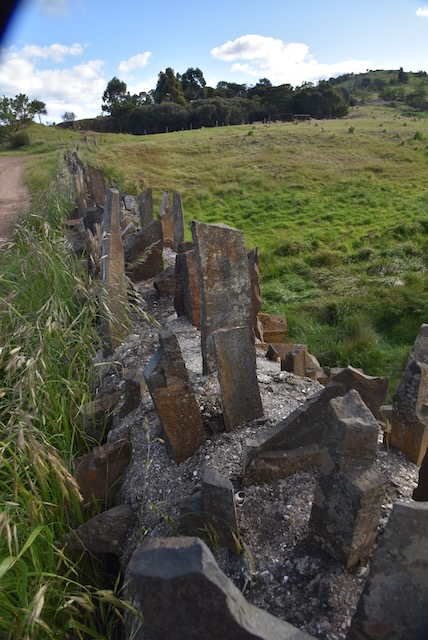
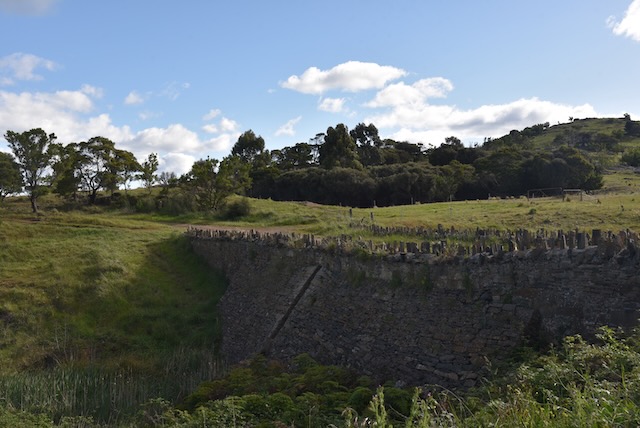
To prevent convict escape from the peninsula, a system was developed in 1831 where a line of dogs were chained to posts across The Neck to warn of any convicts who were attempting to escape. The dog line was used until closure of Port Arthur in the 1870s.

Above:- the Dogline. Image c/o Libraries Tasmania.

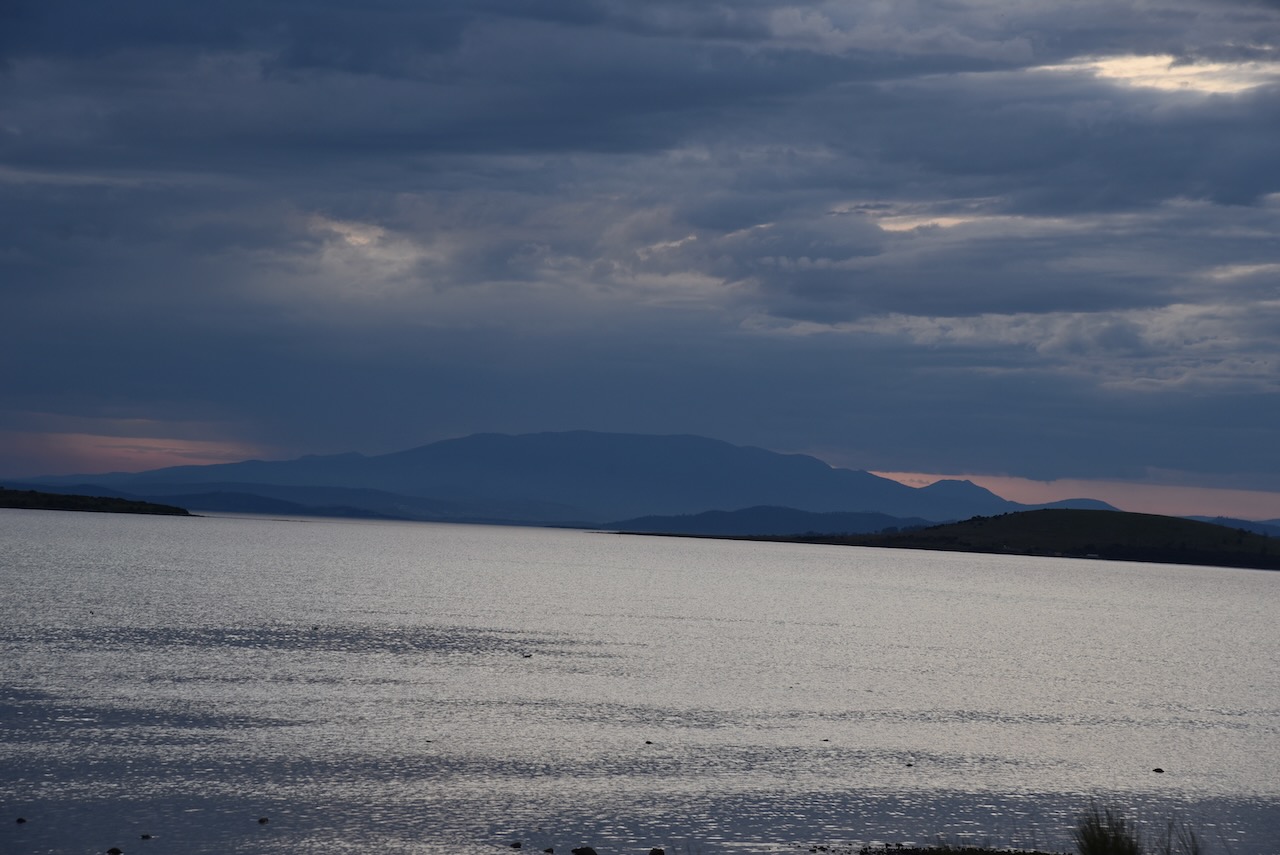
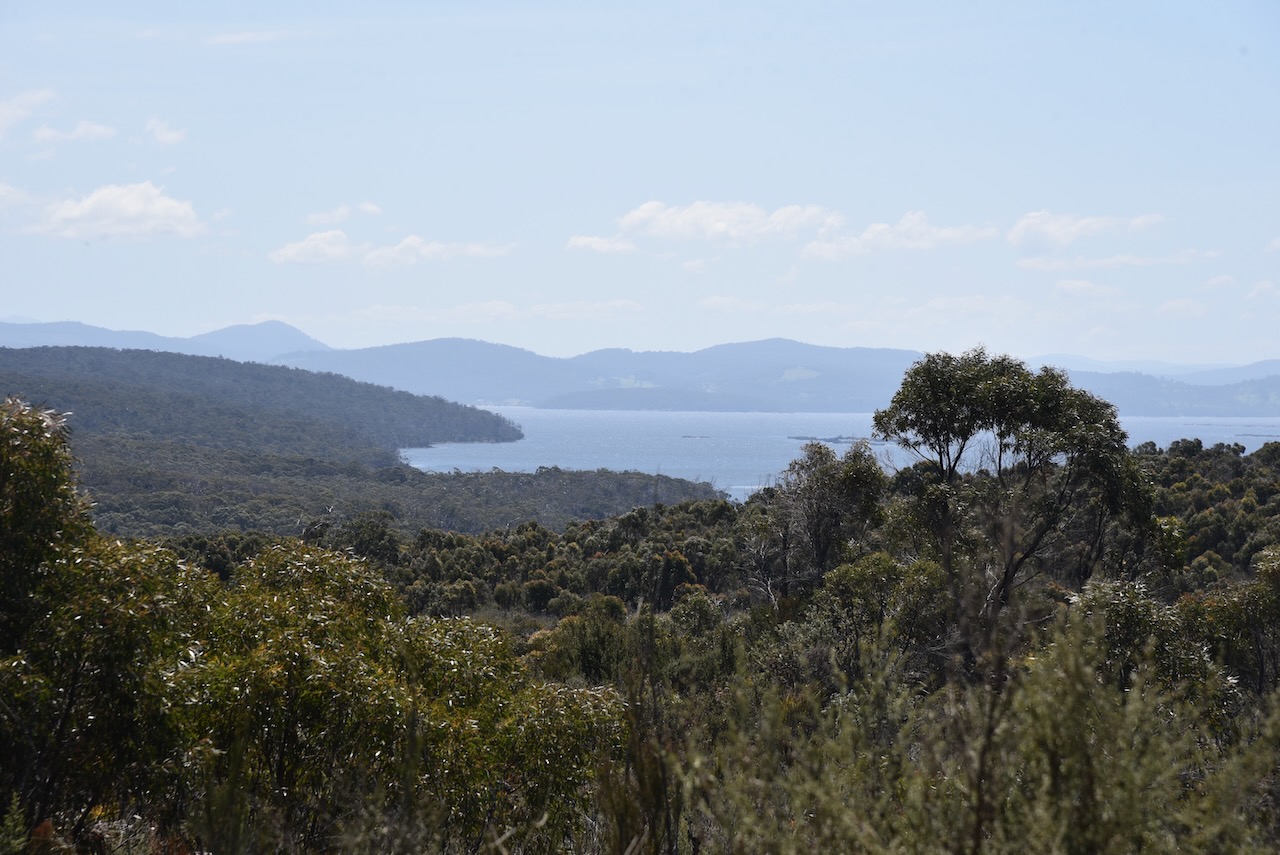
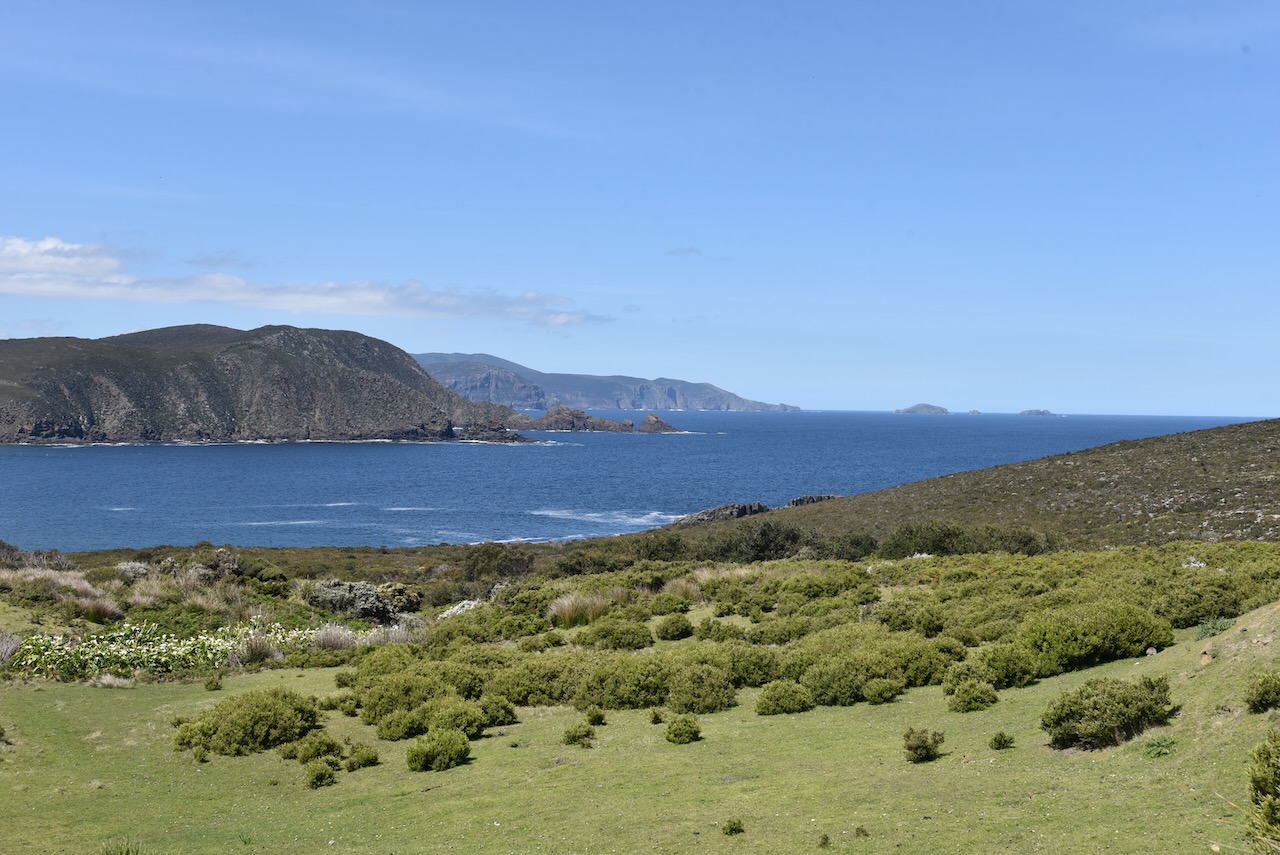
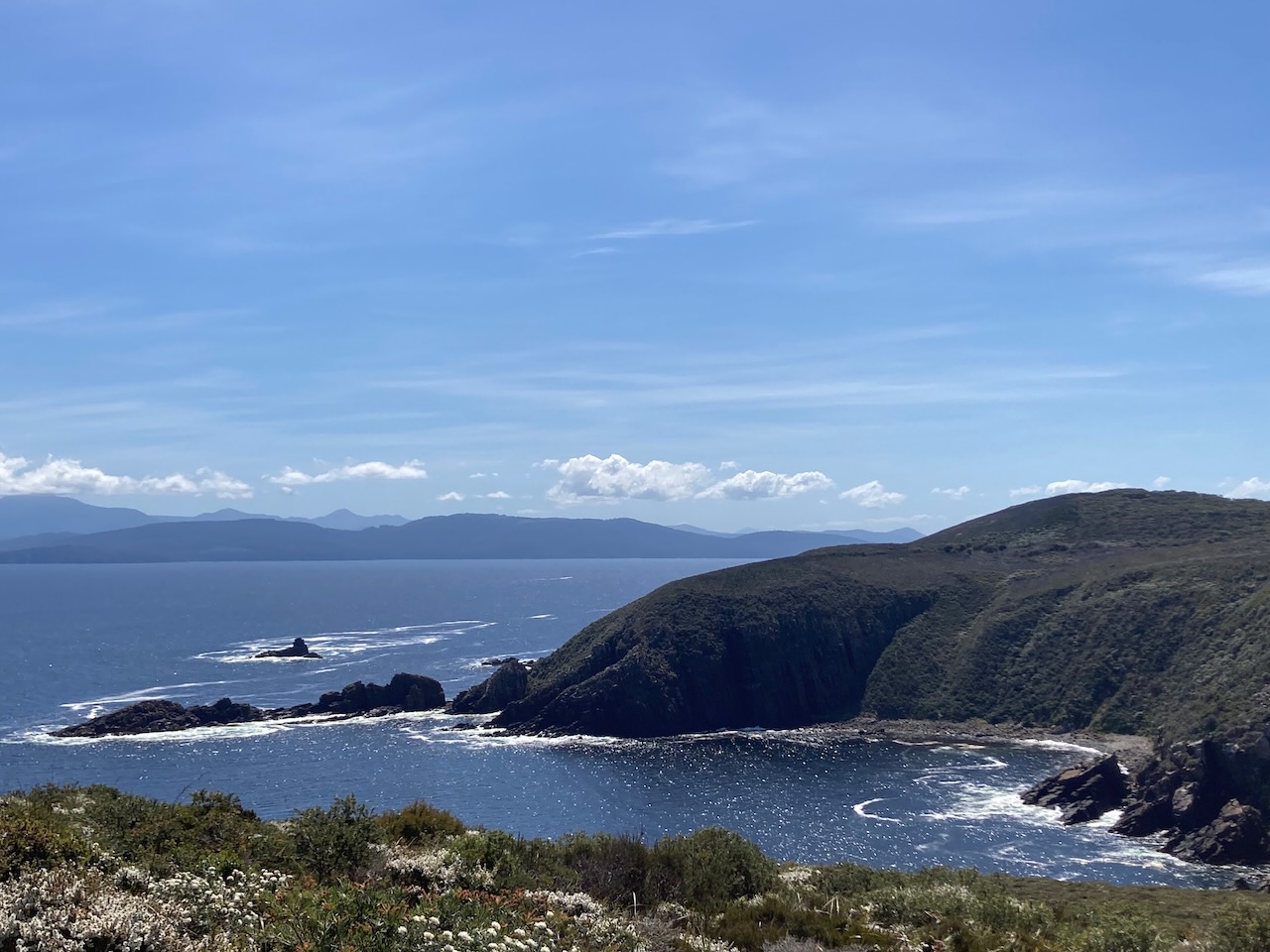
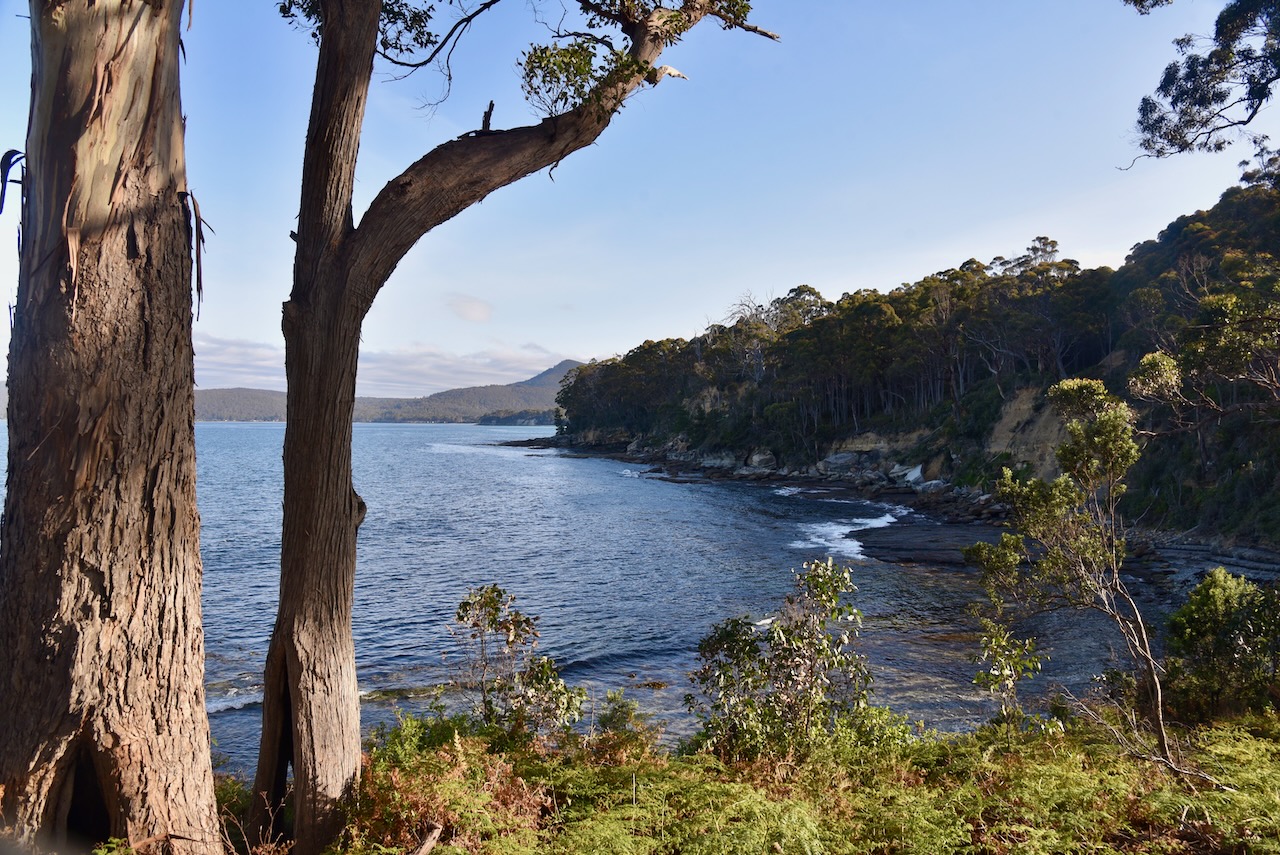
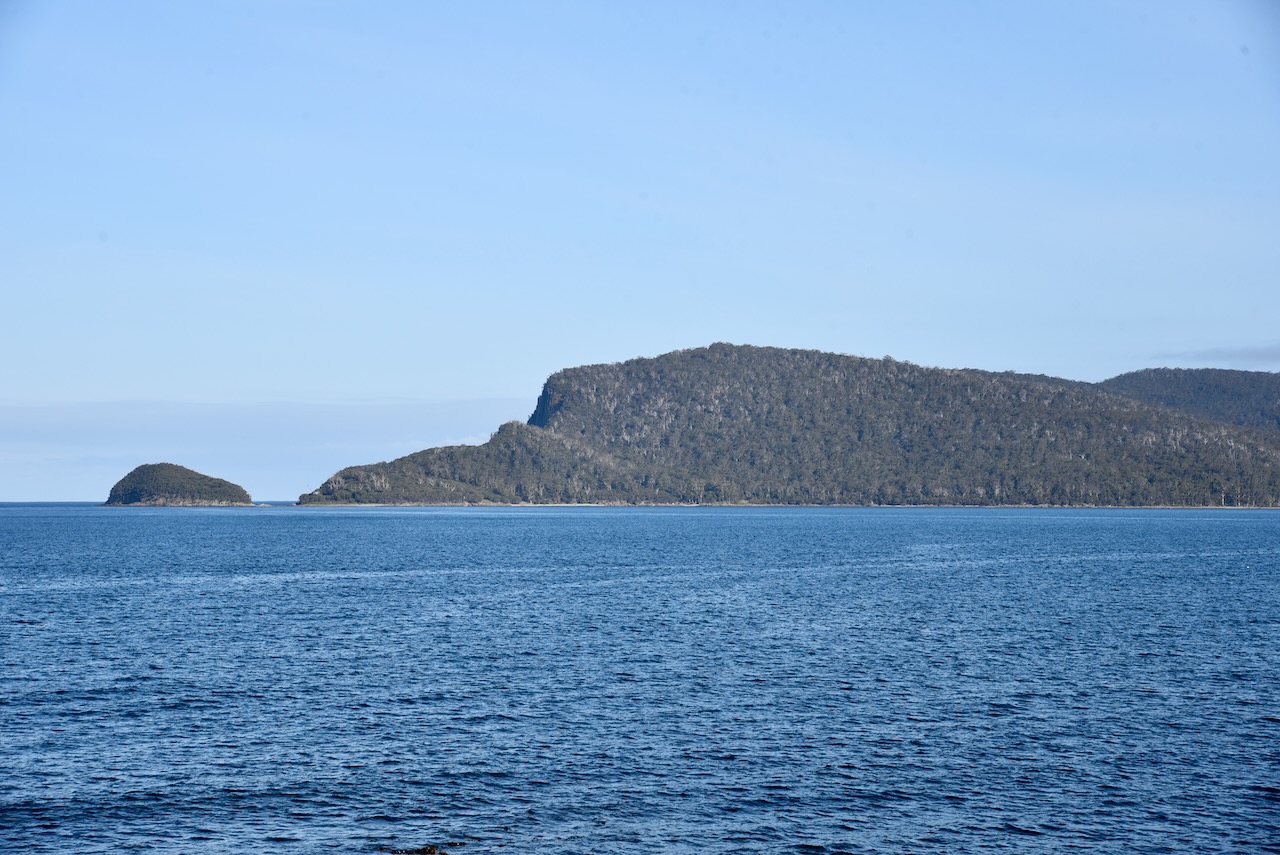
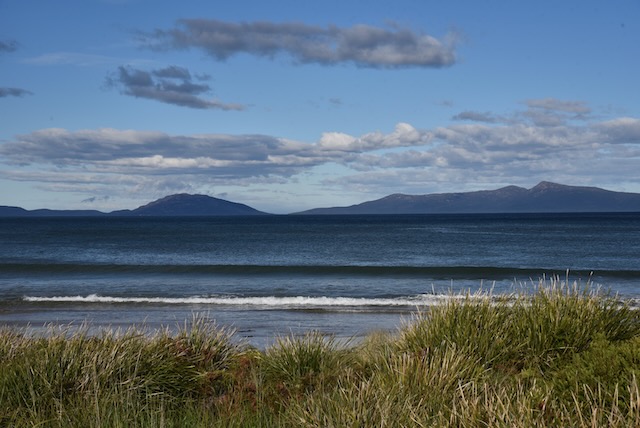
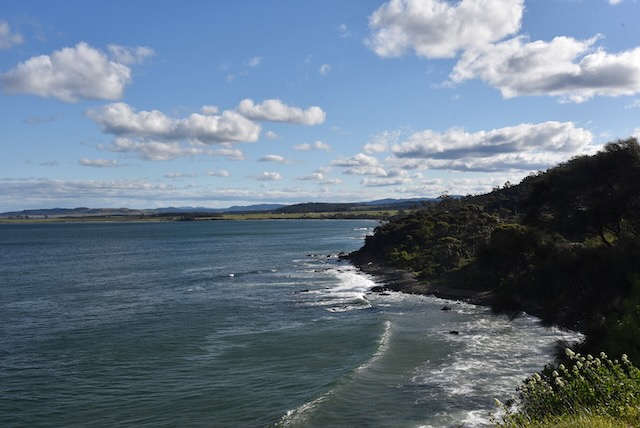
We stopped occasionally on the way back to Hobart to enjoy the views of the coastline.

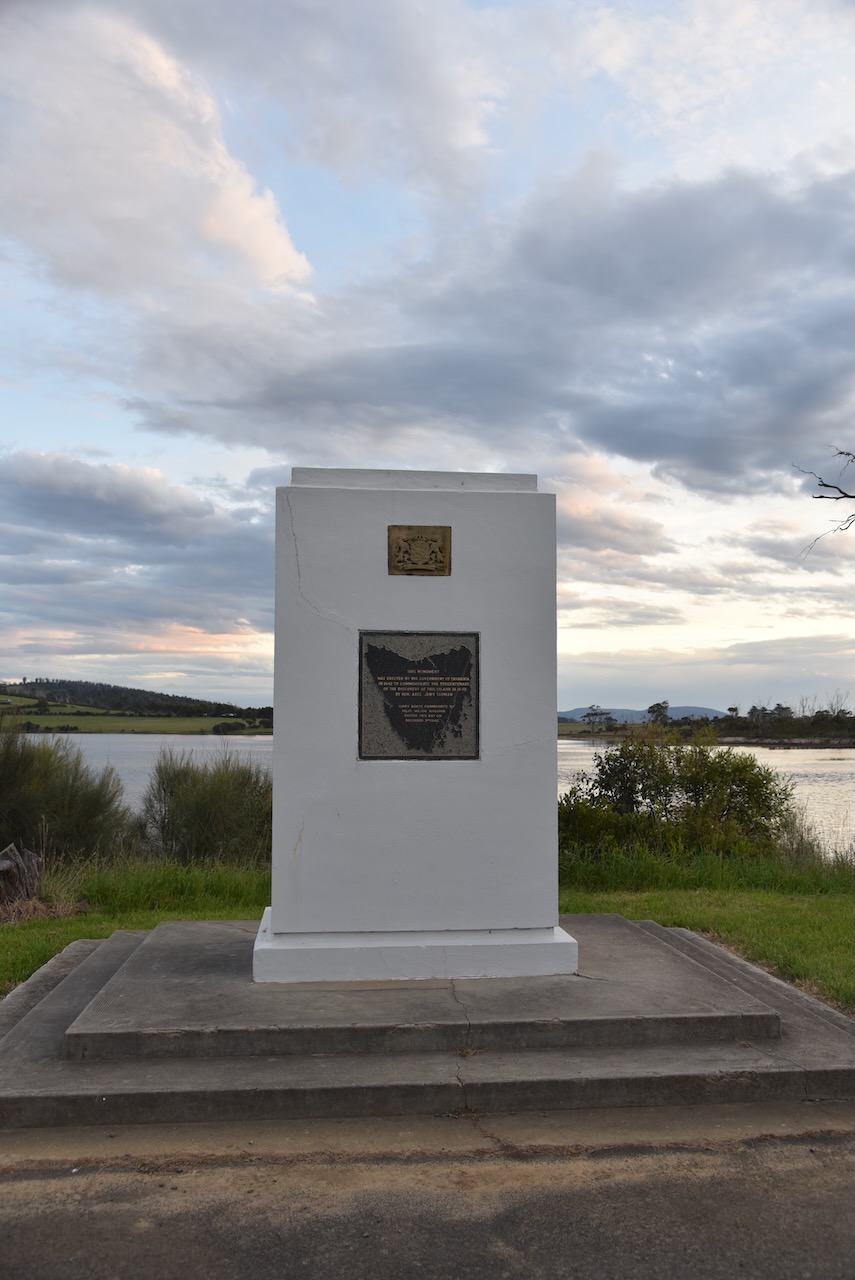
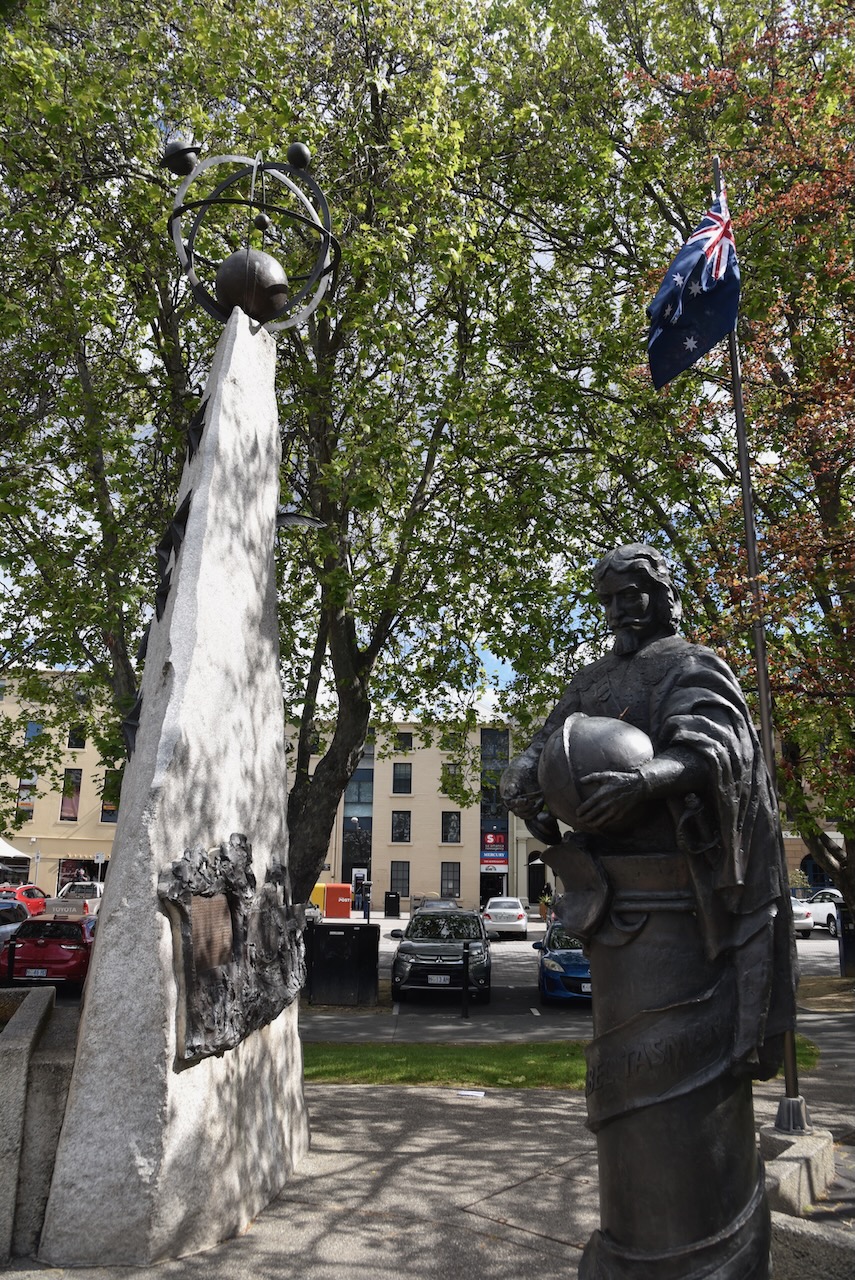
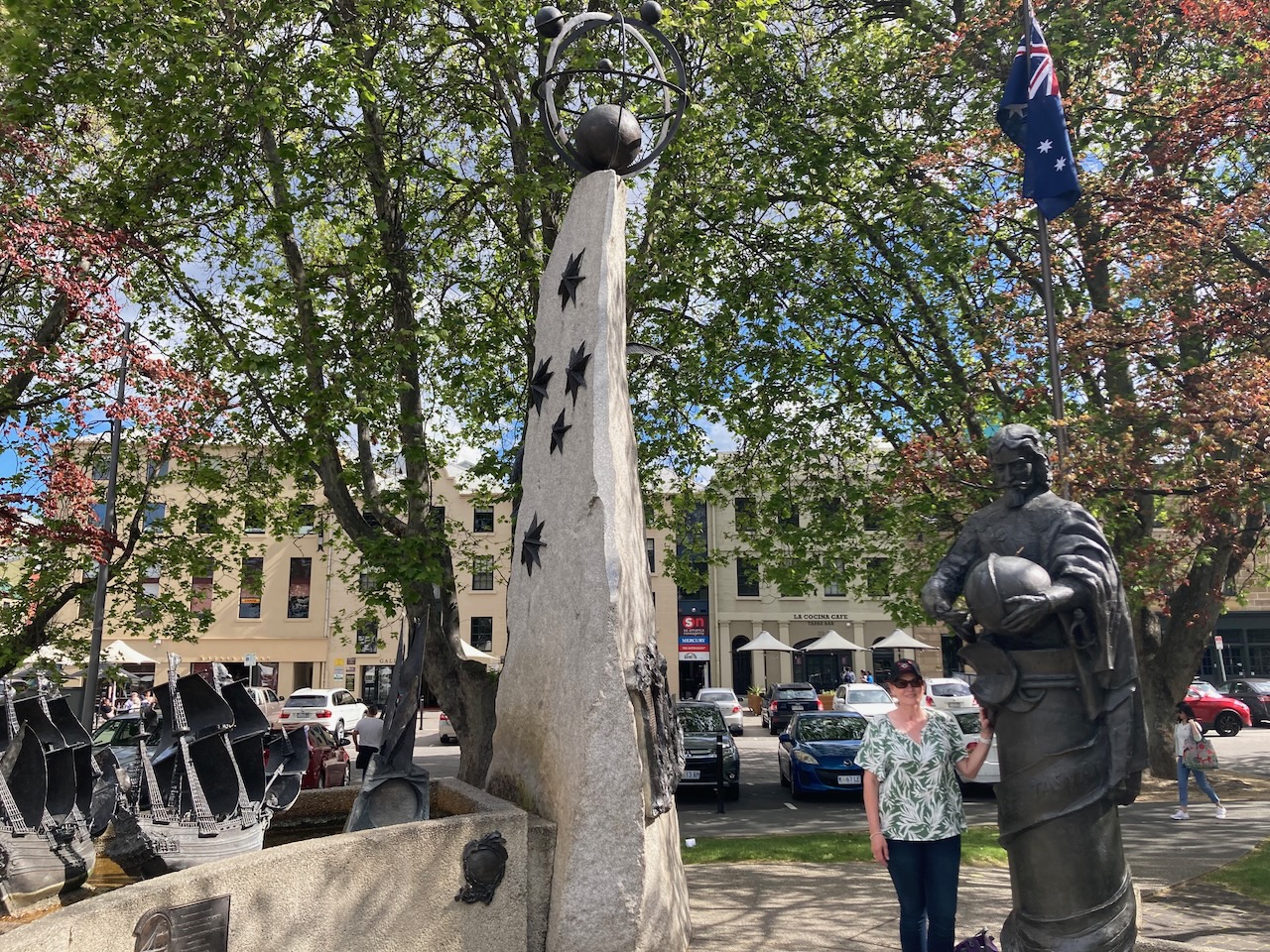
We stopped quickly at Dunalley to have a look at the monument erected to commemorate the tercentenary of the discovery of Tasmania.

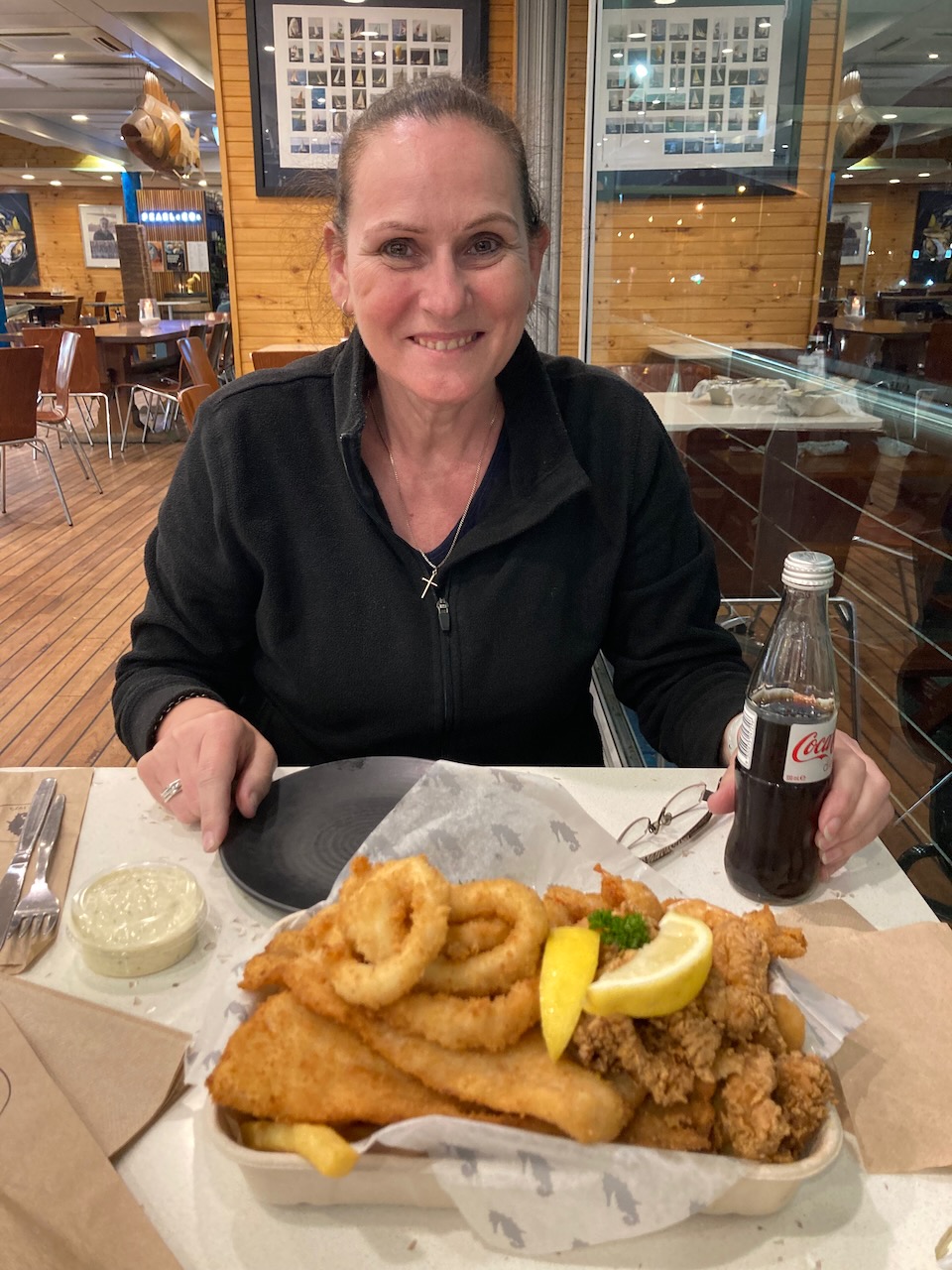
By the time we got back to Hobart is quite late. We went to the famous Mures for a sensational seafood basket. MAGNIFICENT!

References.

  1. Port Arthur Historic Site, 2022, <https://portarthur.org.au/>, viewed 31st December 2022.
  2. Port Arthur Historic Site Visitor Guide, 2022.
  3. Tasmania Parks and Wildlife Service, 2022, <https://parks.tas.gov.au/explore-our-parks/eaglehawk-neck-historic-site>, viewed 31st December 2022.
  4. Wikipedia, 2022, <https://en.wikipedia.org/wiki/Tasman_National_Park>, viewed 31st December 2022.
  5. Wik,ipedia, 2022, <https://en.wikipedia.org/wiki/Eaglehawk_Neck>, viewed 31st December 2022.

South Bruny National Park VKFF-0456

After packing up at Quarantine Station State Park (Monday 7th November 2022), Marija and I drove south on the Bruny Island Main Road and we soon reached The Neck.

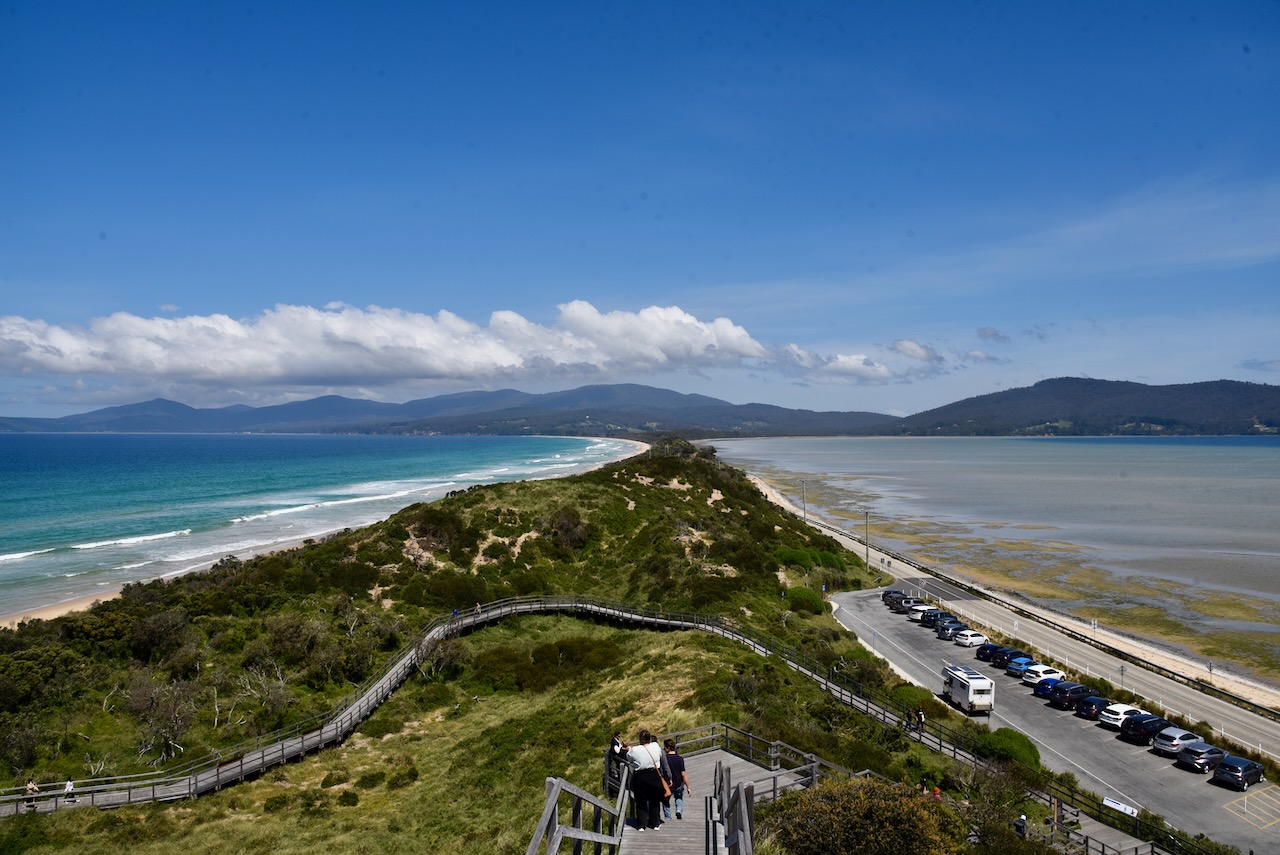
The Neck is an isthmus of land connecting north and south Bruny Island. What is an isthmus? An isthmus is a narrow strip of land that connects two larger landmasses and separates two bodies of water.

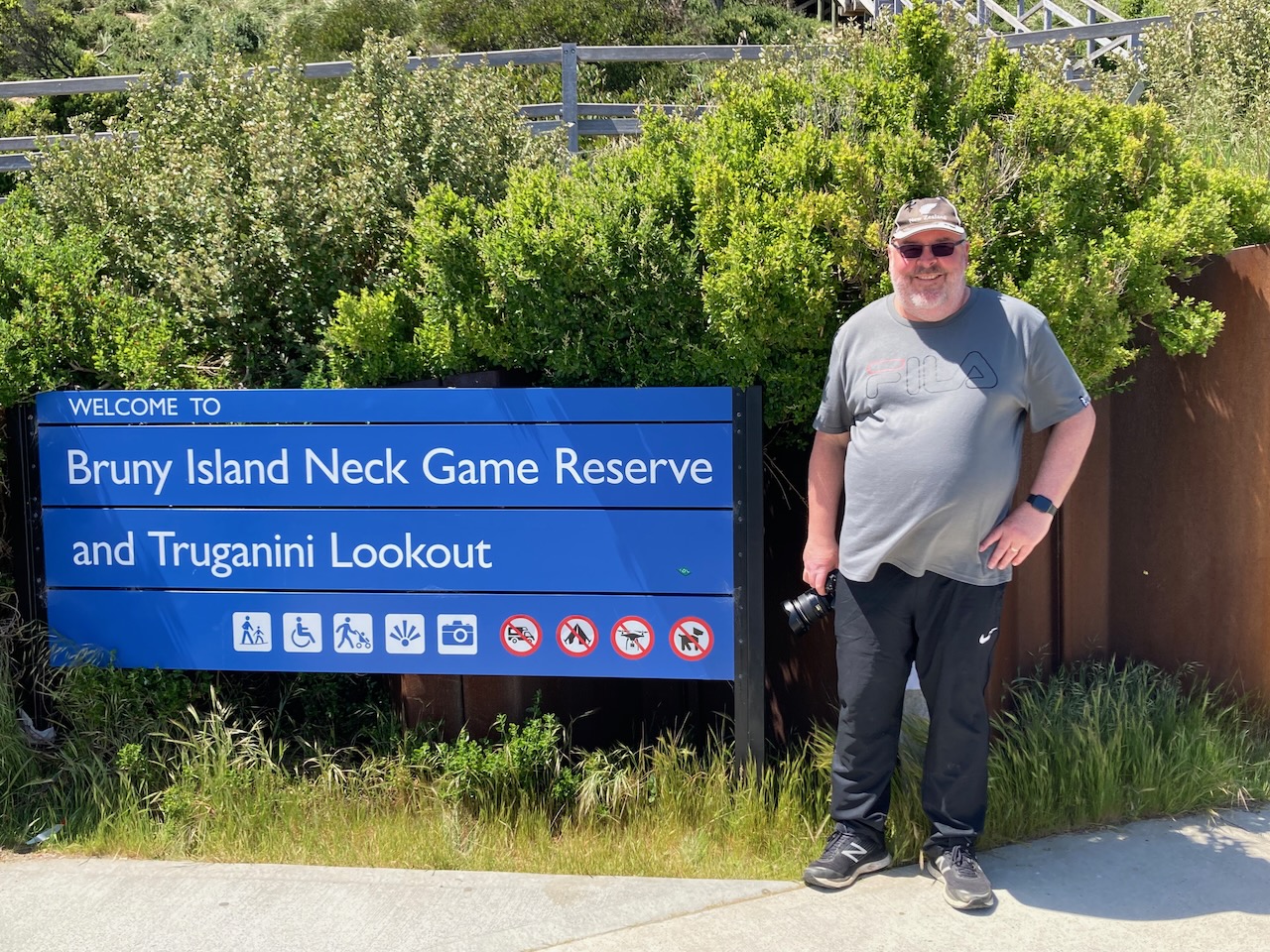
I immediately noted that there was a sign for Bruny Island Neck Game Reserve. Marija and I checked the WWFF Australia website, but sadly the park was not listed.

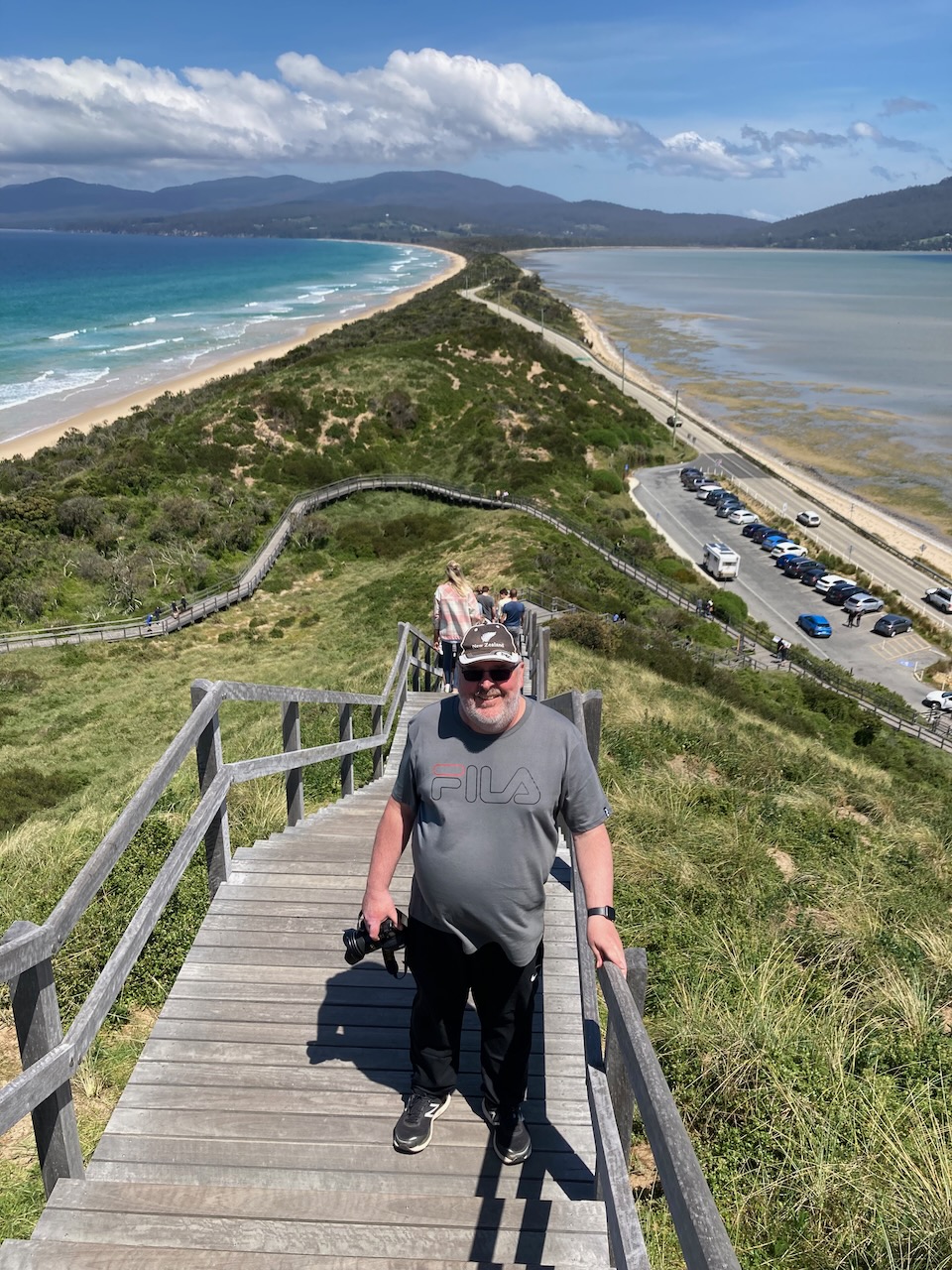
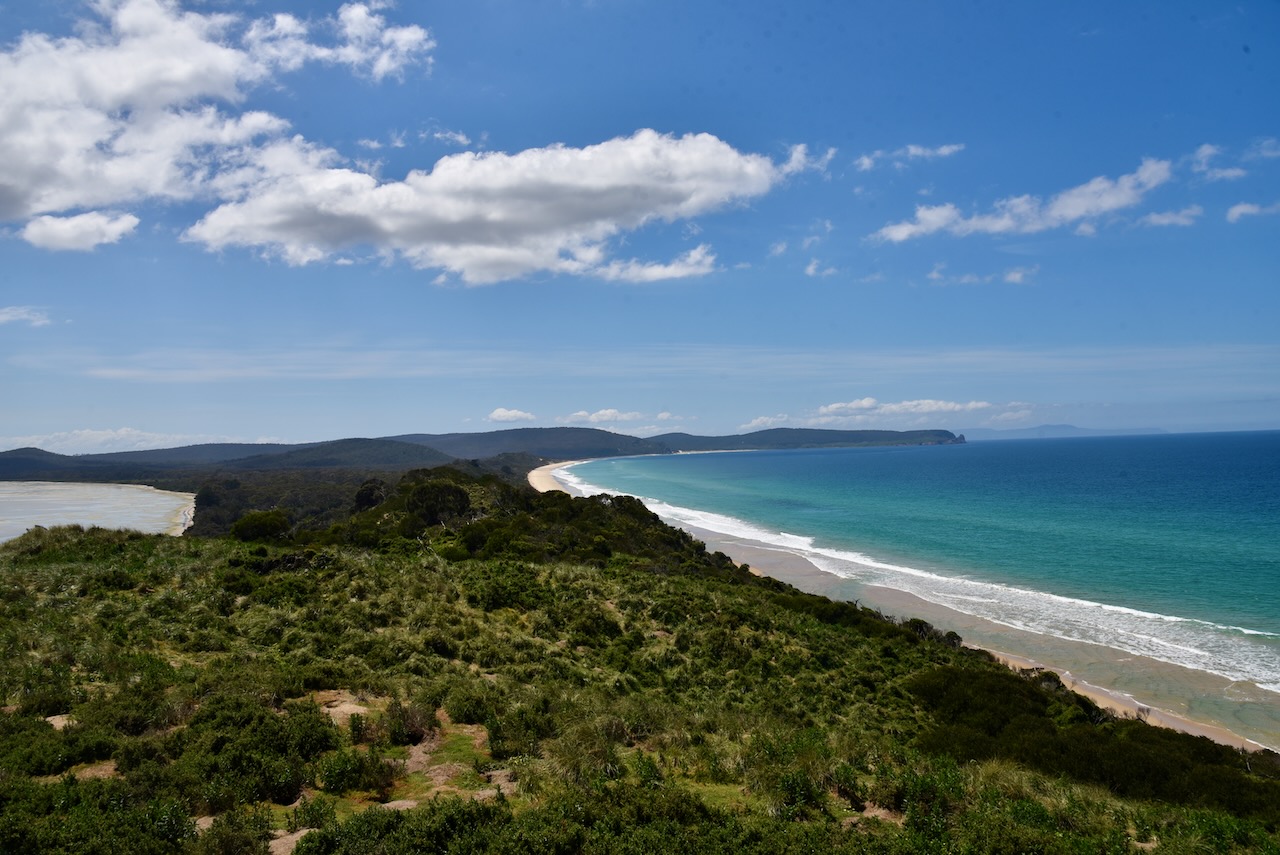
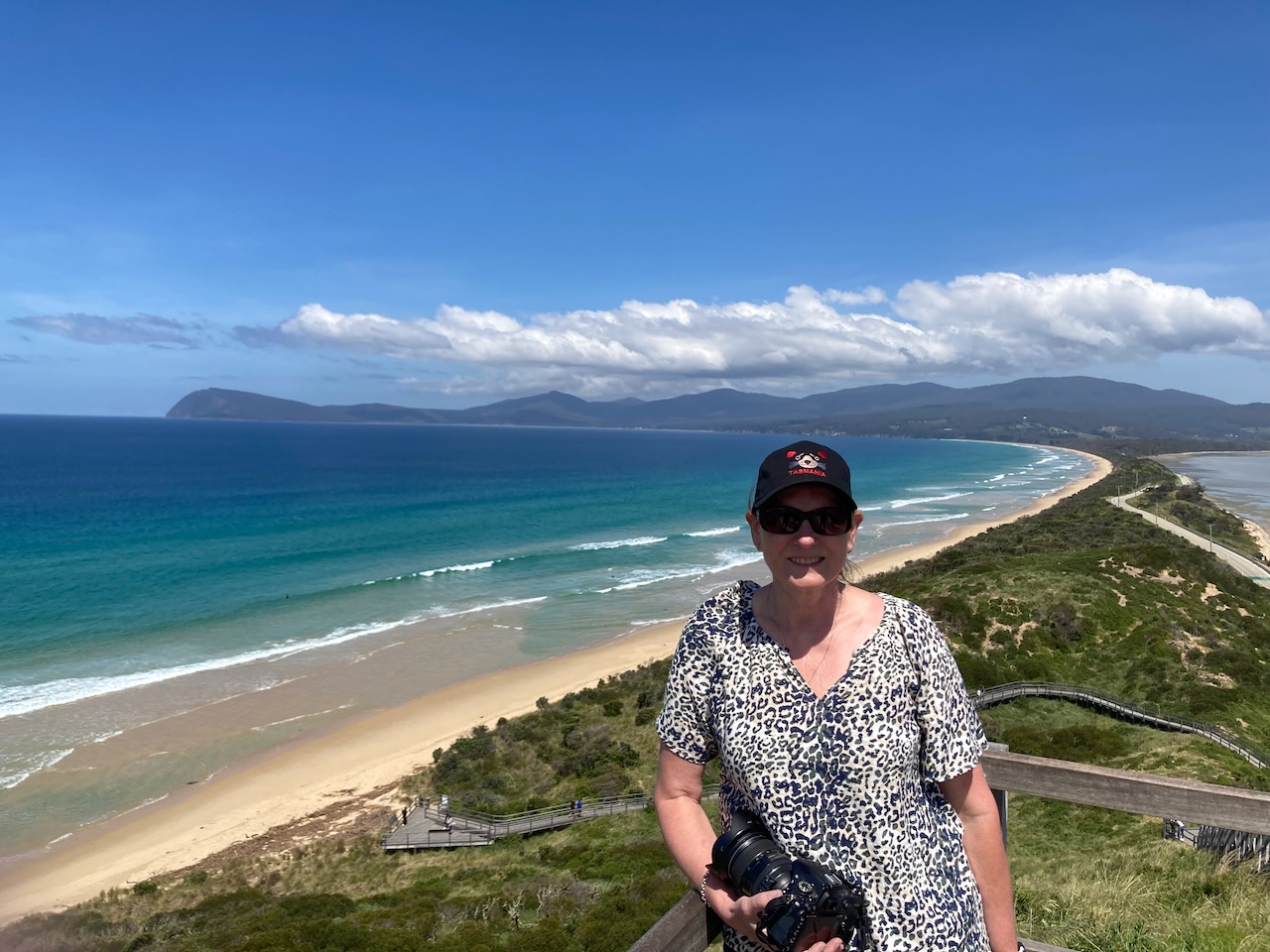
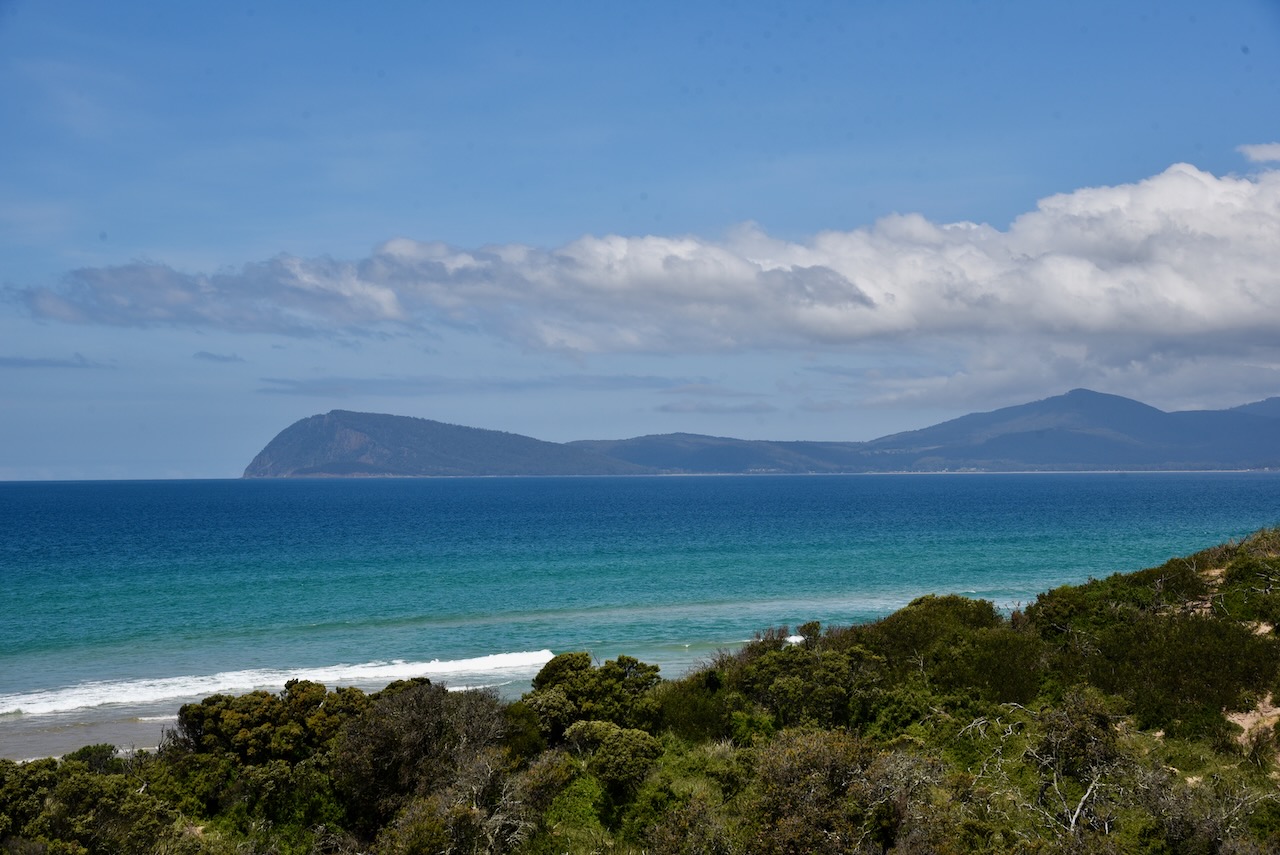
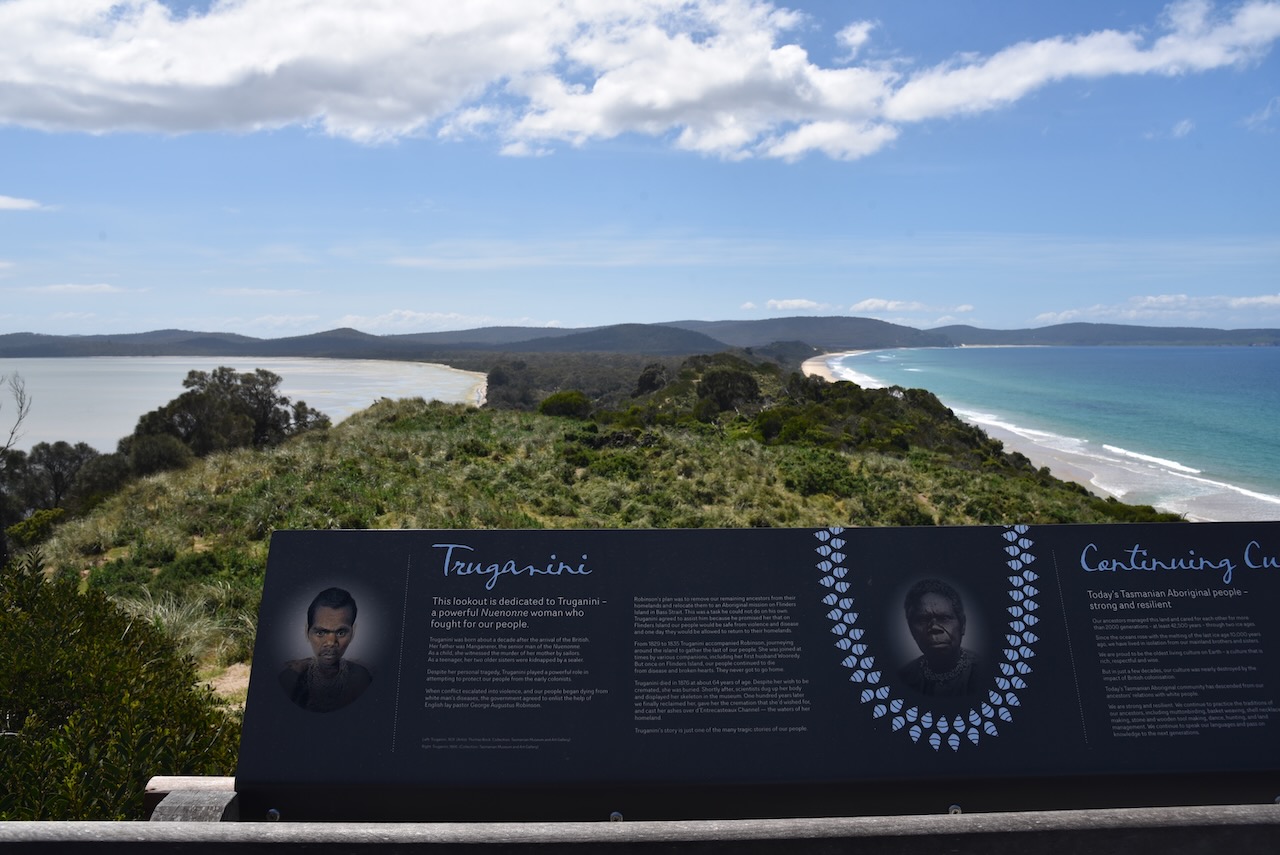
We toiled up the 300 steps across the dunes to the lookout. And it was worth it. From the top you can view an incredible 360 degree view which takes in water on both side of The Necks of the water on both sides of the neck, the remainder of Bruny Island and mainland Tasmania. 

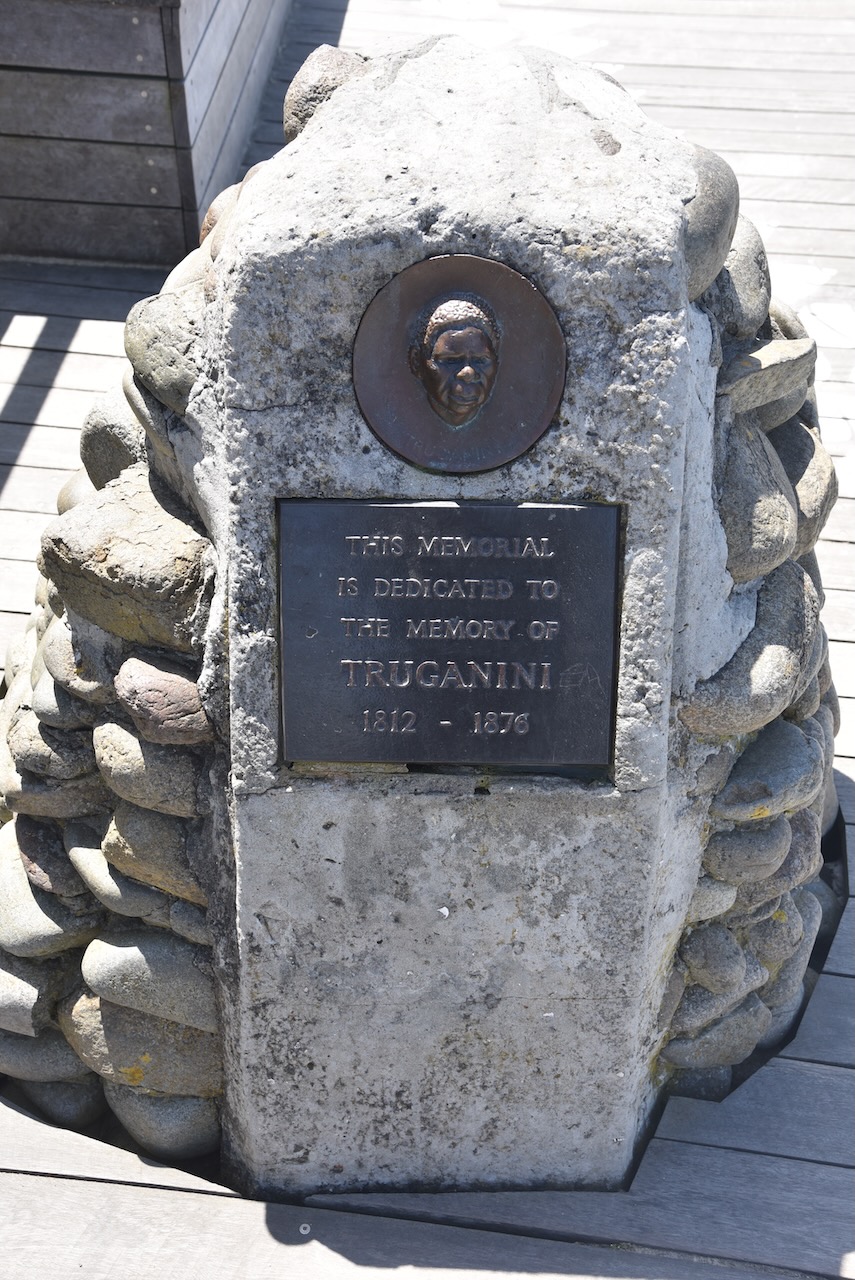
Once you reach the top of the lookout you can also view the memorial to Truganini who I mentioned in my previous post.

We then walked back down to the 4WD and continued south on our way to South Bruny National Park, stopping every now and again to enjoy some of the breathtaking views.

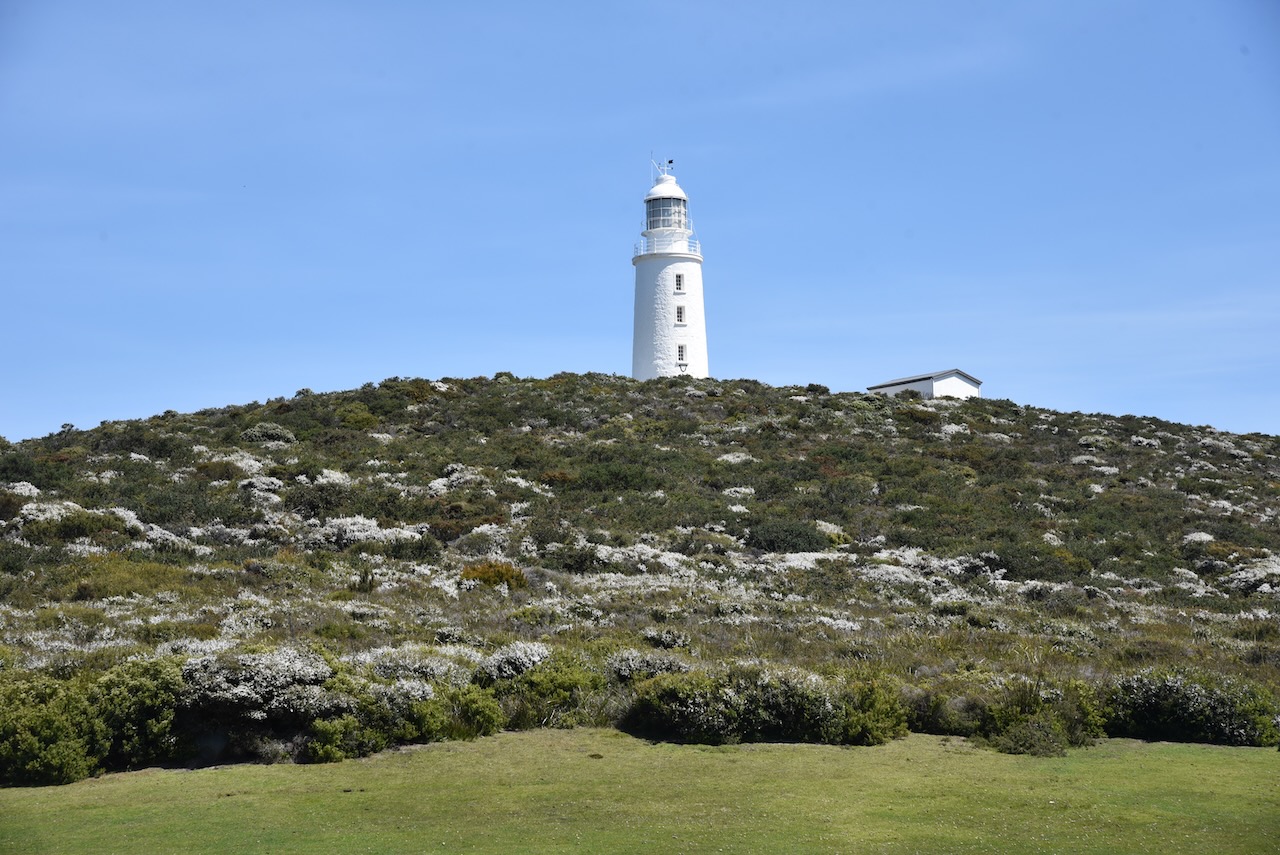
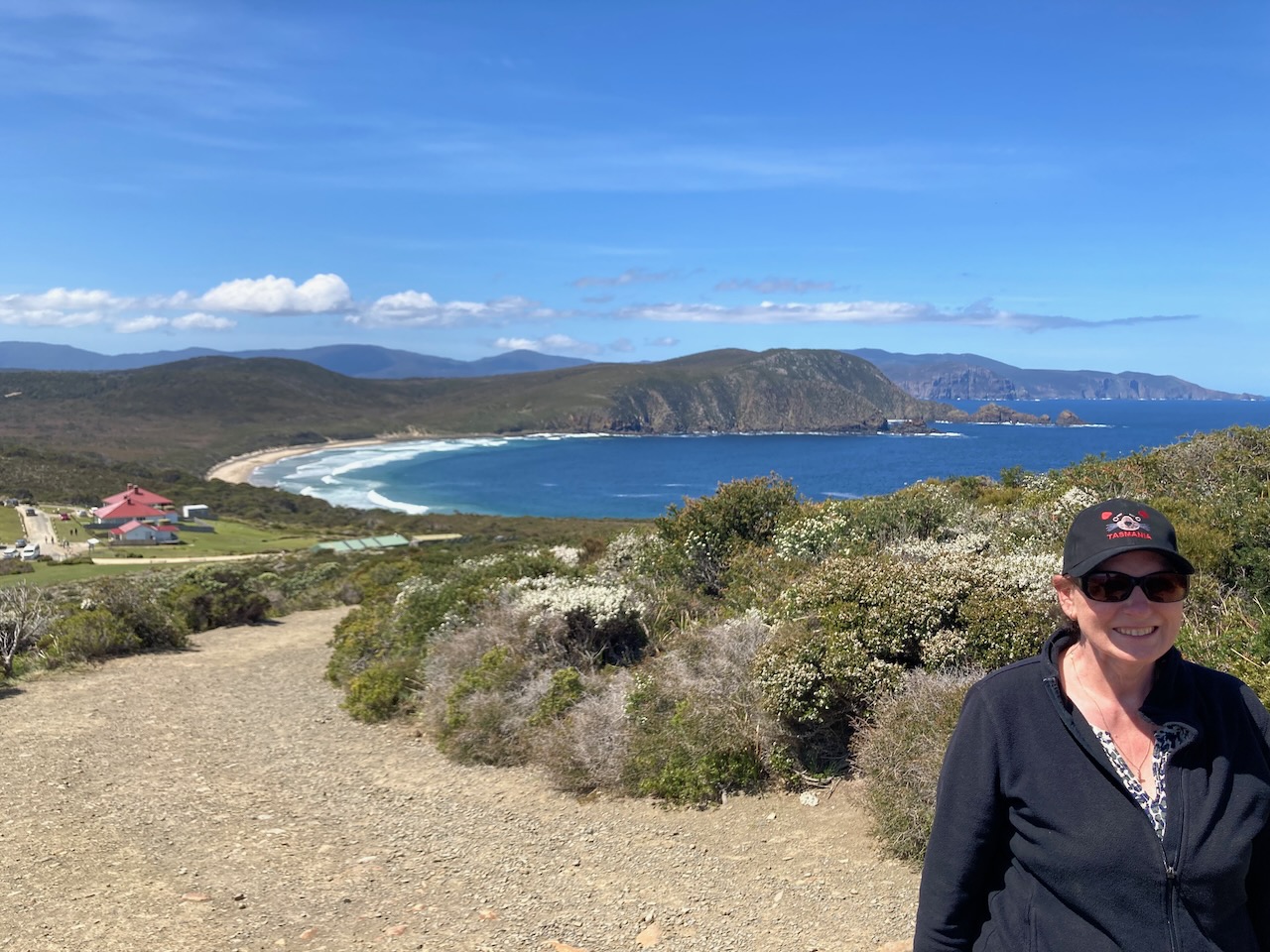
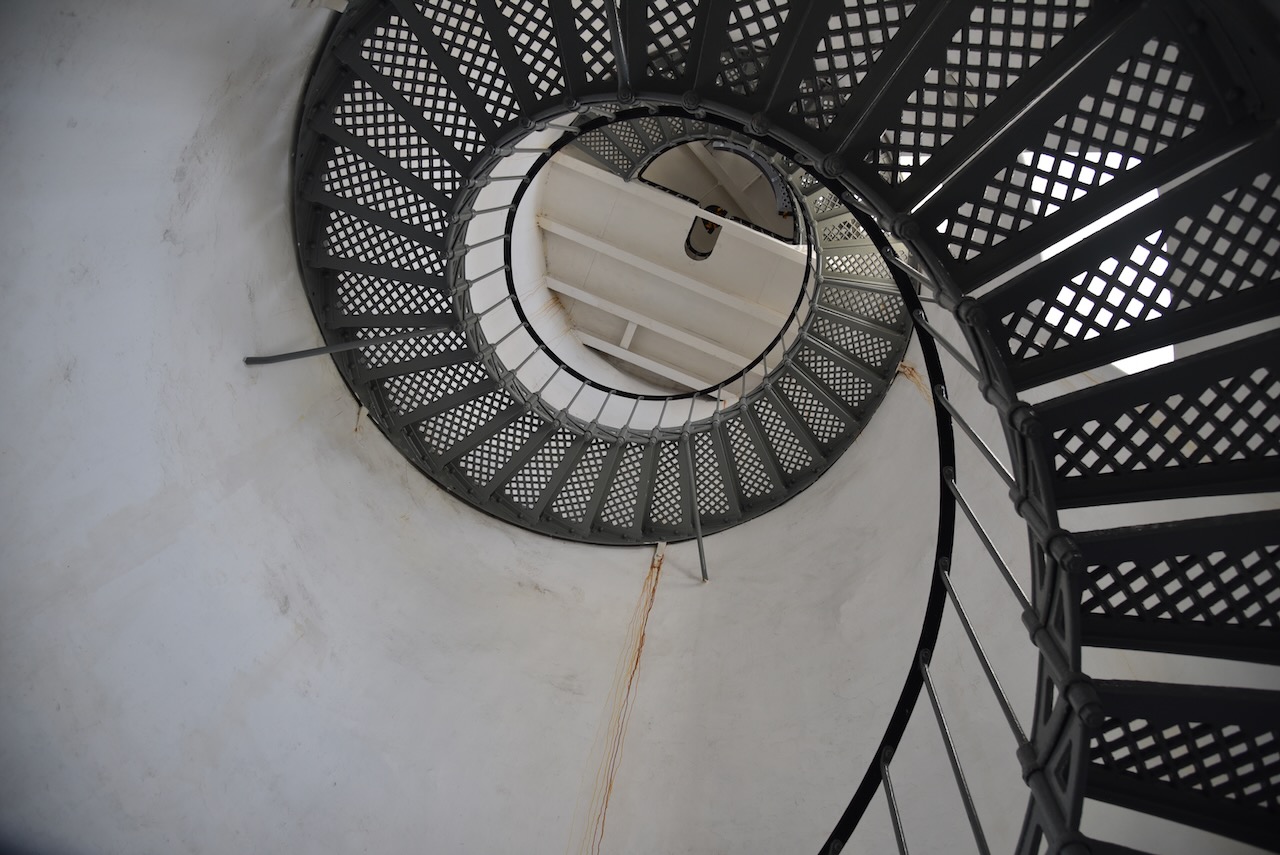
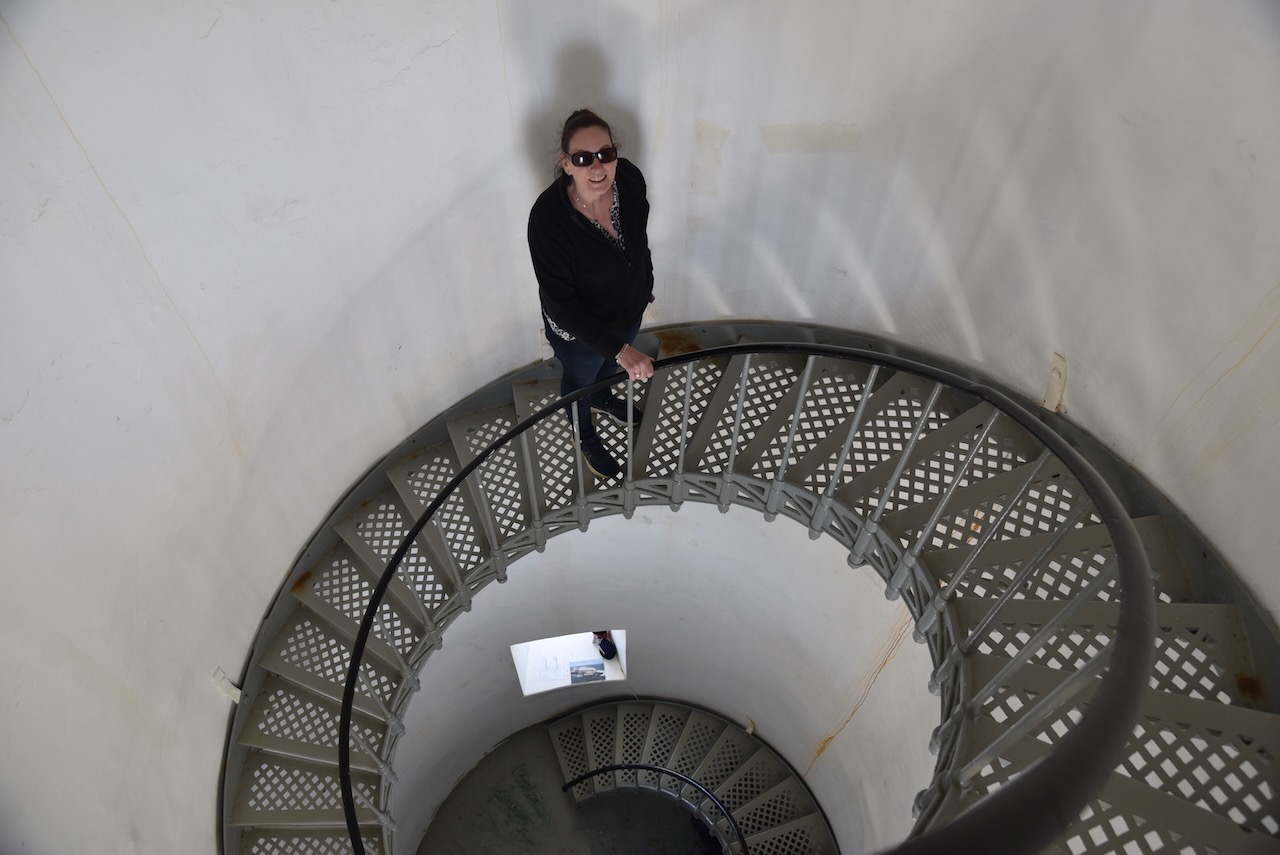
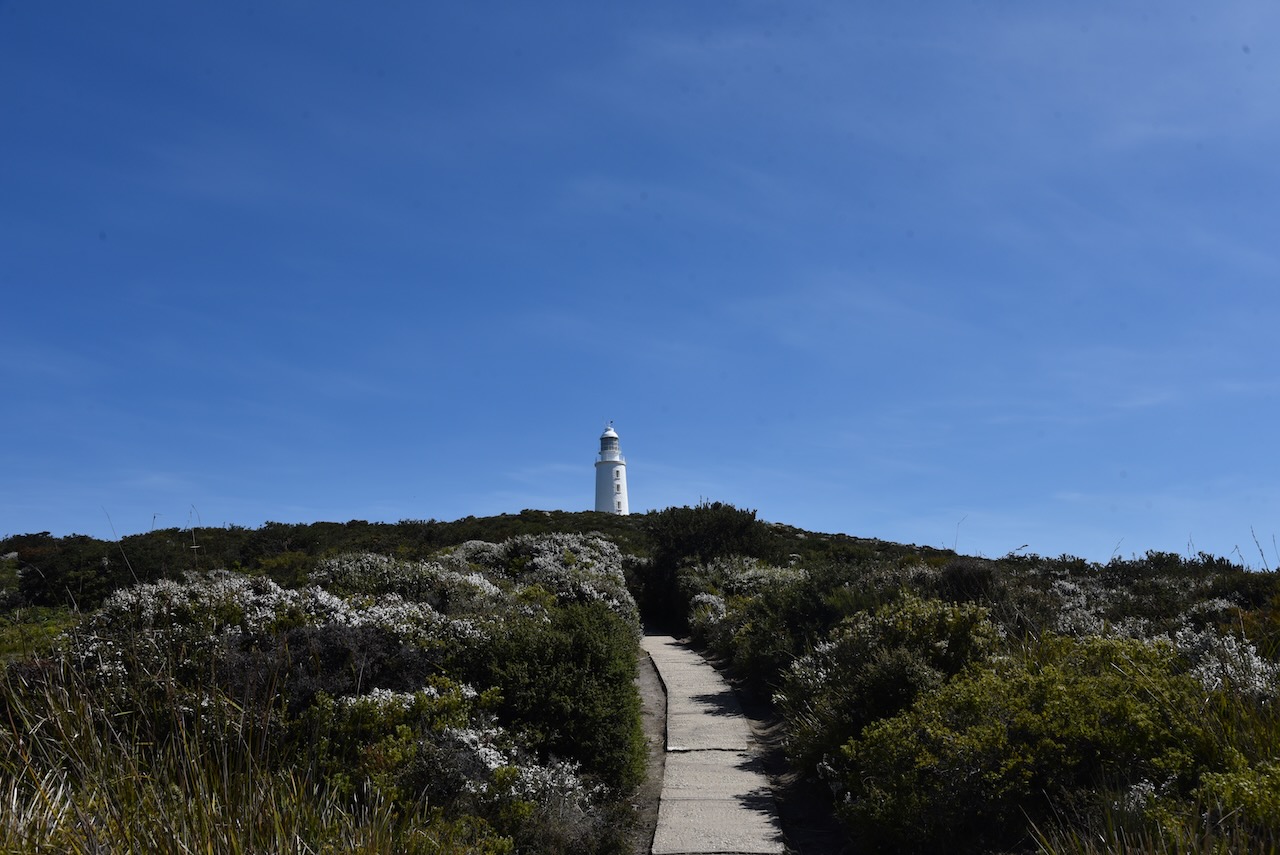
We continued south along Lighthouse Road and soon had the Cape Bruny lighthouse in our sights. We parked the 4WD and then took the short but steep walk up to the lighthouse.

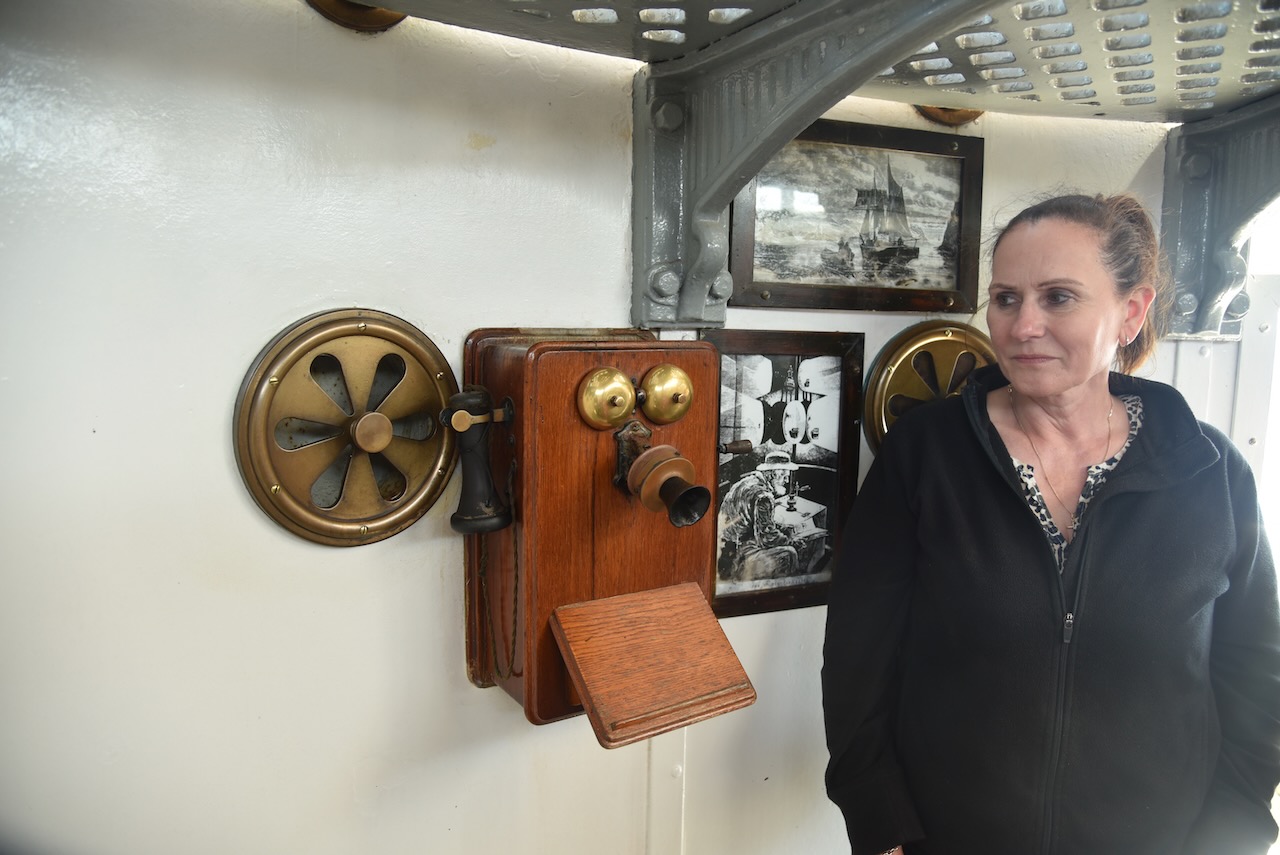
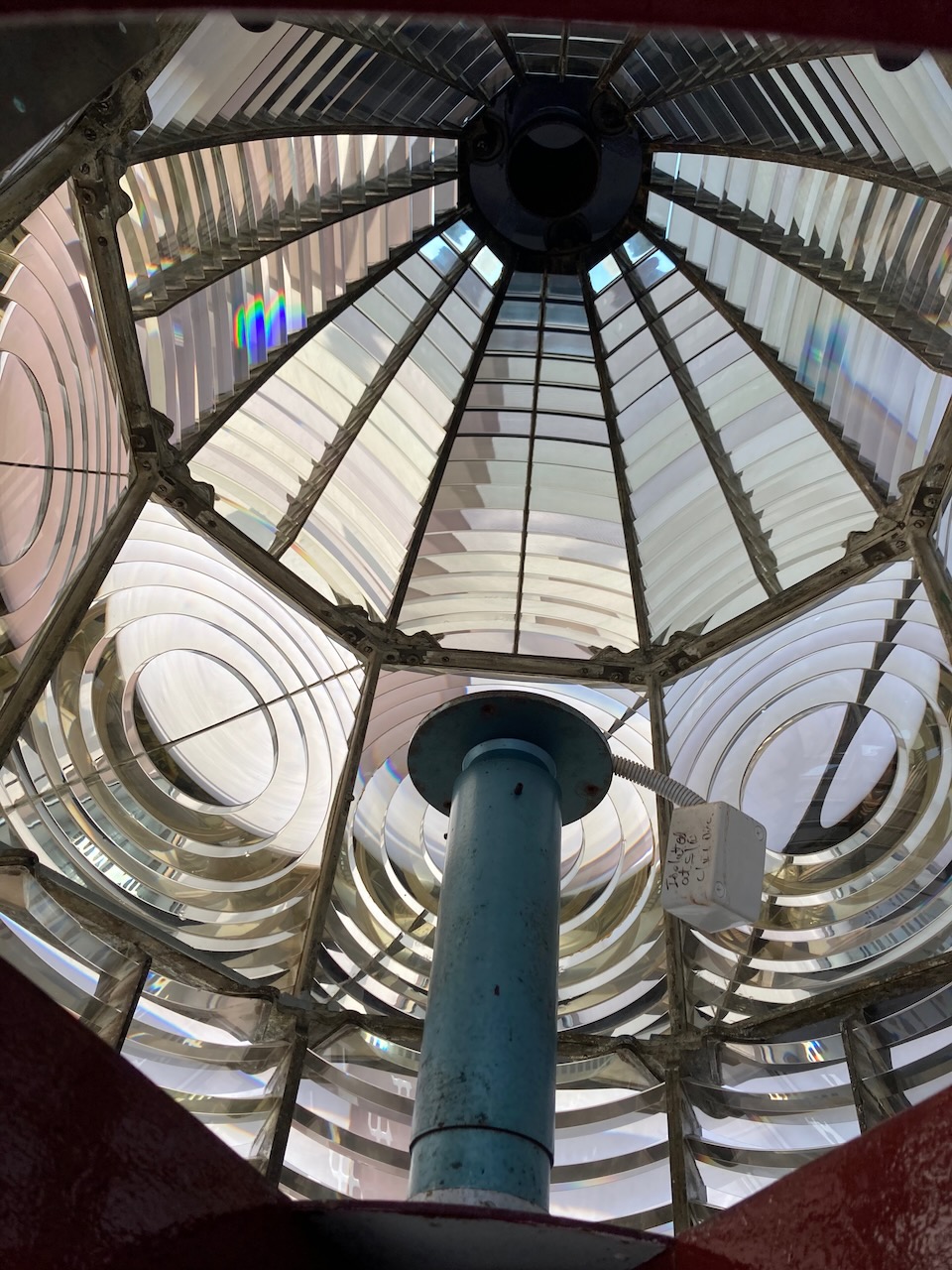
We decided to take a tour of the lighthouse which we can highly recommend.

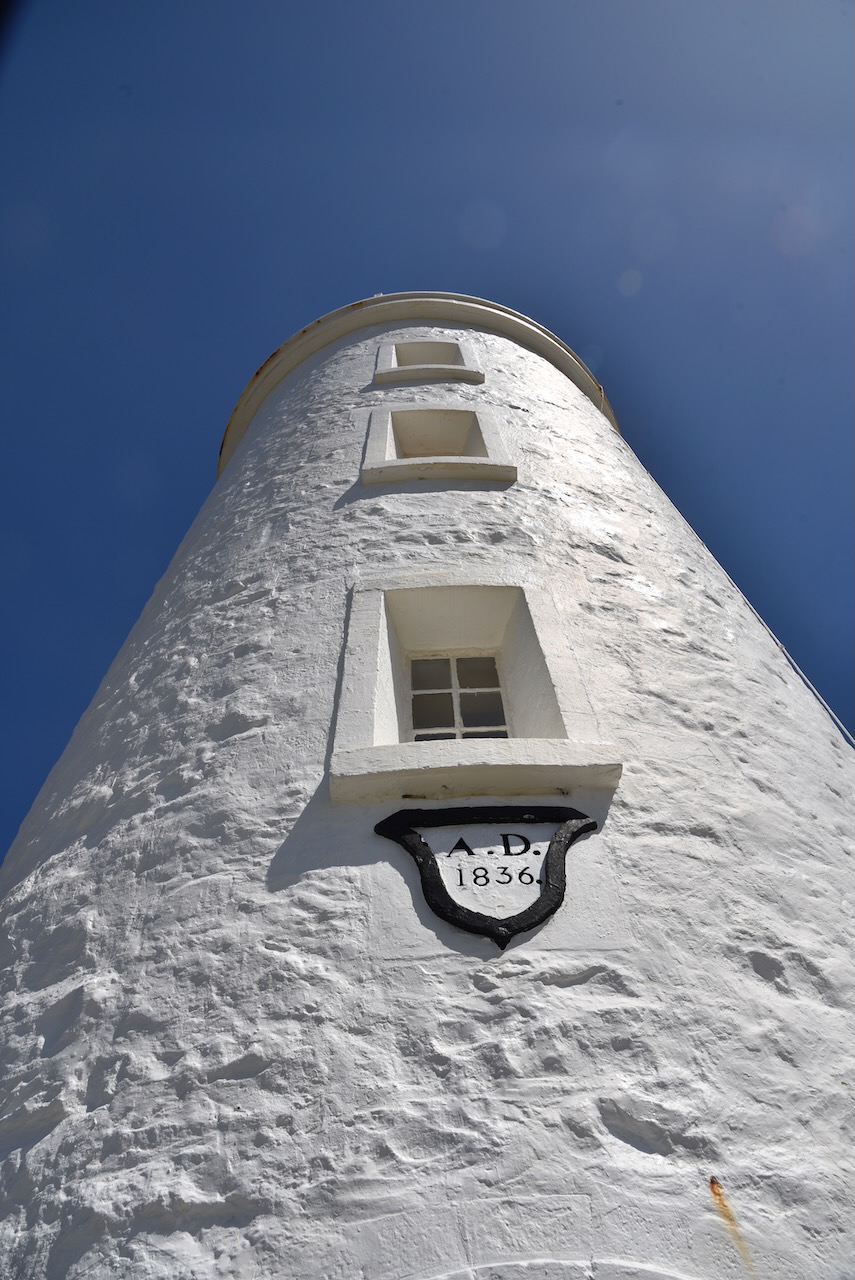
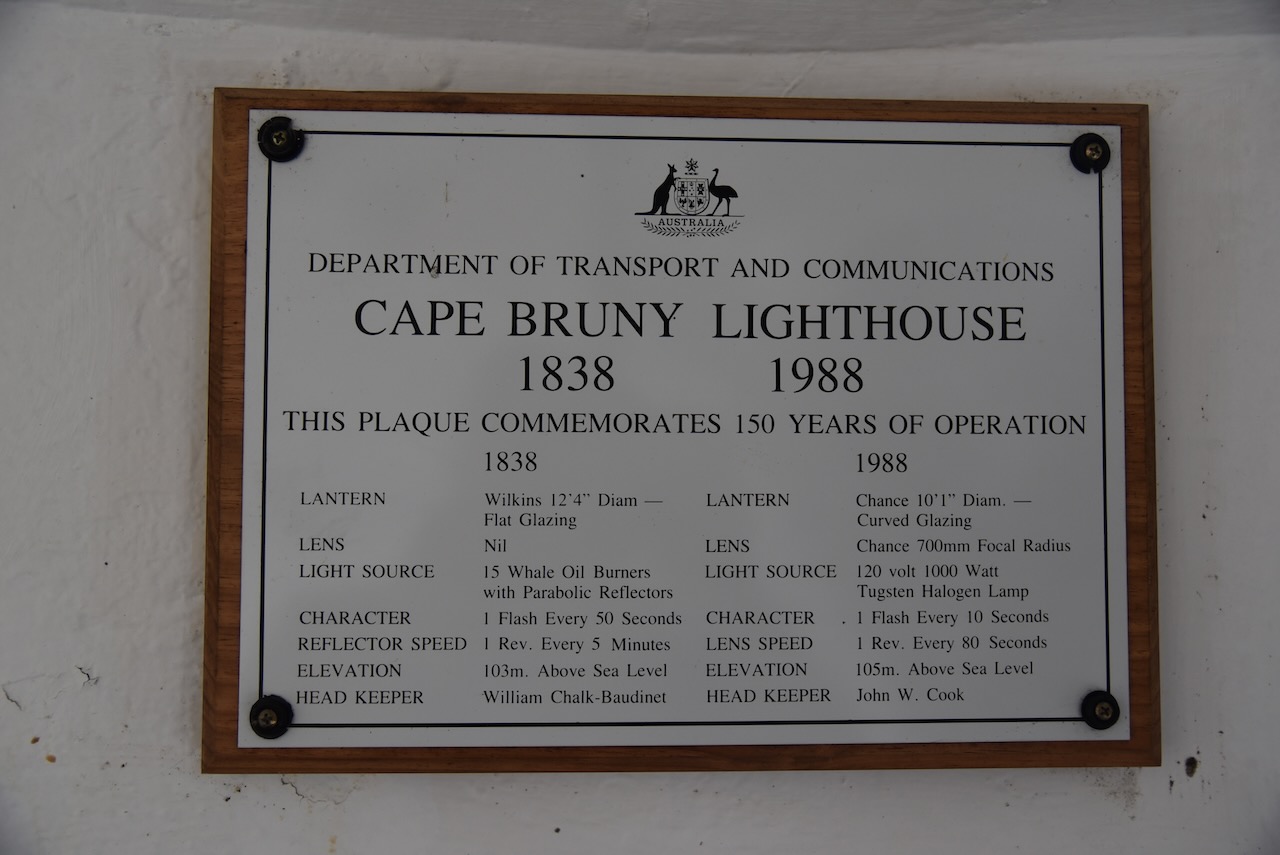
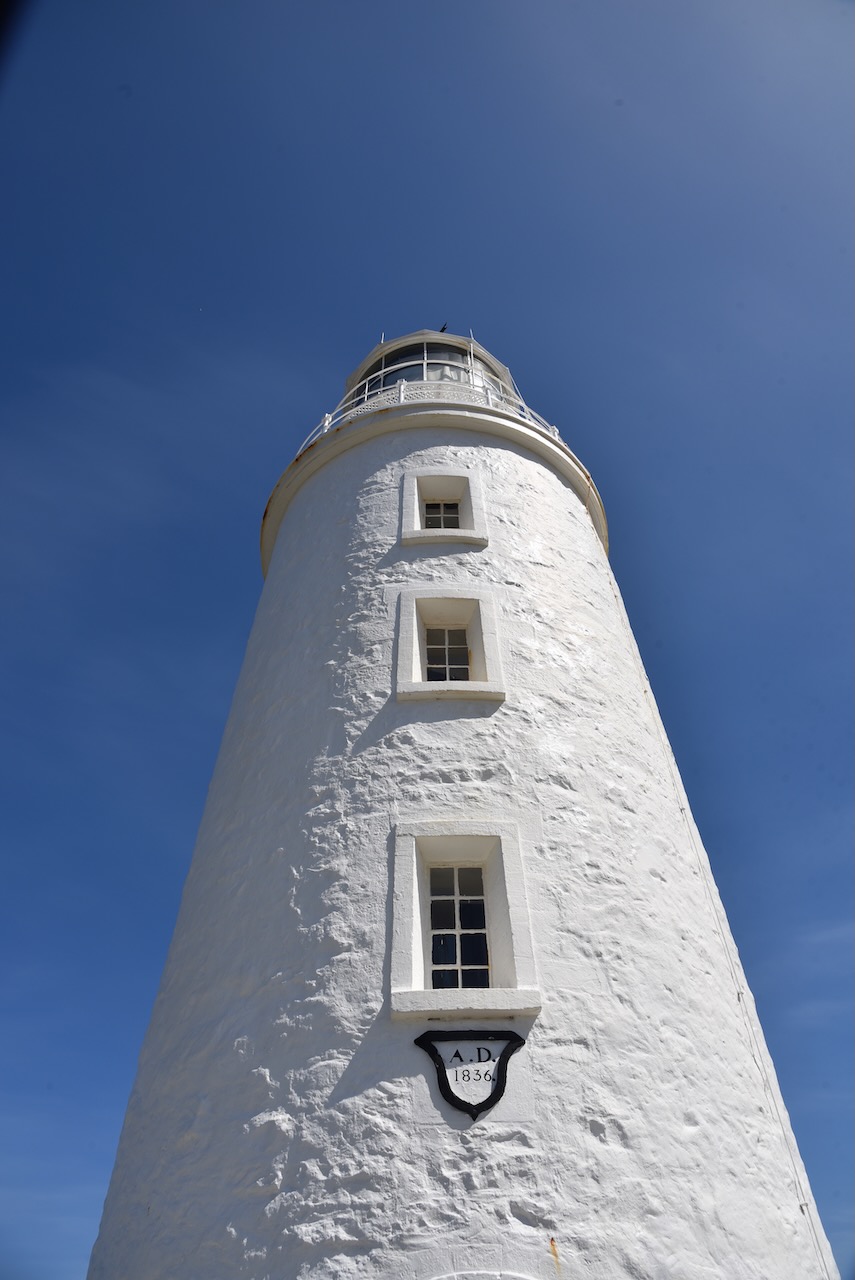
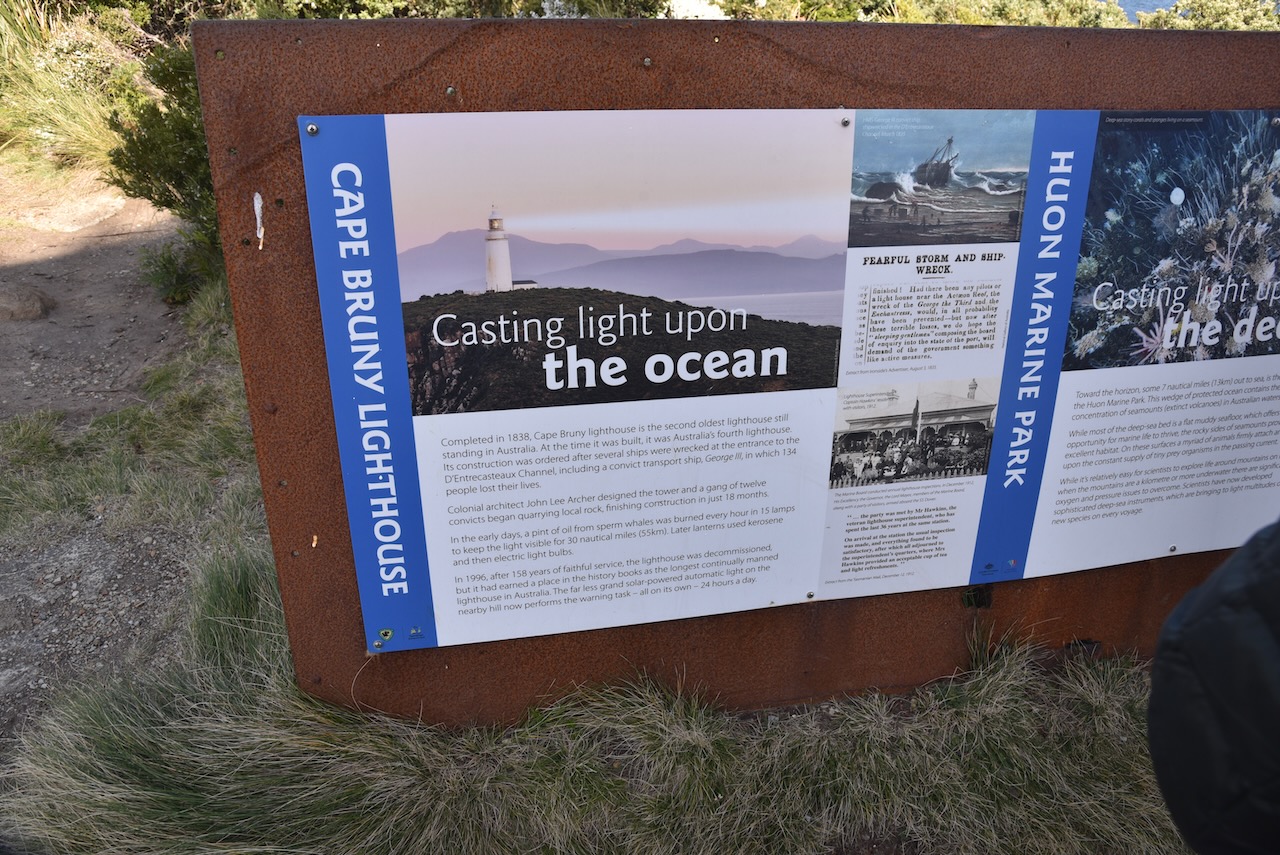
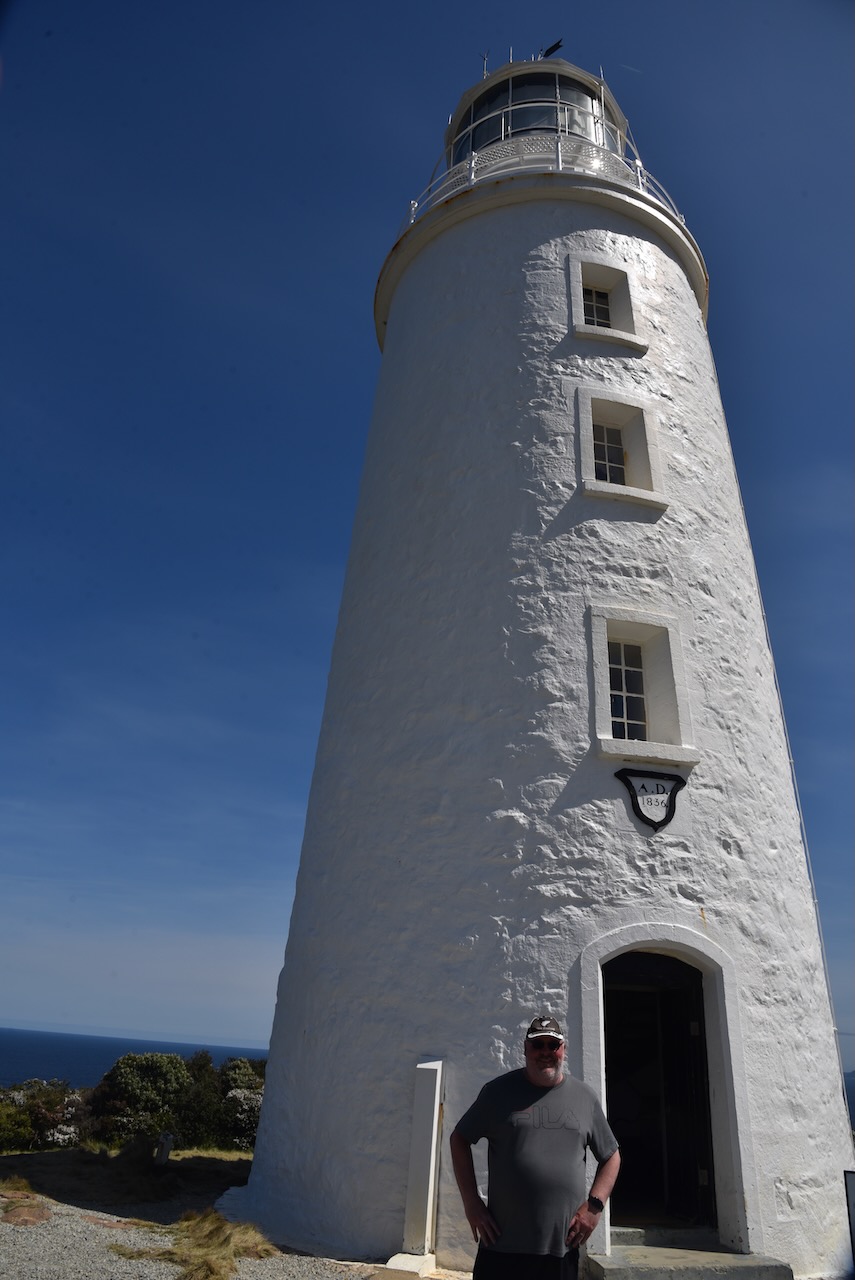
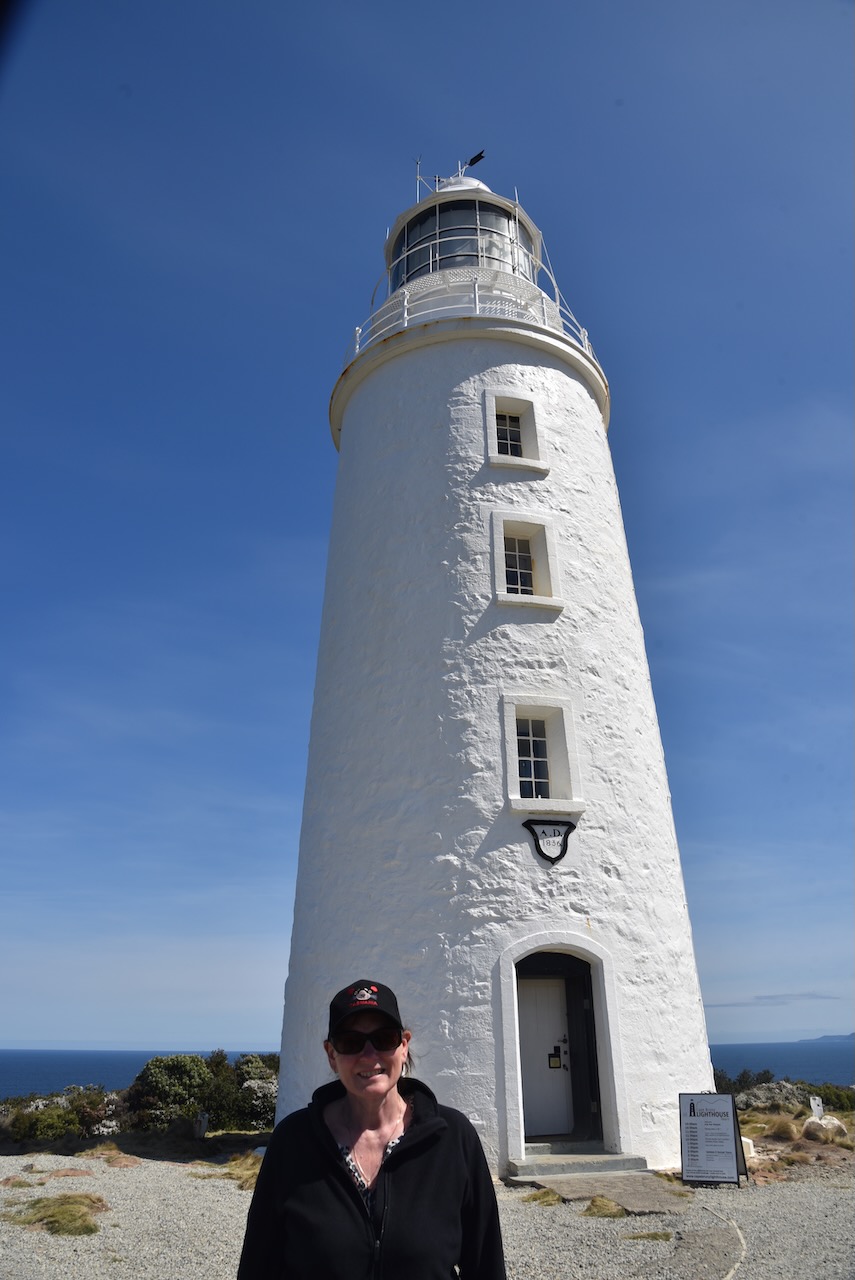
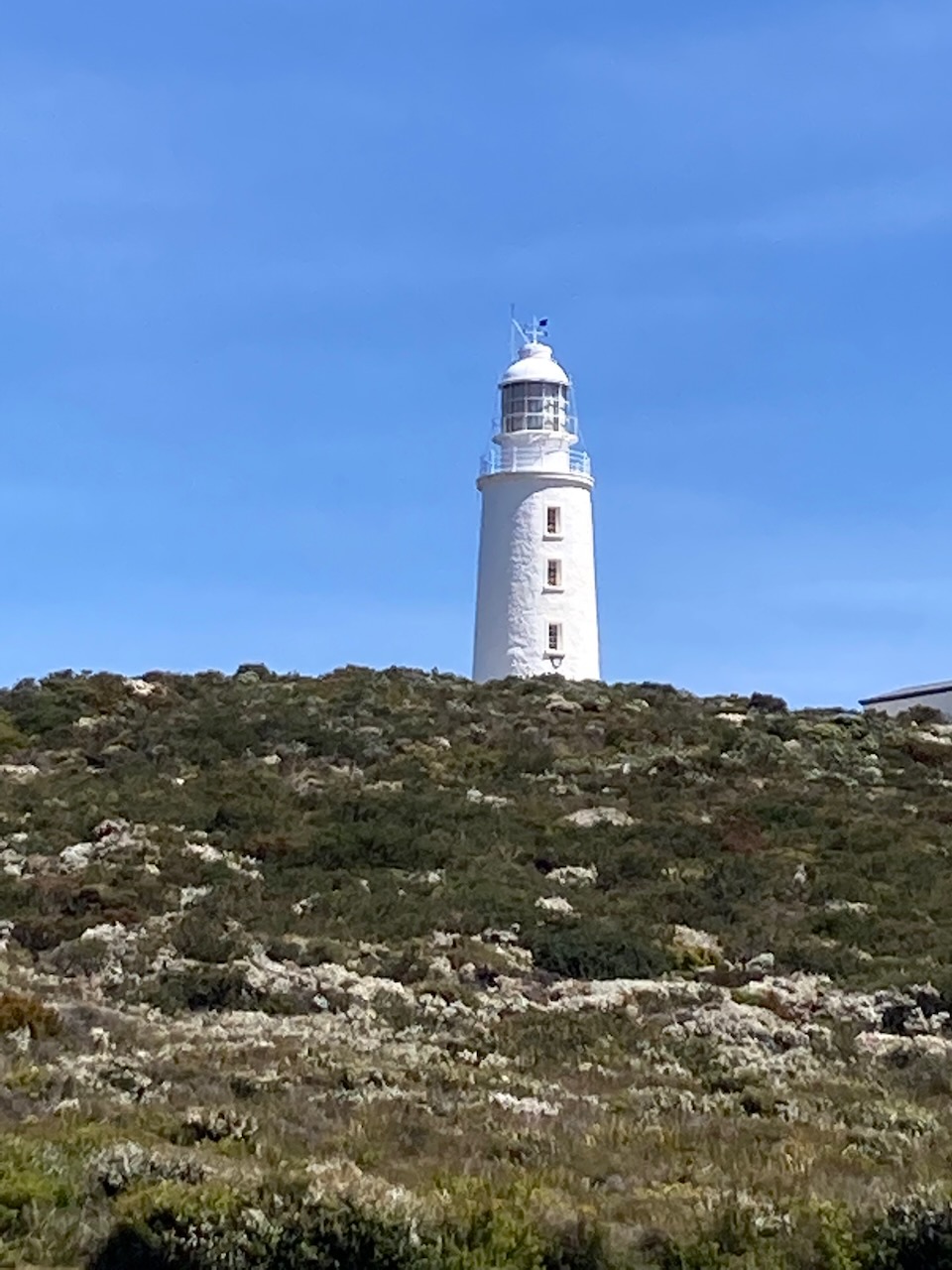
The Cape Bruny lighthouse was first lit on March 1838. It is Tasmania’s third lighthouse and Australia’s fourth lighthouse.

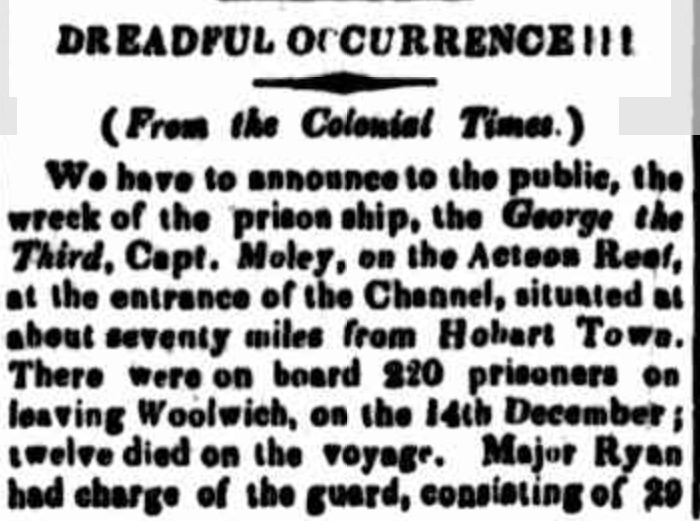
It was commissioned by Governor George Arthur in 1835 following a series of shipwrecks south of Bruny Island. This included the wreck of the convict transport ship George III, with the loss of 134 lives in April 1835.

Above:- part of an article from The Cornwall Chronicel, Sat 18 Apr 1835. Image c/o Trove.

In January 1836 architect and engineer John Lee Archer (b. 1791. d. 1852) submitted his final design for the lighthouse. In April 1836 work commenced. However, construction took longer than expected. Part of this was due to the person he put in charge of construction, Charles Watson (b. 1798. d. 1849). Watson was a former convict and had not been approved by Governor Arthur.

Watson and his team of 12 convicts completed the lighthouse in March 1838.

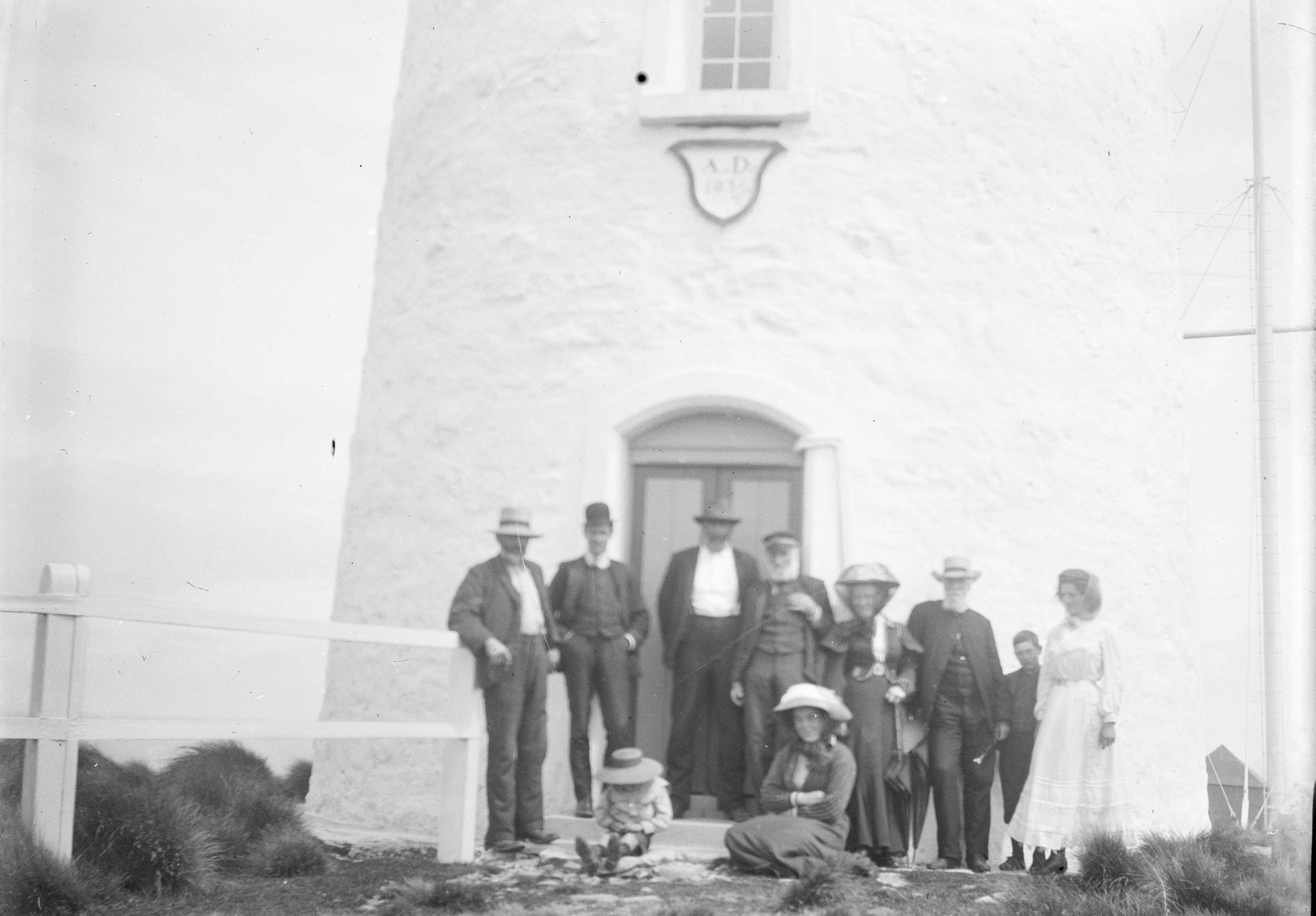
Above:- Cape Bruny lighthouse, early 1900s. Image c/o Trove

The Cape Bruny Lighthouse was made redundant in 1993. Its last lighthouse keeper was John Cook who spent 13 years at Cape Bruny.

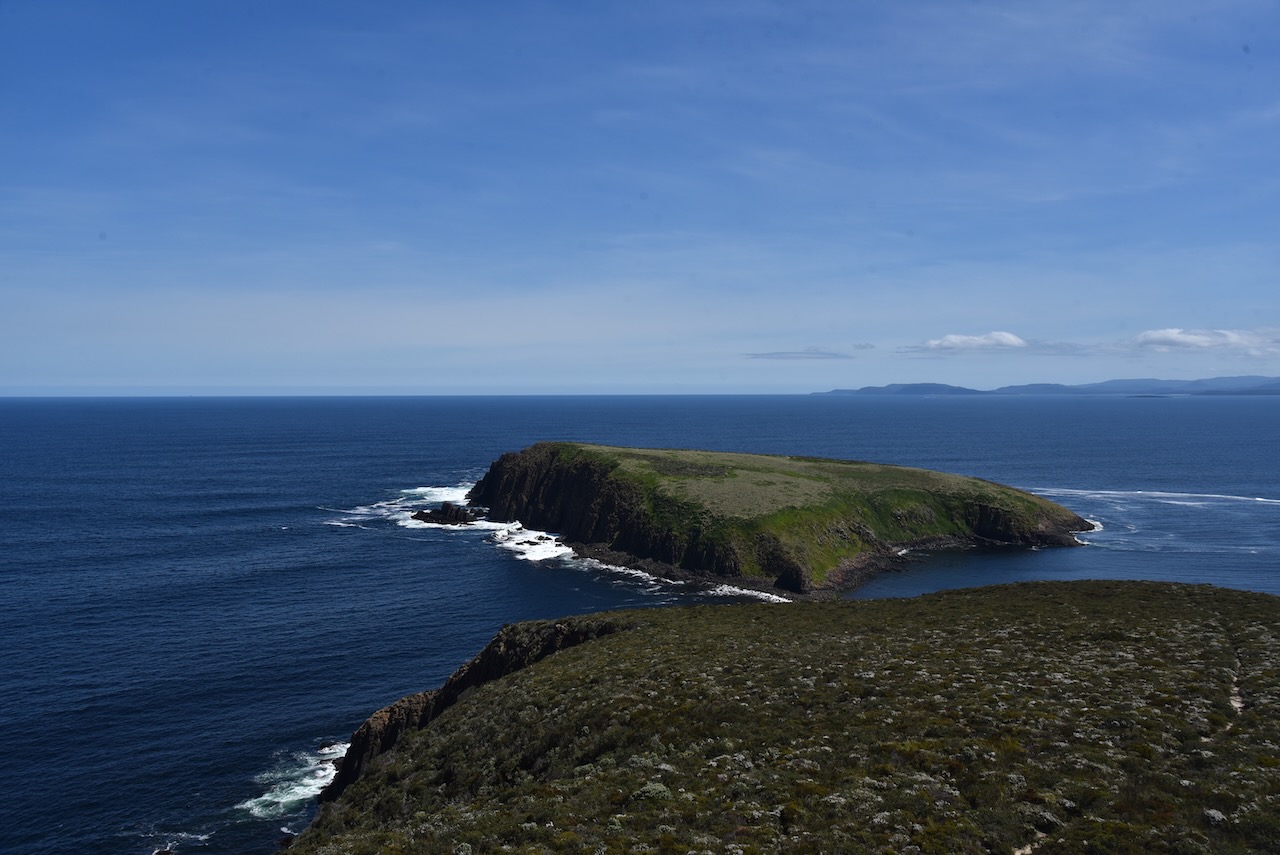
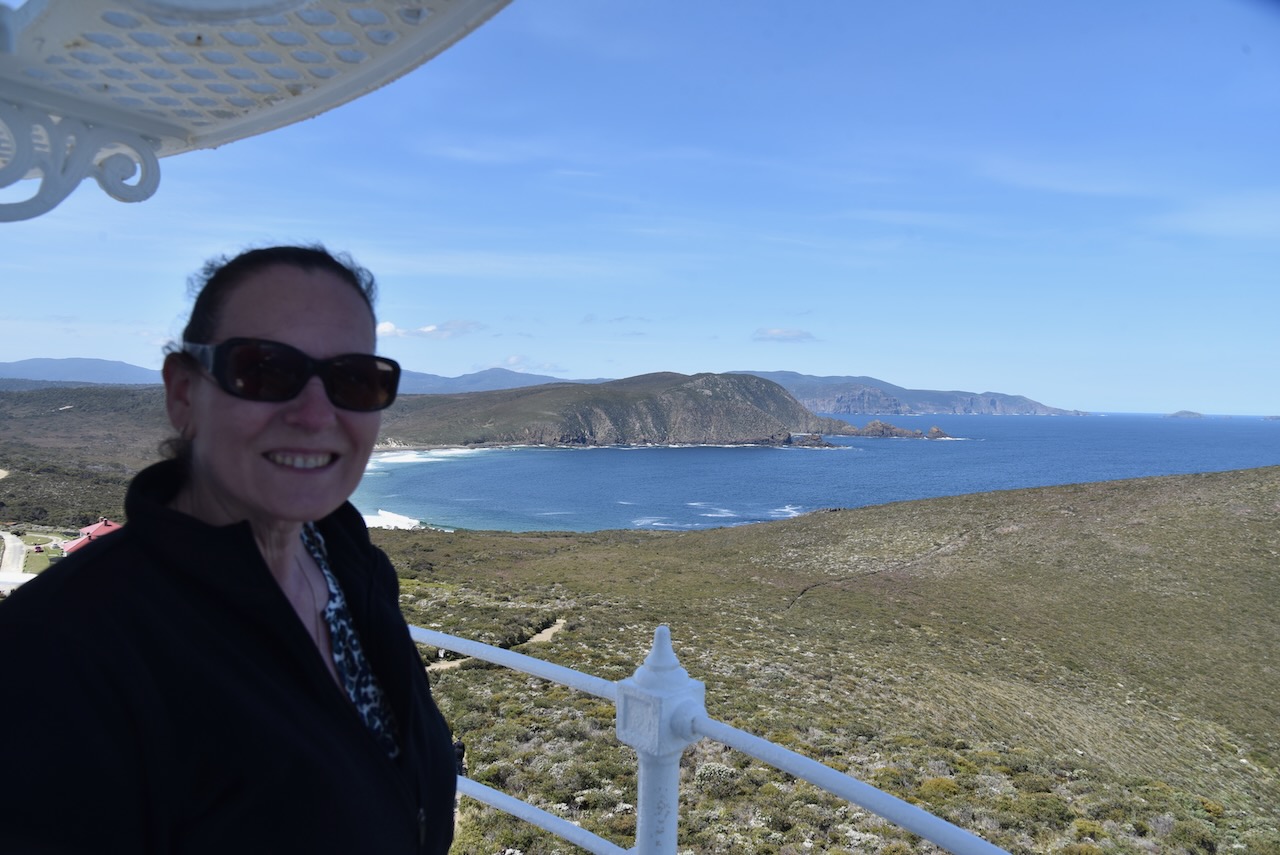
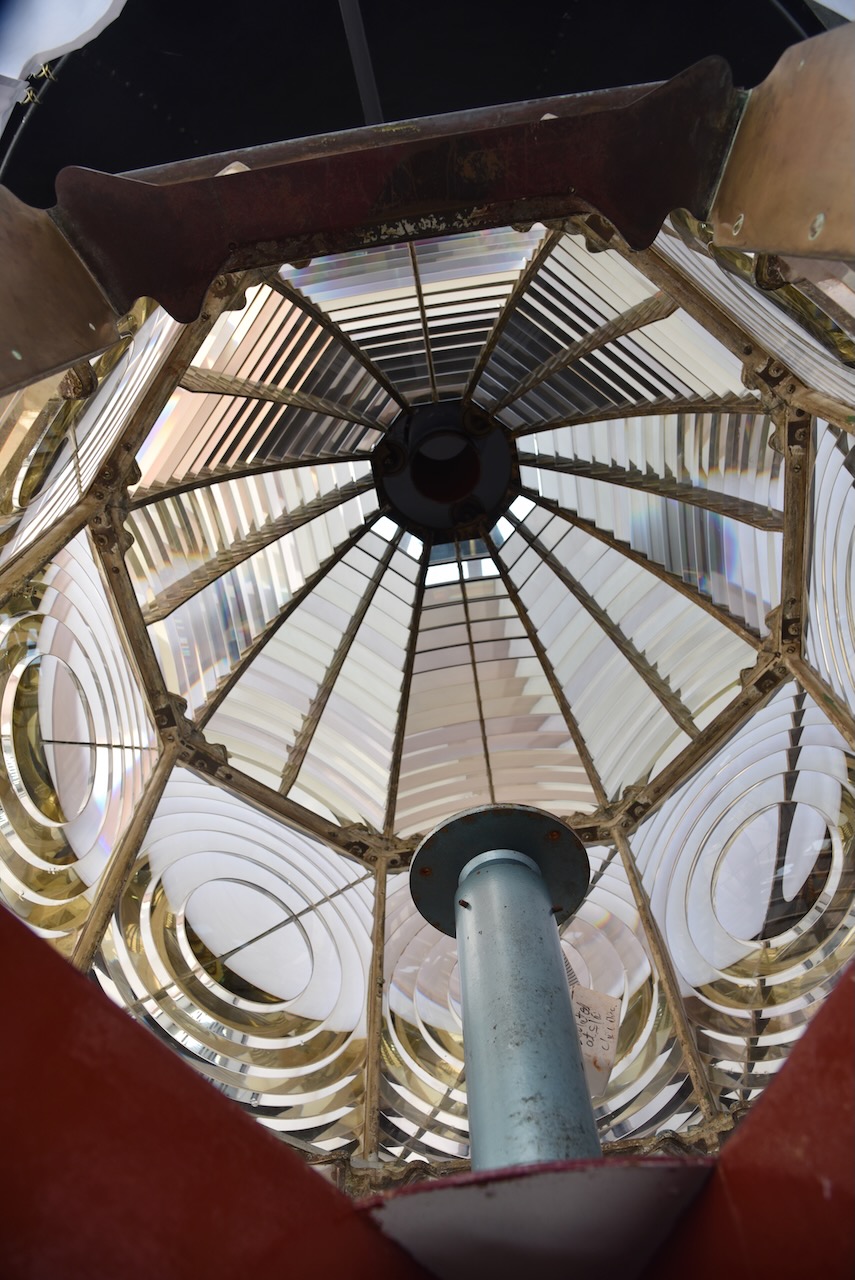
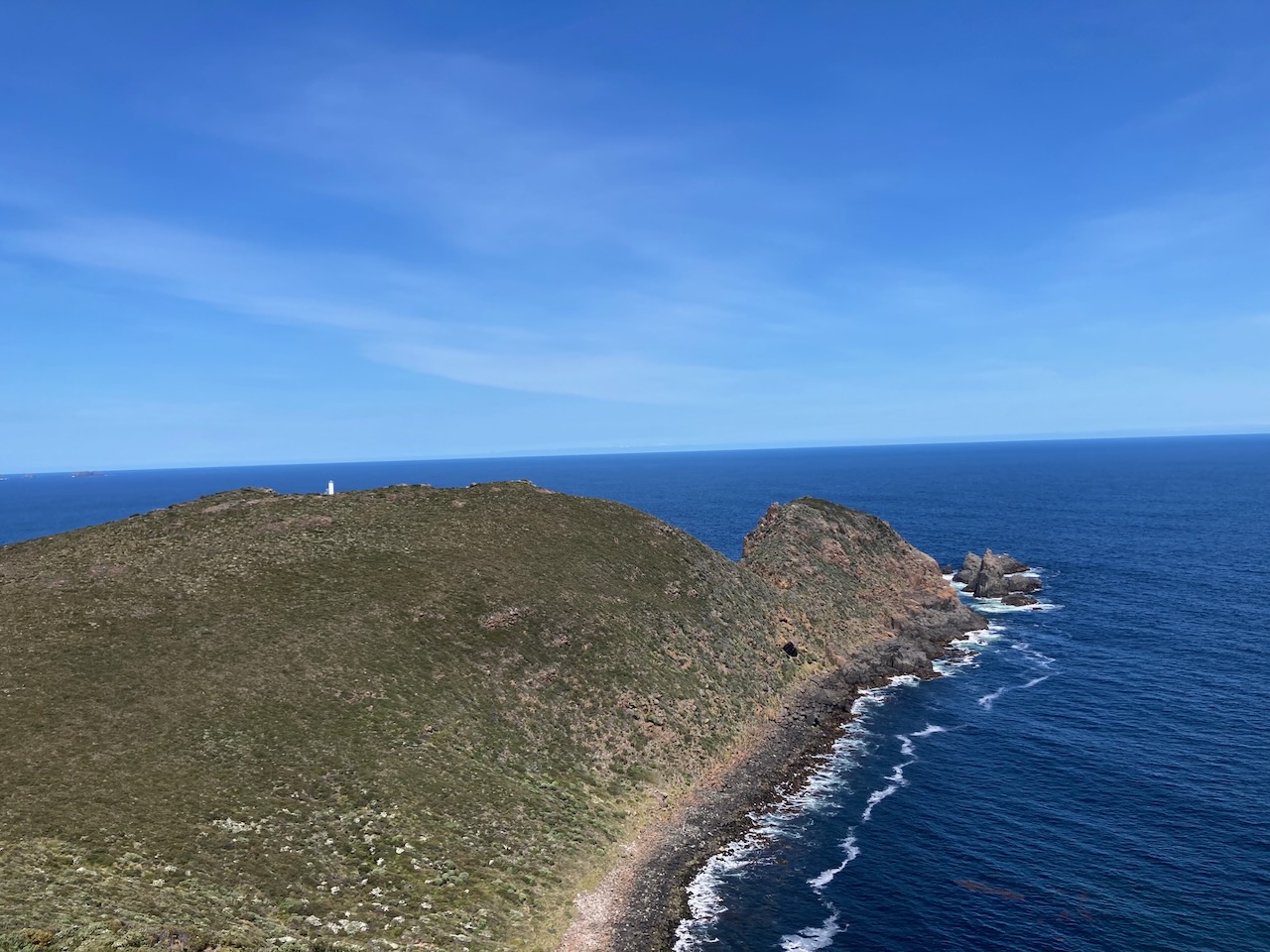
Our lighthouse guide was veery informative and we got to admire the very impressive views from the railing at the top of the lighthouse.

After leaving the lighthouse Marija and I headed north through the park along Lighthouse Road. We then turned onto Old Jetty Road and headed down to Jetty Beach to activate South Bruny National Park VKFF-0456.

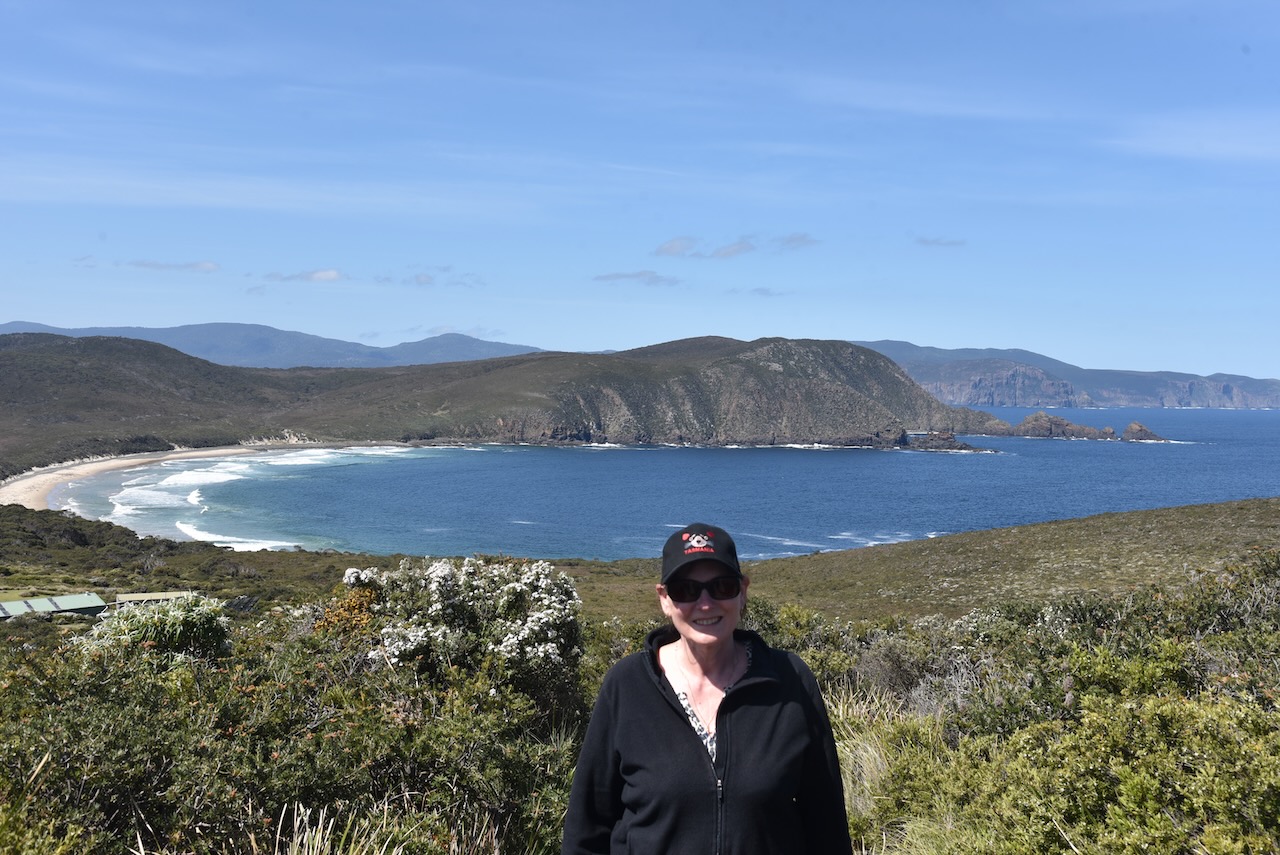
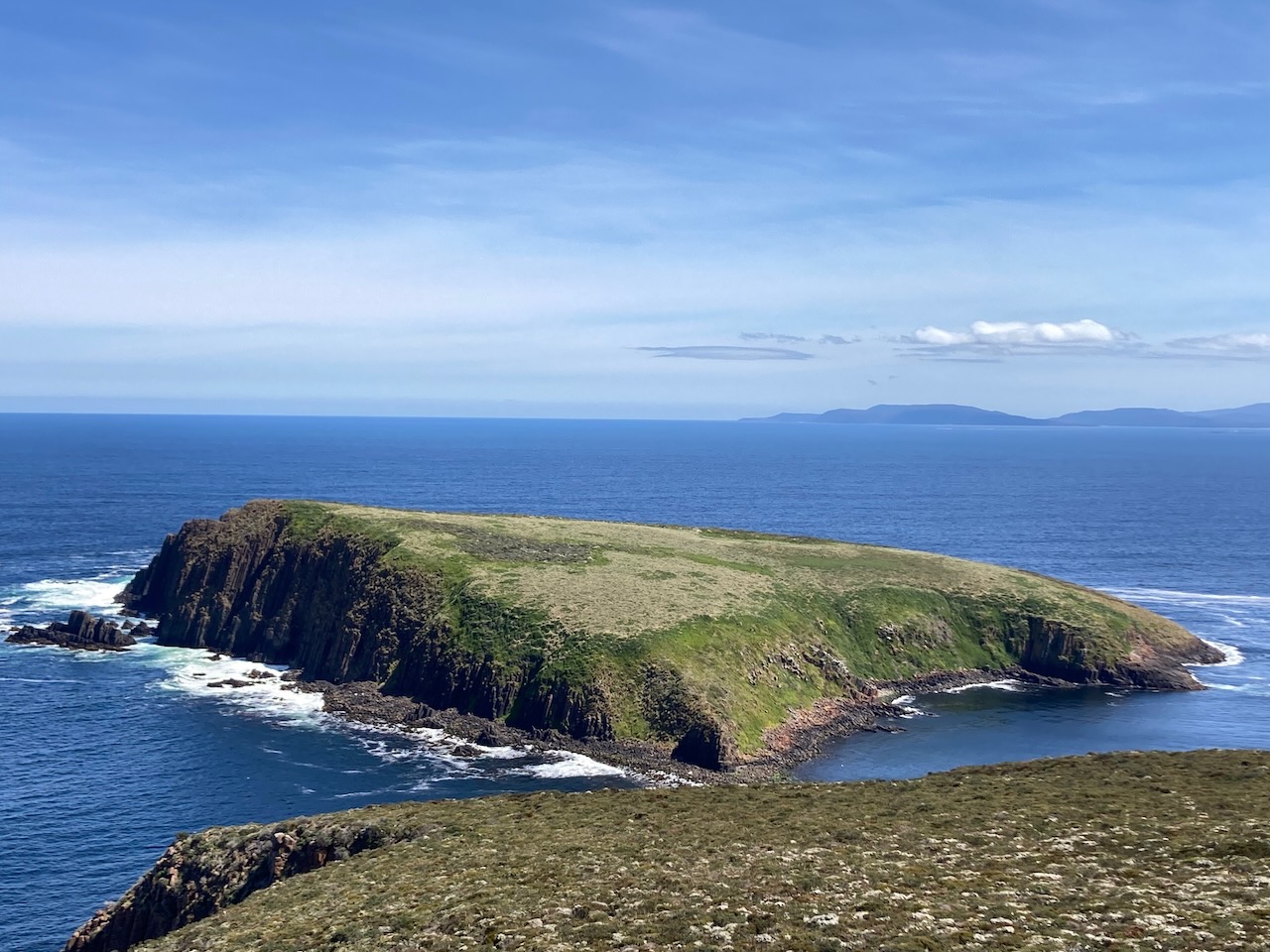
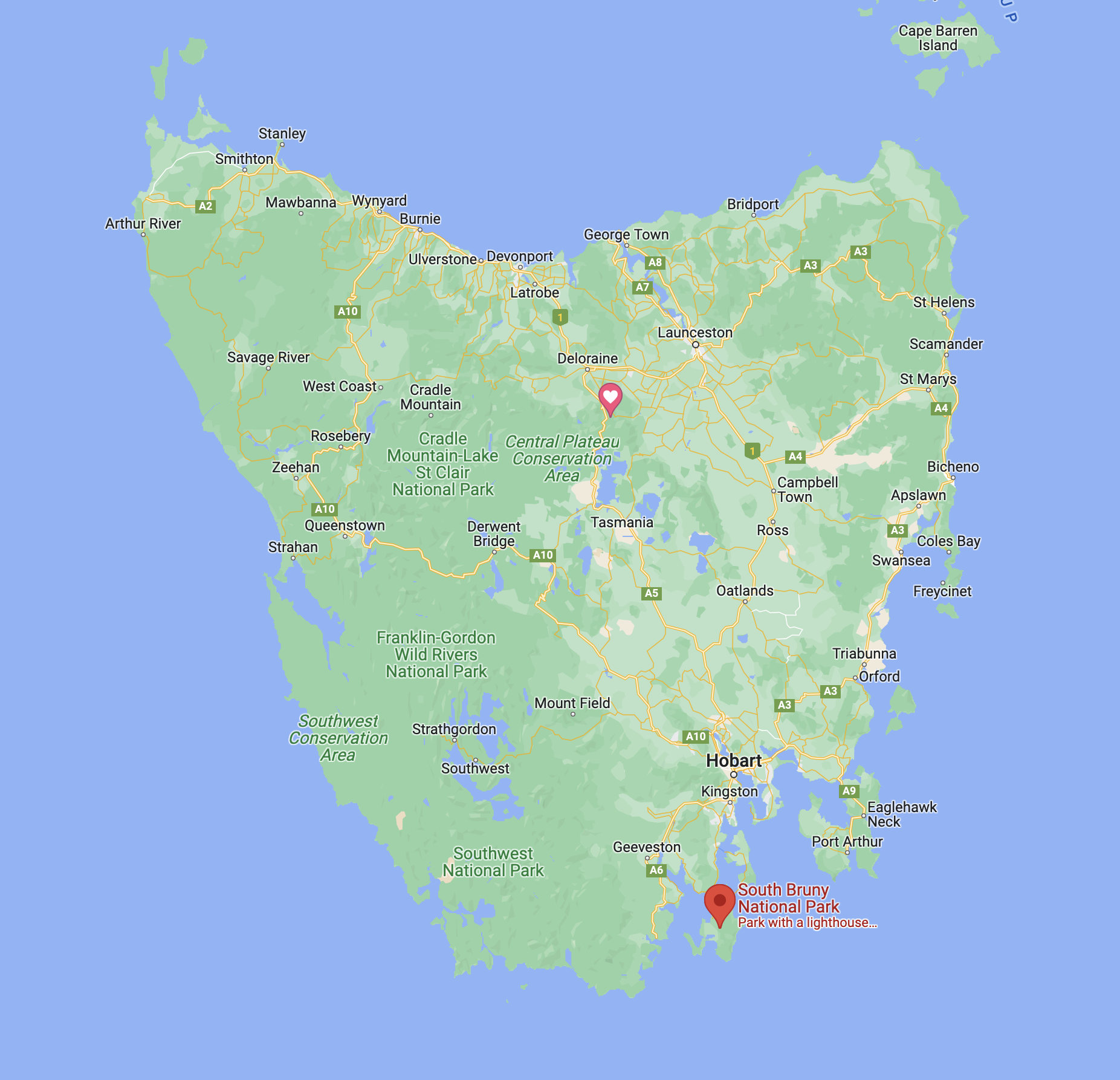
South Bruny National Park is located at the southern end of South Bruny Island. It is 50.59 km2 in size and was established in 1997 for its coastal scenery, Aboriginal and historic heritage, and to protect a number of threatened species. The highest point in the park is Mount Bruny at 504 metres. It qualifies for the Summits On The Air (SOTA) program, but unfortunately we did not have sufficient time to activate it. The park includes a number of island including Partridge Island, Green Island and The Friars

Above:- Map of Tasmania showing the location of South Bruny National Park. Map c/o Google maps.

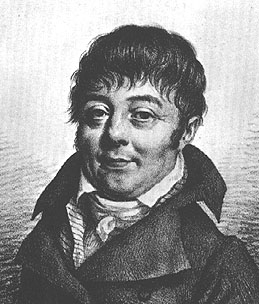
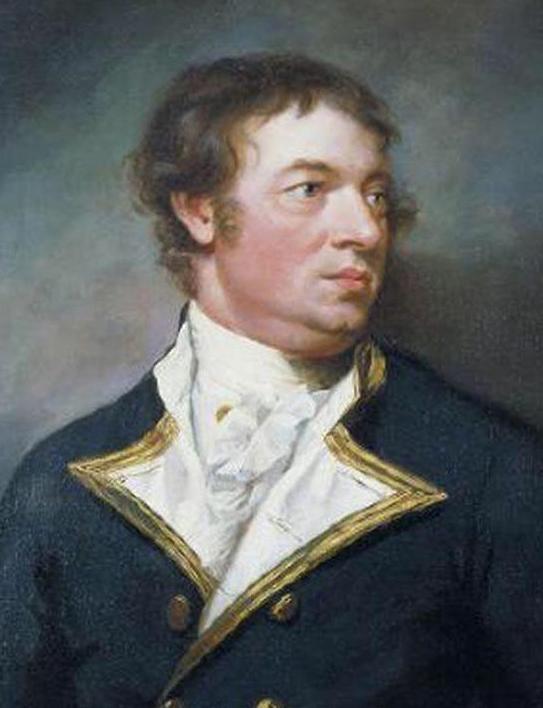
The park includes the Labillardiere Peninsula which is named in honour of the French botanist Jacques Labillardière. He was the author of the first general flora of Australia and a member of Bruni d’Entrecasteaux’s expedition who I mentioned in the previous post.

Above:- Jacques Labillardiere. Image c/o Wikipedia.

The park consists of eucalypt woodland , heathland, and wet eucalypt forest and temperate rainforest. The park contains several rare, endemic orchid species including the endangered chestnut leek orchid and the pretty leek orchid.

Native mammals found in the park include Bennett’s wallaby, common brush tail possum, Tasmanian pademelon, Eastern quoll, Spitted quoll, Tasmanian devil, and Common wombat. The Bennett’s wallaby is quite common throughout Tasmania, however the South Bruny National Park protects a small population of unusual white Bennett’s wallabies.

Birds found in the park include the white-bellied sea eagle, the wedge-tailed eagle, and the grey goshawk which is endangered and found on Partridge Island. A breeding colony of penguins can also be found on Partridge Island.

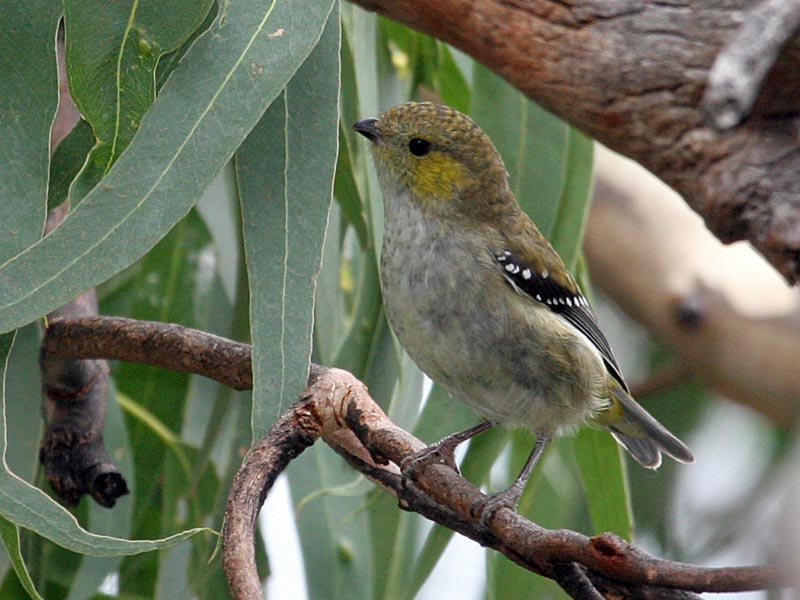
Other rare birds include the Ground parrot which are extremely scarce. The Forty spotted pardalote, one of the rarest birds in Australia and classified as endangered can be found in the park. Despite rescue efforts, their numbers are declining. The endangered Swift parrot can also be found in the park. They are a migratory bird which travels between southeast mainland Australia and Tasmania.

Above:- Forty spotted Pardalote. Image c/o Nomdeploom, Wikipedia.

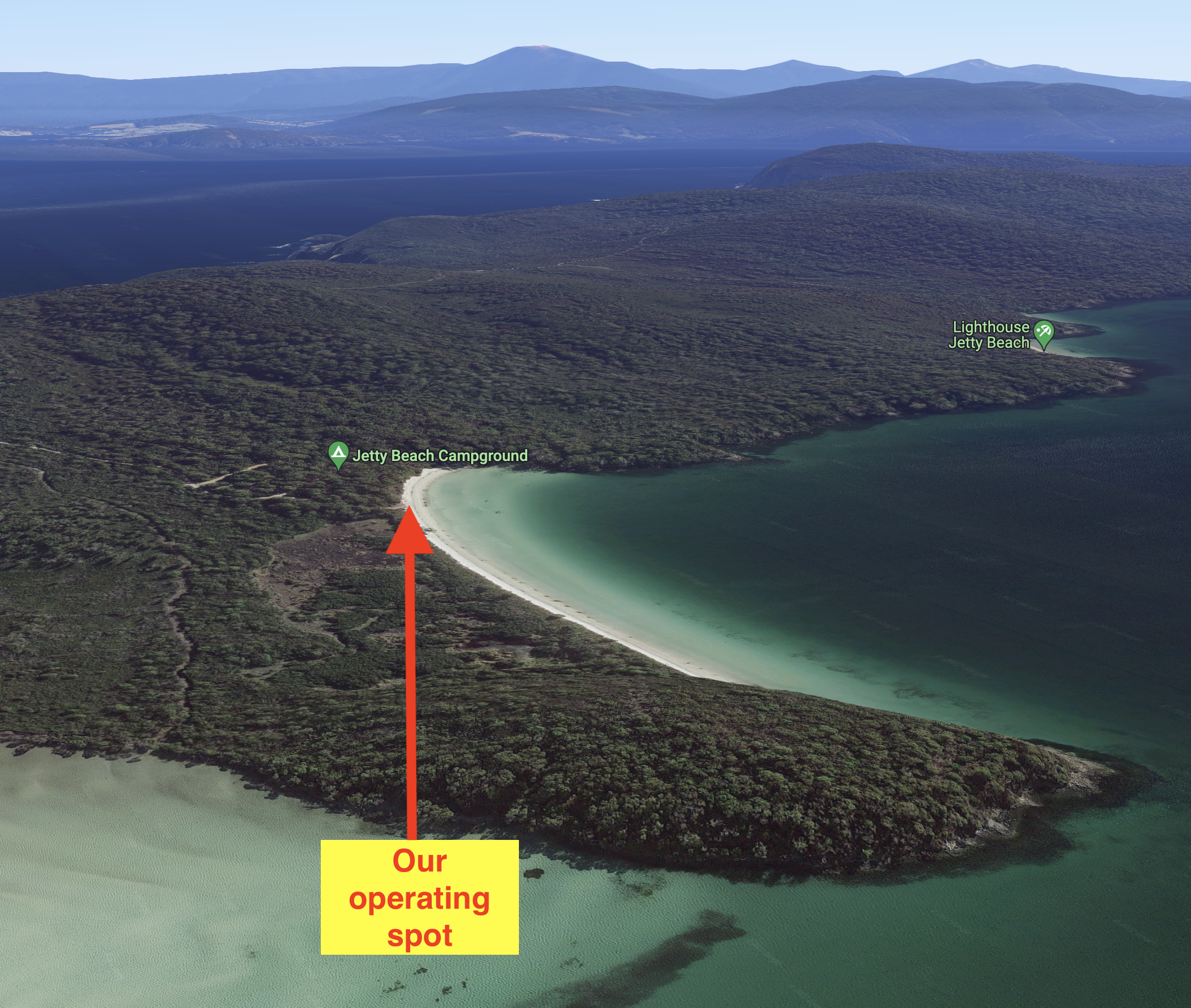
As we had a 4WD we were able to drive down onto Jetty Beach and set up. We ran the Yaesu FT857, 40 watts, and the 20/40/80m linked dipole for this activation.

Above:- Aerial view showing our operating spot. Image c/o Google Earth.

It was a beautiful sunny day and the scenery at Jetty Beach was amazing.

We operated for about 90 minutes and made a total of 63 contacts on 40m & 20m SSB. Unfortunately the DX was light on during this activation with just New Zealand, Hawaii, and France in the log. It was nice to get a Park to Park contact with Daryl VK3AWA who was activating the Gippsland Lakes Coastal Park VKFF-0747.

Marija made the following QSOs on 40m SSB:-

  1. VK3PF
  2. VK7JFD
  3. VK2EXA
  4. VK3AMO
  5. VK3ZPF
  6. VK2MET
  7. VK1AO
  8. VK3UH
  9. VK3ZSC
  10. VK2NP
  11. VK3AWA/p (Gippsland Lakes Coastal Park VKFF-0747)

Marija made the following QSOs on 20m SSB:-

  1. VK4NH
  2. VK4DXA

I made the following QSOs on 40m SSB:-

  1. VK3PF
  2. VK7JFD
  3. VK2EXA
  4. VK3AMO
  5. VK3ZPF
  6. VK2MET
  7. VK1AO
  8. VK3UH
  9. VK3ZSC
  10. VK2NP
  11. VK3UAO
  12. VK7OT
  13. VK2VH
  14. VK4AAC
  15. VK7DON
  16. VK7KW
  17. VK3TWO/m
  18. VK3VIN
  19. VK2DWP
  20. VK3BEL
  21. VK3CJN
  22. VK7HH
  23. VK5VK
  24. VK3AWA/p (Gippsland Lakes Coastal Park VKFF-0747)
  25. VK2IO
  26. VK3SQ
  27. VK2CDB

I made the following QSOs on 20m SSB:-

  1. VK2DWP
  2. VK5KLV
  3. VK2NP
  4. VK4NH
  5. VK4DXA
  6. VK4TJ
  7. VK2IO
  8. VK2MET
  9. VK1AO
  10. VK5BJE
  11. VK4KLA
  12. VK4EMP
  13. ZL1TM
  14. ZL3LAL/m
  15. VK4CC
  16. VK4MAD
  17. VK4DOG
  18. ZL4CY
  19. KH6KW
  20. VK7XX
  21. VK2HDT
  22. VK4XCS
  23. F1BLL

We were pushed for time, but we were keen to see the Captain Cook memorial on Bruny Island. Unfortunately we did not find it. Researching this after getting back home, it appears to be a common problem, wioth people not being able to find the memorial.

Cook had anchored at Adventure Bay on 26th January 1777 and had carved his initials into a tree. The tree was destroyed by a bushfire in 1905.

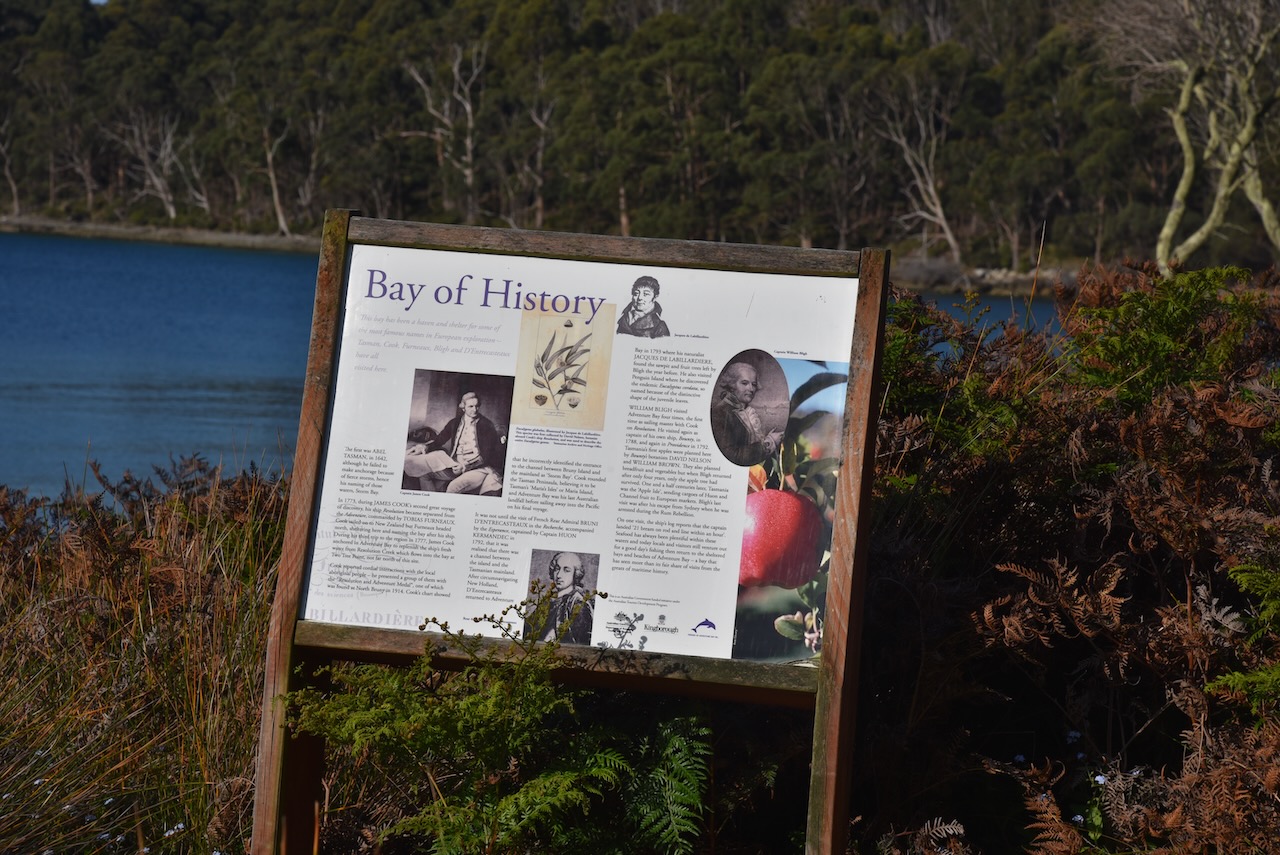
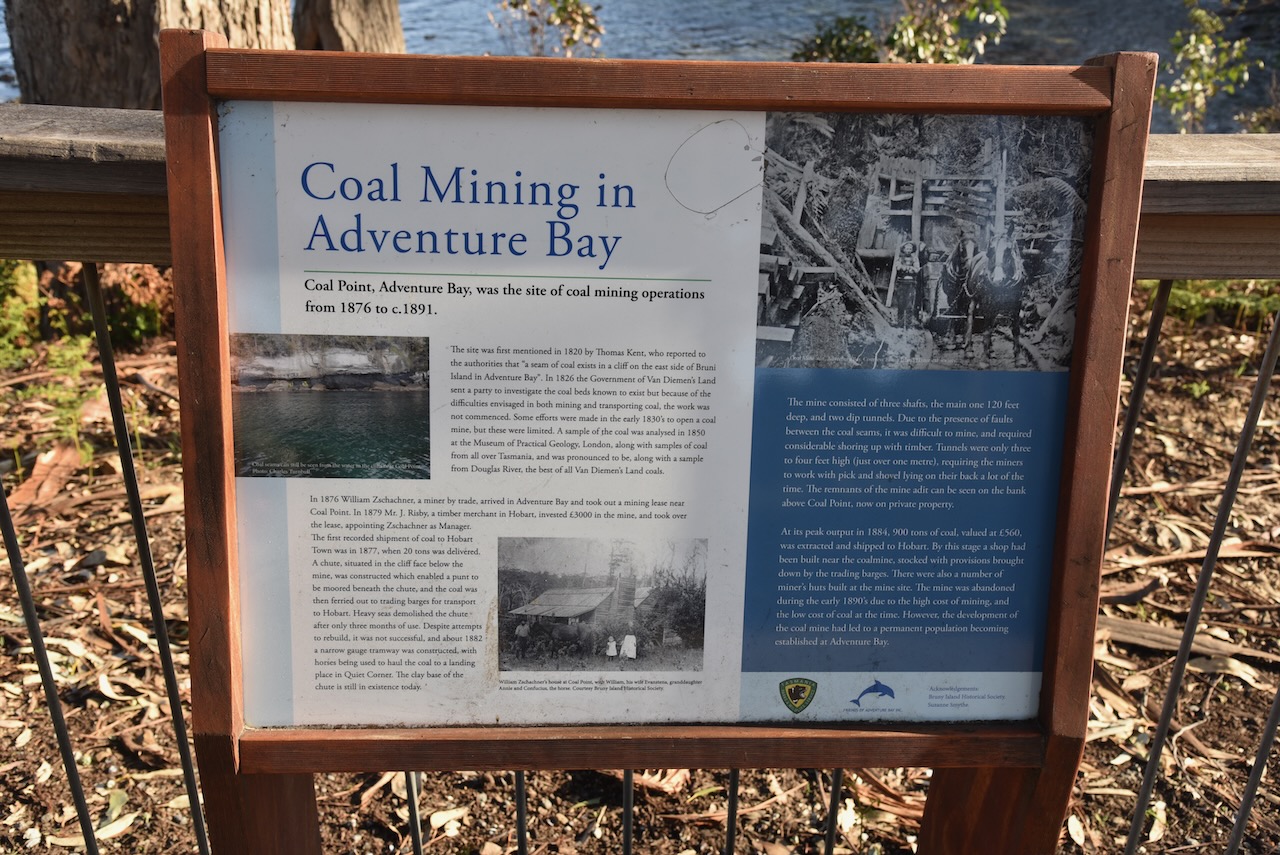
There were some other interpretive signs that we did stop to have a look at. This included information on European explorers of Adventure Bay including Cook and D’Entrecasteaux. And another one on coal mining in Adventure Bay.

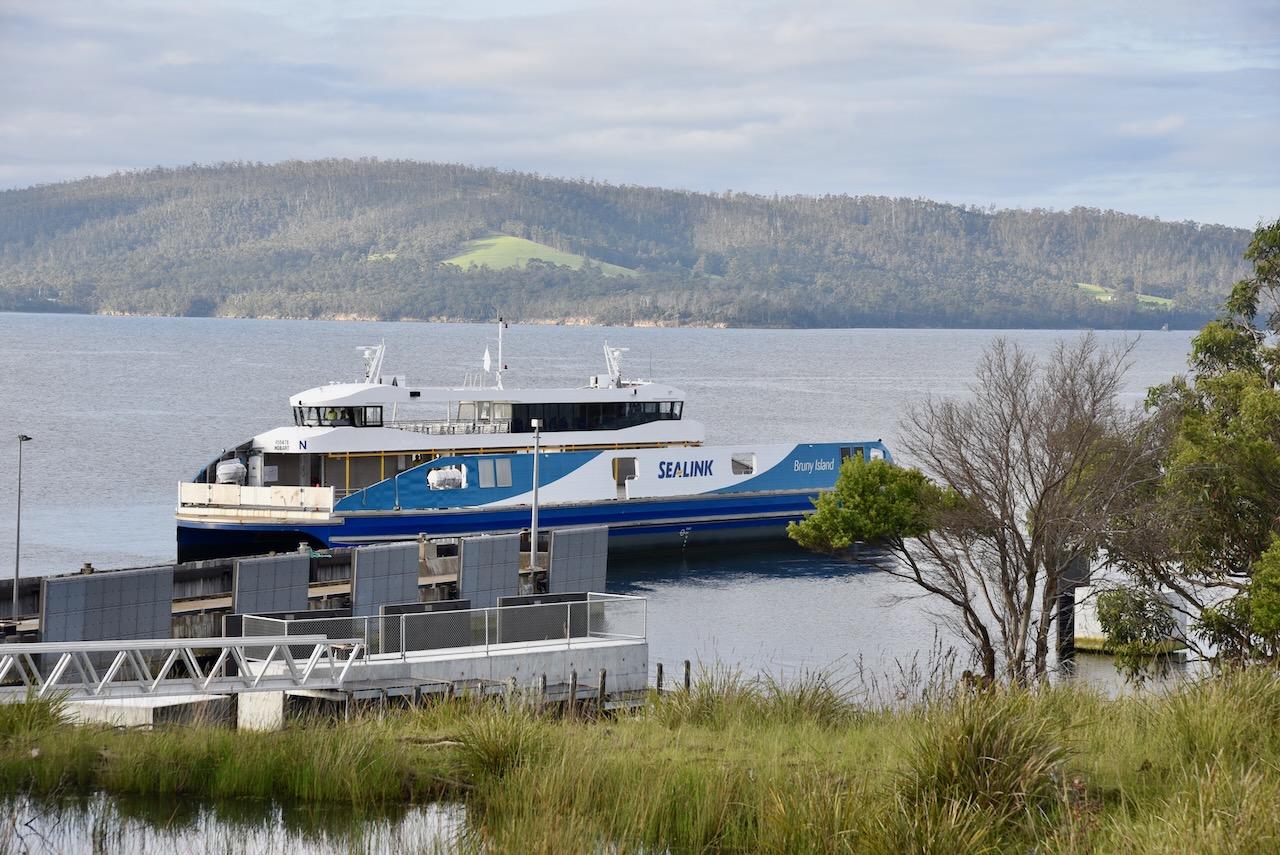
We then headed back to Roberts Point and caught the ferry back to the Tasmanian mainland. It had been a very enjoyable day on Bruny Island.

References.

  1. Bruny Island, 2022, <https://www.brunyisland.org.au/walk/truganini-the-neck-lookout/>, viewed 29th December 2022.
  2. Cape Bruny Lighthouse Tours, 2022, <https://www.capebrunylighthouse.com/history/>, viewed 29th December 2022.
  3. Discover Tasmania, 2022, <https://www.discovertasmania.com.au/things-to-do/nature-and-wildlife/brunyislandneck/>, viewed 29th December 2022.
  4. Wikipedia, 2022, <https://en.wikipedia.org/wiki/South_Bruny_National_Park>, viewed 29th December 2022.

Day 12 and Quarantine Station State Reserve VKFF-1823 on Bruny Island OC-233.

It was day twelve (Monday 7th November 2022) of our Tasmania holiday and we had planned a trip to Bruny Island.

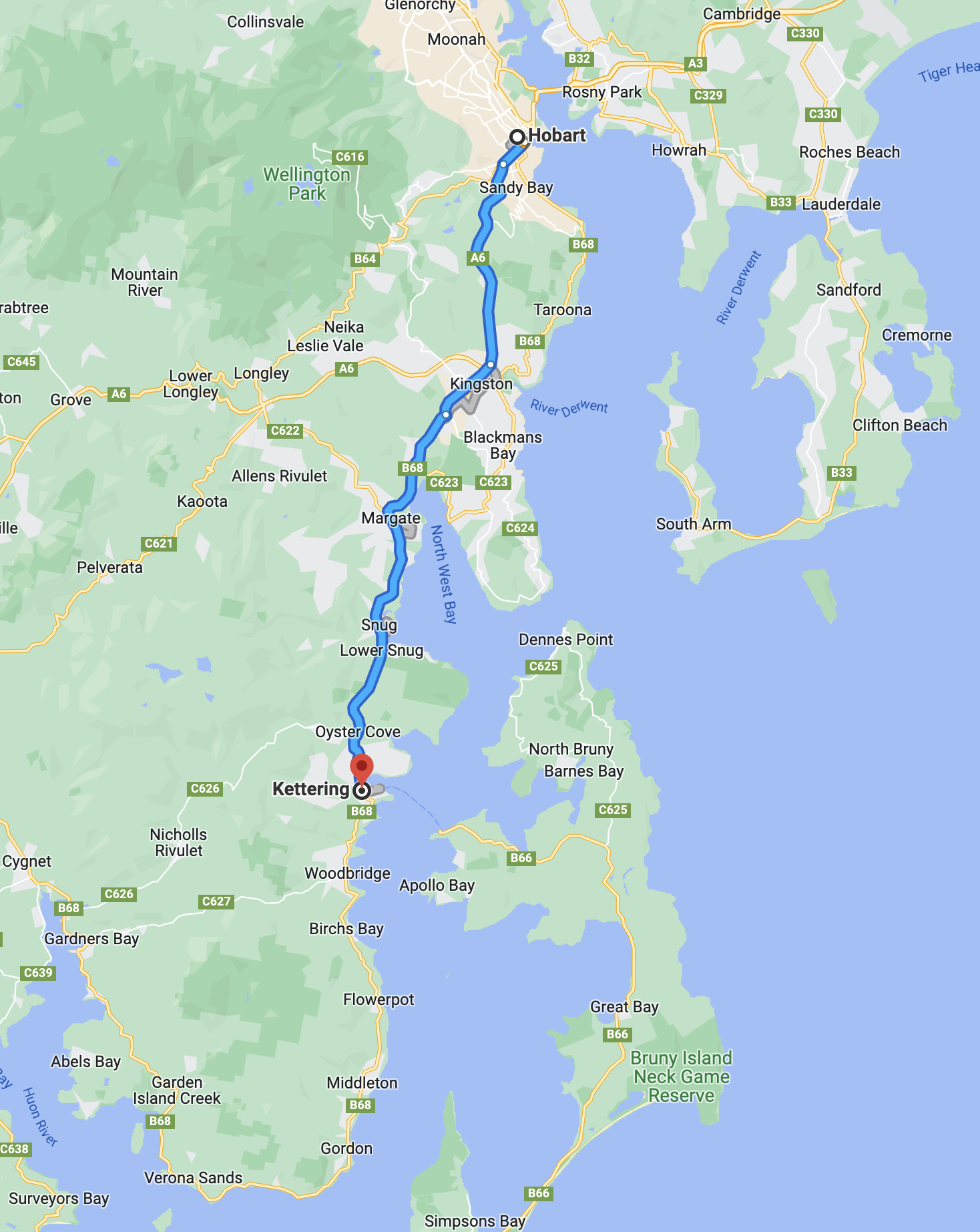
We drove south out of Hobart on the Channel Highway to the little town of Kettering, about 32 km south of Hobart. This is where you catch the ferry to Bruny Island.

Above:- Map showing our route from Hobart to Kettering. Map c/o Google maps.

The area where Kettering is now located was explored by Antoine Bruni D’Entrecasteaux in 1792. He was a French naval officer, explorer, and colonial governor . By the early 1800s the Kettering area had been settled by European timber cutters, whalers, and sealers.

A dark piece of Australian history lies near Kettering. In 1847, just north of Kettering in Oyster Cove, the last Tasmanian Aboriginal settlement was established. In the years leading up to 1847, indigeneous people from around Van Dieman’s Land had been rounded up and isolated at Settlement Point on Flinders Island in Bass Strait. It was known as Wybalenna, meaning “Black Man’s House.

In 1847, the remaining 44 aboriginal people were taken to a former convict settlement at Oyster Bay. This was following a campaign by the aboriginal population against their Commandant, Henry Jeanneret. It included a petition to Queen Victoria,

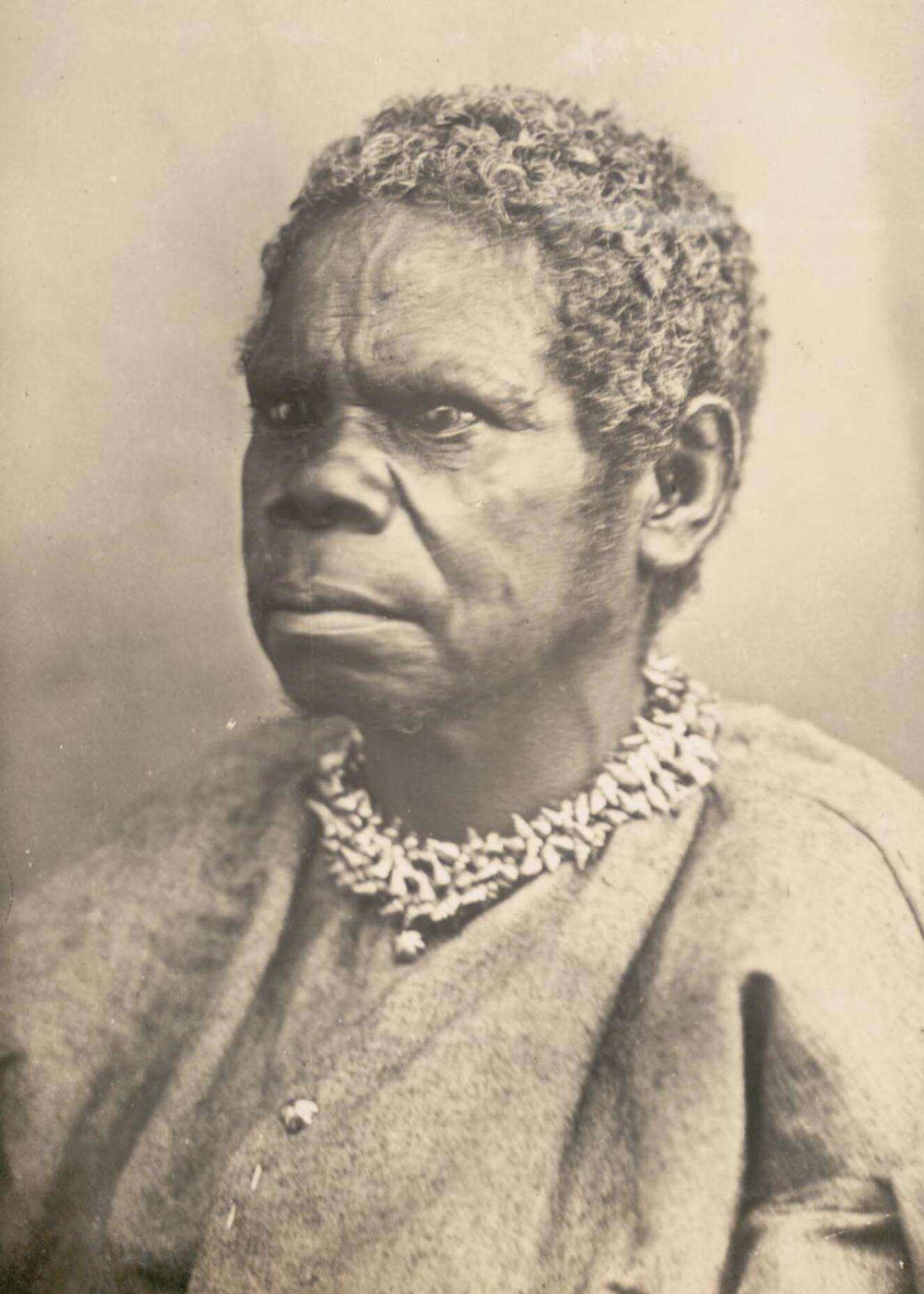
Eight years later in 1855, only 16 remained. And by 1869, the sole remaining aboriginal person was Truganini. She died in 1876.

Above:- Truganini. Image c/o Wikipedia.

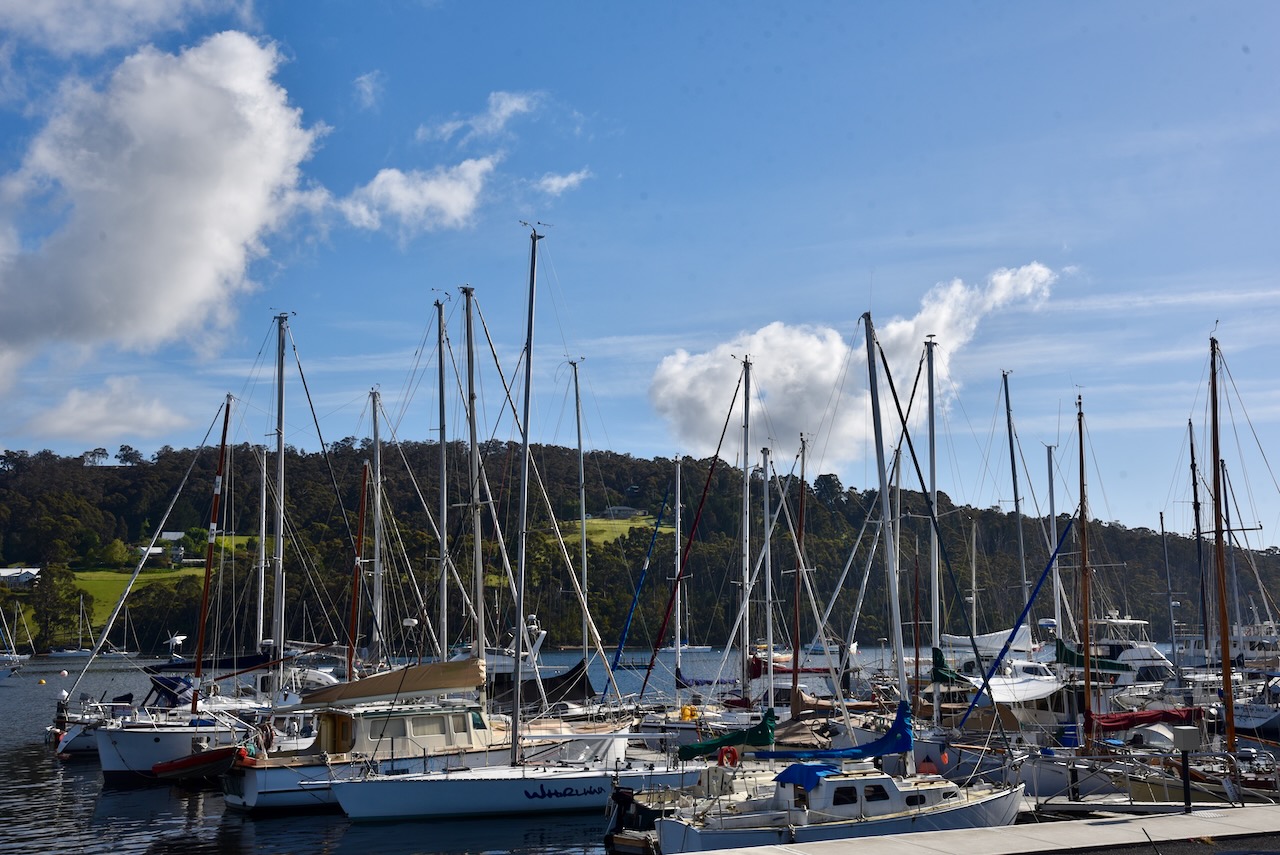
Today the Kettering area is renowned for its apple, cherry, and pear orchards. Kettering is also popular with fishers. There are two major marinas at Kettering.

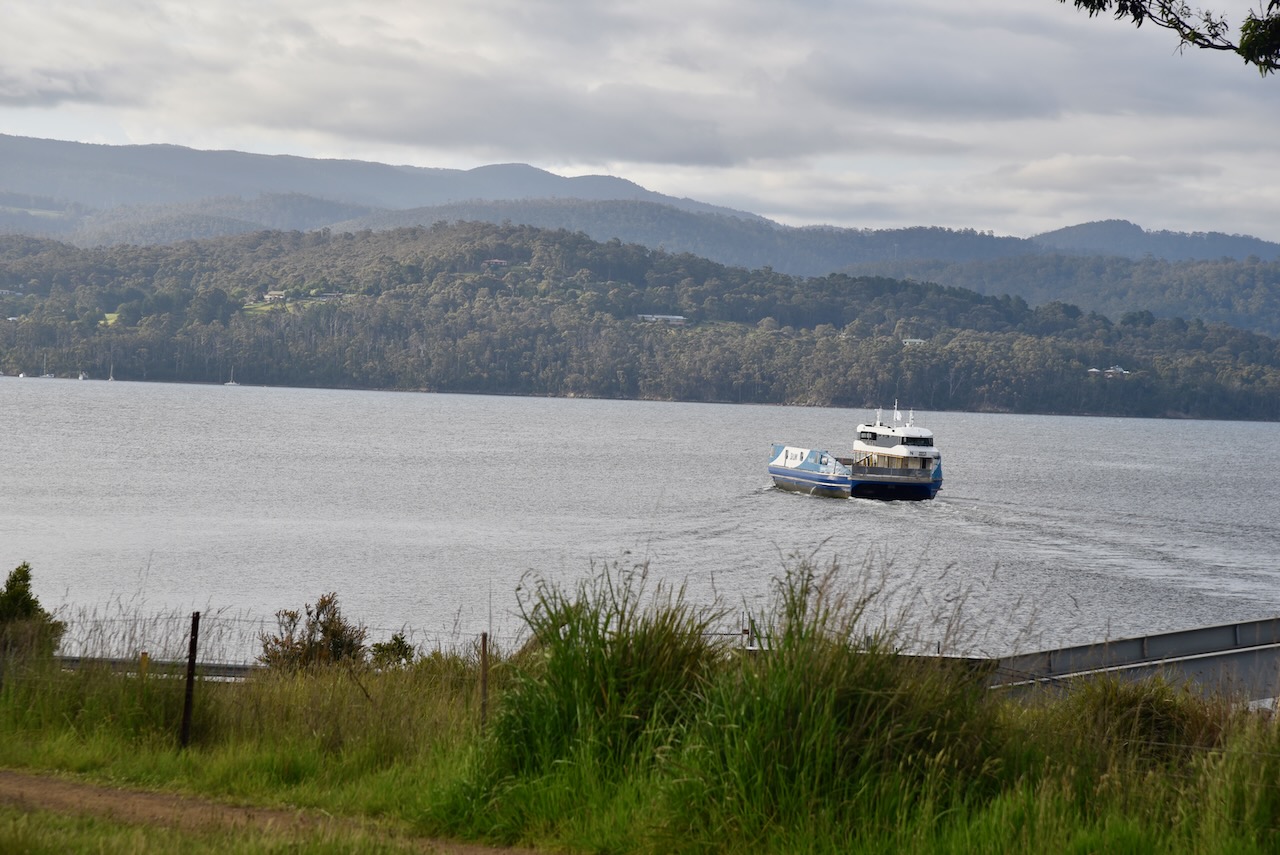
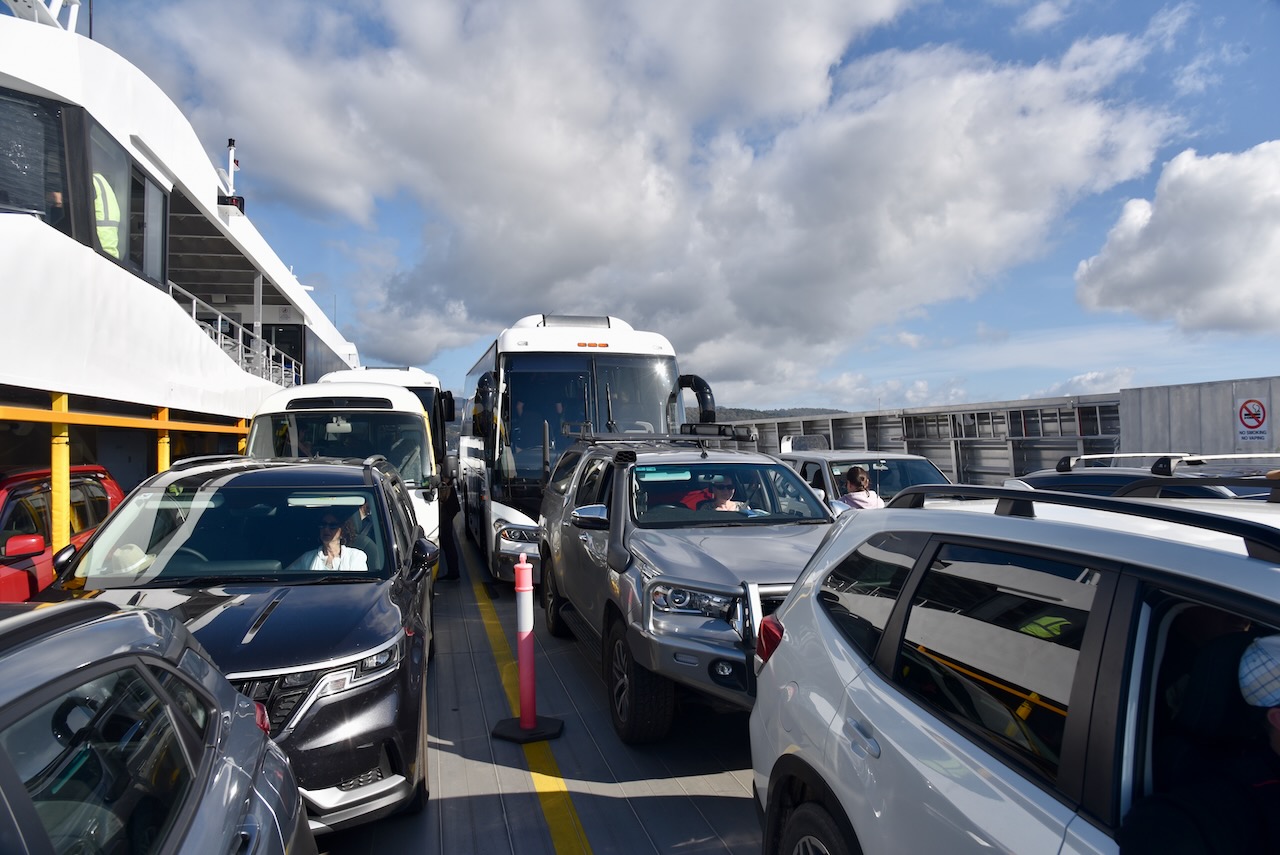
It is only a short journey from the mainland across to Bruny Island.

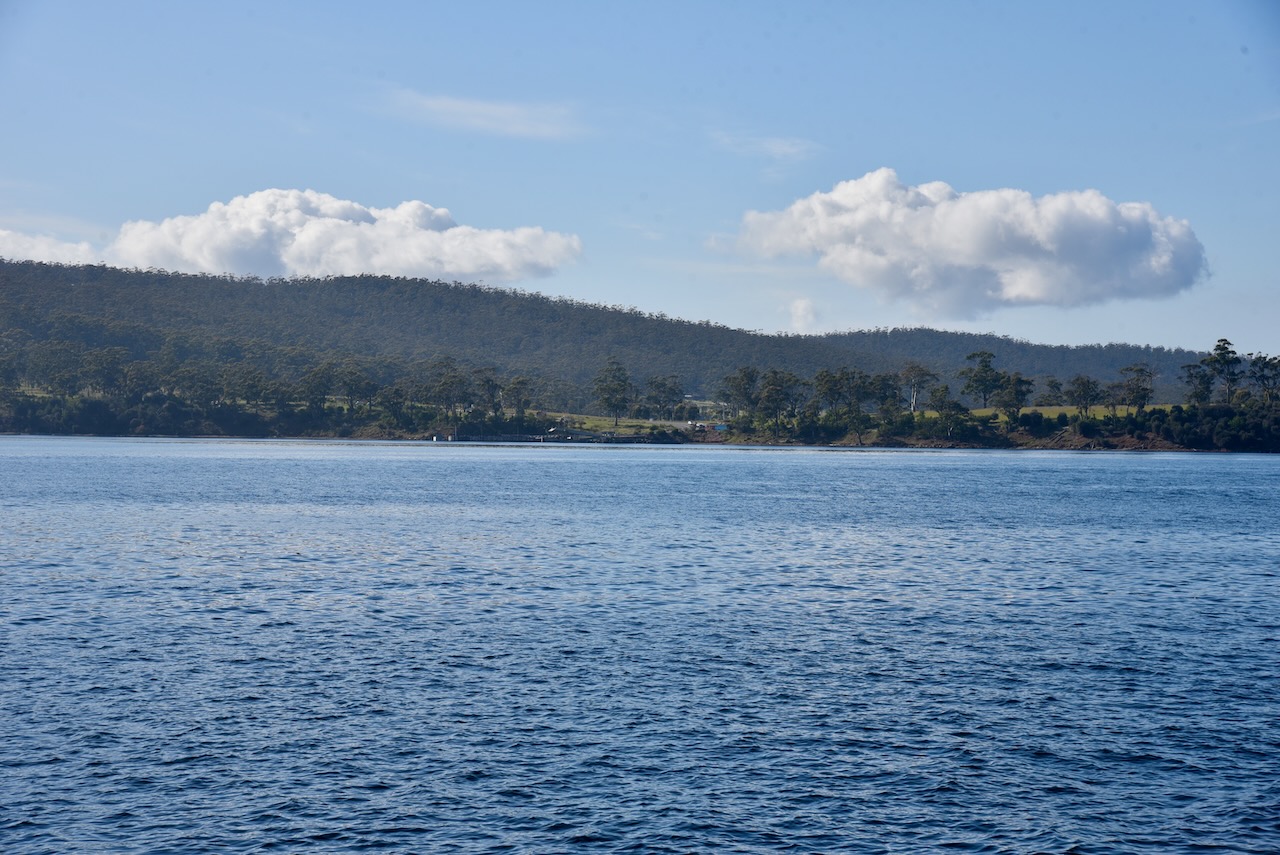
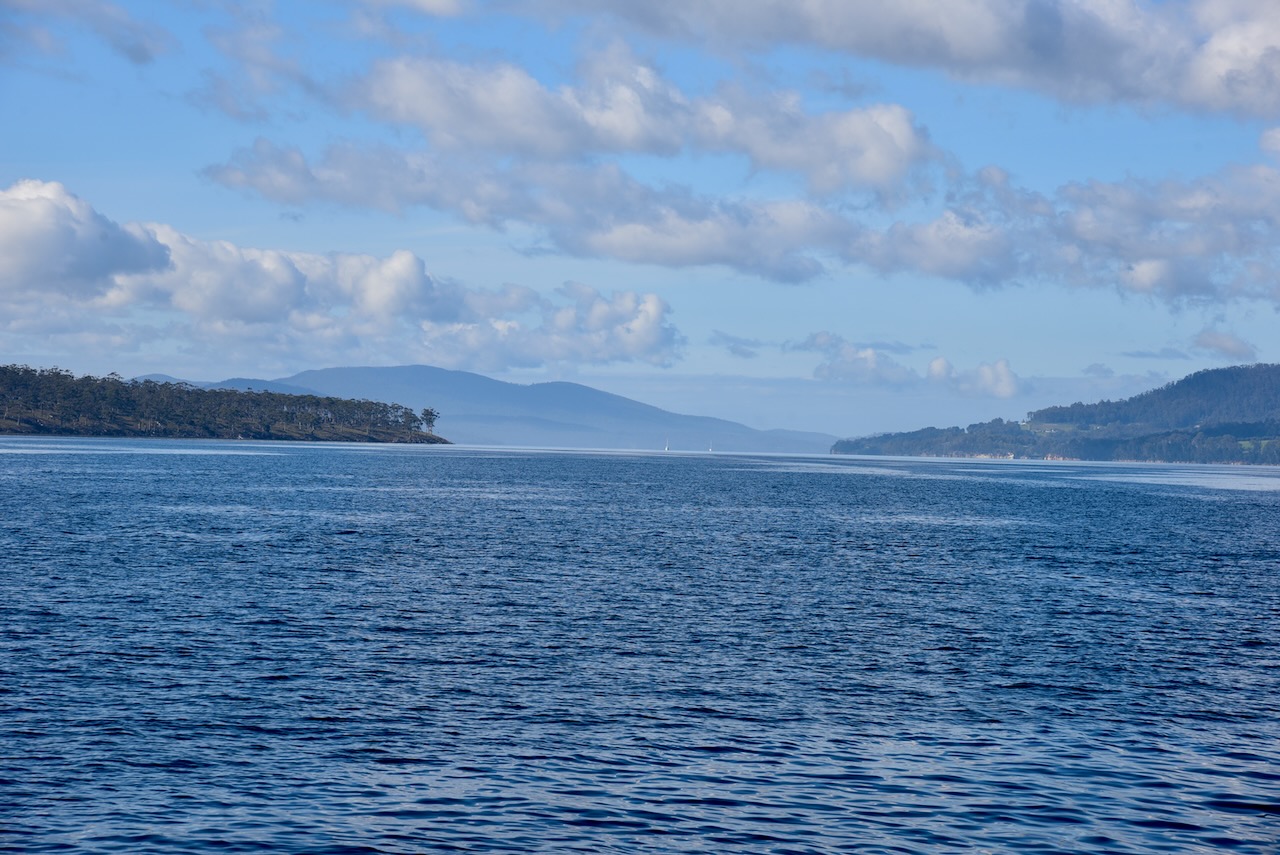
It was a beautiful sunny day and we enjoyed some amazing views as we crossed the D’Entrecasteaux Channel to Bruny Island.

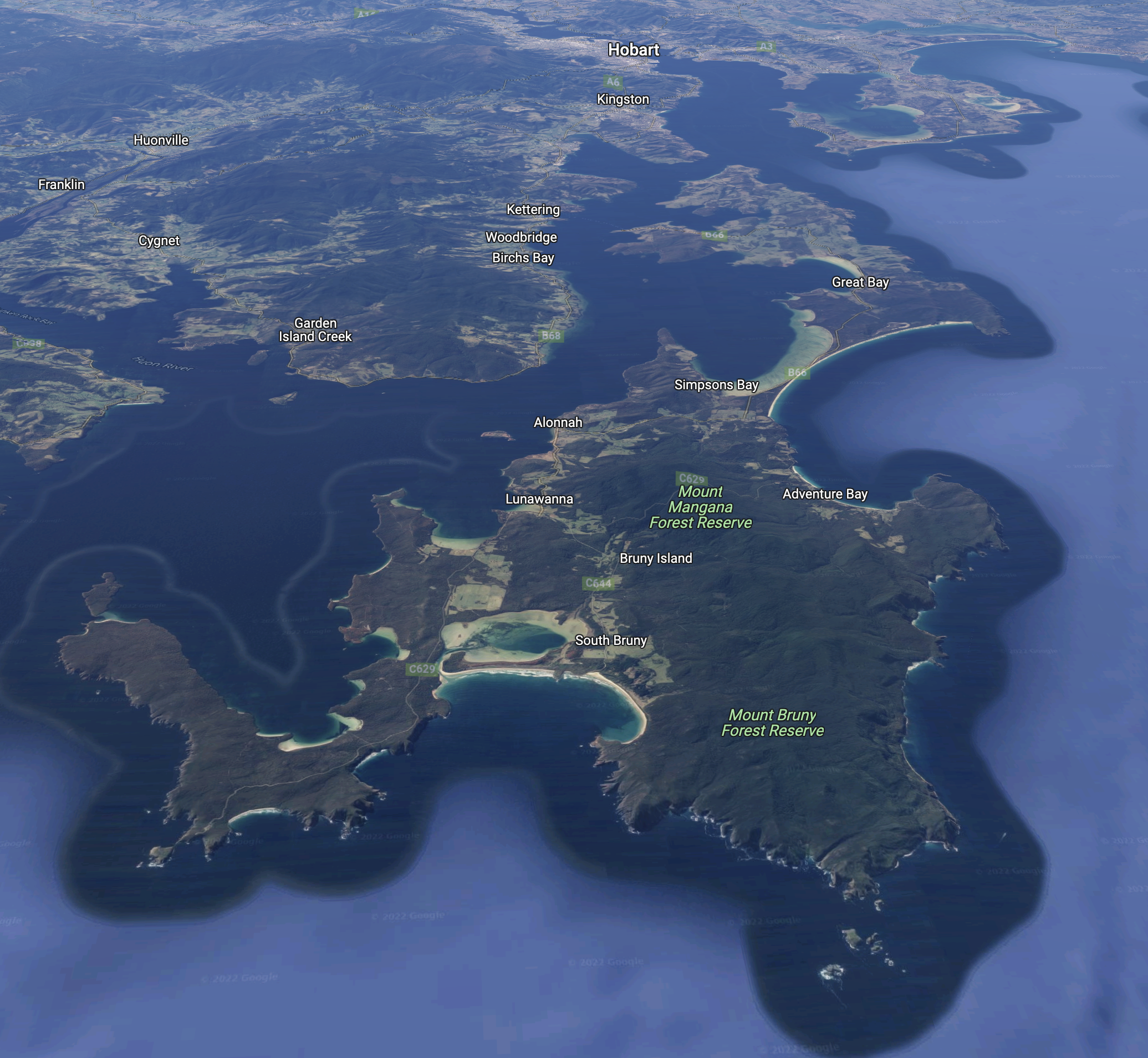
Bruny Island is 362 square kilometres in size and is about 50 kilometres in length. Its traditional Aboriginal name is lunawanna-allonah. Bruny Island is two land masses: North Bruny and South Bruny, which are joined by a long narrow sandy isthmus referred to as “The Neck’.  

Above:- an aerial view of Bruny Island looking north towards Hobart. Image c/o Google maps.

Bruny Island was originally inhabited by aboriginal people prior to the arrival of the Europeans. The firt recorded European explorer to land on Bruny Island was Tobias Furneaux in 1773. He landed at Adventure Bay, named after his ship. In 1642 Dutch seafarer, merchant, and explorer Abel Tasman had attempted to land in the vicinity of Adventure Bay but was unsuccessful.er 1642.

Above:- Captain Tobias Furneaux. Image c/o Wikipedia.

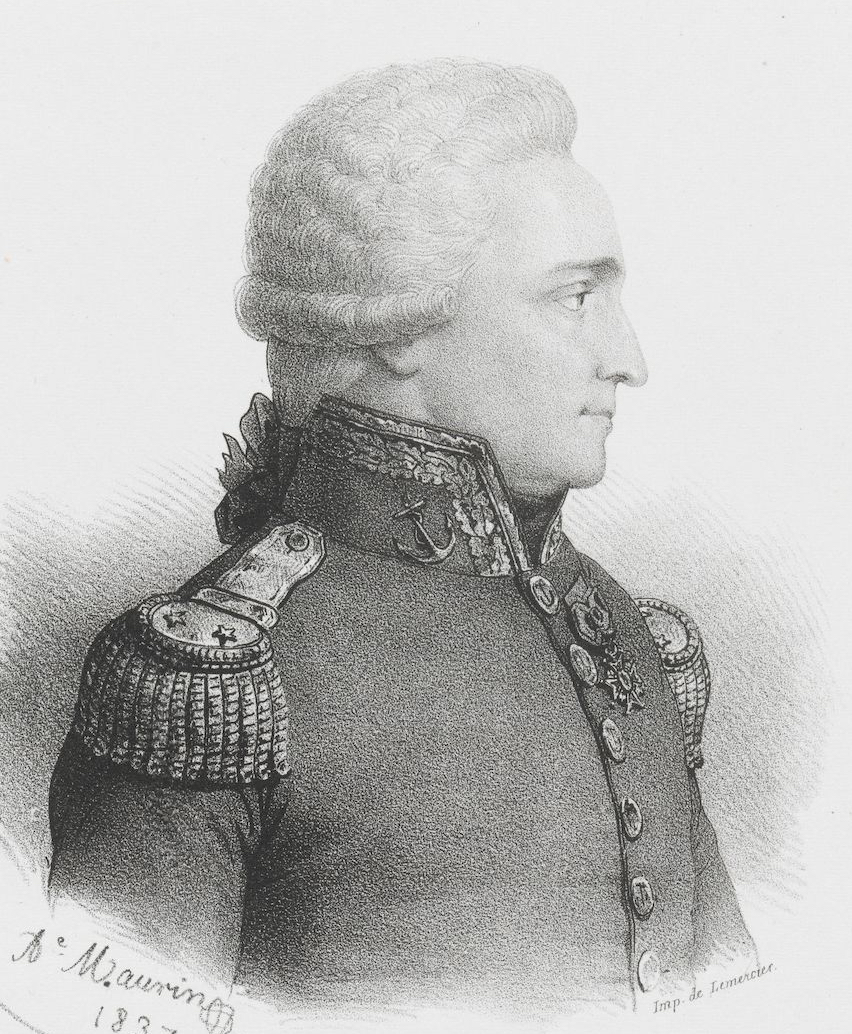
Bruny Island was named in honour of French explorer Antoine Bruni d’Entrecasteaux. He explored the Channel regio and discovered it to be an island in 1792. Up un til 1918, Bruny Island was known as Bruni Island until 1918. The spelling was then changed to Bruny.

Above:- Antoine Bruni d’Entrecasteaux. Image c/o Wikipedia.

Below is a video with drone footage of Bruny Island.

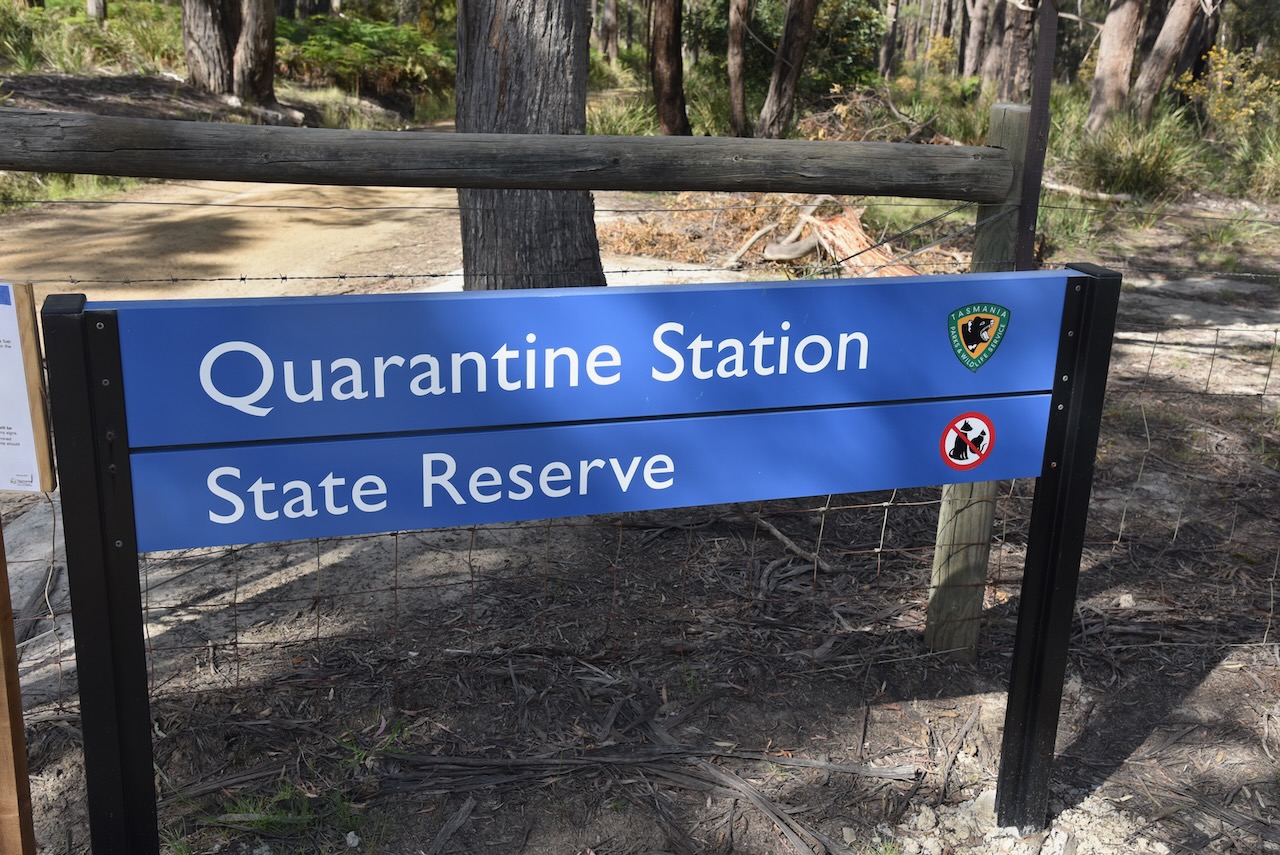
After our arrival on the island we decided to head to Quarantine Station State Reserve VKFF-1823 for a park activation for the World Wide Flora Fauna (WWFF) program. Bruny Island also qualifies for the Islands On The Air (IOTA) program as OC-233.

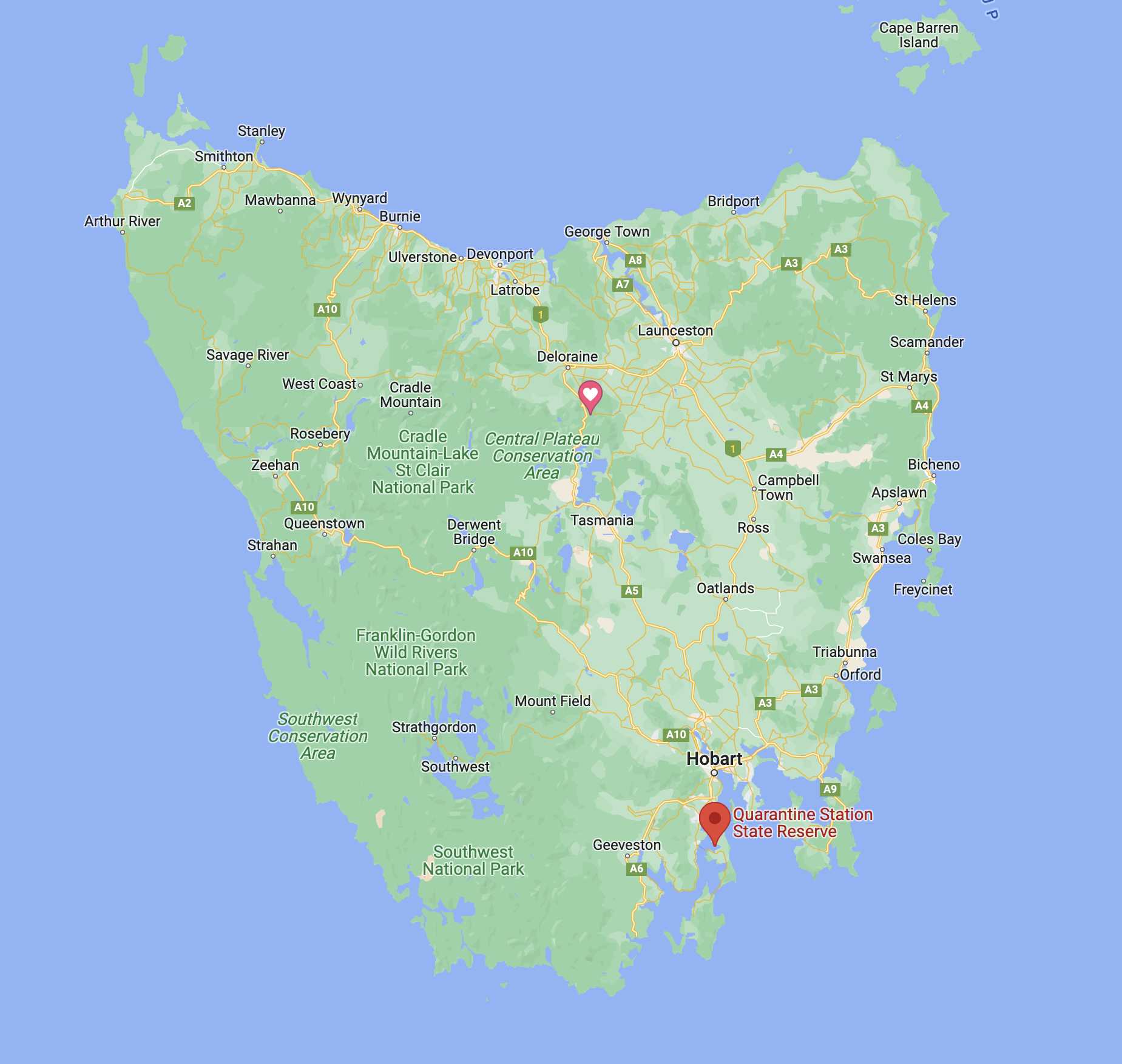
Above:- Map of Tasmania showing the location of the Quarantine Station State Reserve. Map c/o Google maps.

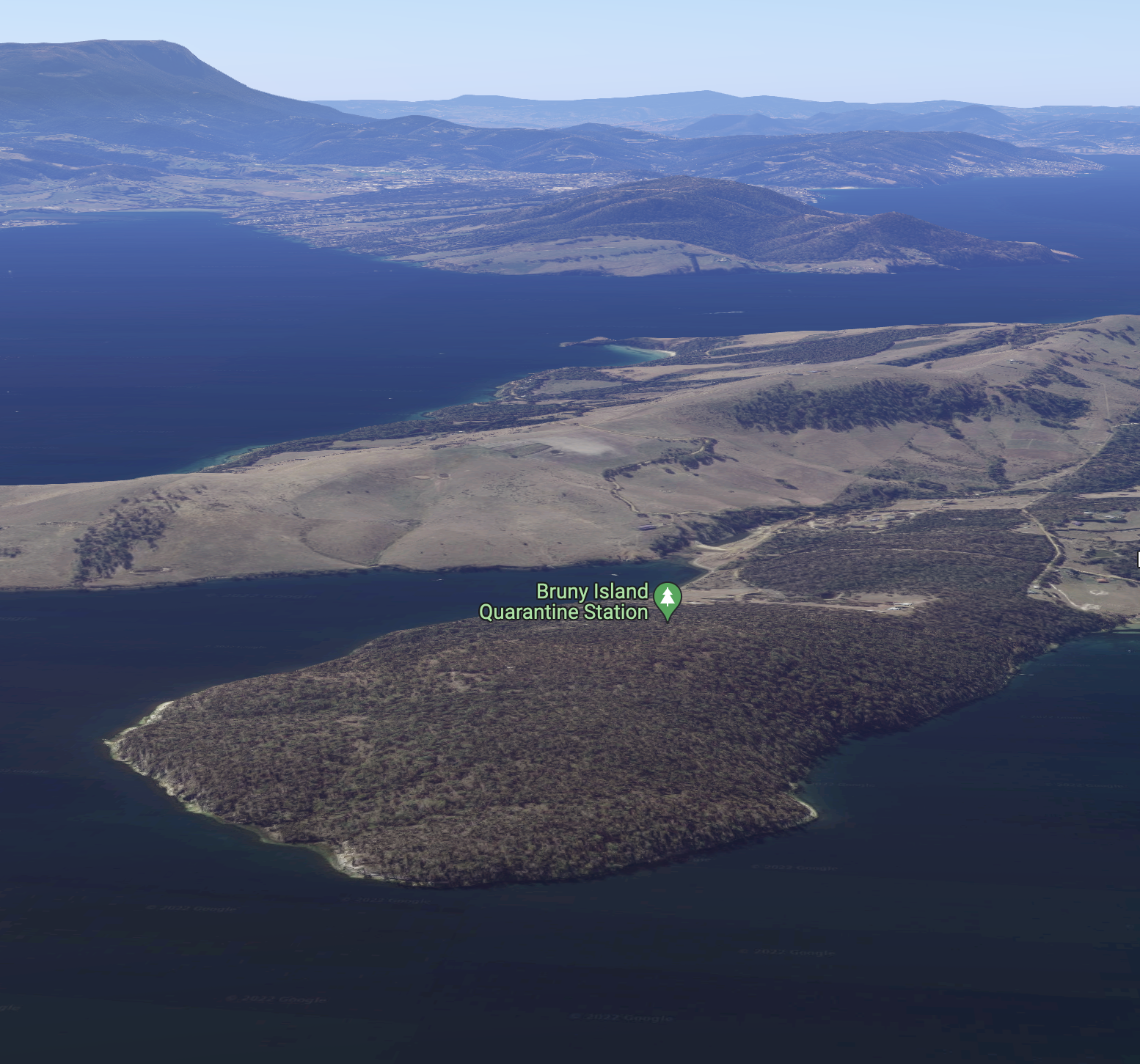
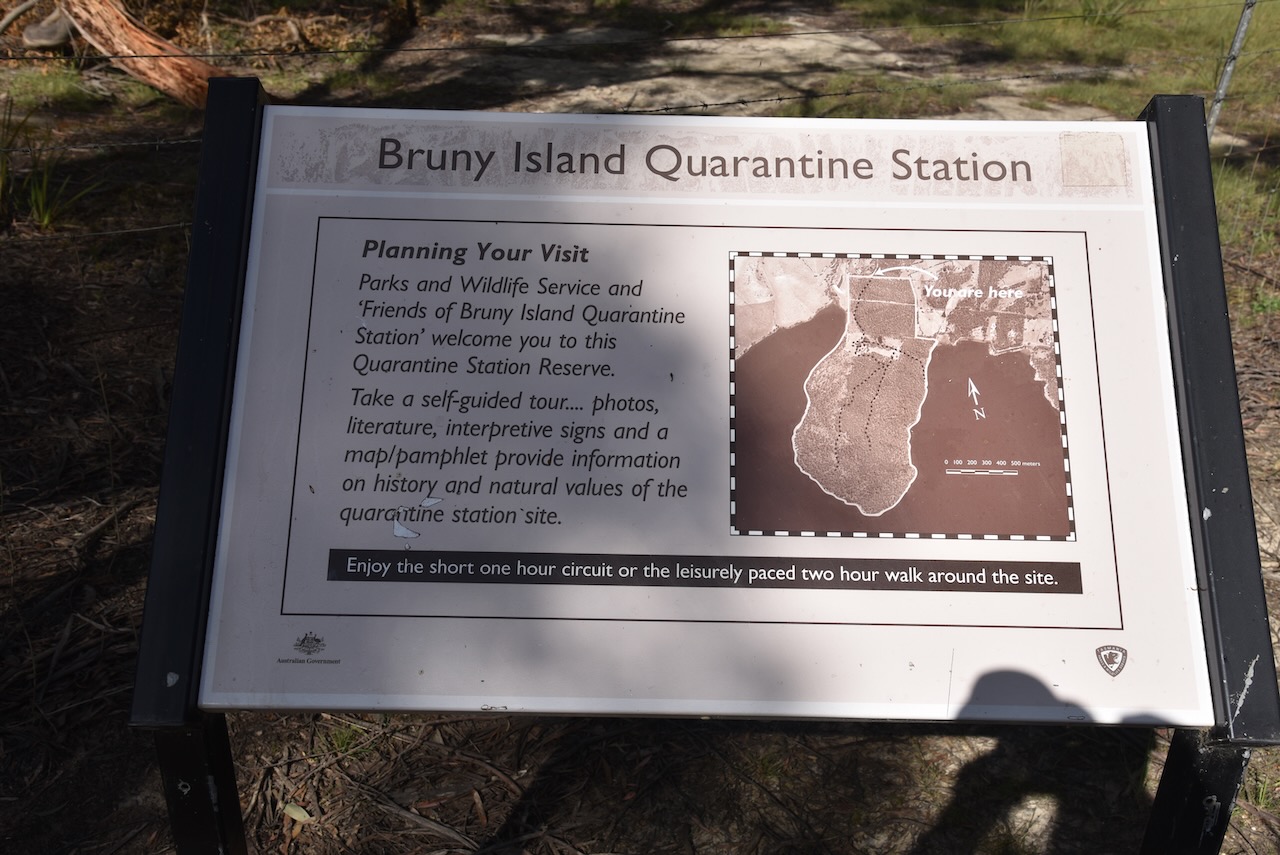
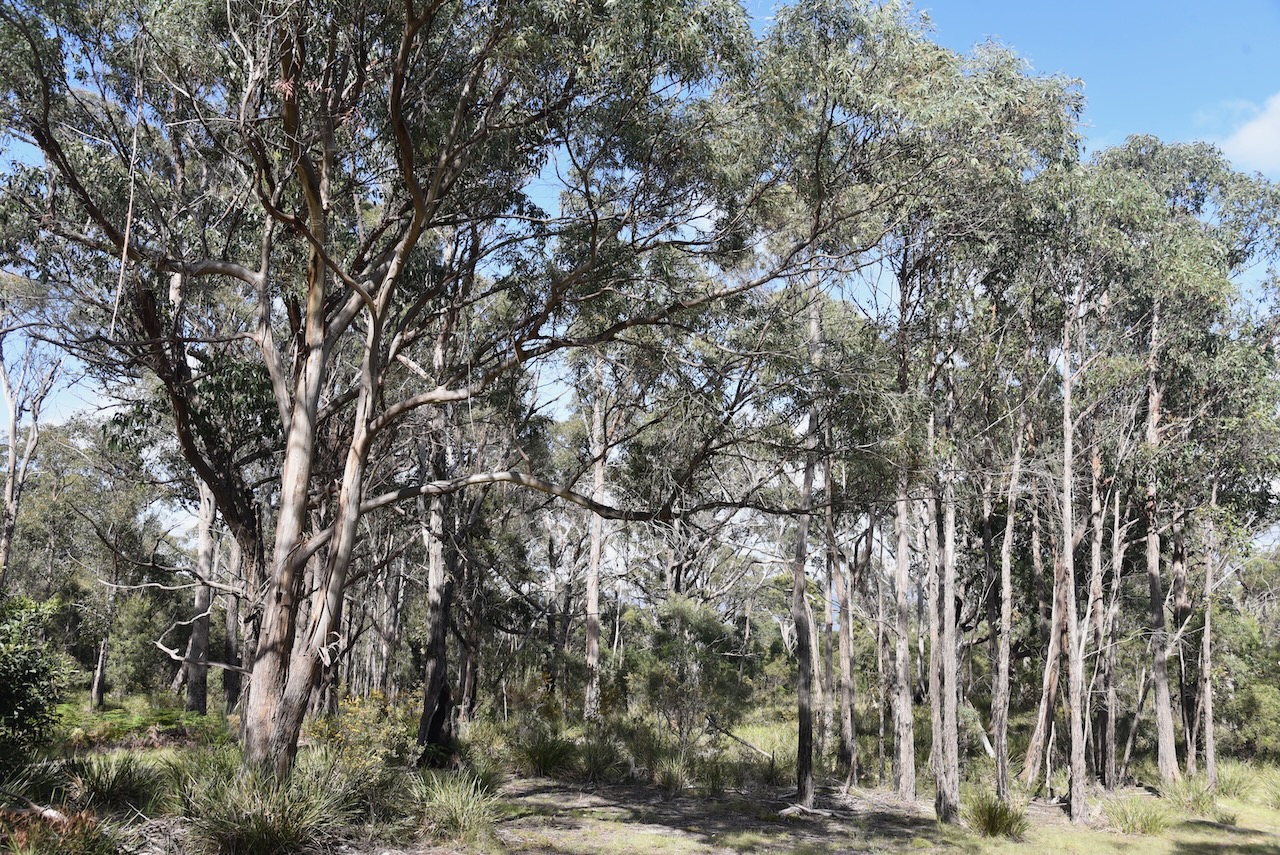
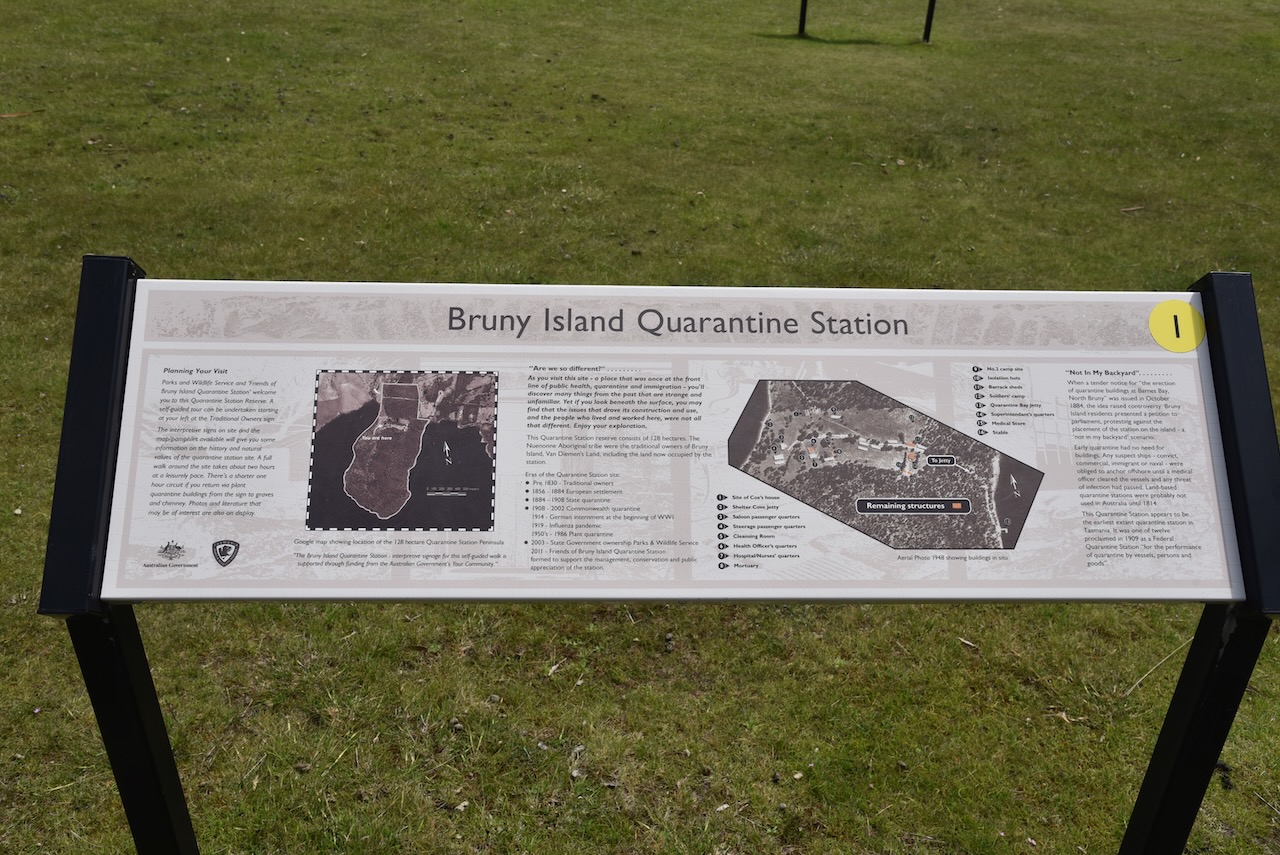
The Quarantine Station State Reserve is located at Barnes Bay on North Bruny Island. It was proclaimed as a State Reserve in 2003, and is 320 acres in size.

Above:- An aerial shot of Quarantine Station State Reserve. Image c/o Google maps

We arrived at the park entrance on Killora Road a little early. The park had not yet opened and the gate was padlocked. We waited a short time until the park ranger came down to open the gate.

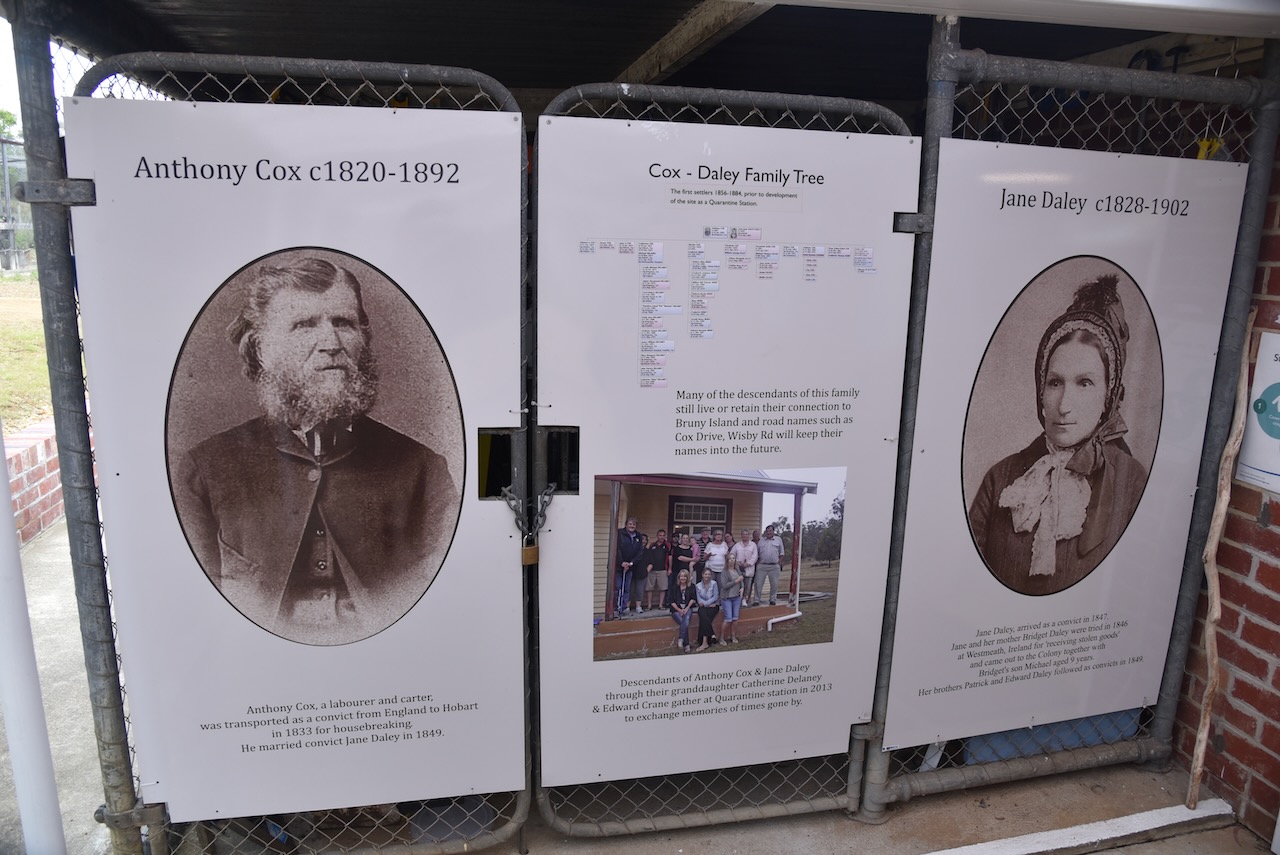
Prior to the area becoming a quarantine station, it was occupied by a former convict and his family. In 1833, Anthony Cox was convicted of housebreaking in England. He was transported from England to Van Dieman’s Land. In May 1849 he was granted a conditional pardon and soon after he married Jane Daly, also a convict.

Due to him being a former convict of “good conduct and disposition to industry”, he received a 19-acre parcel of land from the government. This was on the site which would later become the quarantine station. He built Shelwood Cottage on his parcel of land.

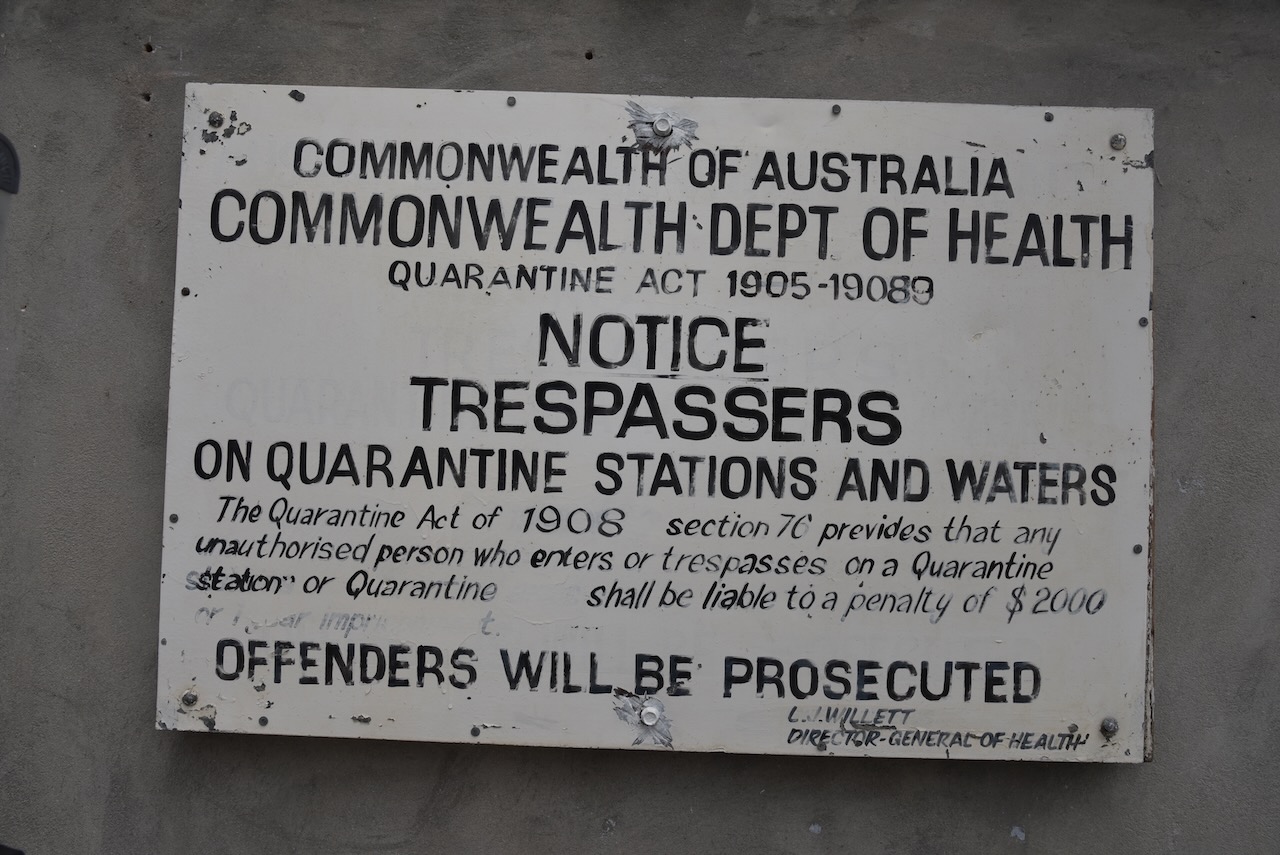
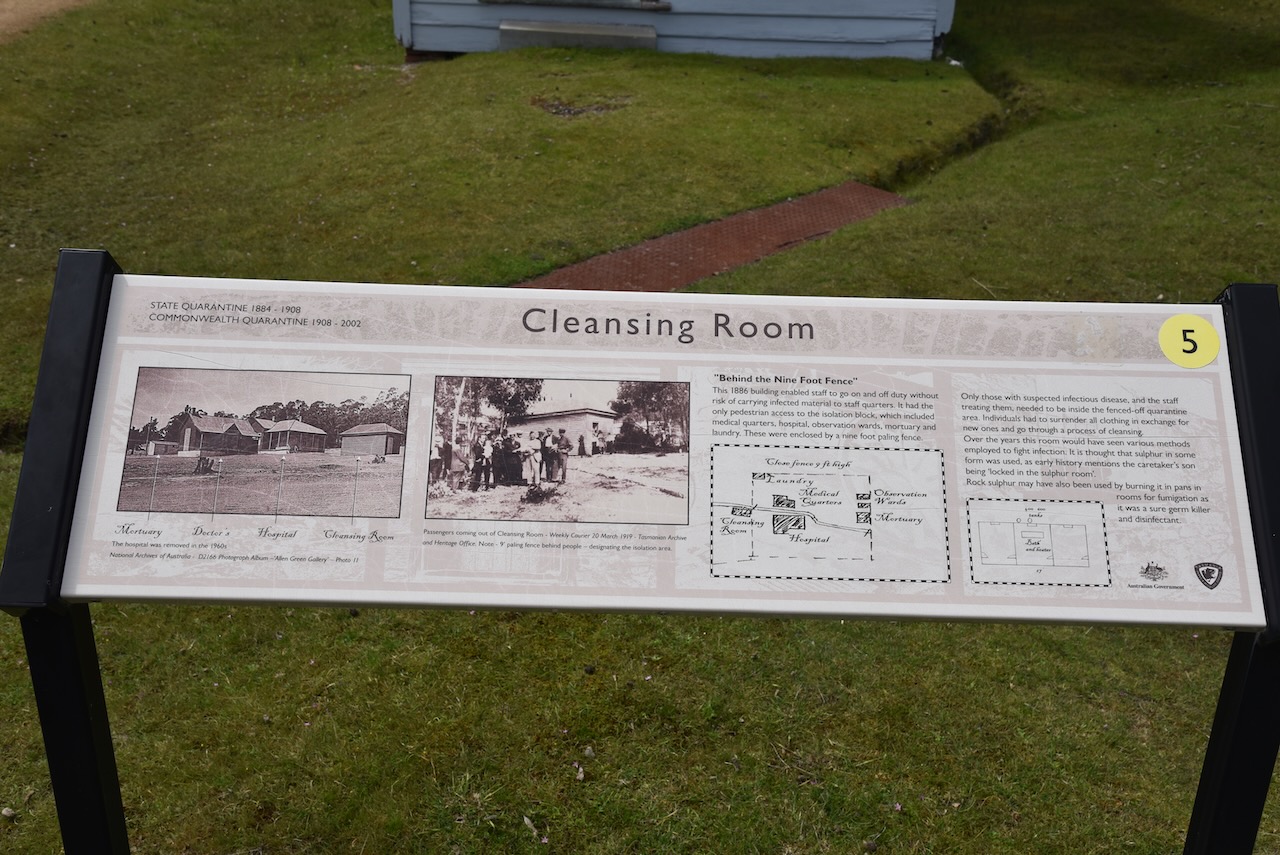
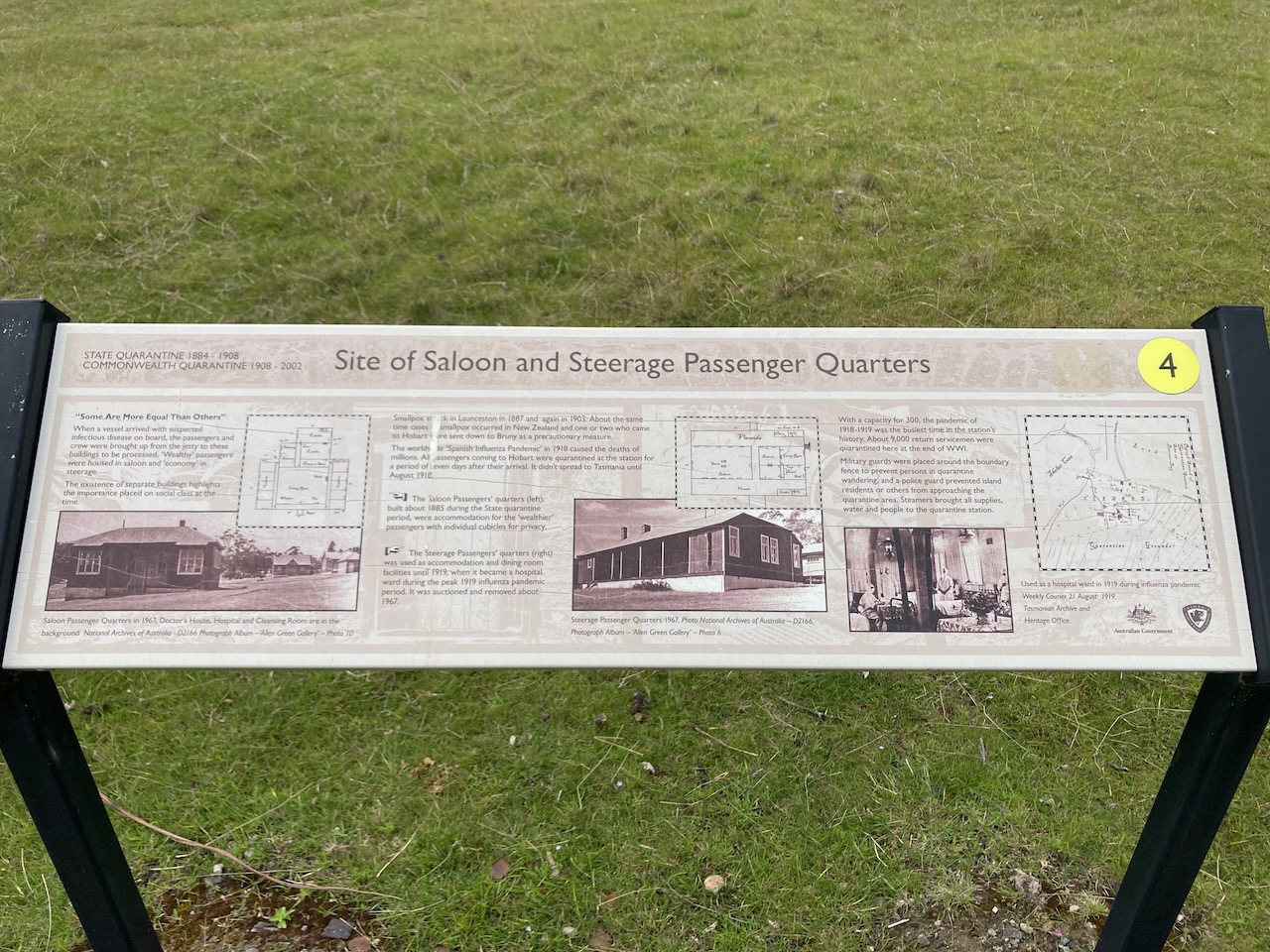
From 1884 to 1904 a State quarantine operated on the site. Between 1908 to 2002 it became a Commonwealth quarantine station ‘for the performance of quarantine by vessels, persons, and goods’.

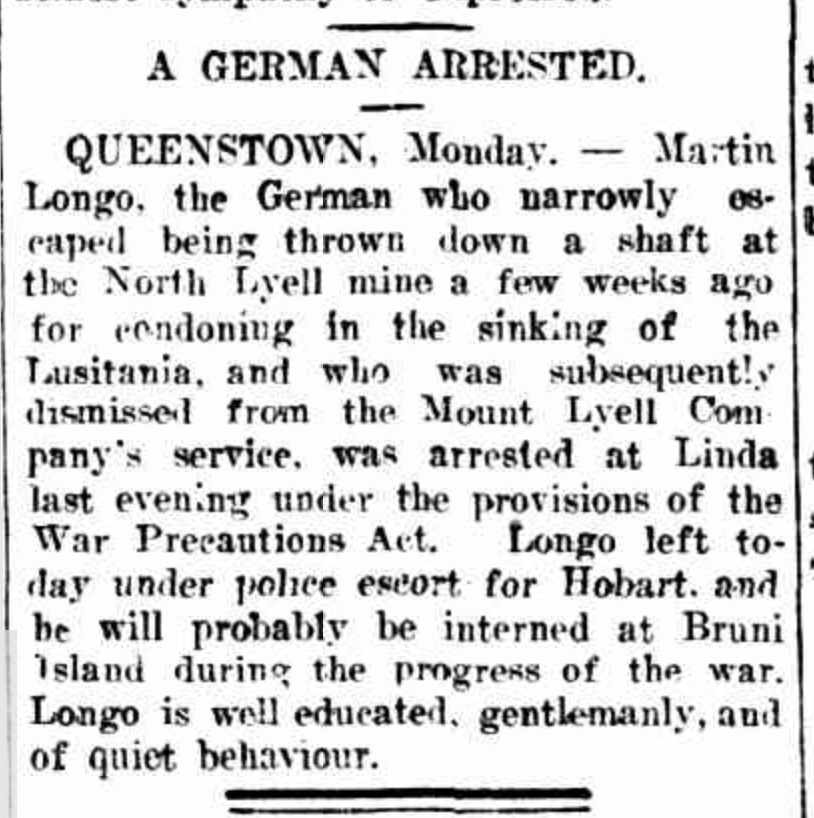
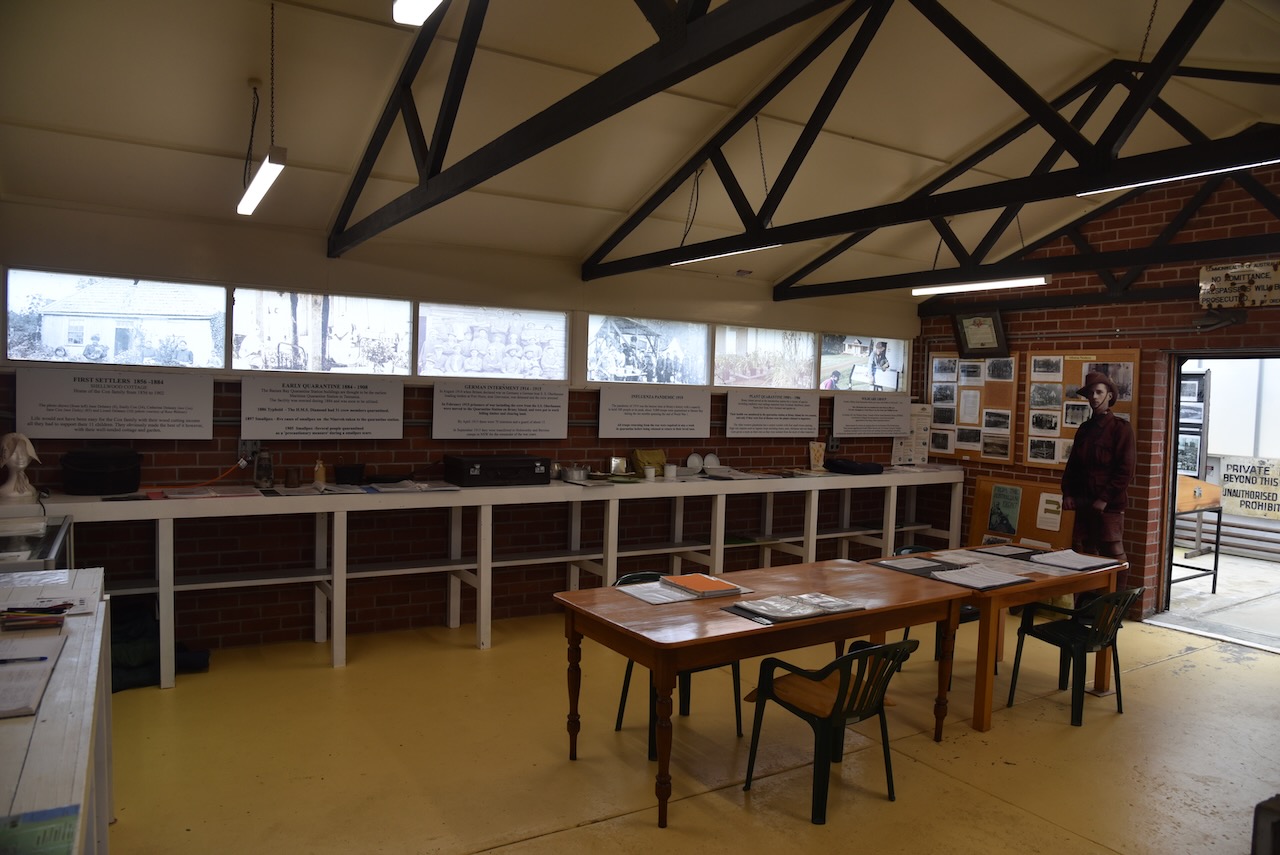
During the First World War, German internment took place at the station. “Enemy subjects” in Tasmania were interned at Quarantine Station. They were put to work felling timber and clearing land. By April 1915 there were 70 internees, watched by about 15 guards.

Above:- Article from the Daily Telegraph, Launceston, Tue 1 Jun 1915. Image c/o Trove.

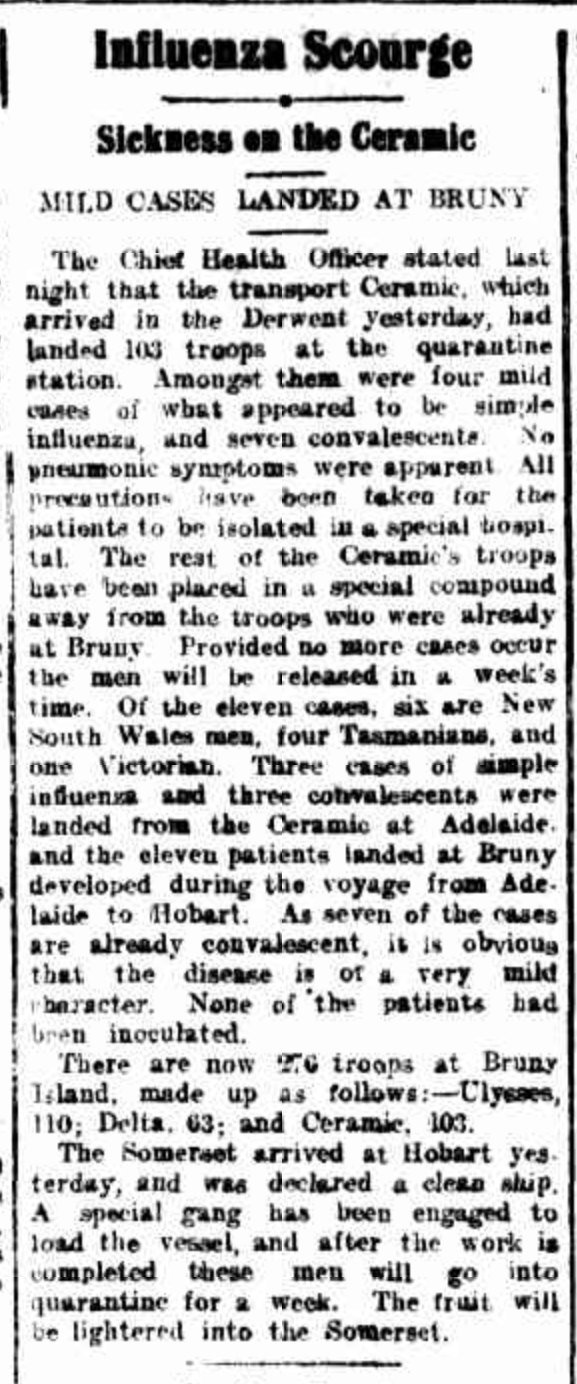
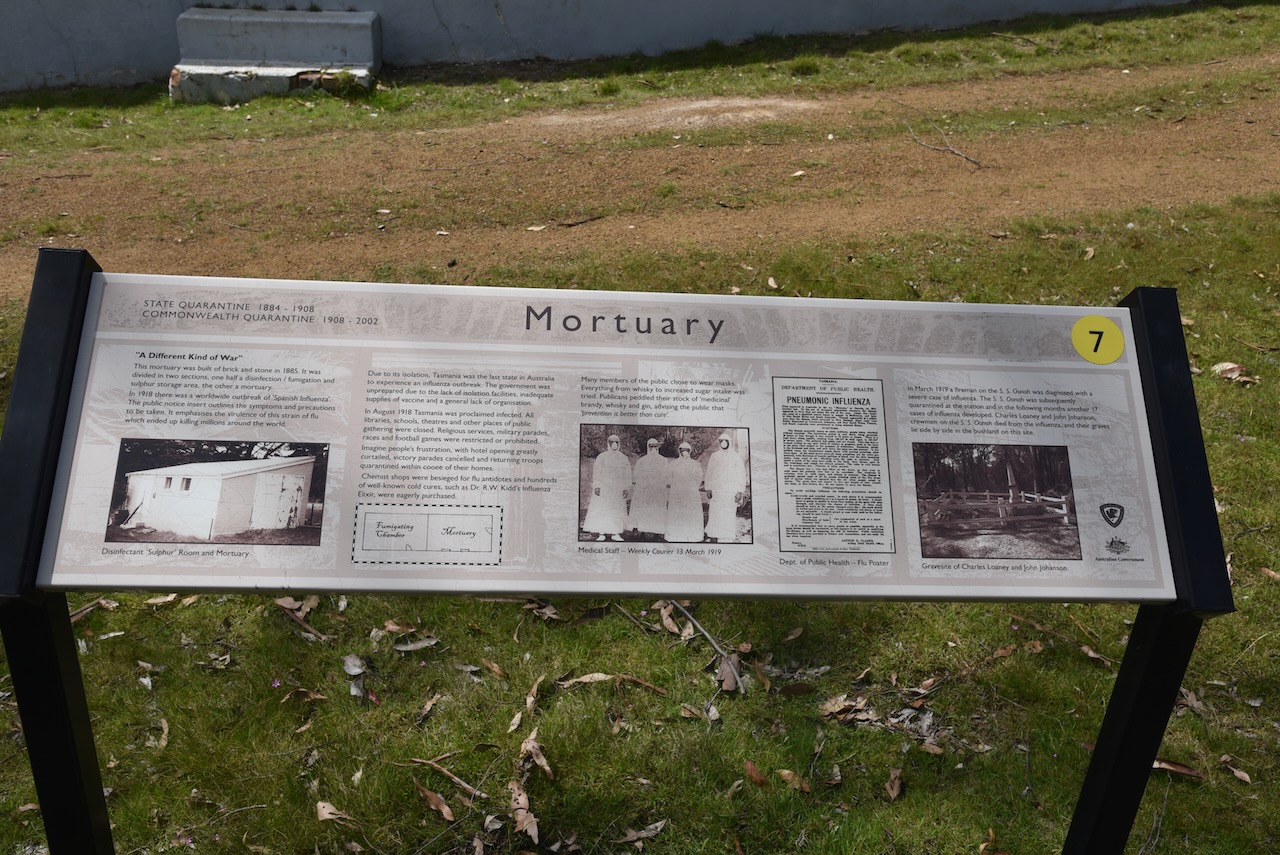
Due to the worldwide outbreak of the Spanish influenza pandemic in 1918, it was necessary to quarantine Australian troops returning home from the First World War. Over 9,000 Australian troops passed through the station between February 1919 to August 1919.

Above:- Article from the Examiner, Launceston, Wed 12 Mar 1919. Image c/o Trove.

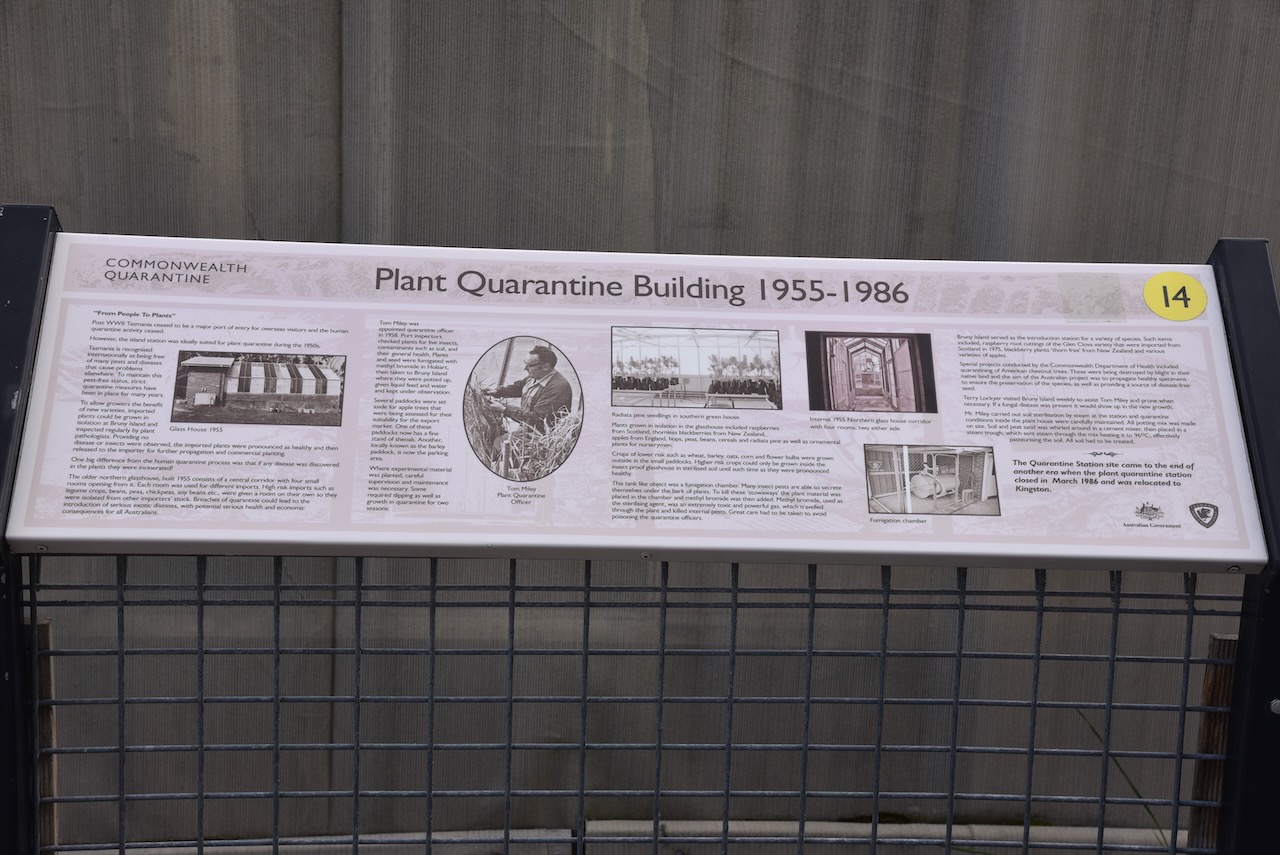
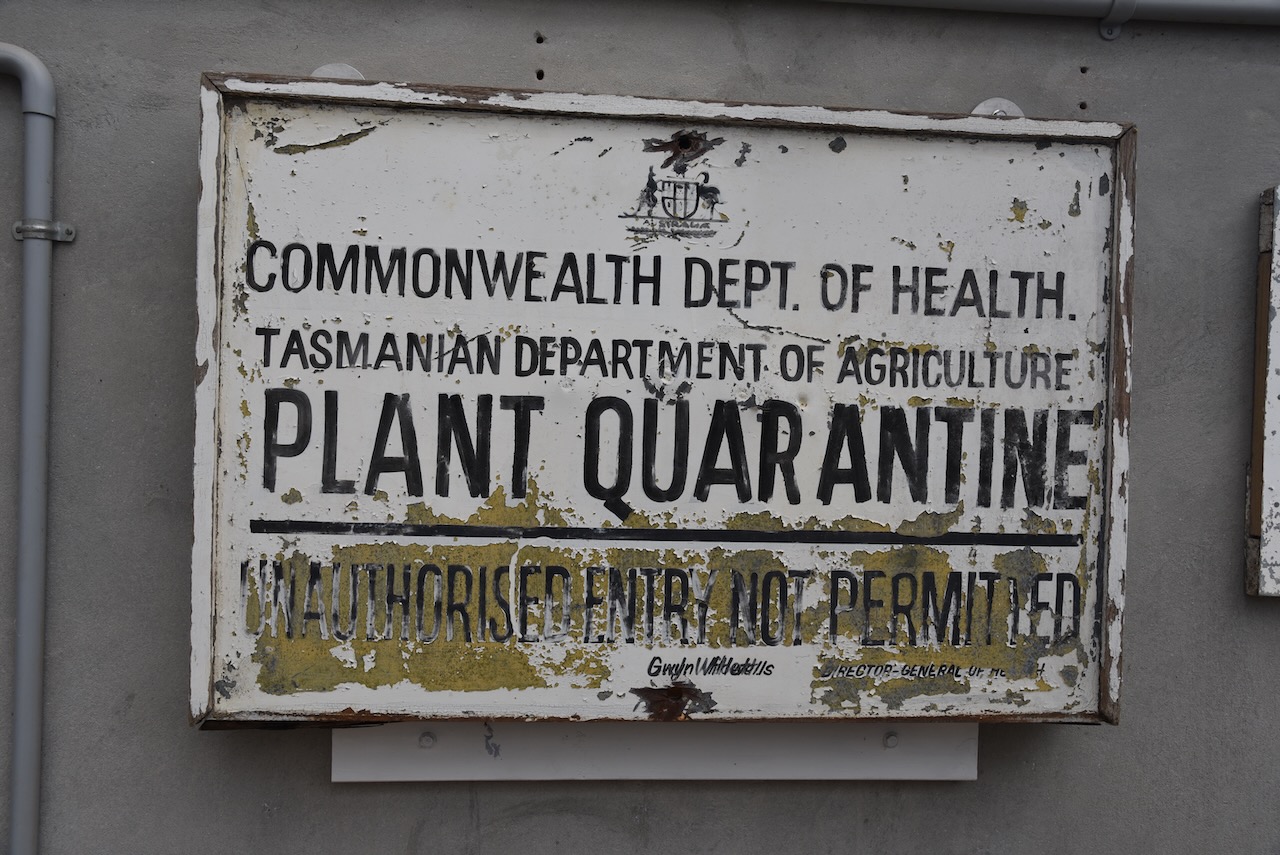
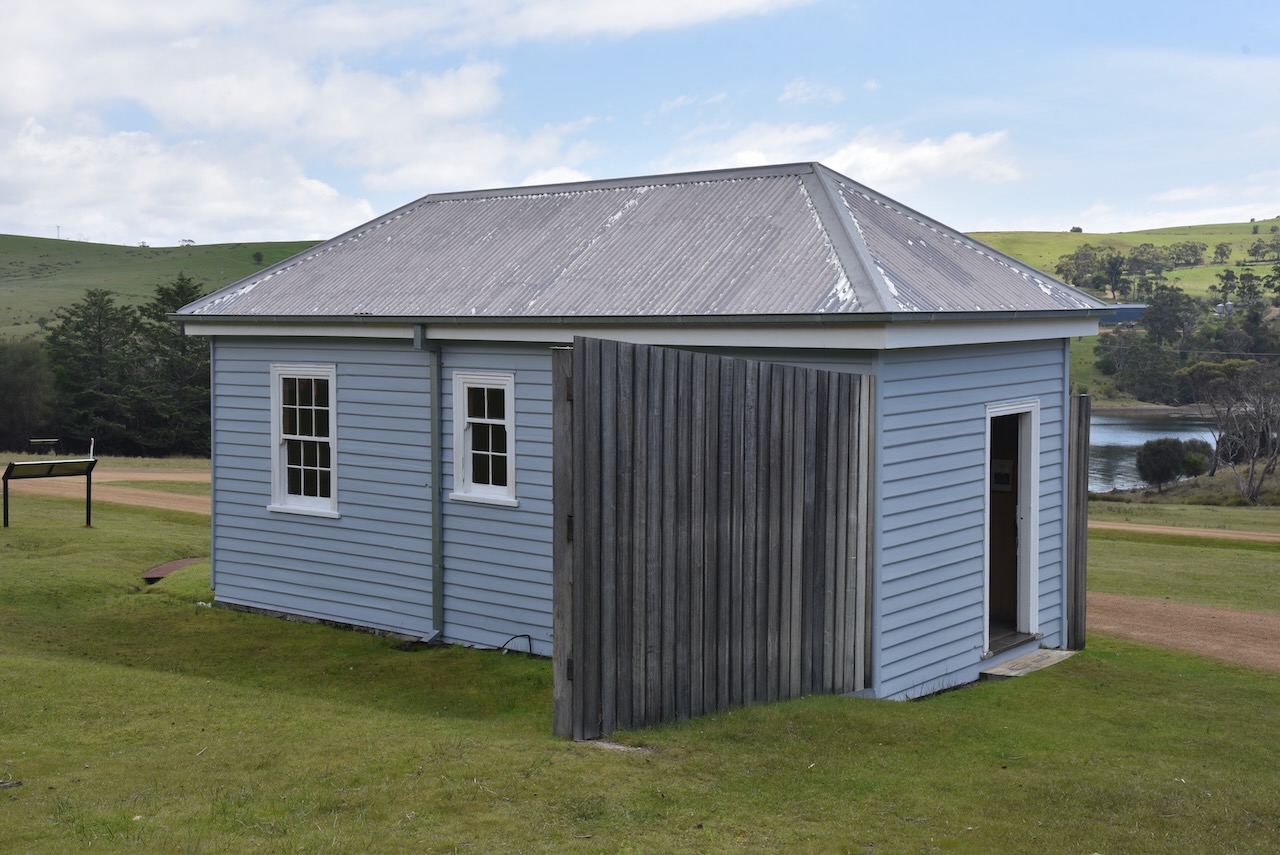
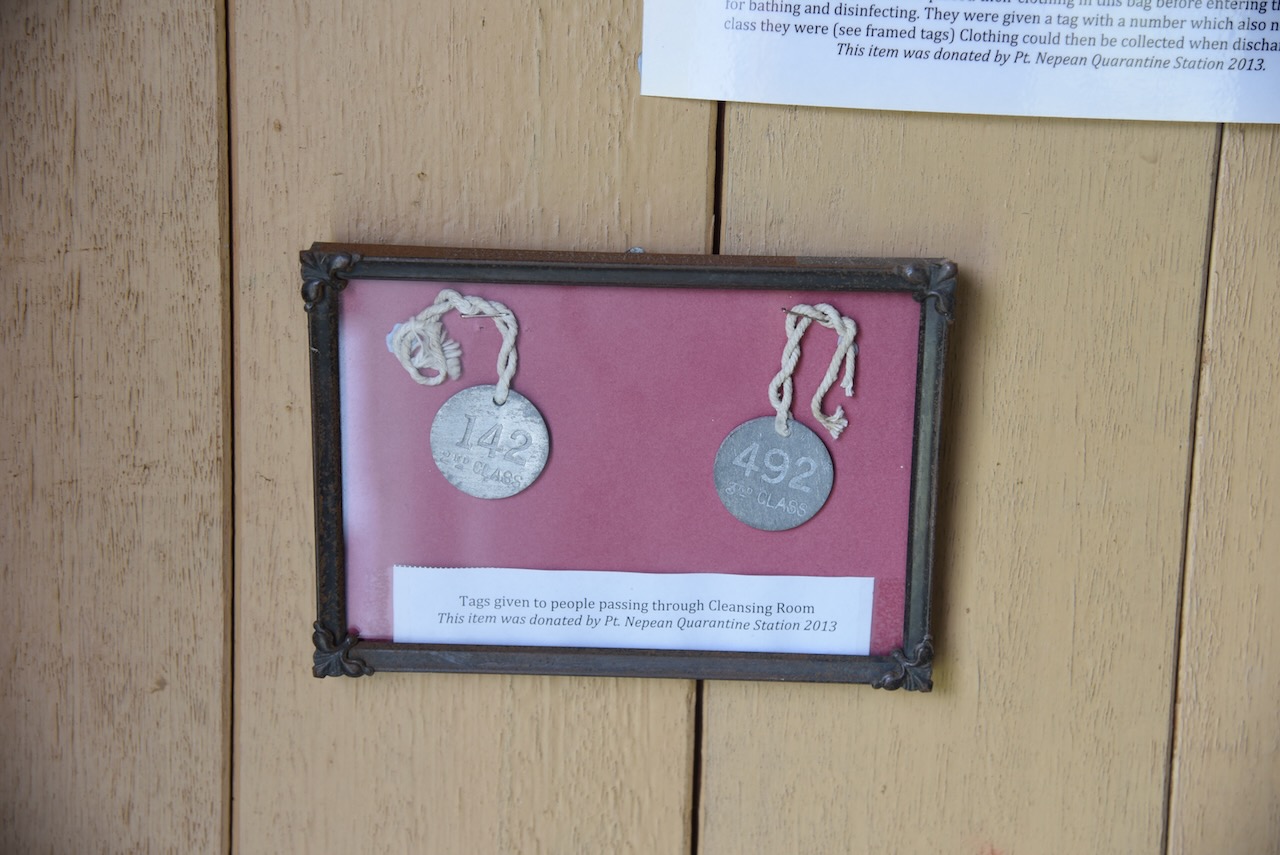
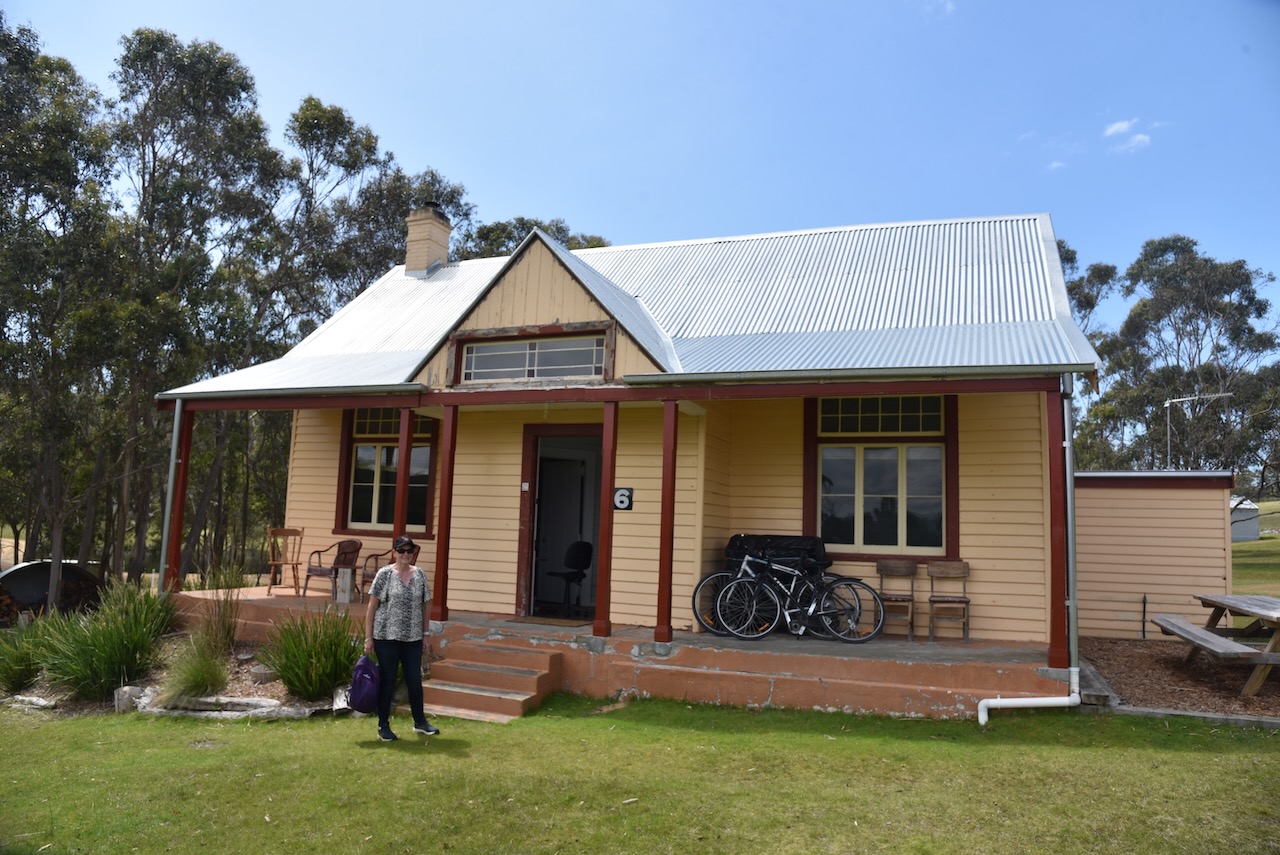
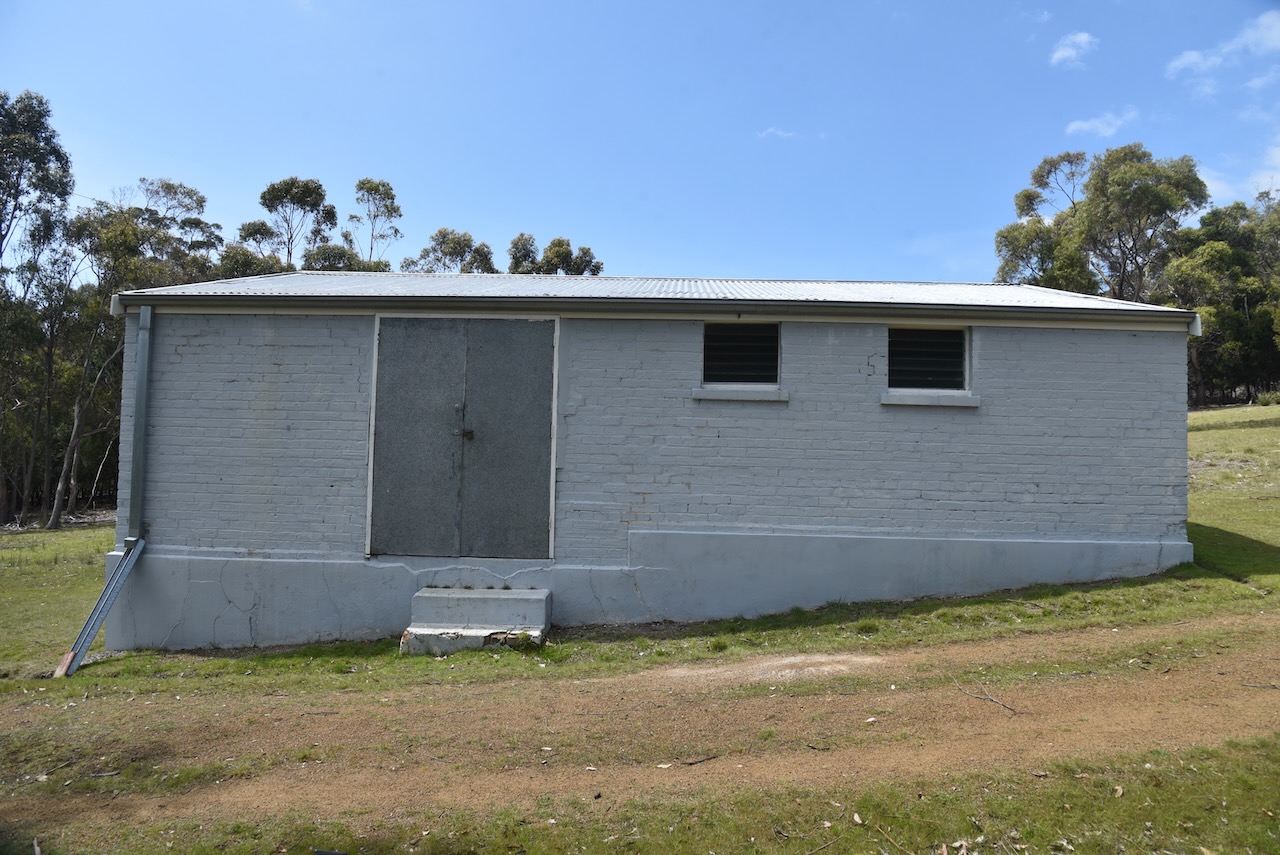
Many of the quarantine buildings remain at the Quarantine Station and there are numerous interpretive signs explaining the history of the site.

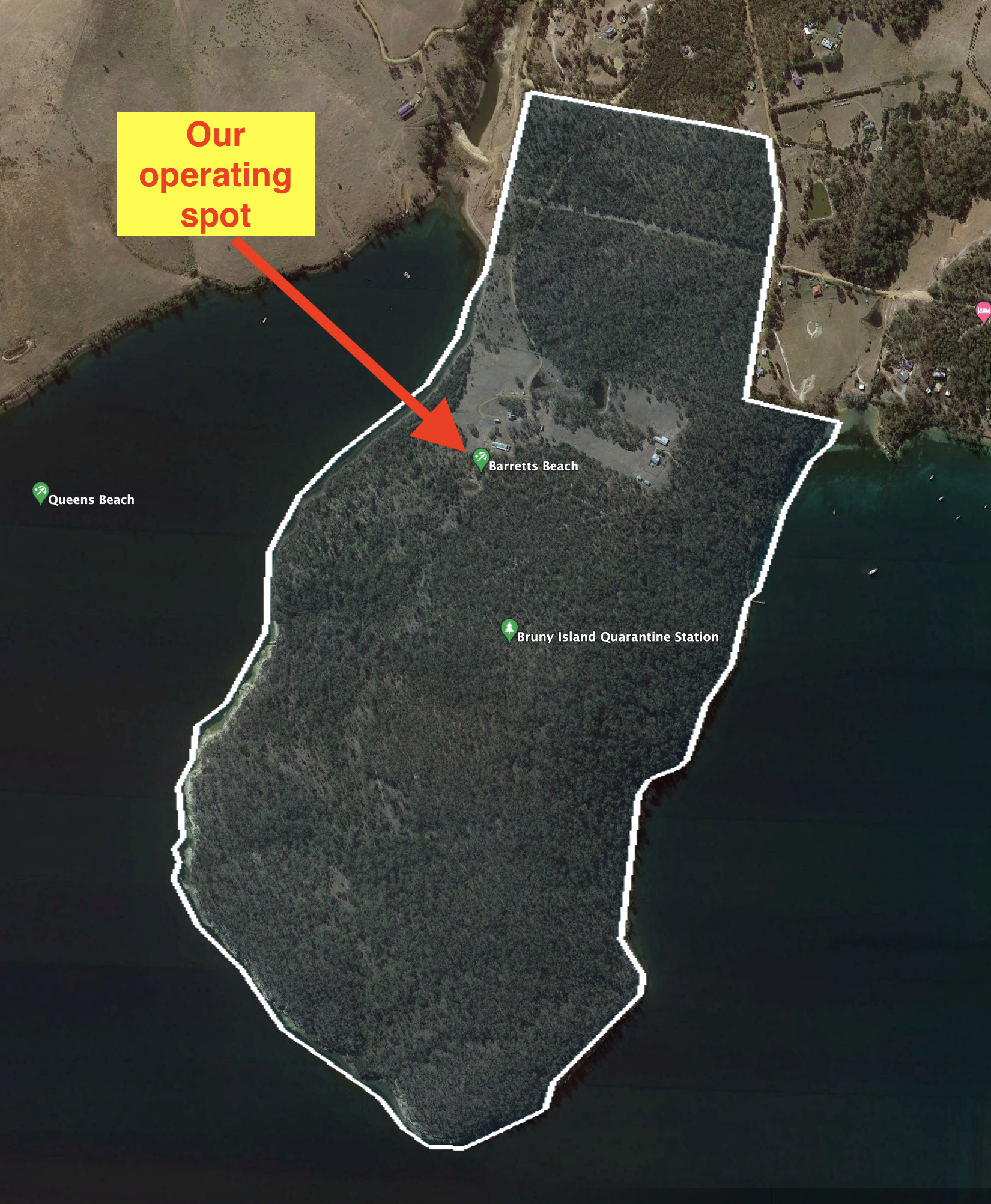
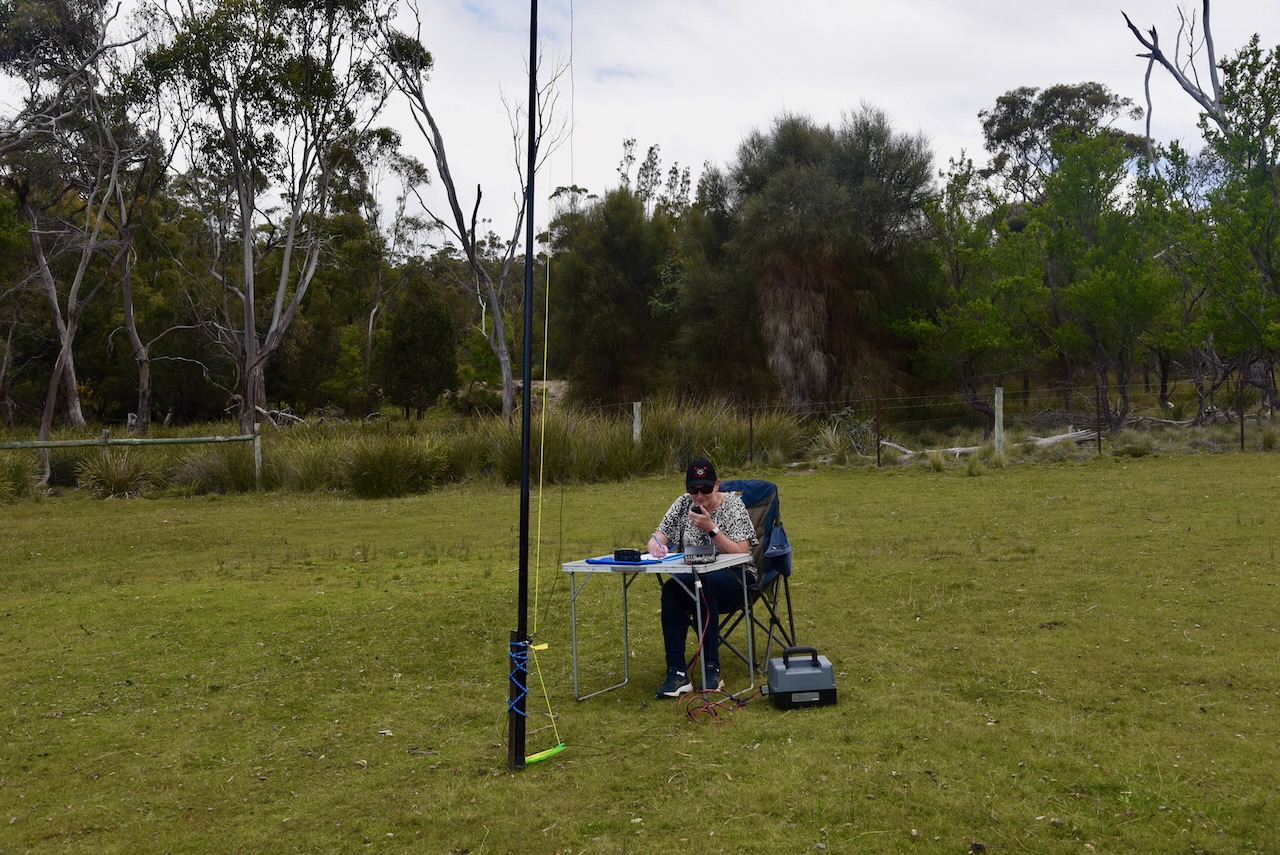
Prior to setting up we spoke with the park rangers who were extremely friendly. We set up on a lawned area adjacent to the visitors carpark.

Above:- an aerial view of the park showing our operating spot. Image c/o Google Earth.

We ran the Yaesu FT-857, 40 watts, and the 20/40/80m linked dipole for this activation.

We had set up about 30 minutes prior to the UTC rollover, so we used that to advantage. Contacts prior to and after the UTC rollover count towards the 44 QSOs required to qualify the park for the global WWFF program.

Both Marija and I qualified the park for the VKFF program, with 10 QSOs. I pushed on and made 45 QSOs, qualifying the park for the global WWFF program. Conditions on the 40m band were quite good, but sadly I only made one contact on the 20m band with John VK4TJ.

It was good to get a Park to Park contact with VK2HQ/p at Bomaderry Creek Regional Park VKFF-1779.

Marija made the following QSOs on 40m SSB:-

  1. VK2HQ/p (Bomaderry Creek Regional Park VKFF-1779)
  2. VK3PF
  3. VK2IO
  4. VK3SQ’VK3VIN
  5. VK3AMO
  6. VK2MET
  7. VK1AO
  8. VK3AWA
  9. VK2HHA
  10. VK3CMC

I made the following QSOs on 40m SSB before the UTC rollover:-

  1. VK2HQ/p (Bomaderry Creek Regional Park VKFF-1779)
  2. VK3PF
  3. VK2IO
  4. VK3SQ
  5. VK3VIN
  6. VK3AMO
  7. VK2MET
  8. VK1AO
  9. VK3AWA
  10. VK2HHA
  11. VK3CMC
  12. VK3UAO
  13. VK3GMC
  14. VK5BJE
  15. VK4KLA
  16. VK5MRS
  17. VK3MKE
  18. VK3BBB
  19. VK2CCP
  20. VK2EXA
  21. VK2ABT
  22. VK2VAR
  23. VK2HRX

I worked the following stations on 40m SSB after the UTC rollover:-

  1. VK2VAR
  2. VK2EXA
  3. VK3UH
  4. VK2IO
  5. VK3PF
  6. VK3MKE
  7. VK3AWO
  8. VK3GRX
  9. VK3TPM
  10. VK3ZSC
  11. VK3PT
  12. VK3MCA
  13. VK3DW/p
  14. VK3SQ
  15. VK3AHR
  16. VK3ARK/p
  17. VK3UAO
  18. VK2MET
  19. VK1AO
  20. VK2NP
  21. VK7AN

I worked the following station on 20m SSB:-

  1. VK4TJ

References.

  1. BBC, 2022, <https://www.bbc.com/travel/article/20200505-tasmanias-ruggedly-beautiful-quarantine-site>, viewed 29th December 2022.
  2. Bruny Island Community Association, 2022, <https://www.bica.org.au/biqshistory>, viewed 29th December 2022.
  3. Wikipedia, 2022, <https://en.wikipedia.org/wiki/Kettering,_Tasmania>, viewed 29th December 2022.
  4. Wikipedia, 2022, <https://en.wikipedia.org/wiki/Bruny_Island>, viewed 29th December 2022.
  5. Wikipedia, 2022, <https://en.wikipedia.org/wiki/Antoine_Bruni_d%27Entrecasteaux>, viewed 29th December 2022.
  6. Wikipedia, 2022, <https://en.wikipedia.org/wiki/Flinders_Island>, viewed 29th December 2022.

Day 11 and Mount Wellington VK7/ SC-001 in Wellington Park Conservation Area VKFF-2932

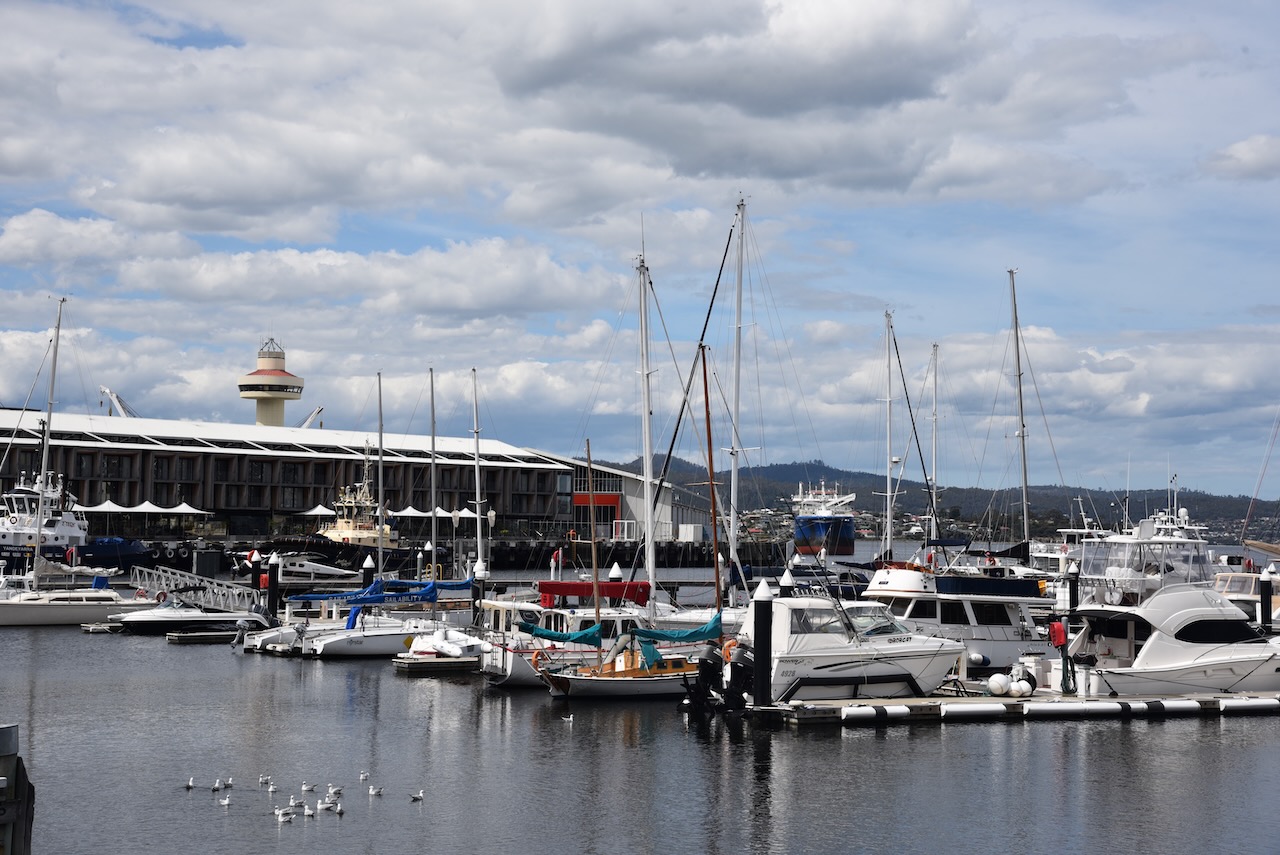
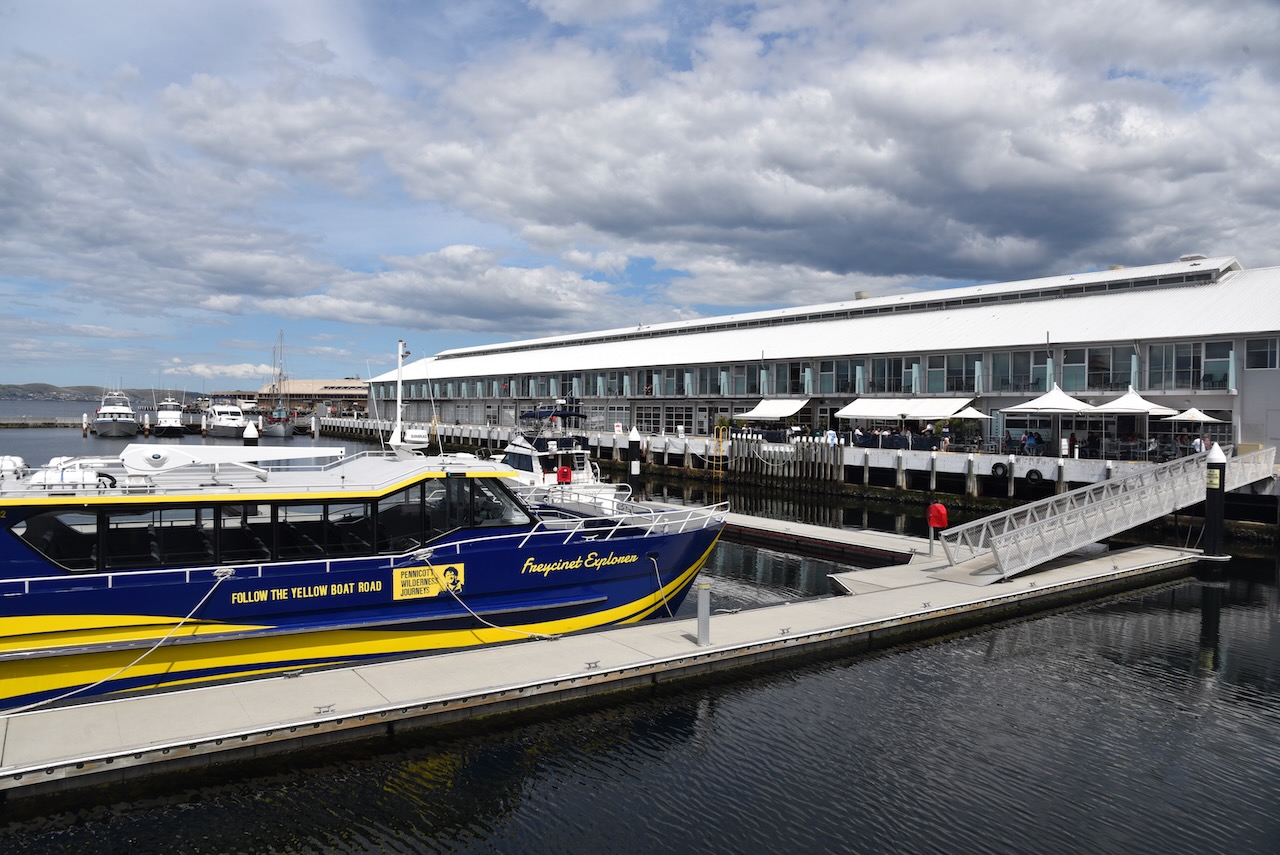
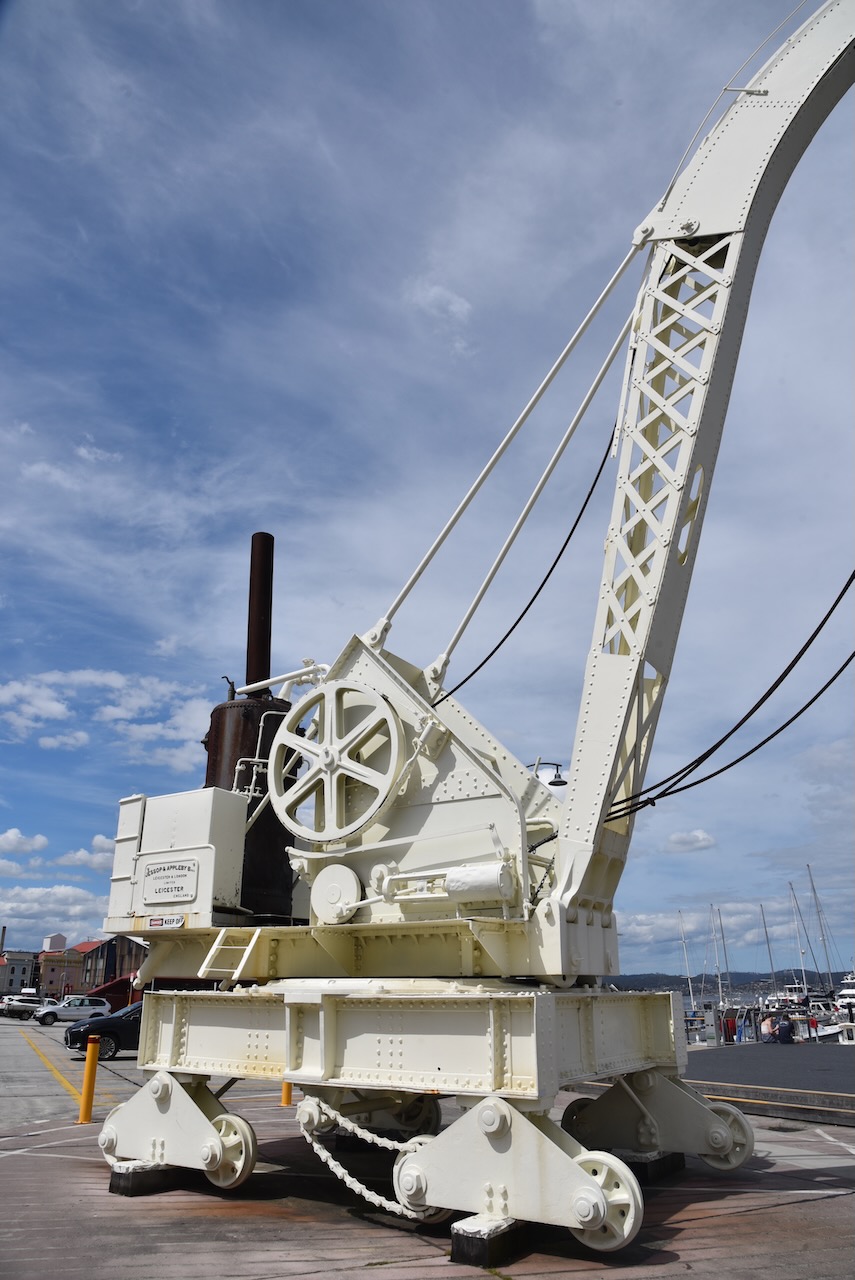
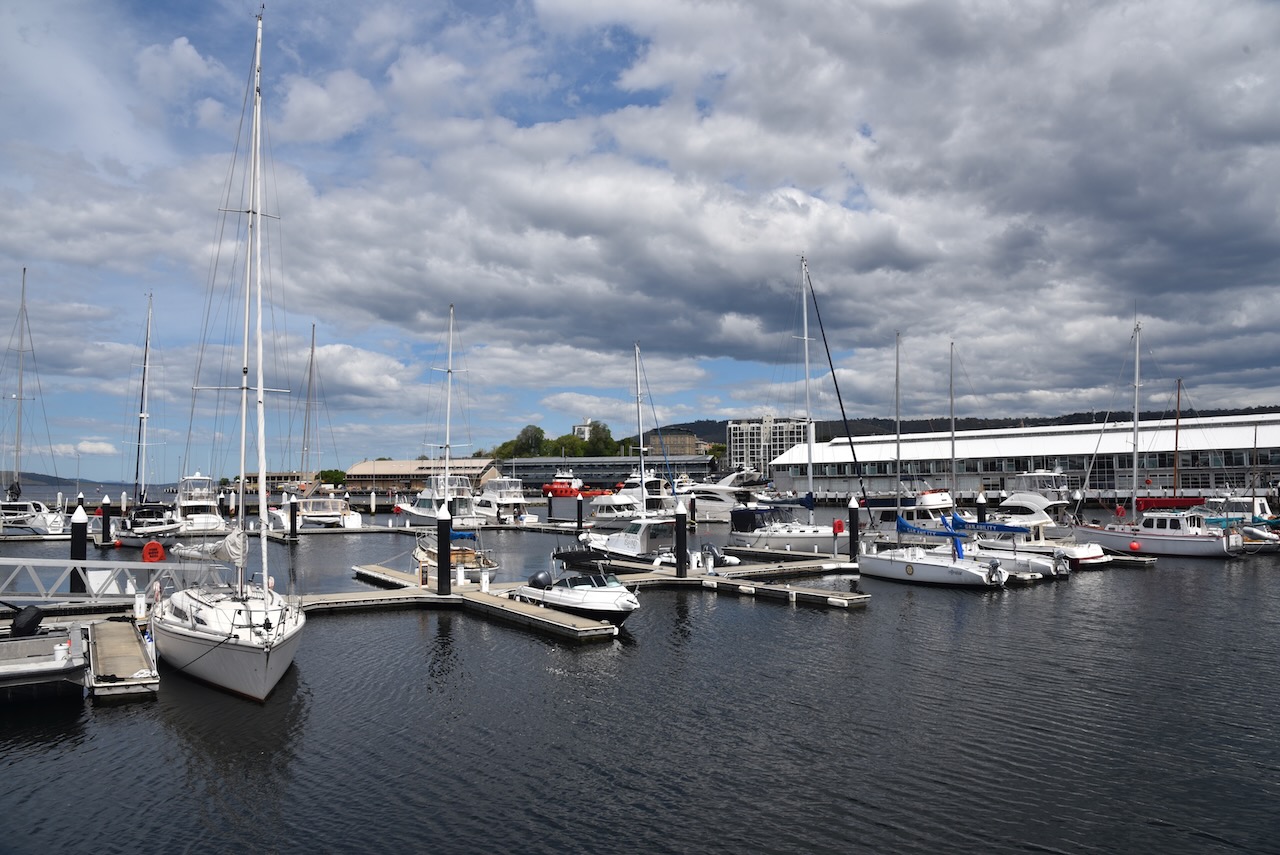
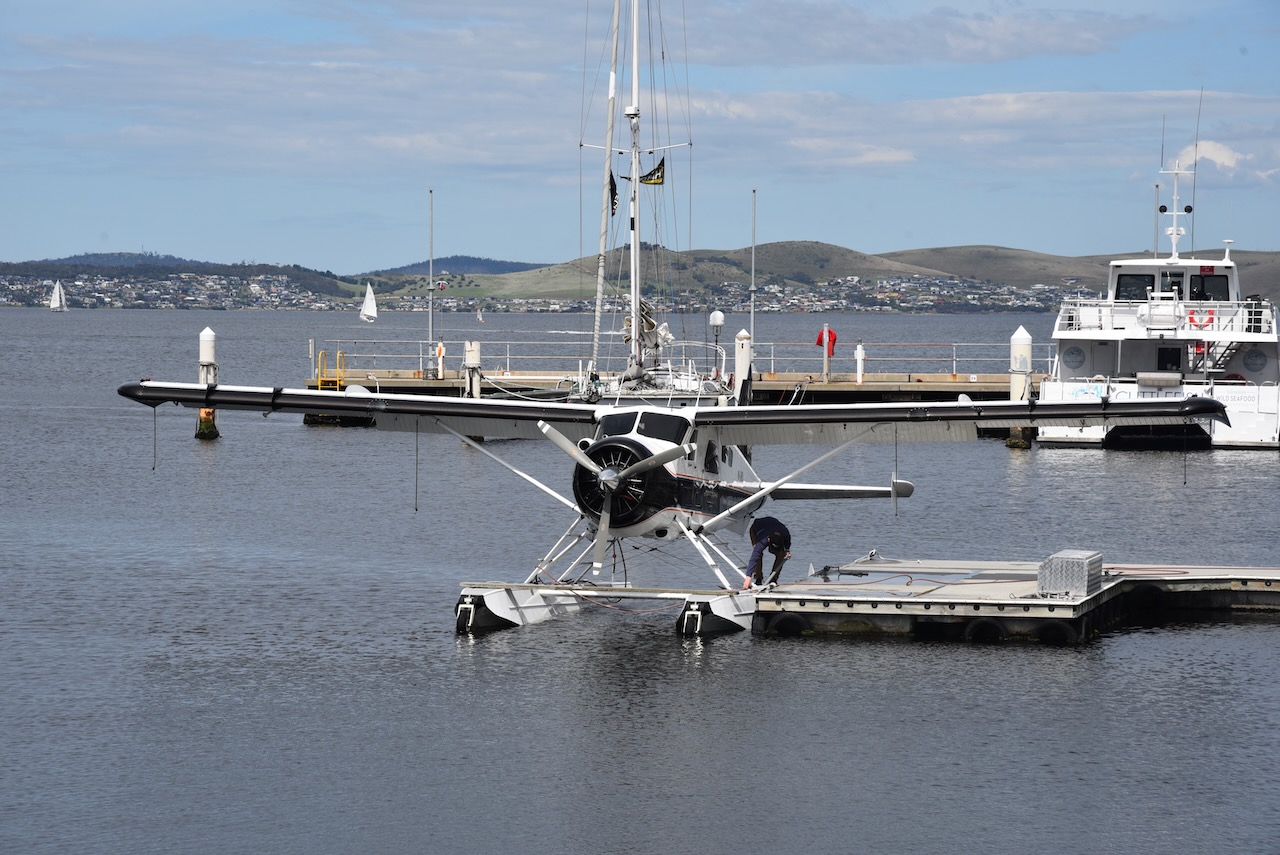
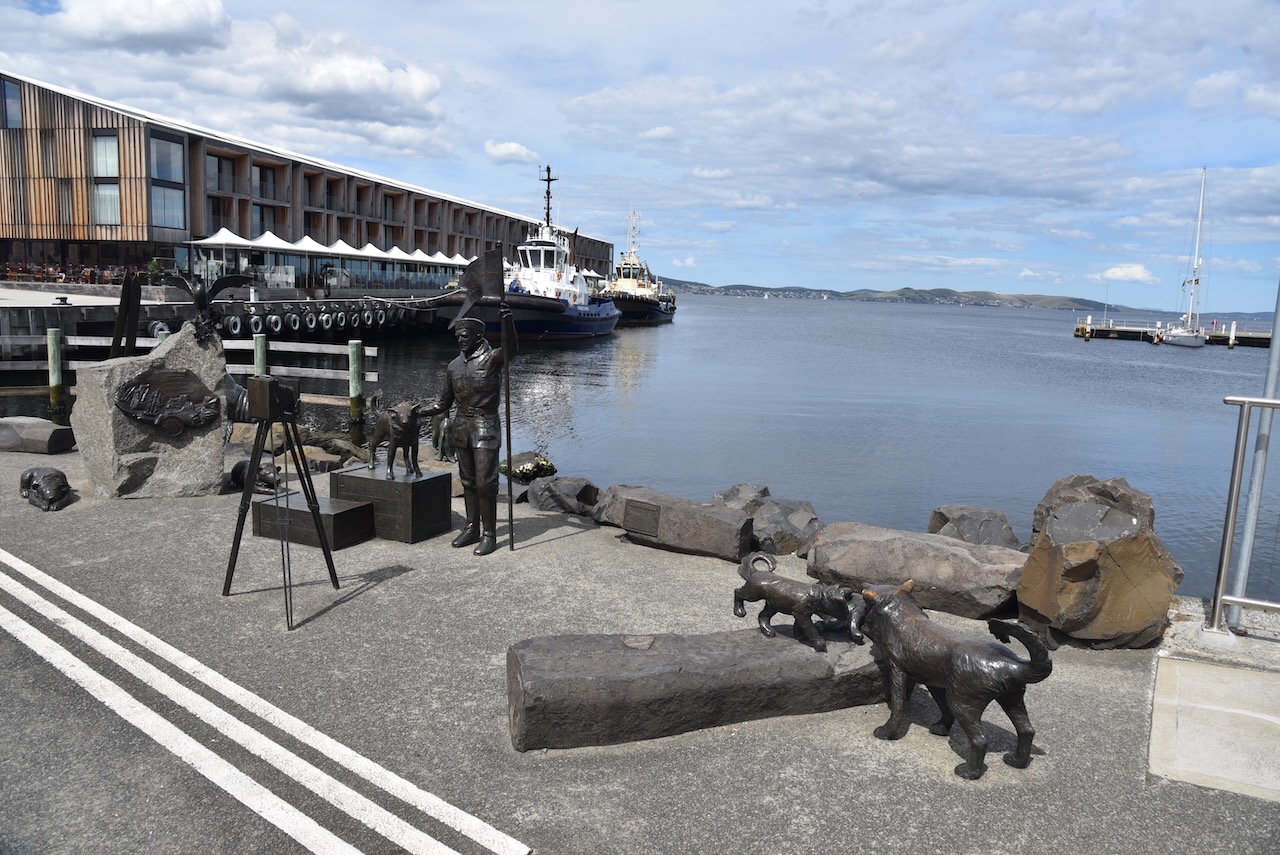
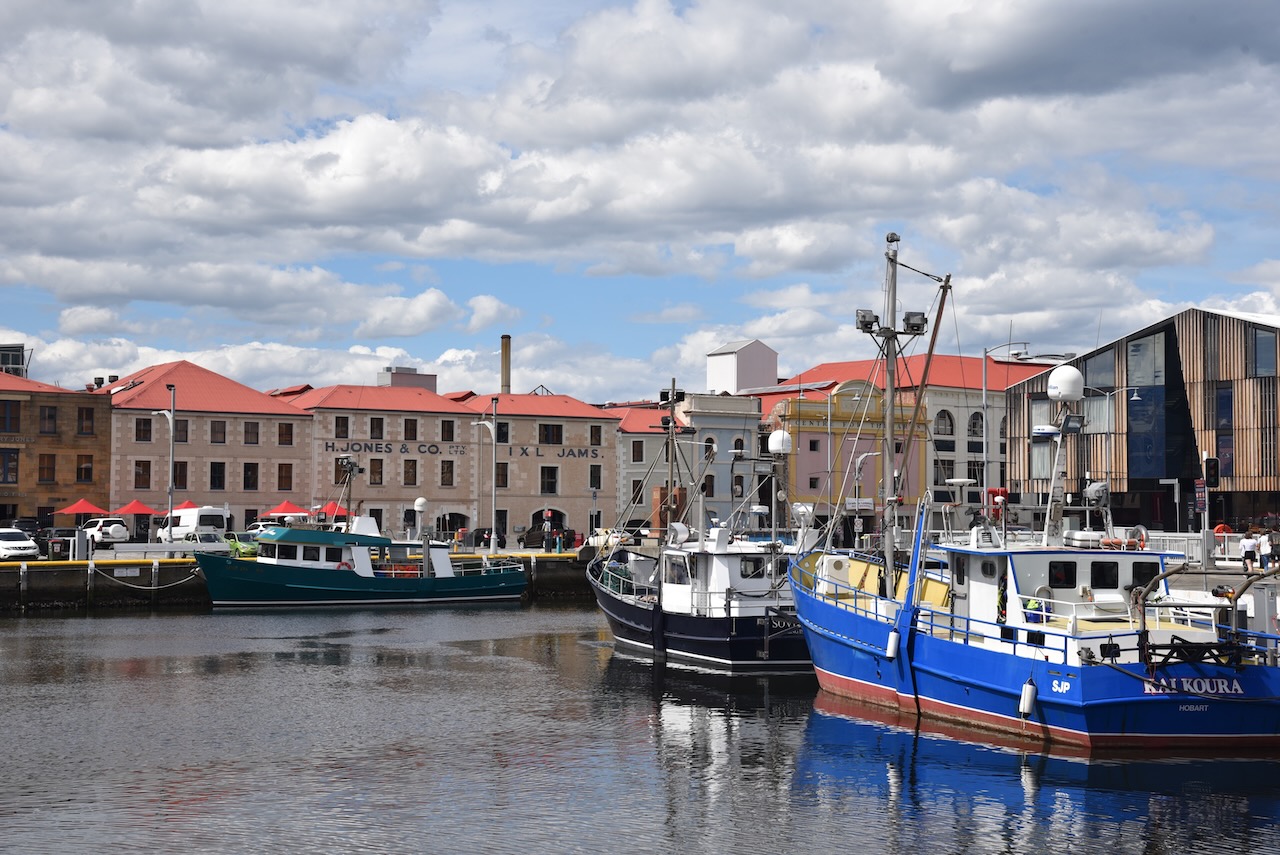
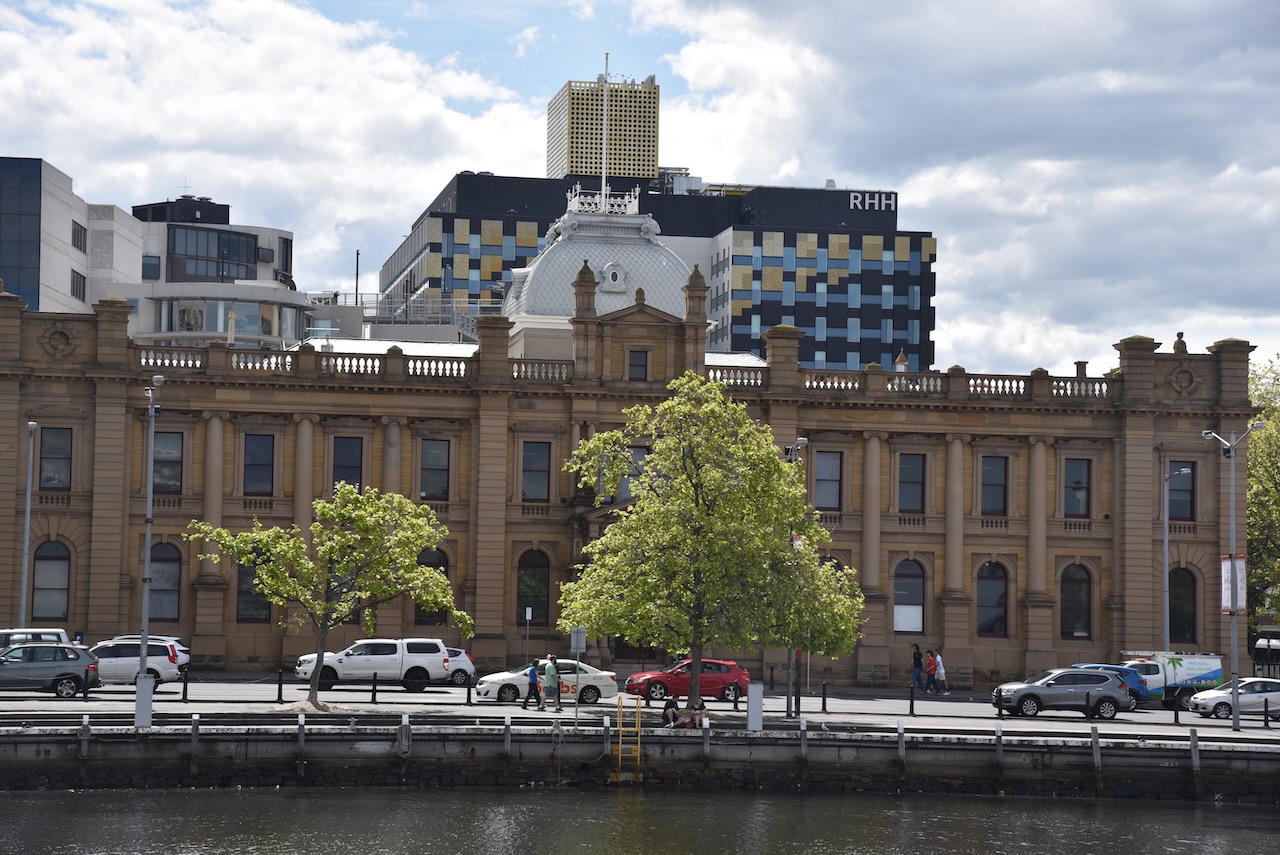
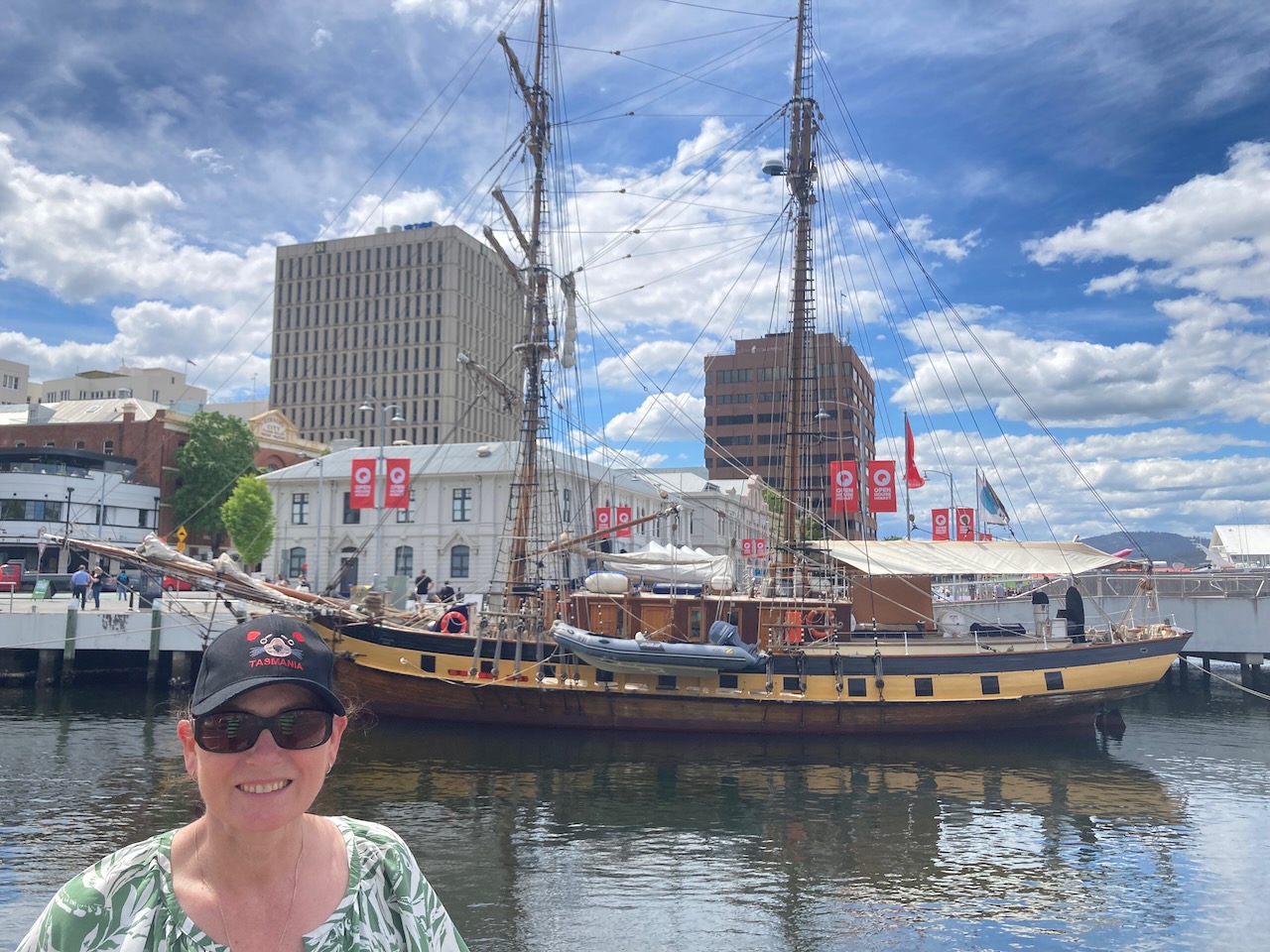
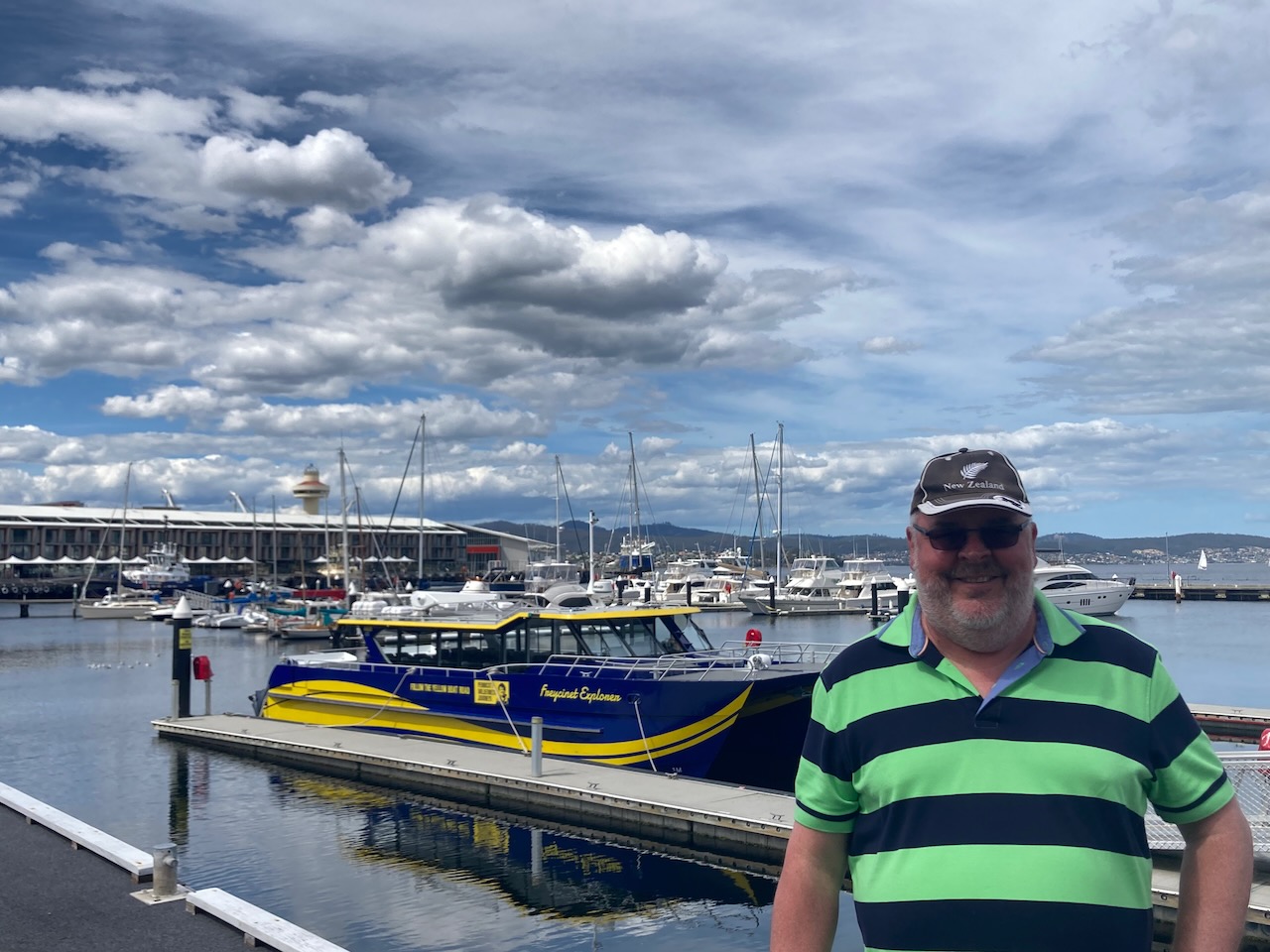
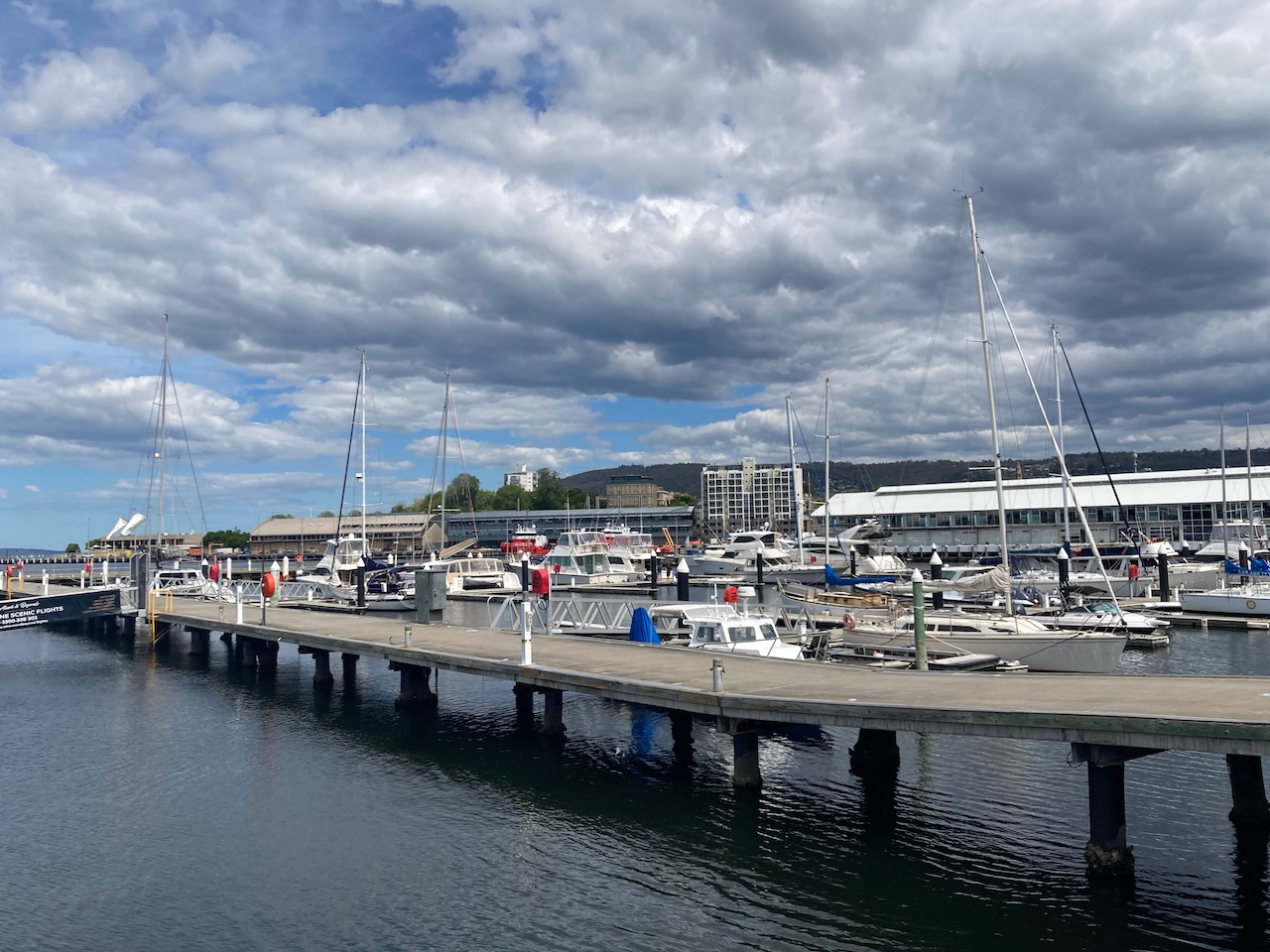
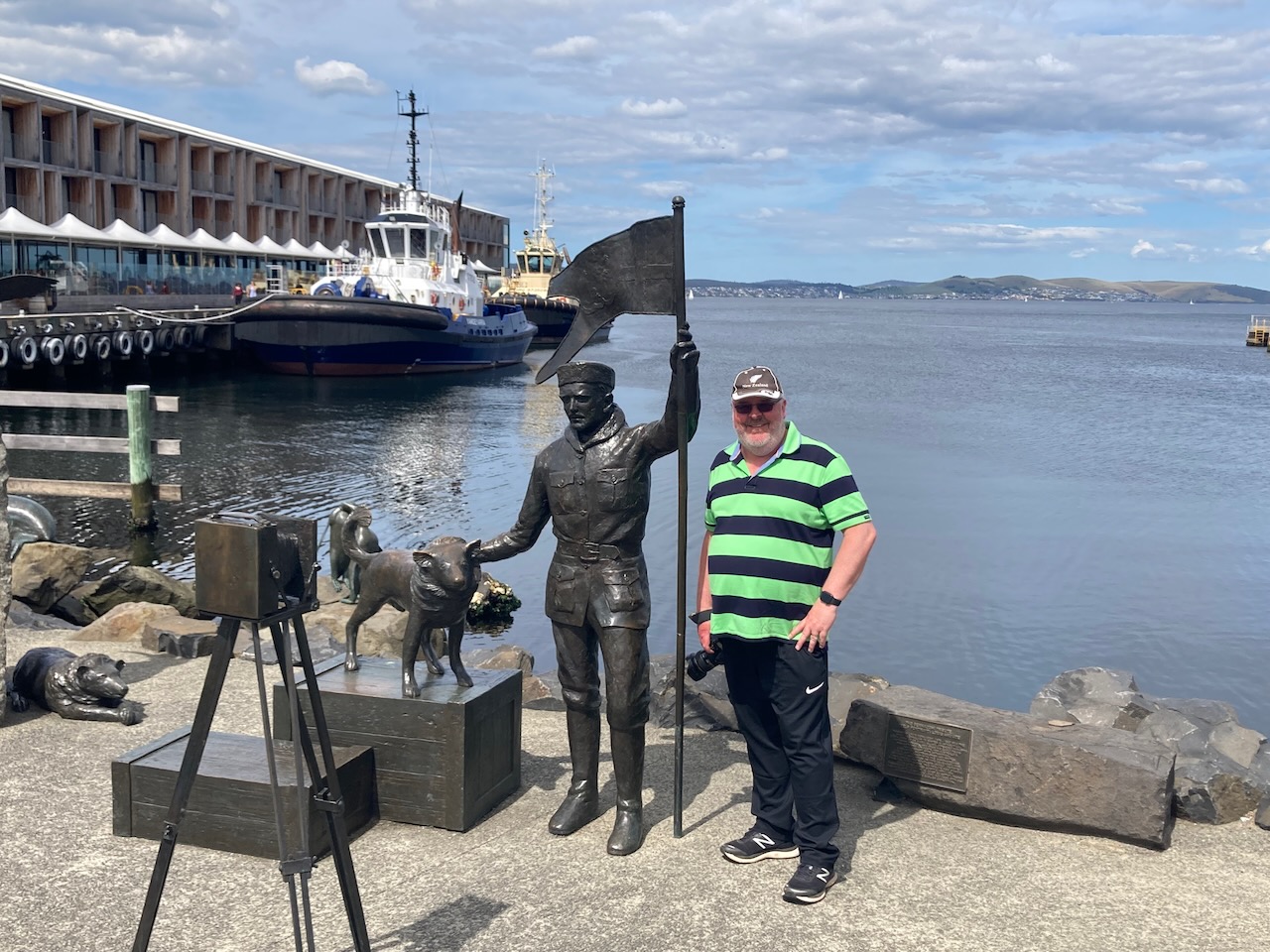
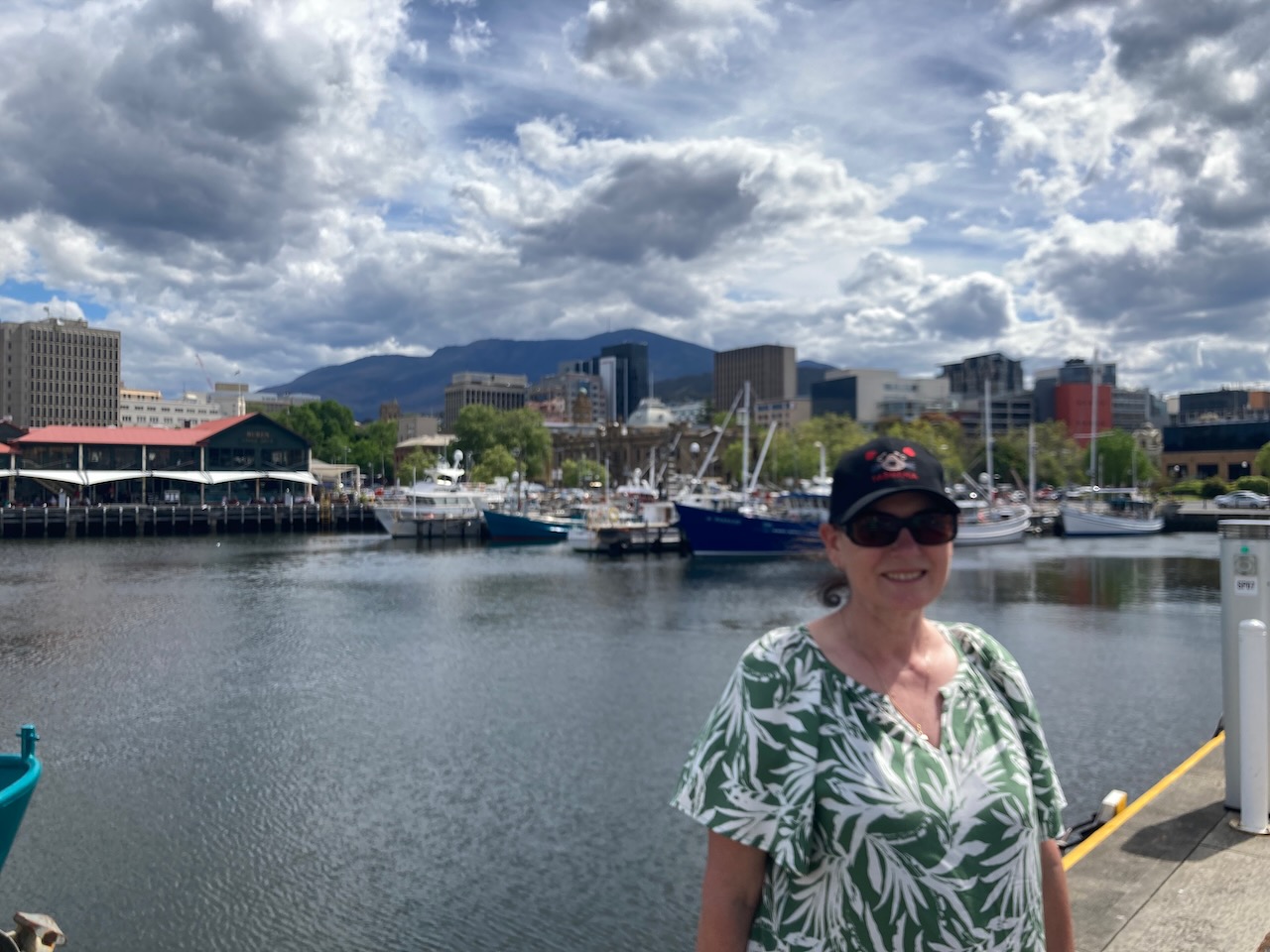
When the Tassie Ham Conference & Expo wrapped up on Sunday afternoon (7th November 2022), Marija and I headed down to Hobart waterfront and Constitution Dock.

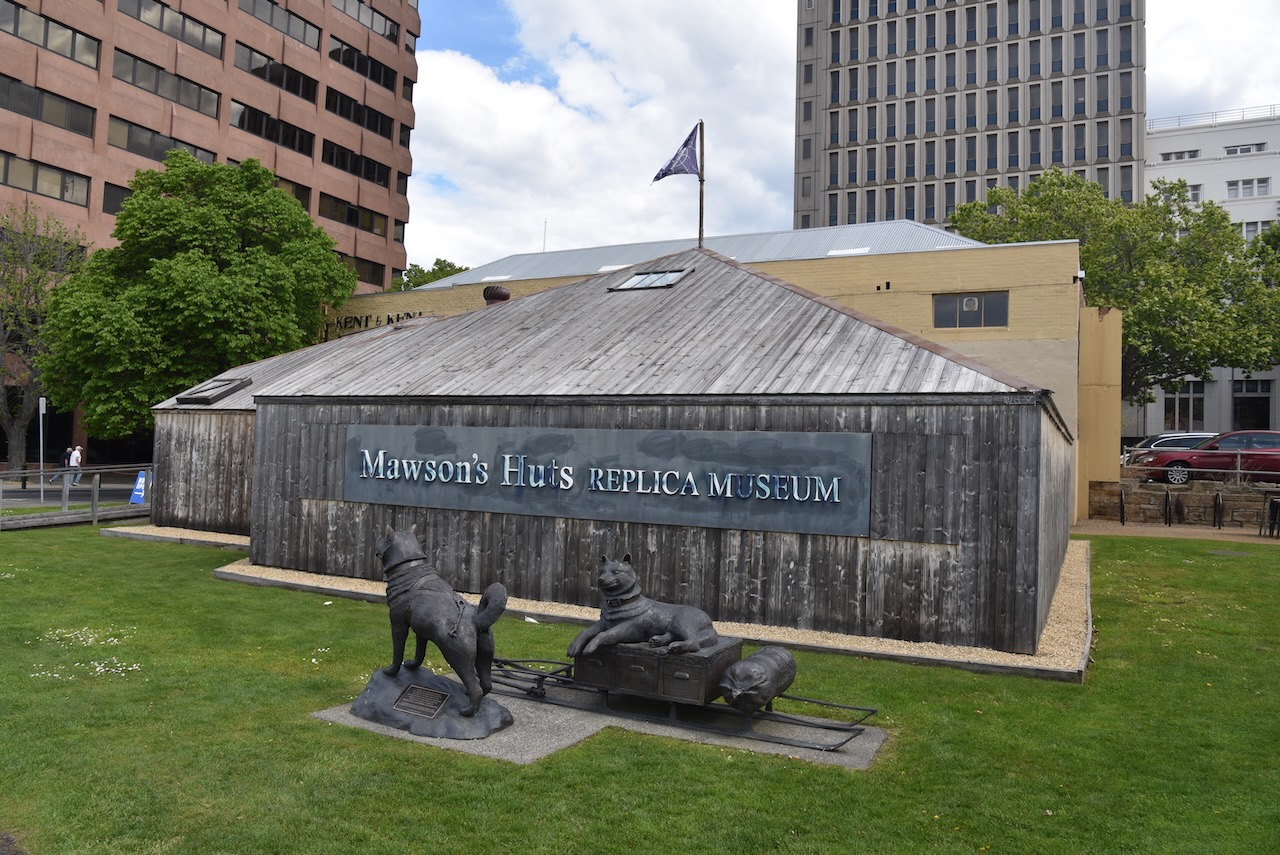
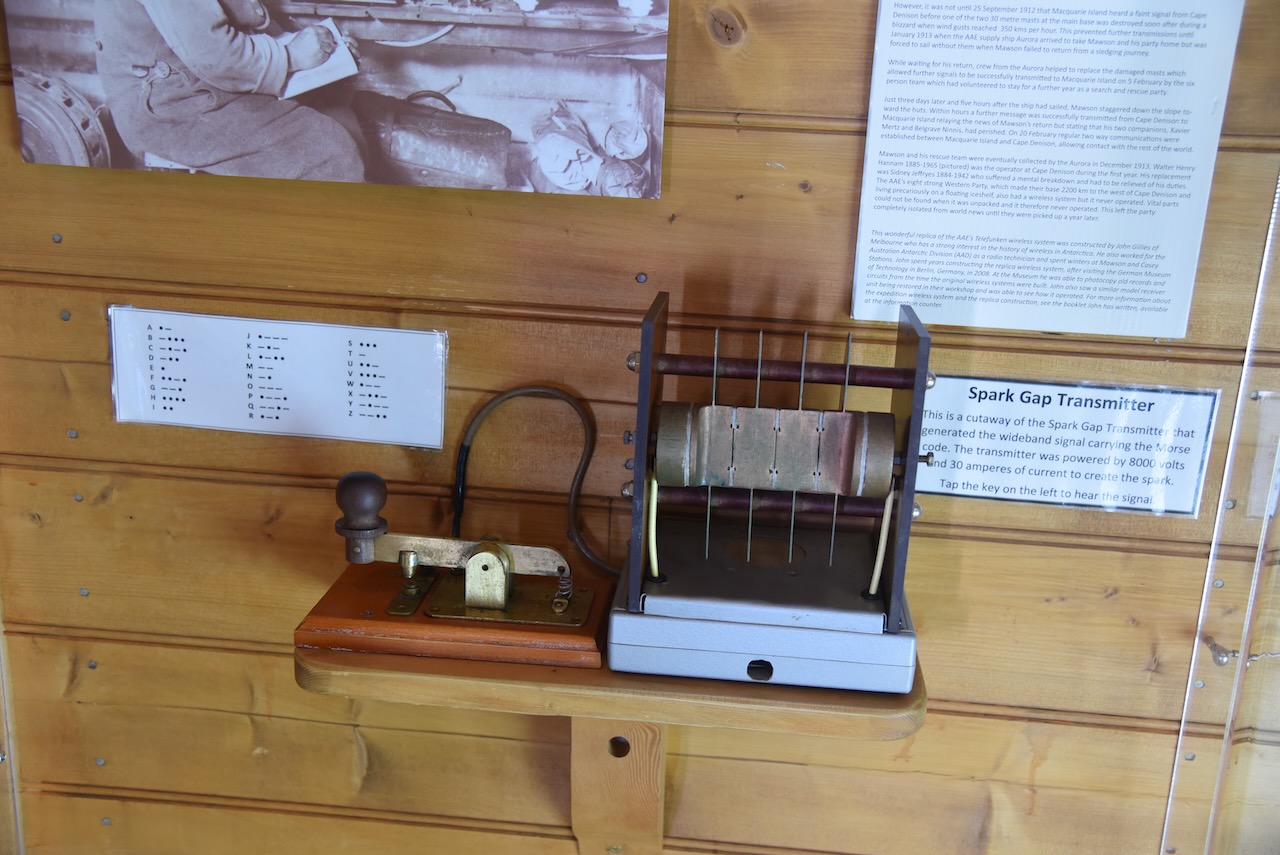
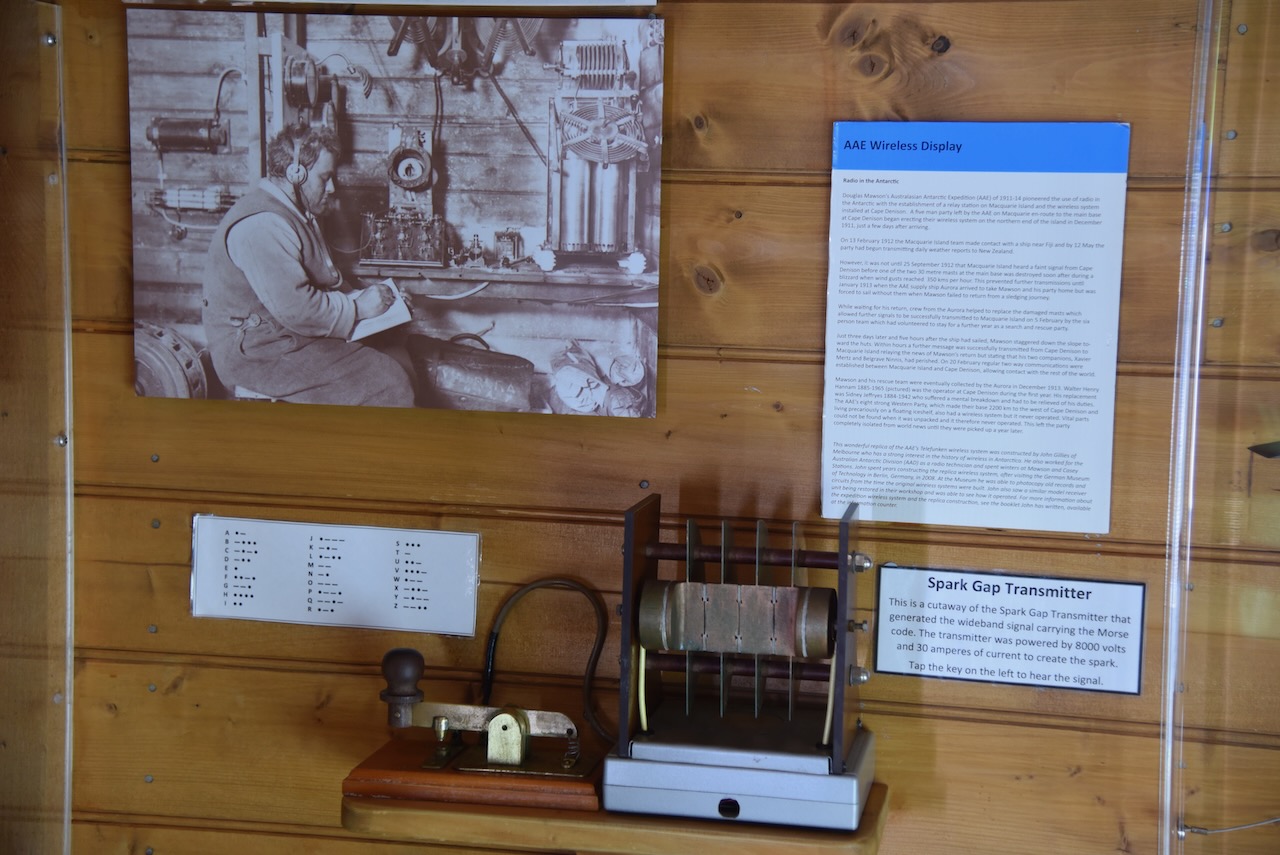
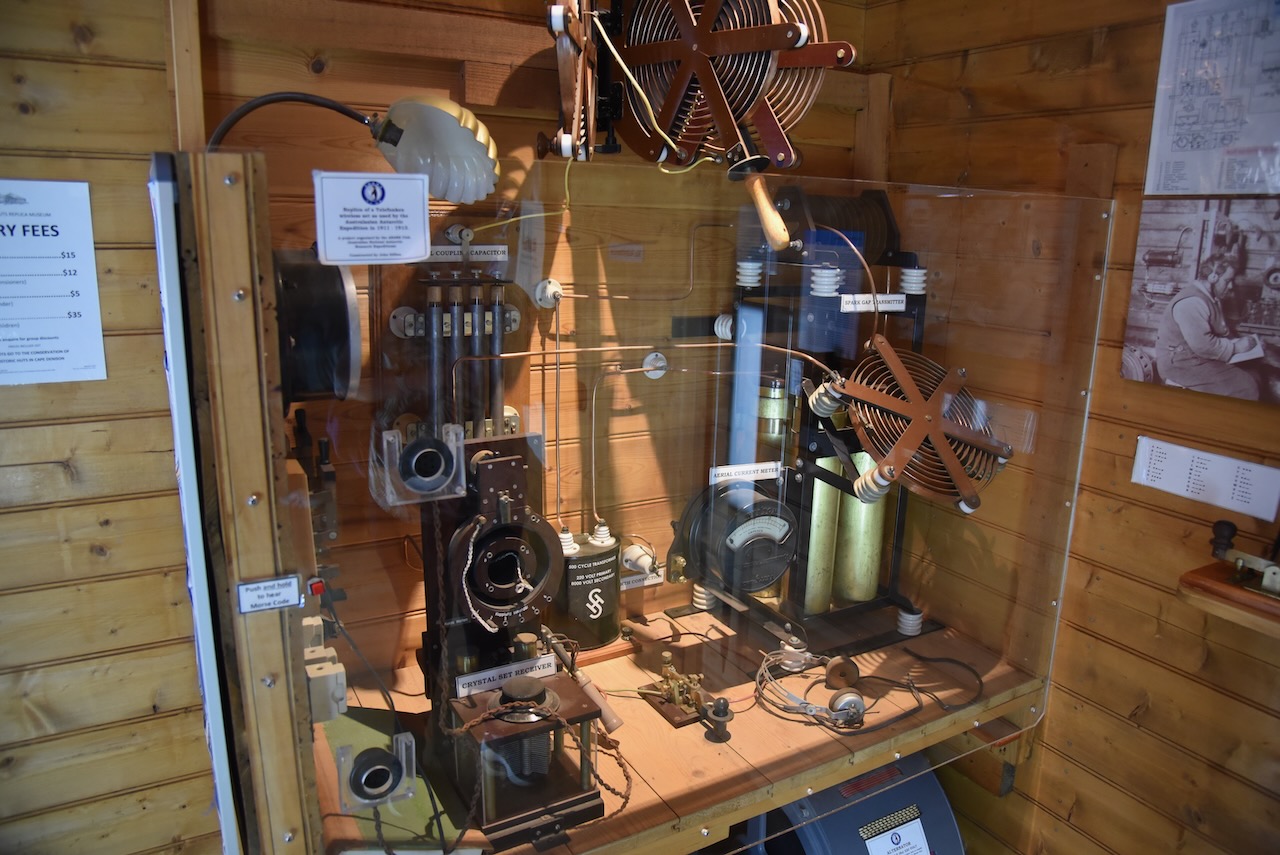
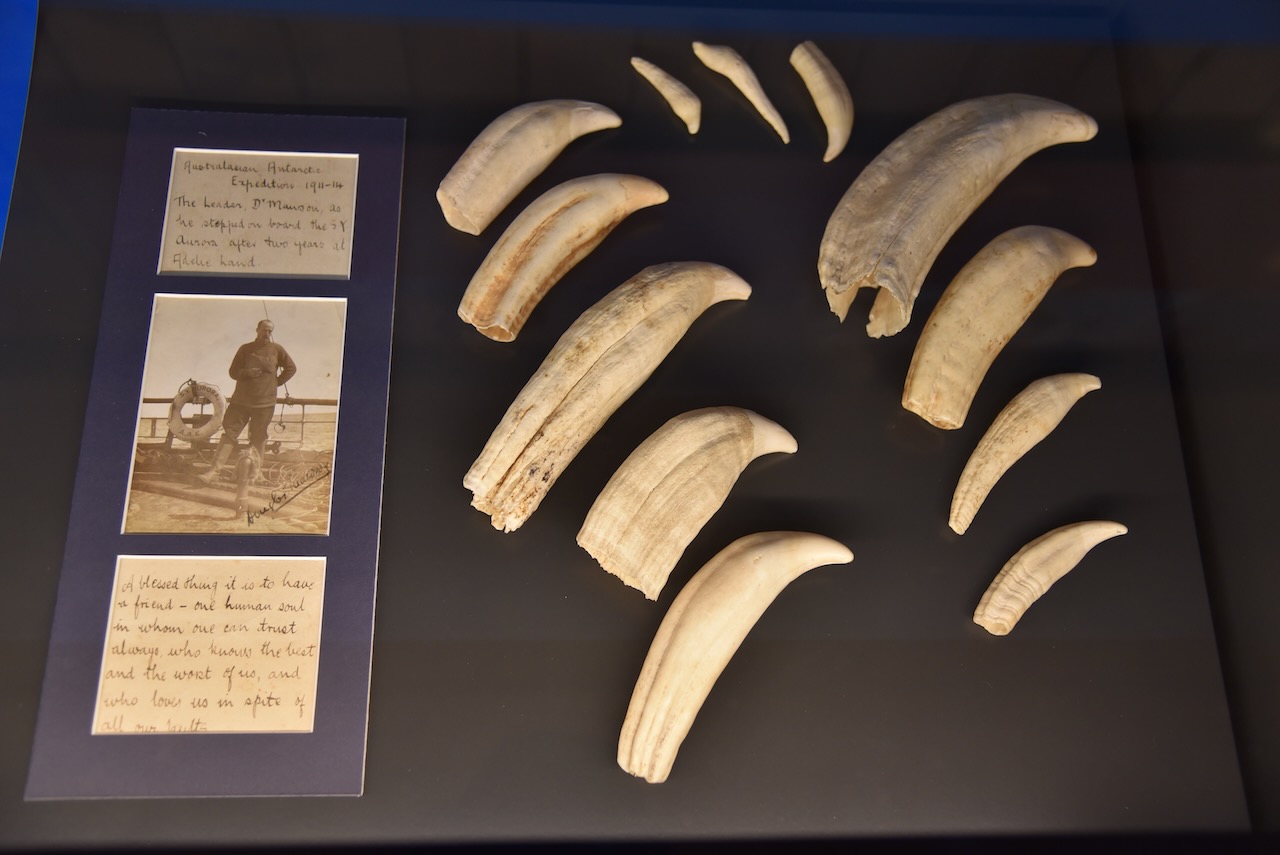
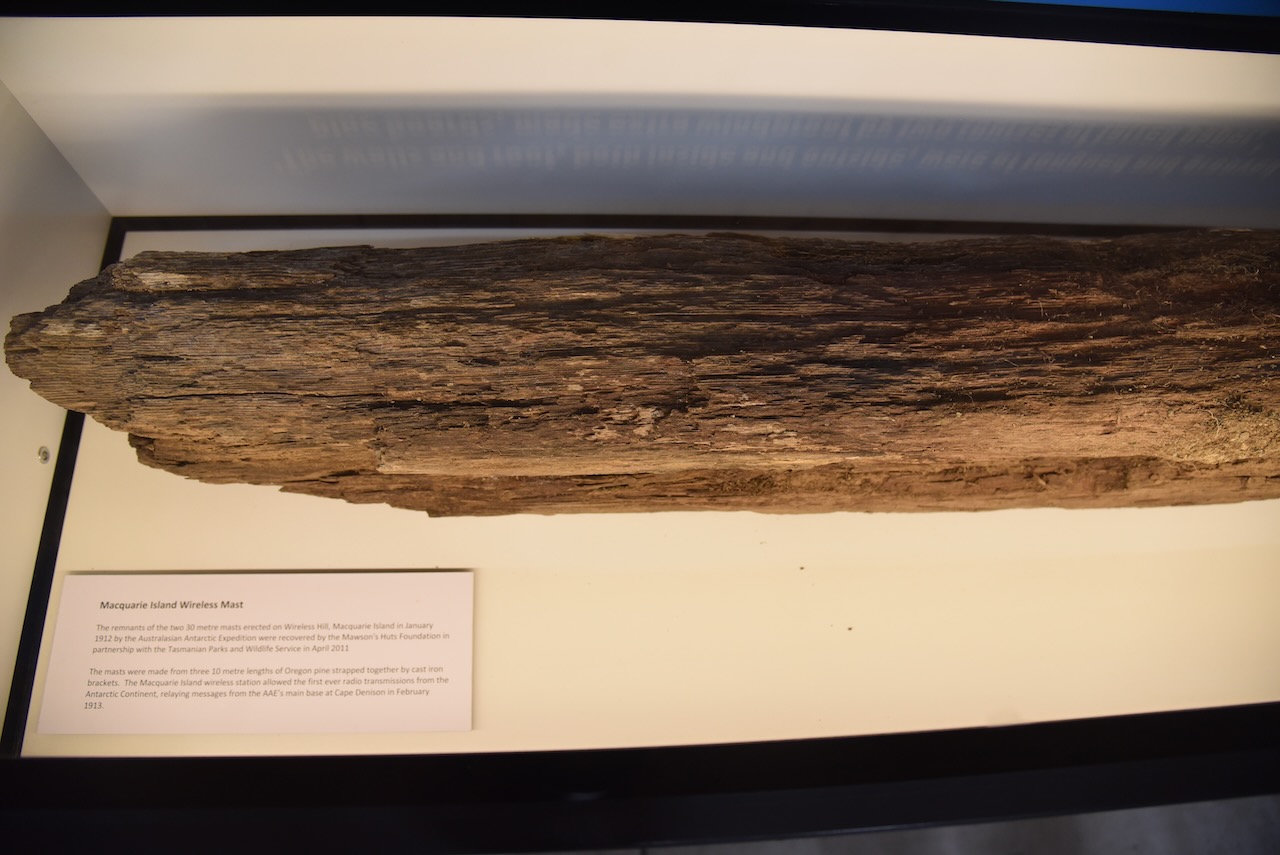
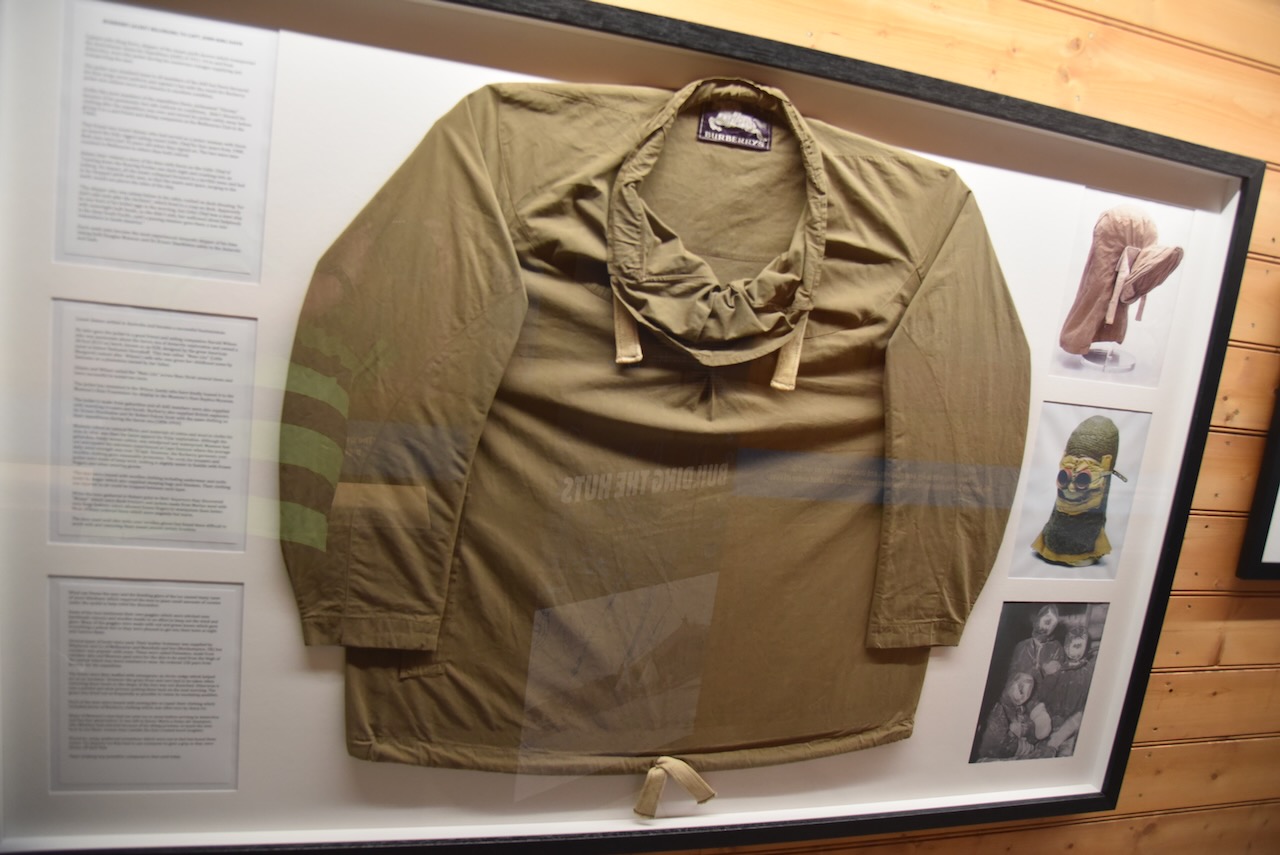
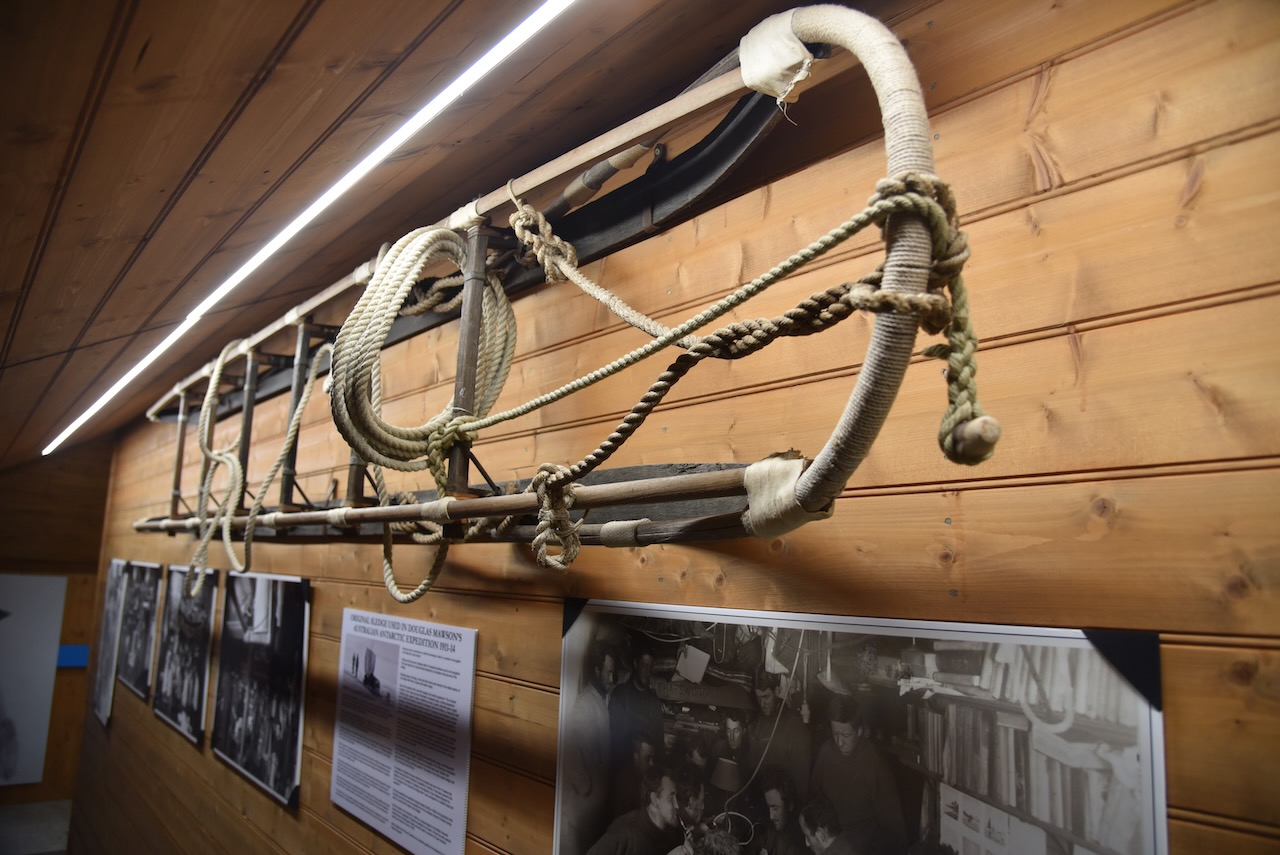
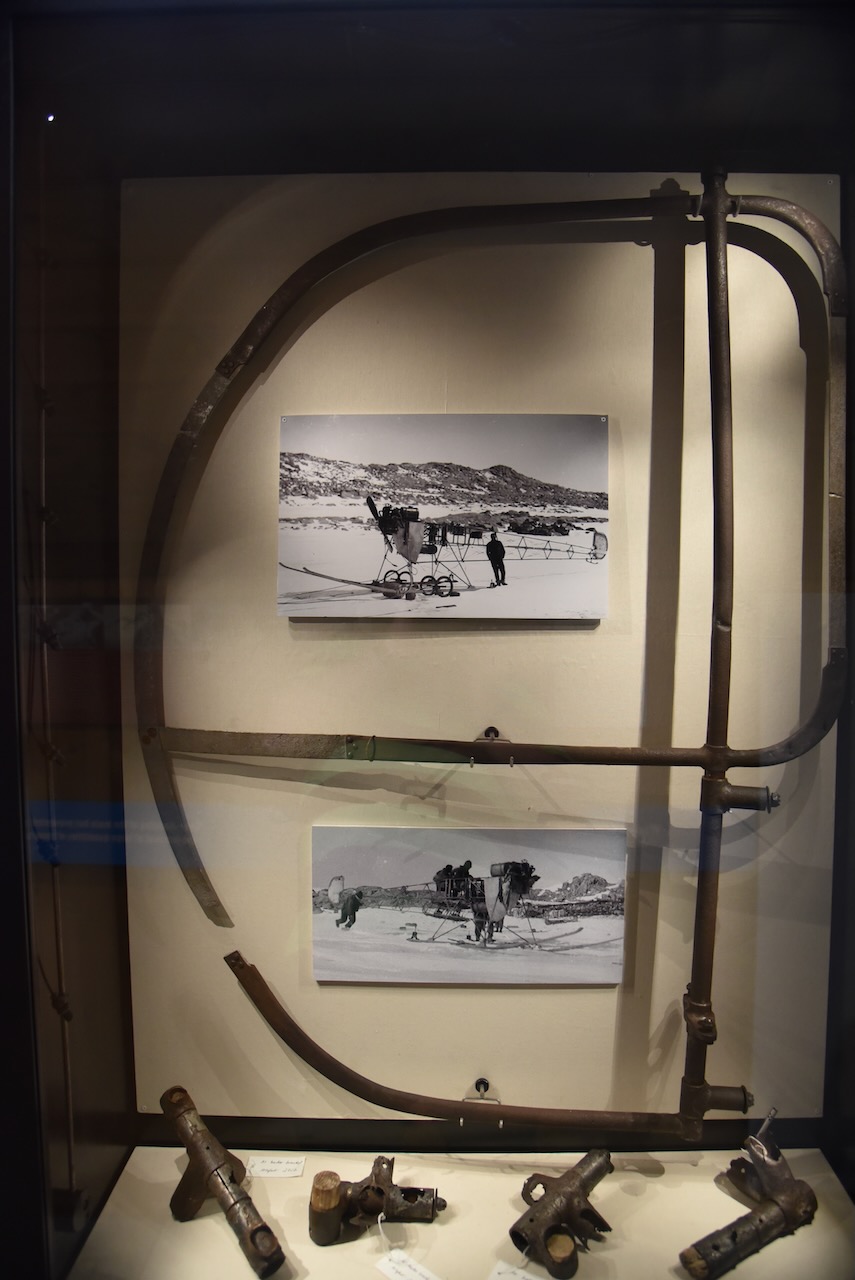
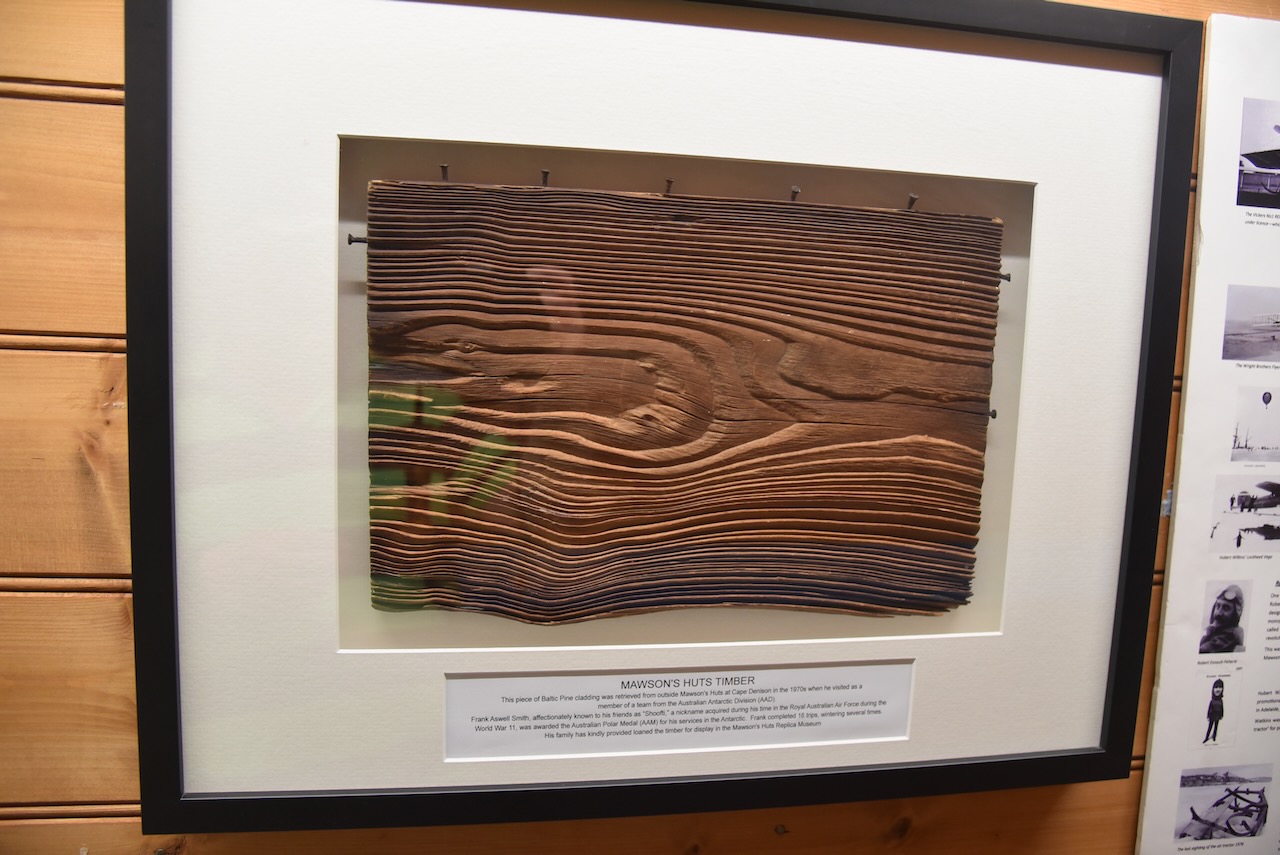
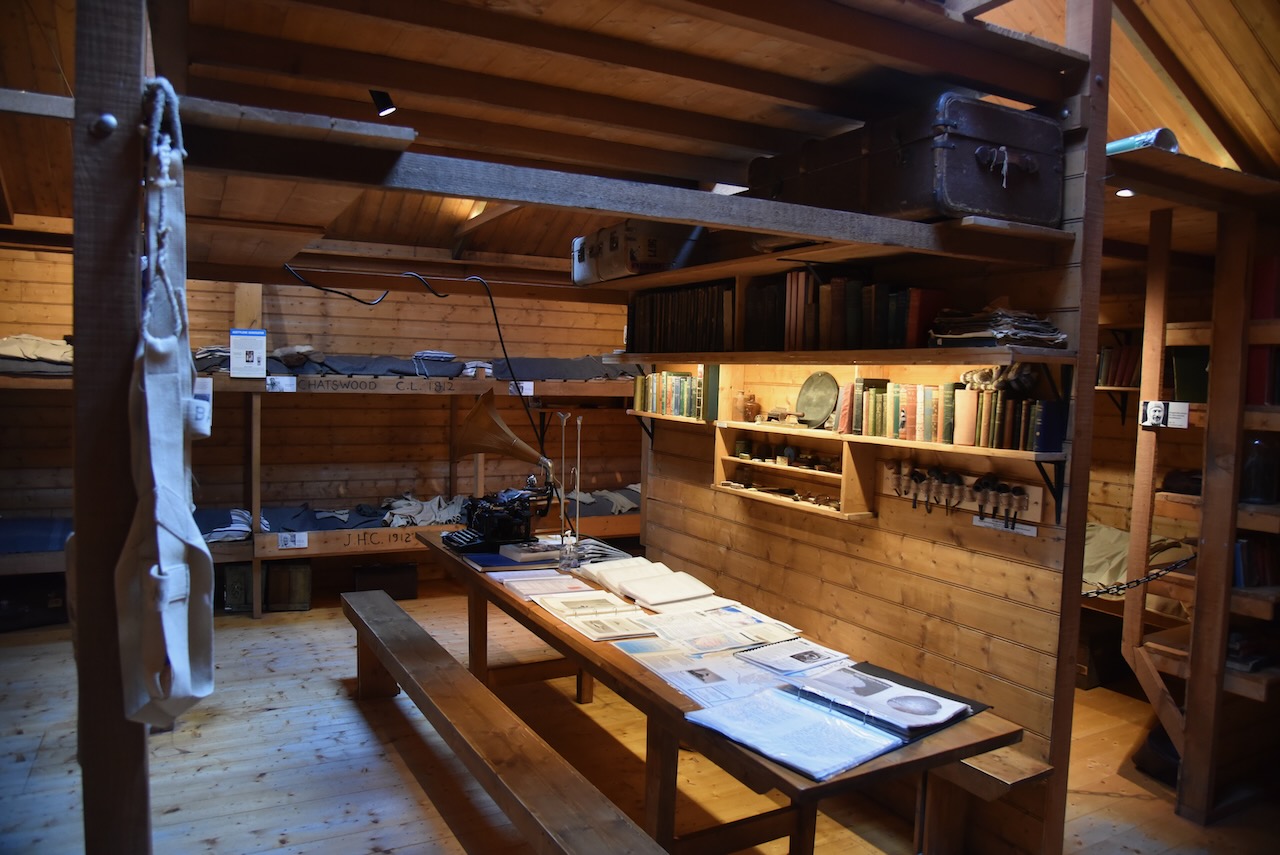
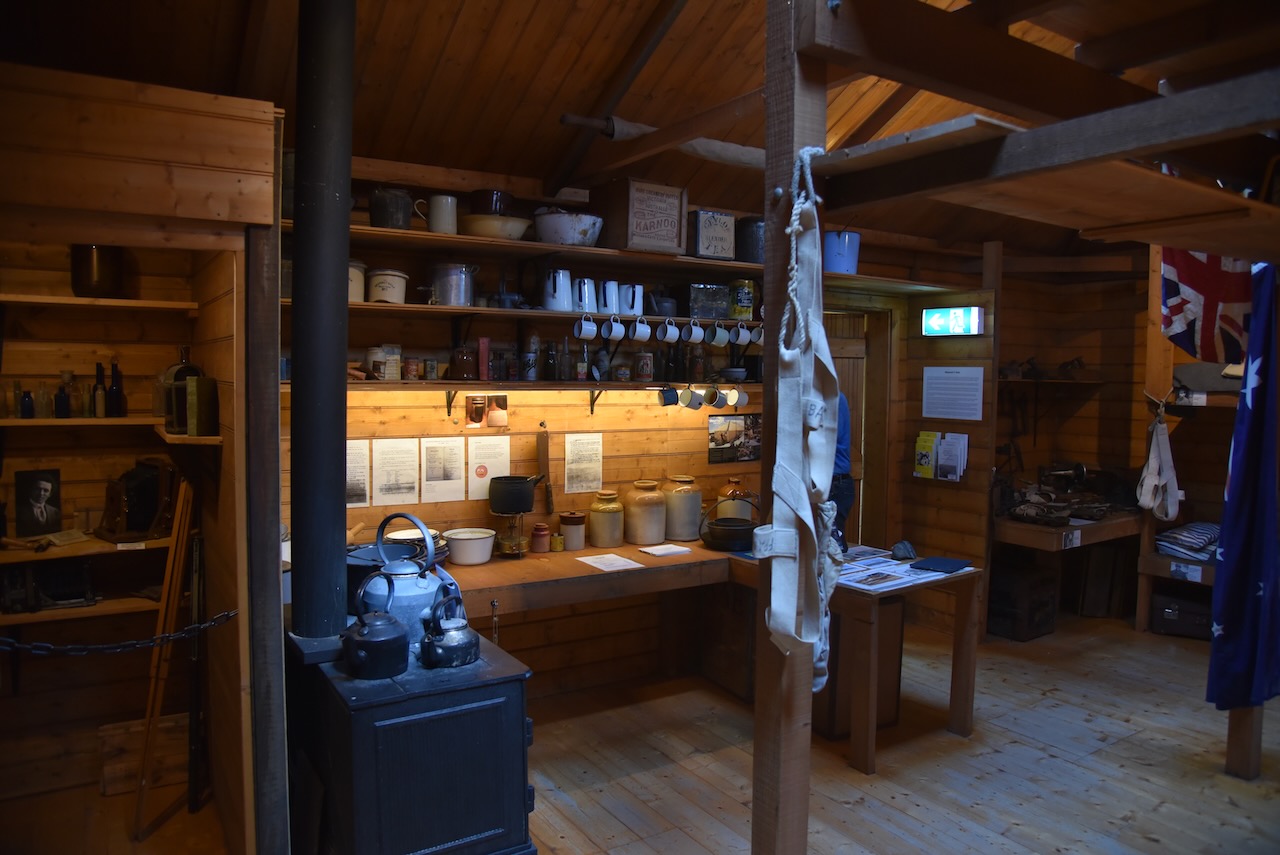
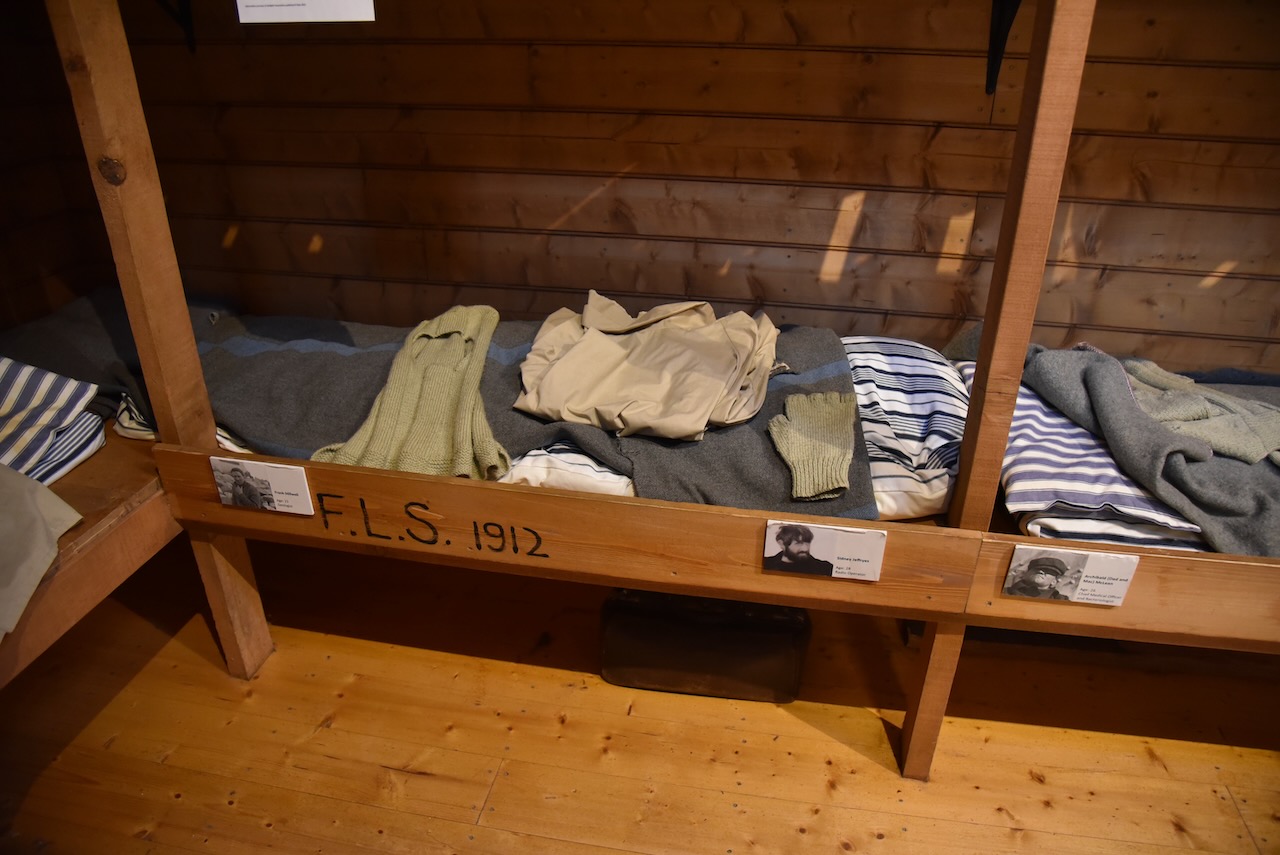
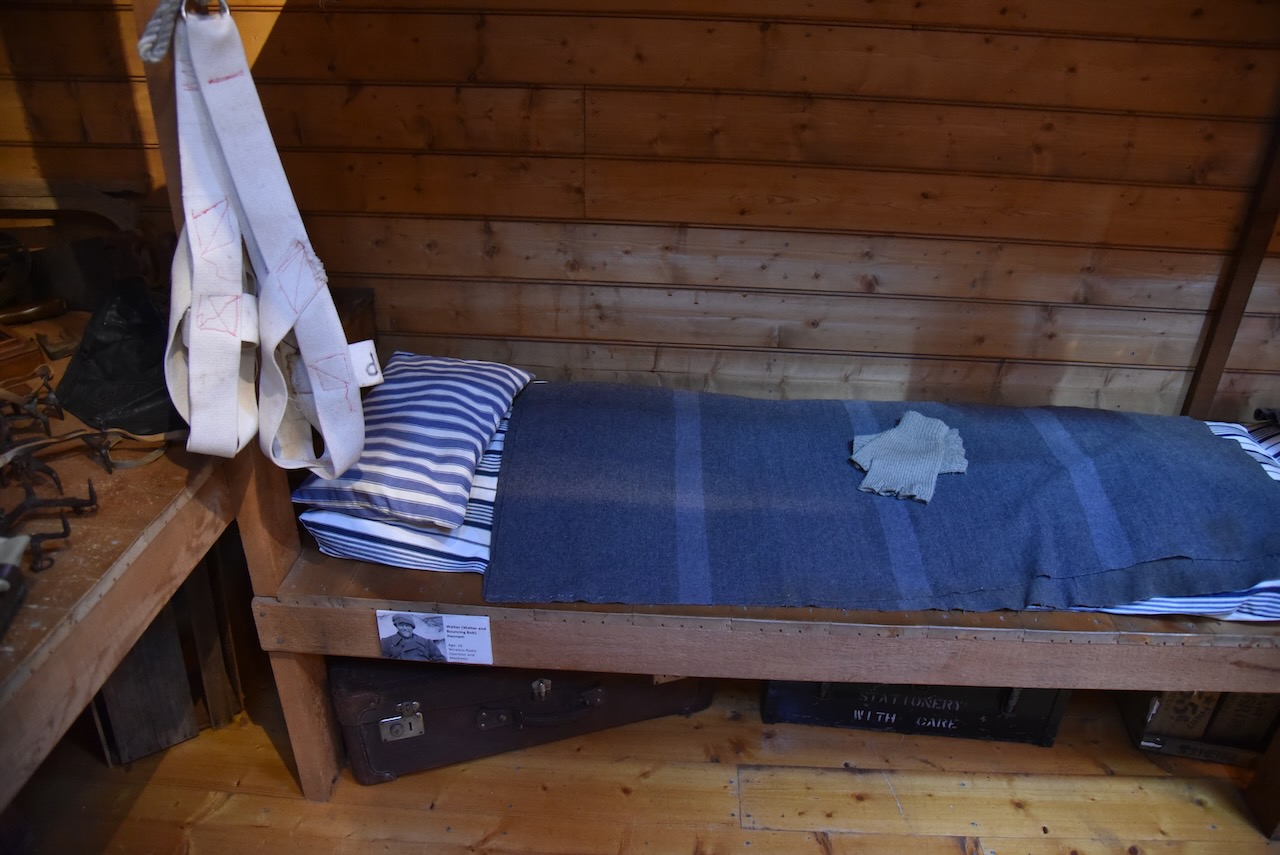
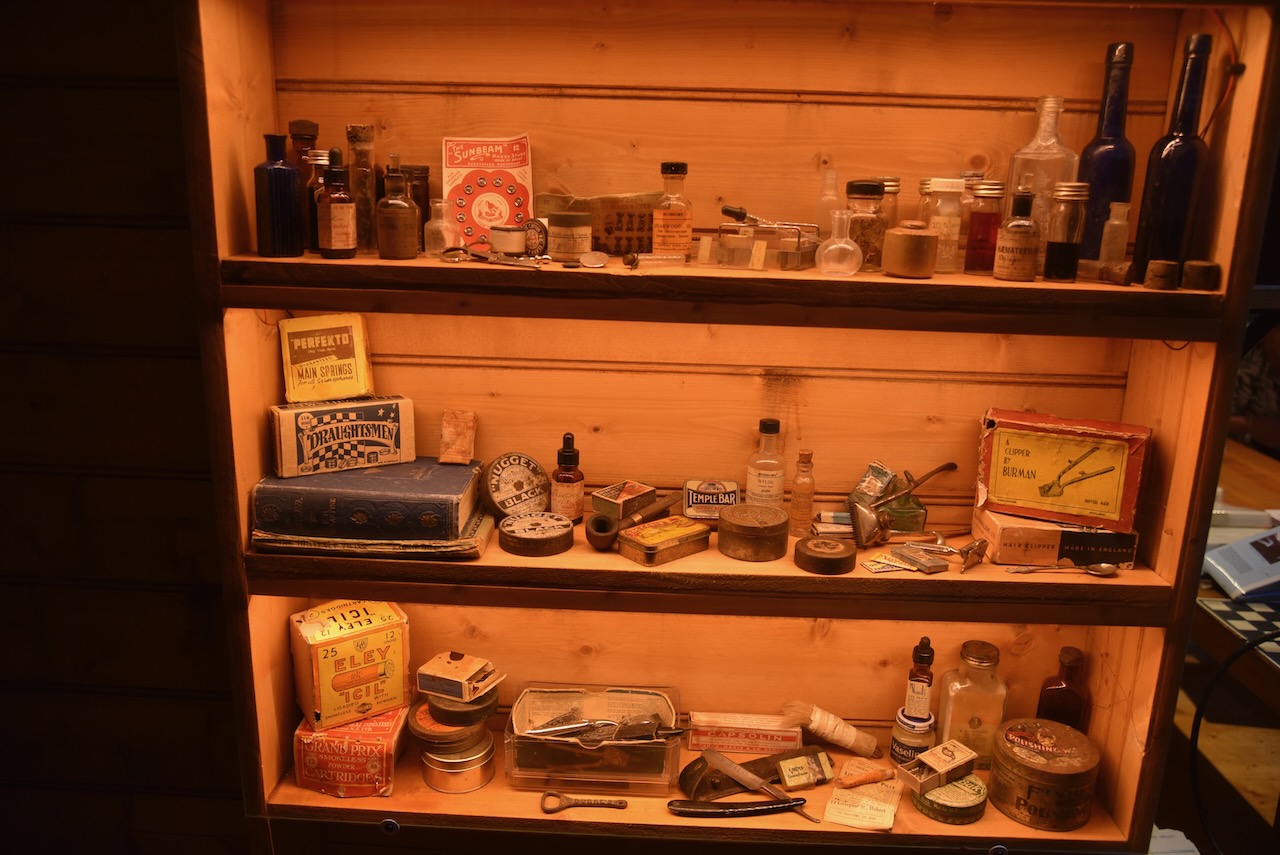
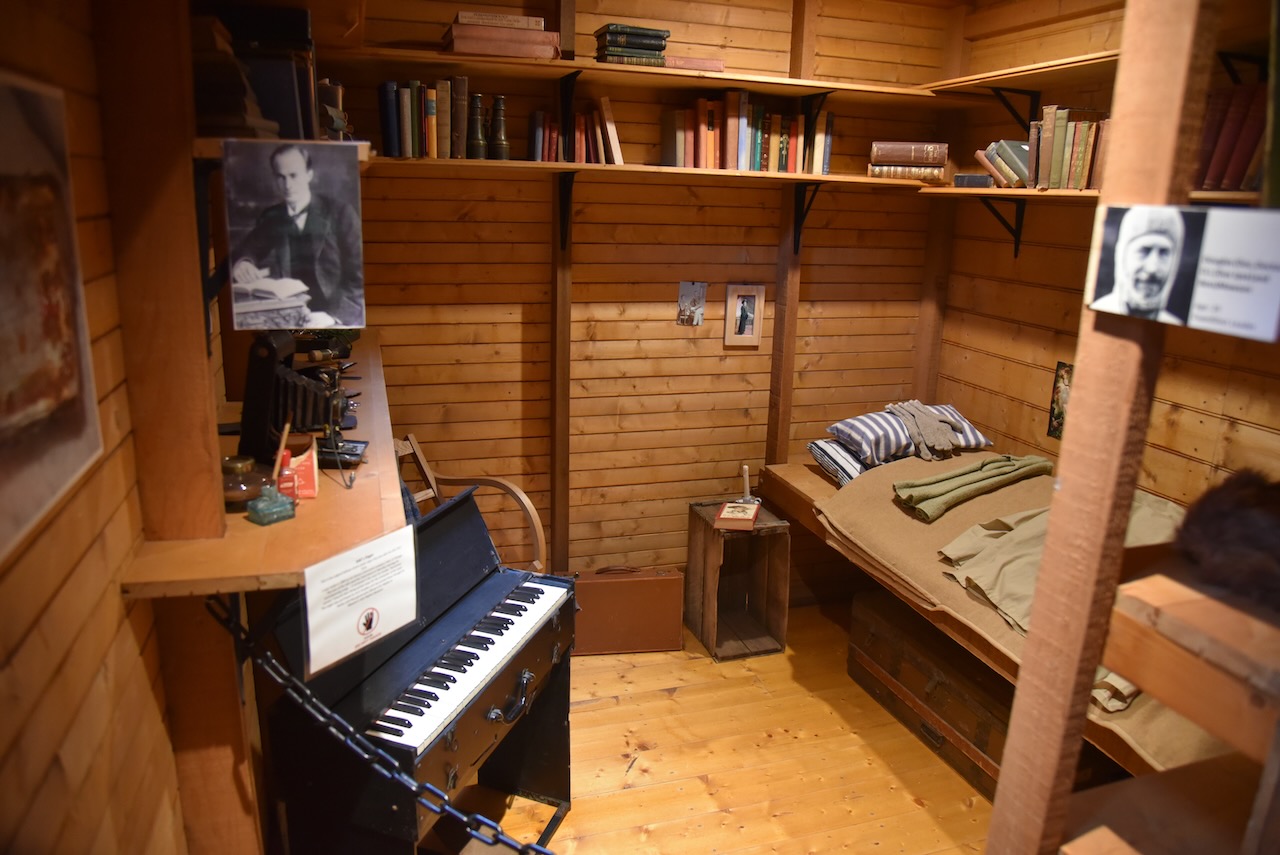
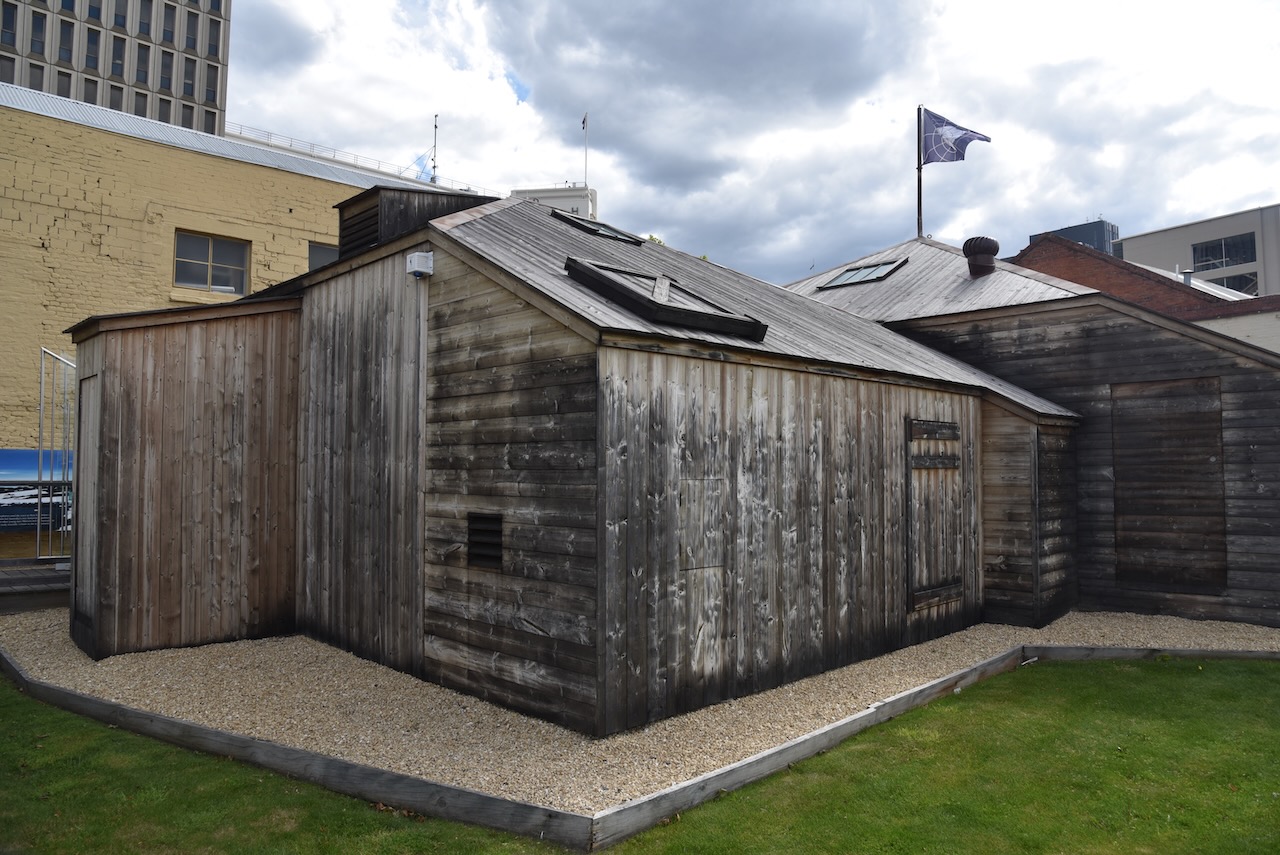
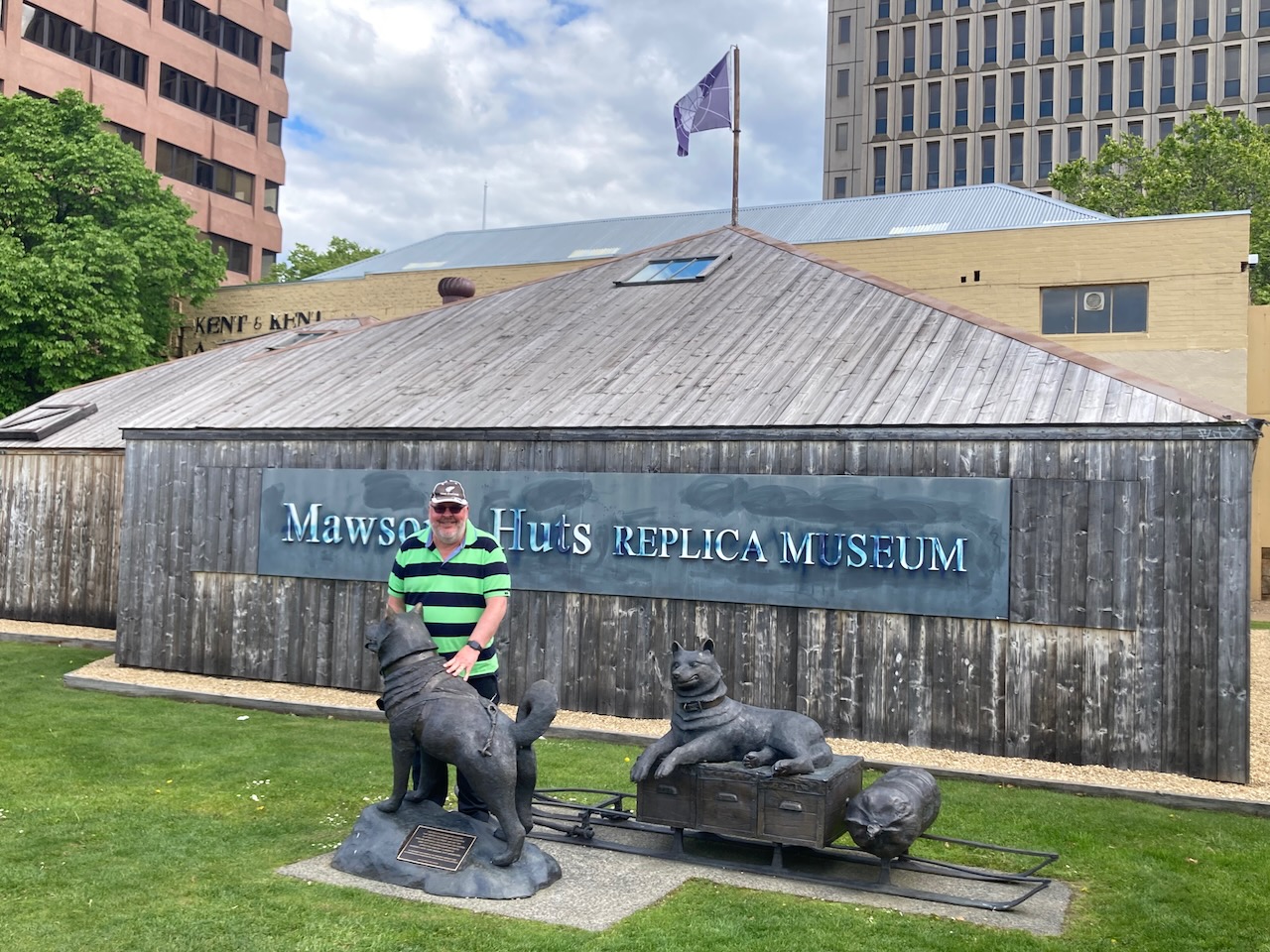
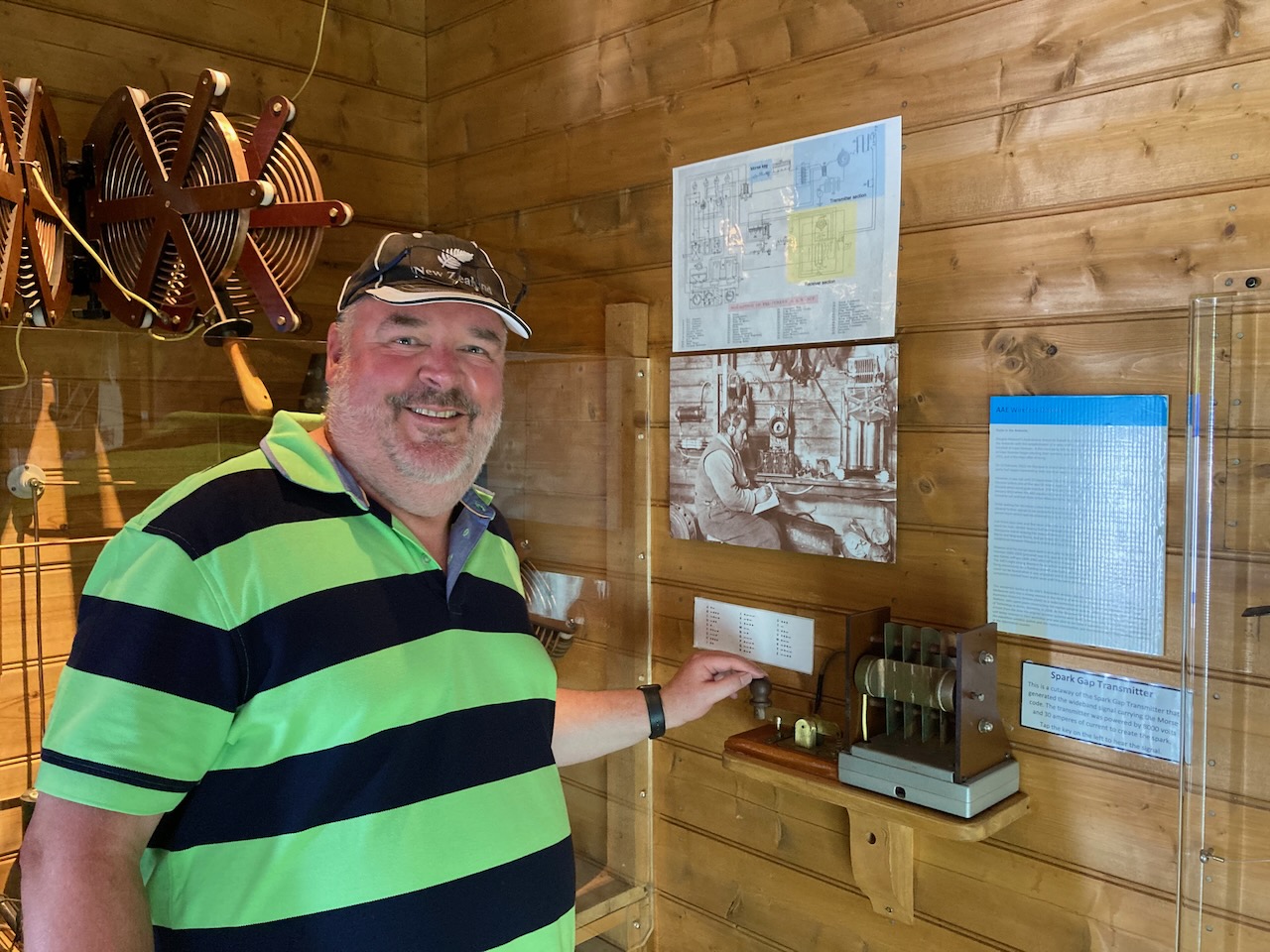
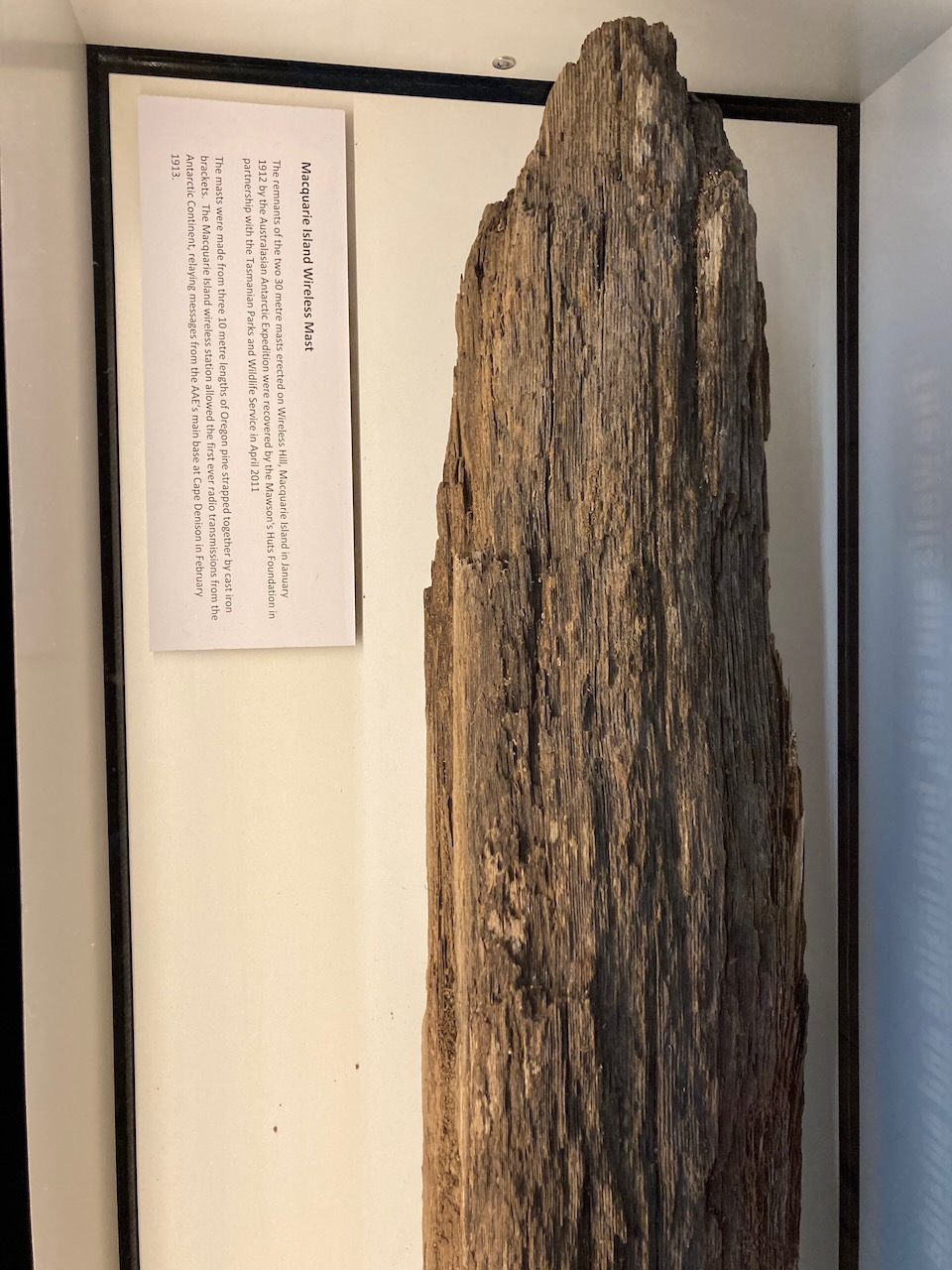
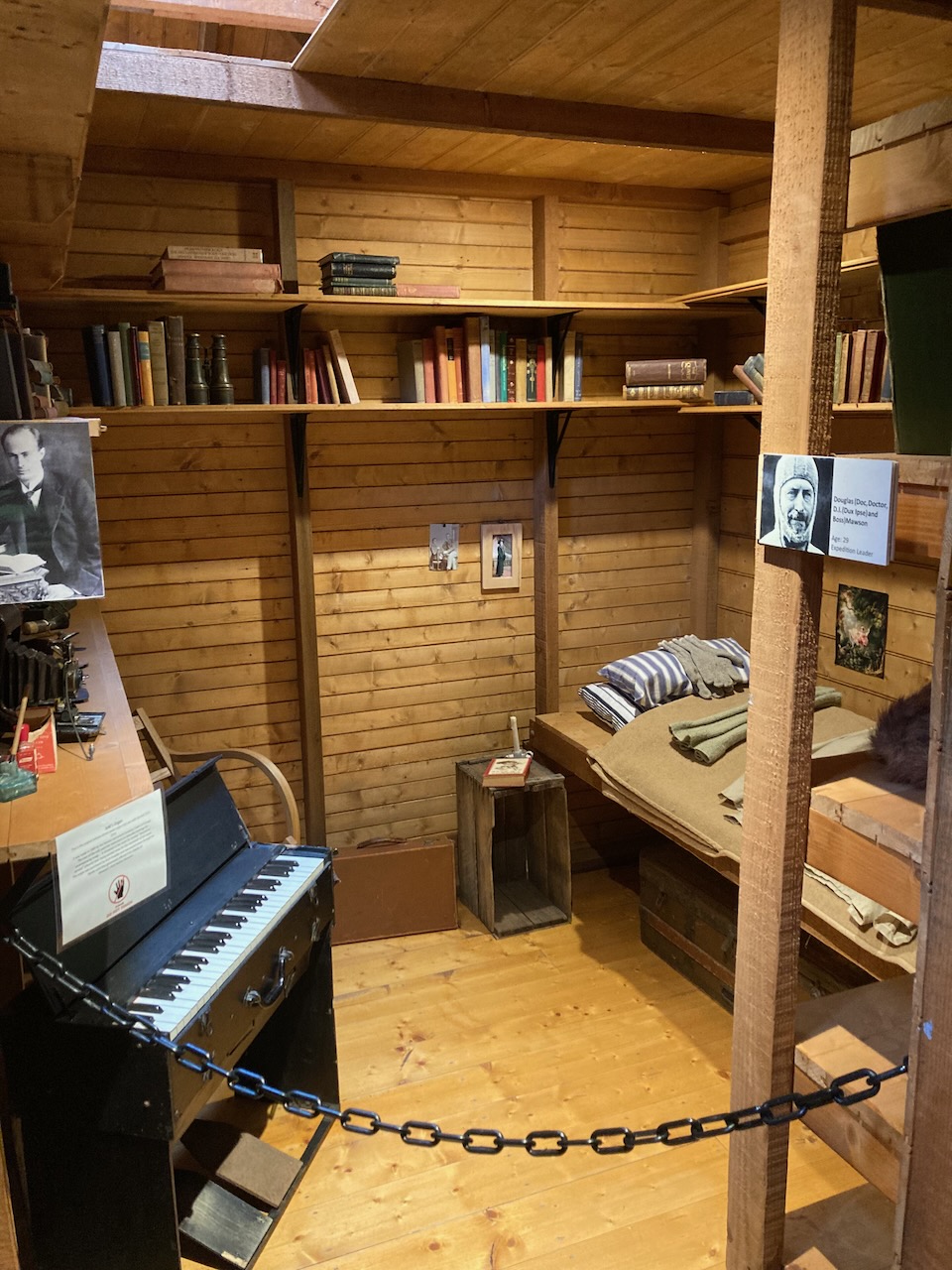
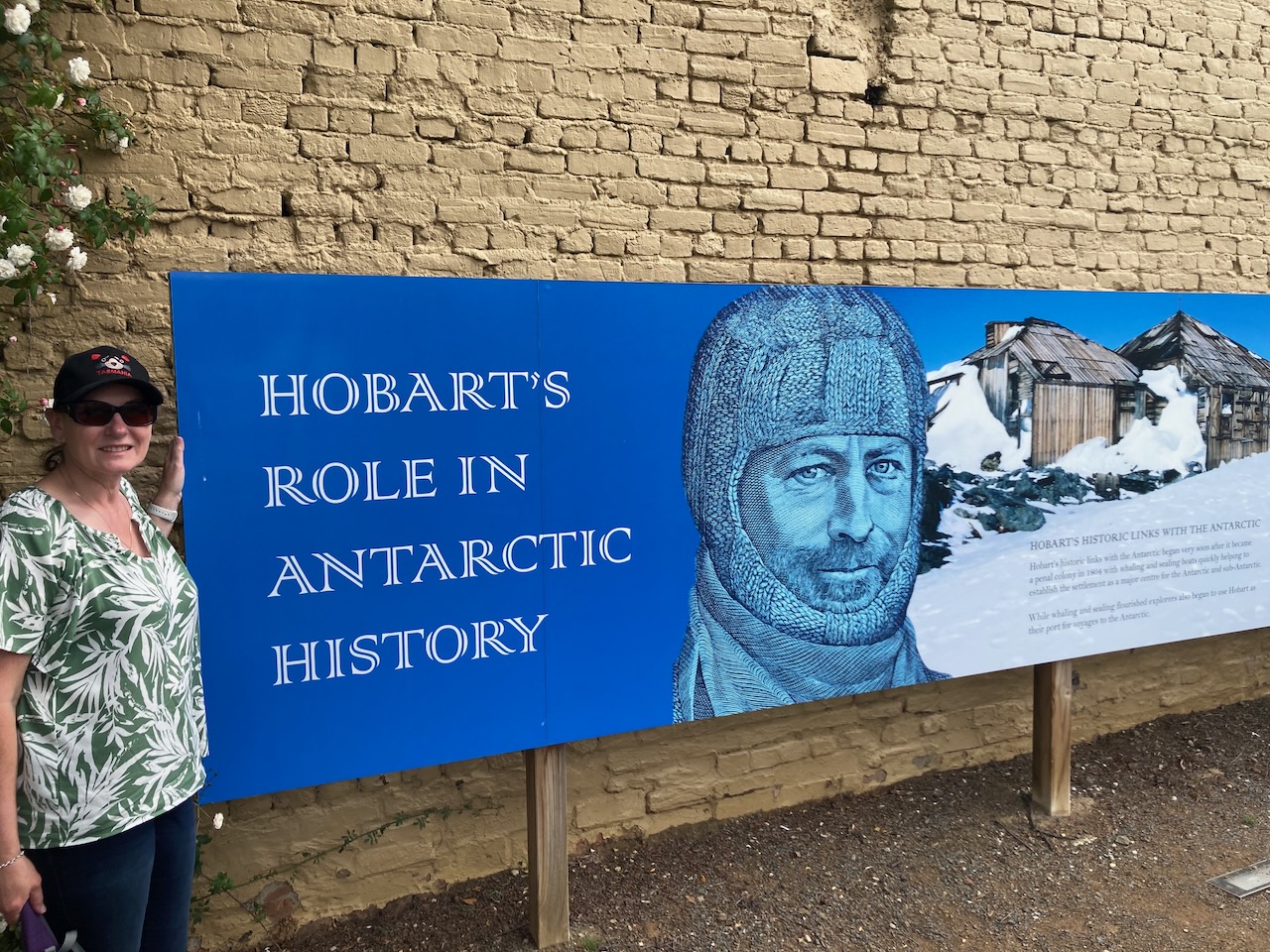
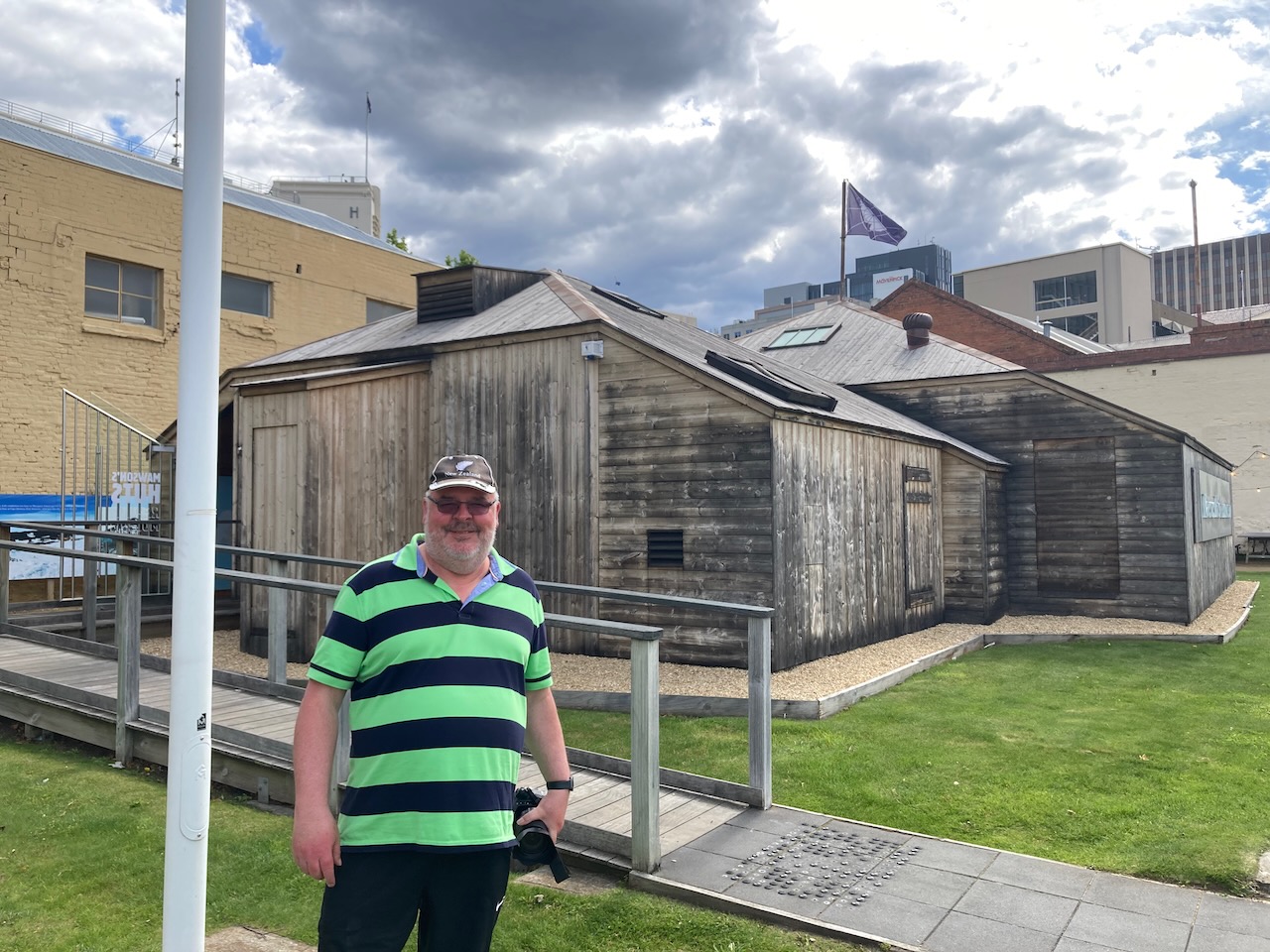
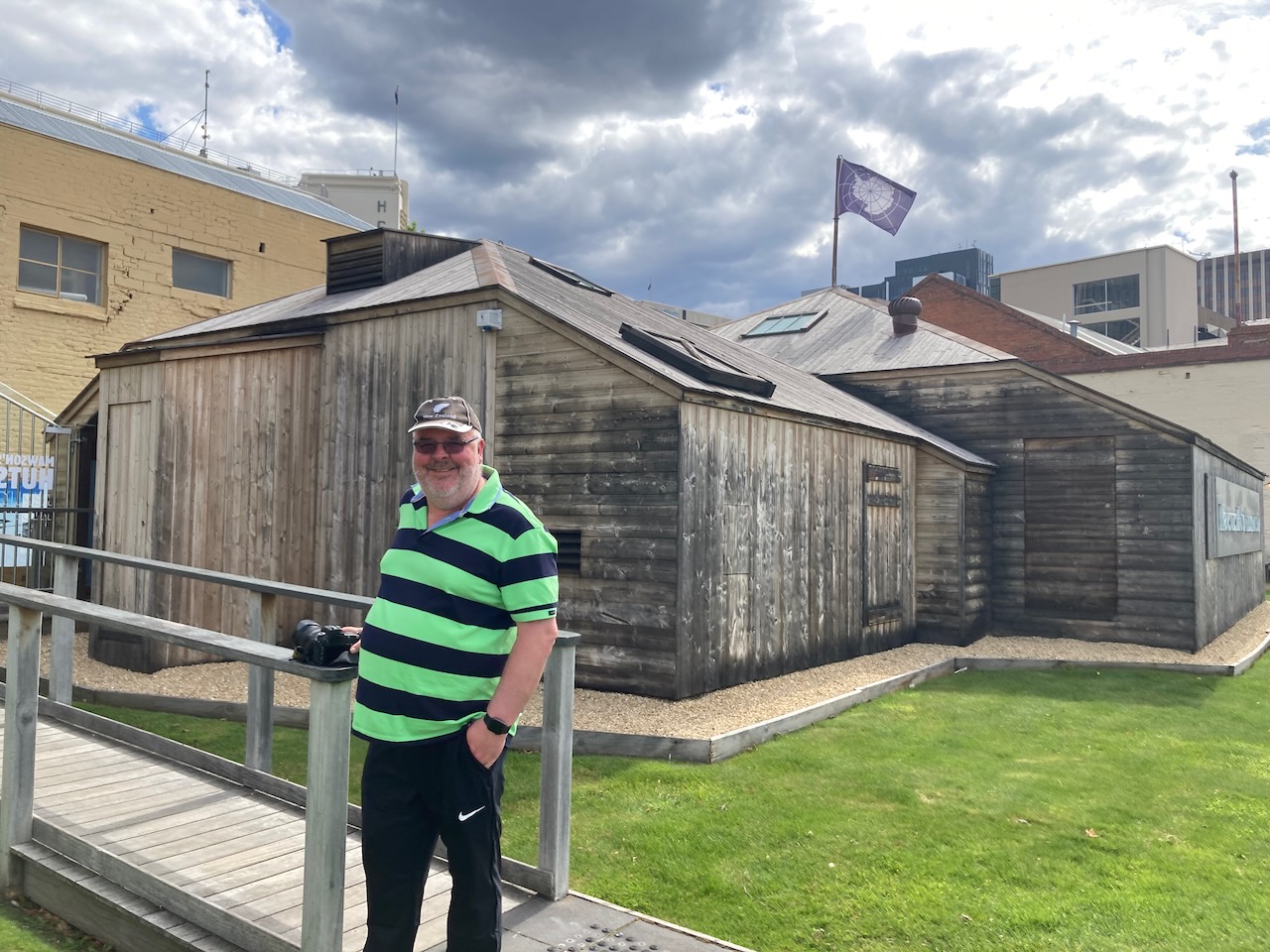
We then visited the Mawson’s Hut Replica Museum. Sir Douglas Mawson(b. 1882. d. 1958) was an Australian geologist, academic, and Antarctic explorer. He was a key expedition leader during the Heroic Age of Antarctic Exploration.

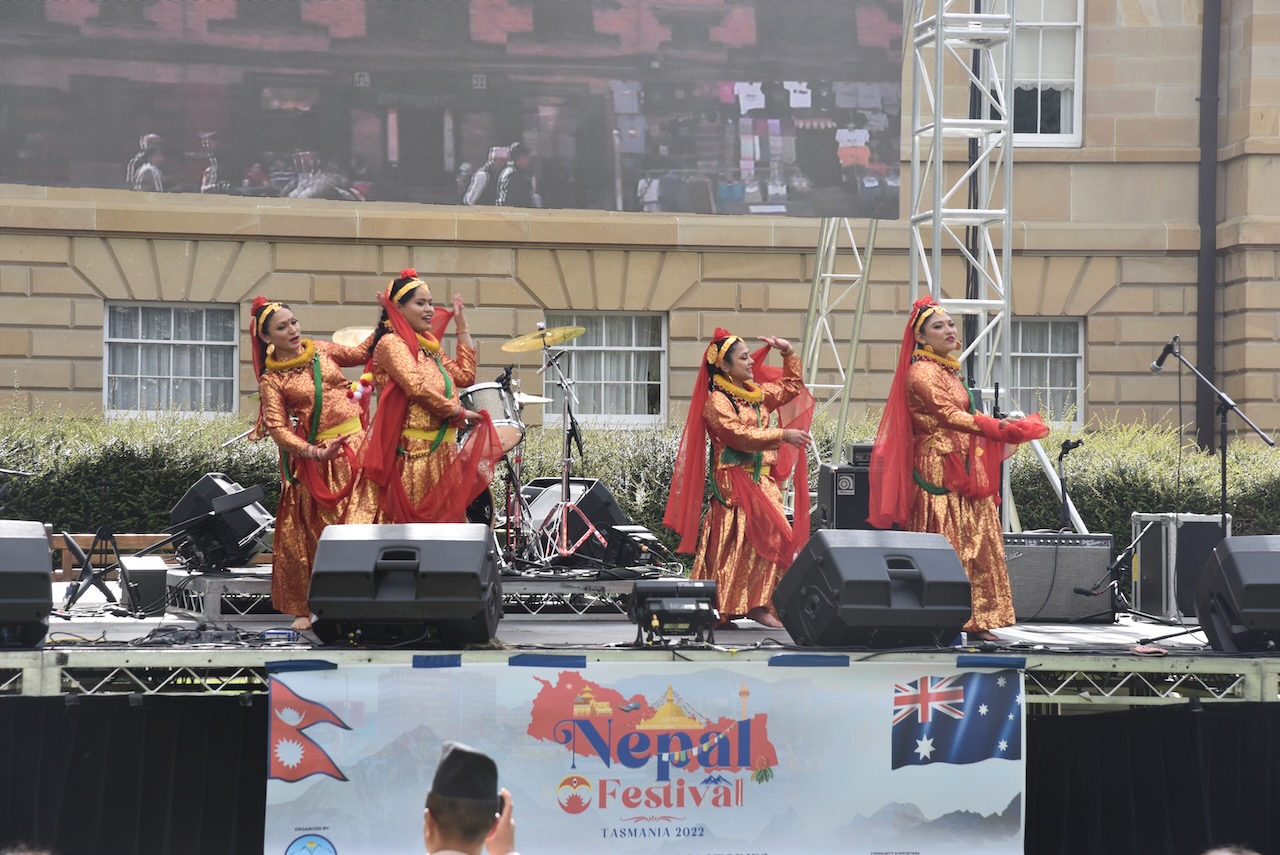
Next we walked over to Parliament House Gardens where the 2022 Nepal Festival was in full swing.

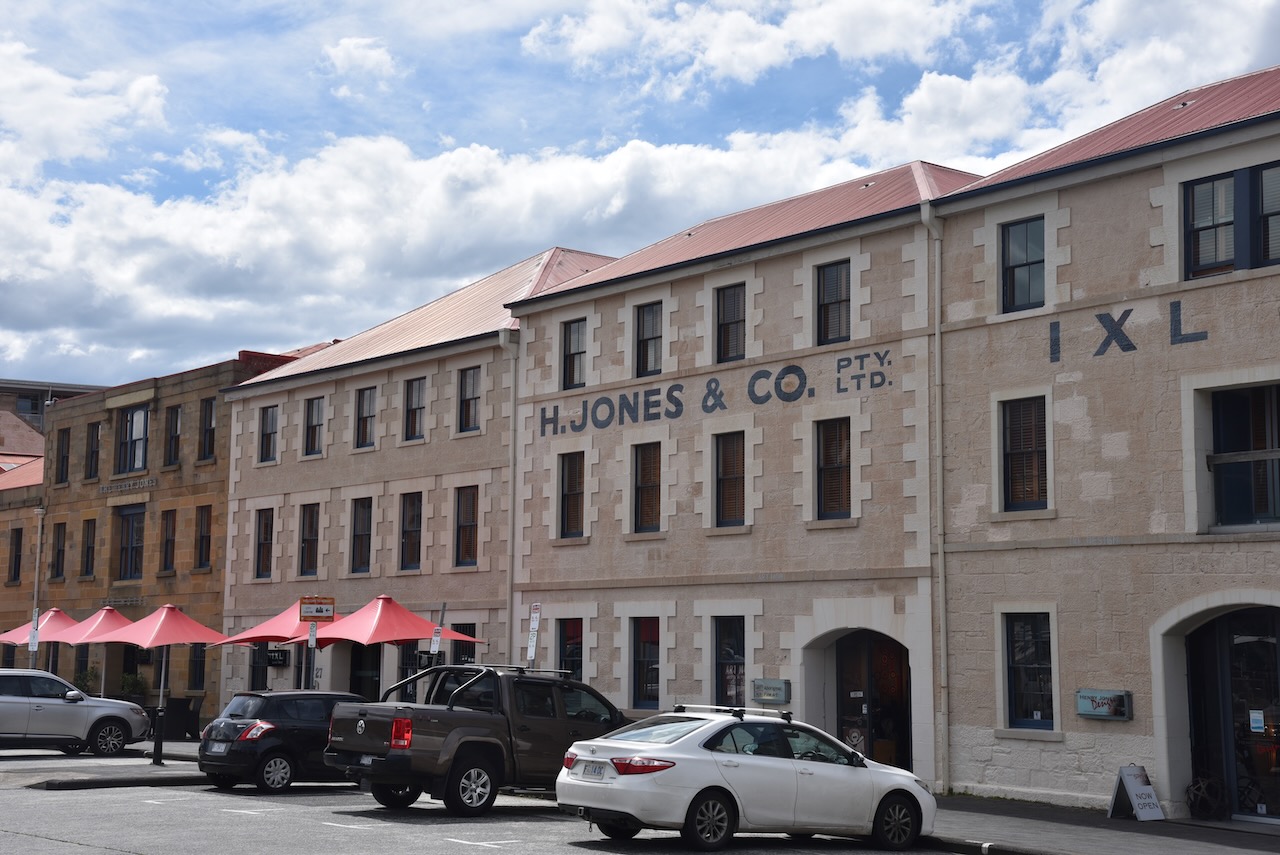
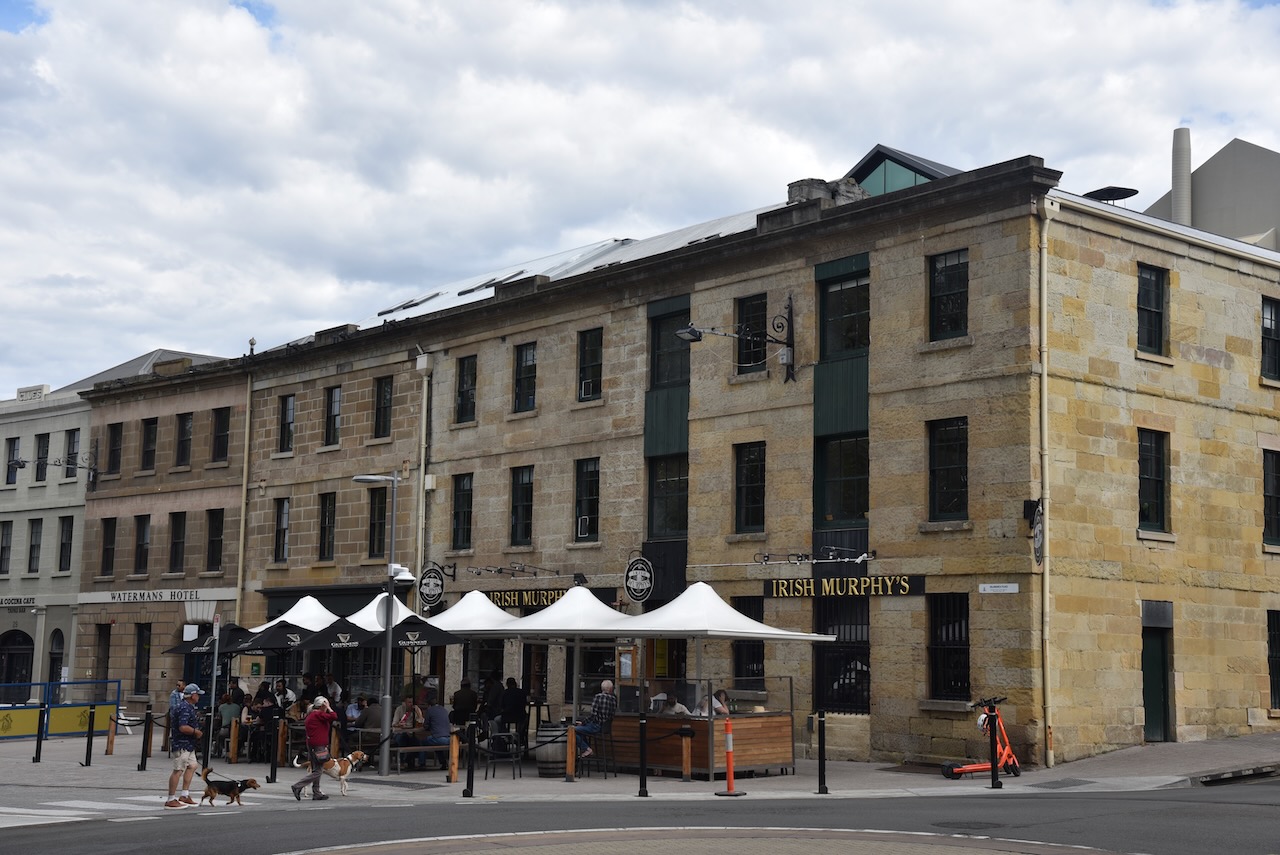
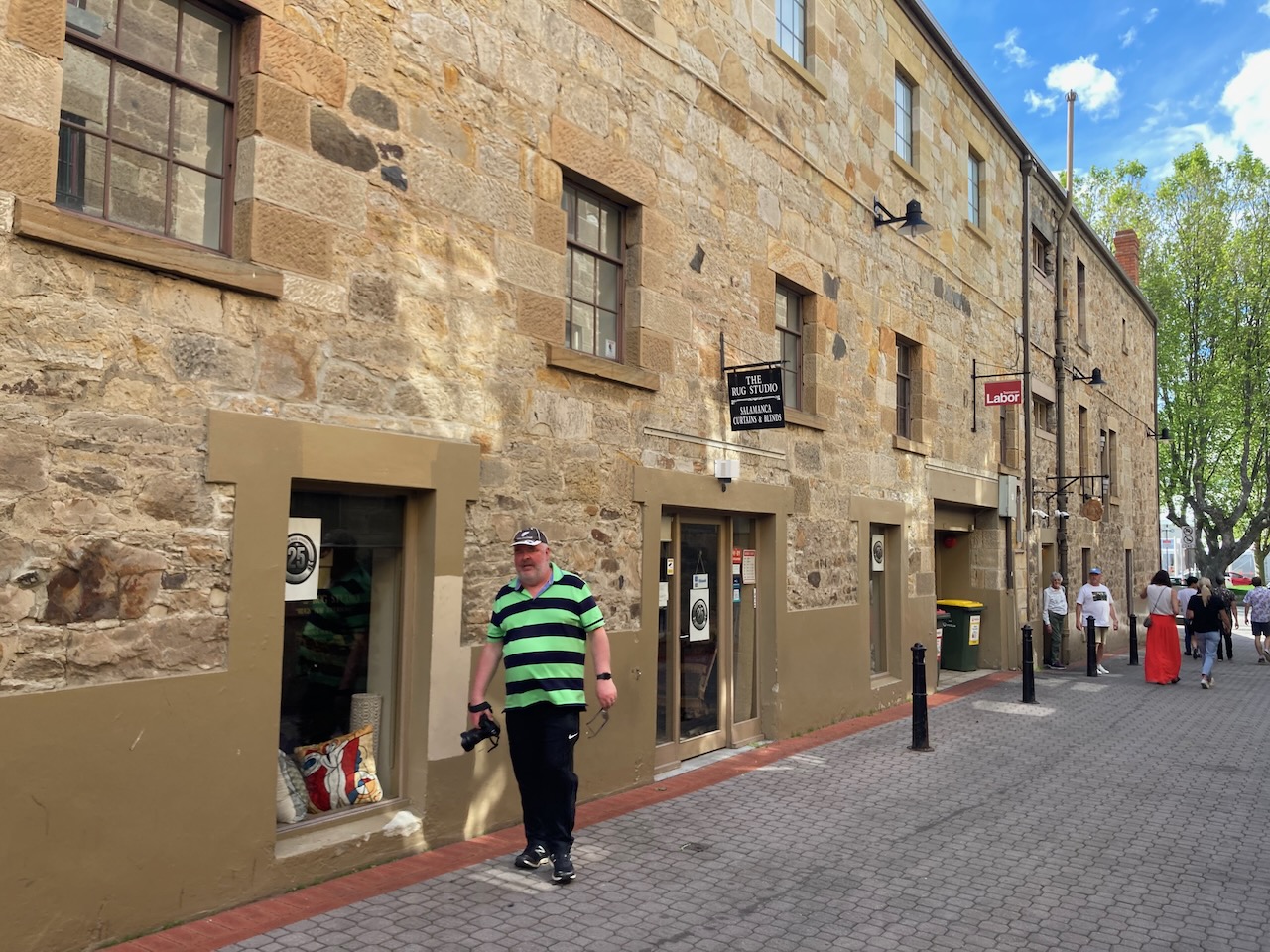
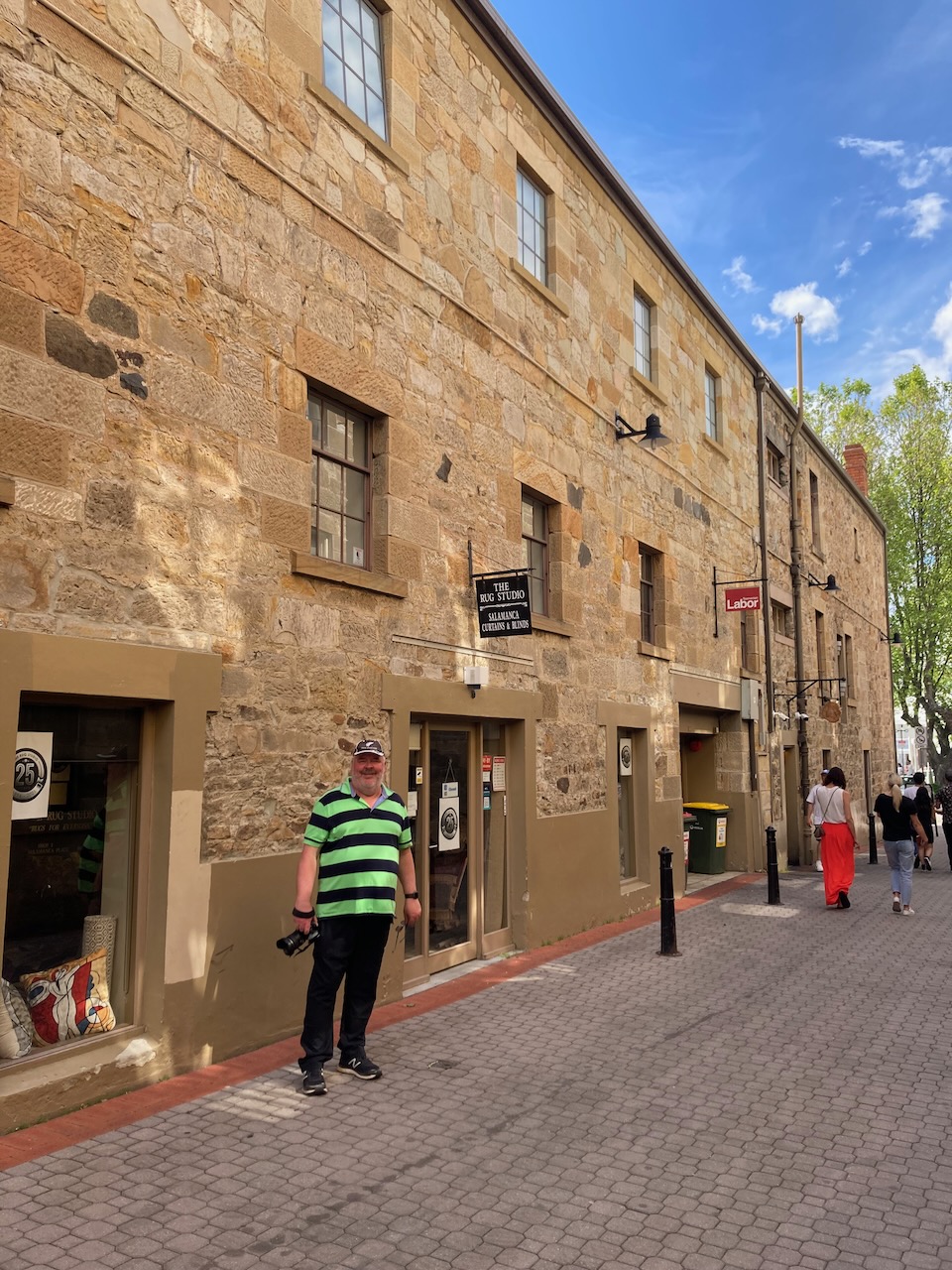
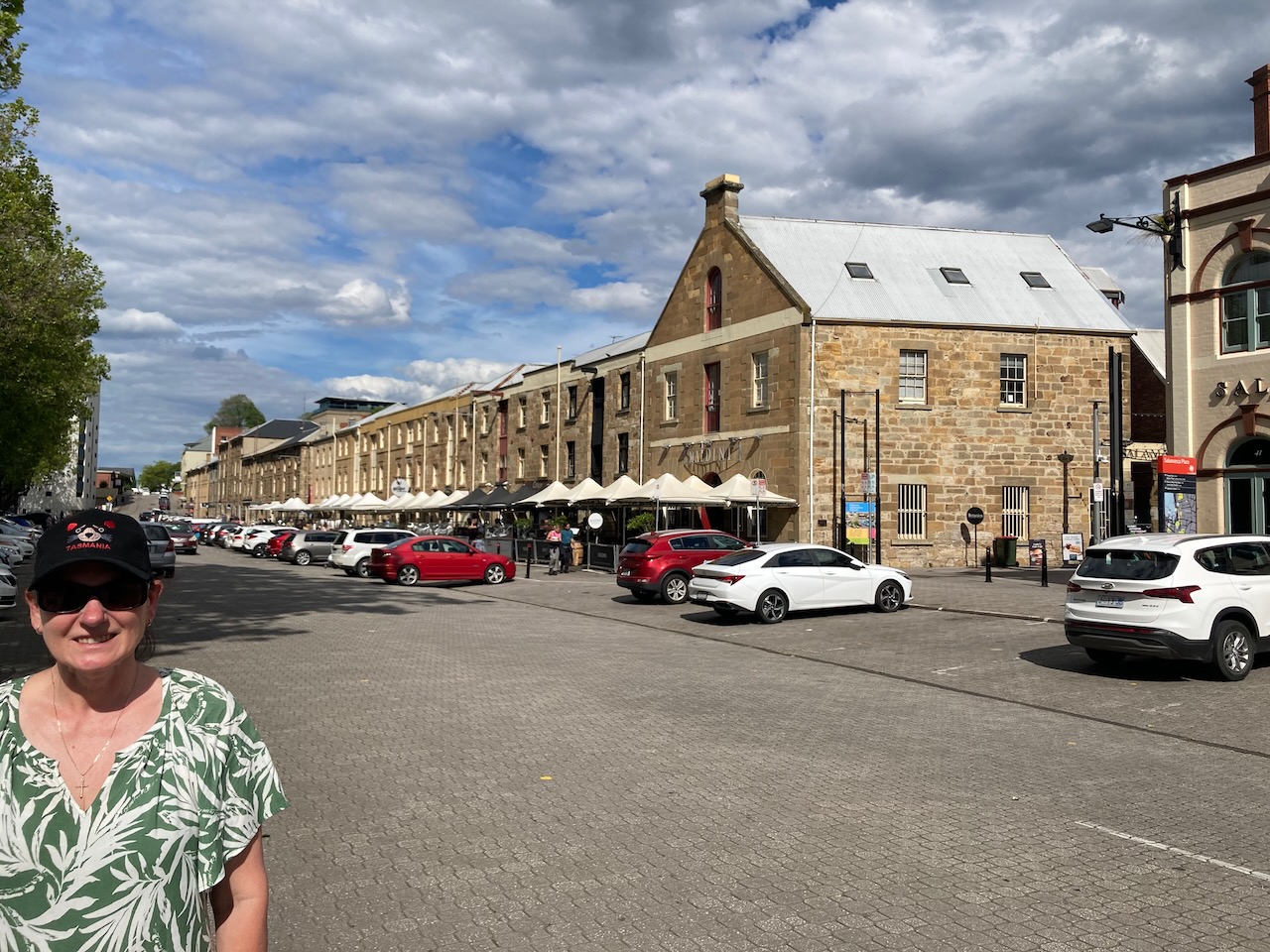
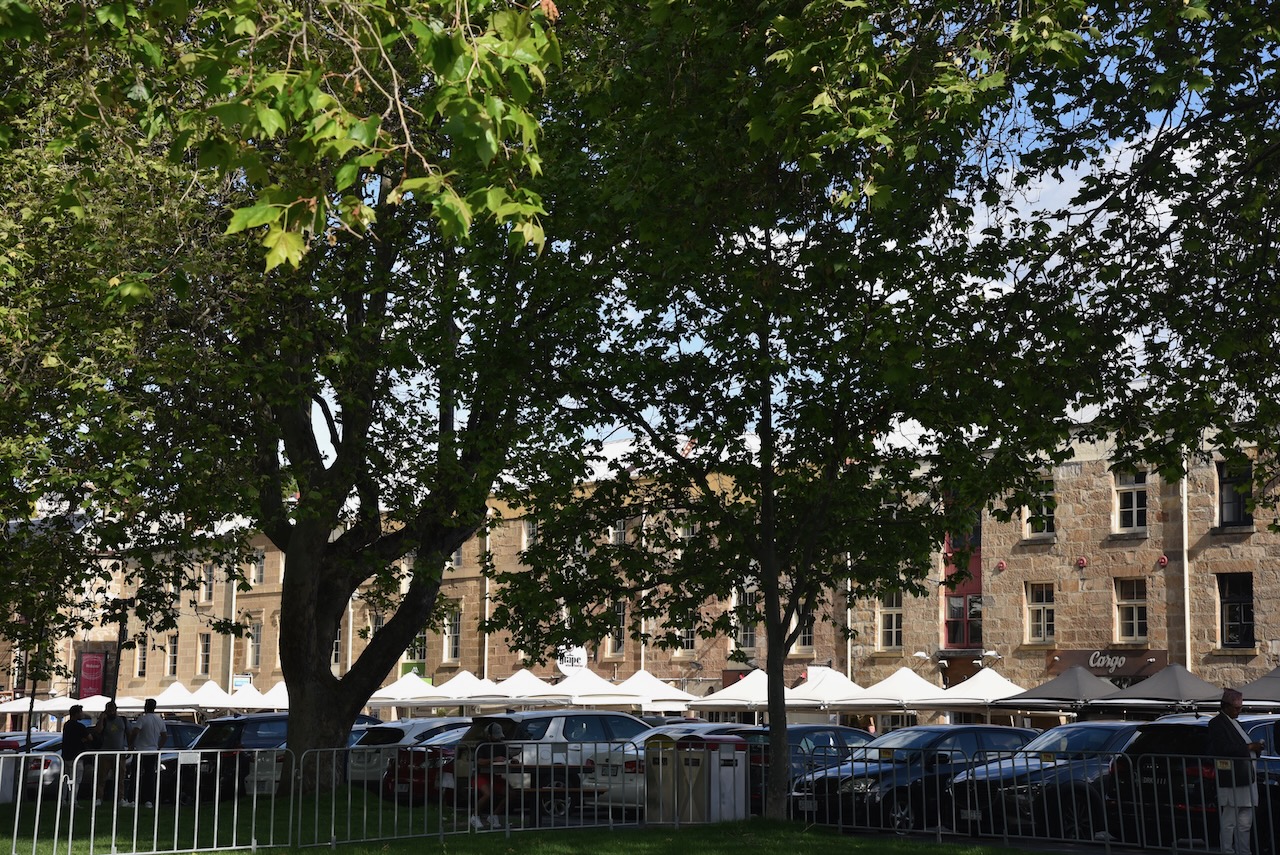
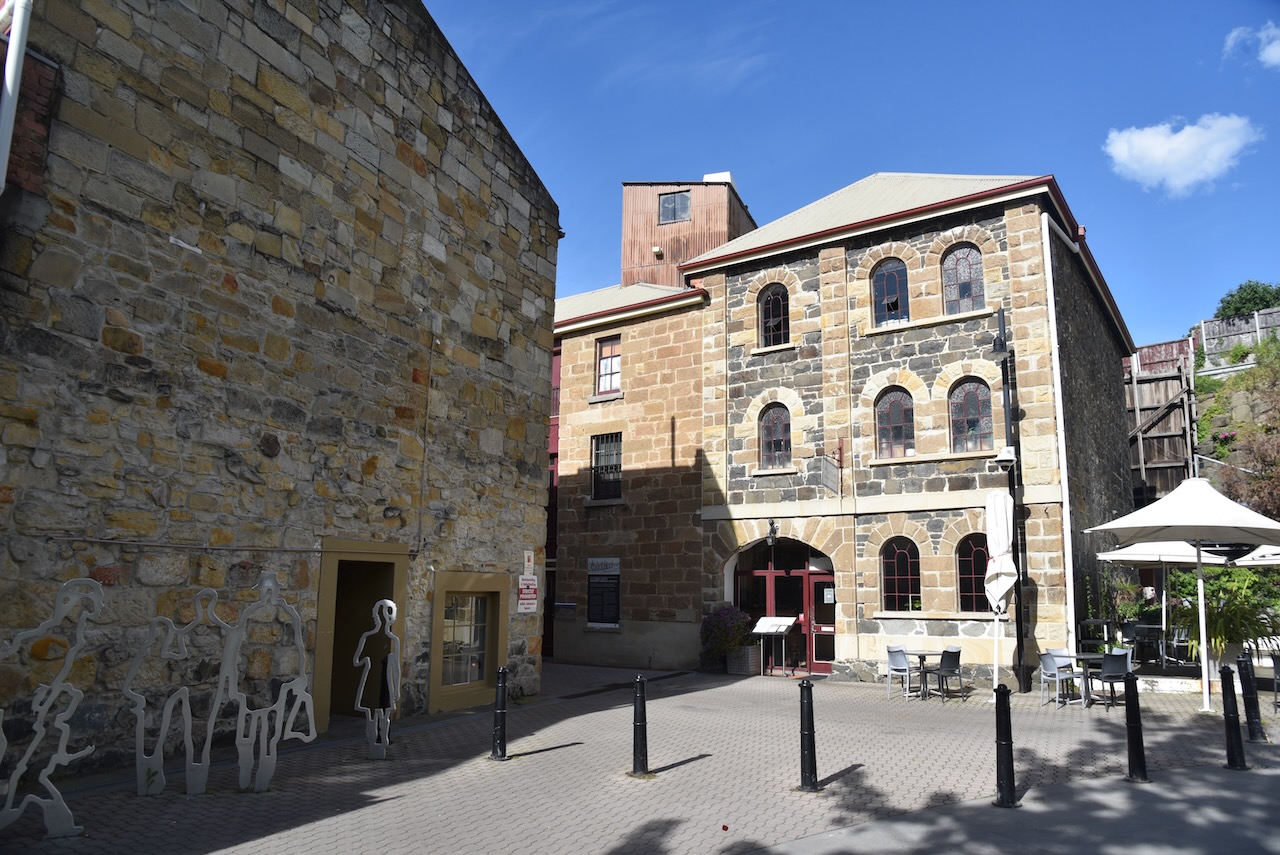
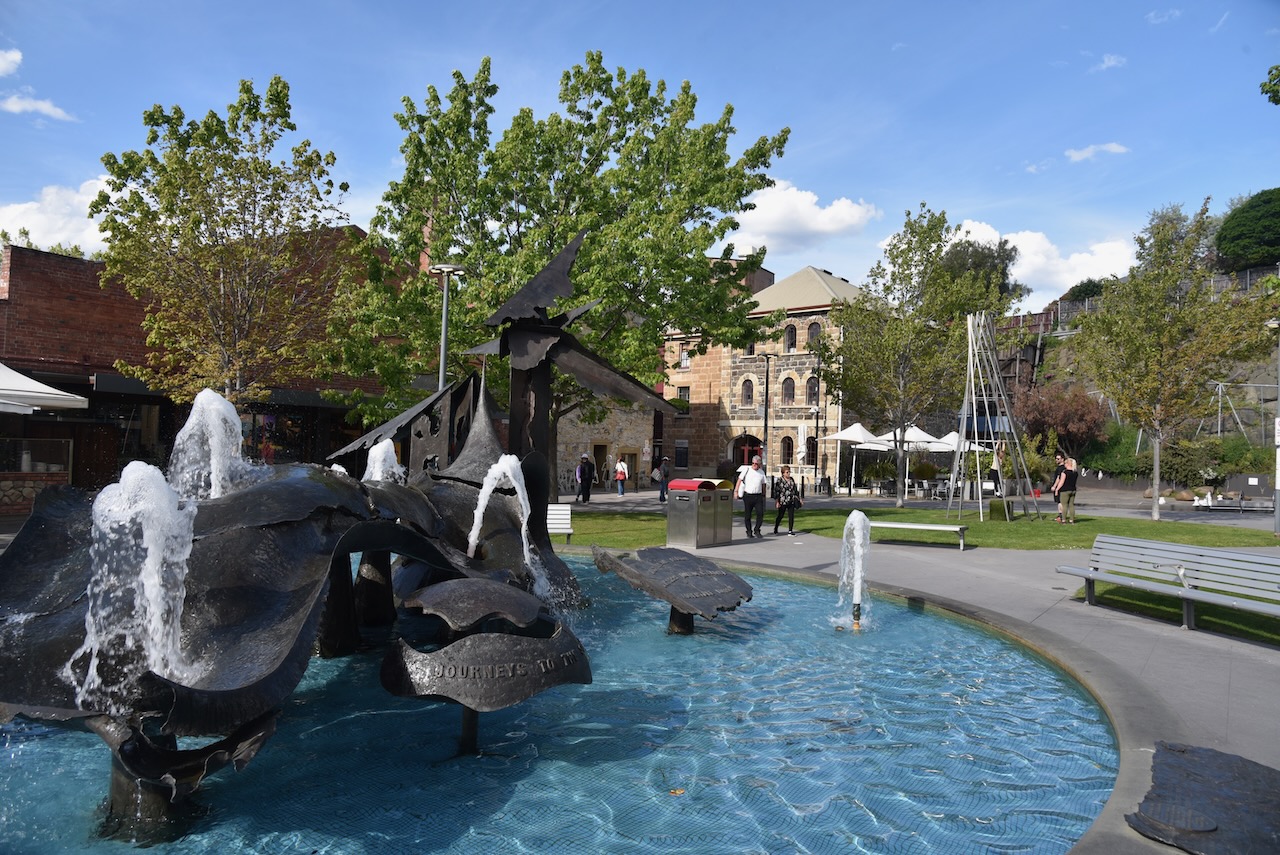
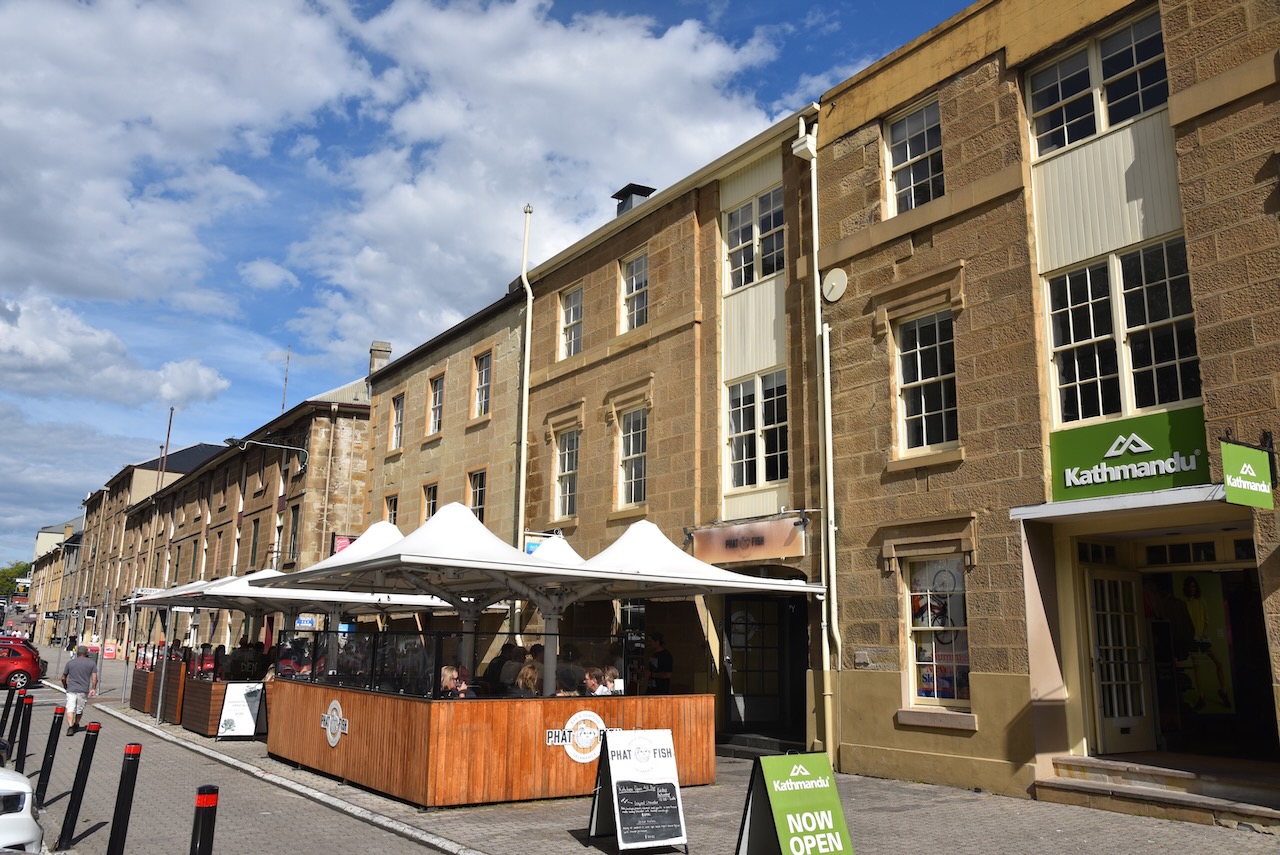
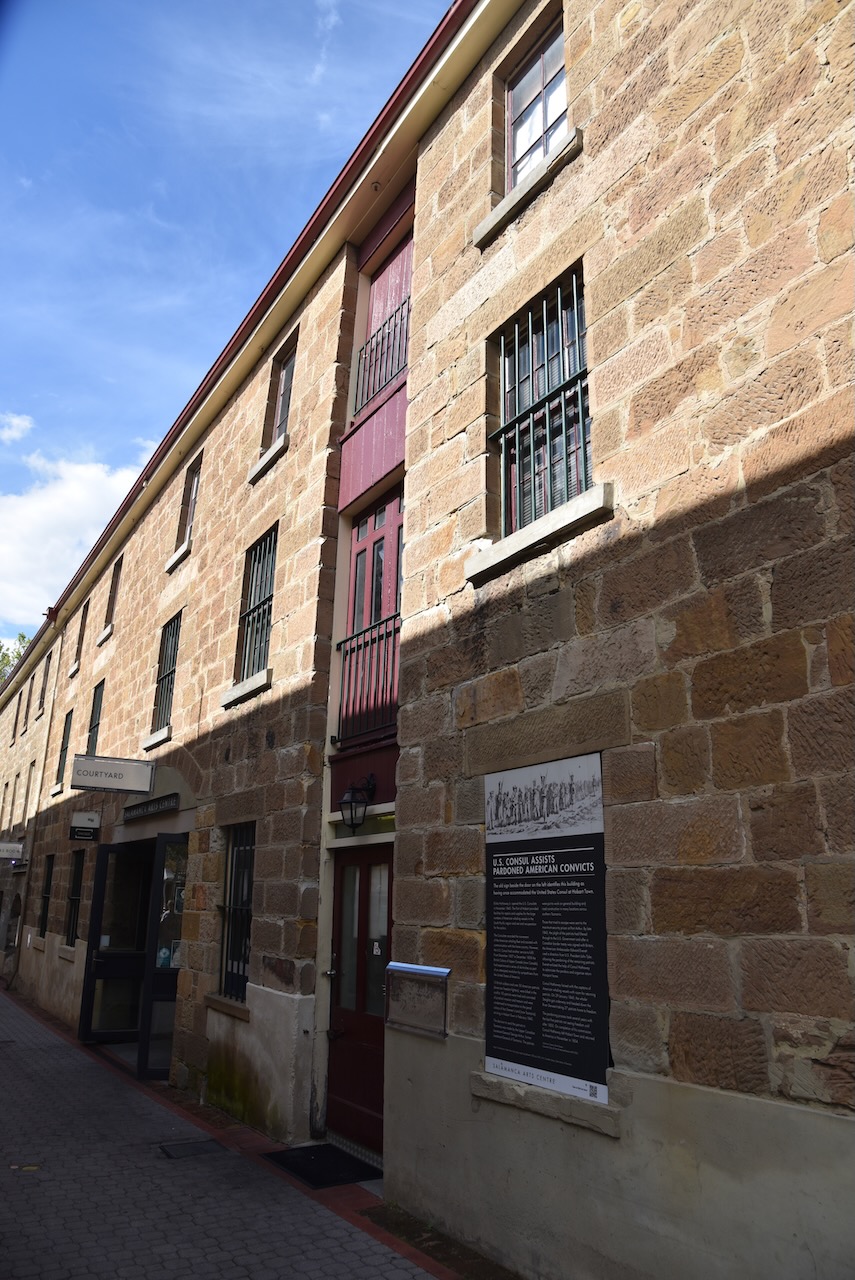
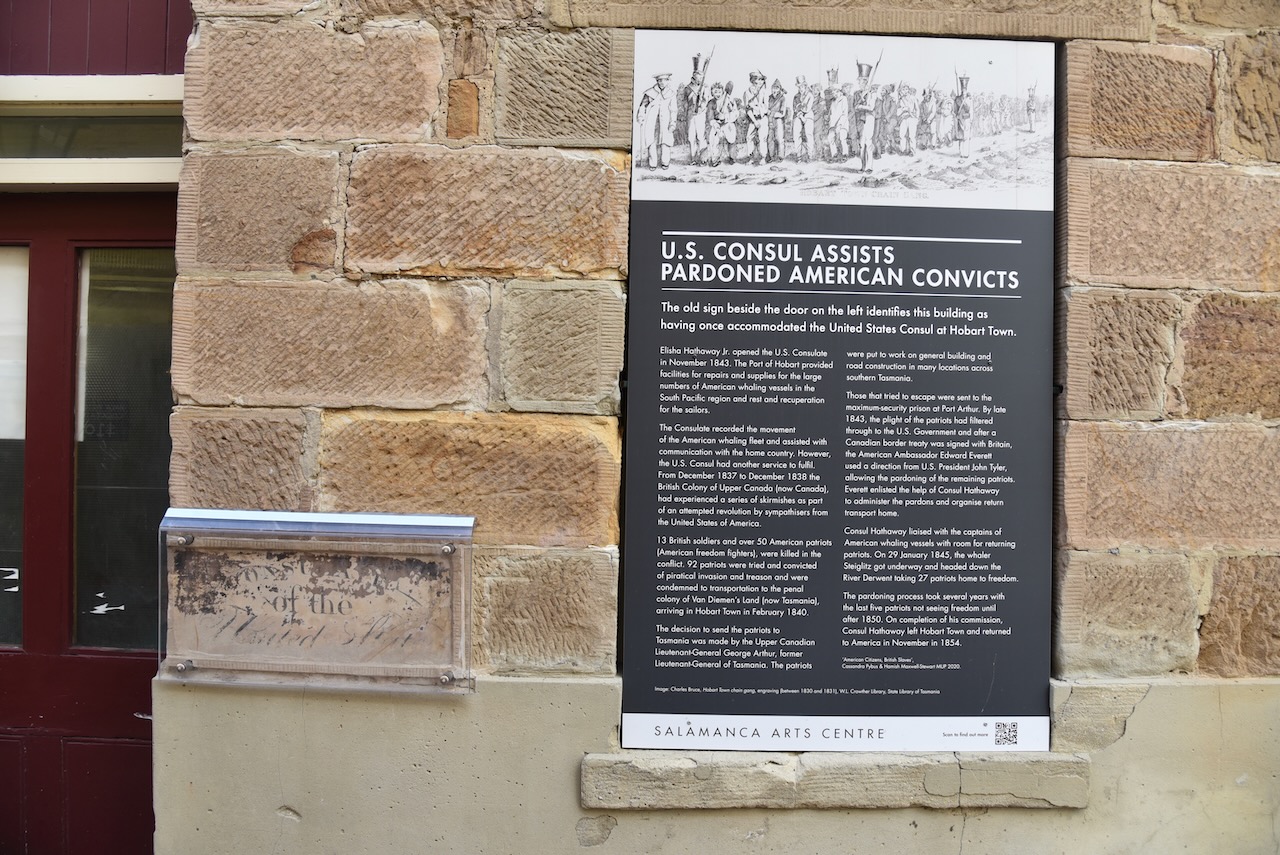
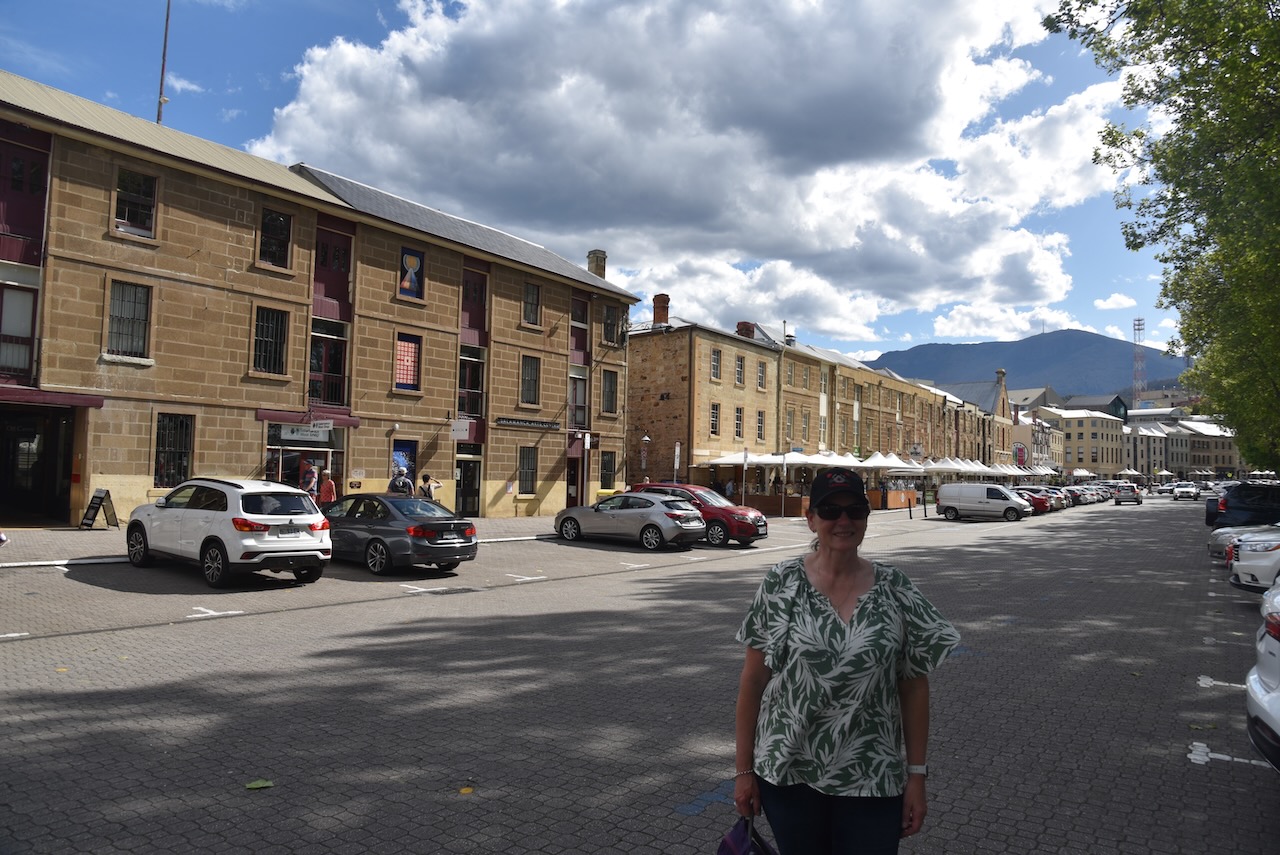
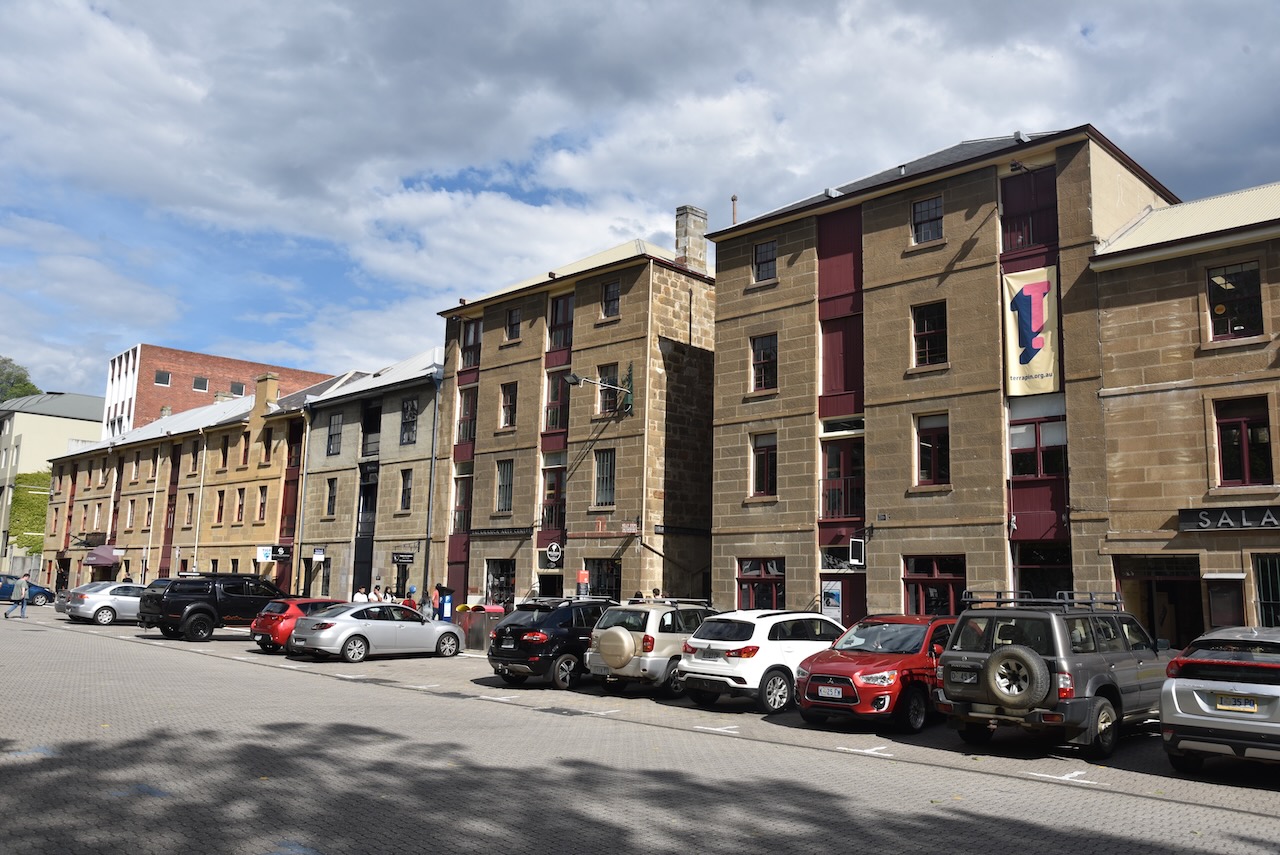
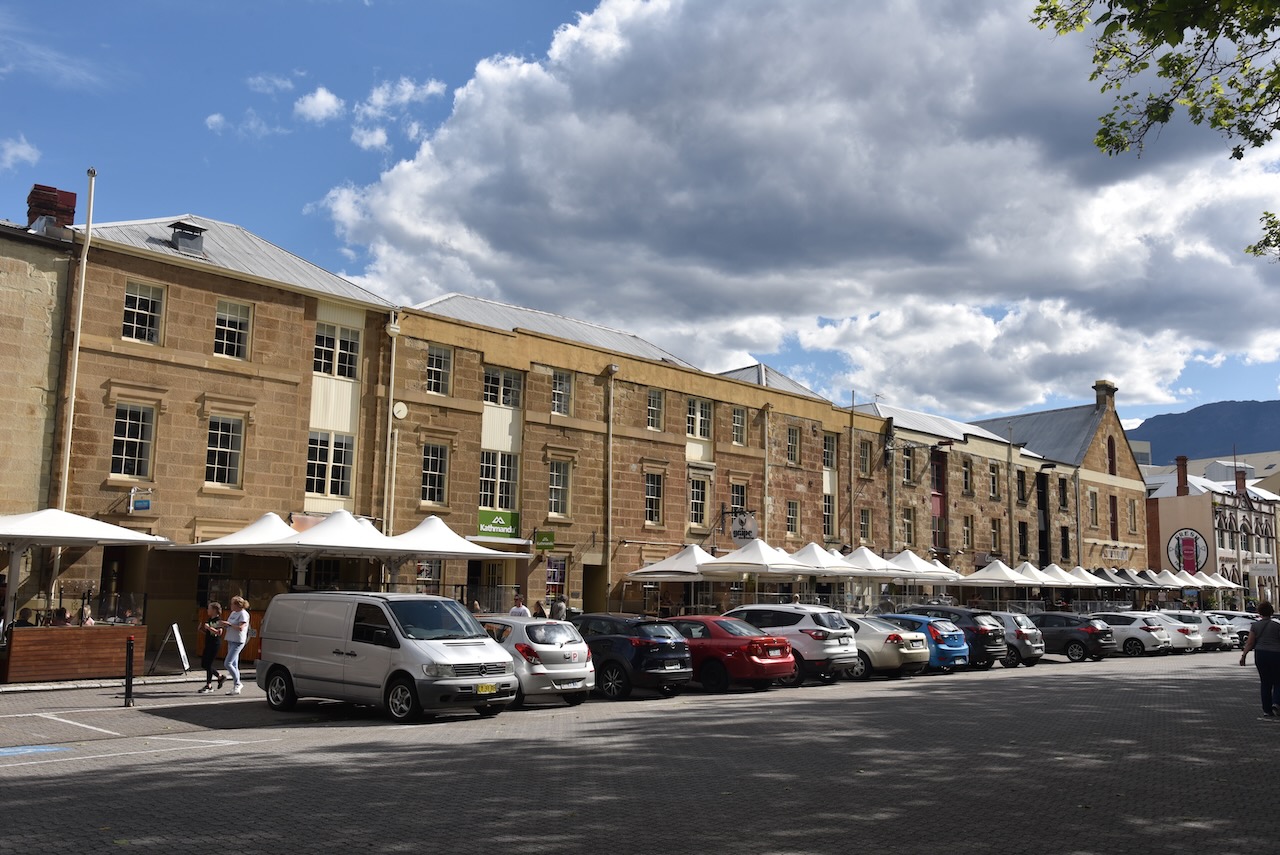
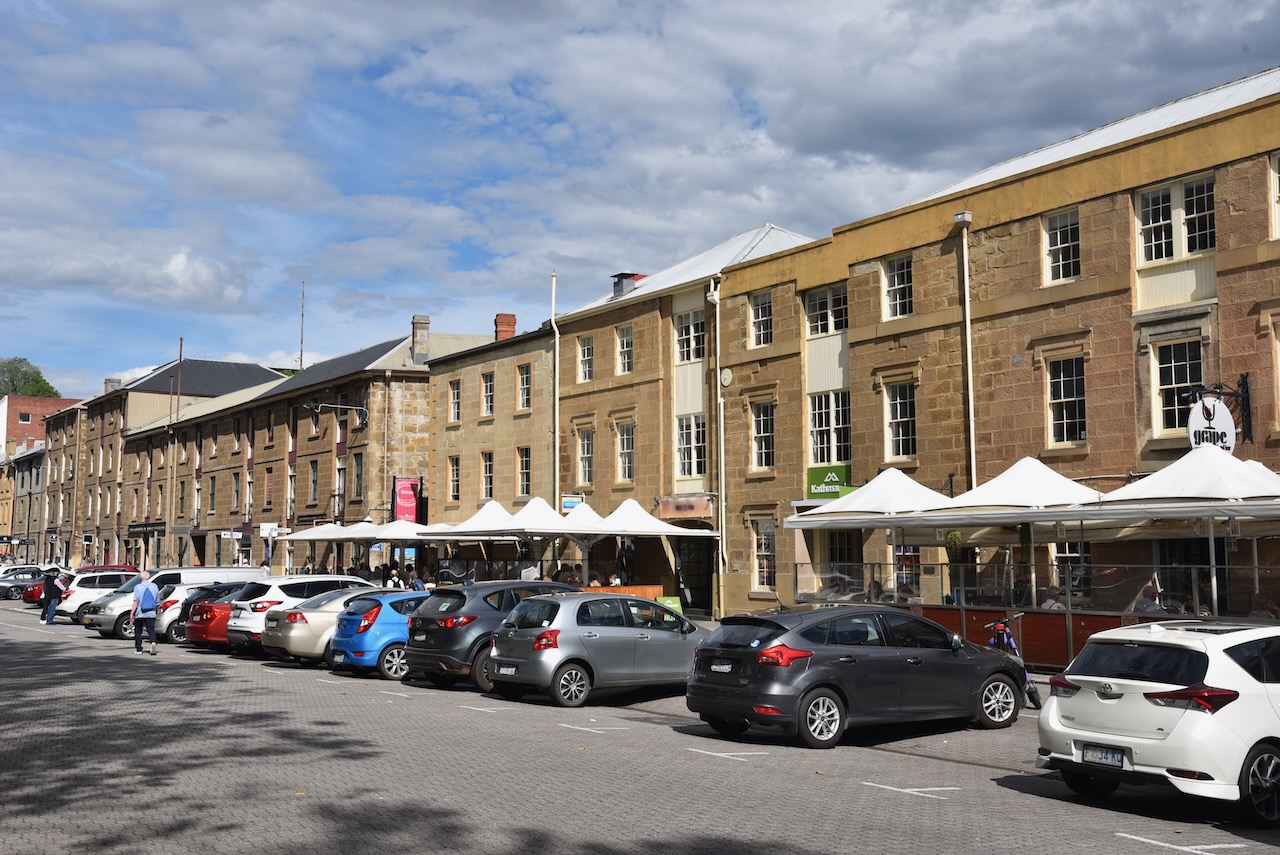
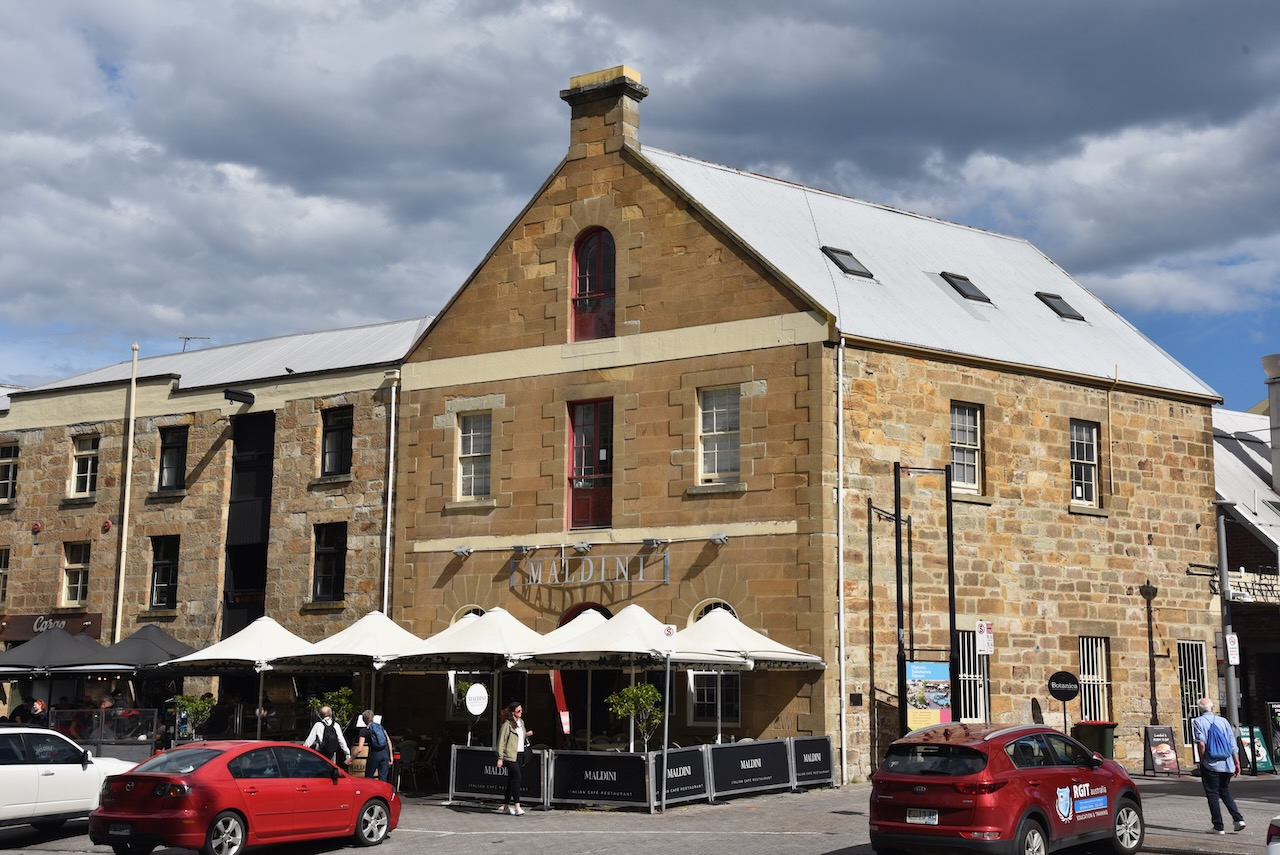
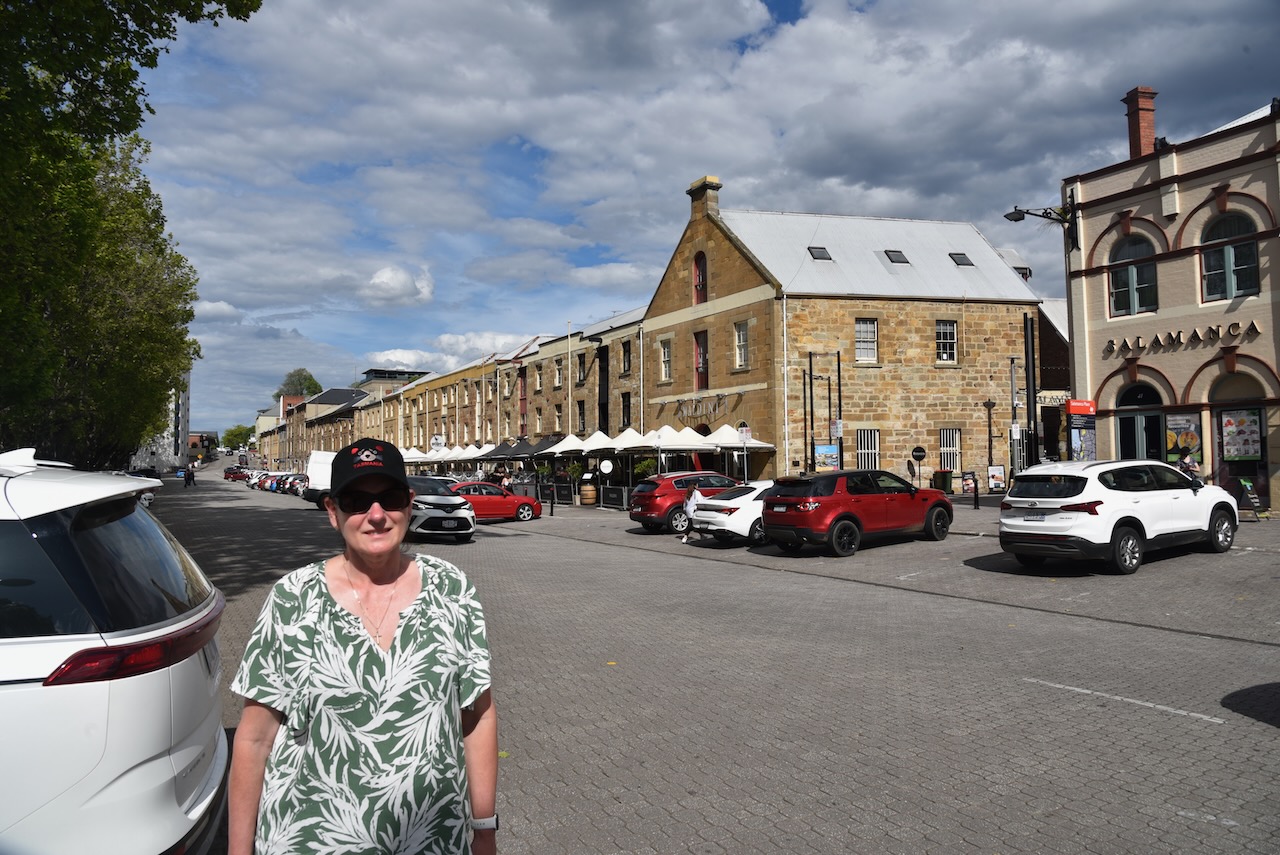
We then wandered over to historic Salamanca Place. Salamanca consists of rows of historic sandstone buildings which were formerly warehouses for the Port of Hobart Town. They have been converted into restaurants, galleries, craft shops and offices. Salamanca was named after the 1812 victory of the Duke of Wellington in the Battle of Salamanca in the Spanish province of Salamanca. 

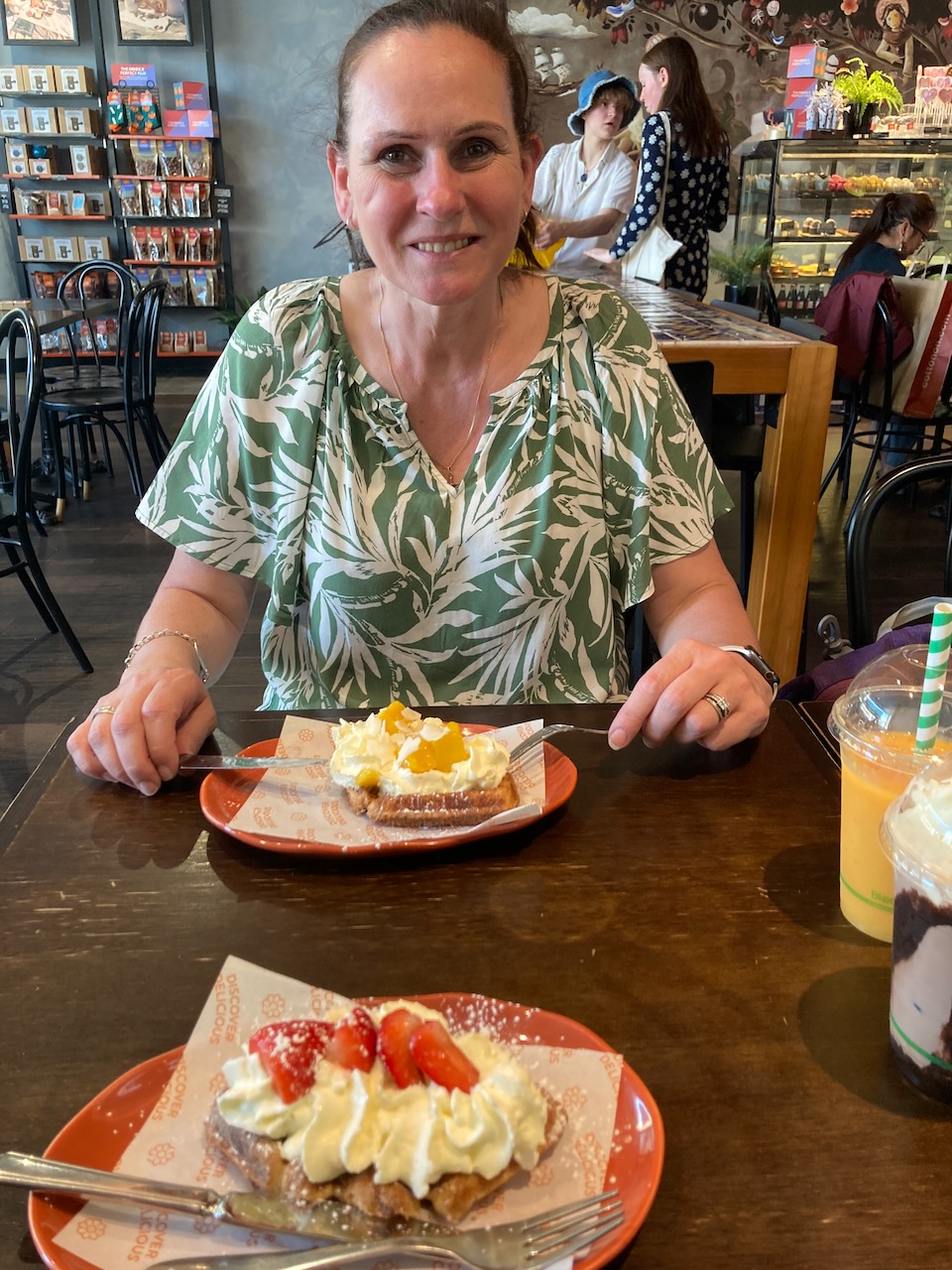
Whilst in Salamanca Place we enjoyed some waffles and ice cream.

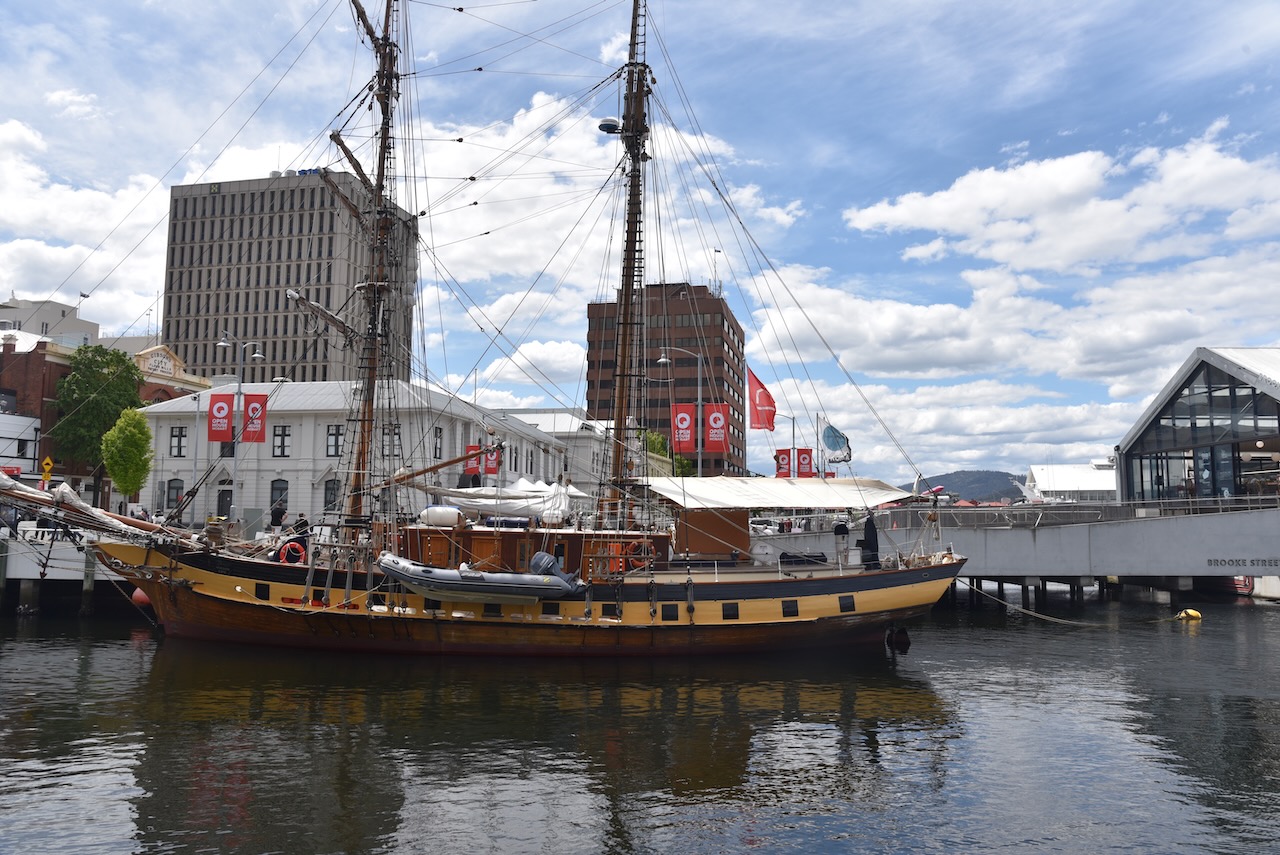
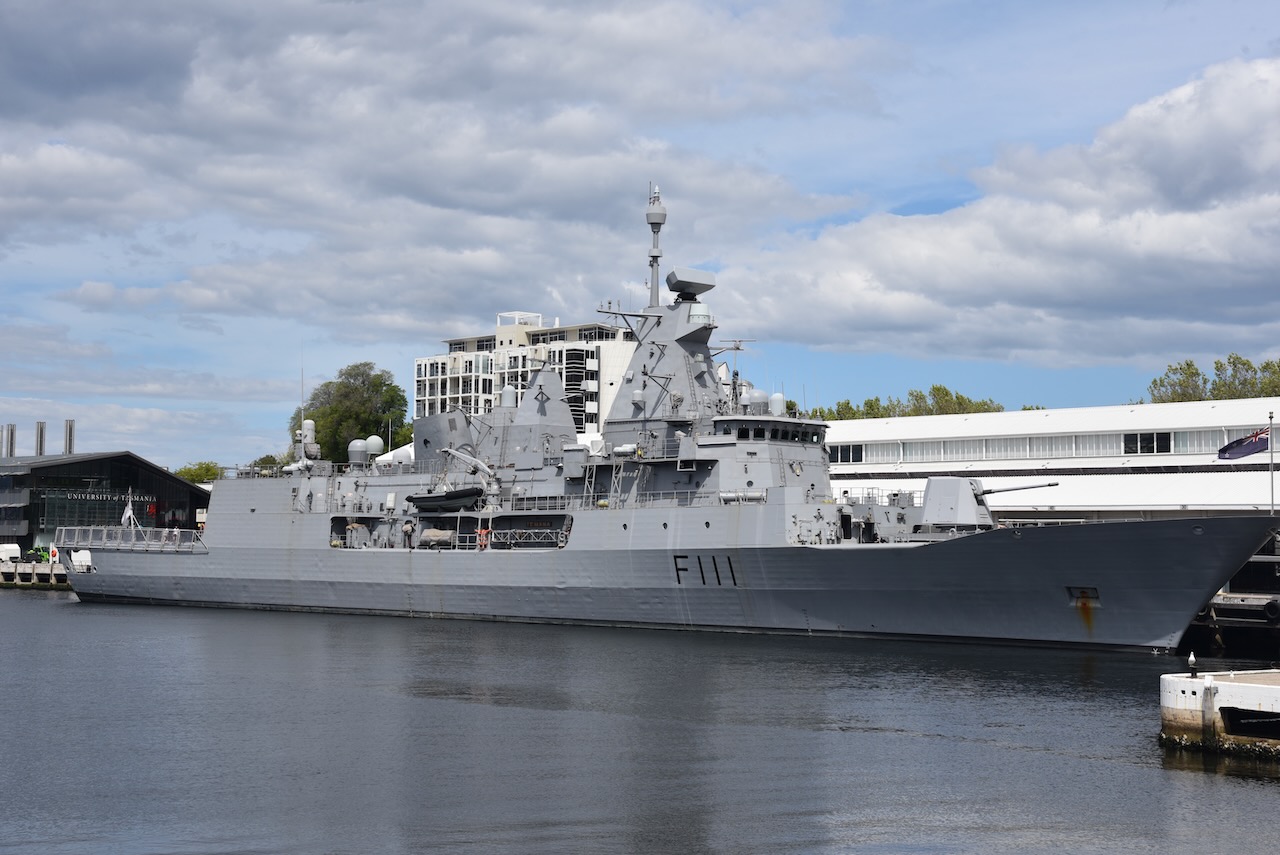
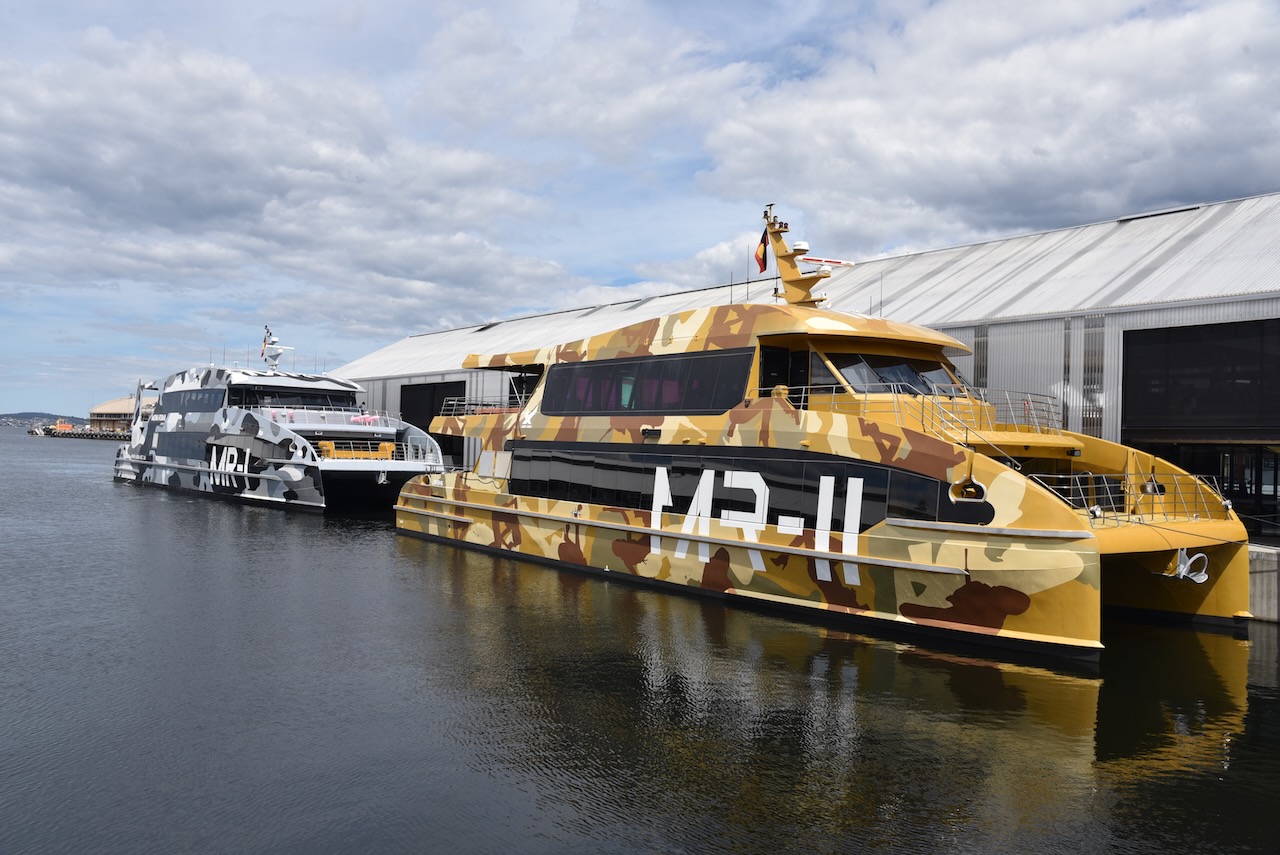
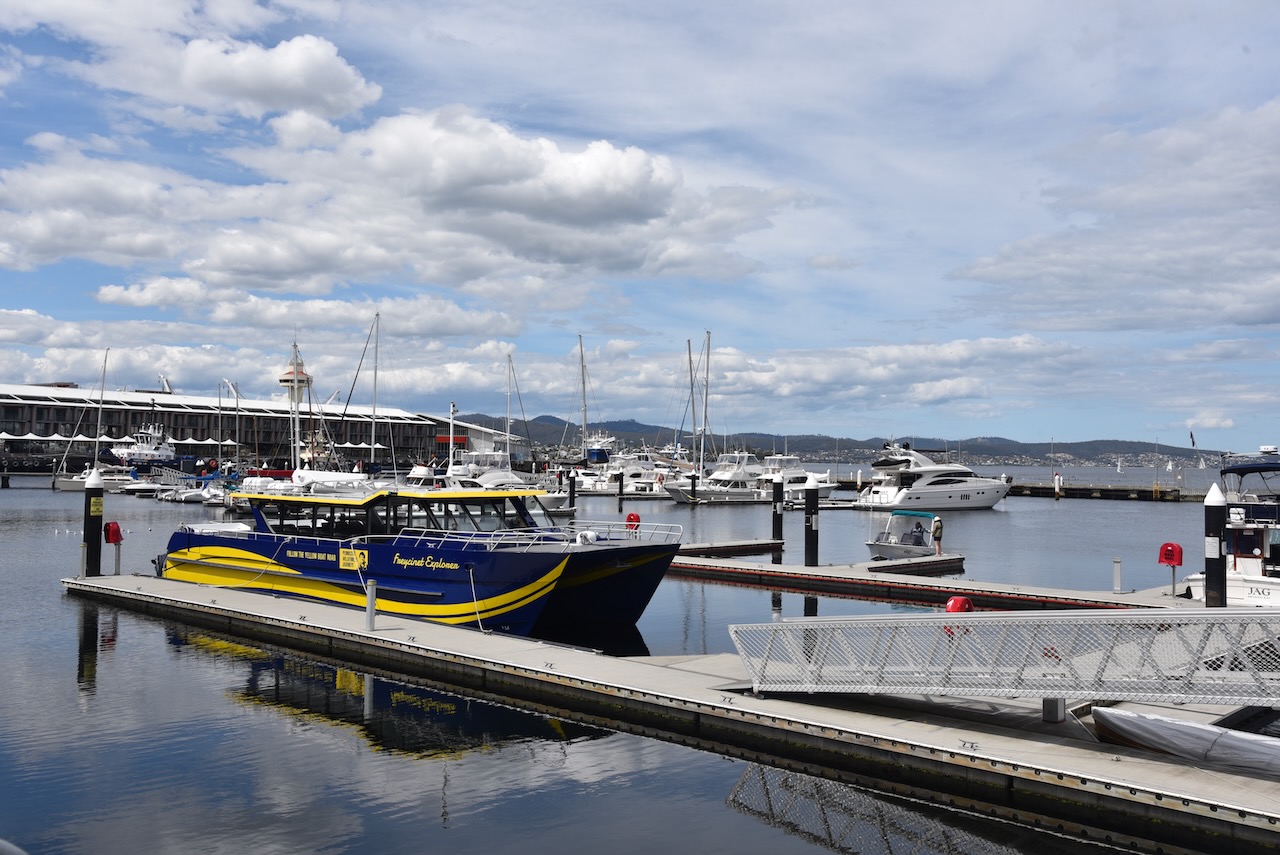
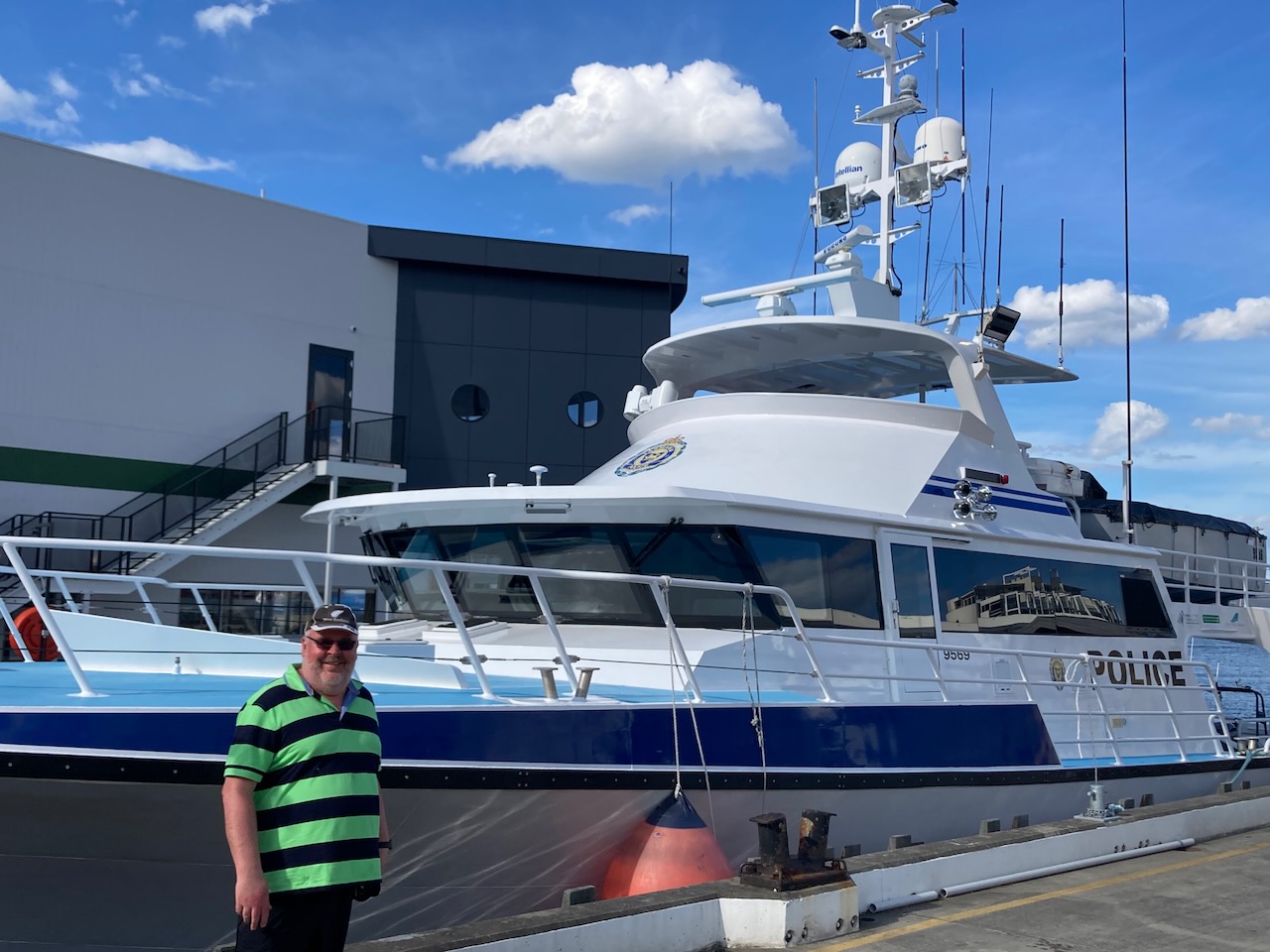
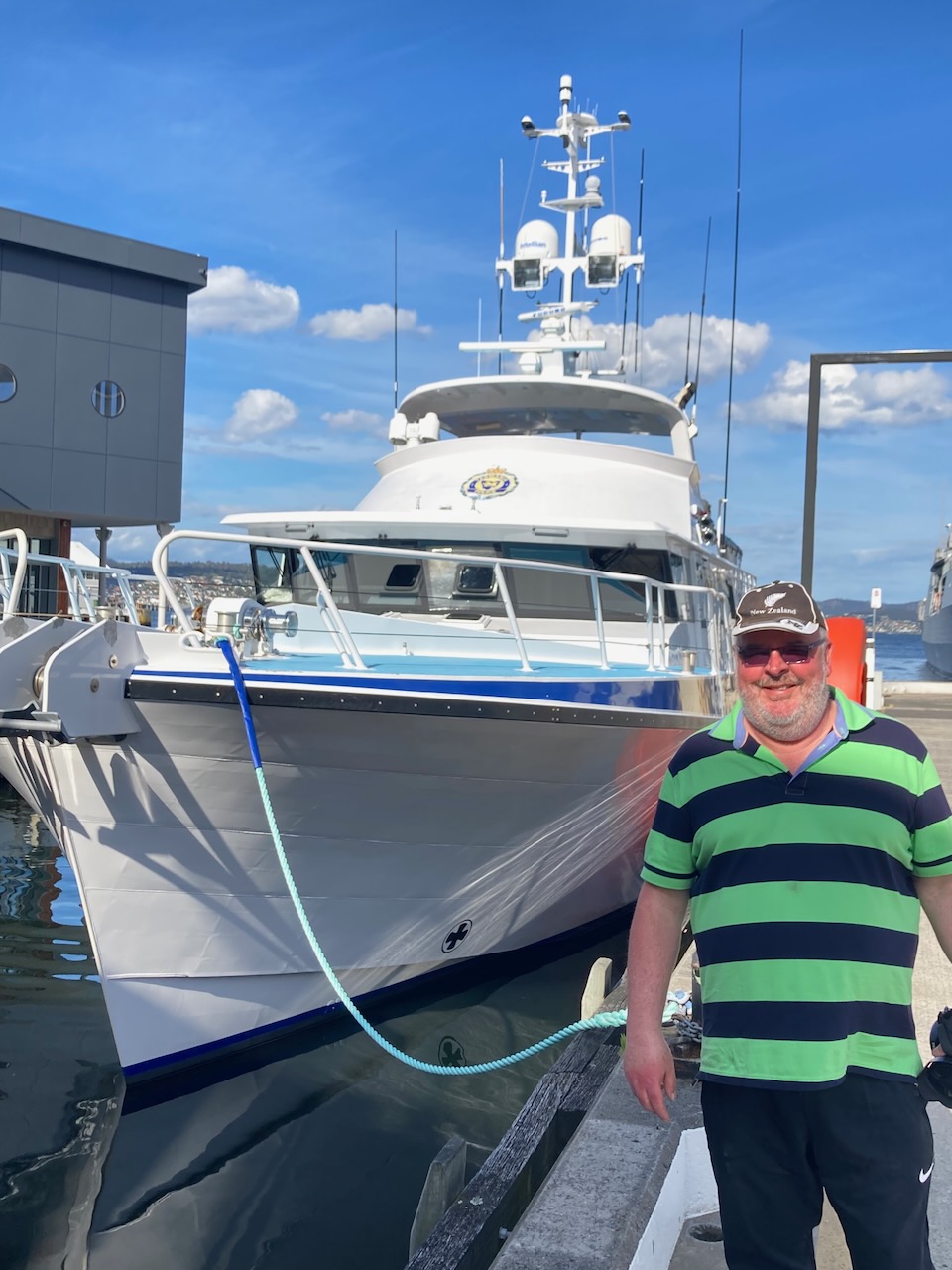
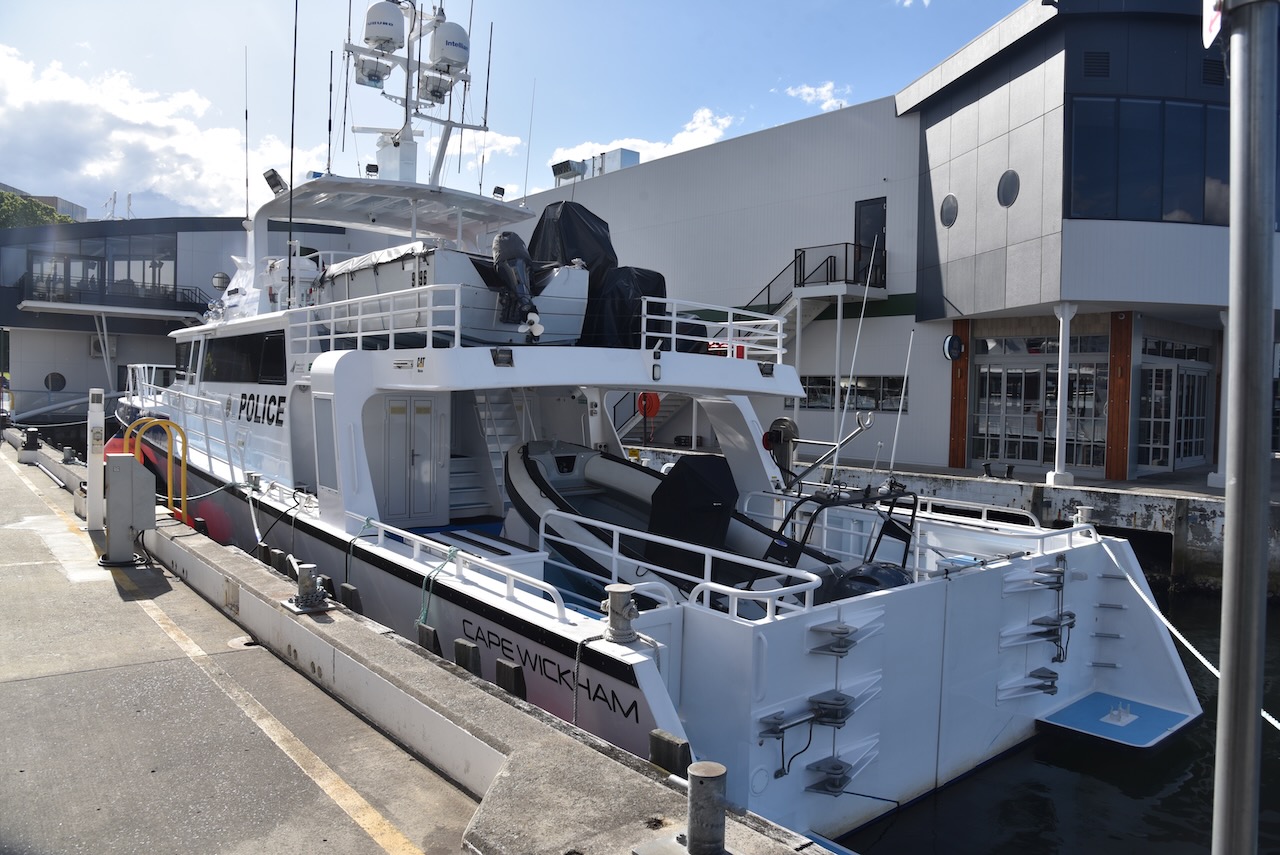
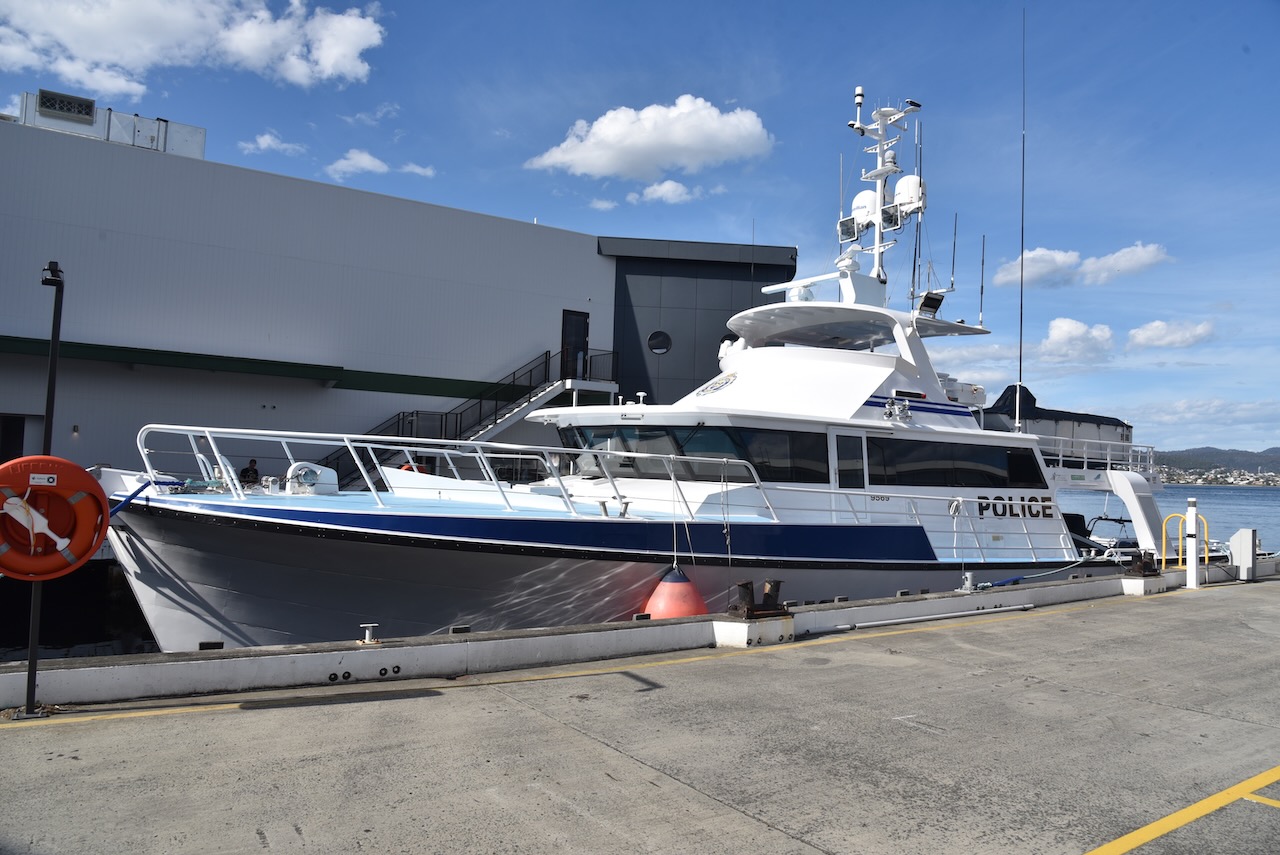
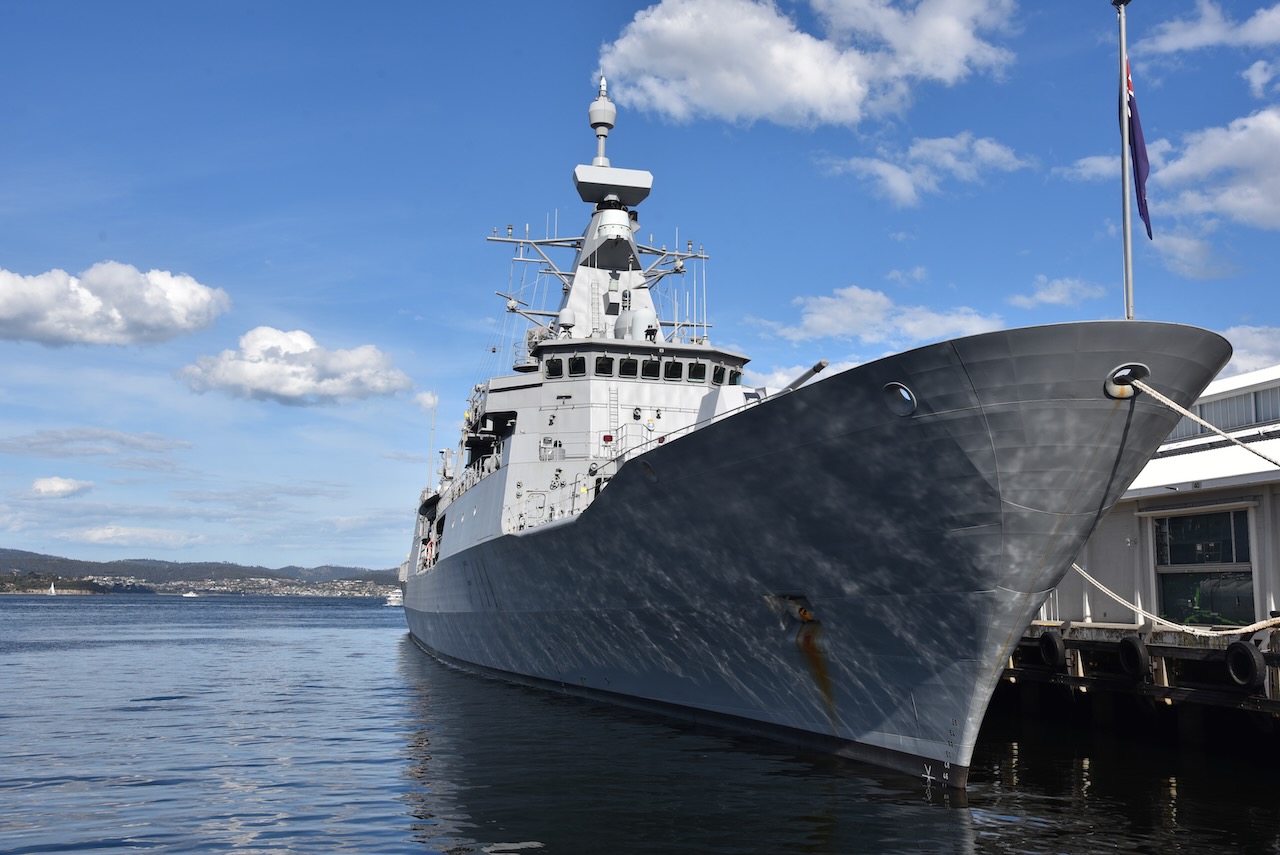
We then walked back to our car, stopping briefly to have a look at the very impressive Police boat and a navy ship docked.

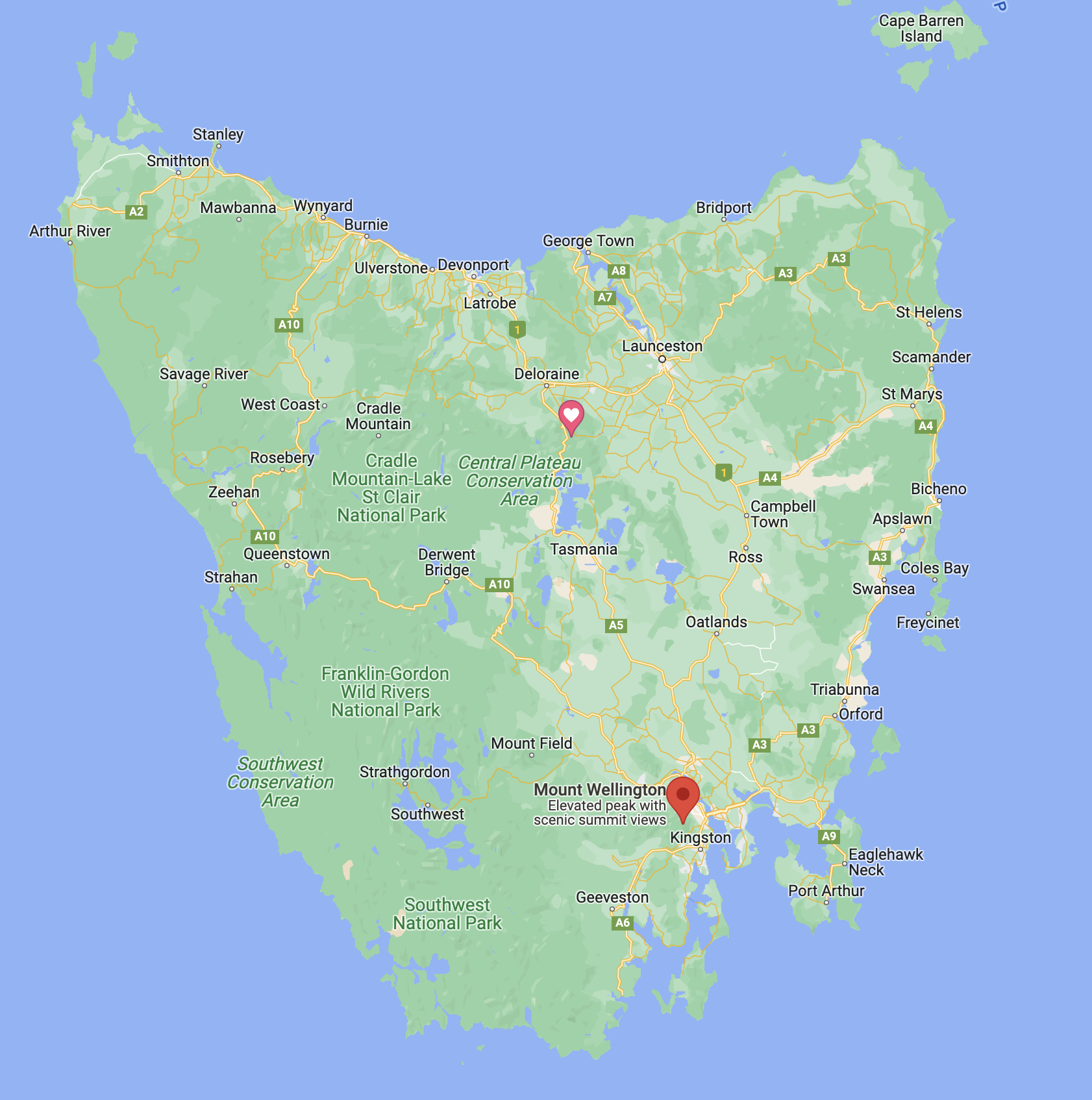
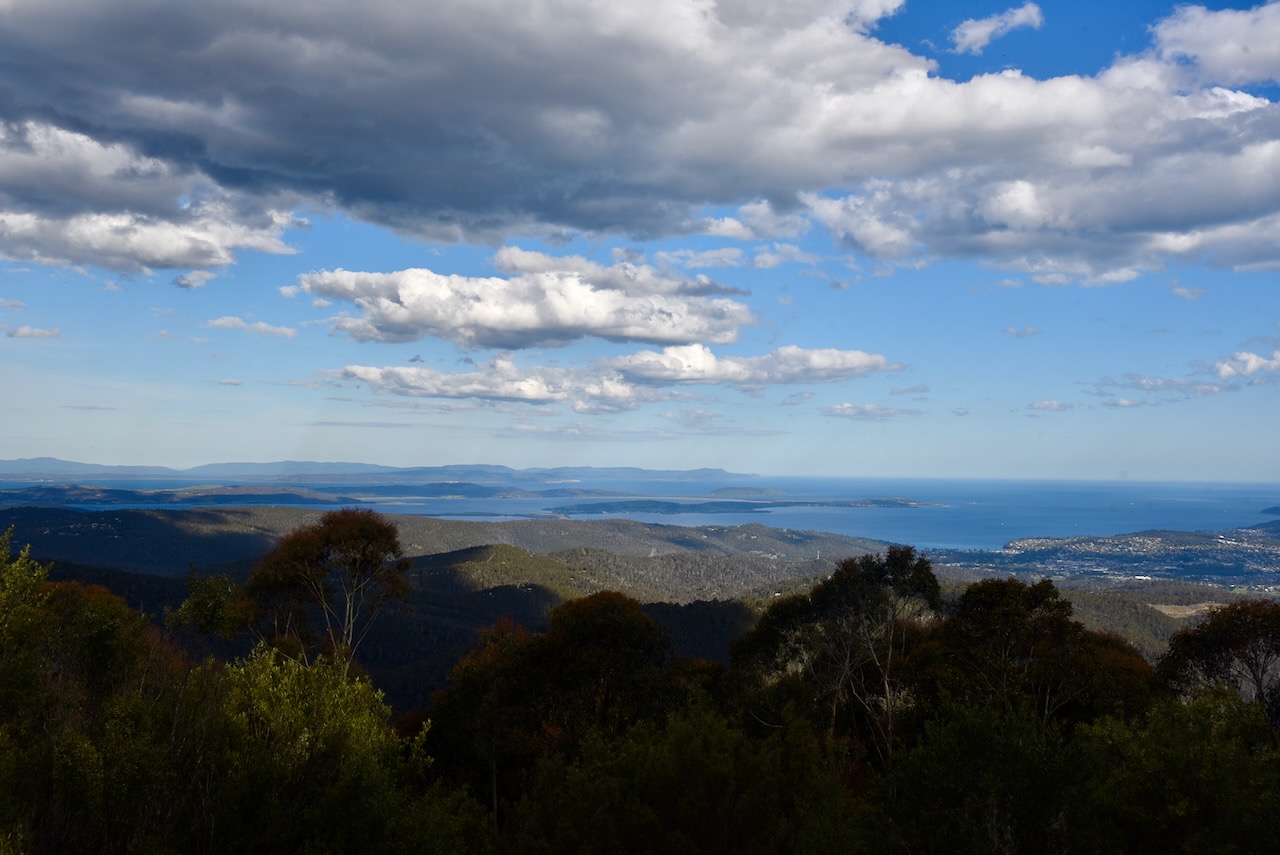
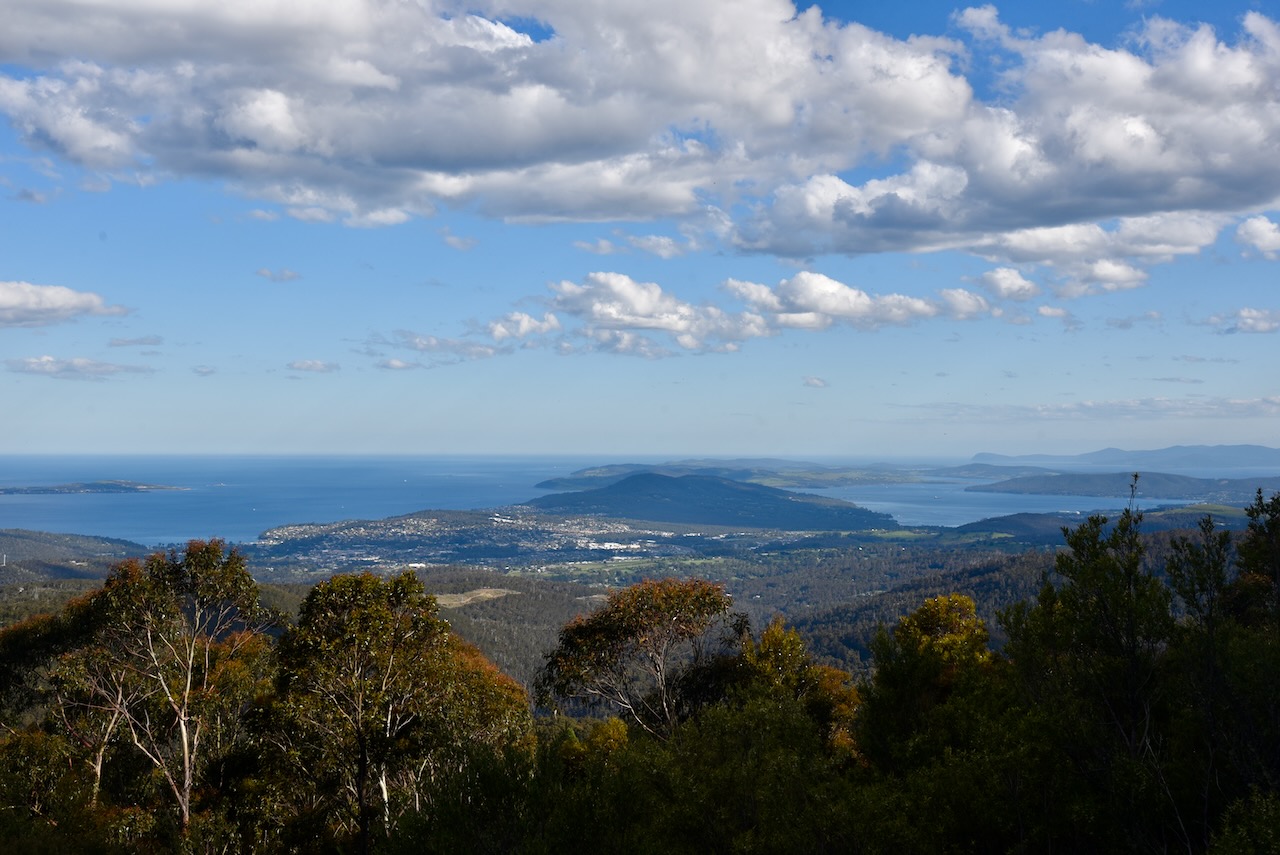
As it was such a nice sunny afternoon, Marija and I decided to drive up to the top of Mount Wellington to do a joint activation for the World Wide Flora Fauna (WWFF) program and the Summits On The Air (SOTA) program.

Above:- Map of Tasmania showing the location of Mount Wellington. Map c/o Google maps.

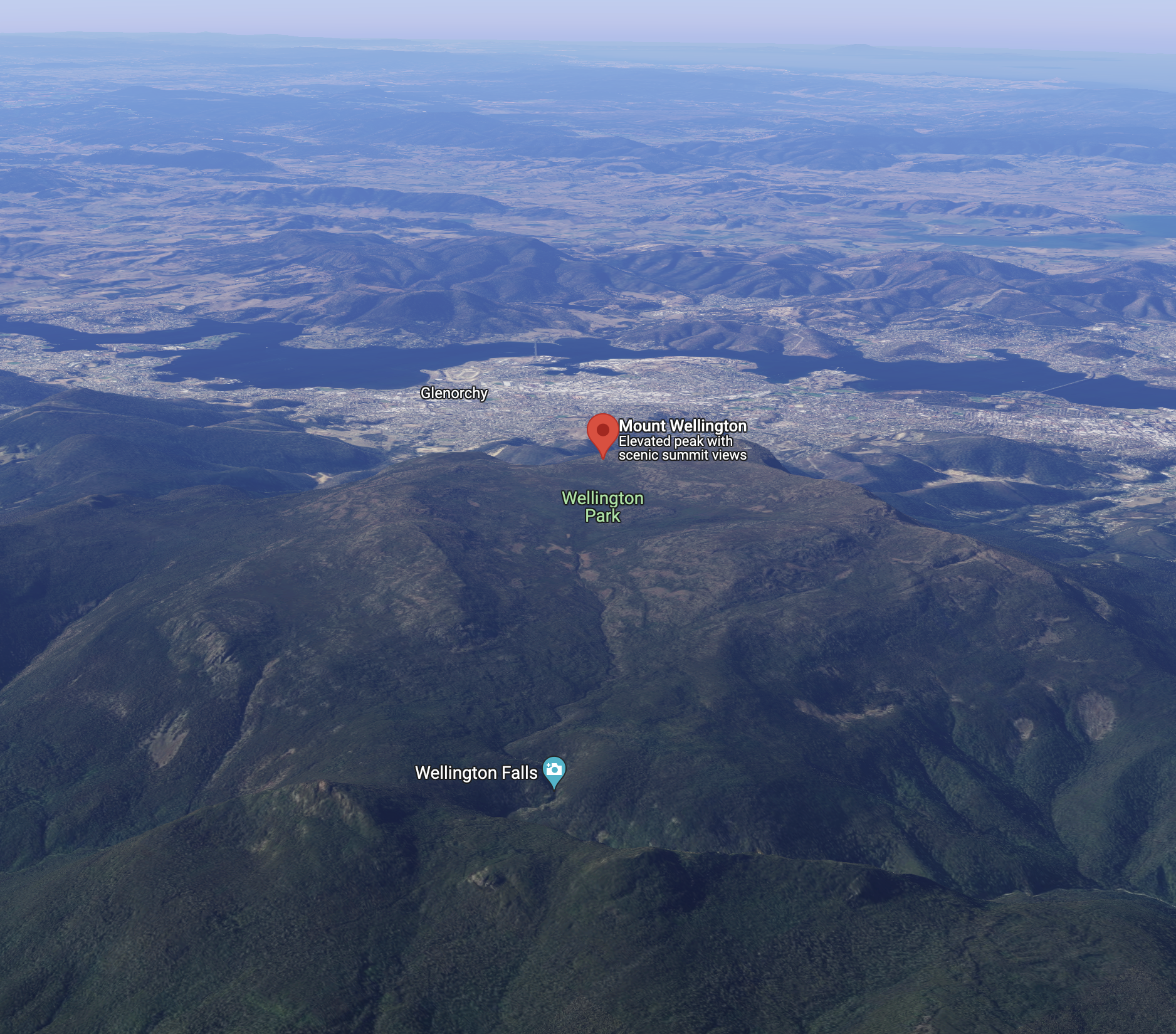
Mount Wellington qualifies for the SOTA program. It is VK7/ SC-001. The summit is 1,270 metres above sea level and is worth 10 points. It has been activated a total of 67 times.

Above:- An aerial view of Mount Wellington and Wellington Park. Image c/o Google maps.

Mount Wellington is known as kunanyi by the indigeneous people of Tasmania. The Tasmanian Goverment in 2013 announced a dual naming policy with Mount Wellington named as one of the inaugural dual named geographical features in Tasmania.

In 1791 the mountain was named Table Mountain by Captain William Bligh and First Lieutenant F.G. Bond for its similarity in appearance to Table Mountain in South Africa.

In 1793 Commodore John Hayes sighted the mountain and named it Skiddaw after the mountain in the Lake district of northwest England.

In 1802 French explored Nicholas Baudin referred to the mountain as ‘Montagne du Plateau’.

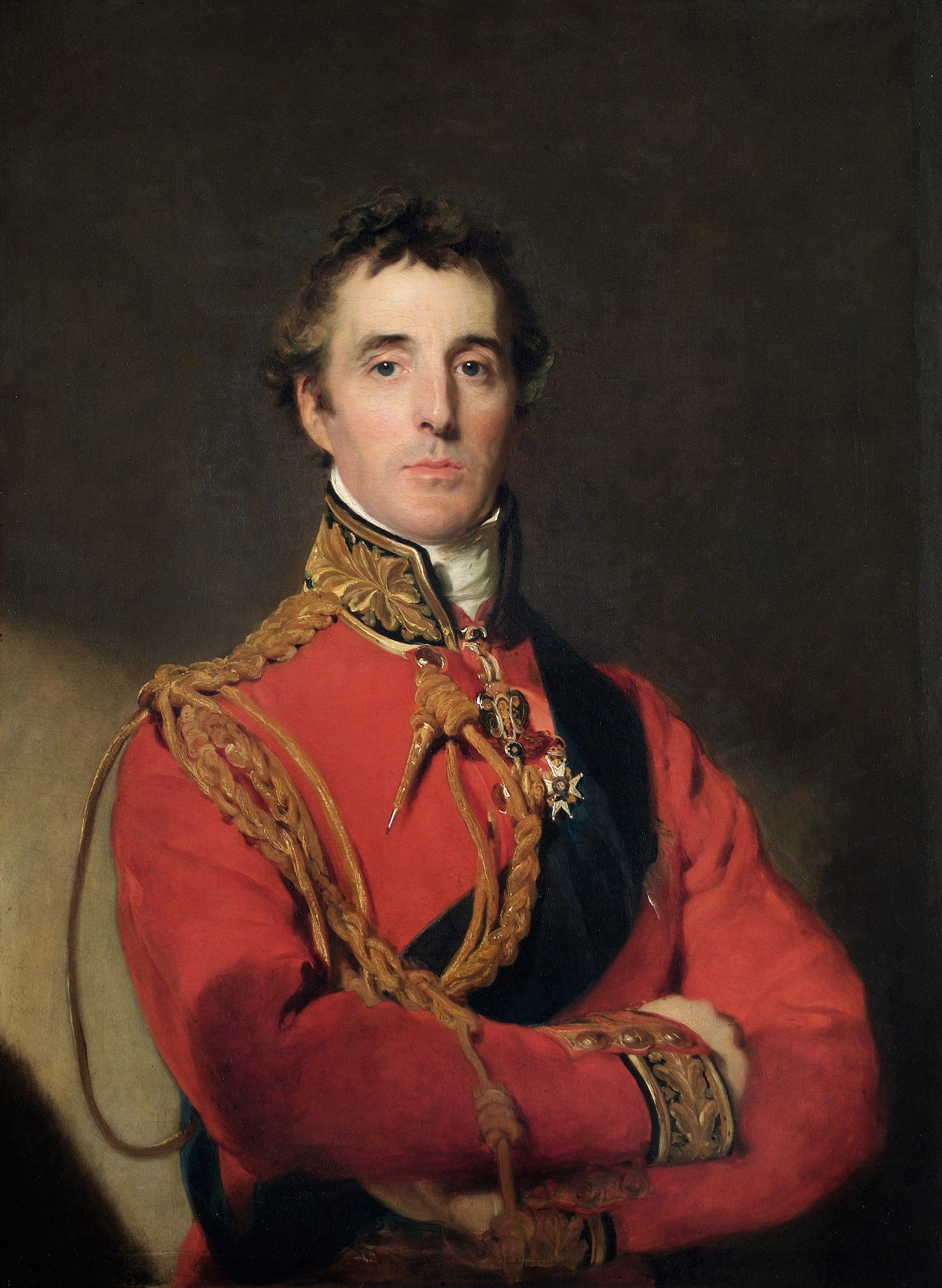
However, the British first settled in the Hobart area in 1804 and as a result Flinder’s name of ‘Table Mountain’ became more popular. Table Mountain remained the common name of the mountain until in 1832. At that time it was decided to rename the mountain in honour of the Duke of Wellington (b. 1769. d. 1852).

Above:- Arthur Wellesley, 1st Duke of Wellington. Image c/o Wikipedia.

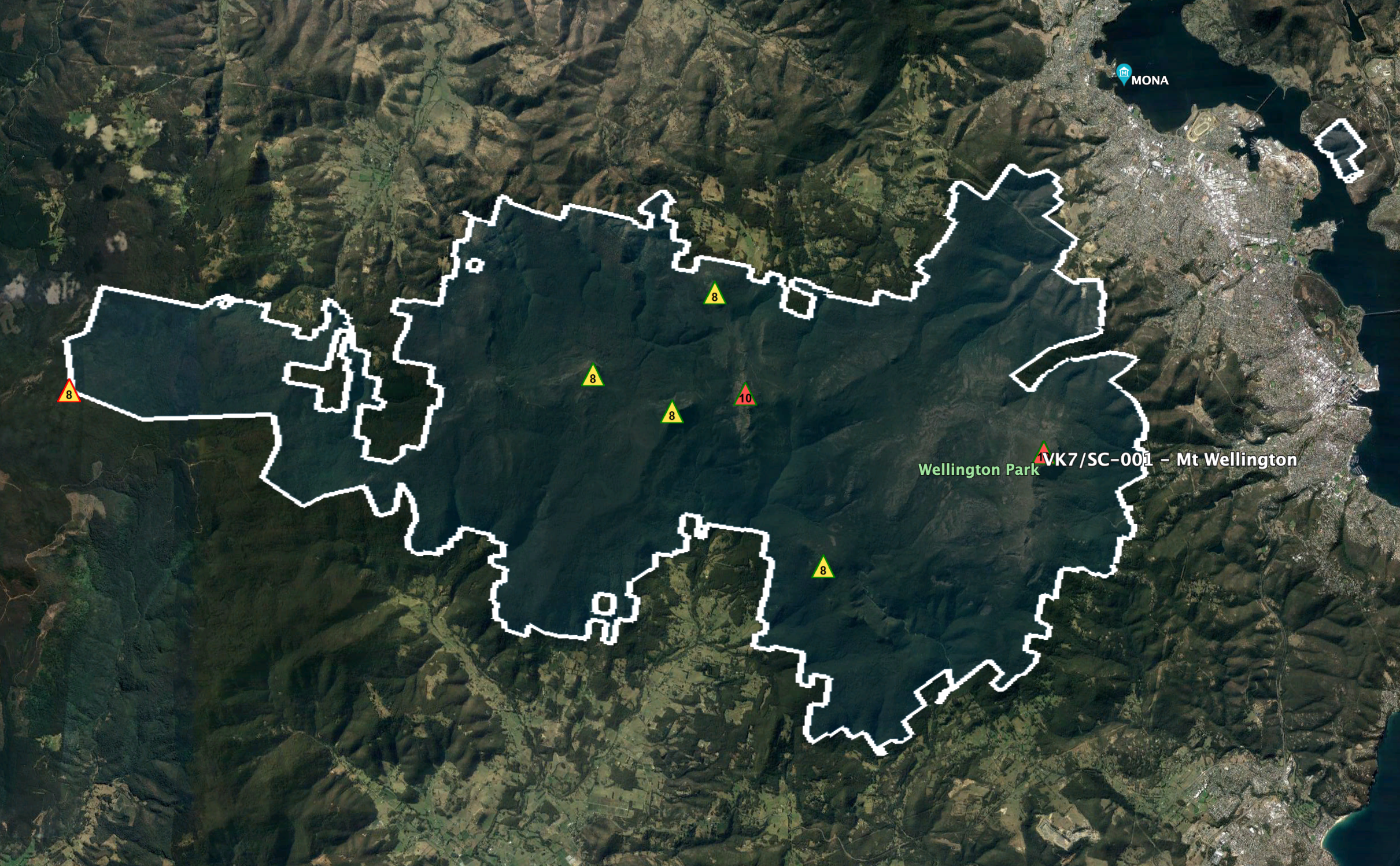
The summit is also located within Wellington Park Conservation Area VKFF-2932. The park is Tasmania’s second most visited attraction. Wellington Park is 18,250 hectares in size and is one of Tasmania’s largest reserved areas outside of the Tasmanian World Heritage Area.

Above:- the Wellington Park Conservation Area. Image c/o Google Earth.

Over 500 native species of flora have been recorded in the park, with over 80 species only found in Tasmania. A number of these are of conservation significance.

Native mammals who call the park home include the long–nose potoroo, pademelon, bettong, southern brown and eastern barred bandicoots, brush tail, ring–tail, pygmy and eastern pygmy possums, eastern quoll, platypus and echidna, swamp rat, long-tailed mouse, dusky antechinus and various species of bats. 

The Tasmanian and brown froglet, brown tree frog, southern toadlet, bull frogs, spotted grass frogs and the endangered green and gold frog can be found in the park.

Reptiles which can be located in Wellington Park include blue–tongued lizards, mountain dragons, a variety of skinks, all three of Tasmania’s snakes – the tiger, copperhead and white–lipped snake.

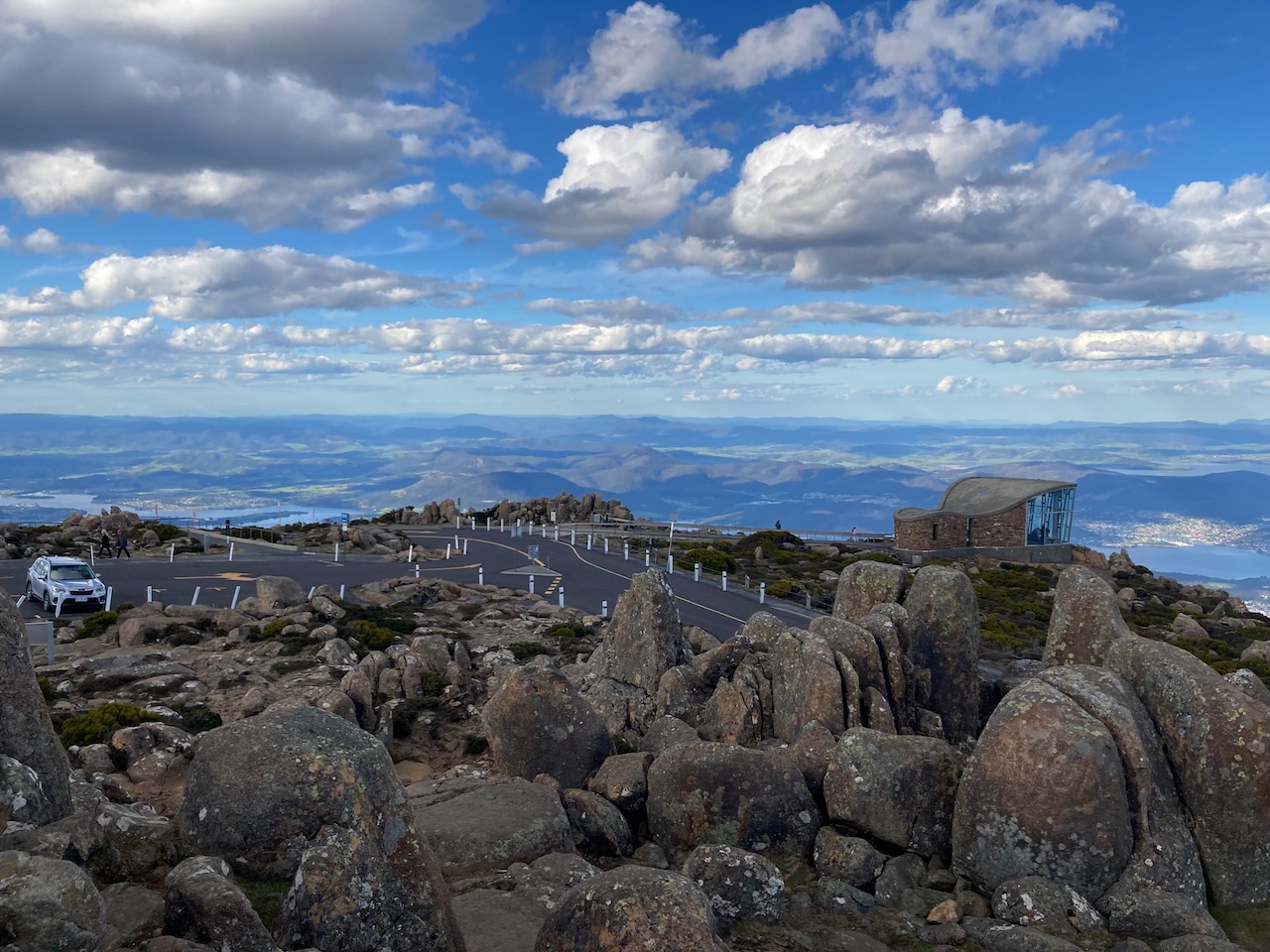
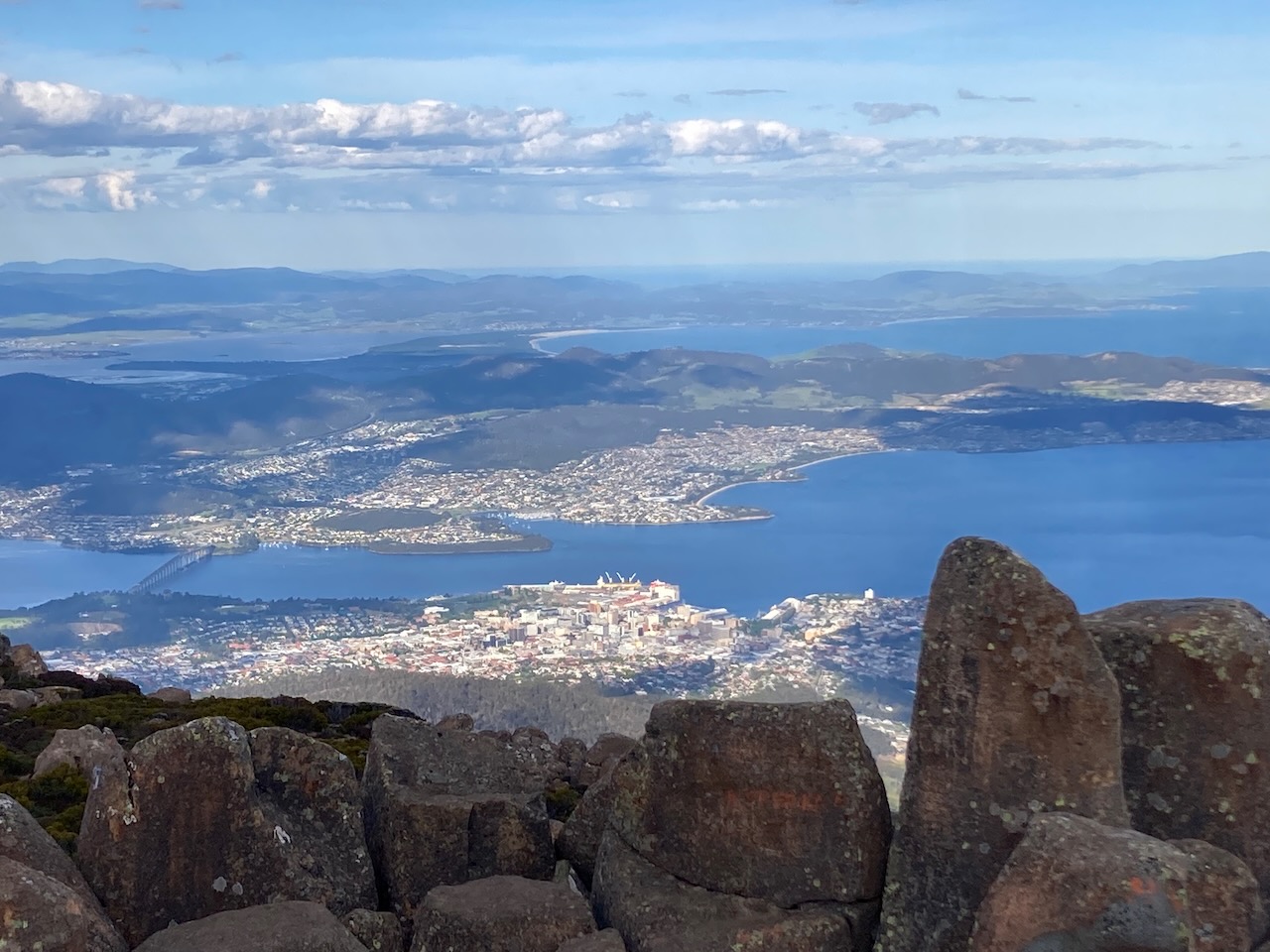
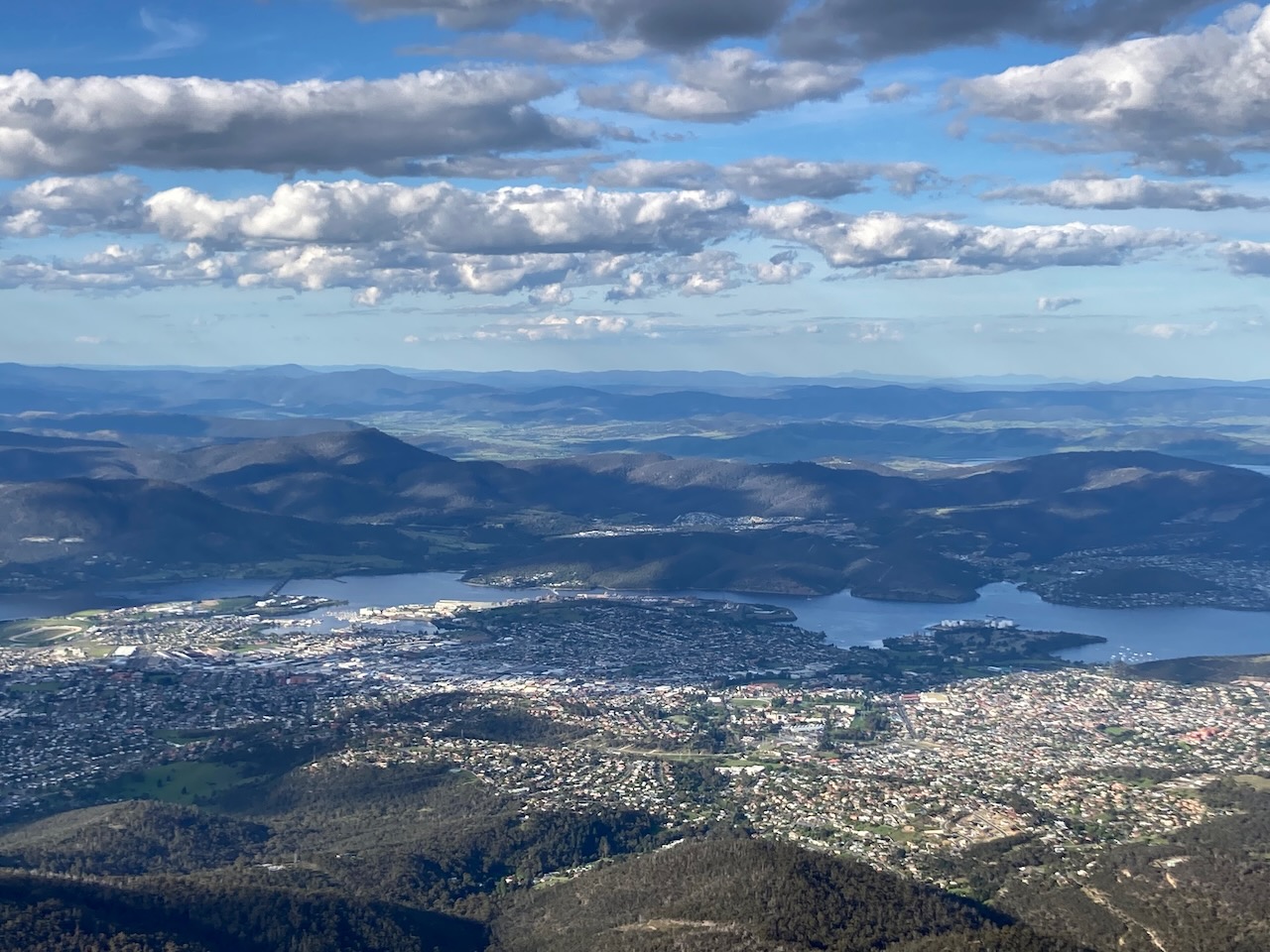
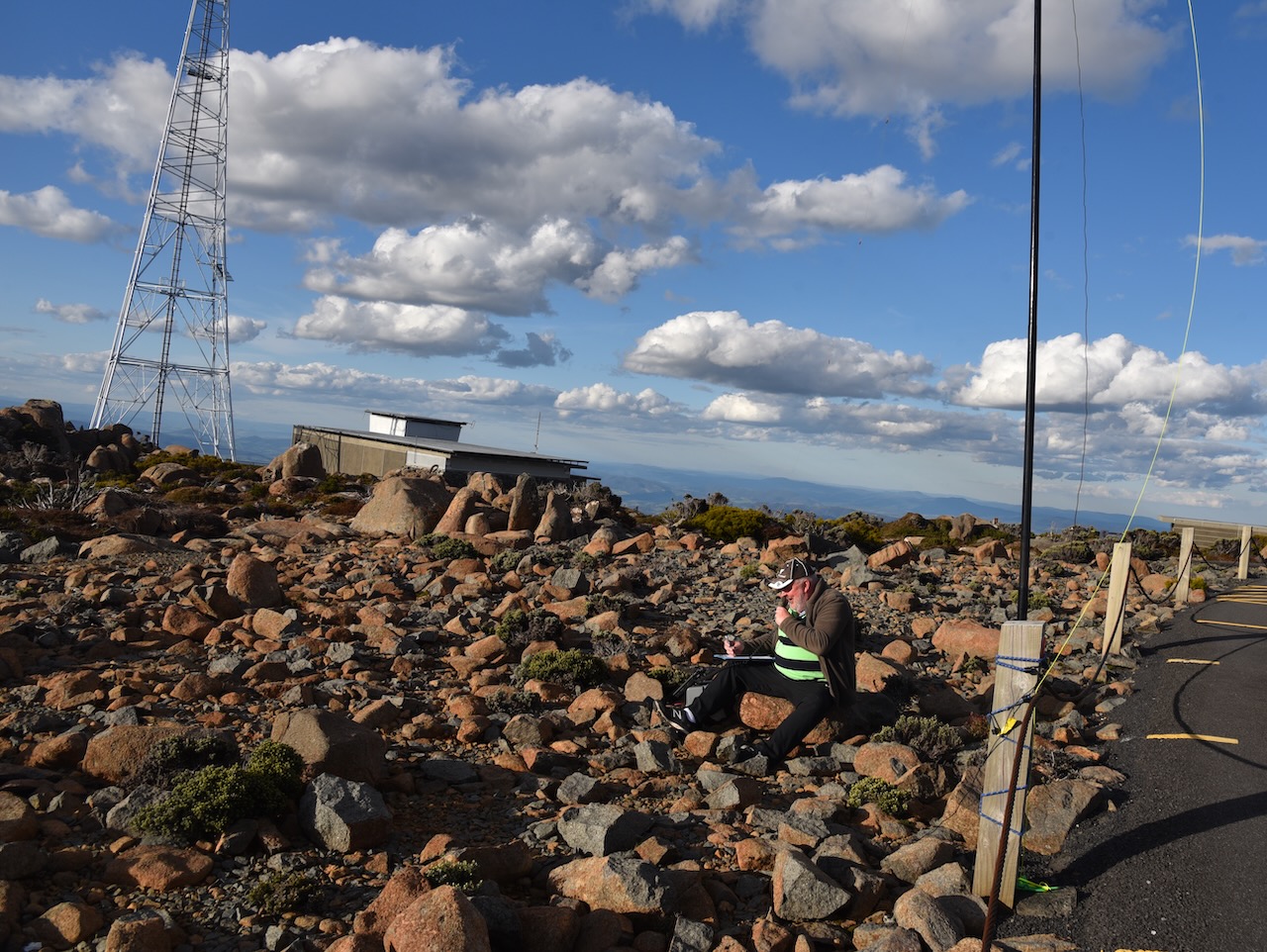
We drove up to the top of Mount Wellington and set up on the rocky area adjacent to the car park. We ran the Yaesu FT857d, 40 watts, and the 20/40/80m linked dipole for this activation.

During our activation we were visited by Hayden VK7HH and Ben VK4UMB. Marija and I convinced Ben to get behind the mic and qualify the park and summit.

We also had some very interested onlookers. This included three couples who were visiting from Singapore. We explained the hobby to them, and after some encouragement one of the gentlemen was game enough to pick up the mic and say hello to some of the amateurs we were working around Australia. It was a good advertisement for the hobby.

Hayden VK7HH took some video of our activation.

It was starting to get extremely cold and the sun was setting so Marija and I decided to pack up. Hayden and Justin had already moved off to a warmer location.

Between the two of us we had 77 QSOs in the log, with contacts into VK1, VK2, VK3, VK4, VK5, VK7, New Zealand, USA, Portugal, Finland, Spain, France, Italy, Belgium, and Germany.

The highlight was working Portugal on 40m SSB.

Marija made the following QSOs on 40m SSB:-

  1. VK5KG
  2. VK2MET
  3. VK1AO
  4. VK3VIN
  5. VK3PF
  6. VK4TJ
  7. VK3BBB
  8. VK2CCP
  9. VK4SMA
  10. VK5DW
  11. VK2EXA
  12. VK7TW

I made the following QSOs on 40m SSB:-

  1. VK3SGA
  2. VK2MET
  3. VK1AO
  4. VK3ANL
  5. VK3BBB
  6. VK2CCP
  7. VK3PF
  8. VK4NH
  9. VK4DXA
  10. VK2EXA
  11. VK3PT
  12. VK3MTT
  13. VK3UAO
  14. VK2WP
  15. VK3GJG
  16. ZL2ATH
  17. KG5CIK
  18. VK/DP5LED
  19. VK3VIN
  20. VK2WOG
  21. VK3ZPF
  22. VK5BJE
  23. VK4KLA
  24. VVK4SMA
  25. VK4TJ
  26. VK5GY
  27. VK5KG
  28. VK3VKT
  29. VK2HRX
  30. CT1CJJ
  31. VK3FMRC
  32. VK5IS
  33. VK3APJ
  34. VK2IO
  35. VK5HS
  36. VK3AMO
  37. VK3GRX
  38. VK3DL
  39. VK3SKT
  40. VK2HMC
  41. VK2YK
  42. VK5GA
  43. VK3NP
  44. VK3DEM
  45. VK5HAA
  46. VK7CIA
  47. VK2MI
  48. VK5DW
  49. VK2MOP
  50. VK5FBIC

I made the following QSOs on 20m SSB:-

  1. OH1MM
  2. VK4KC
  3. VK4MAD
  4. VK4DOG
  5. EA4FLS
  6. VK4TJ
  7. F1BLL
  8. IW2NXI
  9. ON4ON
  10. IW2BNA
  11. DJ5AV
  12. F4WBN
  13. DL2ND
  14. VK5HS
  15. F5JKK

References.

  1. Summits On The Air, 2022, <https://www.sota.org.uk/>, viewed 28th December 2022.
  2. Wellington Park Management Trust, 2022, <https://wellingtonpark.org.au/the-park>, viewed 28th December 2022.
  3. Wikipedia, 2022, <https://en.wikipedia.org/wiki/Douglas_Mawson>, viewed 28th December 2022.
  4. Wikipedia, 2022, <https://en.wikipedia.org/wiki/Salamanca_Place>, viewed 28th December 2022.
  5. Wikipedia, 2022, <https://en.wikipedia.org/wiki/Mount_Wellington_(Tasmania)>, viewed 28th December 2022.

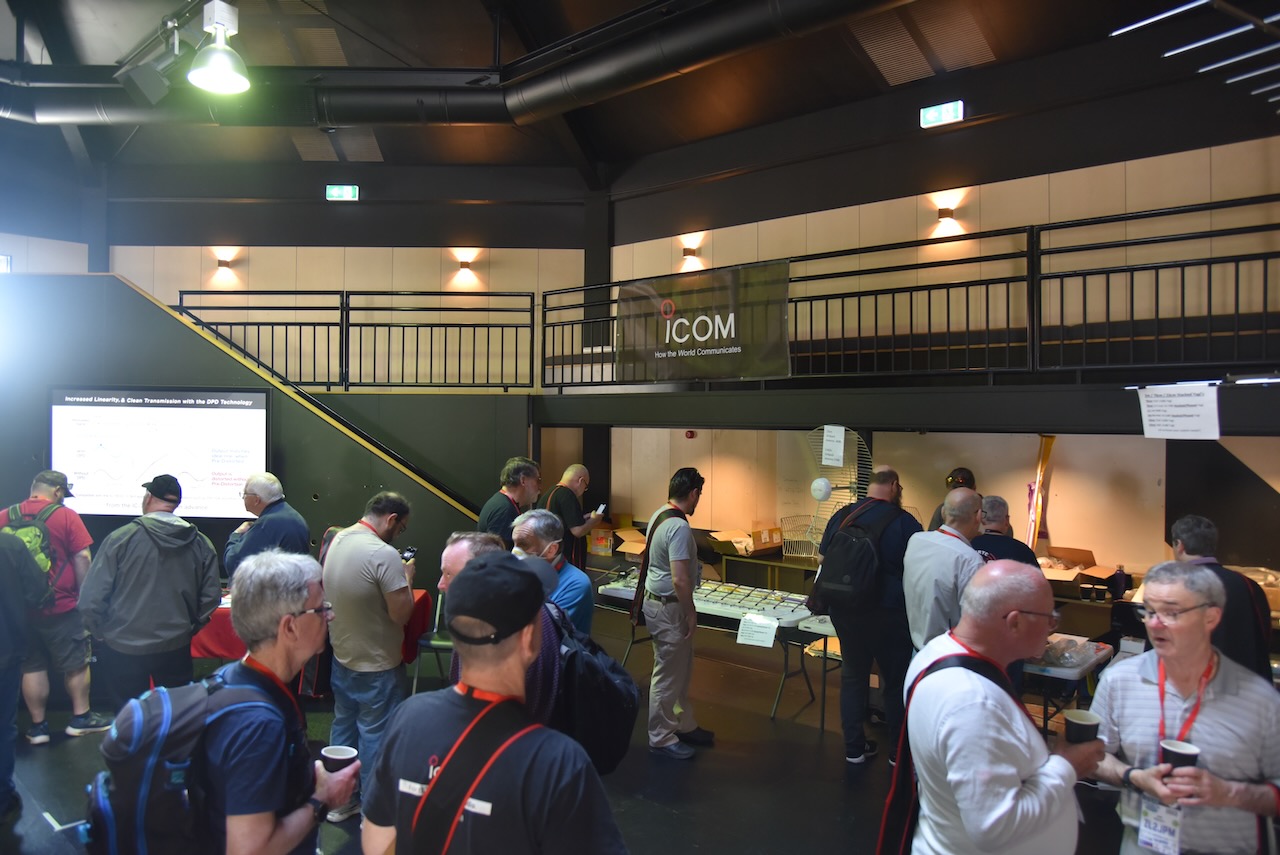
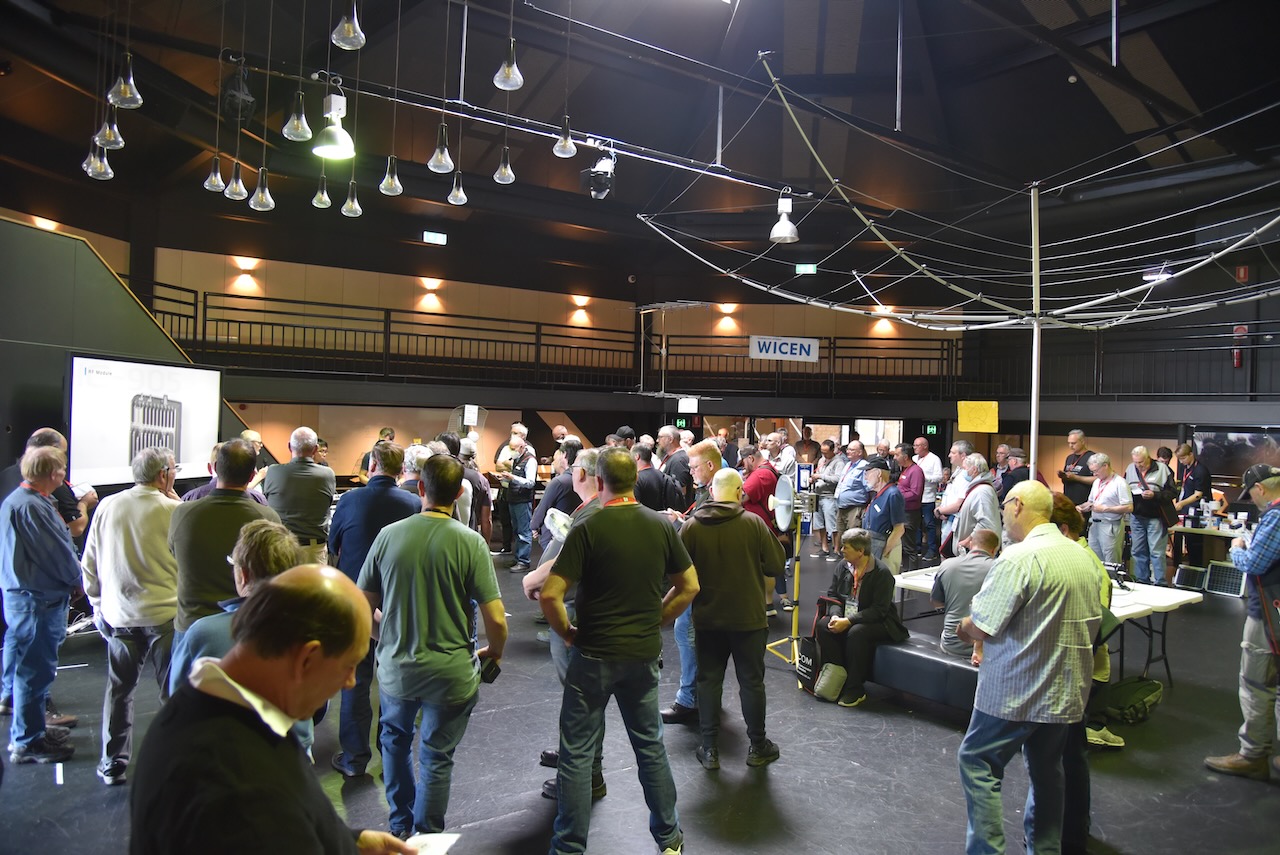
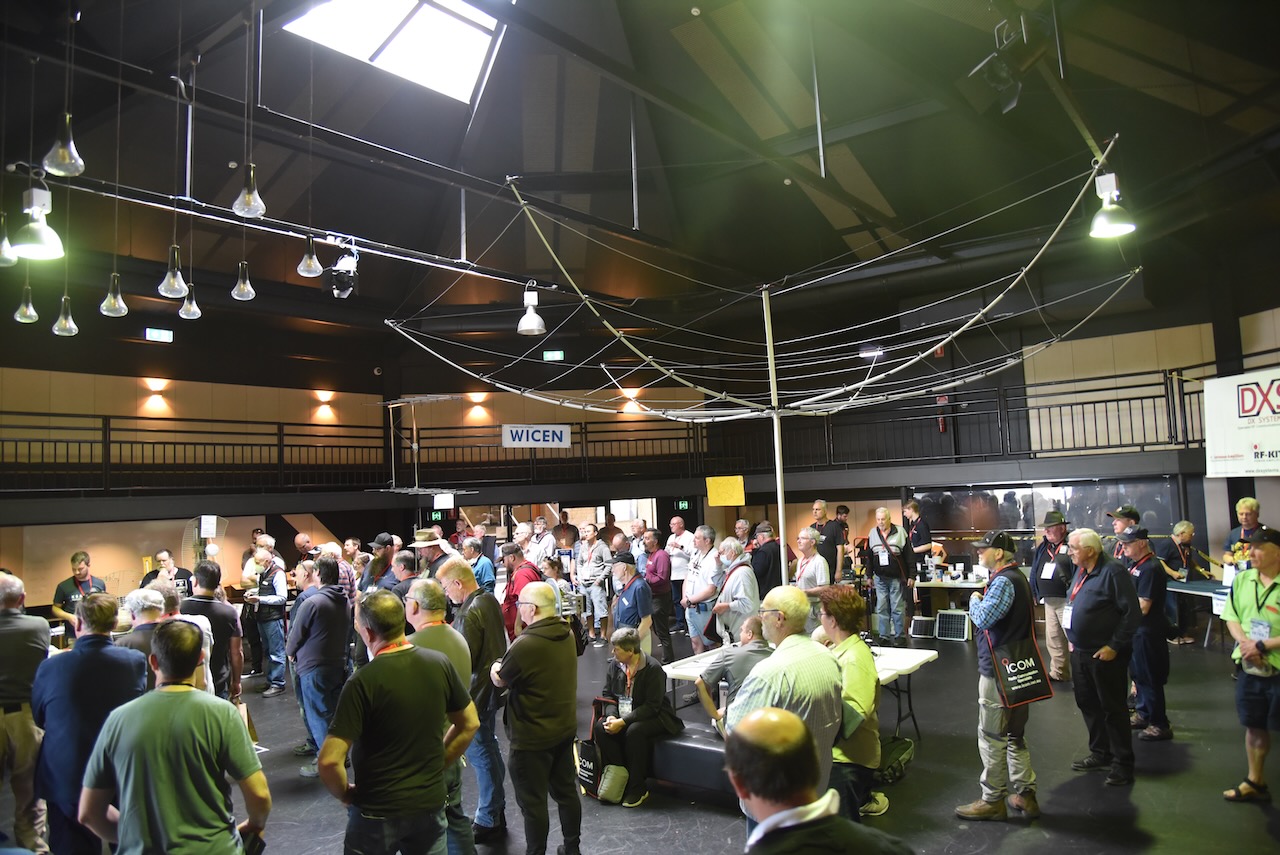
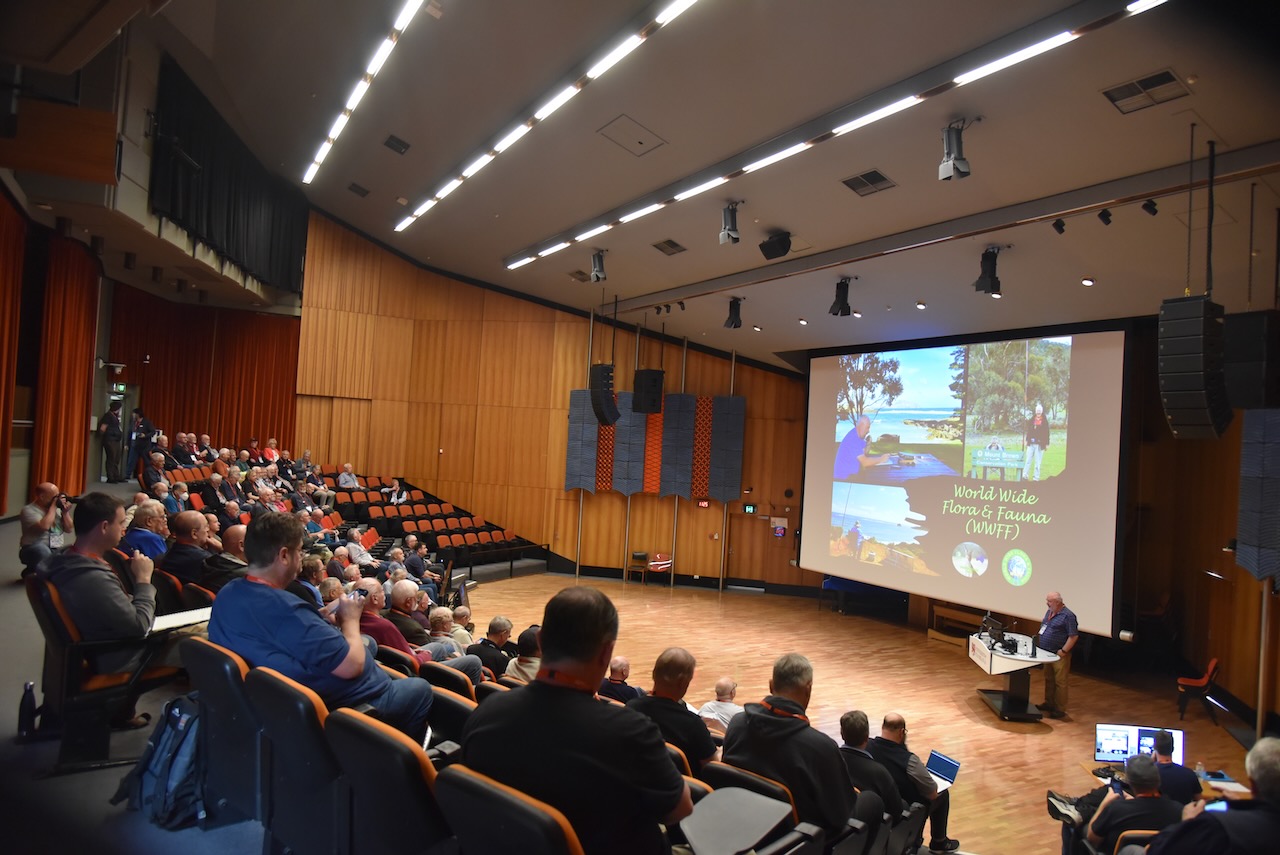
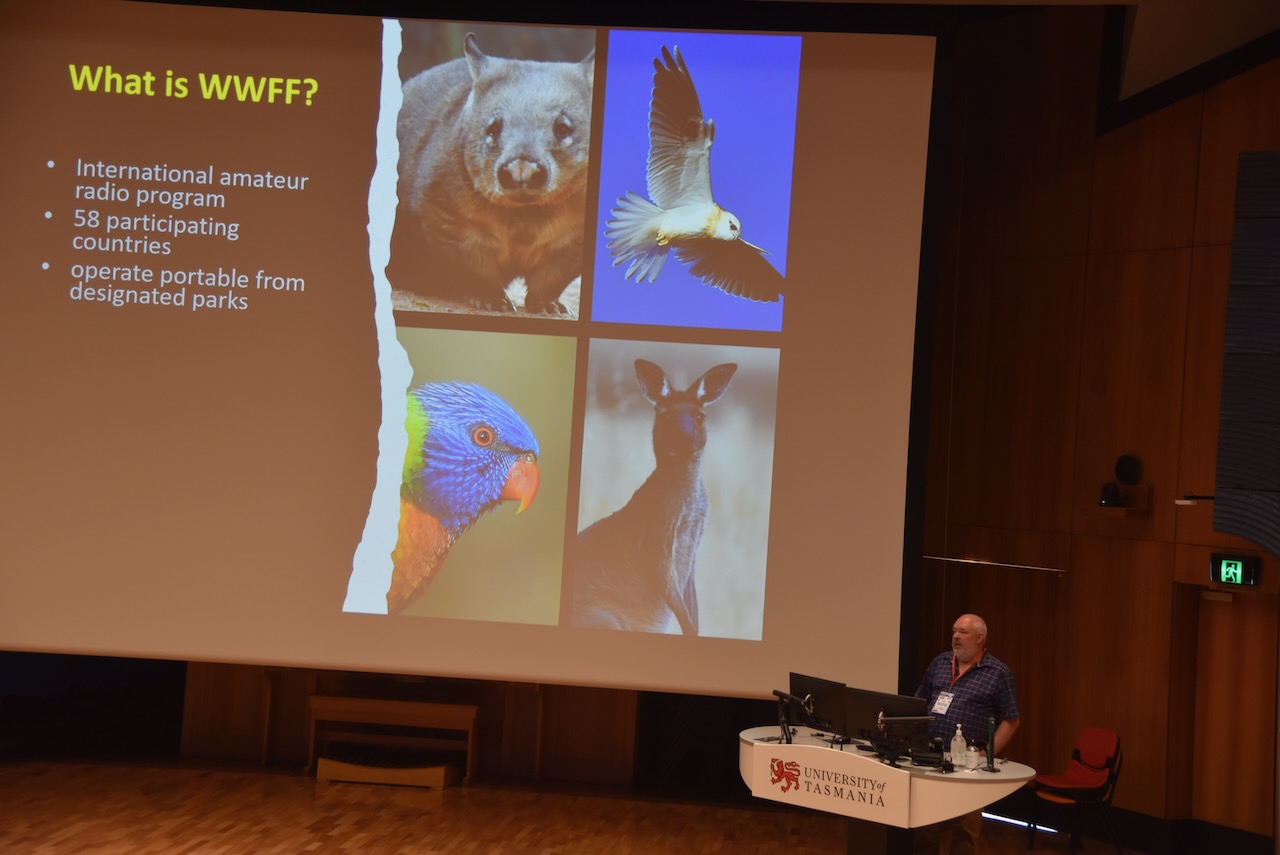
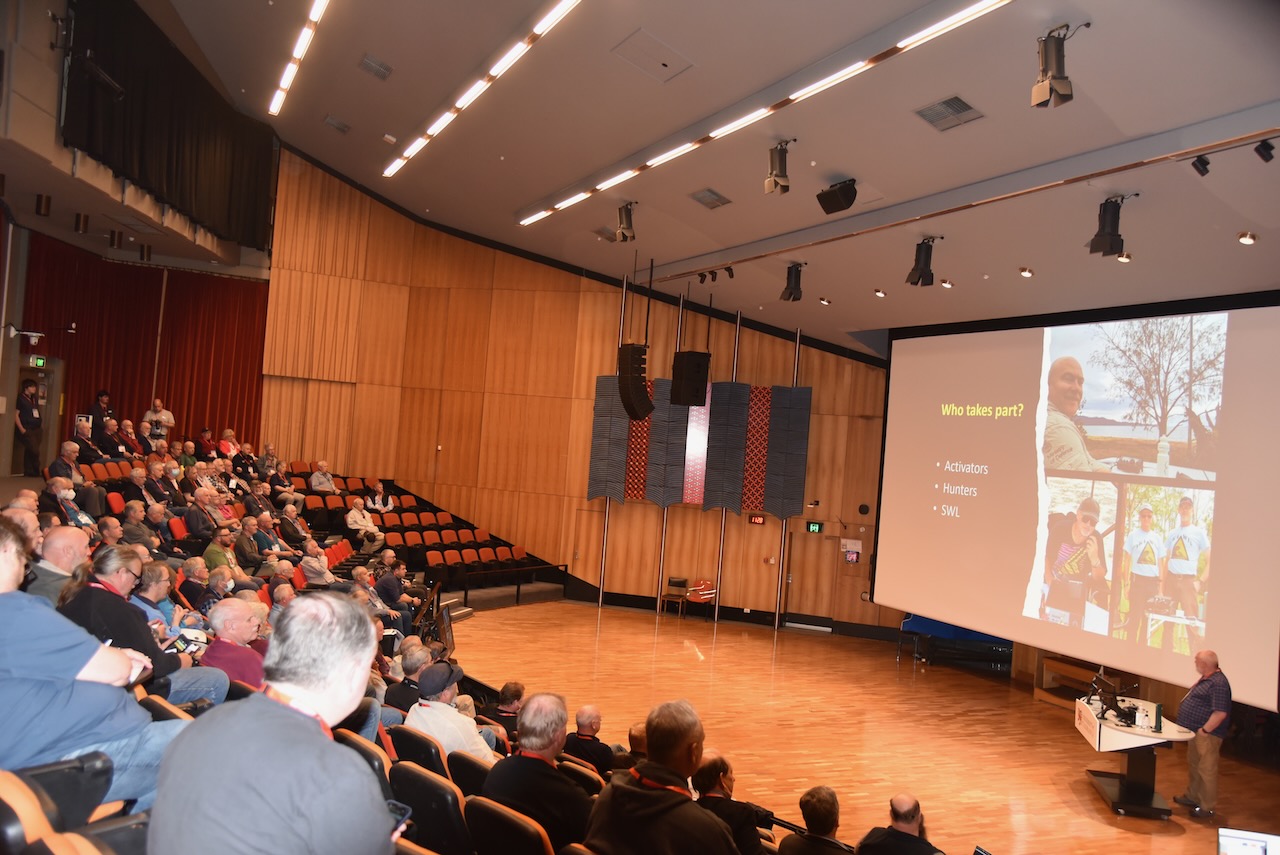
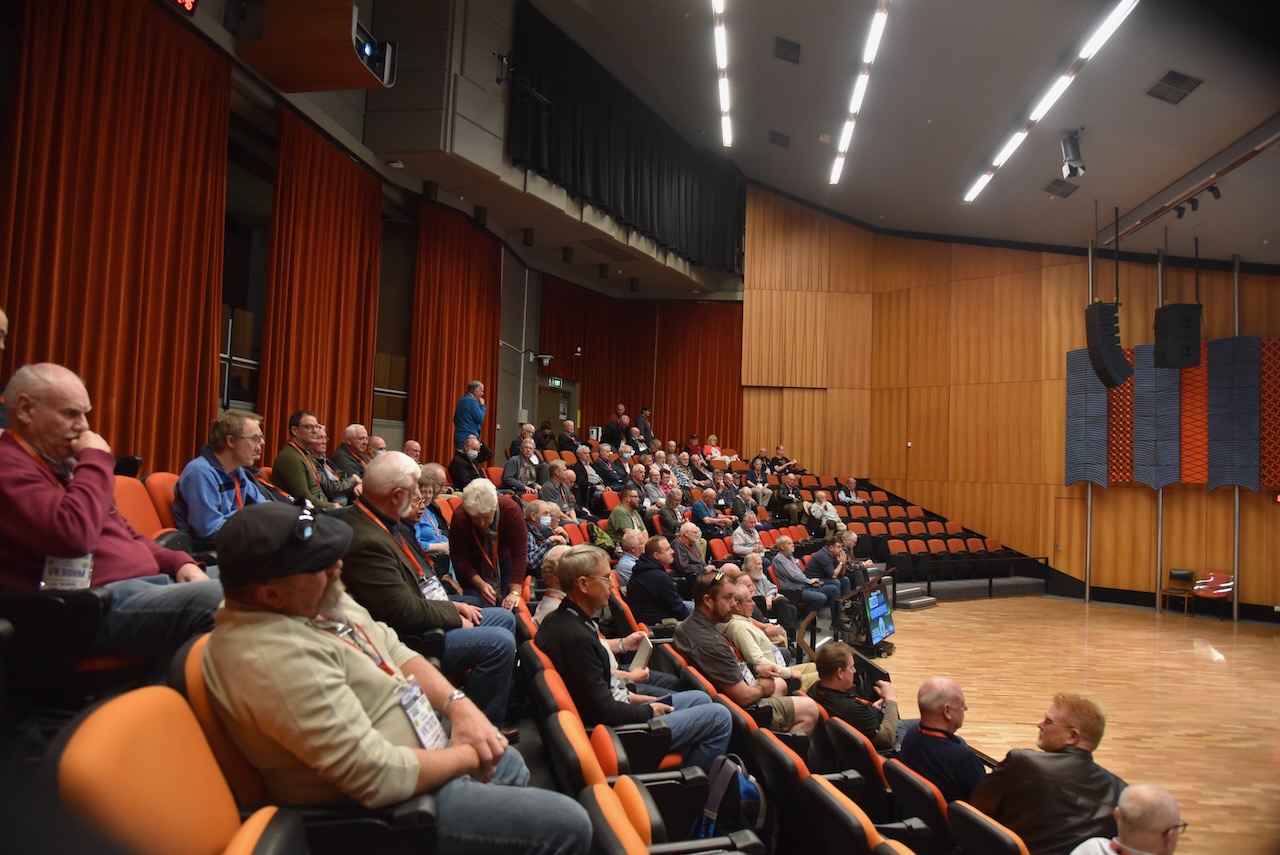
WWFF display at the Tassie Ham Conference and Expo

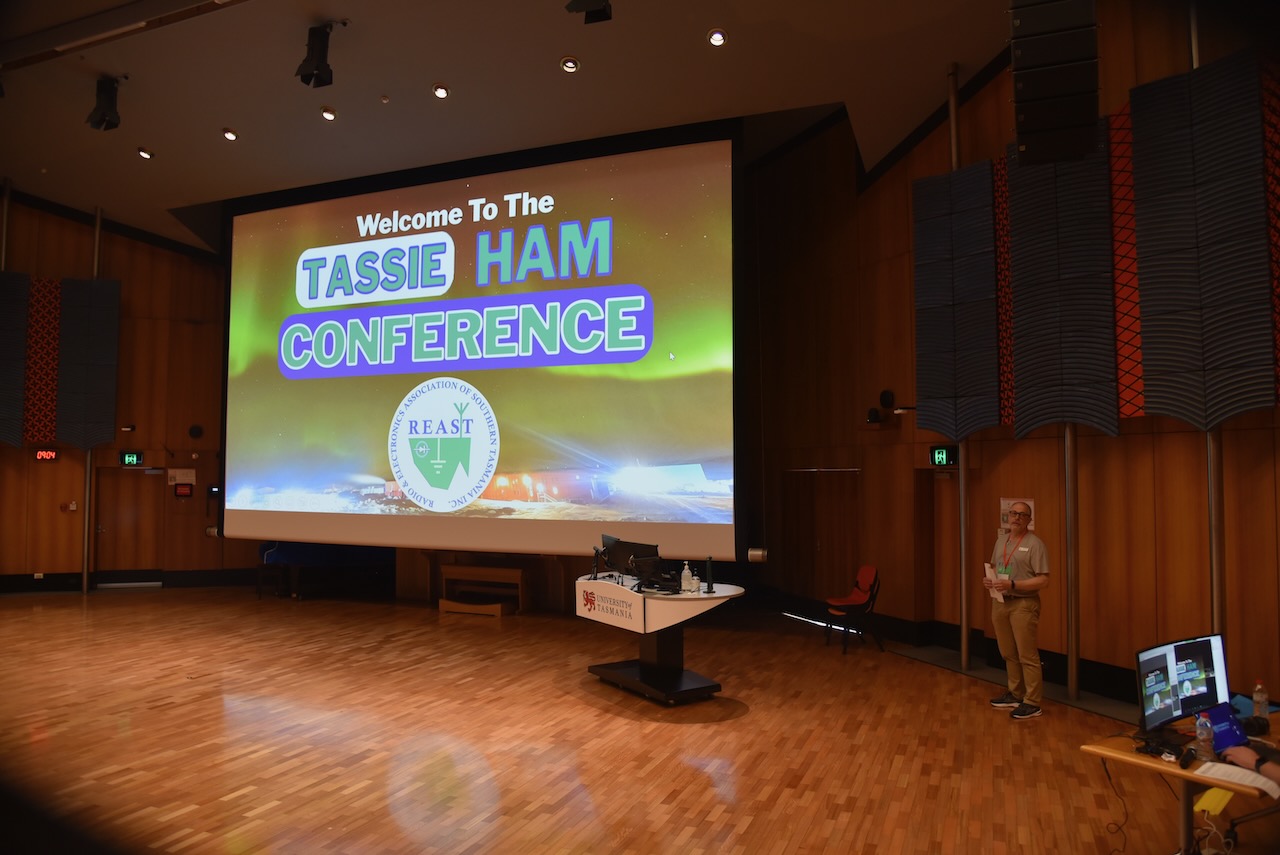
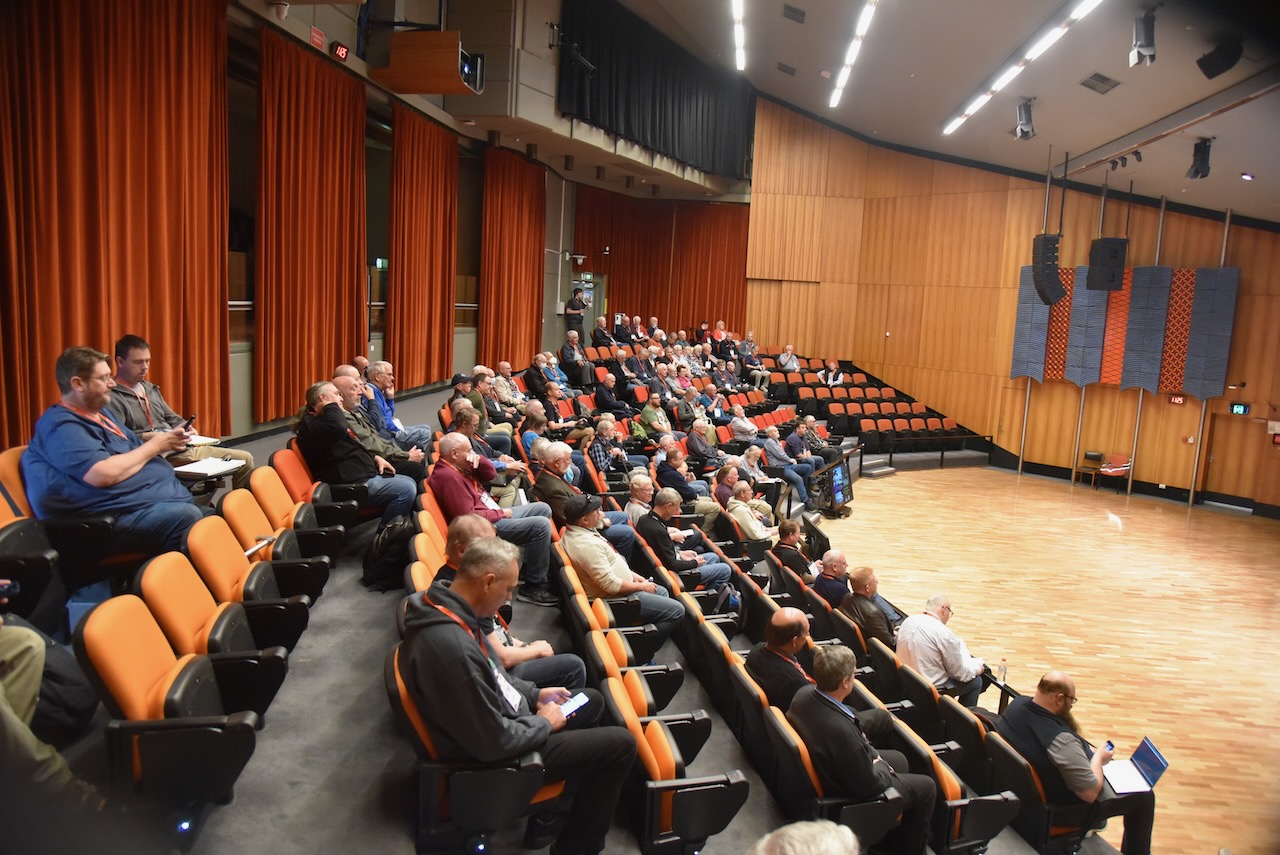
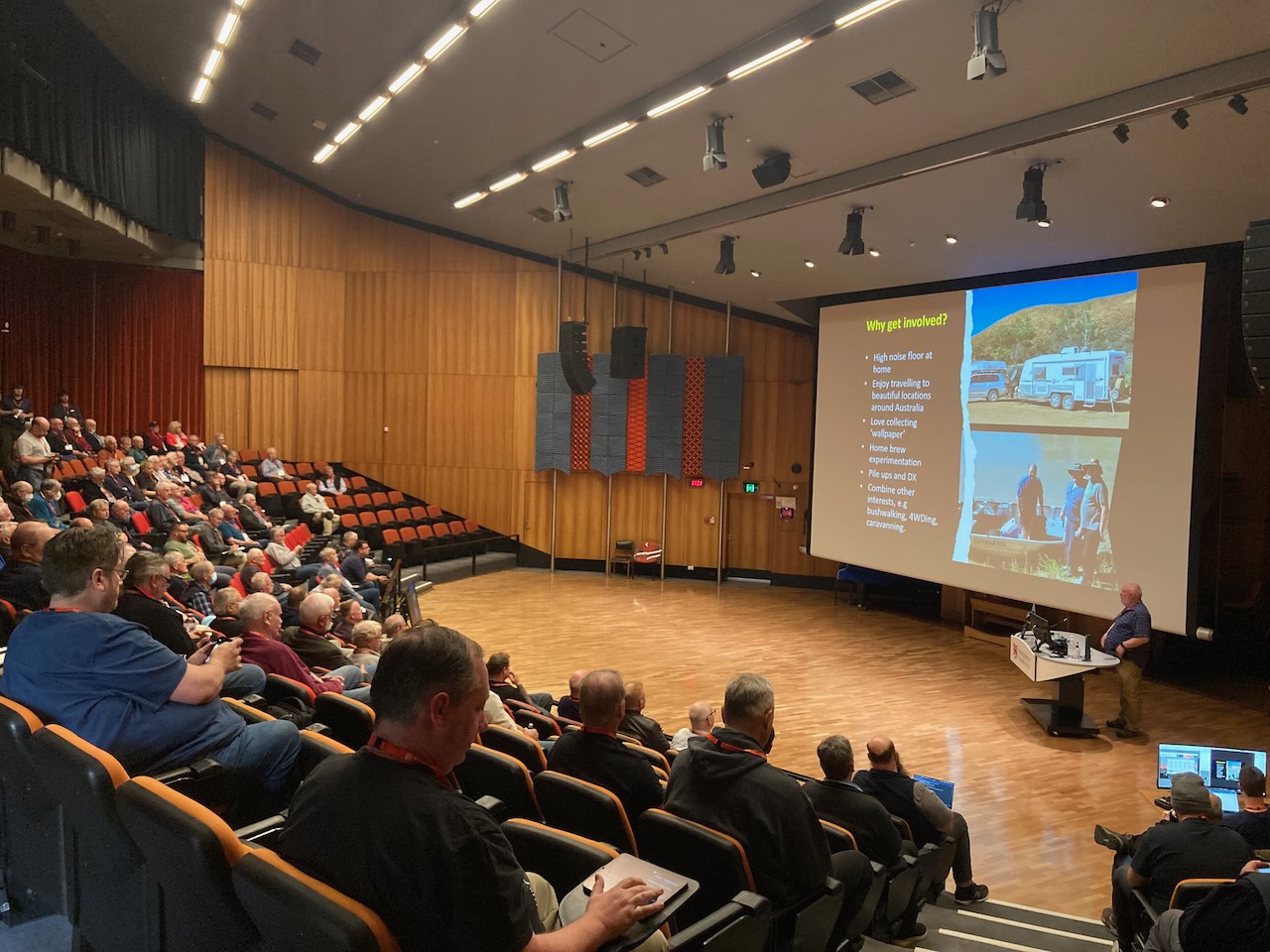
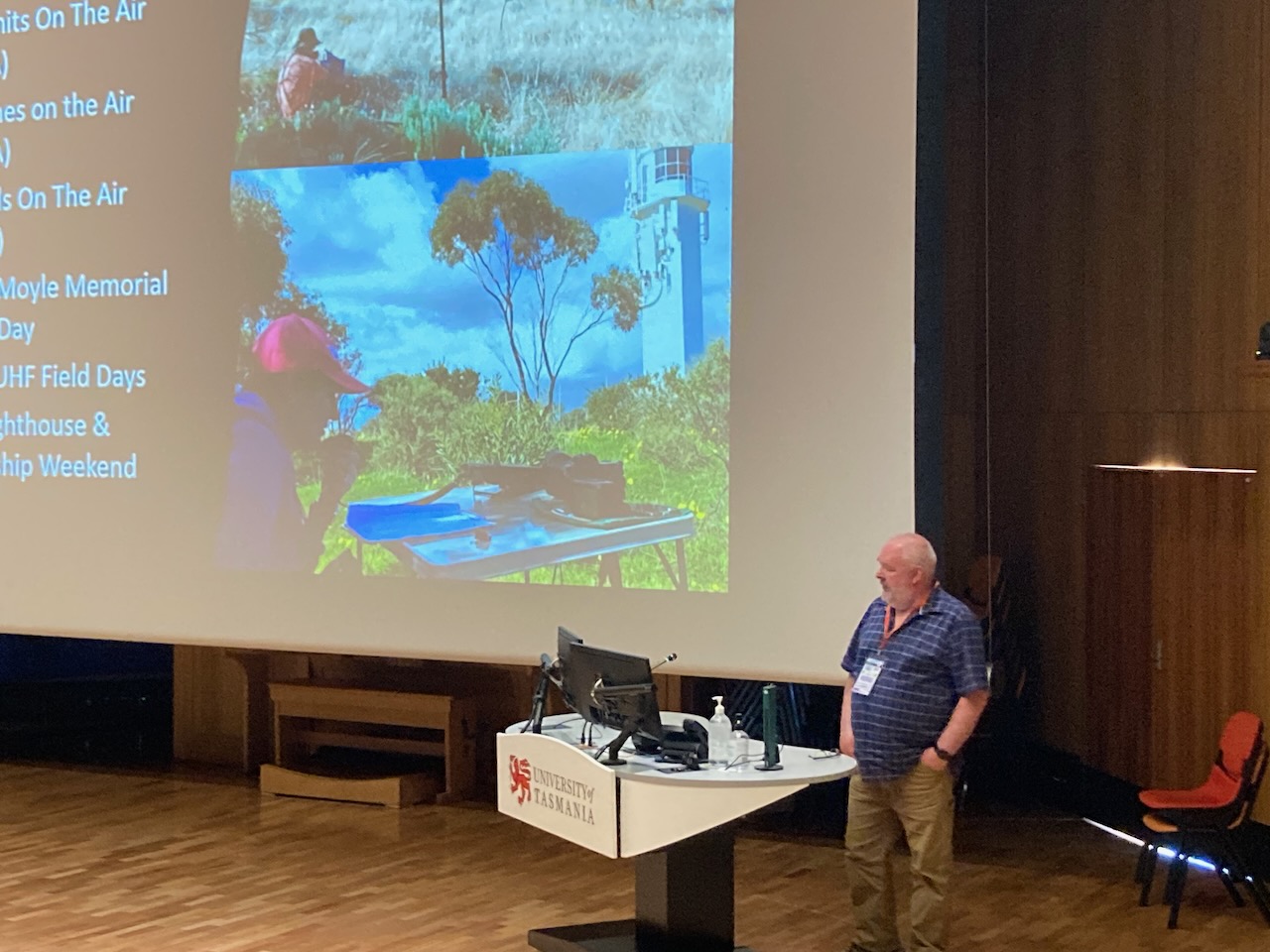
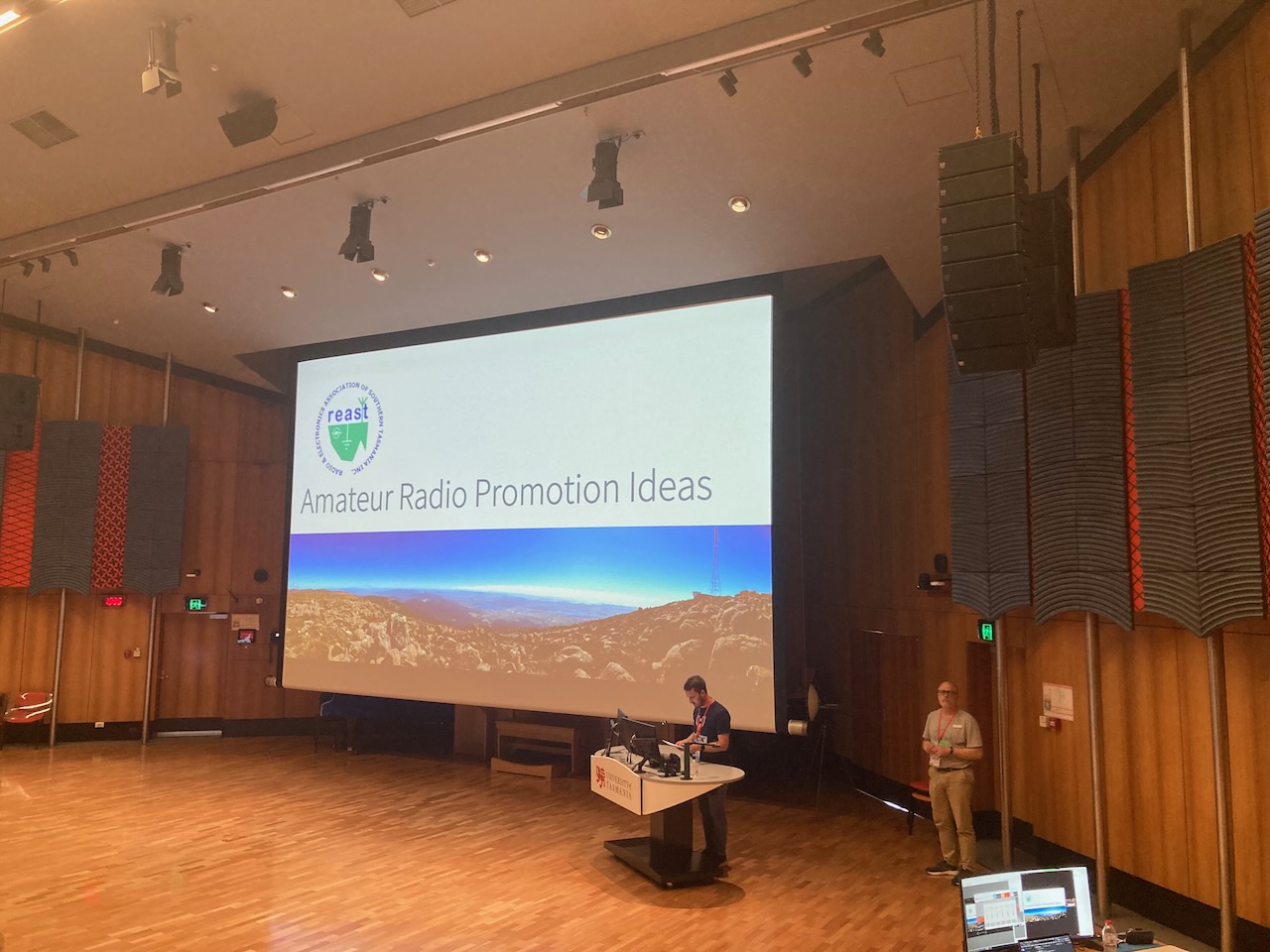
On Sunday 6th November 2022 Marija and I headed back to the University of Tasmania for day two of the Tassie Ham Conference and Expo.

Day two involved a number of displays.

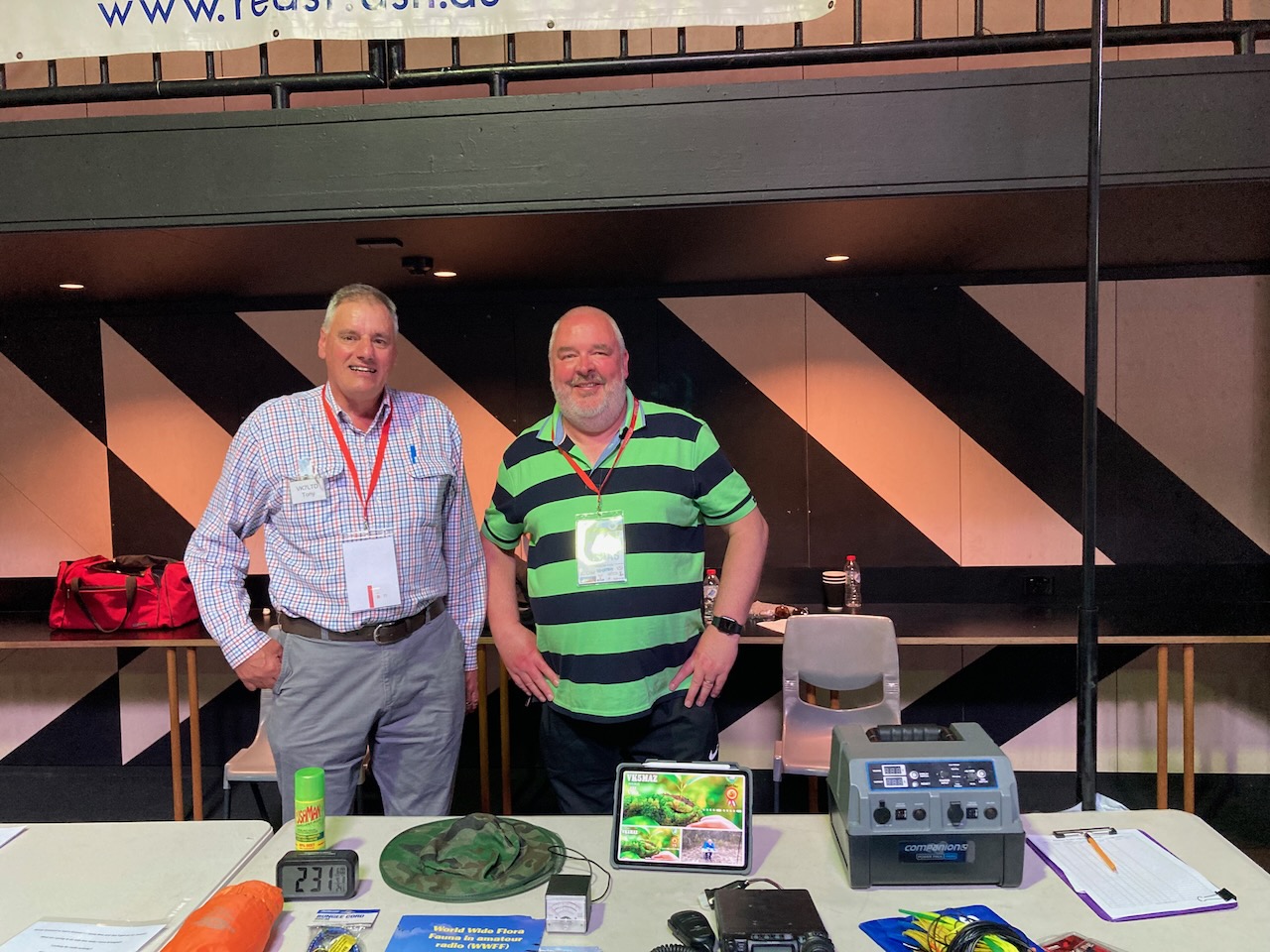
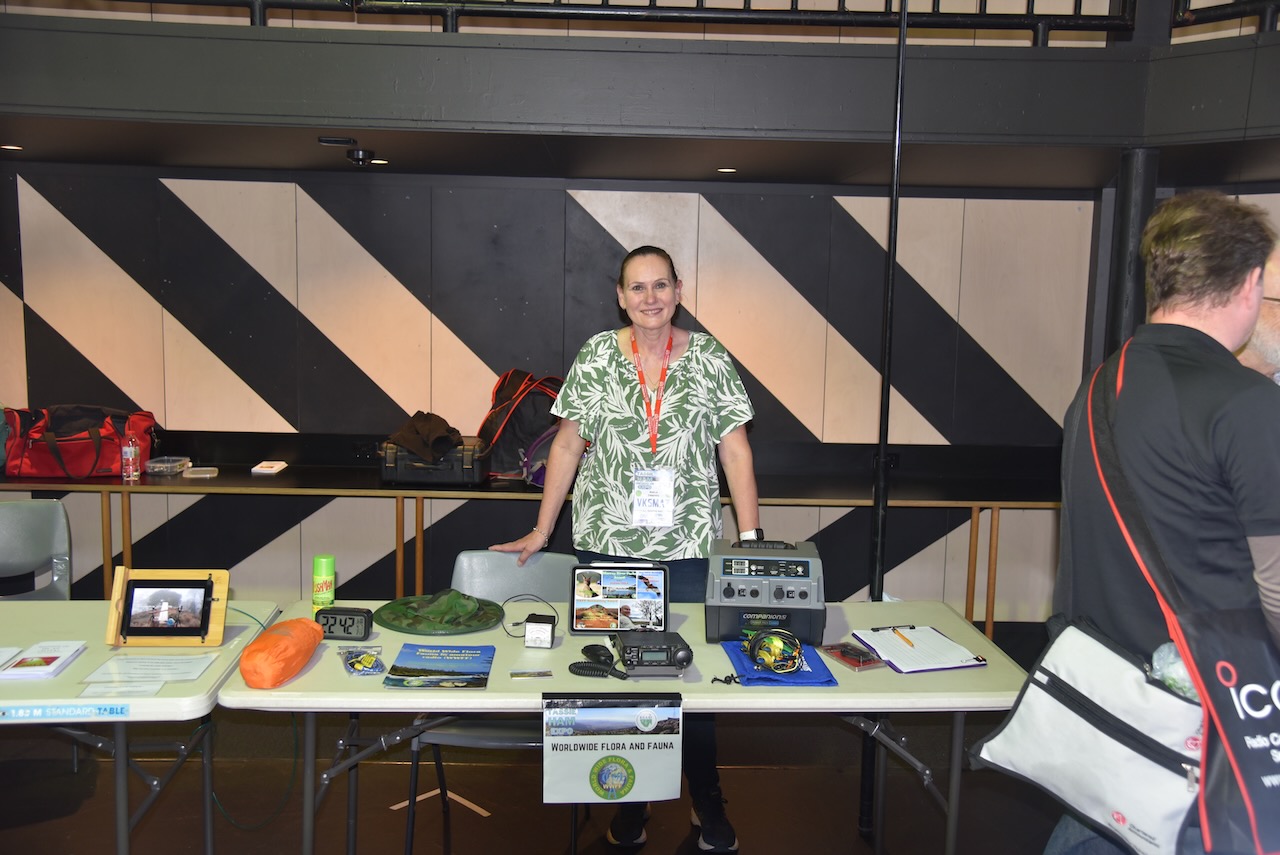
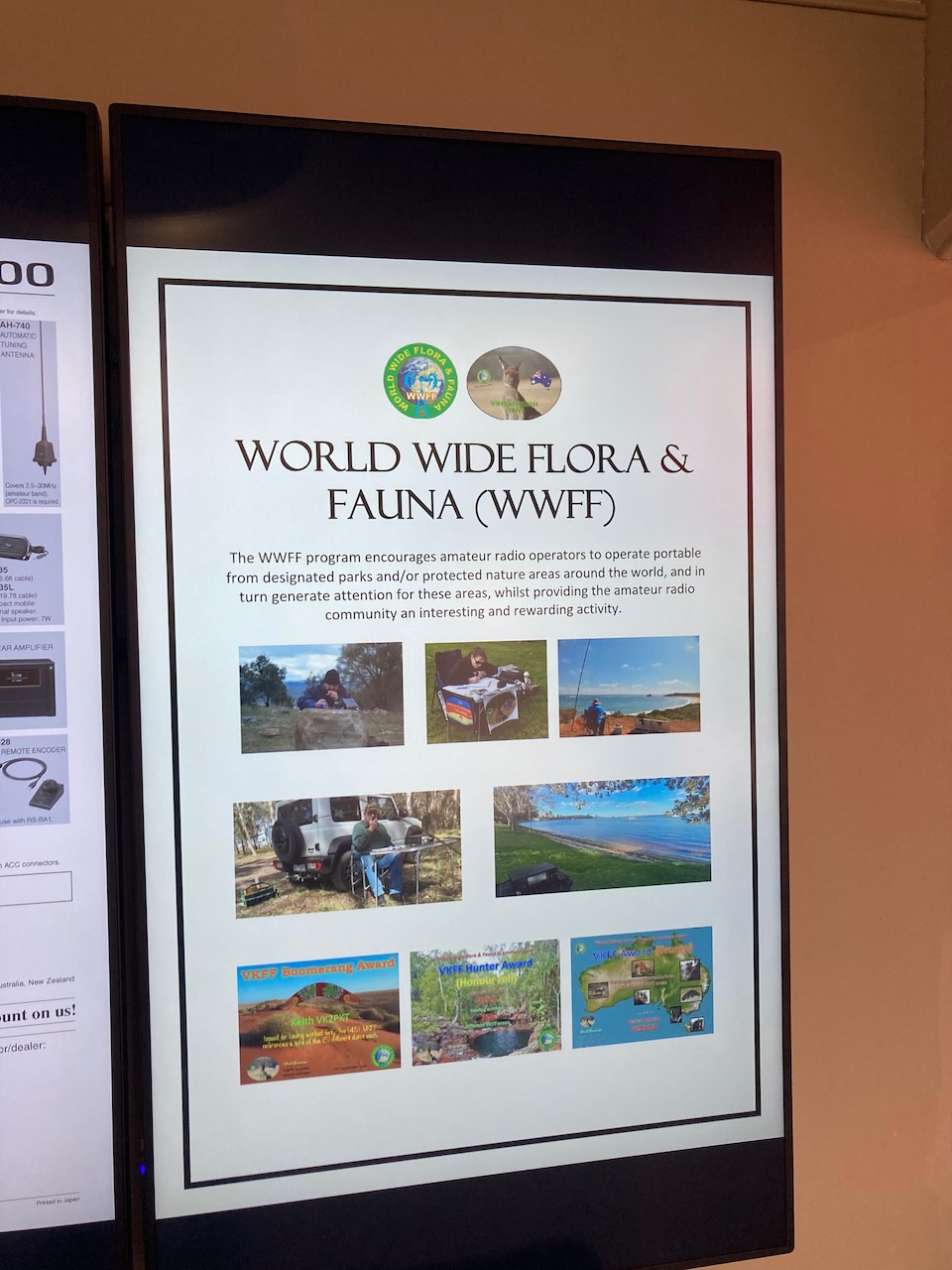
Marija VK5MAZ and I manned a display table for the World Wide Flora Fauna (WWFF) program. We were alongside of Tony VK7LTD who had a display table for the Summits On The Air (SOTA) program.

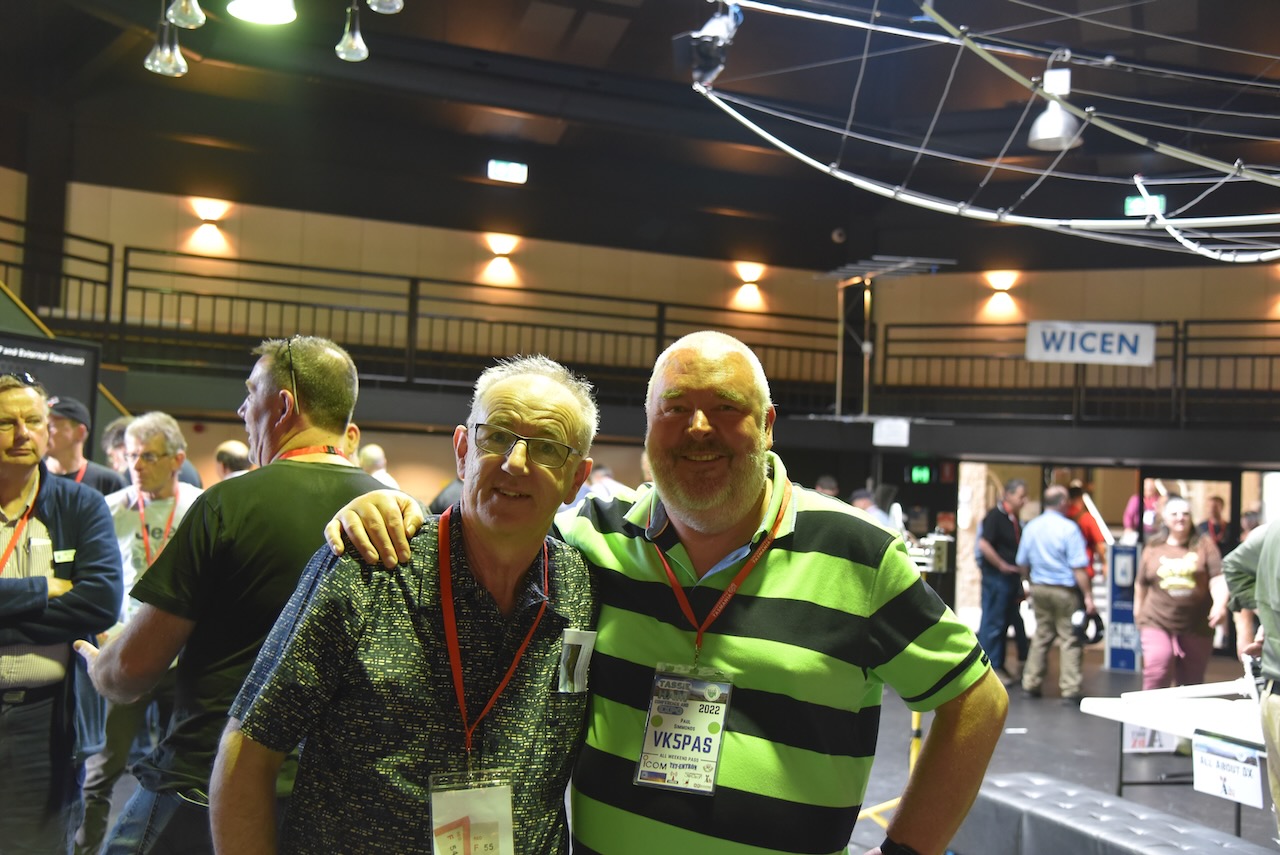
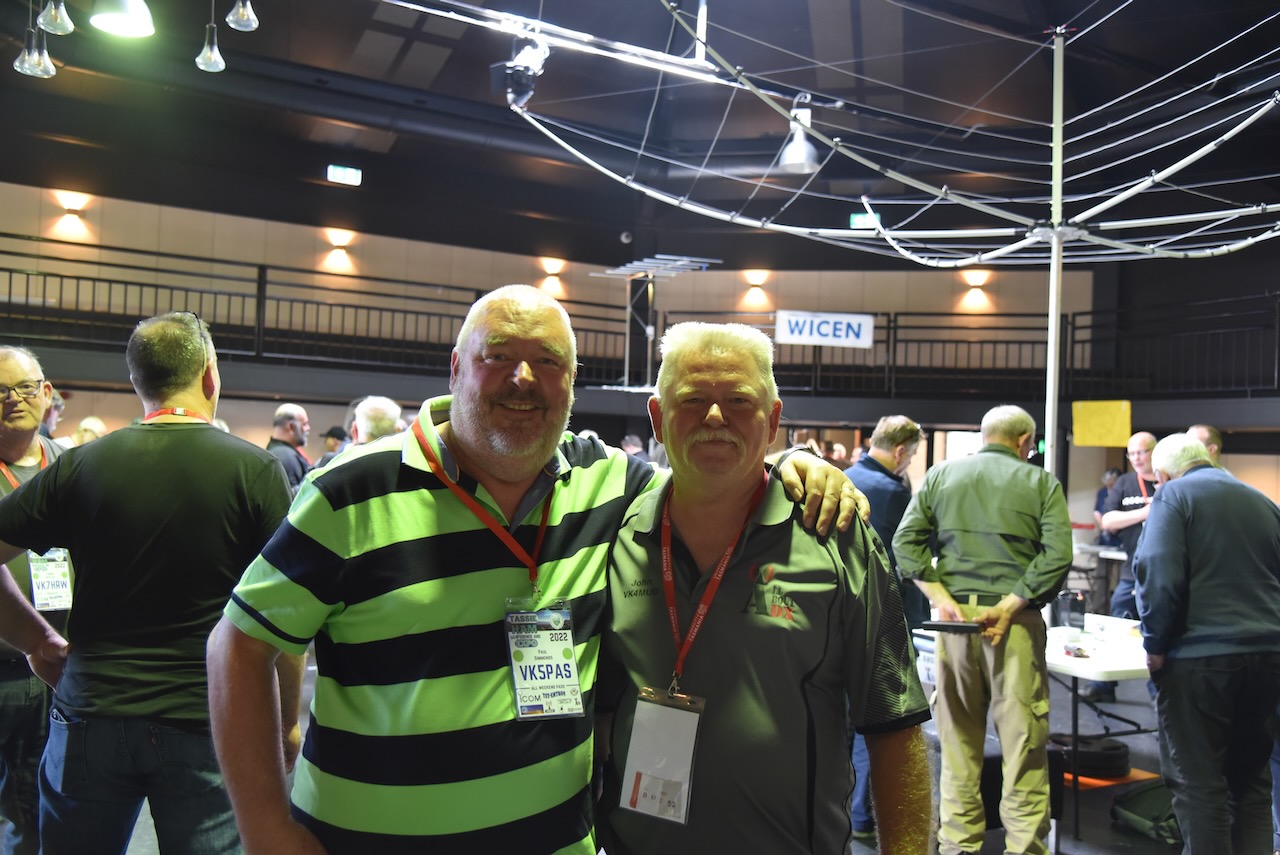
Other than a lot of questions being fielded at our display, it was a great day of catching up with some hams. This included Ken ZL4KD, the former ZLFF Co-Ordinator in New Zealand, and John VK4MUD.

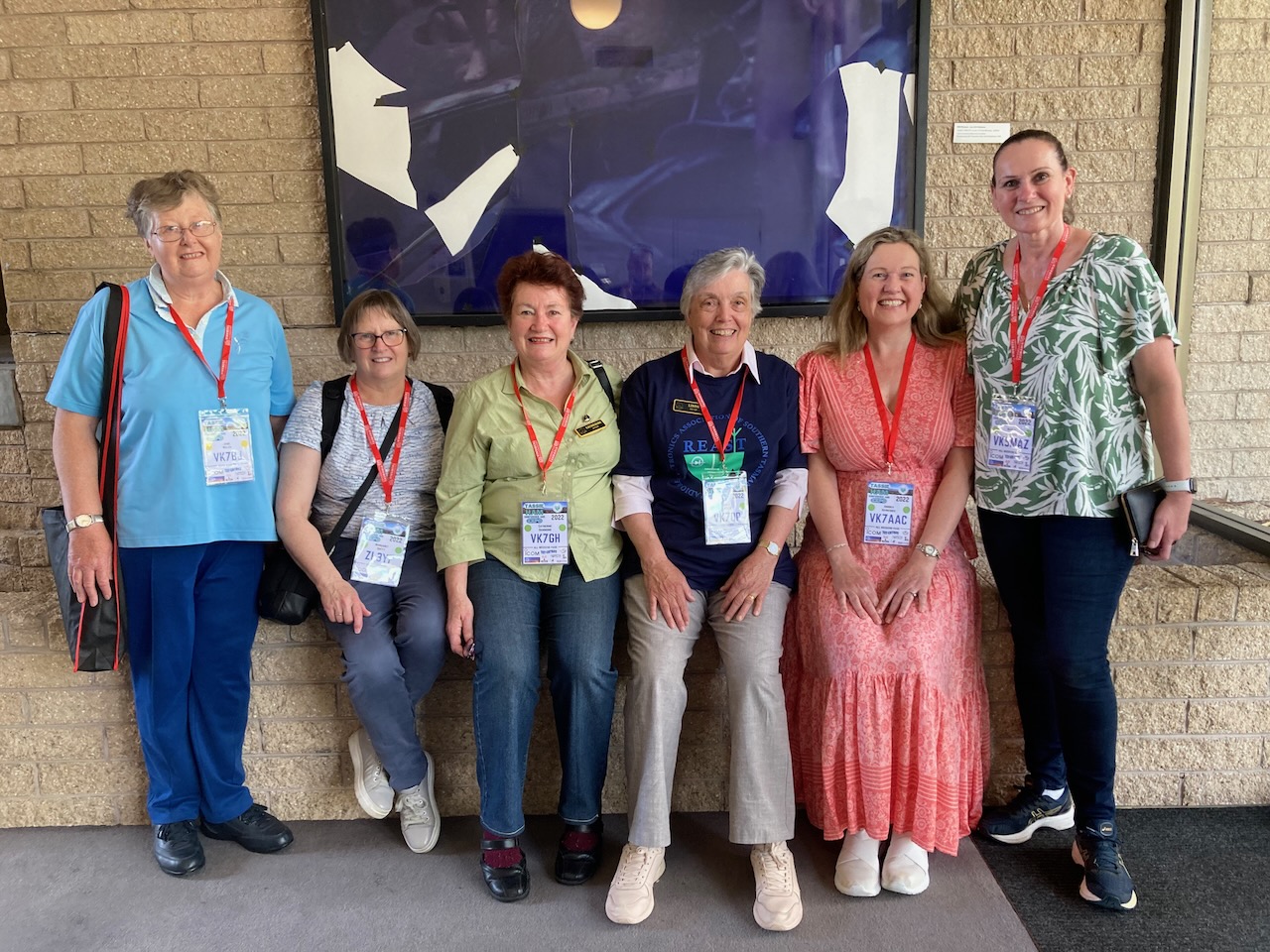
Marija also went out for morning tea with the ladies from ALARA.

Marija and I would like to thank the organisers of the Tassie Ham Conference and Expo. It was an extremely well put together event and we were very grateful for being asked to attend to participate.

Day 8 and Lake Dulverton Conservation Area VKFF-2907

Day eight of our Tasmania trip was already upon us (Friday 4th November 2022). We had decided to visit the historic towns of Kempton and Oatlands and then fit in another park activation.

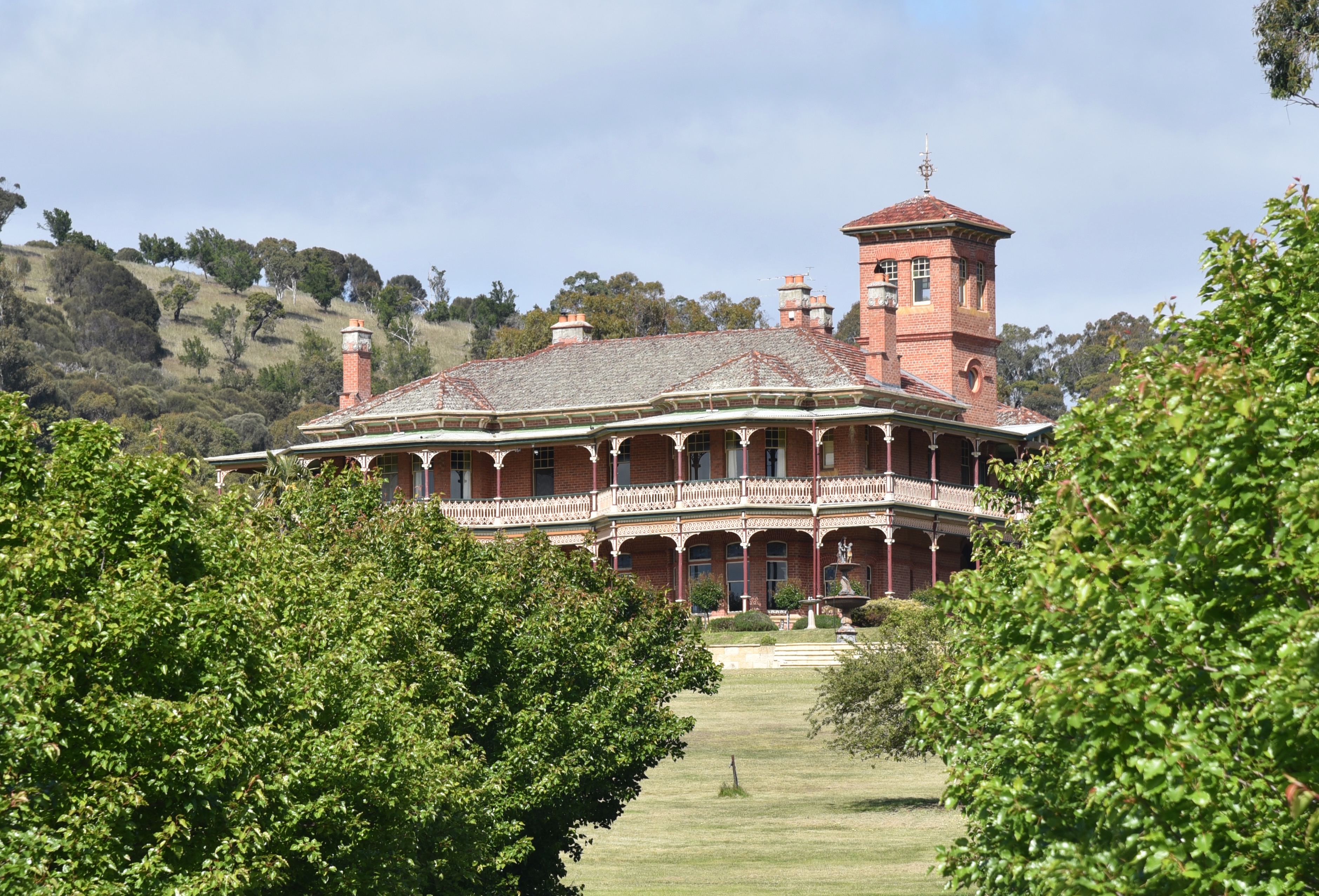
After breakfast we headed north out of Hobart on the Midland Highway. Our first stop was to have a look from the road, of Wybra Hall. It is one of a number of majestic and historic homes along the Highway at Mangalore and Bagdad, north of Hobart. Wybra Hall was built in c. 1860. During the 1950s it was purchased by the Tasmanian Government and was a government run reformatory for boys and girls. It closed in 1988. It is now a private residence.

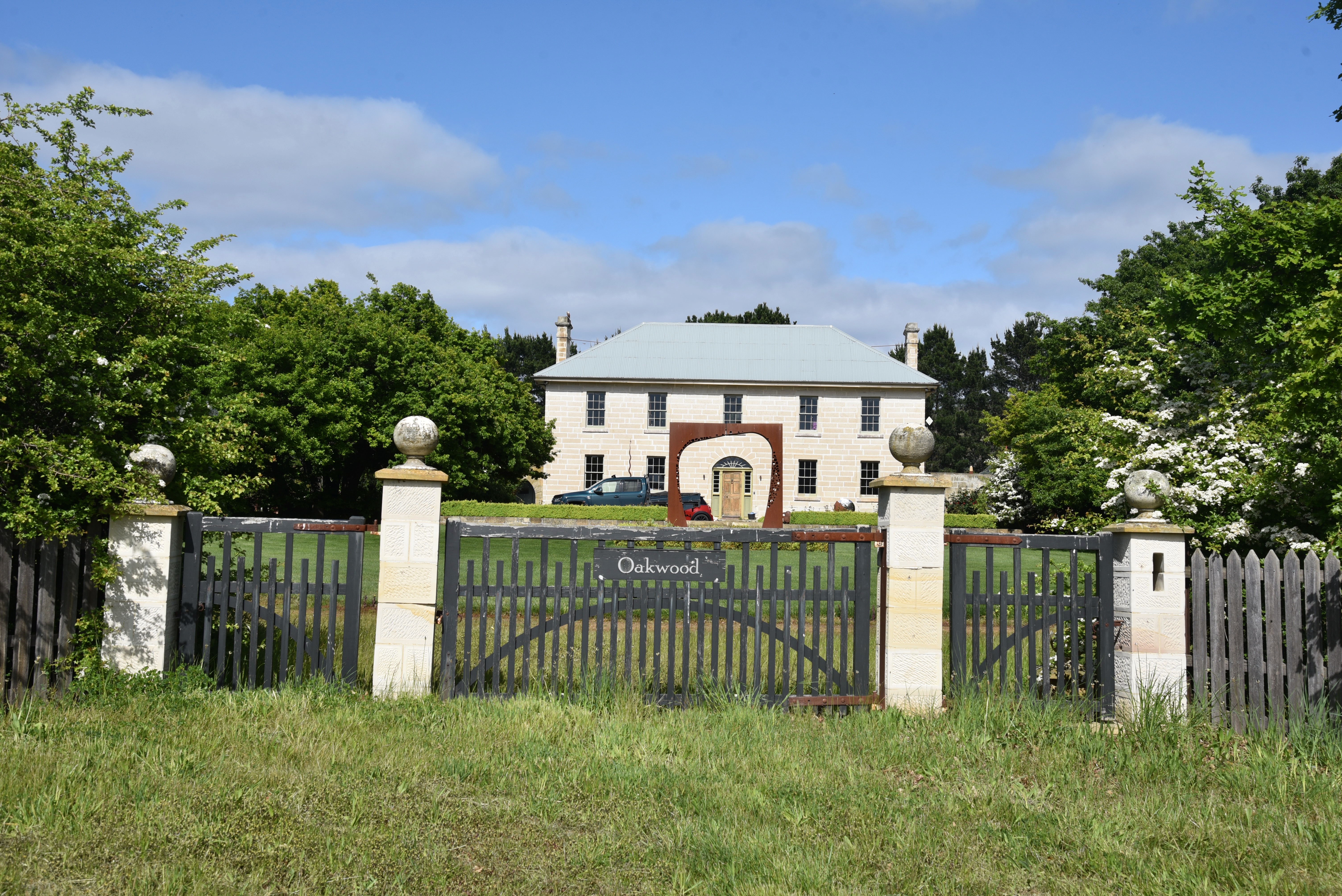
A little further along the Highway at Bagdad is the historic homestead of Oakwood. a two storey Georgian mansion which was built in the 1830s. The land on which the Oakwood homestead now stands was originally granted to John Ingle who arrived in Van Dieman’s Land in 1804. Oakwood is a private residence.

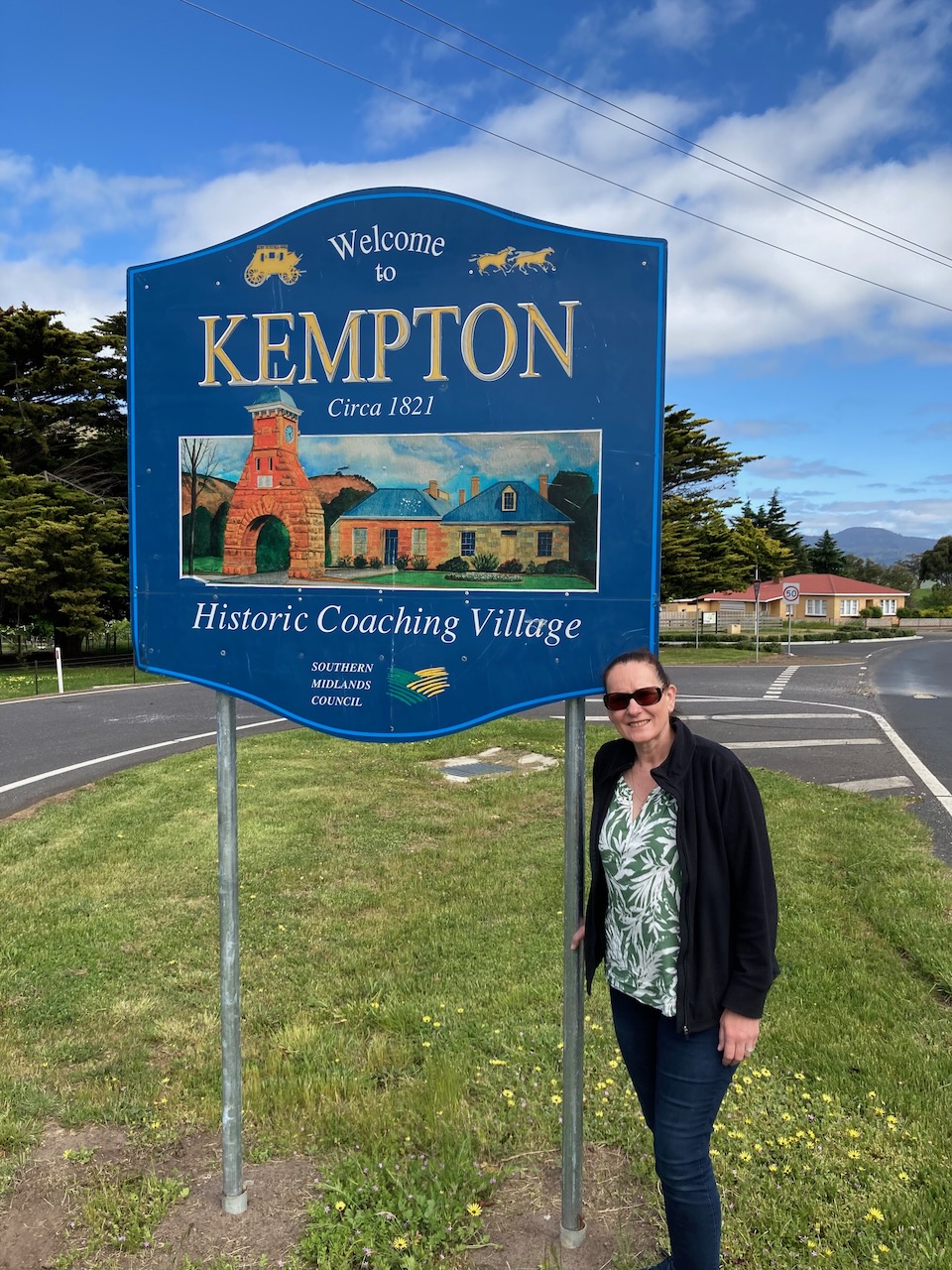
We then turned off the Midland Highway into the little town of Kempton. I had read a lot about this quaint little town on the internet and it was a must see for us. Kempton is is an early colonial settlement with numerous historic buildings. Kempton has been classified as an historic town.

By 1814 European settlers had arrived in the area and they named the district Green ponds due to its green ponds. In 1816 Anthony Fenn Kemp, a soldier-merchant settled in the area. He acquired 4,100 acres of land and developed a wool industry in the area, along with breeding horses and cattle. He also introduced a North American variety of corn.

It was due to Kemp that in the 1840s the settlement became known as Kemp Town, and later Kempton.

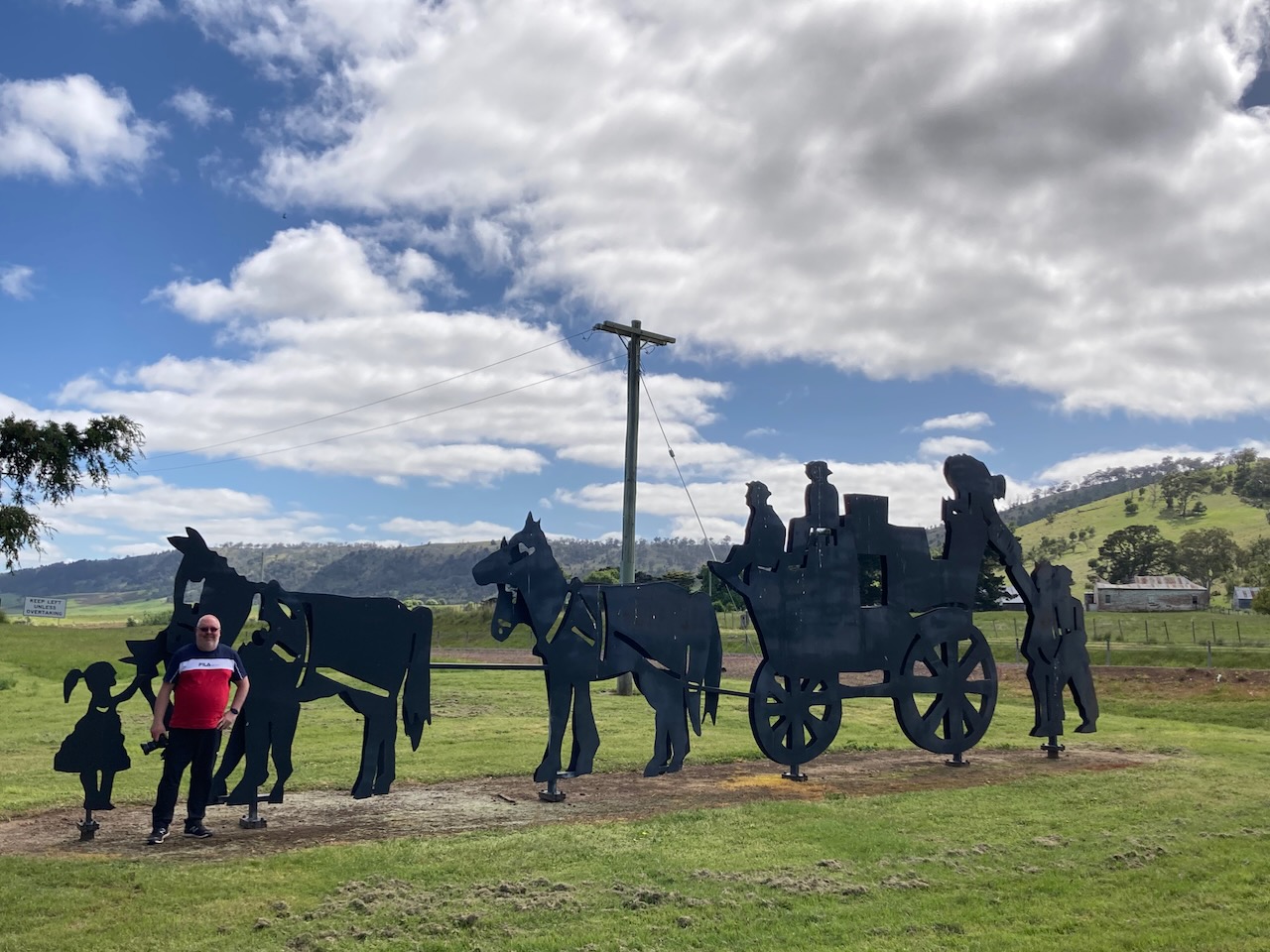
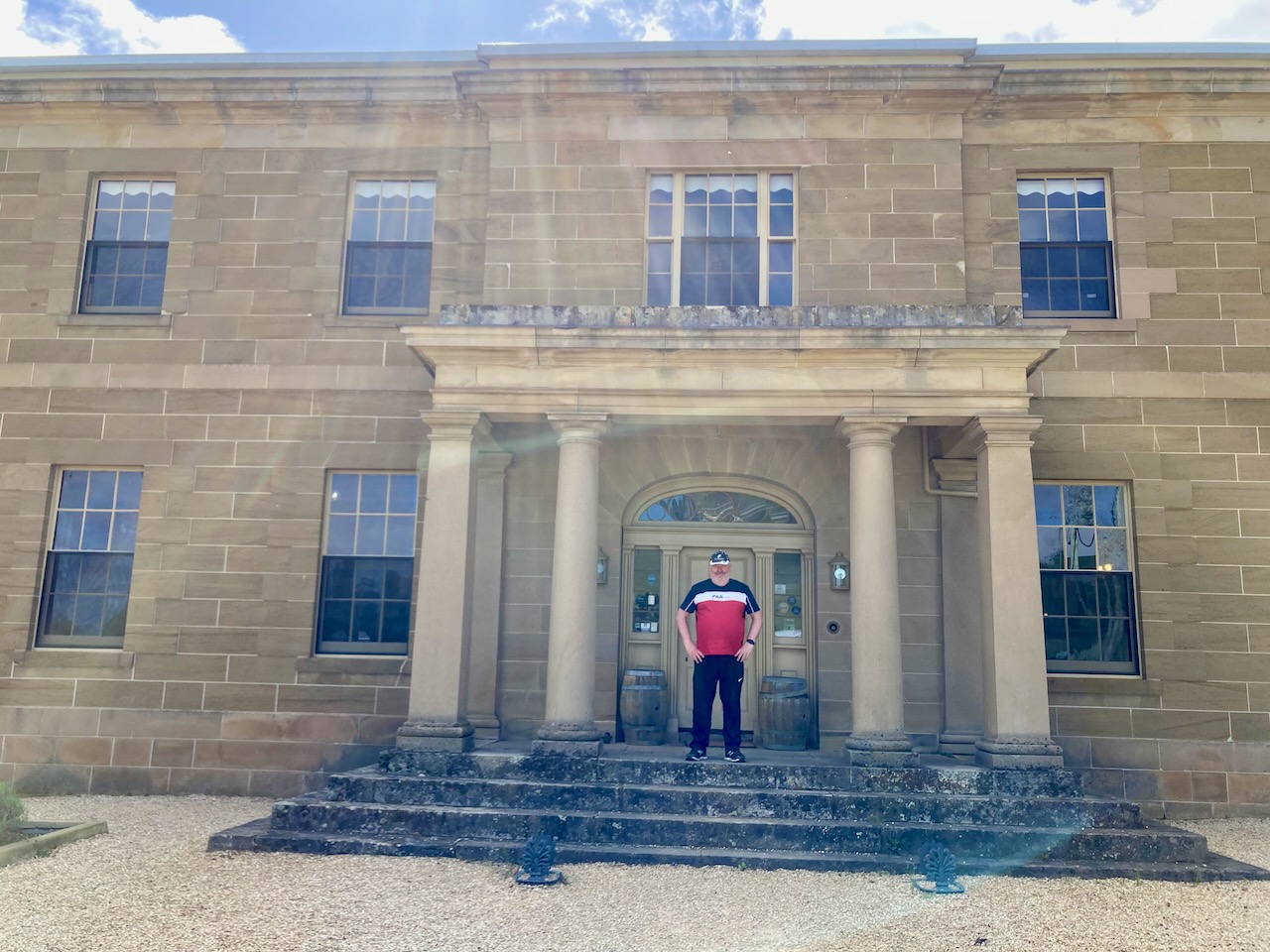
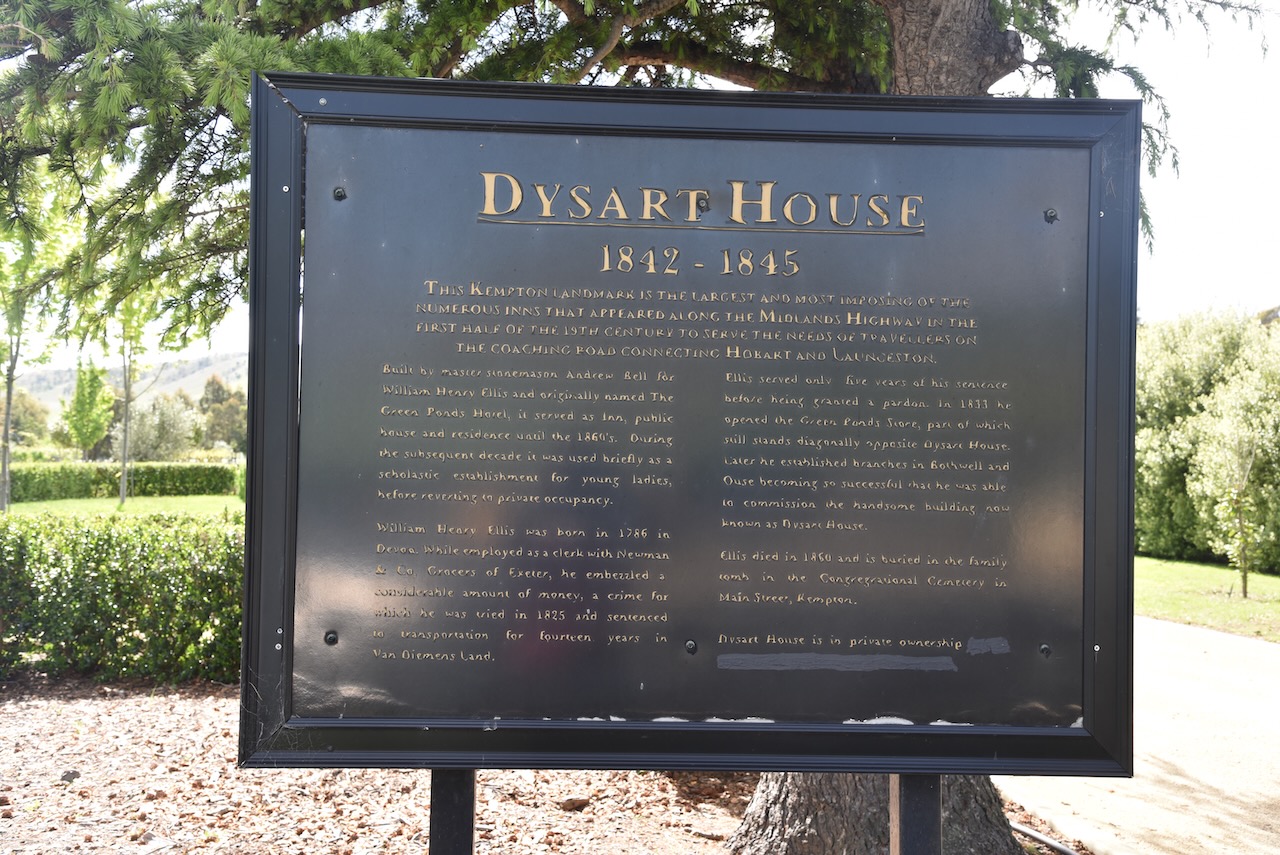
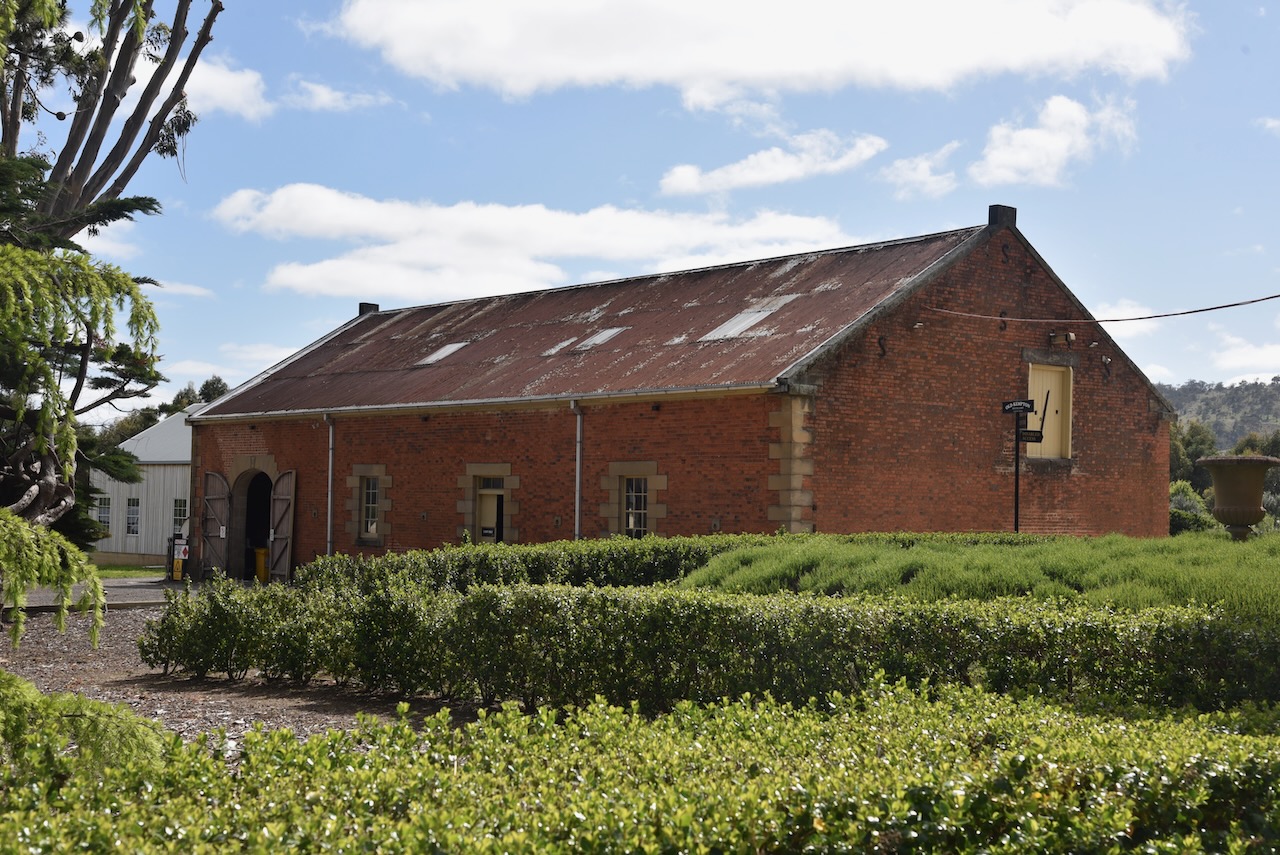
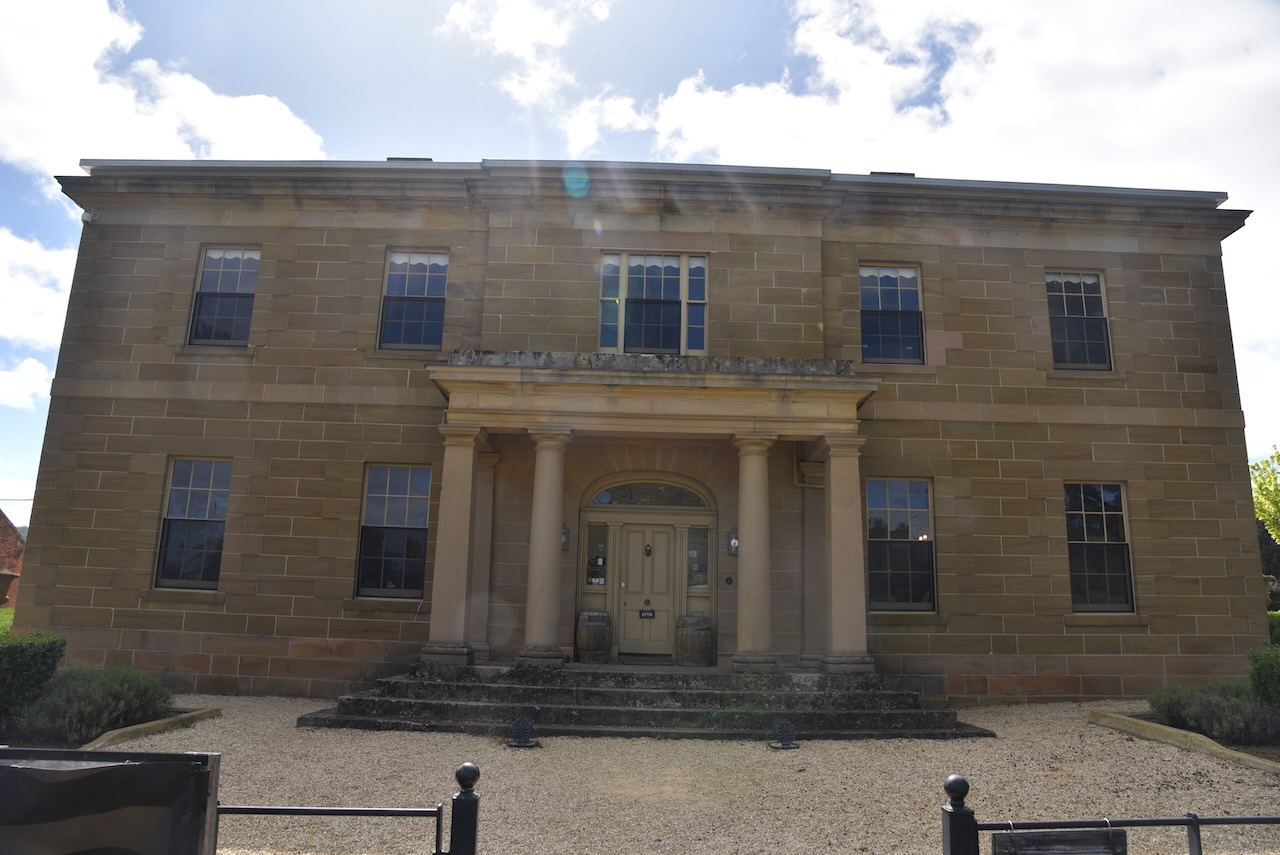
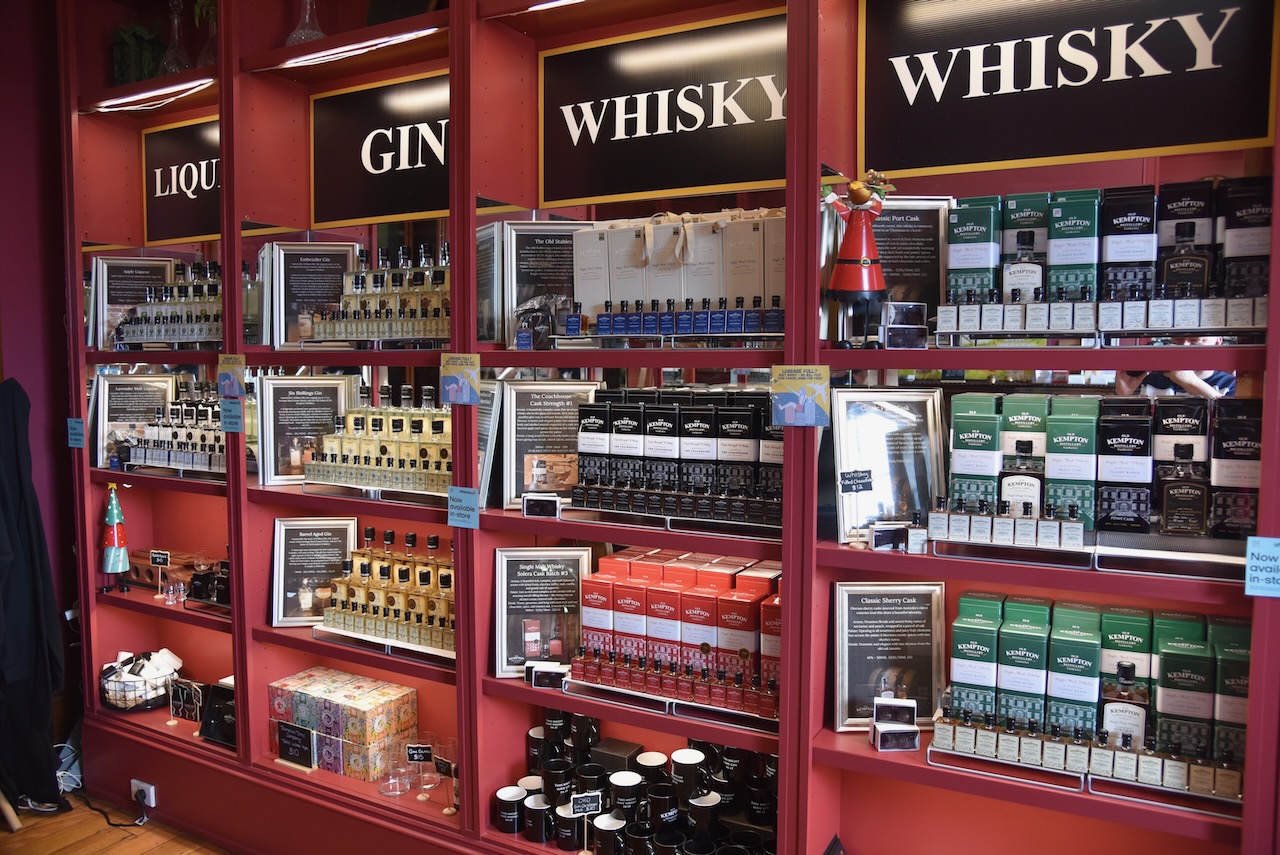
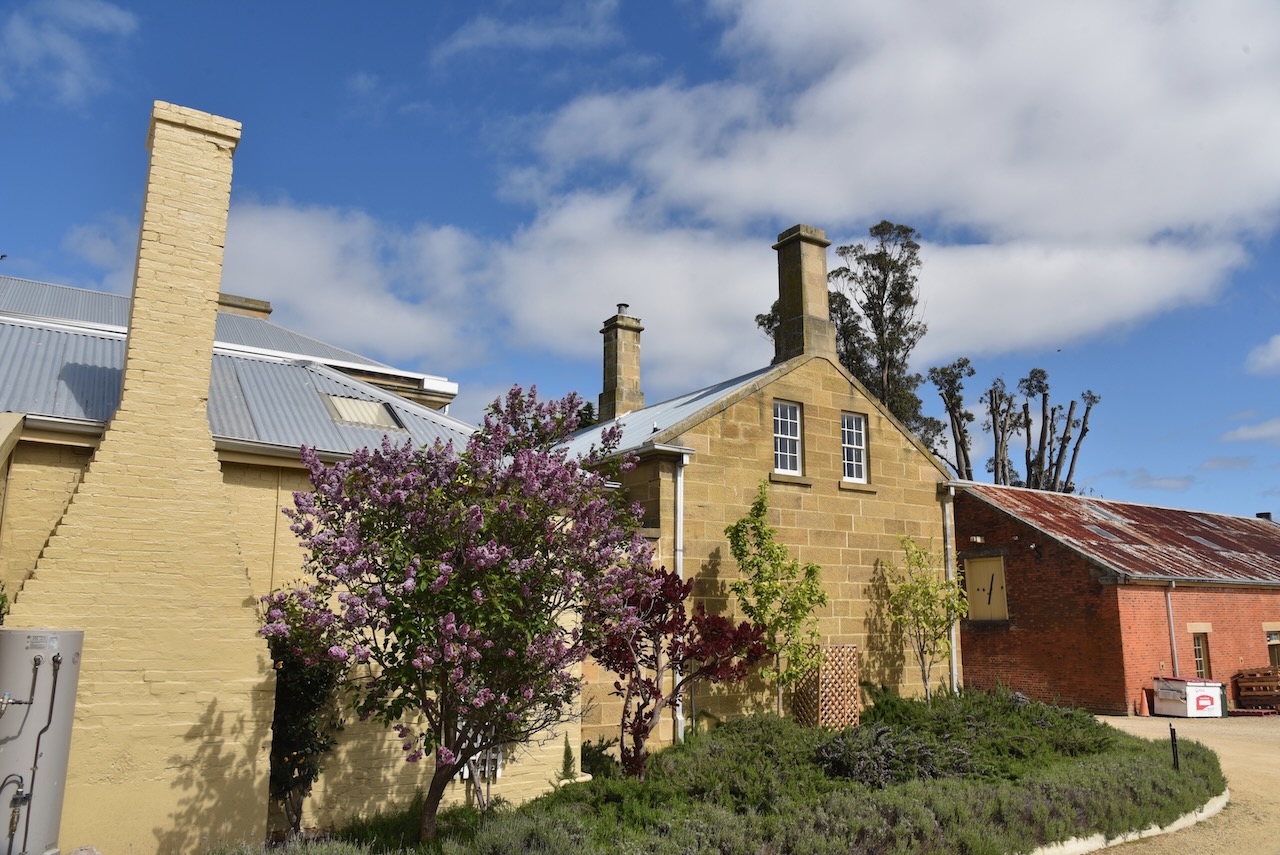
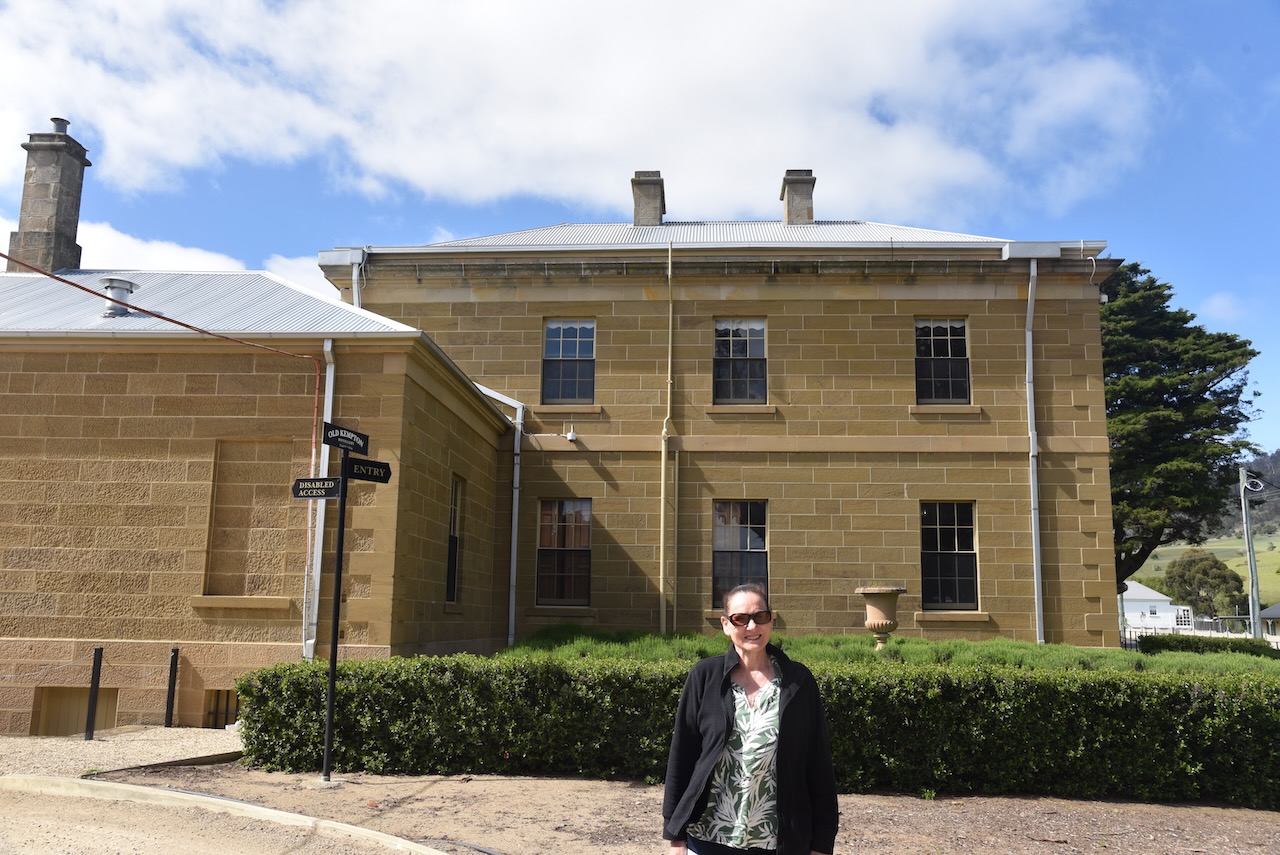
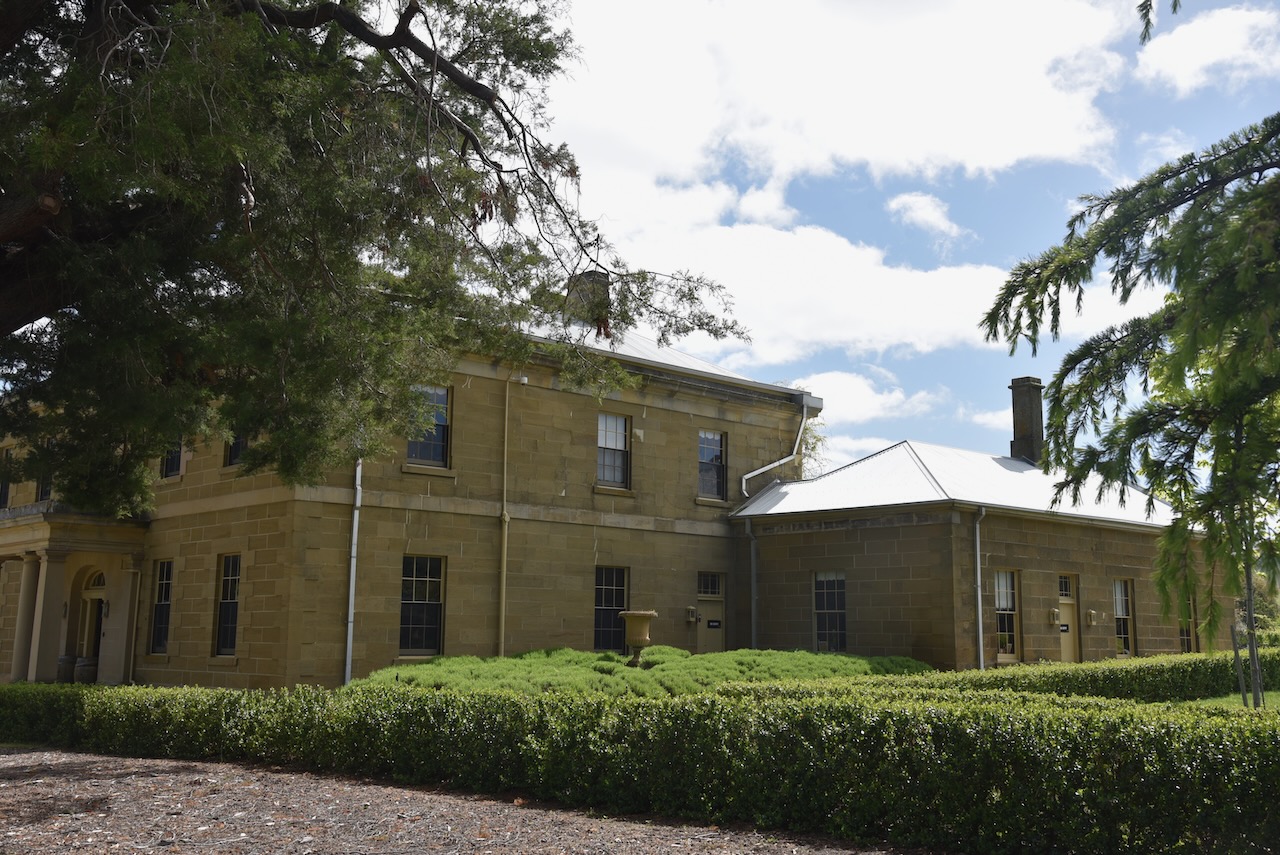
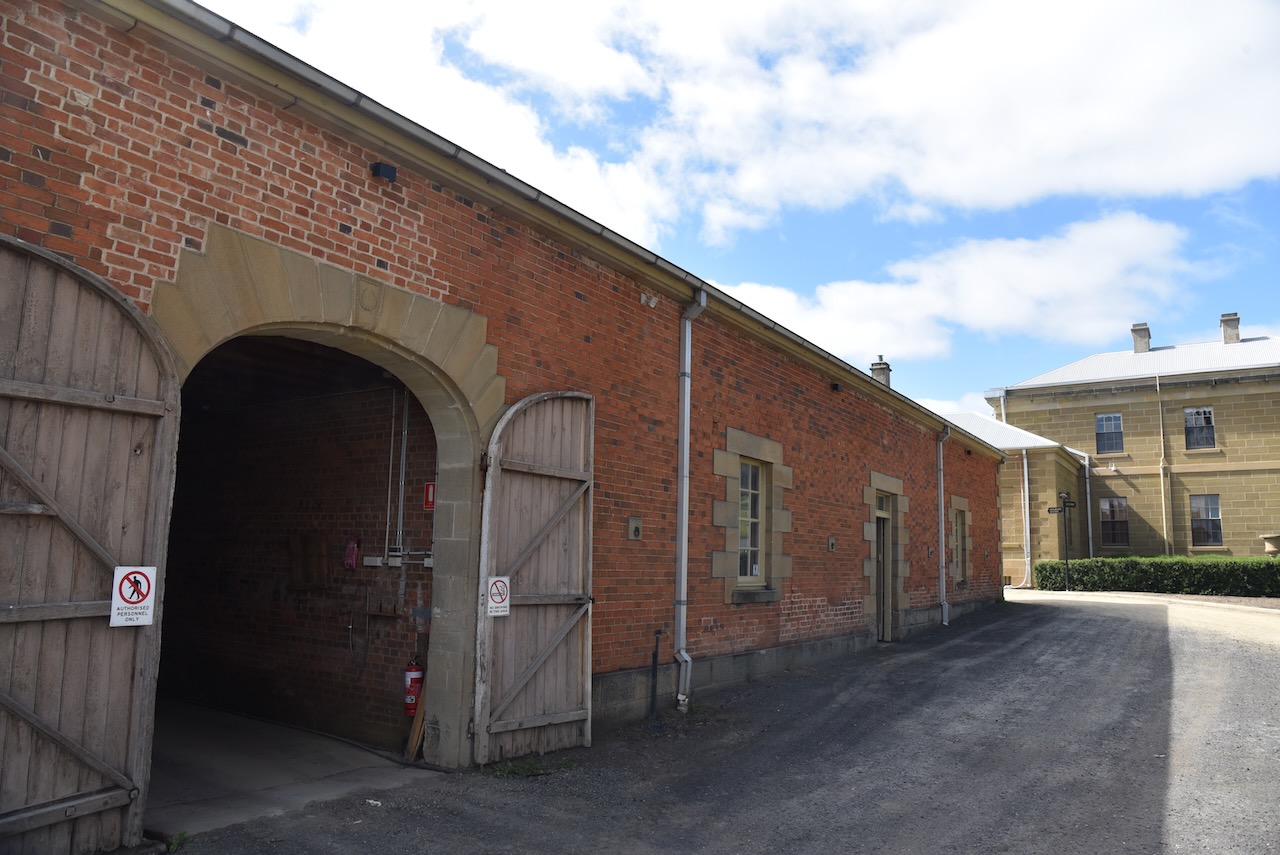
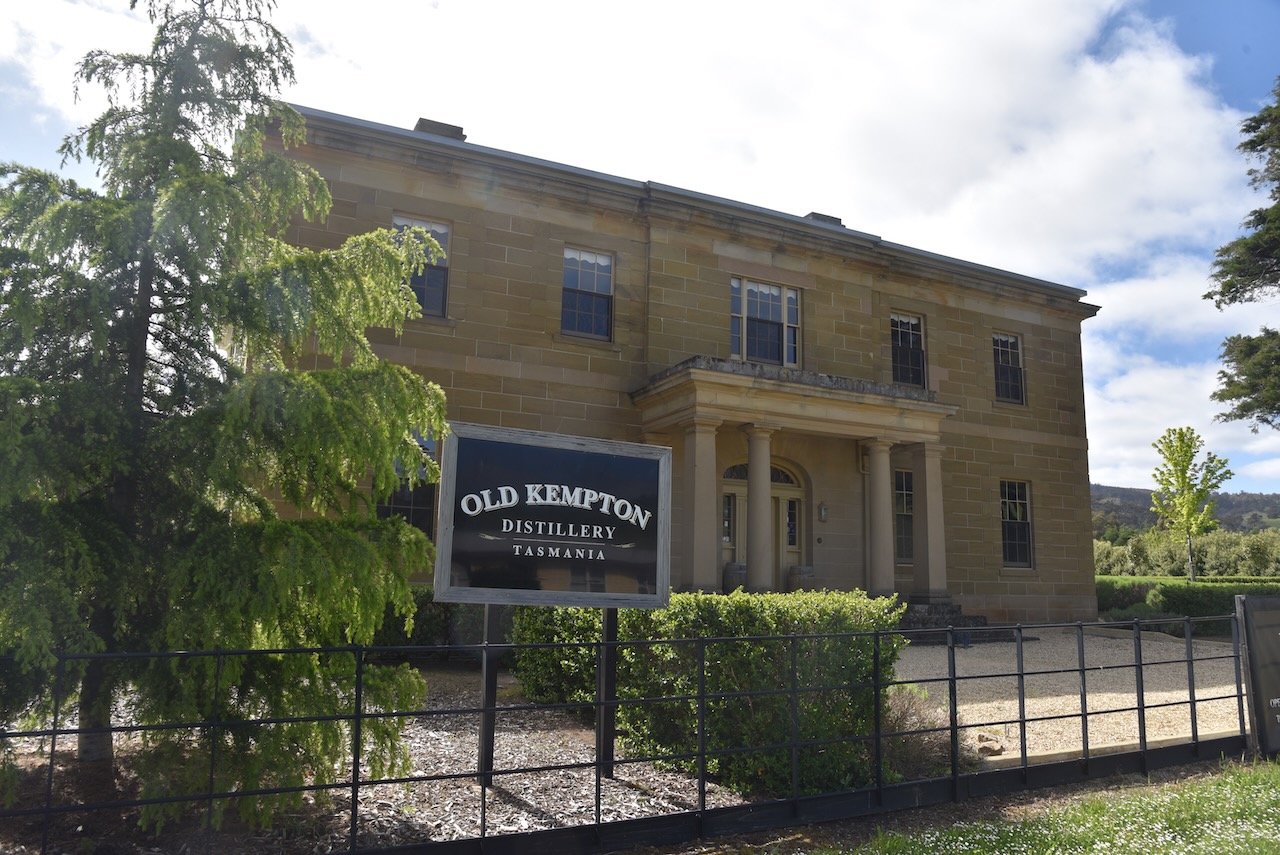
Our first stop was the old whisky distillery which is located in Dysart House, an old sandstone coaching in which was built in 1841. It was used as a coach staging post for travellers during their journey between Hobart and Launceston. Dysart House contains 22 rooms.

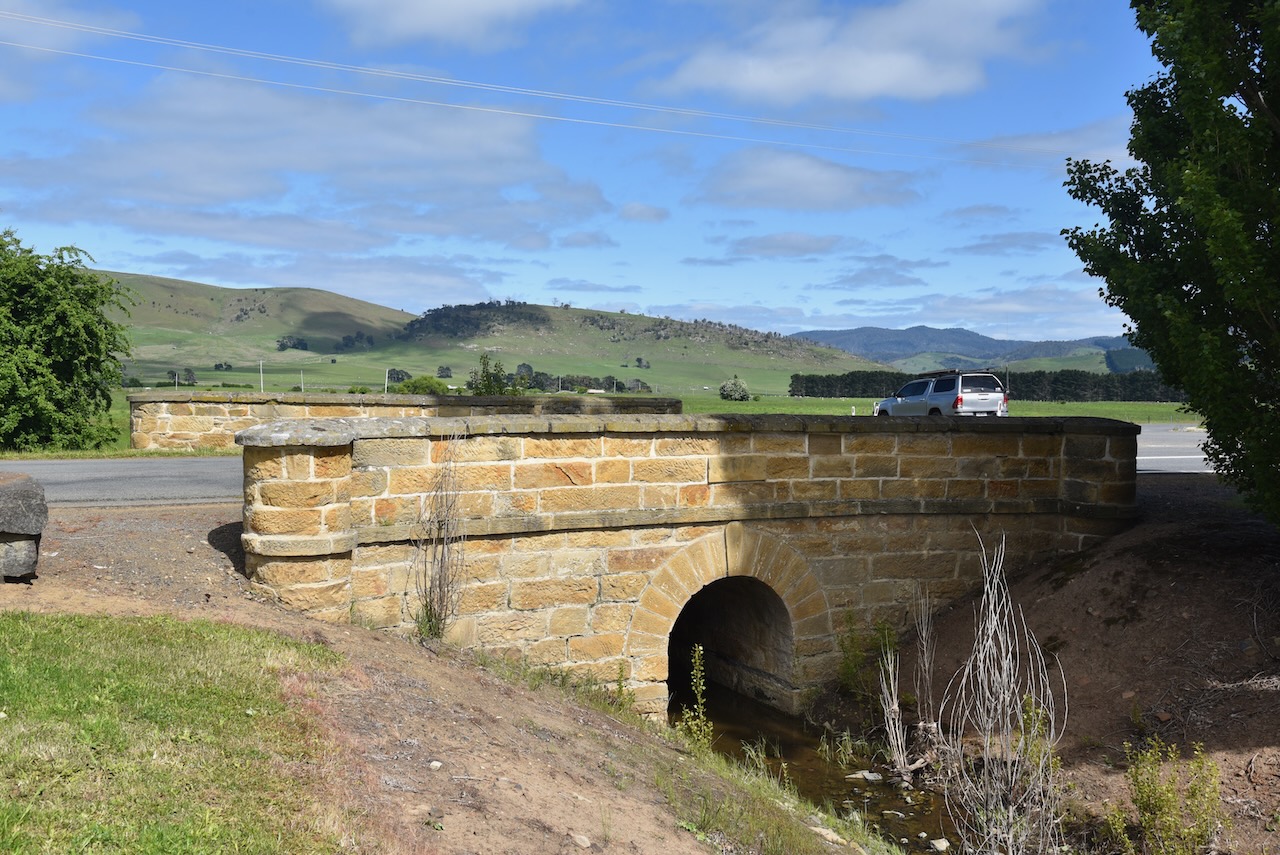
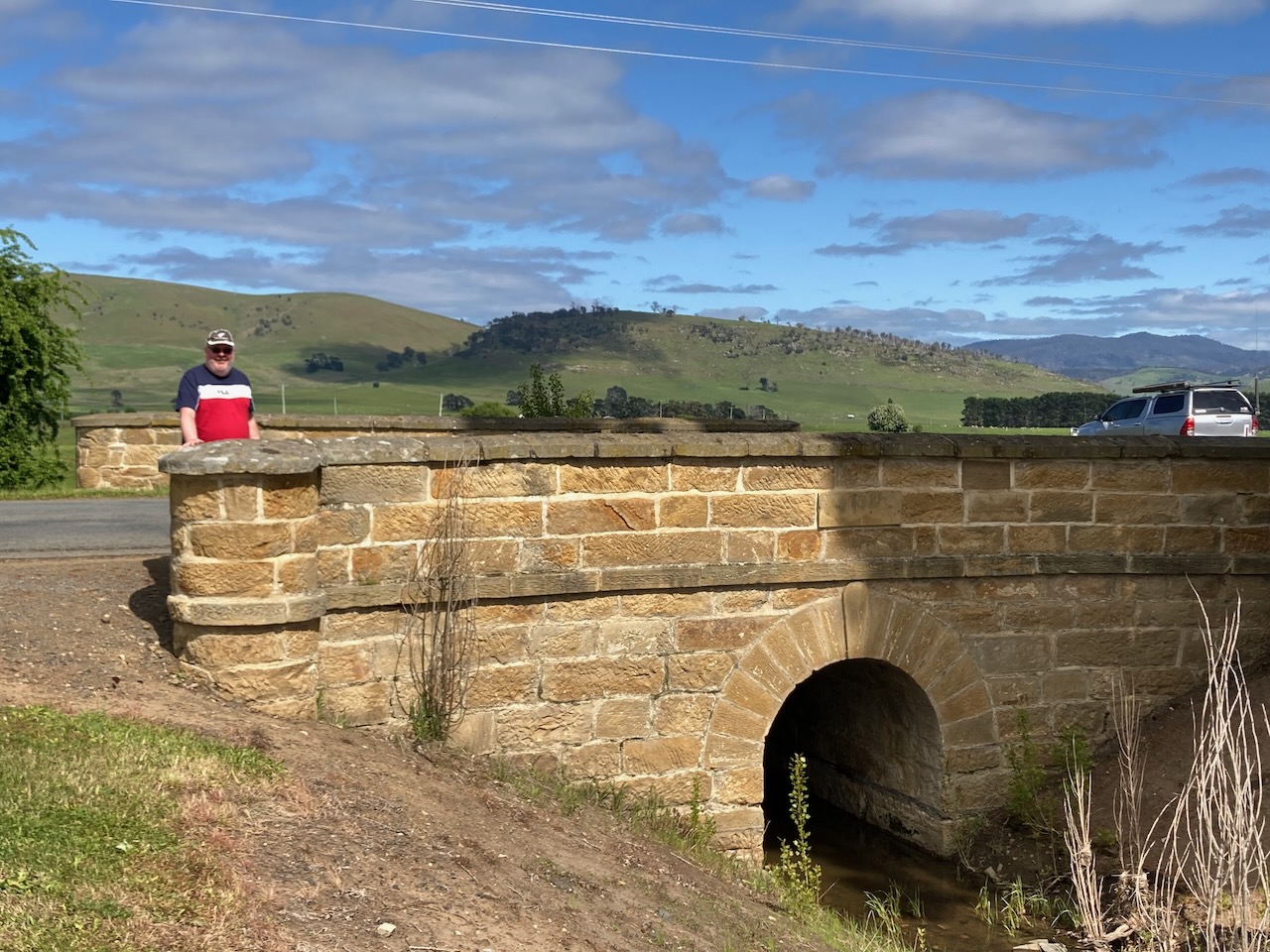
We then had a look at the Little Quoin Rivulet bridge at Kempton. It can be located at the northern end of Kempton’s main street, not far from the Midlands Highway. The bridge was constructed in 1840 by a convict road gang which included 88 Americans and Canadians. They had been transported to Van Diemen’s Land for the part they played in the failed uprisings against British rule in
Upper Canada during 1837 and 1838.

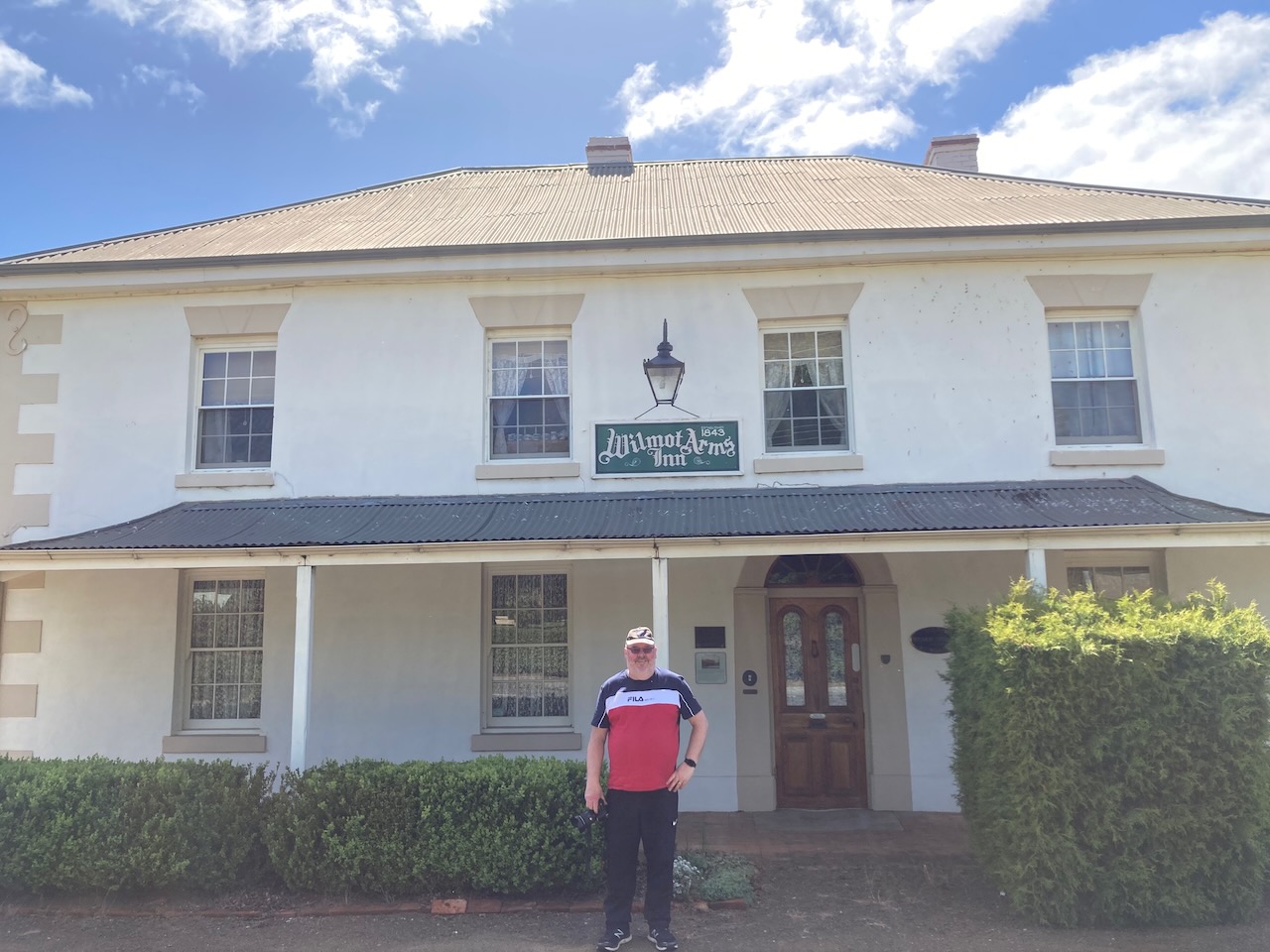
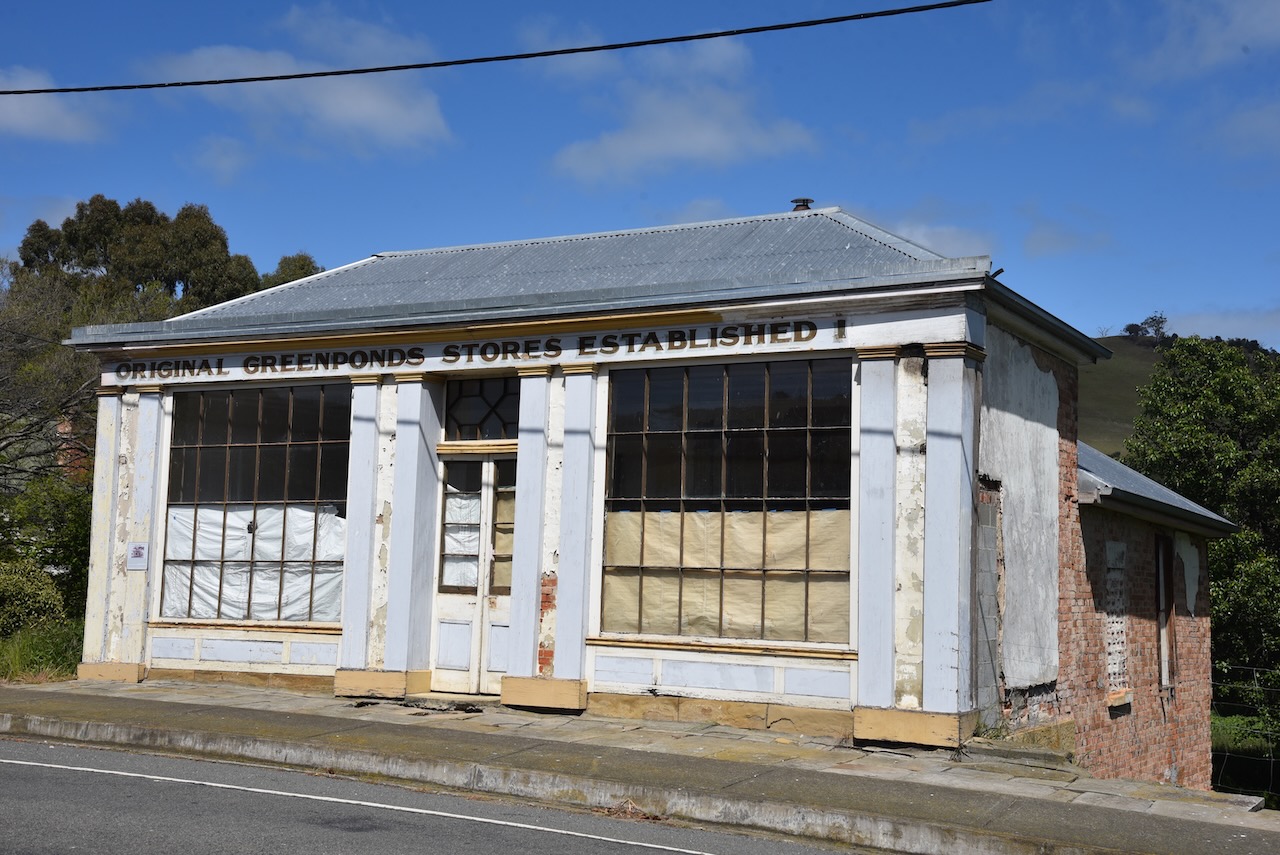
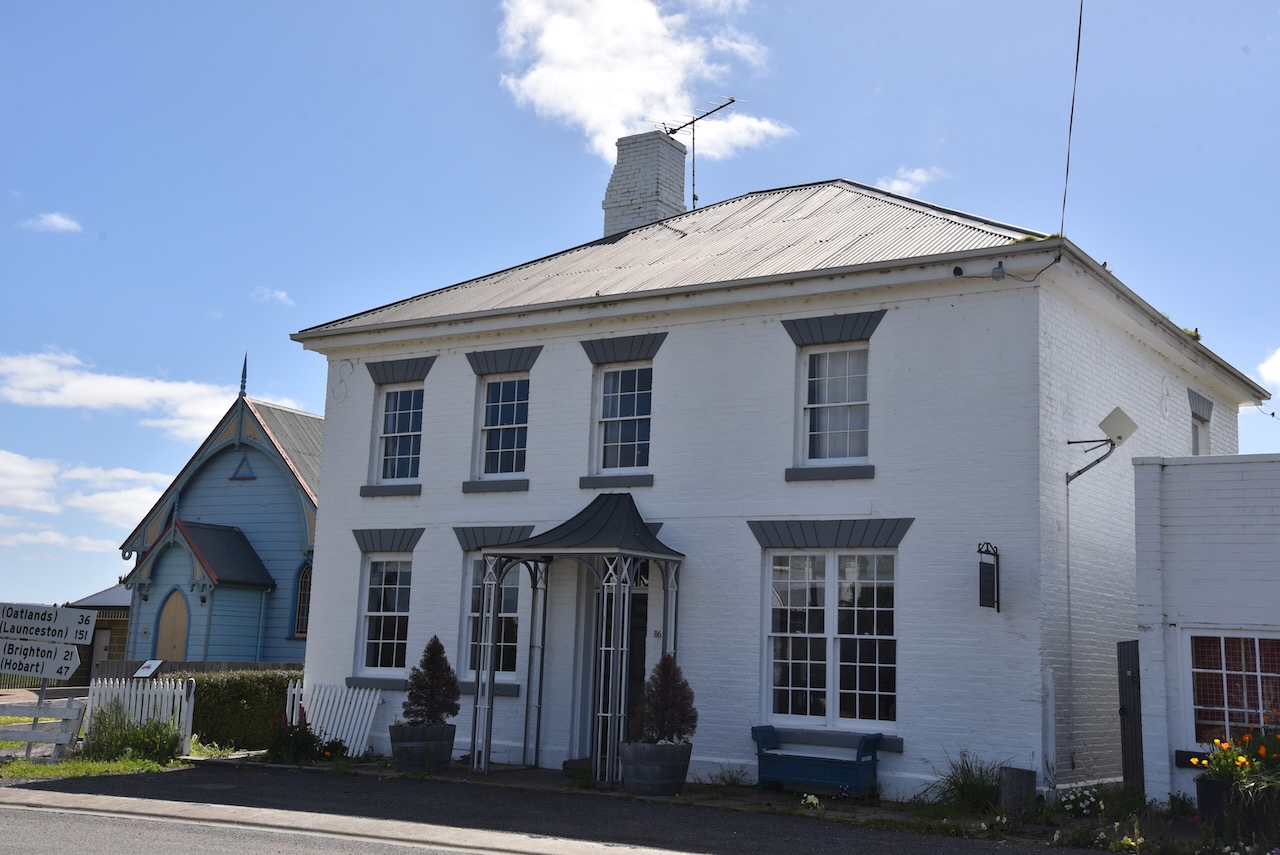
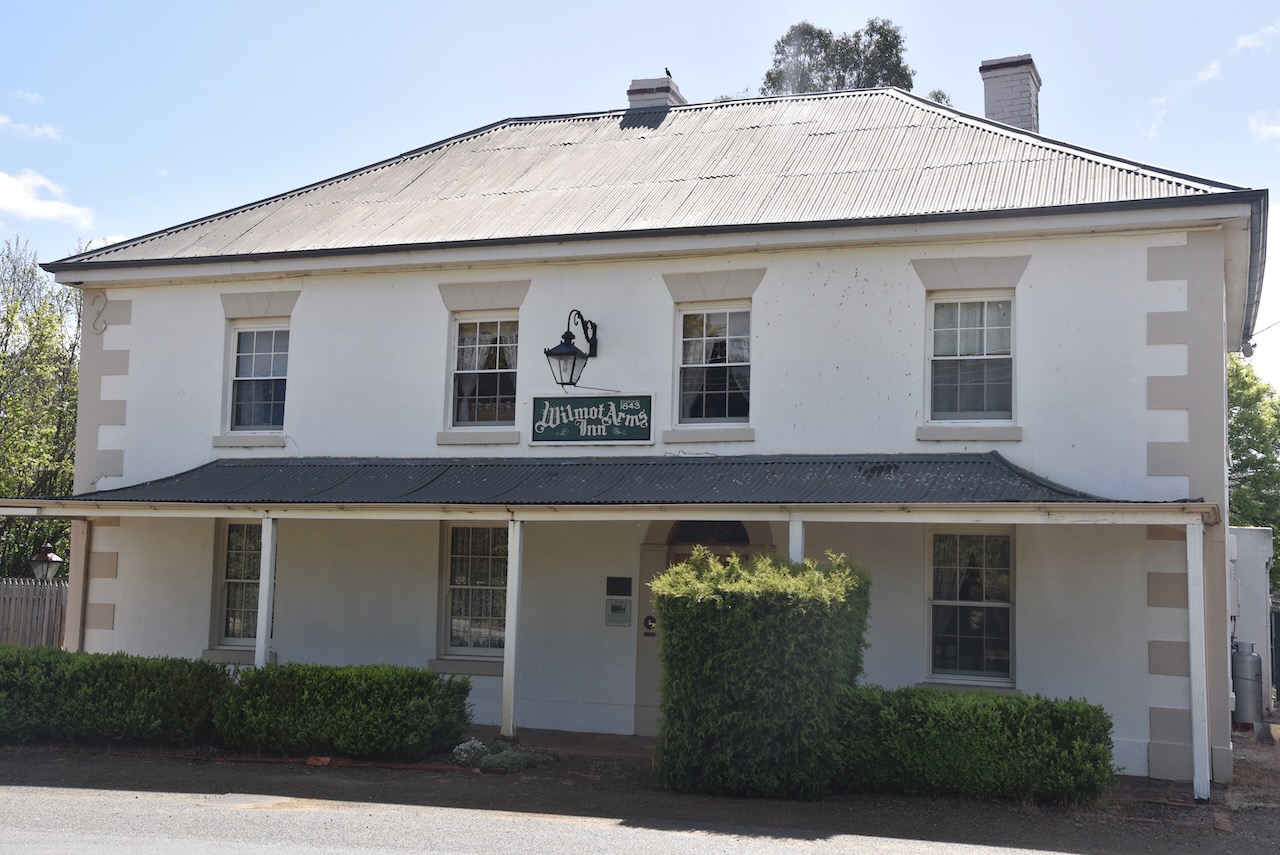
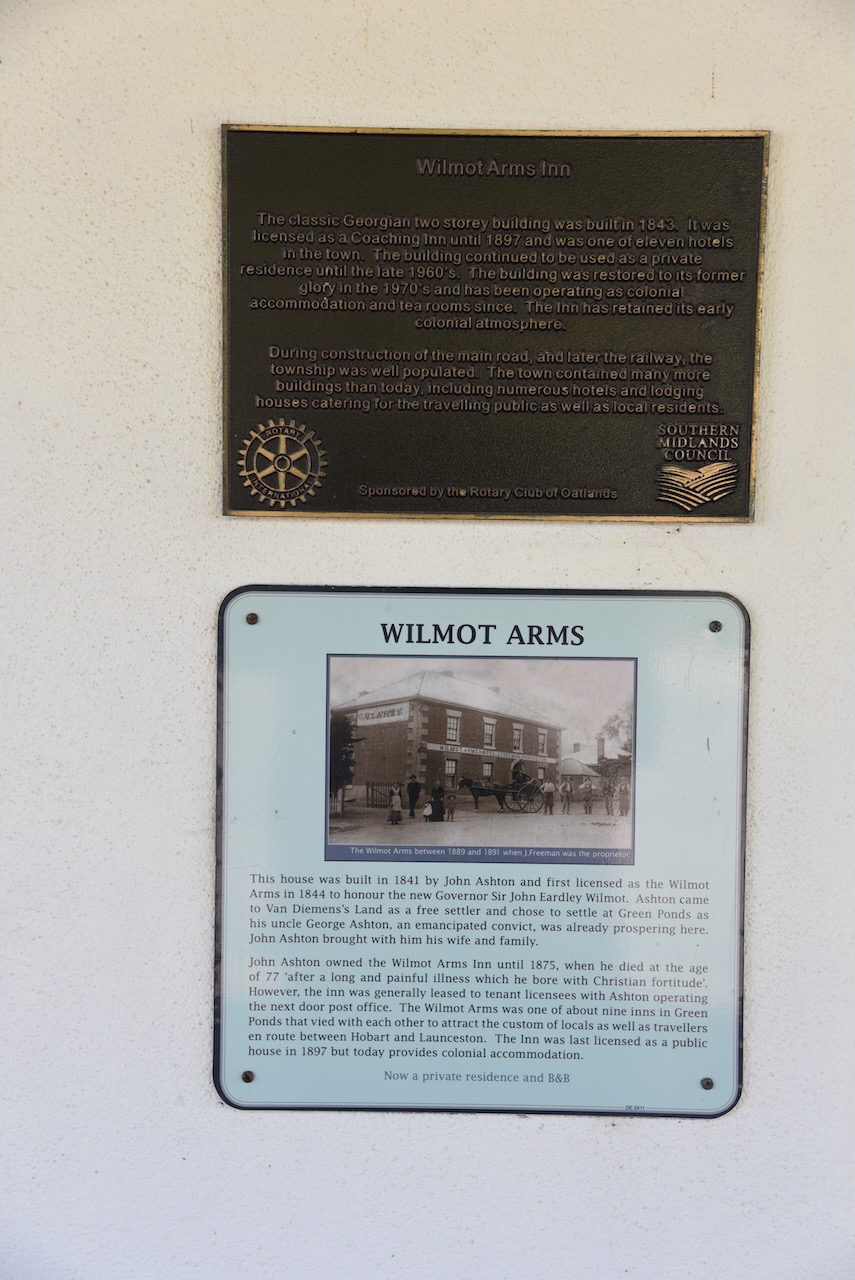
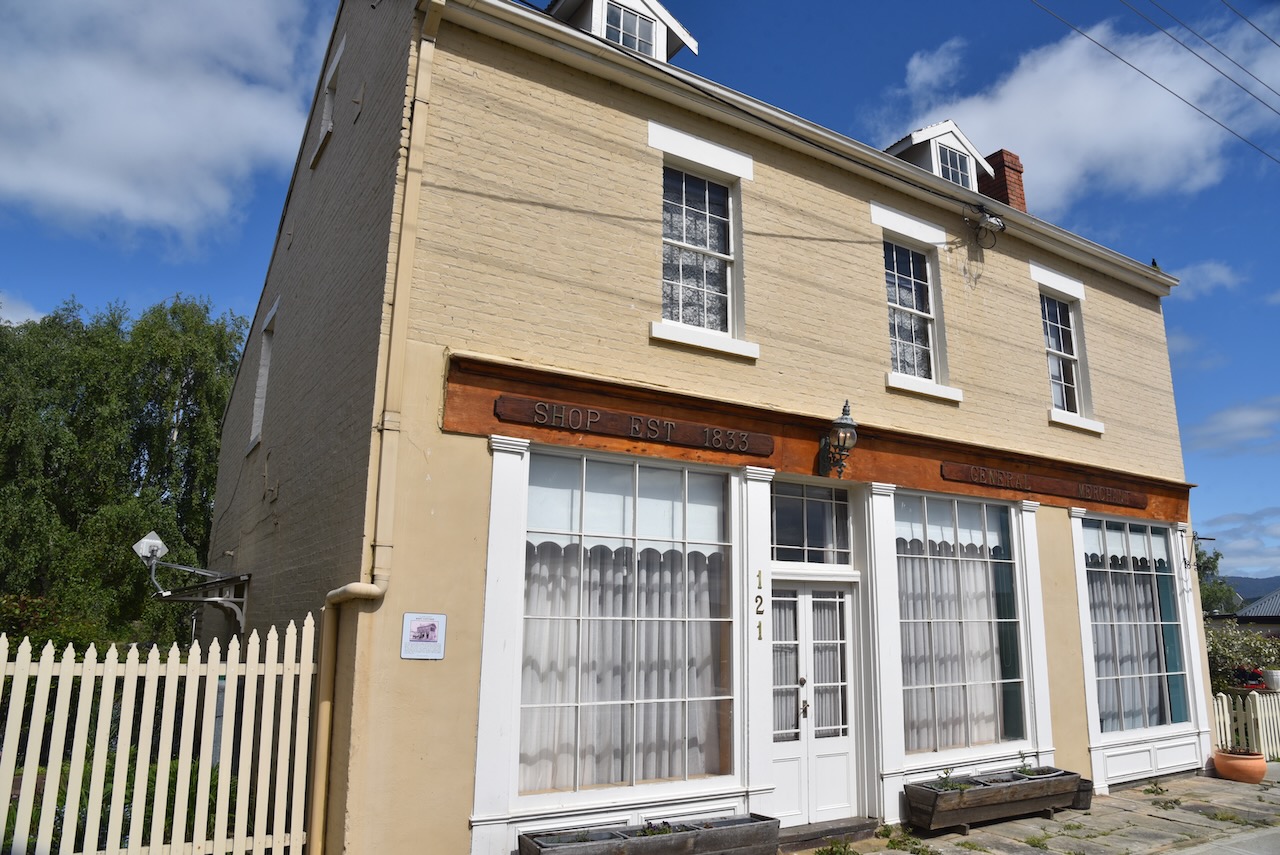
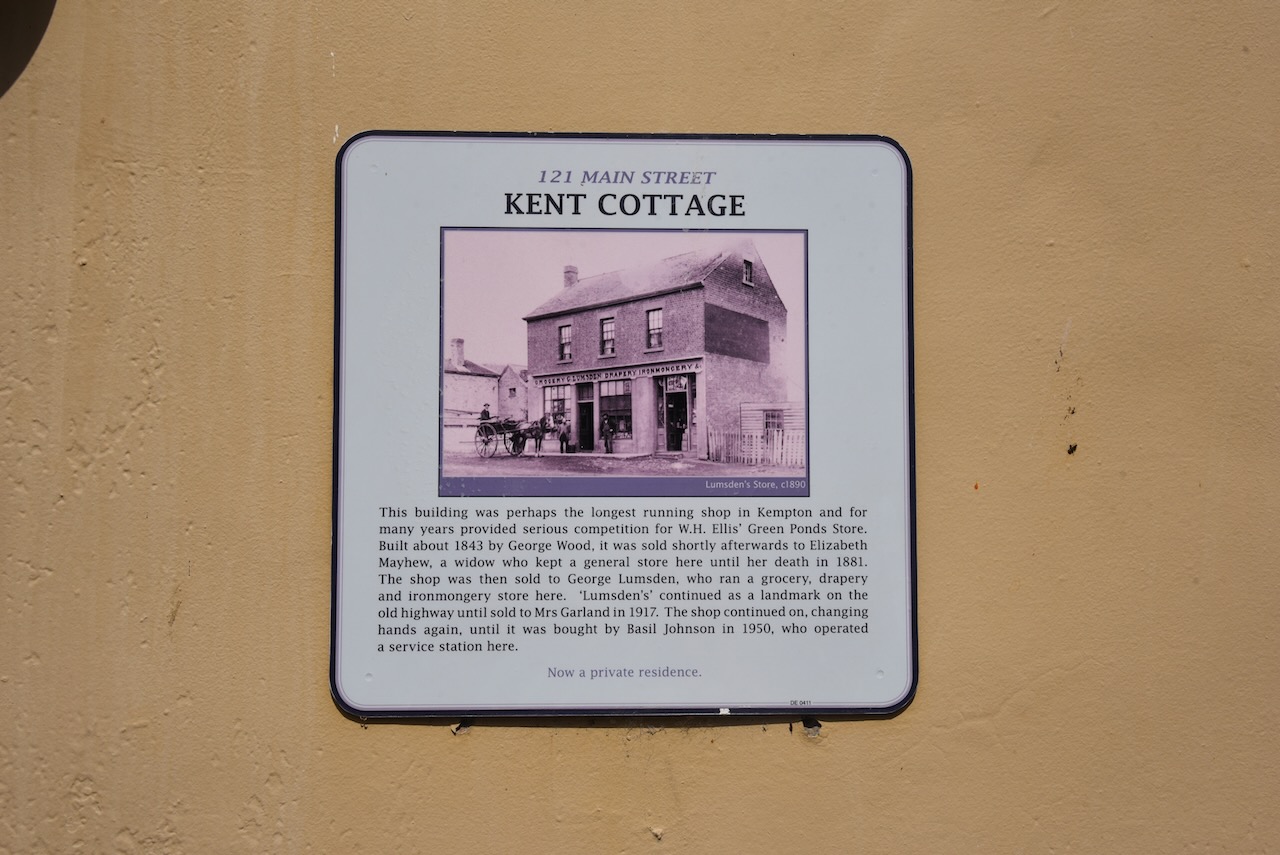
We then drove back into the main street of Kempton to admire some more of the heritage buildings. This included the WIlmot Arms Inn which was built in 1844 by convicts. It operated as a licenced inn until 1897. Kent Cottage was built in 1843 and is reportedly the oldest shop in Kempton. It was used as a grocery, drapery and ironmongery. The Green Ponds Probation Station was established in 1828 as part of a number of military posts in Tasmania established by Governor Arthur. It was used as a post to protect European settlers from the local aboriginal tribes.

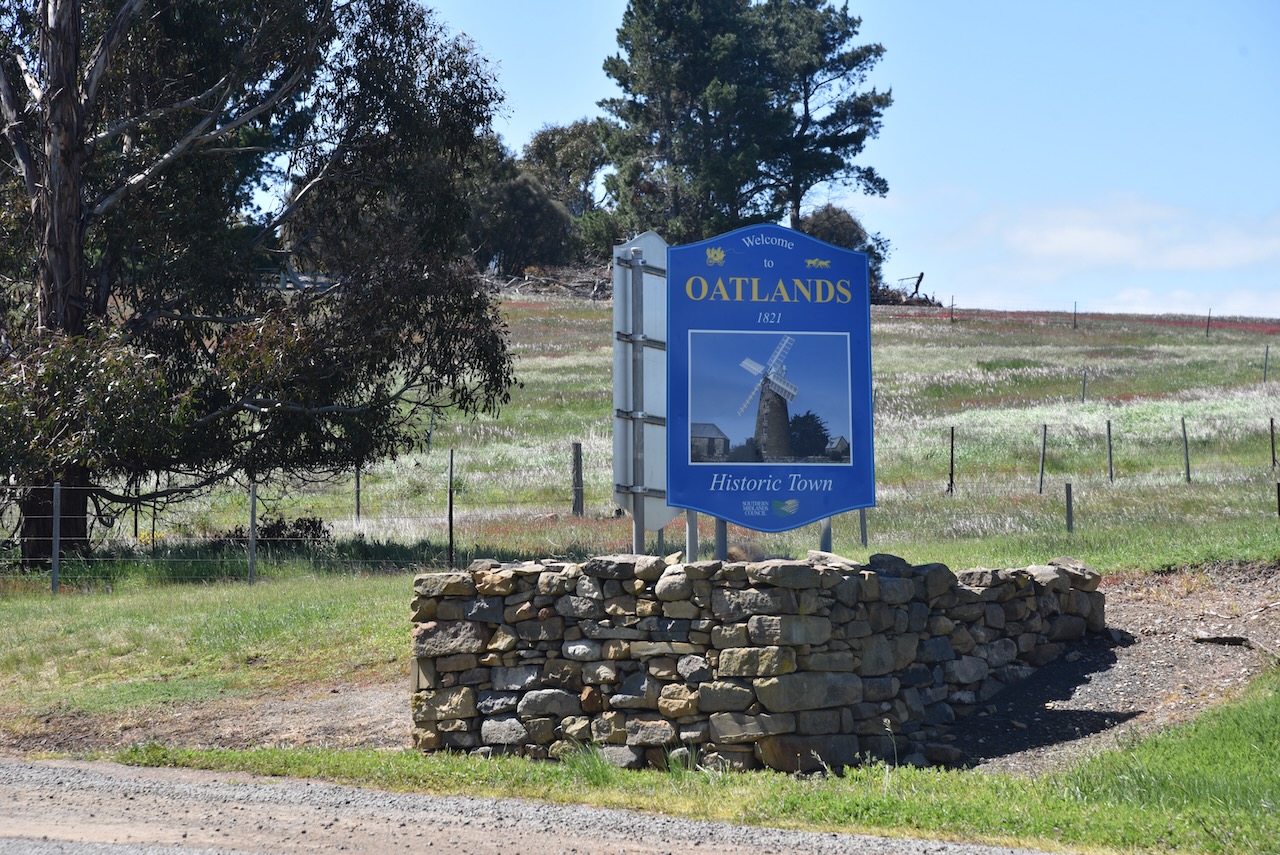
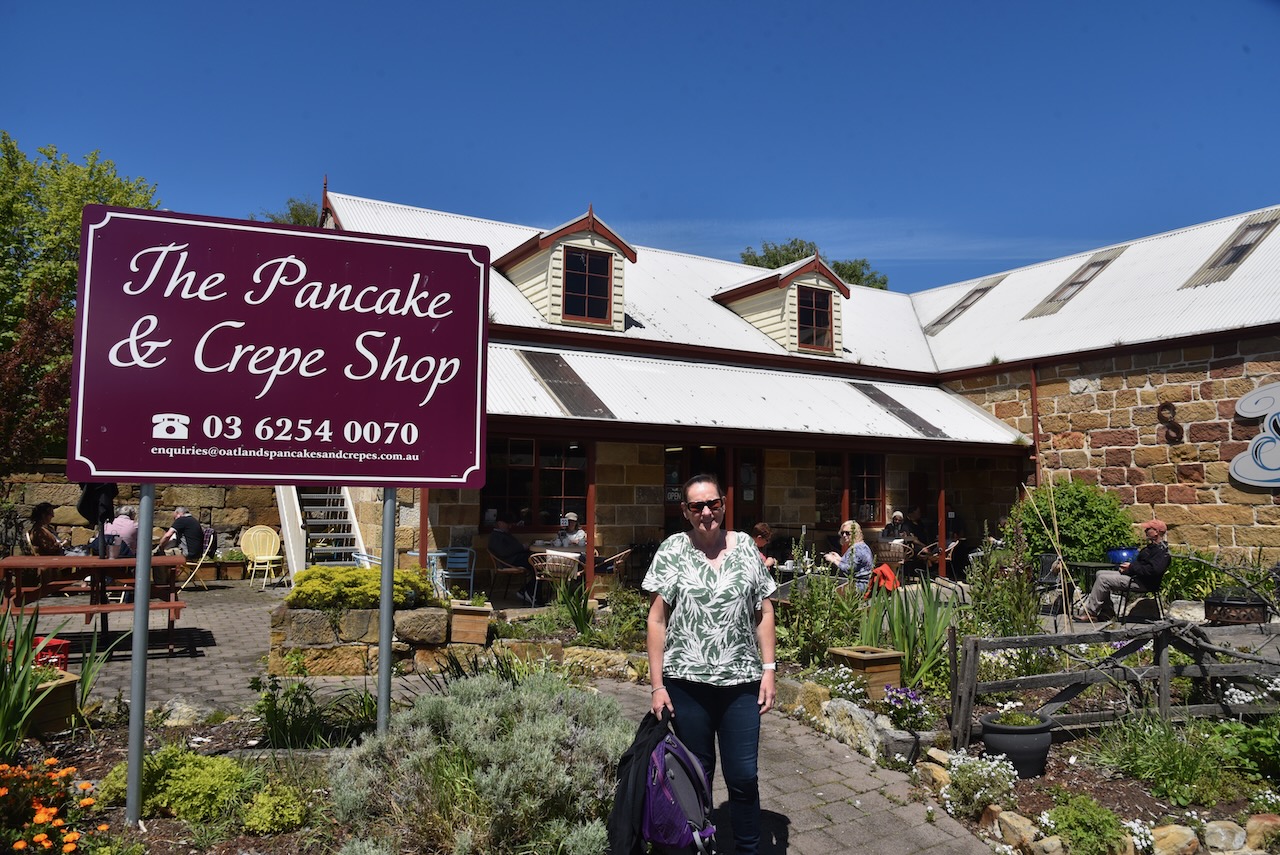
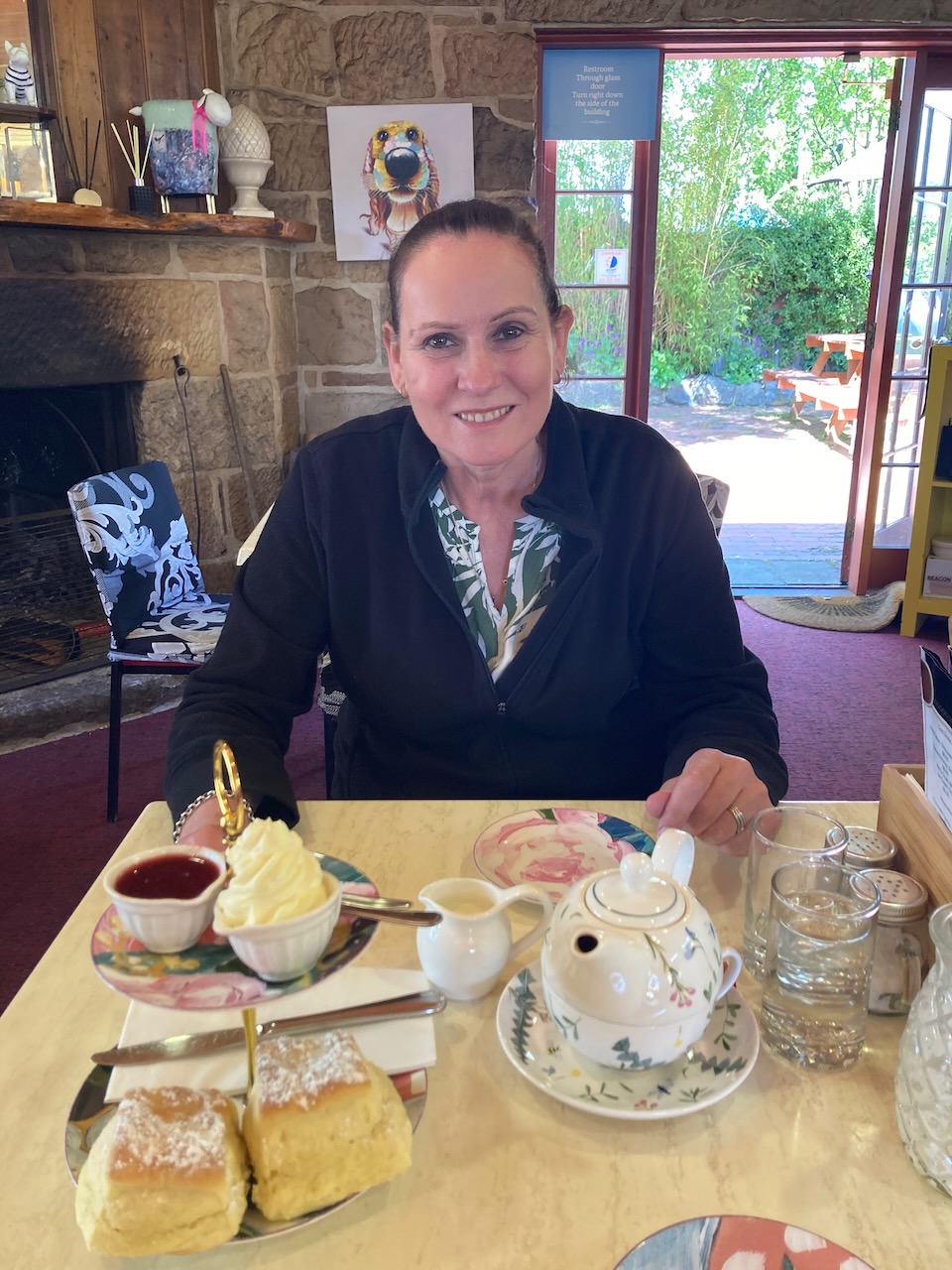
We then drove on to the equally historic town of Oatlands. It was lunch time, so we stopped in at The Pancake and Crepe shop and had a magnificent lunch including a devonshire tea.

After lunch we commenced our exploration of the town and its many historic buildings. Oatlands has the largest collection of sandstone Georgian houses in Australia. A total of 138 sandstone buildings can be found in Oatlands, with 87 of those in Oatlands main street. 

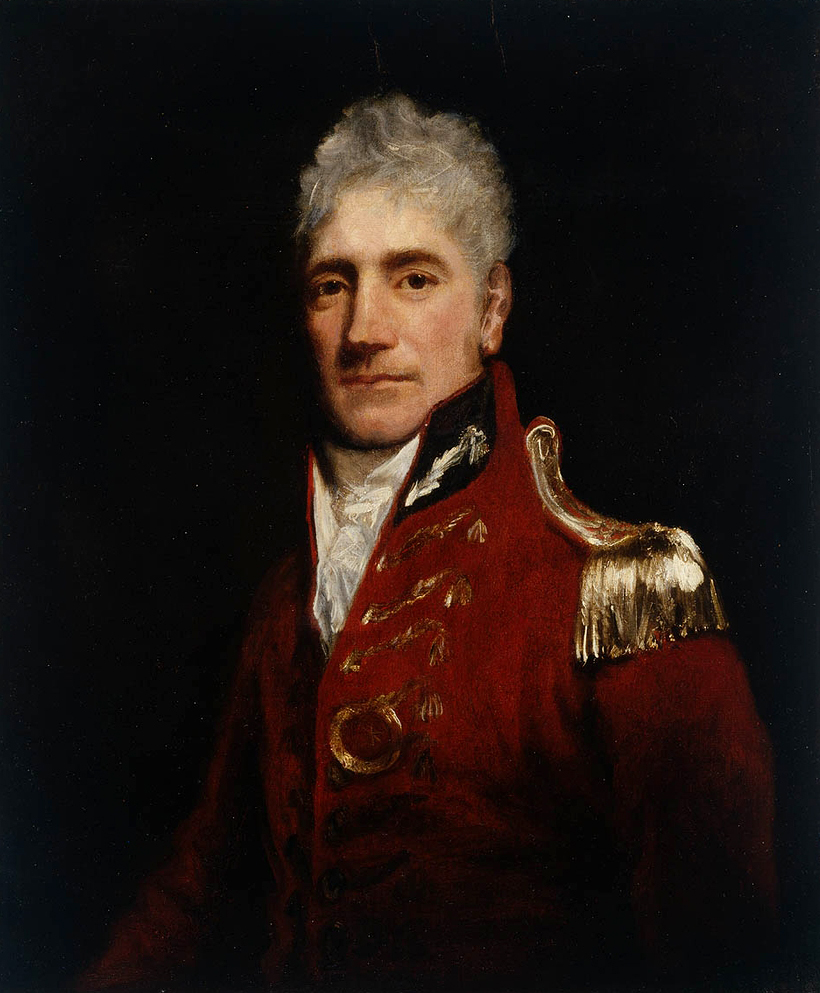
In June 1821, Major General Lachlan Macquarie, the Governor of New South Wales, visited the area. He recognised the present site of the town of Oatlands as a “a most eligible situation for a town”. He named it Oatlands in honour of the Duke of York. Oatlands was the name of the seat of the Duke of York in Surrey.

Above:- Major General Lachlan Macquarie. Image c/o Wikipedia.

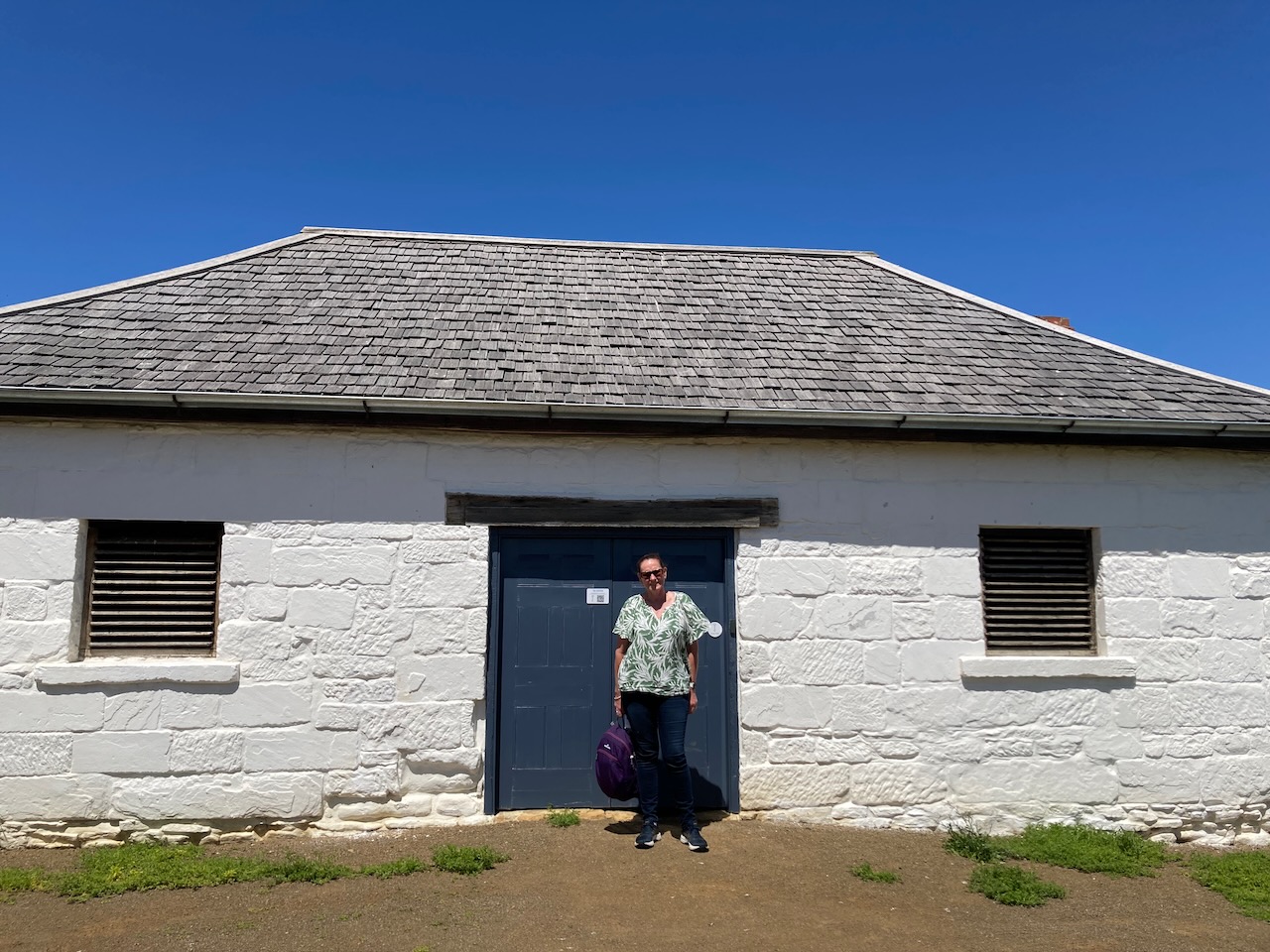
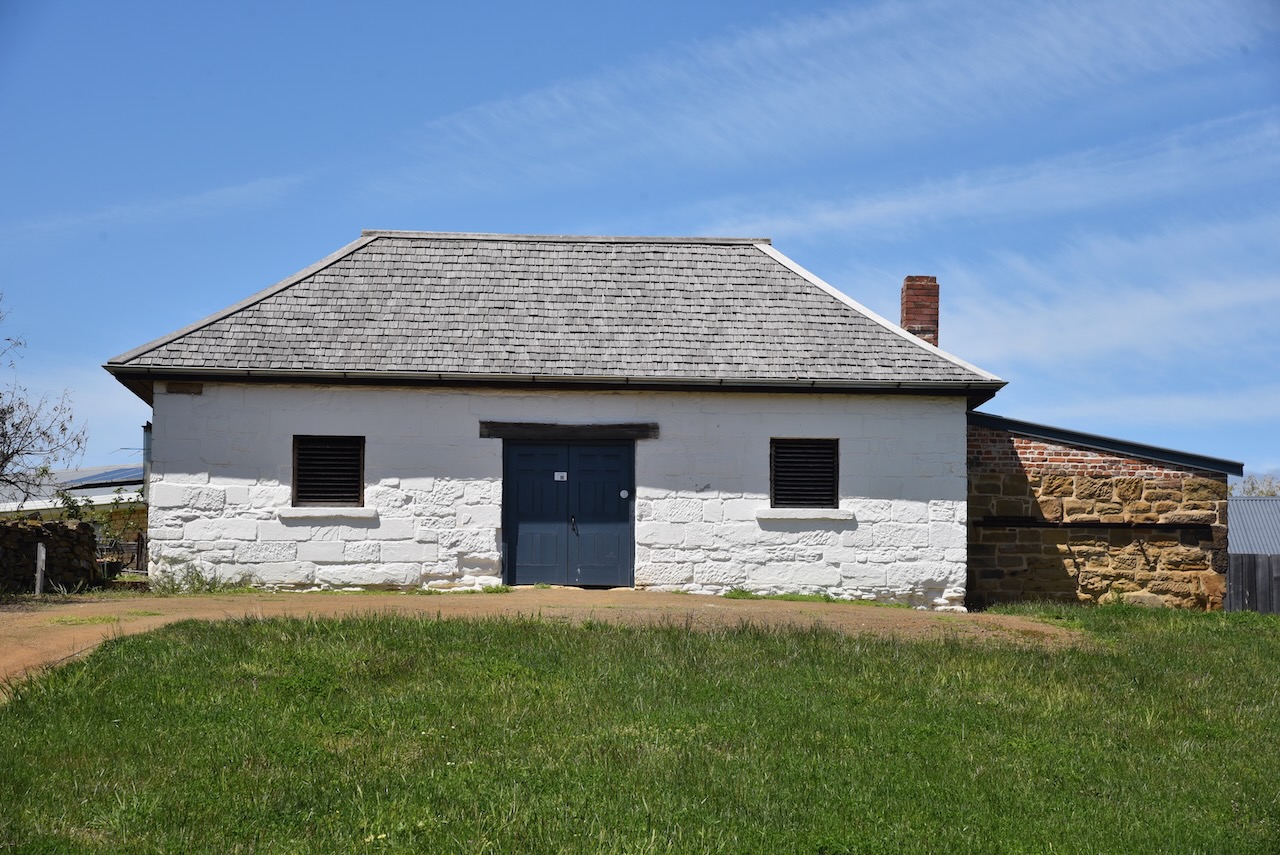
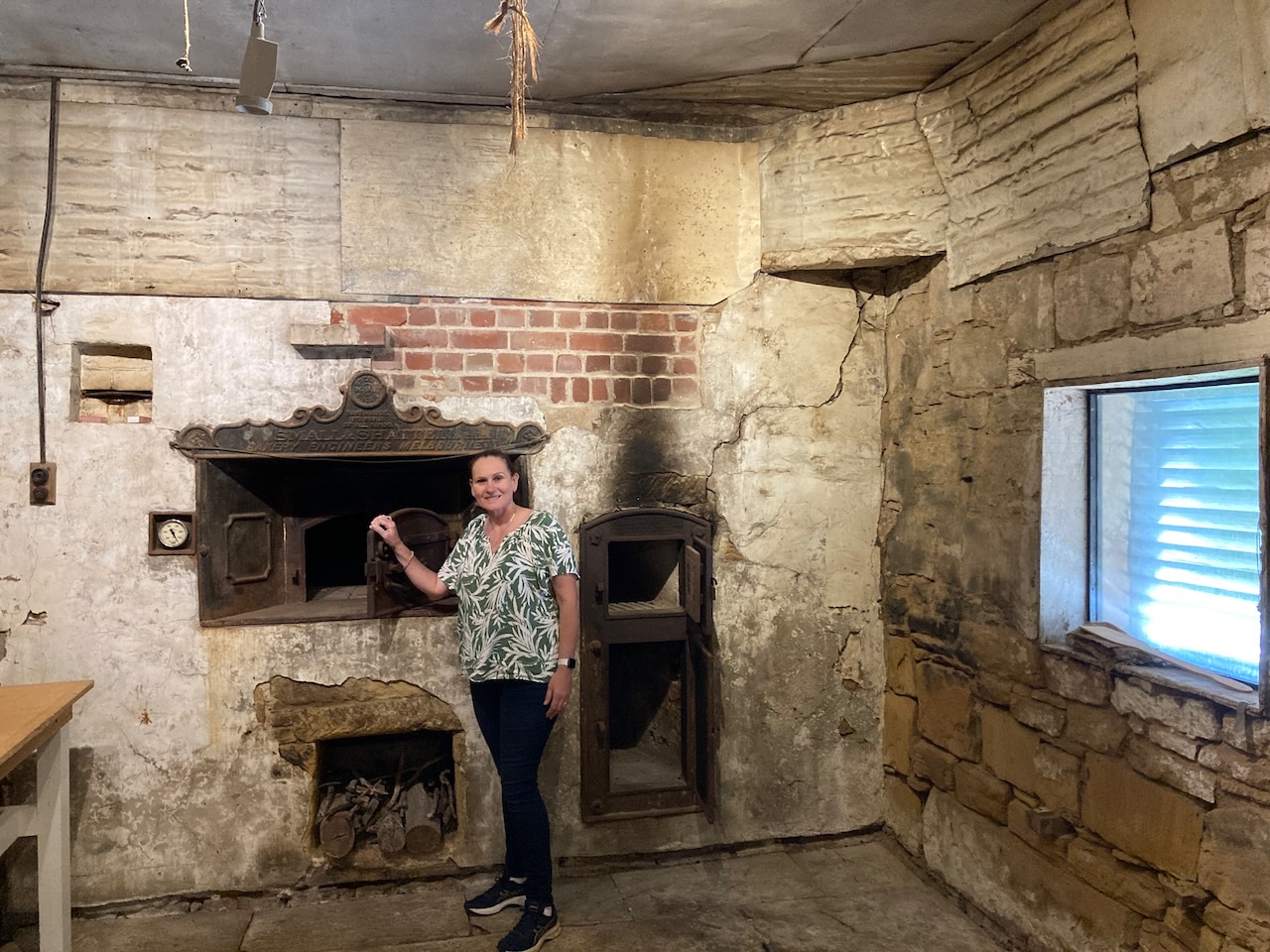
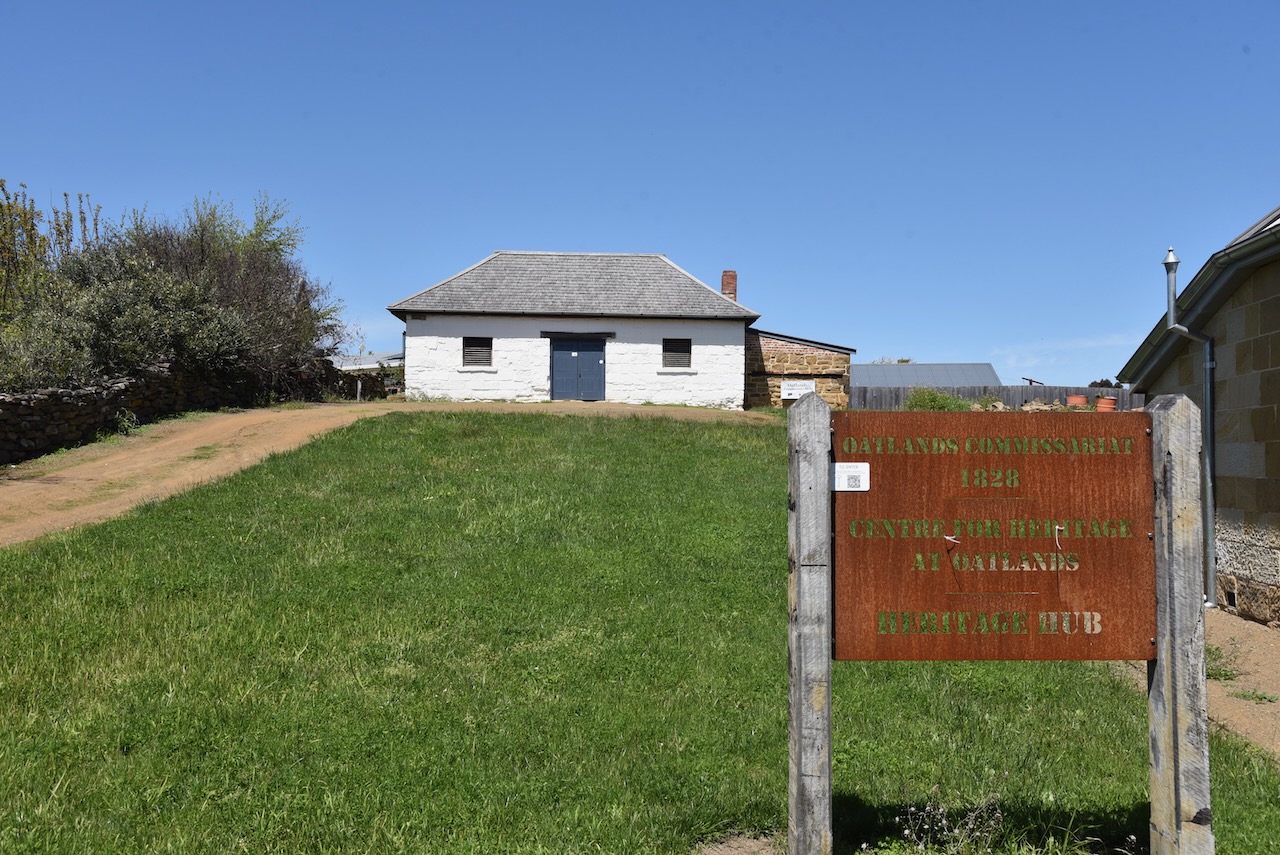
During our walk around the town we visited the Commissariat Store and Guard House which was built in 1827. This is one of the oldest buildings in the Military precinct of Oatlands. This building was built of stone, unlike many of the early buildings in Oatlands which were constructed using timber. This was because of the stores which were housed in the building which needed to be protected from thieves.

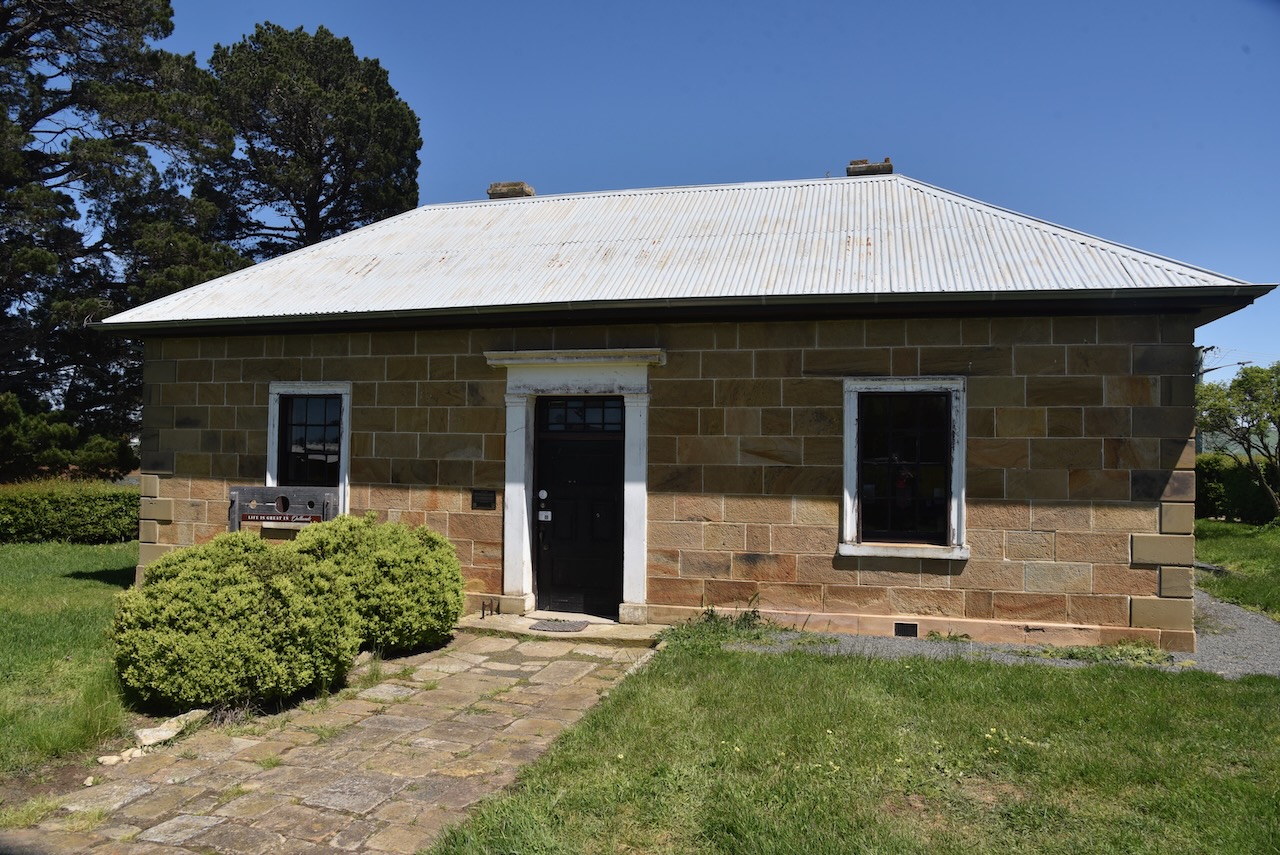
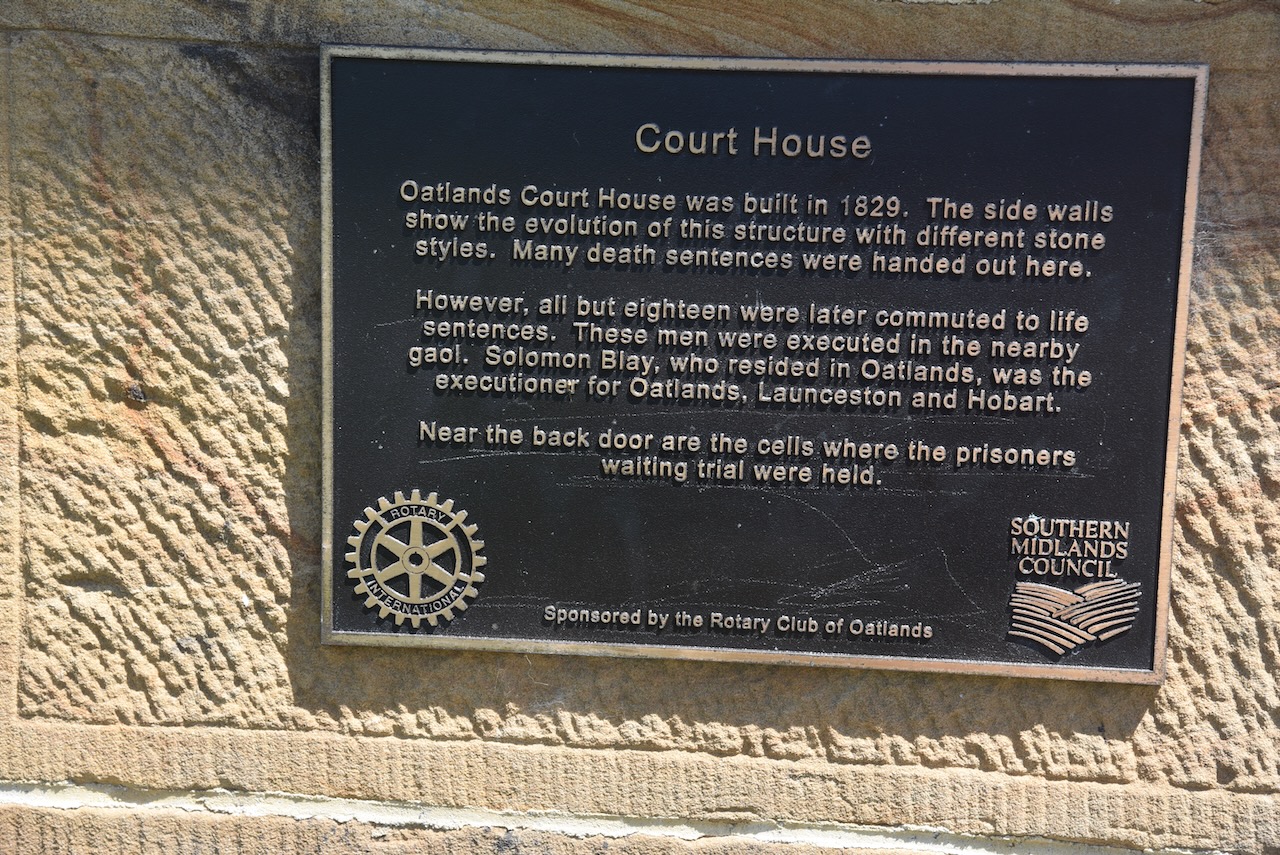
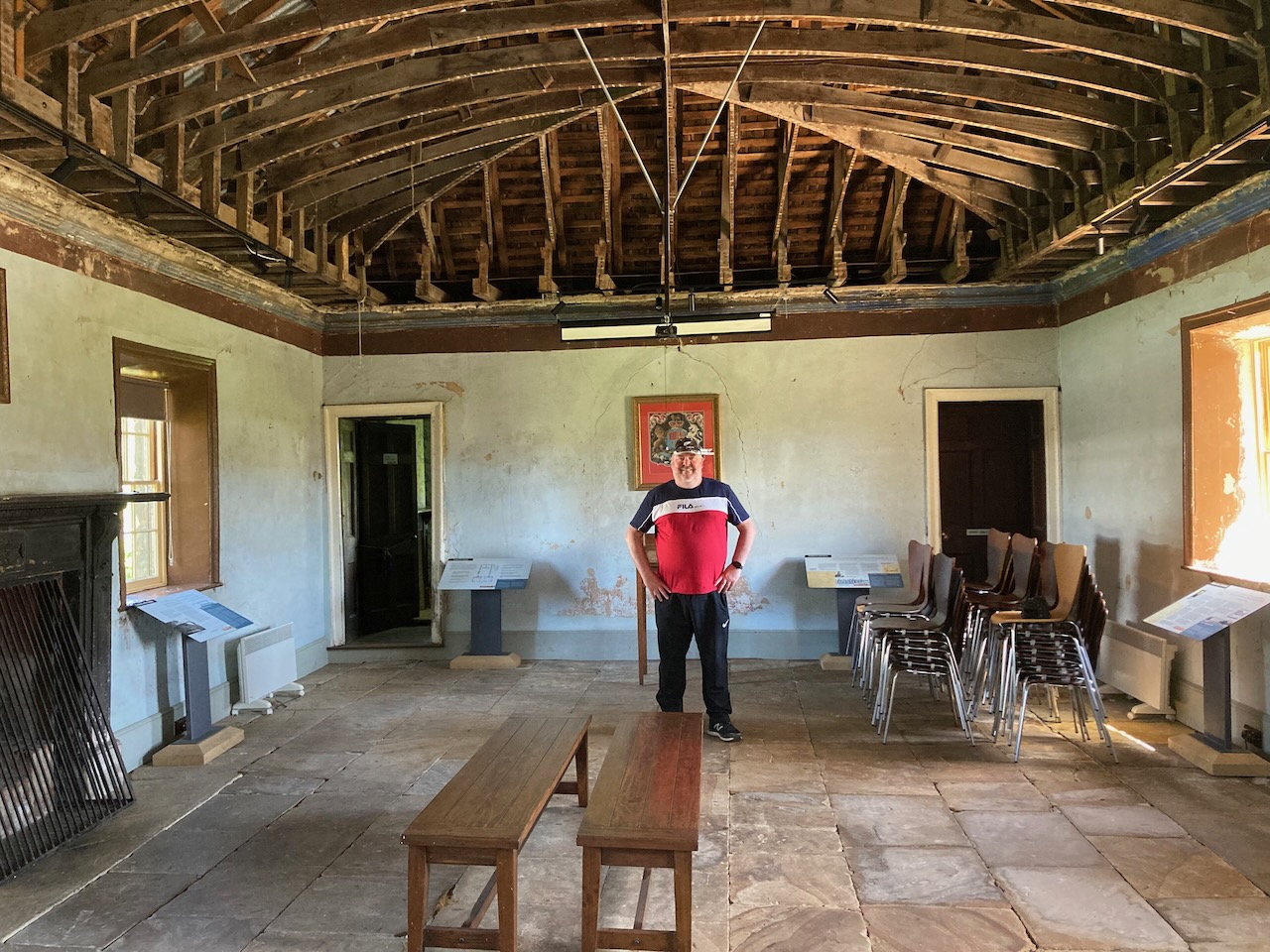
The Oatlands Court House was built by convicts in 1829. It was originally constructed as a Chapel and Police Office. In 1835 more rooms were added to the building. It was used as a Supreme Court and is one of the oldest Supreme Court Houses in Australia.

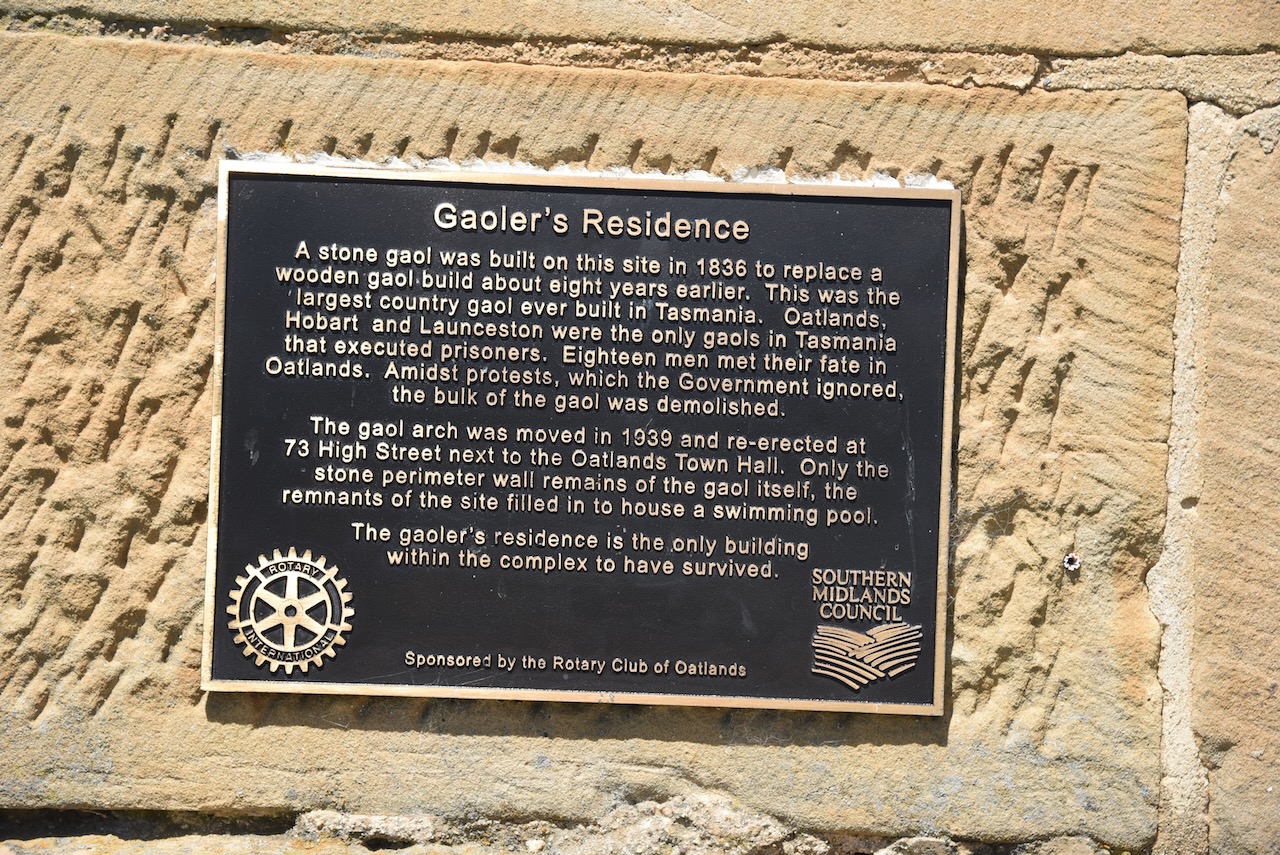
A number of death sentences were handed out in the court, however, all but eighteen were later commuted to life sentences. These men were executed in the nearby gaol. Solomon Blay was the executioner for Oatlands, Launceston and Hobart. He resided in Oatlands.

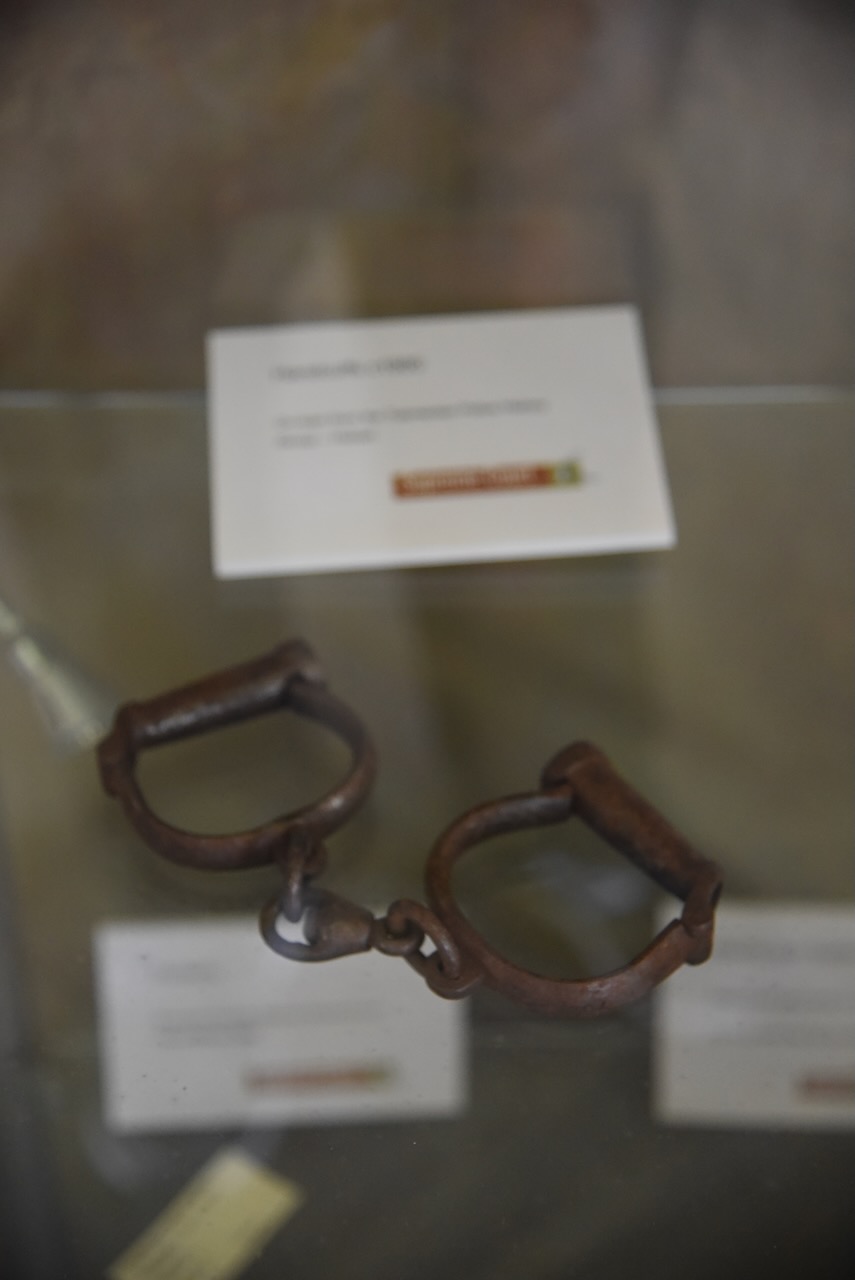
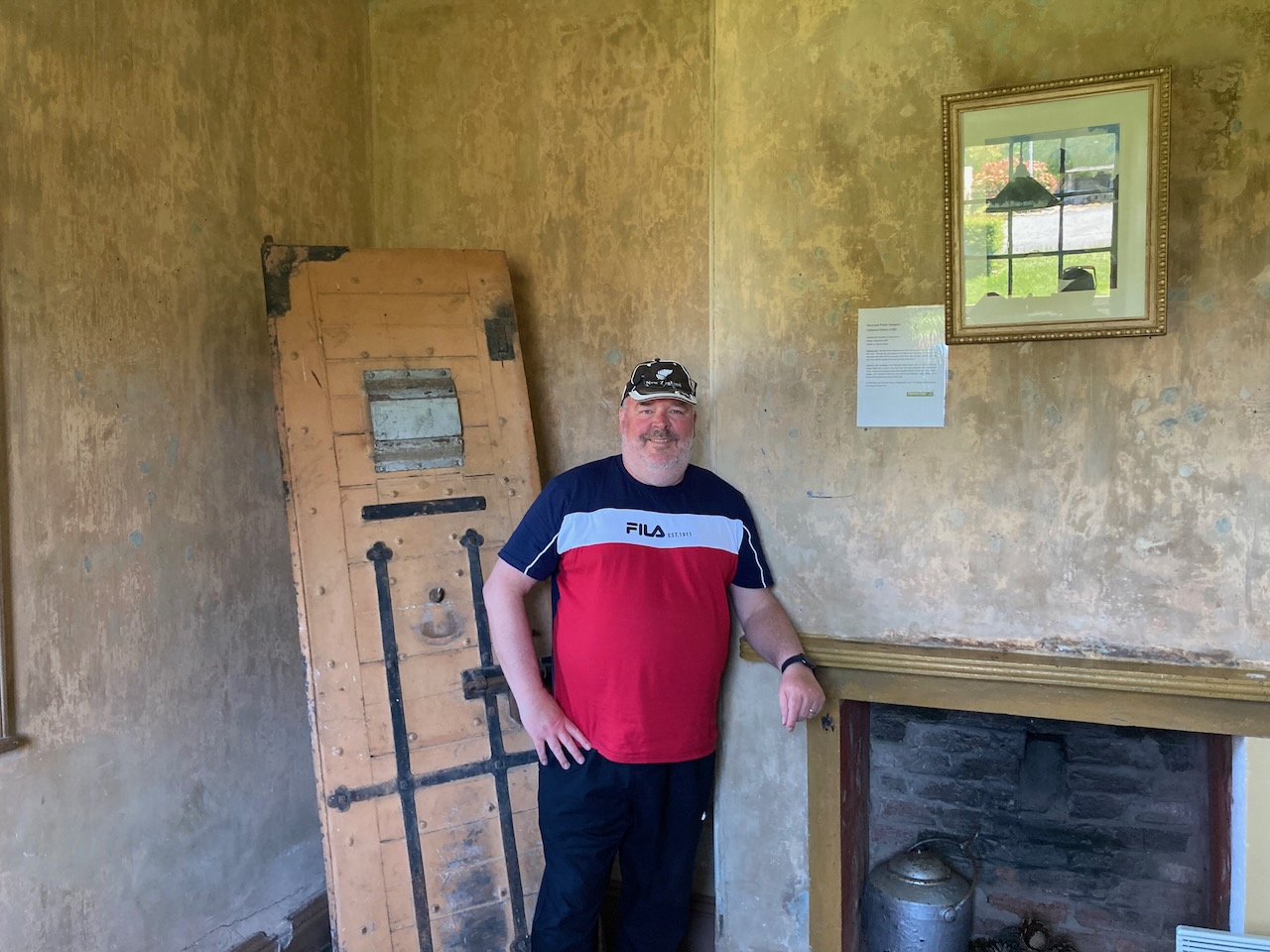
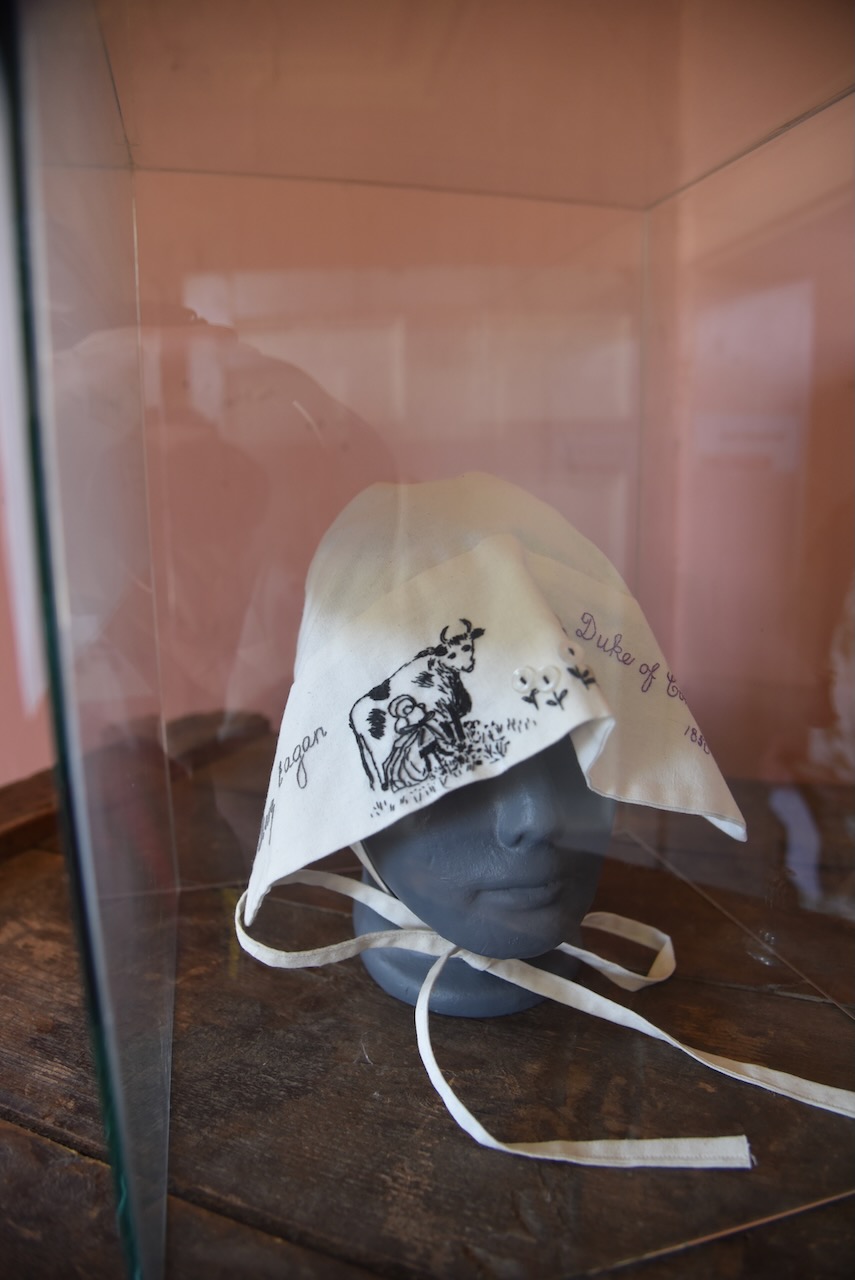
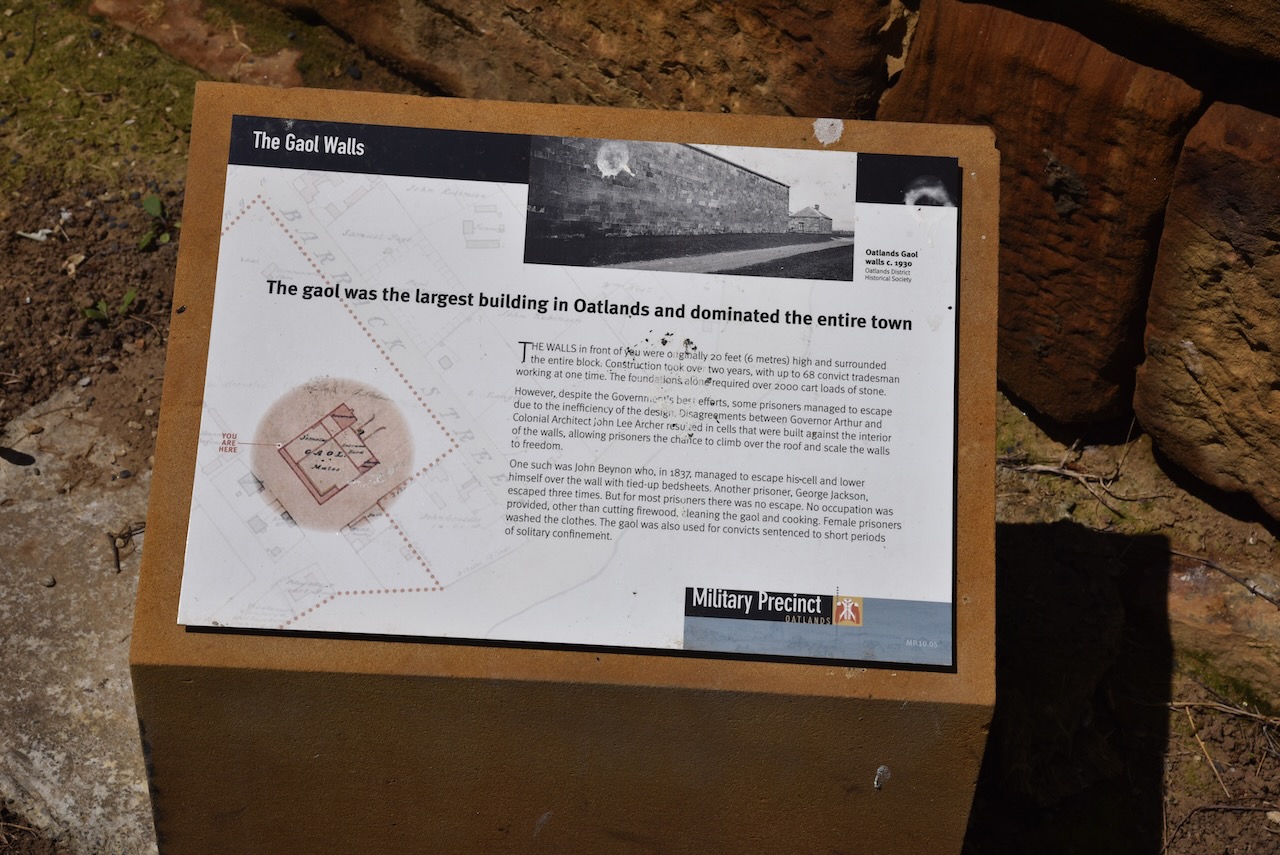
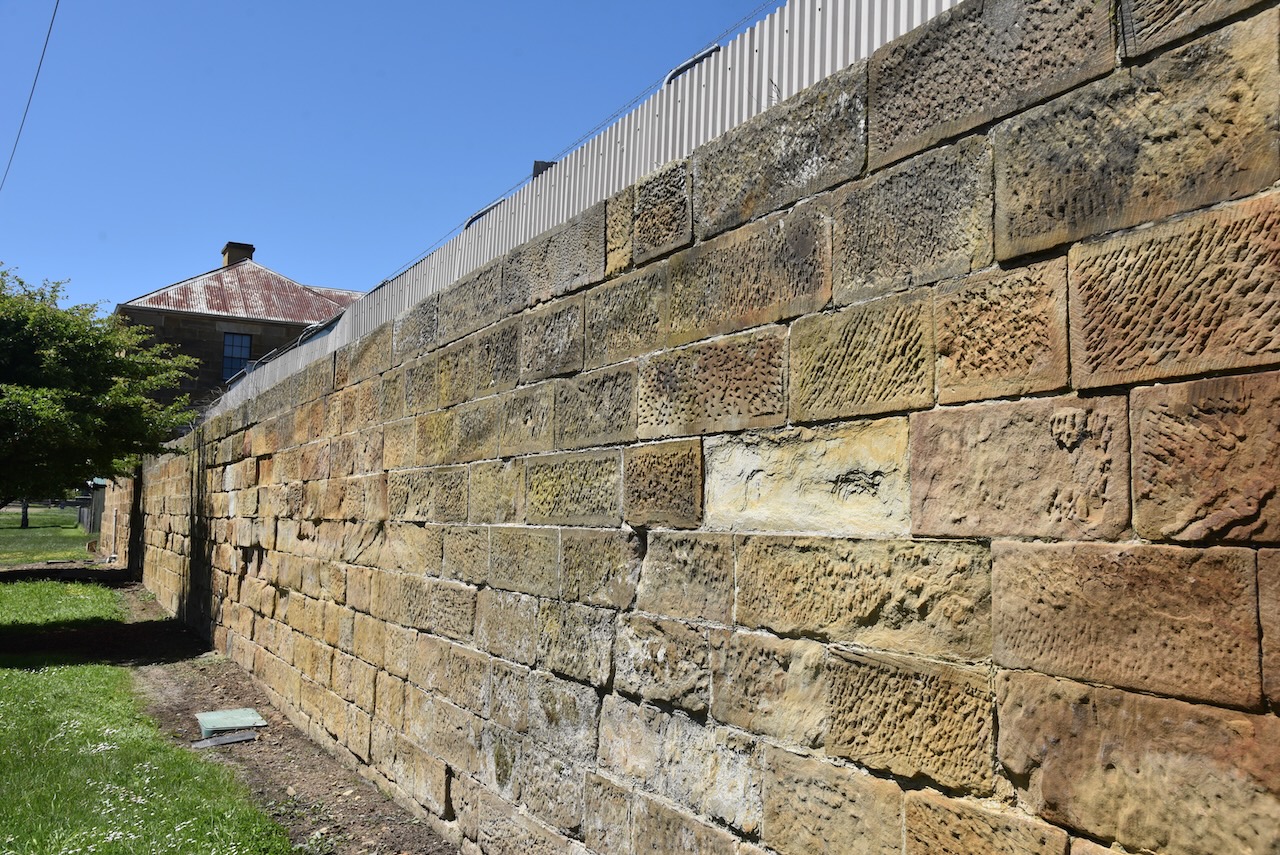
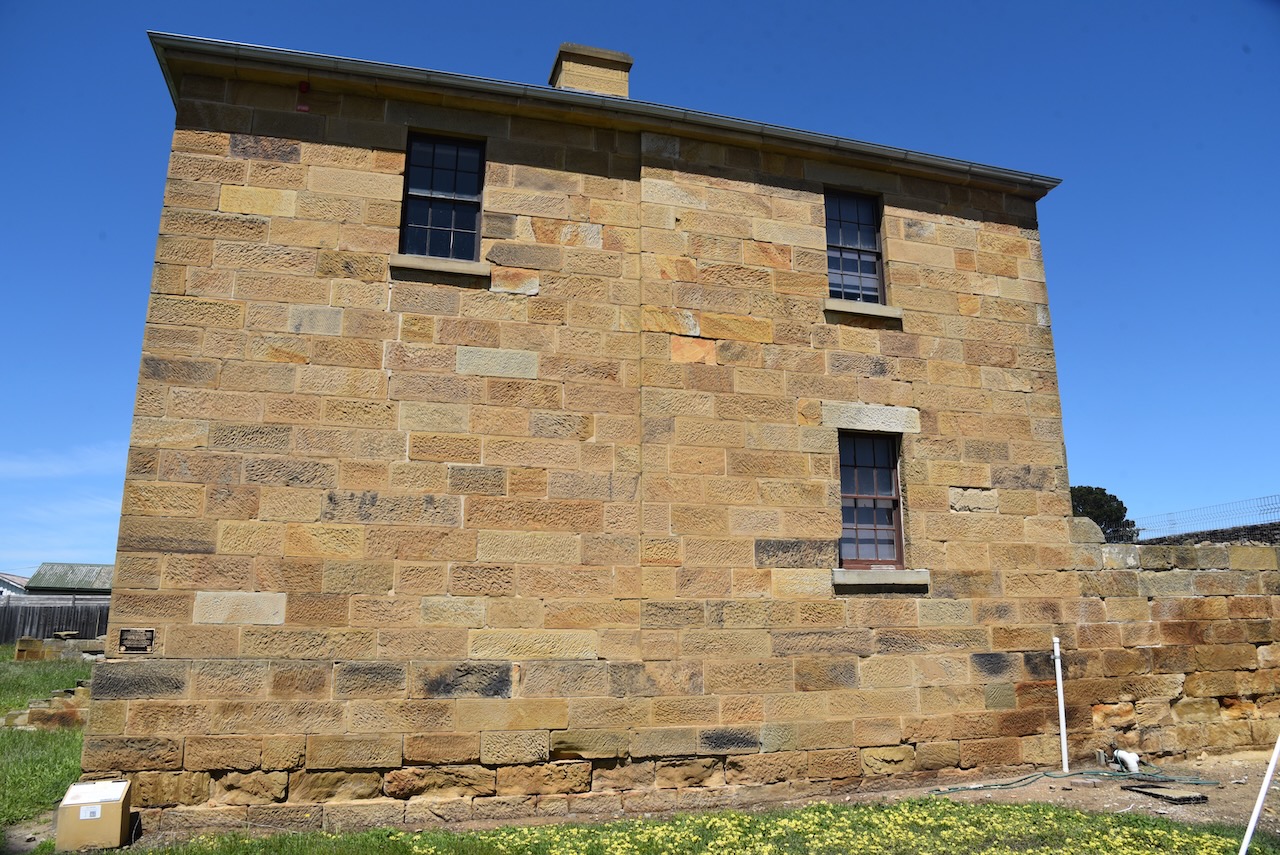
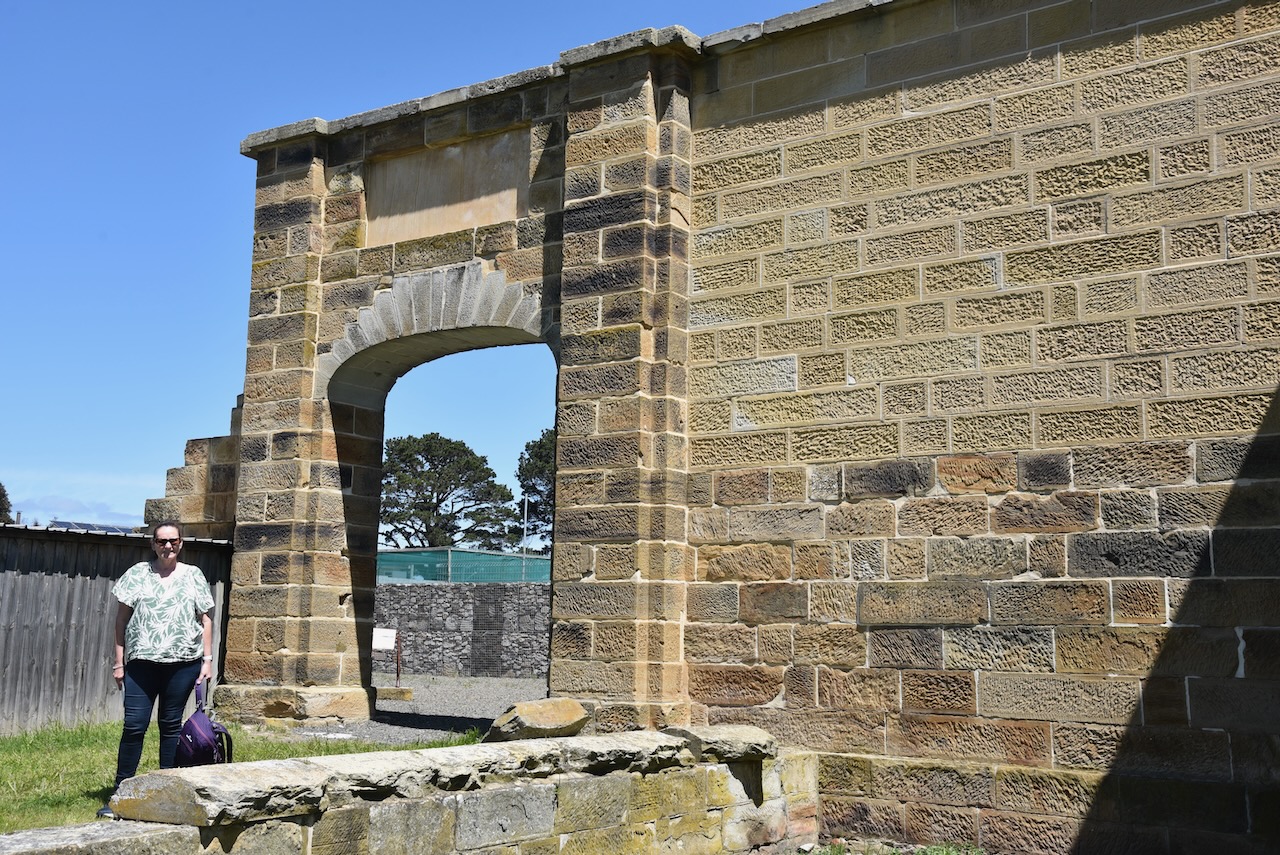
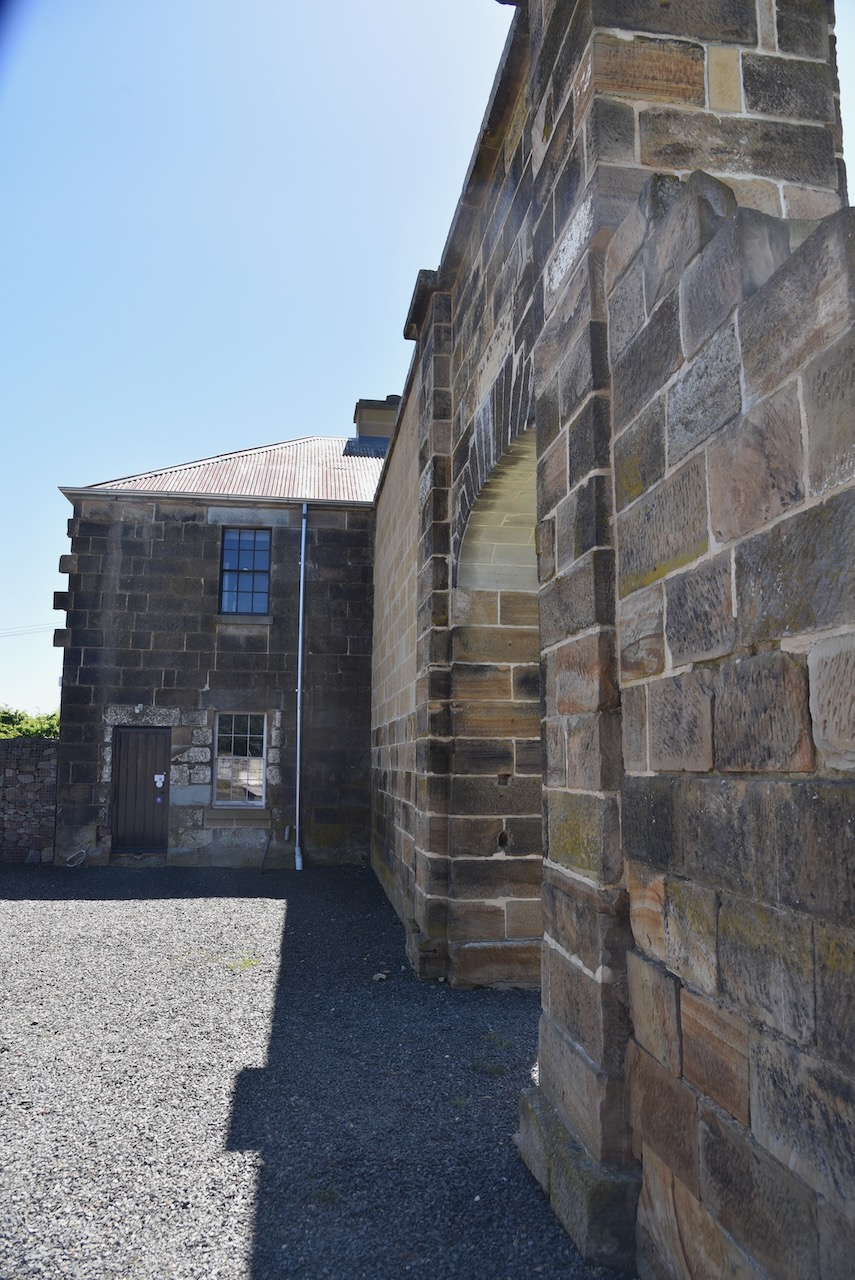
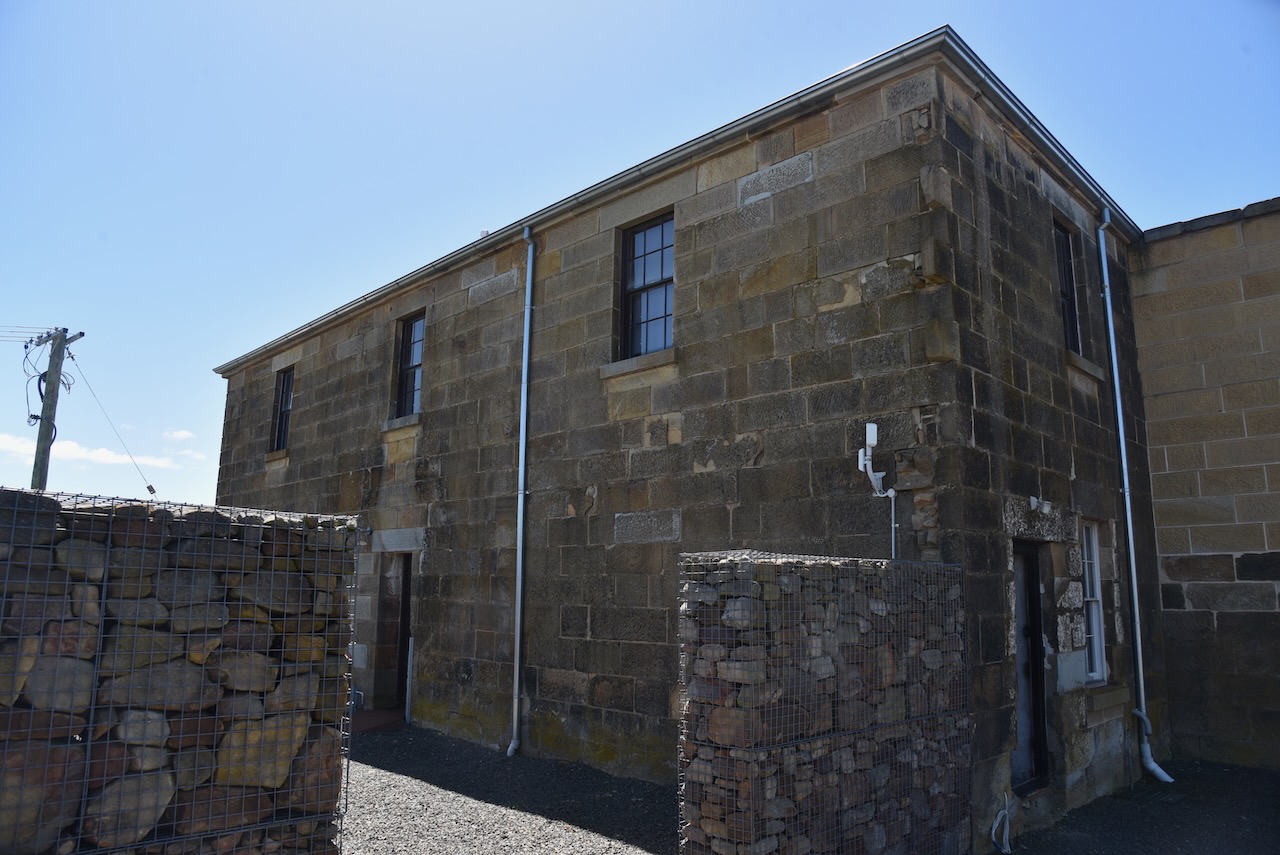
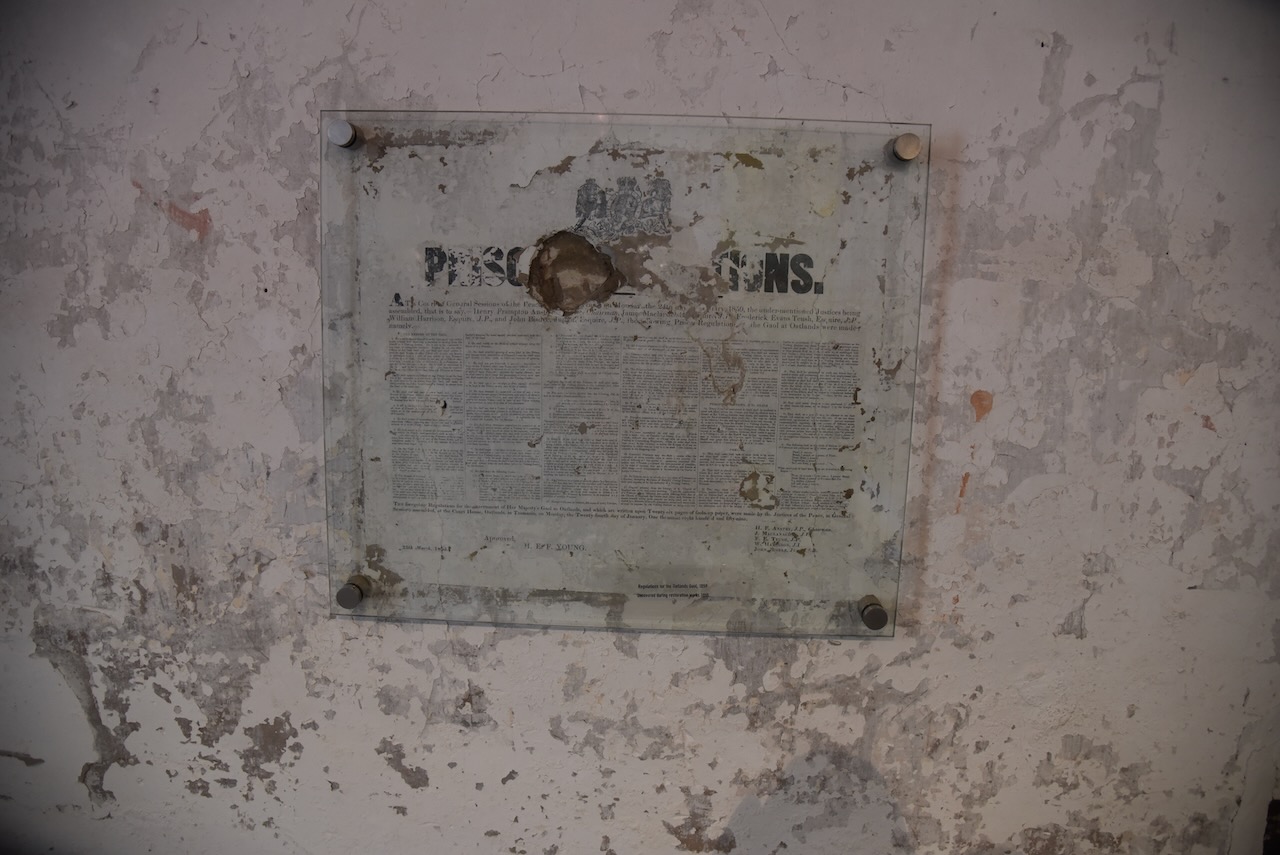
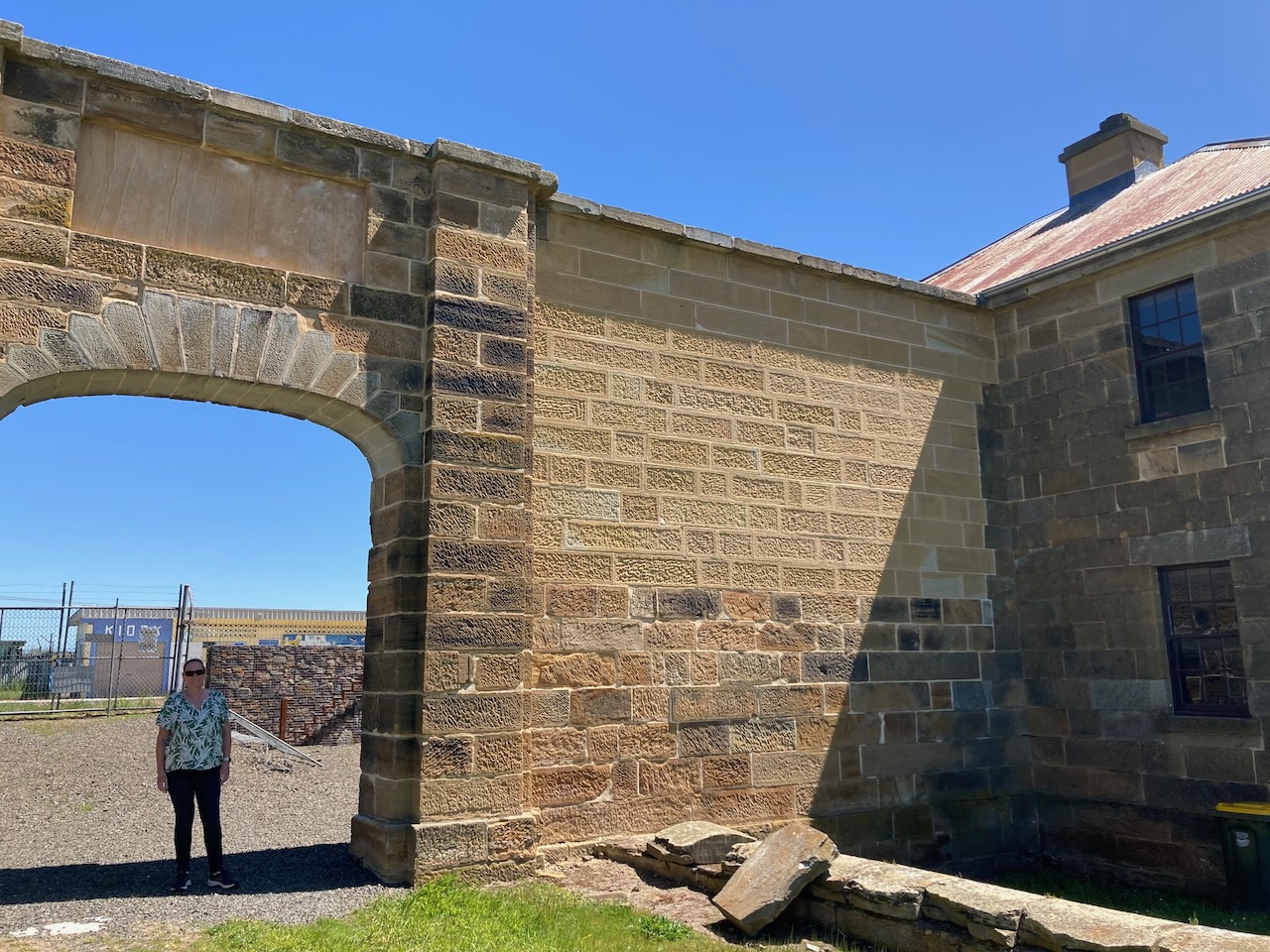
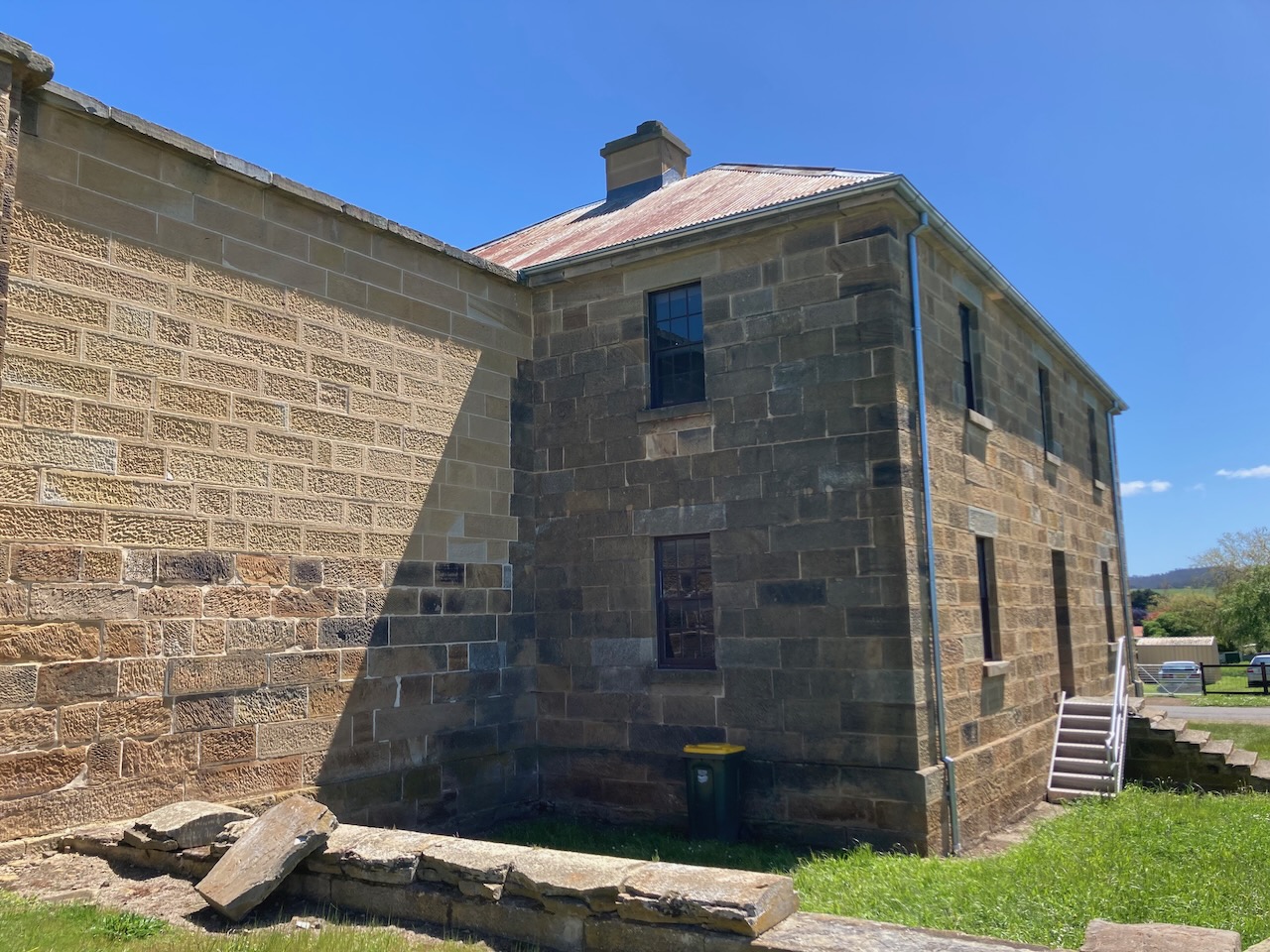
We then visited the old Oatlands Gaol. Work commenced on the construction of the gaol in 1827. The first Oatlands Gaol was constructed of logs which were hauled to the site by bullock teams. In 1834 work commenced on the new gaol. Two years later it was completed. A total of 2,000 loads of stones were used to complete the structure which was built by a total of 68 convicts. The gaol was closed in 1863.

Sadly the 1930s saw the demolition of the majority of the gaol.

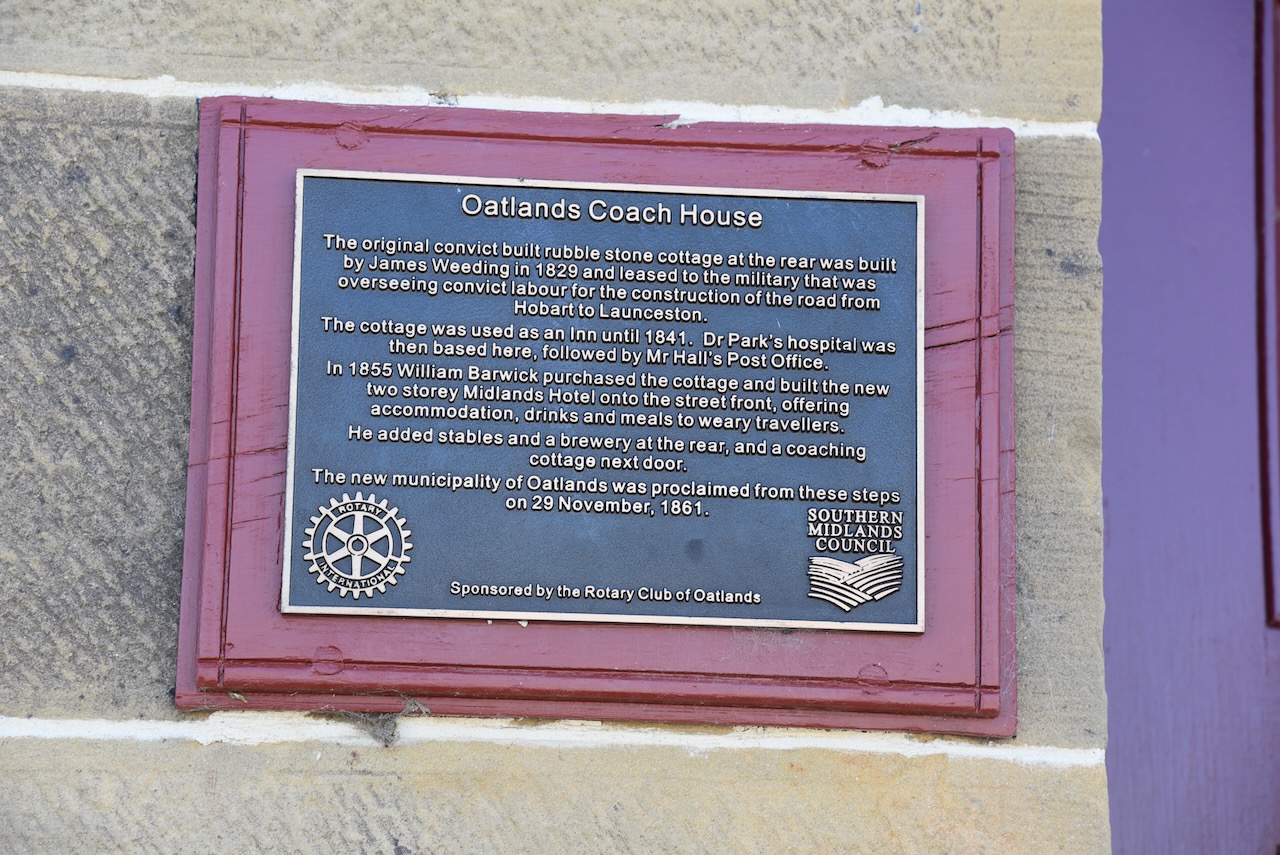
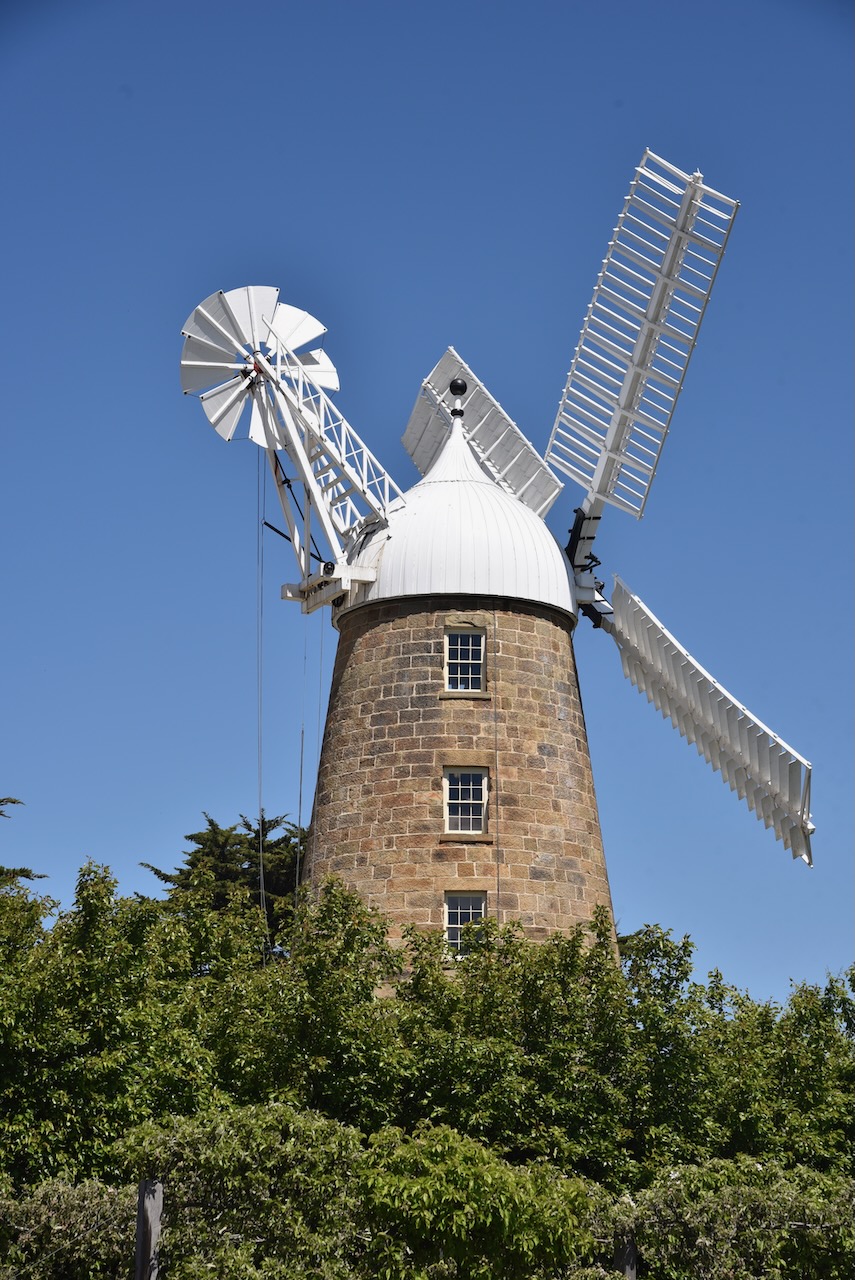
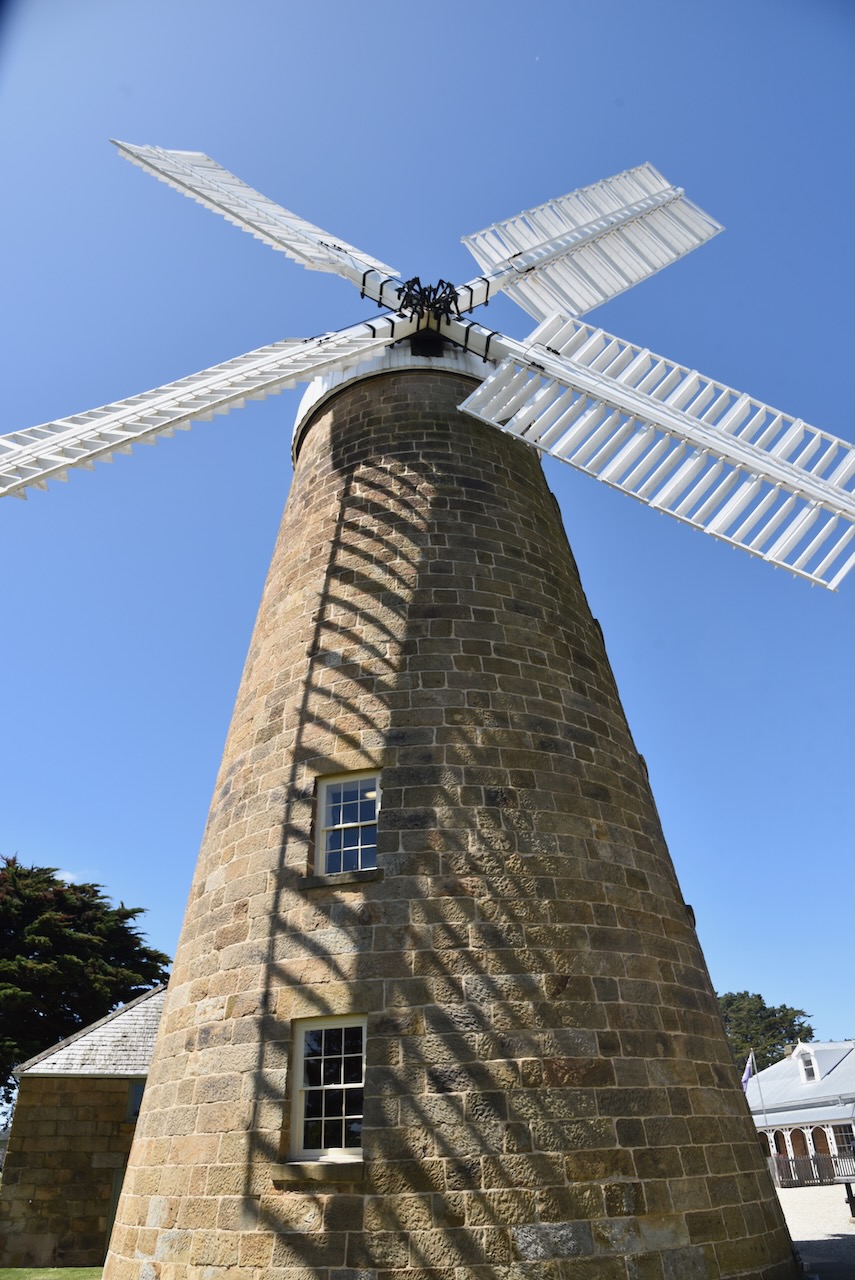
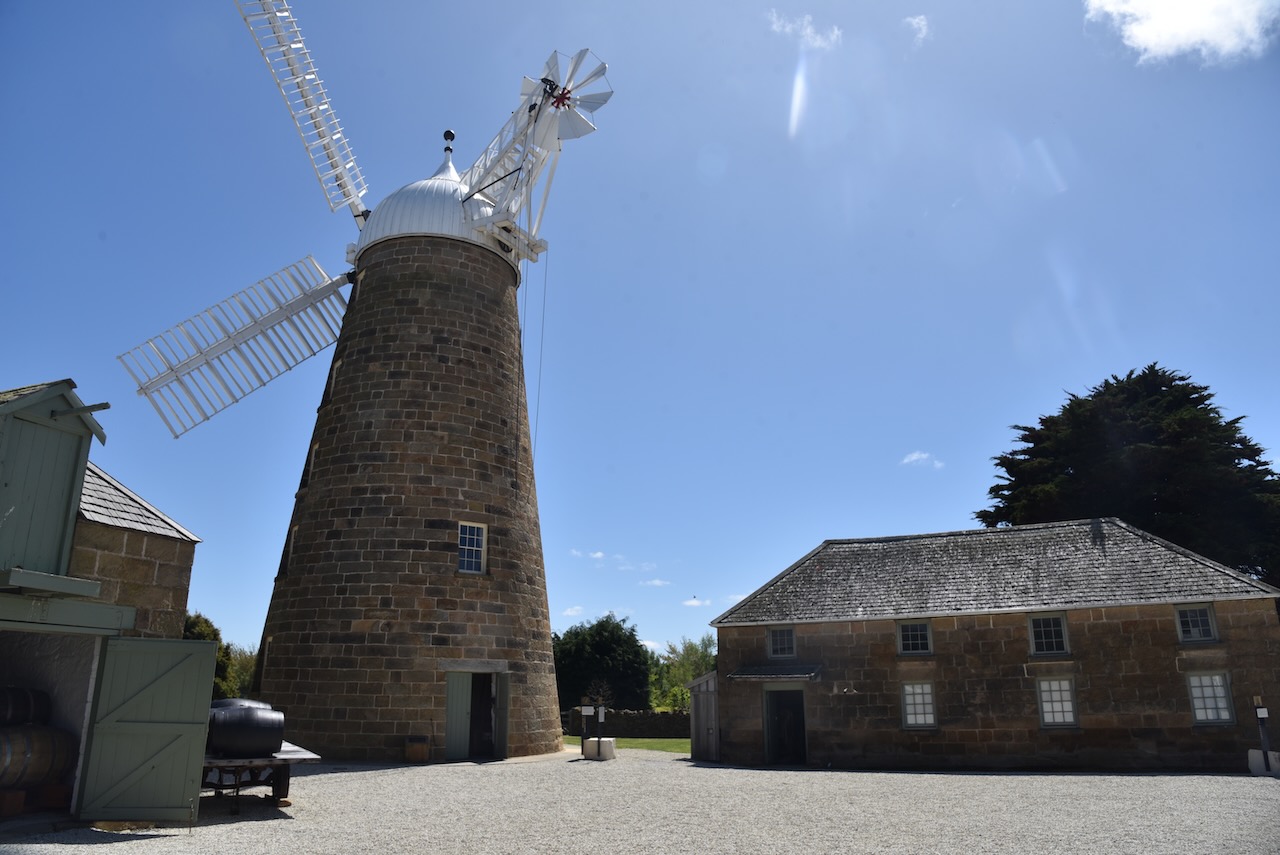
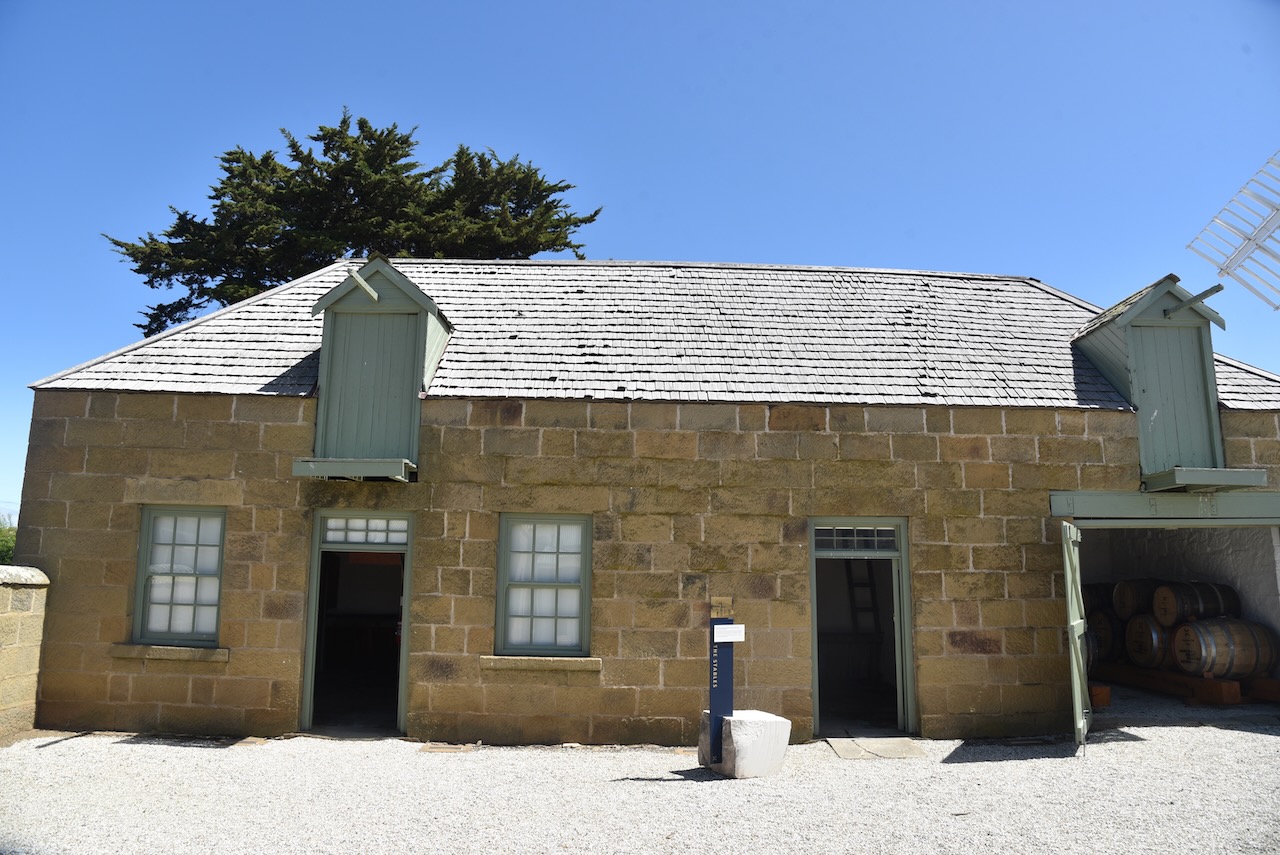
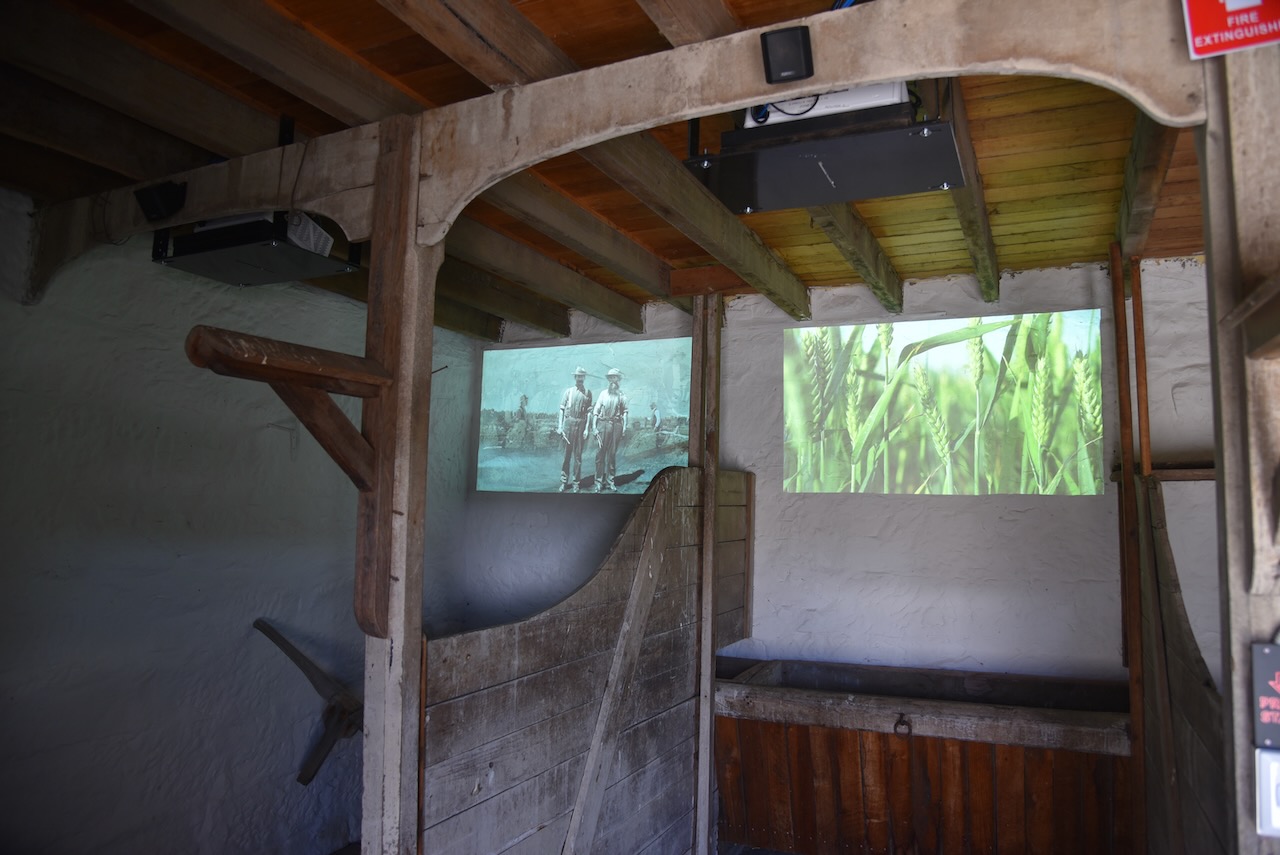
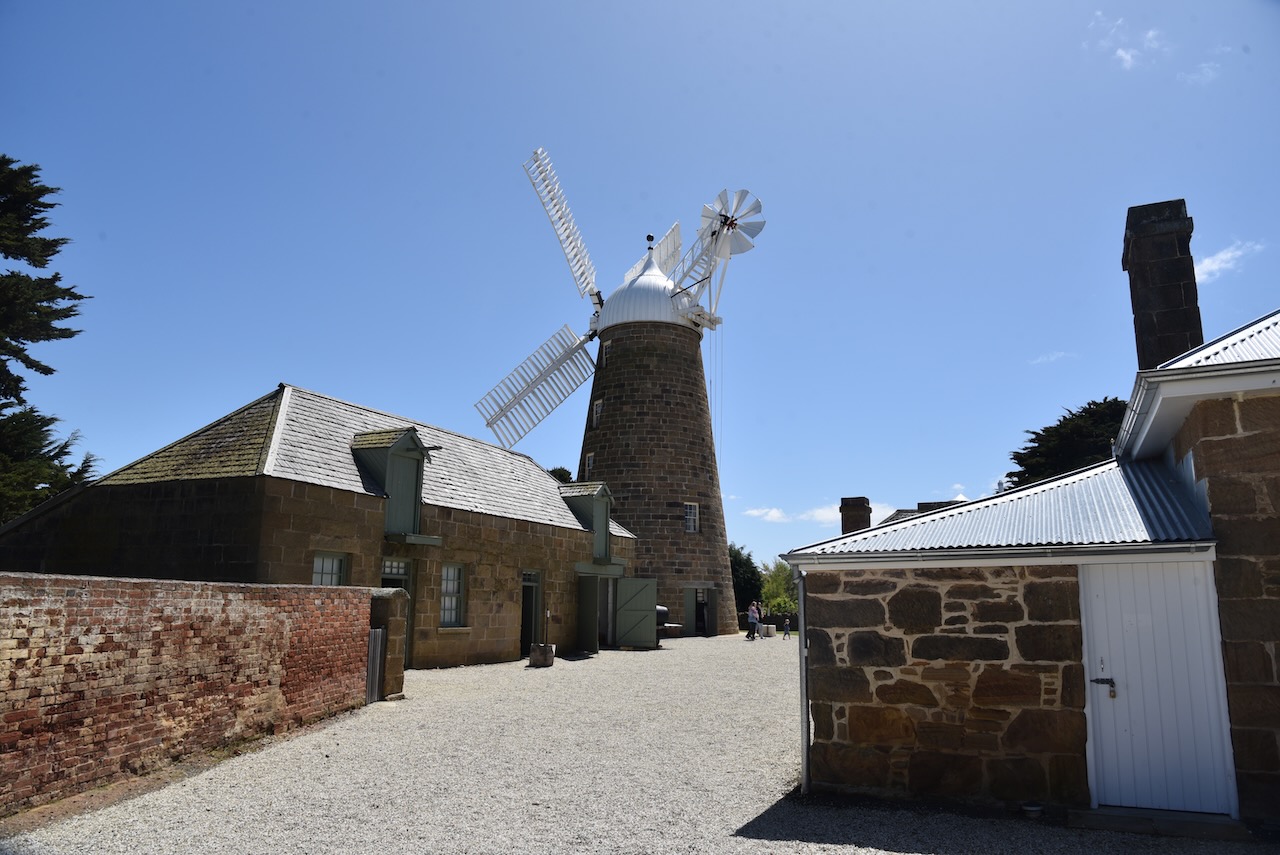
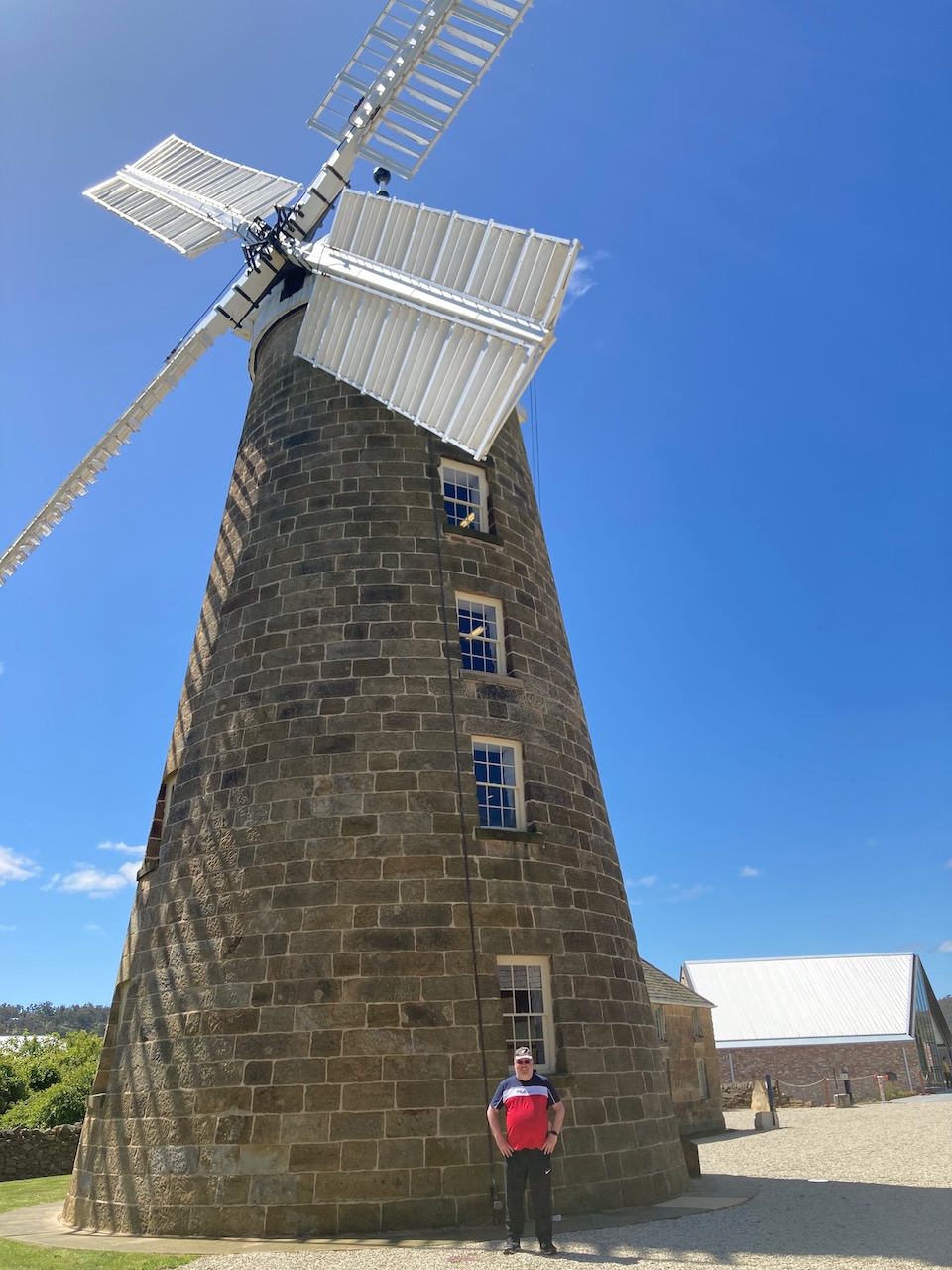
Next was Callington Mill on Old Mill Lane. The mill was built in 1836 by John Vincent who had arrived in Hobart Town in 1823. It is the only working Lincolnshire style windmills in the Southern Hemisphere.

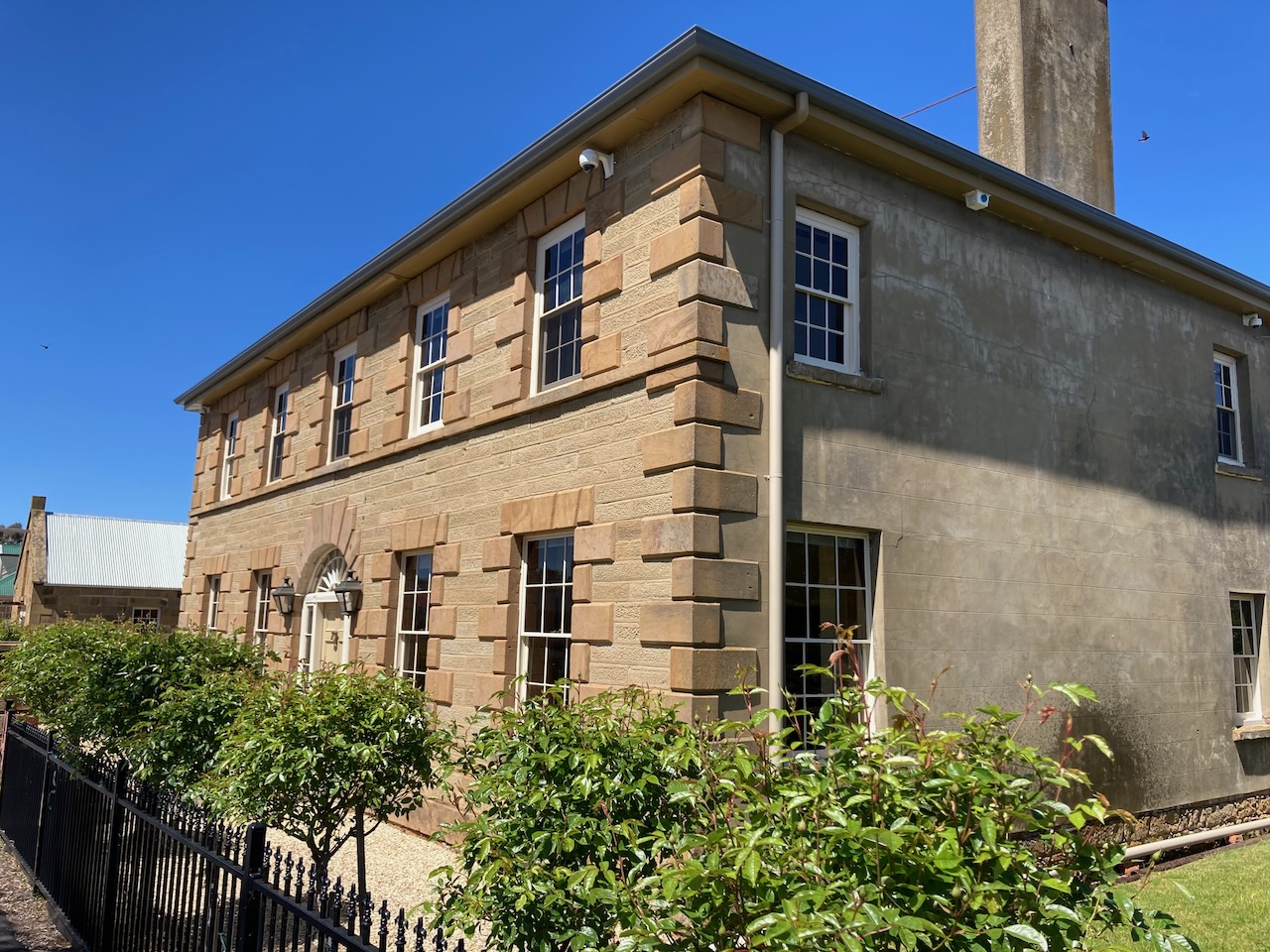
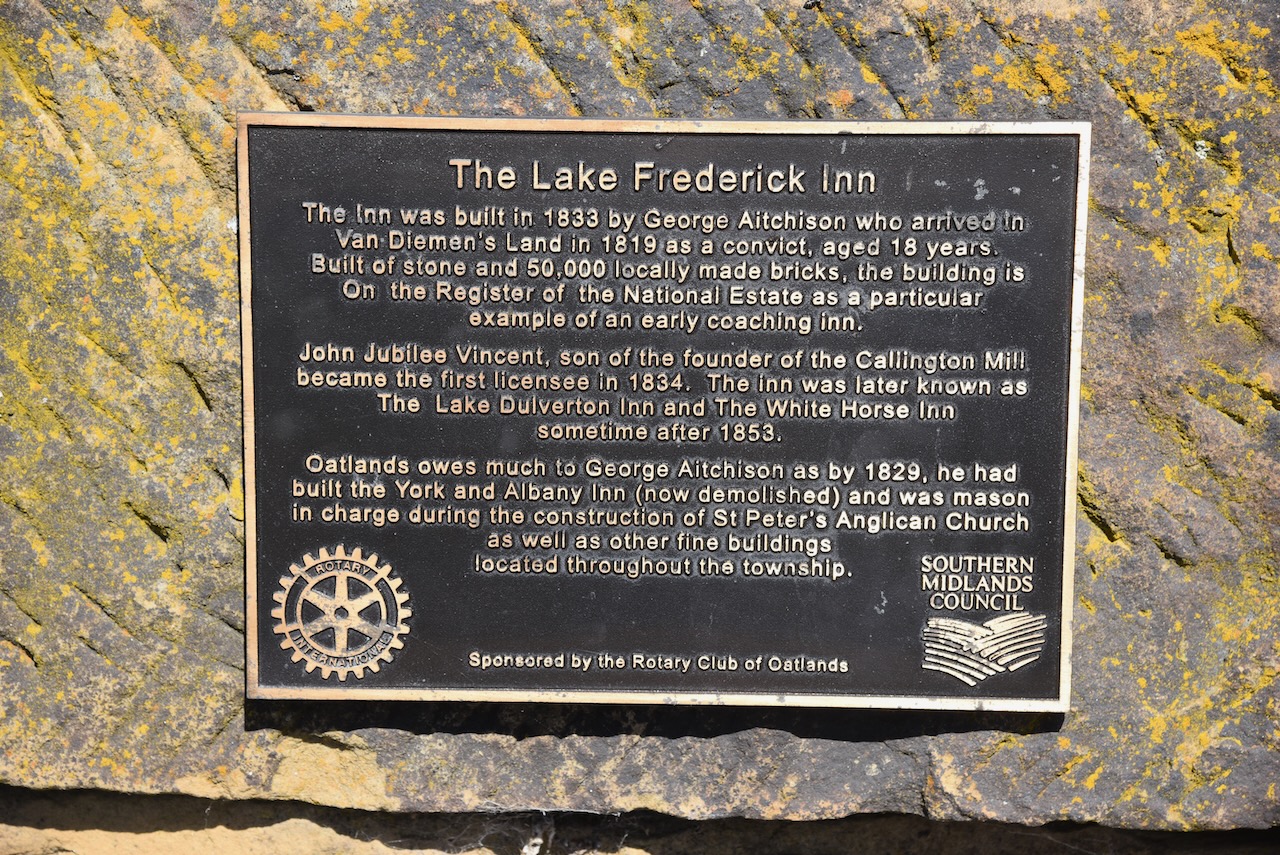
We then viewed numerous other historic buildings in the town including Lake Frederick Inn which was built in 1834 by George Atkinson. In 1836 the name of the Inn was changed to Dulverton Inn and in 1853 it was known as the White Horse Inn. Oatlands Lodge was built in the 1830s as a private residence. It later became a girl’s school and a shop.

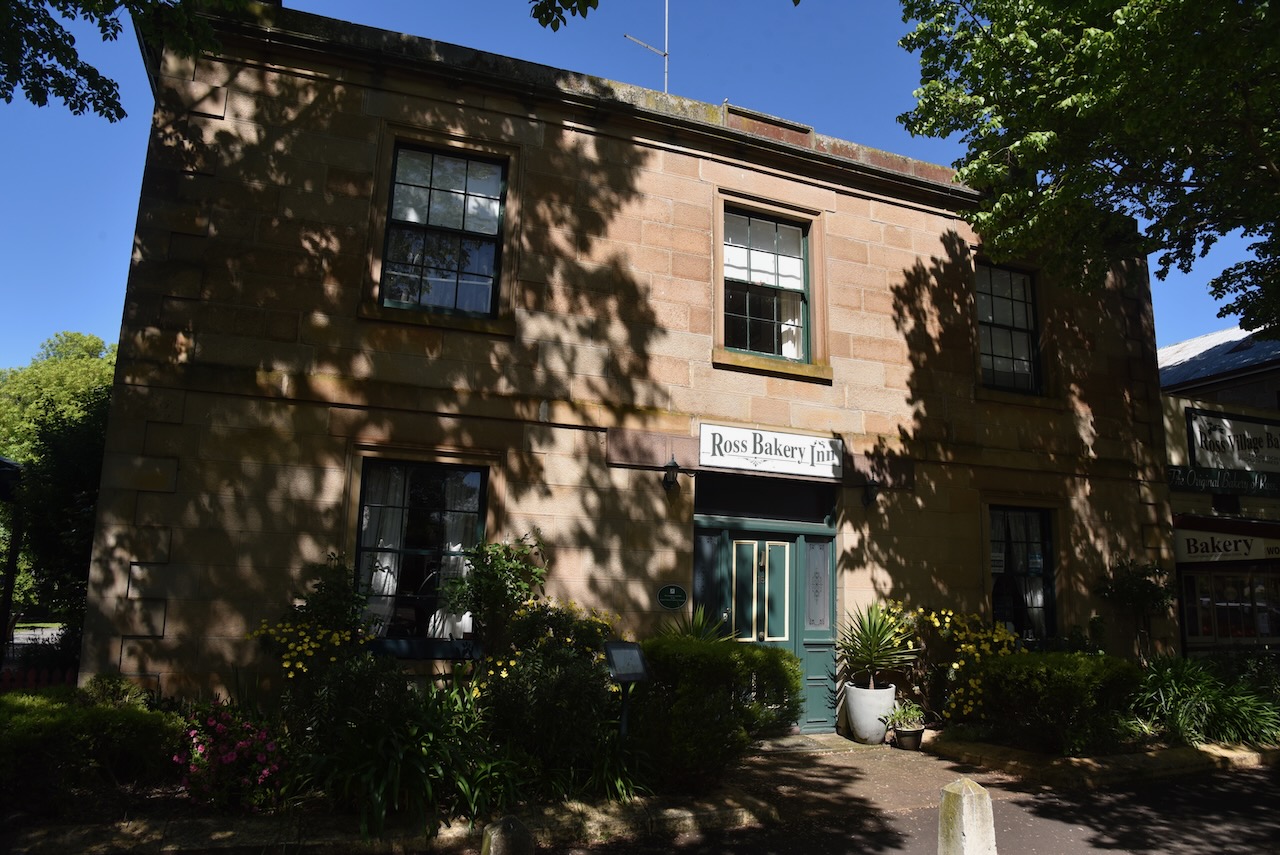
We then continued north on the Midlands Highway to the town of Ross. In 1821, Governor Macquarie was on his second journey through Van Dieman’s Land. He decided on a new settlement in the area and called it Ross in honour of the name of the home of his friend H.M. Buchanan who lived on Loch Lomond in Scotland.

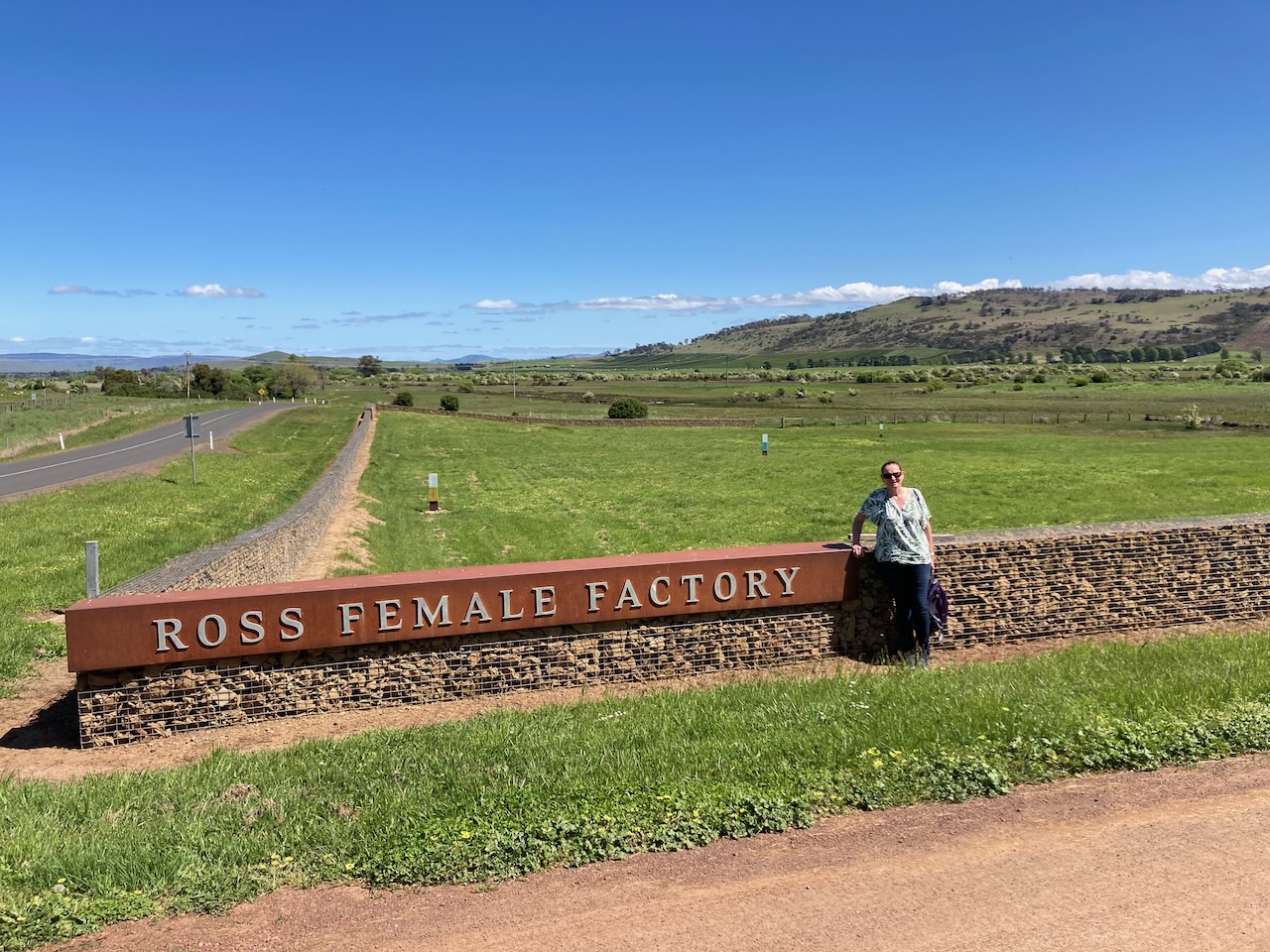
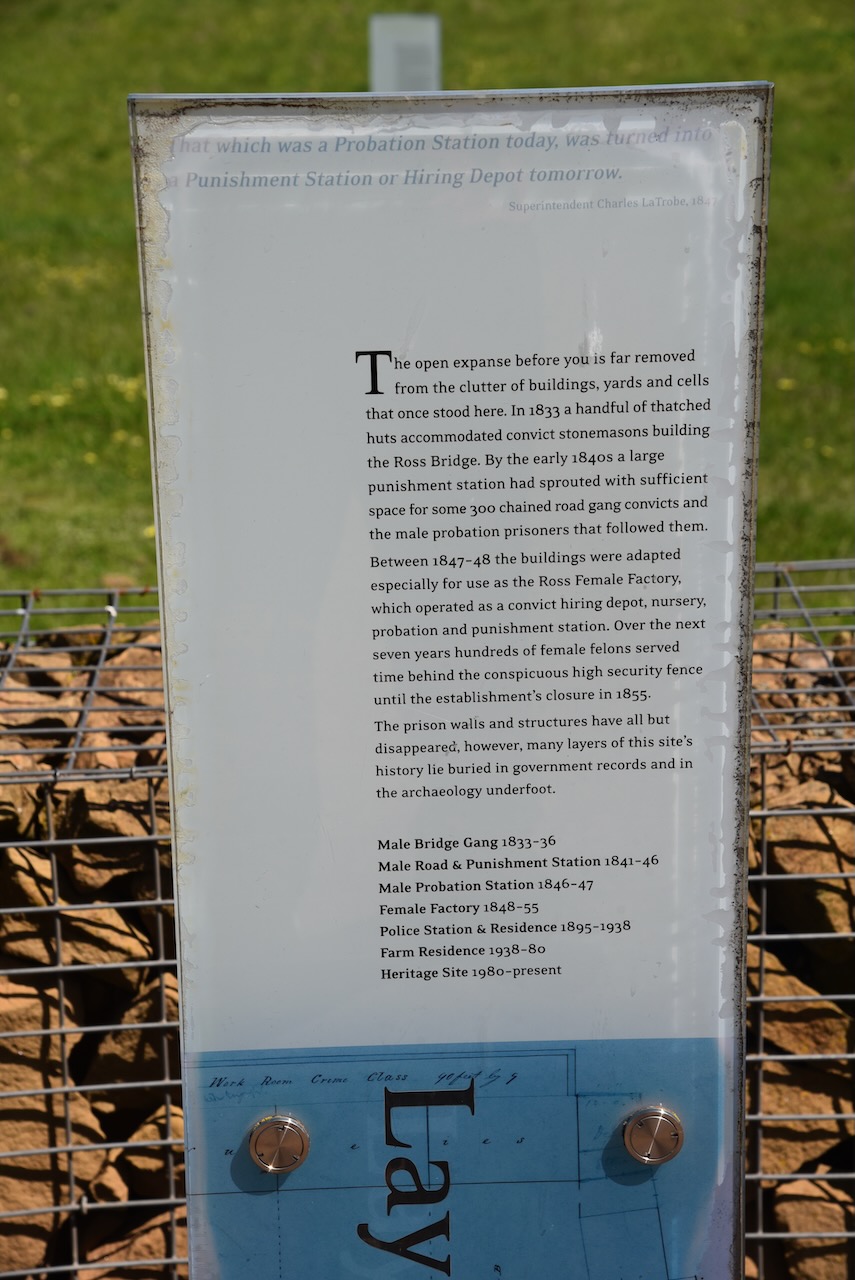
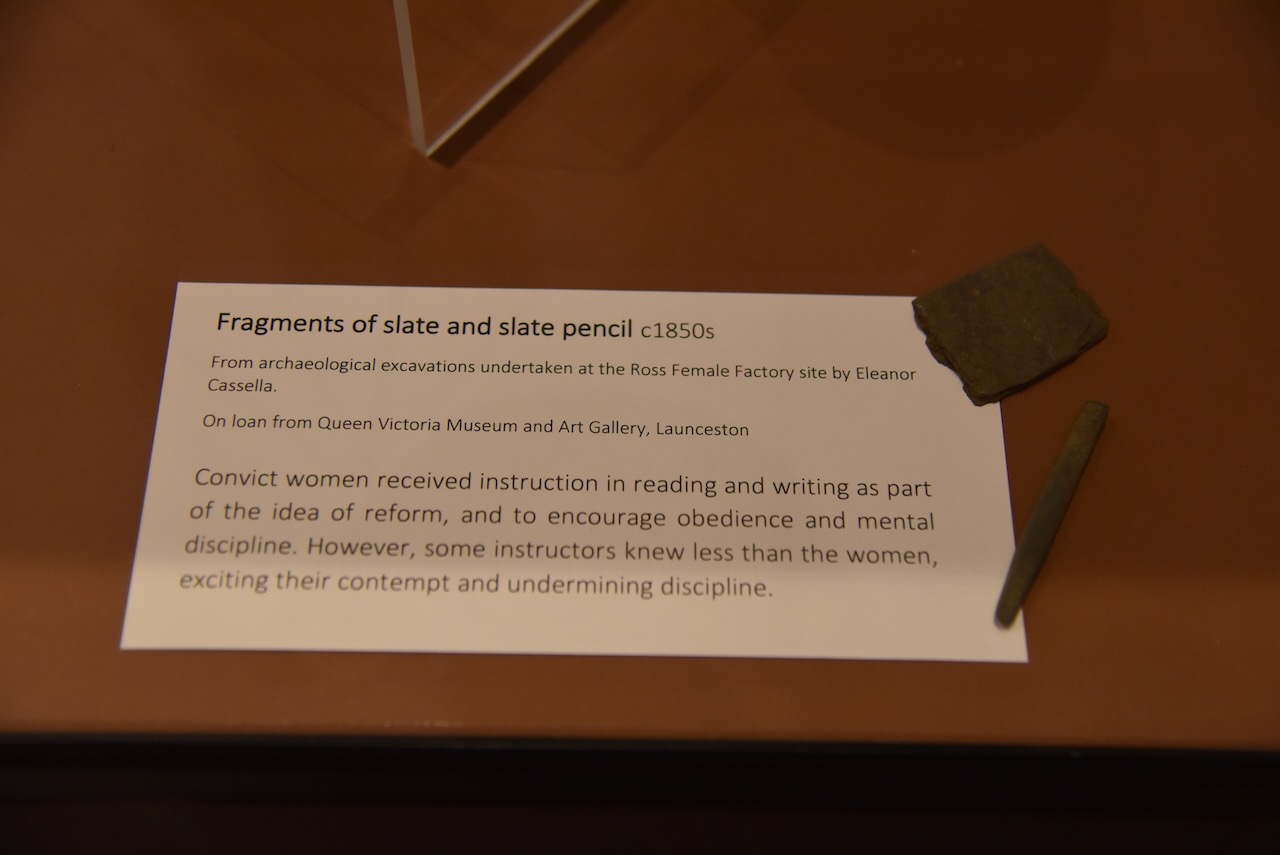
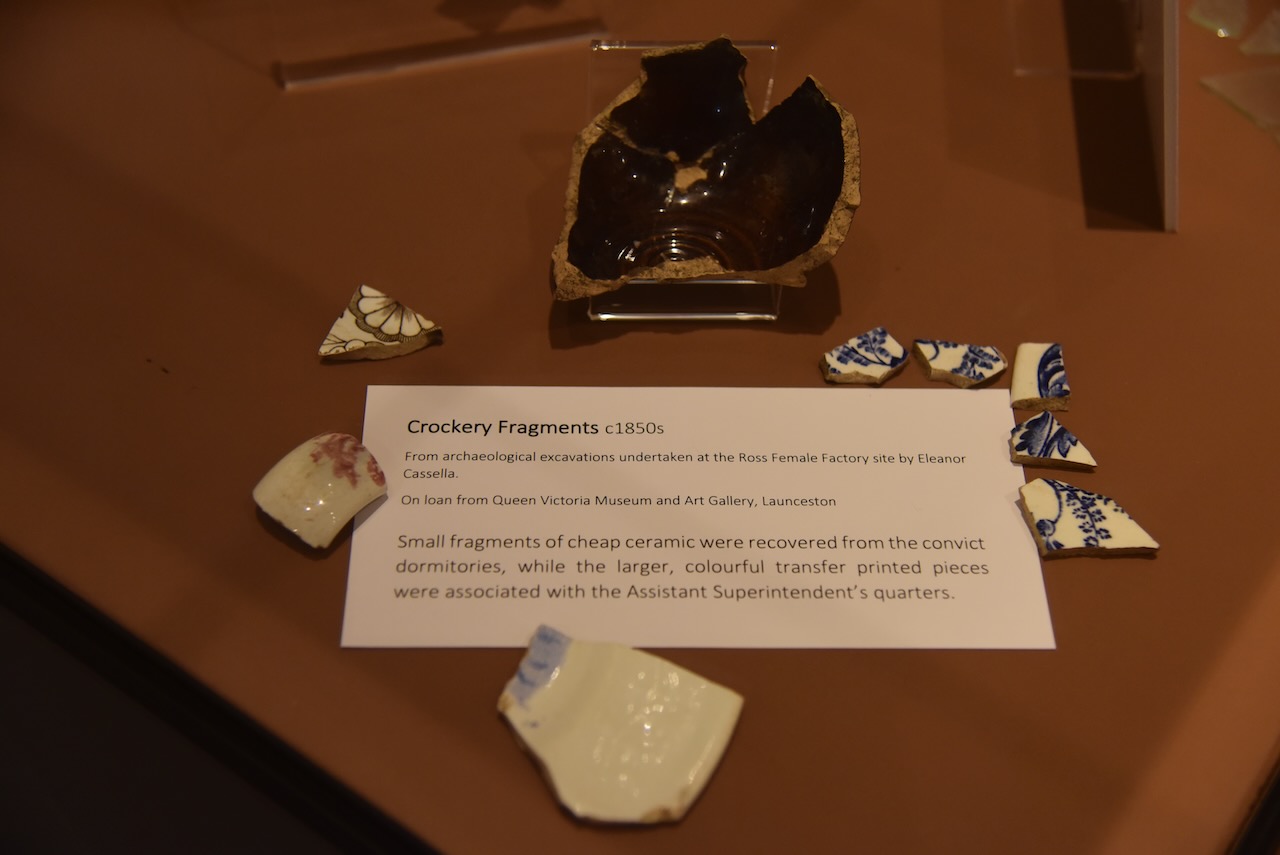
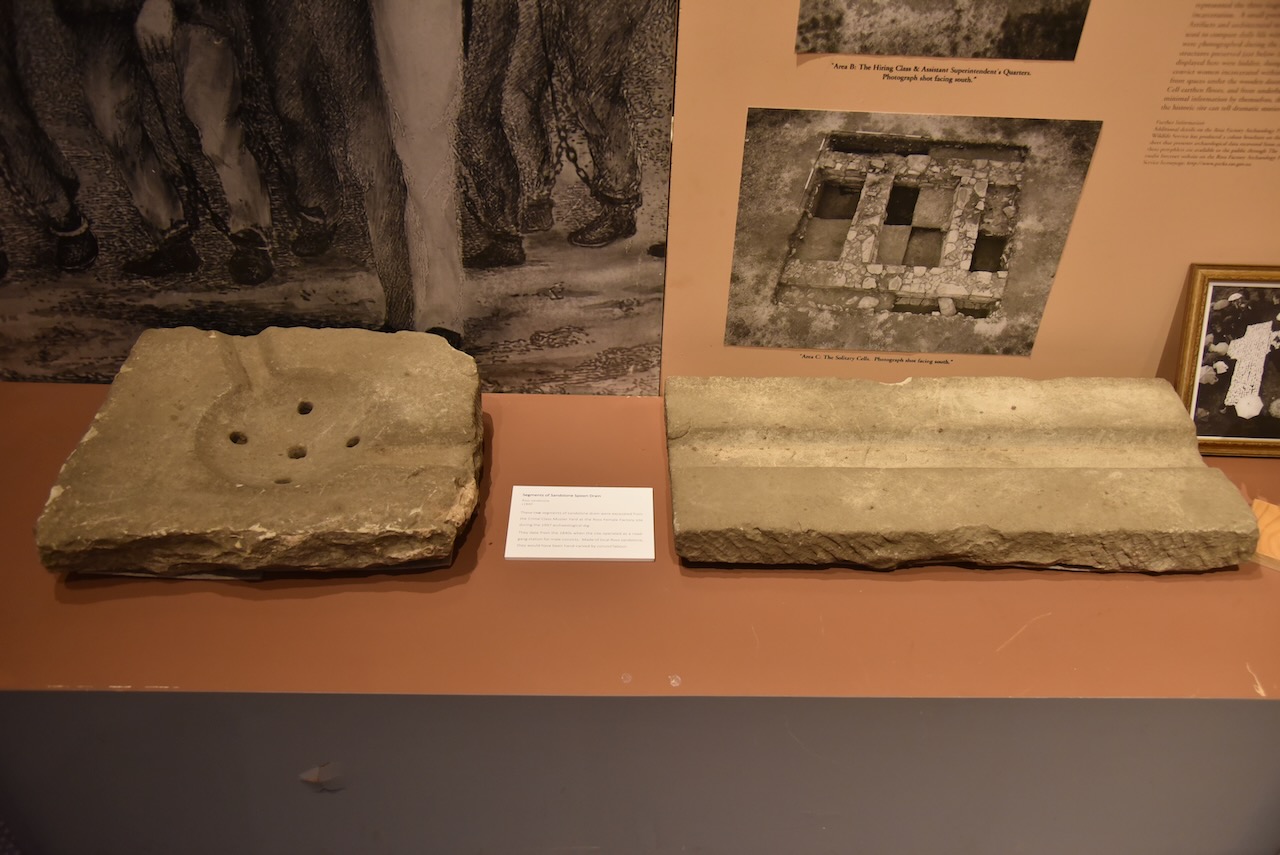
Our first visit in Ross was the site of the Ross Female Factory. It was originally used as a male road gang station. Between 1848 and 1854 the buildings were used as a probation station housing between 60 to 120 female convicts at any one time. In the 1880s the prison was demolished leaving the foundations intact. The original Overseers Cottage also remains.

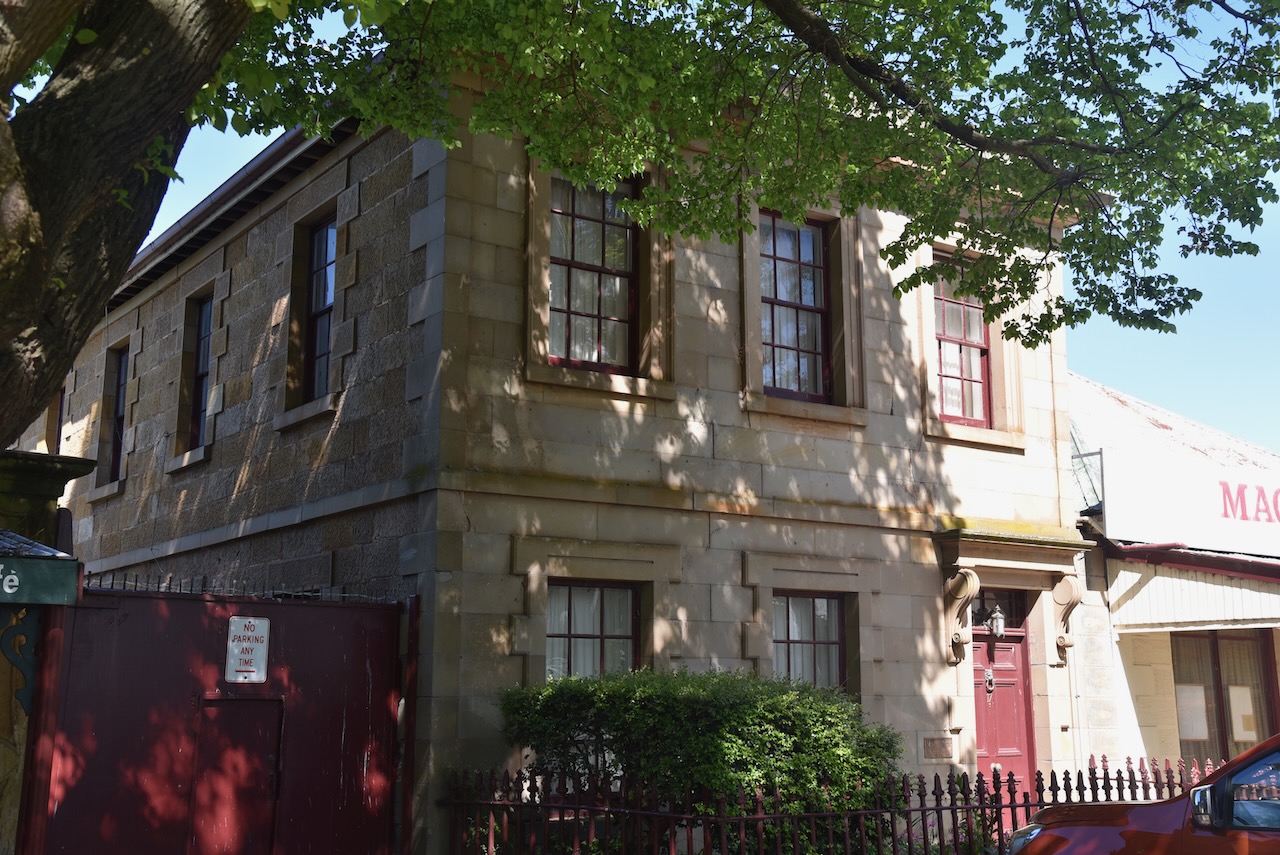
We then headed back into the town of Ross to admire the numerous historic buildings. There are over 40 heritage buildings in the town of Ross.

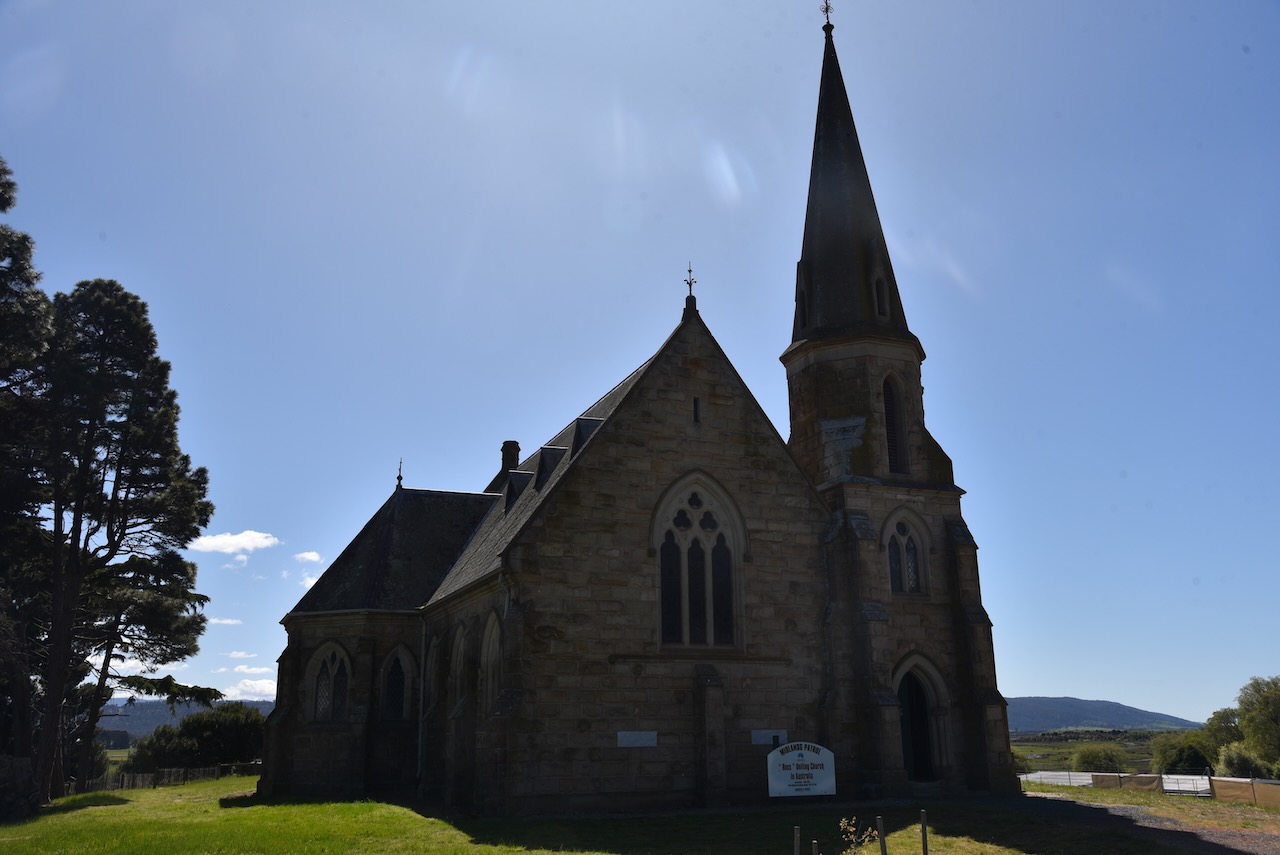
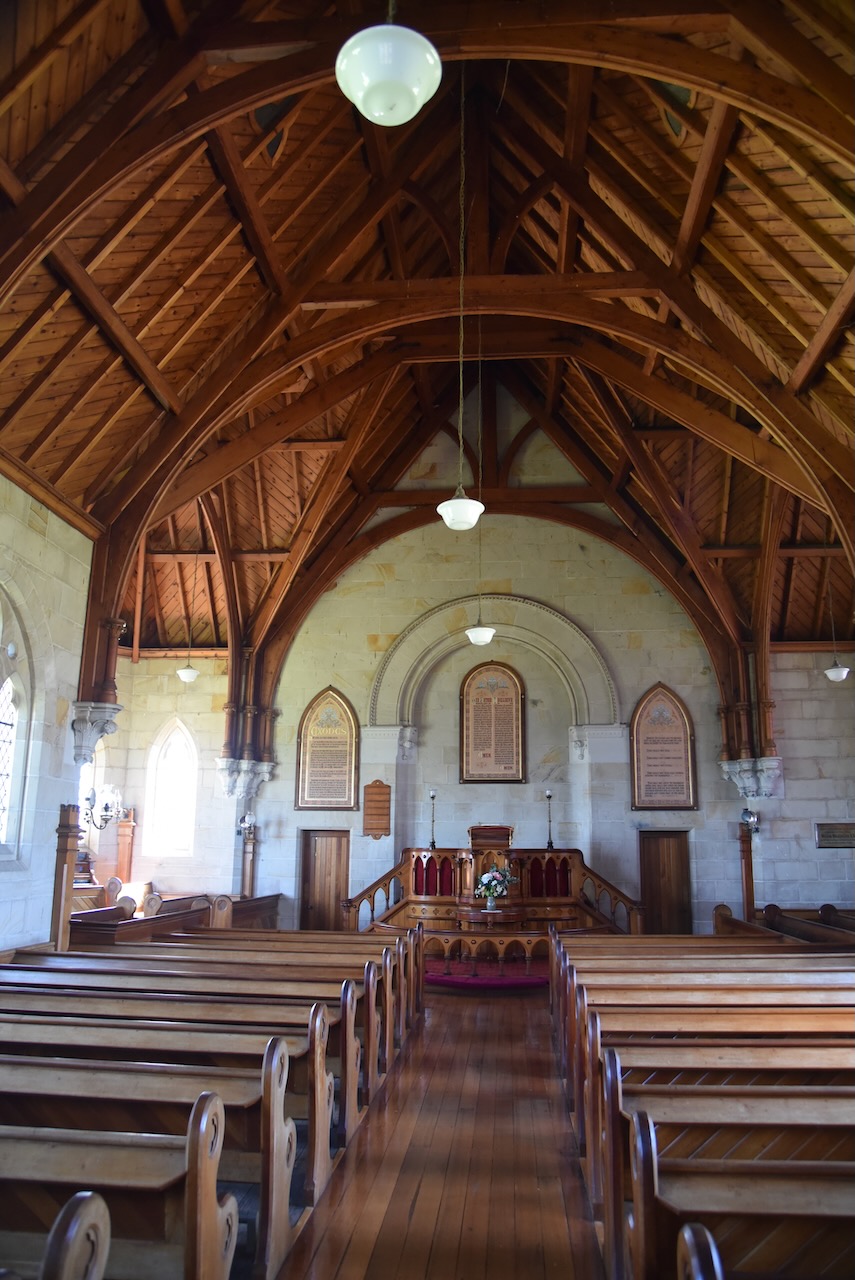
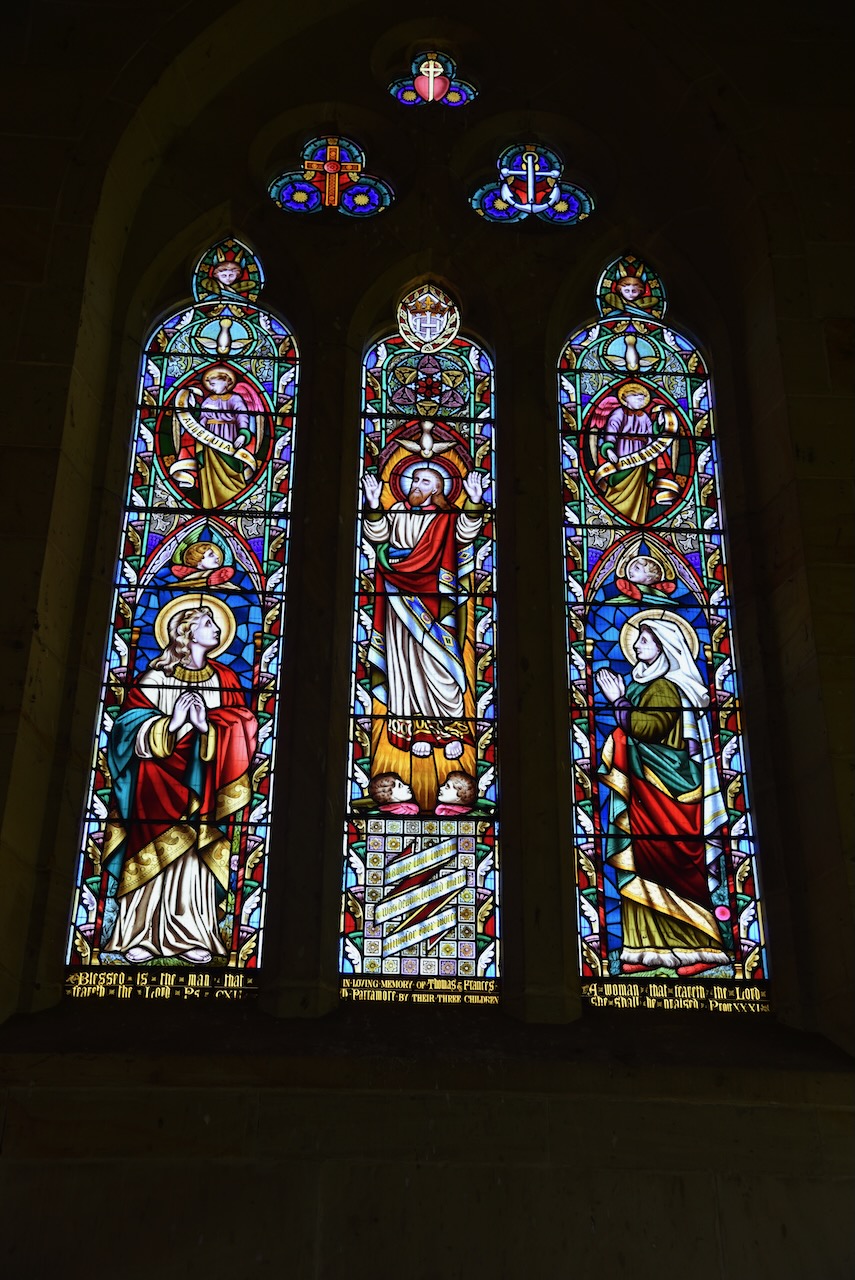
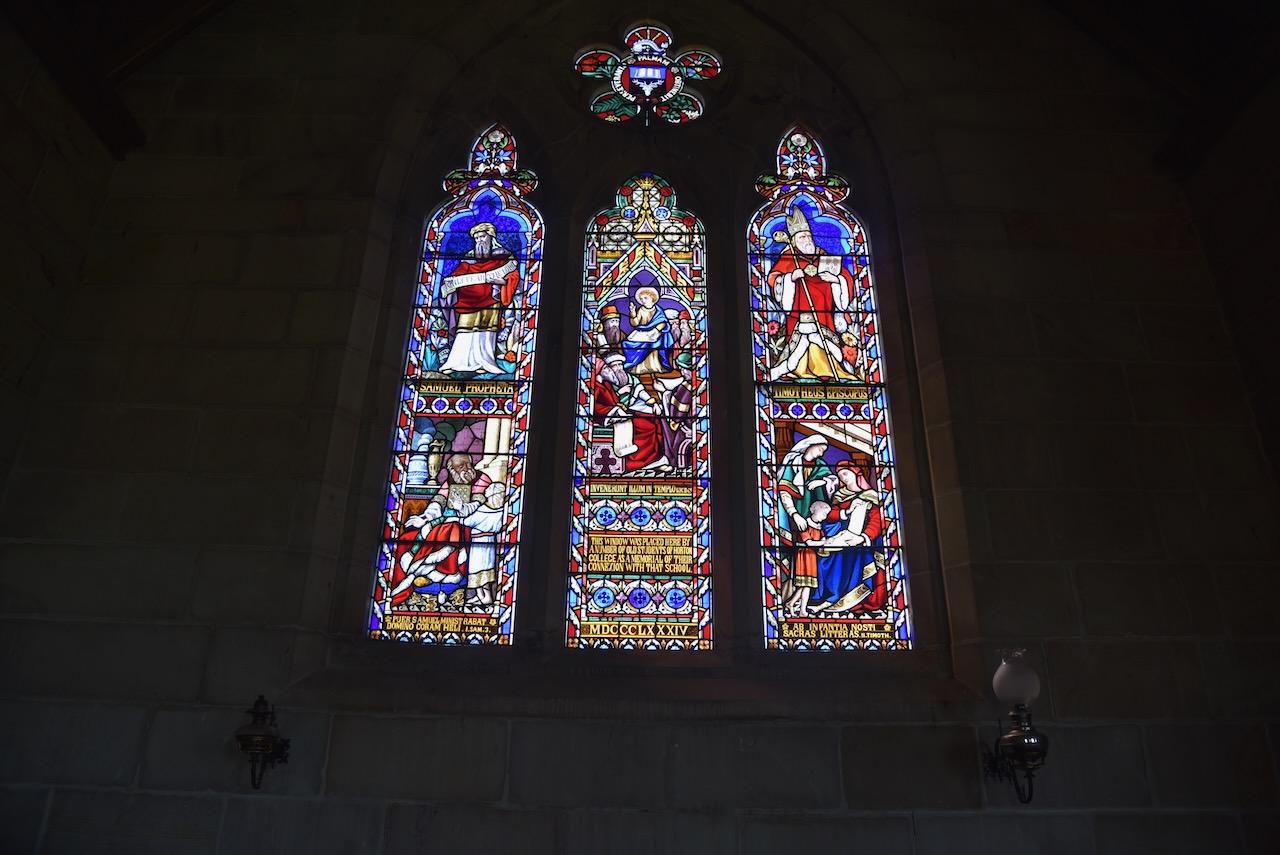
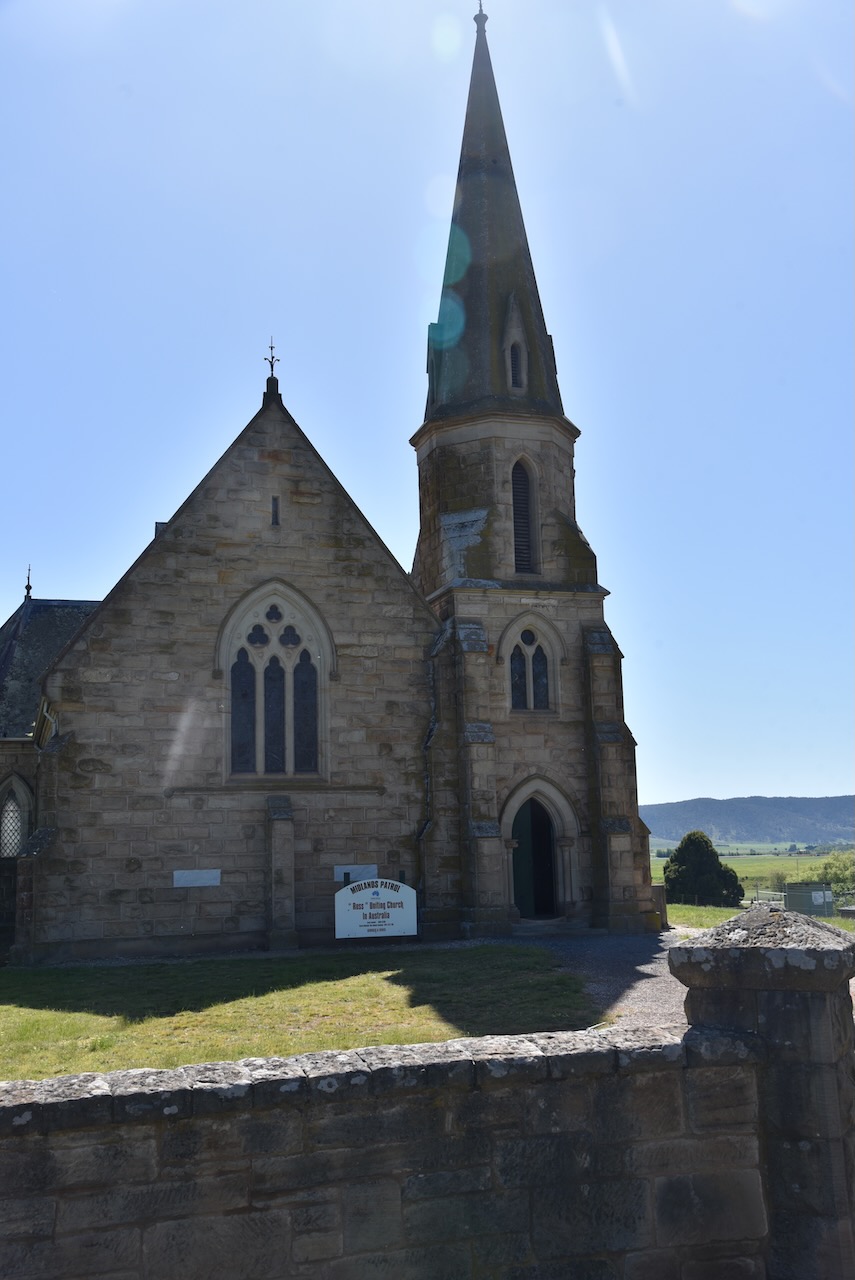
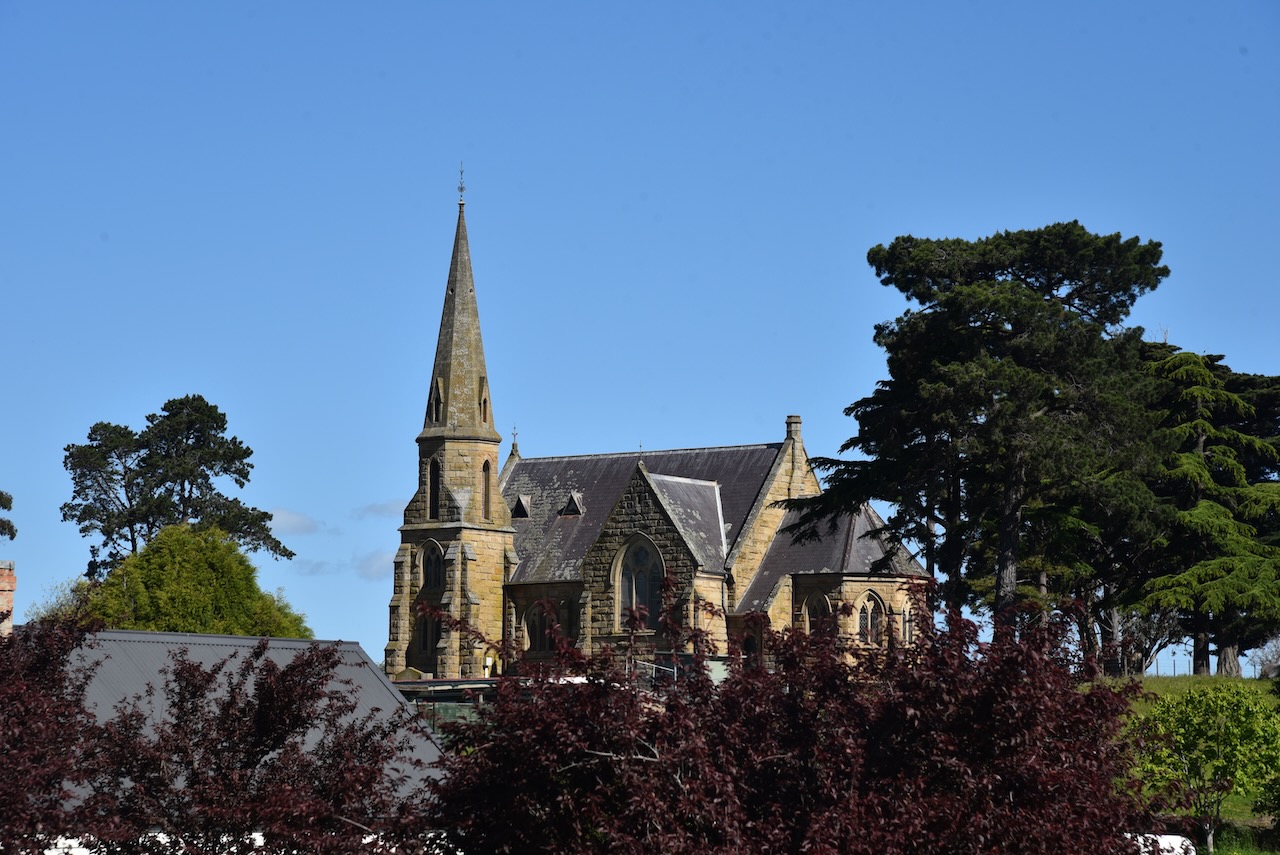
The Ross Uniting Church is a traditional gothic style sandstone church which was opened in 1885. The church was hand carved sandstone walls, Tasmanian blackwood pews, an oregon ceiling, an Italian marble front, and stained glass windows.

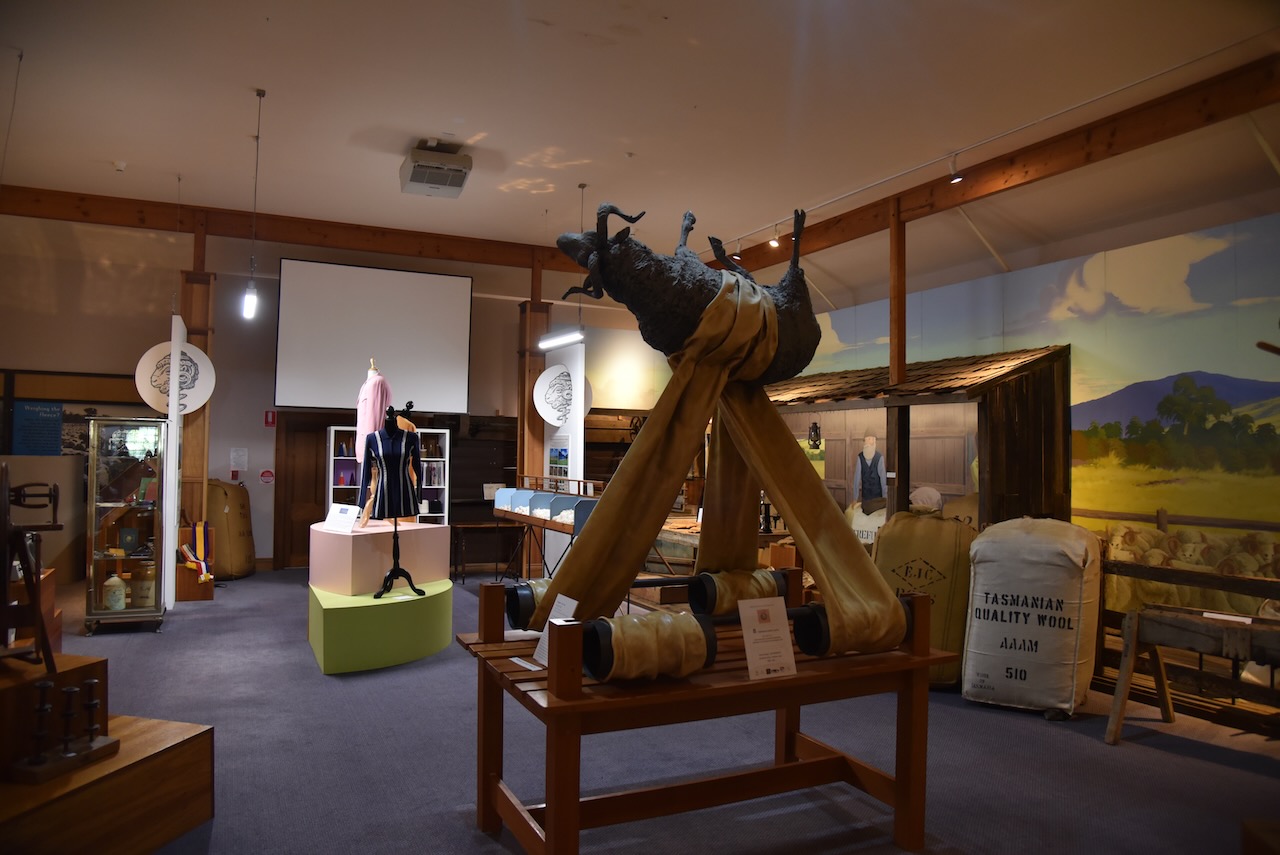
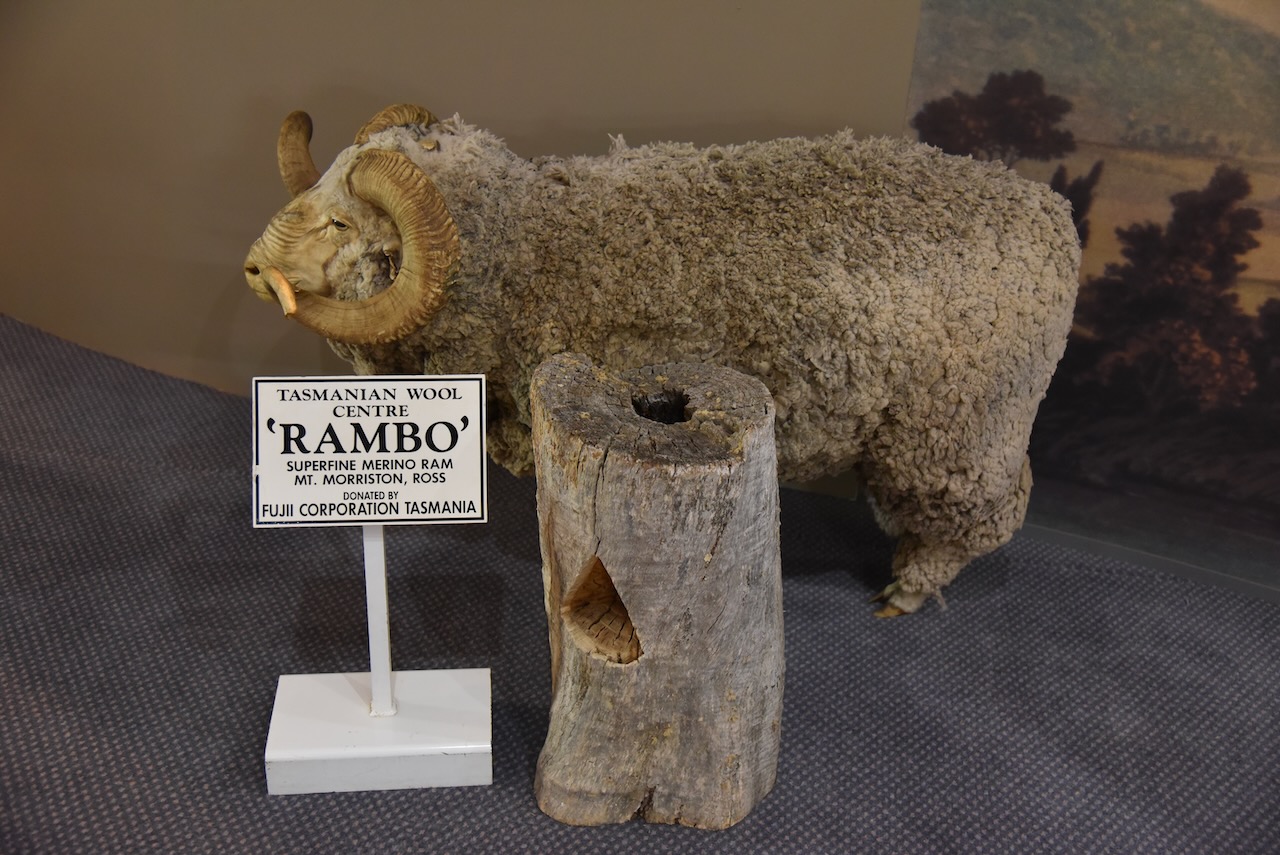
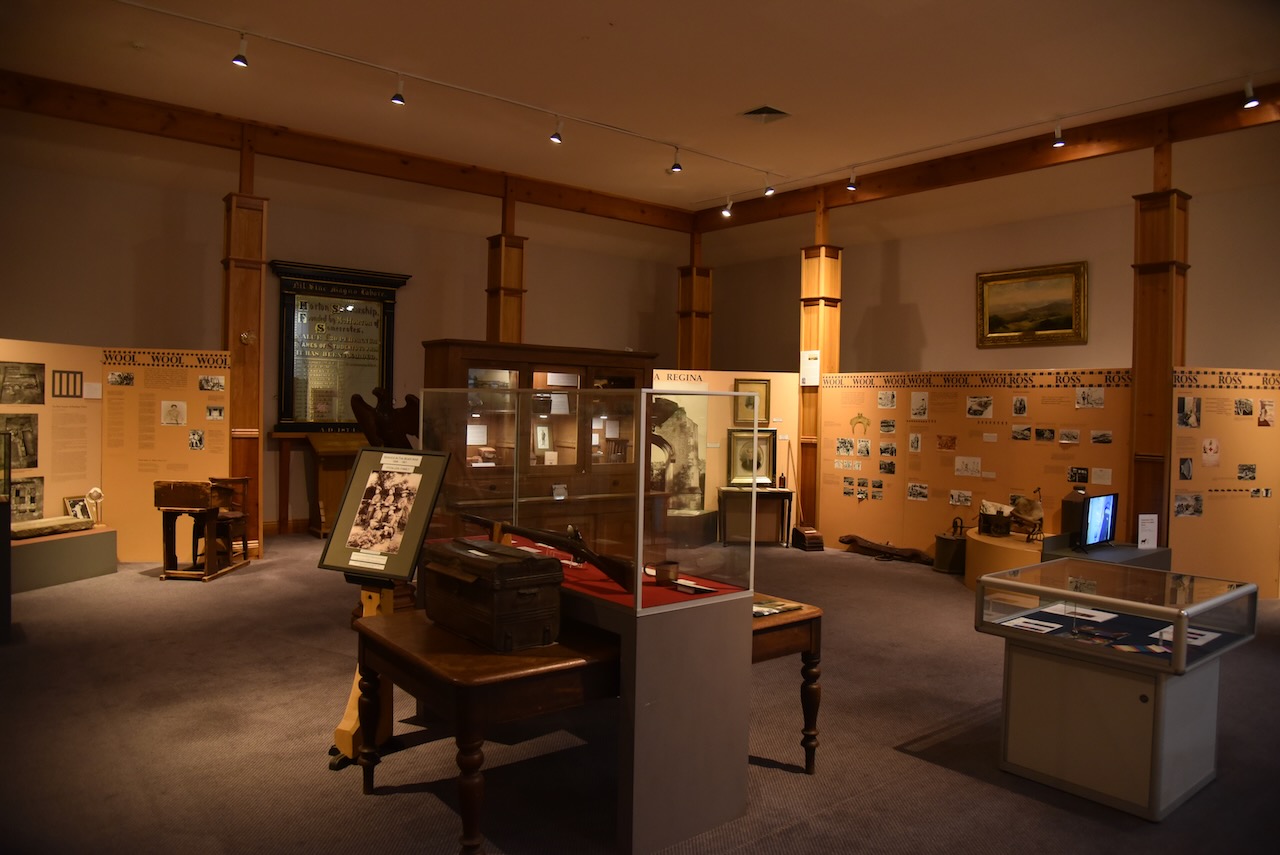
We also visited the Tasmanian Wool Centre which apart from being the largest retailer of woollens in the state, has an excellent museum detailing the history of Ross.

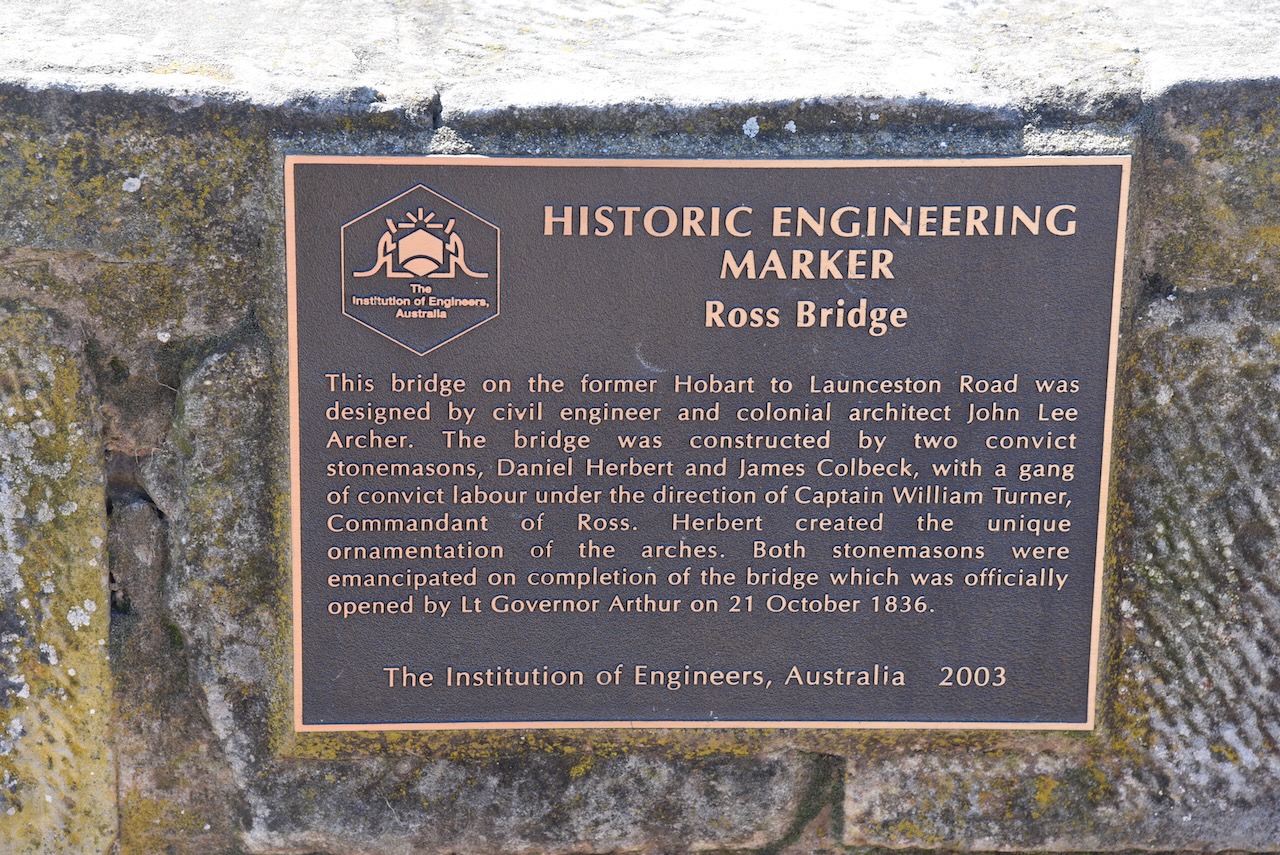
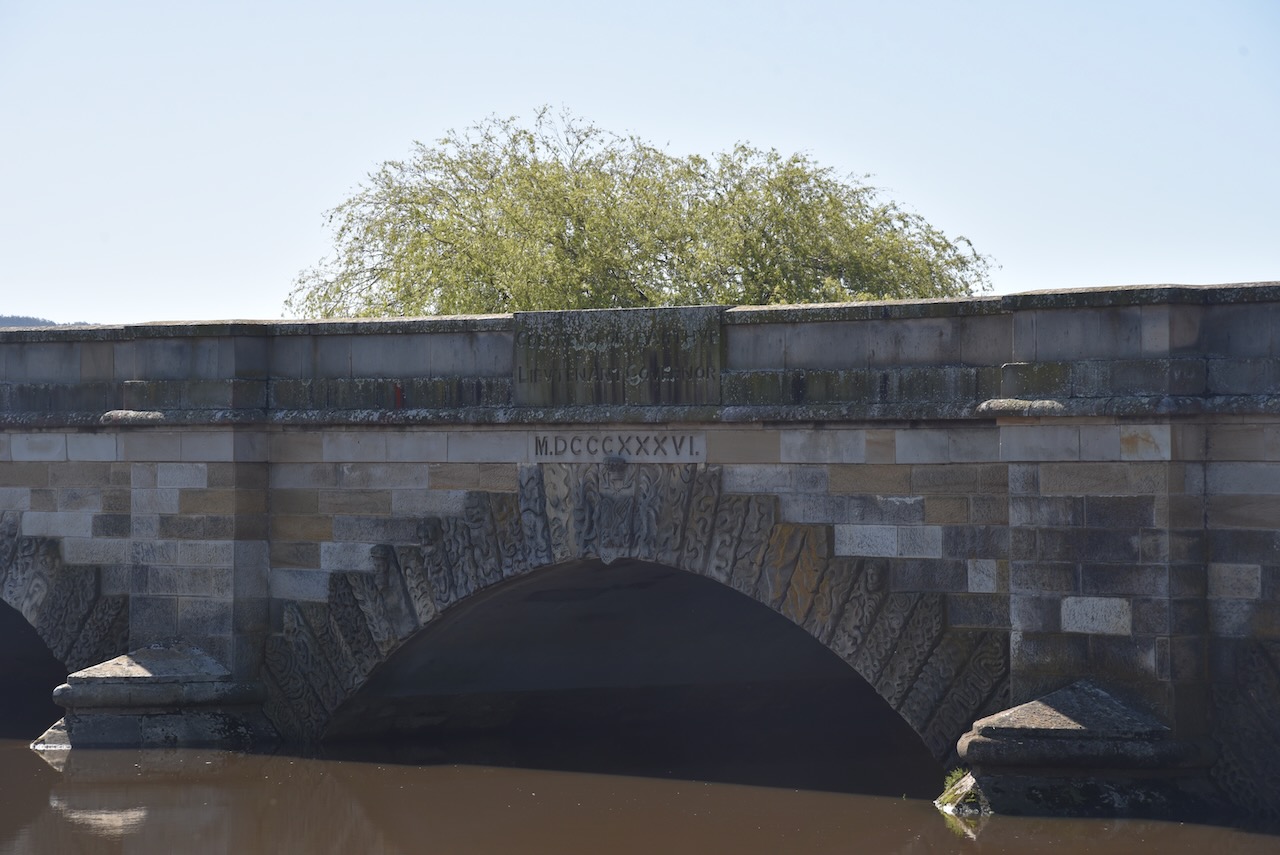
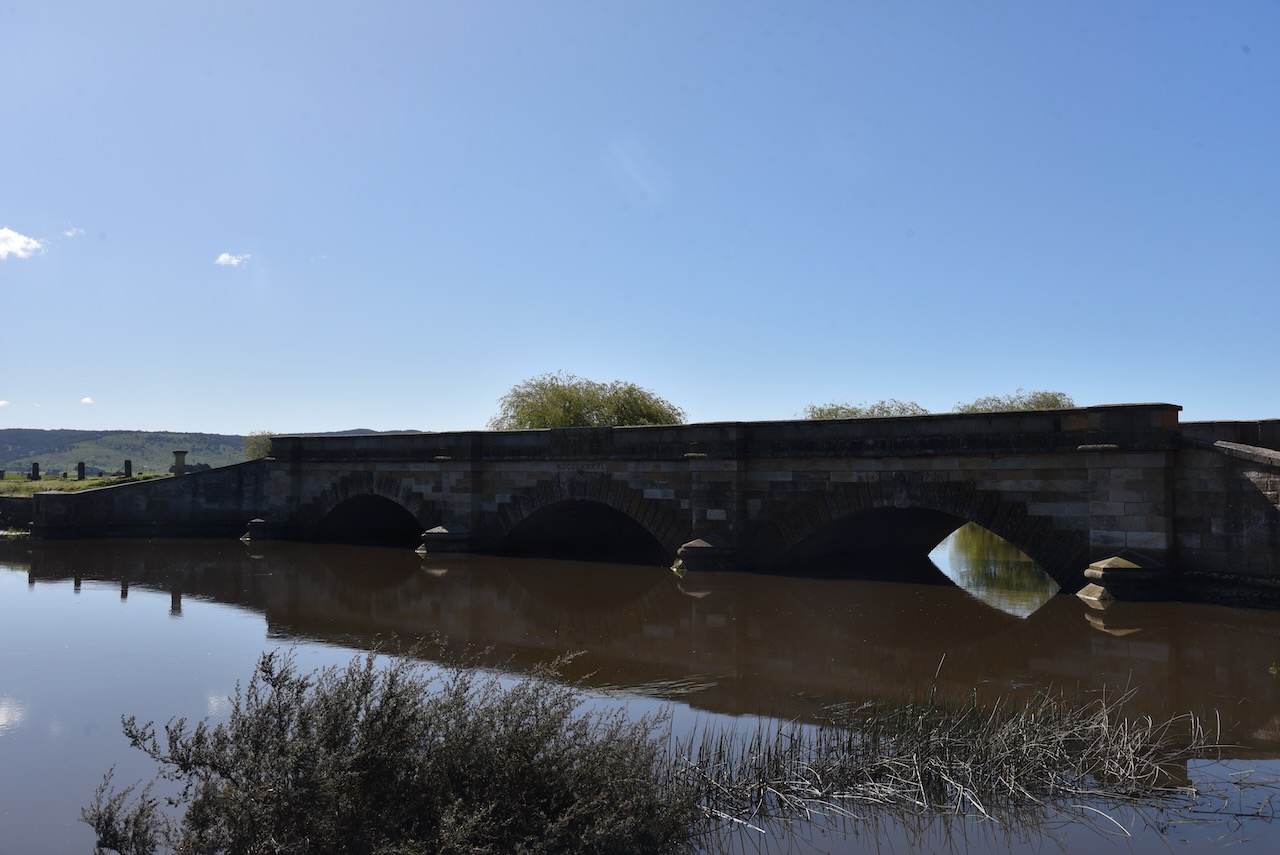
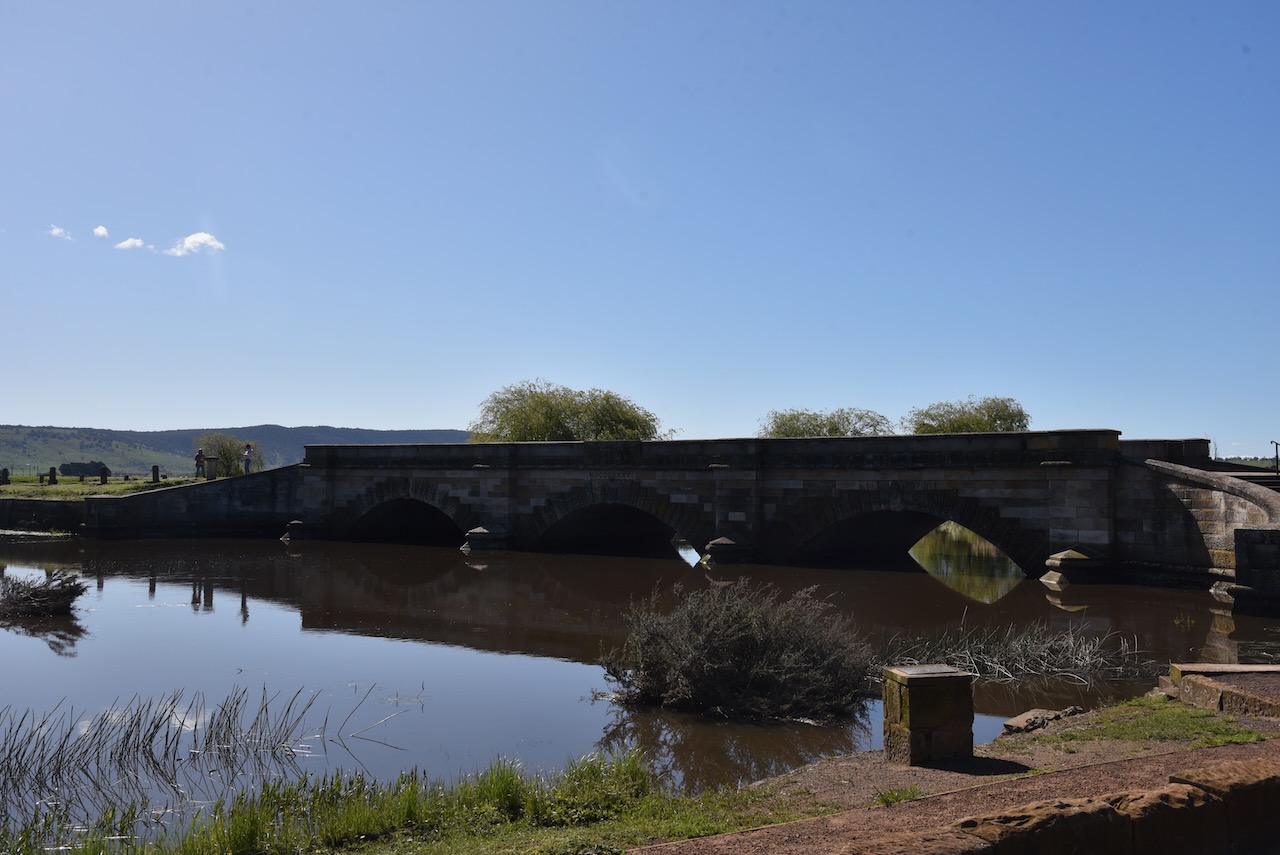
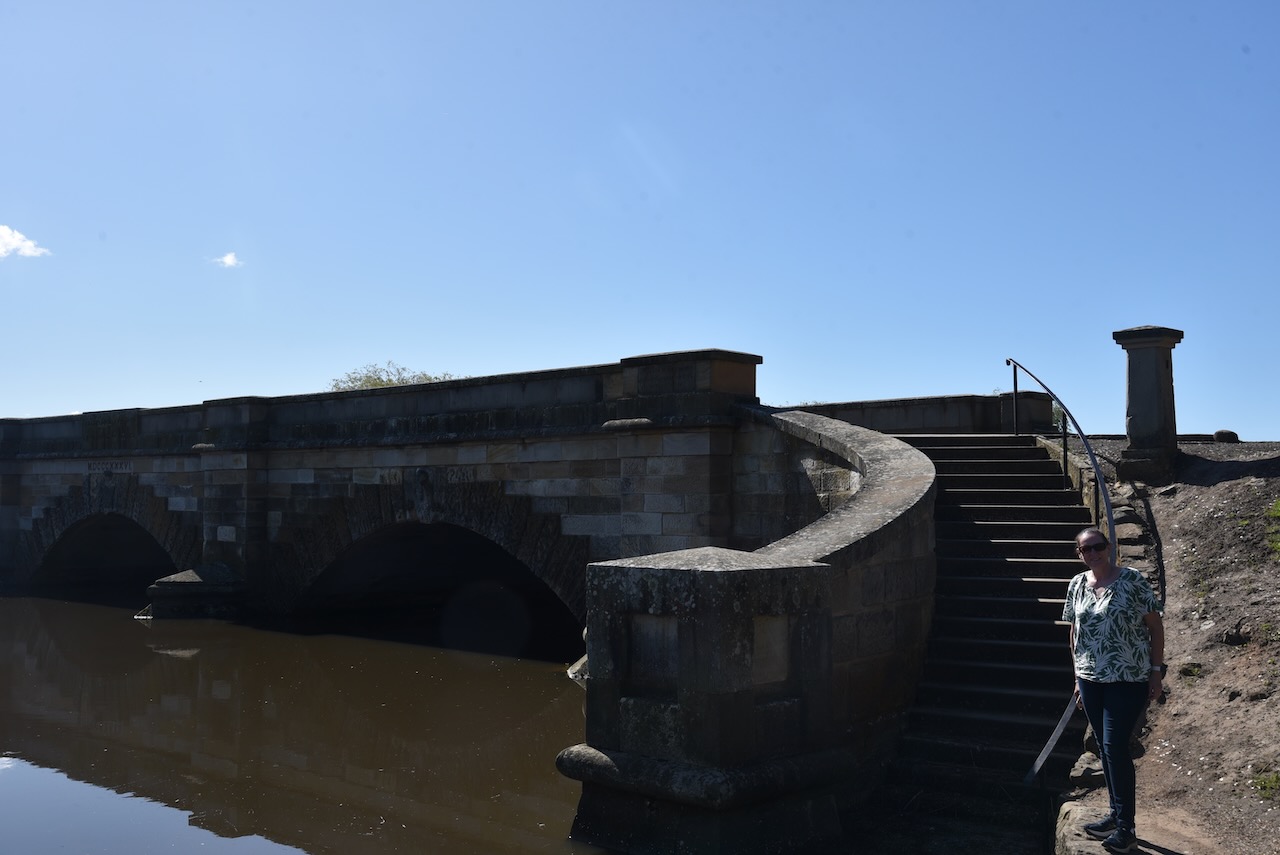
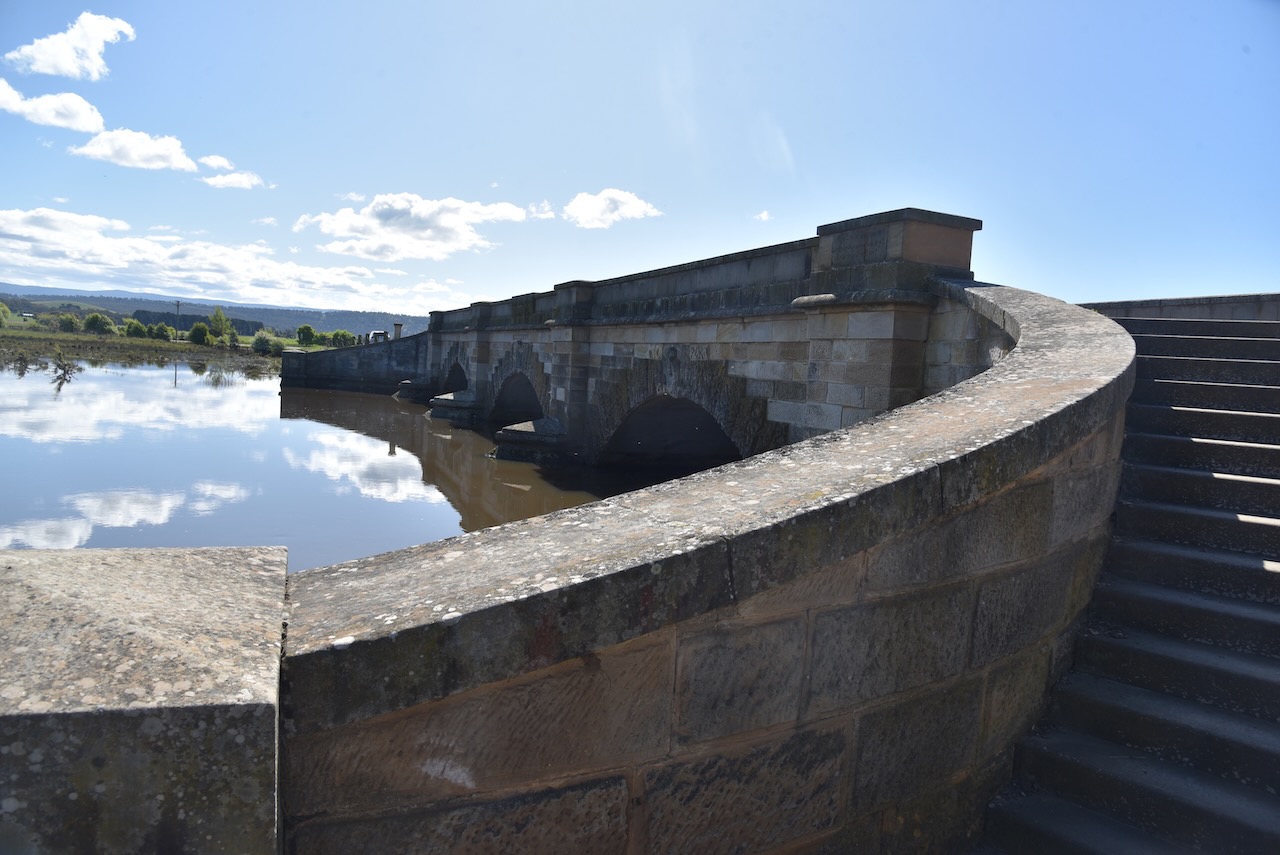
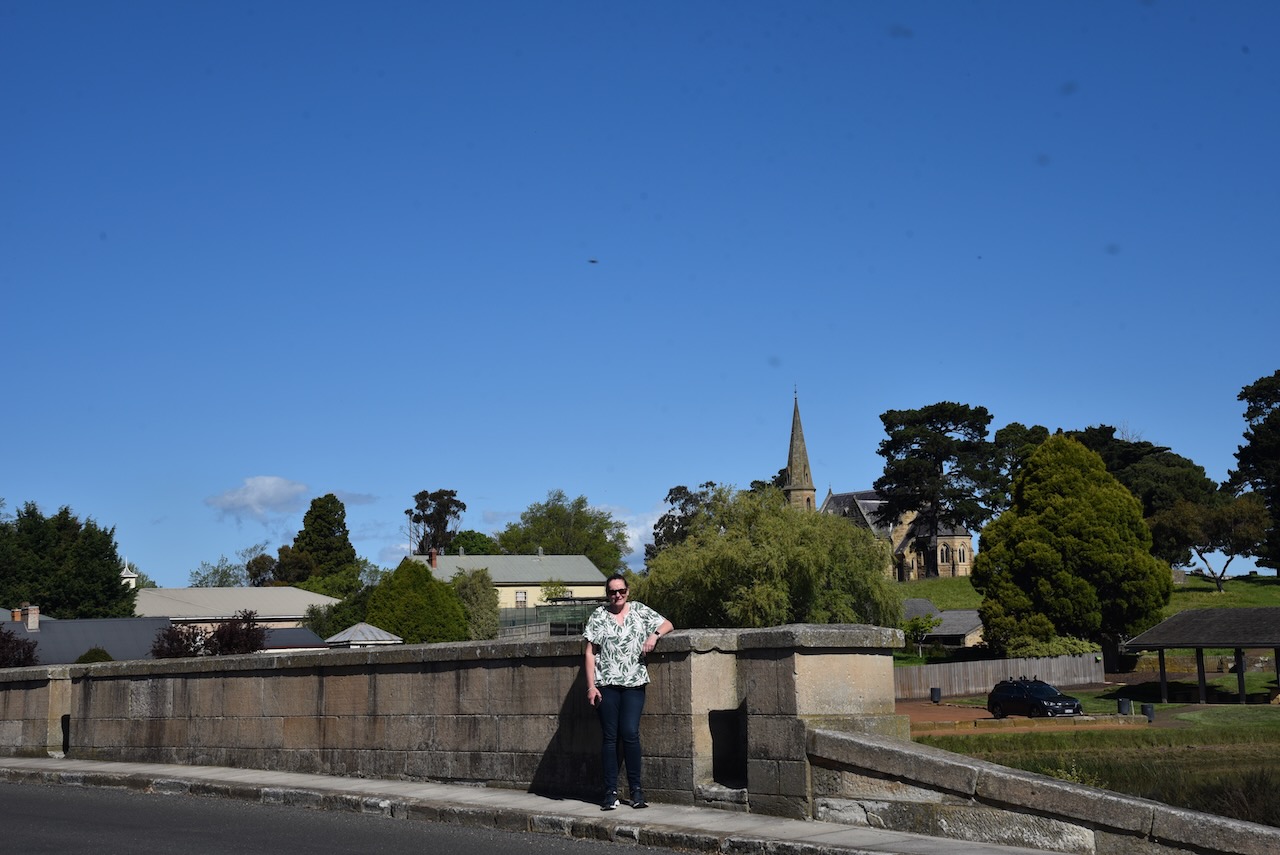
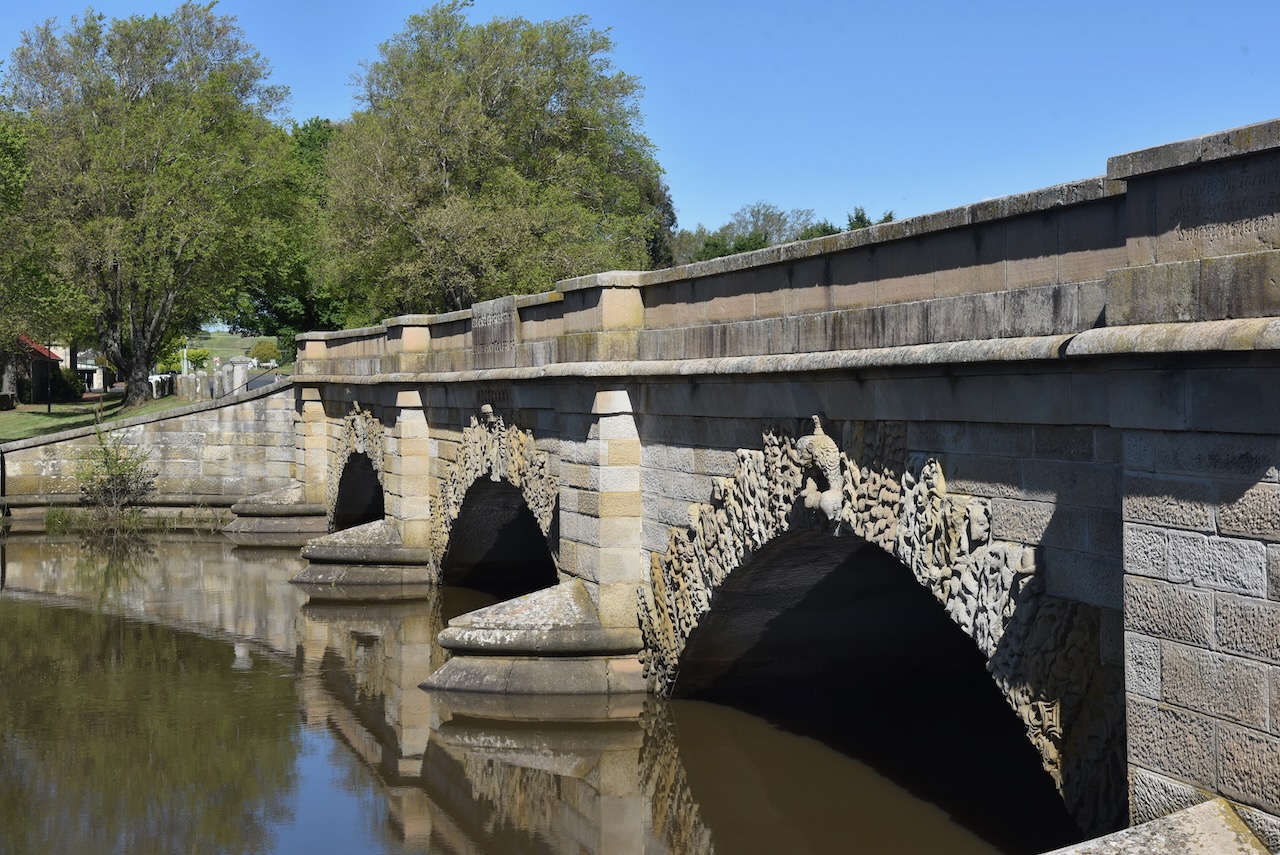
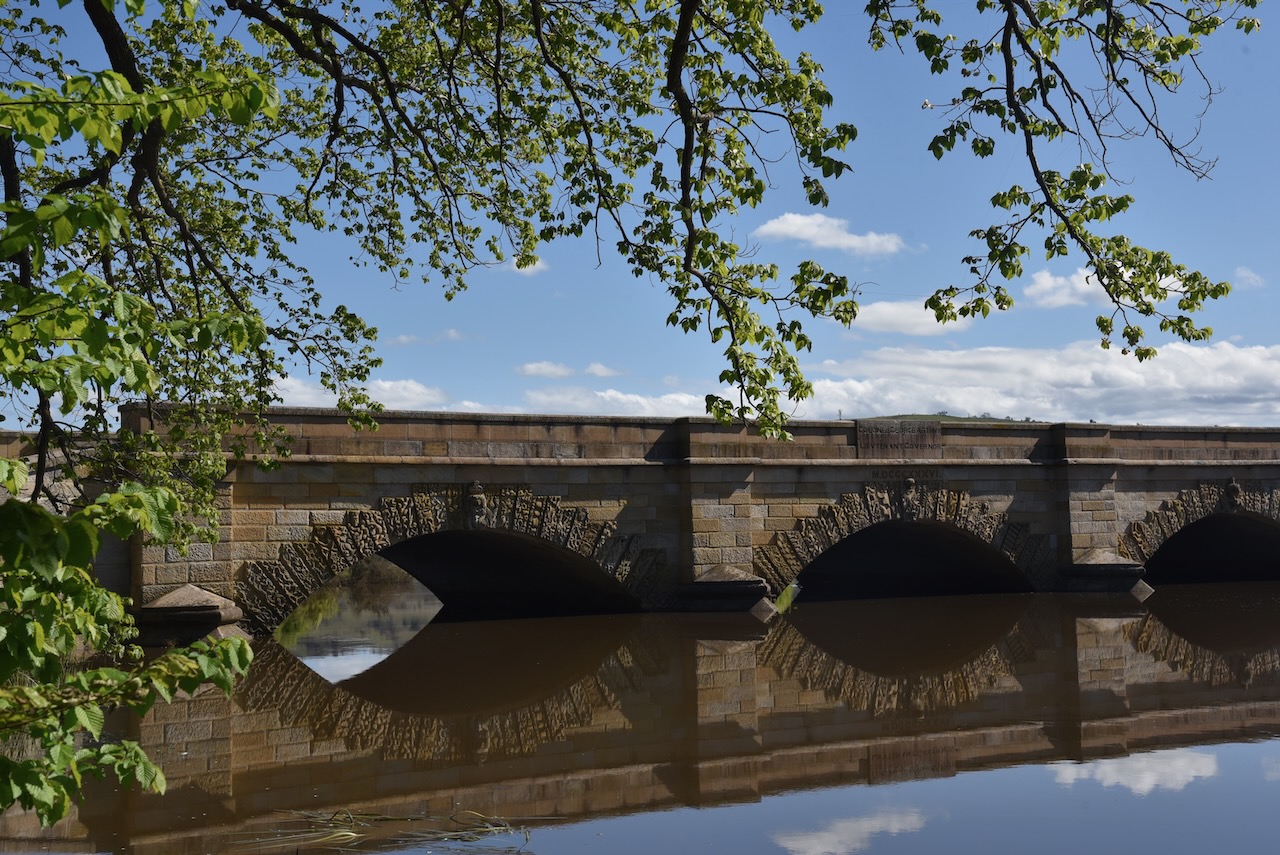
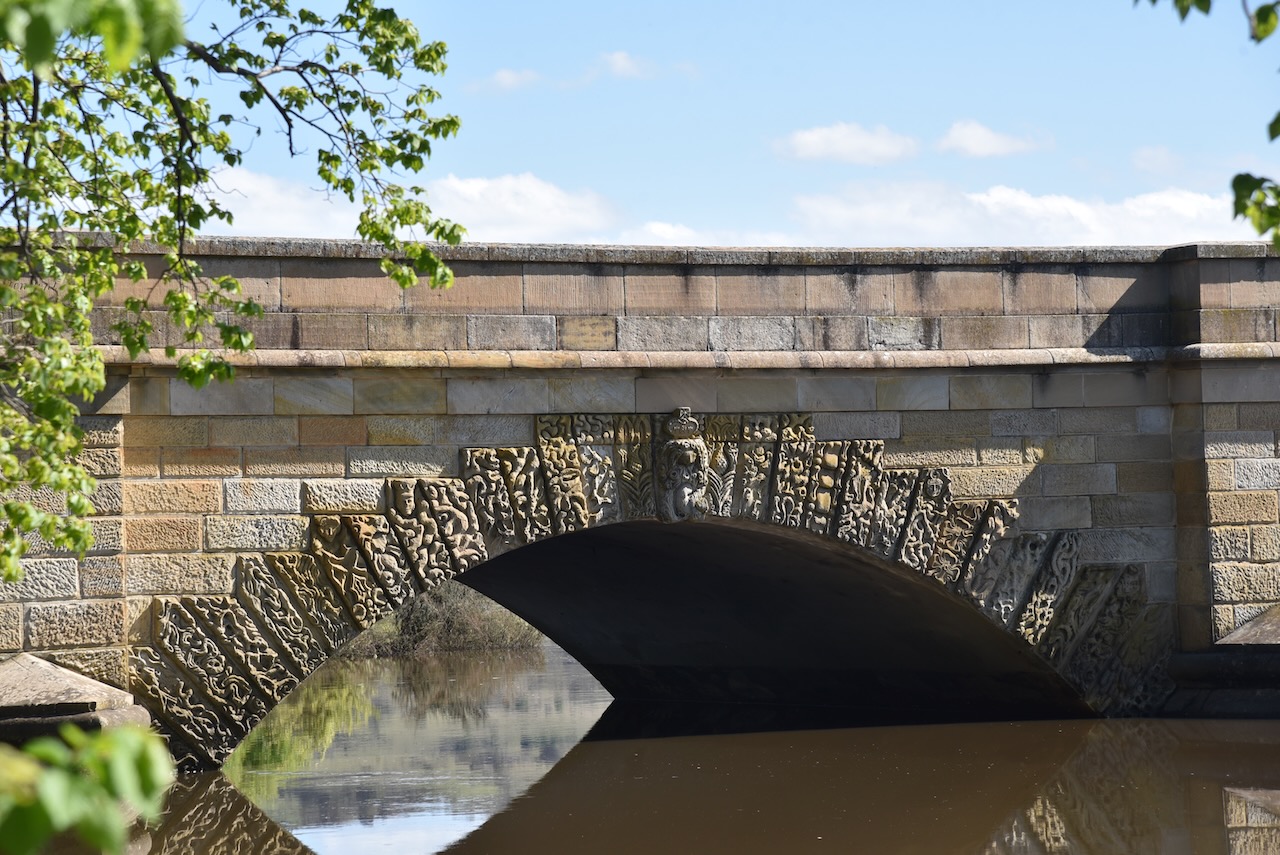
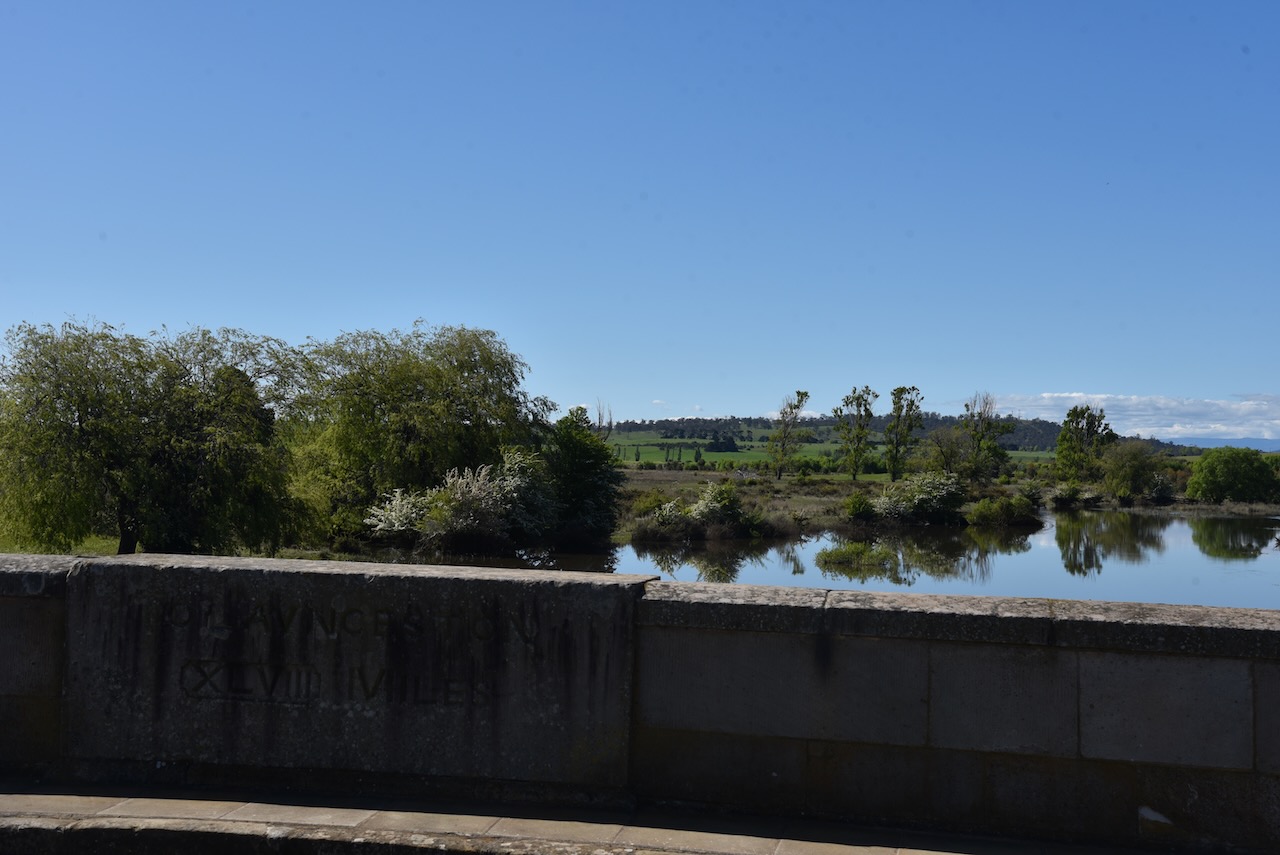
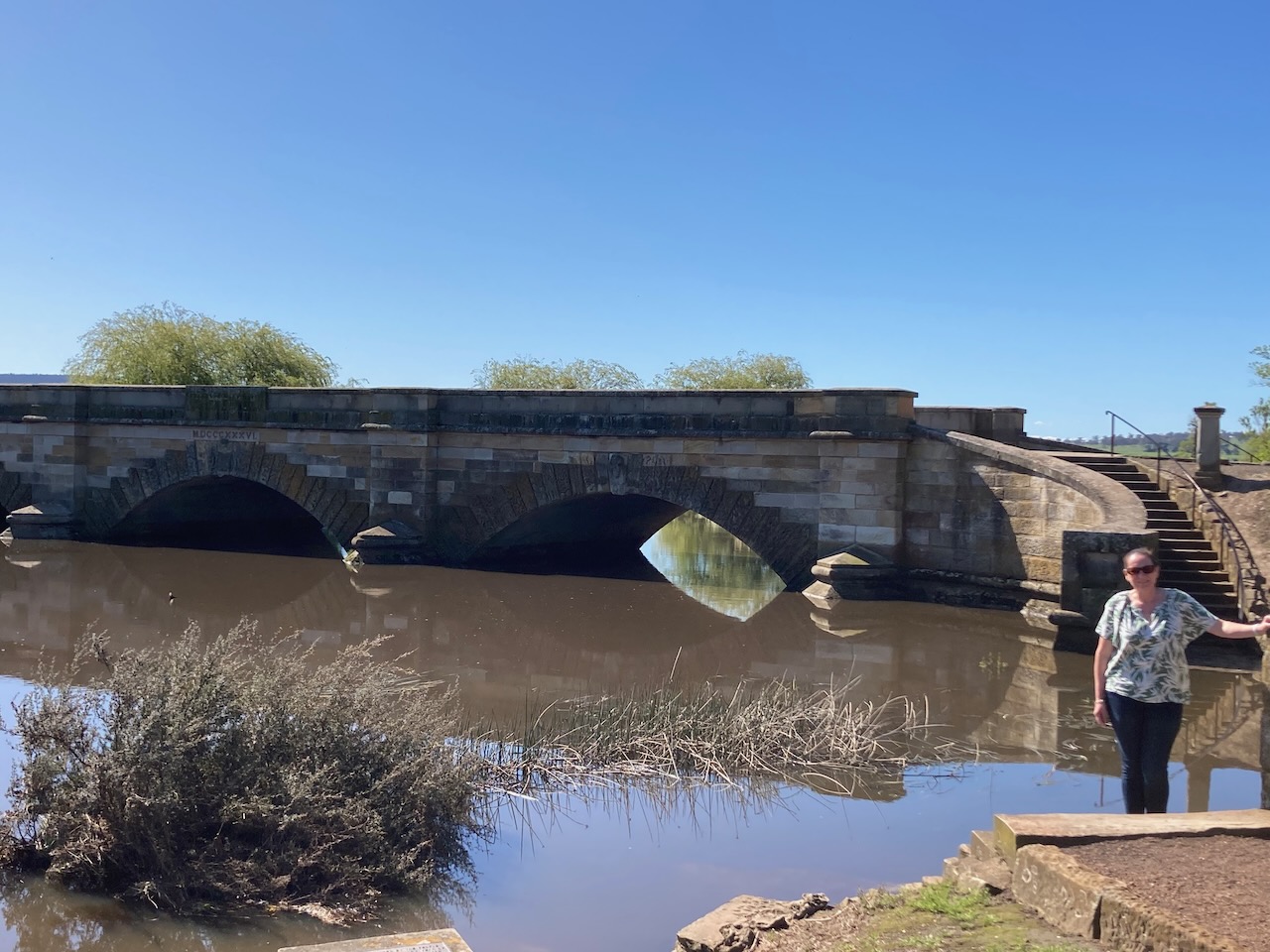
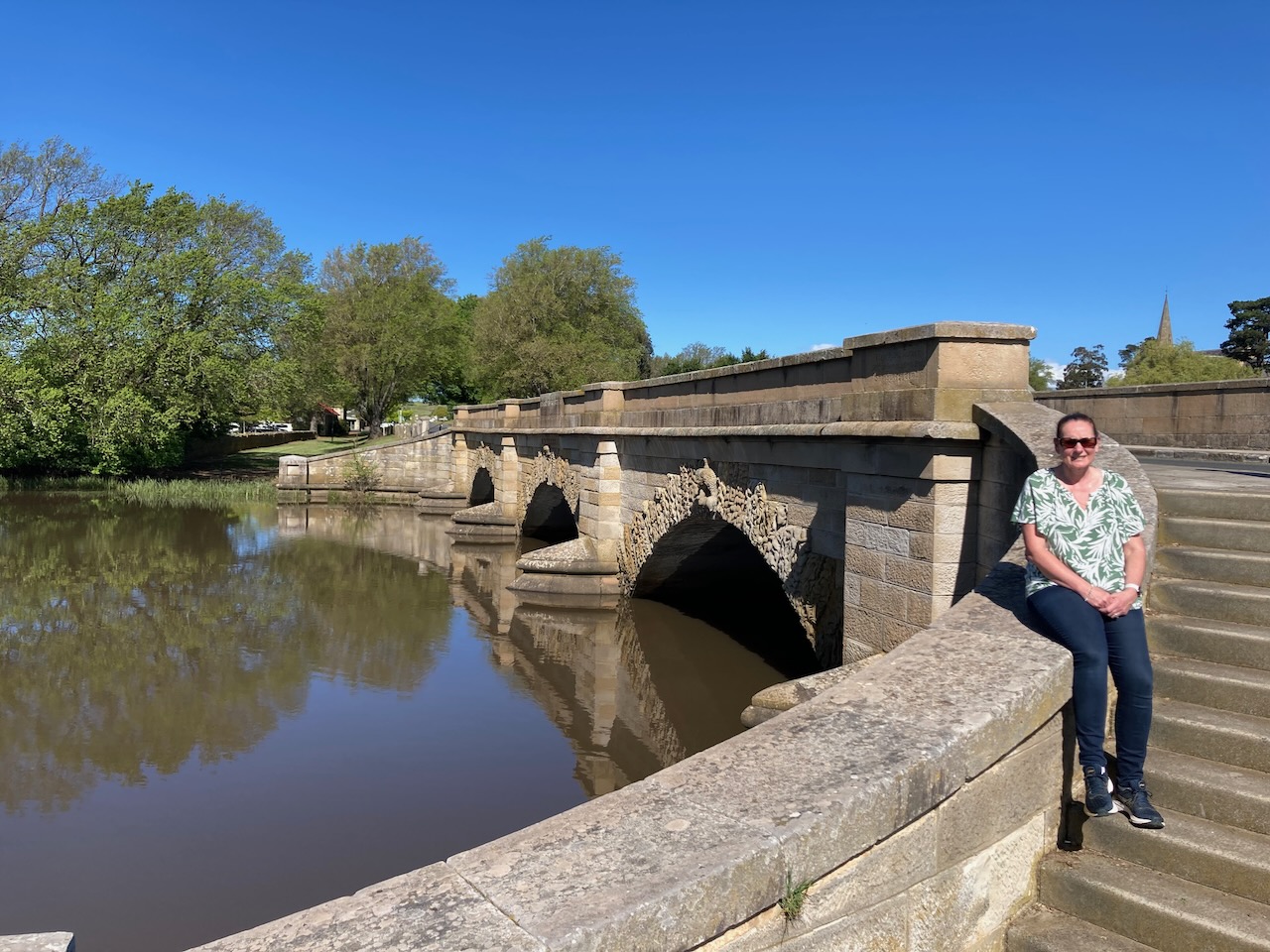
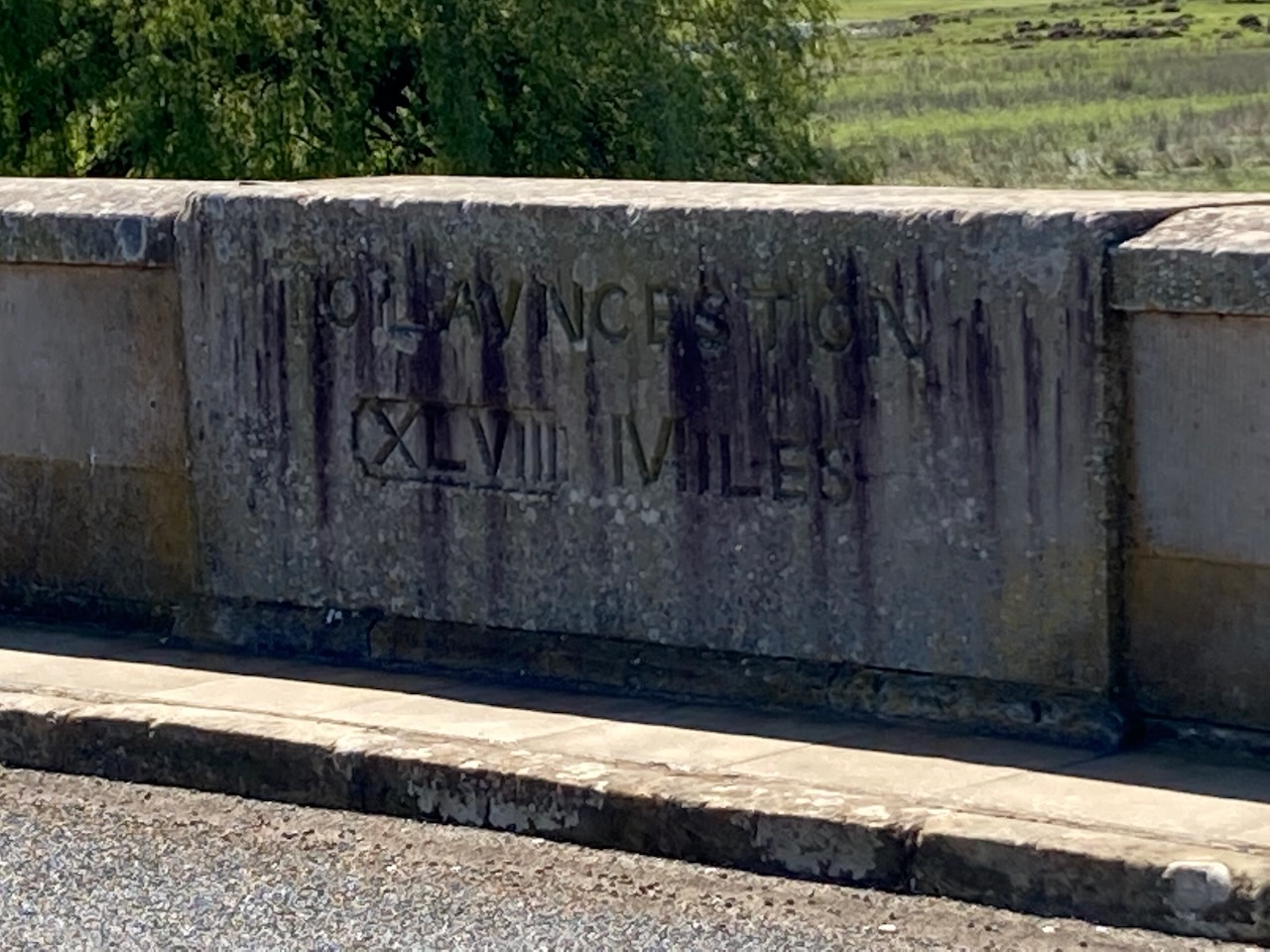
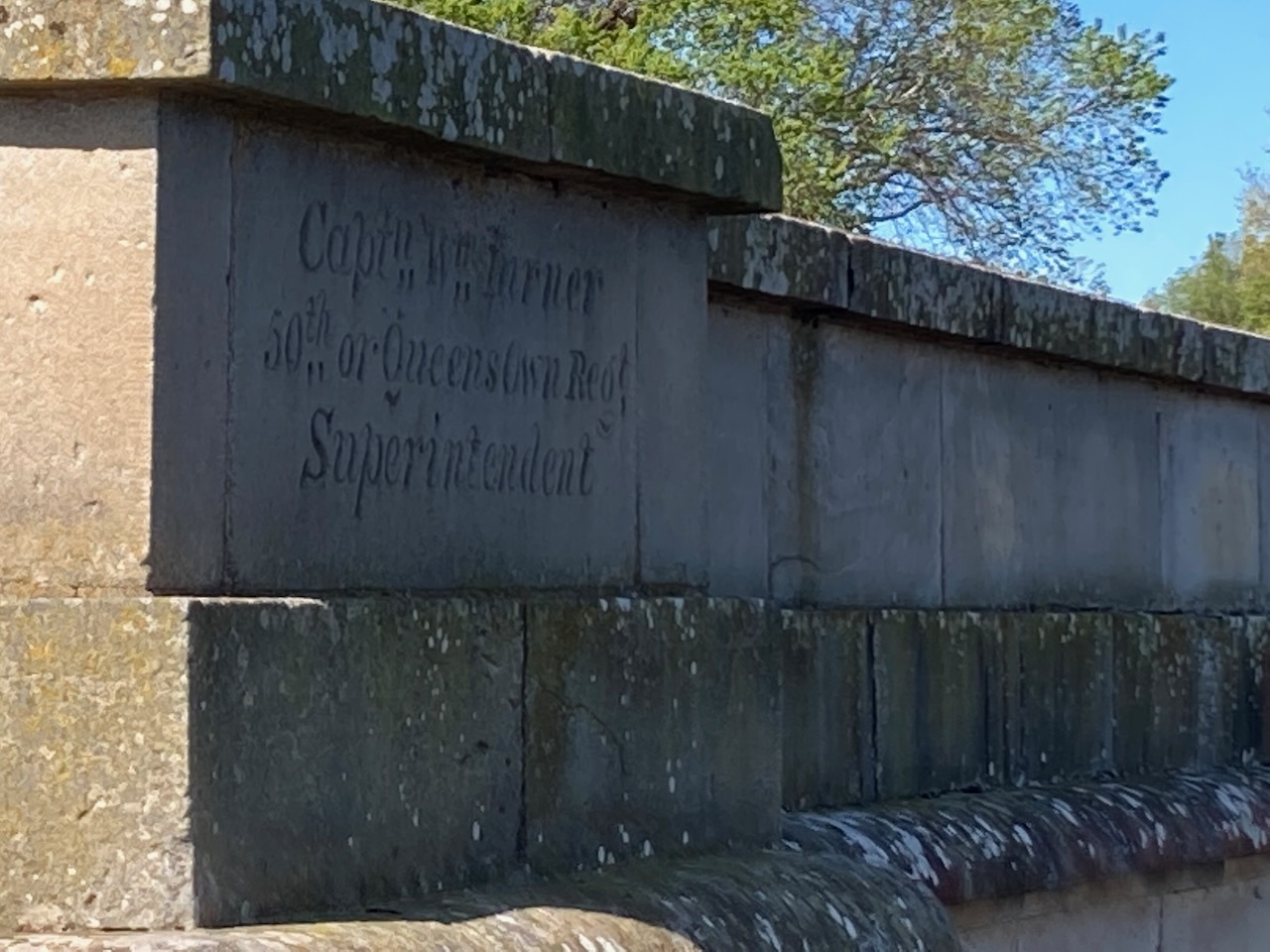
Our final piece of sightseeing in Ross was the Ross bridge, a magnificent stone bridge which was built by convicts in 1836. It is the third oldest bridge in Australia. The bridge was designed by John Lee Archer and was constructed under the orders of Lieutenant Governor Sir George Arthur. The stonemasonry and carvings on the bridge are the work of Daniel Herbert and James Colbeck. Herbert had been sentenced to death for highway robbery, but his sentence was commuted to transportation for life. He arrived in Van Dieman’s Land in 1827. Both Herbert and Colbeck were freed upon completion of the bridge.

After finishing our sightseeing at Ross we headed back to Oatlands and headed to the Lake Dulverton Conservation Area VKFF-2907 on the edge of the town.

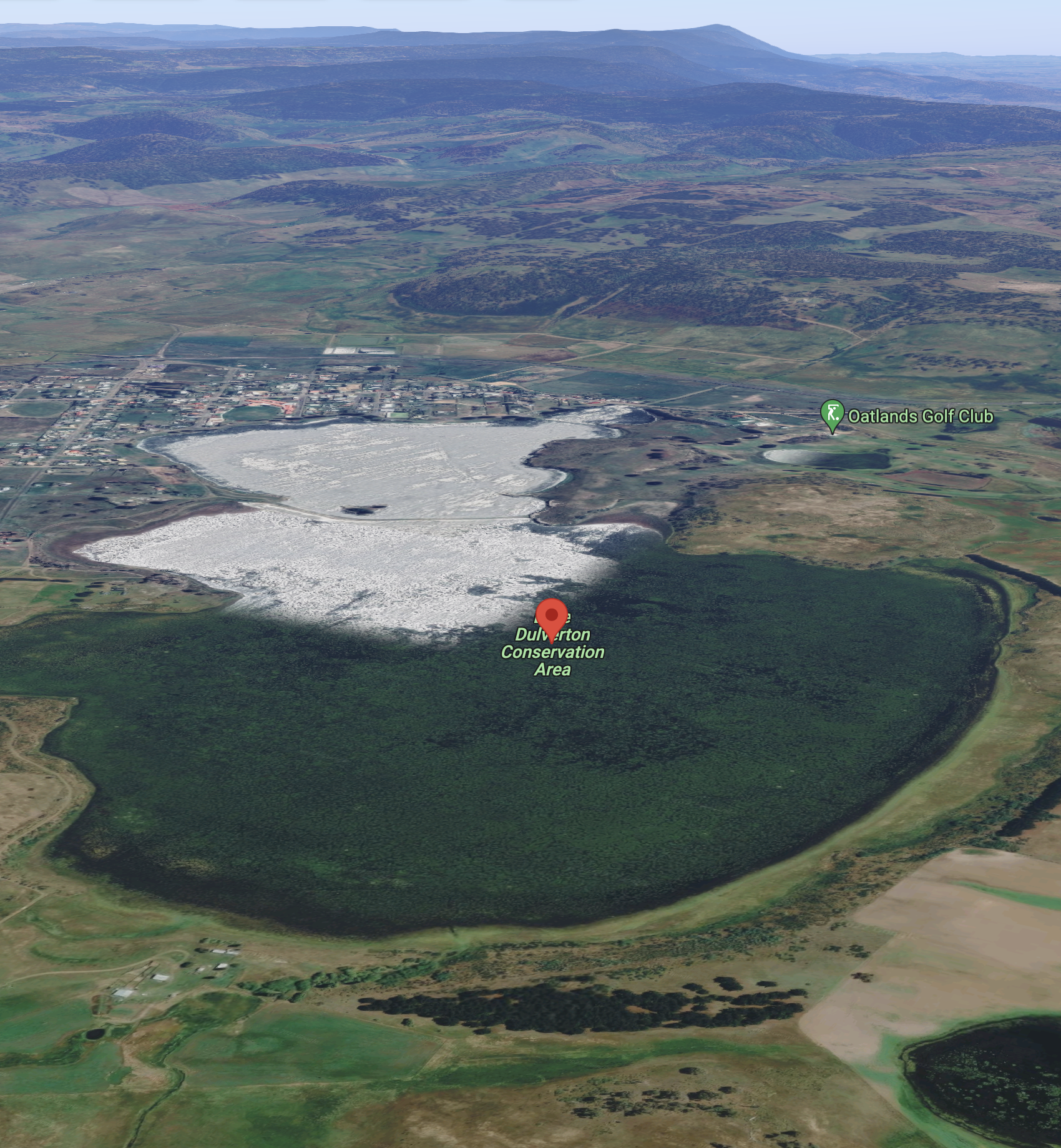
Above:- An aerial view of the Lake Dulverton Conservation Area. Image c/o Google maps

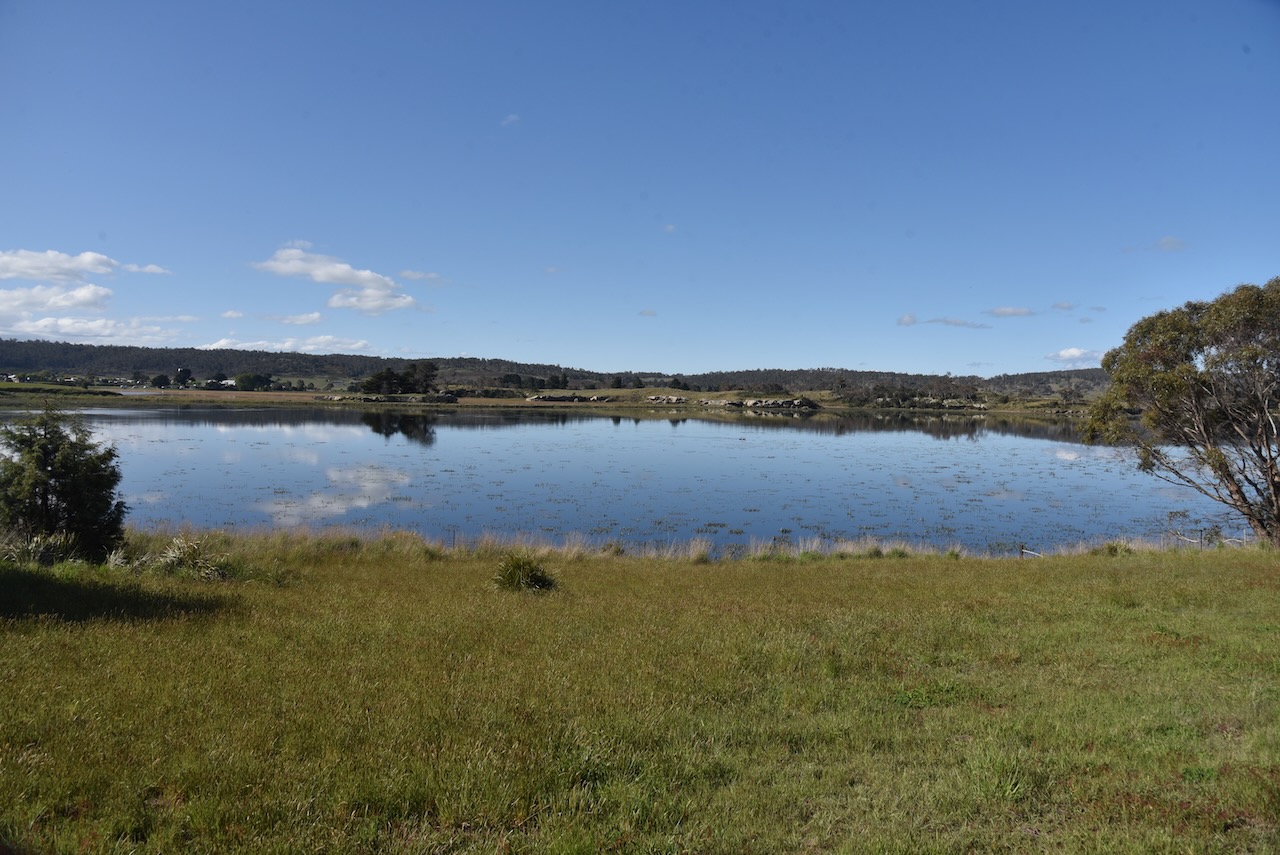
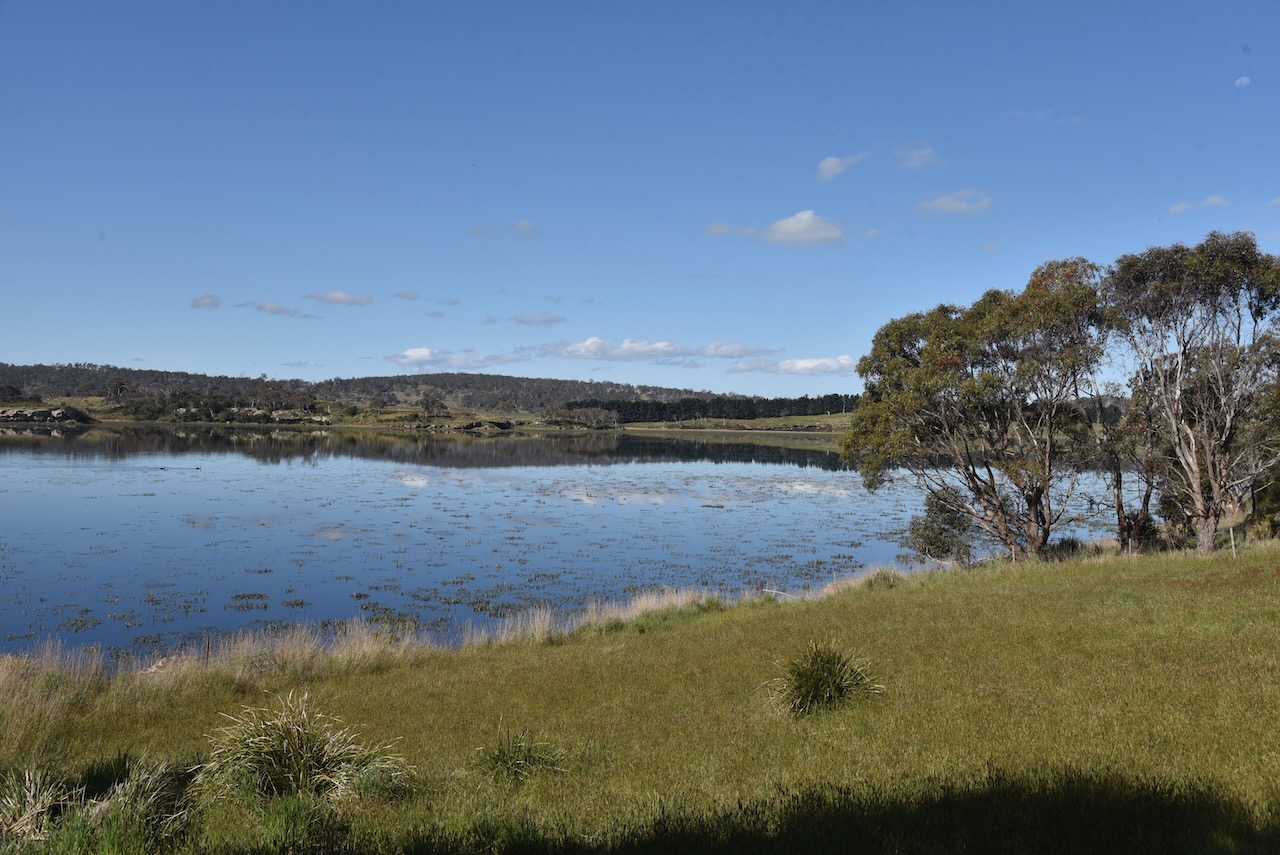
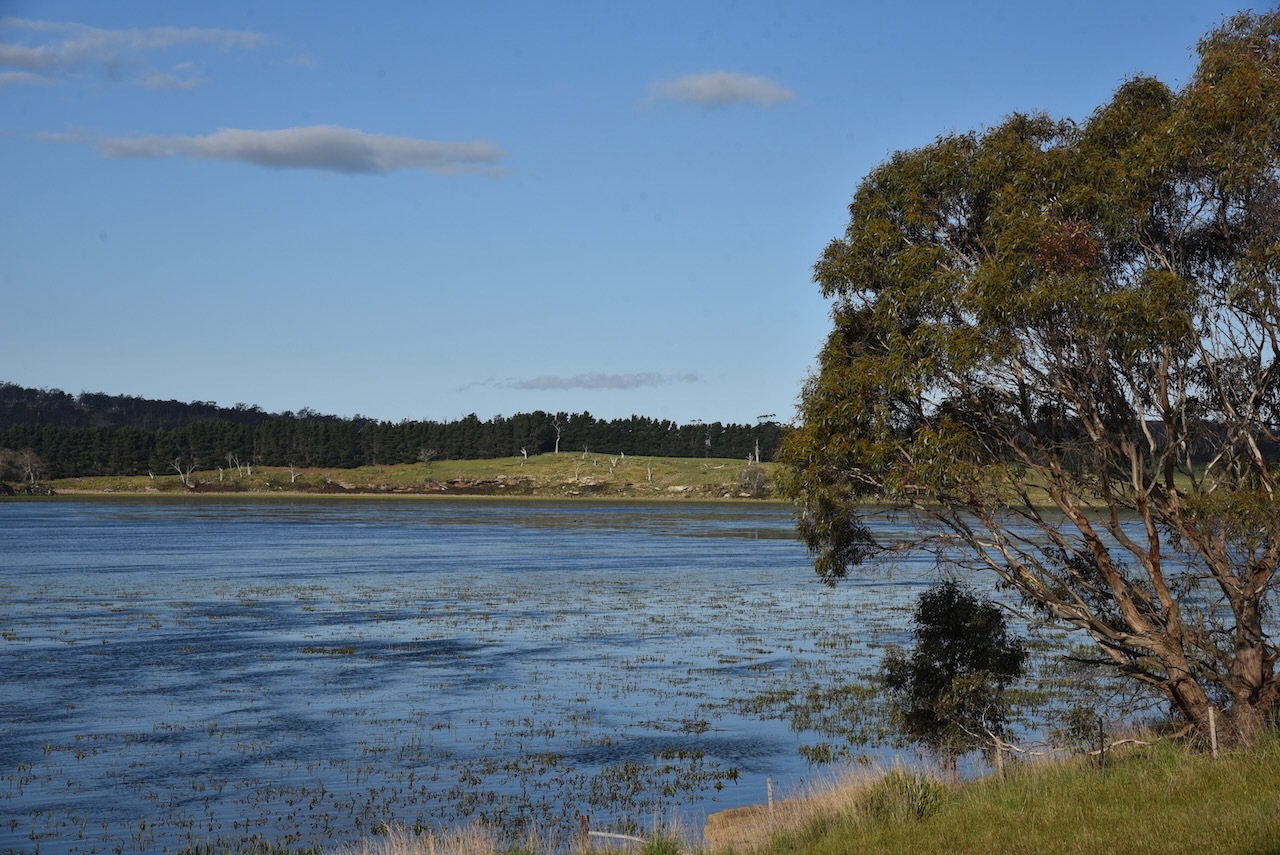
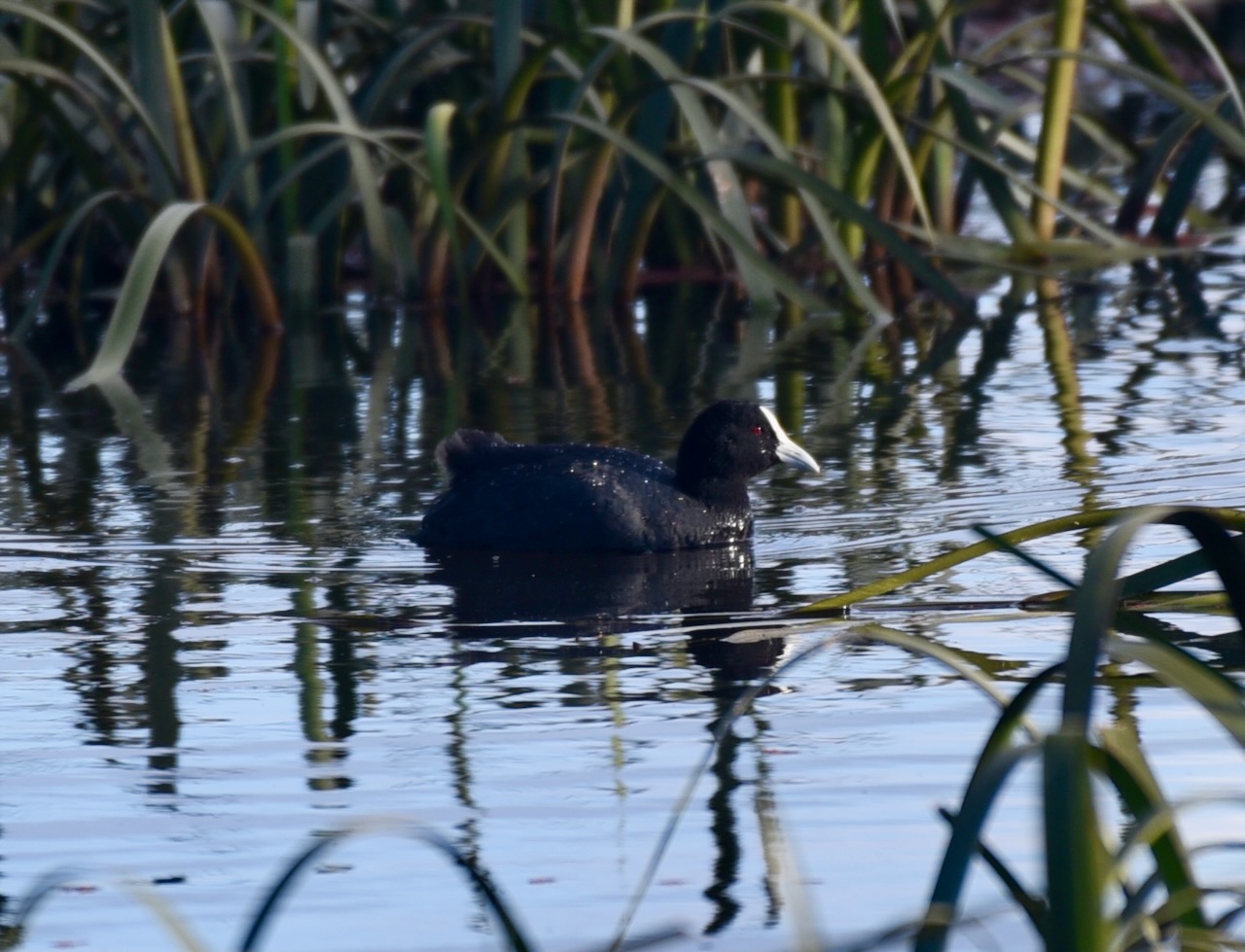
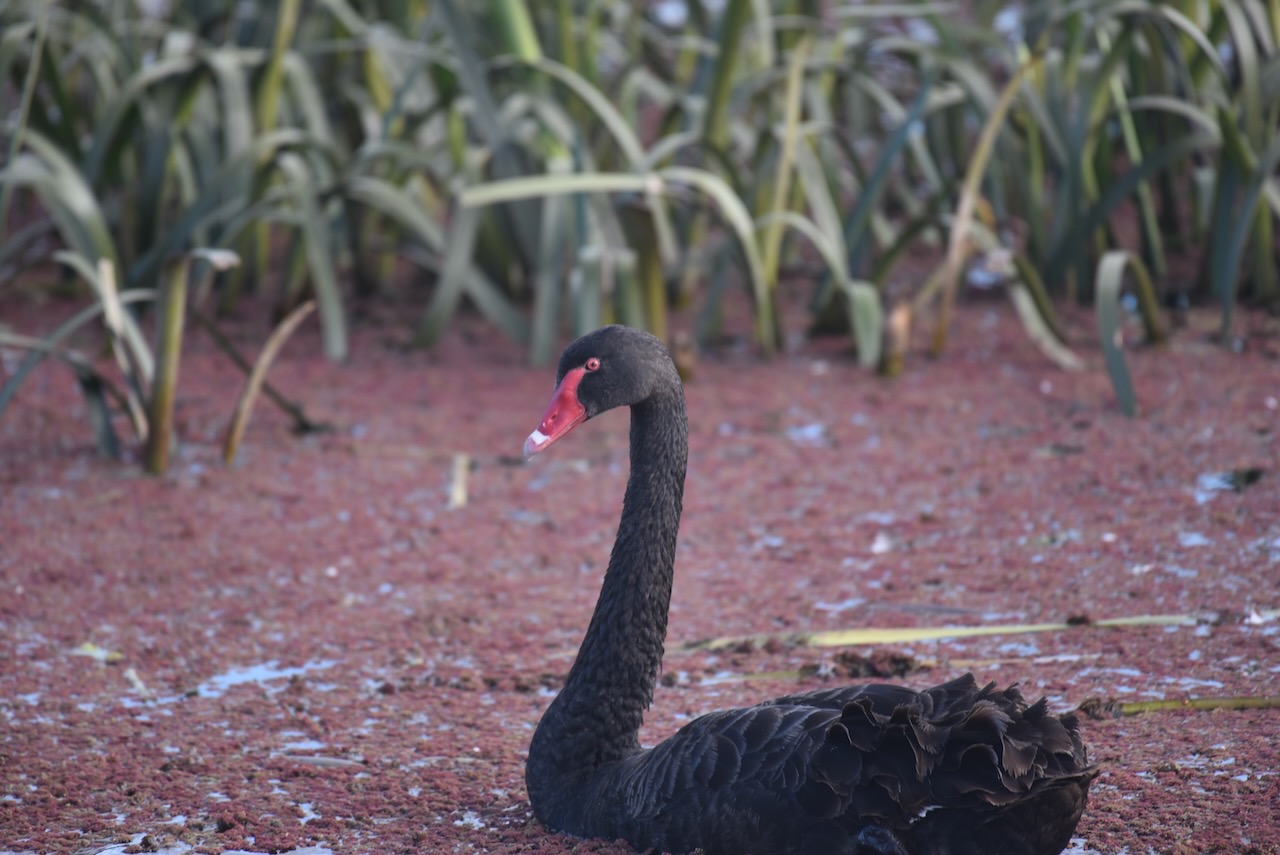
The Lake Dulverton Conservation Area is about 232 hectares in size and comprises Lake Dulverton and sections of the foreshore. It was gazetted as a Conservation Area in 1999, being formerly known as the Lake Dulverton Wildlife Sanctuary. The park is an important habitat for birdlife. Over 105 bird species have been recorded in the park. It is a known breeding area for the rare Great Crested Grebe

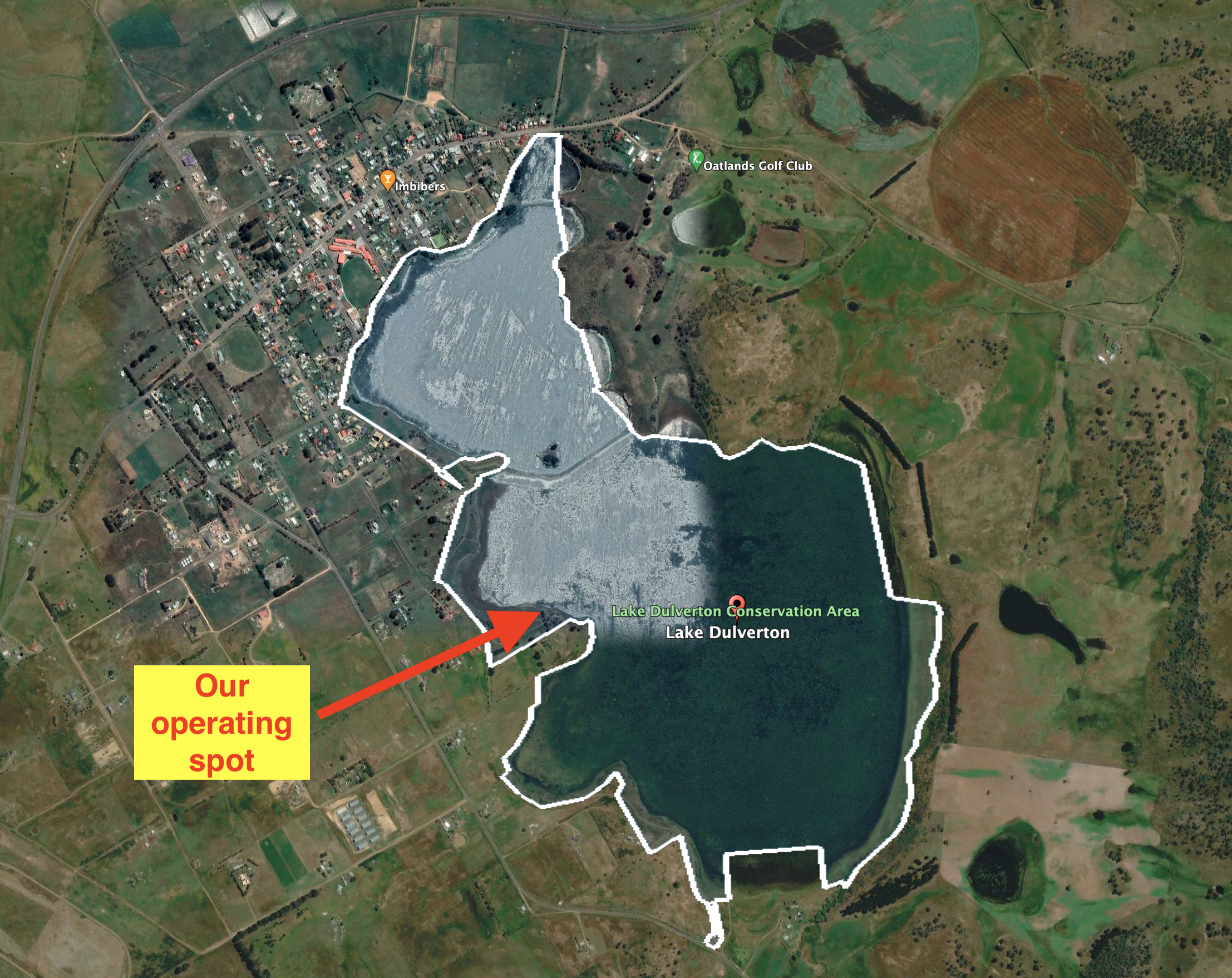
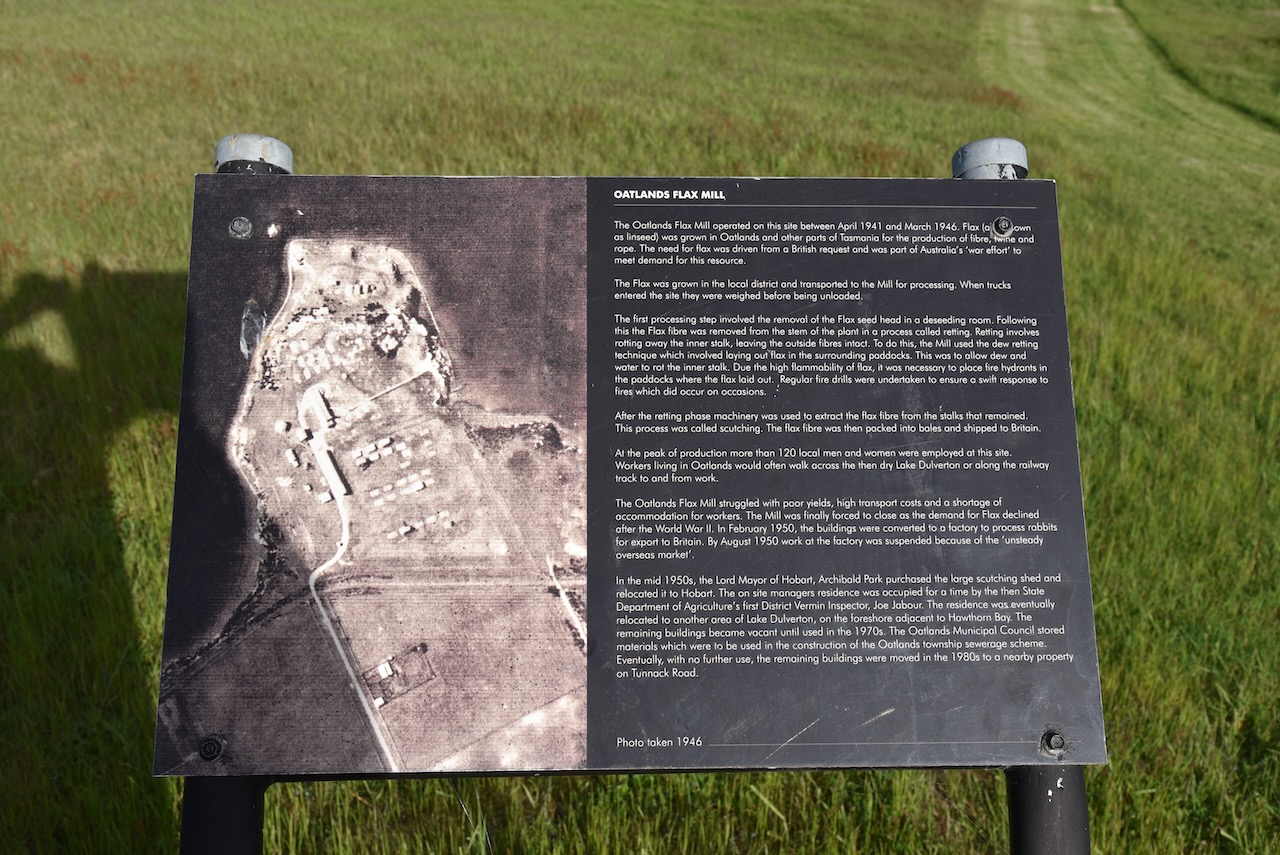
We operated from Lairmairenepair Park and the site of the former Flax Mill site which is located on Freds Point headland.

Above:- An aerial view of the park showing our operating spot. Image c/o Google Earth.

Lairmairenepair takes its name from the Big River tribe of aboriginals who lands encompassed the Oatlands district. During World War Two the flax mill was established by the Australian Federal Government. It was part of the Oatland’s district war effort. In April 1941 construction of the site office, men’s mess room, store rooms, deseeding shed and scutching shed was completed. Between 1941 and 1945 a total of 132 people were employed at the flax mill. Flax was grown at Oatlands, Ross and Bothwell and was brought to the mill for processing.

We strung out the 20/40/80m dipole for this activation and ran the Yaesu FT857d and 40 watts output.

Marija made the following QSOs on 40m SSB:-

  1. VK3PF
  2. Vk3DCQ
  3. VK2HHA
  4. VK5HS
  5. VK2MET
  6. VK1AO
  7. Vk5PE
  8. VK5BJE
  9. VK3ZPF
  10. VK2NP
  11. VK2IO

I made the following QSOs on 40m SSB:-

  1. VK3PF
  2. Vk3DCQ
  3. VK2HHA
  4. VK5HS
  5. VK2MET
  6. VK1AO
  7. VK5PE
  8. VK5BJE
  9. VK3ZPF
  10. VK2NP
  11. VK2IO
  12. VK3EJ
  13. VK3VIN
  14. VK5FANA
  15. VK2EXA
  16. VK3AMO
  17. VK3ACZ
  18. VK3SPX
  19. VK1DI
  20. VK5CZ
  21. VK4TJ
  22. VK7XX
  23. VK5FB
  24. VK3AHR
  25. VK1AAF
  26. KG5CIK
  27. ZL3MR
  28. VK4NH
  29. VK4DXA
  30. VK2VW
  31. VK2HFI
  32. VK3LF/m
  33. VK4CZ
  34. VK5WU
  35. VK2KCT
  36. VK4GJP
  37. VK3STV
  38. VK1PDW

I made the following QSOs on 20m SSB:-

  1. VK5KLV
  2. VK4TJ
  3. VK4XCS
  4. VK7FI
  5. VK5AAR
  6. VK4CZ
  7. IK4IDF
  8. IW2BNA
  9. IW2NXI
  10. ZL3VW

We packed up and headed back into Hobart and went out for tea that night in the restaurant at our accomodation.

References.

  1. Aussie Towns, 2022, <https://www.aussietowns.com.au/town/kempton-tas>, viewed 28th December 2022.
  2. Aussie Towns, 2022, <https://www.aussietowns.com.au/town/oatlands-tas>, viewed 28th December 2022.
  3. Aussie Towns, 2022, <https://www.aussietowns.com.au/town/ross-tas>, viewed 28th December 2022.
  4. Bagdad Tasmania, 2022, <http://www.bagdadtashistory.com/historic-buildings-bagdad-tasmania/oakwood-bagdad-tasmania.html>, viewed 27th December 2022.
  5. eBird, 2022, <https://ebird.org/hotspot/L1479677>, viewed 28th December 2022.
  6. Find and Connect, 2022, <http://www.bagdadtashistory.com/historic-buildings-bagdad-tasmania/oakwood-bagdad-tasmania.html>, viewed 27th December 2022.
  7. Heritage Tasmania, Tasmanian Heritage Council.
  8. Hobart and Beyond, 2022, <https://hobartandbeyond.com.au/blog/9-things-to-do-at-lake-dulverton/>, viewed 28th December 2022.
  9. Lake Dulverton and Dulverton Walkway Action Plan, 2021.

Day 7 in Tasmania and the Freycinet National Park VKFF-0188

We had now reached day seven (Thursday 3rd November 2022) of our Tasmania trip, and after just one night at Swansea we needed to travel to the Tasmanian capital, Hobart. In reflection, we should have spent longer in Swansea. One night was nowhere near enough and we were very pushed for time seeing everything in the area.

Above:- Map showing the route between Swansea and Hobart. Map c/o Google maps

On the day we had planned on activating Freycinet National Park and then visit Oatlands and Ross on our way to Hobart. The quickest way from Swansea to Hobart was via the coast and Triabunna, but Oatlands was a must for us. As it turned out our plans changed quite significantly.

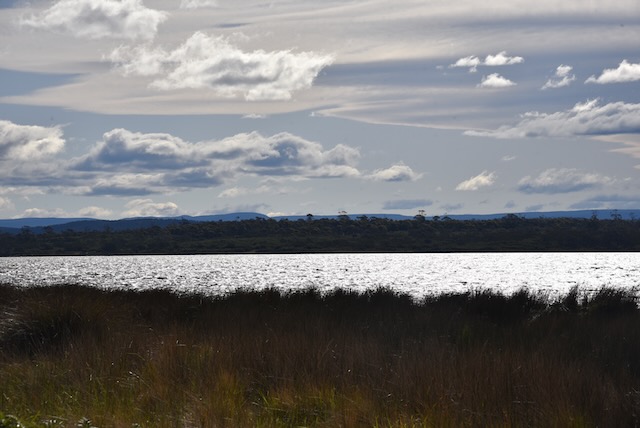
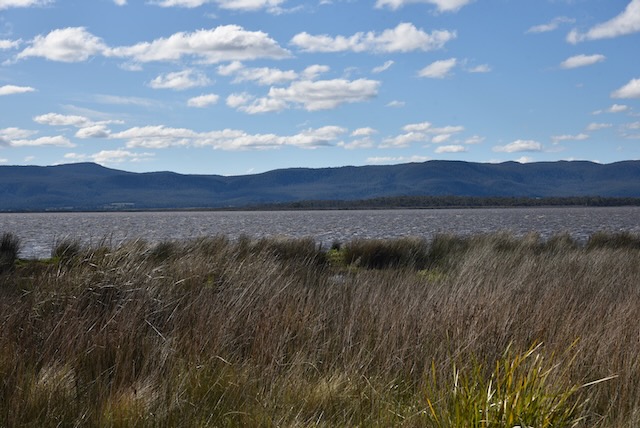
We drove north on the Tasman Highway admiring the magnificent views of Moulting Lagoon Game Reserve and the Freycinet National Park.

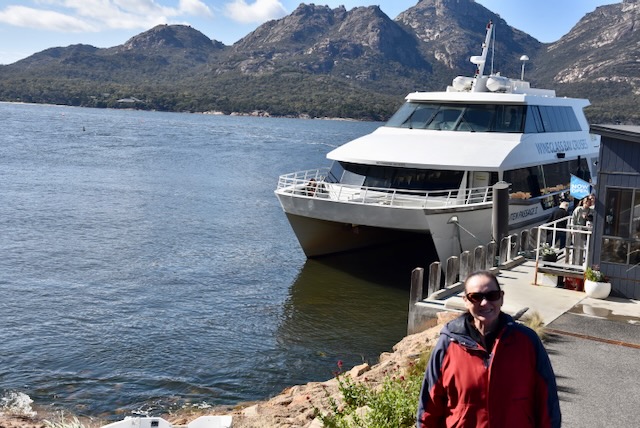
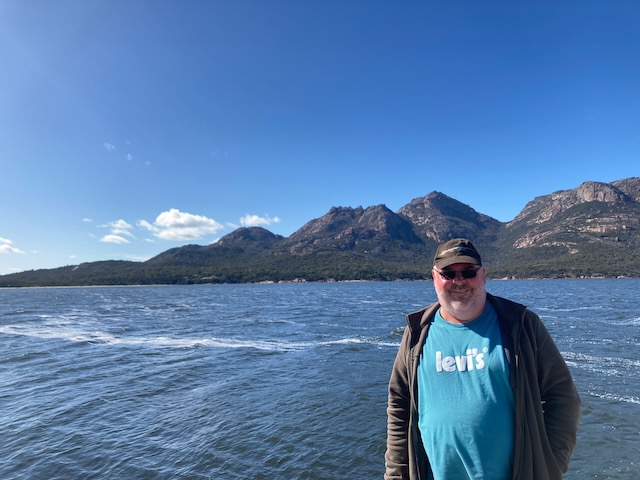
Upon reaching the park we saw a cruise ship and Marija made some enquiries about a cruise to Wineglass Bay. Fortunately they were not booked out and planned to sail later that morning. So we decided to go on the 4 hour & 30 minute cruise to Wineglass Bay. This was a big shift in our plans for the day.

We had a little bit of time up our sleeve so we drove out of Coles Bay and into the Freycinet National Park VKFF-0188.

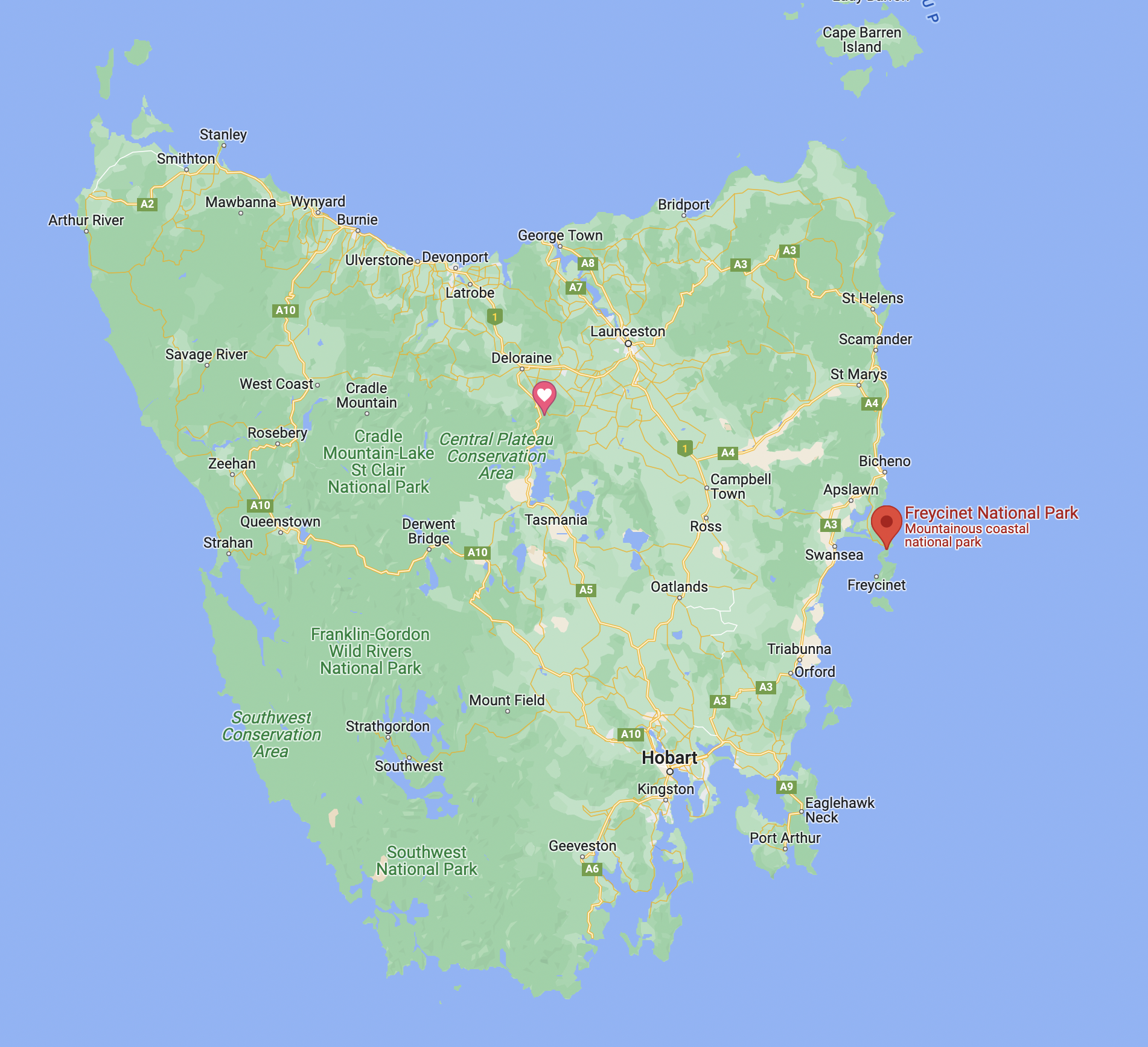
Above:- Map showing the location of the Freycinet National Park. Map c/o Google maps.

Freycinet National Park is 169 km2 in size and was established in 1916. It is Tasmania’s oldest park.
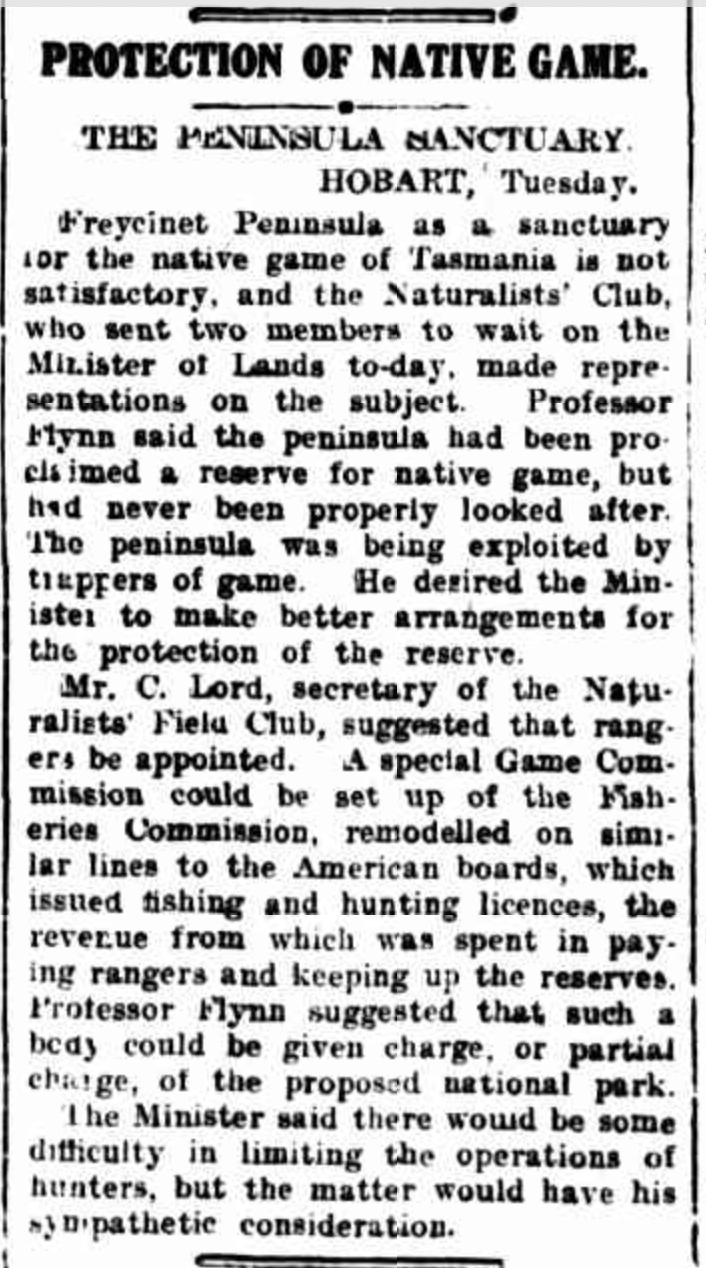
Above: Article from the Examinder Launceston, Wed 22 Apr 1914. Image c/o Trove

The park was named after French Navy officer and navigator Louise de Freycinet (b. 1779. d. 1841). In 1811 de Freycinet published the first map to show a full outline of the coastline of Australia.

Above:- Louis de Fteycinet. Image c/o Wikipedia.

The park comprises a large section of the Freycinet Peninsula and also Schouten Island, named after Joost Schouten, a member of the Council of the Dutch East India Company. Freycinet has rugged coastline and includes the secluded Wineglass Bay. A series of jagged granite peaks in a line, called The Hazards, can be located in the park.

More than 500 species of plant have been recorded in the park, including over 80 species of native orchid. Numerous native mammals can be found in the park including Red-necked wallaby, Eastern Quoll and the Tasmanian pademelon.

We found a nice little quiet spot off Freycinet Drive and decided to do a quick park activation from the 4WD. We ran the Icom IC7000, 100 watts, and the Codan 9350 self tuning antenna mounted on the back of the 4WD.

Marija worked the following stations on 40m SSB:-

  1. VK2VW
  2. VK2HFI
  3. VK3VIN
  4. VK2NP
  5. Vk2MET
  6. VK1AO
  7. VK3AMO
  8. VK3NBL
  9. VK2IO
  10. VK3PF
  11. VK2PKT

I worked the following stations on 40m SSB:-

  1. VK2VW
  2. VK2HFI
  3. VK3VIN
  4. VK2NP
  5. VK2MET
  6. VK1AO
  7. VK3AMO
  8. Vk3NBL
  9. VK2IO
  10. VK3PF
  11. VK2PKT
  12. VK1ARQ
  13. ZL1BQD
  14. VK2VH
  15. VK4AAC

We were both happy as we had qualified the park fof the VKFF program with 10 QSOs.

We then headed back into Coles Bay for our cruise to Wineglass Bay.

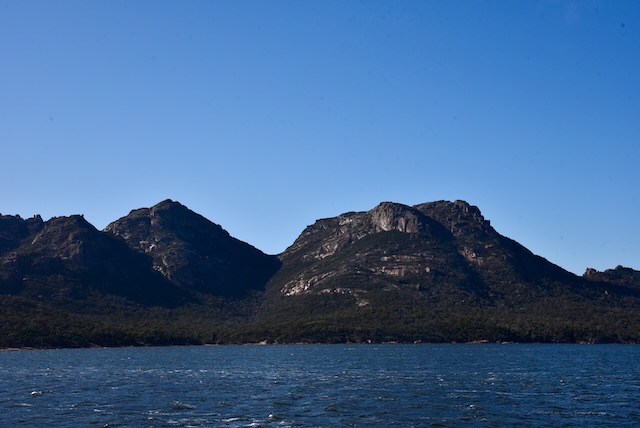
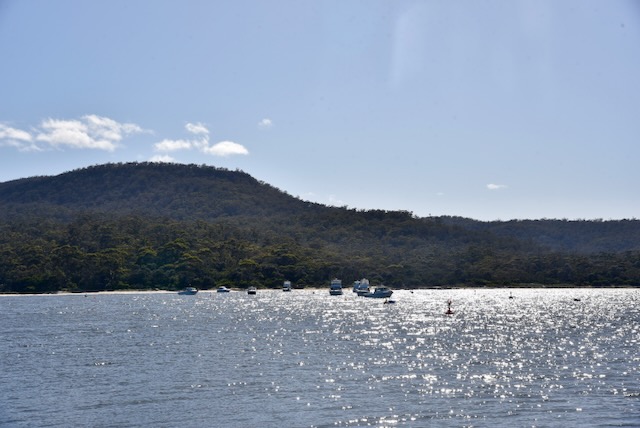
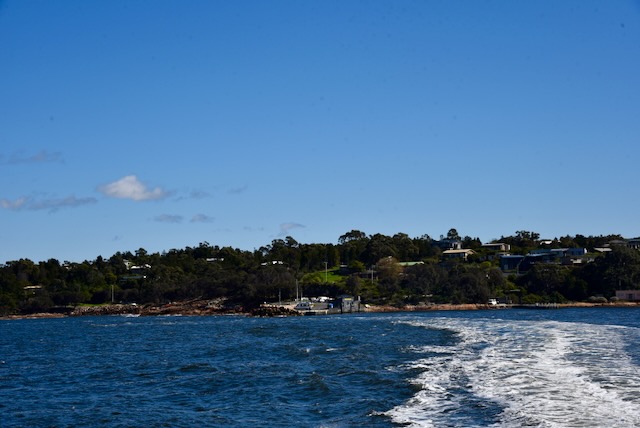
The boat left Coles Bay and travelled the short distance to Honeymoon Bay where we picked up some more passengers. There are some amazing ‘coastal pavilions’ tucked in amongst the scrub at Freycinet Lodge within the National Park.

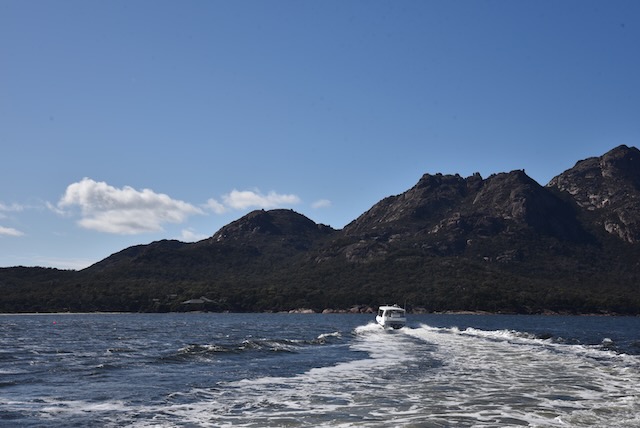
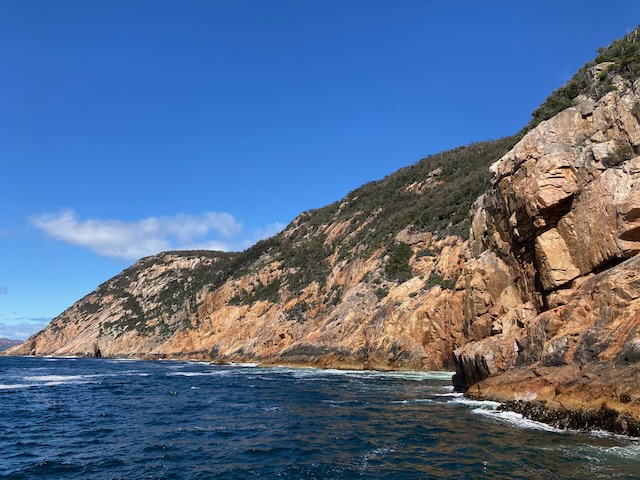
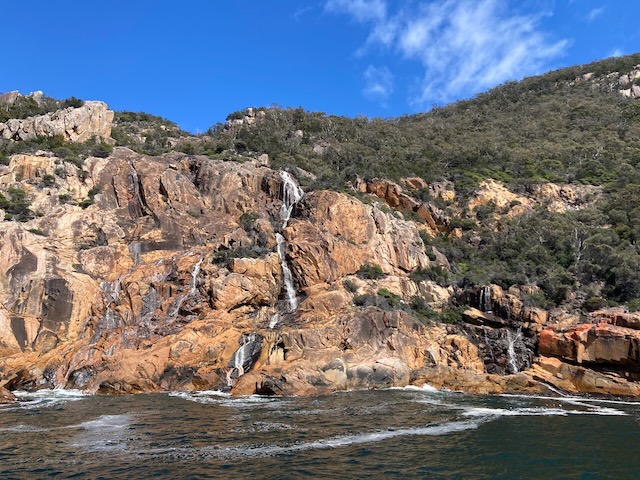
We then set out across Coles Bay and then out into the open ocean and along the spectacular coastline.

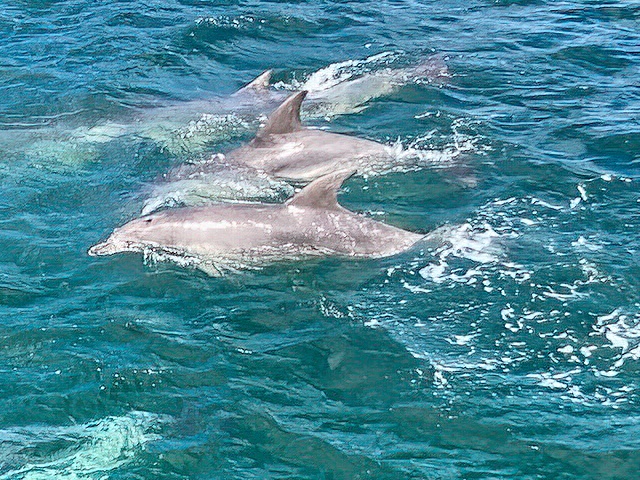
There was numerous wildlife to be observed along the way,

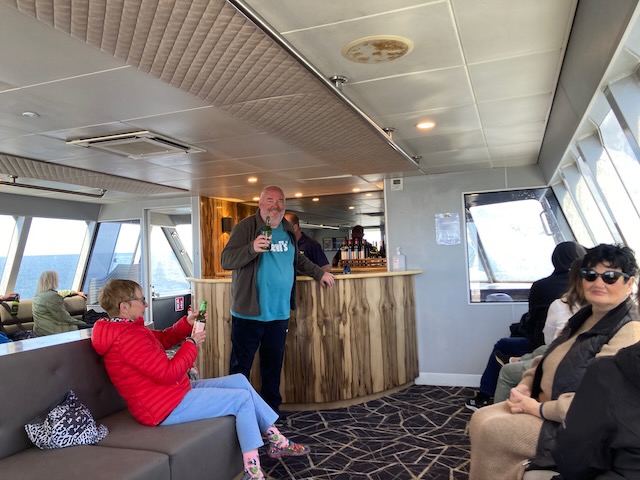
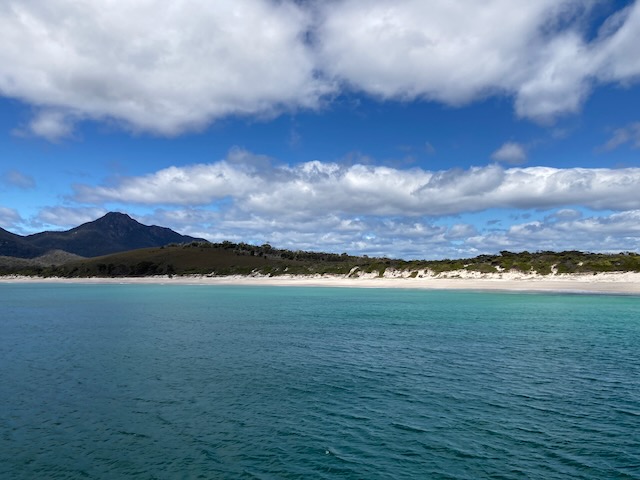
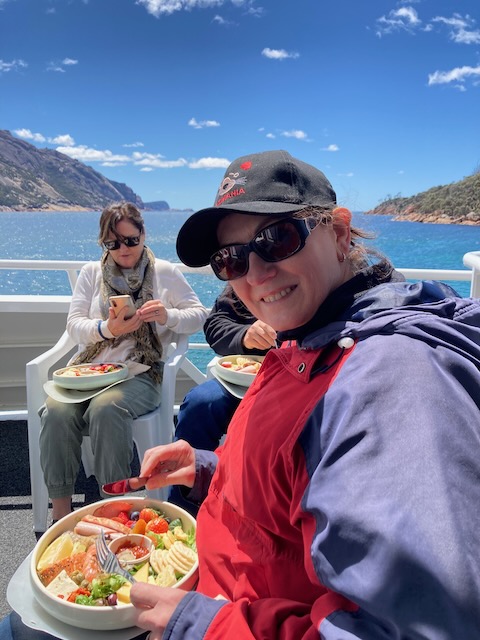
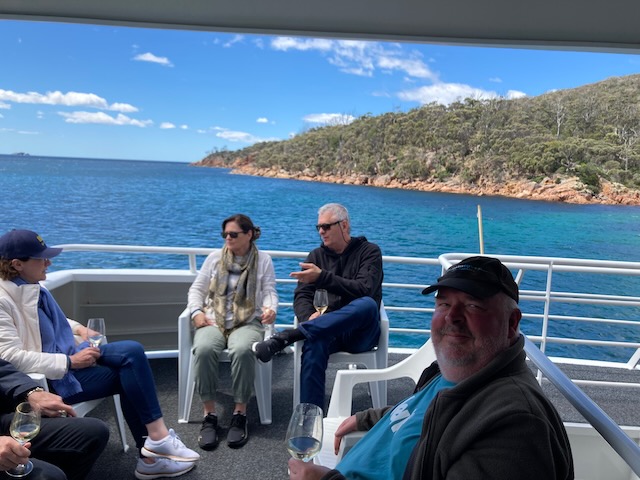
We then reached Wineglass Bay, one of the ‘must sees’ when in Tasmania. The boat moored in the bay and we sat back and enjoyed a brilliant lunch consisting of Tasmanian produce and a few cold beers.

We then sailed back to Coles Bay and departed the cruise. It had been a very enjoyable day.

As I had only 15 QSOs in the log for Freycinet National Park, Marija and I decided to set up again, hoping that I might be able to reach 44 QSOs and qualify the park for the global WWFF program.

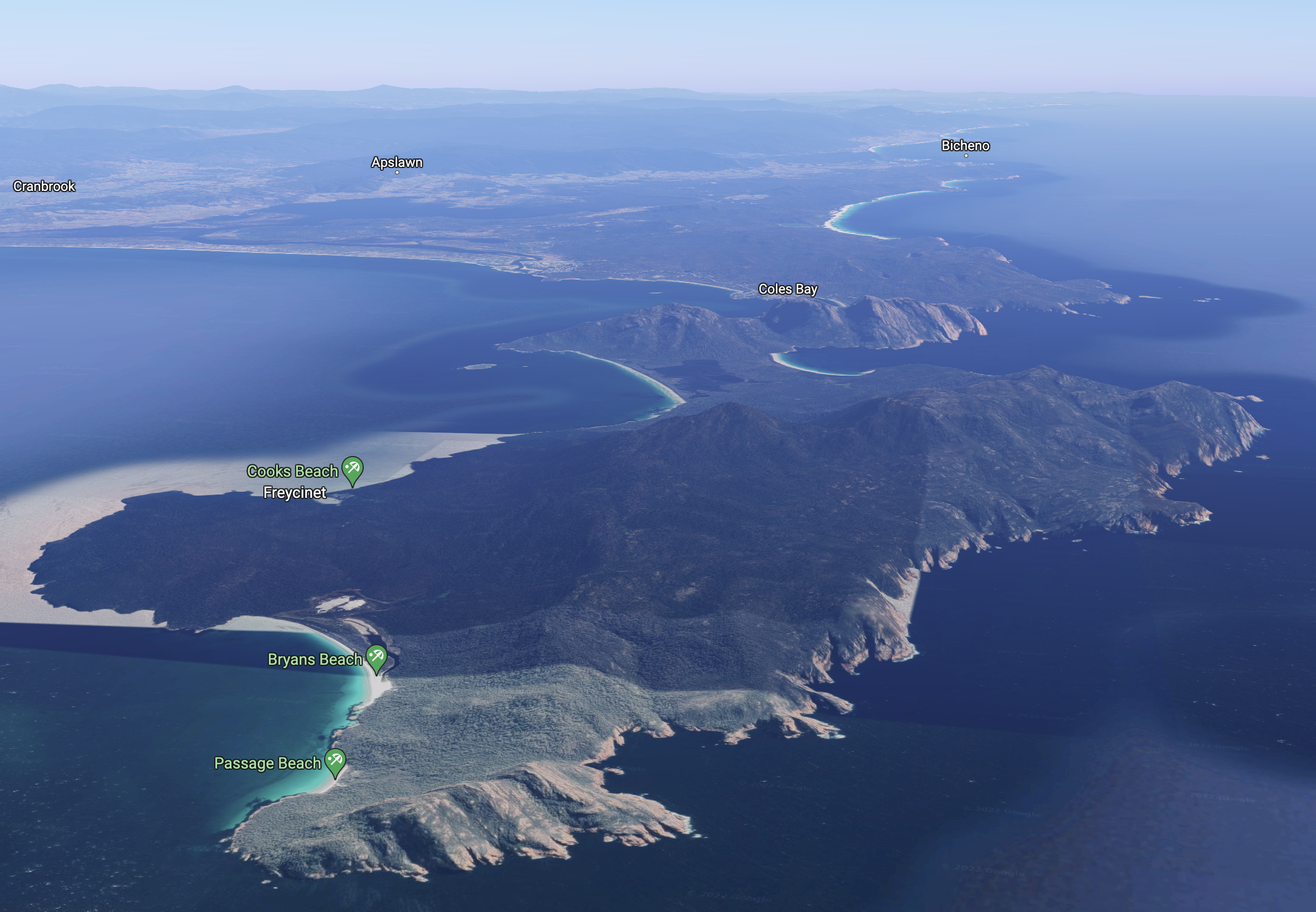
Above:- An aerial view of the Freycinet National Park. Image c/o Google maps

This time around I ran the Yaesu FT857d, 40 watts, and the 20/40/80m linked dipole, inverted vee, supported on a 7 metre telescopic squid pole.

I worked the following stations on 40m SSB:-

  1. VK3SQ
  2. VK3PF
  3. VK2MET
  4. VK1AO
  5. VK2IO
  6. VK2NP
  7. VK3FFF
  8. VK3JG
  9. VK5IS
  10. VK4KLA
  11. VK7CIA
  12. VK2HHA
  13. VK3ZSC
  14. VK3APJ
  15. VK5FANA
  16. VK3MTT
  17. VK3PWG
  18. VK7KJL
  19. VK5CZ
  20. VK3VIN
  21. VK3NZC
  22. VK3STV
  23. VK3IDX
  24. VK1AD
  25. VK1NAM
  26. VK7QP
  27. VK4HAT
  28. VK2XSE/m
  29. VK7GN
  30. VK5GY
  31. VK5MOS/m

I worked the following stations on 20m SSB:-

  1. VK4HAT
  2. VK4TJ
  3. VK4KC
  4. VK4MAD
  5. VK4DOG
  6. VK2MET
  7. VK1AO

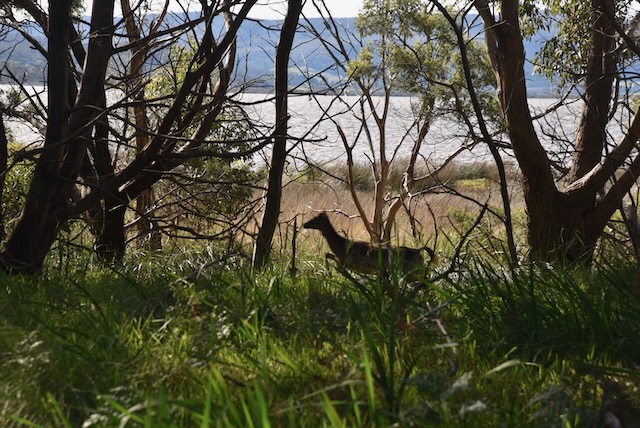
We then packed up and continued along. We stopped briefly at Moulting Bay Game Reserve to enjoy the view. We even saw some wild deer in the scrub.

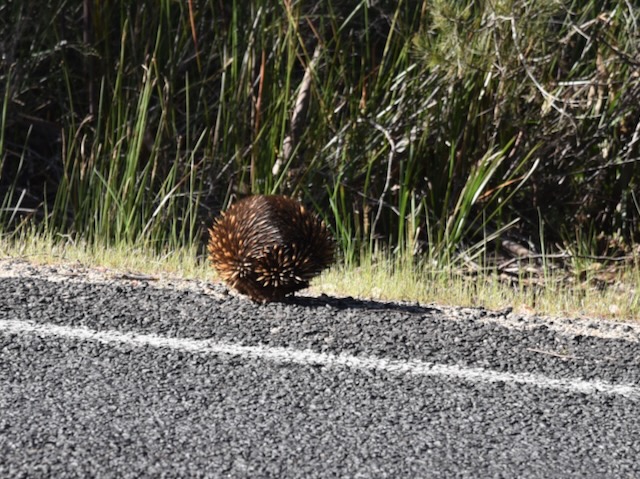
It was slow going on the road out of the park as there was a lot of wildlife on the roadway.

We then commenced our journey to Hobart via the Tasman Highway.

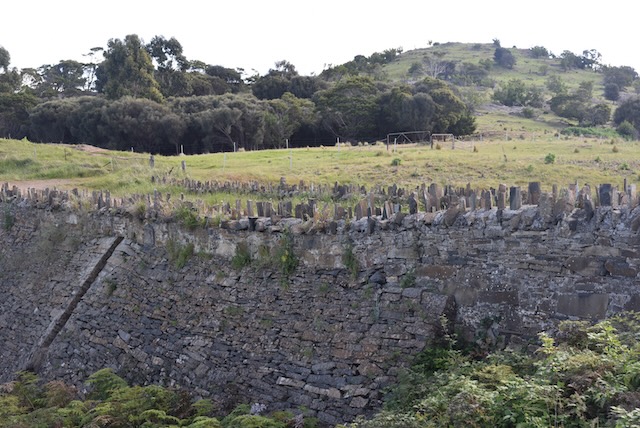
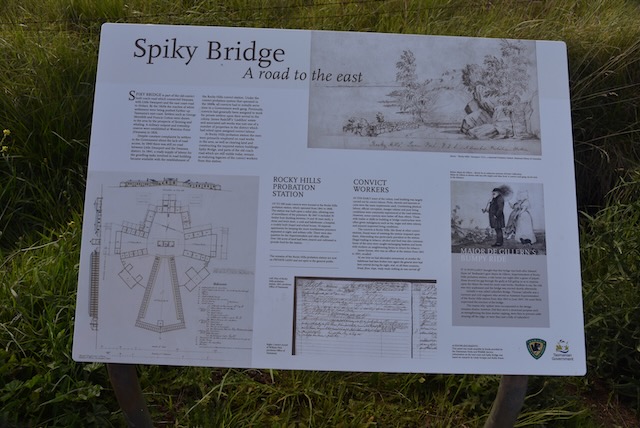
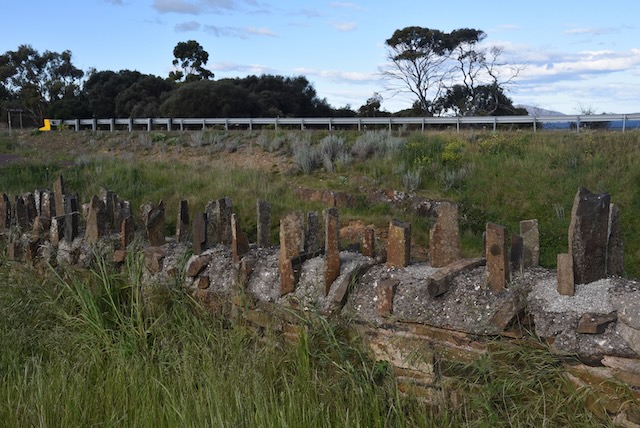
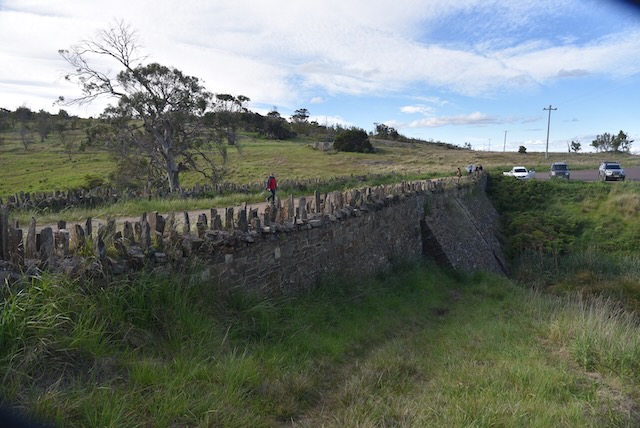
We stopped off at Spiky Bridge which is part of the old convict built coach road which connected Swansea with Little Swanport and the east coast road to Hobart.

By the 1820’s the reaches of white settlement were being pushed further up Tasmania’s east coast. Settlers such as George Meredith and Francis Cotton, were drawn to the area by the prospects of farming and whaling. Despite constant complaints from the settlers to the Government regarding the lack of road access, by 1840 there was still no road between Little Swanport and the Swansea district.

In 1841, a ready supply of labour for the grueling tasks involved in road building became available with the establishment of the Rocky Hills Probation Station. Under the convict probation system that operated in the 1840’s, all convicts had to initially serve time in a government work gang. Previously , convicts had generally been assigned to work for private settlers upon their arrival in the colony. James Radcliffe’s “Lisdillon” estate and associated salt works were just two of a number of properties in the district that had relied on assigned convict labour.
At Rocky Hills Probation Station, the convicts were primarily employed on road works in the area, as well as clearing land and constructing station buildings. The Spiky Bridge and parts of the old coach road which are still visible today, remain enduring legacies of the convict workers from this station.

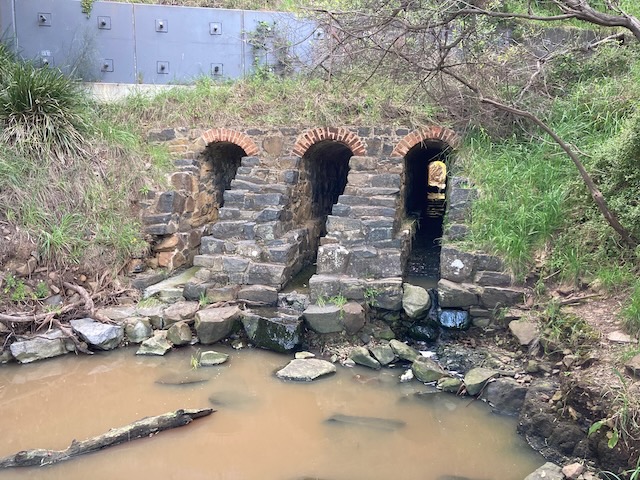
Our next stop was the Three Arch bridge at Mayfield Beach, a little further along on the Tasman Highway. It is not signposted, and is just a small bridge which was constructed in 1845 by convict labour from the nearby Rocky Hills Probation Station. It spans the outlet of the Old Man Creek at Mayfield Beach. The existing road is built over the top of the bridge. You can view the bridge after a short walk from Mayfield Bay campground.

We continued along the coast admiring the beautiful views.

We soon reached the town of Triabunna, but as we were running late we did not get the opportunity of stopping sadly.

Our next brief stop was at the small town of Buckland where we had a look at the old St John The Baptist church. Like so many other buildings in Tasmania, the church was constructed by convict labour in 1846. It is believed that the East Window in the church dates b ack to the 14th century.

We got into Hobart quite late and booked into our accomodation, the Rydges Hobart.

References.

  1. Discover Tasmania, 2022, <https://www.discovertasmania.com.au/things-to-do/heritage-and-history/threearchbridgemayfieldbreach/>, viewed 27th December 2022.
  2. Discover Tasmania, 2022, <https://www.discovertasmania.com.au/things-to-do/heritage-and-history/stjohnthebaptistchurchbuckland/>, viewed 27th December 2022.
  3. Wikipedia, 2022, <https://en.wikipedia.org/wiki/Freycinet_National_Park>, viewed 27th December 2022.

Wye River State Reserve VKFF-1841

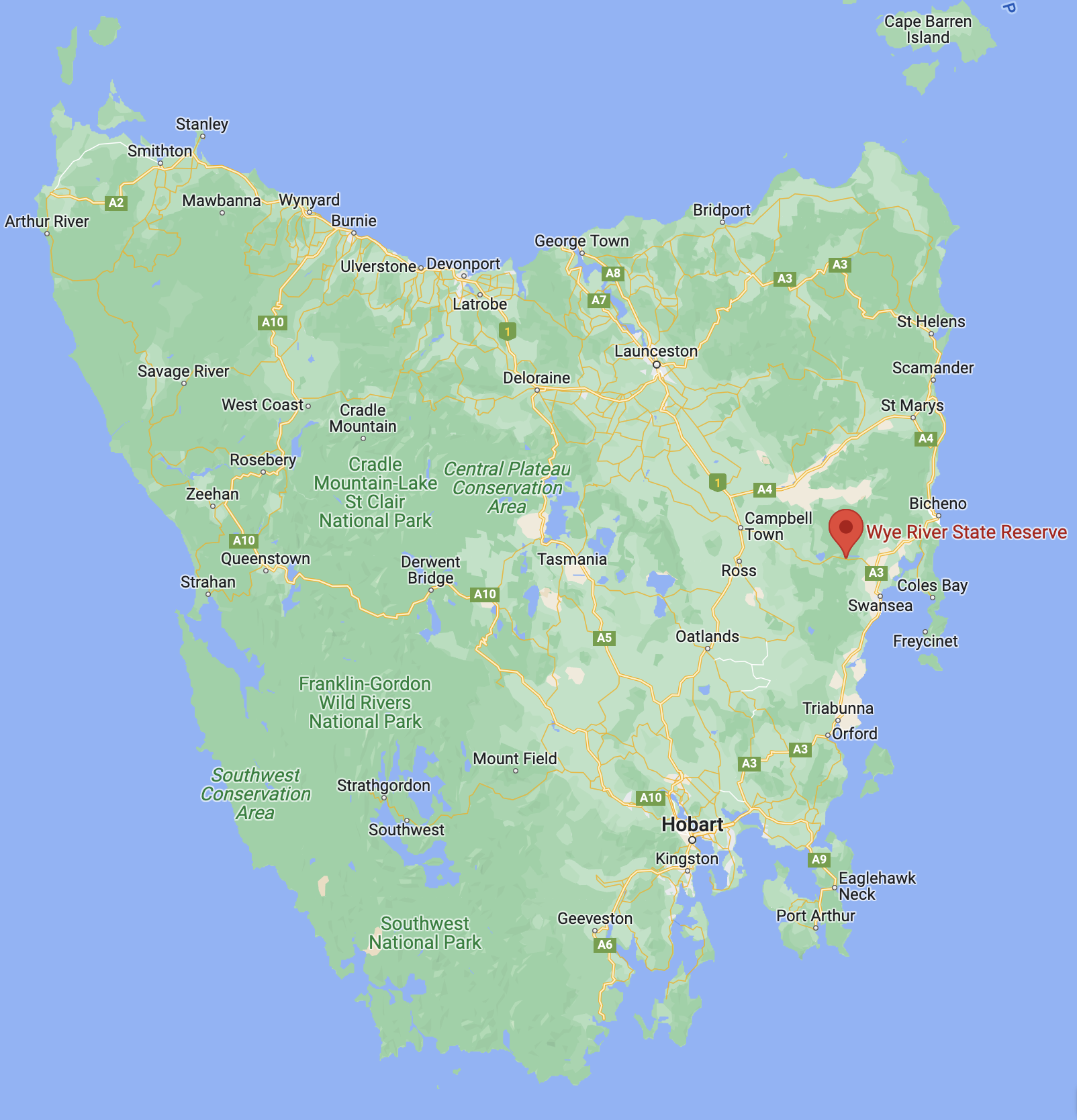
Our final park activation for 2nd November 2022 was the Wye River State Reserve VKFF-1841. The park is located about 23 km north west of Swansea.

Above:- Map showing the location of the Wye River State Reserve. Map c/o Google maps

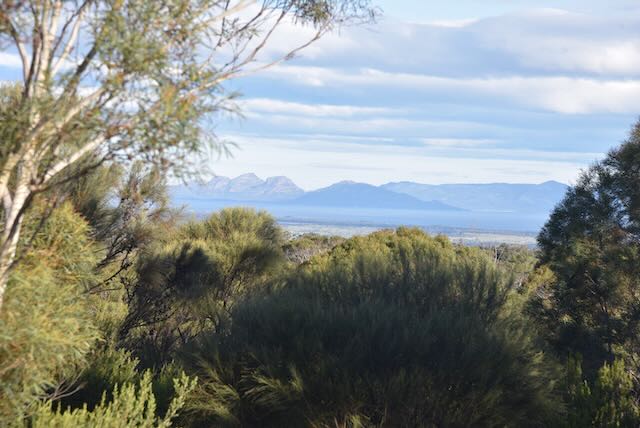
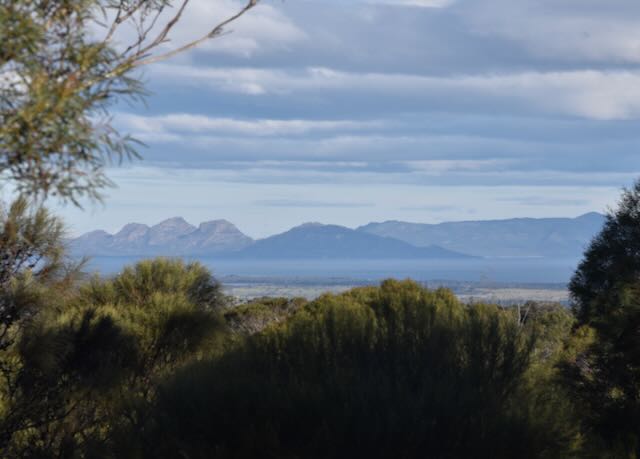
The Wye River State Reserve was created to protect forest communities and threatened flora species. Wye River is predominantly dry sclerophyll forest with some areas of wet eucalypt forest and in the north areas of Oyster Bay pine forest.

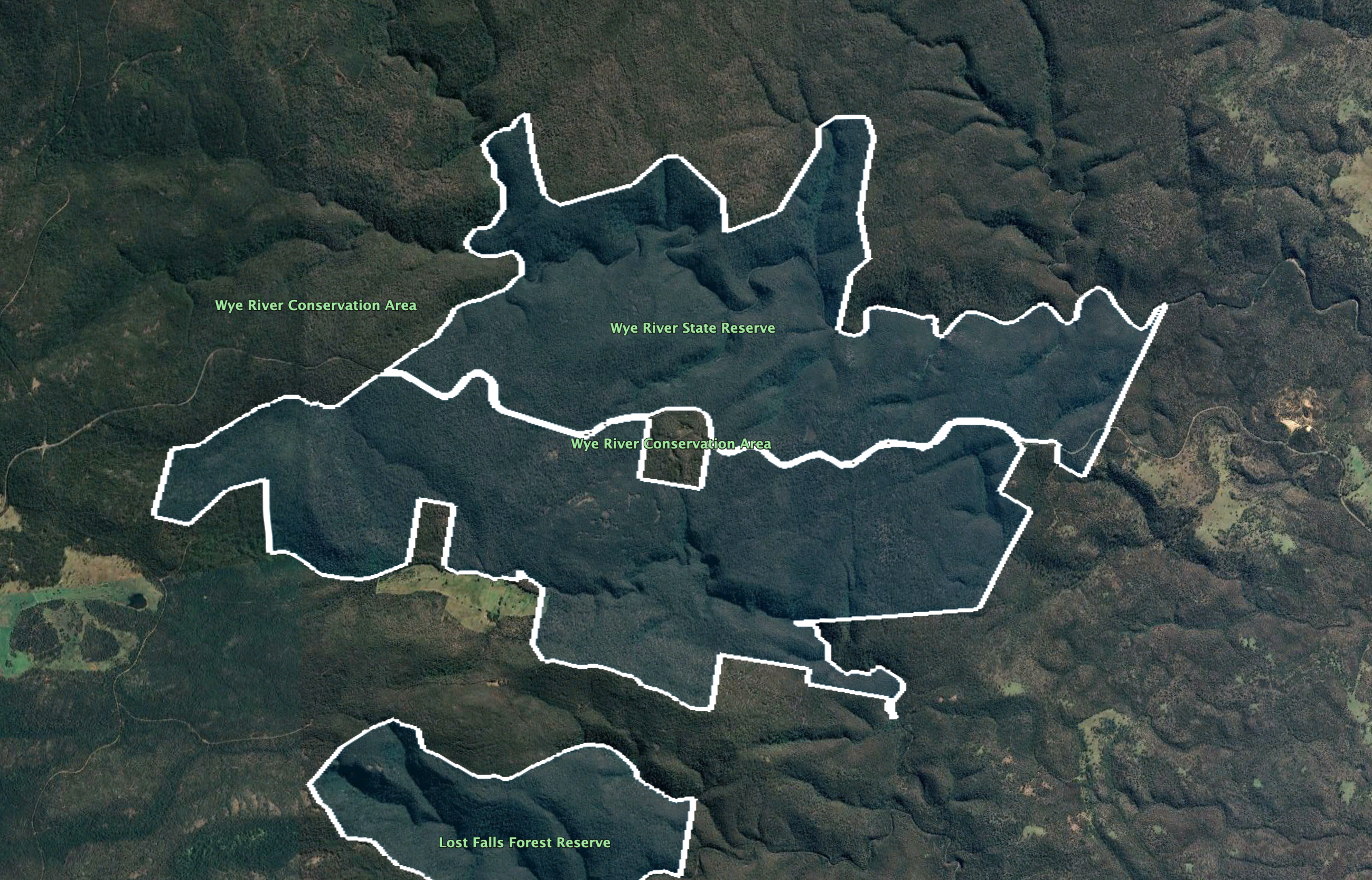
Above:- An aerial view of the Wye River State Reserve. Image c/o Google Earth.

The Reserve which comprises the former Bluemans Creek State Reserve and Wye River Bluemans Creek State Reserve, was proclaimed on the 31st day of May 2000. The area of the Wye River State Reserve which was formerly Bluemans Creek State Reserve is listed on the Register of the National Estate in Tasmania.

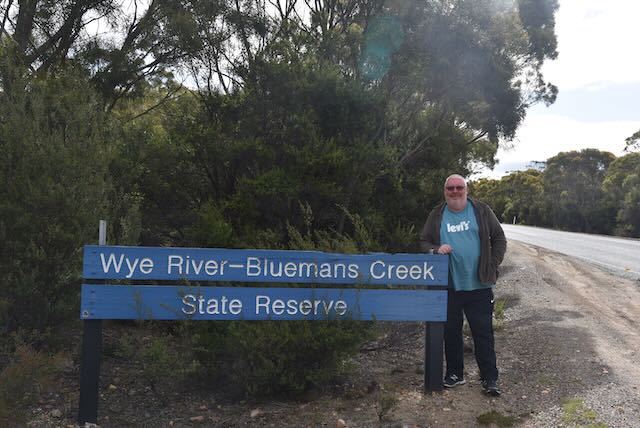
We operated from the Bluemans Creek roadside stop area on the Lake Leake Highway. Equipment used was the Yaesu FT857d, 40 watts output and the 20/40/80m linked dipole, inverted vee, supported on a 7 metre heavy duty telescopic squid pole.

I enjoyed a nice little opening on the 20m band, long path into Europe, working Italy, Spain, France, Czech Republic, Finland, Poland, Romania, Germany, and Greece.

Marija made the following QSOs on 40m SSB:-

  1. VK3PF
  2. VK3SQ
  3. VK3VIN
  4. VK2VH
  5. VK4AAC
  6. VK4TJ
  7. VK3GRX
  8. VK3MTT
  9. VK2MET
  10. VK1AO
  11. VK5FB

I made the following QSOs on 40m SSB:-

  1. VK3PF
  2. VK3SQ
  3. VK3VIN
  4. VK2VH
  5. VK4AAC
  6. VK4TJ
  7. VK3GRX
  8. VK3MTT
  9. VK2MET
  10. VK1AO
  11. VK5FB
  12. VK4NH
  13. VK4DXA
  14. VK2MOE
  15. VK2NP
  16. VK5FANA
  17. VK5IS
  18. VK5KVA
  19. VK2IO
  20. VK3NP
  21. Vk7XX
  22. VK3ZPF
  23. VK1DI
  24. VK3EJ
  25. VK2YAK/m
  26. VK3KST
  27. VK3DNB
  28. VK1FPRV
  29. VK2PCT/m
  30. VK2ACK
  31. VK7HBR
  32. VK5CZ
  33. VK4PDX
  34. VK3NZC
  35. VK3YSA/m
  36. VK3ACZ
  37. VK3QA
  38. VK3DJC
  39. VK5WU
  40. ZL3MR
  41. VK3BKO
  42. VK2PKT
  43. VK2DA
  44. VK1DA
  45. VK2EXA

I made the following QSOs on 20m SSB:-

  1. ZL4NVW
  2. IK4IDF
  3. VK4NH
  4. VK4DXA
  5. IK1GPG
  6. IK3QAN
  7. VK4EMP
  8. EA4FLS
  9. F4CIM
  10. IZ5CML
  11. VK4HAT
  12. OK7WA
  13. VK4KC
  14. VK4MAD
  15. VK4DOG
  16. EA3AKP
  17. EA3HZX
  18. VK4EW
  19. VK4BXX
  20. OH1MM
  21. SP7MW
  22. F1BLL
  23. VK4PDX
  24. YO3APJ
  25. IK8NSR
  26. DK4RM
  27. EA3IM
  28. IW2BNA
  29. VK4MUD
  30. SV3SFJ
  31. DJ1AL
  32. SP9AW
  33. KG5CIK

Unfortunately we had to conclude the activation, even with callers still calling, due to us needing to get to our accomodation. It was nearly 6.00 p.m.

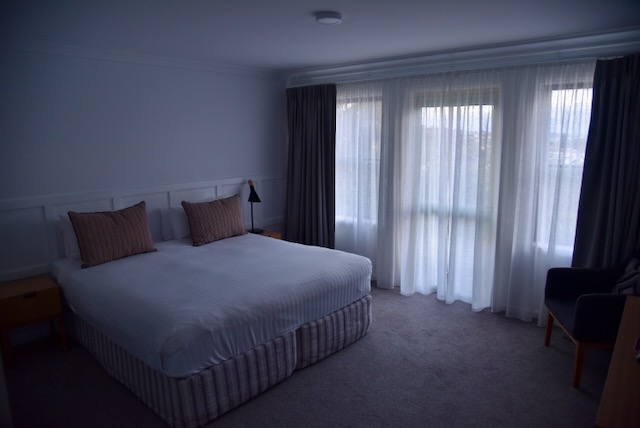
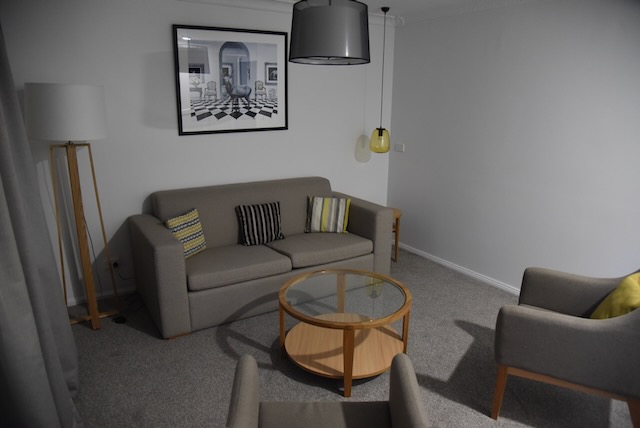
We headed in to the little town of Swansea and checked in to our accomodation at the Swansea Beach Chalets.

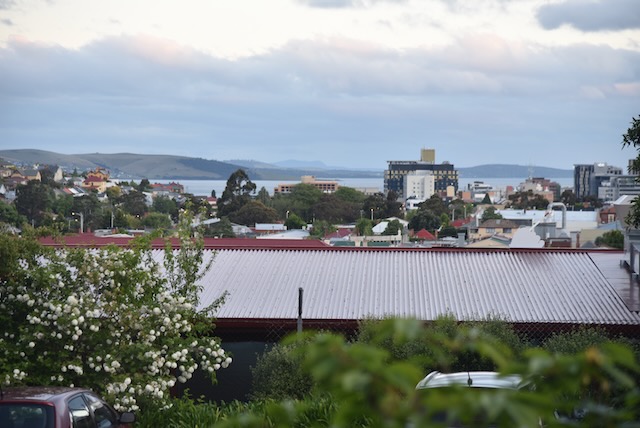
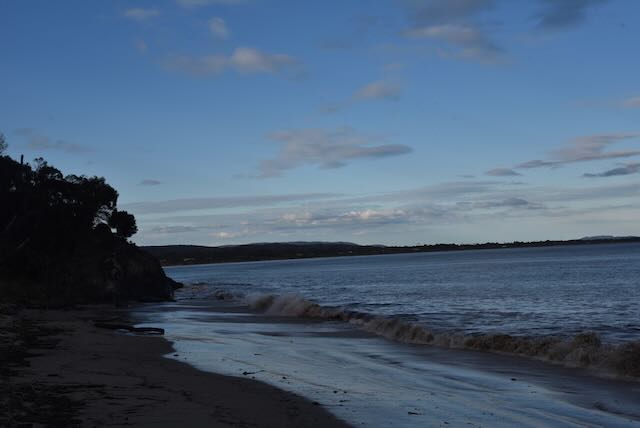
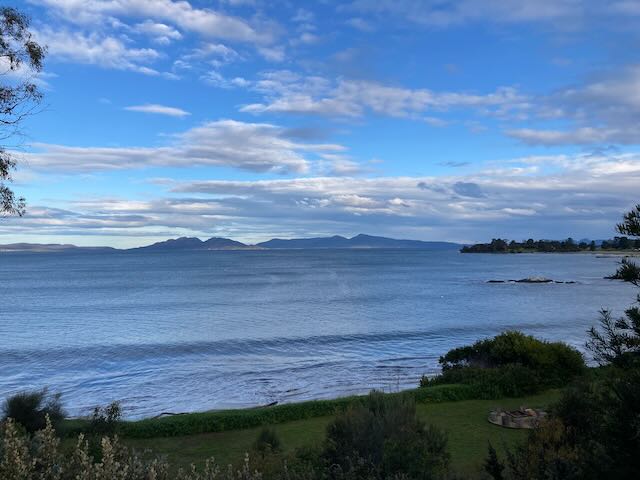
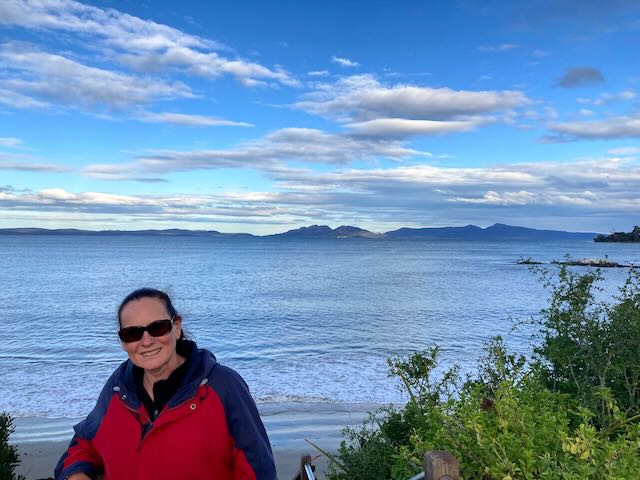
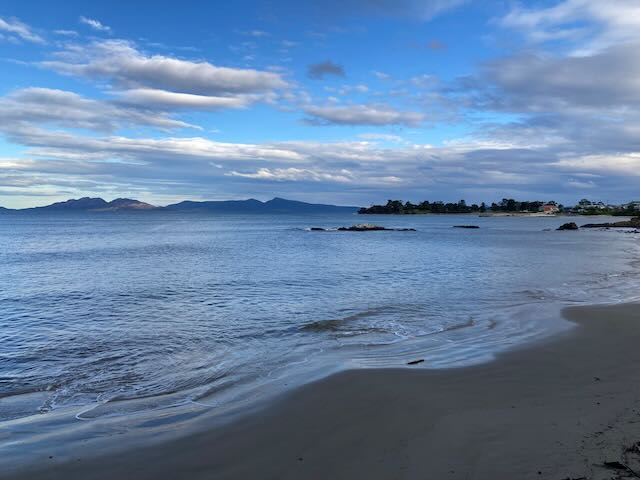
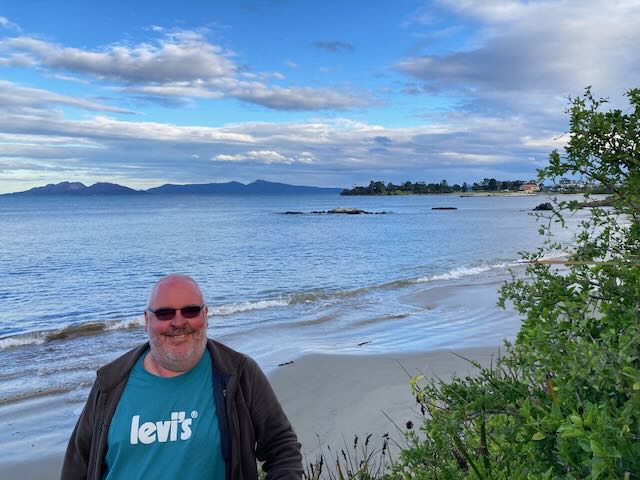
Below are some of the views of the bay and the coastline from where we were staying.

The town of Swansea is situated on the east coast of Tasmania on the north west shore of Great Oyster Bay and overlooks Frecinet National Park. The town was established in 1821 and was named Swansea by George Meredith, a Welshman who settled in the area, after Swansea in Wales.

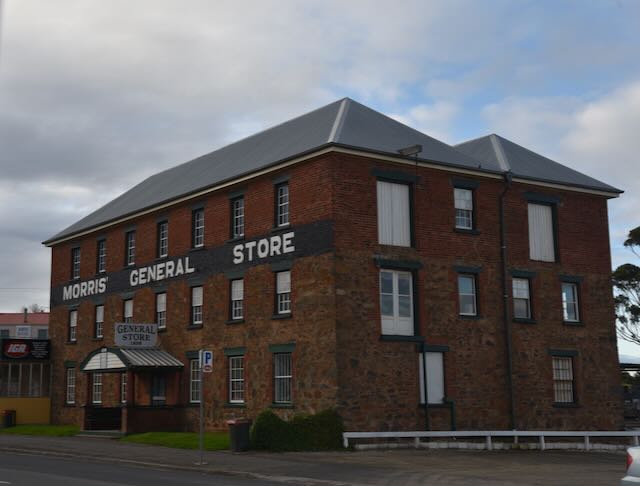
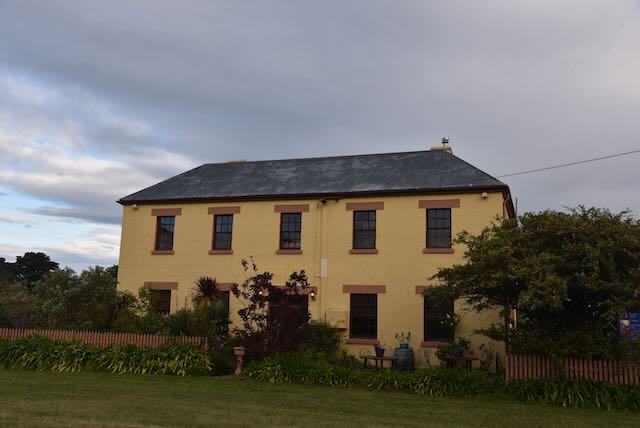
There are a number of historic buildings in the town including Morris’ General Store which was built in 1838, and Schouten House which was built in 1845.

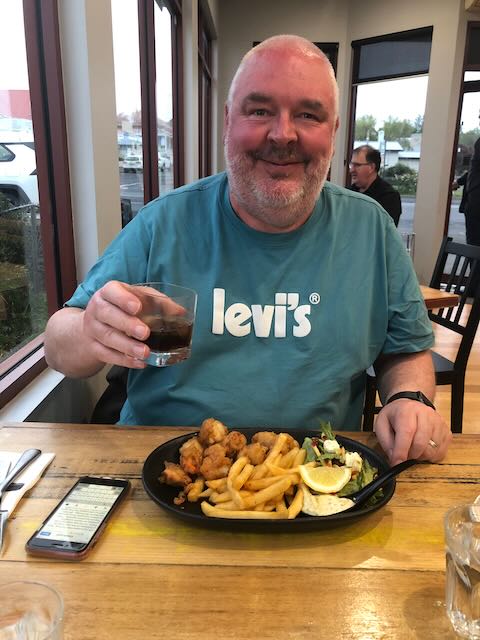
After freshening up we headed out for dinner at the Saltshaker Restaurant in Swansea, enjoying some of the local seafood.

References.

  1. Aussie Towns, 2022, <https://www.aussietowns.com.au/town/swansea-tas>, viewed 17th December 2022.
  2. Freycinet National Park and Wye River Management Plan, 2000, Parks and Wildlife Service Tasmania
  3. Wikipedia, 2022, <https://en.wikipedia.org/wiki/Swansea,_Tasmania>, viewed 17th December 2022.

Lost Falls Conservation Area VKFF-2908

After packing up at the Tom Gibson Nature Reserve (2nd November 2022), Marija and I travelled south on the Midland Highway and soon reached the little town of Cleveland.

Cleveland was established in 1842 and takes its name from a breed of horses which were imported into the district in the 1830s and bred in the area. Cleveland was as a stopping point on the coaching route between Hobart and Launceston. It was reportedly a stopping point for travelers prior to them venturing though Epping Forest which was a notorious area for bushrangers.

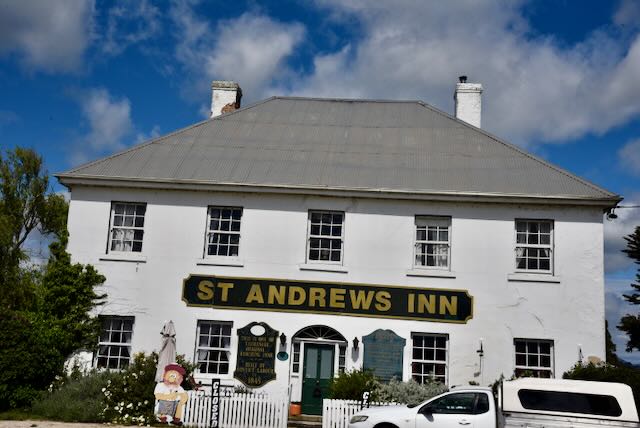
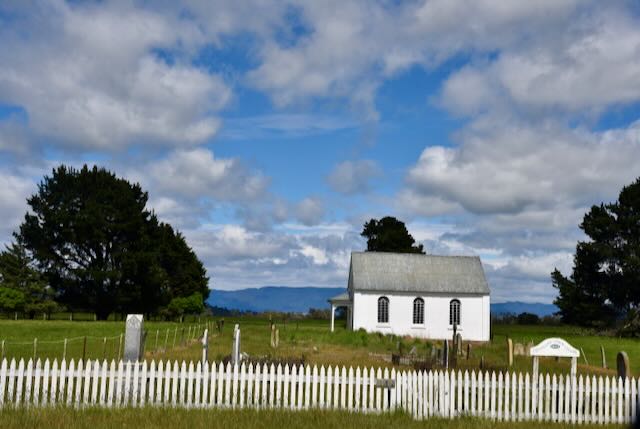
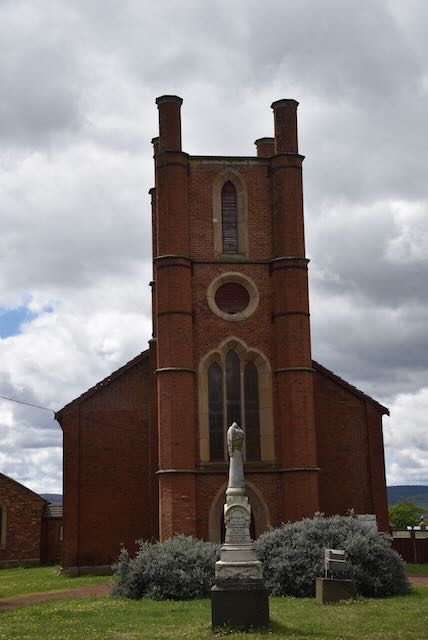
There are some historic buildings that remain in Cleveland and these including St Andrews Inn built in 1854 and the Cleveland church and historic graveyard.

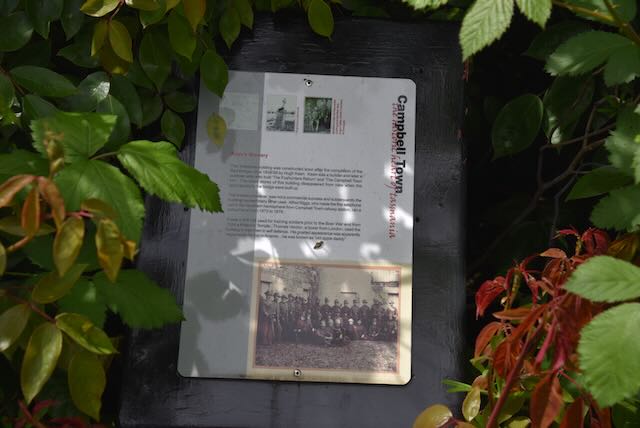
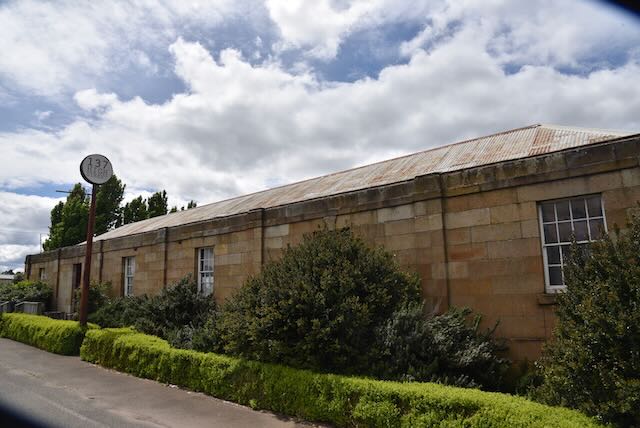
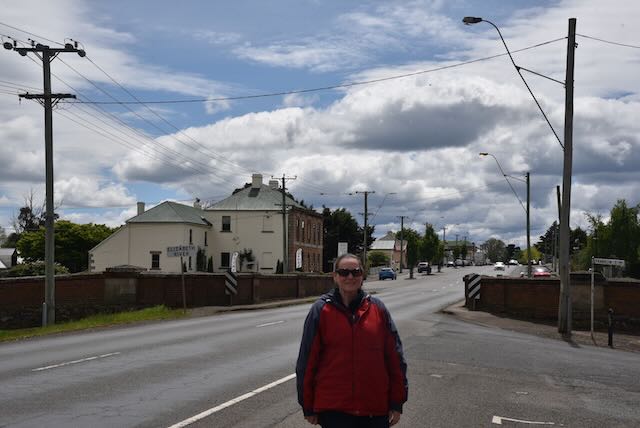
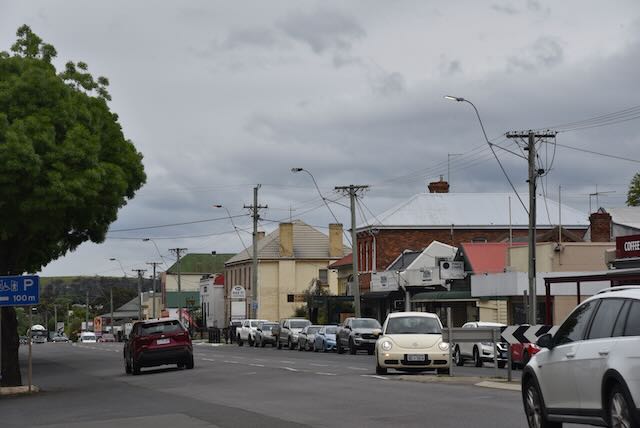
We continued south and arrived in the very historic town of Campbell Town, about 68 km south of Launceston.

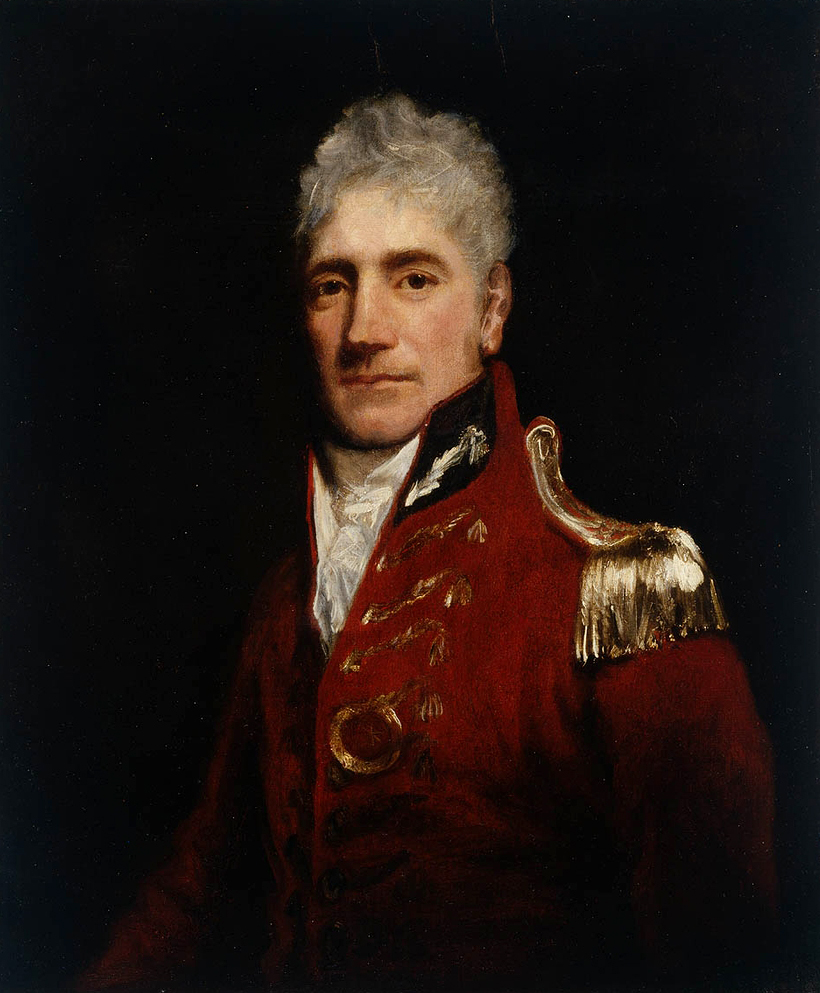
The original inhabitants of the area which is now Campbell Town were the Tyerrernotepanner aboriginal people. Lachlan Macquarie, a British Army Officer and Colonial Administrator from Scotland. In 1811 whilst travelling from Hobart to Launceston, Macquarie renamed Relief Creek to Elizabeth after his wife. In 1821 Macquarie named the site of Campbell Town in honour of his wife, whose maiden name was Campbell.

Thomas Kenton was the first European settler in the area. He was a Constable, and in 1821 erected a cottage at Campbell Town. By 1823 a causeway had been erected over the river and in 1824 an Inn was opened.

As a town, Campbell Town was established in 1826. It was one of four garrison towns which linked Hobart and Launceston.

Above:- Major General Lachlan Macquarie. Image c/o Wikipedia.

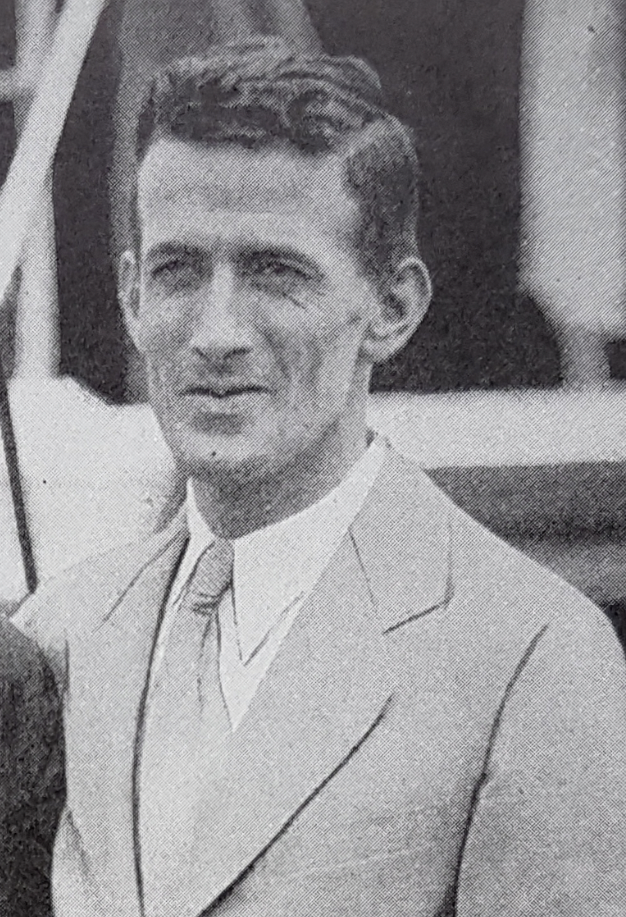
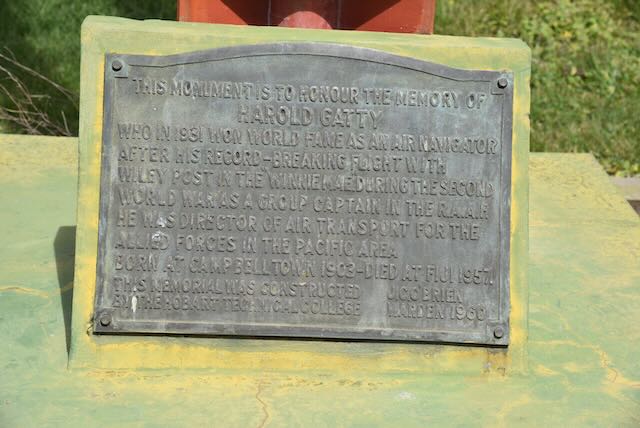
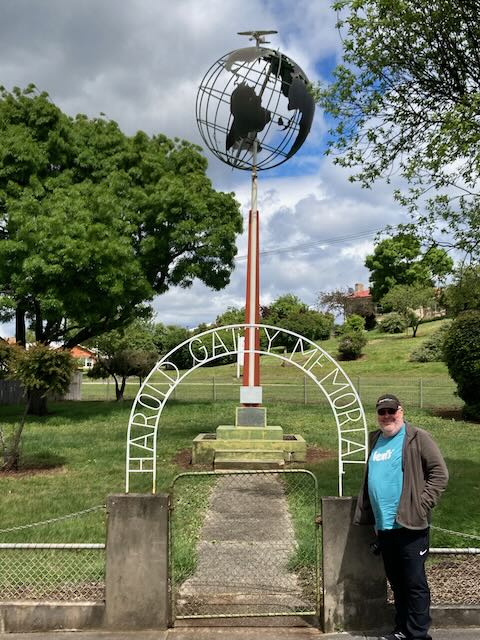
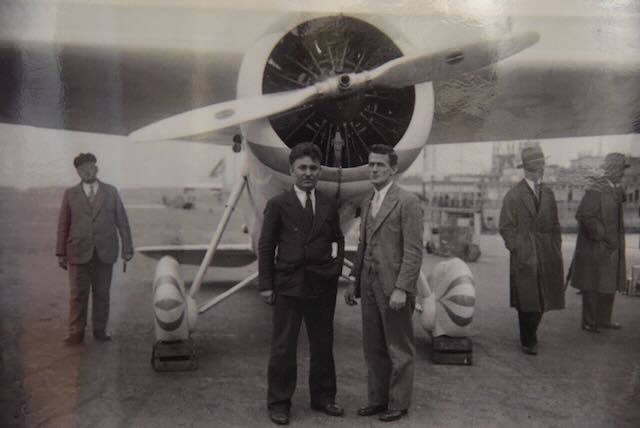
Our first stop in Campbell Town was the Harold Gatty Memorial. Harold Charles Gatty (b. 1903. d. 1957) was an Australian navigator and aviation pioneer who was born in Campbell Town. The famous Charles Lindbergh called Gatty the ‘Prince of Navigators’. He devised the ground-speed and drift indicator which formed the basis of the automatic pilot now standard equipment on most aircraft. In 1931 Gatty flew around the world with Wiley Post. This flight set the record for aerial circumnavigation of the world, flying a distance of 15,747 miles (24,903 km) in a Lockheed Vega named the Winnie Mae, in 8 days, 15 hours and 51 minutes. In 1951 he founded Pacific Airways Ltd in Fiji.

Above:- Harold Gatty. Image c/o Wikipedia.

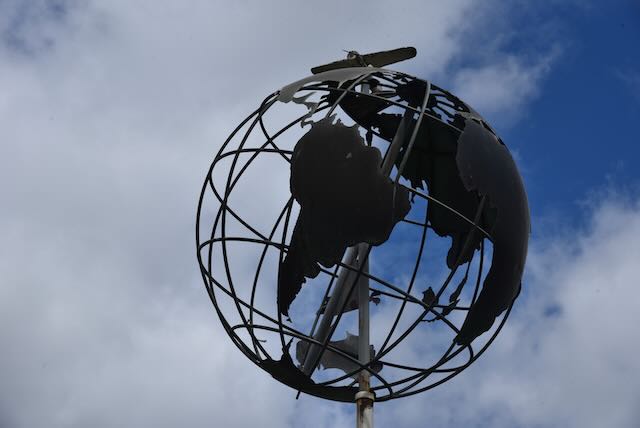
The monument which is located on the corner of the Midland Highway and Pedder Street commemorates the life of Gatty who I had not heard of prior to my visit to Campbell Town.

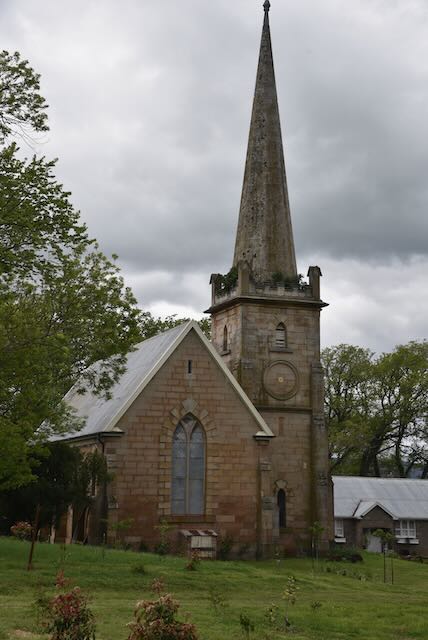
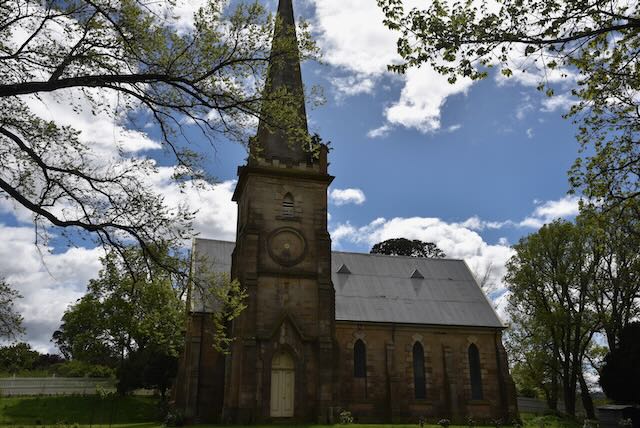
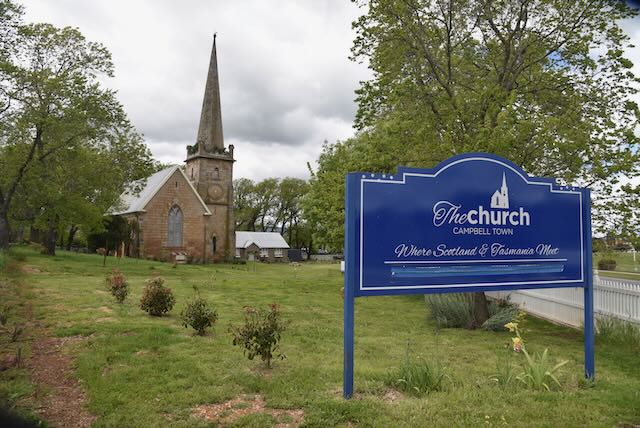
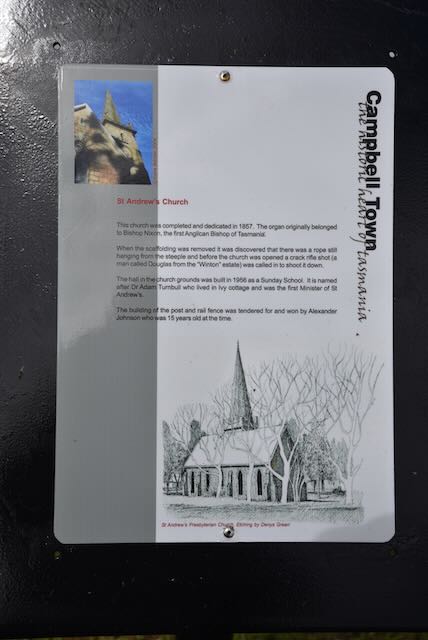
We then had a look at St Andrews Church which was completed and dedicated in 1857. Following its construction when the scaffolding was removed it was found that there was still a rope hanging from the steeple. Before the opening of the church a ‘crack rifle shot’ was called in to shoot it down. The church contains an organ and desk that belonged to Bishop Nixon, first Anglican Bishop of Tasmania.

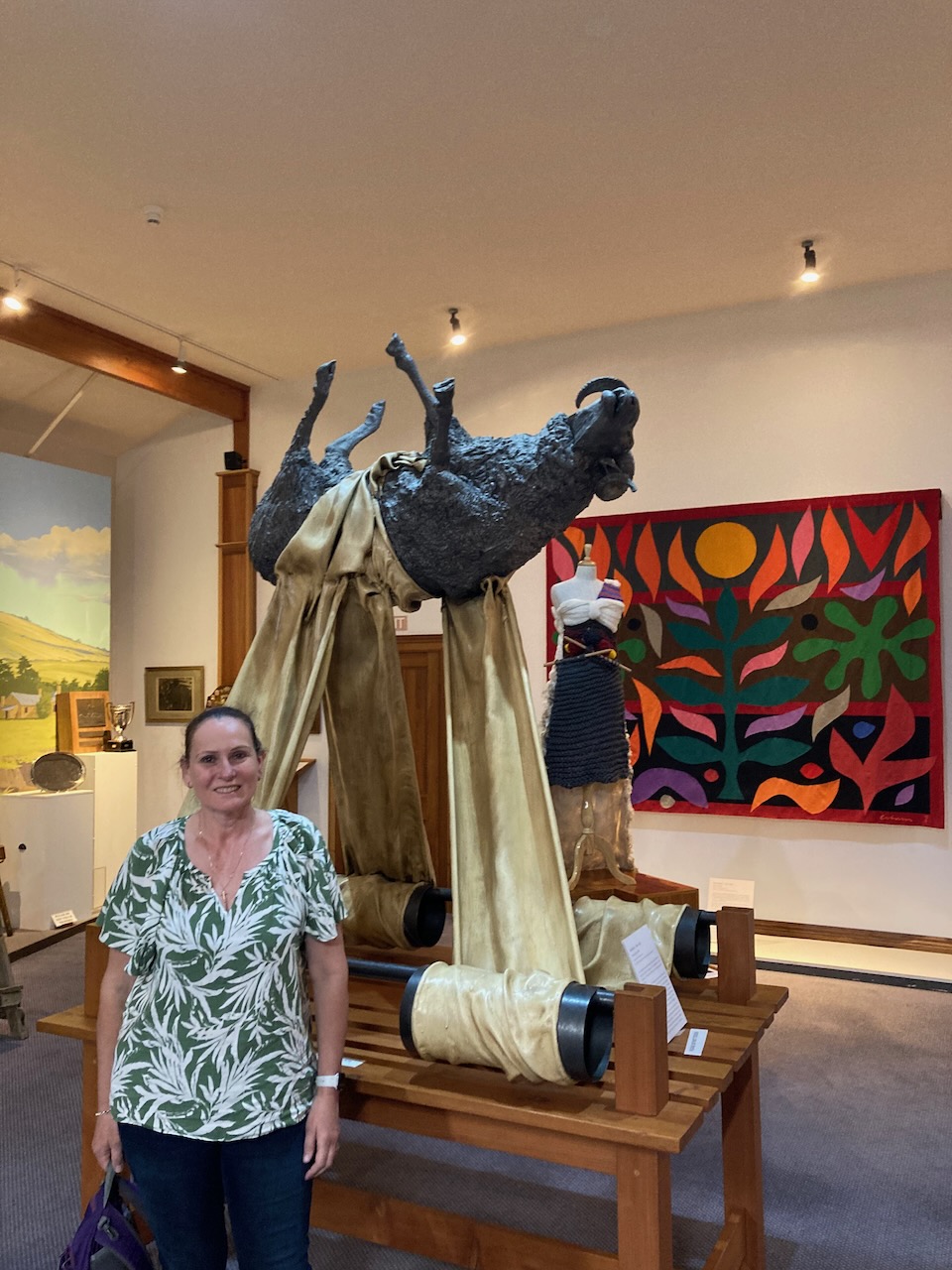
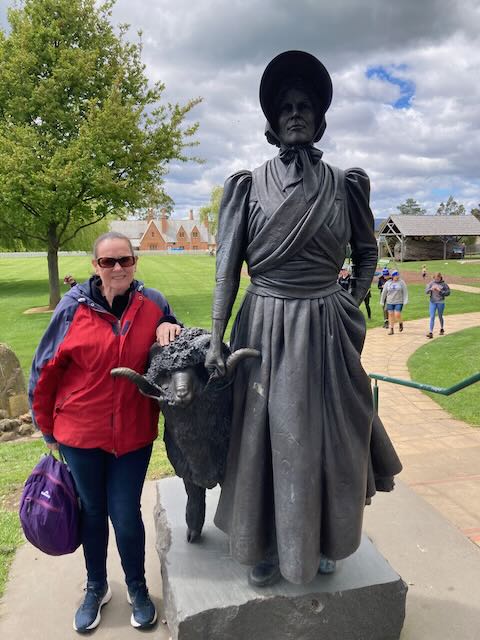
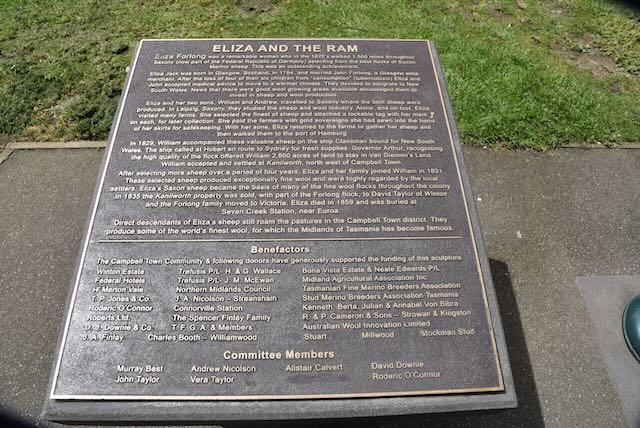
We then drove to Valentine Park in Campbell Town and viewed the Eliza and the Ram monument.

Eliza Forlong (b. 1784. d. 1859) was a founder of the super-fine wool industry in Tasmania. In 1804 she married John Forlong who was a Glasgow wine merchant. They had six children, but by the mid 1820s four of their six children had died from tuberculosis. A decision was made that they would move to a warmer climate in Australia.

They were aware that the fine wool from Merino sheep in Saxony were bringing high prices and they travelled to Leipzig to study methods of sheep rearing and wool preparation. Between 1828 and 1830 Eliza Forlong walked through Saxony purchasing sheep and drove them to Hamburg. She walked about 1,500 miles across Saxony.

In 1829 her 16 year old son William emigrated to Australia aboard the Clansman with seven rams and ninety ewes. He was bound for New South Wales, but the Clansman stopped at Hobart Town on the way where Governor Arthur who recognised the high quality of the flock, persuaded William Forlong to take up a large grant of land consisting of 2,600 acres near Campbell Town.

In 1831 Eliza and John and their son Andrew, together with the remainder of the sheep, emigrated to Australia aboard the Czar. Their Saxon sheep became the basis of many of the fine wool flocks throughout the new colony of Australia.
From Valentine Park you can also view The Grange, originally the home of Dr. William Valentine and built in 1847. Valentine Park is named in his honour. In 1839 Valentine emigrated to Van Dieman’s Land from Somerset England. He took over the position of Doctor in Campbell Town and helped establish the first public hospital. He was a lay preacher at the Anglican church and played a role in the building of St Luke’s Sunday School. He set up a reading room, Turkish baths and a library.

Also in Valentine Park is a sundial built in 2004 to commemorate the transit of the planet Venus across the face of the sun. The event was observed at The Grange by scientists from the United States Naval Observatory in 1874.

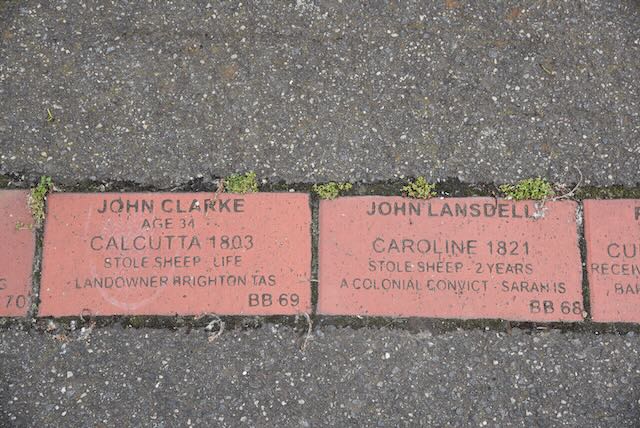
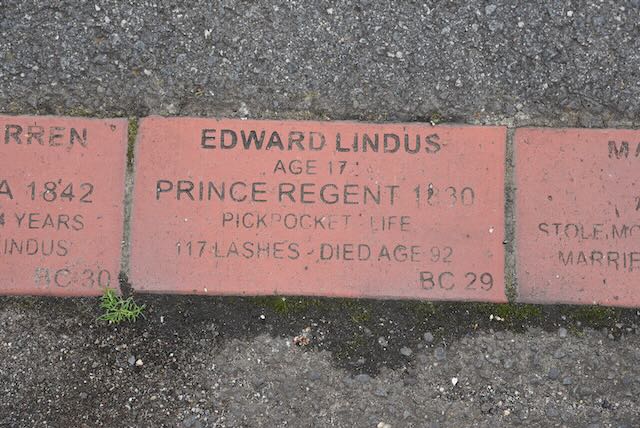
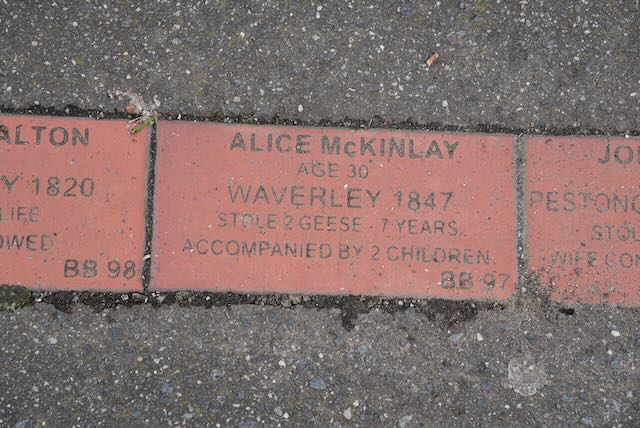
We also viewed the Convict Brick Trail which is dedicated to the nearly 200,000 convicts who were transported to Australia for almost 100 years from 1788 onwards.

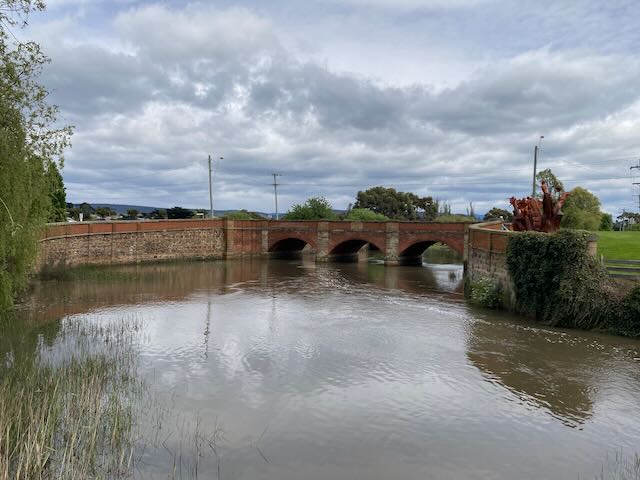
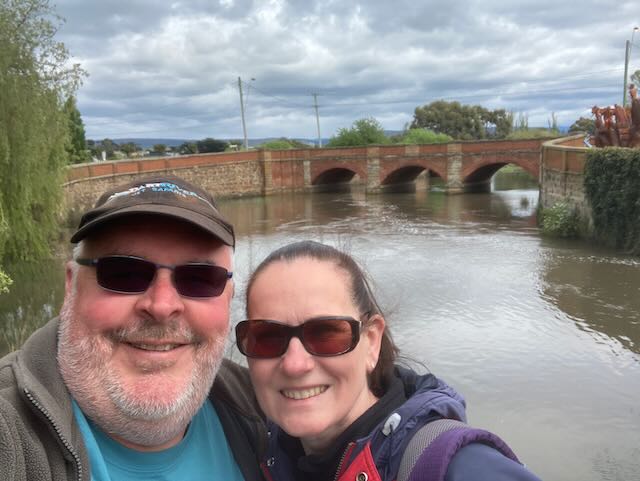
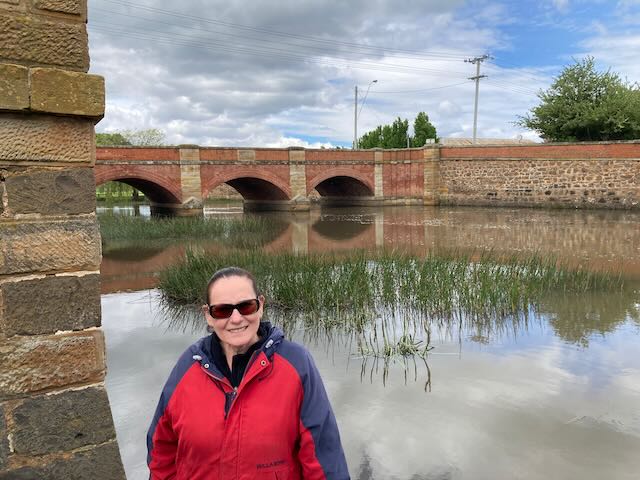
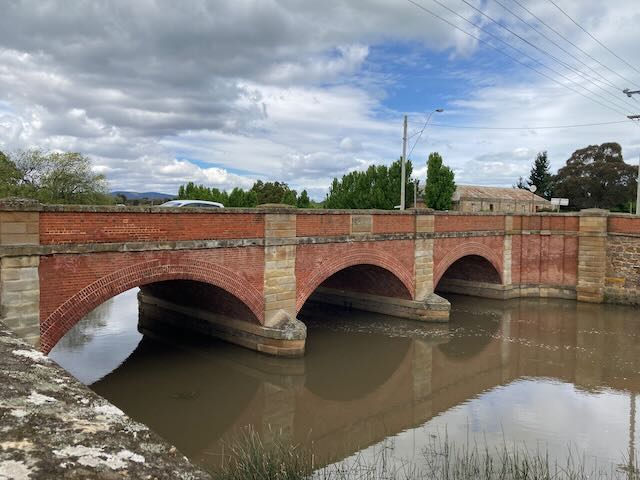
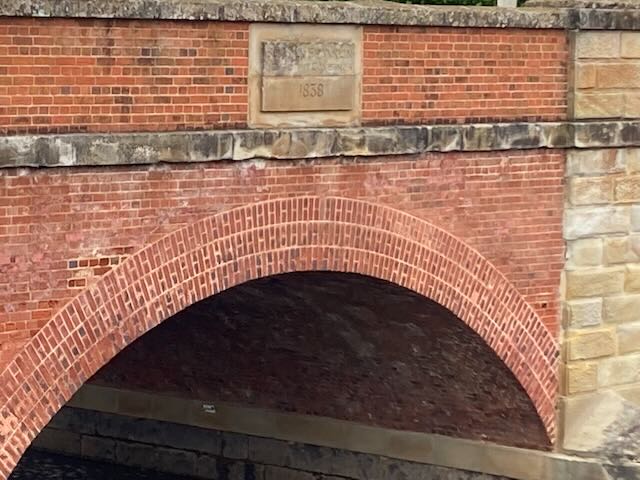
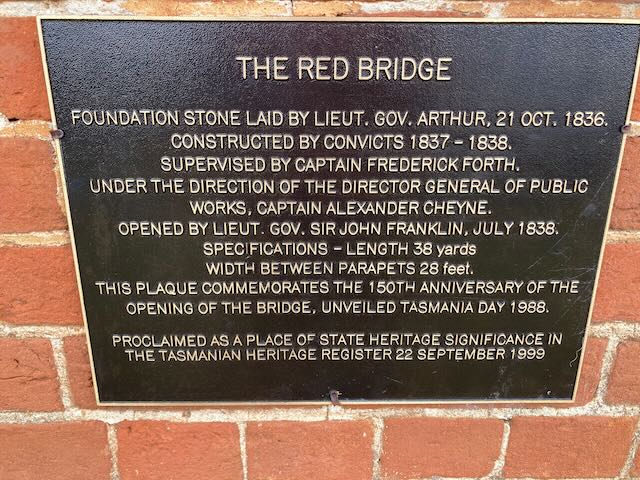
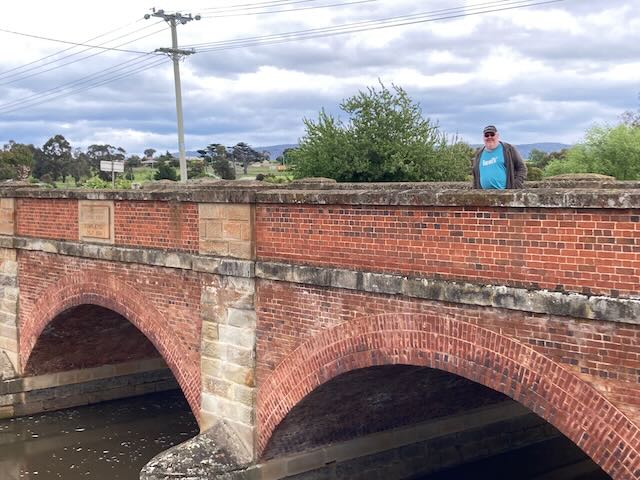
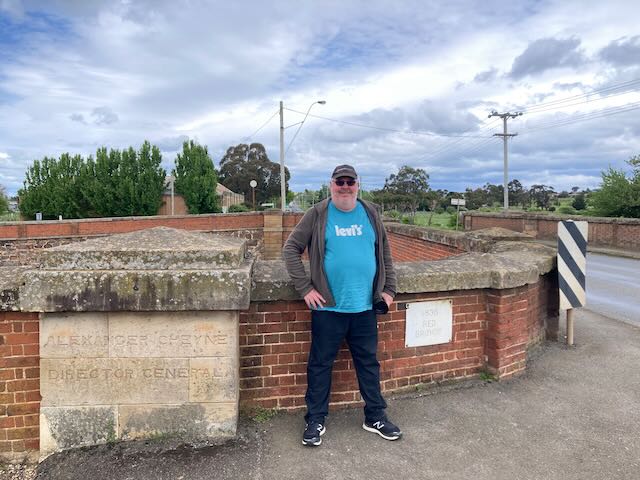
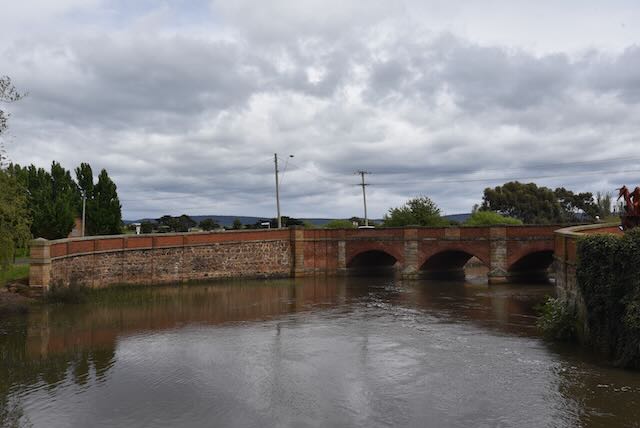
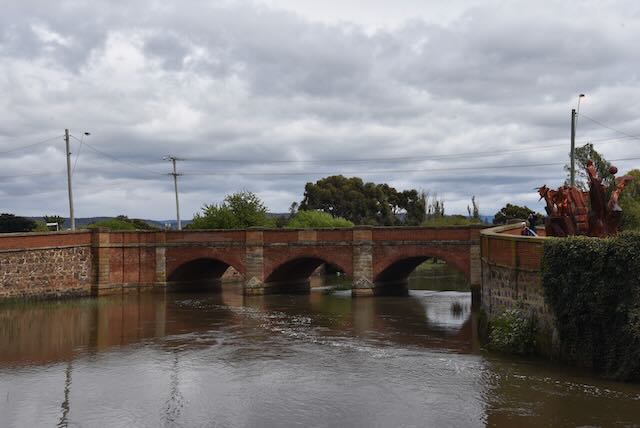
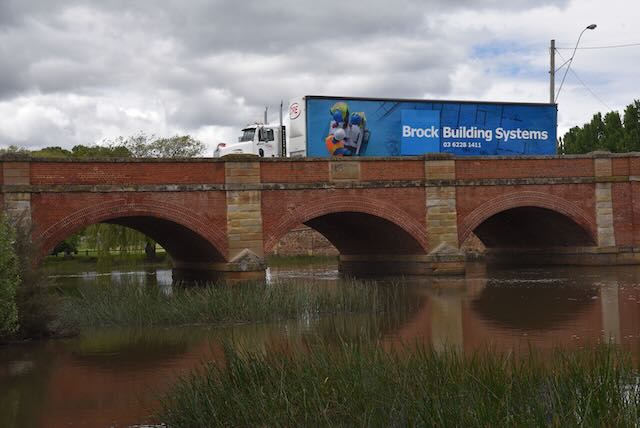
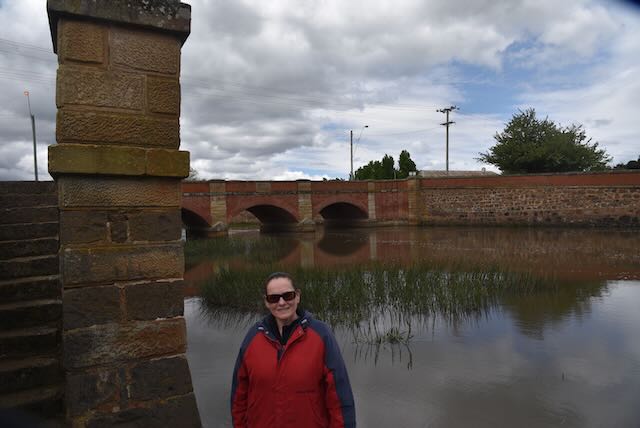
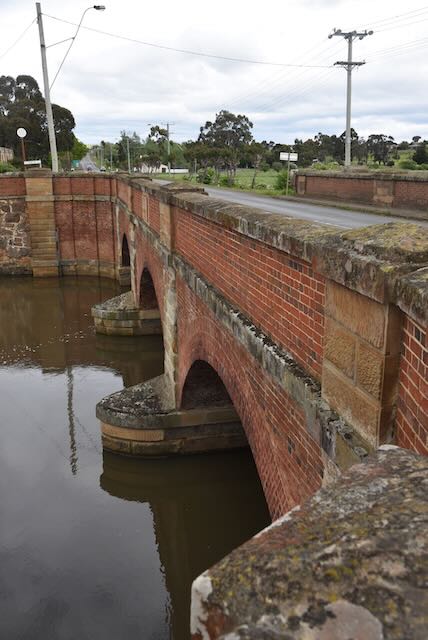
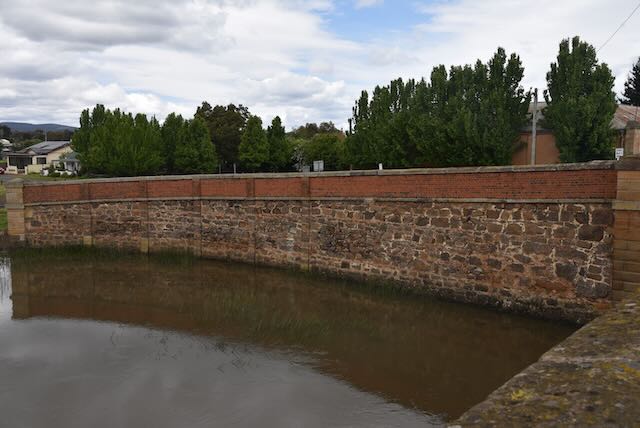
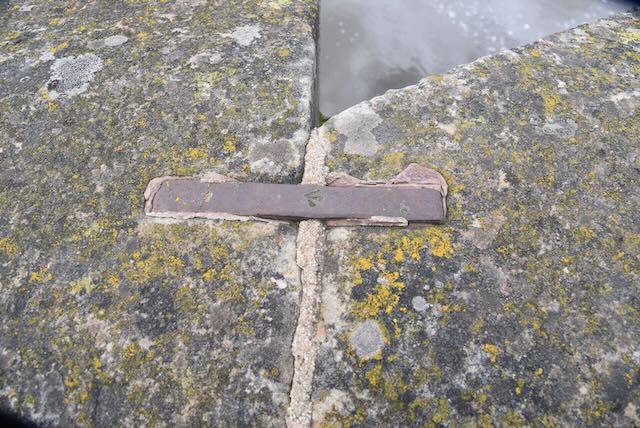
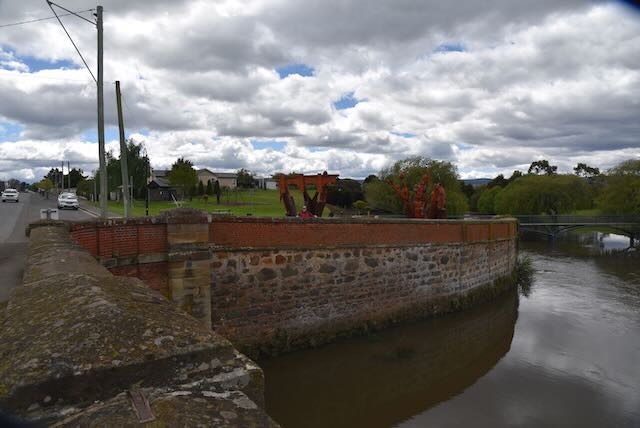
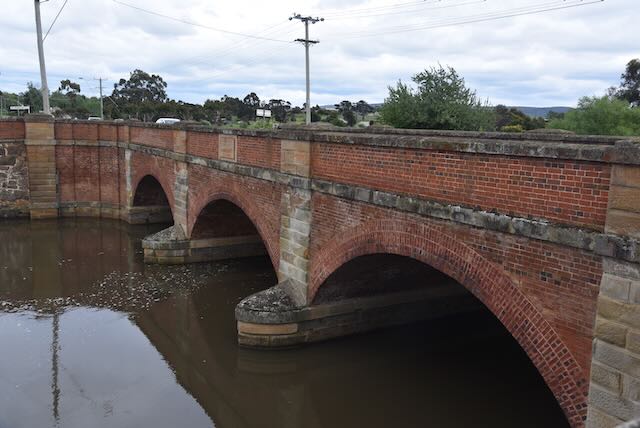
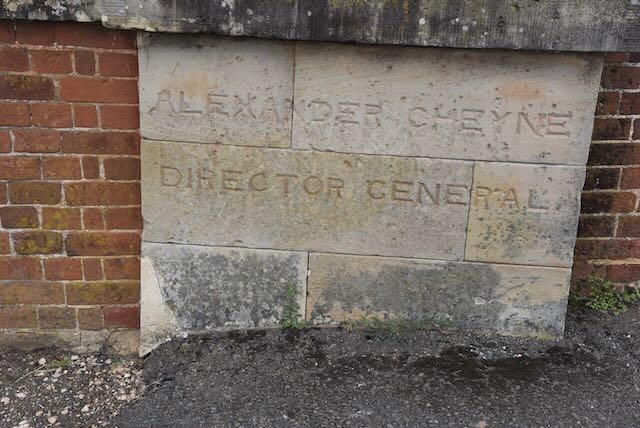
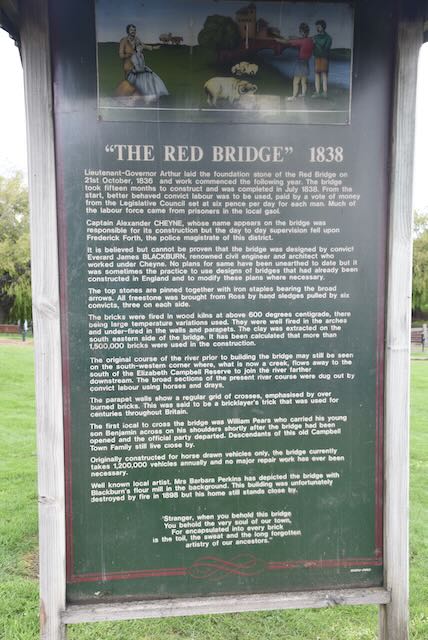
We then visited the famous Red Bridge which crosses the Elizabeth River at Campbell Town. The bridge was constructed in 1838 using convict labour. It is the oldest surviving brick arch bridge in Australia. It contains three arch spans of 7.6 m (25 ft) each and holds two lanes of traffic as well as pedestrian walkways. It carries over two million vehicles per year.

The bridge was designed by James Blackburn (b. 1803. d. 1854), an English civil Engineer, surveyor, architect, and convict who had been transported to Australia after being sentenced for Forgery. The bridge was constructed of 1,250,000 handmade bricks on dry land, and after its completion the river was diverted to flow under the bridge.

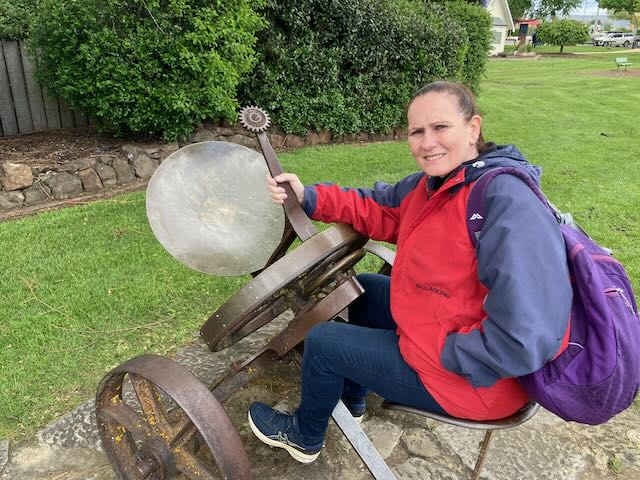
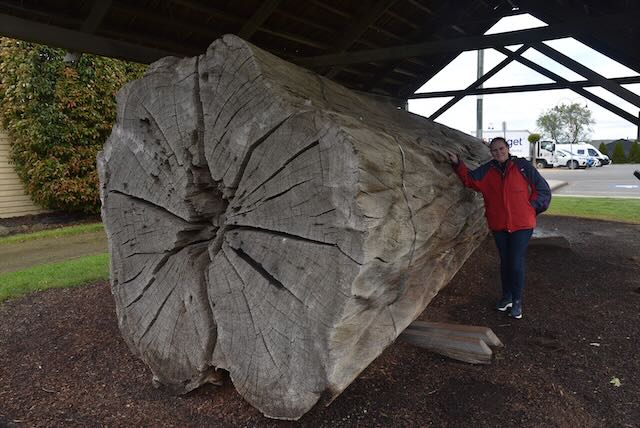
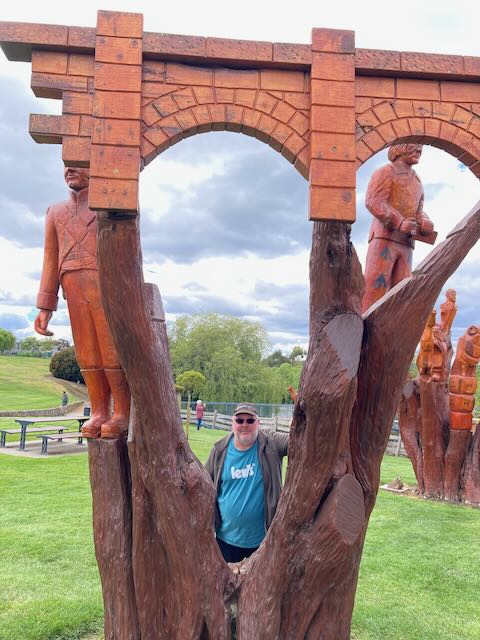
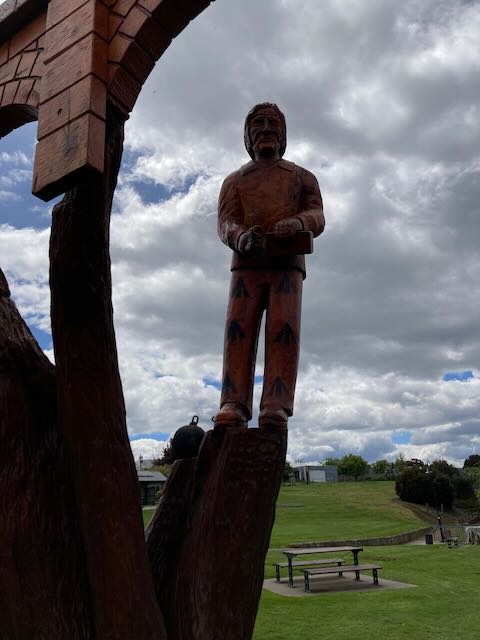
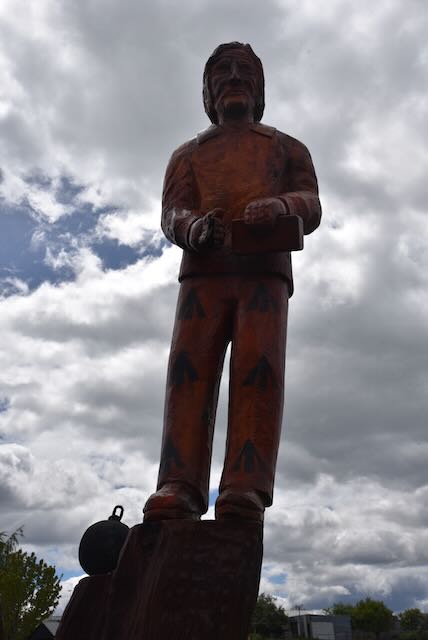
Adjacent to the bridge in Blackburn Park are a number of wooden sculptures. They are the creation of Campbell Town’s chainsaw sculptor, Eddie Freeman. They were created using 80 year old pine trees.

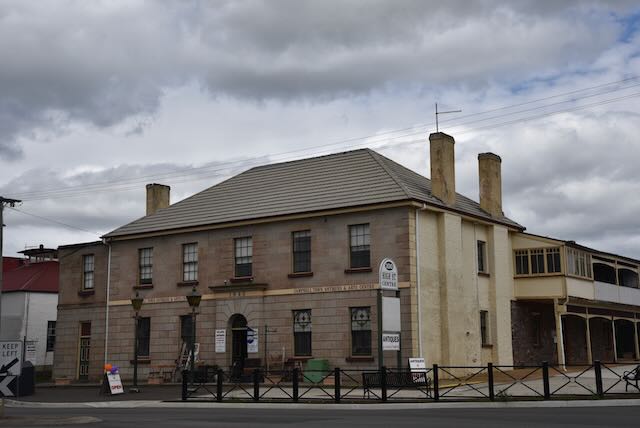
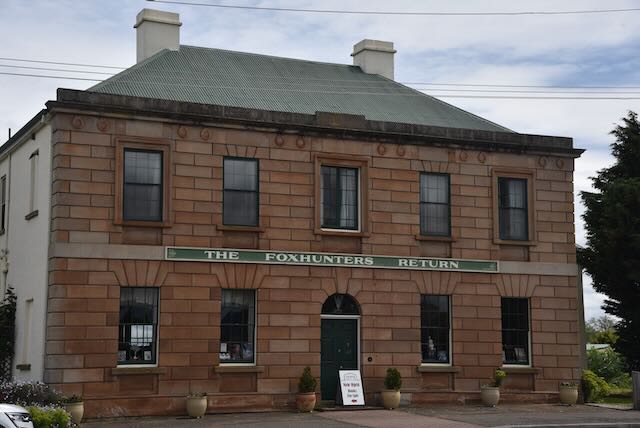
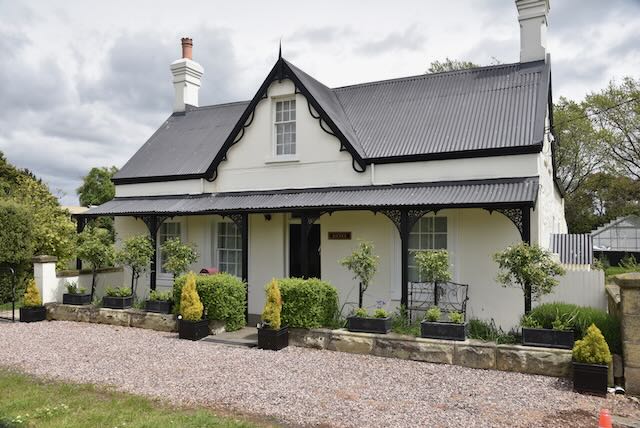
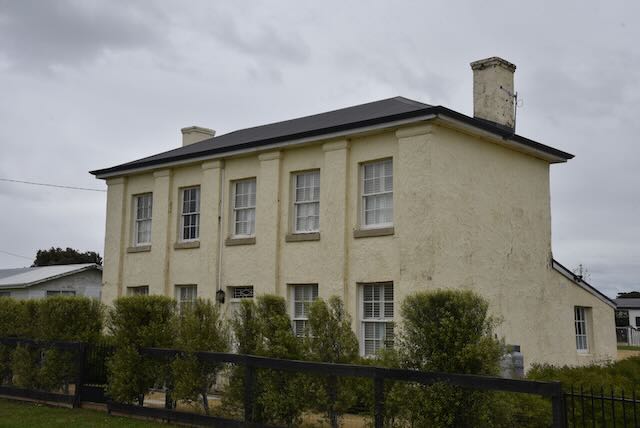
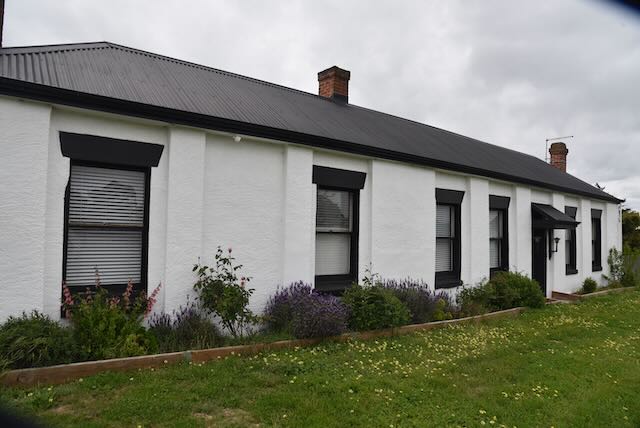
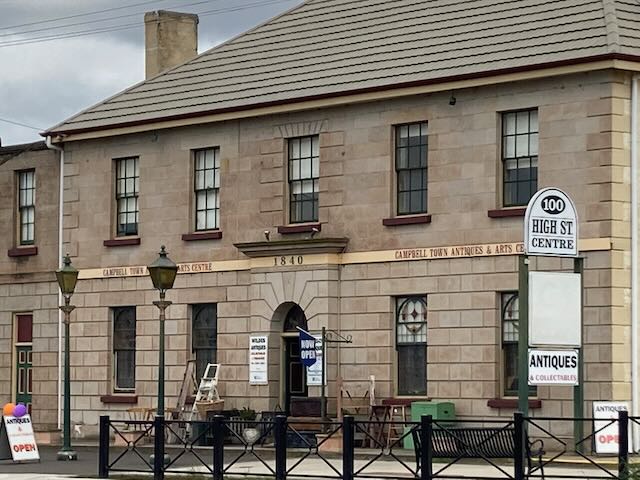
We then drove around the town to admire the numerous historic heritage buildings.

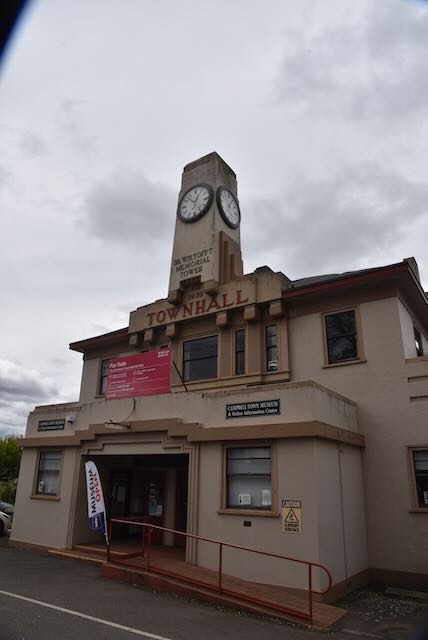
We also stopped off briefly at the Campbell Town Museum and Visitor Information Centre which is located in the old Town Hall. It contains a large amount of local history of the Midlands area of Tasmania.

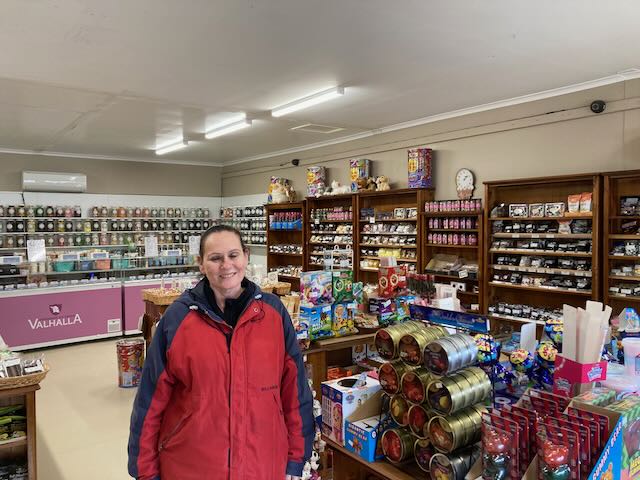
Just a short distance away is A Little Piece of Heaven, a lolly shop, which we visited of course.

We then had a late lunch at one of the local cafes in Campbell Town.

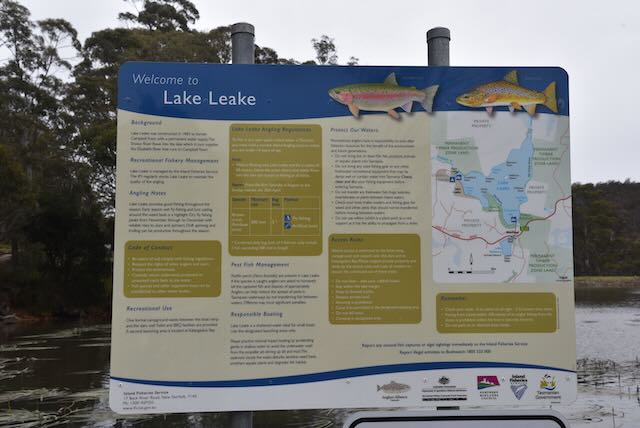
We then continued on our journey, leaving the Midland Highway and taking the Lake Leake Highway. We stopped briefly to have a look at Lake Leake, a man made water storage reservoir which can hold 22.076 gigalitres (779,600,000 cu ft) of water. The lake was named after Charles Henry Leake, a member of the Tasmanian Legislative Council.

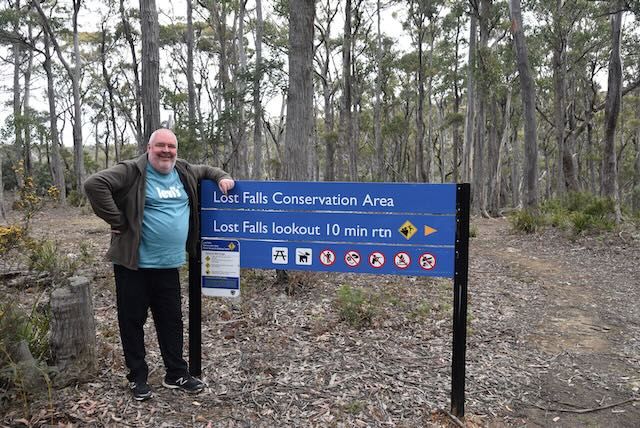
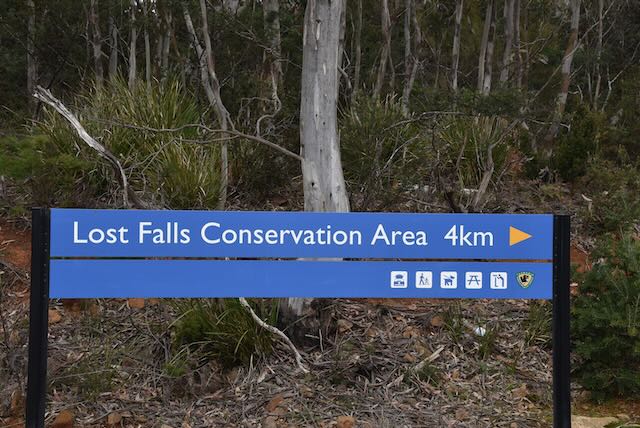
We then drove out to Lost Falls Conservation Area VKFF-2908 for a park activation for the World Wide Flora Fauna (WWFF) program.

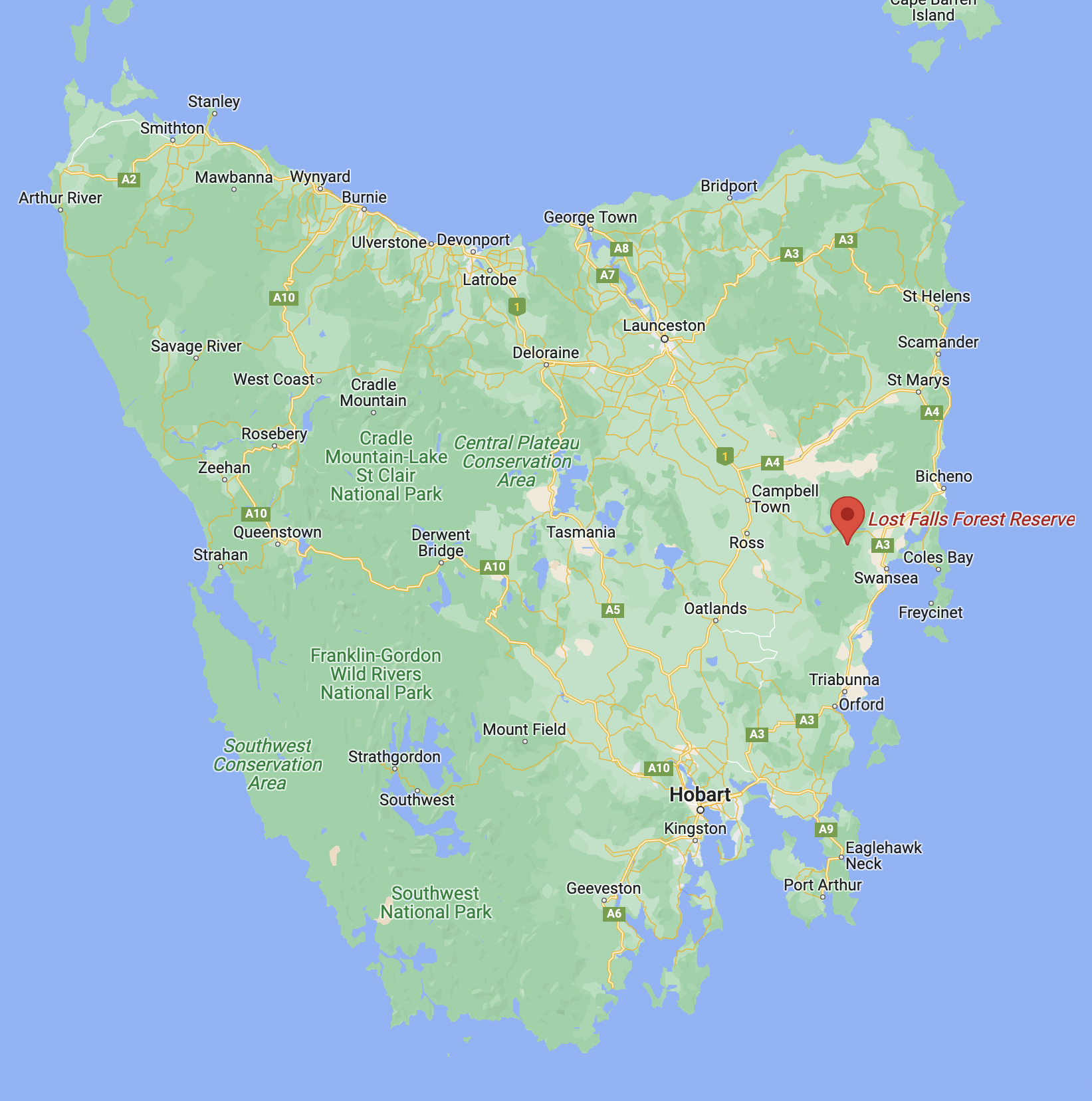
Above:- Map of Tasmania showing the location of Lost Falls. Map c/o Google maps.

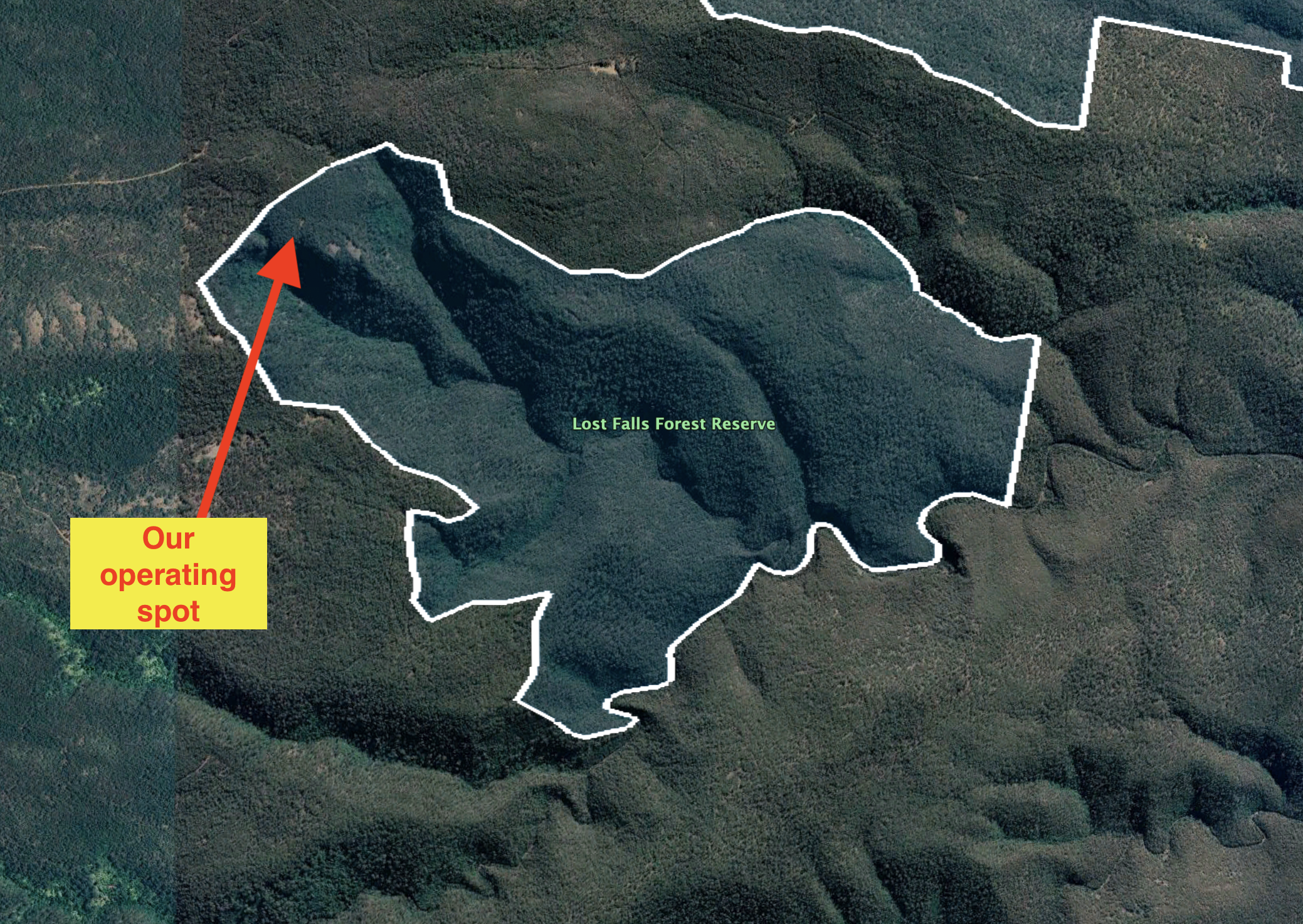
The park also appears on some maps as the Lost Falls Forest Reserve.

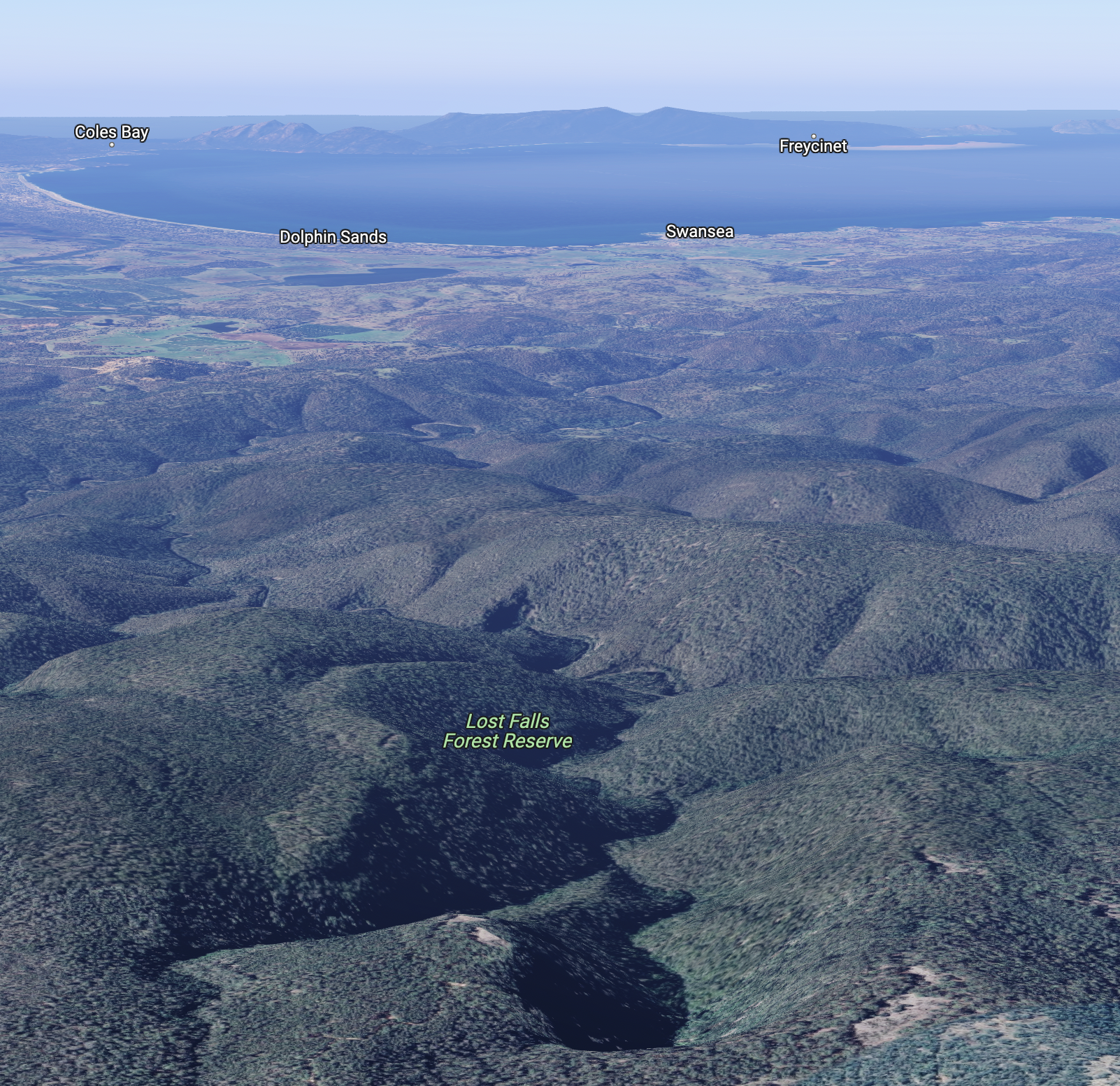
Above:- An aerial view of Lost Falls. Image c/o Google maps.

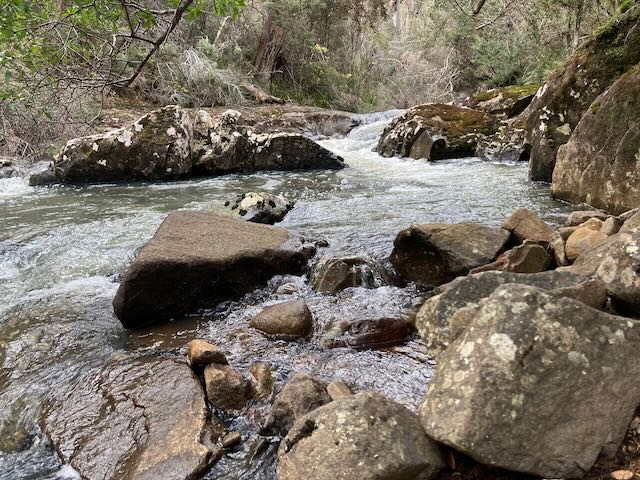
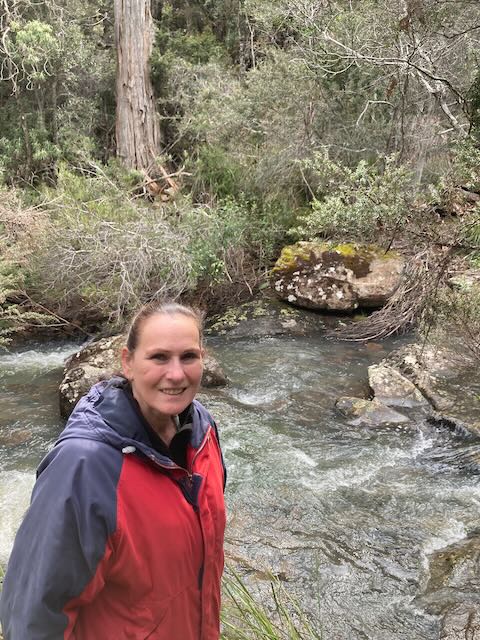
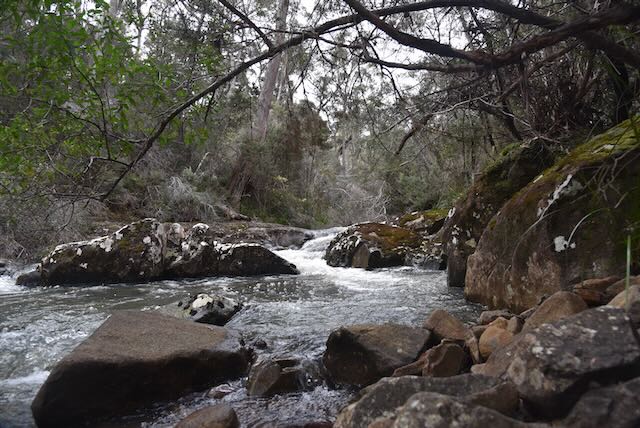
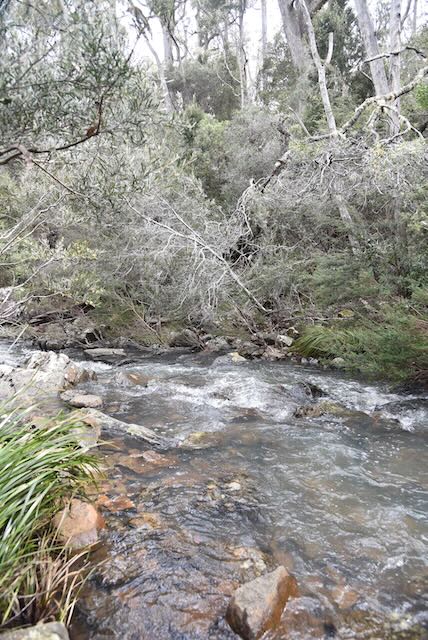
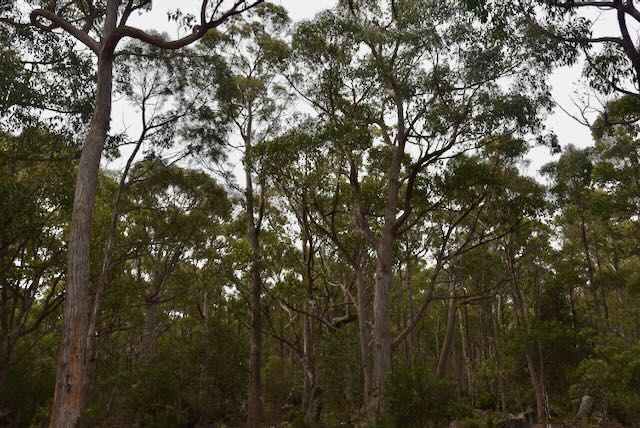
Lost Falls Conservation Area is about 486 hectares in size. The park contains Lost Falls, a seasonal waterfall on Last Falls Creek. It is often dry, relying on heavy rain and snow meltage. Due to the recent heavy rain, the Creek and waterfall were flowing well during our visit.

We followed Crossins Road to the campground in the park.

Above:- An aerial view of the park showing our operating spot. Image c/o Google Earth

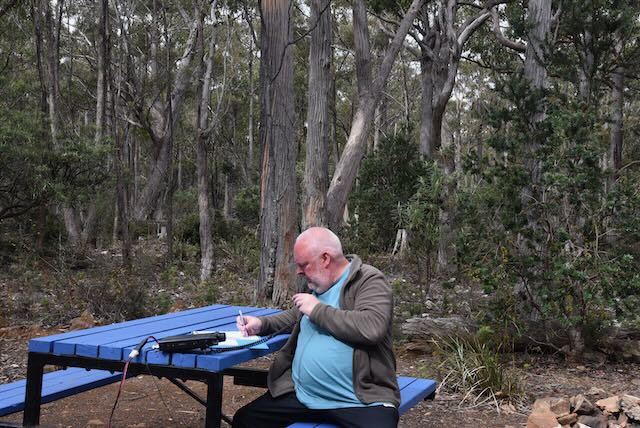
We ran the Yaesu FT857d, 40 watts output and the 20/40/80m linked dipole for this activation.

Unfortunately I only made 30 contacts in about 30 minutes and did not reach the 44 QSOs as we were really running short of time. However, Marija and I both qualified the park for the VKFF program with 10 QSOs.

Marija made the following QSOs on 40m SSB:-

  1. VK3PF
  2. VK3SMW
  3. VK3VIN
  4. VK3SQ
  5. VK3PMC
  6. VK2VH’VK4AAC
  7. VK2AX
  8. VK2YW
  9. VK5IS
  10. VK7AN

I made the following QSOs on 40m SSB:-

  1. VK3PF
  2. VK3SMW
  3. VK3VIN
  4. VK3SQ
  5. VK3PMC
  6. VK2VH
  7. VK4AAC
  8. VK2AX
  9. VK2YW
  10. VK5IS
  11. VK7AN
  12. VK1TTY
  13. VK3PRG
  14. VK7HAM
  15. VK2NP
  16. VK3MTT
  17. VK2MET
  18. VK1AO
  19. VK3DCQ
  20. VK2IO
  21. VK3NP
  22. VK7OT
  23. VK3APJ

I made the following QSOs on 20m SSB:-

  1. VK4HAT
  2. VK4NH
  3. VK4DXA
  4. VK4TJ
  5. VK4KC
  6. VK4MAD
  7. VK4DOG

References.

  1. Encyclopedia of Australian Ascience and Innovation, 2022, <https://www.eoas.info/biogs/P001570b.htm>, viewed 17th December 2022.
  2. Find a Grave, 2022, <https://www.findagrave.com/memorial/136720185/harold-charles-gatty>, viewed 17th December 2022.
  3. Monument Australia, 2022, <https://monumentaustralia.org.au/themes/people/industry/display/99815-eliza-and-the-ram>, viewed 17th December 2022.
  4. Our Tasmania, 2022, <https://www.ourtasmania.com.au/launceston/campbell-town.html>, viewed 17th December 2022.
  5. Tasmanian Convict Trail, 2022, <https://www.tasmanian-convict-trail.com/cleveland-7211/>, viewed 17th December 2022.
  6. Waterfalls of Tasmania, 2022, <https://waterfallsoftasmania.com.au/>, viewed 17th December 2022.
  7. Where in Tasmania, 2003, Dennison C.J.
  8. Wikipedia, 2022, <https://en.wikipedia.org/wiki/Harold_Gatty>, viewed 17th December 2022.
  9. Wikipedia, 2022, <https://en.wikipedia.org/wiki/Eliza_Forlonge>, viewed 17th December 2022.
  10. Wikipedia, 2022, <https://en.wikipedia.org/wiki/Red_Bridge_(Tasmania)>, viewed 17th December 2022.
  11. Wikipedia, 2022, <https://en.wikipedia.org/wiki/James_Blackburn_(architect)>, viewed 17th December 2022.
  12. Wikipedia, 2022, <https://en.wikipedia.org/wiki/Lake_Leake,_Tasmania>, viewed 17th December 2022.