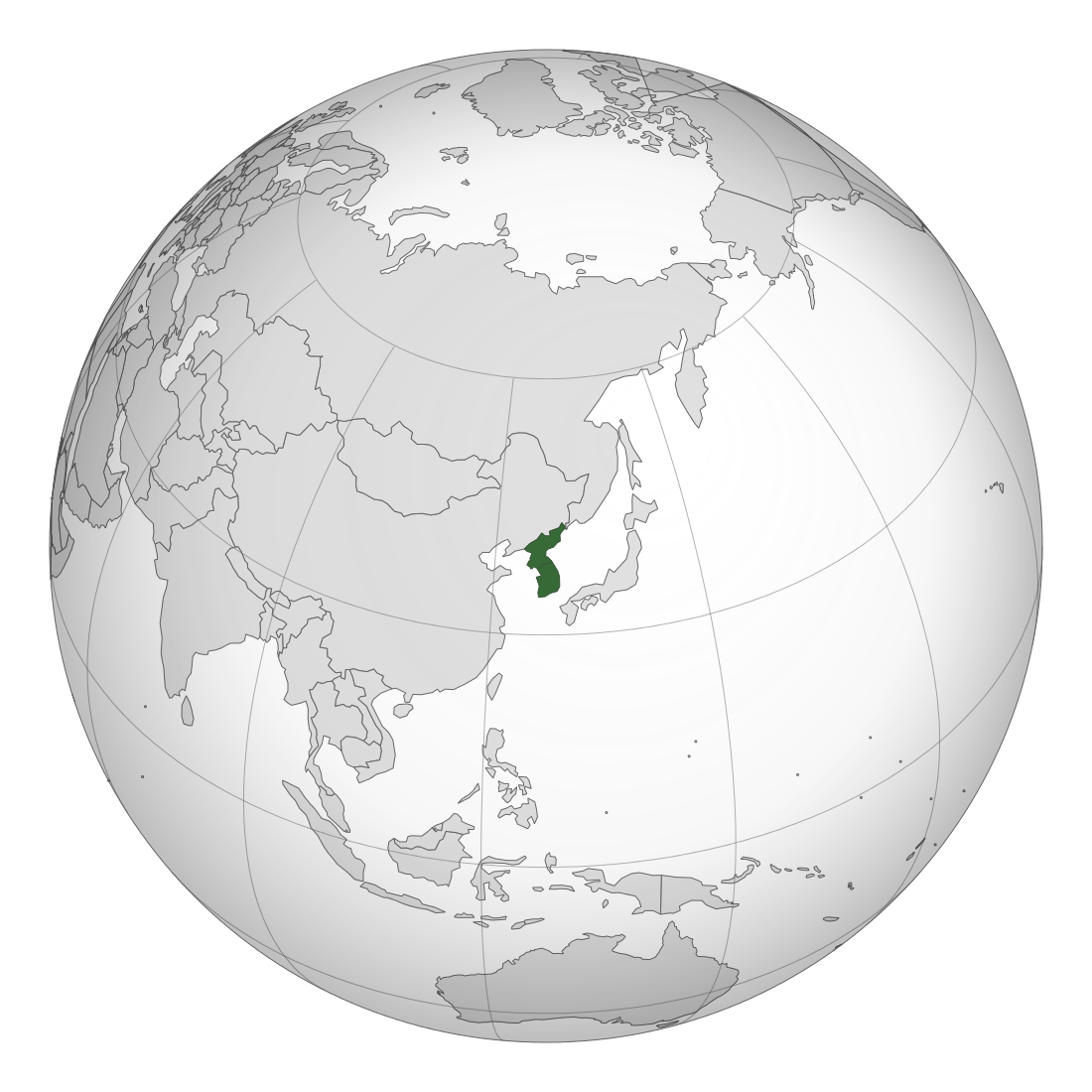
Third in my log on Saturday 13th November 2021 was the Pyongyang Broadcasting Station in NORTH KOREA, broadcasting on 3320 kHz in the Korean language.
The broadcast was originating from their Pyongyang 100 KW transmitter.
Above:- World globe showing the location of Korea. Image c/o Wikipedia
The overall reception of Pyongyang Broadcasting Station was good. The signal strength was good and there was no interference on the frequency or from adjacent stations. However, there were moderate static crashes due to storms out in the Tasman Sea.
S
I
N
P
O
4
5
3
4
4
Below is a short video of my reception of PBS on 3320 kHz.
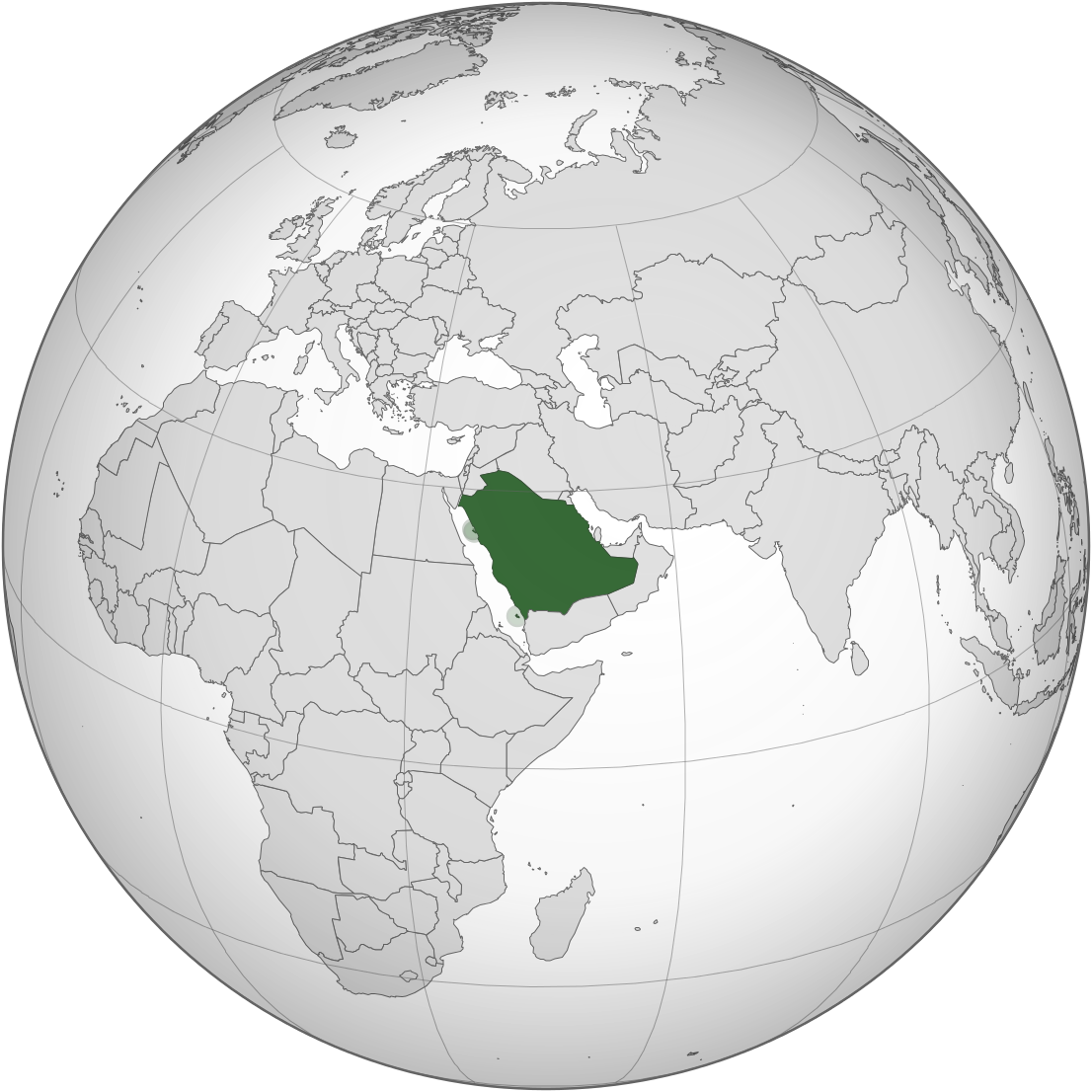
Second in my log for Saturday 13th November 2021 was Saudi Radio transmitting in the Arabic language on 15380 kHz in the 19m band.
The Saudi Radio broadcast consisted of male announcers speaking in Arabic and middle eastern music.
The transmitter for this broadcast is located in Riyadh and is 500 kW.
The overall reception of Saudi Radio was fair. The signal strength was good but there was significant interference on the frequency from CNR1 Voice of China in the Chinese language.
S
I
N
P
O
4
2
4
4
3
Below is a short video of my reception of Saudi Radio.
Unfortunately according to the World Radio TV Handbook, they do not QSL.
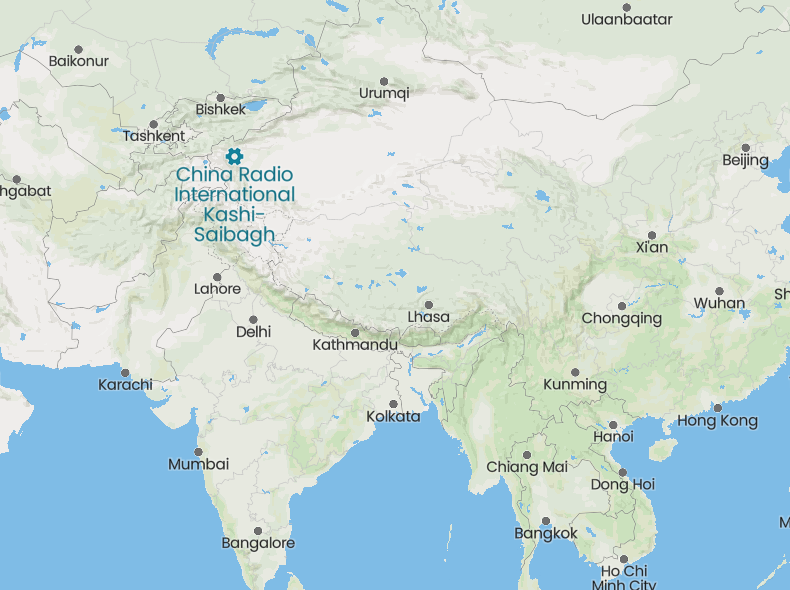
On Saturday 13th November 2021 I tuned in to China Radio International broadcasting in the English language on 17490 kHz in the 16m band. This was a new frequency for me for CRI.
The broadcast was coming from the Kashi-Saibagh transmitter site. Kashgar Prefecture, also known as Kashi Prefecture, is located in southwestern Xinjiang, China, located in the Tarim Basin region. The transmitter power is 500kW.
The CRI broadcast included the news and the China Plus program.
The overall reception of CRI was good. The signal strength was good and there was nil interference on the frequency or from adjacent frequencies. The band was very quiet with no static or atmospheric noise. There was slight fading on CRI’s signal.
S
I
N
P
O
4
5
5
4
4
Below is a video of my reception of CRI on 17490 kHz.
Next in the log on 12th November 2021, was another new station for me. It was the Voice of Mongolia broadcasting in the Japanese language on 2015 kHz.
The Voice of Mongolia is the official international broadcasting station of Mongolia.
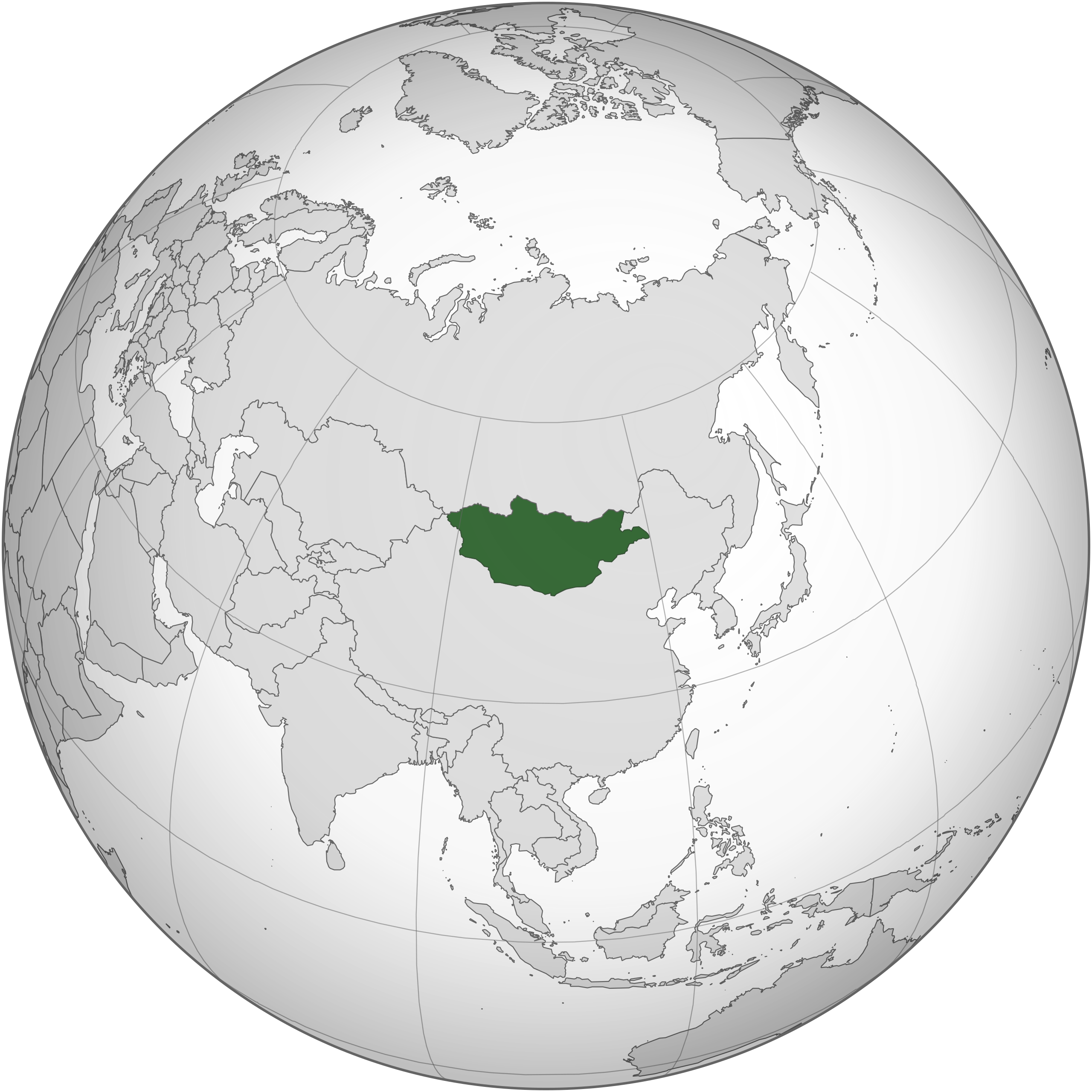
Above:- World globe showing the location of Mongolia. Image c/o Wikipedia.
The Voice Of Mongolia is operated by Mongolian National Broadcaster. The first broadcast in October 1964 was a half-hour transmission in Mongolian and Chinese, beamed to China. In the next few years, Mongolian international broadcasting expanded in terms of languages used, broadcast hours and target areas. The English service of Radio Ulaanbaatar, which was renamed The Voice Of Mongolia on January 1, 1997, was launched on January 29, 1965.
The Voice of Mongolia’s broadcasts are transmitted directly from Khonkhor Transmitting Station, about 25 km east of Ulaanbaatar, Mongolia’s capital via 250 kW transmitters.
The overall reception of the Voice of Mongolia was good. The signal strength was good with only slight fading. There was no interference on the frequency or from adjacent stations on the band. I listened to the Japanese program and then the English language broadcast.
S
I
N
P
O
4
5
4
4
4
Below is a video showing my reception of the Voice of Mongolia.
My third station logged on 12th November 2021 was Voice of America – Ashna Radio, broadcasting in the Pashto language.
This was a new station for me.
VOA Ashna, which means ‘Friend’ targets a listening audience in Afghanistan. It is reported that VOA Ashna reaches about 64% of Afghanistan’s adult population. The station broadcasts two 30 minute broadcasts per day. One in the Dari language, and one in Pashto. Their programs feature various issues including current affairs, U.S. policies, security, health, science, entertainment, sports, youth and women’s rights.
The overall reception of Ashna Radion was fair.
S
I
N
P
O
3
5
4
3
3
Below is a video showing my reception of Ashna Radio on 12140 kHz
Next in the log on 12th November 2021 was Radio Television Malaysia (RTM) Sarawak on 9835 kHz broadcasting in the Malay language.
This was a new station for me.
Radio Televisyen Malaysia (RTM), also known as the Department of Broadcasting, Malaysia, is the national public broadcaster of Malaysia. It was established on the 1st day of April 1946 as Radio Malaya. It is the first and the oldest radio broadcaster in Malaysia.
Radio Malaya was re-named Radio Malaysia on the 16th day of September 1963, when Malaysia was formed. In 1969 Radio Malaysia and Televisyen Malaysia merged to form the present-day broadcast department. Today RTM operates 6 television channels and 34 radio stations.
The overall reception of RTM Sarawak was poor. There was severe interference on the frequency from the Voice of the Islamic Republic of Iran. There was also some interference (bleed-over) from the Voice of America on 9825 kHz broadcasting in the Chinese language.
S
I
N
P
O
2
2
3
3
2
Below is a video showing my reception of RTM Sarawak.
On 12th November 2021 I tuned into Bay Islands Radio on 5045 kHz. This was the second time that I have listened to this station which broadcasts from MacLeay Island in Queensland.
Macleay Island is an island in Moreton Bay, South East Queensland, Australia. second largest of the four Bay Islands, situated 30km from Brisbane in the Moreton Bay Marine Park at the southern end of Moreton Bay.
Above:- Map showing the location of Macleay Island. Map c/o Google maps
The overall reception of Bay Islands Radio was fair. The signal strength was good but I was experiencing interference from adjacent stations – All India Radio on 5040 kHz and Beibu Bay Radio on 5050 kHz. I tuned in at 1251 UTC and by 1309 UTC the station had almost been totally wiped out by the interference.
S
I
N
P
O
4
2
3
4
3
Below is a video of my reception of Bay Islands Radio.
The final station I logged on the 11th day of November 2021 was a very interesting station. Another ‘clandestine’ station from SOUTH KOREA. It was North Korea Reform Radio (NKRR) broadcasting on 7590 kHz in the Korean language.
The station has broadcasted radio signals into North Korea from South Korea since December 2007.
North Korea Reform Radio has a website which can be found at……
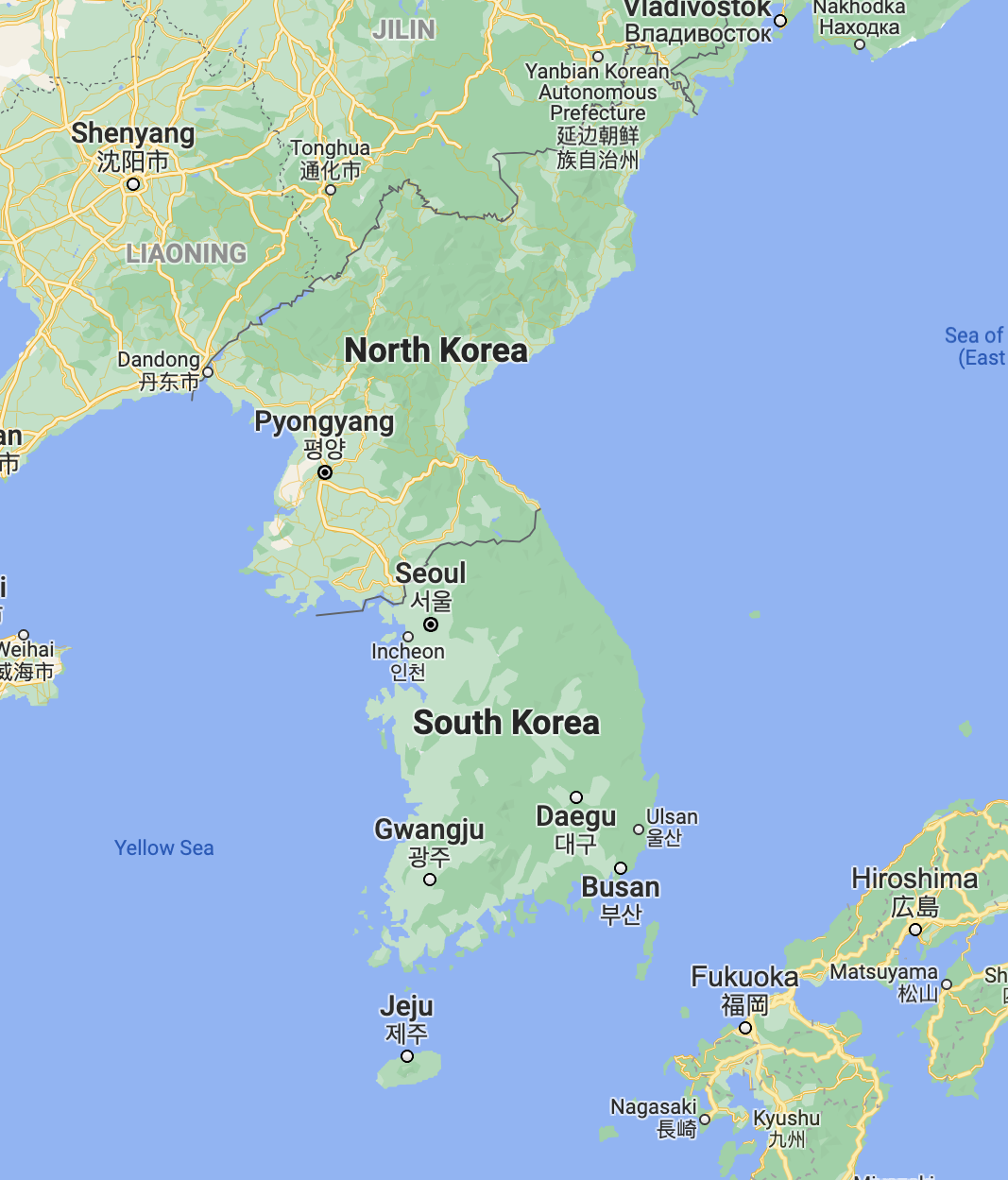
Above:- Map showing the location of South & North Korea. Map c/o Google maps
The President of NKKR on the website states:
“NKRR seeks to increase accessibility to information in North Korea in hopes of guiding citizens towards ideals of democracy, freedom and human rights. Our target audience is the elite population which consists of groups like, military officers, intellectuals, and university students. These groups are more likely to not only have access to foreign media, but to also bring about tangible change in Pyongyang. By broadcasting radio programs and disseminating other media materials into North Korea, NKRR strives to equip North Korean citizens, especially the youth, to lead the change themselves and stir change from the inside out for the next generation.“
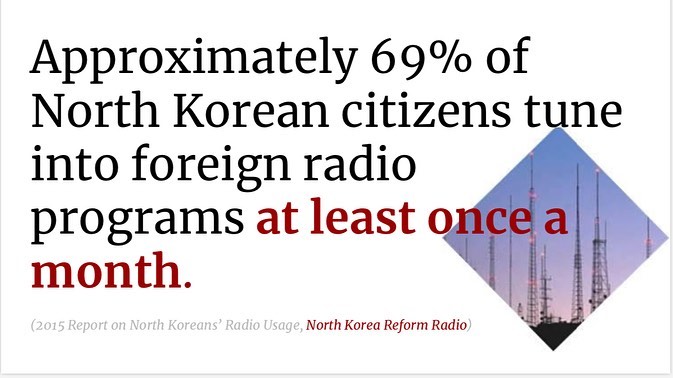
Above:- a claim by NKRR. Image c/o NKRR Facebook site.
The overall reception of the station was fair. There was noticeable ‘jamming’ of the signal, presumably from NORTH KOREA.
S
I
N
P
O
3
2
4
4
3
Below is a video of my reception of North Korea Reform Radio.








 VK5PAS