Salt Lagoon St Leonards Wildlife Reserve VKFF-2432

Our next intended park activation was the Salt Lagoon St Leonards Wildlife Reserve VKFF-2432, also located on the Bellarine Peninsula.

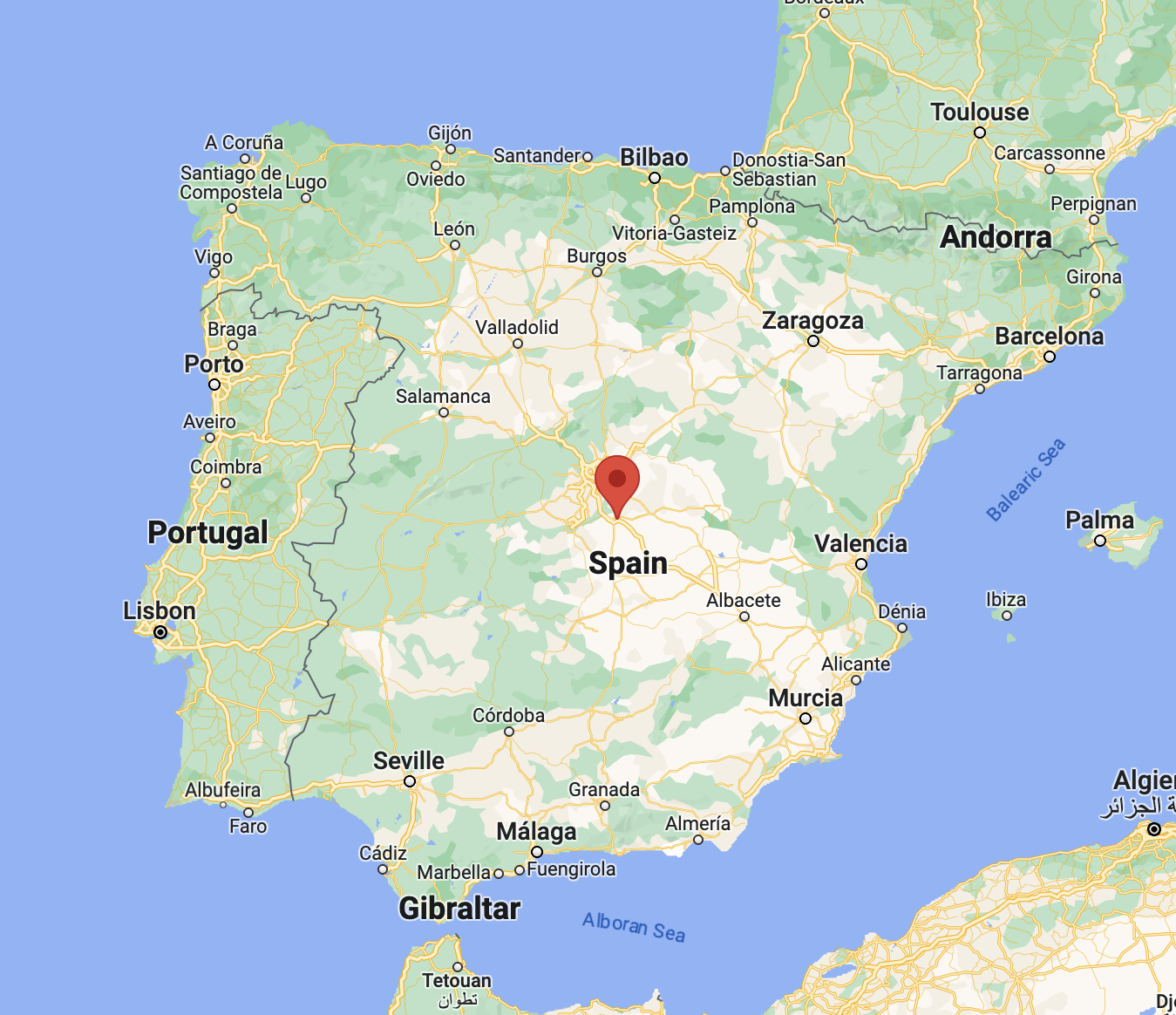
Above:- Map showing the location of Salt Lagoon St Leonards Wildlife Reserve. Map c/o Google maps.

After leaving the Point Richards Flora and Fauna Reserve we drove down to the waterfront and enjoyed the views across Port Phillip Bay towards Werribee. The You Yangs were clearly visible across the water.

We drove along The Esplanade following the coastline and stopped at the Batman and Flinders monument at Indented Head.

The monument commemorates the landing of British navigator and cartographer Captain Matthew Flinders (b. 1774. d. 1814) in 1802, and John Batman in 1835. In 1802 Flinders climbed Arthurs Seat and observed the Bellarine Peninsula on the opposite side of the bay. He noted that the peninsula had an indented coastline and as a result, he named it Indented Head.

Above:- Captain Matthew Flinders. Image c/o Wikipedia.

Thirty-three years later, on the 29th day of May 1835, John Batman sailed his 23-ton schooner ‘Rebecca’ into Port Phillip Bay from Van Diemen’s Land. Upon hearing a native dog howling, Batman and his party anchored the Rebecca near Indented Head and let his own dogs off to play with the native dog. It is reported that Batman and his men then drove the native dog into the sea and shot it.

Batmand his men met with the local aboriginal people on a number of occasions, presenting them with gifts including blankets, handkerchiefs, sugar, apples and other goods. Batman and his men in turn received gits of woven baskets and spears. In June 1835, Batman met with elders and signed a land treaty with the local aboriginal people. For a total area of 600,000 acres, including present-day Melbourne, Batman paid 40 pairs of blankets, 42 tomahawks, 130 knives, 62 pairs of scissors, 40 looking glasses, 250 handkerchiefs, 18 shirts, 4 flannel jackets, 4 suits of clothes and 150 lb. of flour.

Above:- the Batman Aboriginal treaty. Image c/o Wikipedia.

William Buckley, aka “wild white man” (b. 1776. d. 1856) was an English bricklayer and served in the military until 1802 when he was convicted of theft, and transported to Australia. In December 1803 he escaped the settlement at Port Phillip Bay. He was presumed dead, but in fact, had commenced living with the local Wallarranga aboriginal people.

For a total of 32 years, Buckley lived with the local aboriginal people on the Bellarine Peninsula. In 1835 Buckley heard that a ship had arrived at Indented Head and that some of the aboriginal people intended to murder the English passengers and rob the ship. On the 6th day of July 1835, Buckley and a party of aboriginal people arrived at the camp site of John Batman and his men.

One of Batman’s men wrote in his journal:

“About 2 o’C. a White Man came walking up to the Native huts, a most surprising hight [sic], Clad the same as the Natives. He seemed highly pleased to see us. We brought him a piece of bread, which he eat very heartily, & told us immedeatily [sic] what it was. He also informs us that he has been above 20 years in the Country, during which time he has been with the Natives….He then told us his name was William Buckley….being so long with the natives he has nearly forgot the English language – but the native languages he can speak fluently.”

Buckley convinced the aboriginal people not to rob and attack the Englishmen. Buckley was subsequently pardoned by John Wedge, a surveyor, explorer, and politician through Lieutenant-Governor George Arthur.​

Above:- a painting by Frederick Woodhouse of the meeting between Buckley and Batman’s party. Image c/o Wikipedia.

The Salt Lagoon St Leonards Wildlife Reserve is located in the suburb of St Leonards on the Bellarine Peninsula. St Leonards was named after St Leonards Station, a pastoral run in the area, which in turn was named after St Leonards in Sussex, England. Prior to European occupation, the land was the home of the Wathaurong aboriginal people.

During the 1840s settlers of Chinese origin settled in the area due to its abundance of fish and seafood. By the 1850s many of them had moved to the Victorian goldfields. Following the gold rush area, settlers returned to the area and commenced growing wheat.

In 1855, George Ward Cole (b. 1793. d. 1879) settled in the area and St Leonards became a source of firewood for Melbourne. Cole built a pier, and by 1858 the town had a hotel, store and six houses. On the 19th day of March 1860, the St Leonards Post office opened. The St Leonards State School No. 866 was opened in October 1874.

Above:- George Ward Cole. Image c/o Wikipedia.

The park’s eastern boundary is The Esplanade, while its western boundary is Ibbotson Street.

Above:- An aerial view of the park, looking north towards Werribee. Image c/o Google maps.

The park is a former marine embayment, isolated by coastal deposition from Port Phillip Bay, and now forms a shallow and hypersaline lake. The park is about 120 acres in size and was established on the 20th day of March 1979.

Marija worked the following stations on 40m SSB:-

  1. VK3SQ
  2. VK3PF
  3. VK3ZSC
  4. VK2EXA
  5. VK7QP
  6. VK3NBL
  7. VK3ZPF
  8. VK3UAO
  9. VK1AO
  10. VK2MET
  11. VK2VH
  12. VK4AAC

I worked the following stations on 40m SSB:-

  1. VK3SQ
  2. VK3PF
  3. VK3ZSC
  4. VK2EXA
  5. VK7QP
  6. VK3NBL
  7. VK3ZPF
  8. VK3UAO
  9. VK1AO
  10. VK2MET
  11. VK2VH
  12. VK4AAC
  13. VK7PAL
  14. VK5FB
  15. VK7HAM
  16. VK4TJ
  17. VK4FW
  18. VK8MM
  19. VK5FANA
  20. VK3MIJ
  21. VK7XX
  22. VK2PKT

I worked the following stations on 20m SSB:-

  1. VK4FW
  2. VK8MM
  3. VK5HS
  4. VK2IO
  5. VK4NH
  6. VK4DXA
  7. VK1AO
  8. VK2MET
  9. VK5PE/m
  10. VK3CEO
  11. VK4SMA
  12. VK4TJ
  13. VK7XX
  14. VK3ZSC

I worked the following stations on 15m SSB:-

  1. VK4SMA
  2. VK4TJ
  3. VK2IO
  4. VK2YAK
  5. VK4YAK
  6. VK4NH
  7. VK4DXA
  8. VK1AO
  9. VK2MET
  10. VK3ZSC
  11. VK3UAO
  12. VK7XX
  13. VK5HS
  14. VK4UTT

References.

  1. CAPAD 2020.
  2. Intown, 2023, <https://intown.com.au/>, viewed 7th April 2023.
  3. Monument Australia, 2023, <https://monumentaustralia.org.au/themes/landscape/exploration/display/33549-john-batman-and-matthew-flinders>, viewed 6th April 2023.
  4. Wikipedia, 2023, <https://en.wikipedia.org/wiki/St_Leonards_Salt_Lagoon>, viewed 6th April 2023.
  5. Wikipedia, 2023, <https://en.wikipedia.org/wiki/St_Leonards,_Victoria>, viewed 7th April 2023.
  6. Wikipedia, 2023, <https://en.wikipedia.org/wiki/Matthew_Flinders>, viewed 7th April 2023.

Point Richards (Port Arlington) Flora and Fauna Reserve VKFF-2423

It was now our first full day in Geelong (1st March 2023). After breakfast, we headed to the Geelong Botanical Gardens. In 1851 the Government set aside 200 acres at the edge of the Geelong settlement for the establishment of a Botanic Garden. Today the gardens are listed on the Victorian Heritage Register. It was a beautiful morning to stroll around the gardens.

We left the Botanical Gardens and drove along the Geelong waterfront, stopping to have a look at the Road Trauma Memorial ‘Solace’. The memorial aimed at giving people a place to reflect on the impact of road trauma and remember those who have lost their lives on Victoria’s roads.

We continued along the waterfront and parked our car and went for a walk along Western Beach Road and The Pier.

There is a monument on the waterfront to commemorate the establishment of the colony of Victoria. The plaque reads:-

“On 12 November 1850 here in front of Mack’s Hotel settlersmet the first ships to use the Steam Packet Wharf and learnt that the Act to establish the Colony of Victoria had been passed”.

We then paid a visit to the Geelong Carousel. This Armitage-Herschell portable steam driven, hand-carved wooden carousel was built on about 1892. It is one of only 200 in operation around the world. It features 36 Dare horses and 2 chariots, and was purchased by the Steampacket Place Development Board in 1996 and painstakingly restored.

It was late morning now, so we decided to get some brunch at the Wharf Shed and had a brilliant breakfast.

We then headed to our first park activation for the day, the Point Richards (Port Arlington Flora and Fauna Reserve VKFF-2423, located on the Bellarine Peninsula, southwest of Melbourne, surrounded by Port Phillip Bay, Corio Bay, and Bass Strait.

Above:- Map showing the location of the park, southwest of Melbourne. Map c/o Google maps.

Prior to European settlement, the Bellarine Peninsula was inhabited by the Wathaurong aboriginal people. Early European settlement of the area was focussed on wheat and grain production, while today the Bellarine Peninsula is a popular tourist destination. The Peninsula takes its name from the Wathaurong aboriginal word ‘Balla-wein’ which refers to ‘balla’ meaning ‘elbow’ or ‘reclining at the elbow’.

The park is located at Port Arlington, which was originally known as Drayton. It was subsequently changed to Portarlington in honour of Sir Henry Bennet, 1st Earl of Arlington. Other theories suggest the area was named after Portarlington in Ireland.

Above:- Henry Bennet, 1st Earl of Arlington. Image c/o Wikipedia.

The park is located on the eastern side of Point Richards Road and the southern side of Boat Road. It is referred to on maps as the Point Richards Flora and Fauna Reserve and the Portarlington Flora and Fauna Reserve.

Above:- An aerial shot of the park, looking east. Image c/o Google maps.

The Point Richard Flora & Fauna Reserve is 62 hectares in size and was established on the 20th day of March 1979. It was originally set aside for the conservation of the Southern Brown Bandicoot. It is one of the largest areas of native bushland and ephemeral wetlands on the Bellarine Peninsula.

The park consists of low, flat grasses and bracken-dominated open woodland, with a diverse shrub and ground layer which is rich in herbs, grasses and orchids. The ephemeral wetlands lie in a series of shallow east-west depressions. ‘Ephemeral’ means the wetlands fill with water in winter and drain in summer.

A total of 55 bird species have been recorded in the park including Smap Harrier, Brown quail and Chestnut Teals. The park attracts international migratory wading birds including Latham’s Snipe. The park is home to at least six species of frog, including the endangered Growling Grass Frog.

Below is a short video of the park.

We set up in the park off Boat Road. We ran the Yaesu FT857, 40 watts, and the 20/40/80m linked dipole.

Marija worked the following stations on 40m SSB:-

  1. VK3SQ
  2. VK3PF
  3. VK2EXA
  4. VK3BEL
  5. VK3ZPF
  6. VK2VH
  7. VK4AAC
  8. VK3UAO
  9. VK7QP
  10. VK5FB
  11. VK5HS

I worked the following stations on 40m SSB:-

  1. VK3SQ
  2. VK3PF
  3. VK2EXA
  4. VK3BEL
  5. VK3ZPF
  6. VK2VH
  7. VK4AAC
  8. VK3UAO
  9. VK7QP
  10. VK5FB
  11. VK5HS
  12. VK5KVA
  13. VK3GH
  14. VK5DJ
  15. VK3ANL
  16. VK3FRC
  17. VK3GB
  18. VK7AN
  19. VK3UH
  20. VK3MIJ
  21. VK3DL
  22. VK3SMW
  23. VK7MAD
  24. VK1AO
  25. VK2MET

I worked the following stations on 20m SSB:-

  1. VK1AO
  2. VK2MET
  3. VK2IO
  4. VK5HS
  5. VK4SMA
  6. VK2BYO
  7. VK4TJ
  8. VK4NH
  9. VK4DXA
  10. VK4FW
  11. VK8MM
  12. VK4HAT

I worked the following stations on 15m SSB:-

  1. VK4NH
  2. VK4DXA
  3. VK3UAO
  4. VK4TJ
  5. VK4FW
  6. VK8MM
  7. VK4HAT

References.

  1. CAPAD 2020.
  2. City of Greater Geelong, 2023, <https://www.geelongaustralia.com.au/gbg/default.aspx>, viewed 6th April 2023.
  3. Intown, 2023, <https://intown.com.au/locals/portarlington/history_portarlington.htm>, viewed 6th April 2023.
  4. Point Richards Flora & Fauna Reserve brochure
  5. Transport Accident Commission, 2023, <https://www.tac.vic.gov.au/about-the-tac/community/road-trauma-memorial>, viewed 6th APril 2023.
  6. Wikipedia, 2023, <https://en.wikipedia.org/wiki/Bellarine_Peninsula>, viewed 6th April 2023.

Mount Erip Flora Reserve VKFF-2397

After leaving the Linton Flora & Fauna Reserve, Marija and I headed to our final park activation on 28th February 2023, the Mount Erip Flora Reserve VKFF-2397.

We drove through the little town of Scarsdale, about 22 kilometres southwest of Ballarat. Gold was discovered in the area of Scarsdale in 1856. It is believed that the origin of the name Scarsdale is believed to be the name of a gold prospector in the Scarsdale district.

Above:- the old Scarsdale town Hall.

We then visited Nimmons Bridge at Newtown. The bridge was constructed in 1889 when the Ballarat to Scarsdale railway was extended to Linton. At the time it was Victoria’s fourth-tallest timber trestle bridge. Today it is the third-tallest surviving example of a timber trestle bridge. It has timber piers with rolled steel joist spans and a timber deck. It is one of the most iconic timber trestle rail bridges in Australia. It is part of the Ballarat-Skipton Rail Trail.

Below is an aerial video showing Nimmons Bridge.

The park is referred to on some maps as the Mount Erip Nature Conservation Reserve. It takes its name from Mount Erip, which is about 405 metres above sea level.

Above:- Aerial view of the Mount Erip Flora Reserve. Image c/o Google maps.

It is believed that Erip is a derivative of the aboriginal word Yirrip, meaning ironbark tree. The park is 253 acres in size and was established on the 22nd day of November 1983.

We drove into the park via the Happy Valley Crossing Streamside Reserve. We followed a 4WD track into the park and set up the 20/40/80m linked dipole. We ran the Yaesu FT857 and 40 watts output.

Above:- Aerial view of the park showing our operating spot. Image c/o Google Earth.

Marija made the following QSOs on 20m SSB:-

  1. VK4EMP
  2. VK4TI
  3. VK4TJ
  4. VK4SMA

Marija made the following QSOs on 40m SSB:-

  1. VK1AO
  2. VK2MET
  3. VK2IO
  4. VK4FW
  5. VK4NH
  6. VK4DXA
  7. VK2YAK
  8. VK4YAK

I made the following QSOs on 20m SSB:-

  1. VK4EMP
  2. VK4TI
  3. VK4TJ
  4. F1BLL
  5. VK4SMA
  6. KG5CIK

I made the following QSOs on 40m SSB:-

  1. VK4FW
  2. VK8MM
  3. VK1AO
  4. VK2MET
  5. VK2IO
  6. VK4NH
  7. VK4DXA
  8. VK2YAK
  9. VK4YAK
  10. KG5CIK
  11. VK5LA
  12. VK2FALL
  13. VK4SMA
  14. VK5FANA

I made the following QSOs on 80m SSB:-

  1. VK5FANA
  2. VK3PF
  3. VK5BJE
  4. VK3ANL
  5. VK2YK
  6. VK5GA
  7. VK5CZ
  8. VK5HS
  9. VK3UCD

Unfortunately, I was not able to get to the 44 QSO threshold to qualify the park for the global WWFF program, but we had both qualified the park for VKFF with 10 QSOs each. It was getting late and we still had a bit of a drive to get to Geelong.

We drove south on the Pitfield-Scarsdale Road and stopped briefly at the town of Cape Clear which was named by Irish miners after Cape Clear in Ireland. Sadly the Cape Clear Hotel which was built in 1935 is now closed. Despite Cape Clear being 100 kilometres from the coastline, the town has a 13-metre-high model lighthouse.

We then stopped at the historic Pitfield bridge crossing the Woady Yaloak River. It is a riveted wrought iron Warren truss road bridge on bluestone abutments, that was originally built in the late 1850s. It is located on the pre-gold route known as the Upper Portland Road, one of the major connecting roads between the Western District of Victoria and the ports of Geelong and Melbourne.

The Woady Yaloak River is derived from an aboriginal word Wurdi-yaluk meaning “big creek”

We then drove southeast on the Rokewood-Skipton Road, and stopped briefly at Rokewood to have a look at some of the old churches in the town of Rokewood. This includes the beautiful bluestone St Andrews church which was built in 1866.

We then stopped at the Rokewood Soldiers Settlement memorial. The Soldiers Settlement scheme was created in 1917 to lease land to returned soldiers and nurses for farming following the First World War.

We continued southeast towards Geelong on the Rokewood-Shelford Road and entered the little town of Shelford. The old hotel and general store which was built in about 1855 is an impressive building in the town.

Also at Shelford is the old Shelford Iron bridge which was built in 1874. It is an early example of box girder construction in Victoria and is registered with the Heritage Council Victoria.

We then reached Geelong and our accommodation, the Geelong CBD apartments.

References.

  1. CAPAD 2020.
  2. flicker, 2023, <https://www.flickr.com/photos/7849945@N02/23332258361>, viewed 2nd April 2023.
  3. Mapcarta, 2023, <https://mapcarta.com/16680192>, viewed 2nd April 2023.
  4. Multiple Aboriginal Places Names in Western Victoria, Clark, I.D.
  5. Victorian Places, 2023, <https://www.victorianplaces.com.au/scarsdale>, viewed 2nd April 2023.
  6. Visit Golden Plains, 2023, <https://www.visitgoldenplains.com.au/blog/28>, viewed 2nd April 2023.
  7. Wikipedia, 2023, <https://en.wikipedia.org/wiki/Cape_Clear,_Victoria>, viewed 2nd April 2023.

Linton Flora & Fauna Reserve VKFF-2370

After leaving Skipton (28th February 2023), Marija and I drove to the Pittong historic railway site.

Work on the Ballarat to Skipton railway commenced in 883 with the opening of the line to Scarsdale. By 1891 the line had been extended to Linton. Work on the Linton to Skipton line was conducted between 1914-1916 at a cost of £65,000. The line officially opened in 1916.

When the Pittong station opened it originally consisted of a 200-foot passenger platform and shelter plus a loop siding, ramped goods platform and livestock loading races. Due to Pittong being entirely rural, the station received wool, livestock and produce for outwards freight and superphosphate for inwards. By 1956 the livestock facilities had been removed. During the early 1970s a revival in freight occurred with the establishment of a kaolin plant in the Pittong station yard. A long loop siding on the south side, behind the old passenger platform was installed for the plant, and this traffic became the mainstay of the entire railway until its closure on the 27th day of September 1985.

Above:- Melbourne-Skipton excursion rail ticket 1978. Image c/o Wikipedia.

The line is now the Ballarat-Skipton Rail Trail, a walking and cycling path. There is an information board at the site of the old Pittong Station explaining the history of the station.

We then headed east on the Glenelg Highway and drove up to The Flagstaff Hill lookout on Flagstaff Road, Pittong. There is an observation tower at the top which offers spectacular views of the surrounding countryside. We were very surprised that this did not qualify for the Summits On The Air (SOTA) program, but clearly, it does have sufficient prominence to qualify.

We then travelled into the historic gold town of Linton, about 34 kilometres southwest of Ballarat.

The Carninjebalug clan of the Wathawurrung aboriginal tribe inhabited the land around Linton prior to European settlement. In 1839 Joseph and Mary Linton and their three young daughters arrived in Geelong from Scotland. They travelled to the district which was then known as Wardy Yallock and established the Emu Hill pastoral run which was known by the local Aboriginal people as Kayjap. The Linton property was 15,000 acres in size and had about 8,000 sheep, and extended north and south of the present-day town of Linton.

In 1855 gold was discovered in the northern section of the Emu Hill pastoral run. Within months of gold being discovered, there were hundreds of men and women on the goldfields. They commenced clearing the eucalyptus forest and establishing the Linton’s Diggings. It subsequently became Old Lintons when a new township was built in 1860 on Surface Hill. This was the roots of the present-day town of LInton.

In 1861 the population of Linton was 1,969 people. The Shire of Glenville was proclaimed in February 1864. Numerous buildings were erected including a bank, courthouse, post office, churches, hotels, and shops.

By 1900 the population of Linton was 630 people and it was still the largest town in Grenville Shire. By the 1930s the depression took its toll on the town of Linton resulting in a loss of population. Numerous buildings in the town fell into a state of disrepair and many were demolished.

Above:- the main street of Linton, c. 1900. Image c/o victoriancollections.net.au

The 1903 Australian Handbook described Linton as follows:

Fortunately, numerous historic buildings remain in Linton, and we enjoyed strolling down the main street admiring the town’s history.

After leaving the town of Linton we decided to have a look at Devils Kitchen, a geological reserve located southeast of Linton.

Above:- an old stone bridge passing over Woady Yaloak River.

Unfortunately, we reached a road leading down to the Devil’s Kitchen that was completely blocked off. There was also some police tape and although we could drive around the bollards, we decided to err on the side of caution. We were a little disappointed, as we had gone out of our way to have a look at Devil’s Kitchen, and there was no information on the Parks Victoria website to suggest that it was closed. We subsequently found on the Golden Plains Shire website that the bridge was closed due to recent flood damage.

We then decided to head to the Linton Flora and Fauna Reserve VKFF-2370 for a park activation for the World Wide Flora Fauna (WWFF) program. We drove back along the Linton-Piggoreet Road and then drove along Graded Road and soon reached the park. Our first stop in the park was the old rail trestle bridge.

We passed a sign which read Clarkesdale Reserve, but we were not satisfied that we were in the park.

We drove east along Clarks Road and according to our GPS we were now definitely in the park.

Above:- Aerial shot of the park showing our operating spot. Image c/o Google Earth.

The Linton Flora and Fauna Reserve is also referred to as the Linton Nature Conservation Reserve on some maps, including Google maps. It is split into two parts. The first being on the northern side of the Linton-Piggoreet Road and Clarks Road. The second part is on the southern side of Clarks Road.

Above:- Aerial shot of the Linton Flora & Fauna Reserve. Image c/o Google maps

The park is 227 acres in size and was established on the 22nd day of November 1983.

We set up on the side of Clarks Road. We ran the Yaesu FT857, 40 watts, and the 20/40/80m linked dipole.

Marija worked the following stations on 40m SSB:-

  1. VK5FANA
  2. VK5HS
  3. VK2MOE
  4. VK2IO
  5. VK4HAT
  6. VK2FALL/p
  7. VK3PF

I worked the following stations on 80m SSB:-

  1. VK3PF
  2. VK3KAI
  3. VK3GV
  4. VK2EXA

I worked the following stations on 20m SSB:-

  1. VK4EMP
  2. VK4TI
  3. VK4NH
  4. VK4DXA
  5. VK4FW
  6. VK8MM
  7. VK4HRE
  8. VK4CXY

I worked the following stations on 40m SSB:-

  1. VK5FANA
  2. VK5HS
  3. VK2MOE
  4. VK2IO
  5. VK4HAT
  6. VK2FALL/p
  7. VK3PF

I worked the following stations on 80m SSB:-

  1. VK3PF
  2. VK3KAI
  3. VK3GV
  4. VK2EXA

I worked the following stations on 20m SSB:-

  1. VK4EMP
  2. VK4TI
  3. VK4NH
  4. VK4DXA
  5. VK1AO
  6. VK2MET
  7. VK4FW
  8. VK8MM

References.

  1. CAPAD 2020.
  2. Goldfields Guide, 2023, <https://www.goldfieldsguide.com.au/explore-location/390/devils-kitchen-geological-reserve/>, viewed 1st April 2023.
  3. Linton & District Historical Society Inc, 2023, <https://www.lintonhistory.org.au/brief-history>, viewed 1st April 2023.
  4. Rail Trails Australia, 2023, <https://www.railtrails.org.au/>, viewed 1st April 2023.
  5. Visit Golden Plains, 2023, <https://www.visitgoldenplains.com.au/>, viewed 1st April 2023.