Day 24 and The Nut State Reserve VKFF-1831

It was now our penultimate day (Friday 18th November 2022) in Tasmania. We had just one more night left in Stanley and it was then back to Devonport to catch the ferry back to the mainland.

After breakfast we visited The Nut State Reserve VKFF-1831 at Stanley.

Above:- Map showing the location of The Nut State Reserve. Map c/o Google maps.

The Nut State Reserve incorporates The Nut, a geological formation called a volcanic plug which rises from Bass Strait and sits over the top of the town of Stanley. A volcanic plug is formed when magna hardens within the vent of an active volcano.  The volcano at The Nut was active about 25-70 million years ago.

Above:- An aerial view of The Nut State Reserve. Image c/o Google Earth.

Unfortunately The Nut is 143 metres high, just 7 metres short of it qualifying for the Summits On The Air (SOTA) program. It is believed that the name originates from the Tasmanian Aboriginal name, “munatrik” (moo-nut-re-ker). It was originally known as Circular Head and named by European explorers Matthew Flinders and George Bass in 1798.

The Nut State Reserve protects a nationally endangered straw daisy. The reserve is almost treeless except for some remnant coastal white gum woodland.

The park is an important breeding site for Short-tailed Shearwaters, Peregrine Falcons, Australian Kestrels, and Little Penguins.  The Orange-bellied parrot, which is listed as endangered, uses The Nut as a staging point during its migration annually between Tasmania and Victoria.

Native mammals which call the park home include the Pademelon, Tasmanian Devil, the Eastern barred bandicoot, the brushtail possum, and the ringtail possum.

After some deliberation, Marija decided to climb The Nut and I chose the easy option of the chairlift to the top.

It was a nice sunny morning and I enjoyed some brilliant views as the chairlift took me to the top in comfort, while Marija sweated it out walking to the top.

Once at the top Marija and I enjoyed the magnificent views of the town of Stanley, the coastline, and the surrounding countryside.

We had a walk around the top of The Nut to the trig point and the Tatlows Beach lookout.

We both then headed back down via the chairlift to the carpark.

Once back down we activated The Nut State Reserve VKFF-1831 for the World Wide Flora Fauna (WWFF) program. We operated from the carpark in the $WD, running the Icom IC7000, 100 watts, and the Codan 9350 self tuning antenna. Unfortunately we had strength 5 noise floor on 40m and this made it very difficult to receive a number of stations that were calling.

Marija worked the following stations on 40m SSB before the UTC rollover:-

  1. VK3UAO
  2. VK2VH
  3. VK4AAC
  4. VK3PF
  5. VK3DFG
  6. VK7HOB
  7. VK3VIN
  8. VK3ZK
  9. VK3KUG

Marija worked the following stations on 40m SSB after the UTC rollovere:-

  1. VK3PF
  2. VK3UAO

I worked the following stations on 40m SSB before the UTC rollover:-

  1. VK3UAO
  2. VK2VH
  3. VK4AAC
  4. VK3PF
  5. VK3DFG
  6. VK7HOB
  7. VK3VIN
  8. VK3ZK
  9. VK3KUG

I worked the following stations on 40m SSB after the UTC rollover:-

  1. VK3PF
  2. VK3UAO
  3. VK3ZK
  4. VK2EXA
  5. VK3BEL
  6. VK3AMO

I worked the following stations on 20m SSB:-

  1. VK4TJ
  2. VK2VW
  3. VK2HFI
  4. VK4HAT
  5. VK2MET
  6. VK1AO
  7. ZL1TM
  8. VK5IS
  9. VK4XCS

With the park qualified for the VKFF chapter of WWFF, we then headed to the Highfield Historic Site. We stopped at the Highfield lookout along the way which afforded us with a brilliant view of Godfreys Beach and The Nut.

The Highfield Historic Site includes the magnificent Highfield homestead. Construction by convict labour commenced in 1826 under the supervision of Edward Curr, the chief agent of the Van Dieman’s Land Company.

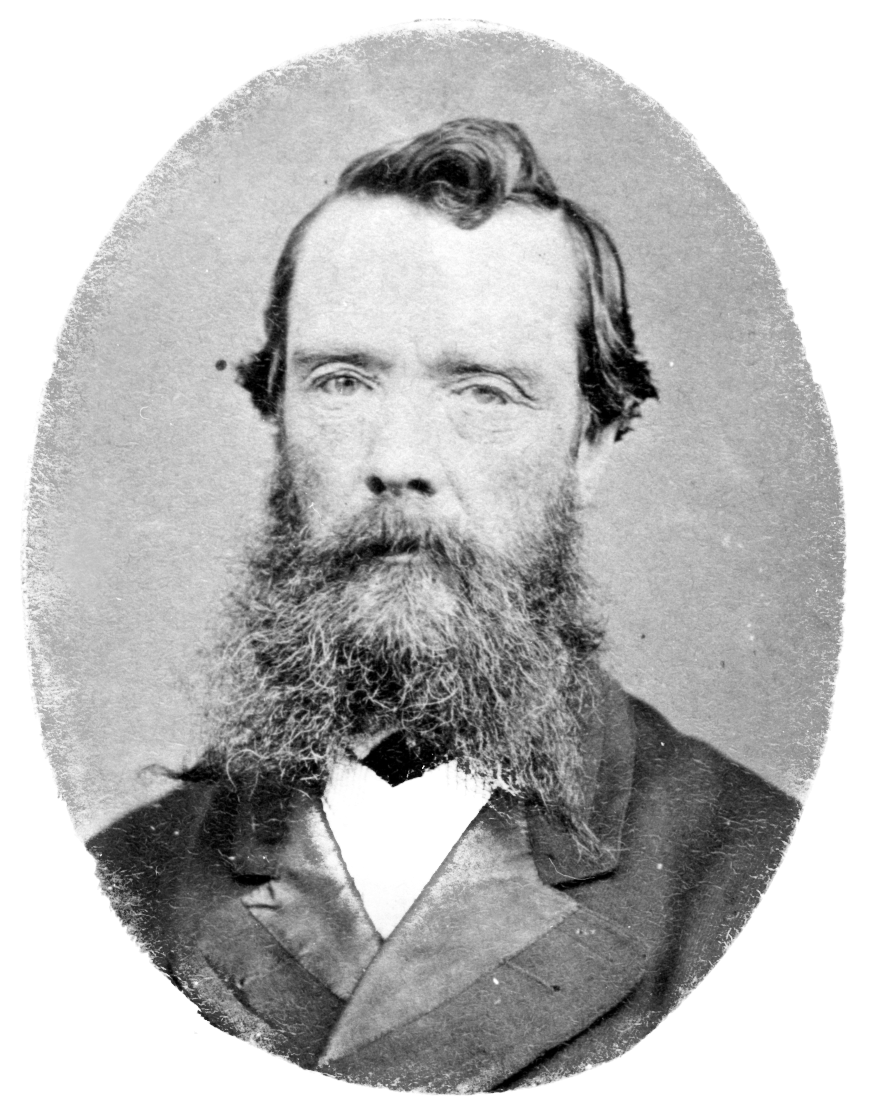
Above:- Edward Curr. Image c/o Wikipedia.

The original area of land that the homestead sat on was 350,000 acres granted under Royal Charter by George IV.

The homestead contains beautiful gardens.

Other than the homestead on the 9.5 acre property, there is also the chapel, the barn, and the stables.

In 1835 while playing on the property, the Curr’s 2 year old daughter Julianna was killed. A monument for Julianna can be found on the property at Highfield.

There are other historic buildings on the property, some of which now serve as accomodation.

On the property is a memorial for Suicide Bay which is located about 50 km west. It was within the borders of the Van Dieman’s Land Company and is the site of one of the few documented killings of Tasmanian aboriginal people.

Suicide Bay is also known as Taynayuwa and is located at the site of the 1828 Cape Grim massacre. On the 10th day of February 1828, a group of aboriginal people gathering food at the beach, were ambushed and shot by workers from the Van Dieman’s Land Company. Some of the bodies of the 30 men killed were thrown from a 60 metre cliff. This was in reprisal for an earlier aboriginal raid on a flock of sheep. It was part of the ‘Black War’, the violent conflict between European settlers and the aboriginal people between the mid 1820s to 1832.

Just outside of the Highfield garden and outbuildings, on Green Hills Road are the ruins of the convict barracks. Most of the har labour in construction of Highfield was done by convicts. About 70 were housed in the barracks.

We headed back in to Stanley for some lunch.

References.

  1. Tasmania Parks & Wildlife Service, 2023, <https://parks.tas.gov.au/explore-our-parks/the-nut-state-reserve>, viewed 8th January 2023.
  2. Tasmania Parks & Wildlife Service, 2023, <https://parks.tas.gov.au/explore-our-parks/highfield-historic-site>, viewed 8th January 2023.
  3. Wikipedia, 2023, <https://en.wikipedia.org/wiki/Volcanic_plug>, viewed 8th January 2023.
  4. Wikipedia, 2023, <https://en.wikipedia.org/wiki/The_Nut_(Tasmania)>, viewed 8th January 2023.
  5. Wikipedia, 2023, <https://en.wikipedia.org/wiki/Cape_Grim_massacre>, viewed 8th January 2o023.
Table Cape State Reserve VKFF-1829

After packing up at Hellyer Gorge (17th November 2022), Marija and I continued north and into the town of Wynard on the north coast of Tasmania.
Wynyard is located about 17 km west of Burnie and has a population of about 6,300 people (2021 census). It is believed that Wynyard was named in honour of Major General Edward Buckley Wynyard (b. 1788. d. 1864) in the early 1850s. He was in command of the troops in New South Wales, Van Dieman’s Land, and New Zeraland.

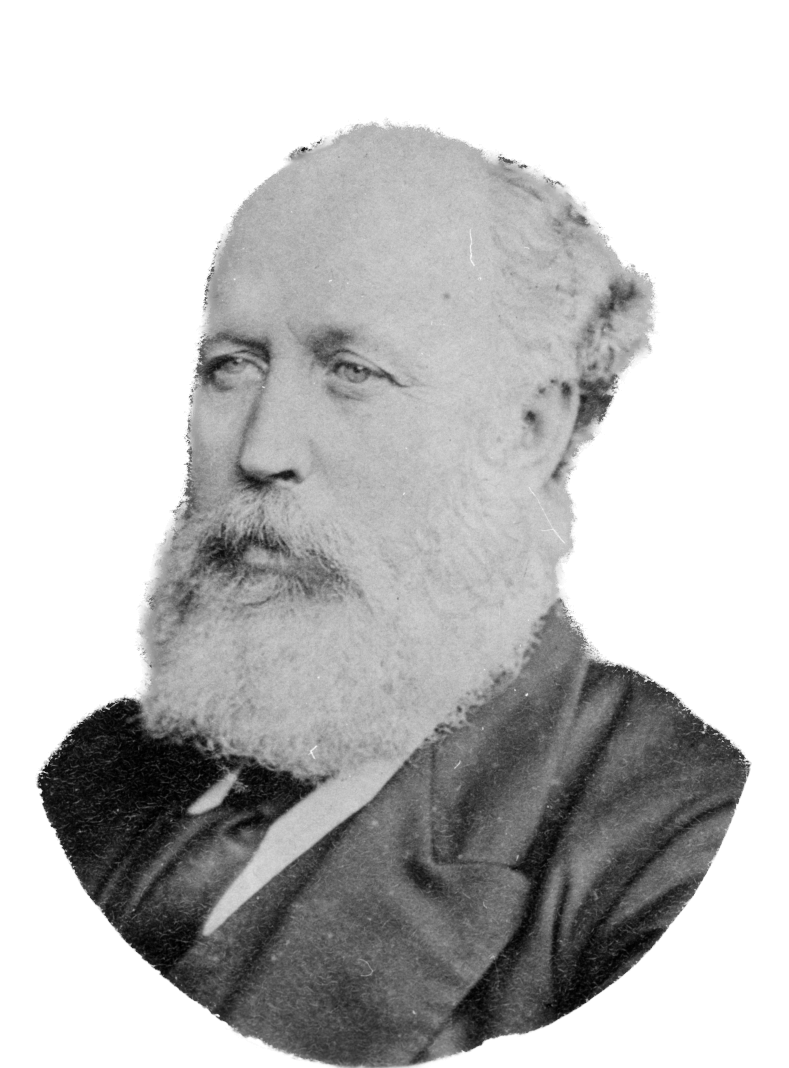
Above:- Edward Buckley Wynyard. Image c/o State Library NSW.

In 2016 the Waratah Wynyard Council commissioned two artists to revitalise the Goldie Street Mural Wall in Wynyard. This was part of the Council’s plans to beautify Wynyard. There are 14 panels depicting various aspects of Wynyard and the surrounding district.

We enjoyed a nice lunch at one of Wynyard’s cafes and we then drove to Fossil Bluff which is a 23 million year old sandstone headland. It was such a beautiful day that we took a stroll along the beach. We had done enough climbing so we decided not to climb to the top of the lookout on the Bluff.

We then headed to the Table Cape State Reserve VKFF-1829.

Above:- Map of Tasmania showing the location of Table Cape. Map c/o Google maps.

Along the way we stopped off at the Table Cape lookout which offered spectacular views of Wynyard, the coastline, Black Bluff, Mount Roland, and Freestone Cove. The lookout is 170 metres above sea level.

In the opposite direction there was a nice view of the Table Cape lighthouse which is located within the Table Cape State Reserve.

The Table Cape lighthouse stands at 25 metres high and had a diameter at the base of 28 feet. It was first lit on the 1st day of August 1888. It was built following the wrecks of the Emma Prescott in 1867 and the Orson in 1884. The lighthouse was designed by Huckson and Hutchinson of Hobart, with the light being sourced from the Chance Brothers of England. The lighthouse was constructed by a local builder, John Luck.

Sadly, just 17 days after the official opening of the lighthouse, the head lighthouse keeper’s 14 month old son died from illness. The young boy was buried near the lighthouse and the gravesite remains today.

The Table Cape State Reserve is 120 hectares in size. Table Cape is 170 metres above sea level and is an extinct volcano with a flat top. The majority of the Table Cape area and surrounding countryside has been heavily cleared for agricultural purposes. The State Reserve contains dense scrubland which had remained largely untouched by human activity.

Above:- An aerial view of the Table Cape State Reserve. Image c/o Google maps.

Table Cape was named by navigator and explorer Matthew Flinders in 1798 as he circumnavigated Van Dieman’s Land with George Bass. The area around Table Cape was the traditional home of the Tommeginer aboriginal people. The first European settler at Table Cape was John King who in 1841 selected 200 acres of land on the northern banks of the Inglis River.

Above:- Captain Matthew Flinders. Image c/o Wikipedia.

We set up in the carpark adjacent to the lighthouse. There was plenty of room here to run out the 20/40/80m linked dipole.

Above:- An aerial view of the Table Cape State Reserve and our operating spot. Image c/o Google Earth.

After about one hour and twenty minutes we had a total of 77 QSOs in our logs including a handful of DX on 20m longpath into Europe.

Marija worked the following stations on 40m SSB:-

  1. VK3SQ
  2. VK3VIN
  3. VK2HHA
  4. VK3PF
  5. VK2MET
  6. VK1AO
  7. VK2IO
  8. VK2EXA
  9. VK2VH
  10. VK4AAC
  11. VK7XX
  12. VK3ZSC/p (Dandenong Ranges National Park VKFF-0132)

I worked the following stations on 40m SSB:-

  1. VK3SQ
  2. VK3VIN
  3. VK2HHA
  4. VK3PF
  5. VK2MET
  6. VK1AO
  7. VK2IO
  8. VK2EXA
  9. VK2VH
  10. VK4AAC
  11. VK7XX
  12. VK7JFD
  13. VK5HS
  14. VK3ZSC/p (Dandenong Ranges National Park VKFF-0132)
  15. VK3BEL
  16. VK3UAO
  17. VK7EE
  18. VK2HBG
  19. VK4NH
  20. VK4DXA
  21. VK7)T
  22. VK7HBR
  23. VK3ANL
  24. VK3TX
  25. VK7ID
  26. VK3UH
  27. VK3RM
  28. VK5FANA
  29. VK7AC
  30. VK3MKE/p
  31. VK3CM
  32. VK3ZPF
  33. VK3AFW
  34. VK7BD
  35. VK3PWG
  36. VI2022PRIDE
  37. VK1TTY
  38. VK7AN
  39. VK5VK
  40. VK3CBP
  41. VK1FPRV
  42. VK5PL
  43. VK2UGB
  44. VK7DON
  45. VK3AHR
  46. VK3DCQ
  47. VK5NIG
  48. VK3IK/m
  49. VK3IC
  50. VK3NBL
  51. VK3GRX
  52. VK5ZLT

I worked the following stations on 20m SSB:-

  1. VK3BBB/5
  2. VK4NH
  3. VK4DXA
  4. VK2MET
  5. VK1AO
  6. VK4TJ
  7. VK4EMP
  8. VK4TI
  9. UT5PI
  10. VK2CCP/5
  11. IW2NXI
  12. ZL4NVW
  13. DL1ICB

With the park being qualified by both of us for VKFF, and for me for WWFF, we packed up, and headed further west towards our destination of Stanley. We stopped off at the Rocky Cape lookout. Rocky Cape is home to some of the oldest rocks in Tasmania, which was formed up to 1,450 million years ago.

We then drove down to beautiful Boat Harbour Beach which has magnificent white sand and beautiful blue water.

We continued west along the Bass Highway and stopped to have a look at the iron ore pelletising plant at Port Latta which opened in 1967. There is also a large port here used to export iron ore from the Savage River mine.

We then turned on to the Stanley Highway from the Bass Highway. We stopped briefly at the Stanley welcome sign where there are sign great views of The Nut, a sheer-sided bluff which sits above the town of Stanley.

We then booked into our accomodation at On The Terrace at Stanley. We had some nice views of the ocean and The Nut as literally at our back door.

It was a beautiful evening so Marija and I decided rather than sit in our accomodation, we would take advantage of the weather and have a look around the town of Stanley by doing the Stanley Heritage Walk.

We started at Marine Park directly opposite our accomodation. The park overlooks Little Wharf which was once the bustling heartbeat of Stanley. It was here on Wharf Road that famous writer and artist, Me Eldridge grew up during the 1920s.

There is also a memorial here for Patrick ‘Kermie’ Hersey who lost his life at sea in 1986. The following is on the memorial:

“On the morning of 11th May 1986, Patrick was requested to go to the aid of line tower Tony Dicker who had been sighted by air 18 miles east of Stanley in gale force winds and treacherous seas. While manoeuvering his boat the ‘Moya Ann’ into position to attempt the rescue, a huge breaking wave tore through the boat. After vain rescue efforts by fellow seaman Phil Critchlow, the deckhand was saved but Patrick’s life was lost’.

The Van Dieman’s Land Company Store was built in 1843 and was designed by Colonial architect and Stanley resident John Lee Archer. The bluestone building was used as a store, and later a place of detention, a customs house, a butter factory, a fish processing factory, and now a boutique hotel.

A little further along is a memorial. In 1842, 90 km south west of its location, the last recorded capture of a Tasmanian aboriginal family took place. The family was delivered to the Van Dieman’s Land Company for a 50 pound bounty. It also records that in 1826 the first Europeans, employers of the Van Dieman’s Land Company, disembarked and thus the colonisation of the northwest by the Europeans.

There are a number of historic shops located in Church Street, Stanley. Unfortunately many other historic Stanley buildings along Church Street have been destroyed by fire over the years. This includes the Produce Hall, the first mill, the timber kilns, and A.C. Smith & Sons General Store.

The Stanley Town Hall was opened in 1911. It was designed by architect Alexander North (b. 1858. d. 1945) and was built by W. McDonald of Launceston.

The historic Stanley Hotel was built in 1847. It has traded since that time under various names including the Emily, Freemason’s, The Union and now the Stanley Hotel.

In 1828 John Whitbread arrived in Van Dieman’s Land as a convict, having been transported for poaching rabbits in England, aged just 15 years. He received seven years transportation. As a free man, he later settled in Stanley and purchased a block of land from the Van Dieman’s Land Company for £20. He constructed a building on the land and it commenced operation as the Emily Hotel.

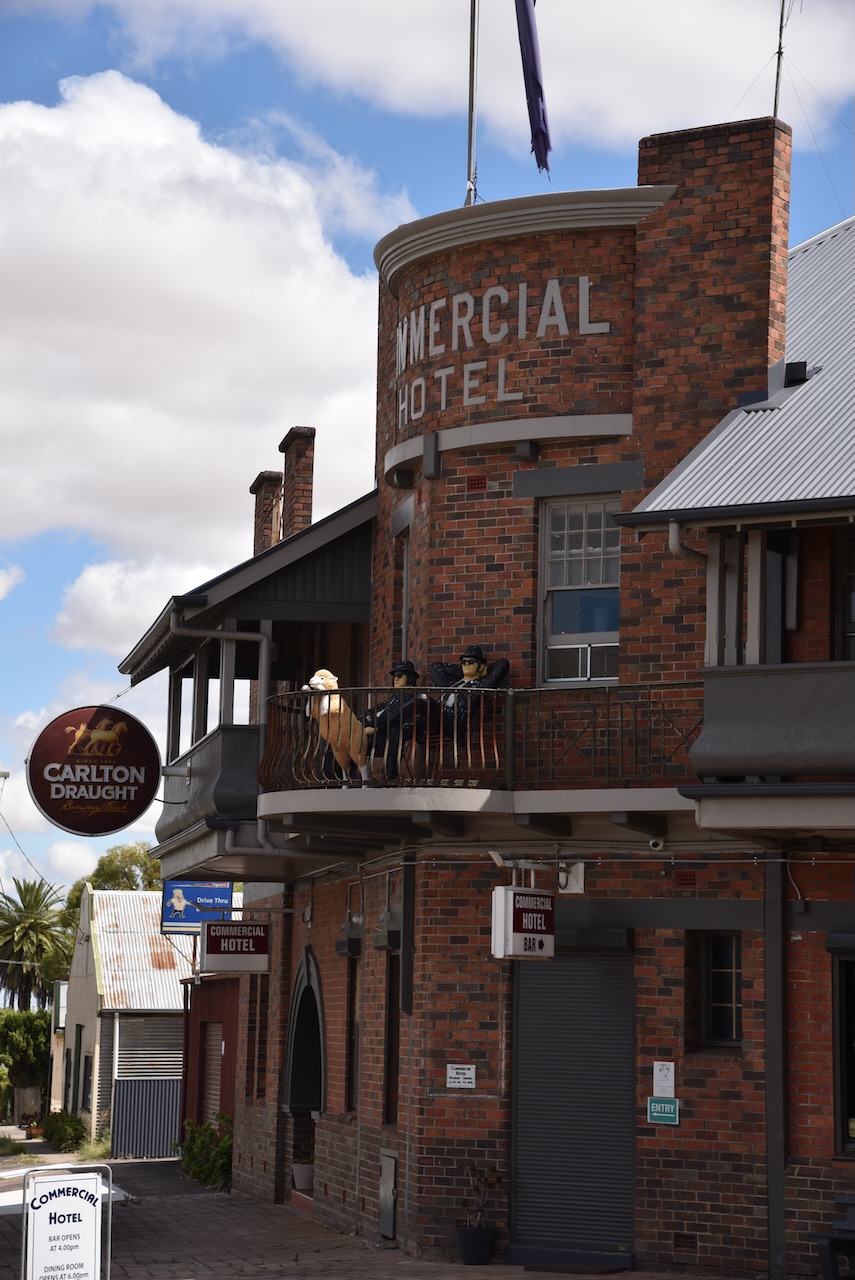
The Commercial Hotel in Stanley was one of the first hotels in the town. It was originally built as the officers mess for the Van Dieman’s Land Company. It was first licenced in 1847 and operated as a hotel until the 1960s.

The Plough Inn is one of Stanley’s oldest buildings, and operated as an Inn until 1876. It subsequently became a pharmacy for over 50 years, a printing press and now privately owned.

Another interesting thing to see in Stanley is one of two remaining functional heritage telephone boxes in Tasmania.

The Bond Store, constructed of bluestone, was built in 1835. Stores and supplies from docking ships were stored here. It was later used a bacon factory and a grain store.

The Bay View Hotel commenced its life as The Shamrock Inn in 1849. The first licence for the Inn waas issued to Michael Lyons, the grandfather of former Prime Minister Joseph Lyons.

Captain’s Cottage was built in the 1830s.

Joe Lyon’s cottage is the birthplace and childhood home of former Tasmanian Premier and Australian Prime Minister, Joseph Lyons. He served as the Tasmanian Premier from 1923-1928 and then as Prime Minister from 1932-1939.

In Alexander Terrace is a two storey cottage built in 1839 for one of King George IV’s many illegitimate sons, believed to be Samuel Blackwell.

The present St Paul’s Anglican Church constructed of timber was built in 1887. The original St Paul’s was built in 1842 and waas designed by Colonial Architect John Lee Archer.

You can also find a memorial cairn with a number of plaques. One of those is for Guiseppie Garibaldi, the uniter of modern Italy, who landed on Three Hummock Island near this location in 1852. Another plaque commemorates the naming of Circular Head by Matthew Flinders in 1798. While another is to commemorate the visit to Stanley of the replica sloop Norfolk in 1998, nearly 200 years after Flinders and Bass sailed passed the area naming Cicfular Head.

There are numerous other historic buildings to be viewed including the Harbourmaster’s cottage which waas built in 1880.

We then enjoyed a beautiful sunset before having a late evening meal.

References.

  1. Our Tasmania, 2023, <https://www.ourtasmania.com.au/northwest/stanley-walk.html>, viewed 7th January 2023.
  2. Stanley Hotel and Apartments, 2023, <https://www.stanleytasmania.com.au/history-of-stanley-hotel>, viewed 7th January 2023.
  3. Stanley Town Hall, 2023, <http://www.stanleytownhall.com.au/a-brief-history-of-the-town-hall/>, viewed 7th January 2023.
  4. Stream Design, 2023, <https://www.streamdesign.com.au/goldie-street-mural-wall/>, viewed 7th January 2023.
  5. Waratah Wynyard Council, 2023, <https://www.warwyn.tas.gov.au/park-recreation/fossil-bluff-2/>, viewed 7th January 2023.
  6. Waratah Wynyard Council, 2023, <https://www.warwyn.tas.gov.au/our-place/history/>, viewed 7th January 2023.
  7. Wikipedia, 2023, <https://en.wikipedia.org/wiki/Wynyard,_Tasmania>, viewed 7th January 2023.
  8. Wikipedia, 2023, <https://en.wikipedia.org/wiki/Table_Cape>, viewed 7th January 2023.
  9. Wikipedia, 2023, <https://en.wikipedia.org/wiki/Port_Latta,_Tasmania>, viewed 7th January 2023.

Day 23 and Hellyer Gorge State Reserve VKFF-1139

Day 23 (Thursday 17th November 2022) involved a drive from Lemonthyme Wilderness Retreat to Stanley on the north west coast. We were taking a bit of a detour, as we wanted to visit Hellyer Gorge.

Above:- Map showing our route between Lemonthyme Wilderness Retreat and Stanley. Map c/o Google maps.

After breakfast we travelled west along the Belvoir Road and then north on the Murchison Highway. We took a quick break at the memorial cairn for John Roy Fidler, the surveyor of the section of the Murchison Highway between Roseberry to Waratah between 1958-1960.

We then took a short detour down Waratah Road and into the little town of Waratah. It is believed the town was named by officials from the Van Dieman’s Land Company after the Waratah River, which in turn was named after the flowering Waratah.

In 1871, James ‘Philiosopher’ Smith discovered tin at Mount Bischoff by James “Philosopher” Smith in 1871. In the following year a number of mining leases on Mount Bischoff were taken out.

Above:- James Smith Tribute, You Tube (Winston Nickols).

By 1874 the Mount Bischoff Post office had opened. Five years later in 1879 a police station and court house were built. The post office was renamed Waratah in 1882. During the 1880s it is believed that the Mount Bischoff mine was the richest tin mine in the world, and in 1883 the mine became the first Australian industrial plant to be lit by hydro electricity. The town was the first town in Australia to be lit by electric street lights, in 1886. The mine powered 400 incandescent streetlights.

The mine closed in 1947. By that time it had produced 81,000 tonnes of tin and provided a dividend equal to £200 for every £1 initially invested.

In the heart of the town are the Waratah Falls. You can get down to the base of the falls or view the falls from a number of vantage points in the town. During Waratah’s mining boom, water races and tunnels fed water to the falls, where the water was diverted to a nearby power station to produce hydro electric power.

Adjacent to the falls is the Dudley Kenworthy waterwheel memorial. He was the final man to run a mining lease at Mount Bischoff. He operated a stamper mill. Its purpose was the first step in separating tin from waste rock. The stamper was located in the side of the hill adjacent to the falls, and due to it crushing the ore is created a continual thumping noise for the residents of Waratah.

We called in to the Bischoff Hotel for a coffee as there were no other shops that we could find. The coffee was great. The hotel was Waratah’s first brick hotel and the only remaining one. It was built in 1909 in Queen Anne style and replaced a previous wooden hotel which was built in 1878 and subsequently burnt down.

Whilst in the town we visited the museum located in the old Waratah Courthouse. The current courthouse was built in 1908 as the Council Chambers and Court House. In 1879 the original Waratah Police Station and Court House were built side by side.

The museum houses an extensive collection of photographs and historical artefacts. The gentleman running the museum at the time was extremely friendly.

Alongside of the museum is a replica of ‘Philosopher’ Smith’s hut.

The old Waratah Post Office was built in 1913. It replaced the original 1882 building.

We were pleased that we detoured into Waratah as sit has a rich history and there is quite a bit to see and do here.

We then drove back to the Murchison Highway and headed to the Hellyer Gorge State Reserve VKFF-1139 for a park activation for the World Wide Flora Fauna (WWFF) program.

Above:- Map of Tasmania showing the location of the Hellyer Gorge State Reserve. Map c/o Google maps.

Hellyer Gorge State Reserve is about 3,000 hectares in size and was declared in 2002.

Above:- An aerial view of Hellyer Gorge State Reserve. Image c/o Google maps.

The park is named after Henry Hellyer (b. 1790. d. 1832), a surveyor and architect and one of the first explorers to visit the rugged country of the north west of Tasmania.

In 1825 the Van Dieman’s Land Company was formed. Hellyer was one of the first officers to sign on as a surveyor, and later as Chief Surveyor, and Chief Architect.  Hellyer explored the majority of north west Tasmania for the Company, and wrote extensive journals and reports.

Hellyer suicided on the 9th day of September 1832, leaving a suicide note which ended as follows:

Alas my mother, in agony I fly to my saviour.


Above:- Henry Hellyer. Image c/o geocaching.com

The Hellyer River passes through the park. The river flows for about 61 km and flows into the Arthur River.

Marija and I operated from the Hellyer Gorge Rest Area. There was a table and bench here in the picnic area alongside of the Hellyer River. We used the Yaesu FT857, 40 watts, and the 20/40/80m linked dipole for this activation.

Marija made the following QSOs on 40m SSB:-

  1. VK2HQ/p (VKFF-2698)
  2. VK3VIN
  3. VK7JFD
  4. VK3FTOM/p (Wilsons Promontory National Park VKFF-)
  5. VK3QH
  6. VK3HAK
  7. VK3PF
  8. VK3DW
  9. VK7ZGK
  10. VK5FANA
  11. VK2HHA

I made the following QSOs on 40m SSB:-

  1. VK2HQ/p (VKFF-2698)
  2. VK3VIN
  3. VK7JFD
  4. VK3FTOM/p (Wilsons Promontory National Park VKFF-)
  5. VK3QH
  6. VK3HAK
  7. VK3PF
  8. VK3DW
  9. VK7ZGK
  10. VK5FANA
  11. VK2HHA
  12. VK2IO
  13. VK3UH
  14. VK3CBP
  15. VK3UAO
  16. VK3ANL
  17. VK3CJN
  18. VK2MET
  19. VK1AO
  20. VK2JRO
  21. VK3AHR
  22. VK7AAE
  23. VK5FB
  24. VK3ZGA
  25. VK3CAP
  26. VK3APC
  27. VK3PDB
  28. VK2DWP
  29. VK2EXA
  30. VK1DI
  31. VK3ET
  32. VK3TET
  33. VK7OT
  34. VK2VH
  35. VK4AAC
  36. VK3EJ
  37. VK3KAI
  38. VK3GV

I made the following QSOs on 20m SSB:-

  1. VK4NH
  2. VK4DXA
  3. VK4TJ
  4. VK2JU
  5. VK4EMP
  6. VK4EI

References.

  1. Aussie Towns, 2023, <https://www.aussietowns.com.au/town/waratah-tas>, viewed 6th January 2023.
  2. Bonzle, 2023, <http://www.bonzle.com/c/a?a=p&p=58729&cmd=sp>, viewed 6th January 2023.
  3. Monument Australia, 2023, <https://www.monumentaustralia.org.au/themes/people/government—state/display/70967-john-fidler>, viewed 6th January 2023.
  4. Monument Australia, 2023, <https://monumentaustralia.org.au/themes/technology/industry/display/102590-dudley-kenworthy-wheel>, viewed 6th January 2023.
  5. Proclamation under the Nature Conservation Act 2002
  6. Wikipedia, 2023, <https://en.wikipedia.org/wiki/Waratah,_Tasmania>, viewed 6th January 2023.
  7. Wikipedia, 2023, <https://en.wikipedia.org/wiki/Henry_Hellyer>, viewed 6th January 2023.

Cradle Mountain Lake St Clair National Park VKFF-0117

Marija and I left Mole Creek (16th November 2022) and headed to the northern section of the Cradle Mountain Lake St Clair National Park VKFF-0117. We had booked in for the Sunset Experience at Devils@Cradle.

We had seen the southern side of the park during our stay at Lake St Clair Lodge, and it was interesting to get a quick look at the northern side of the park.

We had a little bit of time up our sleeve, so we decided to do a quick activation of the park from the 4WD. We ran the Icom IC-7000, 100 watts, and the Codan 9350 self tuning antenna.

Marija worked the following station on 20m SSB:-

  1. VK6MB/p (VKFF-2955)

I worked the following stations on 20m SSB:-

  1. VK3PF
  2. VK2IO
  3. VK3ACZ
  4. VK4FW
  5. VK8MM
  6. VK2MET
  7. VK1AO
  8. VK5ZLT

I worked the following stations on 20m SSB:-

  1. VK4NH
  2. VK4DXA
  3. VK6MB/p (VKFF-2955)
  4. VK4TJ
  5. ZL3MR
  6. IW2BNA
  7. UT5PI
  8. VK4FW
  9. VK8MM
  10. OK2RZ

We then headed to Devils@Cradle which is a Tasmanian Devil sanctuary located on the edge of the National Park. It is a breeding and conservation facility for the Tasmanian Devil, the Spotted Quoll, and the Eastern Quoll.

We were able to get up and close with a little Tasmanian Devil joey.

After the Tassie Devils were fed, it was our time to indulge in a glass of wine, beer and some sweet treats around the campfire.

It was an amazing experience at Devils@Cradle. We then slowly made our way back to Lemonthyme Wilderness Retreat. On our way out of the park we encountered a Wombat.

Alum Cliffs State Reserve VKFF-1790

We were getting hungry and on advice from Joe VK3YSP, after packing up at Mole Creek (16th November 2022) Marija and I drove into the little town of Mole Creek.

Mole Creek is located in the Upper Mersey Valley about 68 km south (by road) of Devonport. Mole Creek produces about 35% of all of Tasmania’s honey. The town is named after Mole Creek, a tributary of the Mersey River.

The Pallittorre aboriginal tribe occupied the land around Mole Creek prior to European settlement. When the Europeans settled in the area there was conflict between the two groups resulting in deaths in both groups. It is estimated that the aboriginal population dropped from 200 to 60 between the years 1827 – 1830.

During the early 1800s stockmen had run cattle in the area and had constructed stockman’s huts. The Van Dieman’s Land Company cut a stock route from Deloraine to Burnie (then known as Emu Bay) via Chudleigh and Mole Creek during the 1820s. In 1826 an exploration of the Mole Creek area was undertaken by Edward Curr, Joseph Fossey and Henry Hellyer. From the late 1820s land grants commenced and the land was surveyed.

Above:- Edward Curr. Image c/o Wikipedia.

We then headed to the Mole Creek Hotel which includes the Tassie Tiger Bar, the home to the world’s largest Tasmanian Tiger. The hotel contains everything to do with the Thylacine or Tasmanian Tiger. There are sculptures, paintings, newspaper cuttings, and photographs.

https://www.molecreekhotel.com.au/

The Thylacine or Tasmanian Tiger is an extinct carnivorous marsupial. They were officially declared extinct in 1936. A bounty system was placed on Thylacines and this contributed to the loss of this beautiful animal.

Above:- A bagged Thylacine. Image c/o Wikipedia.

The video below is colourised footage from the black and white film shot by Naturalist David Fleay of the last known surviving Tasmanian Tiger at the Beaumaris Zoo in Hobart in December 1933.

We enjoyed a nice meal and some cool refreshments at the Mole Creek Hotel.

The meals were brought out promptly despite there being a large group at the hotel from a BMW motoring group.

Marija and I then headed to our next park for the day, the Alum Cliffs State Reserve VKFF-1790, located just a short distance from Mole Creek.

Above:- Map of Tasmania showing the location of Alum Cliffs. Map c/o Google maps.

The Alum Cliffs are located within the Alum Cliffs State Reserve and form part of the Gog Range.

Above:- An aerial view of the Allum Cliffs State Reserve. Image c/o Google maps.

The “Alum” portion of the park’s name derives from the alum compound that is found in the local rocks.

The aboriginal name for Alum Cliffs is tulampanga meaning red ochre hill. It was a place of social and spiritual significance to the Palitorree aboriginal people and other visiting tribes.

The walk to the lookout from the carpark is about 1.6 km in length and is about 40-50 minute return. It takes you through beautiful forest to the lookout. There are a number of information boards along the way.

The lookout offers spectacular views of the 200 metre high cliffs which sit above the Mersey River flowing through the ALlum Cliffs gorge. You can view the Great Western Tiers, which was known as Kooparoona Niara meaning the Mountains of the Spirits. 

We walked back to the 4WD and along the way we stopped to watch a flock of Yellow Tailed black cockatoos.

Once we got back to the car we had to walk a short distance back down the Alum Cliffs track to set up as the carpark is not within the boundary of the park. We ran the Yaesu FT857, 40 watts and the 20/40/80m linked dipole for this activation.

Above:- The Alum Cliffs State Reserve. Image c/o Google Earth.

Marija worked the following stations on 40m SSB:-

  1. VK3SQ
  2. VK3VIN
  3. VK2EXA
  4. VK3PF
  5. VI2022PRIDE
  6. VK2HHA
  7. VK3AWA
  8. VK3AMO
  9. VK3ZSC
  10. VK7GW
  11. VK3UH

I worked the following stations on 40m SSB:-

  1. VK3SQ
  2. VK3VIN
  3. VK2EXA
  4. VK3PF
  5. VI2022PRIDE
  6. VK2HHA
  7. VK3AWA
  8. VK3AMO
  9. VK3ZSC
  10. VK7GW
  11. VK3UH
  12. VK2MET
  13. VK1AO
  14. VK5VK

I worked the following stations on 20m SSB:-

  1. VK4TJ
  2. VK2MET
  3. VK1AO

It was getting late and we had a booking that evening at Devils@Cradle, so we packed up and headed back towards Cradle Mountain Lake St Clair National Park.

We stopped briefly upon getting back into Mole Creek to view some of the information boards including one on the old Mole Creek railway. Work commenced on the Mole Creek branch line in 1888 and was completed in 1890 at a total cost of 67,000 pounds. The line was officially closed in February 1992, with the track being dismantled soon after.

Liena Hut. The Hut was relocated by the Mountain Hut Preservation Society from a property at Liena which was once owned by Ray ‘Boy’ Miles. Renowned for his building skills, Boy Miles is linked to many of Tasmania’s iconic mountain huts.

As we drove along Claude Road we were rewarded with some brilliant views of Mount Roland.

We stopped at O’Neills Creek Picnic Reserve at Gowrie Park. There was a rainforest walk here, but sadly we were running out of time.

Our next stop was the Mersey Forth Power Development Mural at Gowrie Park. It was painted by local artist John Lendis, assisted by Diane Whiting and was completed in May 1990. It shows various aspects of the Mersey Forth Power Development.

References.

  1. Mole Creek and Chudleigh, 2023, <http://molecreek.info/natures-wonders/alum-cliffs-lookout/>, viewed 6th January 20223.
  2. Tasmania Parks and Wildlife Service, 2023, <https://parks.tas.gov.au/things-to-do/60-great-short-walks/alum-cliffs>, viewed 6th January 2023.
  3. Wikipedia, 2023, <https://en.wikipedia.org/wiki/Mole_Creek>, viewed 6th January 2023.
  4. Wikipedia, 2023, <https://en.wikipedia.org/wiki/Thylacine>, viewed 6th January 2023.

Mole Creek Karst National Park VKFF-0322

After packing up at Mount Roland (16th November 2022) Marija and I headed to our next park for the day, the Mole Creek Karst National Park VKFF-0322.

Above:- Map showing the location of the Mole Creek Karst National Park. Map c/o Google maps.

Our first stop along the way was the Mersey Valley/Olivers Road Scenic lookout which offered spectacular views of the Great Western Tiers.

We soon reached the Mole Creek Karst National Park. This is one of those unusual parks in that it is made up of a number of different sections. In fact there are a total of twelve (12) separate blocks comprising an area of 13.45 km2.

Above:- Aerial view showing the various sections of the Mole Creek Karst National Park. Image c/o Google Earth.

Mole Creek Karst National Park is the only Tasmanian National Park specifically created to protect karst (sinkholes and caves) landforms. It is is part of the Tasmanian Wilderness World Heritage Site. The park contains numerous caves (a total of 470) with the two best known being the King Solomon Cave and the Marakoopa cave.

Unfortunately the caves were all shut during our time in Tasmania due to flooding and the very heavy rain that Tasmania had experienced prior to our arrival. We were very disappointed, but we will be back.

The park takes its name from the streams in the area which appear to disappear into the ground.

The Mole Creek Karst National Park has numerous animal species which are unique to the Karst system and are listed as protected cave species. Glow worms Arachnocampus tasmaniensis inhabit many of the caves and are a big tourist attraction. Other protected cave species include particular crickets and beetles. The Mole Creek Pseudoscorpion Pseudotyrannochthonius typhlus is a very rare creature which is very rarely sighted.

Endangered mammals found in the park include the Eastern Barred Bandicoot which is listed as vulnerable. Endangered birds include the Grey Goshawk and the Wedge-Tailed Eagle. The Giant Freshwater Crayfish species is also considered vulnerable.

We set up in the Mersey River campgrounds alongside of the Mersey River. It was an idyllic location.

The Mersey River flows a distance of 147 km from Lake Meston onwards to Devonport. Ther Mersey was originally known as the Second Western River. In 1826 it was named the Mersey River after the Mersey River in the UK, by the Van Diemen’s Land Company’s agricultural adviser, Alexander Goldie, and surveyor Joseph Fossey.

Above:- Aerial shot showing our operating spot at the Mersey River campgrounds. Image c/o Google Maps

There was a nice wooden table and bench right alongside of the river and although it was a cool day, there was no rain. We ran the Yaesu FT857, 40 watts, and the 20/40/80m linked dipole for this activation .

Marija worked the following stations on 40m SSB:-

  1. VK3PF
  2. VK3VRA
  3. VK7JFD
  4. VK2MET
  5. VK1AO
  6. VK3ZSC
  7. VK3VIN
  8. VK3MDC
  9. VK3SRC
  10. VK3FOWL
  11. VK3BEL
  12. VK2HHA

Marija worked the following stations on 20m SSB:-

  1. VK4NH
  2. VK4DXA
  3. VK4TJ
  4. VK2IO
  5. VK2MET
  6. VK1AO

I worked the following stations on 40m SSB:-

  1. VK3PF
  2. VK3VRA
  3. VK7JFD
  4. VK2MET
  5. VK1AO
  6. VK3ZSC
  7. VK3VIN
  8. VK3MDC
  9. VK3SRC
  10. VK3FOWL
  11. VK3BEL
  12. VK2HHA
  13. VK2EXA
  14. VK3AMO
  15. VK5BJE
  16. VK3GH
  17. VK3CAT

I worked the following stations on 20m SSB :-

  1. VK4TJ
  2. VK4NH
  3. VK4DXA
  4. VK2MET
  5. VK1AO
  6. VK4HAT

Although we didn’t get to 44, we did qualify the park for the VKFF chapter of the World Wide Flora Fauna (WWFF) program. We decided to move on as Joe VK3YSP convinced us to visit the hotel at Mole Creek as they had an incredible collection of material relating to the Thylacine ‘Tasmanian Tiger’. And we were hungry, so we didn’t need much convincing.

Thank you to everyone who spotted us on parksnpeaks as we had no internet coverage.

References.

  1. Our Tasmania, 2023, <https://www.ourtasmania.com.au/northwest/devonport-history.html>, viewed 5th January 2023.
  2. Where in Tasmania?, Dennis, C.J., July 2003.
  3. Wikipedia, 2023, <https://en.wikipedia.org/wiki/Mole_Creek_Karst_National_Park>, viewed 5th January 2023.
  4. Wikipedia, 2023, <https://en.wikipedia.org/wiki/Mersey_River_(Tasmania)>, viewed 5th January 2023.

Day 22 and Mount Roland Regional Reserve VKFF-2938

Day 22 (Wednesday 16th November 2022) was now upon us. We enjoyed a beautiful cooked breakfast at the retreat before hitting the road. We had planned on visiting a number of the caves in the area, but sadly they were all closed due to flooding and the recent heavy rain experienced in Tasmania. So we decided to do a day of park activating instead.

Our first park for the day was going to be the Mount Roland Regional Reserve VKFF-2938.

Above:- Map showing the location of the Mount Roland Regional Reserve. Map c/o Google maps.

We left Lemonthyme along the windy but very picturesque Dolcoath Road. It was slow going as many parts of the road were still under repair after the flooding and heavy rain that Tasmania had experienced weeks earlier.

Our first stop for the day was Lake Cethana which is one of Hydro Tasmania storages on the River Forth. The Cethana Power Station was opened in 1971, and is one of only a few underground hydro stations in Tasmania. Cethana is aboriginal for ‘hair’. Large trout can be caught on Lake Cethana.

We then left the Cethana Road and took Olivers Road and we immediately saw the sign for the Mount Roland Regional Reserve.

We continued on the Round Mountain lookout which takes in the Hydro Tasmania Mersey Forth Power Scheme, Cradle Mountain, Black Bluff, Mount Ossa, and the surrounding countryside. The views from here are brilliant. There was snow visible on Cradle Mountain.

The Mount Roland Regional Reserve is a large park. It stretches from Lake Cethana in the west to to Minnow Falls in the east. It adjoins the Dogs Head Hill Forest Reserve and the Mount Roland Conservation Area.

There are a number of summits within the park, the highest being Mount Roland at 1,233 metres above sea level. It was originally known as Rollands Repulse in honour of Captain John Rolland, an early explorer in the area.

The first successful ascent of Mount Roland in 1826 when Henry Hellyer (b. 1790. d. 1832) and Joseph Fossey (b. 1788. d. 1851) who were part of a Van Dieman’s Land Company party climbed the mountain.

Above:- An aerial view of the Mount Roland Regional Reserve. Image c/o Google Earth.

Marija and I set up in the area adjacent to the main carpark of Round Mountain lookout. We ran the Yaesu FT857, 40 watts, and the 20/40/80m linked dipole for this activation. We operated from within the 4WD as the outside temperature was about -34 deg C.

Marija made the following QSOs on 40m SSB before the UTC rollover:-

  1. VK3VIN
  2. VK7WUU
  3. VK7JFD
  4. VK3ZSC
  5. VK2MET
  6. VK1AO
  7. VK5BHE
  8. VK2IO
  9. VK3PF
  10. VK3APJ
  11. VK3GRX/p

Marija made the following QSOs on 20m SSB before the UTC rollover:-

  1. VK4KC/p (VKFF-1190)
  2. VK4MAD/p (VKFF-1190)
  3. VK4DOG/p (VKFF-1190)

Marija made the following QSOs on 20m SSB after the UTC rollover:-

  1. VK4KC/p (VKFF-1190)
  2. VK4MAD/p (VKFF-1190)
  3. VK4DOG/p (VKFF-1190)

I made the following QSOs on 40m SSB before the UTC rollover:-

  1. VK3VIN
  2. VK7WUU
  3. VK7JFD
  4. VK3ZSC
  5. VK2MET
  6. VK1AO
  7. VK5BJE
  8. VK2IO
  9. VK3PF
  10. VK3APJ
  11. VK3GRX/p
  12. VK3EJ
  13. VK1DI
  14. VK3SQ
  15. VK7AN
  16. VK2EXA
  17. VK5AV
  18. VK3AHR
  19. VK2HHA
  20. VK3VB

I made the following QSOs on 20m SSB:-

  1. VK4NH
  2. VK4DXA
  3. VK2MET
  4. VK1AO
  5. VK4KLA
  6. VK2PKT
  7. VK4KC/p (VKFF-1190)
  8. VK4MAD/p (VKFF-1190)
  9. VK4DOG/p (VKFF-1190)
  10. VK6JK

I made the following QSOs on 20m SSB:-

  1. VK6JK
  2. VK4KC/p (VKFF-1190)
  3. VK4MAD/p (VKFF-1190)
  4. VK4DOG/p (VKFF-1190)
  5. VK4NH
  6. VK4DXA
  7. VK4TJ
  8. VK4HAT
  9. VK4KLA
  10. VK2IO
  11. VK4KUS

I worked the following QSOs on 40m SSB:-

  1. VK5AV
  2. VK3VIN
  3. VK3PF
  4. VK3VB

We packed up and headed to our next park, the Mole Creek Karst National Park.

References.

  1. Our Tasmania, 2023, <https://www.ourtasmania.com.au/northwest/lake-cethana.html>, viewed 5th January 2023.
  2. Peak Visor, 2023, <https://peakvisor.com/park/mount-roland-regional-reserve.html>, viewed 5th January 2023.
  3. The Companion to Tasmanian History, 2023, <https://www.utas.edu.au/library/companion_to_tasmanian_history/M/Mt%20Roland.htm>, viewed 5th January 2023.
  4. Where in Tasmania, Dennis, C.J., July 2003.

Day 21 and Vale of Belvoir Conservation Area VKFF-2925

We were now into week three of our Tasmania trip and it was day 21 (Sunday 15th November 2022). We had spent 3 enjoyable nights in Strahan and now it was time to head inland to Lemonthyme Wilderness Retreat. We had a 160 km trip ahead of us that day.

Above:- Map showing our route between Strahan and Lemonthyme Wilderness Retreat. Map c/o Google maps

Once again, as we did the day before, we headed north out of Strahan on the Henty Road. Our first stop was the Zeehan Pioneer cemetery. There are a number of historic graves within the cemetery including that of John Moyle who built the first hut in Zeehan and was the first mine manager on the field. Sadly we found the cemetery in a bad state of repair.

We then drove into the little town of Zeehan which is located about 139 km south west of Burnie. There are a number of historic buildings in Zeehan including the Gaiety Theatre which was built in 1898 and the Zeehan School of Mines built in 1903.

Prior to European settlement the Zeehan area was the home to the indigenous Peerapper and Tommeginne people of the North West group.

The first European explorer to sight the west coast near Zeehan was Dutch explorer Abel Tasman (b. 1603. d. 1659) in 1642. He sailed close to the coastline but waa unable to send a landing party due to poor weather.

Above:- Abel Tasman. Image c/o Wikipedia

Over 100 years later, during their 1798-99 circumnavigation of Tasmania, British explorers Matthew Flinders and George Bass named Mount Zeehan after one of Tasman’s ships the Zeehaen (Old Dutch for “Sea Rooster”) in honour of Tasman.

Above:- Matthew Flinders and George Bass. Images c/o Wikipedia.

In 1871, tin was discovered at Mount Bischoff and then in 1879 at Mount Heemskirk. In 1882, deposits of lead and silver were also discovered. By August 1888 the Mount Zeehan Post Office had opened. In 1890 the township was named Zeehan. The town flourished due to it being close to the Zeehan mineral field. Up to the First World War, a total of 159 companies operated with the town stock exchange having 60 members.

The main street of Zeehan was over two miles long and had 20 hotels, a hospital, and two theatres, the Gaeity Theatre and the Theatre Royal. In 1910 the town’s population peaked at about 10,000 and it was the third largest town in Tasmania after Hobart and Launceston.

Above:- Zeehan main street, early 1900s. Image c/o https://wchczeehan.com.au/

We visited the West Coast Heritage Centre at Zeehan which is located in the old Zeehan School of Mines building. This is a very good museum and is a must do during a visit to Zeehan.

The museum has an excellent display of minerals and gems.

Outside they have a blacksmith workshop, machinery shed, an underground mine, and railway exhibits.

The old Zeehan Police Station is part of the museum and contains various police memorabilia and the magistrates court.

The museum also includes the Gaiety Theatre and Hotel which was built in 1898 by the Hon. Edward Mulcahy.

There is also a Masonic Lodge Display and a huge amount of other display and history of Zeehan.

We then drove out to the Zeehan Spray tunnel, a 100 metre long abandoned railway tunnel which leads to the old Spray Silver mine. It was carved through the hill to enable ore being moved from the mine. The tunnel is 3 metres high, 2.2 metres wide and 100 metres long.

We drove north out of Zeehan on the Murchison Highway and stopped briefly at the site of the old Renison Bell township. It was once a thriving tin mining centre and was named in honour of George Renison Bell who was an early settler and prospector in the area.

We had Montezuma Falls on our list of things we wanted to see. But when we arrived we found it was an 8m – 3 hour return walk and we just didn’t have the time unfortunately.

The video below shows what we missed out on. Montezuma Fllas is Tasmania’s largest single drop waterfall, with the water falling 104 metres.

We then drove back to the Highway and on to the town of Rosebery.

In 1893 gold was discovered in the rainforest on the slopes of nearby Mount Black by prospector Tom McDonald. He made several claims in the name of the Rosebery Prospecting Association which was named after Archibald Primrose, 5th Earl of Rosebery.

Above:- Lord Rosebery. Image c/o Wikipedia

One of the interesting things to see in Rosebery is the Rosebery Aerial Ropeway which was constructed in 1928 to enable lead/zinc ore from the Hercules Mine to be transported to a new ore concentrating mill being built in Rosebery. The aerial ropway was used until its closure in February 1965. It transported an estimated 2 million tonnes of ore to Rosebery.

We then visited the replica of an early miners camp in Rosebery. It si a replica of one of two early accomodation huts for engineers who were required to stay on site for security reasons and other duties. The original was built in 1915 and was used until the 1950s.

Next was the Rosebery mural and the Visitor Centre which unfortunately was closed.

Stitt Falls was our next stop in Rosebery. The falls can be viewed after a very short walk from the carpark. Stitt Falls drops about 5-8 metres.

It was a rather chilly and overcast day and there was snow on the top of the nearby mountains close to Rosebery.

Prior to leaving Rosebery we had a quick look from the roadway at the MMG Limited Mine. Zinc, copper and lead concentrates as well as gold ore are produced at Rosebery.

North of Rosebery, we stopped briefly to have a look at Lake Rosebery and the Murchison River.

We then turned off the Murchison Road and headed east on the Belvoir Road. We soon reached the Black Bluff Nature Recreation Area. A check of the WWFF Australia website revealed sadly that this park was not on the list of VK7 qualifying parks.

But within sight was another sign, this one for the Vale of Belvoir Conservation Area, and that was on the list, VKFF-2925.

It was an extremely cold afternoon with the outside temperature being about 3-4 deg c, but we decided to brave the elements and walk to the top of the Black Bluff lookout. There was lots of snow on the ground as we walked to the top. Once at the top you are rewarded with some amazing views of the Black Bluff Nature Recreation Area, the Vale of Belvoir Conservation Area, and the Cradle Mountain Lake St Clair National Park.

The Vale of Belvoir is located in the foothills of the rugged peaks of Cradle Mountain. It is an extensive natural grassland which is surrounded by old growth rainforest. Much of these grasslands are rare and endangered and provide habitat for threatened plant and animal species.

The Vale of Belvoir is of World Heritage significance and is the only surviving grassy valley of its kind, unchanged since the time of the Aboriginal wallaby hunters of south-west Tasmania 18,000 – 20,000 years ago when glaciers covered much of highland Tasmania. The valley is widely recognised as one of the most important places for nature conservation in Australia.

Above:- An aerial view of the Vale of Belvoir Conservation Area. Image c/o Google maps.

The Vale of Belvoir was named in 1827 by land surveyor Joseph Fossey (b. 1788. d. 1851) after the Vale of Belvoir in Leicestershire in England. The name derives from the Norman-French for “beautiful view” and dates back to Norman times.

Above:- Belvoir Castle overlooking the Vale of Belvoir in England, c. 1819. Image c/o Wikipedia.

From the 1850s cattle was grazed in the area. One settler, George Williams also had a dairy herd and a cheese factory. During the 1960s the Charleston family took over the land from the Williams family.

The Tasmanian Land Conservancy finalised the purchase of 473 hectares of private land in the Vale of Belvoir in 2009. It was purchased for the ole purpose of nature conservation.

Above:- The Vale of Belvoir Conservation Area. Image c/o Google Earth.

We then headed back down to the vehicle and strung out the 20/40/80m linked dipole while there was slight snow falling. As it was so cold we operated from the comfort of the 4WD.

Marija worked the following stations on 40m SSB:-

  1. VK3PF
  2. VK2HHA
  3. VK3SQ
  4. VK3SMW
  5. VK2VH
  6. VK4AAC
  7. VK7JFD
  8. VK7AN
  9. VK2IO
  10. VK3AWA
  11. VK3EJ
  12. VK7FAMP

I worked the following stations on 40m SSB:-

  1. VK3PF
  2. VK2HHA
  3. VK3SQ
  4. VK3SMW
  5. VK2VH
  6. VK4AAC
  7. VK7JFD
  8. VK7AN
  9. VK2IO
  10. VK3AWA
  11. VK7STO
  12. VK3YUN
  13. VK3EJ
  14. VK3ZPF
  15. VK3JW
  16. VK3BWS
  17. VK3NP
  18. VK3VIN
  19. VKESRC
  20. VK3FOWL
  21. VK1DI
  22. VK3GRX
  23. VK2YAK
  24. VK4YAK
  25. VK3XL
  26. VK7DIK
  27. VK3NBL
  28. VK3BEL
  29. VK7WUU
  30. VK5BJE
  31. VK7WJT
  32. VK7LTD
  33. VK7FAMP
  34. VK2EXA
  35. VK3MCA
  36. VK3PMC
  37. VK7AAE
  38. VK3SKT

I worked the following stations on 20m SSB:-

  1. VK4NH
  2. VK4DXA
  3. VK4KLA
  4. VK4TJ
  5. F1BLL
  6. UT5PI
  7. IW2NXI
  8. ZL1TM
  9. VK4KC
  10. VK4MAD
  11. VK4DOG
  12. VK4EMP
  13. VK4TI
  14. VK4AOC

It was getting late, so we packed up and continued on to our accomodation at Lemonthyme Wilderness Retreat. And what a beautiful spot it was.

Below is the view from our verandah of the cabin.

We enjoyed a beautiful meal that night at the Retreat, and after dinner watched the Tasmanian Pademelons being fed.

References.

  1. Australian Dictionary of Biography, 2023, <https://adb.anu.edu.au/biography/fossey-joseph-2060>, viewed 5th January 2023.
  2. MMG, 2023, <https://www.mmg.com/our-business/rosebery/>, viewed 5th January 2023.
  3. Tasmanian Geographic, 2023, <https://tasmaniangeographic.com/the-vale-of-belvoir-an-introduction/>, viewed 5th January 2023.
  4. The Sydney Morning Herald, 2023, <https://www.smh.com.au/lifestyle/renison-bell-20040208-gdkqox.html>, viewed 5th January 2023.
  5. Waterfalls of Tasmania, 2023, <https://waterfallsoftasmania.com.au/waterfalls/stitt_falls>, viewed 5th January 2023.
  6. West Coast, 2023, <https://westcoasttas.com.au/listings/zeehan/walks/spray-tunnel>, viewed 5th January 2023.
  7. West Coast Heritage Centre, 2023, <https://wchczeehan.com.au/>, viewed 5th January 2023.
  8. Wikipedia, 2023, <https://en.wikipedia.org/wiki/Zeehan>, viewed 5th January 2023.
  9. Wikipedia, 2023, <https://en.wikipedia.org/wiki/Rosebery,_Tasmania>, viewed 5th January 2023.
  10. Wikipedia, 2023, <https://en.wikipedia.org/wiki/Vale_of_Belvoir>, viewed 5th January 2023.

Day 20 and Trial Harbour State Reserve VKFF-1835

We were nearly three weeks into our Tasmania holiday and it was day 20 (Monday 14th November 2022). We had a trip booked on the West Coast Wilderness Railway. Our journey was the ‘River and Rainforest’.

The train departed the Regatta Point Station at Strahan and took us passed Macquarie Harbour and into the rainforest and mountains of Tasmania’s west coast.

The West Coast Wilderness Railway was formerly known as the Mount Lyell Abt Railway. The slow and arduous process of transporting copper ore from Mount Lyell to Strahan using 60 horse teams was the inspiration for the creation of a railway. Survey teams which were led by Engineer F.A. Cutten identified three feasible routes with the shortest via the King and Queen River valleys chosen in spite of its steep grades over the Rinadeena Saddle. Cutten proposed the Abt rack-rail system – cutting edge technology at the time – to negotiate the steep inclines.

Construction of the railway commenced in 1894. The contractor for the initial section made slow progress, experiencing low worker morale in the harsh working conditions. Engineer E.C. Driffield was engaged to oversee the whole project and sped up the work by employing day labour teams based in camps along the route. Workers armed with hand tools and wheel barrows felled trees, excavated formations, and built embankments along with 48 bridges.

The whole first stage from Teepookana to Queenstown was completed in 19 months. The second stage from Regatta Point, Strahan to Teepookna was completed in 1899 with another 12 bridges including Iron Bridge over the King River. The railway ceased operation in 1963 when road transport became a more economical option. About 35 years later the railway was restored and now operates as a tourist heritage railway.

Above:- Article from the Zeehan and Dundas Herald, Wed 26 Sep 1894. Image c/o Trove.

Our trip enjoyed a meal on board and a few stops along the way including a walk through the rainforest.

Once back in Strahan from our railway adventure we visited Peoples Park and went for a walk to Hogarth Falls. The park was declared in the late 1890s when the visionary Ware family recognised the importance of the tourist industry to Strahan. They donated 70 acres of land to be a park for the people and a botanical reserve, which included Peoples Park, Hogarth Falls, and Botanical Creek.

Between 1905 to 1925, on every Sunday, a brass band played beneath a rotunda in Peoples Park. Botanical Creek which runs alongside of the walk was Strahan’s only running water until 1969.

Above:- Article from the Zeehan and Dundas Herald, Sat 9 Mar 1901. Image c/o Trove.

Despite it being a rather dreary day and cold, the walk along the Botanical Creek through the rainforest was absolutely beautiful. The walk is about 2.4 km return. Rainforest trees including Leatherwood, Sassafras and Myrtle line the route.

We soon reached Hogarth Falls which were flowing well after all the recent rain. The falls stand about 15 metres high and is split.

It is not entirely clear on the naming of the Falls, however they were known as such from 1908 onwards.

After our walk through Peoples Park and Hogarth Falls we decided to head north to undertake a park activation at the Trial Harbour State Reserve VKFF-1835. It was about a 63 km drive from Strahan.

Above:- Map showing the location of the Trial Harbour State Reserve. Map c/o Google maps.

We drove north into the little town of Zeehan and then drove west along Trial Harbour Road which offered some great views of the coastline.

We stopped briefly at the Mount Heemskirk lookout to get a view of the town of Trial Harbour. During their 1798-99 circumnavigation of Tasmania, explorers Matthew Flinders and George Bass named Mount Heemskirk in honour of Ducth explorer Abel Tasman’s ship Heemskerck (Old Dutch for “Home Church”).

By the 1880s the township of Remine had commenced. It took its name after the the native name for the wildflower Blandfordia which grows in abundance on the hillsides surrounding the town.

The harbour in which it was adjacent to was known as Trial Harbour. It took its name from the vessel Trial which was driven ashore in March 1881. It was carrying Mr. Alex Ingleton, the Manager of the Montagu Mine. Reporters from the Mercury newspaper arrived and upon asking the name of boat on the beach, they raised their mugs of spirit and proposed the toast: “Here’s to the health of Trial Harbour.”.

By the 1890s there were over 200 people living in the town which had two hotels, a general store, restaurant, blacksmith’s shop, post and telegraph office and a police quarters, along with houses, tents and camps.

Above: Trial Harbour Hotel c. 1890 (left) and Trial Harbour. Images c/o https://tasmaniantimes.com/2021/11/tas-that-was-trial-harbour/

In 1888 a bushfire destroyed almost all of the buildings in the town. In April 1891 Websters Hotel in the town was destroyed by fire. In 1892 the Zeehan to Strahan railway was opened and this resulted in the town being redundant as a service port. Some years later another bushfire roared through the area and again destroyed the town.

Above:- Article from The Mercury, Thu 23 Apr 1891. Image c/o Trove

The Trial Harbour State Reserve is only small and was gazetted as a State Reserve in April 1999. It was previously known as the Trial Harbour Aboriginal Site.

It was cold, blustery and there were intermittent showers, so we operated from the vehicle for this activation. We dodged the showers, stretching out the 20/40/80m linked dipole supported on the 7 metre telescopic squid pole.

Marija made the following QSOs on 40m SSB:-

  1. VK3NP
  2. VK3UH
  3. VK3AWA
  4. VK3MCA
  5. VK3PF
  6. VK3PT
  7. VK2VH
  8. VK4AAC
  9. VK2MET/p (SiOTA VK-HLD2)
  10. VK1AO/p (SiOTA VK-HLD2)
  11. VK2HHA
  12. VK5HS
  13. VK3VIN

I made the following QSOs on 40m SSB:-

  1. VK3NP
  2. VK3UH
  3. VK3AWA
  4. VK3MCA
  5. VK3PF
  6. VK3PT
  7. Vk2VH
  8. VK4AAC
  9. VK2MET/p (SiOTA VK-HLD2)
  10. VK1AO/p (SiOTA VK-HLD2)
  11. Vk2HHA
  12. VK3AMO
  13. VK5KVA
  14. VK2BYF
  15. VK4FW
  16. VK2IO
  17. VK7AAE
  18. VK2YAK
  19. VK4YAK
  20. VK5WU
  21. VK3VIN
  22. VK2LEE
  23. VK3SQ
  24. VK3ZPF
  25. Vk3JW
  26. VK2ACK
  27. VK2EXA
  28. VK3ANL
  29. VK5HS
  30. VK2NP
  31. VK3NDG
  32. VK3RW
  33. VK5BJE
  34. VK3AFW
  35. VK5FANA
  36. VK4NH
  37. VK4DXA
  38. VK3ANP
  39. VK3BKC
  40. VK3MBW
  41. VK7RM
  42. KG5CIK
  43. VK7JFD
  44. VK3ACZ
  45. VK3FACD
  46. VK2CDB

I made the following QSOs on 40m AM:-

  1. VK5HS
  2. VK3SQ

I made the following QSOs on 20m SSB:-

  1. VK4TJ
  2. F1BLL
  3. Vk4FW
  4. VK8MM
  5. VK4NH
  6. VK4DXA

We packed up and left Trial Harbour and headed south on the Henty Road back towards Strahan. We stopped off at the Henty Dunes. A mixture of mineral grains deposited here over the last 10,000 years has created the giant 30 metre high sand dunes. There was a 4WD track but unfortunately it was not passable due to all of the recent rain, so we did not get to see much of the dunes.

It was a wild and wet afternoon, but we decided to visit Ocean Beach, Tasmania’s longest beach. It stretches 40km from north of Macquarie Harbour and Hells Gates to Trial Harbour. Ocean Beach has no landmass at this longitude between it and South America.

Whale stranding frequently occurs on this beach. In fact about two months prior to our visit a total of 230 Pilot whales beached themselves on the beach.

We then headed out to Macquarie Head, but the weather was so lousy the views were not great.

References.

  1. Our Tasmania, 2023, <https://www.ourtasmania.com.au/northwest/trial-harbour.html#:~:text=The%20Harbour%20was%20named%20after,the%20south%20Heemskirk%20mining%20field.>, viewed 4th January 2023.
  2. Tasmania.com, 2023, <https://tasmania.com/things-to-do/waterfalls/hogarth-falls/>, viewed 4th January 2023.
  3. Tasmania Parks and Wildlife Service, 2023, <https://parks.tas.gov.au/things-to-do/60-great-short-walks/hogarth-falls>, viewed 4th January 2023.
  4. Tasmanian Times, 2023, <https://tasmaniantimes.com/2021/11/tas-that-was-trial-harbour/>, viewed 4th January 2023.
  5. West Coast, 2023, <https://westcoasttas.com.au/listings/ocean-beach>, viewed 4th January 2023.
  6. West Coast Wilderness Railway, 2023, <https://www.wcwr.com.au/tours/riveranrainforest>, viewed 4th January 2023.
  7. Wikipedia, 2023, <https://en.wikipedia.org/wiki/Mount_Heemskirk>, viewed 4th January 2023.
  8. Wikipedia, 2023, <https://en.wikipedia.org/wiki/Ocean_Beach_(Tasmania)>, viewed 4th January 2023.

Day 19 and the Henty Glacial Erratics State Reserve VKFF-1805

It was now day 19 (Sunday 13th November 2022) and we had a trip booked for a boat cruise on the Gordon River.

The trip took us to Hells Gates which is the narrow entry from Macquarie Harbor to the open water of the Southern Ocean. The name relates to the convicts’ claim that it was their point of “entrance to Hell’, their Hell being the penal station on Sarah Island. 

We sailed passed the Bonnet Island lighthouse and the Entrance Island lighthouse. Both lighthouses were constructed in 1891.

The cruise also took us passed Liberty Point and the aquaculture pens which are stocked with Atlantic salmon and Ocean Trout.

We then visited Sarah Island which was one of Australia’s harshest convict settlements. The Macquarie Harbour Penal Station on Sarah Island operated between 1822 and 1833. Sarah Island took the worst convicts including those who had reoffended and those who had escaped from other settlements.

Conditions on the island were extremely poor with malnutrition, dysentery and scurvy being common. Punishment at Sarah Island included solitary confinement and regular floggings. It was reported that in 1823 a total of 9,100 lashes were given. In 1824 a prisoner named Trenham stabbed another convict in order to be executed rather than face further imprisonment at Macquarie Harbour Penal Station.

Below is an excellent 20 minute video on the Macquarie Harbour Penal Settlement.

We then returned to the boat and sailed down the famous Gordon River. The river is 172 km in length and is part of Tasmania’s World Heritage Wilderness.

We then stopped at a Heritage landing and took a guided tour along a wooden boardwalk through the rainforest.

The boat then made its way back to Strahan where we left the boat and visited Morrison’s Huon pine sawmill. Huon pine only grows in Tasmania and predominantly on the West Coast and in the South West. The Morrison’s sawmill had been in operation on the site at Strahan since the early 1940s.

It was mid afternoon and we decided to go for a bit of a drive to activate a park. We decided upon the Henty Glacial Erratics State Reserve VKFF-1805, which according to the parksnpeaks app was one of the closest parks, about 48 km away.

Above:- Map showing the location of the Henty Glacial Erratics State Reserve. Map c/o Google maps.

The Henty Glacial Erratics State Reserve is located on the eastern side of the Zeehan Highway near the junction with Anthony Road.

Above:- An aerial view of the Henty Glacial Erratics State Reserve. Image c/o Google maps.

The park was gazetted on the 30th day of July 2001.

The park is located in the district of Henty which was named in honour of Mr. William Henty (b. 1808. d. 1881) who was the Colonial Secretary (1857-1862).

Above:- William Henty. Image c/o Wikipedia.

During the Pleistocene epoch, Tasmania was affected by multiple periods of glacial activity with large ice sheets covering much of central and western Tasmania. The Henty Glacial Erratics State Reserve is located at what was the western limit of ice during the Henty glacial event about 34,600 years ago. As the ice sheet melted, rock debris, including large boulders called glacial erratics, and clay that were once entrained in the ice were deposited as glacial tilt.

There is a short walk with some unique glacial features and interpretive signs.

Marija worked the following stations on 40m SSB:-

  1. VK3PF
  2. VK3DAE
  3. VK2IO/p (Wallumatta Nature Reserve VKFF-2012)
  4. VK5FANA
  5. VK2YAK
  6. VK4YAK
  7. VK3VIN
  8. VK3UH
  9. VK3GJG
  10. VK3DFG
  11. VK3ZPF/p (Dandenong Ranges National Park VKFF-0132)
  12. VK5BJE

I worked the following stations on 40m SSB:-

  1. VK3PF
  2. VK3DAE
  3. VK2IO/p (Wallumatta Nature Reserve VKFF-2012)
  4. VK5FANA
  5. VK2YAK
  6. VK4YAK
  7. VK3VIN
  8. VK3UH
  9. VK3GJG
  10. VK3DFG
  11. VK3ZPF/p (Dandenong Ranges National Park VKFF-0132)
  12. VK3JW/p (Dandenong Ranges National Park VKFF-0132)
  13. VK2NP
  14. VK5BJE
  15. VK5CZ
  16. VK7AOE
  17. VK3LF/m
  18. VK7RA
  19. VK4TJ
  20. VK5AYL
  21. VK3NP
  22. VK2MI
  23. VK2YK
  24. VK5GA

I worked the following stations on 20m SSB:-

  1. VK4TJ
  2. IK4IDF
  3. IW2NXI
  4. VK4NH
  5. VK4DXA
  6. VK4KC
  7. VK4MAD
  8. VK4DOG
  9. DL2ND
  10. VK4MUD
  11. IK1GPG
  12. VK4CZ
  13. F1BLL
  14. VK4MWL
  15. ZL3MR
  16. ZL1TM
  17. OH6GAZ
  18. OH1MM
  19. OH5EP
  20. ZL1BQD
  21. OH1XT
  22. VK4APV
  23. IZ5JMZ
  24. DK4RM

We packed up and headed back into Strahan. We stopped briefly at the Ocean Beach and Henty Dunes lookout to enjoy the views.

That evening we went out for dinner at the hotel in Strahan.

References.

  1. Lighthouses of Australia Inc, 2023, <https://lighthouses.org.au/tas/bonnet-island-lighthouse/>, viewed 4th January 2023.
  2. Morrison’s Huon Pine Sawmill, 2023, <https://morrisonshuonpine.com.au/about-us/>, viewed 4th January 2023.
  3. Wikipedia, 2023, <https://en.wikipedia.org/wiki/Hells_Gates_(Tasmania)>, viewed 4th January 2023.
  4. Wikipedia, 2023, <https://en.wikipedia.org/wiki/Macquarie_Harbour_Penal_Station>, viewed 4th January 2023.