Here are my latest FT8 award certificates.
Thank you to all of the FT8 operators and the various Award Managers.

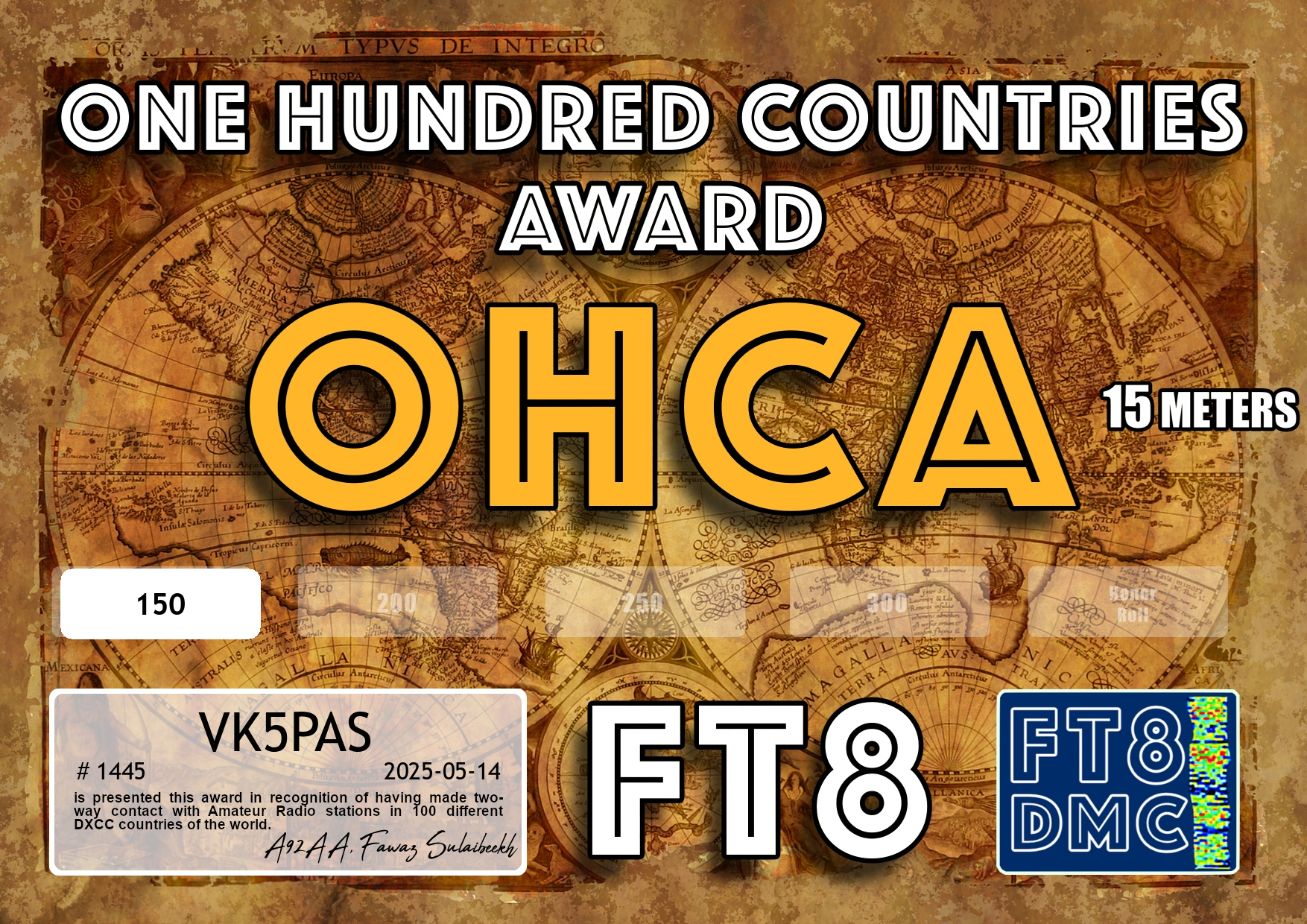
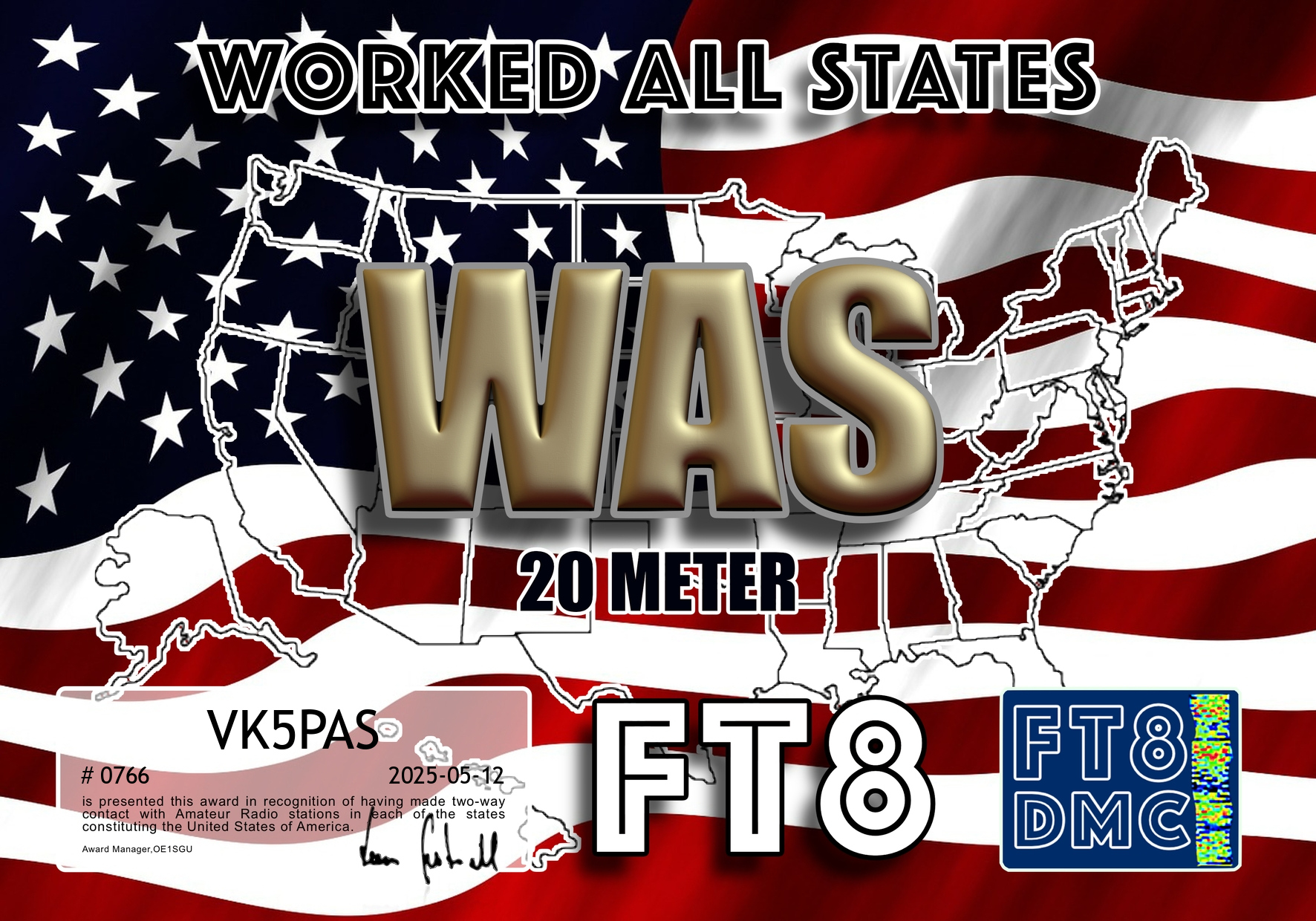
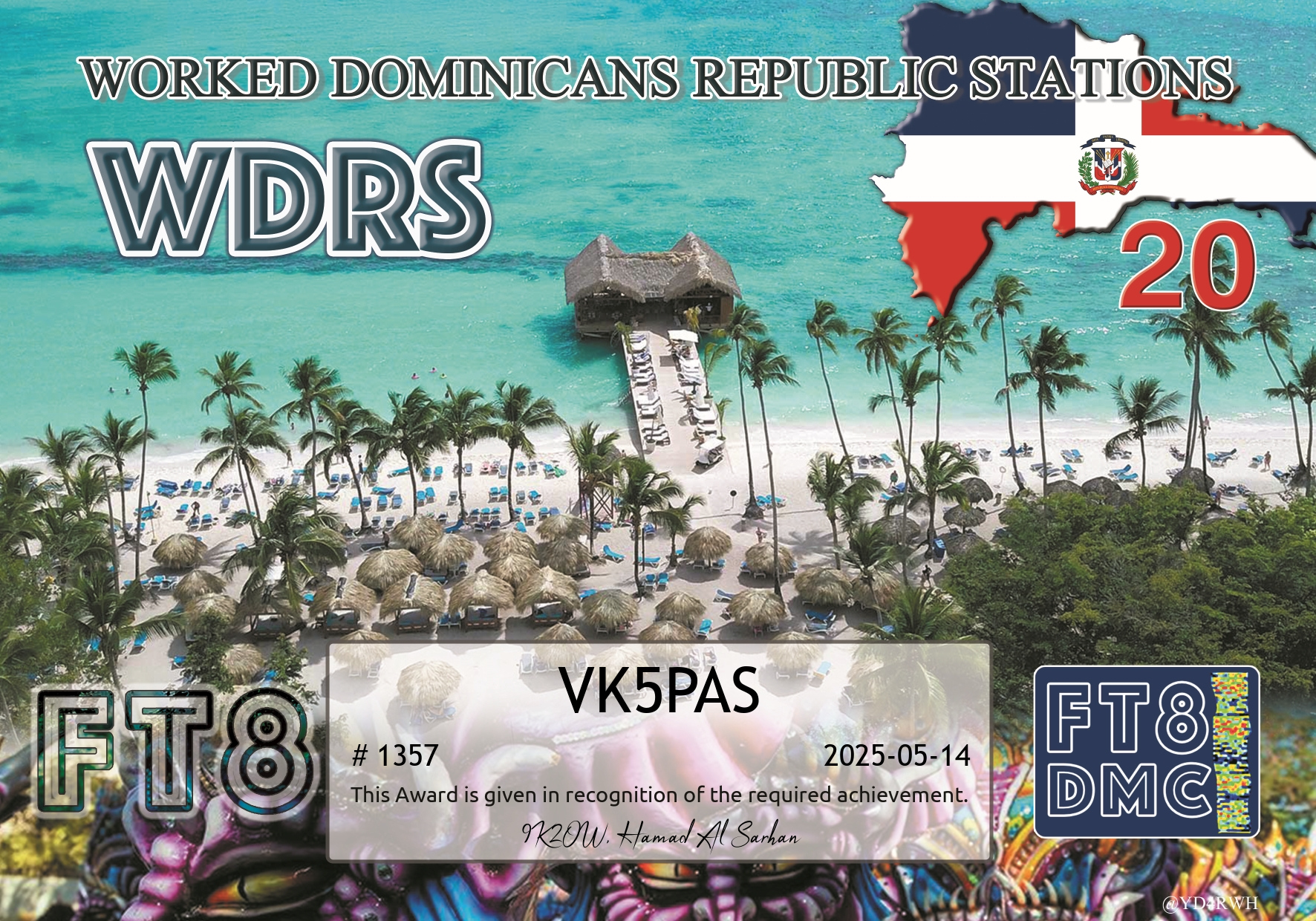
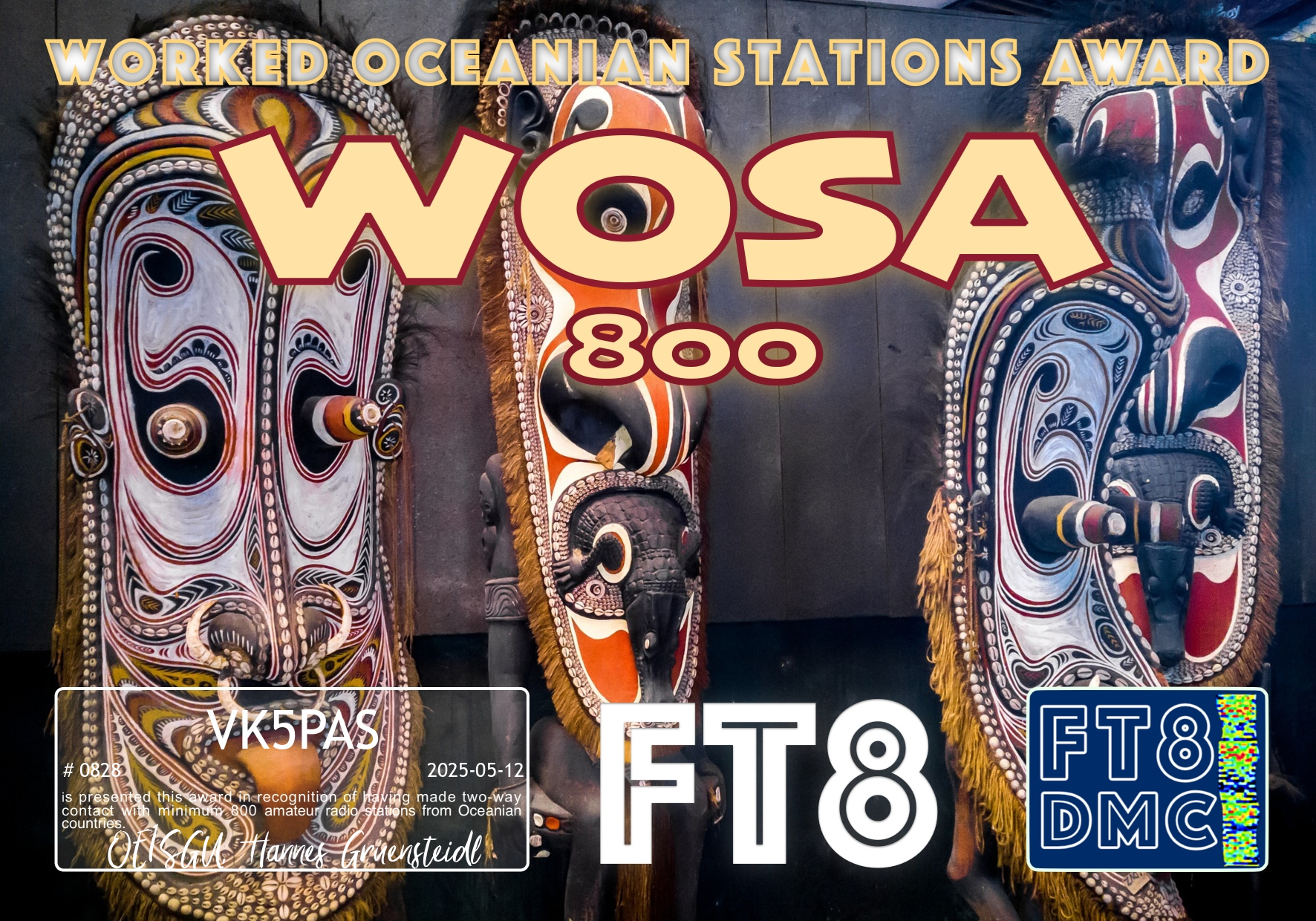
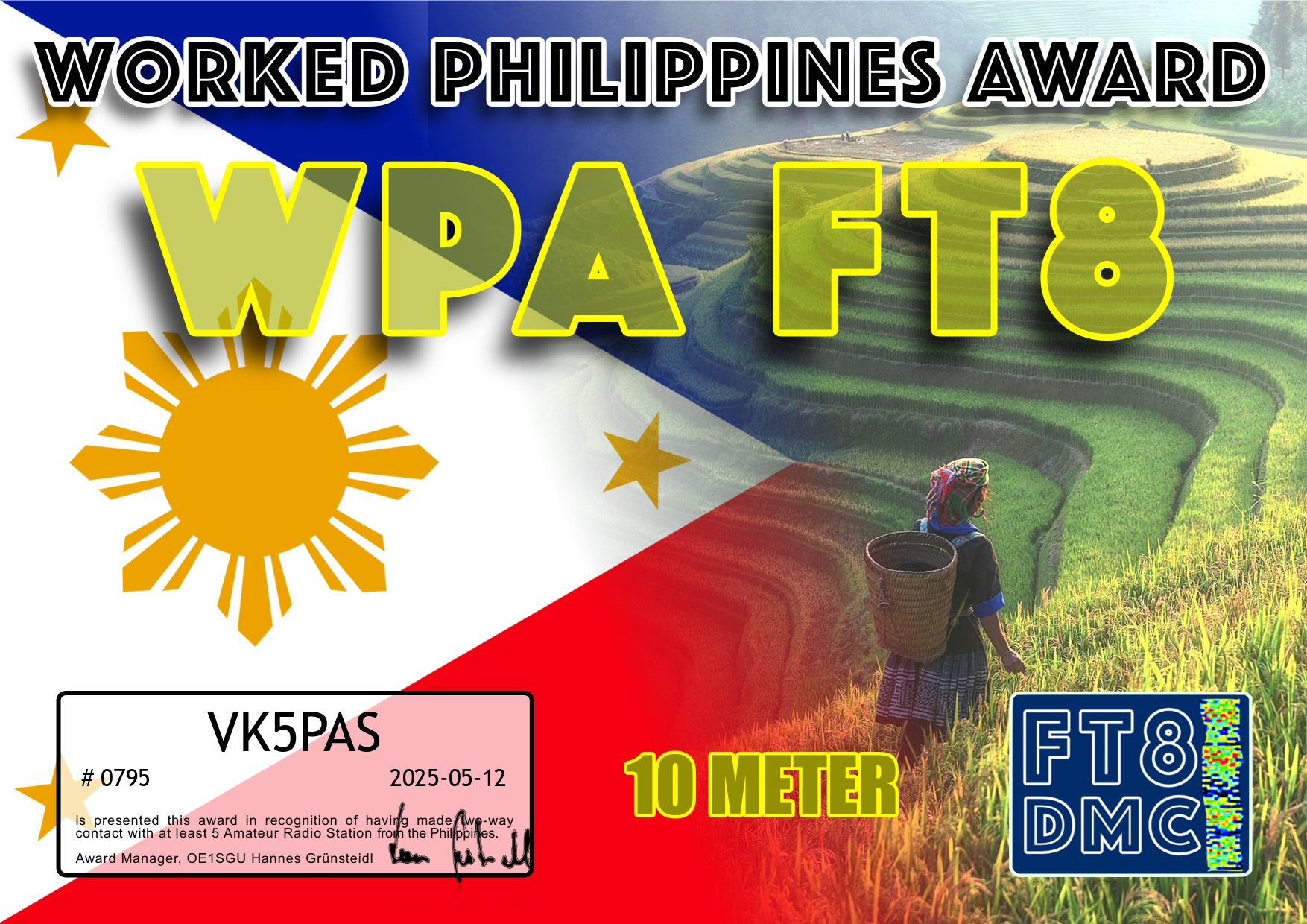

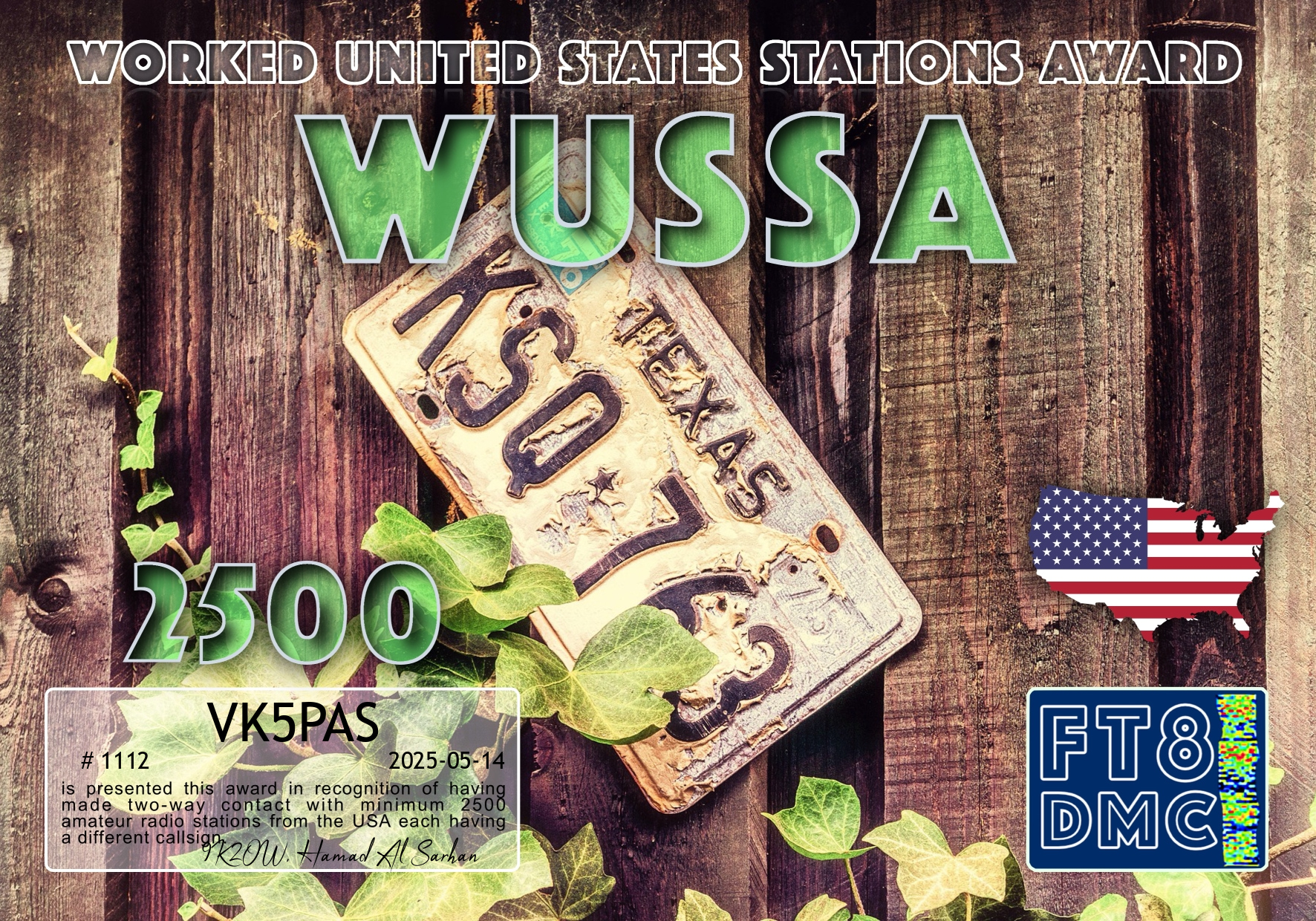

Here are my latest FT8 award certificates.
Thank you to all of the FT8 operators and the various Award Managers.
Here are my latest FT8 award certificates.
Thank you to all of the FT8 operators and the Award Managers.

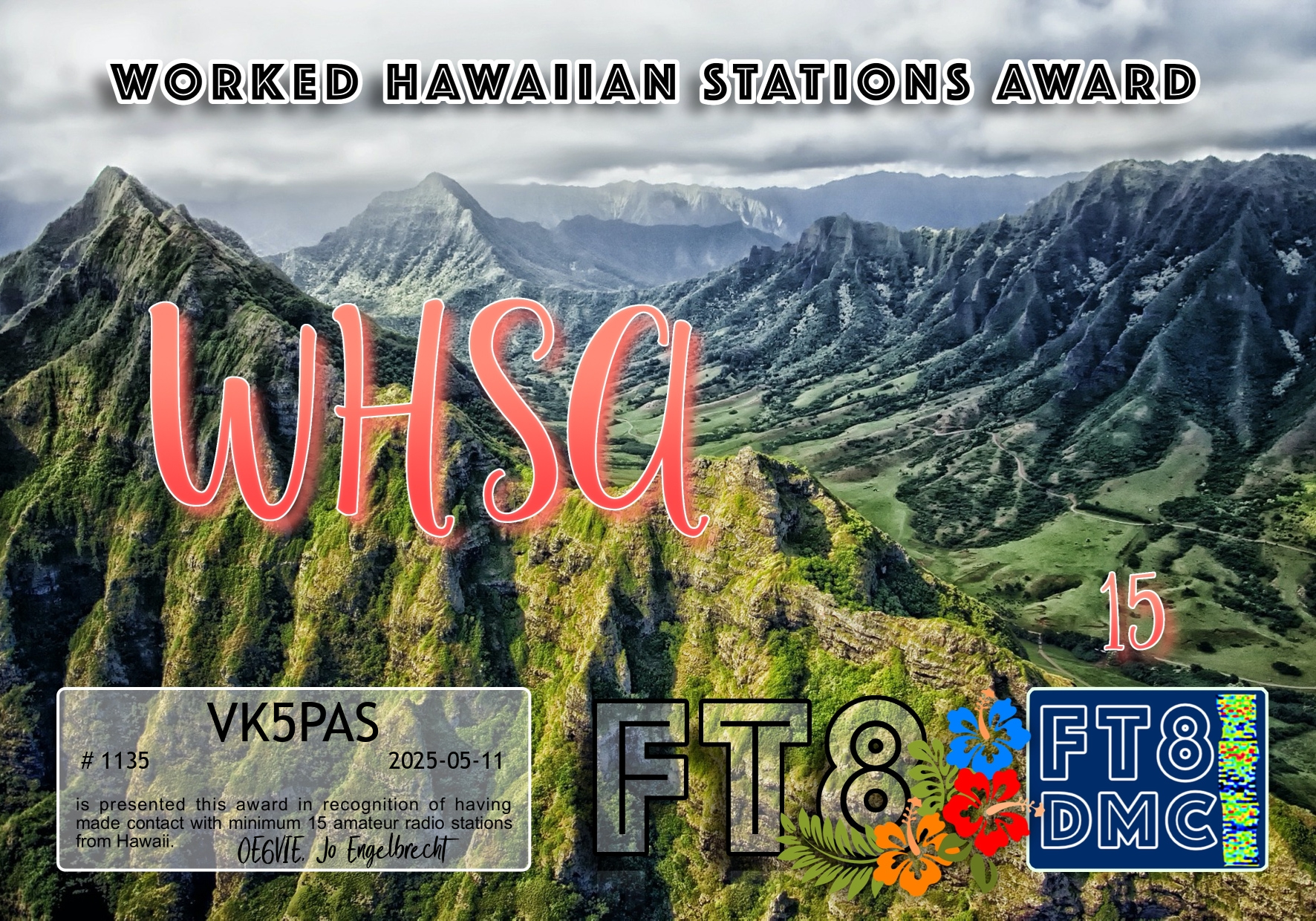
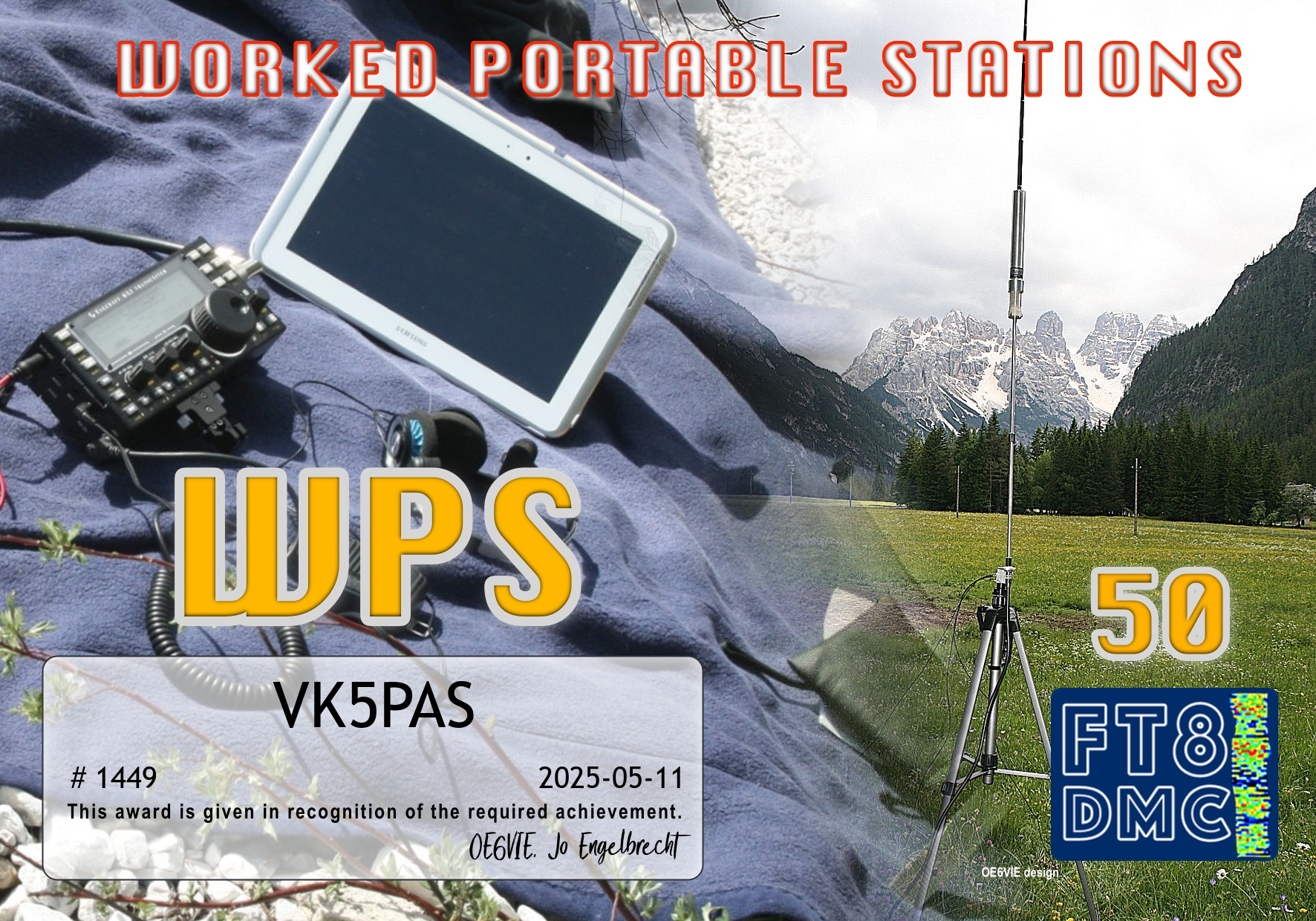
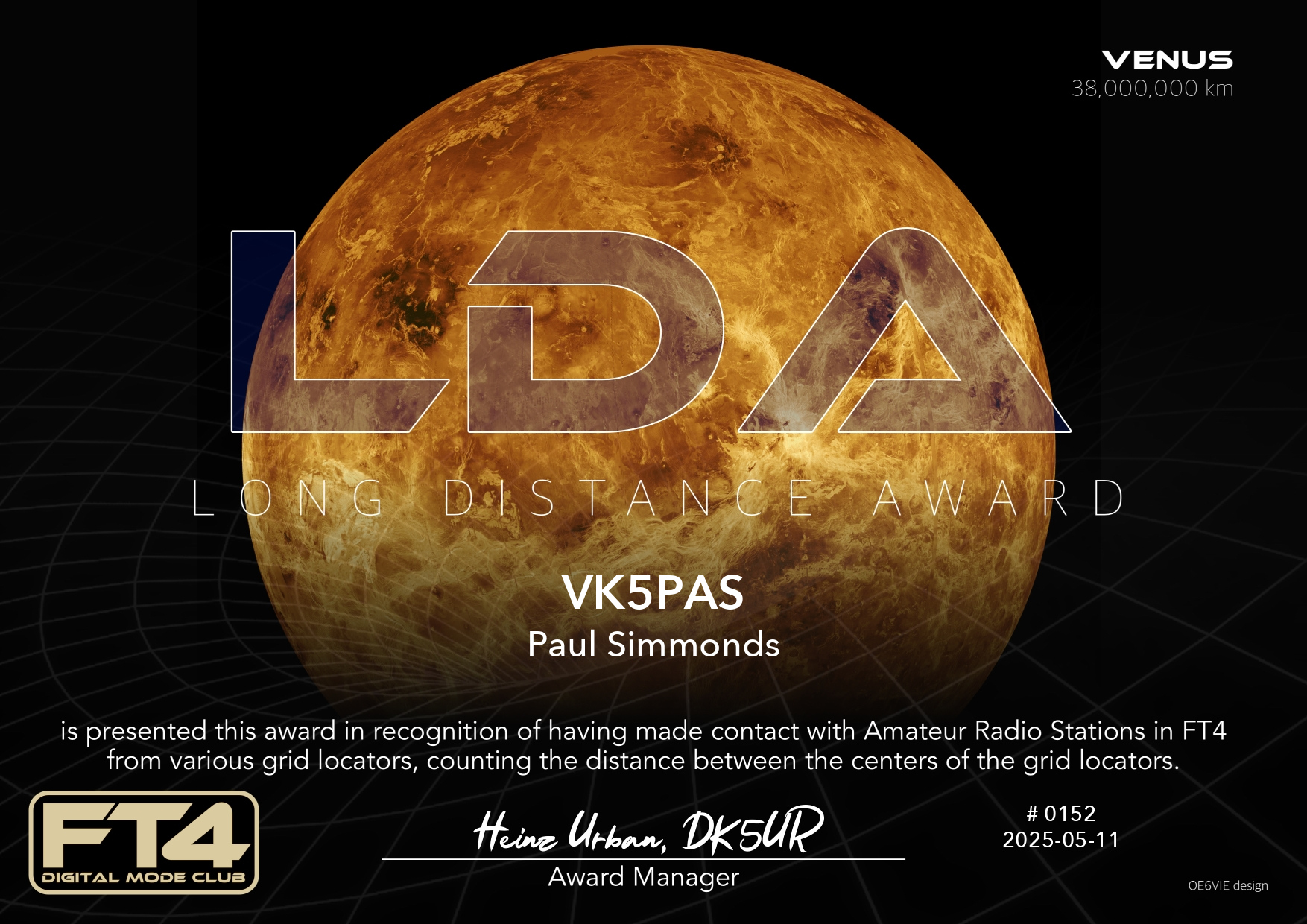
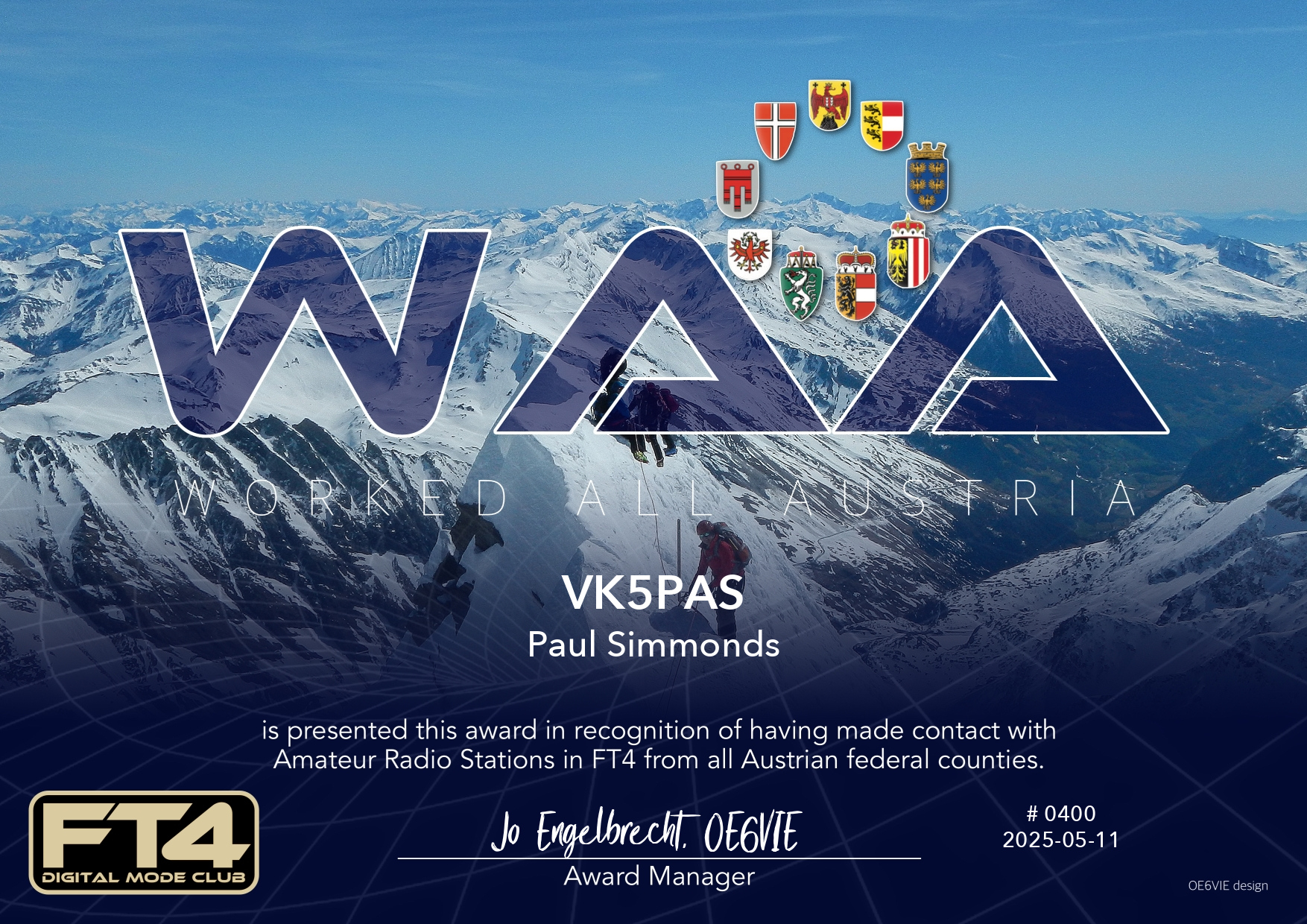
Here are my latest FT4 award certificates.
Thank you to all of the FT4 operators and the Award Managers.
It was now Wednesday, October 30th, 2024, and it was time for us to leave Bendigo and head to our next stop, Edenhope, in southwest Victoria.
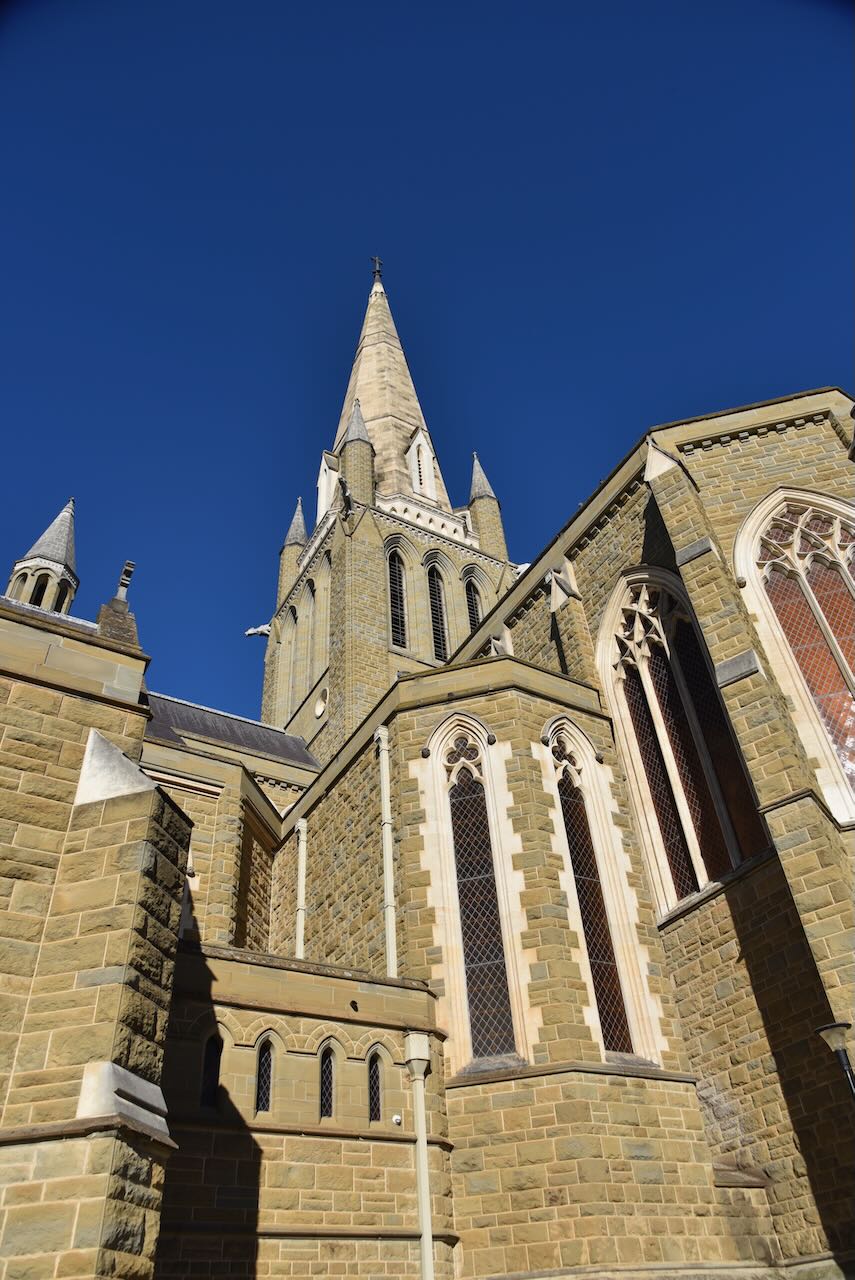
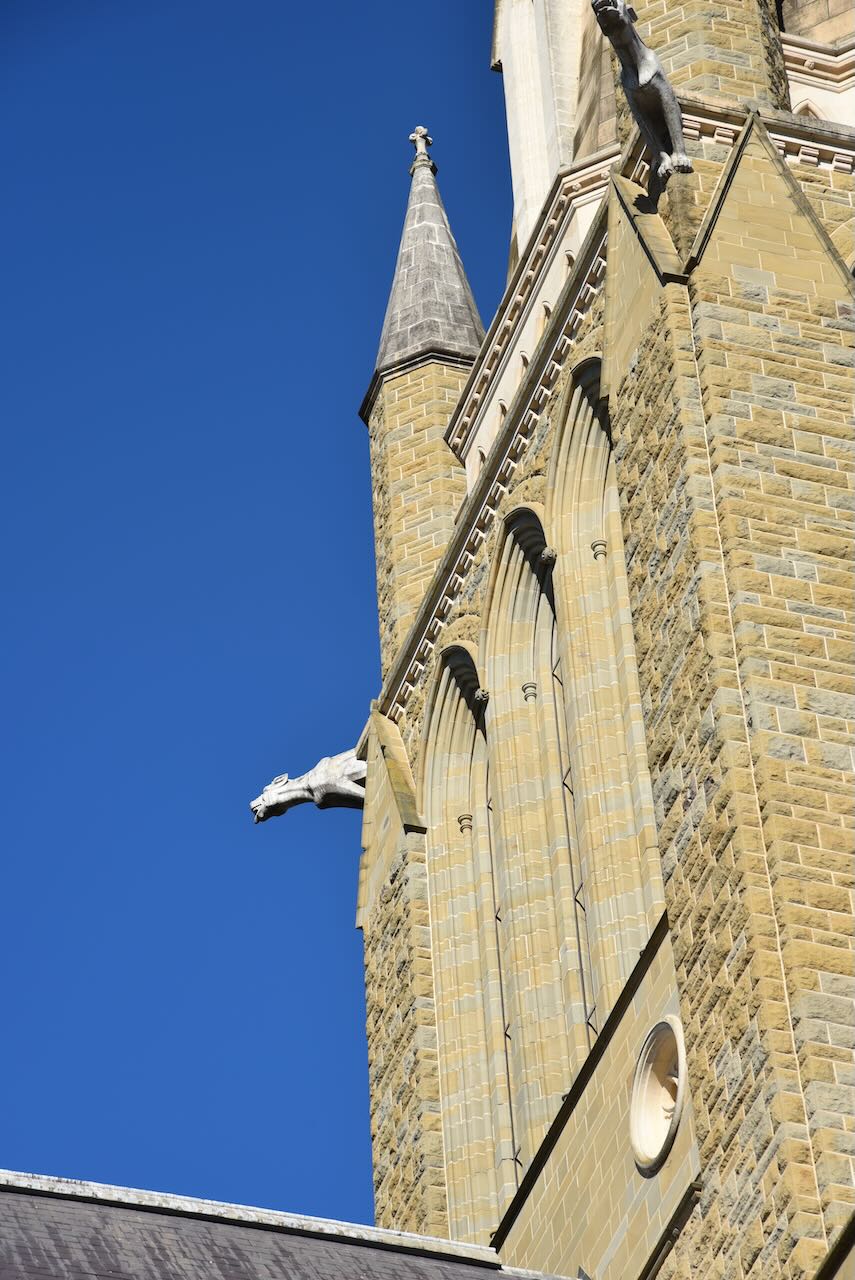
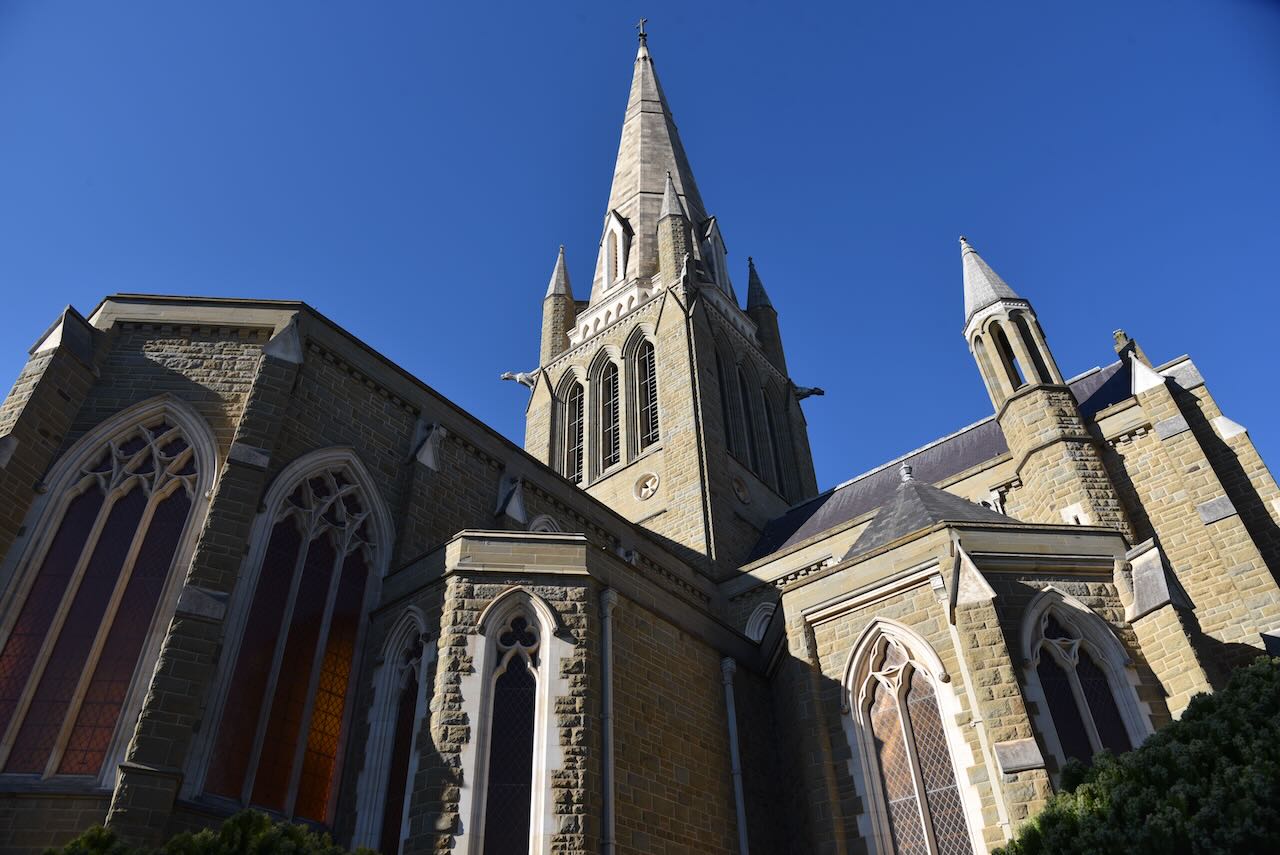
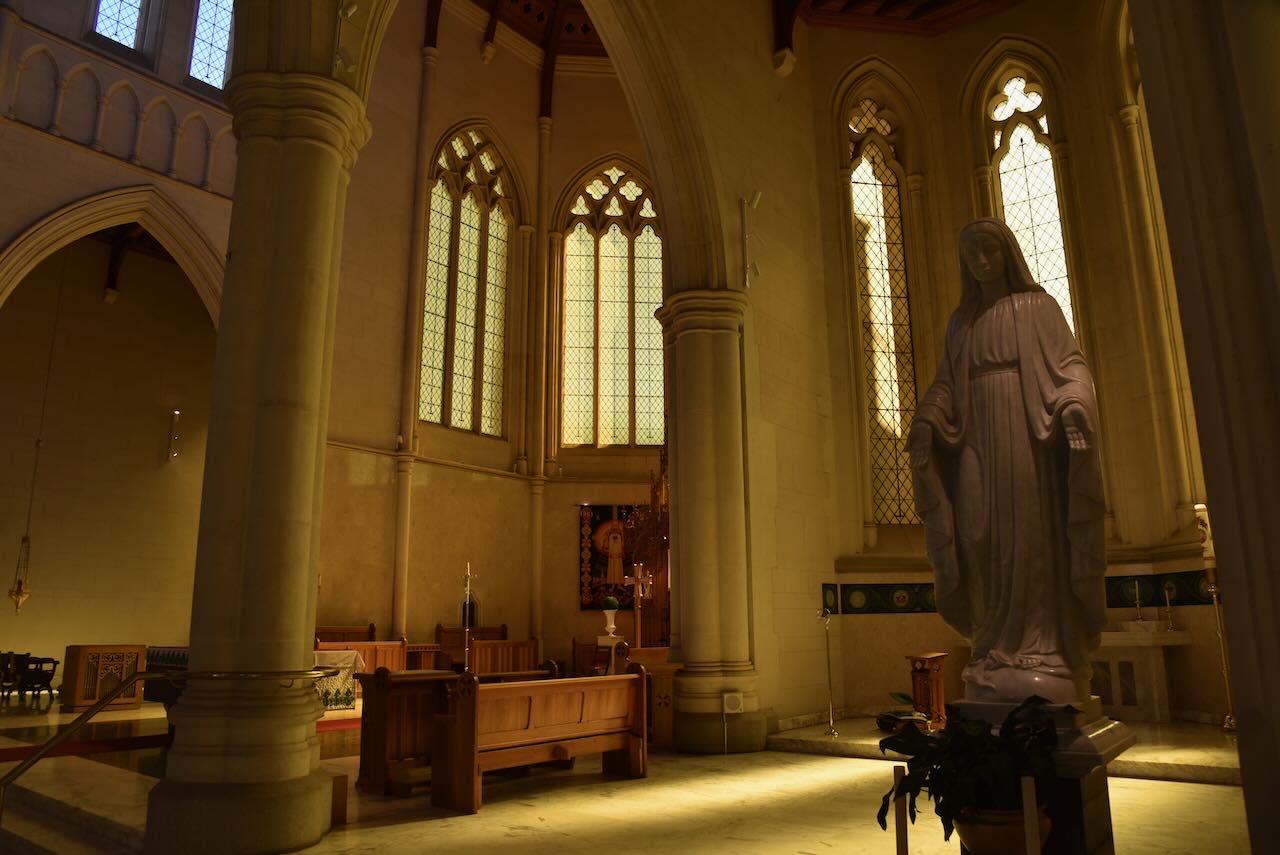
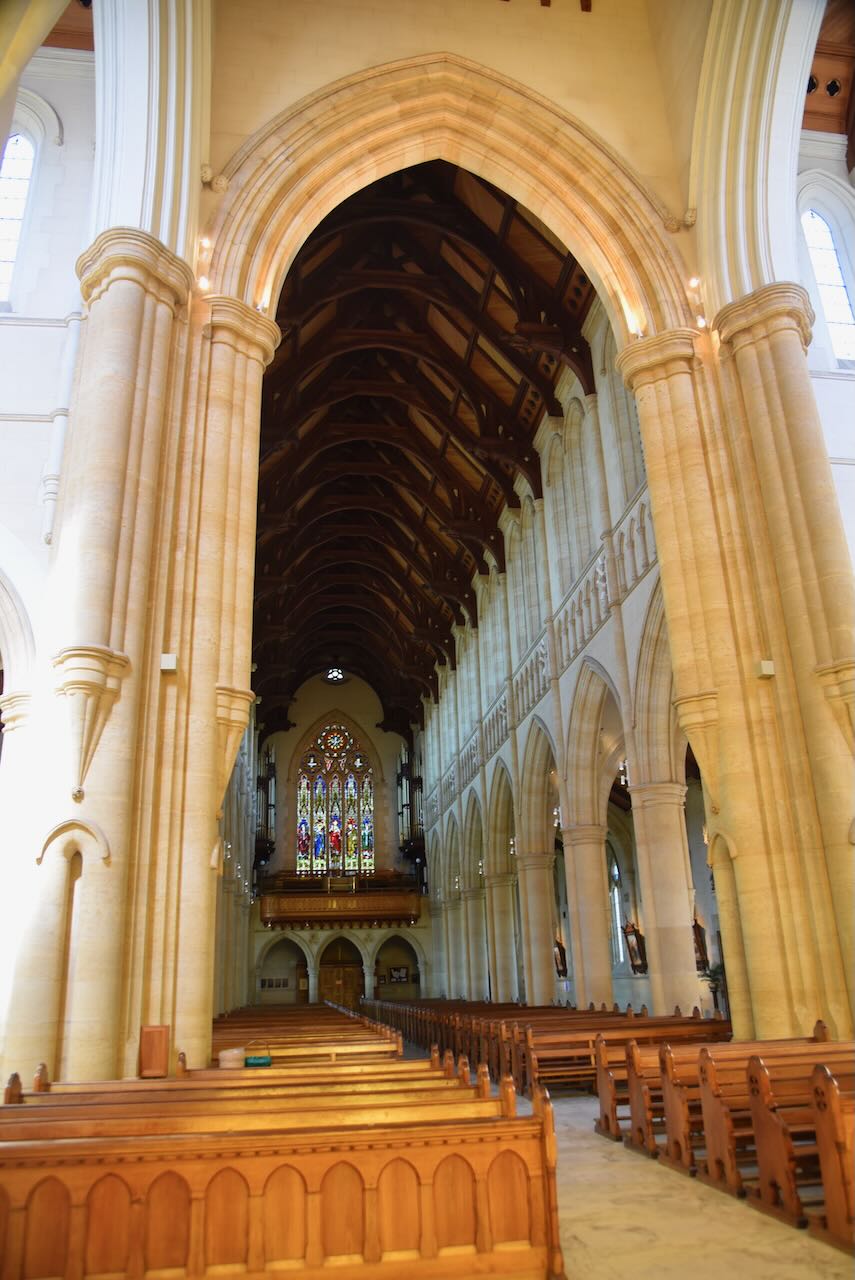
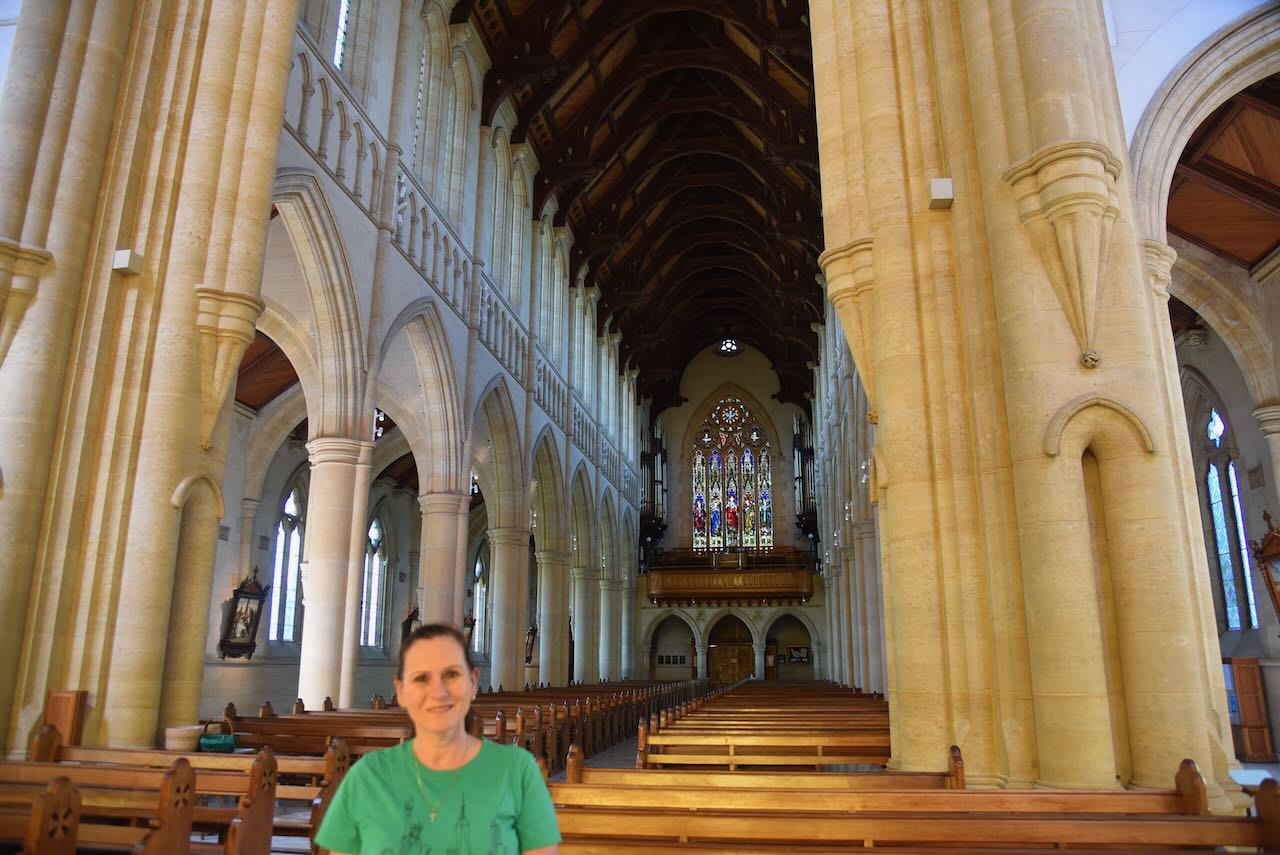
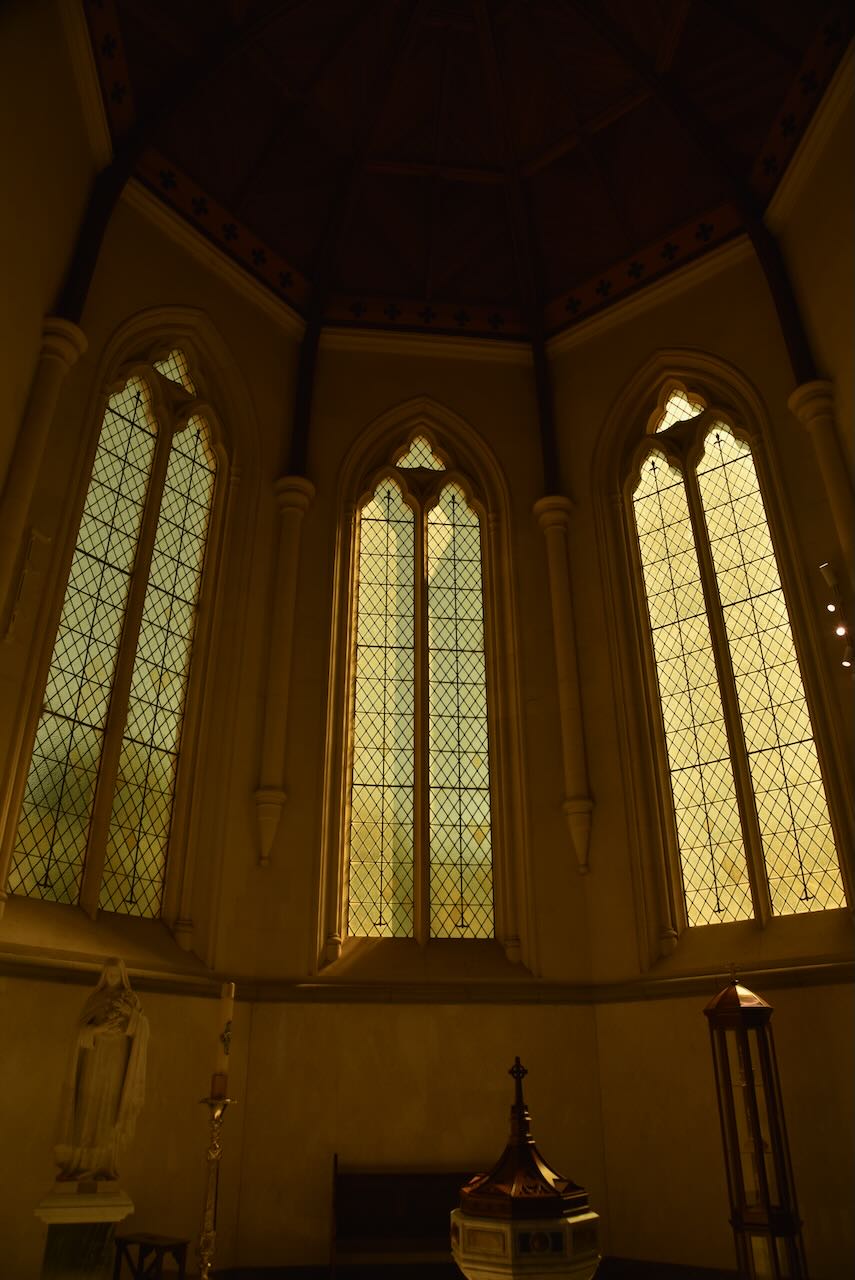
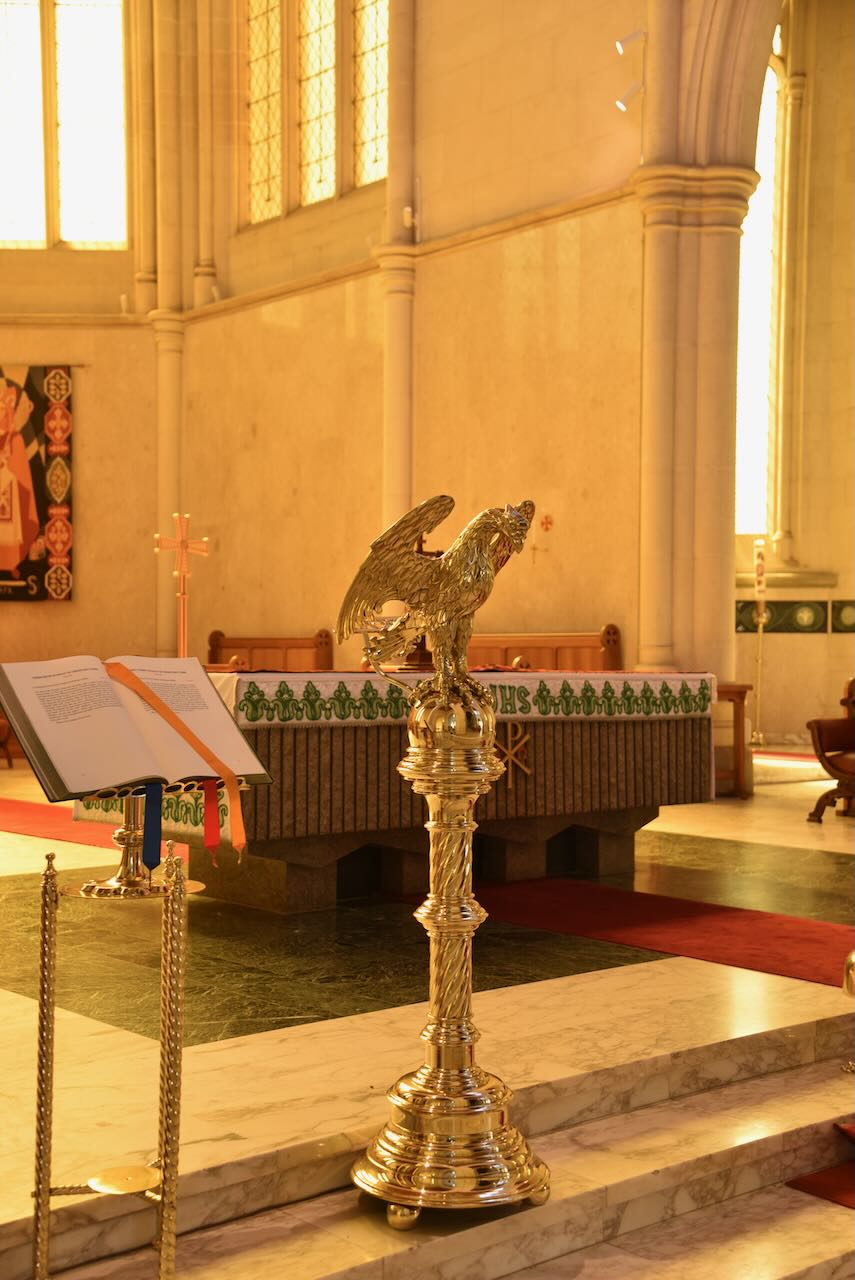
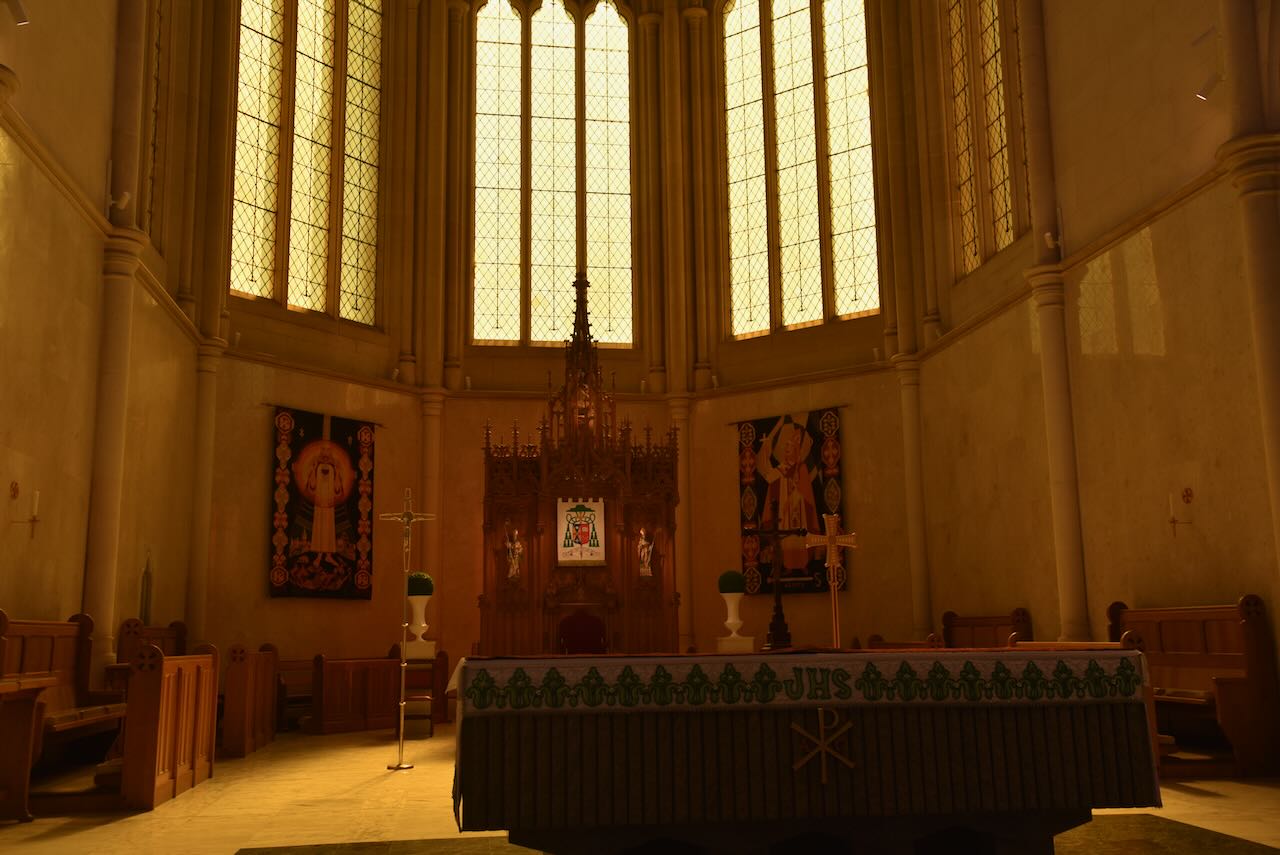
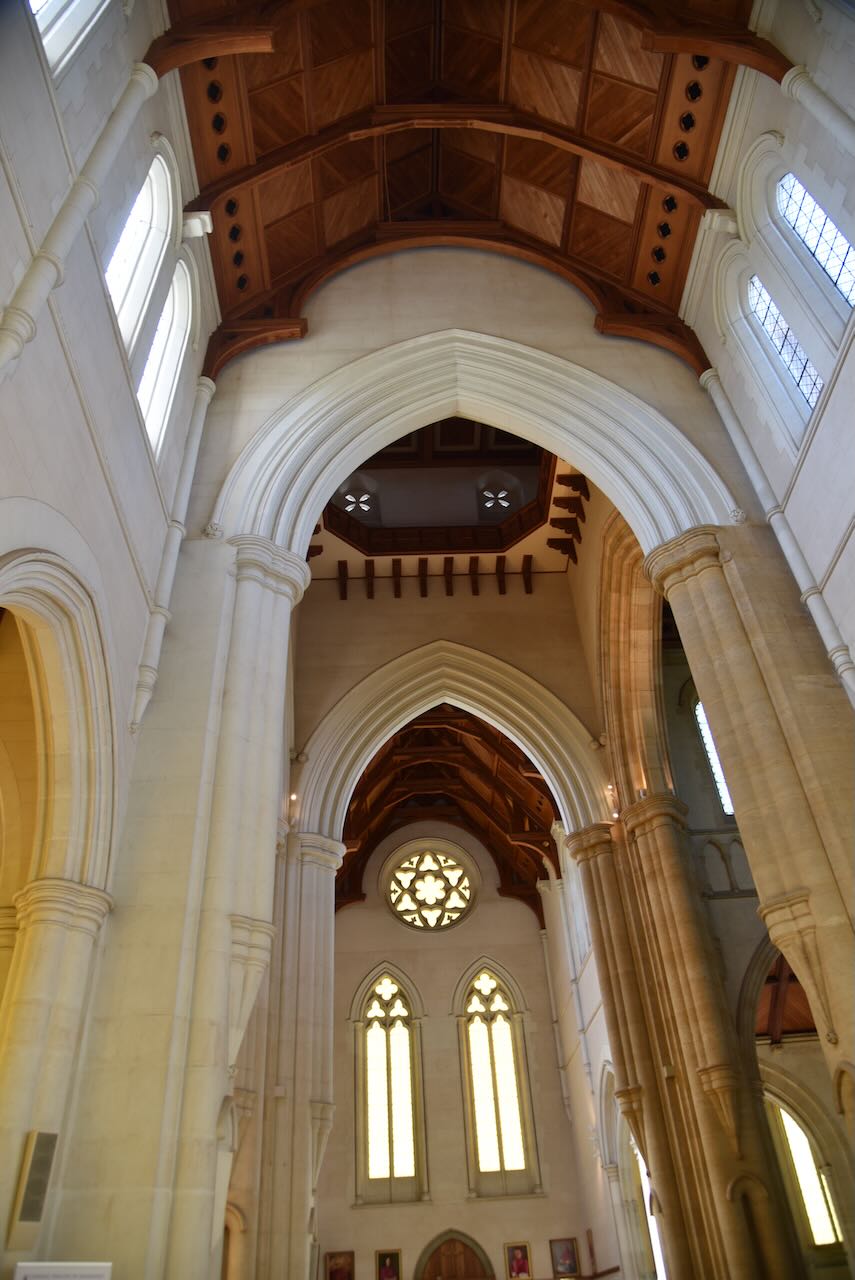
Marija and I headed out for breakfast, and before leaving Bendigo, we visited the very impressive Sacred Heart Cathedral, which dominates the Bendigo skyline. It is one of Australia’s largest churches, and the third tallest after St Patrick’s Cathedral and St Paul’s Cathedral in Melbourne.
The cathedral was designed by architect William Tappin (b. 1854, d. 1905) from the firm Reed, Barnes, and Tappin. The style of the cathedral is English Gothic with enclosed flying buttresses. Thomas Cockram and Son were the builders of the first stage of the cathedral, with a contract price of £31,385. (www.sandhurst.catholic.org.au, n.d.)
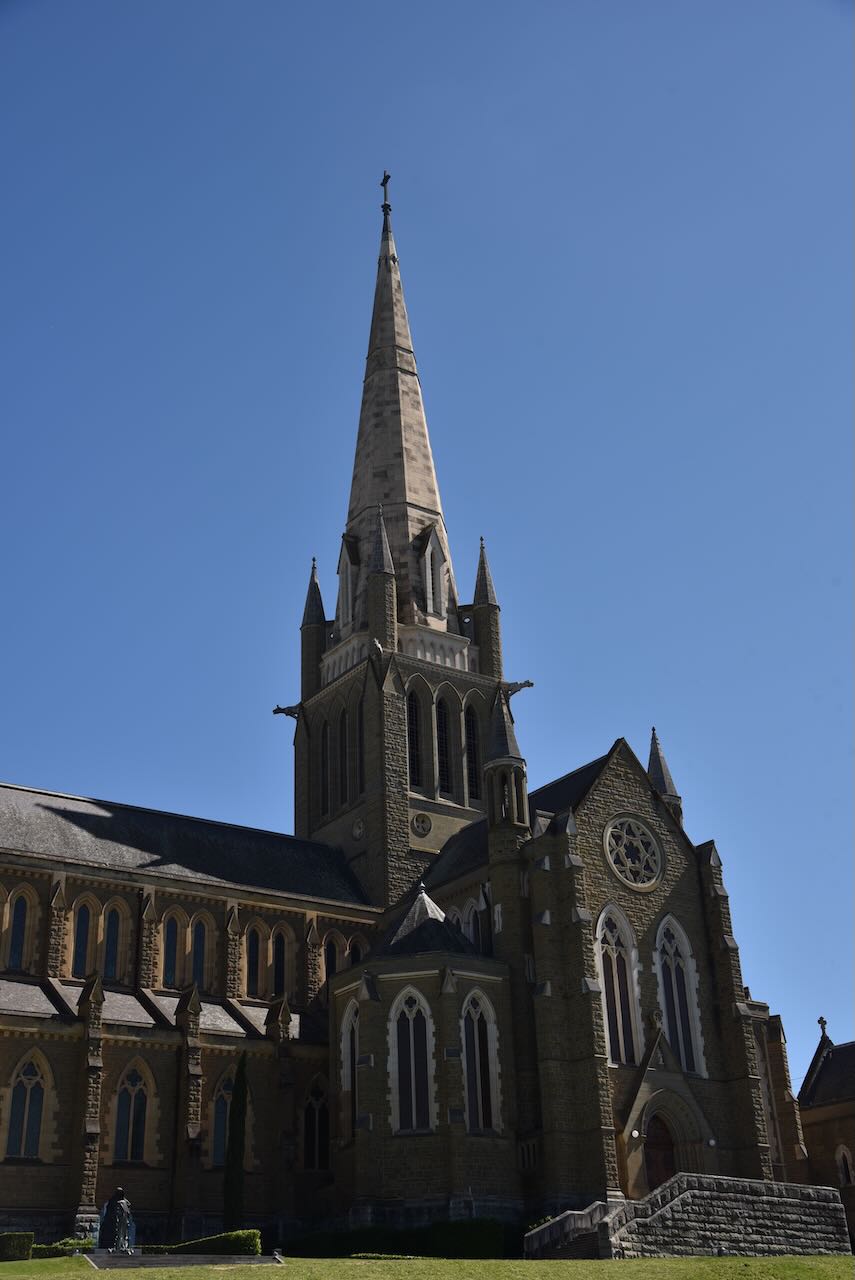
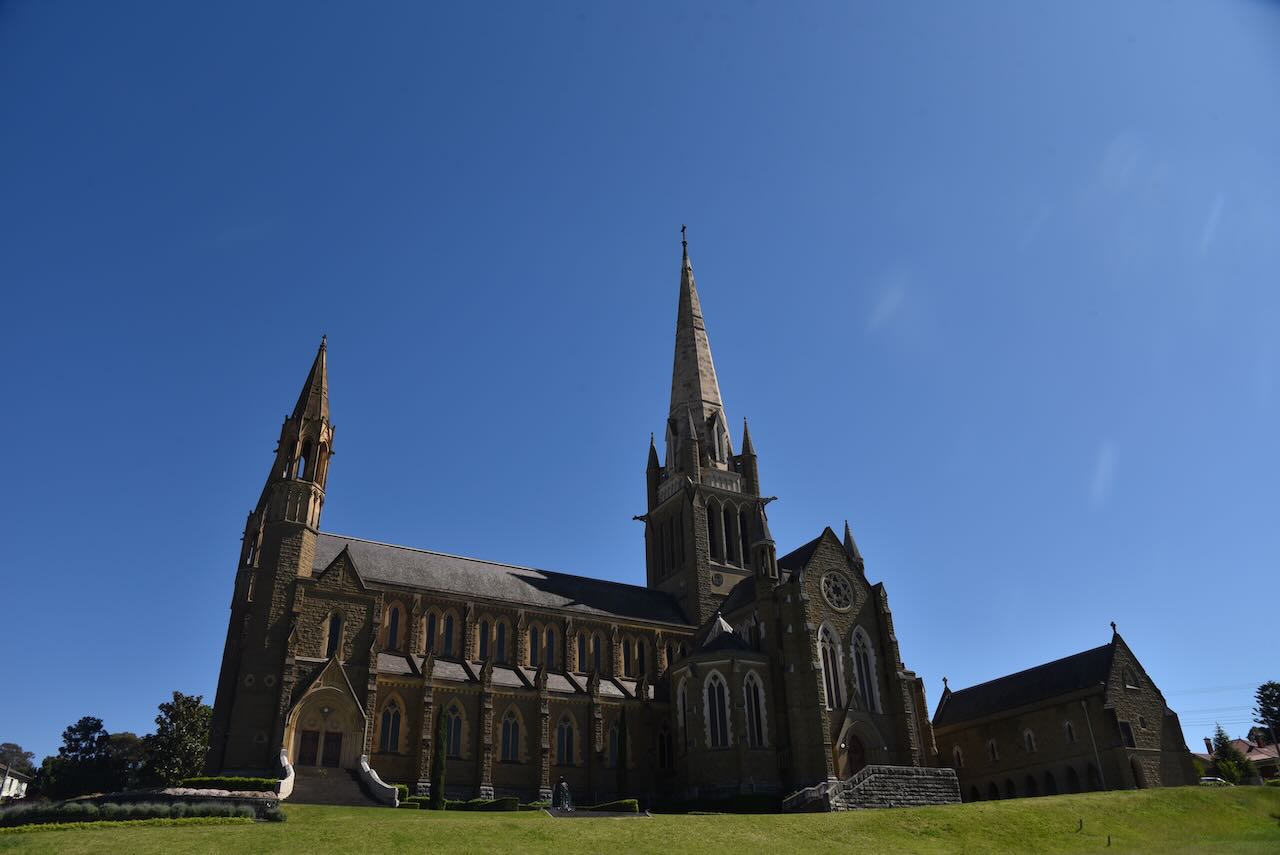
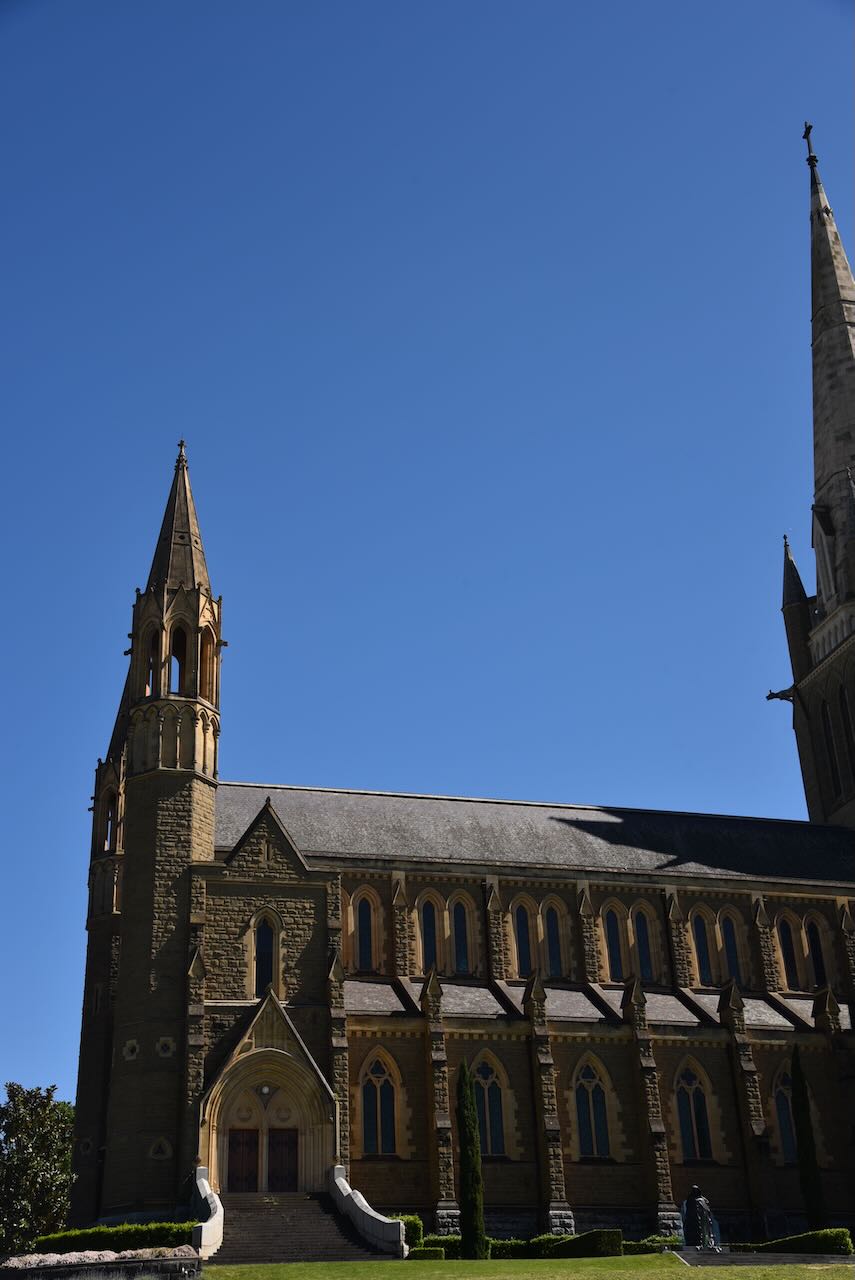
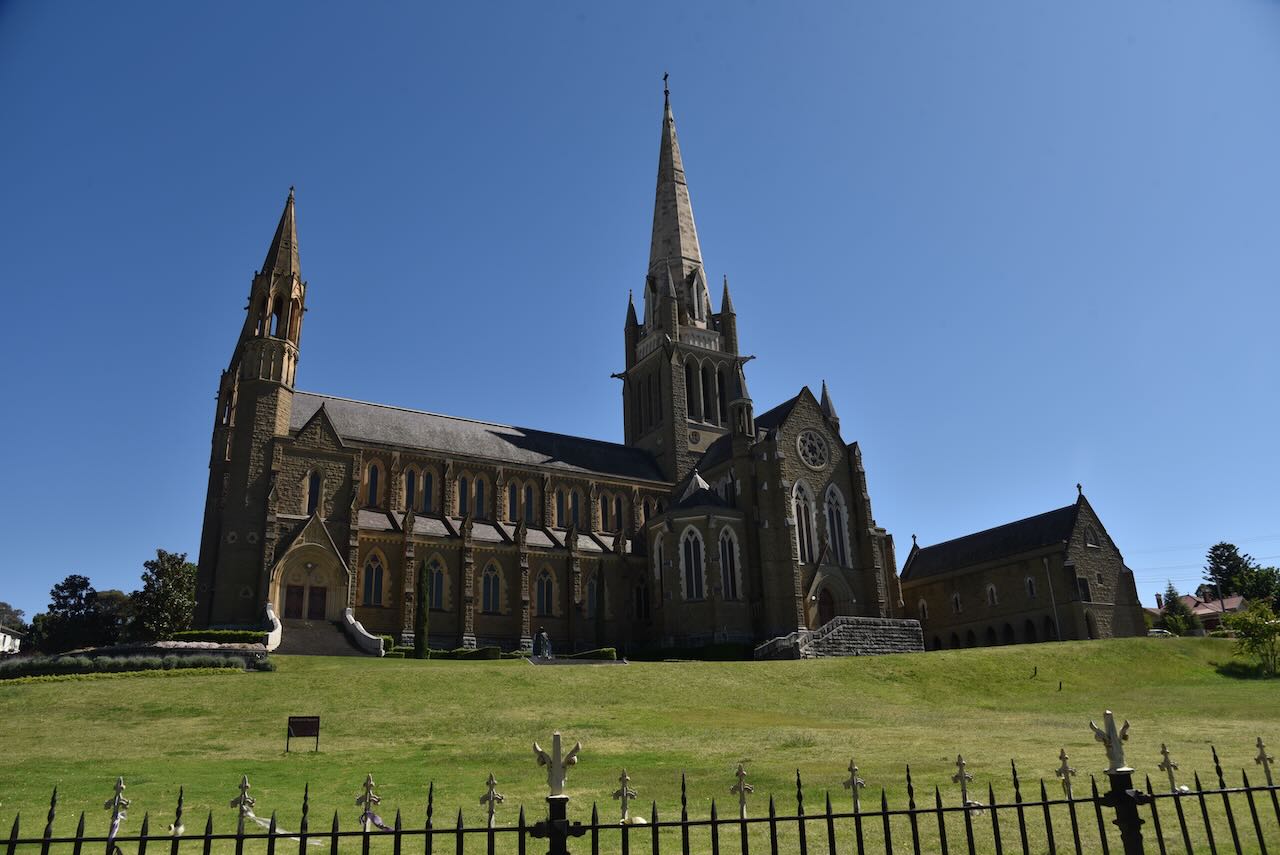
The architects involved in the second stage of the cathedral were Alan Ralton and Frank Turner, with the construction under direct labour under a superintendent of works. The cathedral’s foundation consists of granite from Harcourt, near Bendigo. The walls of the cathedral are constructed of sandstone from the Geelong district. The limestone used for the cathedral’s dressings and carvings comes from the Waurn Ponds area and Mount Gambier. The cathedral’s floor is Calacatta Vagli Extra marble from Italy. (www.sandhurst.catholic.org.au, n.d.)
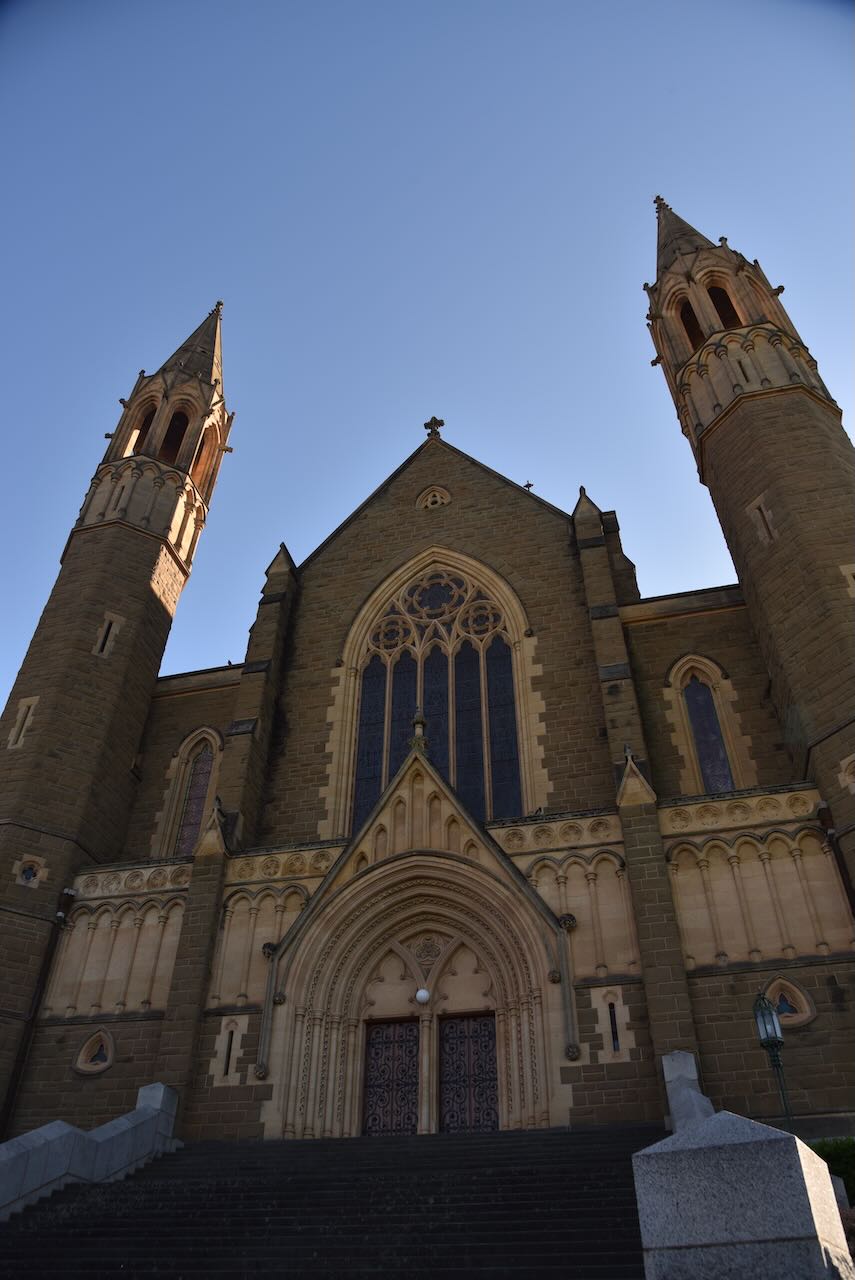
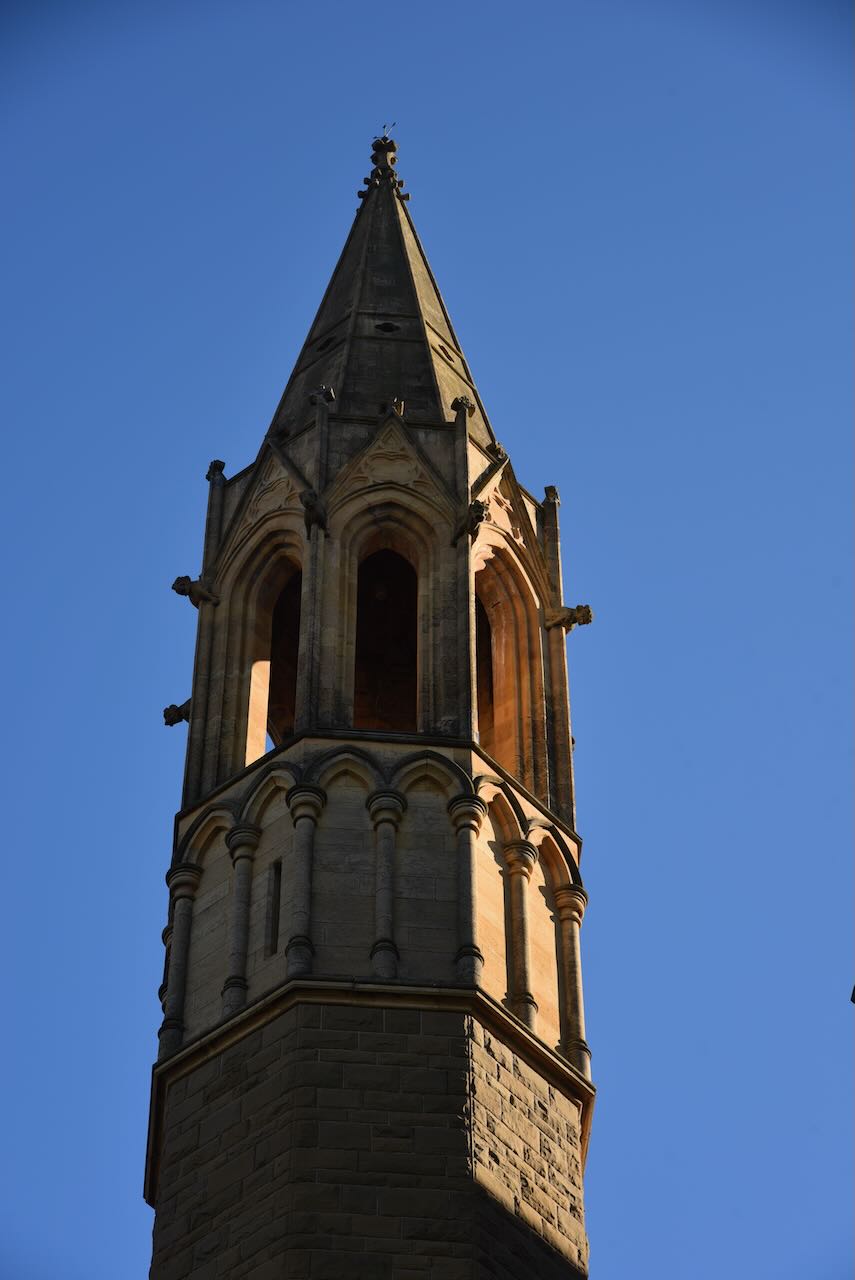
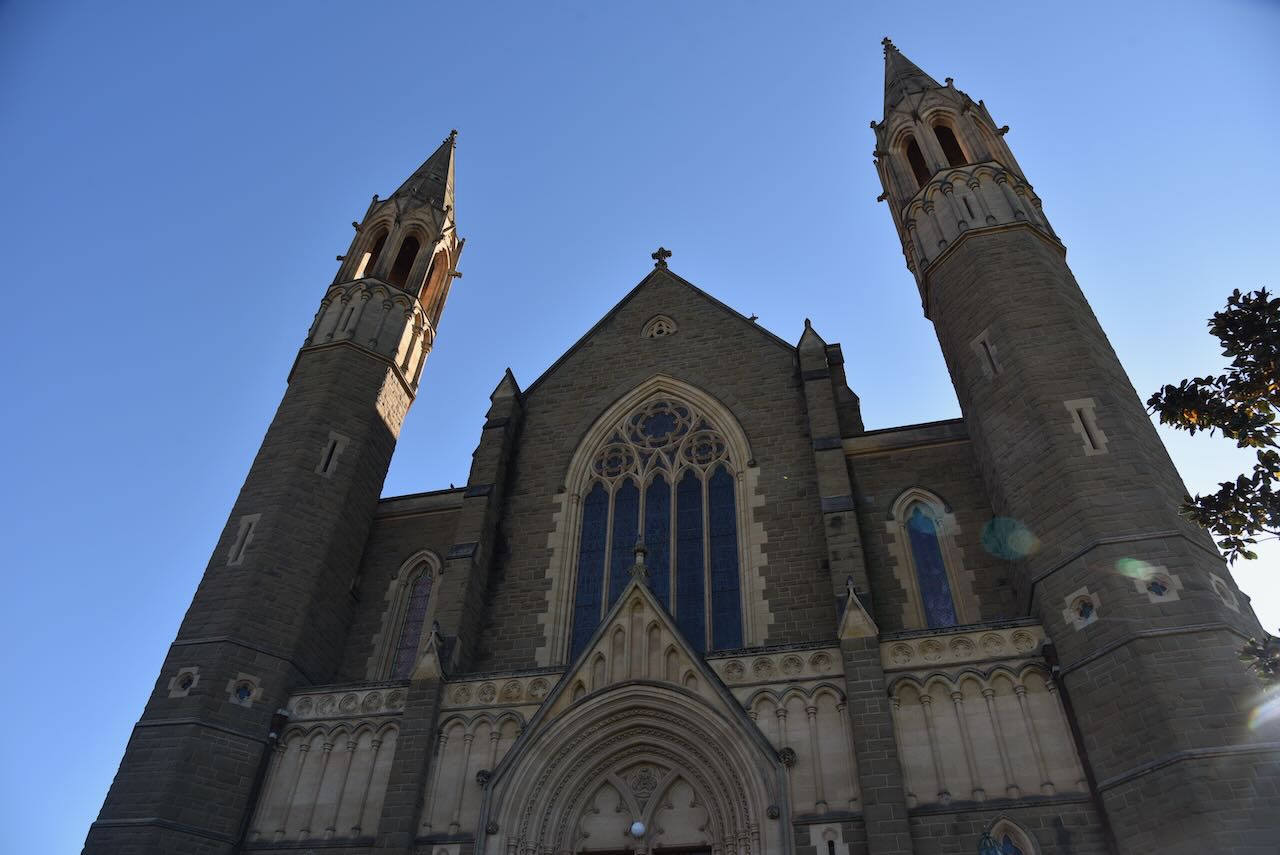
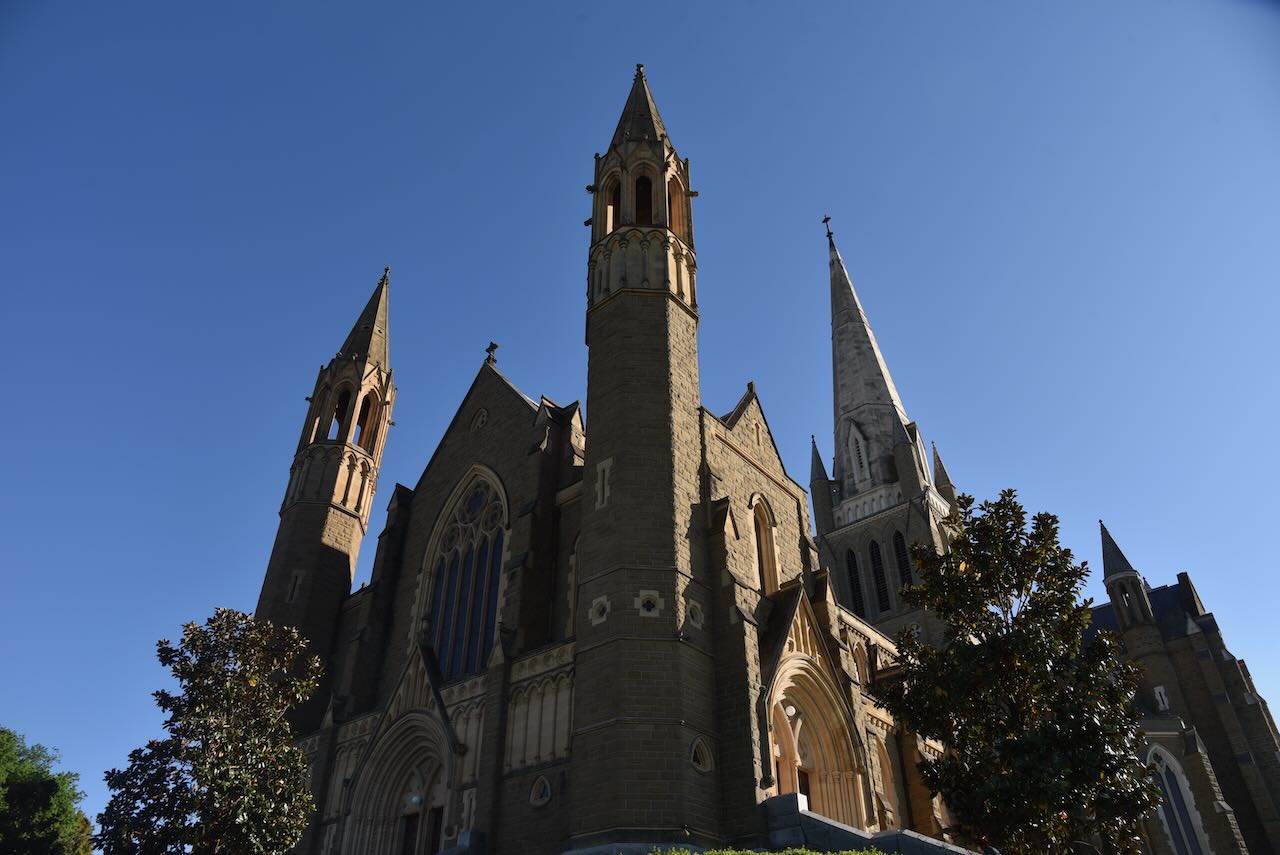
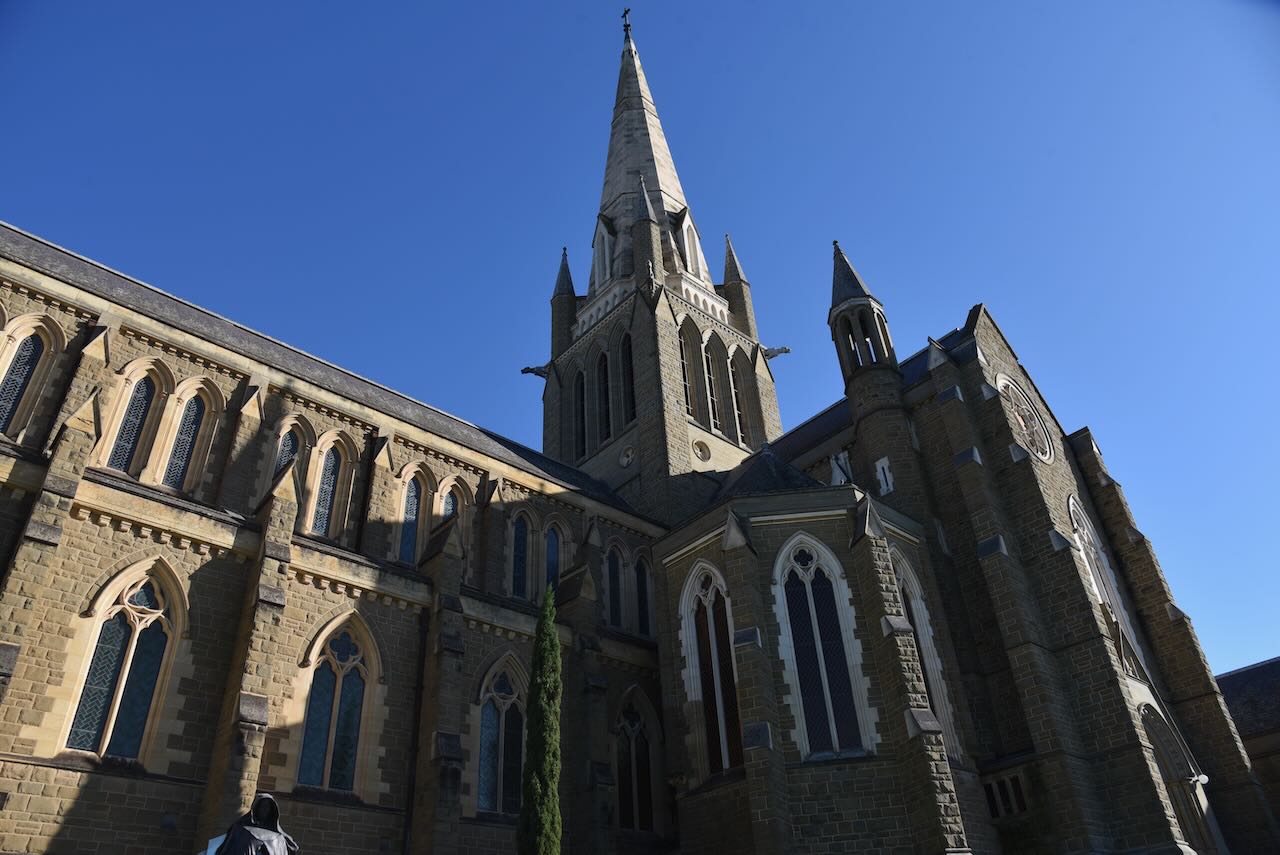
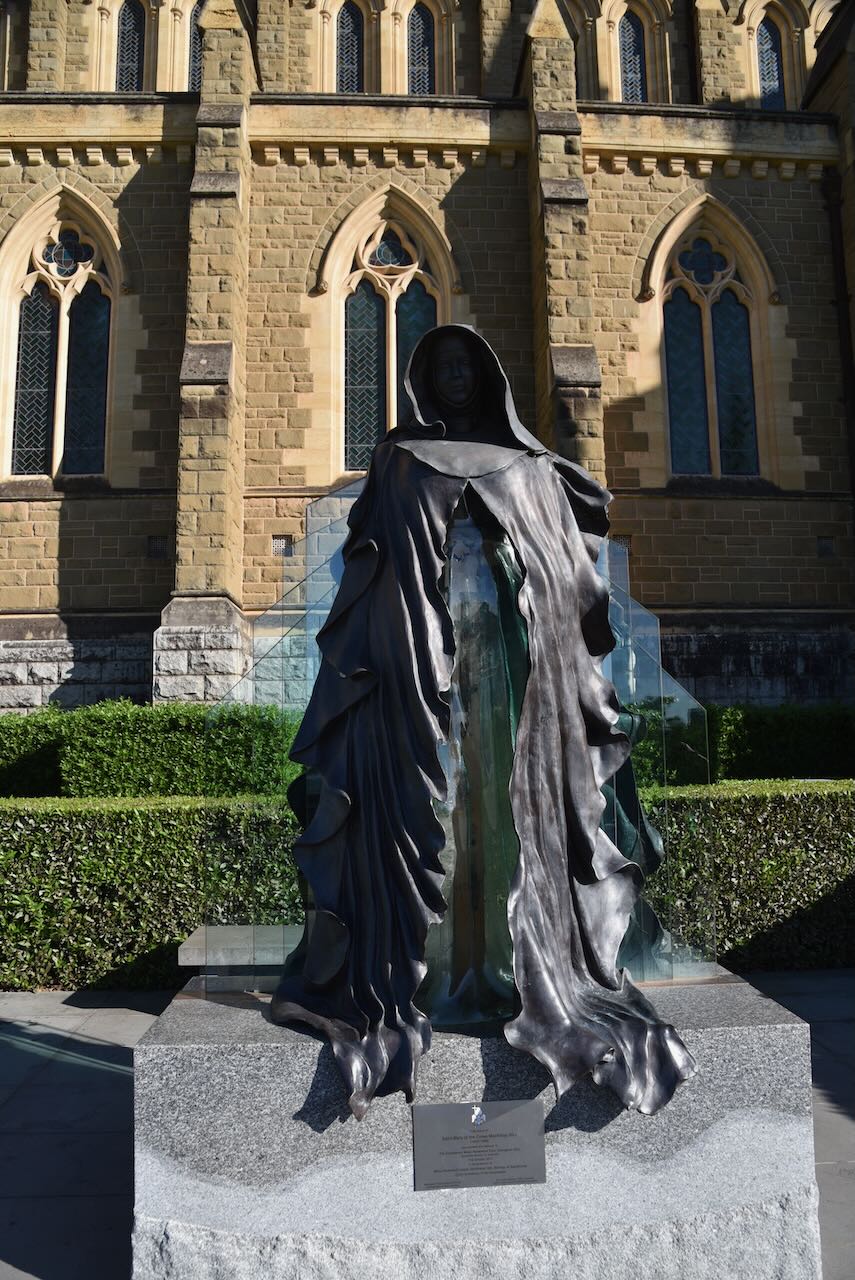
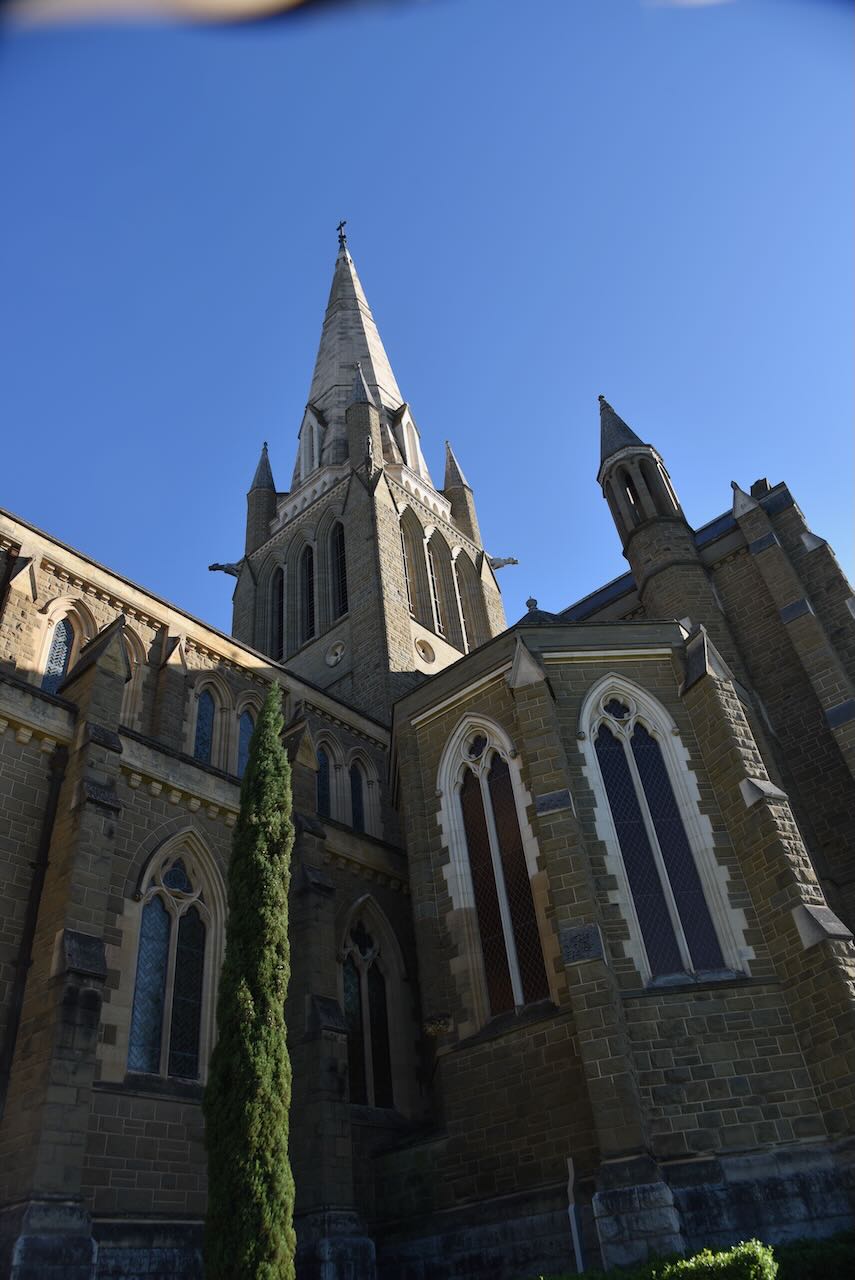
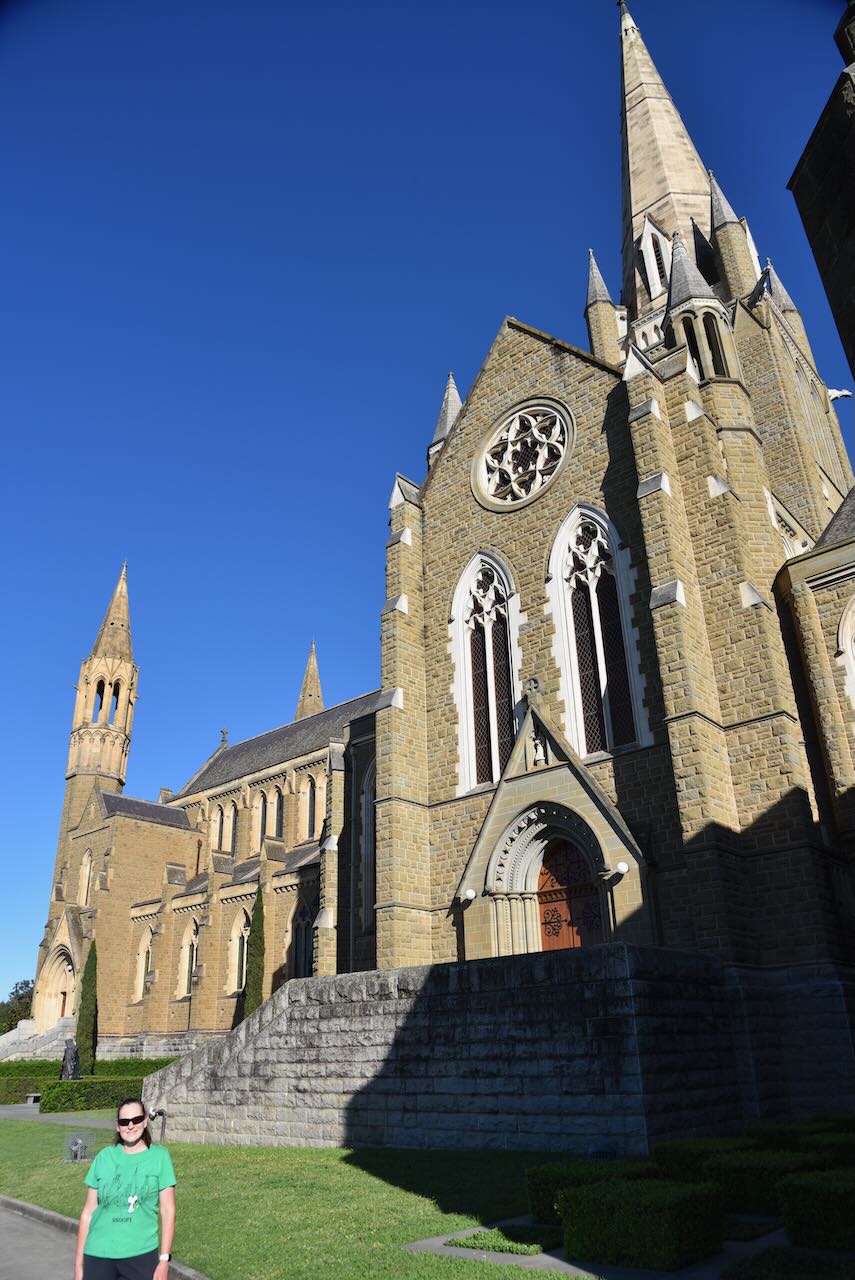
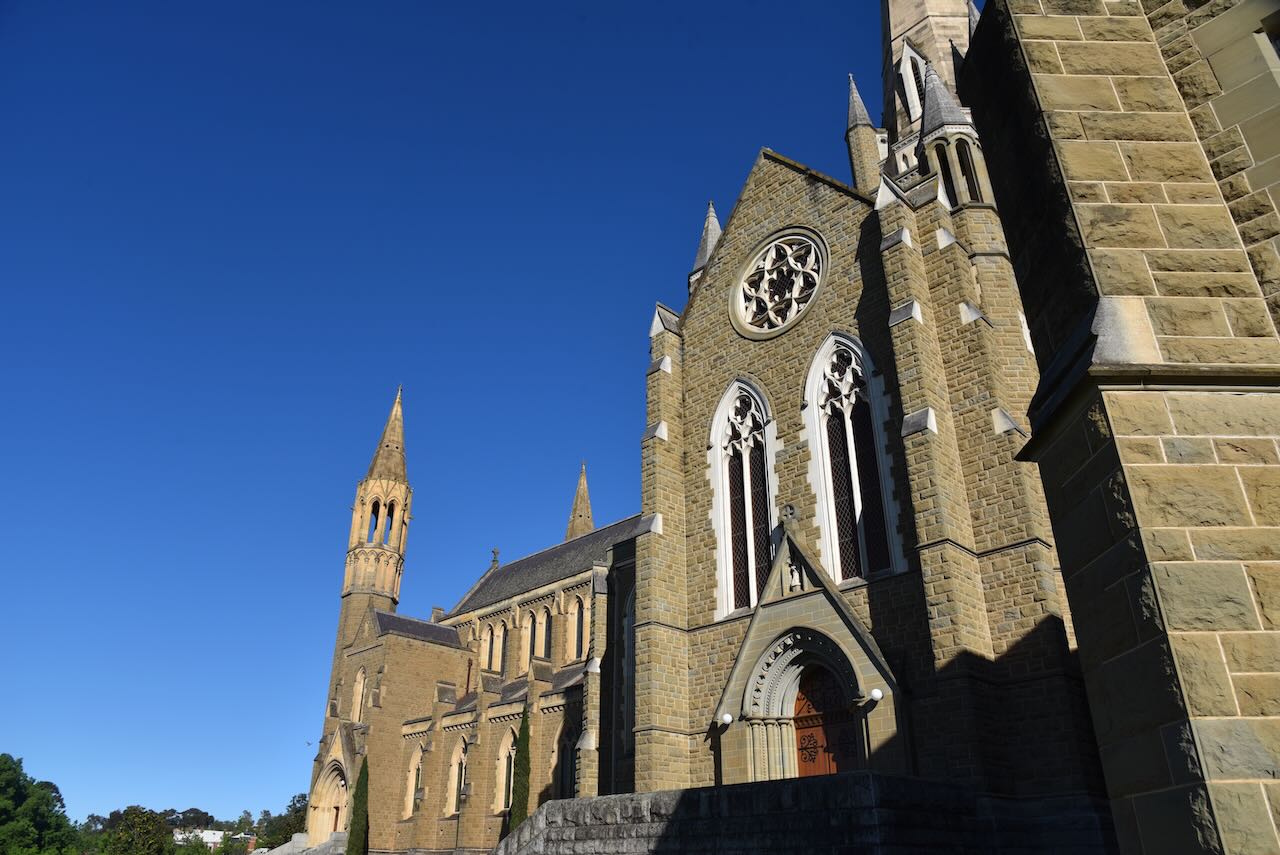
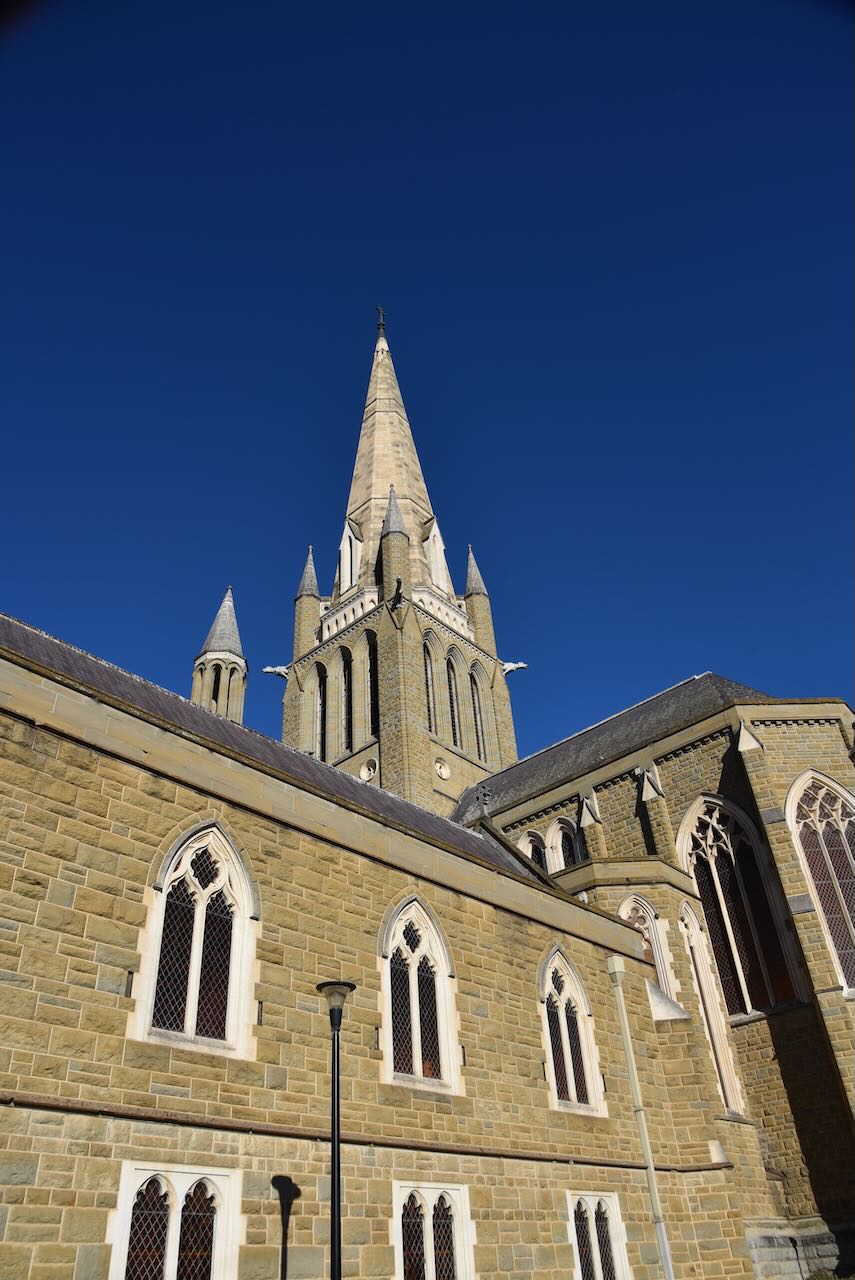
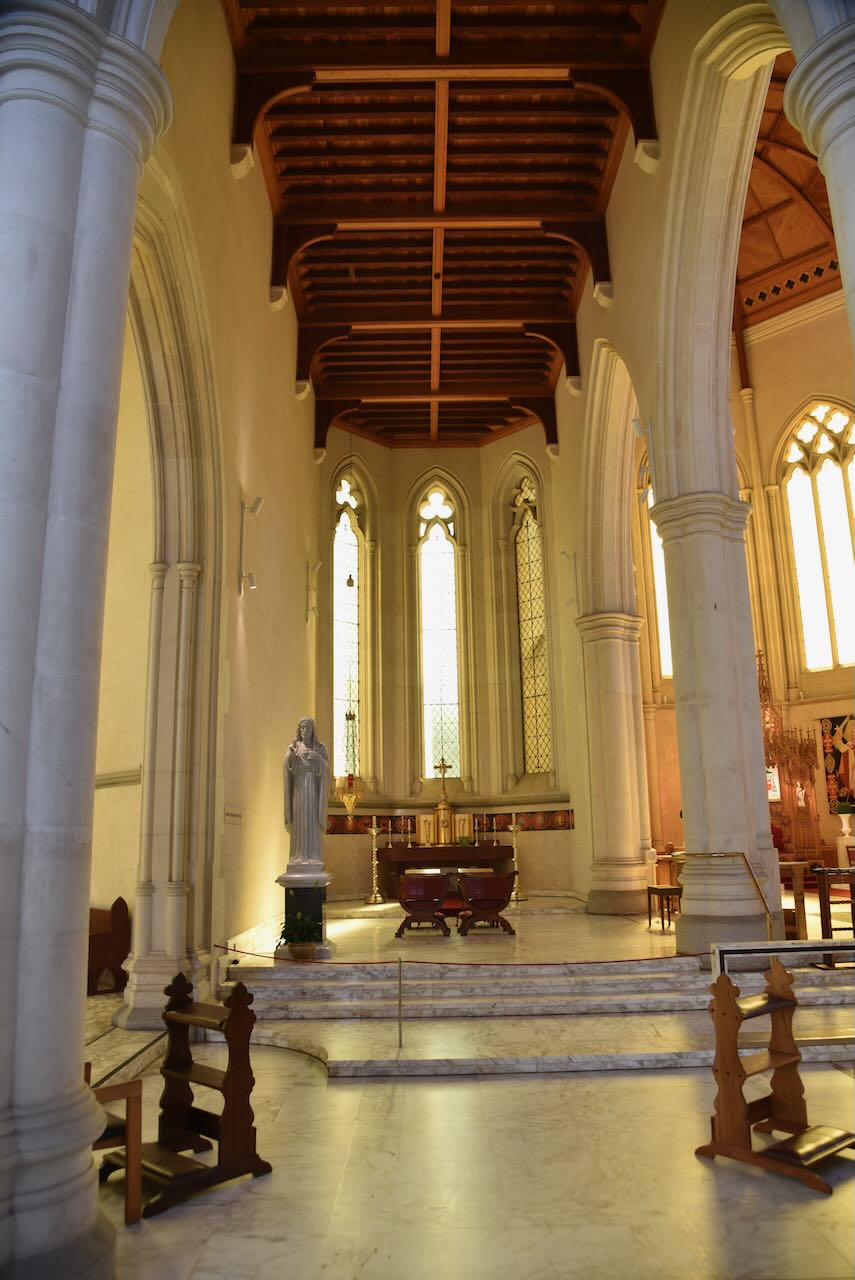
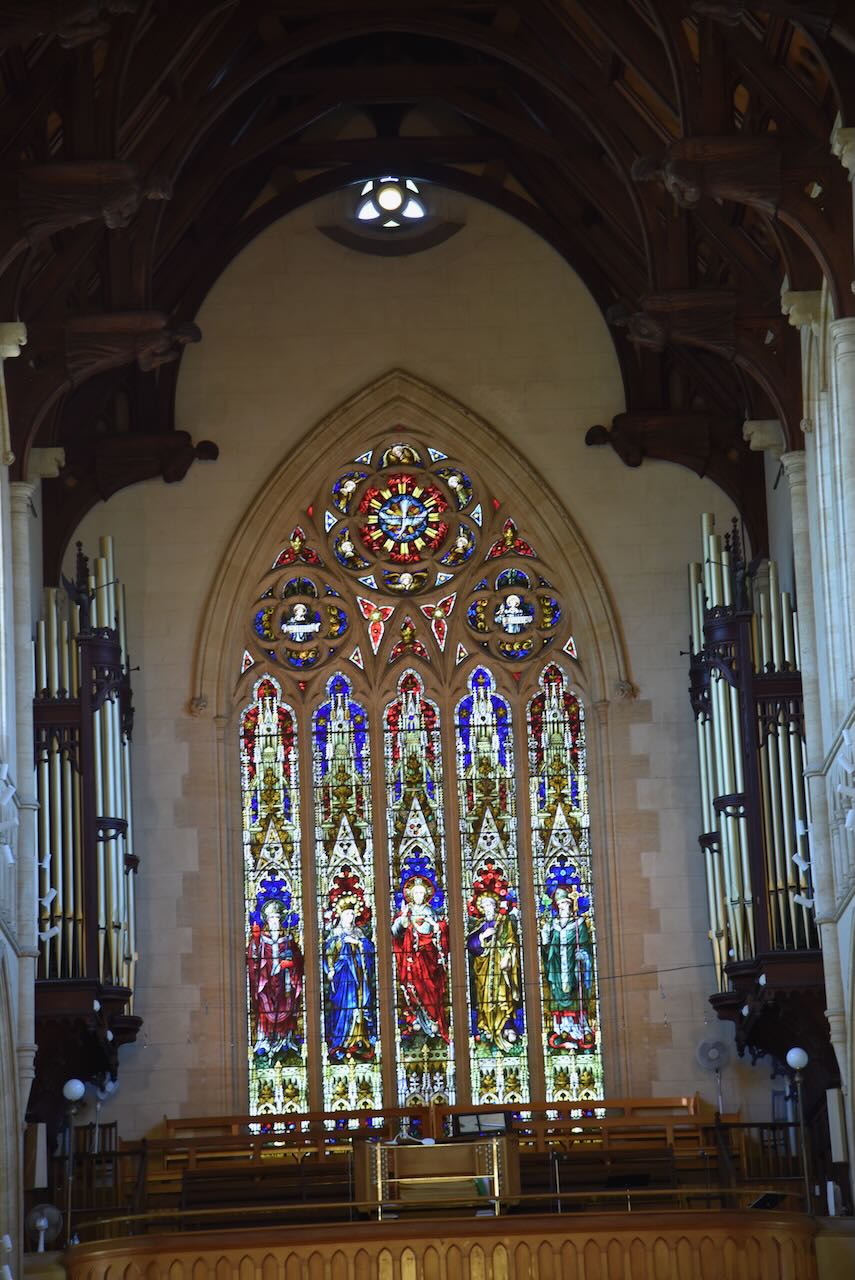
The nave of the cathedral has a hammer beam roof with oregon and kauri paneling used in the nave ceiling. At the western end of the cathedral’s interior is a stained glass window made by John Hardman & Co. of Birmingham. In 1905 a large pipe organ built by Bishop & Son of London was installed. occupies a large part of the western end of the building. (www.ohta.org.au, n.d.) (www.sandhurst.catholic.org.au, n.d.)

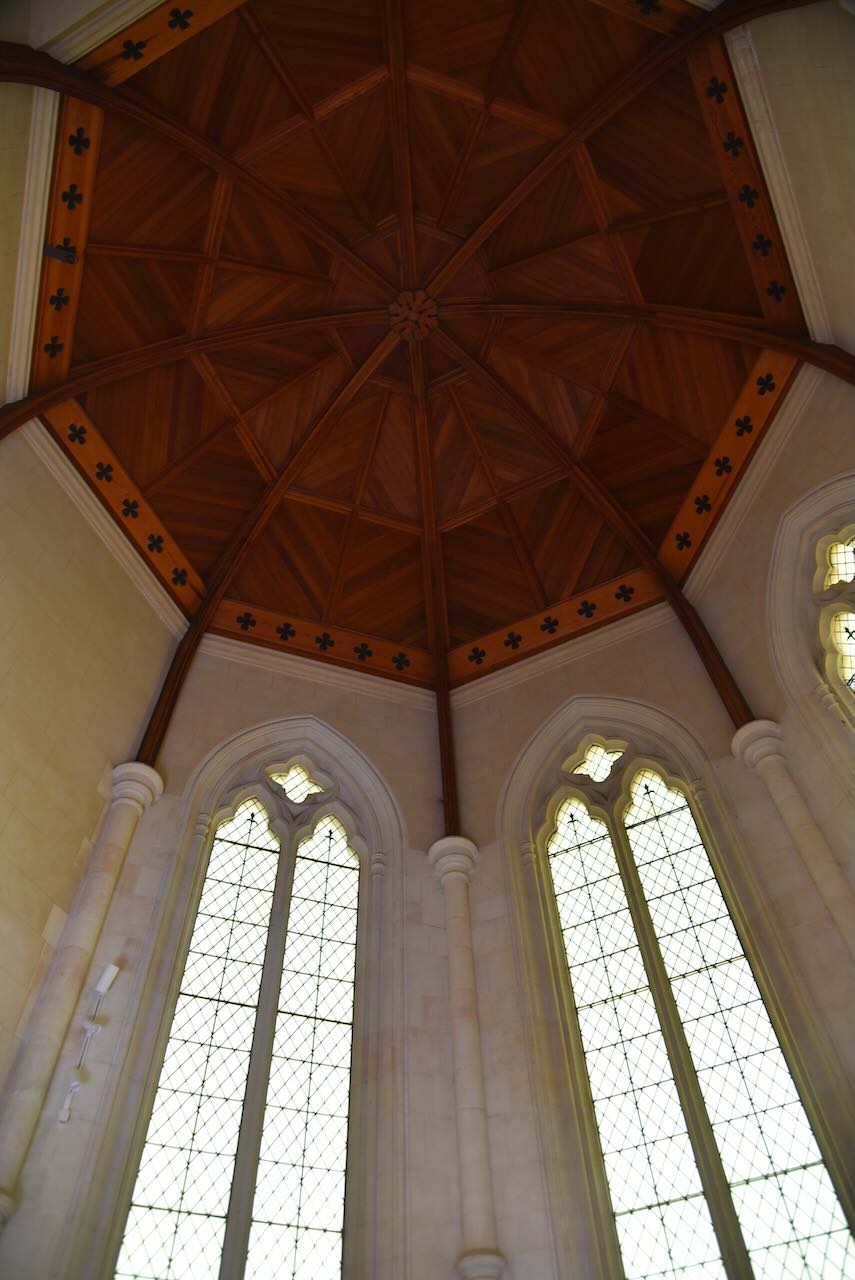
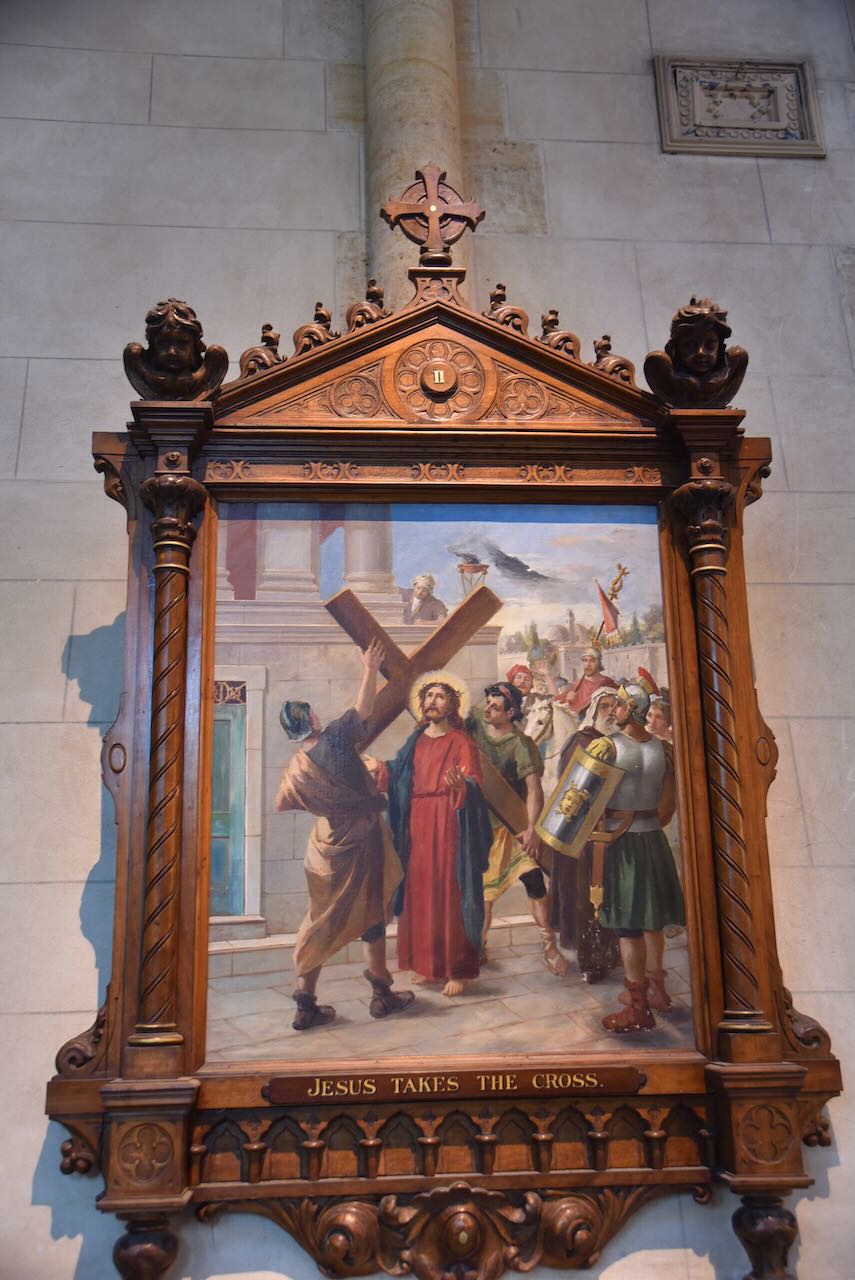
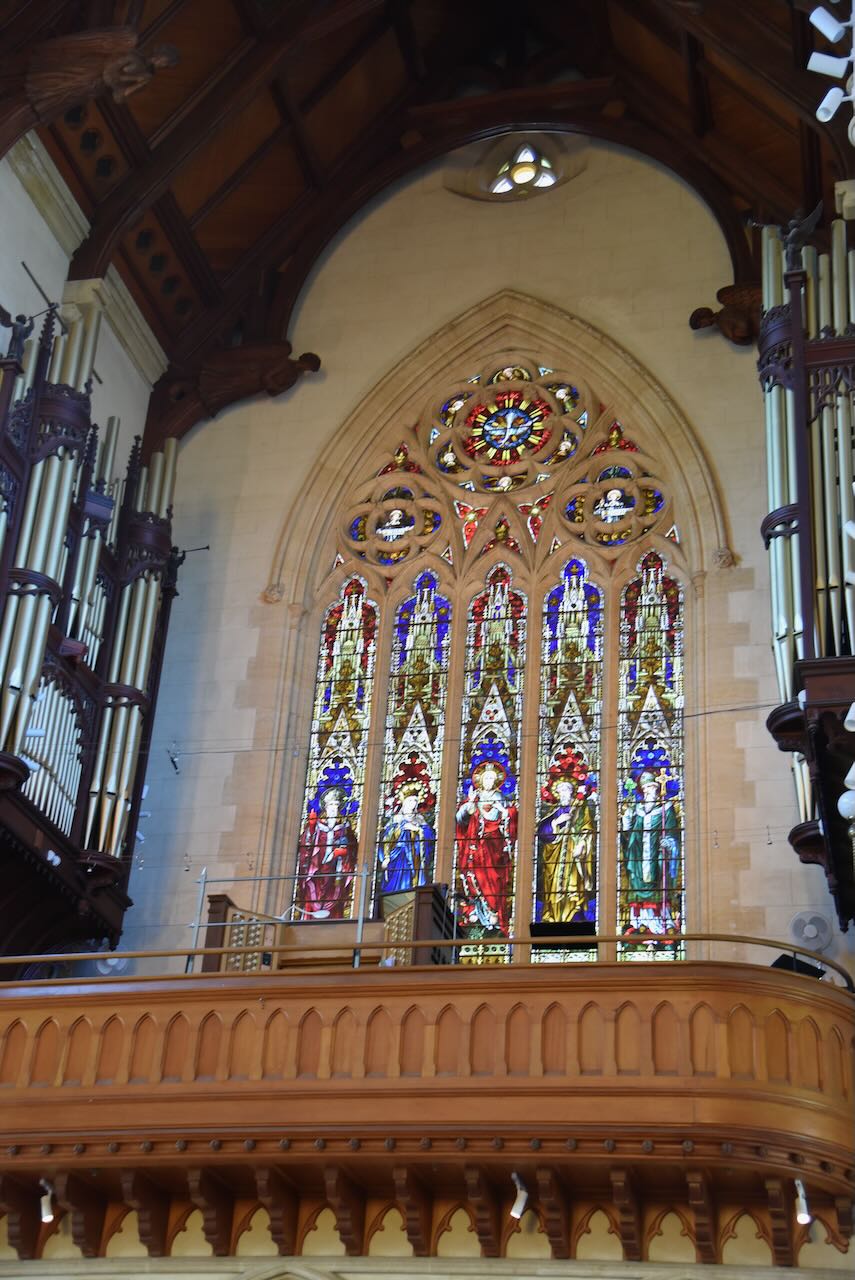
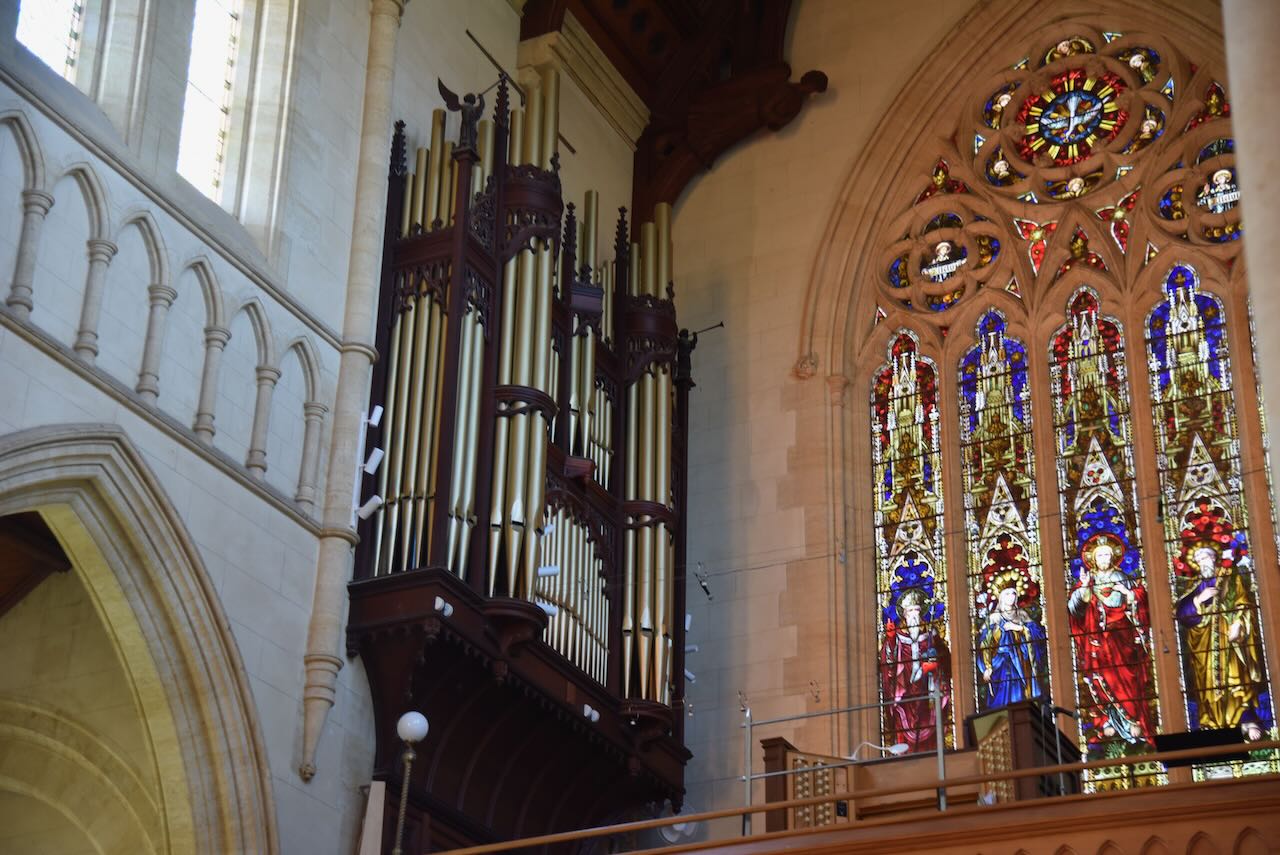
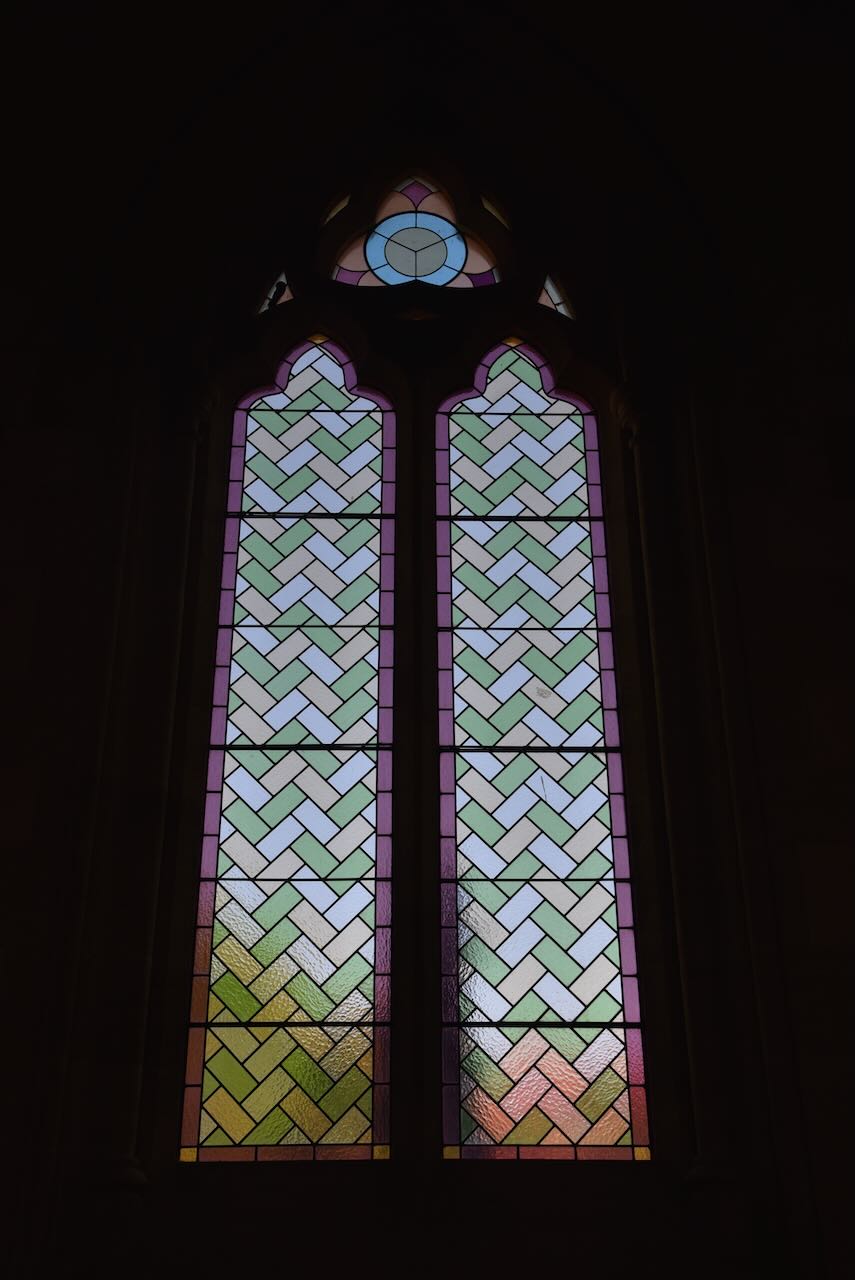
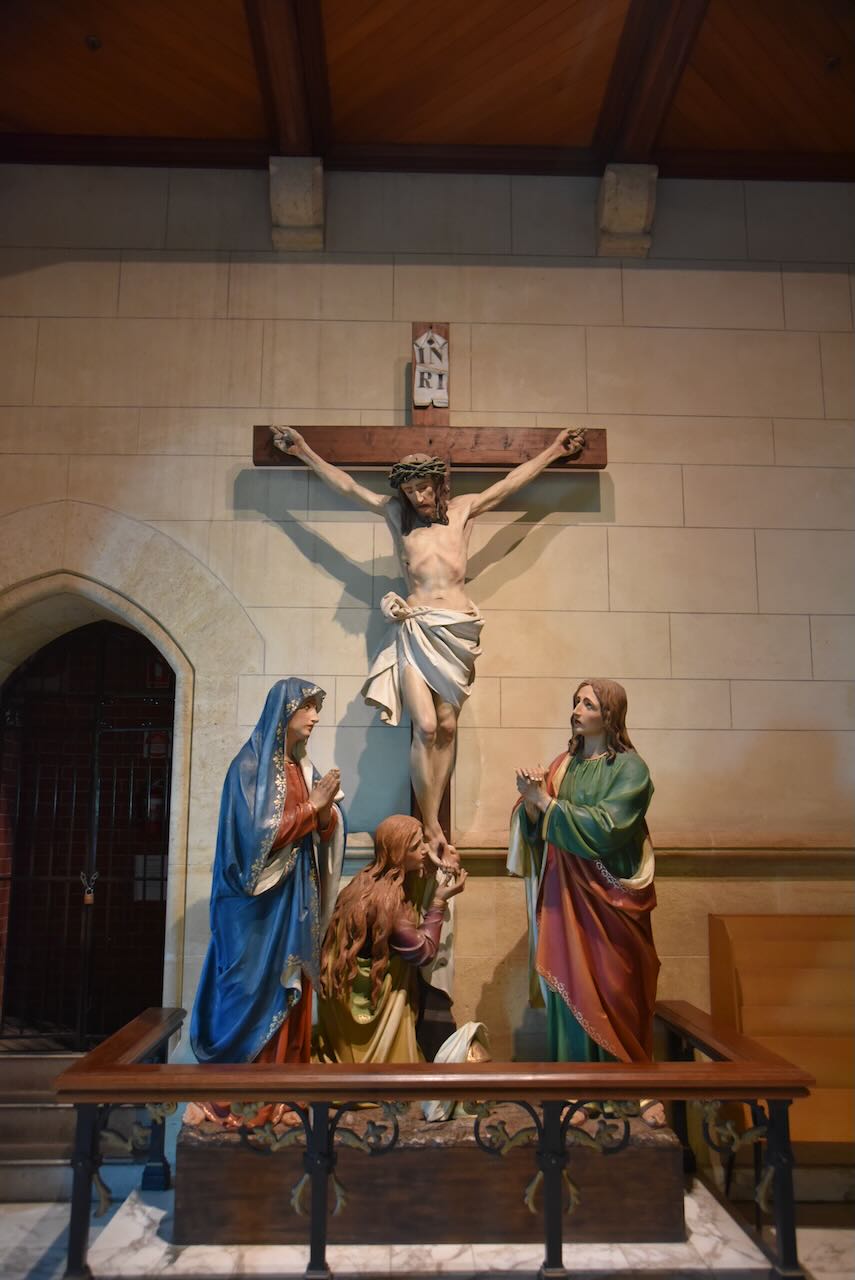
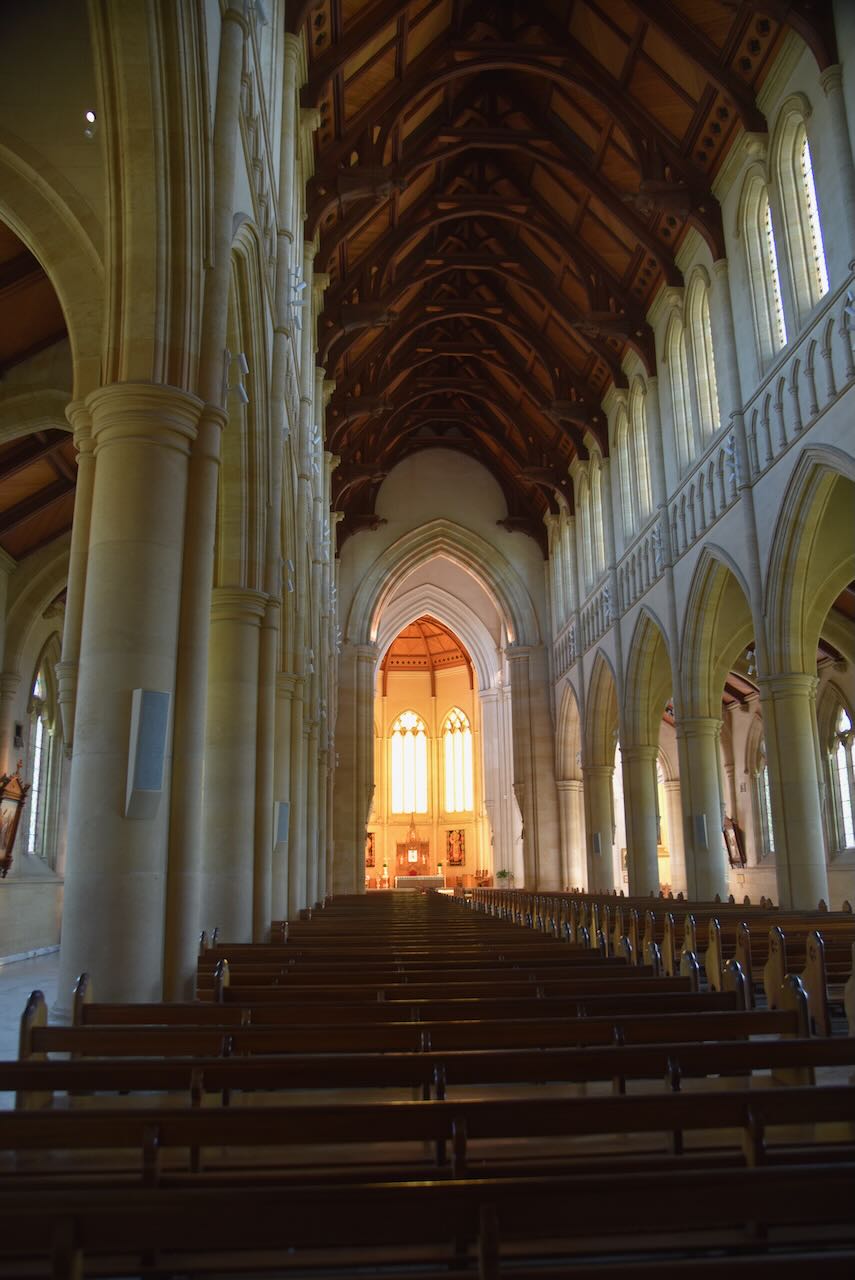
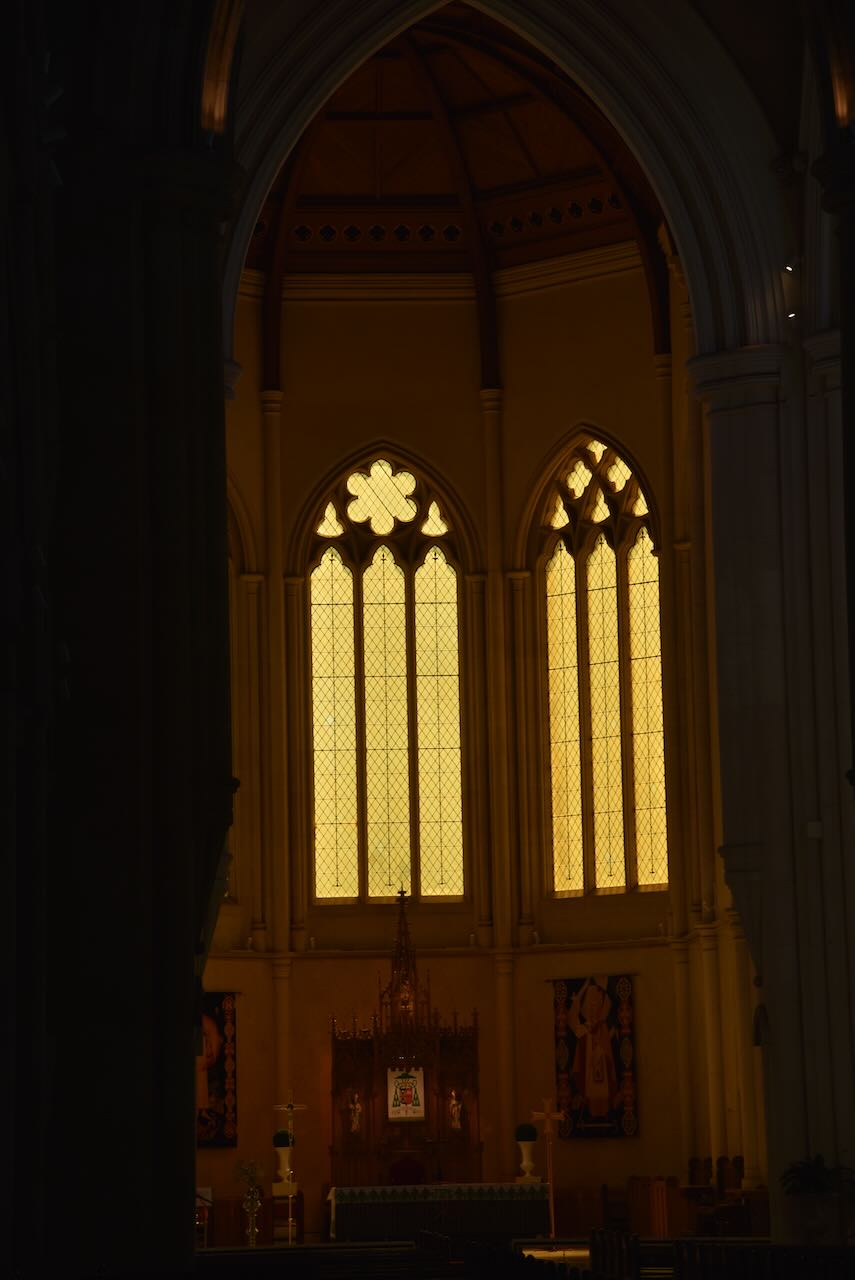
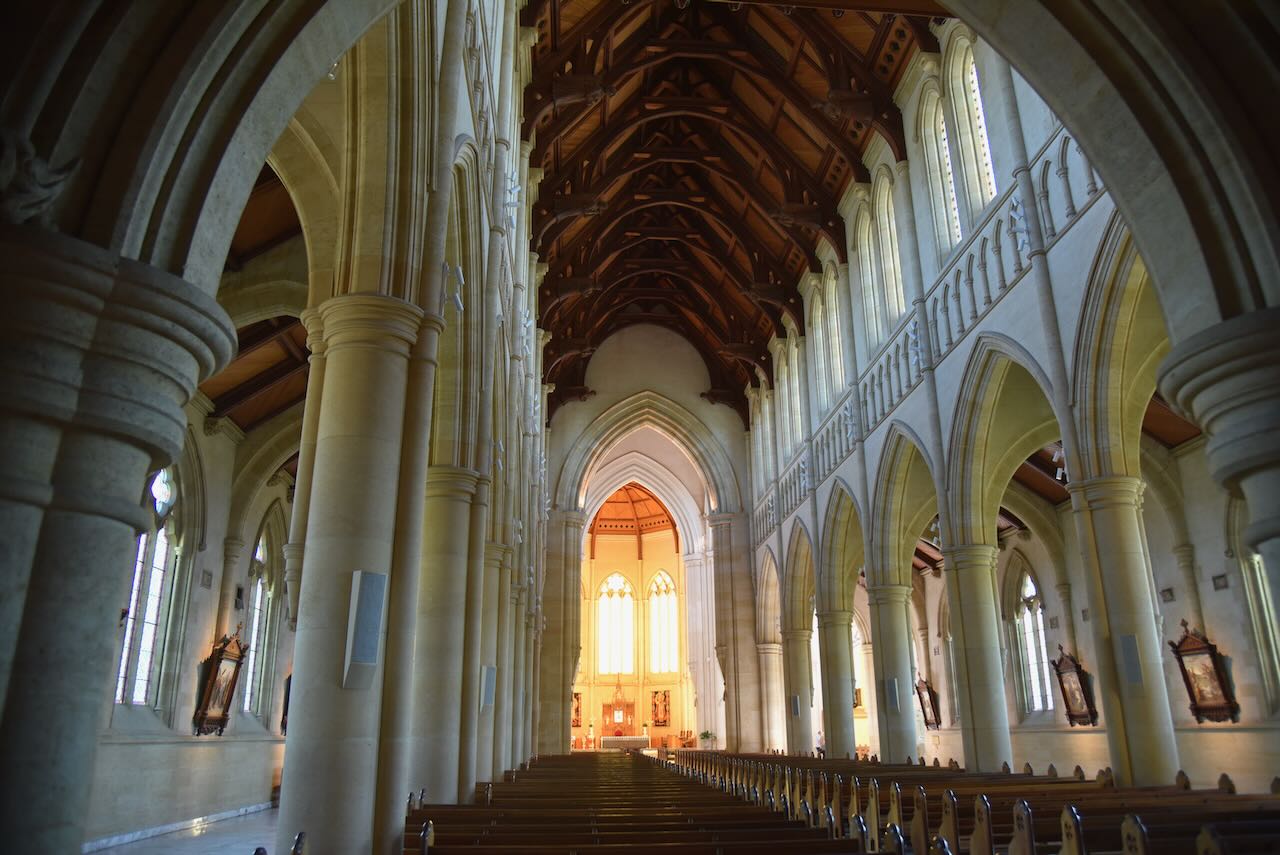

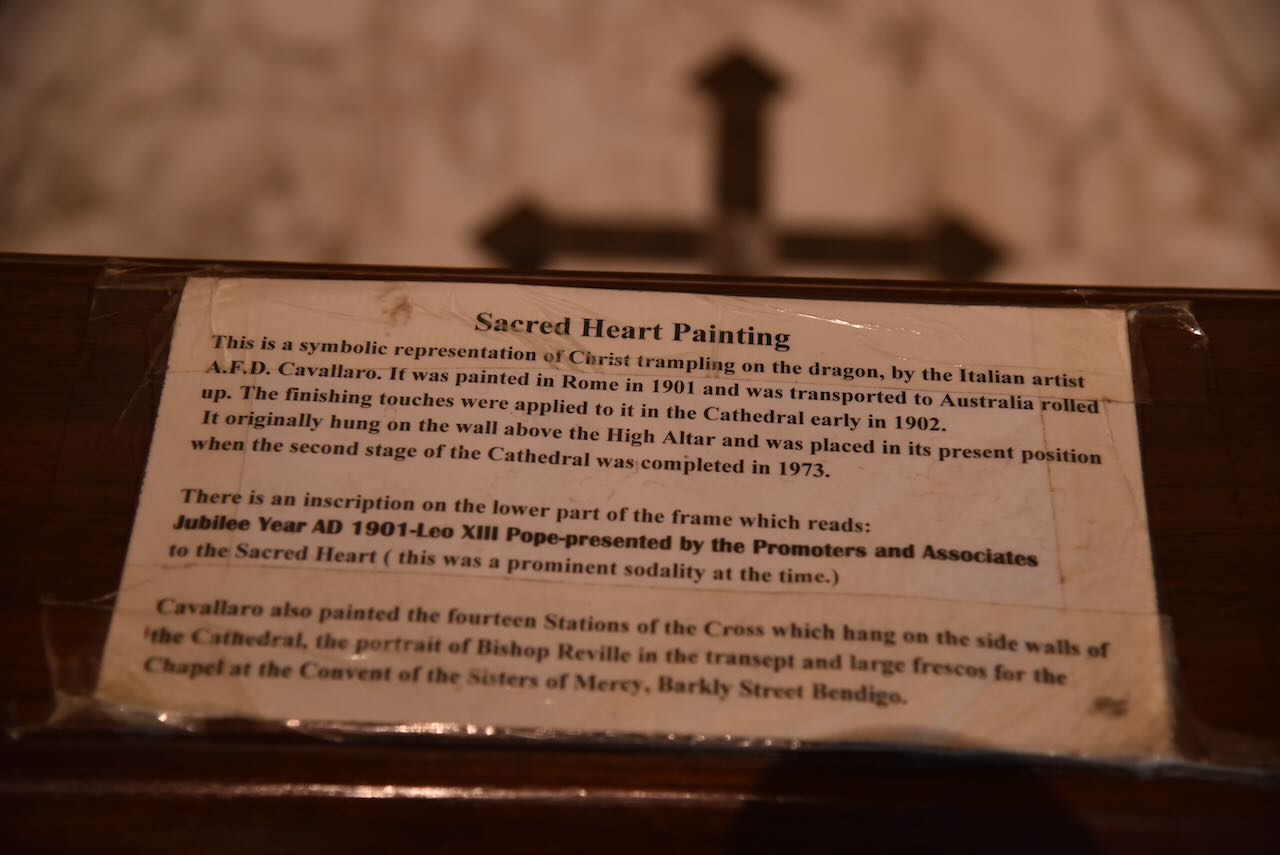
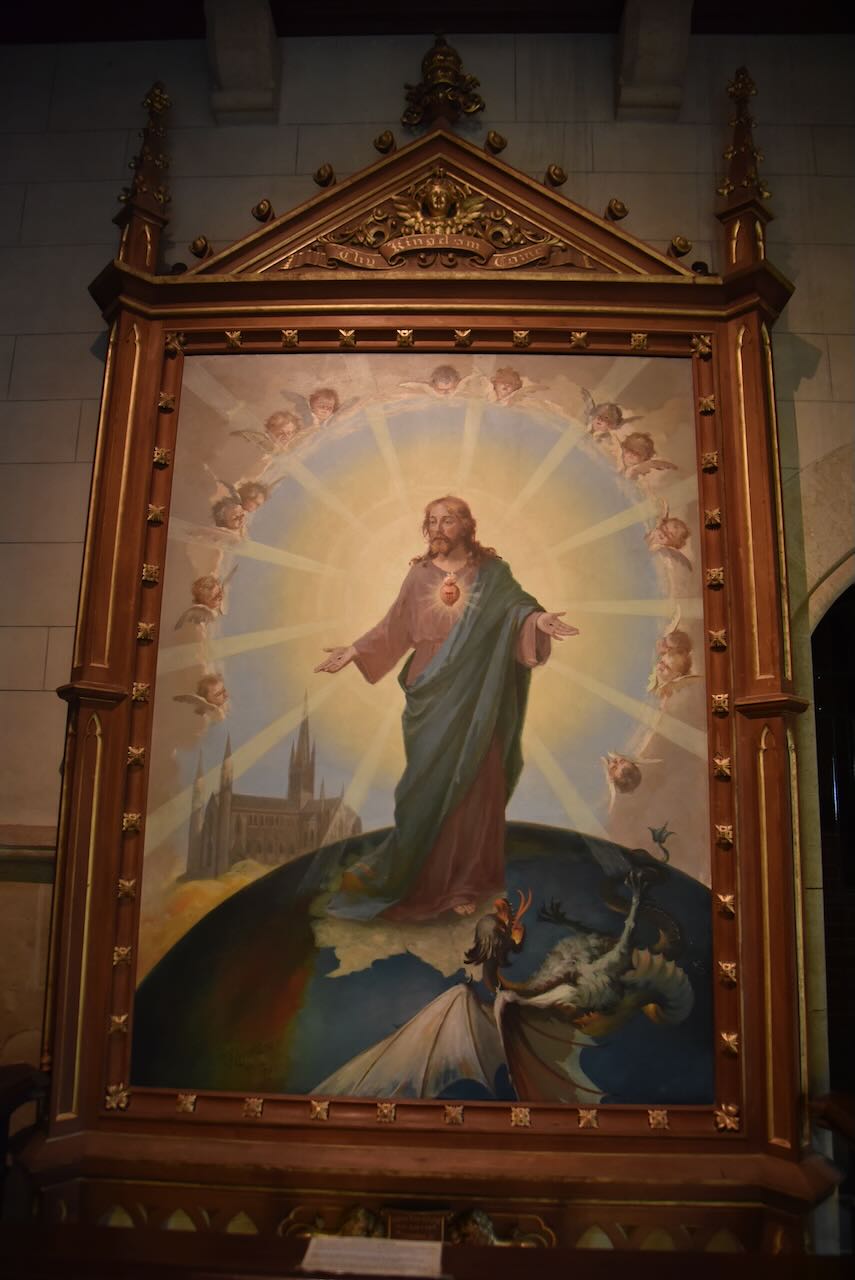
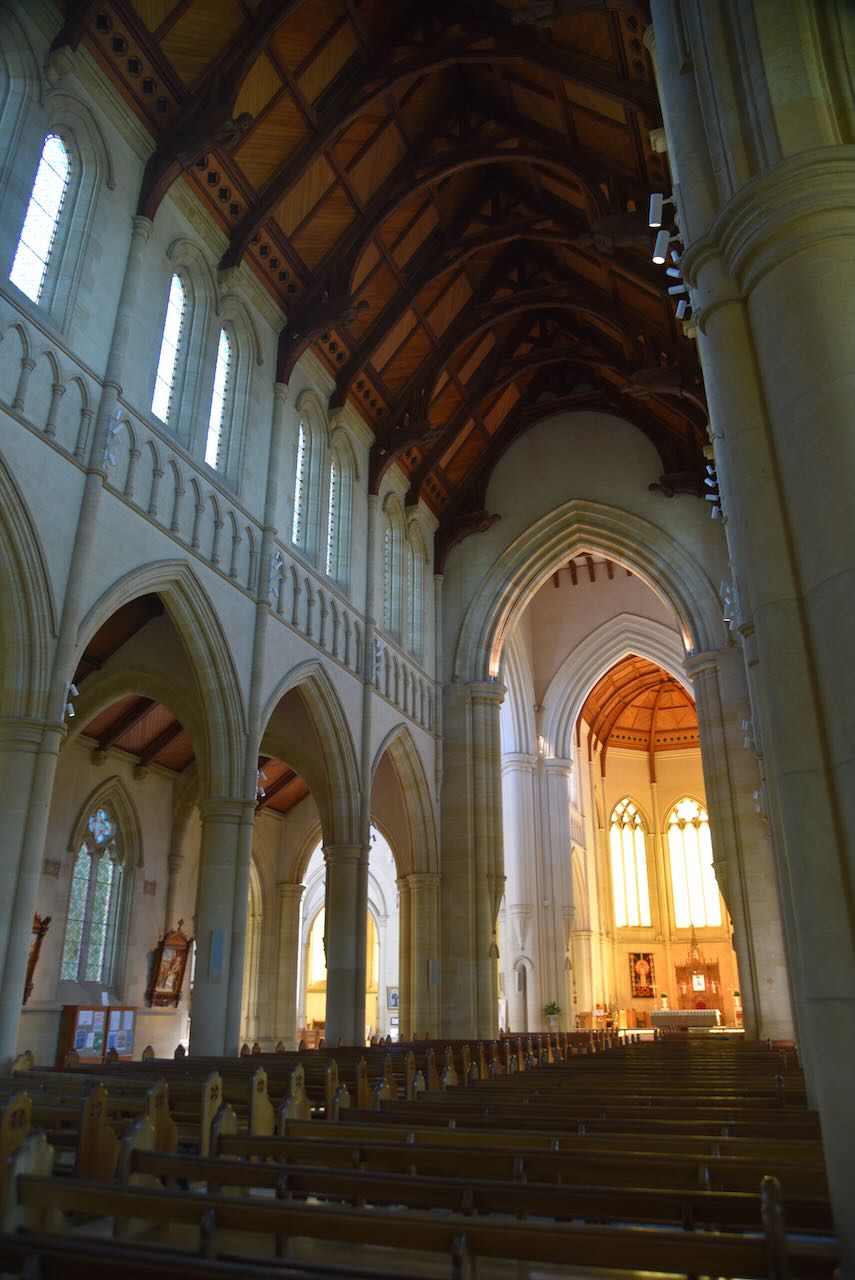
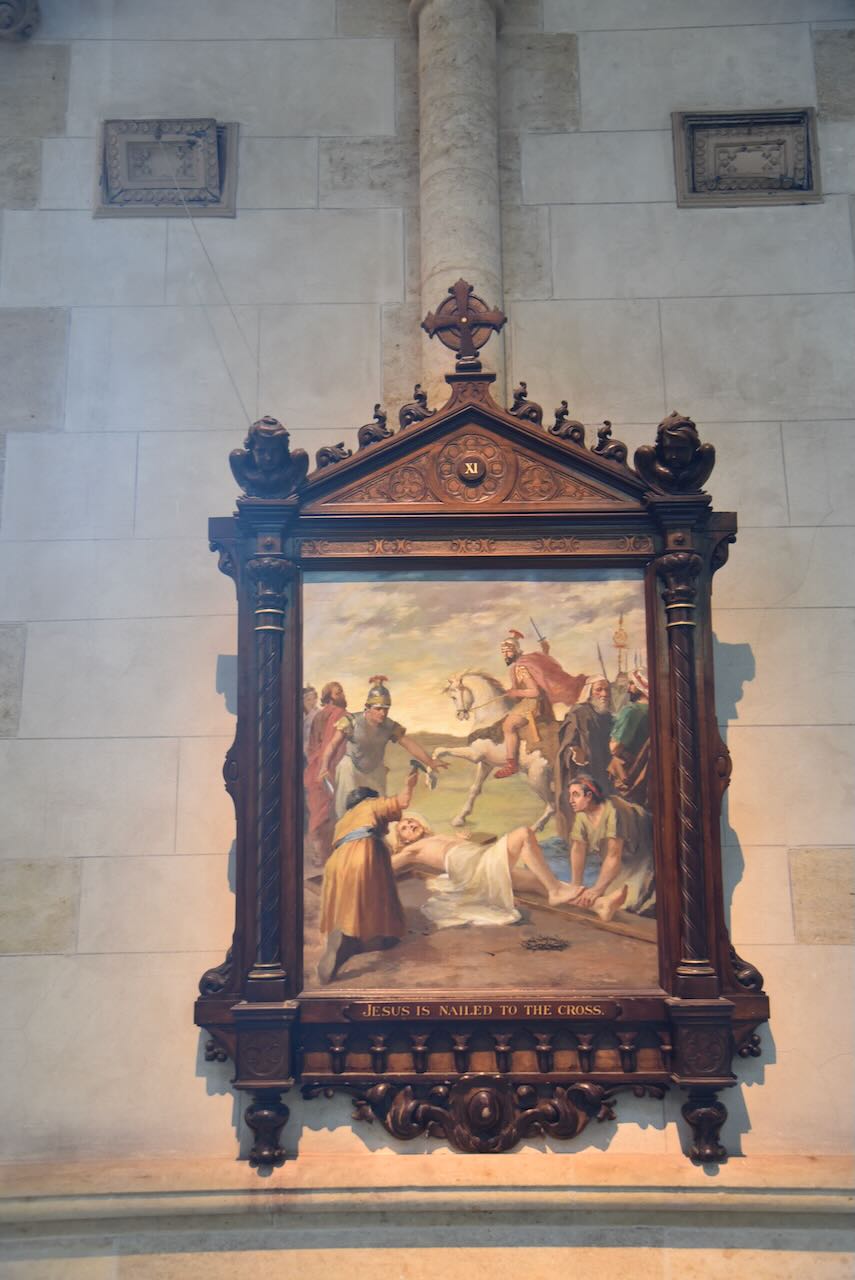
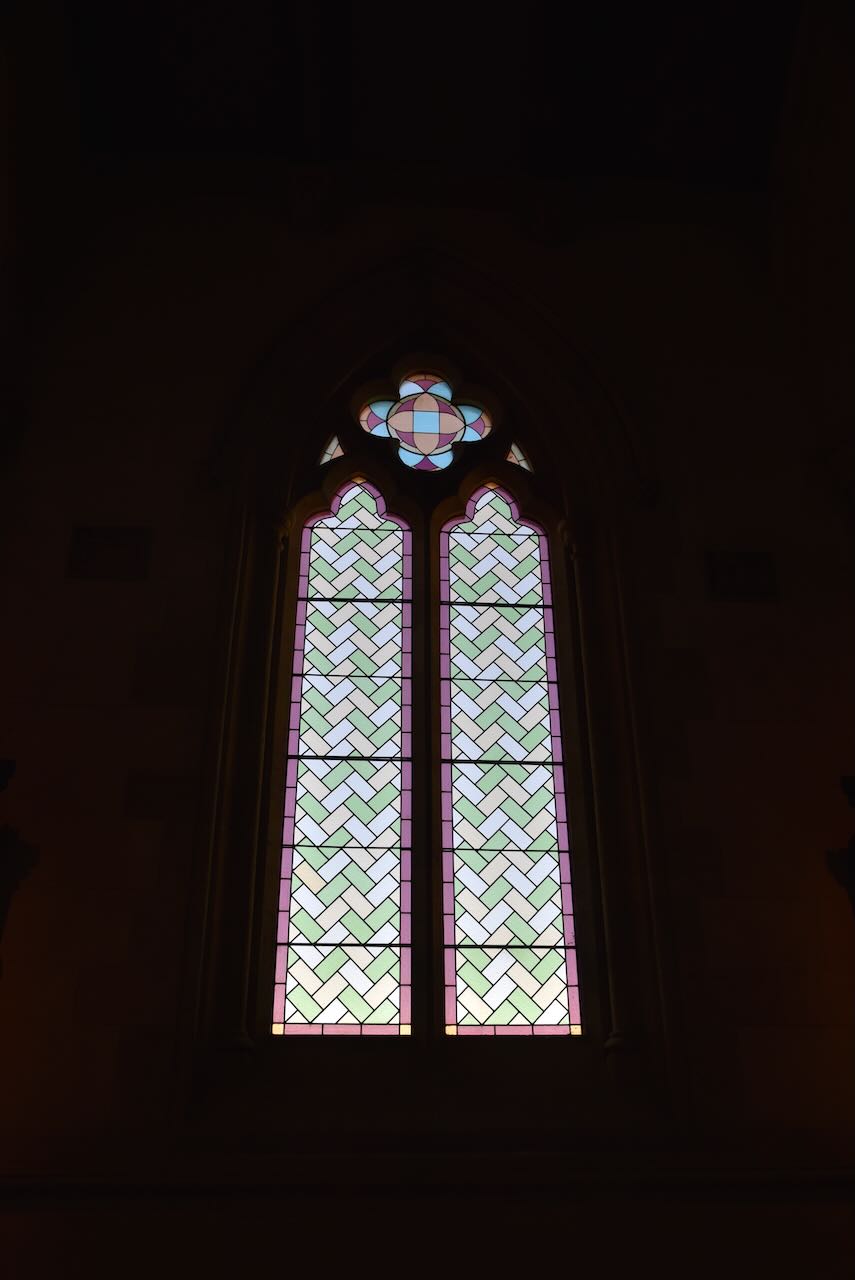
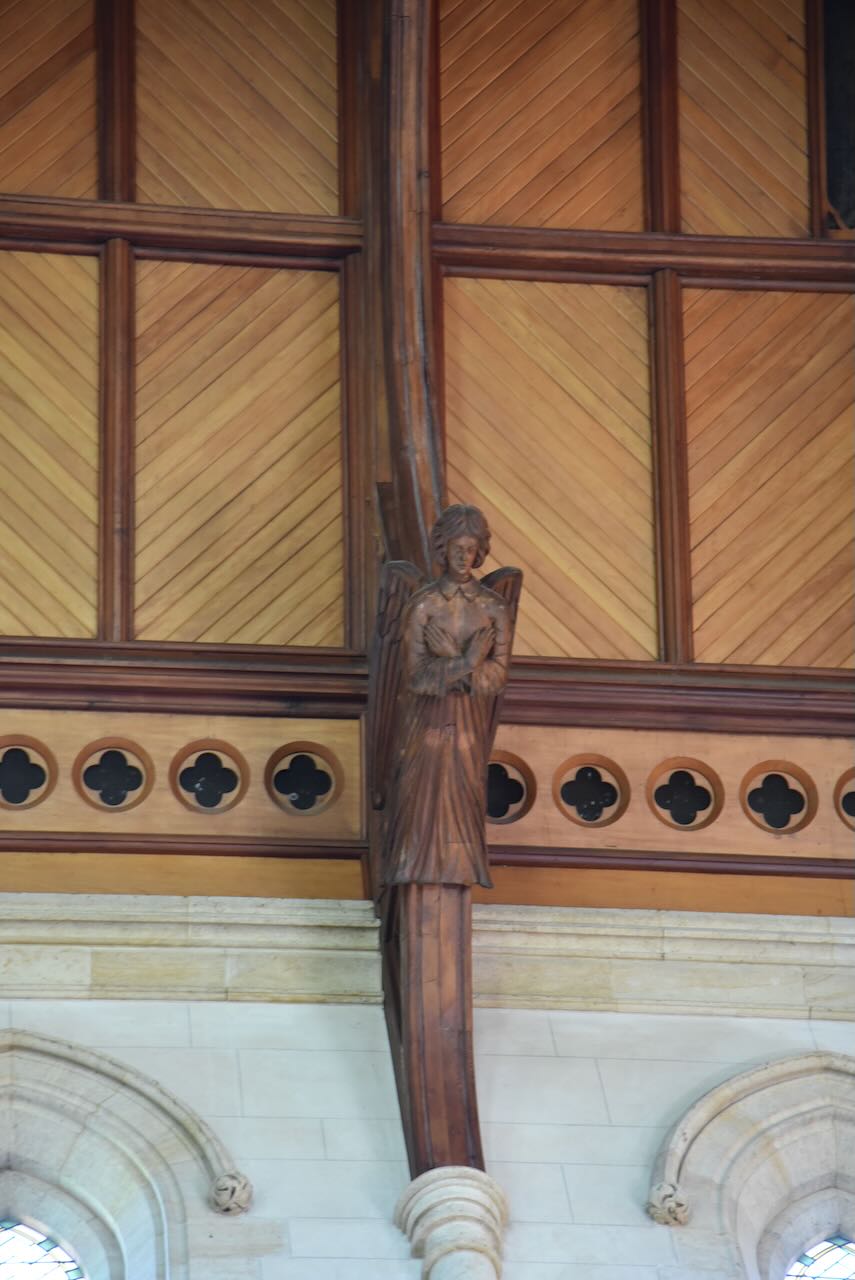
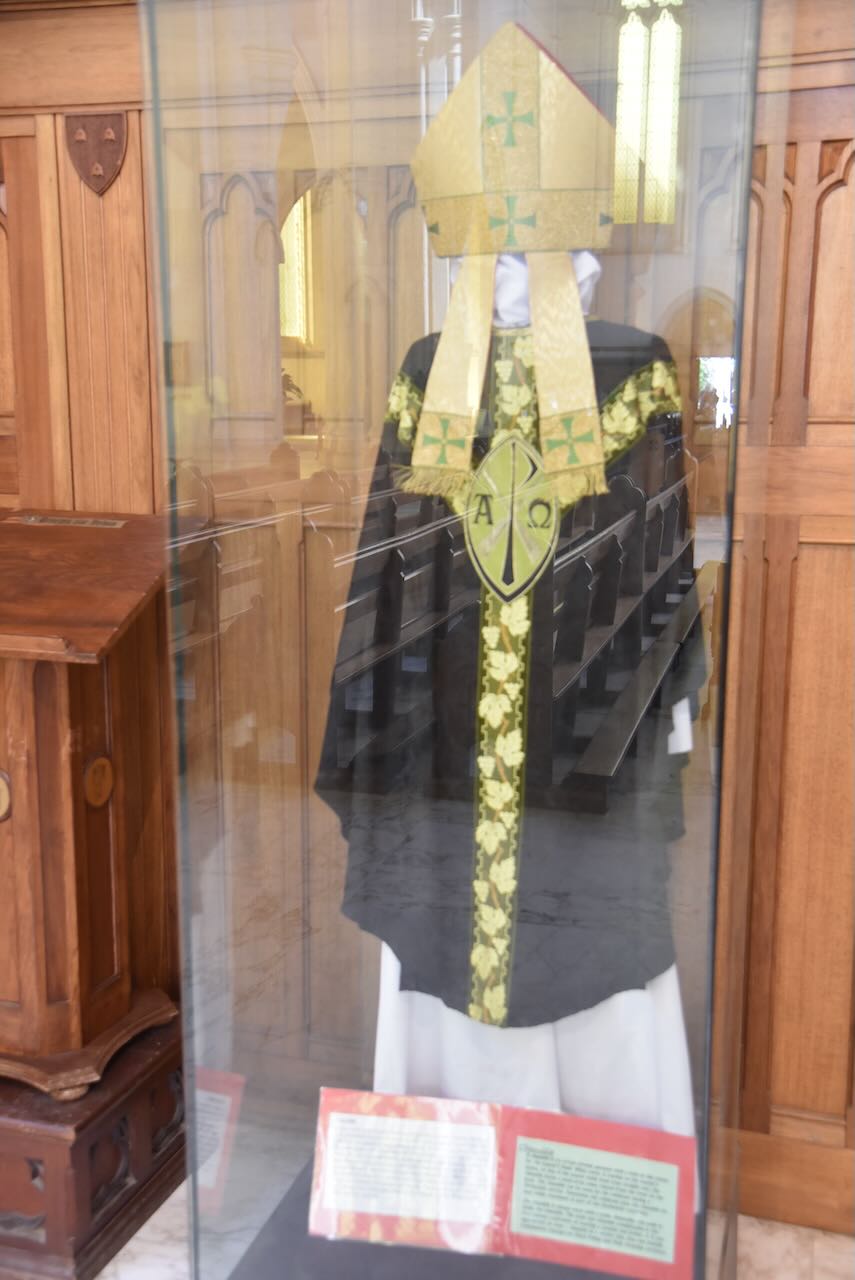
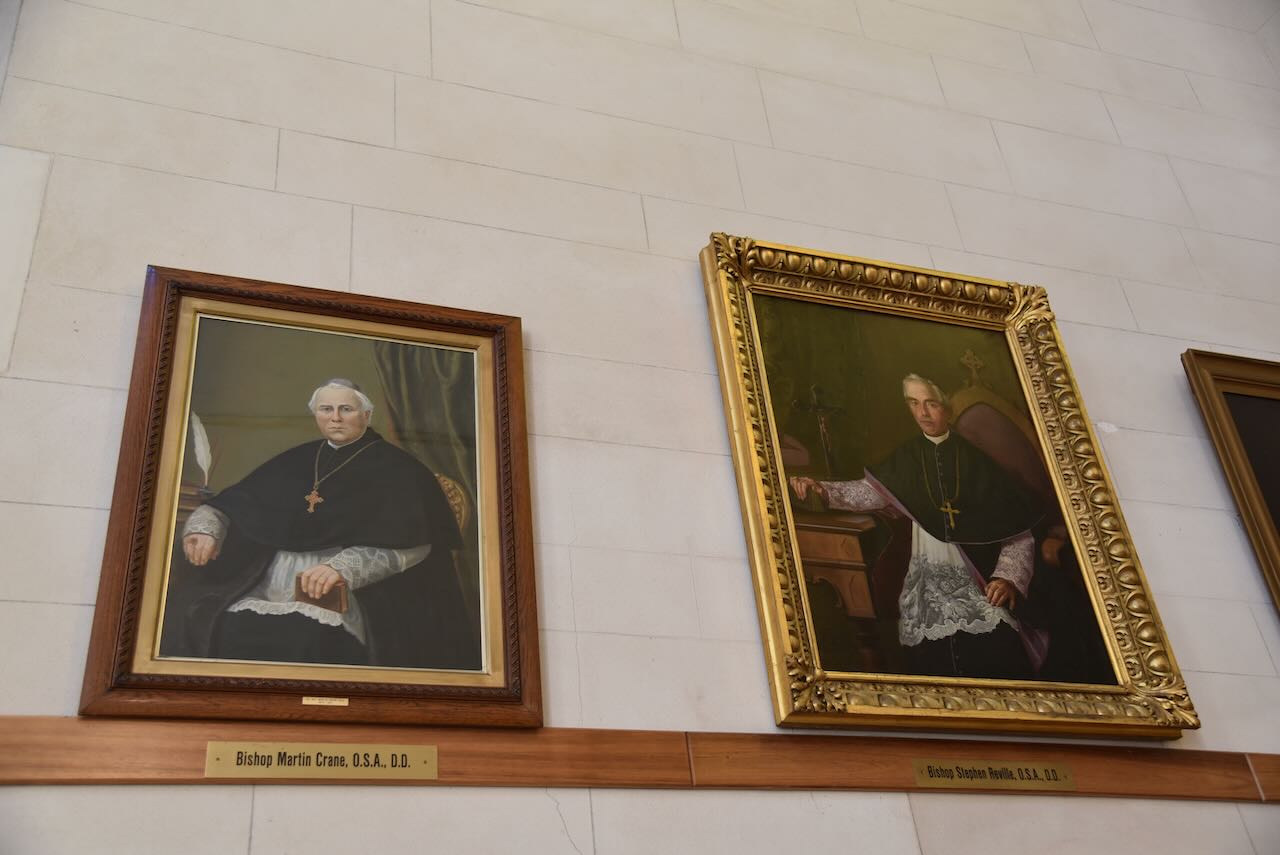
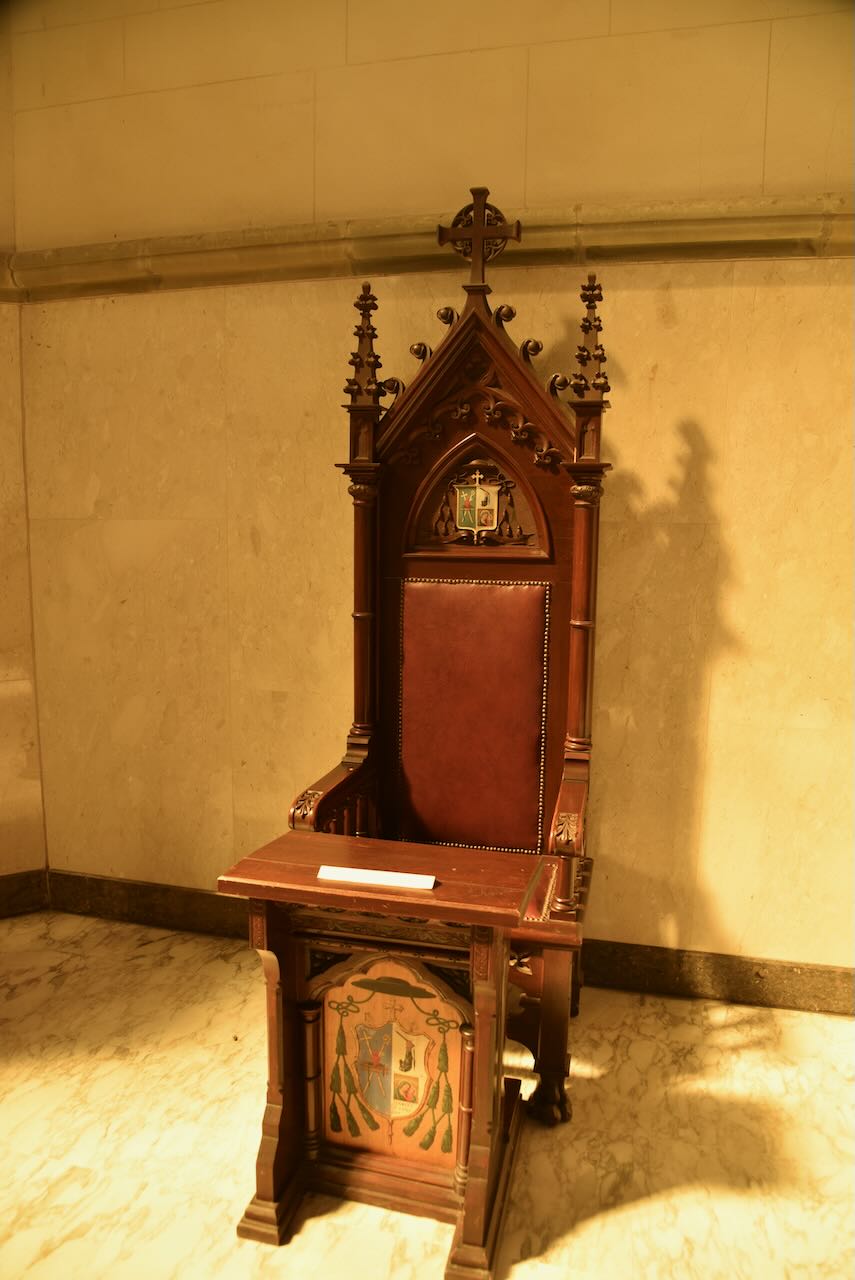
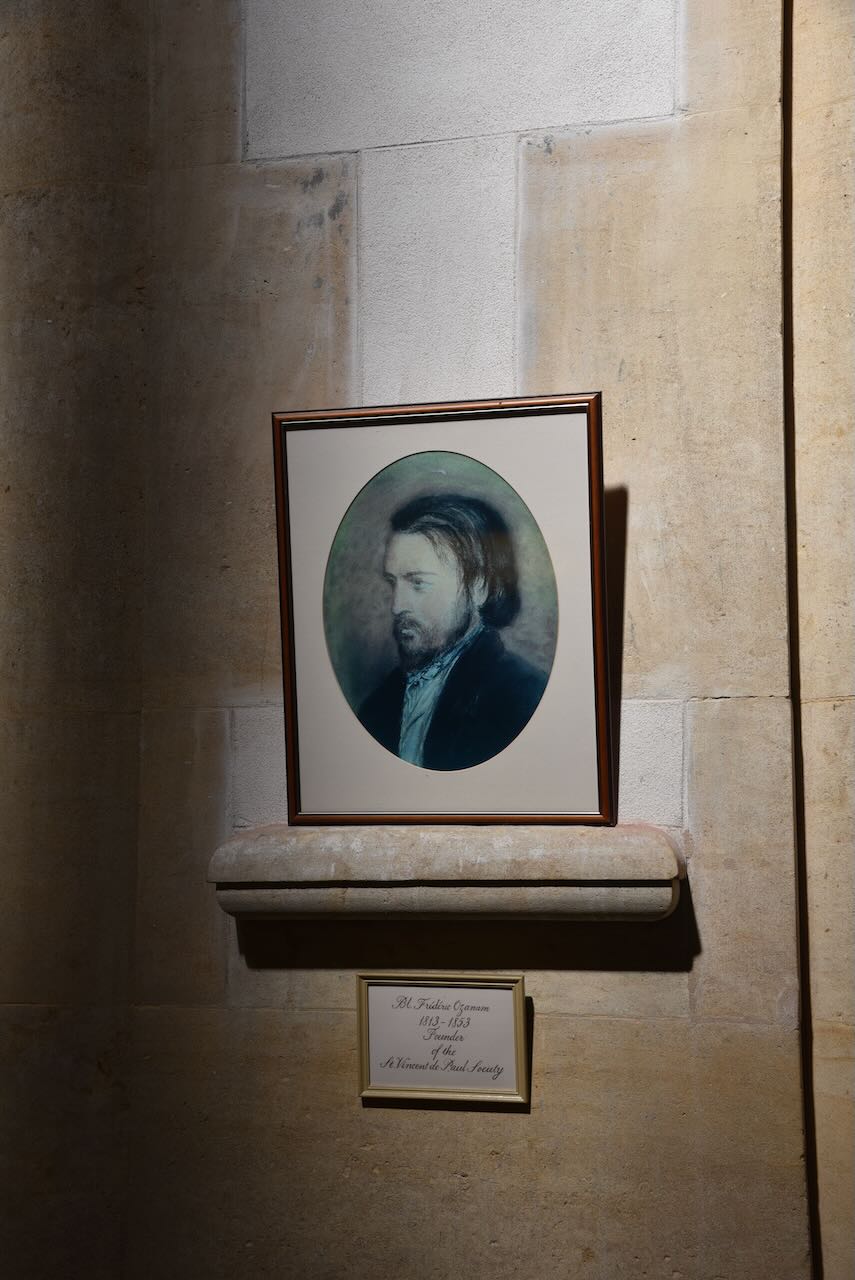
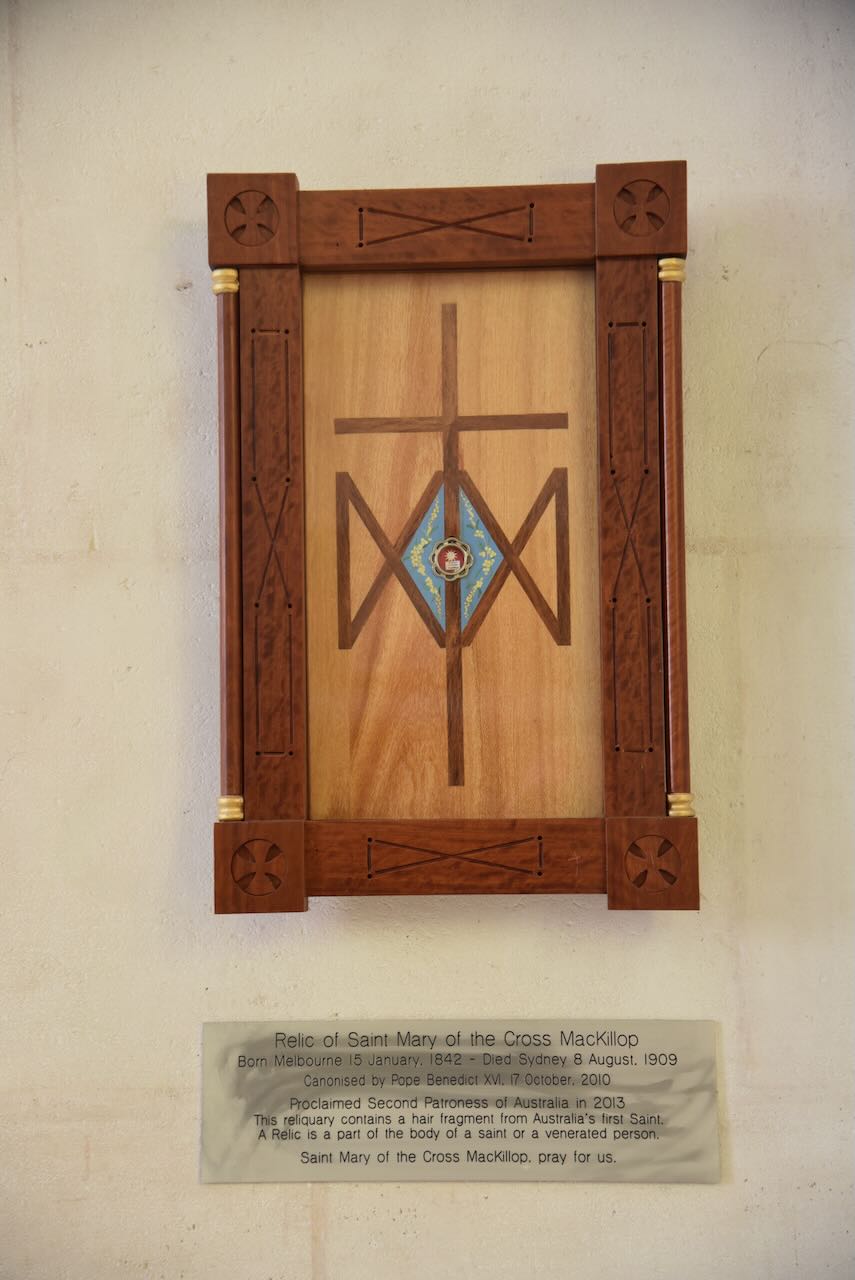
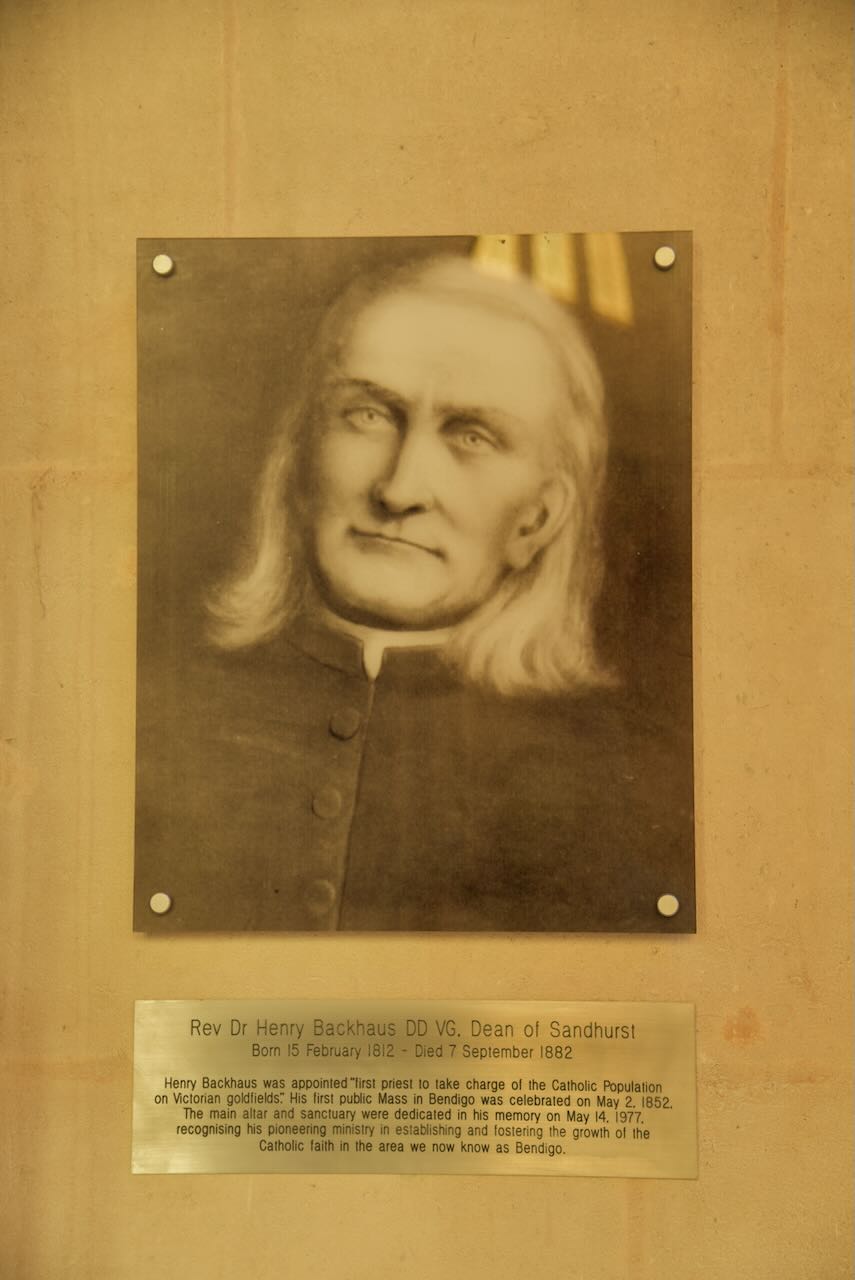
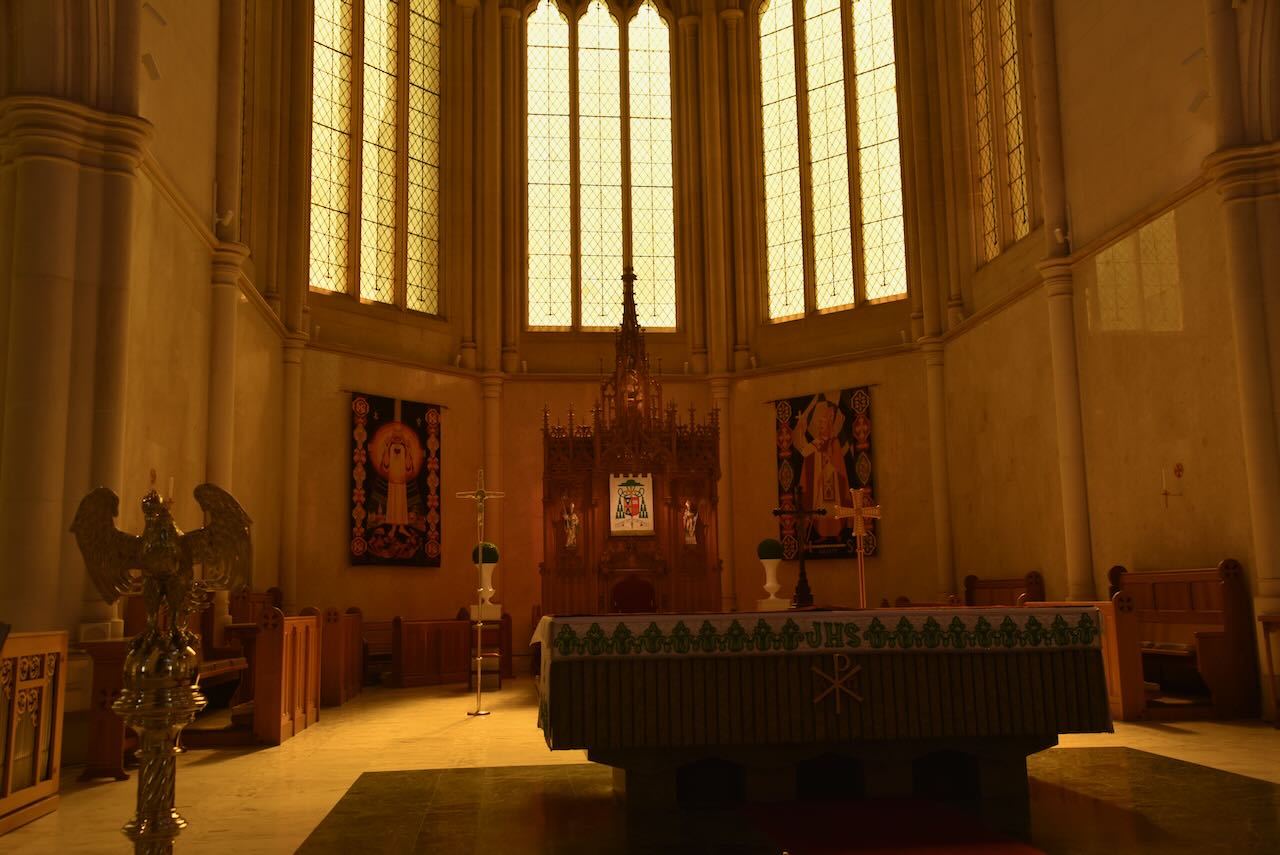
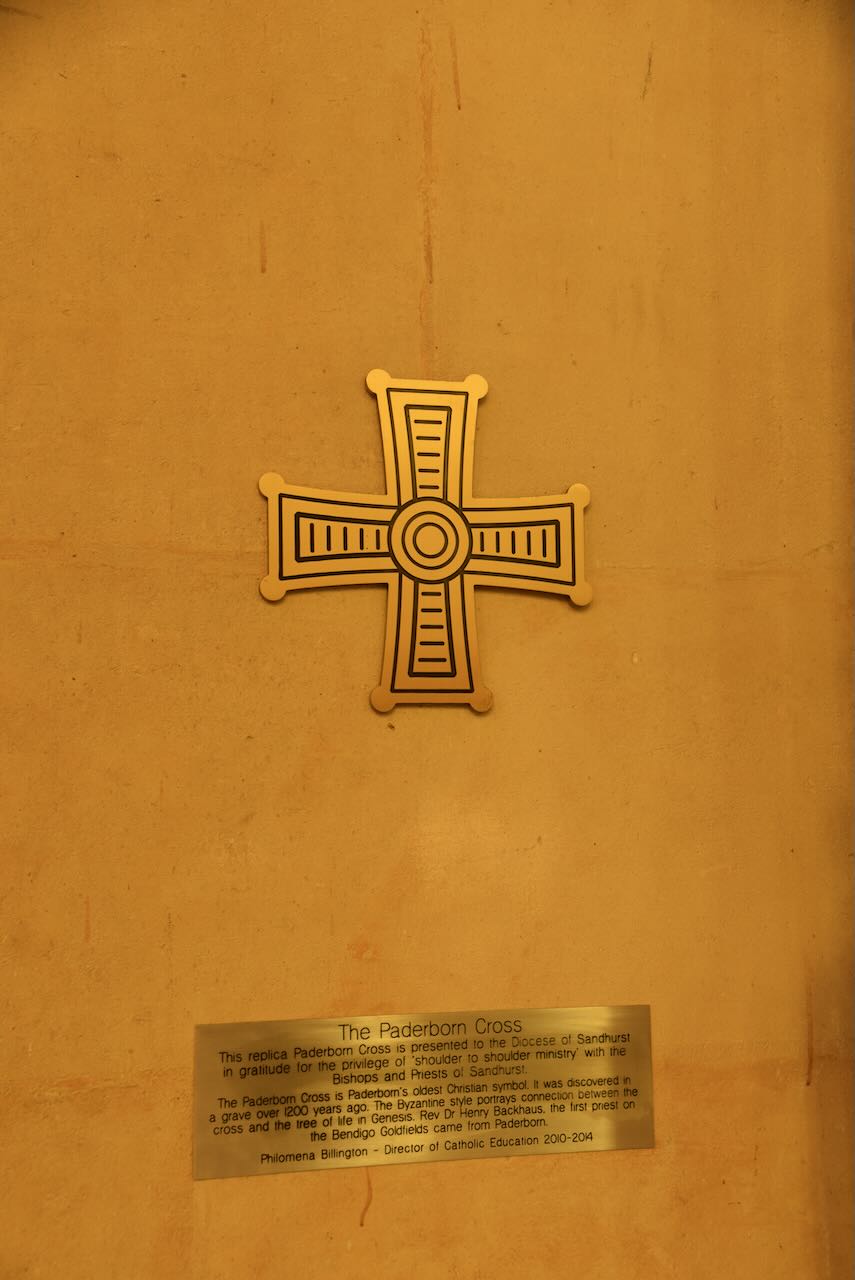
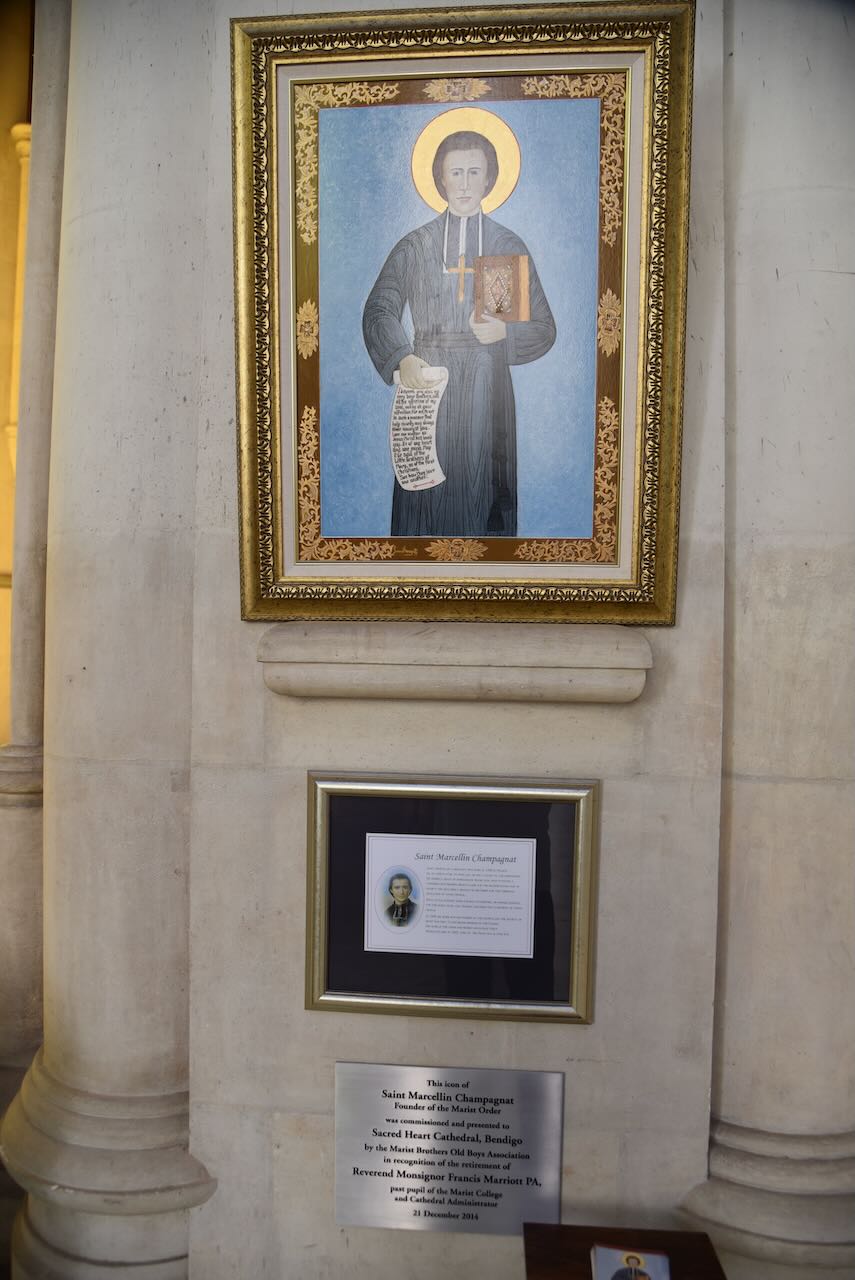
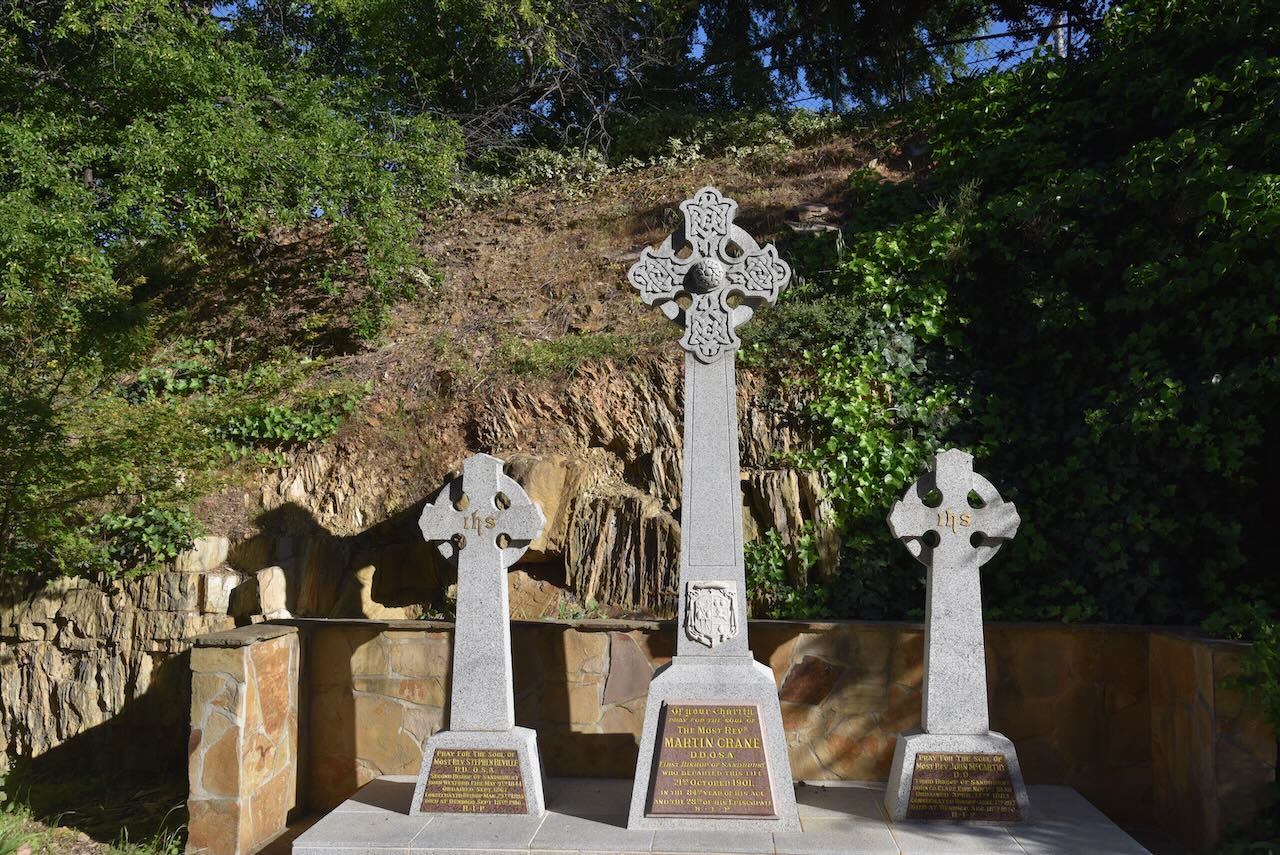
Outside of the cathedral, you can find the headstones of various Bishops, including The Most Reverend Martine Crane, the first Bishop of Sandhurst..
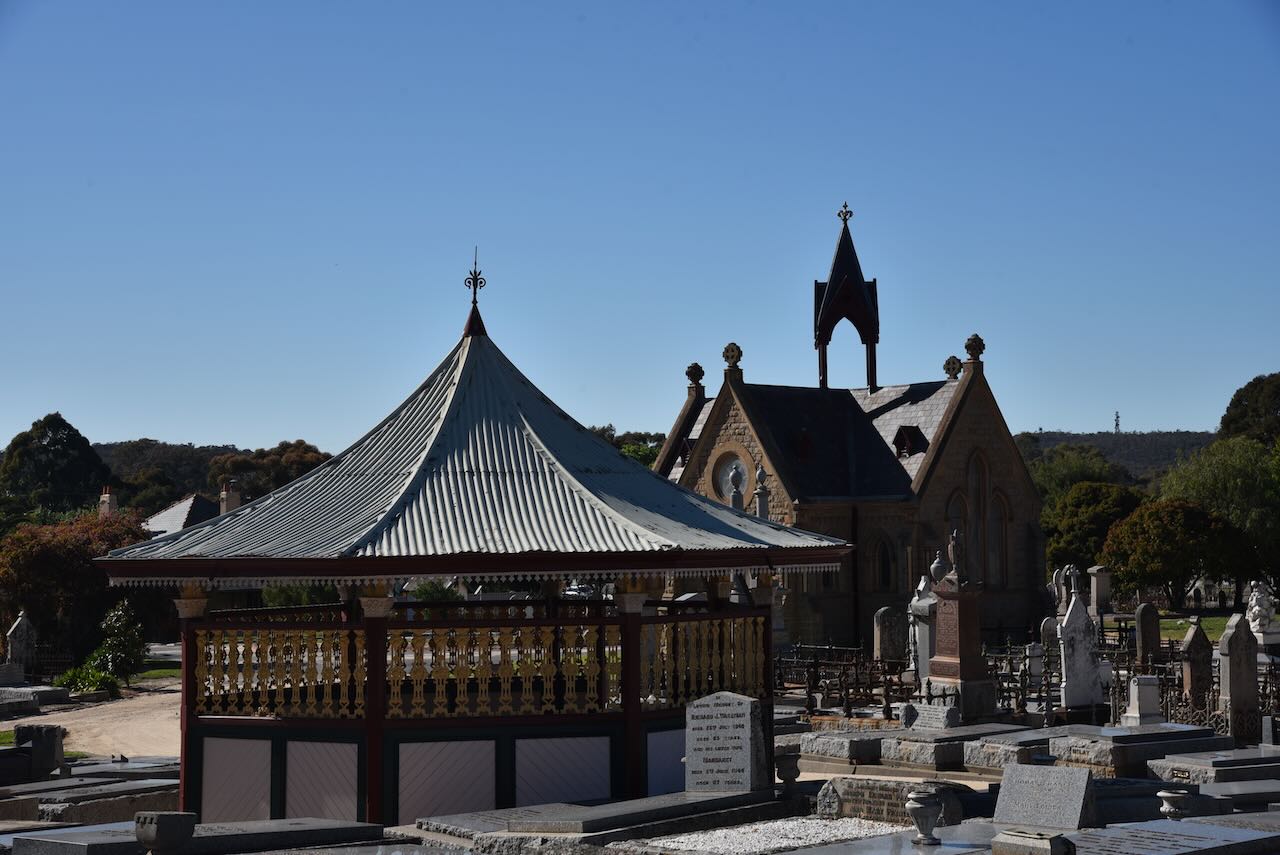
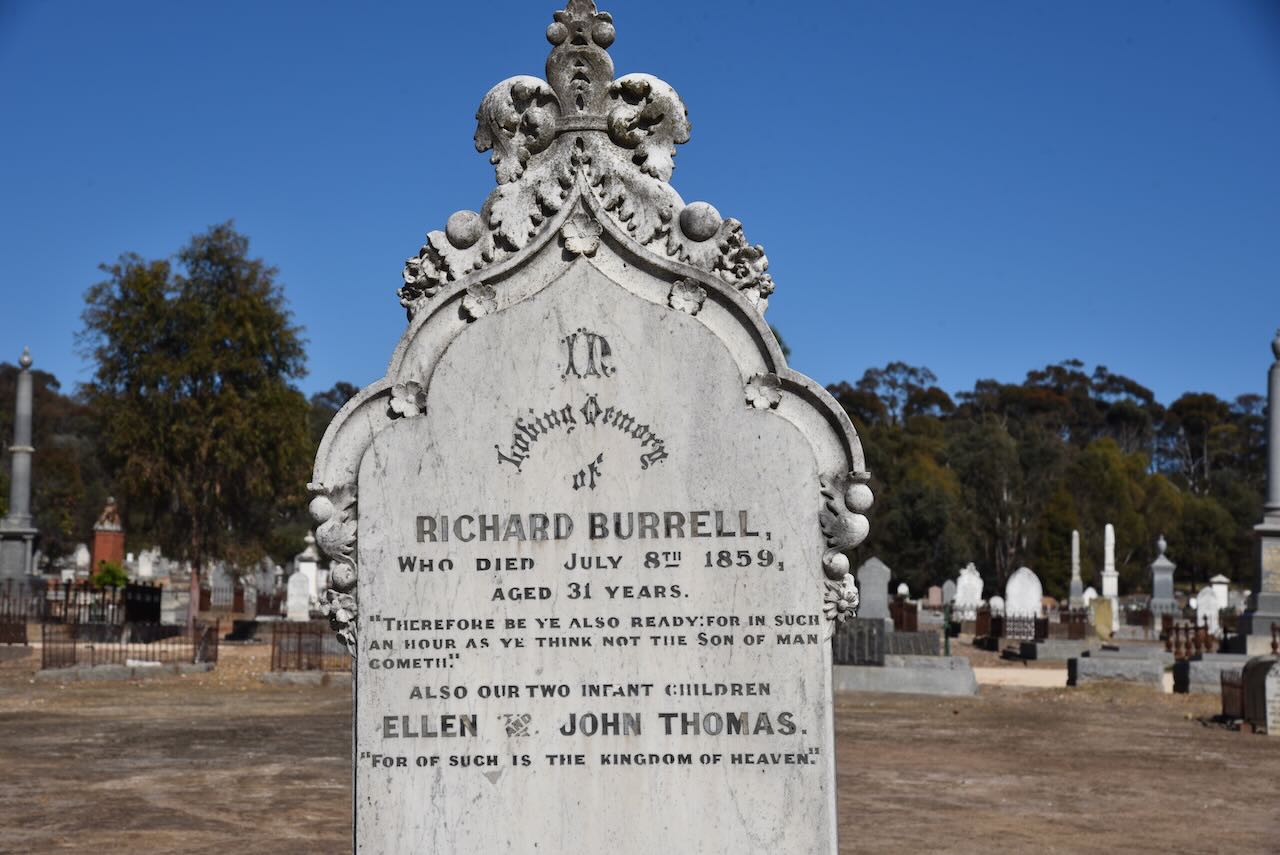
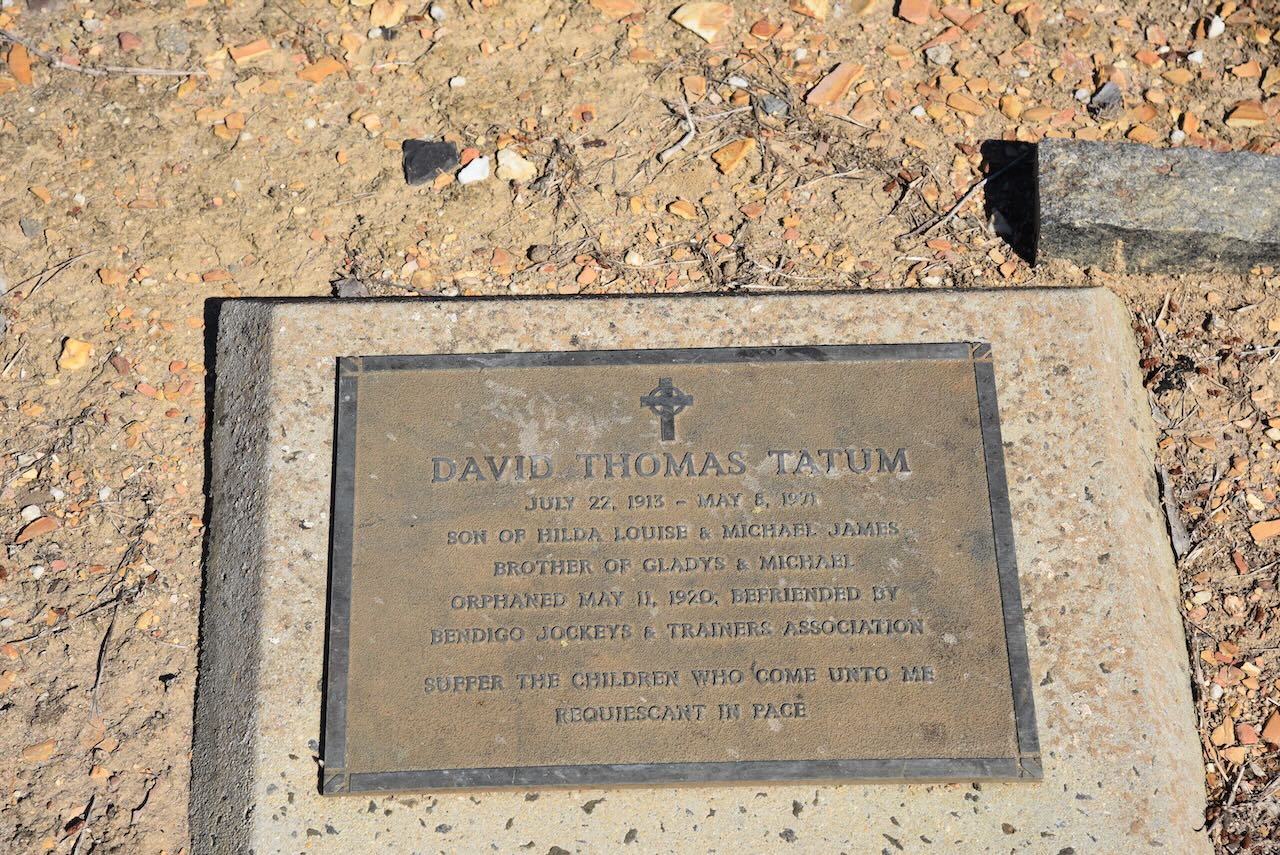
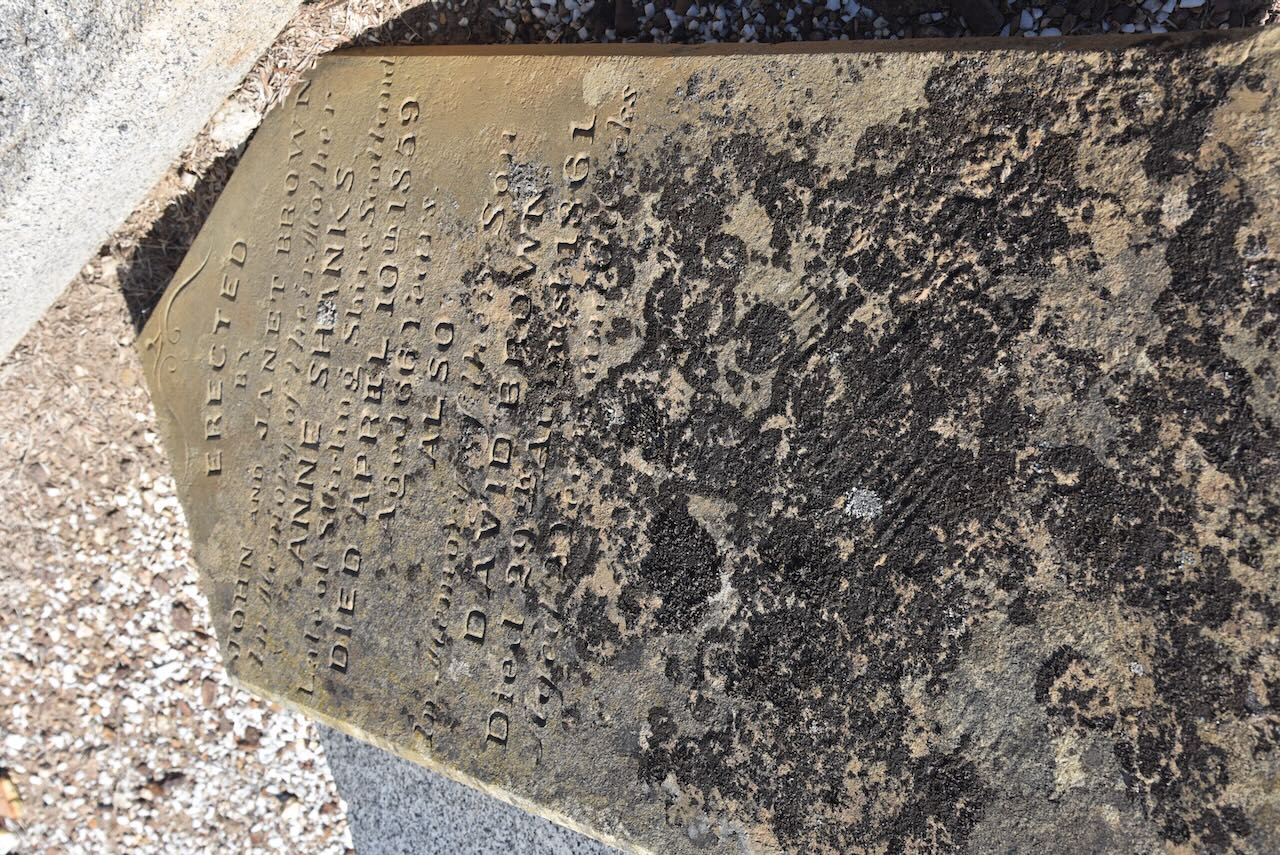
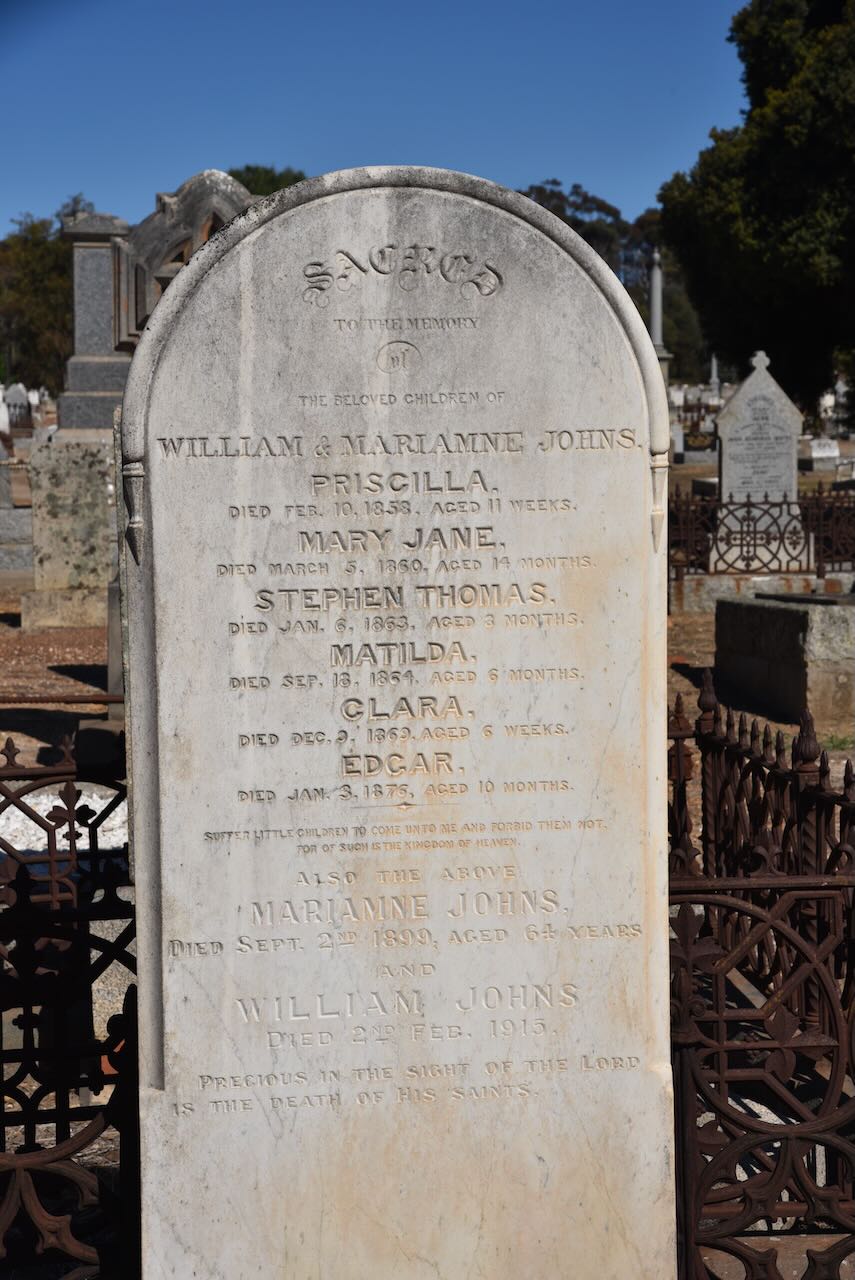
After leaving the cathedral, Marija and I visited the Bendigo Public Cemetery.
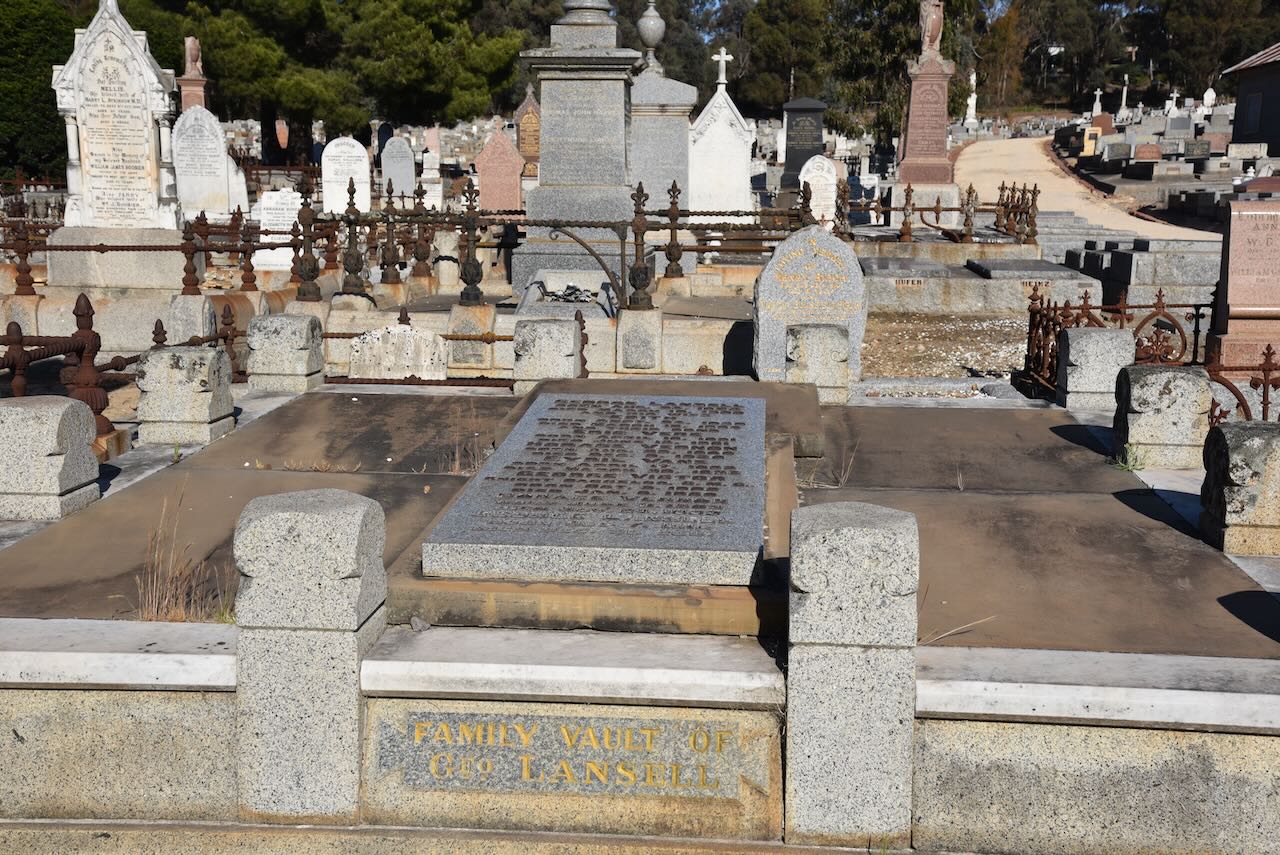
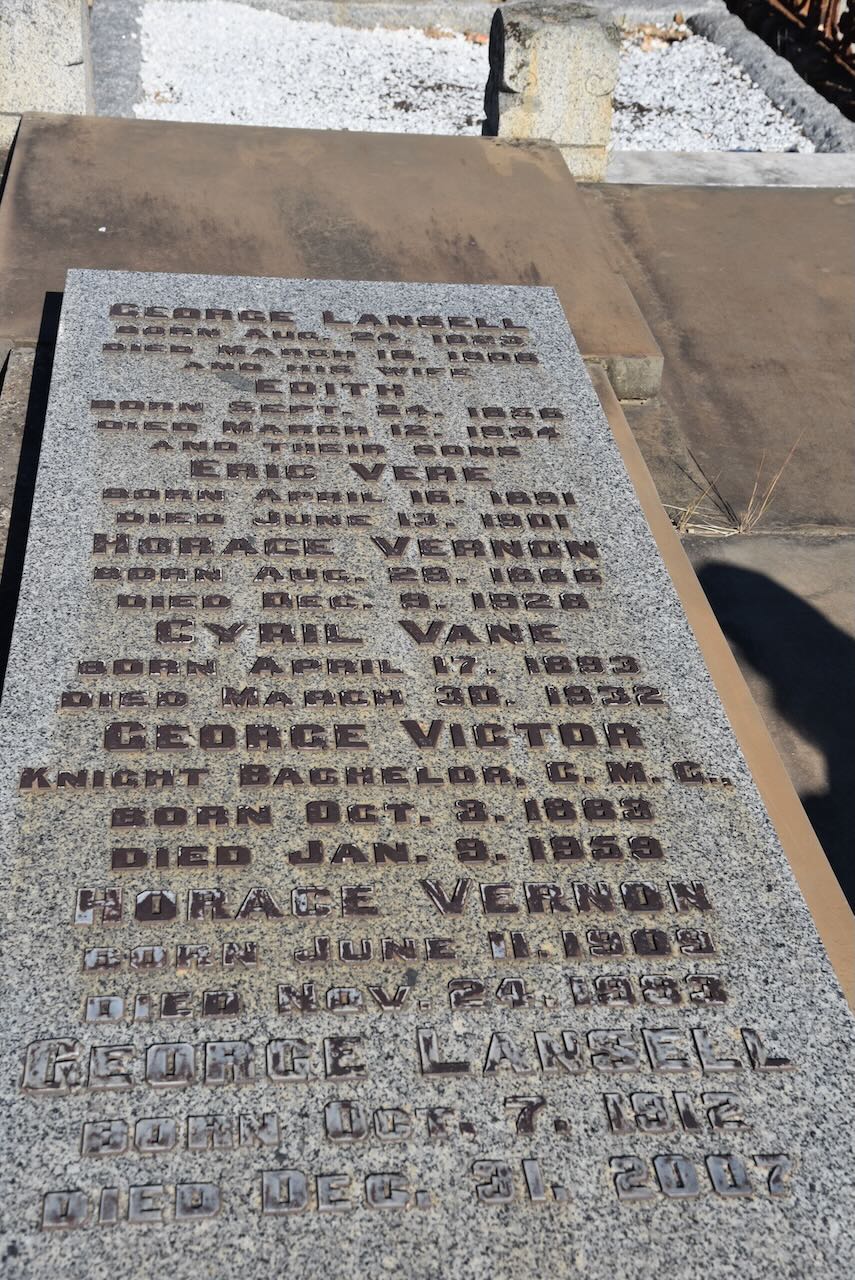
The first grave we visited was George Lansell’s family vault. George was born in Margate, England, and arrived in Bendigo in 1853. He was known as the ‘Quartz King’.
Robert Burowes was born in Canada in 1825. He arrived in Melbourne in 1853. He was a miner and goldmine owner of the Garden Gully reef.
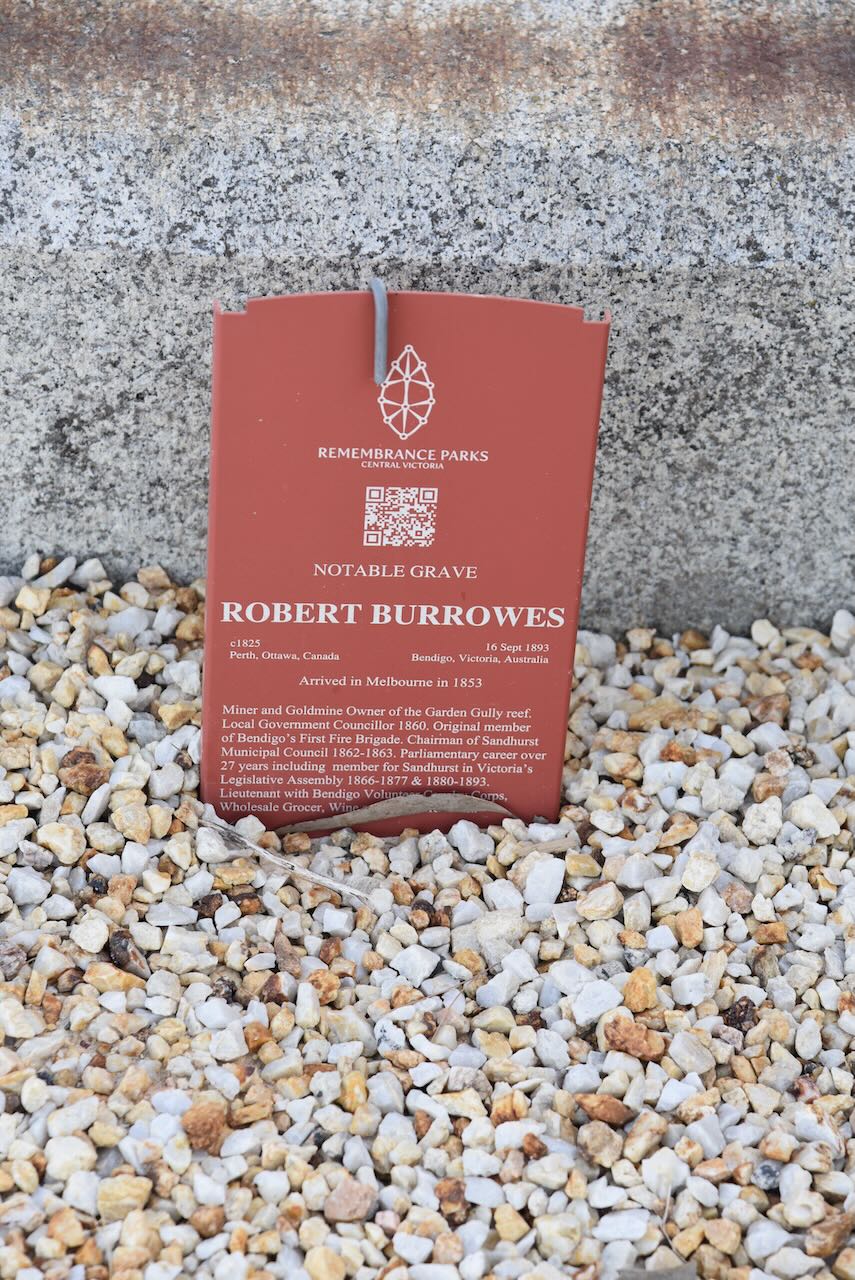
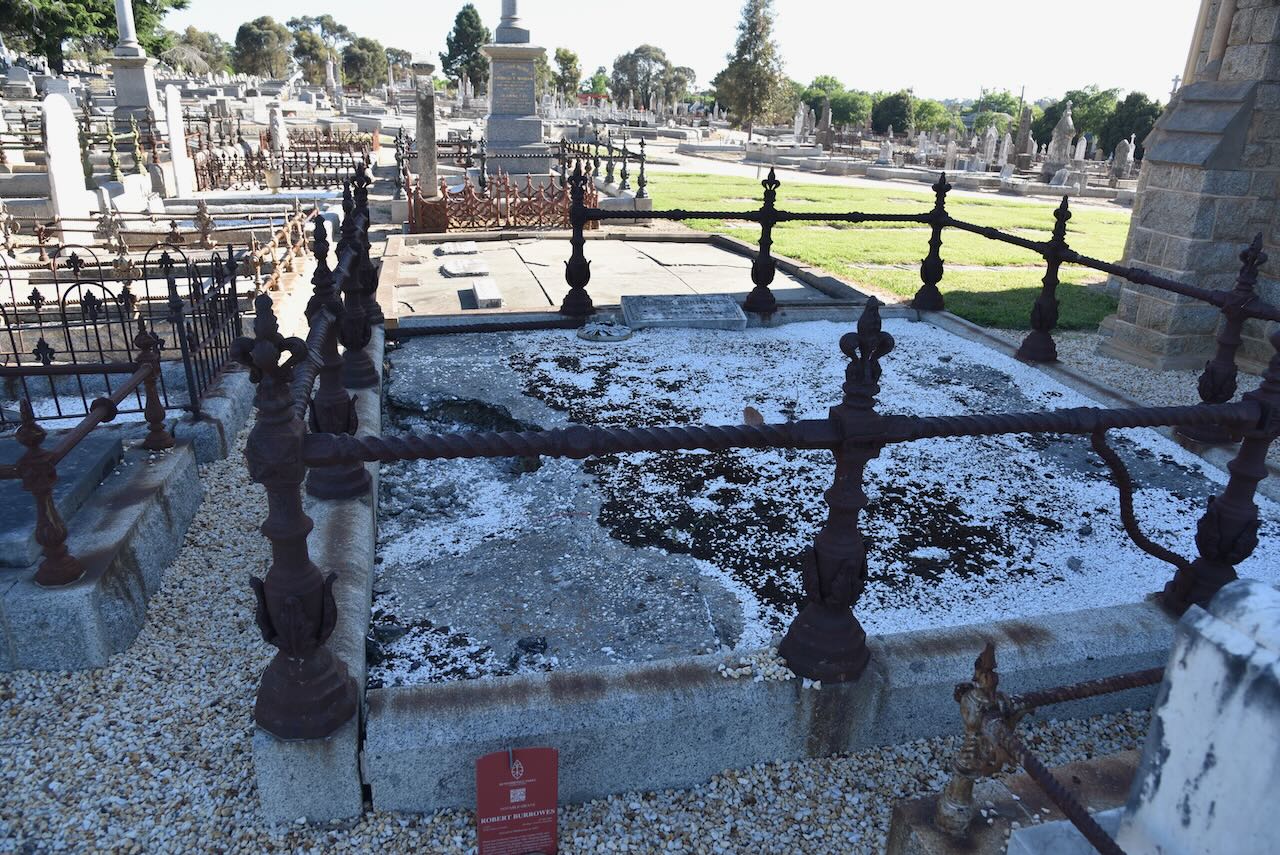
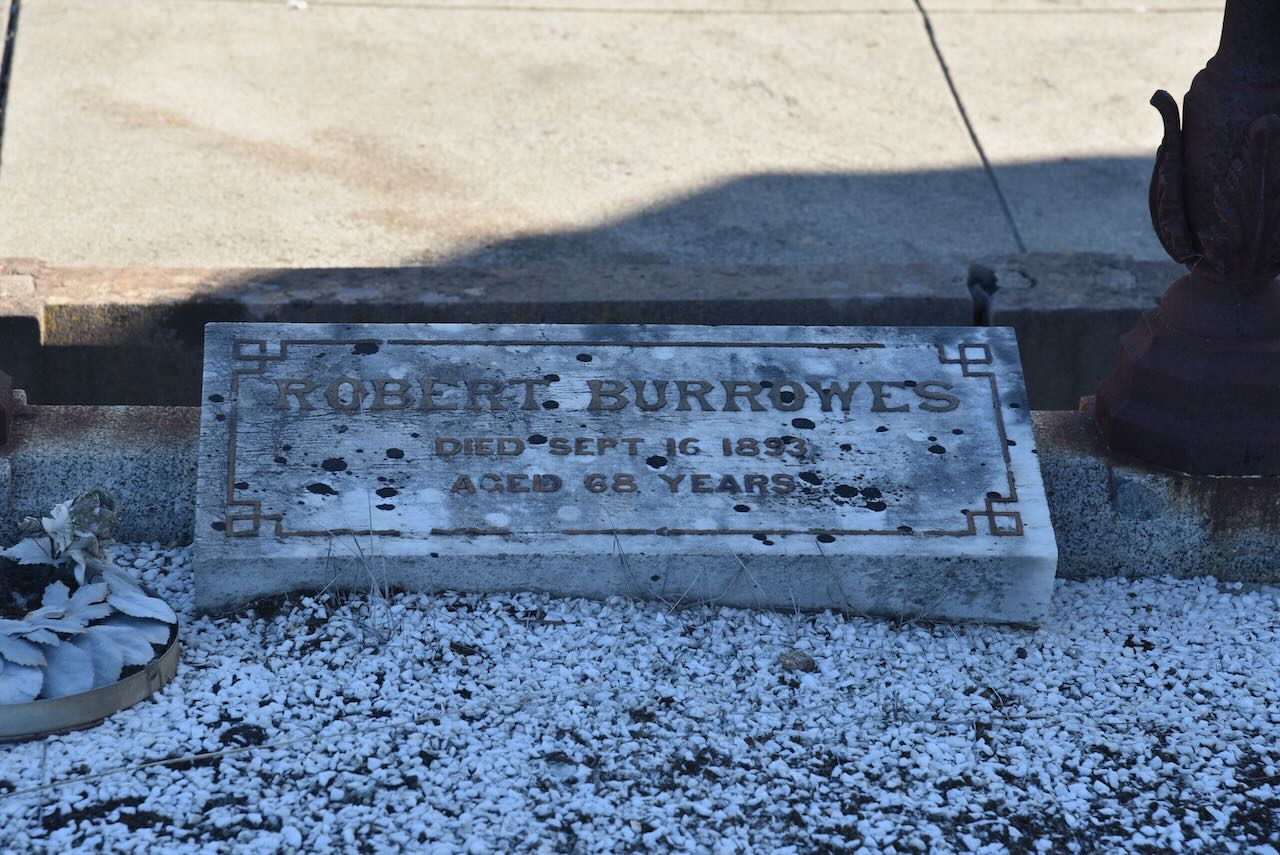
He was a local government councillor and an original member of Bendigo’s first Fire Brigade. He had a parliamentary career of over 27 years, including being a member for Sandhurst in Victoria’s Legislative Assembly 1867-1877 and 1880-1893.
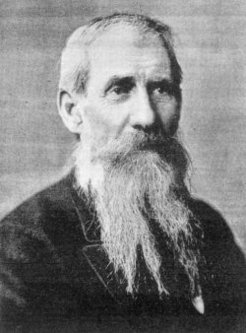
Above:- Robert Burrowes. Image c/o State Library Victoria.
The Bendigo cemetery is listed with the Victorian Heritage Database. (vhd.heritagecouncil.vic.gov.au, n.d.)
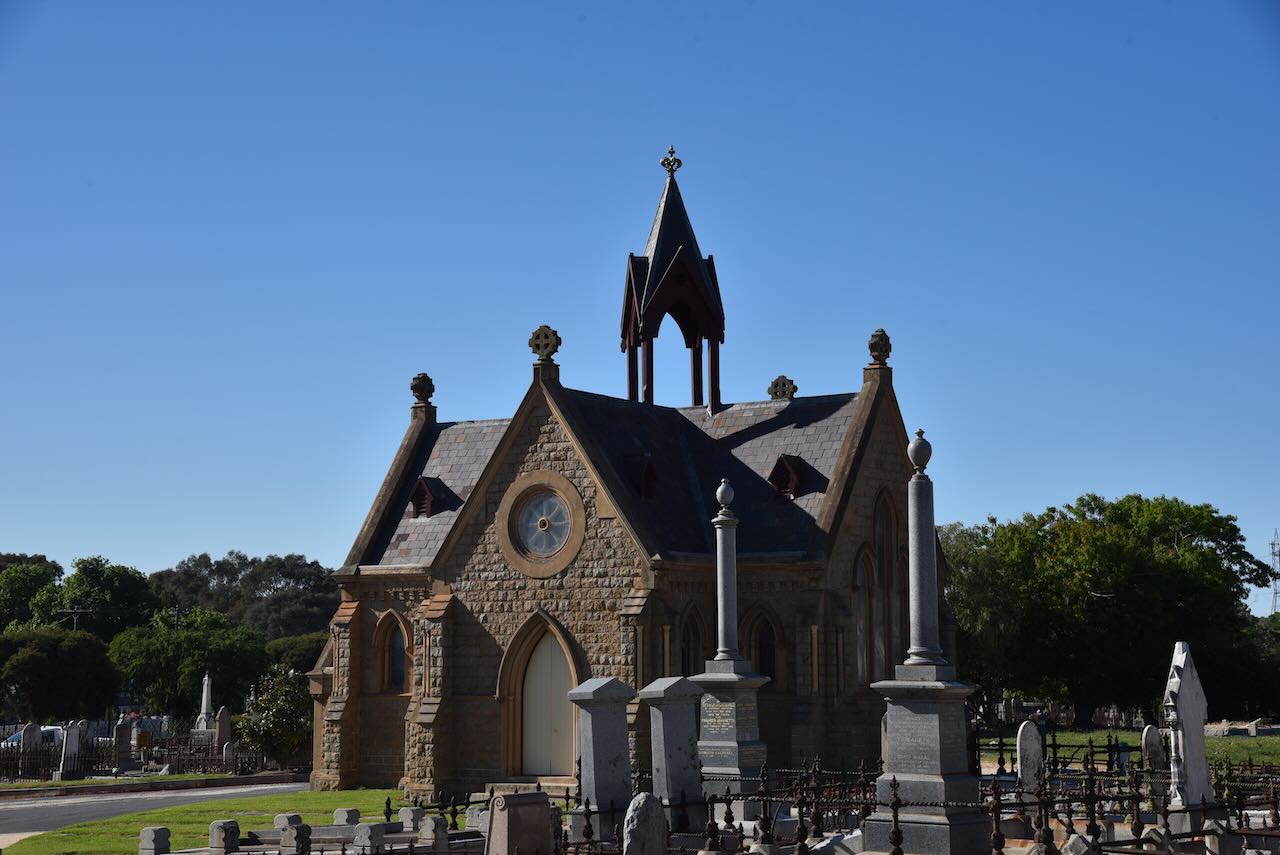
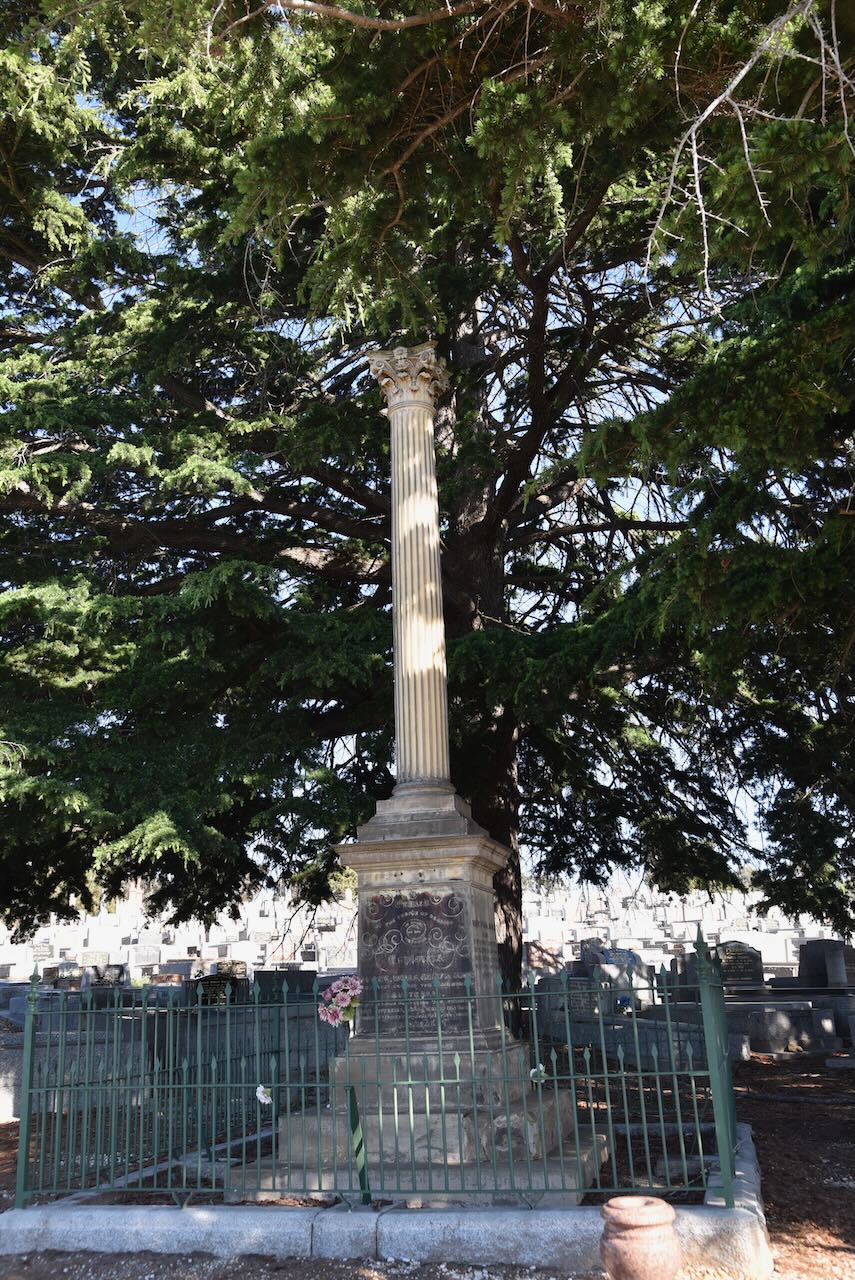
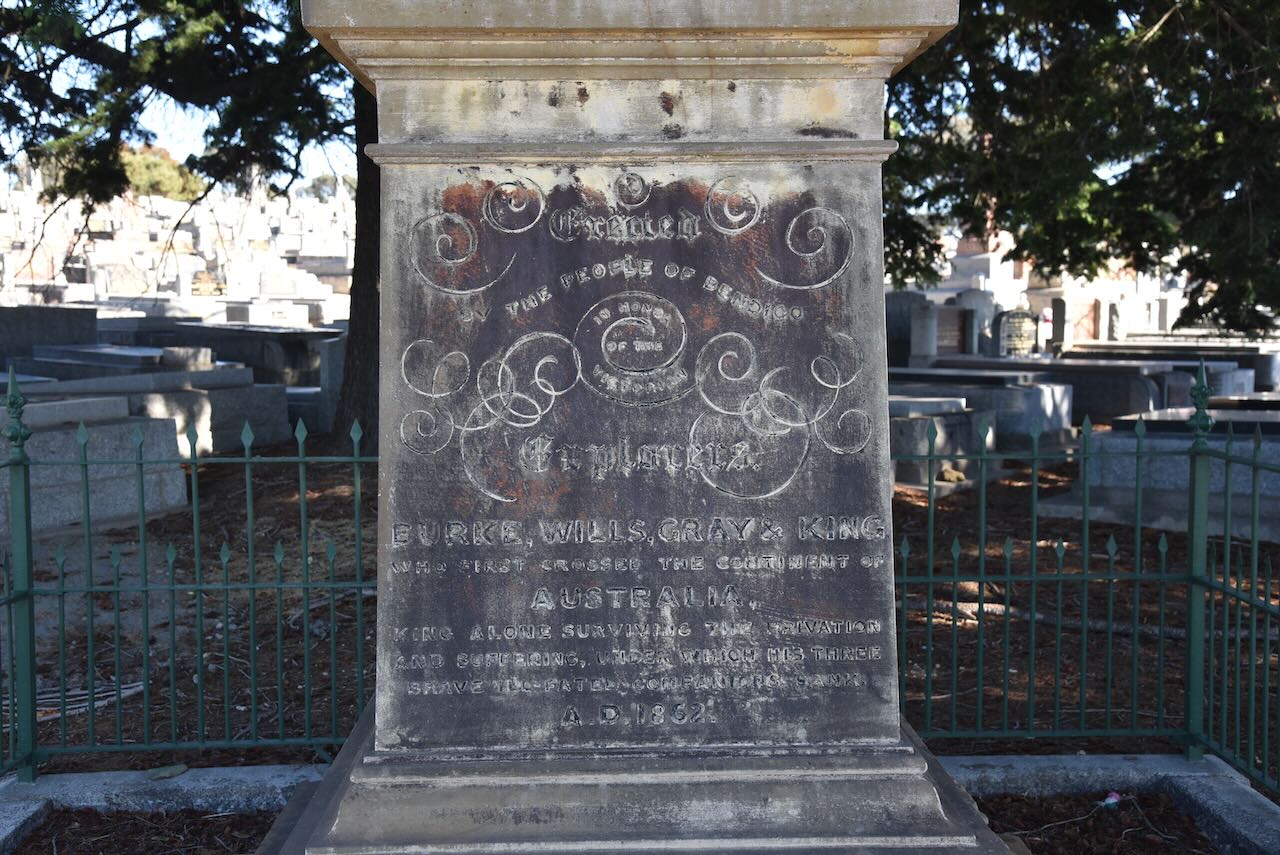
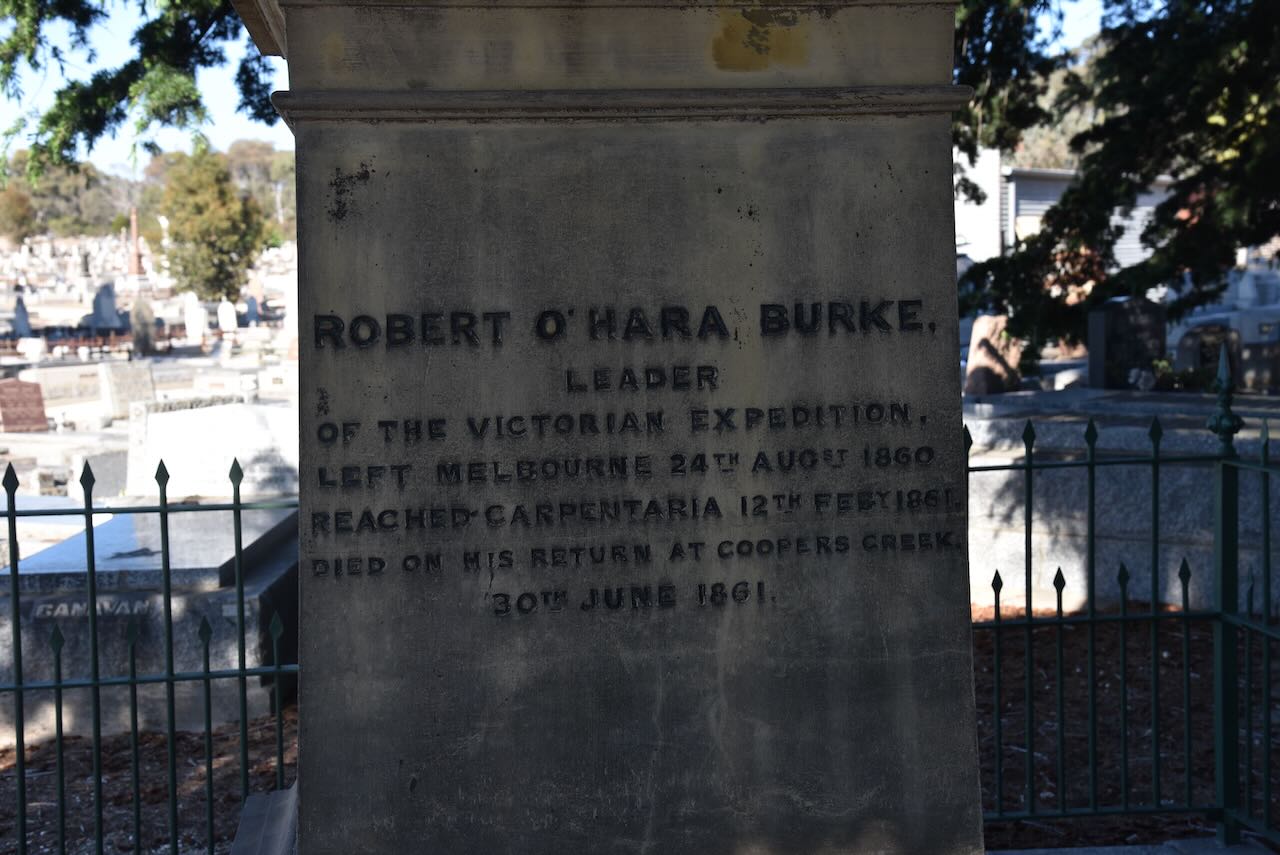
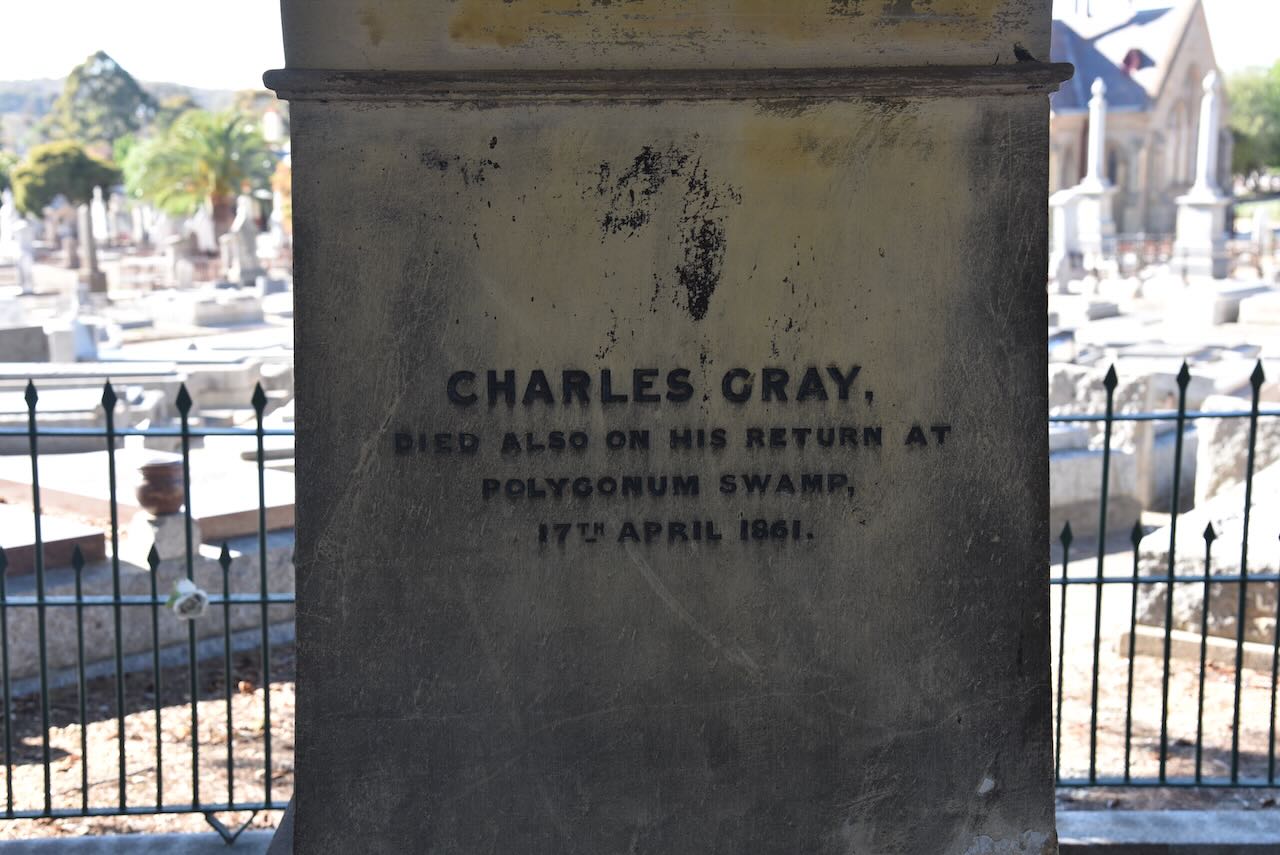
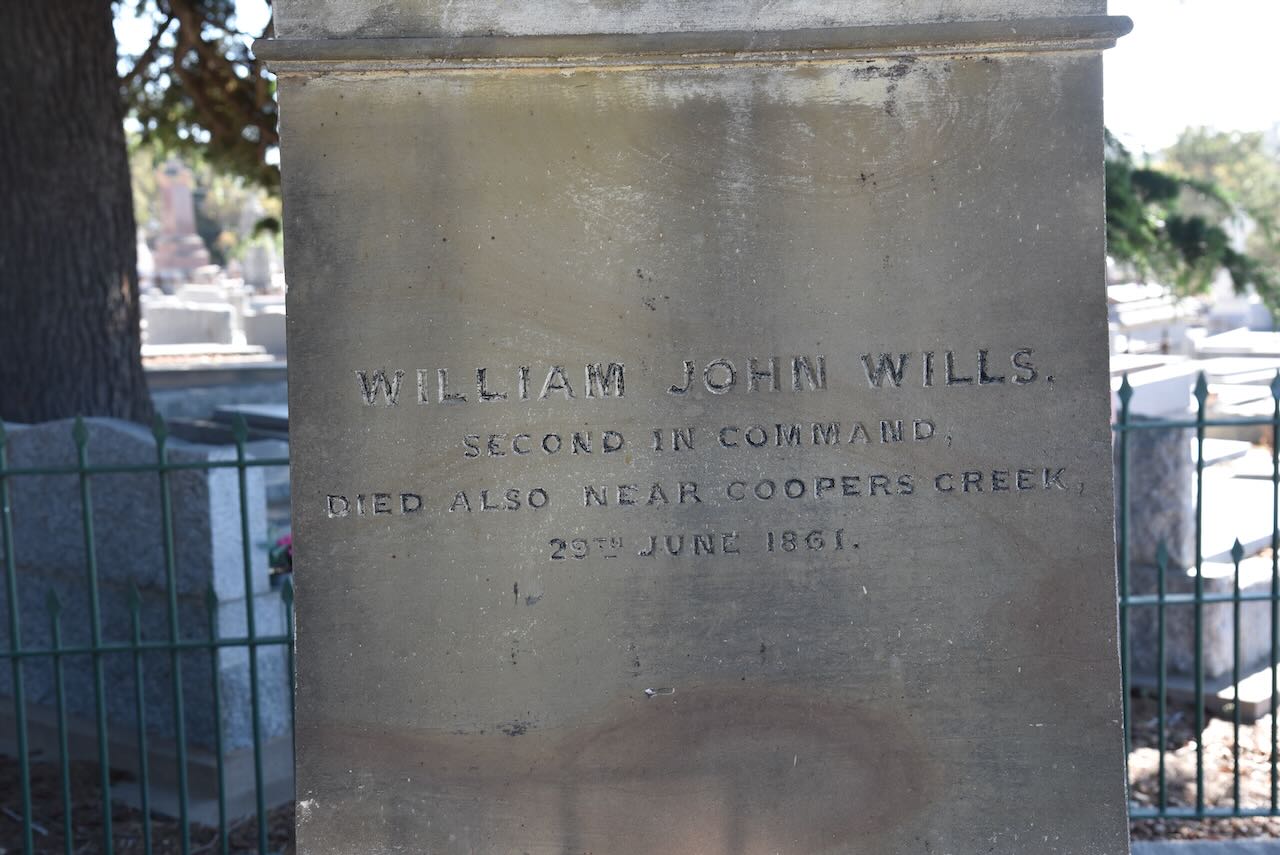
One of the most significant monuments in the cemetery is the monument erected in memory of the Australian explorers Burke, Wills, Gray & King, who crossed the Australian continent from south to north in 1861. This impressive monument was erected predominantly through the efforts of Thomas Pope Besnard, a childhood friend of Burke`s. (UBC Web Design, 2025)
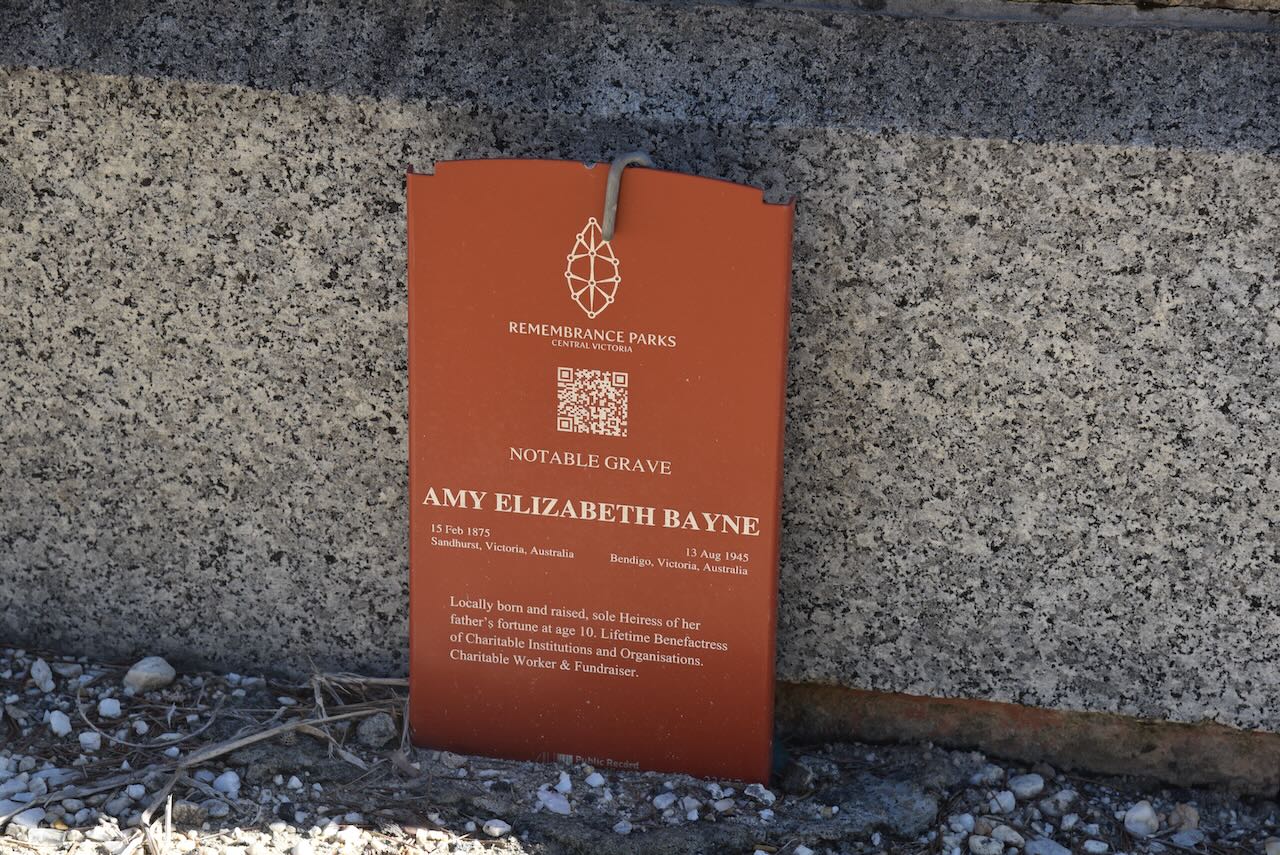
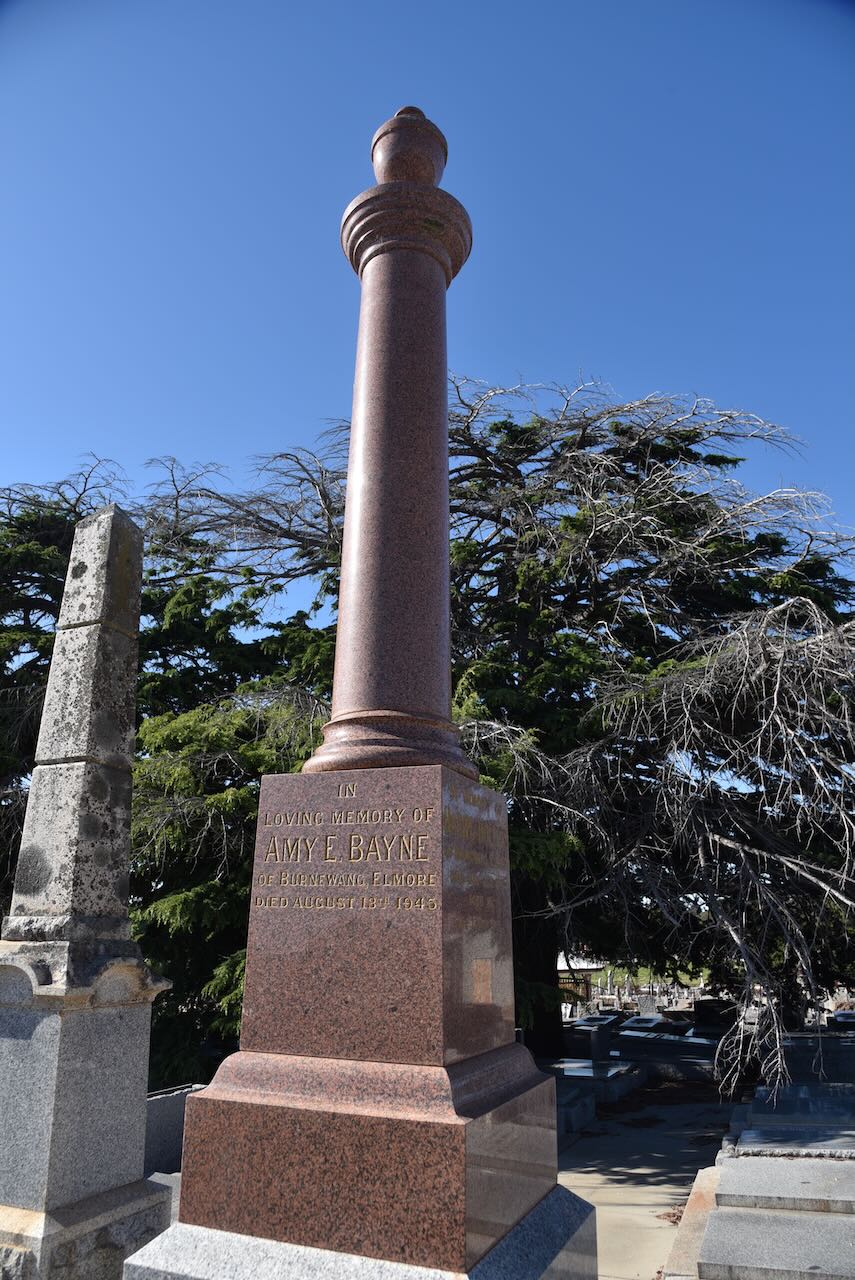
Amy Elizabeth Bayne was born in 1865 in Sandhurst, Victoria. She was the sole heiress of her father’s fortune when she was just 10 years old. She was a lifetime benefactress of various charitable institutions and organisations.
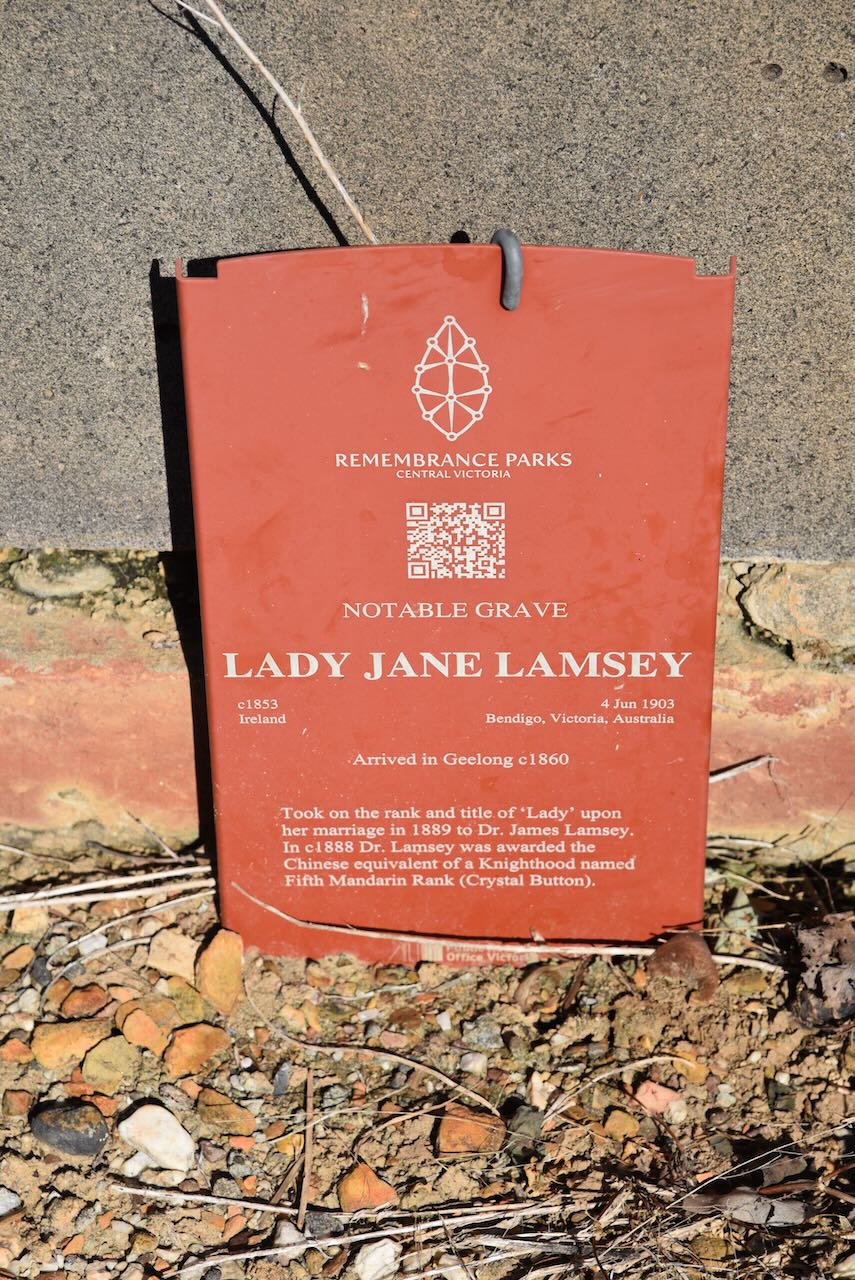
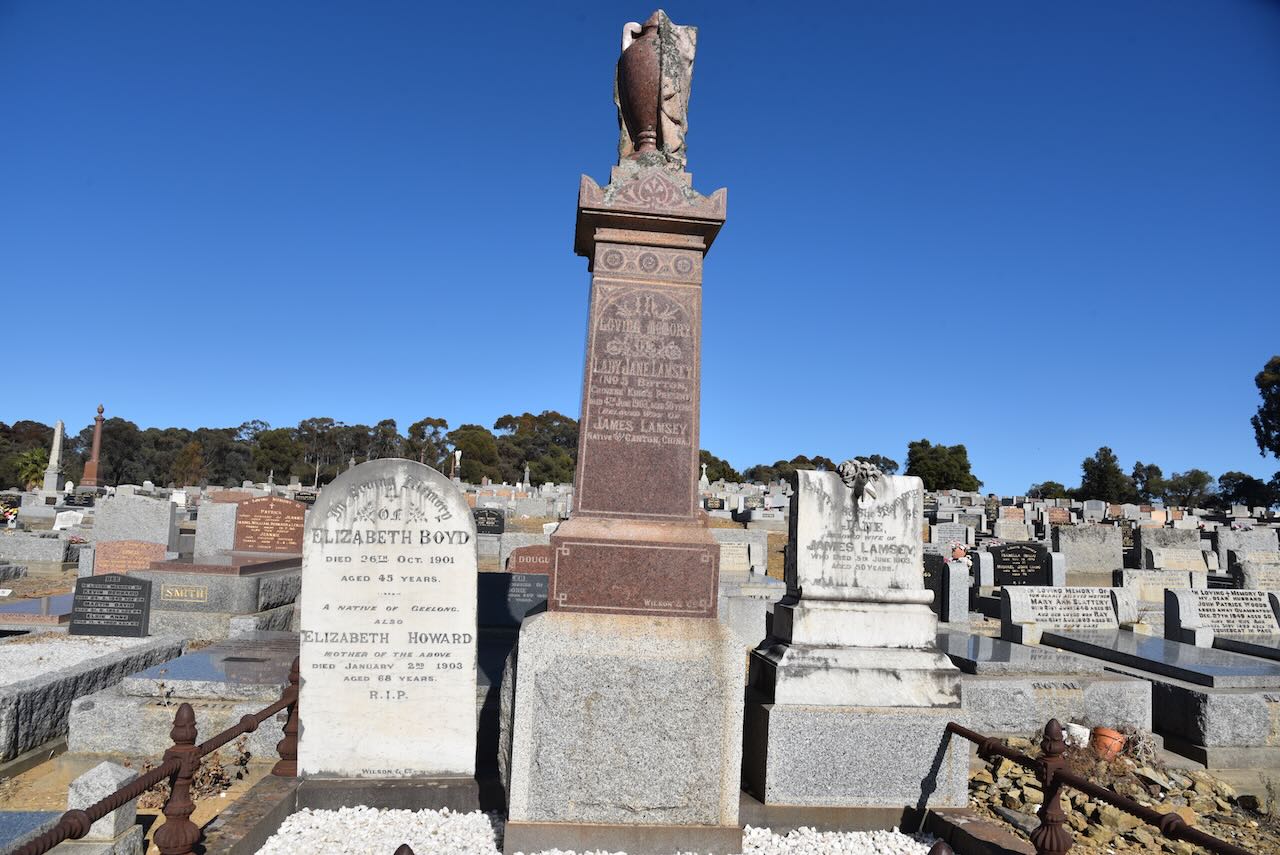
Lady Jane Lamsey was born c. 1853 in Ireland. She arrived in Geelong in c. 1860. She took on the rank and title of ‘Lady’ upon her marriage in 1889 to Dr. James Lamsey. In c. 1888, Dr. Lamsey was awarded the Chinese equivalent of a Knighthood named Fifth Mandarin Rank.
William Dixon Campbell Denovan was a miner and goldfields leader. He was born in Edinburgh, Scotland in 1829 and arrived in Melbourne in 1852.
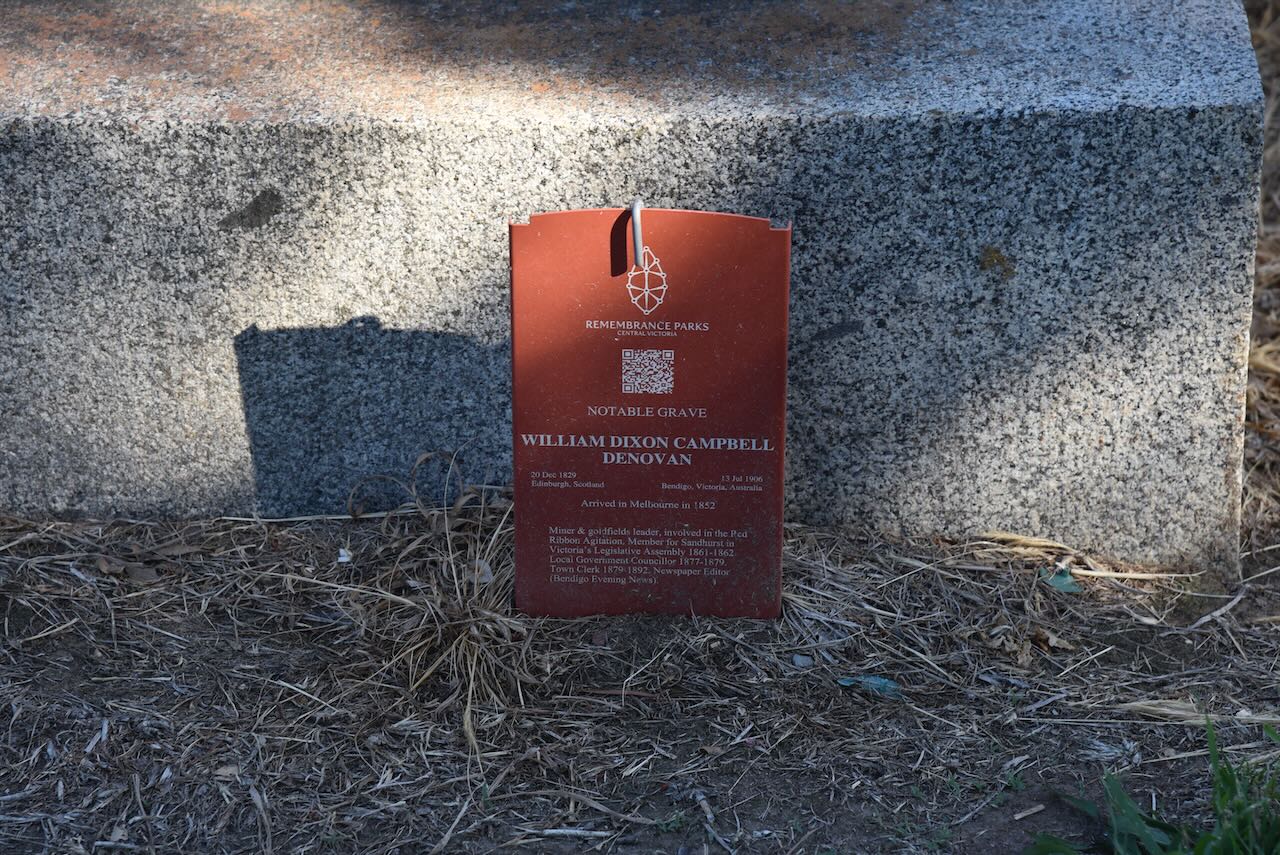
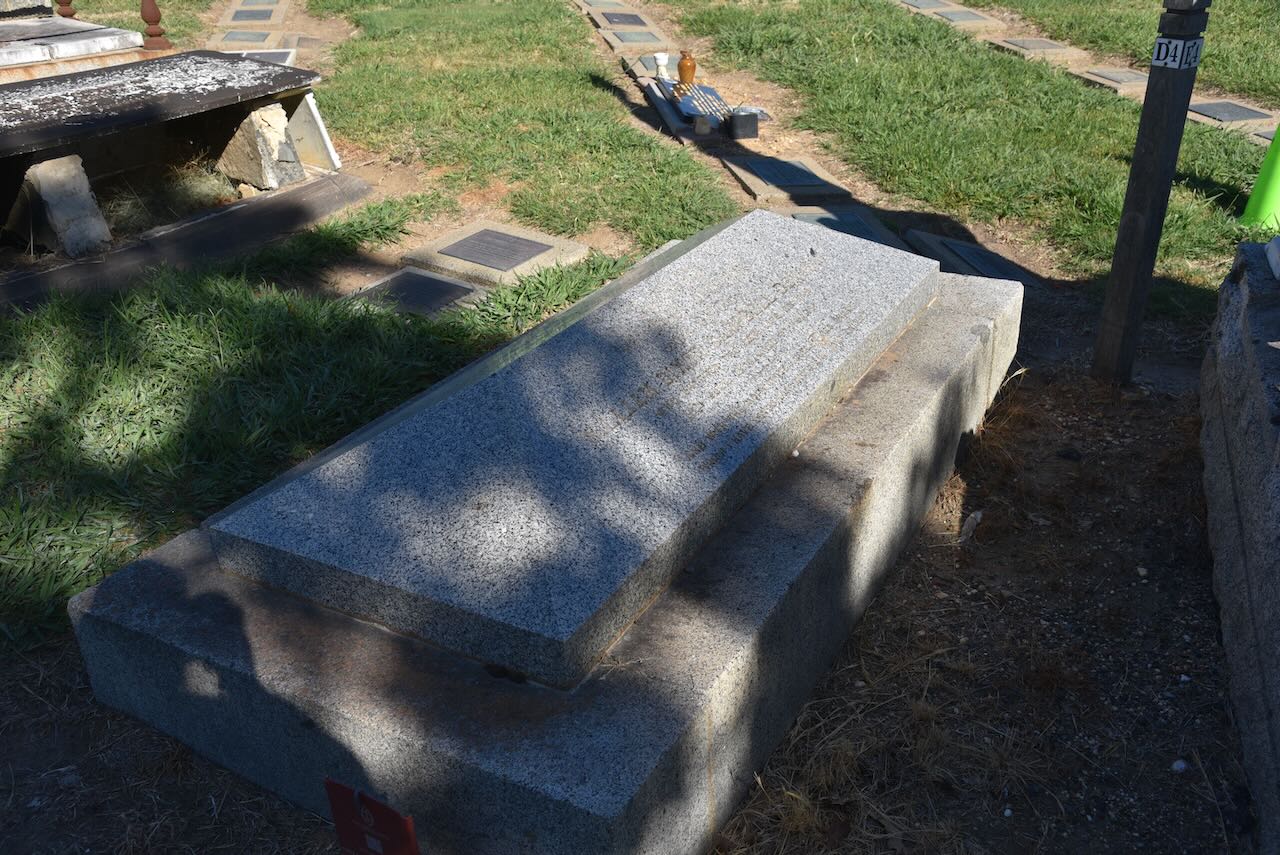
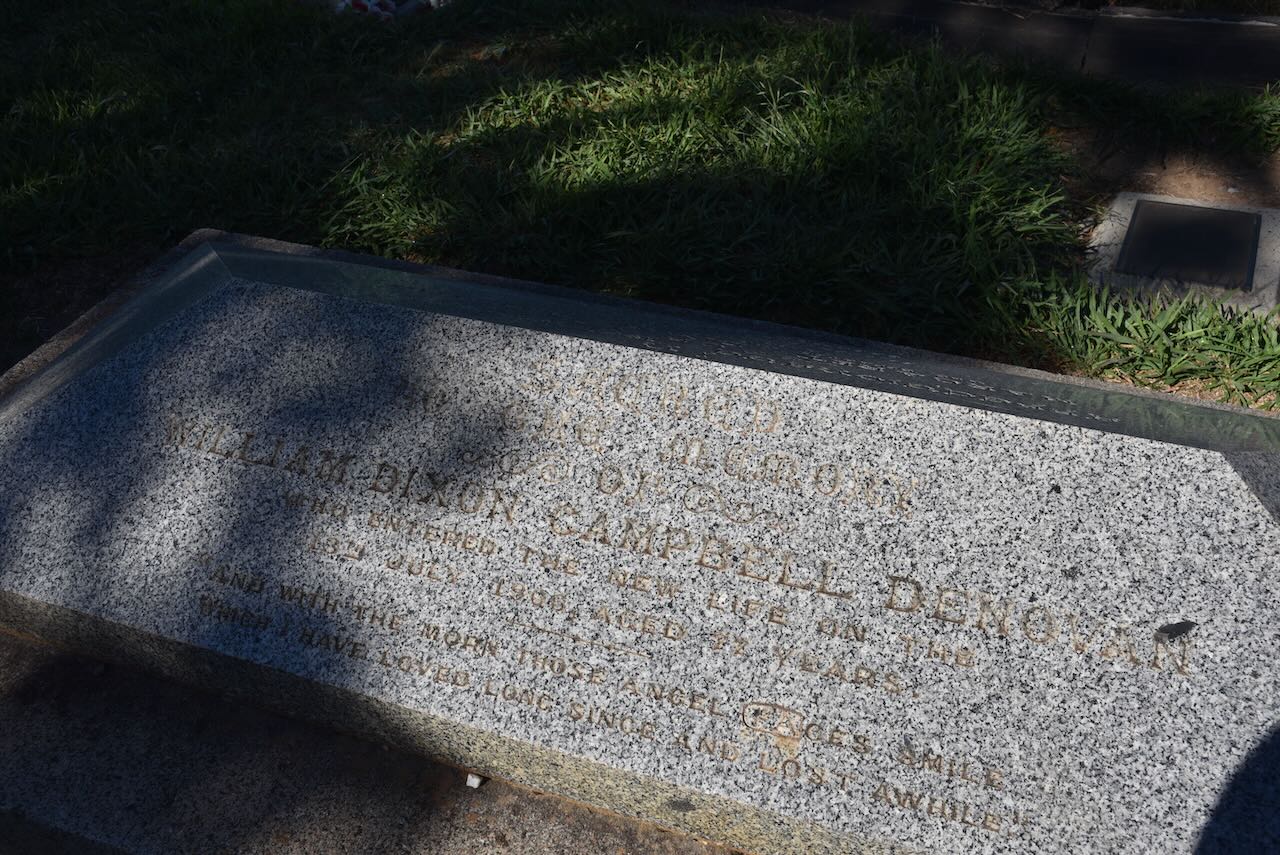
He was a Member for Sandhurst in Victoria’s Legislative Assembly 1861-18762 and a Local Government Councillor 1877-1879. He was also Town Clerk from 18791892 and the newspaper editor of the Bendigo Evening News.

Above: Mr. W.D.C. Denovan. Image c/o Trove.
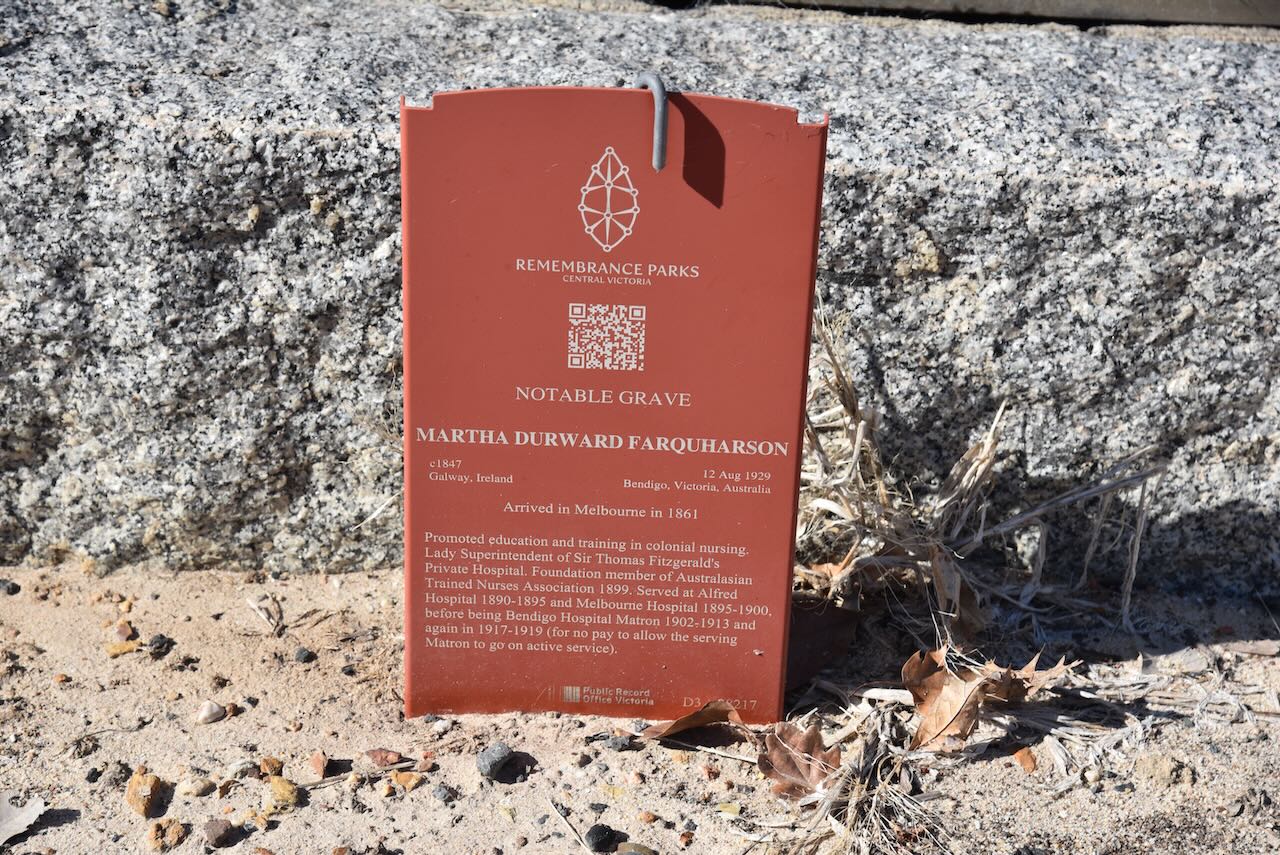
Martha Durward Farquarson was born in c. 1847 in Galway, Ireland. She arrived in Melbourne in 1861. Martha promoted education and training in colonial nursing.

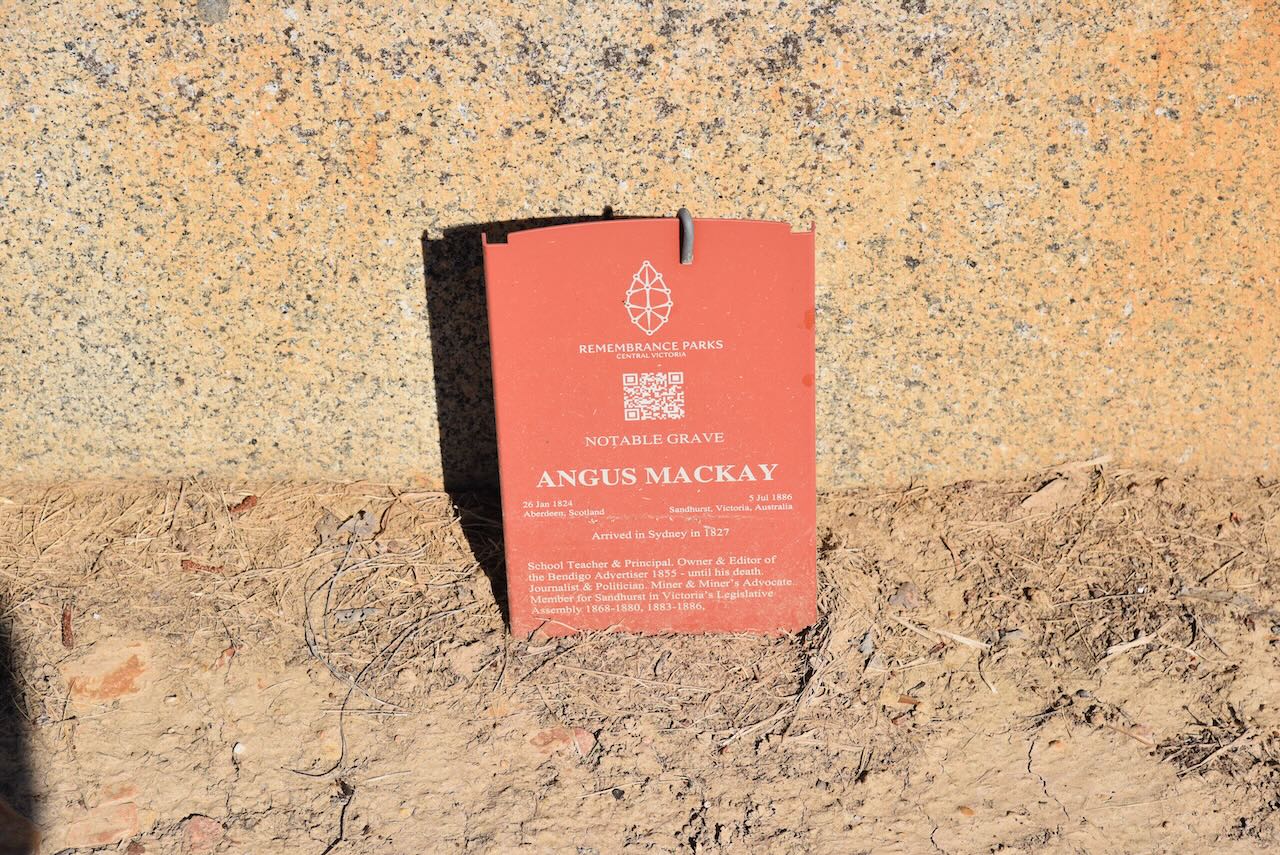
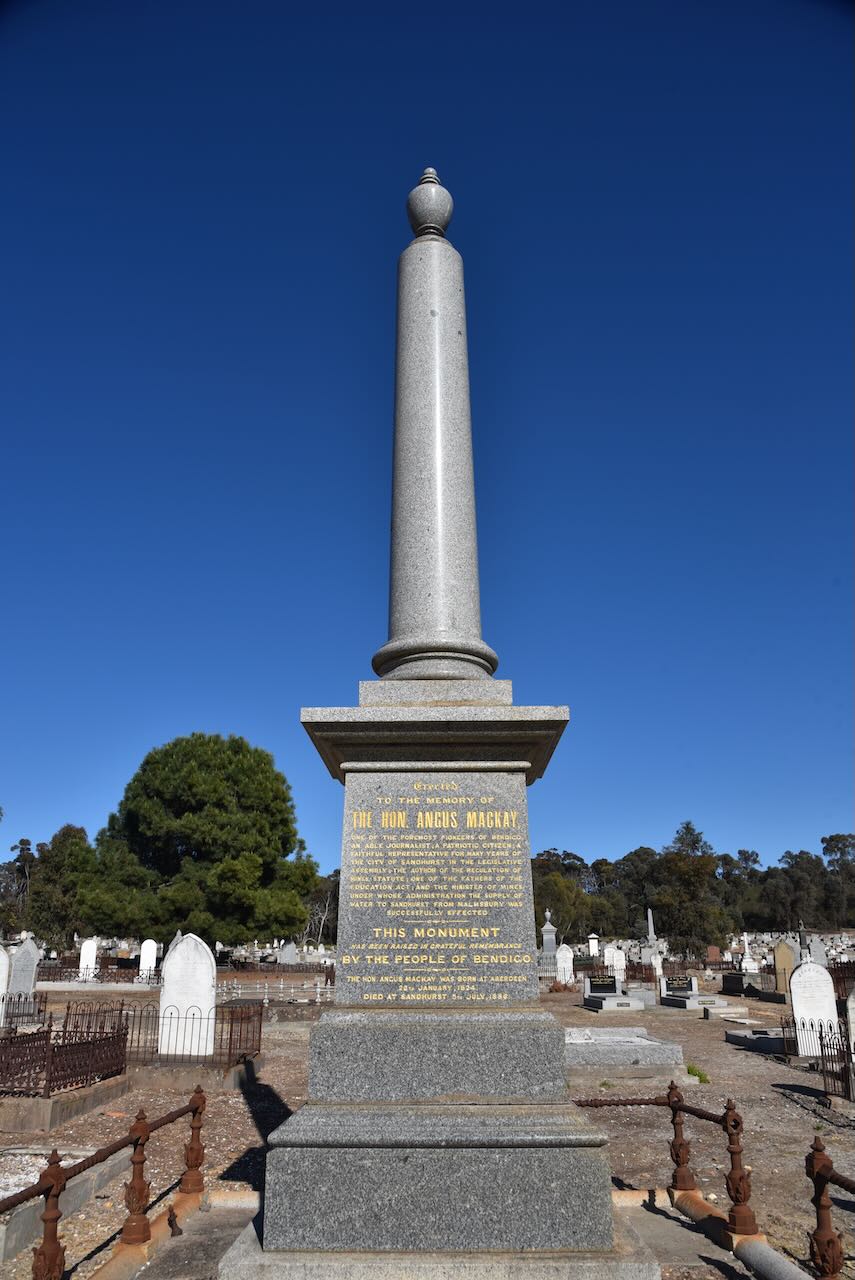
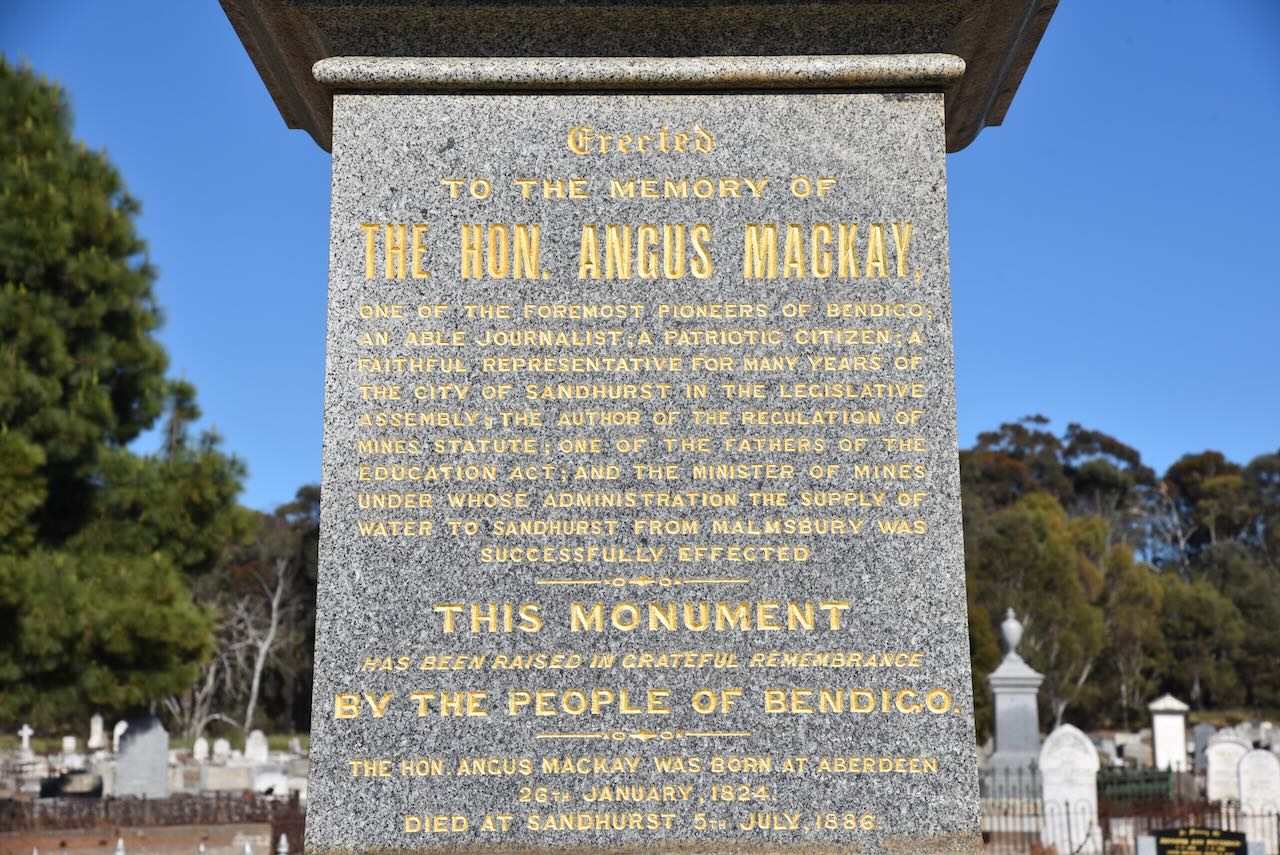
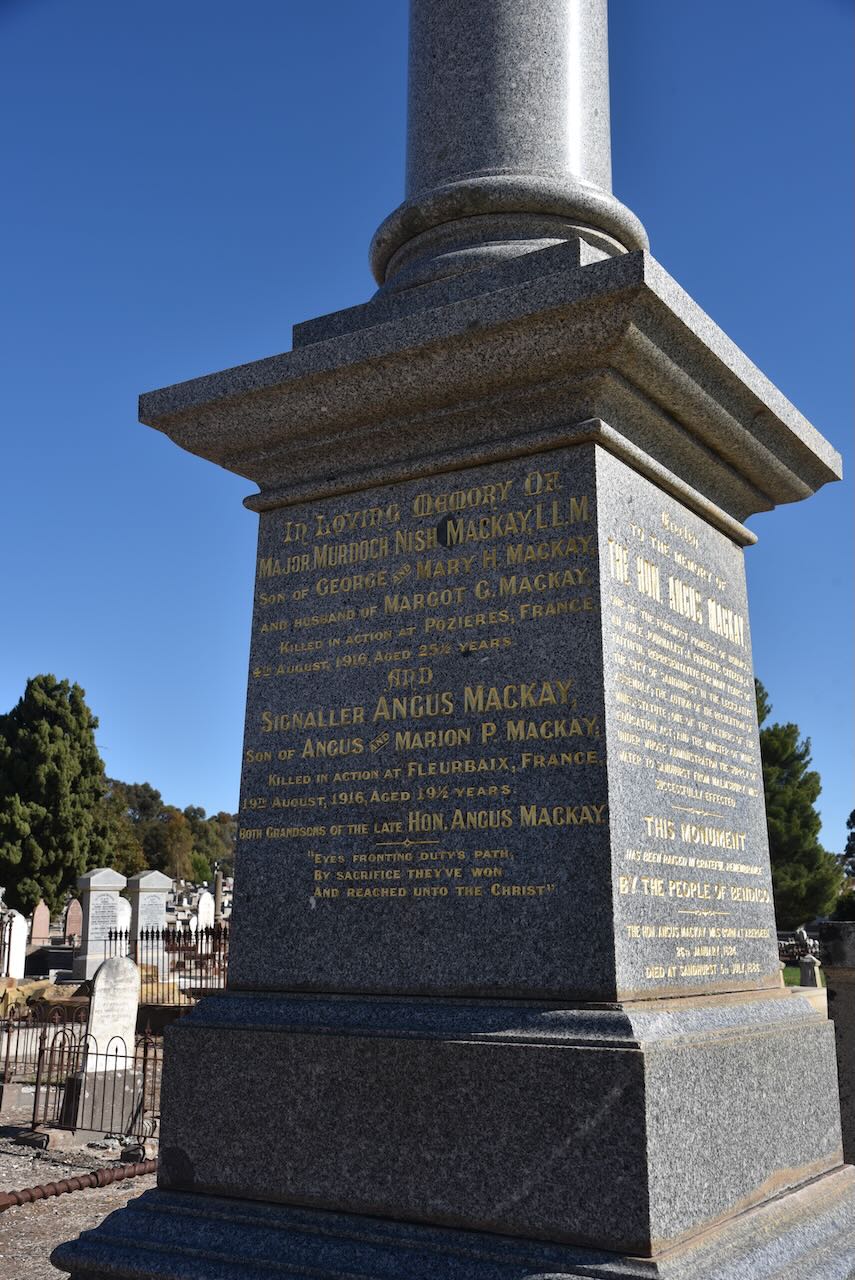
Angus Mackay was born in 1824 in Aberdeen, Scotland, and arrived in Sydney in 1827. He was a school teacher and principal, and the owner & editor of The Bendigo Advertiser from 1855 until his death in 1886.

Sir John McIntyre was born in 1832 in Glasgow, Scotland. He arrived in Portland in 1852.
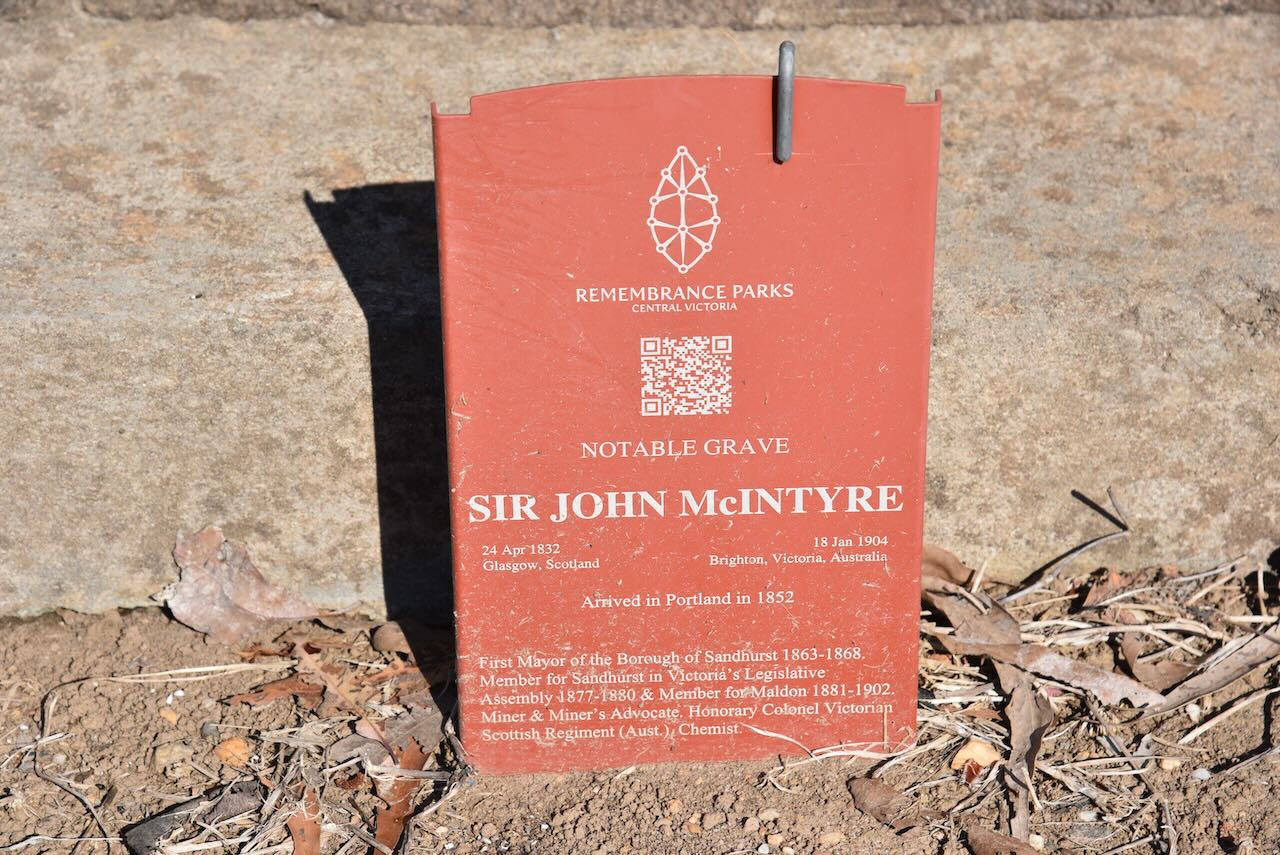
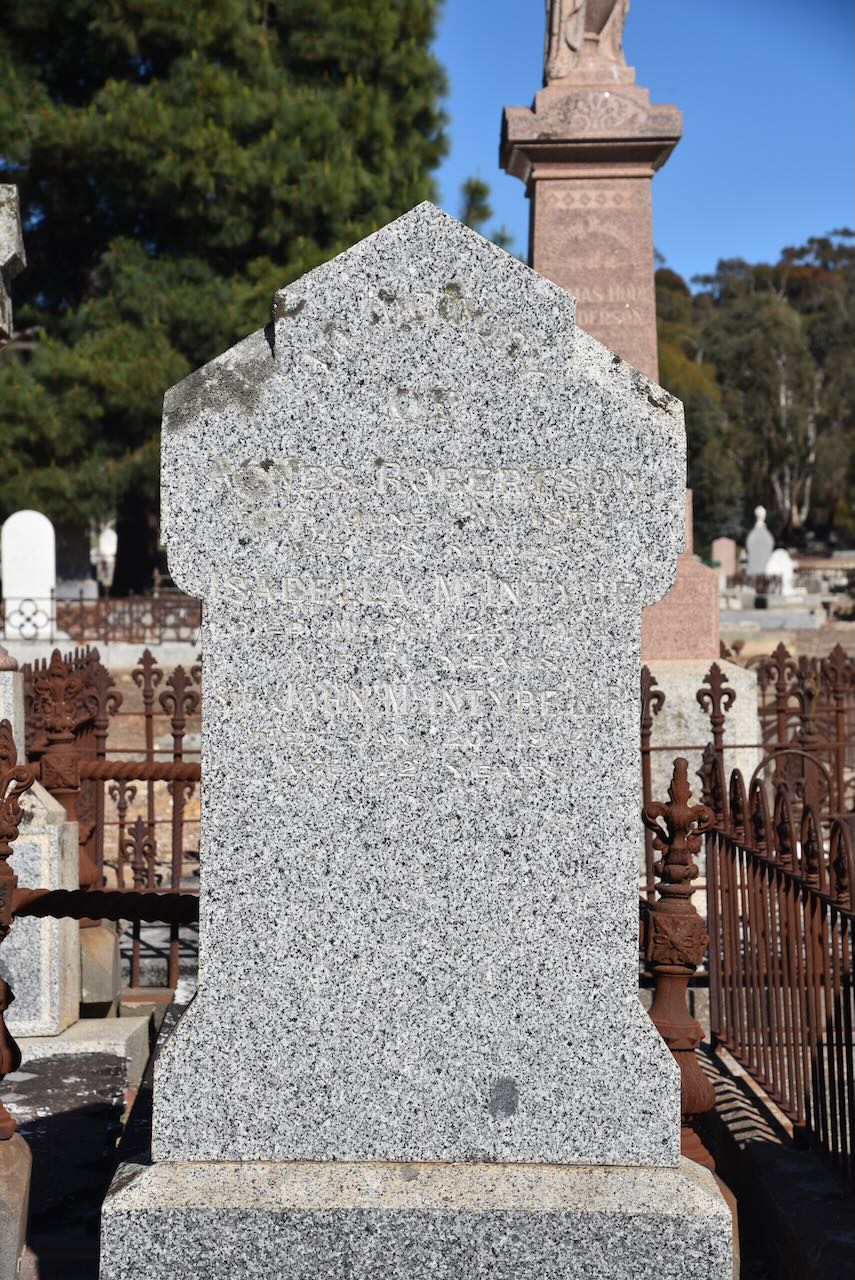
McIntyre was the first Mayor of the Borough of Sandhurst, 1863-1868. He was a Member for Sandhurst in Victoria’s Legislative Assembly 1877-1880, and Member for Maldon 1881-1902. He was a miner and miner’s advocate, and an Honorary Colonel Victorian Scottish Regiment (Aust). He died in January 1904.

Above:- Sir John Mcintyre. Image c/o Wikipedia.
John Boyd Watson was born in 1828 in Paisley, Scotland, and arrived in Sydney in 1841.
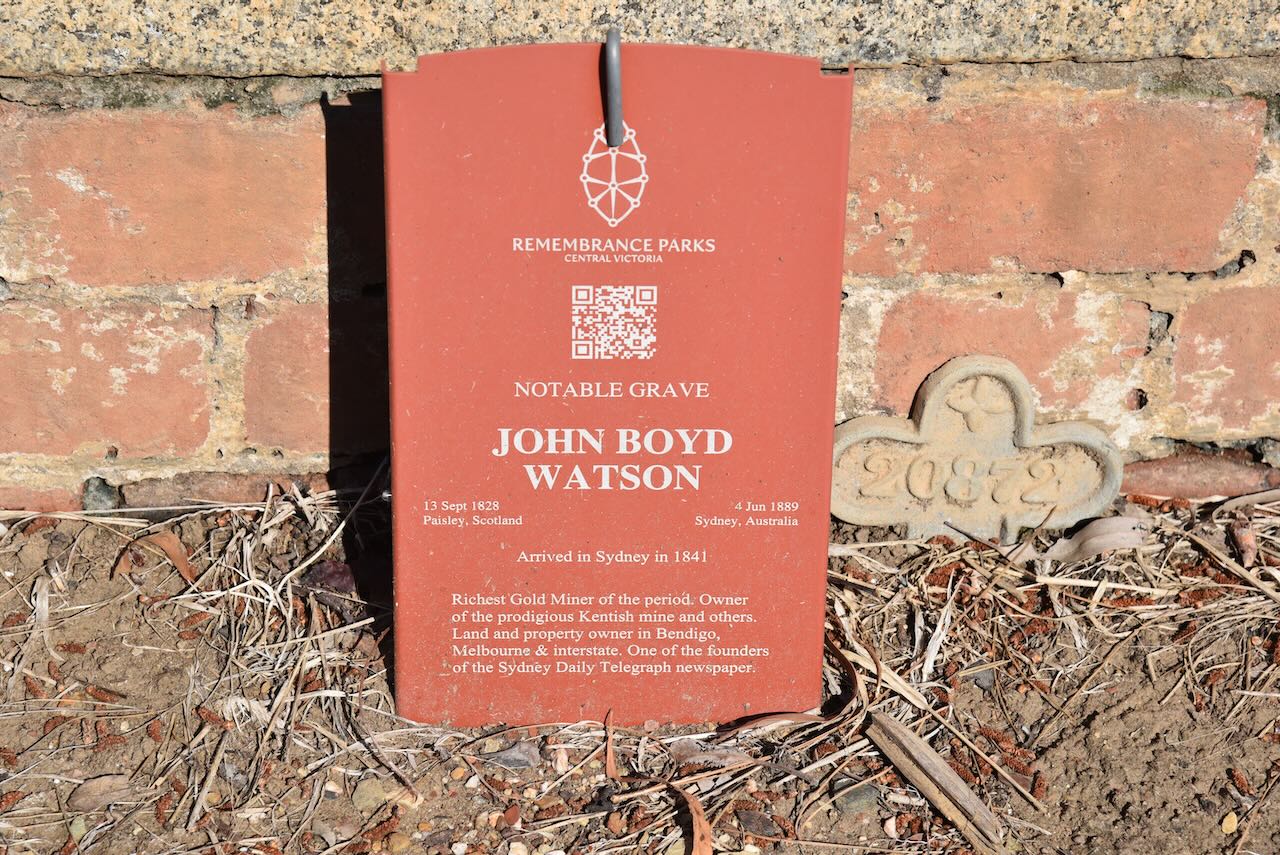
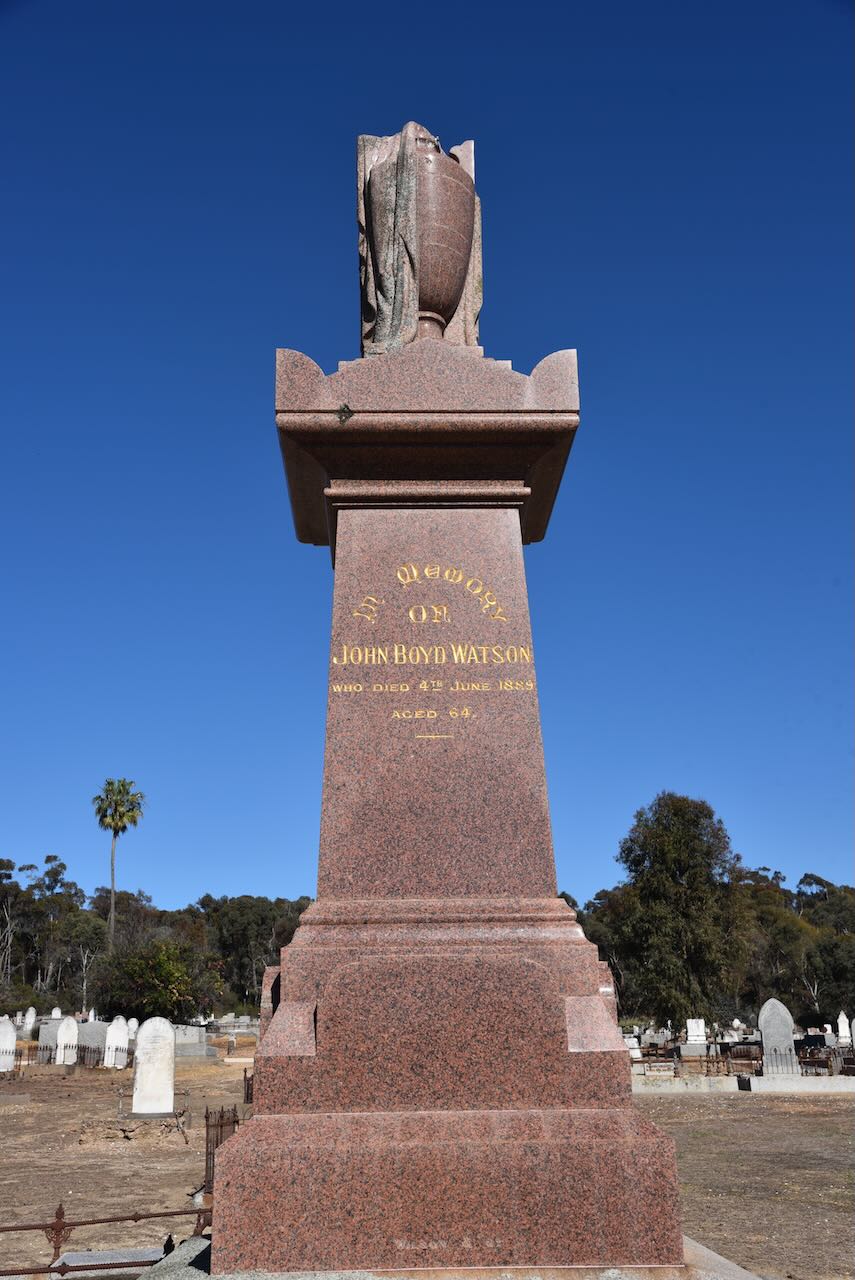
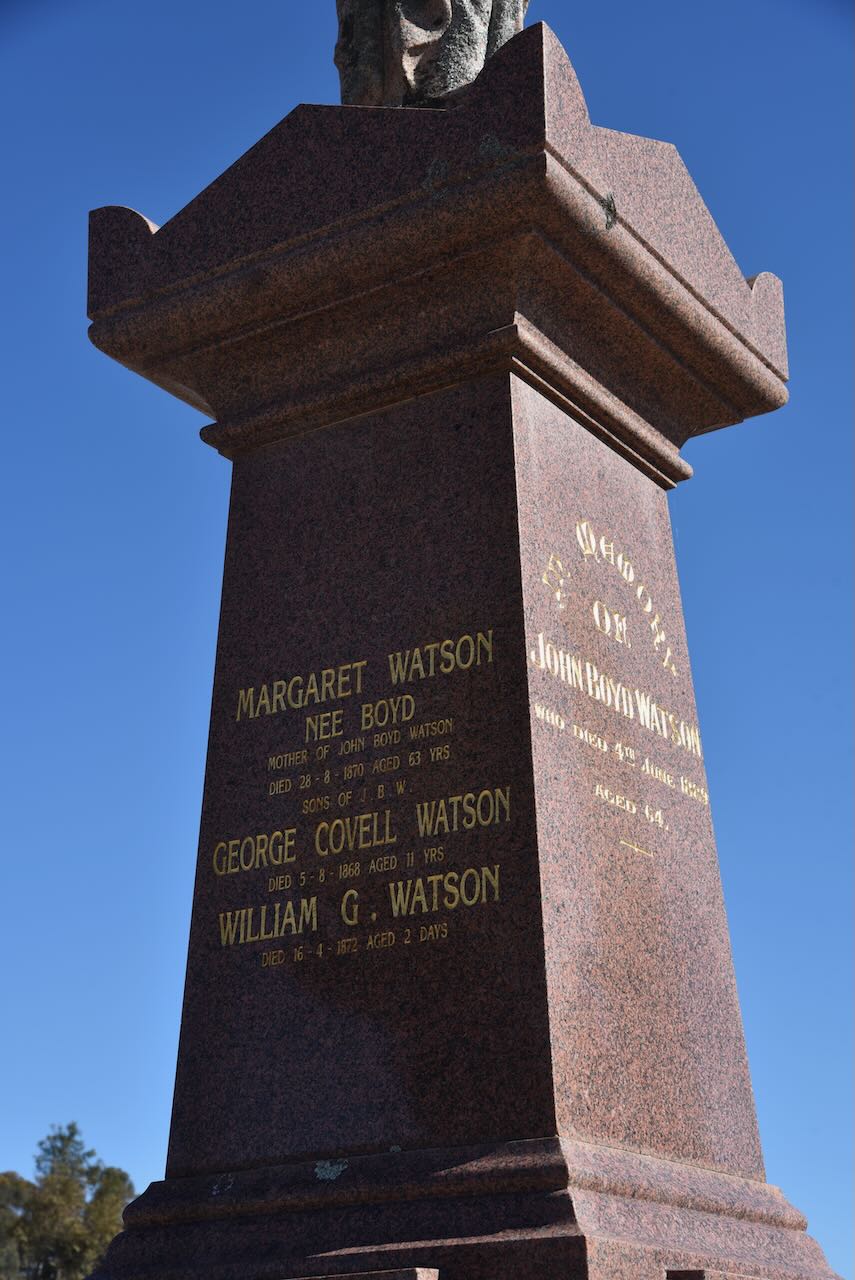
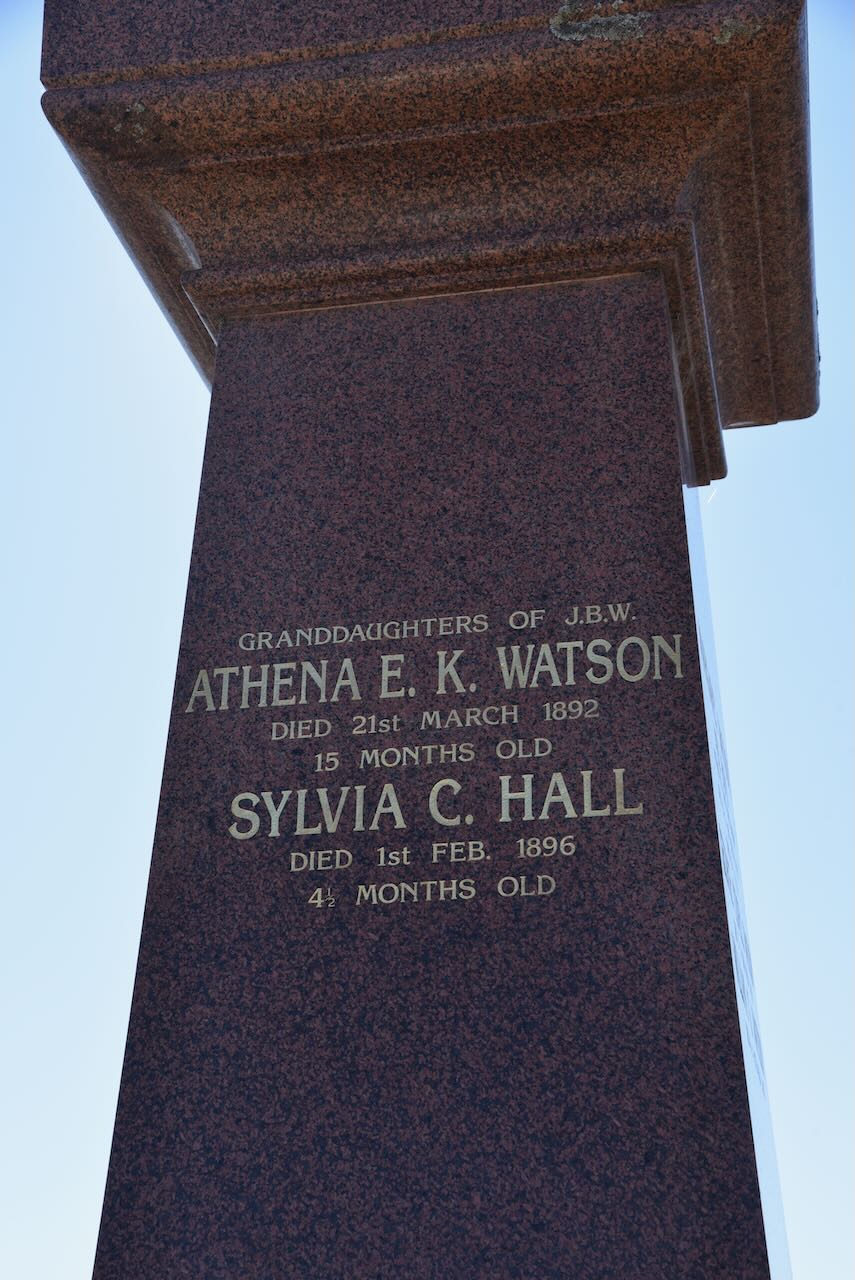
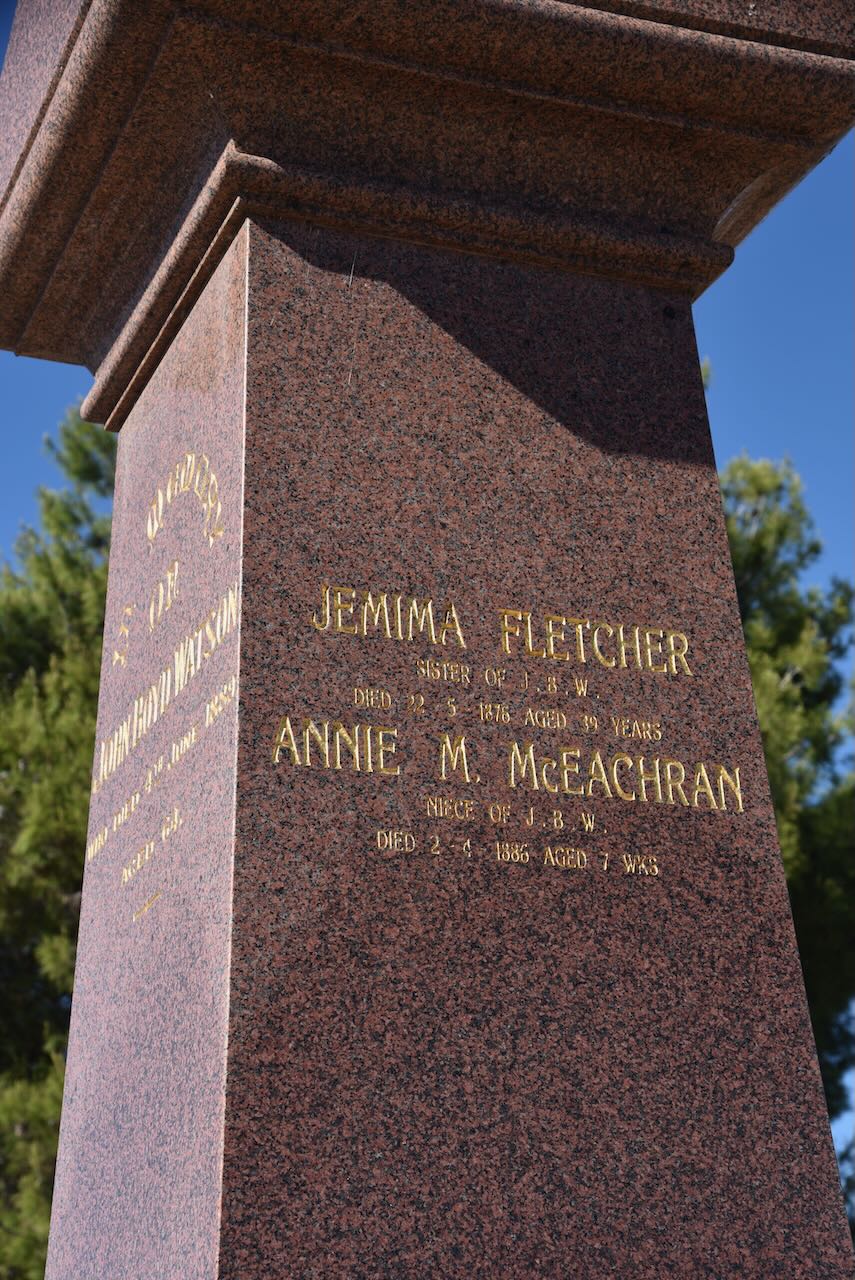
He was the richest gold miner of the period. He was the owner of the prodigious Kentish mine and several others. Watson was one of the founders of the Sydney Daily Telegraph newspaper, and was a land and property owner in Bendigo, Melbourne, and in other Australian States. He died in June 1889.
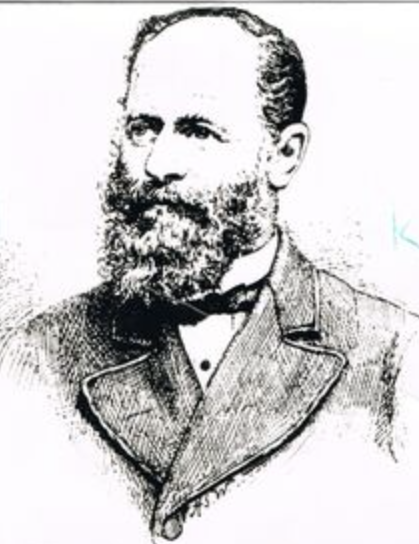
Above:- John Boyd Watson. Image c/o victoriancollections.net.au
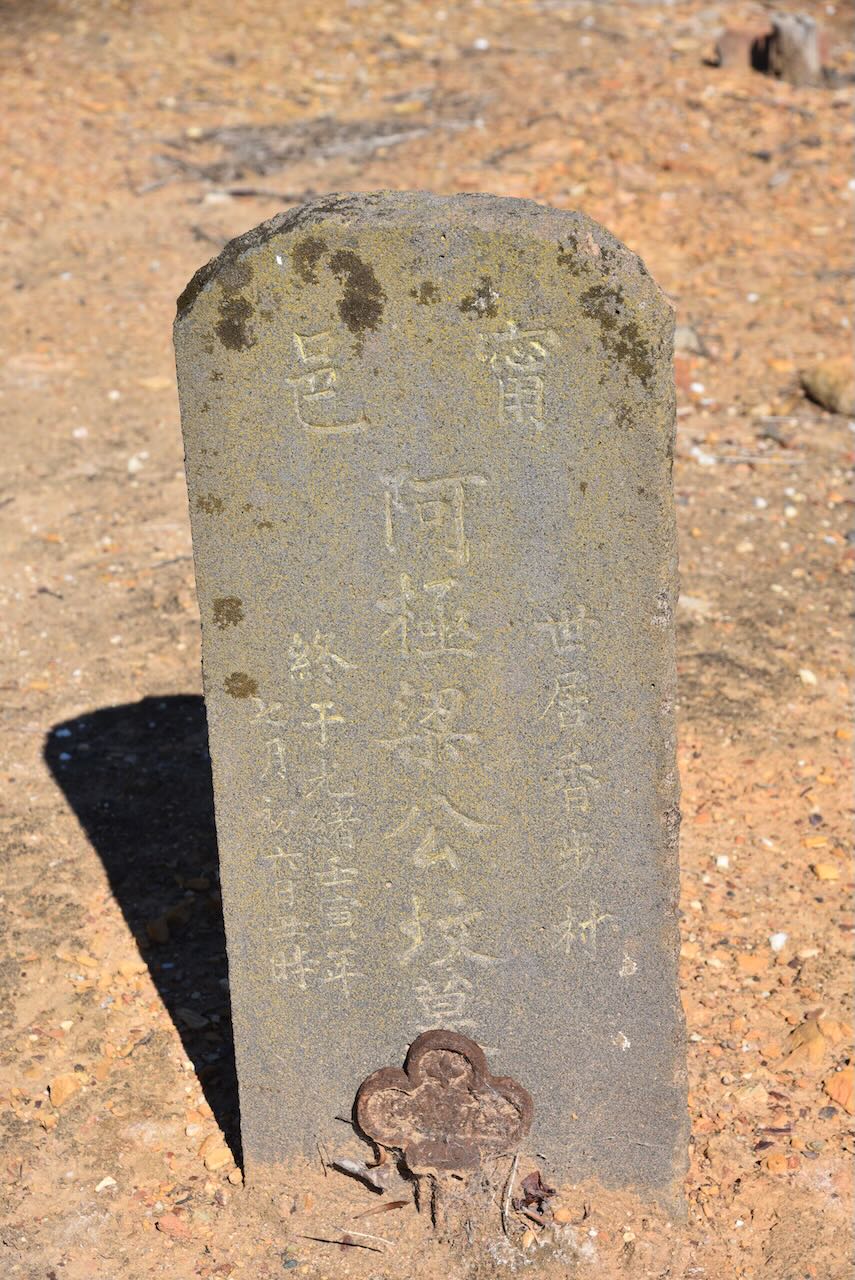
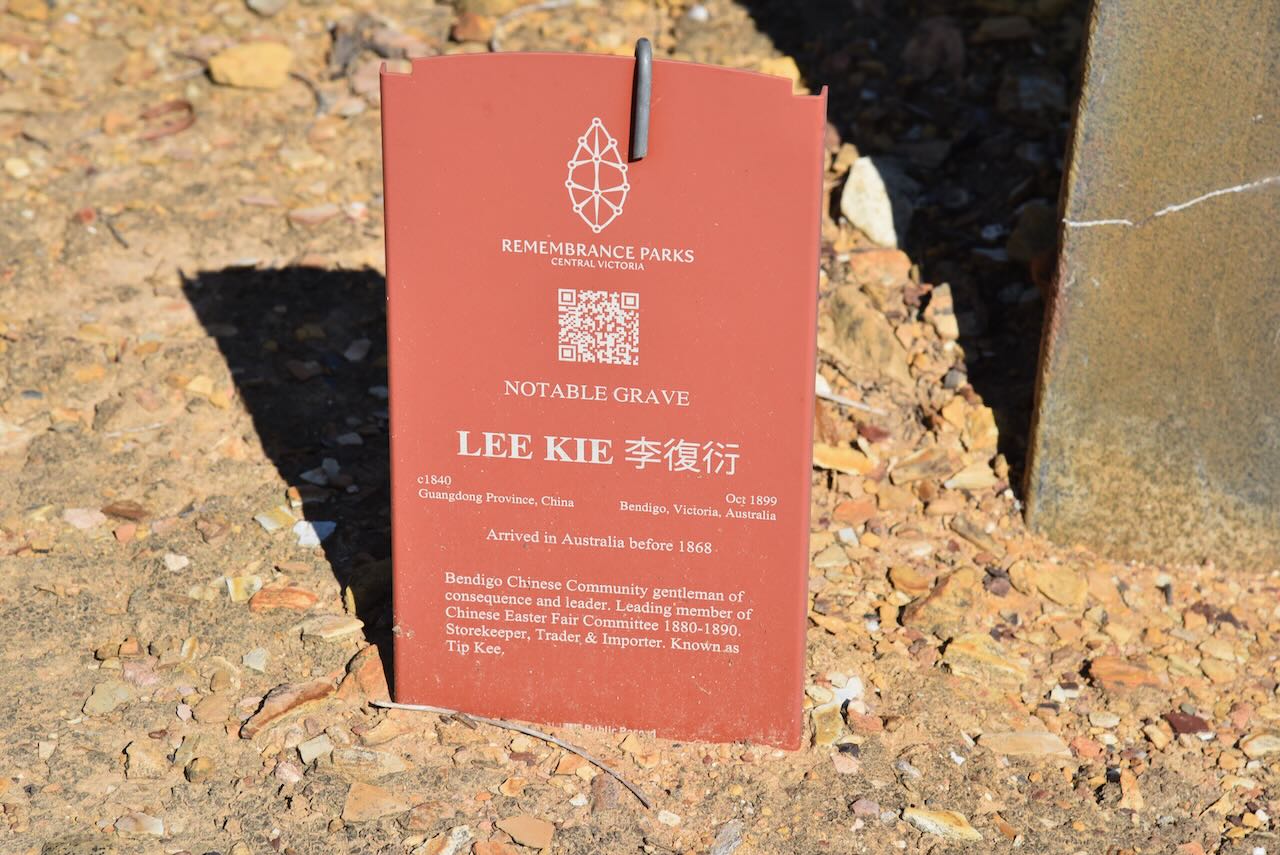
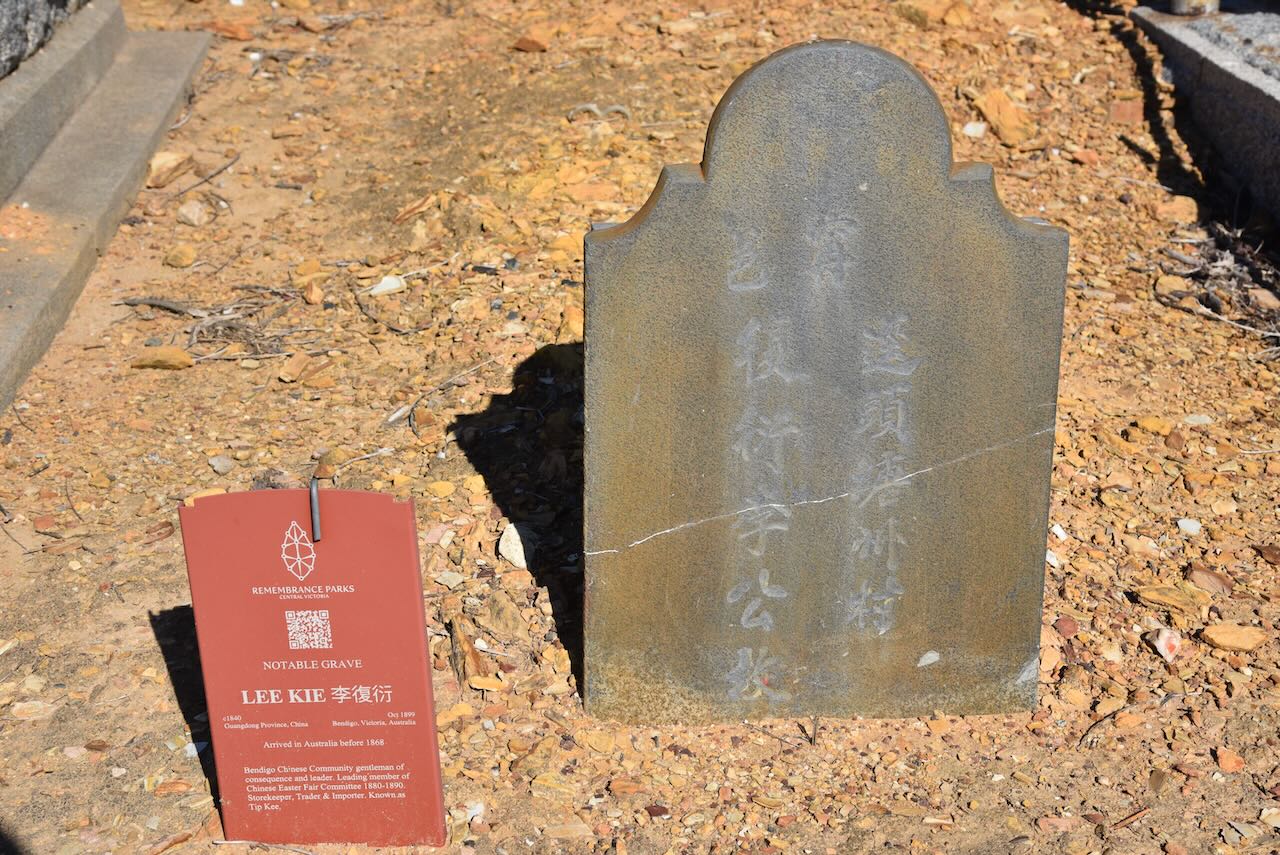
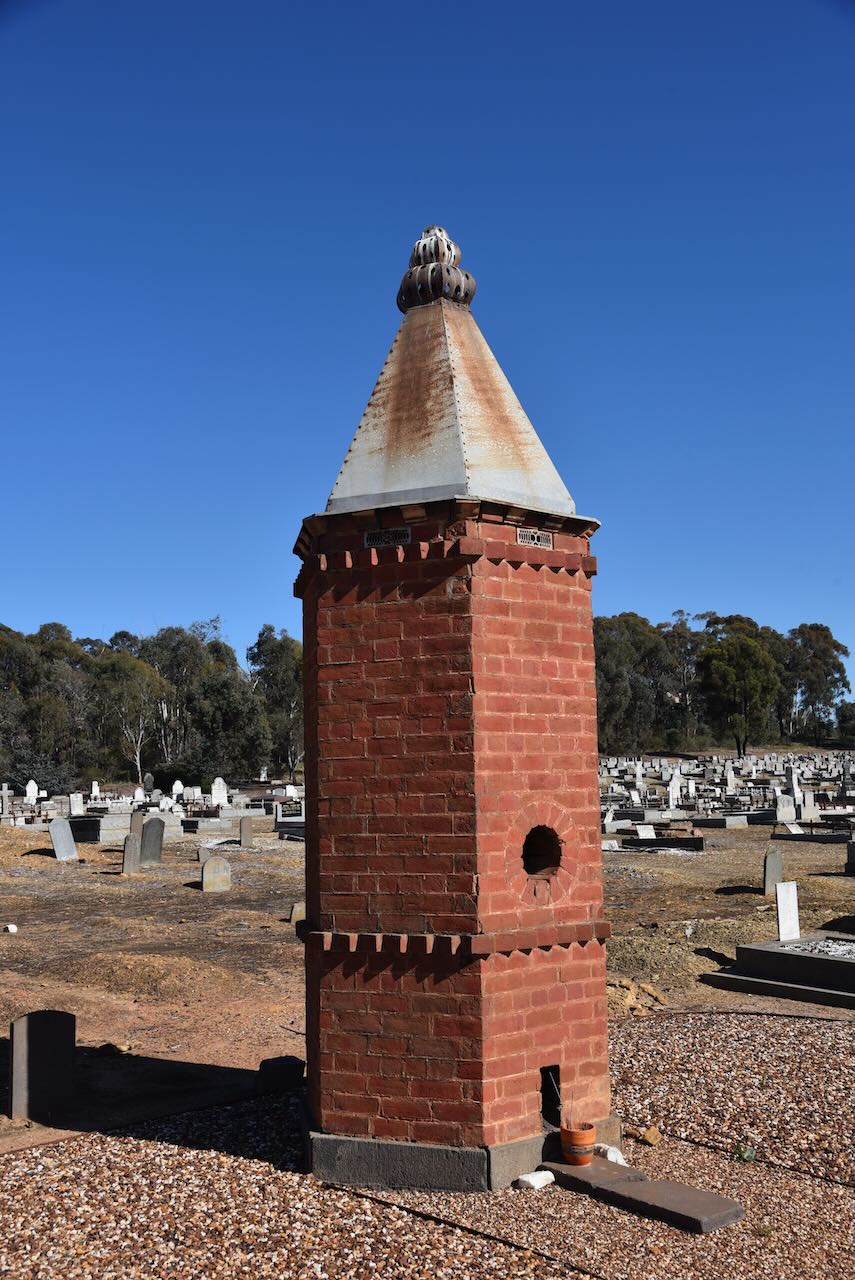
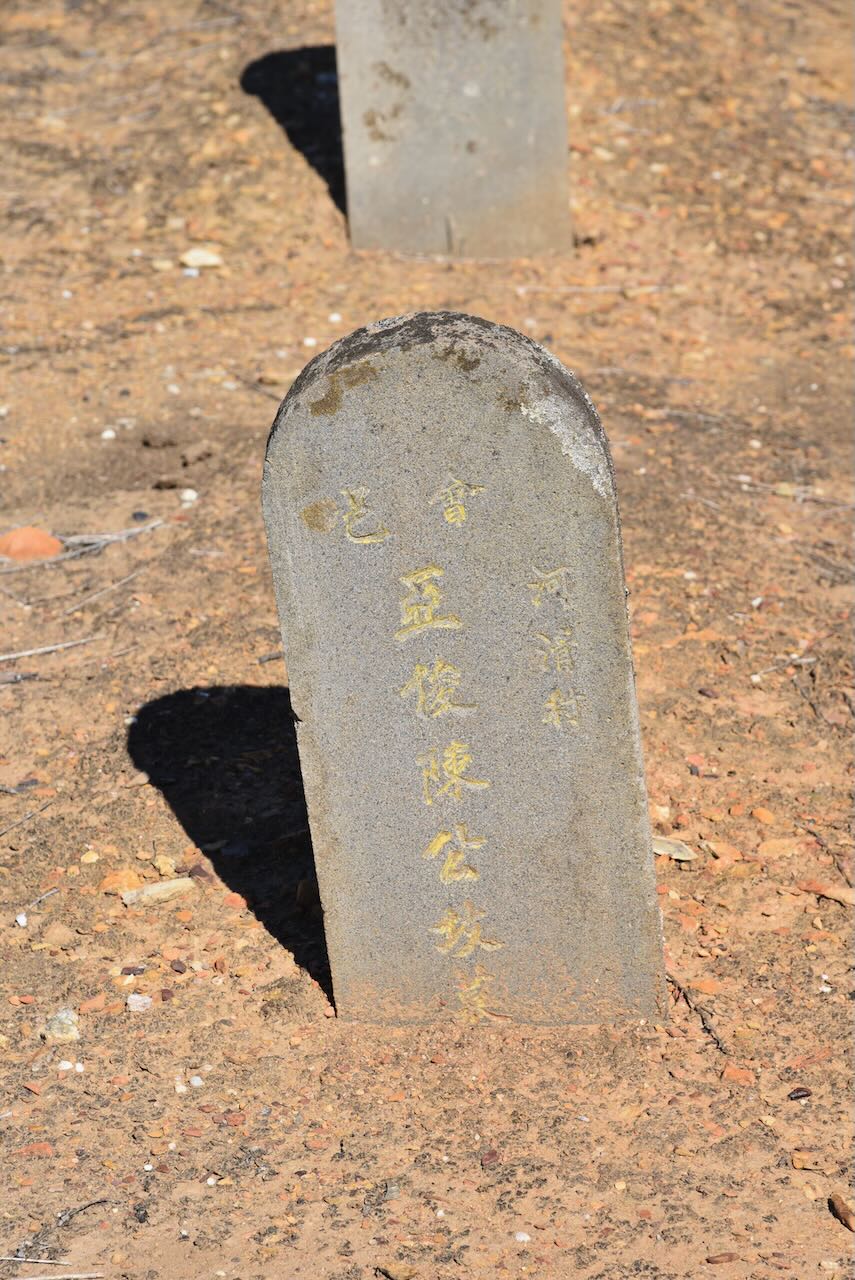
The cemetery has a significant number of Chinese graves and a Chinese Burning Tower, which dates back to the 1870s. The burning towers were used by Chinese mourners to burn paper offerings and other items as part of traditional Chinese funeral practices.
The Honorable Alfred Hicks was born in 1860. He was a Member of the Legislative Council 1904-1921. He died in 1921, aged 61 years.
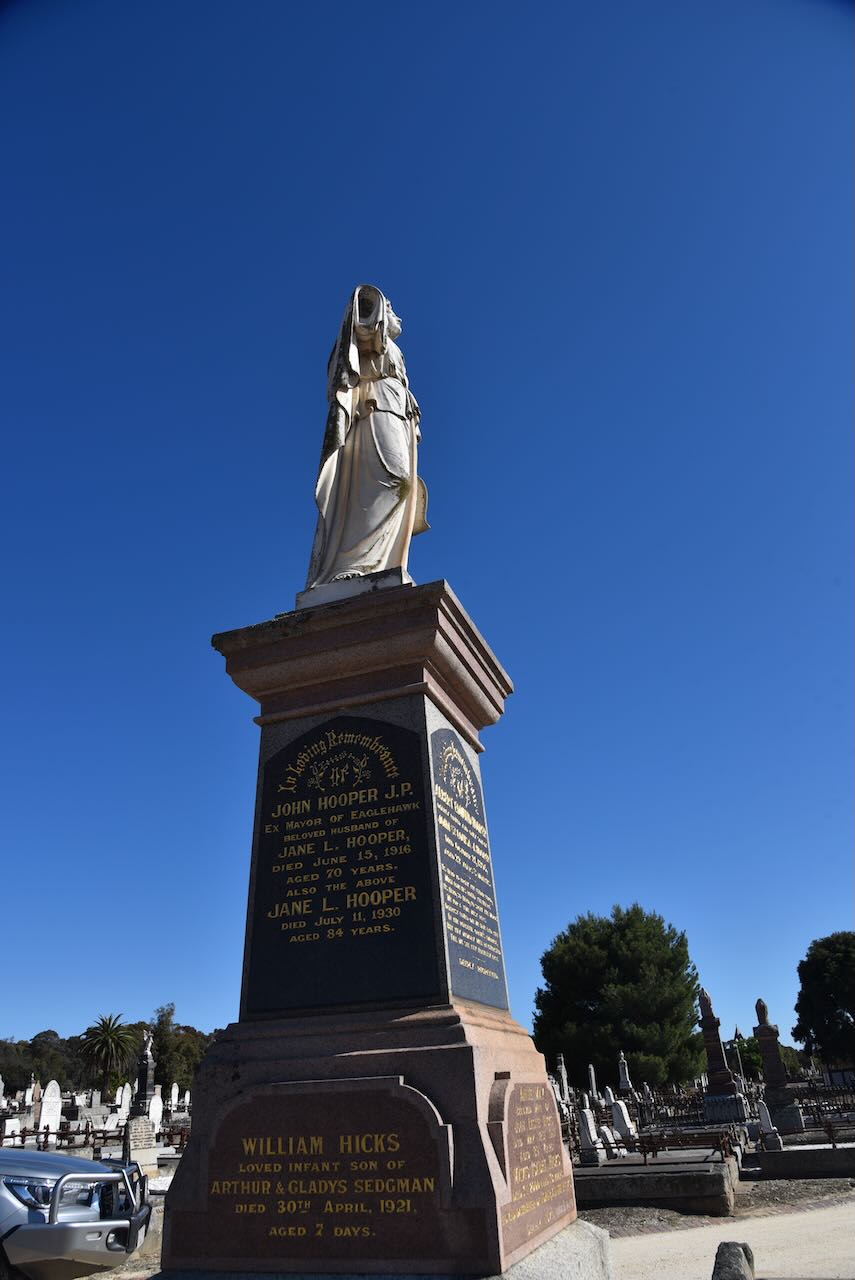
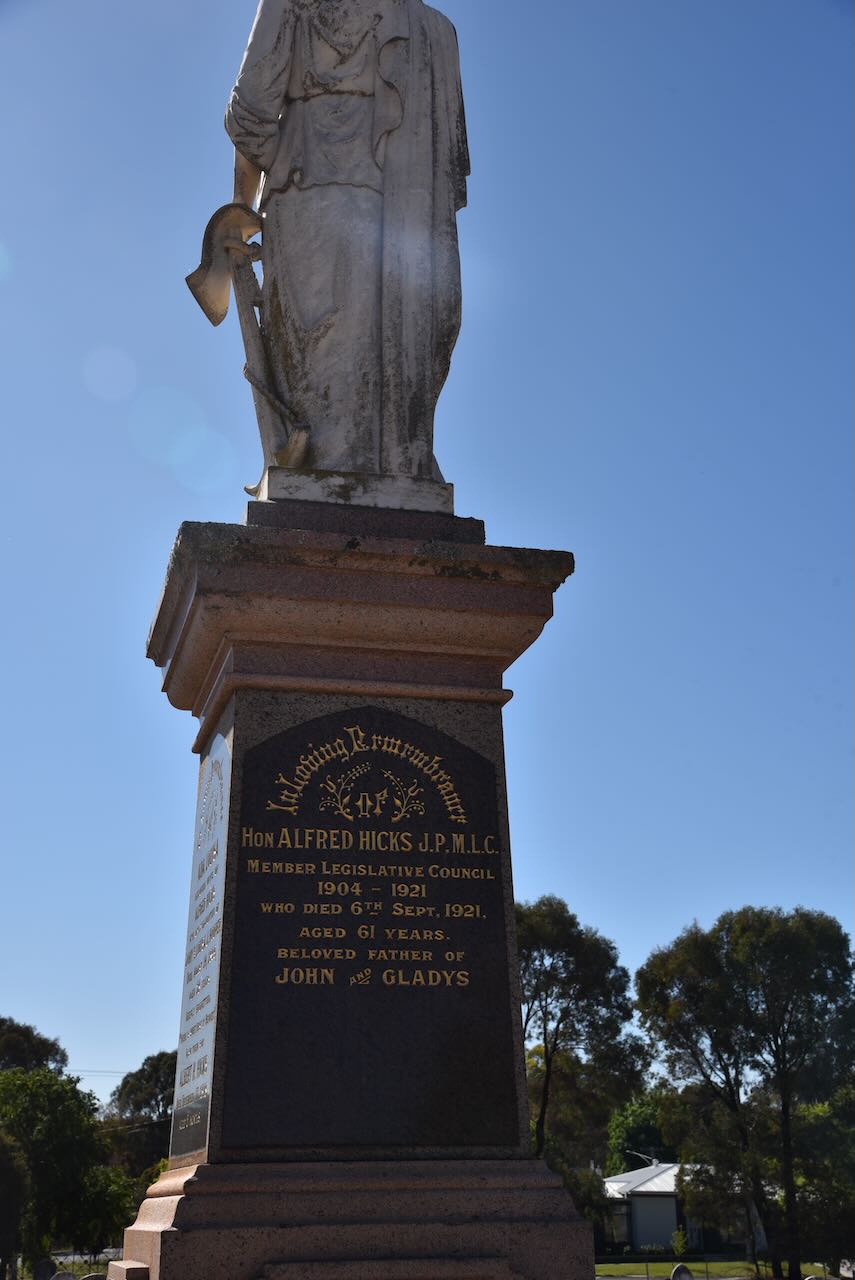
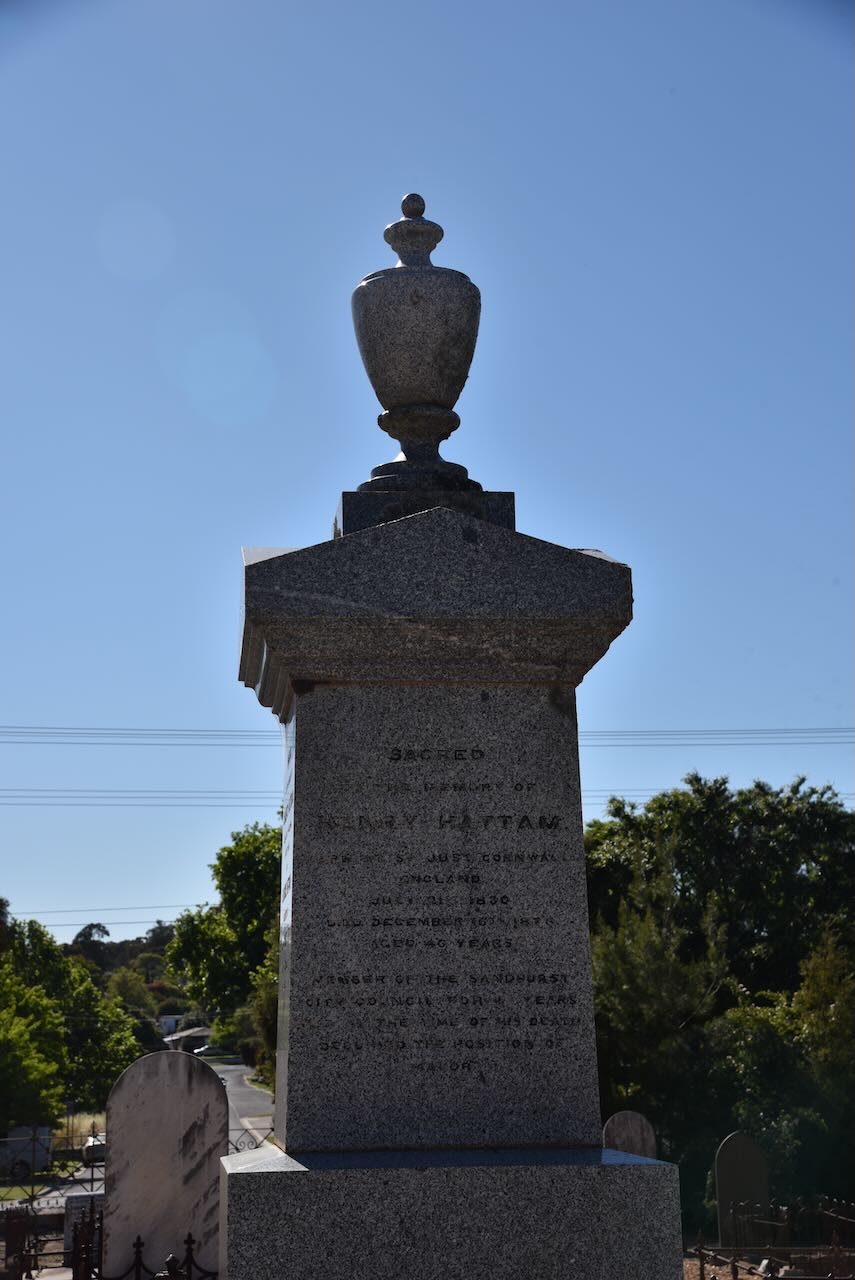
Henry Hattam was born in Cornwall. He was a former Mayor of Sandhurst and died in 1876.
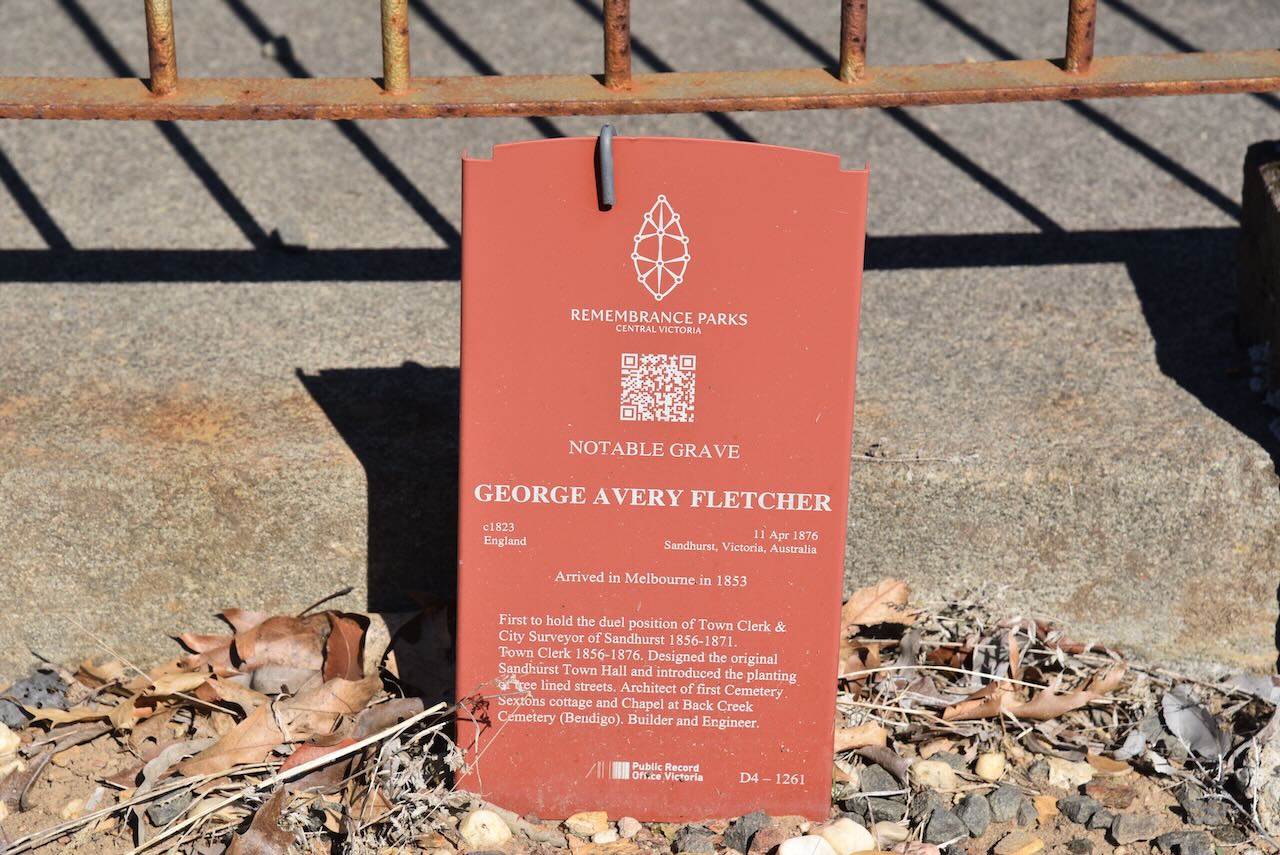
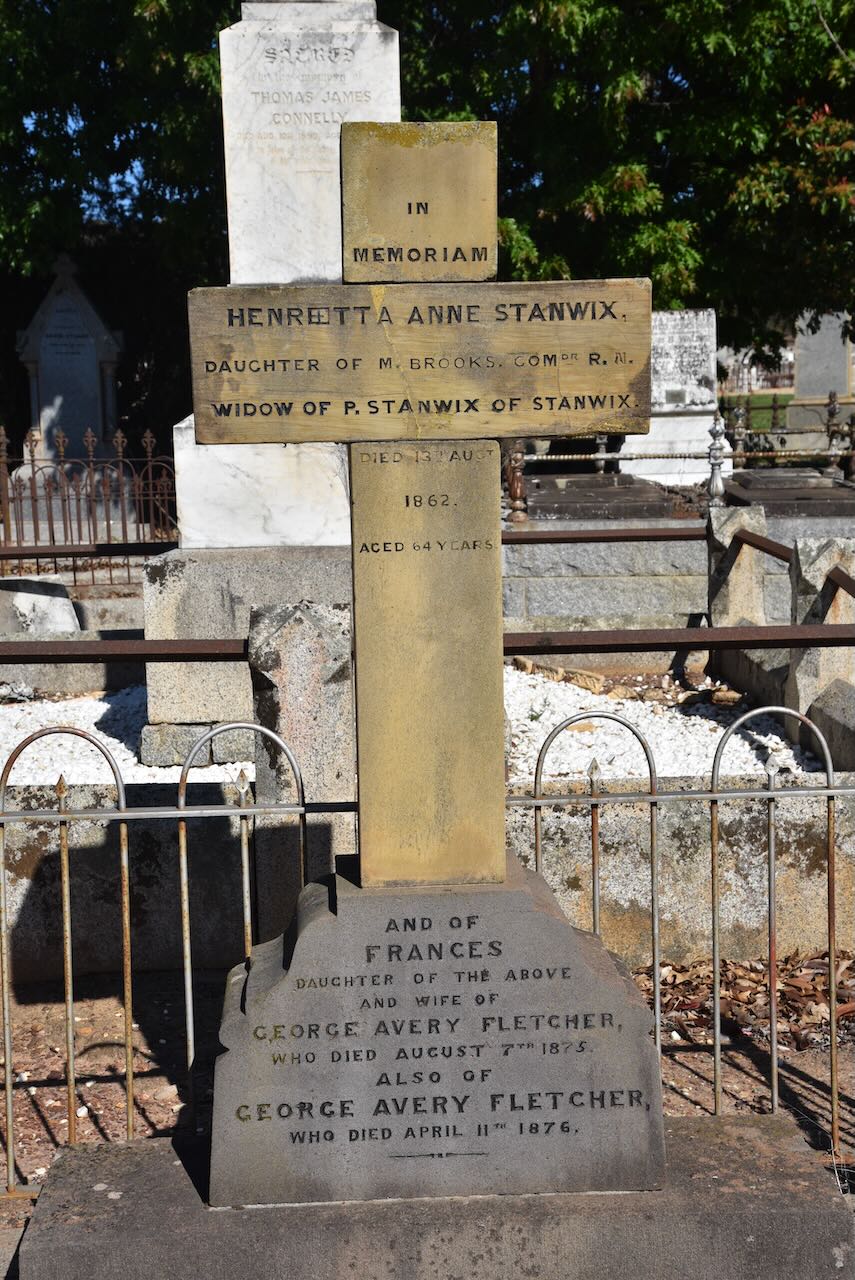
George Avery Fletcher was born c. 1823 in England. He arrived in Melbourne in 1853. George was the first to hold the dual position of Town Clerk and City Surveyor of Sandhurst from 1856-1871. He was Town Clerk from 1856-1876. George designed the original Sandhurst Town Hall and introduced the planting of tree-lined streets. He was the architect of the first cemetery, Sexton’s cottage and the Chapel at Back Creek cemetery.
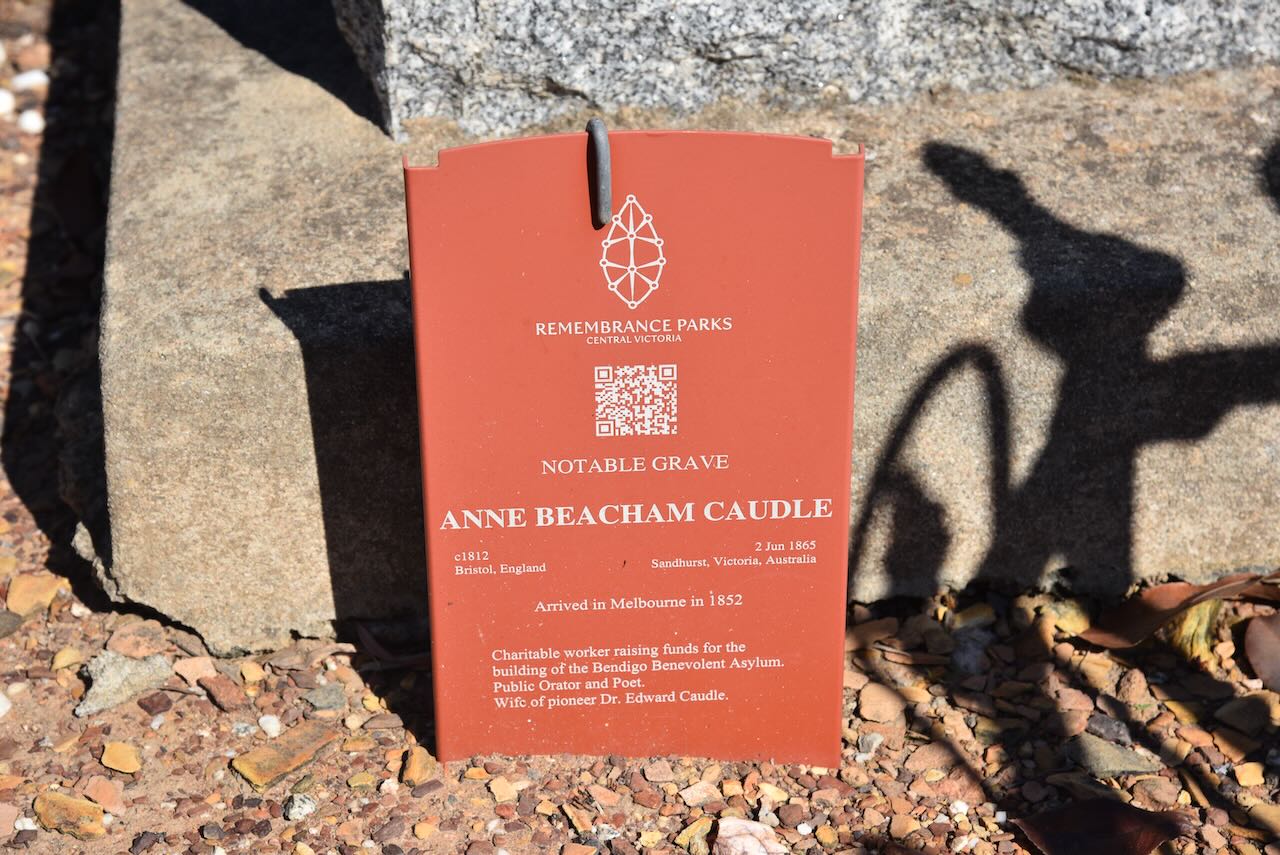
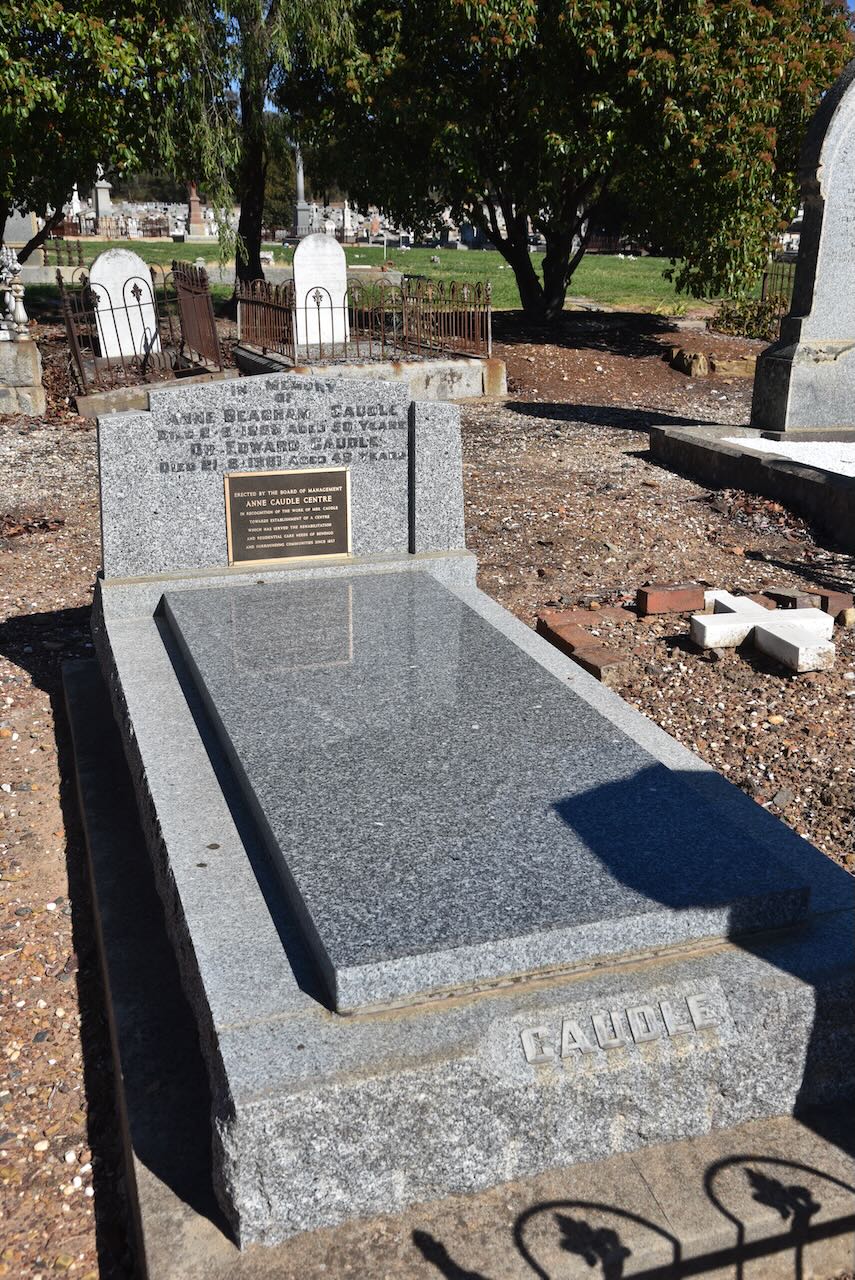
Anne Beacham Caudle was born c. 1812 in Bristol, England. She arrived in Melbourne in 1852. Anne was a charitable worker raising funds for the building of the Bendigo Benevolent Asylum. She was a public orator and poet and was the wife of pioneer Dr. Edward Caudle. She died in June 1865.
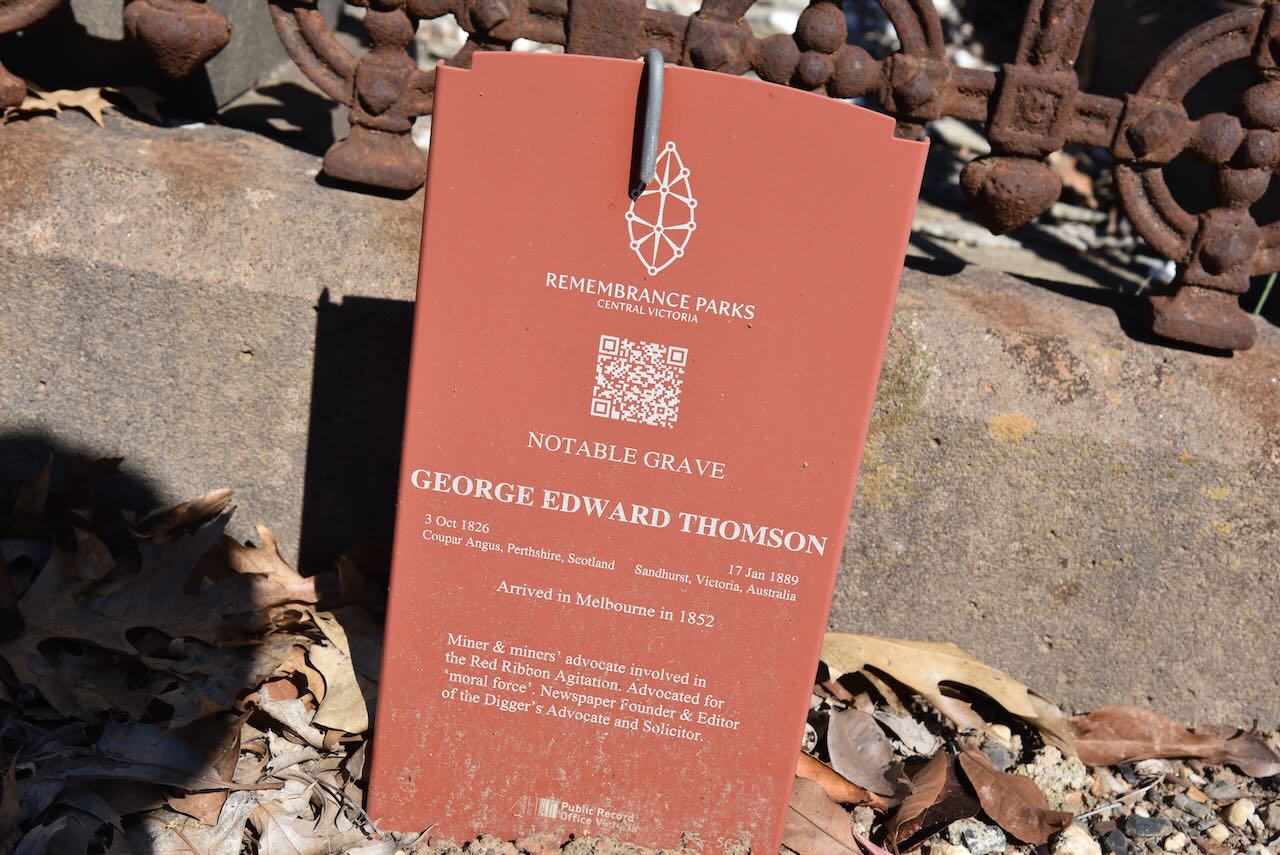
George Edward Thomson was born in 1826 in Coupar Angus, Perthshire, Scotland. He arrived in Melbourne, Victoria, in 1852. He was a miner and miner’s advocate involved in the Red Ribbon Agitation. He advocated for ‘moral force’. He was a newspaper founder and editor of the Digger’s Advocate and Solicitor. George died in January 1889.
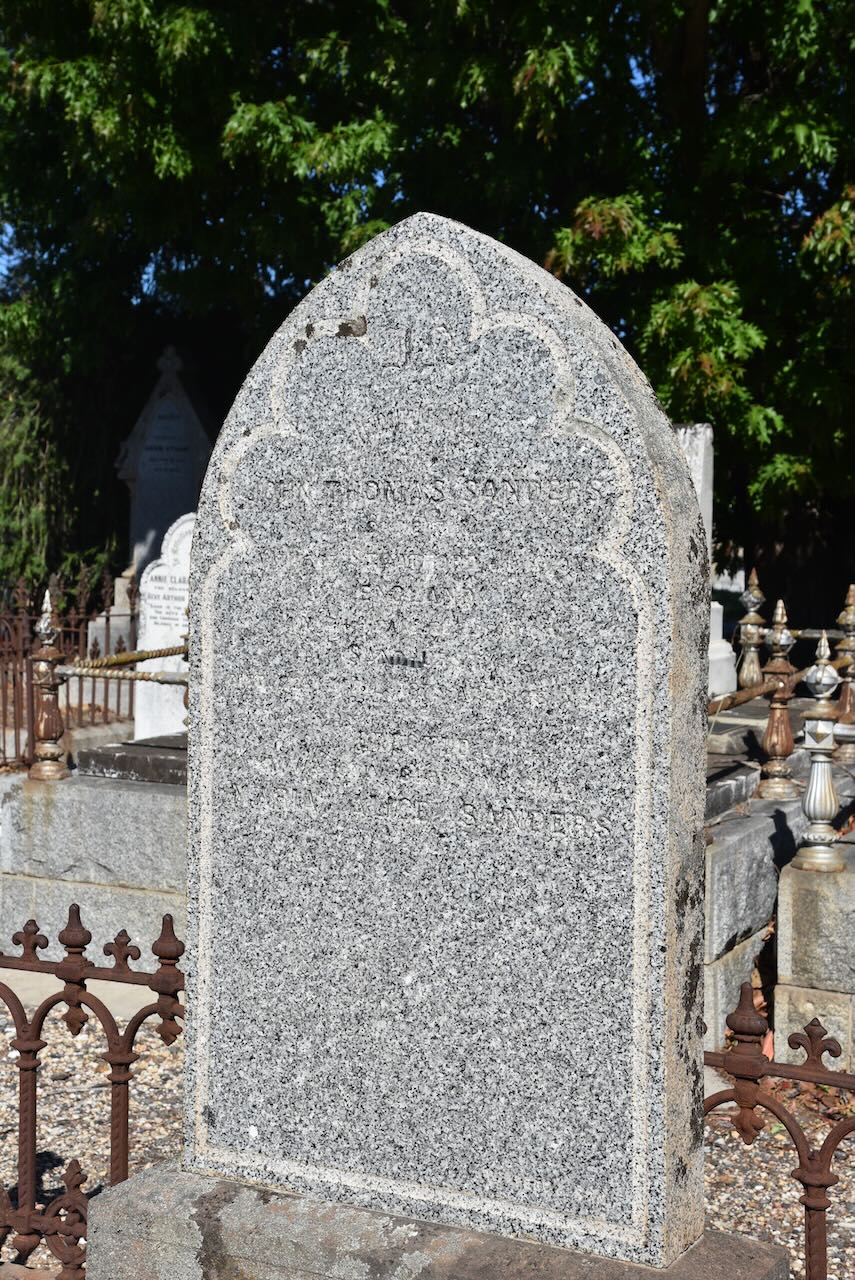
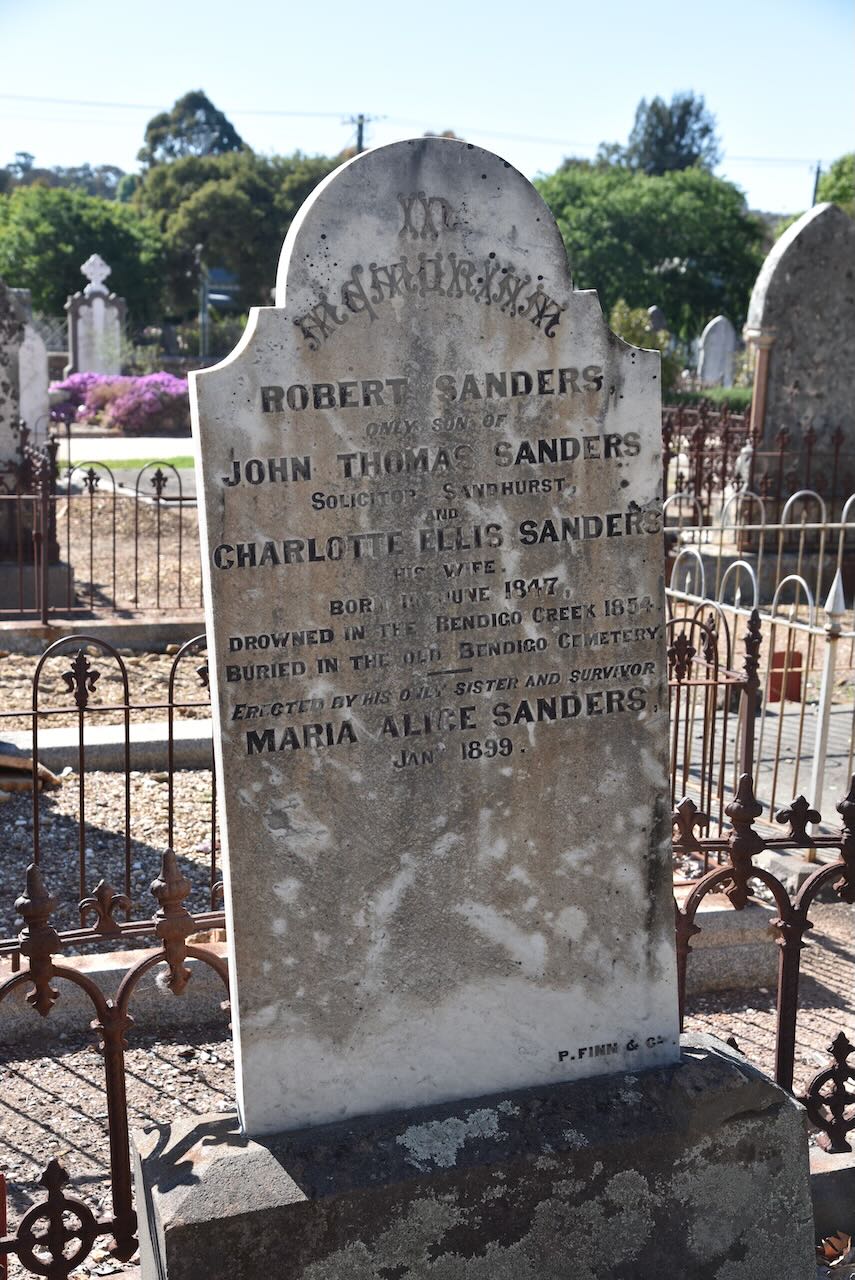
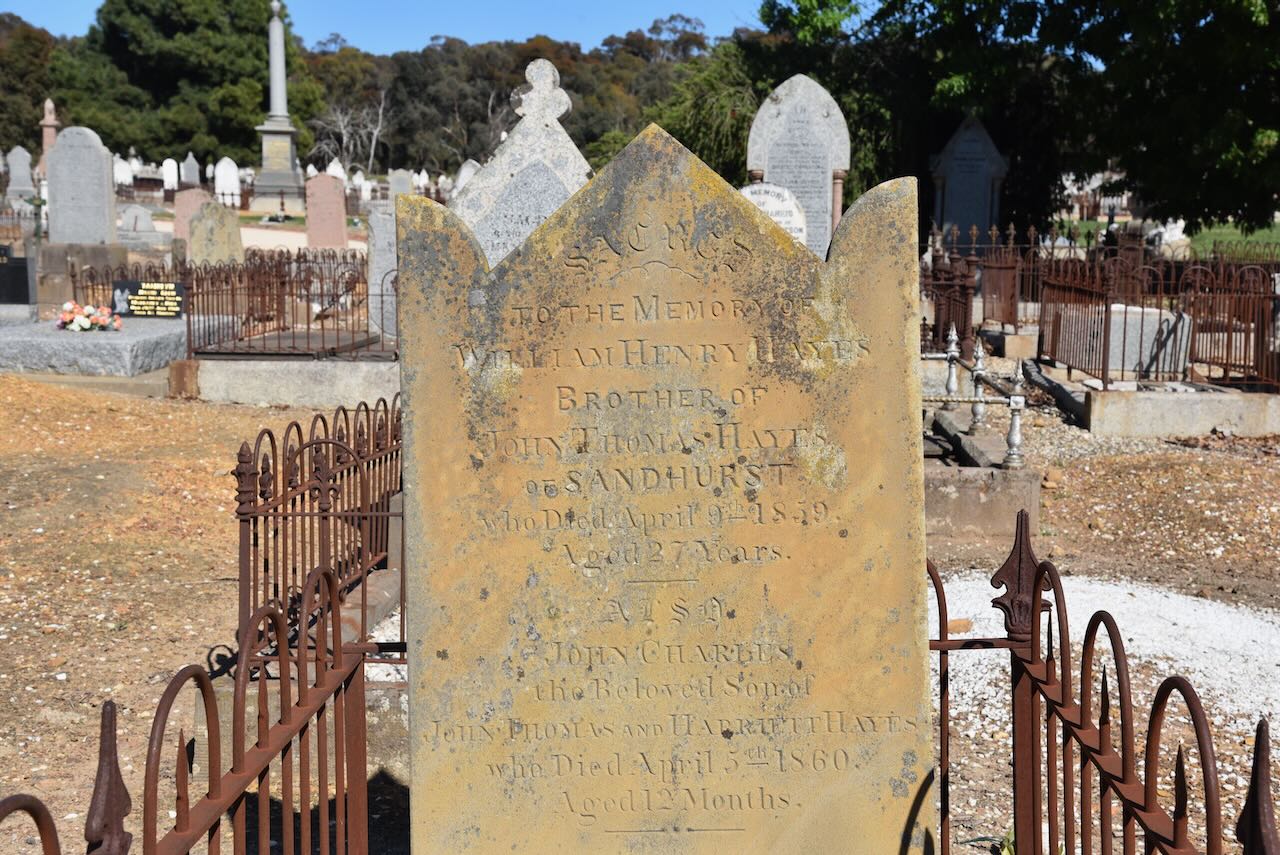
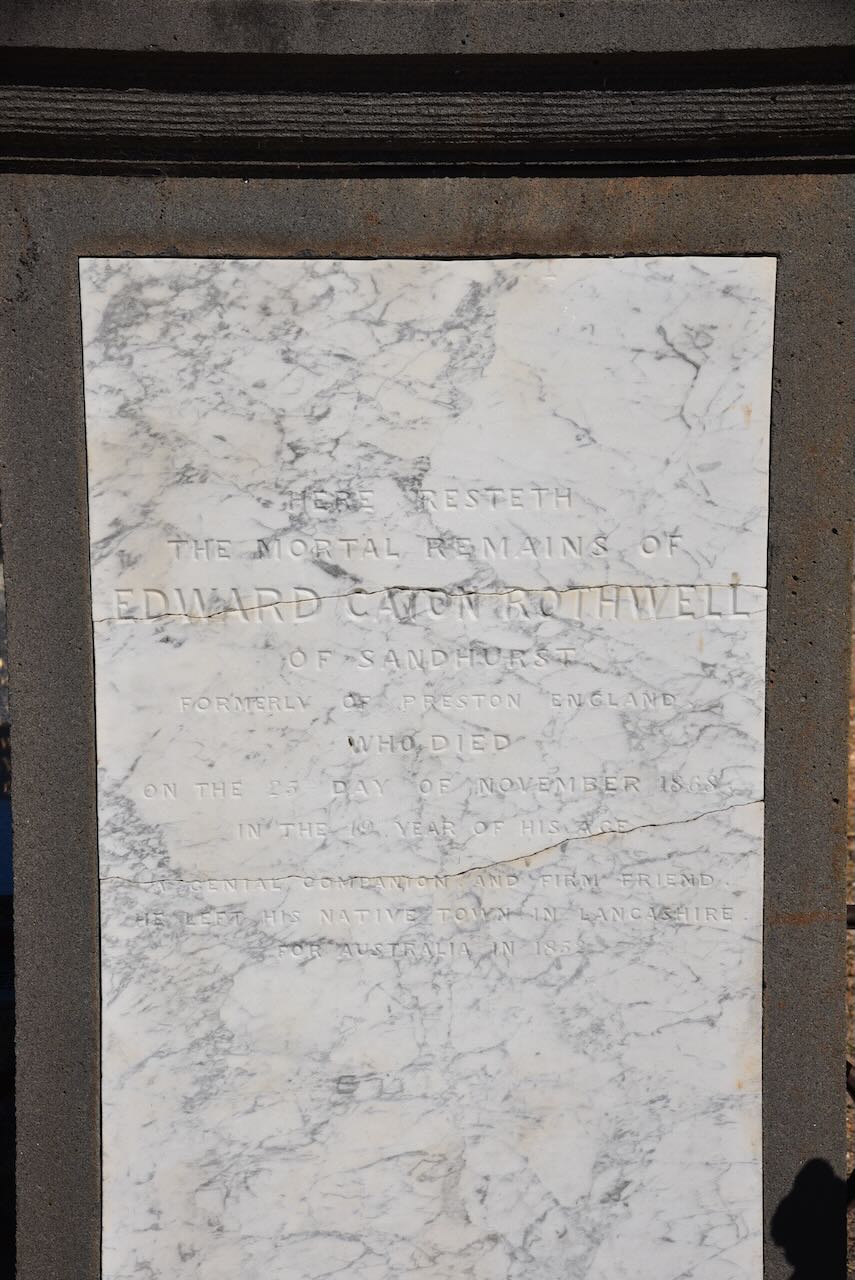
You could wander around the Bendigo cemetery for days. There are so many fascinating headstones and stories to view.
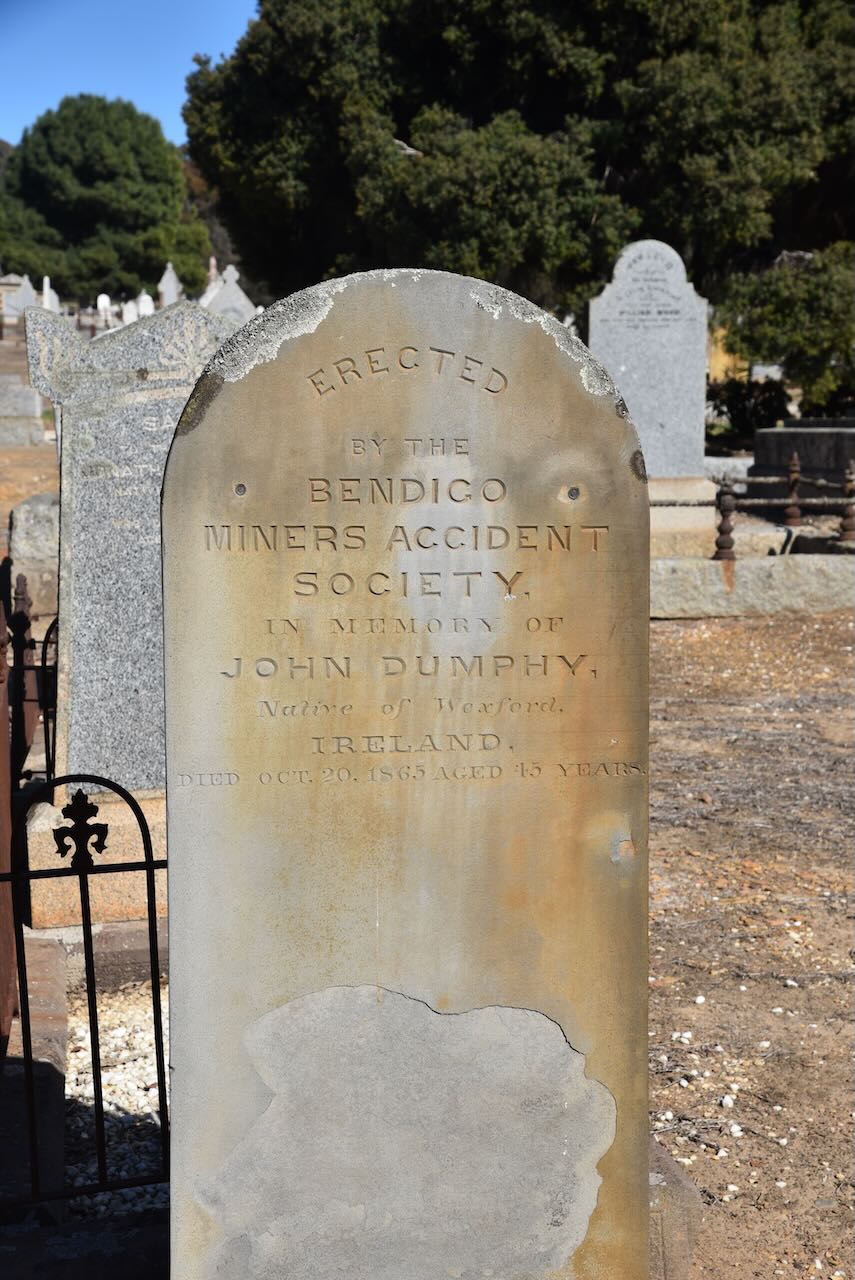
We left Bendigo and headed to Edenhope. Along the way, we stopped to have a look at St John’s Anglican Church at Newbridge. The church was dedicated in 1864. The cost to build the church was £567.00. In 1964, the church held centenary celebrations during which time a commemorative stone was unveiled. (Vic.gov.au, 2025)
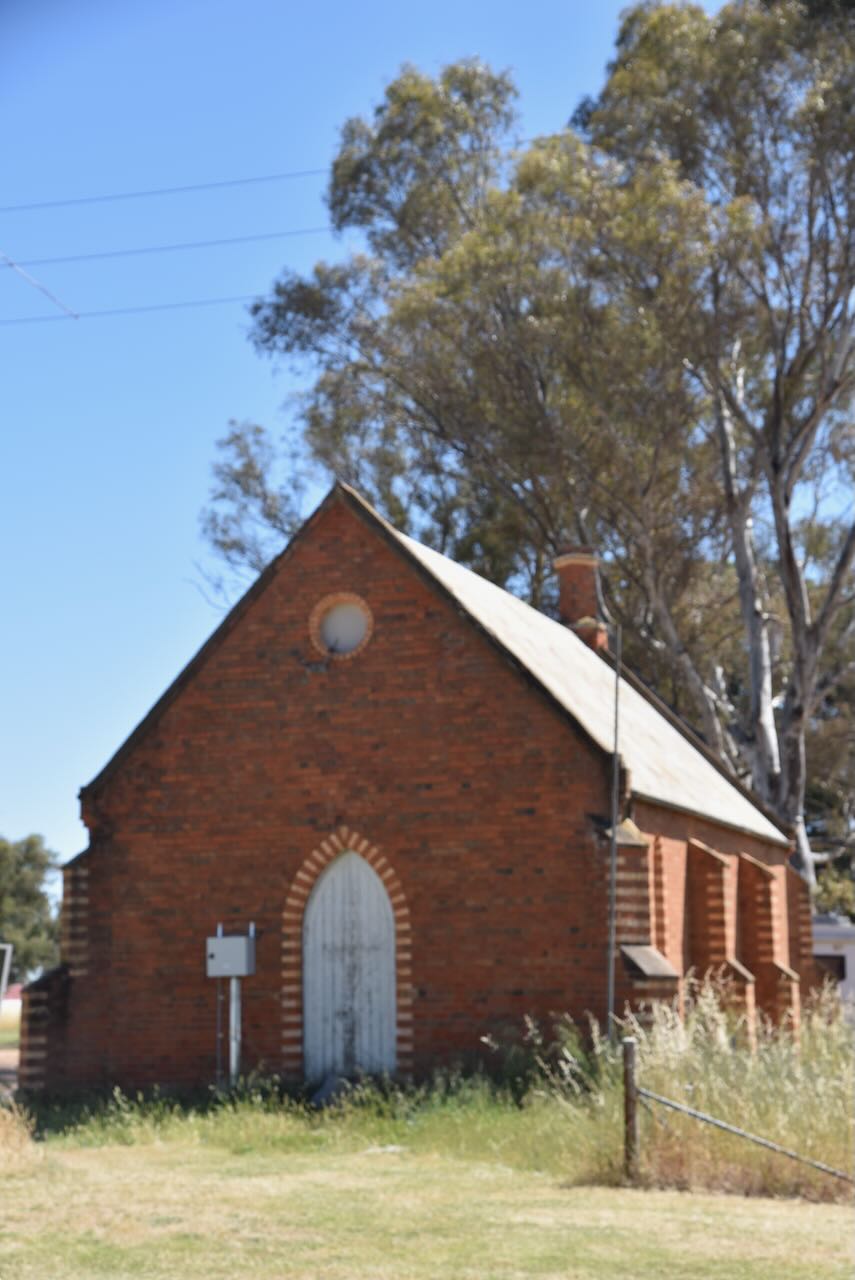
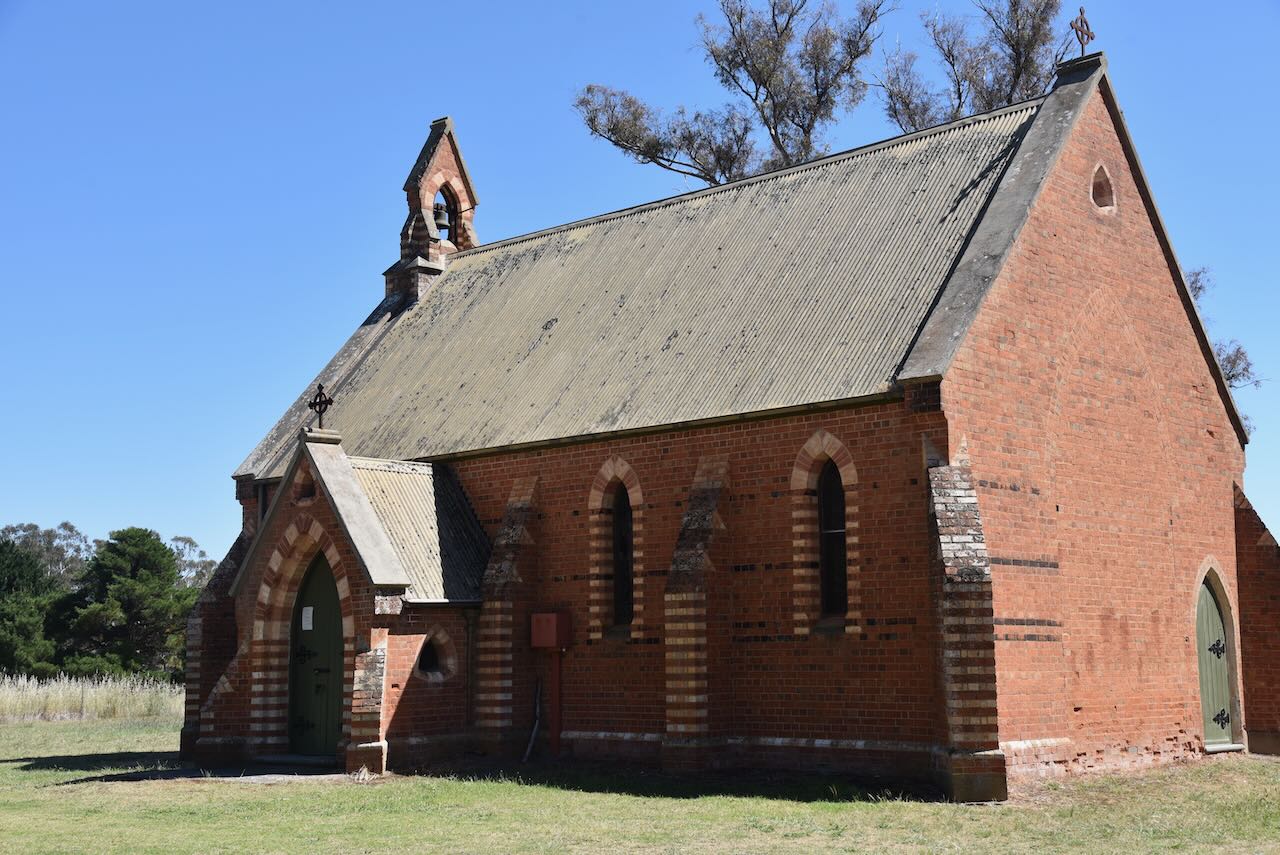
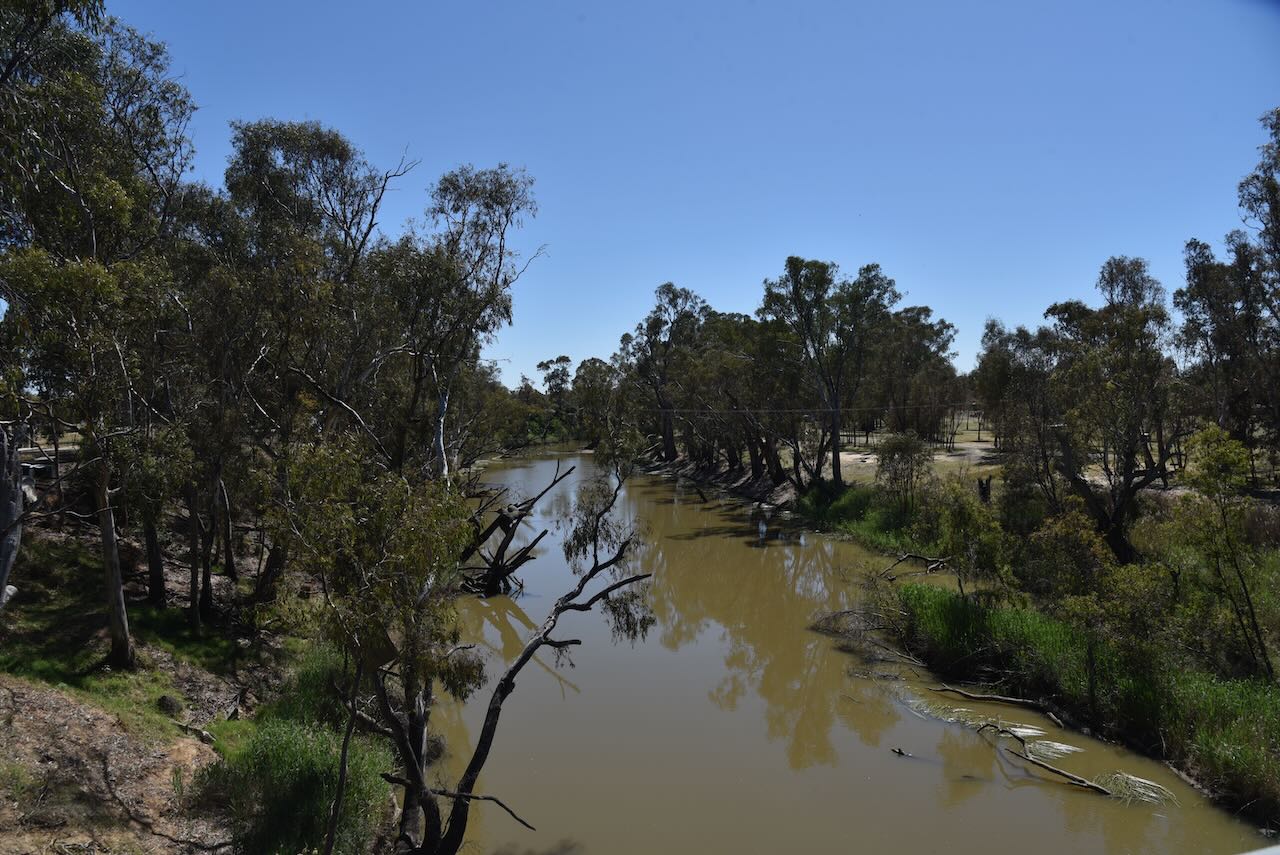
Newbridge is a small town located on the Loddon River, about 32 km west of Bendigo. Originally, European settlers in the area had to cross the river via a ford. In 1853, a wooden bridge was constructed, and it is believed this is what inspired the name of the town. (Victorianplaces.com.au, 2015)
Newbridge was originally settled by pastoralists, but increased in size due to the nearby gold mining centres of Llanelly and Tarnagulla. In 1859, a brewery was opened, and this was followed by a school and a flour mill in 1861. By the mid-1860s, Newbridge had three hotels. In 1861, the population of Newbridge was 118 people. A literary institute and a cheese factory were opened during the 1870s. By 1881, the population of Newbridge was 218 people. (Victorianplaces.com.au, 2015)
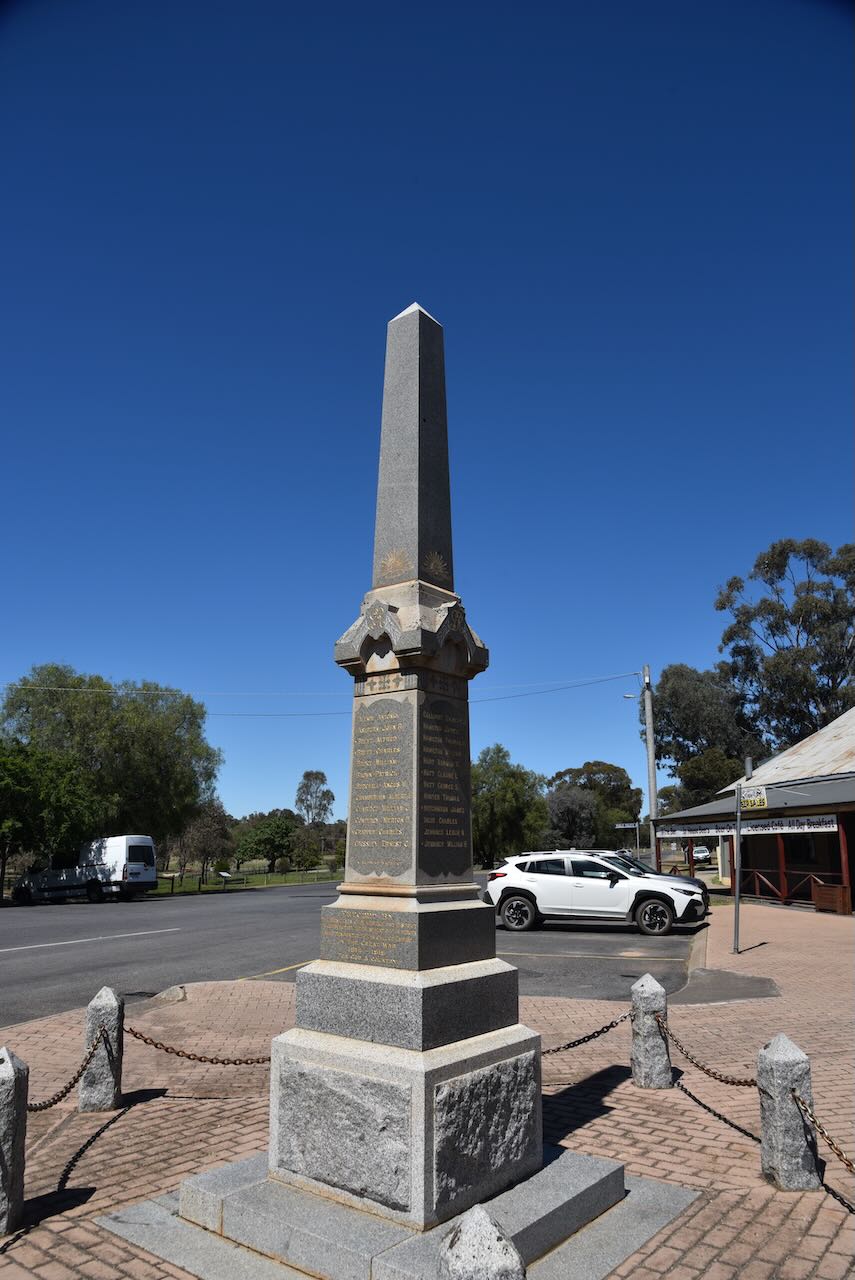
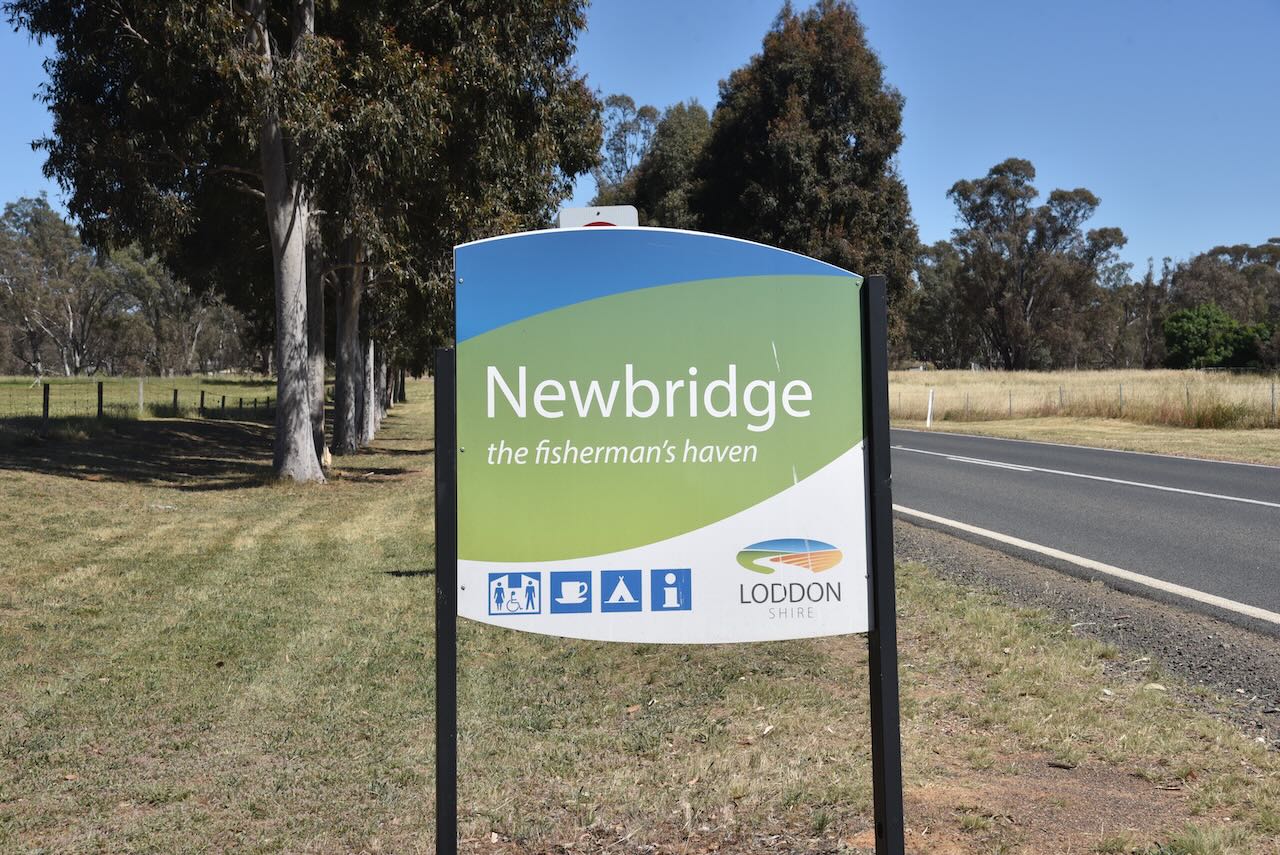
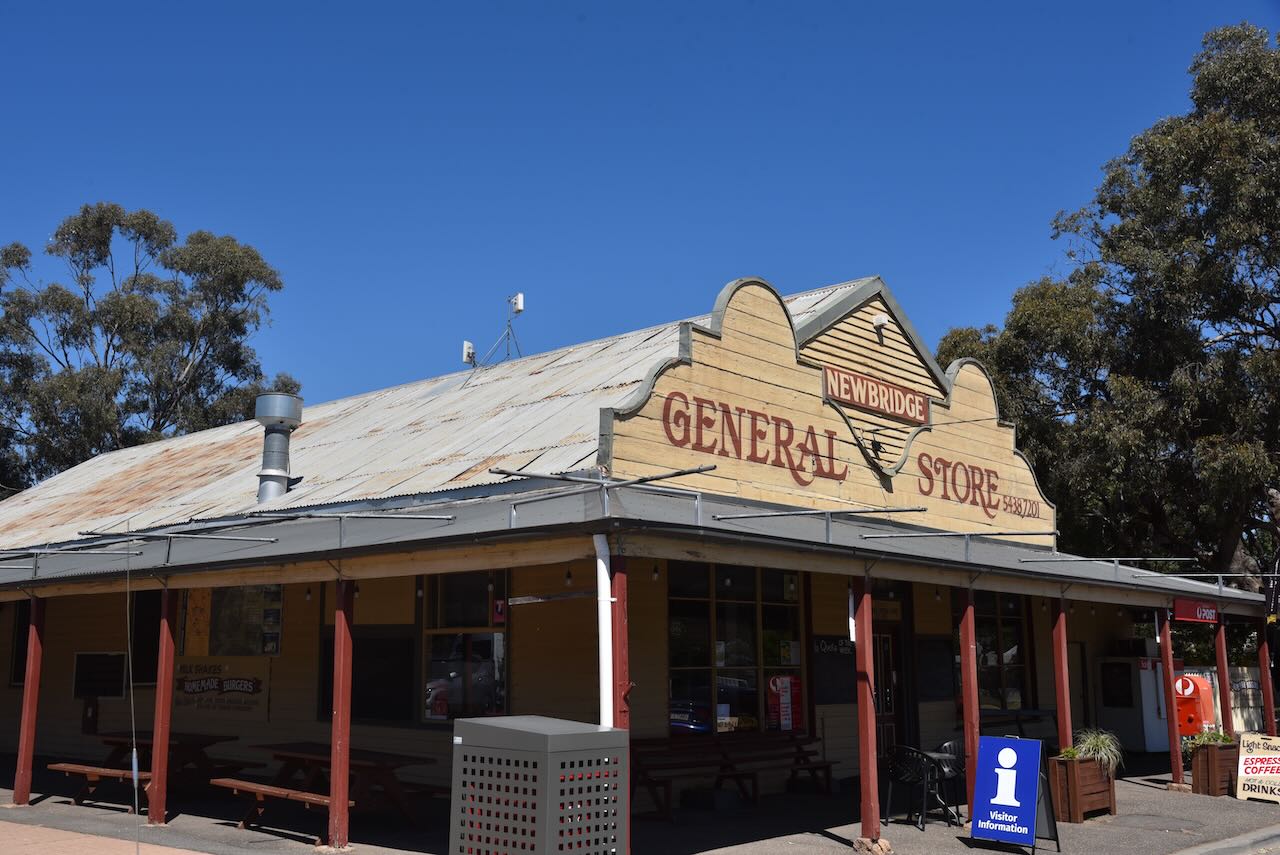
The site of the Newbridge General Store was granted in 1855 to John Elliot of Melbourne. In 1861, a former grocer from Edinburgh, Scotland, Mr. Pearson, became the first grocer in Newbridge. He obtained the Post Office licence in that same year.
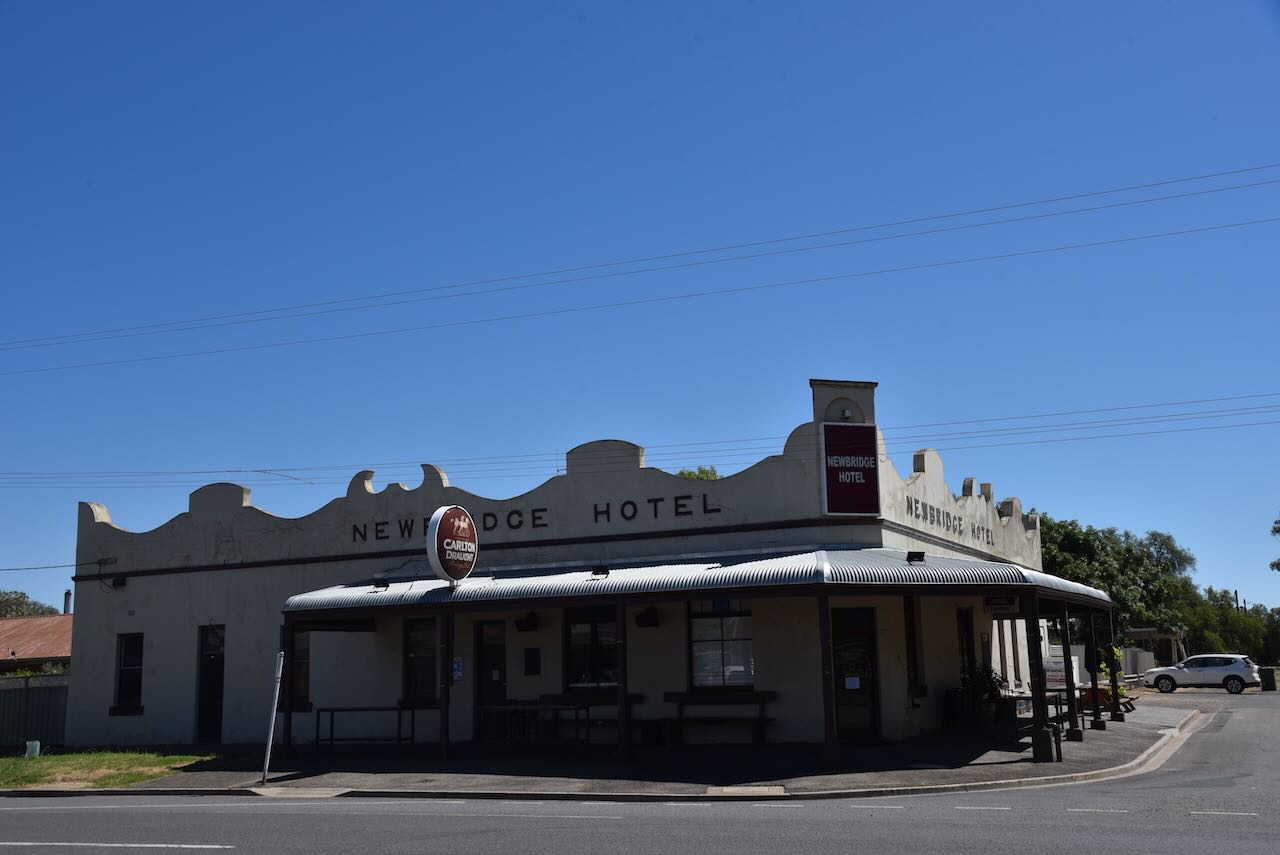
The Newbridge Hotel was first licensed in 1859 to John Jebb and was known as the Bridge Inn Hotel. The name was changed to the Bridge Hotel and then to the Newbridge Hotel.
One of the quaint old buildings in Newbridge is the former goldfields butcher’s shop. It was initially operated by John Bayley and was built in 1866 from locally made bricks.
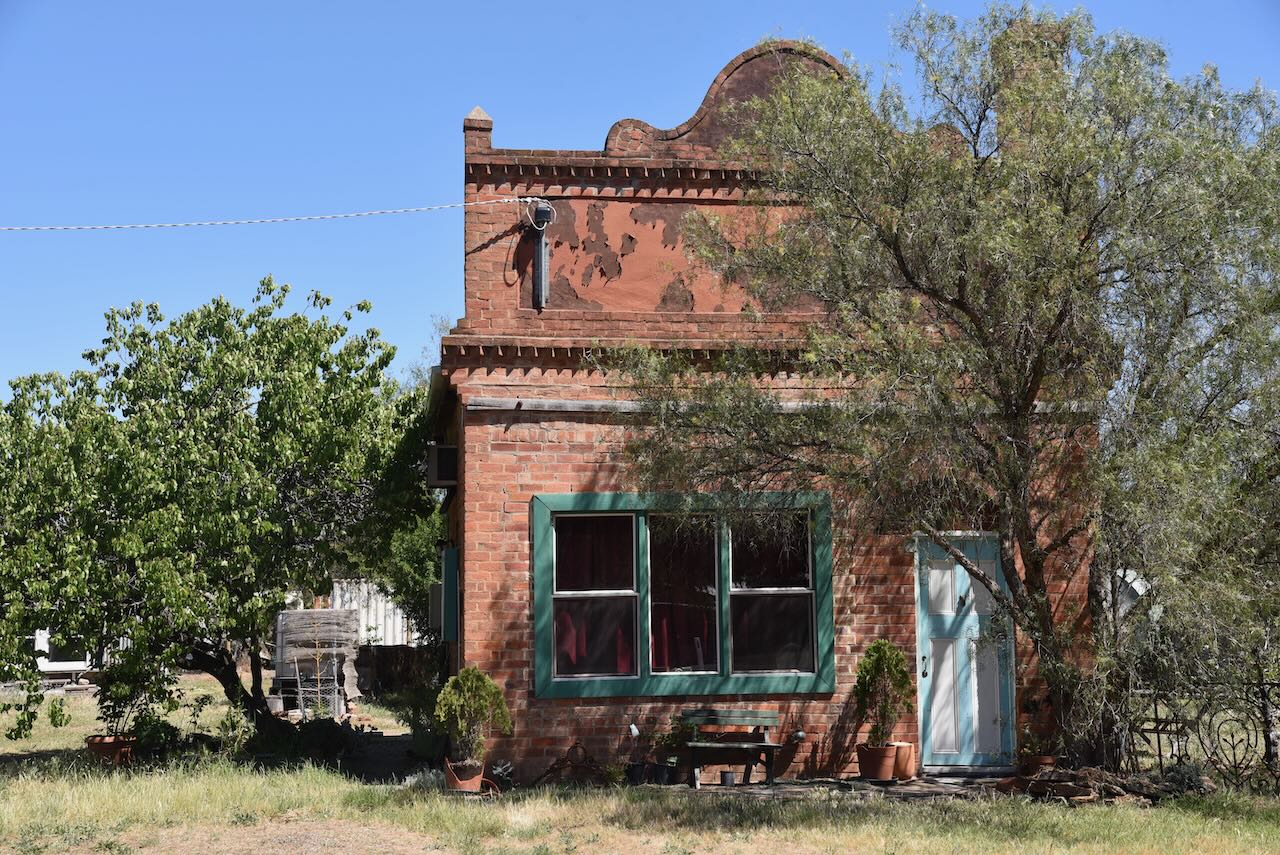
The former Newbridge Presbyterian church was built in the 1860s.
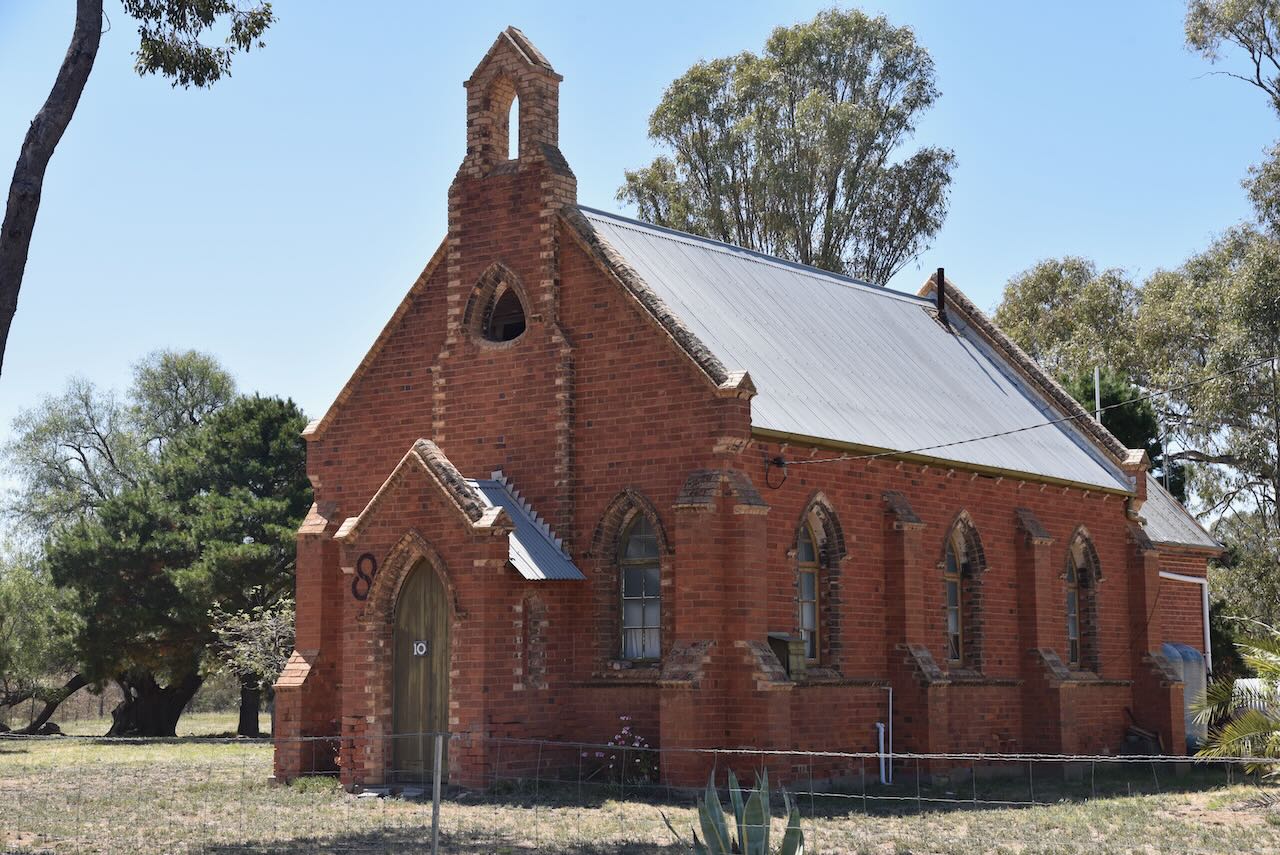
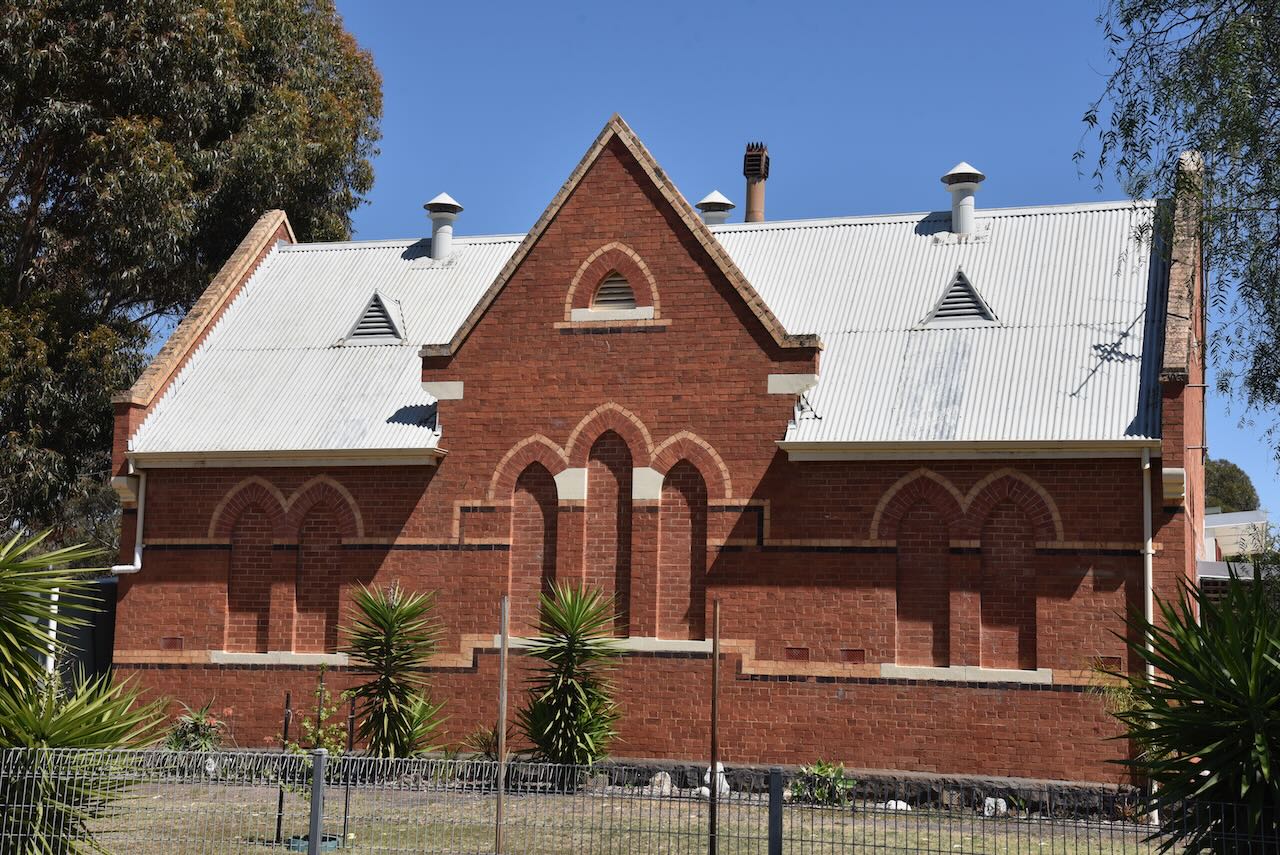
The Newbridge Primary School was completed in April 1866.
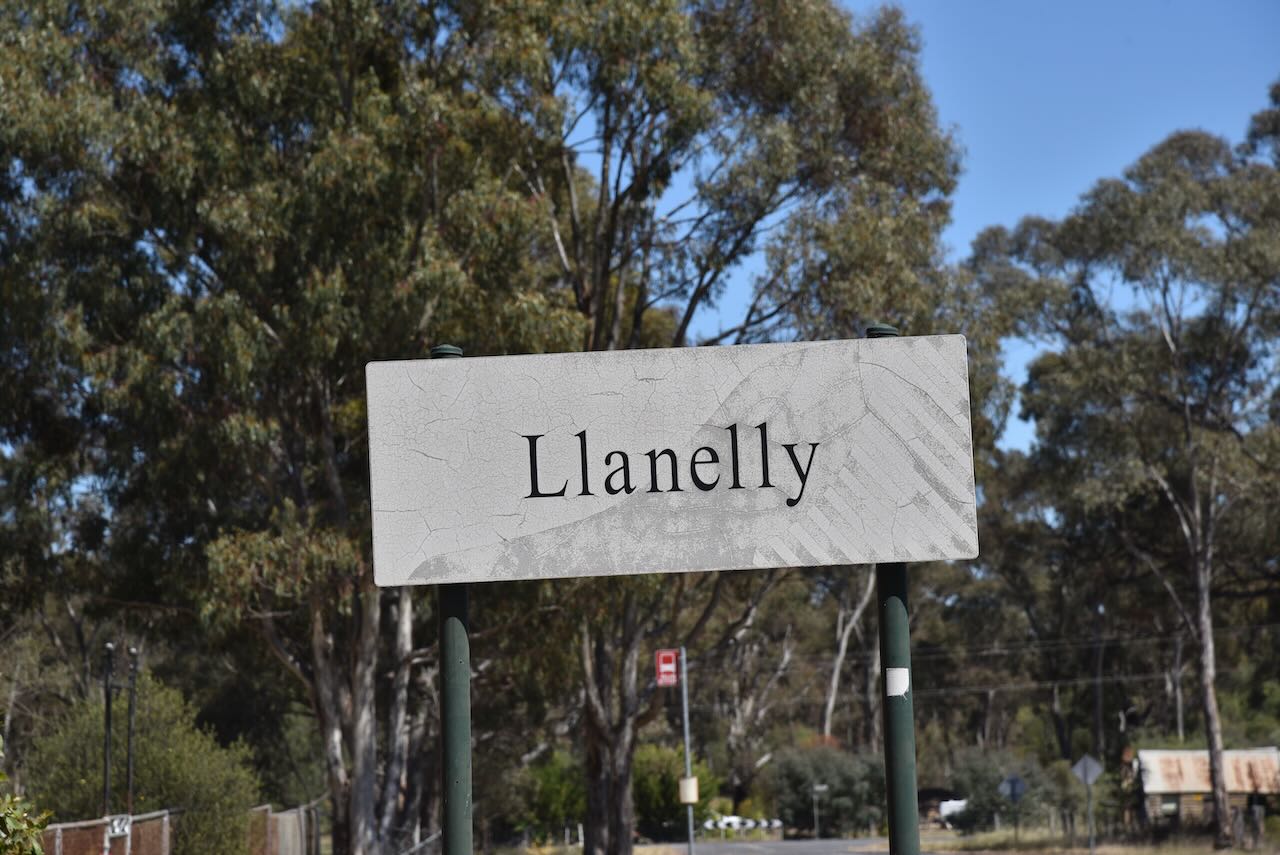
We continued west along the Wimmera Highway and soon reached the former gold mining town of Llanelly.
From 1853, gold was mined in the Tarnagulla district. In 1856, a rise just to the west of Llanelly, known as Hard Hills was found to contain gold. Over the following two years, gold was discovered in several reefs in close proximity to Llanelly. In about 1860, the village of Llanelly was established. It was named by Welsh miners after Llanelly in Carmarthenshire in Wales. (Blake 1978) (Victorianplaces.com.au, 2015)
Alluvial gold was discovered in the area in 1865. An influx of diggers followed, and at its peak, the Llanelly district had a population of about 20,000 people. As a result of the gold rush, Llanelly had several stores, hotels and banks. From 1872 to 1882, the town was known as Maidentown, but the name Llanelly was restored with the announcement of the opening of the railway line from Dunolly in 1888. (Victorianplaces.com.au, 2015)
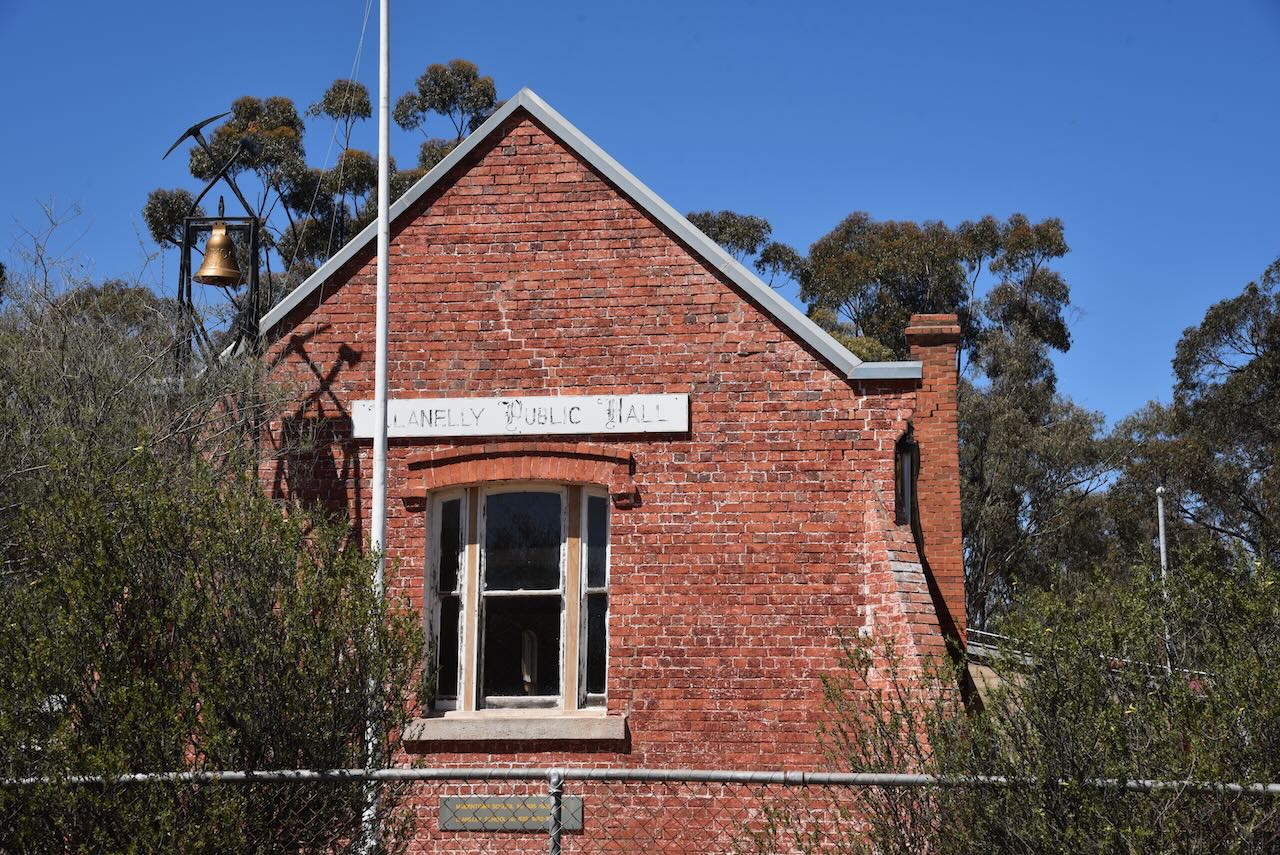
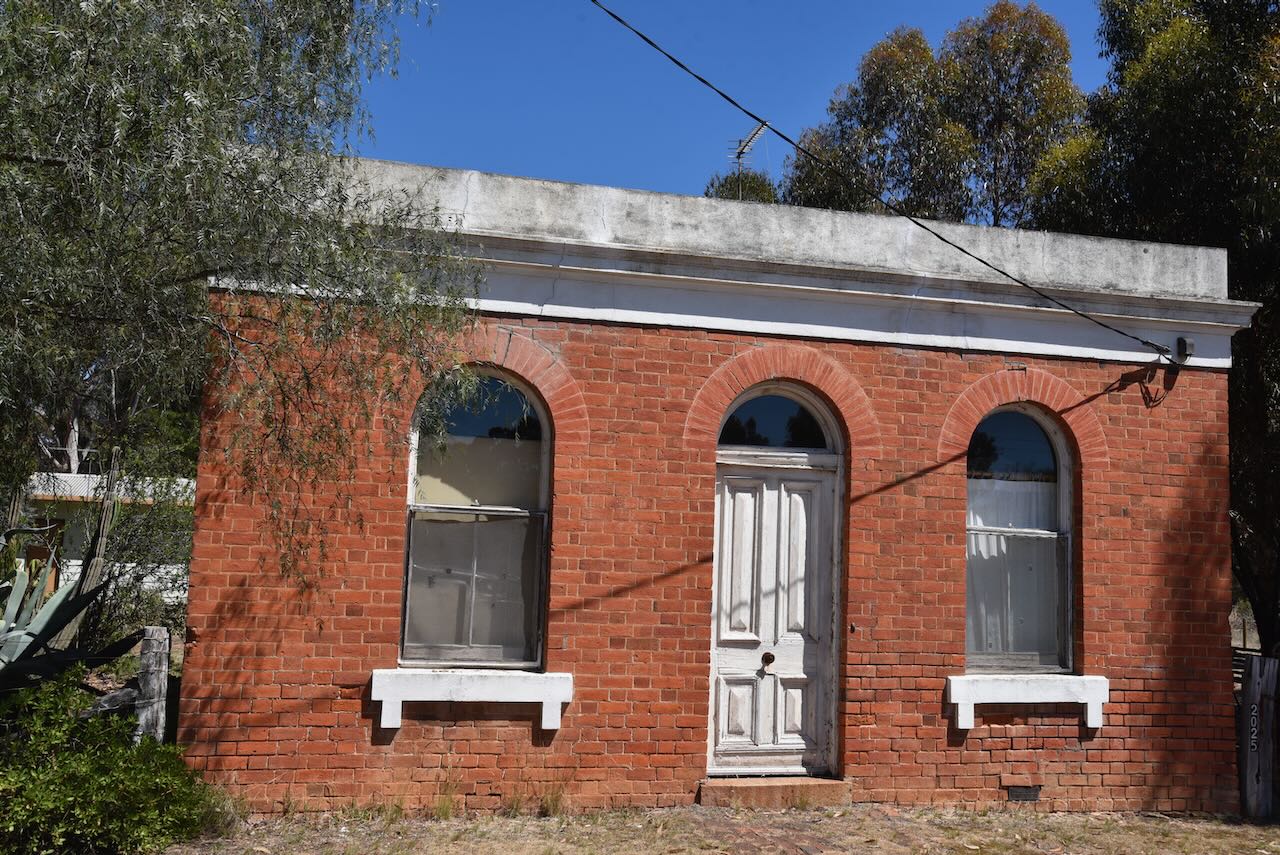
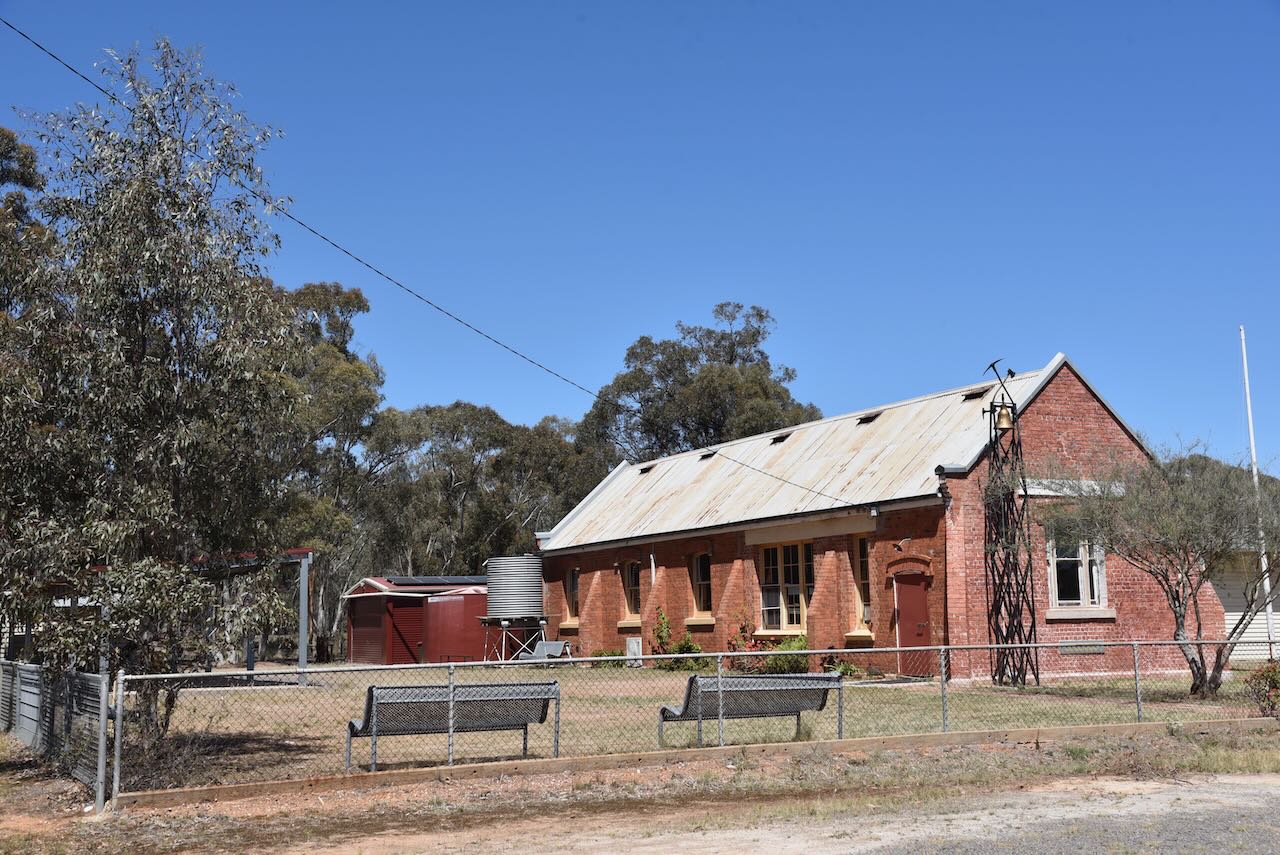
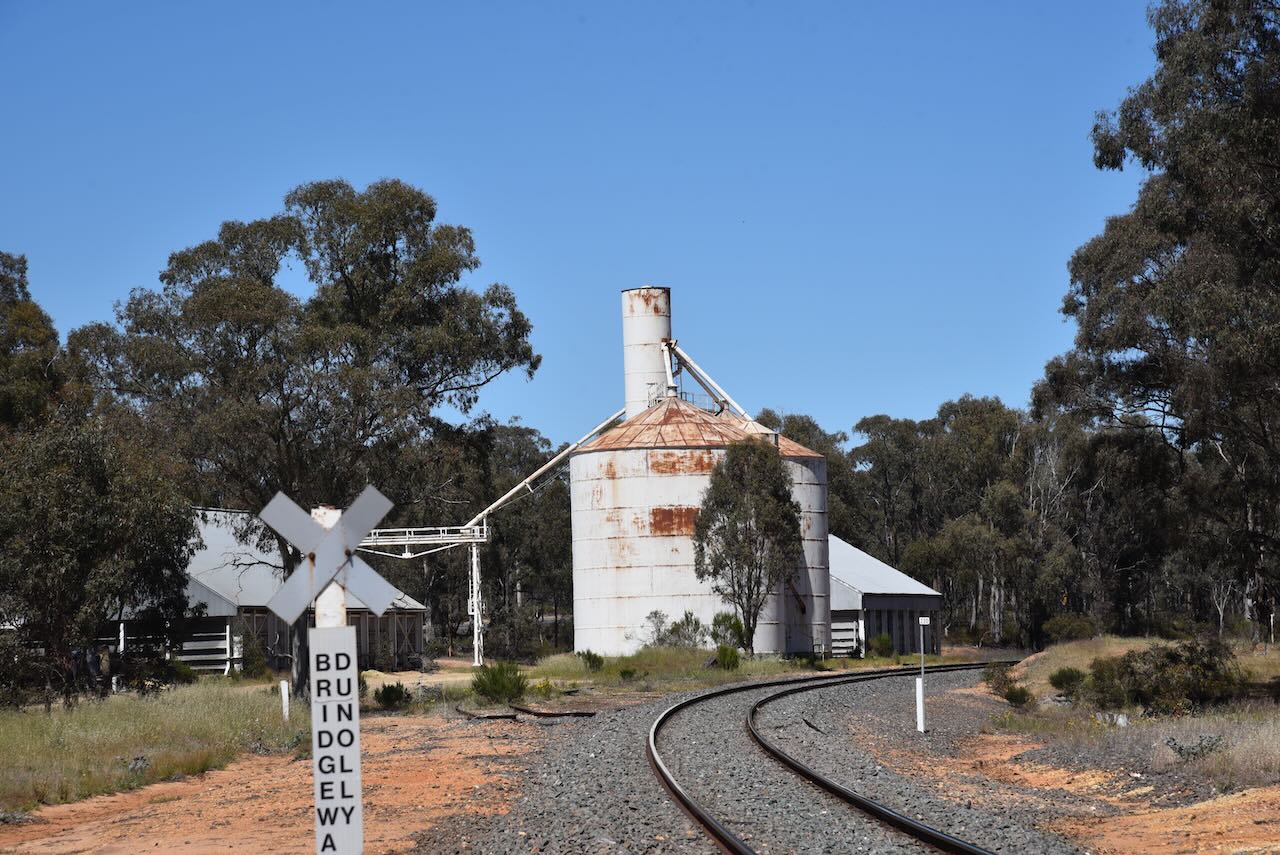
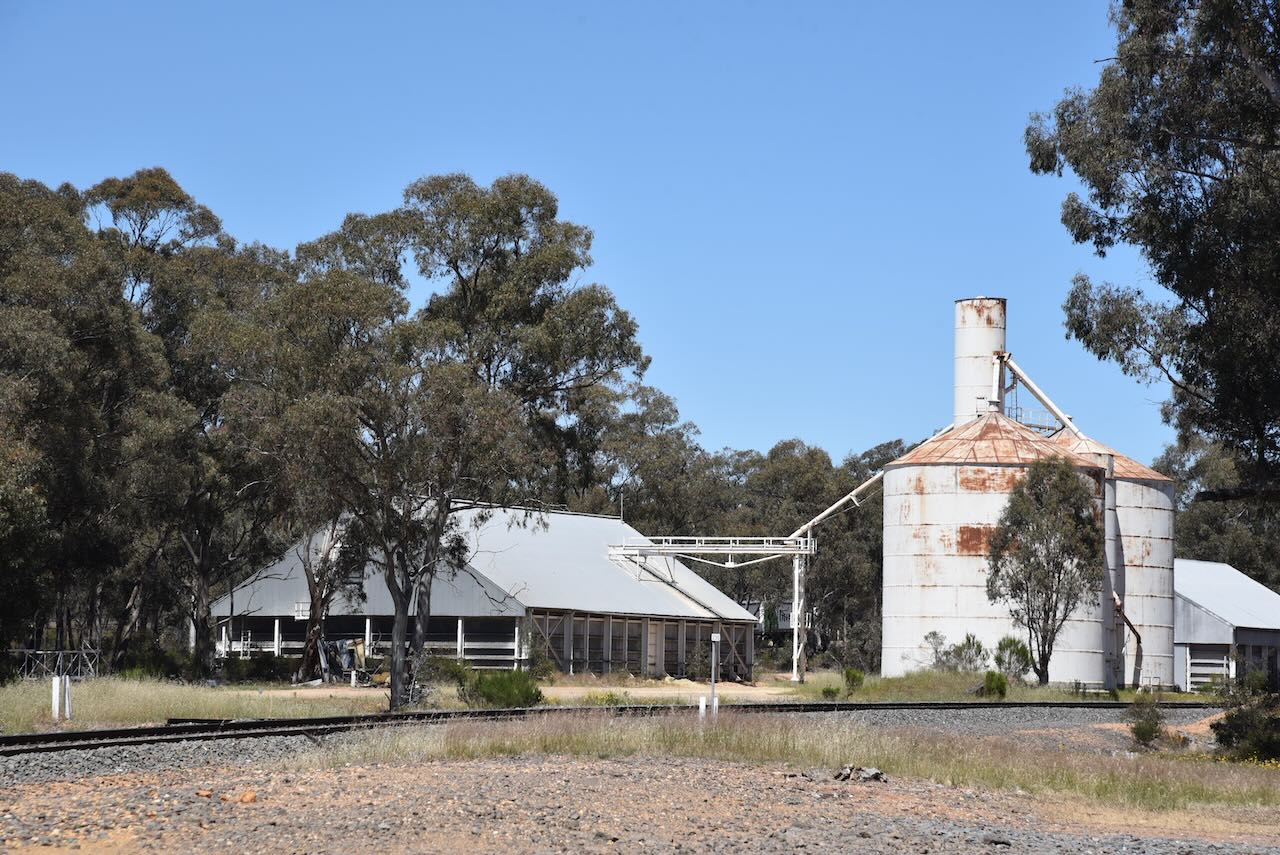
The Llanelly grain silos were opened at the Llanelly railway station in 1951. (Victorianplaces.com.au, 2015)
The Llanelly Bushland Reserve is located at the junction of Rheola-Llanelly Road and Arnolds Lane.
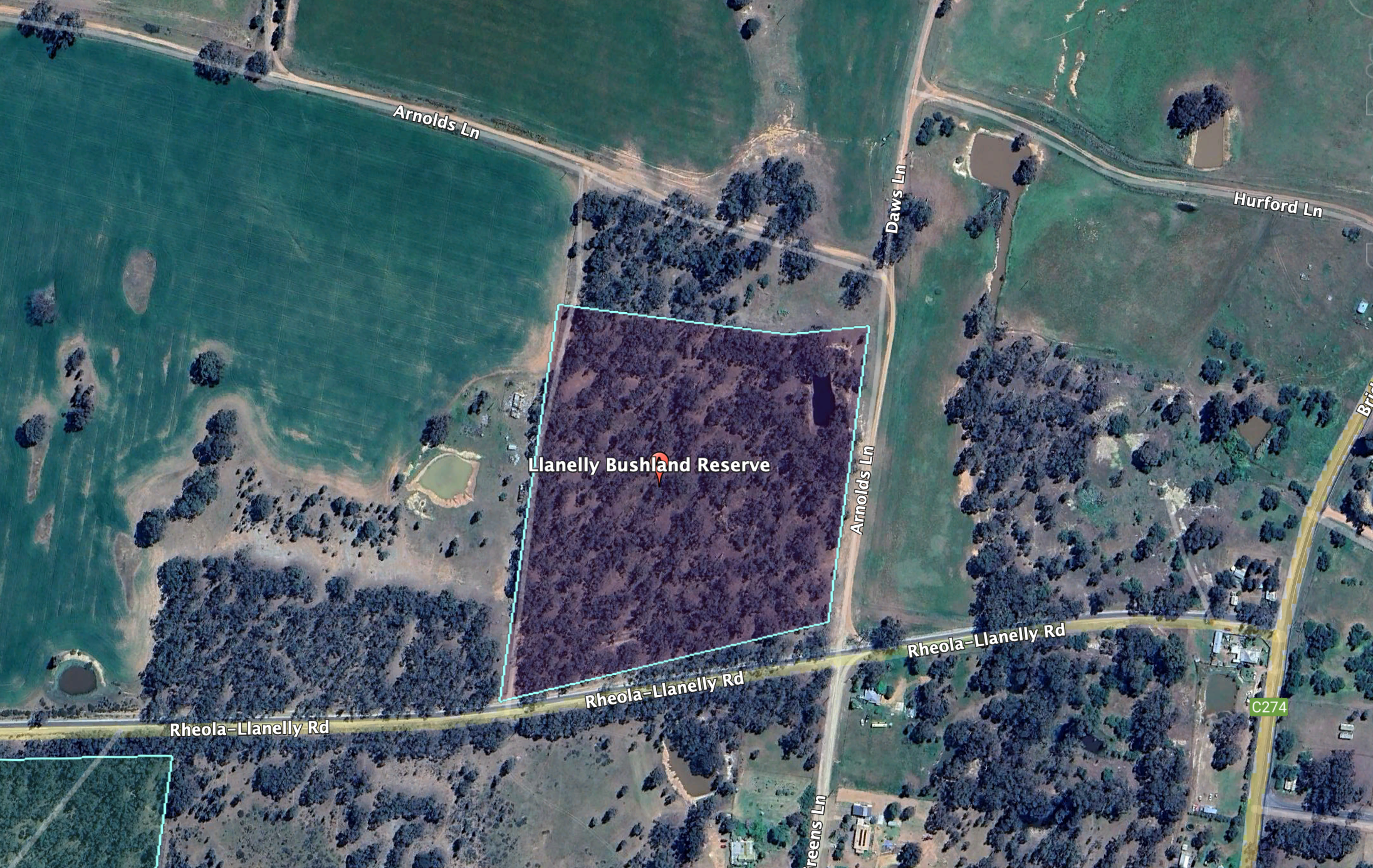
Above:- An aerial view of the Llanelly Bushland Reserve. Image c/o Google Earth.
The reserve is about 6 hectares in size and was established on the 24th day of August 1982. (CAPAD 2022)
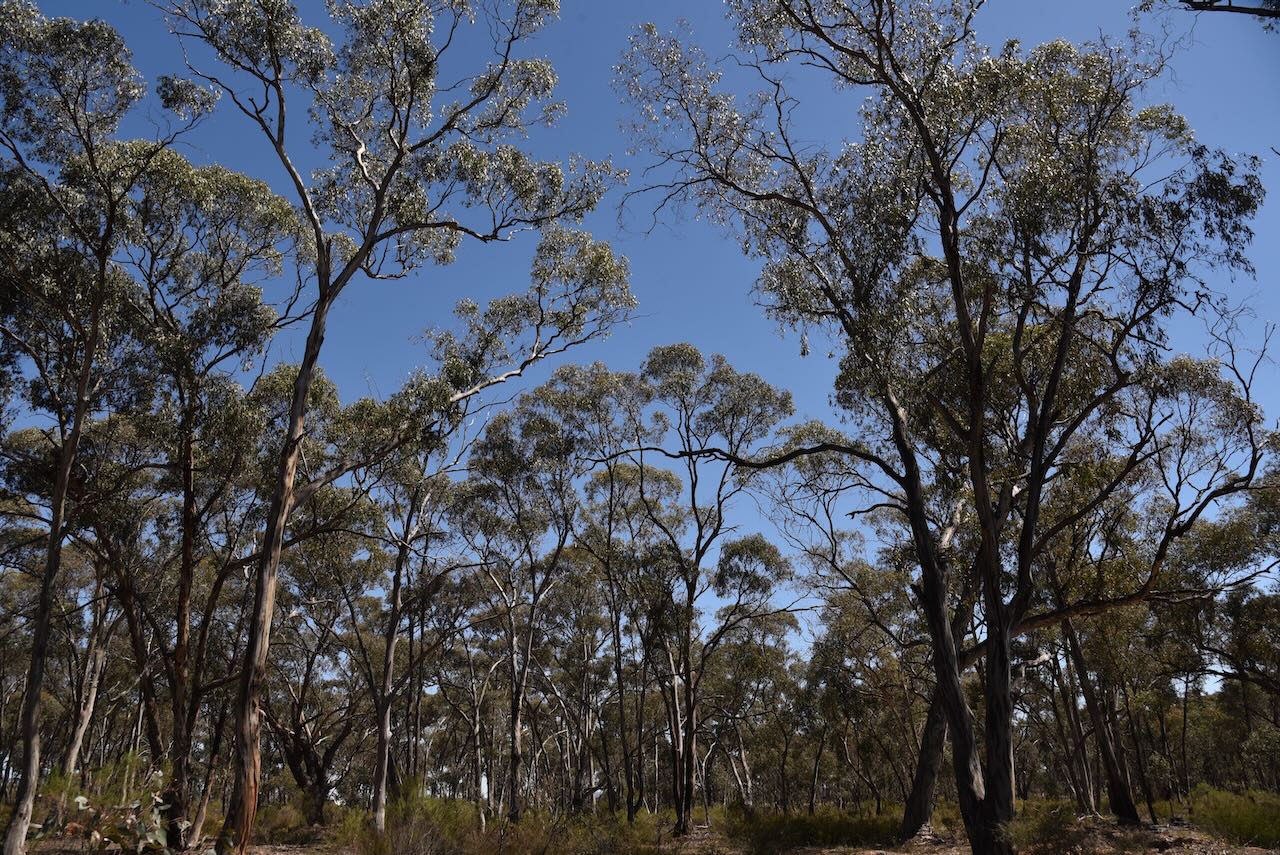
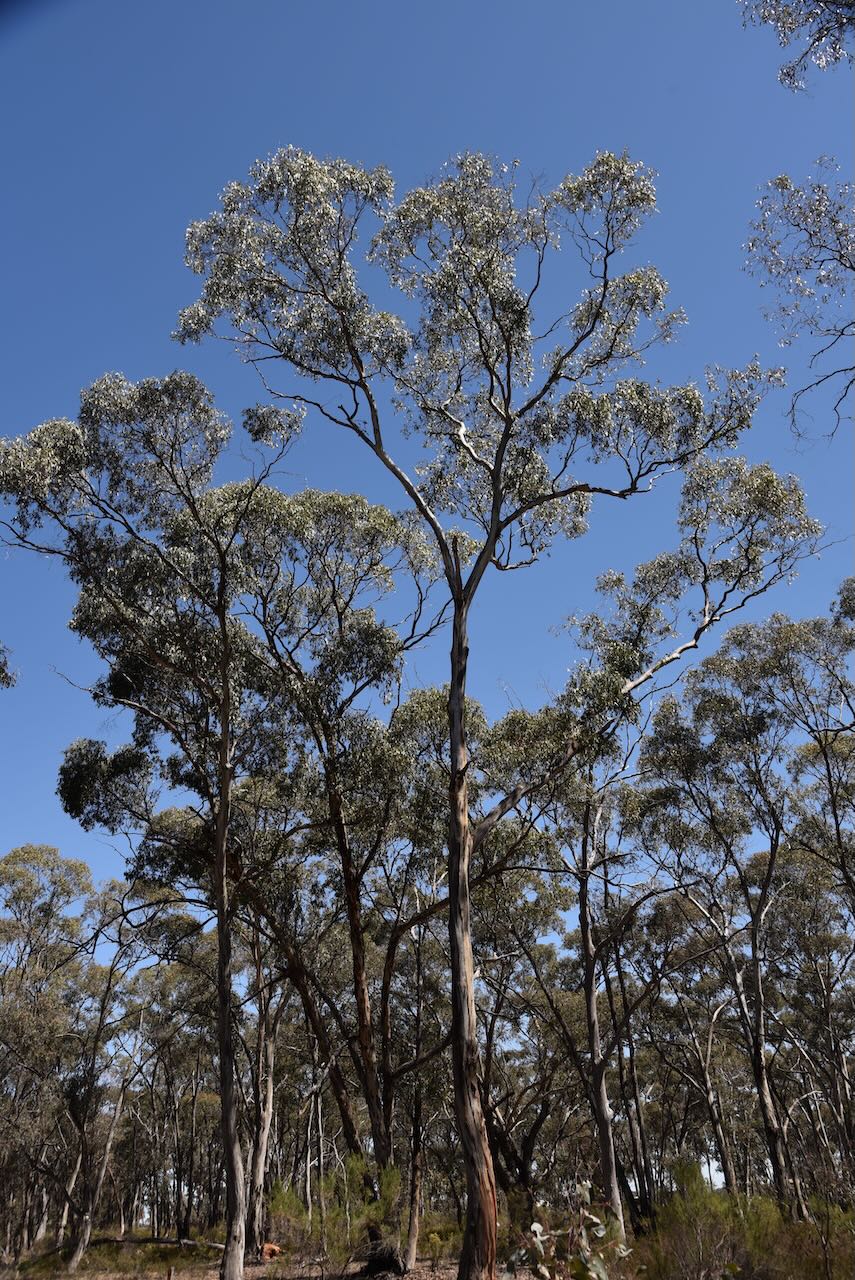
We accessed the park via Arnolds Lane. The park was within the activation zone of the silo.
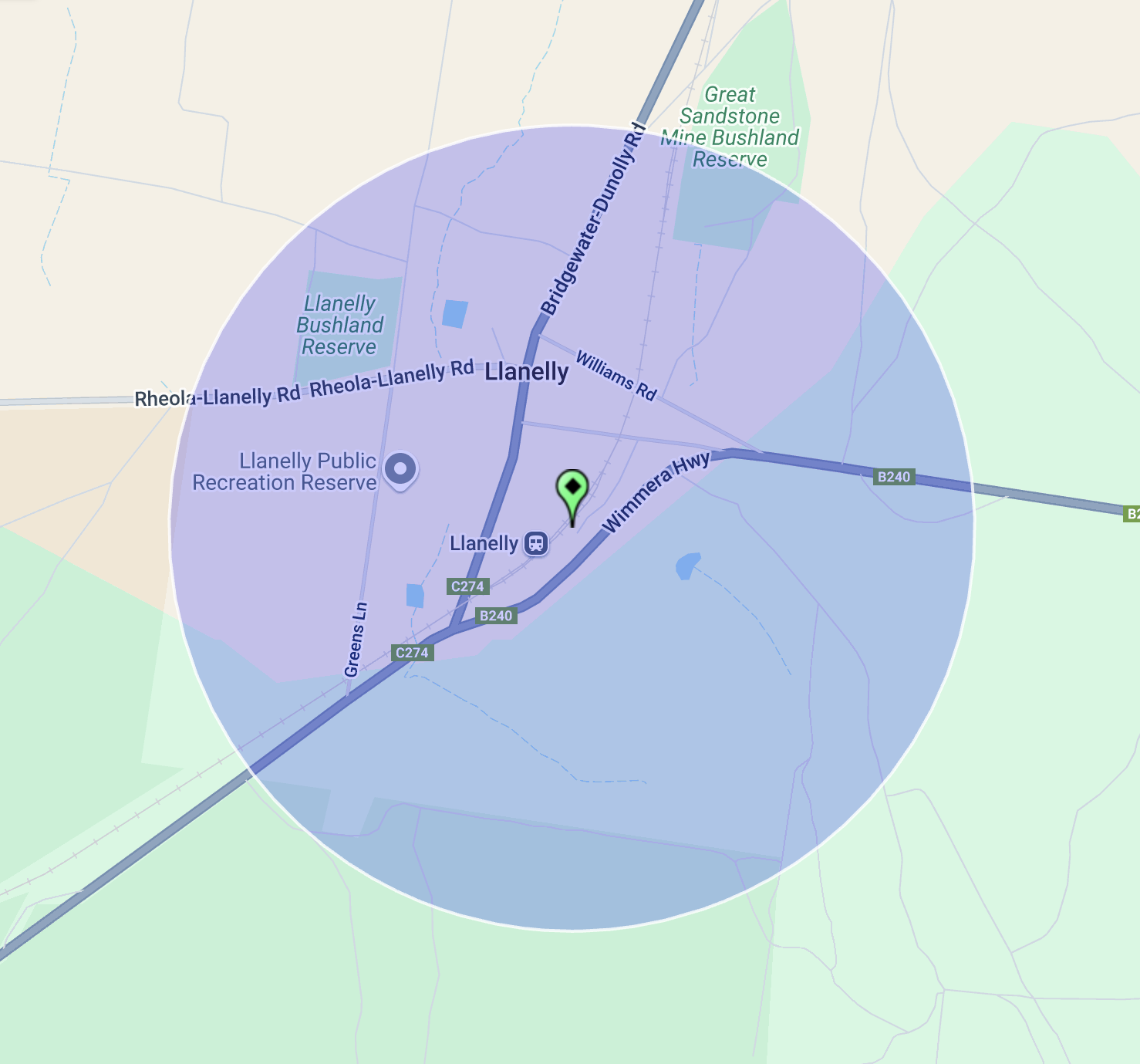
Above:- the activation zone at the Lllanelly silo. Image c/o SiOTA website.
Marija worked the following stations on 40m SSB:-
Marija worked the following stations on 20m SSB:-
I worked the following stations on 40m SSB:-
I worked the following stations on 20m SSB:-
References.
Our final park for Tuesday, 29th October 2024, was the Strathfieldsaye H97 Bushland Reserve VKFF-5876. The park is about 12 km southeast of Bendigo in central Victoria.
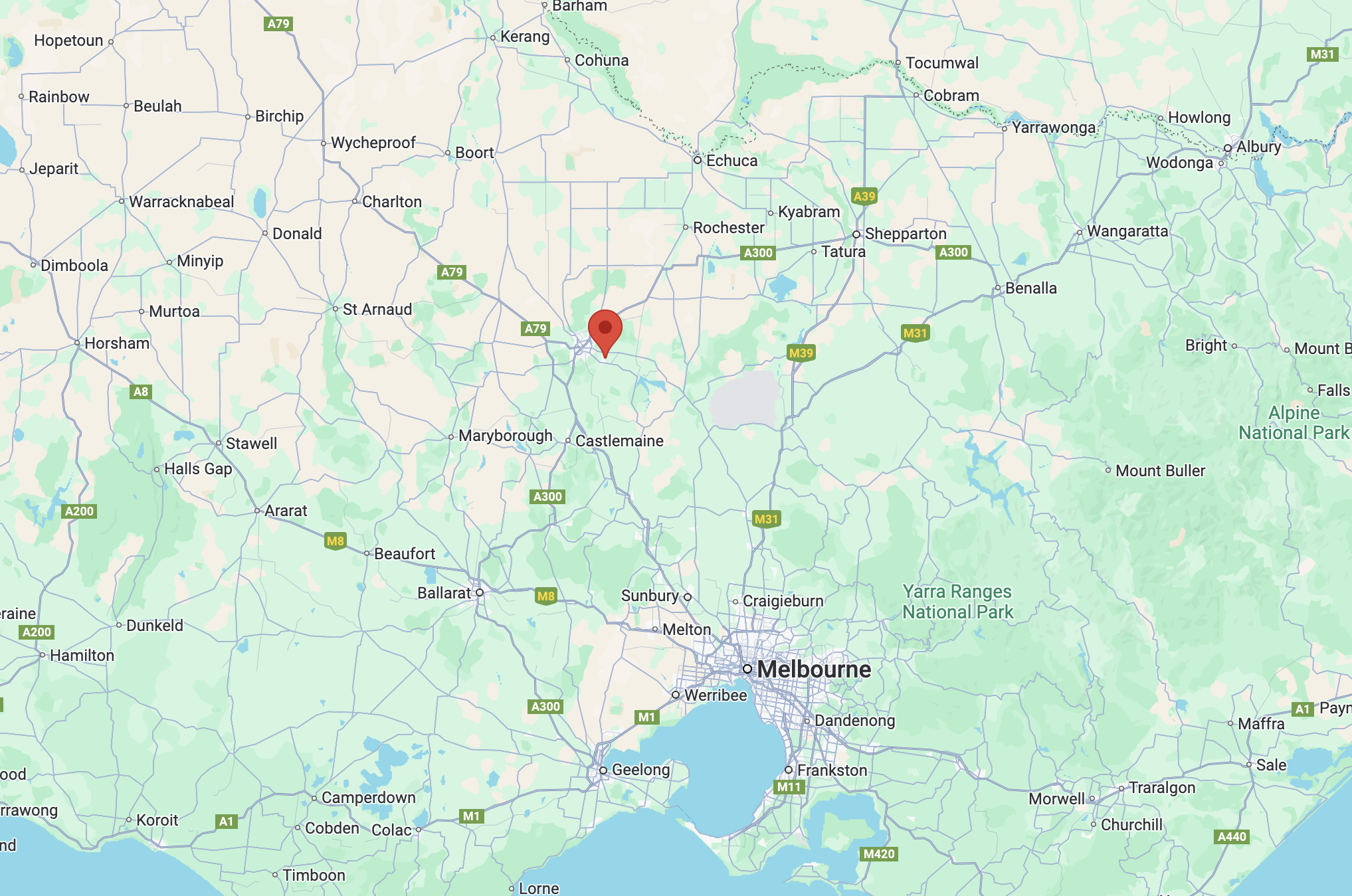
Above:- Map showing the location of the Strathfieldsaye H97 Bushland Reserve VKFF-5873.
The park is located on the southern side of Strathfieldsaye Road alongside the Strathfieldsaye Waste Transfer Station.
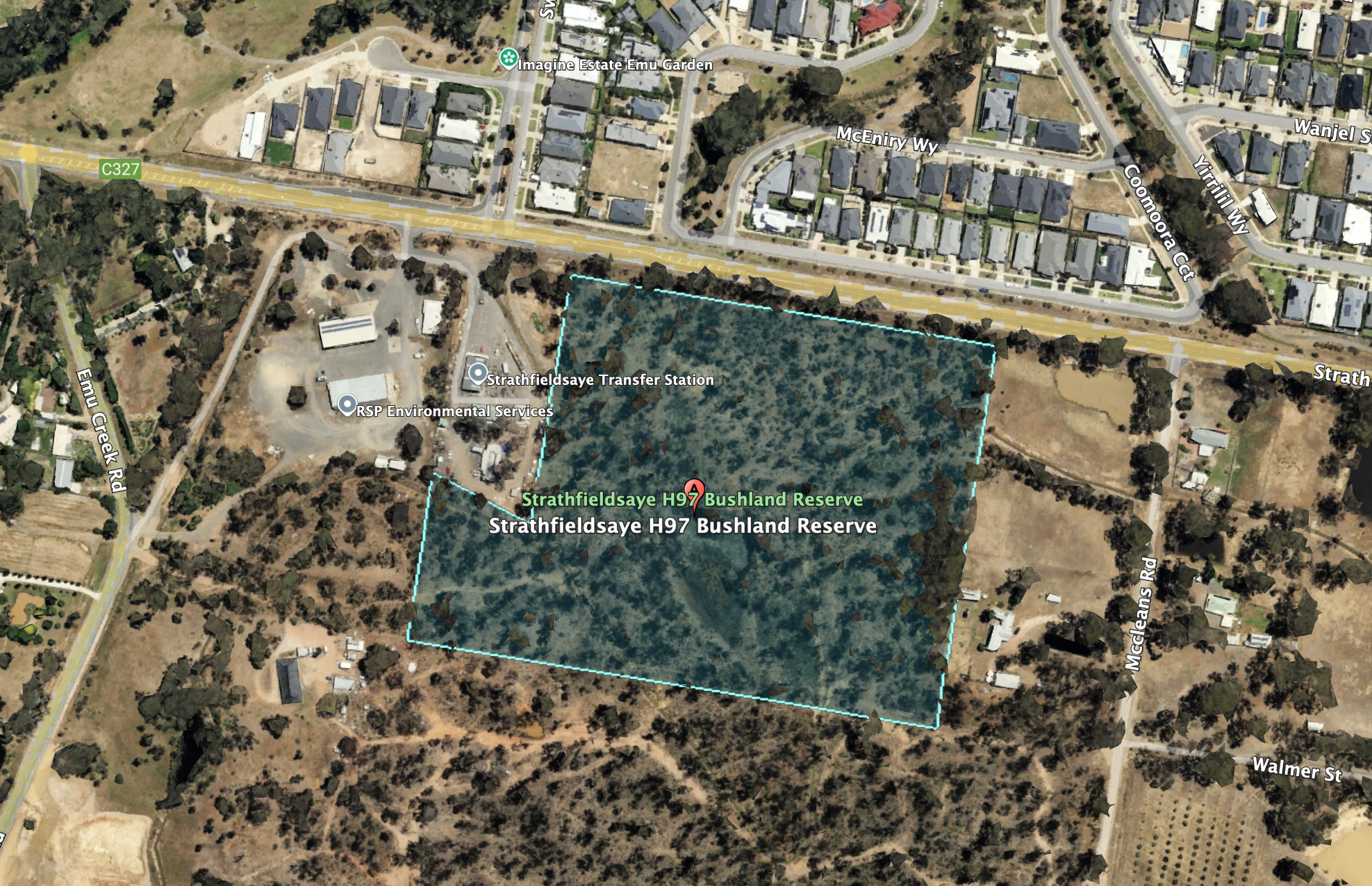
Above:- An aerial view of the Strathfieldsaye H97 Bushland Reserve. Image c/o Google Earth.
The reserve is about 6 hectares in size and was established on the 26th day of February 2002. (CAPAD 2022)
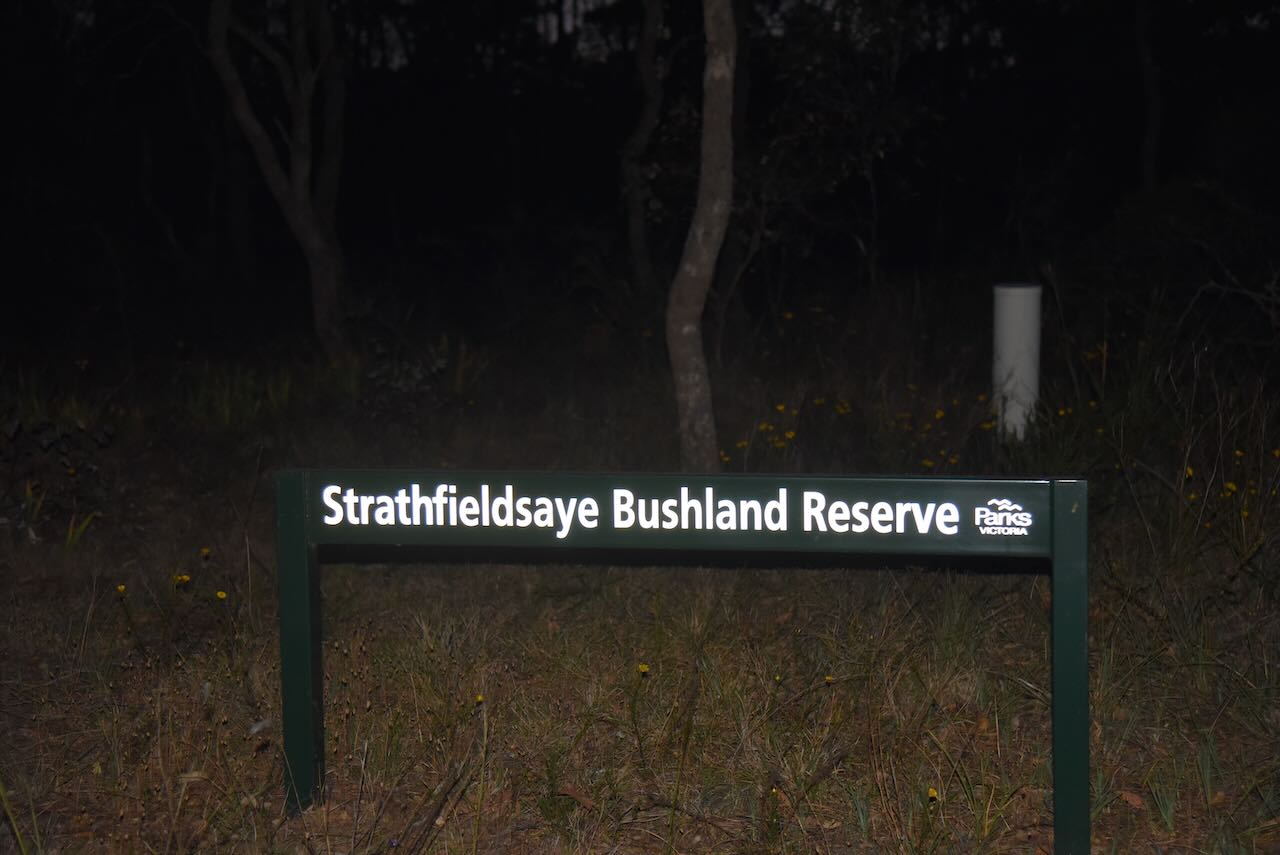
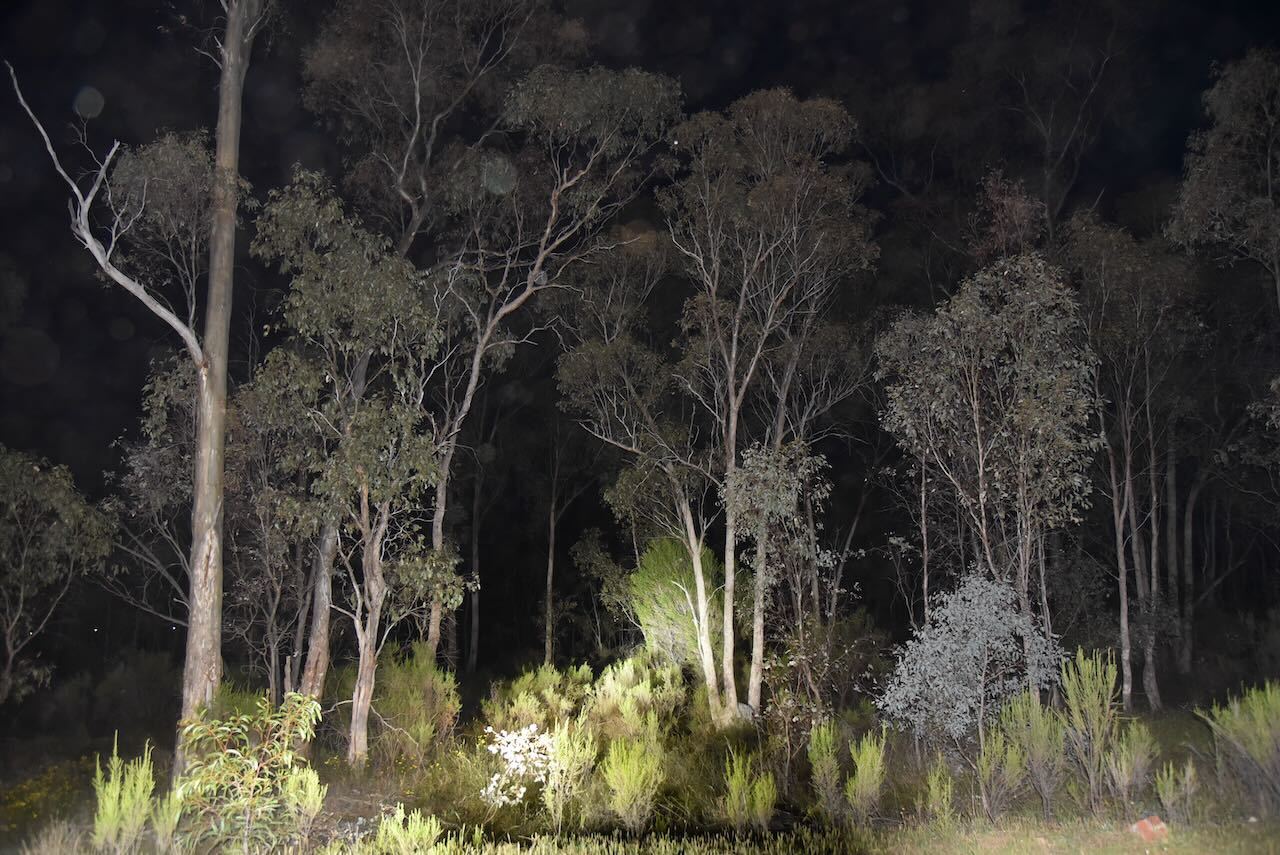
There was a short dirt track leading into the park off Strathfieldsaye Road. We ran the Yaesu FT857, 40 watts, and the 20/40/80m linked dipole.
Marija worked the following stations on 40m SSB:-
I worked the following stations on 40m SSB:-
References.
Our sixth park for Tuesday, 29th October 2024, was the Strathfieldsaye I160 Bushland Reserve VKFF-5876. The park is about 12 km southeast of Bendigo in central Victoria.
Above:- Map showing the location of the Strathfieldsaye I160 Bushland Reserve VKFF-5876.
The park is located on the southern side of Strathfieldsaye Road. Its southern boundary is Walmer Street.

Above:- An aerial view of the Strathfieldsaye I160 Bushland Reserve. Image c/o Google Earth.
The reserve is about 1 hectare in size and was established on the 24th day of August 1982. (CAPAD 2022)
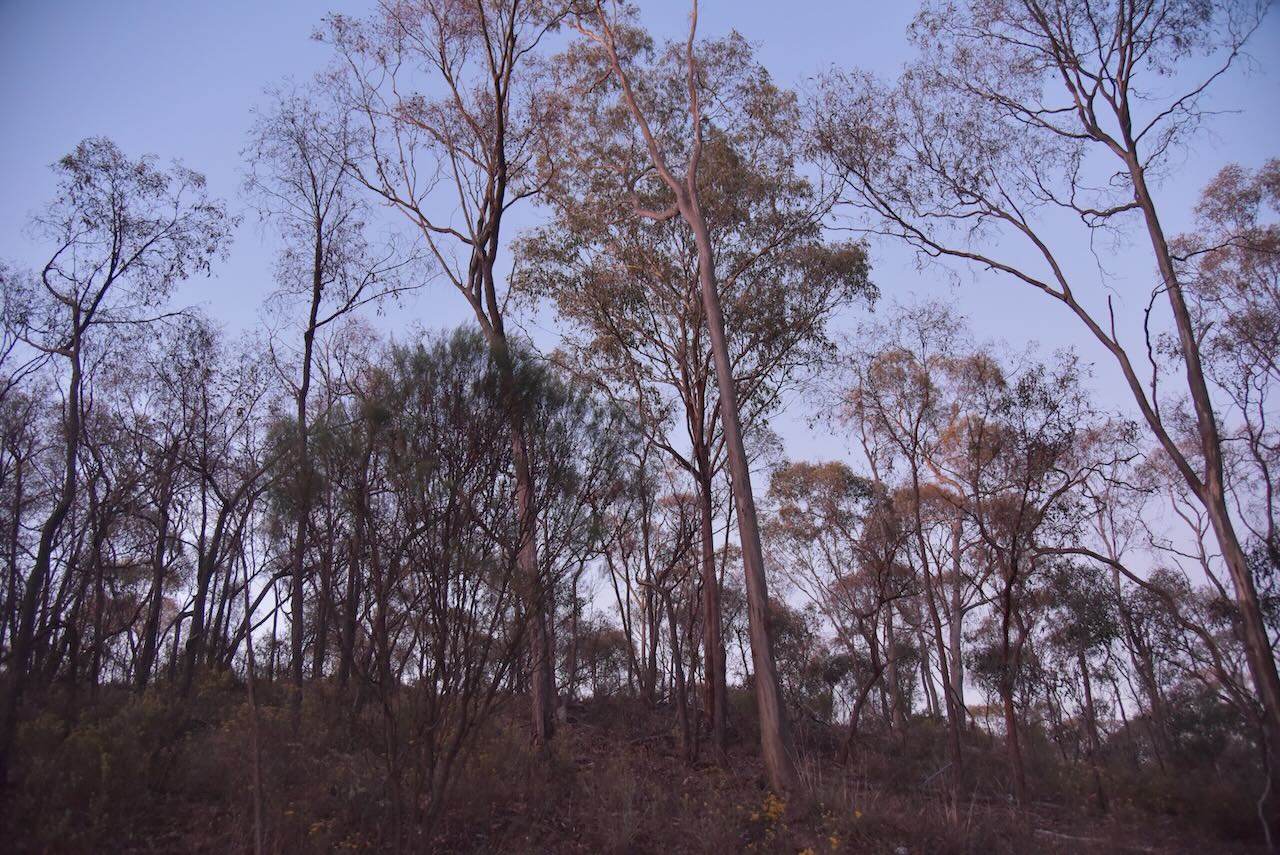
We drove to the end of Walmer Street and set up in a clearing amongst the scrub.
Marija worked the following stations on 40m SSB:-
I worked the following stations on 40m SSB:-
References.
After leaving the Strathfieldsaye I1159 Bushland Reserve on 29th October 2024, Marija VK5MAZ and I drove the short distance to our next park, the Strathfieldsaye H98 Bushland Reserve VKFF-5874.
Above:- Map showing the location of the Strathfieldsaye H98 Bushland Reserve. Map c/o Google Maps.
The reserve is located on the northern side of Strathfieldsaye Road and at the end of Dukes Lane.
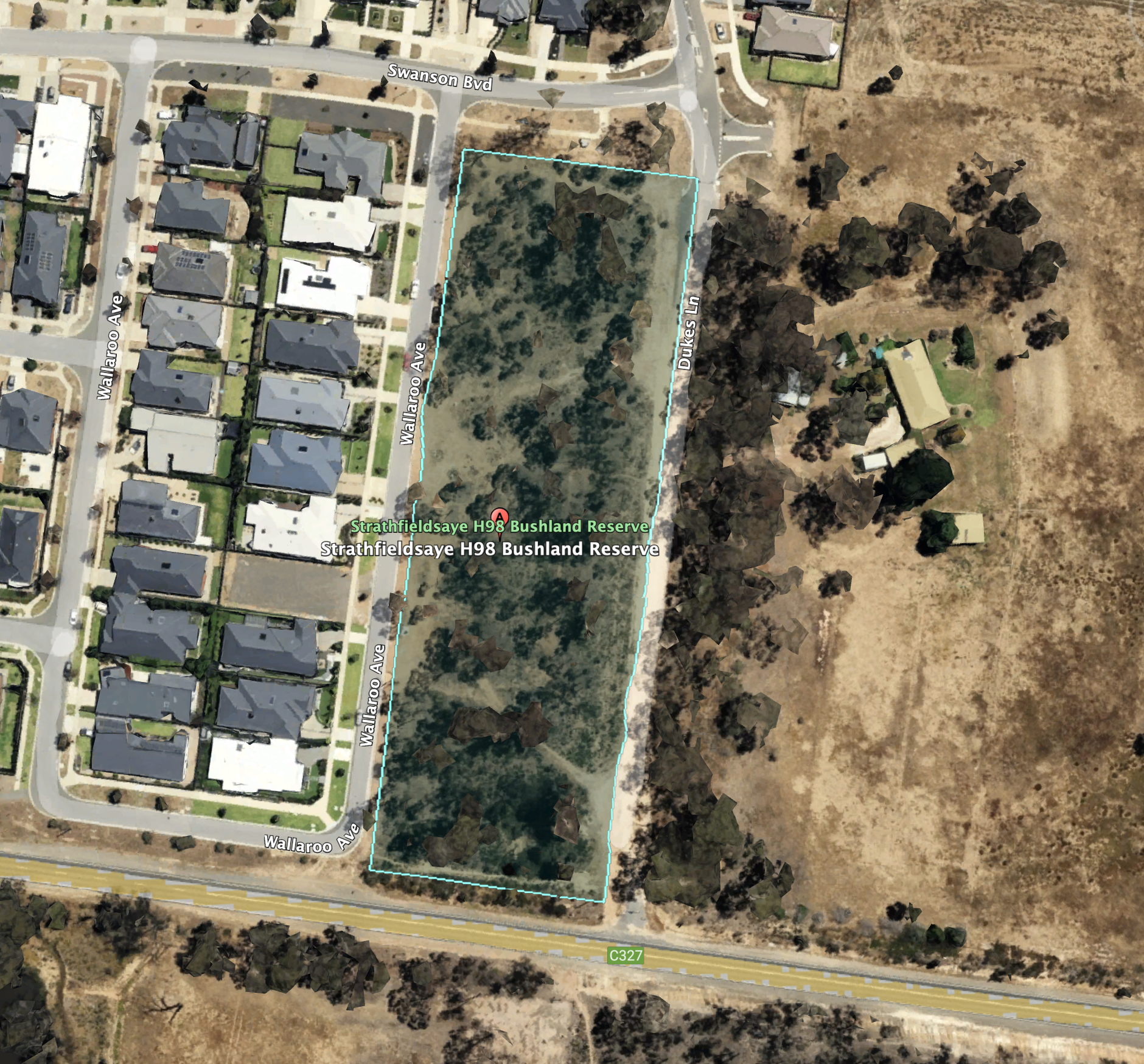
Above:- An aerial view of the Strathfieldsaye H98 Bushland Reserve. Image c/o Google Earth.
The reserve is about 1.3 hectares in size and was established on the 26th day of February 2002. (CAPAD 2022)
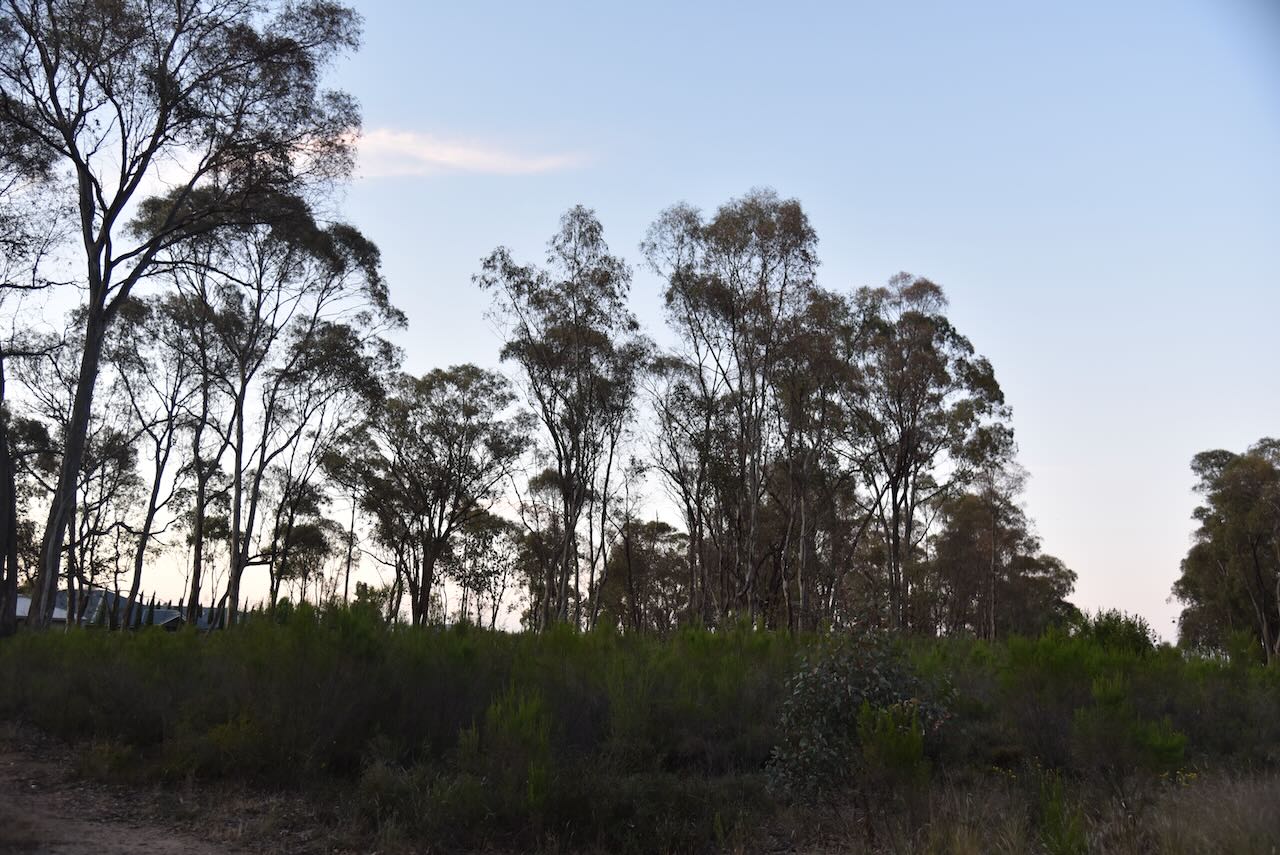
We drove along Dukes Lane and found a little 4wd track leading into this tiny park. Surprisingly, despite being surrounded by built-up housing on one side of the park, we had a zero noise floor.
Marija worked the following stations on 40m SSB:-
I worked the following stations on 40m SSB:-
References.
Here is my latest WWFF Hunter certificate, issued for having worked 2,844 WWFF references.
Thank you to the WWFF activators and Hugo CT7AOV, the Awards Manager.

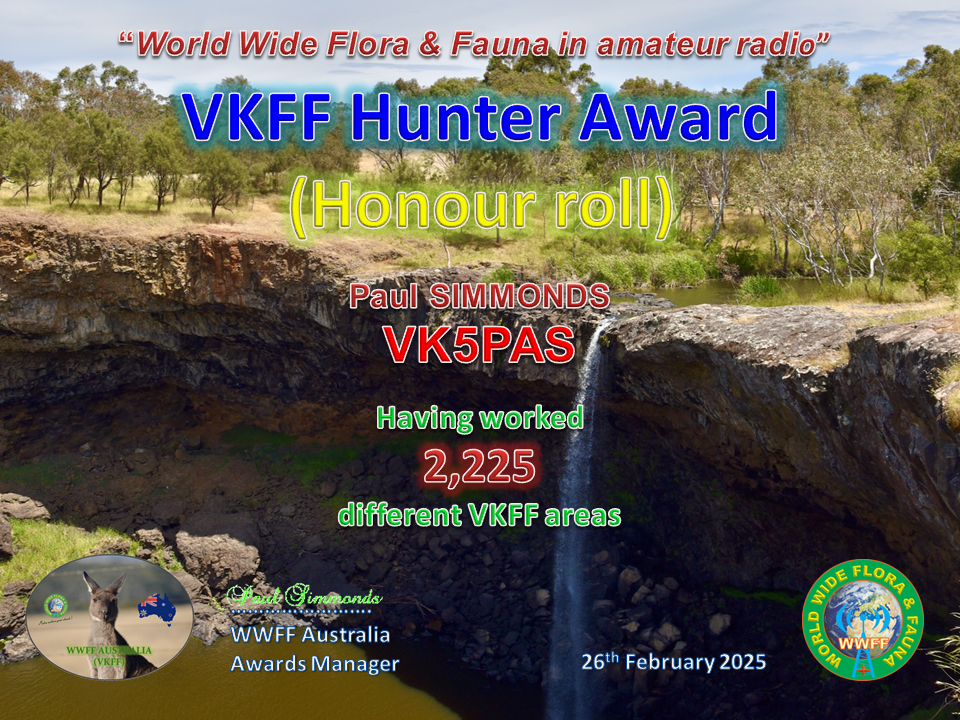
My latest VKFF Hunter Honour Roll certificate, issued for having worked 2,225 VKFF references.
Thank you to all of the VKFF activators, and thank you to Adam VK2YK, the VK5 VKFF State Rep for the certificate.
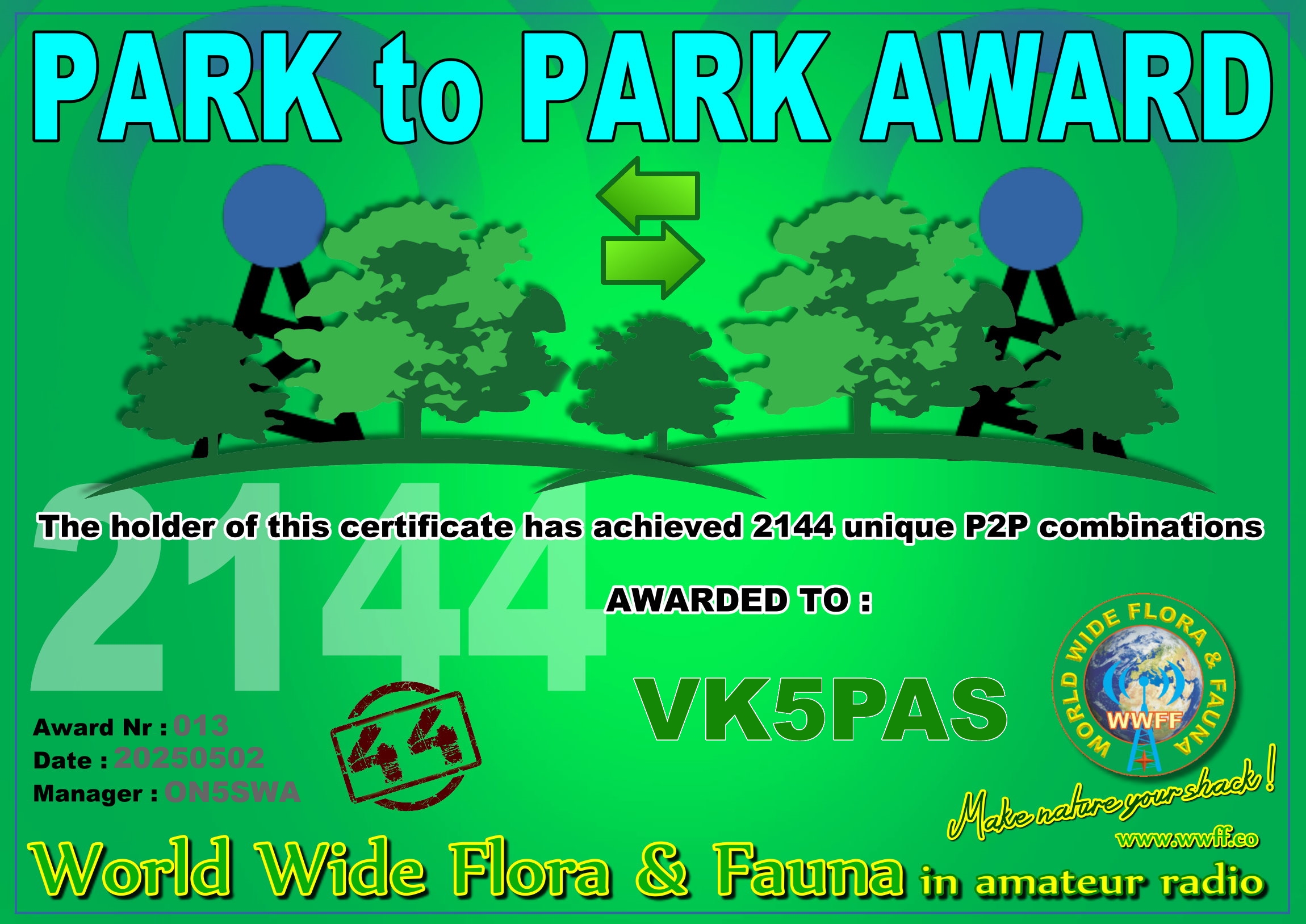
My latest Park to Park certificate, issued for having made 2,144 Park to Park contacts.
Thank you to all of the WWFF activators and Swa ON5SWA, the Awards Manager.
Amateur Radio, Short Wave Listening, travel and history
Amateur radio experiences with VK1DA
Brisbane - Australia
german amateur radio station
Summits On The Air
SOTA on the peaks, wilderness QRP and some bushwalking
A fine WordPress.com site
Amateur Radio Adventures
Summits on the Ai
Radio craft, homebrew, QRP/SOTA, AM
Ego loqui ad viros super montes
My adventures with Amateur Radio and Geocaching!
The rantings of VK2GAZ on his SOTA experiences in Australia
A survivor, with minor cuts and abrasions.
The Art and Craft of Blogging
News, Tips & Website Tutorials
Blog of Justin Giles-Clark VK7TW's SOTA and amateur radio adventures.
Occasional SOTA & Microwave operation
Some accounts of SOTA and other radio outings

