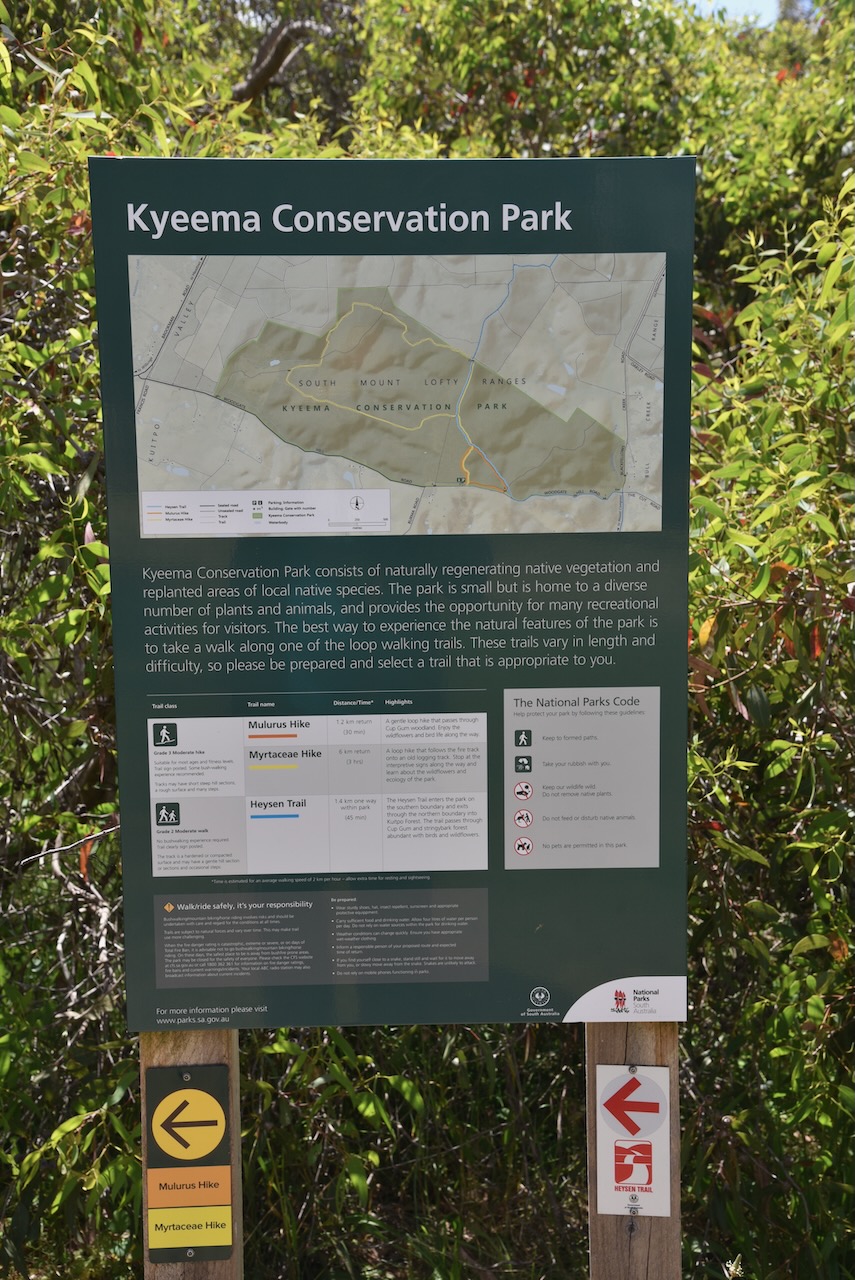
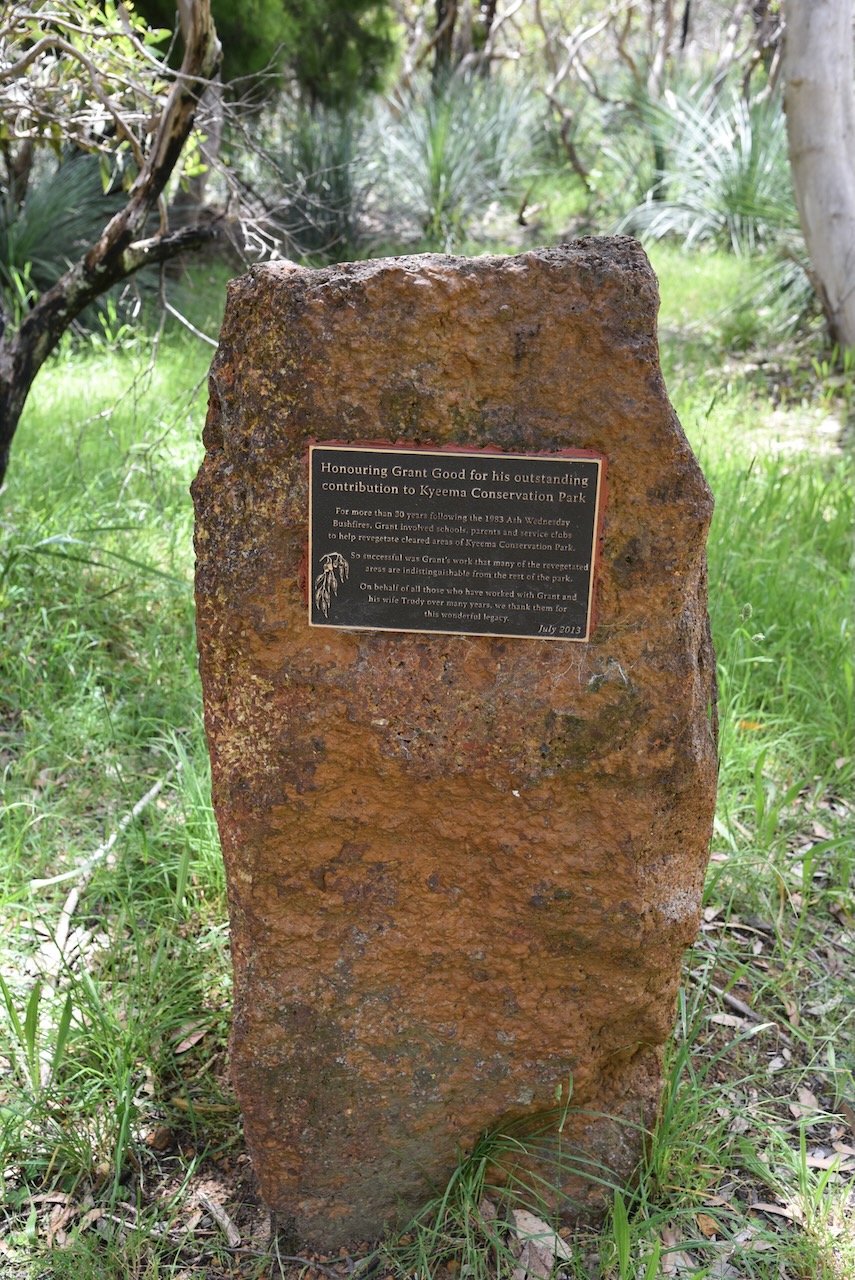
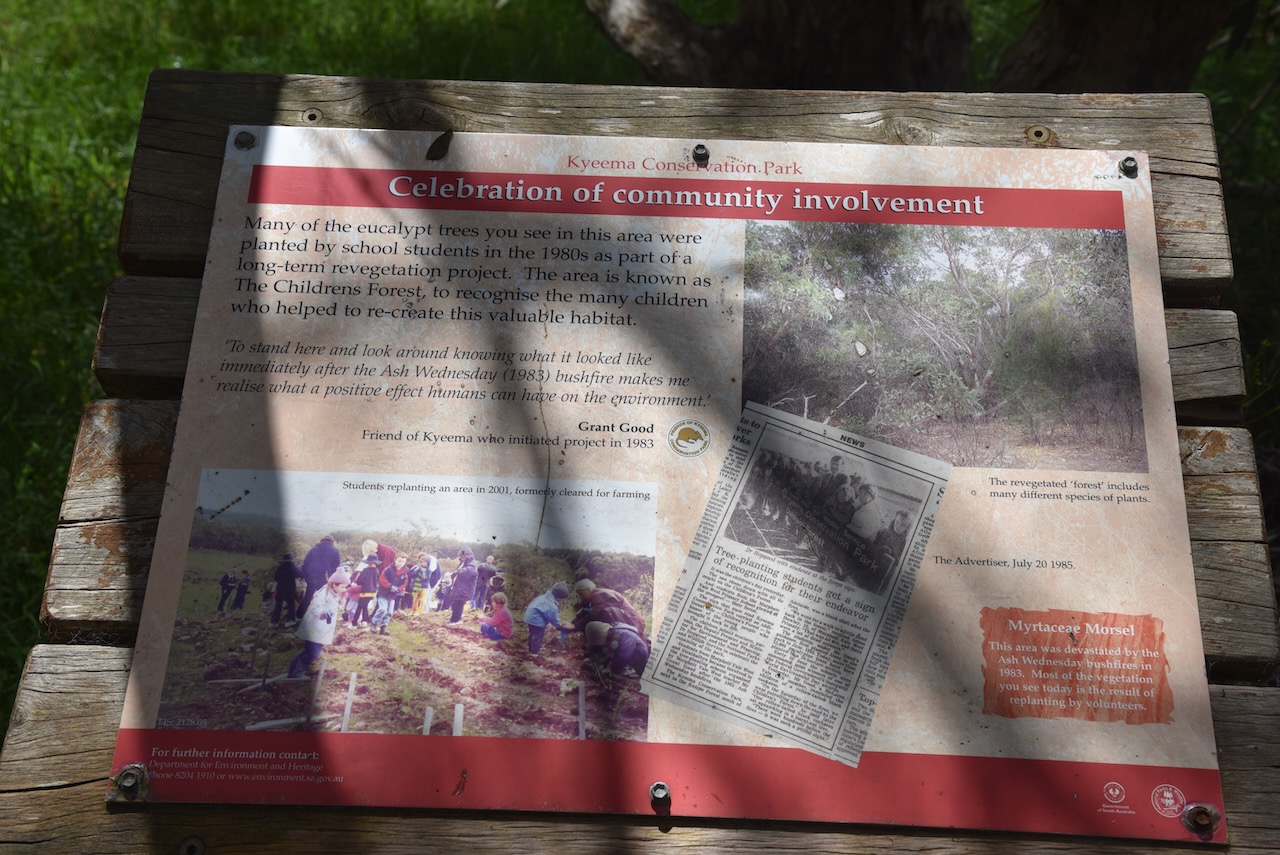
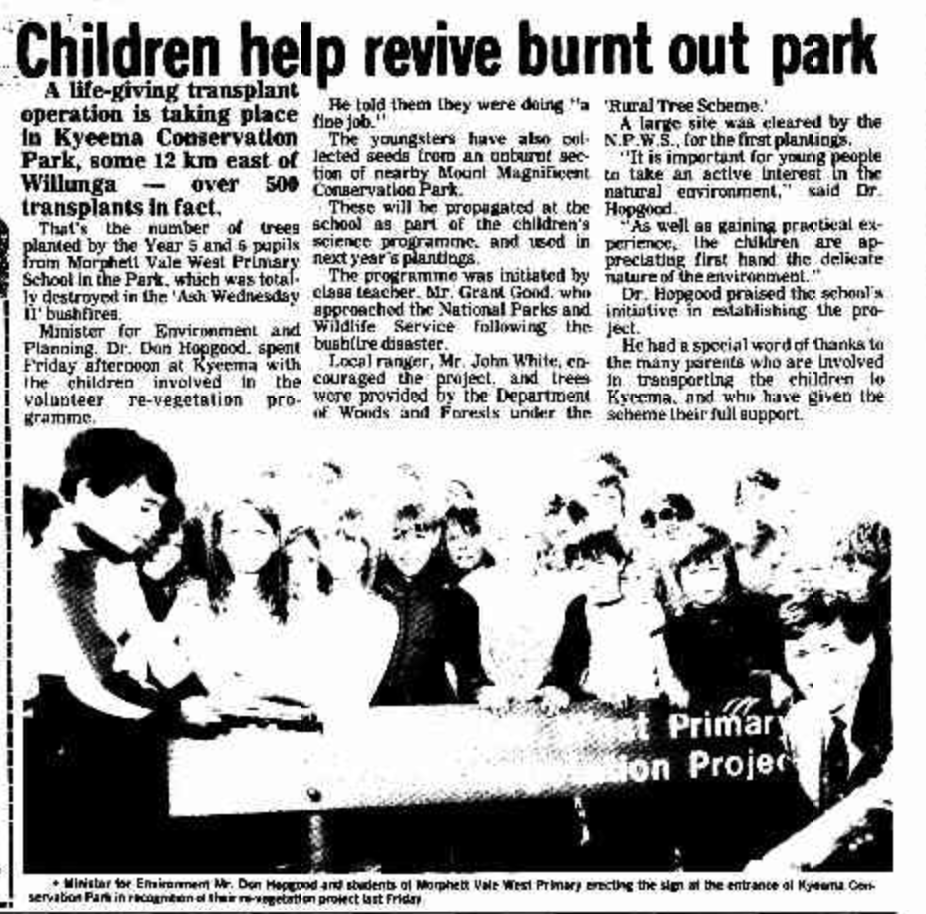
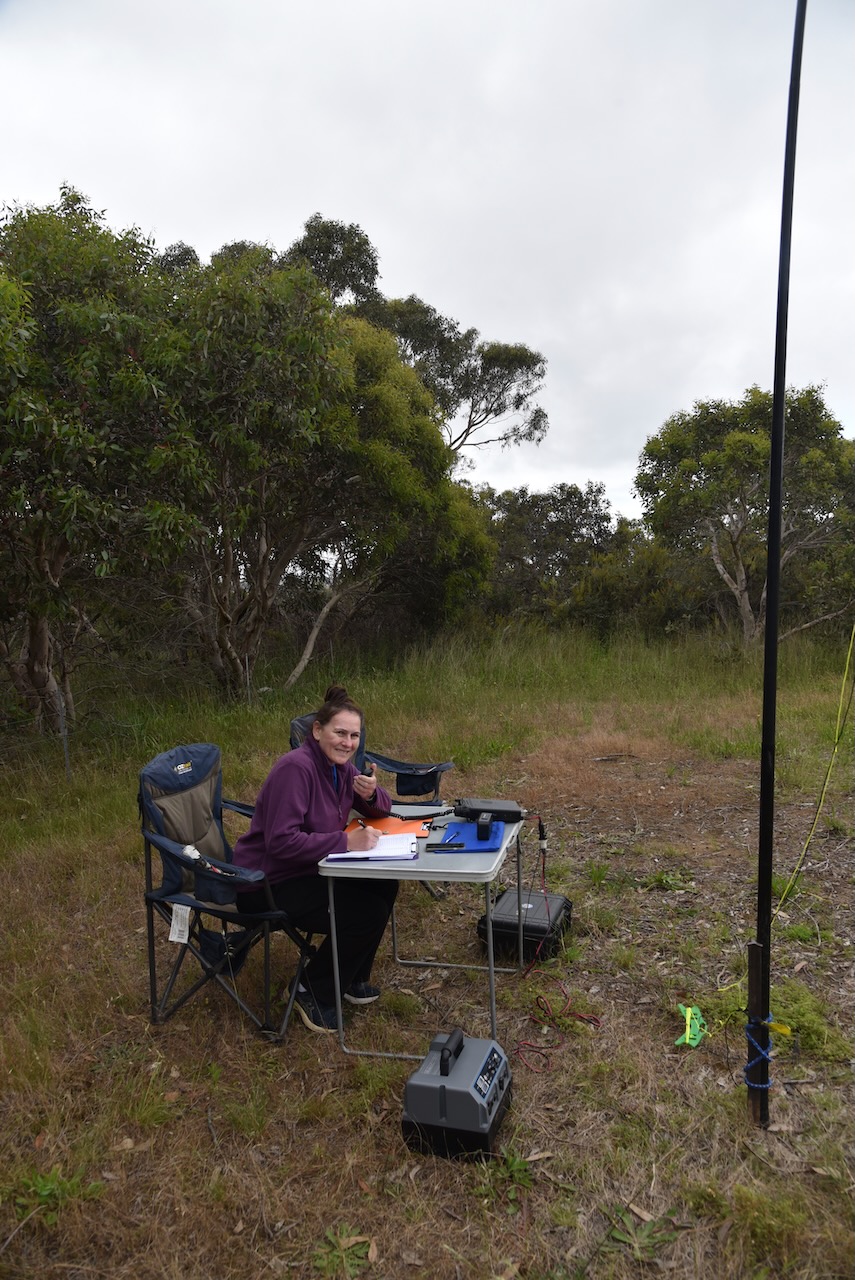
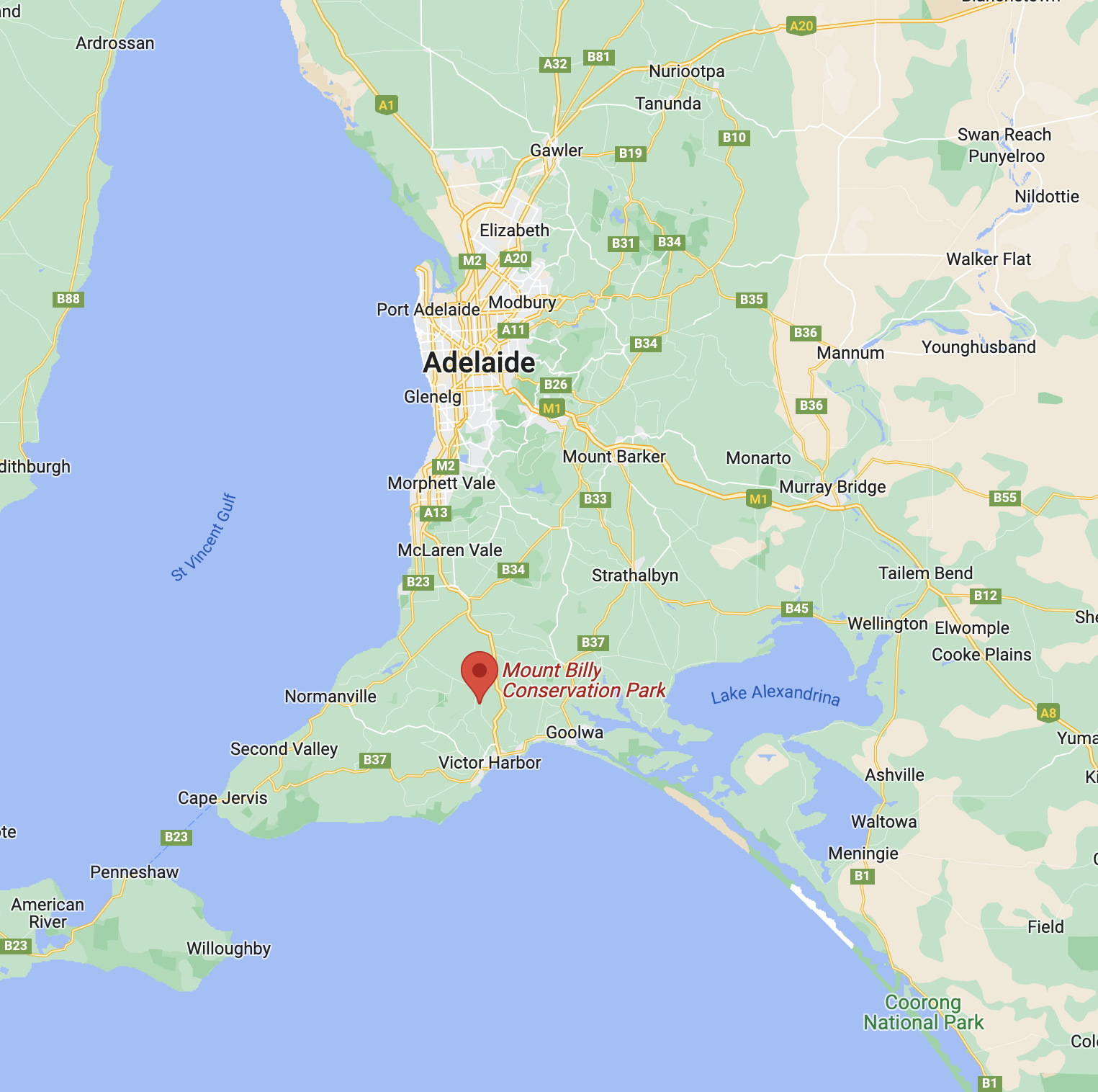
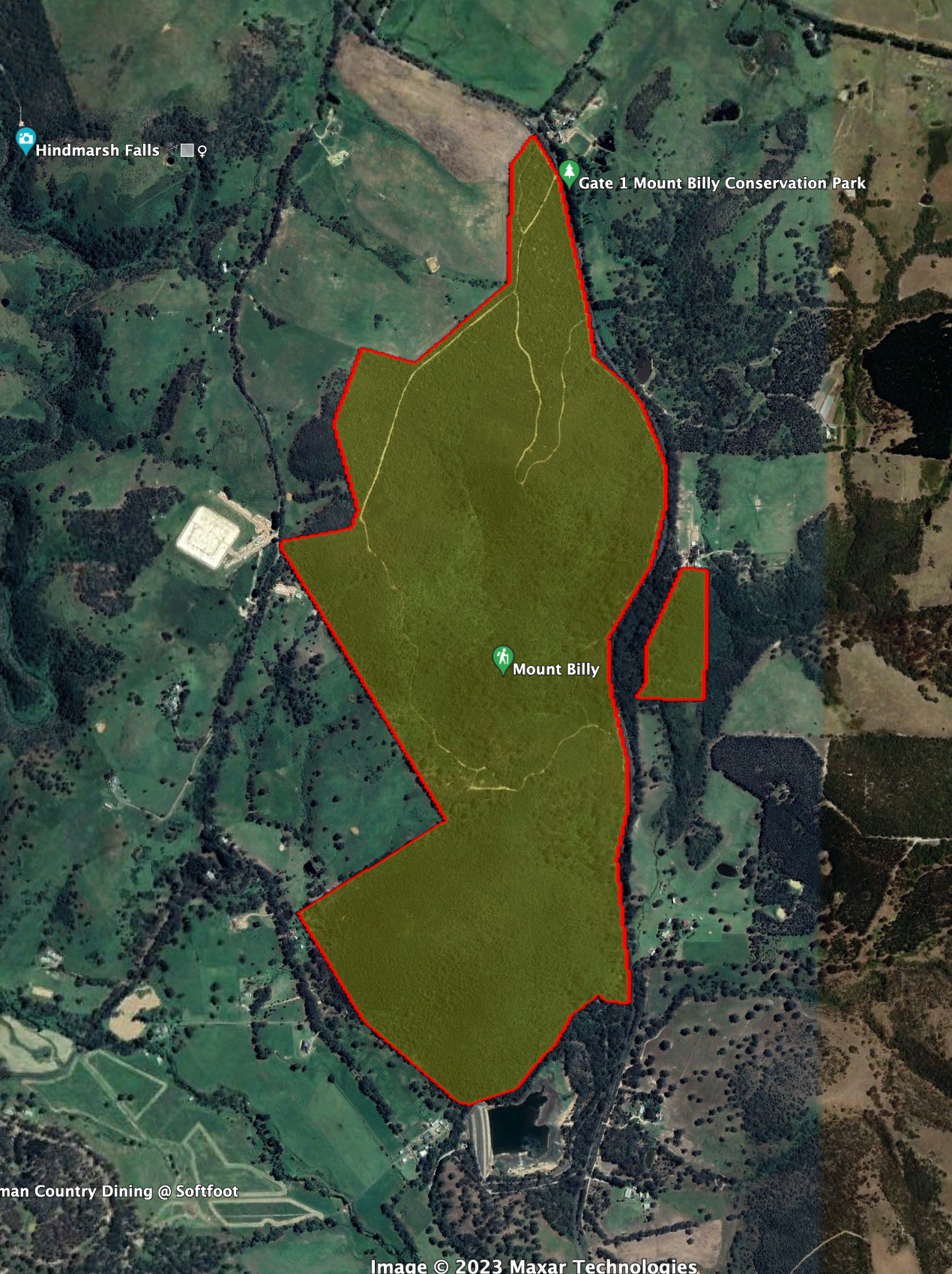
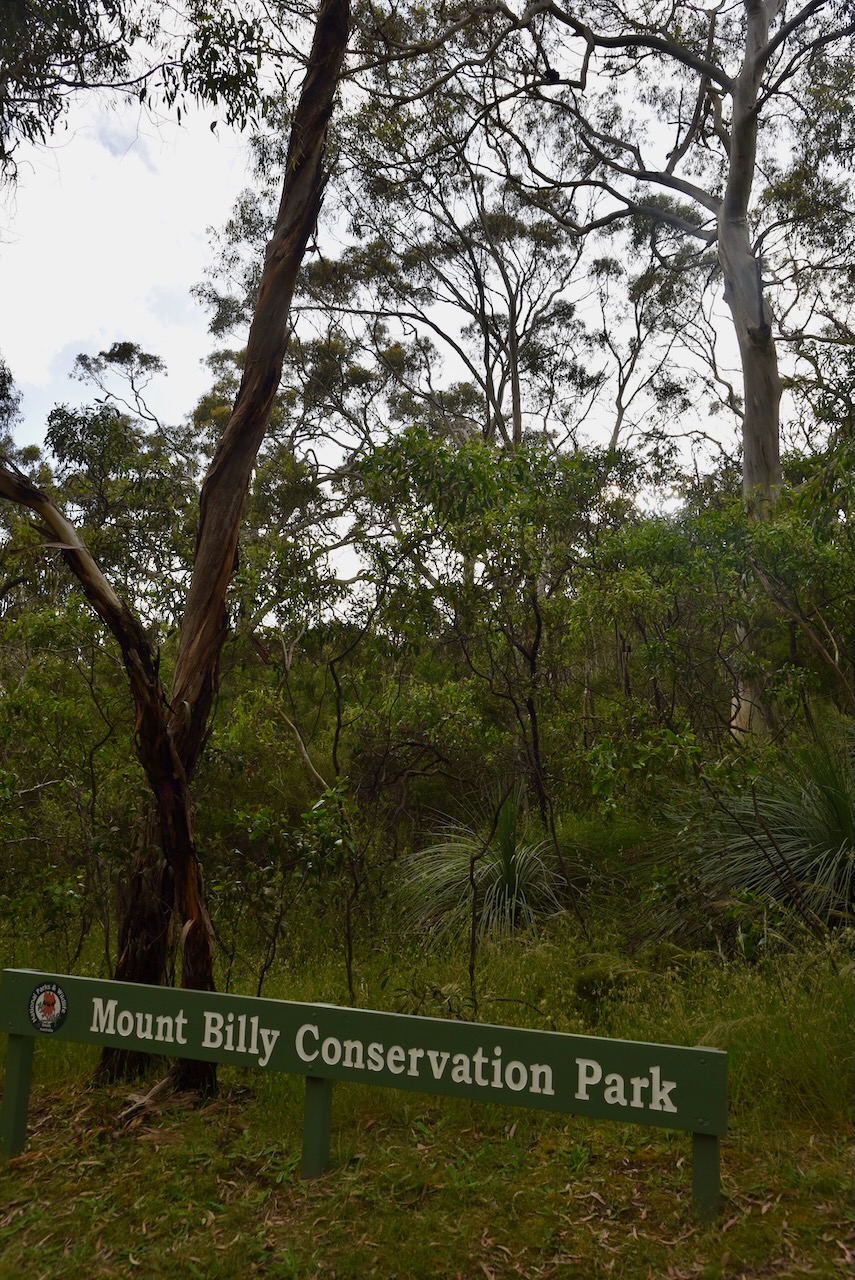
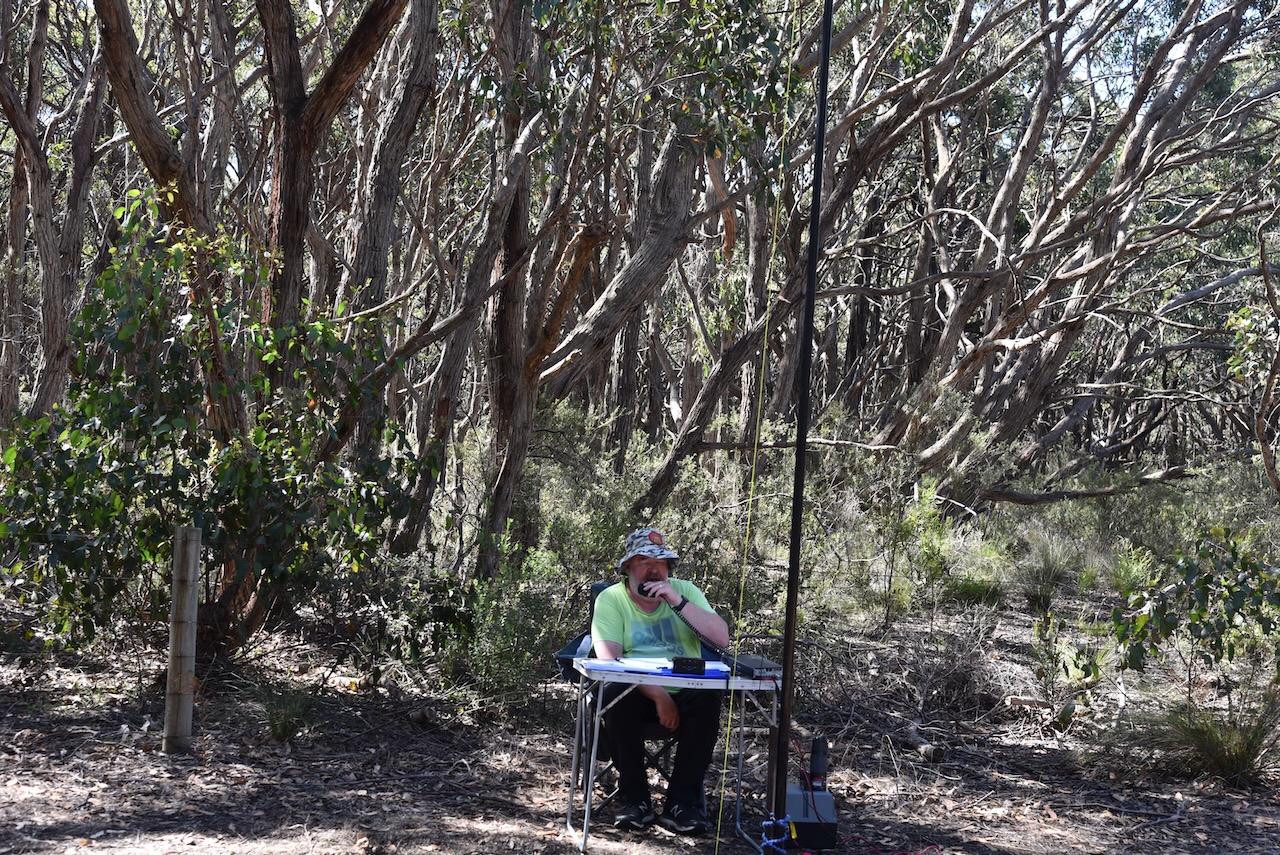
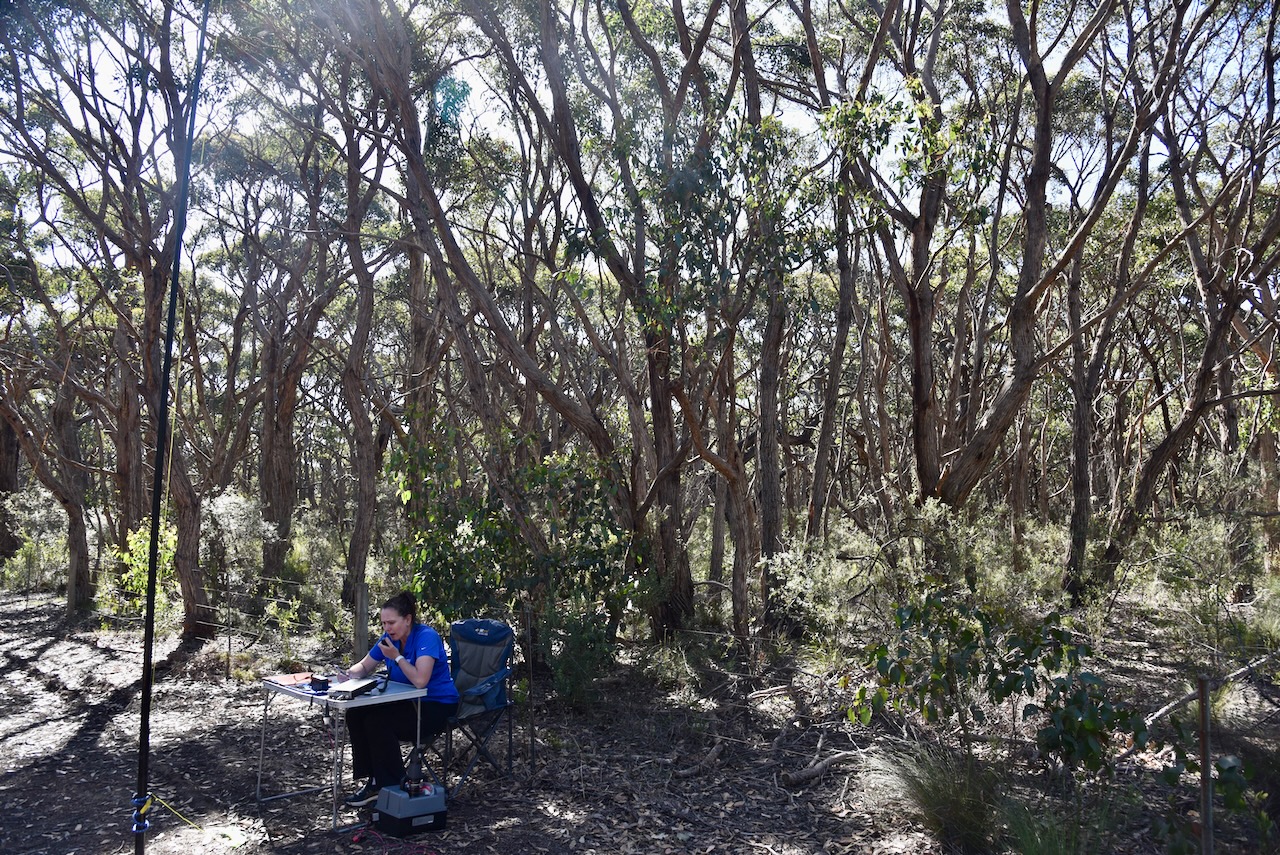
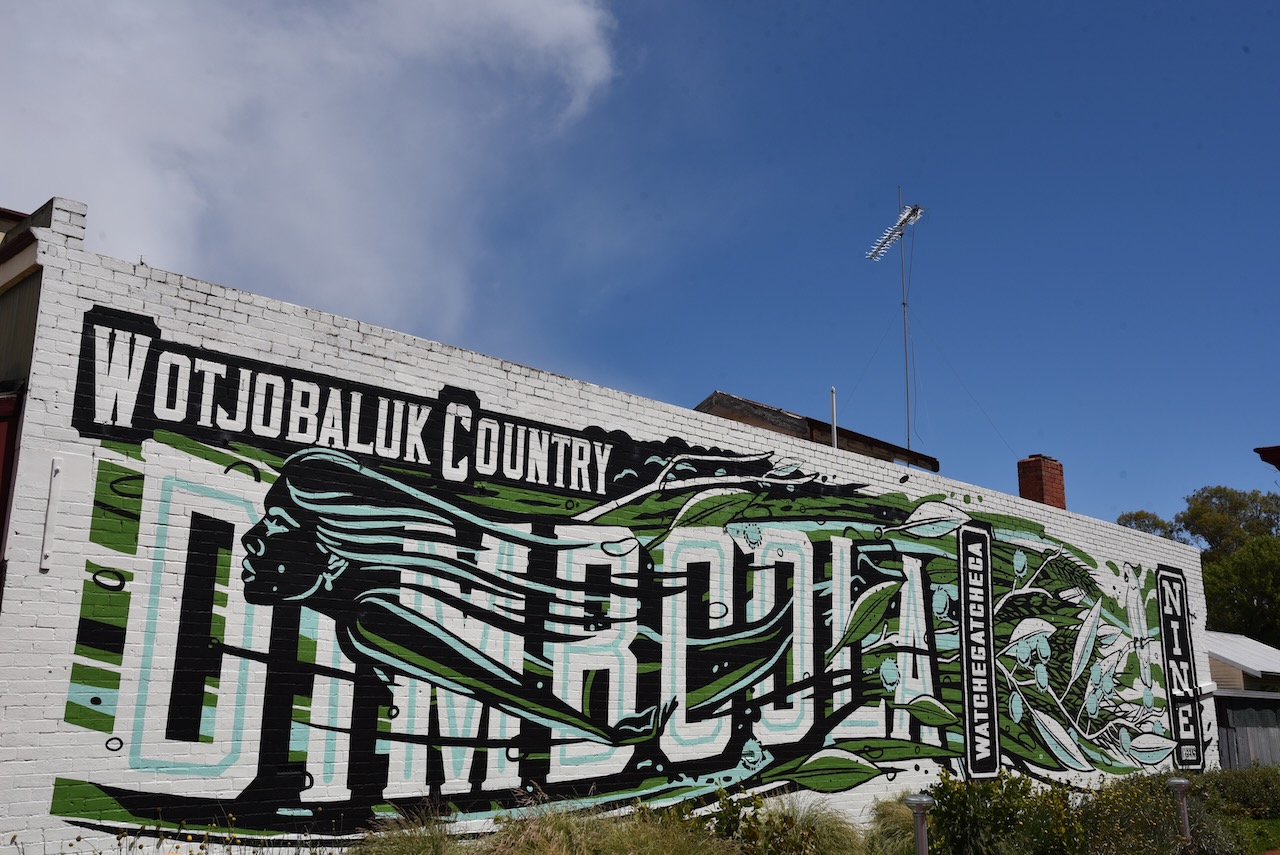
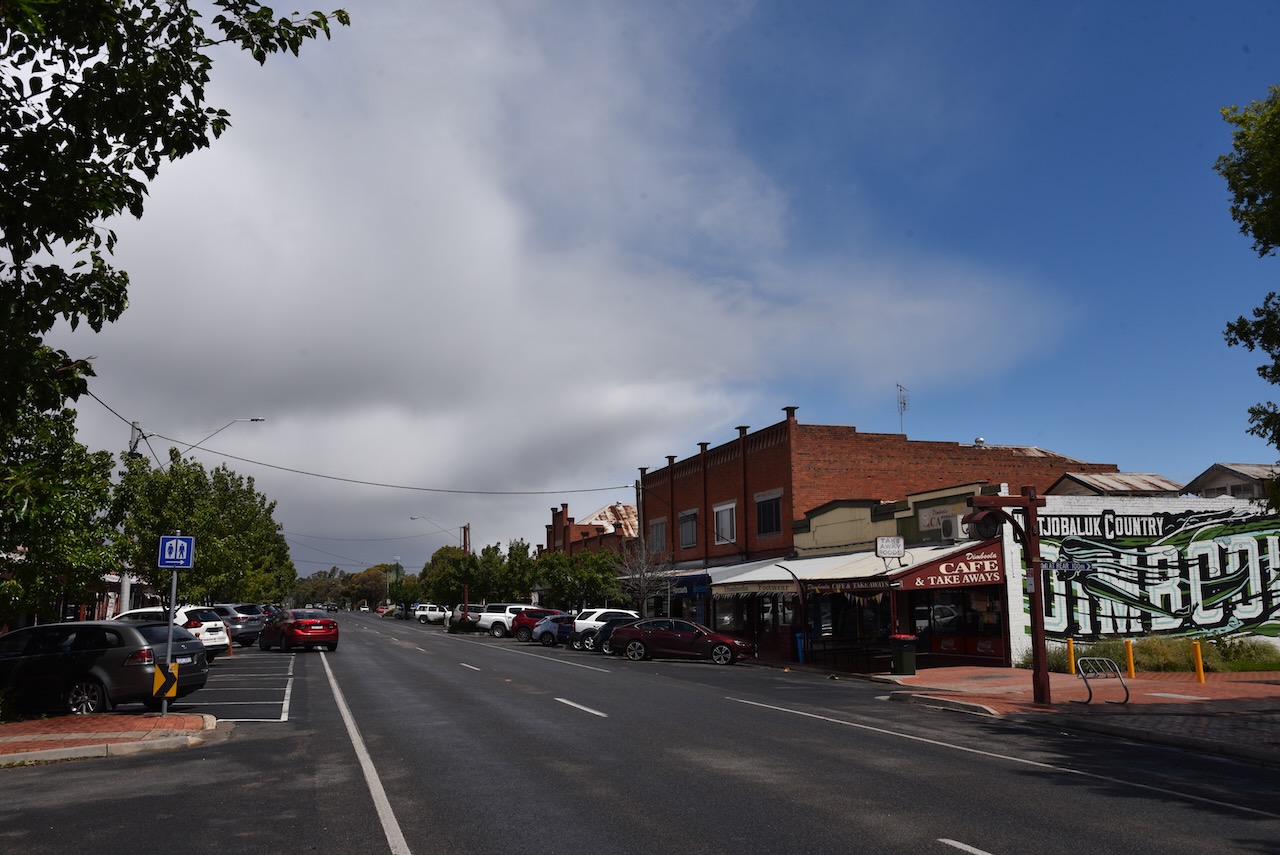
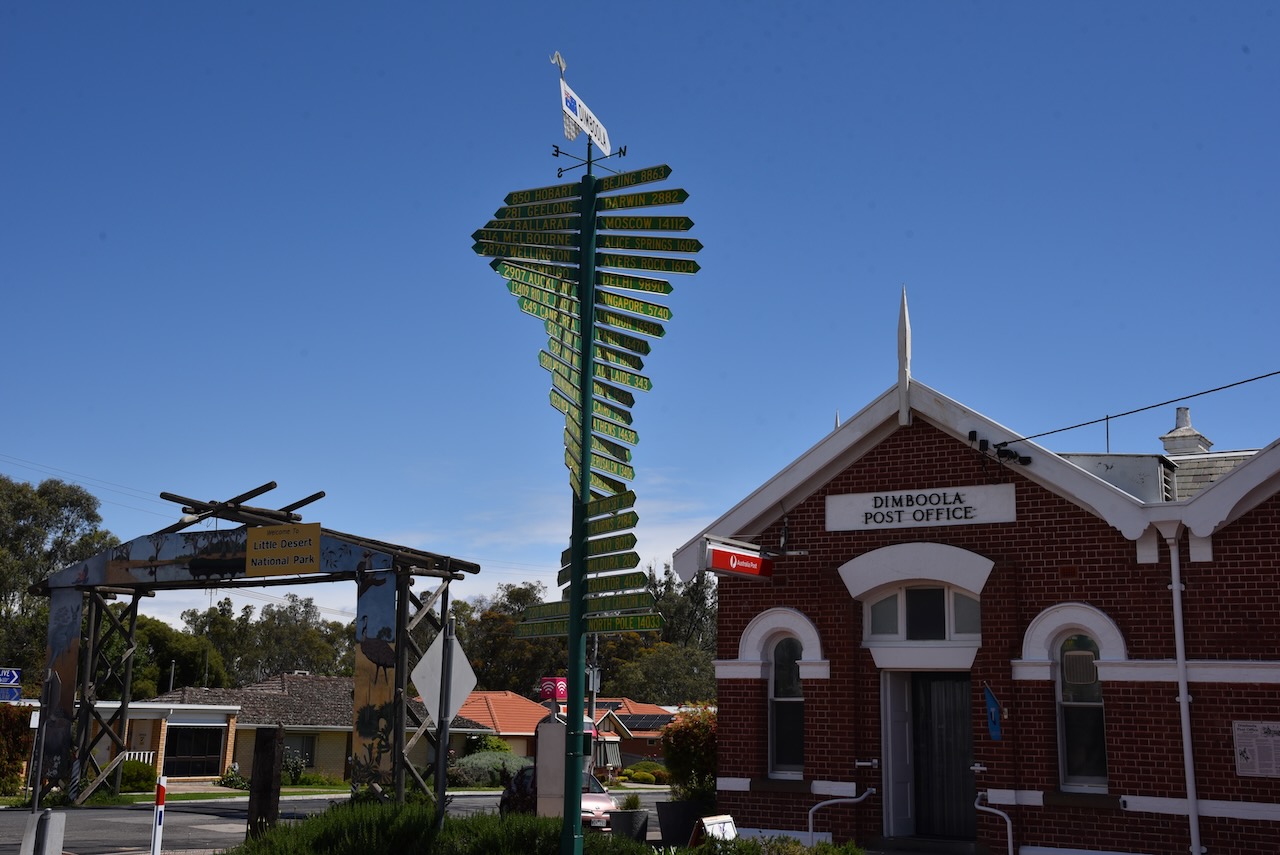
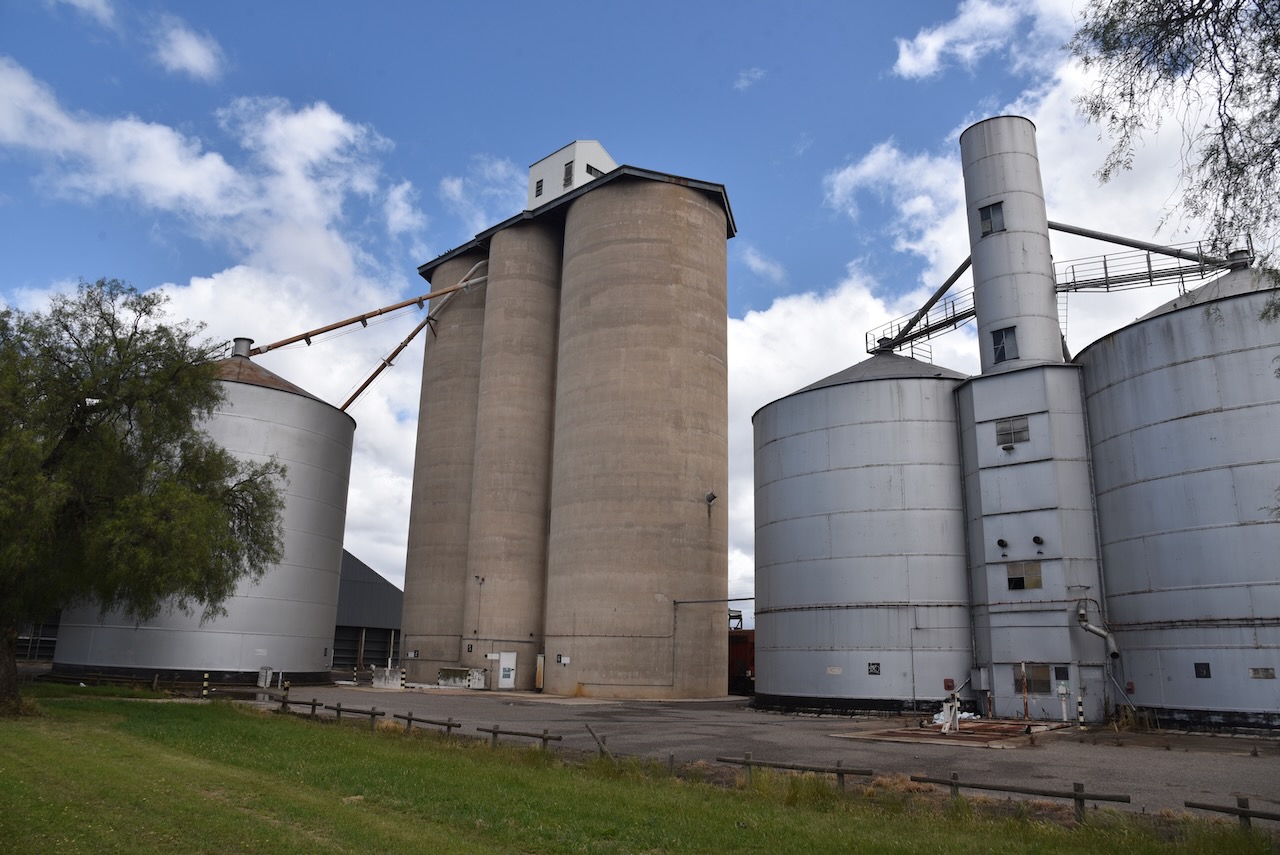
Some recent WIA awards received.


Some recent WIA awards received.


It was now day five (Tuesday 1st November 2022) of our Tasmania trip.
After breakfast we visited the Launceston Convict Cemetery which can be accessed via Peel Street in South Launceston. The cemetery was established in 1846 and it is estimated that there about 320 convicts buried here. There are no headstones to be found here, however local primary school students have created some memorial bricks which bare the names of some of the convicts buried here.


It was such a beautiful sunny day that Marija and I decided to go for a walk along the Launceston waterfront. We admired the architectural brilliance of those who converted the Launceston silos in Peppers Silo Hotel.


We then enjoyed a very nice cooked breakfast.
We then drove into the Launceston CBD and paid a visit to the Visitor Centre. We also went for a walk around Launceston admiring some of the heritage buildings.


We then visited City Park Radio which is located in City Park Launceston. This is a non profit community radio station is located at the heritage City Park Cottage which was the park caretakers cottage. The radio station has a magnificent collection of old bakelite radios. Entry is a gold coin donation. We had a very friendly guide who took us around the facility.
https://cityparkradio.com/radio-museum/


We then went for a walk through City Park which was created during the 1820s by the Launceston Horticultural Society. The park includes a conservatory, a band stand, a duck pond, a children’s playground, and Monkey Island which is home to a group of Macaque monkeys.


Our next stop was the National Automobile Museum of Tasmania in Launceston which has an extensive collection of classic motor vehicles and motorcycles. The museum was originally run by Geoff and Gloria Smedley from 197 to 1995 at the Waverley Woollen Mills. In 1996 the museum moved to another location in Launceston, and in 2019 moved to its current location at Invermay. We spent a number of hours here with me drooling over a number of cars which I would like in my shed at home.


We then drove down to the historic town of Perth. Not to be confused with Perth in Western Australia! Governor Lachlan Macquarie settled in Perth in 1821. At the time he was staying nearby with pastoralist David Gibson. Macquarie named the area Perth after Gibson’s home town of Perth in Scotland.
Above:- Lachlan Macquarie. Image c/o Wikipedia.
There are numerous historic buildings in Perth dating back to the early 1800s.


Our next stop was the Tasmanian Honey Company in Perth.


We then drove to the historic Perth bridge which was built by convict labour in 1836. The bridge has been destroyed by floods in 1880, 1929, and 1971, and has been rebuilt on each occasion


We then drove back into Launceston as we had a James Boags Brewery tour booked that afternoon. The brewery was founded in 1883 by James Boag and his son James.
James Boag (b. 1804. d. 1890) was born in Scotland. He arrived in Australia with his wife and four children in 1853. Boag initially spent time at the Victorian goldfield and then commenced his involvement in the brewing industry with the Cornwall Brewery, the Cataract Brewery, and then the Esk Brewery. J. Boag & Son was officially formed in 1883.


Following the brewery tour Marija and I drove out to the Tamar Conservation Area VKFF-1154 for a park activation. The park is located just to the north of Launceston.
Above:- Aerial view of the Tamar Conservation Area. Image c/o Google Earth.
The Tamar Conservation Area is about 4,633 hectares in size and is located on the Tamar River estuary.
Above:- An aerial view of the Tamar Conservation Area. Image c/o Google maps.
The park takes its name from the Tamar River which in turn was named by Colonel William Paterson in 1804 after the River Tamar in South West England. Paterson was Scottish soldier, explorer, Lieutenant Governor and botanist.
Above:- Colonel William Paterson. Image c/o Wikipedia.
The park includes the Tamar Island Wetlands Reserve and stretches along the upper part of the Tamar Estuary from St Leonards to Batman Bridge. It includes the Tamar Wetlands Important Bird Area which has been identified by BirdLife International due to its importance in supporting over 1% of the world populations of Pied Oystercatchers and Chestnut Teals.


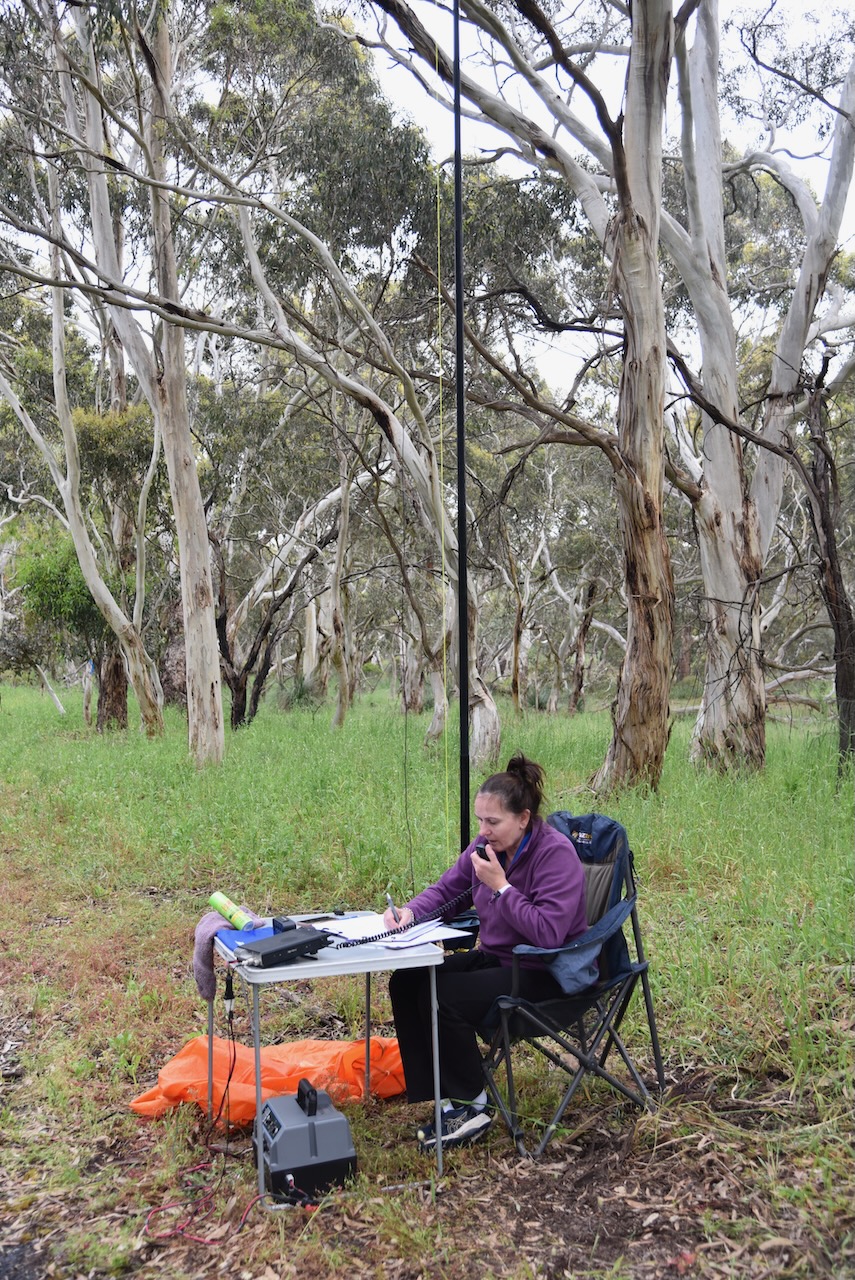
We operated from the vehicle for this activation, in the carpark at Tamar Island. We ran the Yaesu FT857, 40 watts, and the 20/40/80m linked dipole supported on a 7 metre heavy duty squid pole.
Above:- Aerial view showing our operating spot. Image c/o Google Earth.
In about an hour in the park we made a total of 60 QSOs. This included some nice DX into Europe on the long path on the 20m band. It was also nice to get a Park to Park contact with Matthew who was portable in the Langwarrin Flora & Fauna Reserve VKFF-2031.
Marija worked the following stations on 20m SSB:-
Marija worked the following stations on 40m SSB:-
I worked the following stations on 20m SSB:-
I worked the following stations on 40m SSB:-
References.
It was now day four (31st October 2022) of our Tasmania trip. Marija and I had planned to meet a number of amateur radio operators for breakfast and coffee in Launceston. We headed to the cafe at Glebe Gardens where we caught up with John VK7XX, Andrew VK7DW, and a number of other amateurs. It was a really enjoyable morning.


It had belted down with rain whilst we were at Glebe Gardens, but the weather had cleared a little so we decided to head to Cataract Gorge, a river gorge which is located at the lower section of the South Esk River. It is a premier tourist attraction in Launceston.
Due to all of the recent heavy rain in Tasmania, the Gorge was in flood during our visit, with an enormous amount of water flowing down the South Esk River.
We took the chairlift across the First Basin. The chairlifet which was built in 1972, is the longest single-span chairlift in the world. It has a total span of 457 metres. Its longest span is 30 metres.


The Cataract Gorge gardens are home to numerous peacocks.


We also viewed numerous other birds at Cataract Gorge including both native species and introduced species including sparr ows and blackbirds.


We then visited Franklin House, a Georgian style house which was built in 1836 for former convict Britton Jones, a Launceston brewer and innkeeper. Between 1842 and 1866 it was a school for boys whilst leased to schoolmaster William Keeler Hawkes. In 1960 Franklin House became the first heritage property taken over by the National Trust in Tasmania.


We then wandered over the road to have a look at St James Anglican Church. It was originally known as Franklin Village Chapel and was built in 1845.


We then headed to the Kate Reed Nature Recreation Area VKFF-1141 for a park activation for the World Wide Flora Fauna (WWFF) program.
Above:- Map of Tasmania showing the location of the Kate Reed Nature Recreation Area. Map c/o Google maps
The park is located just outside of Launceston. There are three access points to the park: through the Silverdome complex; an entrance on the Bass Highway side of the reserve; or via the Kings Meadows connector on the Midland Highway.
Above:- An aerial view of the Kate Reed Nature Recreation Area. Image c/o Google maps.
Kate Reed Nature Recreation Area is named in honour of Kate Reed, the wife of Henry Reed (b. 1806. d. 1880) who owned Mount Pleasant Estate. Reed was a landowner, shipowner, merchant and philanthropist. In 1874 he purchased Mount Pleasant from the bankrupt estate of a friend John Crookes. He renovated the house making it the finest house in northern Tasmania. The estate once included the land that today makes up Kate Reed Nature Recreation Area.
Above:- Mrs. Kate Reed and family. Image c/o Libraries Tasmania.
The reserve contains approximately 120ha of remnant native vegetation. It is the home to numerous threatened plant species including Trailing Speedwell.
The reserve contains a network of mountain biking trails and walking trails.


We accessed the park via the Silverdome complex and operated in the north eastern corner of the park.
Above:- Aerial view of the park showing our operating spot. Image c/o Google Earth.
We ran the Yaesu FT857, 40 watts output, and the 20/40/80m linked dipole for this activation.
Band conditions on 40m were really poor and there were long periods of calling CQ with no takers. But persistence paid off and we both qualified the park for the Australian chapter of WWFF (VKFF) and I went on to get 44 QSOs for the global program.
There was a nice little opening on 20m into Europe on the long path with Malta, Italy, Germany, Finland, Belgium, Germany, Ukraine, Poland, France, Czech Republic, Netherlands and Slovak Republic logged.
Marija worked the following stations on 40m SSB:-
I worked the following stations on 40m SSB:-
I worked the following stations on 20m SSB:-
After packing up we headed back to our hotel and enjoyed a very nice meal and of course some dessert.
References.
Yesterday I received the VKFF DX Hunter 50 certificate issued for having worked WWFF activators in 50 different DXCC entities.
Following our park activation at Don Heads, Marija and I headed south out of Devonport on the Bass Highway and into the town of Latrobe.
We had visited Latrobe briefly on our first day in Tasmania, but we had missed the lolly shop so we headed back into the little town about 11 km south of Devonport. The first European settler in the Latrobe area was Edward Curr, who had a property in 1826. In 1828 Captain B.B. Thomas took over Curr’s land when he moved to Cicular Head, knoown today as Stanley. In 1861 the settlement of Latrobe was named in honour of Charles Joseph La Trobe, the administrator of the colony of Tasmania.
Above:- Charles La Trobe. Image c/o Wikipedia
We paid a visit to the Edward ‘Teddy’ Sheean memorial. Sheean was born in 1923 in Lower Barrington and served with the Royal Australian Navy during the Second World War. In December 1942 he was aboard the HMAS Armidale when it was attacked by Japanese aircraft. It was struck by two torpedoes and a bomb and commenced to sink. Sheehan helped to free a life raft and was wounded by two bullets. He made his way to an anti aircraft gun and commenced firing upon the attacking Japanese aircraft to protect those already in the water. He successfully shot down a Japanese bomber, but sadly was killed when the Armidale sunk.


Sheean was credited by many of his colleagues as saving their lives and he was posthumously mentioned in despatches. In 1999 the submarine HMAS Sheean was named in his honour. Consideration was also given to awarding him with the Victoria Cross (VC). A 2013 enquiry recommended that he not be awarded the VC. However in 2019 another inquiry recommended that he should be awarded the VC, however this was rejected by the Government. It was not until 2020 that another inquiry recommended he be awarded the VC, that the Government accepted the proposal. On the 12th day of August 2020, the Queen approved the award for Sheean.
Above:- Teddy Sheean. Image c/o Wikipedia.
We had a little bit more fun in Latrobe.


And then visited the ‘You Deserve it’ lolly shop in Labtrobe and left with a bucket of lollies. Just what we needed for our waistlines!


We continued south on the Bass Highway and called in to Ashgrove Cheese for some lunch. Ashgrove Cheese is located just northof Elizabeth Town and produces a range of quality cheese, milk, butter and cream. Ashgrove Cheese commenced as Eddington Farm in 1908. In 1983, Michael and John Bennett formed the Ashgrove Farm partnership. In 1994 the farm gate cheese shop opened. In 2021 the Ashgrove dairy door and visitor centre opened.


Marija and I enjoyed a beautiful cheese plate while sitting outside and soaking up the sunshine.


As if we didn’t have enough for lunch at Ashgrove, we then stopped off at Van Diemans Land Creamery for an ice cream, and the Christmas Hills Rasberry Farm.


We then headed to Deloraine, stopping once to enjoy the beautiful views of the surrounding countryside.


Our next stop was at the town of Deloraine. We viewed the Malua racehorse Memorial. The memorial includes a life sized bronze statue of the horse known as ‘Australia’s Most Versatile Champion’. Malua was bred at the Calstock stud property at Deloraine in 1879. In 1884 Malua won the Melbourne Cup, the Newmarket Handicap, the Oakleigh Plate, and the Adelaide Cup. Malua was subsequently retired, but in 1886 Malua was brought back to the track where Malua won the Australian Cup. In 1888 Malua was once again brought out of retirement and won the Australian Grand National Hurdle.


Adjacent to the Malua memorial is the Deloraine and Districts Folk Museum and the Visitor Centre. The museum incorporates the Family and Commercial Inn which was built in 1863.


We spent a number of hours here viewing the museum’s extensive collection of local memorabillia. There is also a pioneer village consisting of heritage buildings.


Within the museum there is the four quilted, soft sculpture silk panels depicting the Latrobe area. The four panels each measure 4 metres wide and 3 metres long. They were worked on by more than 300 local artists over a 10,000 hour period.


There is a great view of the Great Western Tiers mountain range from the museum. The Tiers are a collection of World Heritage listed mountain bluffs.


We then went for a drive around Latrobe to view the many historic buildings in the town. There is a ‘Historical Deloraine’ brochure which can be downloaded from the internet which guides you on a 45 minute walk around the town.


We then headed out of Deloraine and stopped briefly to have a look at Bowerbank Mill which was built in 1853 for the Horne Family. The mill was originally powered by a water wheel. In 1870 the boiler room and a chimney stack were added for conversion to steam.


Our next stop was the historic little town of Westbury, about 34 km west of Launceston. The site of Westbury was first surveyed in 1823, with the town laid out in 1823 by the Van Dieman’s Land Company. The town takes its name from Westbury in Wiltshire, England.
Numerous historic Victorian and Georgian buildings can be found in the town. This includes St Andrews Church which was built between 1836 and 1890.


Marija and I decided to head out to do a park activation at Liffey Falls State Reserve VKFF-1143, about 34 km by road south of Westbury. It was a little bit out of our way and out intended destination of Launceston, but we decided to venture out there anyway.
Above:- Map of Tasmania showing the location of the Liffey Falls State Reserve. Map c/o Google maps
As we drove to Liffey Falls State Reserve we were rewarded with some beautiful views of the surrounding countryside.


We then followed Liffey Road which runs alongside the Liffey River.


Due to the recent heavy rain in Tasmania, there was considerable damage to Liffey Road. Fortunately the roads had been cleaned up and cleared and we were able to get through. A few weeks earlier this would not have been possible.


As we drove along Liffey Road we enjoyed some magnificent views of Drys Bluff in the Great Western Tiers. Drys Bluff, known as Taytitikitheeker in the local aboriginal language, is 1,340 metres above sea level. The walk to Drys Bluff commences in Oura Oura Reserve, the birthplace of Bush Heritage Australia. The walk to the top of the summit is classed as difficult with a very steep 1,000 metre ascent over 3 km.
Unfortunately we reached a ‘road closed’ sign at Riversdale Road which leads down to Liffey Falls upper carpark area. Option two was to double back and head to the Liffey Falls lower carpark and camping area


The State Reserve takes its name from the town and rural locality of Liffey which was named by Captain William Moriaty (b. 1792. d. 1850) from Dingle, County Kerry, Ireland. In 1829, whilst enroute to Van Diemans Land with his wife and two children, Moriaty’s ship the Letitia was wrecked at the Cape Verde Islands. They were rescued by an American ship and taken to Rio de Janeiro and then sailed to Hobart Town in the Anne, reaching Van Diemans Land in June 1829
Liffey Falls State Reserve consists of dense rainforest and is part of the Tasmanian Wilderness World Heritage Area. It was included within the World Heritage Area in 1989 due to the globally significant values of the environment in the region.
Native mammals found in the Reserve include Tasmanian Devils, quolls, bandicoots and wallabies. Various bird species can be found in the Reserve including Pink Robins, Green Rosellas and Superb Fairy Wrens.


The Liffey Falls are the major attraction of the State Reserve. Unfortunately we could not get to the falls, but the video below shows the walk and what we missed out on.
We operated on the side of the road for this activation, using the Yaesu FT857, 40 watts output, and the 20/40/80m linked dipole.
Together Marija and I made a total of 56 QSOs on 40m and 20m SSB into VK2, VK3, VK4, VK5, VK7, New Zealand, England, Hawaii, USA, Denmark, Curacao, Finland, Germany, France, and Spain.
Marija worked the following stations on 40m SSB:-
I worked the following stations on 40m SSB:-
I worked the following stations on 20m SSB:-
After an hour in the park Marija and I packed up and headed in to Launceston, and our accomodation at the Hotel Launceston.
References.
It was now day three (Sunday 30th October 2022) of our Tasmania trip. Our intentions for the day were to travel from Devonport to Launceston. Our two nights in Devonport had gone very quickly.
Above:- Map showing our route between Devonport and Launceston. Map c/o Google maps
After breakfast we headed to the Don Heads Conservation Area VKFF-2903 for a park activation for the World Wide Flora Fauna (WWFF) program. The park is located to the west of Devonport and follows the coastline to Lillico Beach.
Above:- An aerial view of the Don Heads Conservation Area. Image c/o Google Earth.
The park takes its name from the small village of Don, just to the west of Devonport. The exact origin of the name Don for the town is unclear. One belief is that it was named after the River Don in South Yorkshire, England, by Henry Hellyer, surveyor for the Van Diemen’s Land Company. Hellyer passed through the area in 1826. A number of the Company’s pioneer settlers were from villages on the River Don in the United Kingdom.
Another possibility is that it was named after the River Don in Aberdeenshire, Scotland. The River Don in Tasmania flows through the locality of Aberdeen, near Spreyton, which was named by Scottish settlers. They may have named the river after Scotland’s River Don which flows through Aberdeenshire, Scotland.
Above:- A view of Don, c. 1880. Image c/o Our Tasmania.
The original inhabitants of the Don Heads area were the Punnilerpanner aboriginal people. The first documented visit by Europeans was in January 1829 when Lieutenant Governor Sir George Arthur and Surveyor General George Frankland and their team swan their horses behind a whale boat across the mouth of the Don River.


Above:- Sir George Arthur (left) and George Frankland (right). Images c/o Wikipedia and nre.tas.gov.au
Don Heads is a rocky headland which is peppered with columnar basalt rocks along the shore. Basalt flows created the unusual coastal landforms that can be found at Don Heads.
The Don Heads area supports a wide variety of birdlife including a significant colonies of Little Penguins and Short tailed Shearwaters. The Shearwaters breed on Bass Strait islands and fly as far north as Siberia during their winter migration.


As we entered the park via Don Heads Road, we stopped briefly to view the memorial cairn for Thomas Drew and his wife. They are buried beside each other near the cairn. Drew died at Don Heads in 1857, while his wife Charlotte died in 1853


Drew was transported to Van Dieman’s :and in 1832 for horse theft. He became a successful Master Mariner ship owner and farmer. He was known to be shrewd in business but also known to be generous. Thomas and his wife Charlotte initially leaded 640 acres of land at Don Heads. In 1842 he purchased the land at a price of £384. The property was known as Sea View Farm. It is reported that he took up the land without it being put up for auction, as a result of recognition of his services in connection with the capture of bushrangers Joseph Broomfield and Josiah Hodgkins.
Drew also commenced a ferry service across the Don River charging one shilling a head. He built a house which stood on a hill overlooking the ocean. He owned two boats, ‘Water witch’ and ‘Charlotte’.
Above:- Thomas Drew and his boats. Image c/o Good Old Devonport Facebook page.
Before European settlement, the Don Heads area was heavily covered in thick forests which comprised of large eucalypts and other native species with a dense undergrowth. Drew employed convicts to clear his land. The timber from the felled trees was split into palings and shingles and was transported to wharves which were located on the western point of the Don River Mouth/ They were carted there by bullock and horse drawn carts and then shipped across Bass Strait for construction of the township of Melbourne.
In 1853 a saw mill was constructed By Edwin Cummings, on the left bank of the Don River. The logs were transported to the mill by a wooden tramway. The swan timber was then transported by barge to sailing vessels.
We drove to the end of Don Heads Road where there is a carpark adjacent to the Don River and Bass Strait.

Above:- An aerial view of the park showing our operating spot. Image c/o Google maps.
We ran out the 20/40/80m linked dipole for this activation and used the Yaesu FT857d in the vehicle.
Initially it was very quiet and we were the only ones in the carpark, but then other people started to arrive to go for bush walks, fish off the rocks, and another guy with his remote control 4WD.


Between the two os us we made a total of 58 QSOs in about an hour of being in the park. This included six Park to Park contacts, with VK2YAK, VK4YAK, and VK2OKR in the Coolah Tops National Park.
Marija worked the following stations on 40m SSB:-
I worked the following stations on 40m SSB:-
I worked the following stations on 20m SSB:-
References.
The weather on day two of our trip (Saturday 29th October 2022) was much more pleasing than the weather we were greeted with on our arrival in Devonport. The showers had cleared and it was a nice sunny day.
After breakfast we headed down to Coles Beach to enjoy the view with the sun shining. The day before it was cold, blustery and raining, and we didn’t really get to enjoy the view of the coastline. Prior to getting to Coles Beach we stopped at the foreshore of the Mersey River on Victoria Parade. Compared to the miserable conditions of the day before, this day we were enjoying sunny skies and a nice view down the Mersey River and across the water to the Mersey Bluff lighthouse.


We then continued on to Coles Beach.


We then decided to drive to the town of Sheffield, about 27 km south of Devonport. On the way we enjoyed the magnificent scenery of the Kentish countryside and some brilliant views of Mount Roland which stands about 1,234 metres above sea level. Mount Roland was originally known as Rollands Repulse after Captain John Rolland who explored the area in 1823.
The area of Sheffield in Tasmania was settled in 1859. The town was named by Edward Curr after his home town of Sheffield in South Yorkshire in England. The Kentishbury Post Office opened in 1862 and was renamed Sheffield in 1882.
Above:- Edward Curr. Image c/o Wikipedia.
Today Sheffield is known as the Town of Murals.
Sheffield’s population grew in the 1960s as a result of the commencement of the Mersey-Forth Power Development Scheme. However, by 1973, with the completion of the power scheme, the town’s population was in decline. The Kentish Association for Tourism decided to combine the arts and tourism to revitalise the town of Sheffield. Their inspiration came from the small Canadian town of Chemainus which became famous due to its 53 outdoor murals.
The first town mural in Sheffield was painted in December 1986. Since that time over 60 murals have been painted depicting the rich history and natural scenery of the Sheffield area. It is estimated that about 200,000 people are attracted to the town each year due to the murals.


One of the interesting radio related murals in Sheffield is the Wireless Studio mural which can be located on the side of Slaters Country Store in the main street of Sheffield.
Jesse Slater, a young Melbourne man had an interest in wireless telegraphy. He settled in Sheffield and married the daughter of a local storekeeper Thomas Clarke. He became the third person in Northern Tasmania to own a wireless. In 1926 he built a wireless studio in the rear section of a shop in Sheffield. His antenna was fifty yards long and strung between two poles which were 55 feet high. He held the callsign of 7AU.


We spent hours and hours in Sheffield, admiring the murals and the heritage buildings. We also had a beautiful lunch at one of the local cafes.


We then visited the novel areas of Promised Land and Nowhere Else, south of Sheffield. We also visited Lake Barrington, an artificial lake which is about 20 km long. It was constructed on the Forth River in 1969 to provide a head of water for the Devils Gate Power Station. Lake Barrington is the site of a world-standard rowing course, and hosted the 1990 World Rowing Championships and since 1984 has hosted the Australian Rowing Championships on numerous occasions.


We then drove a short distance to the Devils Gate Dam and Power Station. The dam is 84 metres and is one of the thinnest concrete arch dams in the world. Construction was completed in 1969, and the dam has a capacity of 31 thousand cubic metres.


We then drove back into Devonport and visited Home Hill, the 1916 home and gardens of former Australian Prime Minister Joseph Aloysius Lyons (b. 1879. d. 1939). Lyons was born in Stanley, Tasmania, and was a school teacher before entering politics. He was in office from 7 May 1931 – 6 January 1932.
Above:- Joseph Lyons. Image c/o Wikipedia.
Home Hill was the family home of Lyons and his wife Dame Enid Lyons who was the first woman elected to Australia’s Federal Parliament, and their twelve children. The home has the original furnishings and memorabilia.


We then drove out to Narawntapu National Park which is situated about 41 km east of Devonport and about 267 km north of Hobart.
Above:- Map showing the location of the Narawntapu National Park. Map c/o Google maps.
The Narawntapu National Park was formerly known as the Asbestos Range National Park. It was gazetted as a National Park on the 29th day of June 1976. In 2000, the name of the park was changed to Narawntapu due to concerns that the word Asbestos was deterring potential visitors to the park. Narawntapu is an aboriginal word referring to the coastal promontories West Head and Badger Head within the park.
A large variety of native mammals can be found in the park including kangaroos, wallabies, pademelons, wombats, Tasmanian devils, Eastern and Spotted-tail quolls, platypus, and echidna.
Narawntpu’s birdlife is rich and includes a number of threatened species including Hooded plover, Tasmanian wedge-tailed eagle and Swift parrot. The intertidal mudflats in the park are an important area for migratory wading birds and form part of the Rubicon Estuary Important Bird Area which has been identified by BirdLife International due to their importance for Pied Oystercatchers. We saw a number of these during our visit to the park.


Narawntapu National Park is 43.49 km2 in size. It lies on Tasmania’s north coast, adjoining Bass Strait, between Port Sorell in the west and the mouth of the Tamar River in the east.


We operated from the 4WD for this activation. running the Yaesu FT-857d, about 40 watts output, and the 20/40/80m linked dipole which was inverted vee configuration, supported by a 7 metre heavy duty squid pole.


Together we made a total of 94 contacts, both qualifying the park for the global World Wide Flora Fauna (WWFF) program with 44 plus contacts each. It was very pleasing to work a bit of DX into Europe and the USA on the 20m band. We were also very happy to get ten Park to Park contacts.
Marija worked the following stations on 40m SSB:-
Marija worked the following stations on 20m SSB:-
I worked the following stations on 40m SSB:-
I worked the following stations on 20m SSB:-
At the end of the activation we went for a short walk through the park along the Springlawn Nature Walk and down to Springlawn Lagoon. I had hoped to see some waterbirds, but I was a little disappointed. Some of my bird photos along the walk can be seen below.


We then headed back into Devonport and viewed the penguins coming ashore at the Lillico Beach Conservation Area. This little coastal reserve is just 10 minutes west of Devonport, and is home to a colony of Little Penguins, also known as Fairy Penguins. Each night the penguins return ashore to return to their burrows after a day of fishing in the open ocean.


We then got some take away and headed back to the motel.
References.
About a week ago I received the following certificates from Pit YO3JW on behalf of the Romanian YOFF program for the 10 year anniversary of the World Wide Flora Fauna (WWFF) program.


Marija VK5MAZ and I took part in the 2022 VKFF Team Championship. We entered into the 2 ops/single tx/40m & 80m/wire antenna category. In fact we were the only entrants in that category of all nine teams that entered.
Every activator who took part received a participation certificate.
And each activator in a winning team was issued a Certificate. Ours is a photo I took at Wine Glass Bay in Tasmania.
Thanks to everyone who took part and thanks to all those who called us.
More information on the 2022 VKFF Team Championship can be found at the WWFF Australia website at……
Amateur Radio, Short Wave Listening, travel and history
Amateur radio experiences with VK1DA
Brisbane - Australia
german amateur radio station
Summits On The Air
SOTA on the peaks, wilderness QRP and some bushwalking
A fine WordPress.com site
Amateur Radio Adventures
Summits on the Ai
Amateur radio station from Belgium
Radio craft, homebrew, QRP/SOTA, AM
Ego loqui ad viros super montes
My adventures with Amateur Radio and Geocaching!
The rantings of VK2GAZ on his SOTA experiences in Australia
A survivor, with minor cuts and abrasions.
The Art and Craft of Blogging
The latest news on WordPress.com and the WordPress community.
Blog of Justin Giles-Clark VK7TW's SOTA and amateur radio adventures.
Occasional SOTA & Microwave operation