
On Saturday, the 6th day of December 2025, Marija and I headed out to lunch at Dutton at a friend’s house.
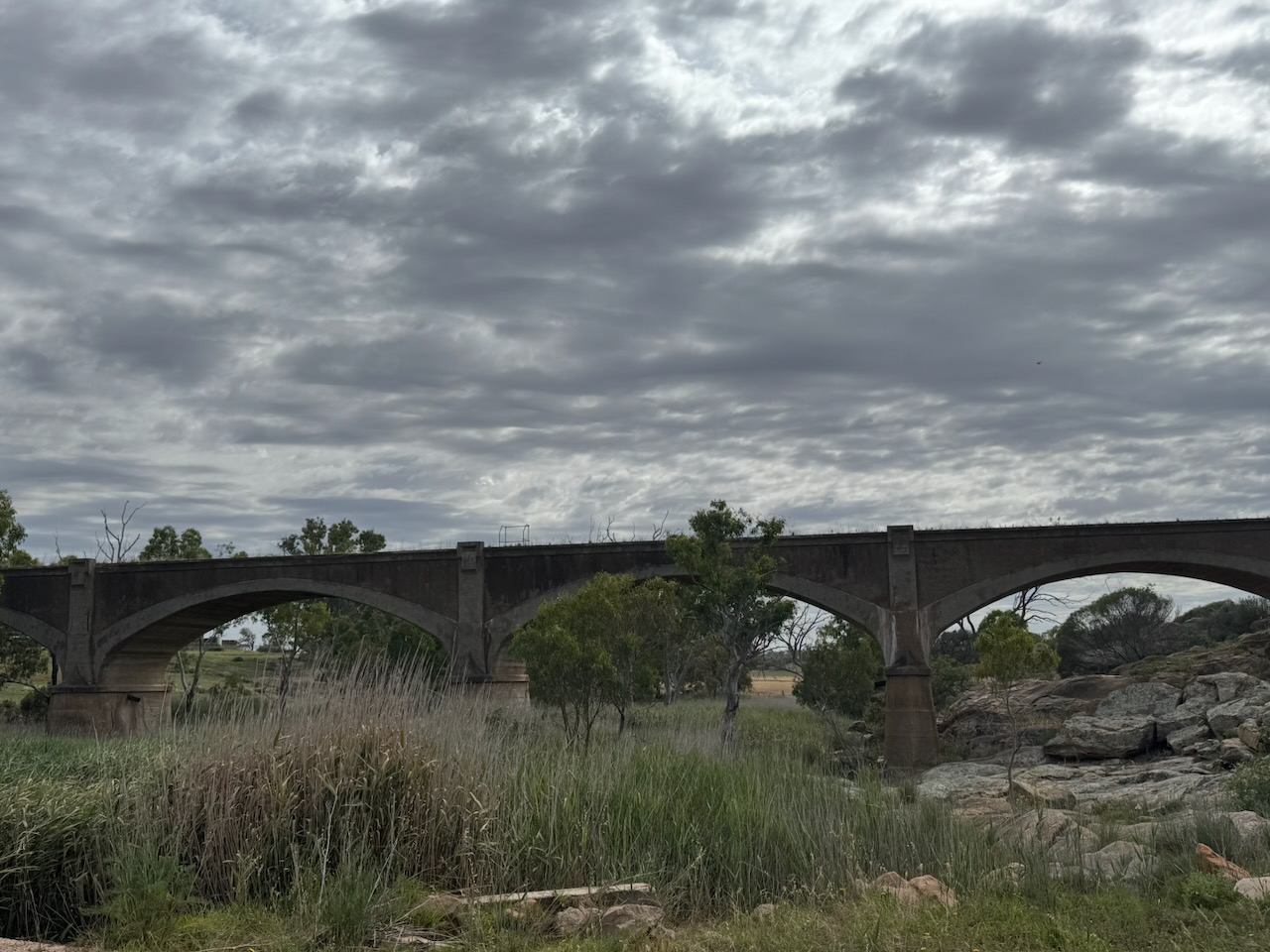
Our first stop along the way was the old Reedy Creek railway bridge near Palmer. This five-span bridge was built in 1919 on the railway line between Monarto South and Sedan.
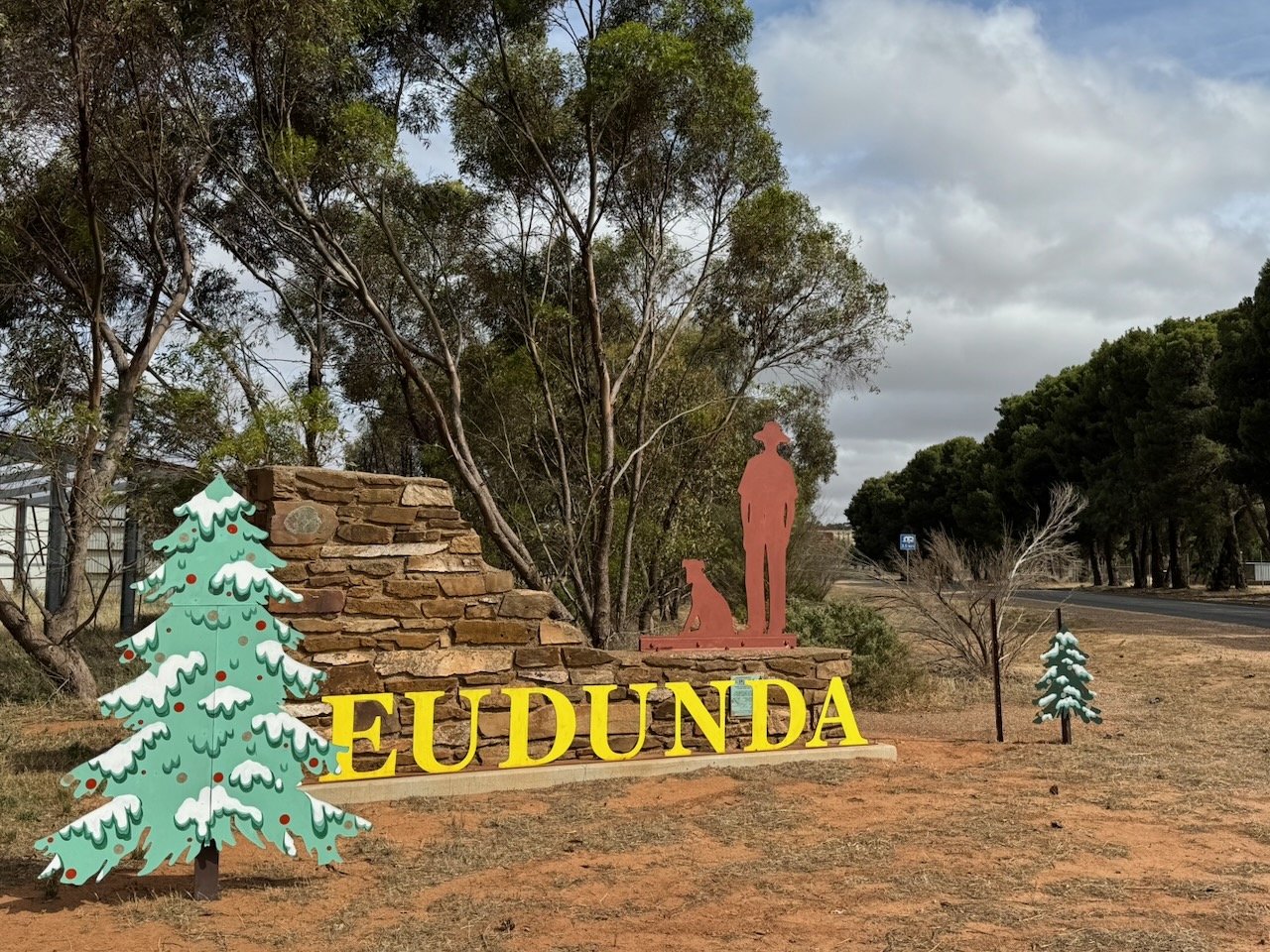
After a very enjoyable lunch, Marija and I drove to the town of Eudunda. The town’s name originates from the name of the spring to the west of Eudunda, which was known by the local Aboriginal people as judandakawi, meaning “sheltered water”. The Ngadjuri Aboriginal people are the traditional owners of the land around Eudunda. (Wikipedia 2025)
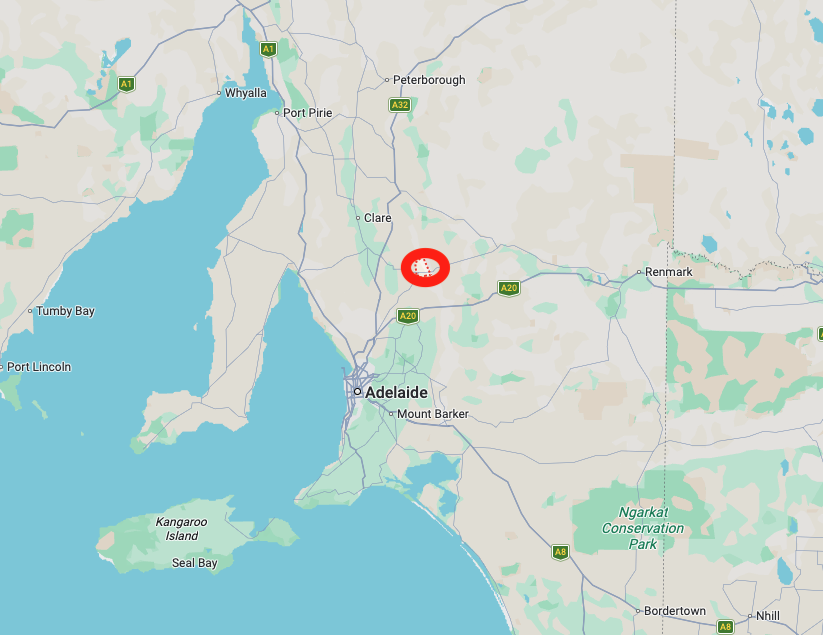
Above: Map showing the location of Eudunda. Map c/o Google Maps
The first Europeans in the district were those travelling to markets in Adelaide from New South Wales and Queensland during the 1830s. In 1838, four livestock importers from the eastern states set out overland from New South Wales to South Australia, bringing livestock overland. They were John Hill, William Wood, Charles Willis and John Oakden. They followed the Murray River and named various landmarks during their journey. (Wikipedia 2025)
During the 1840s, pastoralists commenced establishing grazing runs in the district. This included Frederick Dutton, who was born in April 1812 in Lancashire, England. He emigrated to Australia in 1830 aboard the Lady Blackwood. Dutton owned substantial land holdings in South Australia. He sat in the South Australian Legislative Council from 1852 to 1853. He died in London in 1890 with assets valued at £800,000, which equates to about AUD150,00,000 today.
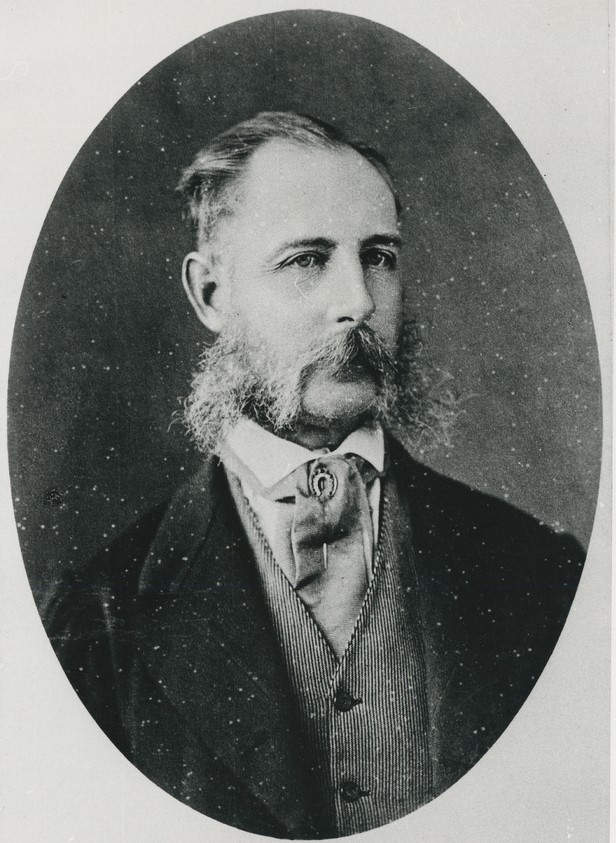
Above: Frederick Dutton. Image c/o Wikipedia
In 1870, the town of Eudunda was established by John Henry Hannan. He owned the land that was surveyed and then divided for sale. The first settlers were Lutherans from the Kingdom of Prussia. Friedrich Gotthilf Ernst Appelt opened Appelt’s General Store in 1874. The building remains and is listed on the South Australian Heritage Register. (Wikipedia 2025)
In 1879, Edwin Davey, a flour miller from Angaston in the Barossa Valley, built a chaff mill at Eudunda. Laucke Flour Mills operated the mill from 1951 to 1990. (Wikipedia 2025)
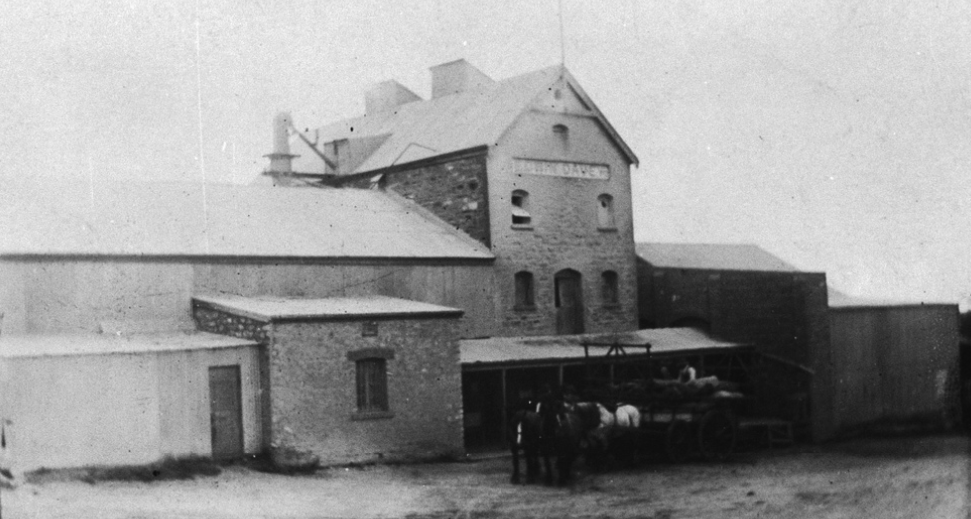
Above: the Eudunda mill, c. 1906. Image c/o State Library South Australia
The impressive stone structure still stands today.
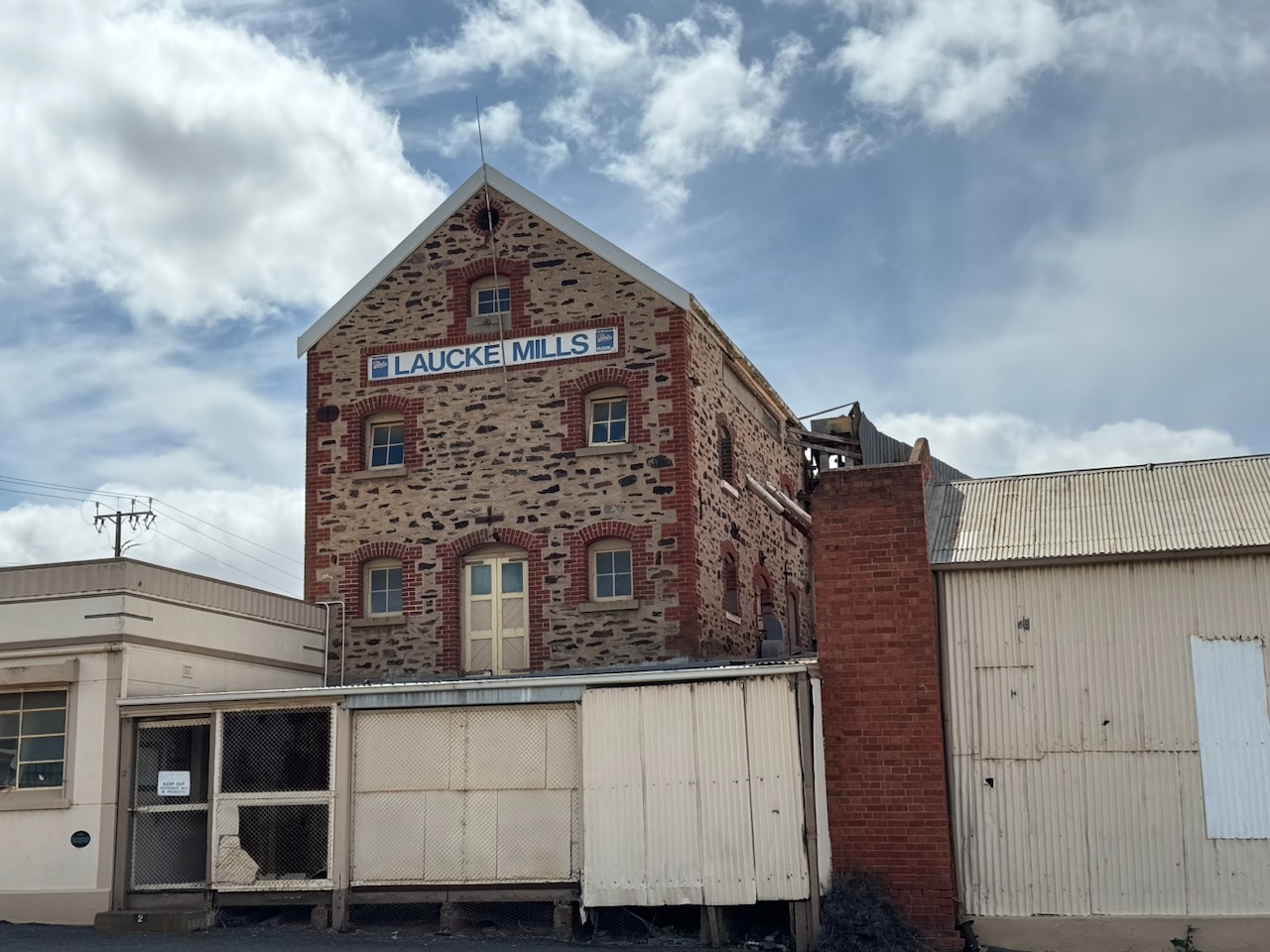
In 1884, Johannes Wiesner and Gustav Hilbig established the Eudunda Machine Factory which was known for its forges and its production of plough and scarifier shares. (Wikipedia 2025)
In 1896, the Eudunda Farmers Co-operative Society was established. It was formed by a group of firewood traders. The venture became very successful, owning 62 general stores around South Australia. During the 1990s, the Co-operative merged with United Supermarkets, and their stores became Foodland and IGA supermarkets. (Wikipedia 2025)
During WWI, there was significant anti-German sentiment in Australia. Eudunda had a significant German population and experienced a number of incidents. This included the arrest of Theodor Nickel, a Lutheran pastor in January 1915, who communicated with Hermann Homburg, the Attorney-General of South Australia, regarding naturalisation issues. He was accused of disloyalty. (Trove 2026) (Wikipedia 2025)
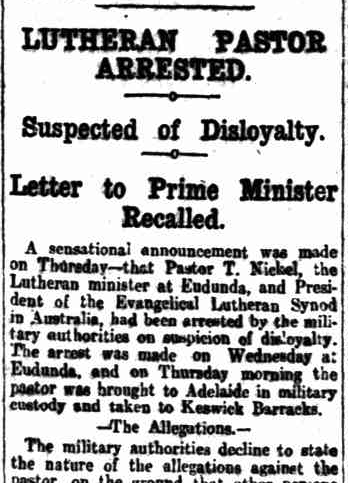
Above: part of an article from The Register, Adelaide, Fri 15 Jan 1915. Image c/o Trove
Hermann Homburg was born in March 1874 in Norwood, South Australia. His father was Robert Homburg, who was born in the Kingdom of Prussia (to become Germany). His father was a prominent South Australian politician and lawyer. Robert Homburg served as the Attorney-General on three separate occasions and later as a Justice of the Supreme Court of South Australia. Despite his standing, in 1914, his government office in Adelaide was raised by soldiers with fixed bayonets. He resigned in early 1915 to avoid embarrassing the government in the upcoming election. He cited a ‘campaign of lies and calumnies against me…because I am not of British lineage.’ (Wikipedia 2026)
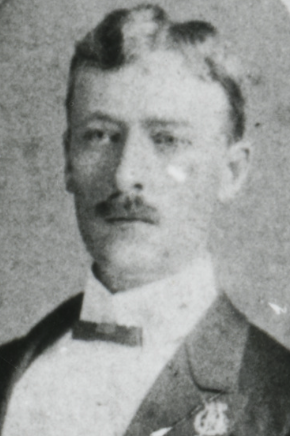
Above: Herman Homburg. Image c/o Wikipedia
In February 1915, Major M.W. Logan from the 4th Military District and men from the Citizens’ Forces conducted raids on several homes and businesses of both German-born and Australian-born residents in Eudunda. The Citizens Forces was the name given at the time to what is now known as the Australian Army Reserve. Sentries were placed around Eudunda, and all travel in and out of the town was restricted. Nothing untoward was found, but it sent a message to all those in South Australia that the authorities were determined to suppress any disloyalty. (Torrensisland 2026) (Trove 2026) (Wikipedia 2020) (Wikipedia 2025)
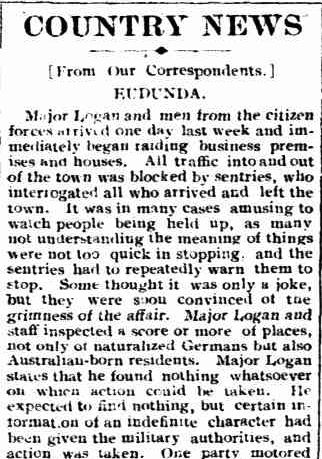
Above: part of an article from the Kapunda Herald, Fri 12 Feb 1915. Image c/o Trove
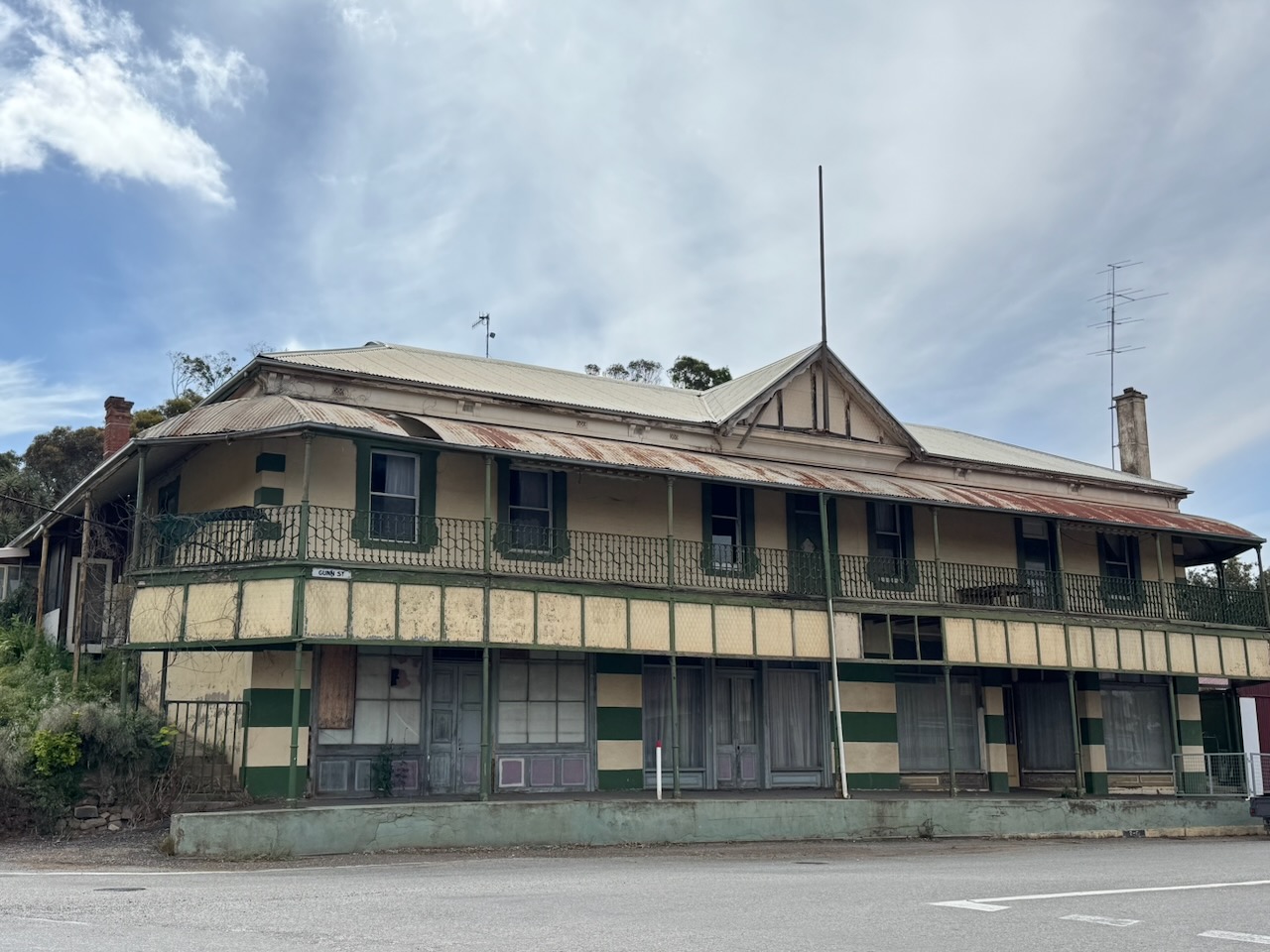
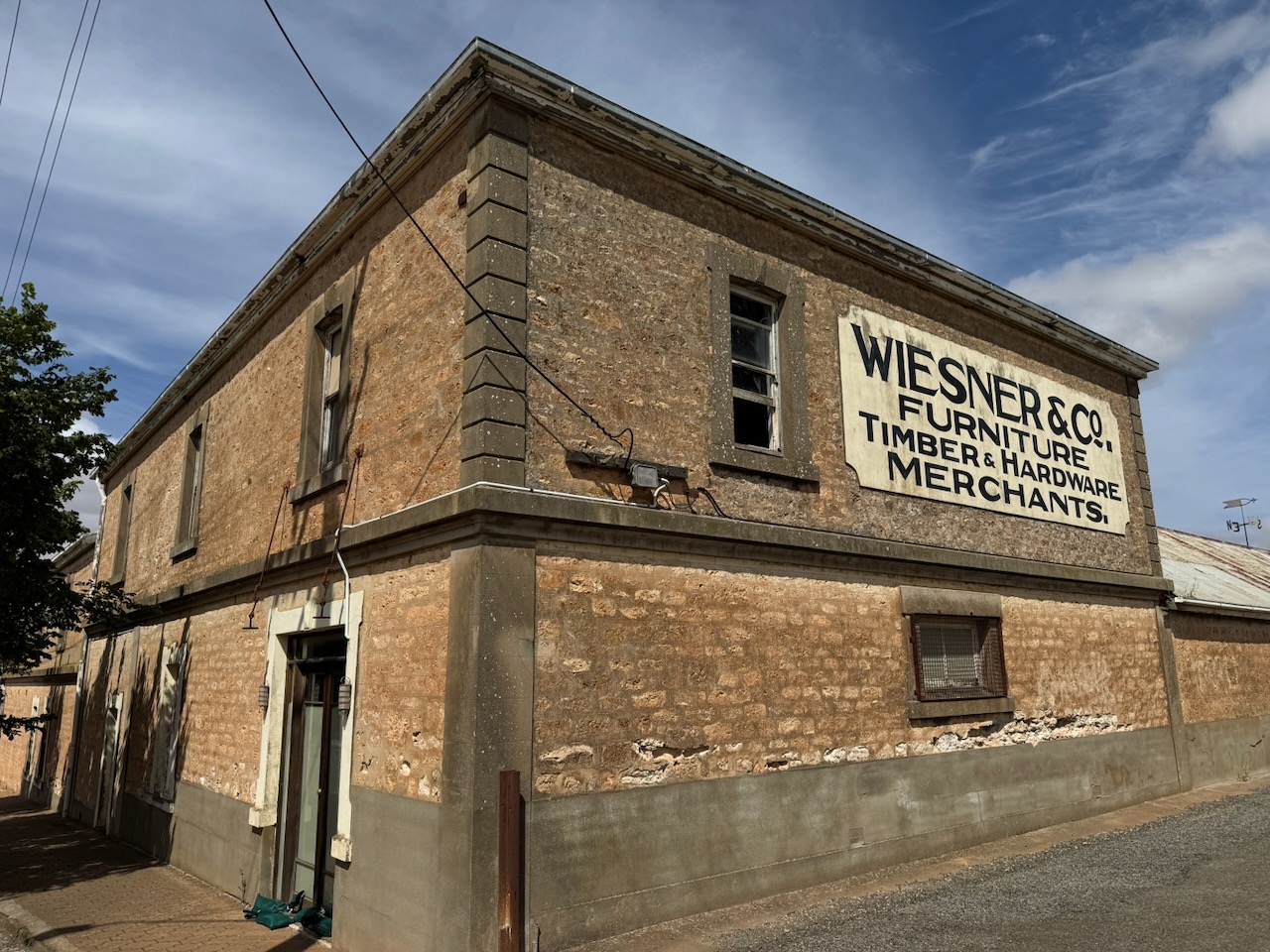
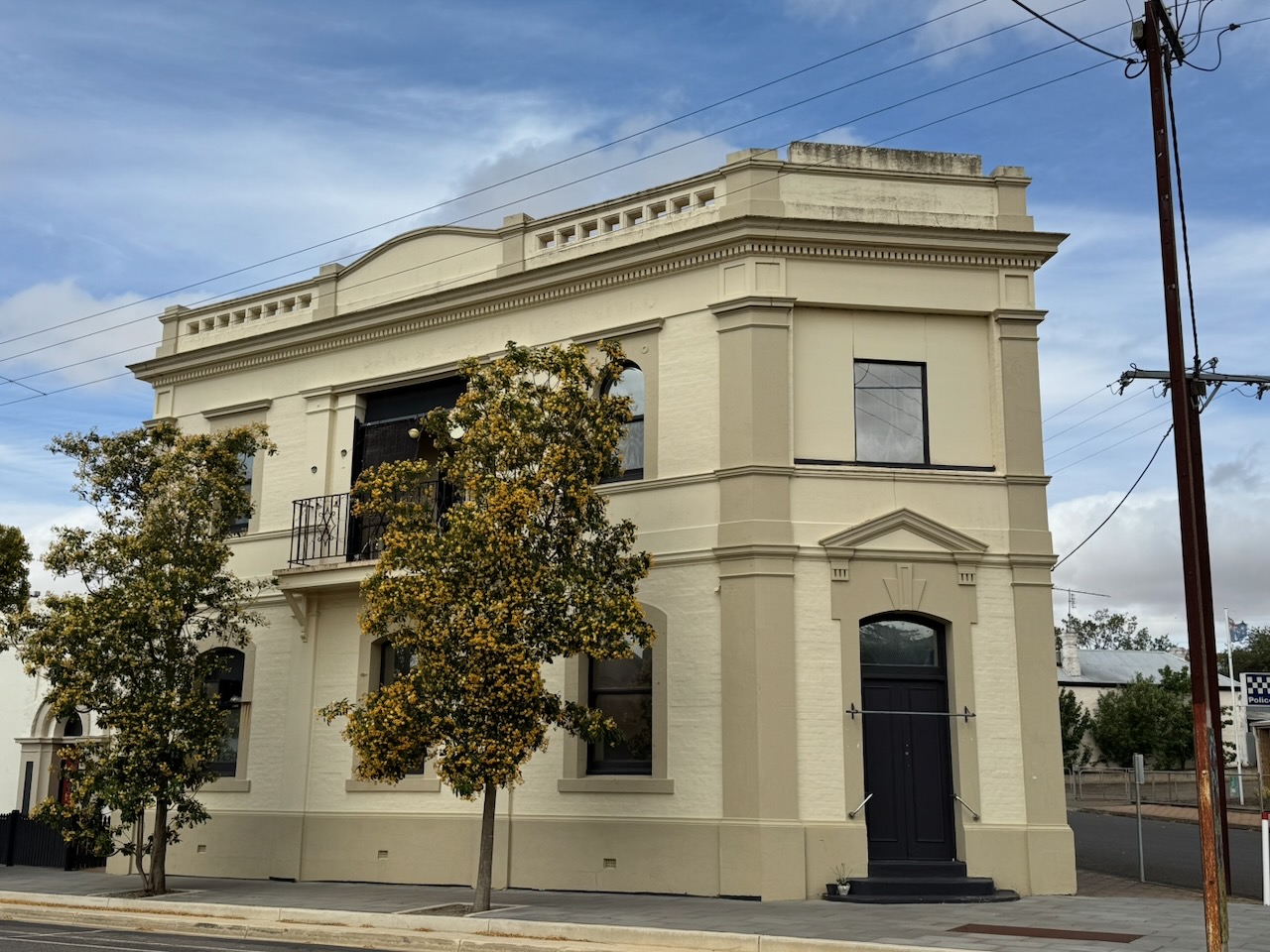
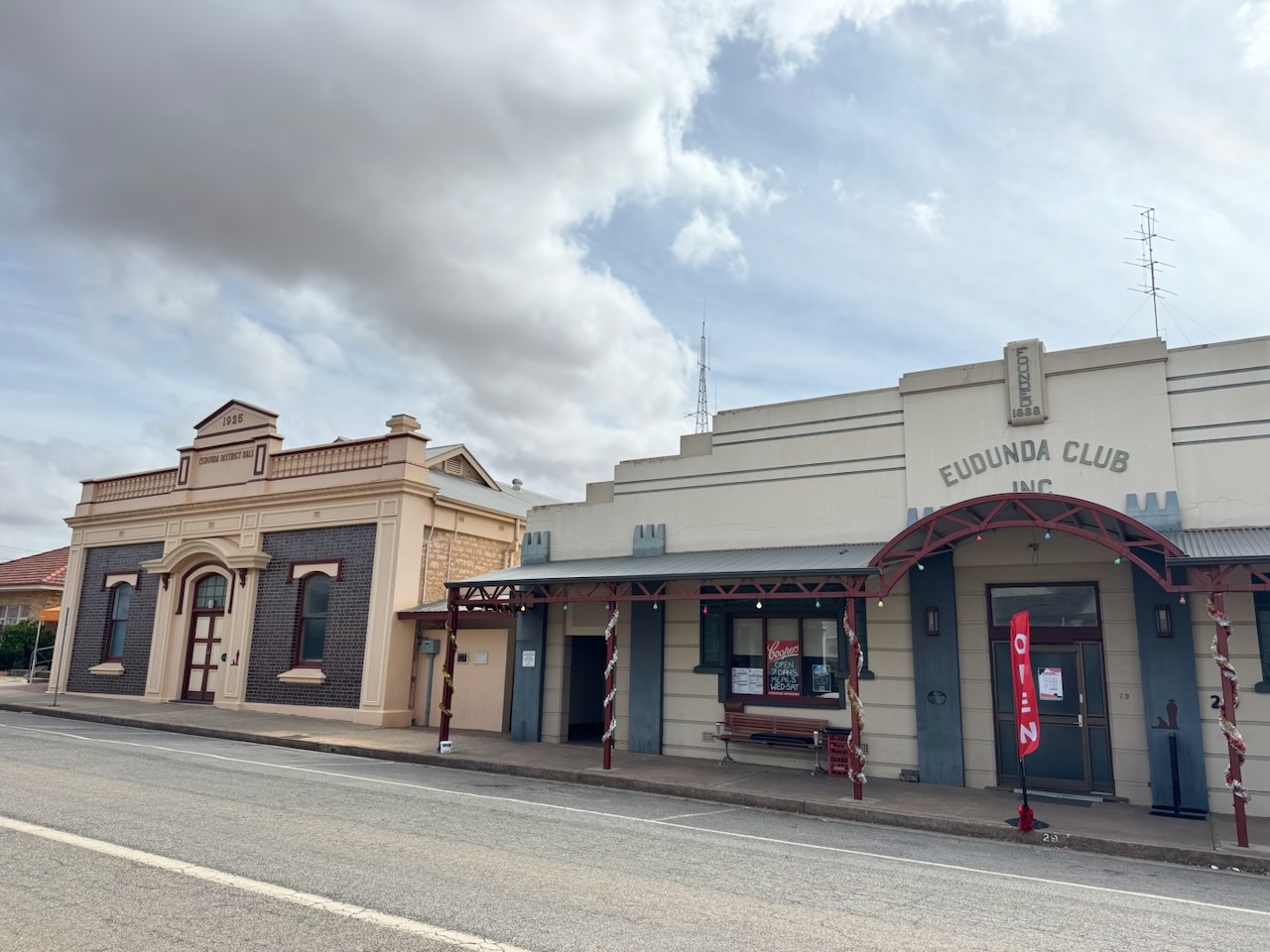
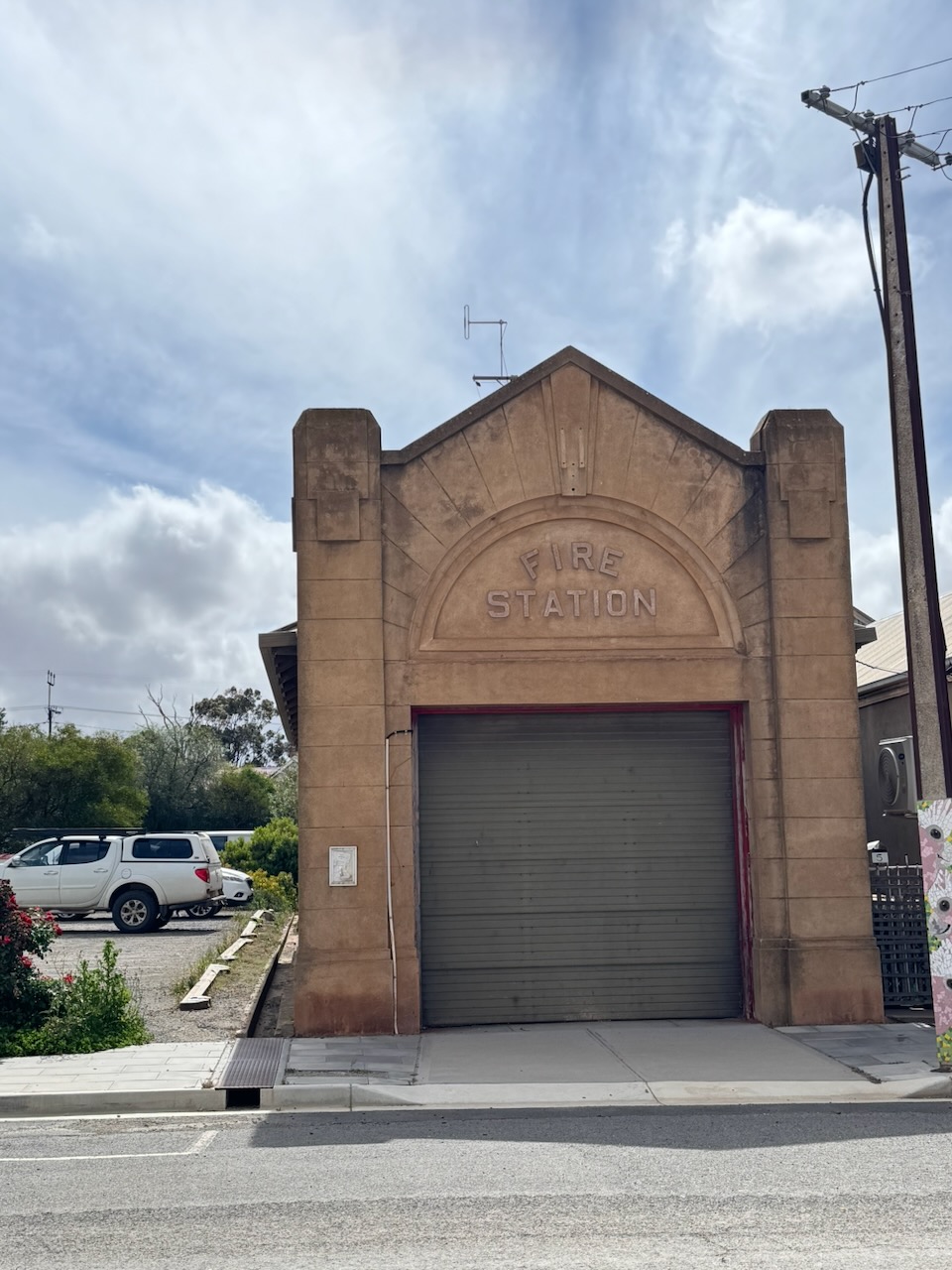
Eudunda contains several historic buildings. Although we have been to Eudunda previously, we took some time admiring some of the town’s history.
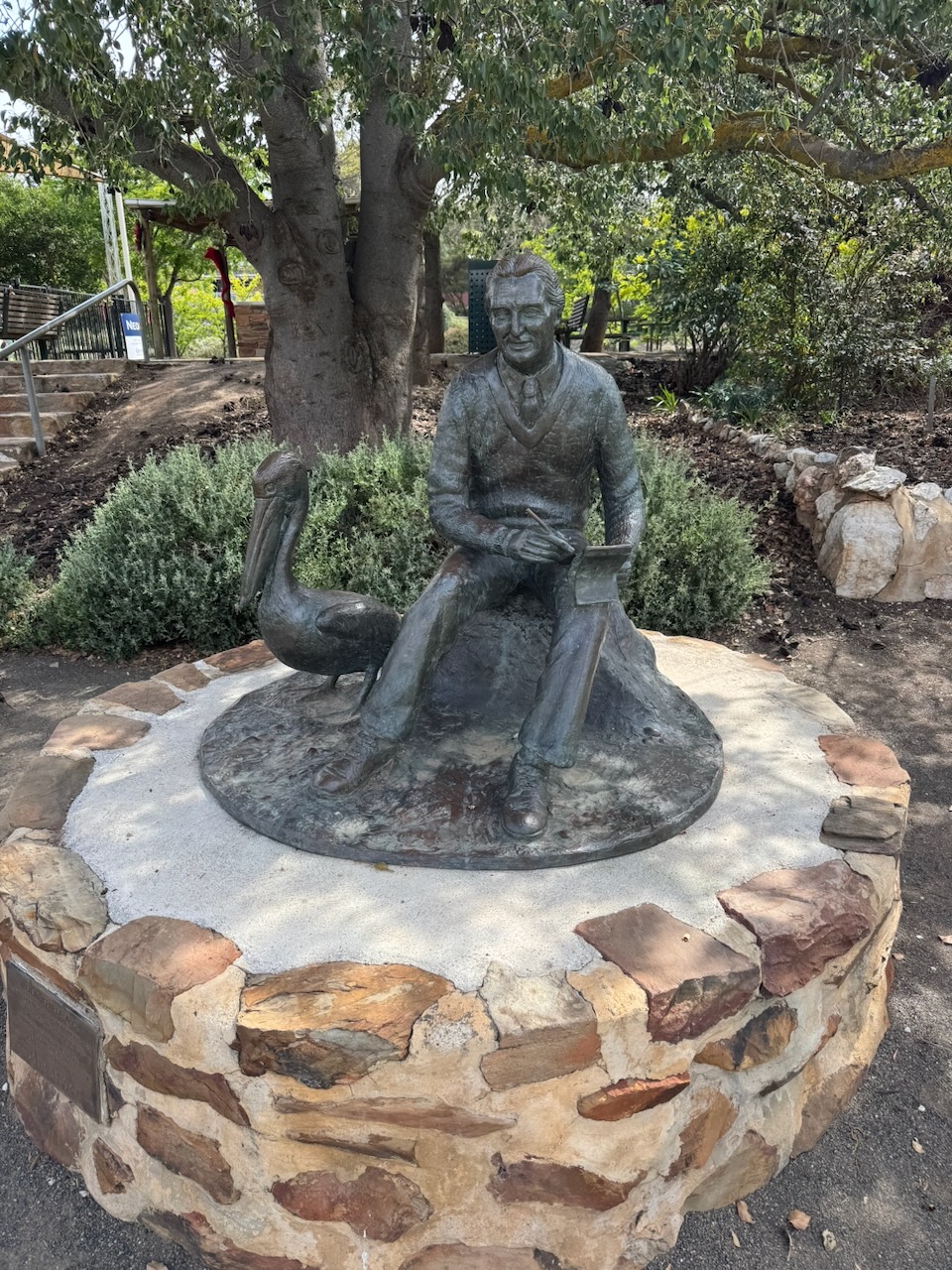
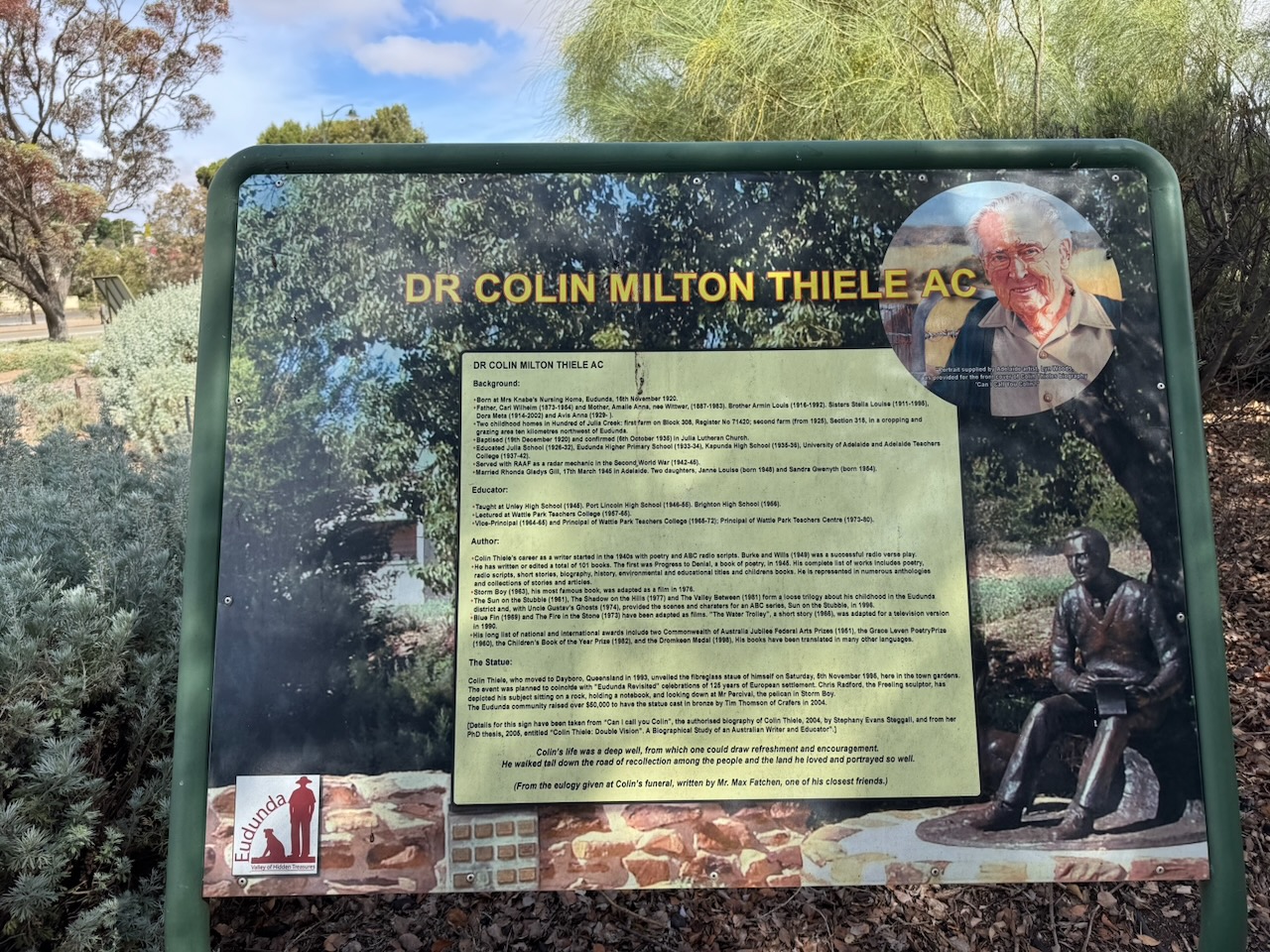
We visited the Eudunda Centenary Gardens at the corner of Worlds End Highway and Gunn Street. In the gardens is a statue of the Australian author Colin Thiele, who is well known for his works, including Storm Boy, Blue Fin and the Sun on the Stubble series. He was born at Eudunda in November 1920. (Wikipedia 2025) (Wikipedia 2026)
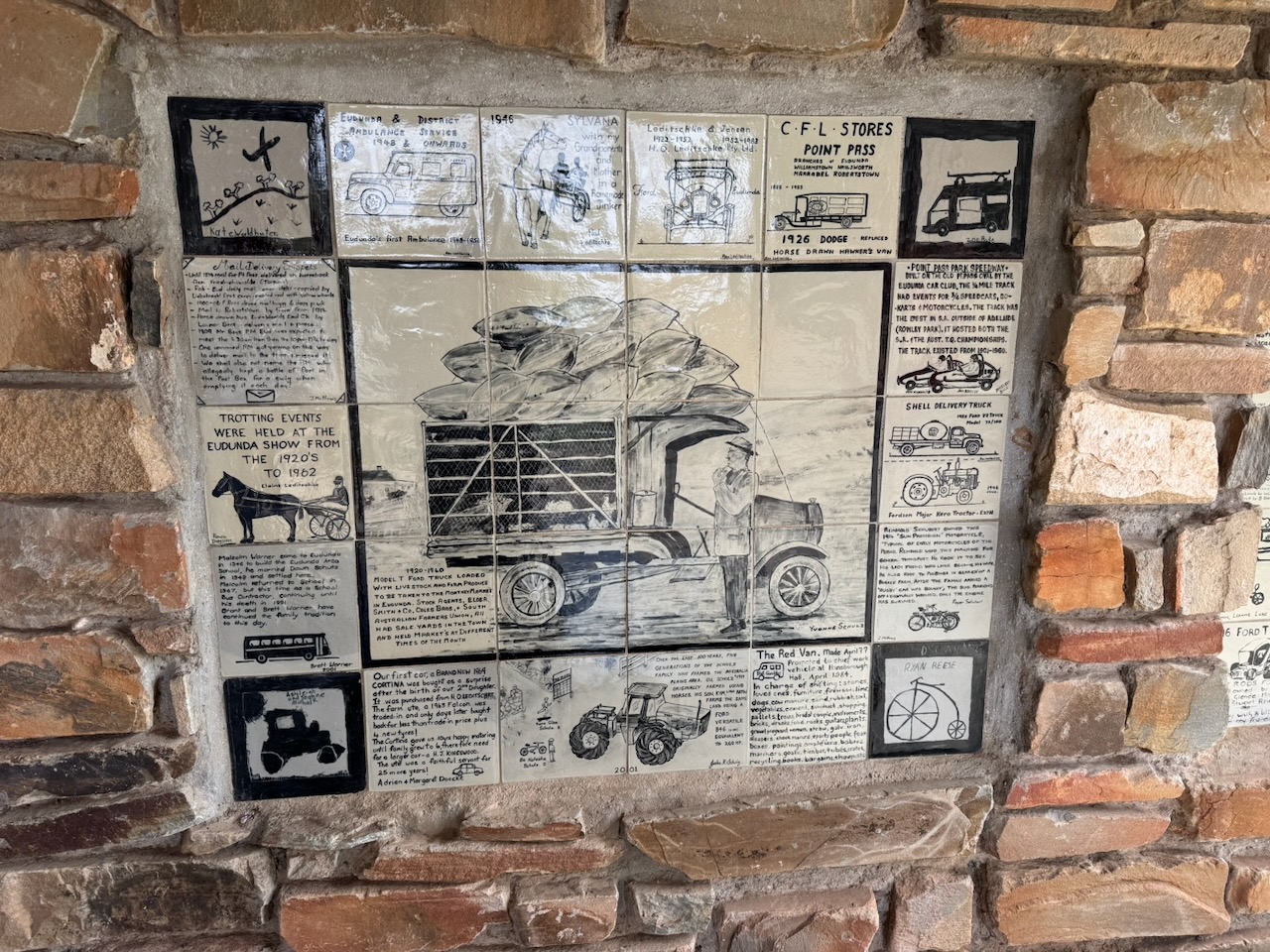
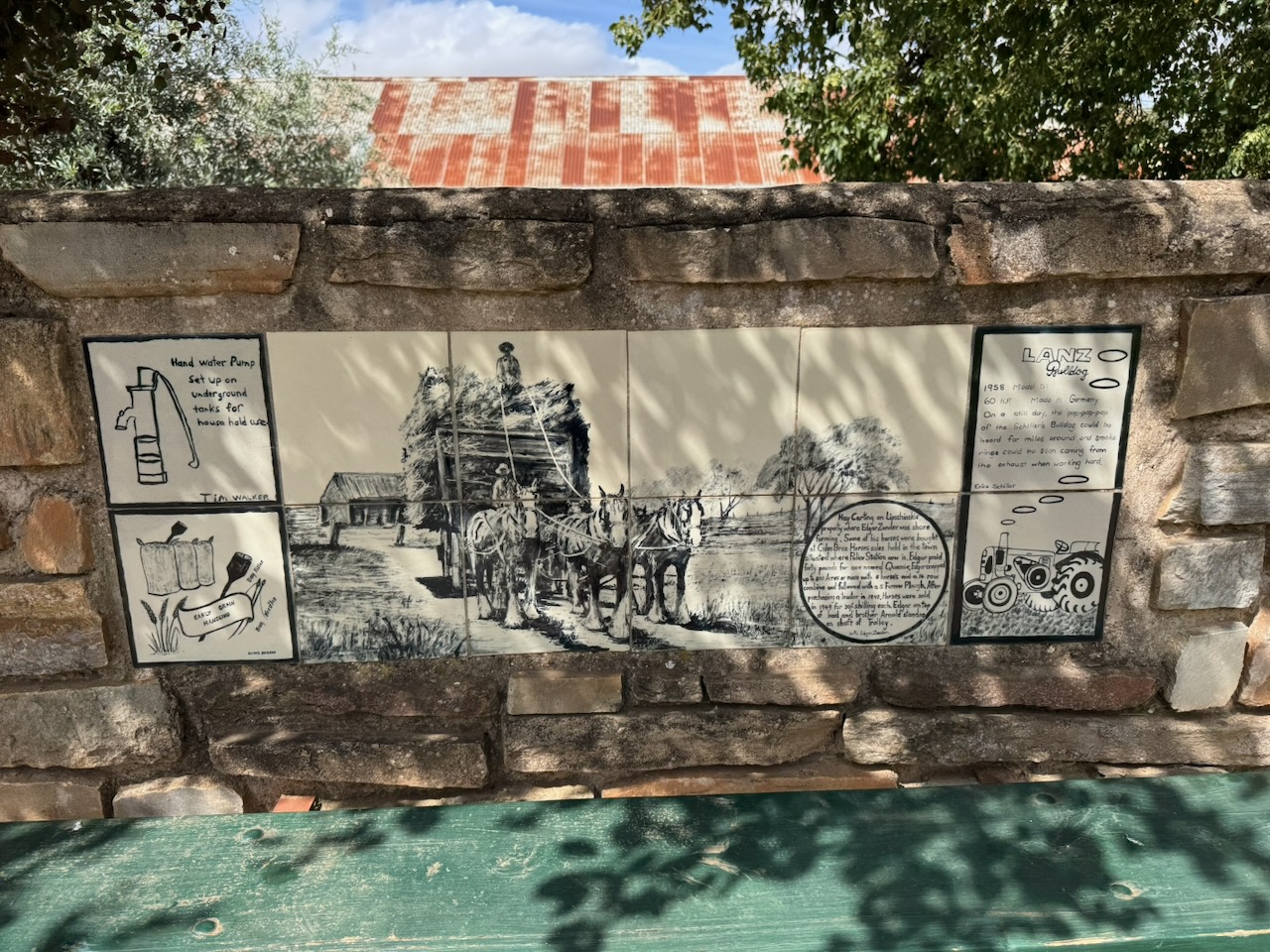
Another feature of the gardens is the shelter and walls with tiles that tell the story of Eudunda’s transport history.
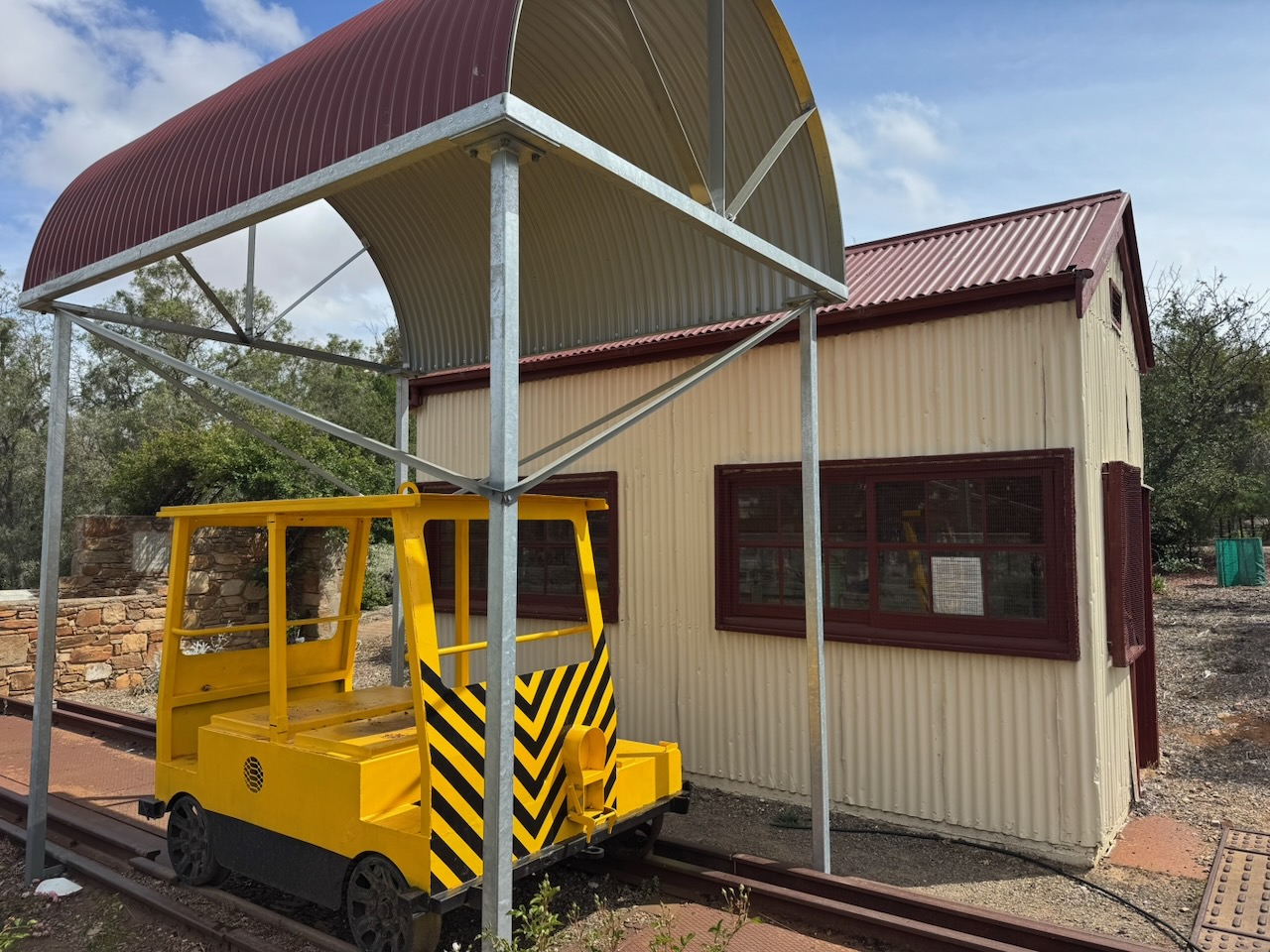
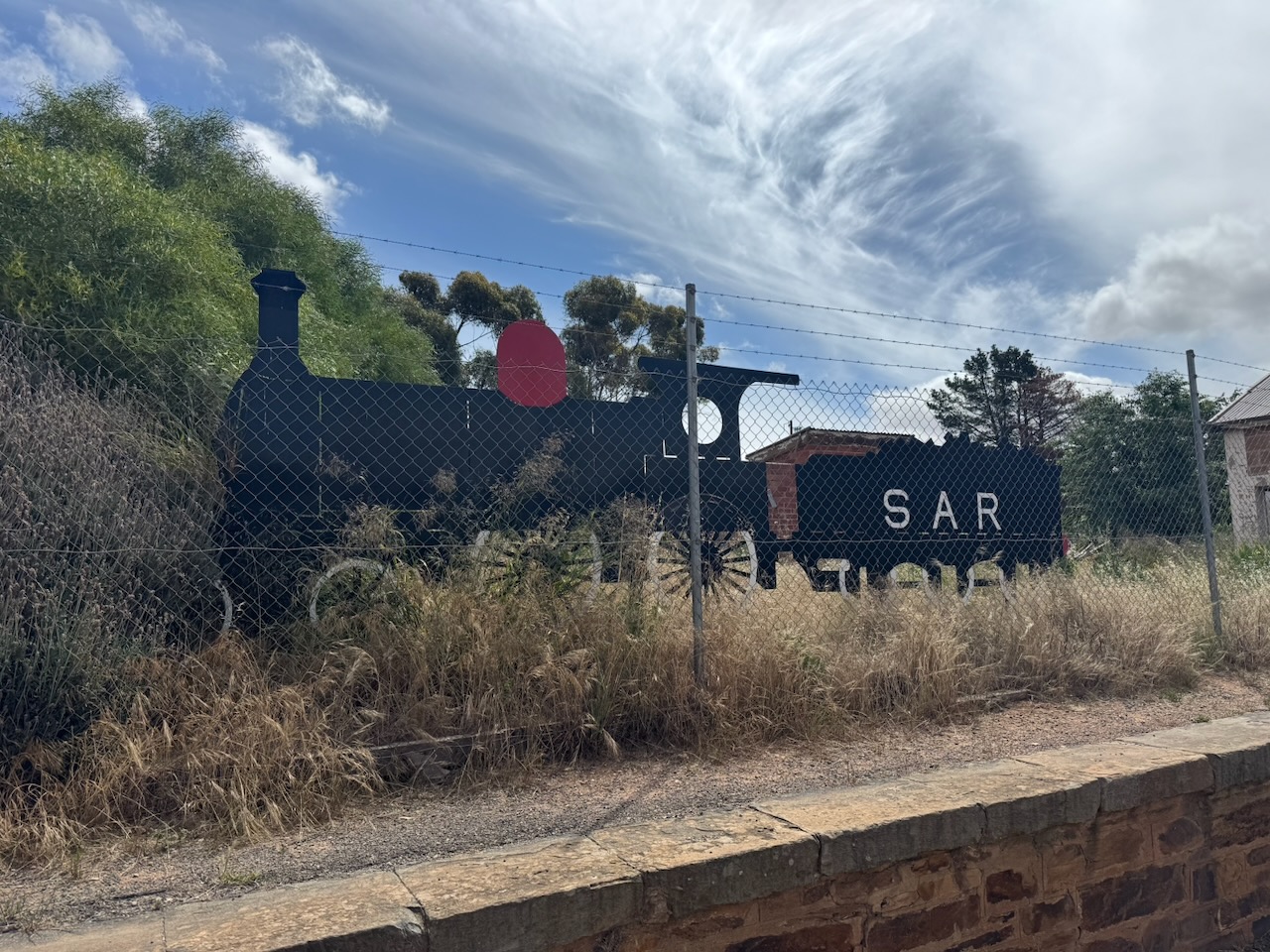
You can also find a piece of Eudunda’s railway history.
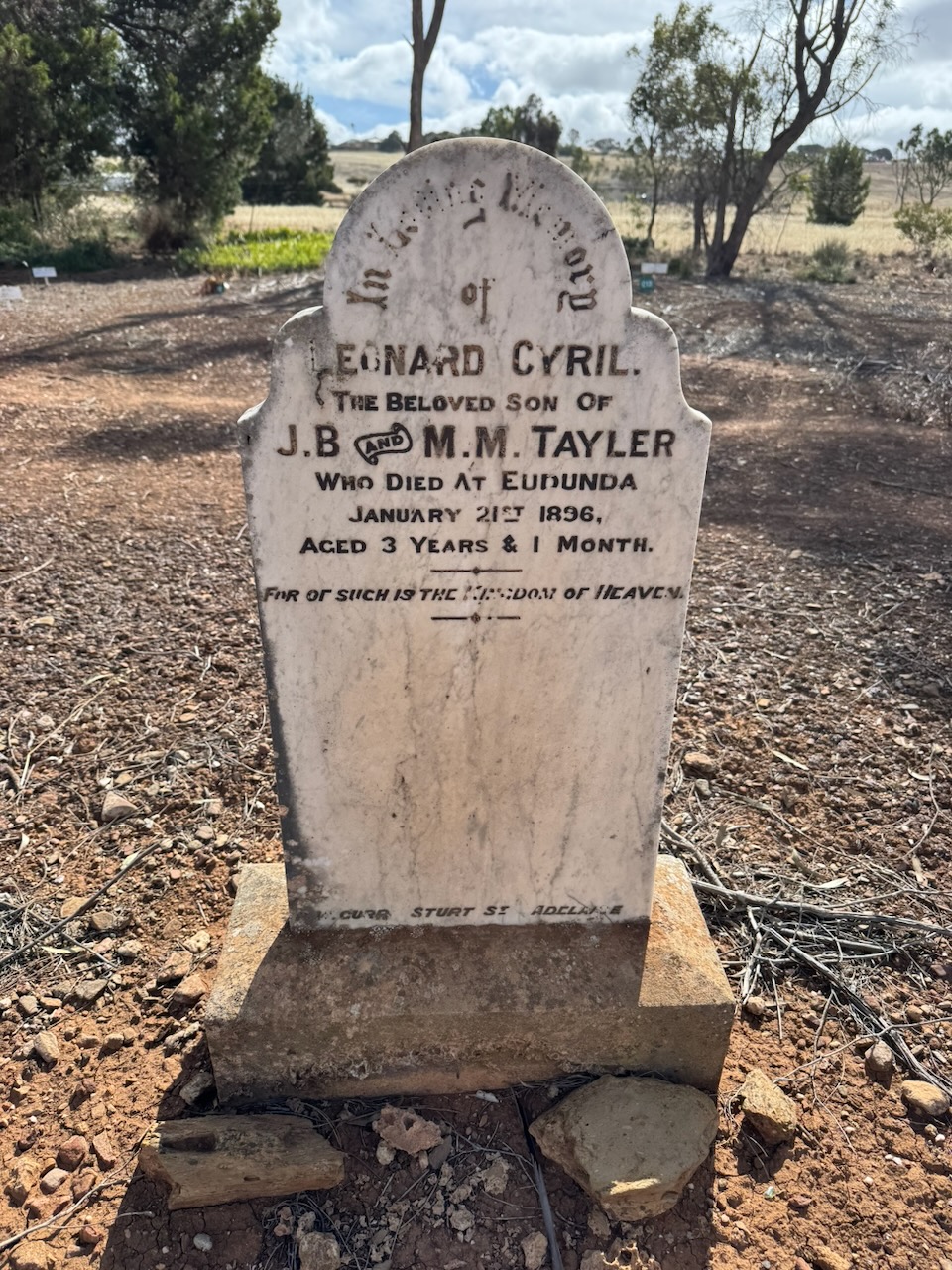
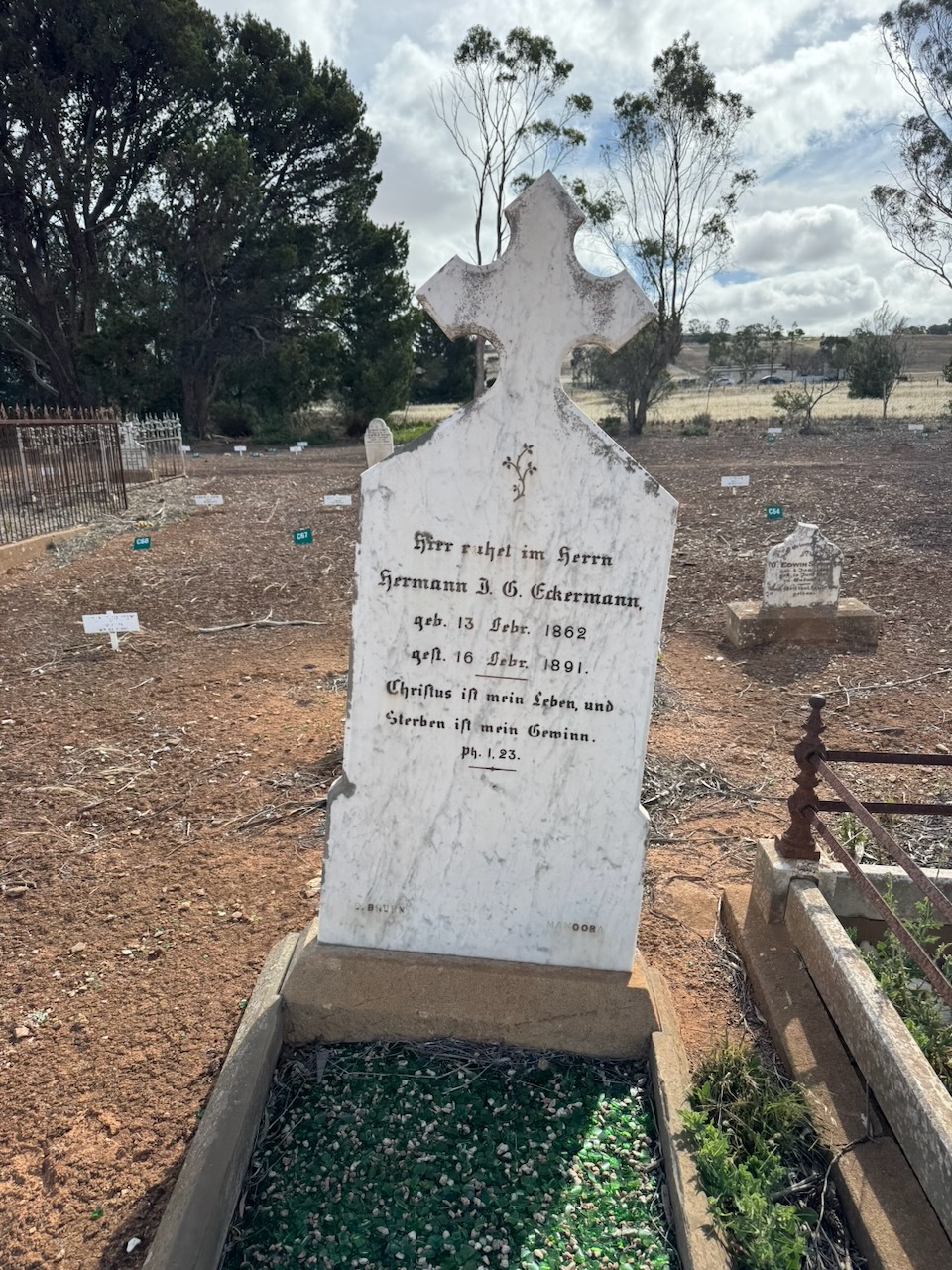
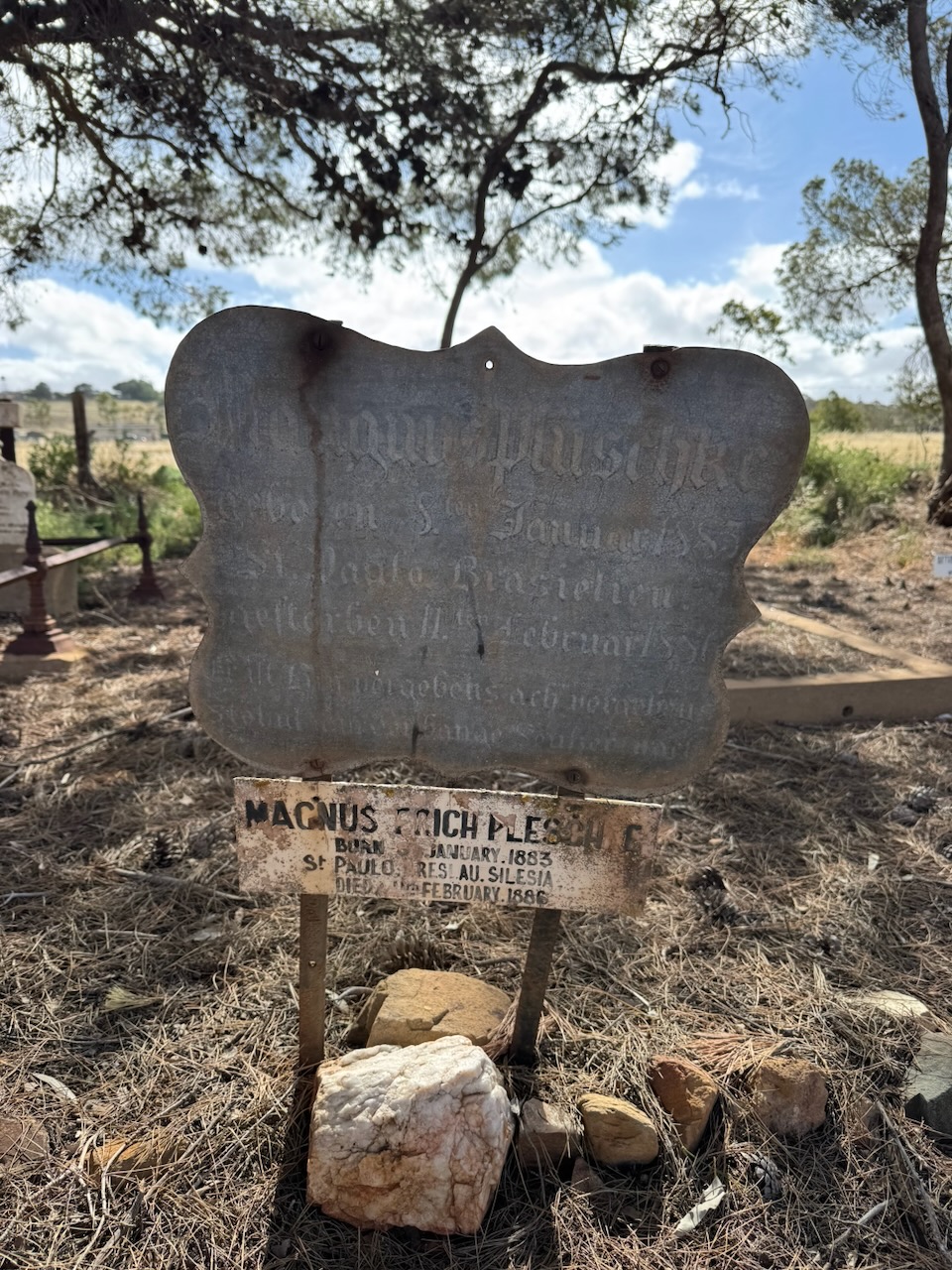
Marija and I also visited the Eudunda Cemetery. We were expecting to find more historical headstones than we found, so we were a little disappointed.
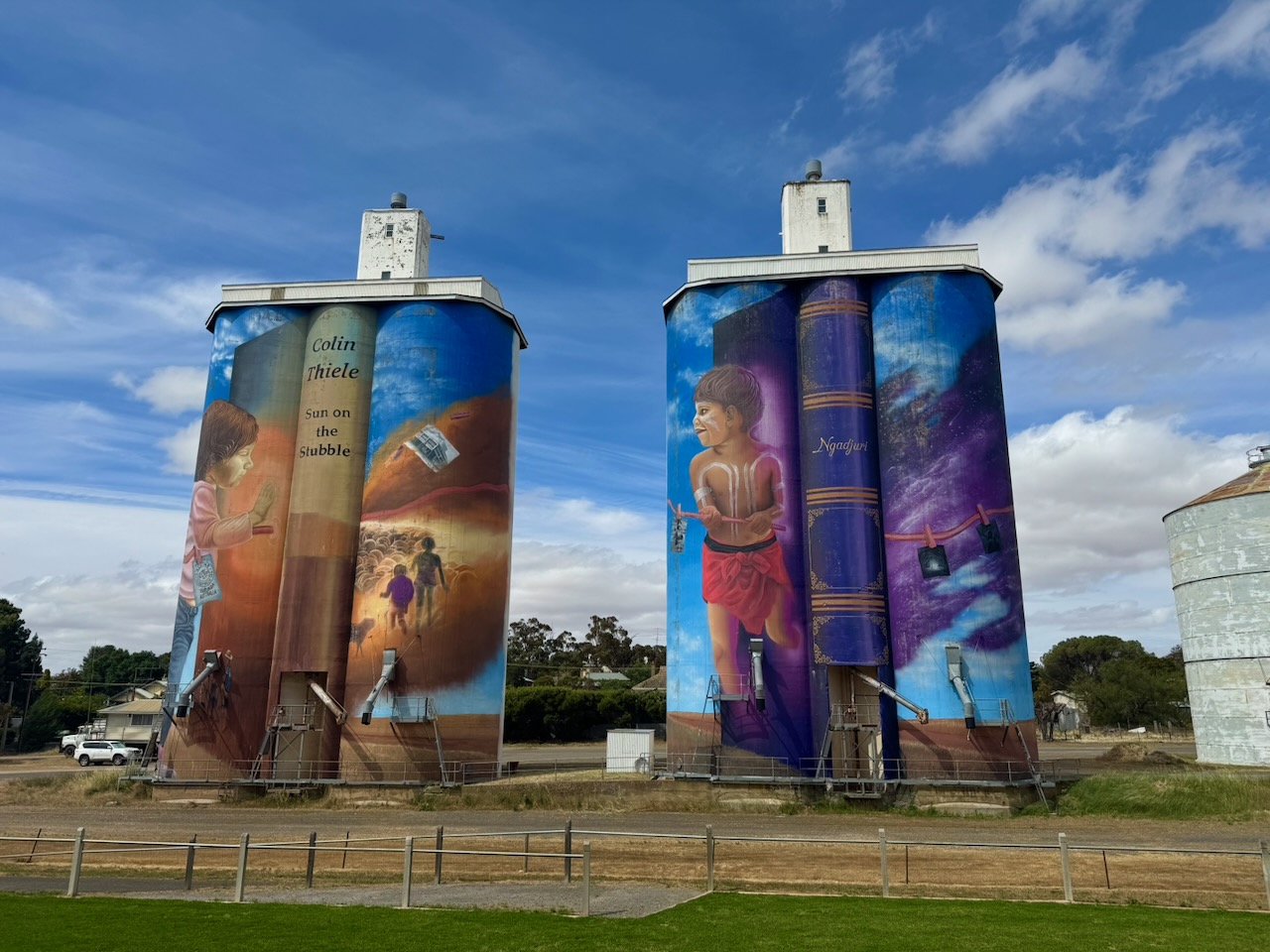
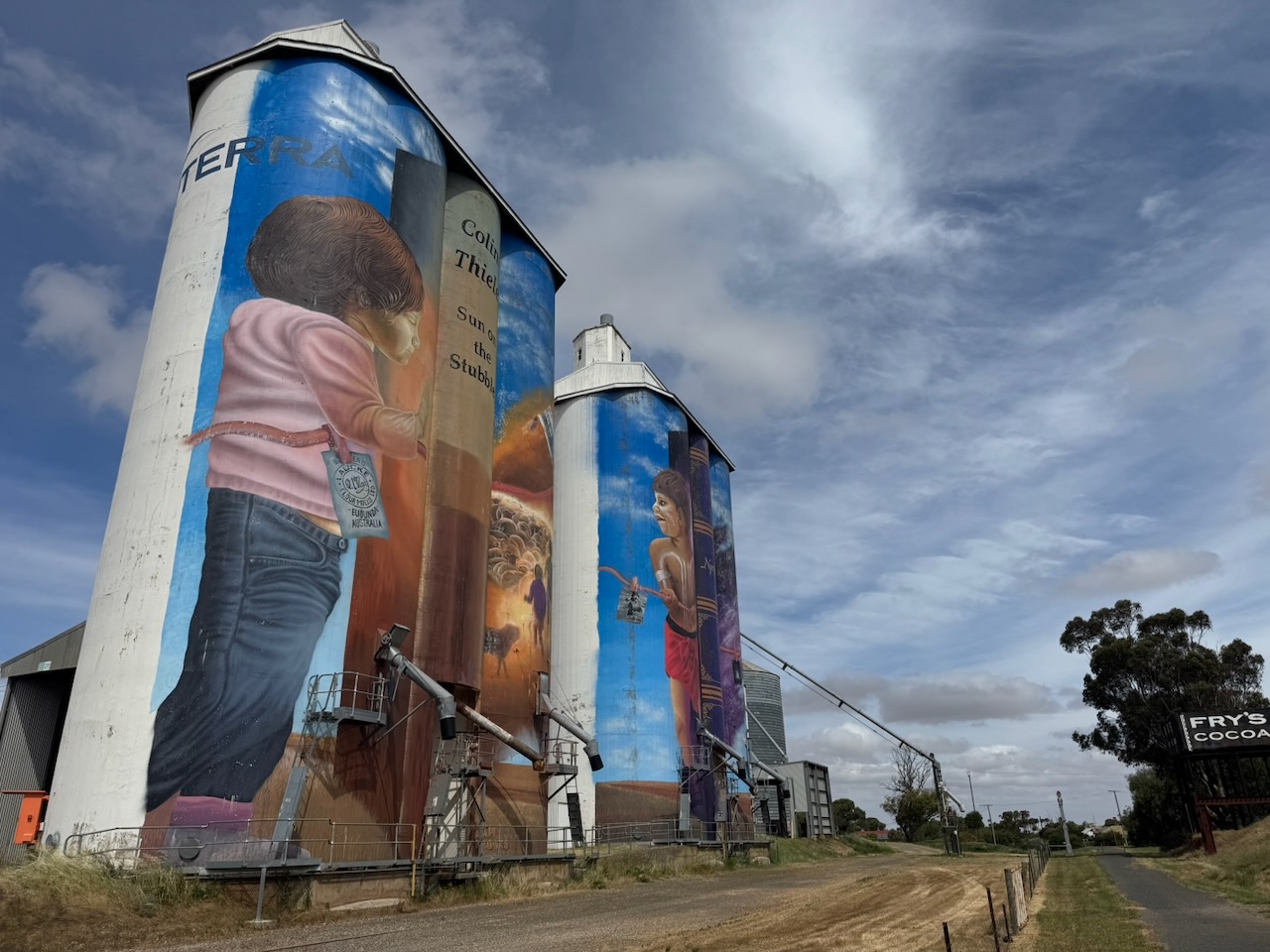
The Eudunda silos are part of the Australian Silo Art Trail. The art is the work of Sam Brooks and was completed in 2021. The artwork features two children and Colin Thiel’s novel, The Sun on the Stubble. (www.australiansiloarttrail.com, n.d.)
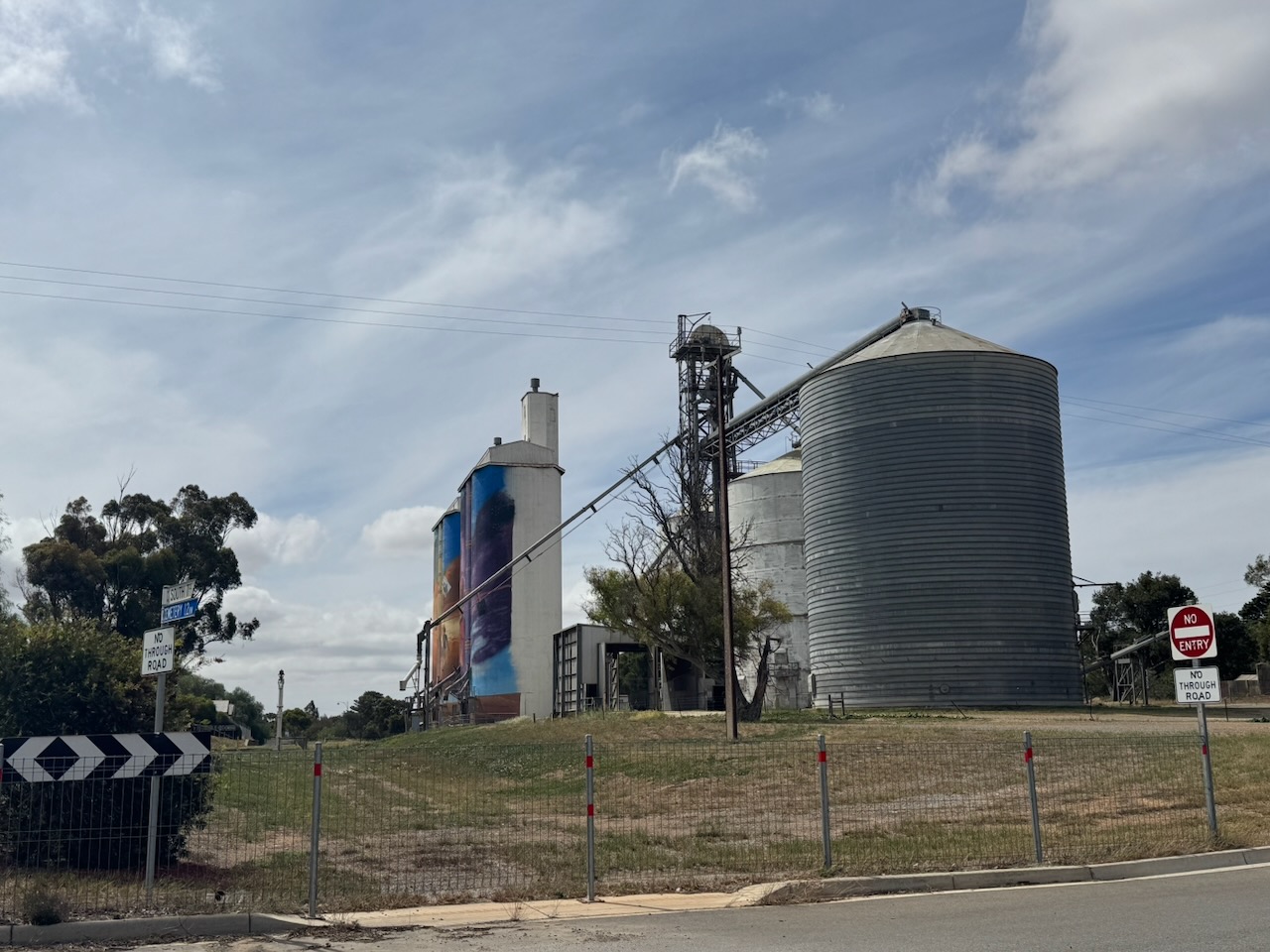
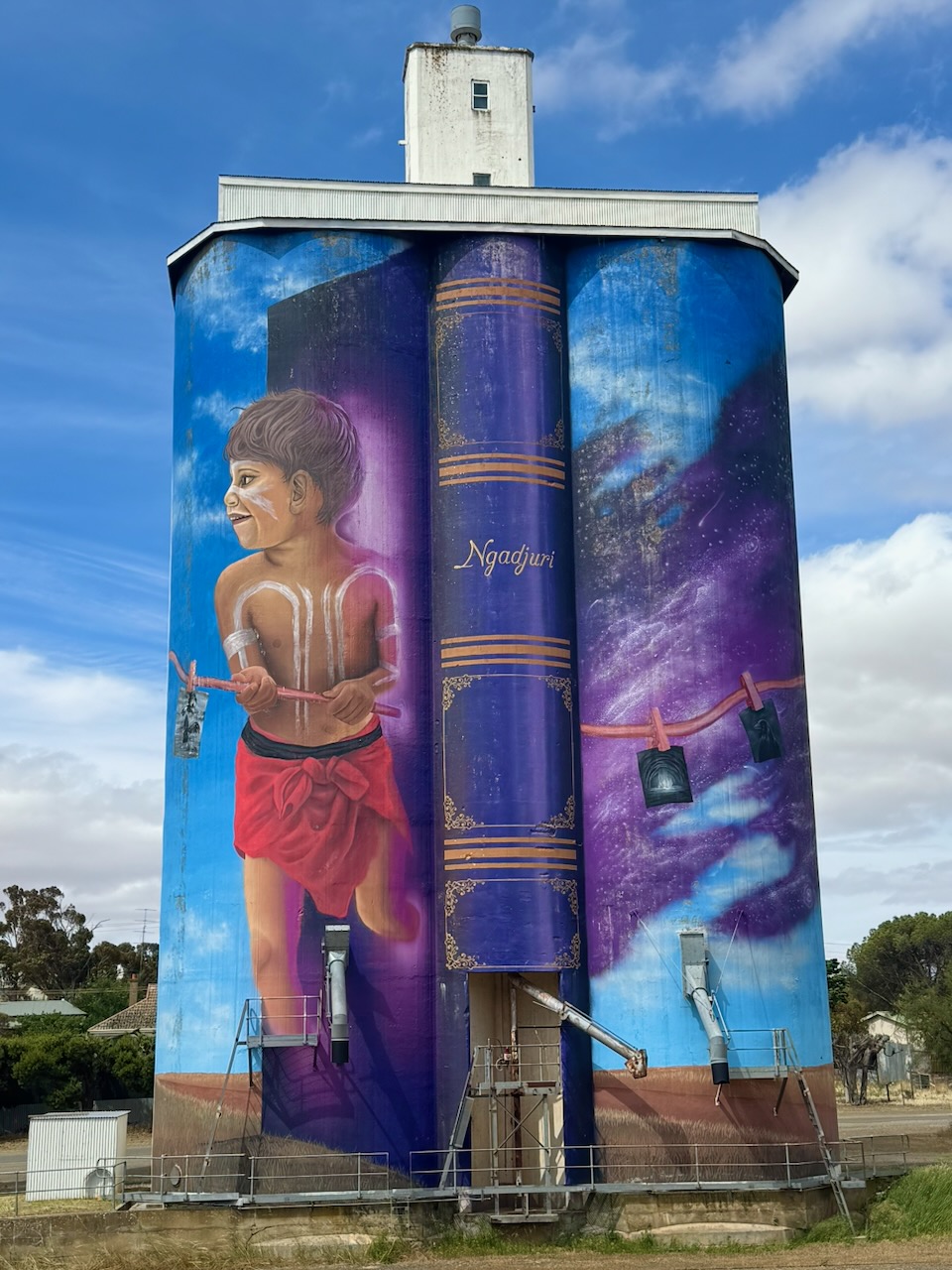
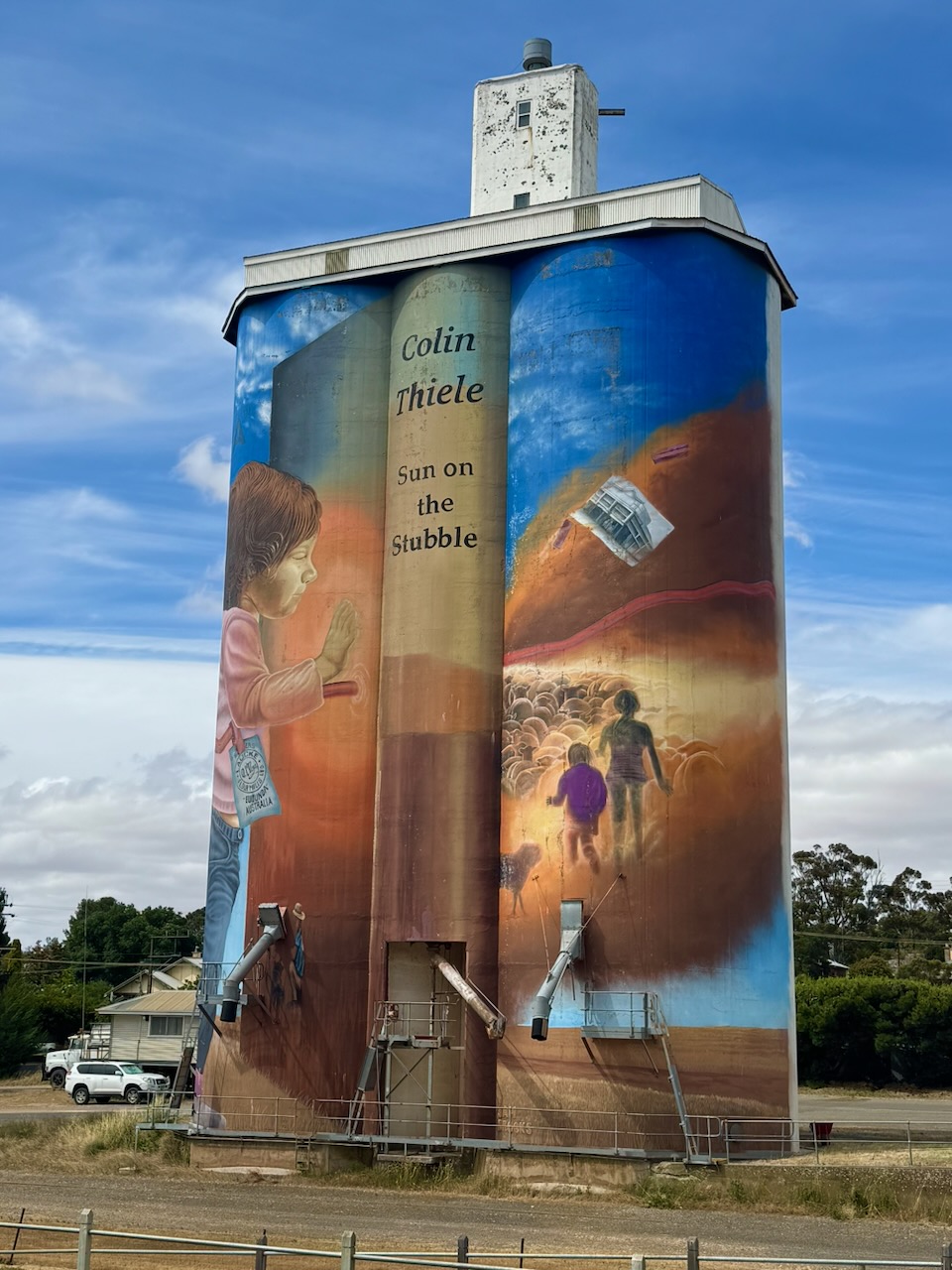
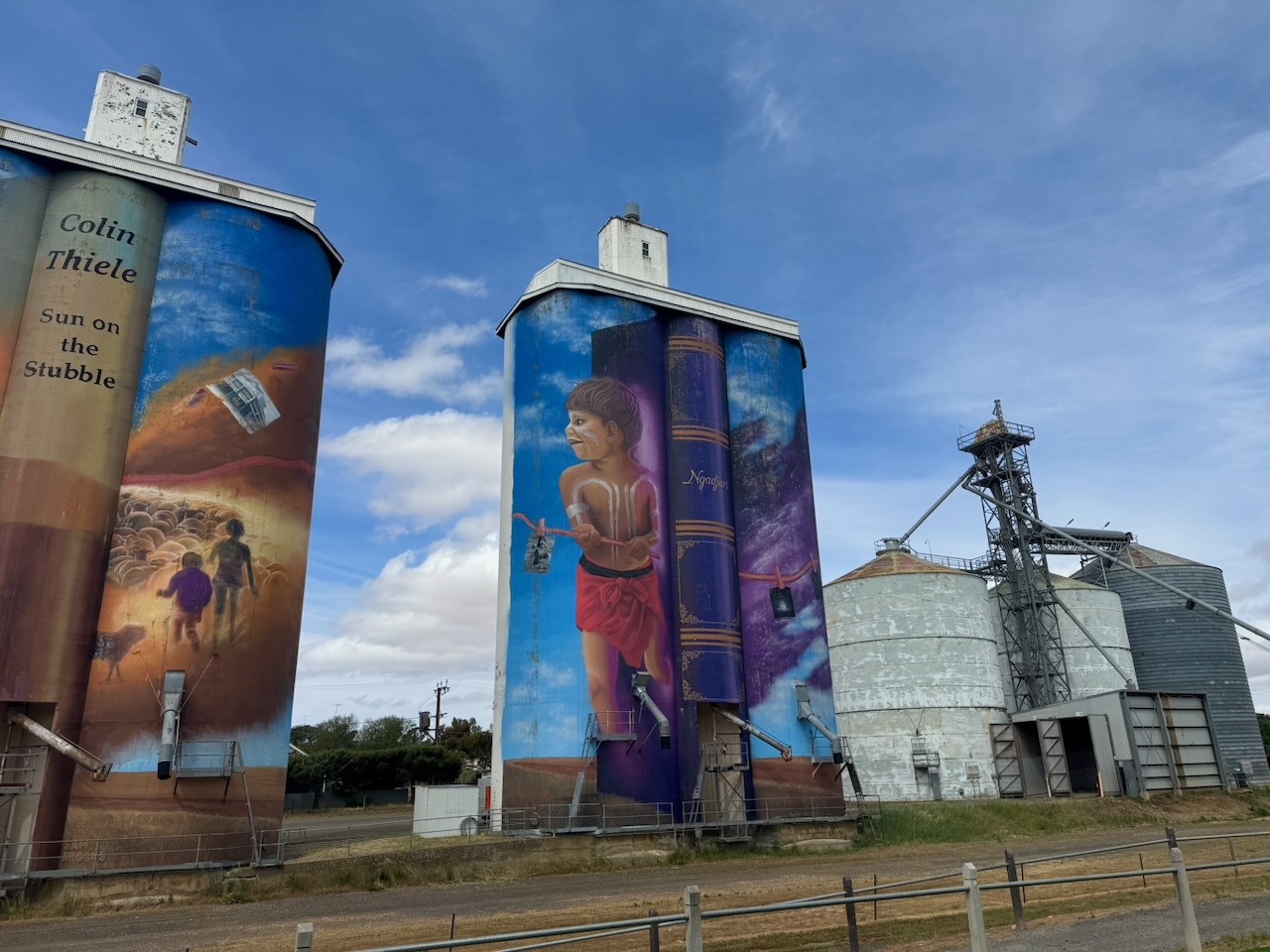
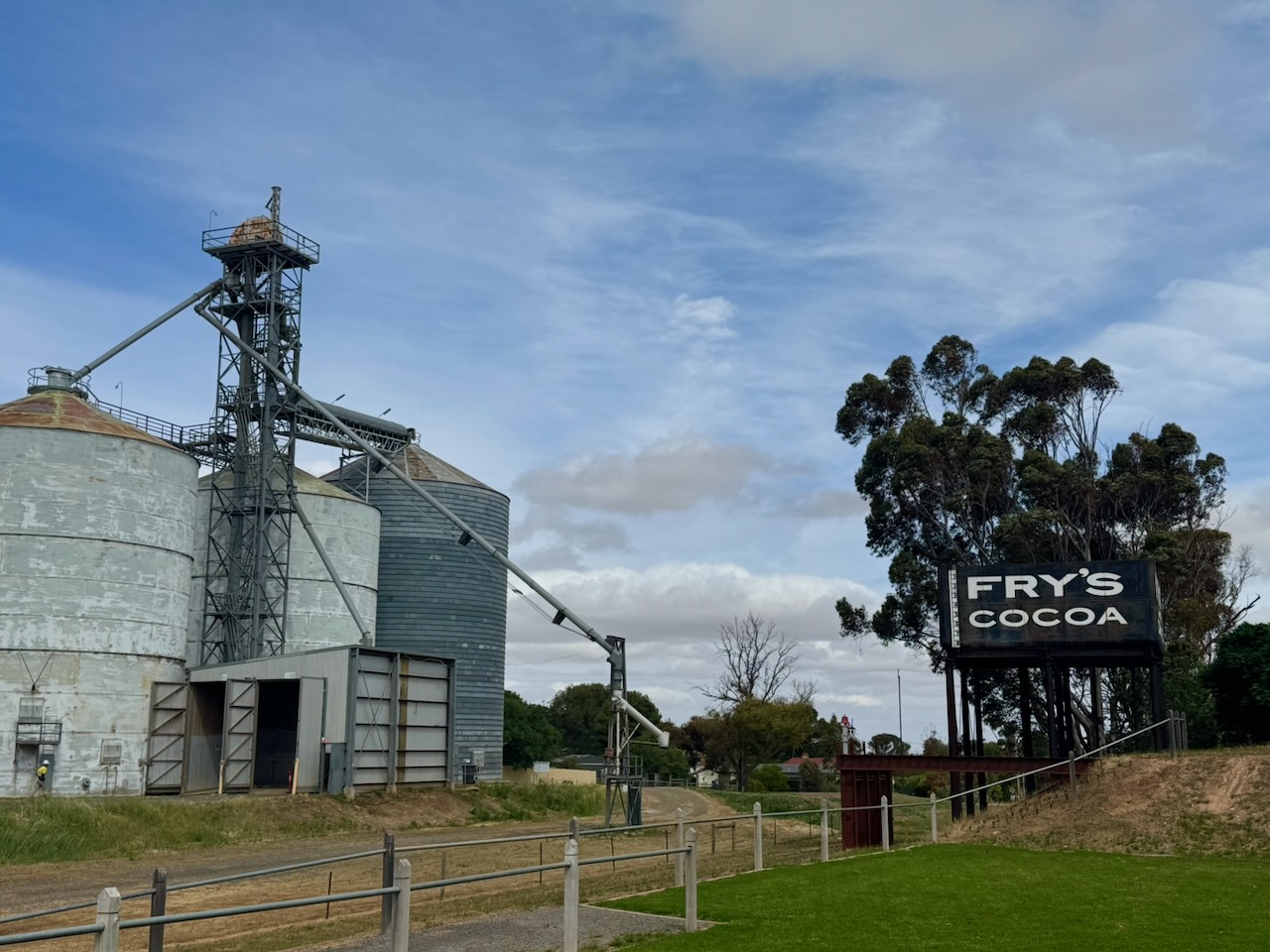
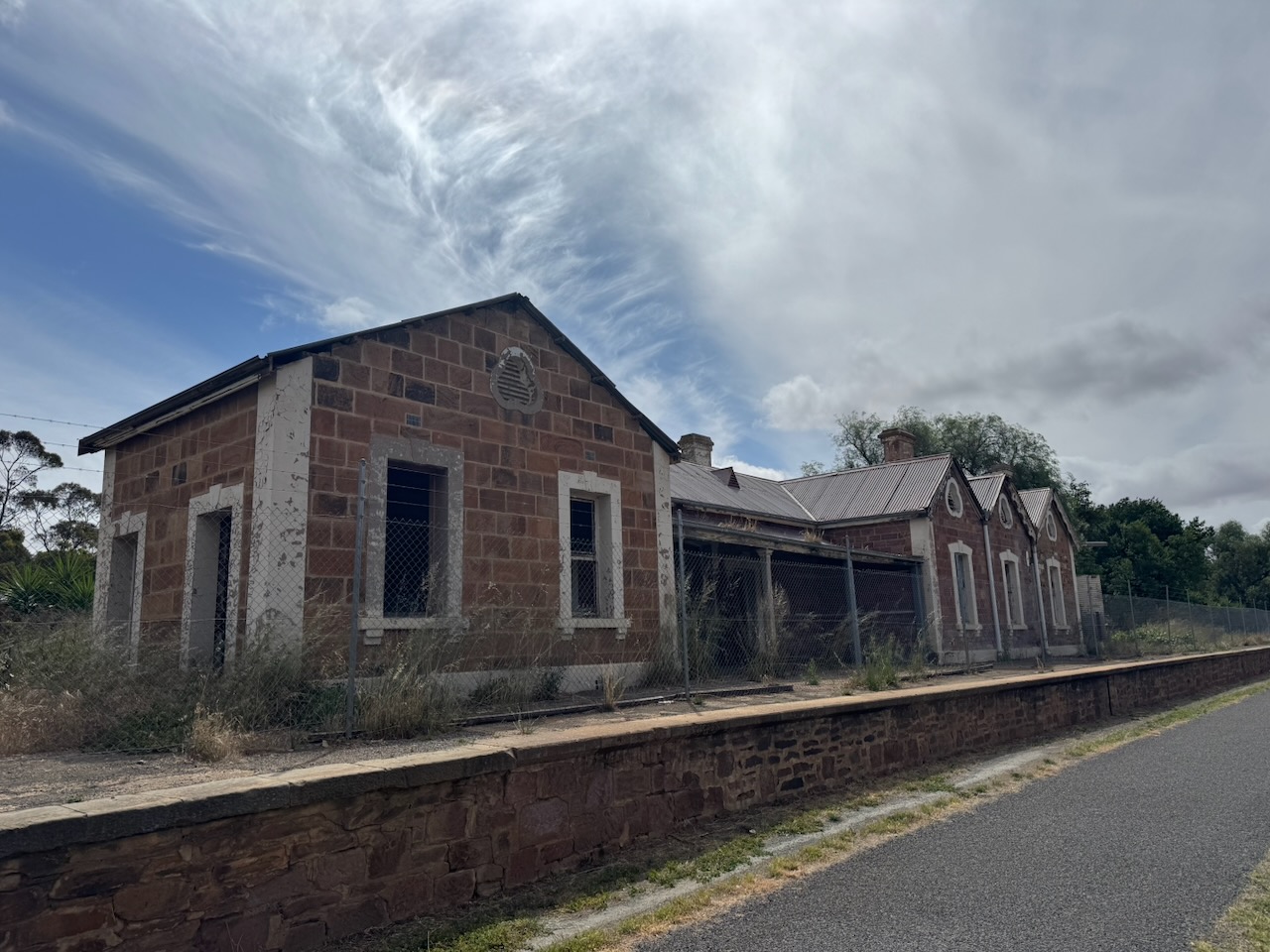
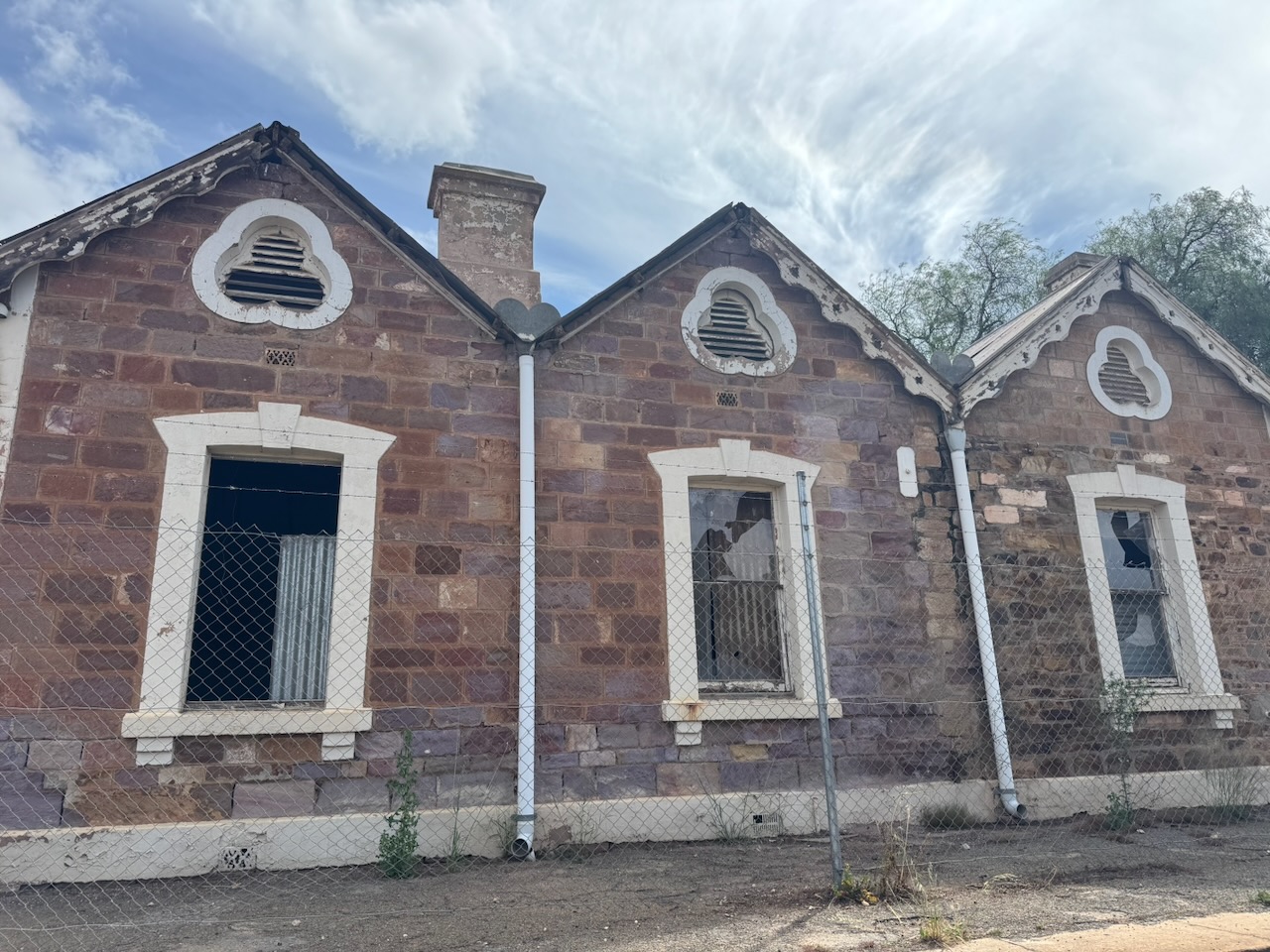
Adjacent to the silos is the historic Eudunda Railway Station, which, sadly, is in a very bad state. The station lies at the junction of the former Morgan railway line and the Robertstown railway line. The station was opened on the 23rd day of September 1878. The station closed for regular passenger traffic in December 1968. The last passenger train to visit the station was in May 1989, with a special train on a tour to Robertstown. (Wikipedia 2026)
Marija and I parked alongside the silos and operated from the 4WD, running the Icom IC7000, 100 watts, and the Codan 930 antenna with the 1.5 metre stainless steel whip.
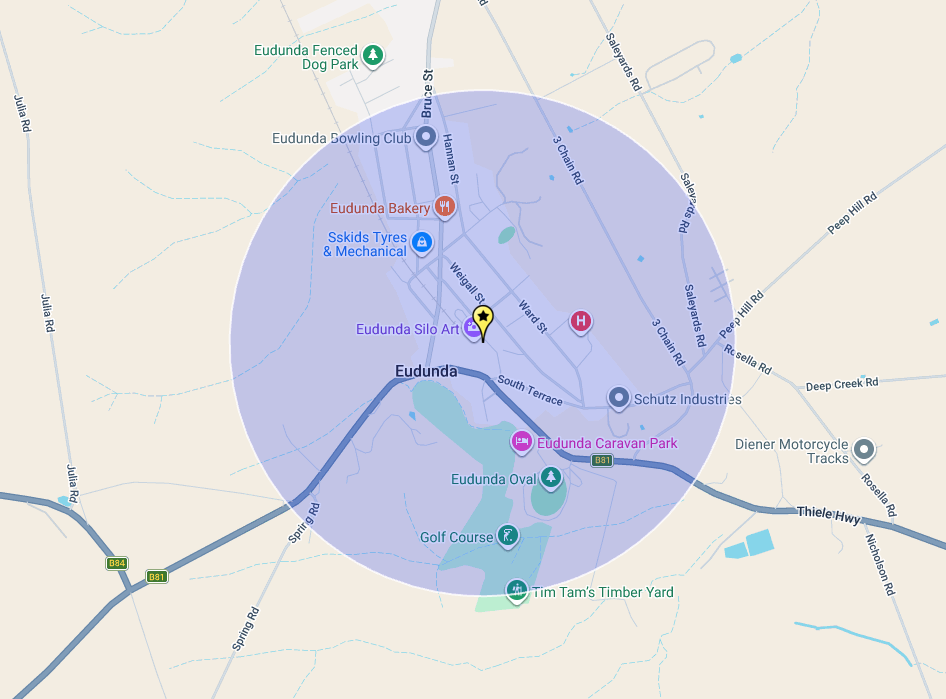
Above: the activation zone at the Eudunda silo. Image c/o SiOTA website
Marija worked the following stations on 40m SSB:-
- VK3JG
- VK3WSG
- VK2DA
- VK5FANA
- VK5LA
- VK5KAW
I worked the following stations on 40m SSB:-
- VK3JG
- VK3WSG
- VK2DA
- VK5FANA
- VK5LA
- VK5KAW
- VK3COE
- VK5TN
- VK5DMO
I worked the following sttaions on 20m SSB:-
- VK1AO
- VK2MET
- VK2VW
- VK2HFI
- VK2AKA
- VK2BUG
- VK4SMA
- VK6DEV
References.
- Torrensislandinternmentcamp.com.au. (2026). A FUTURE UNLIVED. A history of the internment of German Enemy Aliens on Torrens Island. [online] Available at: https://torrensislandinternmentcamp.com.au/sources60.html [Accessed 24 Apr. 2026].
- Trove. (2026). Kapunda Herald (SA : 1878 – 1951) – 12 Feb 1915 – p3. [online] Available at: https://trove.nla.gov.au/newspaper/page/10560821?searchTerm=citizens%20forces%20eudunda [Accessed 24 Apr. 2026].
- Trove. (2026). The Register (Adelaide, SA : 1901 – 1929) – 15 Jan 1915 – p5. [online] Available at: https://trove.nla.gov.au/newspaper/page/4517764?searchTerm=lutheran%20pastor%20arrested [Accessed 24 Apr. 2026].
- Wikipedia Contributors (2025). Eudunda. Wikipedia.
- Wikipedia Contributors (2026). Hermann Homburg. Wikipedia.
- Wikipedia. (2020). Australian Army Reserve. [online] Available at: https://en.wikipedia.org/wiki/Australian_Army_Reserve. [Accessed 24 Apr. 2026]
- Wikipedia Contributors (2026). Frederick Dutton (Australian politician). Wikipedia.
- Wikipedia Contributors (2026). Colin Thiele. Wikipedia.
- http://www.australiansiloarttrail.com. (n.d.). Eudunda Silo Art. [online] Available at: https://www.australiansiloarttrail.com/eudunda. [Accessed 24 Apr 2026]
- Wikipedia Contributors (2026). Eudunda railway station. Wikipedia.

